
Hong Kong tourist attractions
Known for
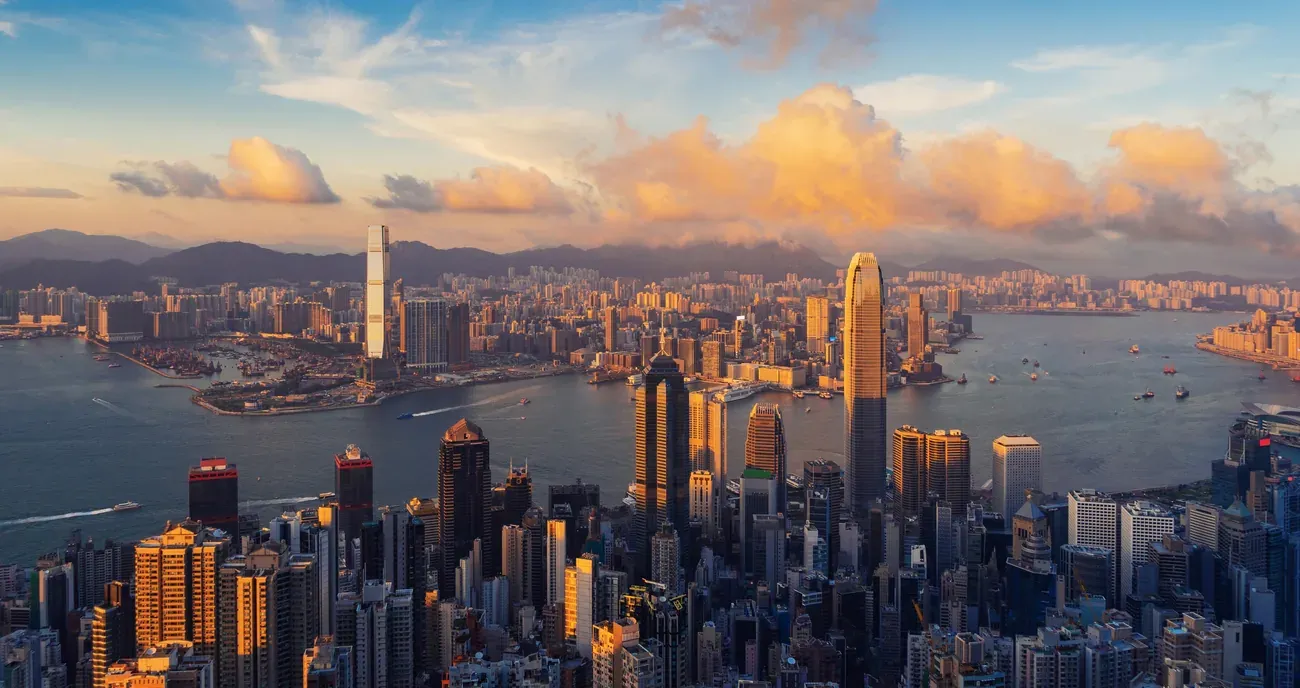
Skyscraper skyline over Victoria Harbour and Cantonese street food
Must-see landmarks
Victoria Peak, Victoria Harbour, the Star Ferry and Tian Tan Buddha
Best time to visit
October to December, after the summer typhoon season
Days needed
3 to 4 full days
12 must-see tourist attractions in Hong Kong
For a first visit, the tourist attractions in Hong Kong come down to Victoria Peak, Victoria Harbour, The Star Ferry and 9 more sights ranked below, plus free things to do and visitor FAQs.
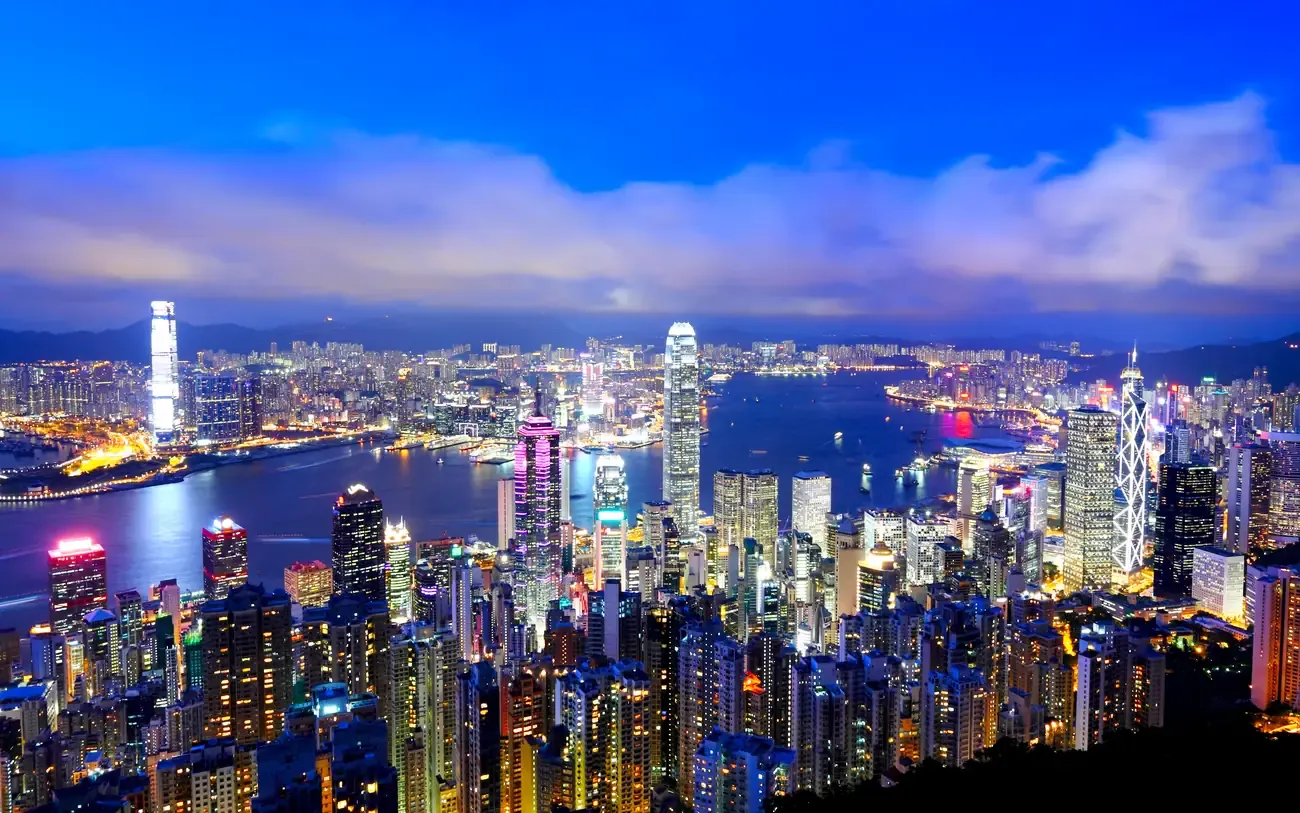
1. Victoria Peak
Victoria Peak rises above the north shore of Hong Kong Island, and the Peak Tram has hauled passengers up its slope since 1888 as Asia's first funicular railway. The climb tilts the towers of Central into a slanted wall, an effect the operator calls the Peak Tram illusion. At the top, the wok shaped Peak Tower gathers shops and restaurants, while Sky Terrace 428 stands 428 metres above sea level as the highest observation deck in the city. Walking trails ring the summit through subtropical woodland.
Location: above Central on Hong Kong Island, with the Peak Tram lower terminus on Garden Road.
Access: Ticketed for the Peak Tram and for Sky Terrace 428. Buses and minibuses climb the hill separately, and the summit trails are open to walkers.
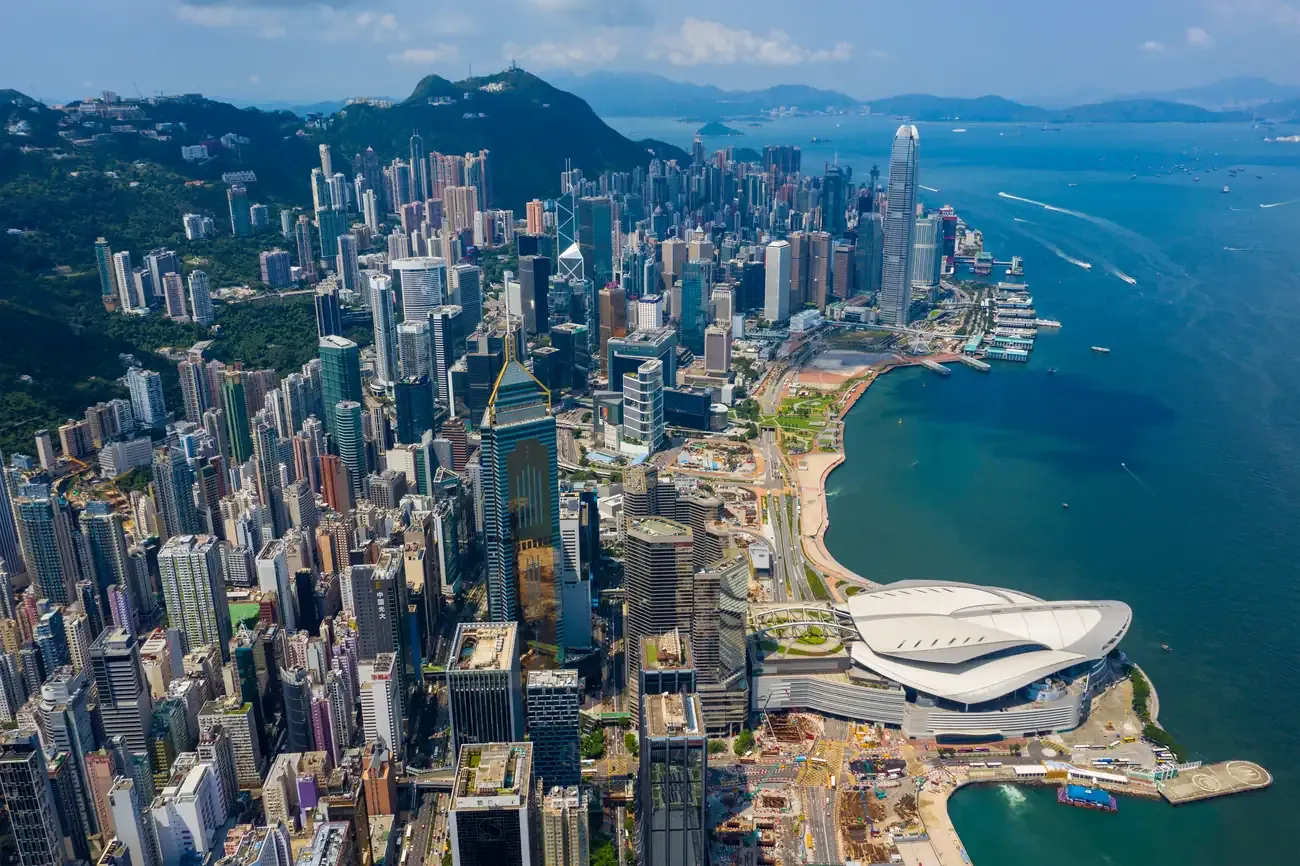
2. Victoria Harbour
The deep water channel between Hong Kong Island and the Kowloon peninsula is the reason the city grew where it did, and it still carries ferries, tugs, container traffic and the occasional red sailed junk between two walls of towers. Reclamation has narrowed it over the past century, pushing the shoreline out on both banks and leaving long promenades in its place. After dark, A Symphony of Lights sets beams and lit facades on buildings along both shores moving in time to music, staged every night at 8pm and watched from the waterfront on either side.
Location: between the north shore of Hong Kong Island and Tsim Sha Tsui in Kowloon.
Access: Free from the promenades on both banks. Ferry crossings and harbour cruises are ticketed separately.
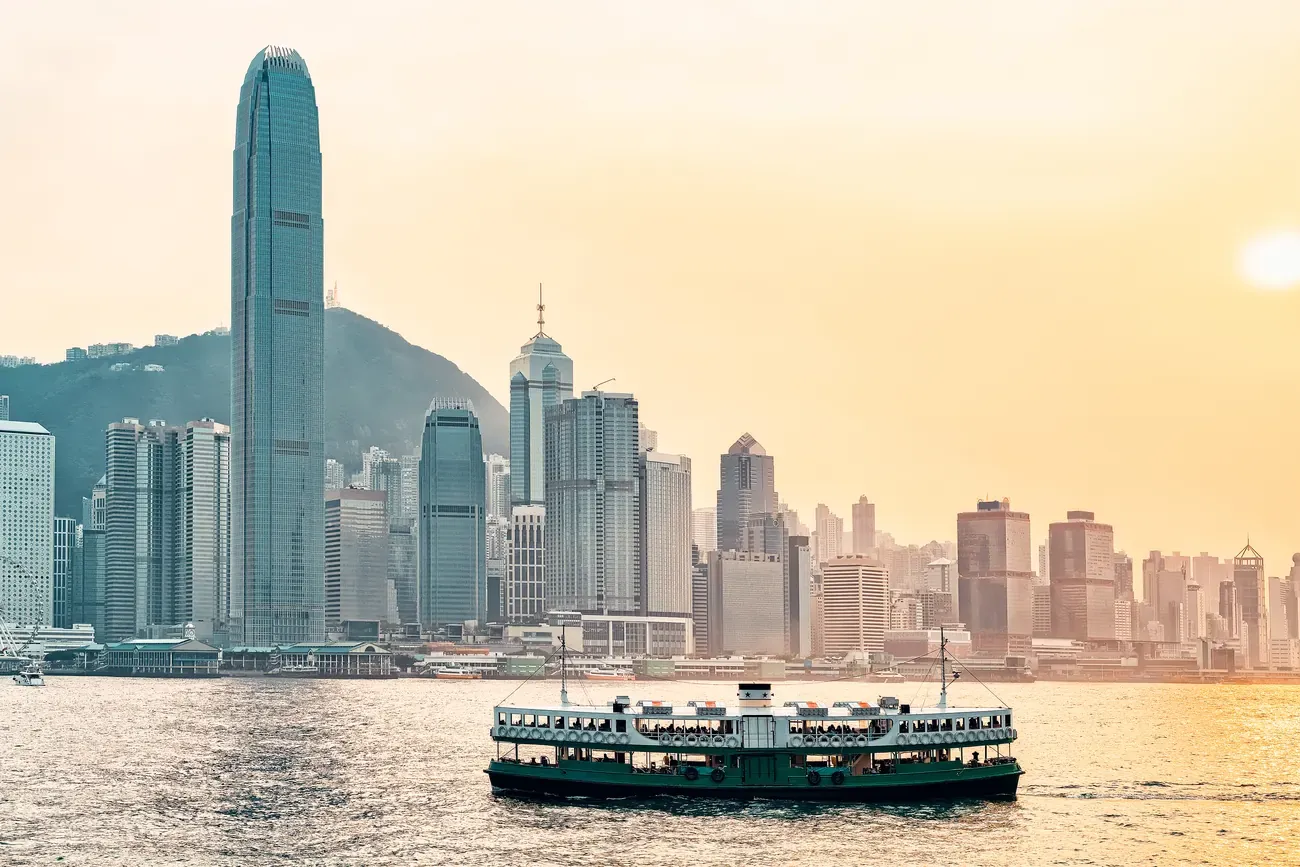
3. The Star Ferry
Green and white double ended ferries have worked the harbour since 1888, and the crossing is still a commuter service rather than a sightseeing add on. Two routes run today, Central to Tsim Sha Tsui and Wan Chai to Tsim Sha Tsui, each taking around ten minutes while the towers of both shores slide past the open sides of the upper deck. Sailings from Central start at 6:30am and finish at 11:30pm, every six to twelve minutes for most of the day. National Geographic Traveler once listed the ride among fifty places of a lifetime.
Location: piers at Central, Wan Chai and Tsim Sha Tsui.
Access: Ticketed, with the fare paid by Octopus card or token at the pier turnstile.
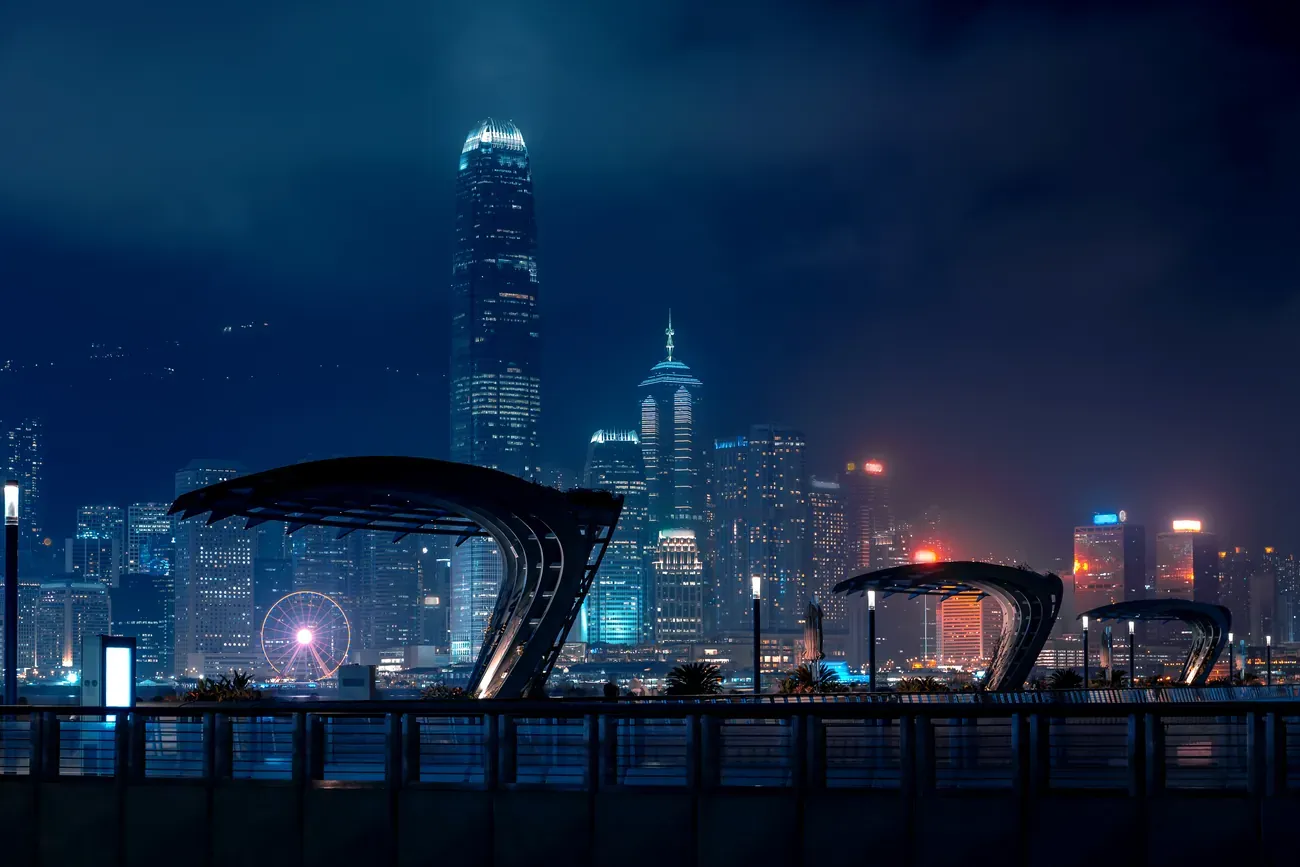
4. Avenue of Stars
A waterfront promenade of about 400 metres runs along the Tsim Sha Tsui shore, tracing the harbour with plaques and handprints honouring the Hong Kong film industry. A redesign by the landscape architect James Corner reopened it in 2019, setting more than a hundred celebrity handprints into wooden handrails, each paired with a code that pulls up biographies and film clips. Statues of Bruce Lee, Anita Mui and the cartoon pig McDull stand along the walk, and the benches face straight across to the towers of Hong Kong Island.
Location: the Tsim Sha Tsui waterfront, between the Hong Kong Cultural Centre and K11 MUSEA.
Access: Free and open around the clock. Smoking is banned along the promenade and pets are welcome, as the venue rules set out.
5. Tian Tan Buddha
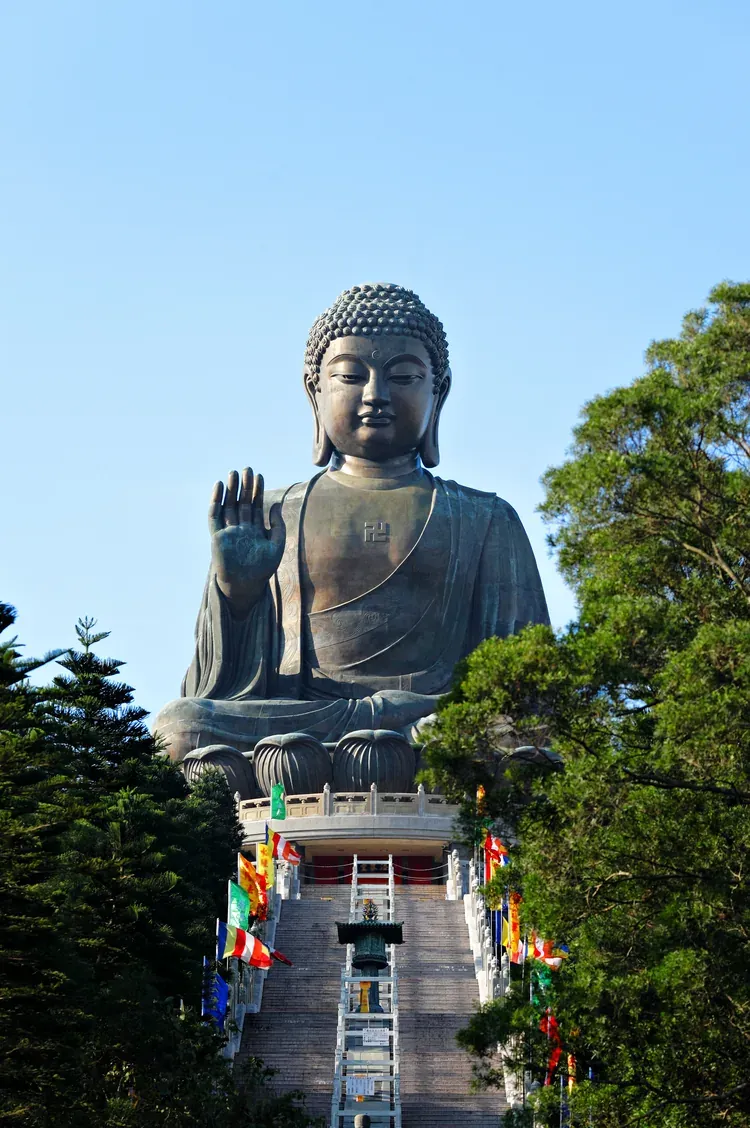
A seated bronze Buddha sits on the top of Mount Muk Yue, above Po Lin Monastery on Lantau Island, cast from 250 tonnes of bronze and modelled on Siddhartha at the moment of enlightenment. The figure measures 26.4 metres, or 34 metres counting the lotus throne and the base, and the Hong Kong government calls it the largest outdoor Buddha statue of its type in the world. It has faced north since it opened in 1993. A flight of 268 steps climbs to the platform, and a three storey exhibition hall inside the pedestal holds Buddhist relics.
Location: Ngong Ping, Lantau Island, on the hill above Po Lin Monastery.
Access: Ticketed for the Ngong Ping 360 cable car from Tung Chung, which runs from 10am to 6pm and opens earlier at weekends. Buses also reach Ngong Ping.
6. Ocean Park
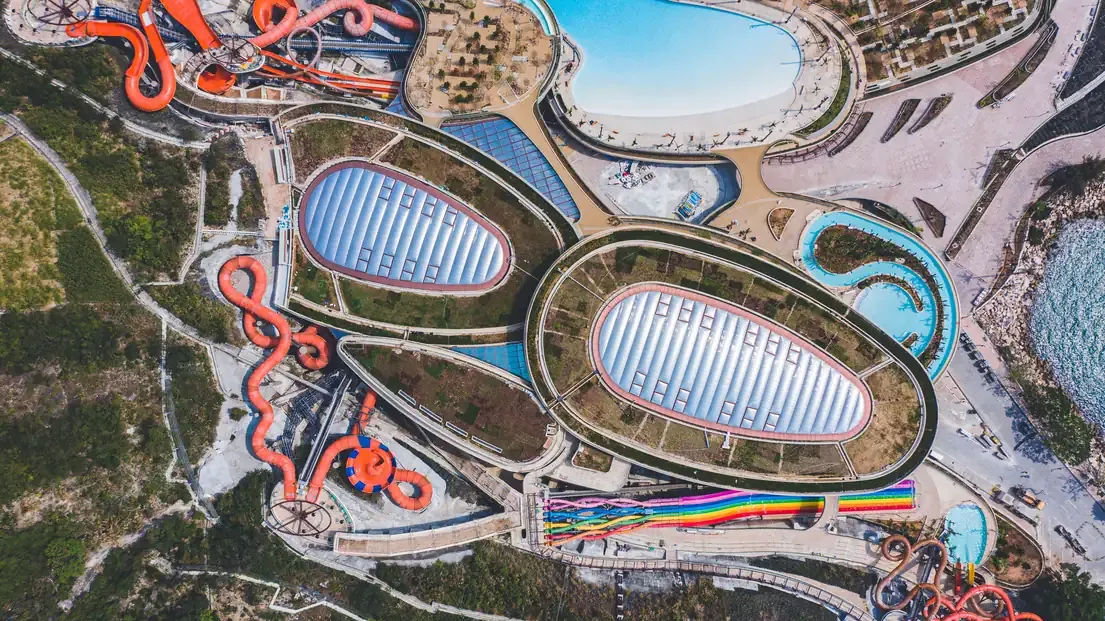
Hong Kong's own theme park opened in 1977 on the south side of the island and spreads over two levels of Brick Hill: the Waterfront, with the Grand Aquarium and the giant pandas, and the Summit, reached by a 1.5 kilometre cable car over the sea or by the Ocean Express funicular through the hill, where the roller coasters hang above the South China Sea. Six giant pandas live here, among them the twins born in the park in August 2024, the first ever in Hong Kong. Water World, an all-season water park, opened next door in 2021, and the MTR South Island line stops at the gates.
Opened: 1977 · Area: 91.5 hectares
Location: Wong Chuk Hang, Hong Kong Island, at Ocean Park station
Access: Ticketed; Water World needs its own ticket
7. Hong Kong Disneyland
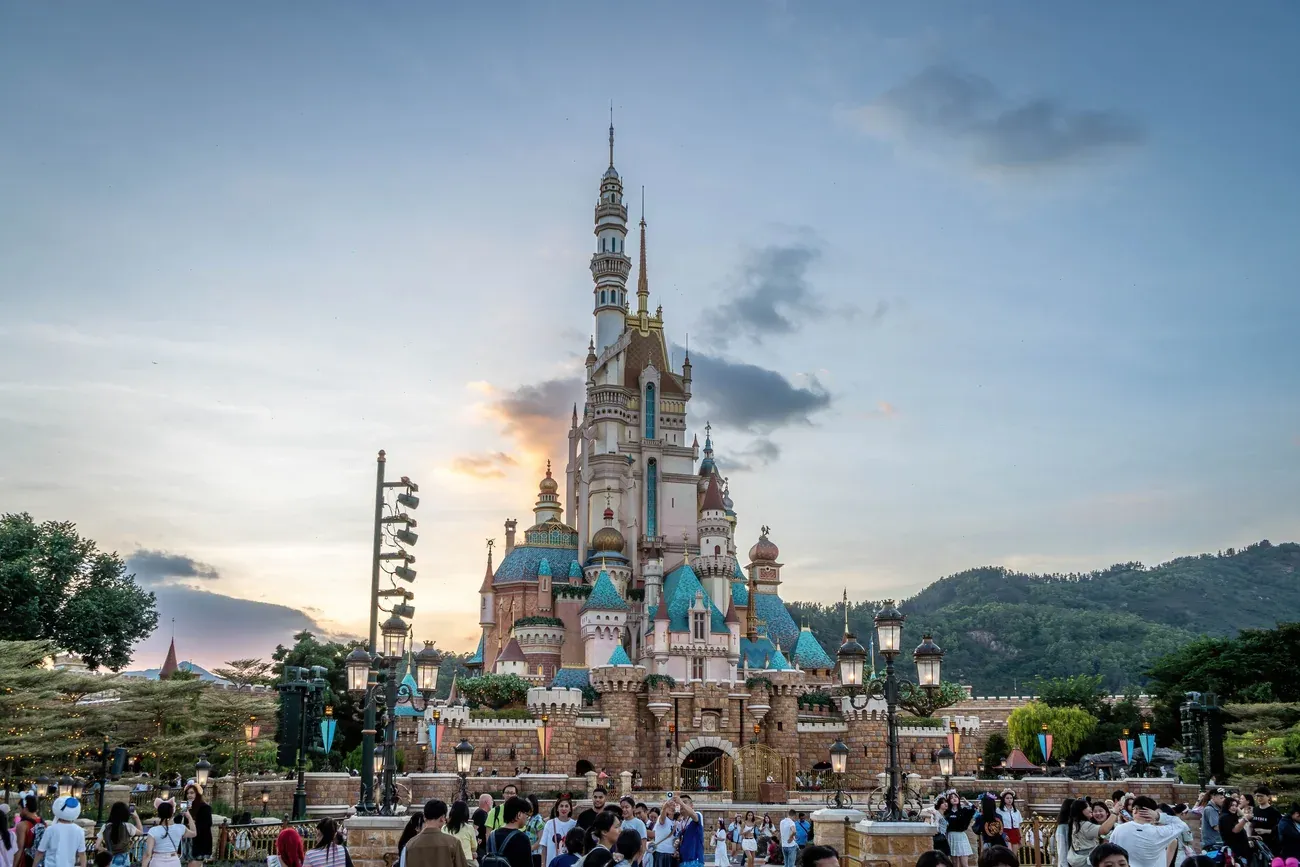
The Disney park of Hong Kong opened in September 2005 on reclaimed land at Penny's Bay on Lantau Island and has grown to eight lands. Three of them exist nowhere else: Grizzly Gulch with its runaway mine train, Mystic Point and its haunted manor, and World of Frozen, opened in 2023 as the first land built around Arendelle, with a boat ride through the film and a sleigh coaster. The Castle of Magical Dreams replaced the original Sleeping Beauty Castle in 2020. The Disneyland Resort line, a shuttle train with Mickey shaped windows, runs from Sunny Bay station on the Tung Chung line.
Opened: 2005 · Lands: 8
Location: Penny's Bay, Lantau Island, at Disneyland Resort station
Access: Ticketed; one and two day tickets
8. Wong Tai Sin Temple
Sik Sik Yuen Wong Tai Sin Temple spreads over a terraced site at Chuk Yuen in Kowloon, at the foot of Lion Rock. Crowds of worshippers kneel before the red pillared main hall shaking bamboo chim sticks until one drops out, and the shrine draws Taoist, Buddhist and Confucian devotion alike. Its buildings are laid out around the five elements of Chinese geomancy: the Bronze Pavilion stands for metal, the Scripture Hall for wood, the Yuk Yik Fountain for water, the Yue Heung Pavilion for fire and the Earth Wall for earth.
Location: 2 Chuk Yuen Village, Kowloon, three minutes on foot from exit B2 of Wong Tai Sin MTR station.
Access: Open daily from 7:30am to 4:30pm, with the Good Wish Garden opening at 8am.
9. Man Mo Temple
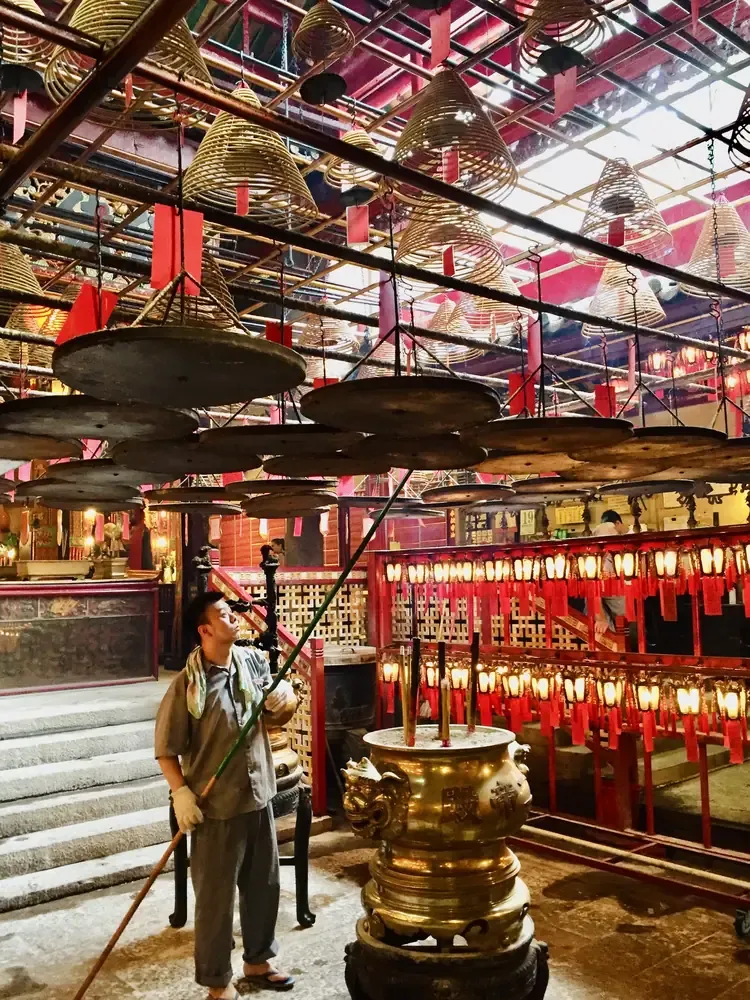
Three linked blocks stand behind one facade on Hollywood Road: Man Mo Temple itself, Lit Shing Kung and Kung Sor, built between 1847 and 1862. The temple honours the civil god of literature and the martial god Kwan Tai, and its hall was also where the Chinese community of early colonial Hong Kong argued out disputes the courts never heard. Coiled incense spirals hang in their hundreds from the roof beams above brass censers, thick enough to blur the far wall. The Antiquities Advisory Board graded the compound a Grade One historic building in 1994.
Location: 124 to 126 Hollywood Road, Sheung Wan.
Access: Free, open daily from 8am to 6pm and from 7am on the first and fifteenth of each month, as the Tung Wah Group of Hospitals lists.
10. Central-Mid-Levels Escalators
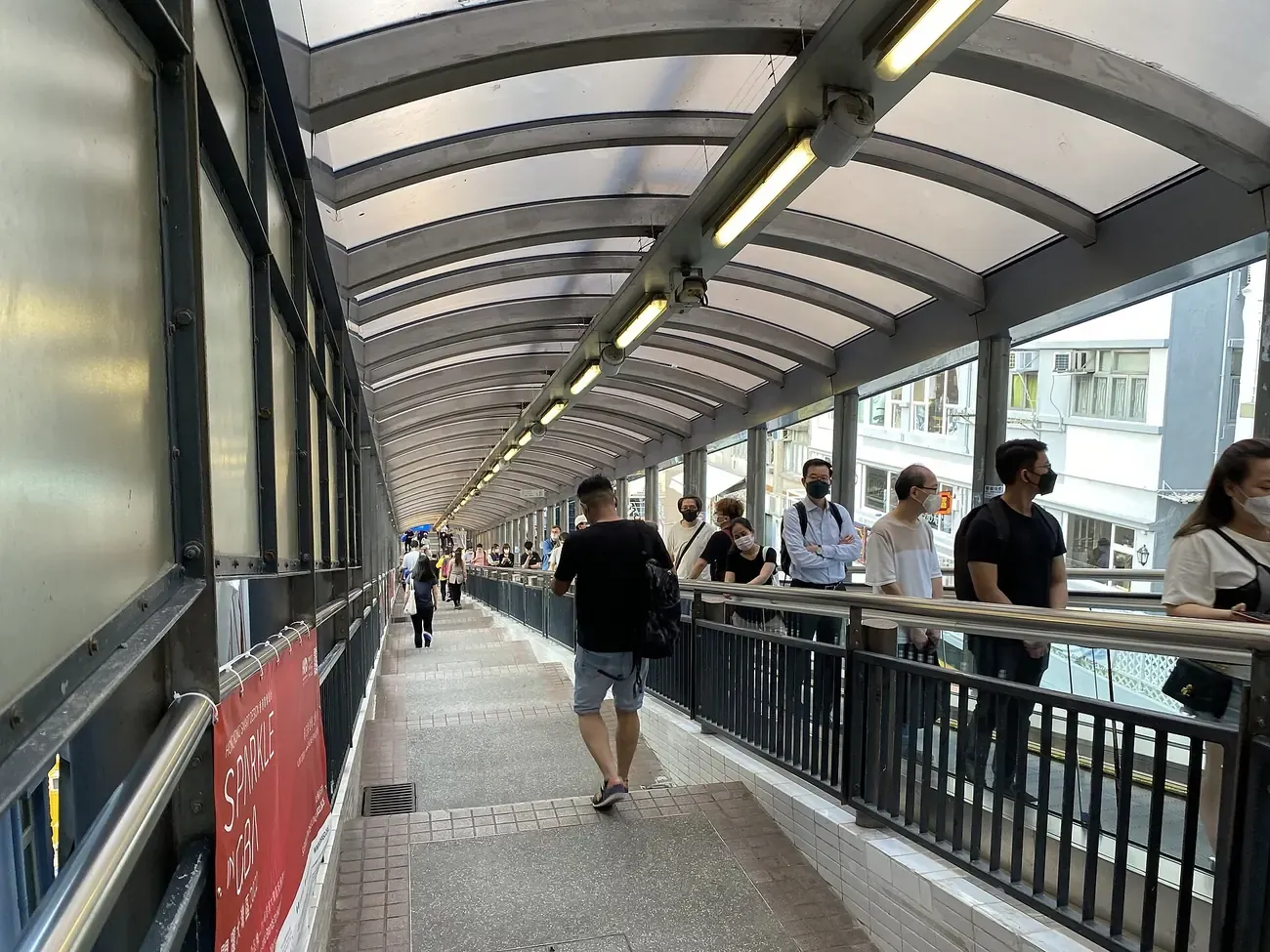
The Central to Mid-Levels Escalator and Walkway System opened in 1993 and threads 16 reversible escalators and three moving walkways, all under cover, from Queen's Road Central up the hillside to Conduit Road. It climbs roughly 800 metres and counts as the longest outdoor covered escalator system in the world. Riders pass open kitchen doors, painted walls and the terraces of Soho at first floor height, stepping off wherever a cross street looks worth a detour. The Transport Department counted about 99,000 pedestrian trips a day on it in late 2024.
Location: from Queen's Road Central up to Conduit Road in the Mid-Levels.
Access: Free. It runs one way downhill from 6am to 10am, then uphill until midnight, as the Transport Department sets out.
Photo: "The covered Central-Mid-Levels Escalator walkway in Central, Hong Kong" by LN9267 (CC BY-SA 4.0).
11. Hong Kong Park
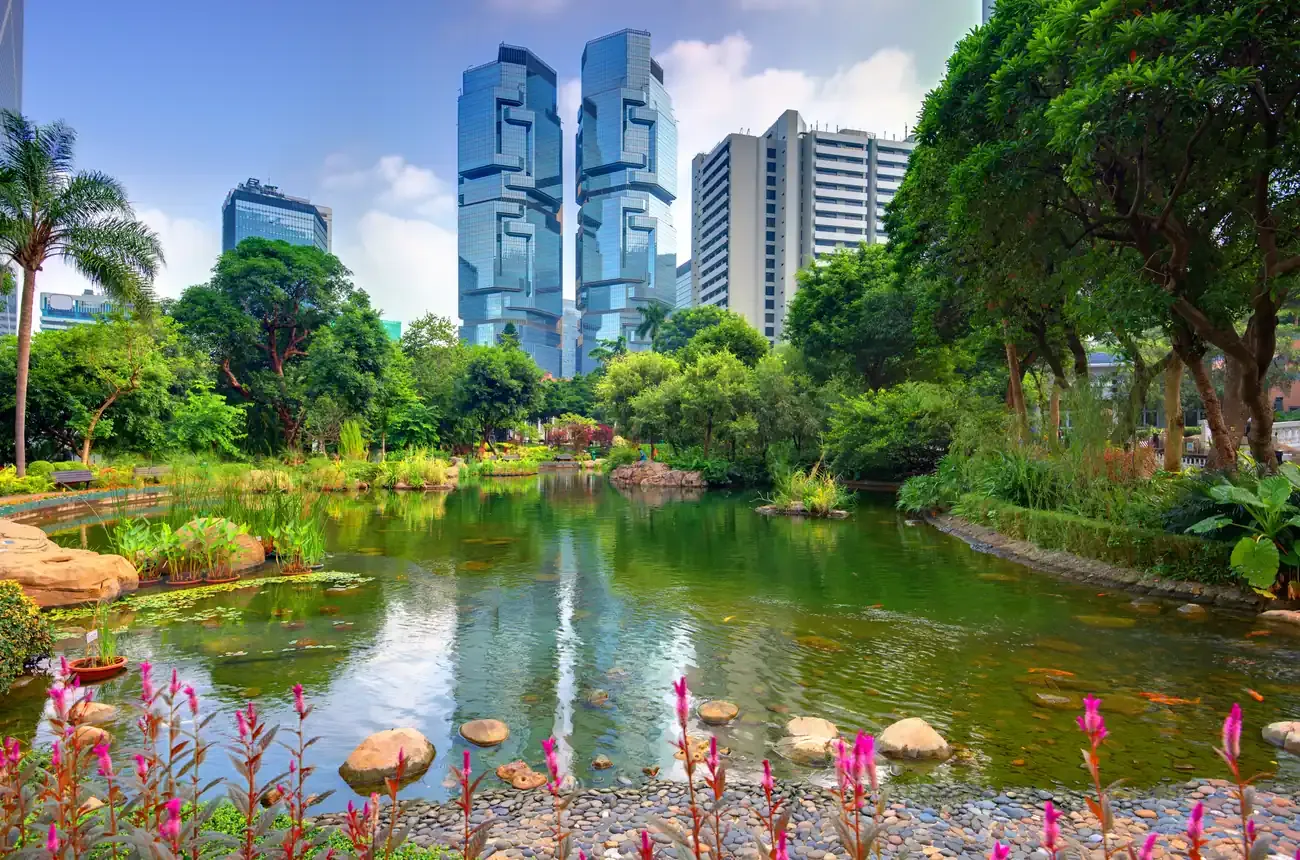
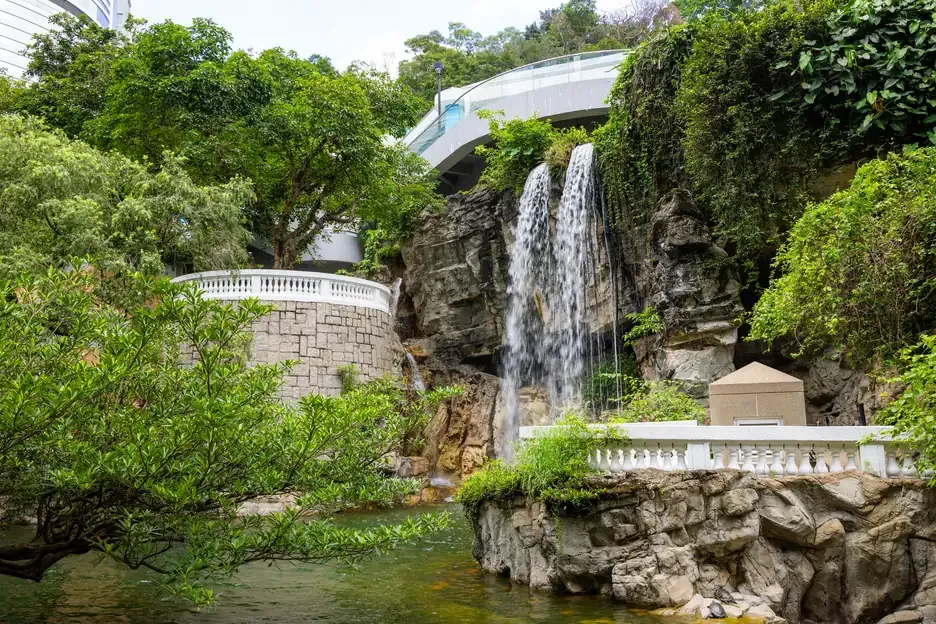
Landscaped over the parade grounds of the former Victoria Barracks above Admiralty, the park stacks lawns, terraces and water up the hillside with skyscrapers standing directly behind them. An artificial lake feeds a waterfall, and a raised walkway carries visitors through the treetops of the Edward Youde Aviary. The glasshouses of the Forsgate Conservatory hold dry and humid plant collections under 1,400 square metres of glass, and the Flagstaff House Museum of Tea Ware occupies a colonial residence at the northern edge of the grounds.
Location: 19 Cotton Tree Drive, Central, above Admiralty MTR station.
Access: Free, the aviary and the conservatory included. The sports centre on the park's edge is the one facility that charges.
12. Kowloon Walled City Park
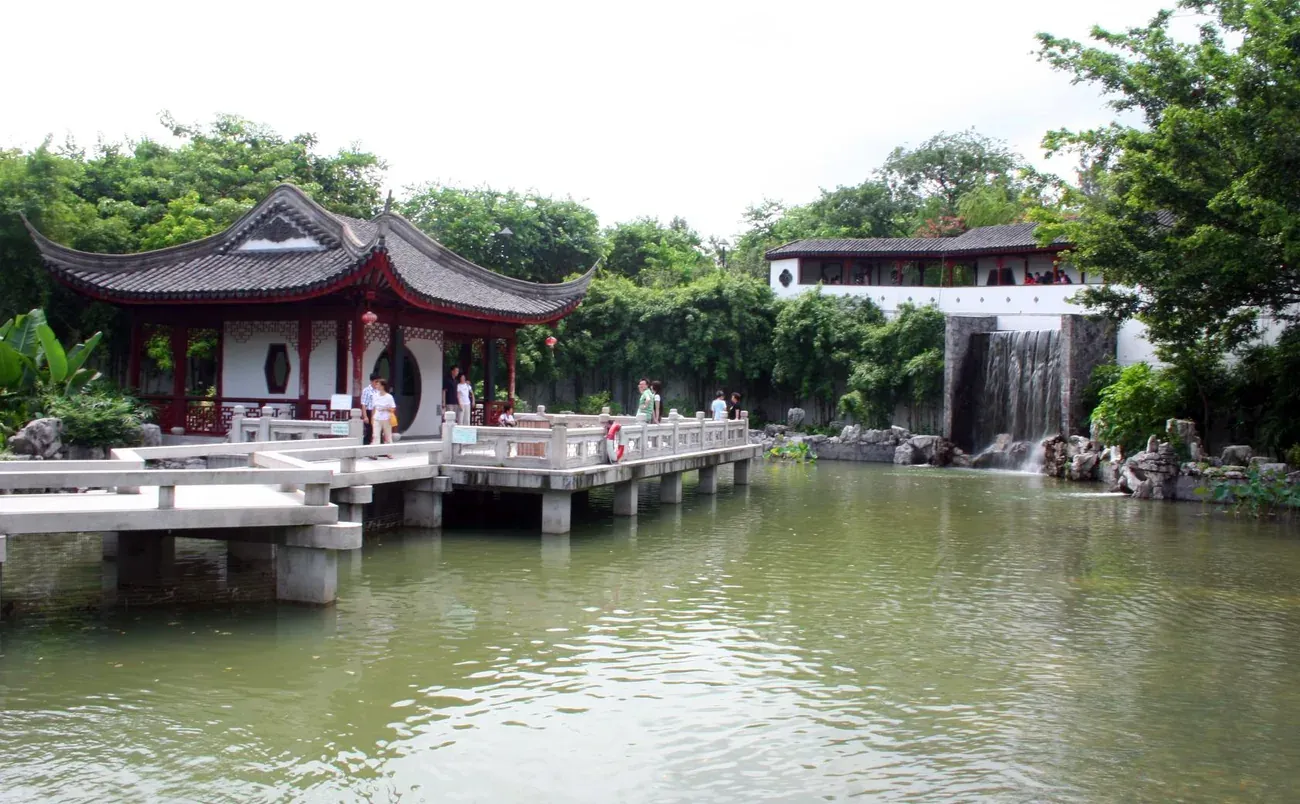
A Qing garrison town stood here from 1847, six watchtowers and four gates around 6.5 acres, with the offices of the Dapeng Brigade at its centre. British troops expelled the Qing officials in 1899, the ground slipped outside any effective jurisdiction, and after the war unauthorised tenements went up without foundations over almost the whole site. Demolition finished in 1994 and the park opened in December 1995 in the Jiangnan garden style of the early Qing, built around the restored Yamen, the only building of the Walled City left standing.
Location: Kowloon City, a short walk from exit B3 of Sung Wong Toi MTR station.
Access: Free, open daily from 6:30am to 11pm, the exhibition rooms from 9am, as the Leisure and Cultural Services Department publishes.
Photo: "A pavilion and pond in Kowloon Walled City Park, Hong Kong" by CPJoseph (CC BY-SA 3.0).
Free things to do in Hong Kong
Tai Kwun
The restored police station, magistracy and prison compound in Central is free to explore, including its heritage galleries and the old parade ground square; the contemporary art shows at JC Contemporary charge separate admission.
Nan Lian Garden
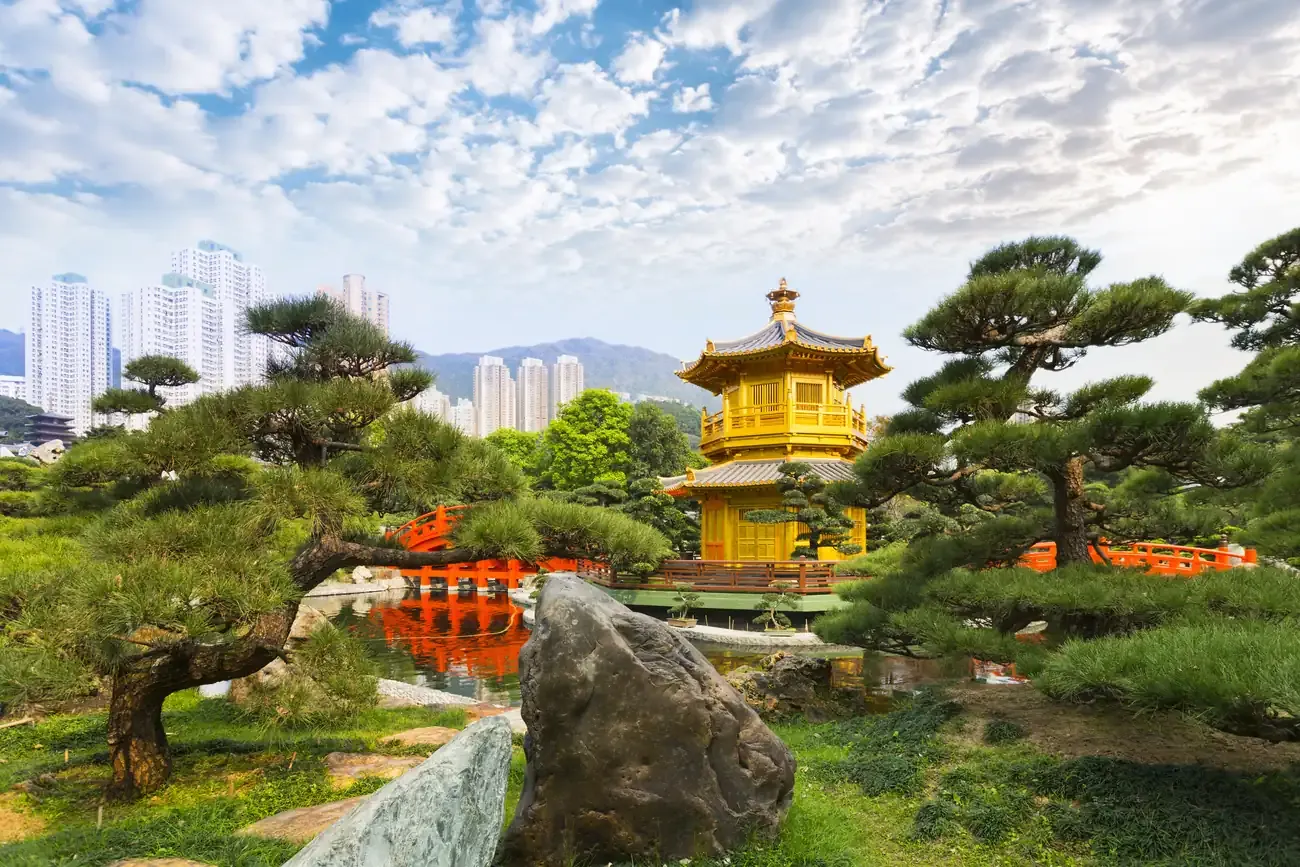
Modelled on Tang dynasty design around a lake and a golden pagoda, this Diamond Hill garden is free to walk through from early morning into the evening, with a footbridge leading to Chi Lin Nunnery next door.
Chi Lin Nunnery
Built of wood joined without a single nail, in the Tang dynasty style, the nunnery beside Nan Lian Garden is free to visit, its lotus ponds and halls open from morning into the afternoon.
Hong Kong Museum of Art
The territory's main public art museum, overlooking Victoria Harbour in Tsim Sha Tsui, charges no general admission for its collection of Chinese antiquities, ink art and Hong Kong visual culture; only special exhibitions carry a ticket.
Why visit Hong Kong
Hong Kong packs a forest of skyscrapers onto a strip of reclaimed harbourfront, backed by steep green hillsides and ringed by outlying islands that most visitors never reach. Cantonese street food, colonial-era temples and one of the world's most photographed skylines sit within a single afternoon's walk of each other, connected by a transport system built around the harbour rather than around it.
Districts to know
Central and Sheung Wan hold the financial towers, colonial architecture and the antique shops of Hollywood Road. Across the harbour, Tsim Sha Tsui and Yau Ma Tei fill Kowloon's waterfront and night markets. Diamond Hill, in the New Territories, keeps Nan Lian Garden and Chi Lin Nunnery, while Lantau Island holds Tian Tan Buddha, Ngong Ping and Hong Kong Disneyland a ferry or cable car ride from the centre.
When to go and for how long
October to December brings the clearest skies and lowest humidity, once the summer typhoon season has passed. Three to four full days cover the harbourfront, Victoria Peak and a trip out to Lantau at a comfortable pace, with a fifth day useful for Sai Kung or the outlying islands.
Getting around
The MTR reaches almost every district by train, paid for with an Octopus card, the contactless system the city launched in 1997 as one of the world's first of its kind. The Star Ferry still crosses the harbour on its historic routes, and Hong Kong Tramways, running since 1904, holds the Guinness World Records title for the world's largest double-decker tram fleet in service. Hong Kong faces the Pearl River Delta, with Shenzhen and Guangzhou under an hour away by high-speed rail, so it is an easy gateway to the top tourist attractions in Asia.