
Chicago tourist attractions
Known for
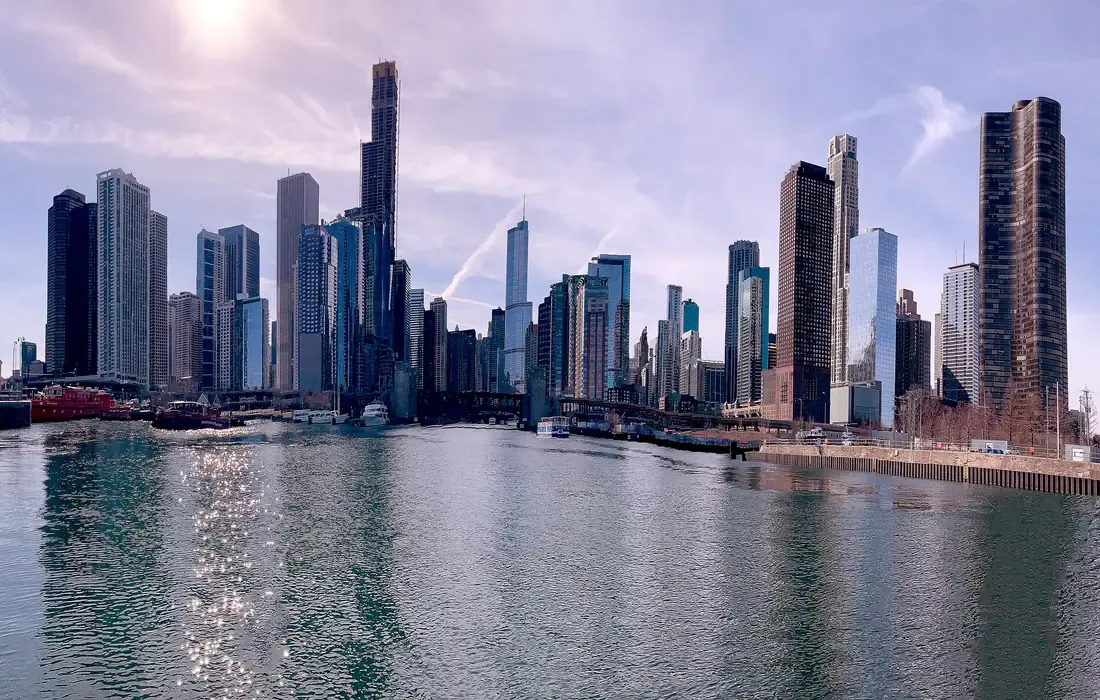
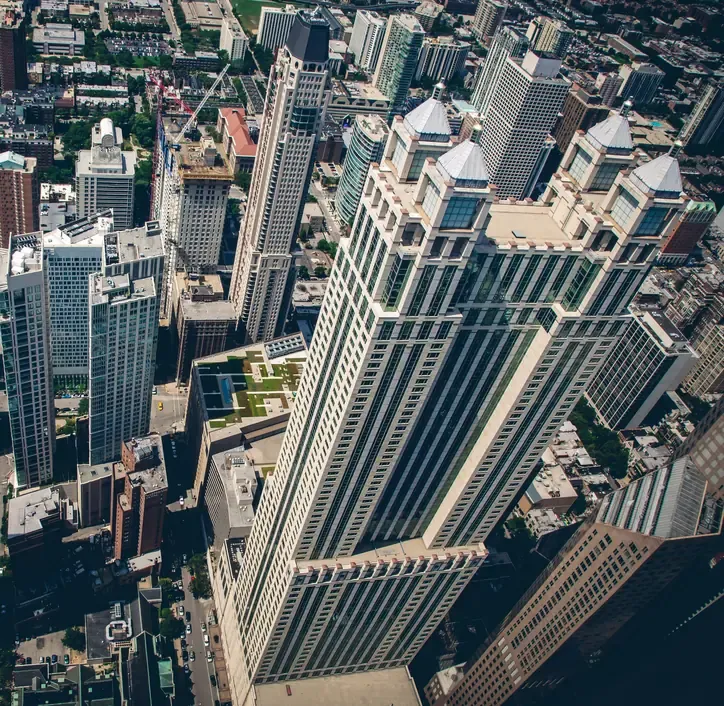
Skyscraper architecture, the Chicago River winding through downtown
Must-see landmarks
Willis Tower, Navy Pier, Millennium Park and Wrigley Field
Best time to visit
May to September, for festivals such as Lollapalooza
Days needed
Two to three days for downtown, the museums and the lakefront
The 13 tourist attractions to see in Chicago
Chicago's tourist attractions start with Millennium Park, Willis Tower and Art Institute of Chicago. The 13 top sights are ranked below, followed by free things to do, upcoming events and visitor FAQs.
1. Millennium Park
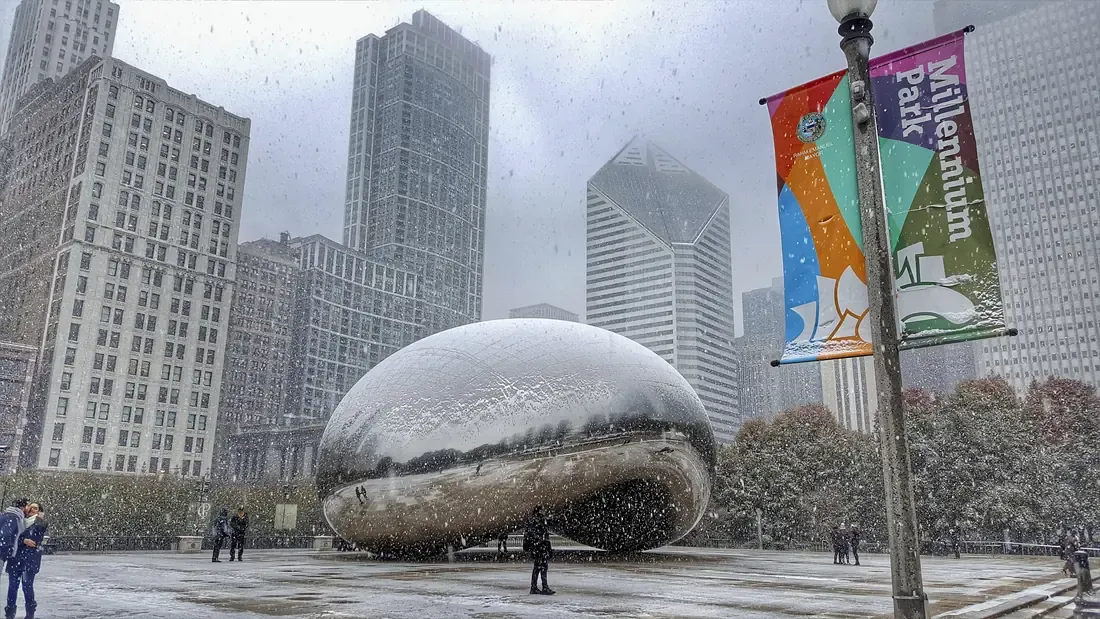
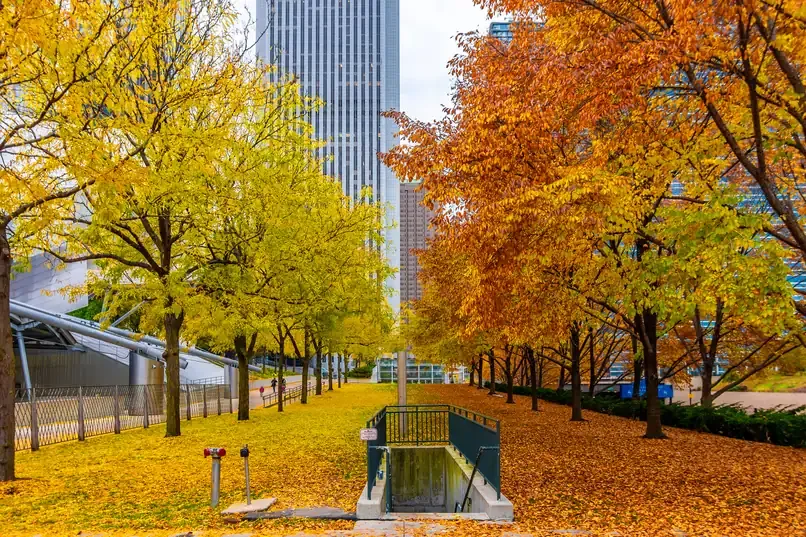
Millennium Park opened in 2004 over a working rail yard and has served as the city's front garden ever since. Anish Kapoor's mirrored Cloud Gate, known to everyone as the Bean, sits on Grainger Plaza and bends the skyline across its polished surface. Jaume Plensa's Crown Fountain throws video portraits of Chicagoans onto two glass towers, its water running from May, while Frank Gehry's Jay Pritzker Pavilion carries free concerts over the Great Lawn. The Nichols Bridgeway lifts off the park straight into the Art Institute.
Architect: Frank Gehry (Jay Pritzker Pavilion) · Opened: 2004
Location: 201 East Randolph Street
Access: Free, open daily from 6 am to 11 pm.
2. Willis Tower
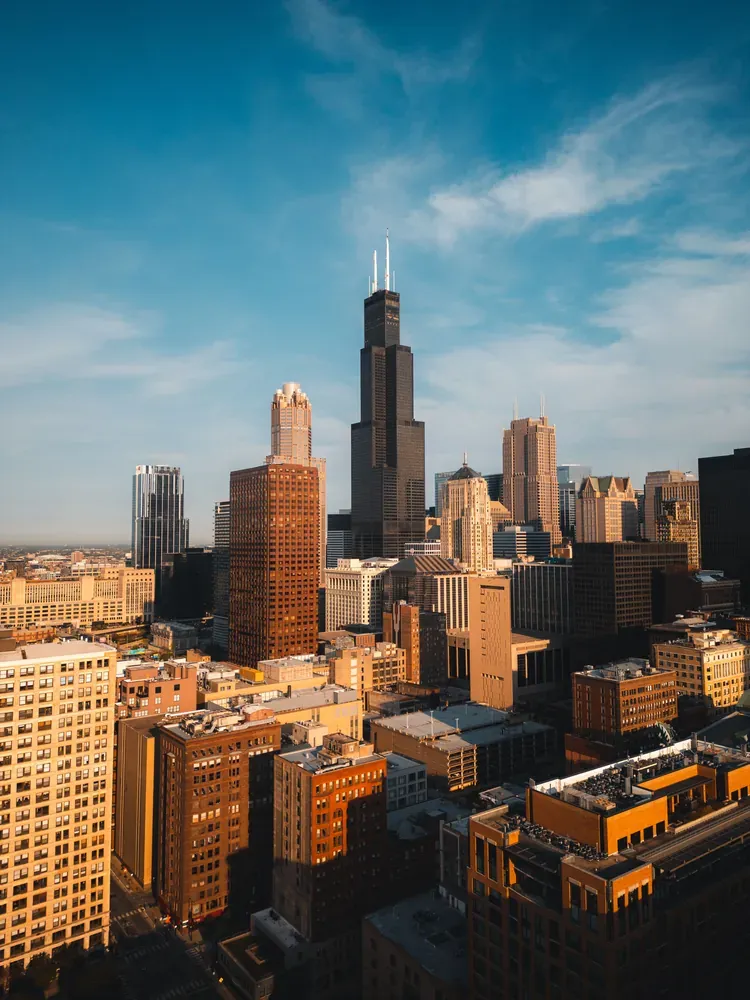
The Willis Tower topped out in 1973 as the tallest building in the world and held the title for close to 25 years. Bruce Graham and Fazlur Khan of Skidmore, Owings & Merrill bundled nine square tubes into one 110 storey stack that steps back as it climbs, a structural idea that changed tall buildings everywhere. Visitors ride to the Skydeck on the 103rd floor, where The Ledge pushes glass boxes 4.3 feet clear of the facade and leaves an inch and a half of glass between the shoes and the Loop.
Architect: Skidmore, Owings & Merrill · Style: International Style · Opened: 1973
Location: 233 South Wacker Drive
Access: Ticketed, open 365 days a year, last entry 30 minutes before closing.
3. Art Institute of Chicago
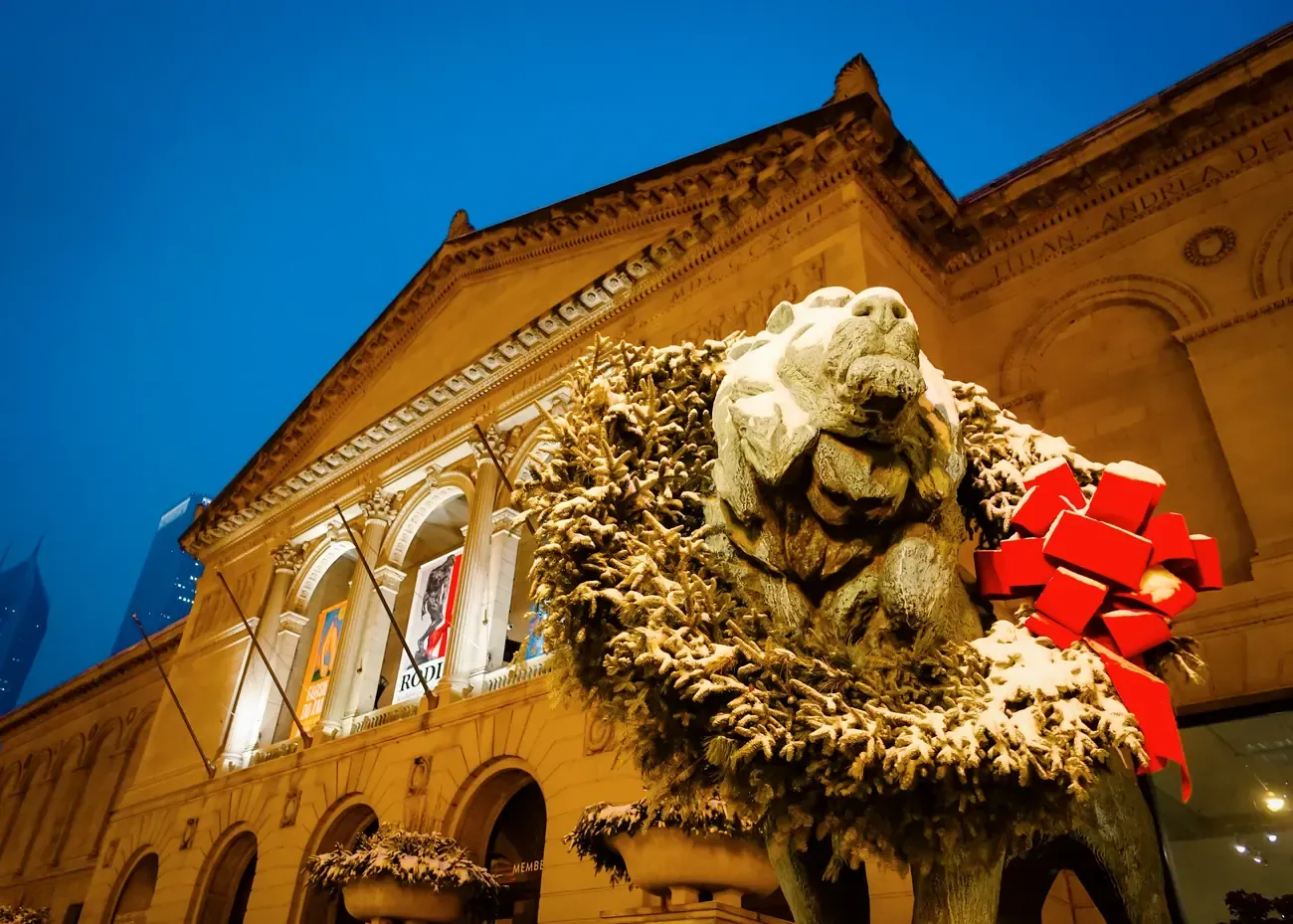
The Art Institute settled into its Michigan Avenue building in 1893 and the pair of bronze lions arrived at the steps the following year. Inside hang Grant Wood's American Gothic and a collection that runs from Japanese prints to Thorne Miniature Rooms, spread across a campus that keeps growing. Renzo Piano's Modern Wing, opened in 2009, added daylight galleries and a footbridge that lands in Millennium Park. Members get the first hour of every day, so the public galleries fill from late morning onwards.
Architect: Renzo Piano (Modern Wing) · Opened: 1893
Location: 111 South Michigan Avenue
Access: Ticketed, open Monday and Wednesday to Sunday, closed on Tuesdays.
4. Navy Pier
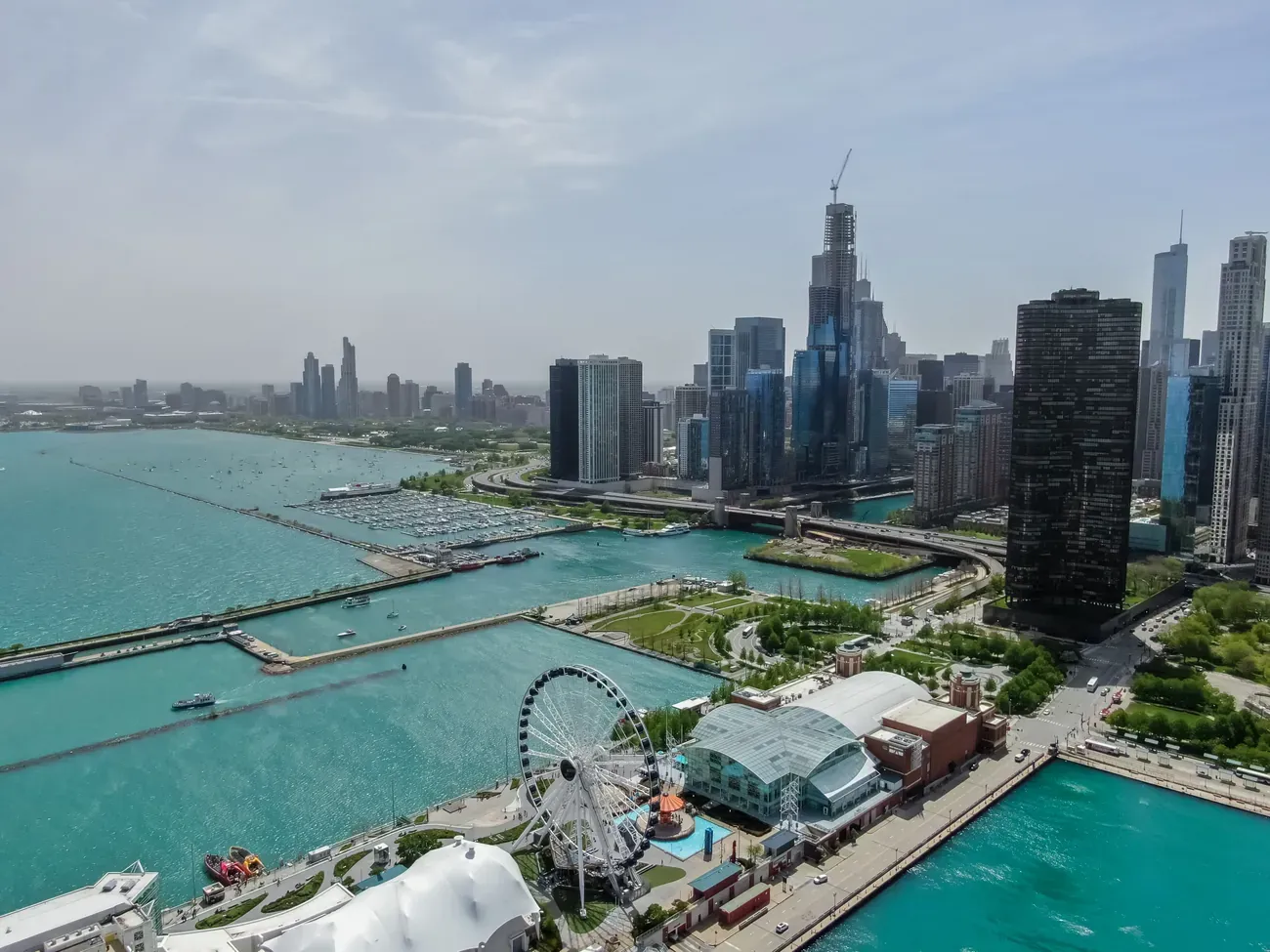
Navy Pier has run more than six city blocks into Lake Michigan since 1916, when it was built for shipping and public recreation at the same time. It now draws close to nine million guests a year to gardens, theatres, boat docks and the Centennial Wheel, which turns daily while the smaller Pier Park rides stand down for winter. The pier calls itself the People's Pier and fills its calendar with free programming, fireworks and lakefront concerts through the summer.
Opened: 1916 · Heritage: Chicago Landmark
Location: 600 East Grand Avenue
Access: Free to enter, open year round except Thanksgiving and Christmas.
5. Field Museum
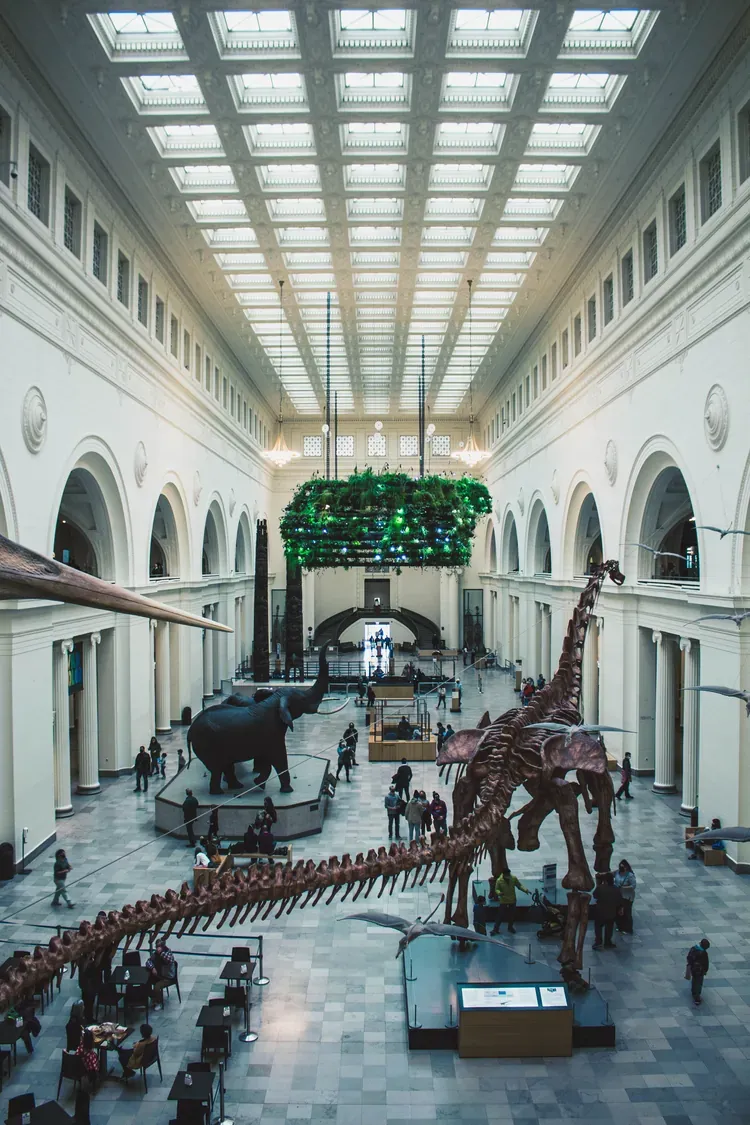
The natural history museum on the Museum Campus opened in 1921 in a white marble temple designed by Peirce Anderson of Graham, Anderson, Probst and White. Stanley Field Hall, the nave that runs the length of the building, is filled by Máximo, a cast of the titanosaur Patagotitan long enough to lift its head towards the balcony, while SUE, the largest and most complete Tyrannosaurus rex ever found, has a gallery of its own upstairs in the Griffin Halls of Evolving Planet. Beyond the dinosaurs come the Egyptian tomb, the Grainger Hall of Gems and the man-eating lions of Tsavo.
Architect: Peirce Anderson, Graham, Anderson, Probst and White · Opened: 1921
Location: 1400 S DuSable Lake Shore Drive, Museum Campus
Access: Ticketed; the special exhibitions need an add-on
6. Shedd Aquarium
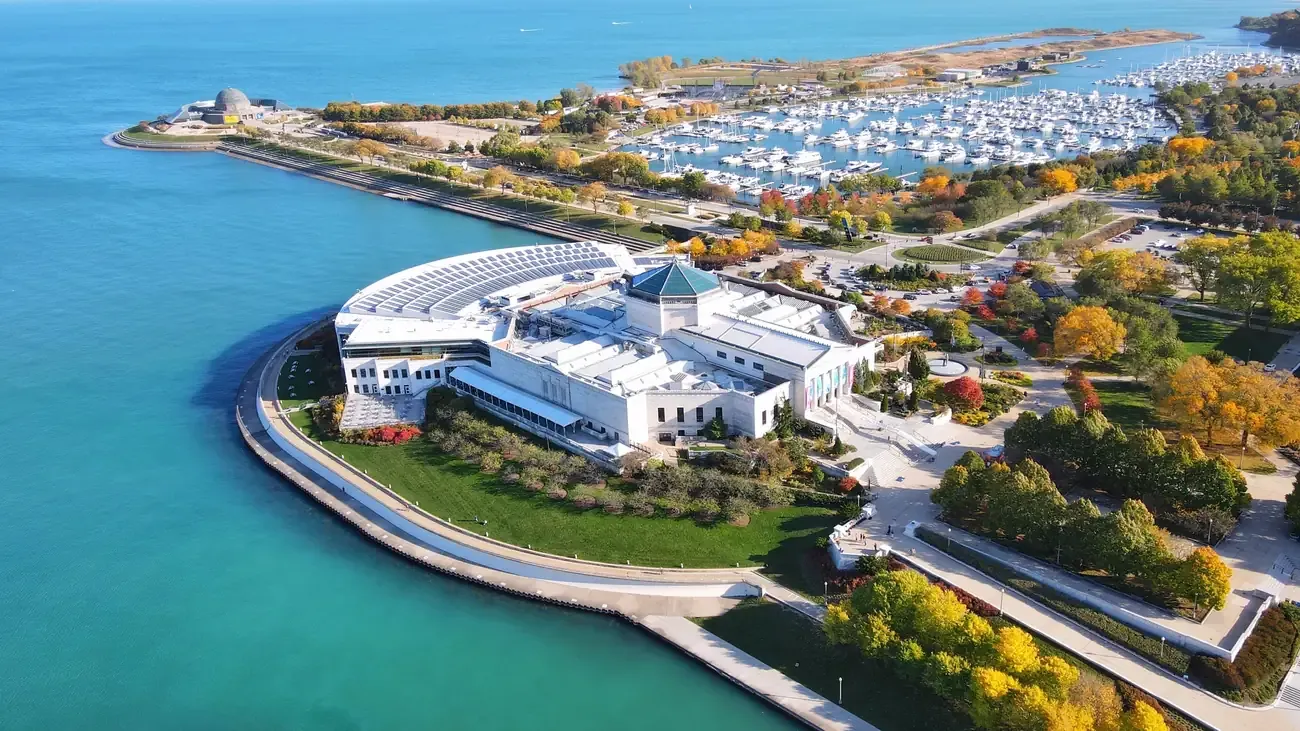
John G. Shedd, president of Marshall Field and Company, paid for an aquarium to stand beside the Field Museum, and it opened in 1930 as one of the first inland aquariums in the world, a white marble octagon carved with sea creatures. The Caribbean Reef, a circular tank in the rotunda, is the heart of the original building, and the Abbott Oceanarium added in 1991 brings the coast of the Pacific Northwest indoors, with beluga whales, sea otters and dolphins in front of a wall of glass onto Lake Michigan. Wild Reef recreates a Philippine reef with sharks passing overhead.
Architect: Graham, Anderson, Probst and White · Opened: 1930
Location: 1200 S DuSable Lake Shore Drive, Museum Campus
Access: Ticketed, timed entry
7. Wrigley Field
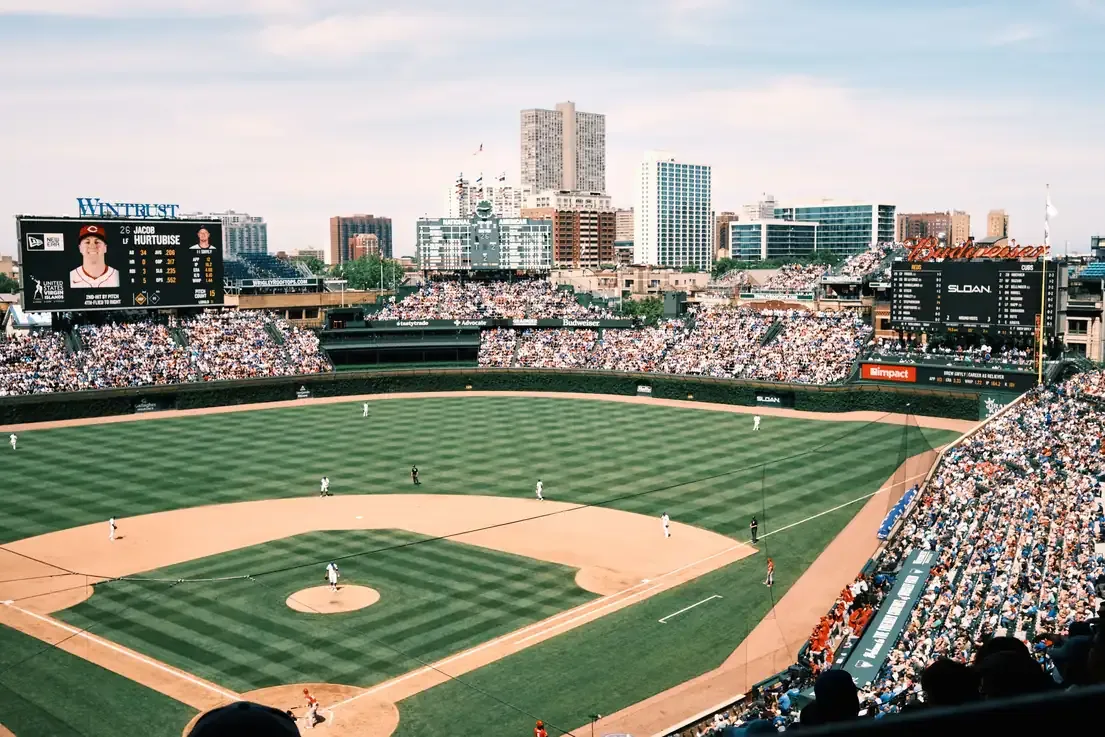
Wrigley Field opened in 1914 as Weeghman Park for a Federal League club, and the Cubs played their first home game there in 1916. The ivy on the outfield brick, the hand turned scoreboard and the red marquee over the Clark and Addison corner have outlasted almost every other ballpark of its generation, and the whole thing became a National Historic Landmark in 2020. Guided tours of 75 to 90 minutes reach the dugouts and the seating bowl on non game days, outdoors and in any weather.
Architect: Zachary Taylor Davis · Opened: 1914 · Heritage: National Historic Landmark
Location: Clark and Addison streets, Wrigleyville
Access: Ticketed for games and for ballpark tours.
8. Chicago Riverwalk
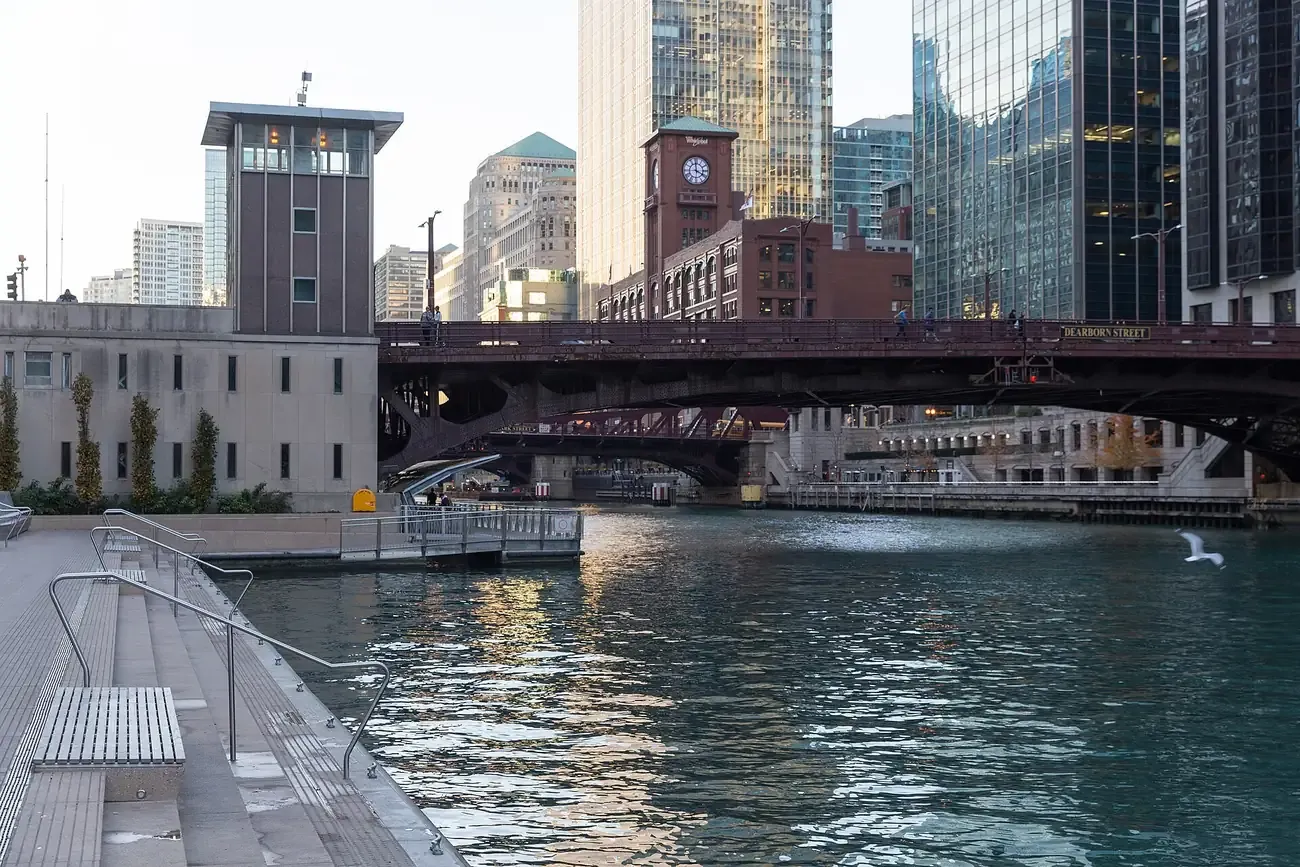
The Riverwalk carries a 1.25 mile path along the south bank of the main branch of the Chicago River, from Lake Street out to the lakefront, and it is built in four stretches named the Confluence, the Arcade, the Civic and the Esplanade. Stairs and ramps drop from the bridges on Upper Wacker Drive to coves holding kayak rentals, boat docks, a Vietnam Veterans Memorial and a run of cafes. From down here the bridgehouses and the river canyon of towers read at their proper scale.
Location: South bank of the Chicago River, Lake Street to Lake Michigan
Access: Free to the public, open daily from 6 am to 11 pm.
Photo: "The Chicago Riverwalk" by Mack Male (CC BY-SA 2.0).
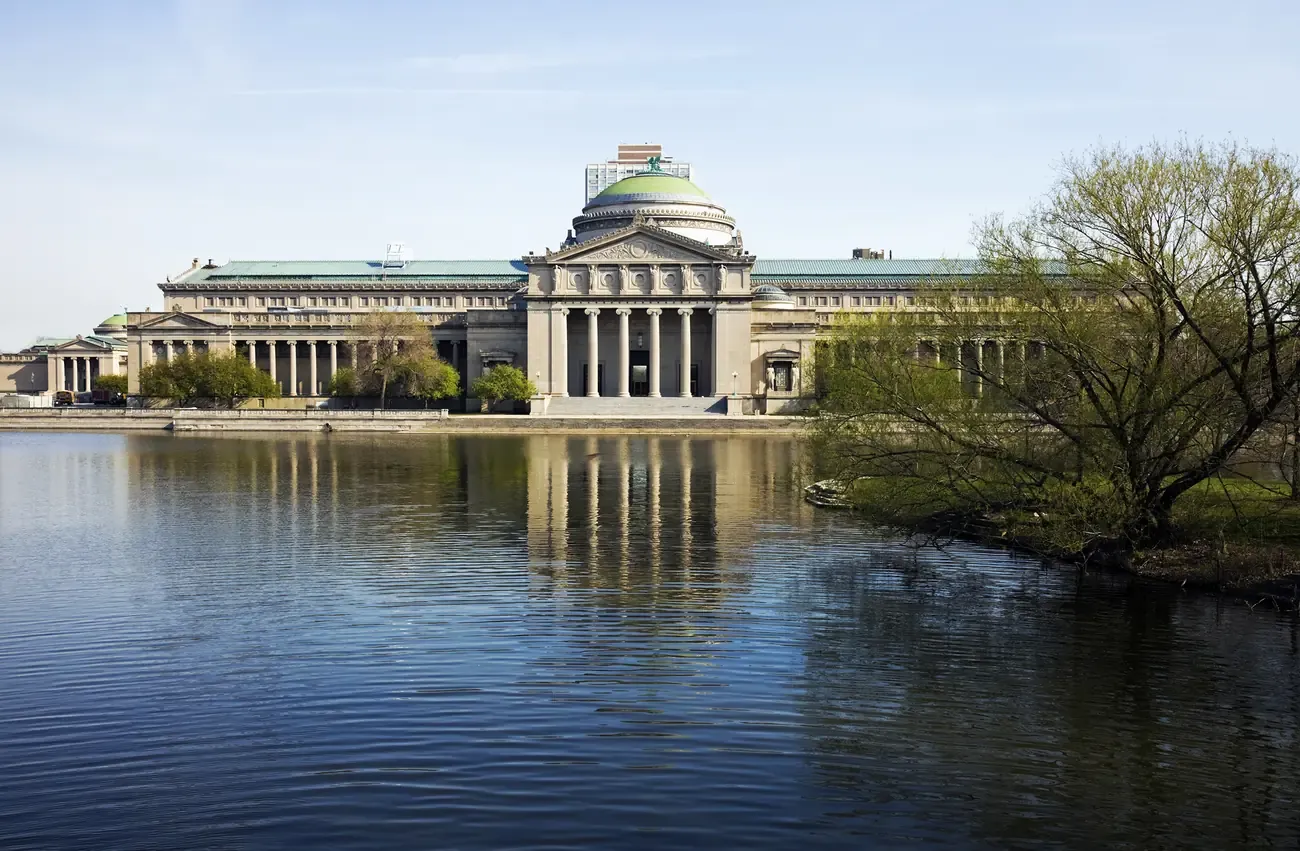
9. Museum of Science and Industry
The only building left on the grounds of the 1893 World's Columbian Exposition, the Palace of Fine Arts by Charles Atwood, was rebuilt in stone with money from Julius Rosenwald of Sears and opened as a science museum in 1933; since 2024 it has carried the name of Kenneth C. Griffin. Inside are the German submarine U-505, captured in 1944 and the only one on show in North America, a full scale coal mine, a Boeing 727 hung over the balcony and the Apollo 8 command module. The Metra Electric from Millennium Station stops a short walk away.
Architect: Charles B. Atwood, D. H. Burnham and Co · Opened: 1933
Location: 5700 S DuSable Lake Shore Drive, Jackson Park
Access: Ticketed; the U-505 tour and the coal mine are timed add-ons
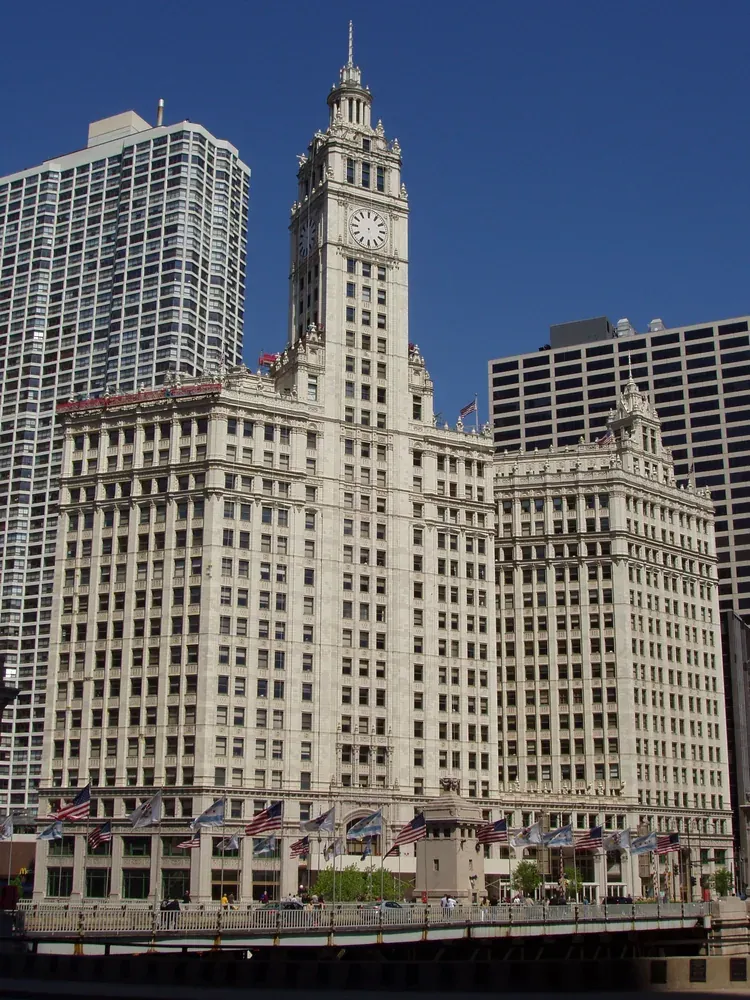
10. Wrigley Building
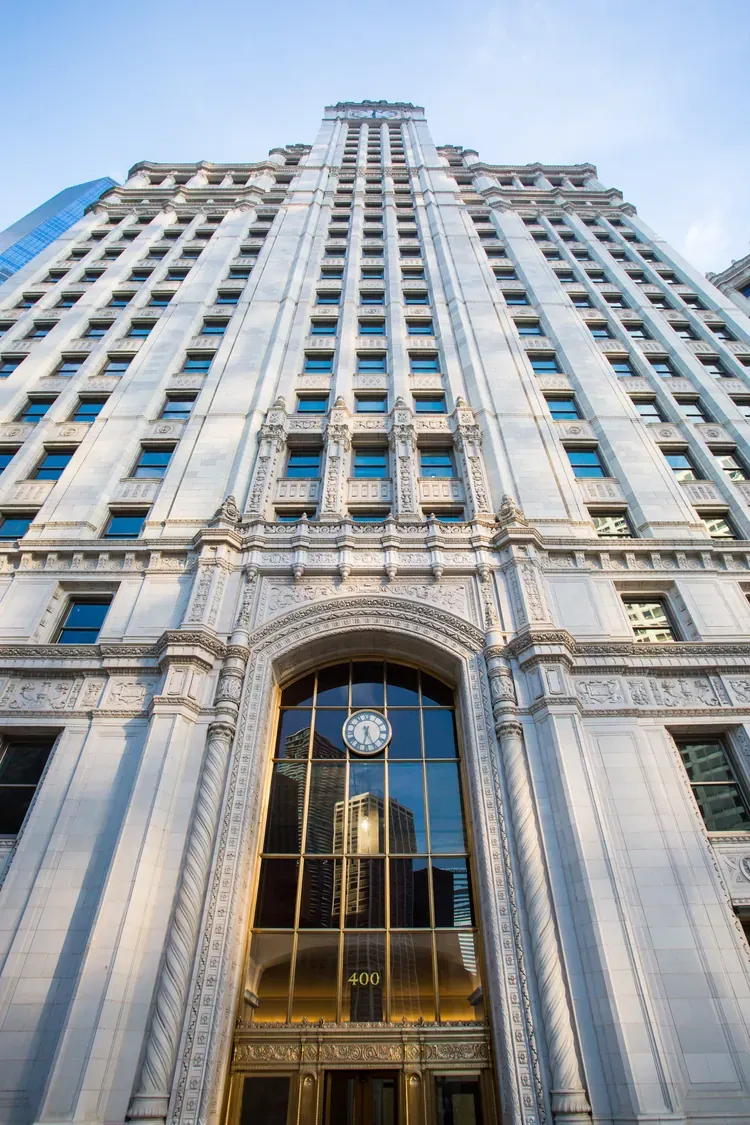
The chewing gum fortune of William Wrigley Jr. paid for two towers on the north bank of the river, the south one finished in 1921 and its partner in 1924, linked by a plaza and a walkway. Graham, Anderson, Probst and White clad both in glazed terracotta cut in six shades of white so the facade brightens towards the top, and floodlights have kept it glowing after dark since the 1920s. The clock tower borrows its shape from the Giralda in Seville.
Architect: Graham, Anderson, Probst & White · Completed: 1924
Location: 400 North Michigan Avenue
Access: Free to see from Michigan Avenue and from the Riverwalk below.
Photo: "The Wrigley Building, Chicago" by User:Daderot (CC BY-SA 3.0).
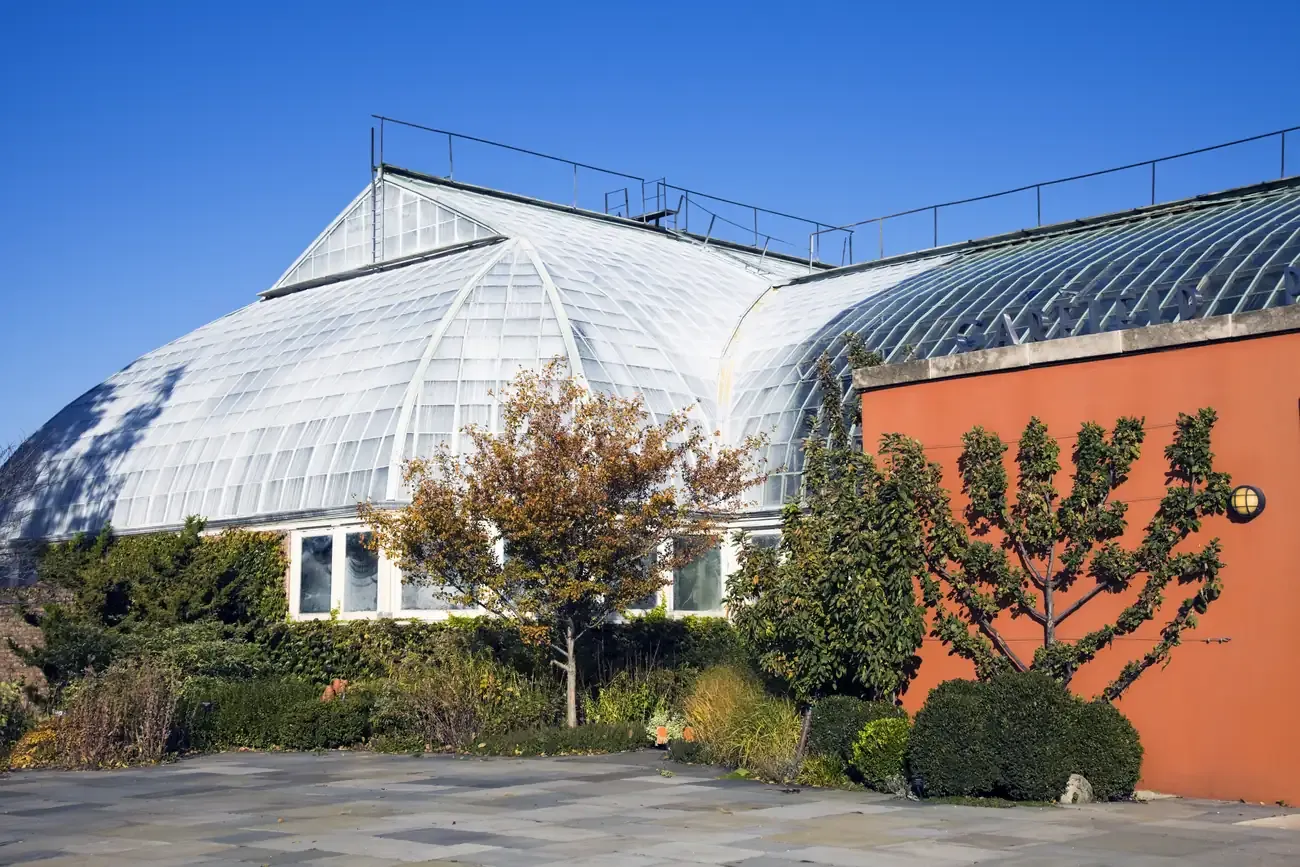
11. Garfield Park Conservatory
Jens Jensen shaped the glasshouse in 1908 to echo a Midwestern haystack and filled it with what the Park District still calls landscape art under glass. Roughly two acres of planting rooms hold thousands of species, from the vaulted Palm House to the Fern Room, where Jensen's stone ledges and still water imitate a prairie lagoon. Another 12 acres of gardens open outdoors in summer. It sits on the West Side, a short walk from the Green Line, well beyond the usual downtown circuit.
Architect: Jens Jensen · Opened: 1908
Location: 300 North Central Park Avenue
Access: Timed entry with a reservation, closed Mondays and Tuesdays.
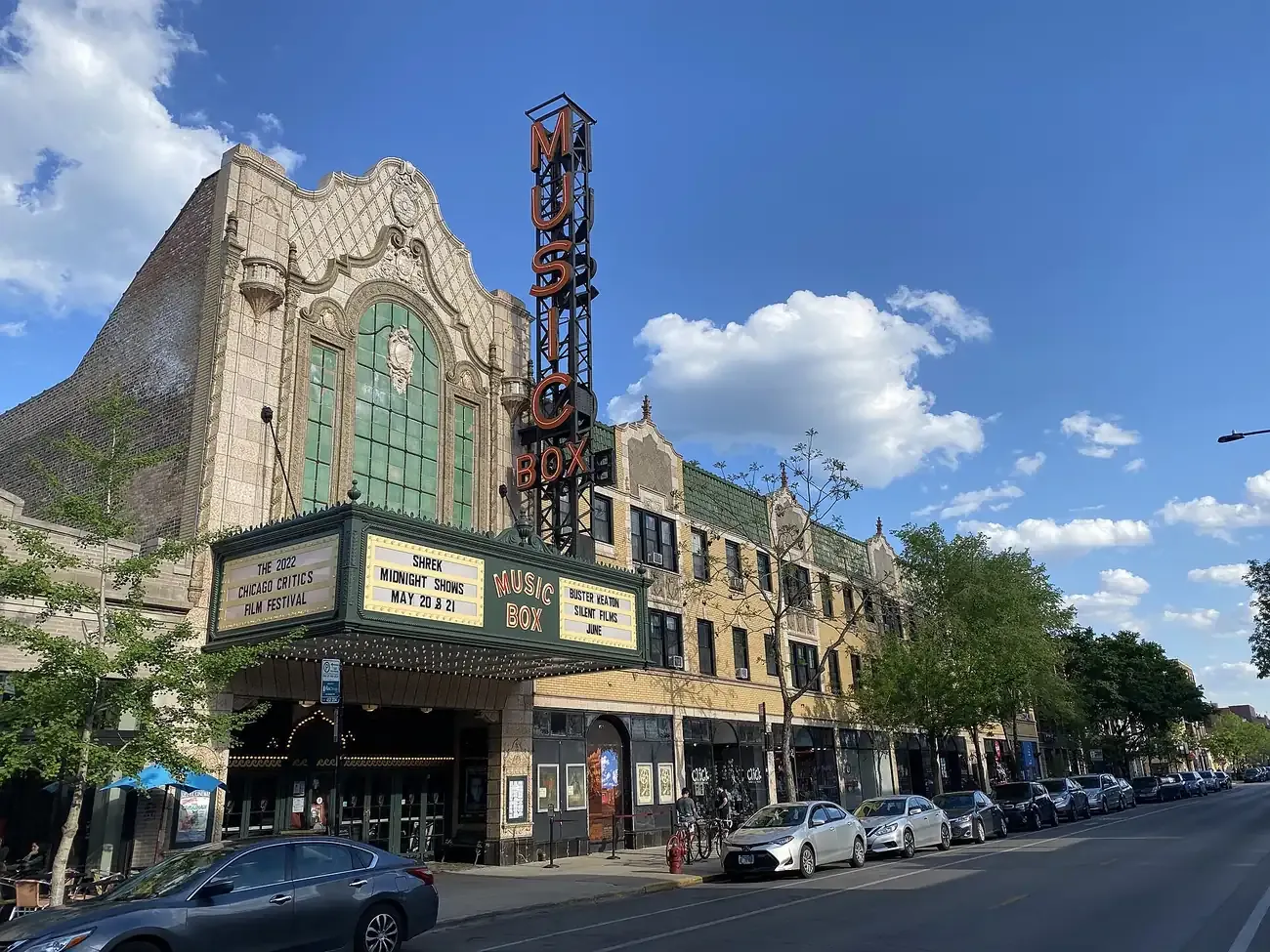
12. Music Box Theatre
The Music Box opened on Southport Avenue on 22 August 1929, two months before the Wall Street crash, and has run as an art house and repertory cinema since the early 1980s. Its main auditorium seats 700 beneath a ceiling painted as a night sky, and the programme swings between new independent releases, restored classics and festival runs across three screens, some of them on 35mm prints. The box office opens half an hour before the first showtime of the day.
Opened: 1929
Location: 3733 North Southport Avenue
Access: Ticketed by screening.
Photo: "The Music Box Theatre, Chicago" by - EMR - (CC BY-SA 2.0).
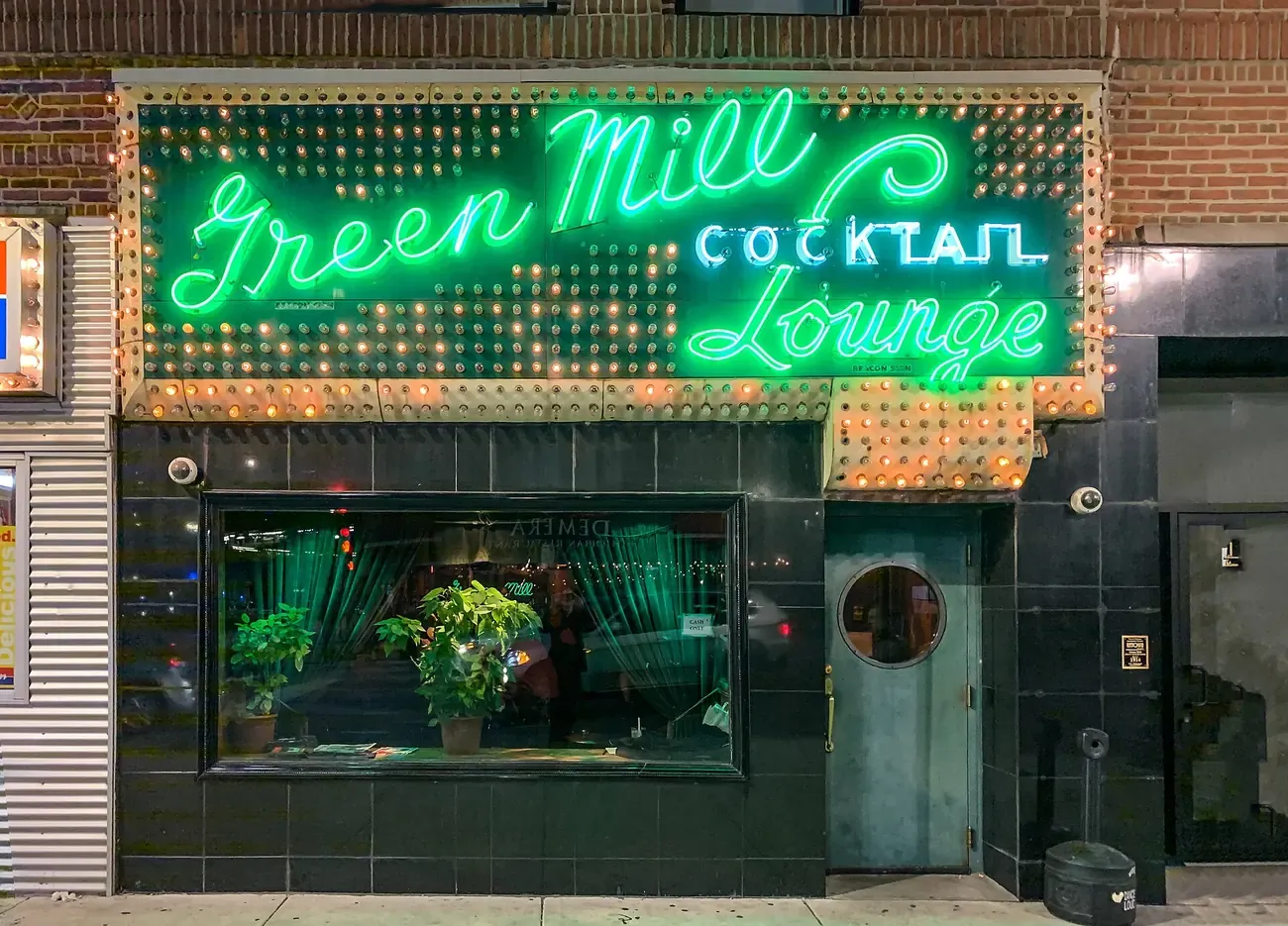
13. Green Mill Jazz Club
The Green Mill has held the same corner of Broadway in Uptown for more than a century, and Dave Jemilo reopened the room in June 1986 into the version that jazz fans know today, now marking 40 years under him. Music runs every night of the week, the Uptown Poetry Slam still turns up on the Sunday calendar, and jam sessions on Friday and Saturday nights carry on past three in the morning. The booths, the long bar and the murals have barely changed.
Location: 4802 North Broadway Avenue
Access: Cover charge at the door, cash only and strictly over 21 with ID; open from 4 pm daily, from 1 pm on Saturdays.
Photo: "The Green Mill Cocktail Lounge at night, Chicago" by Kenneth C. Zirkel (CC BY-SA 4.0).
Upcoming events in Chicago

UIC Flames Men's Basketball v St. Francis
UIC Flames Men's Basketball v St. Francis comes to Credit Union 1 Arena at UIC on 2 November at 16:00.
The Best of The Second City
The Best of The Second City plays Second City-Chicago: Mainstage on 2 November at 19:00.

jackzebra - Ages 17+
jackzebra - Ages 17+ plays Subterranean on 2 November at 20:00.
Fresh Faces Chicago
Fresh Faces Chicago comes to Laugh Factory Chicago on 3 November at 19:30.

Crowd Work Wednesday
Crowd Work Wednesday comes to The Comedy Bar on 4 November at 19:00.
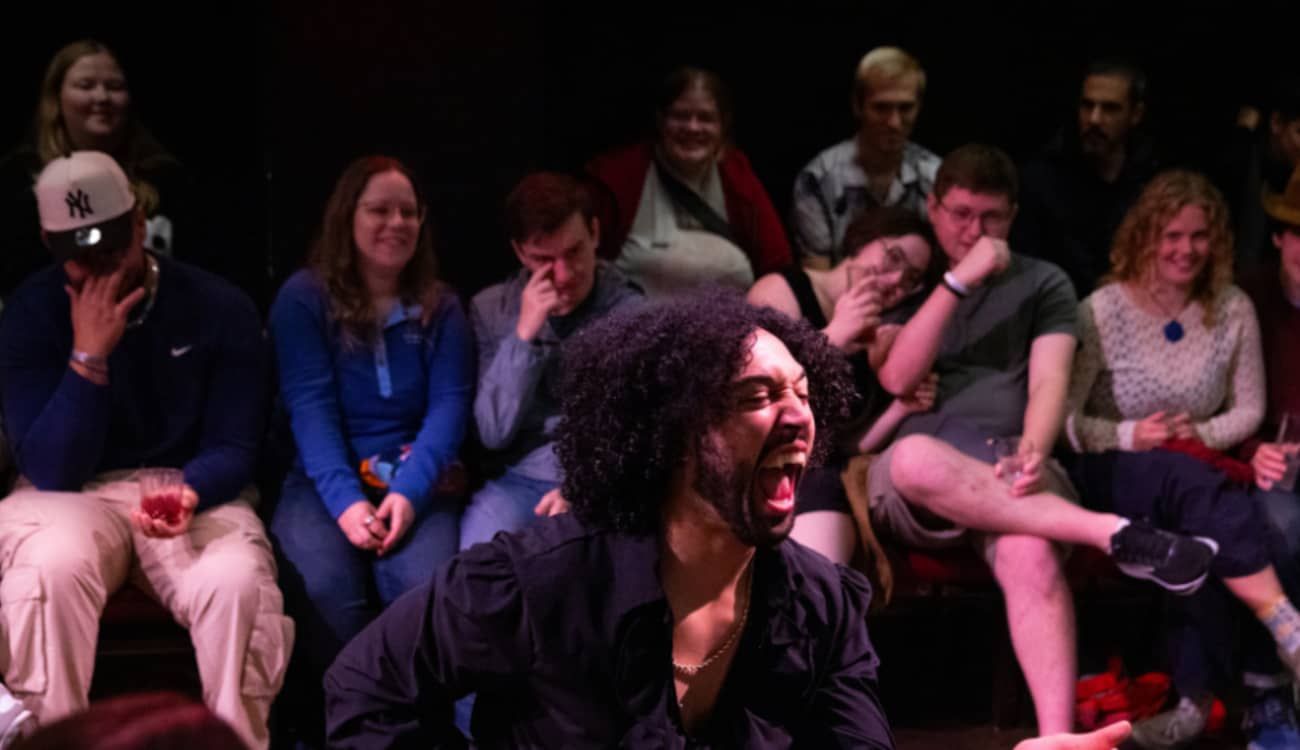
Drunk Dracula in Chicago
Drunk Dracula in Chicago comes to Drunk Shakespeare Chicago on 5 November at 19:00.
Free things to do in Chicago
Buckingham Fountain
Grant Park's Art Deco fountain, dedicated in 1927 as Kate Buckingham's memorial to her brother Clarence, sends its centre jet 150 feet into the air on the hour from May to mid-October, free to watch by day or during its evening light and music show.
Lincoln Park Zoo
Free since its founding in 1868, Lincoln Park Zoo calls itself the only privately managed, free zoo in the country; gates open at 8:00 with the animal buildings following at 10:00.
Chicago Cultural Center
The Beaux-Arts building opened in 1897 as Chicago's first public library; the Chicago Architecture Center calls it the nation's first free, city-operated cultural centre. Its stained glass domes and ongoing exhibitions, films and performances are open to anyone who walks in without a ticket.
Federal Reserve Bank of Chicago Money Museum
The Chicago Fed's Money Museum is free to visit Monday to Friday, its exhibits covering counterfeit detection and a case showing what a million dollars looks like, inside the LaSalle Street financial district.
Why Chicago deserves your time
What makes Chicago unique
Chicago rebuilt itself in steel and stone after the Great Fire of 1871, and the Home Insurance Building's 1885 steel frame helped usher in the modern skyscraper on these same streets. That architectural nerve still shapes the skyline along the Chicago River, while a nickname the city has carried since the 19th century, the Windy City, still gets debated more than explained. Add a lakefront of free parks and beaches, world-class museums on the Museum Campus and a live music tradition rooted in blues and jazz, and downtown alone fills a full itinerary.
Neighbourhoods to know
The Loop and Near North hold the skyscrapers, Millennium Park and the Magnificent Mile's shopping. North of downtown, Lincoln Park and Old Town mix the free zoo with theatres and a dense bar scene, while Wrigleyville draws crowds to the Cubs' century-old ballpark. The South Side carries the deeper history, from Hyde Park's University of Chicago to Bronzeville's role in the city's Black cultural life and Chinatown's restaurants and shops along Wentworth Avenue.
When to go and how long to stay
May to September brings the mildest weather and the fullest festival calendar, Lollapalooza and the Chicago Blues Festival among them, while winters off Lake Michigan turn genuinely harsh. Two to three days cover downtown, the lakefront and a museum or two at a steady pace, with a third day free for Wrigleyville or a neighbourhood further out.
Getting around
Downtown's Loop takes its name from the elevated tracks that circle it, and the CTA's 'L' trains and buses reach most neighbourhoods from there. The Riverwalk and the lakefront trails keep the centre and Museum Campus walkable, and the Blue and Orange Lines run directly from O'Hare and Midway into downtown. The Green Mill has booked live jazz since Prohibition and the Garfield Park Conservatory grows landscape under glass, two of the quieter tourist attractions in the United States.