
Tourist attractions in the United States
Known for
National parks and road trips between them, and skyscraper skylines
Must-see cities
New York City, Chicago, Los Angeles and New Orleans
UNESCO World Heritage
27 properties, from Yellowstone to Independence Hall
Getting around
Interstate highways and a dense domestic flight network
15 must-see tourist attractions in the United States
The Statue of Liberty, the Grand Canyon and Times Square lead the tourist attractions in the United States. This guide ranks 15 national sights, then covers the cities worth a stop, 12 more landmarks, local dishes, 19 hidden gems and visitor FAQs.
Popular tourist destinations in the United States
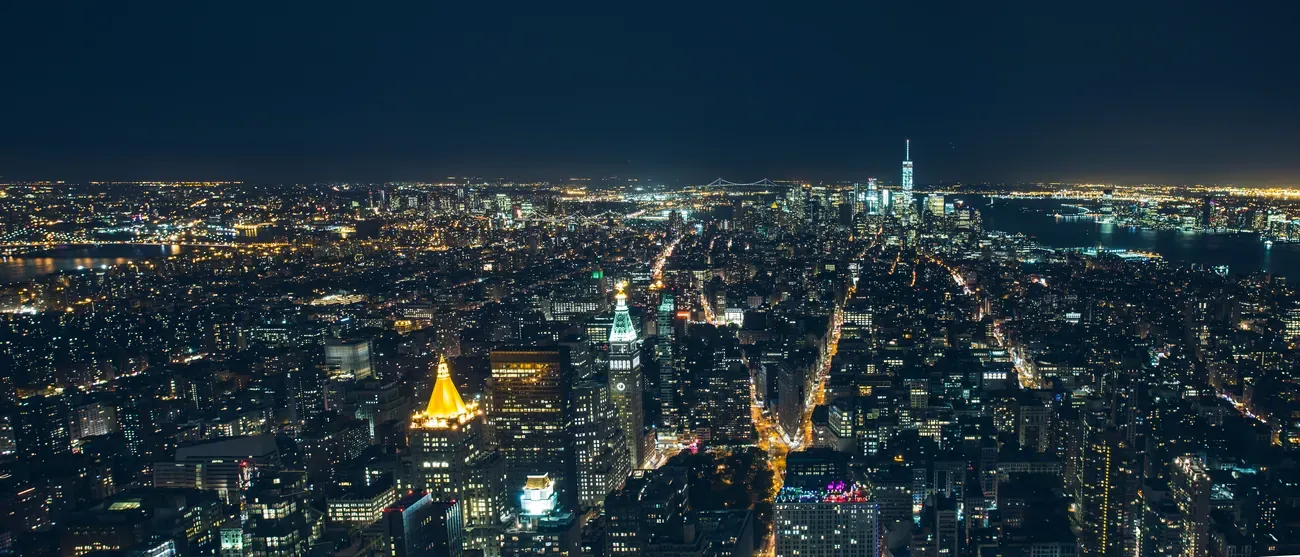
New York City
Explore New York City in detail. The largest city in the country, where the harbour, the parks and the Midtown towers sit inside one subway map.
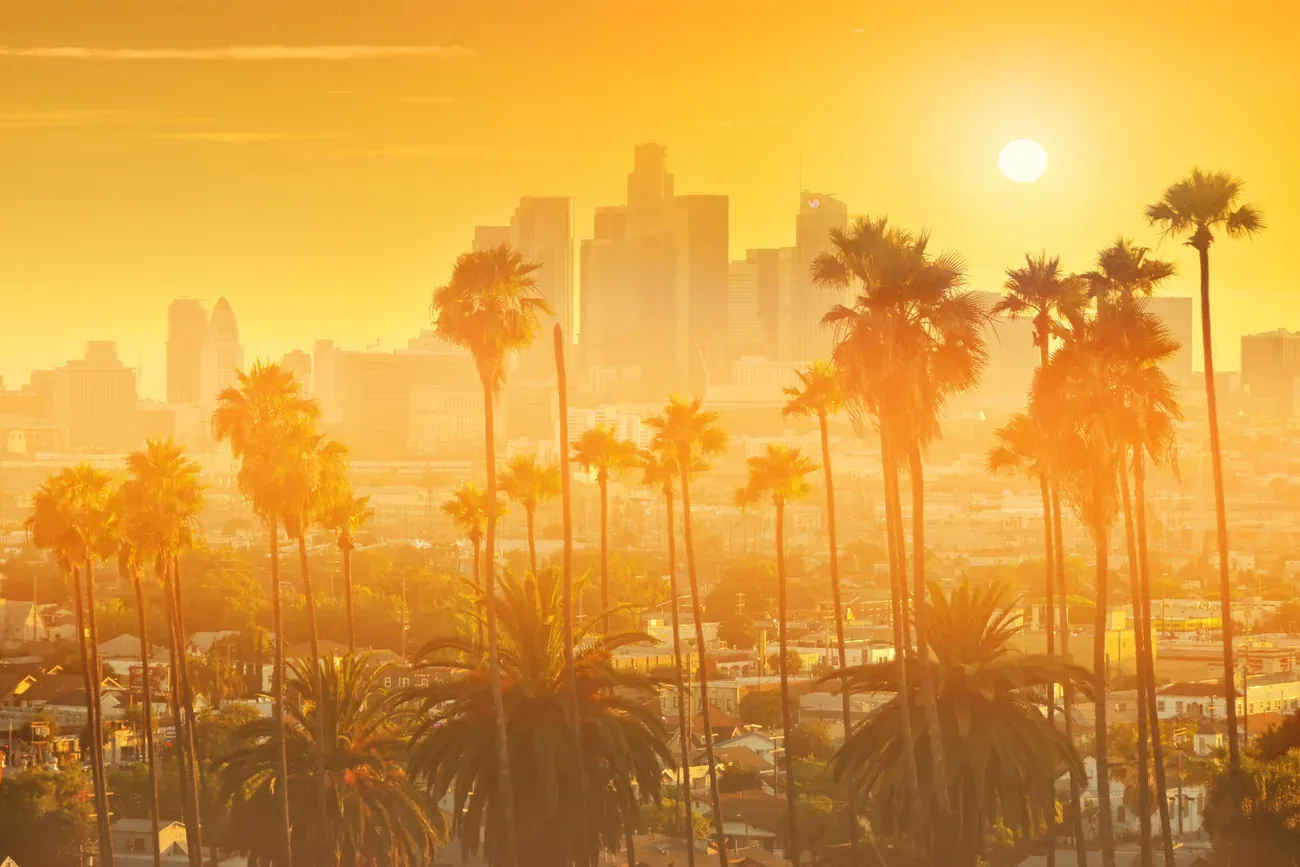
Los Angeles
Explore Los Angeles in detail. Home of the film industry, spread between the beaches, the studio lots and the hills above Griffith Park.
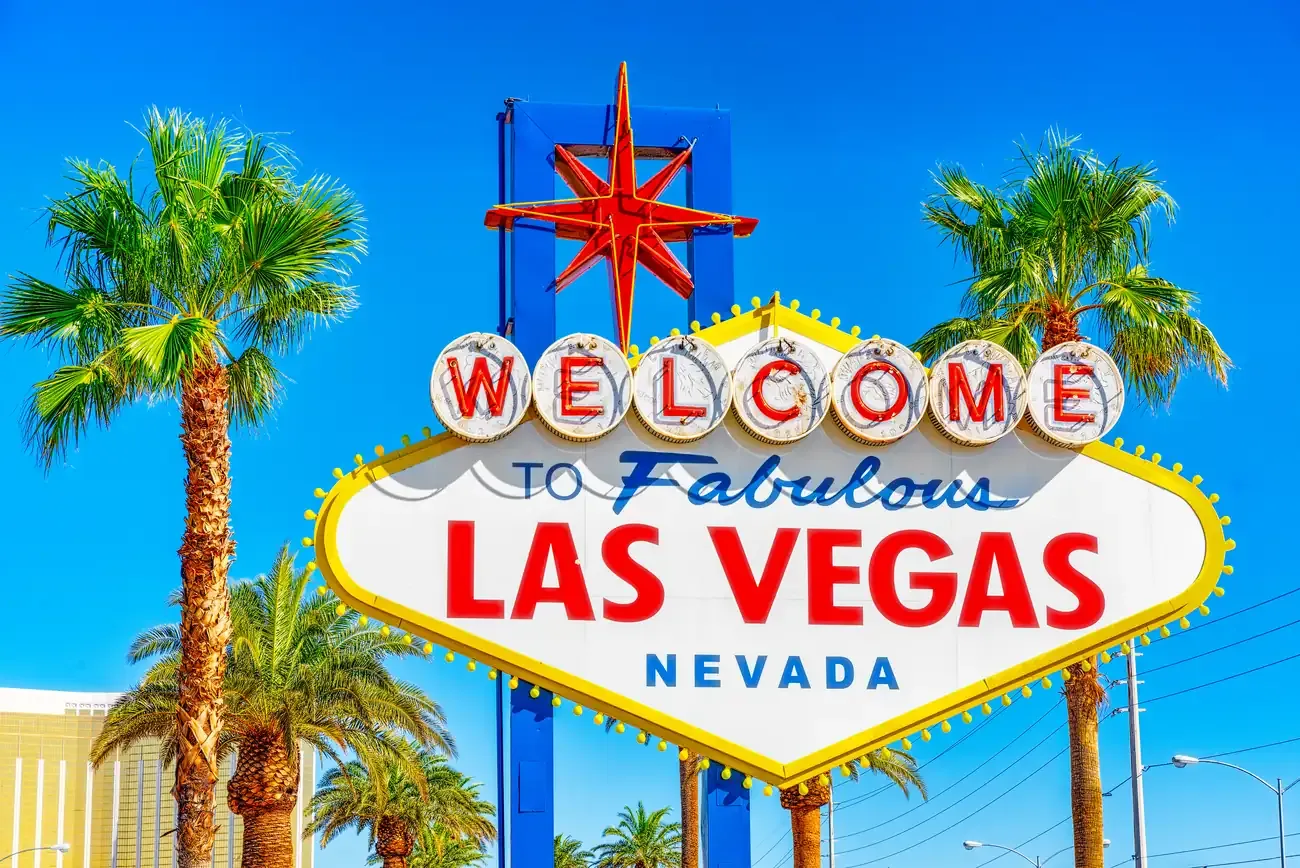
Las Vegas
Explore Las Vegas in detail. A resort city in the Mojave desert, built for shows and neon, with red rock canyons an hour away.
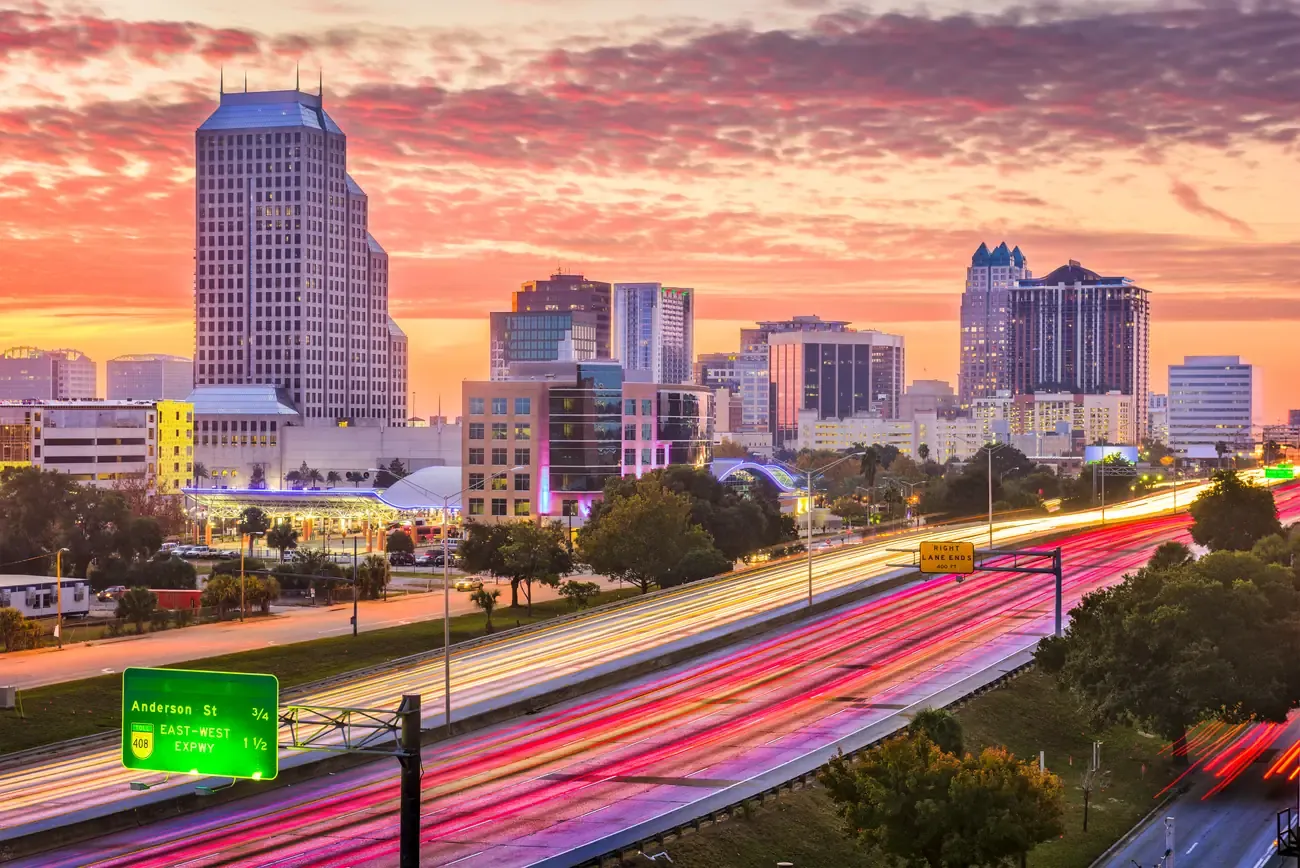
Orlando
Explore Orlando in detail. The theme park capital of Florida, with lakes and a walkable downtown between the resorts.
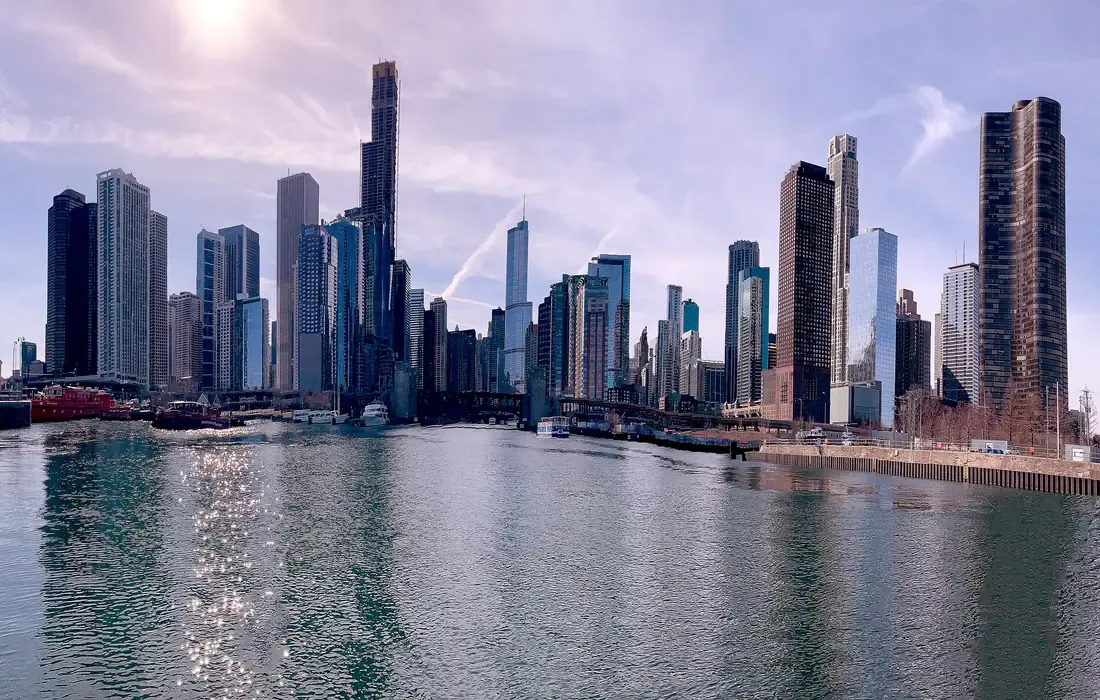
Chicago
Explore Chicago in detail. The city where the skyscraper was invented, still lined with them along the lake and the river.
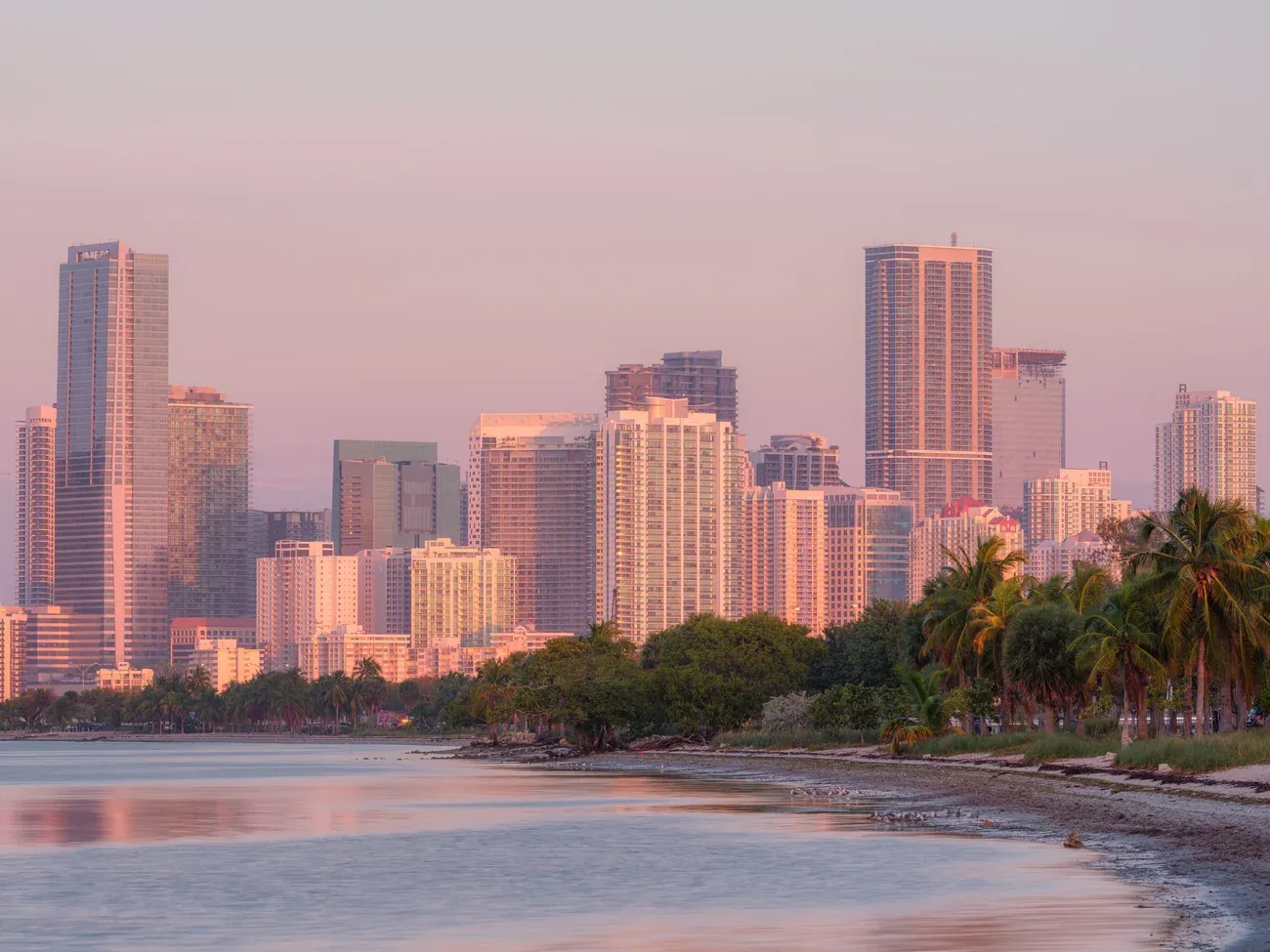
Miami
Explore Miami in detail. A Caribbean-facing city of Art Deco beachfront, mural-covered warehouses and Cuban kitchens.
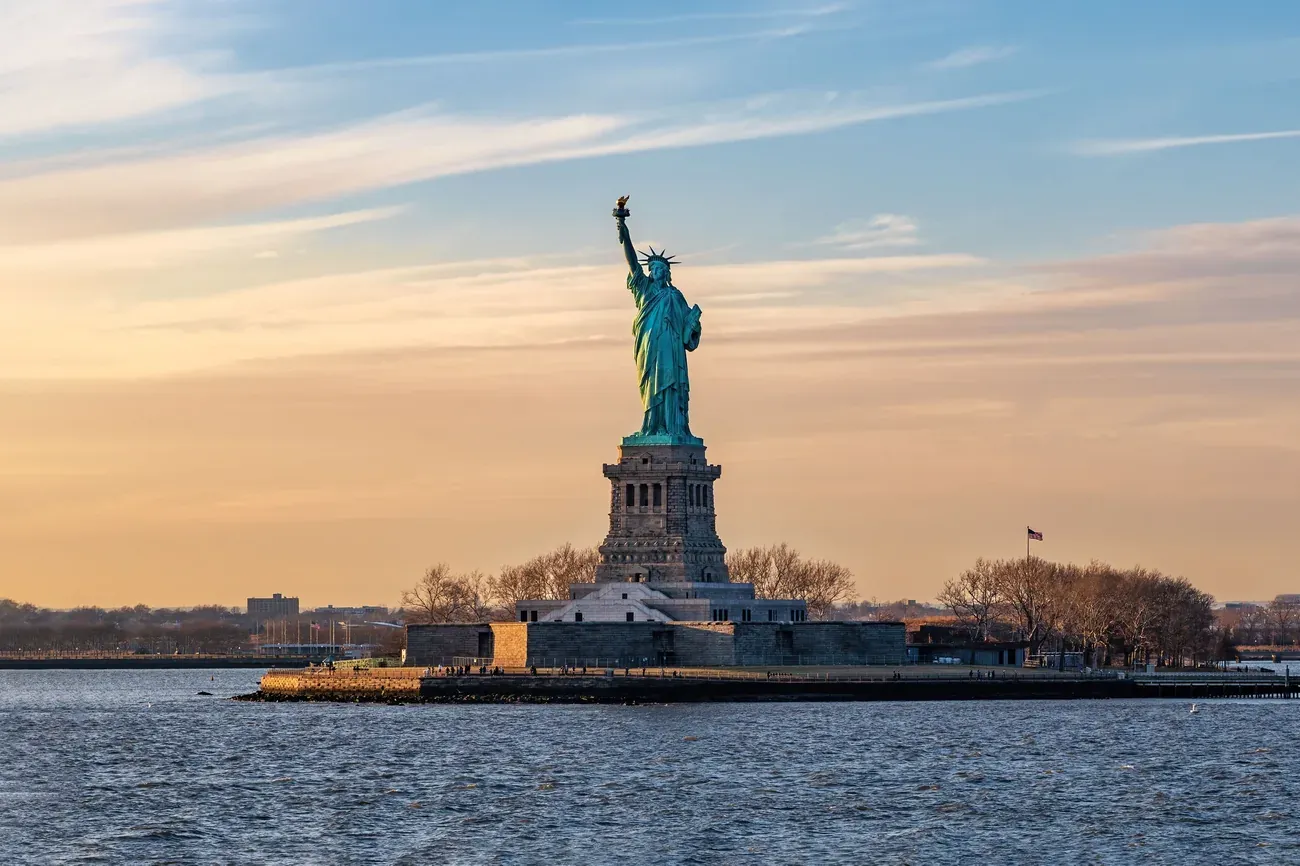
1. Statue of Liberty
France gave the statue to the United States and it was dedicated in 1886, and the copper figure on Liberty Island has stood for arrival ever since. Ferries cross from Battery Park in Manhattan and from Liberty State Park in New Jersey, and the same ticket continues to Ellis Island, where the immigration museum fills the old inspection hall. On the island itself the pedestal and the museum take most of the visit.
Sculptor: Frederic Auguste Bartholdi
Dedicated: 1886, UNESCO listed in 1984
Location: Liberty Island in New York Harbor, off Lower Manhattan
Access: Ticketed. The National Park Service charges no entrance fee for the island museums, but a ferry ticket is required
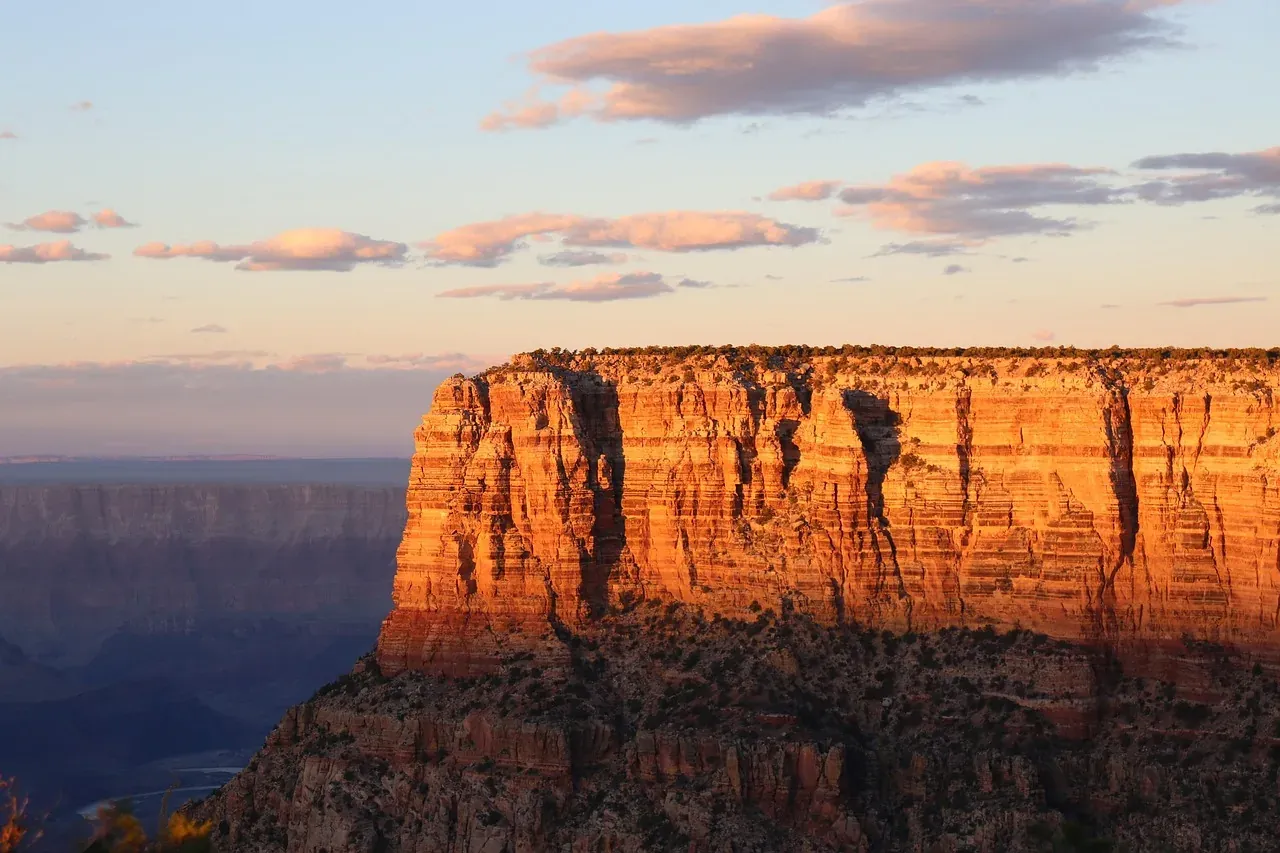
2. Grand Canyon
The Colorado River has cut a mile down through the rock of northern Arizona, and the result draws more than five million visitors a year. Most of them stay on the South Rim, where shuttle buses link the viewpoints and the walk along the rim needs no plan at all. The maintained trails drop from there towards the river, a descent that is far harder on the way back up than on the way down.
Heritage: UNESCO listed
Location: Northern Arizona, on the Colorado River
Access: Ticketed with a park entrance pass. No reservation or timed entry is needed to drive in
3. Times Square
Broadway cuts across Seventh Avenue here and leaves a wedge of Midtown Manhattan where buildings are leased for their screens as much as for their floors. The result reads the same at three in the morning as at seven in the evening. The Theater District spreads on either side, the red steps above the ticket booth face north over the crowd, and the traffic lanes through the middle became pedestrian plazas in 2009.
Neighbourhood: Midtown Manhattan, in the Theater District
Location: Broadway at Seventh Avenue, between 42nd and 47th Streets, New York City
Access: Free and open at all hours
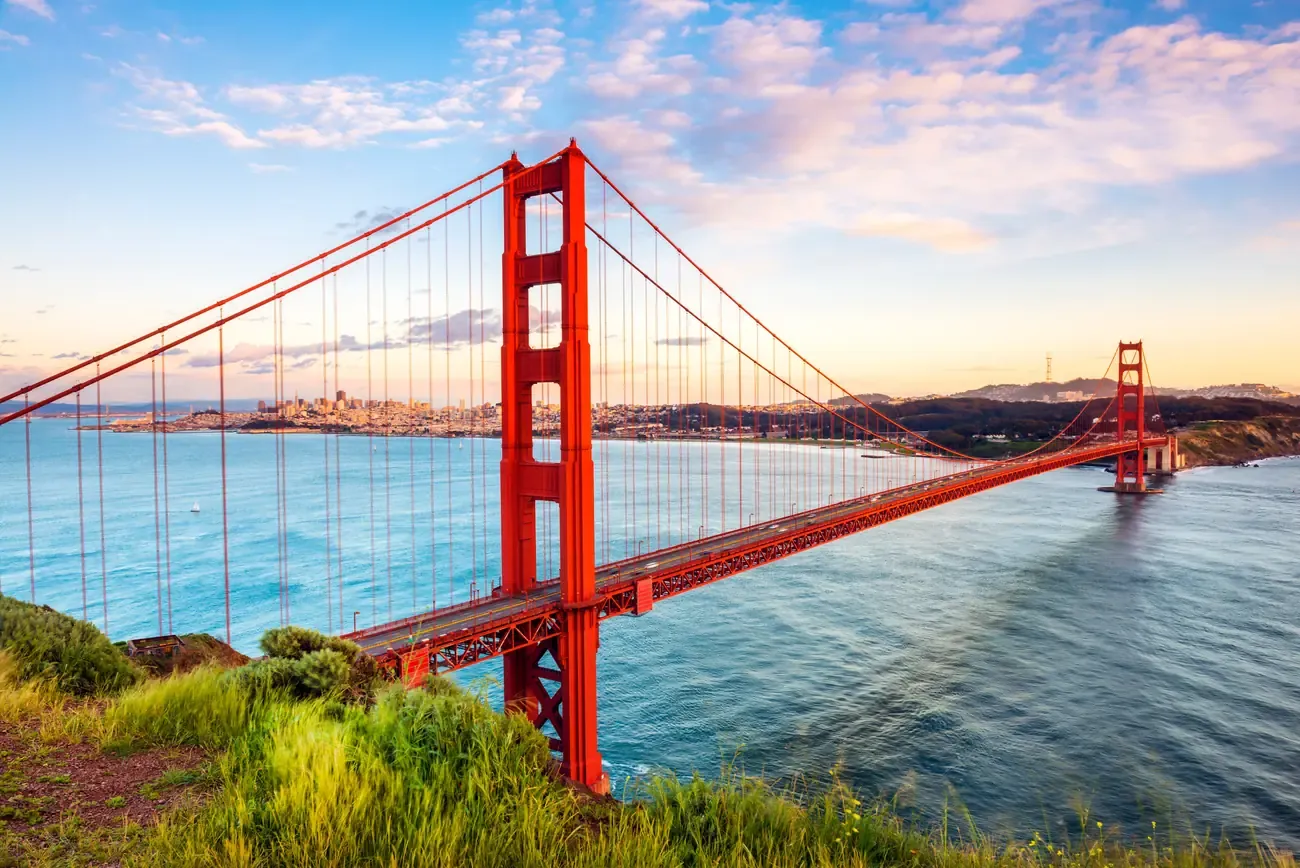
4. Golden Gate Bridge
The 1937 suspension bridge carries the highway across the strait between the city and the Marin headlands, painted an orange that was chosen to stay visible in the fog. Walking it costs nothing: pedestrians use the east sidewalk, the side that faces the city, from 5am until 6.30pm in winter and until 9pm in summer, and the welcome centre at the southern end opens daily from 9am to 6pm. There is more in the guide to tourist attractions in San Francisco.
Opened: 1937
Style: Art Deco suspension bridge
Location: Between San Francisco and the Marin headlands, California
Access: Free on foot, with the east sidewalk closed overnight
5. Central Park
Frederick Law Olmsted and Calvert Vaux won the competition to design the park in 1858, and almost nothing inside it is accidental: the transverse roads are sunk out of sight, the Ramble is planted to feel lost in, the Mall is the one straight line. The park runs from 59th Street to 110th Street between Fifth Avenue and Central Park West, four kilometres end to end, so most visitors only ever see one half of it.
Designers: Frederick Law Olmsted and Calvert Vaux
Designed: 1858
Location: Manhattan, between 59th and 110th Streets, New York City
Access: Free, open daily from 6am to 1am
6. Yellowstone National Park
Yellowstone was the first true national park in the world, set aside in 1872, and the reason sits under the boardwalks: a volcanic system that drives the geysers, the terraces and the coloured hot springs. Old Faithful is the one people wait for, the Grand Prismatic Spring is the one they photograph, and the yellow walls that gave the river its name are the surprise. Bison, elk and wolves use the same valleys.
Established: 1872
Heritage: UNESCO listed
Location: Mostly Wyoming, reaching into Montana and Idaho
Access: Ticketed with a park entrance pass. Vehicle reservations are not required
7. Empire State Building
The tower went up in 1931 and held the title of tallest building in the world for close to forty years, which is long enough for its stepped Art Deco silhouette to become shorthand for the whole skyline. Two observation decks are open, the 86th floor in the open air and the 102nd behind glass, and the queue is shortest first thing. The upper floors are lit in changing colours after dark.
Architects: Shreve, Lamb and Harmon
Completed: 1931
Style: Art Deco
Location: Fifth Avenue at 34th Street, Midtown Manhattan, New York City
Access: Ticketed
8. Niagara Falls
Three falls drop side by side on the border with Canada, and the American bank puts you closest to the lip of the water. Niagara Falls State Park, the oldest state park in the country, runs along the gorge with paths out to Prospect Point and Luna Island and stairs down beside the Bridal Veil Falls. Boats work the pool under the Horseshoe Falls from both shores, and Buffalo is the nearest airport.
Opened: 1885
Location: Niagara Falls, western New York State, on the border with Ontario
Access: Free to enter the state park, with the boats and the walkways ticketed separately
9. Yosemite National Park
Glaciers cut the valley and left the walls standing: El Capitan on one side, Half Dome closing the far end, and waterfalls that run hardest when the snow melts in late spring. The valley floor is a small part of the park, which also holds the giant sequoias of the Mariposa Grove and a high country reached by a road that closes under snow. The park has said it will not use a timed reservation system in 2026.
Established: 1890
Heritage: UNESCO listed
Location: The Sierra Nevada, central California
Access: Ticketed with a park entrance pass, and no entrance reservation in 2026
10. National Mall and Lincoln Memorial
The Mall runs three kilometres from the Capitol to the Lincoln Memorial with the Washington Monument standing in the middle of it and the Smithsonian museums along the lawns on either side, none of which charge admission. Henry Bacon's memorial closes the western end, its columns around the seated Lincoln that Daniel Chester French carved, with the Gettysburg Address cut into the wall. Martin Luther King Jr spoke from the steps in 1963.
Architect: Henry Bacon
Opened: 1922
Location: The west end of the National Mall, Washington, D.C.
Access: Free
11. White House
James Hoban's house has stood on Pennsylvania Avenue since 1800, burned by British troops in 1814 and rebuilt and extended many times since. Public tours cover the State Floor, which means the Blue, Red and Green Rooms, the State Dining Room and the Entrance and Cross Halls, and they cost nothing. They cannot be booked online: the request goes through a Member of Congress, between seven and ninety days ahead, and most tours run in the morning.
Architect: James Hoban
Occupied: 1800
Style: Neoclassical
Location: 1600 Pennsylvania Avenue, Washington, D.C.
Access: Free, by tour request through a Member of Congress
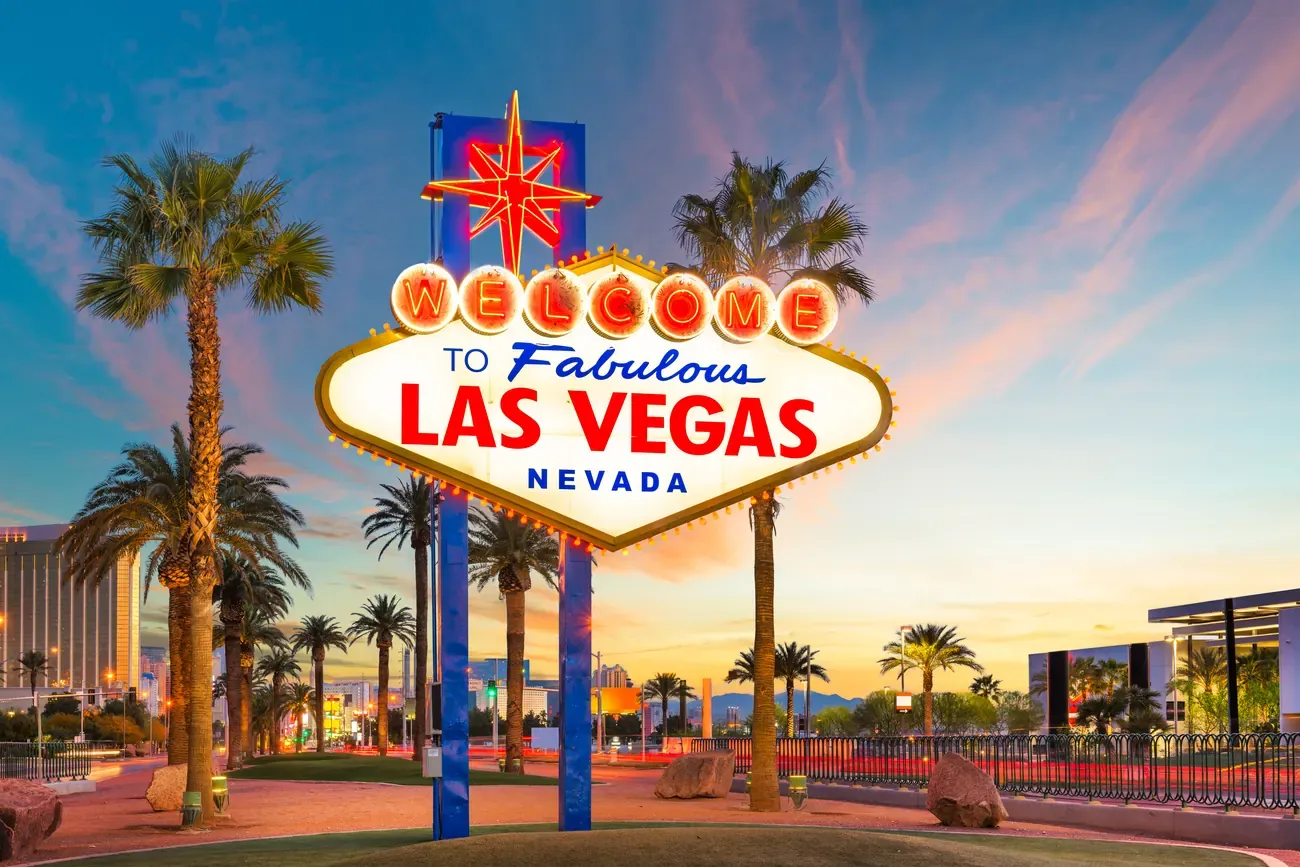
12. Las Vegas Strip
The Strip is a seven-kilometre run of Las Vegas Boulevard that lies outside the city limits, in unincorporated Clark County, which is why the postal address on most of the resorts is not Las Vegas at all. The architecture is the attraction: a canal under a painted sky, a half-scale Eiffel Tower, a miniature Manhattan skyline with a rollercoaster through it, and fountains that dance on a lake. Walking it takes longer than it looks.
Length: About seven kilometres of Las Vegas Boulevard South
Location: Clark County, immediately south of the city of Las Vegas, Nevada
Access: Free to walk, with individual attractions ticketed
13. Walt Disney World
Four theme parks, two water parks and a ring of resorts cover about a hundred square kilometres of central Florida, which makes this less a day out than a small town with a transport system. Magic Kingdom, with the castle at the end of its main street, is the one people picture. Epcot, Hollywood Studios and Animal Kingdom each work differently, and monorails, buses and boats carry visitors between them.
Opened: 1971
Parks: Four theme parks and two water parks
Location: Bay Lake and Lake Buena Vista, near Orlando, Florida
Access: Ticketed, with dated park tickets
14. Hollywood Sign
The letters went up on Mount Lee in 1923 to advertise a housing development called Hollywoodland, and they lost the last four of them in 1949, by which point the sign had stopped selling plots and started standing for the industry below. There is no access to the letters themselves. The views come from Griffith Park instead: the trail to the summit ridge, the terrace at the observatory, and the small park at the foot of the hill.
Erected: 1923
Shortened: 1949, when Hollywoodland lost its last four letters
Location: Mount Lee, Griffith Park, Los Angeles, California
Access: Free to view, with the letters themselves closed to the public
15. Mount Rushmore
Gutzon Borglum carved four presidents into a granite face in the Black Hills between 1927 and 1941, at a scale that makes each head about eighteen metres from chin to hairline. The Avenue of Flags leads out to the viewing terrace, the Presidential Trail loops closer in under the sculpture, and the sculptor's studio at the base still holds the working model he carved from. Around two million people come each year.
Sculptor: Gutzon Borglum
Carved: 1927 to 1941
Location: The Black Hills, near Keystone, South Dakota
Access: Free to enter, with a parking fee for the car park
More famous landmarks in the United States
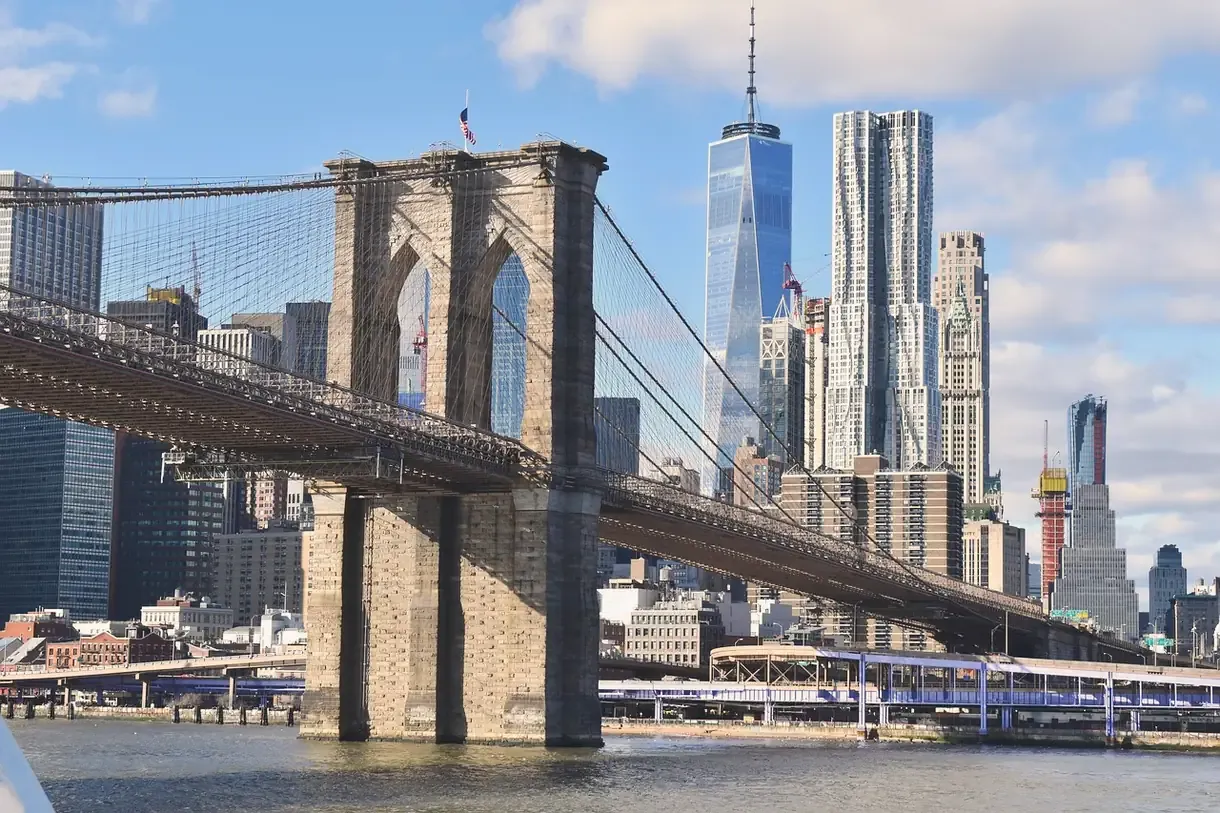
Brooklyn Bridge
The first fixed crossing of the East River, opened in 1883 and still walkable on the boardwalk above the traffic.
Location: Between Lower Manhattan and Brooklyn, New York City
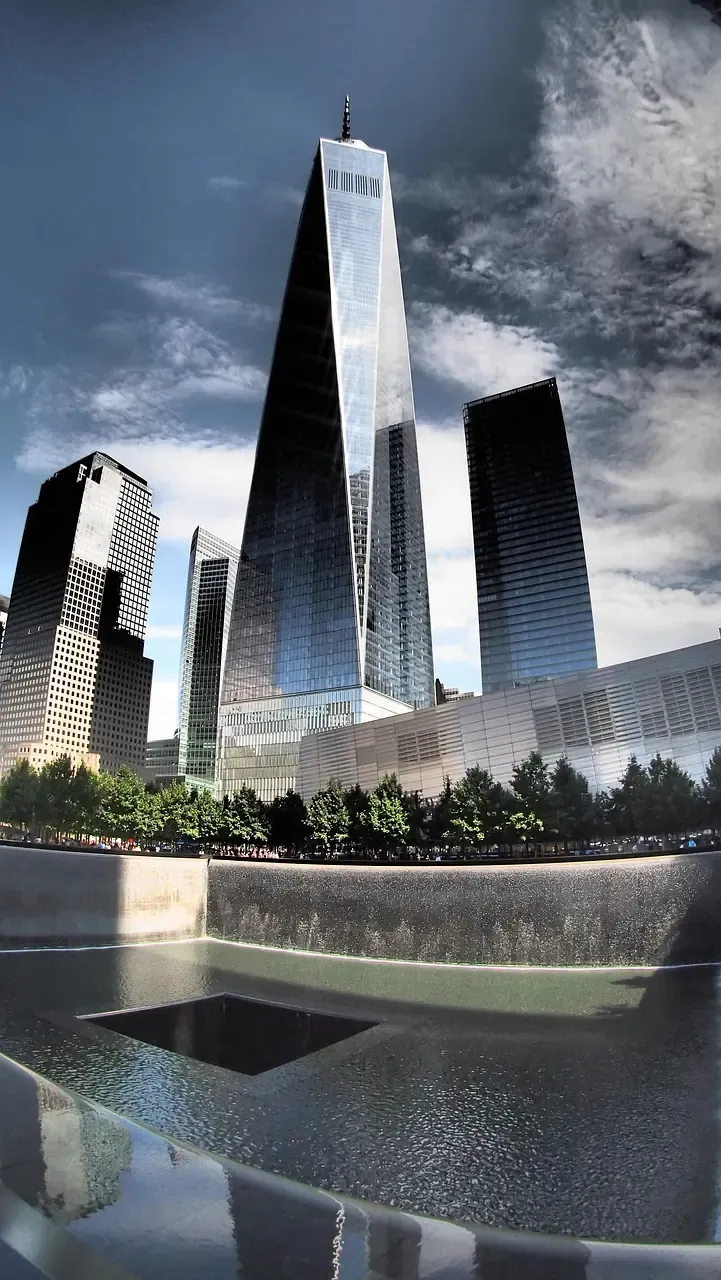
9/11 Memorial and Museum
Two pools sink into the footprints of the Twin Towers, the names cut around their rims, with the museum below the plaza.
Location: World Trade Center site, Lower Manhattan, New York City
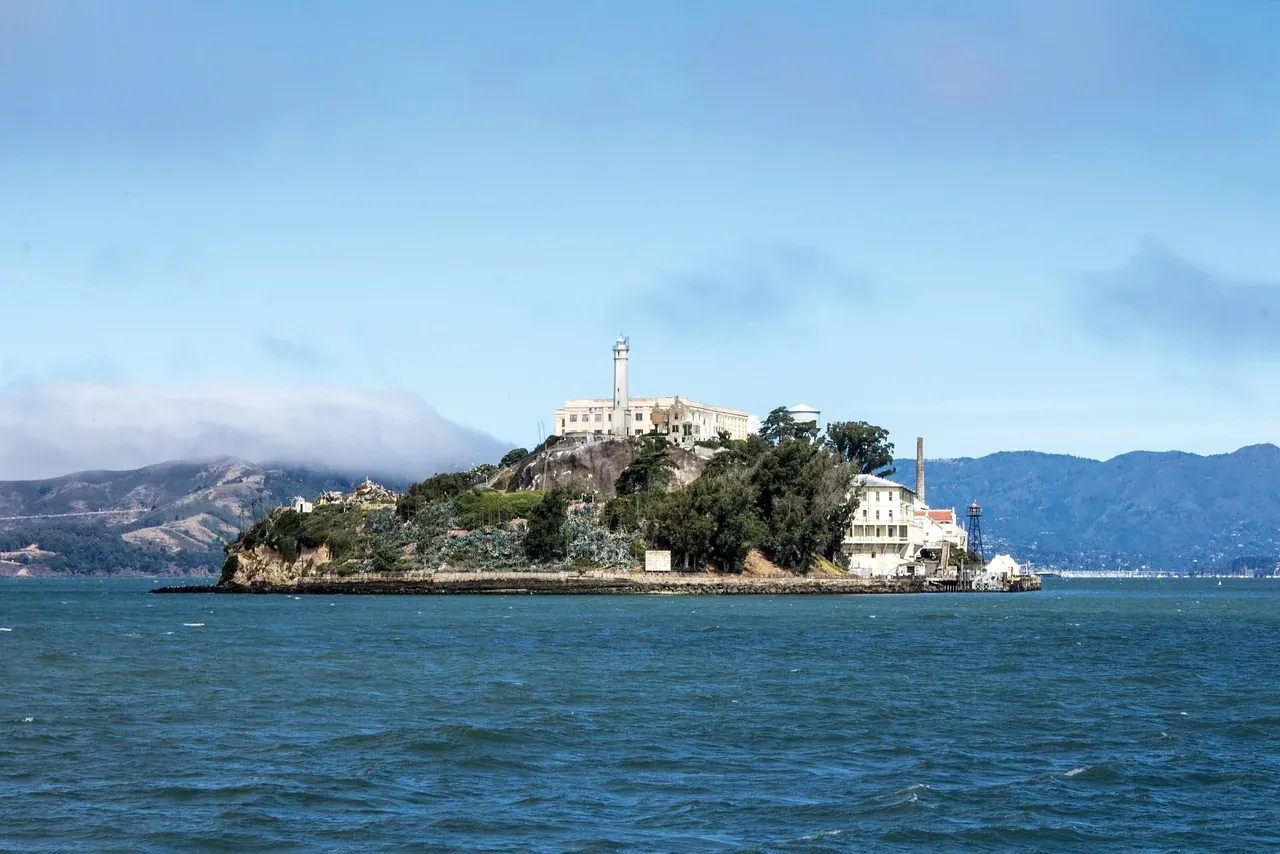
Alcatraz Island
A federal prison from 1934 until 1963 on an island in the bay, now visited by well over a million people a year.
Location: San Francisco Bay, California
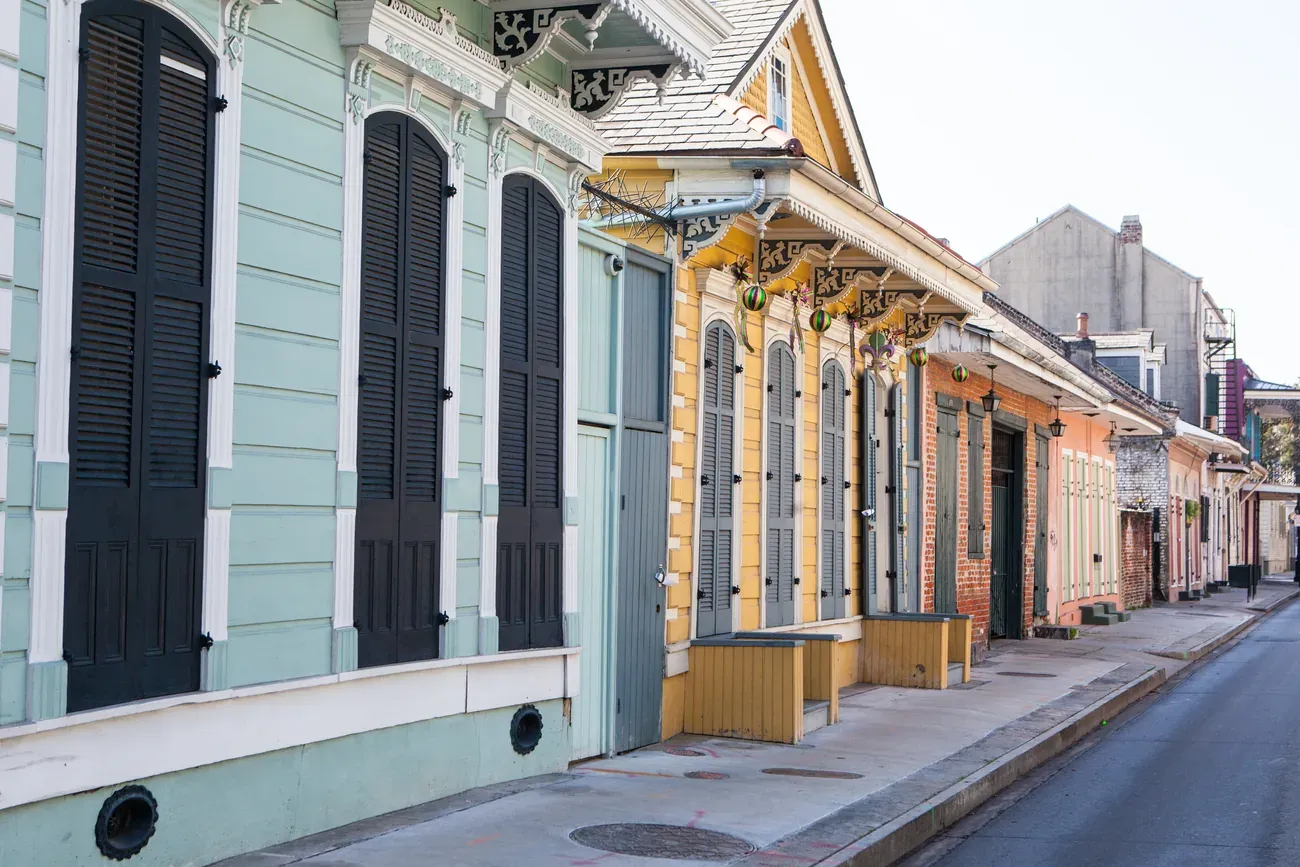
French Quarter
The oldest neighbourhood in the city, laid out around a central square after New Orleans was founded in 1718.
Location: New Orleans, Louisiana
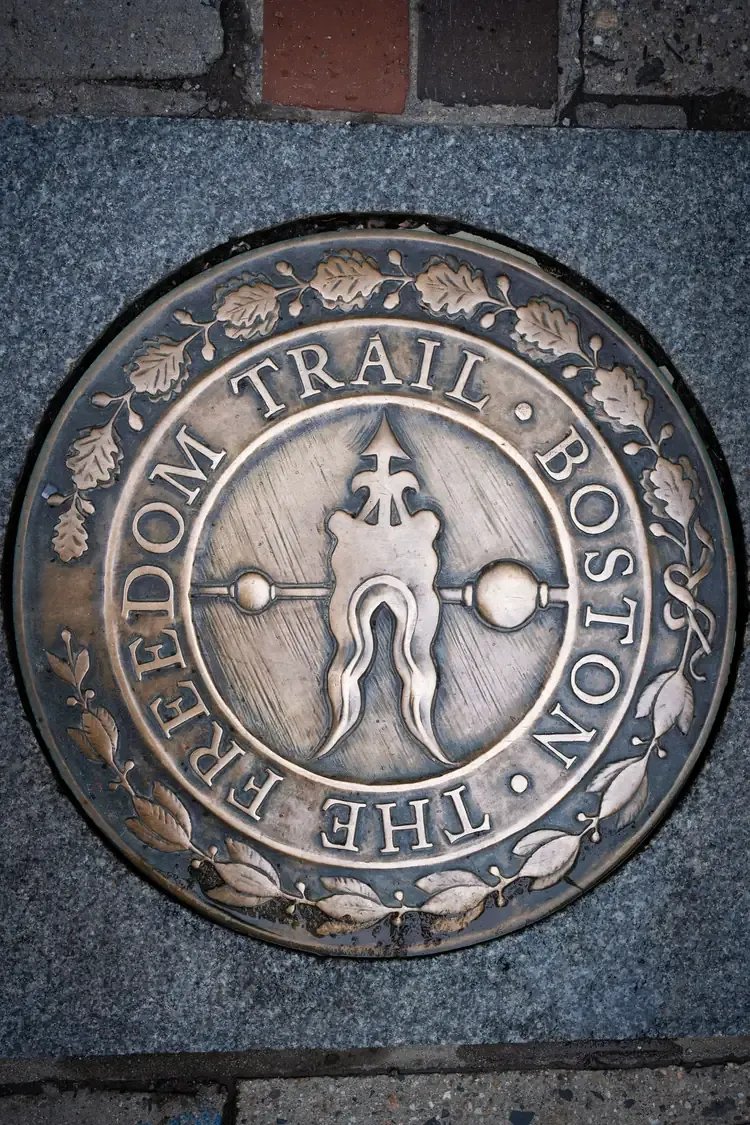
Freedom Trail
A four-kilometre line of red brick and paint links sixteen sites of the American Revolution across the city centre.
Location: Boston, Massachusetts
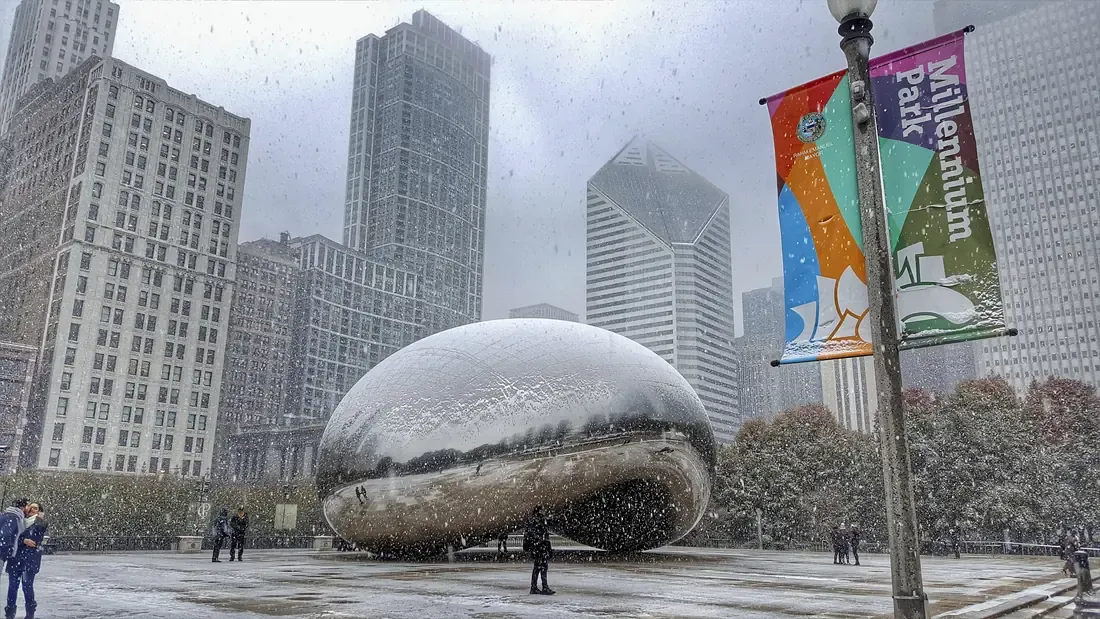
Millennium Park and Cloud Gate
Ten hectares built over railway land and opened in 2004, with a mirrored steel sculpture standing at the centre of it.
Location: The Loop, Chicago, Illinois
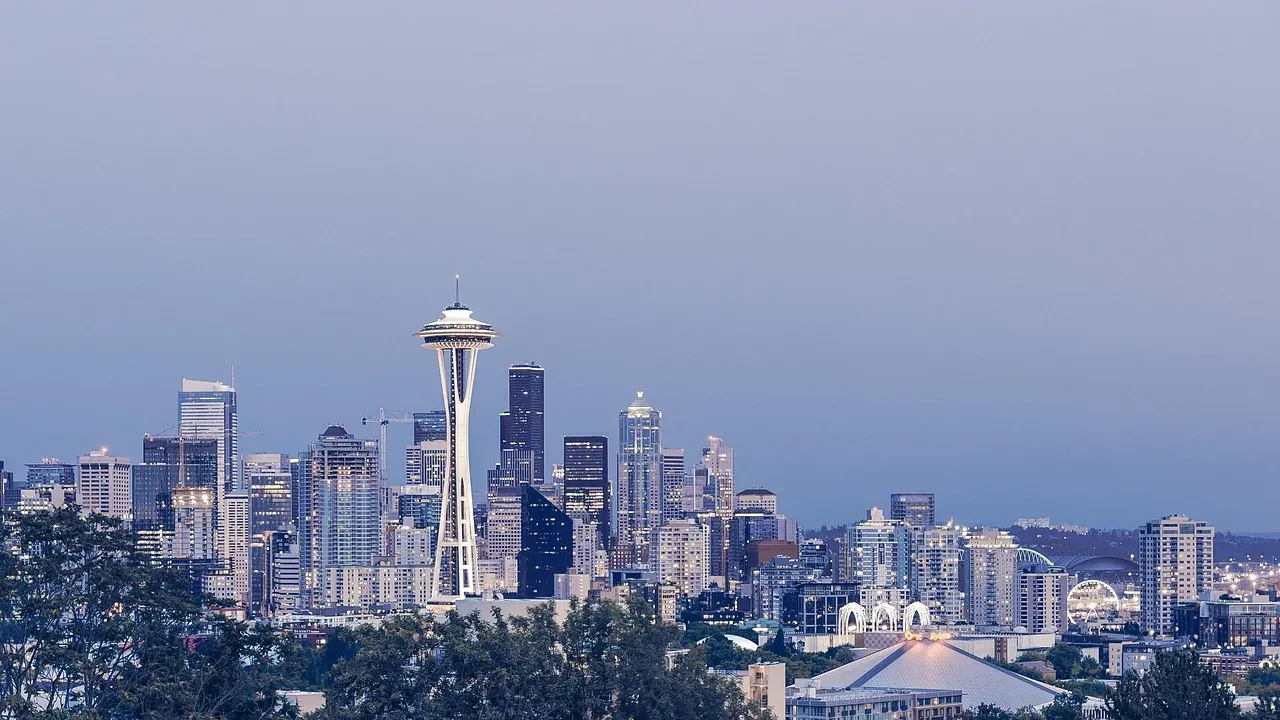
Space Needle
An observation tower built for the 1962 world's fair, with a revolving glass floor under the viewing deck.
Location: Seattle Center, Seattle, Washington
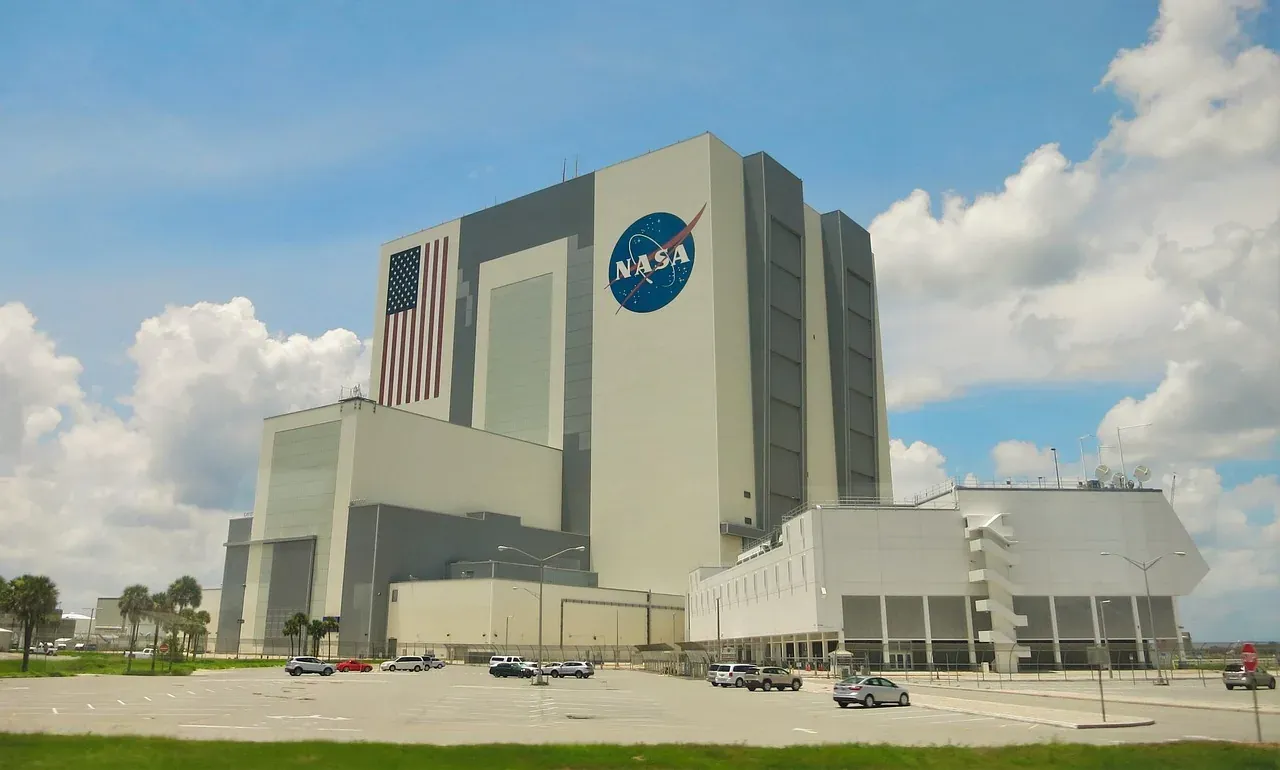
Kennedy Space Center
NASA's spaceport on Merritt Island, where the visitor complex shows the orbiter Atlantis and a Saturn V rocket.
Location: Merritt Island, near Cape Canaveral, Florida
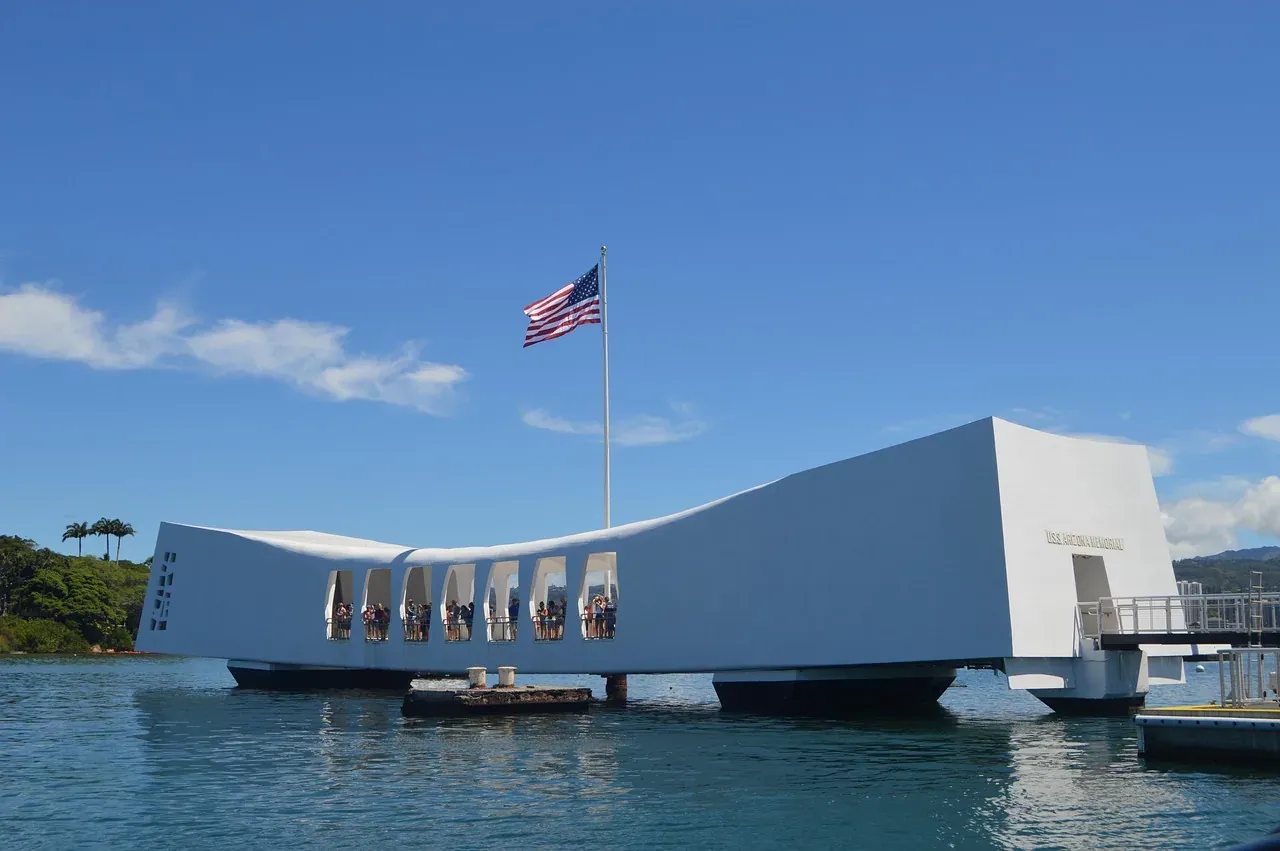
Pearl Harbor National Memorial
The memorial stands over the sunken hull of the USS Arizona. Museums and grounds are free and reservations are recommended.
Location: Oahu, near Honolulu, Hawaii
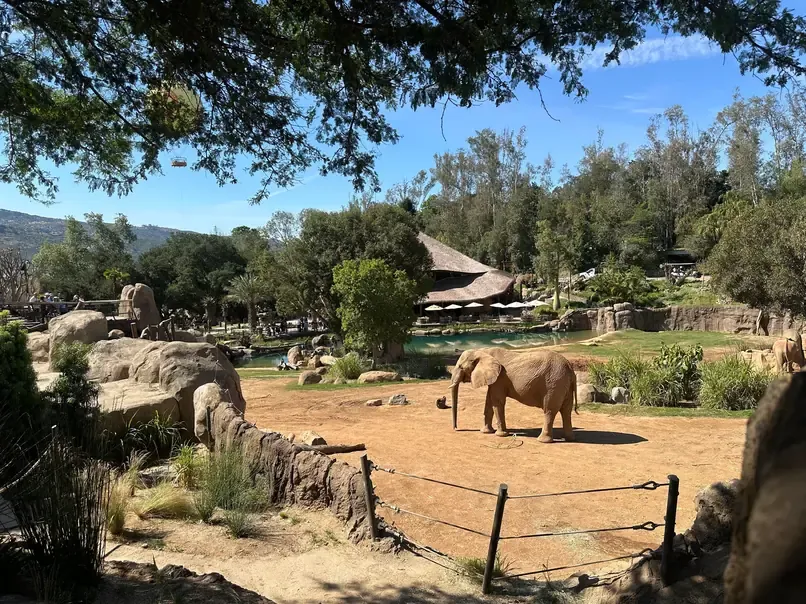
San Diego Zoo
A pioneer of open, cage-less enclosures, grown from animals left behind by an exposition held in Balboa Park in 1915.
Location: Balboa Park, San Diego, California
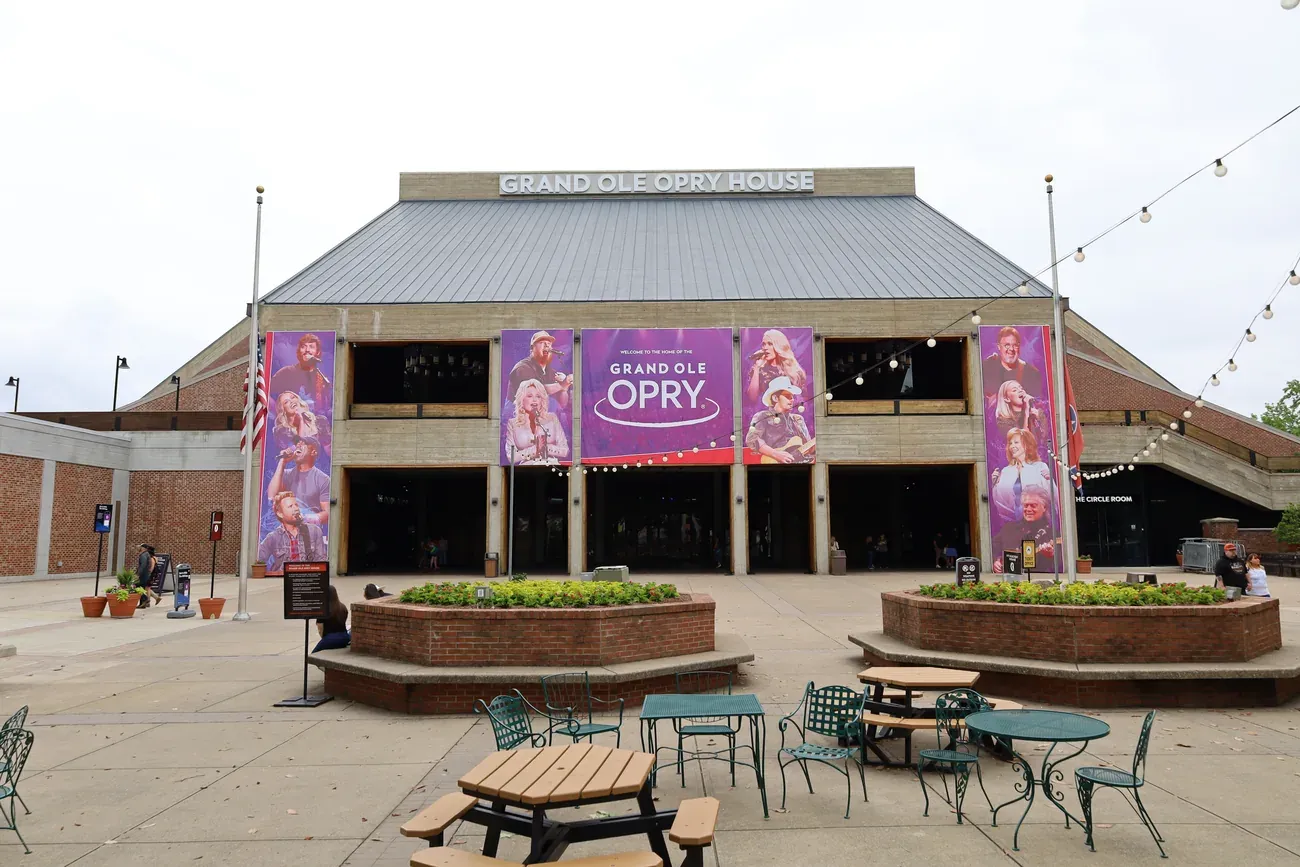
Grand Ole Opry
The longest-running radio broadcast in the country, on the air since 1925 and still performed live in front of an audience.
Location: Nashville, Tennessee
Photo: "Grand Ole Opry House in Nashville, Tennessee in 2022" by Antony-22 (CC BY-SA 4.0).

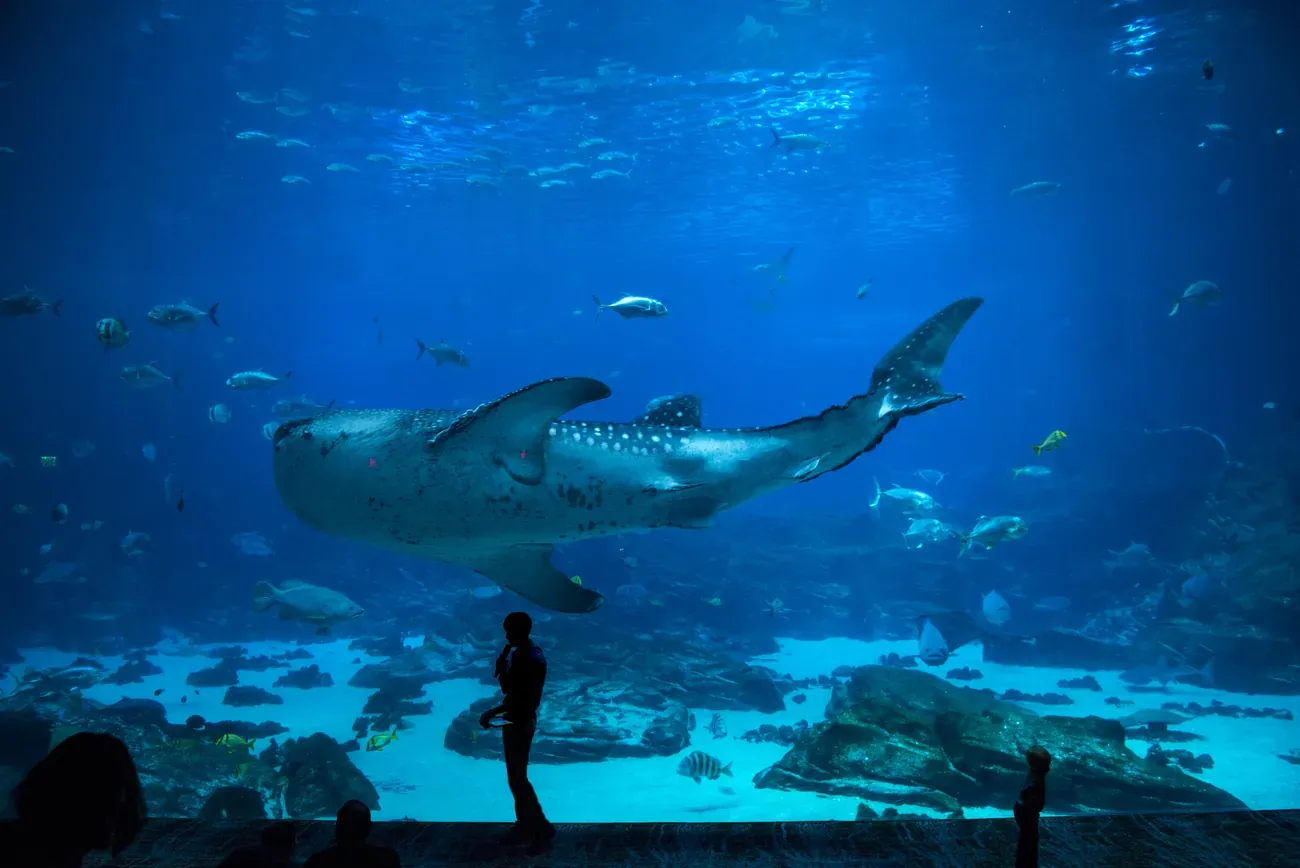
Georgia Aquarium
The largest aquarium in the country, holding more than eleven million gallons of water across seven galleries.
Location: Downtown Atlanta, Georgia
Typical dishes of the United States
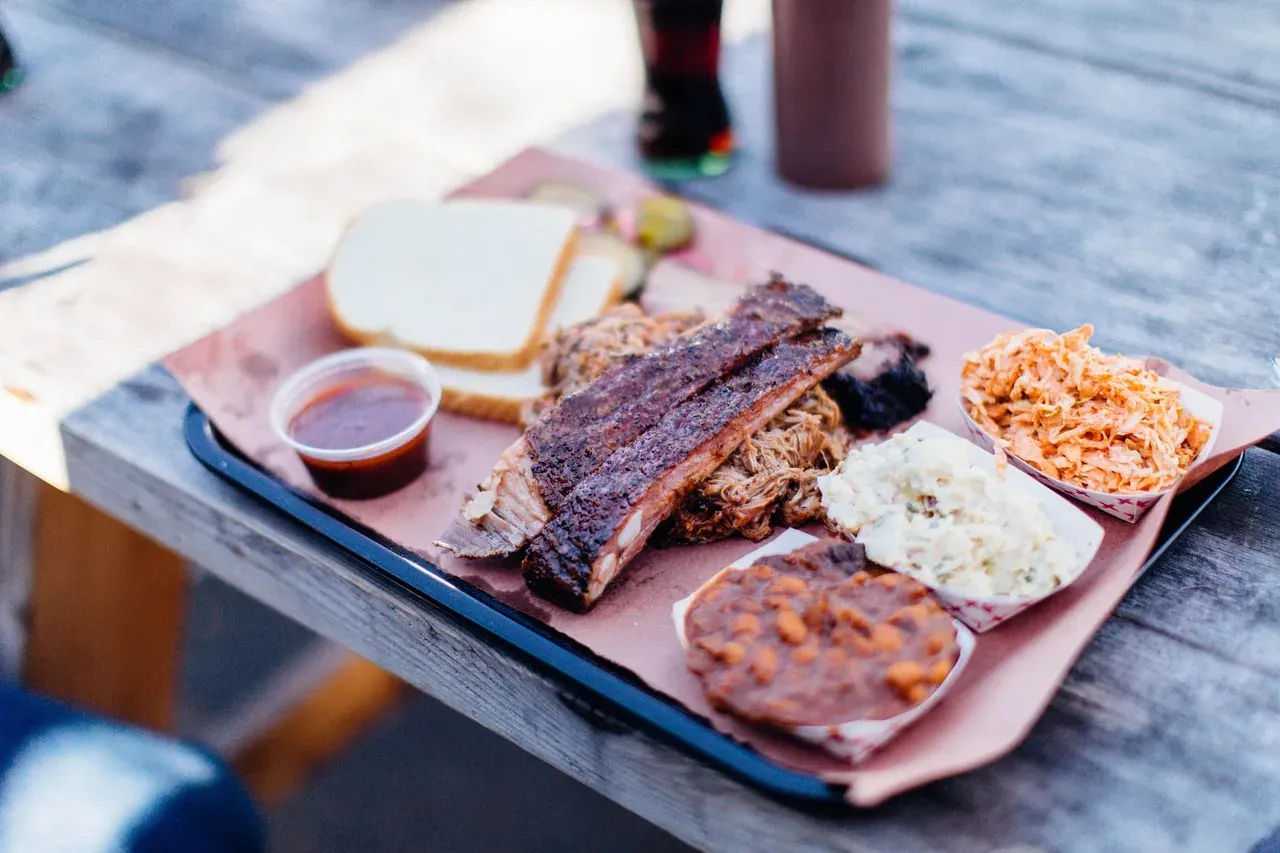
Barbecue
Pork or beef ribs, brisket or pork shoulder, smoked slowly over wood and served with the sauce on the side. Styles change from state to state across the South, and the plainest rooms cook it best.

Cheeseburger
A beef patty with melted cheese in a soft bun. Hamburgers sit at the centre of everyday eating here, from drive-ins that hand the food through a car window to diners that never close.

Fried chicken
Chicken pieces in seasoned batter, fried until the crust cracks. It belongs to the South alongside barbecue, and it turns up at potluck suppers across the Midwest as often as on a menu.

Tex-Mex
A homegrown hybrid developed in Texas from an Americanised reading of northern Mexican cooking. Chilli-based sauces, melted cheese and tortillas in every shape, with chips and salsa on the table first.

Hot dog
A sausage in a long bun, dressed a different way in every city that claims it. It shares the everyday menu with burgers, pizza and ice cream, and it is at its best from a cart or a ballpark counter.
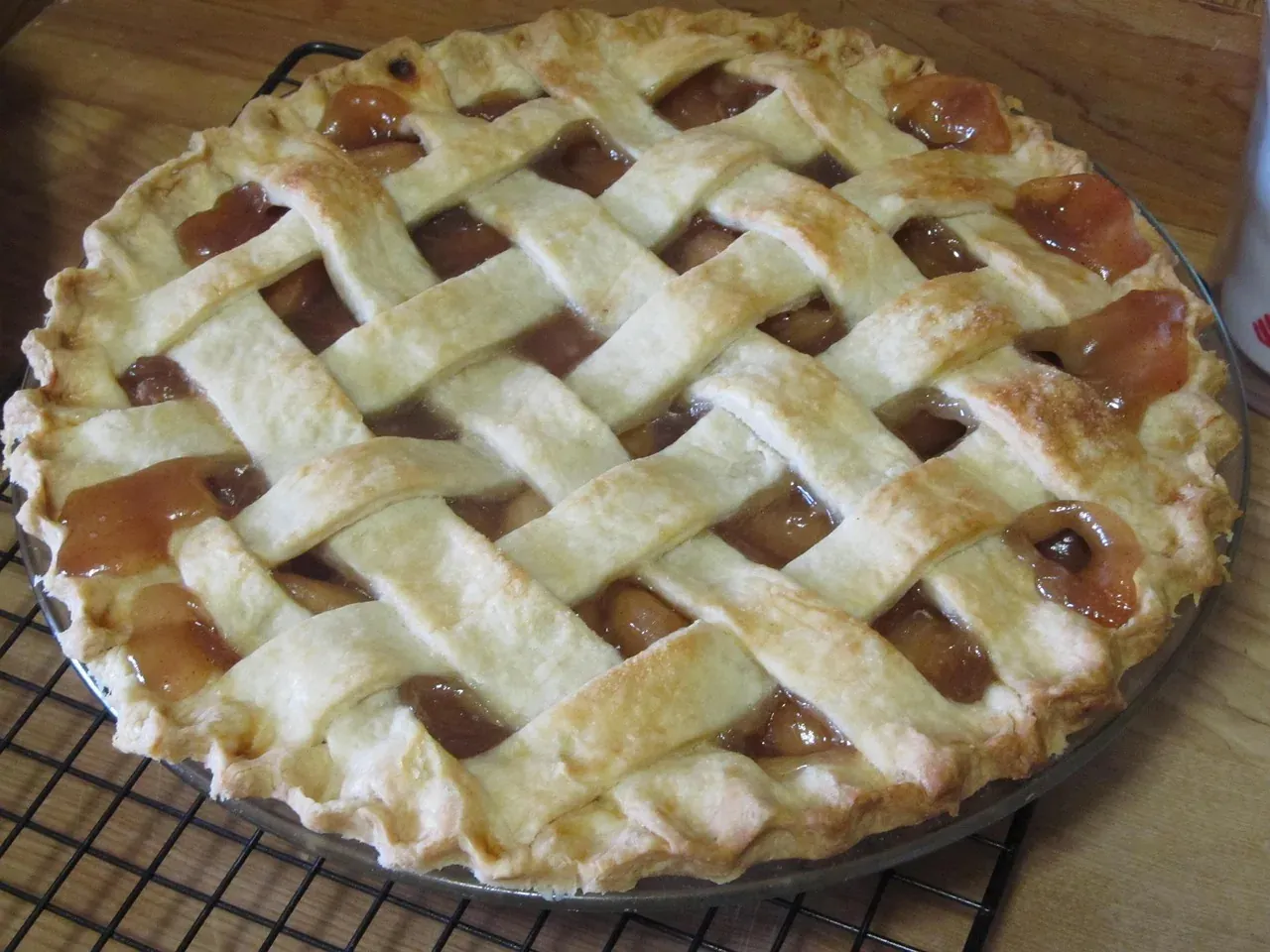
Apple pie
A double crust of pastry filled with sliced apples, made with European varieties planted by colonists and turned into a symbol of national pride. Diners serve it warm, often topped with vanilla ice cream, a style called a la mode.
Desert parks and canyons in the United States
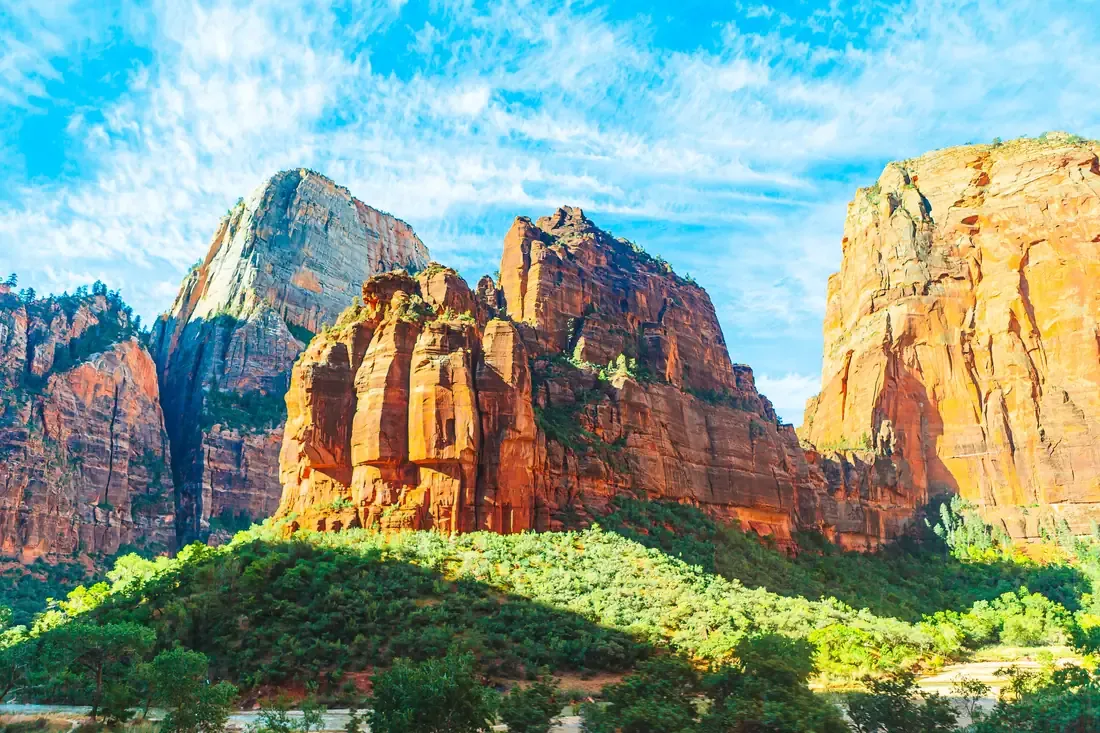
Zion National Park
Sandstone walls close in around the Virgin River, and a shuttle carries walkers up the canyon to the trailheads.
Location: Southwest Utah, near Springdale
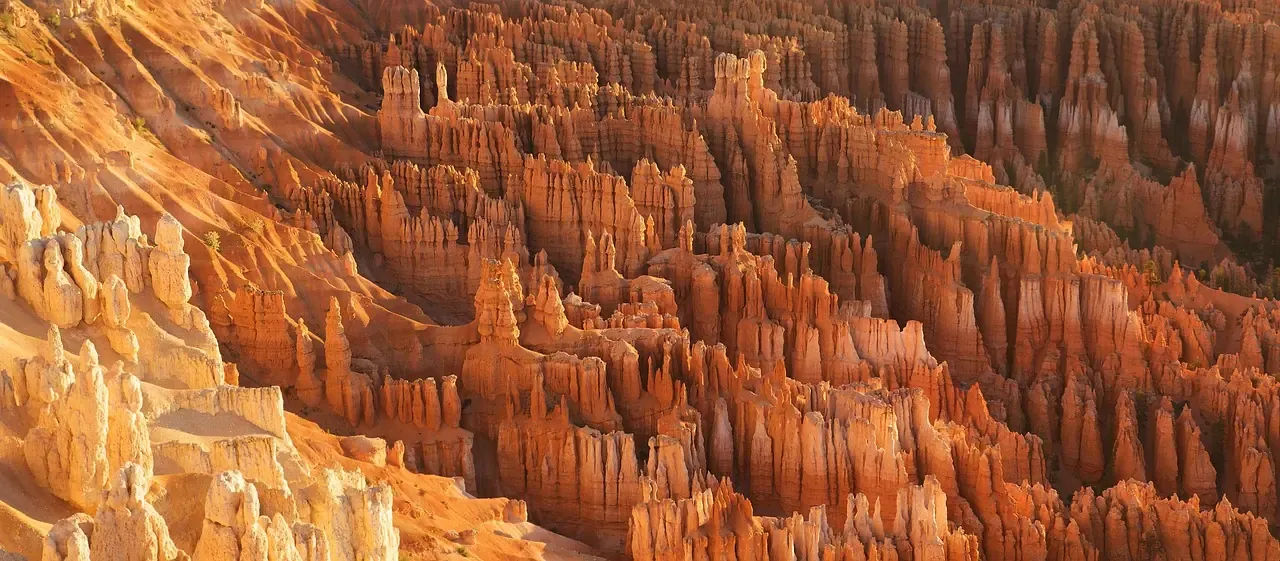
Bryce Canyon National Park
Not one canyon but a run of amphitheatres, filled with the orange rock spires the park calls hoodoos.
Location: Southern Utah, on the Paunsaugunt Plateau
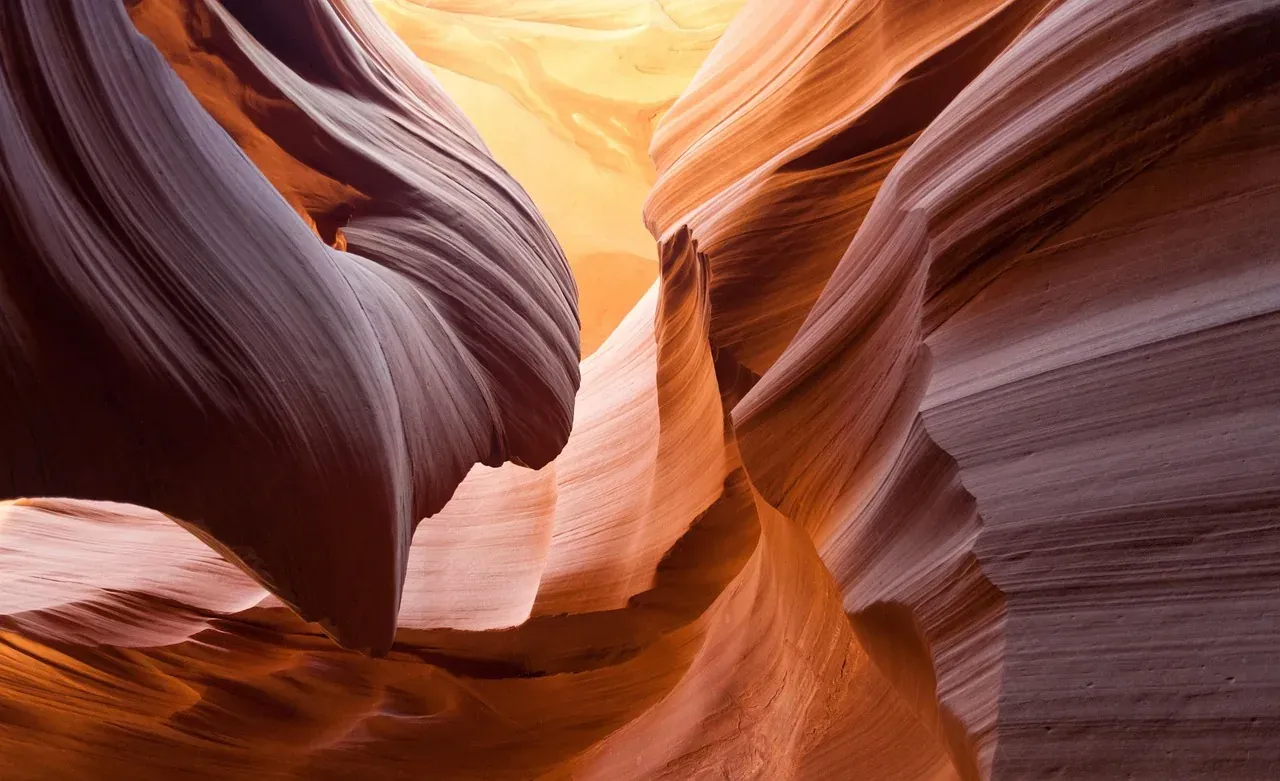
Antelope Canyon
A slot canyon cut by flash floods, narrow enough that the daylight arrives in shafts.
Location: Navajo Nation land near Page, Arizona
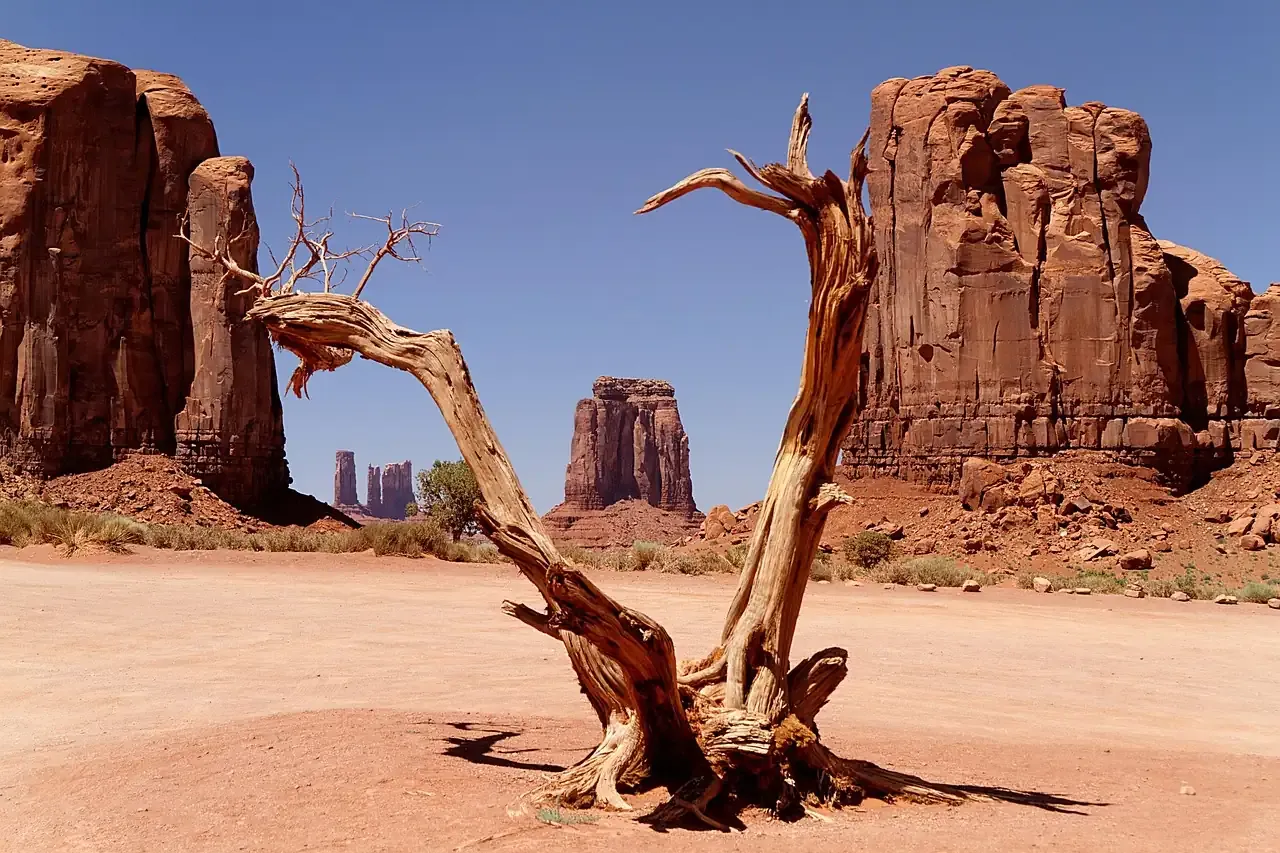
Monument Valley
Sandstone buttes stand alone above the desert. A dirt loop runs from the visitor centre and Navajo guides reach the rest.
Location: Navajo Tribal Park, on the Arizona and Utah border
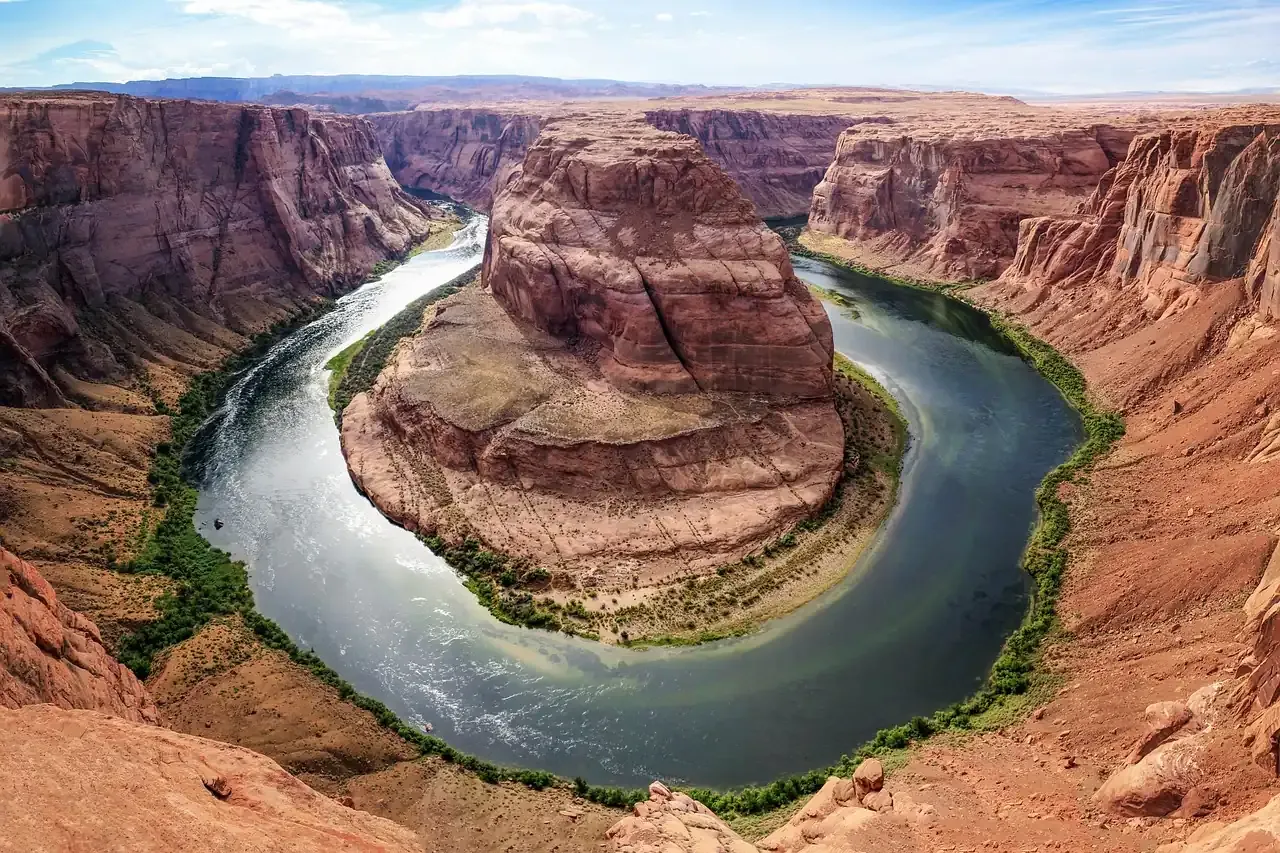
Horseshoe Bend
The Colorado River turns almost back on itself below a sandstone rim, a short walk from the car park.
Location: Near Page, Arizona
Outdoor art in the United States
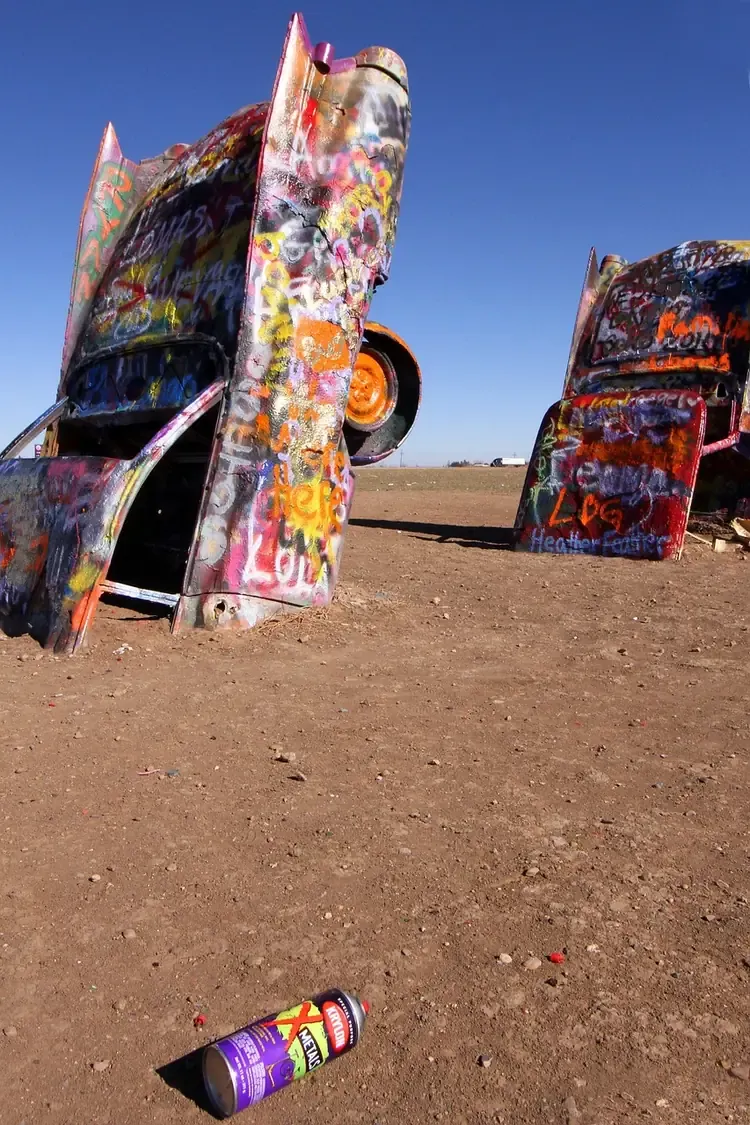
Cadillac Ranch
Ten cars buried nose down in a field beside the old Route 66, repainted by whoever turns up with a can.
Location: West of Amarillo, Texas
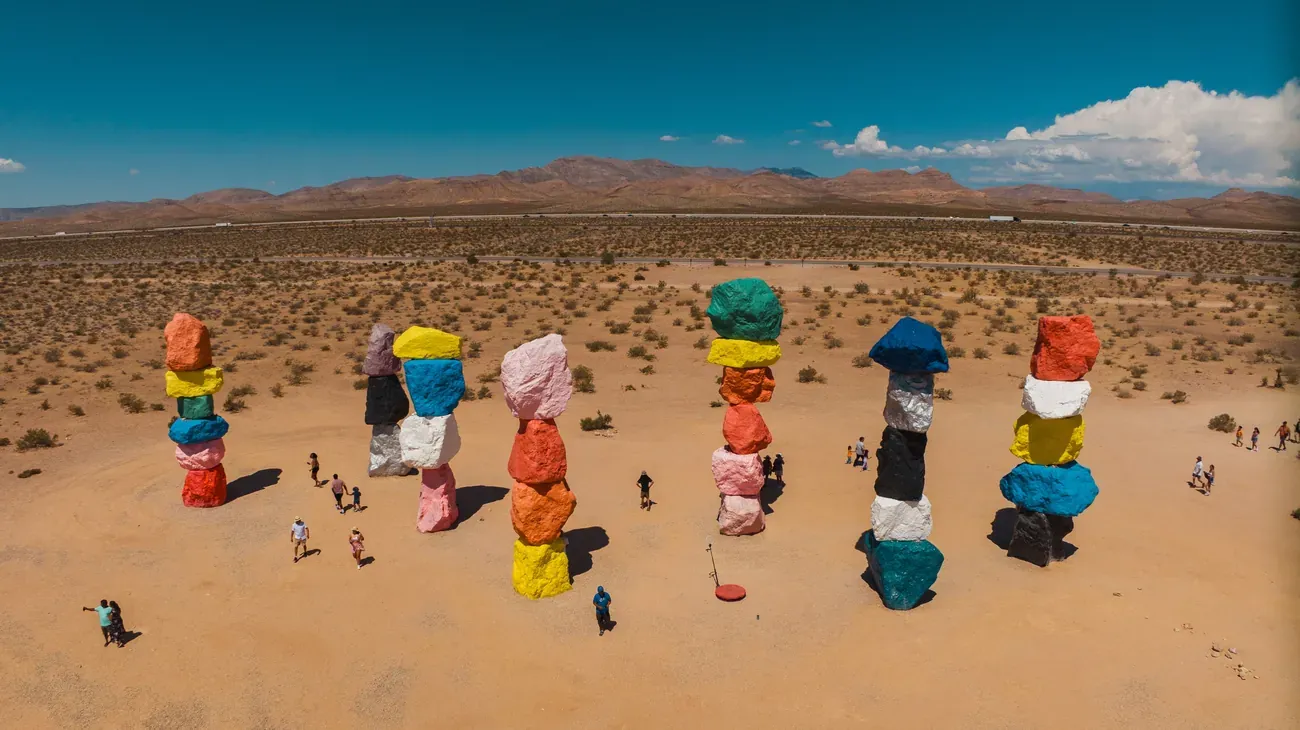
Seven Magic Mountains
Ugo Rondinone stacked boulders in fluorescent paint beside the interstate in the desert, and the towers are still standing.
Location: Near Jean Dry Lake, south of Las Vegas, Nevada
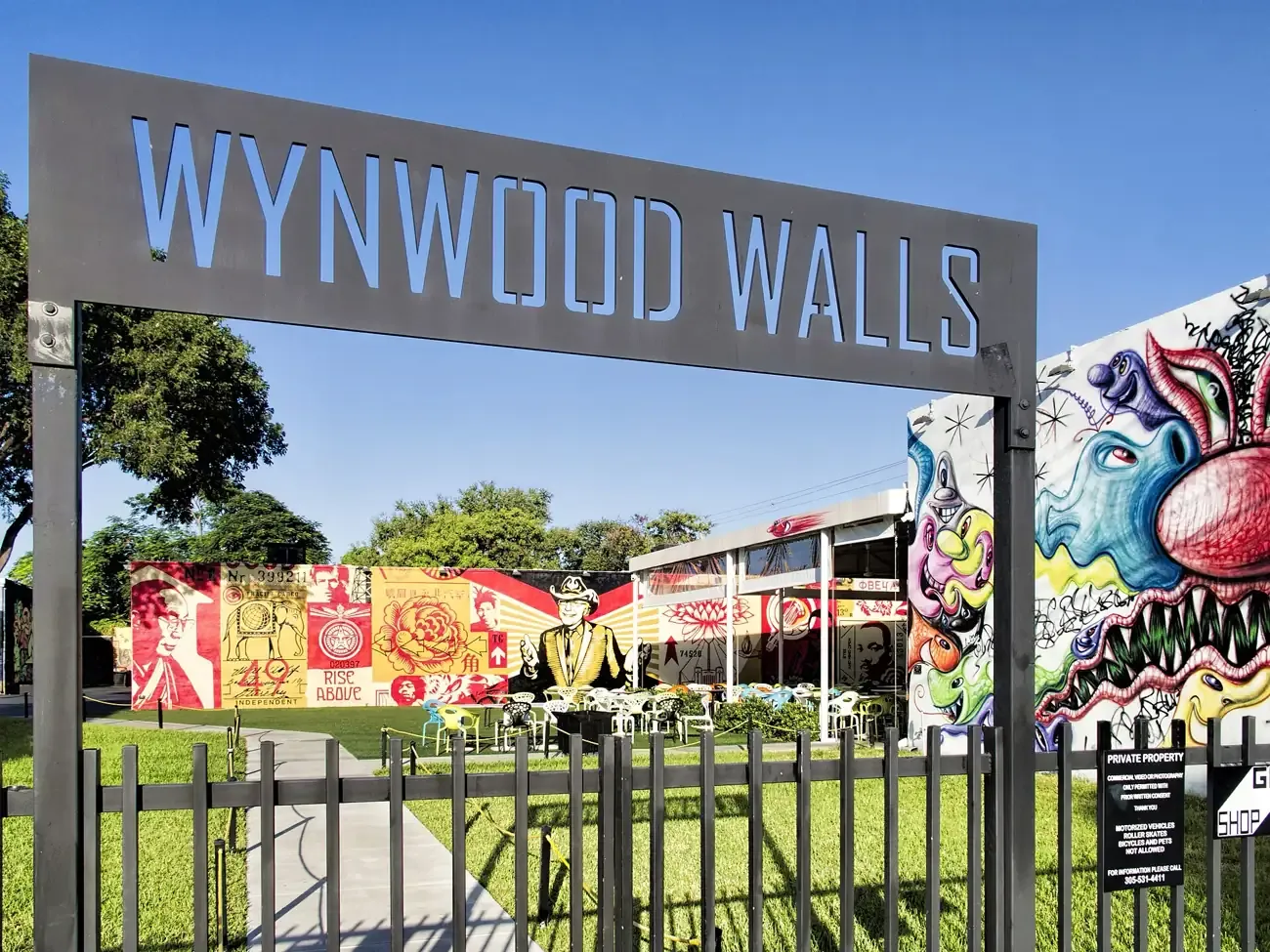
Wynwood Walls
A block of warehouse facades given over to large-scale murals, repainted as the artists rotate through.
Location: Wynwood, Miami, Florida
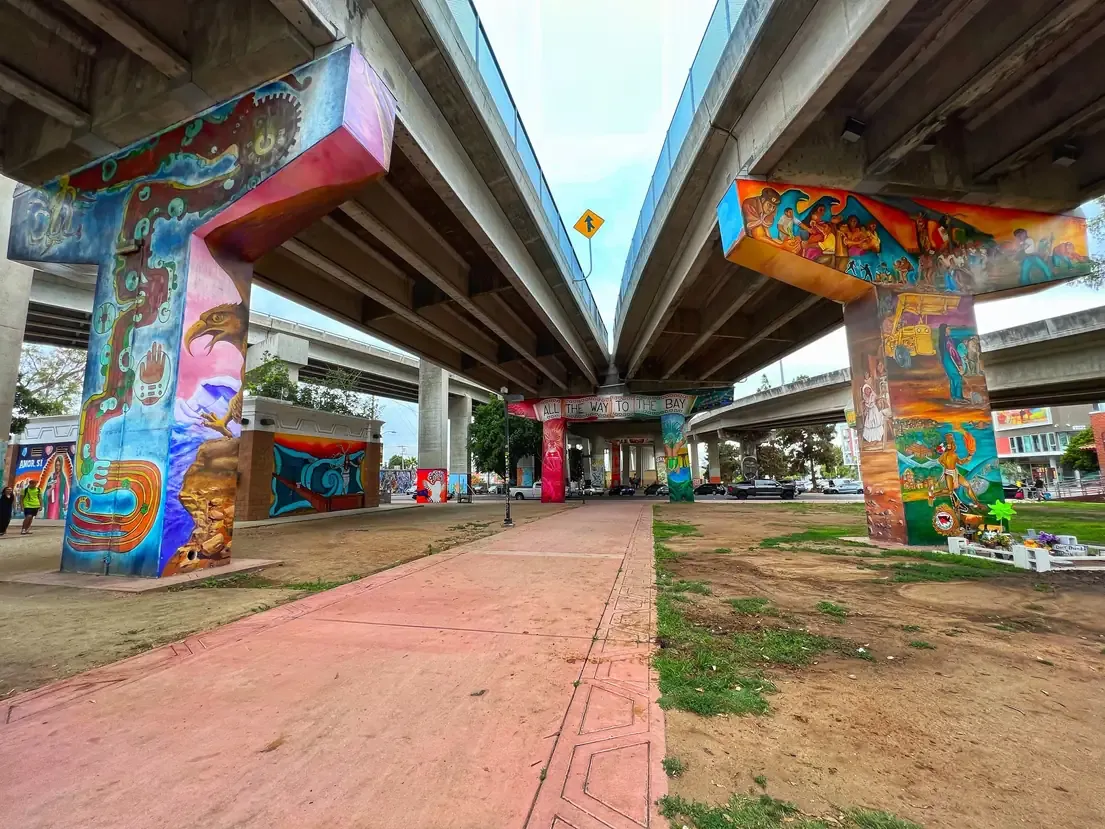
Chicano Park
Murals cover the concrete pillars under the bridge approach, painted from 1973 by the neighbourhood that stopped the road.
Location: Barrio Logan, San Diego, California
Unusual museums in the United States
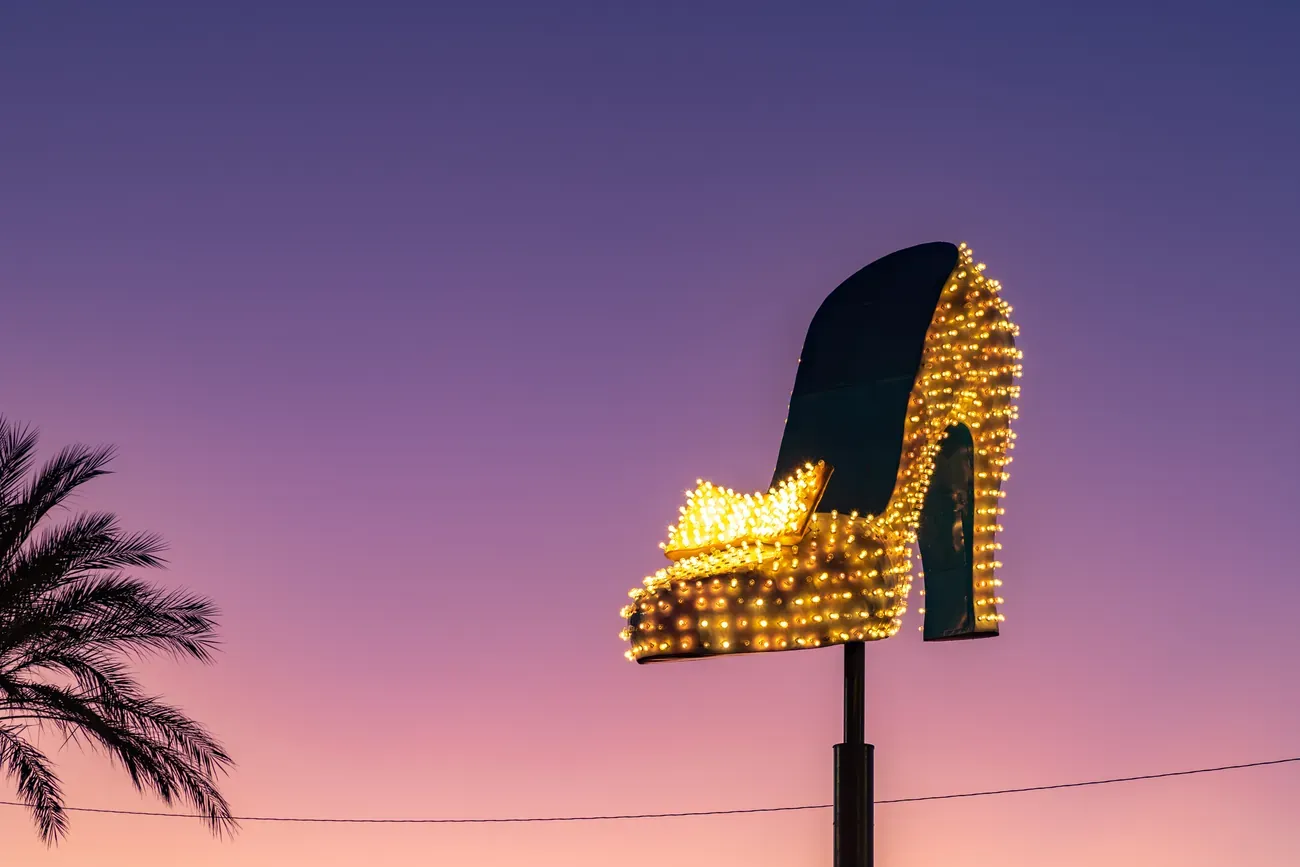
The Neon Museum
Retired casino signs stand in an outdoor lot, several of them lit again after dark in the Neon Boneyard.
Location: Downtown Las Vegas, Nevada
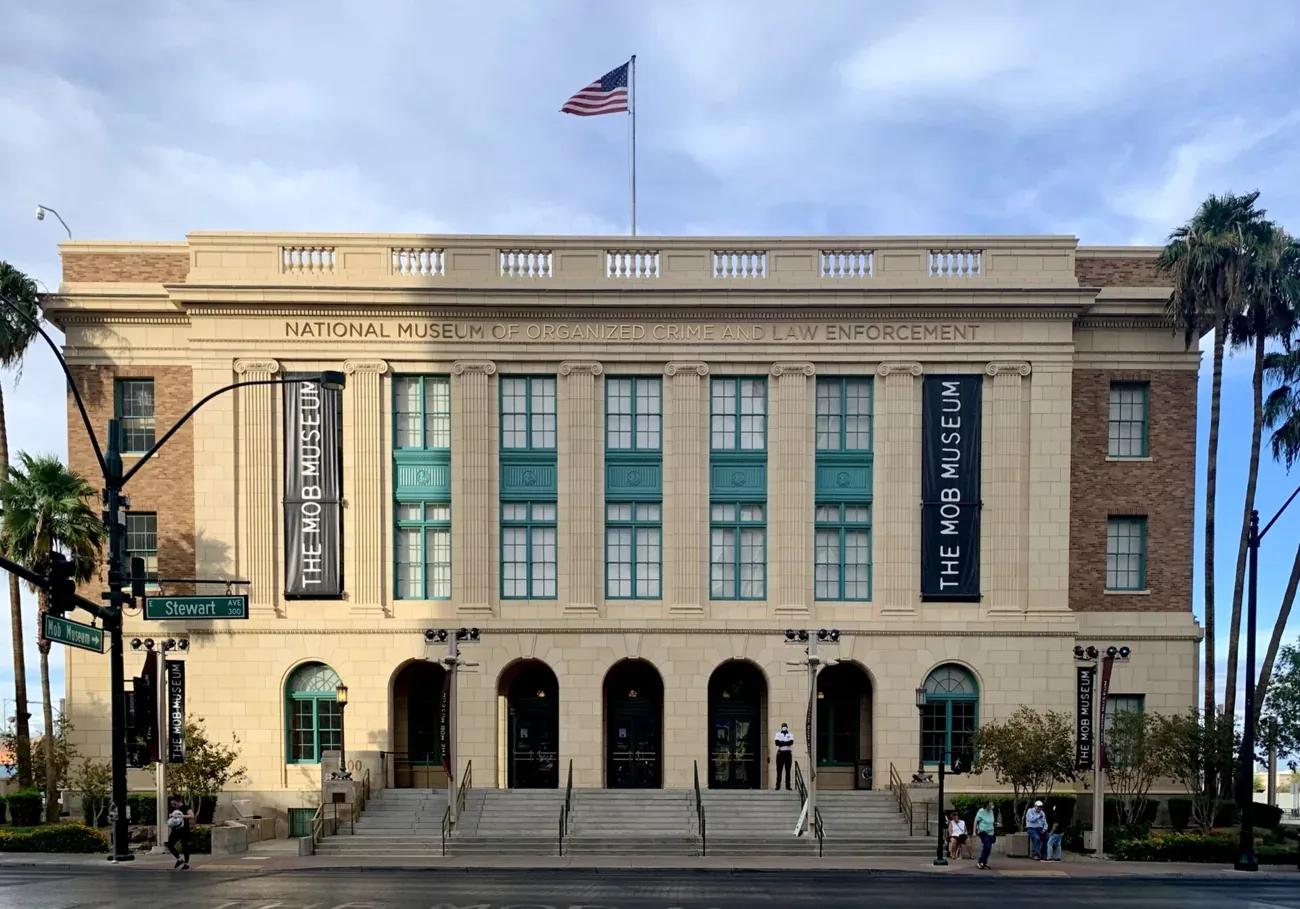
The Mob Museum
The history of organised crime, told inside the former federal courthouse where the Kefauver hearings sat in 1950.
Location: Downtown Las Vegas, Nevada
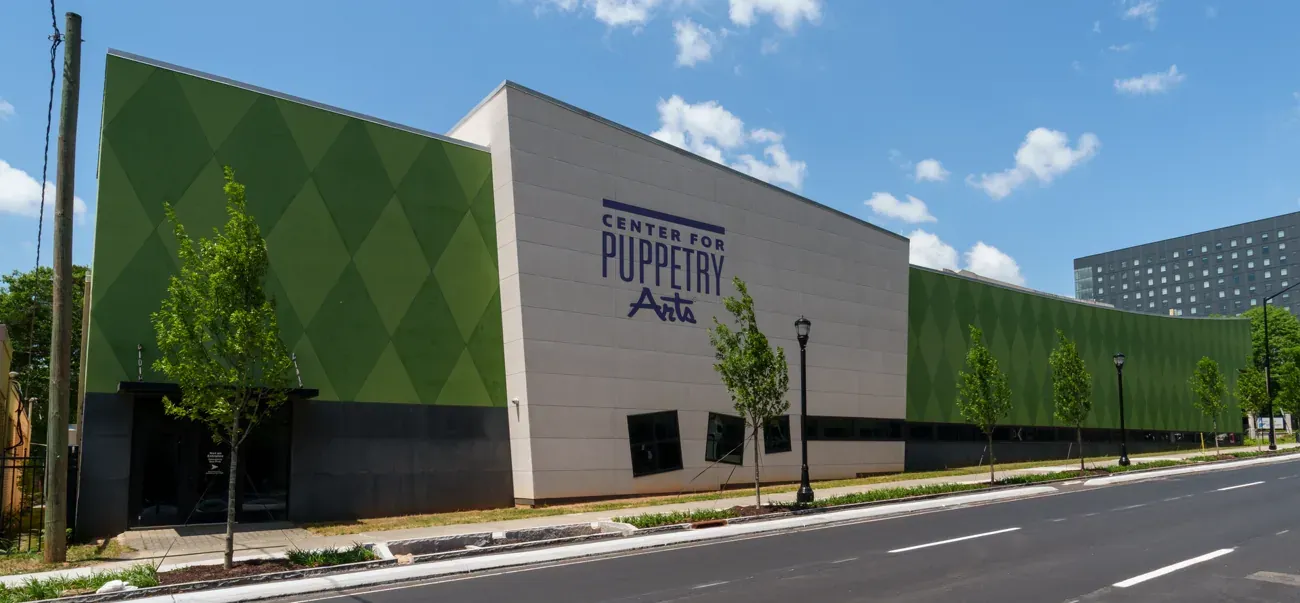
Center for Puppetry Arts
Puppets from around the world, including a gallery built around Jim Henson's workshop, with performances most days.
Location: Midtown Atlanta, Georgia
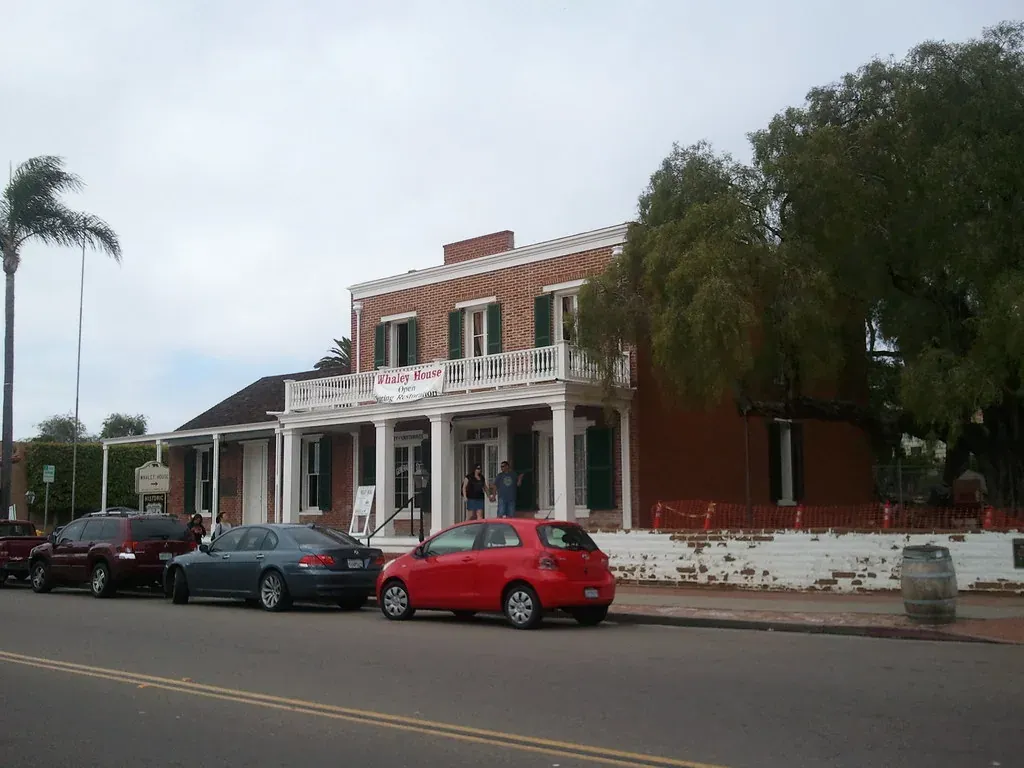
Whaley House
An 1857 brick house that served in turn as a courtroom, a theatre and a shop before it became a museum.
Location: Old Town, San Diego, California
More things to do in the United States
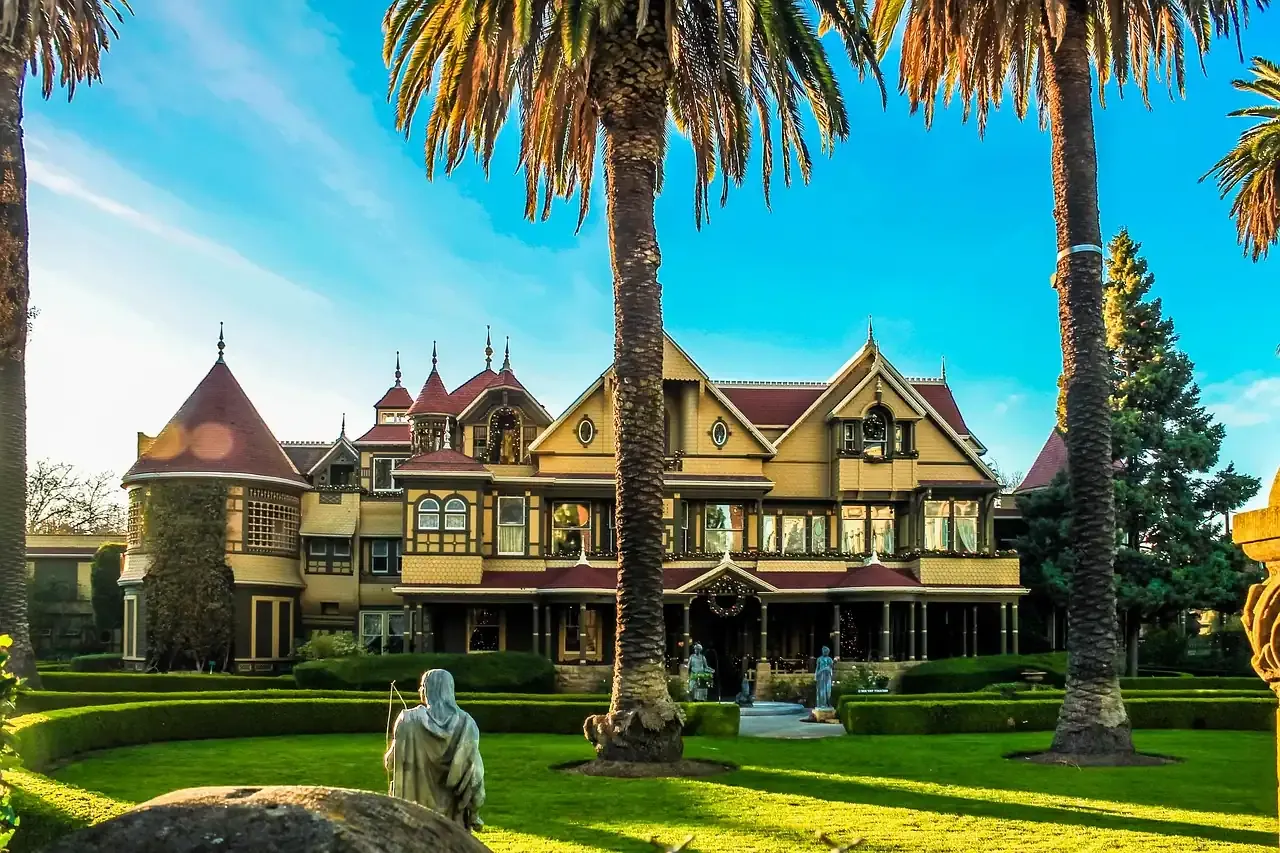
Winchester Mystery House
A Victorian house extended for decades on end, with staircases that stop at ceilings and doors that open onto walls.
Location: San Jose, California
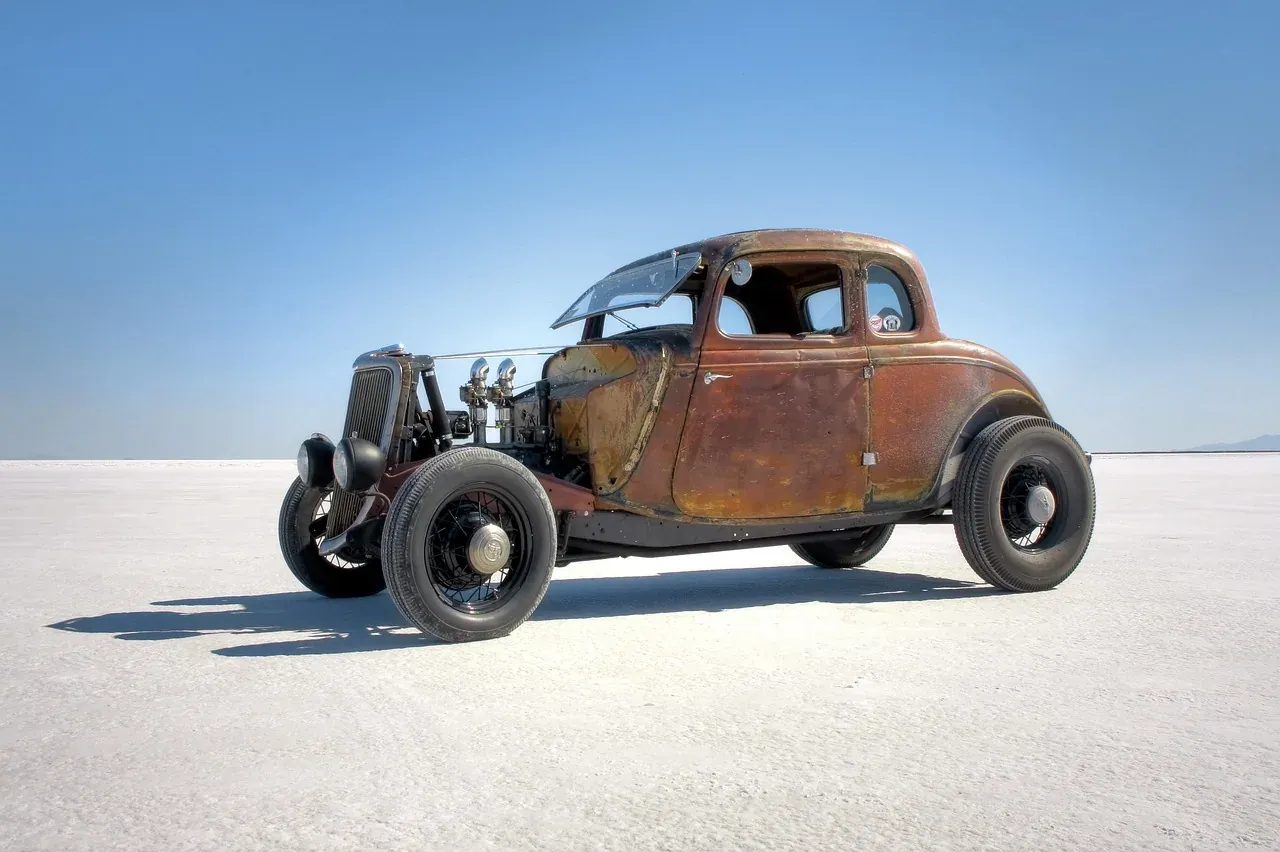
Bonneville Salt Flats
A dry lake bed of white salt crust, flat and hard enough that land speed records have been set on it for a century.
Location: Western Utah, near Wendover
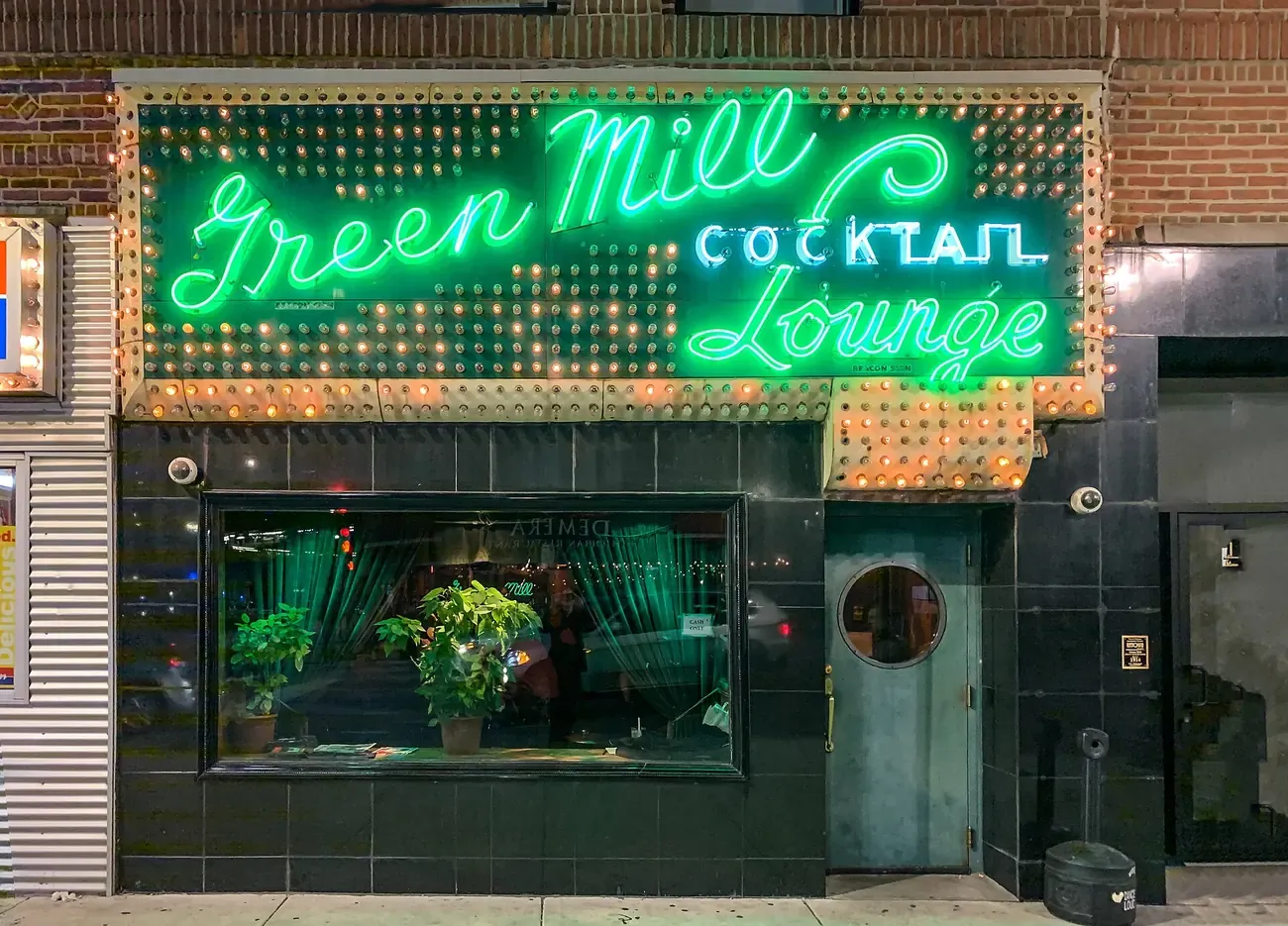
Green Mill
A room from 1907 with its original fittings, a Prohibition haunt that still books live jazz every night.
Location: Uptown, Chicago, Illinois
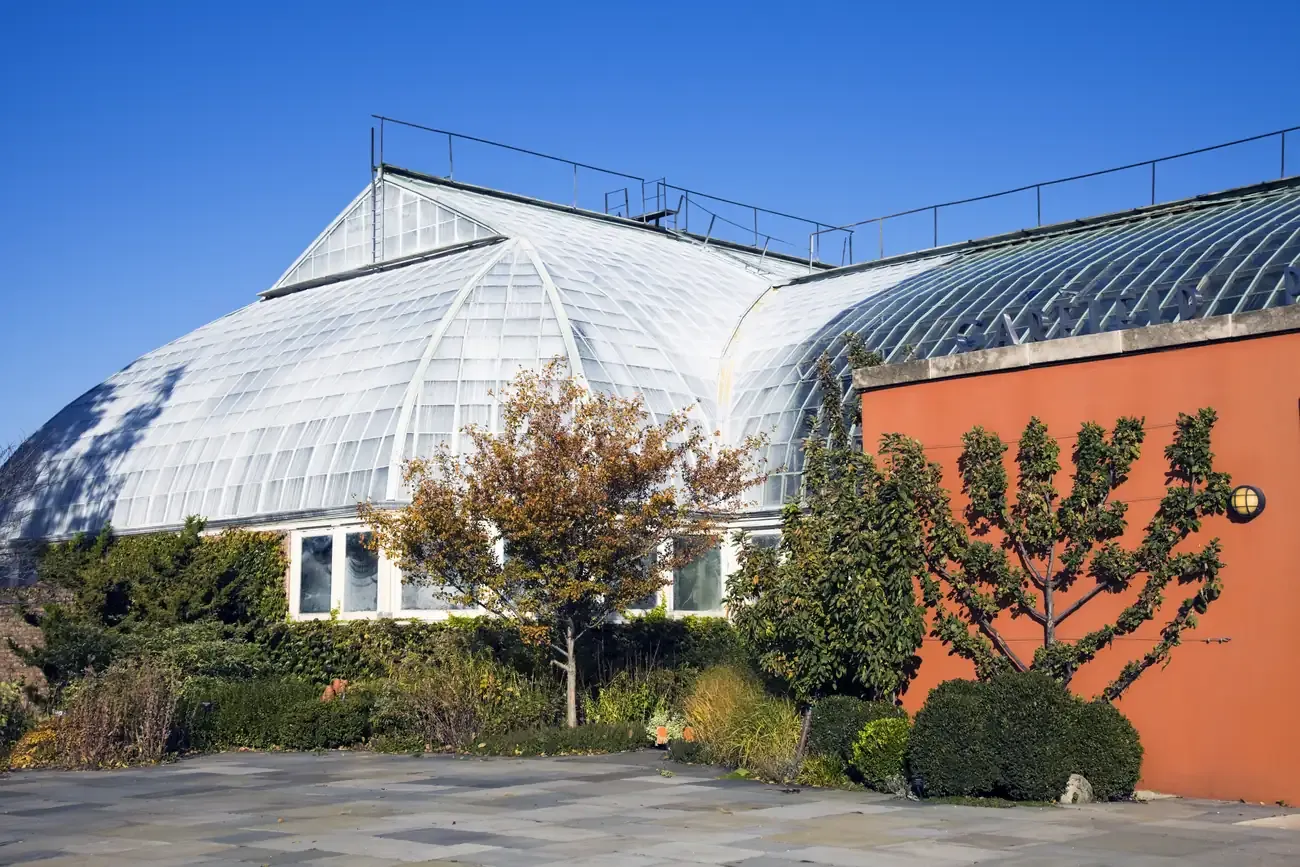
Garfield Park Conservatory
Glasshouses laid out in 1908 as landscape under glass rather than rows of pots, with a fern room built like a lagoon.
Location: East Garfield Park, Chicago, Illinois
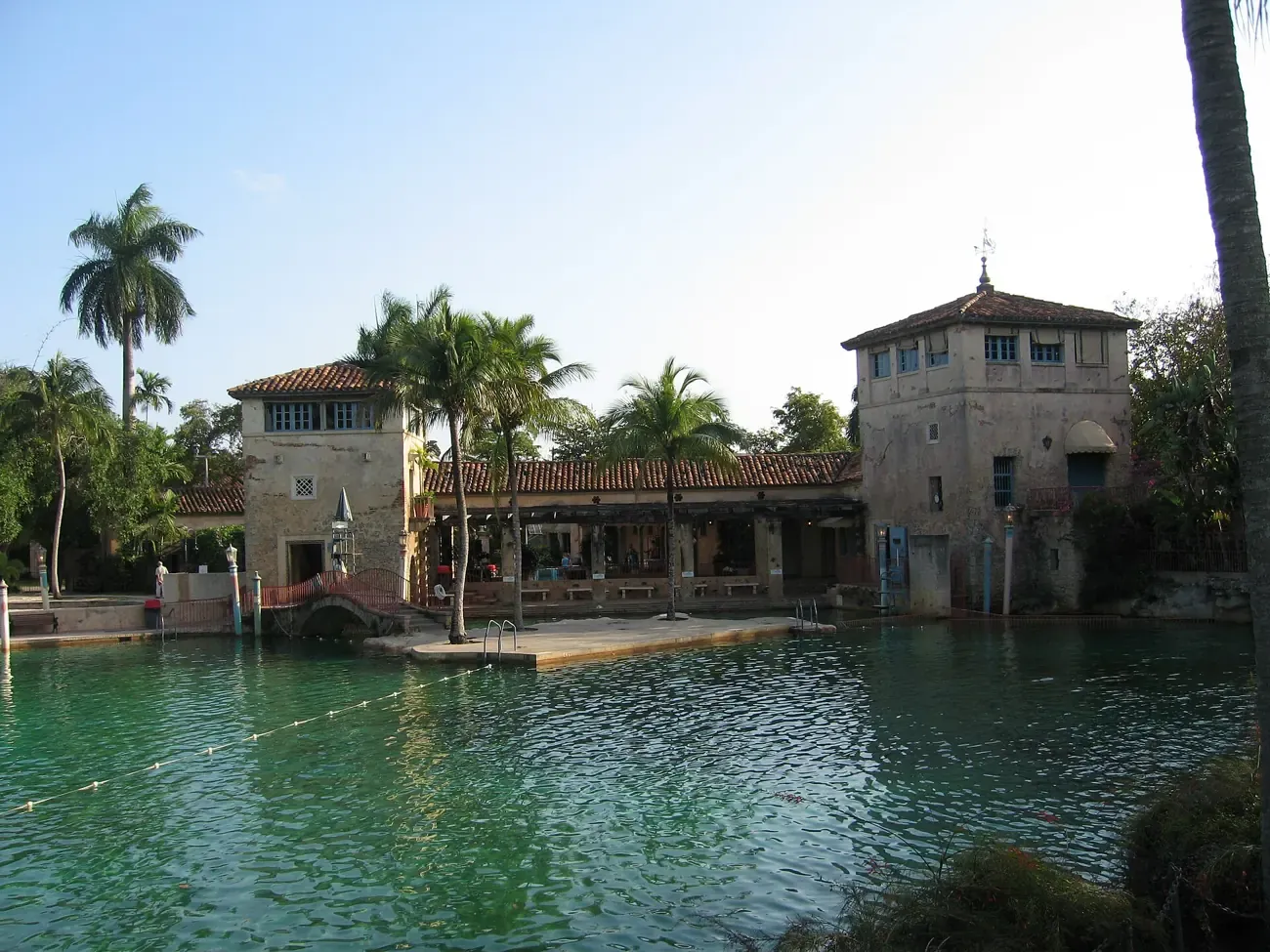
Venetian Pool
A public pool cut out of a coral rock quarry in 1924, fed by an artesian well and lined with caves and towers.
Location: Coral Gables, Miami, Florida
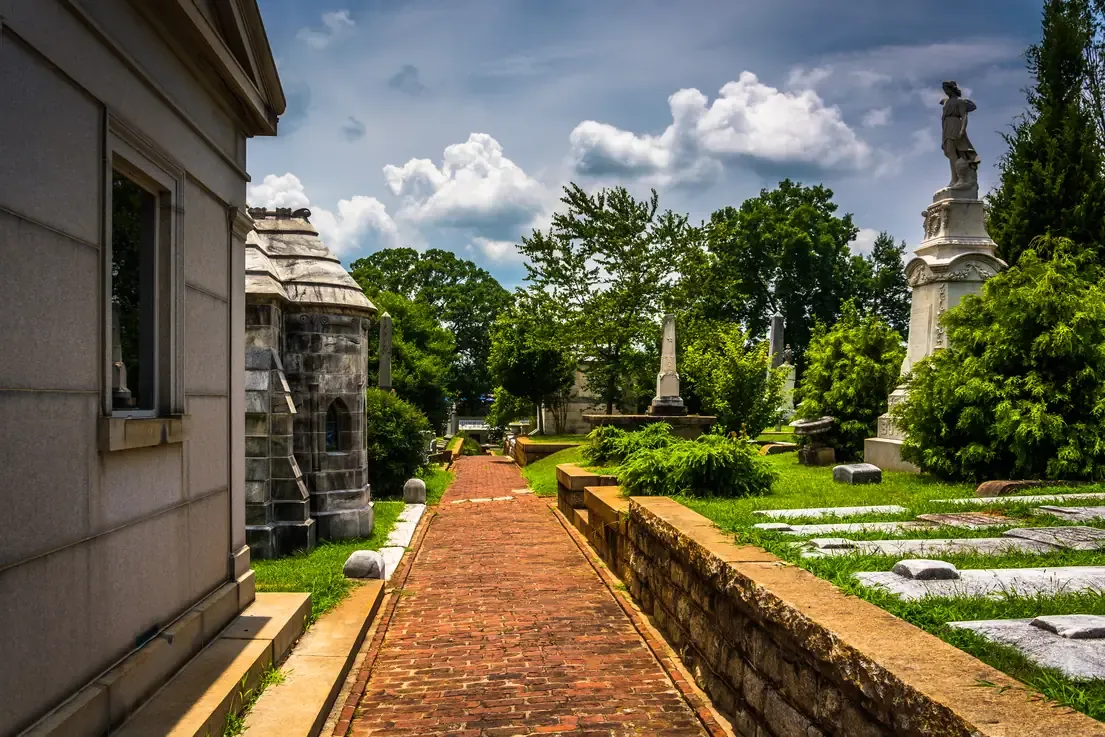
Oakland Cemetery
Atlanta's oldest public burial ground, laid out in 1850 as a garden cemetery and now a park in all but name.
Location: Grant Park, Atlanta, Georgia
Why visit the United States
Distance is the first thing to plan for. The mainland alone spans four time zones, with Alaska and Hawaii further west again, and the drive from one coast to the other takes days, which is why most trips settle on one region and fly to the next. The reward is contrast: desert and glacier, prairie and rainforest, cities that share a language and very little else.
Regional cooking follows the same map. Creole and Cajun kitchens belong to Louisiana, and New Orleans built its year around them and around the jazz that started there. Barbecue changes sauce every few hundred miles across the South. Seafood defines New England, where Boston keeps the colonial streets that its red-brick trail strings together.
Music and history set the calendar elsewhere. Nashville has been the centre of the country music business since a radio show began broadcasting from it in 1925, and its bars run live from the afternoon. Atlanta keeps the church and the birth home of Martin Luther King Jr as a national historical park.
Seasons are regional too. The desert Southwest is at its best in spring and autumn, the northern parks open late and close early, and San Diego sits under mild weather all year, which is why the southern Californian coast never really has a low season. For a wider trip, the United States anchors most tourist attractions in North America, with domestic flights and highways linking its coasts on to Canada and Mexico.