
The 28 top tourist attractions in South America
Known for
The Andes and the Amazon, Machu Picchu and the Inca roads
Must-see countries
Brazil, Peru and Argentina
Must-see landmarks
Machu Picchu, the Iguazu Falls and Christ the Redeemer
Best time to visit
May to December for the Andes, Patagonia, and the Brazilian coast
Tourist attractions in South America not to miss
Machu Picchu, the Iguazu Falls and Christ the Redeemer lead the tourist attractions in South America. This guide covers the countries worth exploring, 10 ranked sights, 18 secret spots, local dishes, more destinations and visitor FAQs.
South America country highlights
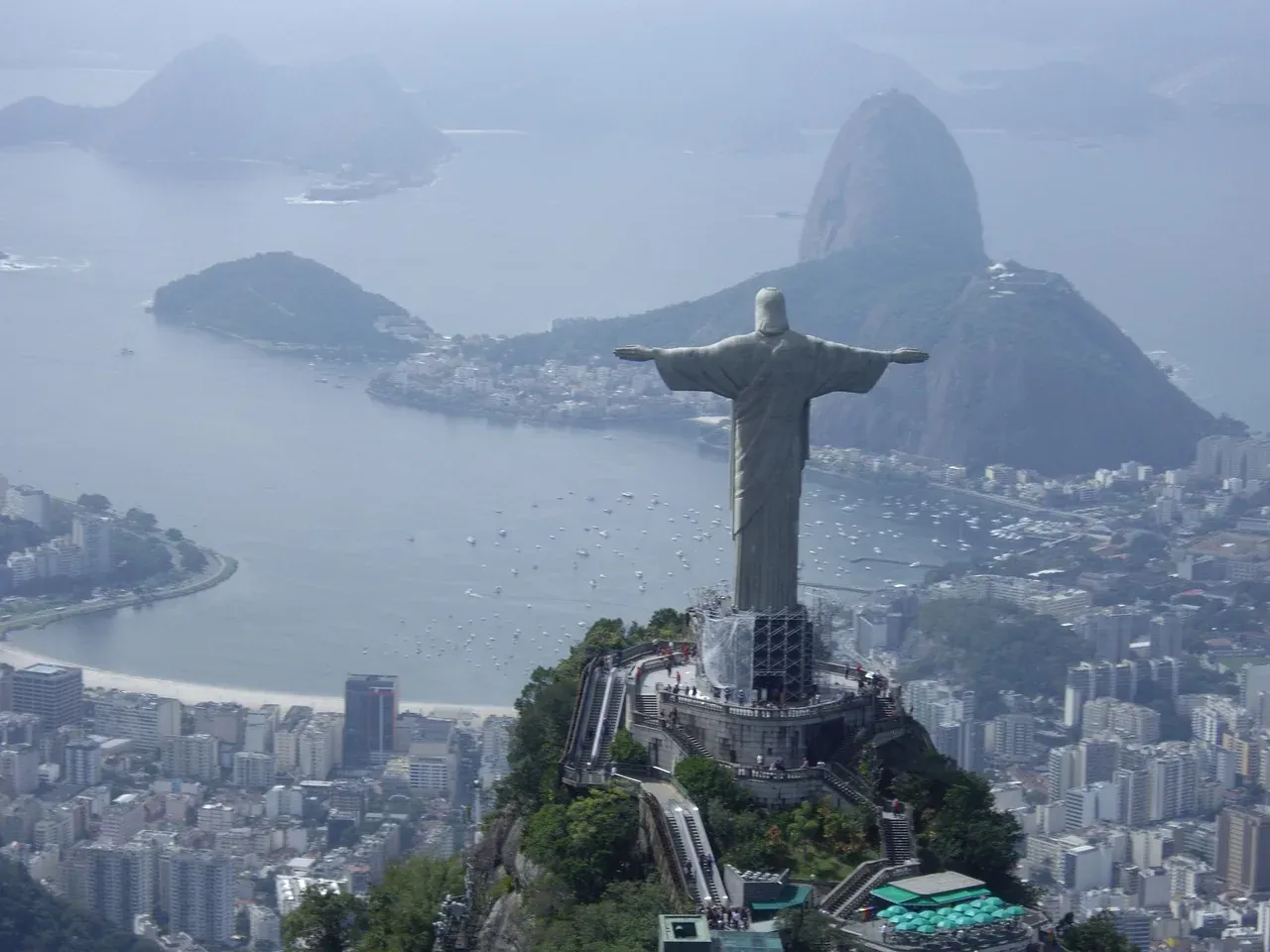
Brazil
Top tourist attractions in Brazil Christ the Redeemer and Sugarloaf in Rio, the Iguazu Falls, the Pantanal, the dunes of Lençóis Maranhenses and the colonial streets of Salvador and Ouro Preto.
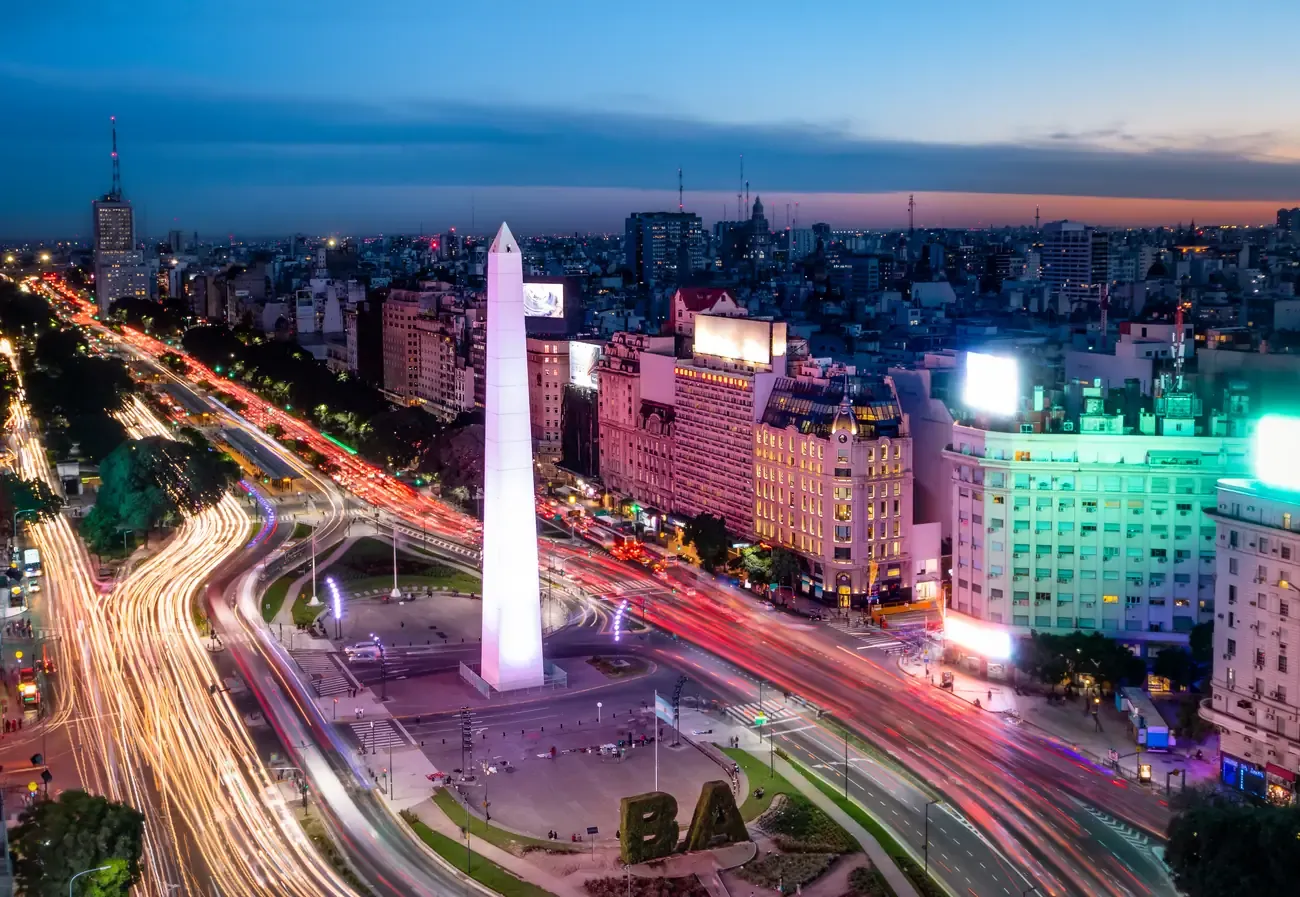
Argentina
Buenos Aires and its Recoleta cemetery, the Iguazu Falls from the Argentine side, the Perito Moreno Glacier and Ushuaia at the end of the world.
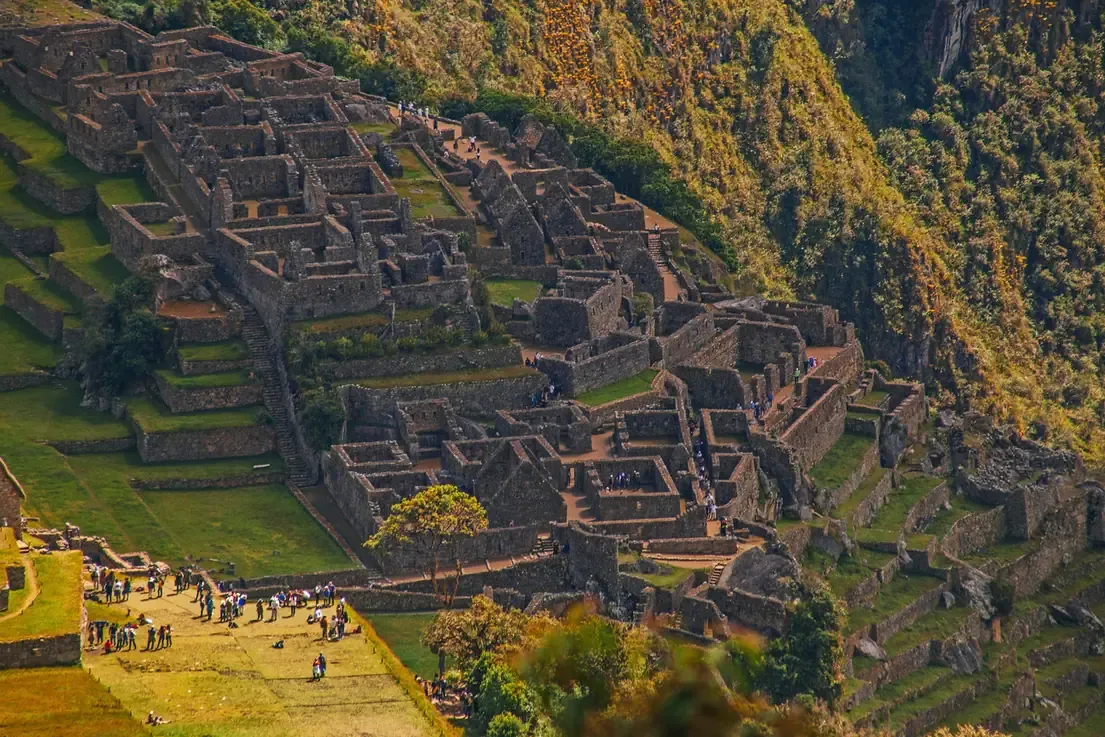
Peru
Machu Picchu and Cusco, the Nazca Lines, Lake Titicaca and the Colca Canyon, with Lima's cevicherías as the way in.
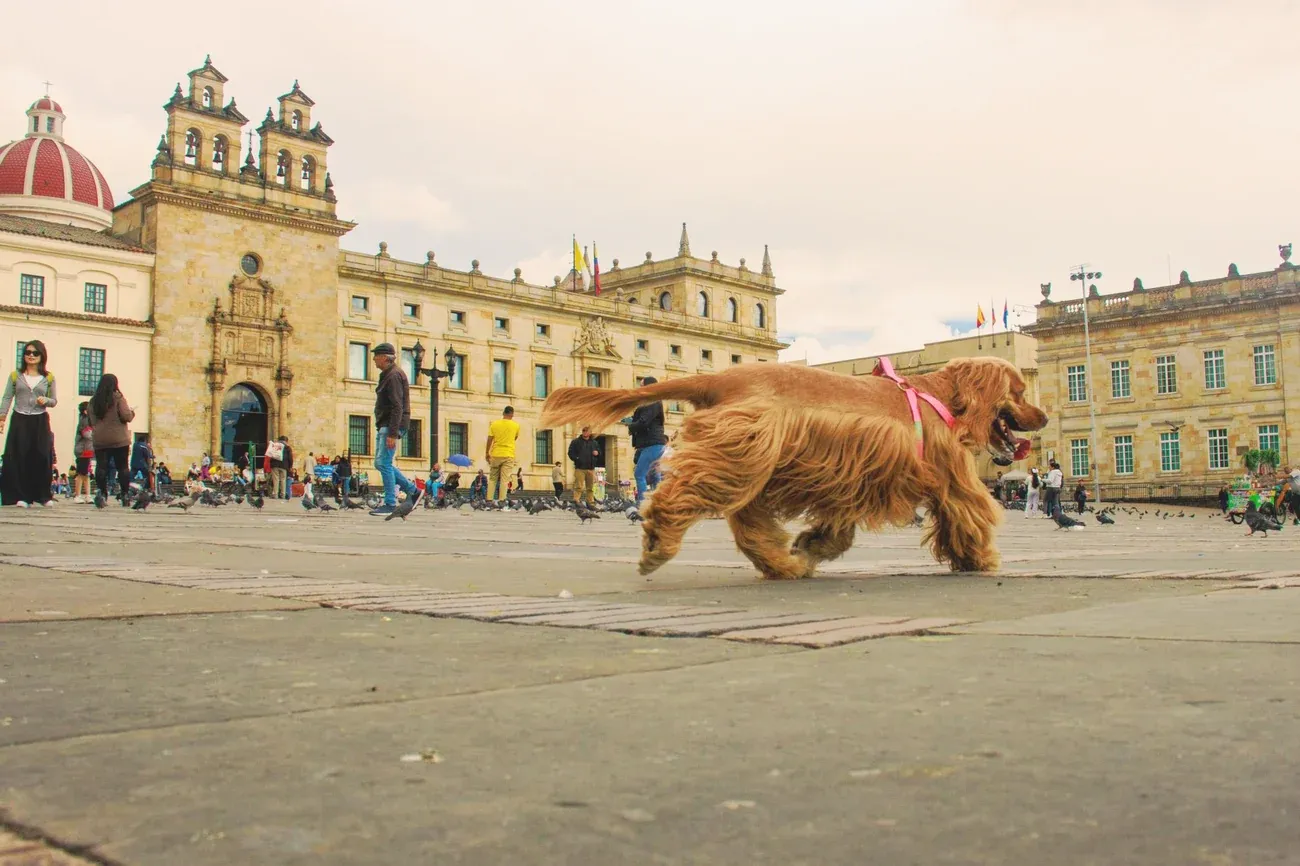
Colombia
Cartagena's walled city and fortress, Bogotá and Medellín, the wax palms of the Cocora Valley and the salt cathedral of Zipaquirá.
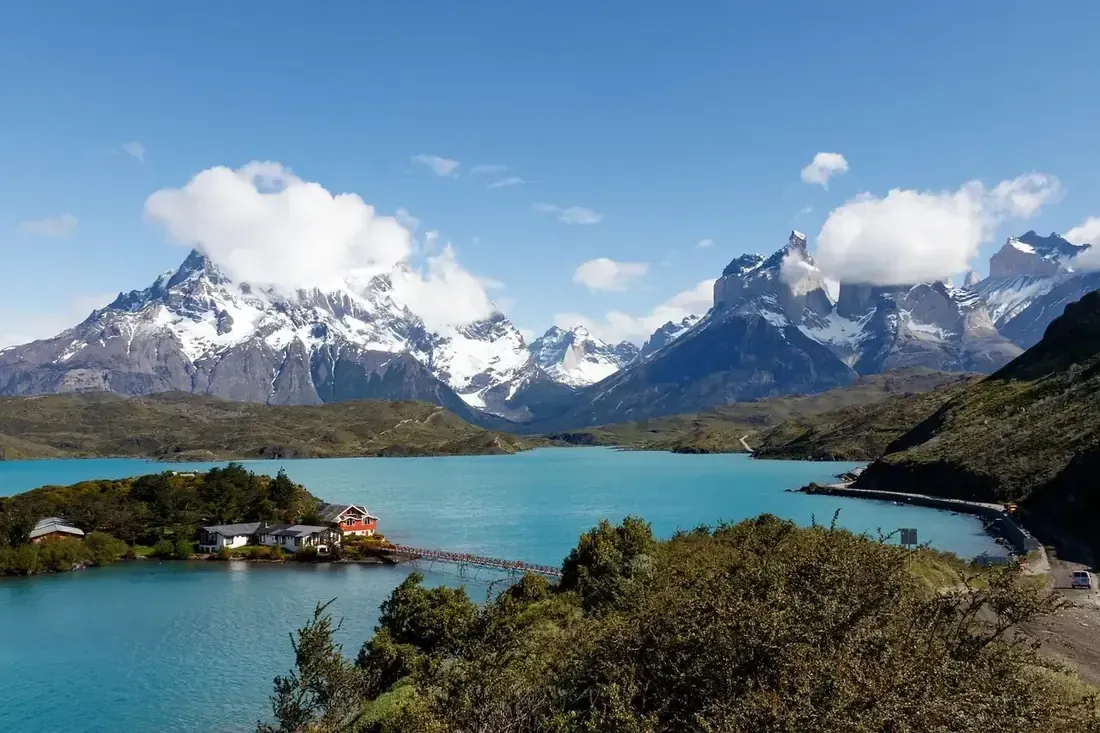
Chile
The Atacama Desert, Easter Island and Torres del Paine, with Santiago and the painted hills of Valparaíso in between.
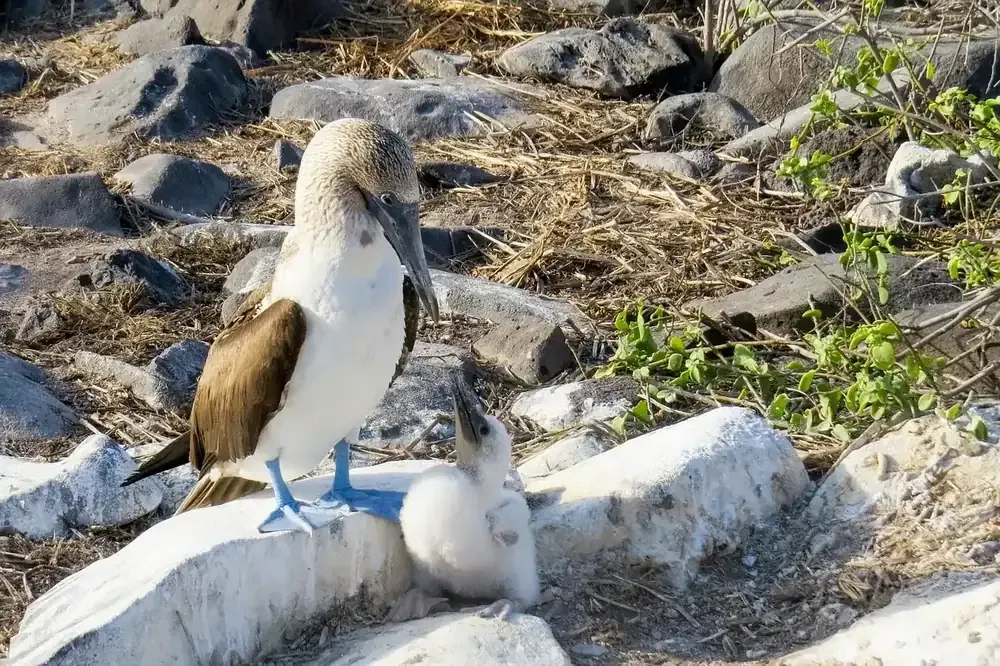
Ecuador
Quito's colonial centre, the Mitad del Mundo line, the Cotopaxi volcano and the Galápagos Islands, a two-hour flight offshore.
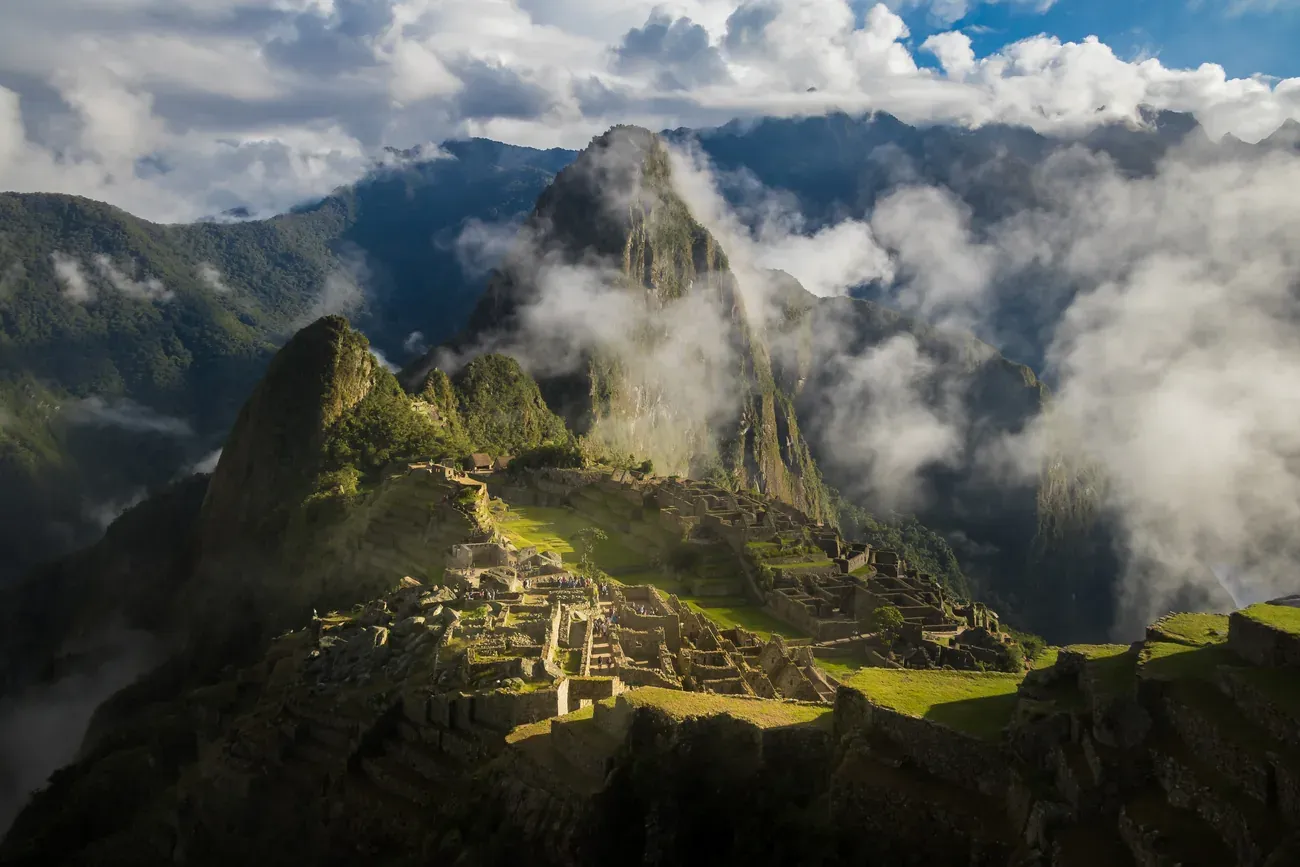
1. Machu Picchu
The Inca citadel sits on a ridge at 2,430 metres above the Urubamba valley, about 80 kilometres north-west of Cusco. It was built around 1450, probably as an estate for the emperor Pachacuti, abandoned within a century and brought to the world's attention by Hiram Bingham in 1911. UNESCO listed the sanctuary in 1983, the site was voted one of the New Seven Wonders in 2007, and it now receives more than 1.5 million visitors a year.
Altitude: 2,430 metres · Built: around 1450 · Heritage: UNESCO listed in 1983
Location: Machupicchu District, above Aguas Calientes, Cusco Region, Peru
Access: Timed tickets sold in advance for set circuits; buses climb from Aguas Calientes, reached by train from Ollantaytambo or Cusco
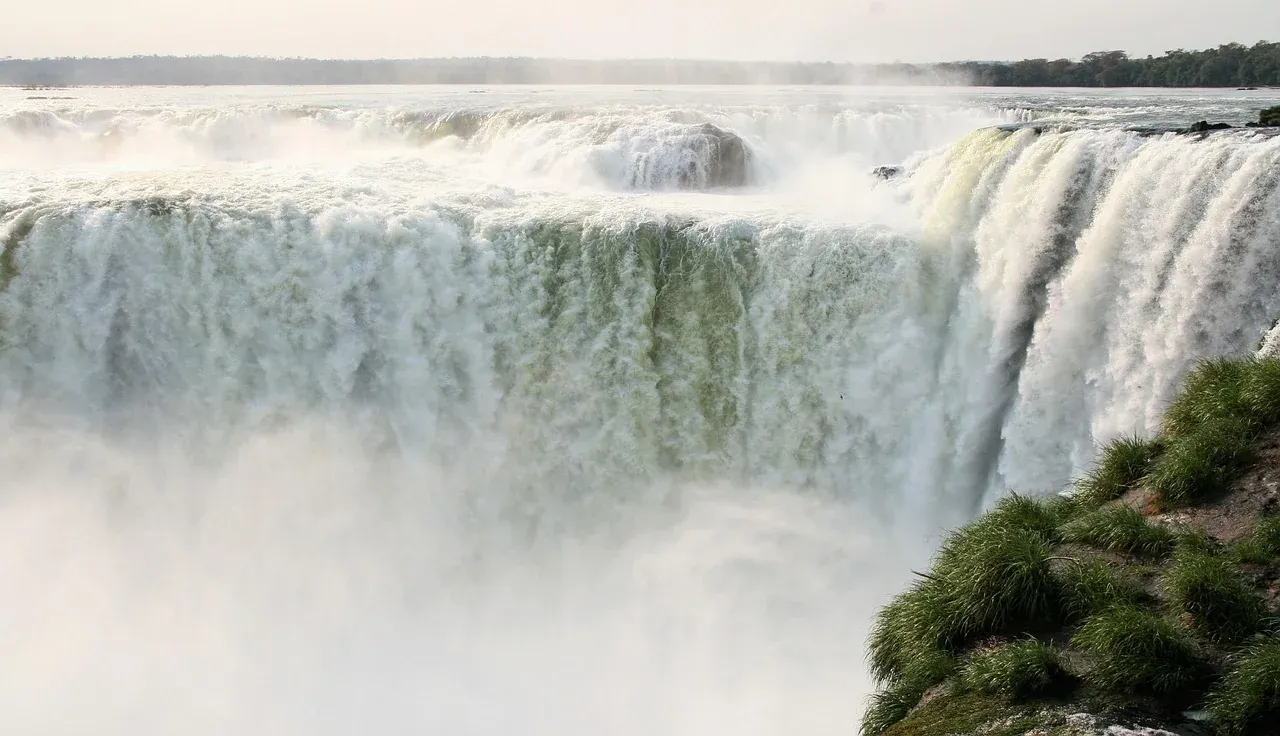
2. Iguazu Falls
The Iguazu River drops off the edge of the Paraná plateau in around 275 falls along 2.7 kilometres of cliff on the border between Argentina and Brazil. Half the flow pours into the Devil's Throat, a horseshoe chasm some 80 metres deep. Almost 80 per cent of the falls lie in Argentina, while the Brazilian bank has the panoramic view. Both national parks are UNESCO listed, Argentina's in 1984 and Brazil's in 1986, and the falls were voted one of the New Seven Wonders of Nature in 2011.
Falls: about 275 along 2.7 kilometres · Devil's Throat: around 80 metres deep
Location: Puerto Iguazú, Misiones, Argentina, and Foz do Iguaçu, Paraná, Brazil
Access: Ticketed on both sides; the Argentine side opens daily from 8:00 to 18:00, last entry 16:00
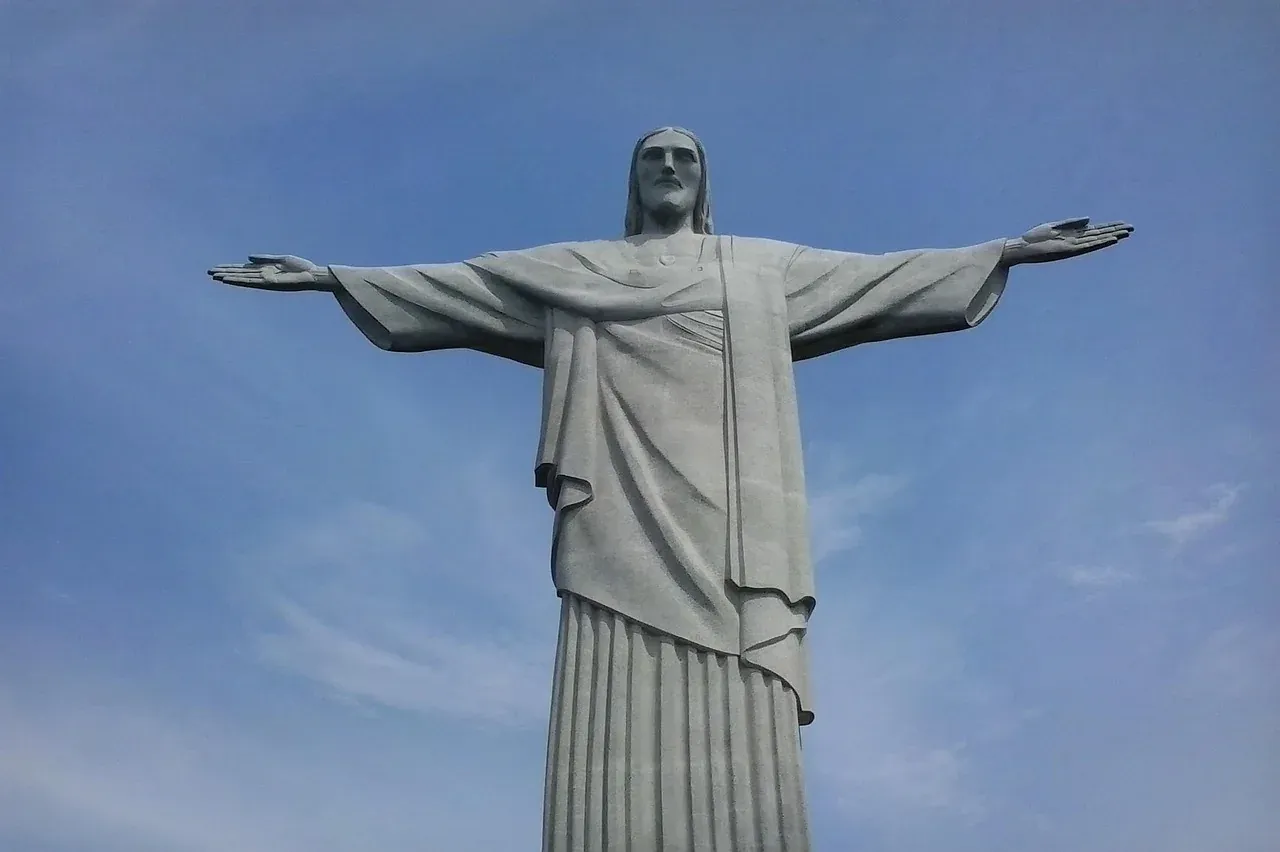
3. Christ the Redeemer
The statue on the 700-metre summit of Corcovado stands 30 metres tall on an 8-metre pedestal, with arms spread 28 metres wide. Designed by the engineer Heitor da Silva Costa and sculpted by the Frenchman Paul Landowski, it took nine years to build in reinforced concrete clad in soapstone and was opened on 12 October 1931. It is the largest Art Deco sculpture in the world, was voted one of the New Seven Wonders in 2007 and stands inside the Tijuca National Park, part of Rio's UNESCO-listed landscape since 2012.
Height: 30 metres plus an 8-metre pedestal · Opened: 12 October 1931
Location: Corcovado, Tijuca National Park, Rio de Janeiro, Brazil
Access: Ticketed; the cog train from Cosme Velho and the official vans climb to the summit on timed departures
4. Nazca Lines
Between 500 BC and AD 500 the people of the south coast scraped away the dark surface pebbles of the desert to draw lines, triangles and more than 70 animal and plant figures on the pale ground beneath. The hummingbird is 93 metres long and the condor 134. The German mathematician Maria Reiche spent half a century studying and protecting them. UNESCO listed the lines and geoglyphs of Nasca and Palpa in 1994. They are best seen from a light aircraft, or from the metal tower beside the Pan-American Highway.
Made: 500 BC to AD 500 · Heritage: UNESCO listed in 1994
Location: Pampa de Jumana, between Nazca and Palpa, Ica Region, Peru
Access: Overflights from the Nazca and Pisco airfields and the roadside viewing tower are ticketed
5. Salar de Uyuni
The largest salt flat on earth covers 10,582 square kilometres of the Bolivian Altiplano at 3,656 metres, the crust of a prehistoric lake that dried into hexagonal plates of salt. In the dry season it is a blinding white plain broken by islands such as Incahuasi, where giant cacti grow; when rain floods it, mostly between January and March, a thin sheet of water turns it into a mirror more than a hundred kilometres across. Most people cross it on a one to three-day four-wheel-drive tour from the town of Uyuni.
Area: 10,582 square kilometres · Altitude: 3,656 metres
Location: Daniel Campos Province, Potosí Department, near Uyuni, Bolivia
Access: Free to enter; tours leave Uyuni daily and Incahuasi Island is ticketed
6. Atacama Desert
The driest non-polar desert on earth runs down the north of Chile between the Andes and the coastal range, with weather stations that have never recorded rain. The oasis town of San Pedro de Atacama, at about 2,400 metres, is the base for the Valle de la Luna and its wind-carved ridges, the geysers of El Tatio, the flamingo lagoons of the Salar de Atacama and the cone of Licancabur on the Bolivian border. The clear skies host the ALMA array and the Very Large Telescope.
Rainfall: around 15 millimetres a year · Base: San Pedro de Atacama
Location: Antofagasta Region, around San Pedro de Atacama, northern Chile
Access: Sites such as the Valle de la Luna and El Tatio are ticketed; most visits are guided tours from San Pedro
7. Angel Falls
The tallest uninterrupted waterfall in the world, Kerepakupai Vená to the Pemon, drops 979 metres from the edge of Auyán-tepui, a table mountain in the Gran Sabana, with a single plunge of 807 metres. The American pilot Jimmie Angel flew over it on 16 November 1933 and, four years later, landed his plane on top of the tepui. The falls lie inside Canaima National Park, UNESCO listed in 1994, and are reached by light aircraft to Canaima and then by dugout canoe when the rivers are high enough, roughly June to December.
Height: 979 metres, plunge of 807 · Heritage: Canaima National Park, UNESCO listed in 1994
Location: Auyán-tepui, Canaima National Park, Bolívar State, Venezuela
Access: Flights to Canaima and guided canoe trips are sold as packages, mainly from June to December
Photo: "Kerepakupai Vená II" by Sinfinitu (CC BY 3.0); "Auyantepuy" by Gabrielplopez (CC BY-SA 3.0); "Salto del Angel, Canaima, Venezuela" by Diego Delso (CC BY 3.0).
8. Castillo San Felipe de Barajas
The largest Spanish fortress in the Americas rises on the hill of San Lázaro outside the walled city of Cartagena, a triangle of batteries, ramps and tunnels begun in 1639 and enlarged through the eighteenth century until it dominated every approach by land and sea. In 1741 its guns and Blas de Lezo's garrison drove off Admiral Vernon's British fleet in the Battle of Cartagena de Indias. UNESCO listed the fort with the walled city and the rest of the port's defences in 1984.
Built: from 1639, enlarged in the 18th century · Heritage: UNESCO listed in 1984
Location: Cerro de San Lázaro, Cartagena de Indias, Bolívar, Colombia
Access: Ticketed, open daily; audio guides are available at the entrance
9. Easter Island
Rapa Nui lies some 3,500 kilometres off the Chilean coast and holds nearly a thousand moai carved between the eleventh and seventeenth centuries. Most were cut from the tuff of the Rano Raraku crater, where hundreds still stand half buried on the slopes; the fifteen re-erected on Ahu Tongariki make the classic sunrise view. UNESCO listed Rapa Nui National Park in 1995. Flights from Santiago land at Hanga Roa, the only town, and a single park ticket covers every site.
Statues: nearly 1,000 moai · Heritage: Rapa Nui National Park, UNESCO listed in 1995
Location: Hanga Roa, Easter Island, Valparaíso Region, Chile
Access: Park ticket required, bought online or in Hanga Roa and valid for several days; local guides accompany visits to the main sites
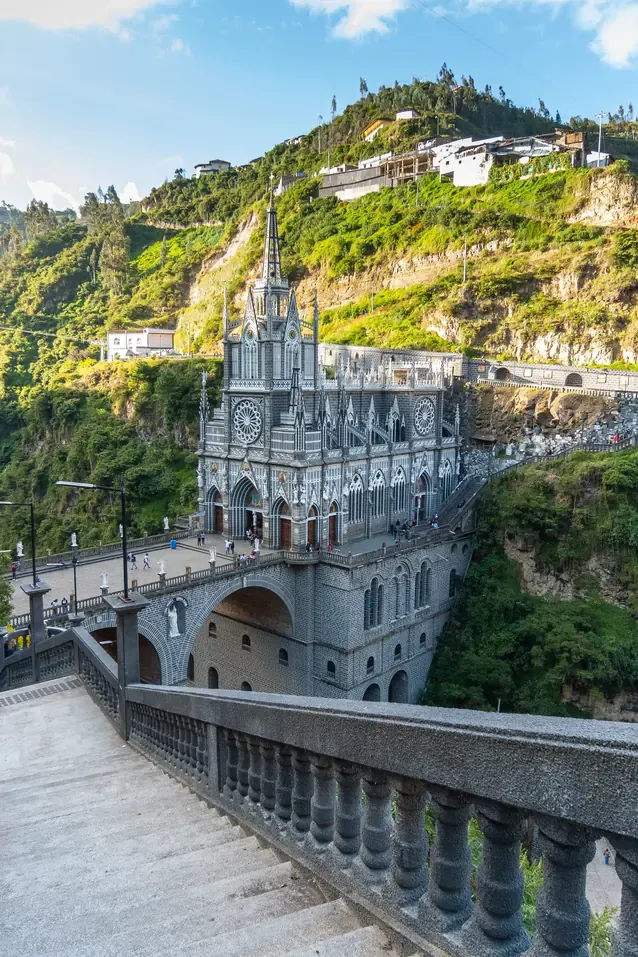
10. Las Lajas Sanctuary
A neo-Gothic basilica built between 1916 and 1949 inside the canyon of the Guáitara River, seven kilometres from Ipiales and a short drive from the Ecuadorian border. Its bridge spans the gorge 50 metres above the water and the church rises 100 metres from the canyon floor, its apse set against the rock where, according to tradition, the Virgin appeared to a woman and her daughter in 1754; the painted image on the stone is still the altar. Pilgrims from both countries fill it at weekends, and a cable car crosses the canyon from the town side.
Built: 1916 to 1949 · Bridge: 50 metres above the river
Location: Guáitara canyon, Ipiales, Nariño, Colombia
Access: Free to enter the church; the museum in the lower floors and the cable car are ticketed
18 secret spots across South America
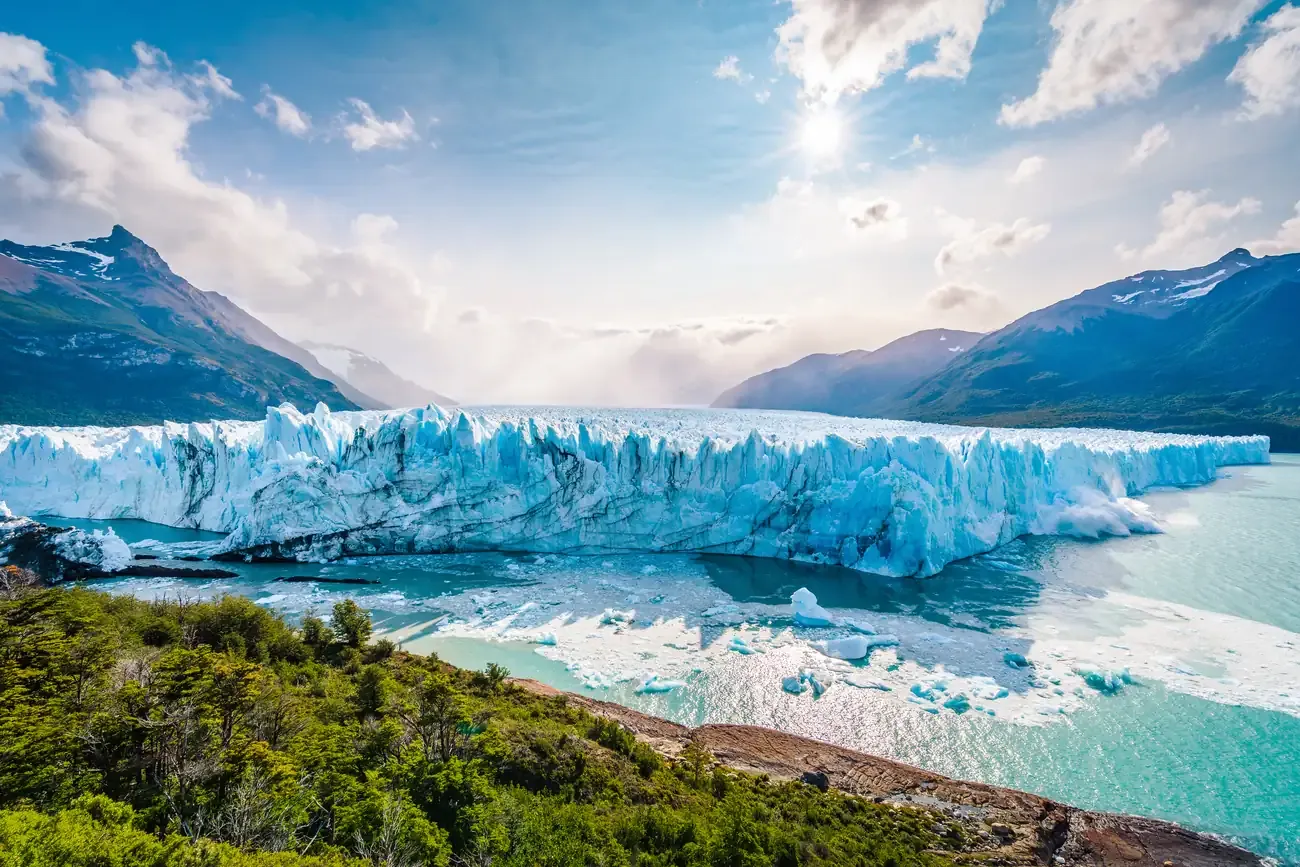
Perito Moreno Glacier
A 250-square-kilometre glacier, 30 kilometres long, whose 74-metre front calves into Lago Argentino; walkways face it, 78 kilometres from El Calafate. El Calafate sits on the shore of Lago Argentino and works as the base for the glacier, so the tourist attractions in El Calafate begin here.
Location: Los Glaciares National Park, near El Calafate, Santa Cruz, Argentina
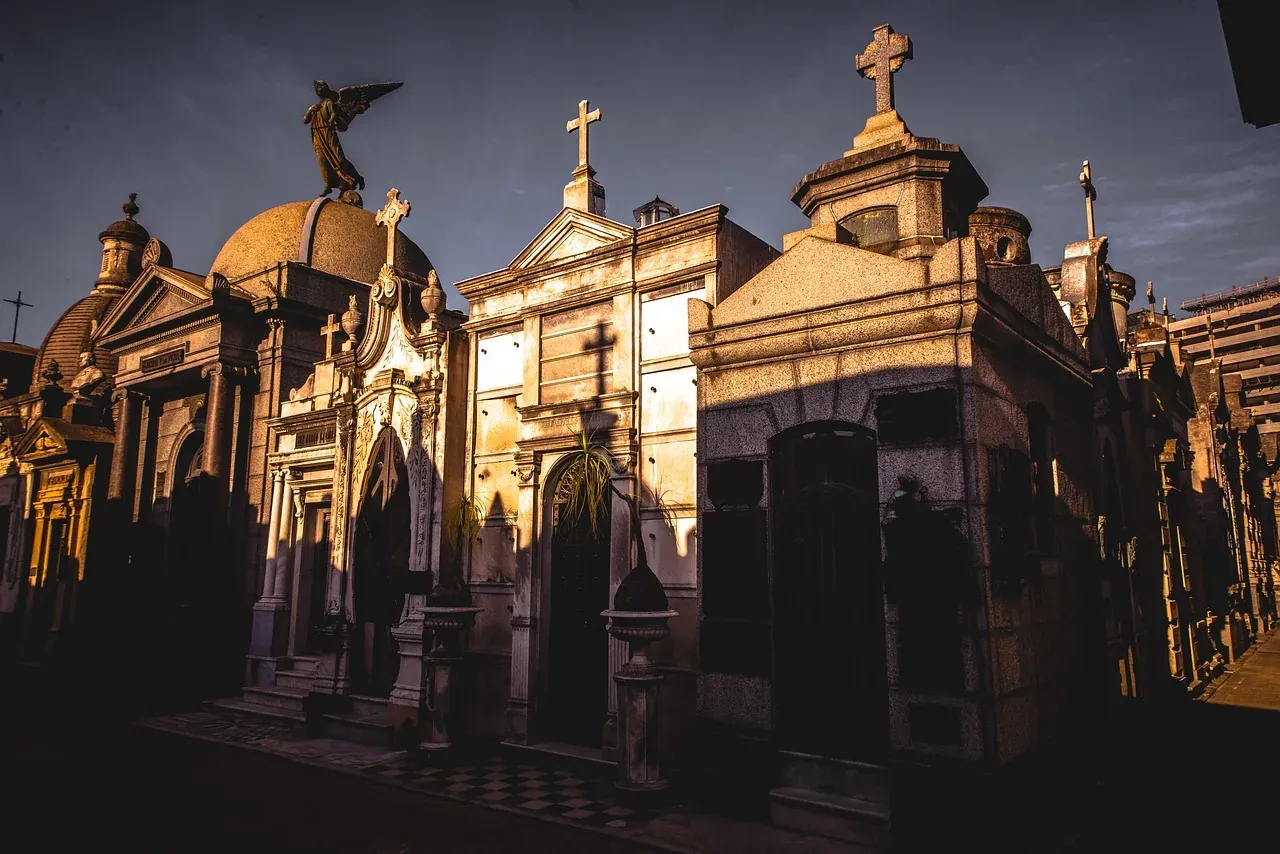
La Recoleta Cemetery
Opened in 1822 on a convent garden, its 4,691 vaults hold presidents, Nobel laureates and Eva Perón; open daily from 8 to 6.
Location: Junín 1760, Recoleta, Buenos Aires, Argentina
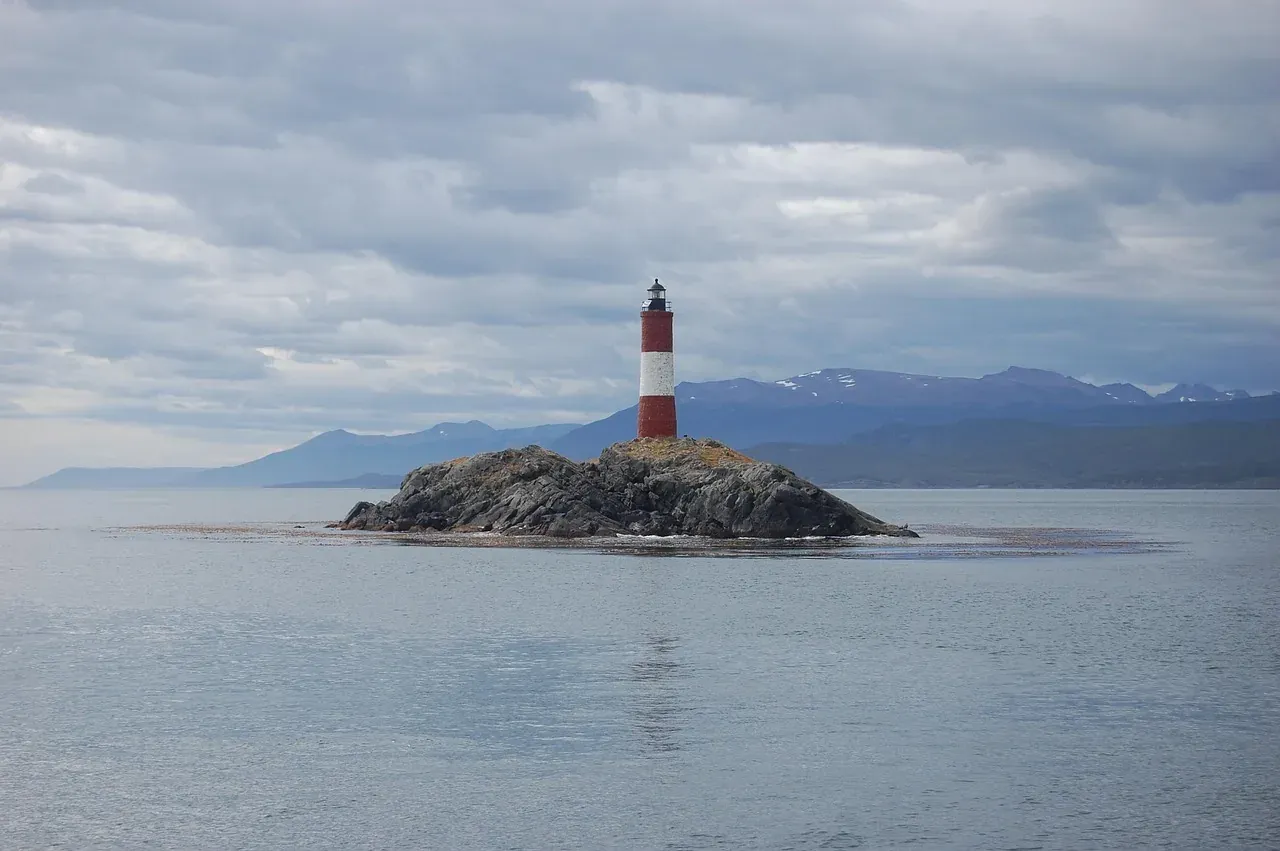
Ushuaia and the Beagle Channel
Usually called the world's southernmost city, founded in 1884 on the Beagle Channel; boats run out to the Les Éclaireurs lighthouse and sea lion colonies.
Location: Isla Grande de Tierra del Fuego, Argentina
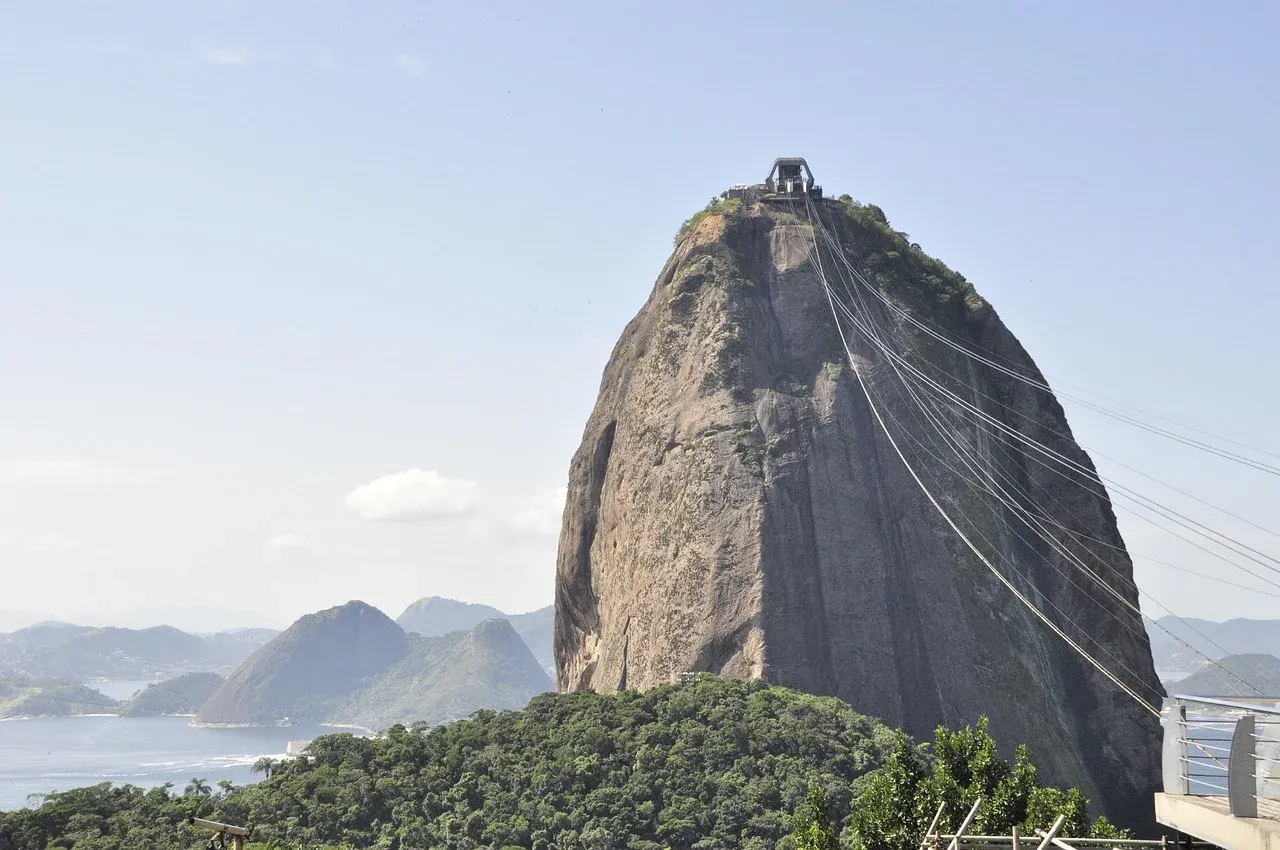
Sugarloaf Mountain
A 396-metre granite dome at the mouth of Guanabara Bay, climbed by a two-stage cable car opened in 1912, running daily from 8:30 to 21:00.
Location: Urca, Rio de Janeiro, Brazil
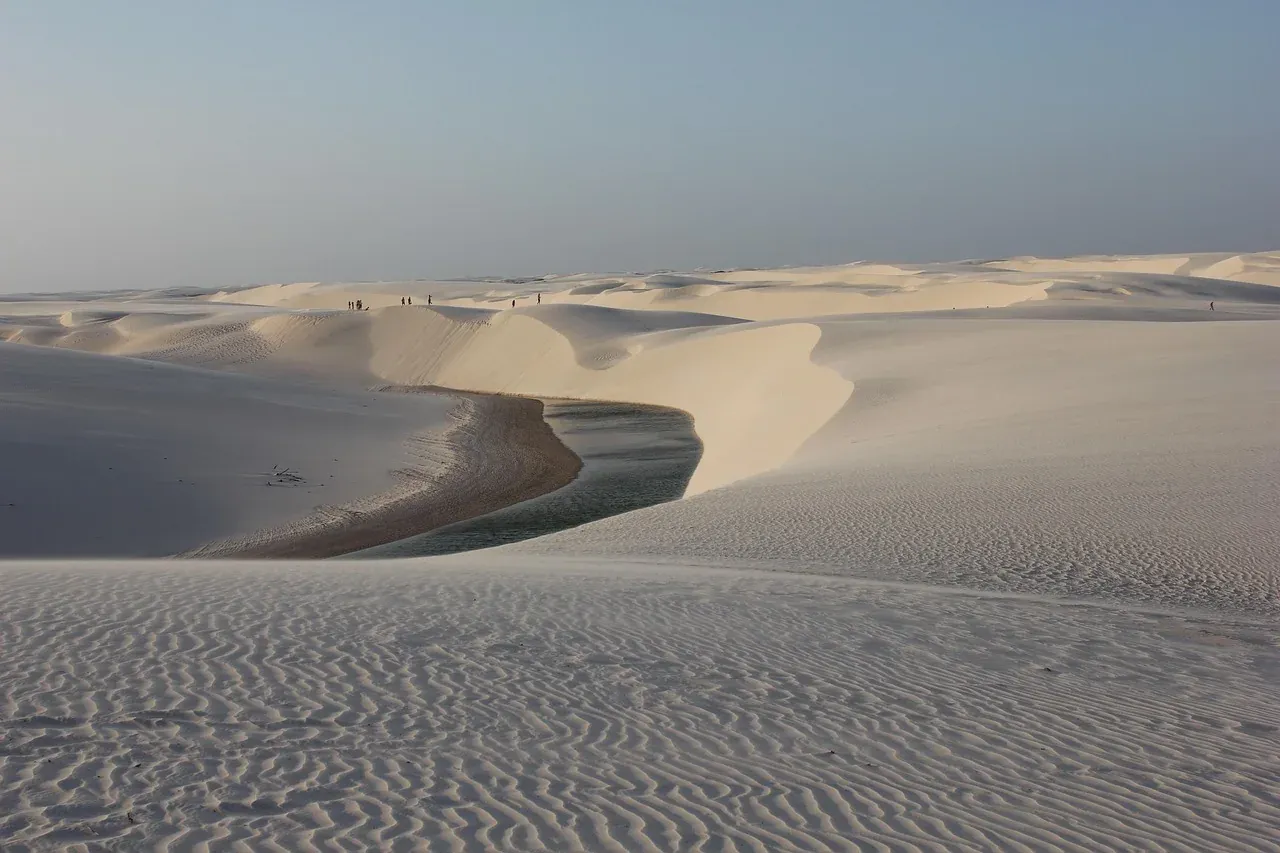
Lençóis Maranhenses National Park
1,550 square kilometres of white dunes along 70 kilometres of coast, where the rains fill the hollows with turquoise lagoons, fullest from June to September.
Location: Barreirinhas, Maranhão, Brazil
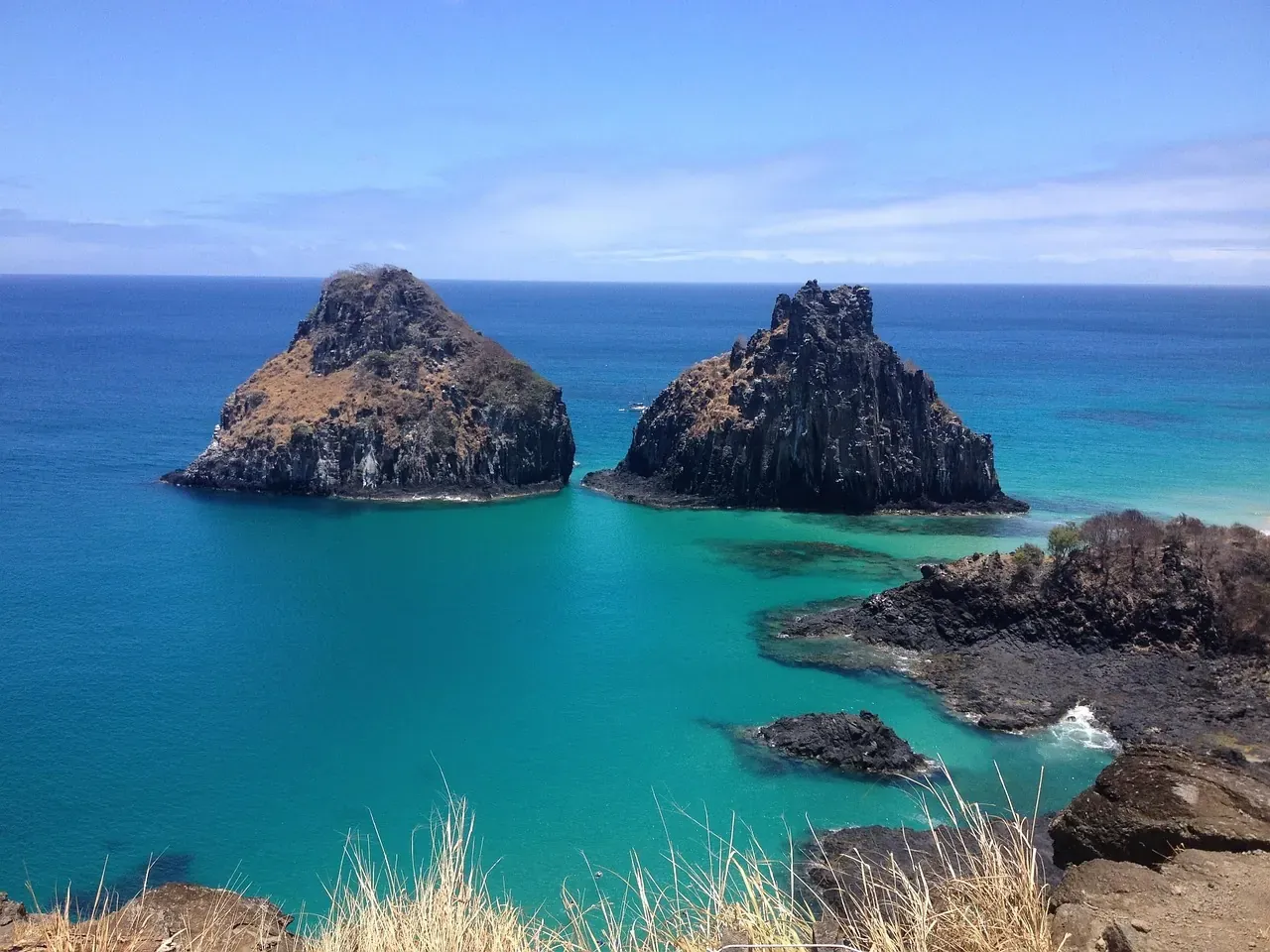
Fernando de Noronha
A volcanic archipelago of 21 islands, UNESCO listed in 2001, with resident spinner dolphins, turtle beaches and a daily cap on visitor numbers.
Location: Pernambuco, 354 kilometres off the north-east coast, Brazil
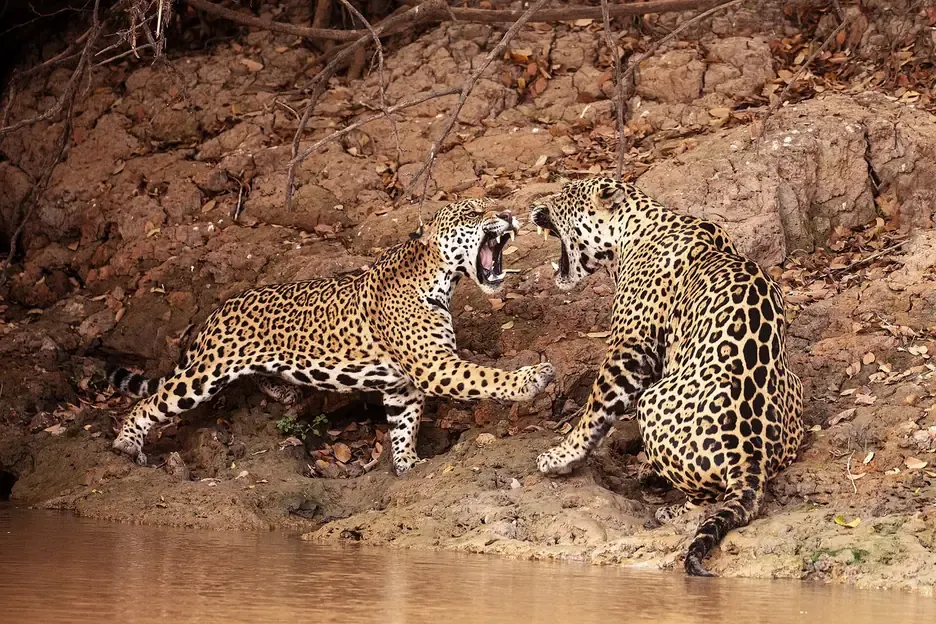
Pantanal
The world's largest tropical wetland, up to 195,000 square kilometres across three countries, with one of the healthiest jaguar populations on earth.
Location: Mato Grosso and Mato Grosso do Sul, via Poconé and the Transpantaneira road, Brazil
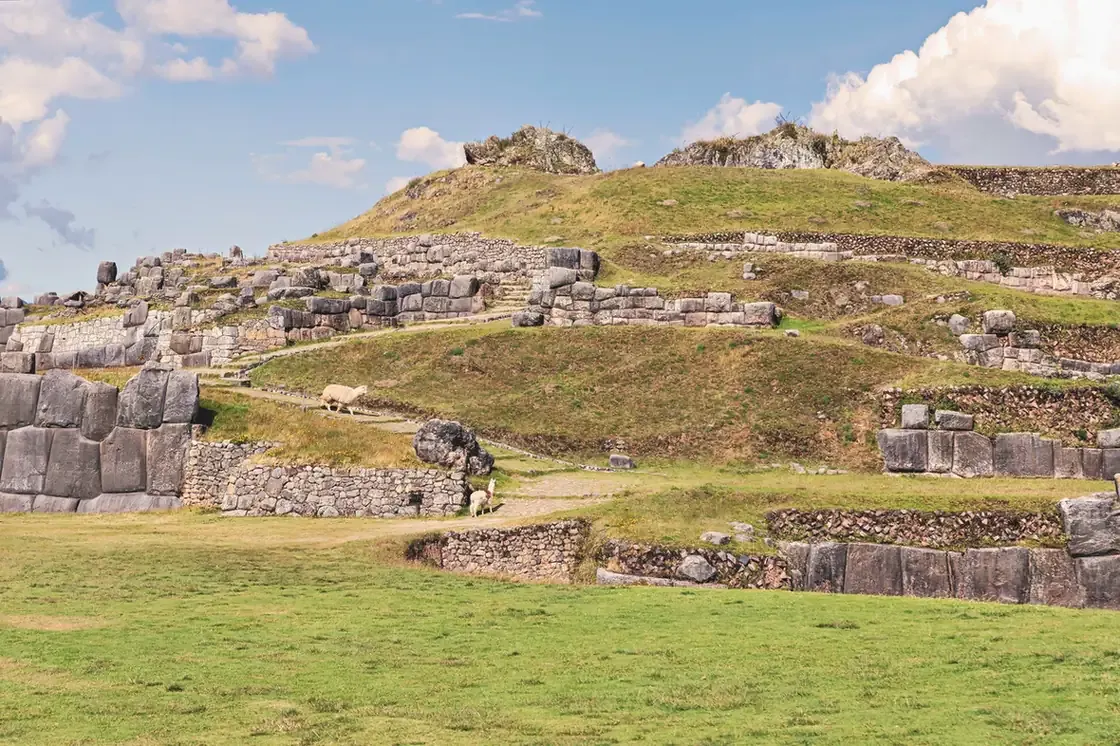
Sacsayhuamán
Zigzag Inca walls of limestone blocks weighing up to 128 tonnes, at 3,701 metres above Cusco; Inti Raymi is staged here every 24 June.
Location: above the historic centre of Cusco, Peru
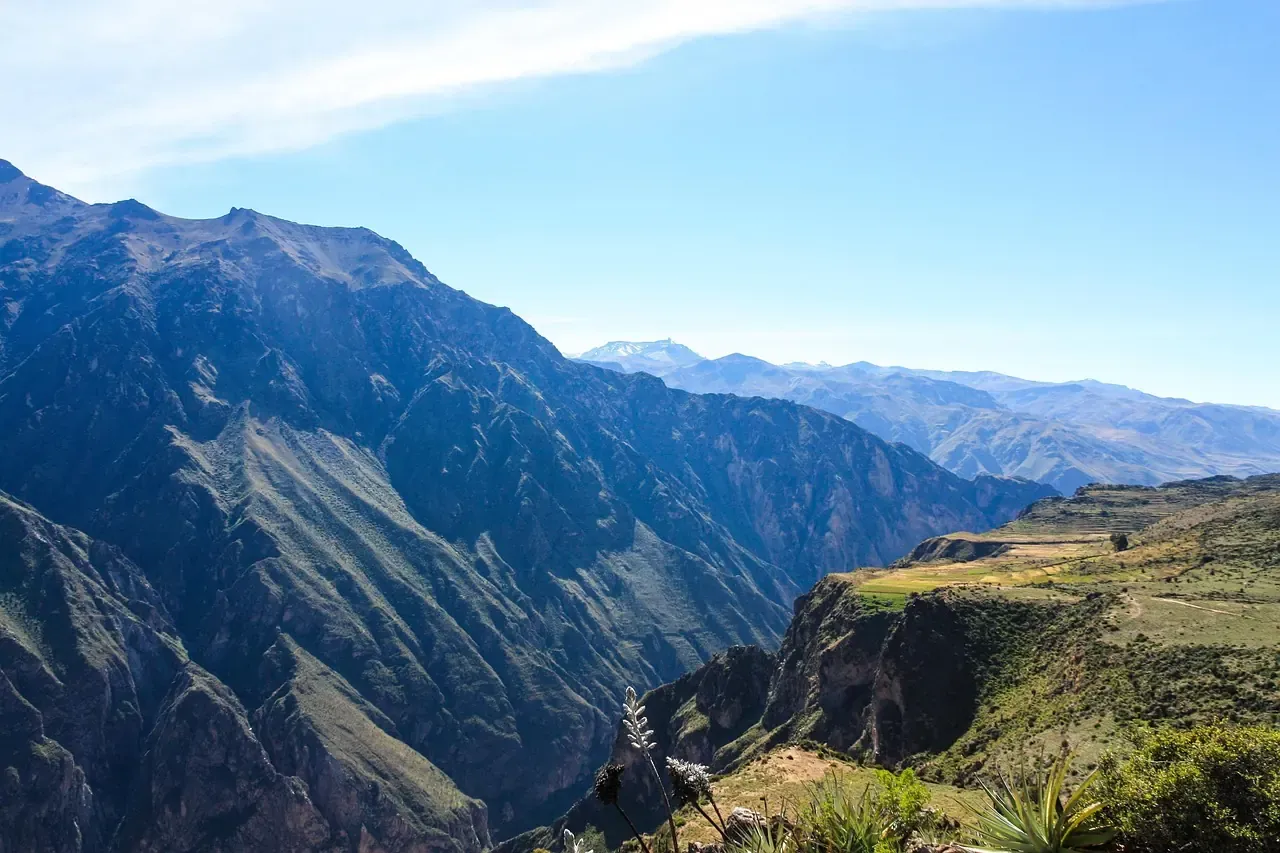
Colca Canyon
About 3,270 metres deep and 70 kilometres long, 160 kilometres from Arequipa; Andean condors ride the morning thermals past the Cruz del Cóndor lookout.
Location: Chivay and Cabanaconde, Arequipa Region, Peru
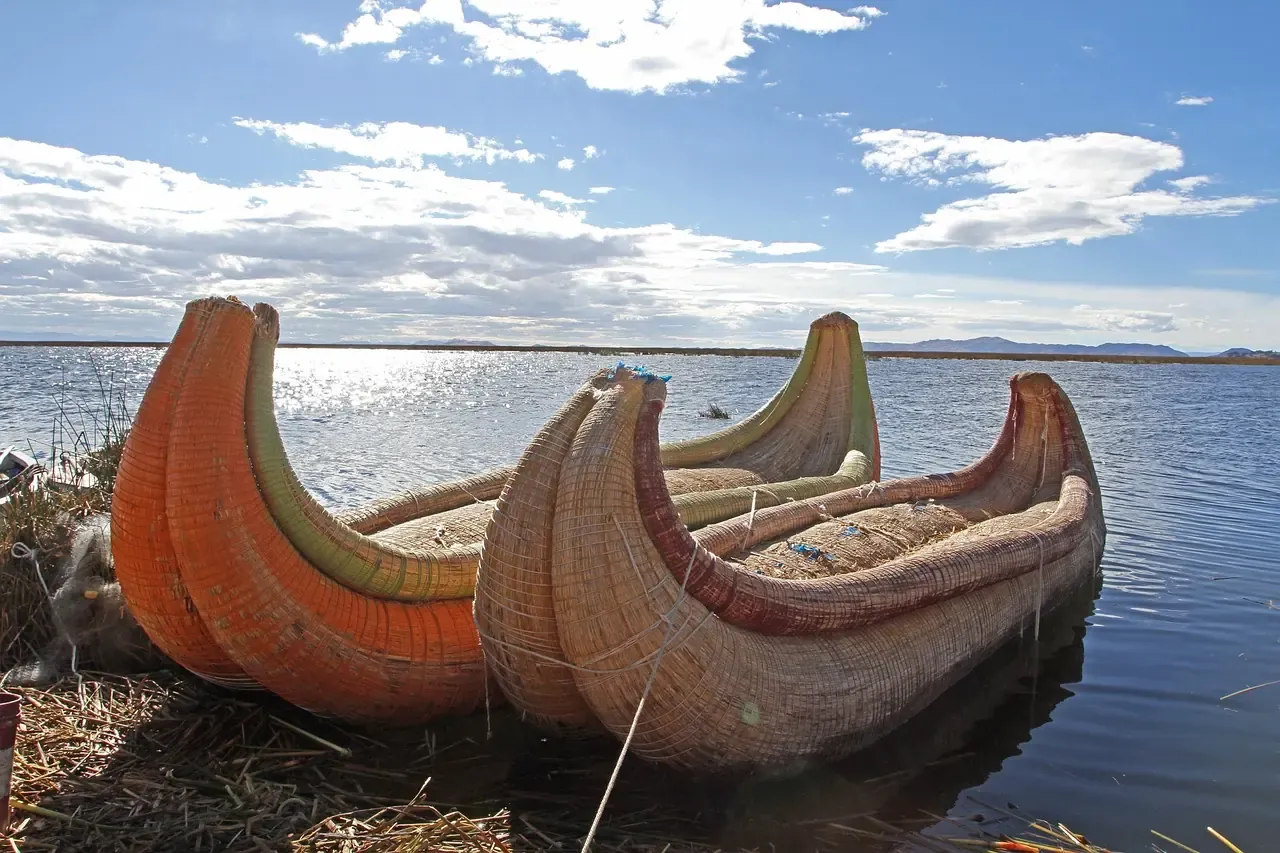
Lake Titicaca
The largest lake in South America, at 3,812 metres on the Peru and Bolivia border; boats from Puno visit the Uros floating islands and Taquile.
Location: Puno, Peru, and Copacabana, Bolivia, Peru and Bolivia
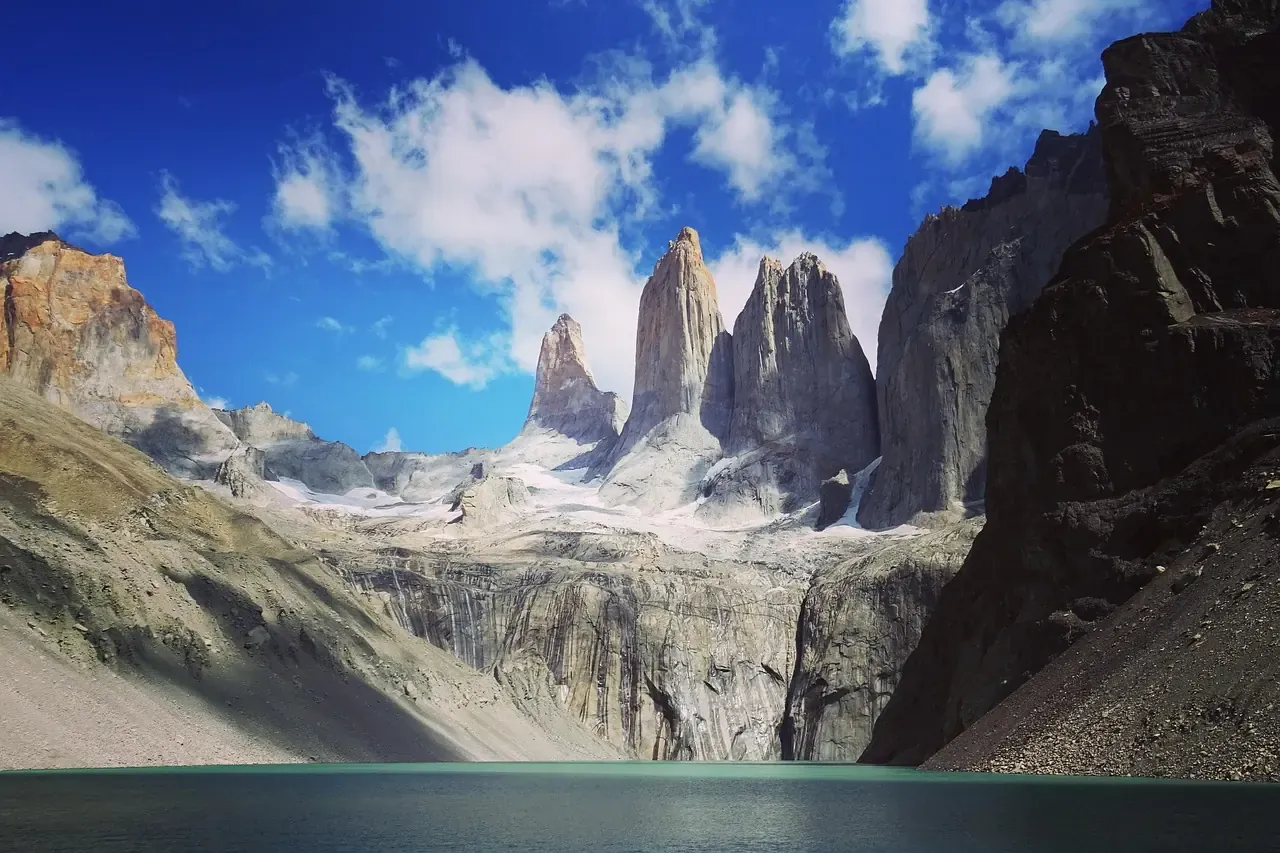
Torres del Paine National Park
Three granite towers 2,500 metres above a lake, in a park created in 1959 and a Biosphere Reserve since 1978; base of the W trek.
Location: Última Esperanza Province, 112 kilometres north of Puerto Natales, Chile
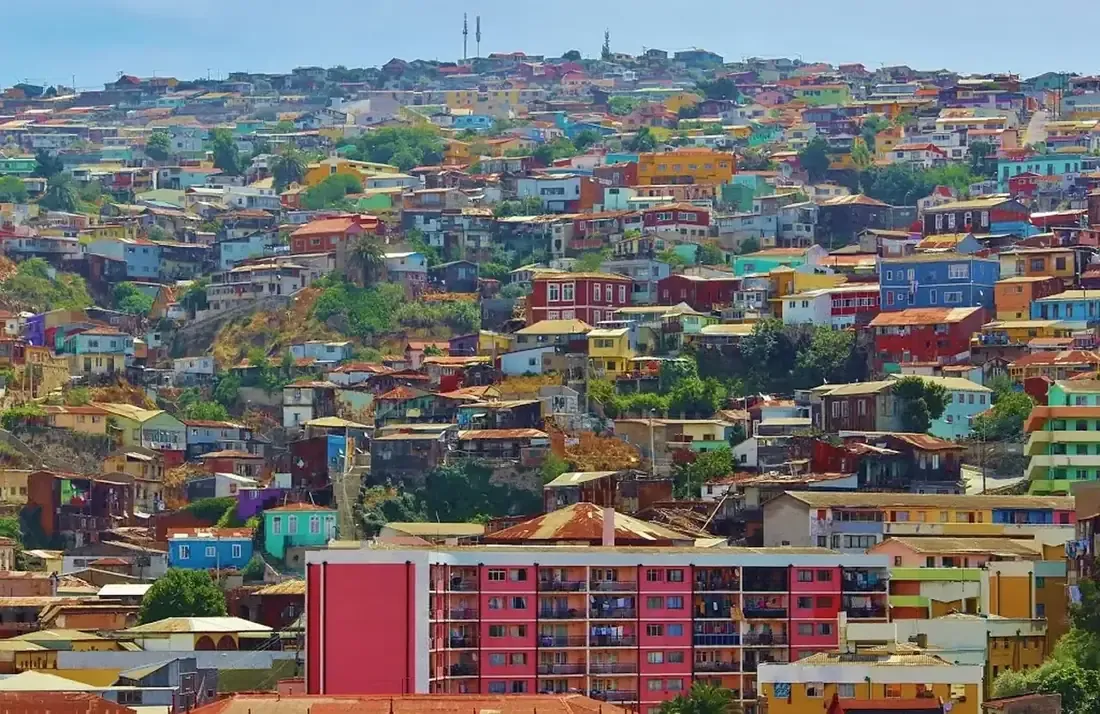
Valparaíso
A port city stacked up steep hills, UNESCO listed in 2003, with century-old funiculars, painted houses and street art on Cerro Alegre and Cerro Concepción.
Location: Valparaíso Region, 120 kilometres from Santiago, Chile
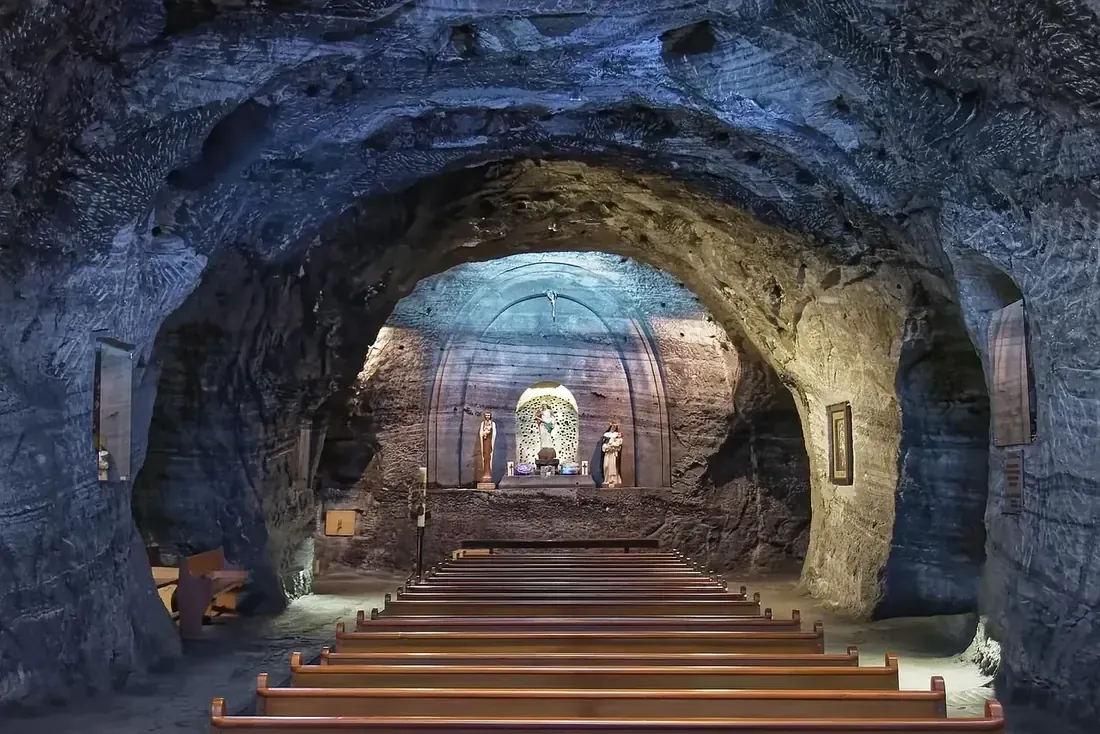
Salt Cathedral of Zipaquirá
A church carved 180 metres underground in a working salt mine 49 kilometres north of Bogotá, opened in 1995 to replace the 1954 original.
Location: Zipaquirá, Cundinamarca, Colombia
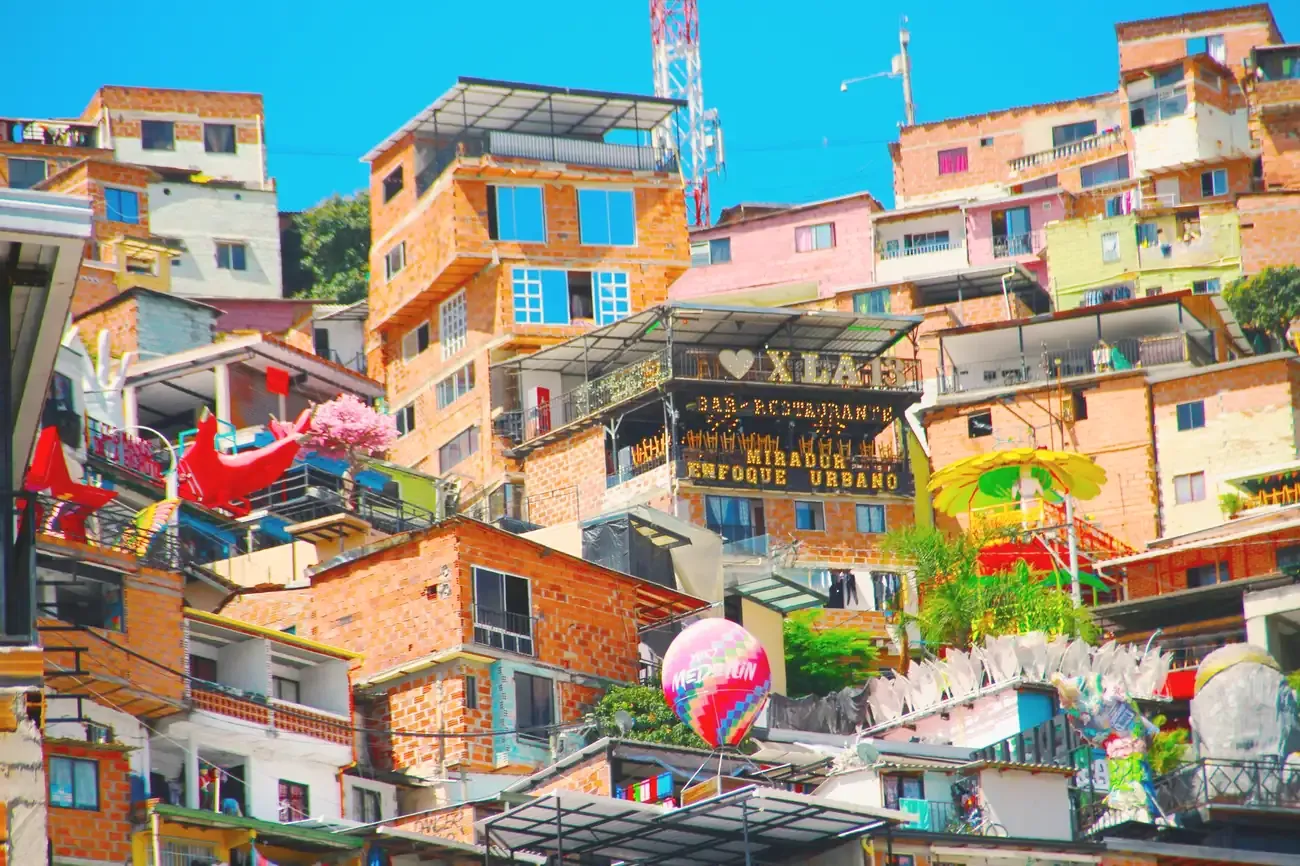
Comuna 13
A hillside district once among Medellín's most violent, transformed since its outdoor escalators opened in 2011; guided tours walk the murals and viewpoints.
Location: San Javier, Medellín, Colombia
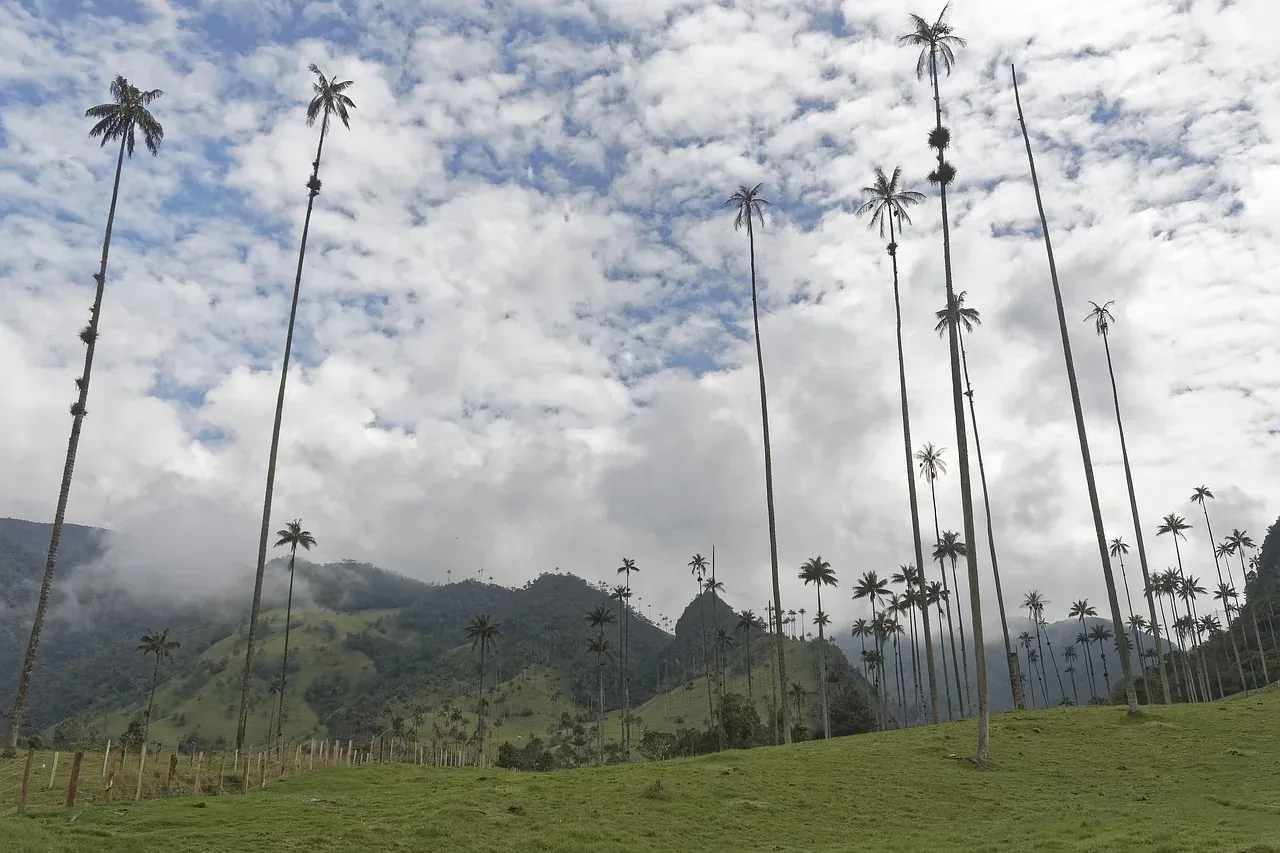
Cocora Valley
Green pastures studded with Quindío wax palms, Colombia's national tree and the tallest palm on earth, inside Los Nevados park 11 kilometres from Salento.
Location: Salento, Quindío, Colombia
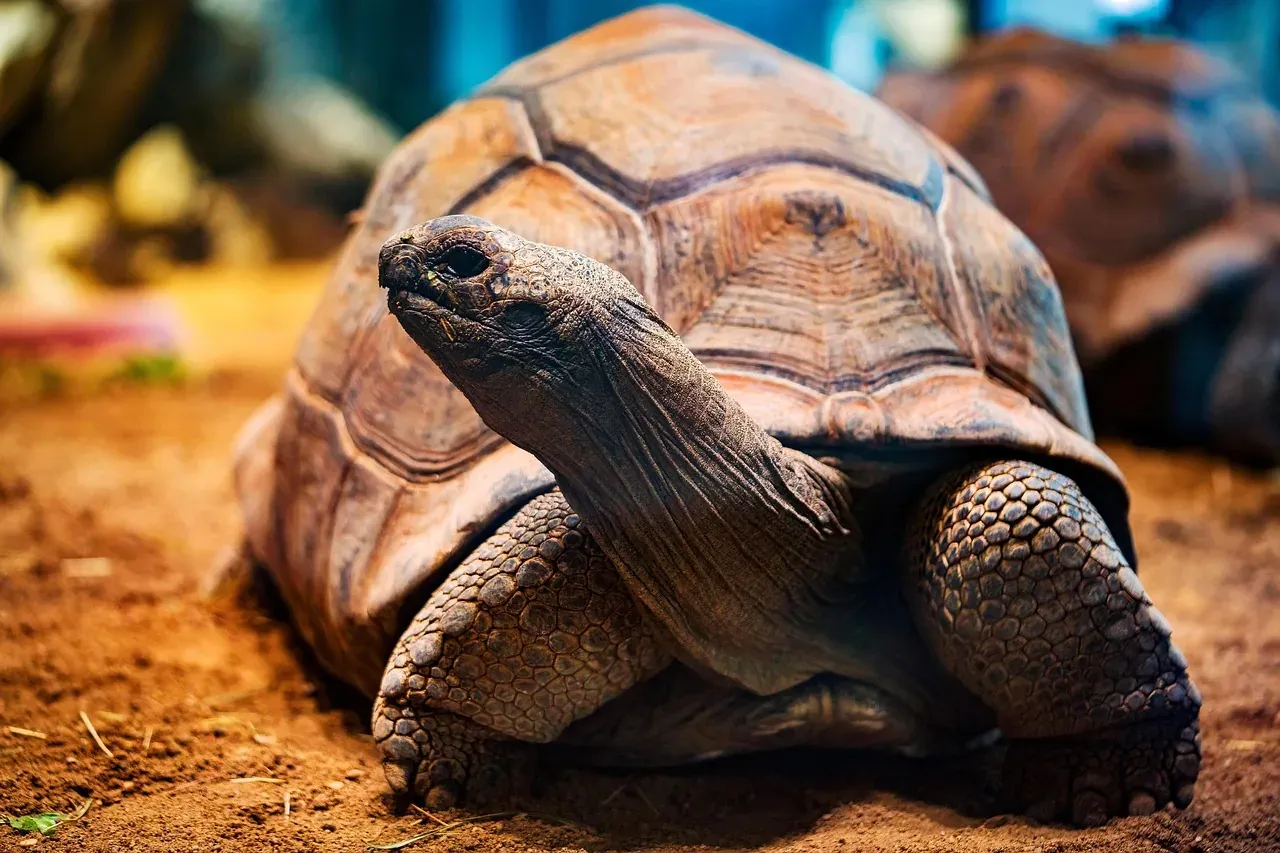
Galápagos Islands
The archipelago 1,000 kilometres off Ecuador where Darwin observed finches in 1835; giant tortoises, marine iguanas and boobies, World Heritage since 1978.
Location: Galápagos Province, flights from Quito and Guayaquil to Baltra and San Cristóbal, Ecuador
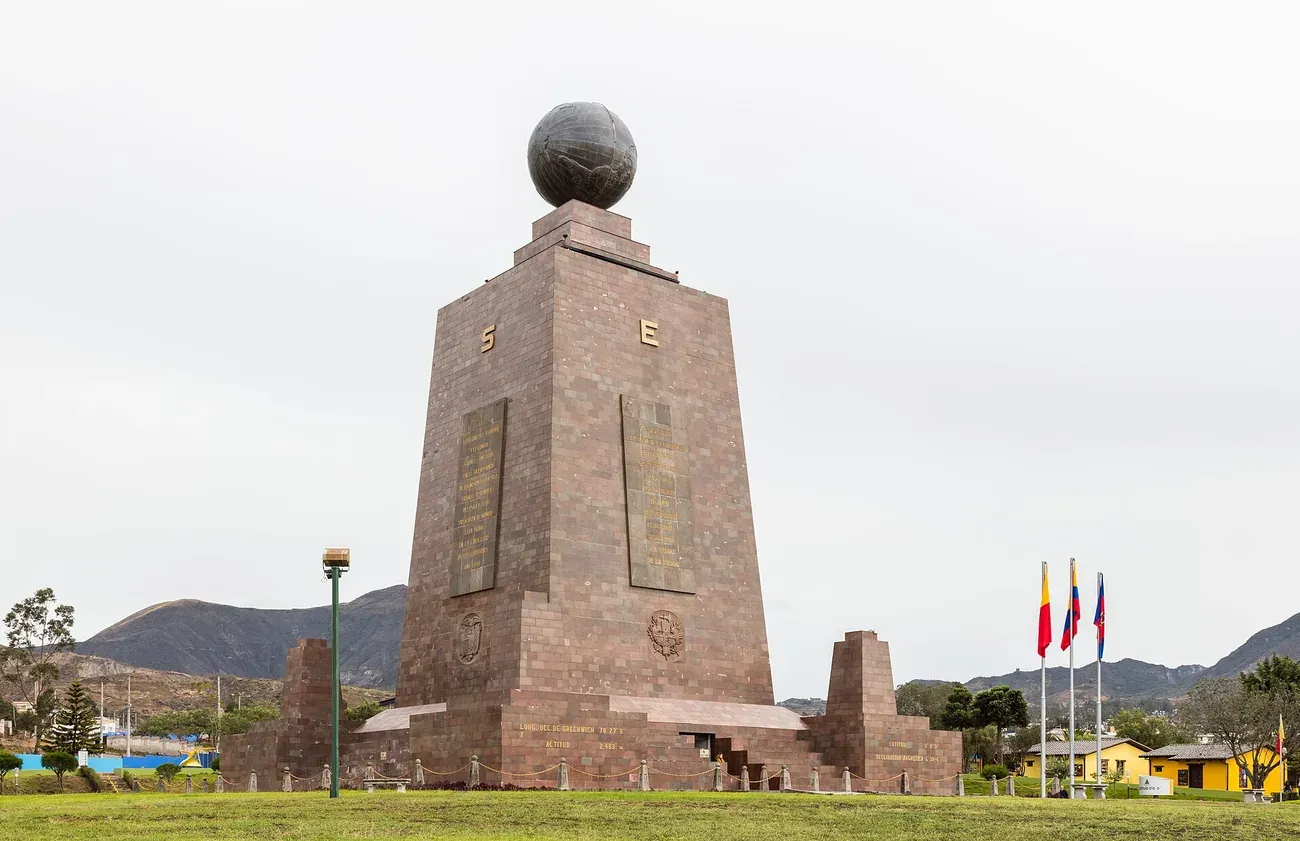
Mitad del Mundo
A 30-metre monument of 1979 to 1982 on the equator as fixed by the French geodesic mission; GPS puts the true line 240 metres away.
Location: San Antonio de Pichincha, north of Quito, Ecuador
Photo: "Mitad del Mundo, Quito, Ecuador" by Diego Delso (CC BY-SA 4.0).
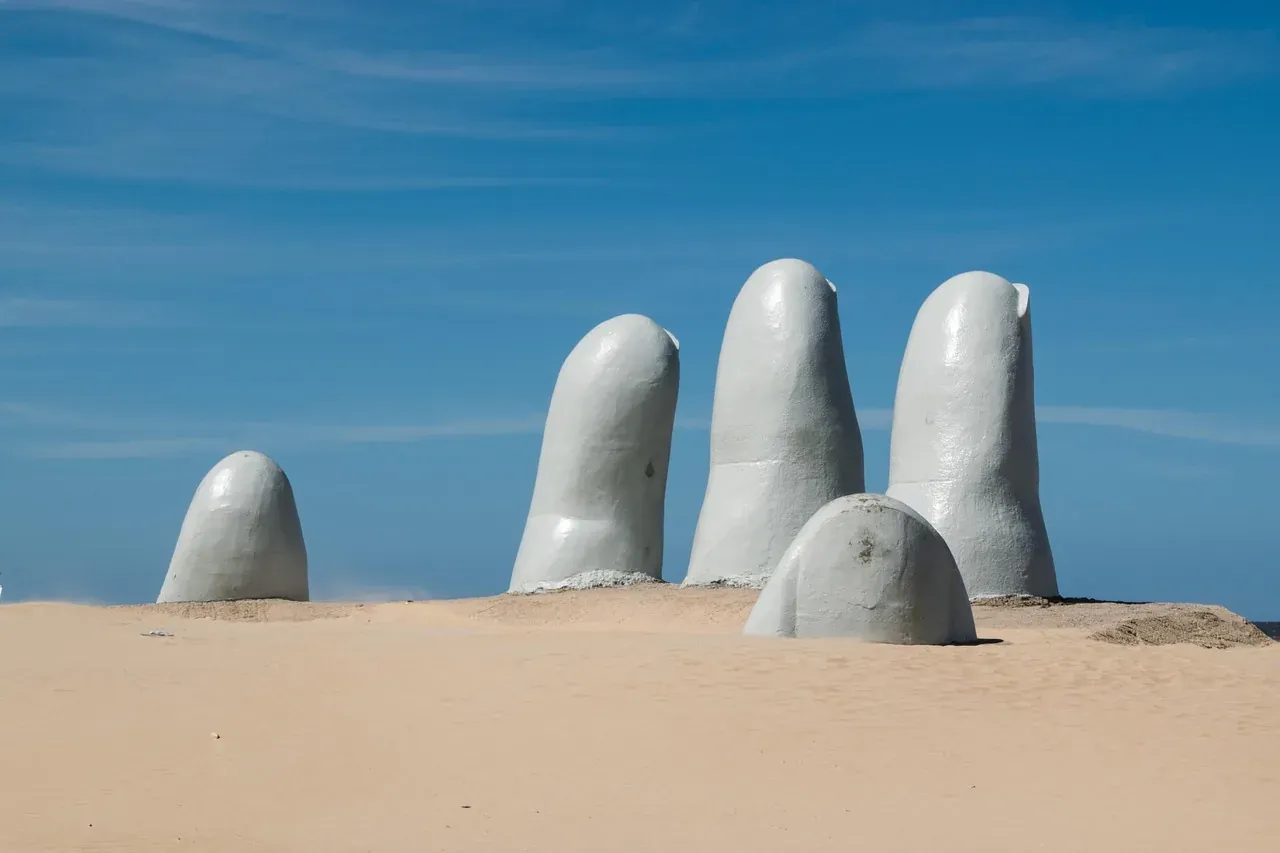
The Hand of Punta del Este
Five concrete fingers rising from the sand of Brava Beach, sculpted by the Chilean Mario Irarrázabal in 1982 and now the emblem of Uruguay's resort.
Location: Playa Brava, Punta del Este, Maldonado, Uruguay
What to eat in South America
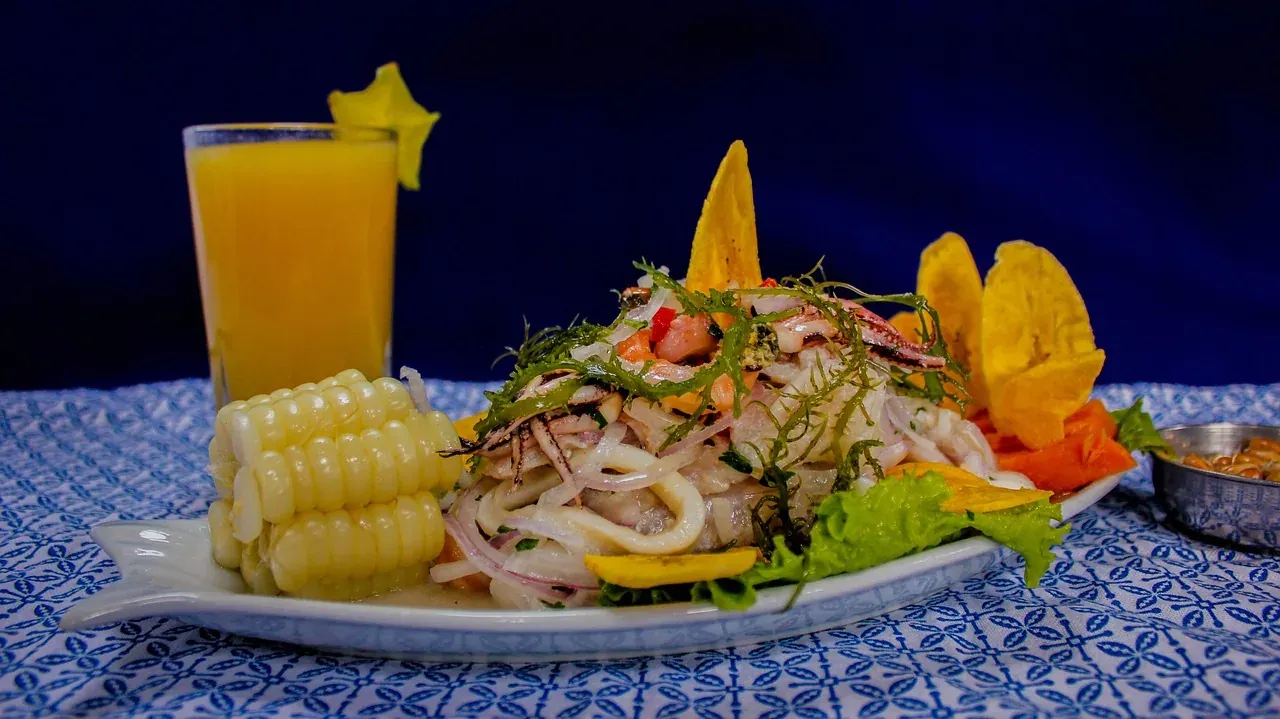
Ceviche
Raw fish cured for minutes in lime juice with onion, chilli and salt, served with sweet potato and corn; Peru's national dish, recognised by UNESCO as intangible heritage in 2023, with the leftover marinade drunk as leche de tigre.
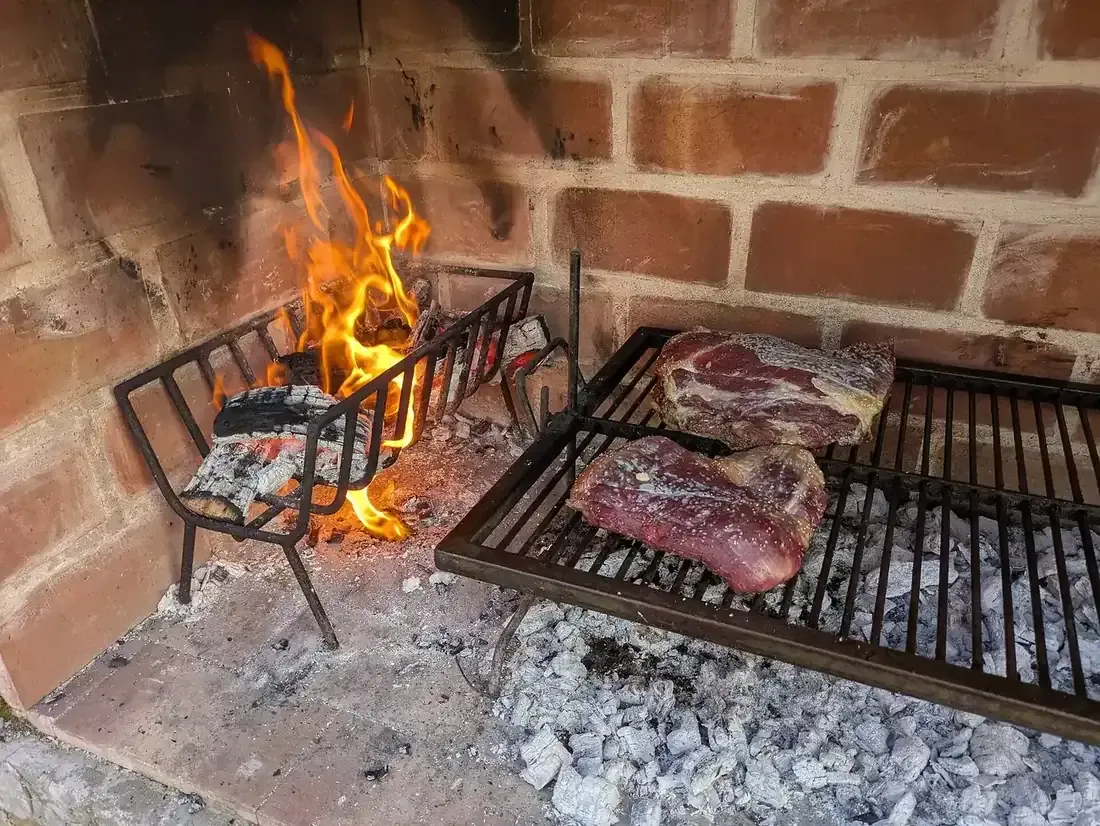
Asado
Beef ribs, chorizo and sweetbreads grilled slowly over wood embers on a parrilla by a designated asador, eaten with chimichurri and red wine; the Sunday ritual of Argentina and Uruguay alike.
Photo: "Asado tradicional argentino, leña, brasas" by Maxd2 (CC BY-SA 4.0).
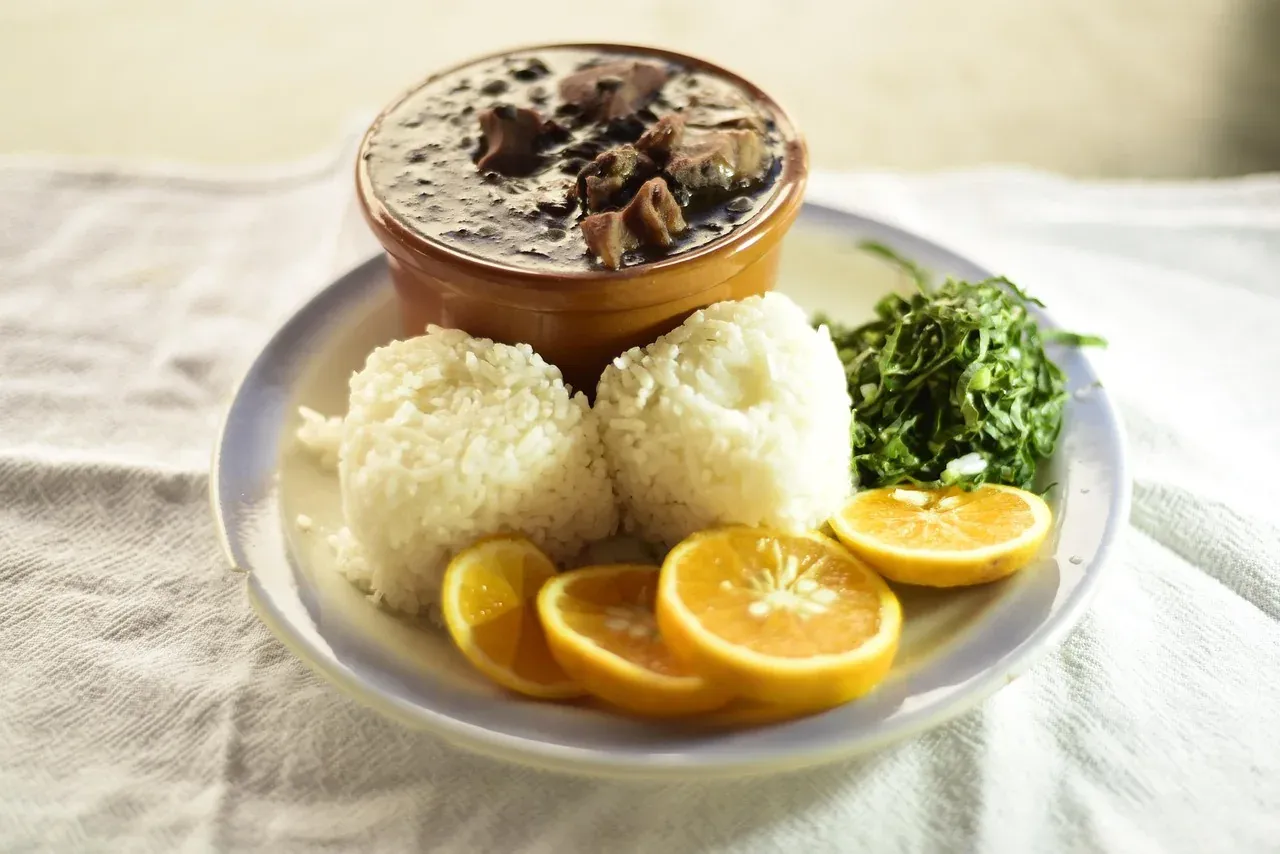
Feijoada
A stew of black beans with salted pork and beef, simmered for hours and served with rice, collard greens, farofa and orange slices; Brazil's national dish, traditionally eaten at Saturday lunch.
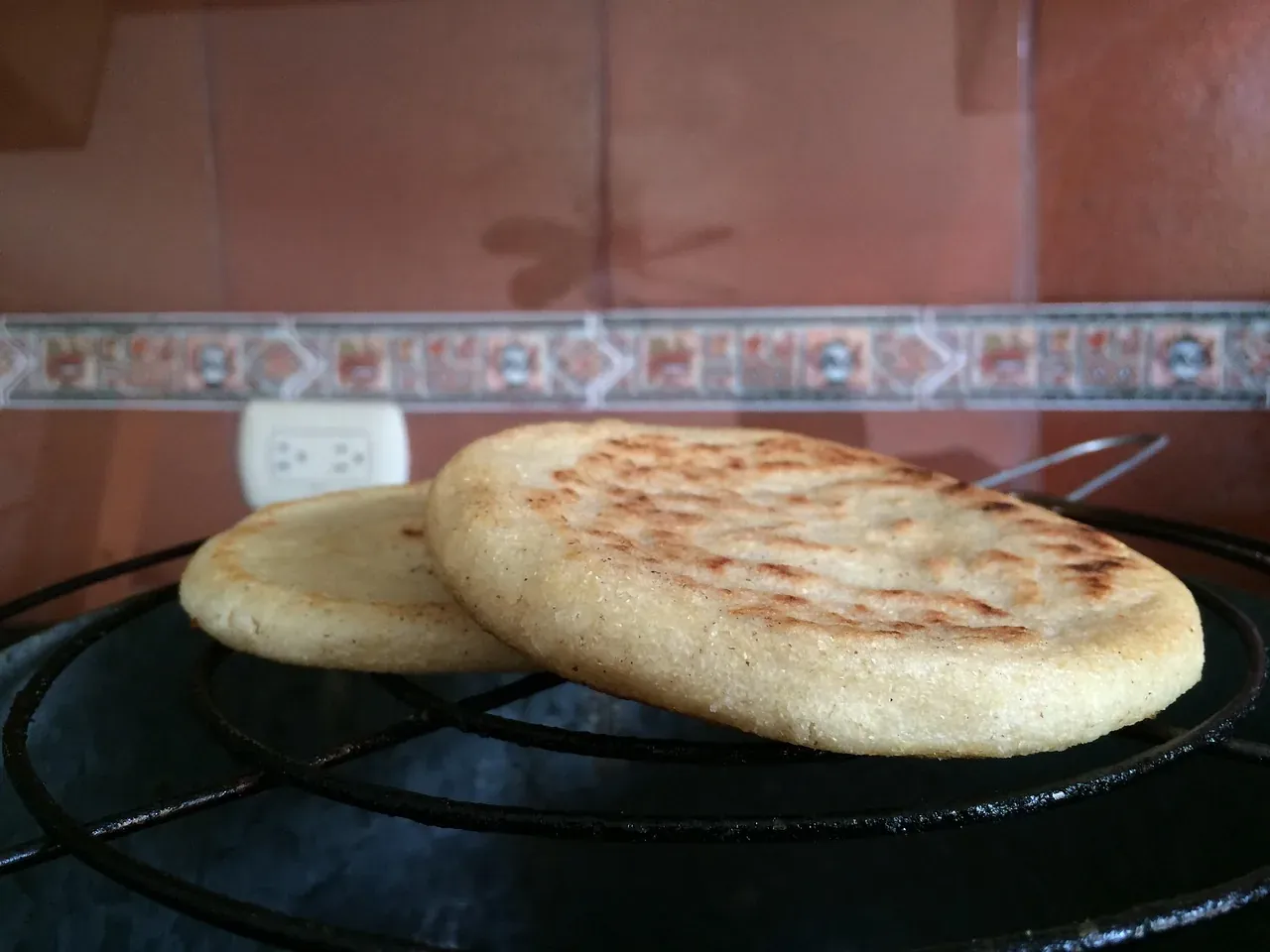
Arepa
A round griddled cake of ground maize dough eaten since pre-Columbian times, split and filled with cheese, eggs or meat; shared with Venezuela and voted Colombia's cultural symbol in 2006.

Pastel de choclo
A baked dish of sweetcorn paste over minced beef, chicken, onion, olives, raisins and hard-boiled egg, browned in a clay dish; the Chilean summer classic, also cooked across the Andes.
Photo: "Pastel de choclo (tray)" by E4024 (CC BY-SA 4.0).
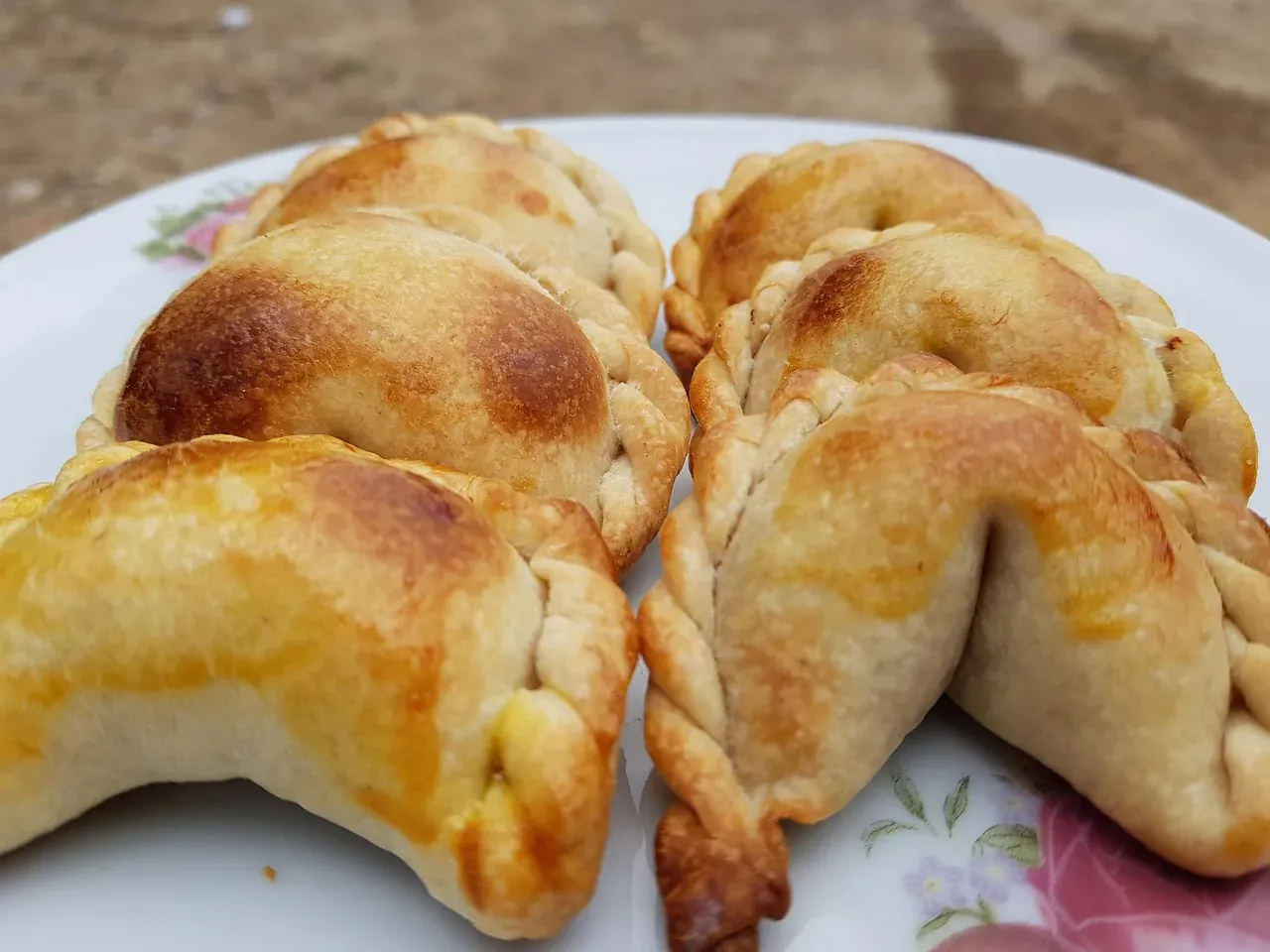
Salteña
A Bolivian baked empanada with a braided seam, its slightly sweet pastry holding a juicy stew of beef or chicken, potatoes and ají set with gelatine; eaten as a mid-morning snack.
South America destinations still to discover
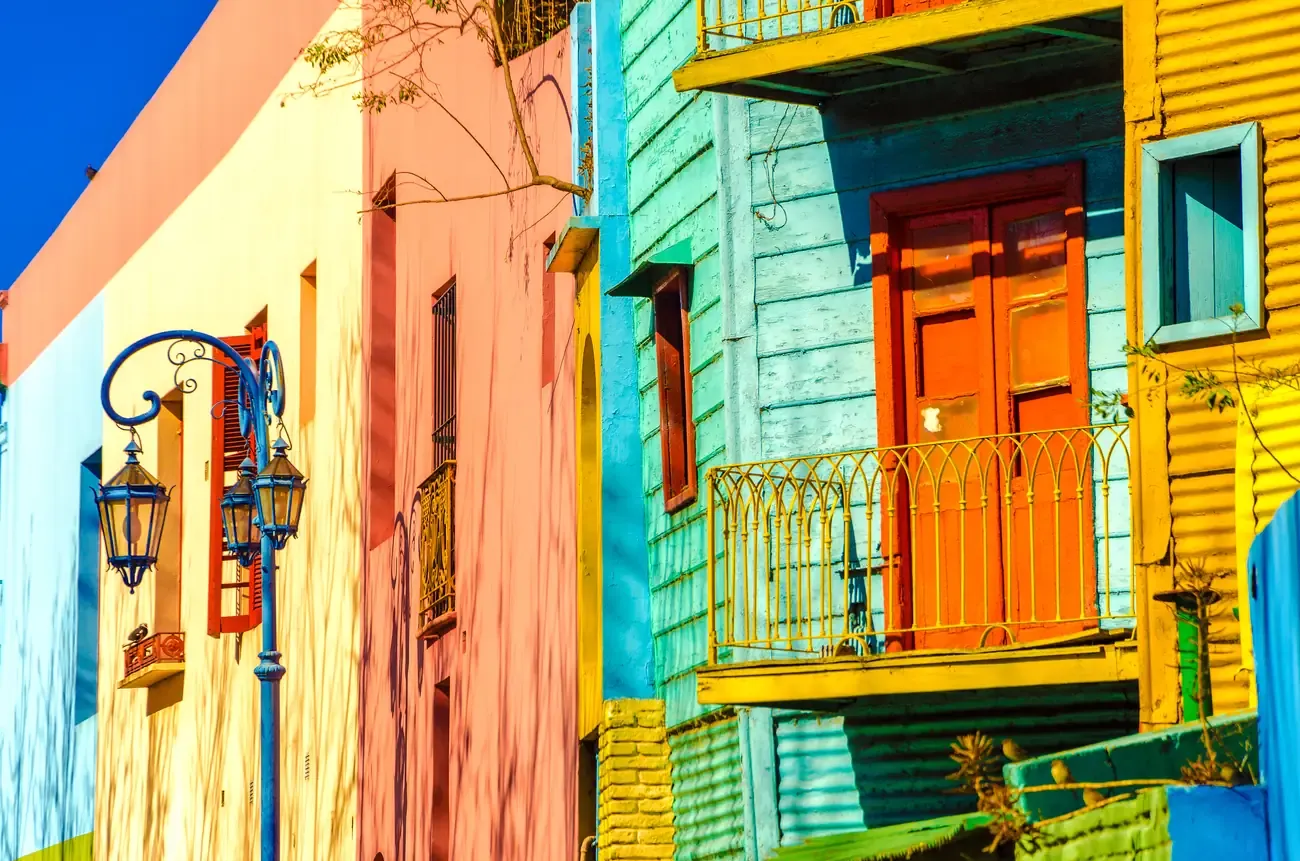
Buenos Aires
Tourist attractions in Buenos Aires run from Plaza de Mayo and the Casa Rosada to Caminito in La Boca, San Telmo's Sunday market and the milongas.
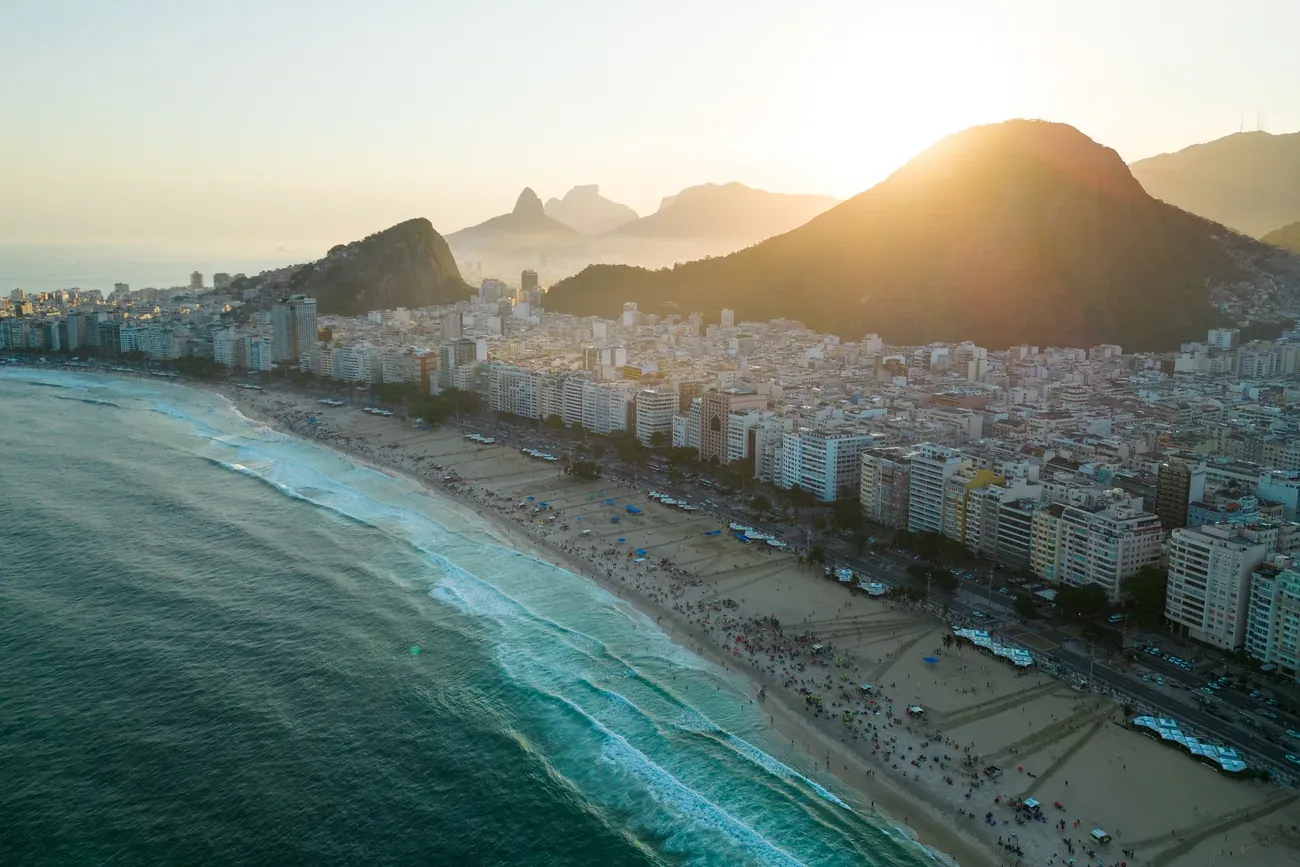
Rio de Janeiro
Rio de Janeiro's tourist attractions start with Corcovado and Sugarloaf, then Copacabana and Ipanema, the Selarón steps and a match at the Maracanã.
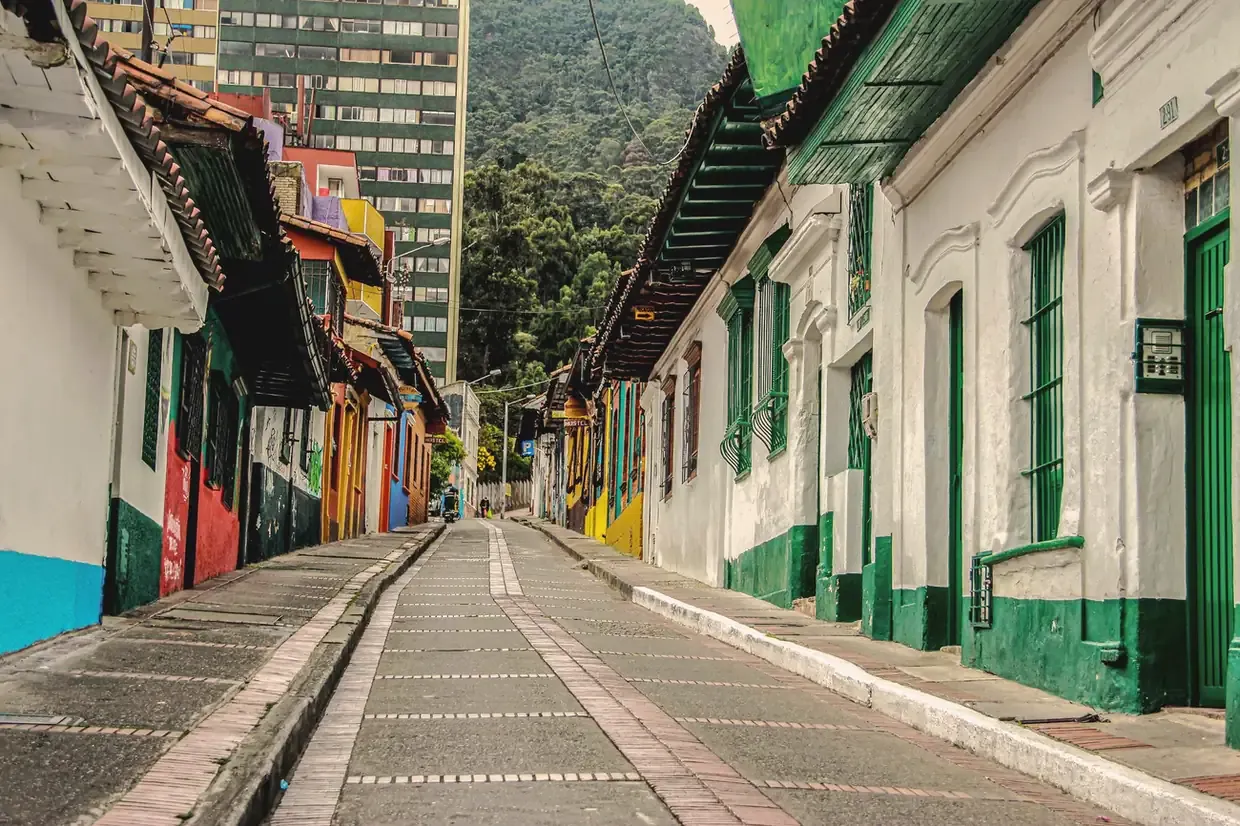
Bogotá
Tourist attractions in Bogotá centre on La Candelaria, the Gold Museum and Botero's collection, with the cable car up Monserrate above the city.
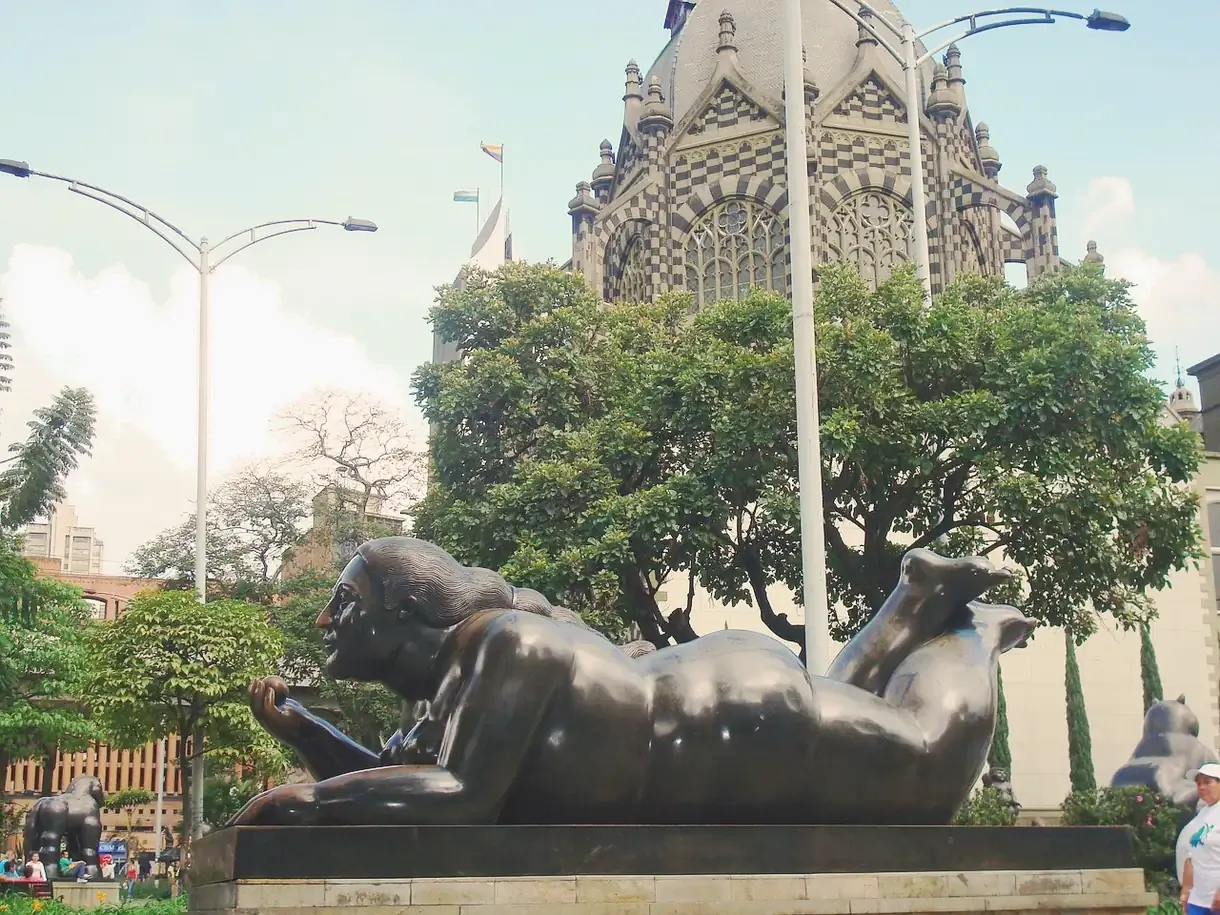
Medellín
Medellín's tourist attractions include Plaza Botero, the Metrocable over the hillsides, Comuna 13 and the Feria de las Flores every August.
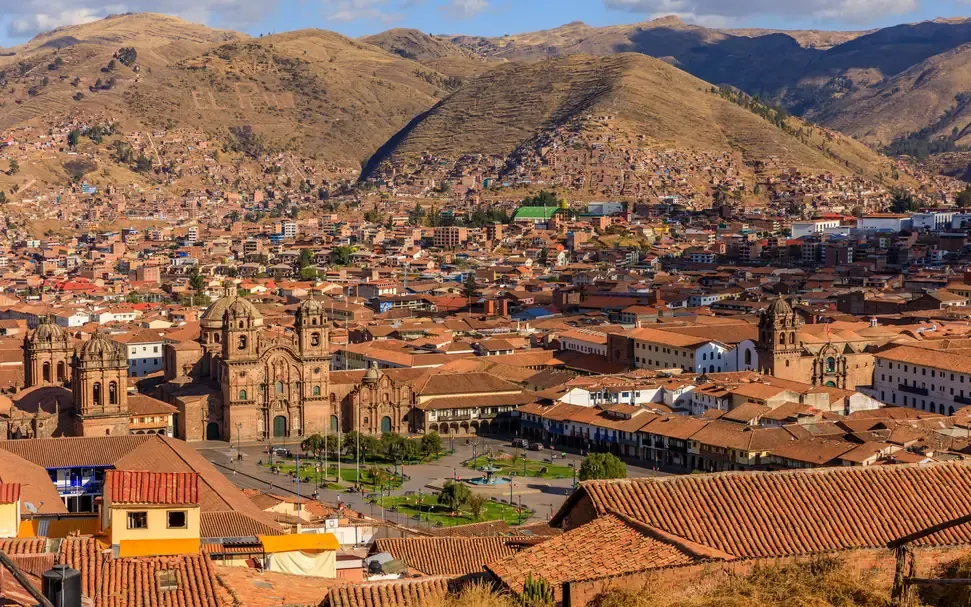
Cusco
Tourist attractions in Cusco mix Inca walls and baroque churches around the Plaza de Armas and San Blas with day trips into the Sacred Valley.
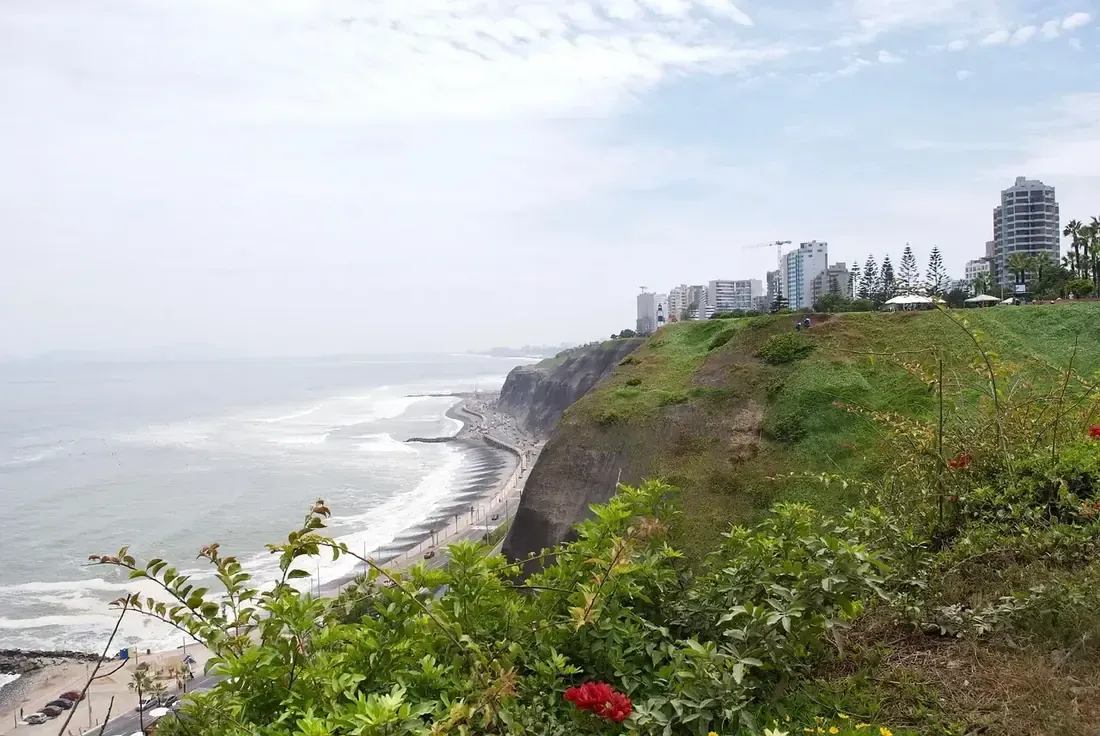
Lima
Peru's capital on the Pacific cliffs, with a colonial centre, the pre-Inca adobe pyramid of Huaca Pucllana in Miraflores and the country's best cevicherías.
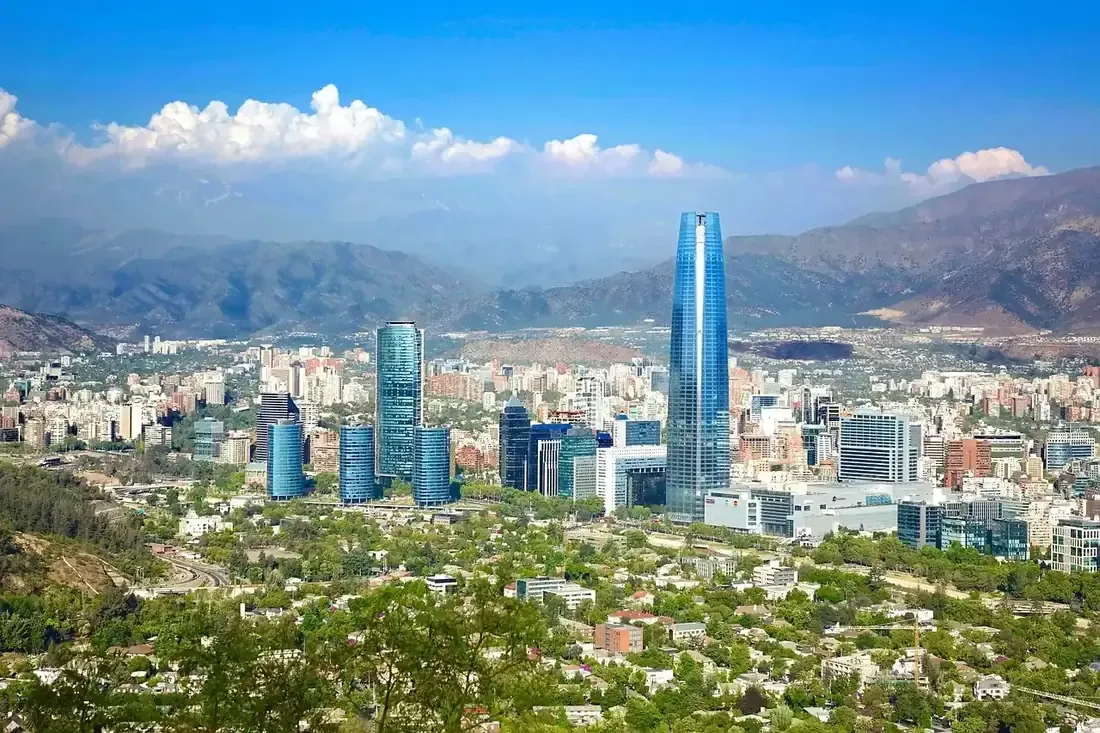
Santiago
Chile's capital below the Andes, with the view from Cerro San Cristóbal, the markets around Plaza de Armas and vineyards and ski resorts within an hour.
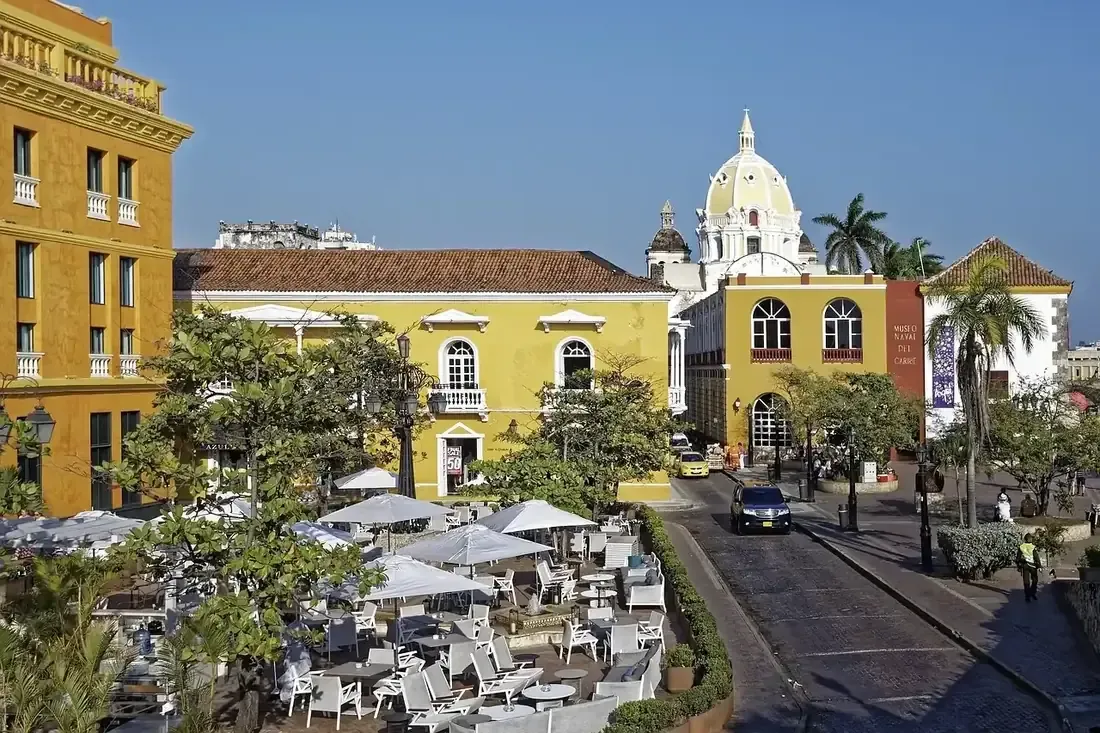
Cartagena
The Caribbean walled city of balconies and plazas, UNESCO listed in 1984, with the San Felipe fortress on its hill and boats to the Rosario Islands.
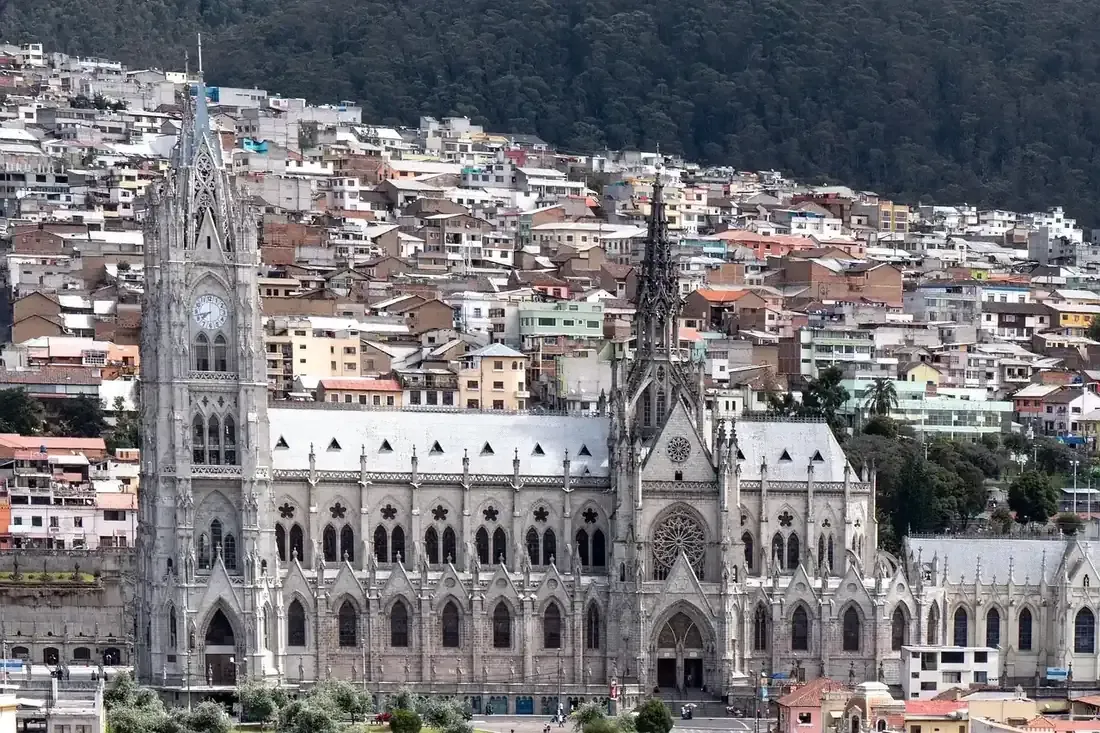
Quito
Ecuador's capital at about 2,850 metres below the Pichincha volcano, whose colonial centre was among the first World Heritage sites listed in 1978.
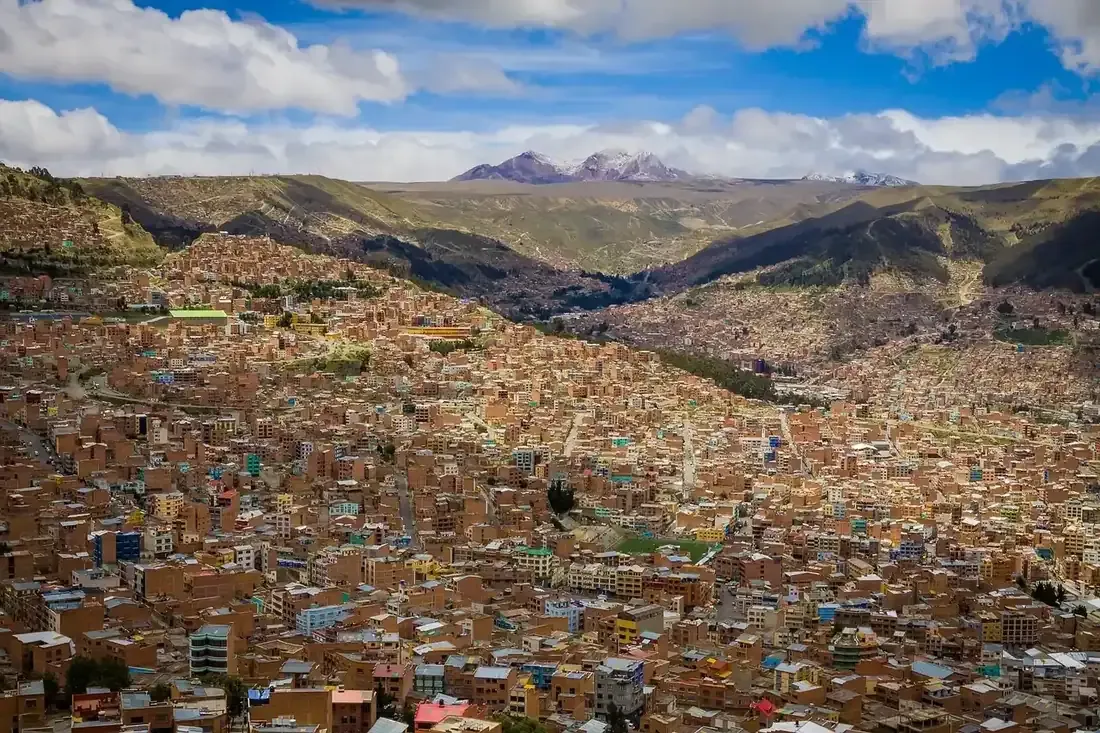
La Paz
Bolivia's seat of government fills a canyon at around 3,600 metres, crossed by the Mi Teleférico cable-car network, with the Witches' Market in the centre.
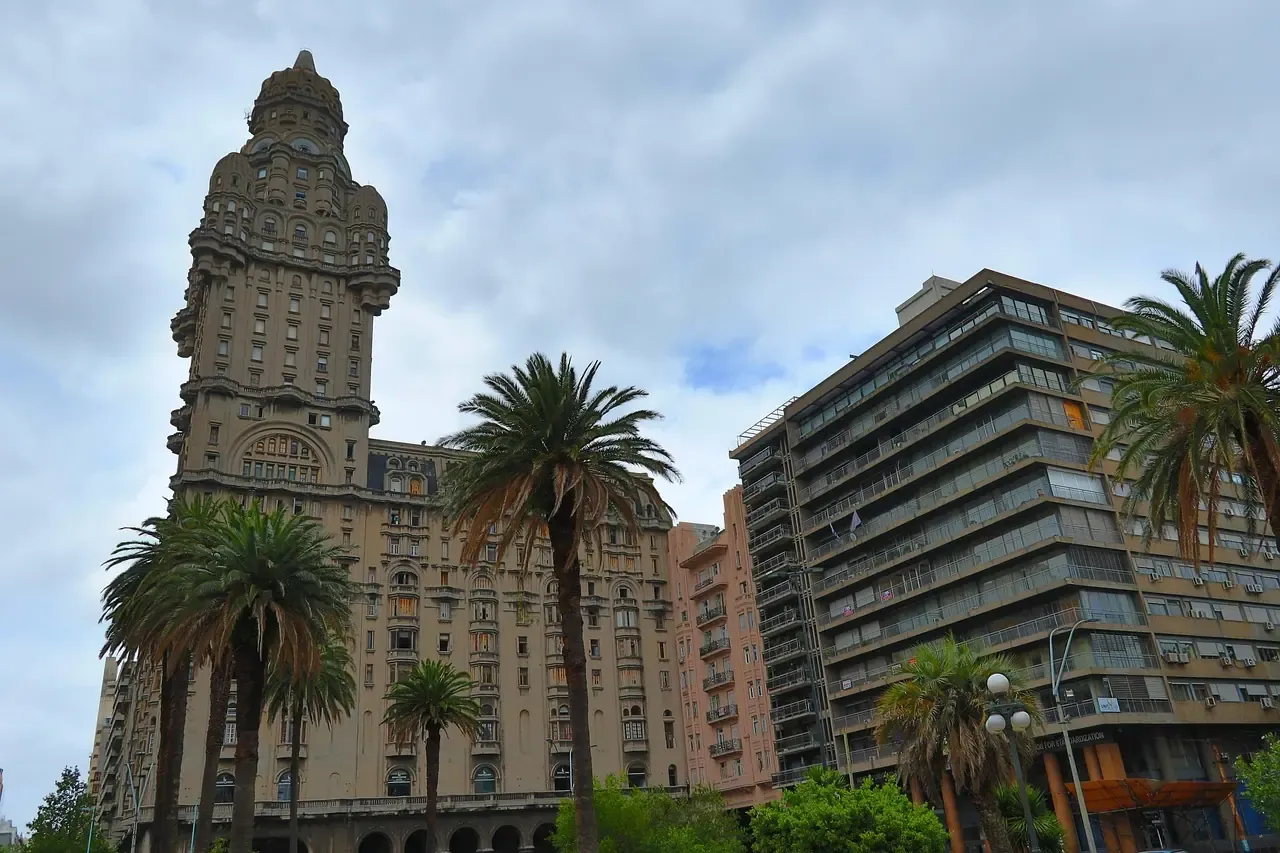
Montevideo
Uruguay's capital on the Río de la Plata, with the Palacio Salvo on Plaza Independencia, the Ciudad Vieja and the long Rambla along the shore.
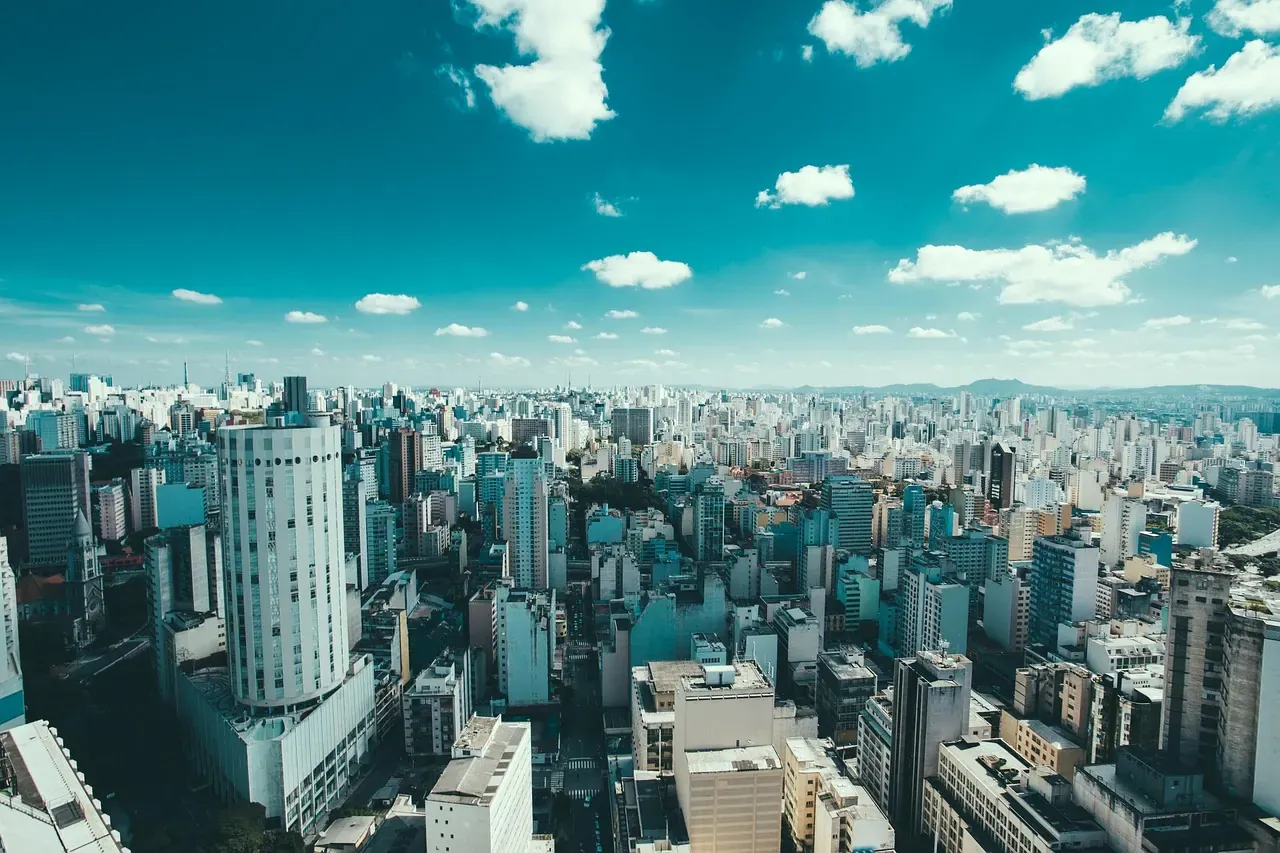
São Paulo
The largest city in South America, with Avenida Paulista and the MASP art museum, Ibirapuera Park and a restaurant scene to match its size.