
Tourist attractions in El Calafate
Known for
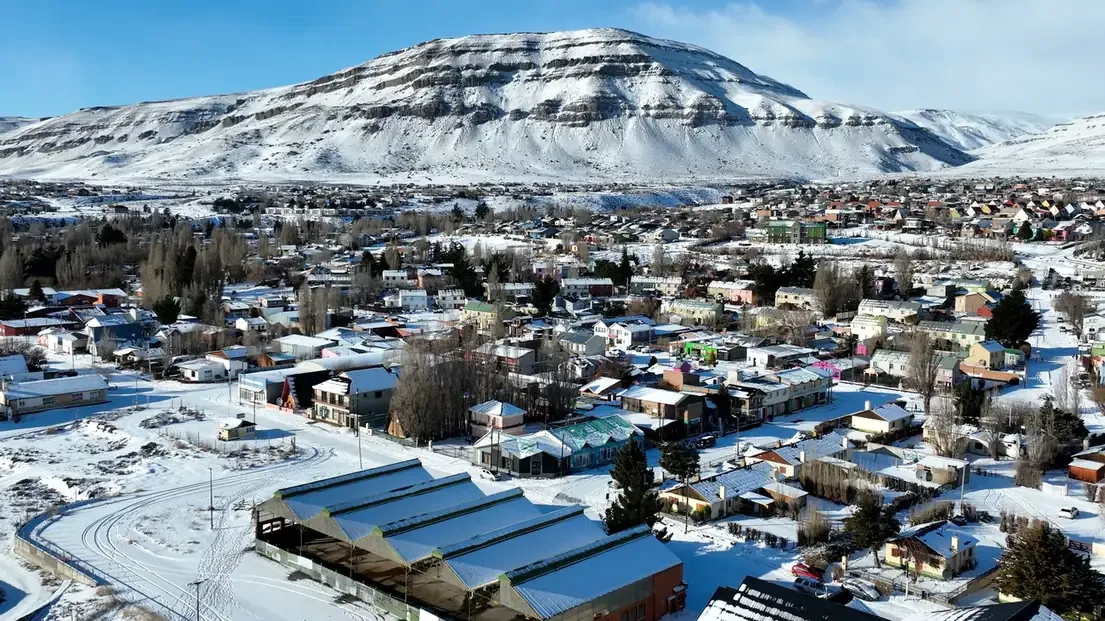
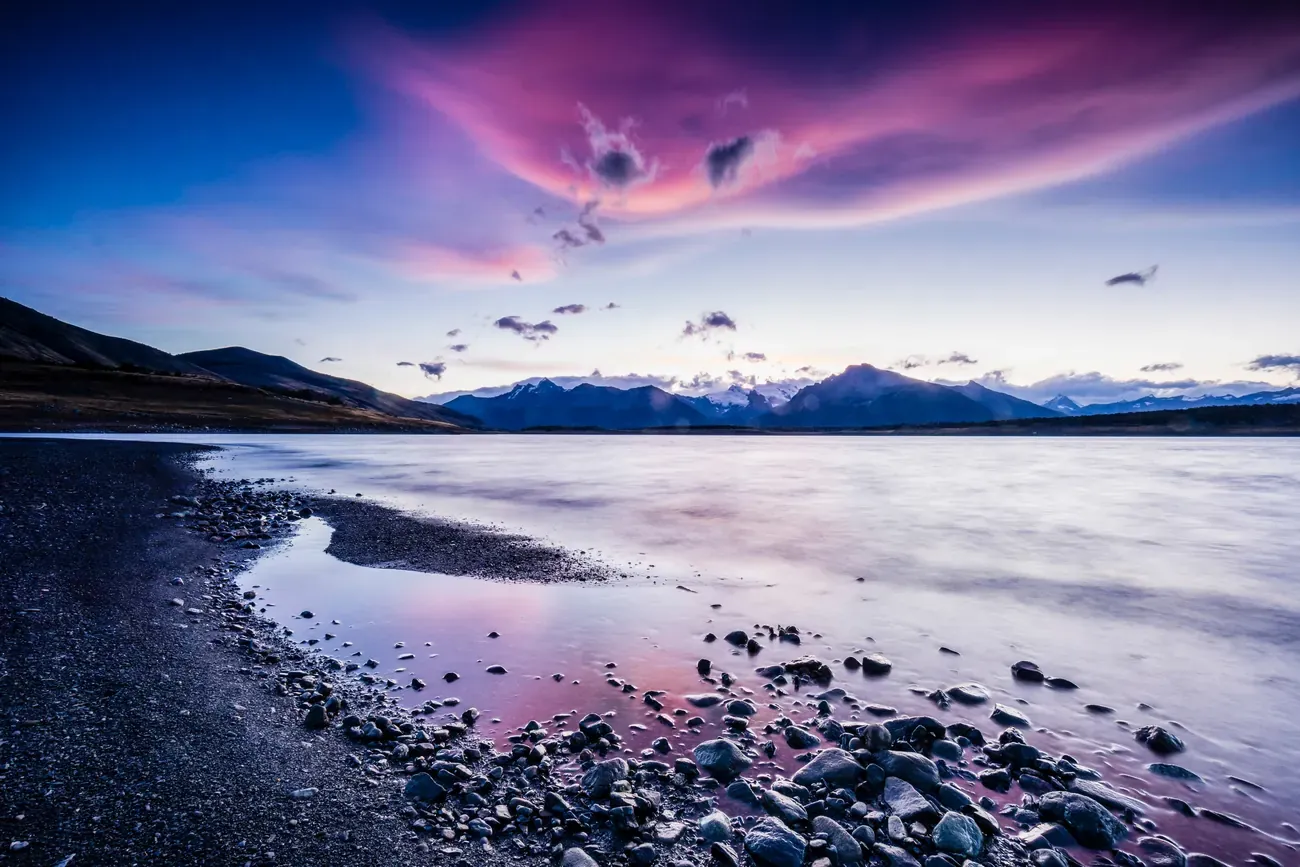
Patagonia's tourism gateway town, built on the shore of Lago Argentino
Must-see landmarks
Perito Moreno Glacier, Reserva Laguna Nimez, and Glaciarium
Best time to visit
December to February, the austral summer
UNESCO World Heritage since 1981
Gateway to Los Glaciares National Park
El Calafate's top 7 tourist attractions
Perito Moreno Glacier, Upsala and Spegazzini Glaciers and Laguna Nimez Reserve lead the tourist attractions in El Calafate. This guide ranks the 7 sights worth your time, then adds free things to do and visitor FAQs.
1. Perito Moreno Glacier
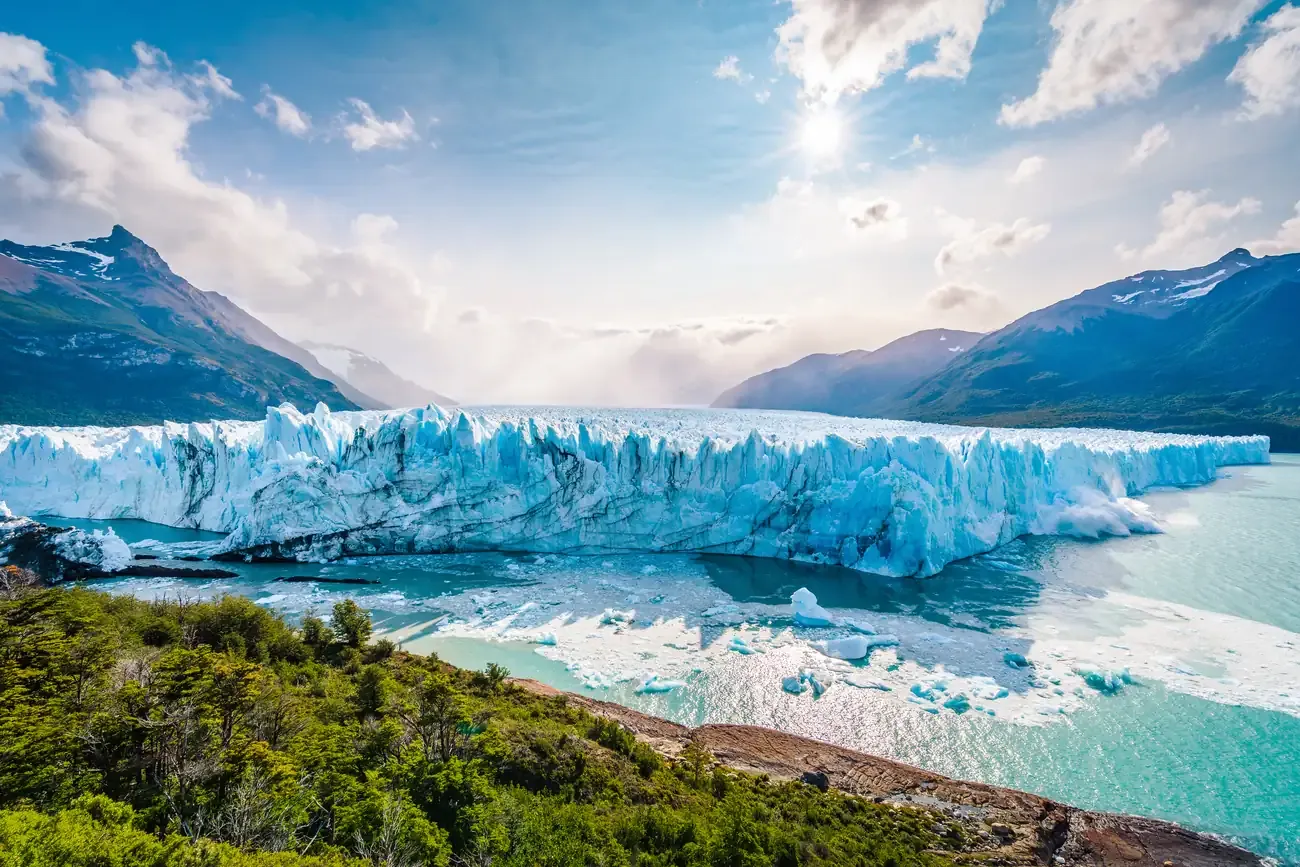
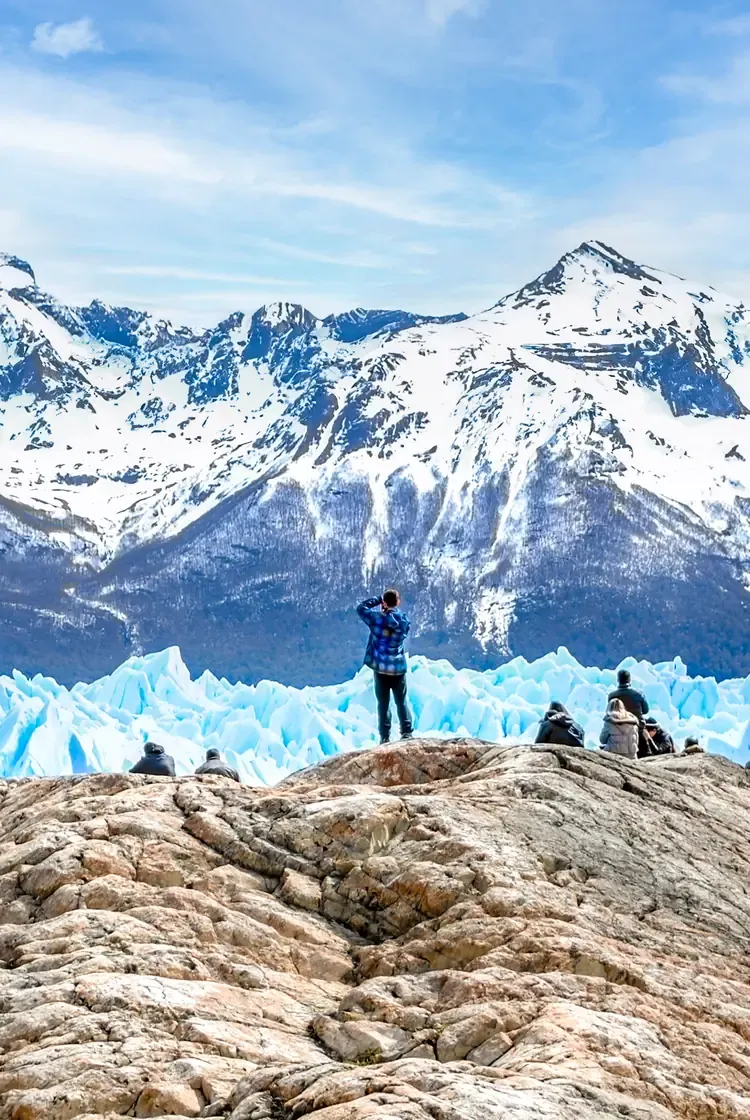
The glacier most visitors drive out to see spreads four to five kilometres across the southern arm of Lago Argentino inside Los Glaciares National Park, its wall rising up to sixty metres above the water and calving icebergs into the lake. The International Union of Geological Sciences lists it among the few glaciers in the Southern Patagonian Ice Field that have not retreated in the past fifty years.
Location: around 80km from El Calafate along Ruta Provincial 11
Access: Ticketed by the national park administration
2. Upsala and Spegazzini Glaciers
Boats from Lago Argentino's northern arm cross to the calving faces of the Upsala and Spegazzini glaciers, two more of the roughly forty-seven glaciers fed by the Southern Patagonian Ice Field. The Spegazzini front presents towering blue ice cliffs that climb high above the boats that approach, and stray icebergs drift across the milky glacial water along the way. The safari to the two calving faces sets out across the lake from the port near Puerto Punta Bandera.
Location: Lago Argentino, reached by boat from Puerto Punta Bandera
Access: Ticketed boat excursion
Photos: "Spegazzini Glacier" by Fernando (CC BY-SA 4.0); "Glaciar Spegazzini" by Manuel pino (CC BY-SA 3.0); "Témpanos flotantes" by MIKEMDQ (CC BY-SA 4.0).
3. Laguna Nimez Reserve
This municipal bird reserve sits about 800 metres from the main avenue on the shore of Lago Argentino, an easy walk from the centre of town. An easy three-kilometre interpretive trail loops past reed beds and shallow lagoons where black-necked swans, Chilean flamingos and dozens of other species gather, and the town's tourism office lists it as an Important Bird Area. Signposts and observation points along the way make it a gentle introduction to the birdlife of the Patagonian steppe.
Location: northern edge of El Calafate, beside Lago Argentino
Access: Open daily 9:30 to 19:30 along a 3km interpretive trail
Photos: "Chilean Flamingos" and "Juvenile Black-crowned Night Heron in flight" by Liam Quinn; "Argentina 2015-11-17" by Guillaume Baviere. All CC BY-SA 2.0.
4. Glaciarium
Six kilometres along Route 11 toward the national park, this striking angular museum describes itself as Argentina's only glacier interpretation centre. Its exhibits trace the region's ice fields and the science of the glaciers, from how they form and flow to how they are surveyed today, and it is known for an ice bar built entirely from glacier ice. The tilted white facade has become a landmark of its own on the road out toward the Perito Moreno Glacier.
Location: 6km from El Calafate on Ruta Provincial 11
Access: Ticketed
Photos: "Glaciarium, El Calafate" by Martin Cígler (CC BY-SA 3.0); "Glaciarium - Museo Del Hielo Patagónico" by Alex Proimos (CC BY 2.0).
5. Centro de Interpretación Histórica Calafate
This museum traces the natural and human history of Southern Patagonia across six rooms, reaching back some 100 million years through dinosaur and megafauna fossils alongside the region's earliest peoples. A full-size fossil reconstruction and cases of Tehuelche tools and pigments anchor the displays, setting the deep past of the ice ages beside the culture of the peoples who lived along Lago Argentino. The centre sits within walking distance of the waterfront and the main avenue.
Location: central El Calafate
Access: Ticketed
Photos: "Restos Fósiles" by Florsecu9 and "Tierras pigmentadas para crear pinturas" by Garay Camila (both CC BY-SA 4.0).
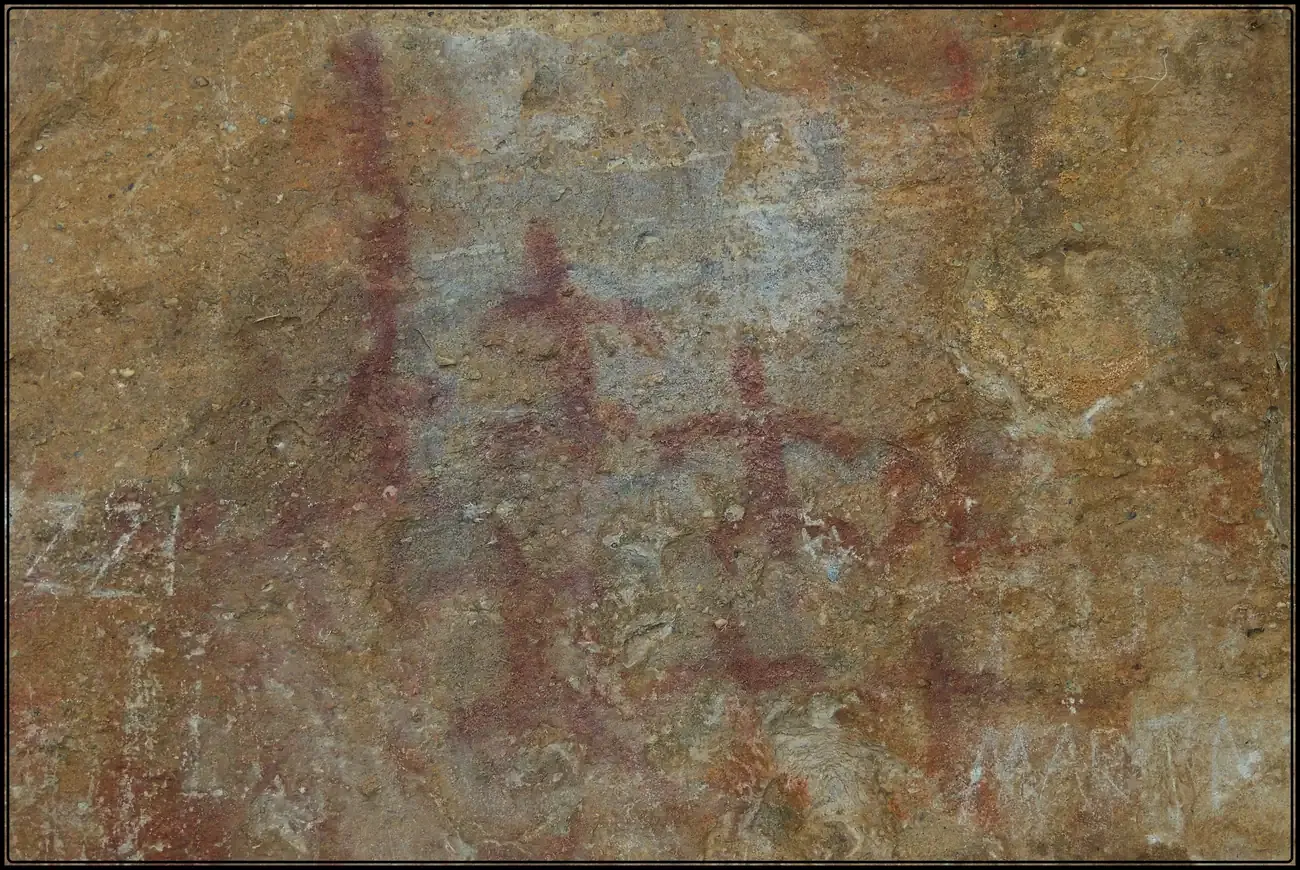
6. Punta Walichu
On the northern shore of Lago Argentino, a short excursion east of El Calafate, Punta Walichu preserves rock art left by the Tehuelche, the region's earliest inhabitants. According to the municipal tourism office the painted sandstone shelters date back around four thousand years. The low bluff opens panoramic views back across the water toward the town, pairing the archaeology with the wide Patagonian steppe and the open lakeshore that frame it.
Location: shore of Lago Argentino, 8km east of El Calafate
Access: Ticketed; open daily 11:00 to 19:00
Photo: "Rock-art paintings at Punta Walichu, El Calafate" by Miguel (CC BY-SA 2.0).
7. El Chaltén and Mount Fitz Roy (day trip)
Around 213 kilometres north of El Calafate by road, the village of El Chaltén is the trekking base for the granite spires of Cerro Fitz Roy, which UNESCO records at 3,375 metres and also names Cerro Chaltén, its Aonikenk name. Trails from the village climb through southern beech forest to lakes beneath the peak, and the drive itself follows the steppe and the arms of Lago Argentino.
Location: El Chaltén, around 213km north of El Calafate by road
Access: A long day trip or overnight from El Calafate
Photos: "Fitz Roy" by Prissantenbär (public domain); "Fitz Roy, January 2010" by S23678 (CC BY-SA 3.0); "El Chaltén town" by Su--May (CC BY 2.0).
What to do in El Calafate for free
Costanera de Bahía Redonda
Open around the clock at no charge, this lakeshore square lets anyone sit beneath the town's landmark sign or simply watch the wind move across the water; the ticketed museums sit a few streets back toward the centre.
Avenida del Libertador
El Calafate's main avenue is free to stroll day or night, lined with outfitters, restaurants and the municipal tourist office; only what visitors choose to buy in its shops carries a price.
Anfiteatro del Bosque
This municipal park is open to the public at every hour with no charge, its lawns and playground popular with families close to the hotels and one of the town's tourist information points.
Plaza de los Pioneros
A small monument garden honours the settlers who founded El Calafate, free to visit at any time and only steps from Bahía Redonda's waterfront path.
What makes El Calafate special
El Calafate grew from a Patagonian wool-trading outpost into the gateway town for Los Glaciares National Park, a UNESCO World Heritage Site since 1981 built around Lago Argentino and the Perito Moreno Glacier. Its own name comes from the calafate shrub that grows across southern Patagonia, and local tradition holds that whoever eats its berries will always return, according to the town's tourism office.
A glacier at the town's doorstep
The Perito Moreno Glacier lies around 80km from El Calafate along Ruta Provincial 11, inside Los Glaciares National Park, according to Argentina's national tourism board. Its front spans four to five kilometres over the park's southern arm of Lago Argentino, the national park administration records, rising up to sixty metres above the water and regularly calving icebergs into the lake, according to UNESCO. The International Union of Geological Sciences lists Perito Moreno as one of the few glaciers in the Southern Patagonian Ice Field that has not retreated in the past 50 years.
Beyond the glacier
Boats from Lago Argentino's northern arm reach the calving faces of the Upsala and Spegazzini glaciers, two more of the roughly 47 glaciers that the same ice field feeds, the tourism office counts. El Chaltén, around 213km north by road, is the trekking base for Cerro Fitz Roy, which UNESCO records at 3,375m and also names Cerro Chaltén, its Aonikenk name. Estancias around the lake add horse rides and ranching history to a longer stay.
Patagonian seasons
South of the equator the seasons run in reverse: December to February is the austral summer, when El Calafate's warmest month, January, averages 18.6°C against around 1.8°C in July, the coldest, according to the town's tourism office. Winds from the west and southwest blow hardest in summer, and the national park administration warns that trail ice, mud and snow are common from May to September.
Getting around
El Calafate's own airport sits close to the centre, and the historic centre around Avenida del Libertador is easily walkable. Reaching the Perito Moreno Glacier, the boat docks and El Chaltén means a tour bus, transfer or rental car, since none of them lie within walking distance of town. El Calafate is the gateway to the Patagonian ice fields that rank among the top tourist attractions in South America.