
Barcelona tourist attractions
Known for
Gaudí's modernist architecture, Gothic streets and city beaches
Must-see landmarks
The Basilica of the Sagrada Família, Park Güell and Casa Batlló
Best time to visit
May to June and September to October
Days needed
Three full days for the main sights
13 must-see tourist attractions in Barcelona
For a first visit, the tourist attractions in Barcelona come down to Sagrada Família, Camp Nou, Mercat de la Boqueria and 10 more sights ranked below, plus 30 hidden gems, free things to do, upcoming events, tickets and visitor FAQs. The 13 sights are numbered on the free Barcelona tourist map, with the hidden gems and a walking route.
1. Sagrada Família
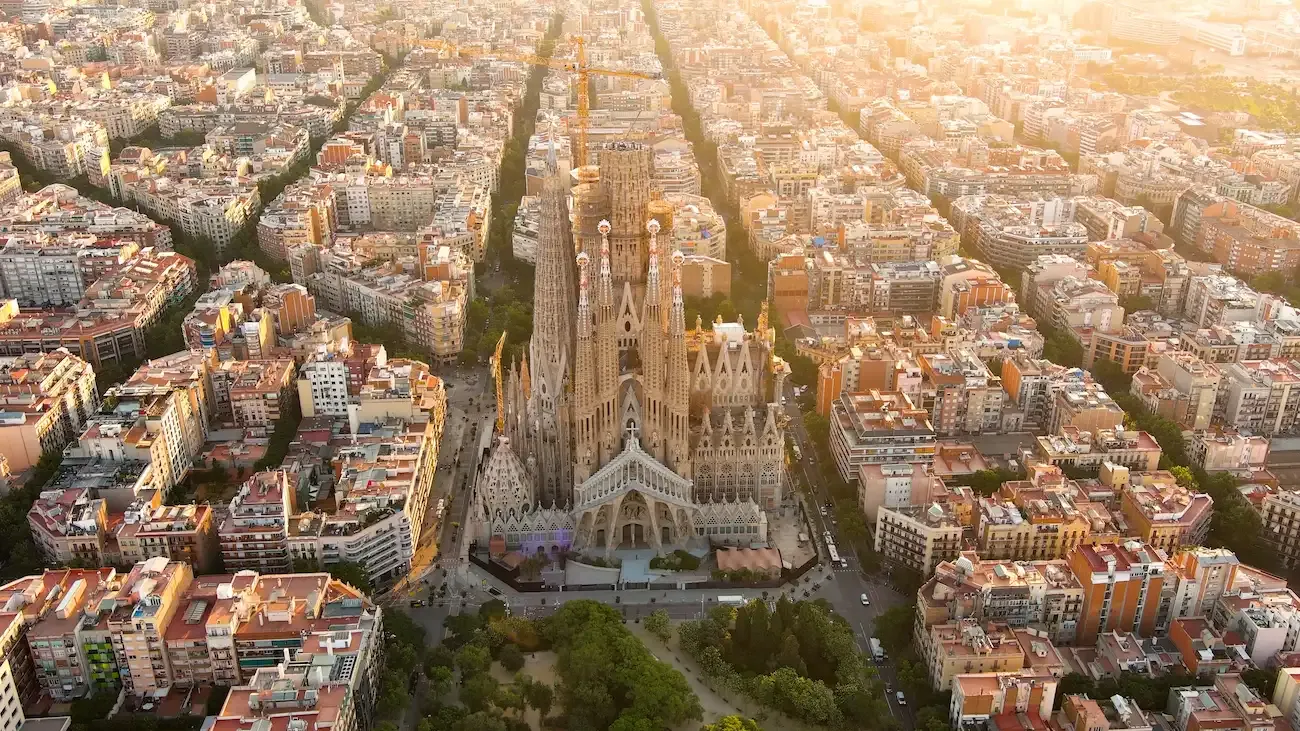
Antoni Gaudí's basilica has been rising over the Eixample since 1882 and is still unfinished, its clustered towers visible from half the city. Inside, tree-like columns branch into a canopy of geometric vaults lit by deep stained glass. The Nativity facade and the crypt are listed as World Heritage. Come early or late for softer light on the Nativity facade, and allow time for the museum beneath the nave.
Architect: Antoni Gaudí · Style: Catalan Modernisme
Location: Carrer de la Marina 401, Eixample
Access: Timed entry tickets · Tickets and tours
2. Camp Nou
FC Barcelona's stadium has been the club's home since 1957 and is back in use while its major Espai Barça rebuild continues around it. On non-match days the club museum and stadium tour walk visitors through the trophy room, the dressing-room tunnel and more than a century of Barça history. Expect cranes over the bowl for now, and check the club site for how the visit route changes during the works.
Opened: 1957 · Architects: Francesc Mitjans, García-Barbón and Soteras
Location: Les Corts
Access: Museum and tour ticketed · Tickets and tours
3. Mercat de la Boqueria
The Mercat de Sant Josep, known to everyone as La Boqueria, packs fruit displays, seafood counters, jamón stalls and tapas bars under a cast-iron canopy beside La Rambla. The metal roof went up in 1914, and a handful of counter bars still serve market cooking to shoppers and chefs alike. It gets elbow-to-elbow by midday, so the quietest browsing is first thing in the morning when restaurant buyers do their rounds.
Style: cast-iron market hall
Location: La Rambla 91
Access: Free entry; stall hours on the official site
4. Park Güell
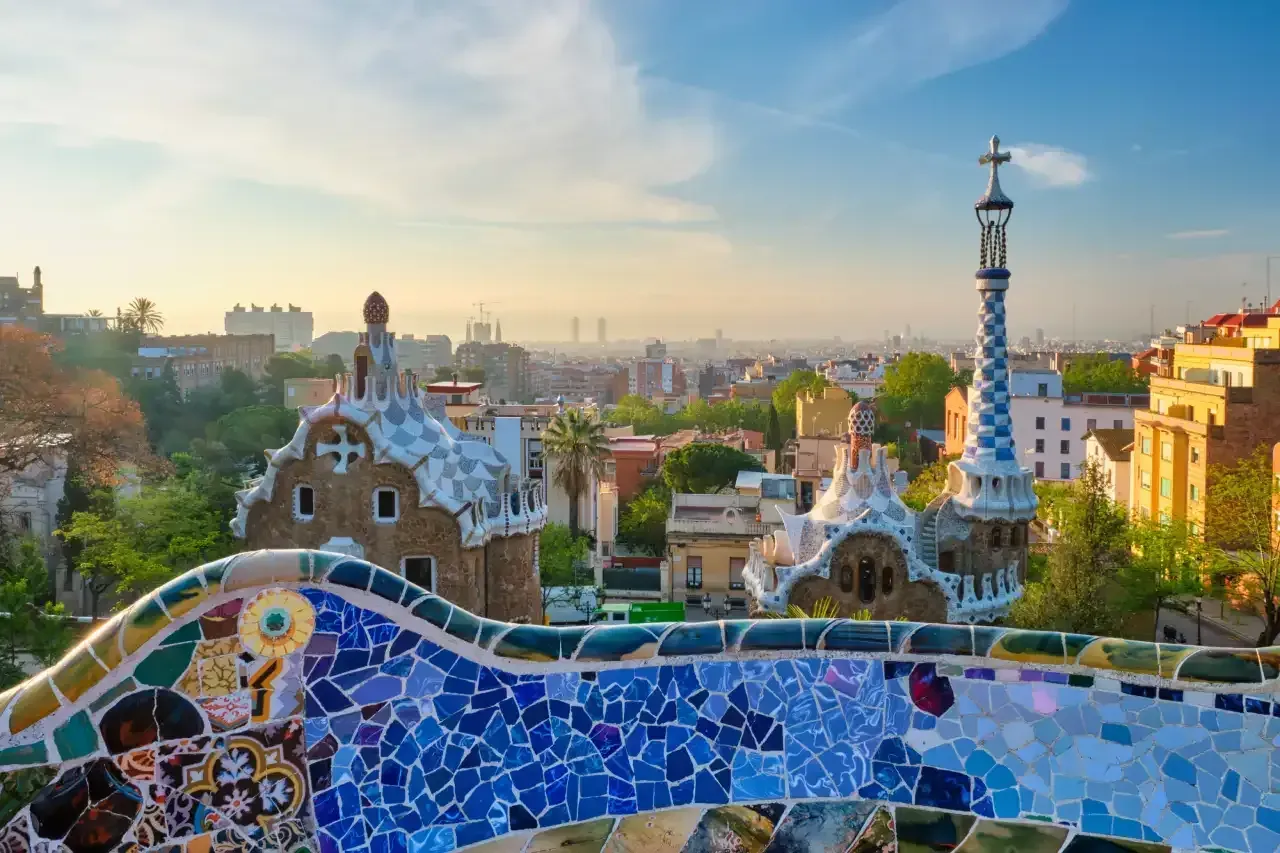
Gaudí laid out this hillside estate above Gràcia as a garden city that never sold, and it opened as a public park in 1926. The mosaic dragon stair, the hypostyle hall and the serpentine trencadís bench draw the crowds, while the wooded paths above give quieter views over the whole city. Gaudí's own house museum, his home from 1906 to 1925, sits inside the grounds.
Architect: Antoni Gaudí · Style: Catalan Modernisme, UNESCO World Heritage
Location: Carrer d'Olot, Gràcia
Access: Free park areas; the Monumental Zone needs a timed ticket · Tickets and tours
5. Casa Batlló
Gaudí's remodel turned a plain Passeig de Gràcia block into a house that seems to breathe, with a facade of bone-like balconies and shimmering trencadís and a roof arched like a dragon's back. Inside, the blue-tiled lightwell and the noble floor show the architect at his most playful. Night visits and immersive extras rotate through the year, so it is worth comparing ticket types before choosing a slot.
Architect: Antoni Gaudí · Style: Catalan Modernisme, UNESCO World Heritage
Location: Passeig de Gràcia 43
Access: Ticketed
6. La Pedrera, Casa Milà
Casa Milà, nicknamed La Pedrera for its rippling stone facade, was begun by Gaudí in 1906 and abandons the straight line entirely. Wrought-iron seaweed balconies climb the undulating front, and the rooftop's helmeted chimney warriors have become emblems of the city. The visit covers the courtyards, an apartment, the brick-vaulted attic and the rooftop, with sunset slots in the evening.
Architect: Antoni Gaudí · Style: Catalan Modernisme, UNESCO World Heritage
Location: Passeig de Gràcia 92
Access: Ticketed
7. Ciutadella Park
Barcelona's central park was laid out in 1872 on the grounds of the hated military citadel that once controlled the city. Today rowing boats circle the lake, palms shade the lawns, and the monumental Cascada fountain anchors the northern corner, with the Catalan Parliament seated in the old arsenal. The zoo occupies the seaward corner, and the Castell dels Tres Dragons and the Umbracle line the park's edges.
Established: 1872
Location: Passeig de Picasso, between El Born and the Vila Olímpica
Access: Free public park, open daily
8. Montjuïc
The hill above the port gathers more of Barcelona's attractions than any other corner of the city. The Palau Nacional from the 1929 exhibition holds the MNAC and its Romanesque murals, with the Font Màgica at the foot of its stairs and the Olympic ring of 1992 behind it. The Fundació Joan Miró sits in a white building among the gardens, Poble Espanyol recreates streets from across Spain, and the castle on the summit, a fortress that once turned its guns on the city, keeps the widest view of the harbour. A funicular from Paral·lel and a cable car climb the slopes.
Location: Montjuïc hill, between the port and Plaça d'Espanya
Access: The hill and gardens are free; the castle, MNAC, Poble Espanyol and the cable car are ticketed
9. Cathedral of Barcelona
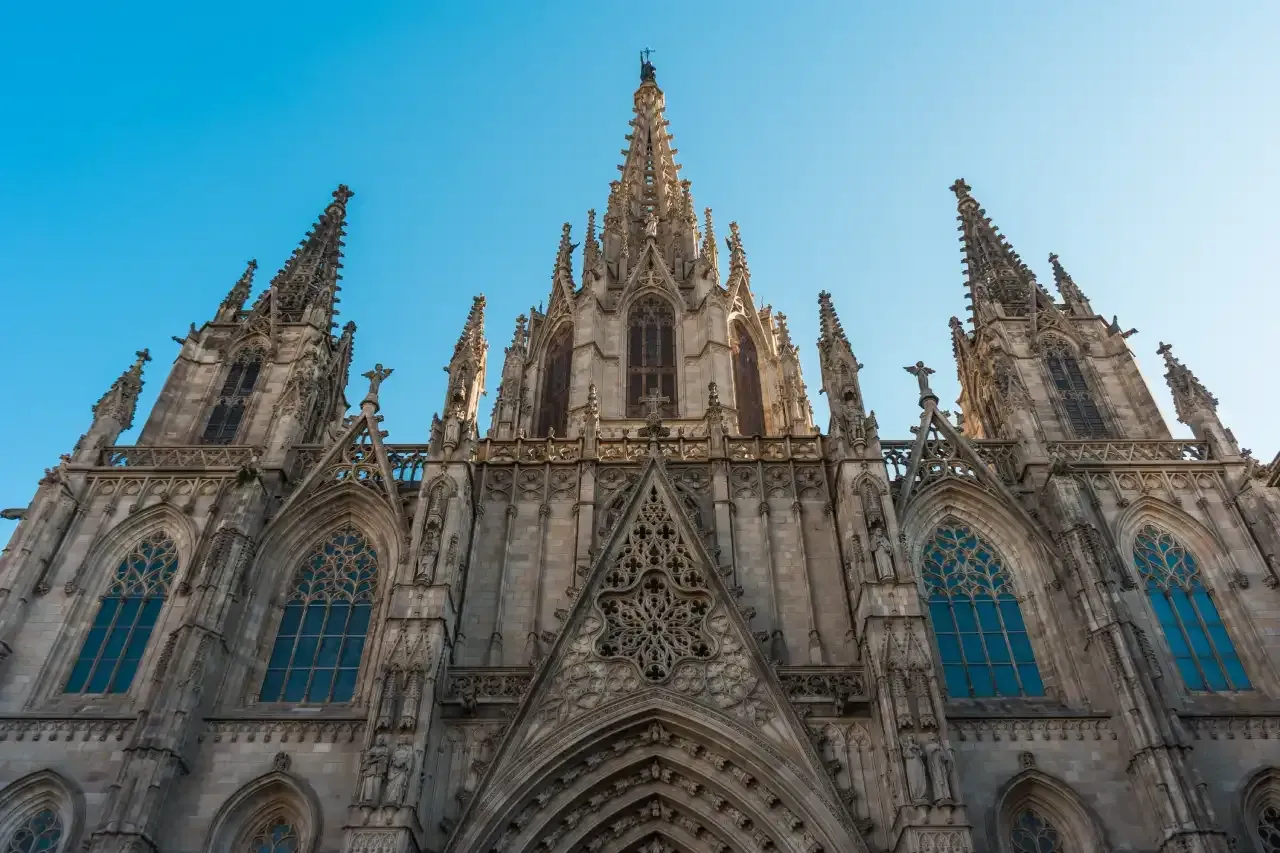
The Cathedral of the Holy Cross and Saint Eulalia was begun in 1298 and anchors the Gothic Quarter, its ornate main front a much later addition to the medieval fabric. The shaded cloister keeps its thirteen white geese beside the crypt of Saint Eulalia. Look for the Sant Crist de Lepant chapel, and take the lift up to the roof terraces with the tourist visit.
Style: Catalan Gothic
Location: Pla de la Seu, Gothic Quarter
Access: Tourist visit ticketed; worship access is separate · Tickets and tours
10. Basílica de Santa Maria del Mar
The Ribera district raised its own basilica in the fourteenth century, and Santa Maria del Mar remains the purest Catalan Gothic interior in the city: three naves of bare stone, widely spaced octagonal columns and a great rose window above the sea-facing portal. Its acoustics make it a regular concert venue, and the evening light through the rose window rewards a well-timed visit.
Style: Catalan Gothic · Built: fourteenth century
Location: Plaça de Santa Maria, El Born
Access: Free entry at worship times; service hours on the official site
11. Tibidabo
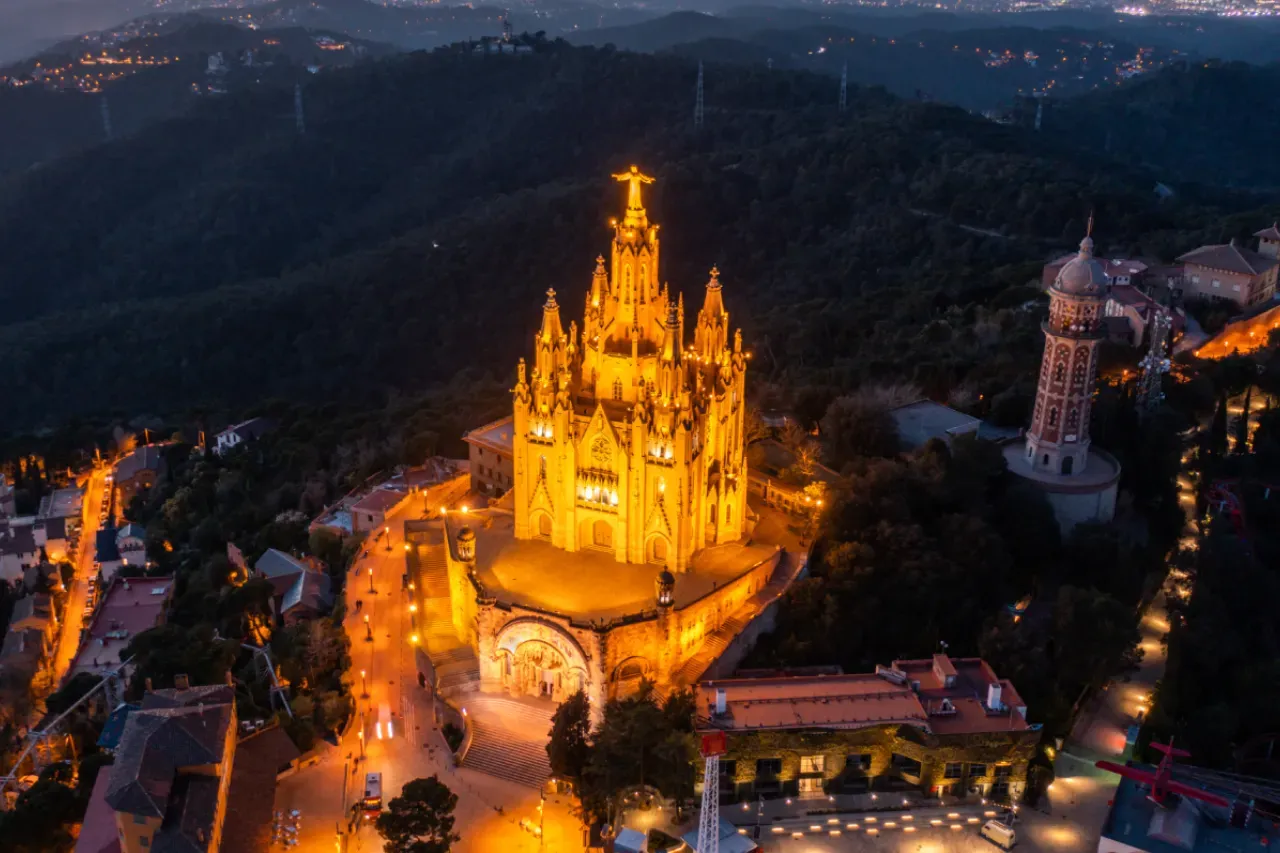
The Collserola ridge behind the city ends in Tibidabo, where a hilltop amusement park has run rides since 1901 beneath the Sagrat Cor church and its outstretched Christ. The red Ferris wheel and the panoramas over the whole metropolitan coastline make the trip up worthwhile on a clear day. The vintage funicular climbs from the foot of the hill, and paths reach the summit for walkers who skip the rides.
Amusement park since: 1901
Location: Tibidabo summit, Collserola
Access: Park rides ticketed
12. Casa Vicens
Gaudí's first house commission hides on a narrow Gràcia street, a summer villa finished in checkerboard green-and-white tile and marigold ceramics with a distinctly Moorish accent. Restored and opened as a museum in 2017, it shows the young architect before the curves took over. The house keeps original painted interiors upstairs and a garden cafe below, and timed entry keeps the small rooms uncrowded.
Architect: Antoni Gaudí · Style: early Modernisme with Moorish Revival notes, UNESCO World Heritage
Location: Carrer de les Carolines 20, Gràcia
Access: Ticketed, with timed entry slots
13. Palau Güell
The townhouse Gaudí completed in 1890 for his patron Eusebi Güell squeezes a palace behind twin parabolic gates just off La Rambla. Inside, a central salon rises the full height of the house to a perforated dome, and the rooftop bristles with trencadís chimneys. Its dim stone interior feels closer to a Gothic fantasy than to the bright trencadís of the architect's later work.
Architect: Antoni Gaudí · Completed: 1890 · UNESCO World Heritage
Location: Carrer Nou de la Rambla 5, El Raval
Access: Ticketed
Barcelona tourist attractions tickets and tours
Upcoming events in Barcelona
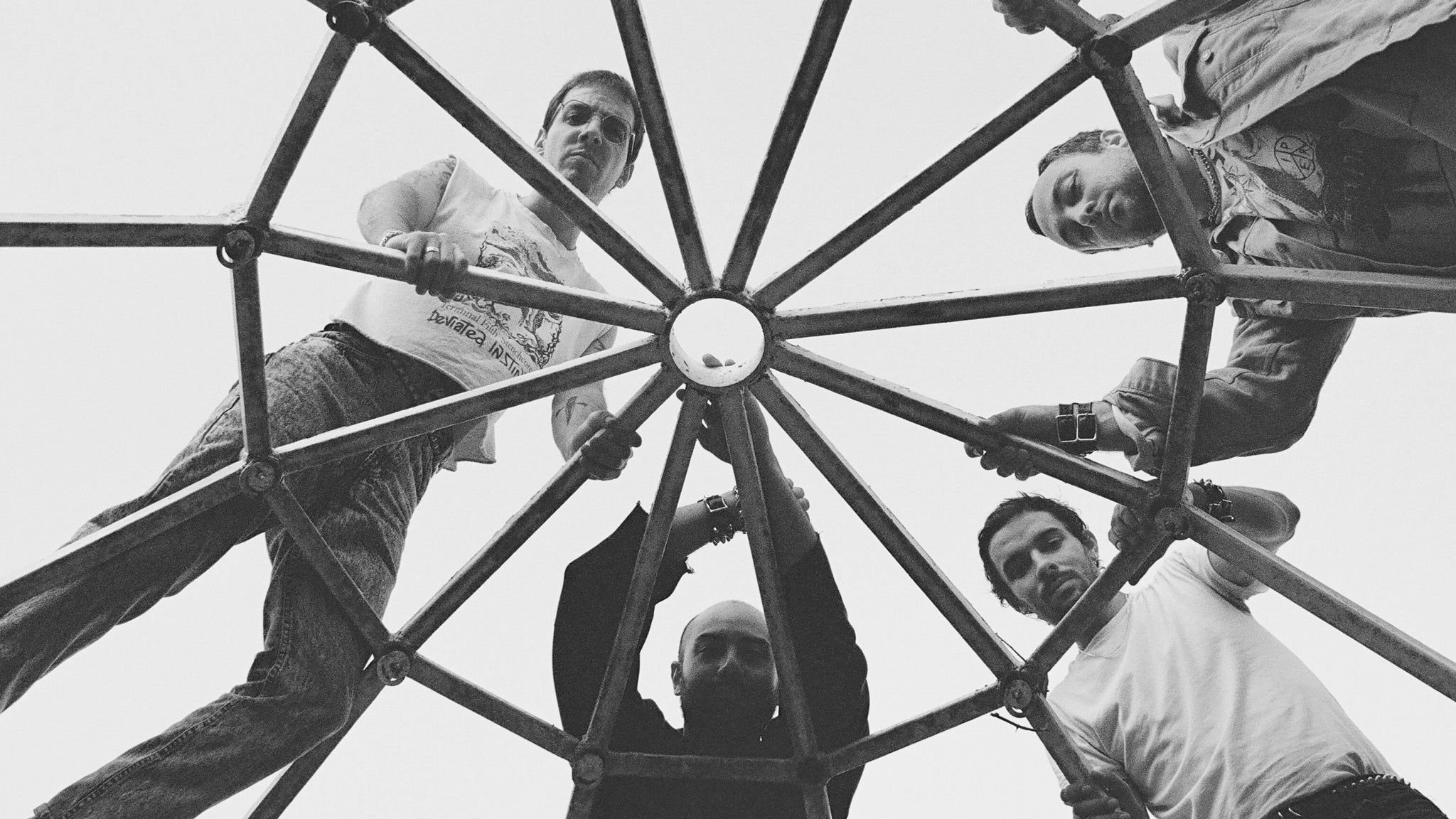
Poison Ruïn
Poison Ruïn plays Razzmatazz 3 on 2 November at 21:00.

El DESmartes - open mic de comedia
El DESmartes - open mic de comedia comes to Secreto on 3 November at 20:30.
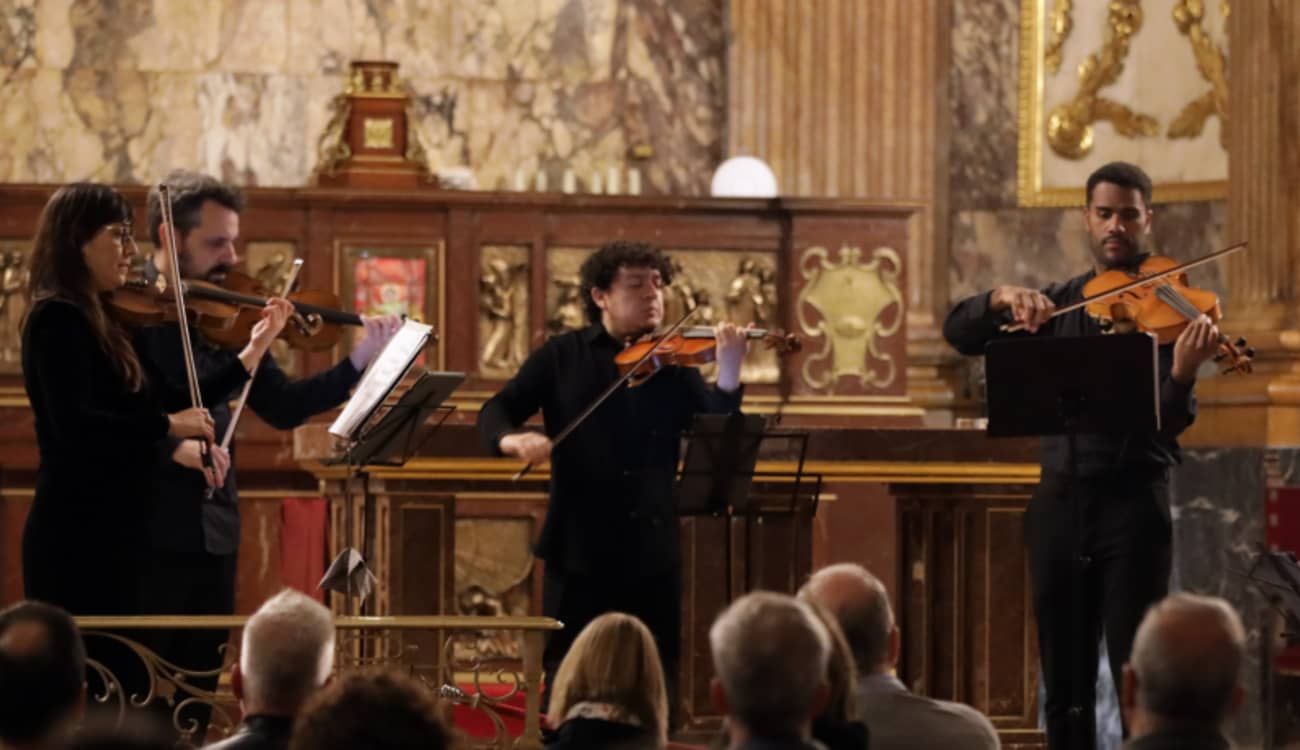
Barcelona: Concierto Clásico | Vivaldi – Las Cuatro Estaciones, Mozart, Beethoven y más
Jam Session en Velvet Room
Jam Session en Velvet Room comes to Velvet Room on 4 November at 20:30.
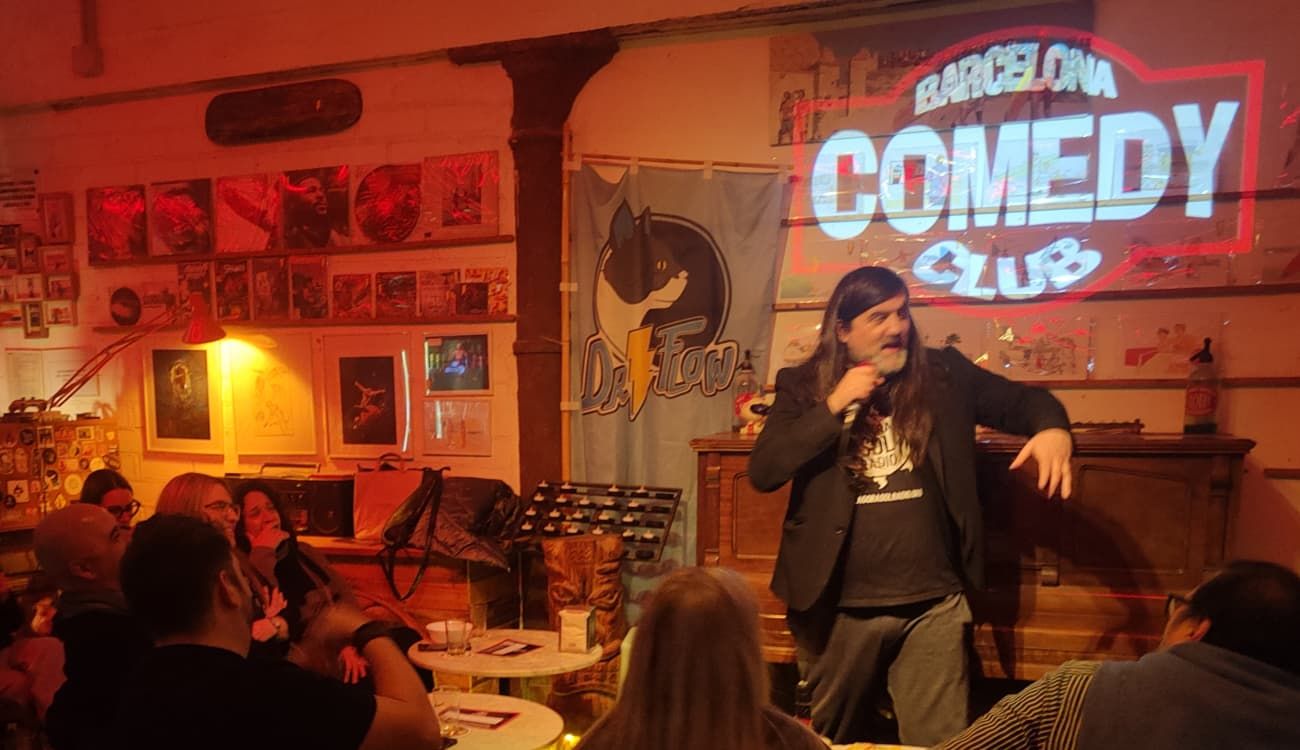
Monólogos con Flow en el Born
Monólogos con Flow en el Born comes to Barcelona Comedy Club on 6 January 2027 at 20:30.

F2F ES
F2F ES plays Palau Sant Jordi on 10 September 2027 at 20:00.
Free attractions to visit in Barcelona
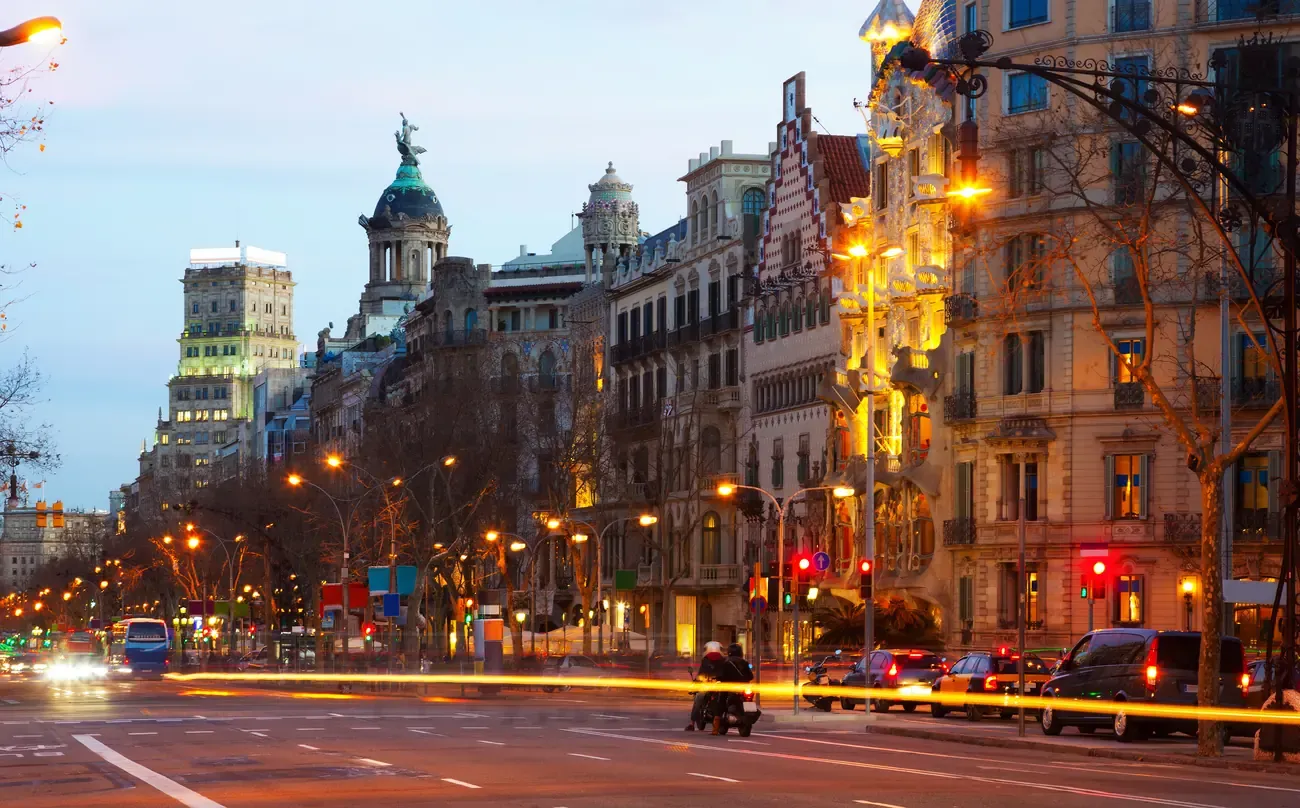
Passeig de Gràcia
The façades of Casa Batlló, La Pedrera and the rest of the Illa de la Discòrdia can be admired from the pavement, along with Gaudí's hexagonal paving tiles and Pere Falqués' wrought iron lampposts. The interiors are ticketed; the avenue itself costs nothing.
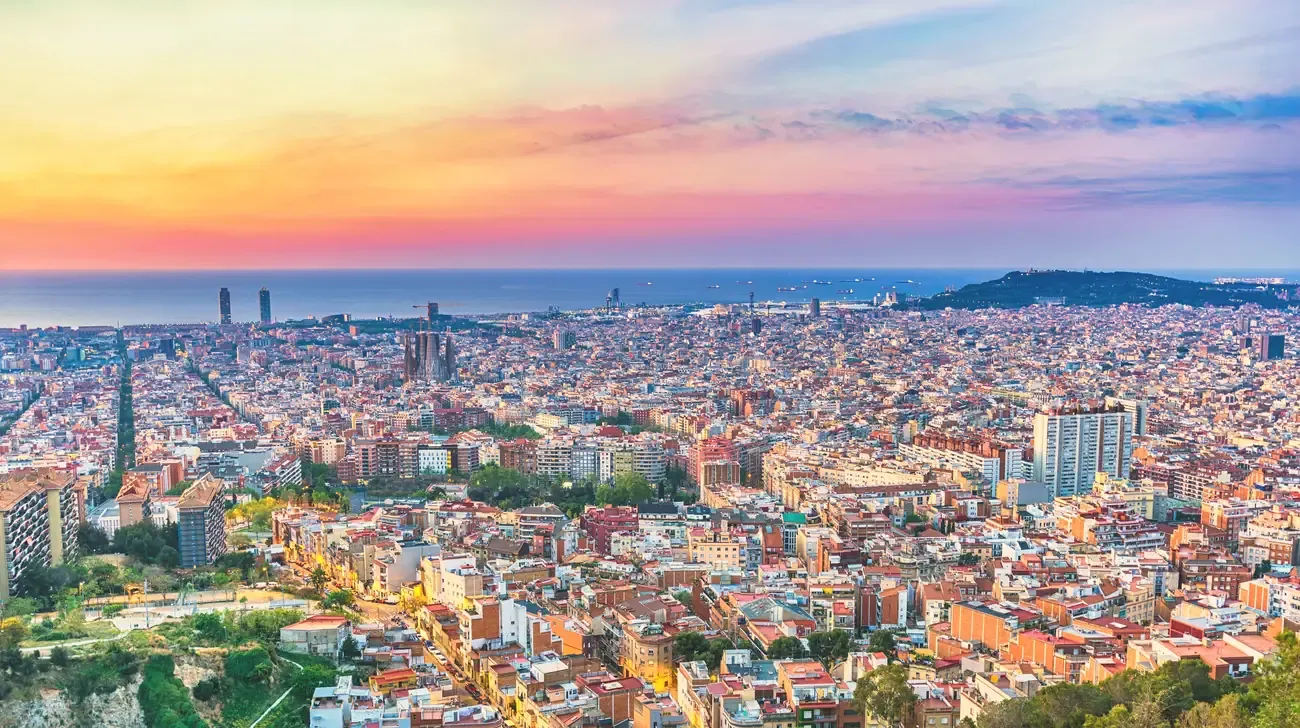
Bunkers del Carmel
The old anti-aircraft battery on the Turó de la Rovira keeps the widest free panorama in Barcelona, a full sweep from the Sagrada Família to the sea. The site opens daily from 9:00, closing at 19:30 from May to September and at 17:30 in winter.
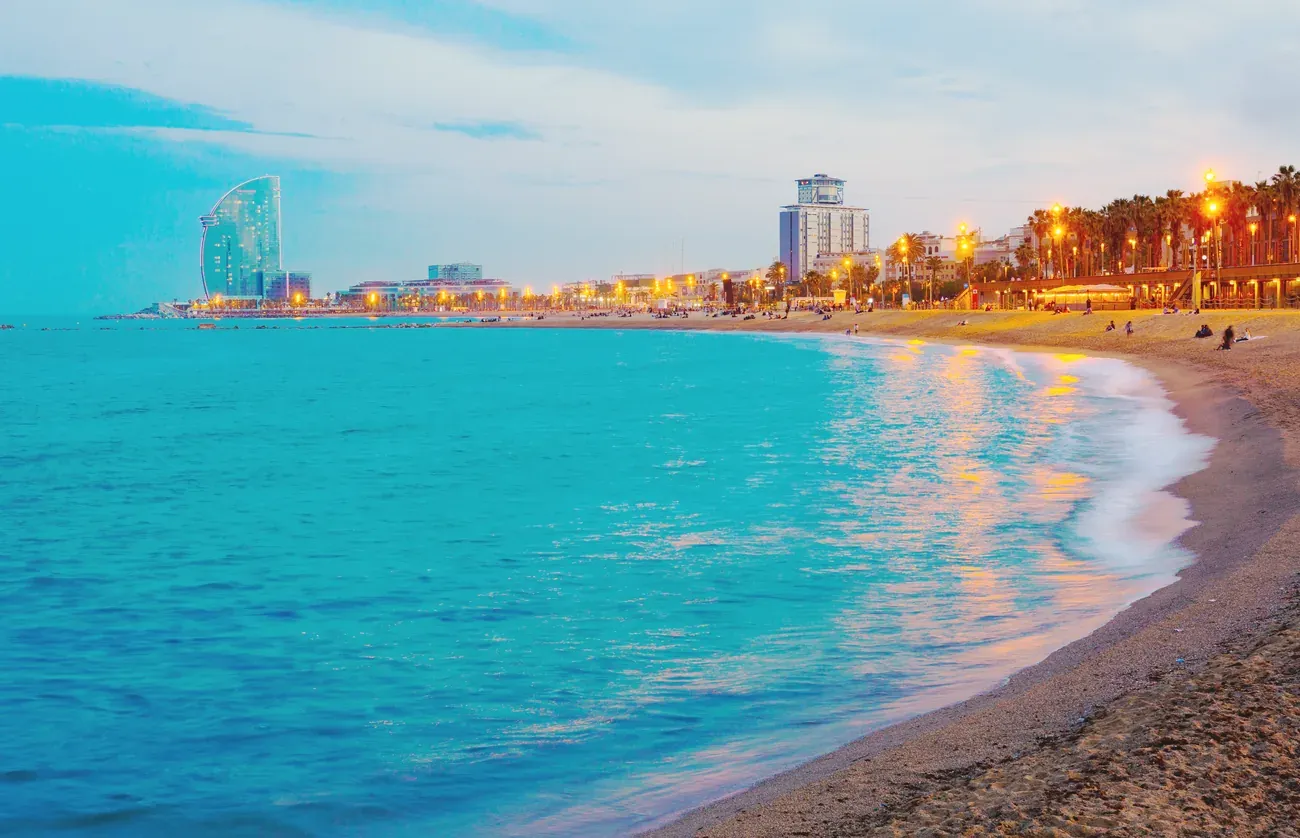
Barceloneta and the city beaches
A string of public beaches runs from Barceloneta to the Fòrum, all free, with showers and lifeguards in season. Bogatell and Mar Bella stay quieter than Barceloneta itself, and the seafront promenade links them all.
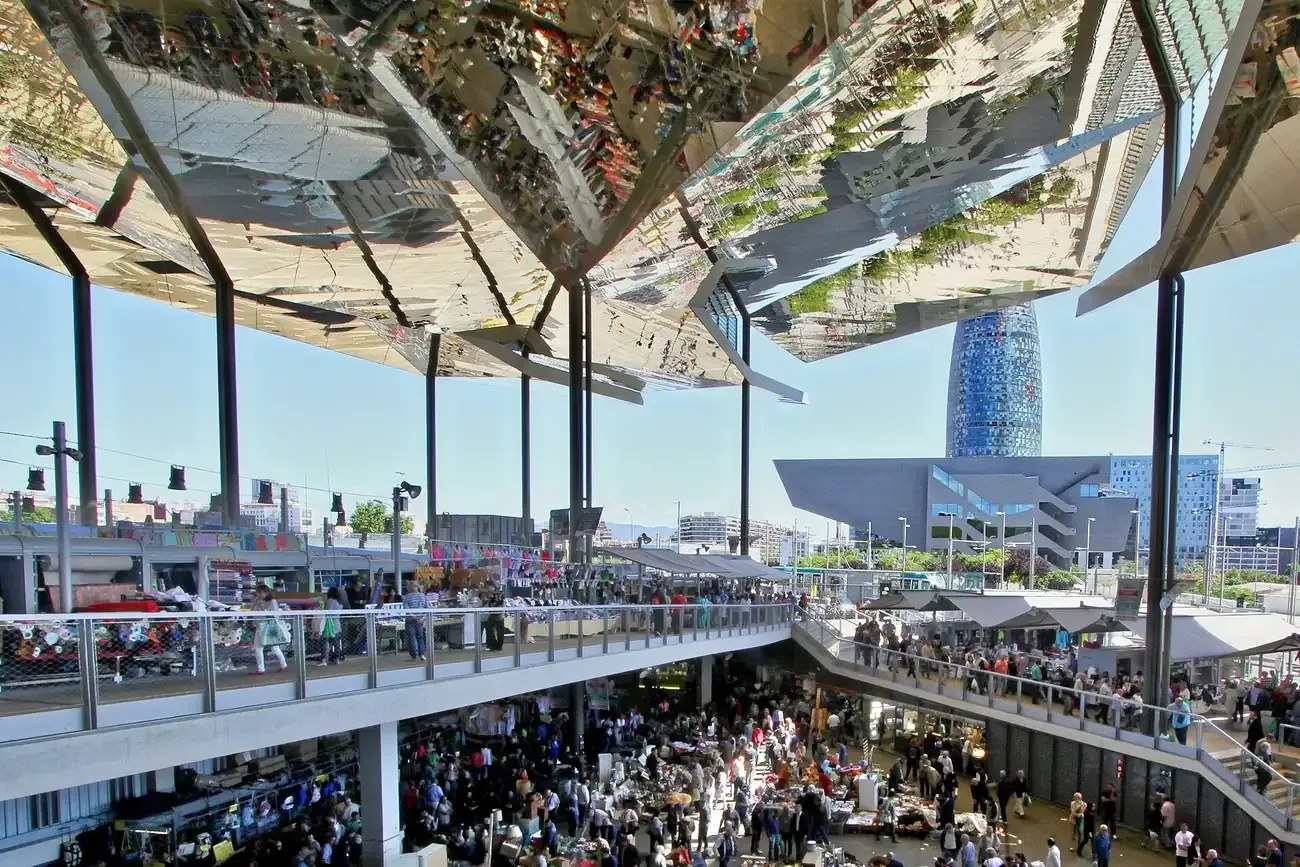
Els Encants flea market
One of the oldest flea markets in Europe trades under a giant mirrored canopy beside Plaça de les Glòries, its origins going back to the 14th century. Entry is free on Monday, Wednesday, Friday and Saturday, with the traditional auctions from 7:45 three mornings a week.
Photo: "Mercat dels Encants, Barcelona" by ThomasLendt (CC BY-SA 4.0).
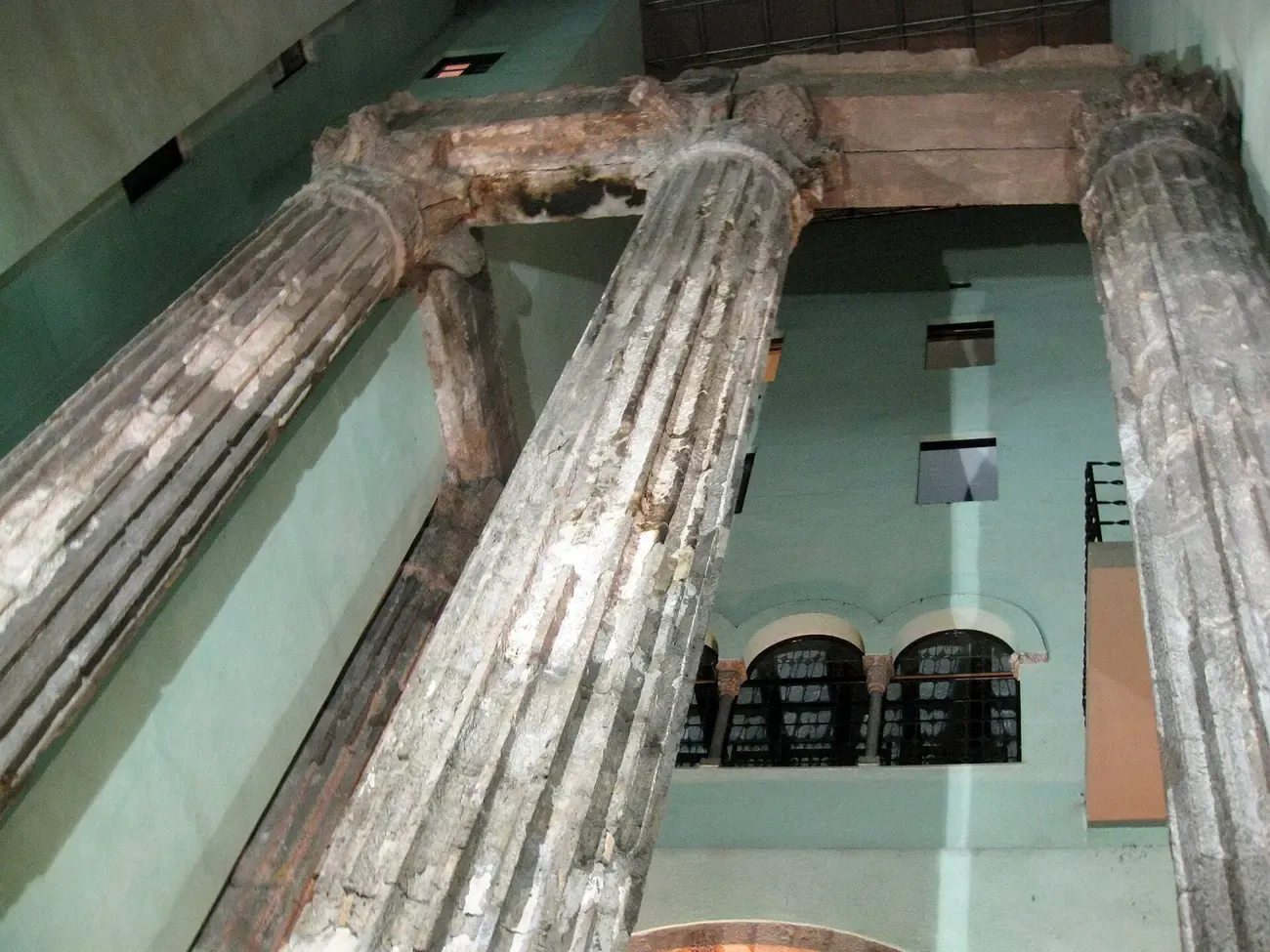
Temple of Augustus
Four Corinthian columns of Roman Barcino's main temple stand inside a Gothic courtyard on Carrer del Paradís, a few steps from the cathedral. The site belongs to the city history museum and entry is free.
Photo: "Columnes del temple d'August, Barcelona" by Enfo (CC BY-SA 3.0).
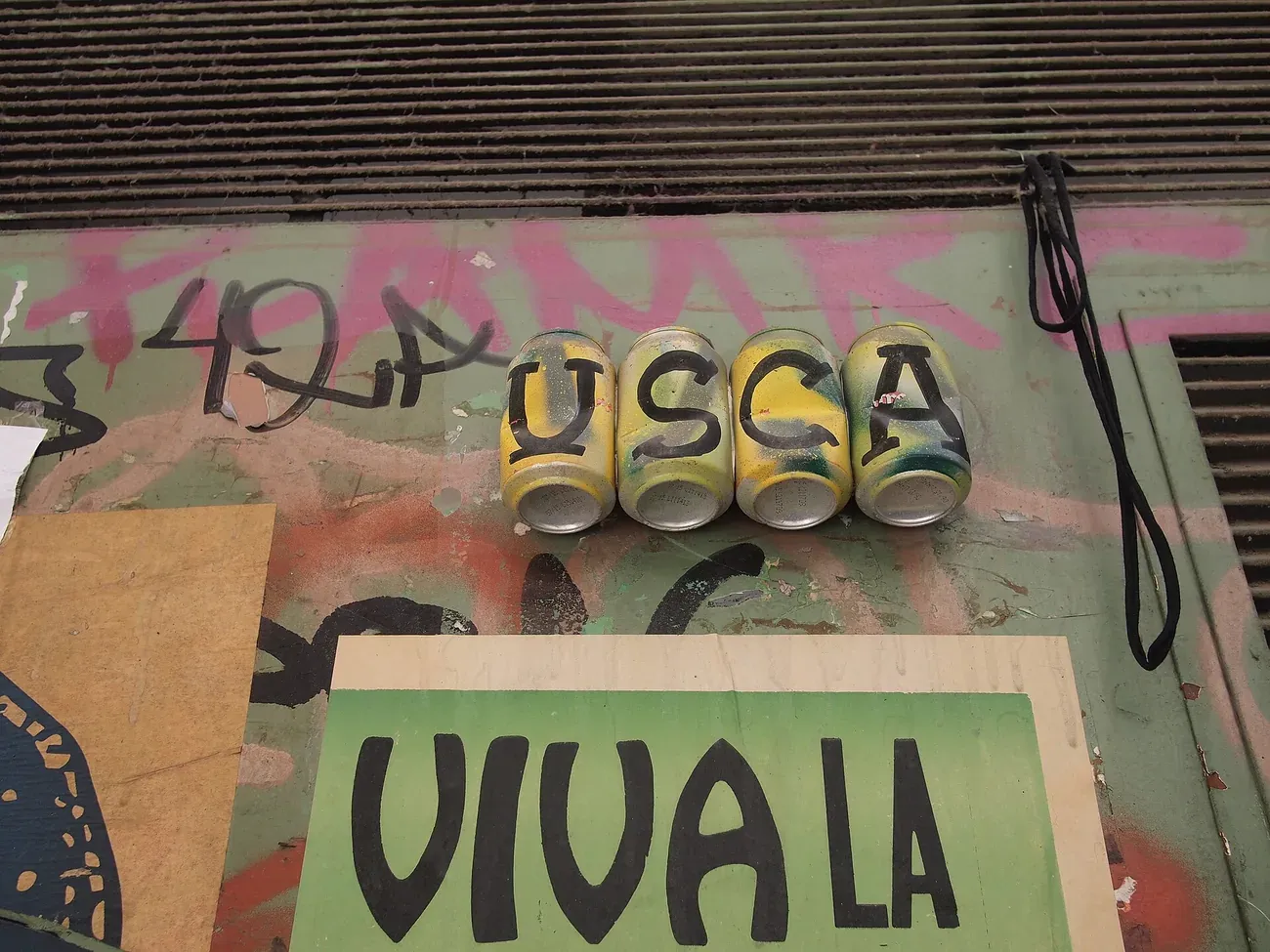
Street art in El Raval
Botero's bronze cat presides over the Rambla del Raval, the starting point for a walk past murals, independent galleries and the skaters outside the MACBA. The neighbourhood's street art changes constantly and costs nothing to see.
Photo: "Street art, El Raval, Barcelona" by Marta Nimeva Nimeviene (CC BY 2.0).
Secret gardens and parks in Barcelona
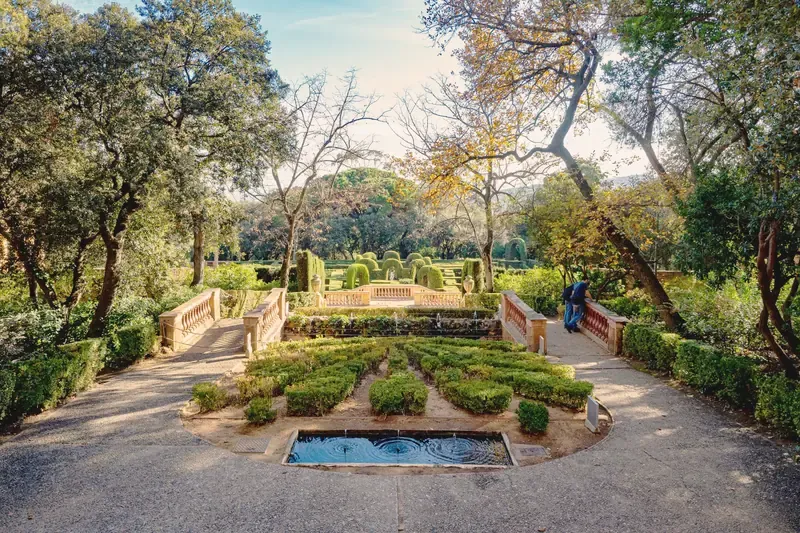
Labyrinth Park of Horta
A cypress maze, neoclassical pavilions and romantic terraces climb this quiet estate garden at the foot of Collserola.
Location: Passeig dels Castanyers 1, Horta
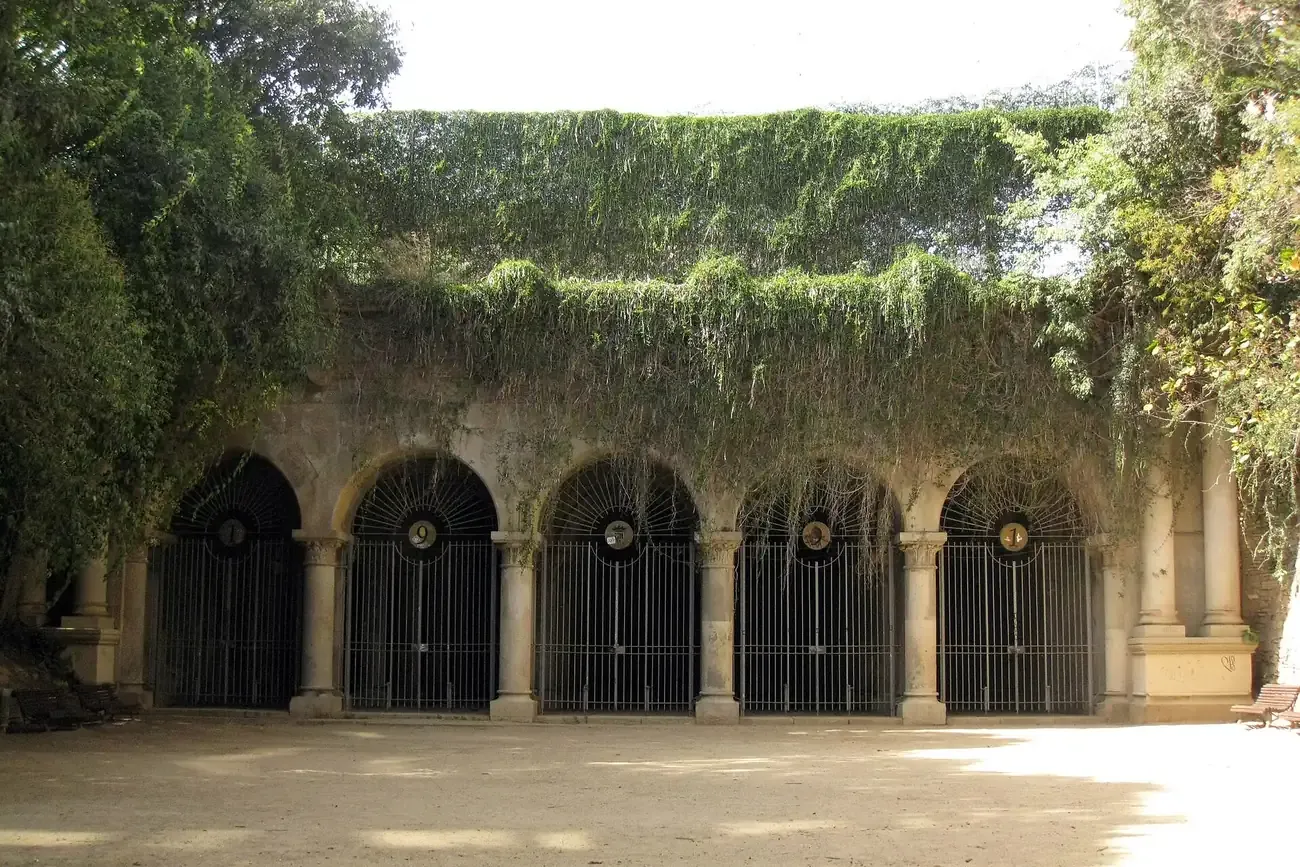
Jardins de Ca n'Altimira
Grottoes, stone stairways and shaded corners in Sant Gervasi, the surviving gardens of a vanished private estate.
Location: Carrer Bertran 26, Sant Gervasi
Photo: "Jardins de Ca n'Altimira, sala hipòstila" by Enfo (CC BY-SA 3.0).
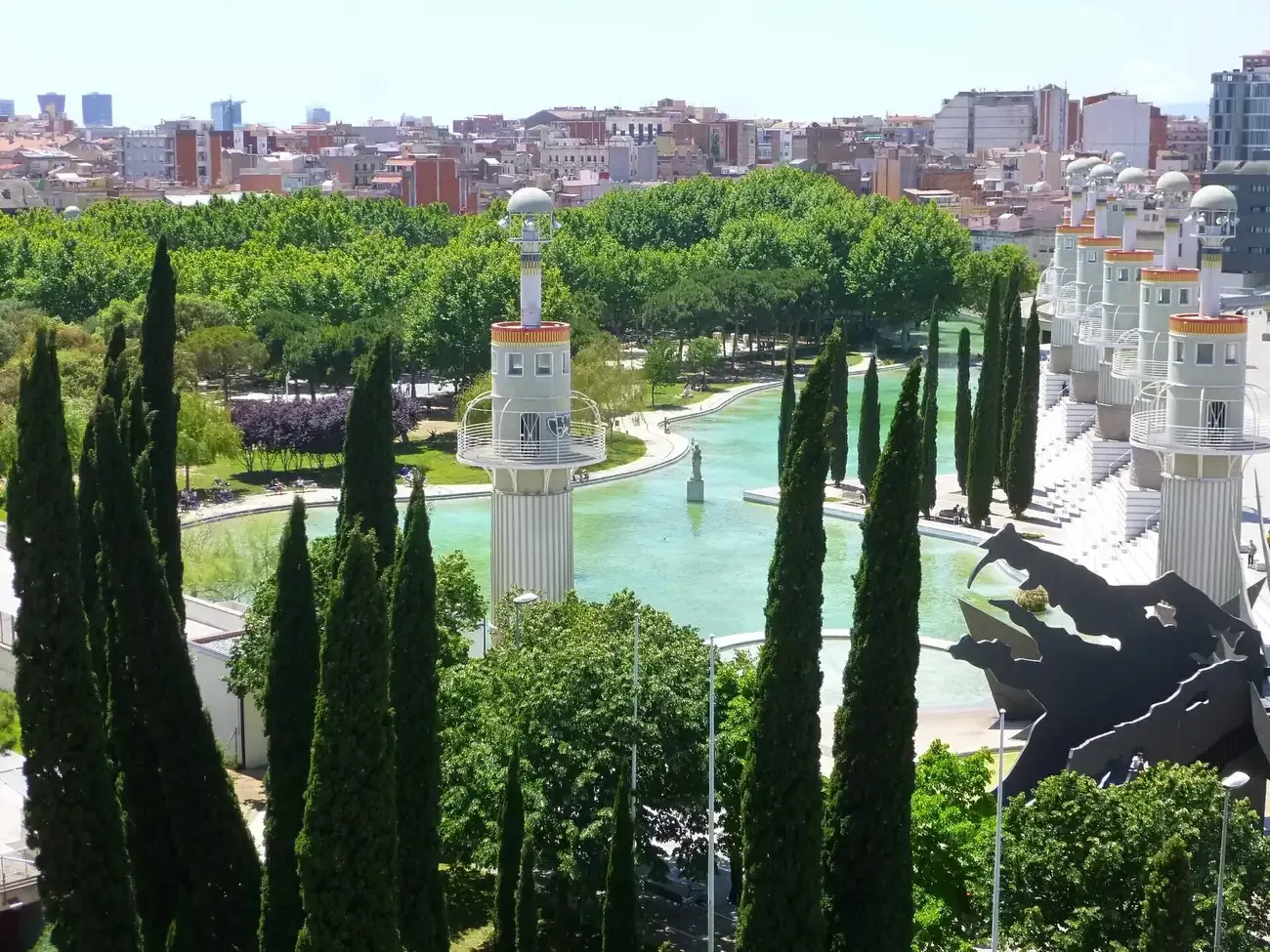
Unusual museums in Barcelona
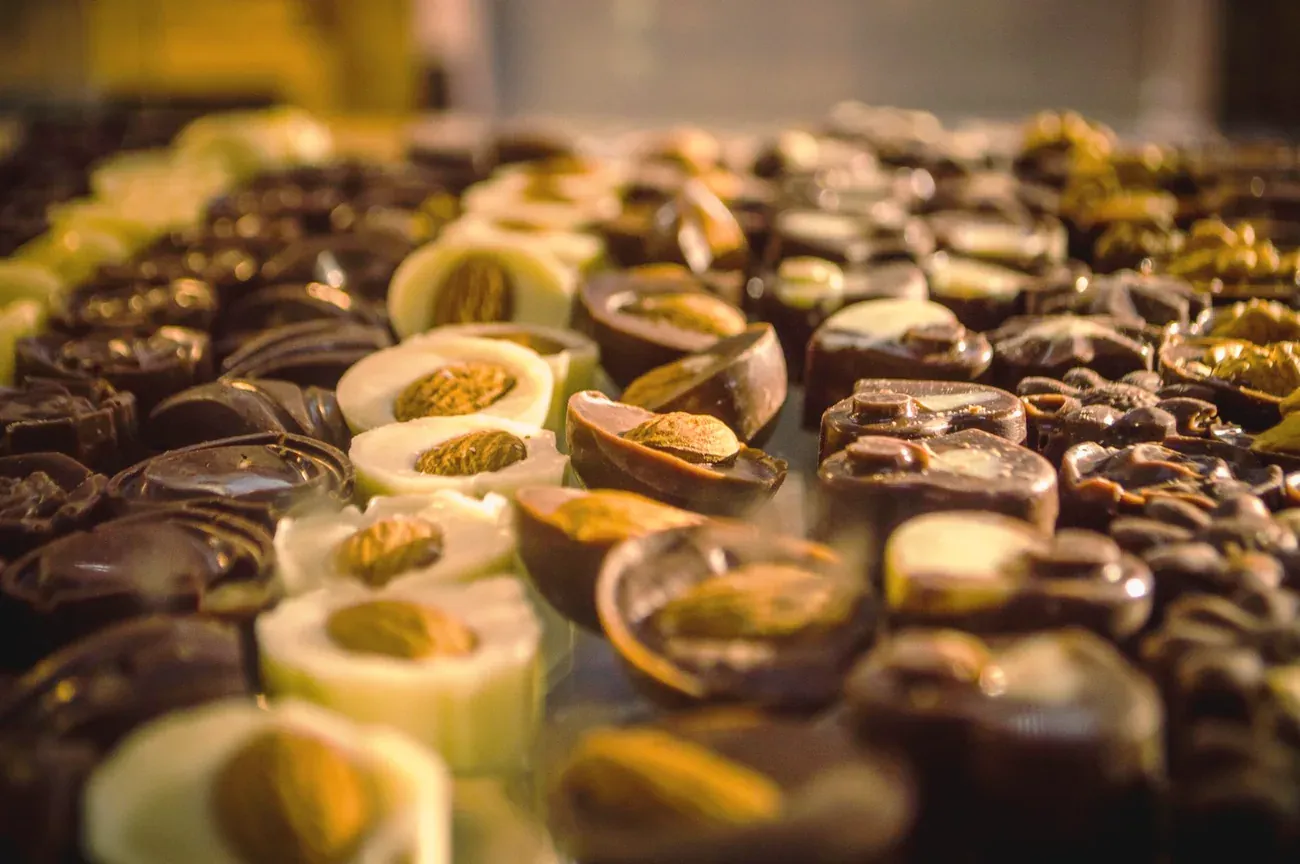
Chocolate Museum
The Museu de la Xocolata traces chocolate's arrival in Europe through sculpted showpieces, workshops and tastings in El Born.
Location: Carrer del Comerç 36, El Born
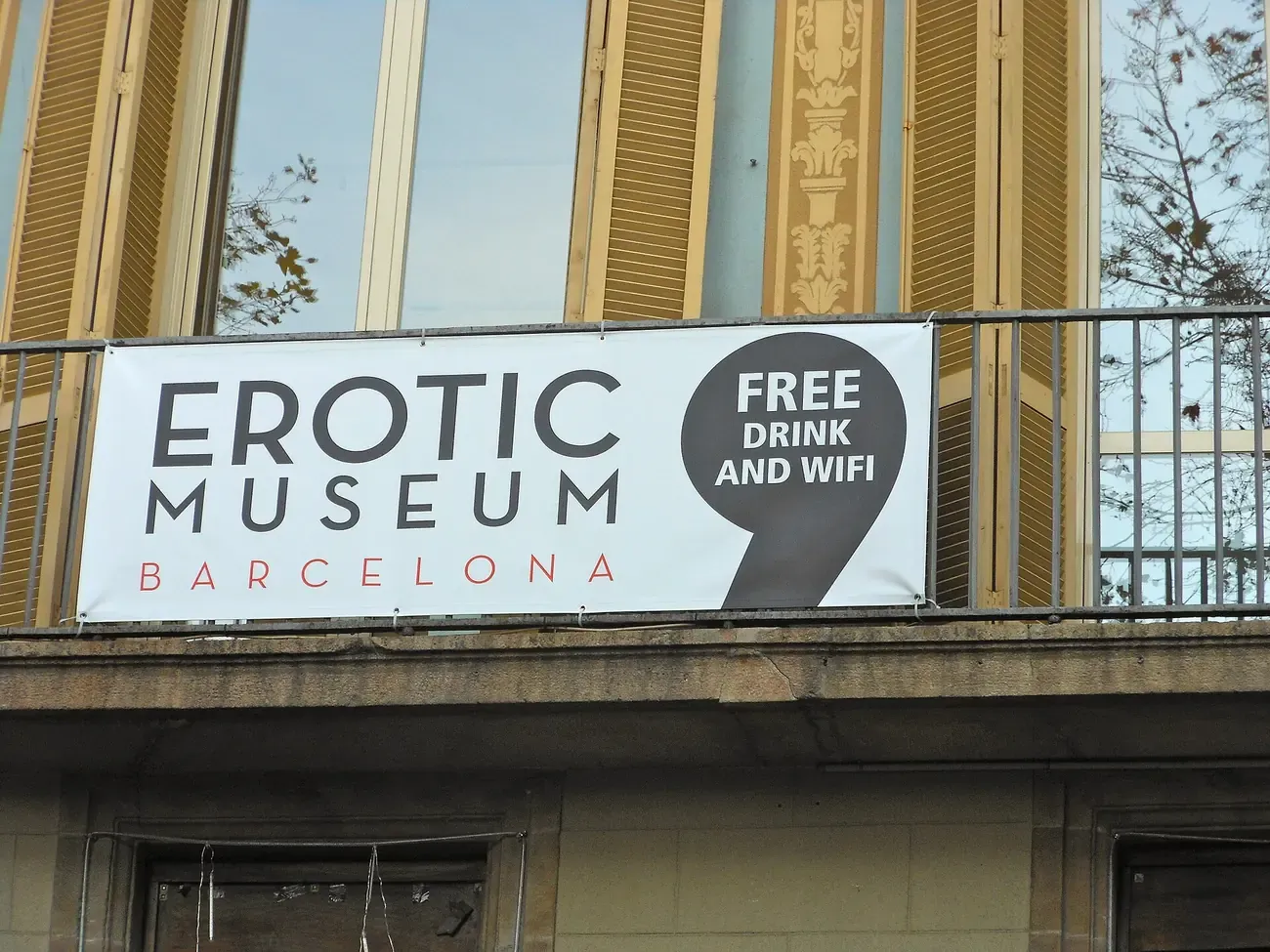
Erotic Museum of Barcelona
An eyebrow-raising collection of erotic art across cultures and centuries, looking straight onto La Rambla.
Location: La Rambla 96
Photo: "Erotic Museum of Barcelona on La Rambla" by Studio Sarah Lou (CC BY 2.0).
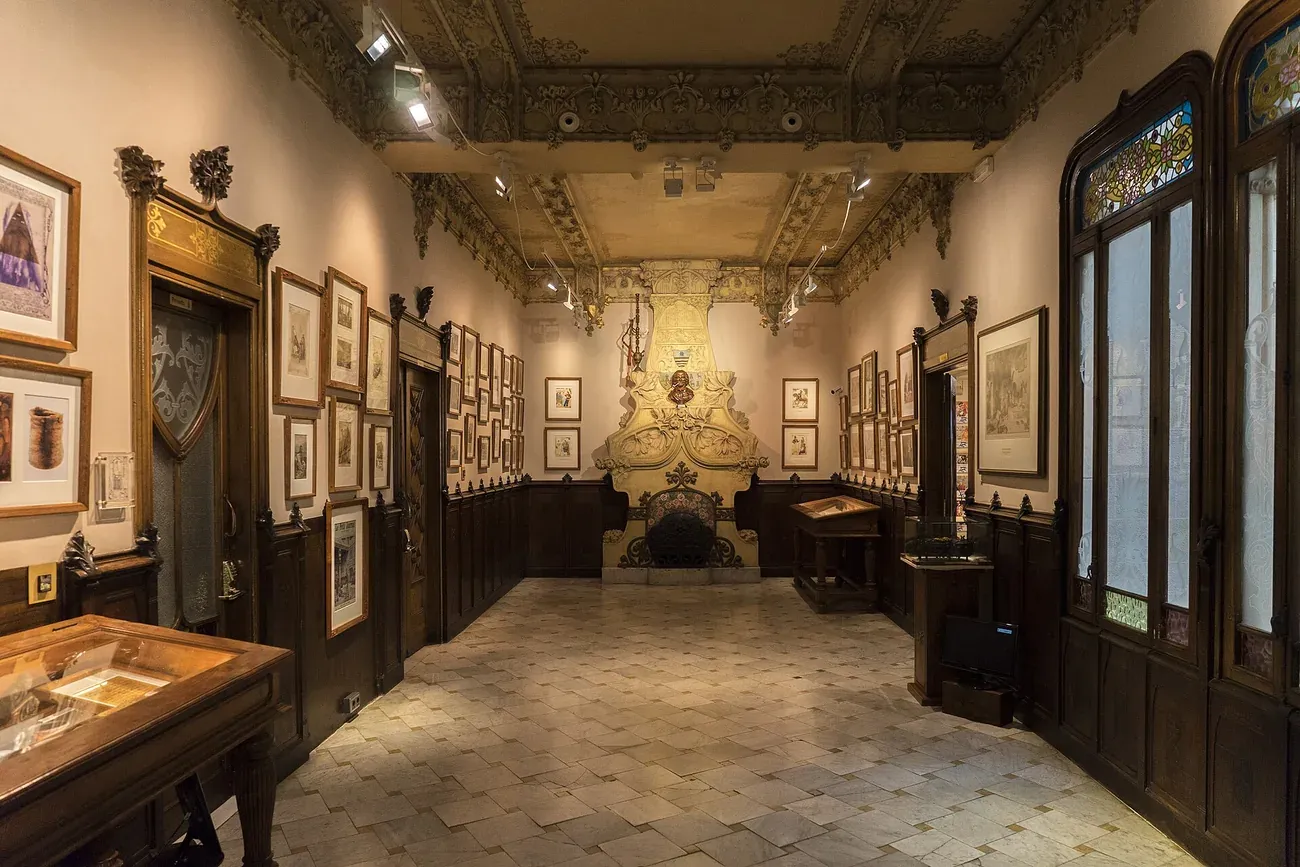
Hash Marihuana & Hemp Museum
The stately Palau Mornau hosts a serious look at the history, culture and uses of cannabis and hemp.
Location: Carrer Ample 35, Gothic Quarter
Photo: "Palais Mornau, Hemp Museum, Art Nouveau, Barcelona" by Thomas Ledl (CC BY-SA 4.0).
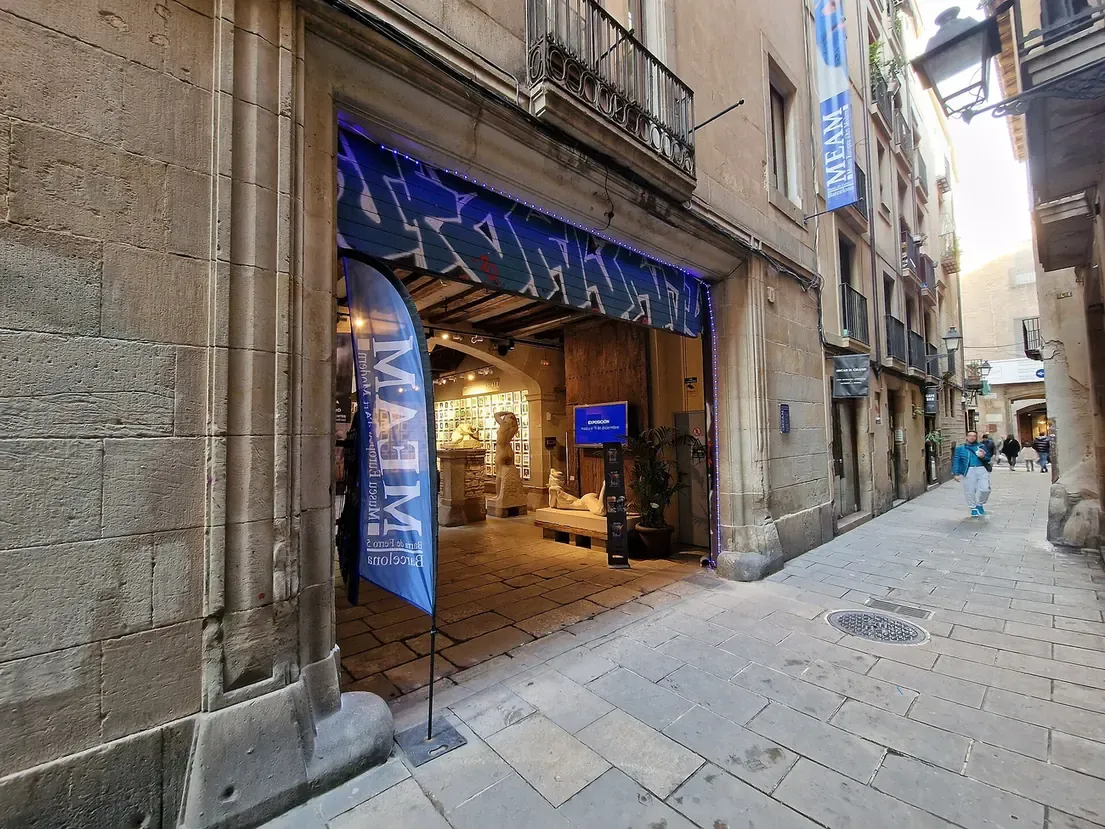
European Museum of Modern Art
Contemporary figurative painting and sculpture shown in a restored palace in El Born, steps from the Picasso Museum.
Location: Carrer de la Barra de Ferro 5, El Born · Website
Photo: "Museu Europeu d'Art Modern (MEAM), Barcelona" by Quelet (CC BY-SA 3.0).
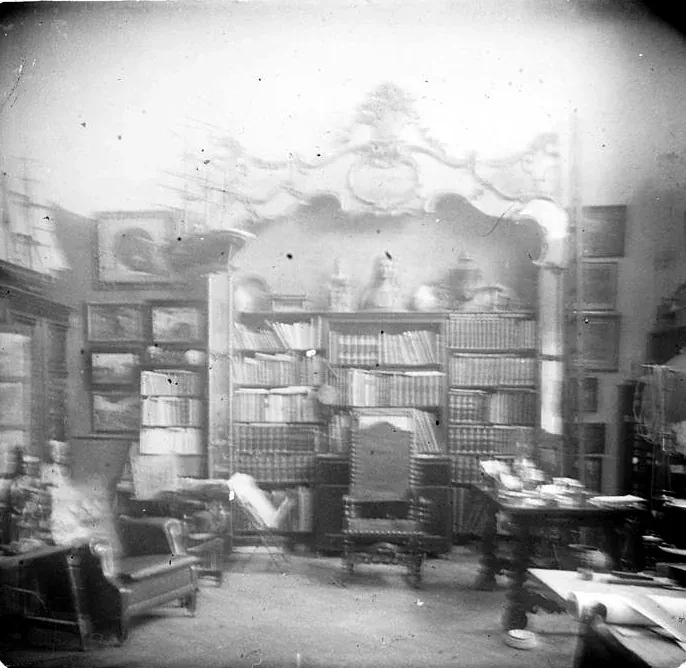
Taller d'Oleguer Junyent
The preserved studio of scenographer Oleguer Junyent, crammed with stage props, travel souvenirs and studio clutter left in place.
Location: Carrer de Bonavista 22, Gràcia
Photo: "Interior del museu Oleguer Junyent" by Josep Salvany i Blanch (Public domain).
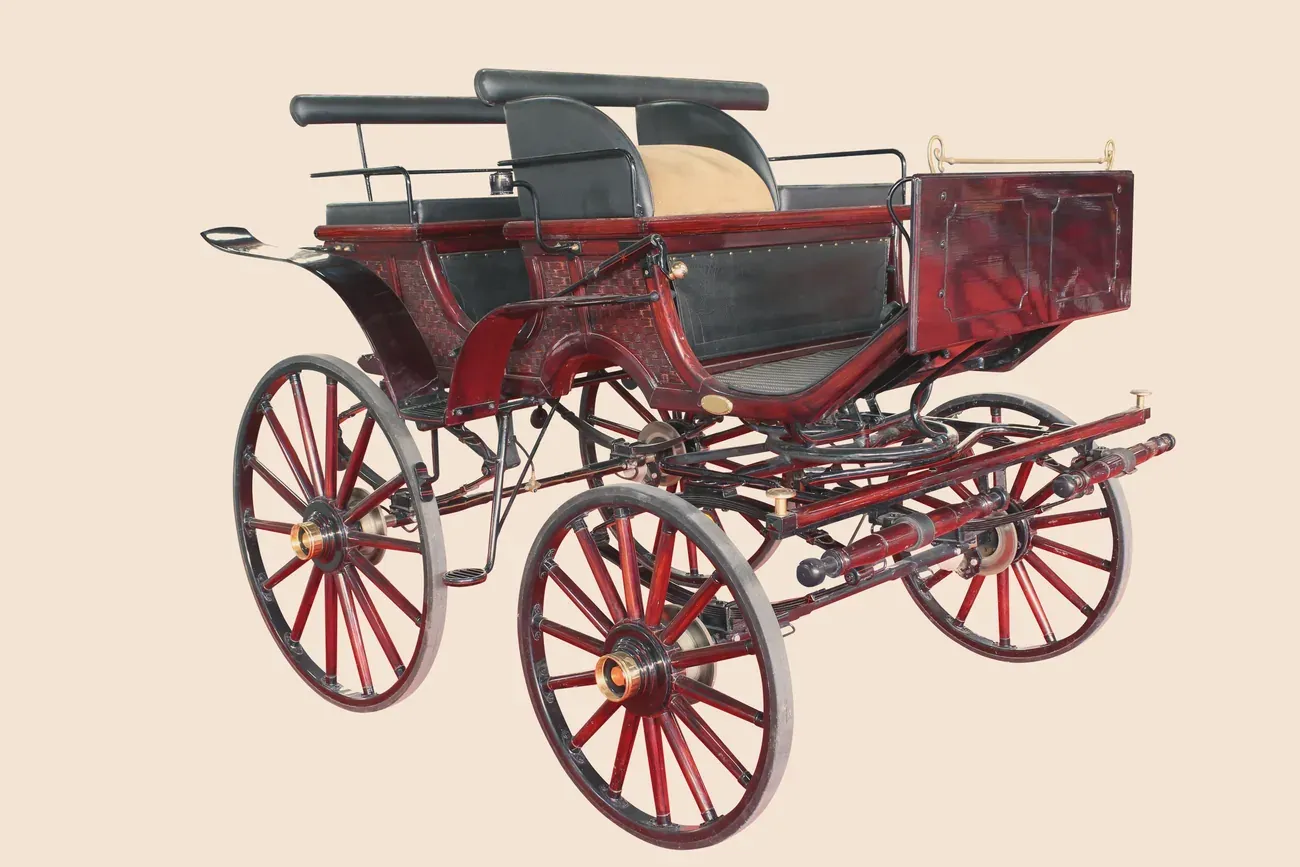
Museu de Carrosses Fúnebres
Ornate horse-drawn hearses and mourning coaches that once served Barcelona's funerals, kept as one of the city's strangest collections.
Location: Carrer del Litoral, Montjuïc
Medieval Barcelona off the beaten path
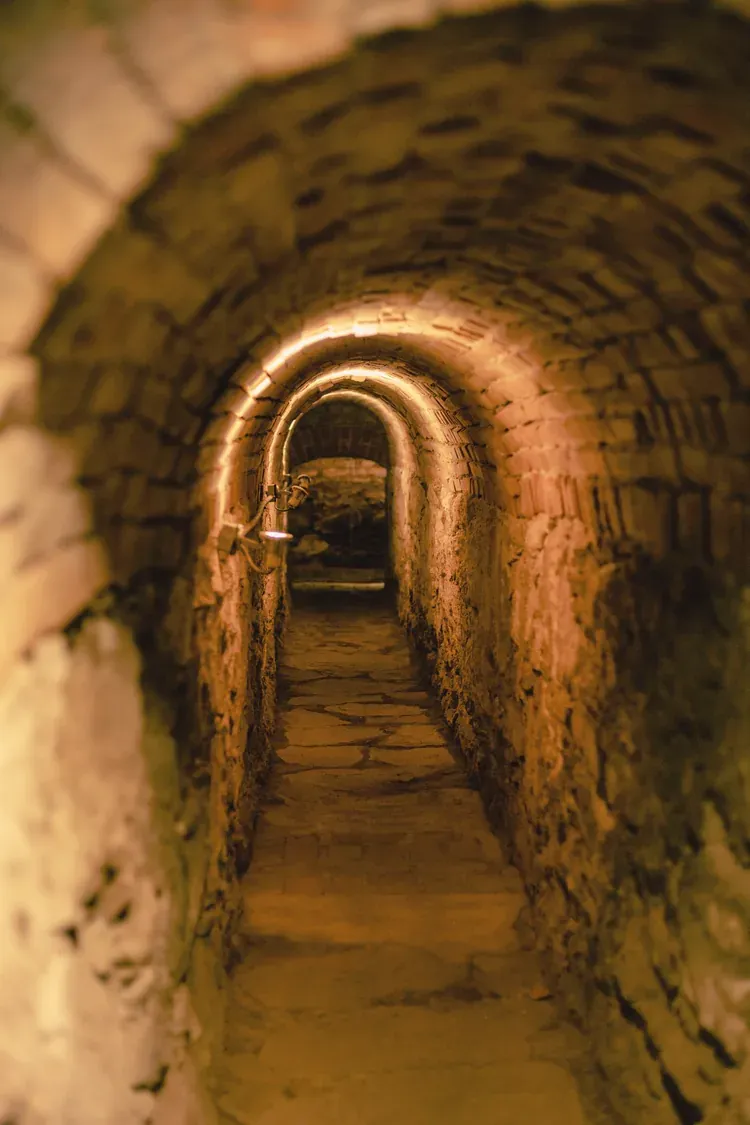
Sewers of Barcelona
Roman channels and medieval culverts survive beneath the old town, one of the least seen layers of the city's long history.
Location: Ciutat Vella
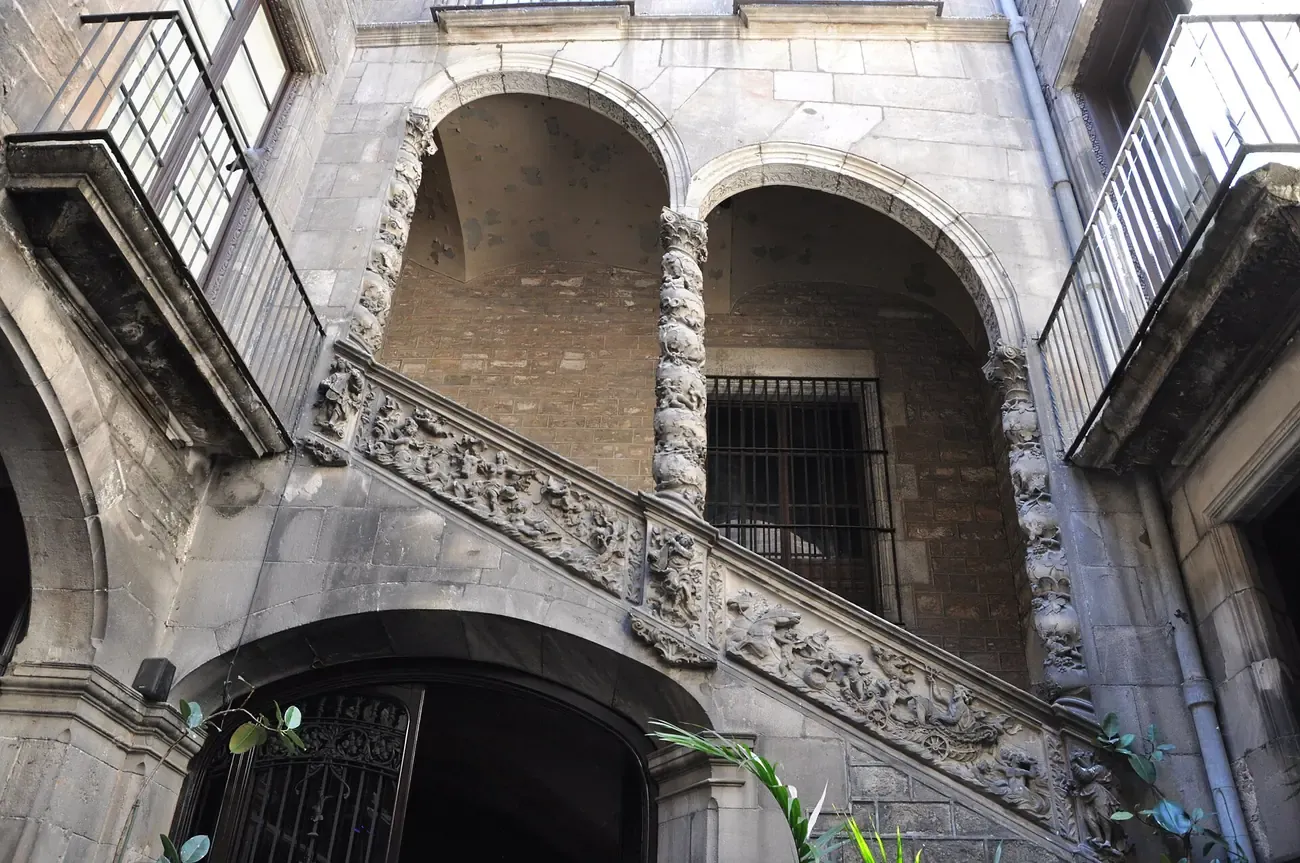
Palau Dalmases
A baroque courtyard palace on Carrer de Montcada whose candlelit salon hosts intimate evening flamenco.
Location: Carrer de Montcada 20, El Born
Photo: "Palau Dalmases, carrer de Montcada, Barcelona" by Josep Bracons (CC BY-SA 2.0).
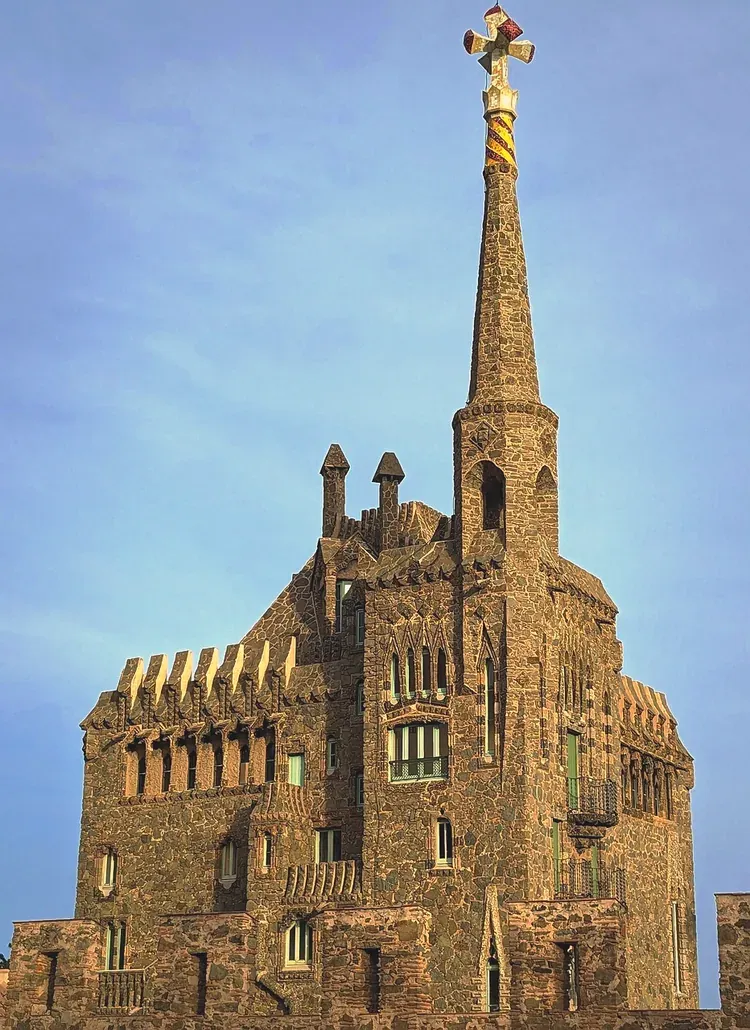
Torre Bellesguard
Gaudí raised this castle-like tower on the site of King Martin's medieval palace, mixing brick battlements with stained glass.
Location: Carrer de Bellesguard 20 · Website
Rare churches and sacred curiosities in Barcelona
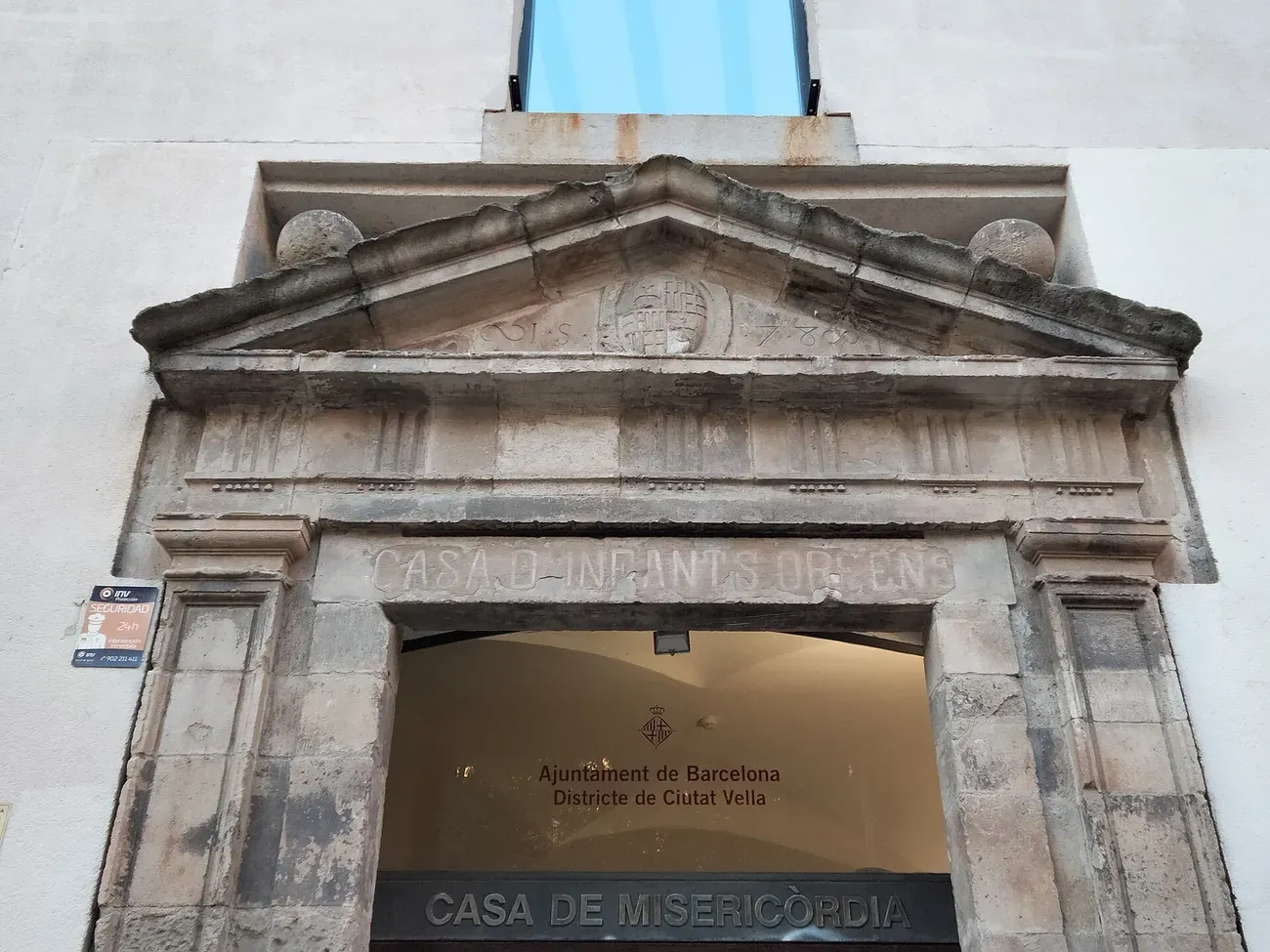
Barcelona's Baby Drop-off
A revolving wooden window at the old Casa de la Misericòrdia once received foundlings anonymously; the torn survives on Carrer de les Ramelleres.
Location: Carrer de les Ramelleres 17, El Raval
Photo: "Casa de la Misericòrdia, carrer de les Ramelleres 17, Barcelona" by Enric (CC BY-SA 4.0).
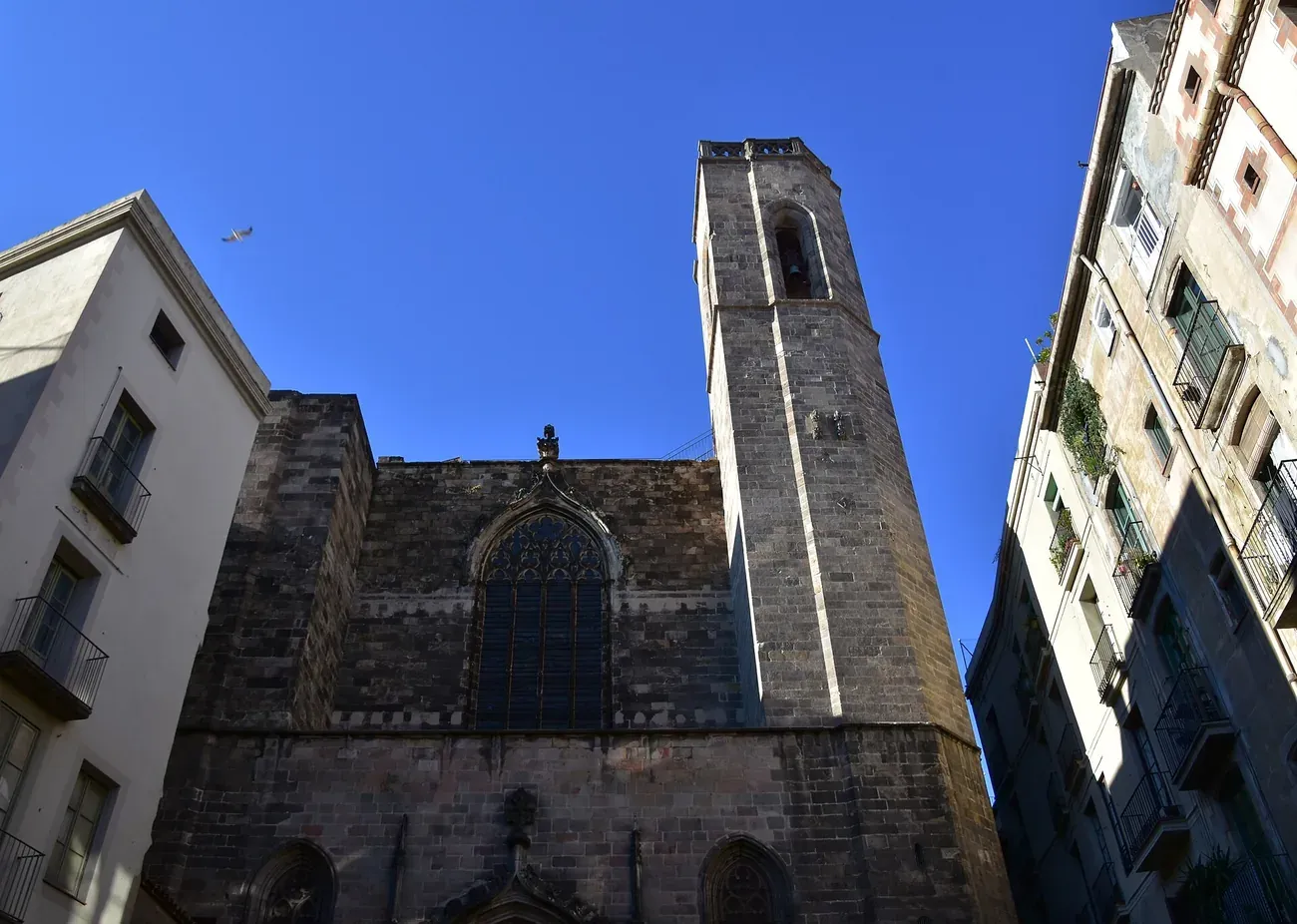
Basílica dels Sants Just i Pastor
A soaring single-nave Gothic basilica on a quiet Old Town square, among the city's oldest parish foundations.
Location: Plaça de Sant Just 1, Gothic Quarter · Website
Photo: "Església de Sants Just i Pastor, Barcelona" by Richard Mortel (CC BY 2.0).
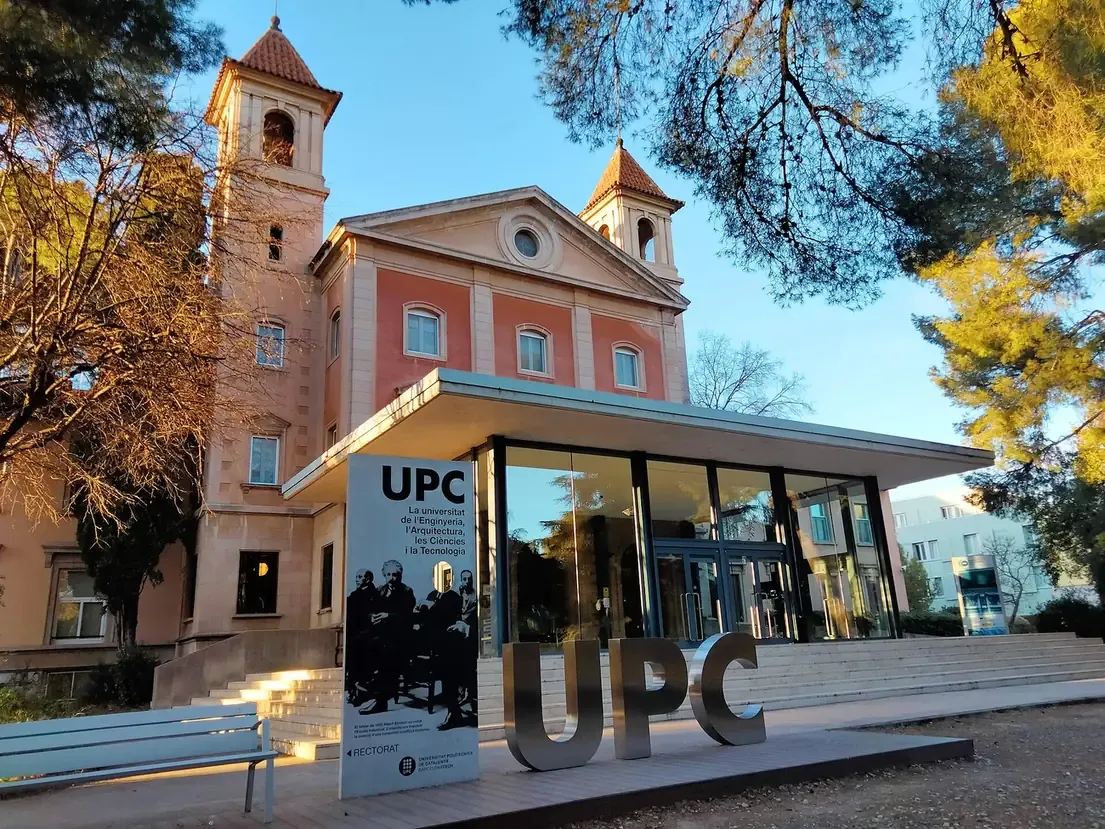
Barcelona Supercomputing Center
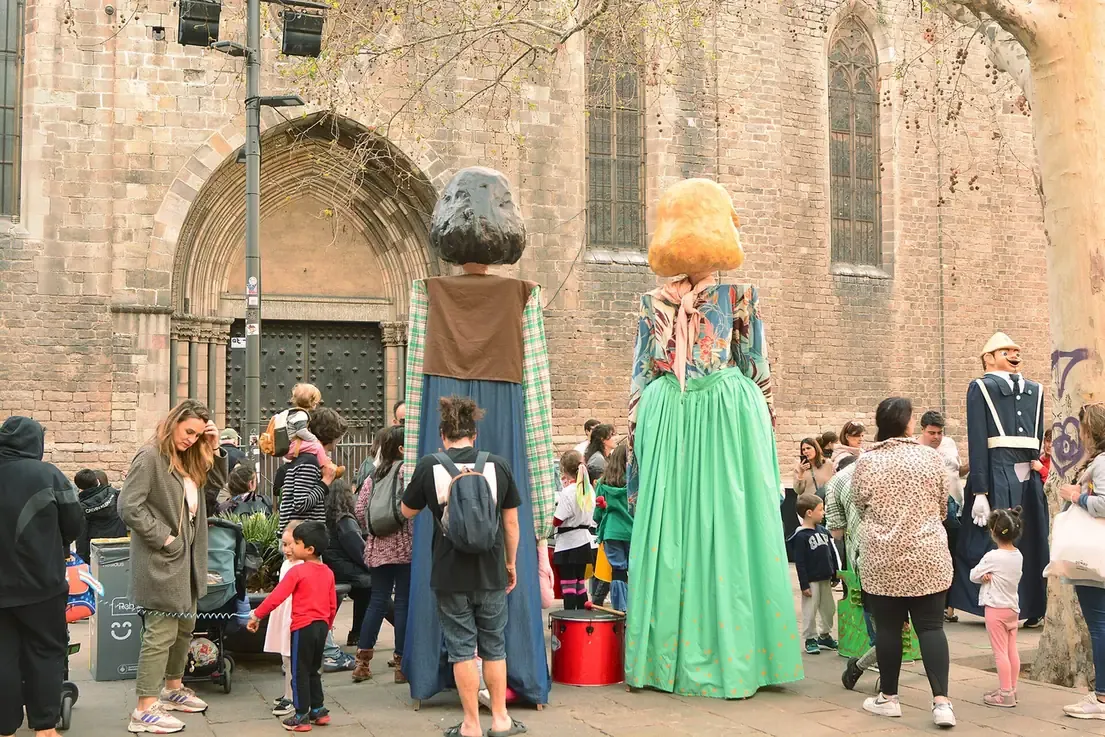
The Giants of Santa Maria del Pi
The festival giants of Santa Maria del Pi stand just inside the basilica between parades, dressed and towering over visitors.
Location: Plaça del Pi, Gothic Quarter
Photo: "Gegants del Pi at the Festes de Sant Josep Oriol, Barcelona" by Joe Mabel (CC BY-SA 4.0).
Hidden gems in Barcelona worth the detour
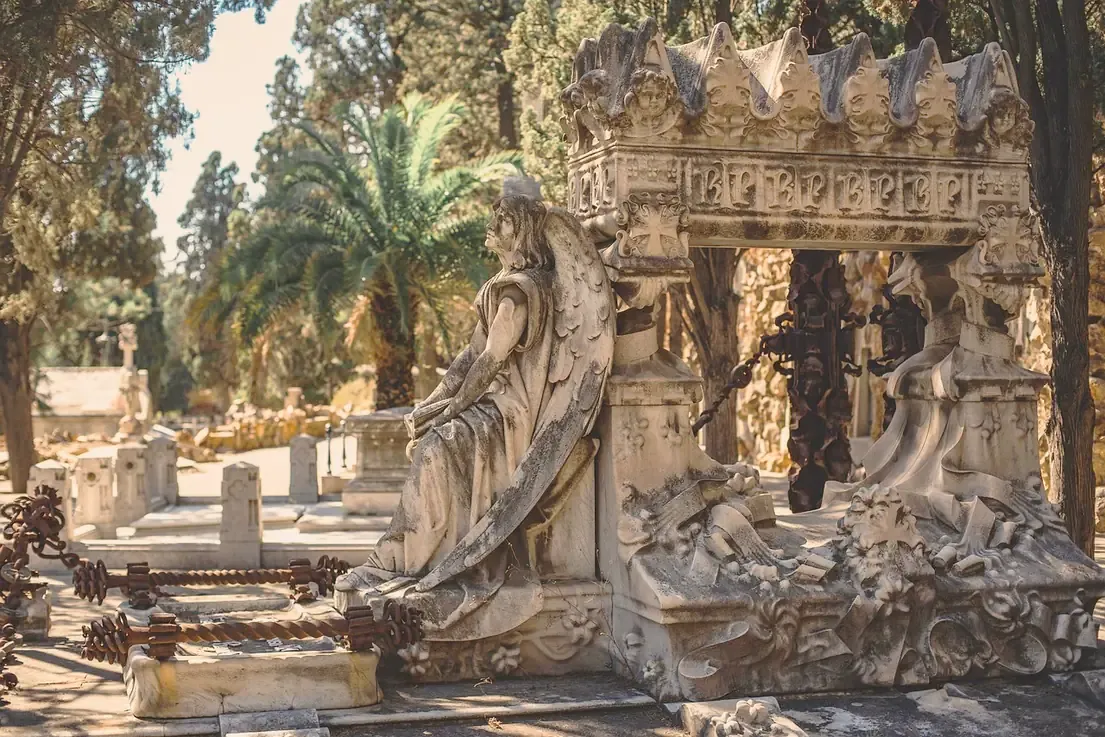
Montjuïc Cemetery
Terraces of modernist tombs and cypress-lined avenues climb the seaward slope of Montjuïc, an open-air museum of Barcelona sculpture.
Location: Mare de Déu de Port, Montjuïc
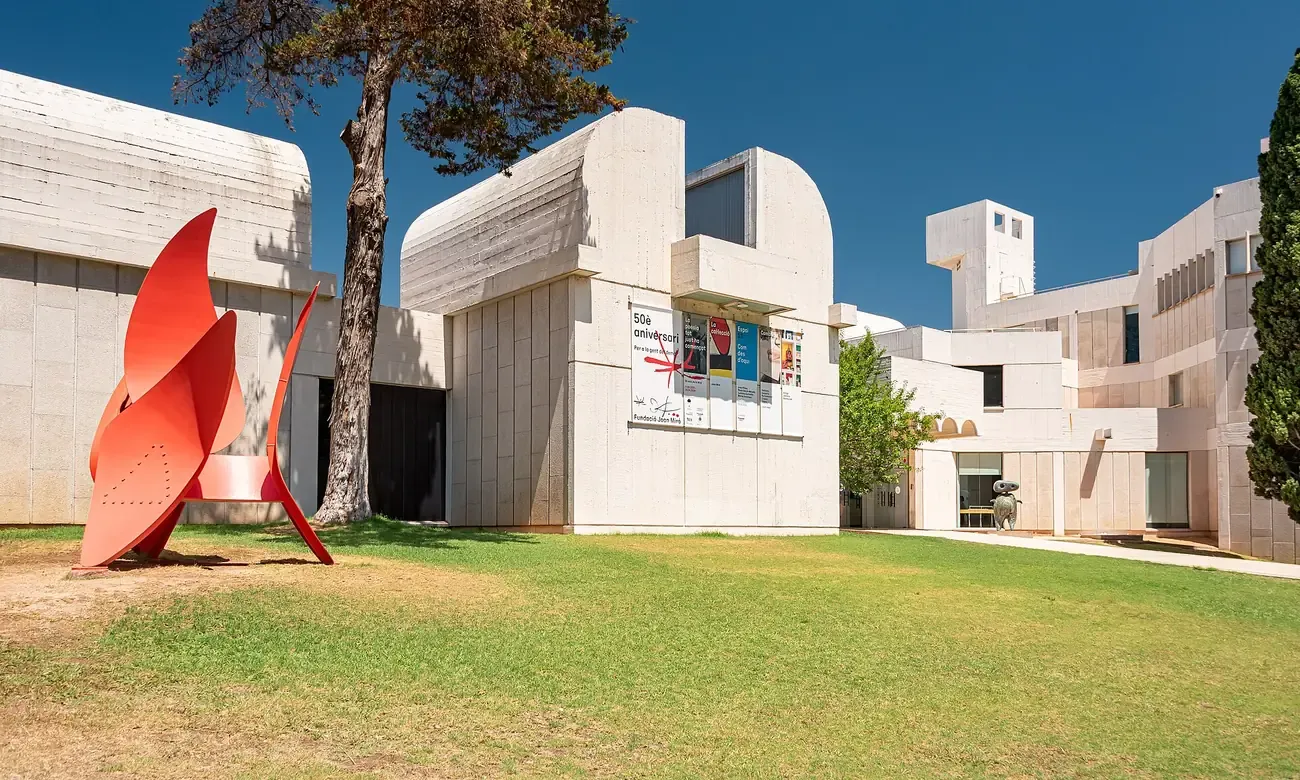
Calder's Mercury Fountain
Alexander Calder's fountain pumps liquid mercury behind protective glass at the Fundació Joan Miró, made for the 1937 Paris Exposition.
Location: Fundació Joan Miró, Montjuïc
Photo: "Fundació Joan Miró, Barcelona" by Jorge Franganillo (CC BY 4.0).
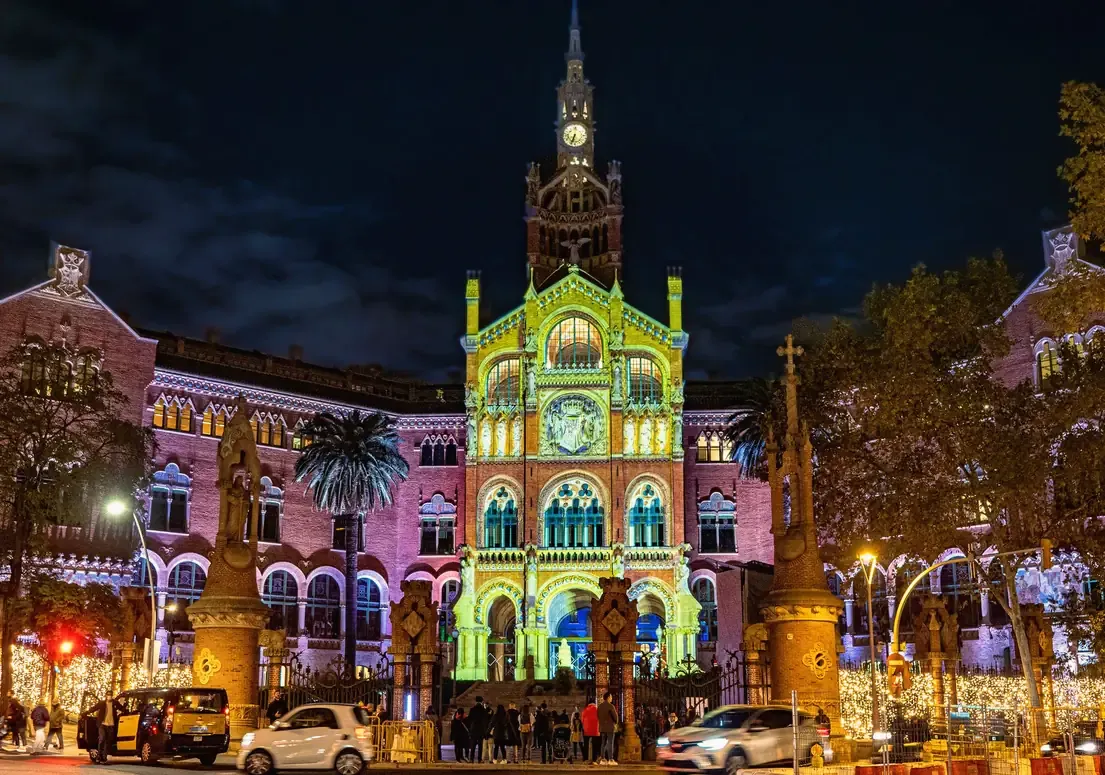
Sant Pau Recinte Modernista
Domènech i Montaner's garden-city hospital, a World Heritage ensemble of tiled pavilions linked by underground galleries.
Location: Carrer de Sant Antoni Maria Claret 167 · Website
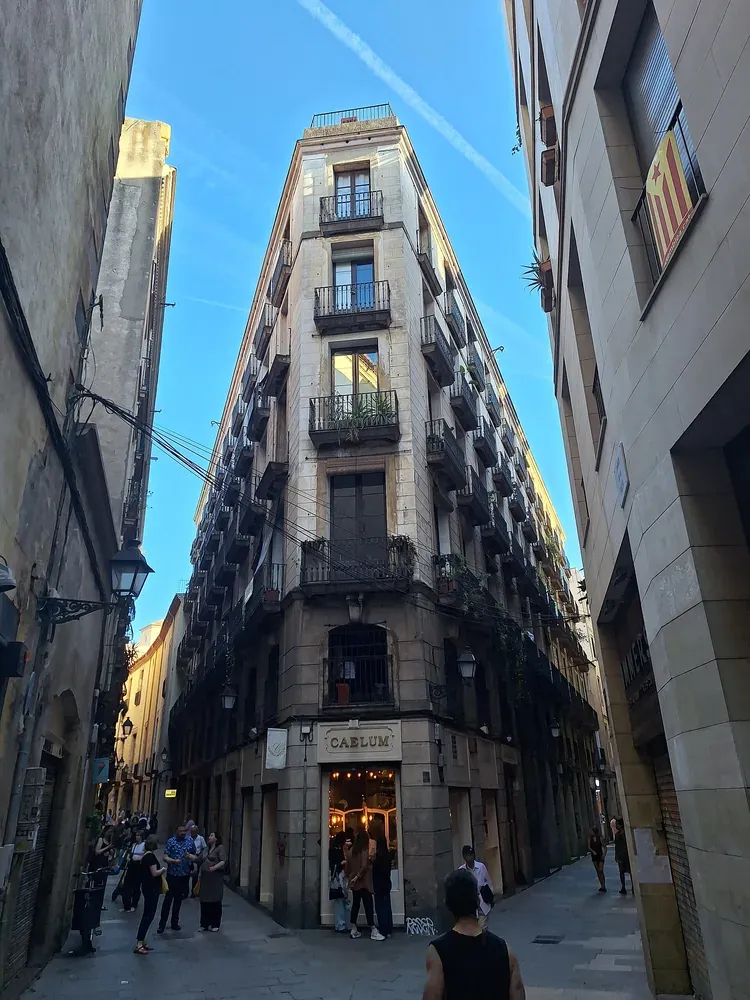
Caelum
A café and shop selling sweets and liqueurs made in Spanish convents, with a medieval bathhouse in its candlelit basement.
Location: Carrer de la Palla 8, Gothic Quarter
Photo: "Caelum, Carrer de la Palla, Barcelona" by Pere López Brosa (CC BY-SA 4.0).
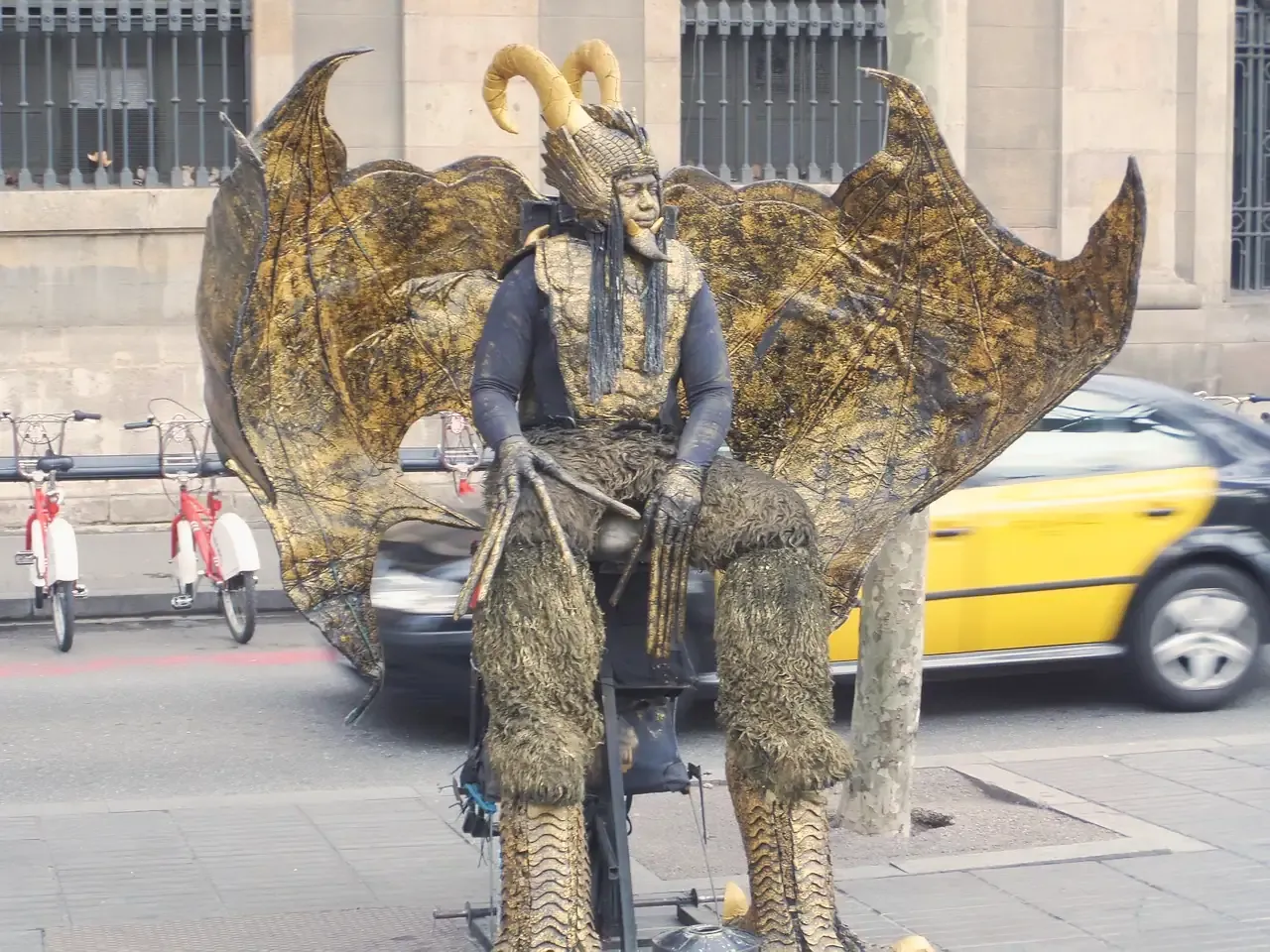
Street Performers of Las Ramblas
La Rambla's living statues and buskers turn the promenade into an open-air stage from mid-morning until late.
Location: La Rambla
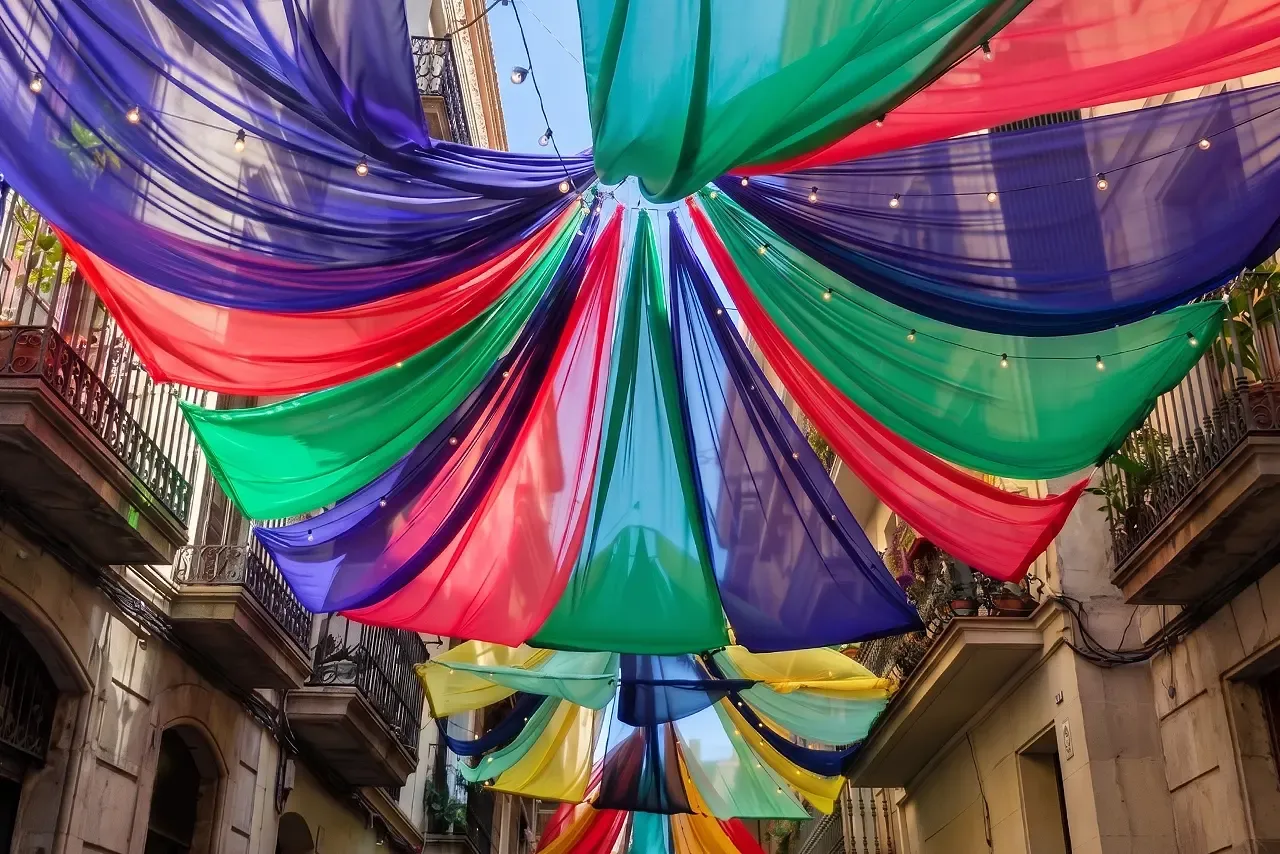
Festa Major de Gràcia
Every August the streets of Gràcia vanish under handmade themed decorations as neighbours compete for the year's best street.
Location: Gràcia · Gràcia Festival 2026 · Website
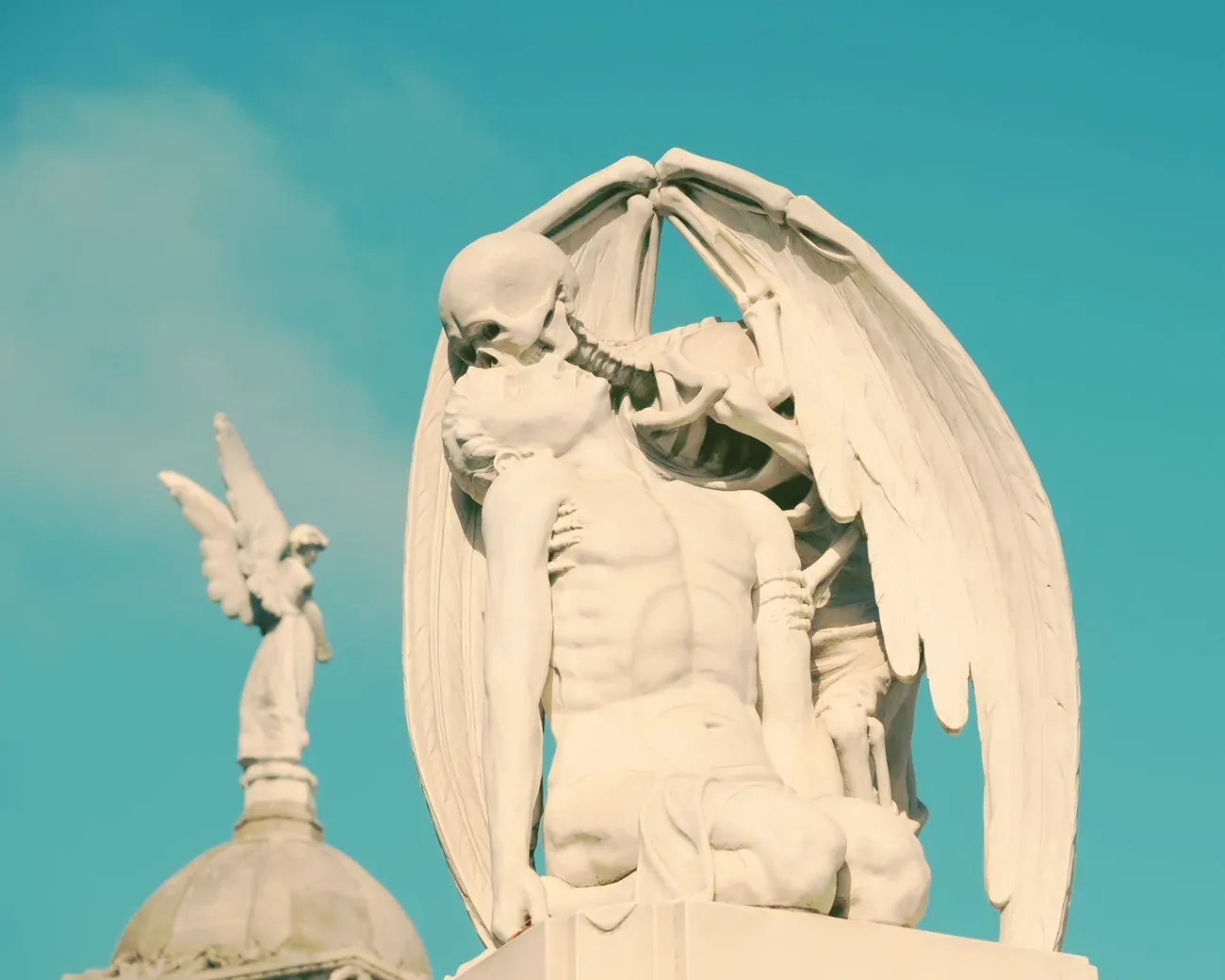
El Petó de la Mort
A winged skeleton kisses a dying youth in Poblenou Cemetery, a marble scene that stops visitors mid-step.
Location: Poblenou Cemetery, Av. d'Icària
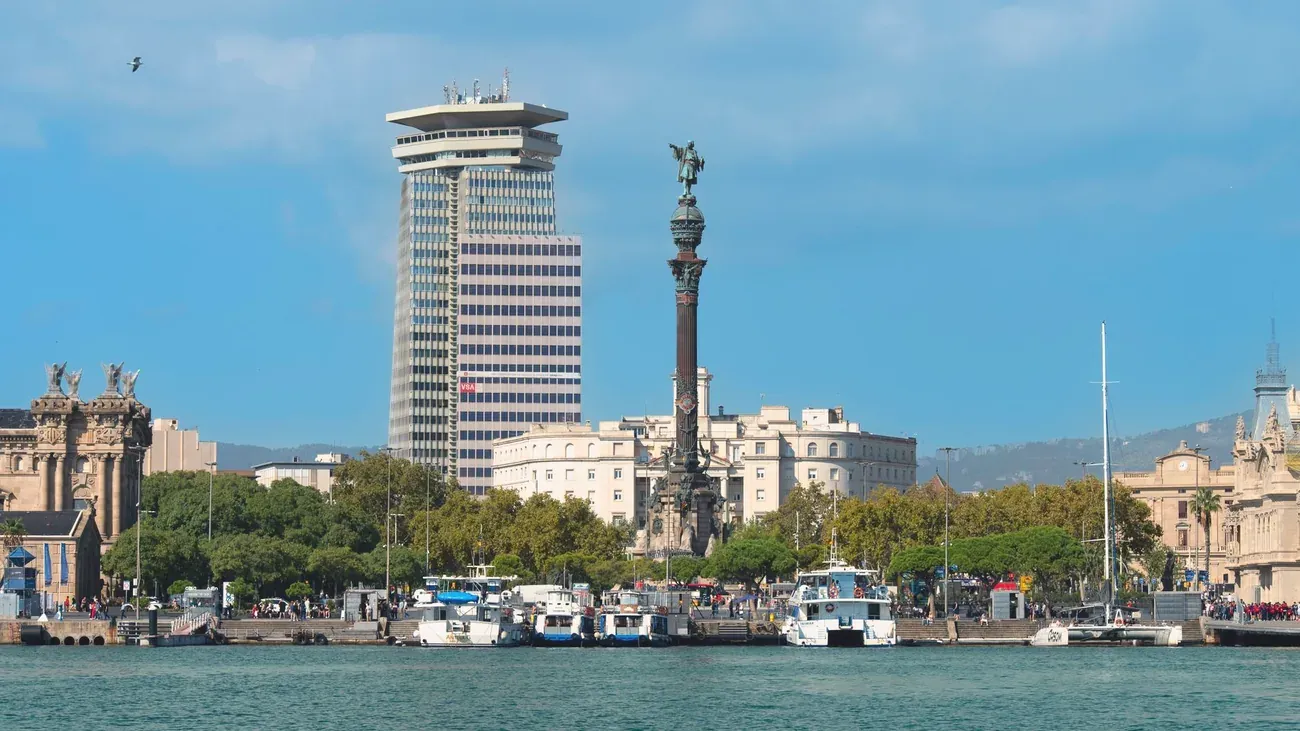
Mirador de Colom
The Columbus column has watched the harbour since 1888; a lift climbs to a small viewing gallery beneath the statue's feet.
Location: Plaça del Portal de la Pau
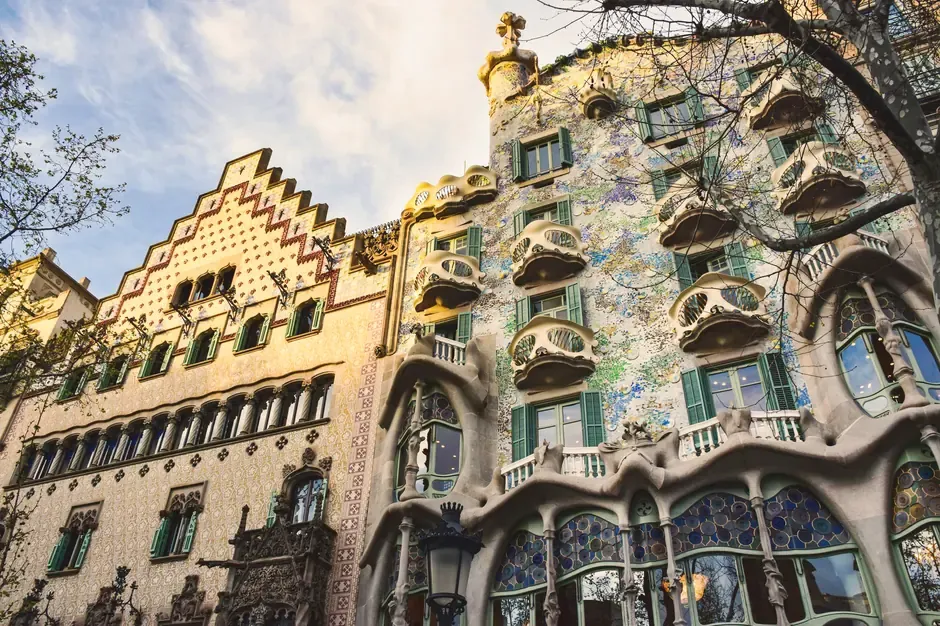
Casa Amatller
Puig i Cadafalch's stepped-gable house shares the Mansana de la Discòrdia with Casa Batlló; guided tours visit the period interiors.
Location: Passeig de Gràcia 41 · Website
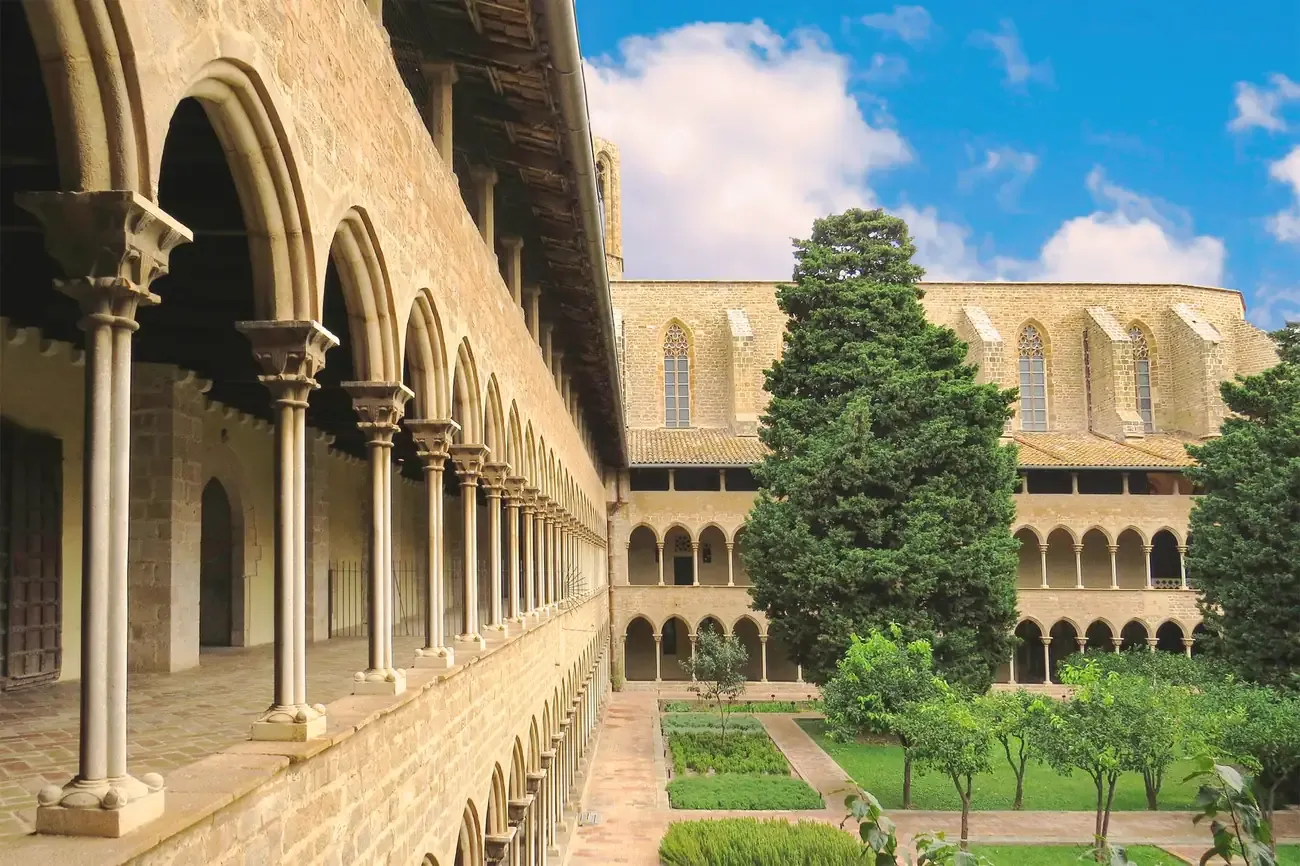
Monestir de Pedralbes
A Gothic royal convent founded in 1326, with a serene three-storey cloister and the tomb of its founding queen.
Location: Baixada del Monestir 9, Pedralbes · Website
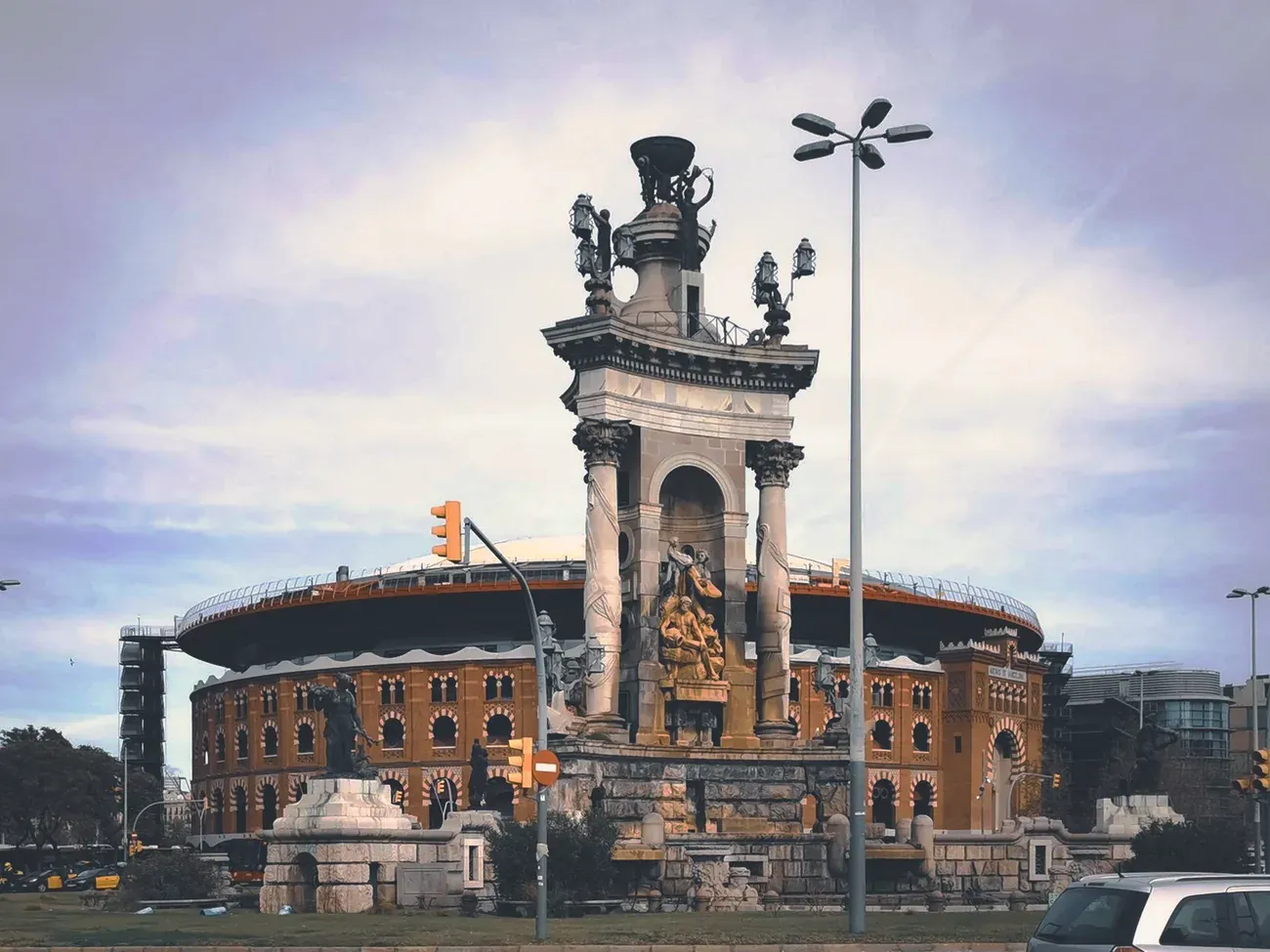
Las Arenas
A Moorish-style former bullring reborn as a shopping centre; its rooftop walkway circles 360-degree views over Plaça d'Espanya.
Location: Gran Via de les Corts Catalanes 373
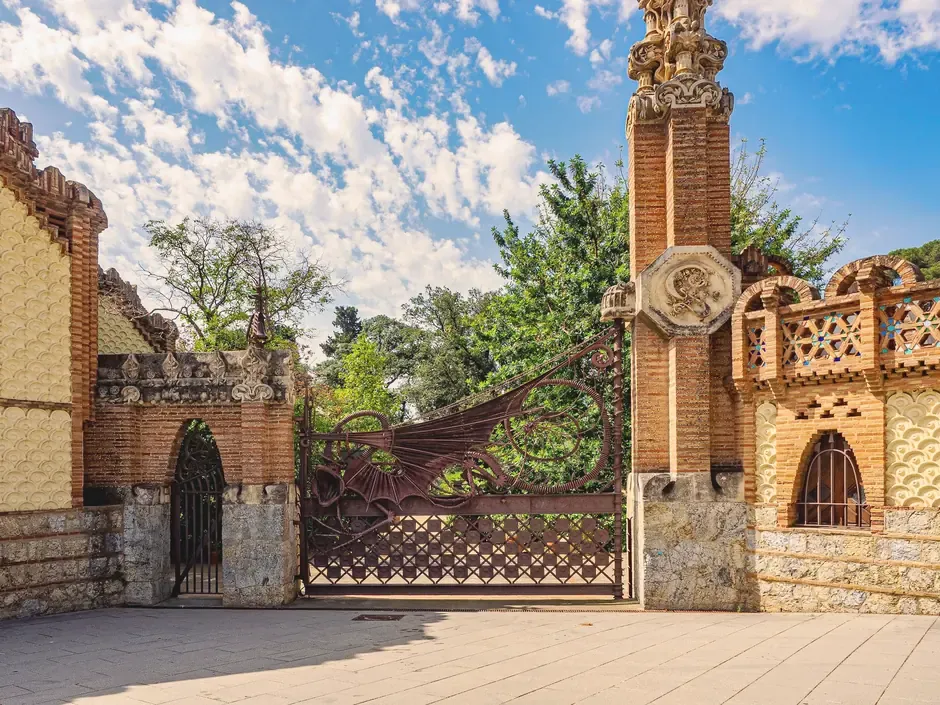
The Güell Pavilions Dragon Gate
Gaudí's wrought-iron dragon guards the gate of the Güell summer estate in Pedralbes, jaws open across the railings.
Location: Avinguda de Pedralbes 7
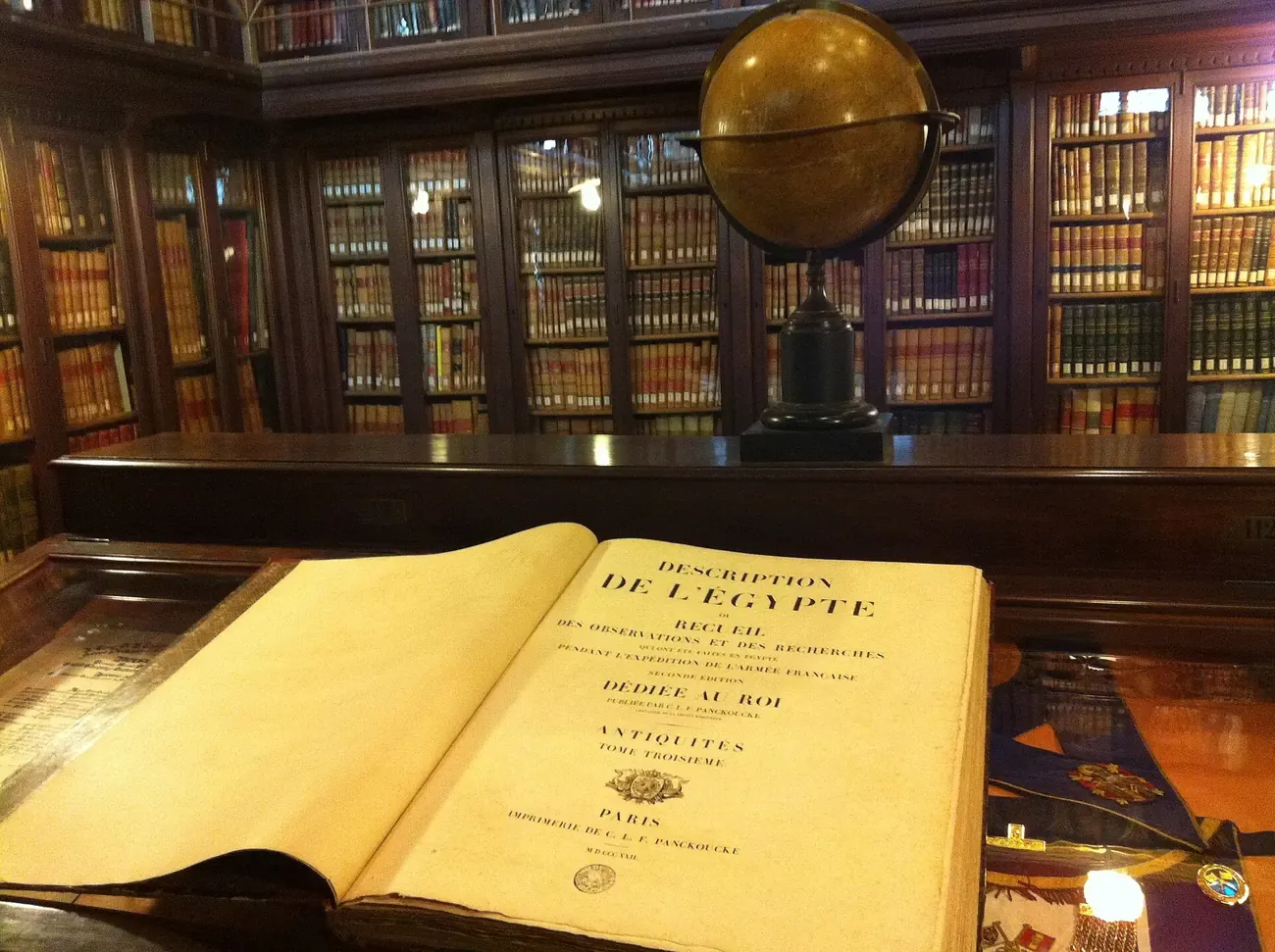
Biblioteca Pública Arús
A nineteenth century public library preserved as its founder left it, masonic symbolism and Statue of Liberty replica included.
Location: Passeig de Sant Joan 26
Photo: "Biblioteca Publica Arus de Barcelona" by Kippelboy (CC BY-SA 3.0).
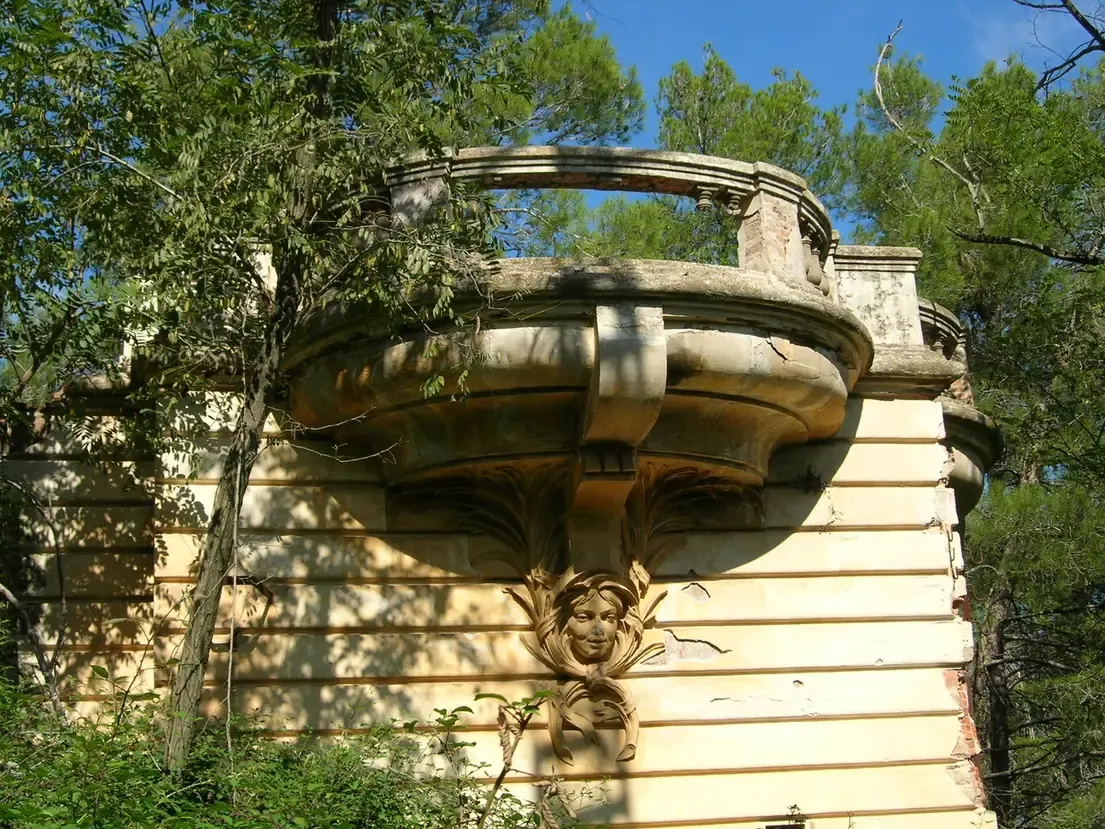
Casino de la Rabassada
Overgrown stairways and ruined terraces in the Collserola woods are all that remain of a belle époque casino resort.
Location: Carretera de l'Arrabassada, Collserola
Photo: "Ruïnes del casino de l'Arrabassada" by Enfo (CC BY-SA 3.0).
Why Barcelona deserves your time
Barcelona compresses two thousand years of city making into a walkable strip between the hills and the Mediterranean. Roman walls and Gothic lanes sit ten minutes from the grid of the Eixample, where modernism left its most celebrated buildings, and the whole ensemble ends in several kilometres of urban beach.
Neighbourhoods to know
Ciutat Vella gathers the Gothic Quarter, El Born and El Raval, the densest concentration of sights, museums and tapas bars. The Eixample holds the Gaudí houses along Passeig de Gràcia. Gràcia keeps the feel of a separate village with small squares and local bars, Barceloneta is the old fishing quarter turned beach district, and Montjuïc combines museums, gardens and viewpoints above the port.
When to go and for how long
May, June, September and October combine warm weather with manageable crowds, while July and August bring the hottest days and the longest lines. Winter stays mild and quiet. Three full days cover the essential sights, and a fourth allows Montjuïc or Tibidabo without hurry.
Getting around
The old town and the Eixample reward walking, and the metro reaches everything else, running all night on Saturdays. The Aerobús, the R2 Nord train and metro line L9 Sud connect the airport with the centre, and the T-casual and Hola Barcelona cards cover public transport across the city. Barcelona Sants also sits on the high speed line to Madrid, which makes the city an easy opening stop on a longer run of tourist attractions in Spain.