
The 26 top tourist attractions in Asia
Known for
Ancient temples and palaces, Himalaya, megacities from Tokyo to Dubai
Must-see countries
Japan, Thailand and the United Arab Emirates
Must-see landmarks
the Taj Mahal, the Great Wall of China and Angkor Wat
Best time to visit
November to February for South; spring and autumn for Japan and China
The tourist attractions to see in Asia
The tourist attractions in Asia begin with the Taj Mahal, the Great Wall of China and Angkor Wat. This guide then maps the countries worth exploring, 10 ranked sights, 16 hidden gems, local dishes, more destinations and visitor FAQs.
Top countries to visit in Asia
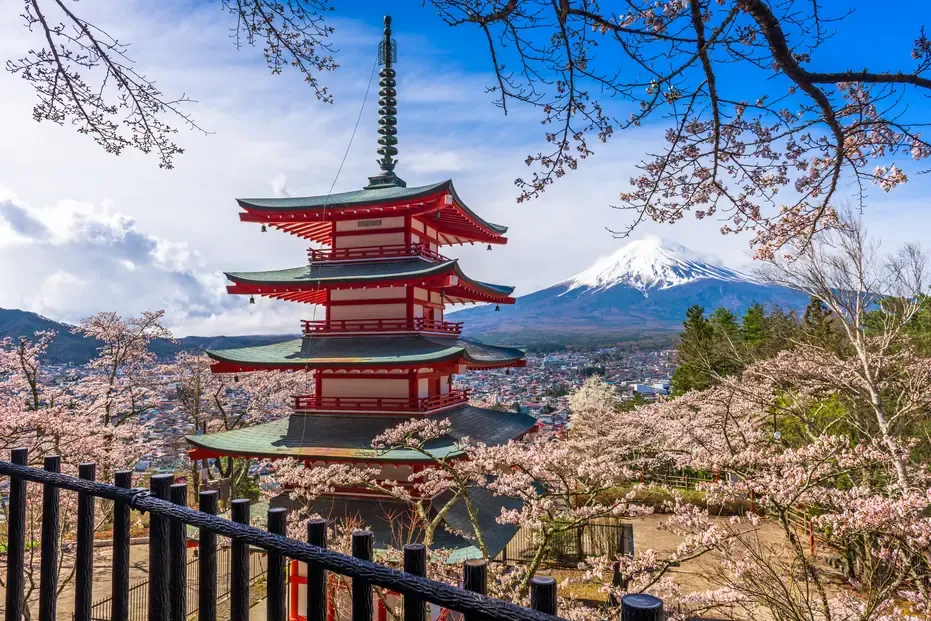
Japan
Explore Japan in detail Shinto shrines and Zen temples, Mount Fuji, bullet trains and a food culture built on rice, from Tokyo to Kyoto and Hiroshima.
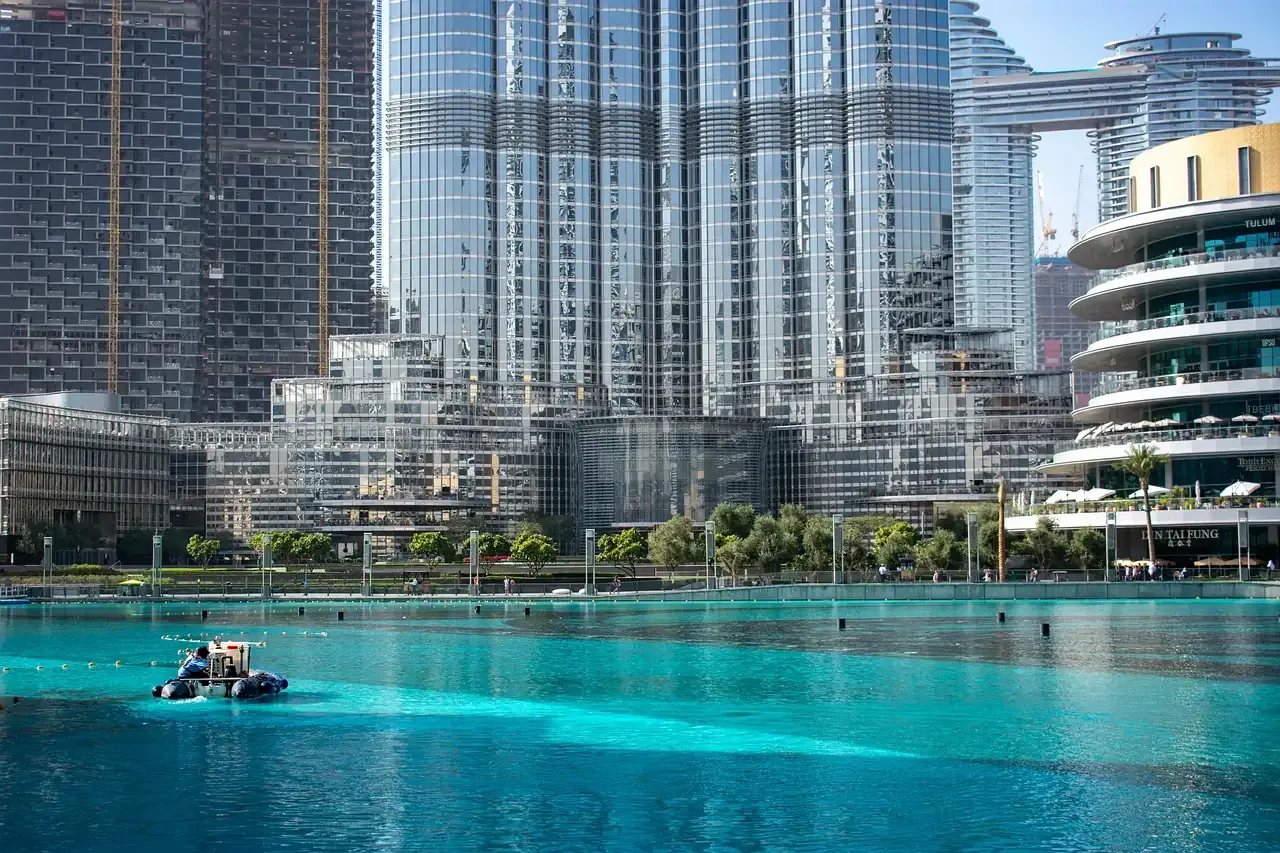
United Arab Emirates
Explore the United Arab Emirates in detail Record-breaking towers and malls on the coast, the marble Sheikh Zayed Grand Mosque, and oasis towns and forts inland.
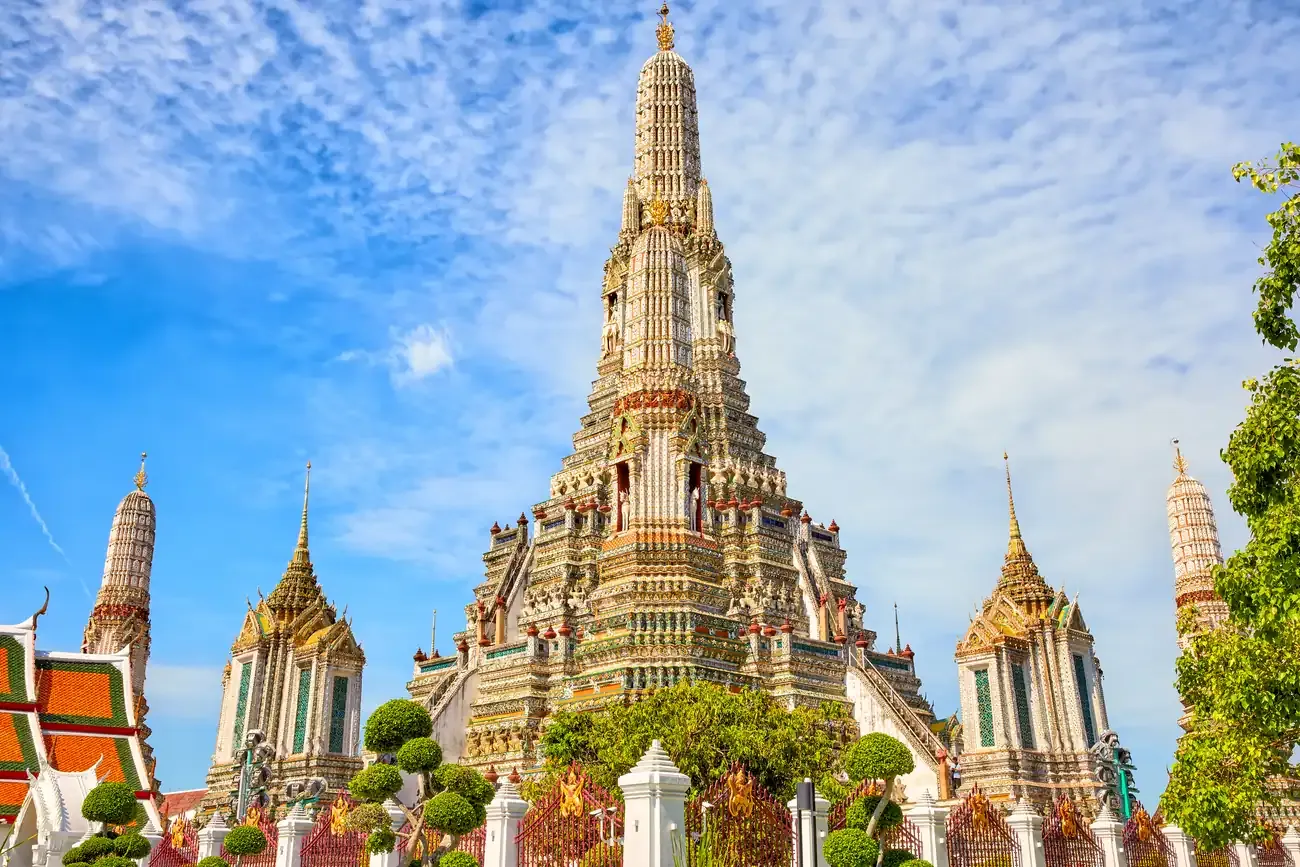
Thailand
Explore Thailand in detail Gilded temples in Bangkok, the brick ruins of Ayutthaya and Sukhothai, and limestone islands on two coasts.
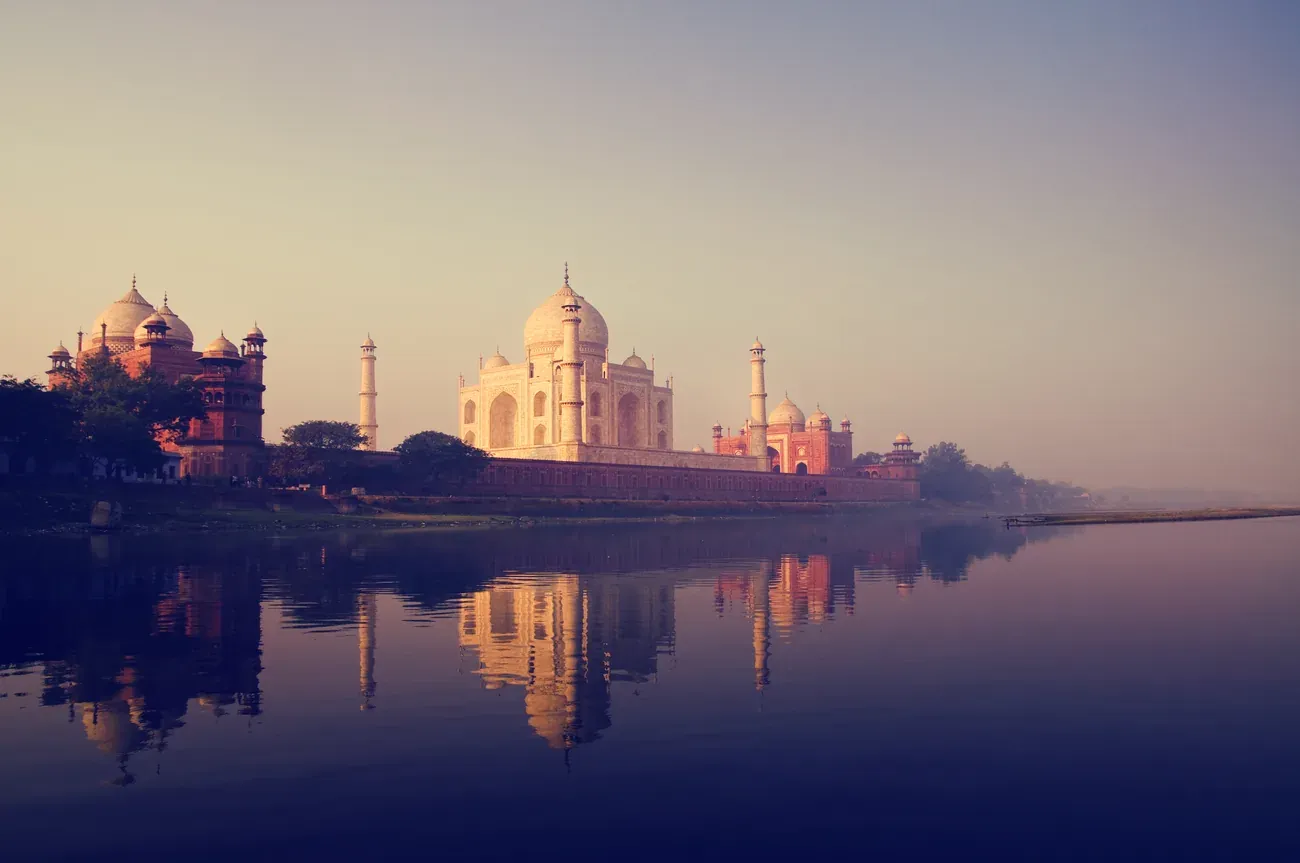
1. Taj Mahal
The white marble mausoleum on the Yamuna is the image much of the world holds of Asia. Shah Jahan, the fifth Mughal emperor, commissioned it in 1631 for his wife Mumtaz Mahal; the tomb was finished by 1648 and the mosque, guest house and gardens over the next five years. Marble inlaid with semi-precious stones covers the mausoleum, while the outer buildings use red sandstone. UNESCO listed the site in 1983 and it was voted one of the New 7 Wonders of the World in 2007. It opens from half an hour before sunrise until half an hour before sunset.
Commissioned: 1631 · Heritage: UNESCO listed in 1983
Location: Agra, Uttar Pradesh, India
Access: Ticketed, with a separate ticket for the main mausoleum, closed on Fridays
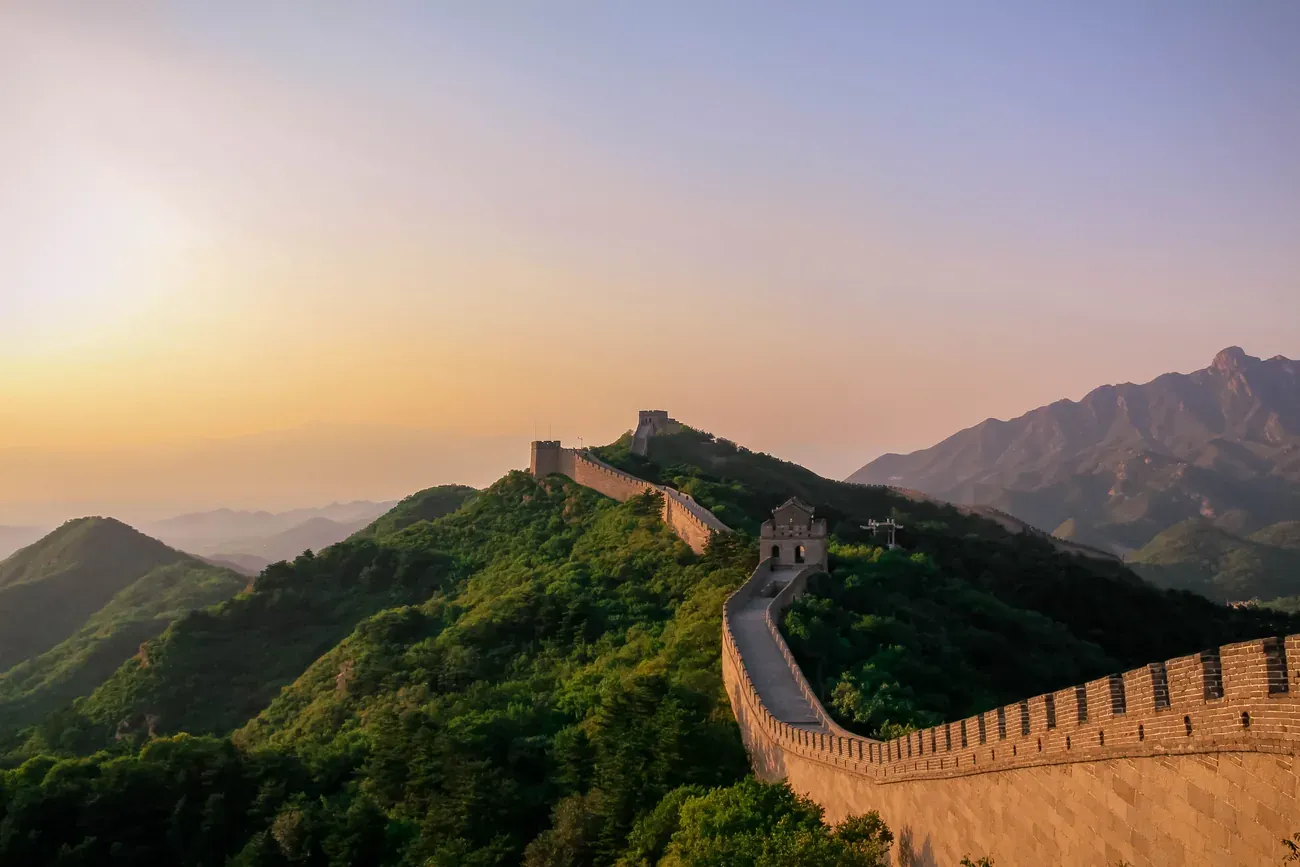
2. Great Wall of China
No structure in Asia runs to the scale of the Great Wall, a chain of fortifications raised along the northern borders of Chinese states from the seventh century BC and joined together under the Qin dynasty. The sections most visitors walk today were built by the Ming dynasty between 1368 and 1644, with watchtowers along the ridgelines, and surveys put the whole system at more than 21,000 kilometres. UNESCO listed it in 1987. Badaling, about 80 kilometres northwest of Beijing, was the first stretch opened to tourism, in 1957, and remains the most visited.
Built: Ming sections 1368 to 1644 · Heritage: UNESCO listed in 1987
Location: Badaling and Mutianyu, north of Beijing, China
Access: Ticketed at each restored section, with a cable car at Badaling
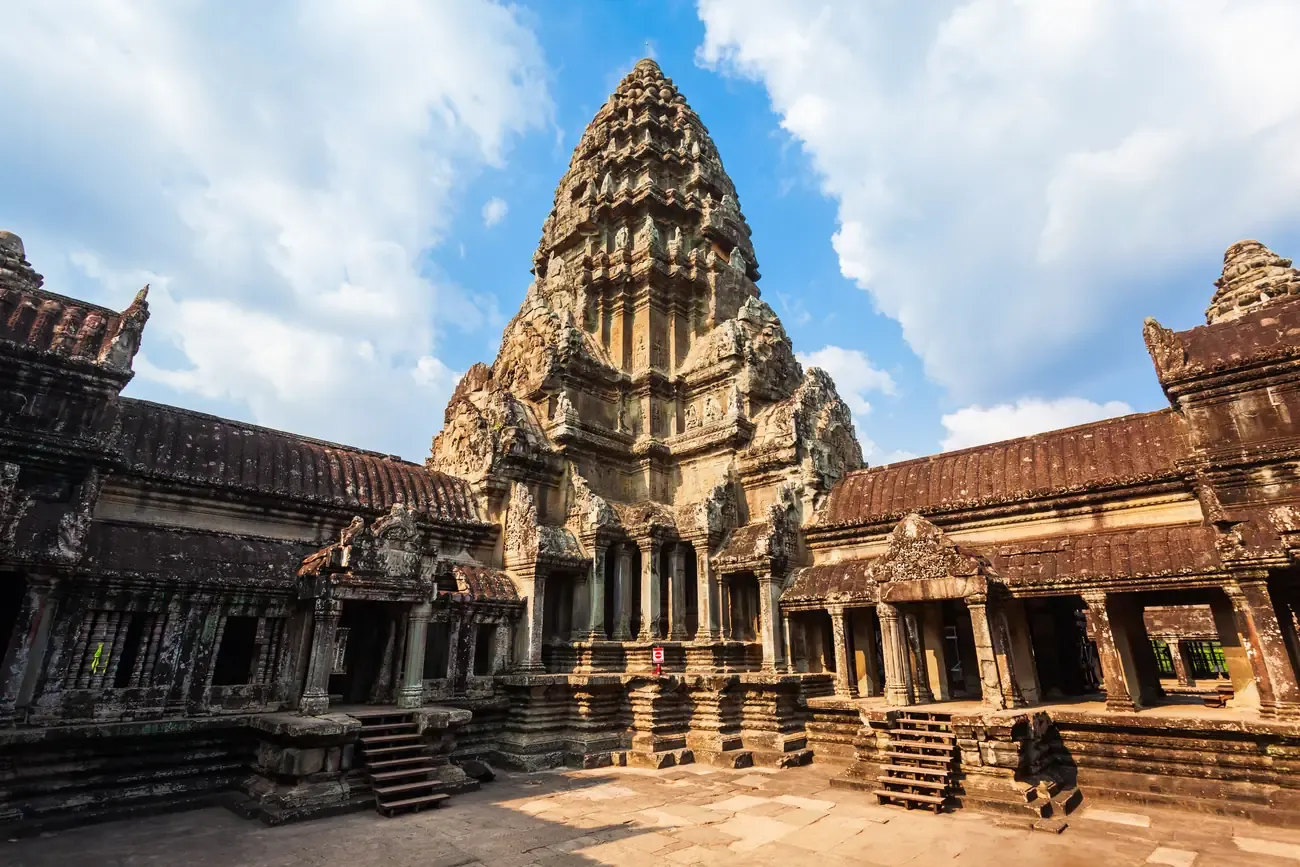
3. Angkor Wat
The largest religious complex in the world stands in the old Khmer capital of Angkor, outside Siem Reap. King Suryavarman II built it between 1113 and 1150 as a Hindu temple to Vishnu, and from the late thirteenth century it passed gradually into Buddhist use. A moat and an outer wall enclose 162 hectares, and three galleries rise towards five central towers laid out as Mount Meru. Unusually for an Angkorian temple it faces west, which is why the sunrise view across the pool is the classic one. UNESCO listed Angkor in 1992, and the temple appears on the Cambodian flag.
Built: 1113 to 1150 · Heritage: Angkor, UNESCO listed in 1992
Location: Angkor Archaeological Park, Siem Reap, Cambodia
Access: Ticketed with the Angkor Pass, which covers the whole archaeological park
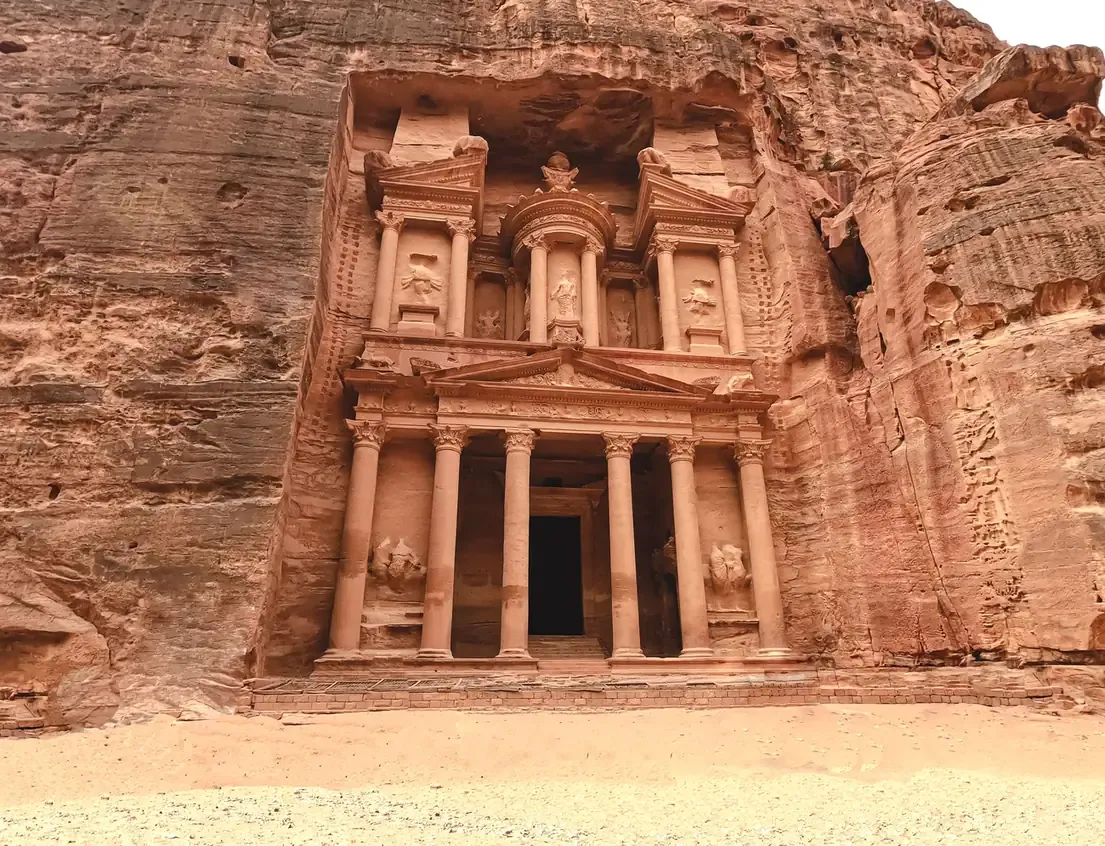
4. Petra
The Nabataeans carved their capital into the rose-coloured sandstone of southern Jordan, and the approach has not changed: a walk of about 1.2 kilometres through the Siq, a gorge narrowing to three metres in places, ends in front of Al-Khazneh, the Treasury. The city peaked in the first century AD, fell to Rome in 106 AD and declined after an earthquake in 363. Beyond the Treasury the valley opens to a theatre, royal tombs and the climb to the Monastery. UNESCO listed Petra in 1985 and it was voted one of the New 7 Wonders of the World in 2007.
Founded: Nabataean capital from the 2nd century BC · Heritage: UNESCO listed in 1985
Location: Wadi Musa, Ma'an Governorate, Jordan
Access: Ticketed, open from six in the morning in summer and half past six in winter
5. Burj Khalifa
Nothing else on the continent stands as high. Skidmore, Owings and Merrill designed the tower as three wings stepping back around a central core, a plan taken from a desert flower, and it has held the record for the tallest building in the world since its inauguration in January 2010, with the roof at 828 metres. Its observation decks look over Downtown Dubai, the fountain lake and the Dubai Mall at its foot, and out to the Gulf on one side and the desert on the other. It was called Burj Dubai until the opening morning, when it was renamed for the president of the United Arab Emirates.
Opened: 4 January 2010 · Height: 828 metres to the roof
Location: Downtown Dubai, Dubai, United Arab Emirates
Access: Ticketed, with timed entry to the observation decks
6. Fushimi Inari Taisha
The tunnels of vermilion torii climbing a wooded hill south of Kyoto have become one of the defining images of Japan. This is the head shrine of Inari, the kami of rice and harvests and, by extension, of business, and it has stood at the foot of Mount Inari since 711. Every gate on the trails was donated by a company or a family whose name is painted on the uprights, which is why the corridors keep growing. The full circuit to the 233 metre summit runs about four kilometres past hundreds of smaller altars and stone foxes, the messengers of Inari, and takes around two hours on foot.
Founded: 711 · Style: Shinto, with the Senbon Torii gate tunnels
Location: Fushimi ward, Kyoto, Japan
Access: Free to enter, with the grounds open day and night
7. Mount Fuji
The cone that stands for Japan rises between Shizuoka and Yamanashi prefectures on Honshu, an active stratovolcano of 3,776 metres that last erupted in 1707. Pilgrims have climbed it for centuries and Hokusai fixed it in the world's imagination, which is why UNESCO listed it in 2013 as a sacred place and a source of artistic inspiration. Most visitors never climb. They photograph the mountain from the Fuji Five Lakes or from the Chureito Pagoda above Fujiyoshida. The climbing season opens in early July and closes in early September.
Height: 3,776 metres · Heritage: Fujisan, UNESCO listed in 2013
Location: Between Shizuoka and Yamanashi prefectures, Honshu, Japan
Access: Seen year round from the lakes, with the climbing trails open in summer only
8. Grand Palace
Rama I laid out this walled compound beside the Chao Phraya in 1782, when he moved the Siamese capital across the river to Bangkok, and it remained the residence of the kings until 1925. Within the walls, Wat Phra Kaew holds the Emerald Buddha, the most revered image in Thailand, and the throne halls behind it set tiered Thai roofs on European facades. More than eight million people visit in a year, so the gates are busiest from mid-morning. The complex opens daily from half past eight to half past four, with tickets sold until half past three.
Built: from 1782 · Style: Rattanakosin
Location: Phra Nakhon district, Bangkok, Thailand
Access: Ticketed for foreign visitors, open daily, with a dress code that rules out sleeveless tops and shorts
9. Petronas Twin Towers
Two 88-storey towers linked by a double-deck Skybridge define Kuala Lumpur. Completed in 1998 at 451.9 metres, they were the tallest buildings in the world until Taipei 101 overtook them in 2004, and they remain the tallest twin towers anywhere. The floor plan draws on an eight-pointed Islamic star, and the facades catch the light at dusk, when the fountains of KLCC Park begin their show. Visits climb first to the Skybridge on the 41st and 42nd floors and then to the observation deck on the 86th floor. The towers anchor tourist attractions in Kuala Lumpur, with the Suria KLCC mall at their base.
Completed: 1998 · Height: 451.9 metres, 88 storeys
Location: Kuala Lumpur City Centre, Kuala Lumpur, Malaysia
Access: Ticketed, with timed entry slots
10. Gyeongbokgung Palace
The first palace of the Joseon dynasty was founded in 1395, when Seoul became the new capital. King Sejong ruled here in the fifteenth century and oversaw the creation of the Korean alphabet. Japanese invaders burned the palace in 1592, it lay in ruins for three centuries, and most of its buildings were demolished again under colonial rule, so what stands today comes largely from restoration work since the 1990s. The Geunjeongjeon throne hall and the Gyeonghoeru pavilion over its lotus pond are the set pieces, and the changing of the royal guard at Gwanghwamun gate draws crowds in hanbok.
Founded: 1395 · Dynasty: Joseon
Location: Jongno district, Seoul, South Korea
Access: Ticketed, closed on Tuesdays, last admission an hour before closing
16 less-known places in Asia
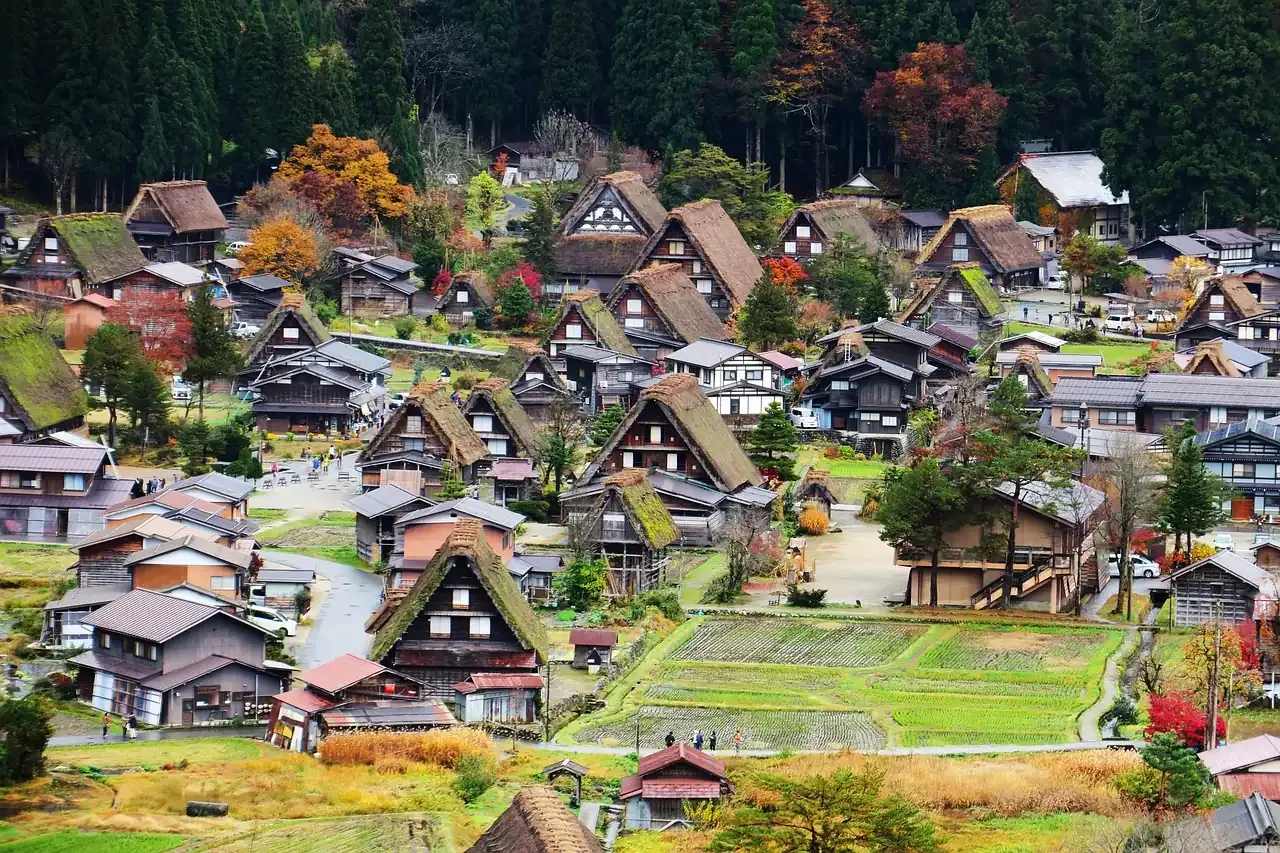
Shirakawa-go
A mountain village of steep thatched gassho farmhouses in the Shogawa valley, UNESCO listed with Gokayama and at its most photographed under winter snow.
Location: Shirakawa, Gifu Prefecture, Japan
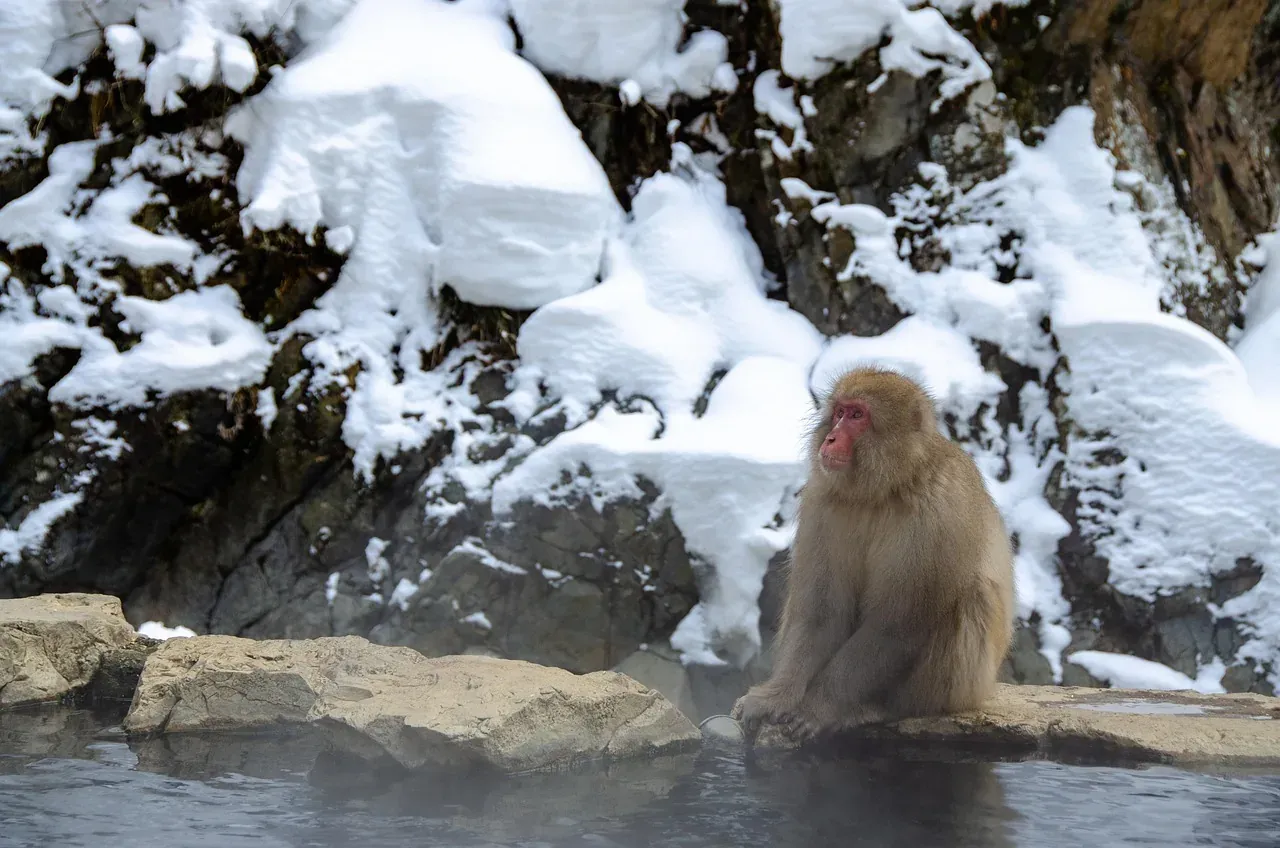
Jigokudani Monkey Park
Wild Japanese macaques soak in a hot spring pool in a steaming valley, reached by a two kilometre forest path and busiest in deep winter.
Location: Yamanouchi, Nagano Prefecture, Japan
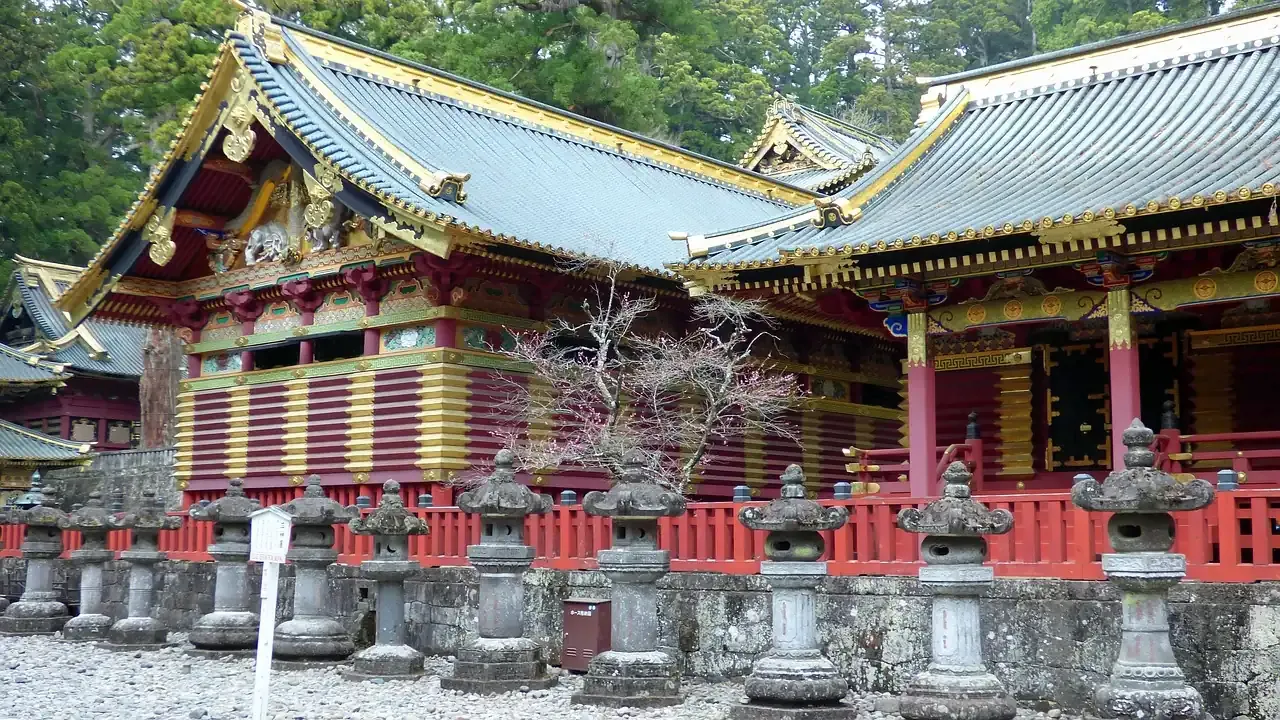
Nikko Toshogu Shrine
The carved and gilded shrine of the first Tokugawa shogun, set among cedars in the mountains north of Tokyo and part of a UNESCO site.
Location: Nikko, Tochigi Prefecture, Japan
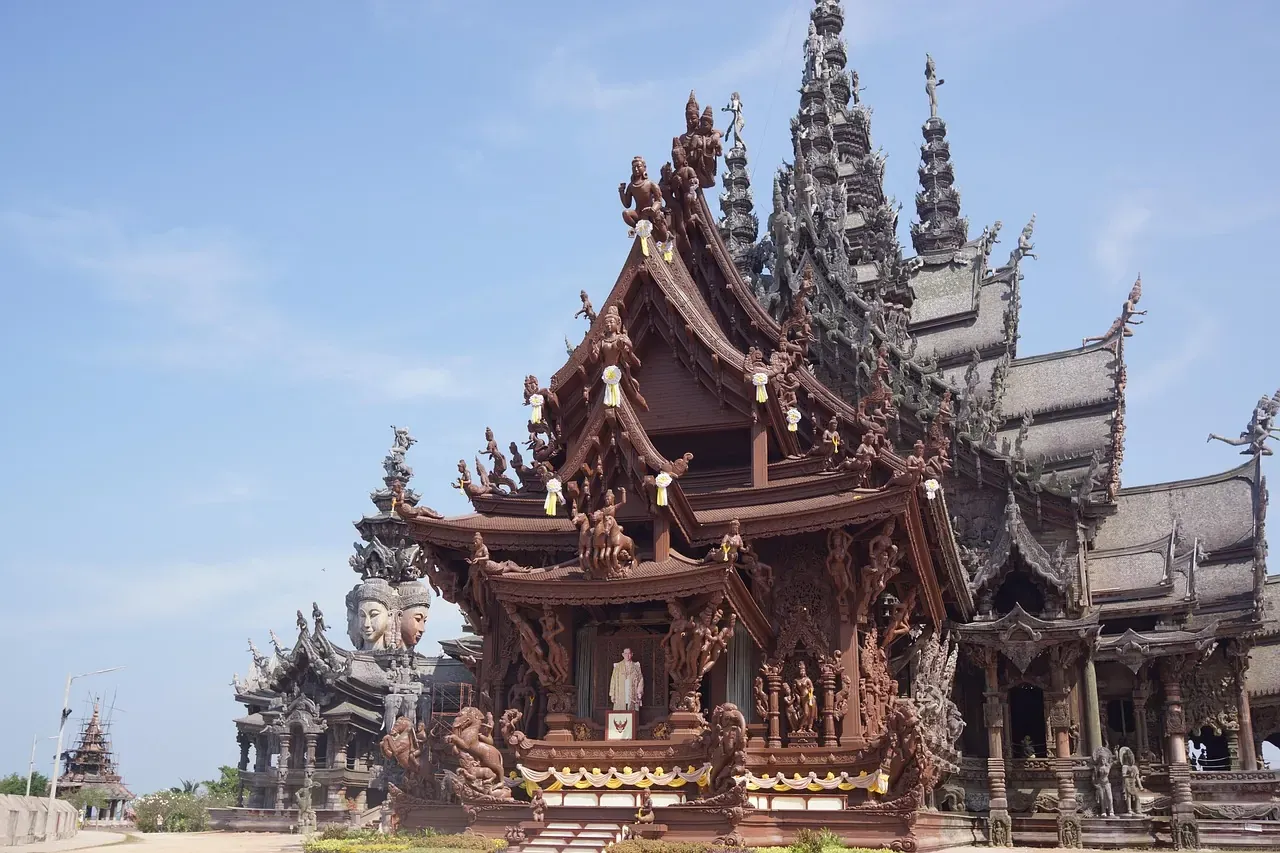
Sanctuary of Truth
A vast temple-like museum carved entirely from wood on the Pattaya coast, under construction since 1981 and toured in hard hats.
Location: Pattaya, Chonburi Province, Thailand
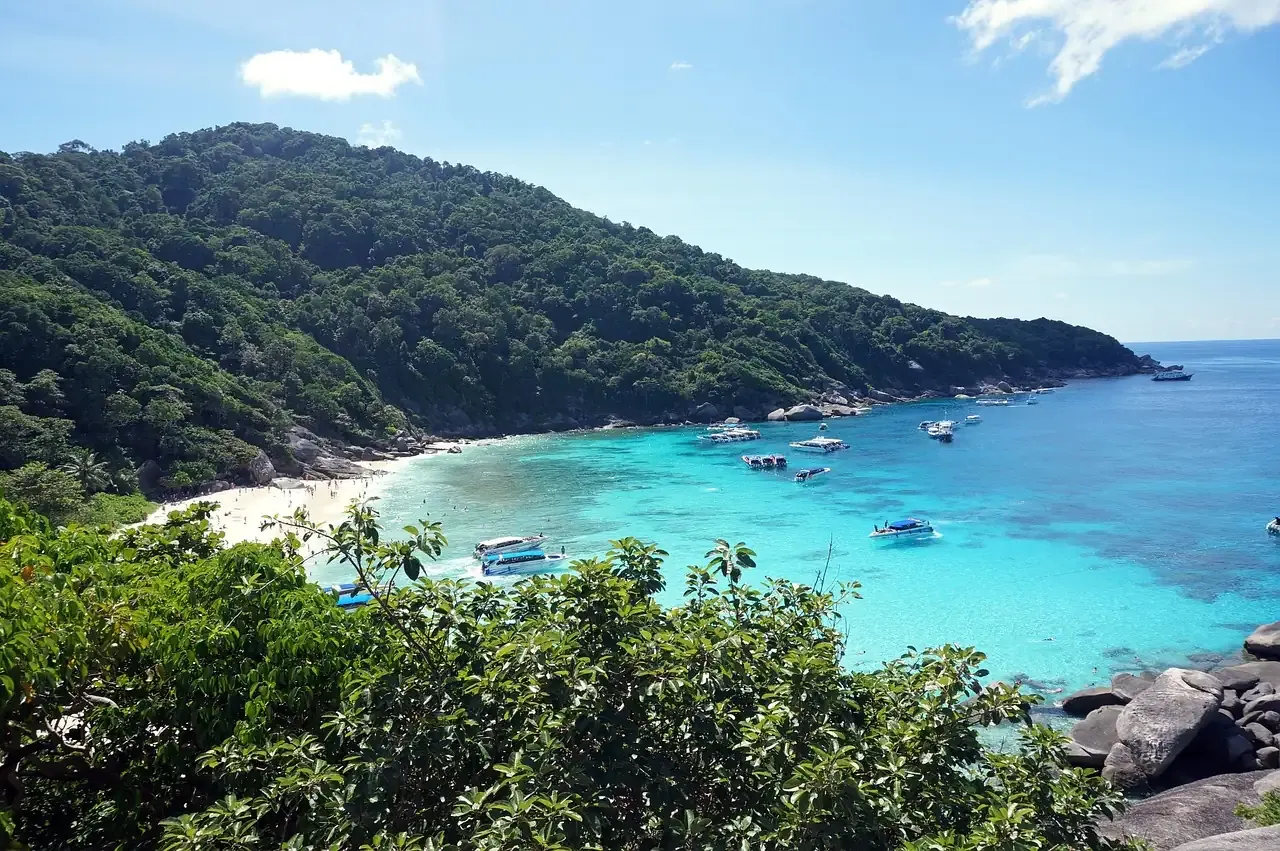
Similan Islands
Granite boulders, white sand and some of the clearest water in Thailand, a marine national park off Phang Nga open in the dry season.
Location: Phang Nga Province, Thailand
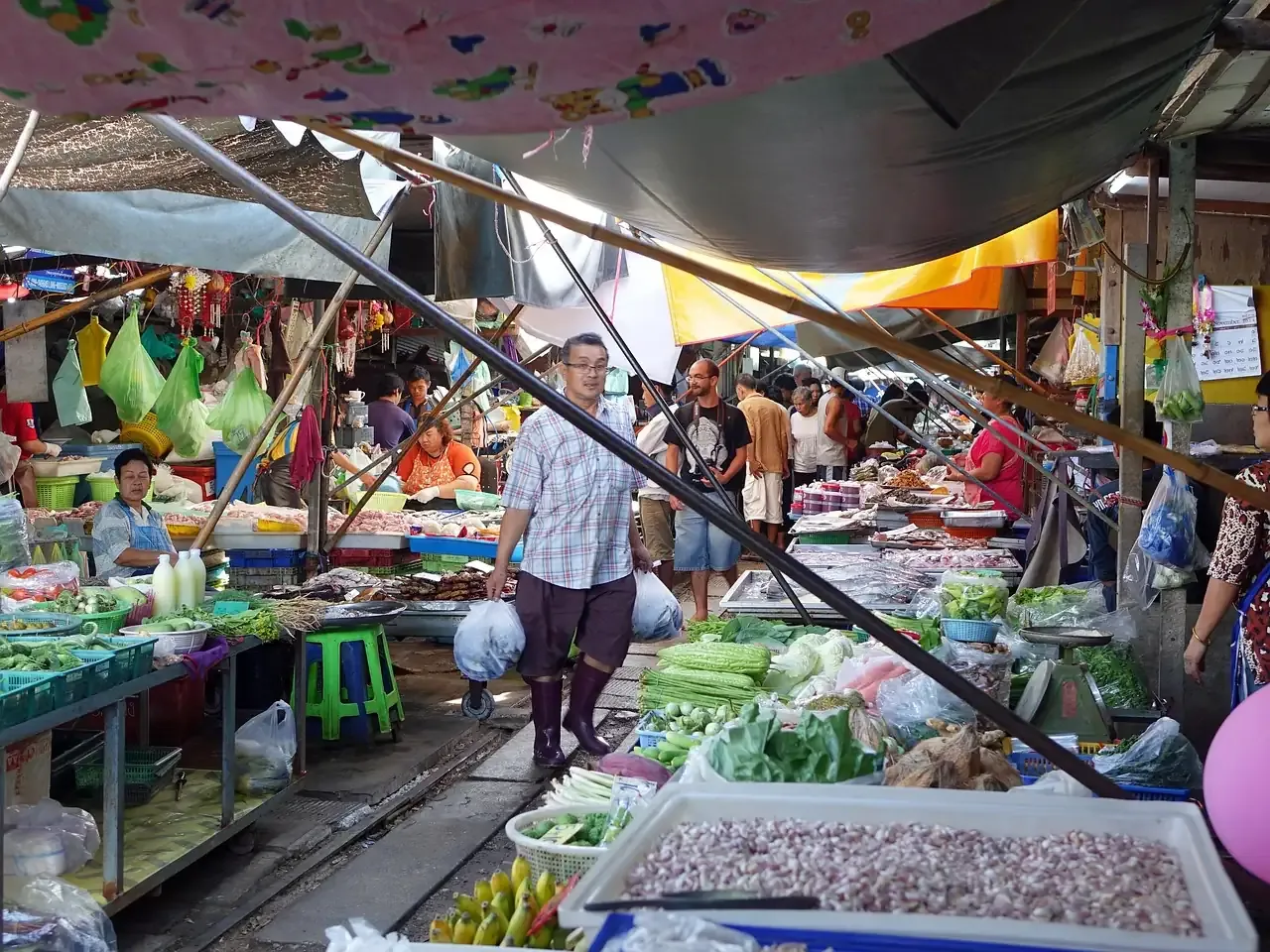
Maeklong Railway Market
A fresh market laid out on live railway tracks, where awnings fold back several times a day as the train from Bangkok squeezes through.
Location: Samut Songkhram, Thailand
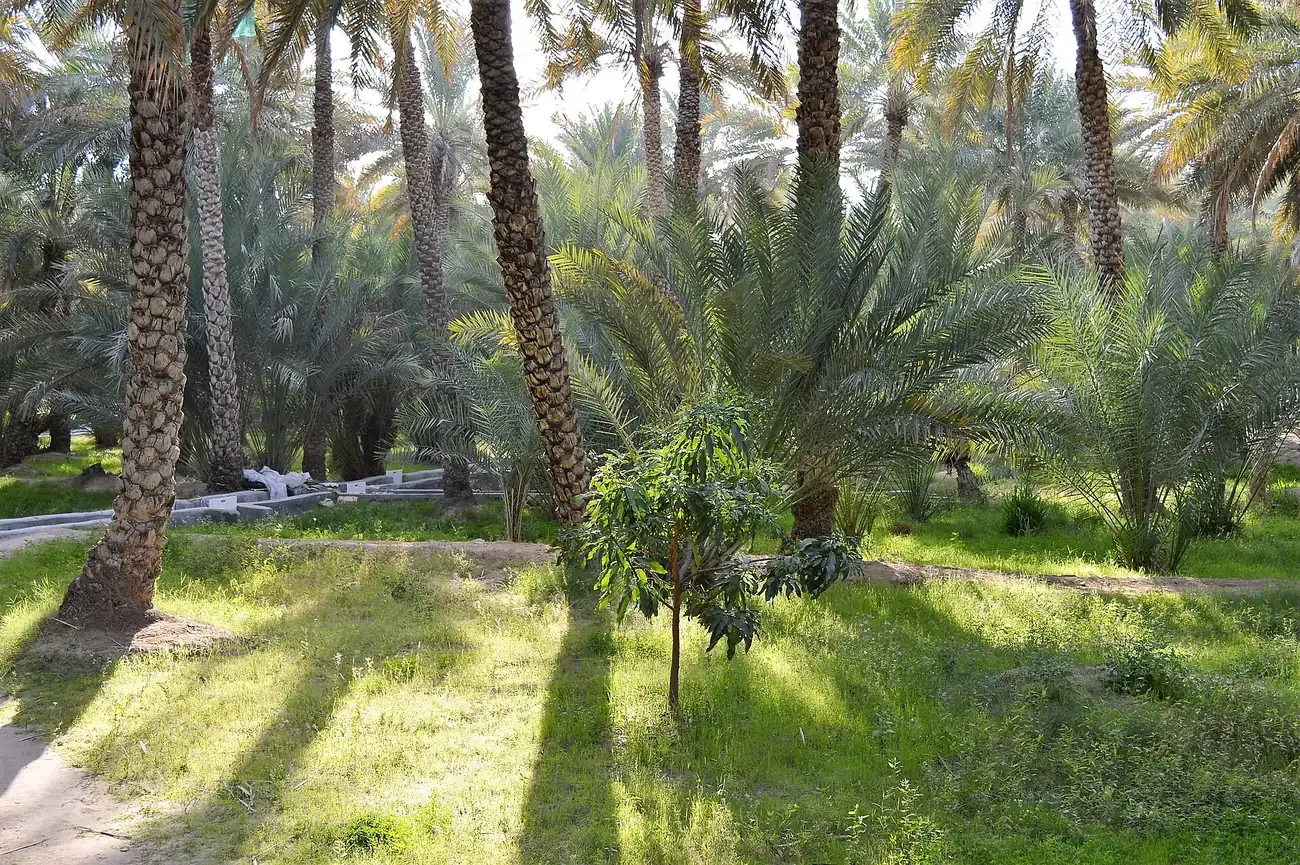
Al Ain Oasis
Date palm groves watered by falaj channels in the garden city of Al Ain, part of the first UNESCO World Heritage listing in the Emirates.
Location: Al Ain, Abu Dhabi emirate, United Arab Emirates
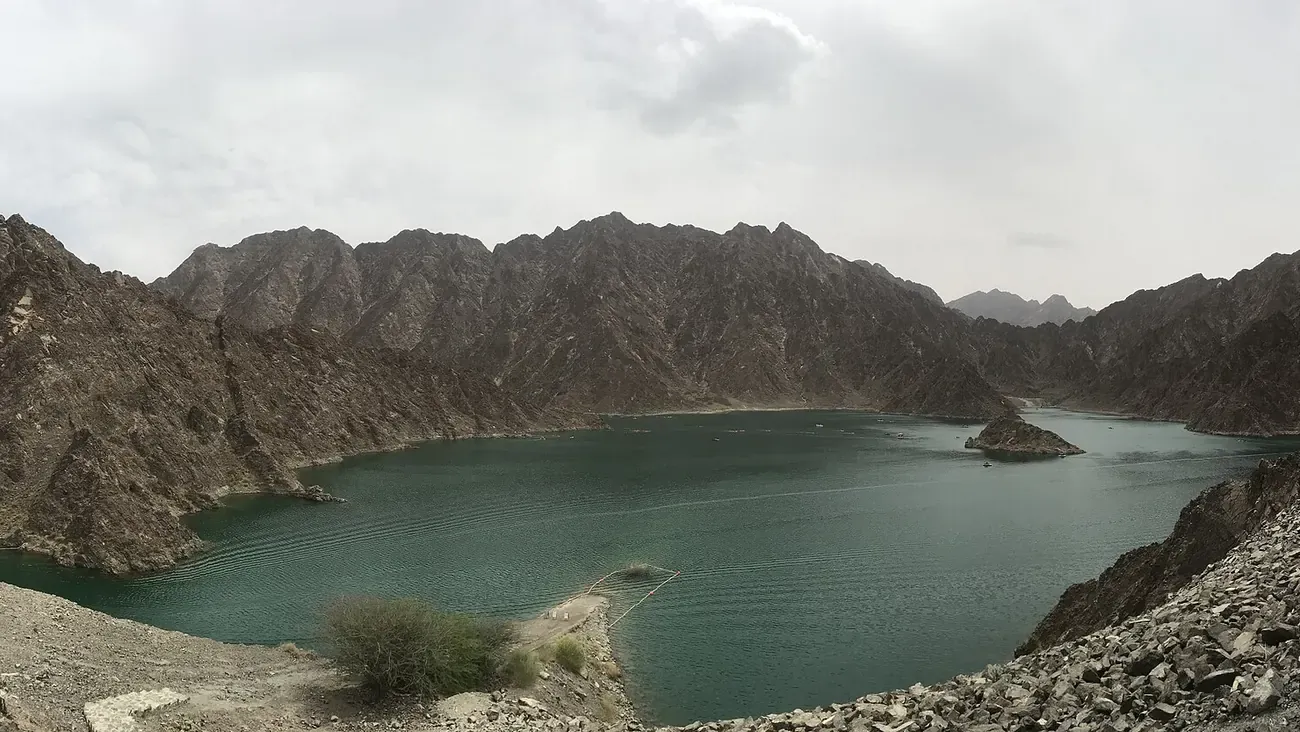
Hatta
A mountain exclave of Dubai in the Hajar range, with a dam reservoir for kayaking, a restored heritage village and cooler air than the coast.
Location: Hatta, Dubai emirate, United Arab Emirates
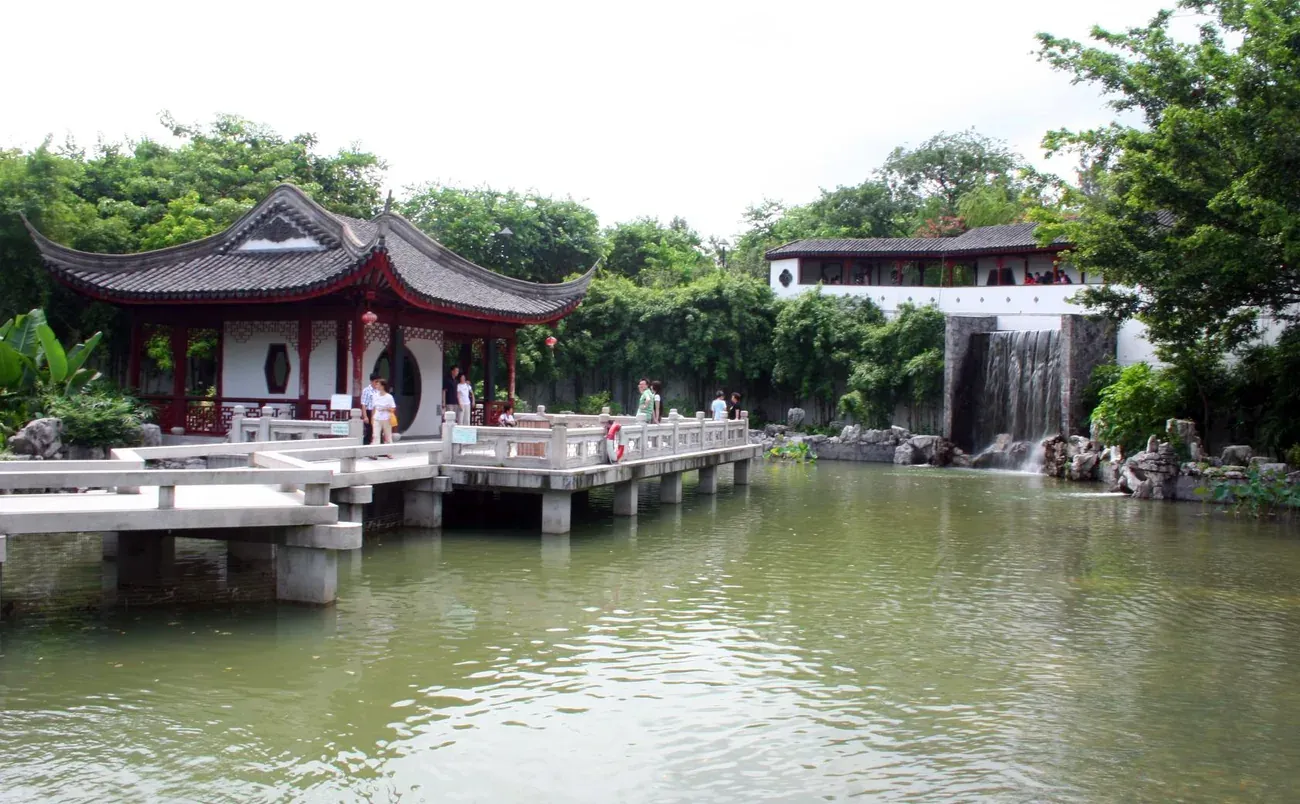
Kowloon Walled City Park
A Qing-style garden laid out on the site of the notorious walled enclave demolished in the 1990s, keeping its old yamen building and cannon.
Location: Kowloon City, Hong Kong
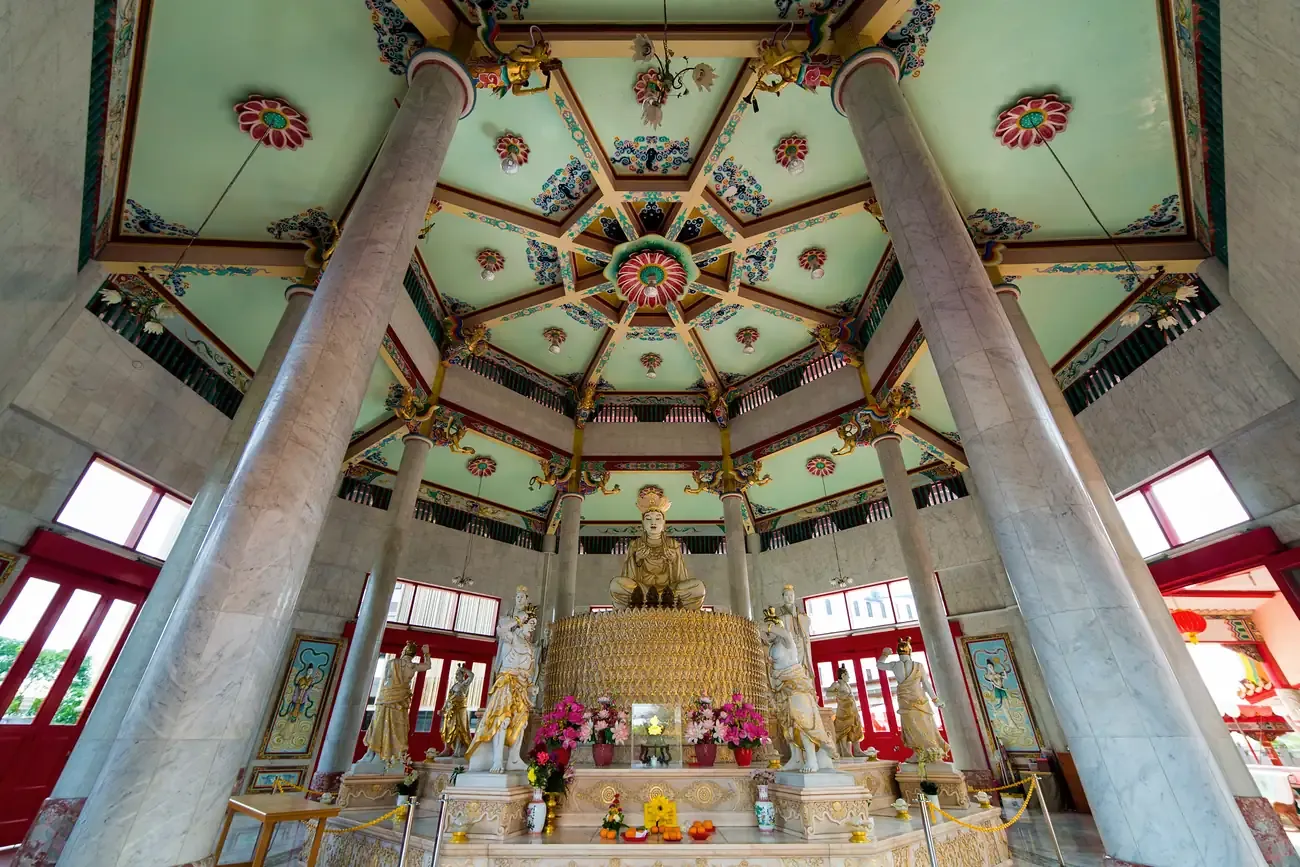
Kong Meng San Phor Kark See Monastery
The largest Buddhist monastery in Singapore, founded in 1921 in Bishan, with ornate halls and quiet grounds far from the Marina Bay crowds.
Location: Bishan, Singapore
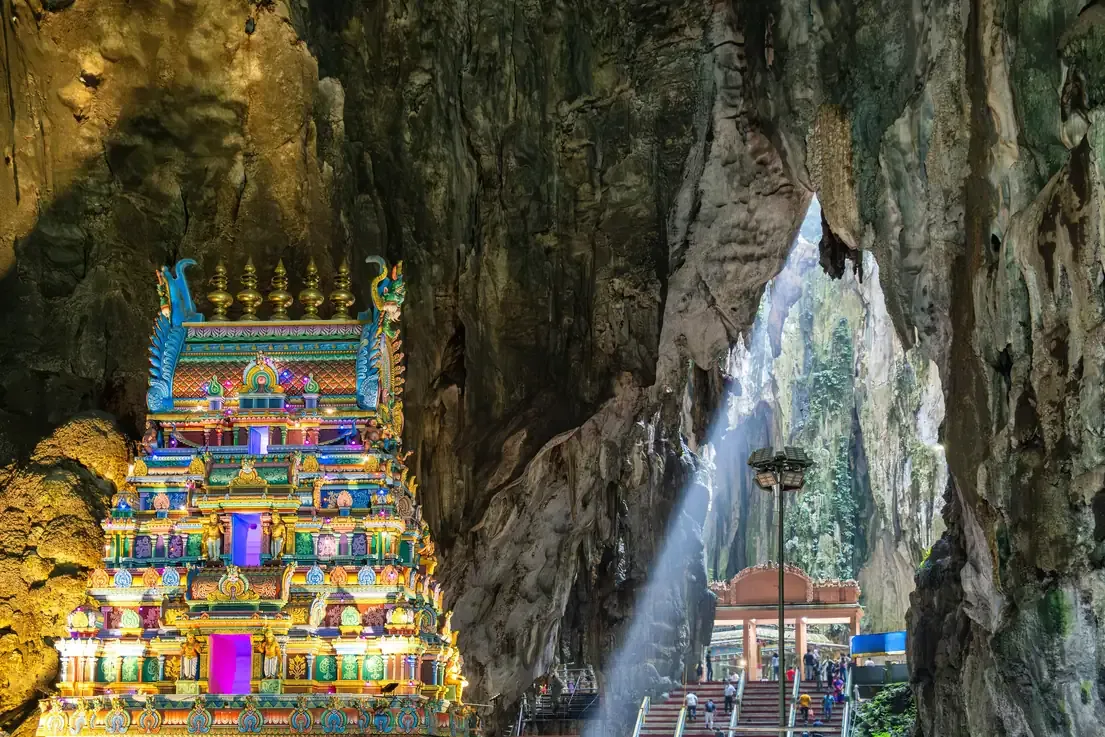
Batu Caves
Hindu shrines inside limestone caves north of Kuala Lumpur, reached by rainbow-painted steps beneath a 43 metre golden statue of Murugan.
Location: Gombak, Selangor, near Kuala Lumpur, Malaysia
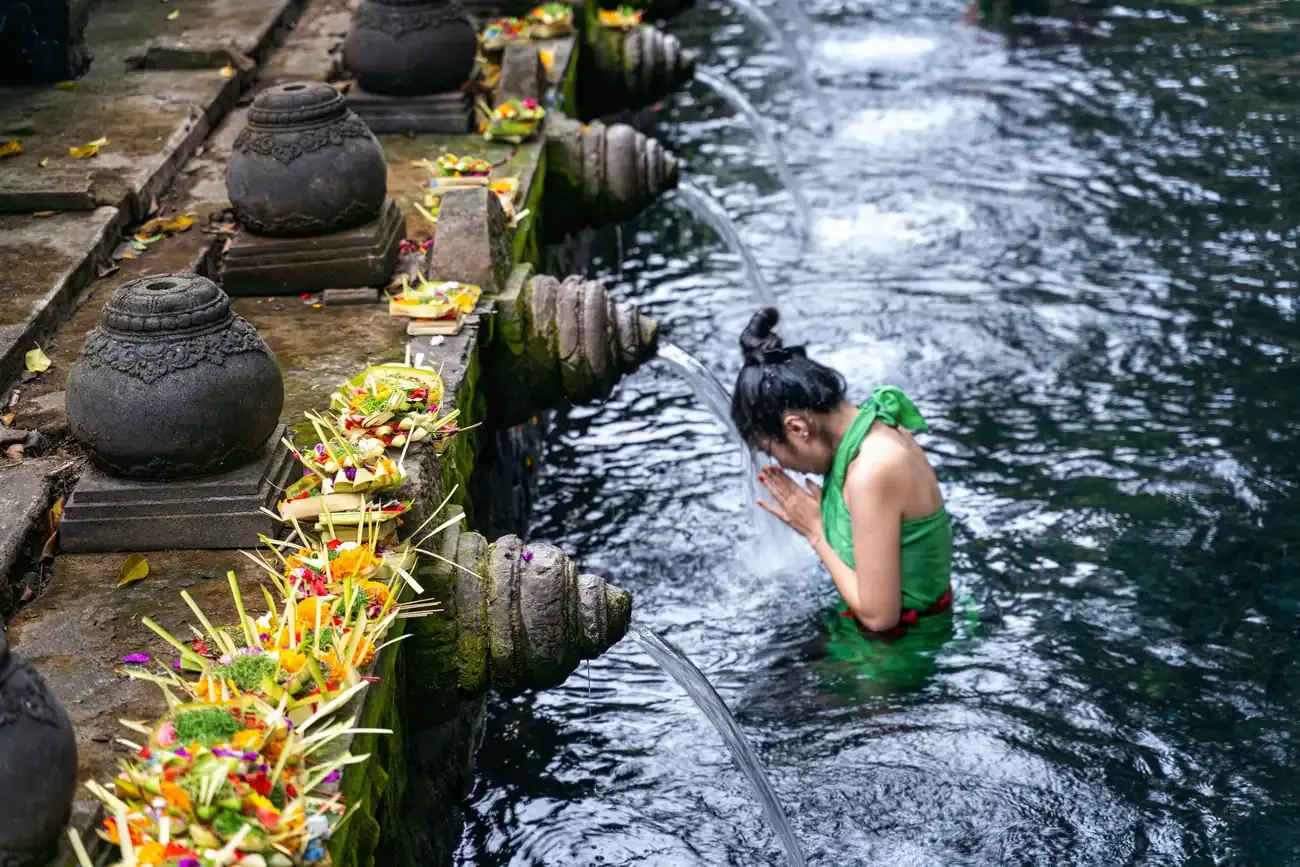
Tirta Empul
A Balinese Hindu water temple near Tampaksiring where worshippers queue to bathe under the spouts of a holy spring in a ritual of purification.
Location: Tampaksiring, Bali, Indonesia
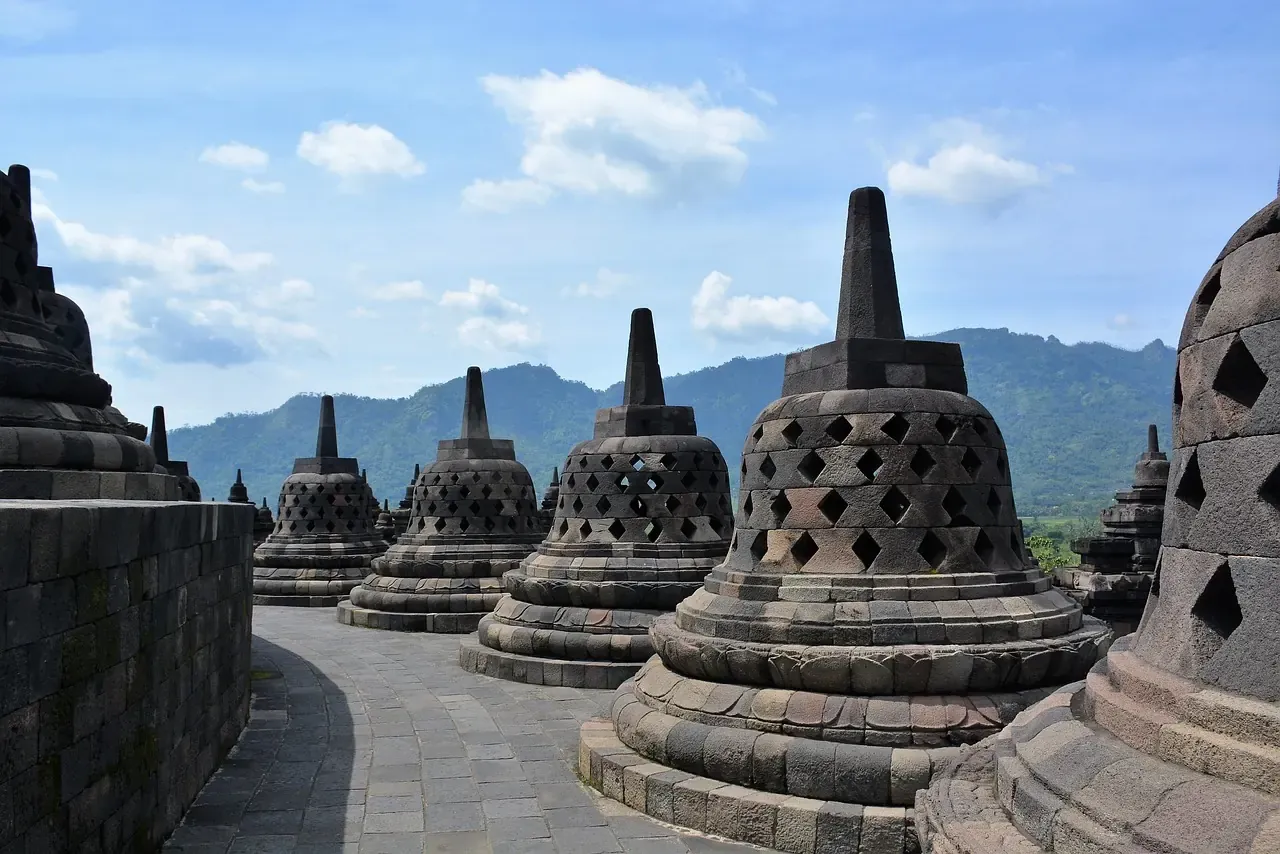
Borobudur
One of the greatest Buddhist monuments in the world, a ninth-century stepped pyramid of nine terraces, 2,672 relief panels and 72 perforated stupas.
Location: Magelang, Central Java, Indonesia
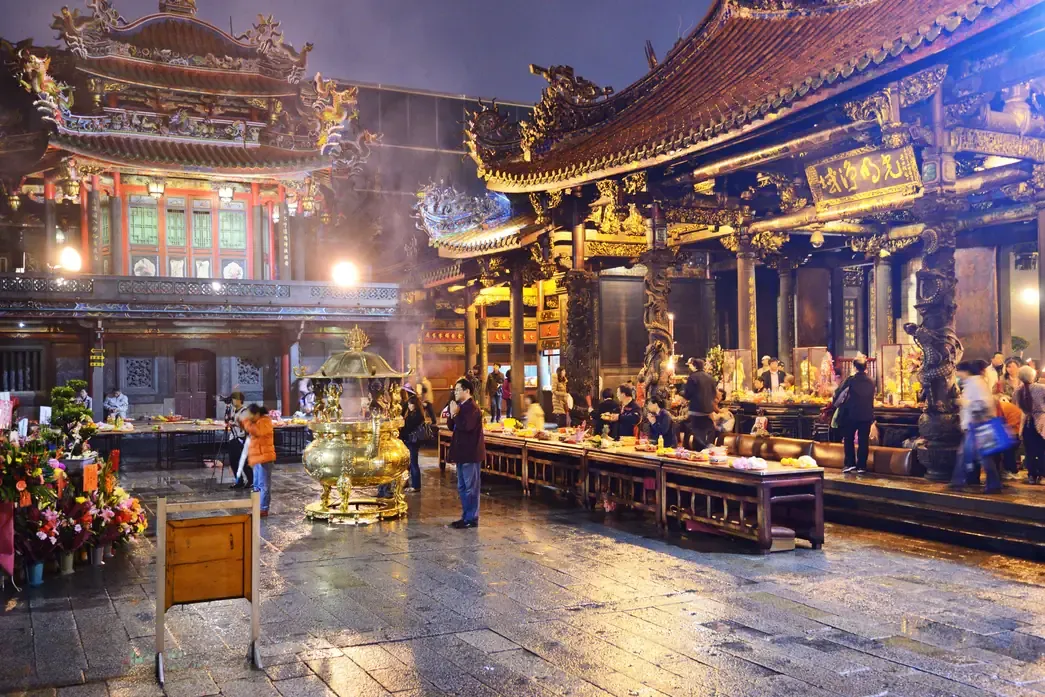
Longshan Temple
The busiest folk temple in Taipei, founded in 1738 by settlers from Fujian, where incense and chanting fill the courtyards from early morning.
Location: Wanhua district, Taipei, Taiwan
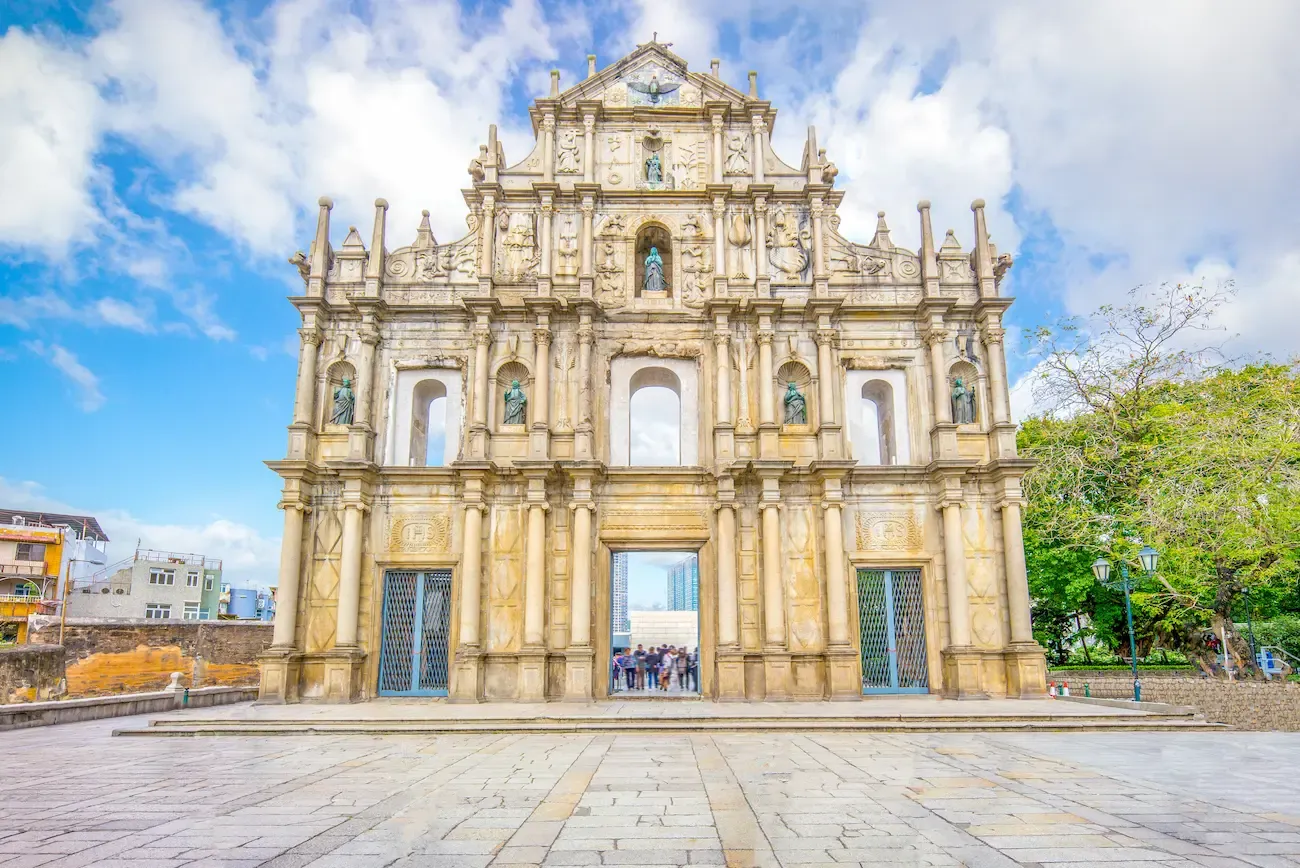
Ruins of St Paul's
The carved stone facade is all that survives of a seventeenth-century Jesuit church, the emblem of Macau and part of its UNESCO-listed historic centre.
Location: Santo António, Macau
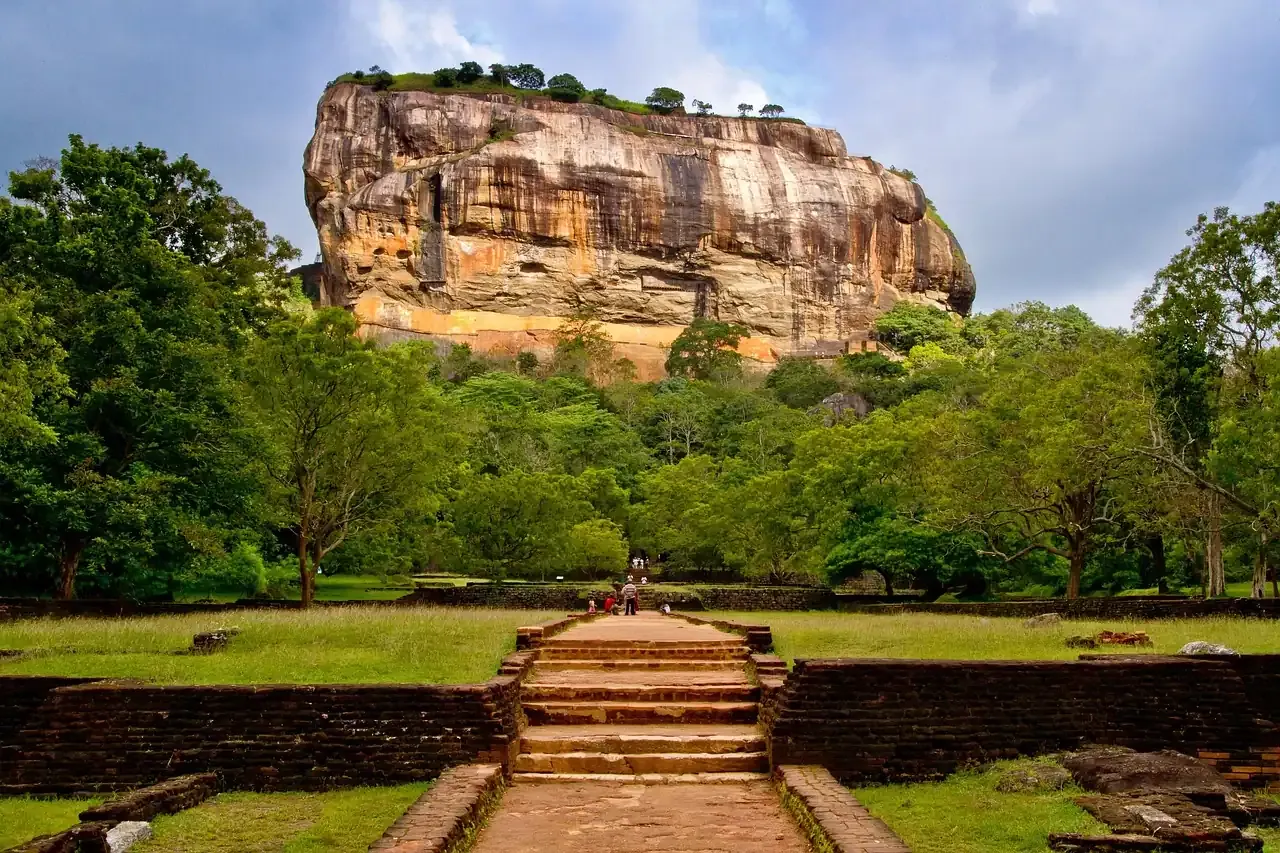
Sigiriya
A fifth-century royal citadel on a 180 metre granite rock in central Sri Lanka, climbed past frescoes and a gateway shaped like a lion's paws.
Location: Matale district, Central Province, Sri Lanka
Asian food not to miss
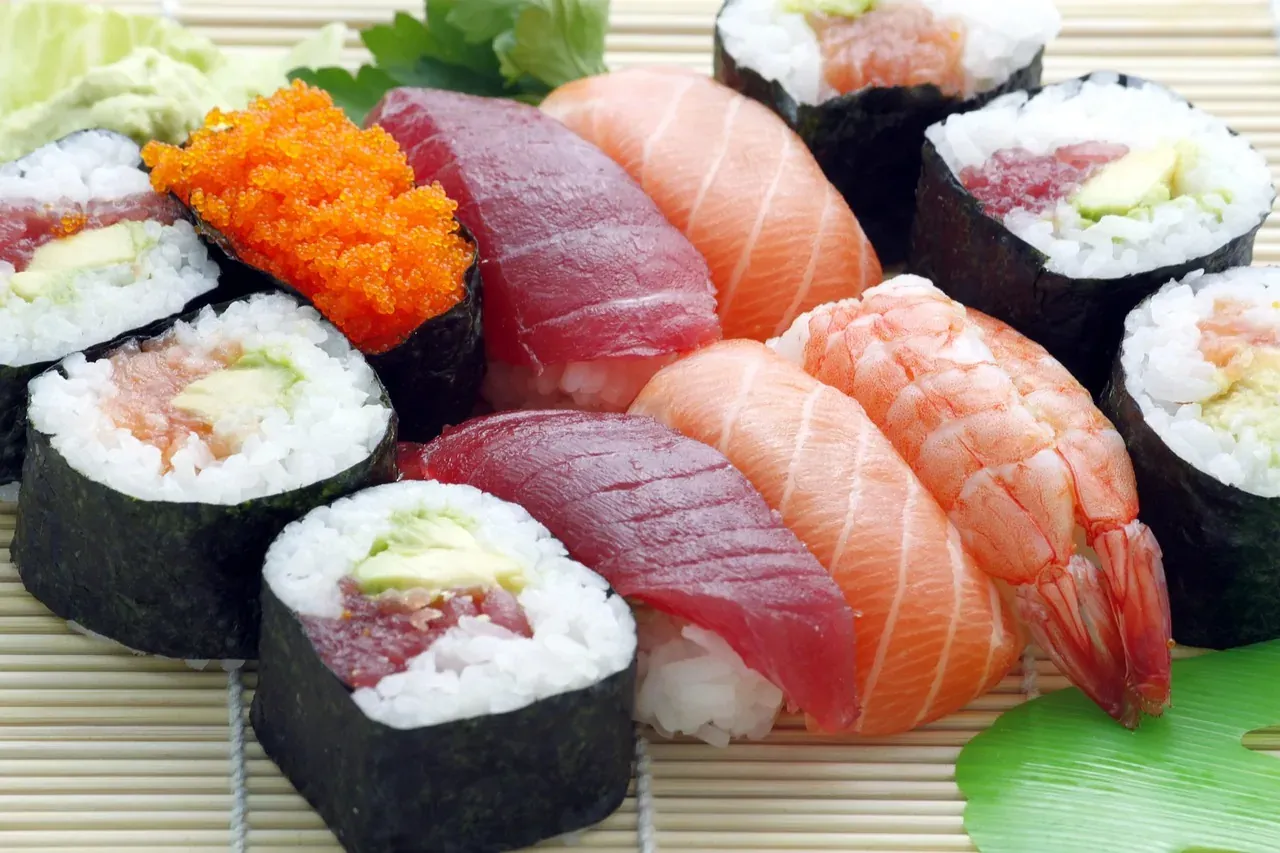
Sushi
Vinegared rice pressed by hand and topped with raw or cooked seafood, refined in Edo-period Tokyo into the nigiri eaten across Japan today.
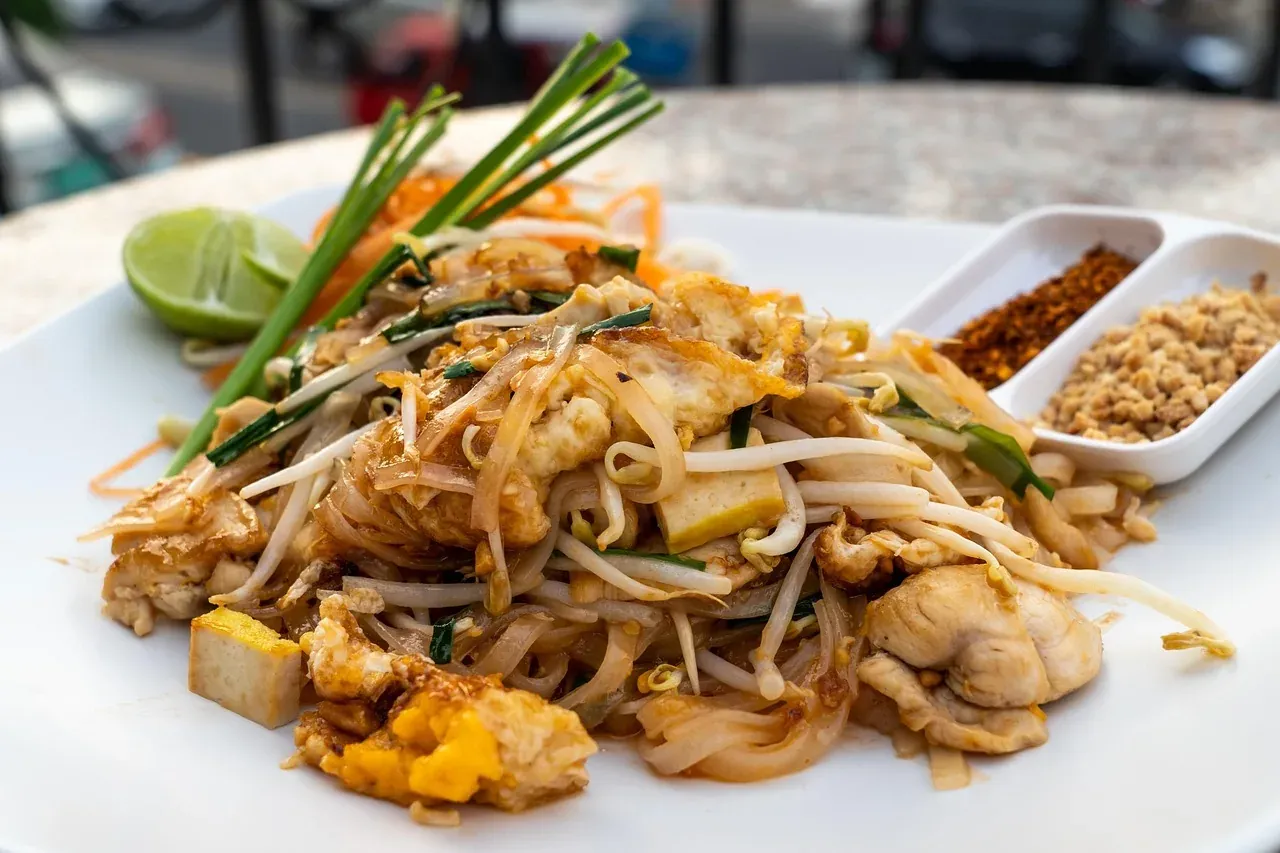
Pad thai
Rice noodles stir-fried in a wok with shrimp, egg, bean sprouts, peanuts and tamarind, the street food most visitors to Thailand try first.
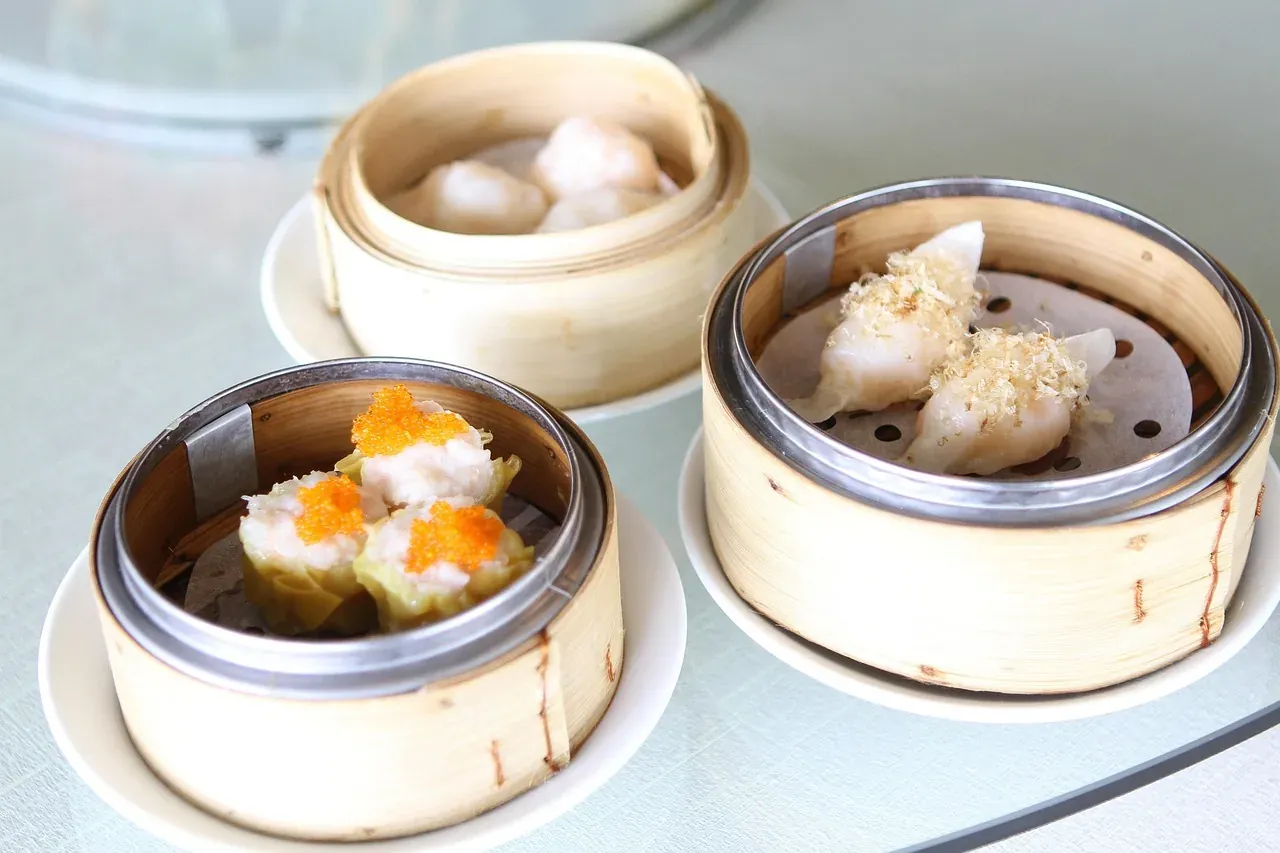
Dim sum
Small steamed and fried dishes served with tea for a Cantonese brunch, from har gow shrimp dumplings to siu mai, at their most elaborate in Hong Kong.
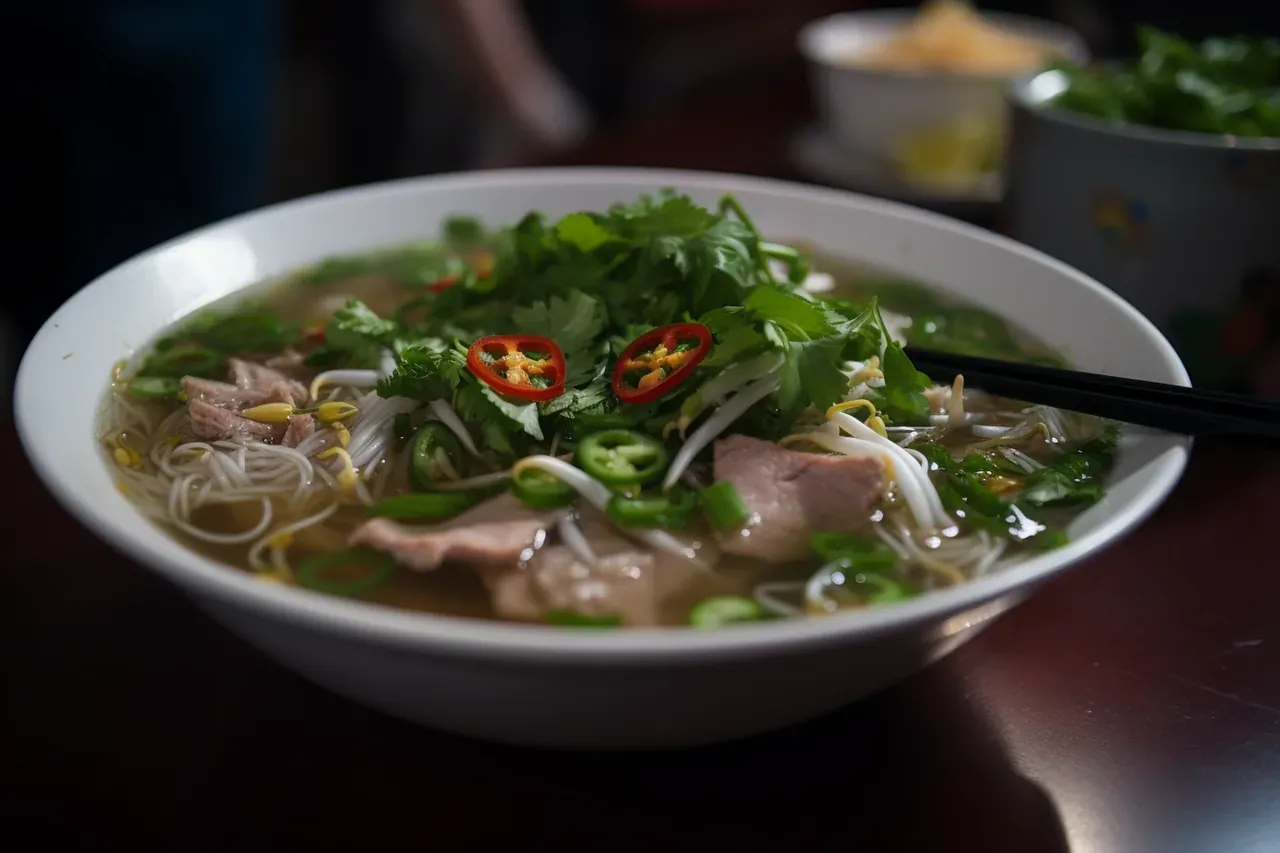
Pho
The noodle soup of Vietnam, a clear beef or chicken broth over flat rice noodles with fresh herbs, eaten from breakfast onwards from Hanoi to Ho Chi Minh City.
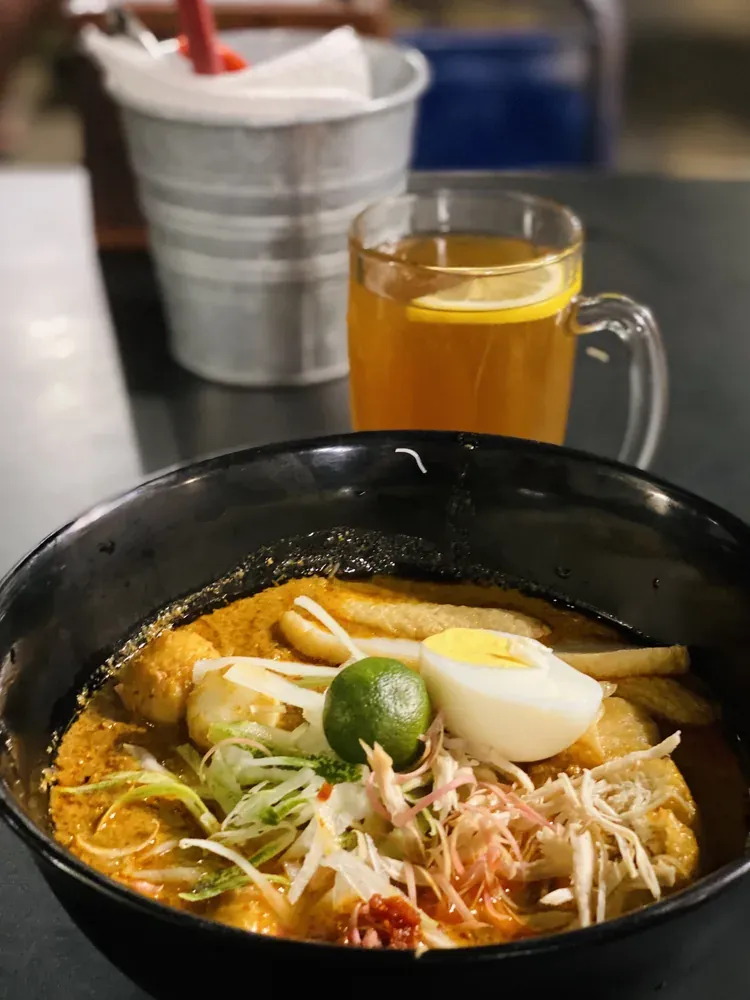
Laksa
Thick rice noodles in a spicy coconut or sour tamarind broth with prawns or chicken, a Peranakan dish found across Malaysia and Singapore.
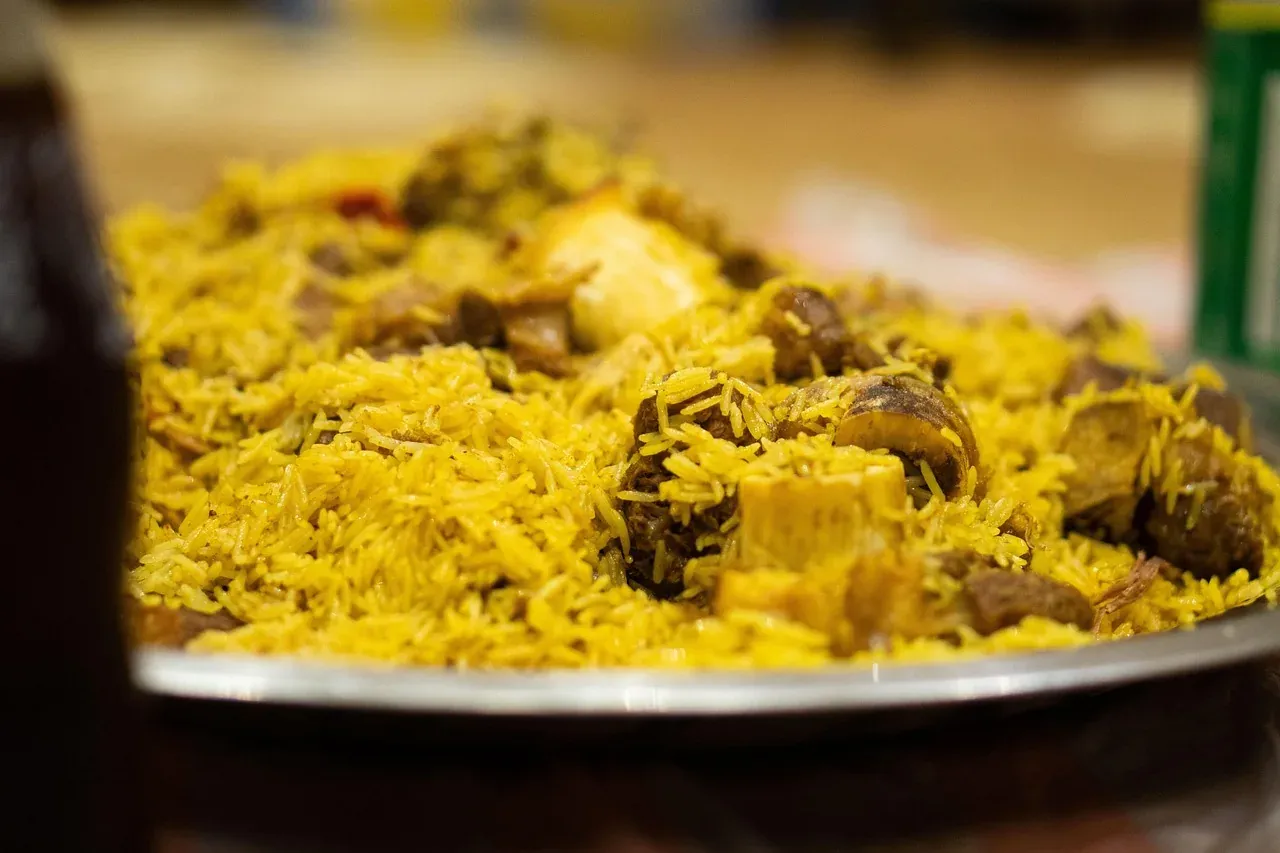
Machboos
Spiced rice cooked with meat, dried lime and onions, the festive dish of the whole Gulf, served in the United Arab Emirates as machboos.
Other cities or countries to keep in mind
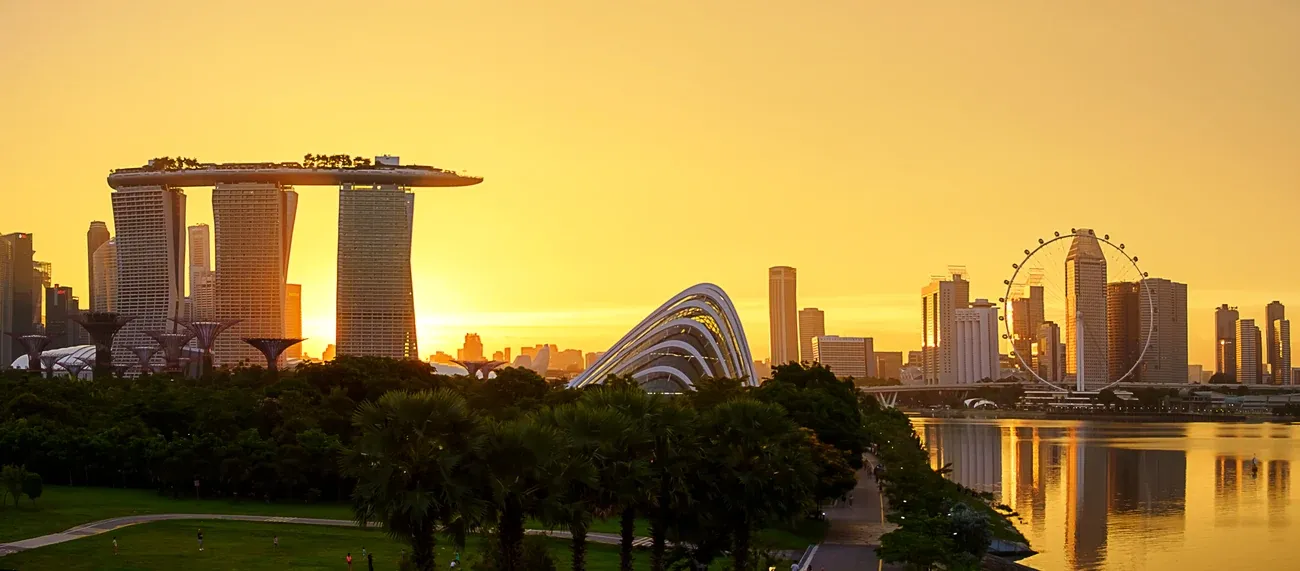
Singapore
Tourist attractions in Singapore run from the Supertrees of Gardens by the Bay to hawker centres and the Marina Bay skyline.
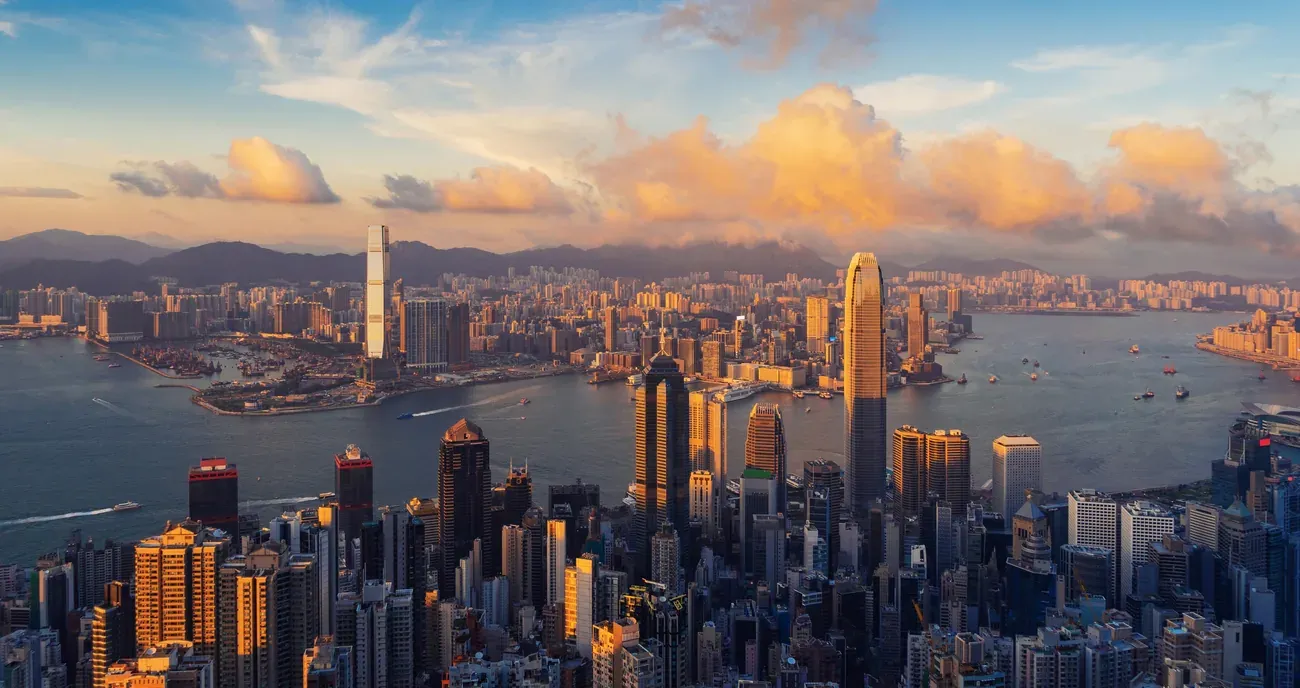
Hong Kong
The best of Hong Kong's tourist attractions starts with the Victoria Harbour skyline, the Peak Tram and the Tian Tan Buddha on Lantau.
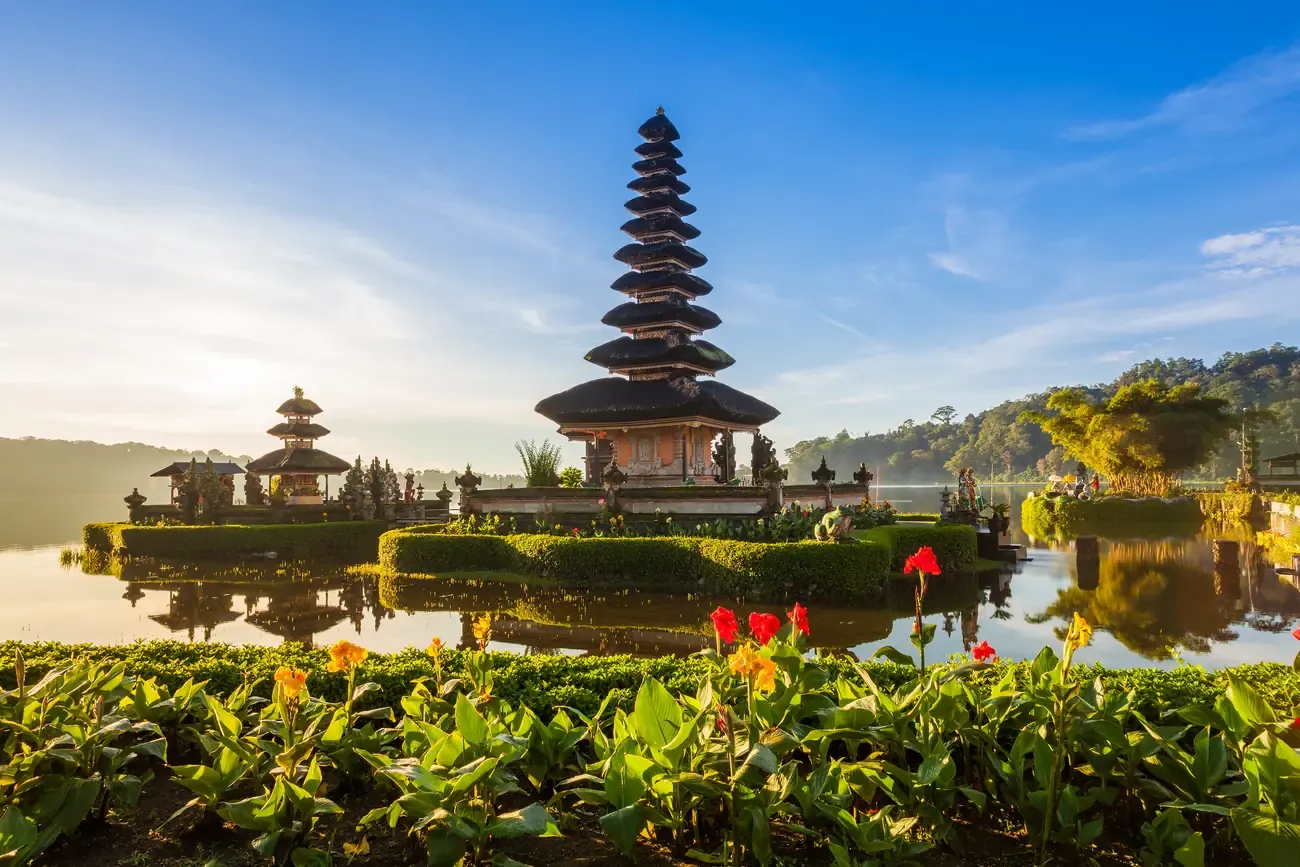
Bali
Bali's tourist attractions include the clifftop temple of Uluwatu, the rice terraces above Ubud and Tanah Lot at sunset.
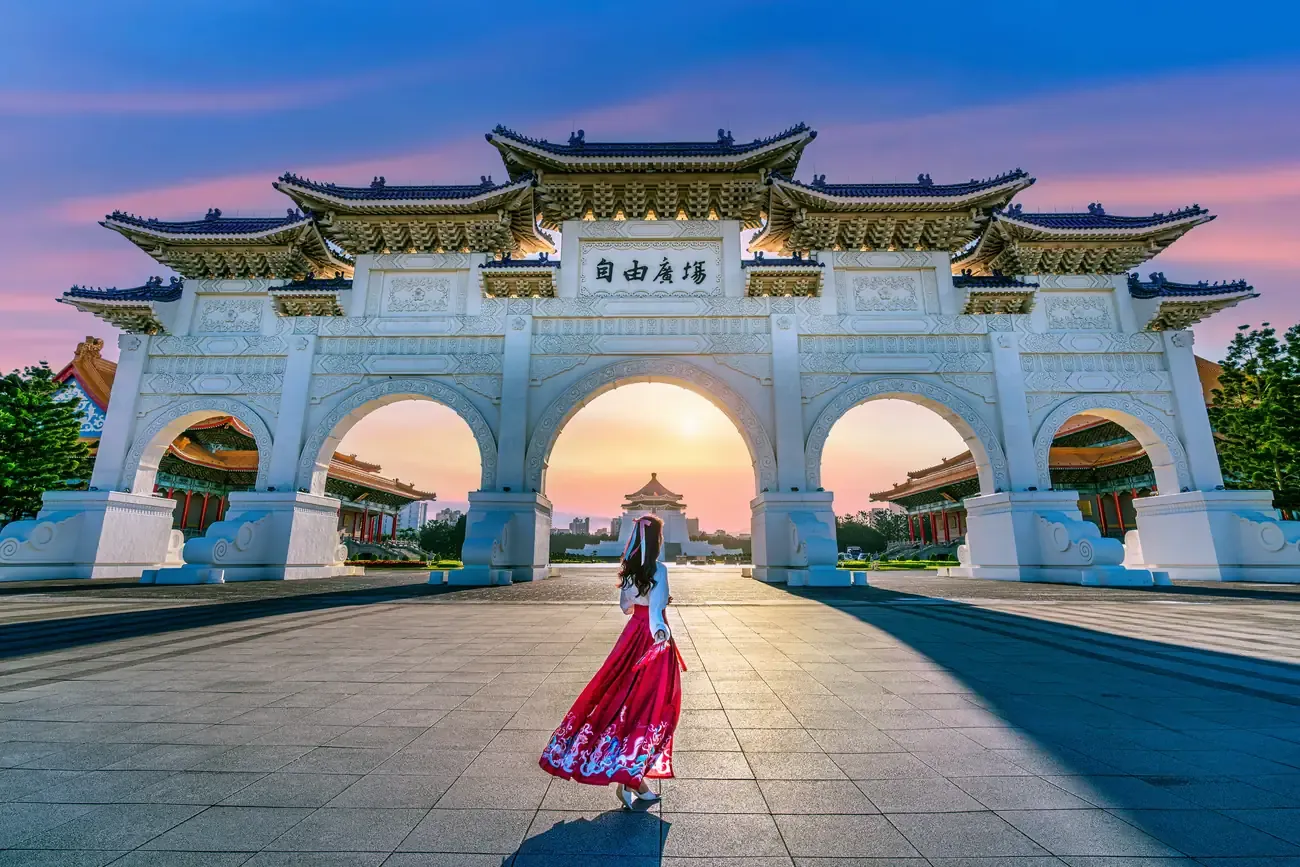
Taipei
Taipei's top tourist attractions pair Taipei 101 and the National Palace Museum with night markets and hot-spring hills.
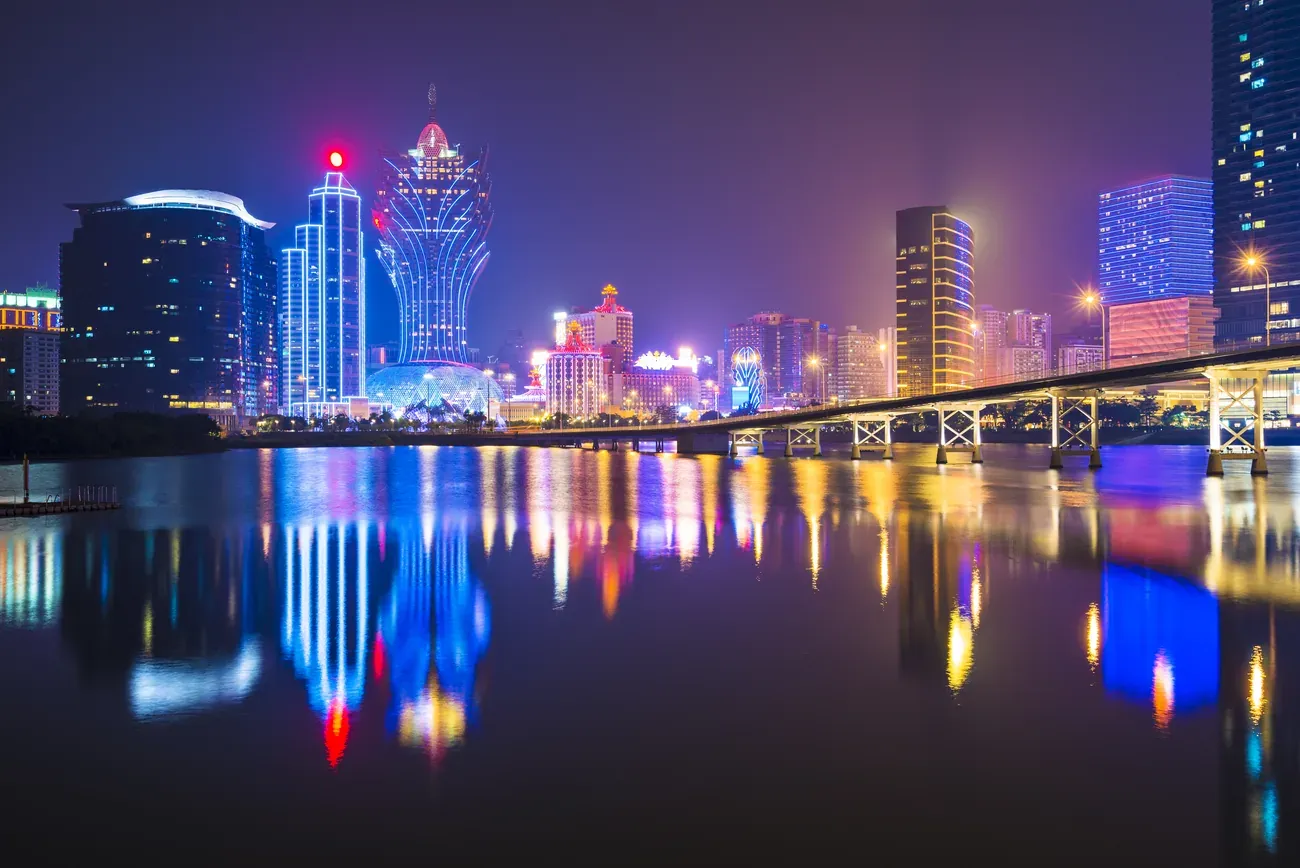
Macau
The best of Macau's tourist attractions mixes the Portuguese heritage of Senado Square with the casino resorts of the Cotai Strip.
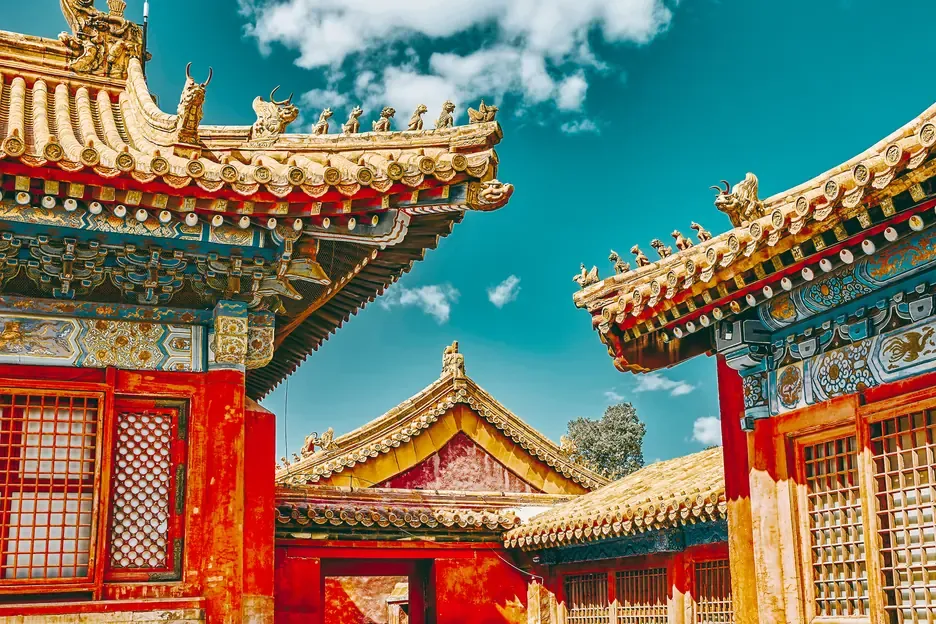
Beijing
China's capital holds the Forbidden City, Tiananmen Square and the Temple of Heaven, with the Great Wall at Badaling and Mutianyu a day trip away.
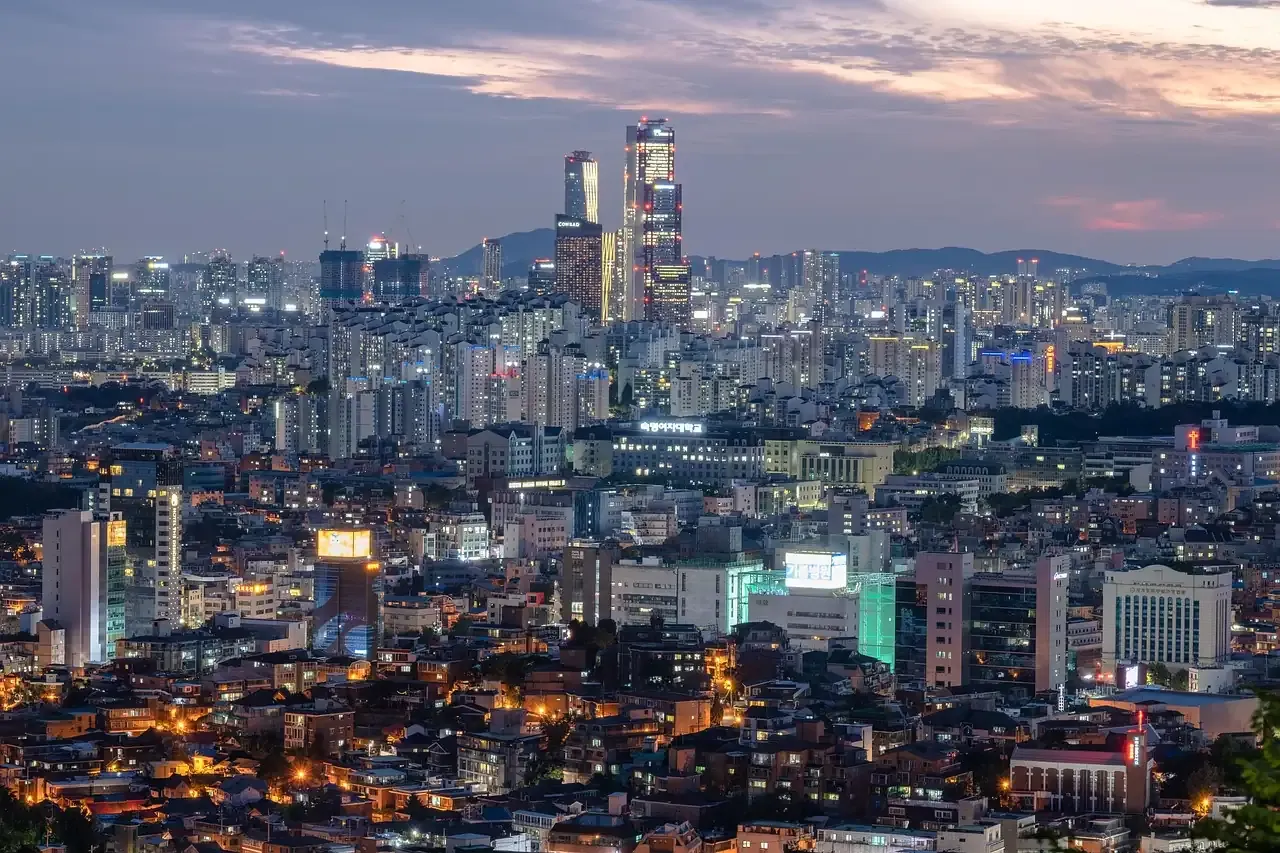
Seoul
South Korea's capital sets five Joseon palaces and the Bukchon hanok village against a skyline of towers, night markets and mountain trails.
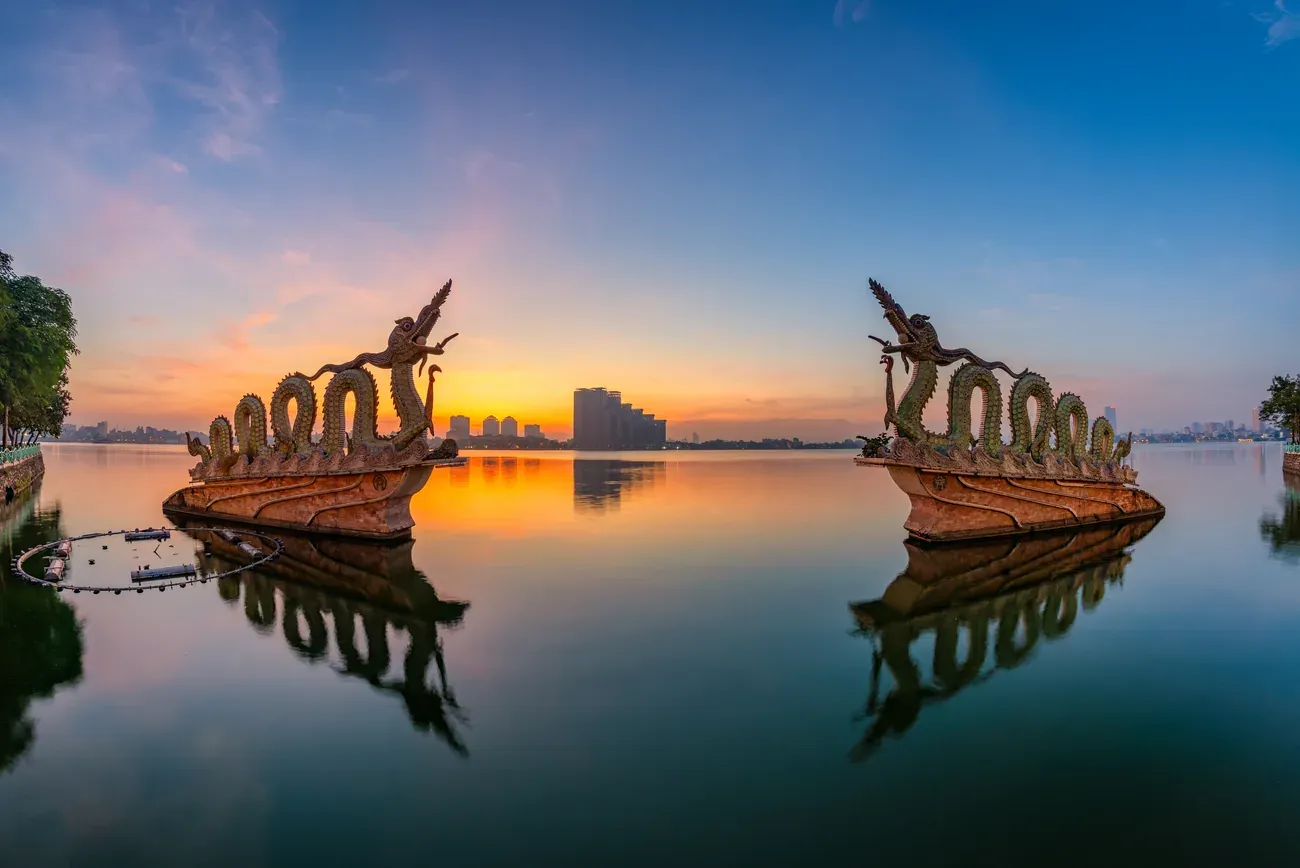
Hanoi
Vietnam's capital keeps a dense Old Quarter of street kitchens and French colonial boulevards around Hoan Kiem Lake, and is the gateway to Ha Long Bay.
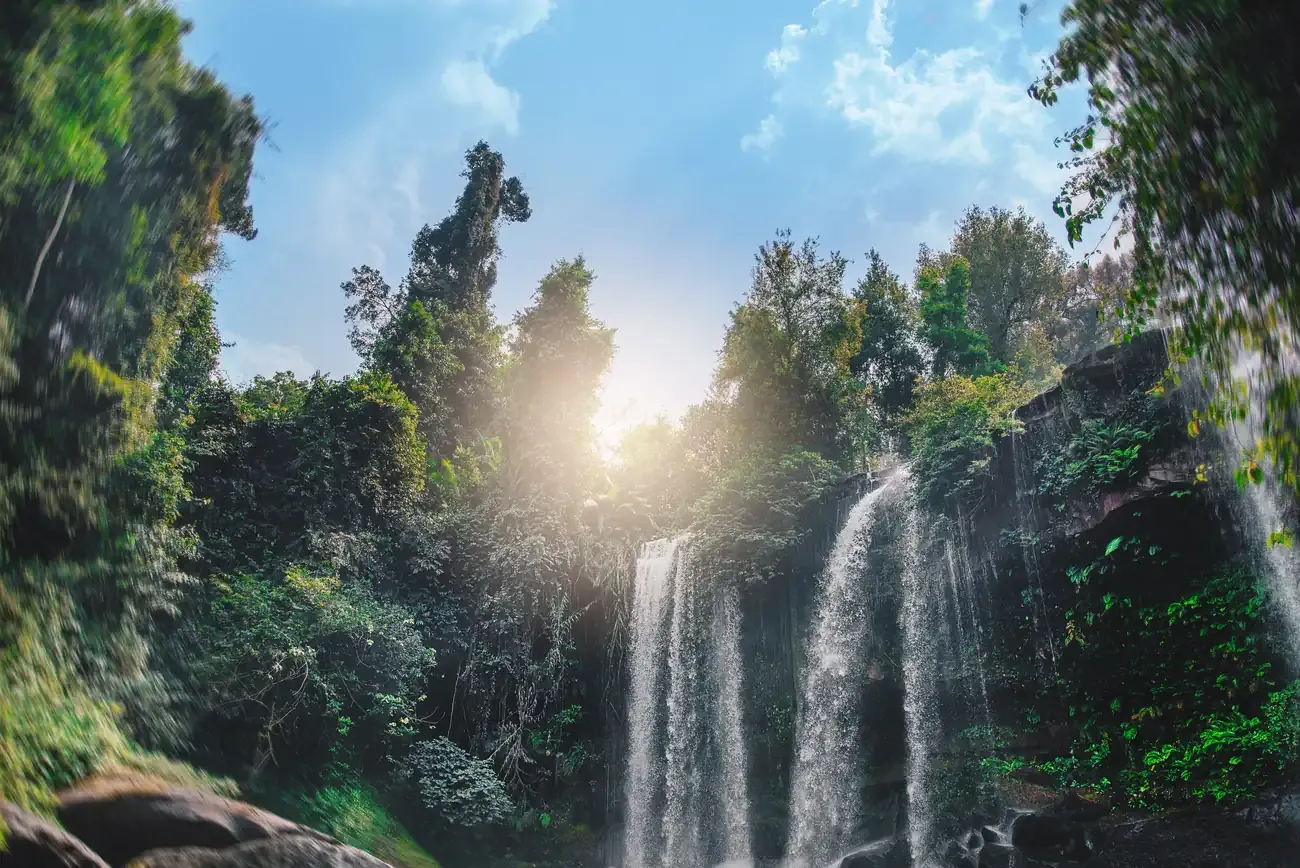
Siem Reap
The base town for the temples of Angkor, with a lively night market and the floating villages of the Tonle Sap lake a short drive away.
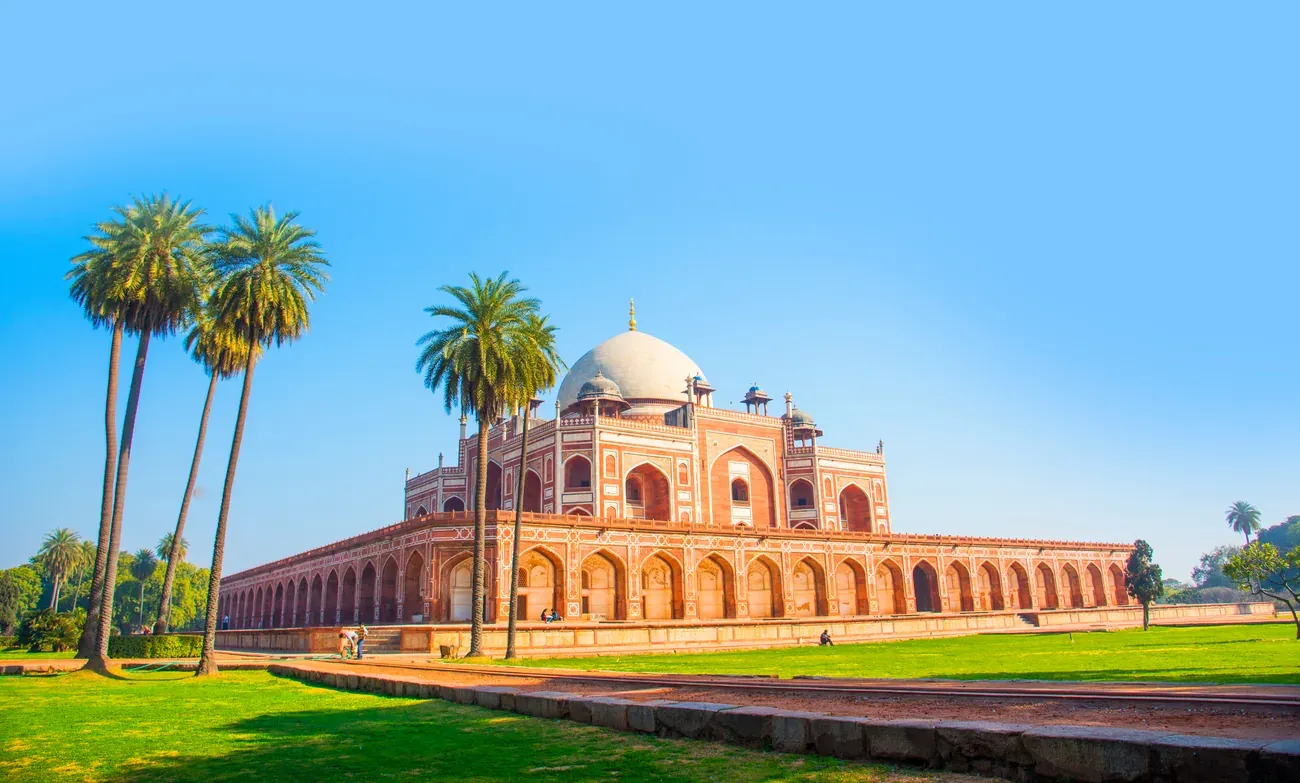
Delhi
India's capital layers the Mughal Red Fort and Jama Masjid over the avenues of New Delhi, and opens the Golden Triangle with Agra and Jaipur.
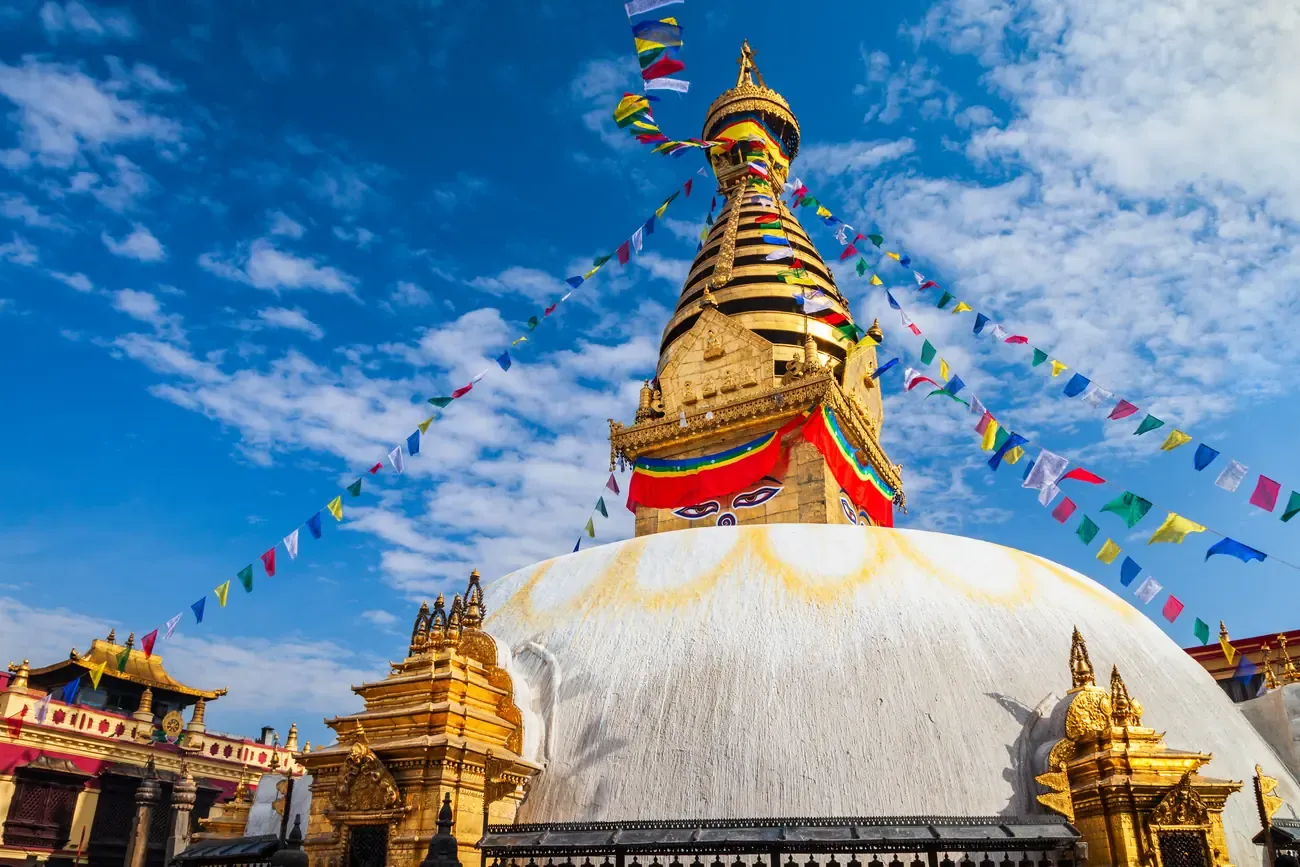
Kathmandu
Nepal's capital and the gateway to the Himalaya, with its Durbar Squares, the Boudhanath stupa and the Swayambhunath temple on its hill.