
Istanbul tourist attractions
Known for
Byzantine churches, Ottoman mosques and imperial palaces
Must-see landmarks
Hagia Sophia, the Blue Mosque and Topkapi Palace
Free to visit
Sultanahmet Square, Gulhane Park and Taksim Square
Days needed
Three to four full days for the historic peninsula and the Bosphorus
Tourist attractions in Istanbul not to miss
The tourist attractions in Istanbul that matter most, from Hagia Sophia to Blue Mosque and Basilica Cistern, are ranked here in order. After the 10 top sights come 29 hidden gems, free things to do, tickets and visitor FAQs. The 10 sights are numbered on the free Istanbul tourist map, with the hidden gems and a walking route.
1. Hagia Sophia
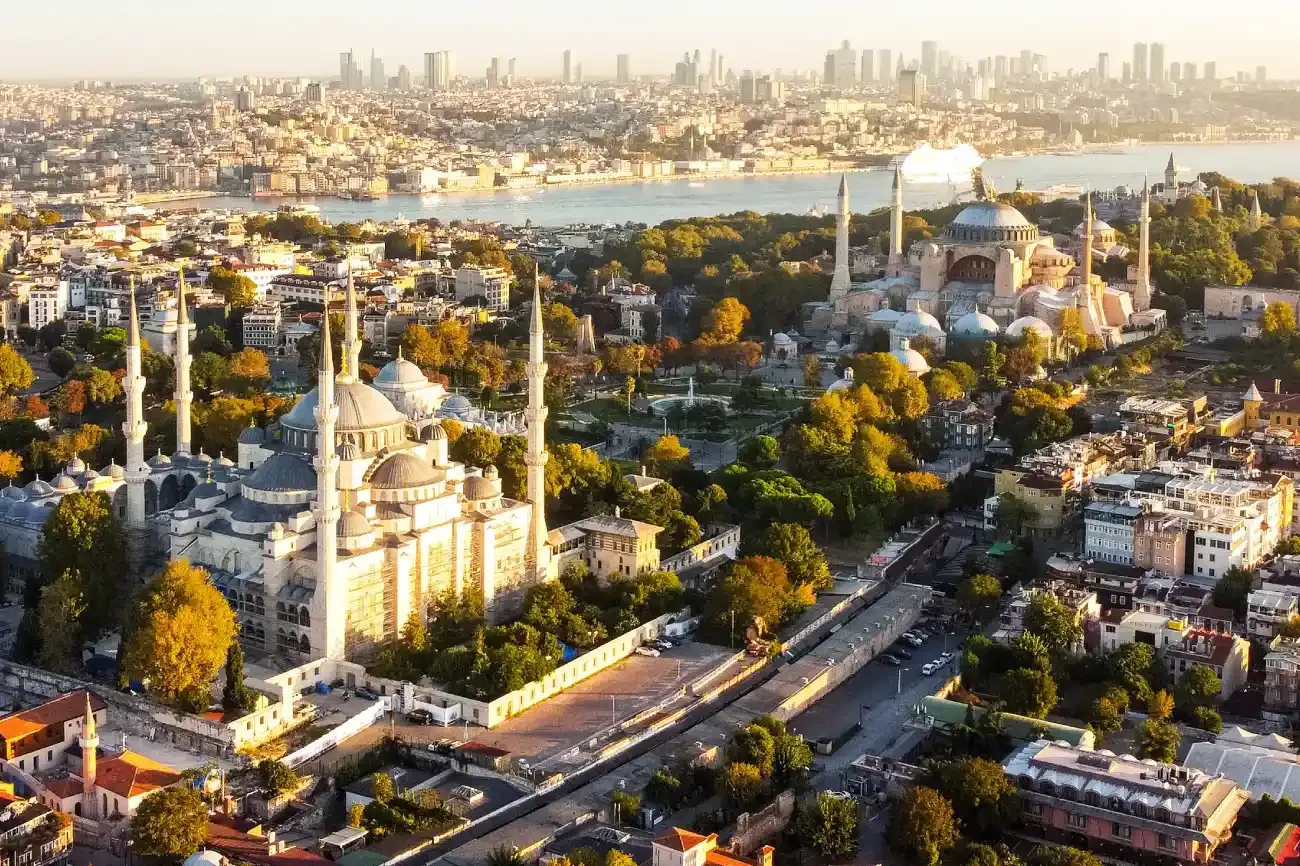
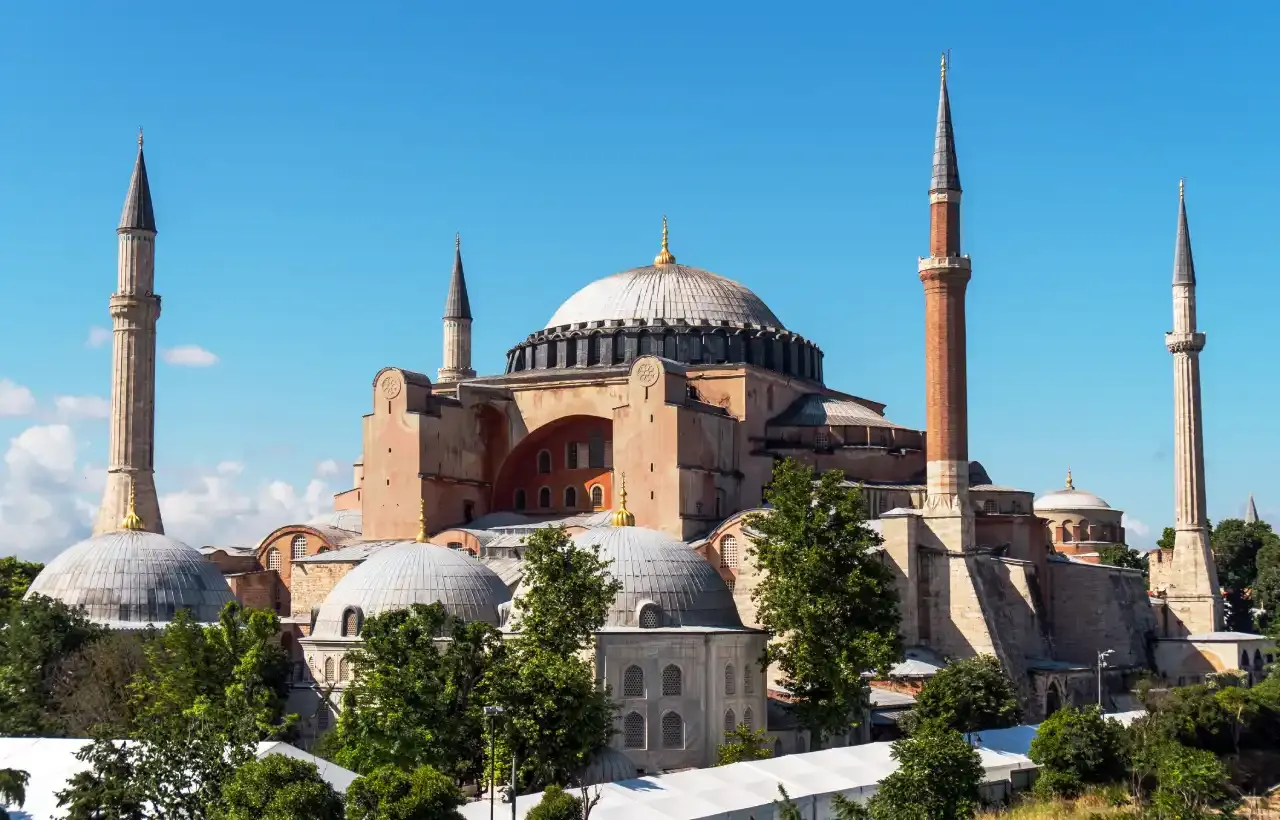
Justinian's domed basilica was finished in 537 and kept the largest interior in the Christian world for close to a thousand years. It became a mosque after the Ottoman conquest of 1453, served as a museum for most of the 20th century and returned to use as a mosque in 2020. Byzantine gold mosaics survive in the upper galleries and around the apse, with the great calligraphic roundels of the Ottoman centuries hanging below the dome.
Location: Sultanahmet, Fatih, on the east side of Sultanahmet Square
Access: Ticketed visitor route on the upper gallery, while the hall below stays in use for worship and modest dress is expected · Tickets and tours
2. Blue Mosque
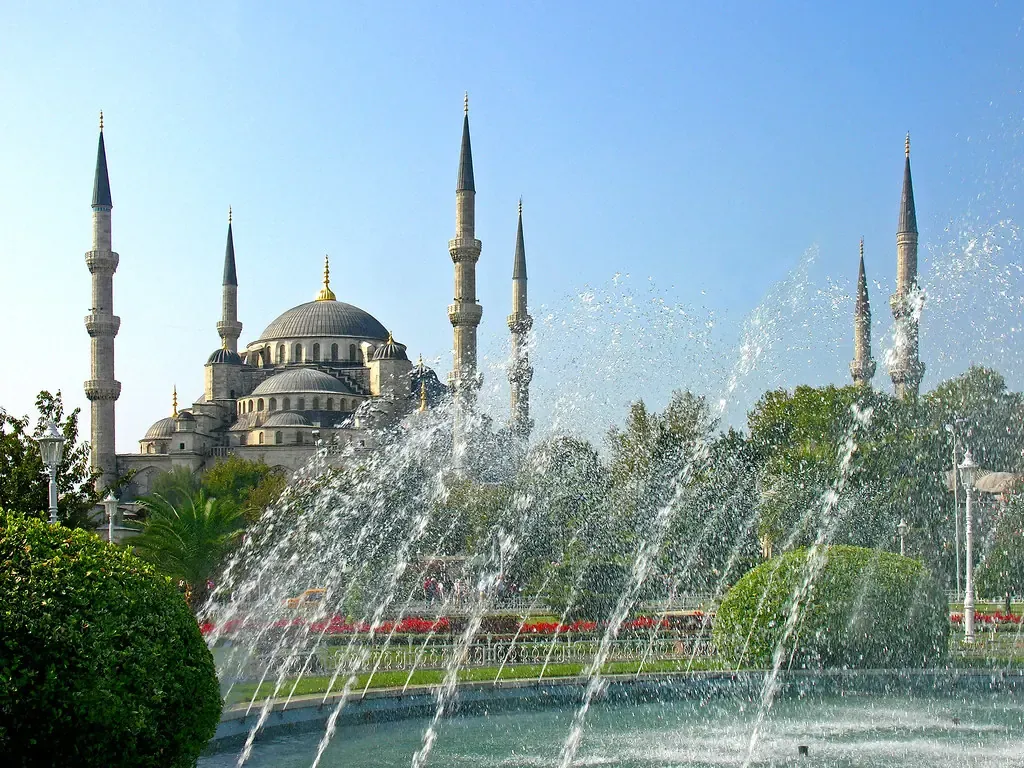
Sultan Ahmed I raised his mosque facing Hagia Sophia between 1609 and 1616, and the more than 20,000 Iznik tiles lining the upper walls gave it the name visitors use today. Six minarets, a courtyard as wide as the prayer hall and a cascade of half domes make it the most recognisable silhouette on the historic peninsula.
Architect: Sedefkar Mehmed Ağa · Style: Ottoman
Location: Sultanahmet Square, Fatih
Access: Free, and closed to visitors around each of the five daily prayers; shoulders and knees covered, hair covered for women, shoes left at the door · Tickets and tours
3. Basilica Cistern
Justinian's engineers roofed an underground reservoir here in the 6th century, and 336 columns taken from older buildings still hold up its brick vaults. Water covers the floor, carp drift between the shafts and two Medusa heads reused as column bases sit in the far corner, one on its side and one upside down. Raised walkways and low lighting now lead through the chambers.
Style: Byzantine
Location: 13 Yerebatan Caddesi, Sultanahmet, Fatih
Access: Ticketed, open daily · Tickets and tours
4. Topkapi Palace
The Ottoman sultans ruled from this hillside complex above the Bosphorus for close to four centuries after Mehmed II built it in the 1460s. Four courtyards open one into the next, from the Gate of Salutation to the Imperial Treasury, the tiled rooms of the Harem and the terraces over the water. The kitchens hold the imperial porcelain, and the Privy Chamber keeps the relics brought from Mecca and Medina.
Location: Cankurtaran, Fatih, north of Sultanahmet Square
Access: Ticketed, closed on Tuesdays · Tickets and tours
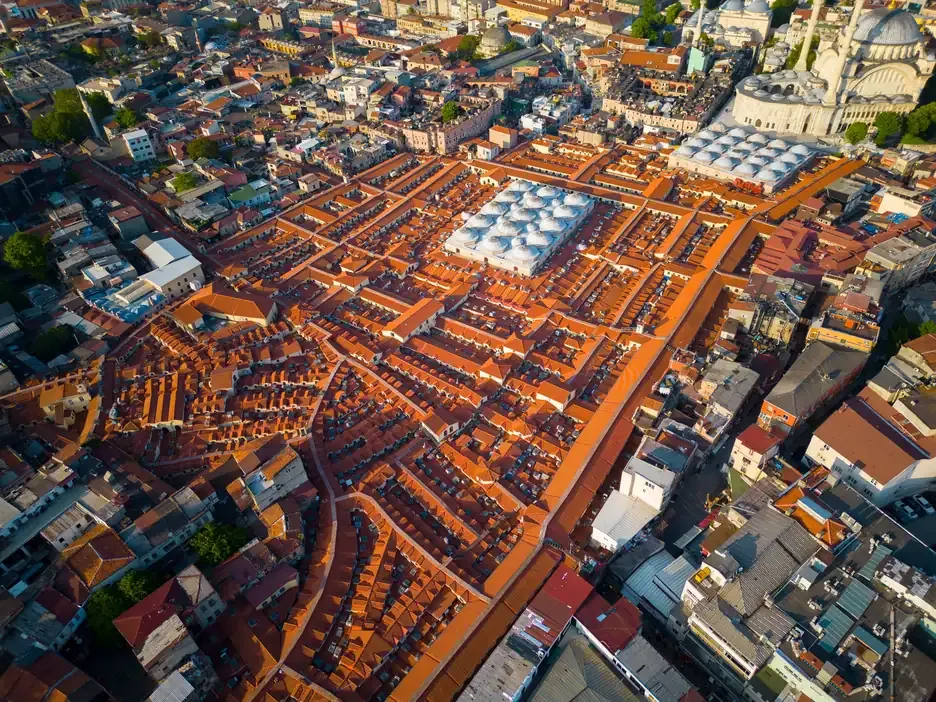
5. Grand Bazaar
Mehmed II founded the covered market in the 1450s around the stone Cevahir Bedesten, and it grew into a walled quarter of some 60 streets under one roof. Jewellers, carpet dealers, lamp sellers and leather shops still keep to their own lanes, a layout inherited from the guilds. Fire and the earthquake of 1894 rebuilt much of what stands, including the painted vaults over the main avenues.
Style: Ottoman
Location: Beyazıt, Fatih, between the Nuruosmaniye and Beyazıt gates
Access: Free to walk in, closed on Sundays
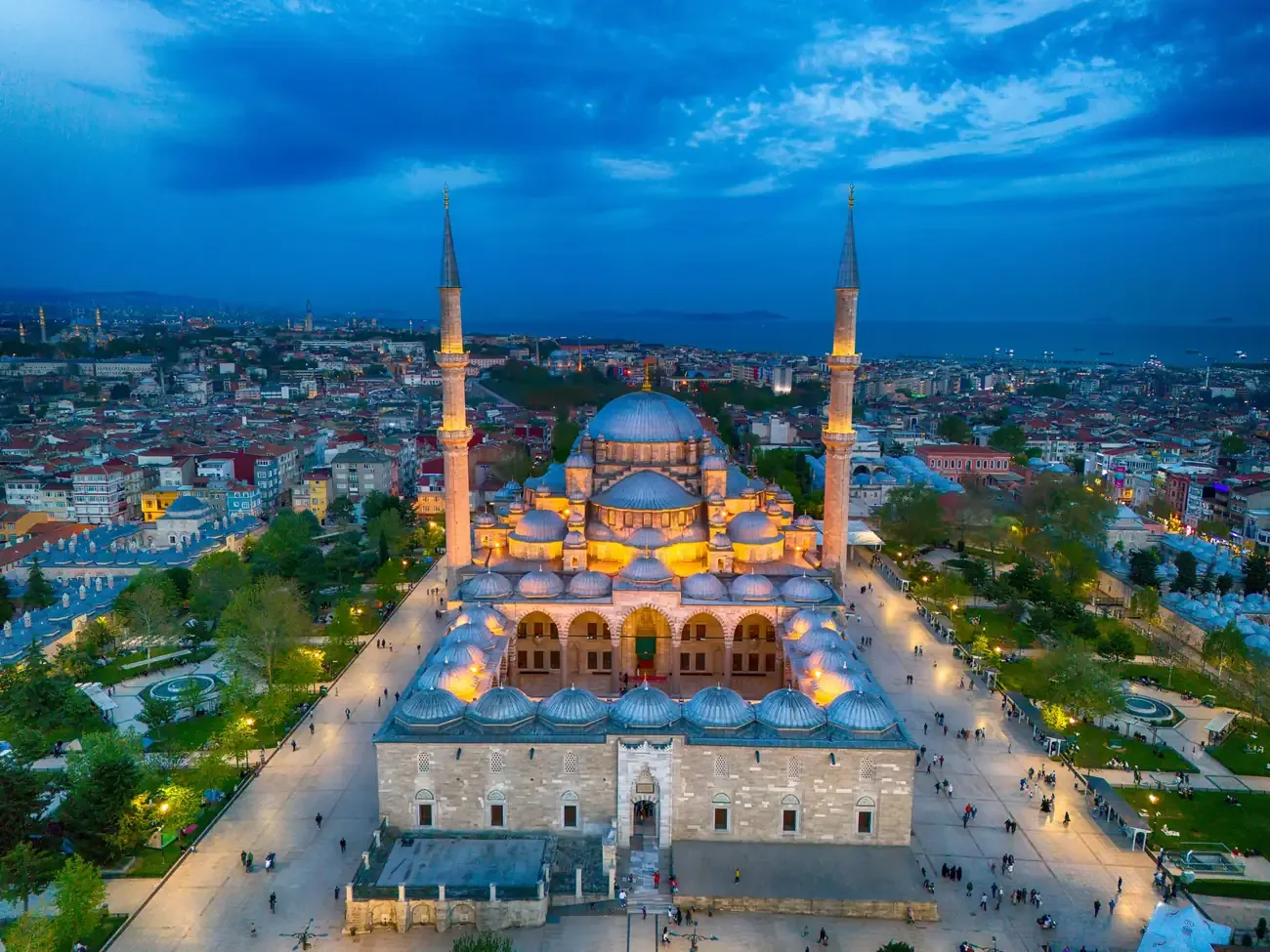
6. Suleymaniye Mosque
Mimar Sinan built this mosque for Suleiman the Magnificent on the third hill of the old city, and it is the work he is most often judged by. The dome rises over a square prayer hall washed in light from tiers of windows, and the complex around it once held a hospital, a caravanserai, a soup kitchen and four colleges. Suleiman and Roxelana lie in tombs in the garden behind.
Architect: Mimar Sinan · Style: Ottoman
Location: Süleymaniye, Fatih, above the Golden Horn
Access: Free, and closed to visitors around prayer times; modest dress applies
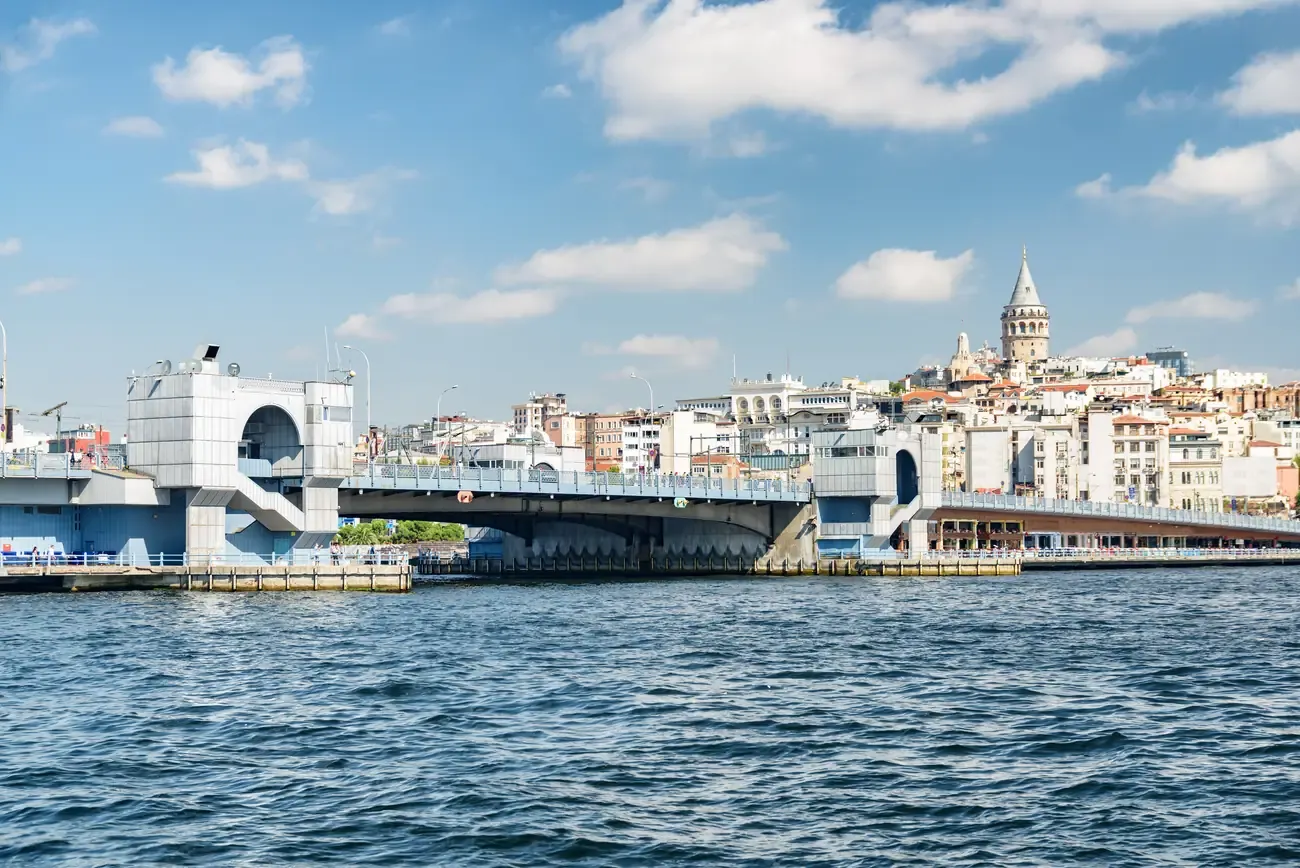
7. Galata Tower
Genoese settlers finished this stone watchtower in 1348 at the top of their walled colony across the Golden Horn, and its conical cap has anchored the skyline of Galata ever since. The tower has served as a fire lookout, a prison and an observatory over the centuries. A balcony under the roof runs right around the shaft, with the historic peninsula, the Bosphorus and the Golden Horn laid out below.
Style: Romanesque
Location: Bereketzade, Beyoğlu, at the top of the Galata hill
Access: Ticketed, open daily
8. Dolmabahce Palace
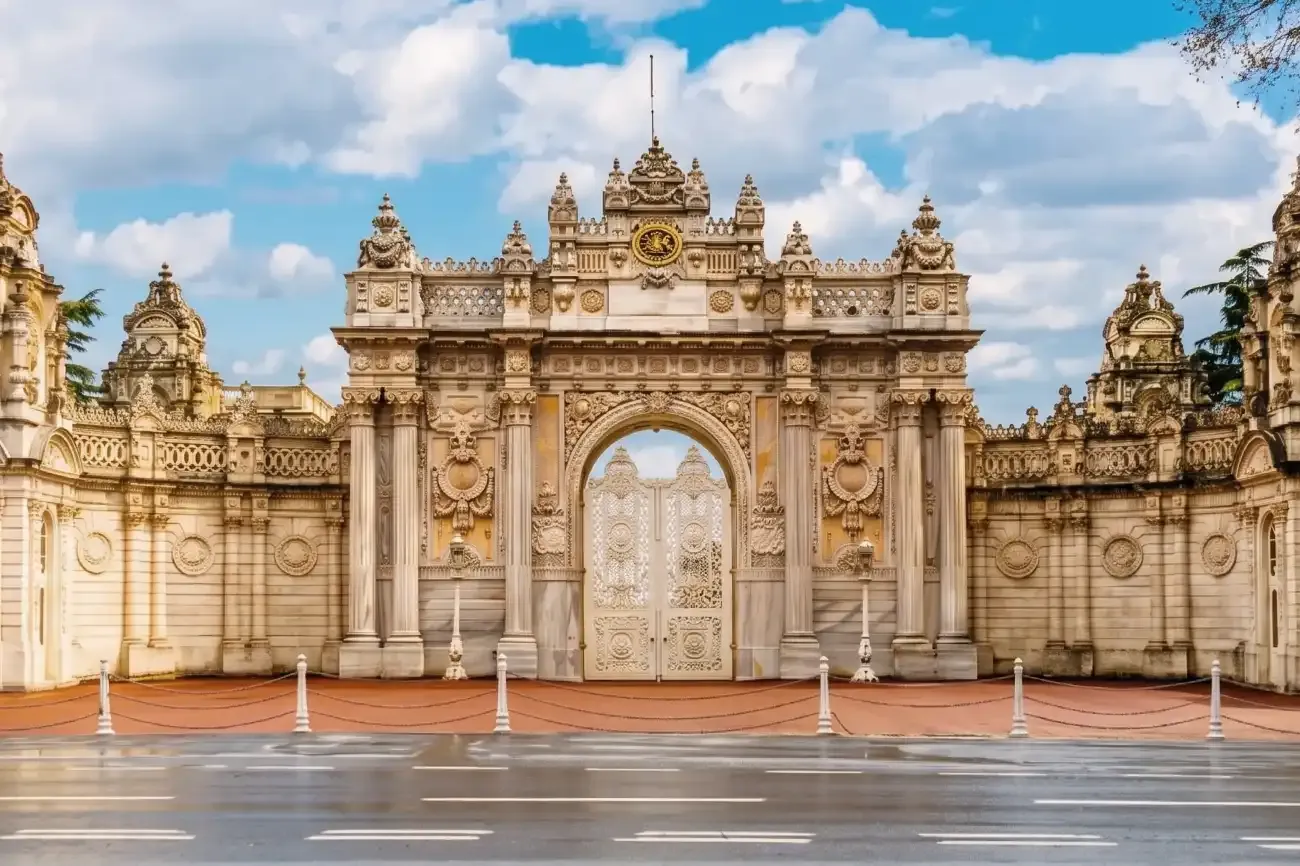
Sultan Abdülmecid replaced the old wooden waterfront palace with this marble front on the Bosphorus and the court moved in from 1856. The Balyan architects worked in Baroque, Rococo and Neoclassical registers across 285 rooms and 44 halls, filled with Hereke carpets, Sèvres porcelain and Baccarat crystal, including a staircase with crystal balusters and a chandelier weighing over four tonnes. Atatürk died here in 1938.
Architect: Garabet and Nigoğayos Balyan · Style: Baroque, Rococo and Neoclassical
Location: Vişnezade, Dolmabahçe Caddesi, Beşiktaş
Access: Ticketed, closed on Mondays · Tickets and tours
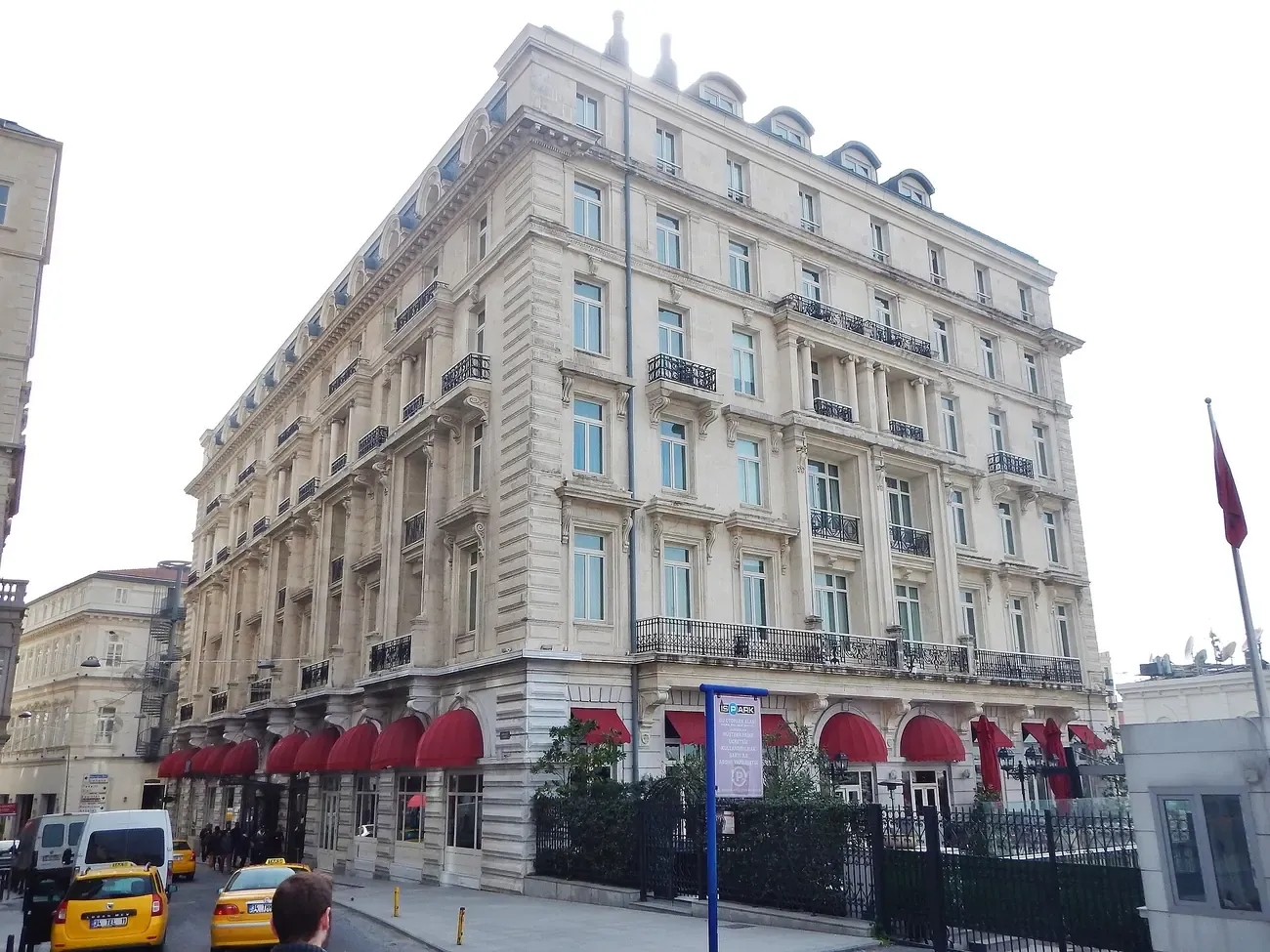
9. Pera Palace Hotel
The company behind the Orient Express opened this hotel in 1892 so that its passengers would find something in the city to match the train. The lift, the domed Kubbeli tea lounge and the Orient Bar survive from that era, and the guest list runs from Agatha Christie to Greta Garbo. Room 101, where Mustafa Kemal Atatürk stayed, became a museum room holding his belongings, books and gifts.
Style: Art Nouveau
Location: 52 Meşrutiyet Caddesi, Tepebaşı, Beyoğlu
Access: Working hotel; the Atatürk Museum Room is ticketed and open to everyone daily from 10:00 to 11:00 and from 15:00 to 16:00
Photo: "The facade of the Pera Palace Hotel, Istanbul" by qwesy qwesy (CC BY 3.0).
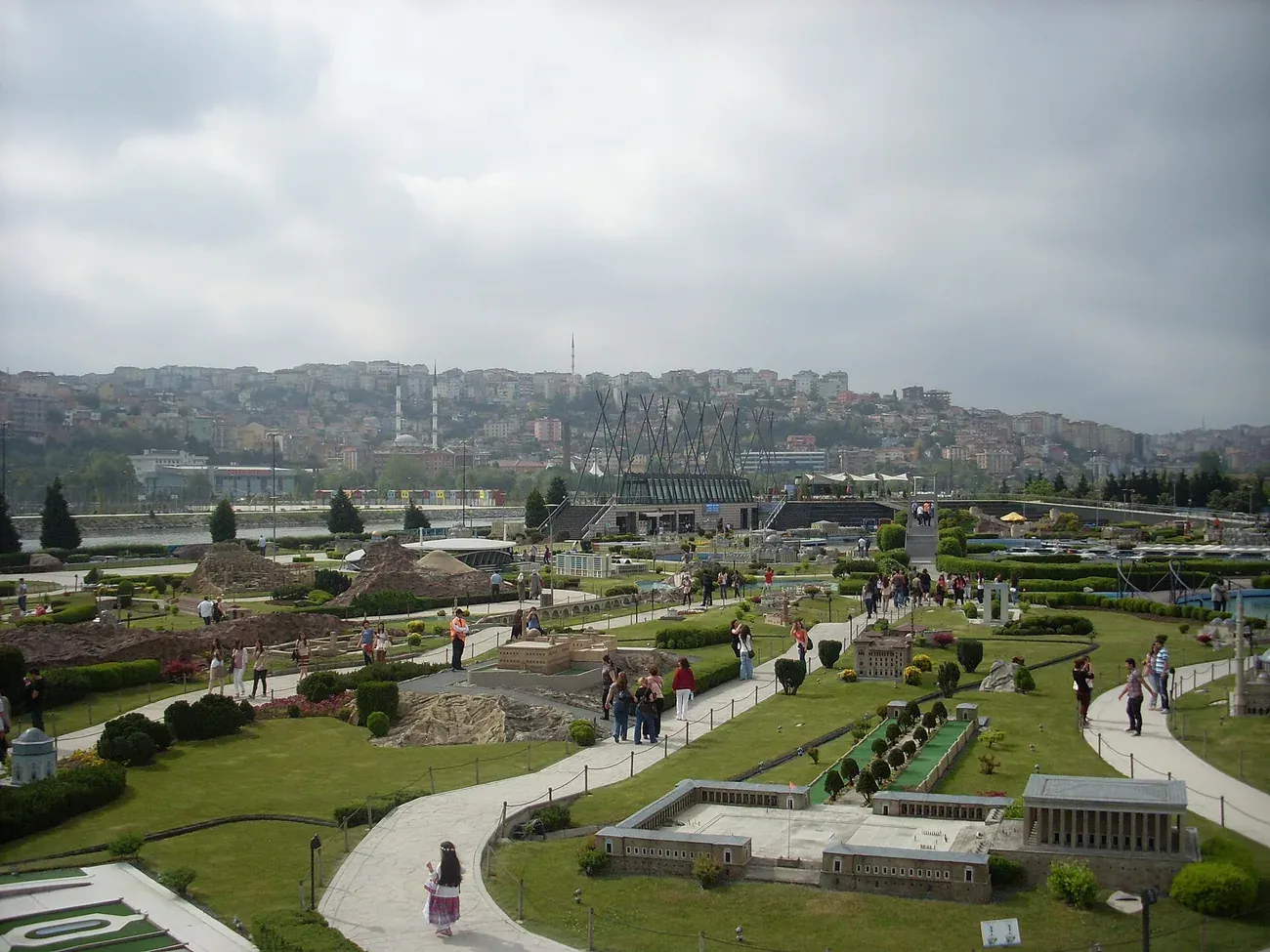
10. Miniaturk
This park on the Golden Horn shore lays out the country in miniature, with scale models of monuments from Turkey and the former Ottoman lands set along walkways over a site of 60,000 square metres. Opened in 2003, it gathers in one afternoon pieces that are otherwise days apart, from the Galata Tower to the terraces of Pamukkale and the stone houses of Mardin. Pools, a play area and a small train suit families.
Location: İmrahor Caddesi, Sütlüce, Beyoğlu
Access: Ticketed, open every day except Mondays
Photo: "A general view of the Miniaturk miniature park, Istanbul" by VikiPicture (CC BY-SA 3.0).
Istanbul tourist attractions tickets and tours
What to do in Istanbul for free
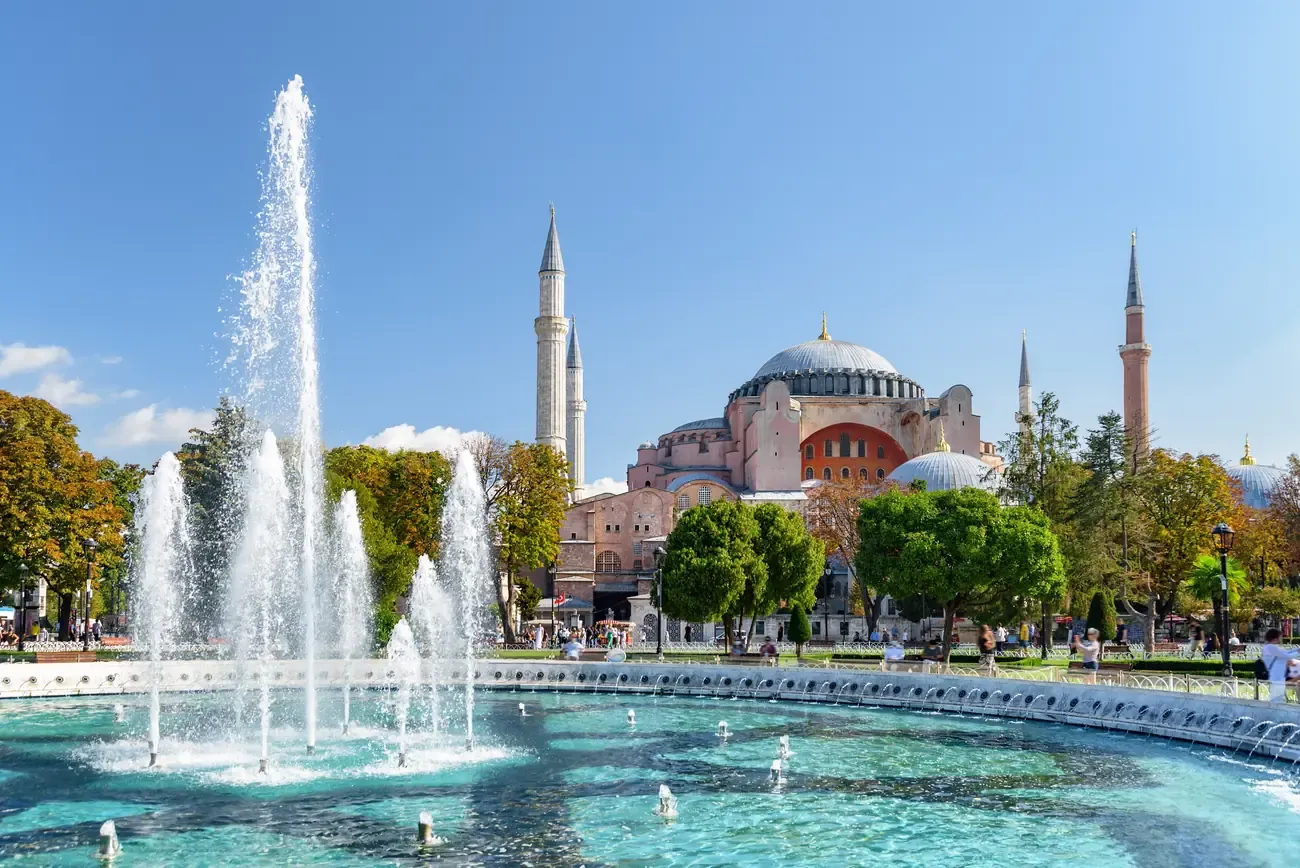
Sultanahmet Square
The square that was once the Hippodrome of Constantinople still holds the Egyptian Obelisk, the bronze Serpent Column and the German Fountain along its length between the Blue Mosque and the Museum of Turkish and Islamic Arts, free to walk at any hour.
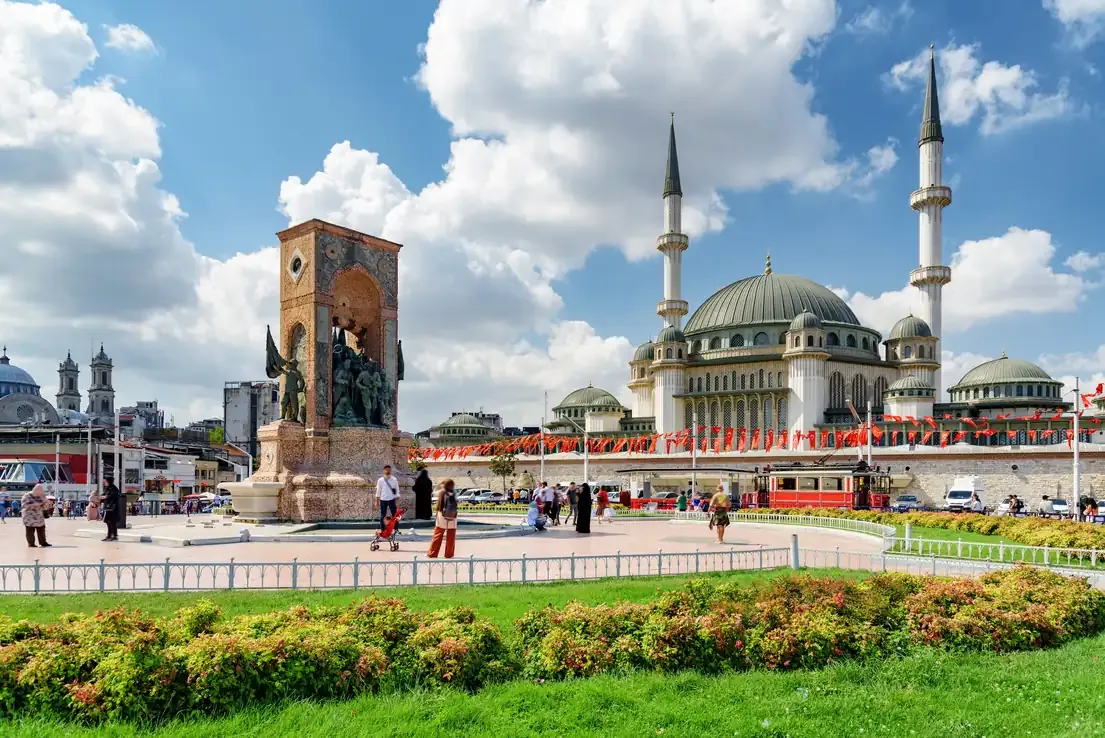
Taksim Square
The modern heart of the city centres on the Republic Monument and the start of Istiklal Avenue, the pedestrian street running down to Galata, making it a free starting point for exploring Beyoglu's shops, cinemas and side streets.
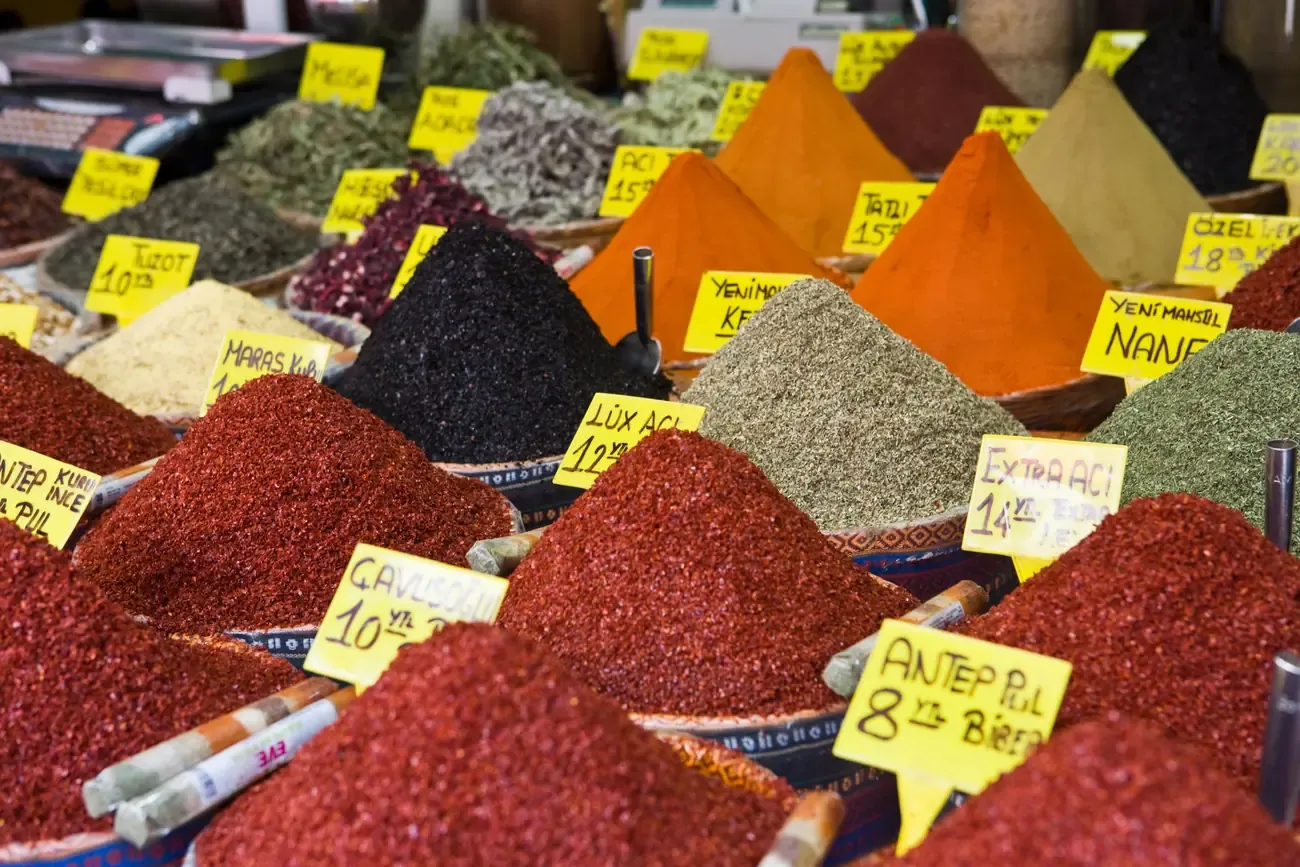
Spice Bazaar
Browsing the covered market's single arched corridor and its side stalls costs nothing, and vendors expect a taste offered before any sale rather than a purchase. Early mornings before the tour buses arrive make the busiest stretch easier to walk.
Gulhane Park
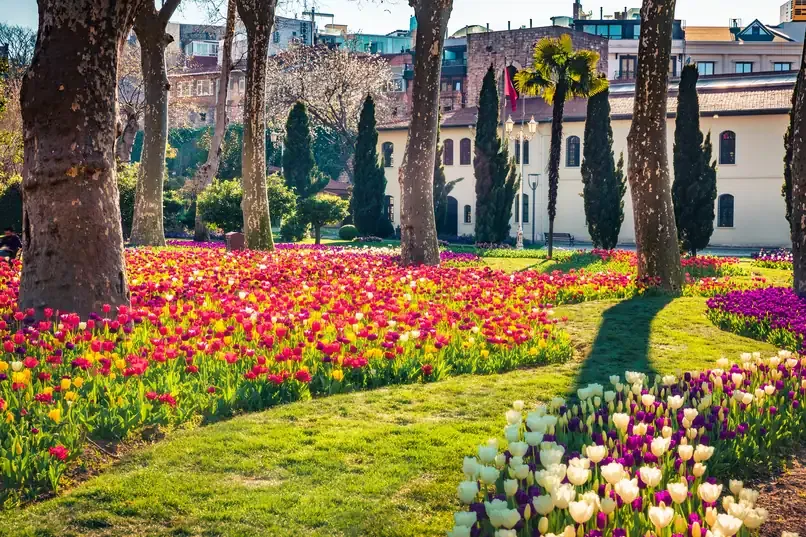
Once the outer garden of Topkapi Palace, this is one of Istanbul's oldest public parks, its rose beds and tree-lined paths running down toward the Golden Horn side of the historic peninsula. It opens daily from around 6:00 to 22:30 and costs nothing to enter.
Galata Bridge
Crossing the bridge's upper deck between Eminonu and Karakoy costs nothing at any hour, past rows of anglers casting lines toward the Bosphorus. The fish restaurants on the lower deck charge for a meal, but the walk across for views of the Golden Horn stays free.
New Mosque
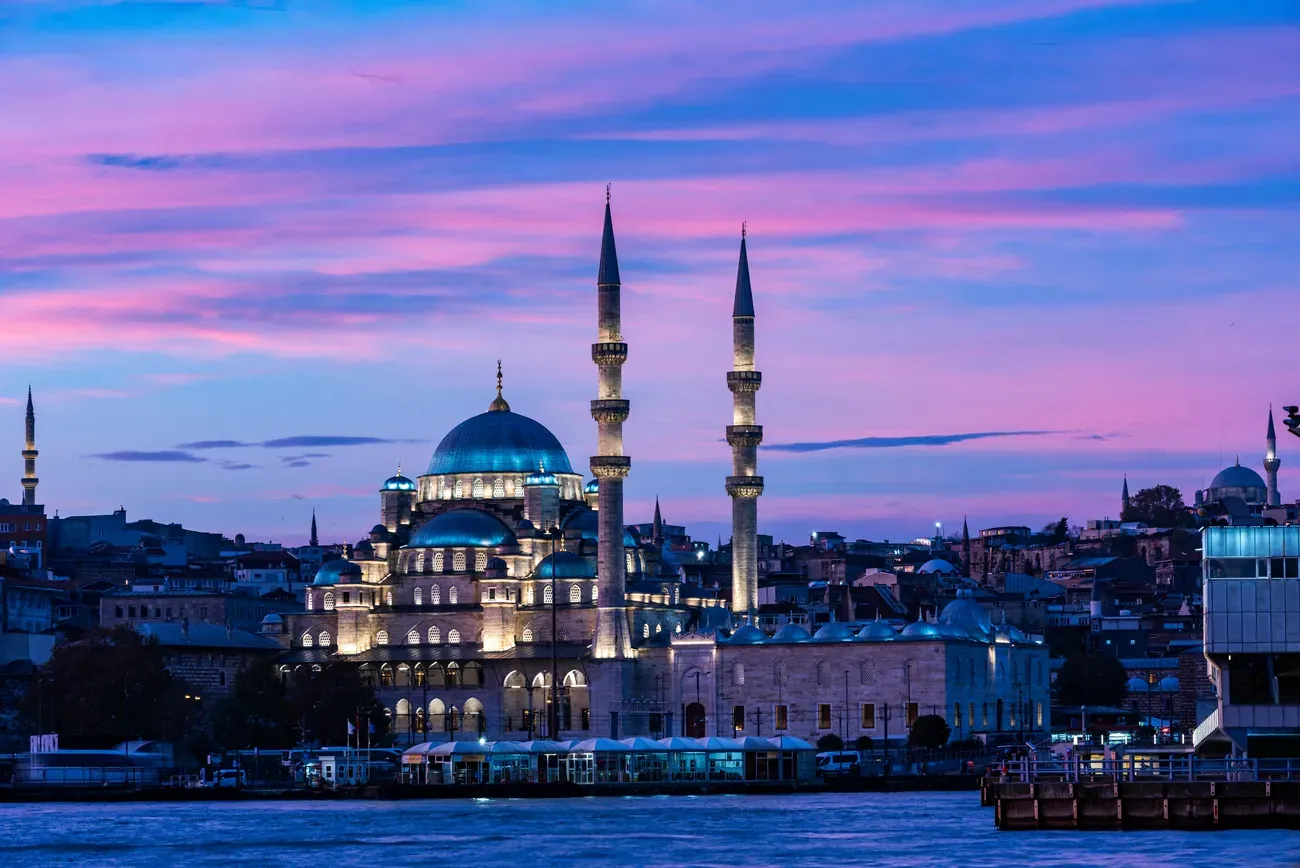
This 17th century mosque above the Eminonu ferry docks is free to enter outside prayer times, with the same modest dress expected at other working mosques. Its courtyard and waterfront steps make a quiet spot to watch the ferries after the Spice Bazaar next door.
Aqueduct of Valens
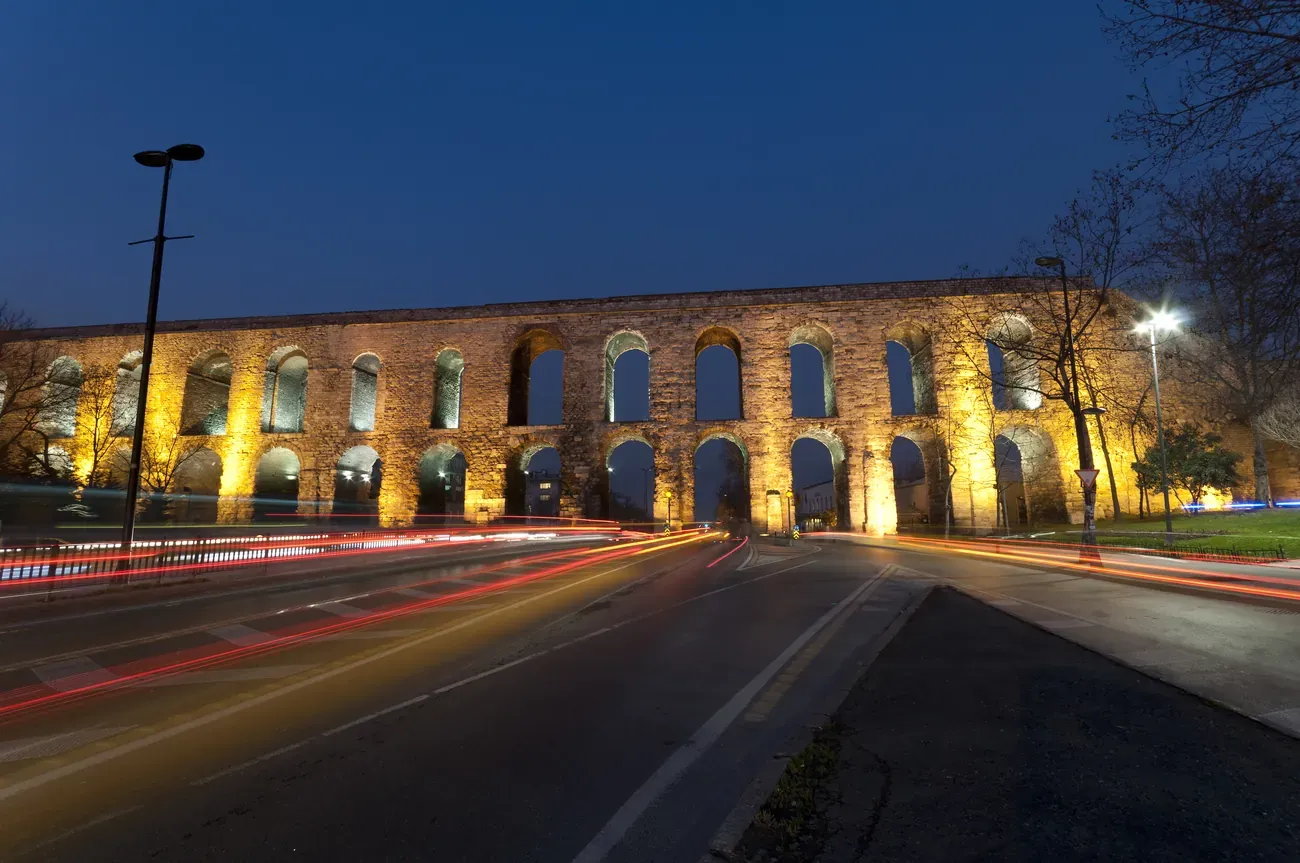
The 4th century Roman aqueduct that once supplied Constantinople with water still spans Ataturk Boulevard on arches nearly 30 metres tall, a public monument with no gate or ticket, best seen lit up after dark.
Monuments of the old Hippodrome in Istanbul
Obelisk of Theodosius
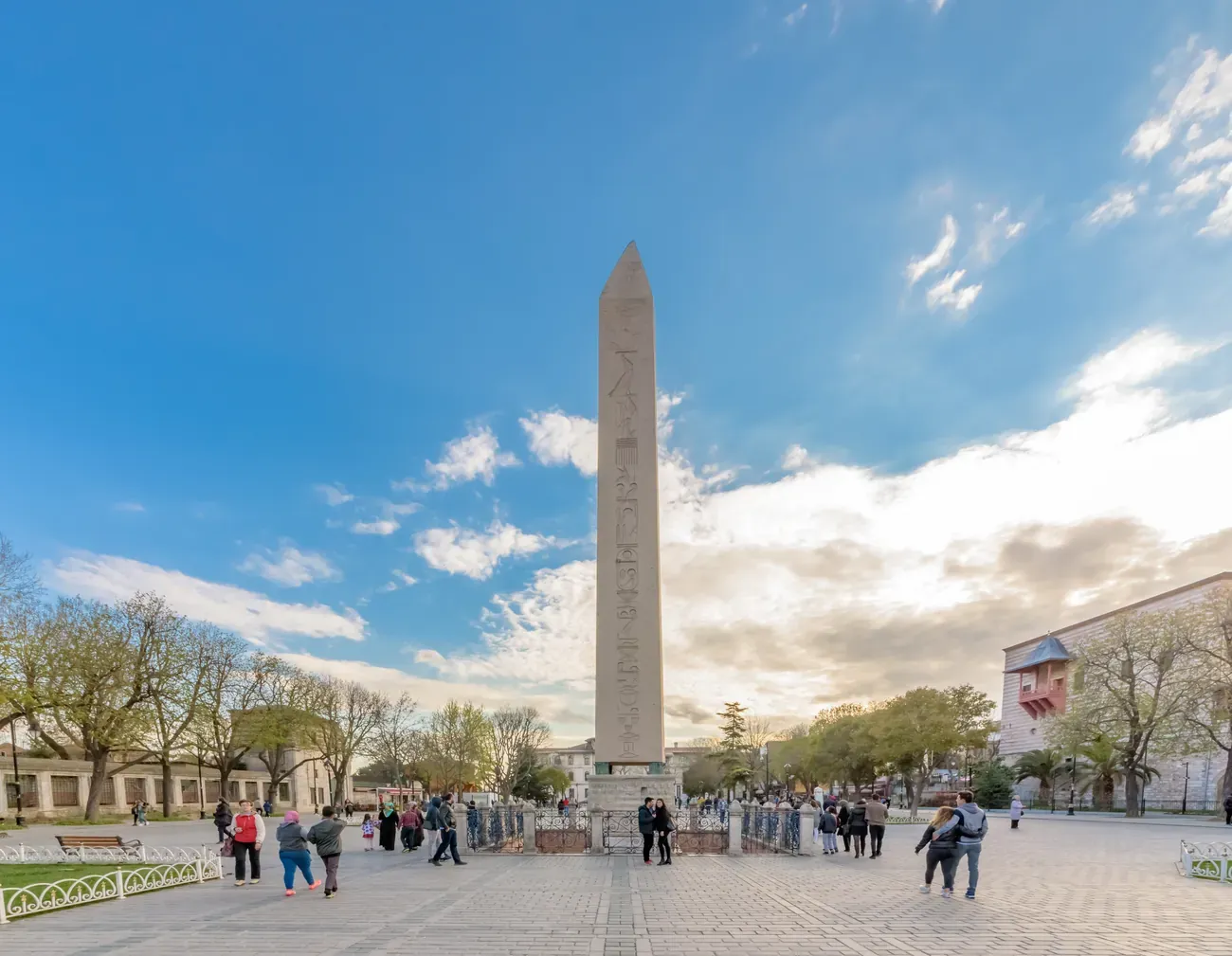
Carved for a pharaoh at Karnak around 1450 BCE, this red granite spire was shipped west and raised on the Hippodrome track by Theodosius I.
Location: Sultan Ahmet Park, Fatih
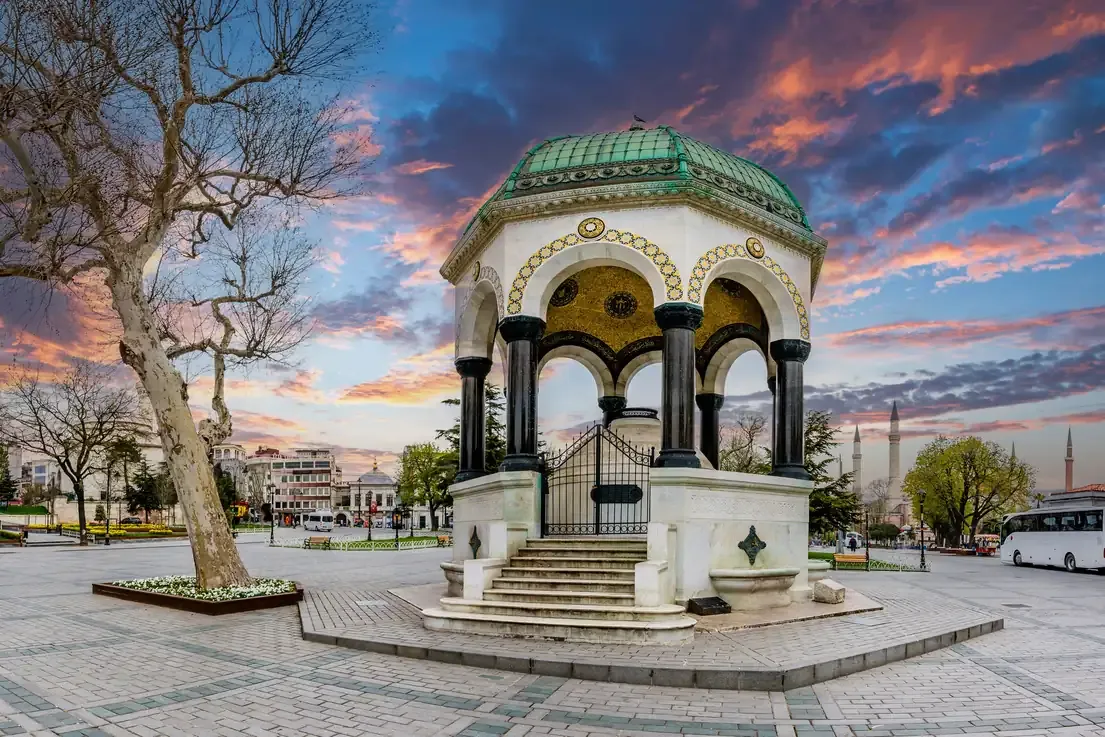
Kaiser Wilhelm Fountain
A neo-Byzantine domed fountain given by Germany in 1900 to mark the visit of Kaiser Wilhelm II, its cupola lined with gold mosaic.
Location: 2 Sultan Ahmet Parkı, Fatih
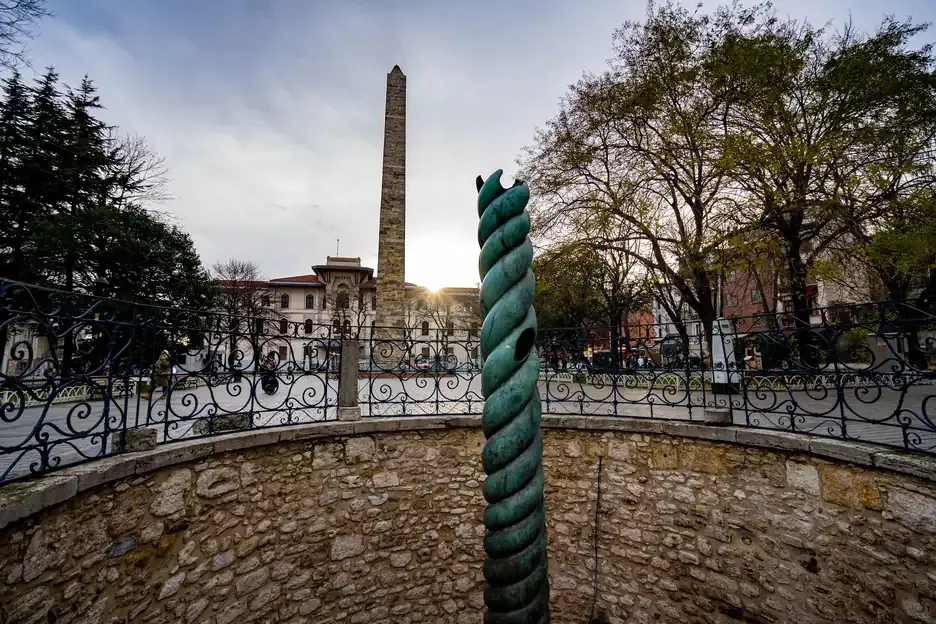
Serpent Column
The bronze tripod cast from Persian spoils after Plataea stood at Delphi for centuries before Constantine had it moved to his new capital.
Location: Sultan Ahmet Park, Fatih
Layers of Ottoman and Byzantine history in Istanbul
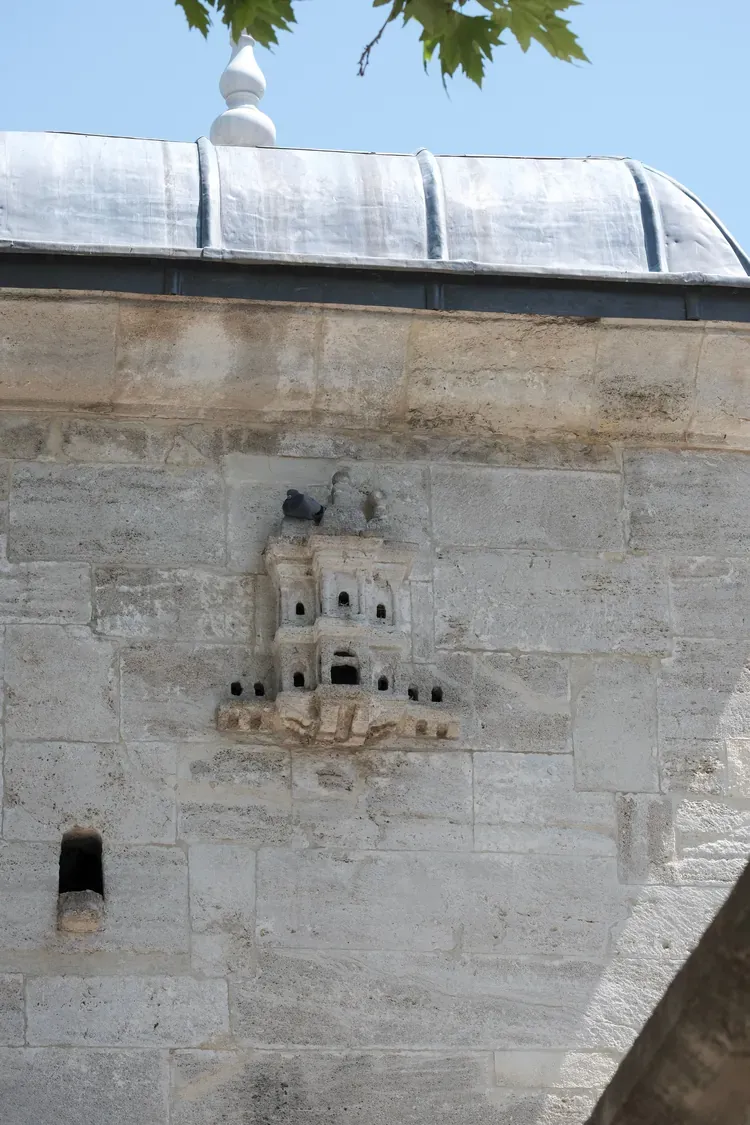
Ottoman Bird Palaces
Ornate stone birdhouses shaped like miniature mansions sit high on the walls of mosques, tombs and old houses across the city.
Location: Üsküdar and other older districts
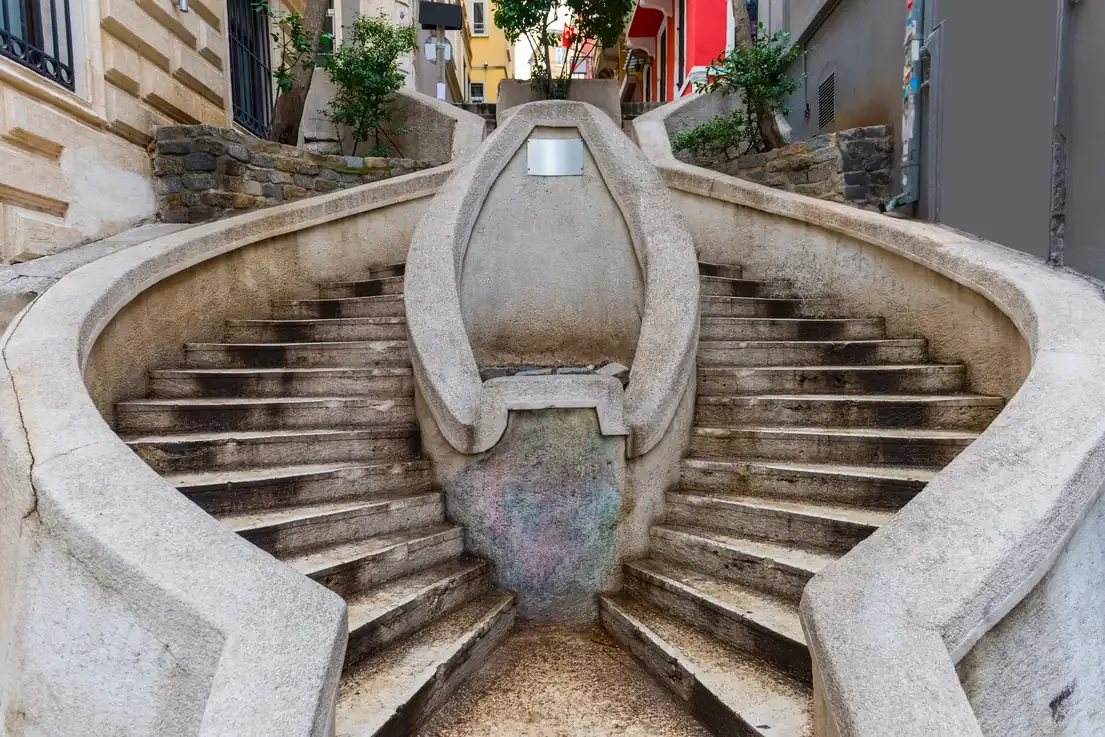
Camondo Stairs
The Camondo banking family paid for this curving Art Nouveau staircase linking the old banking street of Galata with the hill above.
Location: 10 Bankalar Caddesi, Beyoğlu
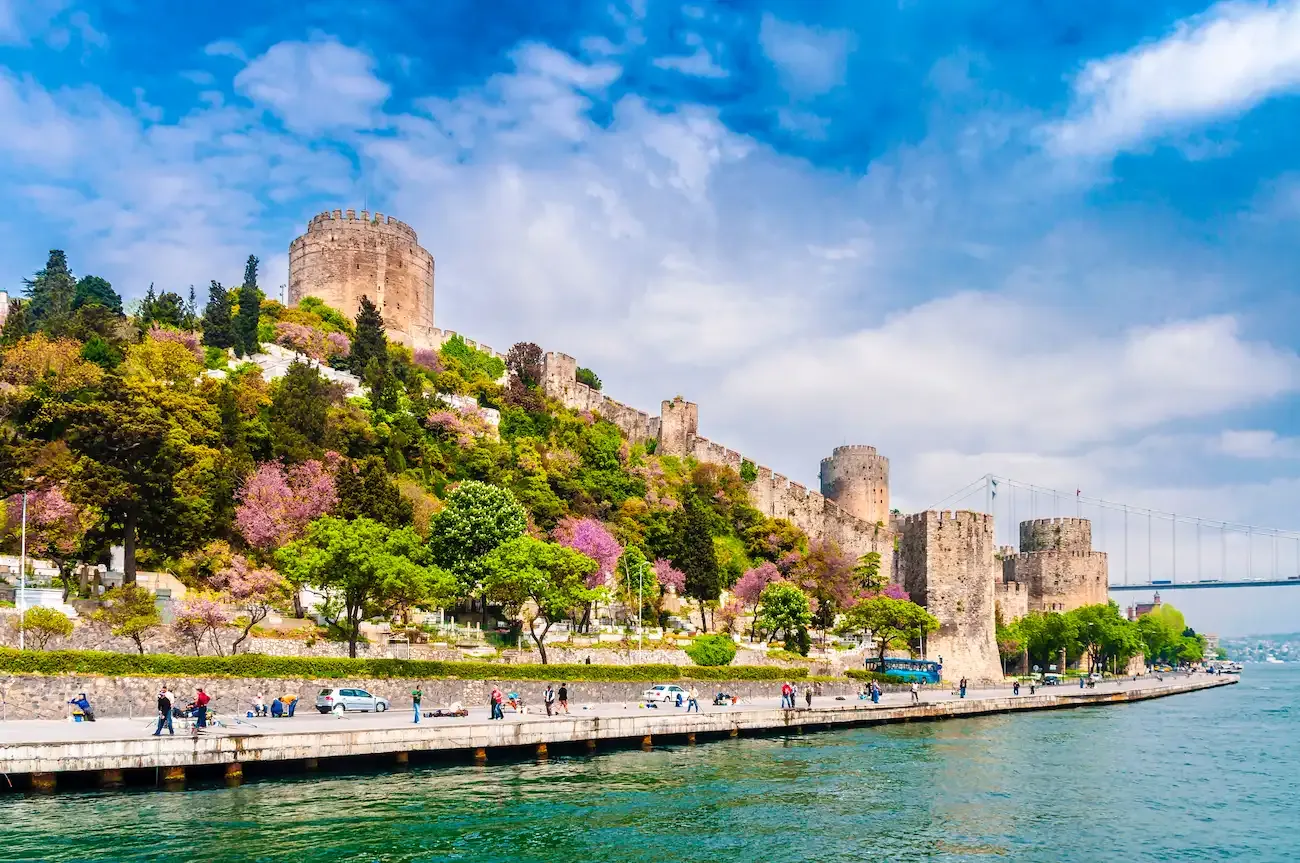
Rumeli Hisari
Mehmed II threw up this fortress at the narrowest point of the Bosphorus in 1452 to close the strait before the conquest of the city.
Location: Rumelihisarı, Sarıyer
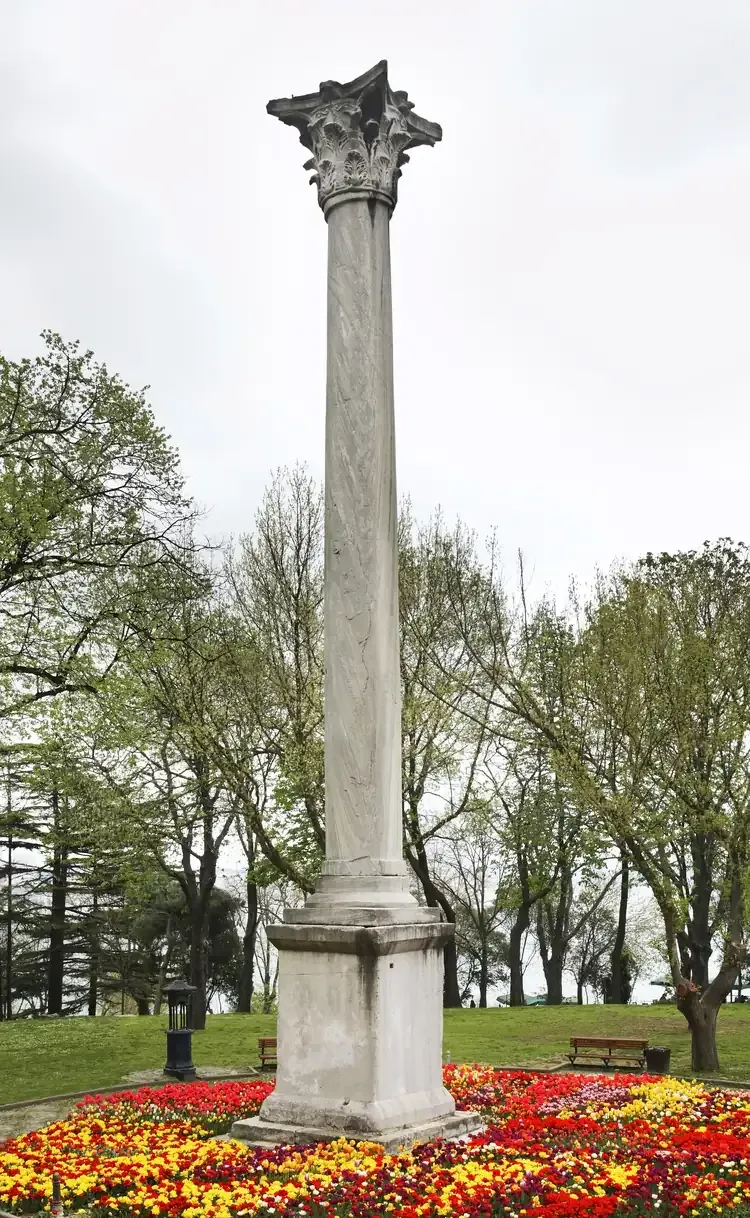
Column of the Goths
A Roman victory column of the late imperial period, possibly the oldest Roman monument still standing in the city, in the park below Topkapi.
Location: Gülhane Park, Sarayburnu, Fatih
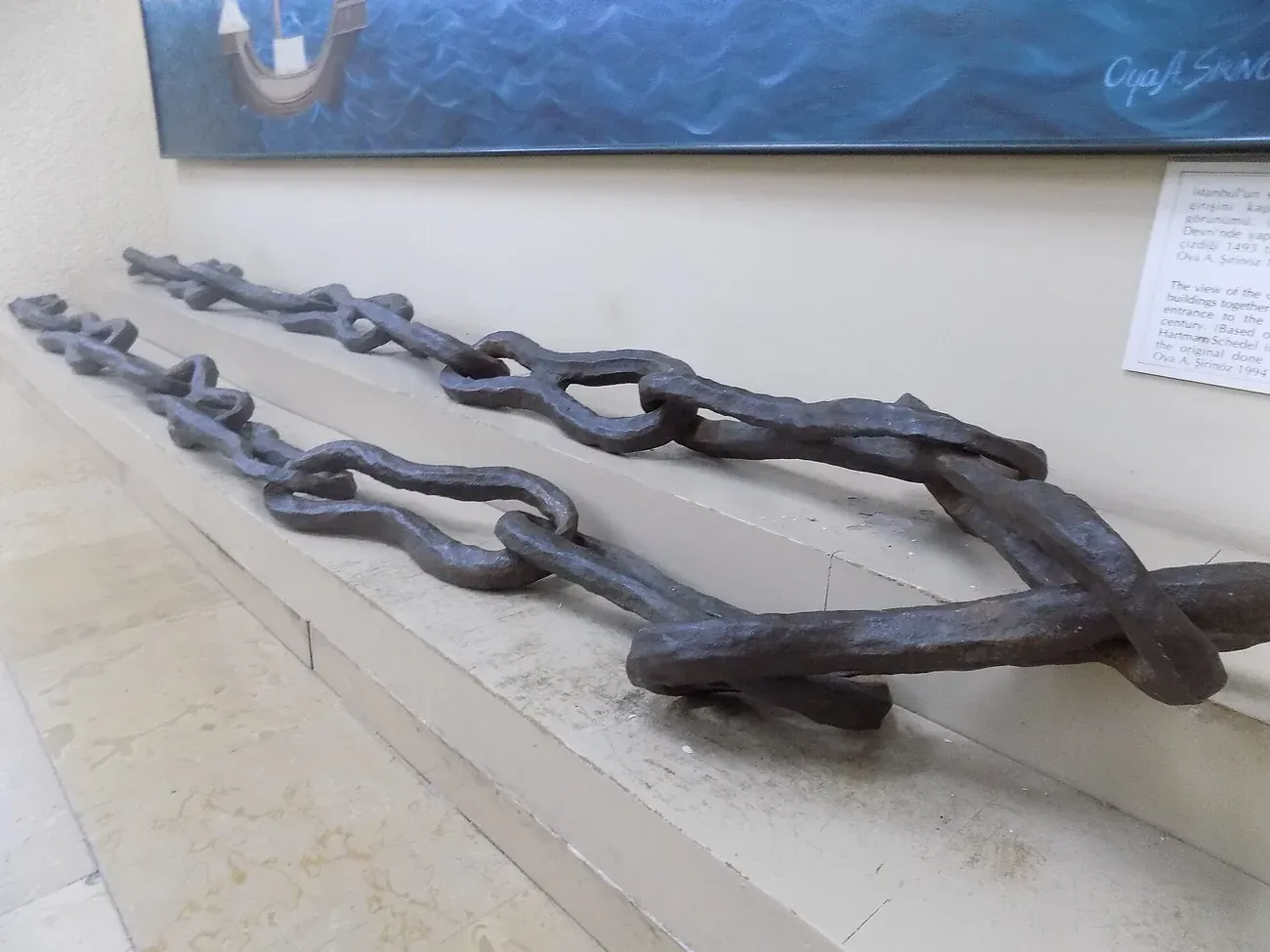
Golden Horn Chain
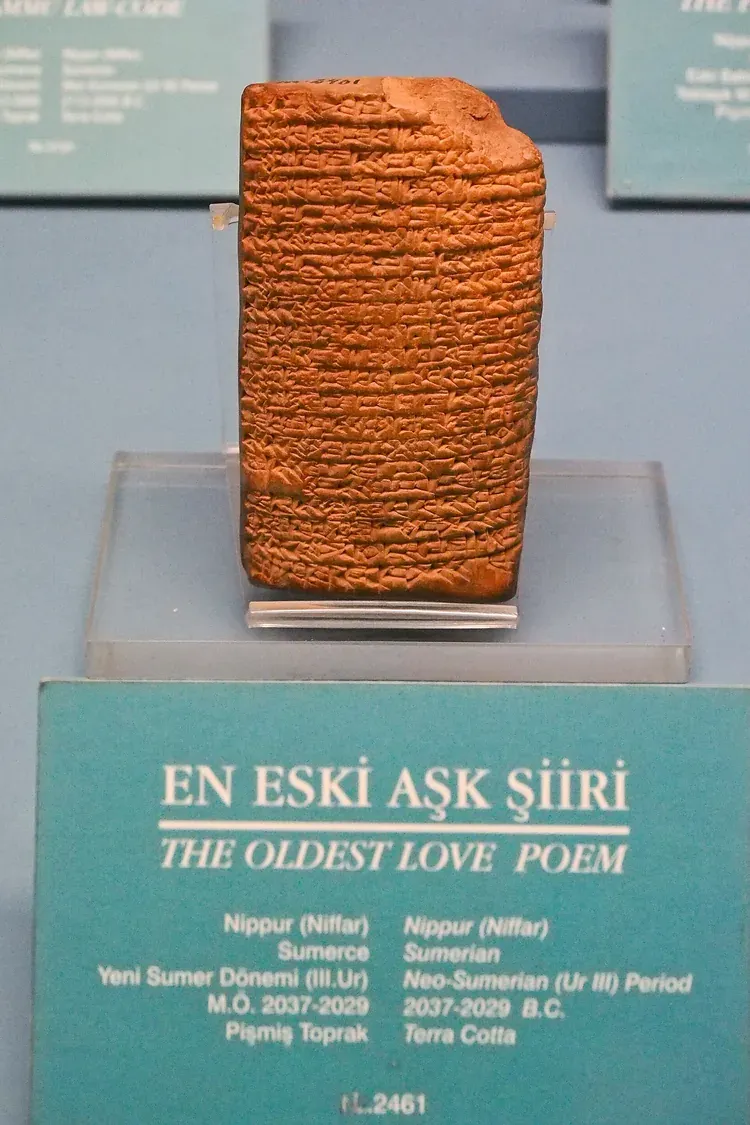
Byzantine defenders sealed the estuary with a floating iron chain; sections of it survive in the Istanbul Archaeological Museums.
Location: Osman Hamdi Bey Yokuşu, Gülhane, Fatih
Photo: "Golden Horn chain at the Istanbul Archaeological Museums" by Cobija (CC BY-SA 4.0).
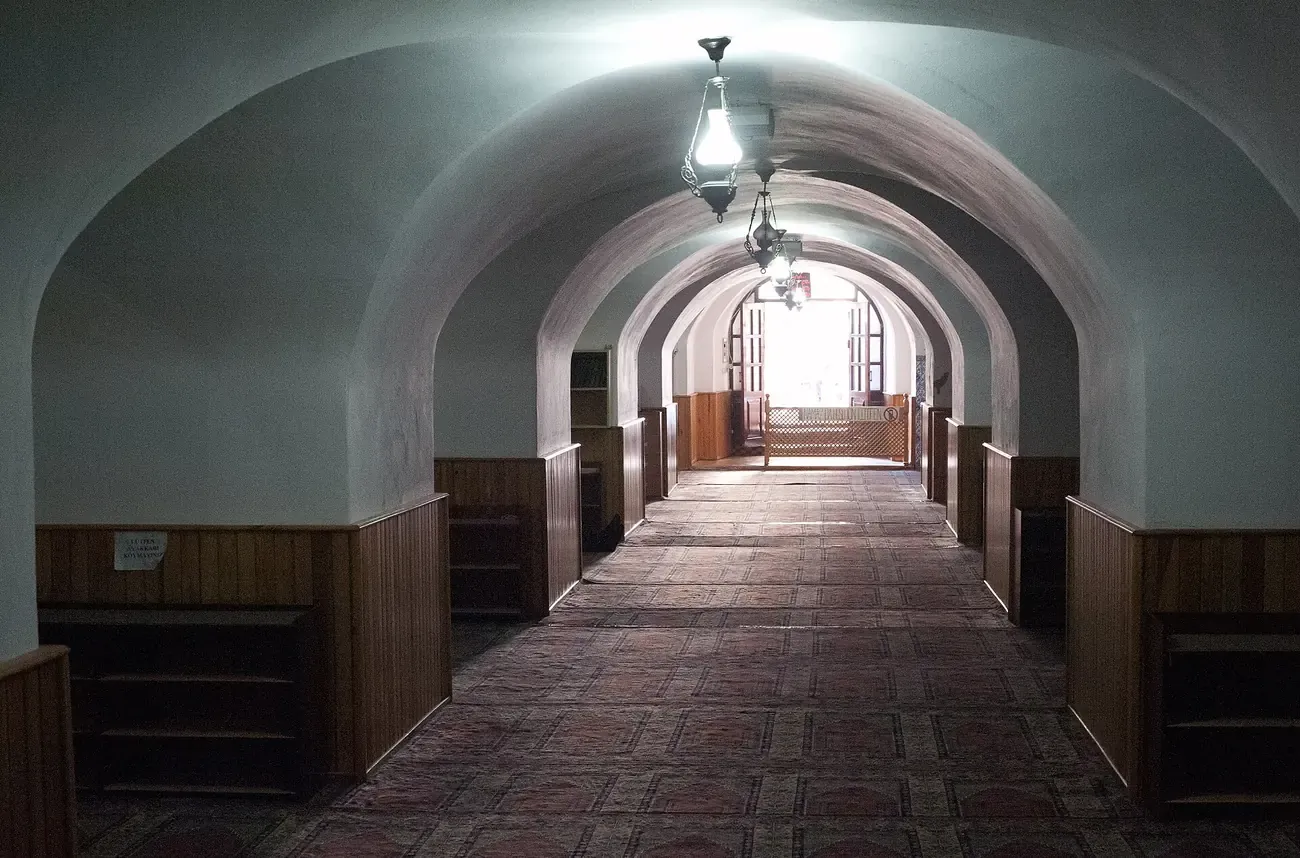
Yeralti Camii (Underground Mosque)
An Ottoman mosque sunk below street level in Karaköy, its low vaulted hall built into a Byzantine tower and holding two early Muslim tombs.
Location: 23 Kemankeş Caddesi, Karaköy, Beyoğlu
Photo: "Vaulted hall of the Yeralti Camii underground mosque" by Ggia (CC BY-SA 3.0).
Small museums and collections in Istanbul
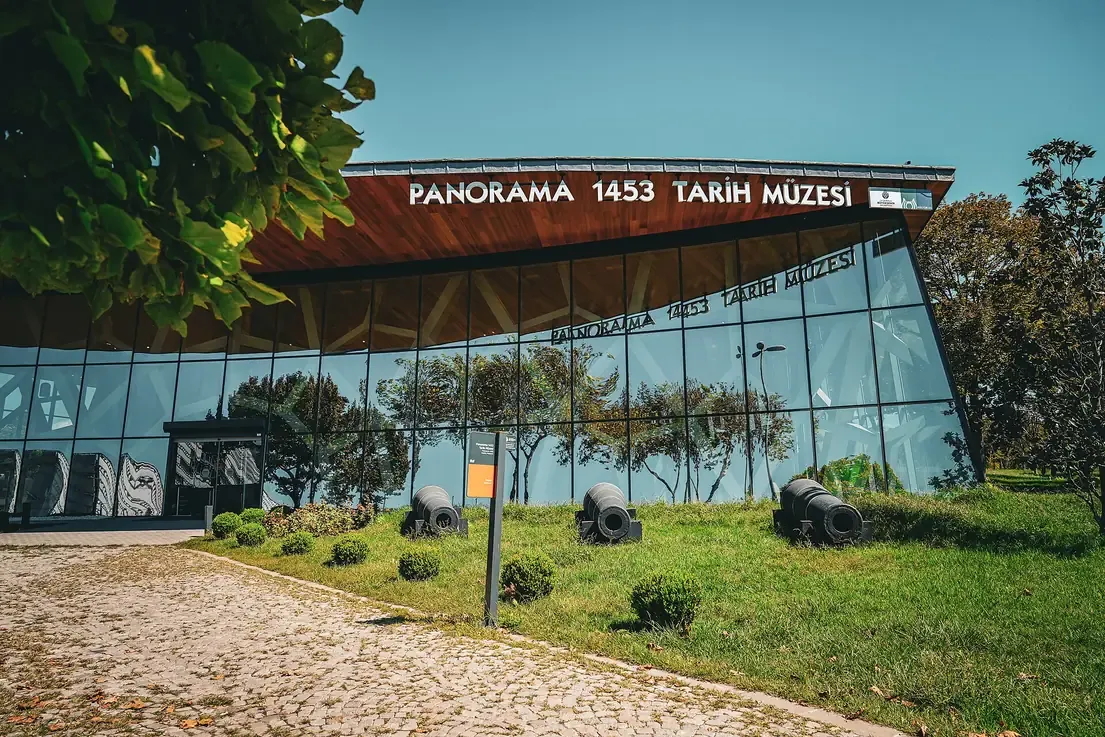
Panorama 1453 Museum
A painted panorama 38 metres across puts visitors inside the siege of 1453, sound effects included, beside the old land walls.
Location: Topkapı Kültür Parkı, Zeytinburnu
Photo: "Panorama 1453 History Museum" by Yasze (CC0).
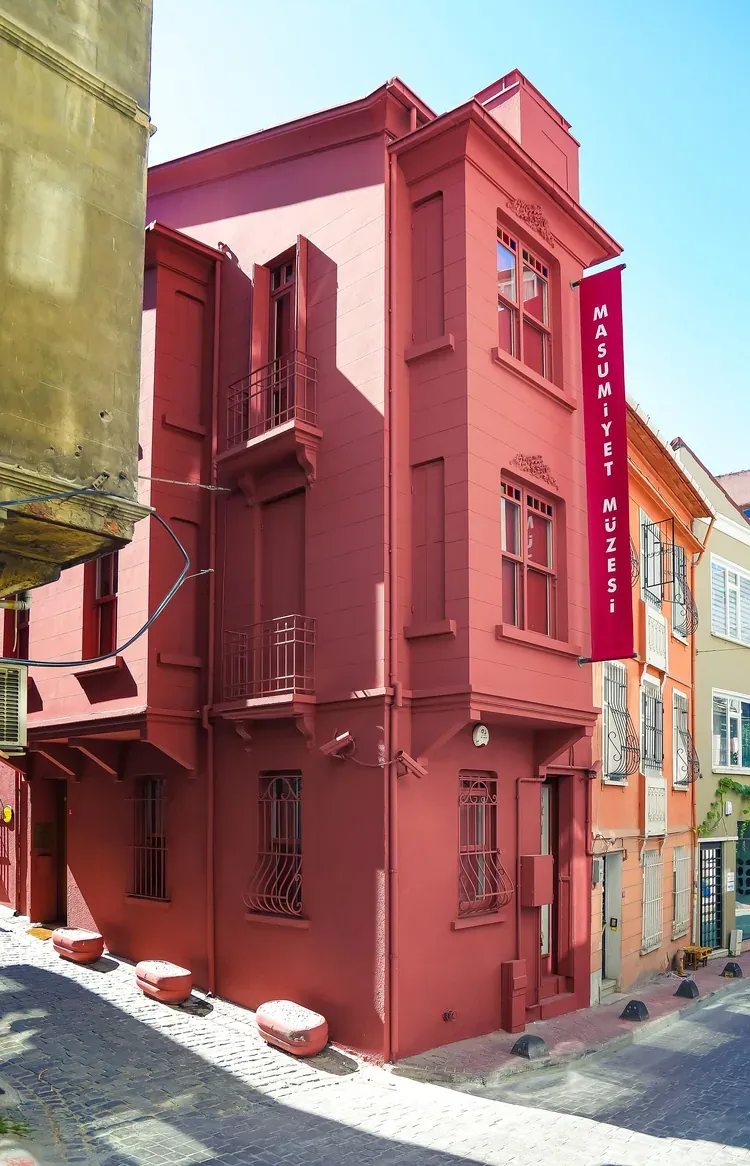
The Museum of Innocence
Orhan Pamuk built this house museum of cabinets and everyday objects alongside his novel of the same name.
Location: 2 Dalgıç Çıkmazı, Çukurcuma, Beyoğlu · Website
Photo: "The Museum of Innocence" by Svklimkin (CC BY-SA 4.0).
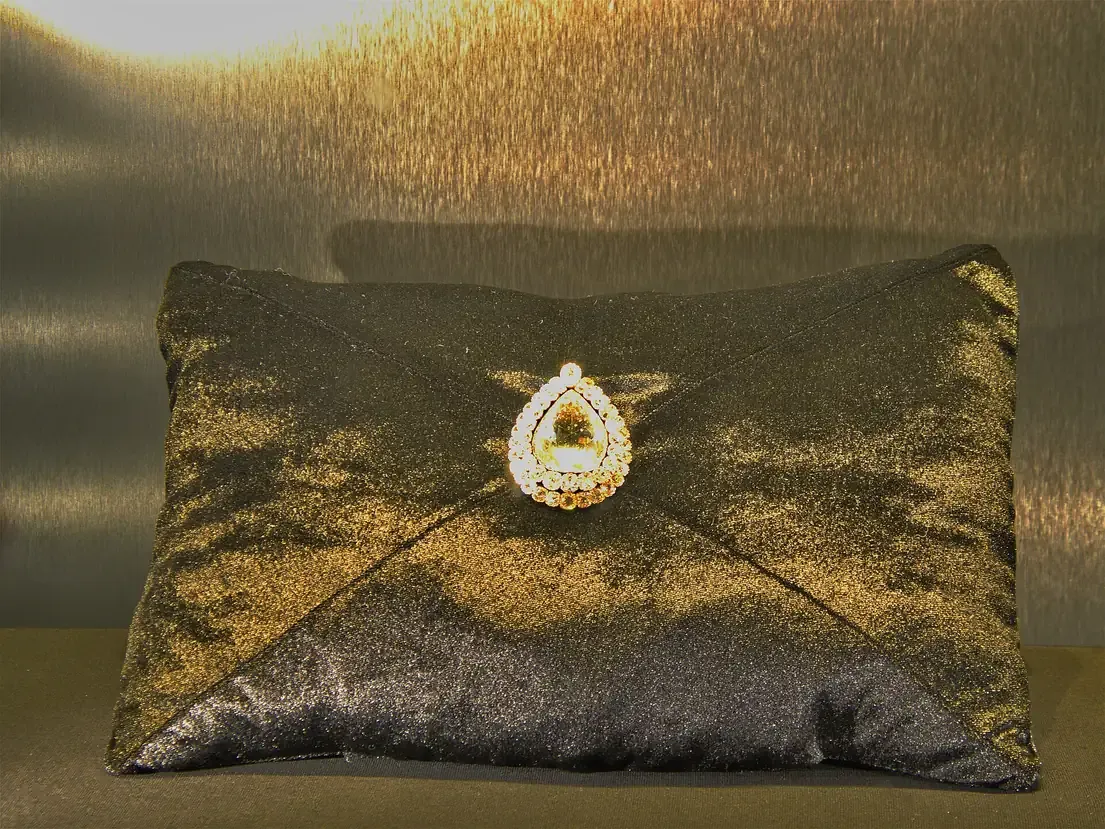
The Spoonmaker's Diamond
An 86 carat diamond ringed by 49 smaller stones, the best known piece in the imperial treasury of Topkapi Palace.
Location: Topkapi Palace, Sultanahmet, Fatih
Photo: "Spoonmaker's Diamond at Topkapi Palace" by Joe Wallace (CC BY-SA 2.0).
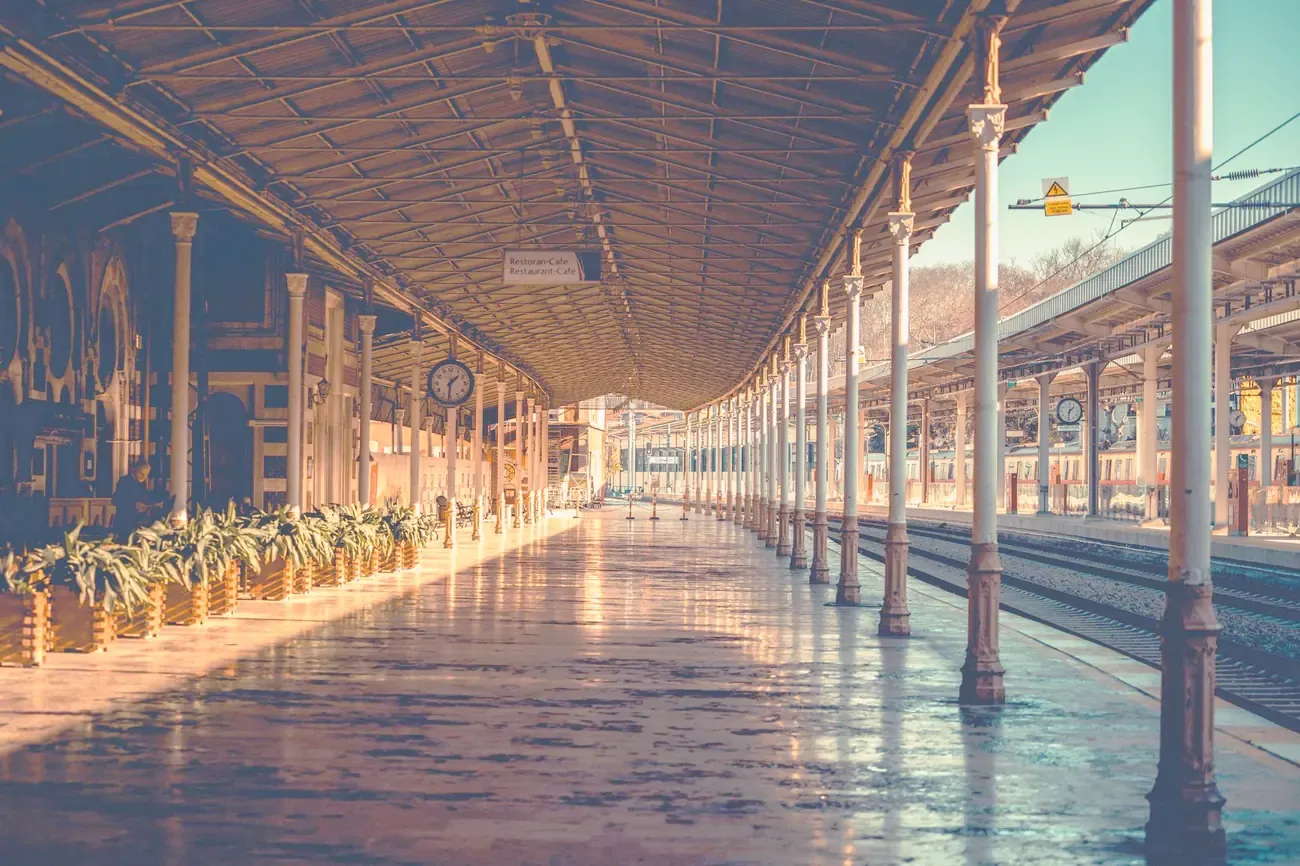
Istanbul Railway Museum at Sirkeci Terminal
One room inside the old Orient Express terminus keeps signal gear, uniforms, china and models from the history of Turkish railways.
Location: Sirkeci Terminal, Fatih
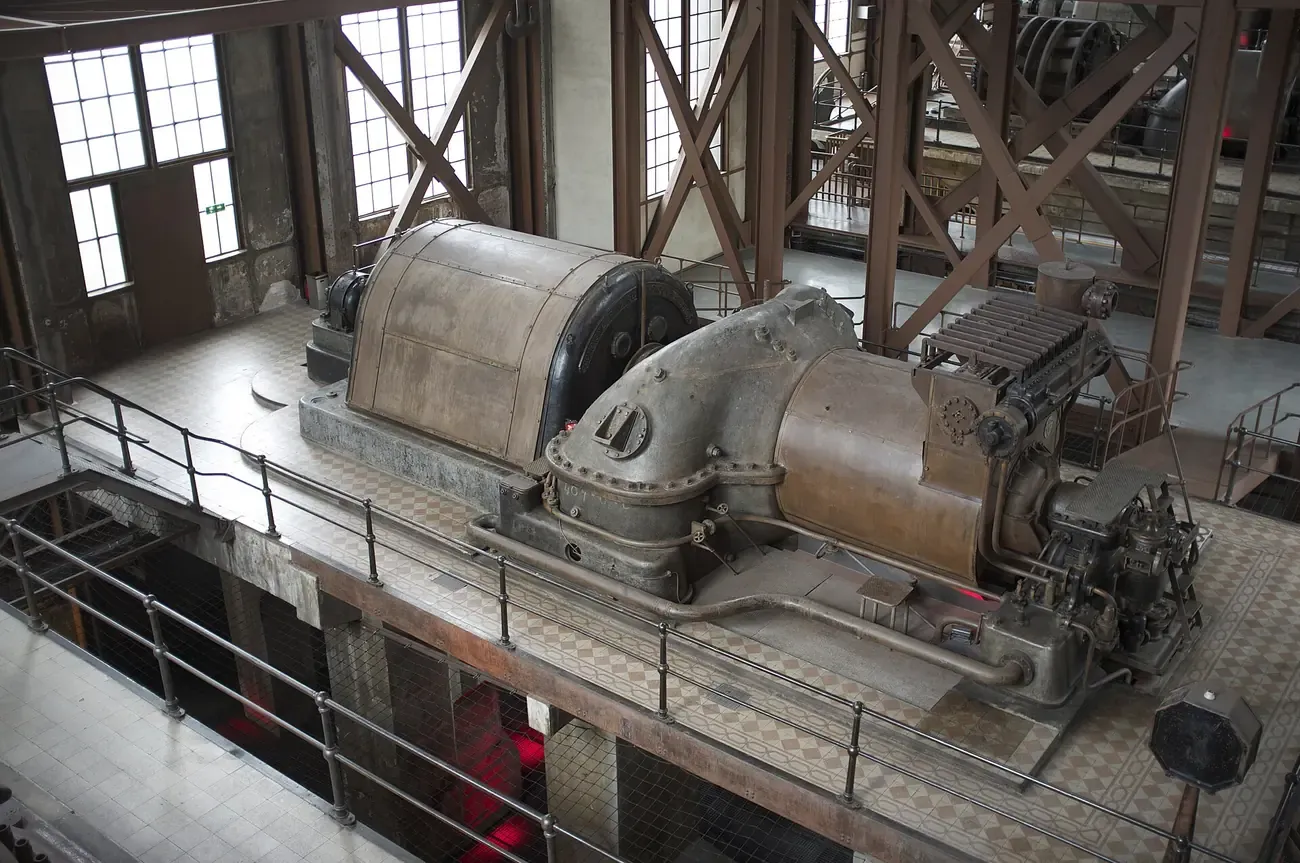
Museum of Energy
Two engine rooms of the Silahtarağa power station, which lit the city from 1914 to 1983, hold the country's first industrial archaeology museum.
Location: 59 Kazım Karabekir Caddesi, Eyüpsultan
Photo: "Santralistanbul" by Aleksandr Zykov (CC BY-SA 2.0).
More hidden corners to find in Istanbul
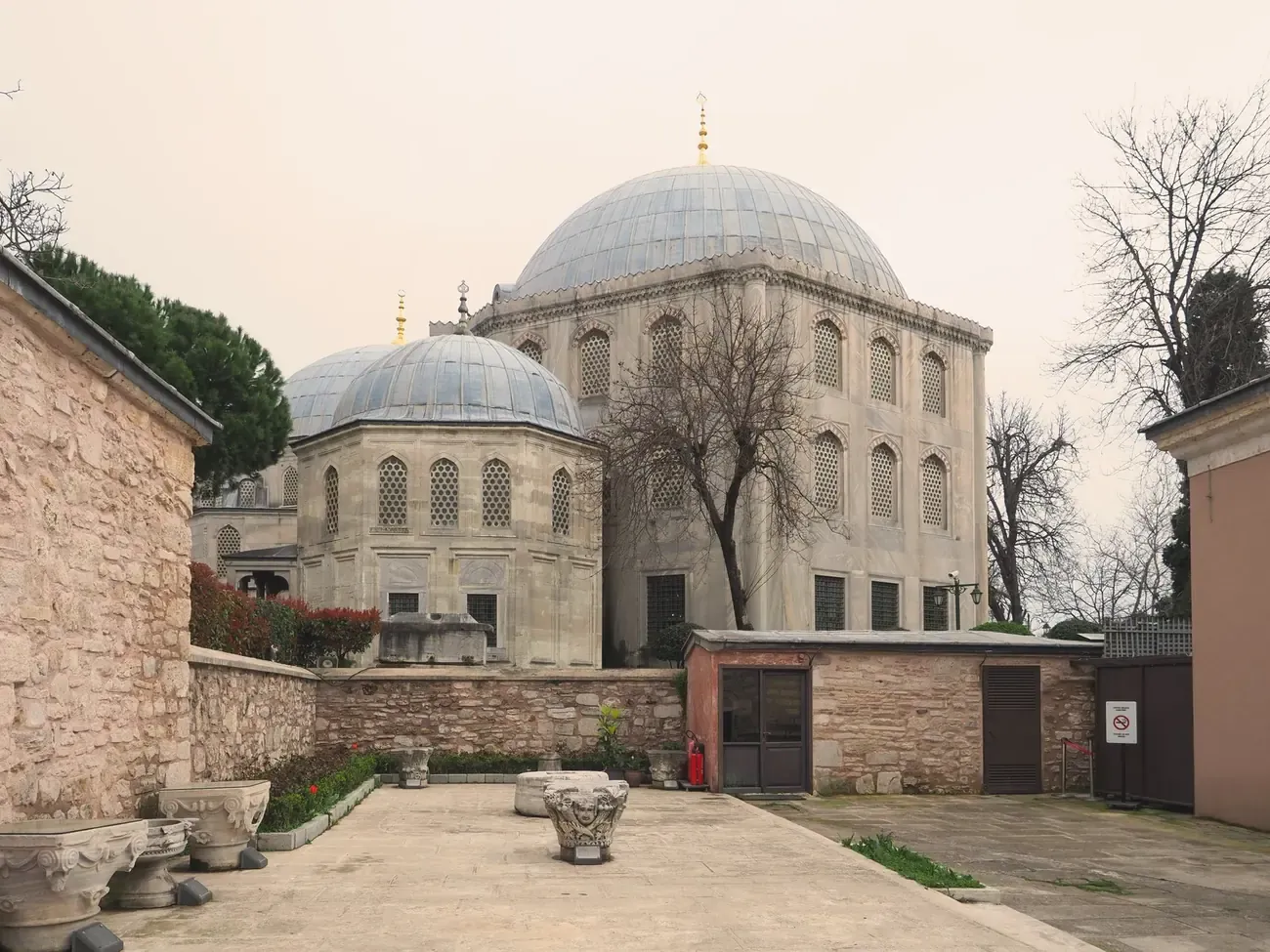
Tombs of the Sultans
Domed imperial tombs beside Hagia Sophia hold Selim II, Murad III and Mehmed III under tiled walls and painted ceilings.
Location: 1 Kabasakal Caddesi, Sultanahmet, Fatih
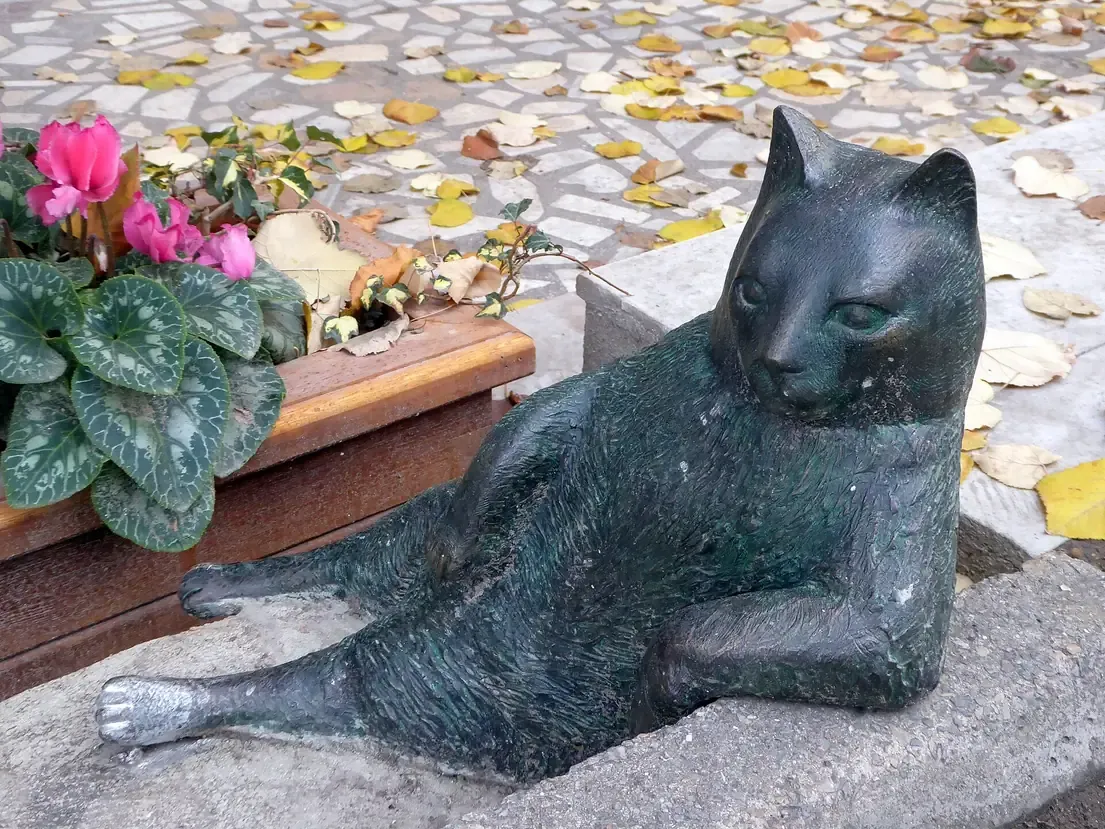
Tombili
A bronze cat lounges on the pavement in Ziverbey where a famous street cat used to sit, cast after her death in 2016.
Location: Zühtüpaşa, Kadıköy
Photo: "Tombili statue Istanbul" by Johannes Nickel (CC BY-SA 4.0).
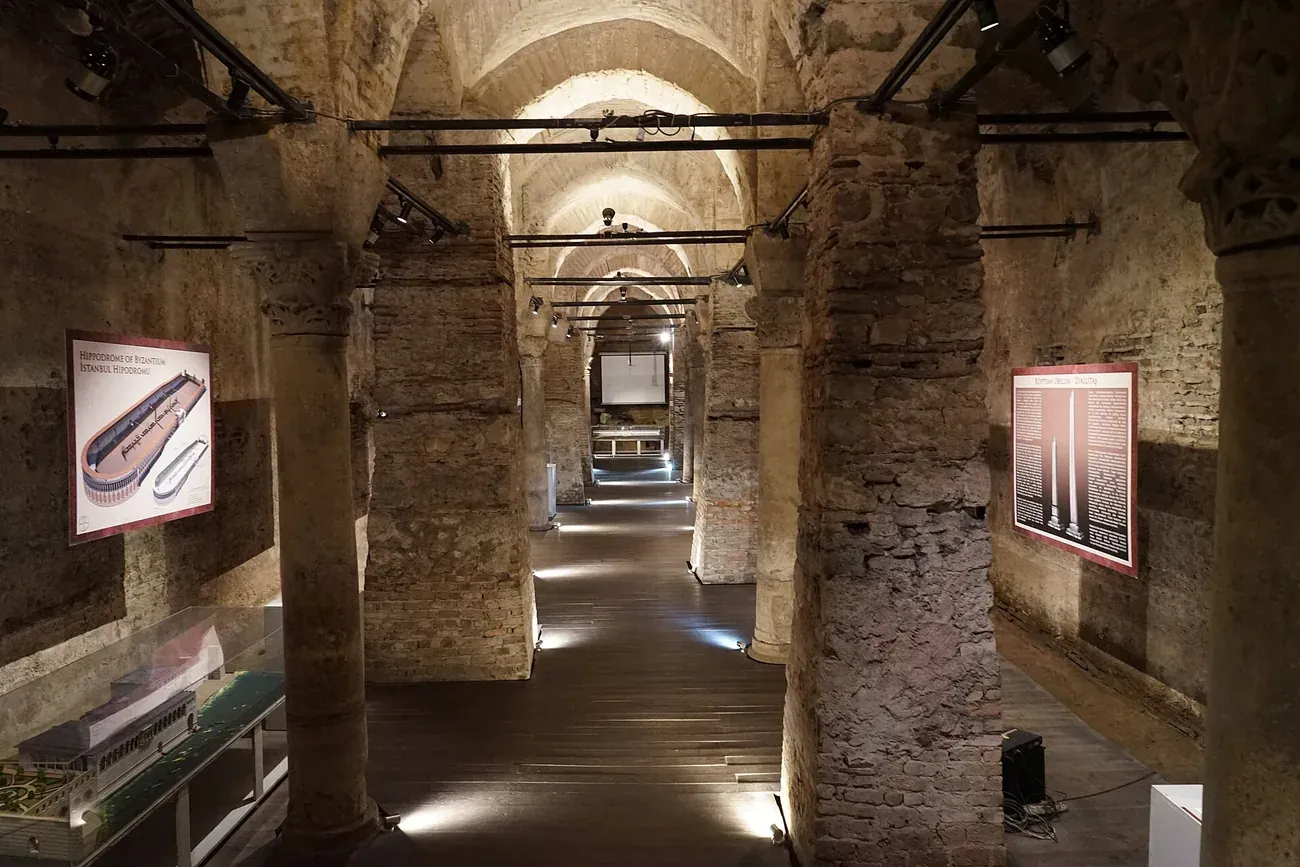
Nakilbent Cistern
Eighteen marble columns hold up a 6th century Byzantine cistern hidden under a carpet shop a few streets from the Hippodrome.
Location: Nakilbent Sokak 13, Sultanahmet, Fatih
Photo: "Columns and vaults of the Nakilbent Cistern" by Canercangul (CC BY-SA 4.0).
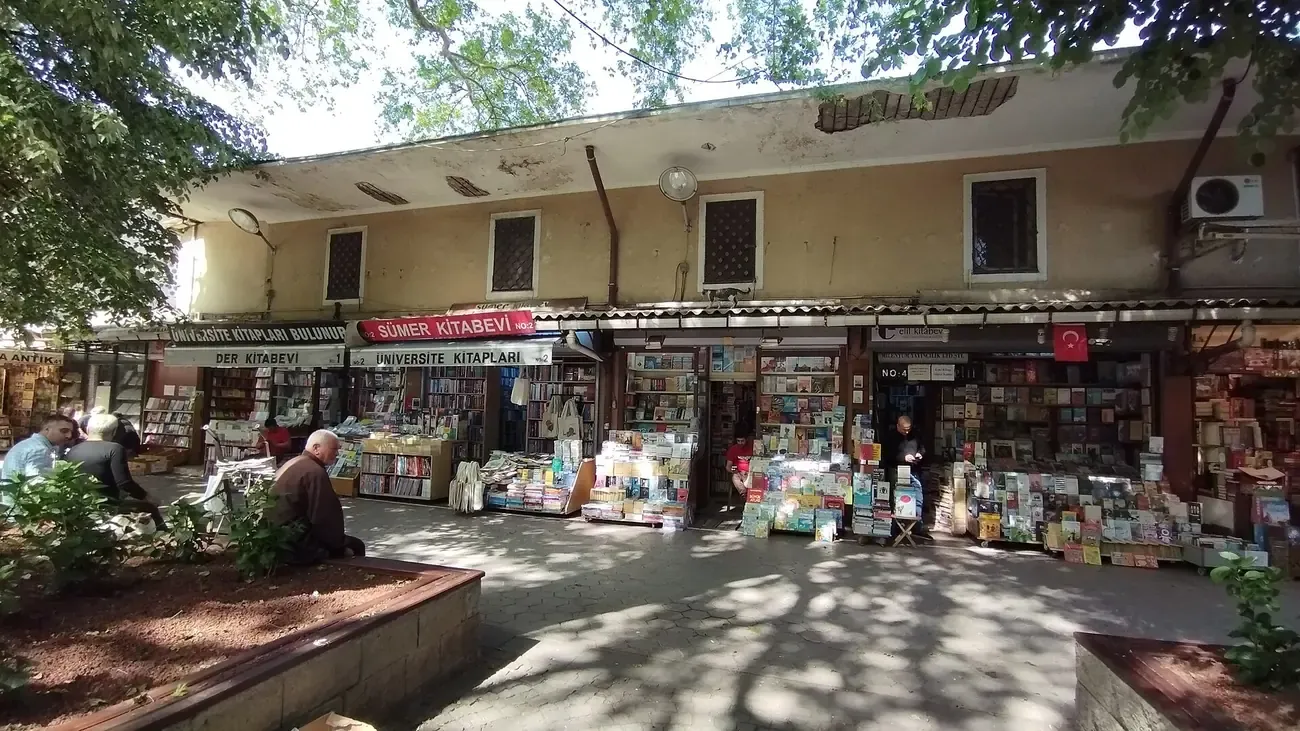
Minyatür’s Nautical Instruments
A workshop by the book market corner of the Grand Bazaar turns out brass astrolabes, sextants and compasses in miniature.
Location: Sahaflar Bedesteni Sokak, Beyazıt, Fatih
Photo: "Sahaflar Carsisi book market courtyard" by Janabaevazizbek (CC BY-SA 4.0).
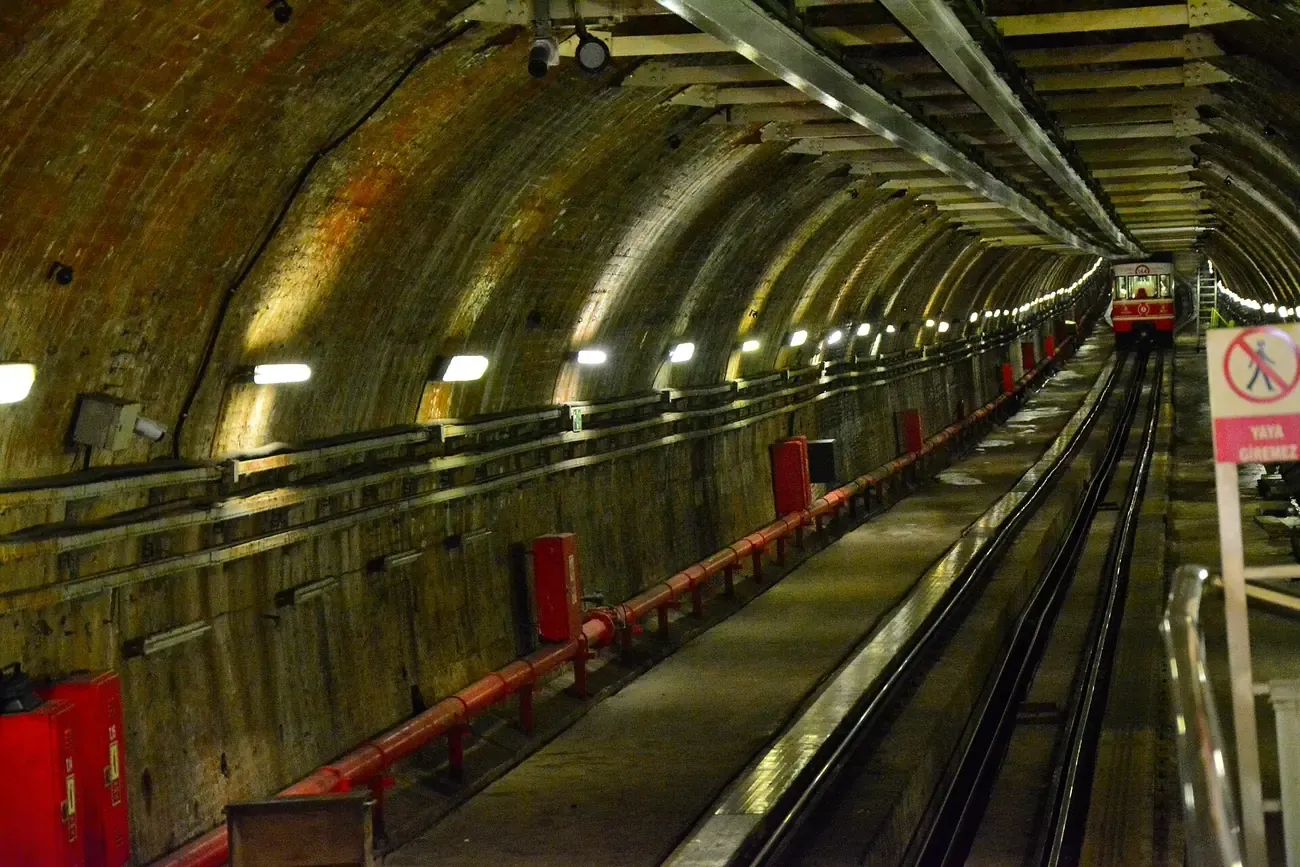
Tünel
The short funicular between Karaköy and Beyoğlu opened in 1875 and is among the oldest underground railways anywhere.
Location: Karaköy to Tünel Meydanı, Beyoğlu
Photo: "Taksim Tunel Metro" by BoraBora704 (CC BY-SA 4.0).
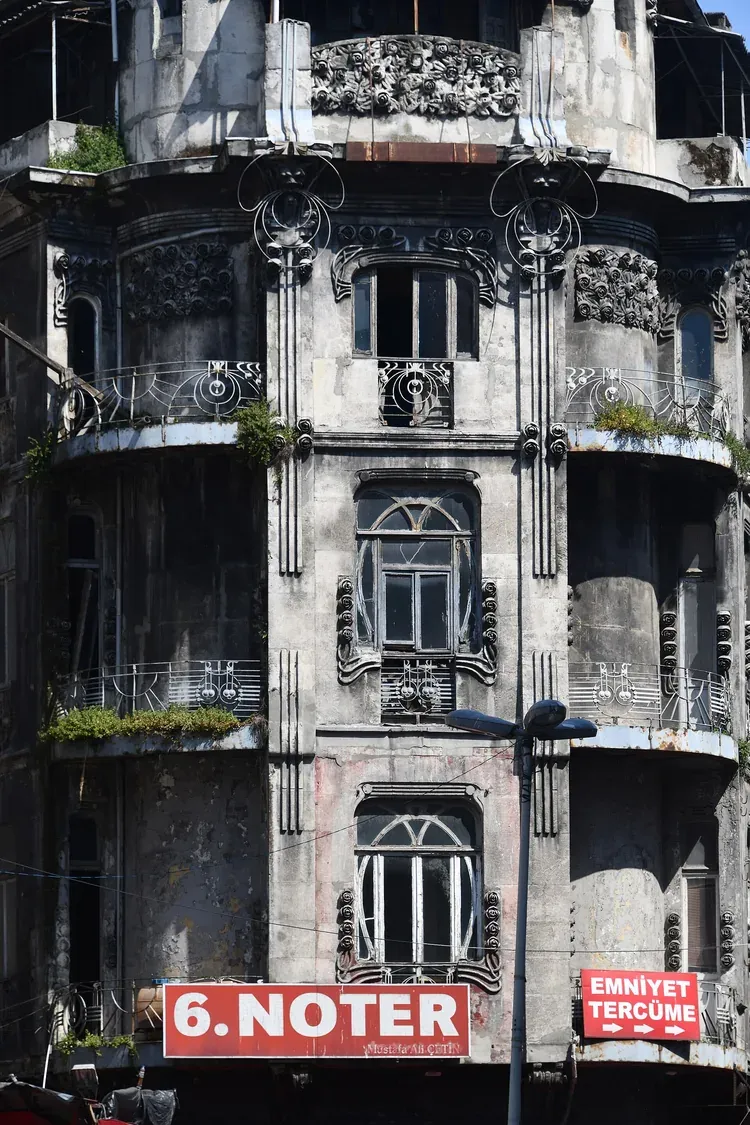
Vlora Hanı
An early 20th century office block whose grimy facade still carries carved stone roses and wrought iron balconies from the Art Nouveau years.
Location: 18 Büyük Postane Caddesi, Sirkeci, Fatih
Photo: "Vlora Hani facade" by Dosseman (CC BY-SA 4.0).
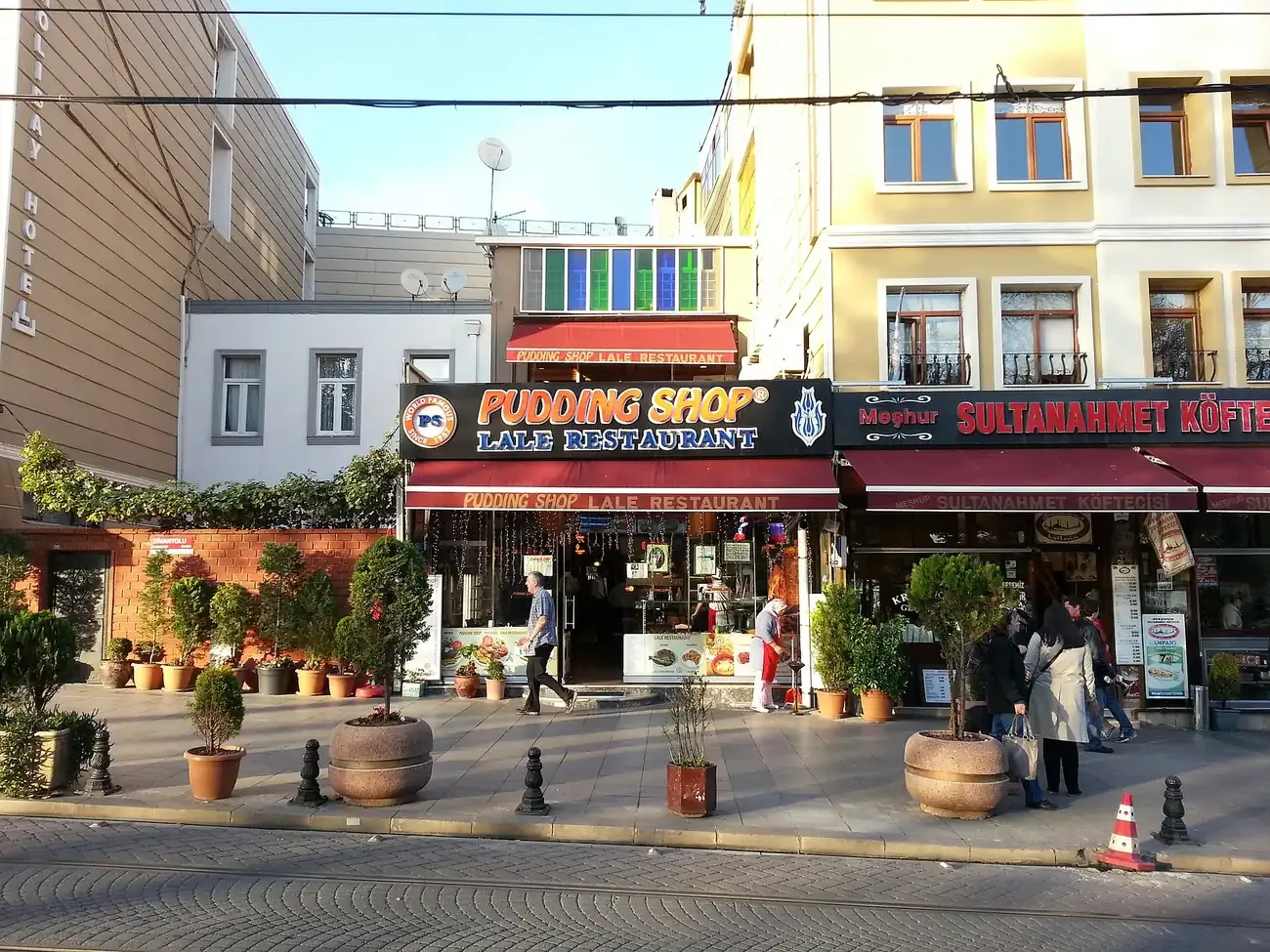
Pudding Shop (Lale Restaurant)
The Sultanahmet canteen opened in 1957 became the noticeboard of the hippie trail, where travellers left messages looking for rides east.
Location: 6 Divan Yolu Caddesi, Sultanahmet, Fatih
Photo: "Pudding Shop Lale Restaurant on Divanyolu" by Maris Teteris (CC BY 3.0).
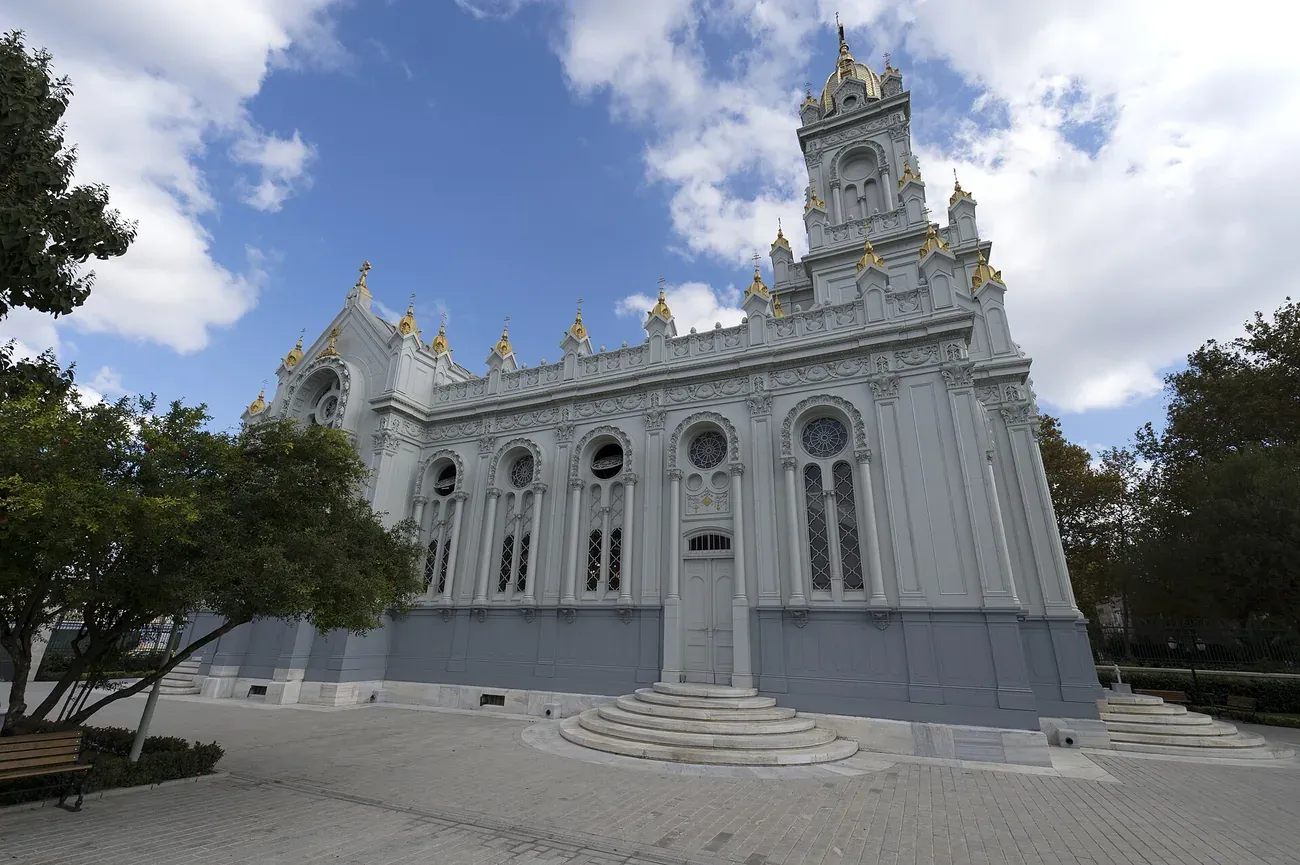
St. Stephen Bulgarian Iron Church
A cast iron church shipped in pieces from Vienna down the Danube and bolted together on the shore of the Golden Horn.
Location: 85 Mürselpaşa Caddesi, Balat, Fatih
Photo: "Stephen of the Bulgars church exterior" by Dosseman (CC BY-SA 4.0).
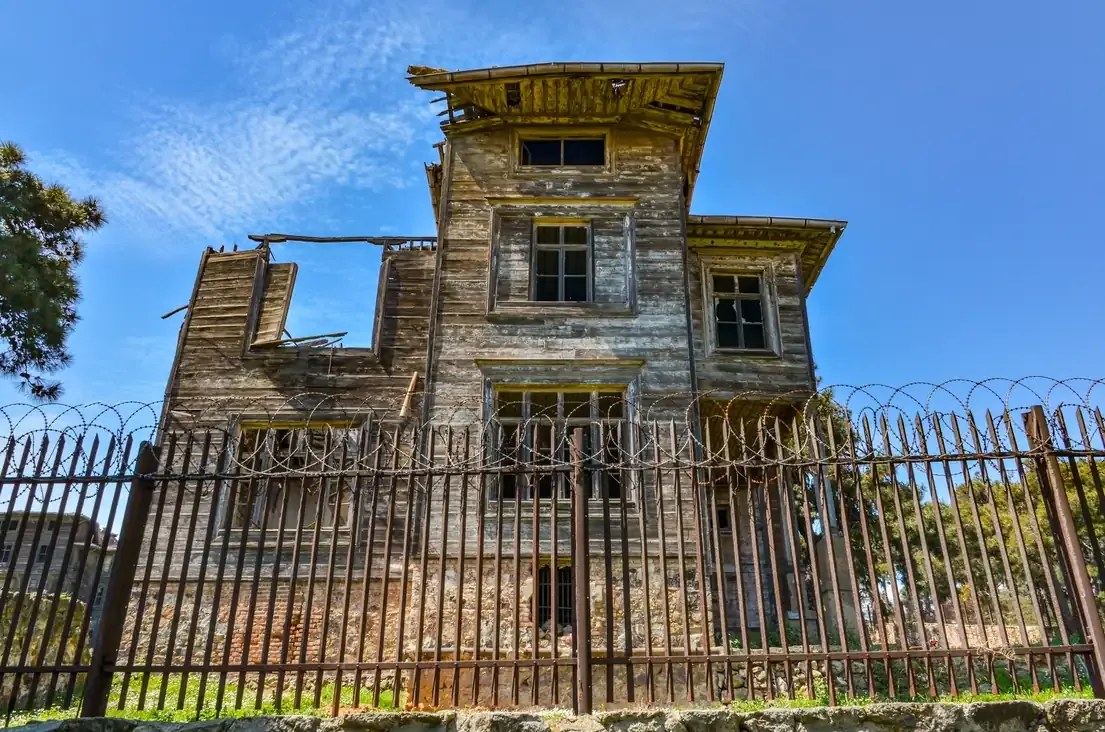
Prinkipo Orphanage
One of the largest wooden buildings in Europe stands derelict and closed on a Büyükada hilltop, built for Orient Express passengers.
Location: Büyükada, Adalar
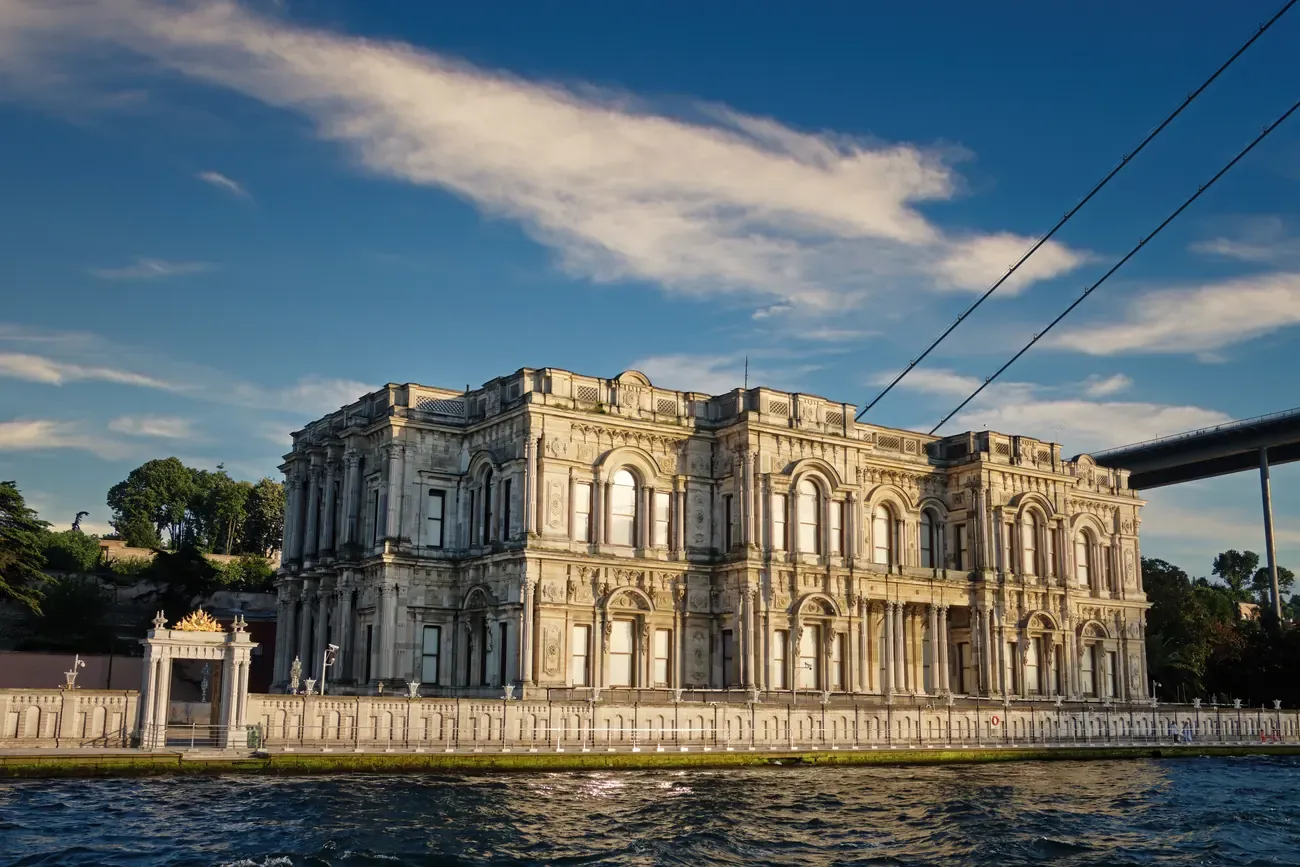
Beylerbeyi Palace
The Balyan architects built this marble summer palace on the Asian shore in the 1860s for the sultan and his guests of state.
Location: Beylerbeyi, Üsküdar
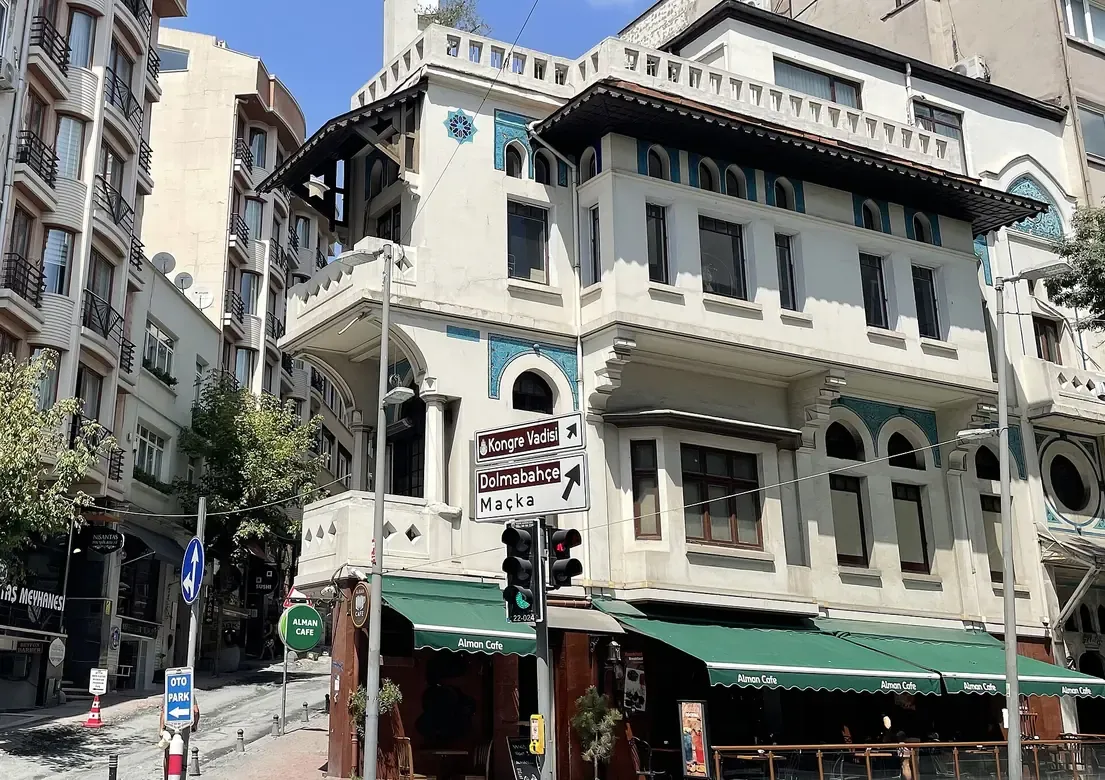
Vedat Tek House
The architect of the first national movement built his own eclectic house here in 1914, its bay windows and tilework still intact.
Location: 39/1 Vali Konağı Caddesi, Nişantaşı, Şişli
Photo: "Vedat Tek House" by Metuboy (CC BY-SA 4.0).
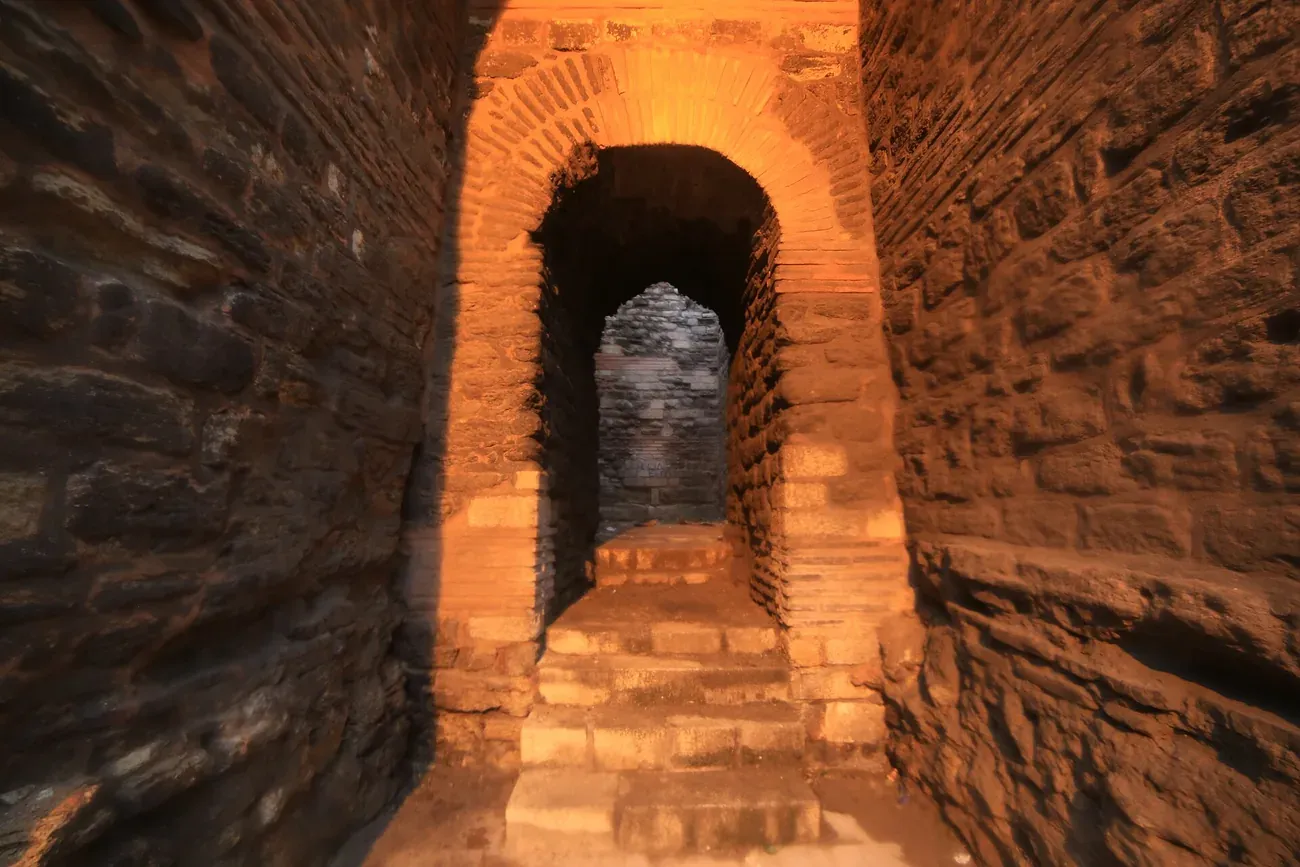
Theodosian Wall Stone Ladder
A narrow flight of stone steps set into the 5th century land walls climbs to the parapet without a handrail.
Location: Hoca Çakır Caddesi, Dervişali, Eyüpsultan
Photo: "Walls near Palace of the Porphyrogenitus, Ayvansaray" by Jwslubbock (CC BY-SA 4.0).
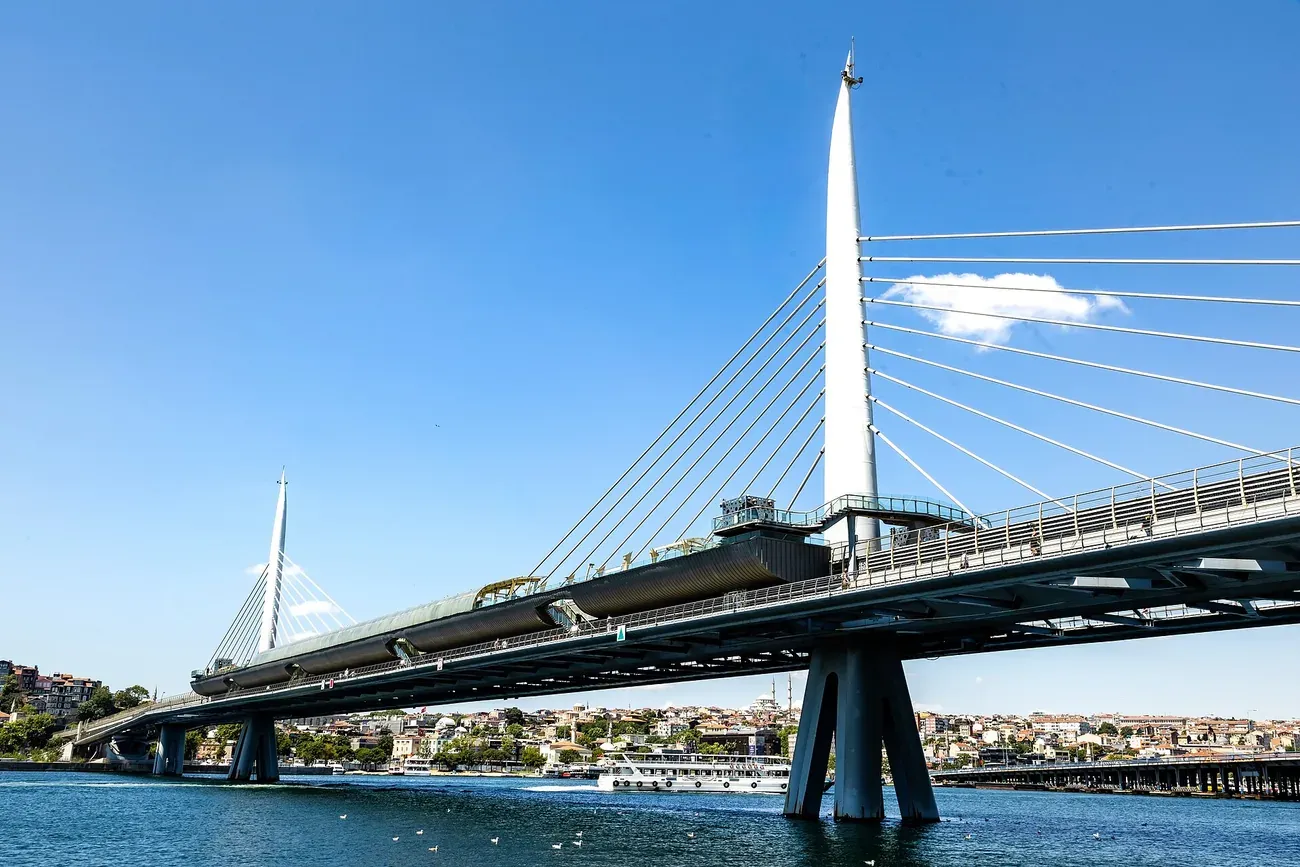
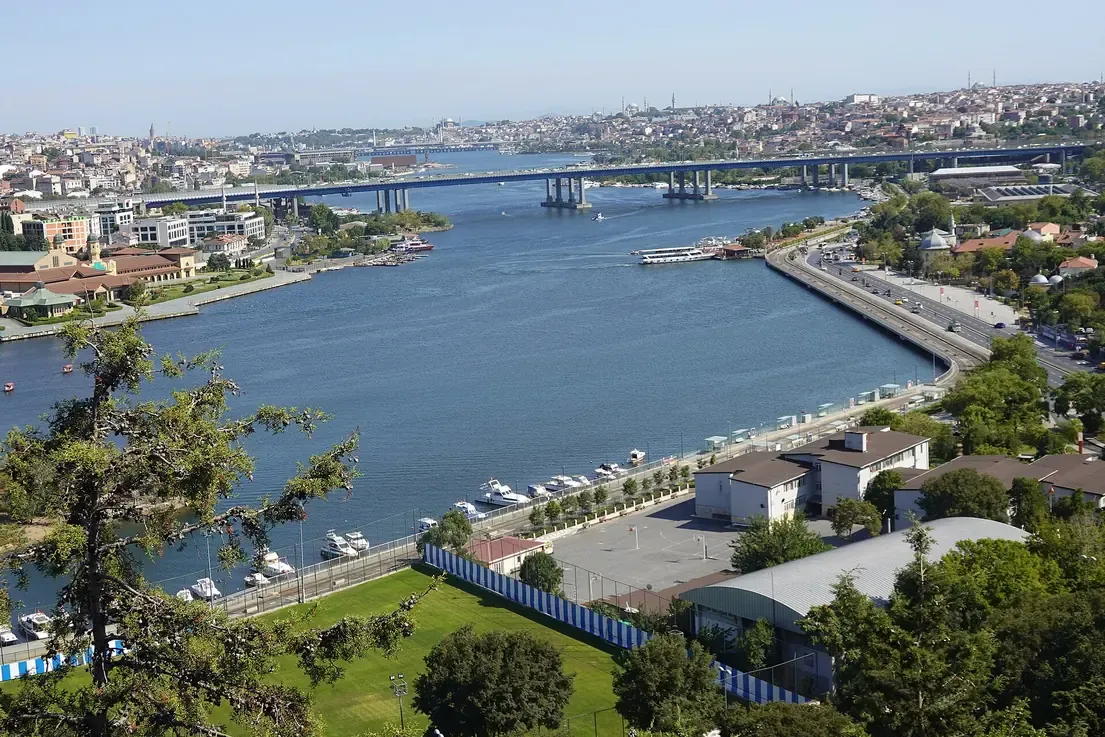
Haliç Metro Bridge
The cable stayed metro crossing of the Golden Horn carries a station in mid span, with the estuary opening out from the platform.
Location: Golden Horn, between Beyoğlu and Fatih
Photo: "Haliç Metro Bridge" by Elif Erol9 (CC BY-SA 4.0).
What makes Istanbul special
Istanbul is the only major city built across two continents, its European and Asian shores divided by the Bosphorus strait and stitched together by bridges, tunnels and a constant traffic of ferries. Byzantion, the Greek colony Byzas founded on the peninsula, grew into Constantinople under Constantine the Great and stayed the Byzantine capital for more than a thousand years before Mehmed II took the city for the Ottomans in 1453. The Republic moved its capital to Ankara in 1923, yet Istanbul remains Turkey's largest city, home to around 15.6 million people and still the country's commercial and cultural centre. Hagia Sophia, Topkapi Palace, the Blue Mosque and the Basilica Cistern all stand within the Historic Areas of Istanbul, listed by UNESCO in 1985 and the first entry on most lists of the tourist attractions in Turkey.
Neighbourhoods to know
The historic peninsula around Sultanahmet holds the imperial mosques, palaces and the Grand Bazaar, bounded by the Sea of Marmara and the Golden Horn. Across the Golden Horn, Galata and Beyoglu form the modern centre, climbing from the tower to Istiklal Avenue and Taksim Square. The Bosphorus shore north of the centre mixes waterfront mansions with fortresses like Rumeli Fortress, while Kadikoy, on the Asian side, keeps a younger, less touristed pace reached by ferry.
When to go and for how long
April to May and September to October bring mild temperatures without the summer heat or the busiest cruise season. Three to four full days cover the historic peninsula and one further neighbourhood at a steady pace, with a fifth day free for a Bosphorus ferry ride or a crossing to the Asian side.
Getting around
The T1 tram runs along the historic peninsula from Kabatas through Sultanahmet and Eminonu to the western districts, connecting by transfer to the M11 airport metro line at Gayrettepe. Ferries cross the Bosphorus and the Golden Horn between the European and Asian shores, and the Istanbulkart travel card covers trams, metro, buses and ferries on a single tap. Traffic makes the surface roads slow, so rail and water transport beat taxis at peak hours.