
34 places to visit in Europe
Known for
Ancient ruins, medieval old towns, and grand cathedrals
Must-see countries
Italy, France and Spain
Must-see landmarks
Eiffel Tower, Colosseum, Sagrada Familia and the Acropolis of Athens
Best time to visit
April to June and September to October, for mild weather
Must-see countries in Europe
Italy
Explore Italy in detail Home to more UNESCO World Heritage sites than any other country, from Rome and Florence to the Amalfi Coast.
Spain
Explore Spain in detail Gaudí's Barcelona, Moorish Andalusia and the Prado in Madrid across a country built for long, late days.
France
Explore France in detail Paris and the châteaux of the Loire, Mont Saint-Michel and the Riviera, plus the art capitals of Europe.
Portugal
Explore Portugal in detail Lisbon's hills, the palaces of Sintra and the Douro valley along Europe's western Atlantic edge.
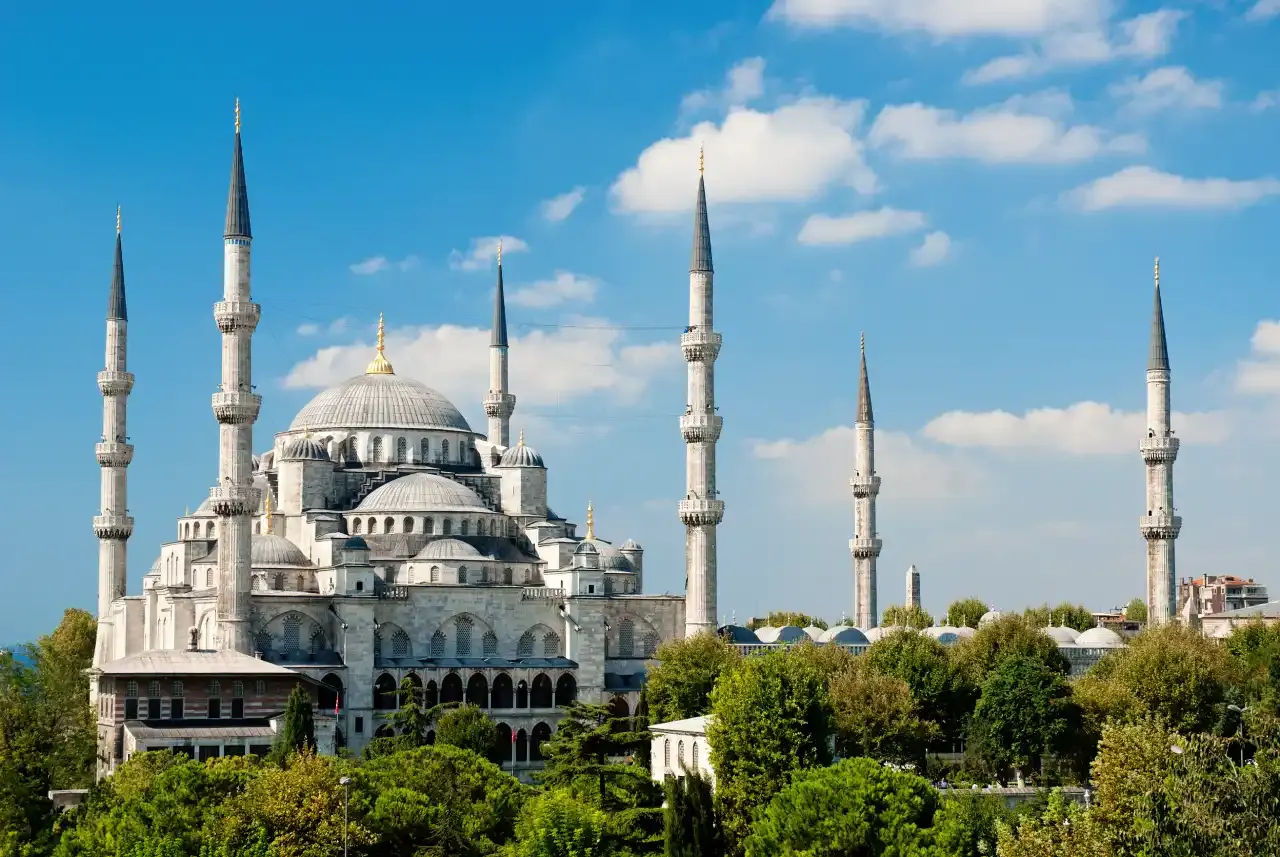
Turkey
Explore Turkey in detail Where Europe meets Asia across the Bosphorus, with Istanbul's mosques, bazaars and Byzantine core.
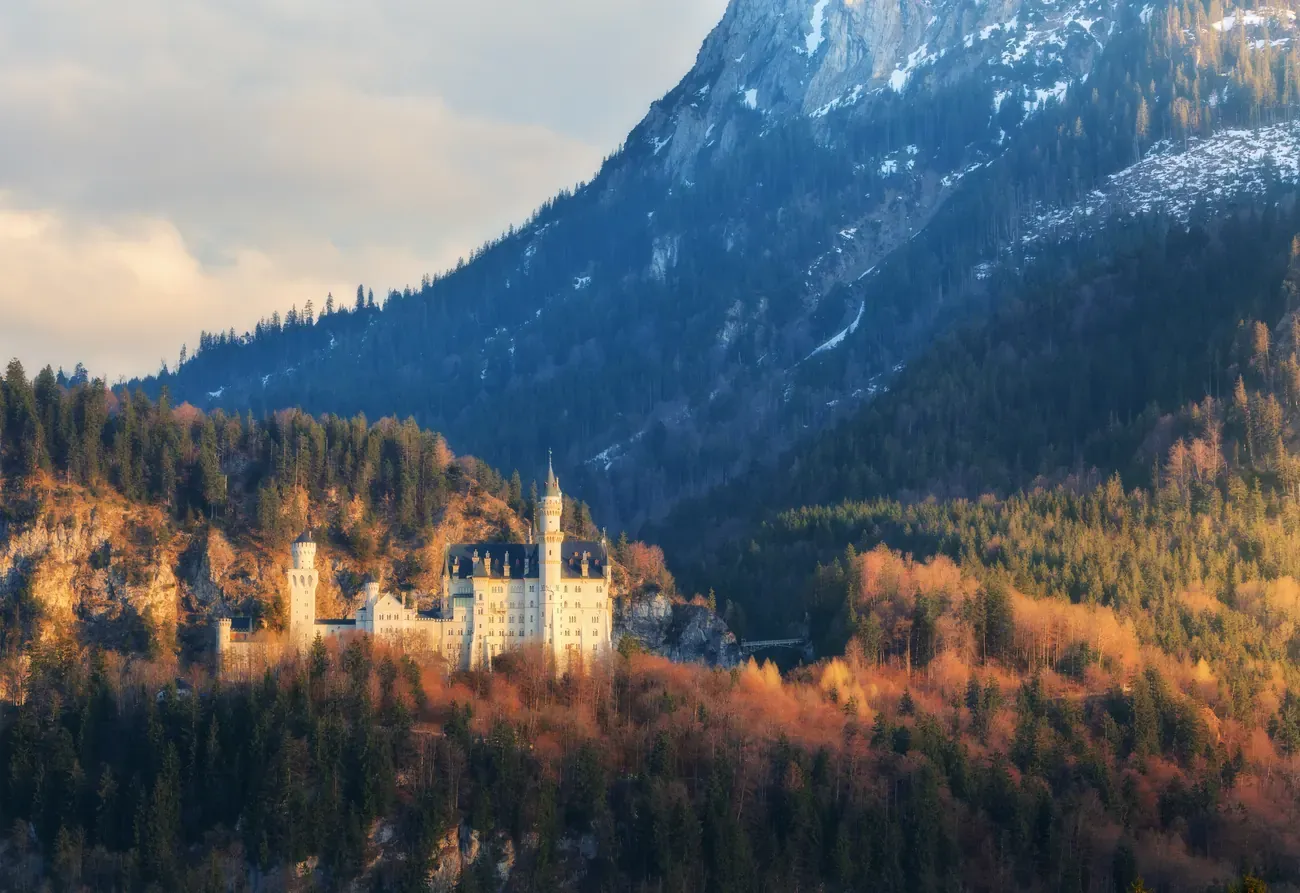
Germany
Explore Germany in detail Fairy-tale castles, the reunited capital of Berlin and the Bavarian Alps at the heart of the continent.
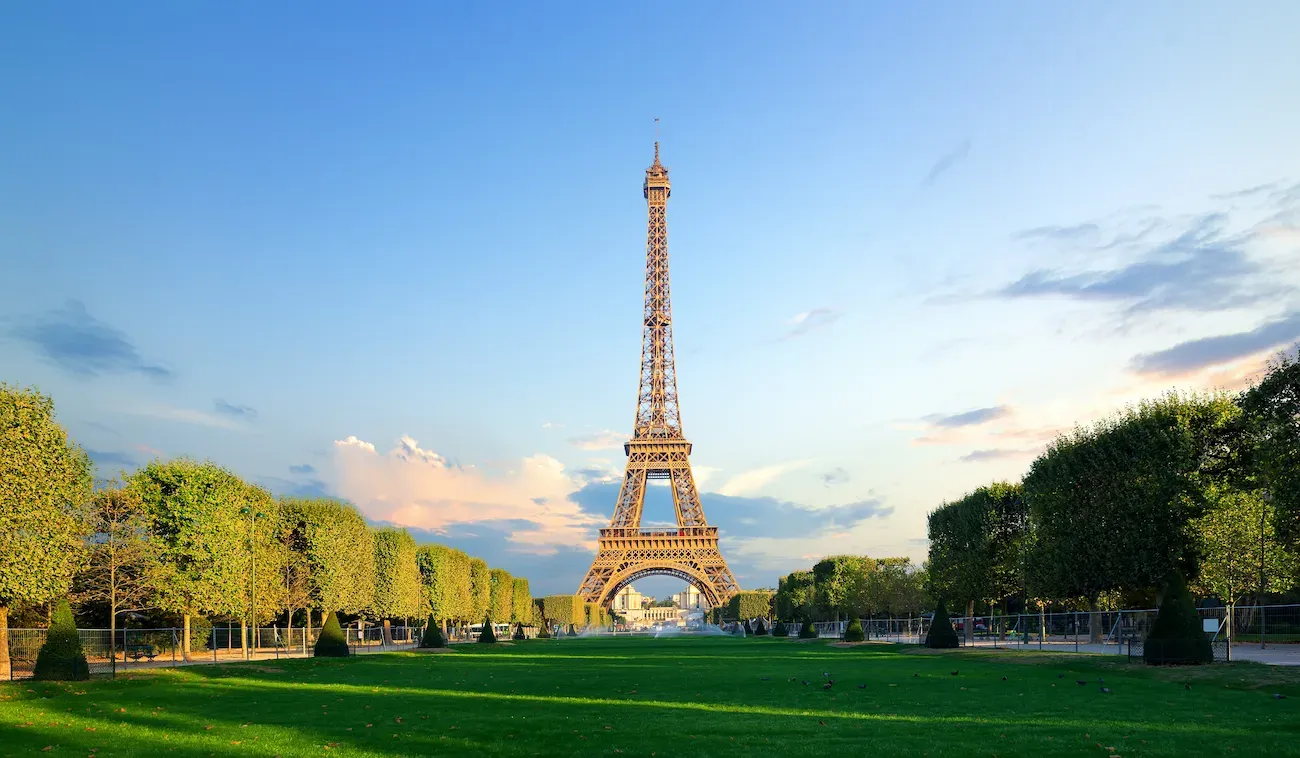
1. Eiffel Tower
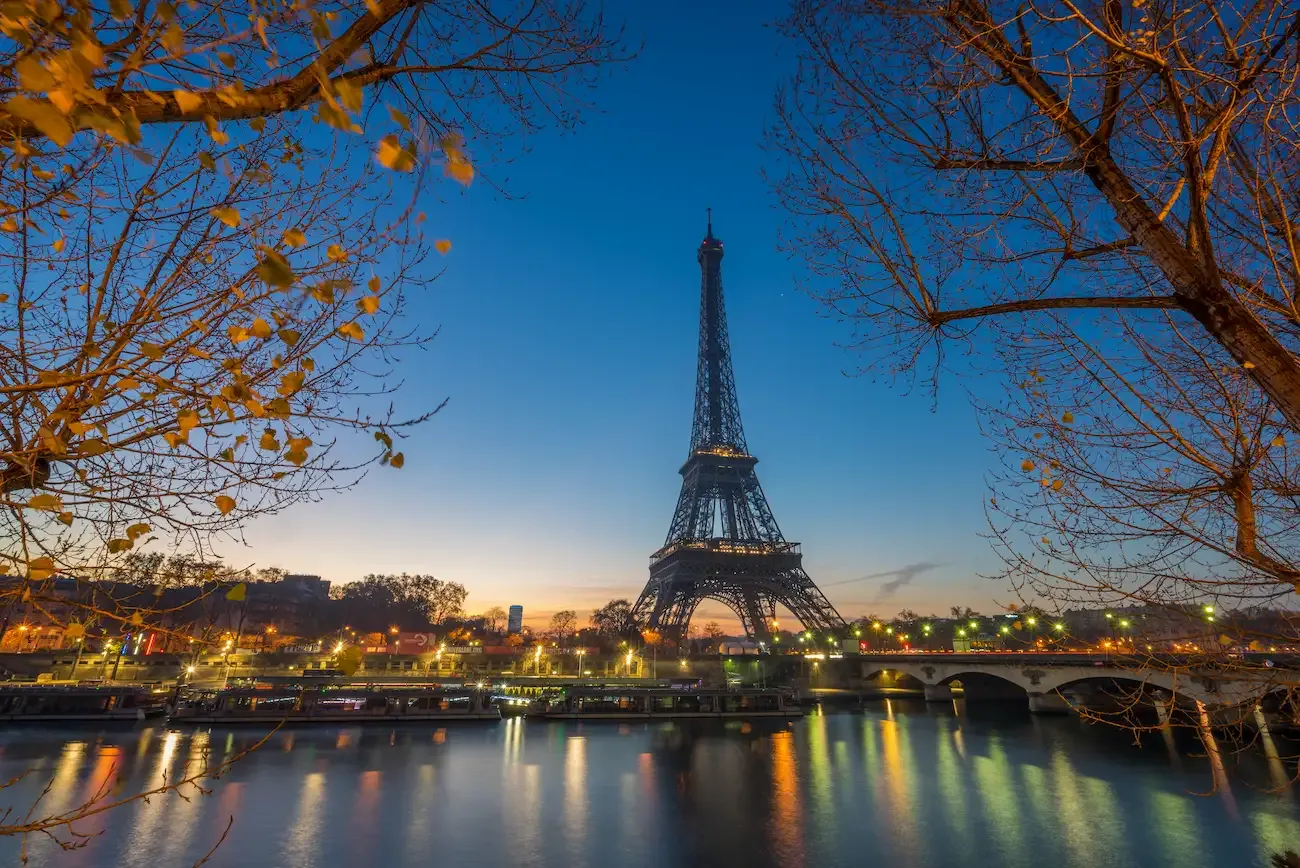
Europe has no more universal symbol than the iron lattice on the Champ de Mars. Gustave Eiffel's company built it between 1887 and 1889 as the centrepiece of a world's fair marking a century since the French Revolution, and the temporary showpiece never came down. Lifts and stairs reach two levels of terraces, glass floors and restaurants, while a second lift climbs to the summit at 276 metres, where the view runs from Montmartre to the long westward bend of the Seine.
Opened: 1889 · Engineer: Gustave Eiffel
Location: Champ de Mars, Paris, France
Access: Ticketed, timed entry
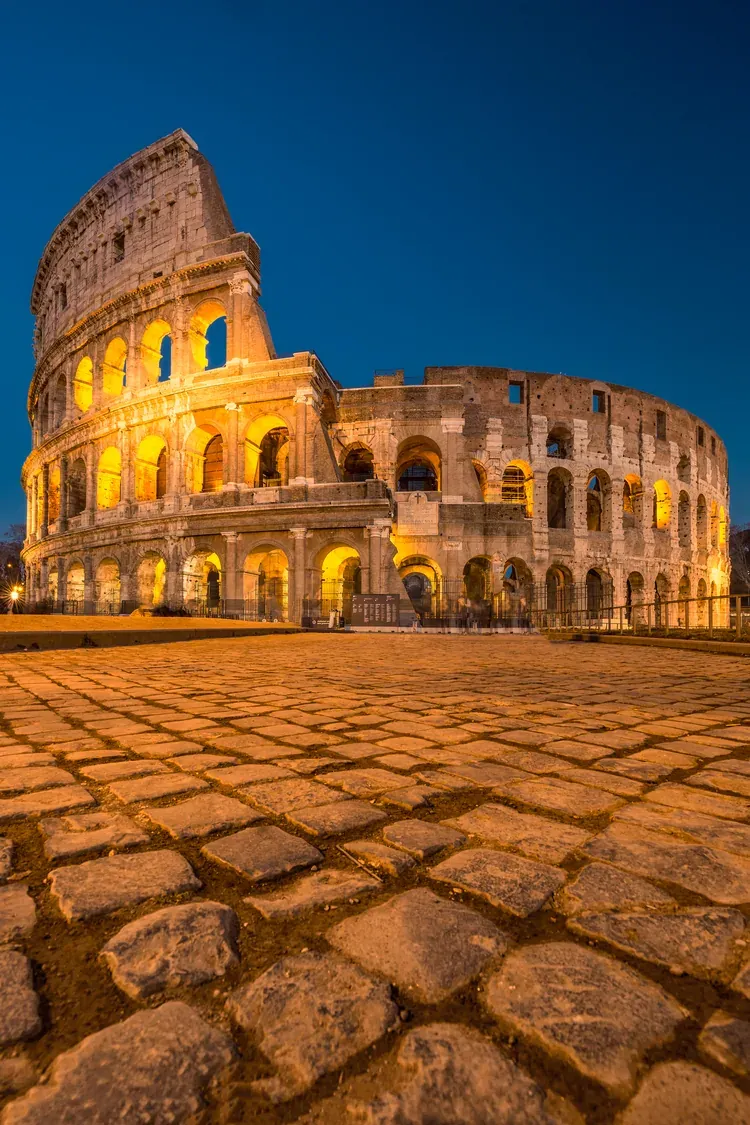
2. Colosseum
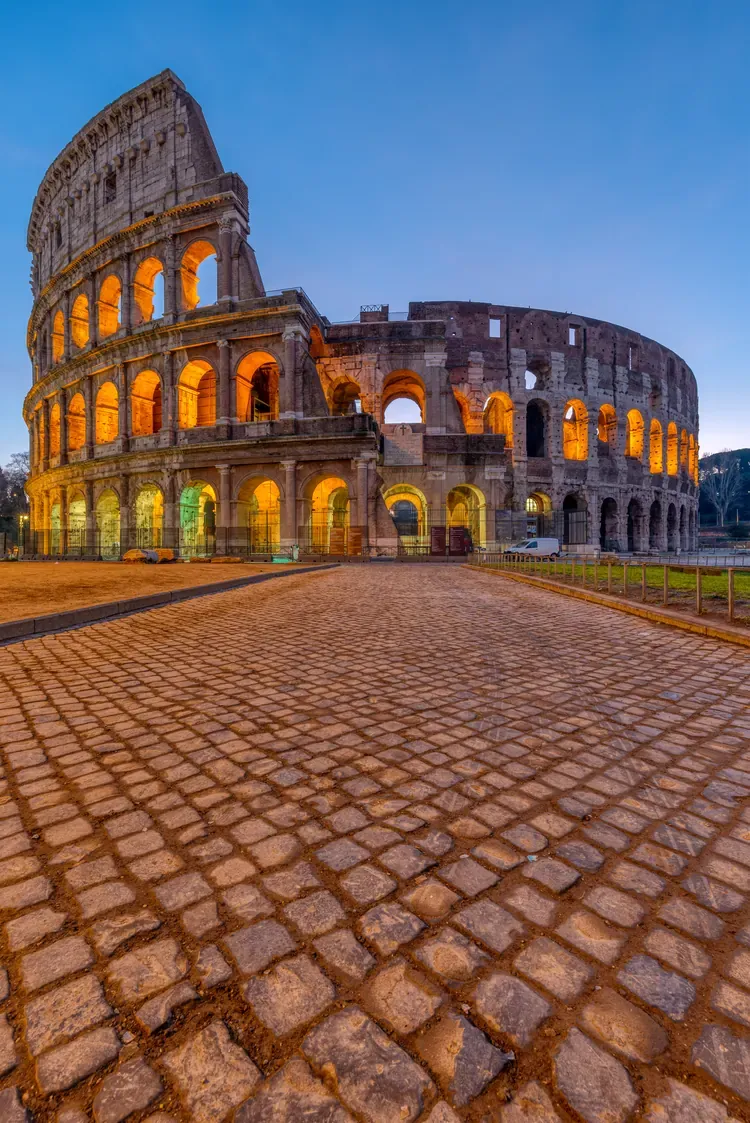
No ruin anchors Europe's ancient past like the Colosseum. The largest amphitheatre the Romans ever built once seated tens of thousands for gladiator fights and staged hunts, and what survives reads like a cross-section of ancient engineering: stacked arcades of travertine, numbered entrances that funnelled the crowds, and the maze of tunnels under the arena floor where fighters and animals waited for the lifts. It stands at the heart of Rome, beside the Roman Forum and the Palatine Hill.
Opened: around AD 80 · Style: ancient Roman
Location: Piazza del Colosseo, Rome, Italy
Access: Ticketed, timed entry
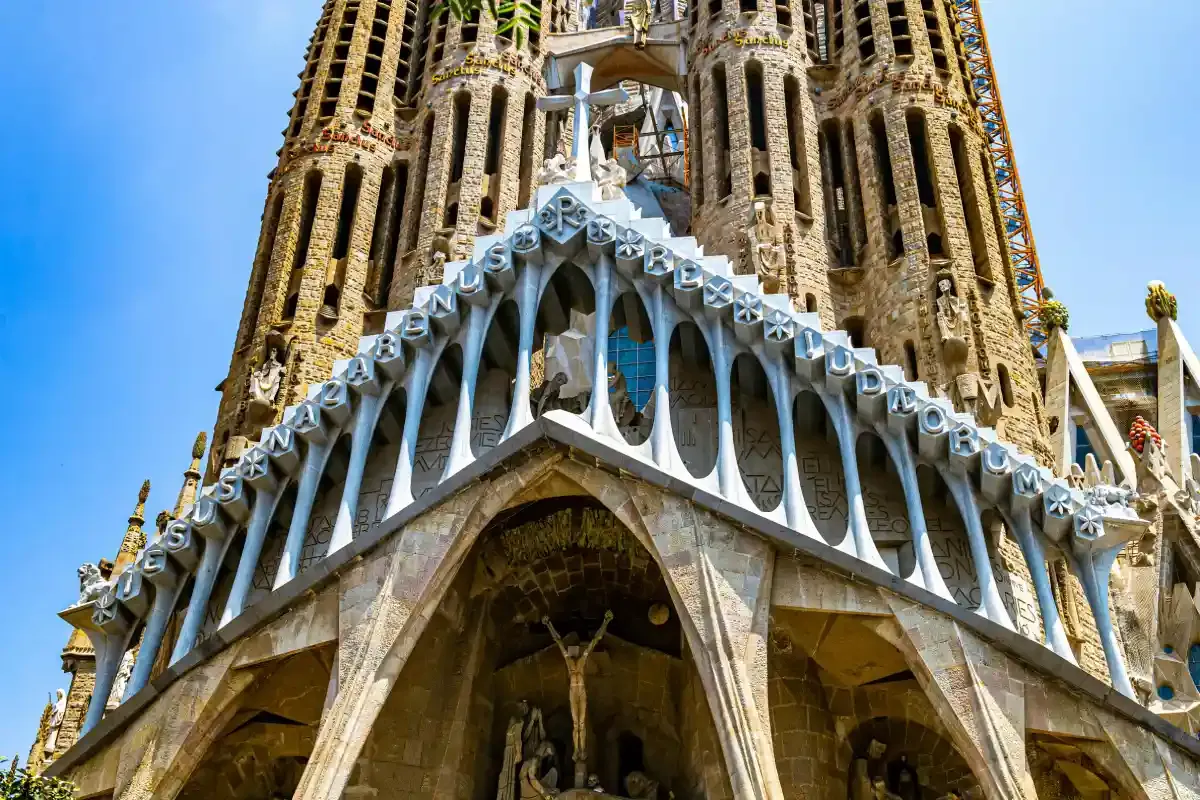
3. Sagrada Família
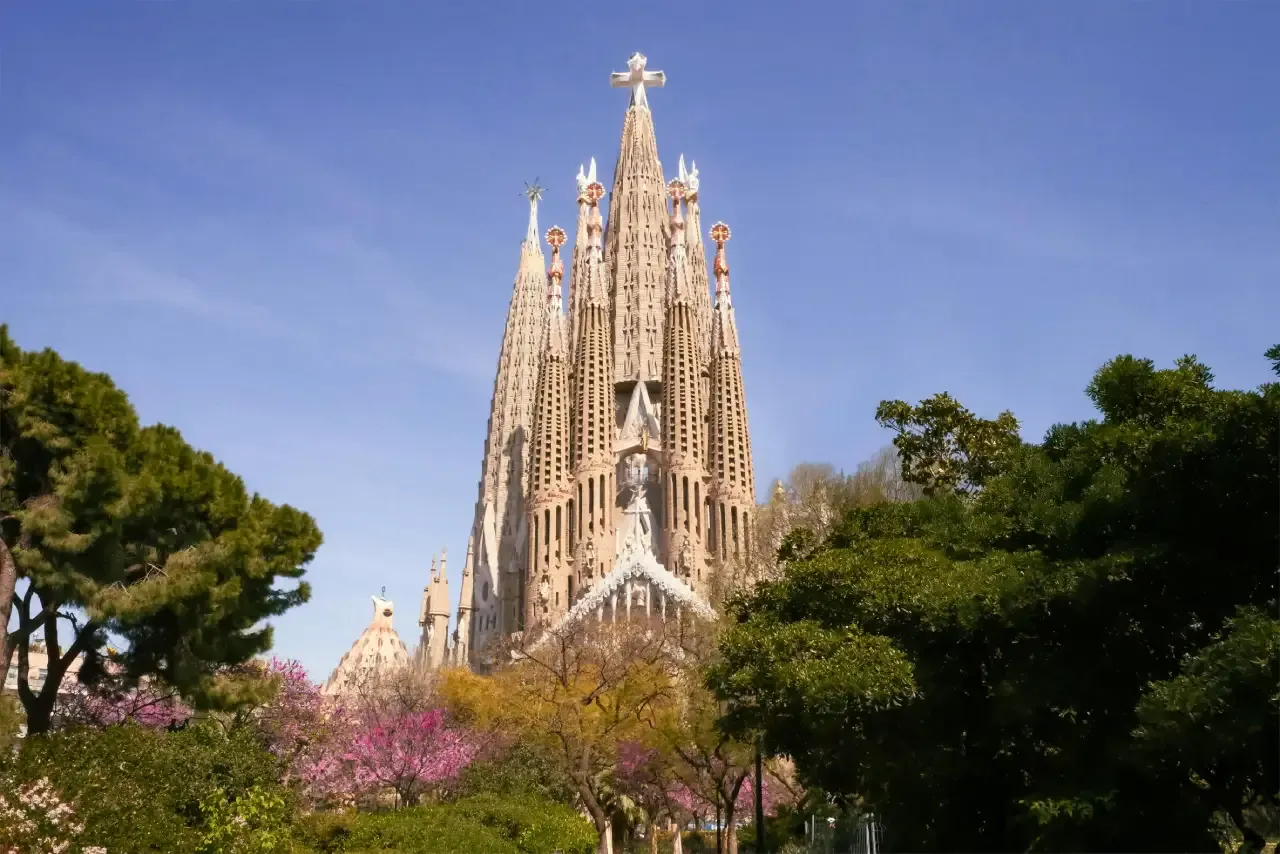
Barcelona's basilica is the most recognisable building in Spain and still a building site, which is half the appeal. Work began in 1882, Antoni Gaudí took charge the next year, and what he left is less a church than a forest turned to stone, with columns that branch overhead and stained glass dragging bands of colour across the floor as the afternoon moves. The central Tower of Jesus Christ reached its full height of 172.5 metres in early 2026, making this the tallest church in the world.
Architect: Antoni Gaudí · Begun: 1882
Location: Eixample, Barcelona, Spain
Access: Ticketed, timed entry
4. Acropolis of Athens
The rock that shaped Europe's idea of the classical still crowns Athens. The Parthenon, built for Athena in the fifth century BCE, holds the summit in Doric marble. Beside it stand the Erechtheion, where six sculpted maidens carry the Porch of the Caryatids, and the Propylaea, the monumental gateway visitors climb through, while the Odeon of Herodes Atticus is cut into the south slope below.
Architects: Ictinus and Callicrates · Style: Doric
Location: Acropolis hill, Athens, Greece
Access: Ticketed, timed entry, open daily
5. Tower of London
Nine centuries of English power close around the White Tower, which rose for William the Conqueror within a generation of 1066. The fortress worked in turn as palace, arsenal, mint, menagerie and state prison, and today visitors come for the Crown Jewels, kept under guard, and for the Yeoman Warders who walk groups past the scaffold site and the cells. It is one of Europe's most complete medieval castles, on the north bank of the Thames beside Tower Bridge.
Heritage: UNESCO World Heritage Site · Built: from the eleventh century
Location: Tower Hill, London, United Kingdom
Access: Ticketed, timed entry
6. Neuschwanstein Castle
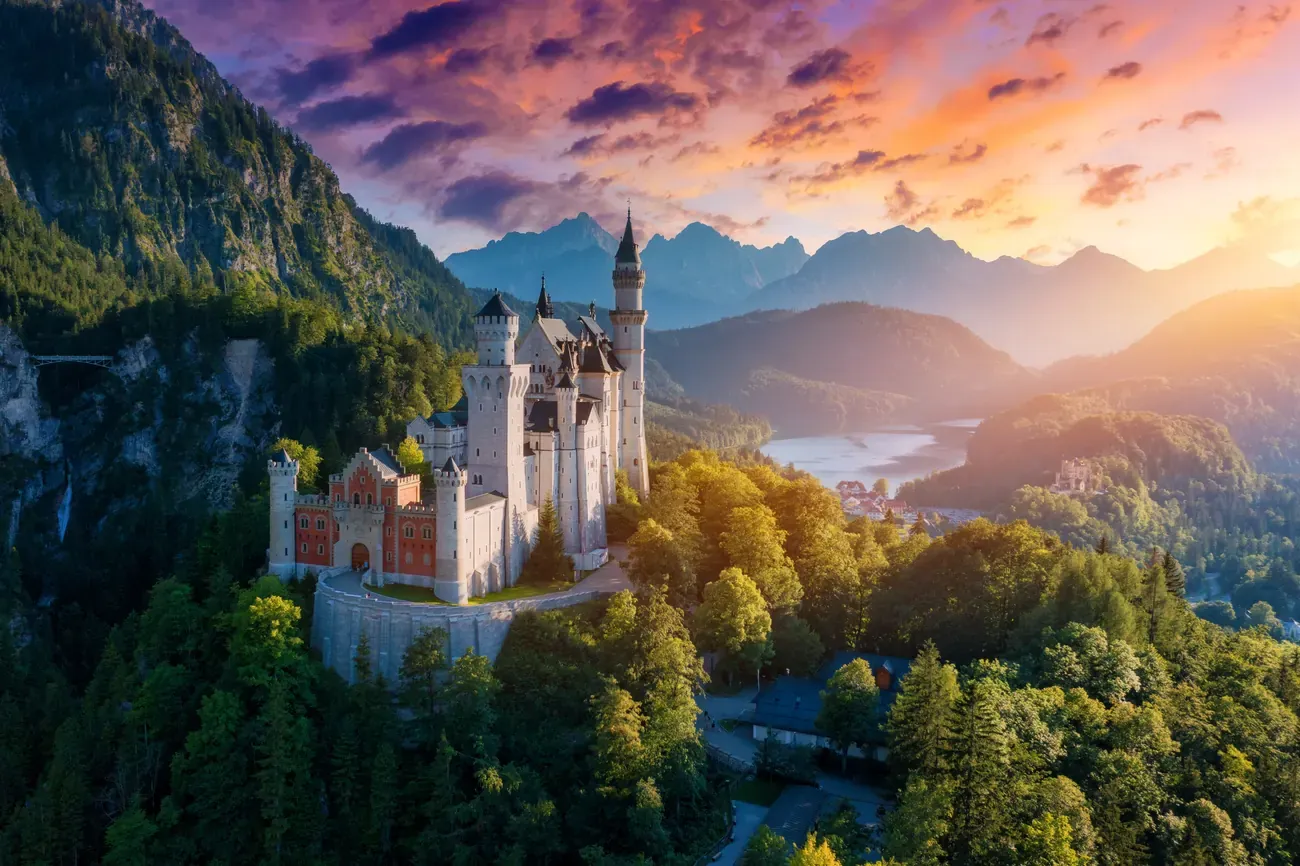
The castle that inspired a thousand fairy tales rises on a crag above Hohenschwangau in the Bavarian Alps. Ludwig II of Bavaria began it in 1869 and never saw it finished, dying in 1886 with barely a third of the rooms complete. The first drawings came from a theatre designer rather than an architect, which is why the throne hall and singers' hall read as stage sets in stone. Below the walls the ground falls to the Alpsee, and the Marienbrücke footbridge frames the view that fills the postcards.
Architect: Christian Jank · Heritage: UNESCO World Heritage since 2025
Location: Schwangau, Bavaria, Germany
Access: Ticketed, interior only on a timed guided tour
7. Hagia Sophia
Few buildings carry more of Europe's history than Hagia Sophia, on the first hill of old Istanbul where the Sea of Marmara, the Bosphorus and the Golden Horn meet. Raised as the cathedral of Constantinople and finished in 537, its pendentive dome was among the first of its kind. Minarets, tombs and calligraphic roundels came with the Ottoman centuries, the republic ran it as a museum from 1935, and it returned to worship in 2020. Byzantine mosaics survive on the upper gallery.
Style: Byzantine with Ottoman additions · Completed: 537
Location: Sultanahmet, Istanbul, Turkey
Access: Ticketed for visitors, open daily
8. Louvre Museum
The world's most visited museum fills a former royal palace on the right bank of the Seine, and no single visit exhausts it. Behind the glass pyramid that I. M. Pei set in the courtyard in 1989, eight departments run from Egyptian antiquities and the Winged Victory of Samothrace to the crowd around Leonardo's Mona Lisa. The palace itself is as much the exhibit as the art, its wings wrapped around courtyards that took four centuries to finish. It opened to the public in 1793.
Opened: 1793 · Pyramid: I. M. Pei, 1989
Location: Rue de Rivoli, Paris, France
Access: Ticketed, timed entry
9. Leaning Tower of Pisa
Few buildings are recognised from the silhouette alone, and Pisa's bell tower is one of them. Begun in 1173 as the campanile of the cathedral next door, it started tilting while still under construction as the ground beneath the Piazza dei Miracoli gave way, and engineers have managed the lean ever since. The climb corkscrews up the marble cylinder to the bell chamber, and the square around it, shared with the cathedral and the baptistery, is a UNESCO World Heritage site.
Style: Romanesque · Begun: 1173
Location: Piazza dei Miracoli, Pisa, Italy
Access: Ticketed, timed entry for the climb
10. Prague Castle
The largest castle complex in the world, by Prague City Tourism's measure, spreads across 45 hectares above the river in Prague. Prince Bořivoj founded it in the 880s, and Bohemian kings, Holy Roman emperors and today the Czech president have all ruled from here, so its buildings trace almost every European style in turn. Gothic St Vitus Cathedral rises at the centre, beside the Old Royal Palace, the little houses of Golden Lane and the Romanesque St George's Basilica.
Styles: Romanesque to Baroque · Founded: around 880
Location: Hradčany, Prague, Czechia
Access: Ticketed interiors, courtyards free
11. Alhambra
No monument carries the Islamic centuries of Europe more completely than the Alhambra. What began as a hilltop fortress became the palace city of the Nasrid emirs, the last Muslim dynasty in Iberia, and their halls still carry carved stucco, honeycomb vaulting and Arabic inscriptions worked into nearly every surface. Water runs through it all, from the Court of the Lions to the terraced gardens of the Generalife. Dropped in the middle is the Renaissance palace of Charles V.
Style: Nasrid and Renaissance · Heritage: UNESCO since 1984
Location: Sabika hill, Granada, Spain
Access: Ticketed, timed slot for the Nasrid Palaces
12. Schönbrunn Palace
The Habsburgs' summer residence stands outside the Ring in Vienna, 1,441 rooms behind a long ochre facade and a UNESCO World Heritage Site since 1996. Guided routes through the staterooms pass the mirrored halls where Maria Theresa held court, while the formal gardens climb past fountains and clipped hedges to the Gloriette on the ridge, with the city spread below. The park also holds a maze, a palm house and the oldest zoo in the world still on its original site.
Style: Baroque · Heritage: UNESCO since 1996
Location: Hietzing, Vienna, Austria
Access: Ticketed staterooms, park free
13. Big Ben
Big Ben is the nickname of the great bell inside the Westminster clock tower, formally renamed the Elizabeth Tower in 2012, and few outlines say Europe's capitals faster. Below it the Palace of Westminster still houses the Commons and the Lords along a river frontage of Gothic Revival stone, and UNESCO lists the palace together with Westminster Abbey across the road. The classic view is from the far end of Westminster Bridge or the South Bank opposite, best at dusk.
Heritage: UNESCO World Heritage Site · Renamed: Elizabeth Tower, 2012
Location: Parliament Square, London, United Kingdom
Access: Free from the street, chamber tours ticketed
14. Brandenburg Gate
No European monument packs more history into one silhouette. Carl Gotthard Langhans modelled the sandstone gateway on the entrance to the Athenian Acropolis and finished it in 1791, and Napoleon carted its Quadriga off to Paris before it returned eight years later. From 1961 the gate stood inside the border strip, out of reach from both sides of the divided city, and the crowds who gathered there in November 1989 turned it into the image of a reunited Germany.
Architect: Carl Gotthard Langhans · Completed: 1791
Location: Pariser Platz, Berlin, Germany
Access: Free, an open square with no ticket
15. Rijksmuseum
The national museum of the Netherlands turns eight centuries of Dutch art into one walkable route, and the Gallery of Honour is its spine: Frans Hals, Vermeer's quiet interiors and, at the far end, Rembrandt's vast Night Watch. Pierre Cuypers designed the red-brick building that opened on Amsterdam's Museum Square in 1885, and a ten-year renovation returned it in 2013 with a cycle passage running through the middle. Four Van Gogh paintings hang here too.
Highlight: Rembrandt's Night Watch · Opened: 1885
Location: Museum Square, Amsterdam, Netherlands
Access: Ticketed, open daily
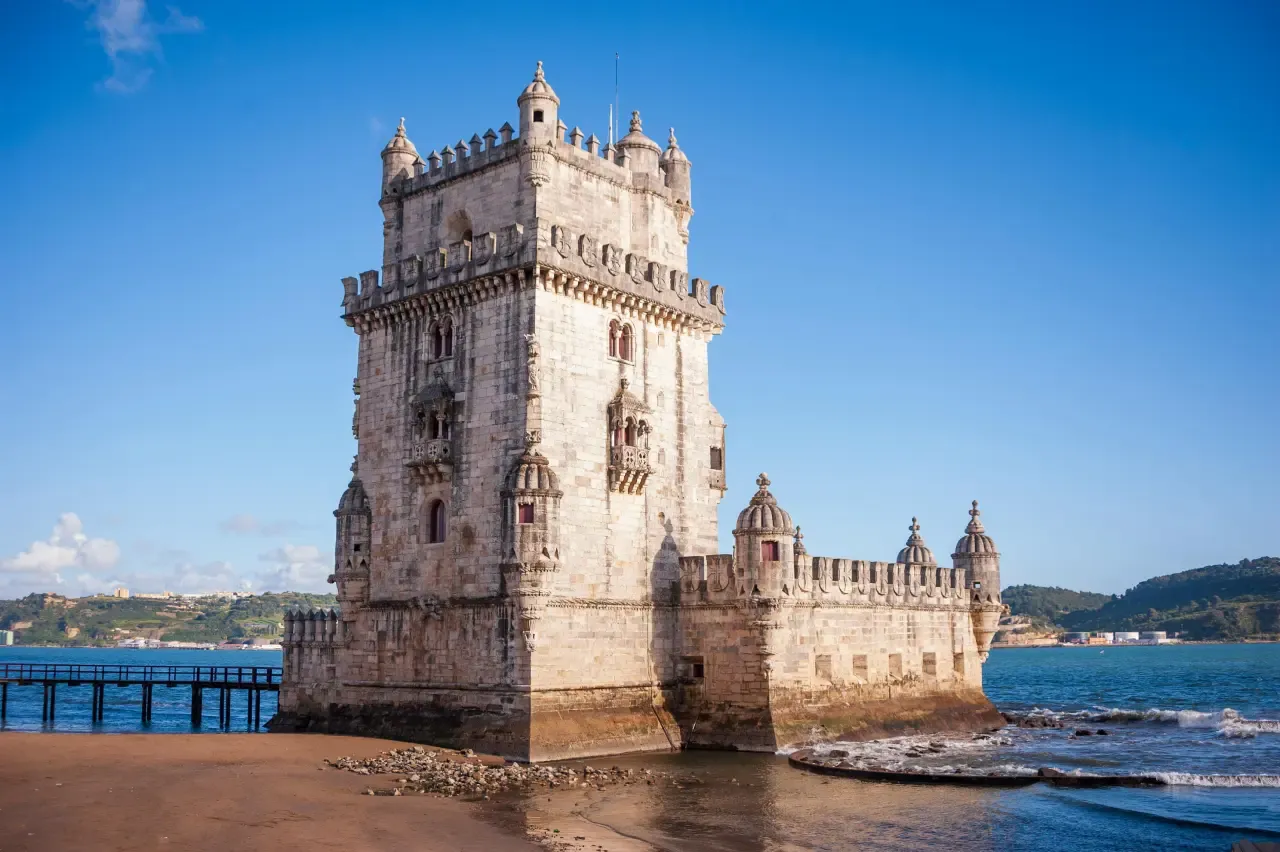
16. Belém Tower
Raised between 1514 and 1519 as a gun platform guarding the mouth of the Tagus, Belém Tower sets a squat bastion under a loggia of Manueline carving: stone ropes, armillary spheres and, beneath one corbel, a rhinoceros head thought to portray the animal shipped to Lisbon in 1515 and sent on to the Pope. One of the great monuments of Europe's age of discovery, it reopened in May 2026 after conservation work, with entry in timed slots.
Heritage: UNESCO World Heritage Site since 1983
Location: Belém, Lisbon, Portugal
Access: Ticketed, timed entry
Palaces and castles to visit in Europe
Museums to see in Europe
Churches and cathedrals in Europe
Ancient sites to explore in Europe
Views and experiences in Europe
18 hidden gems to visit in Europe
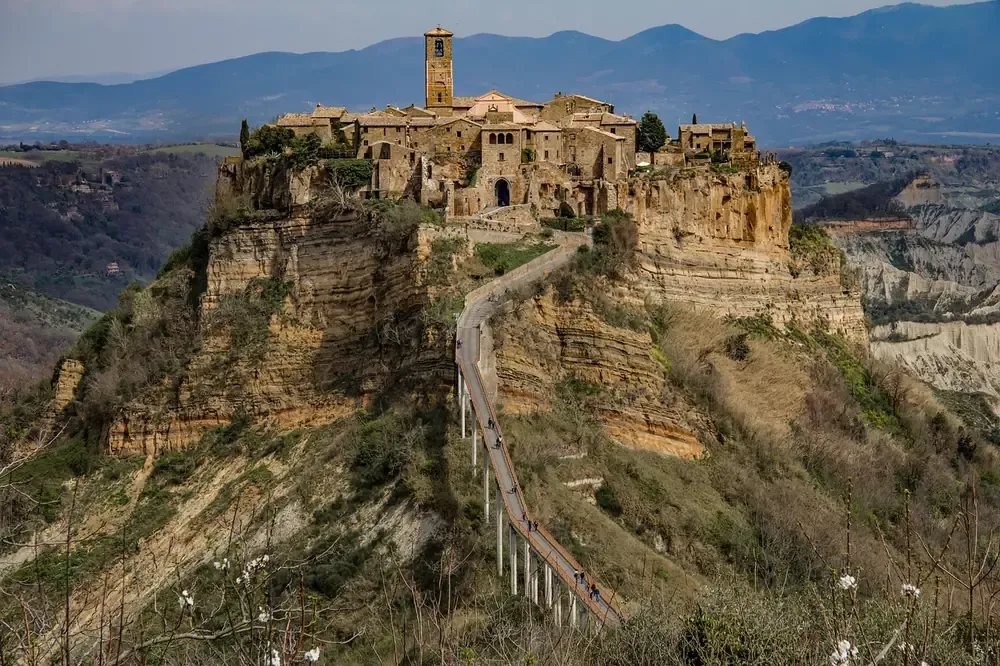
Civita di Bagnoregio
A hilltop town reached only by footbridge, slowly crumbling on its tufa pedestal above the badlands north of Rome.
Location: Lazio, Italy
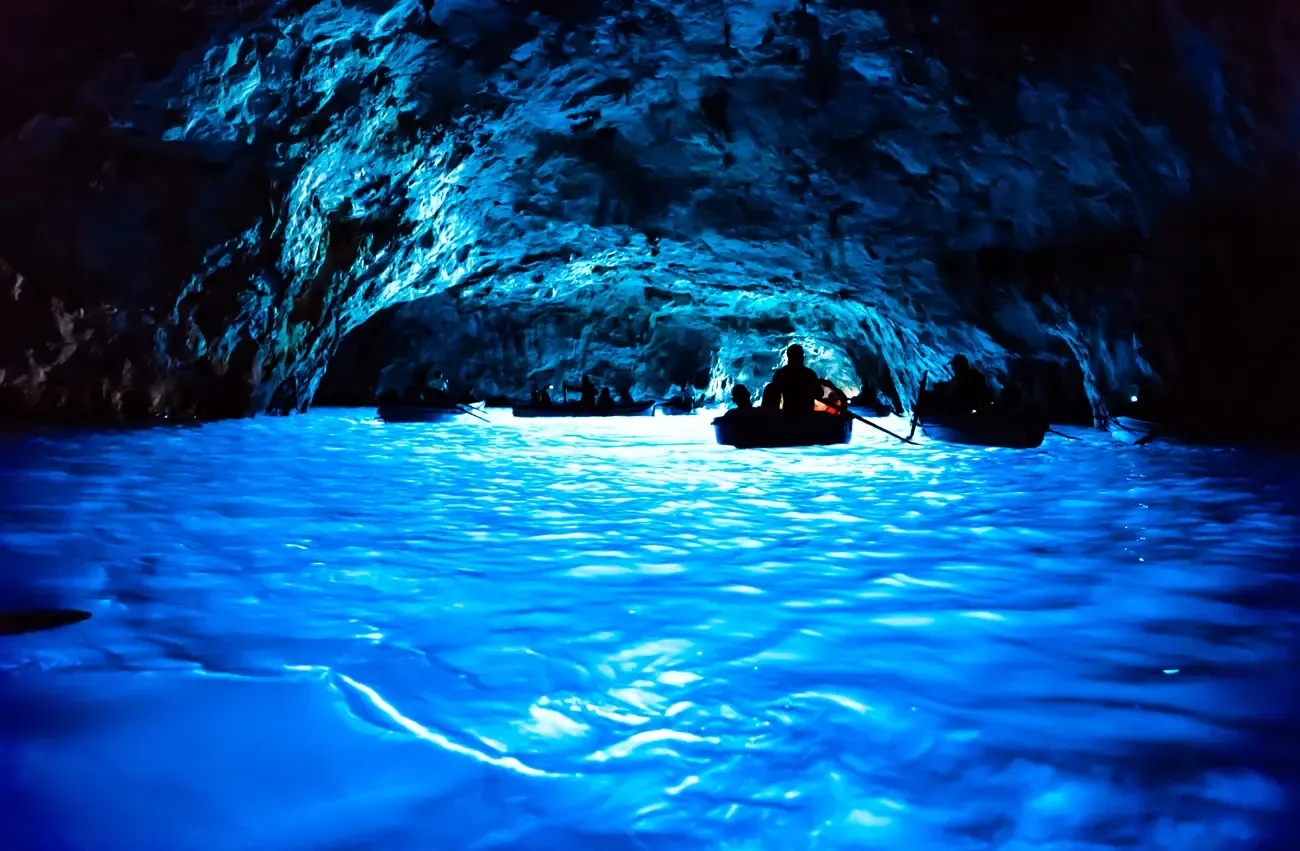
Blue Grotto
A sea cave off Capri where sunlight through an underwater arch turns the whole cavern an electric blue.
Location: Capri, Italy
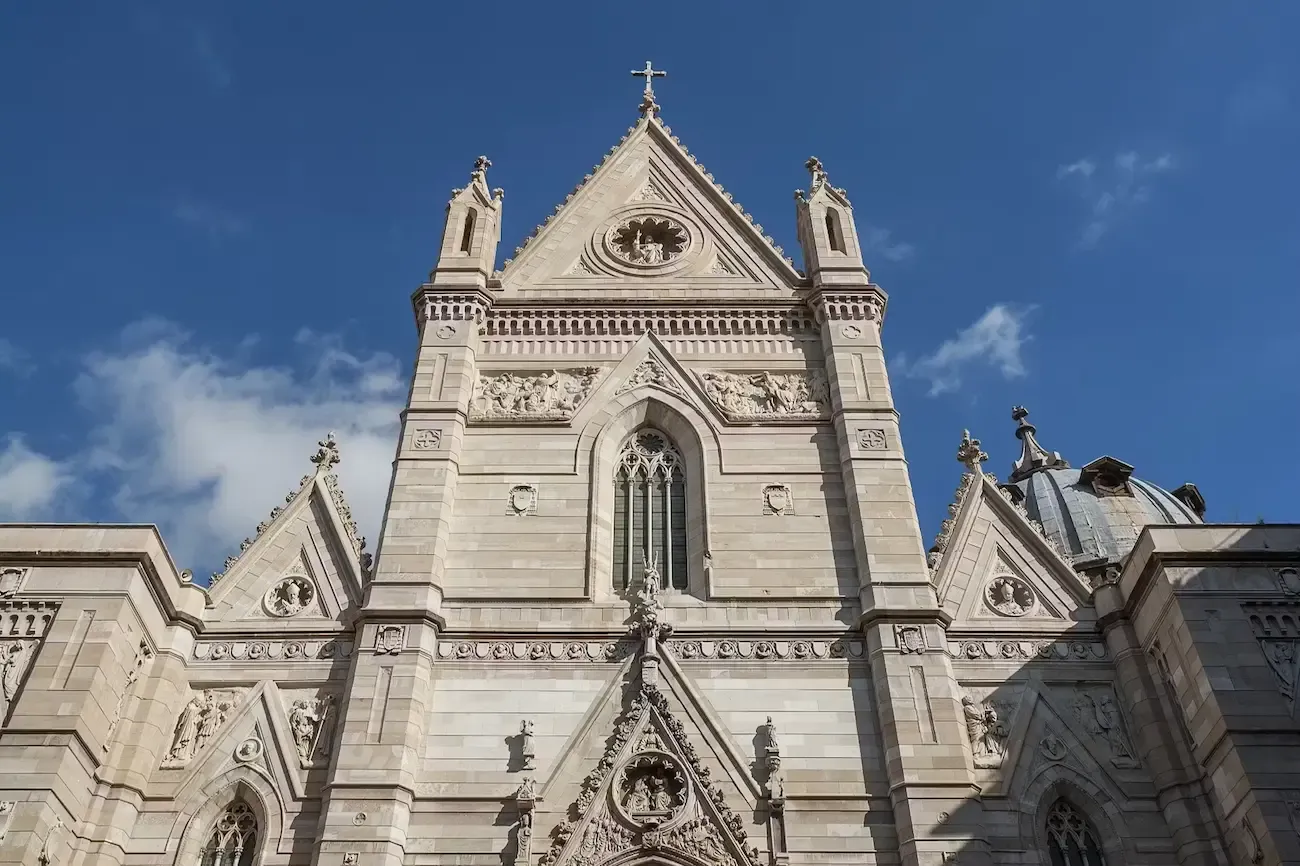
Sansevero Chapel
A tiny Baroque chapel holding the Veiled Christ, a marble figure carved so finely the shroud looks translucent.
Location: Naples, Italy
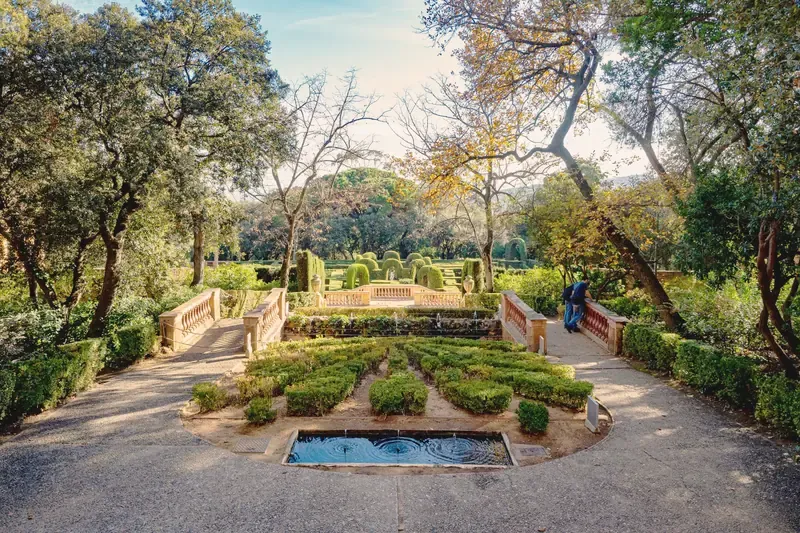
Labyrinth Park of Horta
Barcelona's oldest garden, a neoclassical maze of clipped cypress hedges laid out in the eighteenth century.
Location: Barcelona, Spain
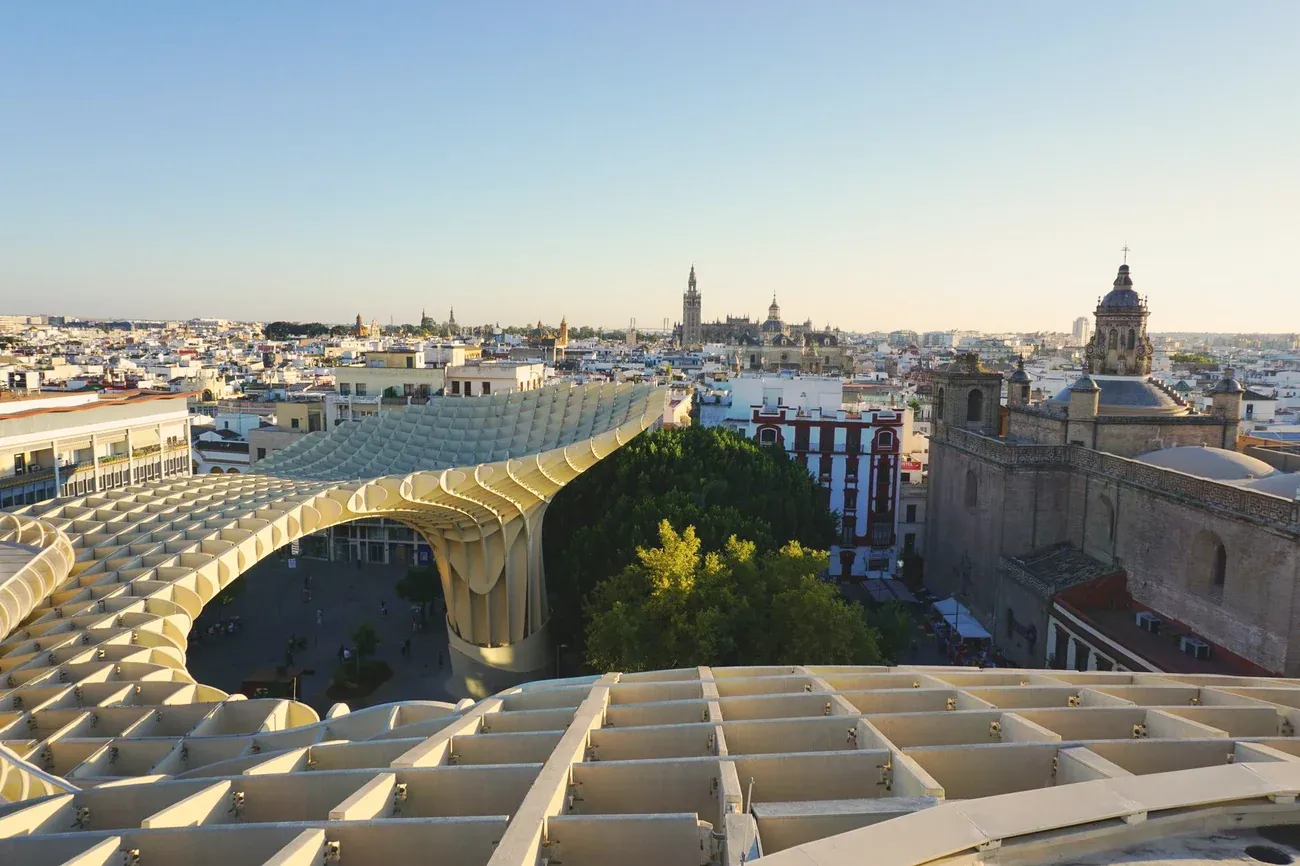
Setas de Sevilla
A vast timber lattice over the old town of Seville, with a walkway across the top for rooftop views.
Location: Seville, Spain
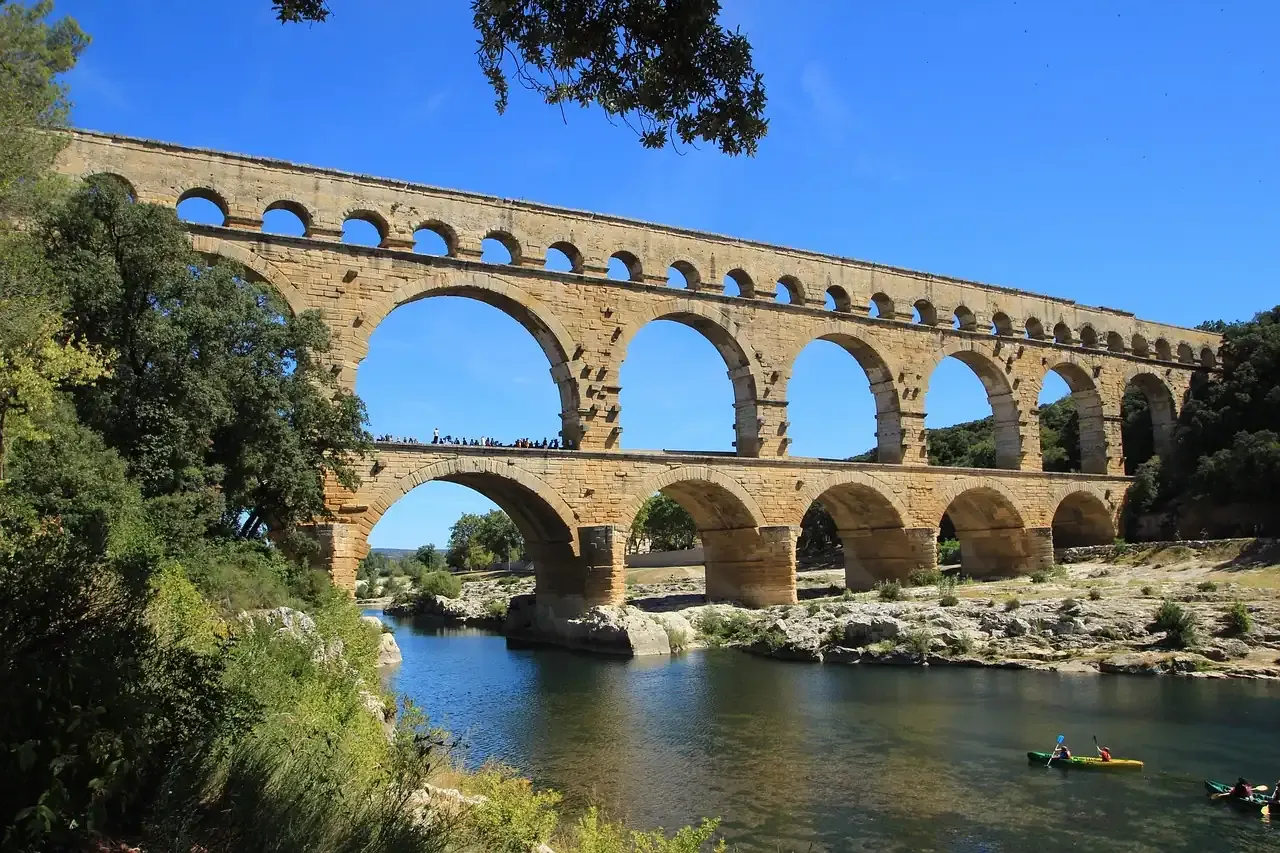
Pont du Gard
A three-tier Roman aqueduct bridge over the Gardon, standing almost intact after nearly two thousand years.
Location: Occitanie, France
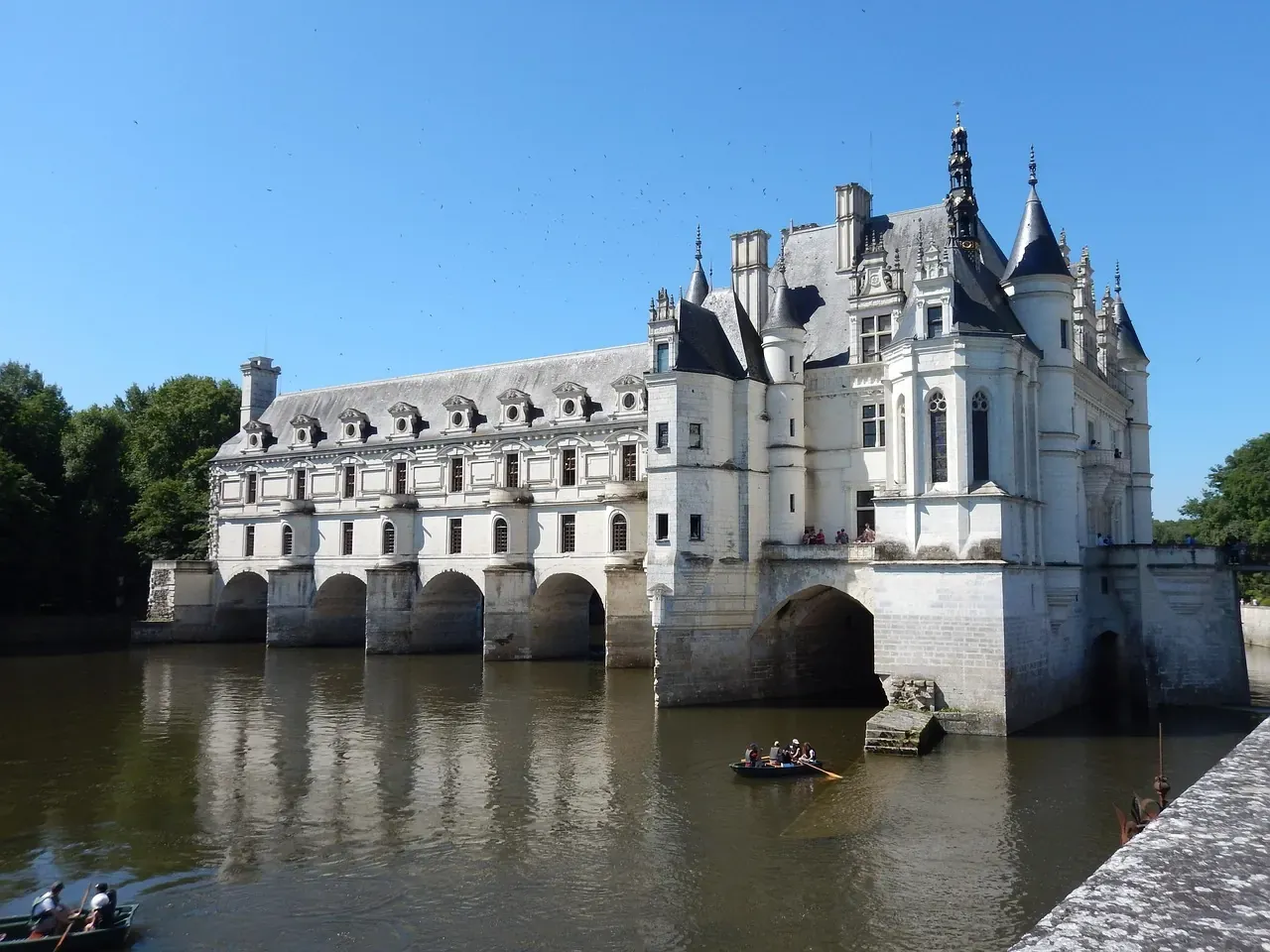
Château de Chenonceau
The Loire château that arches straight across the river Cher on a gallery of stone, shaped by its women owners.
Location: Loire Valley, France
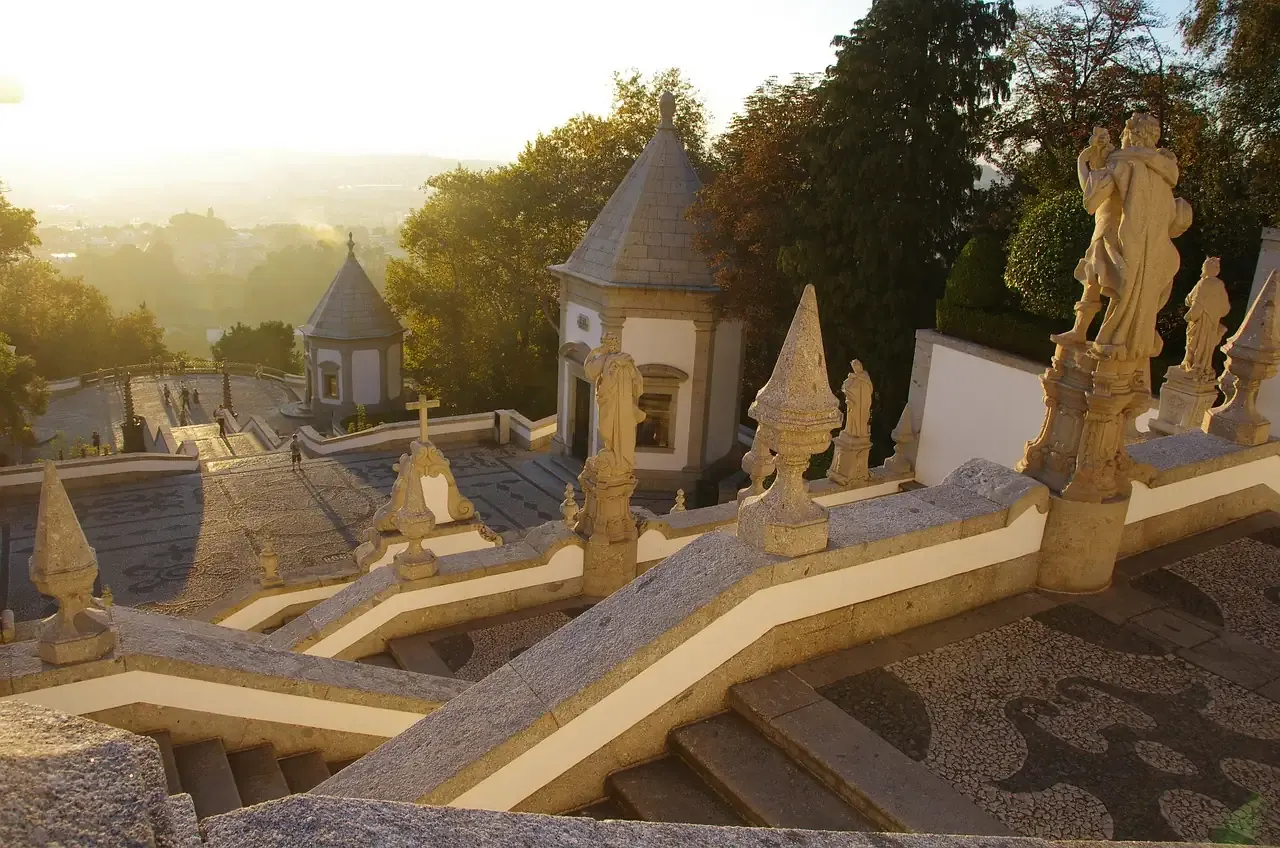
Bom Jesus do Monte
A hillside sanctuary above Braga reached by a zigzag Baroque stairway of fountains and white balustrades.
Location: Braga, Portugal
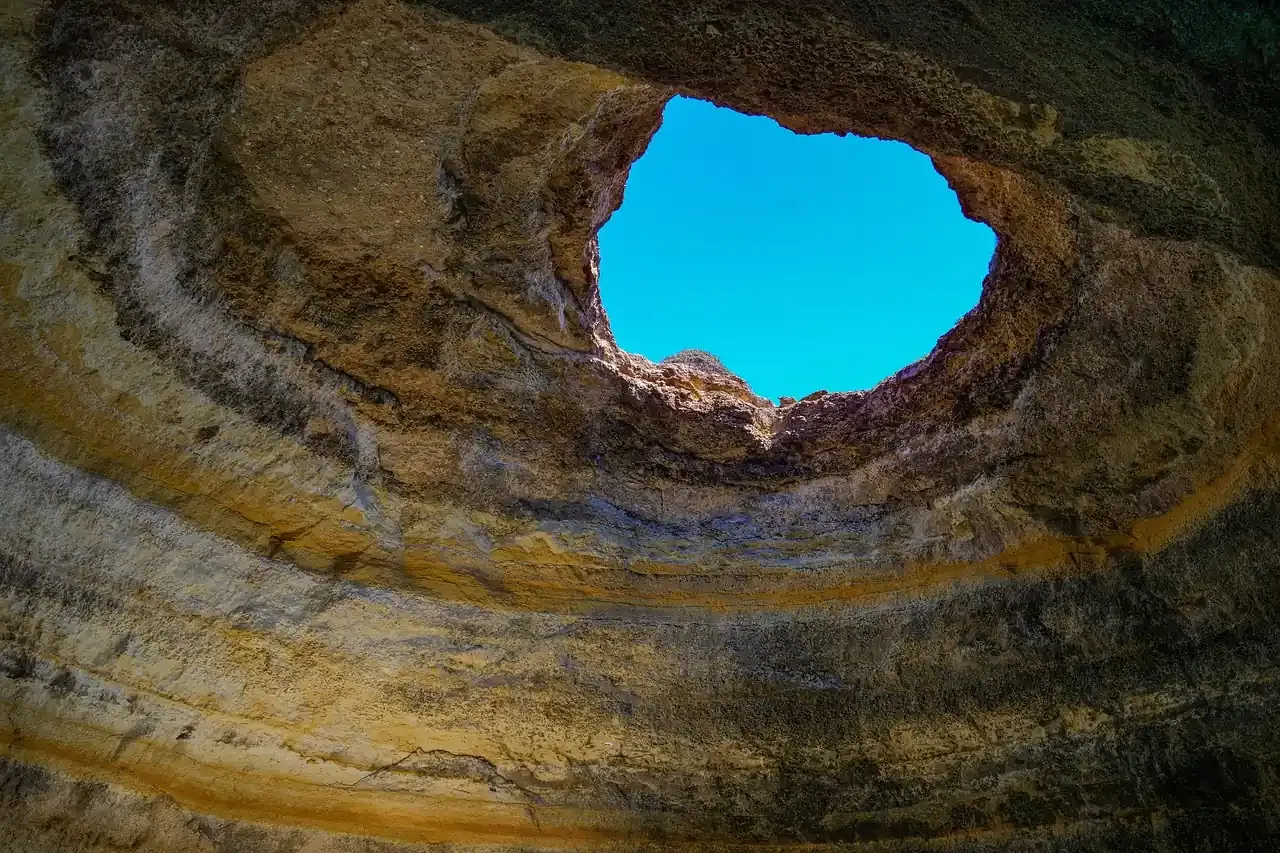
Benagil sea cave
An Algarve grotto with a natural skylight in its dome, open to the sea and reached only by water.
Location: Algarve, Portugal
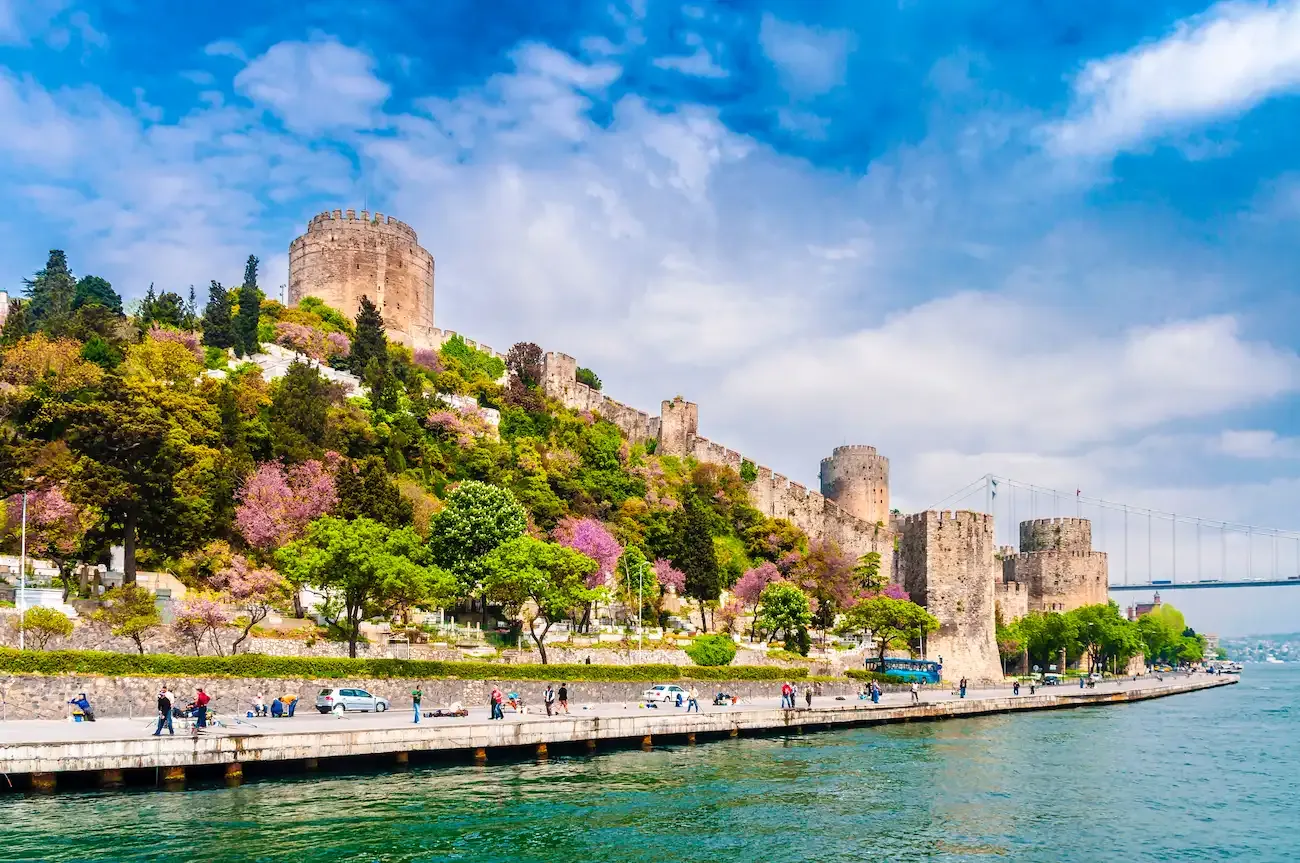
Rumelihisari
The fortress Mehmed II threw up on the European shore of the Bosphorus in months, to cut Constantinople off.
Location: Istanbul, Turkey
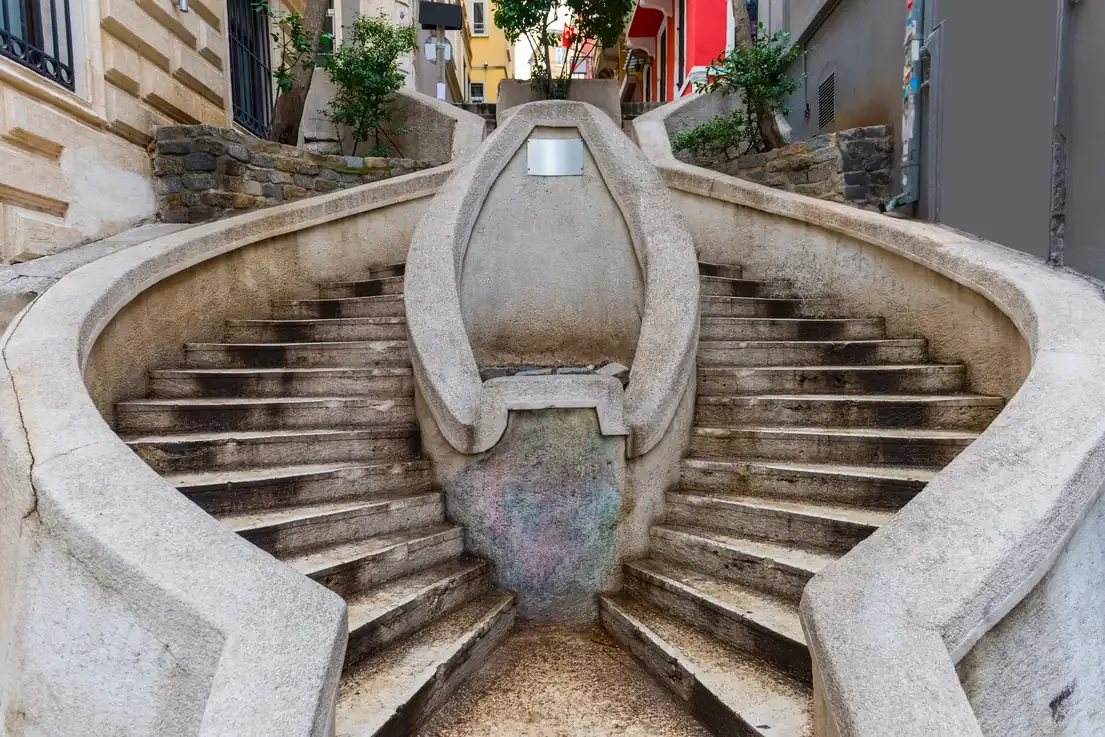
Camondo Stairs
A curving Art Nouveau staircase in Galata, built by a banking family and now one of Istanbul's quiet landmarks.
Location: Istanbul, Turkey
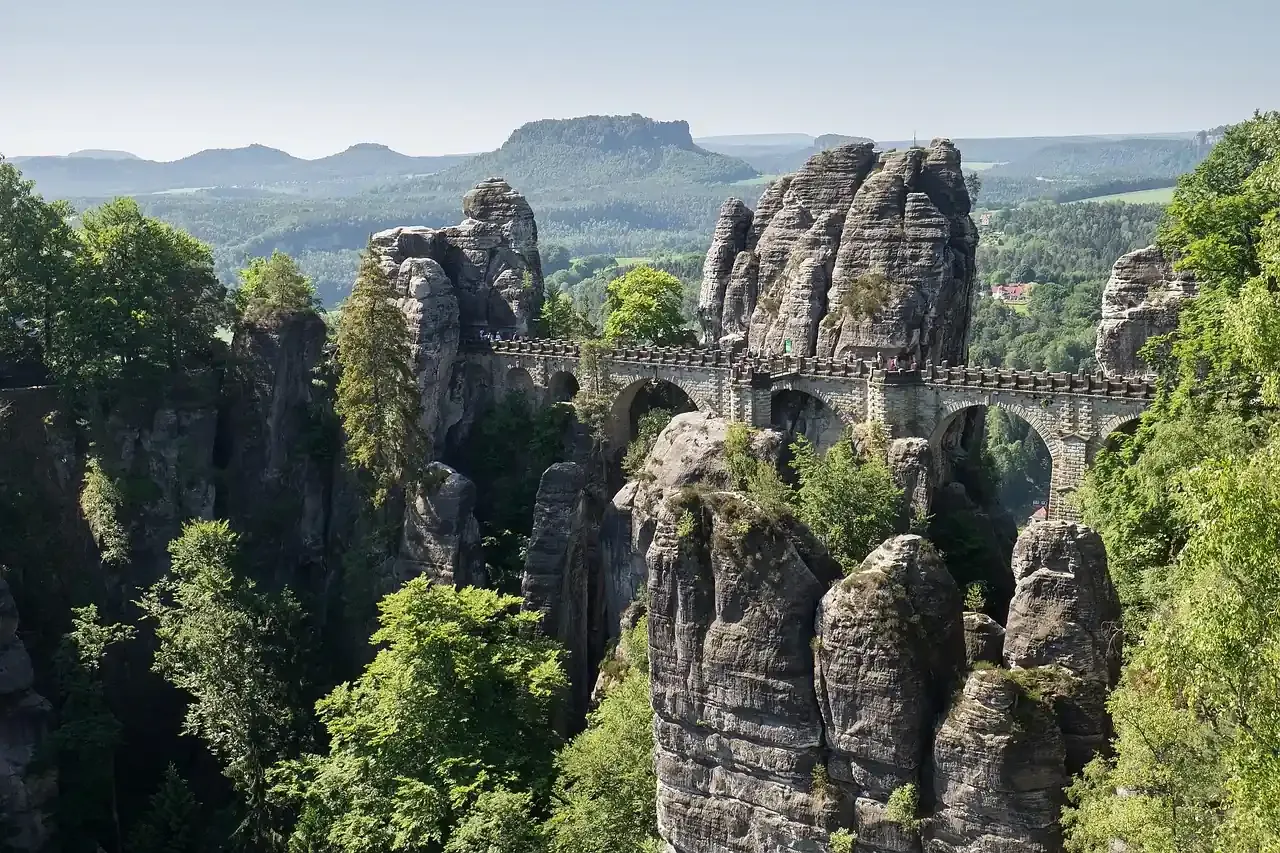
Bastei
A jagged sandstone rock formation in Saxon Switzerland, linked by a nineteenth-century bridge above the Elbe.
Location: Saxony, Germany
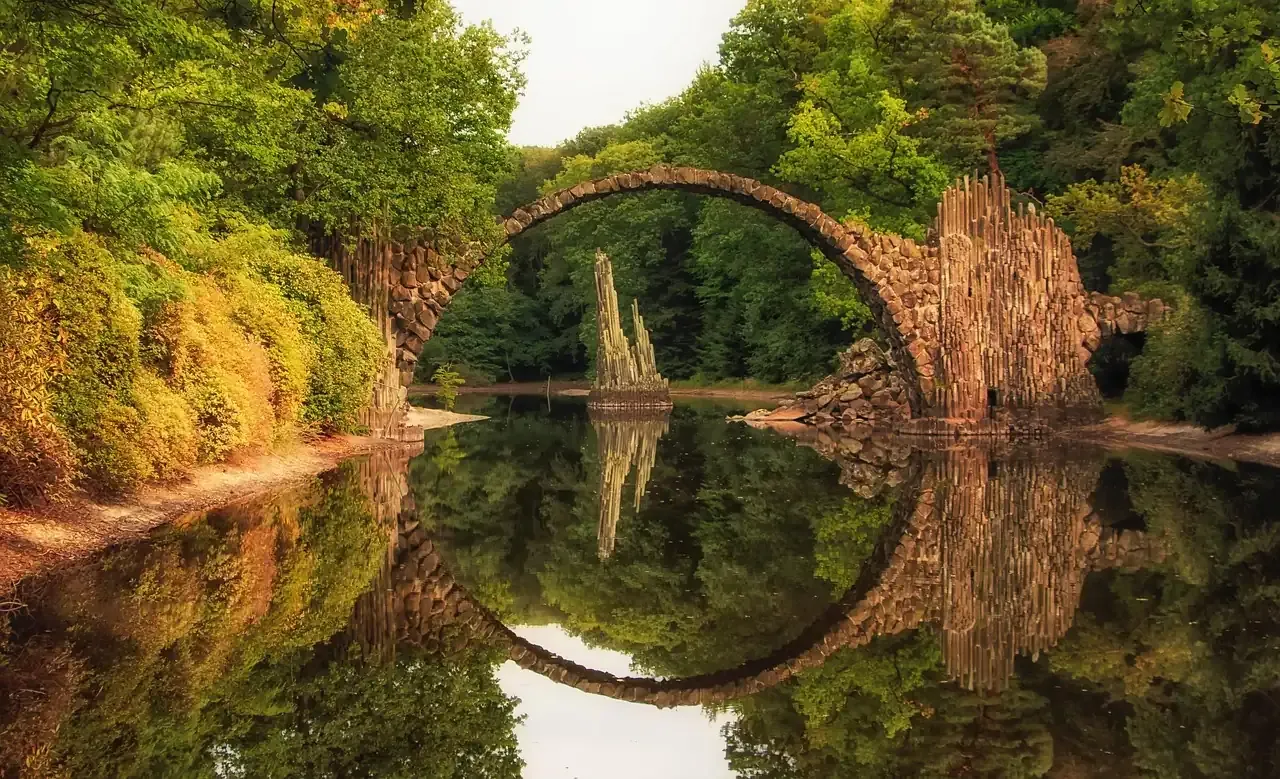
Rakotzbrücke
A slender stone arch that with its reflection completes a perfect circle over a pond in a Saxon park.
Location: Saxony, Germany
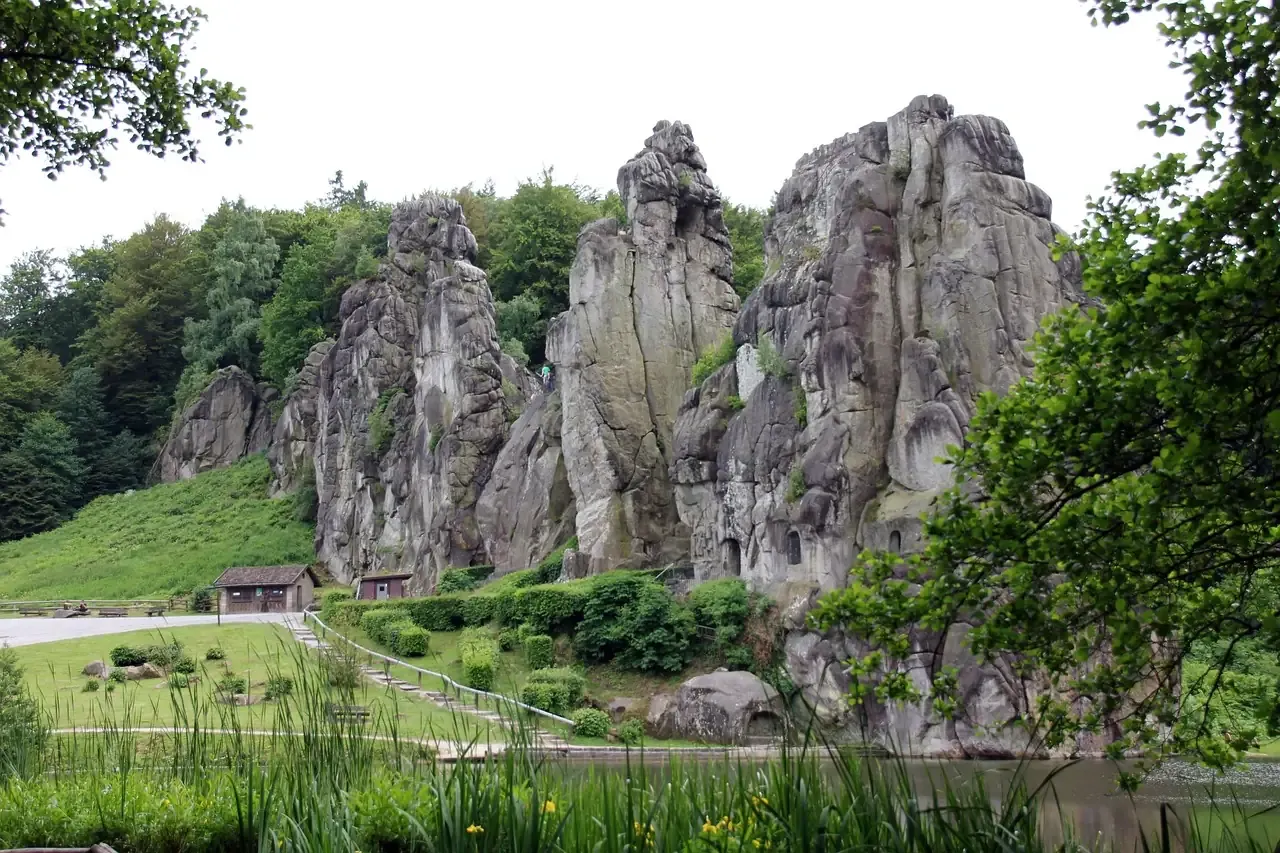
Externsteine
Five towering sandstone pillars in the Teutoburg Forest, carved with a medieval relief and a hilltop chapel.
Location: North Rhine-Westphalia, Germany
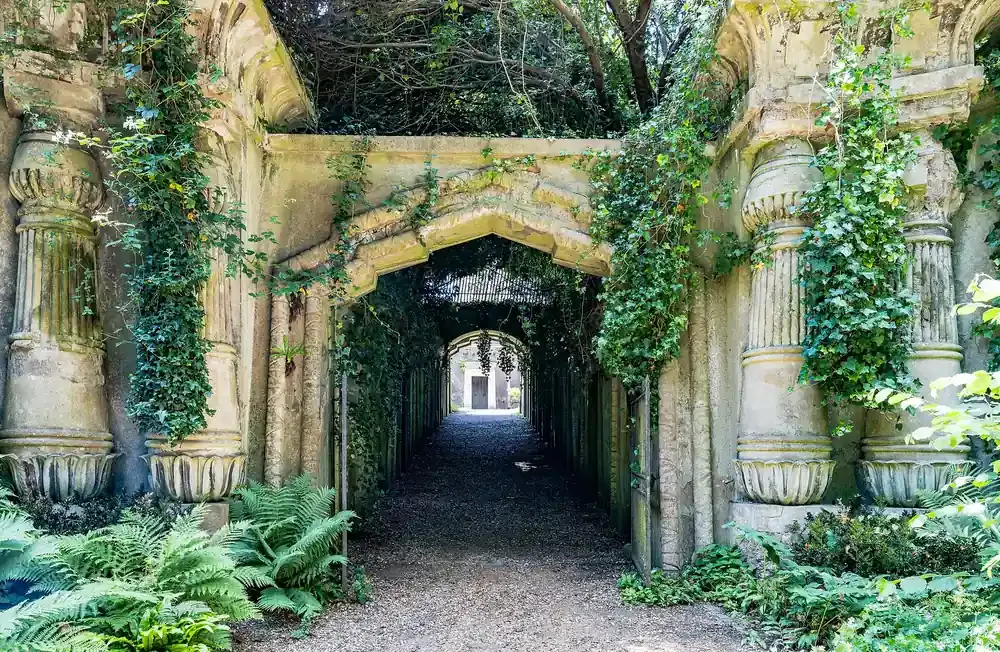
Highgate Cemetery
A romantically overgrown Victorian cemetery in north London, where ivy swallows tombs and Karl Marx lies buried.
Location: London, the United Kingdom
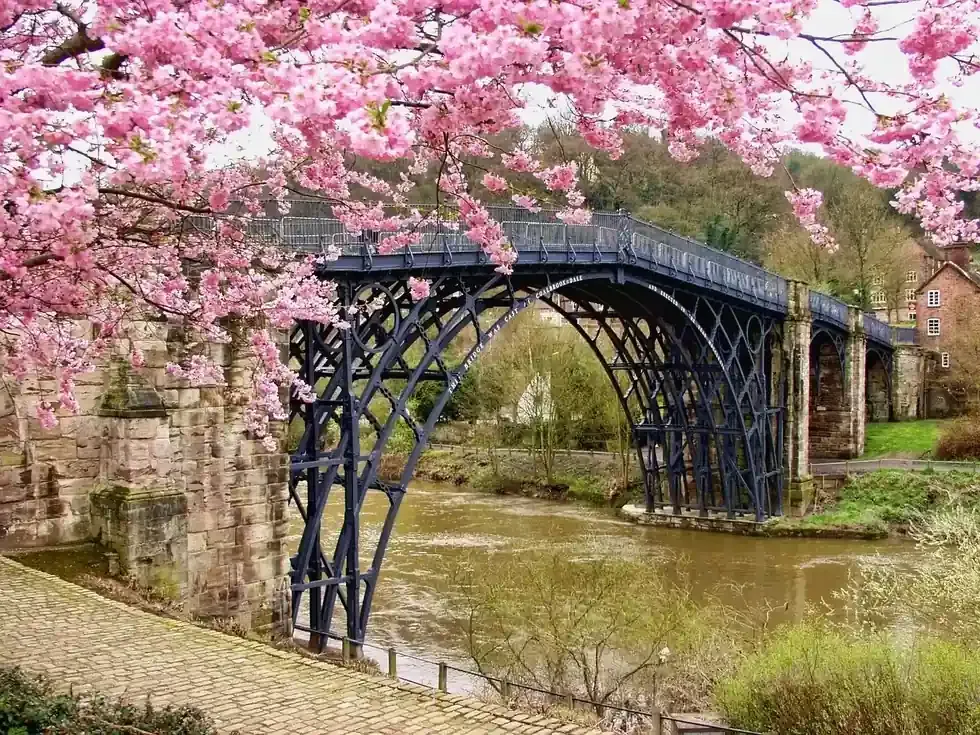
The Iron Bridge
The world's first major cast-iron bridge, cast in 1779 over the Severn gorge where the Industrial Revolution began.
Location: Shropshire, the United Kingdom
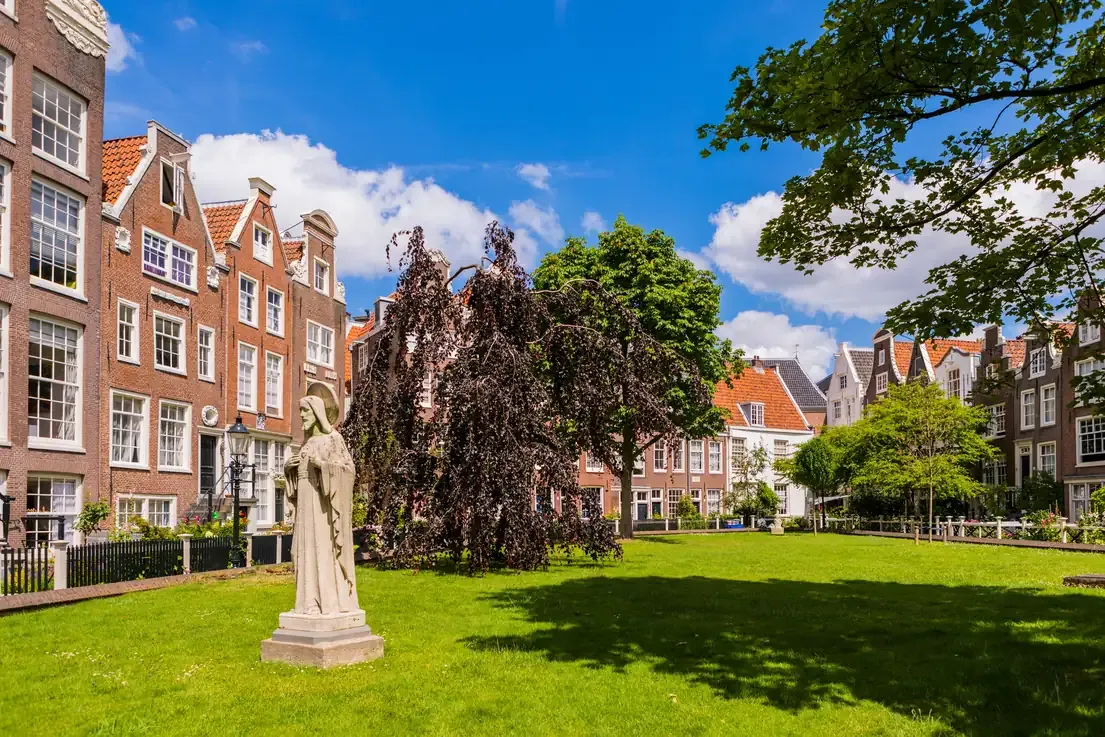
Begijnhof
A hidden courtyard of almshouses around a green in central Amsterdam, once home to a lay sisterhood.
Location: Amsterdam, the Netherlands
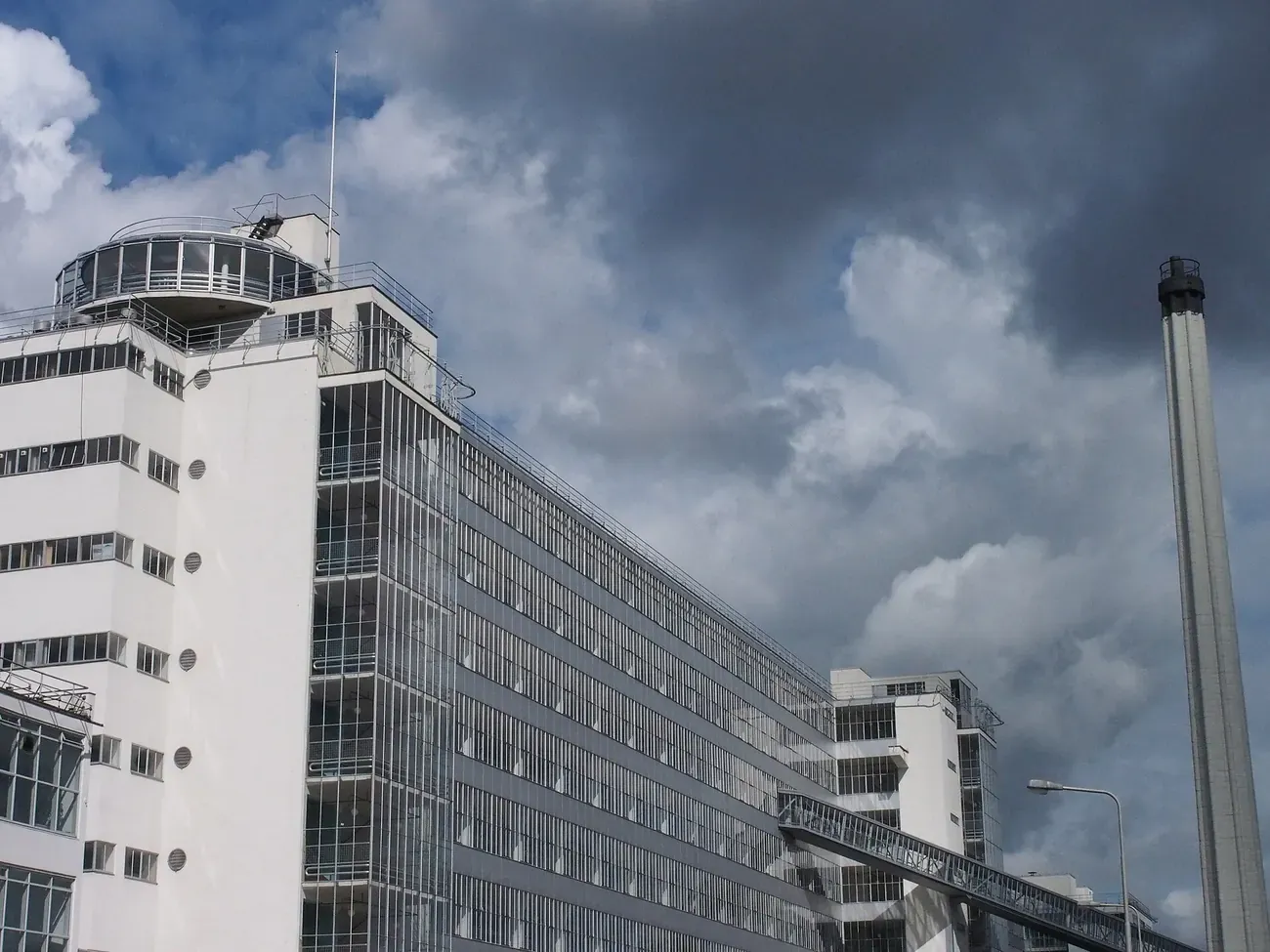
Van Nelle Factory
A glass-and-steel 1930s factory in Rotterdam, a landmark of modern architecture now on the UNESCO list.
Location: Rotterdam, the Netherlands
What to eat in Europe

Pizza napoletana
The Naples original, a soft, blistered dough baked fast in a wood oven and dressed simply with tomato, mozzarella and basil.
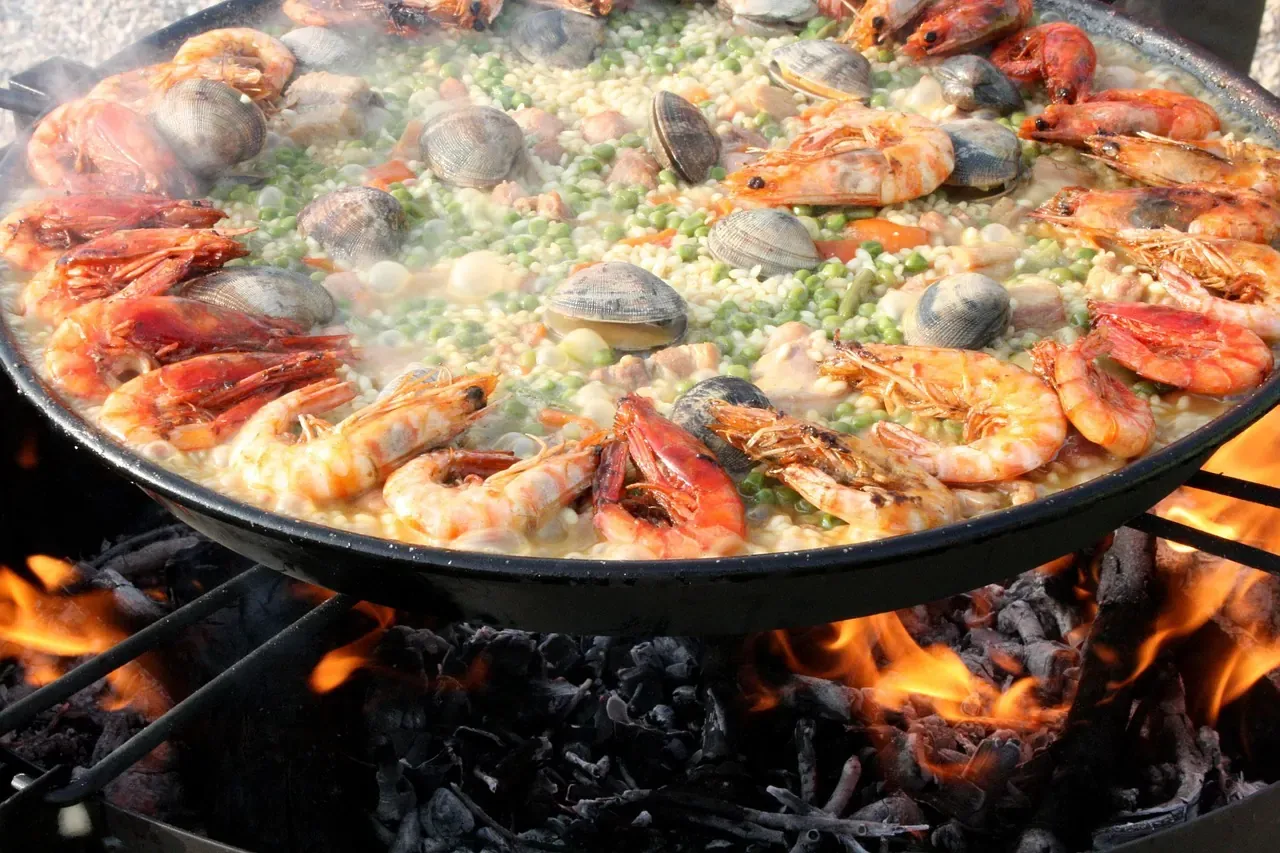
Paella
A Valencian rice dish cooked flat in a wide pan, in its home region with rabbit, chicken and beans rather than seafood.
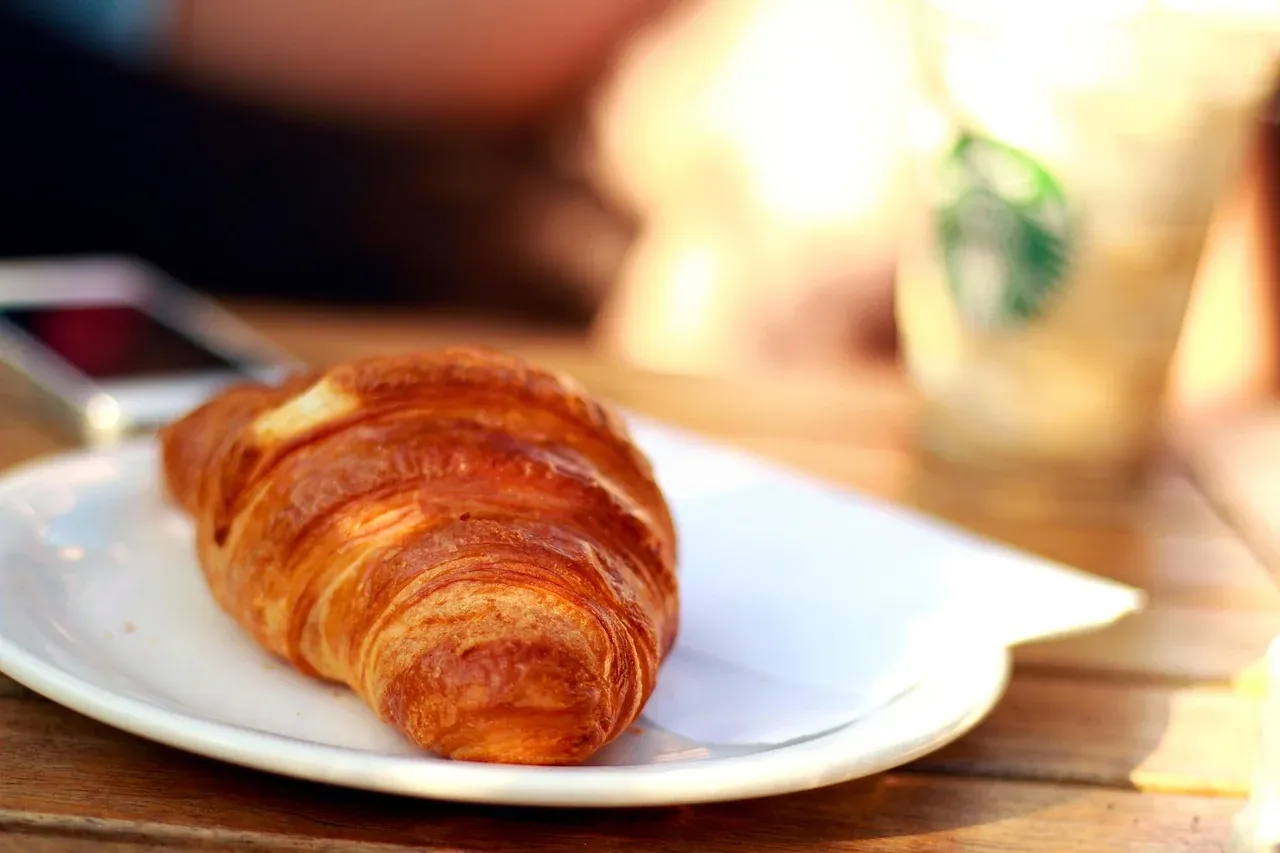
Croissant
The laminated butter pastry of every French bakery, folded and rolled into dozens of flaky layers before baking.
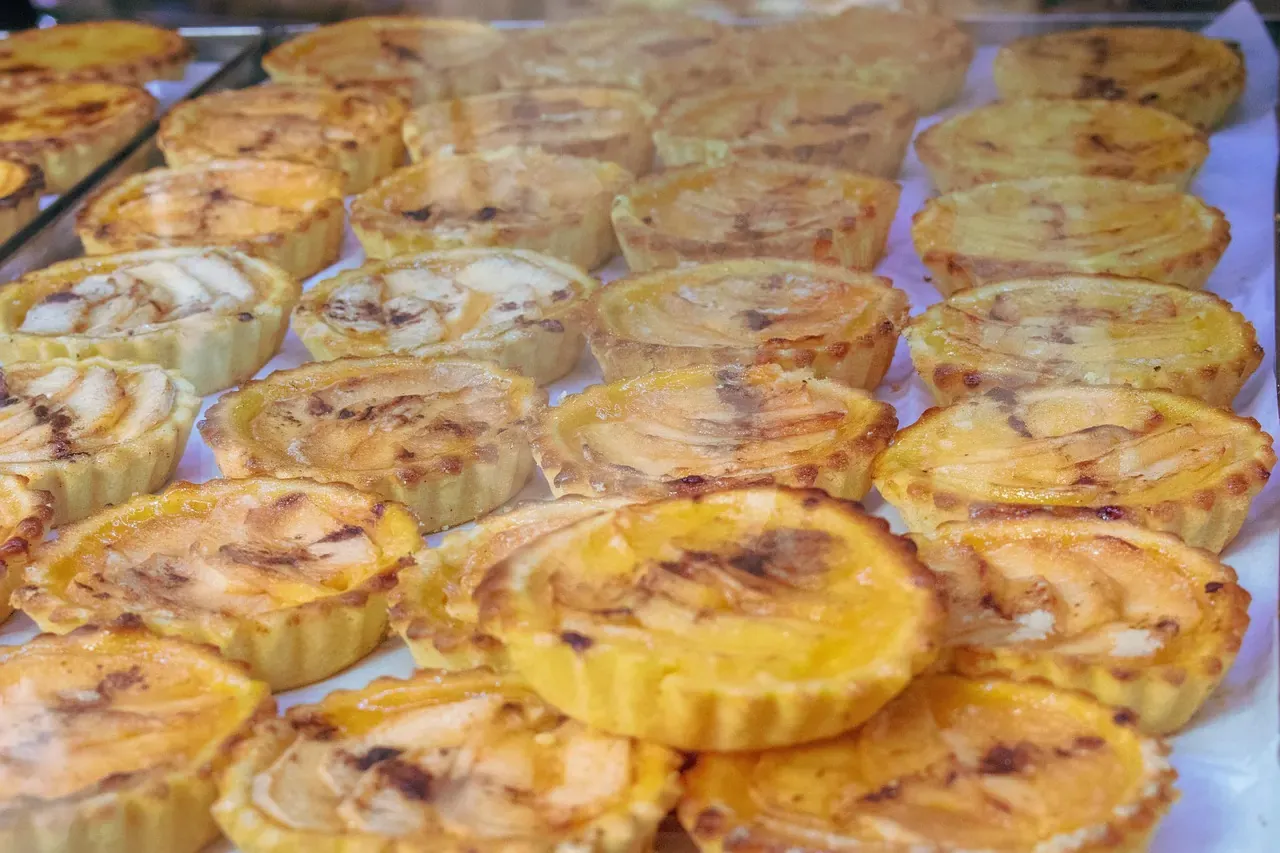
Pastel de nata
A Portuguese custard tart in crisp puff pastry, scorched on top, best still warm from a Lisbon bakery.
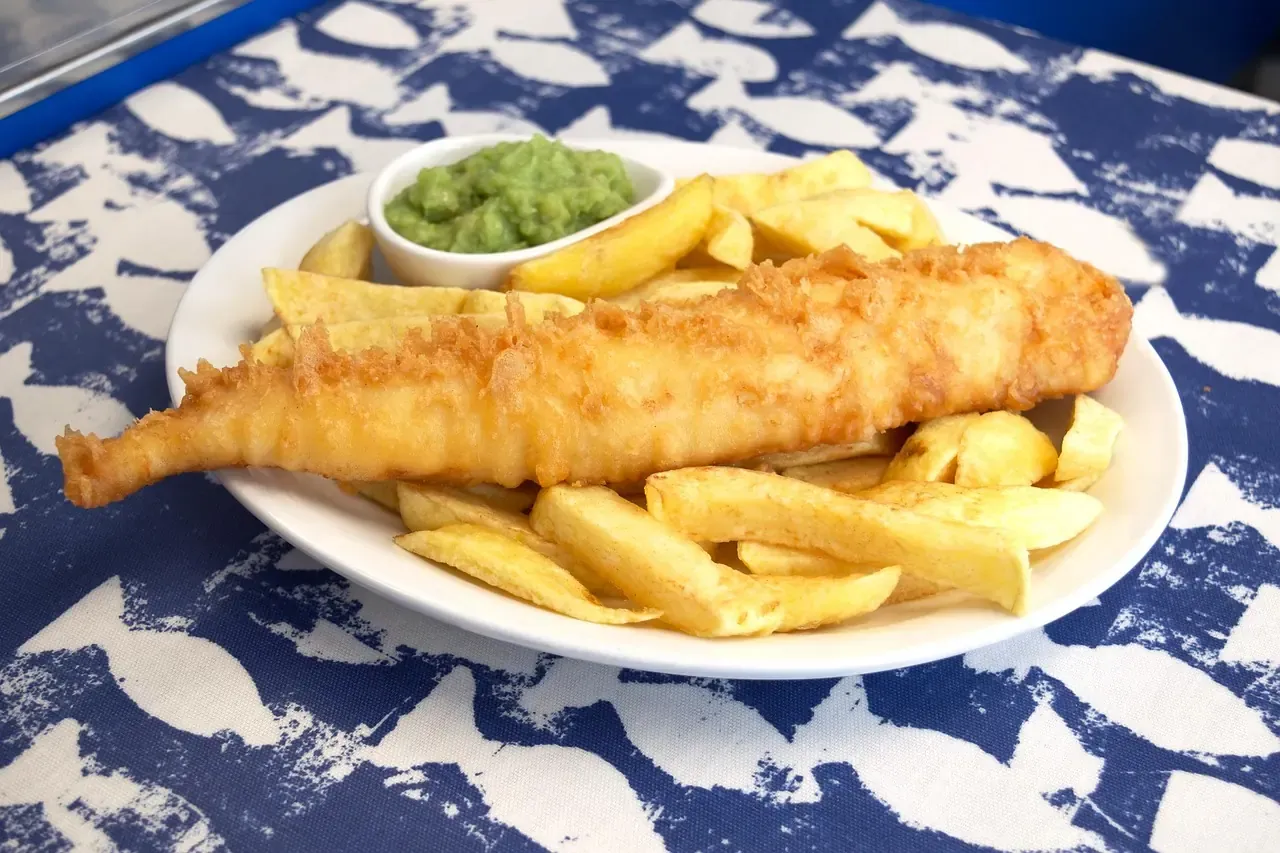
Fish and chips
Battered white fish with thick-cut chips, Britain's classic takeaway, eaten with salt, vinegar and mushy peas.
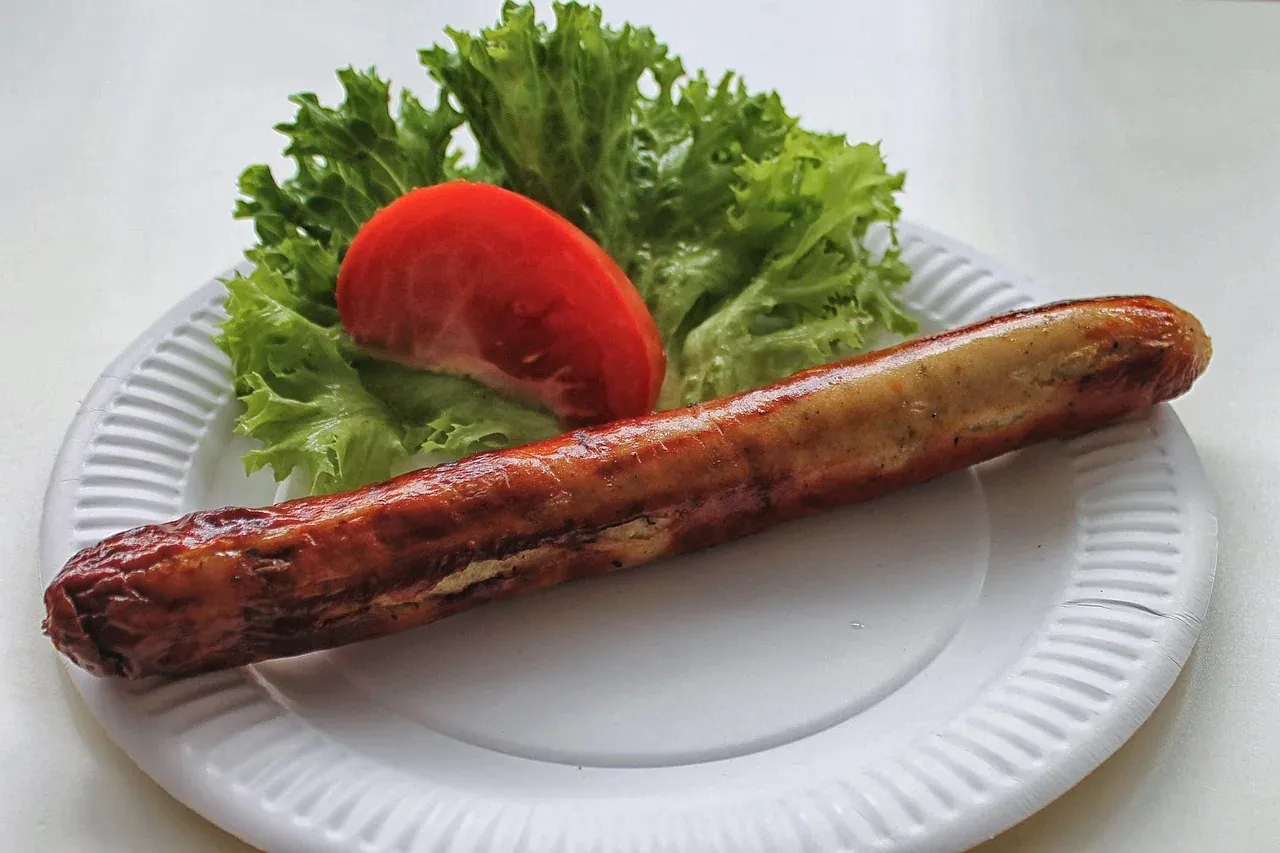
Bratwurst
The German grilled sausage in countless regional forms, served from street stands with mustard and a bread roll.
Other places worth knowing in Europe
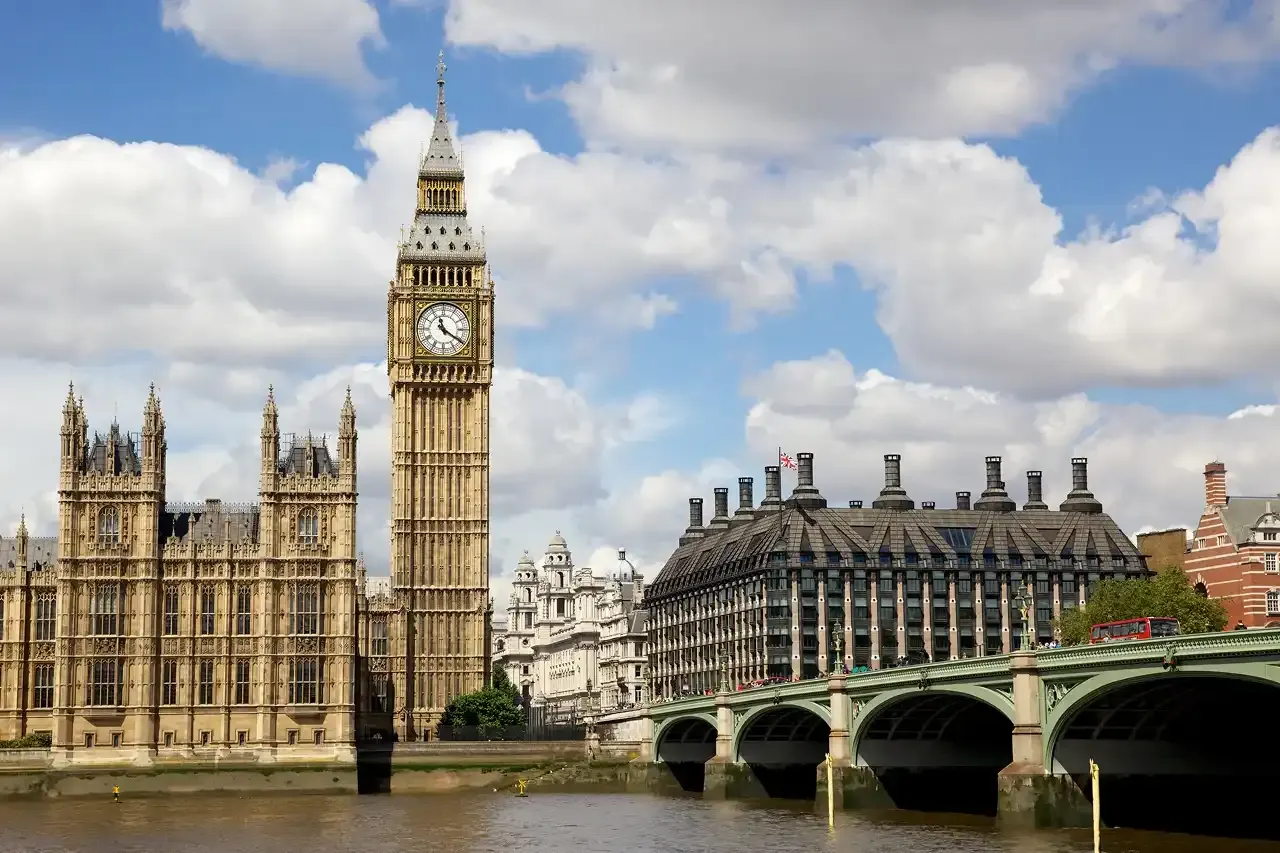
United Kingdom
The best of the tourist attractions in the United Kingdom reaches from London and Stonehenge to the Scottish Highlands.
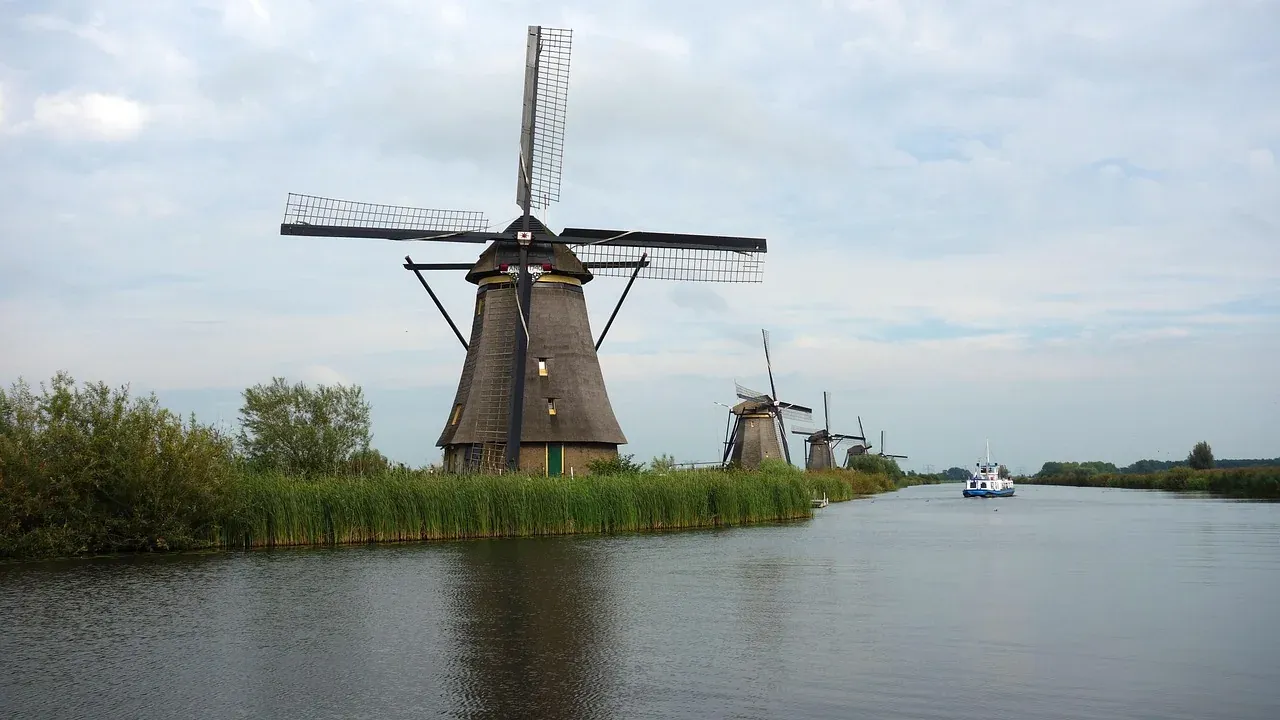
Netherlands
The best of the tourist attractions in the Netherlands pairs Amsterdam's canals with windmills, tulip fields and Delft.
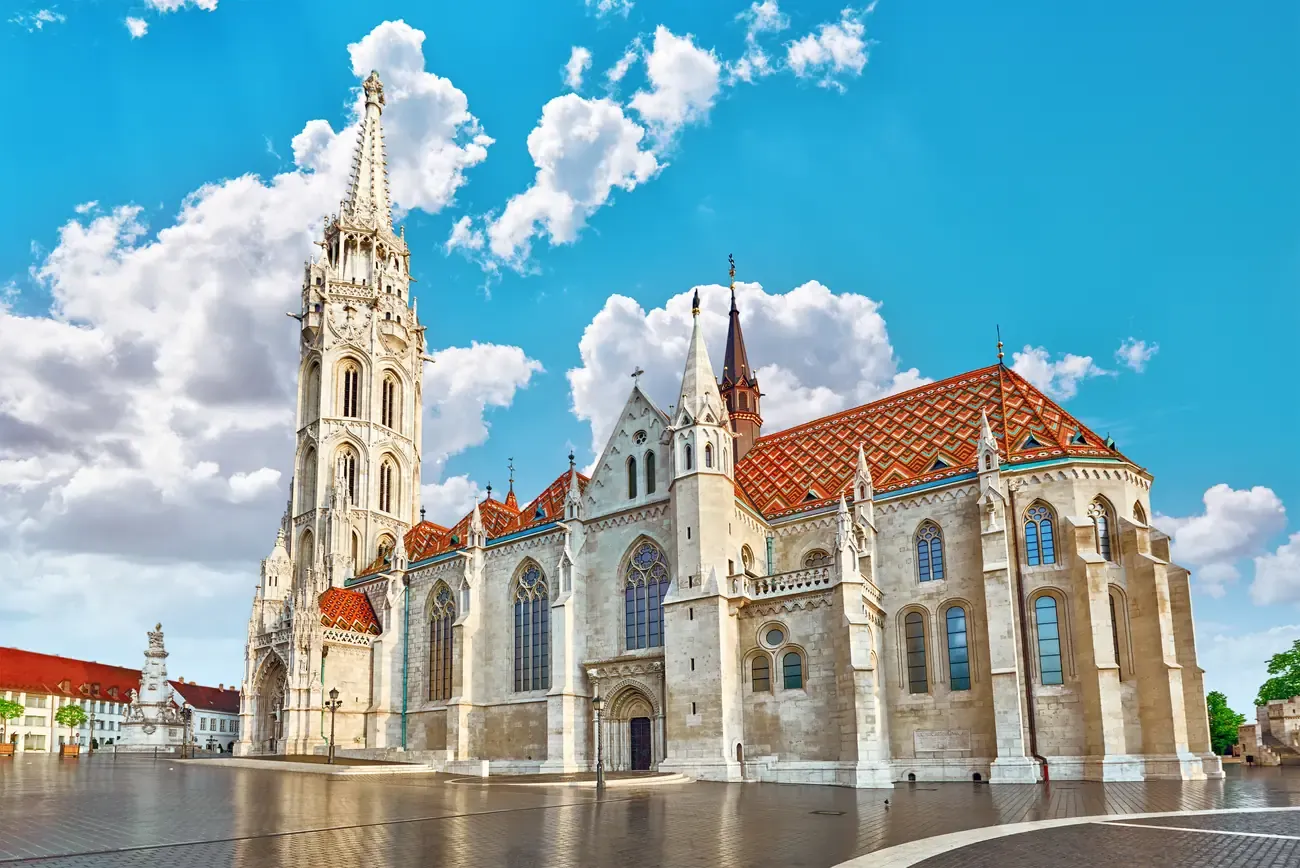
Budapest
Tourist attractions in Budapest span the Parliament, the thermal baths and the Danube that splits Buda from Pest.
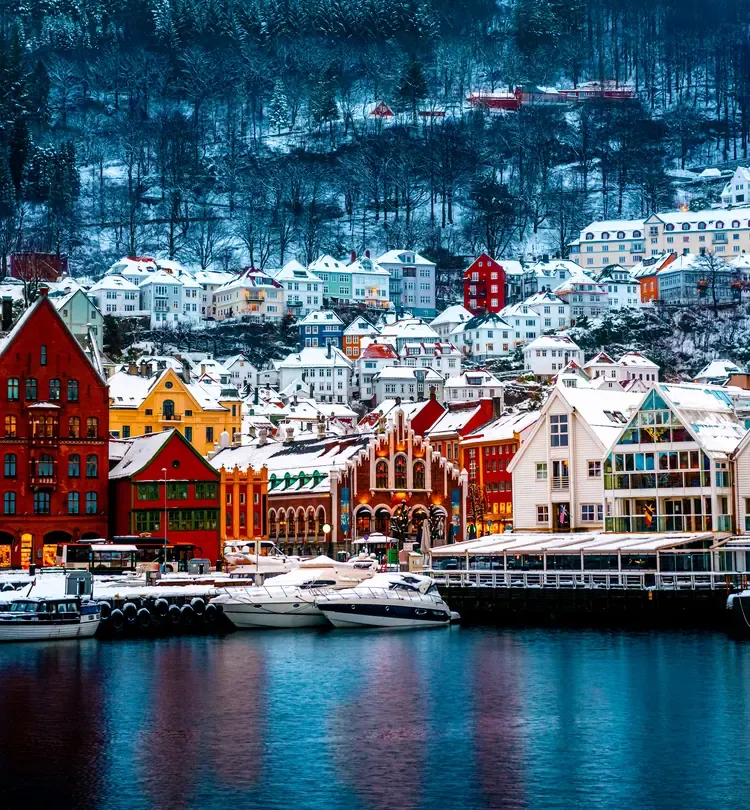
Bergen
Bergen's tourist attractions start at the Hanseatic wharf and the fjords of Norway's west coast.
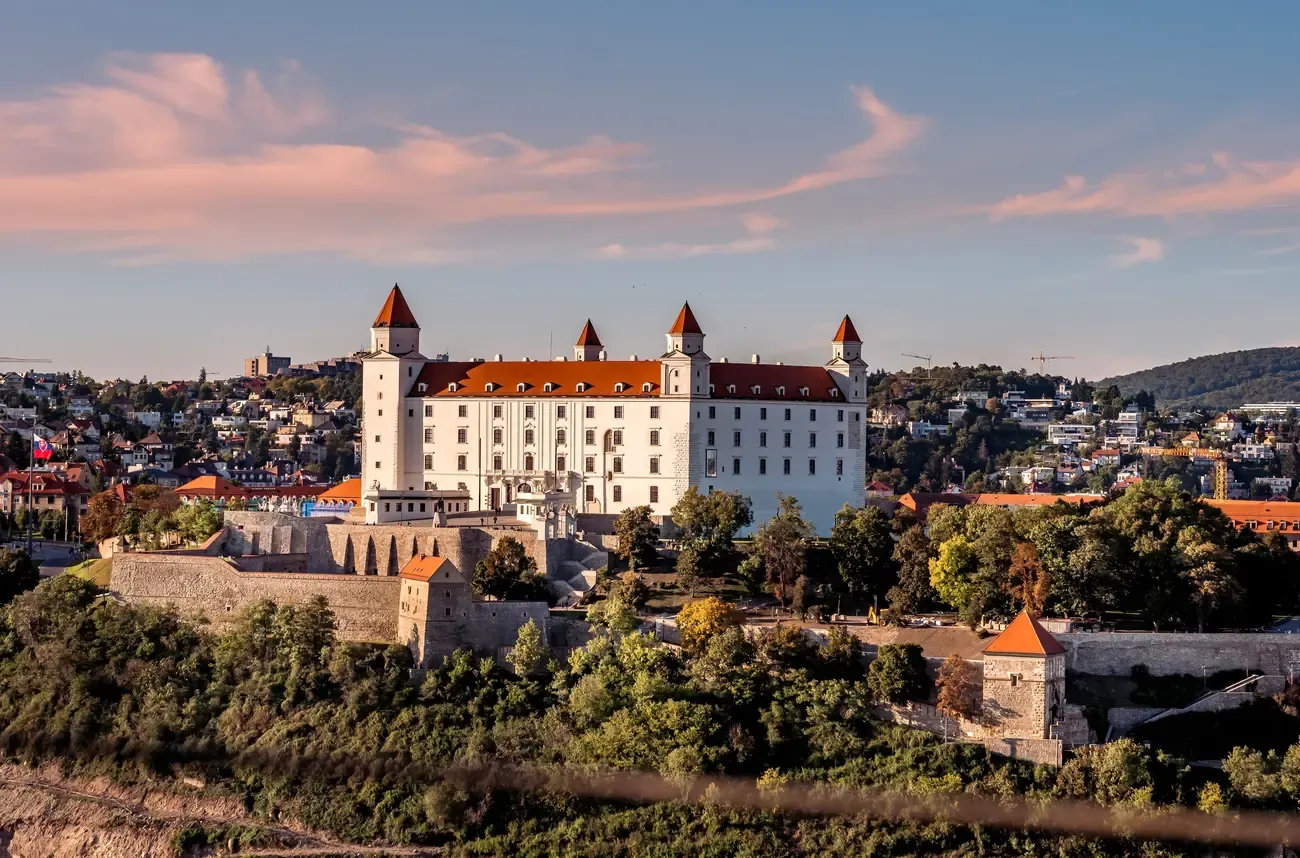
Bratislava
Tourist attractions in Bratislava circle the castle hill and old town on the Danube in Slovakia.
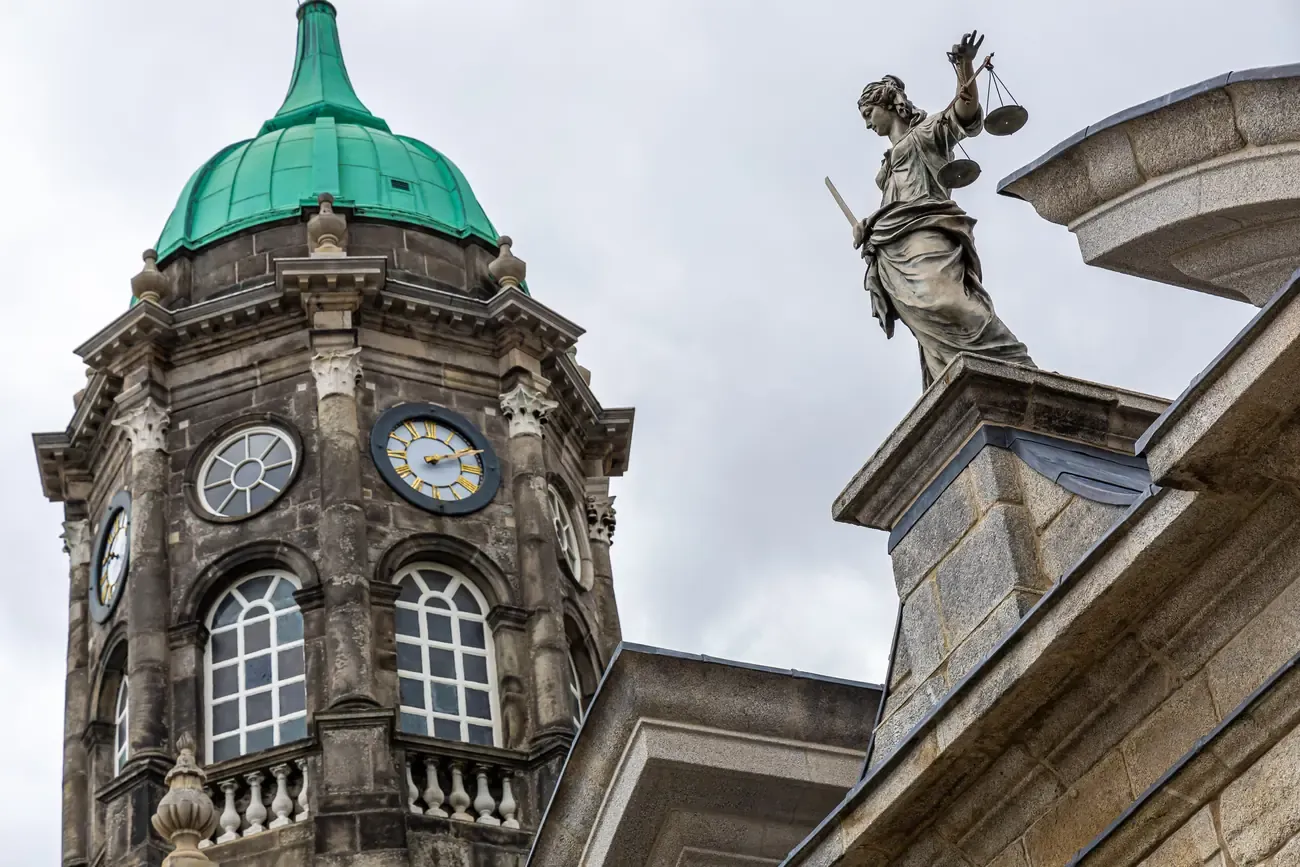
Dublin
Ireland's easy-going capital, built around Trinity College, the Georgian squares and a long literary pub trail.
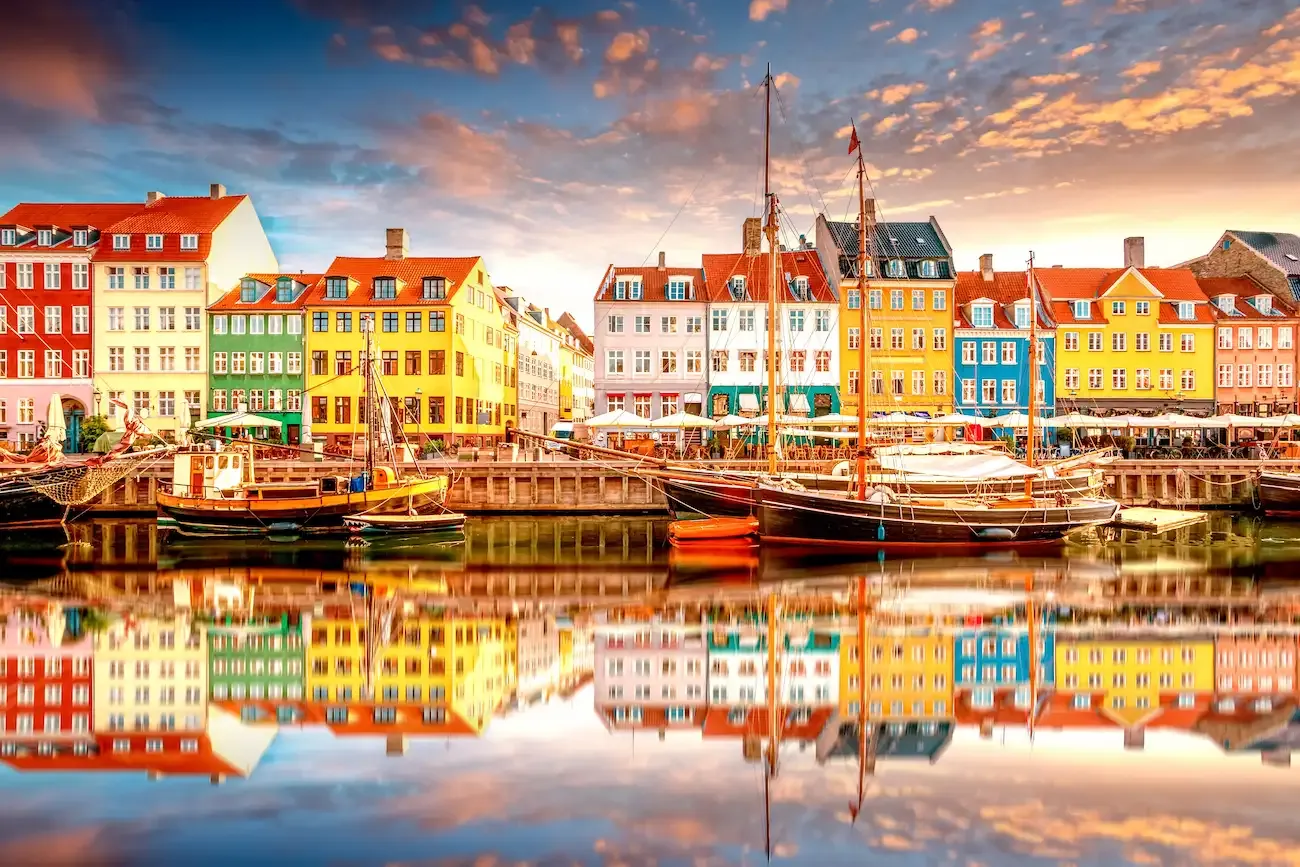
Copenhagen
The Danish capital of harbour swimming, the Tivoli Gardens and design-led neighbourhoods on either side of the water.
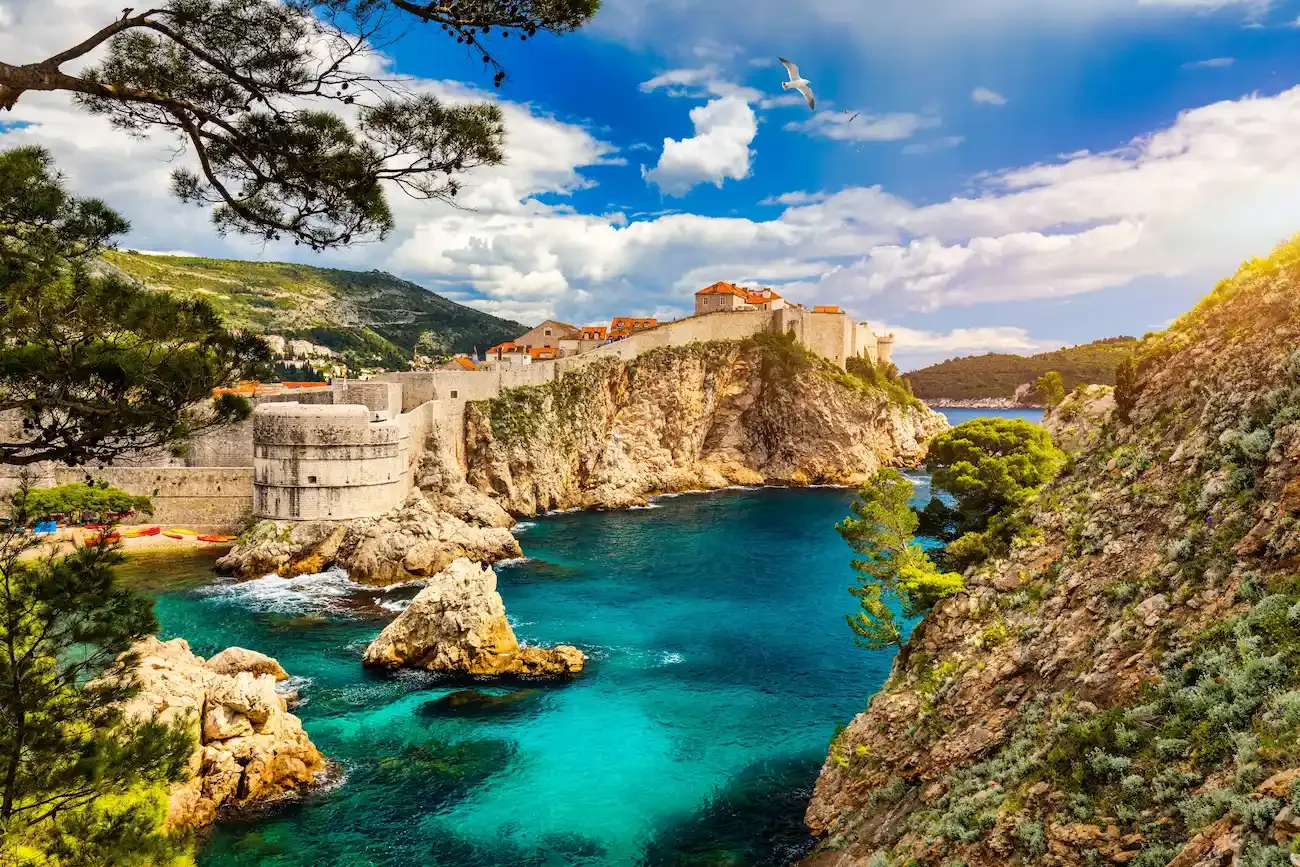
Dubrovnik
A walled Adriatic city in Croatia, its limestone streets and sea ramparts walkable in a full circuit.
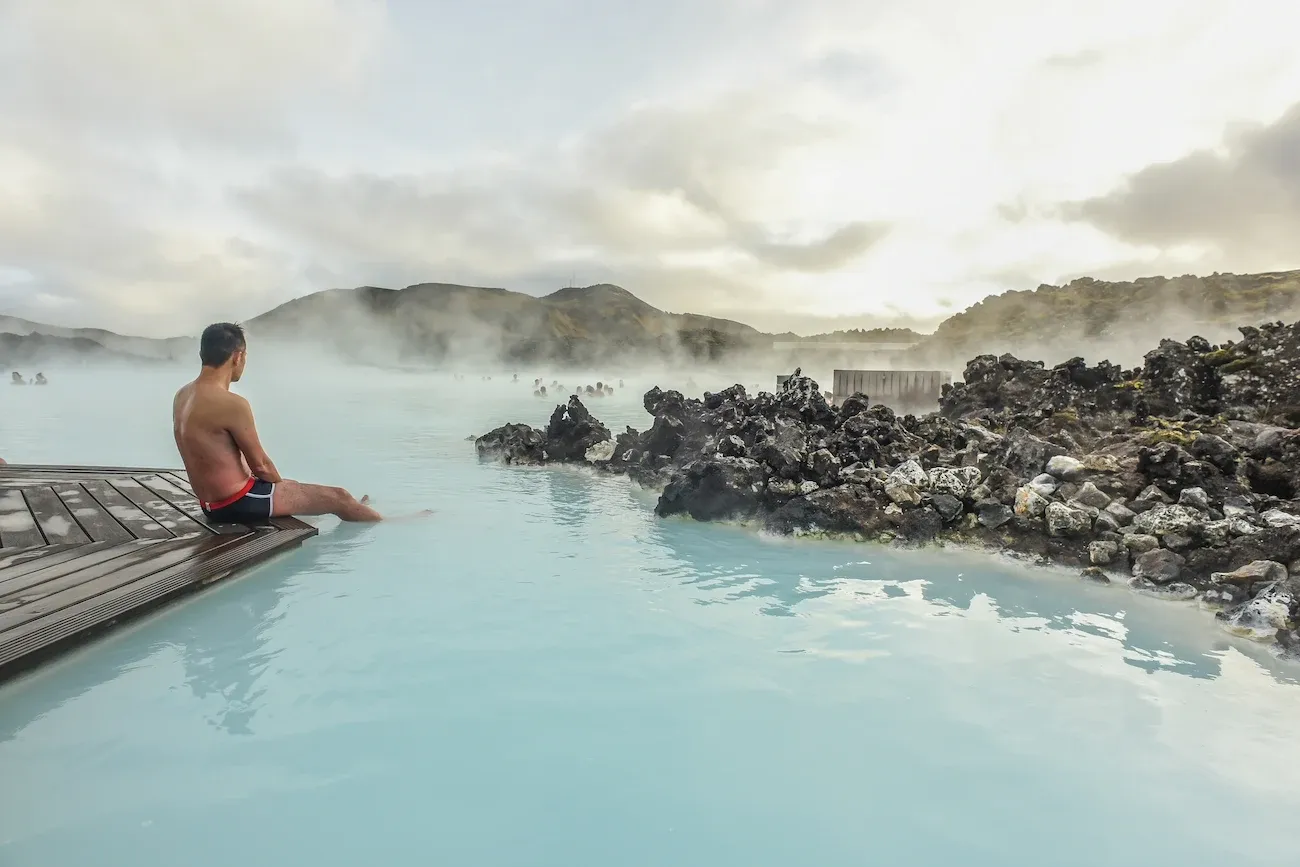
Reykjavík
Iceland's small northern capital, a base for geysers, waterfalls and the volcanic Golden Circle beyond.
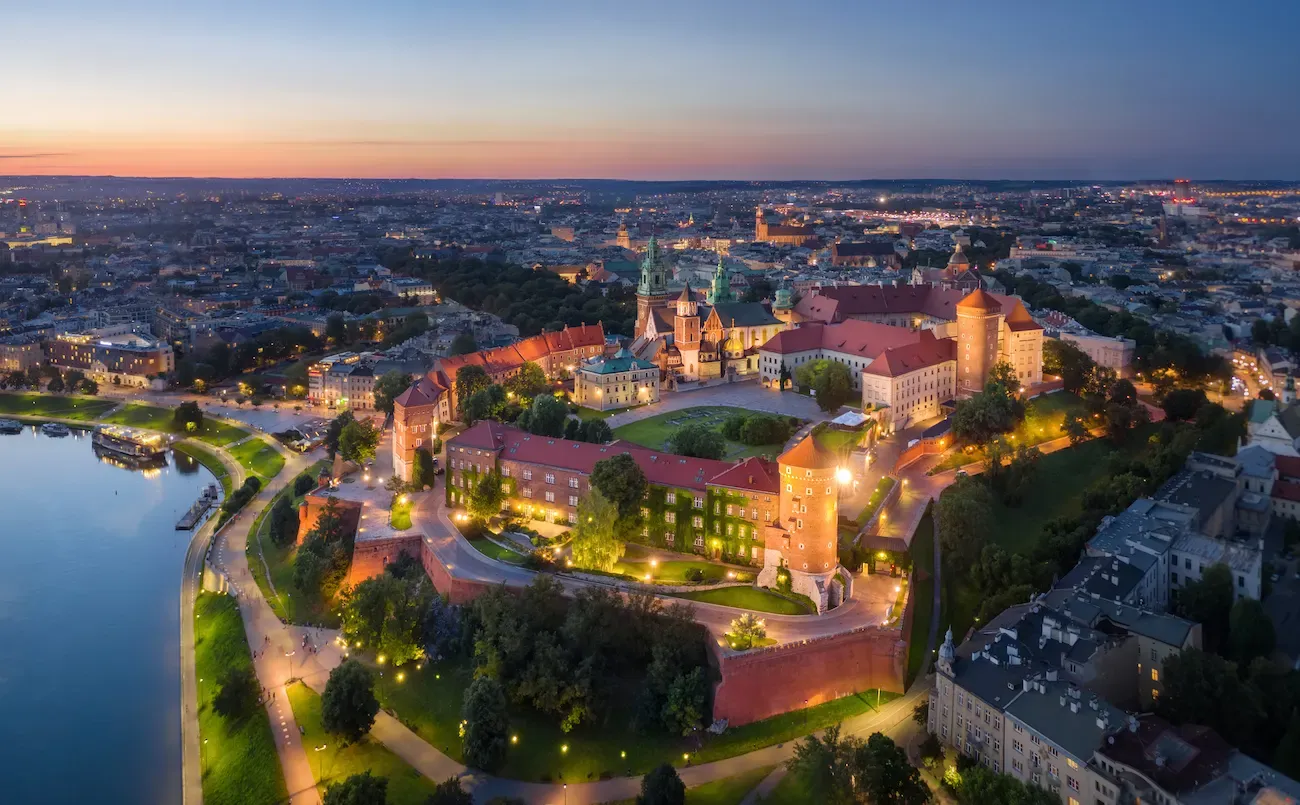
Kraków
Poland's old royal capital, with the largest medieval square in Europe and the Wawel Castle above the Vistula.