
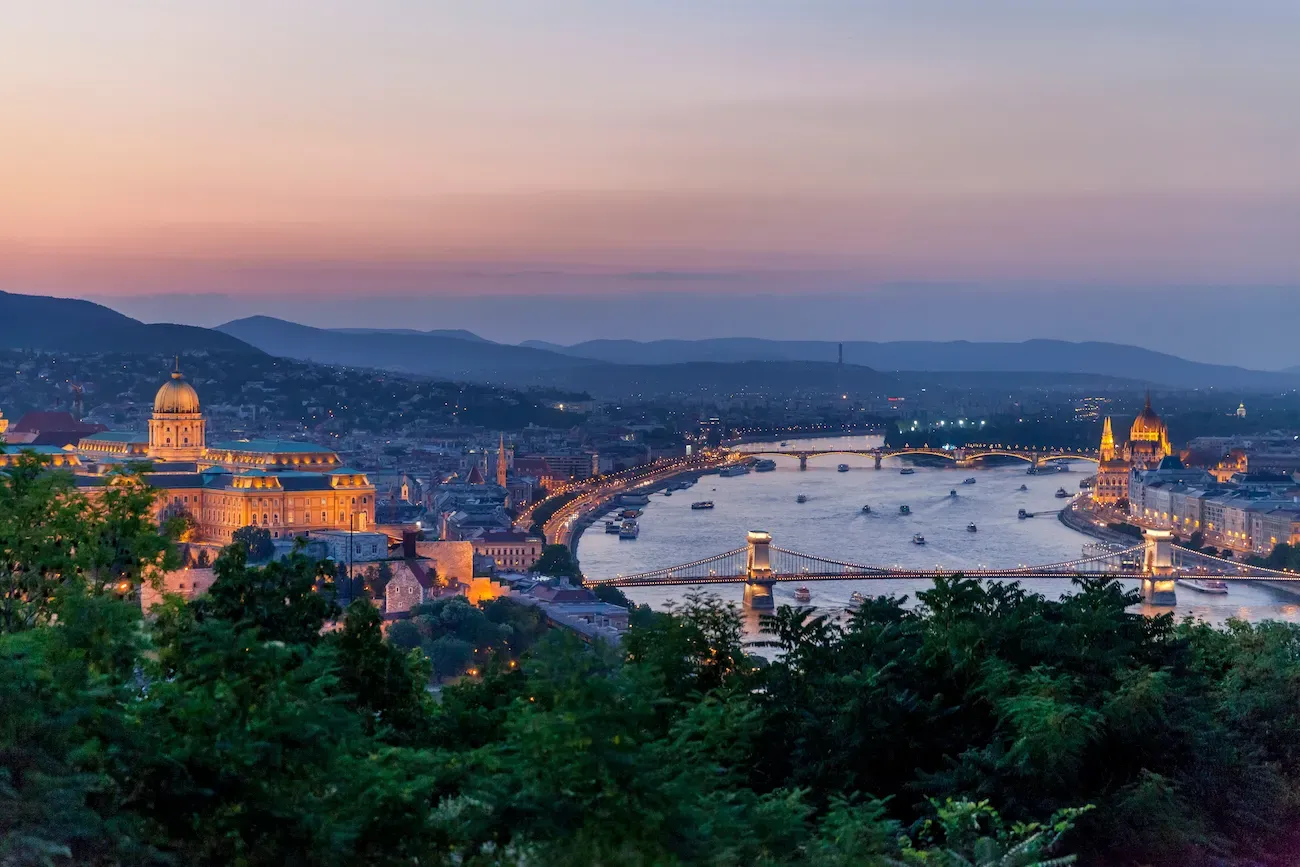
Tourist attractions in Budapest
Known for
Thermal baths, grand coffeehouses and Danube skyline
Must-see landmarks
Hungarian Parliament Building, Buda Castle and St. Stephen's Basilica
Best time to visit
April to May and September to October
Days needed
Three to four full days
Top 11 tourist attractions in Budapest
Here are the tourist attractions in Budapest worth planning around, starting with Fisherman's Bastion, Central Market Hall and Hungarian Parliament Building. The 11 top sights come first, then 30 hidden gems, free things to do, tickets and visitor FAQs. The 11 sights are numbered on the free Budapest tourist map, with the hidden gems and a walking route.
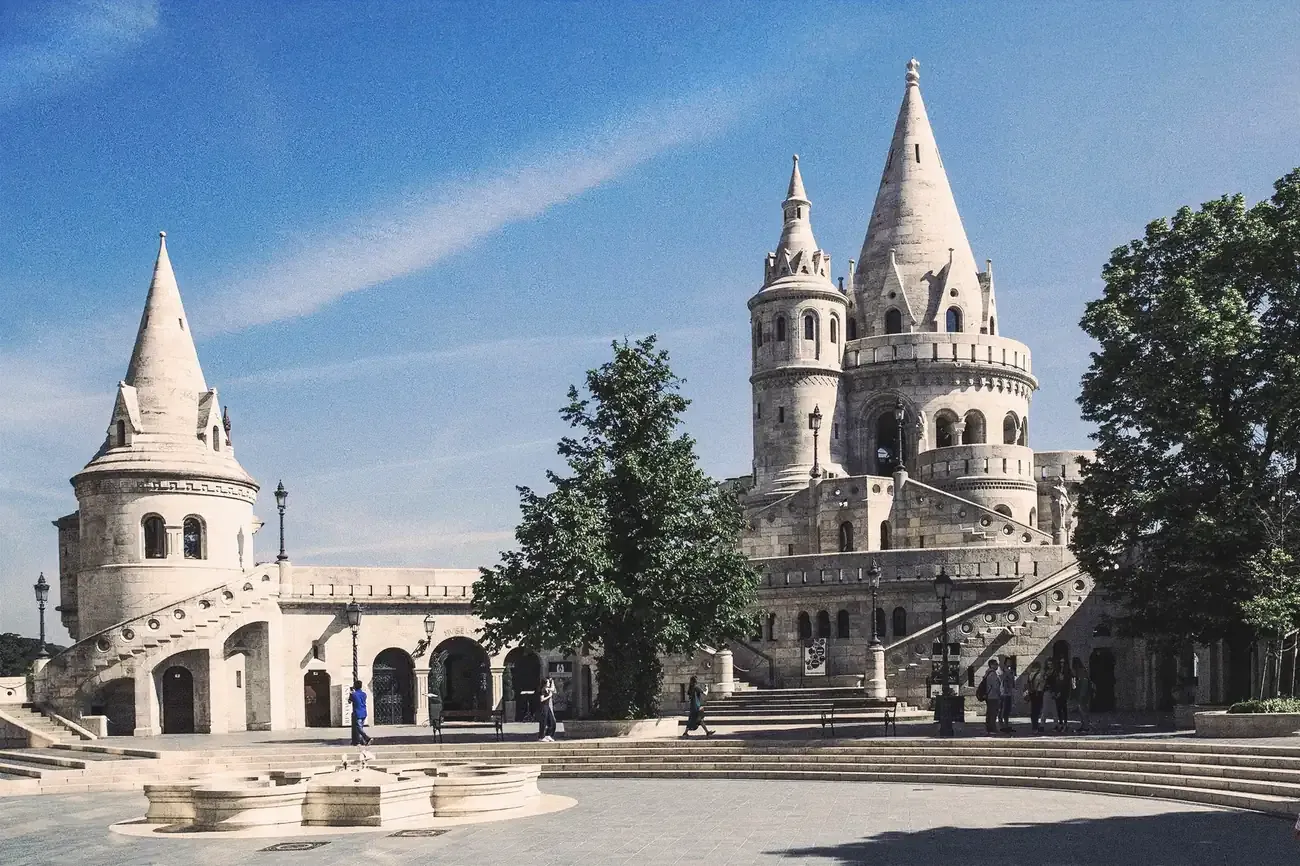
1. Fisherman's Bastion
Seven white stone towers, one for each of the Magyar tribes that settled the Carpathian Basin, line a neo-Romanesque terrace on the edge of Castle Hill. Frigyes Schulek designed it as a viewing gallery rather than a defence, and its arcades frame the Parliament dome across the Danube. Early morning and late evening are the quietest hours on the walkways.
Architect: Frigyes Schulek · Style: Gothic Revival and Romanesque Revival
Location: Szentharomsag ter, Castle Hill, Buda
Access: The lower terraces stay free at any hour. The upper turrets charge admission during opening hours, 9:00 to 19:00 for most of the year and 9:00 to 21:00 from June to September, and open freely outside them.
2. Central Market Hall
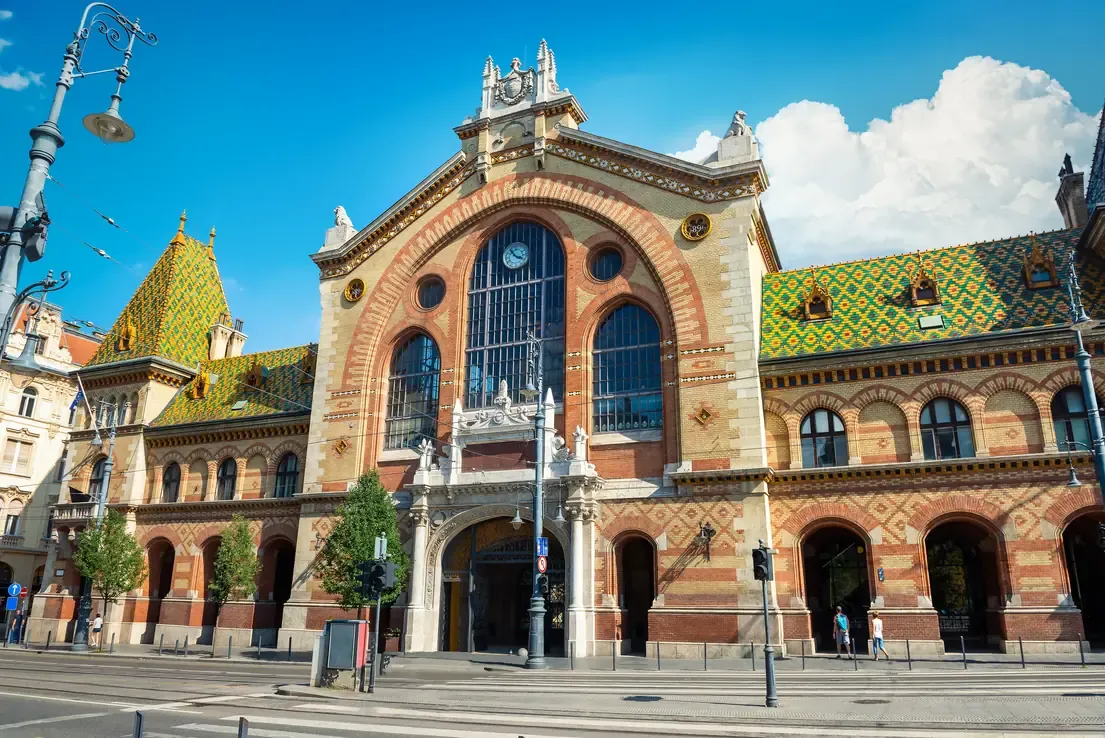
Budapest's largest and oldest indoor market fills a restored neo-Gothic hall from 1897, its steep roof laid with patterned Zsolnay tiles. The ground floor stacks paprika, sausage and produce across long rows of stalls, while the upper gallery mixes souvenir stands with food counters and the basement holds fishmongers and pickle barrels. Traders arrive before dawn, so the first hour is the calmest.
Location: Vamhaz korut 1-3, Pest, beside Liberty Bridge
Access: Free to enter. Open 6:00 to 18:00 Monday to Friday, 6:00 to 16:00 on Saturday and 10:00 to 16:00 on Sunday, closed on public holidays.
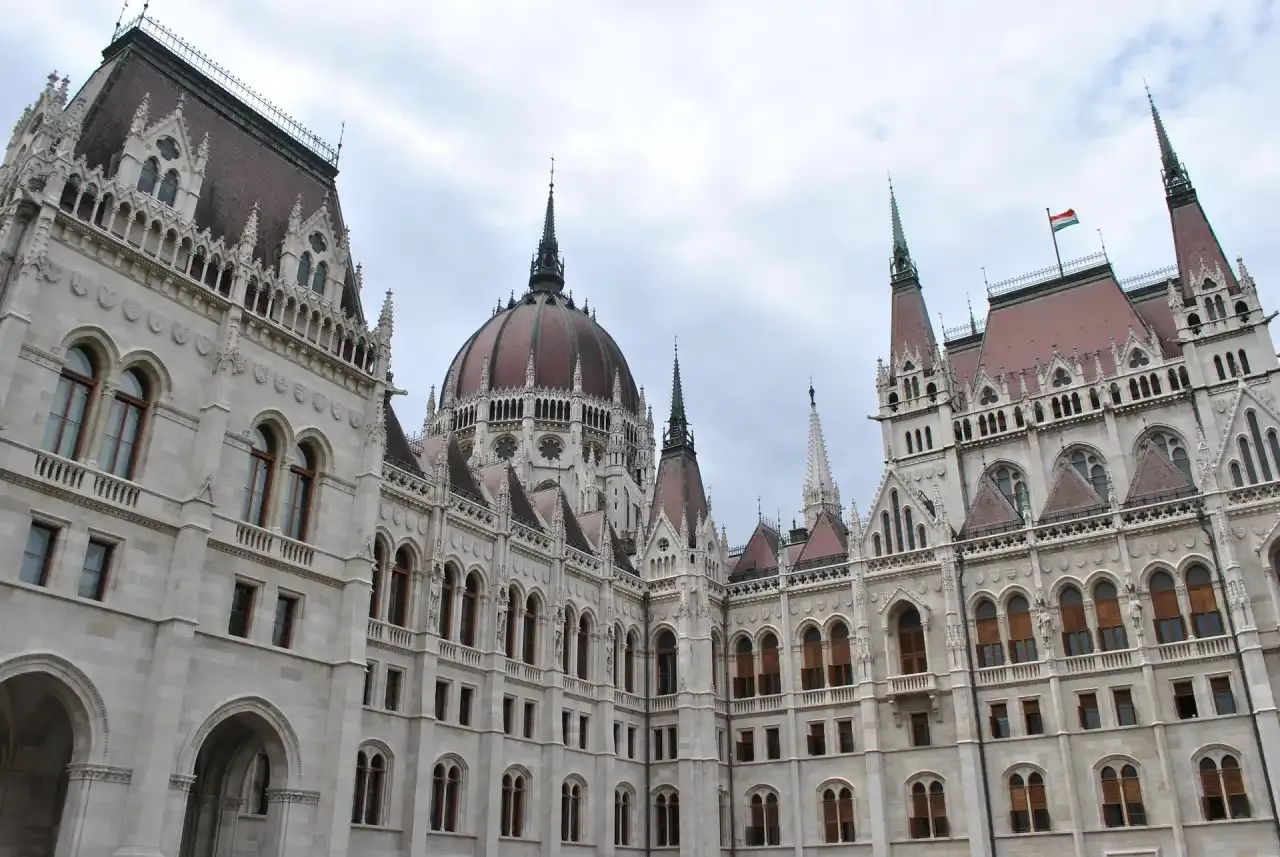
3. Hungarian Parliament Building
The country's largest building spreads Gothic Revival spires, 10 courtyards and 691 rooms along the Danube, guarding the Hungarian crown jewels beneath its central dome. Imre Steindl won the competition to design it and did not live to see it finished. The riverfront facade is the one that fills postcards, best seen from the Buda bank or from the water.
Architect: Imre Steindl · Style: Gothic Revival
Location: Kossuth Lajos ter 1-3, Pest
Access: Timed entry, guided tour only · Tickets and tours
4. Buda Castle
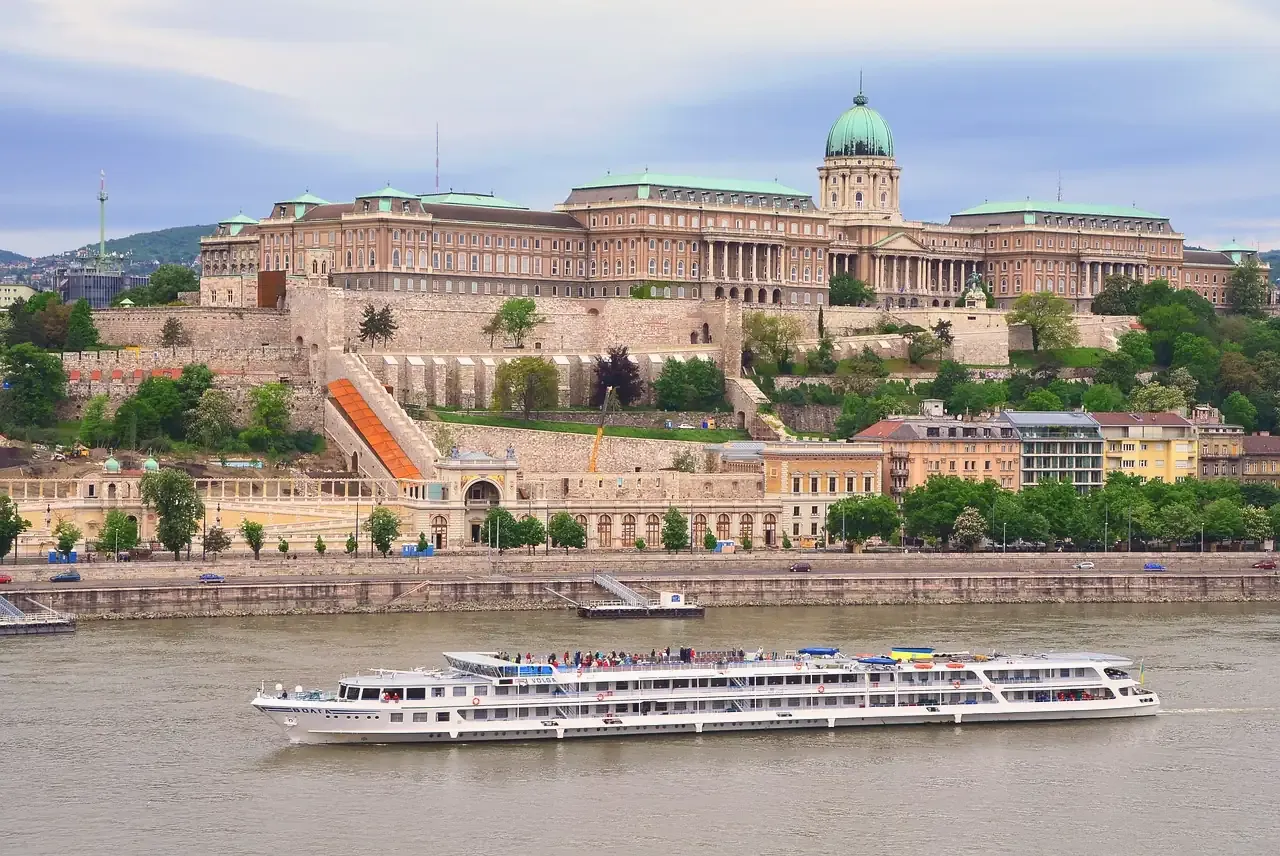
The former royal palace crowns Castle Hill above the river, its long Baroque facade rebuilt many times over. The Hungarian National Gallery and the Budapest History Museum occupy its wings, and the Lion Courtyard and Matthias Fountain reward a slow walk. Reconstruction under the National Hauszmann Programme continues across the district, so parts of the palace and its neighbours sit behind hoardings.
Architect: Alajos Hauszmann and Miklos Ybl · Style: Baroque and Neo-Baroque · Heritage: UNESCO World Heritage Site
Location: Szent Gyorgy ter, Castle Hill, Buda
Access: The courtyards and the terrace over the Danube are free to walk. The galleries and museums inside charge separate admission.
5. St. Stephen's Basilica
Budapest's largest church took more than 50 years to build and shares its 96 metre height with the Parliament dome, a limit that balanced worldly and spiritual power. The Holy Right Hand, the mummified right hand of King Stephen, has been displayed in the nave since 2018, and a walkway circles the dome with a view over the rooftops of Pest.
Architect: Jozsef Hild and Miklos Ybl · Style: Neoclassical
Location: Szent Istvan ter 1, Pest
Access: Ticketed. The church visit covers the nave, where the Holy Right Hand is displayed; the panoramic terrace and the treasury form a separate zone · Tickets and tours
6. Szechenyi Thermal Bath
A neo-Baroque bathhouse the colour of mustard fills a corner of City Park, its three outdoor pools steaming through the winter and its indoor wings lined with marble columns and mosaic. Water reaches the pools from two thermal springs drilled beneath the park. Bathers playing chess on floating boards in the warmest outdoor pool are the image most visitors arrive expecting.
Architect: Gyozo Czigler · Style: Neo-Baroque
Location: Allatkerti korut 9-11, City Park
Access: Ticketed. Open 7:00 to 20:00 Monday to Thursday, 7:00 to 22:00 on Friday and 8:00 to 20:00 at weekends · Tickets and tours
7. Matthias Church
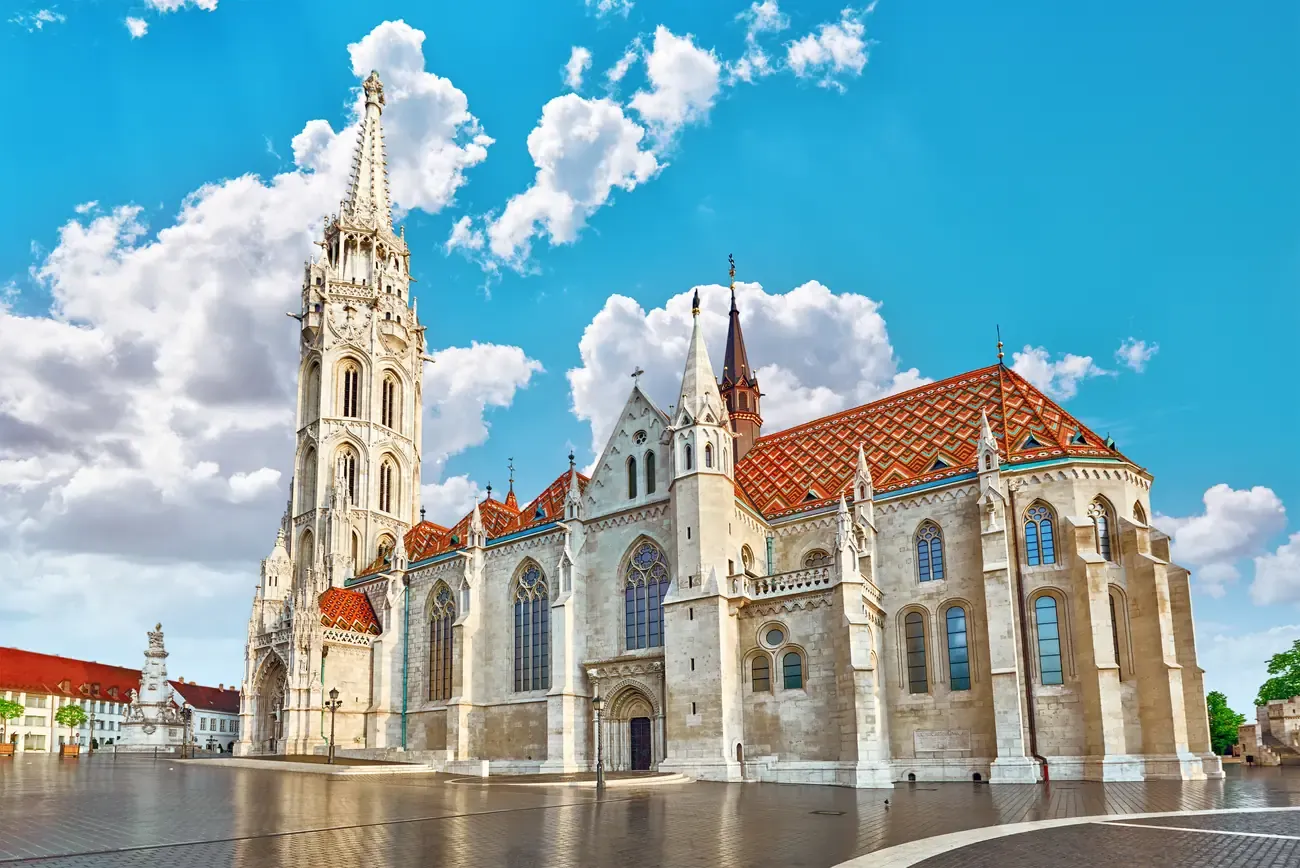
King Matthias married here twice, and the church where Franz Joseph I and Charles IV were crowned carries a roof of glazed Zsolnay tiles in diamond patterns that can be picked out from across the river. Frigyes Schulek rebuilt the medieval fabric in the nineteenth century and covered the interior in painted ornament, and an ecclesiastical art collection occupies the galleries and crypt.
Architect: Frigyes Schulek · Style: Gothic and Gothic Revival
Location: Szentharomsag ter 2, Castle Hill, Buda
Access: Ticketed. The church remains in use, so opening times shift around services and change from day to day.
8. Vajdahunyad Castle
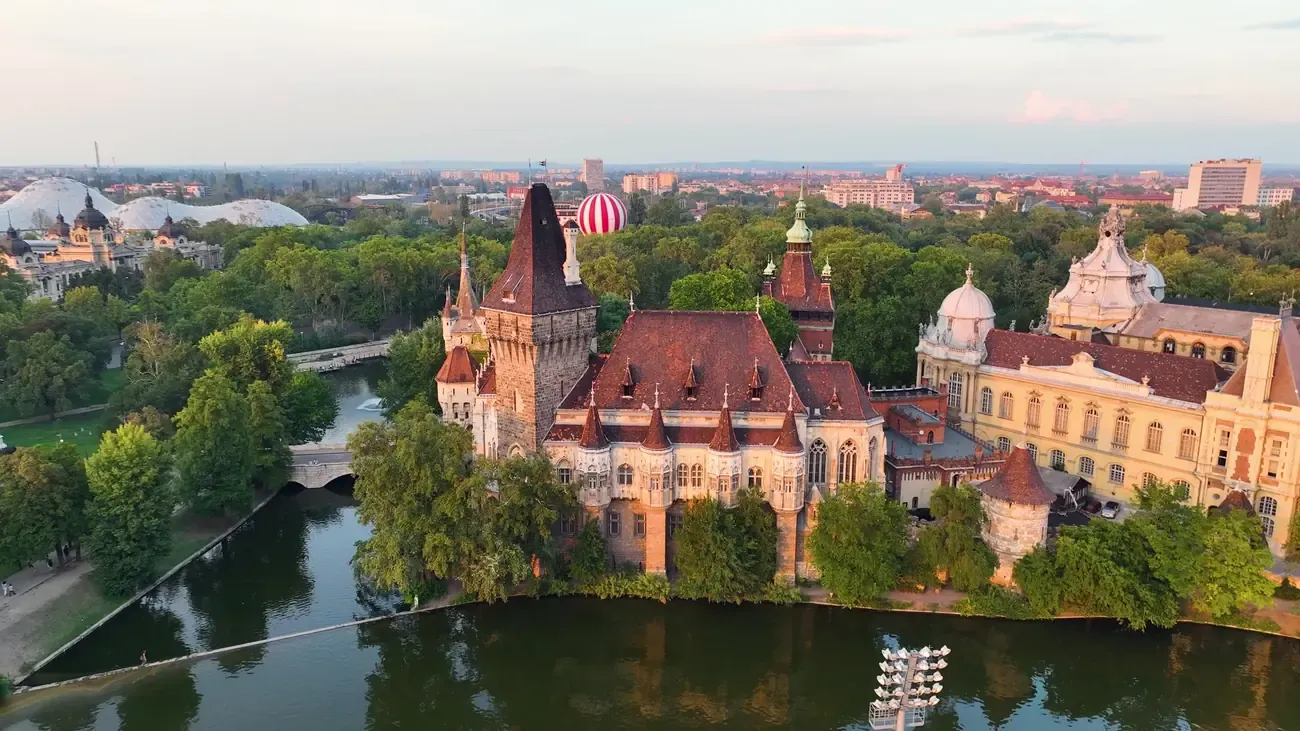
A fantasy castle built for the millennium exhibition and kept in stone afterwards, its wings copying Romanesque, Gothic, Renaissance and Baroque buildings from across historic Hungary. Ignac Alpar assembled the quotations into one silhouette on an island in City Park, reached by a short bridge over the boating lake that freezes into a skating rink in winter. The hooded Anonymus statue sits in the courtyard.
Architect: Ignac Alpar · Style: Eclectic
Location: Vajdahunyad stny., City Park, 1146 Budapest
Access: The Hungarian Museum of Agriculture, which occupies the castle, is ticketed.
9. Chain Bridge
The suspension bridge designed by William Tierney Clark opened in 1849 as the first permanent crossing between Buda and Pest, and its four stone lions have guarded the abutments since. Walking across gives the best view back to the castle and the bastion, and the iron chains and floodlit towers make it the most photographed crossing on the river.
Location: Szechenyi Lanchid, between Clark Adam ter and Szechenyi Istvan ter
Access: Free to cross on foot or by bike.
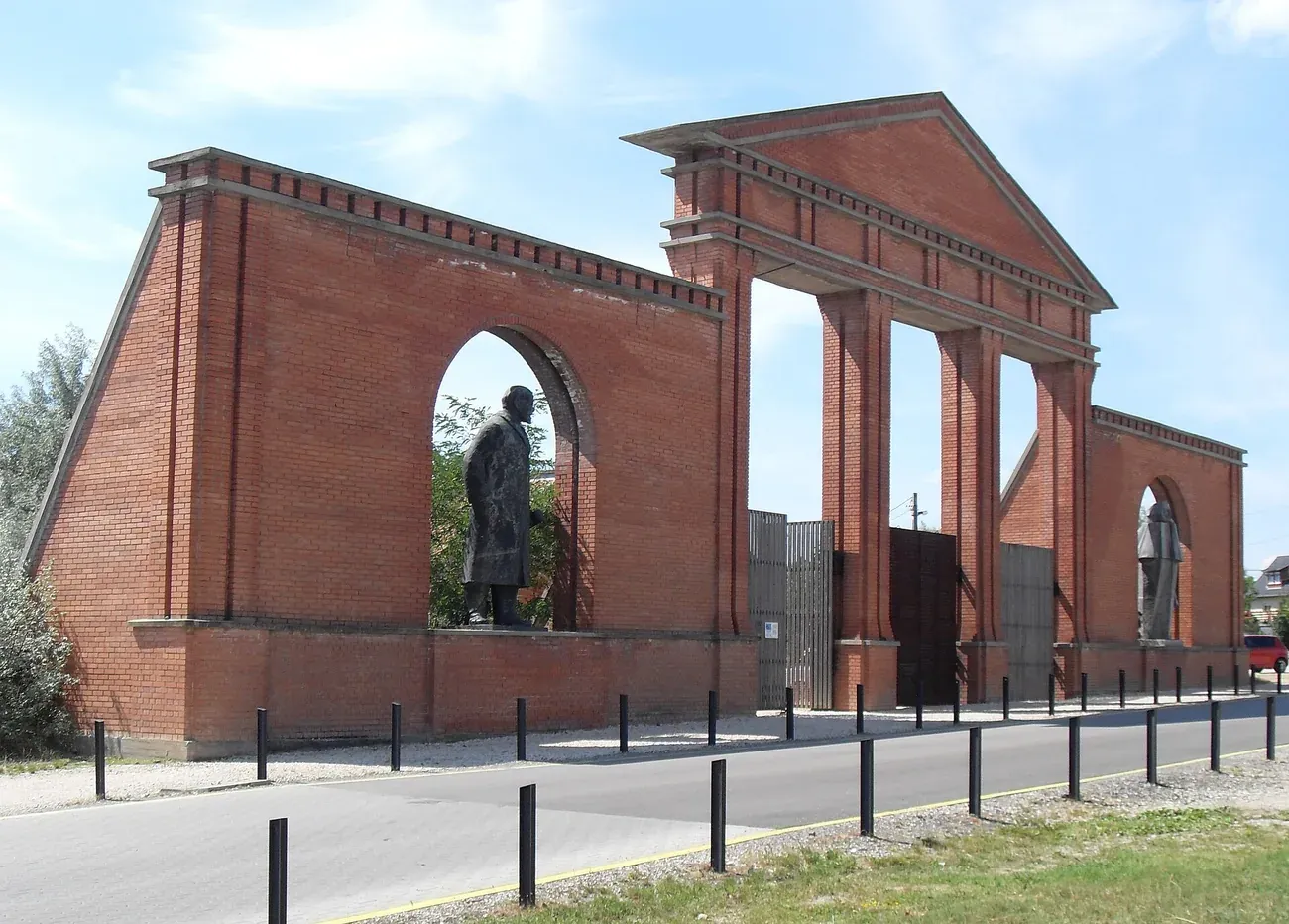
10. Memento Park
Statues of Lenin, Marx and the heroes of Hungarian communism, pulled from squares and boulevards after 1989, stand together in an open air park on the southern edge of the city. Rather than destroy them the council gathered them behind a brick facade that leads nowhere, and a replica of the boots left when Stalin's statue was toppled in 1956 marks the grandstand. A barracks cinema screens training films for secret agents.
Location: Balatoni ut and Szabadkai utca, District XXII
Access: Ticketed. Open daily from 10:00 to 17:00.
Photo: "Main entrance of the Memento Park with Lenin, Marx and Engels" by Ferran Cornellà (CC BY-SA 3.0).
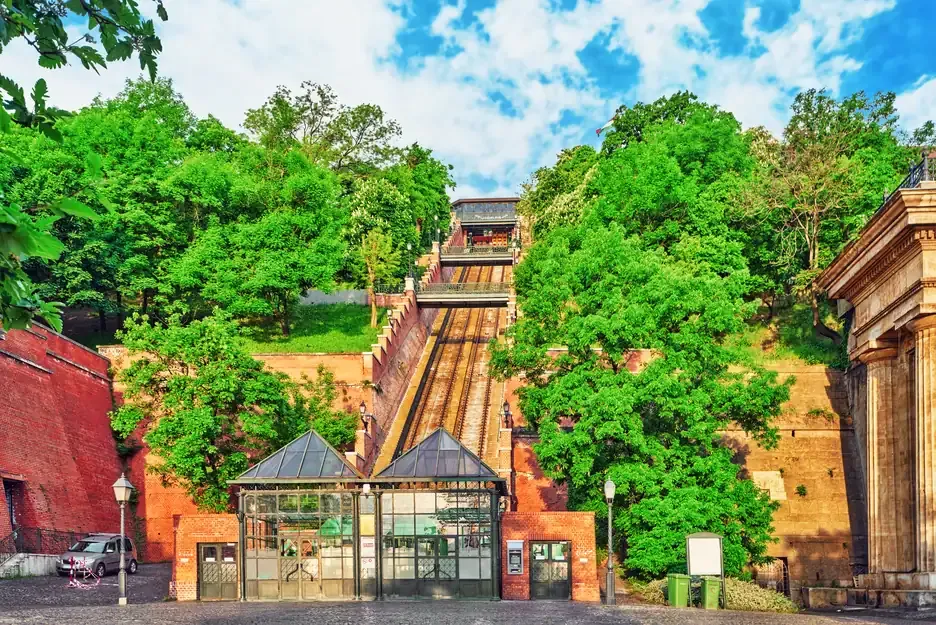
11. Budapest Castle Hill Funicular
Two cabins pass each other on a steep track between the Danube embankment and the palace terrace, covering the climb in under two minutes. The stepped wooden compartments keep passengers level as the carriage tilts, and the windows open onto the river, the bridge and the Pest skyline as the cabin rises. Walking down through the terraced gardens beside the track is the usual way back to the embankment.
Location: Clark Adam ter, at the Buda end of the Chain Bridge
Access: Ticketed.
Book Budapest attractions and tours
Free landmarks and viewpoints in Budapest
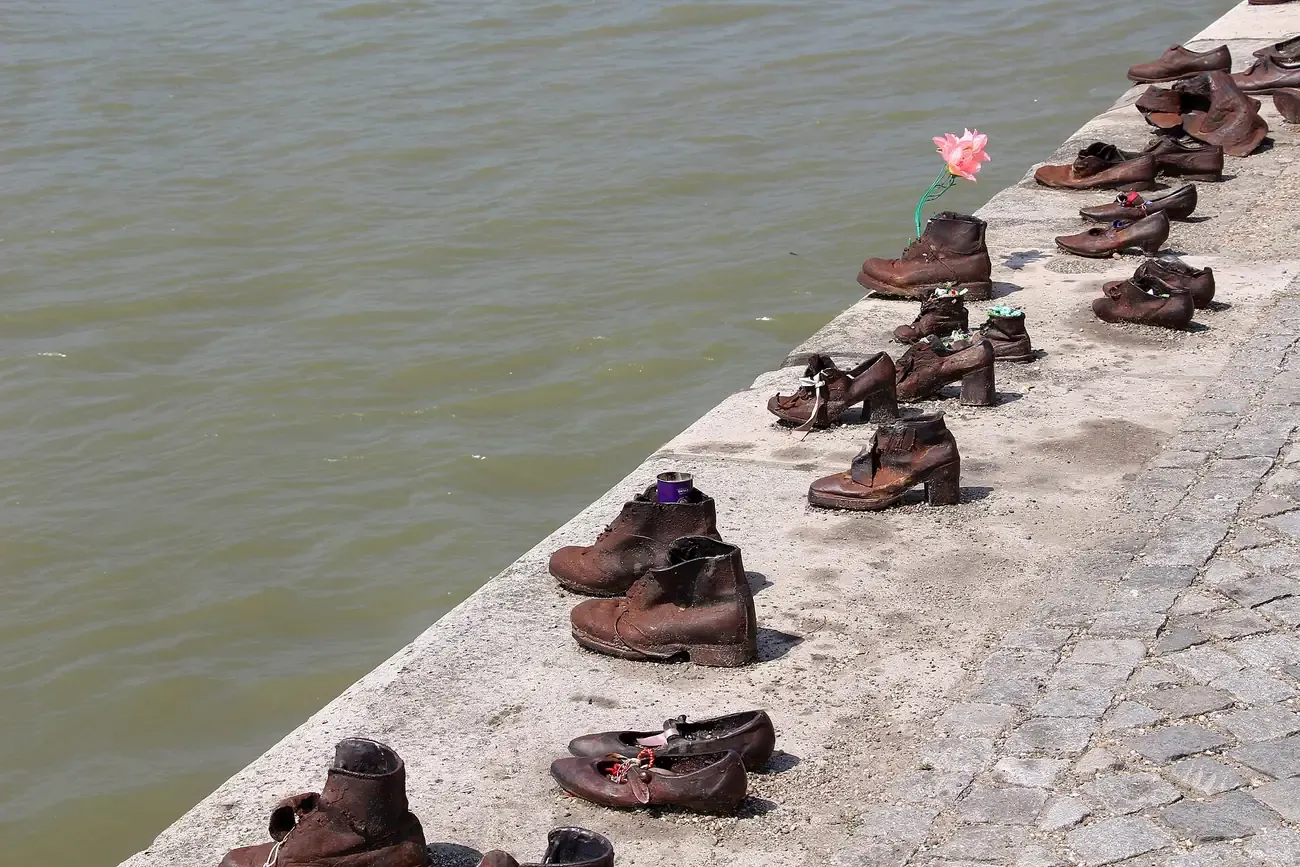
Shoes on the Danube Bank
This riverside memorial sits in the open along the Danube's UNESCO-listed embankment between the Chain Bridge and Margaret Bridge, free to visit any hour. Early morning avoids the tour groups and gives the clearest view of the trilingual plaques.
Photo: "Shoes on the Danube Bank memorial" by Fred Romero (CC BY 2.0).
Heroes' Square
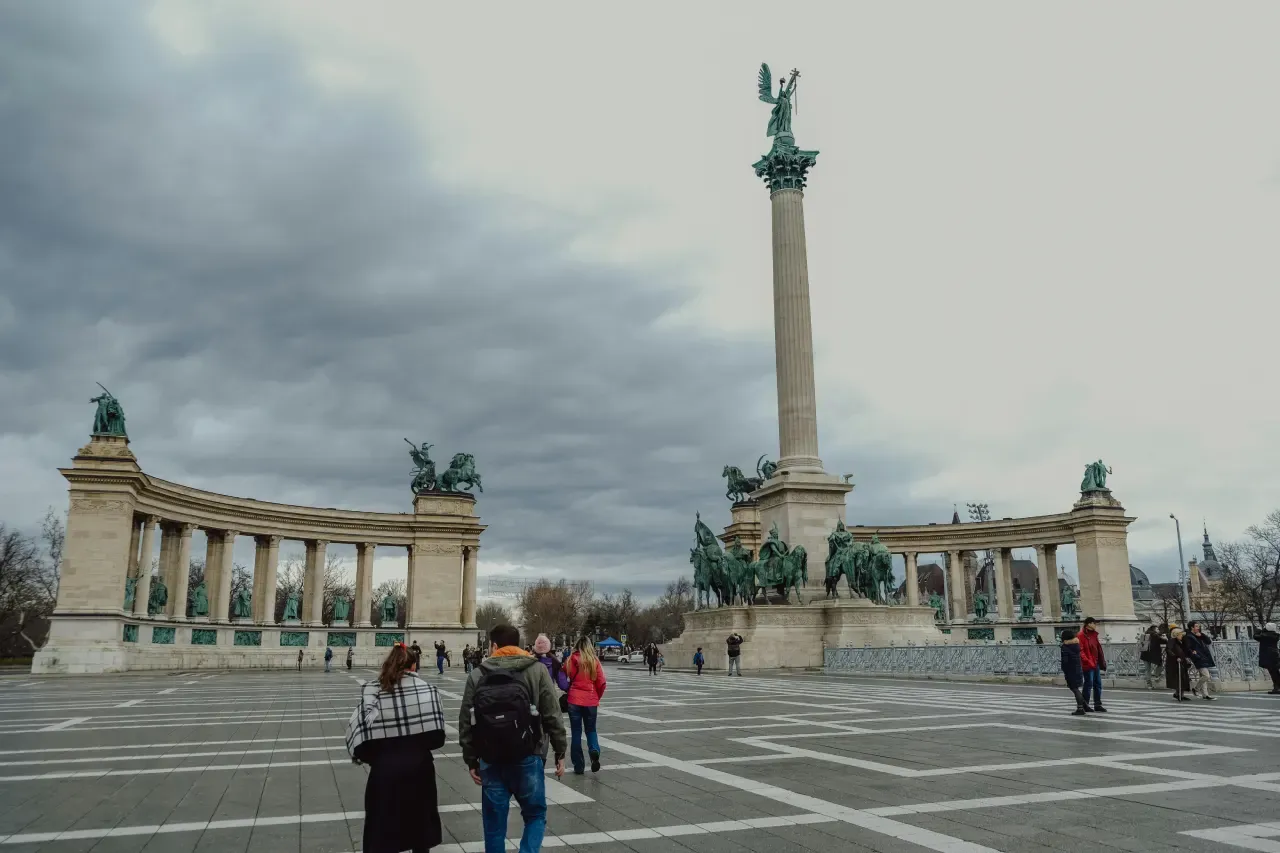
Andrássy Avenue opens onto this monument-lined plaza at no charge, its 36-metre column and colonnade of Hungarian rulers open to view at any hour. The Museum of Fine Arts and the Hall of Art flanking it keep separate ticket booths.
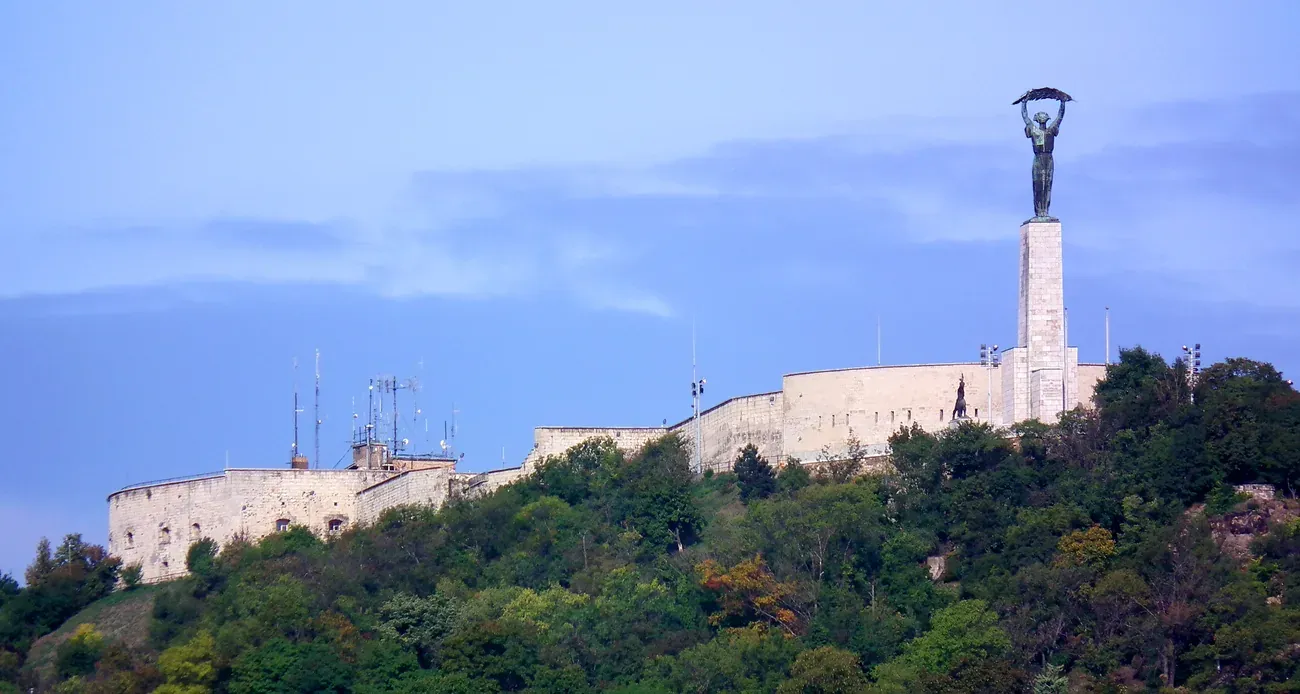
Gellért Hill and the Citadella
The wooded hill on the Buda side climbs to the reopened Citadella fortress, its inner park, lookout terraces and walking routes free to explore, with panoramic views over the Danube. Only the Bastion of Liberty exhibition inside charges admission.
Photo: "Citadella on Gellért Hill" by Varius (CC BY-SA 3.0).
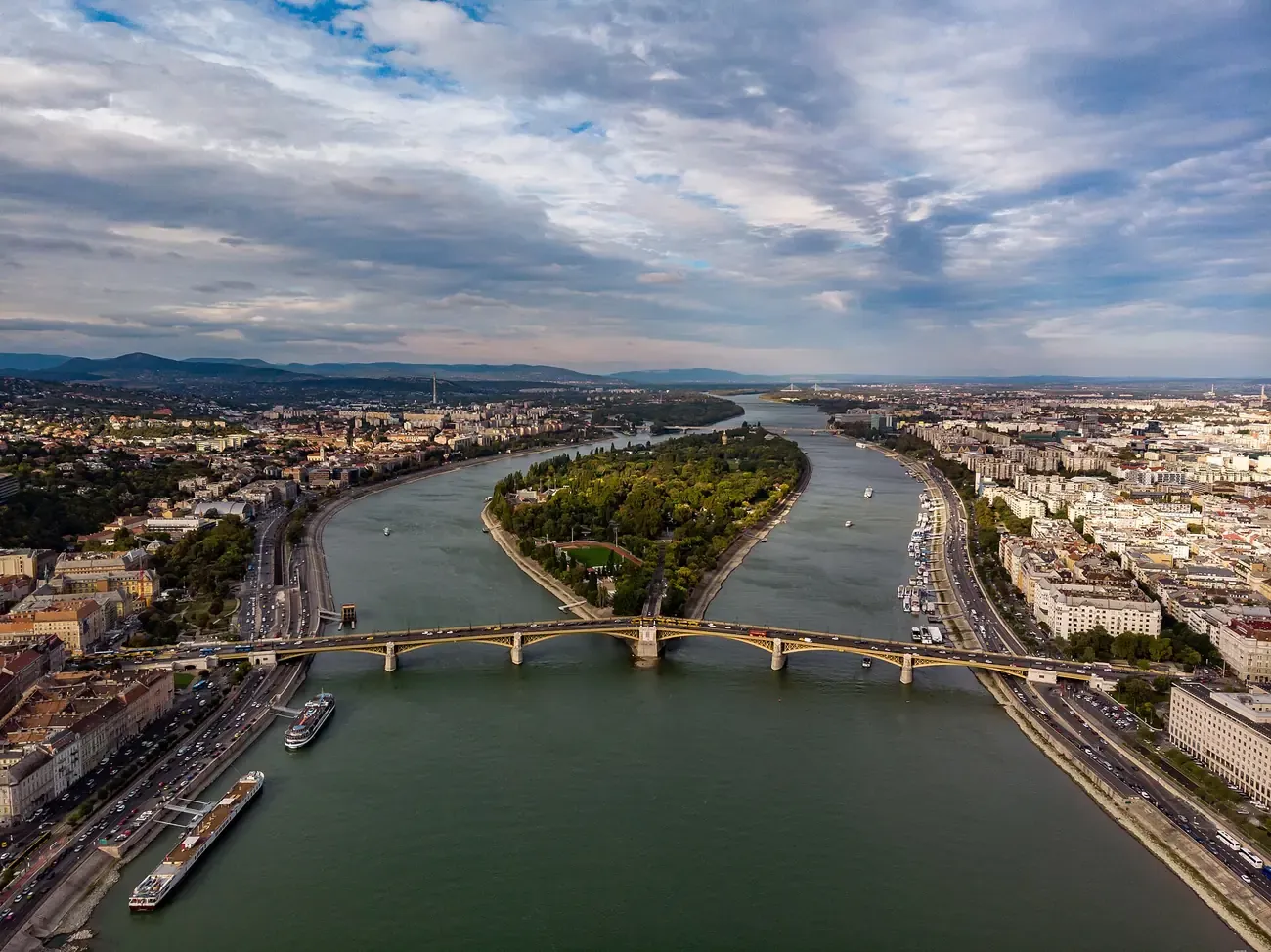
Margaret Island
The largely car-free island in the Danube is a public park open to everyone at no charge, with a running track, gardens and medieval convent ruins shaded by trees. The Palatinus outdoor pools and the island's hotels are separate, paid attractions.
Photo: "Margaret Island and Margaret Bridge from above" by Ralf Roletschek (CC BY-SA 1.0 fi).
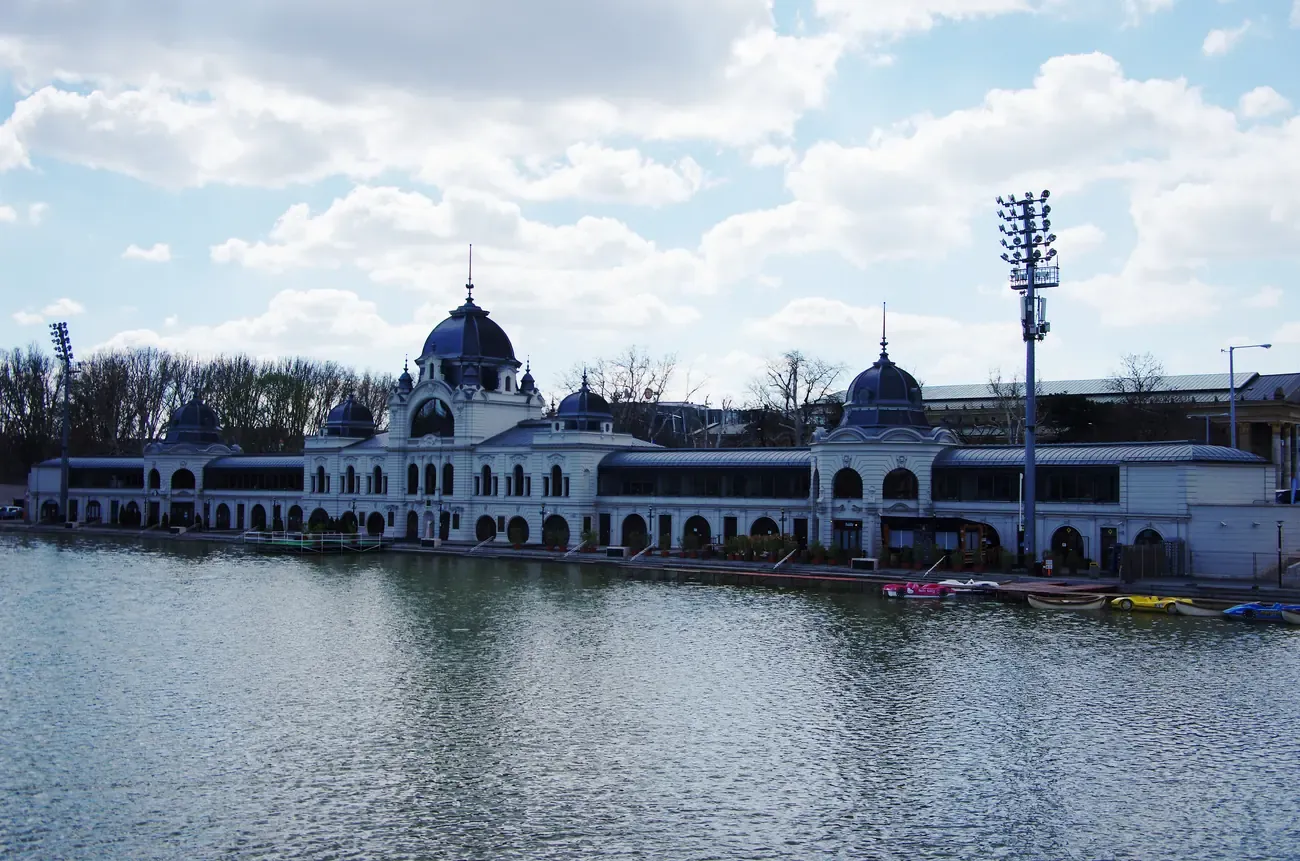
City Park (Városliget)
Pest's largest green space spreads out behind Heroes' Square with lakeside paths and Vajdahunyad Castle's courtyards, all free to walk through. Attractions inside such as Budapest Zoo, House of Music Hungary and the Széchenyi Thermal Bath charge separate admission.
Photo: "Városliget lake and ice rink" by Paolo Villa (CC BY-SA 4.0).
War and ghetto memory in Budapest
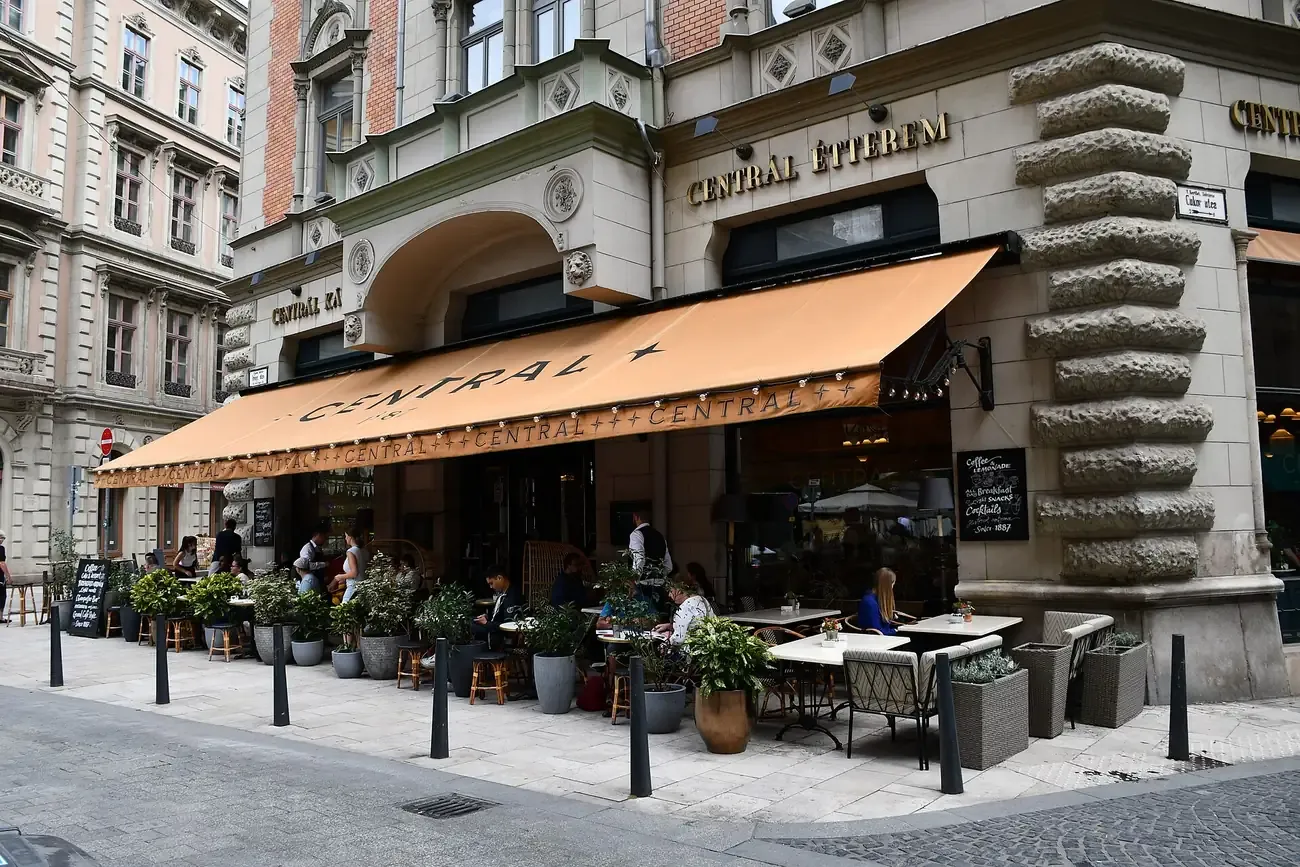
Central Grand Cafe
A literary coffee house where writers filled the marble tables, reopened in 2022 under its present name.
Location: Karolyi utca 9, Pest
Photo: "Central Cafe, Budapest" by Ato 01 (CC BY-SA 4.0).
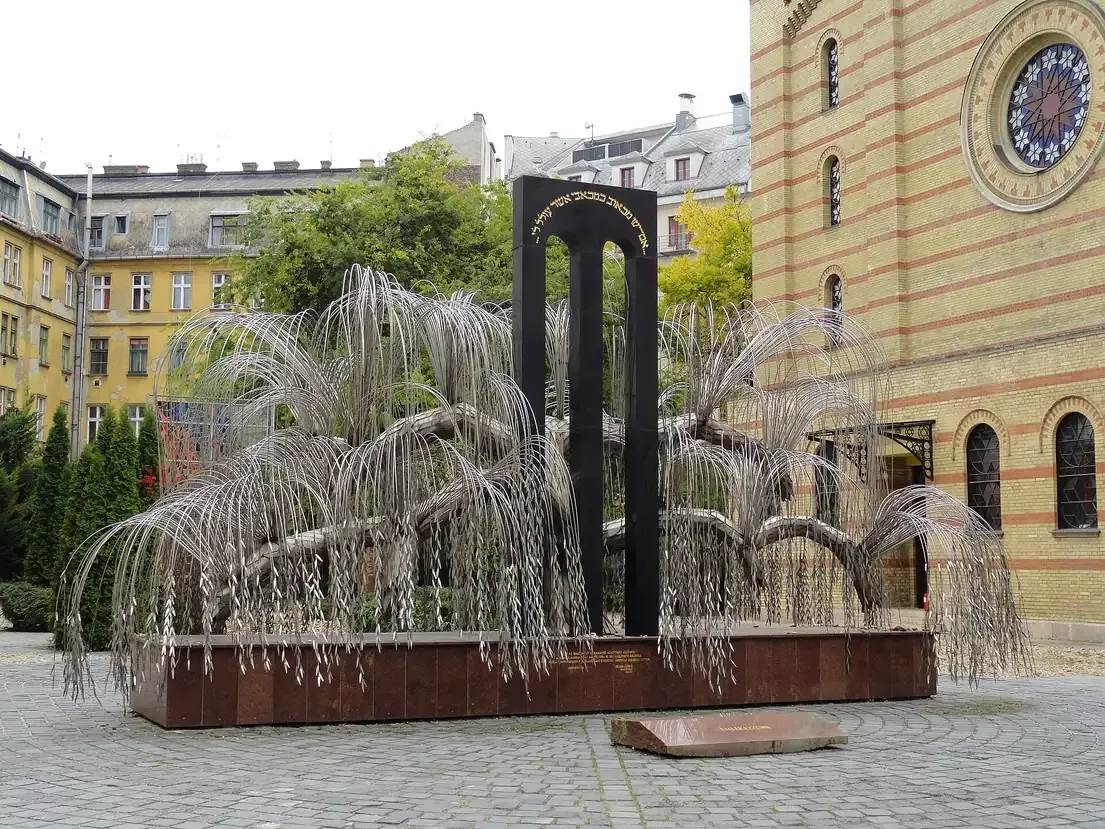
Holocaust Tree of Life Memorial
A steel weeping willow in the courtyard of the Dohany Street Synagogue, each metal leaf carrying the name of a victim.
Location: Dohany utca 2, Pest
Photo: "Holocaust memorial tree at the Great Synagogue, Budapest" by Lóránd Péter (CC BY-SA 3.0).
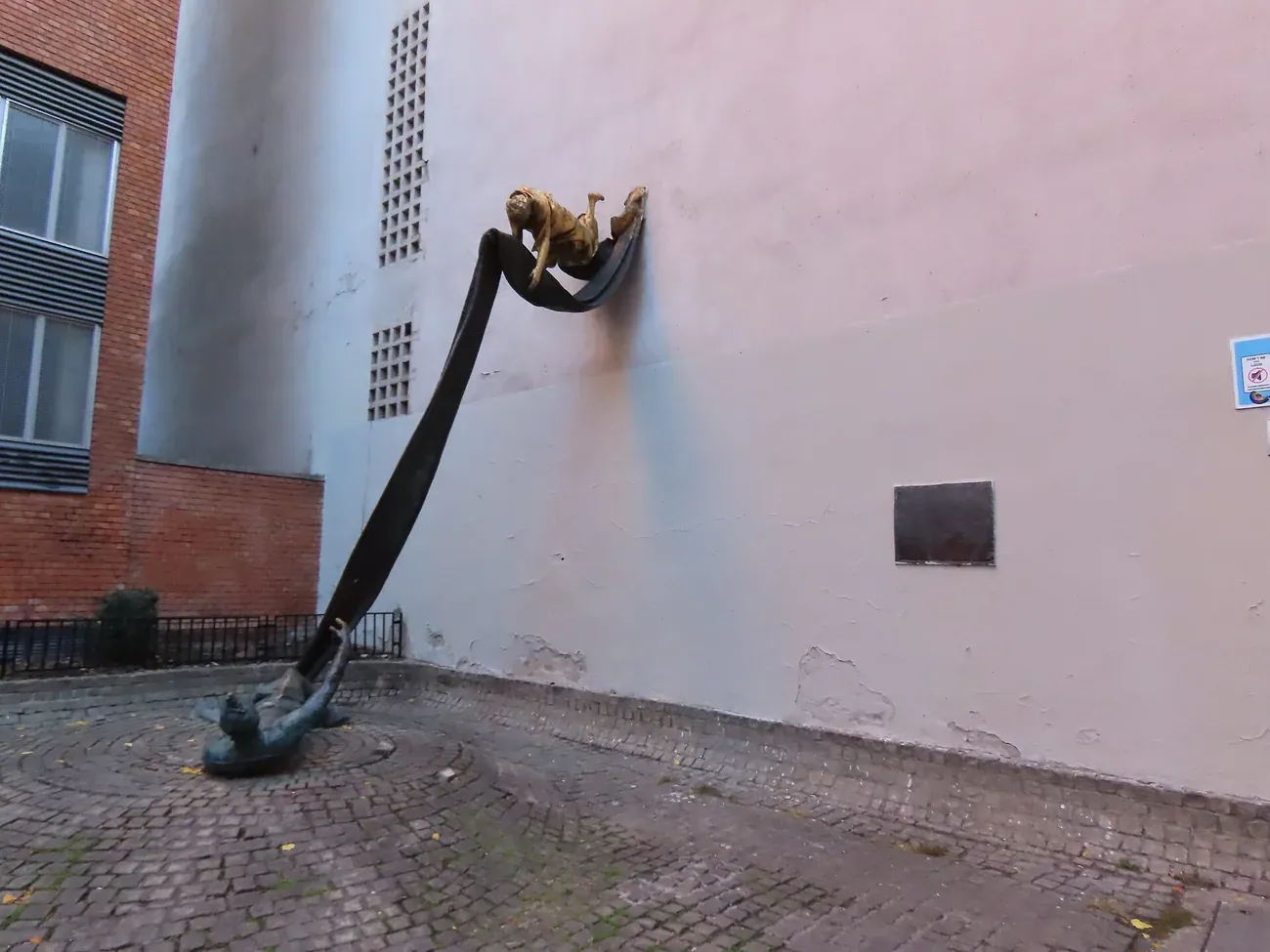
Carl Lutz Memorial
A gilded figure leans from a wall towards a fallen body, honouring the Swiss vice-consul who issued protective papers to tens of thousands.
Location: Dob utca 12, Pest
Photo: "Carl Lutz memorial in Dob utca, Budapest" by יעקב (CC0).
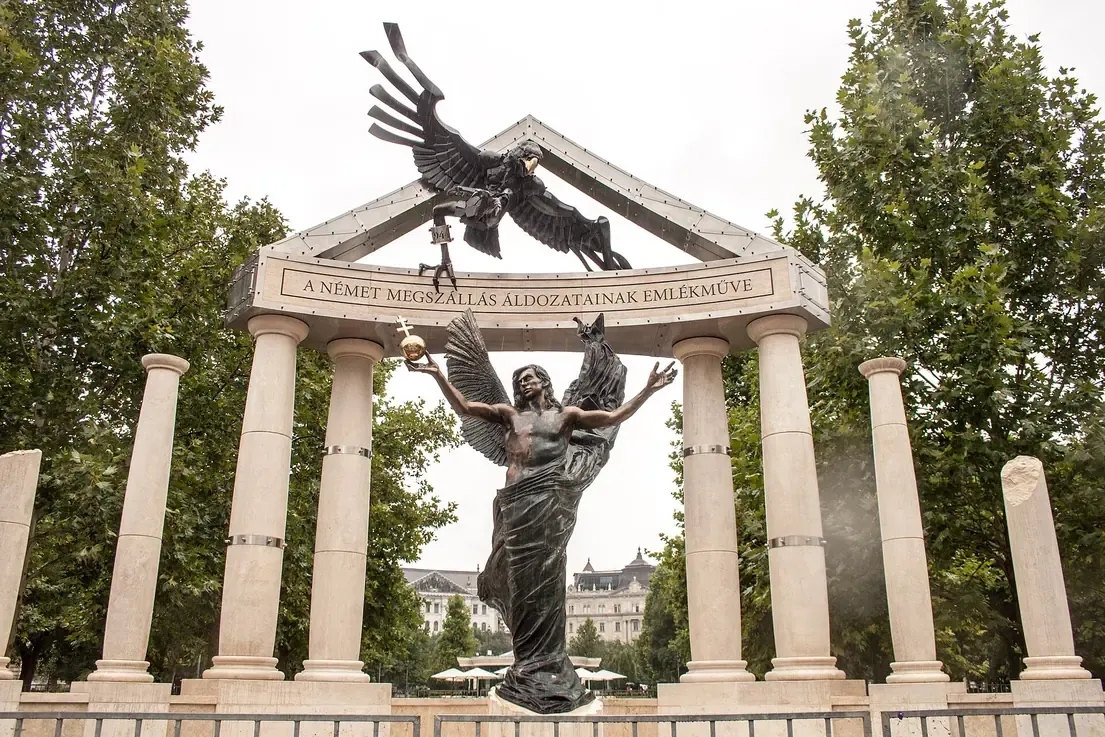
Memorial for Victims of the German Occupation
Erected on Szabadsag ter in 2014, the bronze and stone group shows an eagle descending on the archangel Gabriel.
Location: Szabadsag ter, Pest
Photo: "Monument to the victims of the German occupation, Szabadsag square" by Szilas (Public domain).
Cold war traces in Budapest
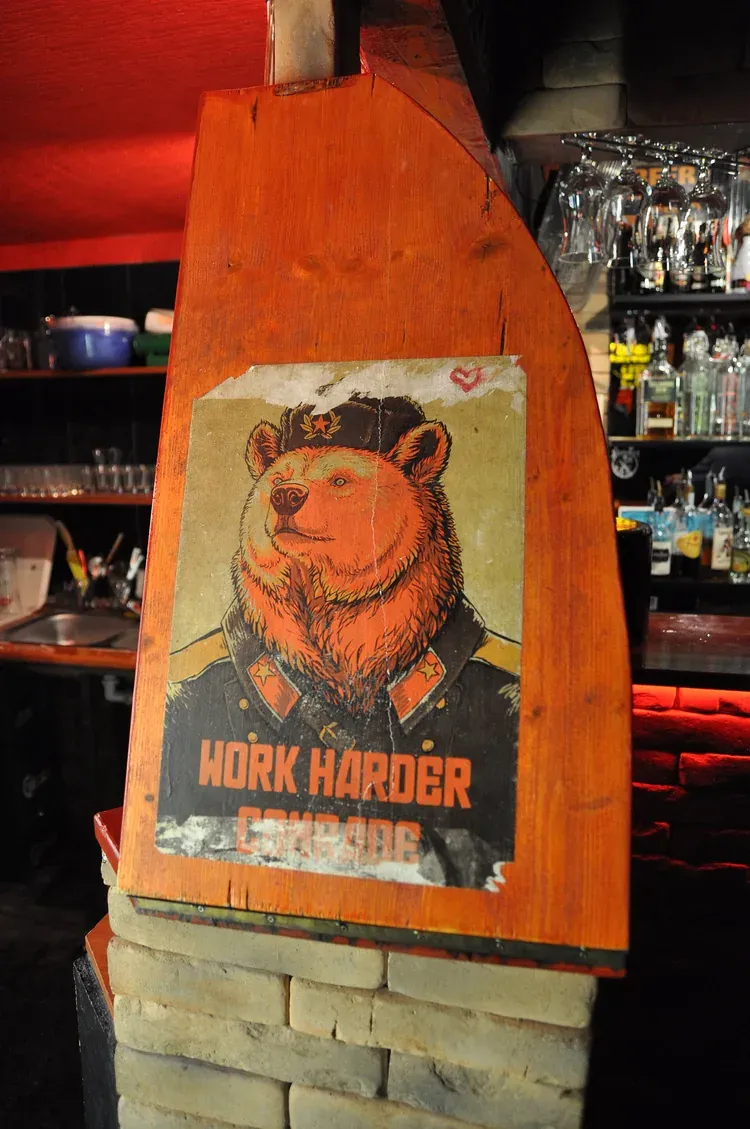
Red Ruin
A ruin bar decorated with communist era propaganda art and slogans, its walls covered in murals that satirise the period.
Location: Iranyi utca 25, Pest
Photo: "Red Ruin Bar, Budapest" by Christo (CC BY-SA 4.0).
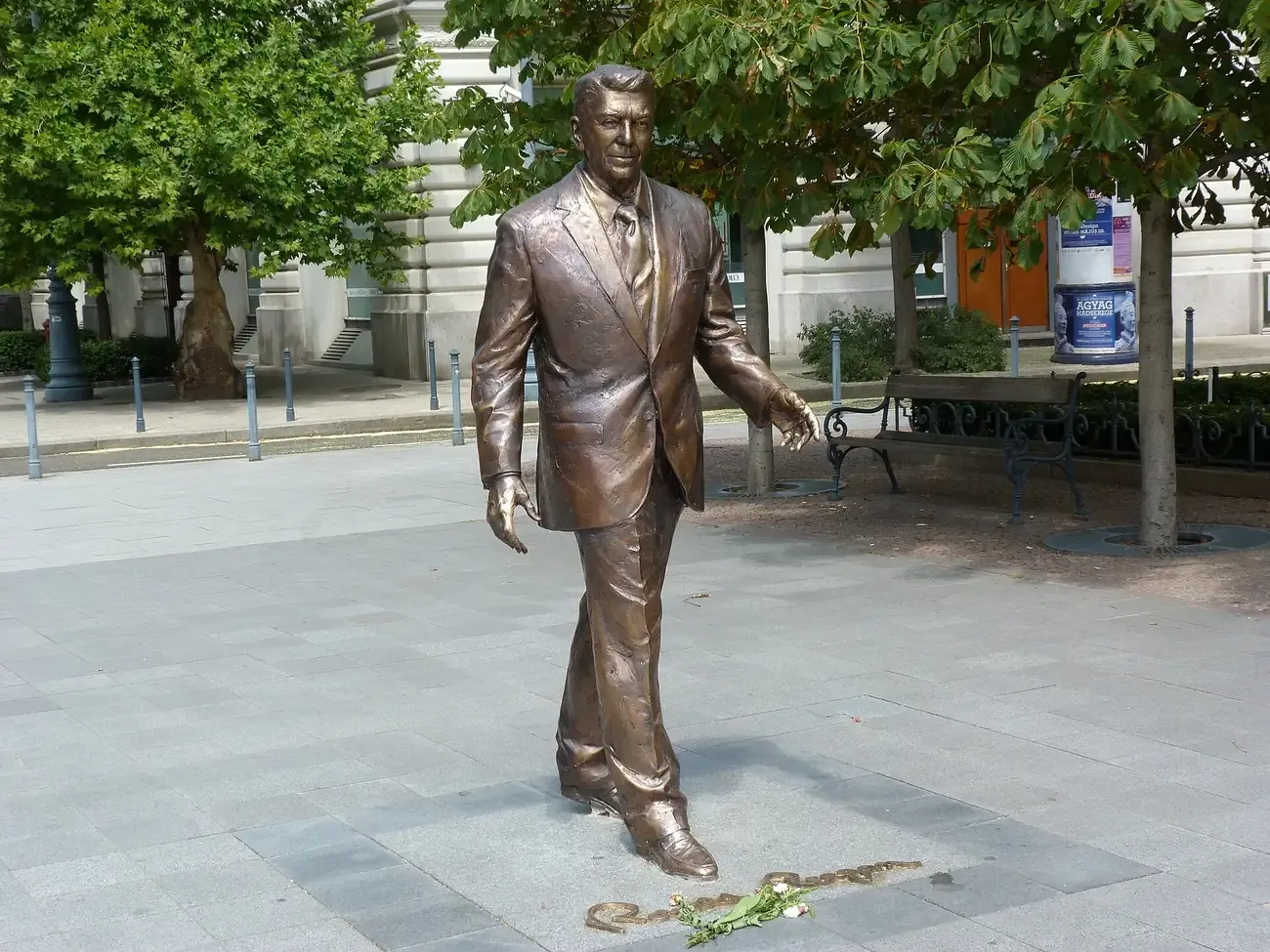
Ronald Reagan Statue
A bronze of the American president mid stride on Szabadsag ter, placed facing the square's other, older monuments.
Location: Szabadsag ter, Pest
Photo: "Ronald Reagan, hero of Hungary, Budapest" by Derzsi Elekes Andor (CC BY-SA 4.0).
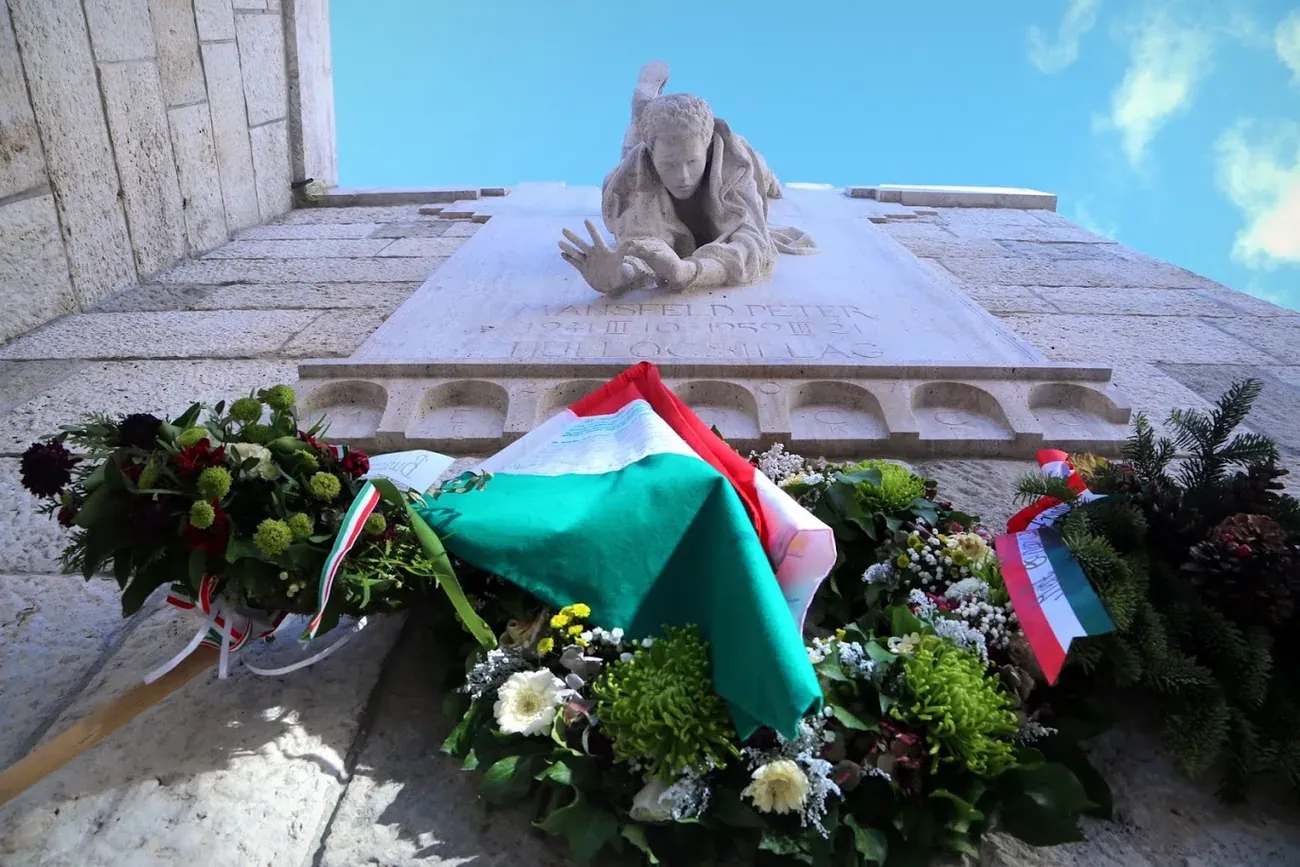
Peter Mansfeld Monument
A memorial to the teenager executed after the 1956 uprising, once he had turned eighteen and could legally be sentenced.
Location: Szabo Ilonka utca, District I, Buda
Photo: "Peter Mansfeld memorial relief, Budapest" by Thaler Tamas (CC BY-SA 4.0).
Museums and collections in Budapest
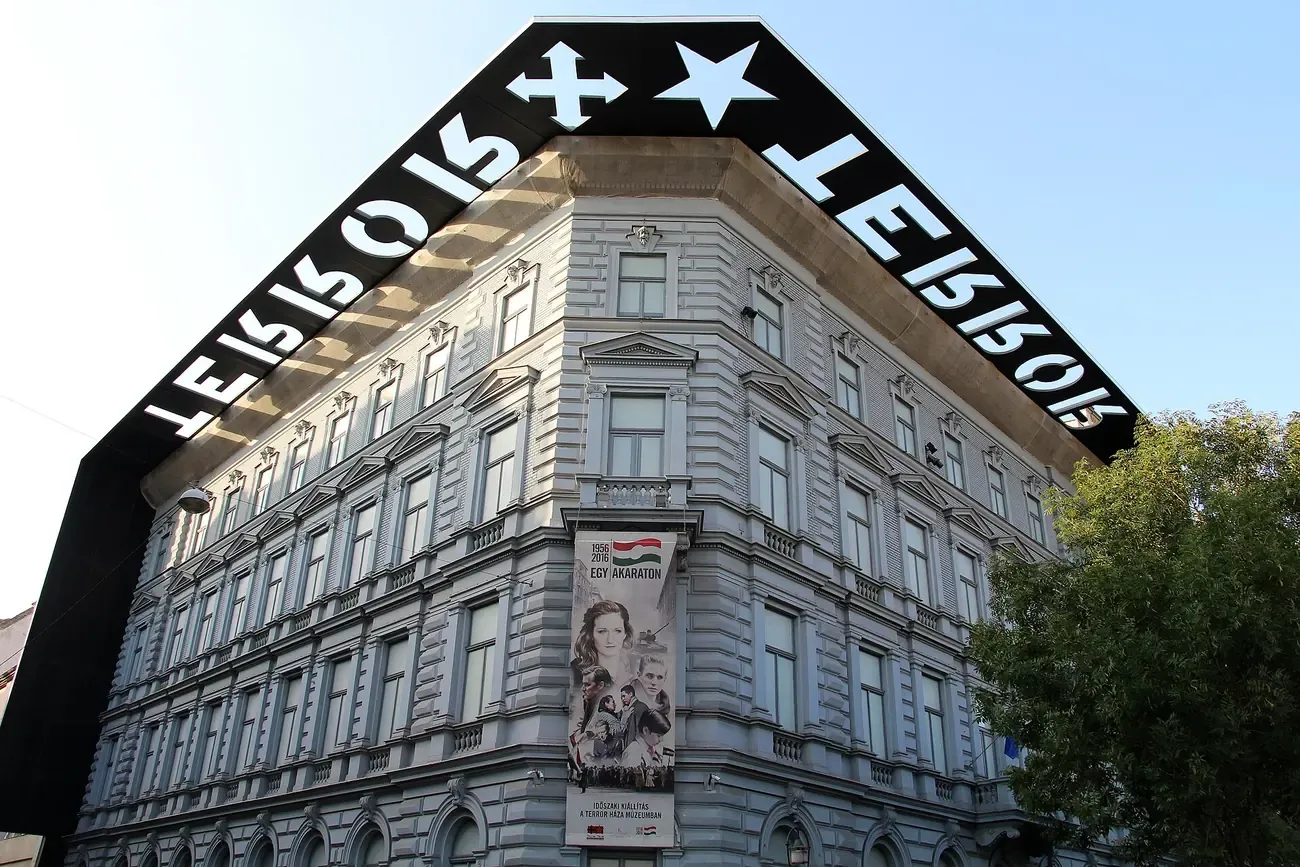
Terror Haza
The former headquarters of the fascist and communist secret police on Andrassy Avenue, its cells preserved in the basement.
Location: Andrassy ut 60, Pest
Photo: "House of Terror Museum facade on Andrassy Avenue" by Fred Romero (CC BY 2.0).
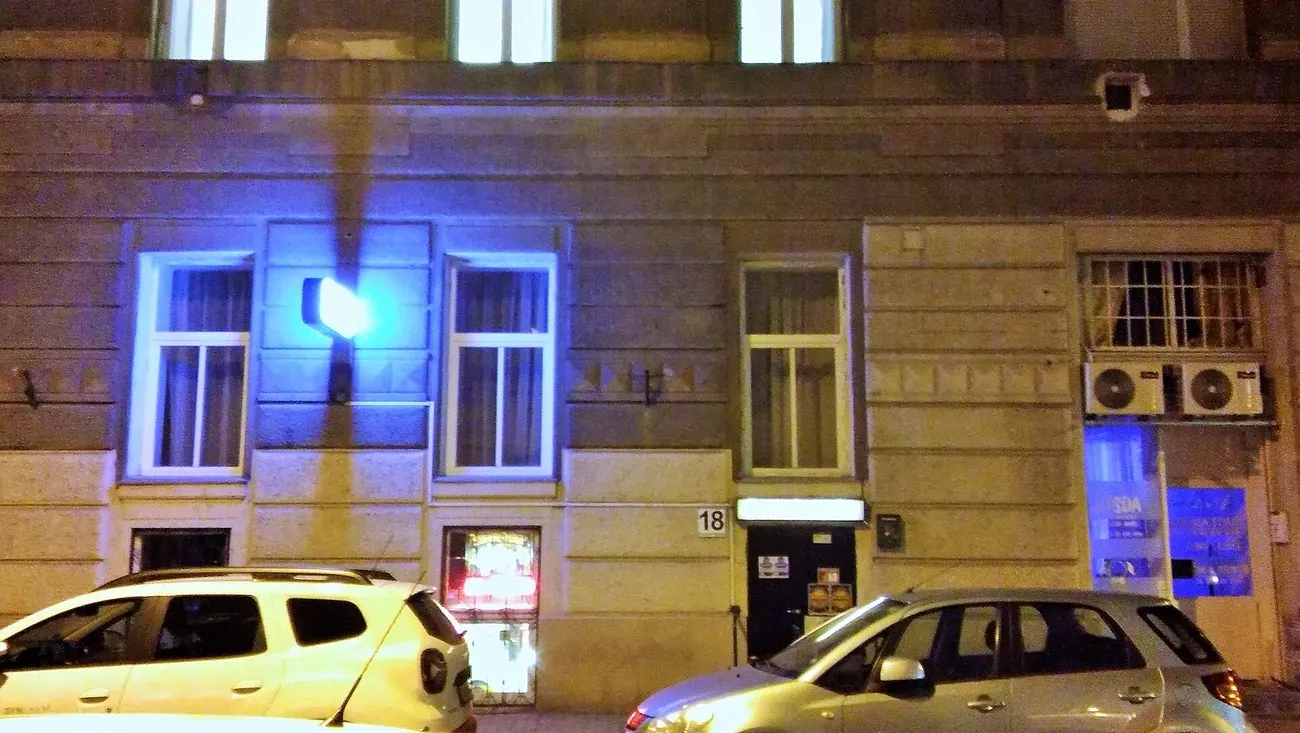
Flipper Muzeum
A basement of pinball machines and their nineteenth-century predecessors, all of them playable for as long as visitors stay.
Location: Radnoti Miklos utca 18, Pest
Photo: "Flippermuzeum entrance at Radnoti Miklos utca 18" by 12akd (CC0).
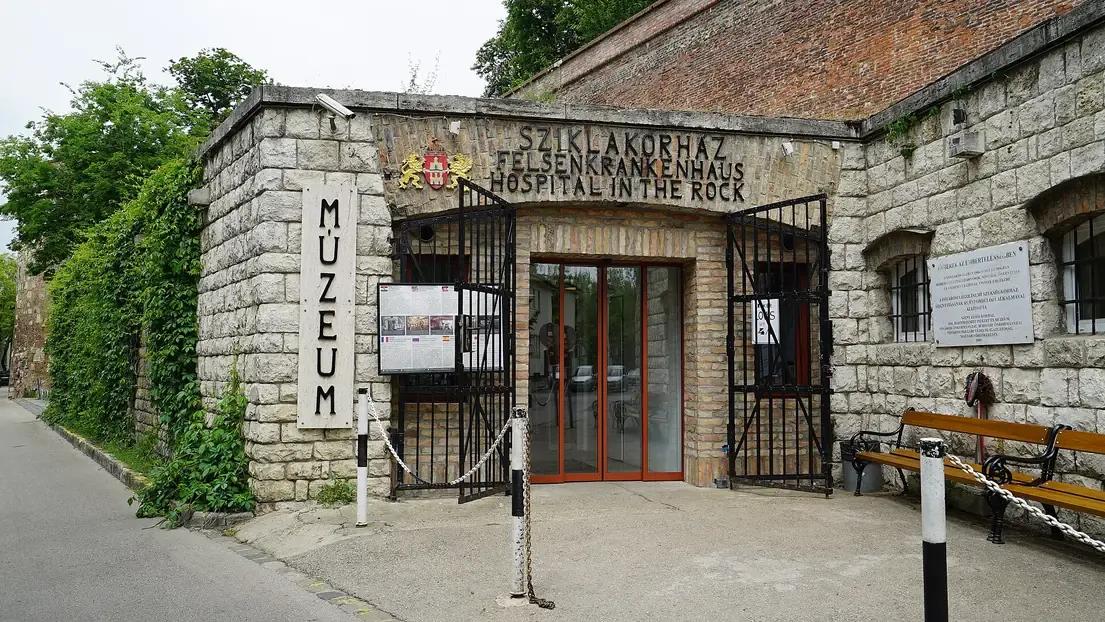
Hospital in the Rock
An emergency hospital and nuclear bunker dug into the caves under Castle Hill, kept secret for decades and shown by guided tour.
Location: Lovas ut 4/c, Castle Hill, Buda
Photo: "Entrance of the Hospital in the Rock Nuclear Bunker Museum" by Hospital in the Rock Marketing (CC BY-SA 4.0).
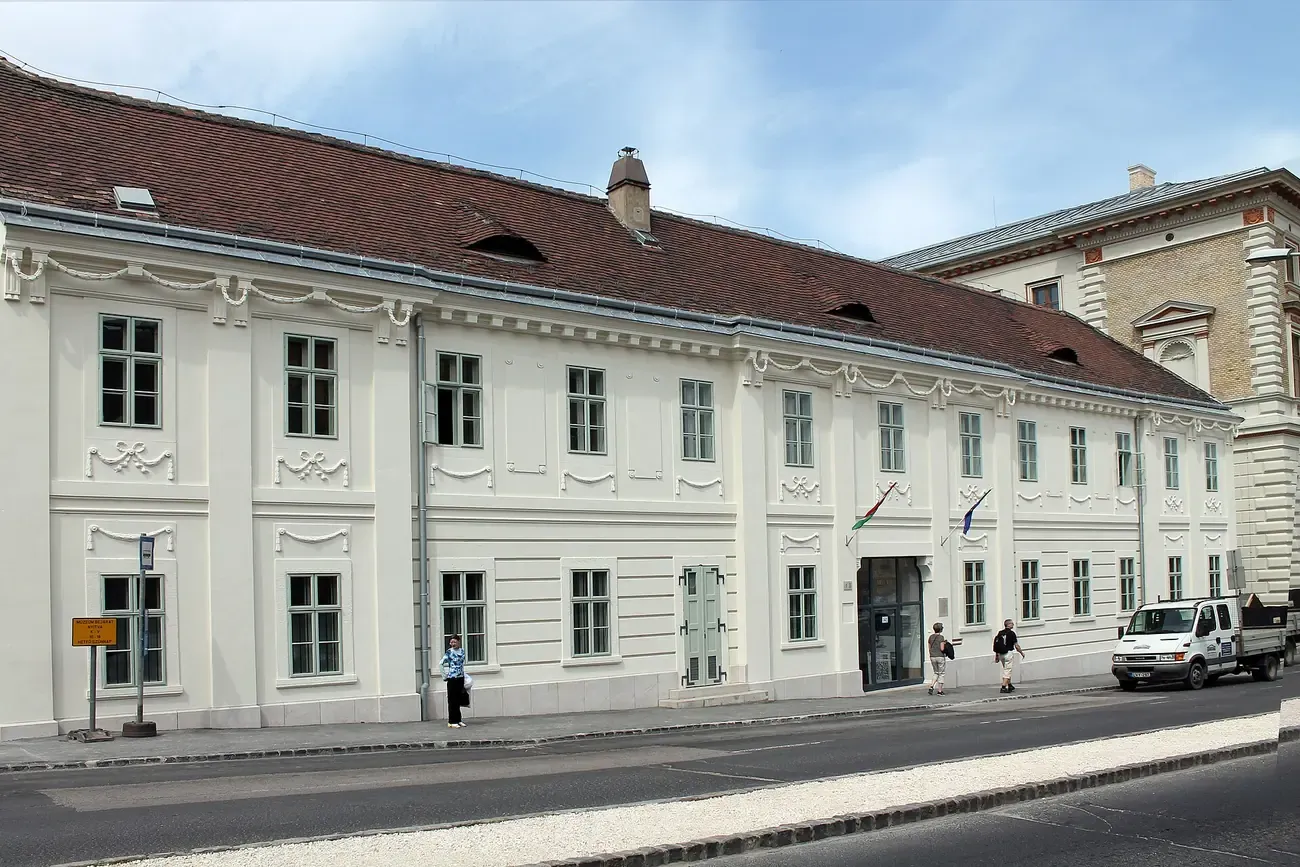
Semmelweis Medical Museum
The birthplace of the doctor who worked out that handwashing saved mothers' lives, now a collection of medical instruments and apothecary fittings.
Location: Aprod utca 1-3, Buda
Photo: "Semmelweis Museum of Medical History on Aprod utca" by KovacsDaniel (CC BY-SA 3.0).
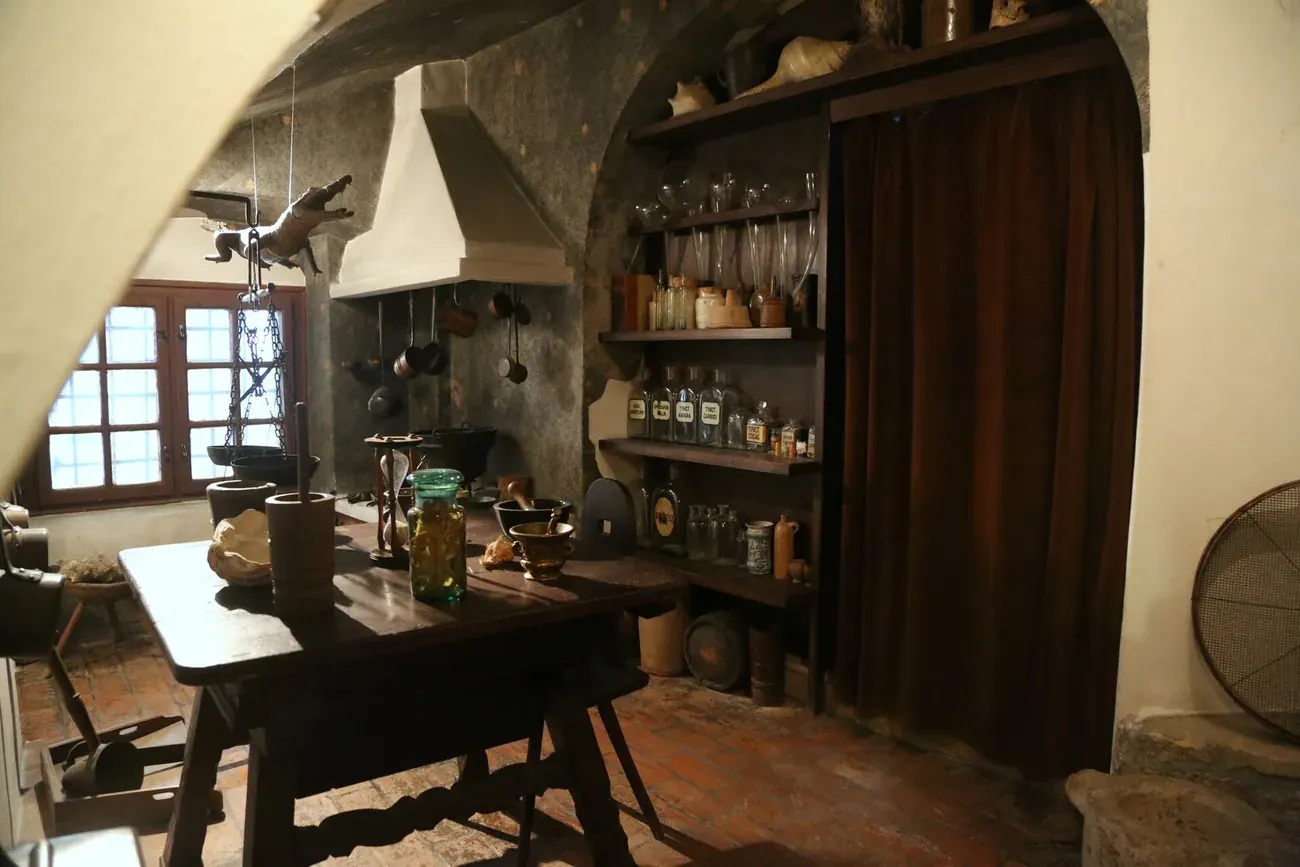
Golden Eagle Pharmacy Museum
A pharmacy interior of carved cabinets, ceramic jars and alchemical apparatus on Castle Hill, kept as it was left.
Location: Tarnok utca 18, Castle Hill, Buda
Photo: "Interior of the Golden Eagle Pharmacy Museum" by Thaler Tamas (CC BY-SA 4.0).
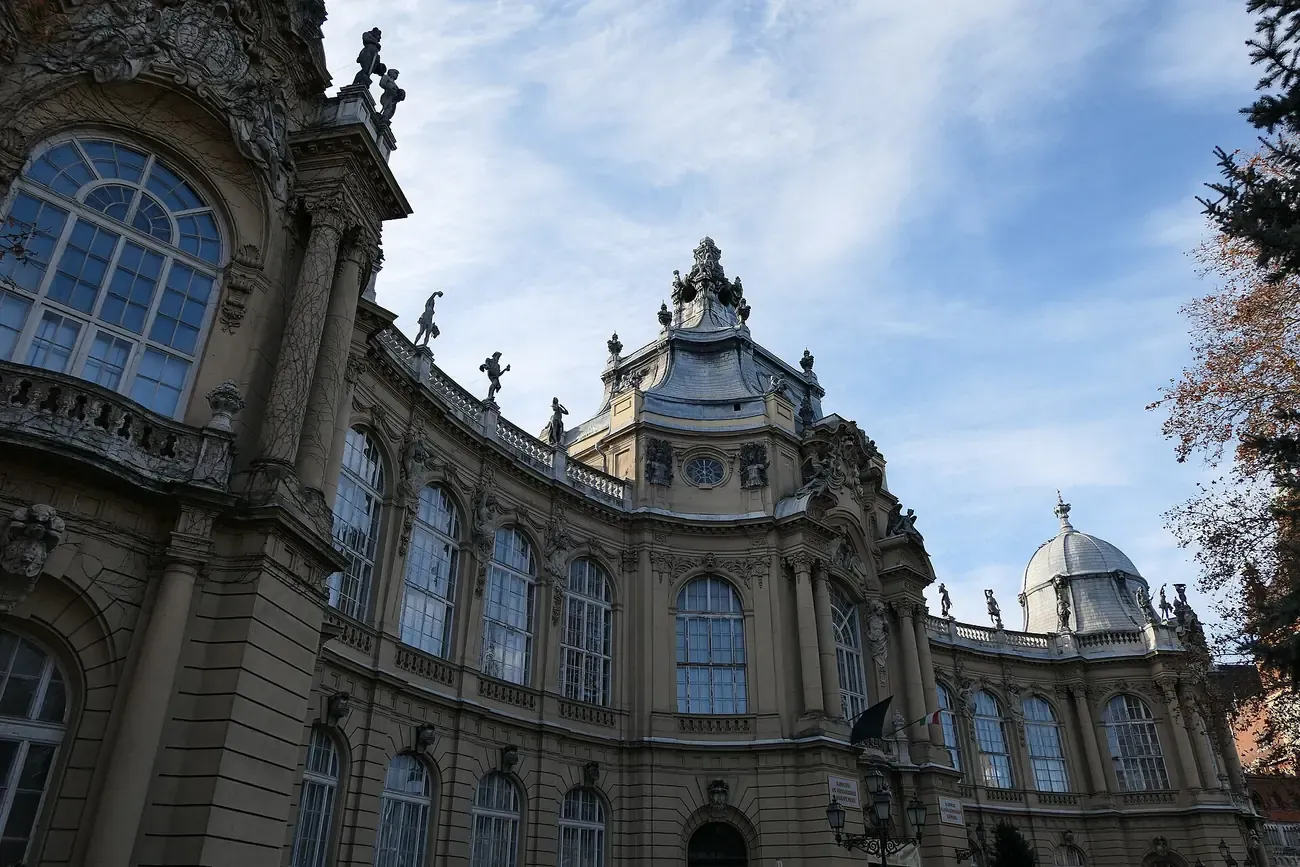
Hungarian Museum of Agriculture
Exhibitions on farming, forestry, fishing and hunting fill the wings of Vajdahunyad Castle, including a hall of antlers and hunting trophies.
Location: Vajdahunyad Castle, City Park
Photo: "Baroque wing of the Hungarian Museum of Agriculture" by MartinThoma (CC0).
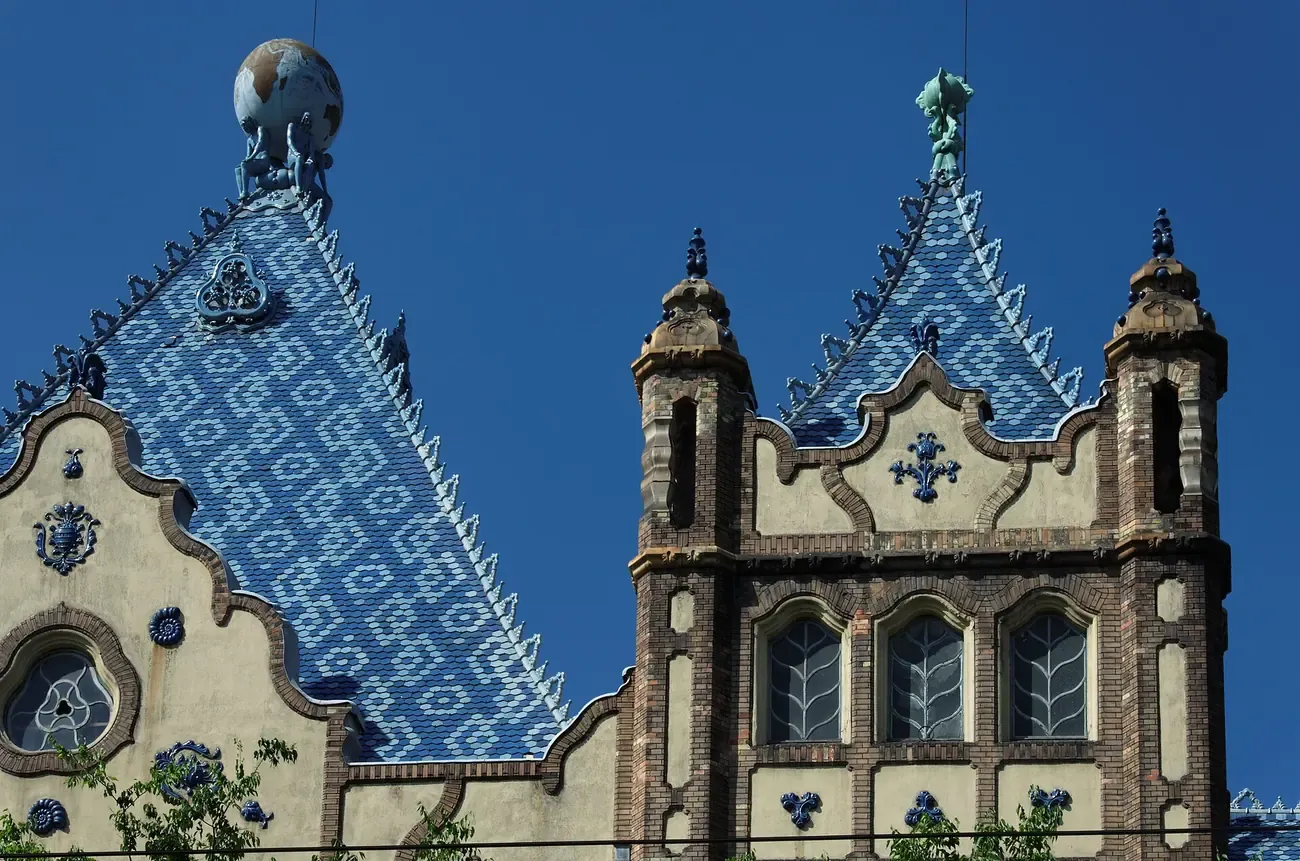
Hungarian Geological Institute
Odon Lechner topped this institute with a roof of blue Zsolnay tiles carrying stone figures who shoulder a globe. It is seen from the street: the building opens to visitors only on occasional open days.
Location: Stefania ut 14, District XIV
Photo: "Roof of the Hungarian Geological Institute by Odon Lechner" by Yelkrokoyade (CC BY-SA 3.0).
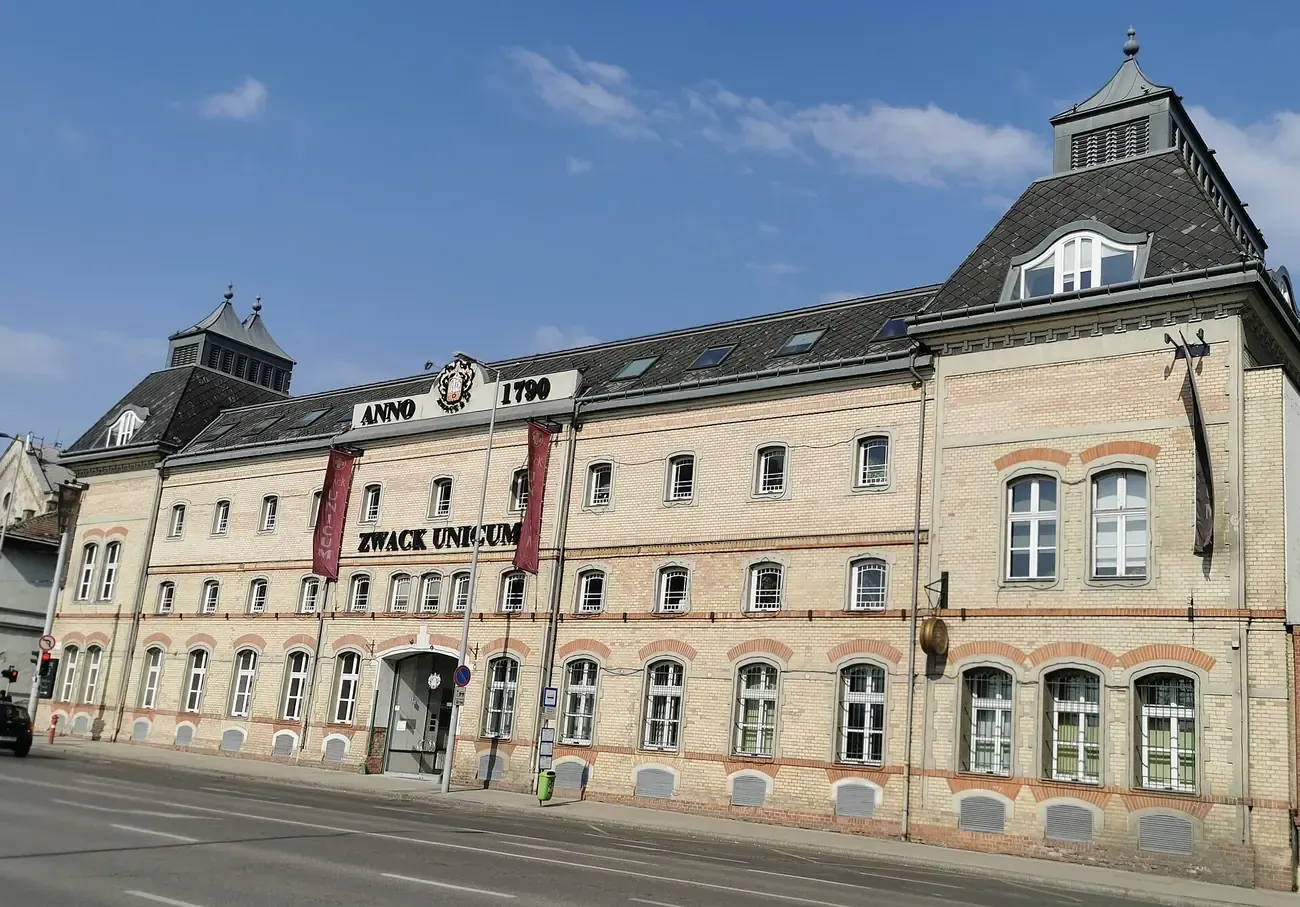
Zwack Unicum Museum
The distillery behind Hungary's bitter herbal liqueur keeps a cellar of oak casks and a collection of several thousand miniature bottles.
Location: Dandar utca 1, District IX
Photo: "The Zwack Unicum factory building housing the museum" by Elekes Andor (CC BY-SA 4.0).
Statues and sculptures across Budapest
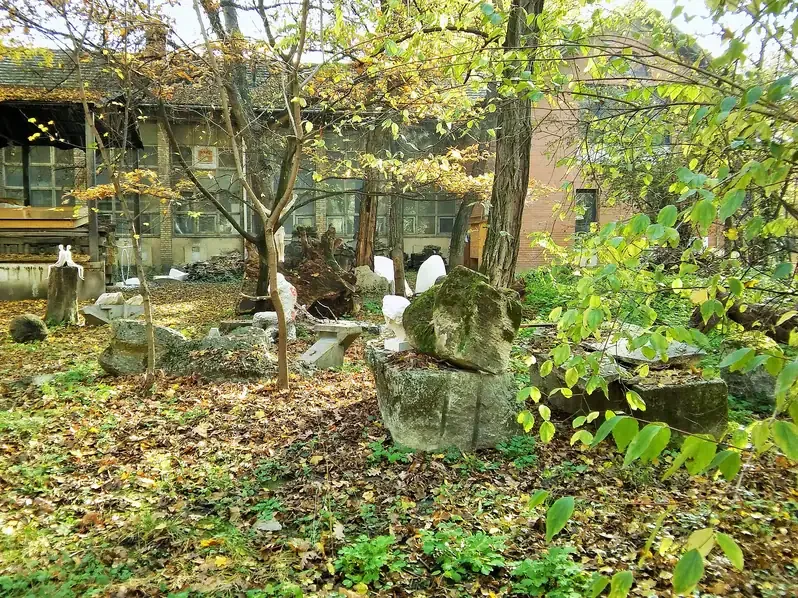
Epreskert Garden
A walled garden of the fine art university scattered with plaster casts, a calvary chapel and studies abandoned by generations of students. It belongs to the fine arts university and opens only for events and guided walks.
Location: Kmety Gyorgy utca 26-28, District VI
Photo: "Epreskert garden with plaster casts seen from Szondi utca" by 12akd (CC BY-SA 4.0).
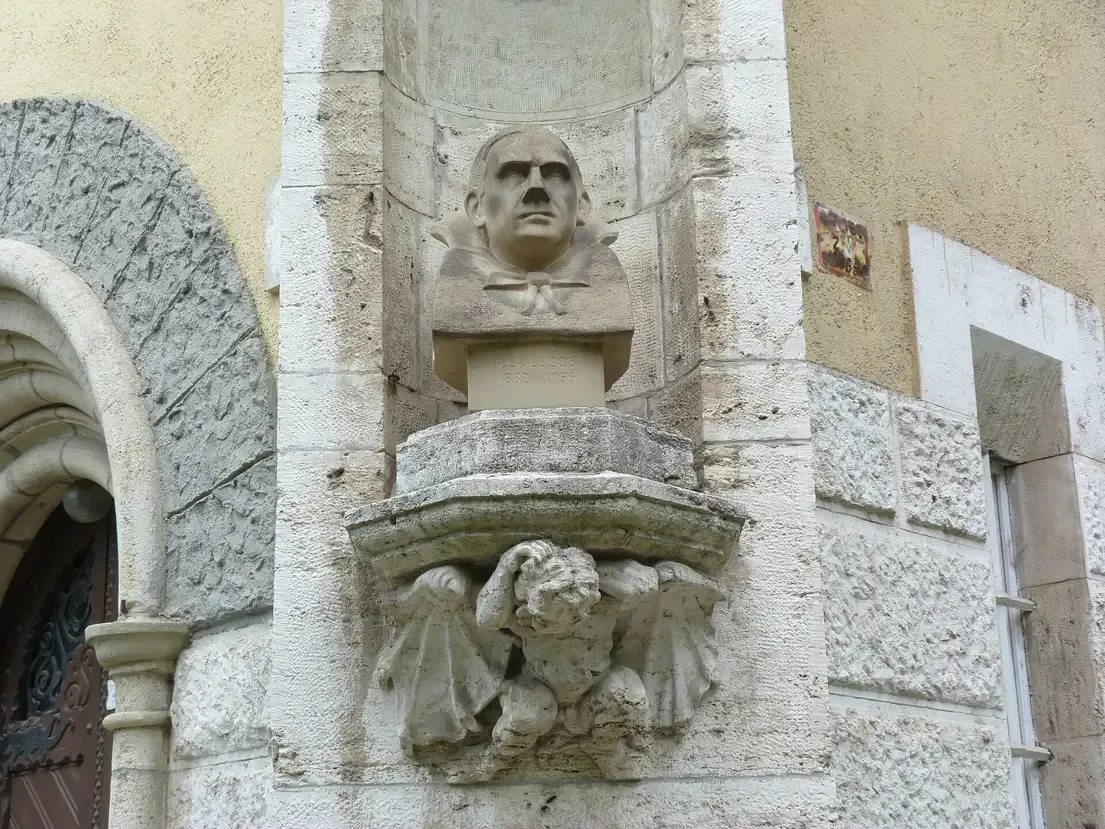
Bela Lugosi Bust
A bronze head of the Hungarian actor who first played Dracula on screen, tucked into a niche in the castle wall in City Park.
Location: Vajdahunyad stny., City Park
Photo: "Bela Lugosi bust at Vajdahunyad Castle" by Derzsi Elekes Andor (CC BY-SA 3.0).
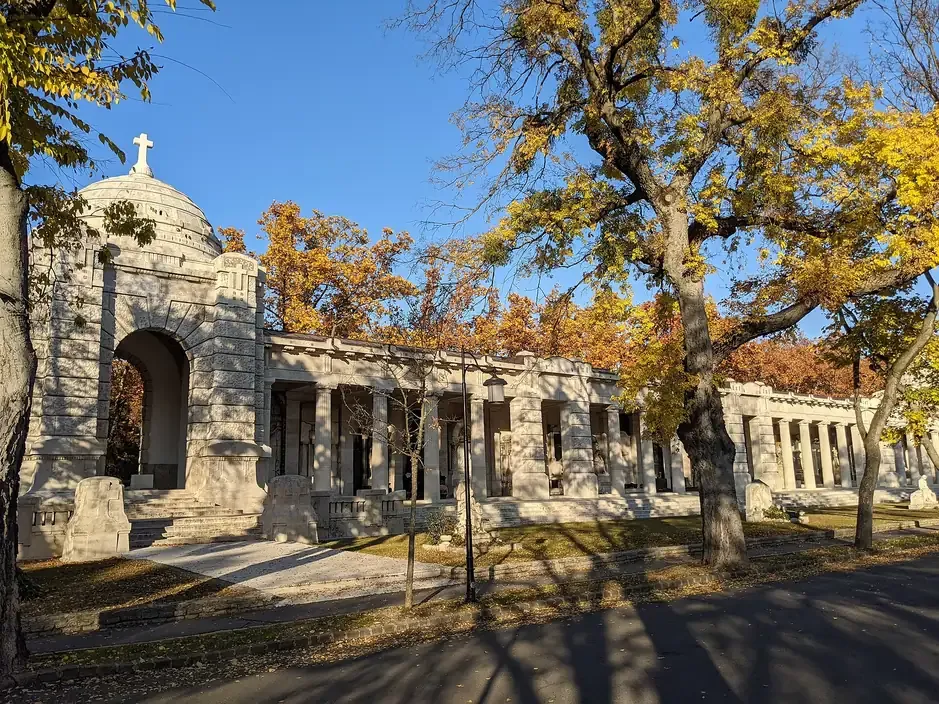
Kerepesi Cemetery
Mausoleums, sculpted tombs and an arcaded gallery spread across a nineteenth century burial ground planted like a park.
Location: Fiumei ut 16-18, District VIII
Photo: "Arcaded gallery at Kerepesi Cemetery (Fiumei Road Graveyard)" by Patrik Kunec (CC BY-SA 4.0).
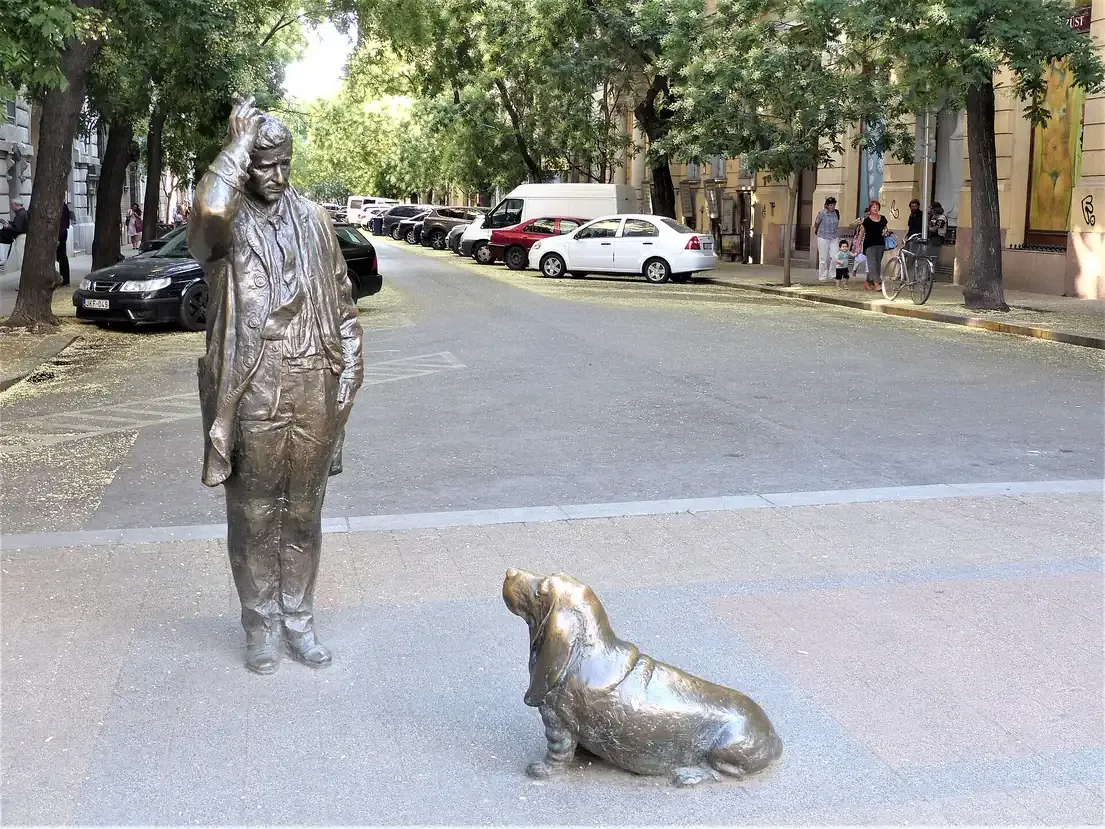
Columbo Statue
The rumpled detective stands on a street corner with a basset hound at his heel, raincoat and all.
Location: Falk Miksa utca, Pest
Photo: "Columbo statue and basset hound by Geza Dezso Fekete" by Elekes Andor (CC BY-SA 4.0).
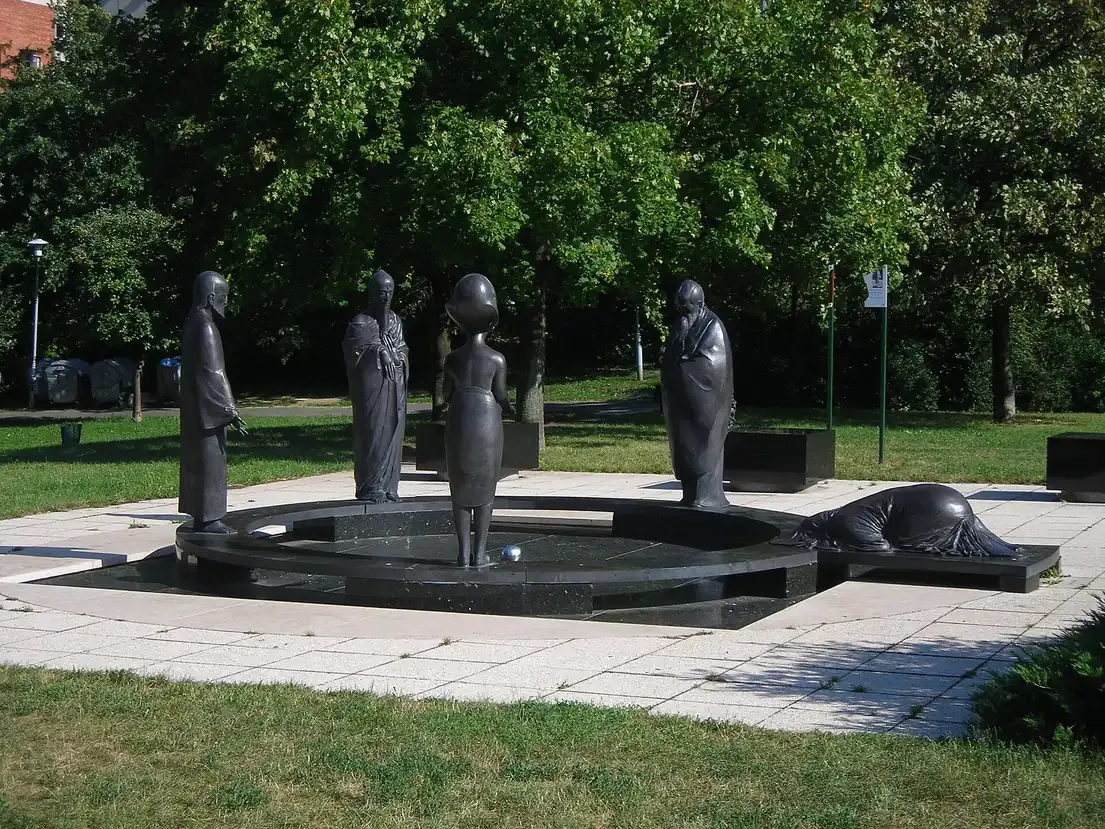
Garden of Philosophers
Founders of the world's religions stand in a circle on Gellert Hill, gathered around a sphere by the sculptor Nandor Wagner.
Location: Gellert Hill, Buda
Photo: "Garden of Philosophy on Gellert Hill" by Phyrexian (CC BY-SA 4.0).
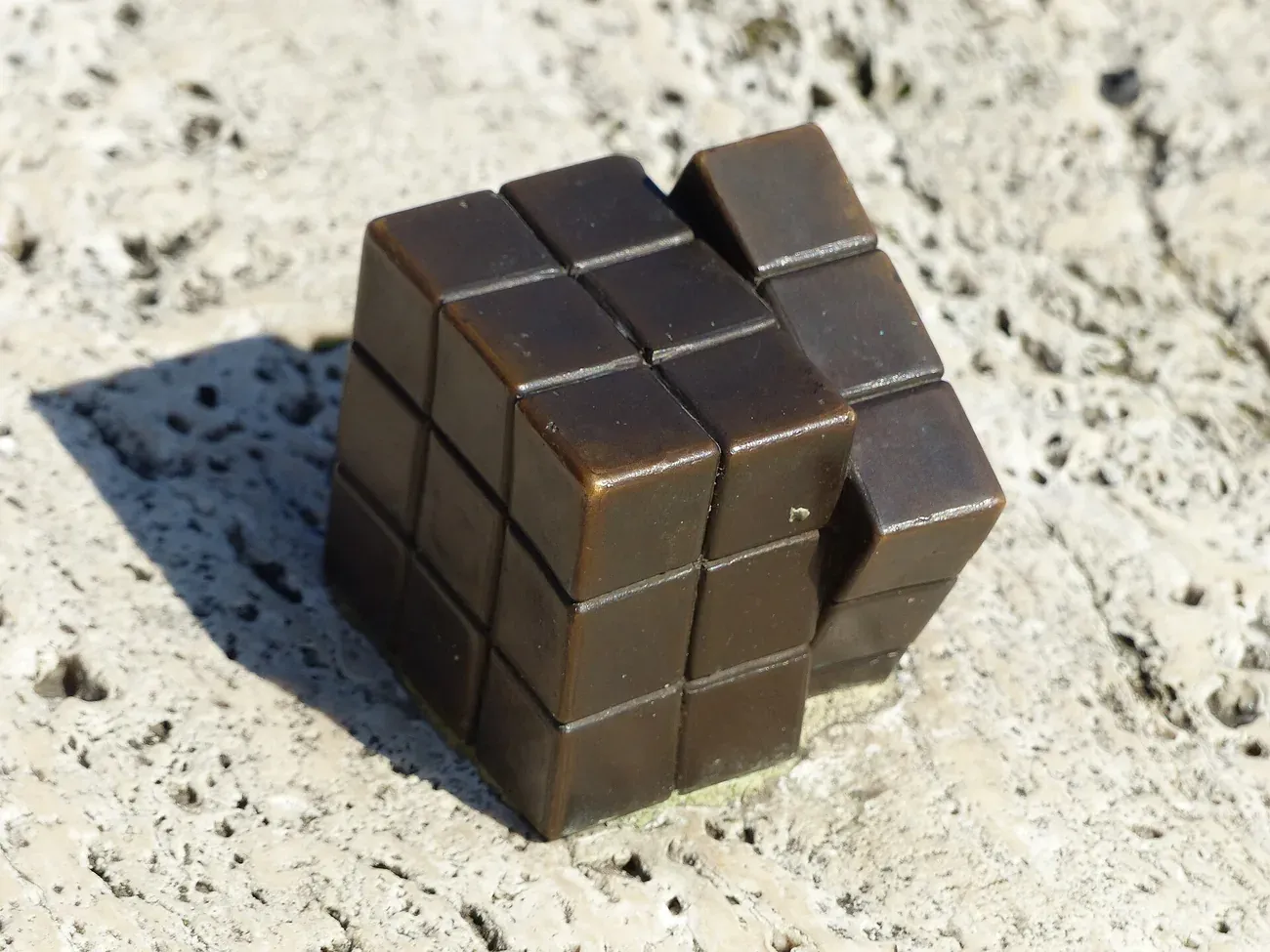
Mihaly Kolodko's Mini Statues
Palm sized bronzes appear unannounced on railings, kerbs and ledges across the city, each one a joke about Hungarian history or cartoons.
Location: Scattered across central Budapest
Photo: "Rubik's Cube mini statue by Mihaly Kolodko" by Elekes Andor (CC BY-SA 4.0).
More hidden gems in Budapest
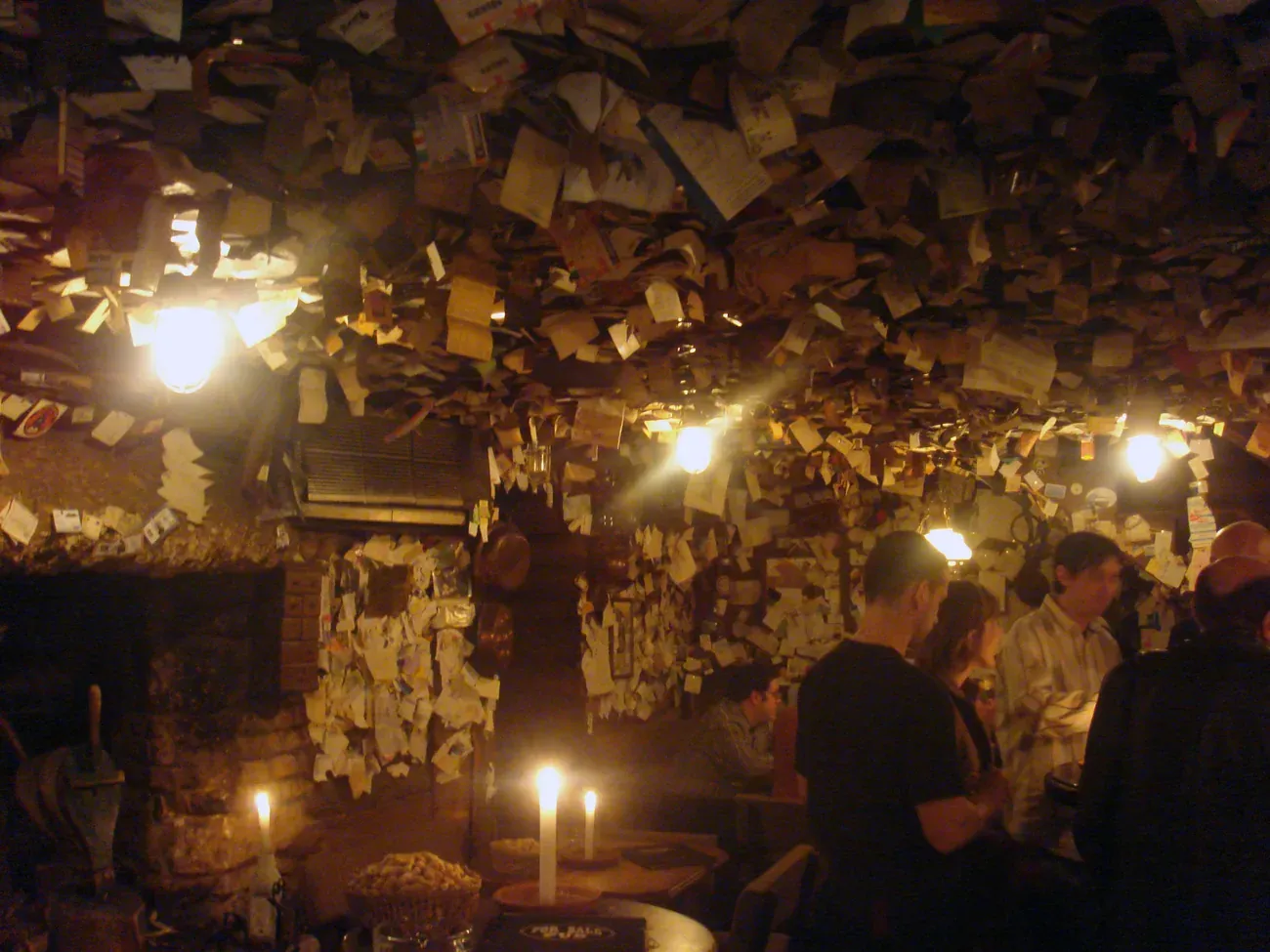
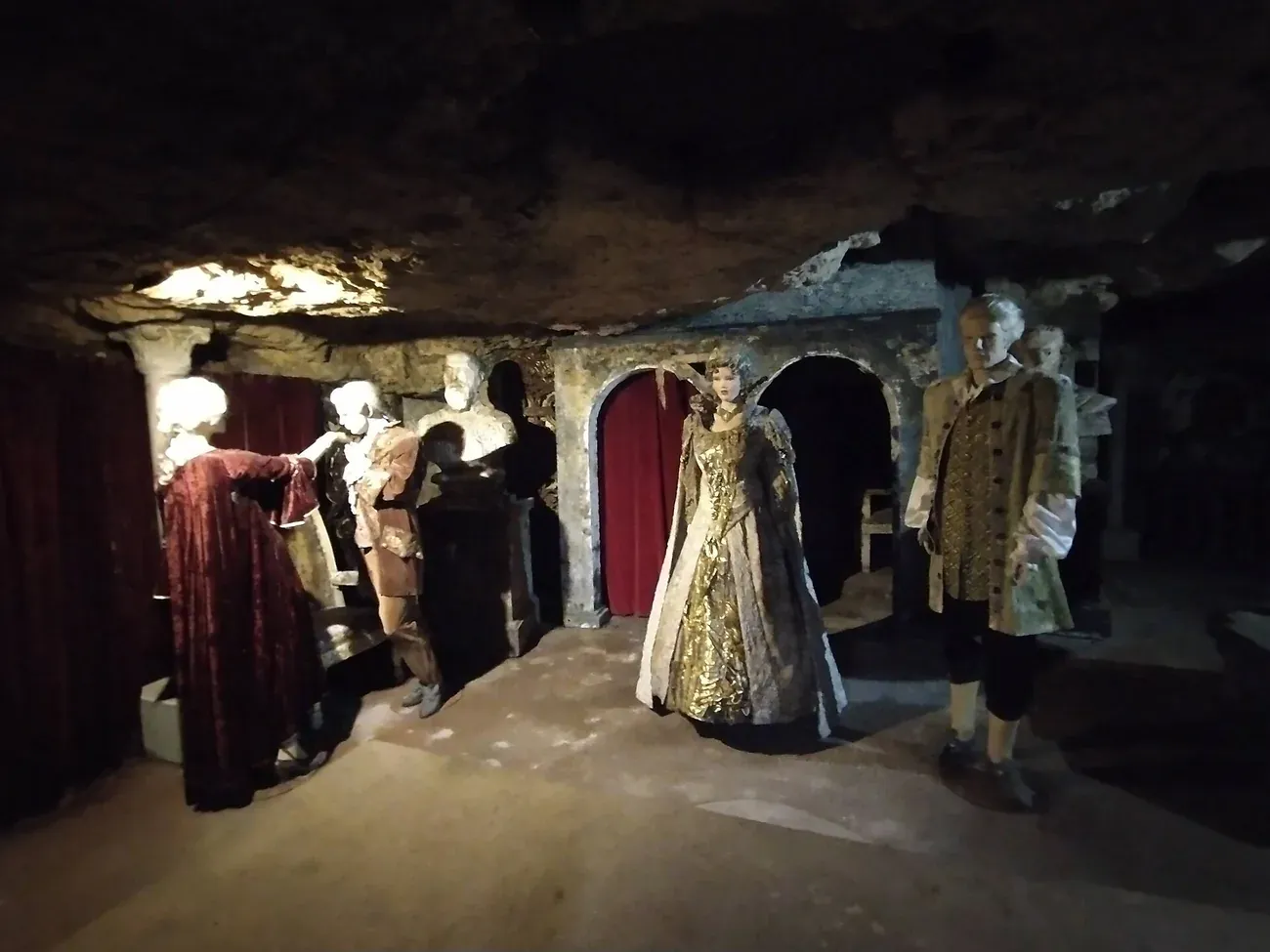
For Sale Pub
Every surface is papered with notes, tickets and business cards left by drinkers, with straw on the floor and peanut shells underfoot.
Location: Vamhaz korut 2, Pest
Photo: "Interior of the For Sale Pub in Budapest" by Marcus Hansson (CC BY 2.0).
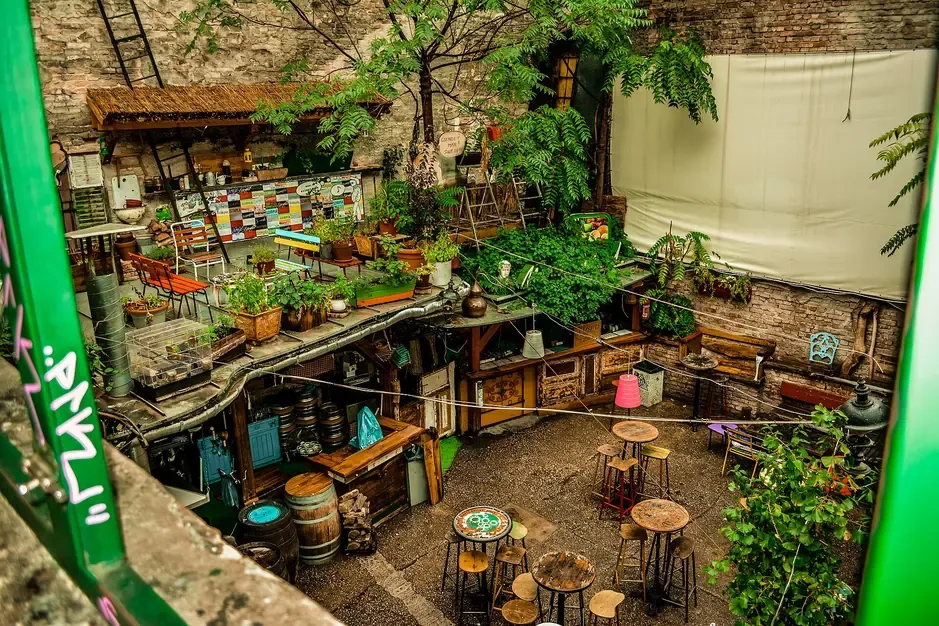
Szimpla Kert
The first of the ruin bars, filling a crumbling Jewish Quarter tenement with mismatched courtyards, salvaged furniture and a Sunday farmers market.
Location: Kazinczy utca 14, Pest
Photo: "Szimpla Kert Open-air Theater" by JoshuaCrawford (CC BY-SA 4.0).
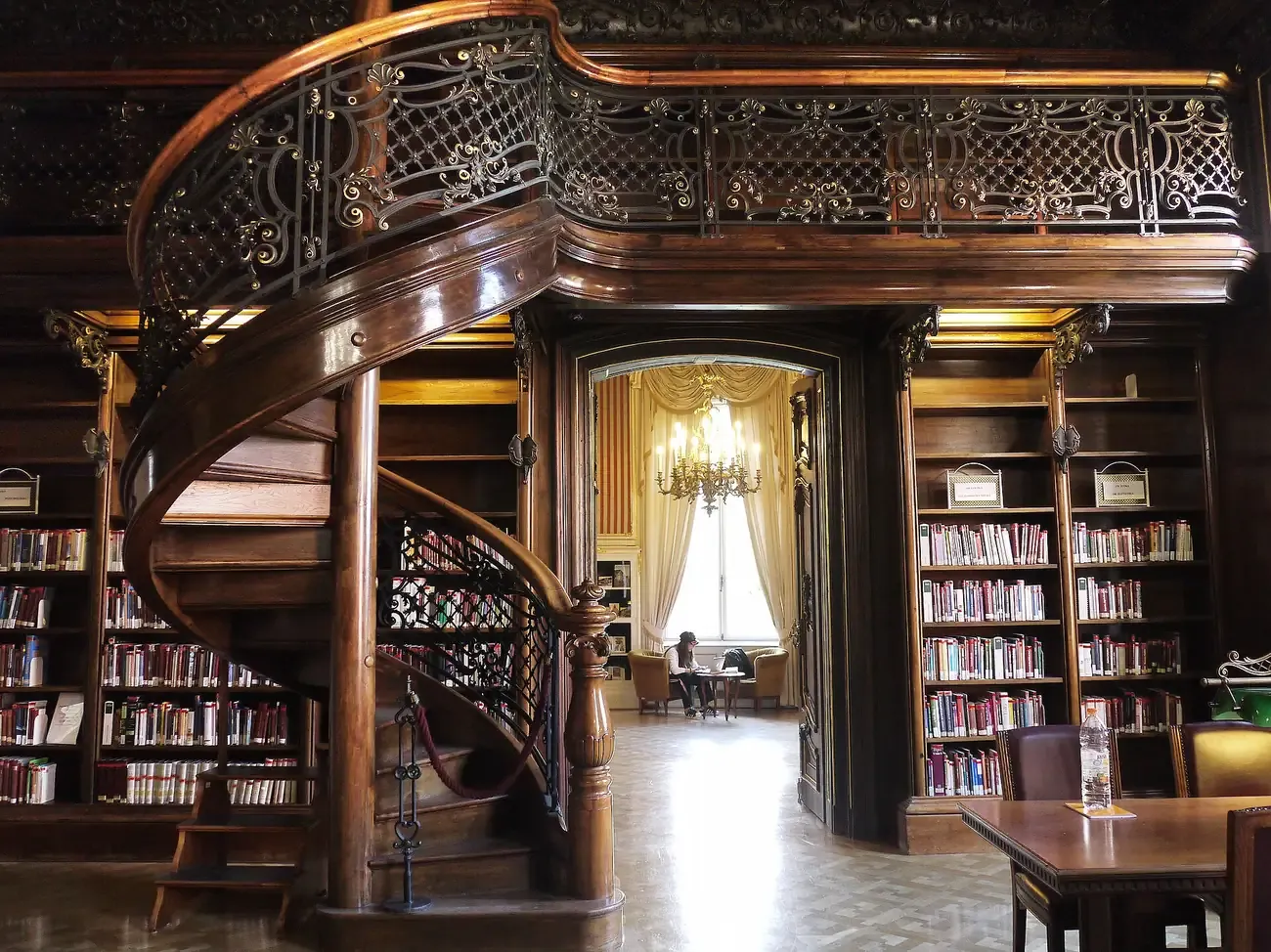
Szabo Ervin Library
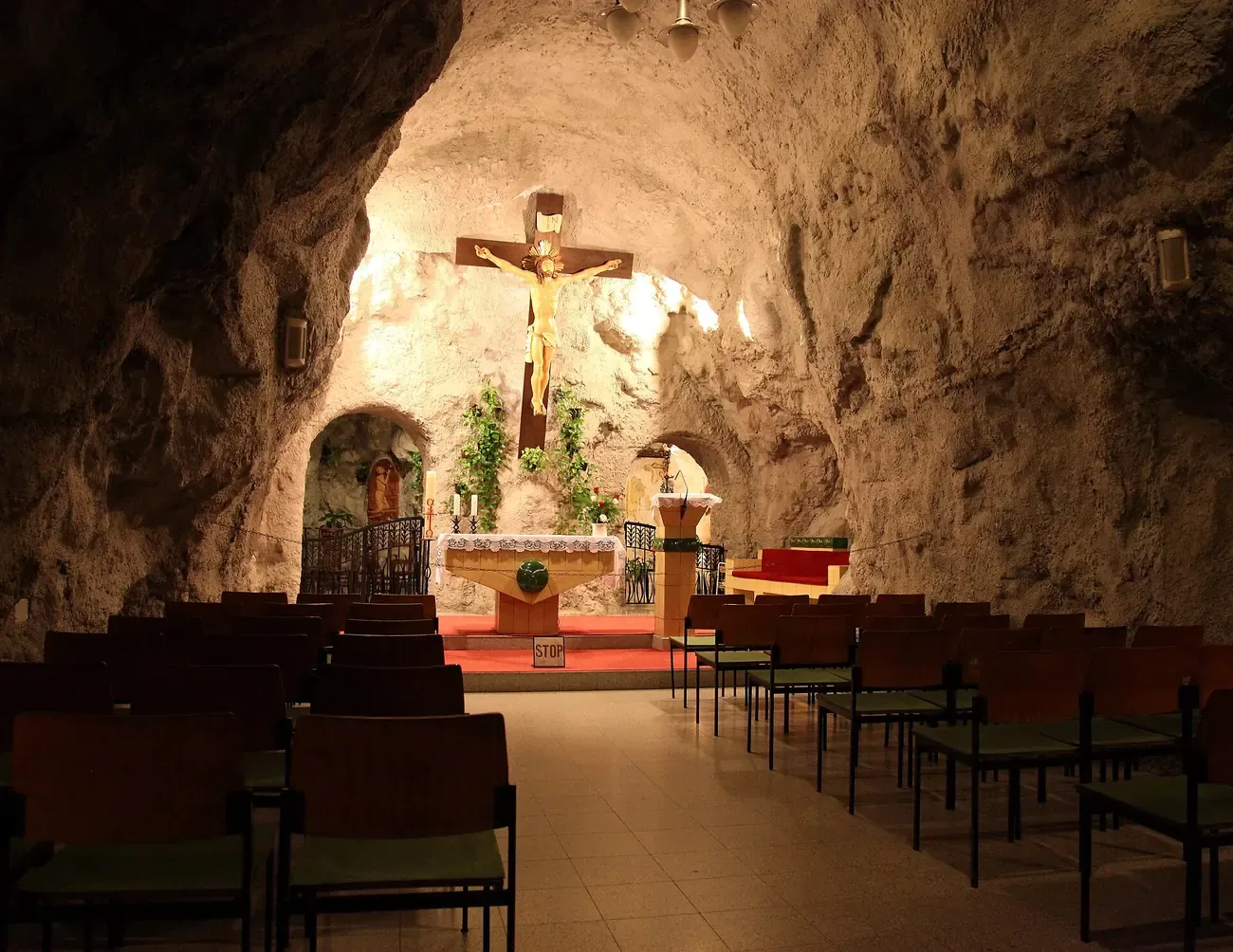
Cave Church
A chapel carved into the rock of Gellert Hill, sealed in concrete under communism and reopened to the Pauline order after 1989.
Location: Szent Gellert rakpart 1, Buda
Photo: "Budapest, Hungary" by Christine Zenino (CC BY 2.0).
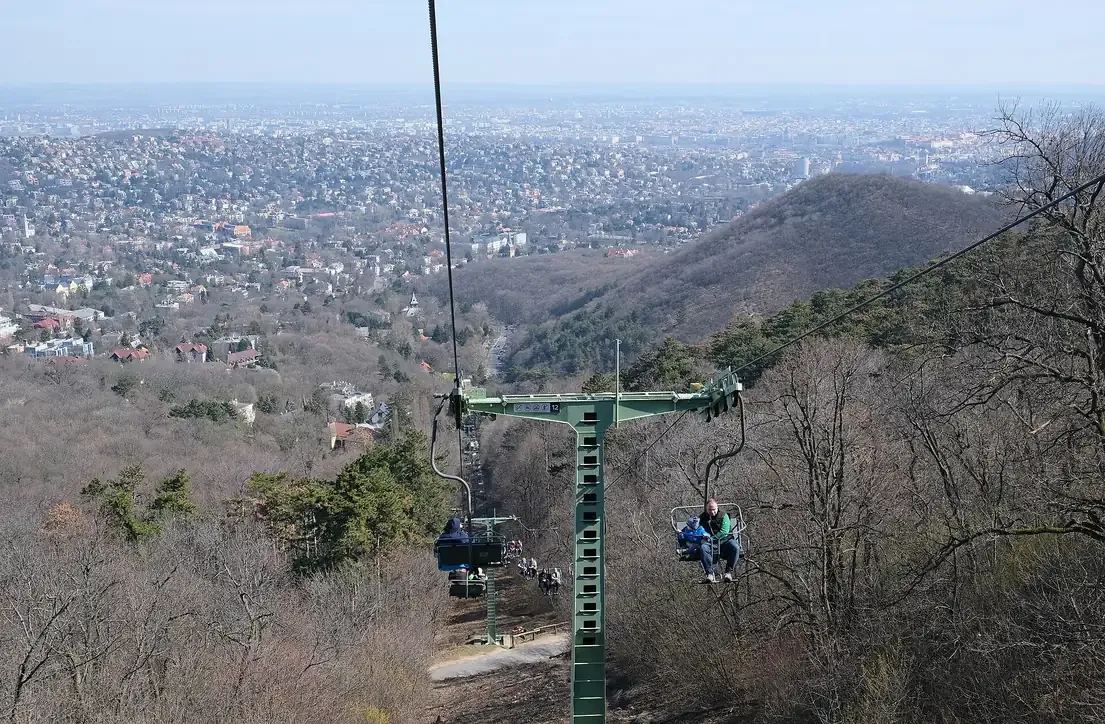
Zugligeti Libego Chairlift
Open chairs carry passengers over the treetops of the Buda hills to the upper station on Janos Hill, the city's highest point, a short walk below the summit.
Location: Zugligeti ut 97, District XII
Photo: "Budapest Chairlift" by kallerna (CC BY-SA 4.0).
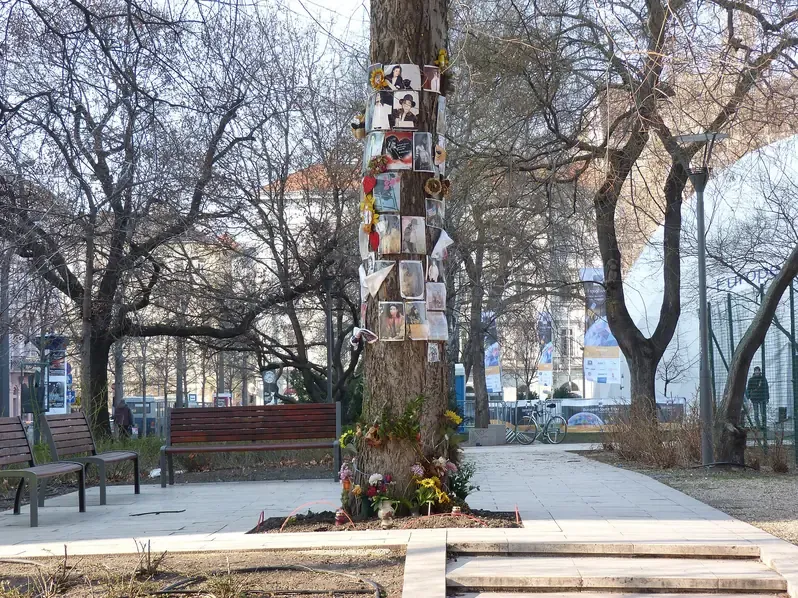
Michael Jackson Memorial Tree
A hackberry tree opposite the singer's former hotel, covered in photographs, candles and messages left by fans since 2009.
Location: Erzsebet ter, Pest
Photo: "Michael Jackson memorial tree" by Derzsi Elekes Andor (CC BY-SA 3.0).
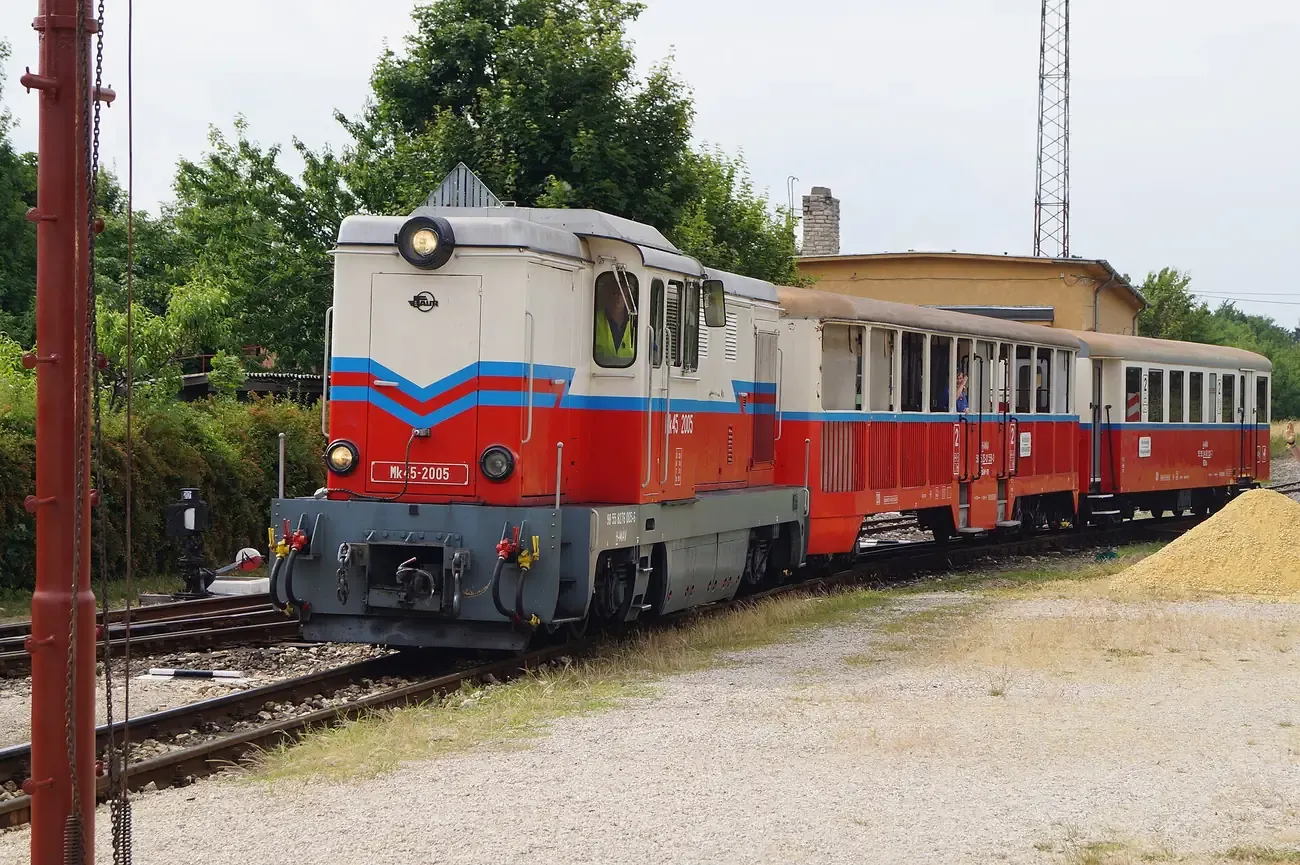
Gyermekvasut Children's Railway
A narrow gauge line through the Buda hills staffed almost entirely by children, who check tickets and signal the trains under adult supervision.
Location: Szechenyihegy and Huvosvolgy stations, Buda hills
Photo: "Mk45-2005 at the Children's Railway in Budapest" by NearEMPTiness (CC BY-SA 4.0).
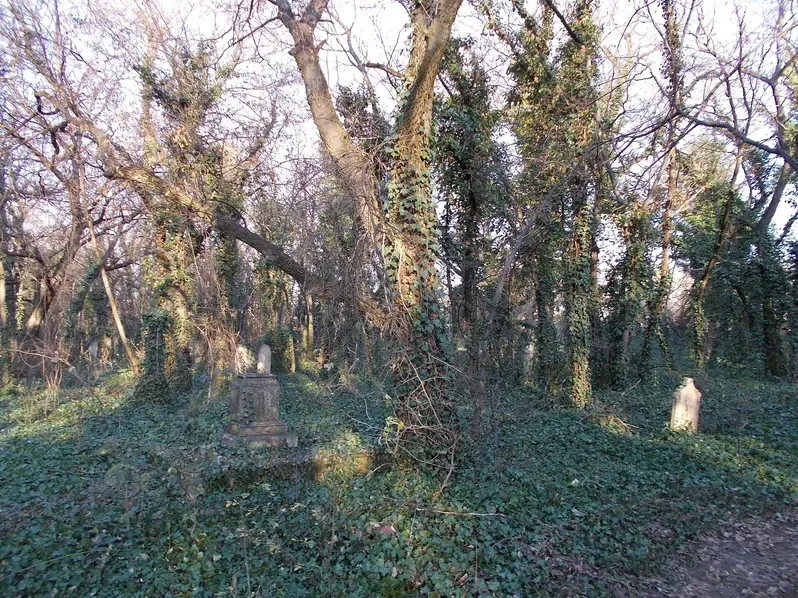
Cinkota Old Cemetery
An overgrown graveyard on the city's eastern edge where leaning headstones and ironwork crosses disappear under ivy.
Location: Rozsalevel utca 46, District XVI
Photo: "Cinkota Old Cemetery" by Globetrotter19 (CC BY-SA 3.0).
Why visit Budapest
Budapest began as three separate towns, Buda and Óbuda on the hilly west bank and Pest on the flat east bank, unified in 1873 into a single capital split by the Danube. UNESCO lists the riverbanks, the Buda Castle Quarter and Andrássy Avenue together, a stretch of medieval, Baroque and grand nineteenth century architecture matched by few other capitals. Known as the City of Spas for its hundred-odd thermal springs, Budapest offers something no other stop among the tourist attractions across Europe quite matches.
Neighbourhoods to know
Castle Hill in Buda keeps the palace, Fisherman's Bastion and Matthias Church above the river. Across the water, the Belváros forms Pest's historic core around Vörösmarty tér and the basilica. Erzsébetváros, the old Jewish Quarter, mixes the Dohány Street Synagogue with ruin bars inside crumbling courtyards, and Andrássy Avenue runs from the centre past the Opera House out to Heroes' Square and City Park.
When to go and for how long
April to May and September to October bring mild weather and thinner crowds than the summer peak. Three to four full days cover the main sights on both sides of the river without rushing, with a half day free for a thermal bath or a slower loop of City Park.
Getting around
Four metro lines cross the centre, including the M1, continental Europe's oldest underground railway, running beneath Andrássy Avenue since 1896. Trams follow the river on both banks, the funicular climbs Castle Hill from Clark Ádám tér by the Chain Bridge, and walking covers most of central Pest and Castle Hill on foot.