
Tourist attractions in London
Known for
Royal palaces, free national museums and West End theatre
Must-see landmarks
The Tower of London, Westminster Abbey and Tower Bridge
Free to visit
The British Museum, the National Gallery and most national museums
Days needed
Four full days for the main sights
London's top 12 tourist attractions
London's tourist attractions start with Tower of London, British Museum and The National Gallery. The 12 top sights are ranked below, followed by 30 hidden gems, free things to do, upcoming events, tickets and visitor FAQs. The 12 sights are numbered on the free tourist map of London, with the hidden gems and a walking route.
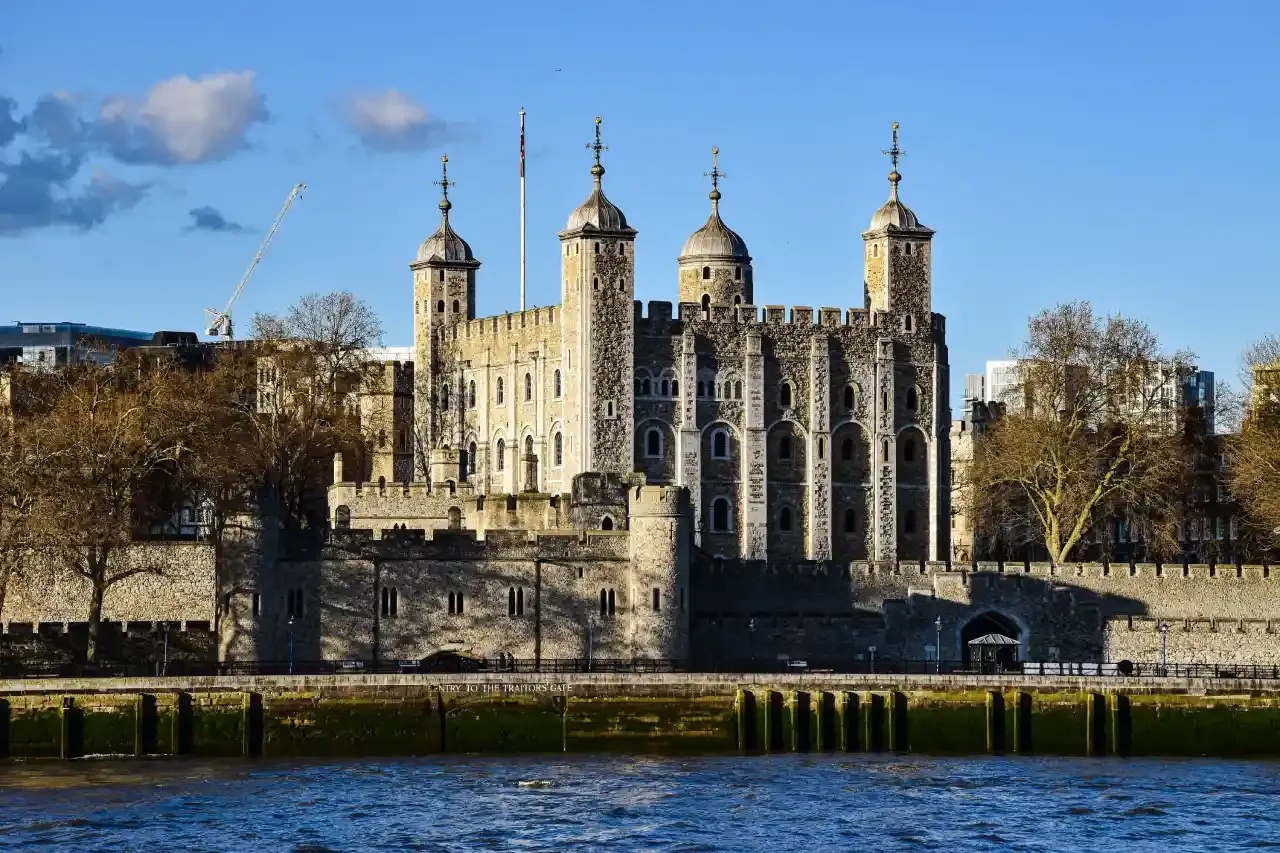
1. Tower of London
William the Conqueror raised the White Tower beside the Thames after 1066, and the fortress grew into a ring of walls, gates and towers that served in turn as palace, armoury, mint and prison. The Crown Jewels are guarded here, Yeoman Warder tours are included with entry, and ravens are kept on the green by royal tradition. A royal menagerie of exotic animals also lived inside the walls for six centuries before it moved out to found London Zoo.
Style: Norman · Founded: 1066
Location: Tower of London, EC3N 4AB
Access: Ticketed · Tickets and tours
2. British Museum
Two million years of human history sit behind Robert Smirke's Greek Revival colonnade on Great Russell Street, from the Rosetta Stone and the Parthenon sculptures to the Sutton Hoo ship burial and the Egyptian mummies. A glass and steel roof turned the old courtyard into the Great Court, the covered square that links the galleries around the former Reading Room. Entry costs nothing, though the museum asks visitors to book a free ticket ahead for priority entry, and some temporary exhibitions are ticketed.
Architect: Robert Smirke · Opened: 1759
Location: Great Russell Street, WC1B 3DG
Access: Free, advance booking recommended
3. The National Gallery
The national collection of European painting fills the long neoclassical building along the north side of Trafalgar Square, and general admission has been free since it opened to the public in 1838. More than 2,300 works run from Giotto and Van Eyck's Arnolfini Portrait through Leonardo, Botticelli and Titian to Turner, Constable's The Hay Wain, Monet and Van Gogh's Sunflowers. The Sainsbury Wing holds the early Renaissance rooms and reopened in 2025 after a two year refit of its entrance and galleries. Late openings on Fridays are the quietest time in front of the famous pictures.
Architect: William Wilkins · Opened: 1838
Location: Trafalgar Square, WC2N 5DN
Access: Free; temporary exhibitions are ticketed
4. Westminster Abbey
Every coronation since 1066 has taken place in this Gothic abbey church beside the Houses of Parliament, and more than 3,000 people are buried or commemorated inside. Kings and queens lie around the Shrine of St Edward the Confessor, the Lady Chapel built for Henry VII carries a fan vaulted ceiling, and Poets' Corner gathers Chaucer, Dickens and Hardy under one transept. The Queen's Diamond Jubilee Galleries look down on the nave from the medieval triforium. As a working church it closes to sightseeing on Sundays.
Style: Gothic
Location: Dean's Yard, SW1P 3PA
Access: Ticketed · Tickets and tours
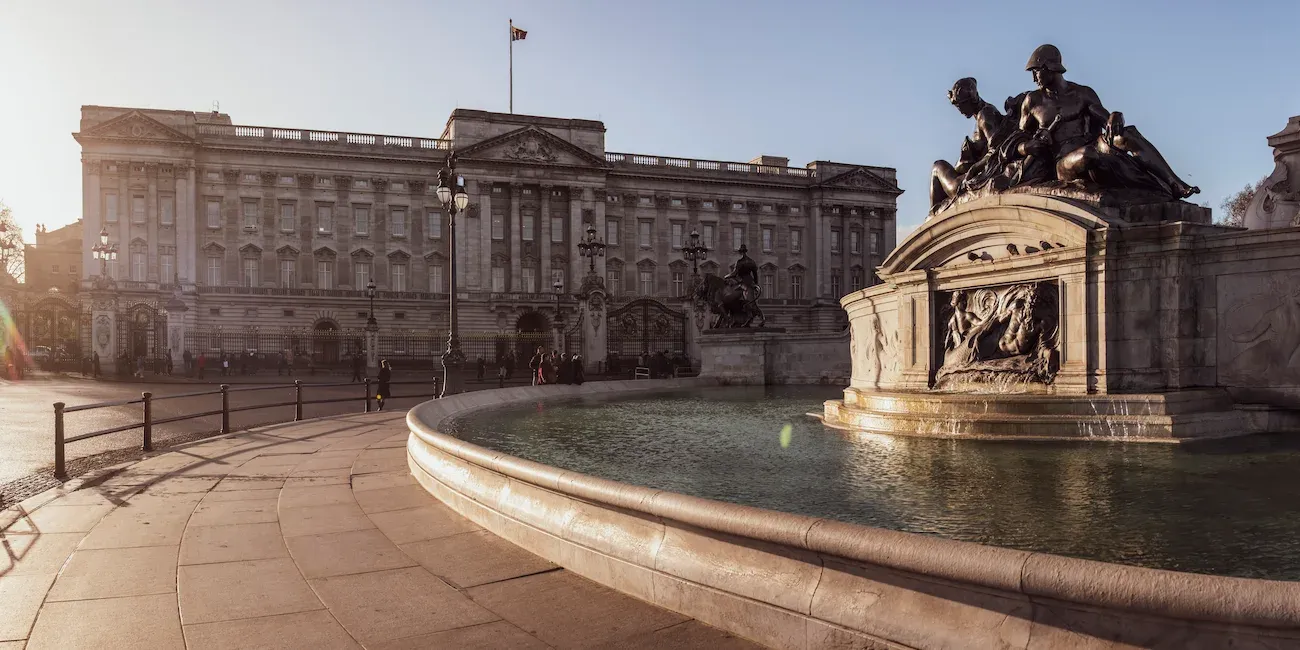
5. Buckingham Palace
The King's official London residence closes the view down The Mall from behind the Victoria Memorial. John Nash reshaped the old Buckingham House into a palace for George IV, and the east front that faces the crowds came later, bringing the balcony used for royal appearances. The State Rooms, hung with paintings from the Royal Collection, open to visitors for a few weeks each summer, in 2026 from 9 July to 27 September. The Changing of the King's Guard forms up in front of the palace at 10:45 and lasts about 45 minutes.
Architect: John Nash · Style: Neoclassical
Location: The Mall, Westminster
Access: Ticketed; State Rooms open in summer only
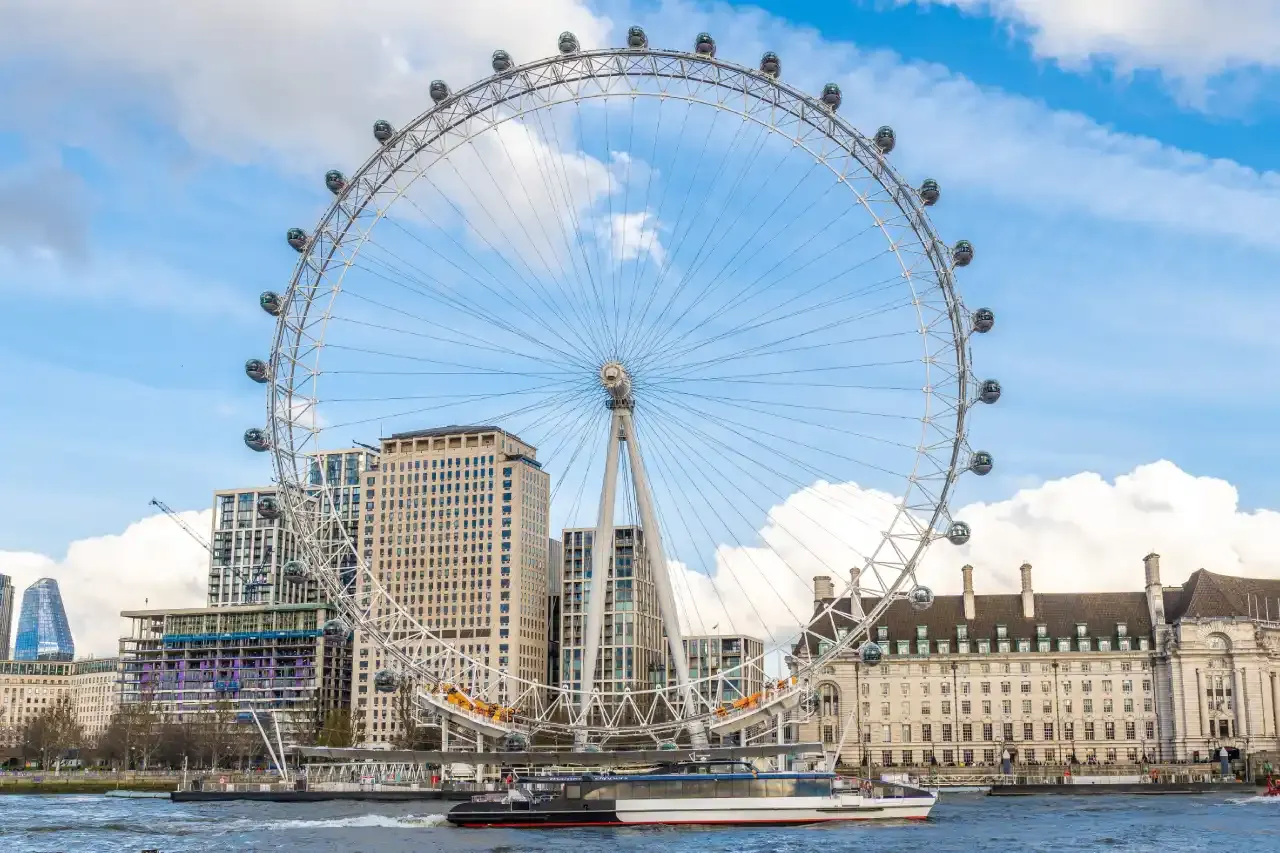
6. London Eye
The wheel on the South Bank has turned over the Thames since 2000, when it went up as a millennium landmark and then stayed. At 135 metres it is the largest cantilevered observation wheel in the world, held on one side by an A frame anchored to the riverbank, and its glass capsules complete a slow rotation in about half an hour. The view runs across Westminster and the river towards the City towers, and evening slots catch the city lighting up.
Architect: Marks Barfield · Opened: 2000
Location: South Bank, beside Westminster Bridge
Access: Ticketed, timed entry · Tickets and tours
7. Tower Bridge
Horace Jones dressed a steel bascule bridge in Gothic stone so that it would sit comfortably beside the Tower of London, and it opened in 1894 after eight years of work. Two high level walkways run 42 metres above the water, with glass floor panels that look straight down on the road and the river traffic. Under the southern approach the Victorian engine rooms keep the boilers and steam engines that once raised the bascules. The bridge still lifts for tall ships, and lift times are published ahead.
Architect: Horace Jones · Style: Gothic Revival · Opened: 1894
Location: Tower Bridge, entrance at the North Tower
Access: Ticketed · Tickets and tours
8. St Paul's Cathedral
Christopher Wren rebuilt the cathedral after the Great Fire of 1666, and his dome has crowned the City skyline ever since. The climb inside rises through three levels: the Whispering Gallery around the inner dome at 257 steps, then the Stone Gallery and, at 528 steps, the Golden Gallery with its view over London. The crypt below holds the tombs of Nelson and Wellington alongside Wren himself. Services are free to attend, while sightseeing needs a ticket and runs from Monday to Saturday.
Architect: Christopher Wren · Style: English Baroque
Location: St Paul's Churchyard, EC4M 8AD
Access: Ticketed · Tickets and tours
9. Tate Modern
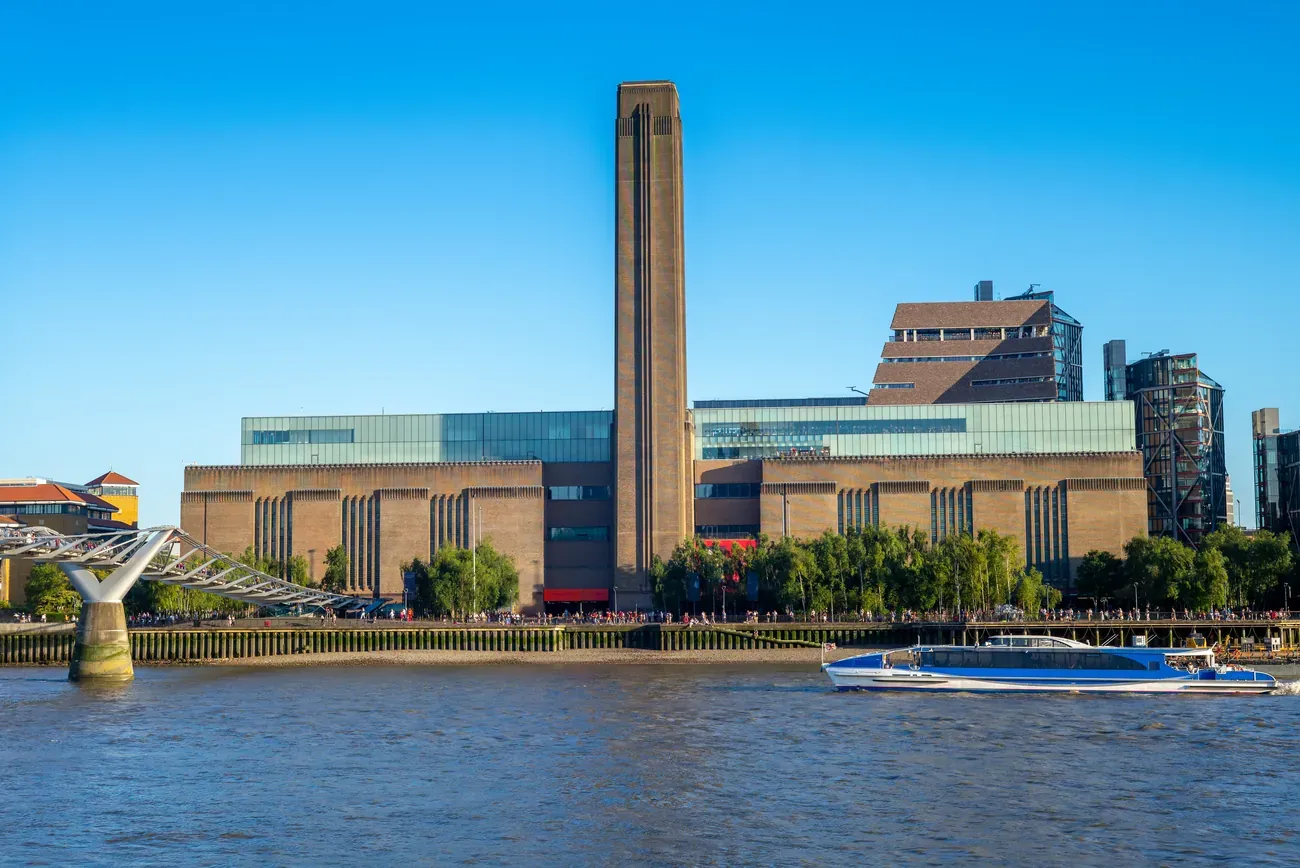
Bankside Power Station stopped generating in 1981 and reopened in 2000 as the national gallery of modern and contemporary art, its brick chimney still facing St Paul's across the Millennium Bridge. The Turbine Hall, five storeys high, takes one large commission at a time, and the free collection displays above it hang Picasso, Rothko, Warhol and Louise Bourgeois by theme rather than date. The Blavatnik Building added twisted brick galleries and performance spaces in 2016. The riverside walk along Bankside links it to Shakespeare's Globe and Borough Market.
Architect: Giles Gilbert Scott; conversion by Herzog & de Meuron · Opened: 2000
Location: Bankside, SE1 9TG
Access: Free collection displays; major exhibitions are ticketed
10. Kensington Palace
Christopher Wren turned a Jacobean house at the edge of Kensington Gardens into a royal palace for William III and Mary II, and royal households have lived here ever since. Queen Victoria was born in the palace and spent her childhood in its rooms, and the visit still shows court dress from the Royal Ceremonial Dress Collection. The Sunken Garden outside is planted in tiers around a long pond. The Queen's State Apartments are closed for re-presentation until spring 2027, so the route runs through the rest of the palace.
Architect: Christopher Wren · Style: Baroque
Location: Kensington Gardens, W8 4PX
Access: Ticketed · Tickets and tours
11. Kew Gardens
The Royal Botanic Gardens run along the Thames in southwest London, a World Heritage Site of glasshouses, arboretum and long formal vistas. The Palm House holds the tropical rainforest collection under curved iron and glass, and it stays open ahead of a planned renovation in 2027. The Temperate House, the Treetop Walkway up among the branches and Kew Palace, the small red brick house used by George III, fill the rest of a long day out here.
Heritage: UNESCO World Heritage Site
Location: Kew, Richmond, TW9 3AE
Access: Ticketed · Tickets and tours
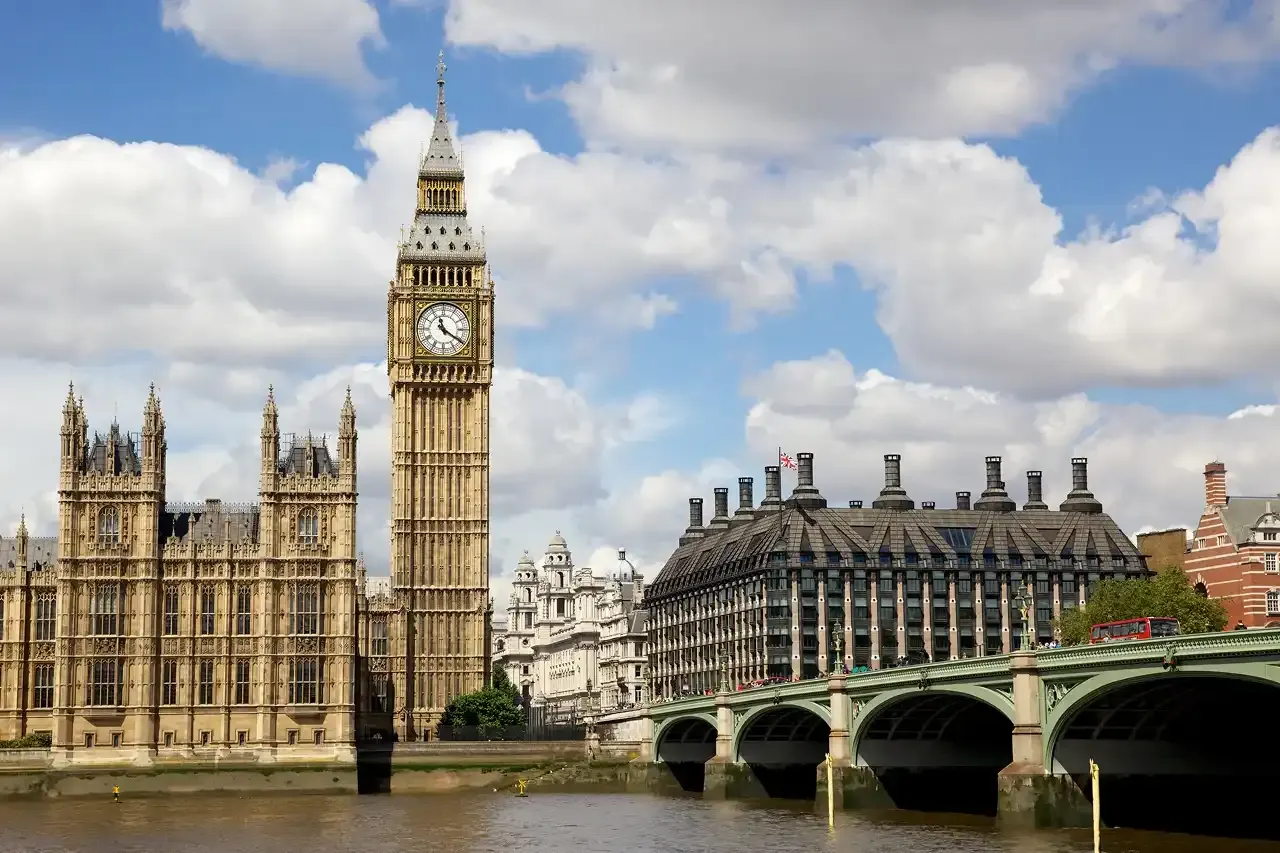
12. Big Ben and Parliament Square
Big Ben is the great bell inside the Elizabeth Tower, the clock tower at the north end of the Palace of Westminster, though the name long ago spread to the tower itself. The Gothic Revival palace that Charles Barry and Augustus Pugin rebuilt after the fire of 1834 stretches along the river beside it, and Parliament Square faces the whole front, with statues of Churchill, Gandhi and Mandela on its lawn. Westminster Bridge gives the wider view back across the water.
Architect: Charles Barry, Augustus Pugin · Style: Gothic Revival
Location: Parliament Square, Westminster
Access: Free to see; tours of Parliament are ticketed
Book London attractions and tours
Upcoming events in London

Cirque Berserk!
Cirque Berserk! plays Garrick Theatre on 26 October at 15:00.

Jay Park Ft. LNGSHOT - Body Rolls & Serenades World Tour
Jay Park Ft. LNGSHOT - Body Rolls & Serenades World Tour plays OVO Arena Wembley on 26 October at 18:30.

Steve Hackett - Best of Genesis & Solo Gems
Steve Hackett - Best of Genesis & Solo Gems plays Royal Albert Hall on 26 October at 18:45.

Stand Up Comedy Show - Entry & Free Drink - Big Belly Comedy Club

An Audience With Christian Horner
An Audience With Christian Horner comes to Cambridge Theatre on 26 October at 19:30.
Monday Night Comedy
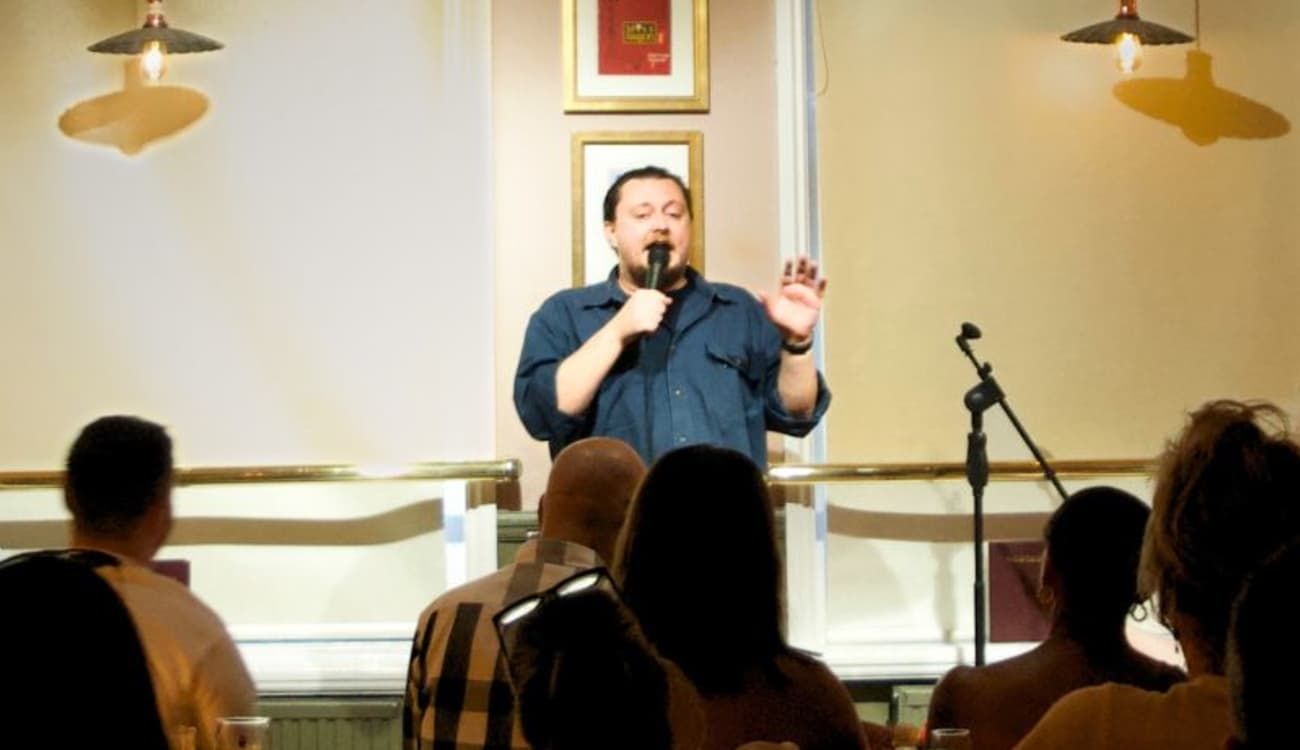
Monday Night Comedy comes to JK Comedy Club Covent Garden on 26 October at 20:00.
What to do in London for free
Trafalgar Square
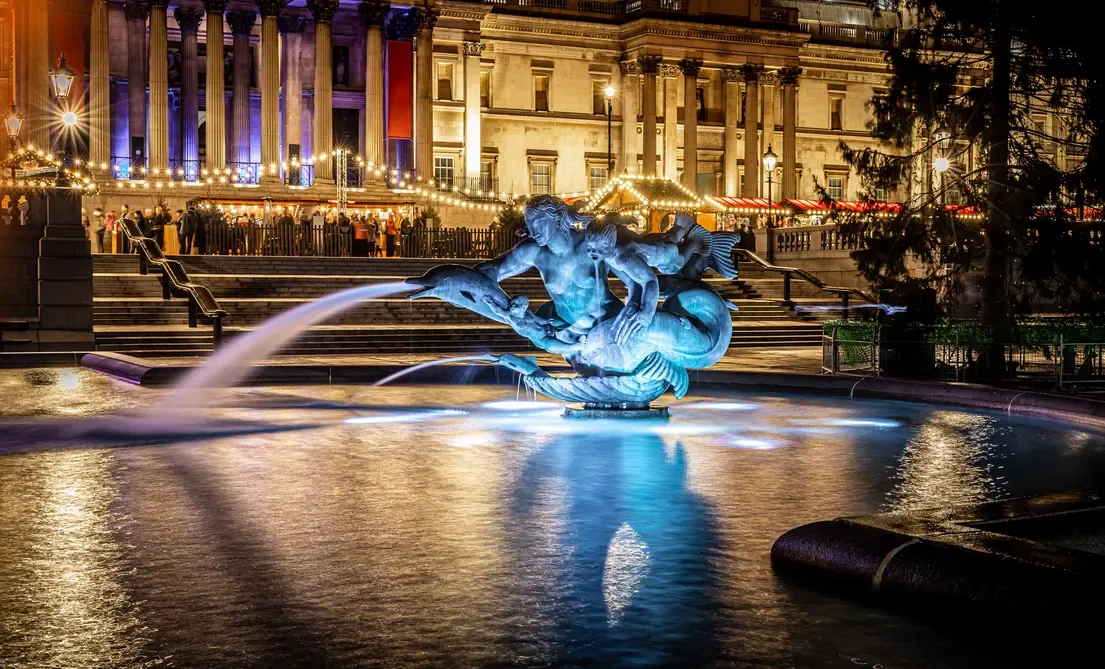
Trafalgar Square has no gates, ticket booth or admission charge, staying open day and night with Nelson's Column, the bronze lions and the fountains free to see at any hour. Heritage Wardens patrol the square around the clock rather than closing it, and free festivals fill the space through the year.
Hyde Park
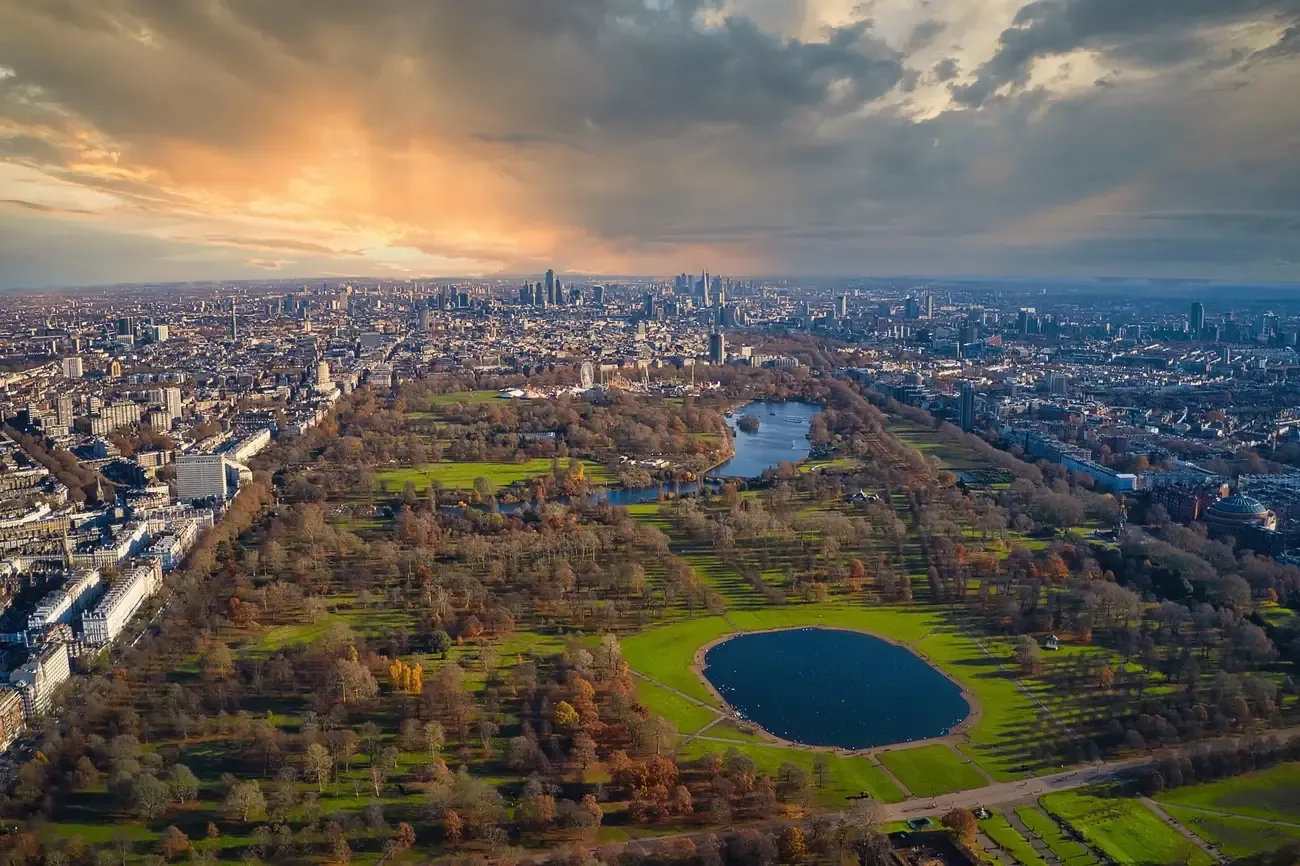
One of London's eight Royal Parks, Hyde Park charges no entrance fee across its lawns and the Serpentine lake, with pedestrian gates open from 5:00 to midnight. Boating on the Serpentine and other sport bookings inside carry their own charge; walking, cycling and picnicking stay free.
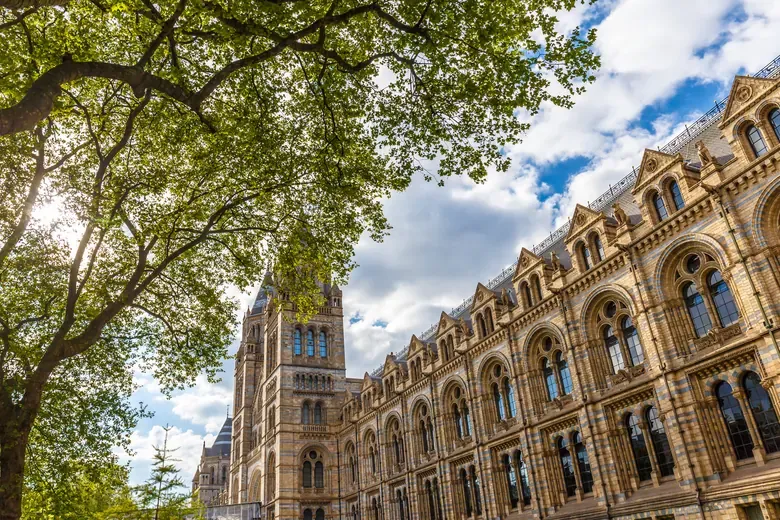
Natural History Museum
Admission to the Natural History Museum and its grounds costs nothing, with a free timed-entry ticket booked online to guarantee a slot at busy times. Temporary exhibitions such as touring science and photography shows are ticketed separately.
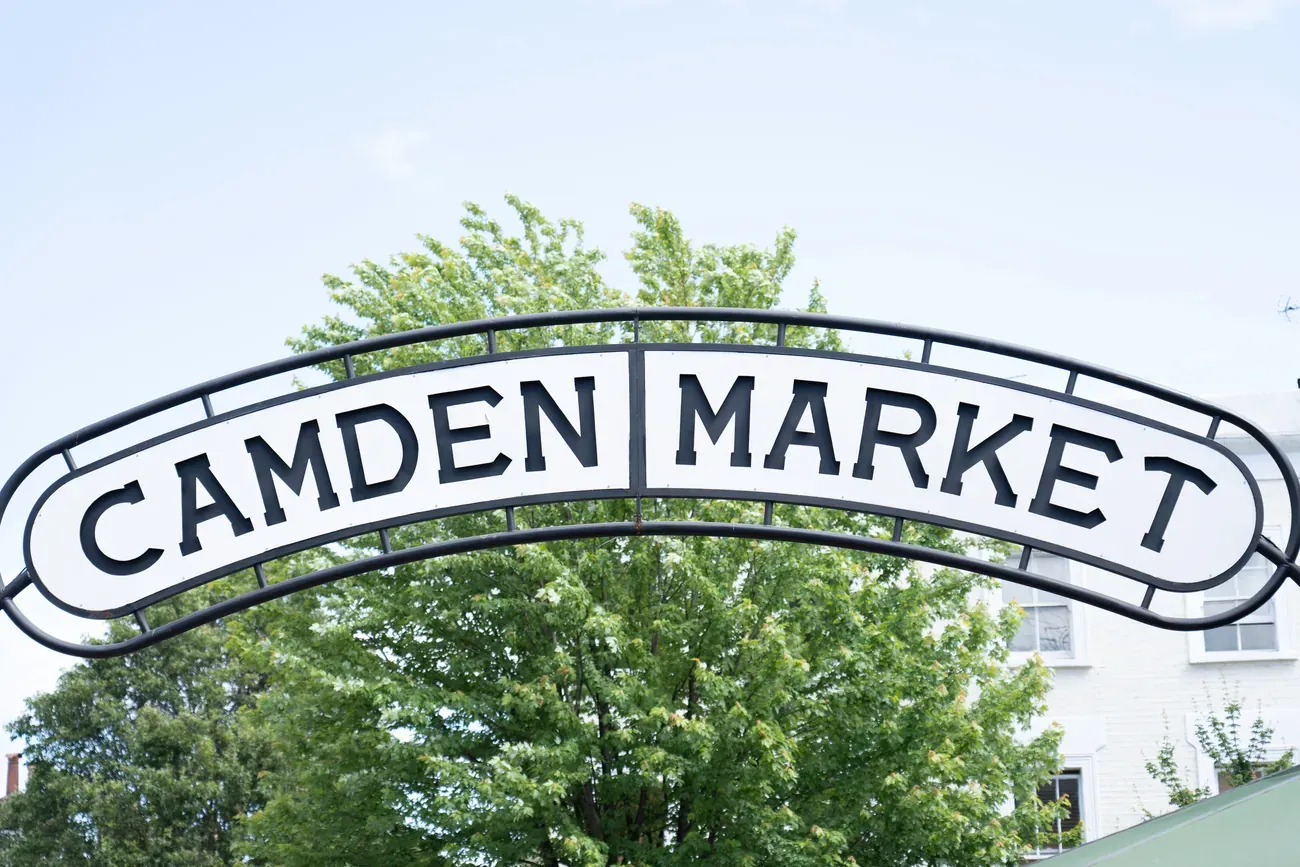
Camden Market
Camden Market has no entry charge at any of its gates, and browsing the stalls at Camden Lock, the Stables Market and Hawley Wharf is free every day. Visitors only pay for what they eat, drink or buy from the traders inside, not for walking through the market.
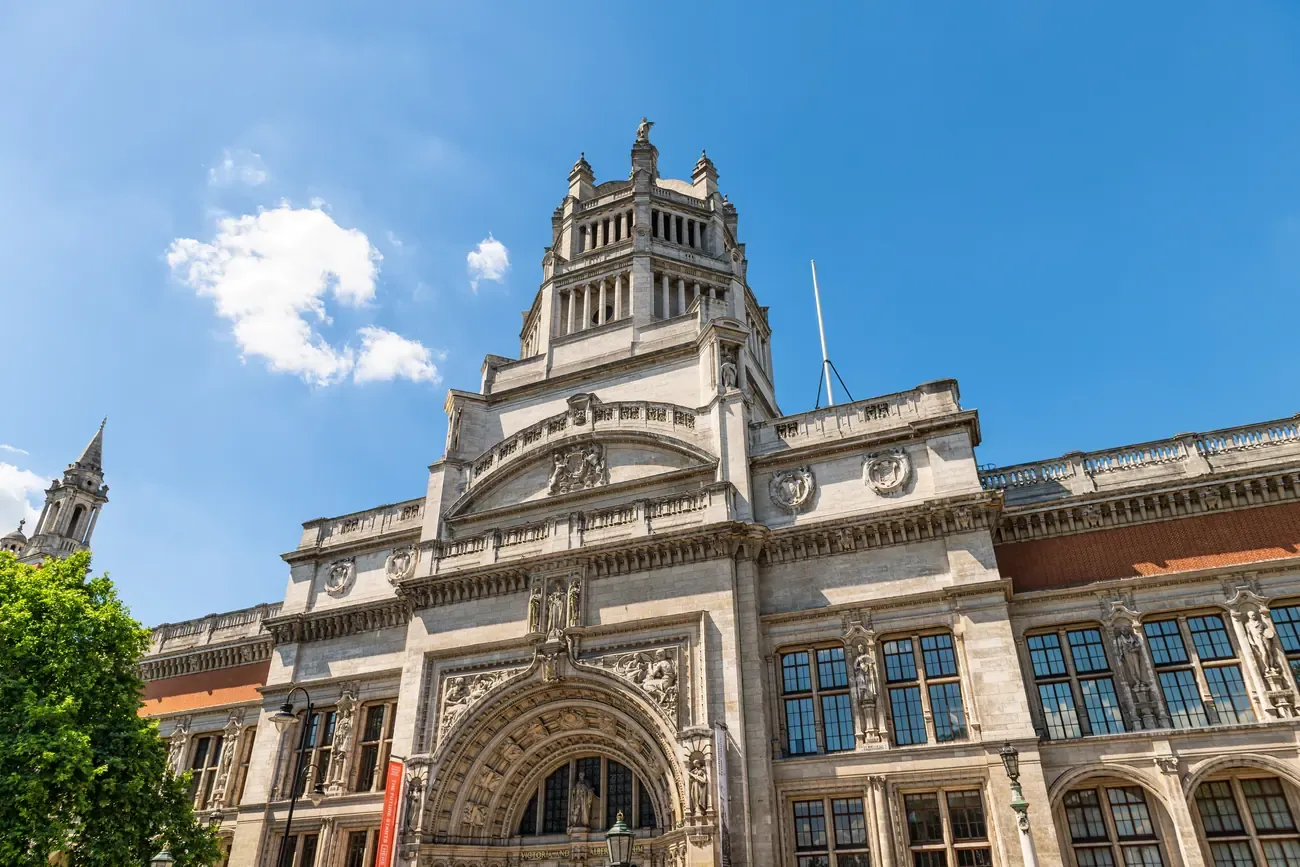
Victoria and Albert Museum
The museum of art and design in South Kensington opens seven days a week with free admission and no booking needed, its galleries running from Renaissance sculpture to fashion. Some exhibitions and events carry a separate charge.
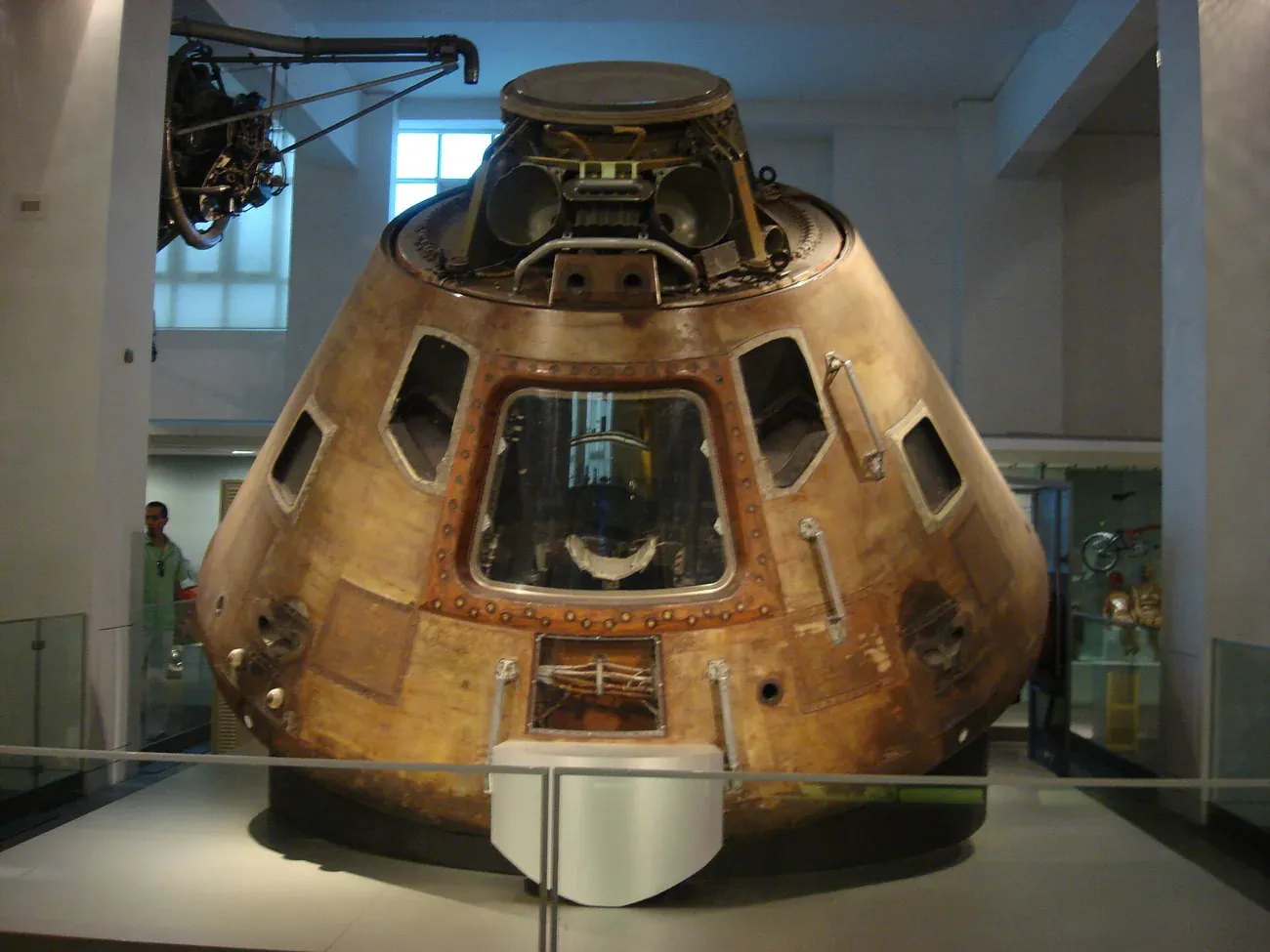
Science Museum
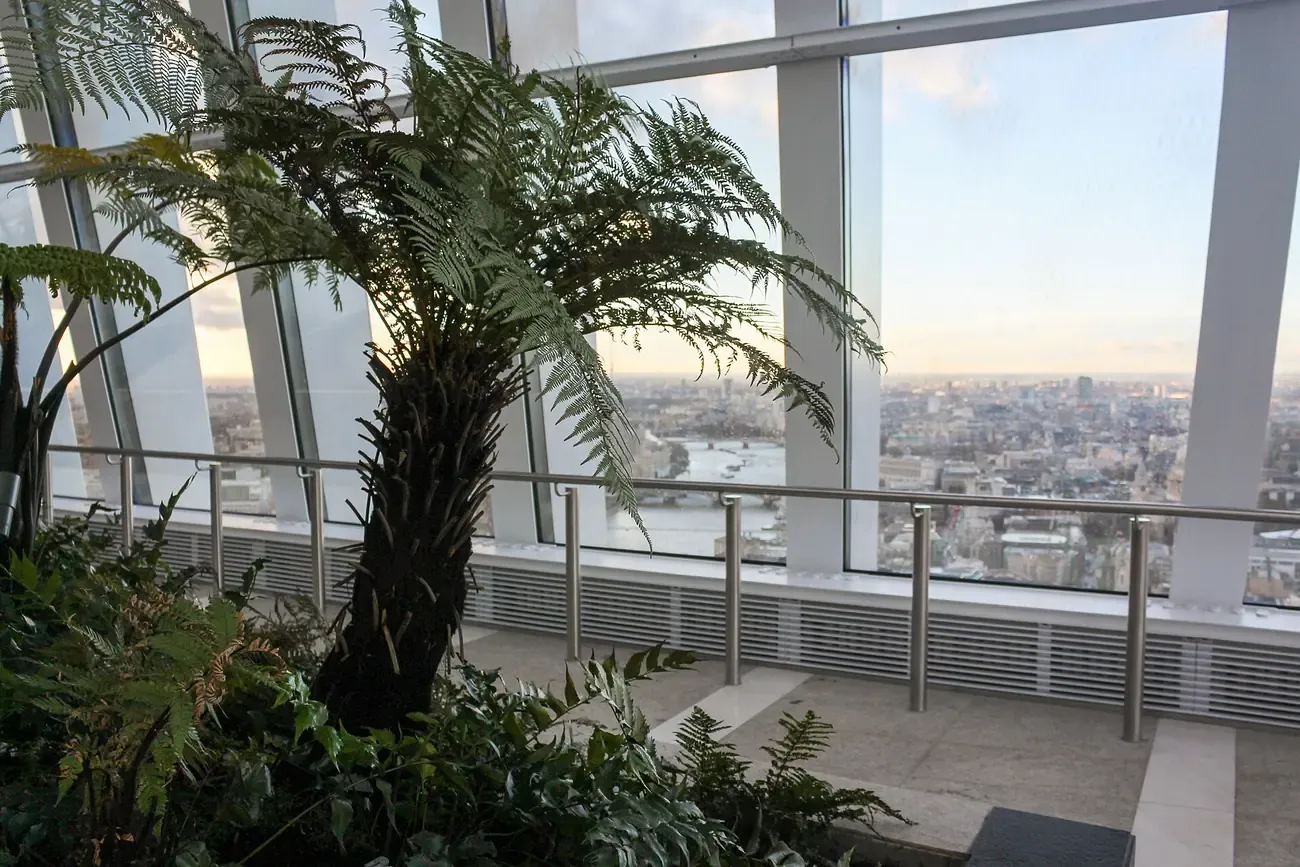
Sky Garden
The gardens and viewing terraces at the top of 20 Fenchurch Street, the tower known as the Walkie-Talkie, are free to enter with a ticket booked in advance, looking across the City, the river and Tower Bridge.
Photo: "Tree fern in the Sky Garden, London" by The wub (CC BY-SA 4.0).
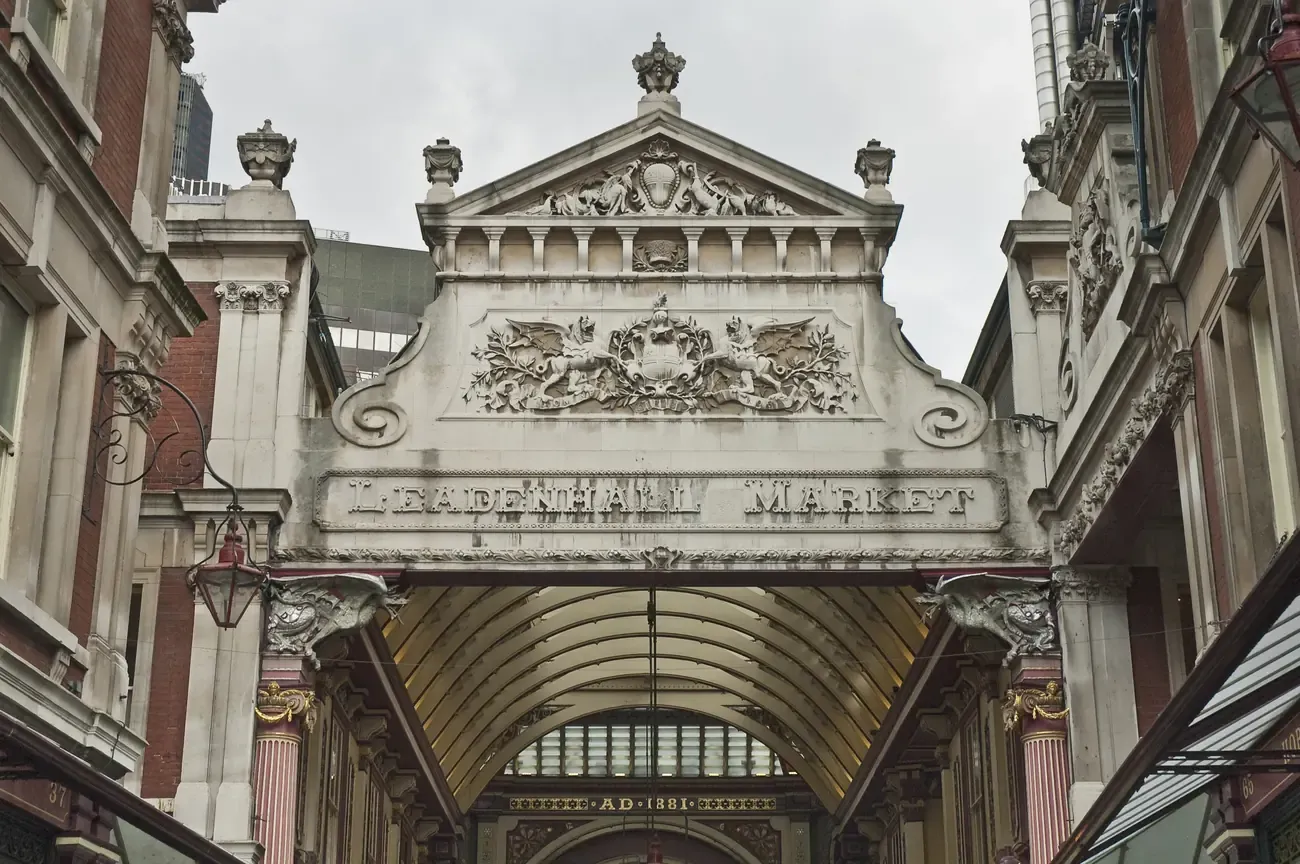
Leadenhall Market
The Victorian arcades of the City's covered market glow red and gold under a painted roof, a filming location for the Harry Potter films, with public areas open around the clock and free to walk through.
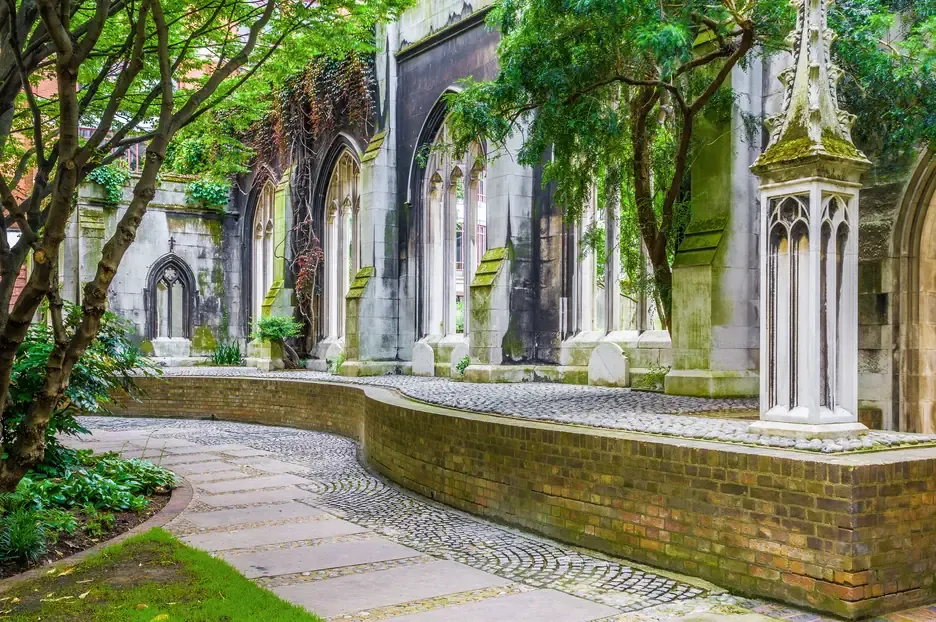
St Dunstan in the East
A public garden of the City of London set in the ruins of a Wren church, its walls draped in greenery around benches and a fountain, a quiet pause between the Tower and the Monument, nearest to Monument and Tower Hill stations.
Old shops and literary lanes in London
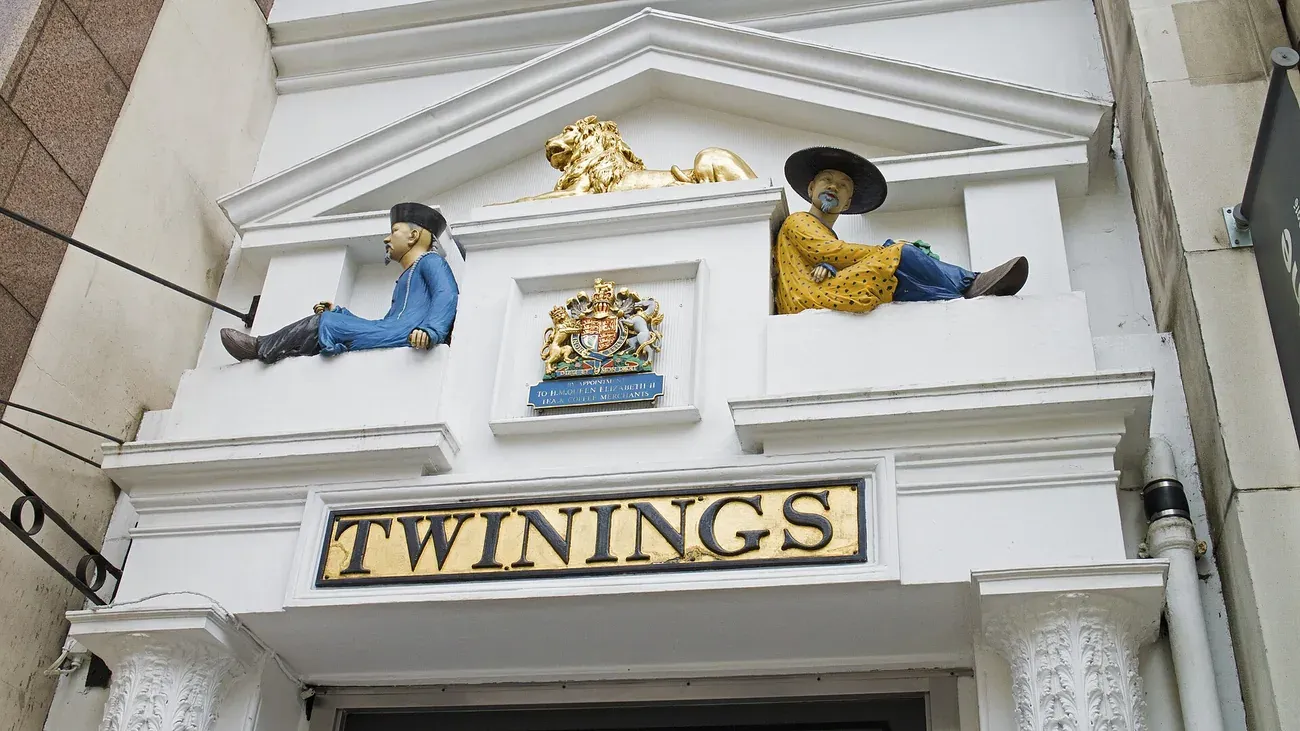
Twinings Tea Shop
Tea has been sold at this narrow Strand shopfront since 1706, its doorway crowned by a golden lion and two seated figures.
Location: 216 Strand, London
Photo: "Twinings shopfront on the Strand" by Charles T. G. Clarke (CC0).
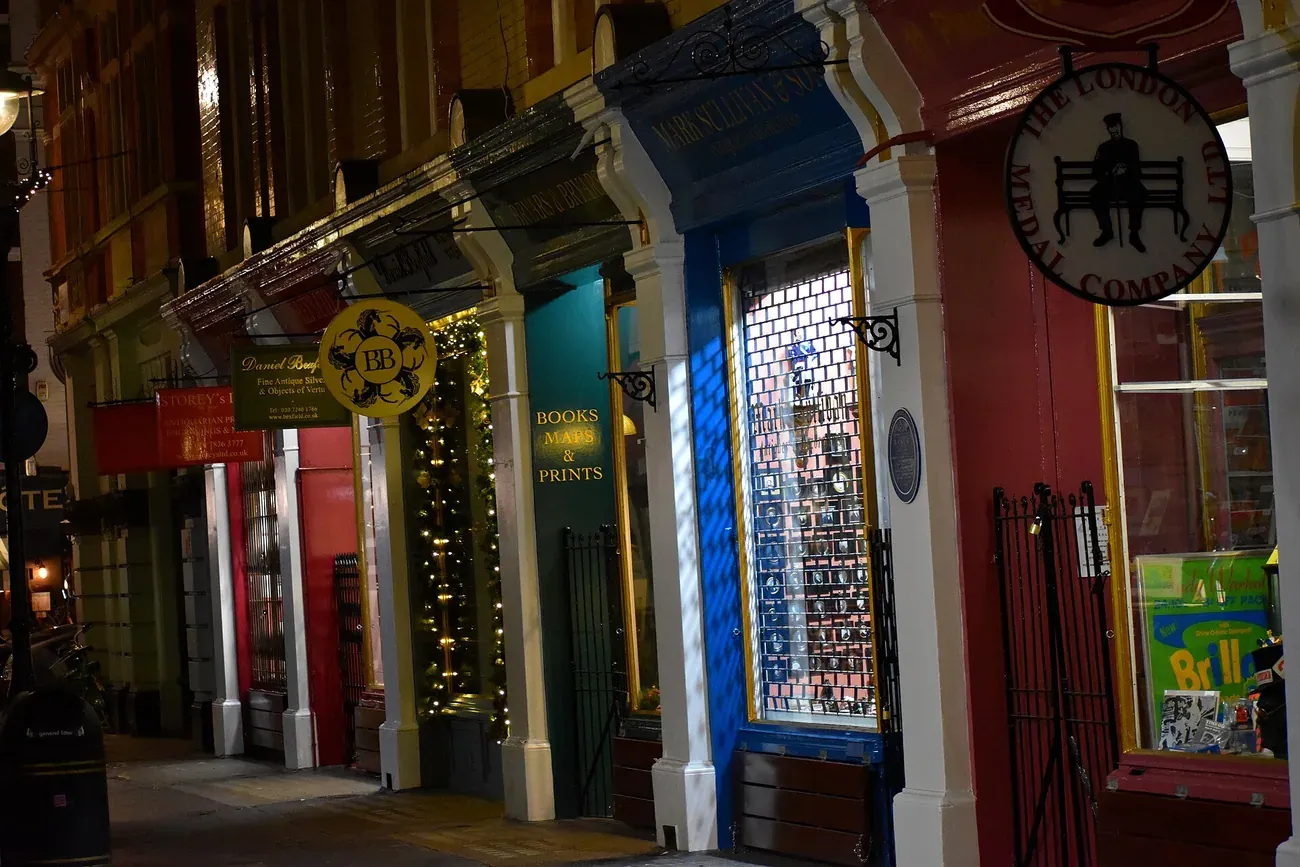
Cecil Court
A lane of antiquarian booksellers and print dealers between Charing Cross Road and St Martin's Lane, nicknamed Booksellers' Row.
Location: Cecil Court, London
Photo: "Cecil Court (Night)" by Phlizz (CC BY-SA 4.0).
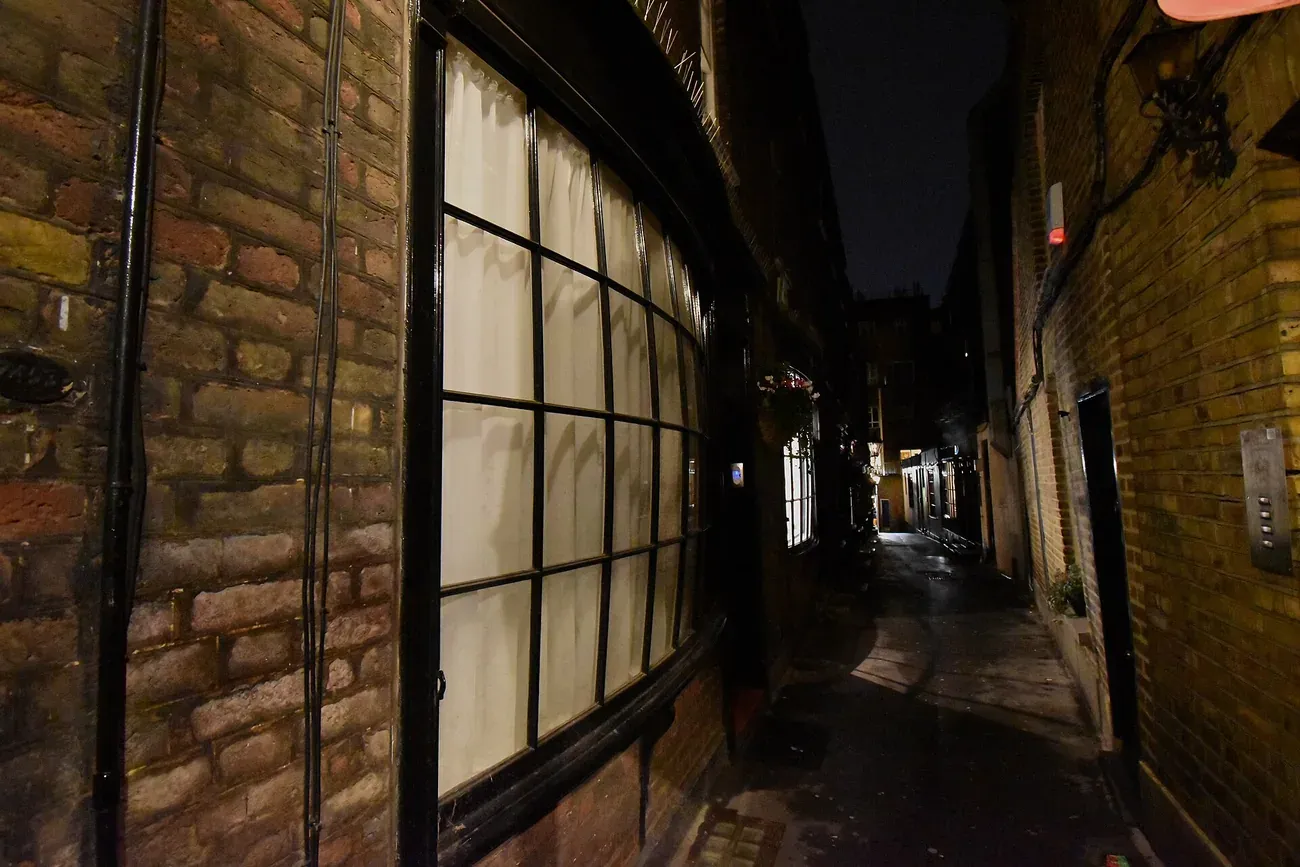
Goodwin's Court
A hidden alley of bow fronted Georgian shopfronts off St Martin's Lane, often named as an inspiration for Diagon Alley.
Location: Goodwin's Court, London
Photo: "Goodwin's Court (Night)" by Phlizz (CC BY-SA 4.0).
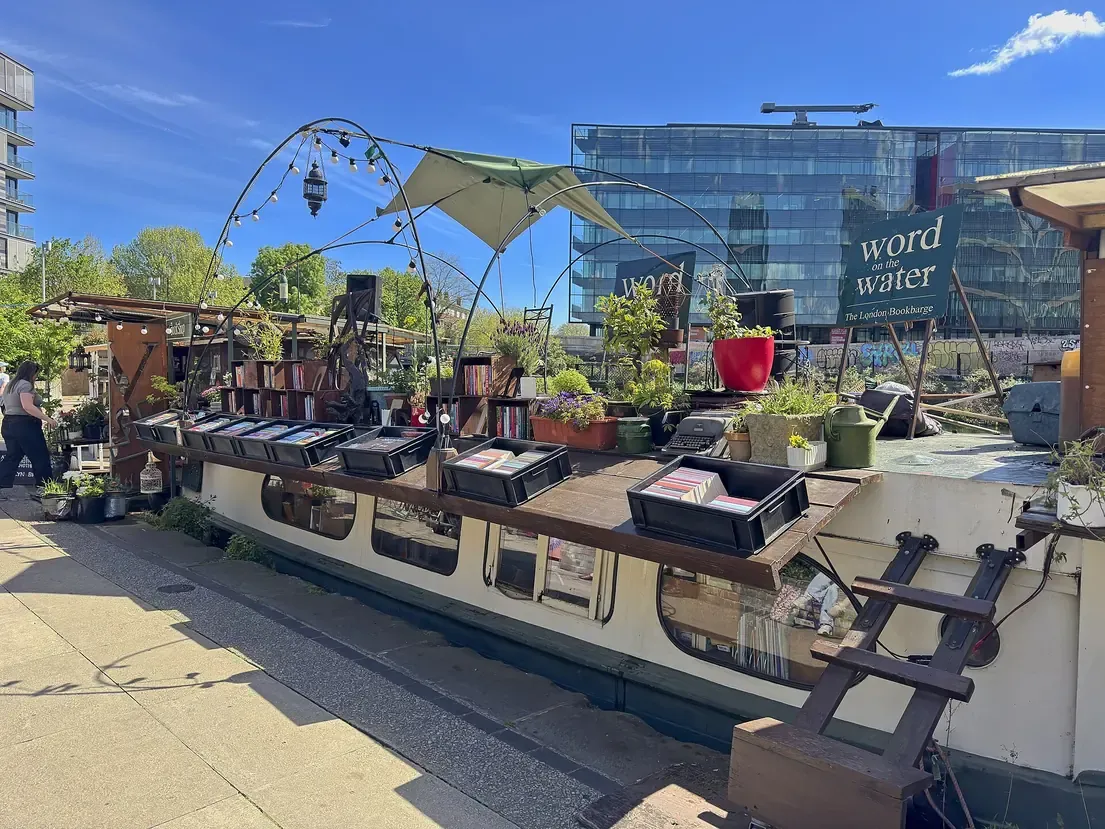
Word on the Water
A 1920s Dutch barge moored on the Regent's Canal towpath at King's Cross, selling secondhand books from its deck and cabin.
Location: Regent's Canal towpath, King's Cross
Photo: "Word on the Water bookbarge on Regent's Canal" by Bex Walton (CC BY 4.0).
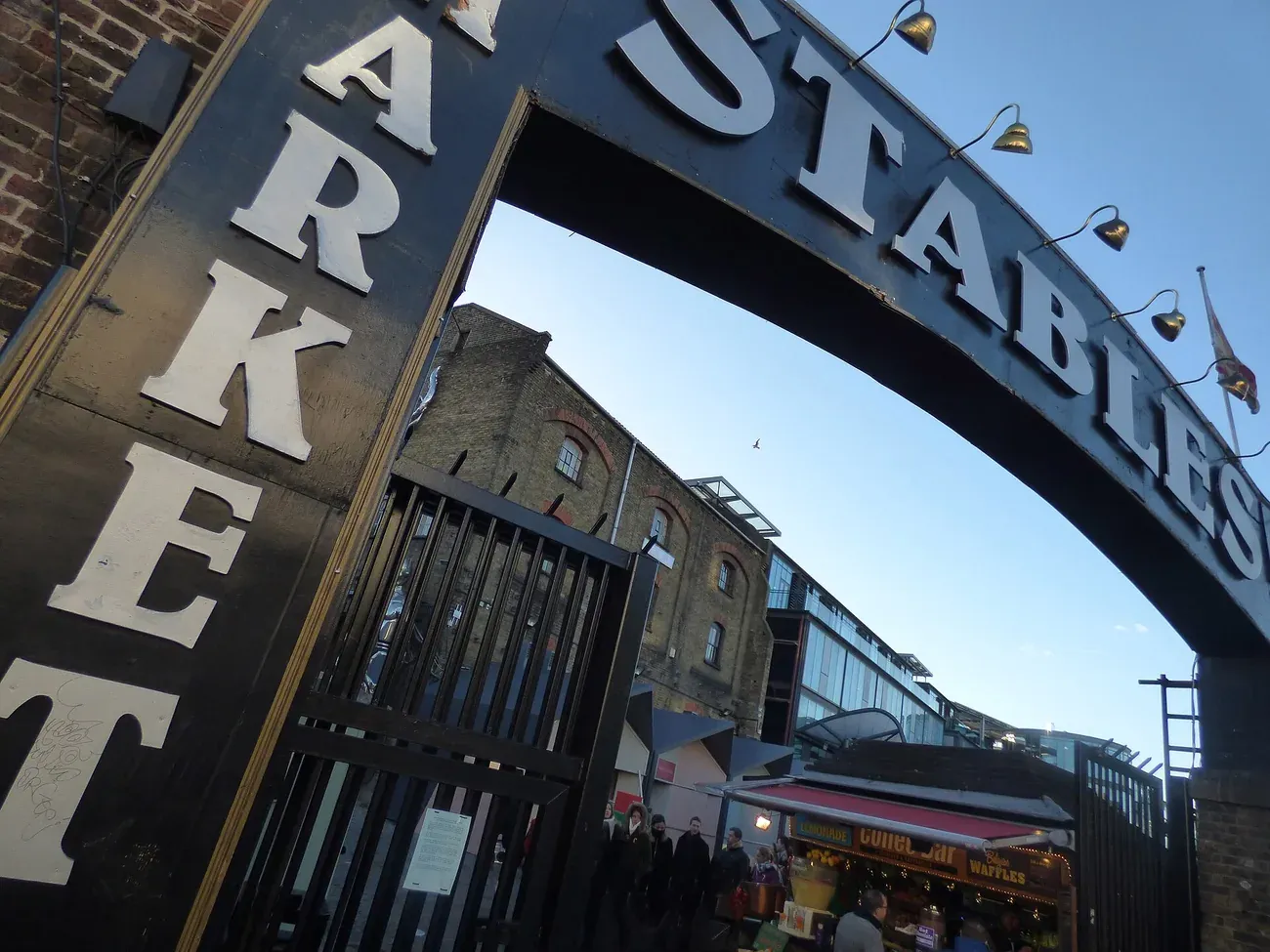
Stables Market
The largest part of Camden Market, built into Victorian stables and a horse hospital that once served the canal trade.
Location: Stables Market, Camden
Photo: "Stables Market entrance in Camden Market" by ell brown (CC BY-SA 2.0).
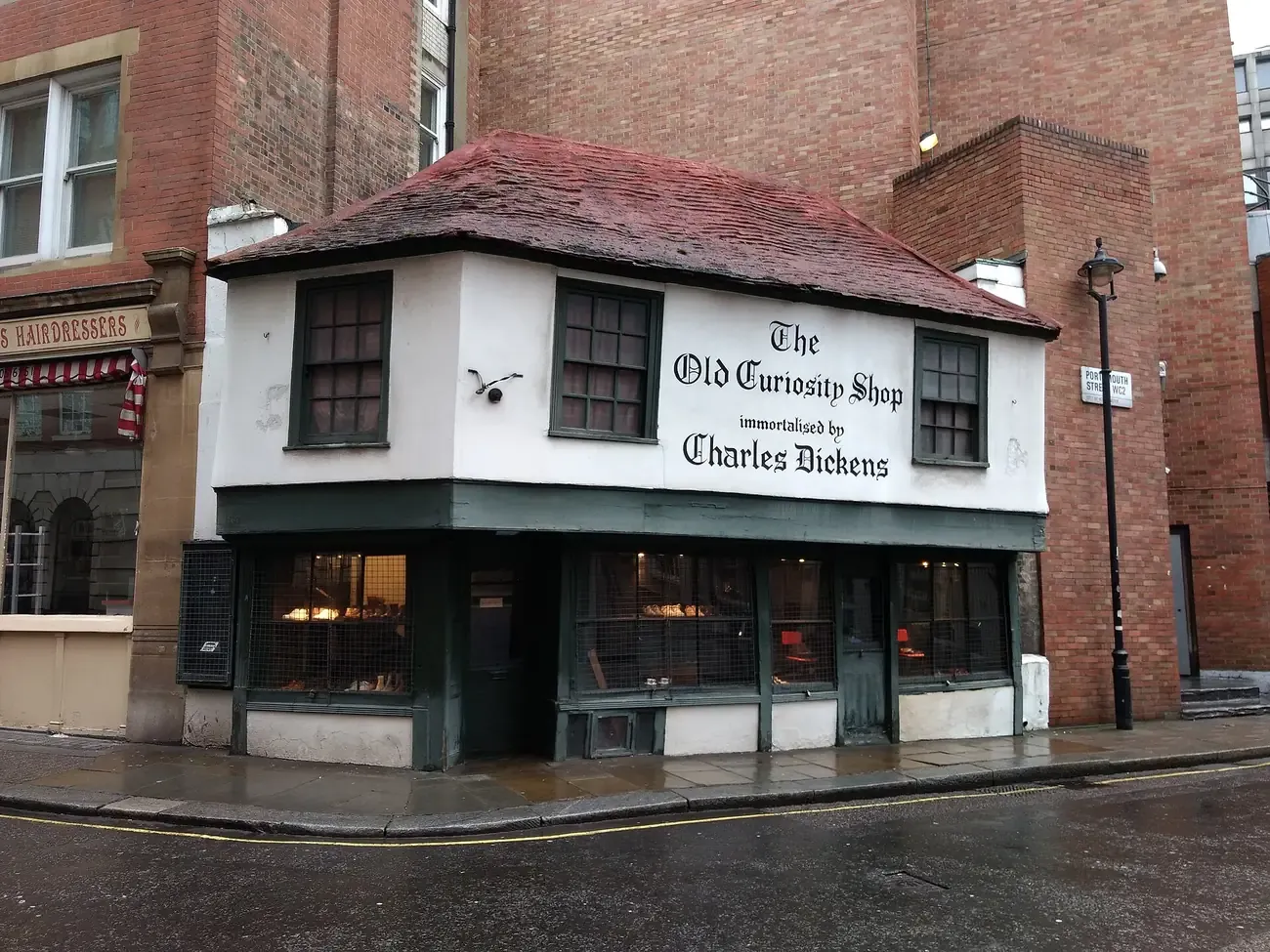
The Old Curiosity Shop
A crooked Tudor survivor behind Lincoln's Inn Fields, built from ship timber and among the oldest shopfronts left in the city.
Location: 13-14 Portsmouth Street, London
Photo: "The Old Curiosity Shop, Portsmouth Street" by Philafrenzy (CC BY-SA 4.0).
Small and strange museums in London
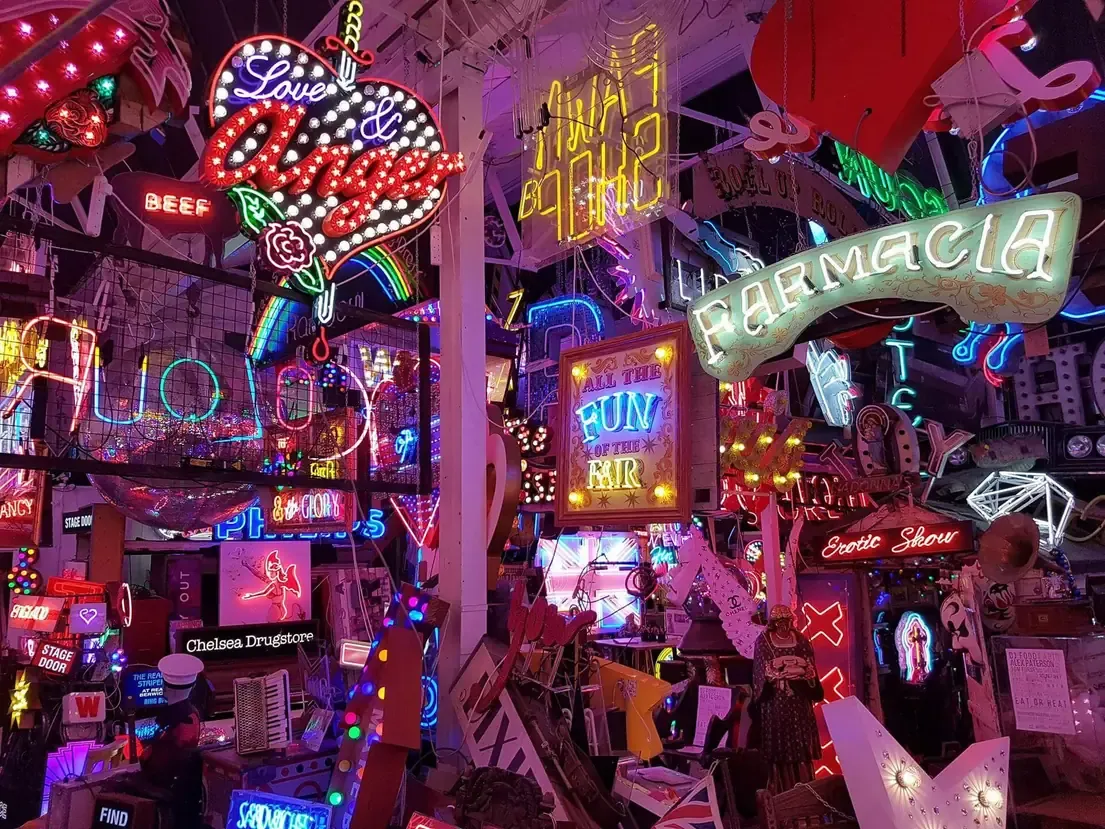
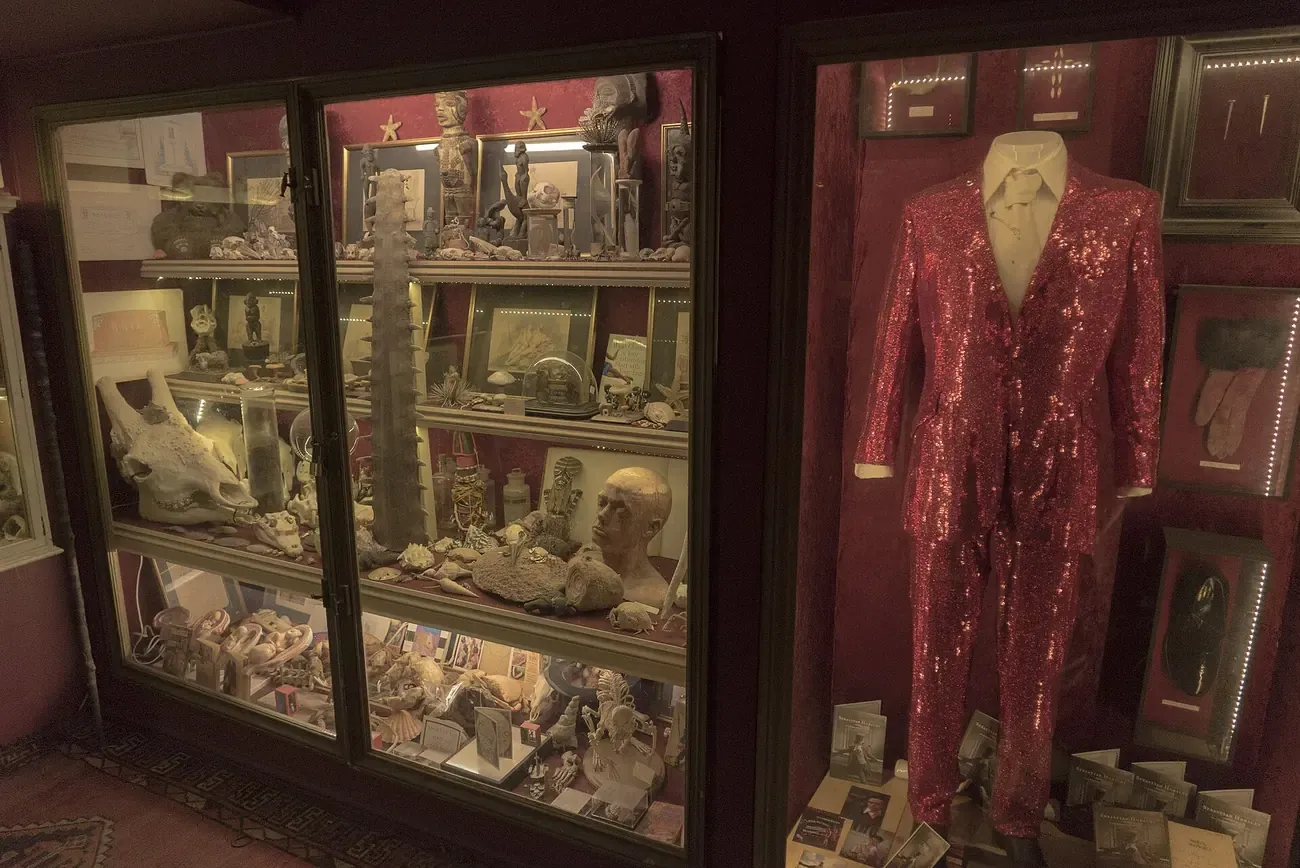
The Viktor Wynd Museum of Curiosities
A modern cabinet of curiosities in Hackney, stacked with taxidermy, skeletons and oddities, with a cocktail bar upstairs.
Location: 11 Mare Street, Hackney
Photo: "The Viktor Wynd Museum cabinet of curiosities" by Jwslubbock (CC BY-SA 4.0).
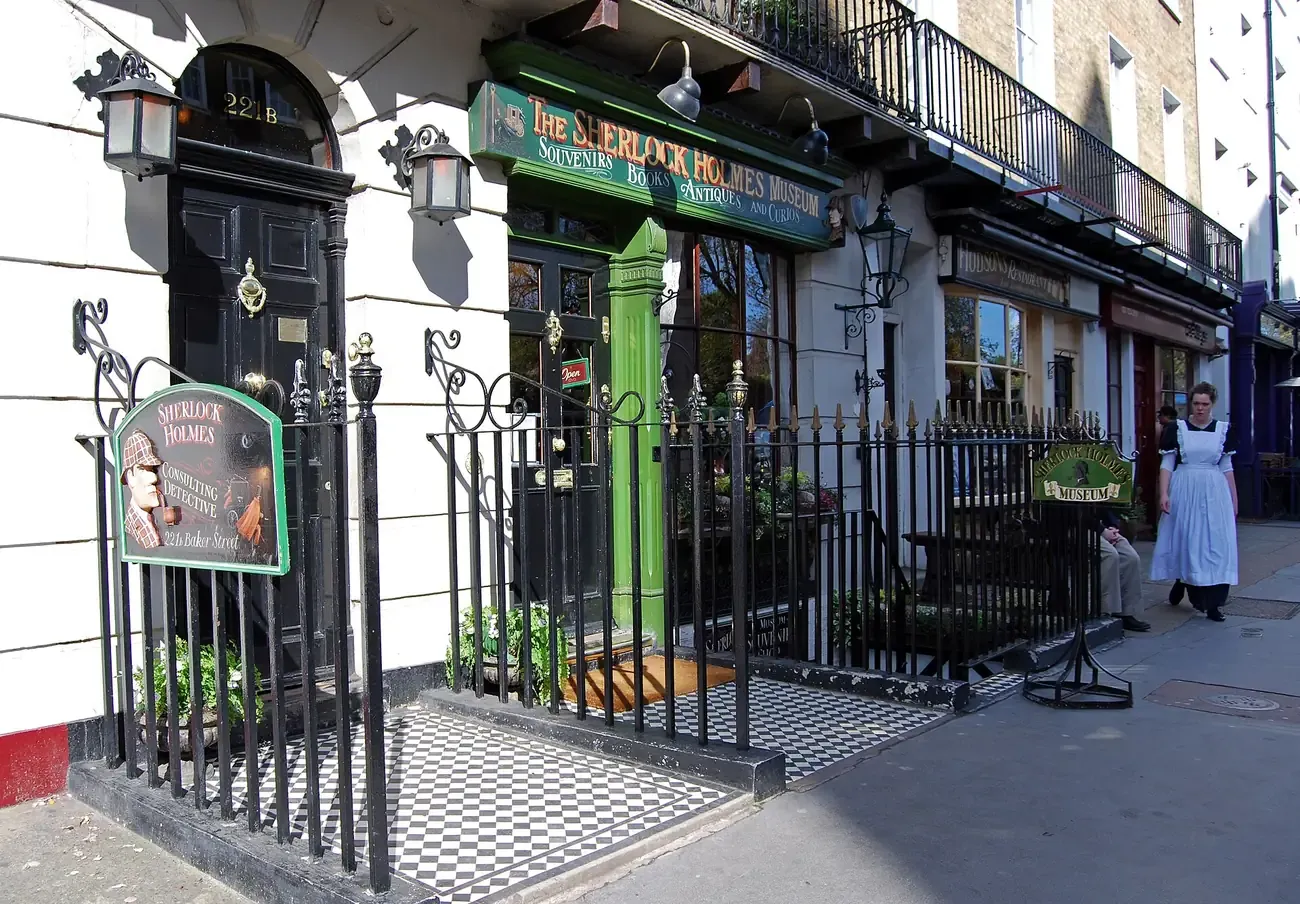
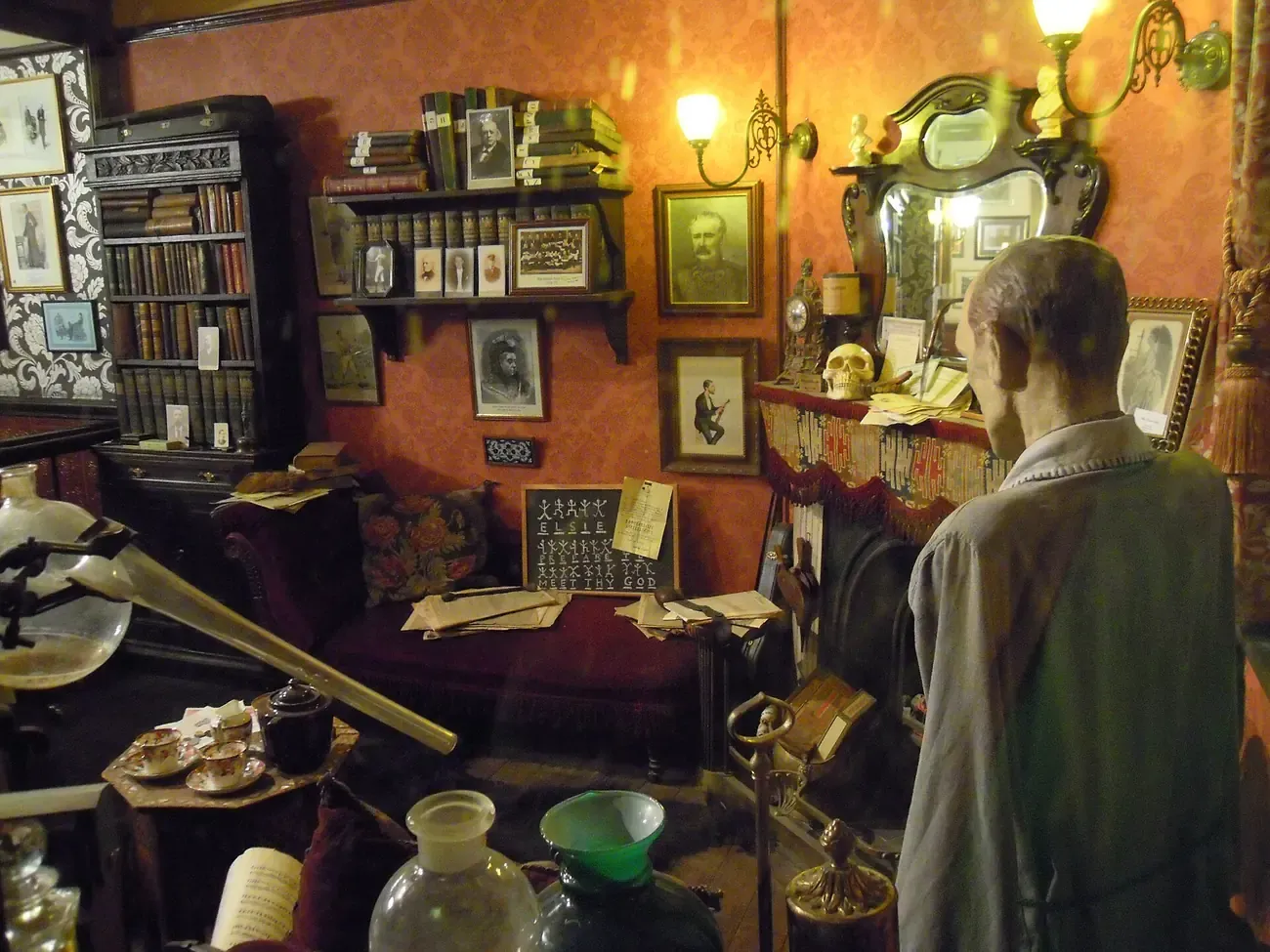
221b Baker Street
The address Conan Doyle gave Sherlock Holmes now carries a museum fitted out as the detective's lodgings, period sitting room included.
Location: 221b Baker Street, NW1 6XE
Photo: "Sherlock Holmes Museum at 221b Baker Street" by MaryG90 (CC BY-SA 3.0).
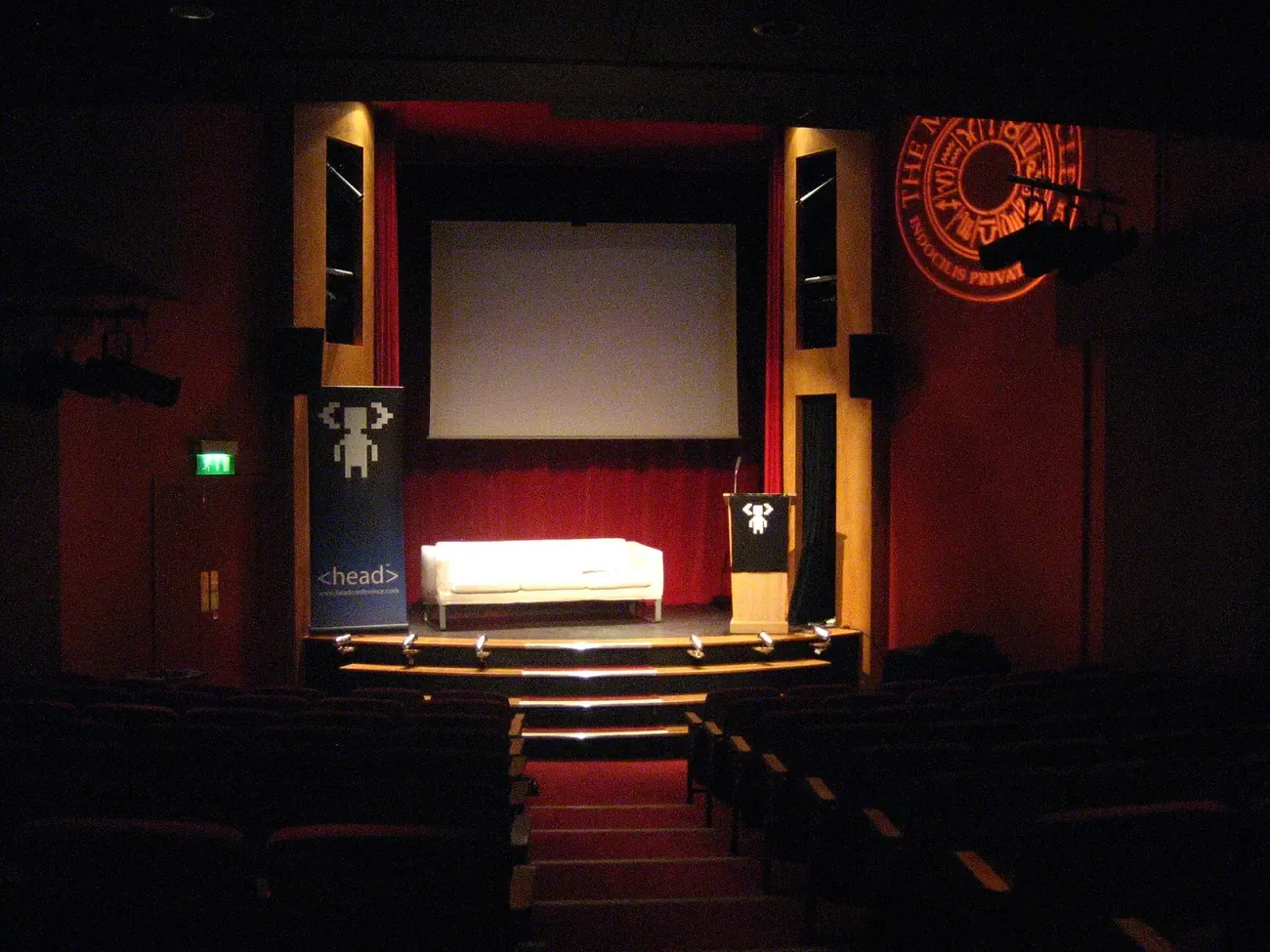
The Magic Circle
The headquarters of Britain's society of magicians, founded in 1905, opens for guided tours and shows around its collection of memorabilia.
Location: Stephenson Way, Euston
Photo: "The Magic Circle headquarters theatre" by Jeremy Keith (CC BY 2.0).
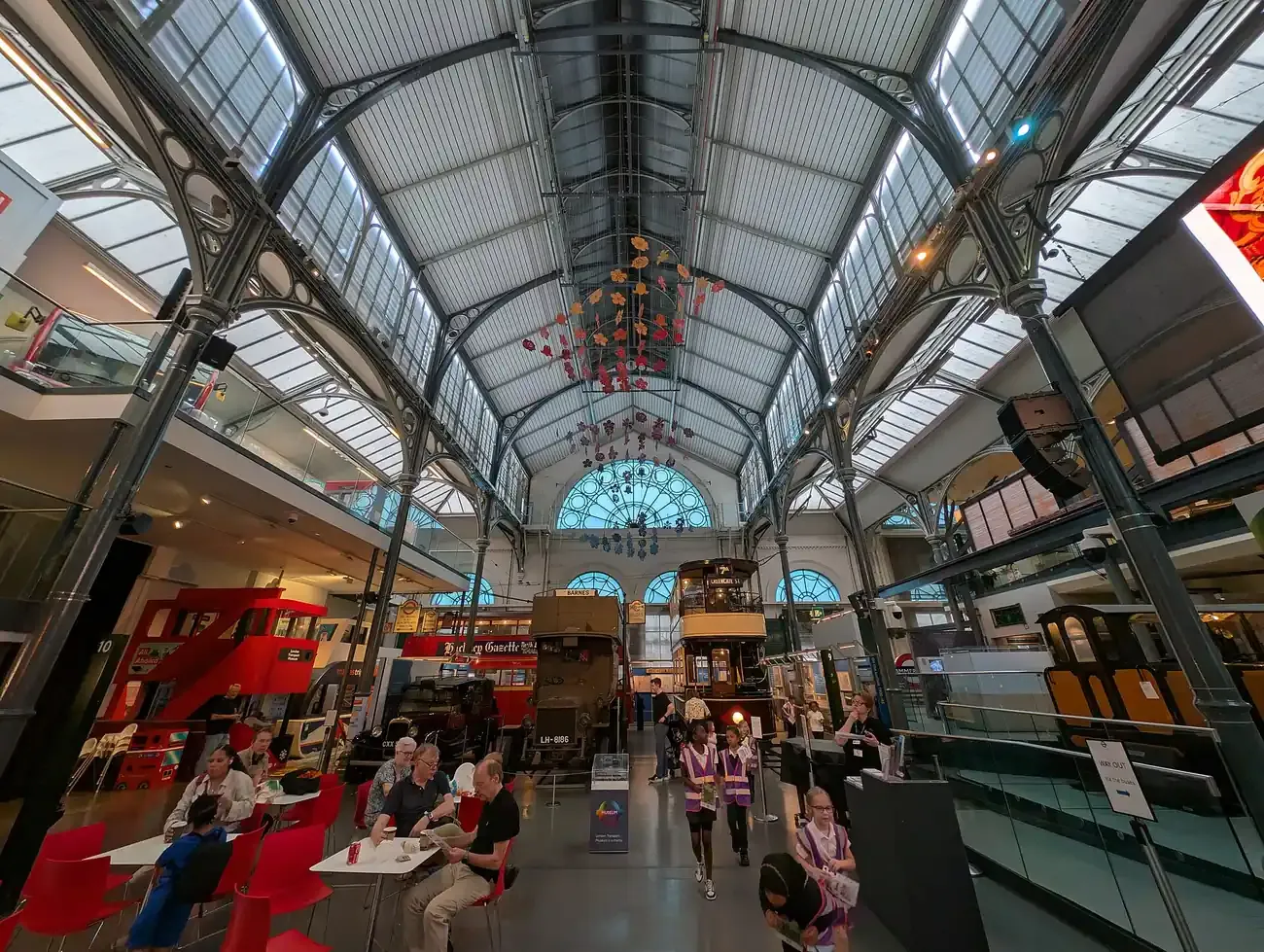
London Transport Museum
Historic buses, trams and Tube stock fill a Victorian iron and glass market hall on the Covent Garden piazza.
Location: Covent Garden Piazza, WC2E 7BB · Website
Tunnels, crypts and Roman ruins under London
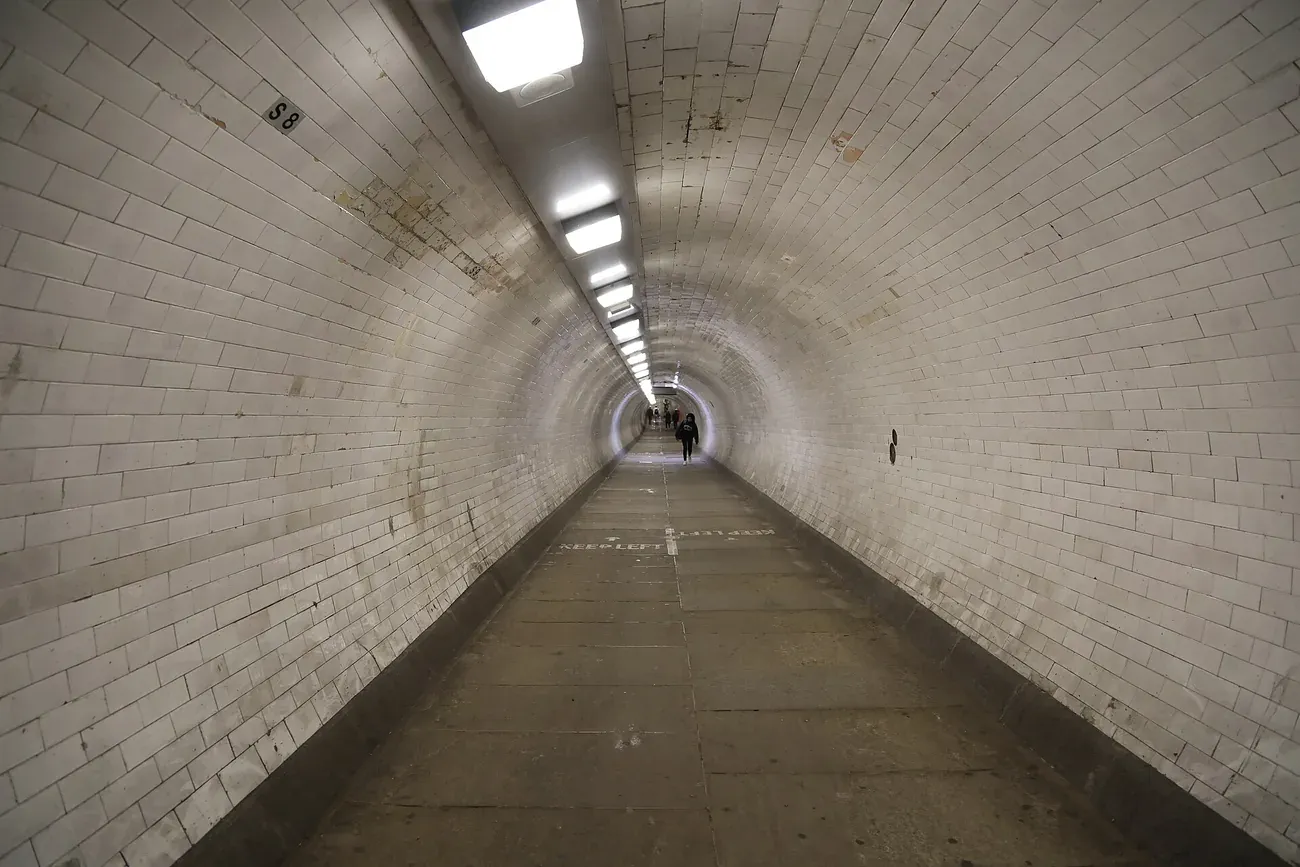
Greenwich Foot Tunnel
A tiled pedestrian tunnel opened in 1902 runs under the Thames from Greenwich to the Isle of Dogs, entered through domed rotundas.
Location: Cutty Sark Gardens, Greenwich
Photo: "Greenwich Foot Tunnel under The Thames" by Christine Matthews (CC BY-SA 2.0).
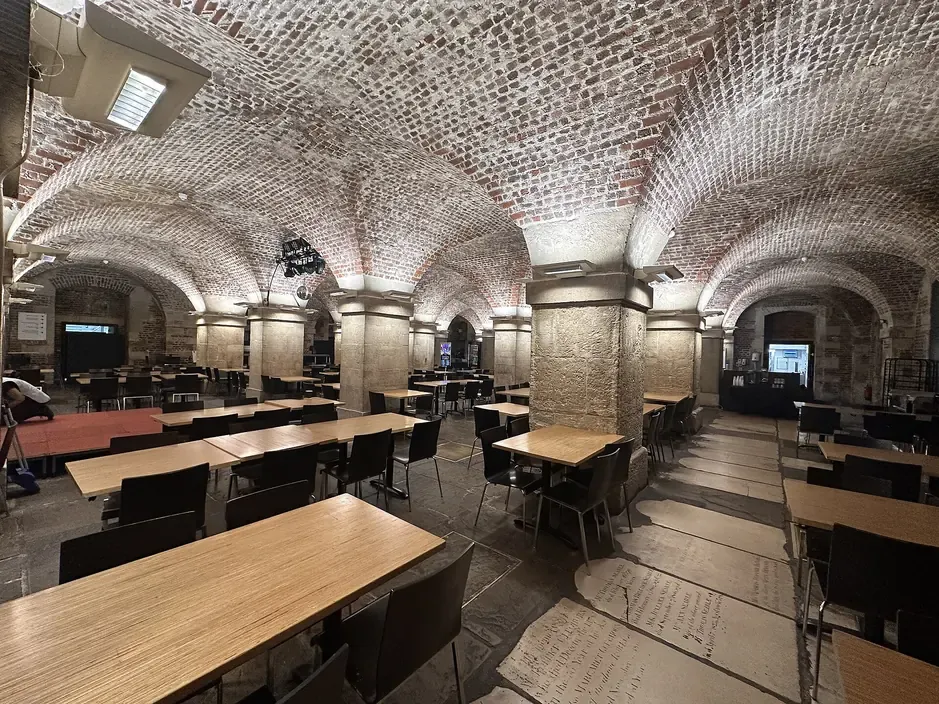
Cafe in the Crypt
A cafe laid out among the gravestones of the brick vaulted crypt below St Martin-in-the-Fields, on the corner of Trafalgar Square.
Location: St Martin-in-the-Fields, Trafalgar Square
Photo: "Crypt cafe at St Martin-in-the-Fields" by Matt Brown (CC BY 4.0).
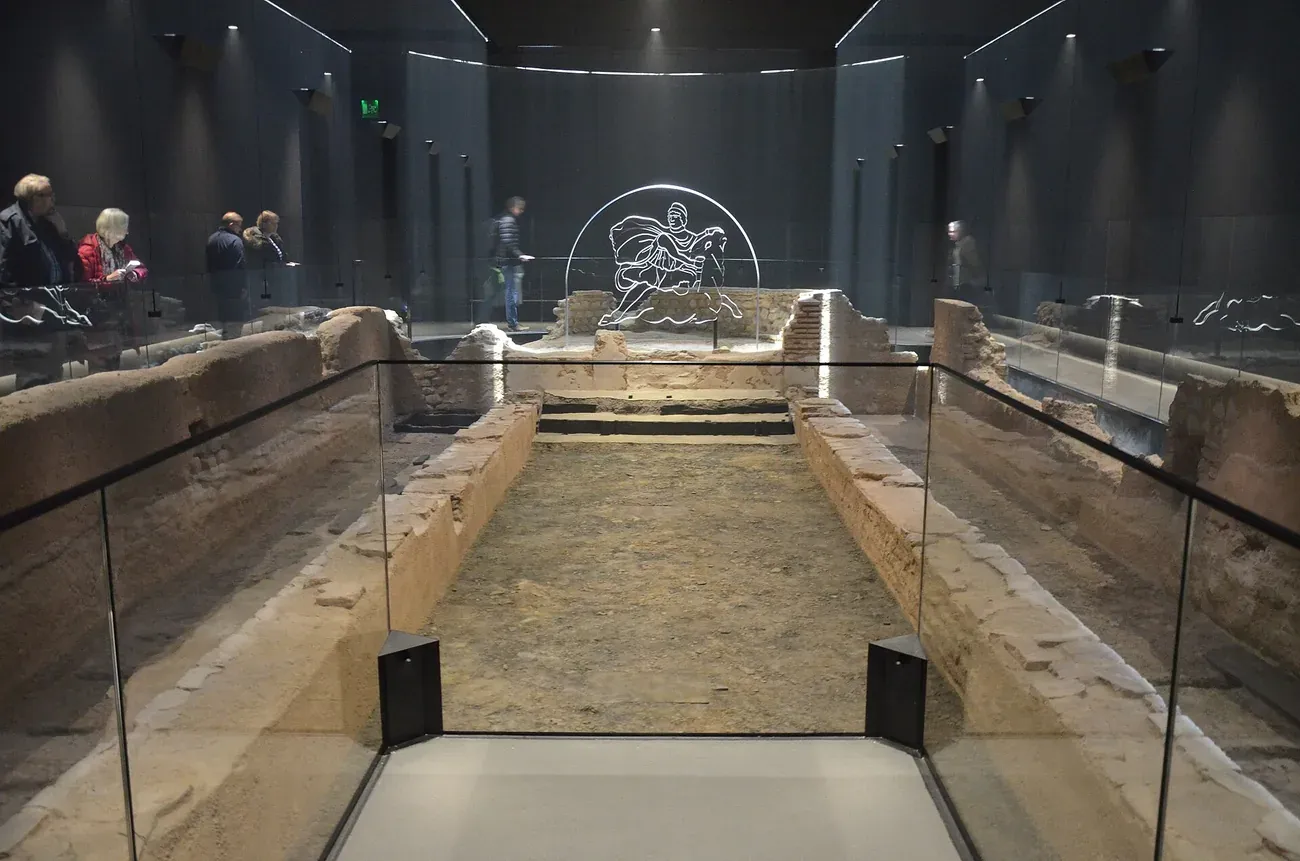
Temple of Mithras
The reconstructed Roman temple of Mithras stands below street level in the City, free to visit with a slot booked ahead.
Location: Walbrook, EC4N 8AA
Photo: "London Mithraeum, Bloomberg's European headquarters" by Carole Raddato (CC BY-SA 2.0).
More things to do in London
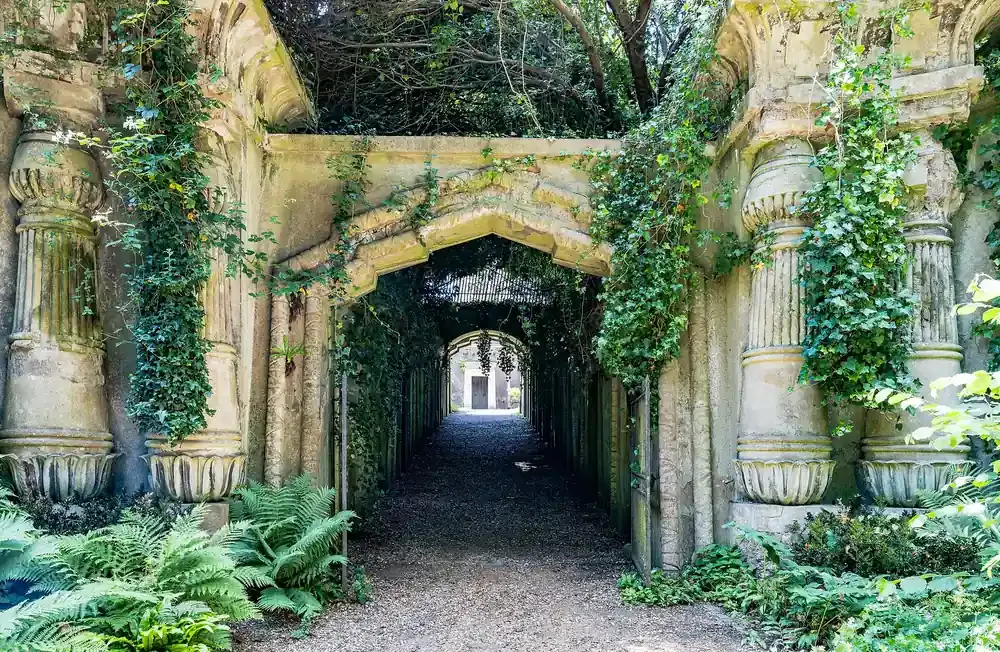
Highgate Cemetery
Victorian tombs, an Egyptian avenue and a circle of vaults climb the hillside; Karl Marx and George Eliot are buried here.
Location: Swain's Lane, N6 6PJ · Website
Photo: "The Egyptian Avenue, Highgate Cemetery" by Tilman2007 (CC BY-SA 4.0).
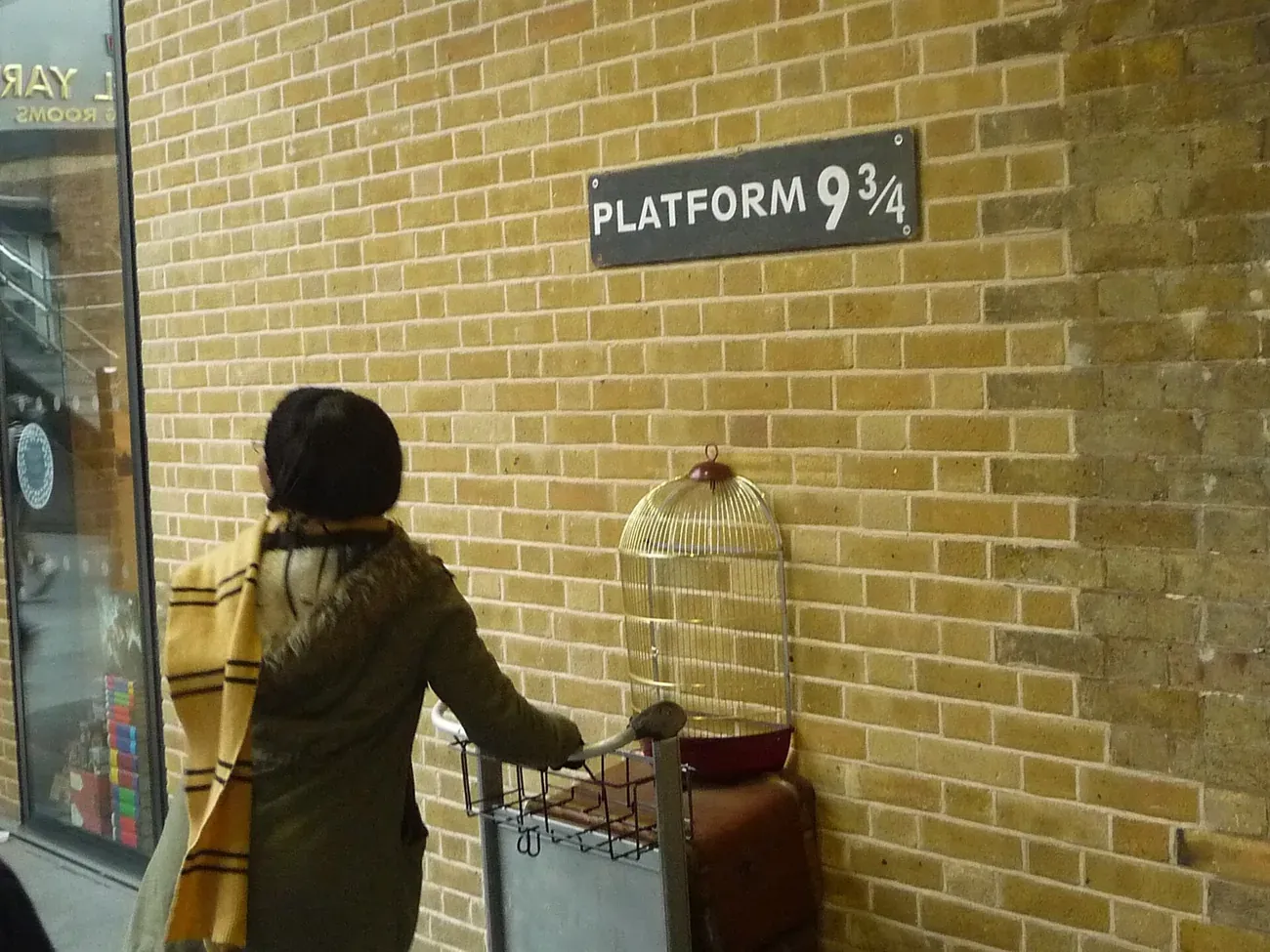
Platform 9 3/4
A luggage trolley vanishes into the wall at King's Cross station, marking the fictional platform where the Hogwarts Express departs.
Location: King's Cross station, Euston Road
Photo: "Platform 9 3/4 at King's Cross" by Immanuel Giel (CC BY-SA 3.0).
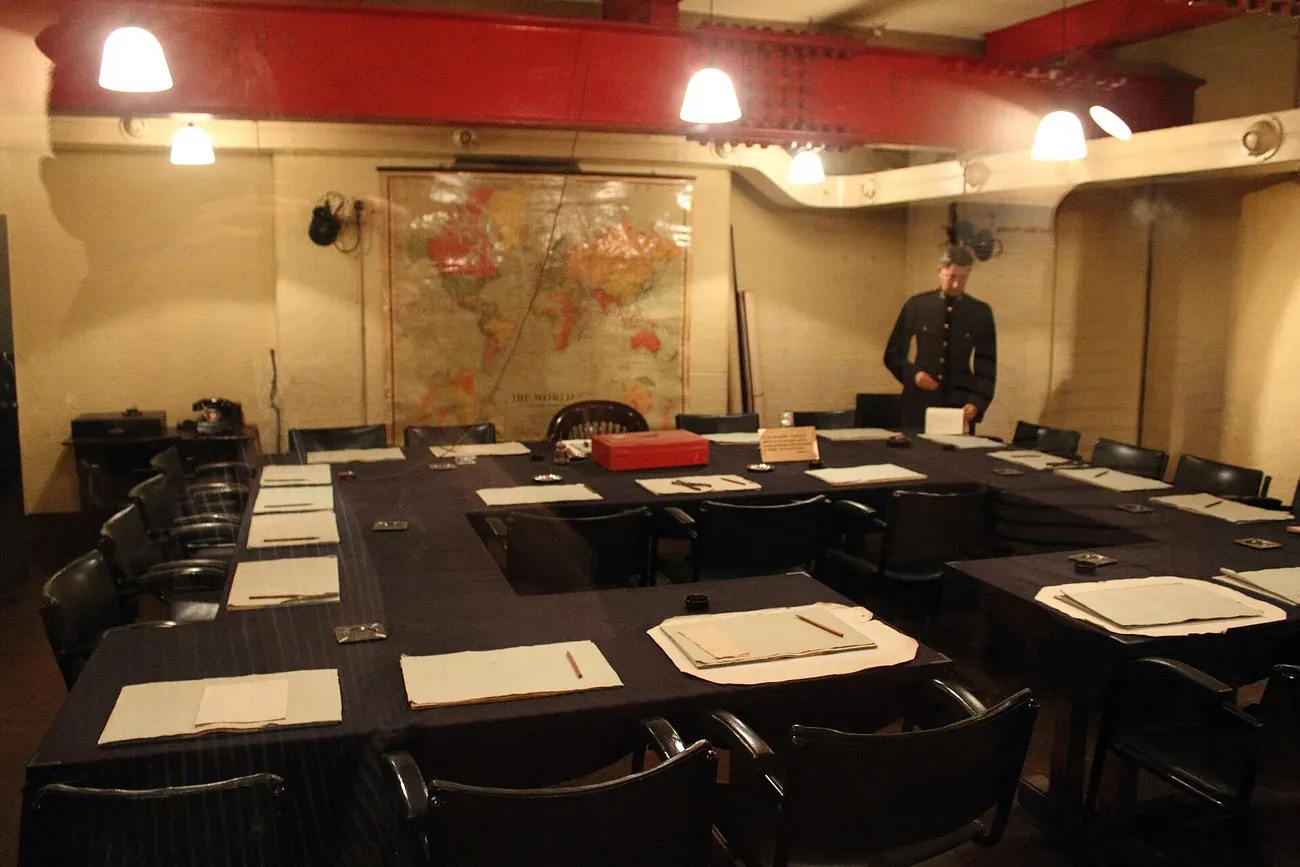
The Churchill War Rooms
The underground bunker where Churchill's war cabinet met, kept much as it was left in 1945, below the government offices in Whitehall.
Location: Clive Steps, King Charles Street, SW1A 2AQ
Photo: "Cabinet room at the Churchill War Rooms" by siegertmarc (CC BY 2.0).
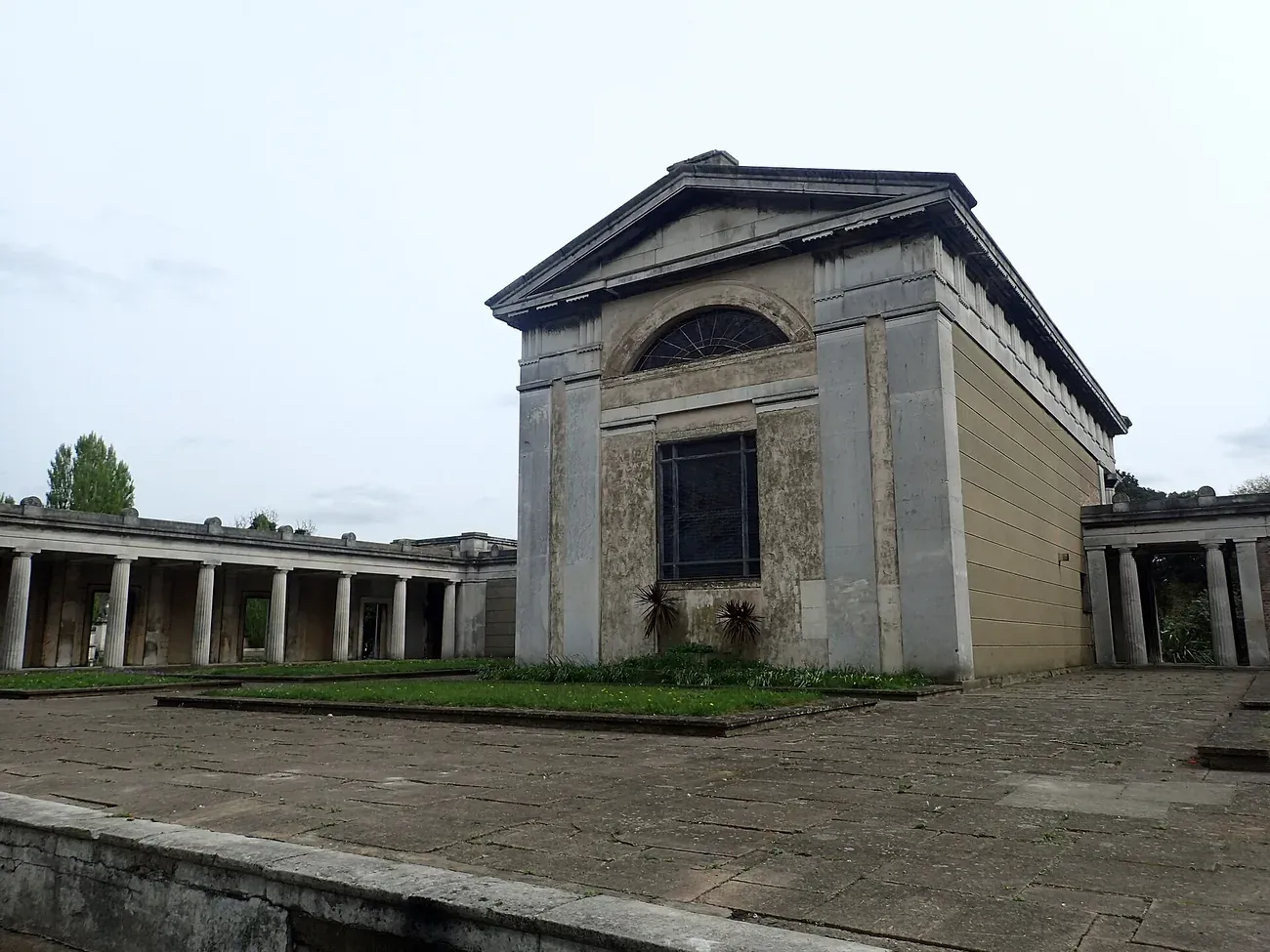
Kensal Green Cemetery
The first of the Magnificent Seven Victorian cemeteries, with colonnaded catacombs under its Anglican chapel and a long avenue of monuments.
Location: Harrow Road, W10 4RA
Photo: "Chapel at Kensal Green Cemetery" by Marathon (CC BY-SA 2.0).
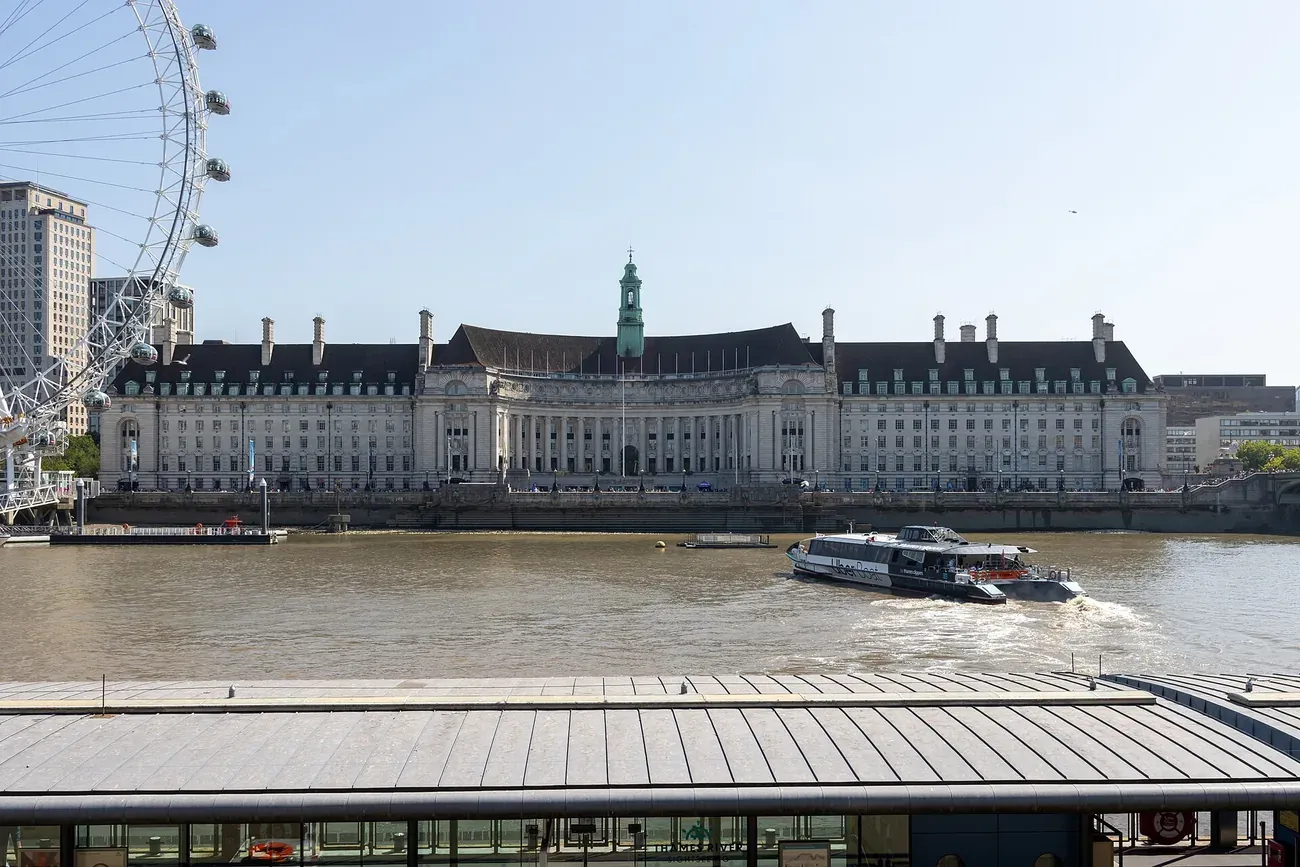
The London Dungeon
Actor led shows and rides retell plague, fire and Jack the Ripper through a warren of sets inside County Hall on the South Bank.
Location: County Hall, Westminster Bridge Road
Photo: "County Hall seen from across the Thames" by Mike Peel (CC BY-SA 4.0).
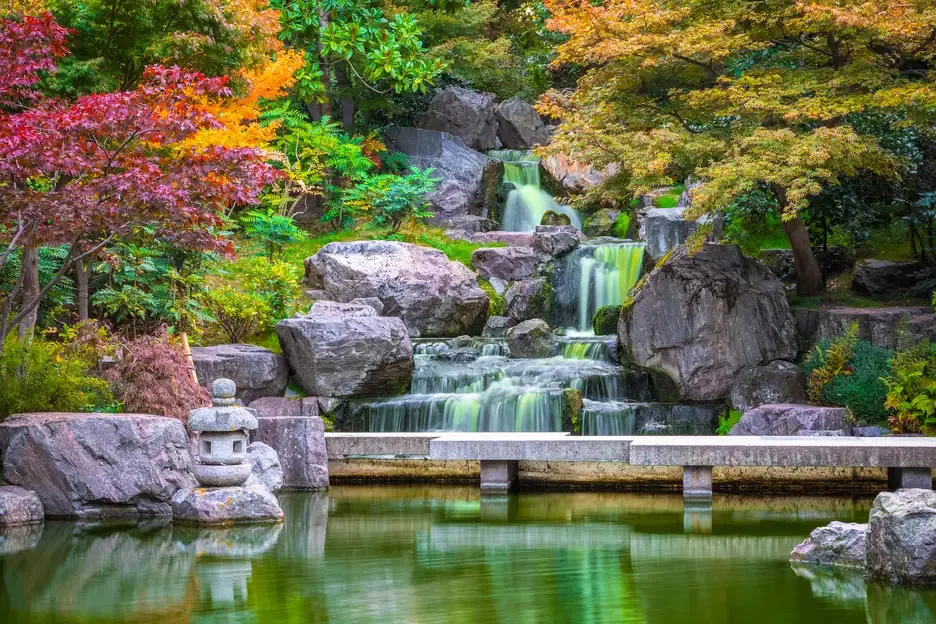
Kyoto Garden
A Japanese garden given by the city of Kyoto in 1991, with a tiered waterfall and a koi pond, tucked inside Holland Park.
Location: Holland Park, Kensington
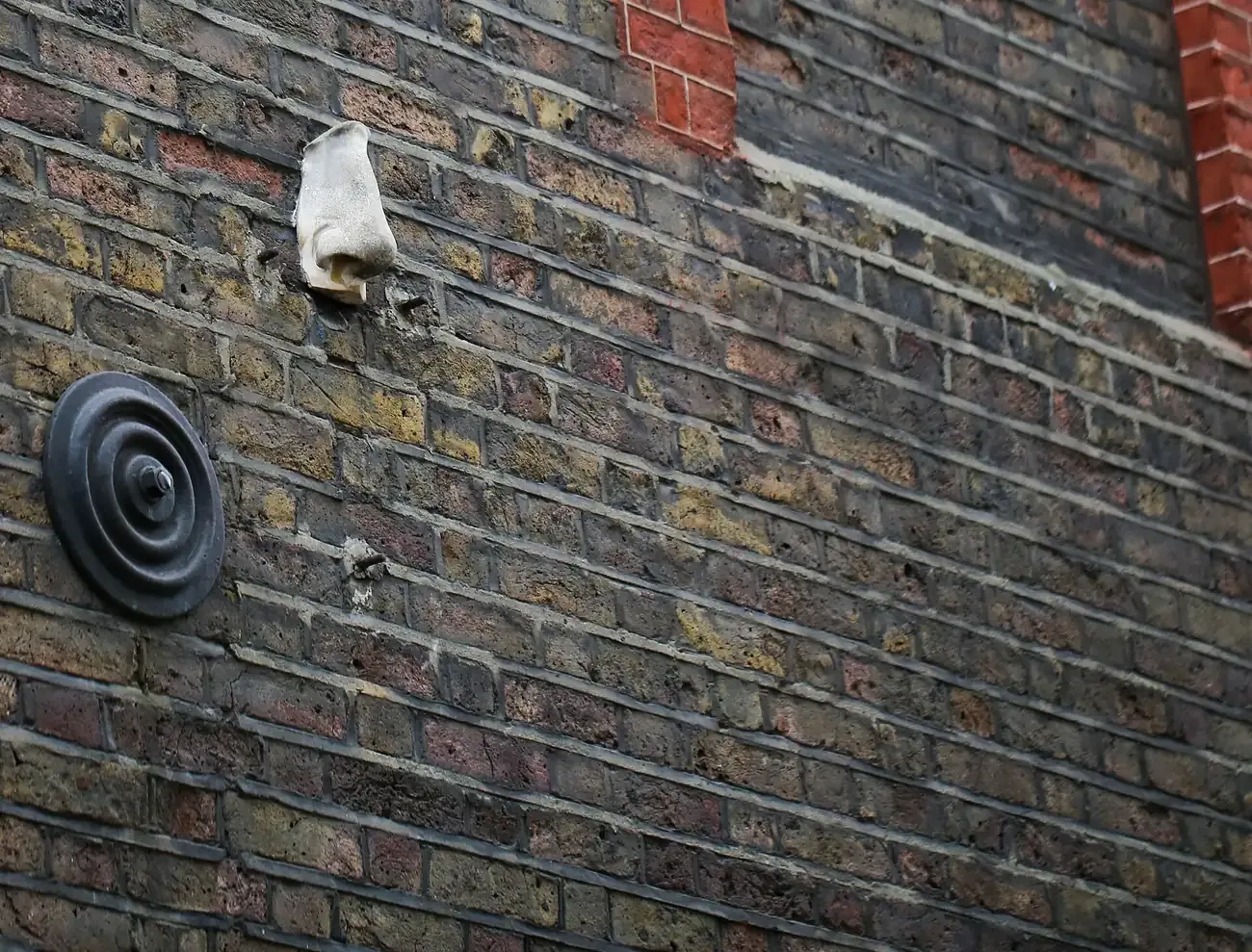
Seven Noses of Soho
Plaster noses stuck to walls around Soho in 1997 as a protest against CCTV; a handful survive for anyone who looks up.
Location: Admiralty Arch and around Soho
Photo: "One of the seven noses of Soho" by Betsy Weber (CC BY 2.0).
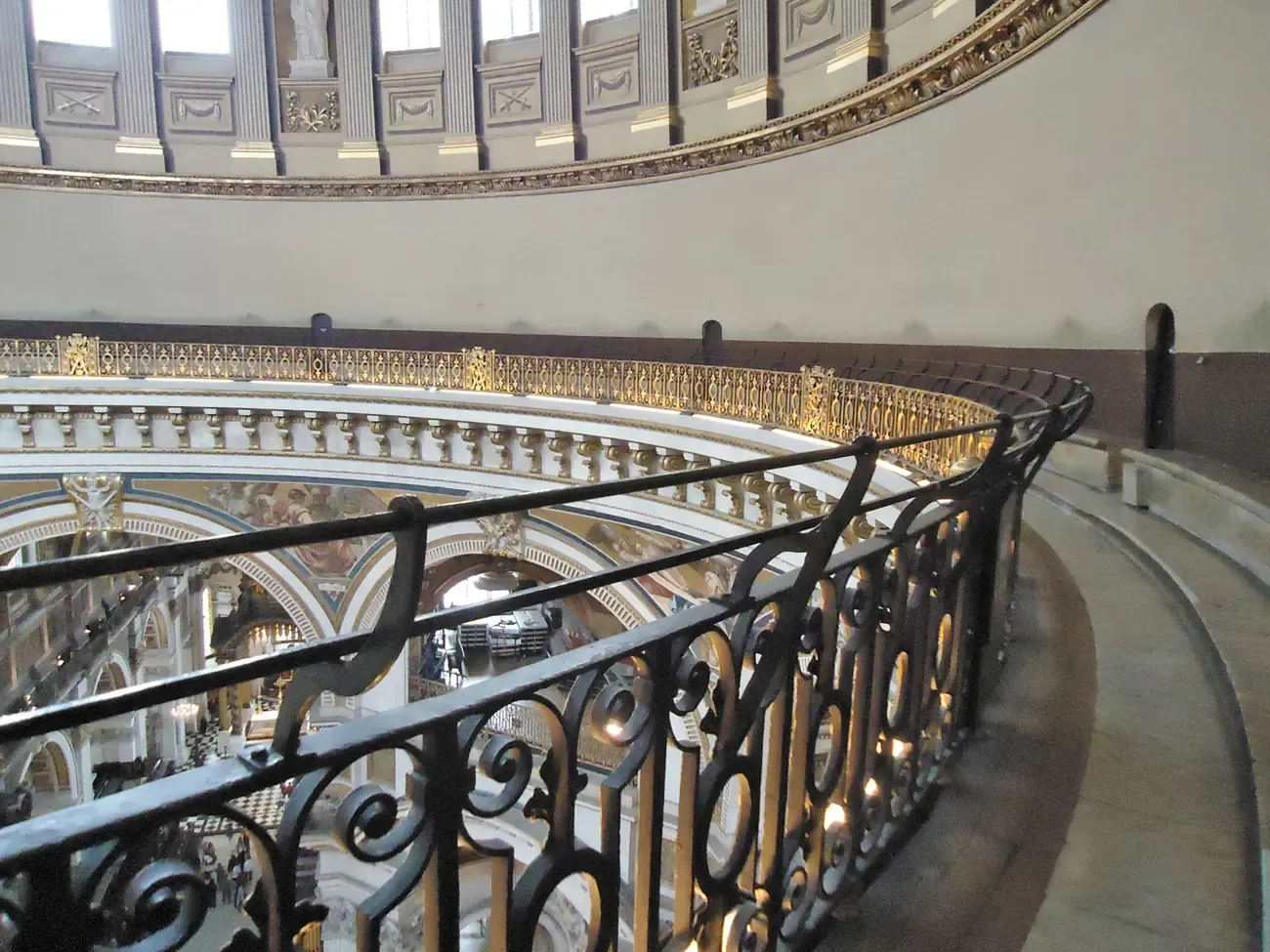
The Whispering Gallery
A whisper against the wall carries to the far side of this gallery inside the dome, 257 steps above the cathedral floor.
Location: Inside St Paul's Cathedral, EC4M 8AD
Photo: "St Paul's Cathedral Whispering Gallery" by Femtoquake (CC BY-SA 3.0).
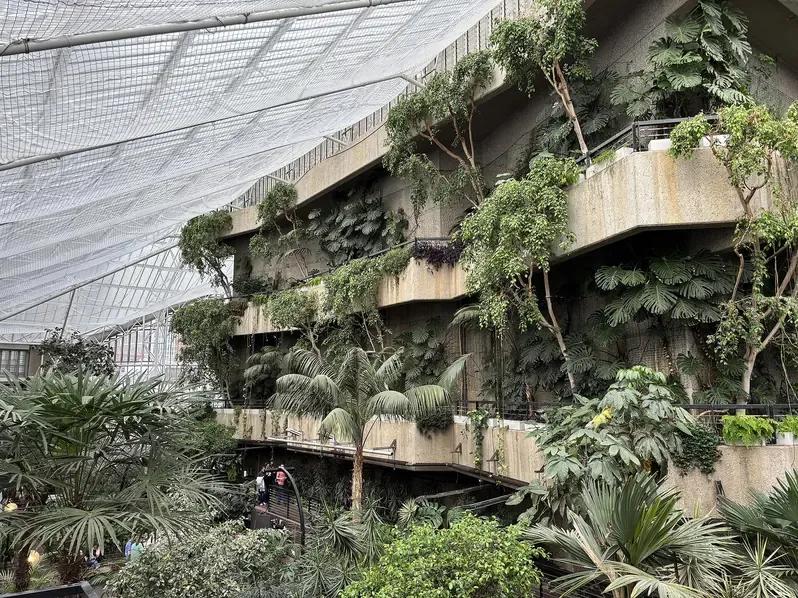
Barbican Conservatory
A two storey glasshouse of tropical plants and fish ponds wrapped around the theatre fly tower inside the Brutalist Barbican Centre.
Location: Silk Street, EC2Y 8DS
Photo: "Barbican Conservatory" by Atreides83 (CC BY 4.0).
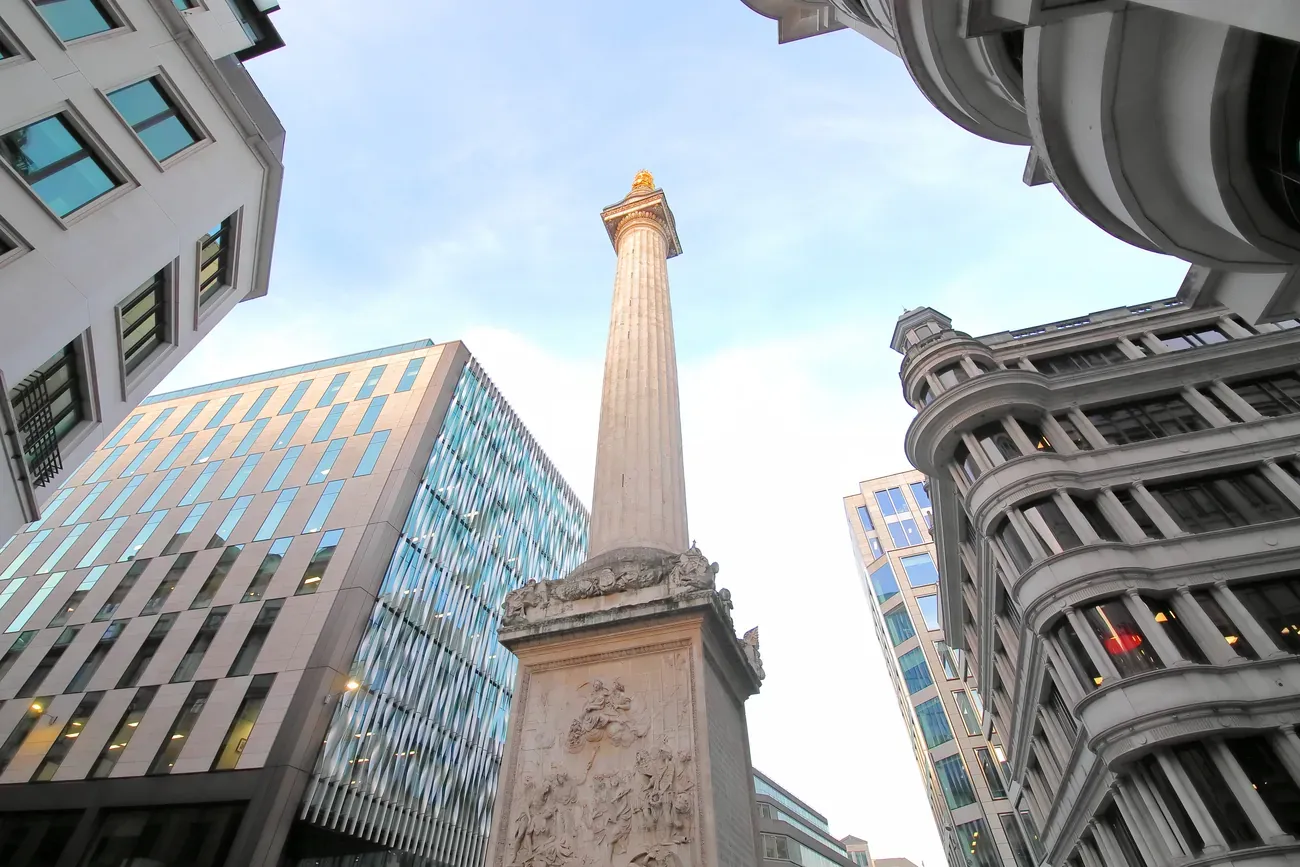
The Monument to the Great Fire
Wren and Hooke's fluted stone column marks where the Great Fire began in 1666, with 311 steps up to its viewing platform.
Location: Fish Street Hill, EC3R 8AH · Website
Why London is worth visiting
London is really two historic cities grown together along the Thames: Westminster, seat of crown and government, and the City, the walled Roman trading town that became a financial capital. Between them they hold more than anywhere in Europe, from coronation churches to free national museums, with the West End's theatres filling the evenings.
Neighbourhoods to know
The West End gathers Covent Garden, Soho and the theatres. The City keeps St Paul's, Roman walls and the new towers of the Square Mile. Across the river, the South Bank runs from the London Eye past Tate Modern to Borough Market, the best riverside walk in town, while South Kensington groups three great museums beside Hyde Park. Camden, Notting Hill and Greenwich each fill a relaxed half day further out.
When to go and for how long
May to September brings the longest days and the royal parks at their best, with June to August the busiest months. Spring and autumn are milder and quieter, and December trades daylight for Christmas lights and markets. Four full days cover the main sights at a steady pace, and three work for a brisker first visit. Windsor Castle sits a short train ride west and Stonehenge stands on the Wiltshire chalk beyond it, the first two tourist attractions to visit in the United Kingdom that a London trip usually grows to include.
Getting around
The centre splits into walkable clusters, and the Underground links them quickly, with contactless cards paying the same capped fares as an Oyster card. The Elizabeth line runs from Heathrow into central stations in around 35 minutes, riverboats connect the piers between Westminster and Greenwich, and the classic double-decker buses cross the centre at street level.