
Tourist attractions in Dubai
Known for
Skyscraper skylines, man-made islands and the world's tallest building
Must-see landmarks
Burj Khalifa, Dubai Mall, Burj Al Arab and Palm Jumeirah
Best time to visit
November to March, when days are warm and nights are cooler
Getting around
Metro & taxis across Dubai; Downtown connects on foot
Top 11 tourist attractions in Dubai
Dubai's tourist attractions start with Burj Khalifa, Dubai Mall and Burj Al Arab. The 11 top sights are ranked below, followed by free things to do, upcoming events and visitor FAQs.
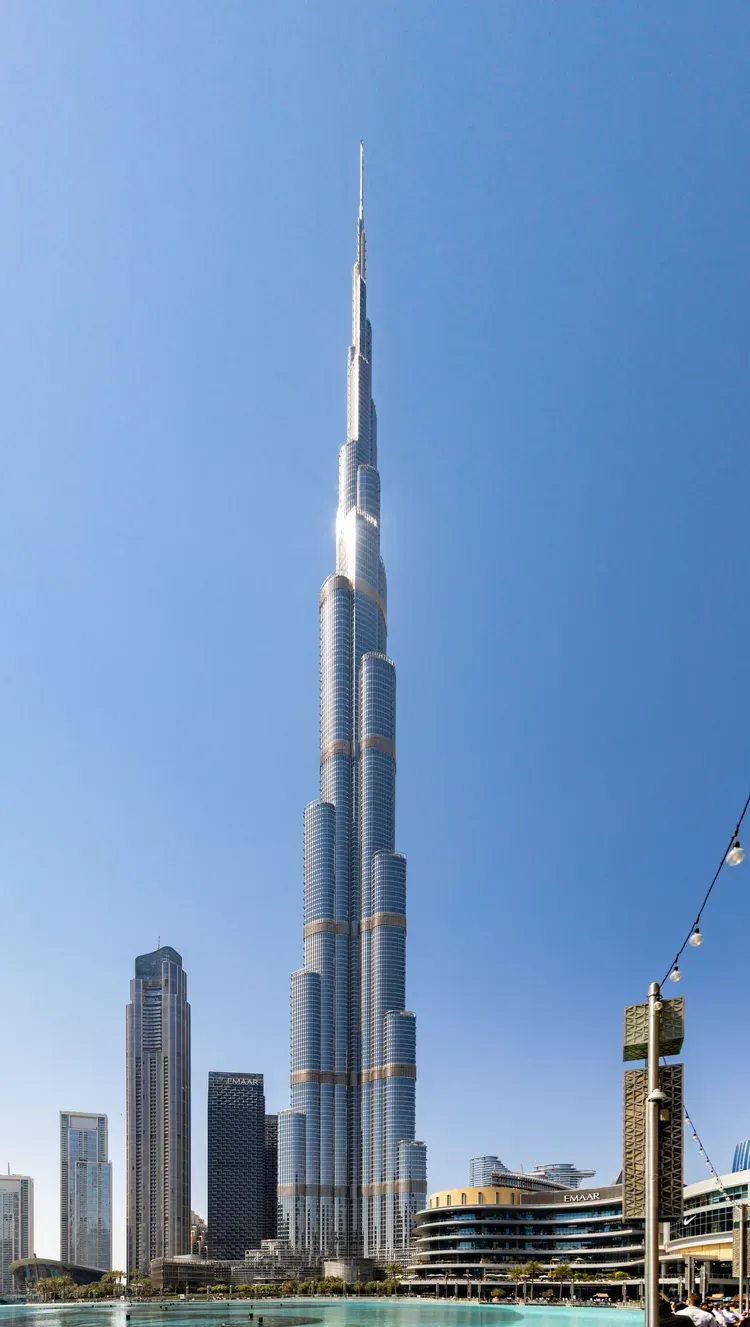
1. Burj Khalifa
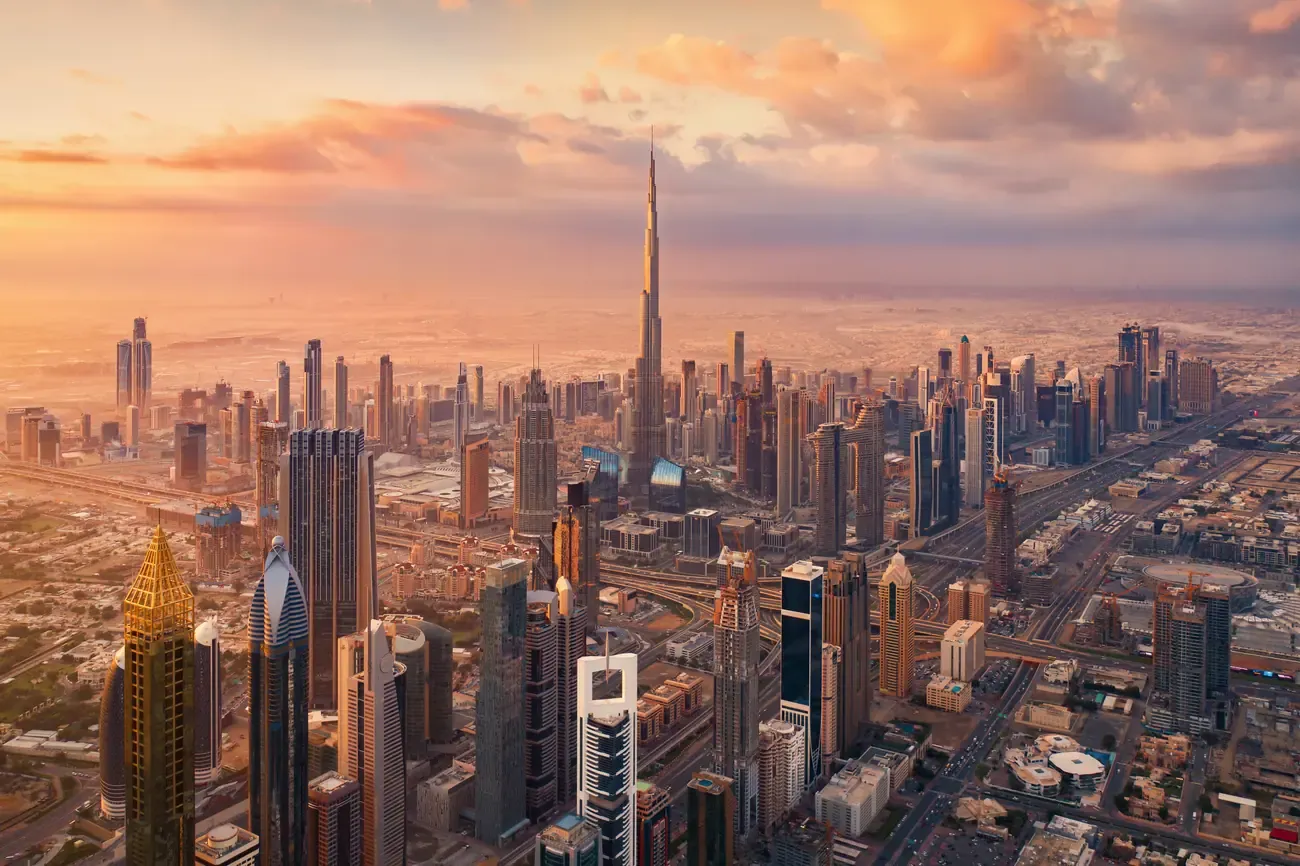
The tallest building in the world rises 828 metres over Downtown Dubai, a tapering stack of setbacks that opened in 2010 and sets the outline every photograph of the city is framed around. Three observation decks are open to visitors: At the Top on levels 124 and 125, reached by one of the fastest double-decker lifts built, and a higher deck on level 148. The entrance sits on the lower ground floor of Dubai Mall rather than at the foot of the tower, and a late afternoon slot puts sunset over the Gulf and the switch to city lights in the same visit.
Architect: Adrian Smith · Style: Neo-futurist
Location: Downtown Dubai, entrance inside Dubai Mall
Access: Ticketed with timed entry. The tower itself is free to see from Burj Park and the promenade around Burj Khalifa Lake.
2. Dubai Mall
The mall at the foot of the Burj Khalifa opened in 2008 and remains one of the largest shopping centres in the world, with more than 1,200 shops wrapped around the base of the tower. Most visitors come for what is not a shop: the Dubai Aquarium, whose ten million litre tank stands behind a viewing panel that needs no ticket, the Olympic size ice rink and the entrance to At the Top, the observation decks of the Burj Khalifa. The promenade on the lake side is the best free spot for the Dubai Fountain, and a long air conditioned walkway links the metro station to the doors.
Developer: Emaar · Opened: 2008
Location: Downtown Dubai, Financial Centre Road
Access: Free to enter; the aquarium tunnel, the ice rink and the Burj Khalifa decks are ticketed
3. Burj Al Arab
The sail-shaped hotel stands on its own artificial island off Jumeirah Beach, and Jumeirah traces the silhouette to a 1993 sketch of a passing sail, drawn as a nod to the pearl divers and traders the city grew from. Tom Wright designed it, it opened in 1999, and for over 25 years it has worked as shorthand for Dubai itself, lit above the Gulf every night. A restoration led by the French architect Tristan Auer is under way and the hotel describes the approach as renewal rather than reinvention, keeping the bold decor, the gold leaf and the Statuario marble of the original rooms.
Architect: Tom Wright · Style: High-tech
Location: Its own island off Jumeirah Beach
Access: Hotel. The exterior is the sight; going inside means a room, a restaurant table or a booked experience.
4. Palm Jumeirah
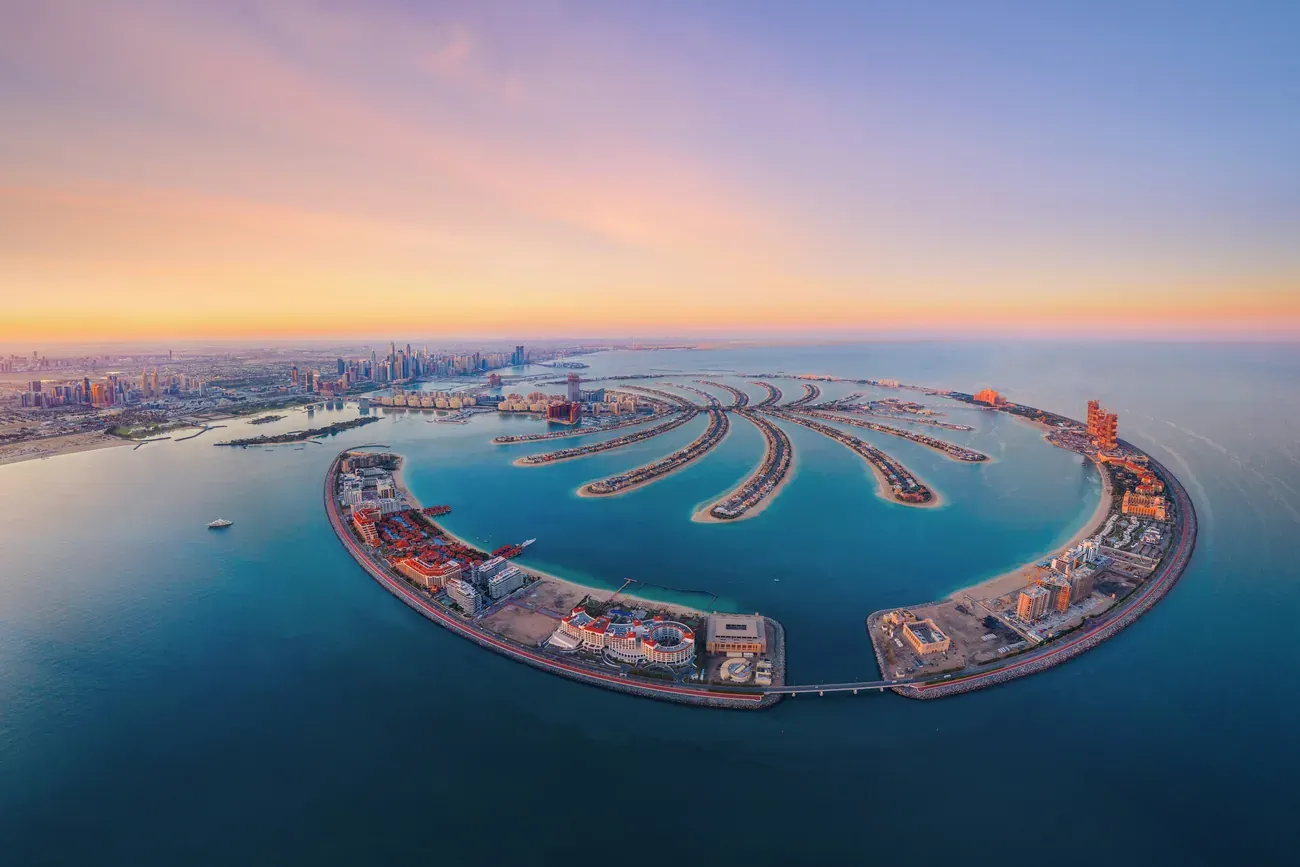
Built from reclaimed land as a series of artificial archipelagos, Palm Jumeirah is shaped like a palm tree when seen from above, its outer crescent carrying the resorts that made the island famous. Atlantis The Palm anchors the crescent, joined more recently by Atlantis The Royal. Roads, tunnels and the Palm Monorail all reach it, the monorail stopping at Atlantis The Palm and Nakheel Mall. Along the trunk, the Palm Jumeirah Boardwalk, Palm West Beach and the restaurant pier at Club Vista Mare face the Gulf, the Dubai skyline and Burj Al Arab.
Location: Off Al Sufouh Road, on the Jumeirah coast
Access: Free. The island is public and reached by road or monorail; its resorts, beach clubs and attractions charge separately.
5. Dubai Miracle Garden
Roughly 72,000 square metres of Al Barsha South are laid out as sculpted displays rather than borders: a heart-shaped tunnel, a floral castle, an Emirates A380 covered in blooms and a Smurfs village. The garden counts more than 150 million blooms across a season and more than 50 set pieces, and the Dubai Butterfly Garden next door is sold on its own or in a combined ticket. It runs on a growing calendar rather than a year-round one, which is what makes each opening look freshly planted.
Location: Al Barsha South 3, Dubai
Access: Ticketed and seasonal. The official site gives the operating season as late September or October through April or May, closing during the summer for maintenance and replanting; season hours run 9:00 to 21:00, last entry 30 minutes earlier.
6. Dubai Gold Souk
Hundreds of jewellers line the covered arcades on the Deira side of Dubai Creek, their windows stacked with gold sold by weight rather than at a fixed price, in a spread of carats and designs from across the region and beyond. All of the merchandise is regulated by the Dubai government, so authenticity is checked rather than taken on trust, and retailers expect to be bargained with. Diamond-set pieces, strings of pearls, platinum and silver share the windows. The Spice Souk is a three-minute walk away, the Perfume Souk five, and the Deira Old Souq abra station puts Al Fahidi one short water crossing away.
Location: Deira, north bank of Dubai Creek
Access: Free to walk through. Most shops open 10:00 to 22:00 and individual stores vary, per Visit Dubai.
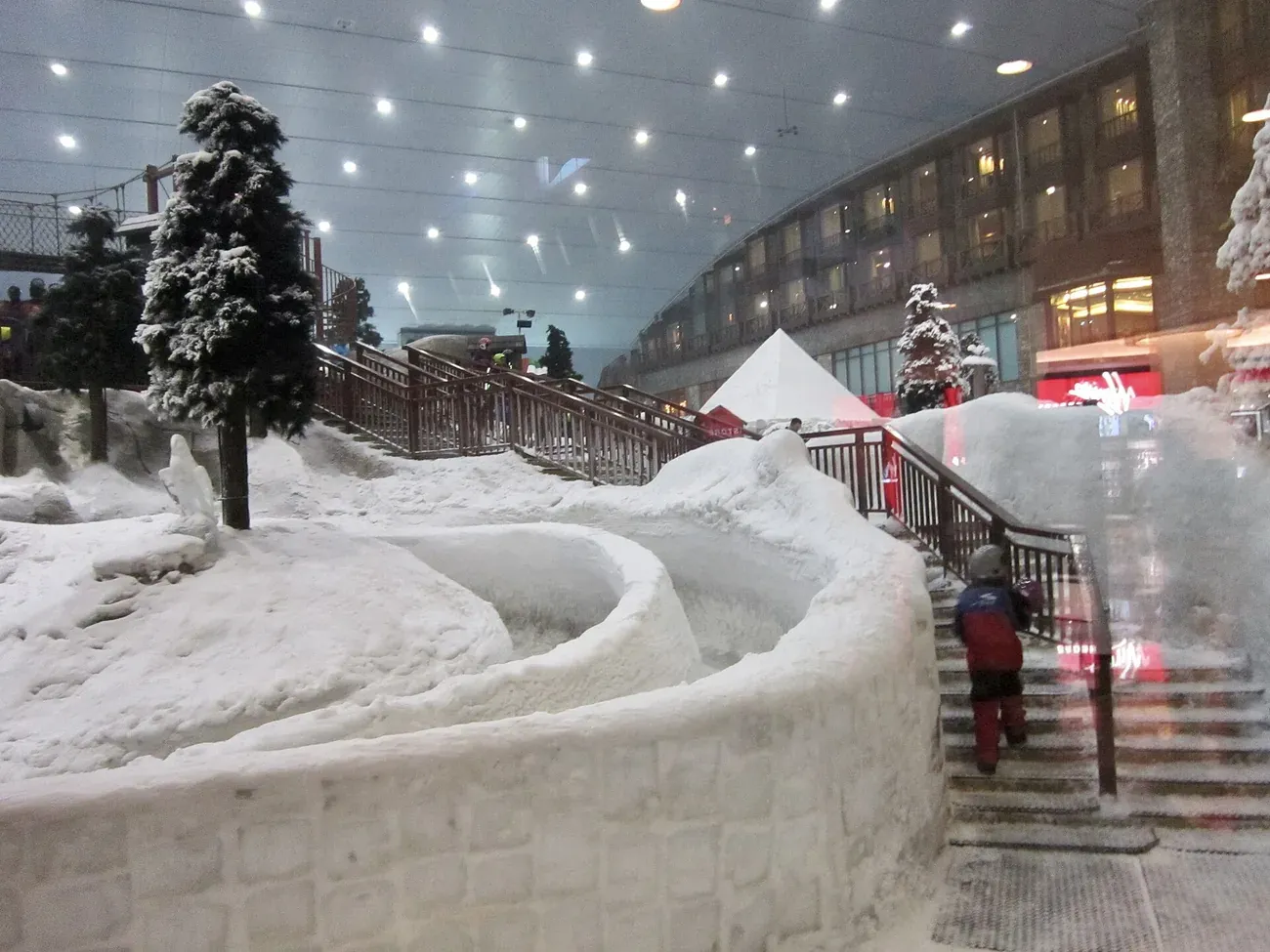
7. Ski Dubai
An indoor ski slope runs down the side of Mall of the Emirates, recognisable from a distance by the slanted box perched on the roof, and the temperature inside holds at minus four degrees all year. A chairlift carries skiers and snowboarders to the top of the run, while everyone else rides a bobsled, rolls downhill inside a zorb ball, crosses a frozen zipline or walks through a snow cavern. A colony of king and gentoo penguins lives here as part of a conservation programme and can be met up close. Chalet-style restaurants around the edge look straight onto the snow, with the shoppers passing in the windows behind.
Location: Mall of the Emirates, Sheikh Zayed Road
Access: Ticketed by session. The mall around it is free to enter and sits on its own metro station.
Photo: "The indoor ski slope at Ski Dubai, Mall of the Emirates" by Ank Kumar (CC BY-SA 4.0).
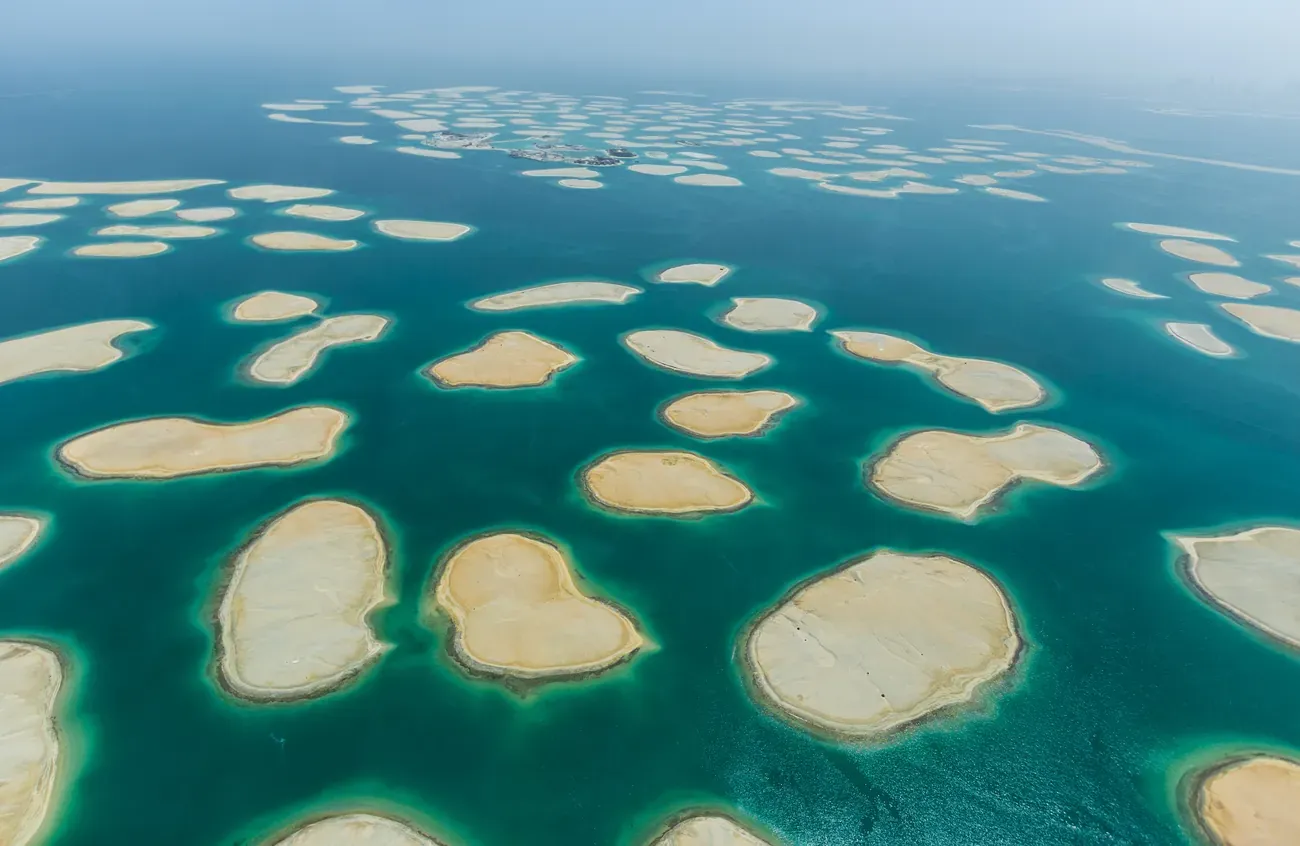
8. The World Islands
An archipelago of 260 man-made islands lies just off the Dubai coast, grouped into seven sets that trace the shape of the world map across roughly 232 kilometres of shoreline. Islands carry the names of countries, cities and regions, and one is named for Michael Schumacher, a gift to the Formula One driver from the Ruler of Dubai. The Heart of Europe cluster holds the voco Dubai Monaco resort, an adults-only property guests reach by a 25 minute boat crossing. The map only resolves from the air, which is why most people meet The World from a helicopter.
Location: Offshore from the Dubai coastline
Access: No general admission and no scheduled public transport. Resort guests cross by boat; otherwise the archipelago is seen from a private yacht or a helicopter tour.
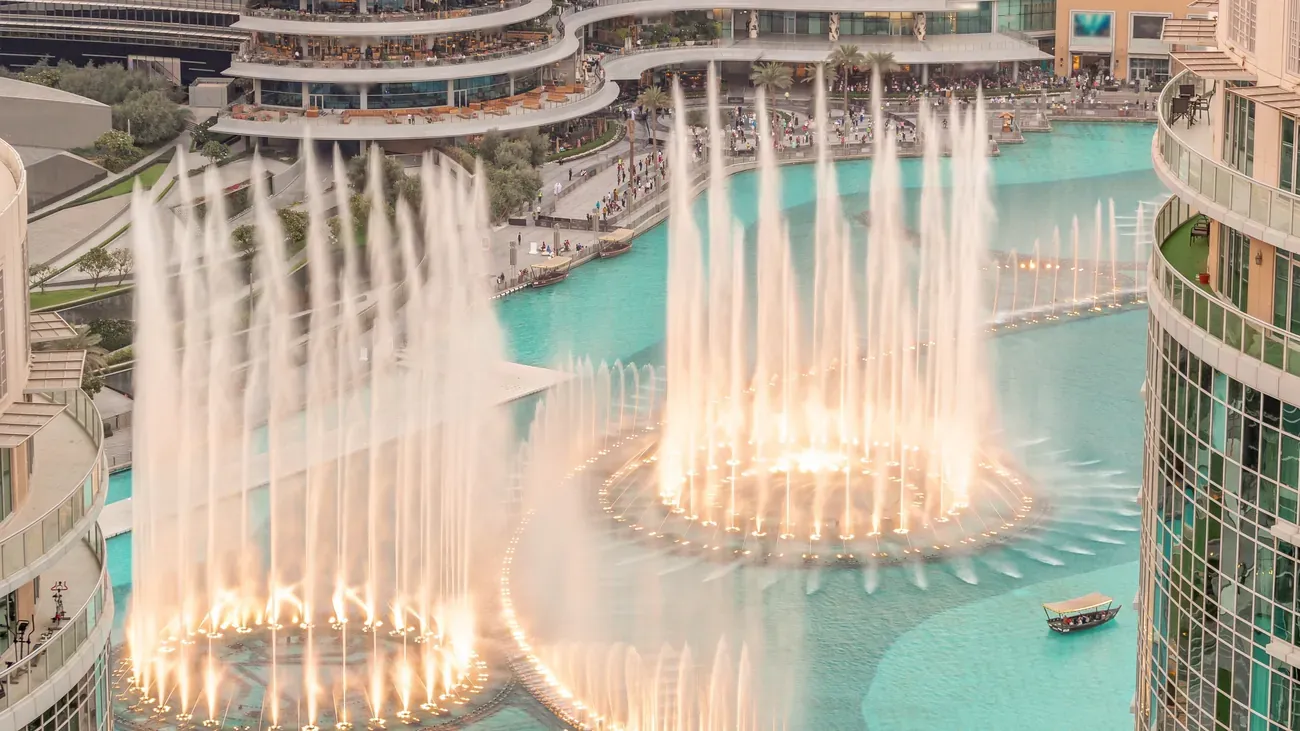
9. The Dubai Fountain
The world's largest choreographed fountain system sits on the 12 hectare Burj Khalifa Lake, the water held between Dubai Mall, Souk Al Bahar and the foot of the tower. Jets fire in time with music and light, evening shows run at half-hour intervals with shorter afternoon performances earlier in the day, and the crowd gathers along the mall waterfront and on the bridge across to Souk Al Bahar. The California firm WET designed it. A boardwalk platform reaches to within about ten metres of the jets, and abras cross the lake during the show.
Location: Burj Khalifa Lake, Downtown Dubai
Access: Free from Burj Park, the Dubai Mall waterfront and the Souk Al Bahar bridge. The boardwalk platform and the abra rides are ticketed extras and timings are set by the operator.
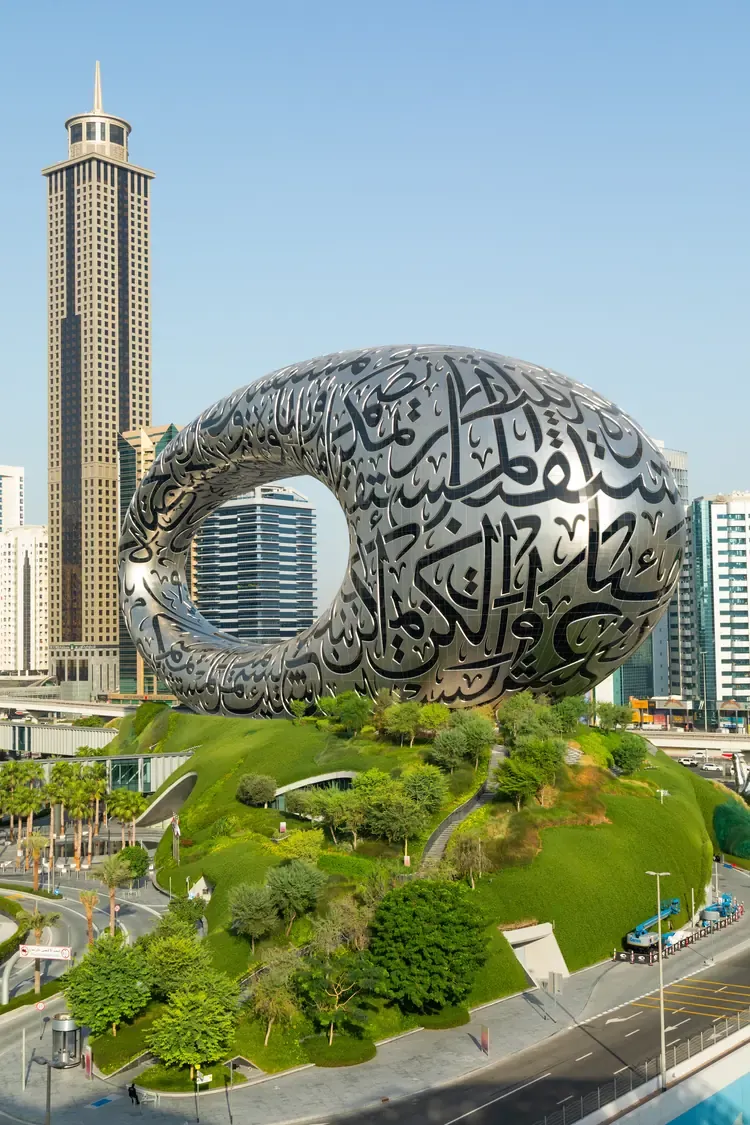
10. Museum of the Future
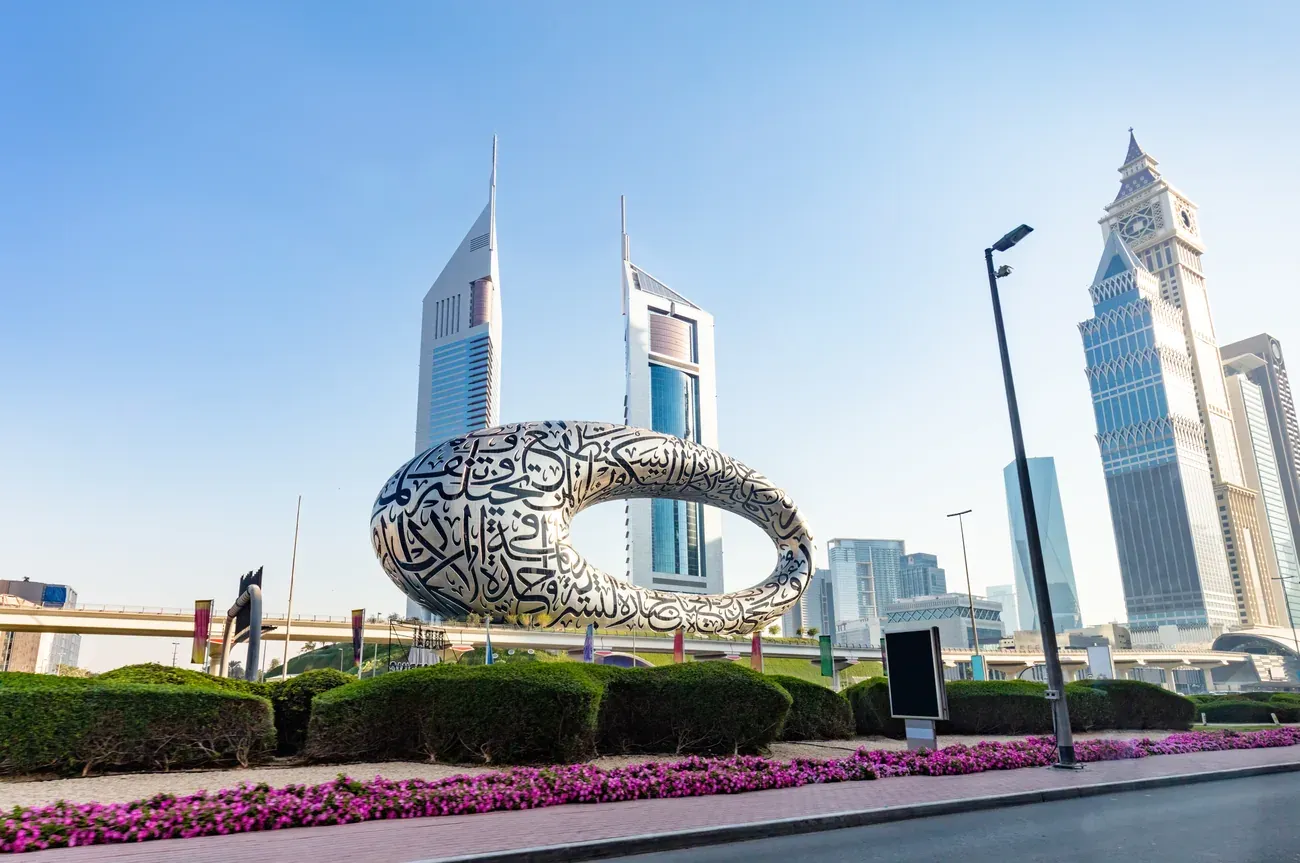
A steel torus stands on a planted green mound beside Sheikh Zayed Road, its skin cut with Arabic calligraphy spelling out three poems written by Sheikh Mohammed bin Rashid Al Maktoum. It opened in 2022 and its curved facade is built from 1,024 individually shaped panels that light up after dark. Inside, it is staged as a journey through possible futures rather than a set of galleries, with a floor of near-future technology from working innovators and a children's world built around future skills.
Architect: Killa Design · Style: Neo-futurist
Location: Sheikh Zayed Road, by Jumeirah Emirates Towers
Access: Ticketed, date and time specific, open daily 10:00 to 19:00 with last admission at 17:00. Emirates Towers metro station on the Red Line connects by a link bridge.
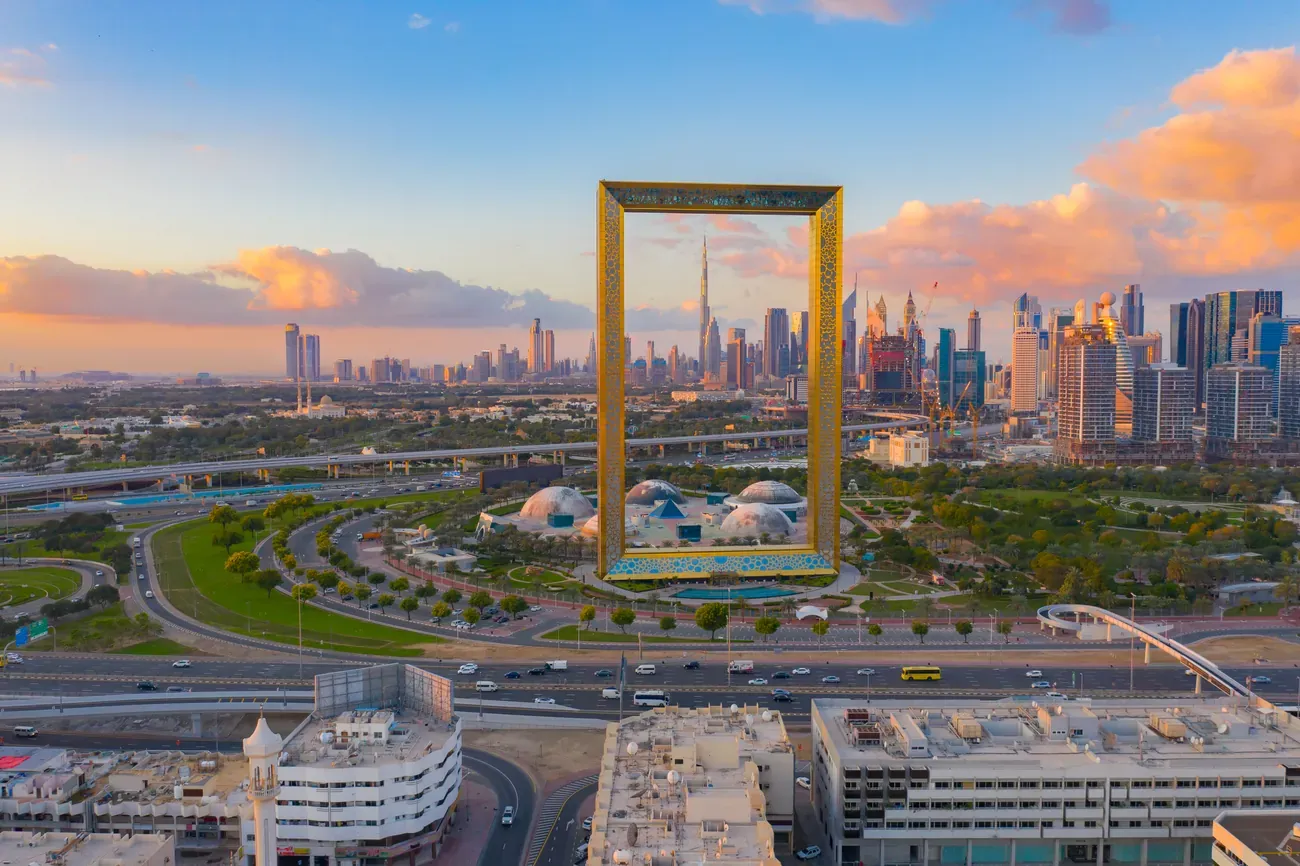
11. The Dubai Frame
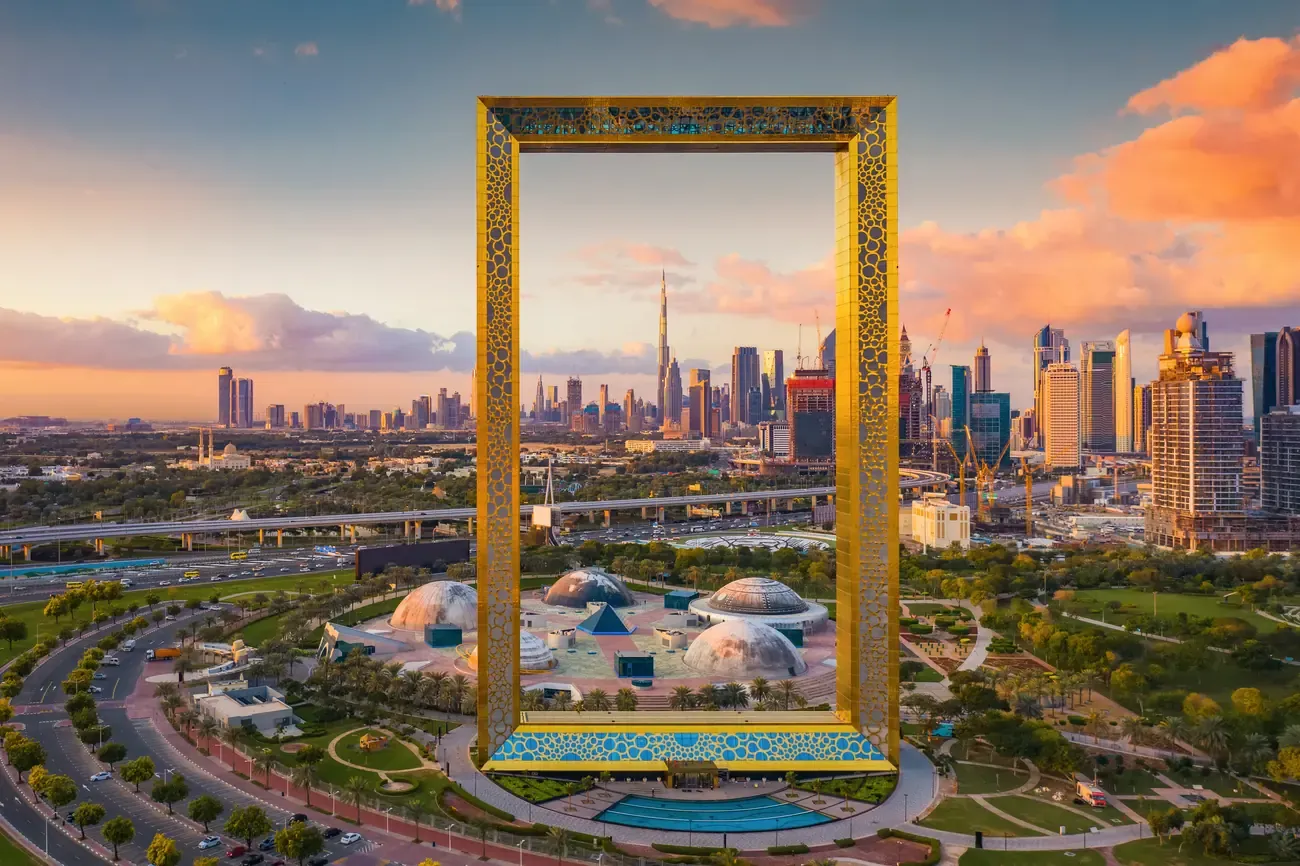
Two gold-clad towers 150 metres tall and 93 metres apart carry a bridge across the top, holding Old Dubai's low-rise streets to the north and the Downtown towers to the south inside the same picture frame, from the edge of Zabeel Park. The sky deck bridge runs 50 metres in liquid crystal glass that stays opaque until a sensor registers someone on it, at which point the floor clears over the drop. At ground level the city's past is told through animation, holographic effects, traditional music and scent, and a Future Zone projects Dubai fifty years ahead, flying taxis and underwater living included.
Location: Zabeel Park Entrance 4, Sheikh Rashid Road
Access: Ticketed. Max metro station on the Red Line is a short walk from the park.
Upcoming events in Dubai
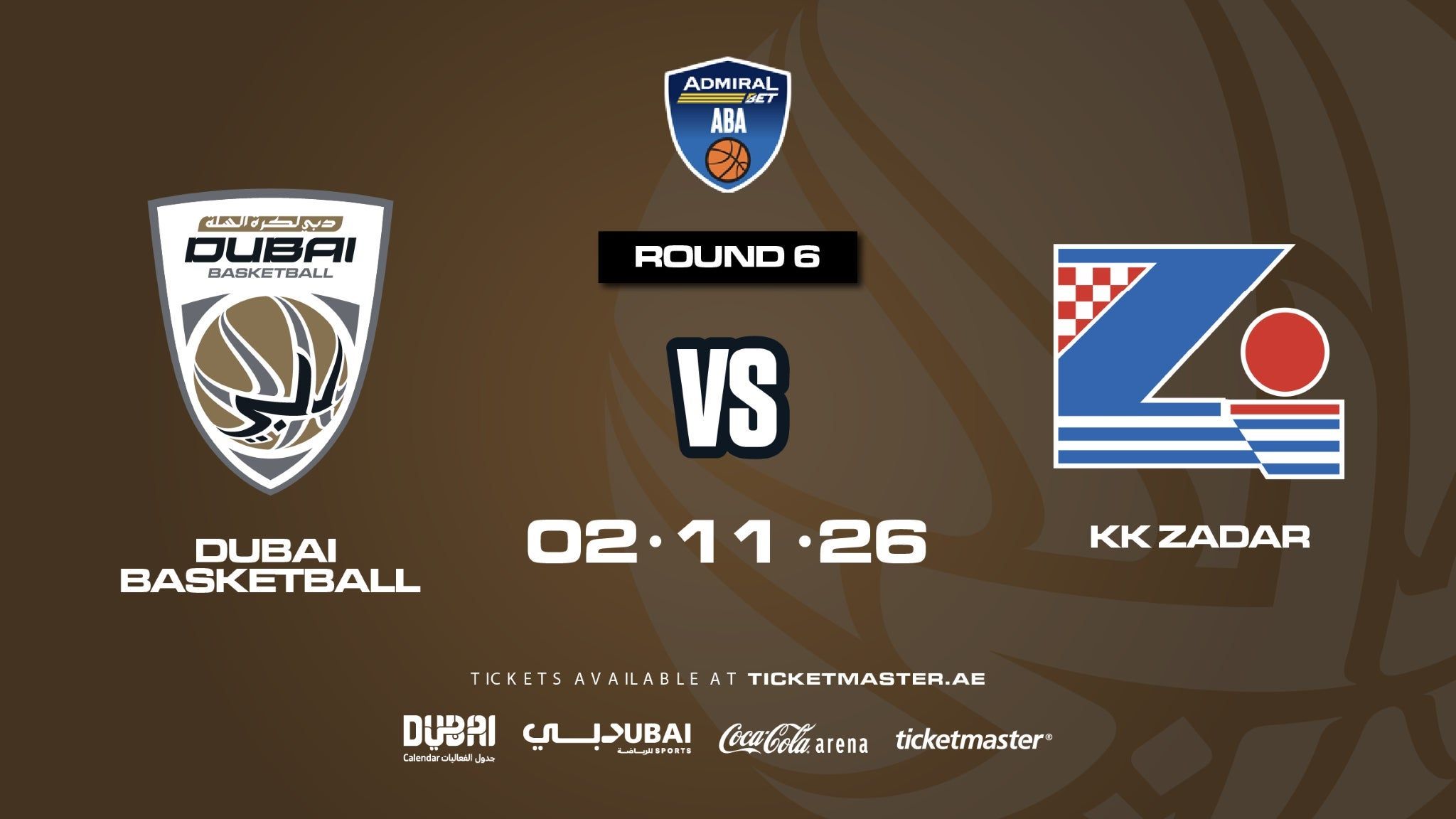
ABA League: Dubai Basketball vs KK Zadar
ABA League: Dubai Basketball vs KK Zadar comes to Coca-Cola Arena on 2 November at 19:30.

Bohemia Presents Jonas Blue
Bohemia Presents Jonas Blue plays Bohemia Beach Club | FIVE Palm on 7 November at 19:00.

Candlelight: The Best of Ludovico Einaudi

Skyline Saturdays Presents Jonas Blue
Skyline Saturdays Presents Jonas Blue plays The Penthouse | FIVE Palm on 7 November at 22:00.
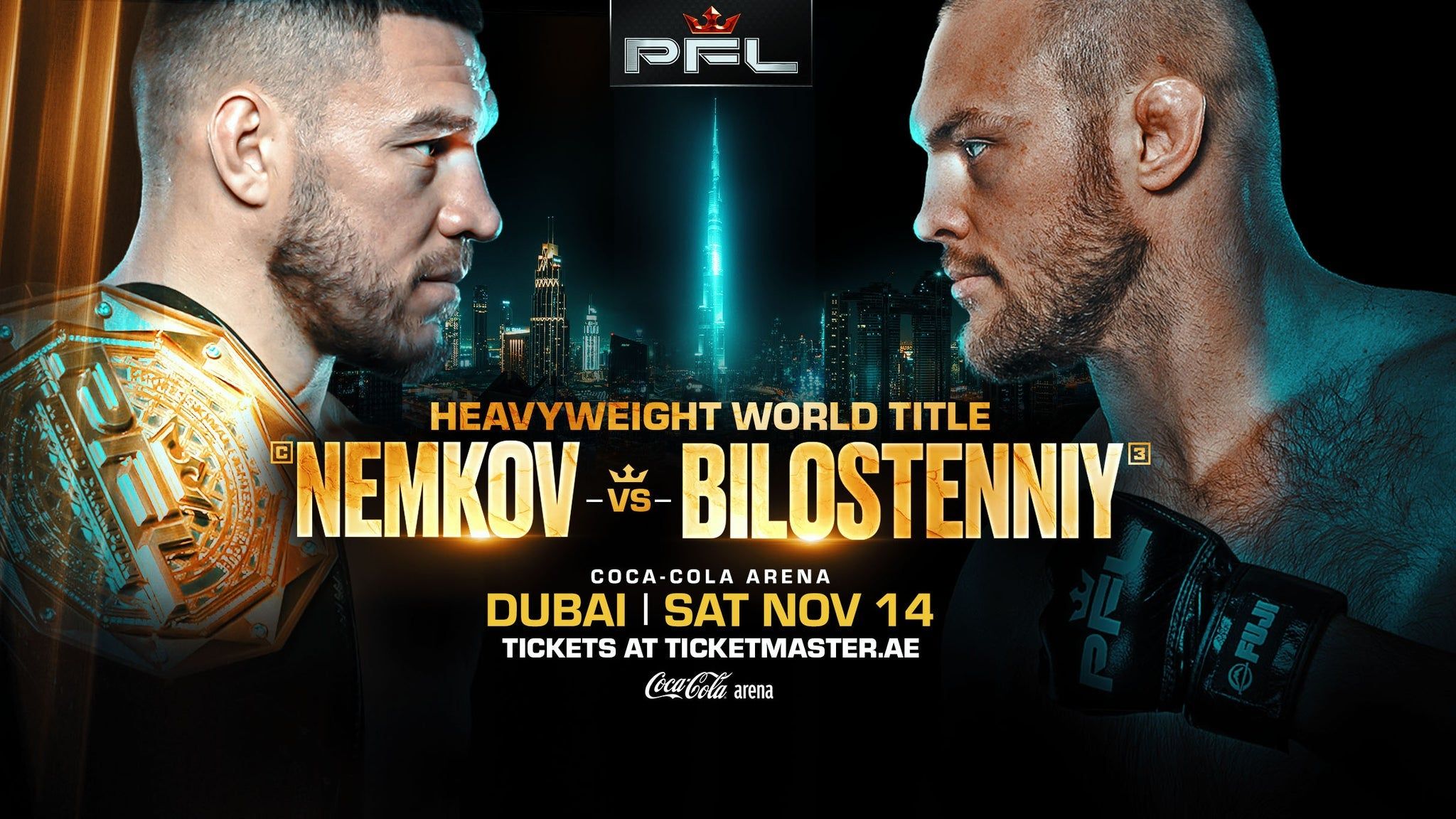
Pfl Dubai - Nemkov Vs. Bilostenniy - Heavyweight World Title
Pfl Dubai - Nemkov Vs. Bilostenniy - Heavyweight World Title plays Coca-Cola Arena on 14 November at 18:00.
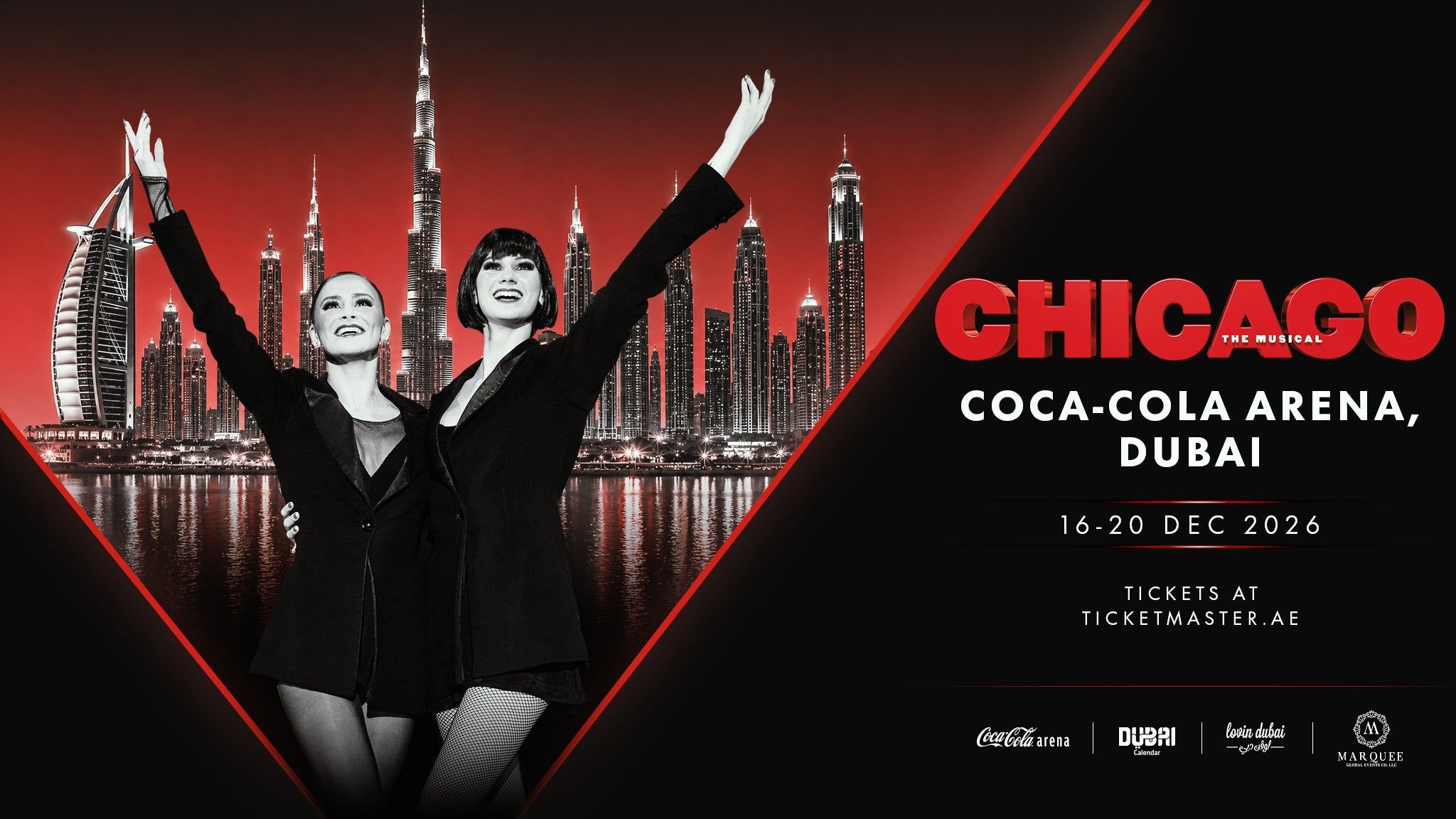
Chicago the Musical
Chicago the Musical plays Coca-Cola Arena on 16 December at 15:00, the touring production of the long-running Broadway musical.
Free landmarks and viewpoints in Dubai
Al Fahidi Historical Neighbourhood
Its narrow lanes and old merchant houses are open and free to wander at any hour of the day or night; only the guided walking tours and traditional meals booked through the nearby cultural centre carry a charge.
Jumeirah Mosque
Photographing its facade from the street or the public beach opposite costs nothing, day or night; going inside means booking the paid tour run through the cultural centre.
JBR Beach
The 1.7 kilometre public beach along Jumeirah Beach Residence is free to use, with showers, changing rooms and lifeguard cover funded by Dubai Municipality; sunbeds and parasols at the beach clubs along it are rented separately.
Kite Beach
This stretch of public beach in Jumeirah is free to enter, with running and cycling tracks, fitness stations and food trucks along the sand; kitesurfing and paddleboarding equipment is rented separately.
What makes Dubai worth visiting
Dubai grew from a small fishing and pearl-diving settlement on the Creek into a regional trading hub before oil was ever found nearby, and its ruling family chose open trade and tourism over relying on oil income once it was. That history still shapes the city: a free-trade, low-tax approach that drew the skyscrapers, artificial islands and shopping malls visible today, built up around a historic core that most visitors never see.
Old Dubai and the new skyline
The Creek splits the old city into Deira and Bur Dubai, where abras still ferry passengers between the Gold and Spice Souks and the wind-tower houses of Al Fahidi. A few kilometres south, Downtown Dubai and Sheikh Zayed Road hold the skyscrapers, led by Burj Khalifa, while Jumeirah and the Marina line the coast with beaches, Burj Al Arab and the Palm.
When to go and for how long
Dubai's desert climate pushes summer daytime temperatures past 40°C from June to September, when outdoor sightseeing all but stops and life moves between air-conditioned malls, metro cars and taxis. November to March brings warm days and cooler nights, the busiest and most comfortable season for beaches, walking and outdoor dining. Three to four days cover Downtown, Old Dubai and a beach or desert excursion. Dubai holds the tallest building in the world, the most visited mall and the largest choreographed fountain, which is why it opens most itineraries of the tourist attractions in the United Arab Emirates.
Getting around
Downtown Dubai's malls and towers connect on foot through air-conditioned walkways, but the wider city is built for cars and the Metro rather than walking between districts. The driverless Red and Green Metro lines link the airport, Downtown, Old Dubai and the Marina, with a single Nol card covering the metro, buses, the tram and the Dubai Water Canal ferries.