
28 best places to visit in Africa
Known for
Safaris, pyramids and temples of the Nile, Kilimanjaro, Saharan dunes
Must-see countries
Egypt, Morocco, South Africa and Tanzania
Must-see landmarks
Pyramids of Giza, Victoria Falls and Mount Kilimanjaro
Best time to visit
June to October for safaris; October to April for Egypt and Morocco
Best countries to visit in Africa
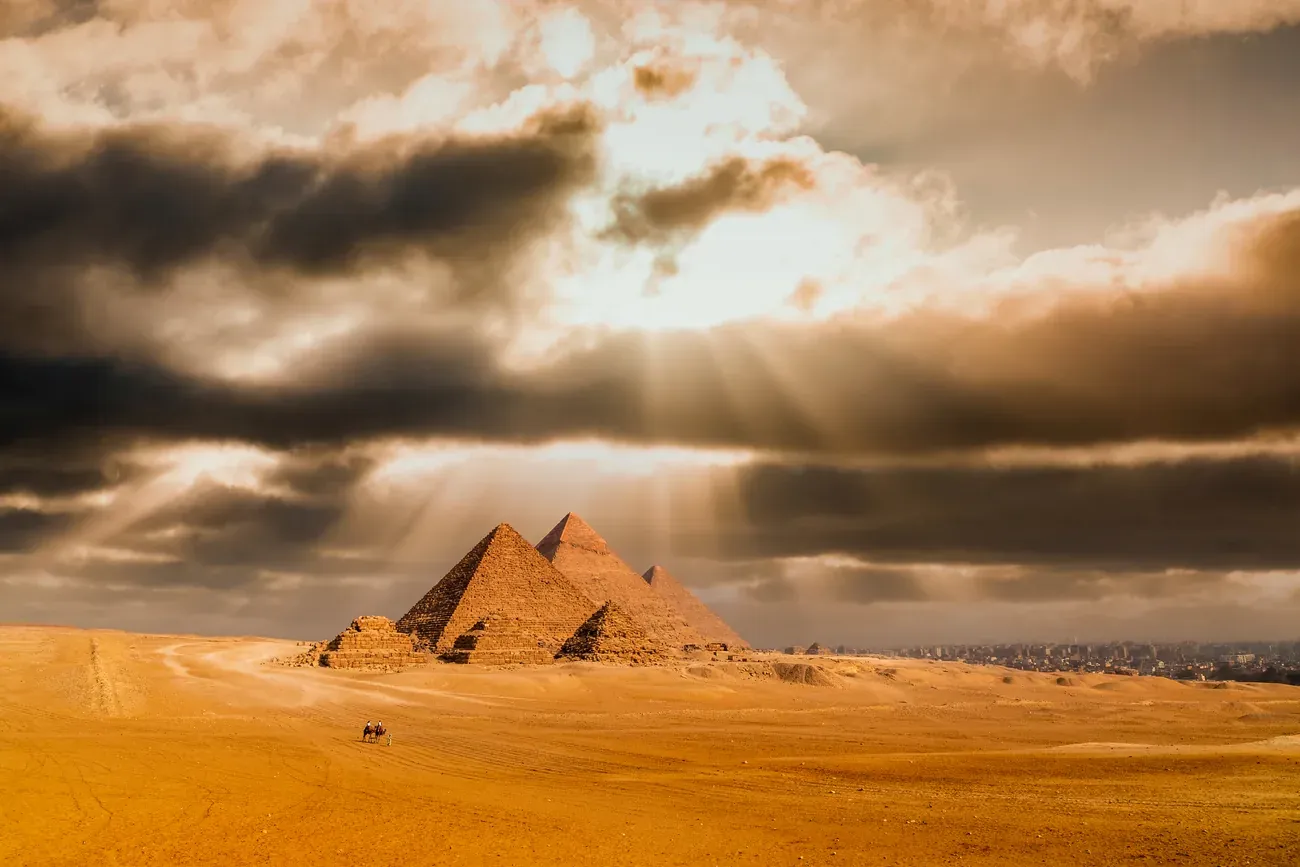
Egypt
Egypt's tourist attractions The pyramids and Sphinx at Giza, the temples and royal tombs of Luxor and Aswan, Islamic Cairo and the Red Sea reefs.
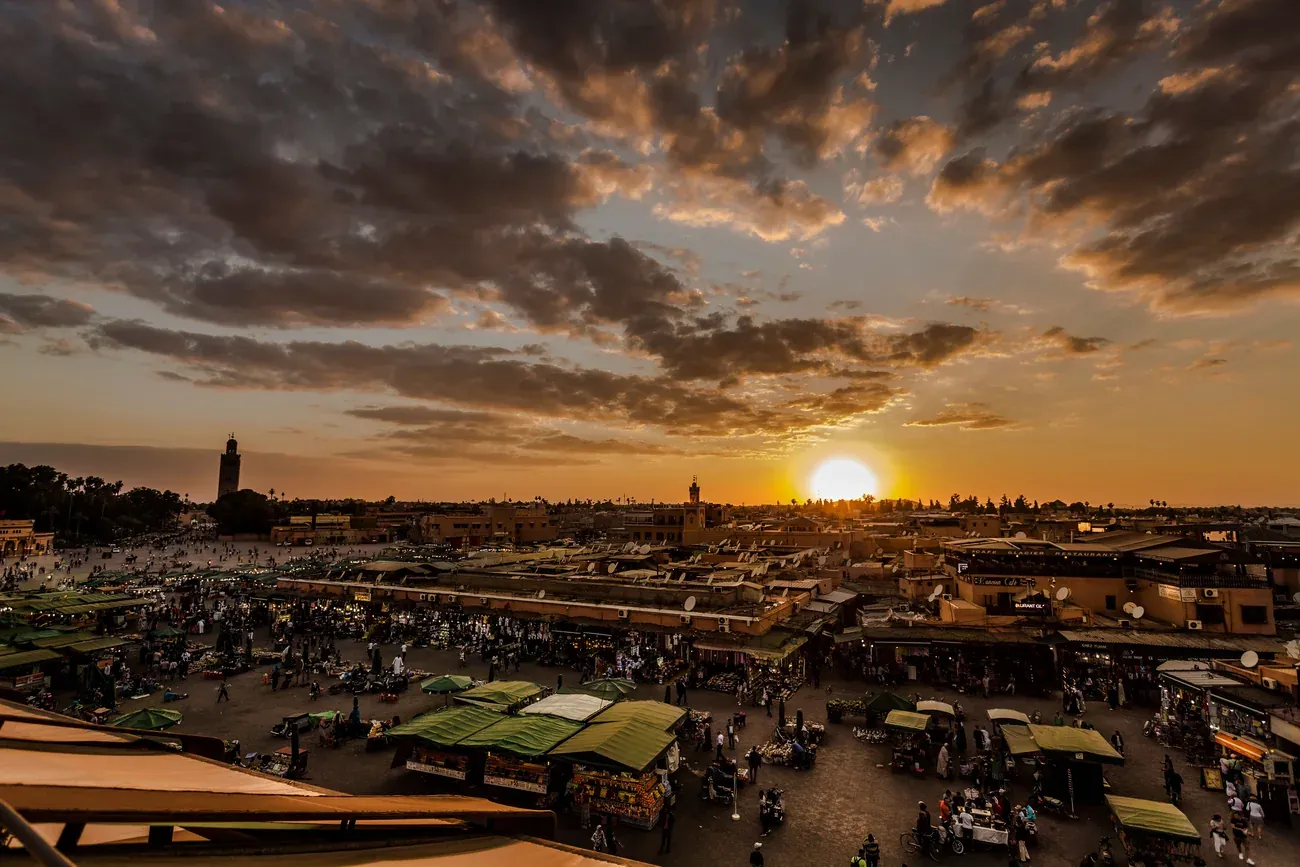
Morocco
Imperial cities with walled medinas, from Marrakech and Fes to Meknes and Rabat, the passes of the Atlas, the Sahara at Merzouga and the Atlantic coast.
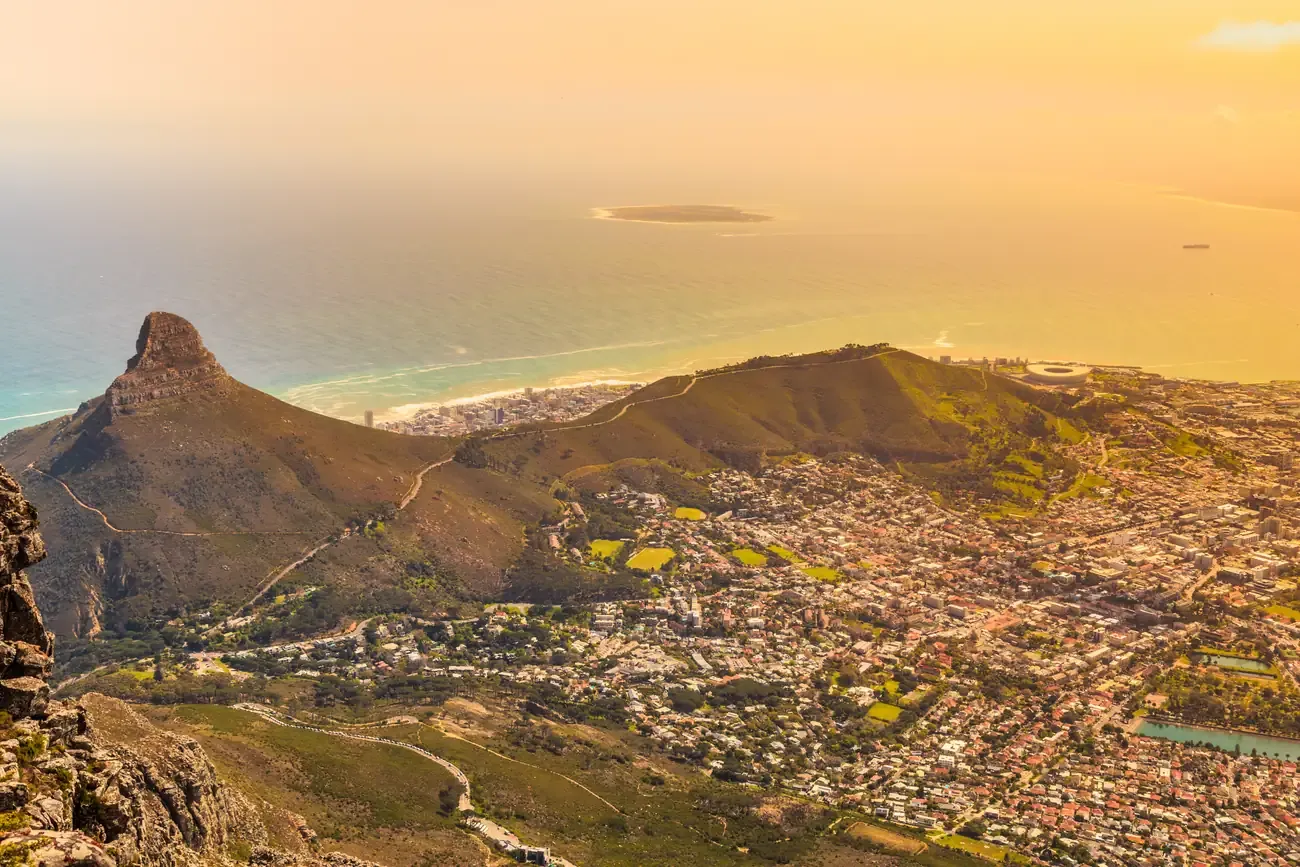
South Africa
Cape Town and the Winelands, the Garden Route, Big Five safaris in Kruger and the Drakensberg mountains, at the southern tip of the continent.
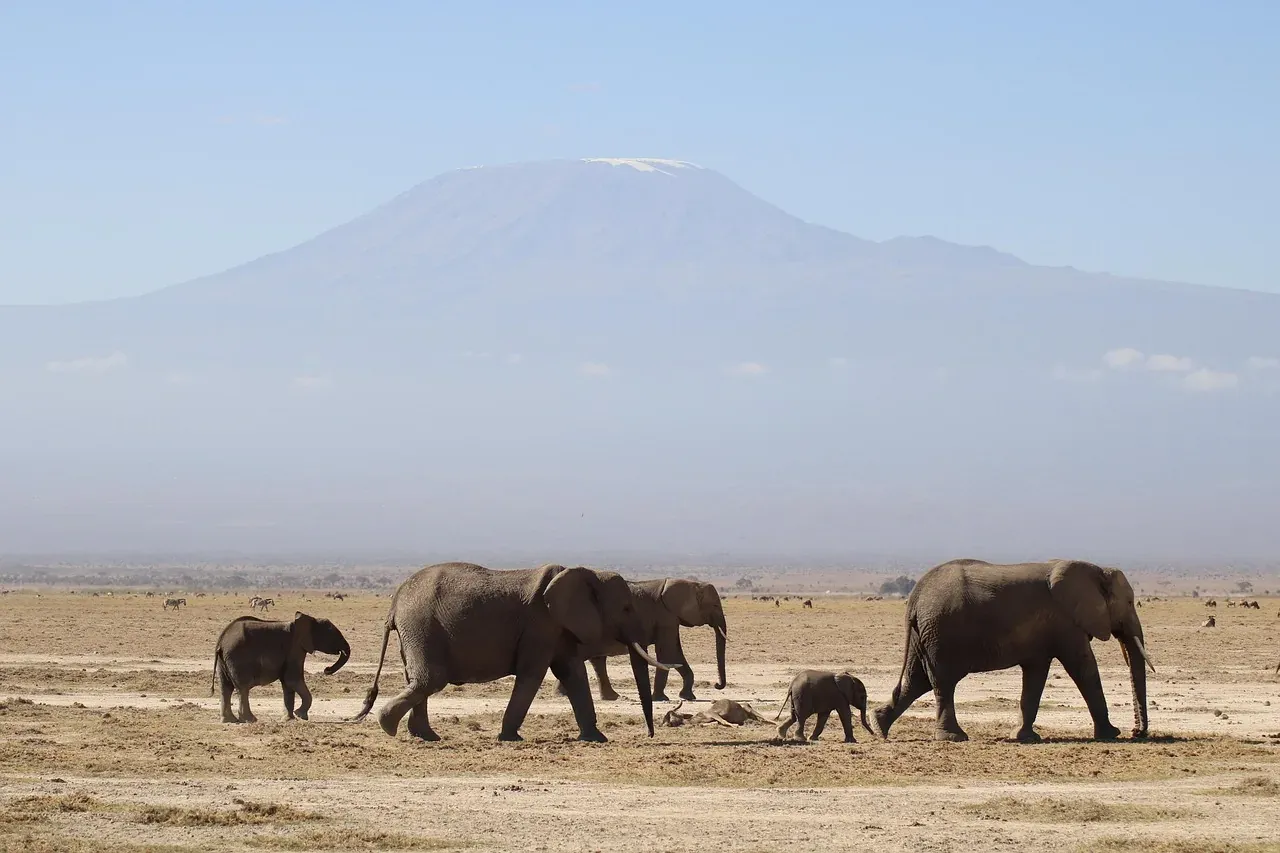
Kenya
Safaris in the Maasai Mara and Amboseli, Nairobi with a national park inside the city limits, and the Swahili coast around Mombasa and Lamu.
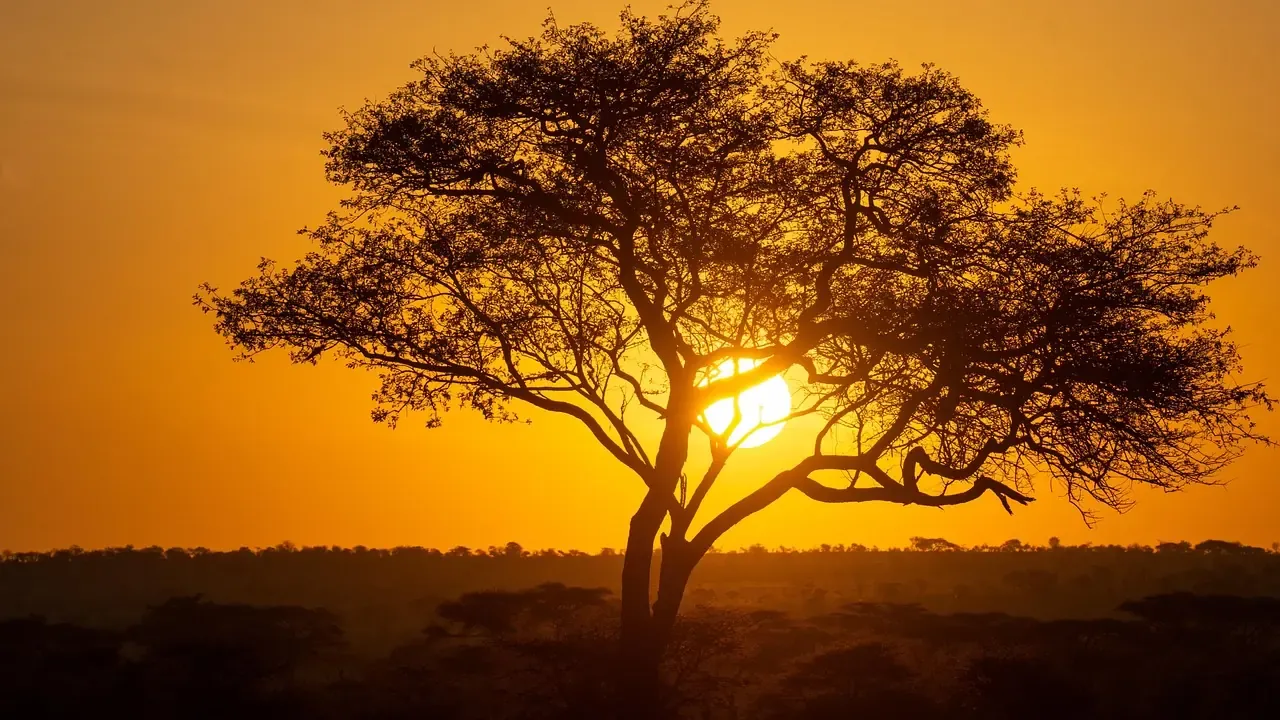
Tanzania
Kilimanjaro, the Serengeti and the Ngorongoro Crater in the north, and the spice island of Zanzibar with Stone Town off the coast.
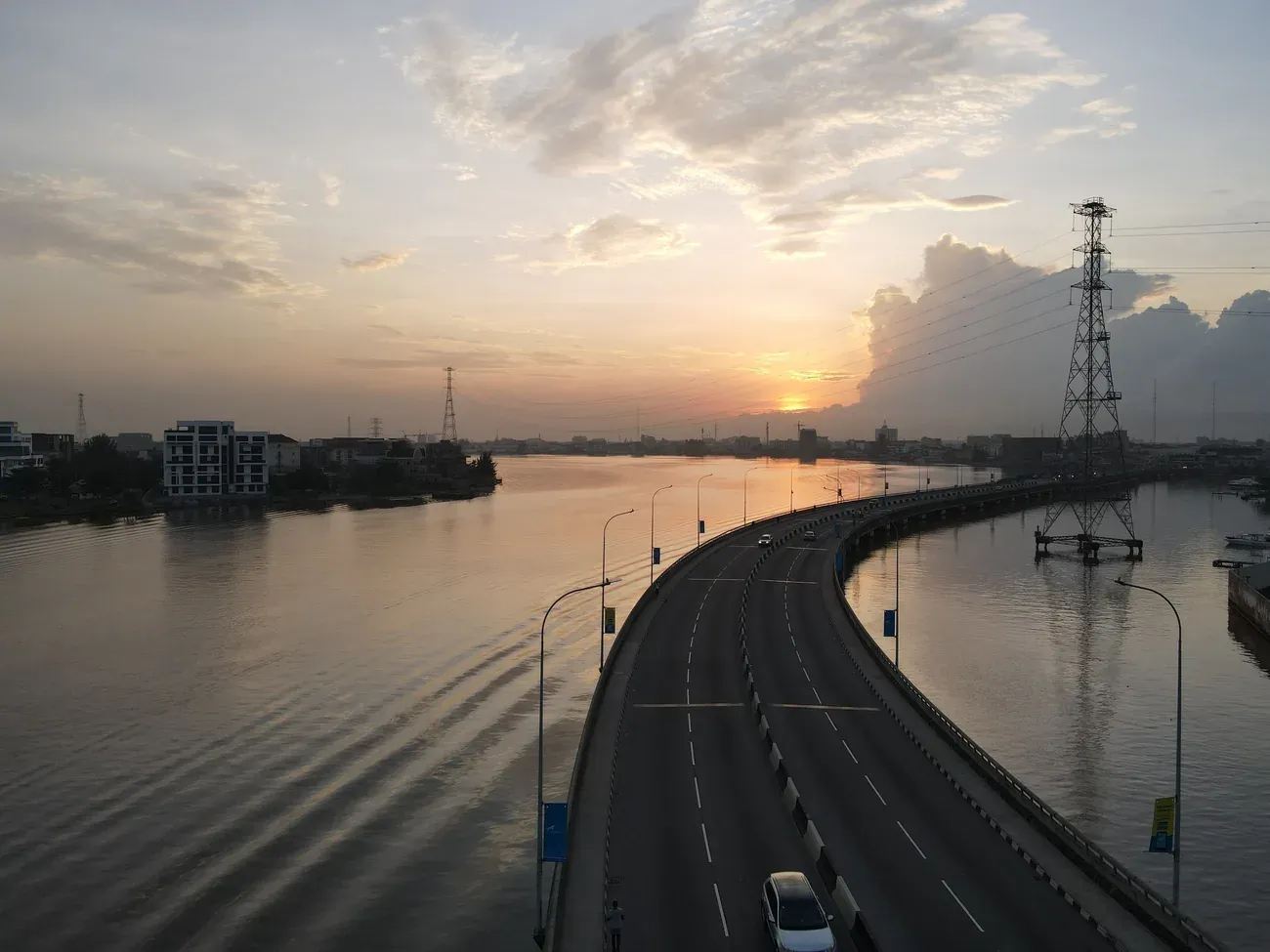
Nigeria
Lagos, the most populous city in Africa, with its lagoon islands, galleries and beaches, and the sacred grove of Osun-Osogbo inland.
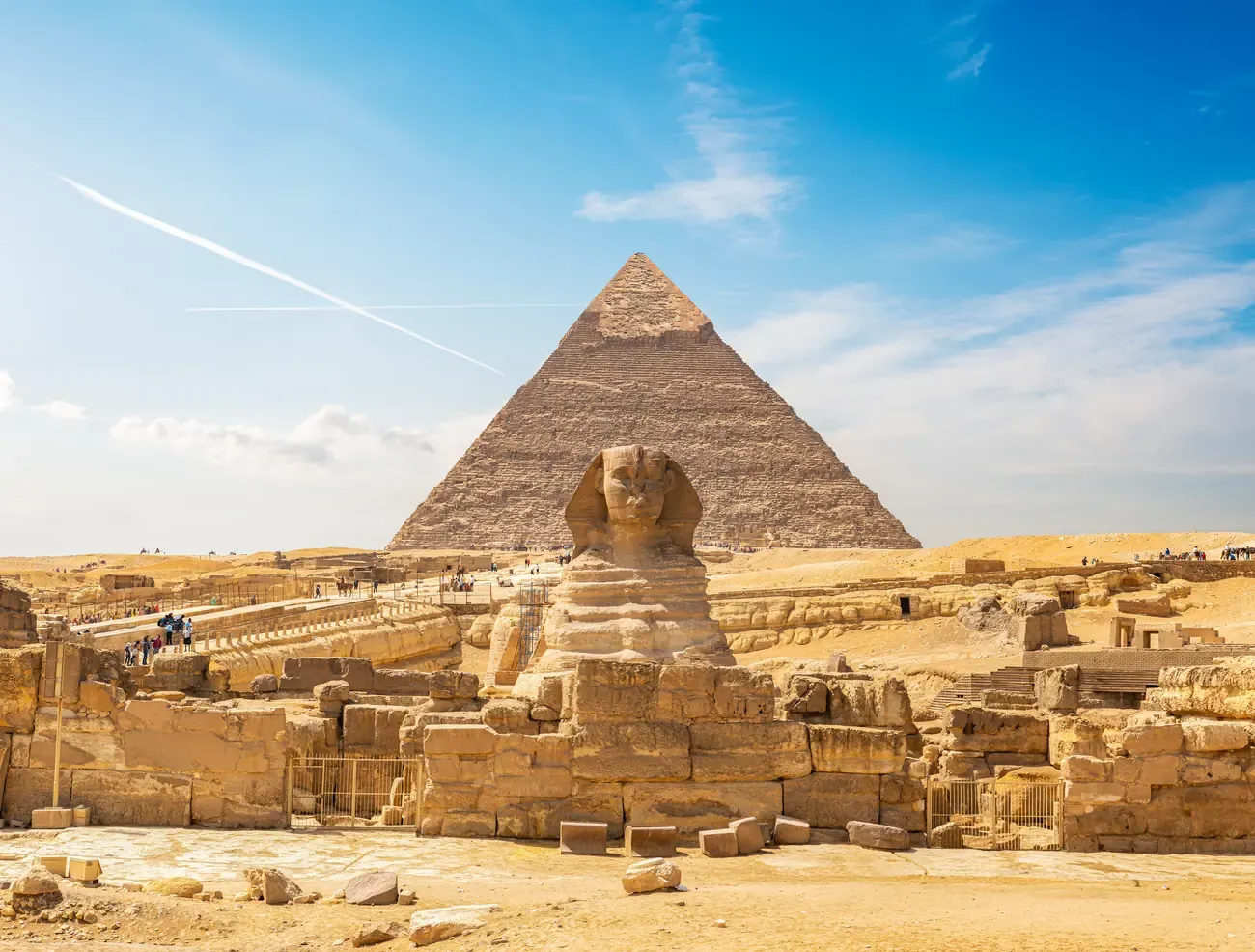
1. Pyramids of Giza
Three pyramids on the desert edge at Giza, west of the Nile, are the image most of the world carries of the continent. All were raised in the Fourth Dynasty between about 2600 and 2500 BC. The largest, built for Khufu, is the oldest of the Seven Wonders of the Ancient World and the only one still standing; it rose 146.6 metres with its casing and measures 138.5 today. The pyramids of Khafre and Menkaure, the Great Sphinx carved from the bedrock and the tombs around them form the northern end of the UNESCO-listed pyramid fields of Memphis.
Period: Fourth Dynasty, about 2600 to 2500 BC · Heritage: Memphis and its Necropolis, UNESCO listed in 1979
Location: Giza plateau, Greater Cairo, Egypt
Access: Ticketed, with the Sphinx inside the same enclosure
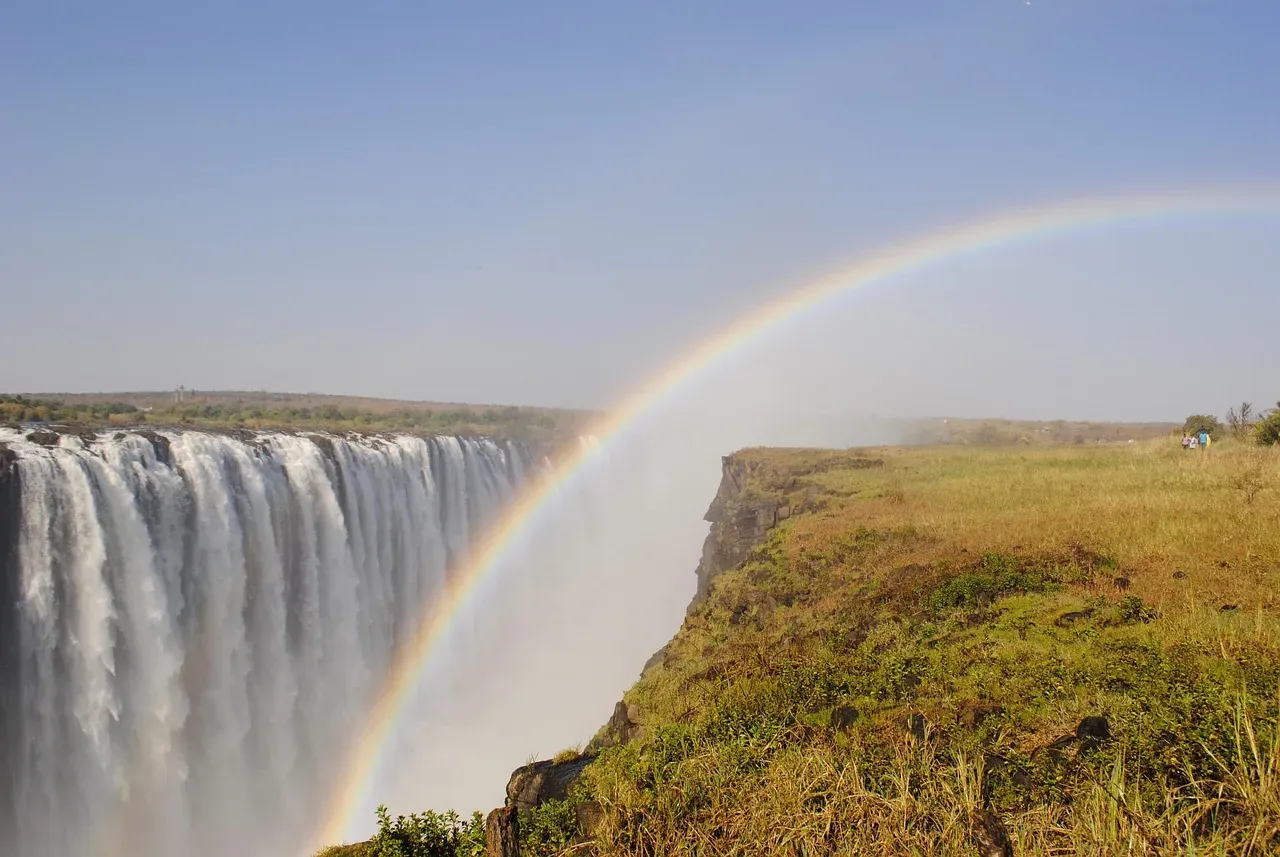
2. Victoria Falls
Where the Zambezi drops into a basalt gorge on the border of Zambia and Zimbabwe, the river forms the largest curtain of falling water in the world, 1,708 metres wide and up to 108 metres high. The Lozi name Mosi-oa-Tunya, the smoke that thunders, describes the spray, visible from tens of kilometres away and enough to feed a strip of rainforest on the rim. David Livingstone reached the falls in November 1855 and named them for Queen Victoria. The flood peaks in April; by November the flow is about a tenth of that.
Size: 1,708 metres wide, up to 108 metres high · Heritage: Mosi-oa-Tunya / Victoria Falls, UNESCO listed in 1989
Location: Zambezi River, between Livingstone, Zambia, and Victoria Falls town, Zimbabwe
Access: Ticketed, through the national parks on either bank
3. Hassan II Mosque
Casablanca's great mosque stands on a platform built partly over the Atlantic, so the prayer hall looks out to sea and the roof slides open to the sky. King Hassan II commissioned it, the French architect Michel Pinseau designed it, and some 3,300 Moroccan craftsmen finished the marble, cedar and zellij before the inauguration on 30 August 1993. The minaret, 200 metres tall by the foundation's count, carries a laser pointed towards Mecca. Unusually for Morocco, non-Muslim visitors can go inside, on guided tours that run in the morning and afternoon.
Inaugurated: 30 August 1993 · Architect: Michel Pinseau
Location: Boulevard Sidi Mohammed Ben Abdallah, Casablanca, Morocco
Access: Ticketed guided tours, the only way inside for non-Muslim visitors
4. Valley of the Kings
For almost five centuries, from the Eighteenth to the Twentieth Dynasty, the pharaohs of the New Kingdom were buried in rock-cut tombs in a dry valley on the west bank of the Nile opposite Thebes, today's Luxor, instead of under pyramids. Sixty-five tombs and chambers are known, from simple pits to KV5, with more than 120 rooms for the sons of Ramesses II. Howard Carter's discovery of Tutankhamun's tomb in November 1922 made the valley famous, and only a rotating handful of tombs is open at any time.
Period: New Kingdom, about 1550 to 1069 BC · Heritage: Ancient Thebes with its Necropolis, UNESCO listed in 1979
Location: Theban Necropolis, west bank of Luxor, Egypt
Access: Ticketed, open daily from six in the morning to five in the afternoon
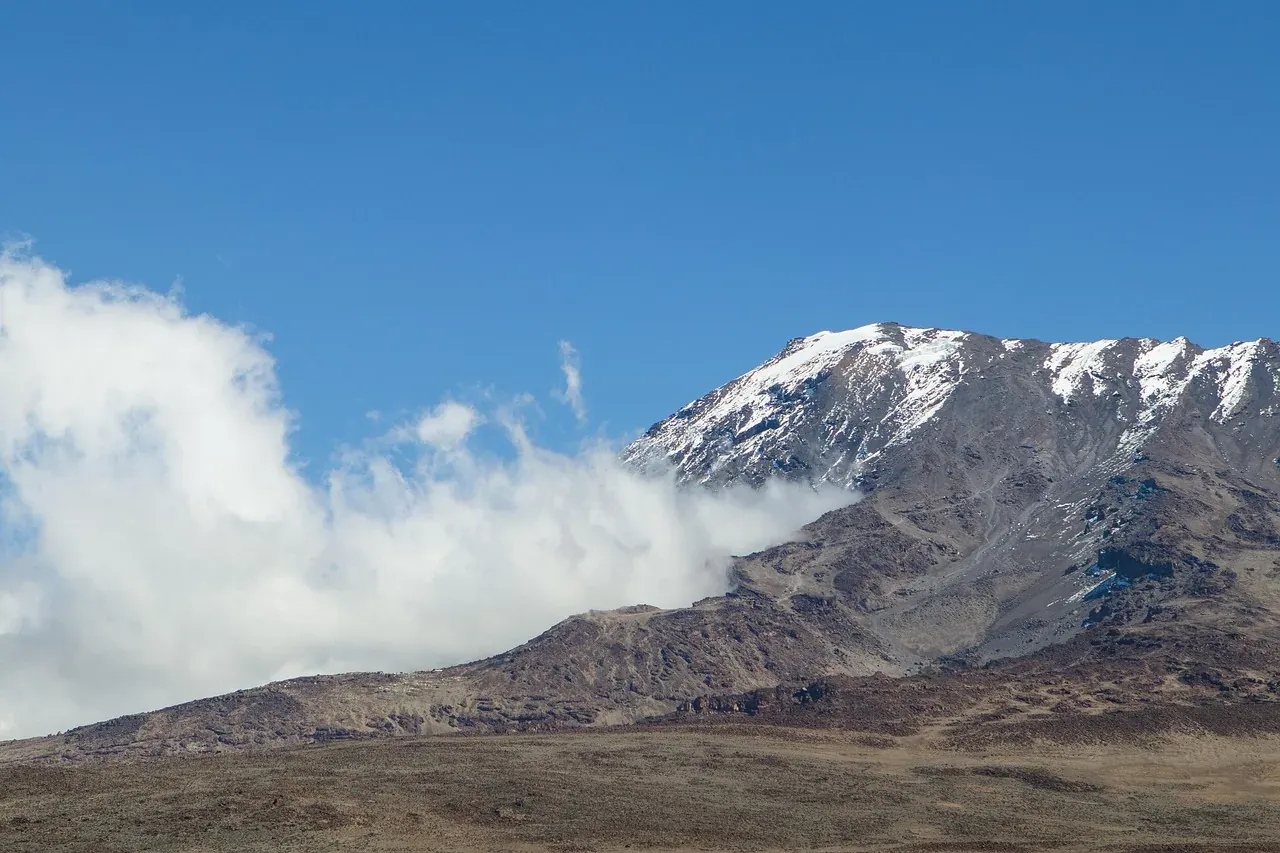
5. Mount Kilimanjaro
The highest mountain in Africa rises alone from the plains of northern Tanzania to 5,895 metres at Uhuru Peak, which makes it the highest free-standing mountain in the world. It is a dormant volcano with three cones, Kibo, Mawenzi and Shira, and its summit ice cap has lost more than 80 percent of its area in the last century. Hans Meyer made the first recorded ascent in 1889. Seven established routes climb through farmland, rainforest and alpine desert to the crater rim, and the mountain has been a national park since 1973.
Height: 5,895 metres · Heritage: Kilimanjaro National Park, UNESCO listed in 1987
Location: Kilimanjaro Region, near Moshi, Tanzania
Access: Ticketed park entry, with treks of several days to the summit
6. Kruger National Park
South Africa's flagship park covers 19,623 square kilometres of lowveld along the Mozambique border, 360 kilometres from north to south. Paul Kruger's government first protected part of it as the Sabi Game Reserve in 1898, and it became the country's first national park in 1926. All of the Big Five live here, and visitors can drive themselves along the park roads between the rest camps, with Skukuza as the headquarters. It drew close to two million visitors in 2024, more than any other park in the country.
Founded: Sabi Game Reserve 1898, national park 1926 · Area: 19,623 square kilometres
Location: Limpopo and Mpumalanga provinces, northeast South Africa
Access: Ticketed, with a daily conservation fee paid at the entrance gates
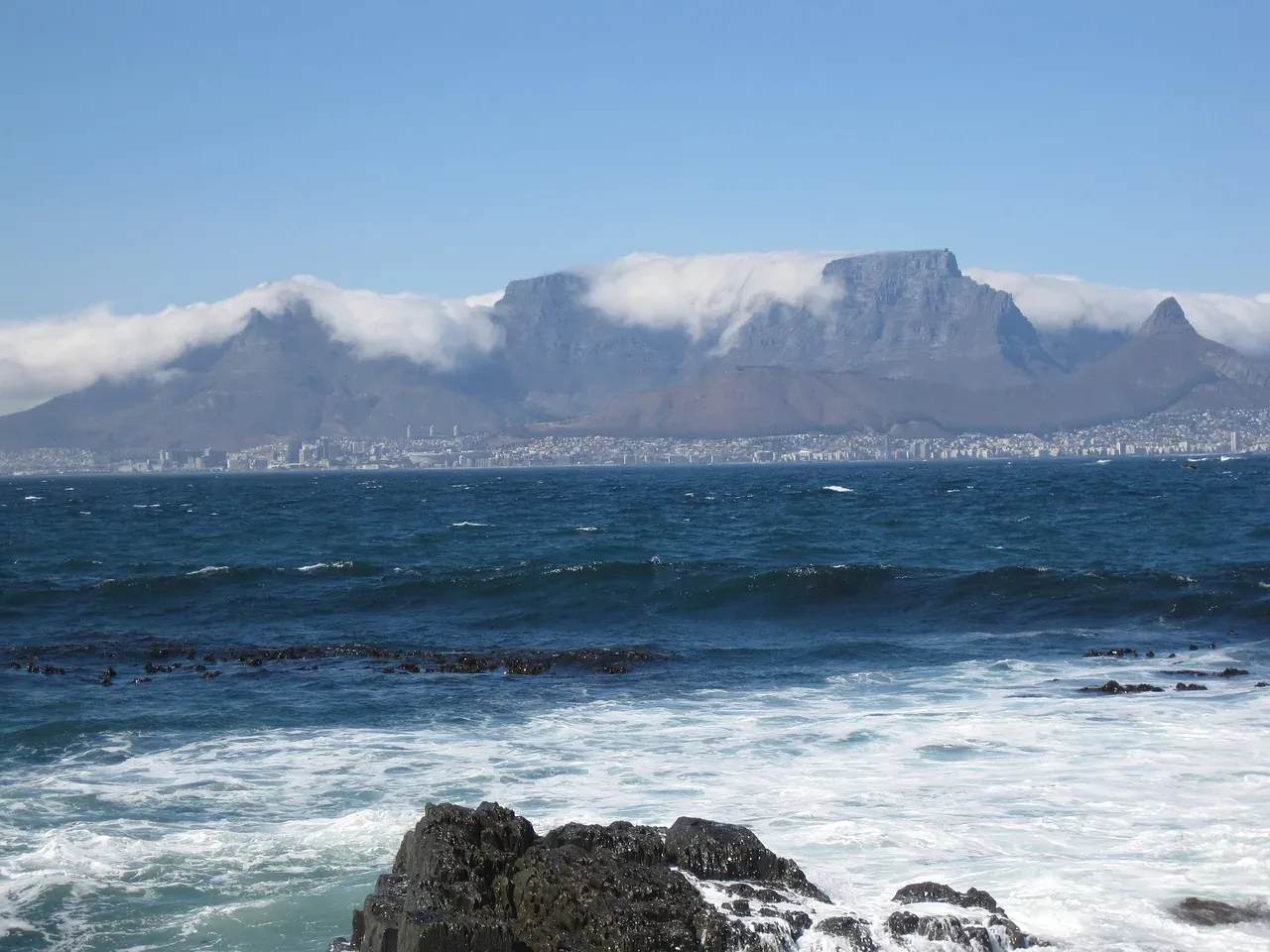
7. Table Mountain
The flat-topped mountain that frames Cape Town rises about 1,000 metres above the city, its plateau three kilometres across and often draped in the cloud locals call the tablecloth. A cableway has run to the top since 4 October 1929; the rotating cars installed in 1997 carry 65 passengers and make the trip in about five minutes, and around a million people ride it a year. Its fynbos belongs to the UNESCO-listed Cape Floral Region, and the mountain anchors tourist attractions in Cape Town, with Platteklip Gorge the classic walking route.
Height: 1,086 metres at Maclear's Beacon · Cableway: opened 1929, rotating cars since 1997
Location: Table Mountain National Park, Cape Town, South Africa
Access: Ticketed cableway, weather permitting; the walking routes are free
8. Koutoubia Mosque
The 77 metre minaret of the Koutoubia has marked the skyline of Marrakech since the Almohads finished it around 1195, and it served as the model for the Giralda in Seville and the Hassan Tower in Rabat. The caliph Abd al-Mu'min founded the mosque in 1147, the year he took the city, and rebuilt it around 1158; the name recalls the booksellers who once traded at its foot. It stands about 200 metres west of Jemaa el-Fnaa, with rose gardens on two sides, at the heart of tourist attractions in Marrakech.
Built: 1147, rebuilt around 1158, minaret finished around 1195 · Style: Almohad
Location: Medina of Marrakech, Morocco
Access: Free to view from the gardens; the prayer hall is open to Muslims only
9. Okavango Delta
The Okavango River never reaches the sea. It flows out of the Angolan highlands and fans across the Kalahari sands of northern Botswana, where its flood arrives in the dry winter and peaks between June and August, spreading over up to 15,000 square kilometres of channels, lagoons and islands. Elephant, buffalo, red lechwe and zebra crowd the water, and all of the Big Five are present. In June 2014 it became the 1,000th site on the UNESCO World Heritage List. Maun is the gateway, and dugout mokoro canoes remain the traditional way through the reeds.
Flood peak: June to August · Heritage: UNESCO listed in 2014, the 1,000th site on the list
Location: North-West District, near Maun, Botswana
Access: Park and reserve fees, with most camps reached by light aircraft from Maun
10. Serengeti National Park
Nearly 15,000 square kilometres of grassland and woodland in northern Tanzania hold the largest overland migration on earth: more than 1.5 million wildebeest, some 250,000 zebra and hundreds of thousands of gazelle moving in a clockwise loop of about 800 kilometres. Calving takes place on the southern plains between January and March, the herds move through the western corridor from May to July and cross the crocodile-filled Grumeti and Mara rivers into Kenya. The park was established in 1940, UNESCO listed it in 1981, and it holds the largest lion population in Africa.
Area: 14,763 square kilometres · Heritage: UNESCO listed in 1981
Location: Mara and Simiyu regions, northern Tanzania
Access: Ticketed park fees, entered by road from Arusha or by light aircraft
18 places you might not know about in Africa
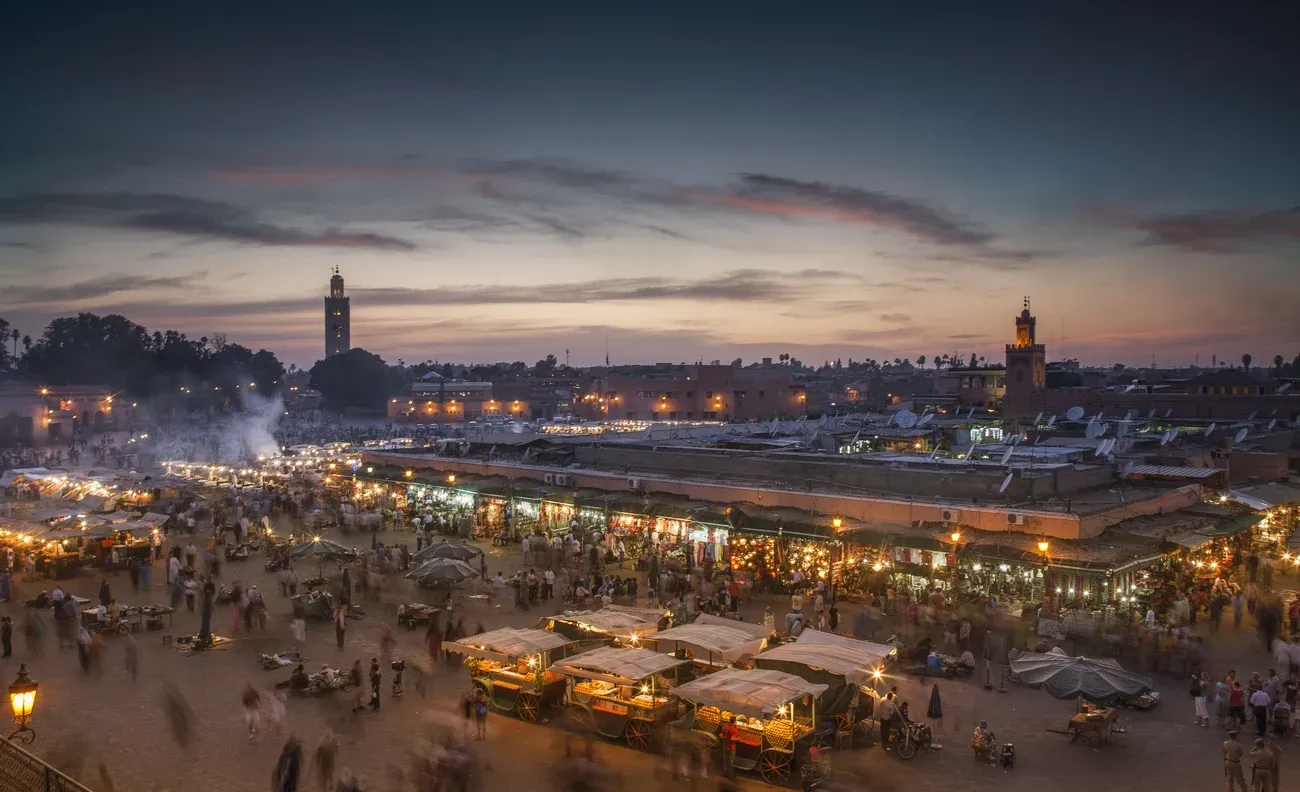
Jemaa el-Fnaa
The main square of the medina, snake charmers by day, storytellers, musicians and food stalls by night, UNESCO intangible heritage since 2001.
Location: Medina of Marrakech, Morocco
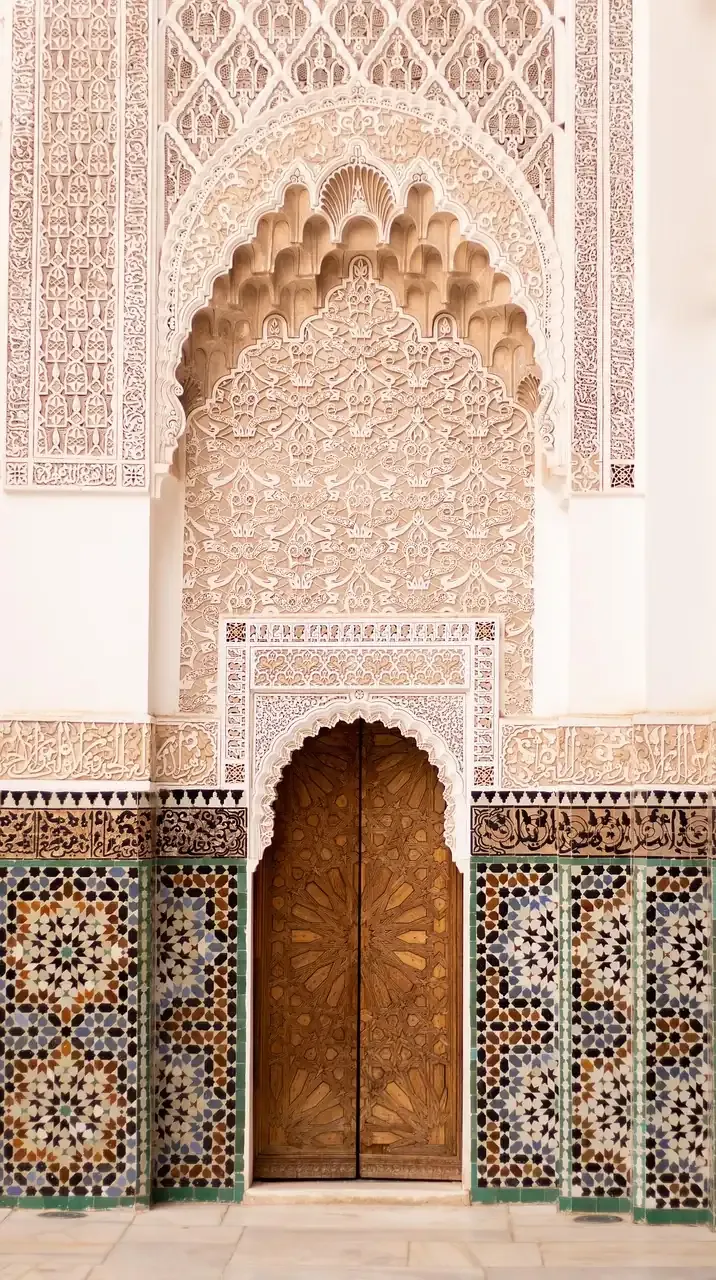
Ben Youssef Madrasa
A Saadian college completed in 1565, once the largest in the Maghreb, its courtyard covered in carved cedar, stucco and zellij; reopened in 2022.
Location: Medina of Marrakech, Morocco
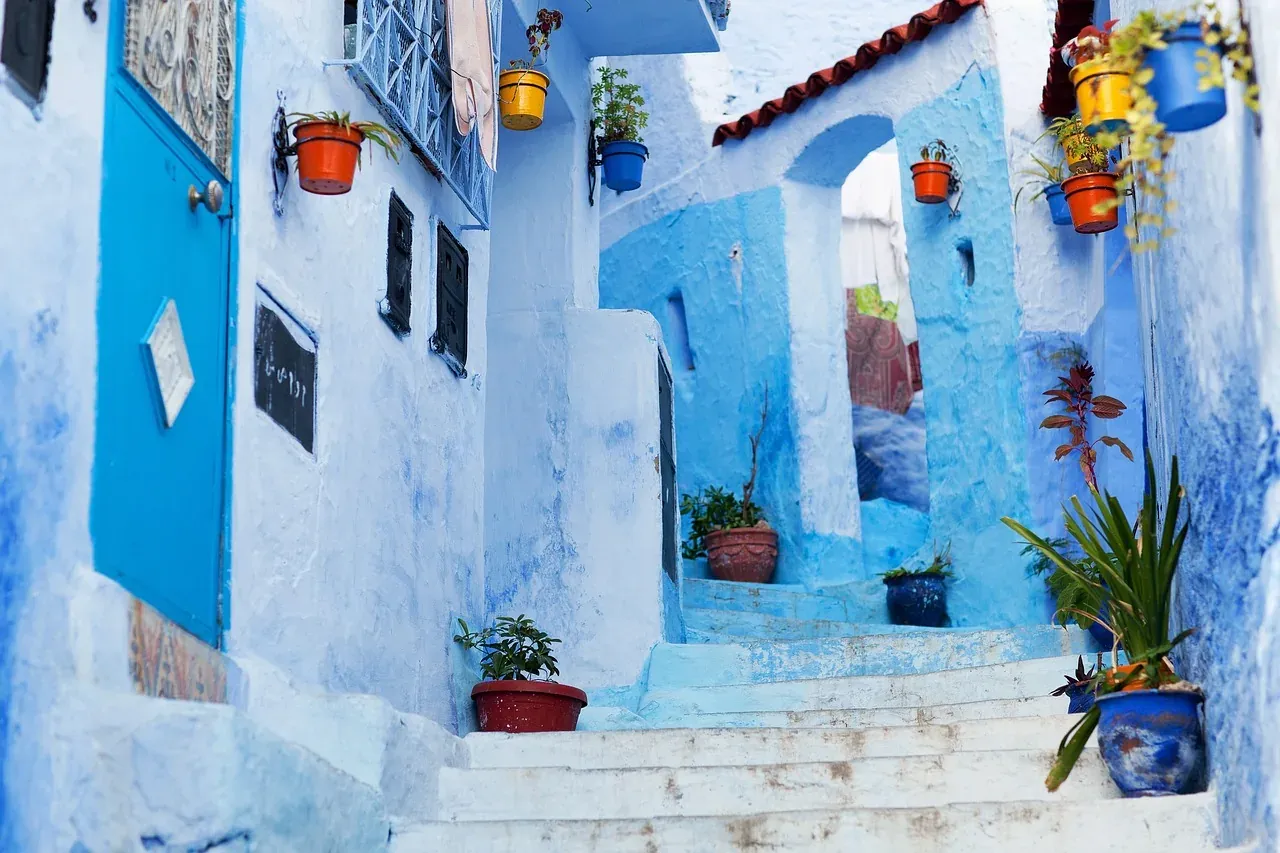
Chefchaouen
The blue-washed town of the Rif mountains, founded as a kasbah in 1471, its steep lanes painted blue beneath Andalusian brick arches.
Location: Rif mountains, Chefchaouen Province, Morocco
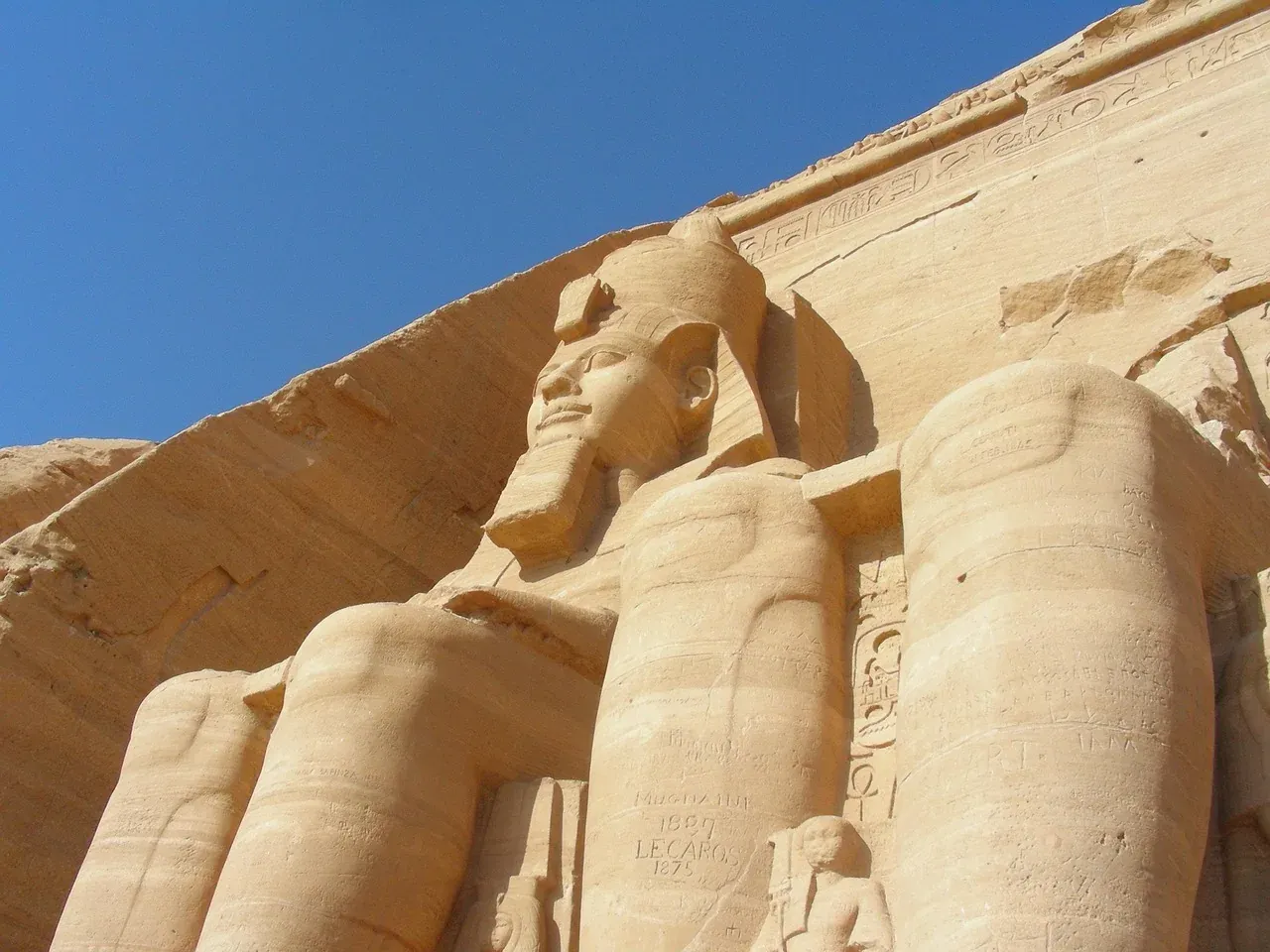
Abu Simbel
Two rock-cut temples of Ramesses II, fronted by four seated colossi, moved block by block to higher ground in 1968 to escape Lake Nasser.
Location: Abu Simbel, Aswan Governorate, Egypt
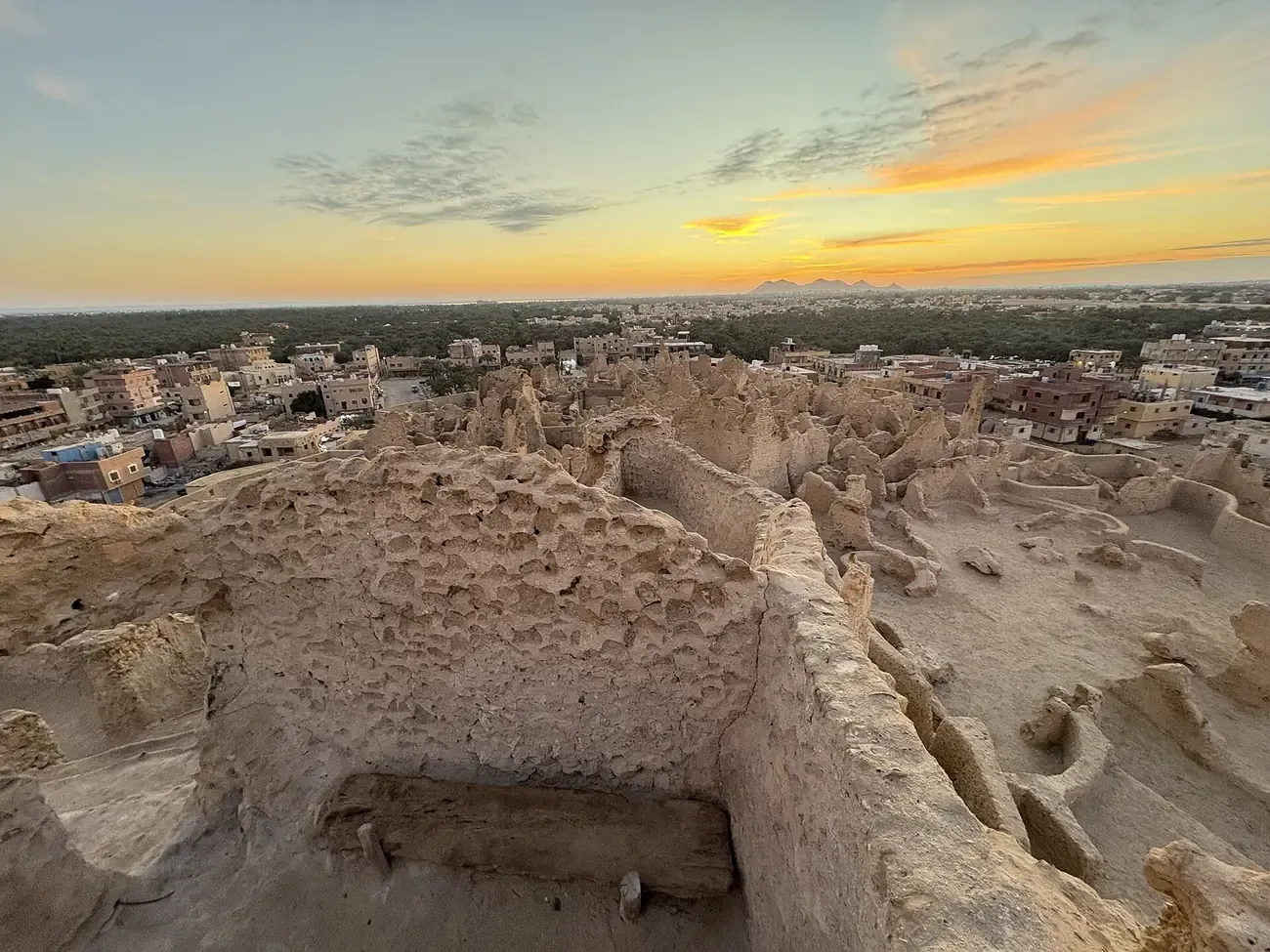
Siwa Oasis
A date-palm oasis near the Libyan border with the ruined mud-brick fortress of Shali, salt lakes and the temple of the oracle visited by Alexander.
Location: Western Desert, Matrouh Governorate, Egypt
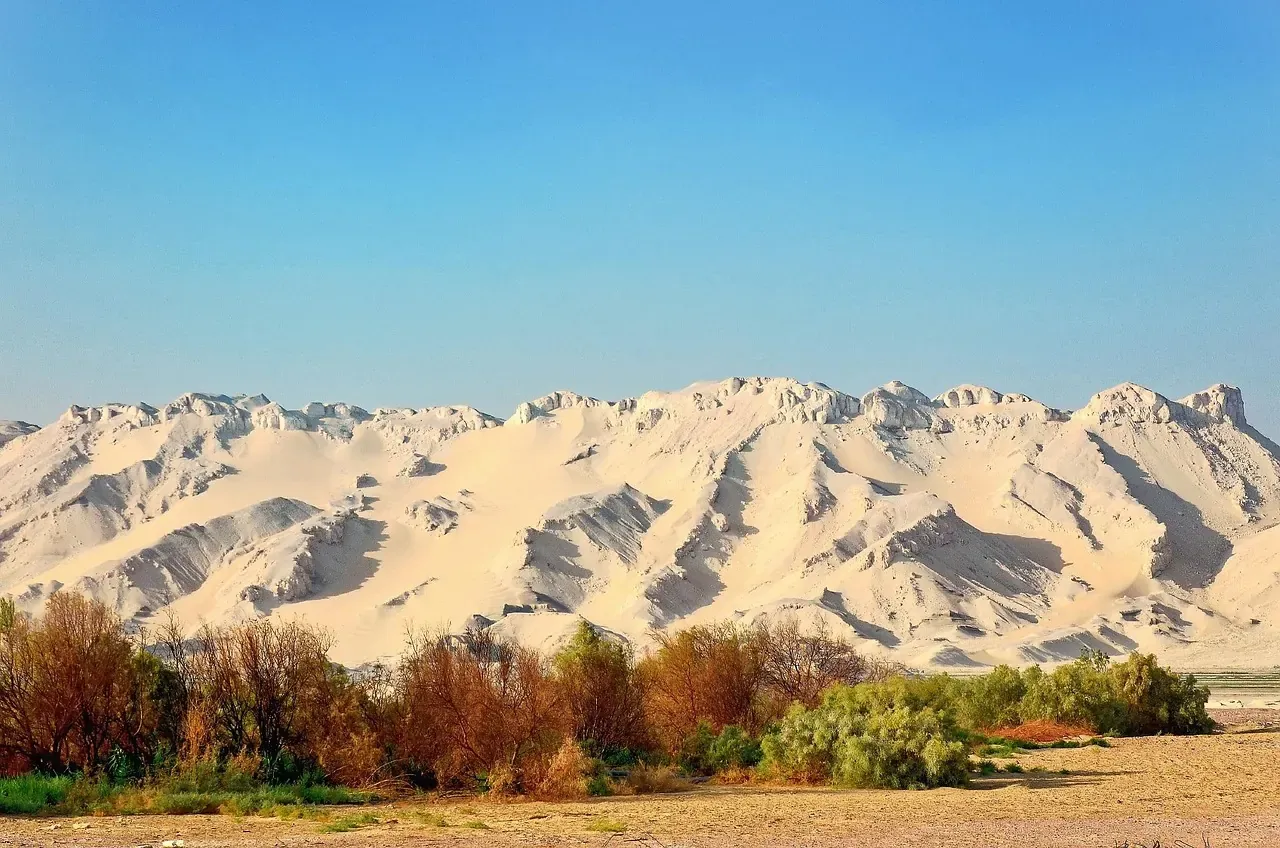
White Desert National Park
Wind-carved chalk mushrooms and spires across 300 square kilometres of the Farafra depression, a national park since 2002 and a classic overnight camp.
Location: Farafra depression, New Valley Governorate, Egypt
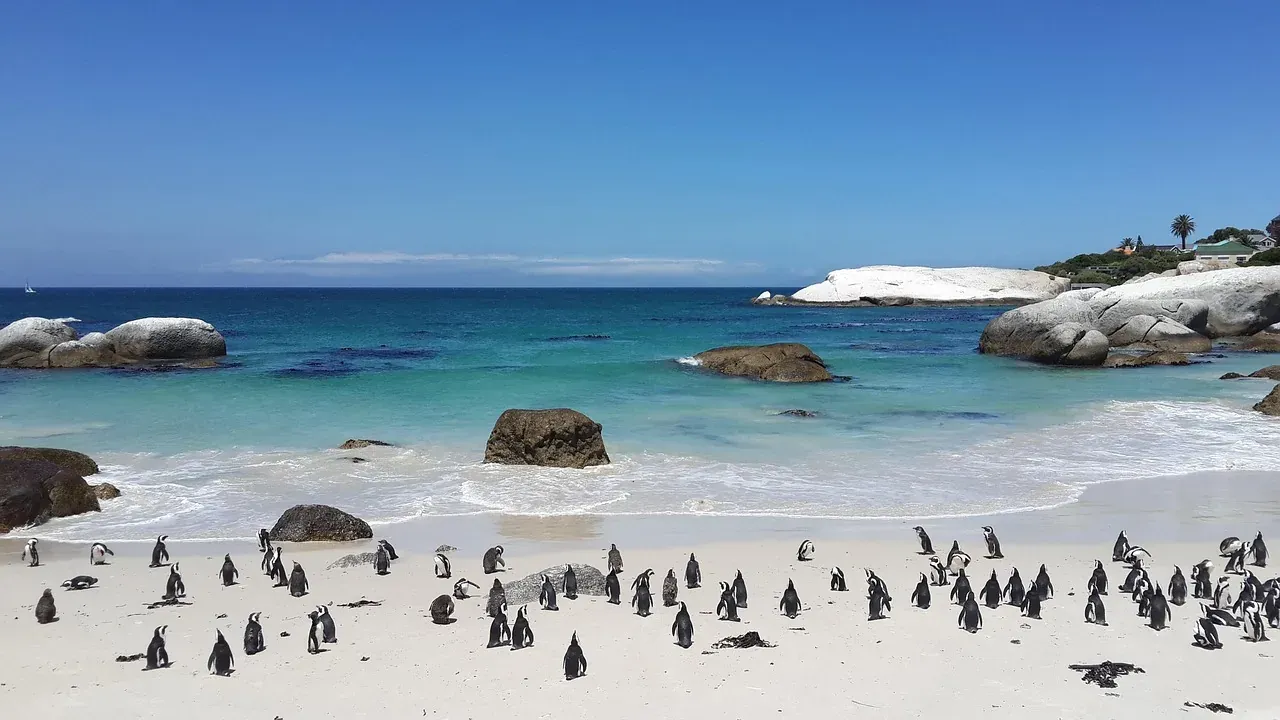
Boulders Beach
A colony of African penguins that settled among the granite boulders of Simon's Town in 1982, now about 3,000 birds seen from boardwalks.
Location: Simon's Town, Cape Town, South Africa
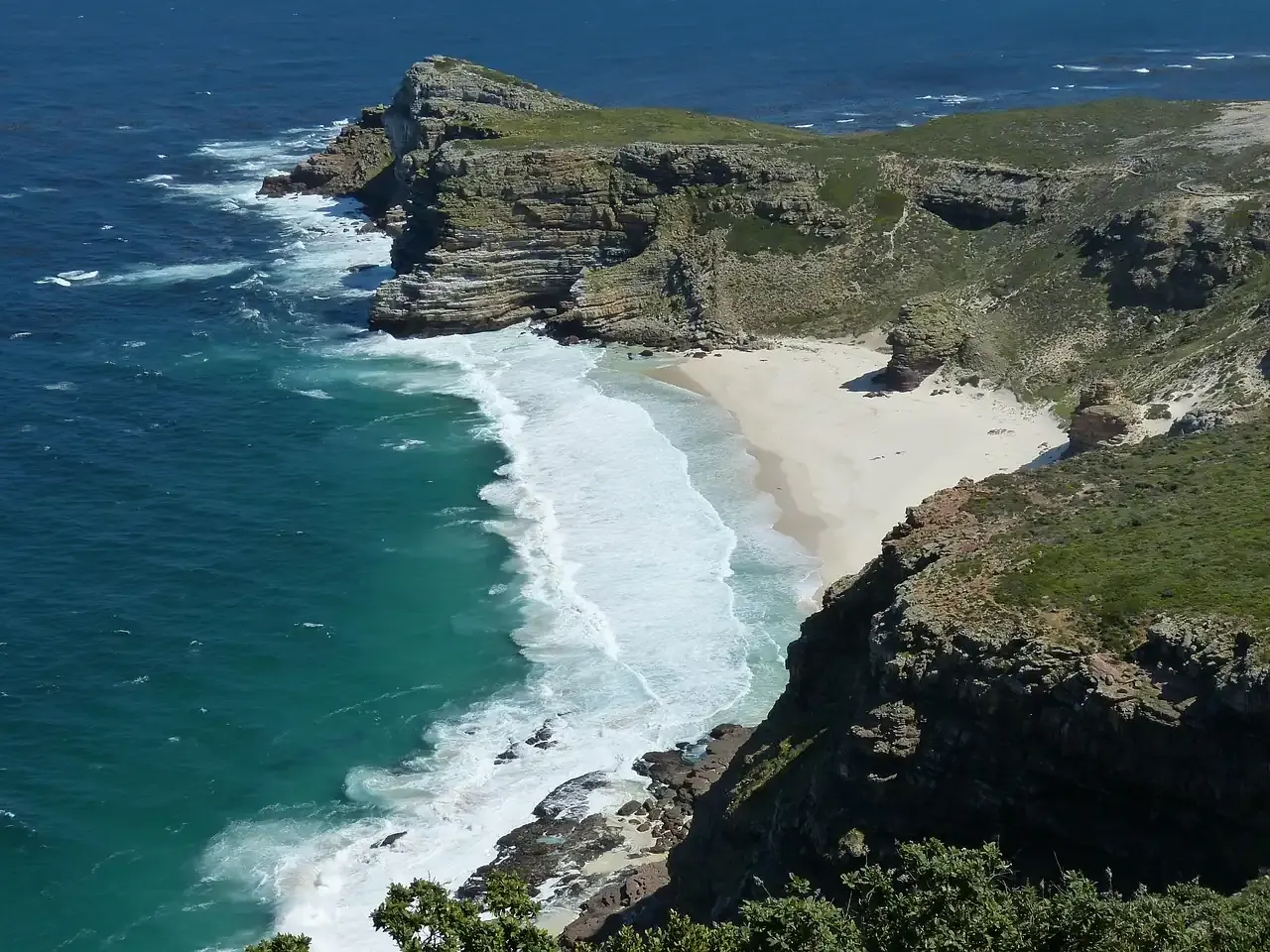
Cape of Good Hope
The rocky headland Bartolomeu Dias rounded in 1488, at the tip of the Cape Peninsula, with Cape Point's lighthouse and antelope in the fynbos.
Location: Cape Peninsula, Cape Town, South Africa
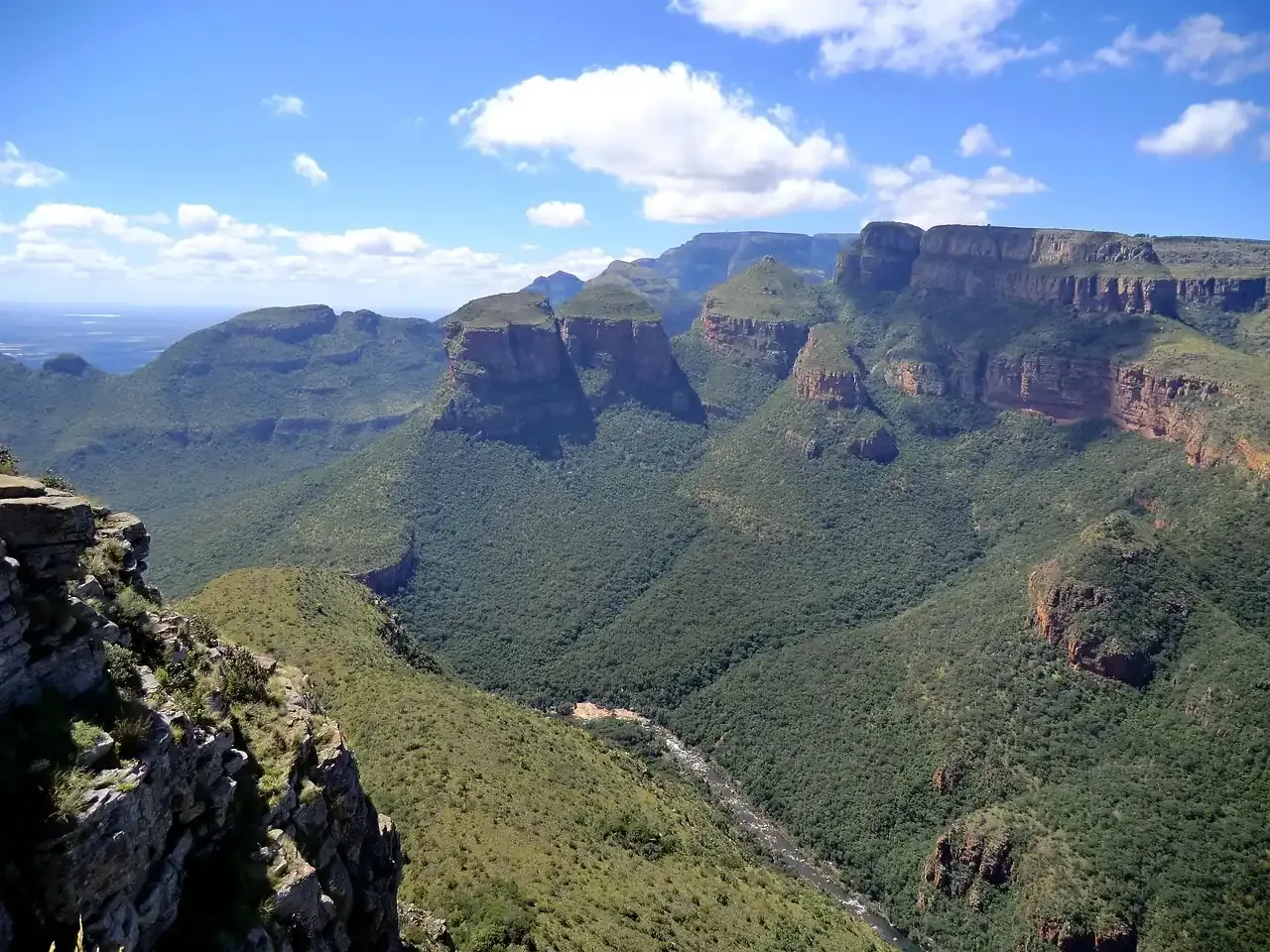
Blyde River Canyon
A 26 kilometre canyon of subtropical green cliffs in Mpumalanga, one of the largest on earth, with the Three Rondavels and Bourke's Luck Potholes.
Location: Panorama Route, Mpumalanga, South Africa
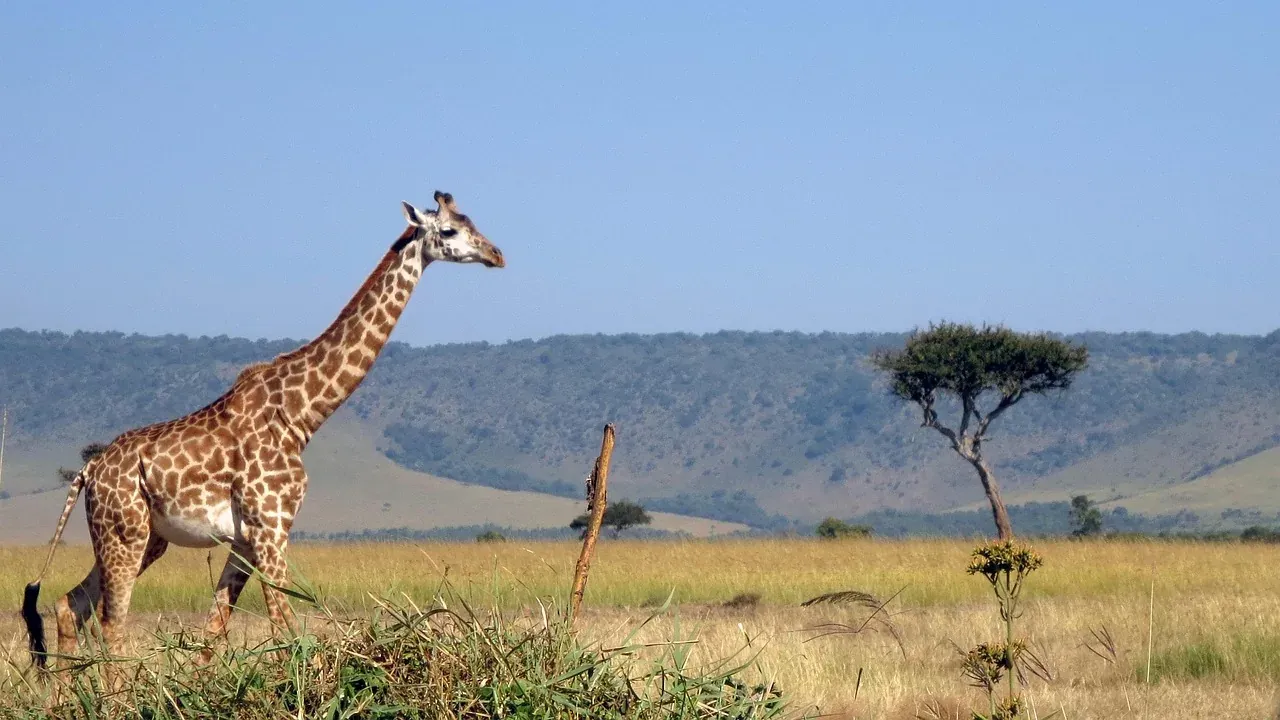
Maasai Mara National Reserve
Kenya's share of the Serengeti ecosystem, where the wildebeest herds cross the Mara River from around July, with all of the Big Five.
Location: Narok County, Kenya
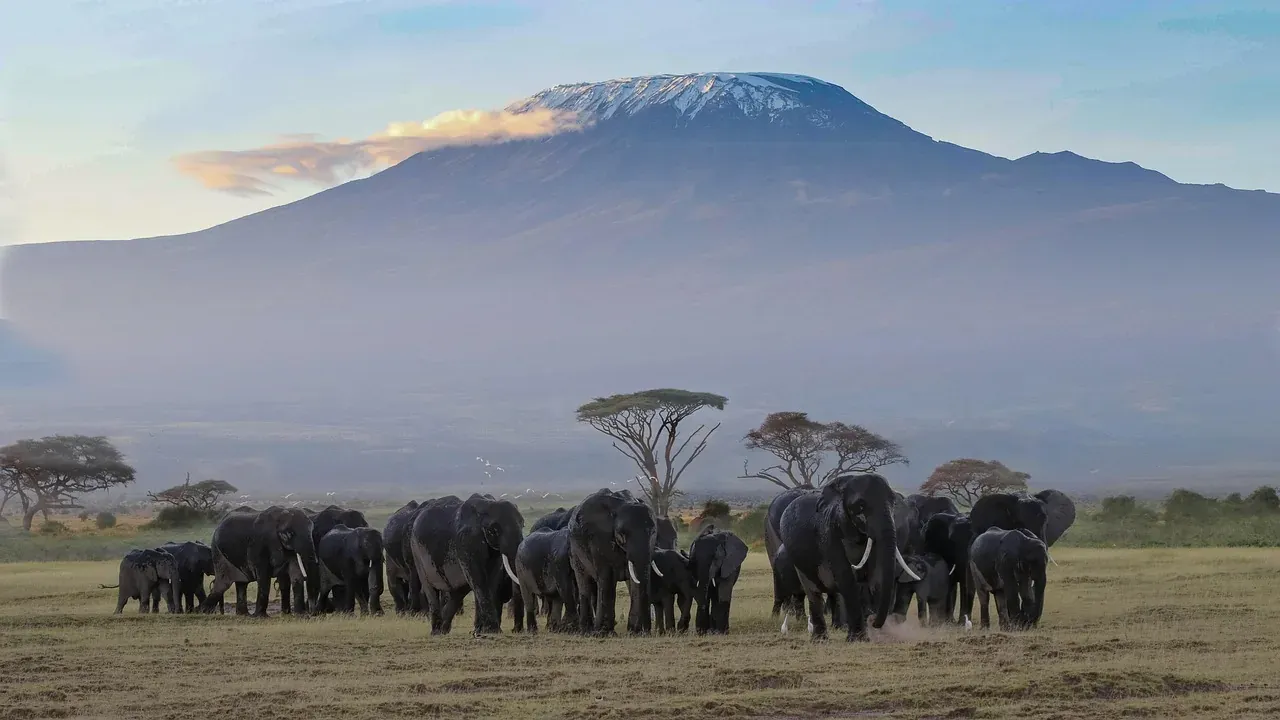
Amboseli National Park
A national park of swamps and dry lake bed below Kilimanjaro, known for elephant herds studied since 1972 and the classic view of the mountain.
Location: Kajiado County, Kenya
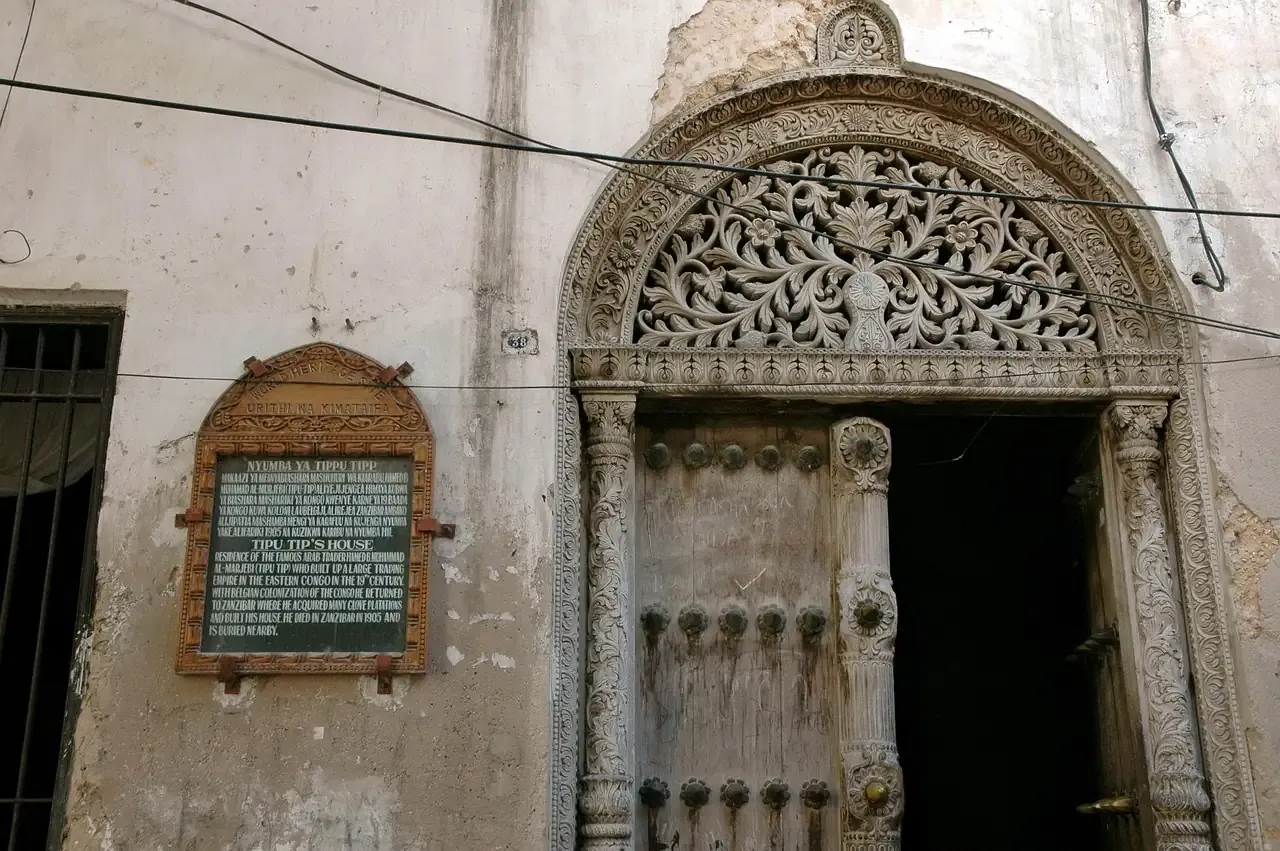
Stone Town
The old quarter of Zanzibar City, a maze of alleys, carved wooden doors and sultans' palaces from the spice trade, UNESCO listed in 2000.
Location: Zanzibar City, Unguja island, Tanzania
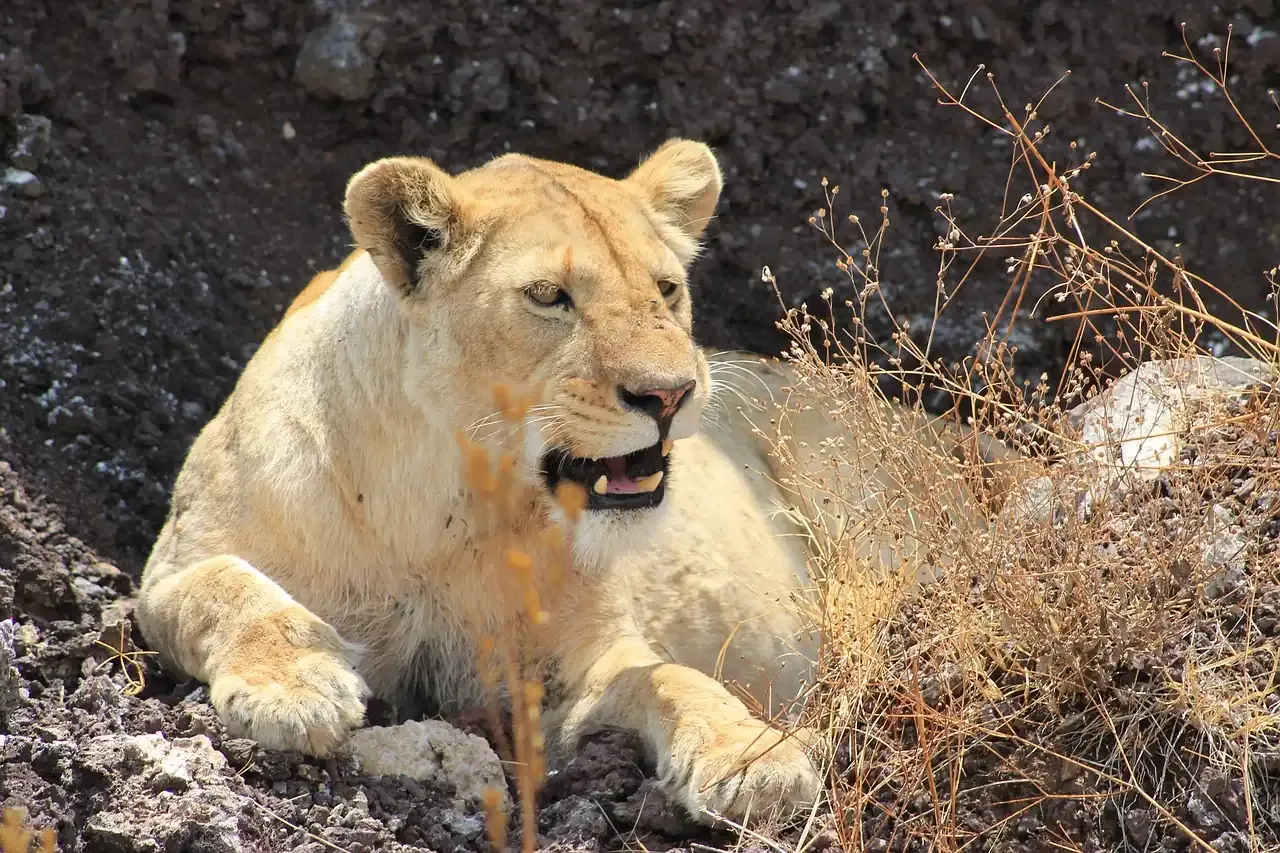
Ngorongoro Crater
The floor of a collapsed volcano, 610 metres deep and 260 square kilometres, holding about 25,000 large animals including black rhino.
Location: Ngorongoro Conservation Area, Arusha Region, Tanzania
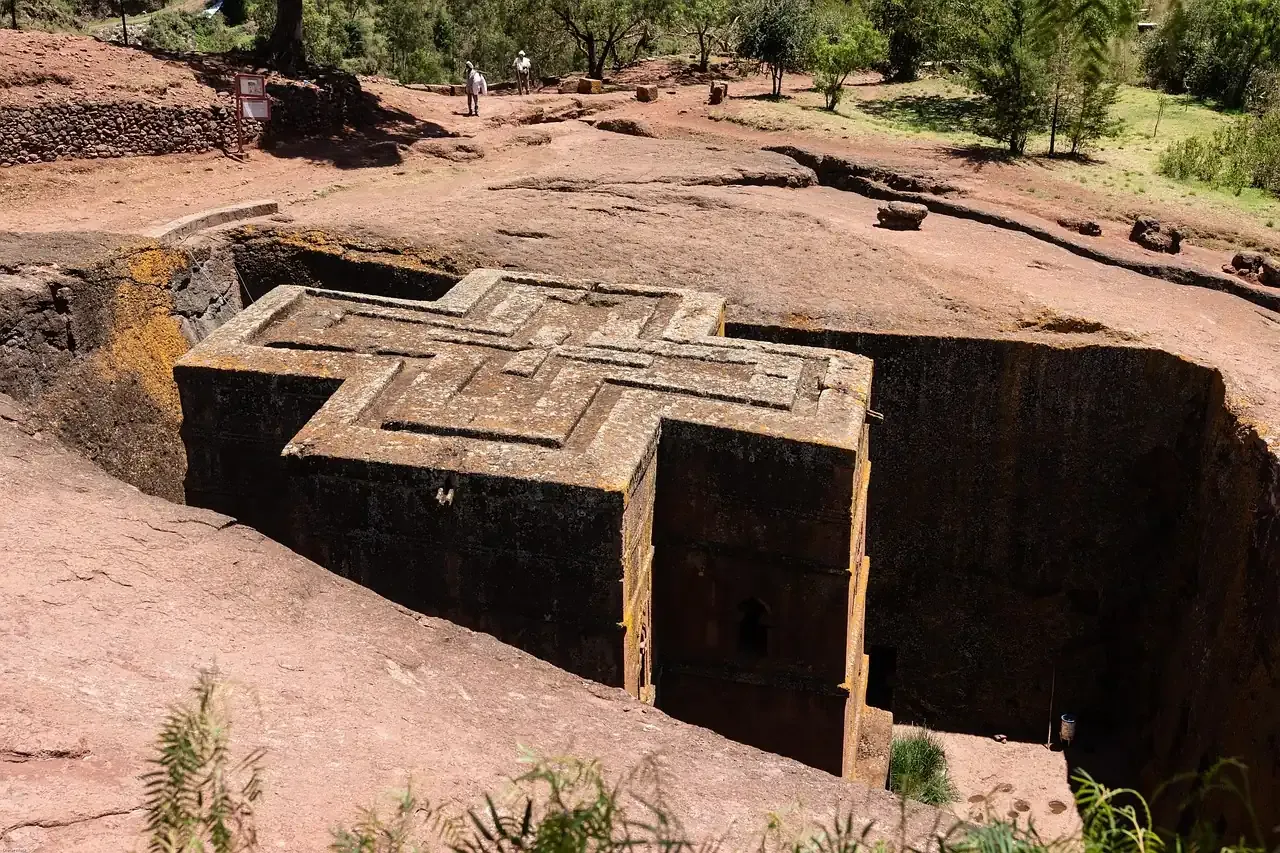
Rock-Hewn Churches of Lalibela
Eleven medieval churches cut down into the volcanic rock of the Ethiopian highlands, still used for pilgrimage and UNESCO listed in 1978.
Location: Lalibela, Amhara Region, Ethiopia
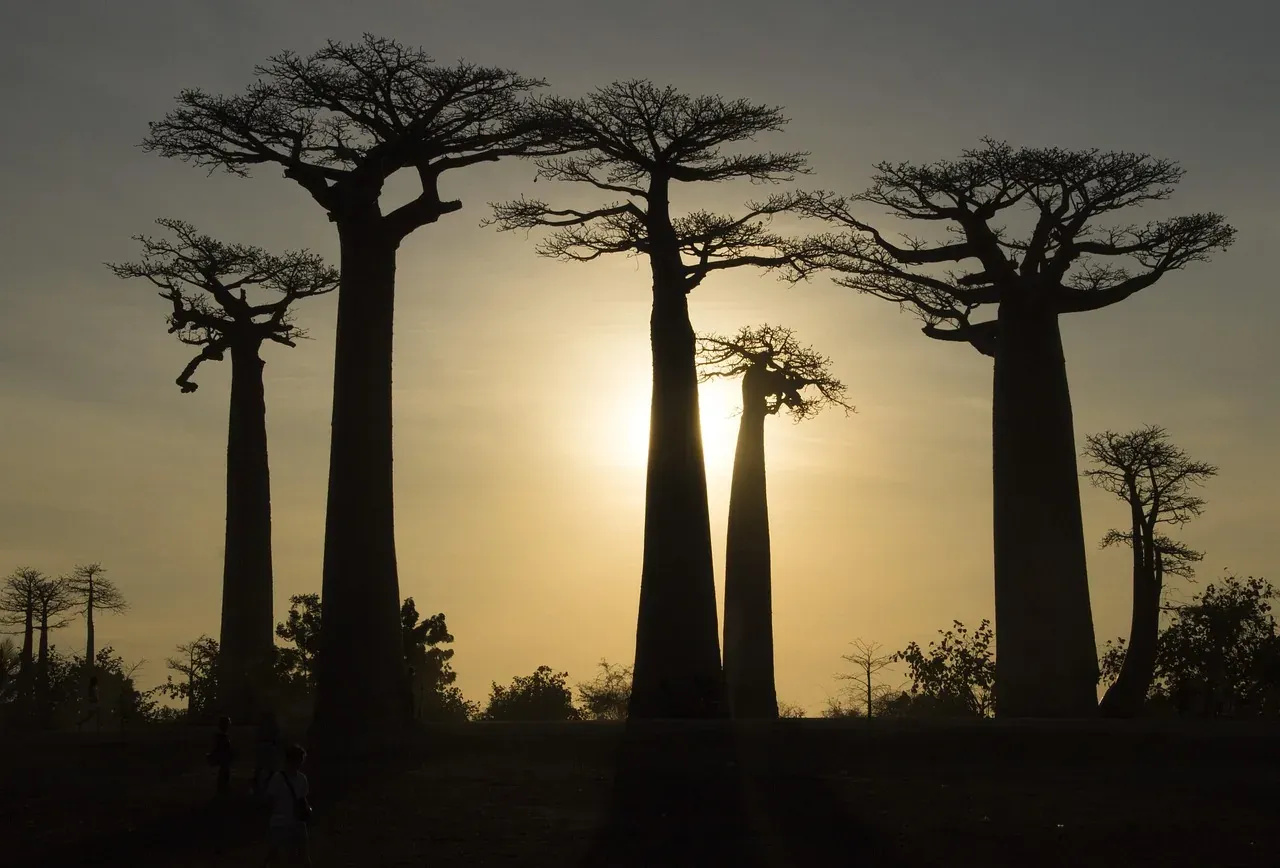
Avenue of the Baobabs
A dirt road near Morondava lined with Grandidier's baobabs about 30 metres tall, the survivors of a cleared forest, photographed at sunset.
Location: Morondava, Menabe Region, Madagascar
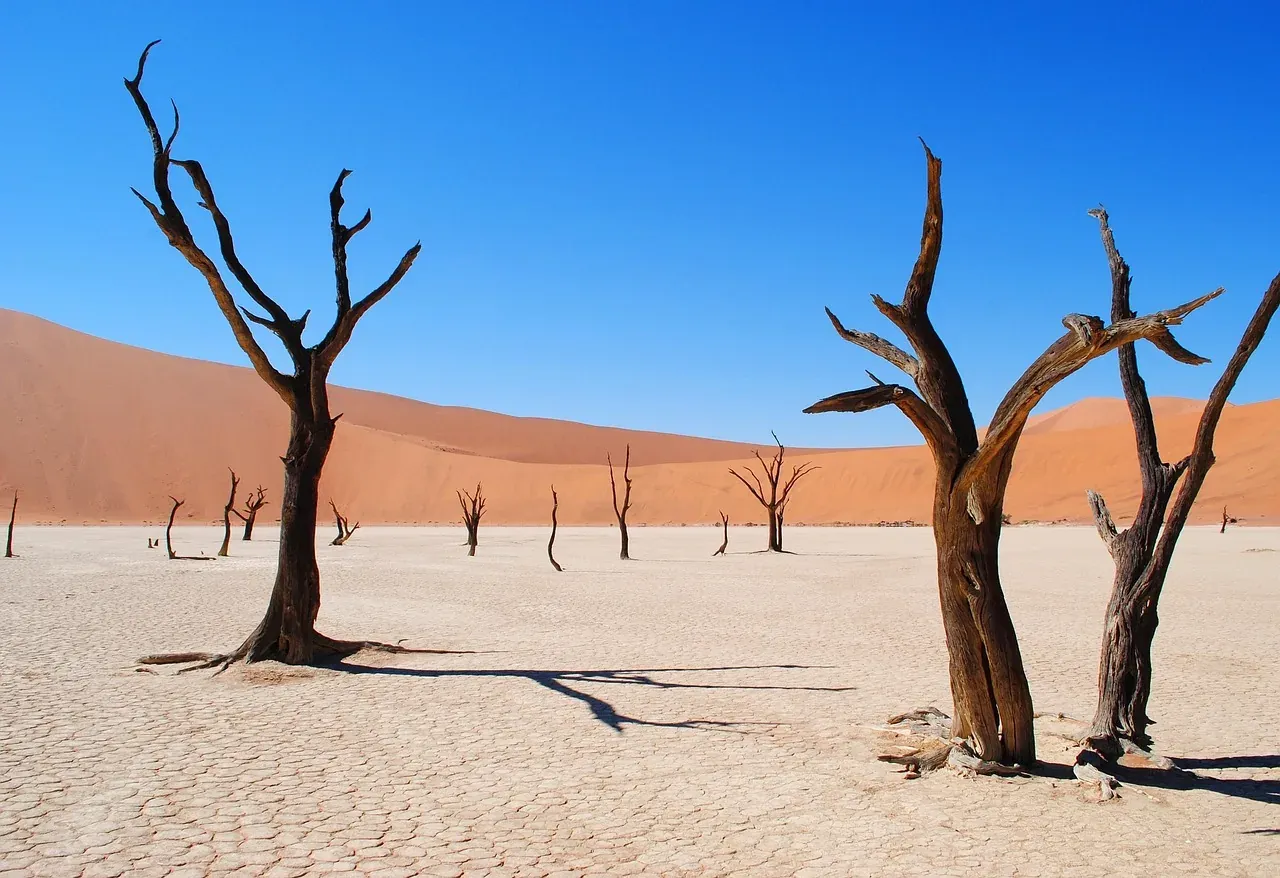
Sossusvlei
Clay pans ringed by some of the highest dunes on earth, up to about 325 metres, with the dead camel thorn trees of Deadvlei nearby.
Location: Namib-Naukluft National Park, Namibia
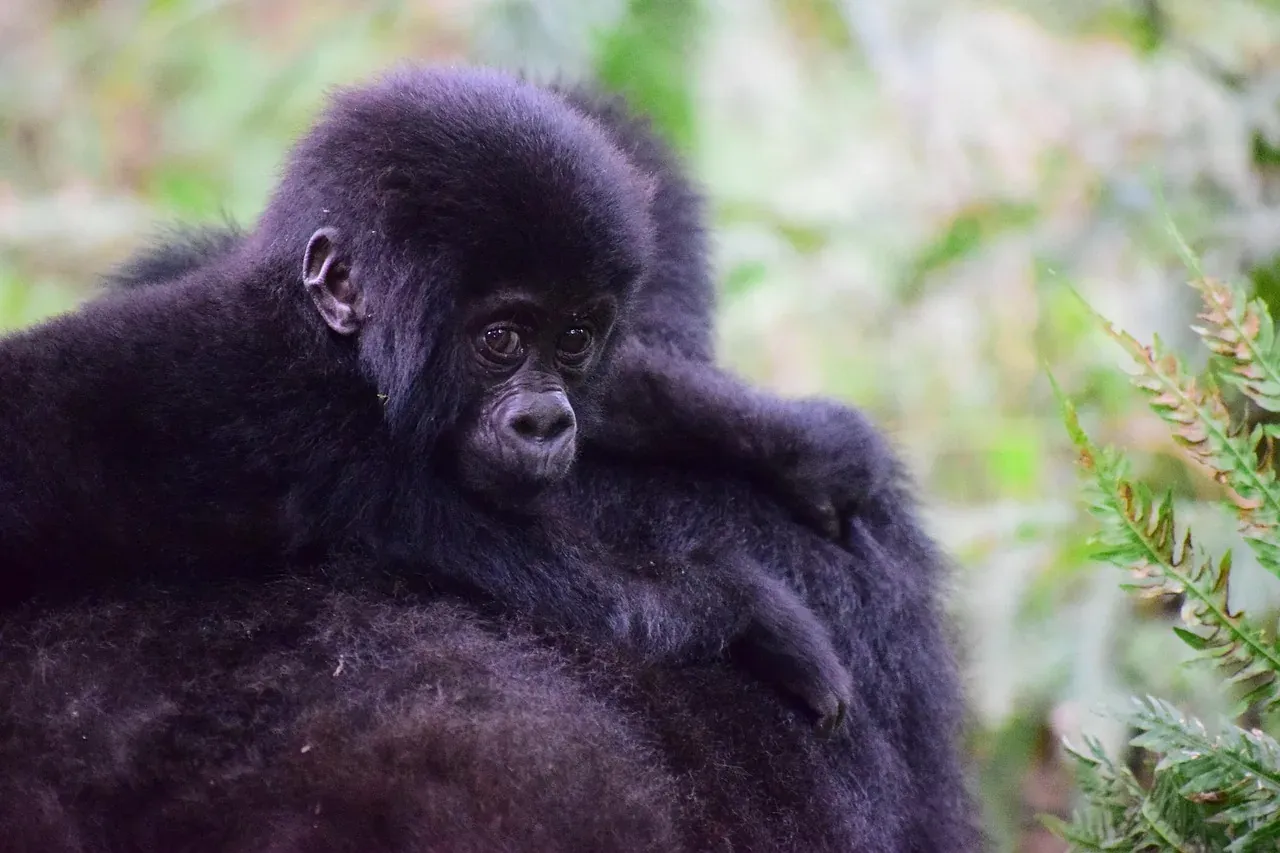
Bwindi Impenetrable National Park
A montane rainforest on the Congo border sheltering about half of the world's mountain gorillas, tracked on foot with a permit since 1993.
Location: Kanungu District, southwest Uganda, Uganda
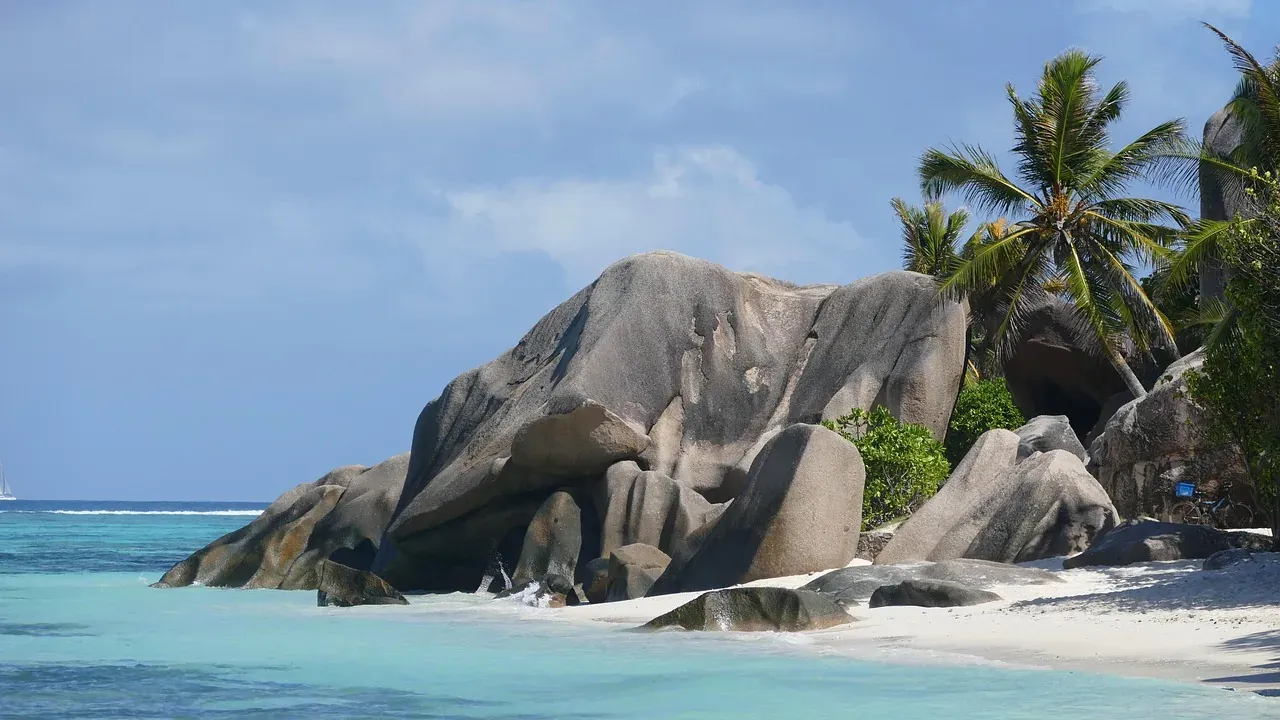
Anse Source d'Argent
Pink granite boulders, shallow turquoise water and palms on La Digue, reached through the L'Union Estate plantation, which charges an entrance fee.
Location: La Digue island, Seychelles
Typical dishes of Africa
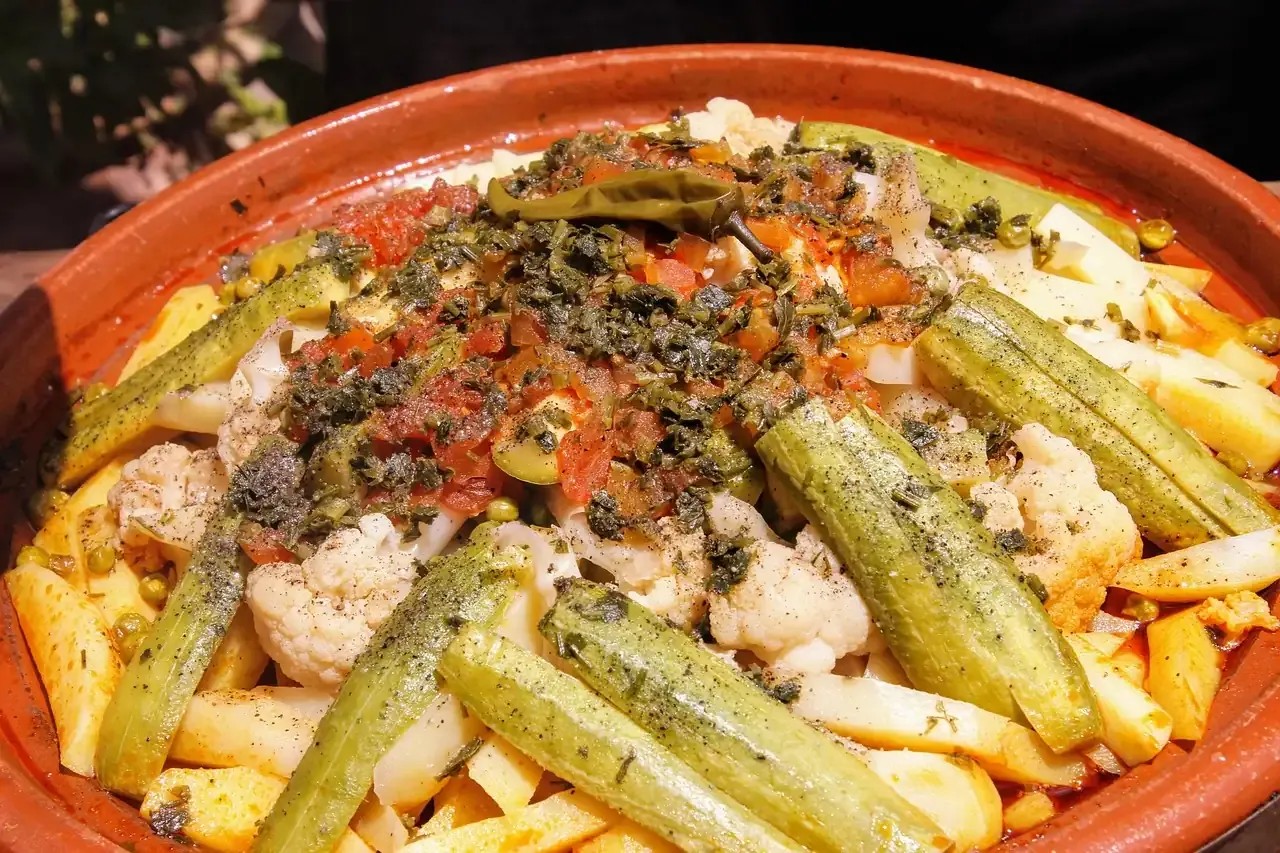
Tagine
A slow-cooked stew of meat, poultry or fish with vegetables or fruit, named for the conical clay pot that traps the steam; the everyday dish of Morocco, from Marrakech kitchens to roadside grills.
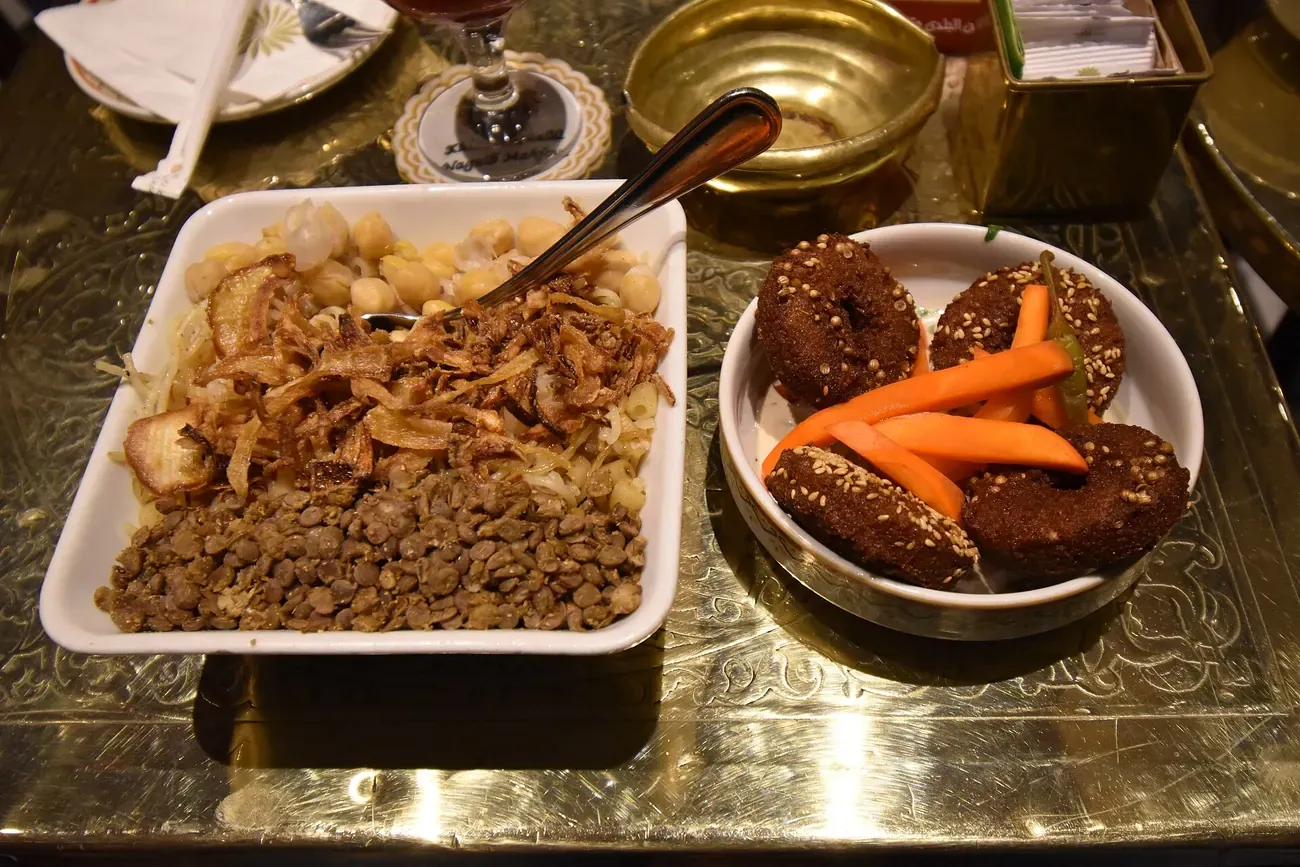
Koshari
Egypt's national dish and its great street food: rice, pasta, vermicelli and brown lentils under chickpeas, a garlicky tomato sauce and crisp fried onions, ladled out of steel vats in Cairo.
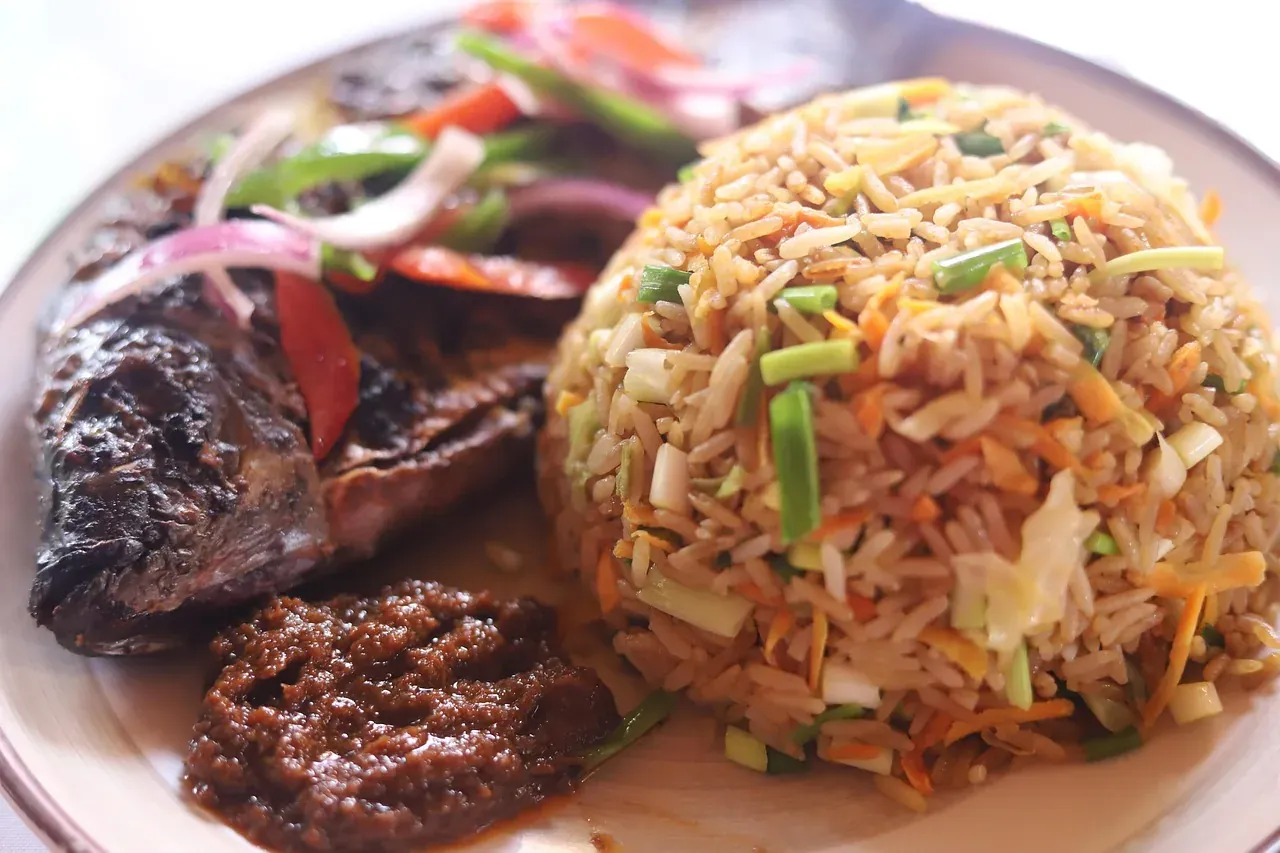
Jollof rice
Rice cooked in one pot with tomato, onion, chilli and spices across West Africa, traced to Senegal's thieboudienne and claimed most loudly by Nigeria and Ghana in their friendly jollof wars.
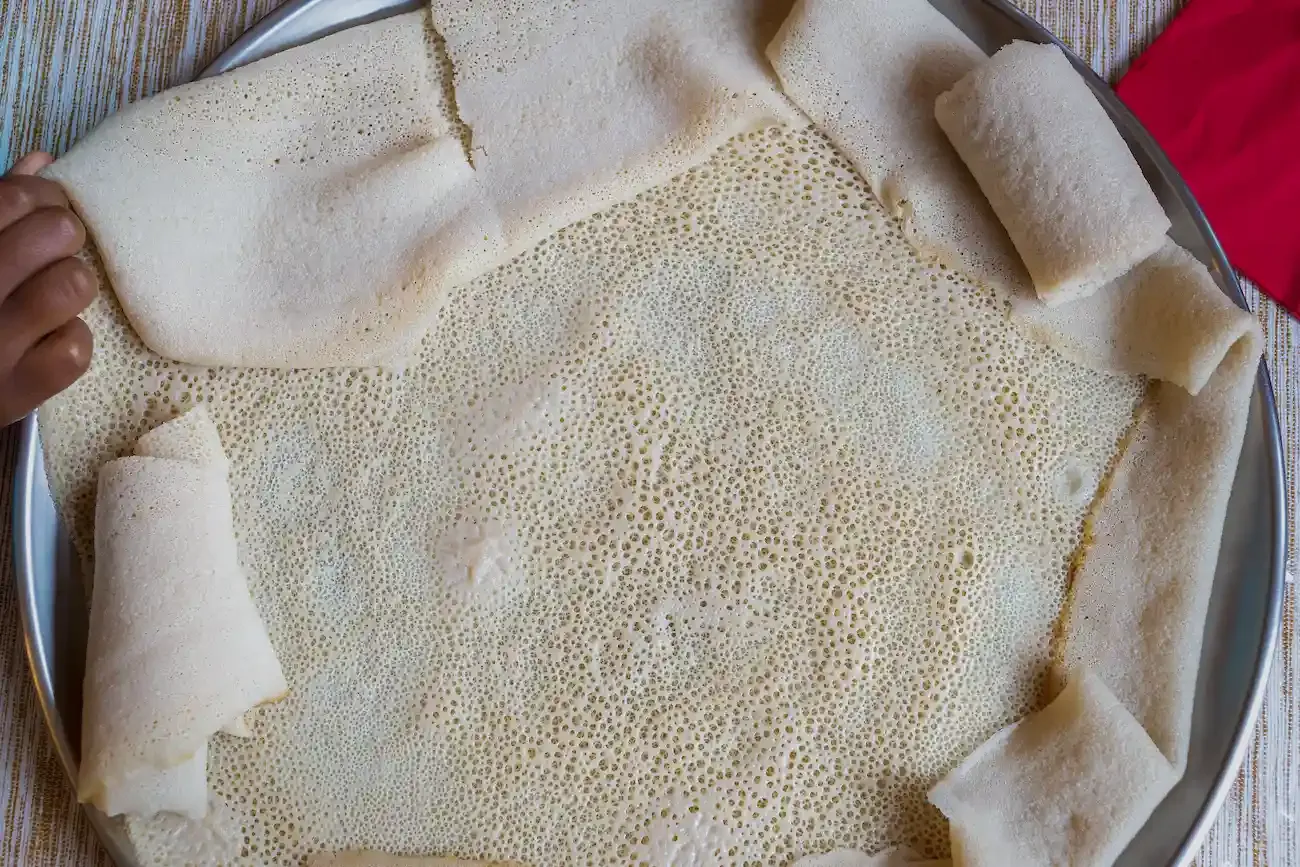
Injera
A sour, spongy flatbread fermented from teff flour, the staple of Ethiopia and Eritrea, laid out like a tablecloth and torn by hand to scoop up stews from a shared platter.
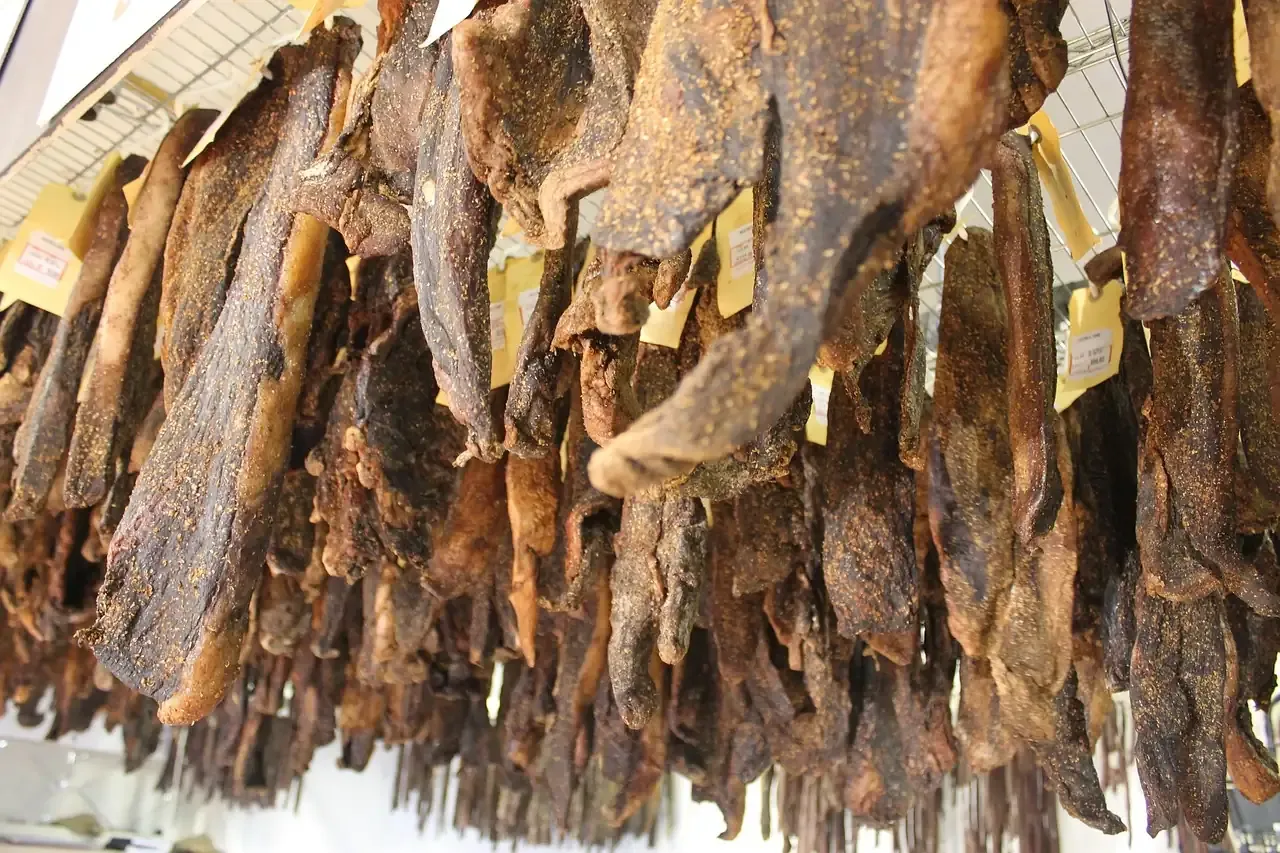
Biltong
Strips of beef or game cured in vinegar and spices and air-dried, a preserving method from the Dutch settlers that became the everyday snack of South Africa, sold by weight in butchers and petrol stations.
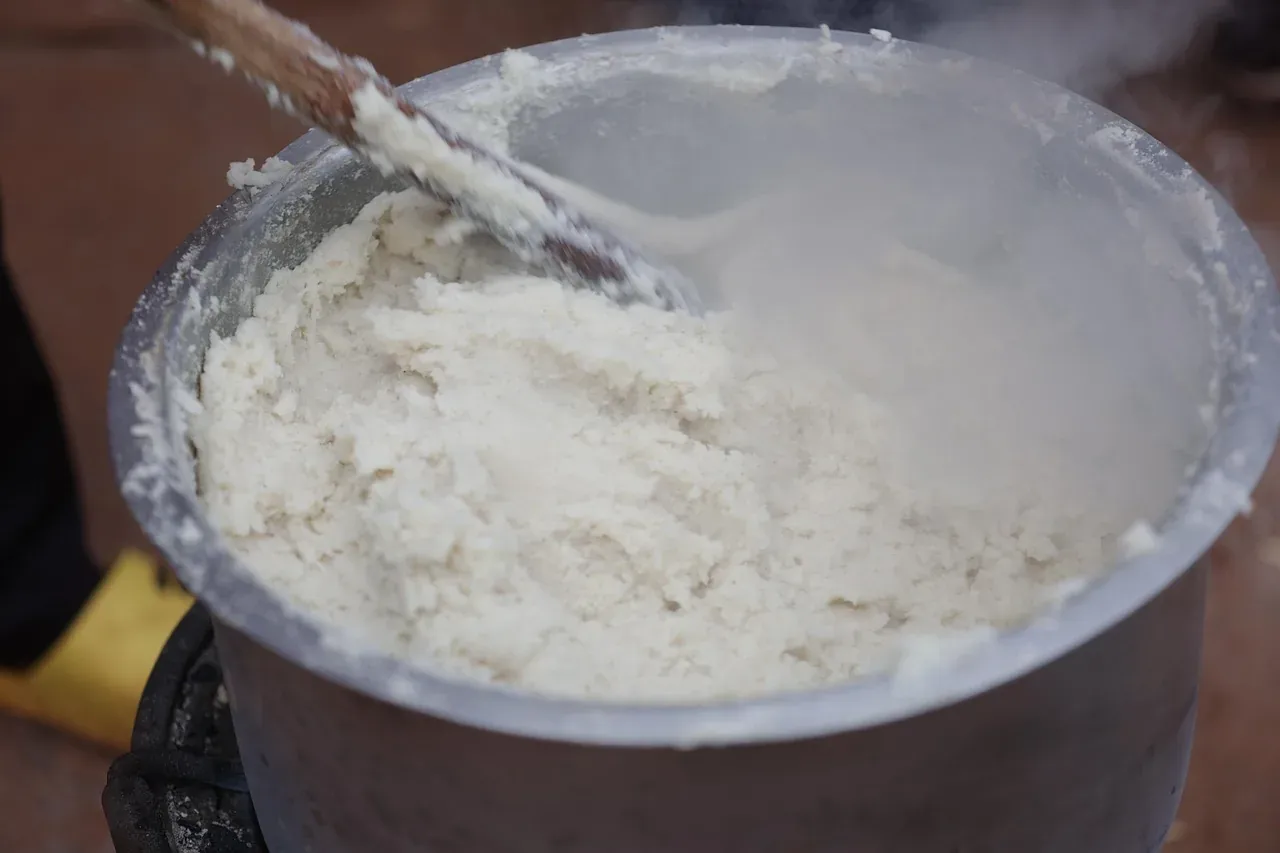
Ugali
A stiff maize-meal porridge cooked until it can be shaped by hand, the staple of Kenya and Tanzania, served alongside nyama choma, sukuma wiki greens and stews.
More destinations across Africa
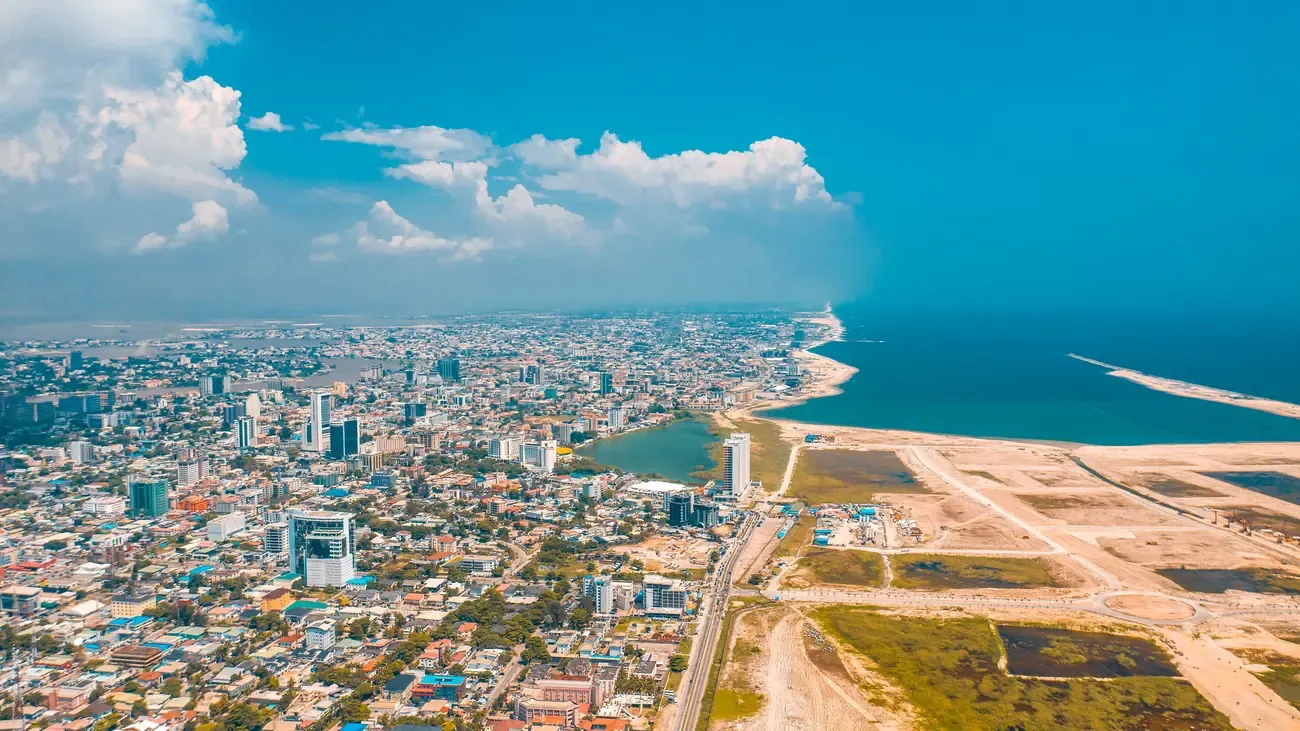
Lagos
Tourist attractions in Lagos span the colonial core of Lagos Island, its museums, Lekki and Victoria Island and boat trips across the lagoon.
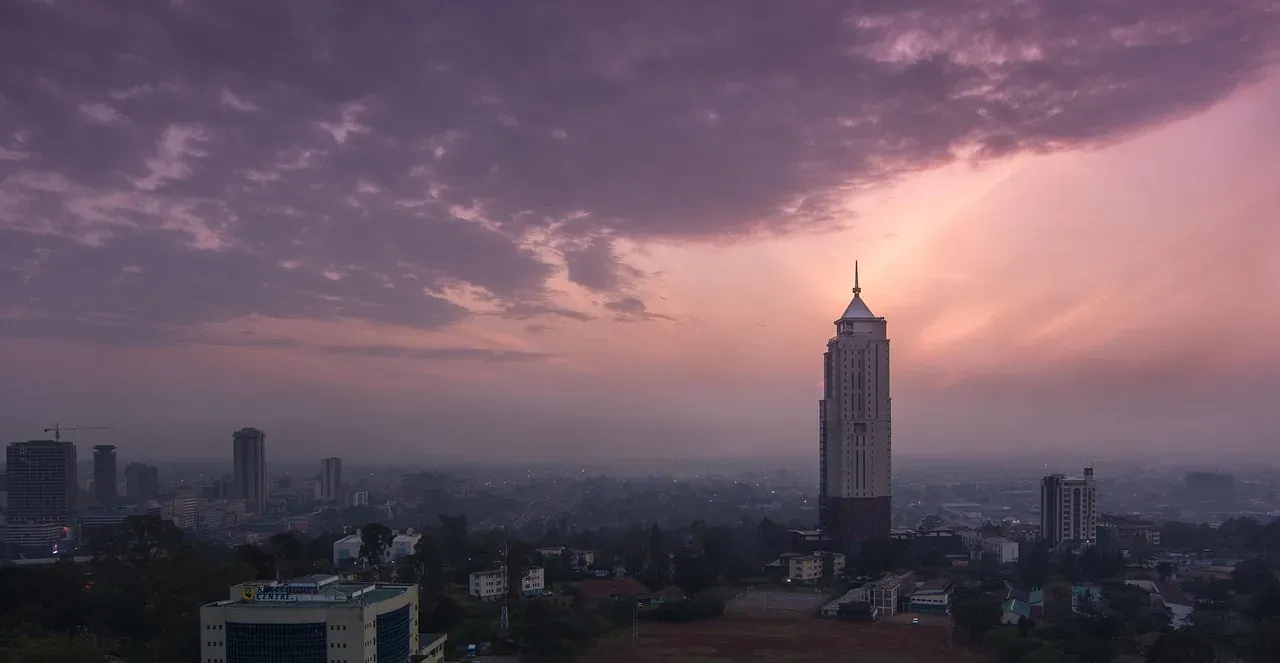
Nairobi
Kenya's capital is the only one in the world with a national park inside its boundaries, and the usual starting point for safaris to the Mara and Amboseli.
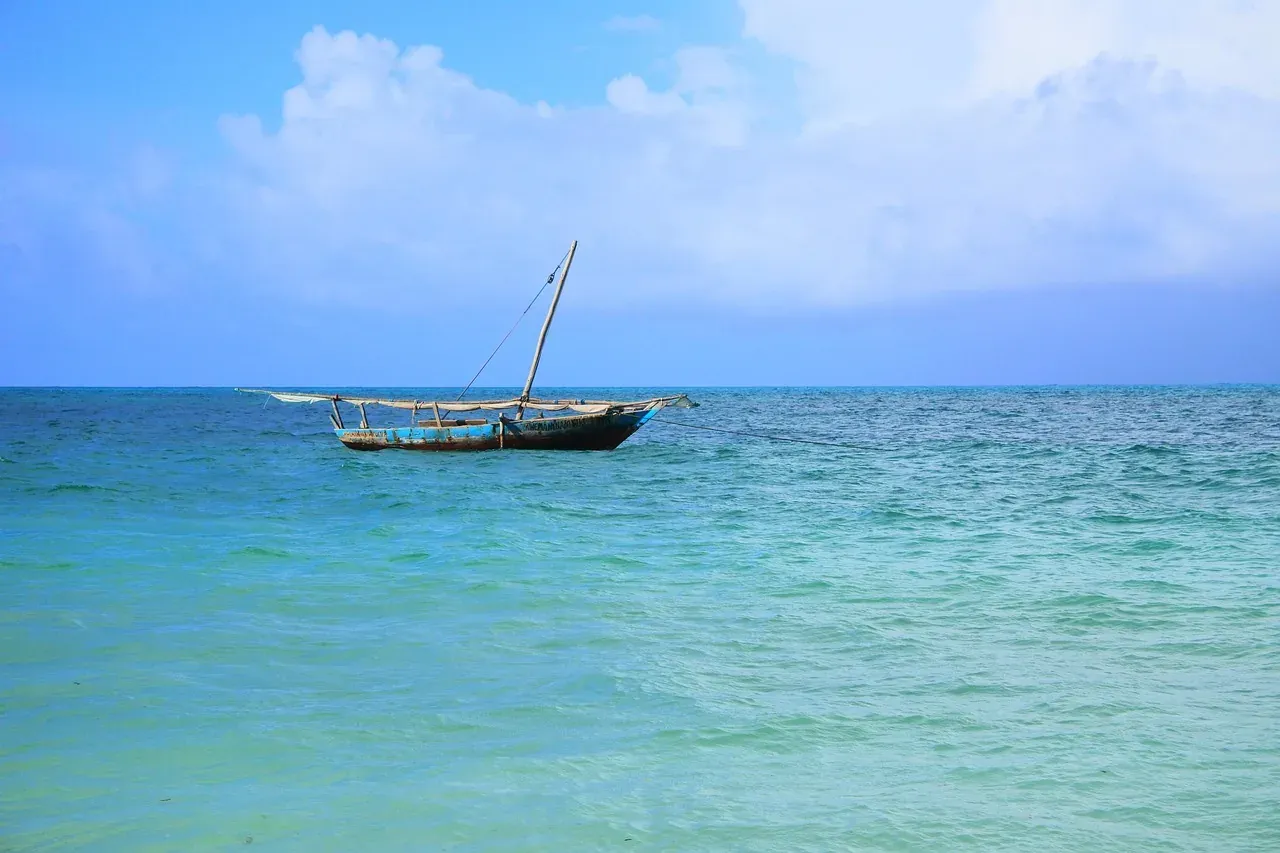
Zanzibar
Tanzania's spice island, with Stone Town, clove plantations and the beaches and dhows of Nungwi and Paje on the Indian Ocean.
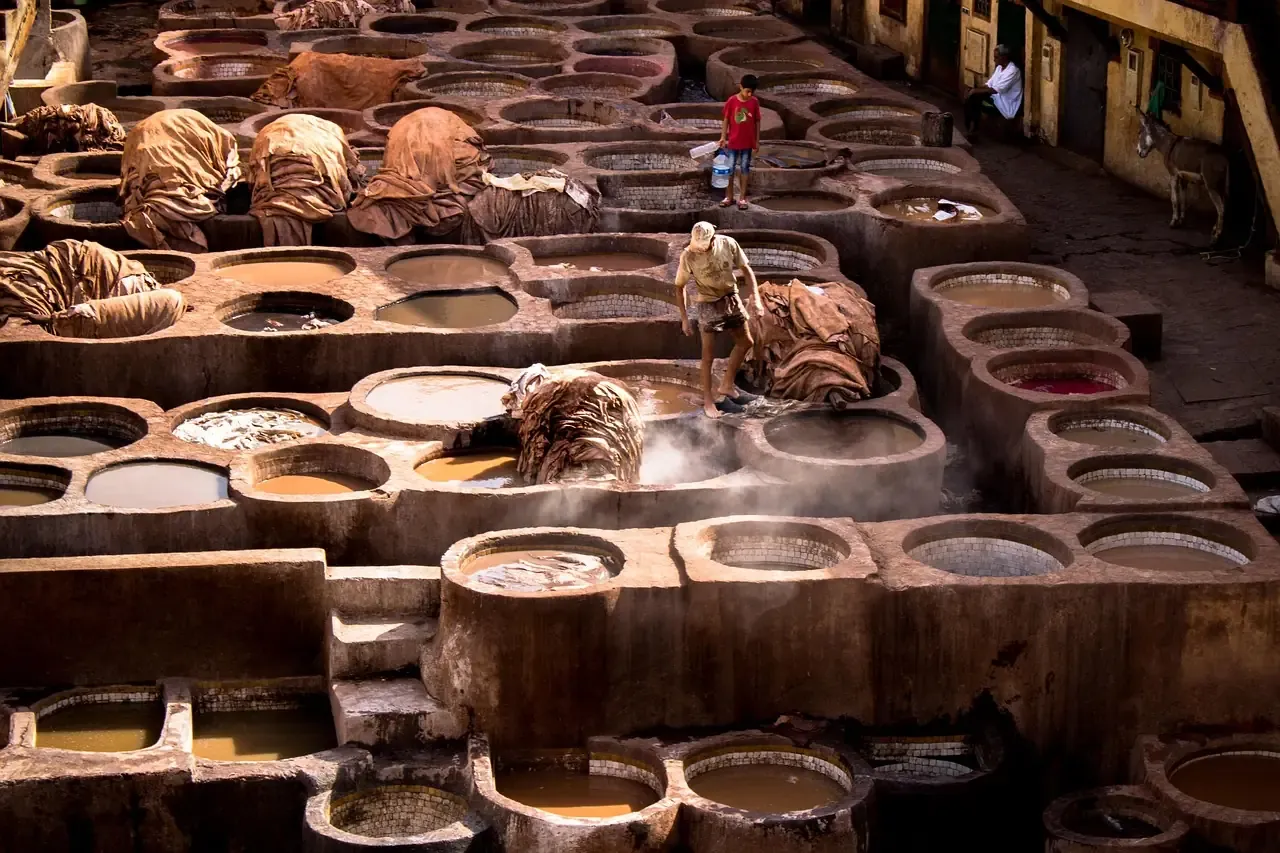
Fes
Morocco's oldest imperial city, founded in the eighth century, with the car-free medina of Fes el-Bali, the Chouara tannery and the Qarawiyyin mosque.
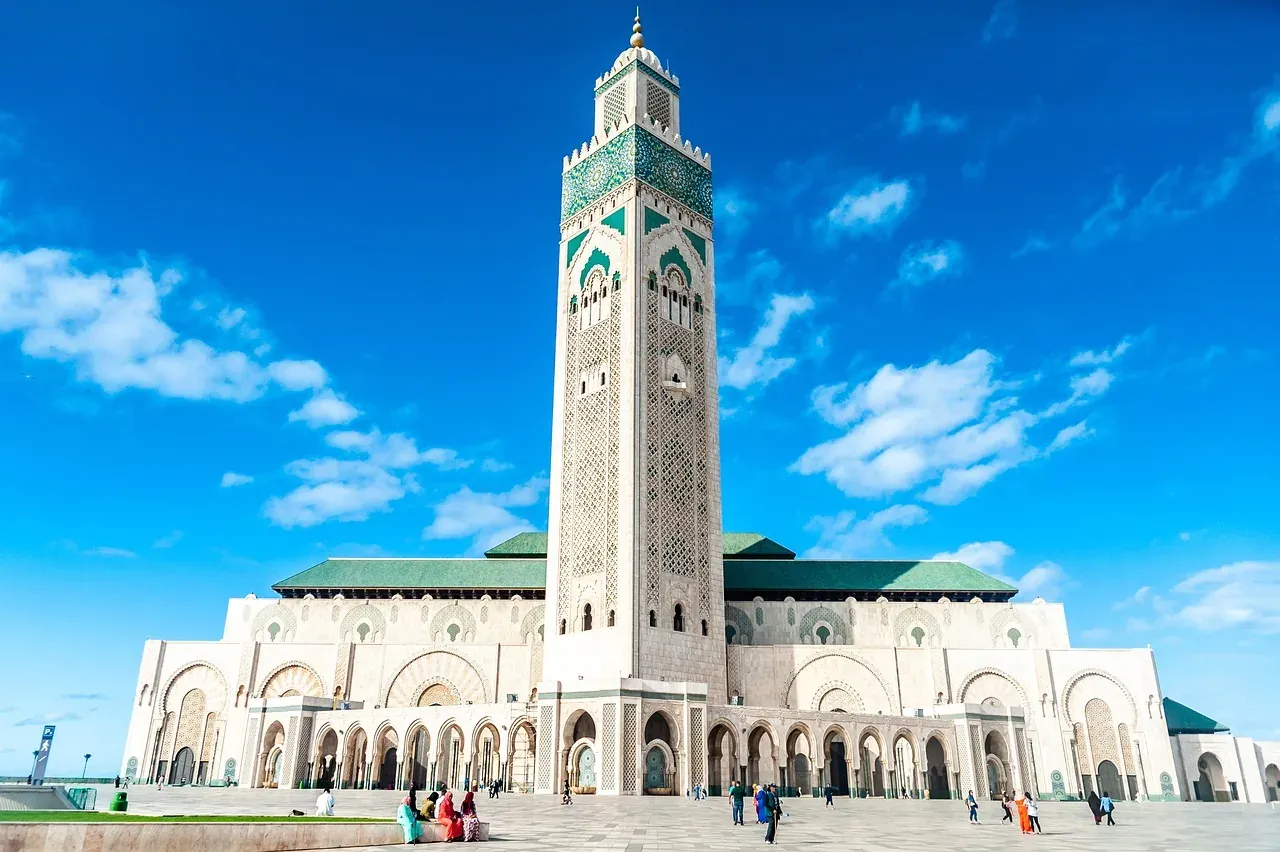
Casablanca
Morocco's largest city and port, with the Hassan II Mosque on the Atlantic shore, art deco boulevards and the Habous quarter.
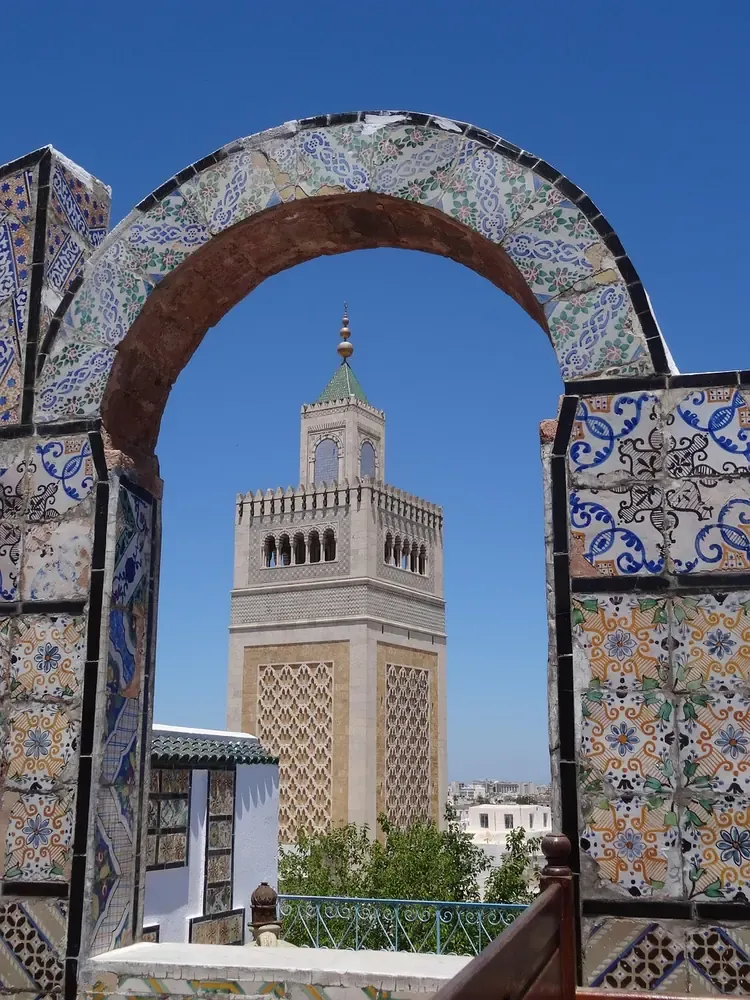
Tunis
Tunisia's capital, with a UNESCO-listed medina around the Zitouna Mosque, the Roman mosaics of the Bardo museum and Carthage and Sidi Bou Said nearby.
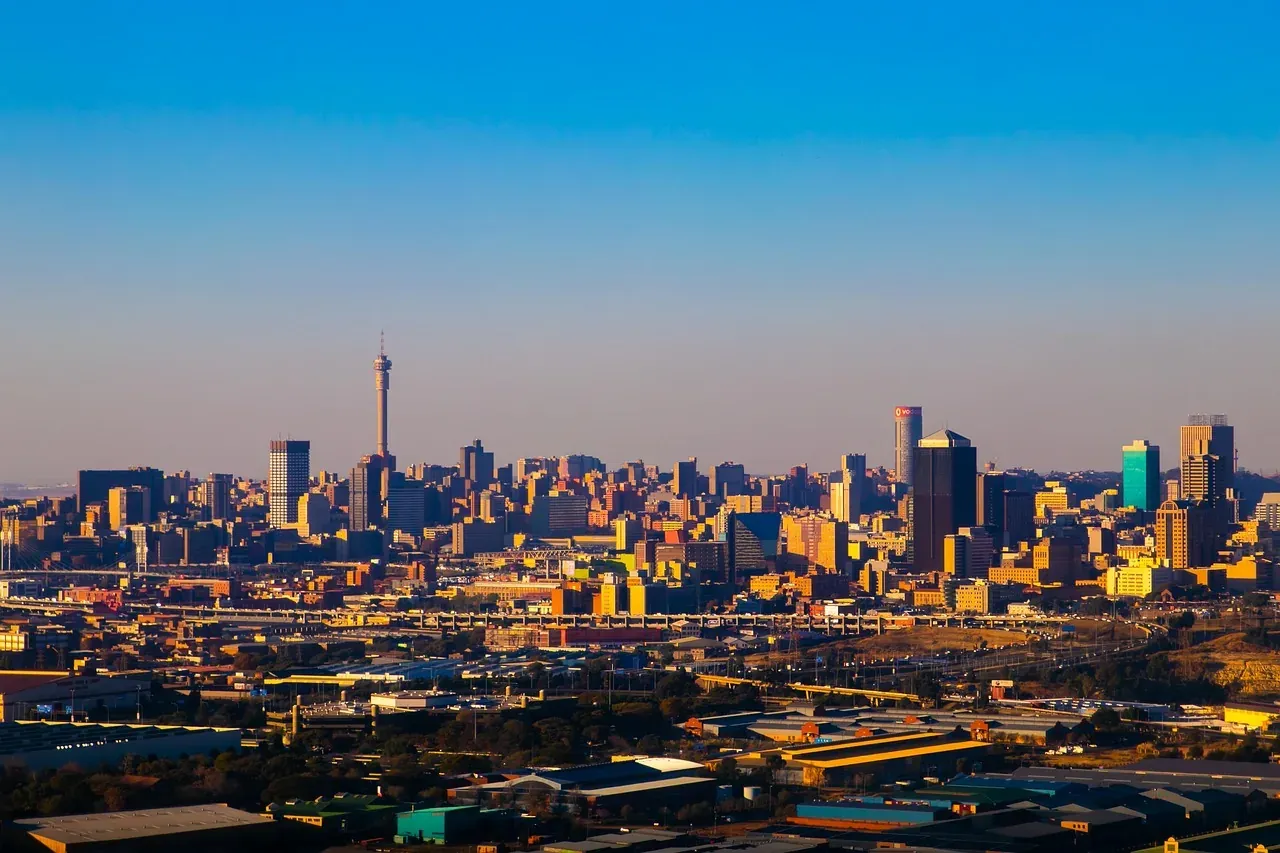
Johannesburg
South Africa's largest city, built on the Witwatersrand gold reef, with the Apartheid Museum, Constitution Hill and the townships of Soweto.
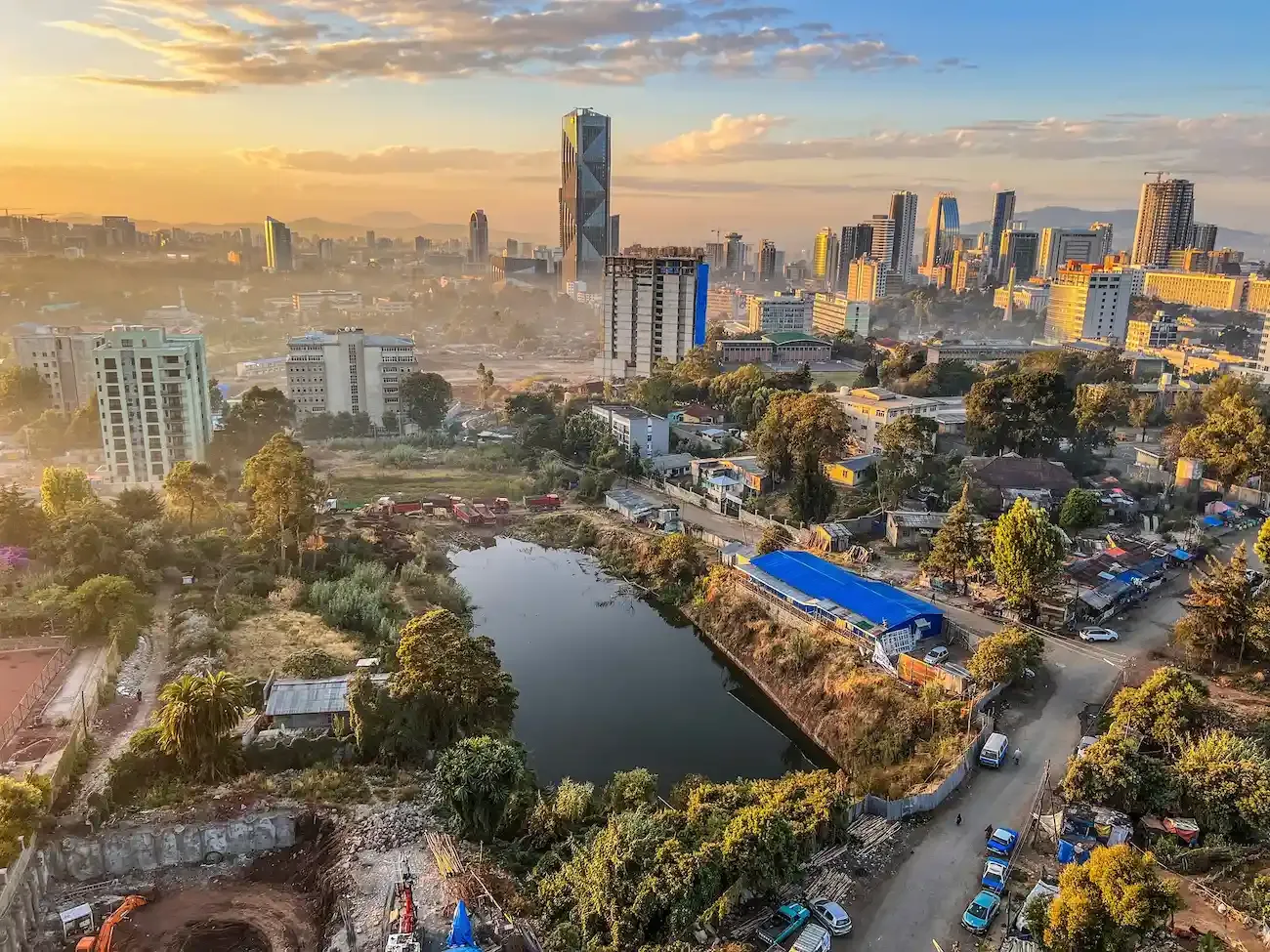
Addis Ababa
Ethiopia's capital at 2,355 metres, the highest in Africa, home to the National Museum with the Lucy fossil and the Holy Trinity Cathedral.
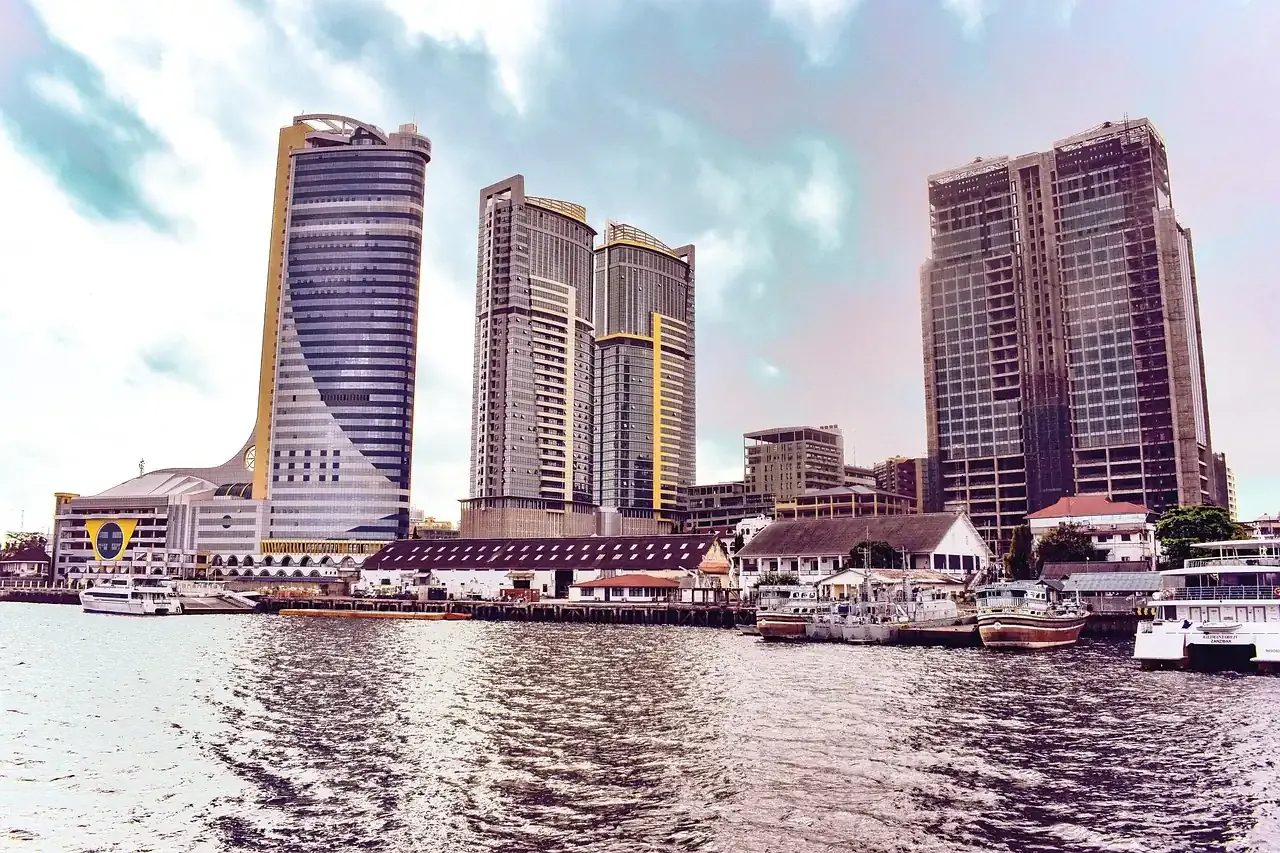
Dar es Salaam
Tanzania's largest city and Indian Ocean port, the ferry gateway to Zanzibar, with the Kivukoni fish market and the National Museum.
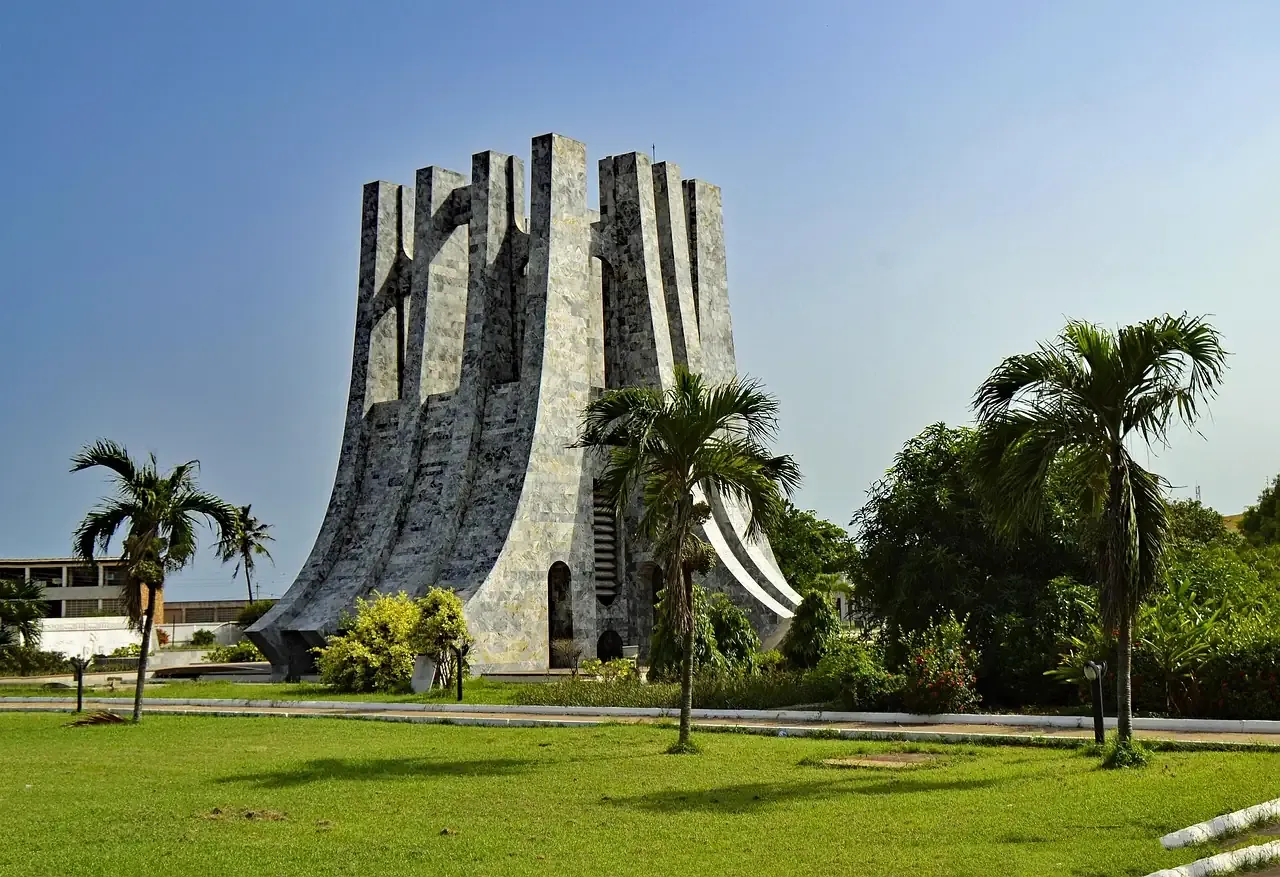
Accra
Ghana's capital on the Gulf of Guinea, with the Kwame Nkrumah Mausoleum, the Jamestown lighthouse and the coast road to the Cape Coast forts.
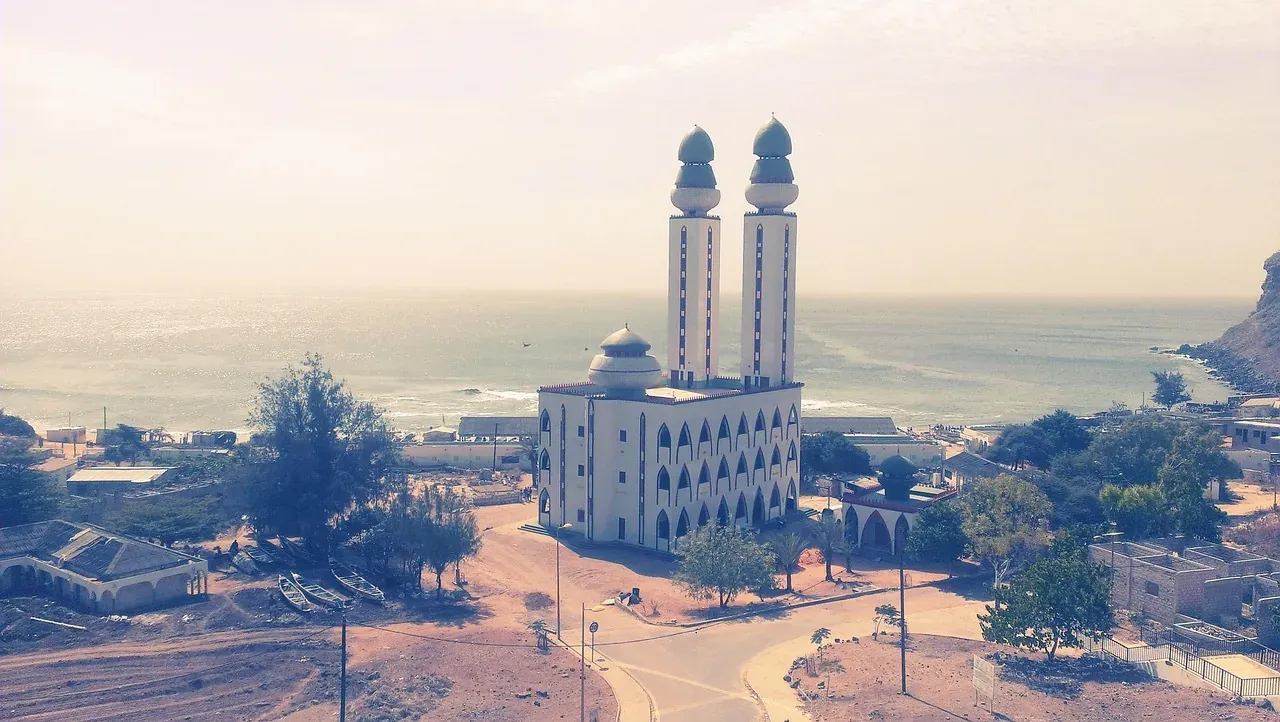
Dakar
Senegal's capital on the Cap-Vert peninsula, the westernmost point of mainland Africa, with Gorée Island and the pink Lake Retba nearby.
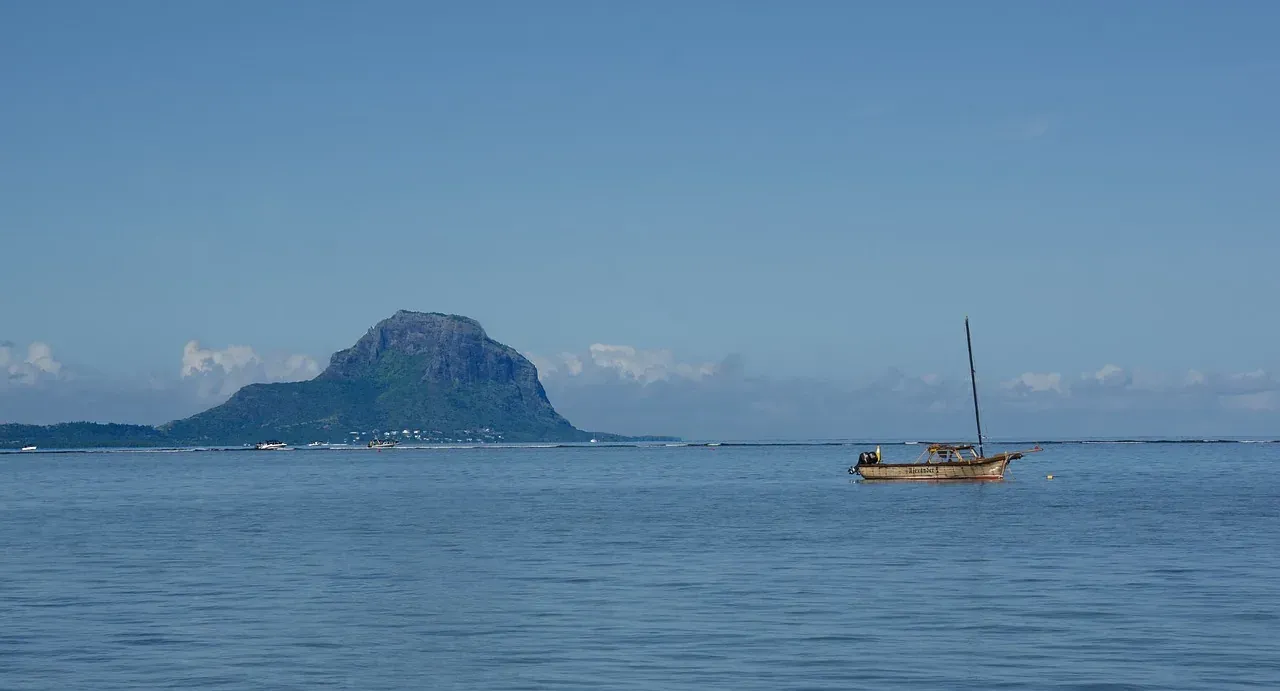
Mauritius
An Indian Ocean island east of Madagascar, with Le Morne Brabant, the Black River Gorges, the market of Port Louis and reef-sheltered lagoons.