
Egypt tourist attractions
Known for
Pyramid fields, Pharaonic temples, medieval Cairo and Red Sea reefs
Must-see cities
Cairo, Luxor, Aswan and Alexandria
UNESCO World Heritage
7 sites, from the pyramid fields of Memphis to Ancient Thebes
Best time to visit
November through March, the most comfortable months for travel
12 must-see tourist attractions in Egypt
Here the tourist attractions in Egypt are ranked, led by the Pyramids of Giza, the Great Sphinx of Giza and the Grand Egyptian Museum. After the 12 sights come the cities worth a stop, 12 more landmarks, local dishes, 13 hidden gems and visitor FAQs.
Popular tourist destinations in Egypt
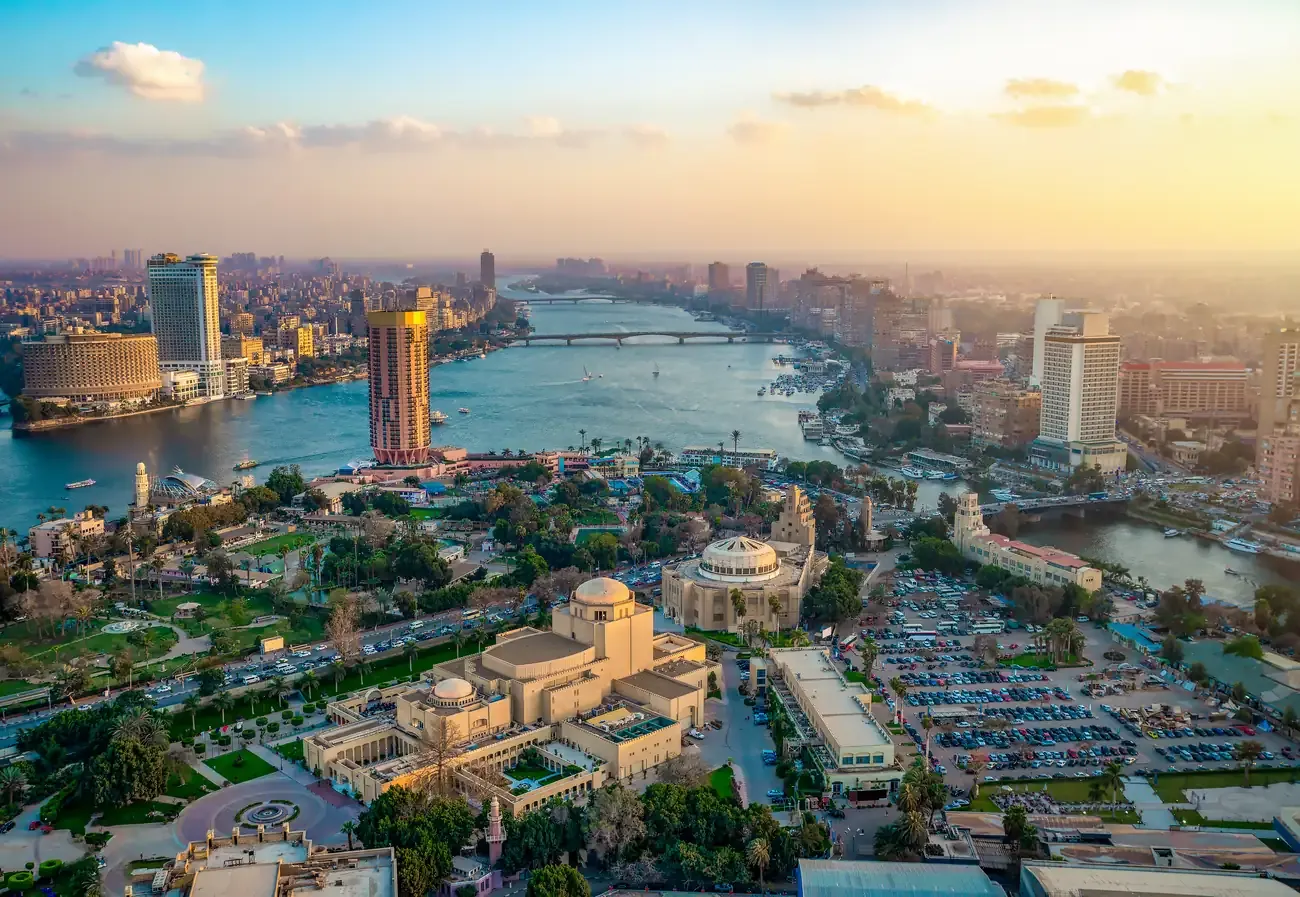
Cairo
Must-see tourist attractions in Cairo. The capital and the largest city in the country, with the pyramids on its western edge at Giza and the mosques and markets of Historic Cairo inside the old Fatimid walls.
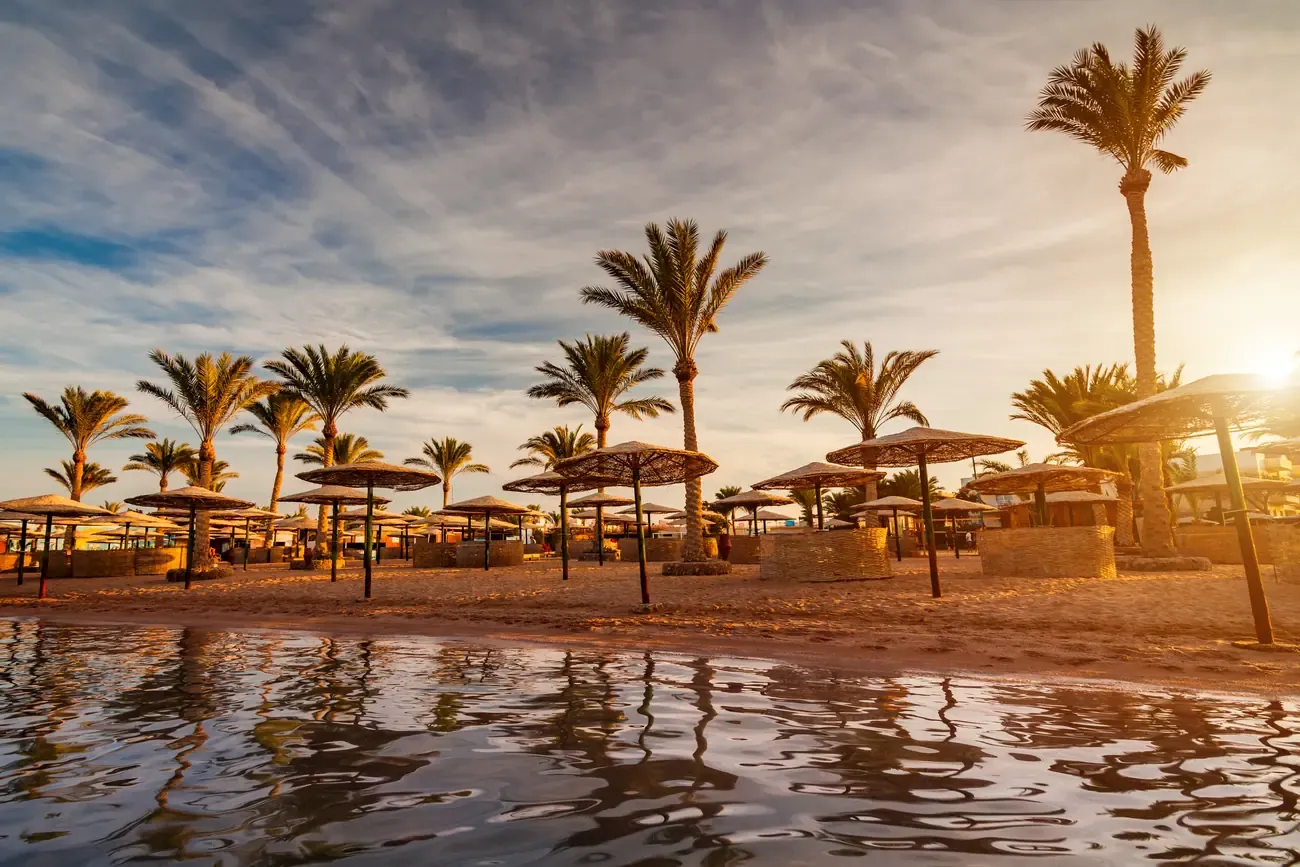
Hurghada
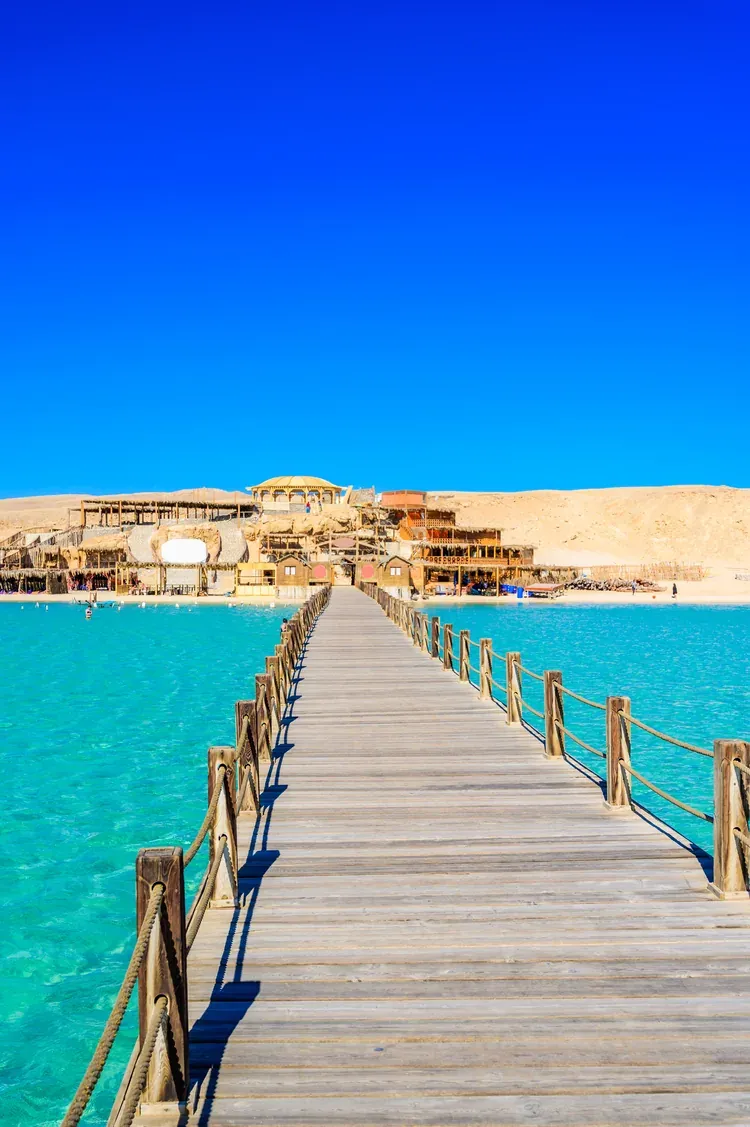
Must-see tourist attractions in Hurghada. The main Red Sea resort town on the mainland coast, built out from a fishing village, with dive boats leaving the marina each morning for the reefs offshore.
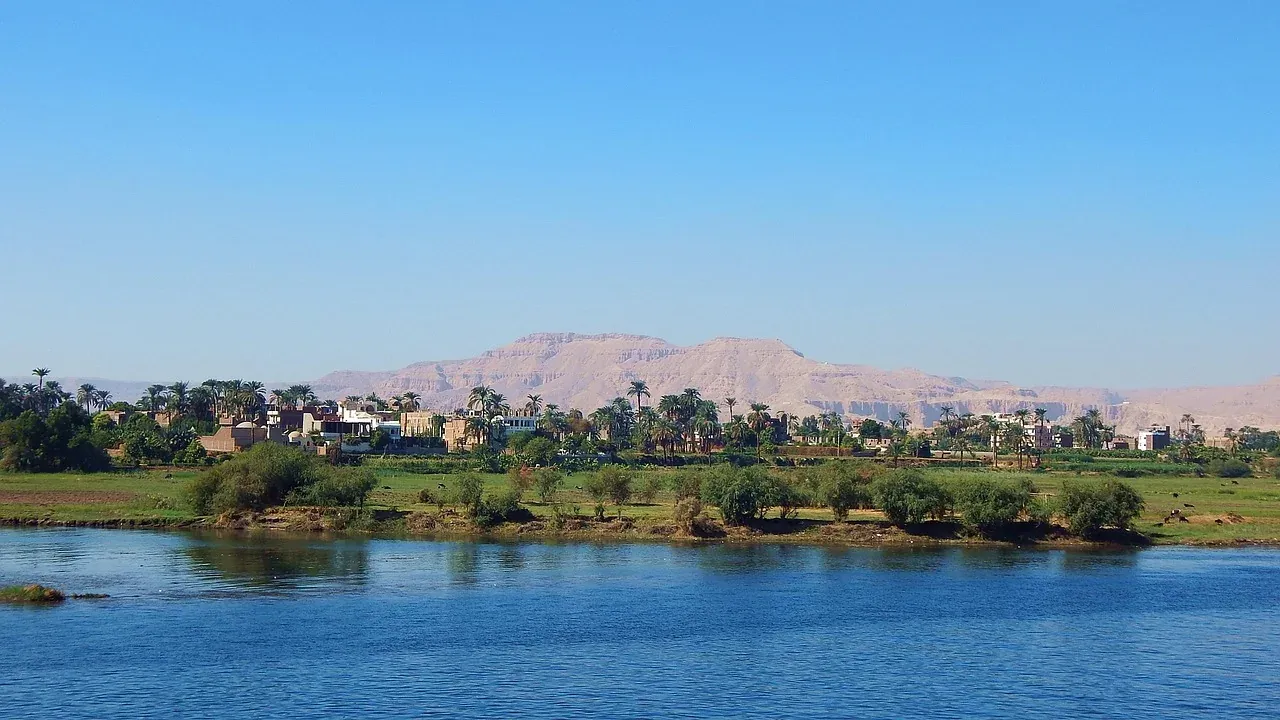
Luxor
Must-see tourist attractions in Luxor. Ancient Thebes, one of the oldest continuously inhabited cities in the world. Karnak and Luxor Temple stand inside the modern town, and the Theban Necropolis lies straight across the Nile.
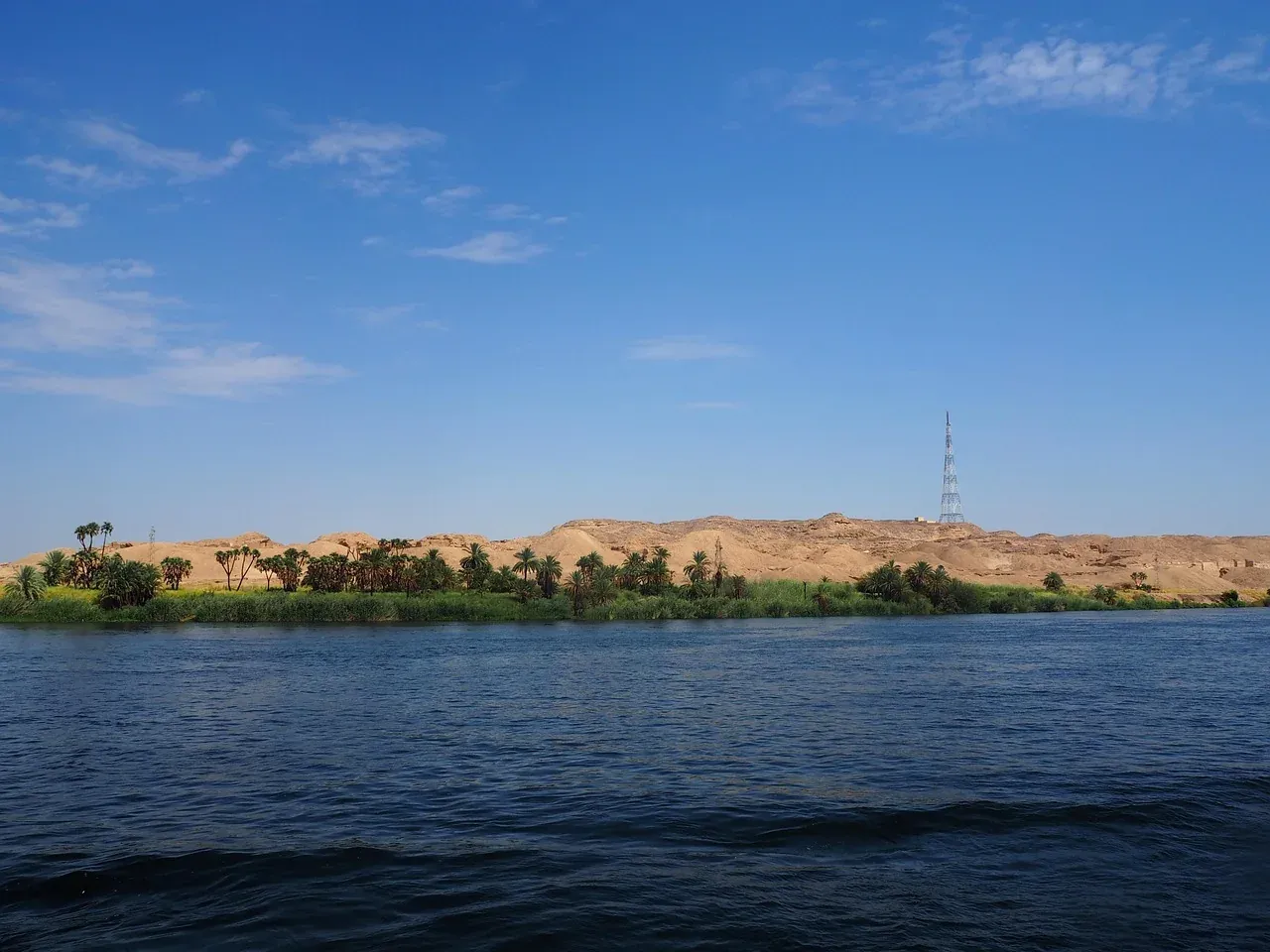
Aswan
The old southern frontier of ancient Egypt, on the east bank at the first cataract. Its granite quarries supplied monuments the length of the country, and five of them are UNESCO listed.
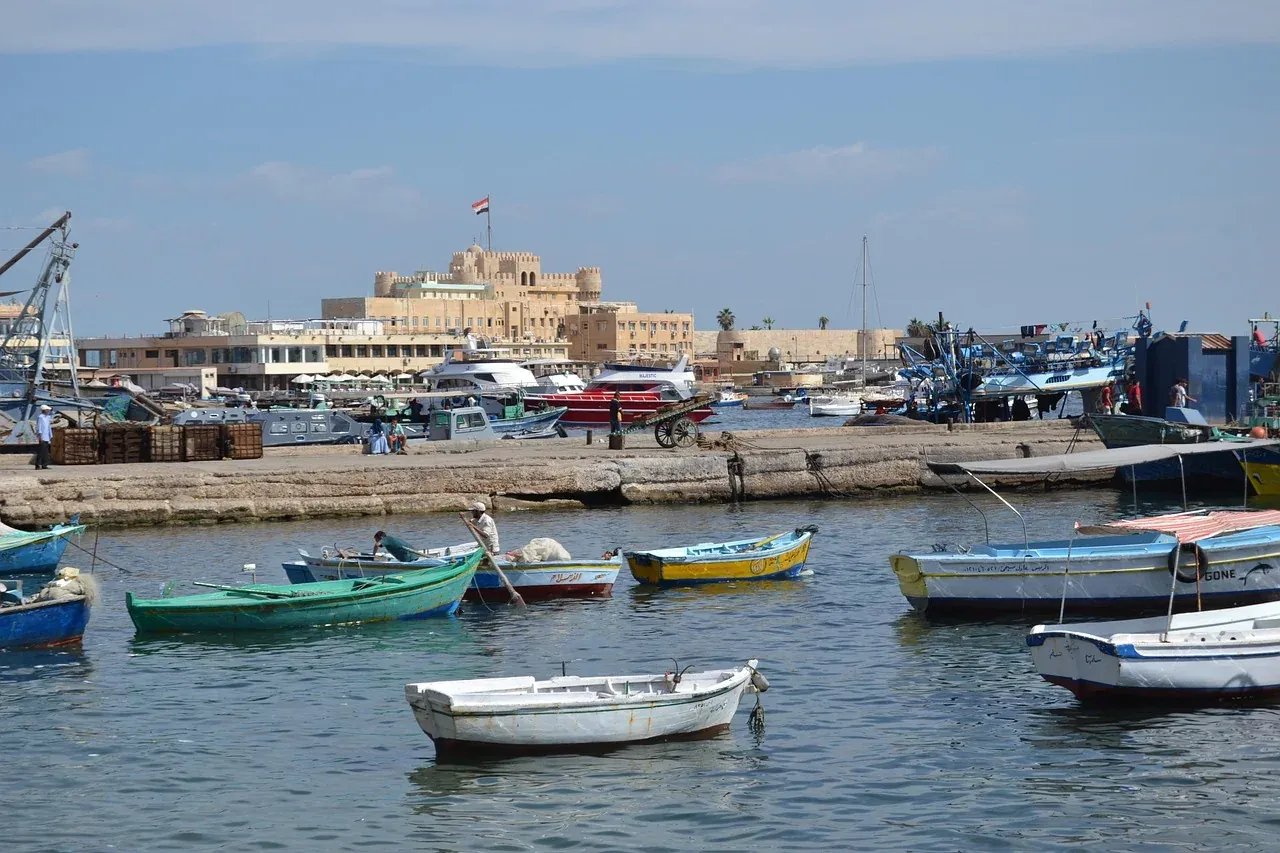
Alexandria
Egypt's Mediterranean port and second city, founded in 331 BC by Alexander the Great and a leading hub of ancient science and scholarship. It runs about 40 kilometres along the north coast.
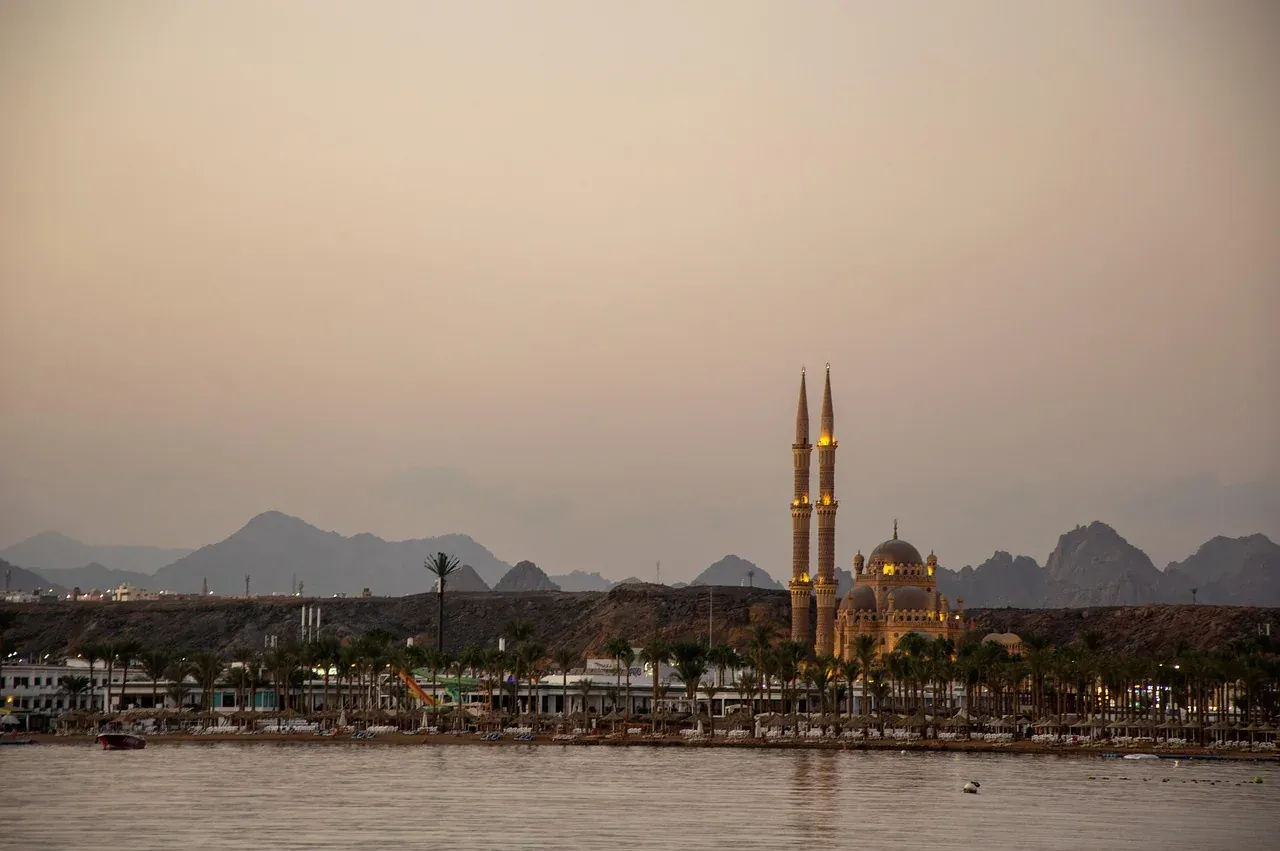
Sharm El Sheikh
The resort city at the southern tip of the Sinai peninsula, a fishing town and military base before tourism arrived. Its governorate also covers Dahab, Saint Catherine and Mount Sinai.
1. Pyramids of Giza
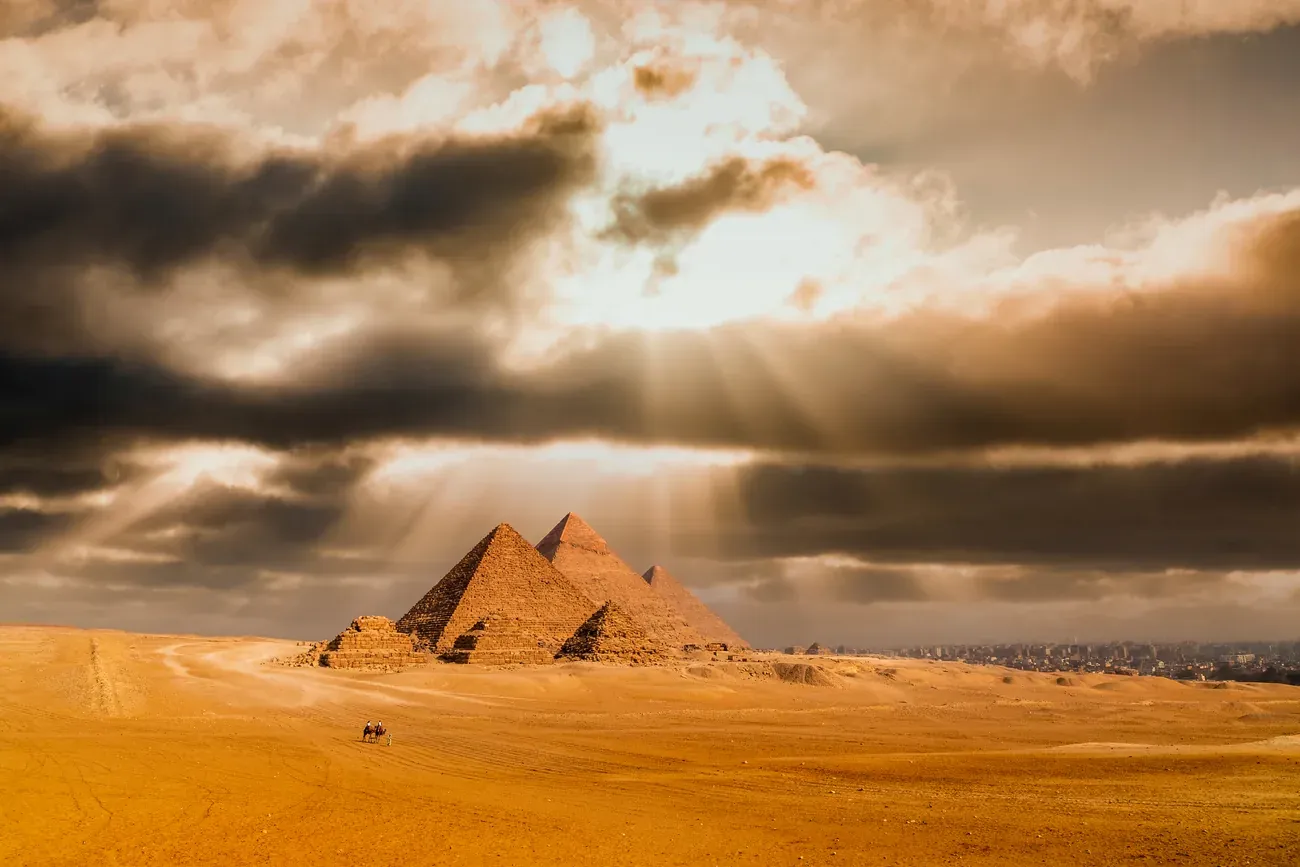
Three pyramids stand on the desert edge at Giza, roughly nine kilometres west of the Nile and thirteen southwest of central Cairo, all raised in the Fourth Dynasty between about 2600 and 2500 BC. The largest, built for Khufu, is the oldest of the Seven Wonders of the Ancient World and the only one that has survived largely intact. It stood 146.6 metres with its smooth limestone casing and measures 138.5 metres today. Temples, cemeteries and the remains of a workers' village fill the ground around them. The pyramids top most lists of tourist attractions in Giza.
Period: Fourth Dynasty, about 2600 to 2500 BC
Heritage: Part of Memphis and its Necropolis, UNESCO listed in 1979
Location: Giza plateau, on the western edge of Greater Cairo
Access: Ticketed
2. Great Sphinx of Giza
A reclining lion with a human head, carved straight out of the limestone bedrock of the Giza plateau rather than assembled from blocks, faces east across the desert on the west bank of the Nile. It is the oldest known monumental sculpture in Egypt. Archaeologists place it in the Old Kingdom, under Khufu or under Khafre, whose own pyramid rises behind it, and the face has been read as Khufu, Khafre or Djedefre without agreement. The monument shares its plateau and its ticketed enclosure with the pyramids.
Period: Old Kingdom, 26th to 25th century BC
Heritage: Part of Memphis and its Necropolis, UNESCO listed in 1979
Location: Giza plateau, beside the pyramid of Khafre
Access: Ticketed
3. Grand Egyptian Museum
The largest museum in the world devoted to a single civilisation sits about two kilometres from the Giza pyramids, close enough to see them from its glazed front. Its collection runs from the Predynastic period to Roman Egypt and holds more than 100,000 objects, among them the complete Tutankhamun material of 5,398 pieces, shown together for the first time across a hall of some 7,500 square metres. The Grand Hall, the Grand Stairs and the Khufu boats museum are part of the same visit.
Collection highlight: The golden burial mask of Tutankhamun
Location: Giza, about two kilometres from the pyramid plateau
Access: Ticketed
Photo: "GEM, December 22nd, 2025, by Dyolf77, ZVE07610" by Habib M'henni (CC BY-SA 4.0).
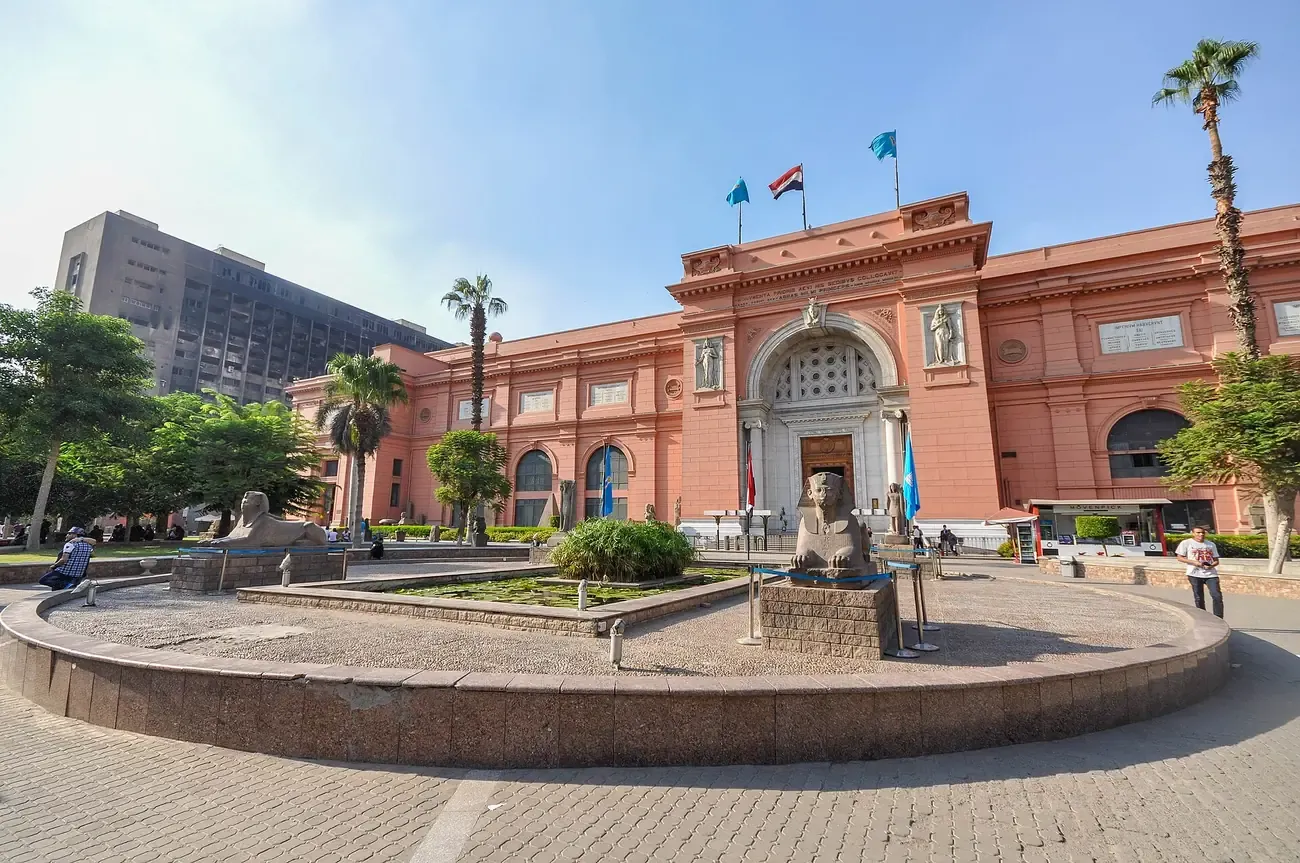
4. Egyptian Museum
The older museum on Tahrir Square opened in a purpose-built hall in 1901 and was the first national museum in the Middle East. It still holds the largest collection of Egyptian antiquities anywhere, more than 170,000 items, even after two departures: the Tutankhamun material moved out to the Grand Egyptian Museum, and 22 royal mummies crossed the city to the National Museum of Egyptian Civilization in the Pharaohs' Golden Parade of April 2021. The building itself is part of the appeal.
Opened: 1901, on Tahrir Square
Collection highlight: Old Kingdom royal statuary and the Narmer Palette
Location: Downtown Cairo, on the north side of Tahrir Square
Access: Ticketed
Photo: "Egyptian Museum (14795799955)" by Jorge Láscar from Melbourne, Australia (CC BY 2.0).
5. Citadel of Saladin
Salah ad-Din began this fortress in 1176 on a spur of the Mokattam hills, and later rulers kept building on it. For nearly seven centuries, from the thirteenth until Abdeen Palace took over in the nineteenth, it was the seat of government and the residence of whoever ruled Egypt. The Ottoman-style mosque of Muhammad Ali, with its twin pencil minarets, now dominates the skyline from the walls. Mosques and museums fill the enclosure, and the view runs across the whole city.
Founded: 1176, by Salah ad-Din
Heritage: Part of Historic Cairo, UNESCO listed in 1979
Location: Mokattam hills, above eastern Cairo
Access: Ticketed
6. Khan el-Khalili
The bazaar quarter in the historic centre of Cairo grew out of a Mamluk-era trading hub and takes its name from one of its caravanserais. What was once a single building now names the whole district, a dense grid of covered lanes where Egyptian artisans still keep workshops turning out metalwork, inlay and jewellery alongside the souvenir stalls. Gold and silversmiths are the last of the old skilled trades holding shops here, and the cafes between the alleys are institutions in their own right.
Founded: Mamluk era, as a centre of trade
Heritage: Part of Historic Cairo, UNESCO listed in 1979
Location: Islamic Cairo, beside the al-Hussein mosque
Access: Open street bazaar
Photo: "Flickr - HuTect ShOts - Khan El-Khalili Street شارع خان الخليلي - Cairo - Egypt - 09 04 2010" by Ahmed Al.Badawy from Cairo, Egypt (CC BY-SA 2.0).
7. Karnak Temple
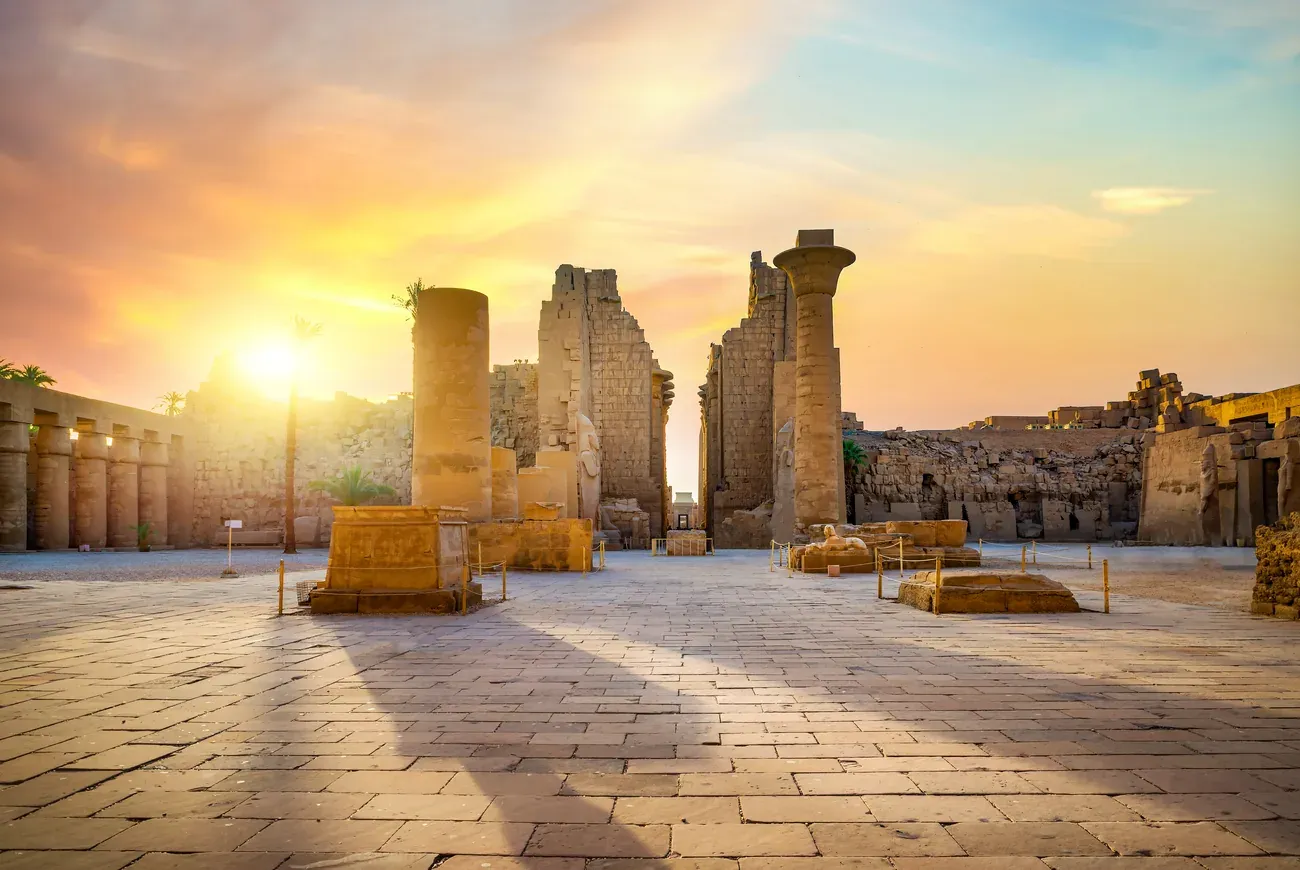
Building at Karnak started under Senusret I, who reigned from 1971 to 1926 BC, and did not stop until the Ptolemaic kingdom ended in 30 BC, which is why the site reads as a city of temples, pylons and chapels rather than one building. The ancient Egyptians called it Ipet-isut, the most selected of places, and it was the chief sanctuary of Amun and the Theban triad. Most of what still stands belongs to the New Kingdom.
Period: Middle Kingdom to Ptolemaic, about 1971 BC to 30 BC
Heritage: Part of Ancient Thebes with its Necropolis, UNESCO listed in 1979
Location: El-Karnak, 2.5 kilometres north of Luxor
Access: Ticketed
8. Luxor Temple
The second great temple on the east bank went up around 1400 BC in the middle of what is now the modern town, a short walk from the corniche. Unlike its neighbours it was not raised for a cult god or a dead king but for the renewal of kingship itself, and it may be where pharaohs were crowned in fact or in theory. Alexander the Great claimed his coronation here. Chapels built by Amenhotep III and by Alexander close the far end.
Period: New Kingdom, from about 1400 BC
Heritage: Part of Ancient Thebes with its Necropolis, UNESCO listed in 1979
Location: East bank of the Nile, central Luxor
Access: Ticketed
Photo: "Templo de Luxor, Luxor, Egipto, 2022-04-01, DD 01" by Diego Delso (CC BY-SA 4.0).
9. Valley of the Kings
For nearly five hundred years, through the Eighteenth to the Twentieth Dynasty, the rulers of the New Kingdom were cut into the rock of a dry valley on the west bank rather than buried under pyramids, because pyramids had been robbed. The site sits under a natural pyramid-shaped peak the Egyptians read as a sign of the divine. The Ministry of Tourism and Antiquities counts over sixty tombs here plus about twenty unfinished ones, and only a rotating handful stand open at a time.
Period: New Kingdom, about 1550 to 1069 BC
Heritage: Part of Ancient Thebes with its Necropolis, UNESCO listed in 1979
Location: West bank at Luxor, in the Theban Necropolis
Access: Ticketed
Photo: "1550 bis 1070 v. Chr. ca. diente das Tal der Könige als Begräbnisstätte für die Pharaonen. 01" by Holger Uwe Schmitt (CC BY-SA 4.0).
10. Temple of Hatshepsut
Three colonnaded terraces climb out of the desert floor and into the cliffs of Deir el-Bahari, directly opposite Luxor across the river. The ancient name was Djeser-djeseru, holy of holies. Hatshepsut had her own tomb, KV20, driven into the same massif under the peak of El Qurn, and a valley temple a kilometre east was joined to the terraces by a causeway. The building's axis points across the Nile to the eighth pylon she added at Karnak.
Period: Eighteenth Dynasty, reign of Hatshepsut
Heritage: Part of Ancient Thebes with its Necropolis, UNESCO listed in 1979
Location: Deir el-Bahari, west bank at Luxor
Access: Ticketed
11. Philae Temple
The sanctuary of Isis stood on Philae island by the first cataract until the Aswan Low Dam of 1902 left it underwater for much of the year. When the High Dam went up between 1960 and 1970 the whole complex was taken apart and rebuilt on higher ground on nearby Agilkia island, where it stands today in the reservoir of the older dam. Boats run out to it from Aswan. The Kiosk of Trajan on the water's edge is the postcard.
Period: Ptolemaic and Roman
Heritage: Part of the Nubian Monuments from Abu Simbel to Philae, UNESCO listed in 1979
Location: Agilkia island, reached by boat from Aswan
Access: Ticketed
12. Abu Simbel
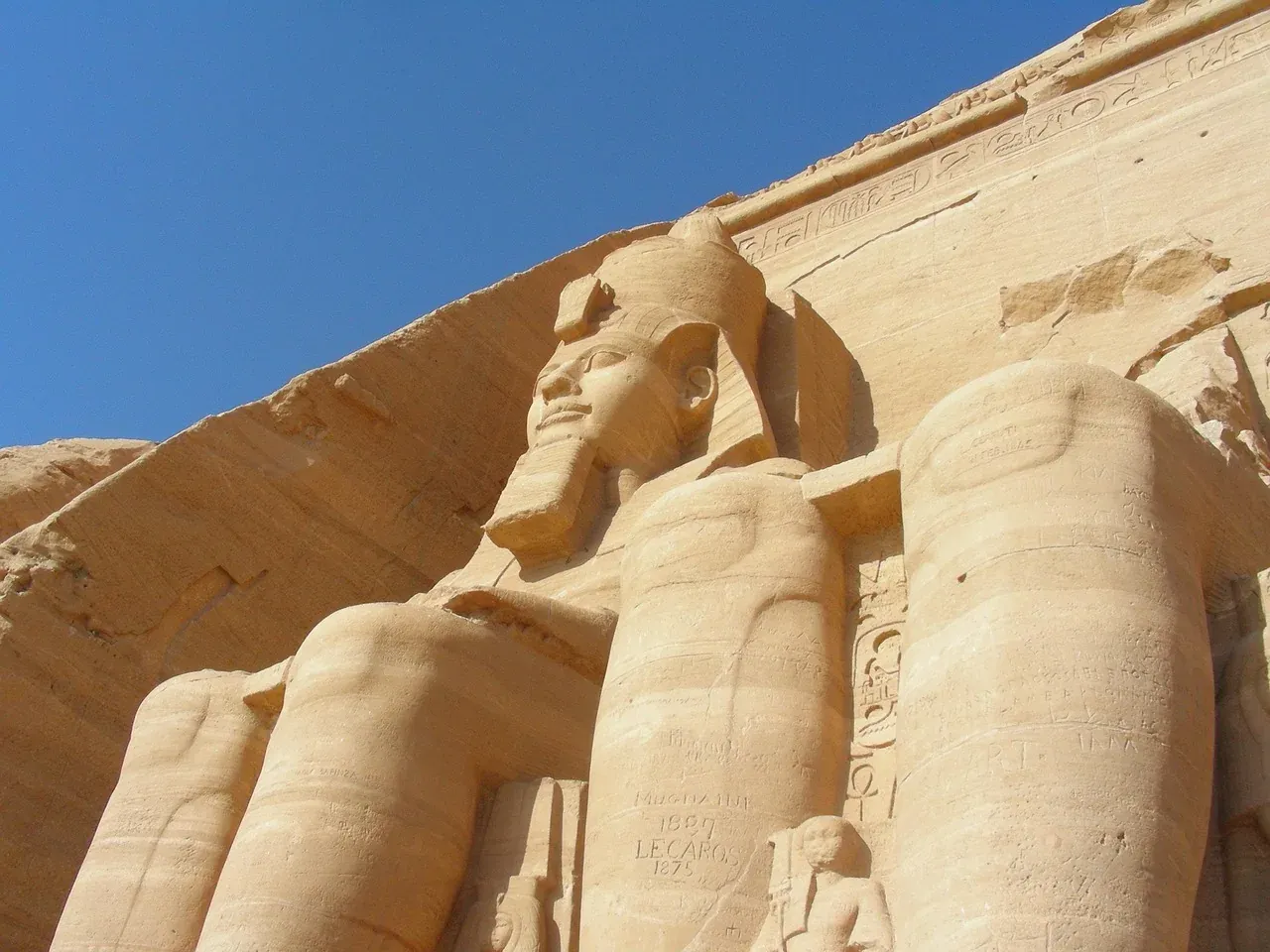
Two temples were cut into a mountainside in the thirteenth century BC for Ramesses II, the larger fronted by four seated colossi of the king with Nefertari and their children carved small at his feet. Reliefs inside the great temple retell his part at the battle of Kadesh. In 1968 the entire complex was moved to higher ground so the rising water behind the Aswan High Dam would not take it. It is about 230 kilometres southwest of Aswan, near the border with Sudan.
Period: Nineteenth Dynasty, reign of Ramesses II
Heritage: Part of the Nubian Monuments from Abu Simbel to Philae, UNESCO listed in 1979
Location: Abu Simbel, western bank of Lake Nasser, Aswan Governorate
Access: Ticketed
More famous landmarks in Egypt
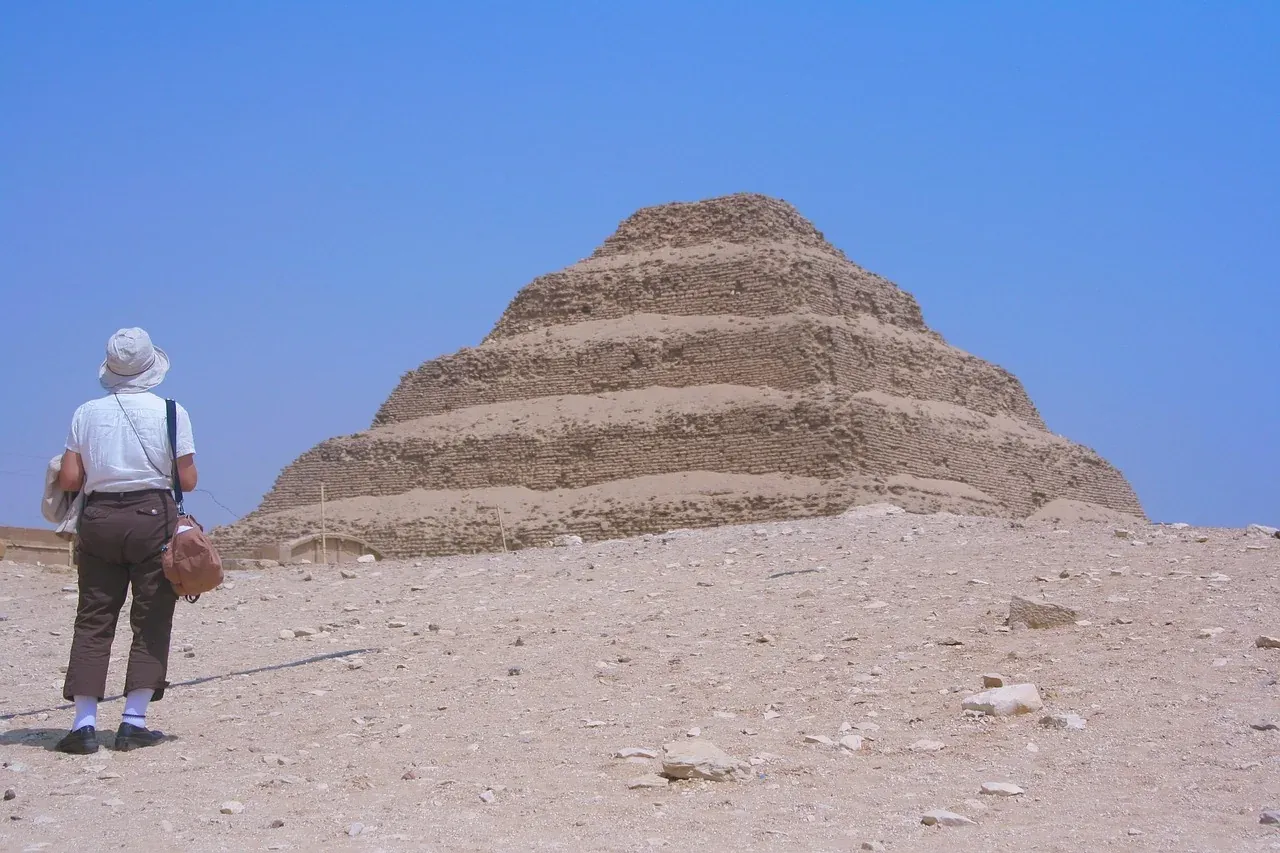
Saqqara
The necropolis of ancient Memphis, holding the Step Pyramid of Djoser, the oldest complete stone building complex known in history.
Location: Badrashin, Giza Governorate, about 30 kilometres south of Cairo
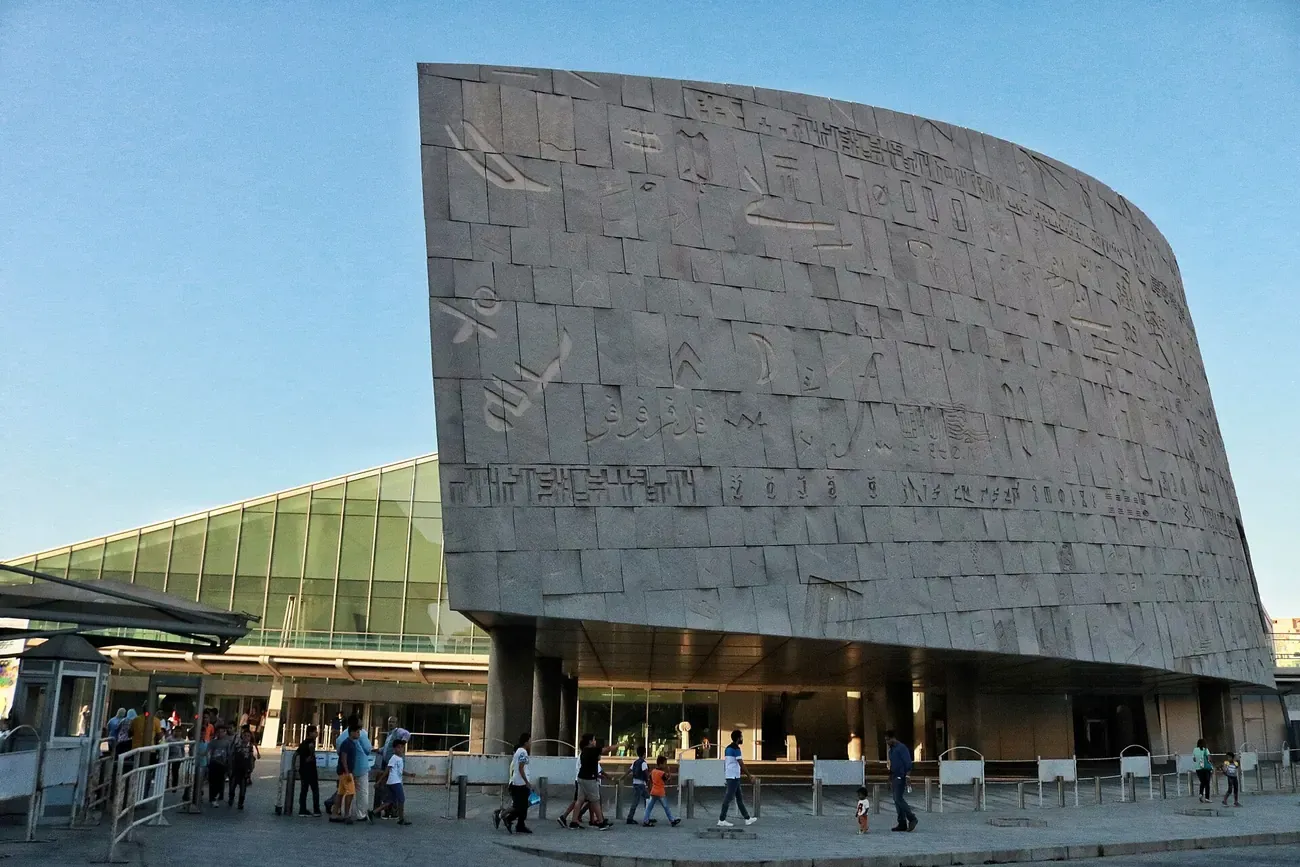
Bibliotheca Alexandrina
A library and cultural centre on the Mediterranean shore, inaugurated in 2002 with shelf space for eight million books.
Location: Chatby, on the Alexandria seafront
Photo: "Alexandria library (1)" by Ahmedsalahemam (CC BY-SA 4.0).
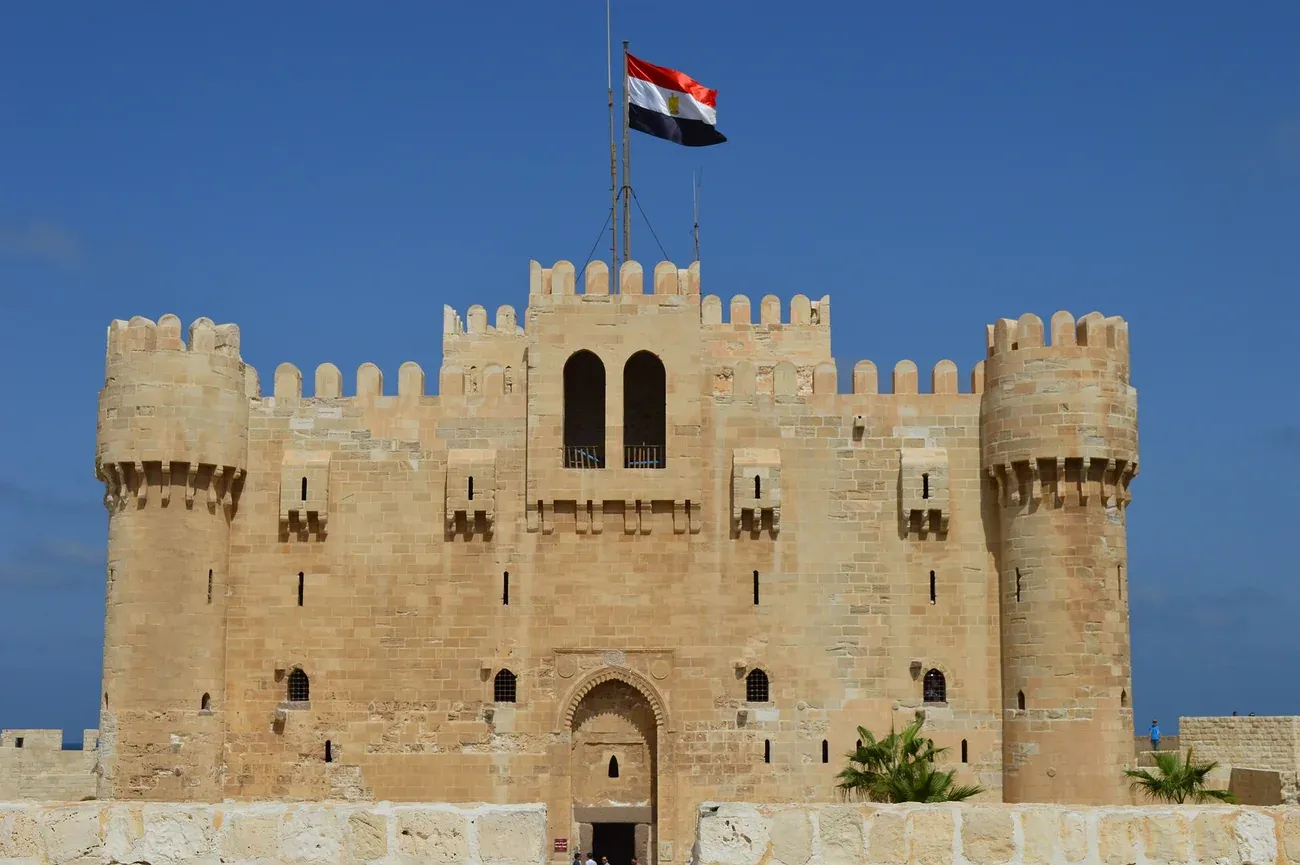
Citadel of Qaitbay
A sea fortress raised between 1477 and 1479 by Sultan Qaitbay at the mouth of the Eastern Harbour, on Pharos island.
Location: Pharos island, Alexandria
Photo: "Castle of Qitbay -22" by Ahmed Younis Sif Saad (CC BY-SA 4.0).
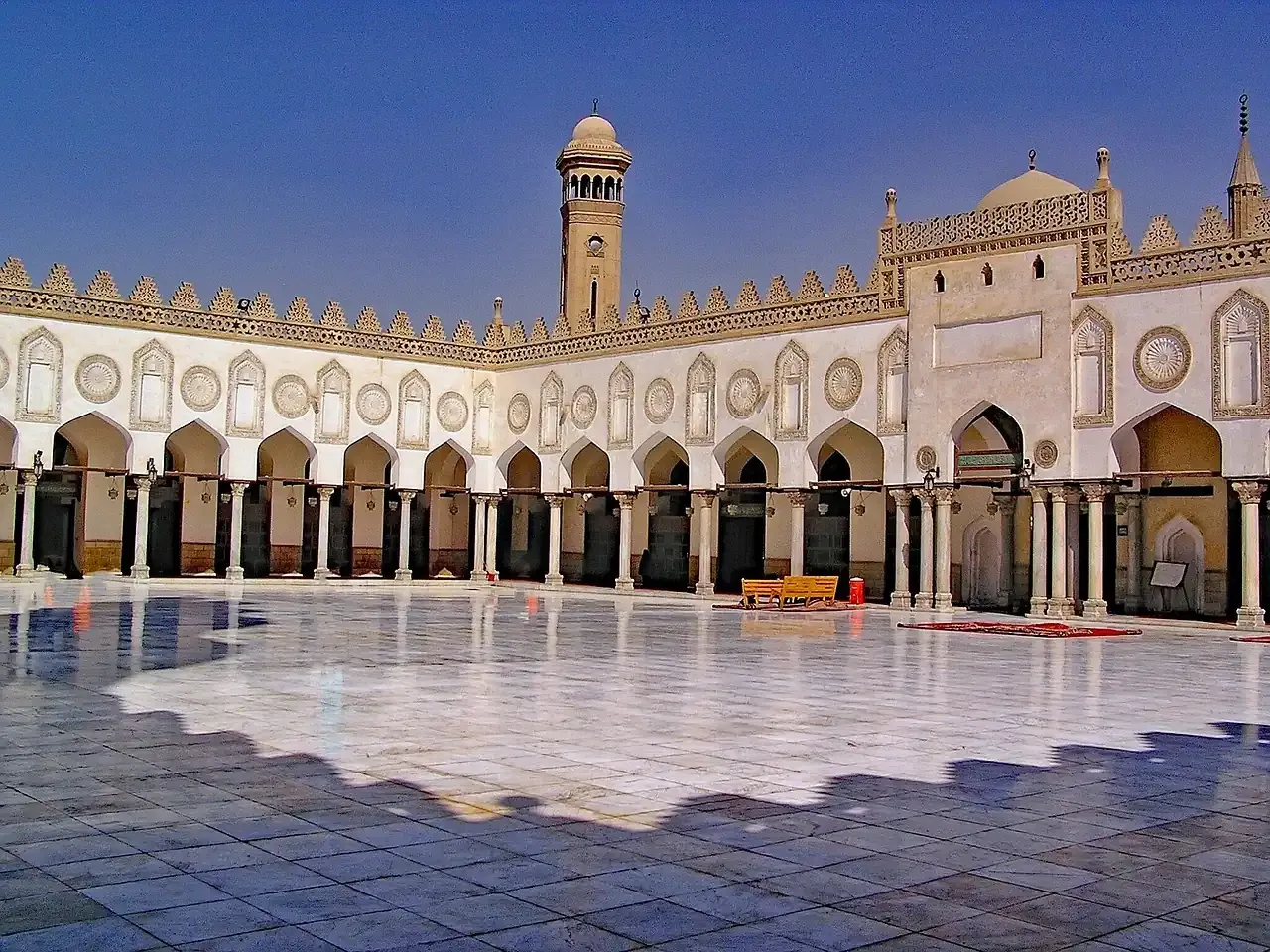
Al-Azhar Mosque
The first mosque of Fatimid Cairo, dedicated in 972, and home to a university second in age only to al-Qarawiyyin in Fes.
Location: Islamic Cairo, beside Khan el-Khalili
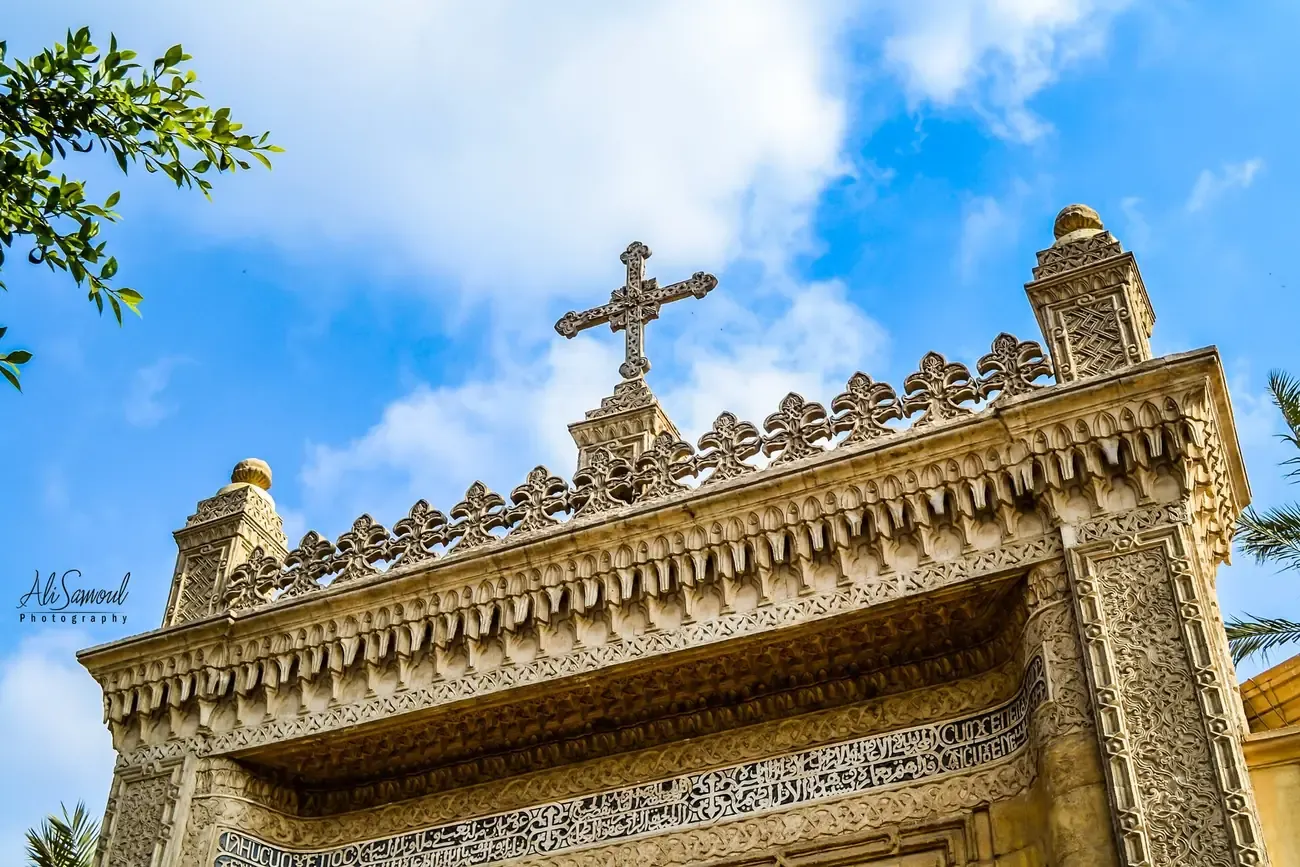
Hanging Church
One of the oldest churches in Egypt, dating to the third century, raised over the gatehouse of a Roman fortress.
Location: Coptic Cairo, in Old Cairo
Photo: "The Hanging Church (104688795)" by Ali Samoul (CC BY-SA 3.0).
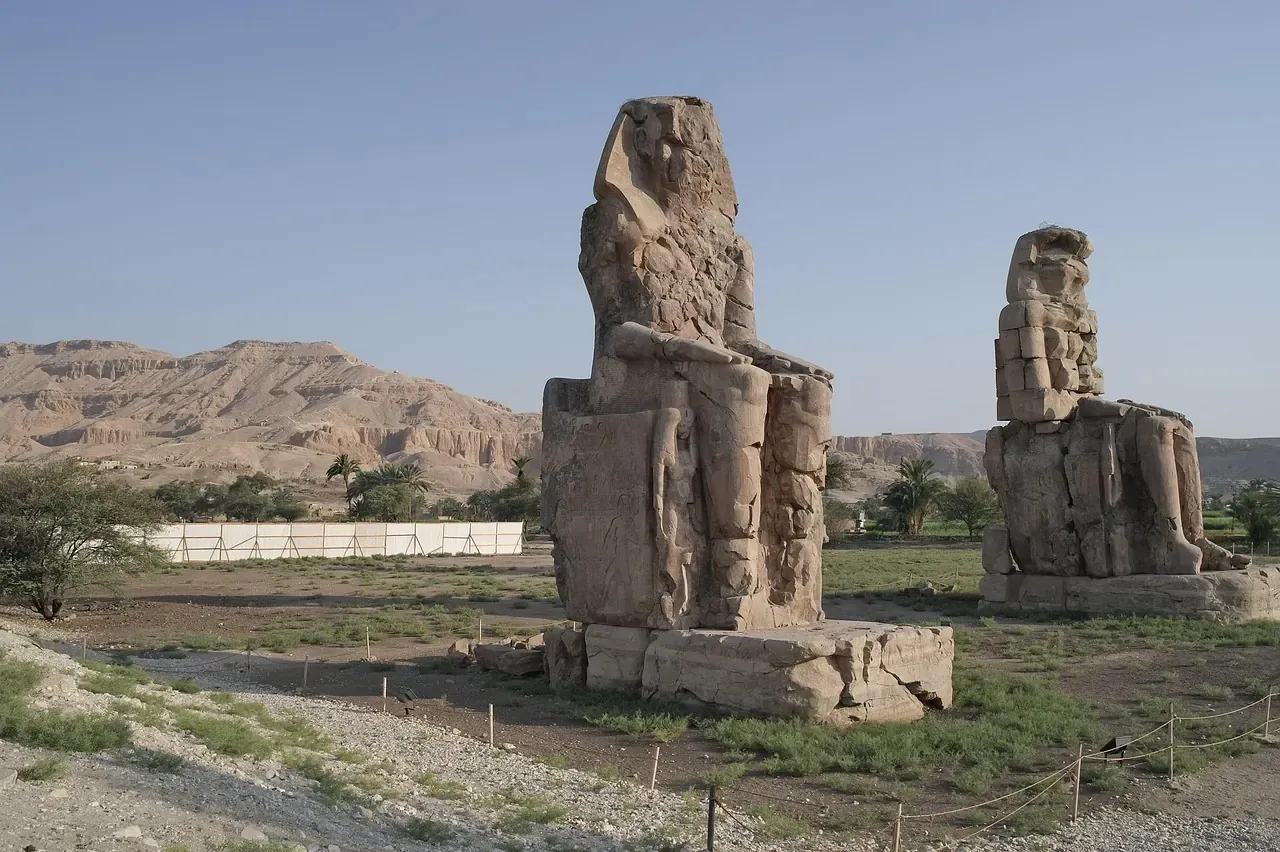
Colossi of Memnon
Two seated statues of Amenhotep III standing since 1350 BC, carrying 107 Greek and Latin inscriptions cut by Roman visitors.
Location: West bank at Luxor, in the Theban Necropolis
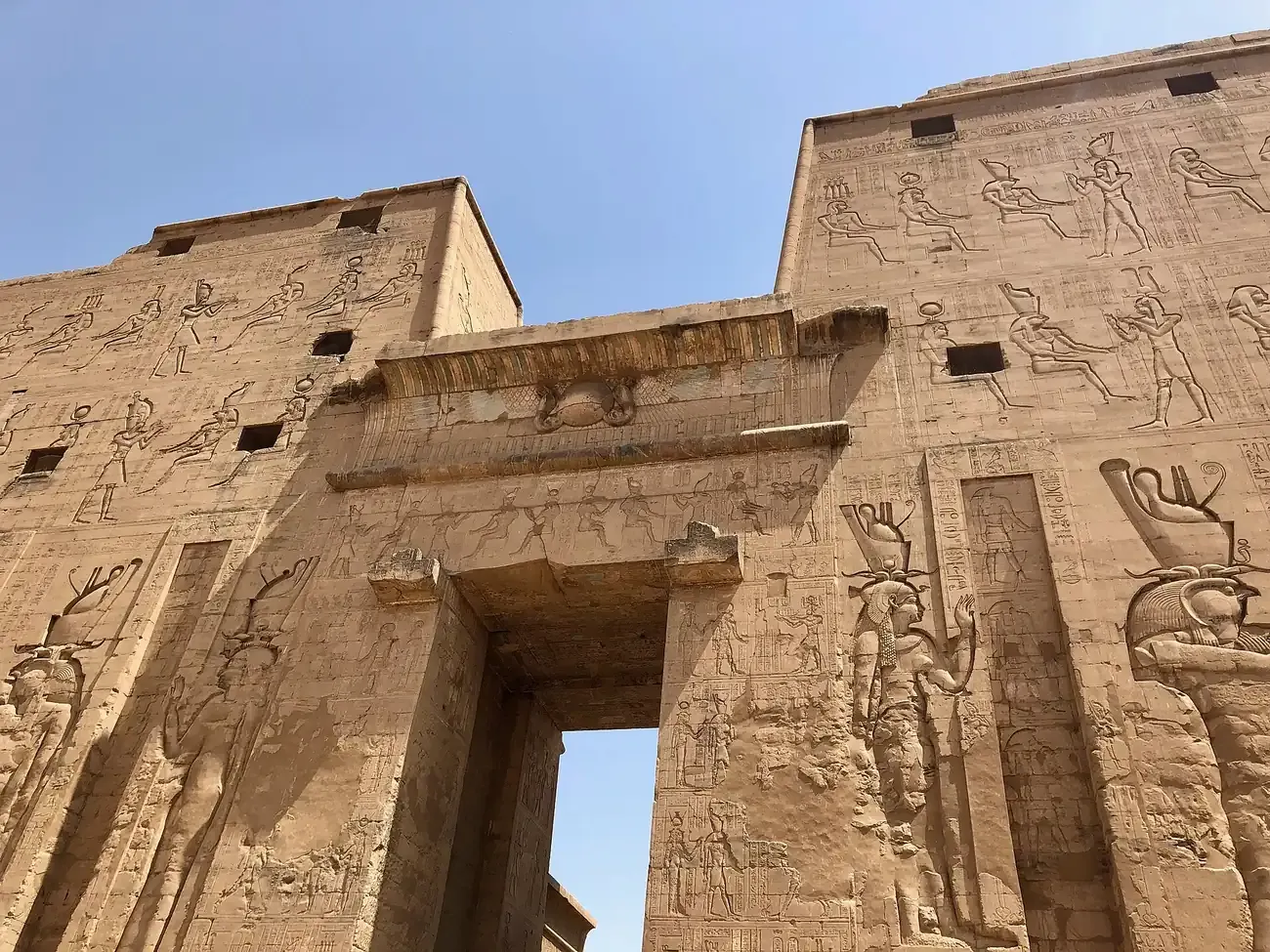
Temple of Edfu
One of the best preserved shrines in Egypt, built for Horus between 237 and 57 BC under the Ptolemies.
Location: Edfu, west bank of the Nile, Aswan Governorate
Photo: "Pylon, Temple of Horus at Edfu, Edfu, AG, EGY (48022619322)" by Warren LeMay from Cullowhee, NC, United States (CC0).
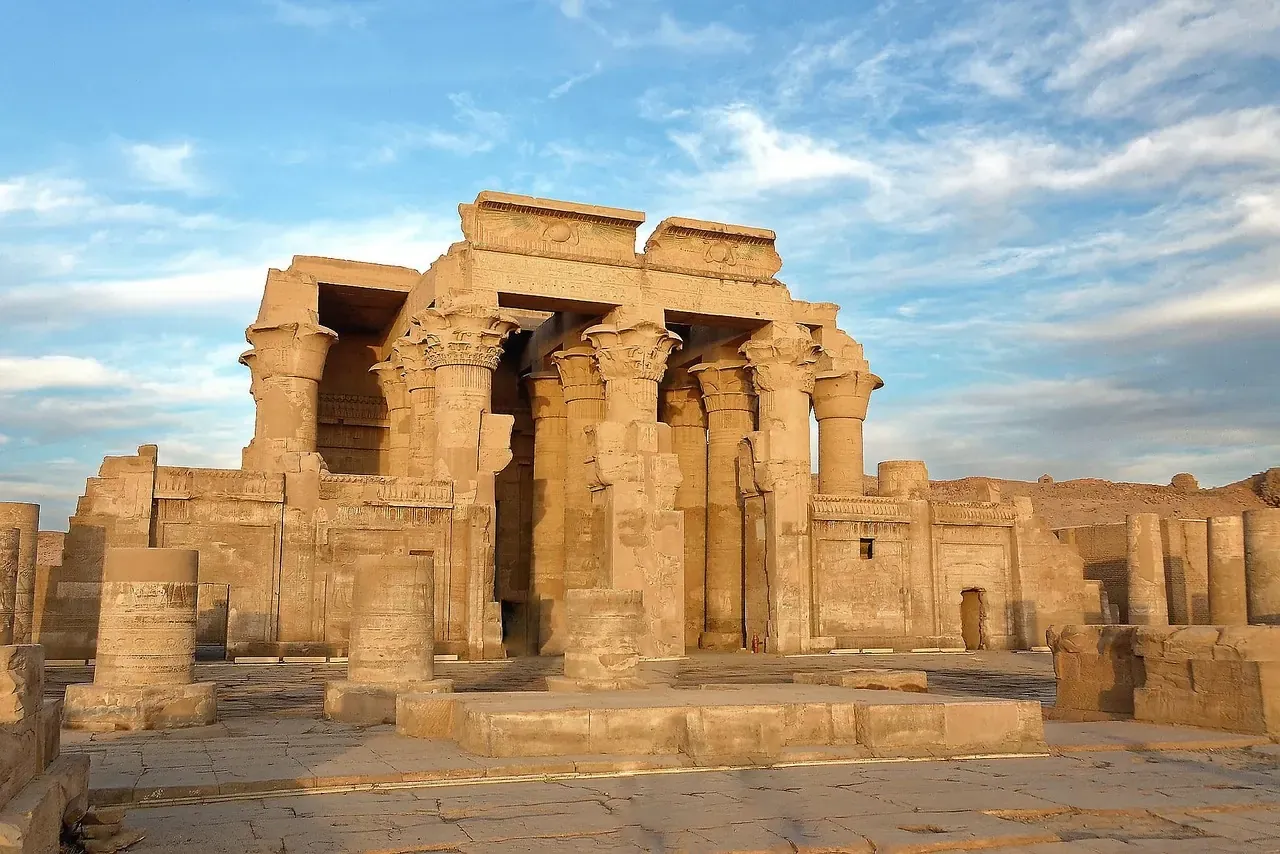
Kom Ombo Temple
A double temple of the second century BC shared between Sobek and Haroeris, standing above a bend of the Nile.
Location: Kom Ombo, 50 kilometres north of Aswan
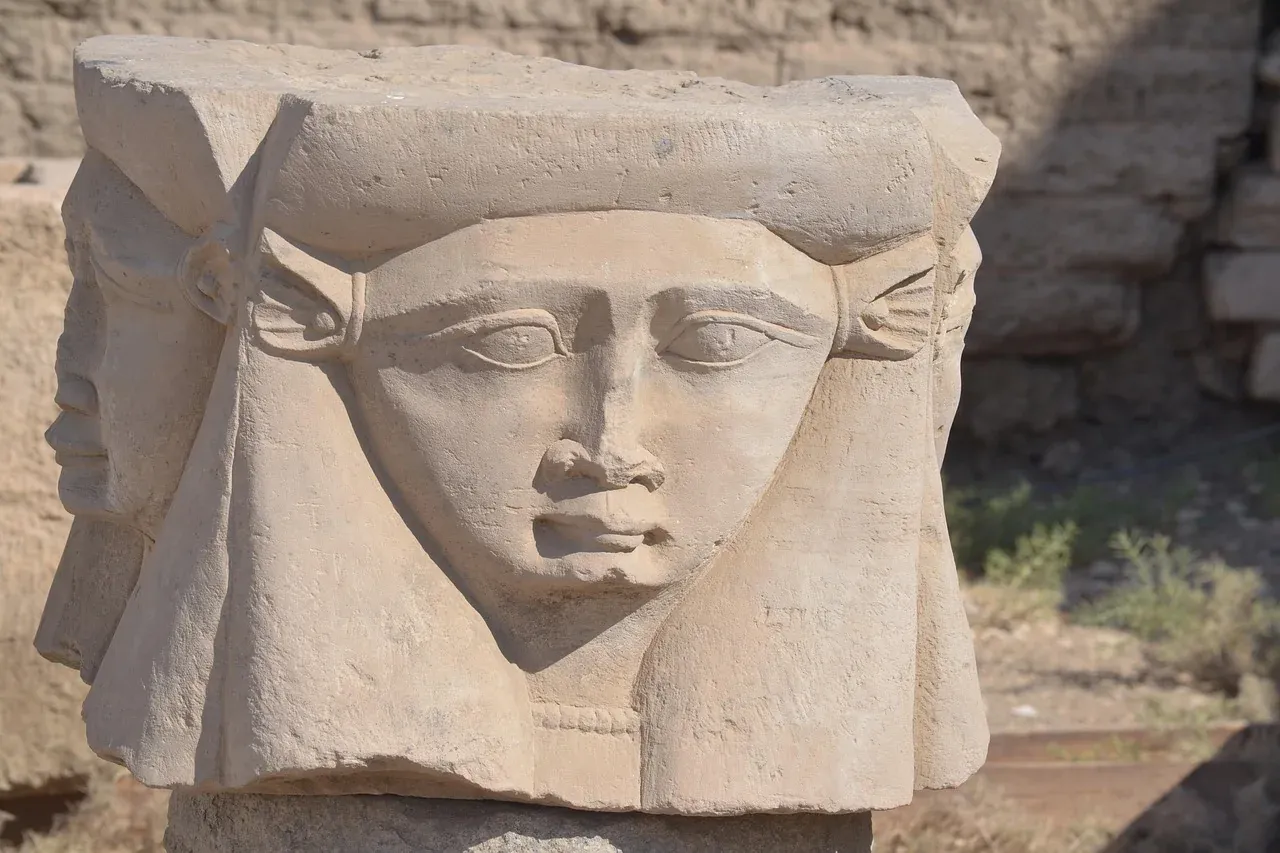
Dendera Temple
One of the best preserved temple complexes in Egypt, its hall carried on columns crowned with the head of Hathor.
Location: Dendera, Qena Governorate, north of Luxor
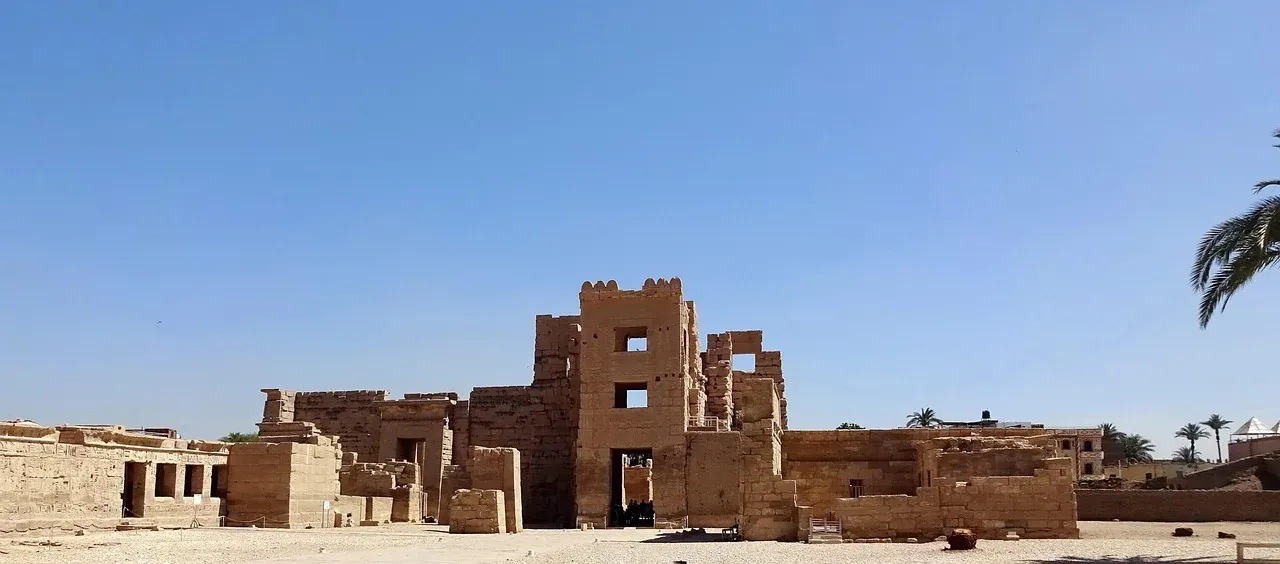
Medinet Habu
The mortuary temple of Ramesses III, best known for the reliefs recording the arrival and defeat of the Sea Peoples.
Location: West bank at Luxor, at the foot of the Theban hills
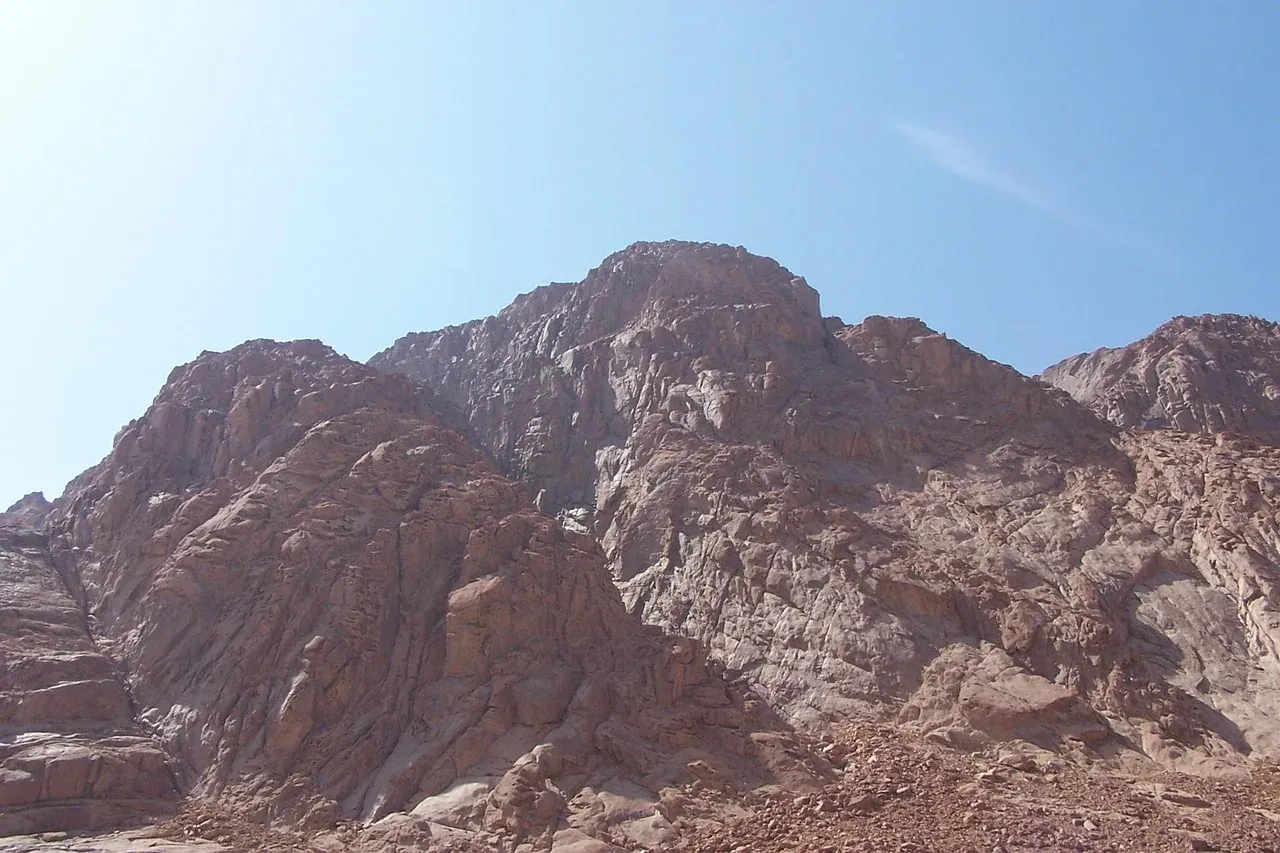
Mount Sinai
A peak of 2,285 metres named in the Torah, the Bible and the Quran as the place where Moses received the Ten Commandments.
Location: Near the town of Saint Catherine, South Sinai
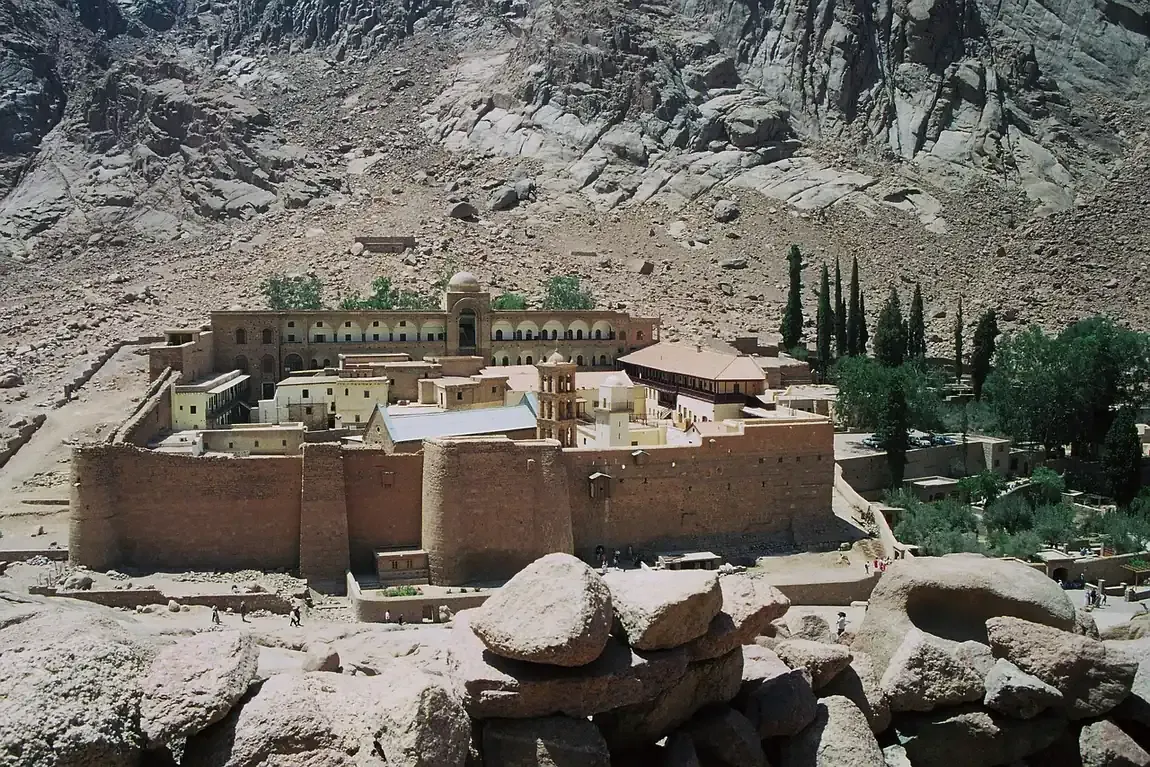
Saint Catherine's Monastery
The oldest continuously inhabited Christian monastery in the world, built between 548 and 565 around what is held to be the burning bush.
Location: At the foot of Mount Sinai, South Sinai
Egypt dishes not to miss
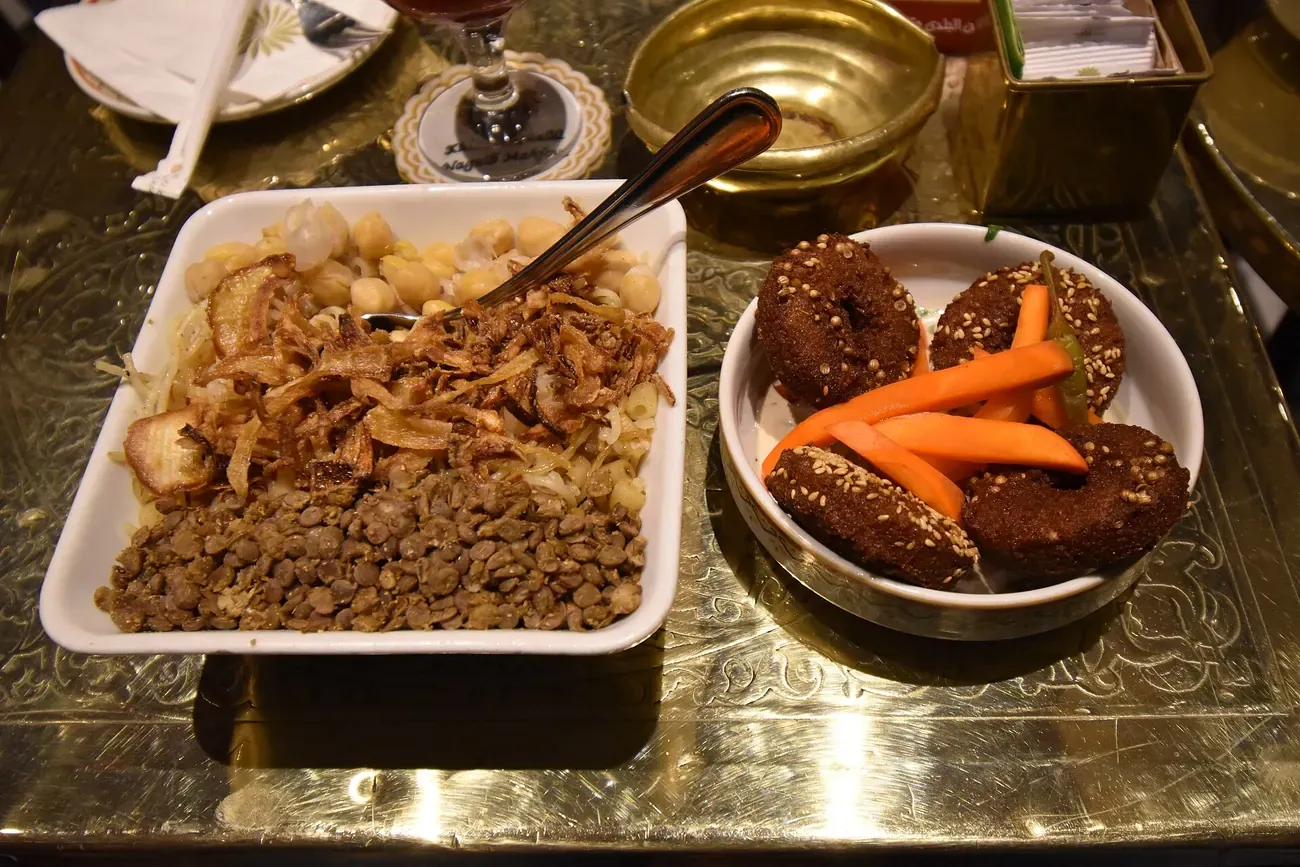
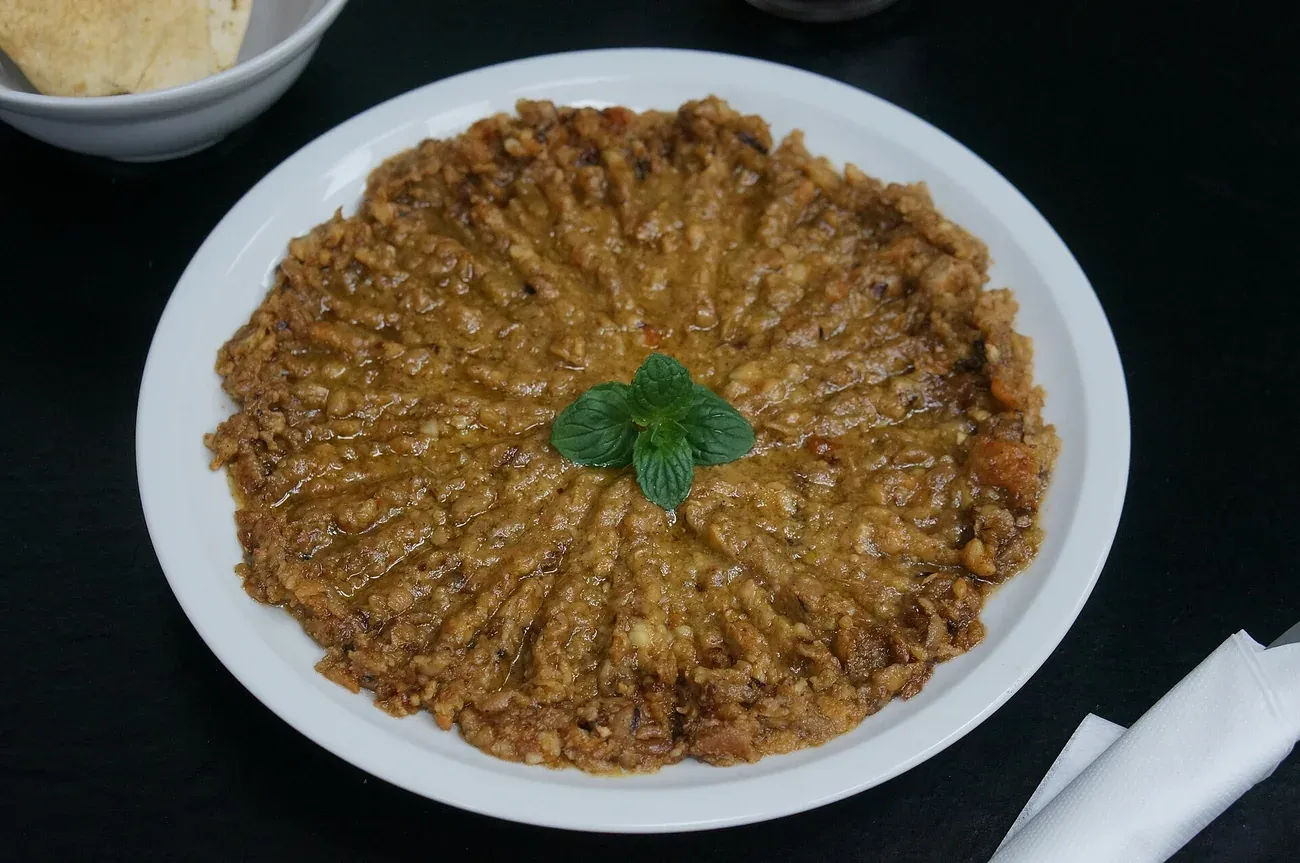
Koshari
The national dish and a street food everywhere: pasta, rice, vermicelli and brown lentils under chickpeas, a garlicky tomato sauce, garlic vinegar and fried onions.
Photo: "Koshary in Khan el Khalili" by Fred Cherrygarden (CC BY-SA 4.0).


Ta'meya
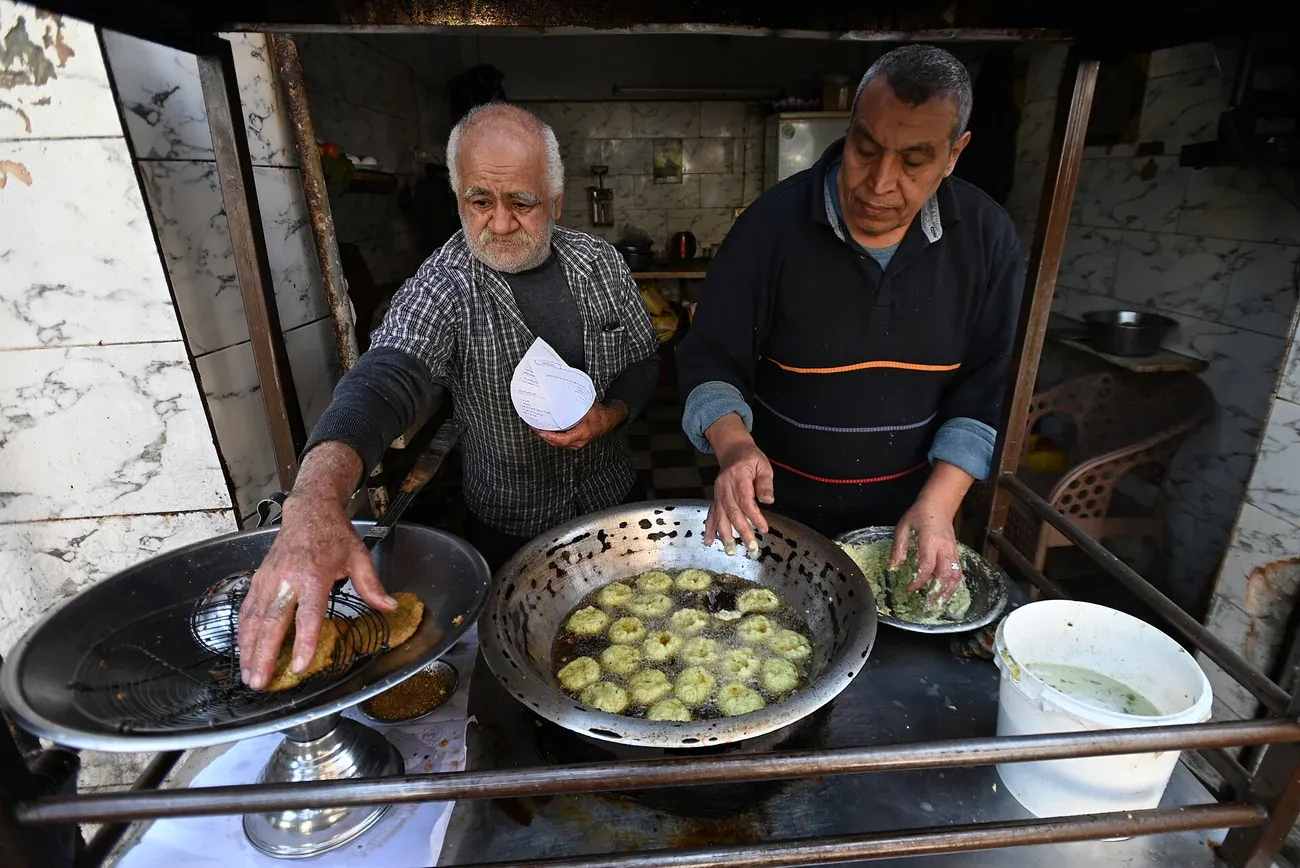
The Egyptian falafel, fried from ground fava beans rather than chickpeas. Called ta'meya in Cairo and most of the country, falafel in Alexandria, and eaten as fast food or a weekend breakfast.
Photo: "الطعمية محمد شكري الجرنوسي 4" by Mohamed shokry algarnosy (CC BY-SA 4.0).

Molokhia
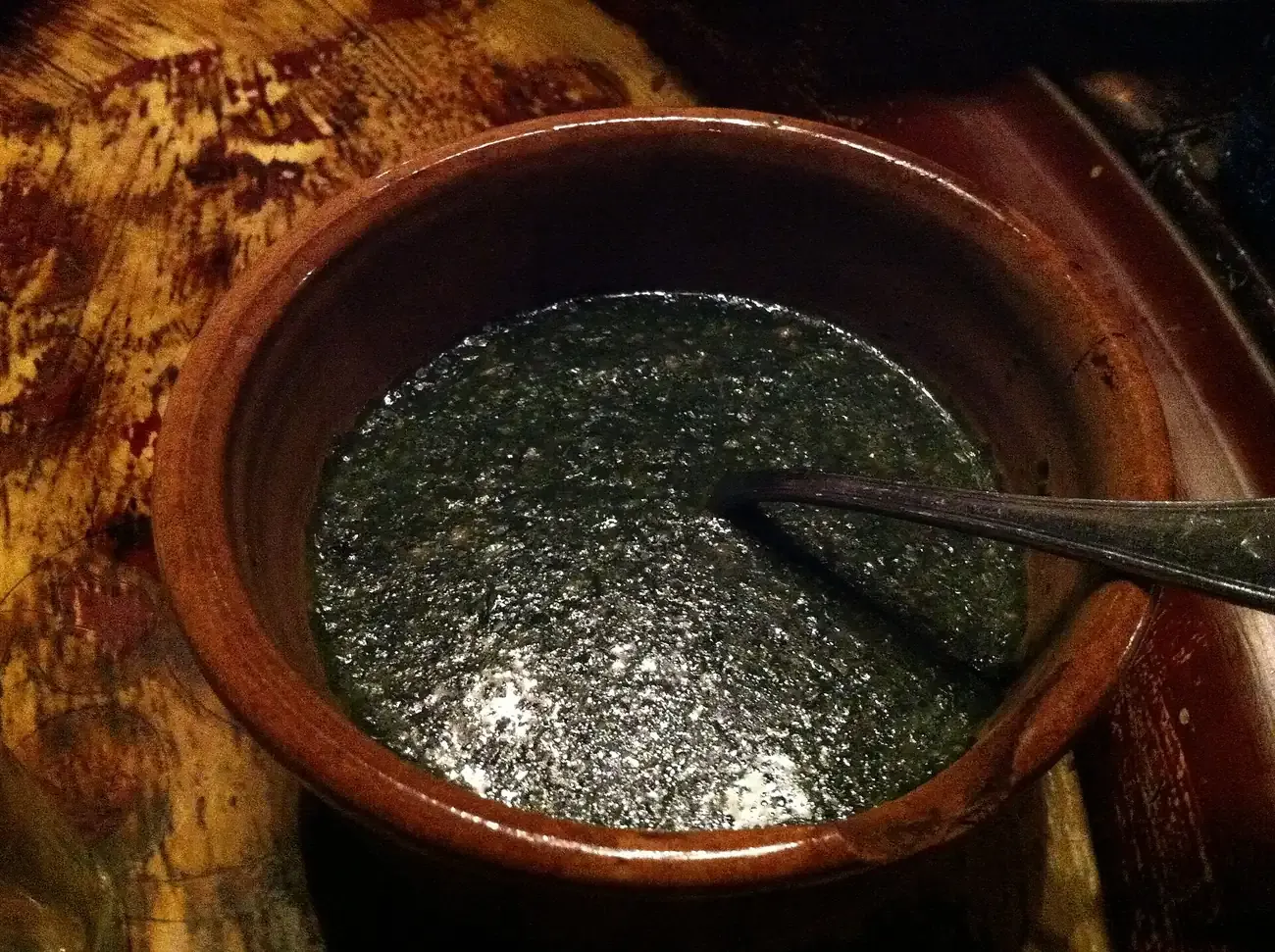
A stew of finely chopped jute leaves that cooks down to a thick green broth, faintly bitter, usually poured over rice with chicken or rabbit. It originated in Egypt and spread across the Arab world.
Photo: "Molokheya Egypt, 2012" by Habib M'henni (CC BY-SA 3.0).


Mahshi
Vegetables and vine leaves hollowed out or wrapped and filled with rice, herbs and spices, sometimes minced meat. A staple of Egyptian home cooking and of the wider eastern Mediterranean table.
Photo: "Mahshi koromb" by Lockesdonkey (CC BY-SA 4.0).

Om Ali
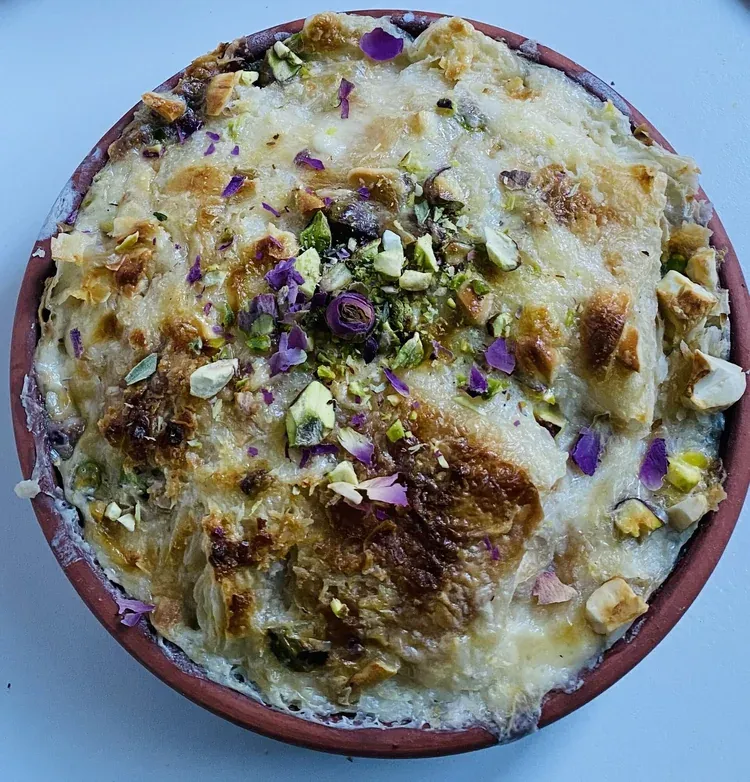
The national dessert, a hot pudding of pastry baked in milk with nuts and raisins. It traces back to medieval Egypt and is named after a sultan's wife. Ramadan is its season, served after sunset.
Photo: "حلى أم علي (4)" by Mohammed Qays Kazem (CC BY-SA 4.0).

Ancient sites beyond the main circuit in Egypt
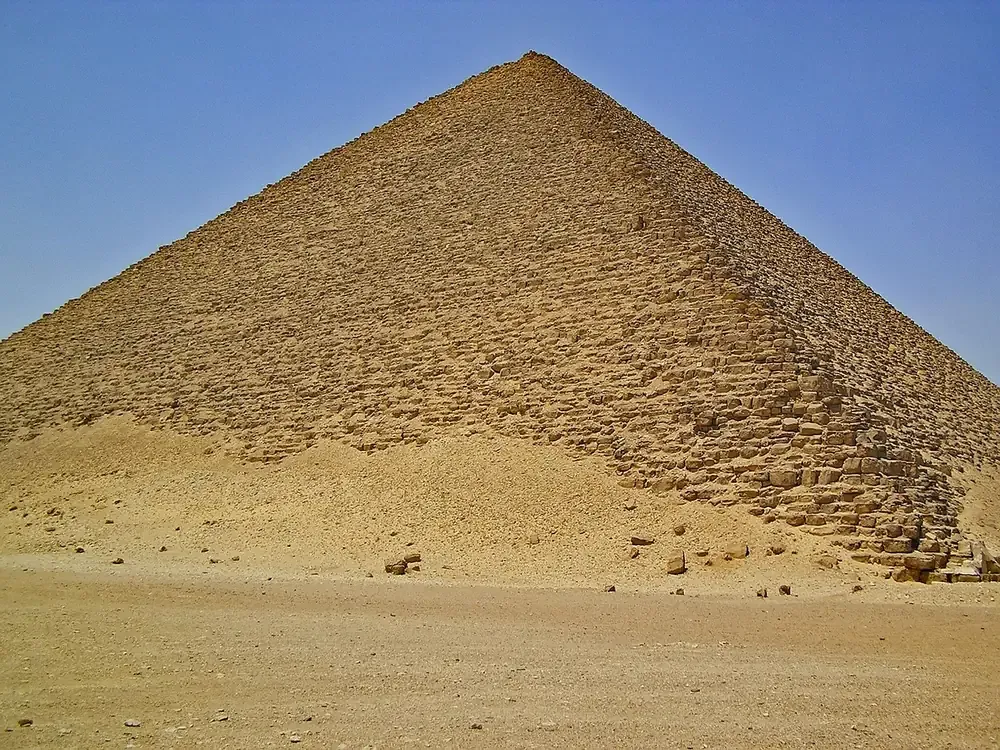
Dahshur
Sneferu's Bent Pyramid and Red Pyramid, built from 2613 to 2589 BC, are among the oldest and best preserved in Egypt.
Location: Western desert plateau, about 40 kilometres south of Cairo
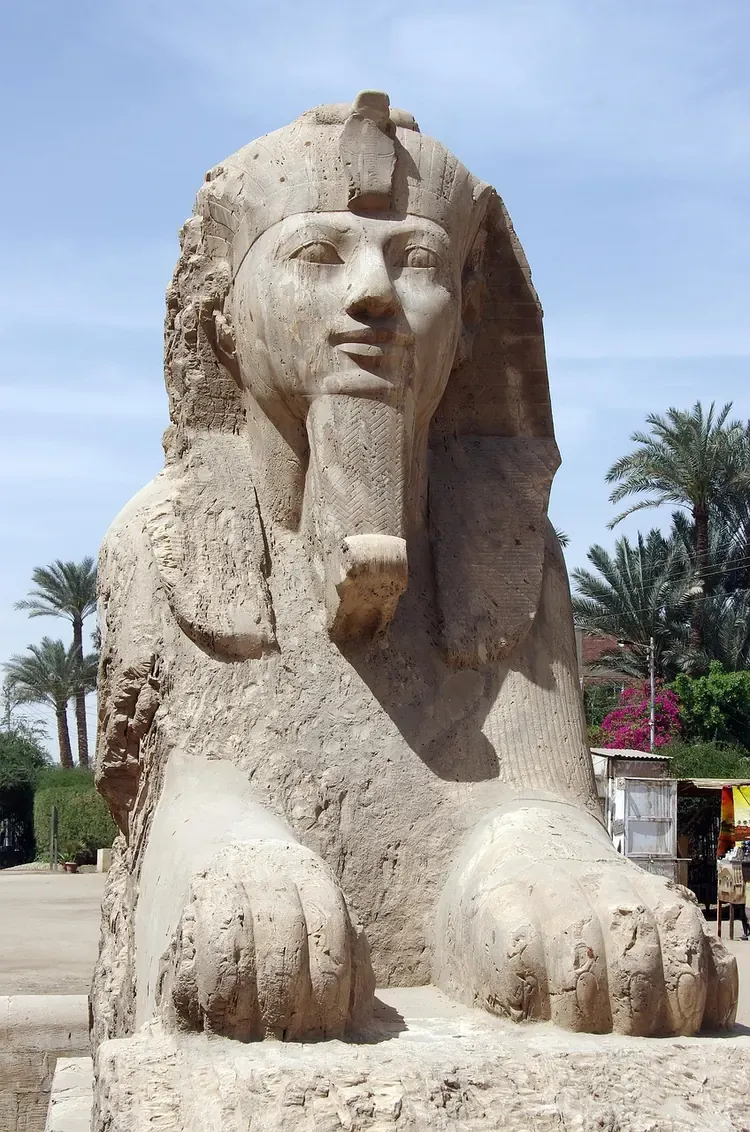
Memphis
The first capital of a united Egypt, now an open-air museum of colossi and an alabaster sphinx among the palms at Mit Rahina.
Location: Mit Rahina, Badrashin, Giza Governorate
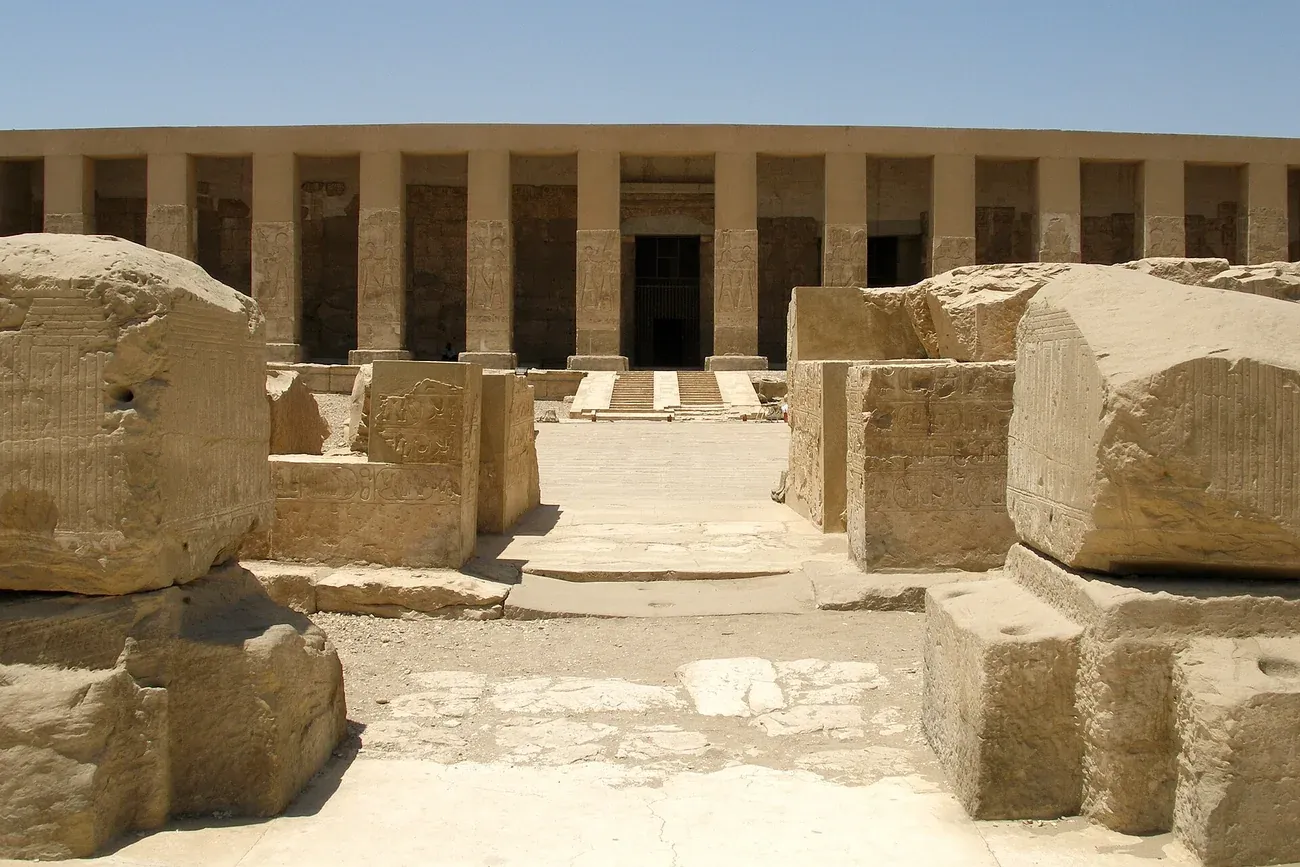
Abydos
One of the oldest cities in Egypt and the burial ground of the earliest pharaohs at Umm el-Qa'ab, later a place of pilgrimage.
Location: El Balyana, Sohag Governorate, west of the Nile
Photo: "Temple of Seti I, Abydos, Egypt" by Vyacheslav Argenberg (CC BY 4.0).

Deserts, oases and coastal reserves in Egypt
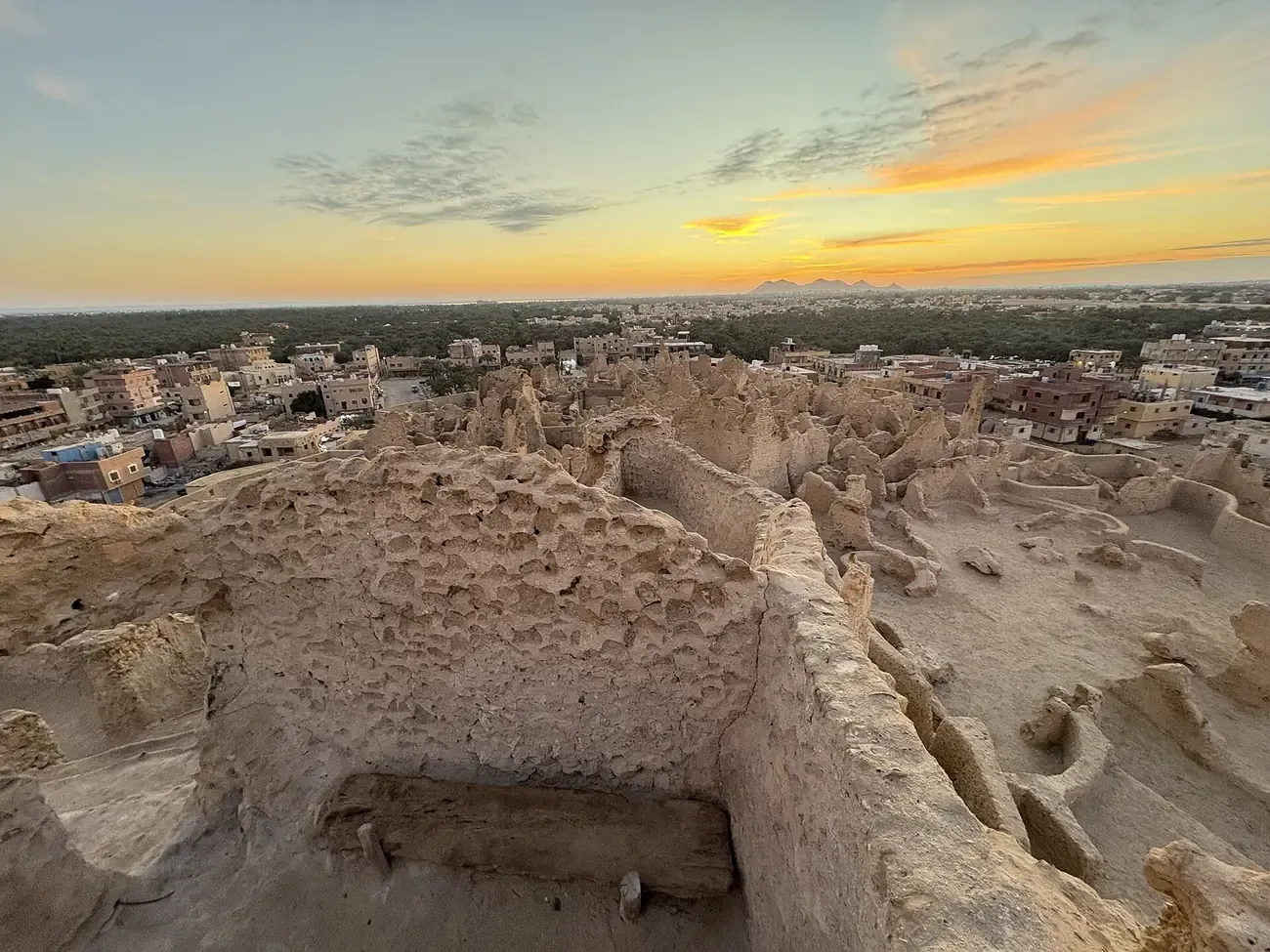
Siwa Oasis
An oasis town between the Qattara Depression and the Great Sand Sea, known in antiquity for its oracle of Amun.
Location: Western Desert, near the Libyan border, Matrouh Governorate
Photo: "Shali Fortress001" by ولاء (public domain).

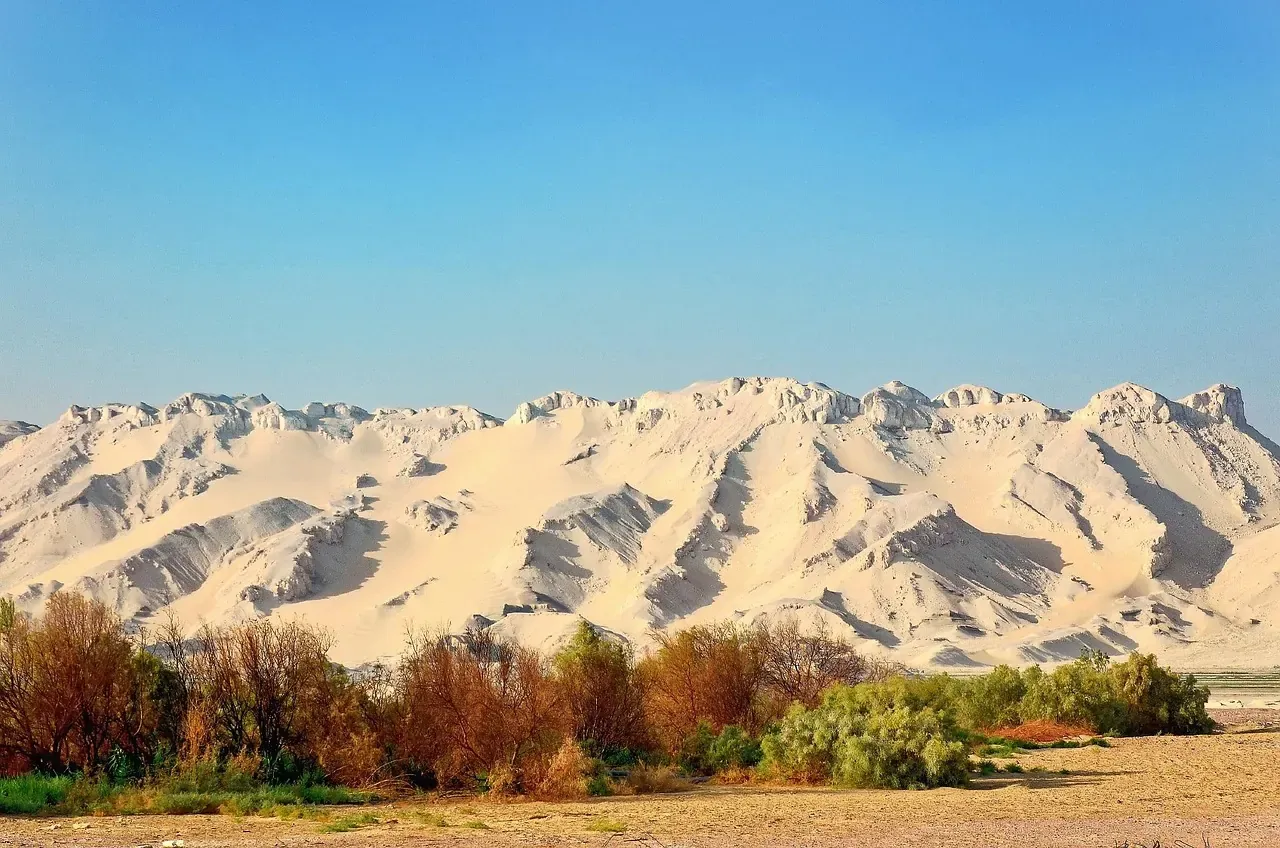
White Desert National Park
Chalk stacks carved by wind and sand across 300 square kilometres, protected since 2002 and one of the Western Desert's karst massifs.
Location: Farafra depression, New Valley Governorate
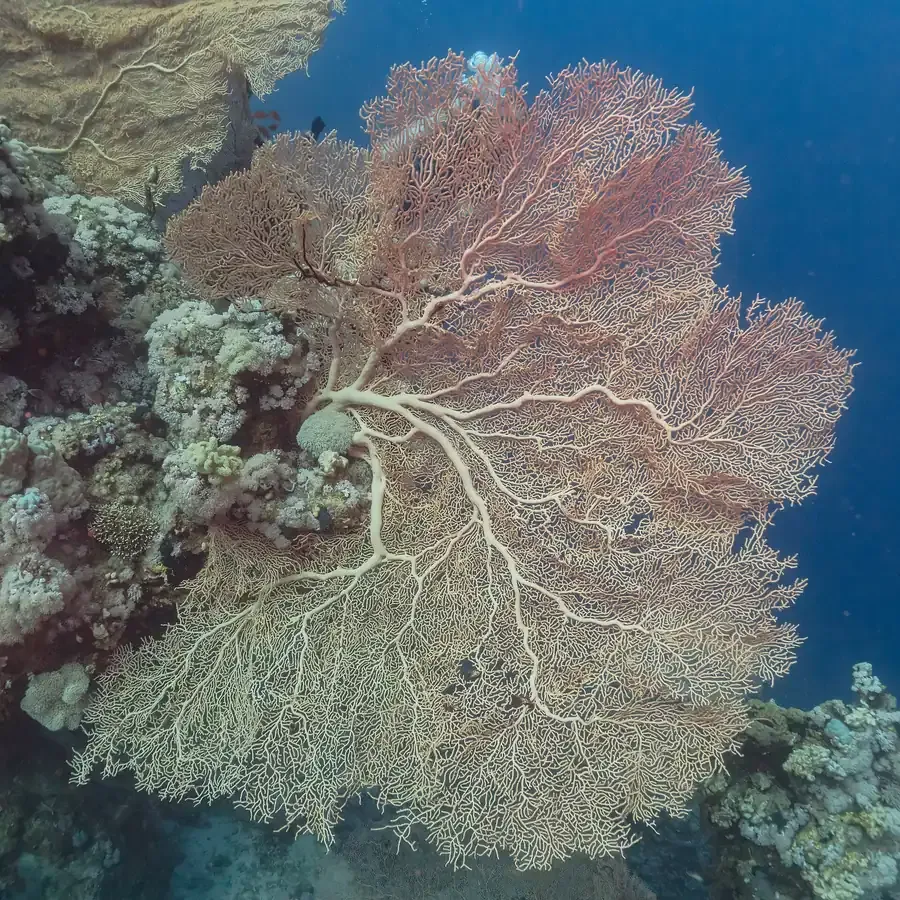
Ras Mohammed National Park
A reef headland at the southern tip of Sinai, between the Gulf of Suez and the Gulf of Aqaba, on Egypt's UNESCO tentative list.
Location: Southern Sinai, near Sharm El Sheikh
Photo: "Coral (Annella mollis), parque nacional Ras Muhammad, Egipto, 2022-03-28, DD 108" by Diego Delso (CC BY-SA 4.0).

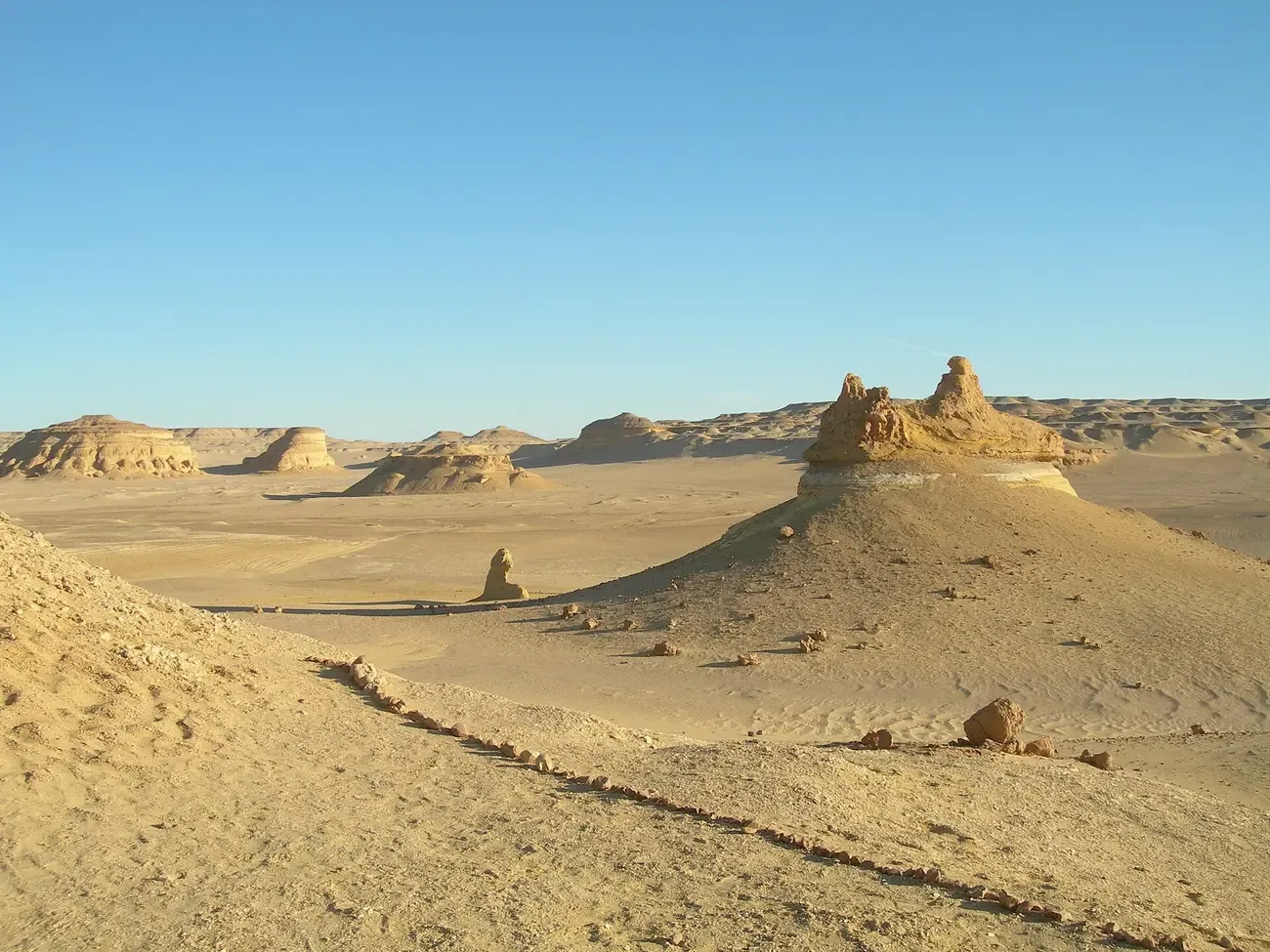
Wadi Al-Hitan
Hundreds of fossils of early whales in a desert valley, the only natural World Heritage site in the country, listed in 2005.
Location: Faiyum Governorate, about 150 kilometres southwest of Cairo
Photo: "Wadi Al-Hitan (Whale Valley)-113618" by Guy Debonnet (CC BY-SA 3.0 igo).

Lesser-known museums in Egypt
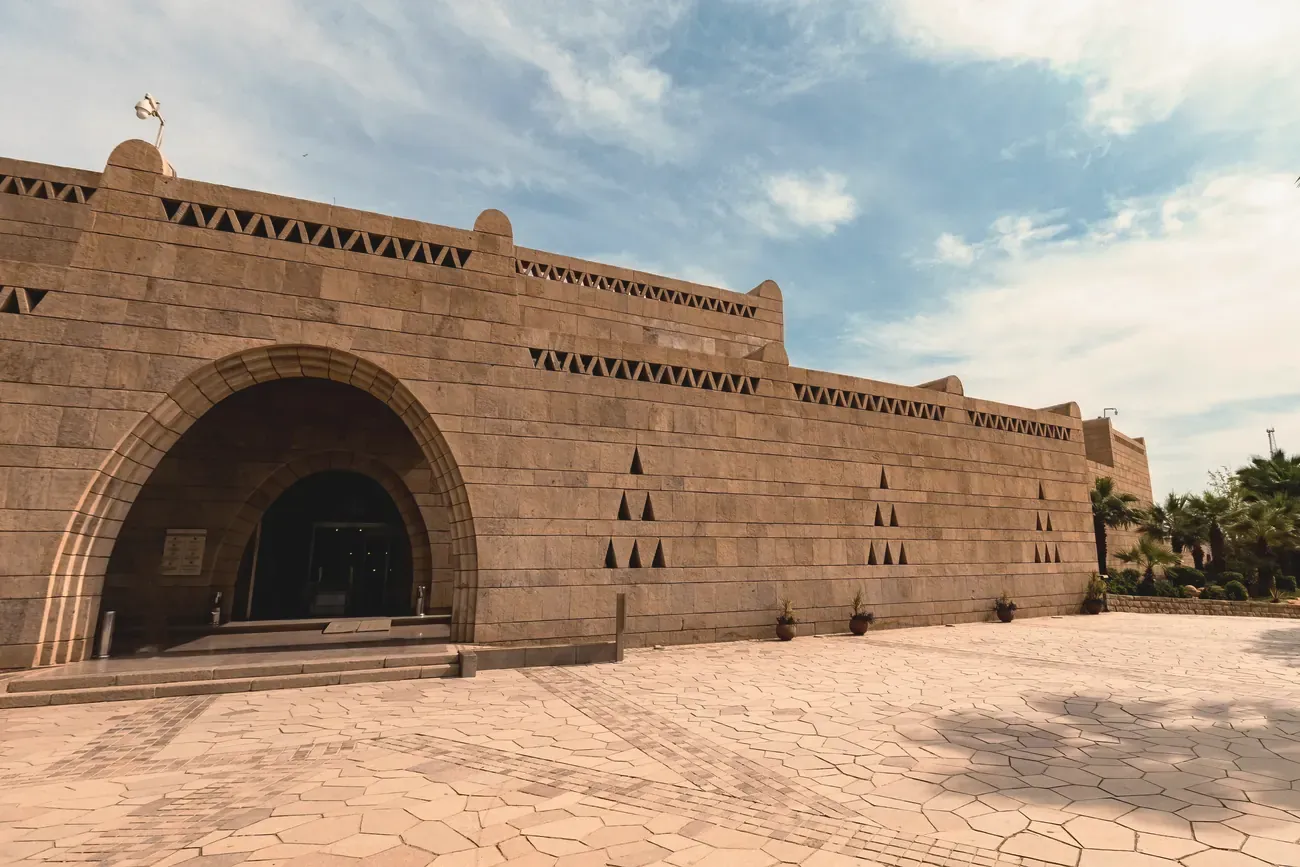
Nubian Museum
Opened in 1997 after the UNESCO campaign that saved the Nubian monuments, clad in local sandstone and pink granite.
Location: Aswan, Upper Egypt
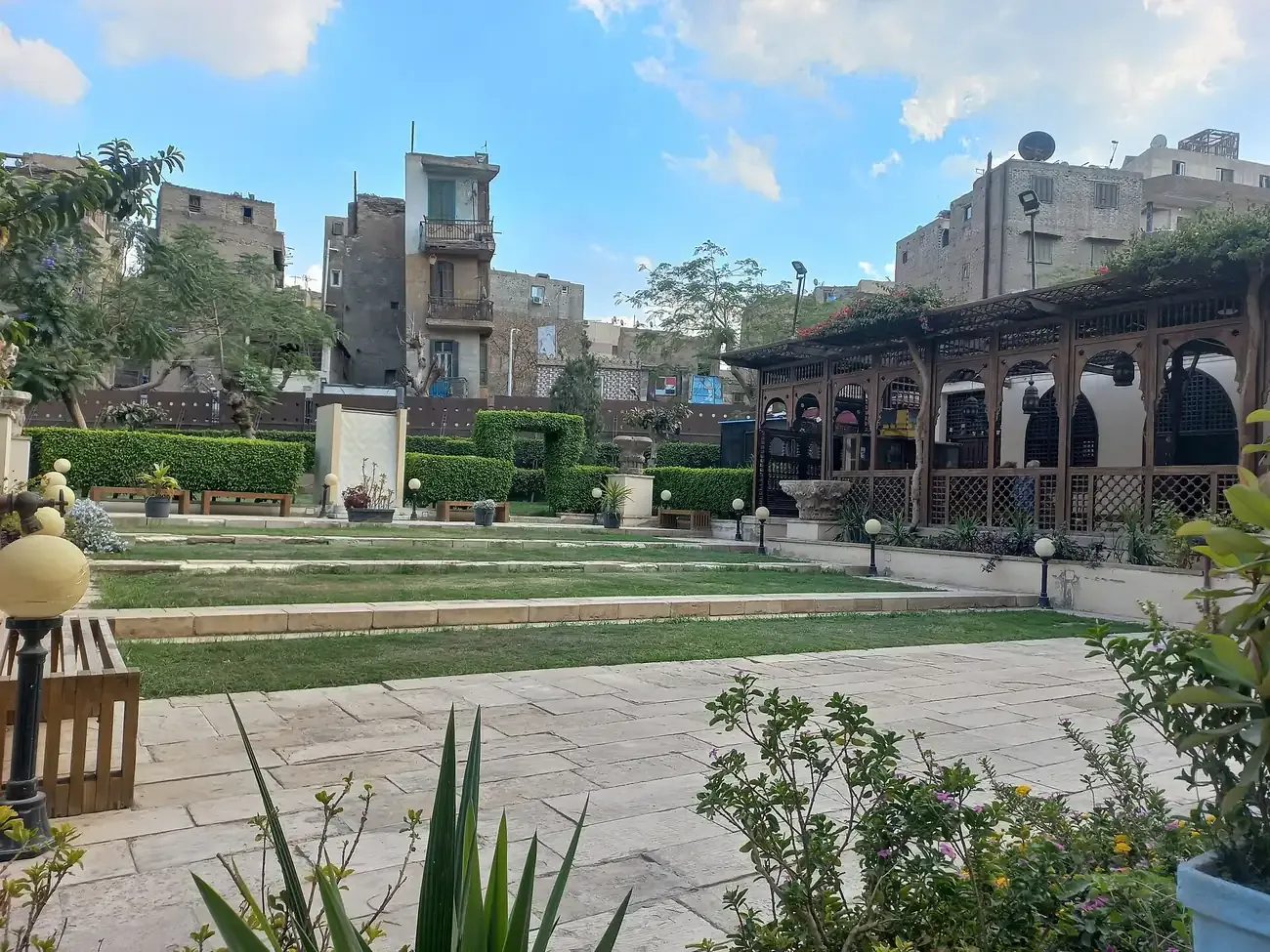
Gayer-Anderson Museum
Two Ottoman houses of 1545 and 1631 beside the Ibn Tulun mosque, kept as a British major furnished them between 1935 and 1942.
Location: Sayyida Zeinab, Cairo
Photo: "Gayer-Anderson Museum - متحف جاير أندرسون- EWUG 01" by Sohilaali869 (public domain).

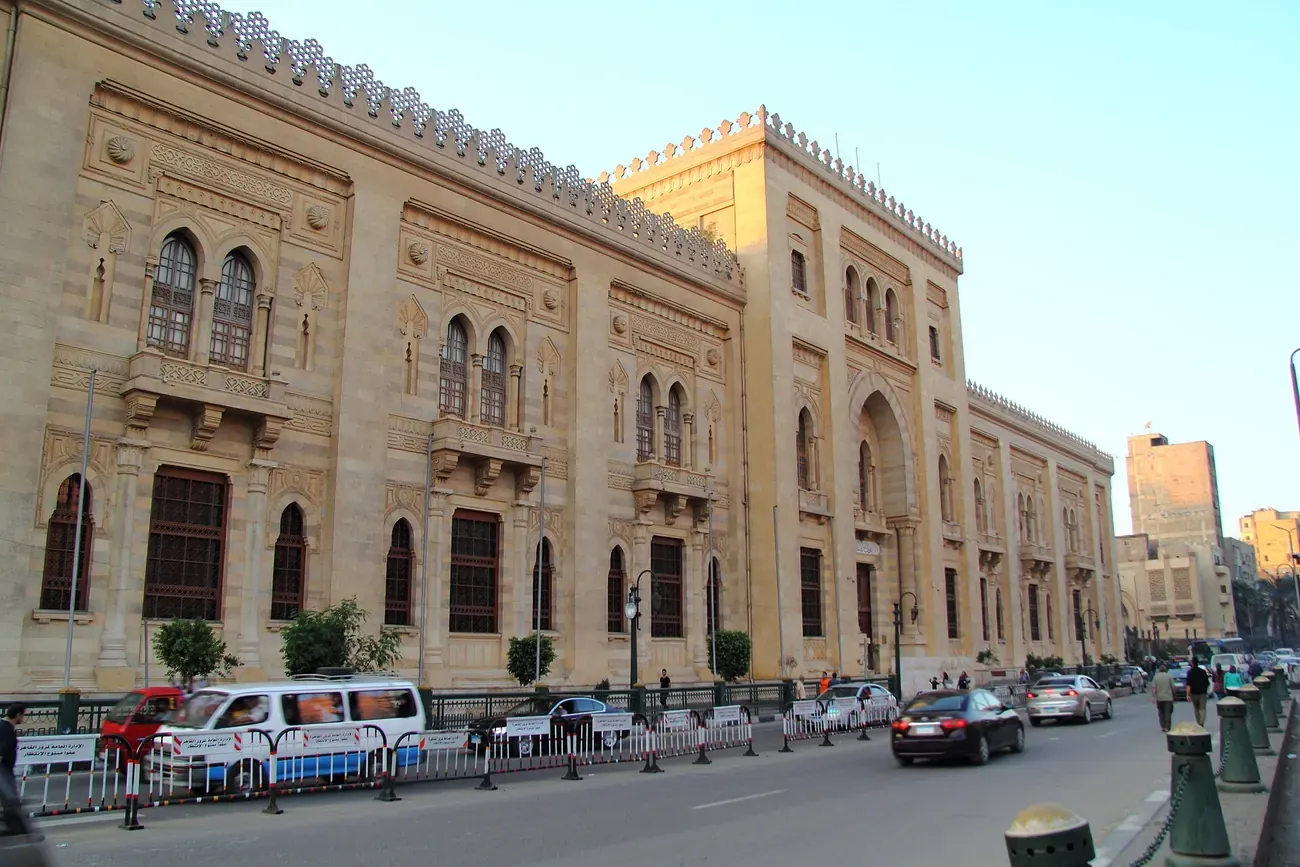
Museum of Islamic Art
One of the largest collections of Islamic artefacts anywhere, in a Mamluk-style building inaugurated in 1903.
Location: Bab al-Khalq, central Cairo
Photo: "Museum für Islamische Kunst Kairo" by Djehouty (CC BY-SA 4.0).
More things to do in Egypt
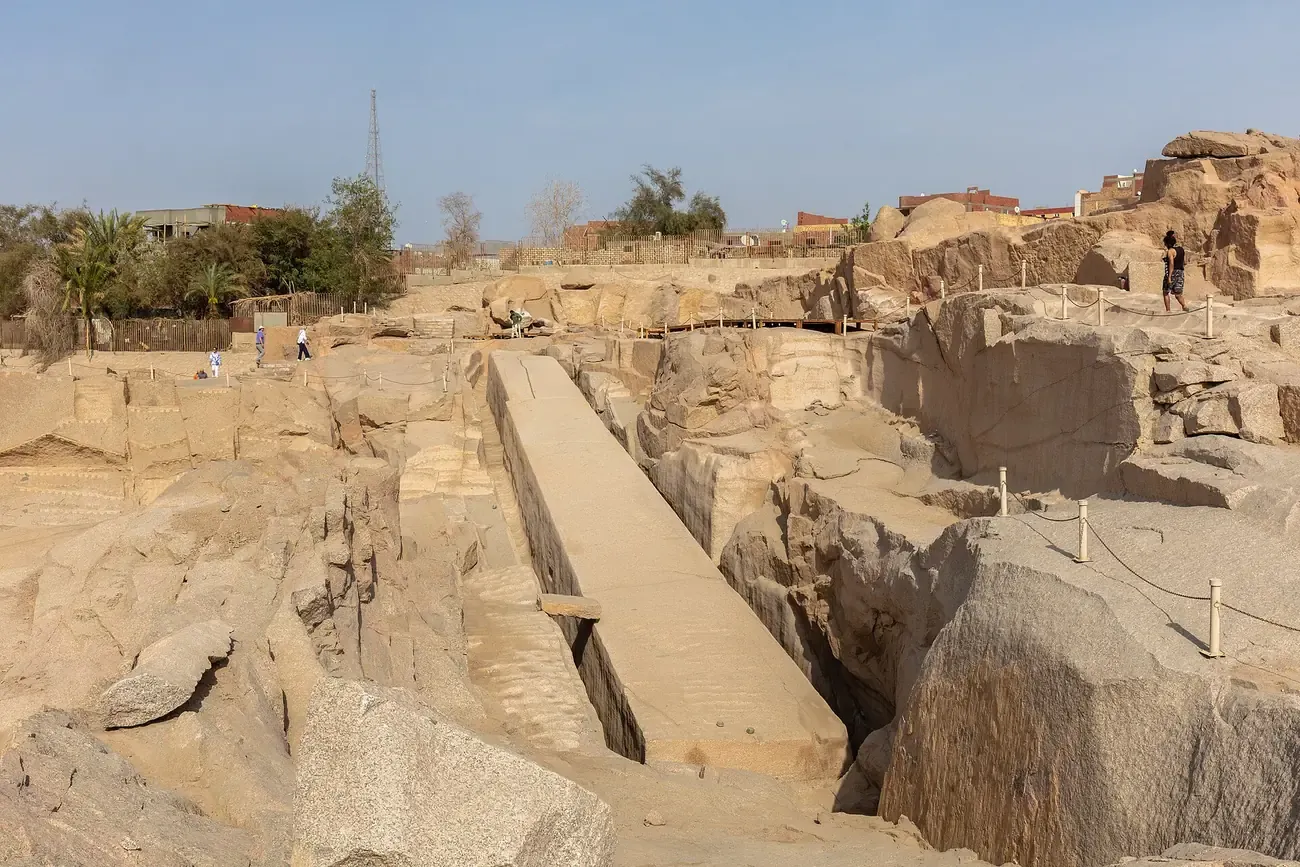
Unfinished obelisk
The largest known ancient obelisk, still attached to the granite it was being cut from when the stone cracked.
Location: Northern quarries of Aswan
Photo: "Obelisco inacabado, Asuán, Egipto, 2022-04-01, DD 166" by Diego Delso (CC BY-SA 4.0).

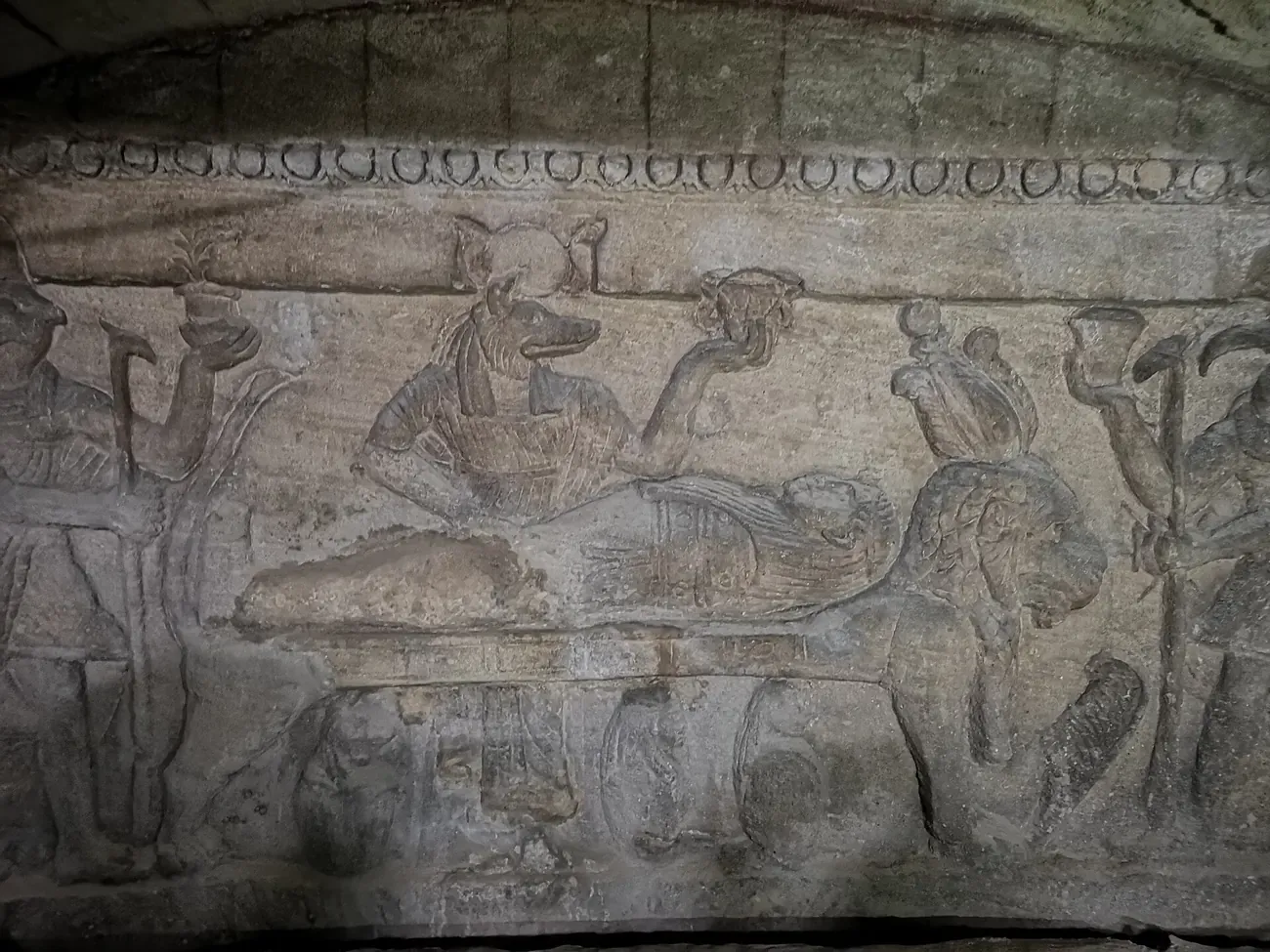
Catacombs of Kom el Shoqafa
Second-century tombs tunnelled into bedrock where Egyptian funerary art wears Roman clothes and Greek hairstyles.
Location: Karmouz, Alexandria
Photo: "Catacombs of Kom El Shoqafa, Alexandria, Egypt" by Following Hadrian (CC BY-SA 2.0).

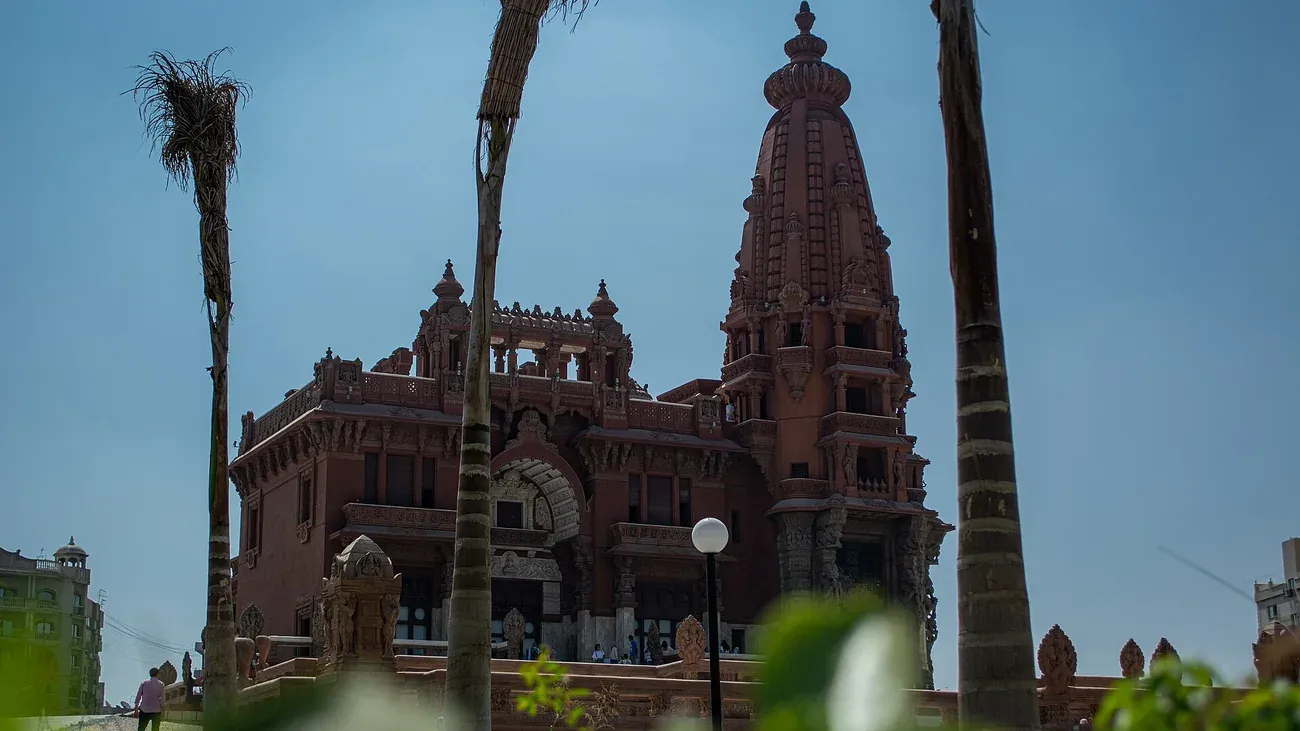
Baron Empain Palace
A 1905 mansion modelled on Hindu temple architecture, built for the Belgian industrialist who founded the suburb around it.
Location: Heliopolis, northeast Cairo
Photo: "1قصر البارون إمبان 15" by Ahmedsamirhamadah (CC BY-SA 4.0).

Why Egypt is worth the trip
Almost everything worth crossing the country for sits in two narrow bands. One is the Nile, a green ribbon through desert that strings together Cairo, Luxor and Aswan and nearly every temple and royal tomb. The other is the Red Sea coast and the Sinai, where the reefs sit a short flight from the capital. The Western Desert between them is mostly empty, and holds the oases and chalk formations that few itineraries reach.
The monuments are not spread evenly through time either. The pyramid fields around Memphis belong to the Old Kingdom, around 4,500 years ago. The temples and rock-cut tombs at Thebes are a thousand years younger. The mosques, madrasas and covered markets of Historic Cairo were raised between the tenth century and the nineteenth. Seven UNESCO World Heritage sites cover the range, from Abu Mena outside Alexandria to the Nubian monuments in the far south.
Season decides how much of that is comfortable. November through March are the easiest months for travel, summers are hot and rainless away from the coast, and sandstorms are more likely between March and May.
Distances are long and most trips fly them, though the stretch of Nile between Luxor and Aswan is still covered by boat. Egypt occupies the northeast corner of the continent, with the Sinai reaching into Asia, and the pyramids at Giza open almost every list of the top tourist attractions in Africa.