
26 tourist attractions in Oceania
Known for
Coral reefs and lagoons, Bora Bora, Uluru, and Aboriginal cultures
Must-see countries
Australia, New Zealand and Fiji
Must-see landmarks
Sydney Opera House, Uluru and Milford Sound
Best time to visit
December to February for southern Australia and New Zealand
The main tourist attractions in Oceania, ranked
The tourist attractions in Oceania are led by the Sydney Opera House, the Sky Tower and Uluru. After them come the countries worth exploring, 10 ranked sights, 16 hidden gems, local dishes, more destinations and visitor FAQs.
Countries you can't miss in Oceania
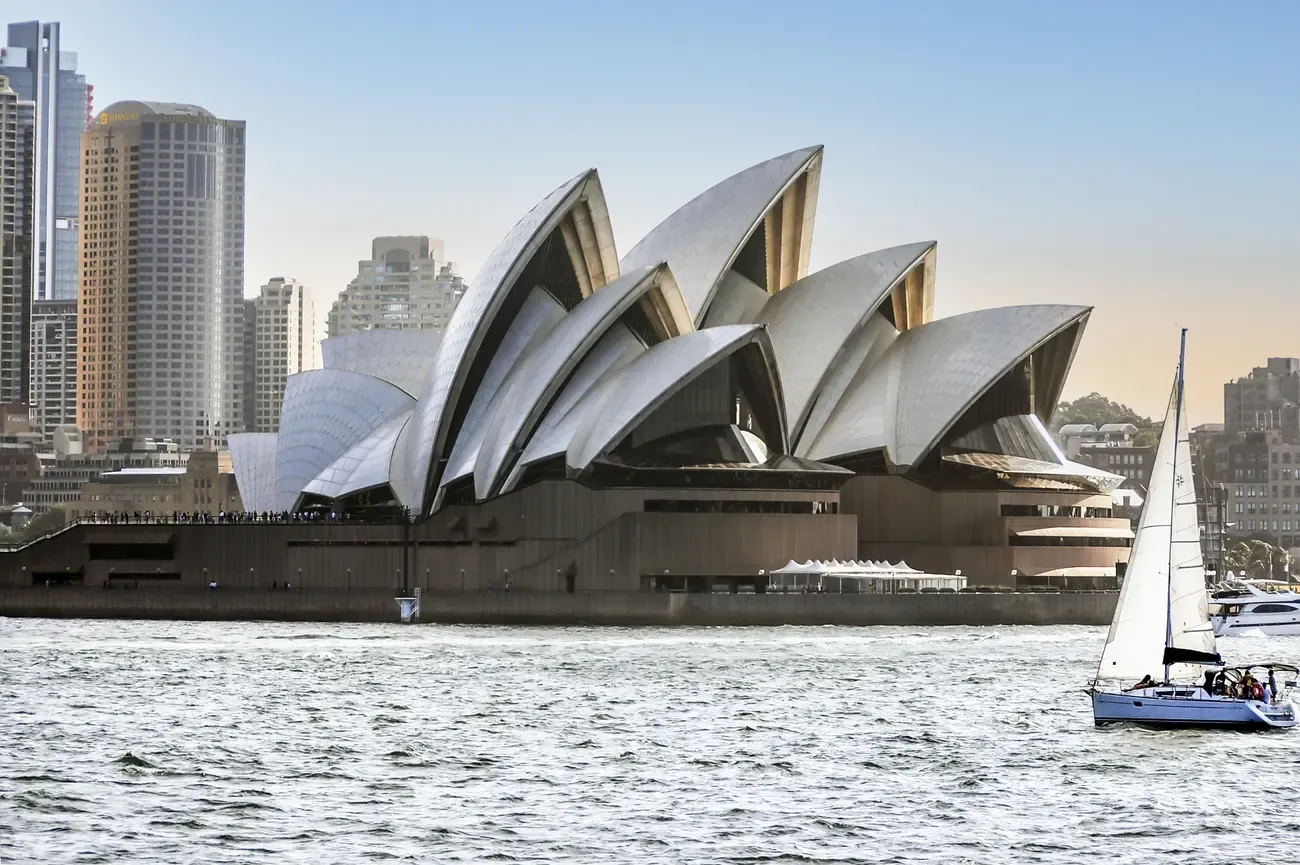
Australia
Australia's tourist attractions The Sydney Opera House and Harbour Bridge, Uluru in the red centre, the Great Barrier Reef off Queensland and the Blue Mountains west of Sydney.
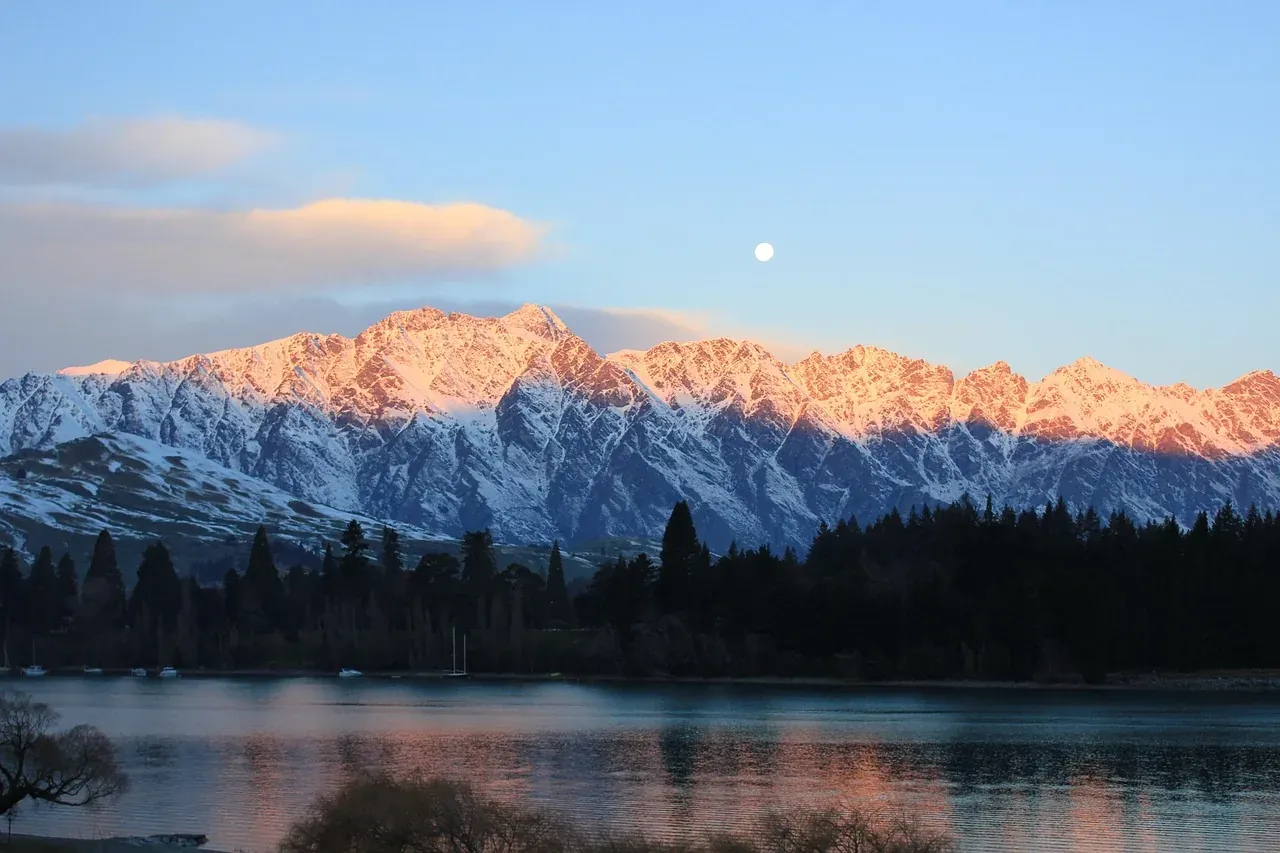
New Zealand
Fiords and glaciers in the south, volcanoes and geothermal pools in the north, Hobbiton near Matamata and the Sky Tower over Auckland, with Milford Sound the classic day trip.
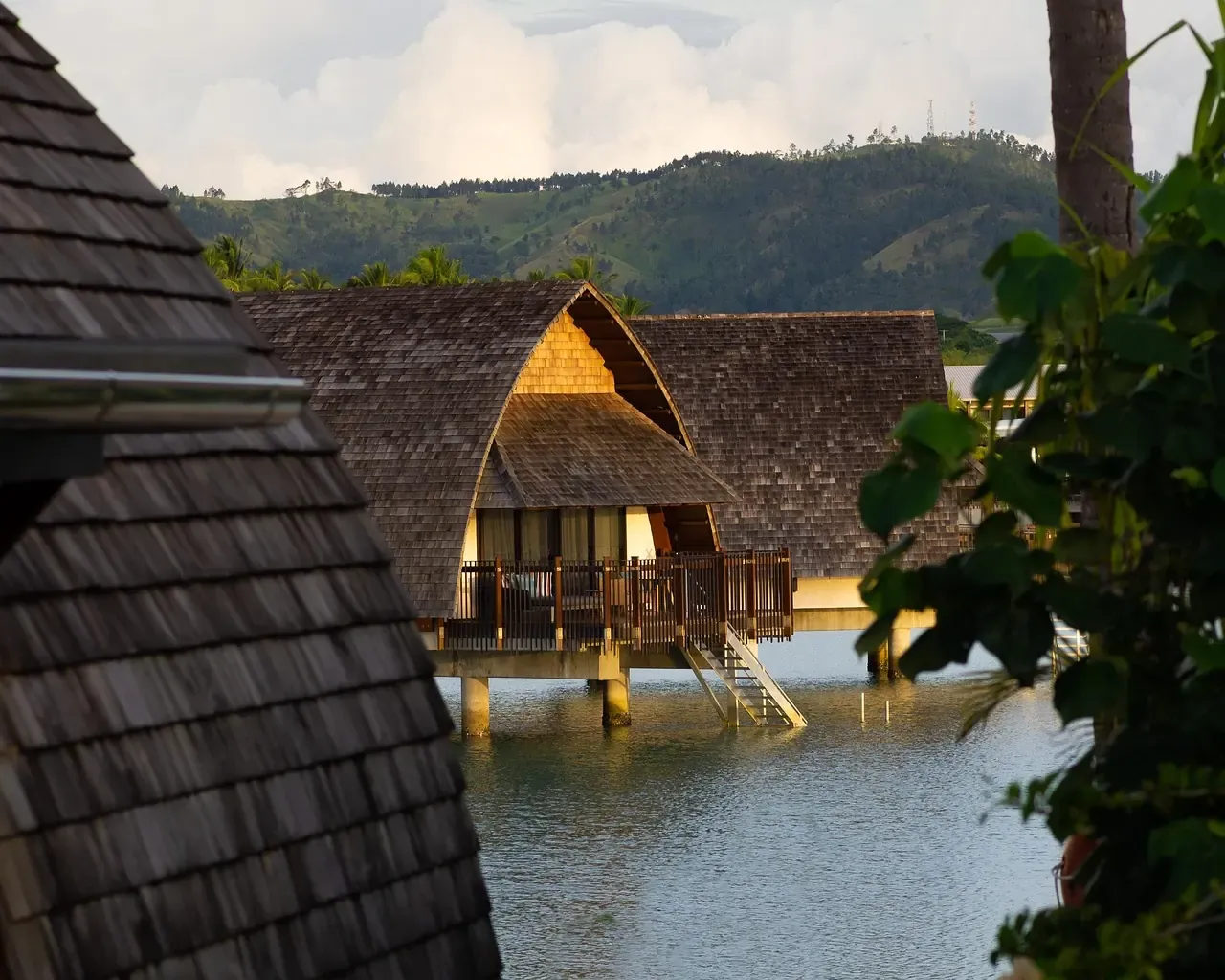
Fiji
More than 330 islands, with the Mamanuca and Yasawa groups off Nadi for beaches and reefs, the Hindu temple in Nadi and the capital, Suva, on Viti Levu.
1. Sydney Opera House
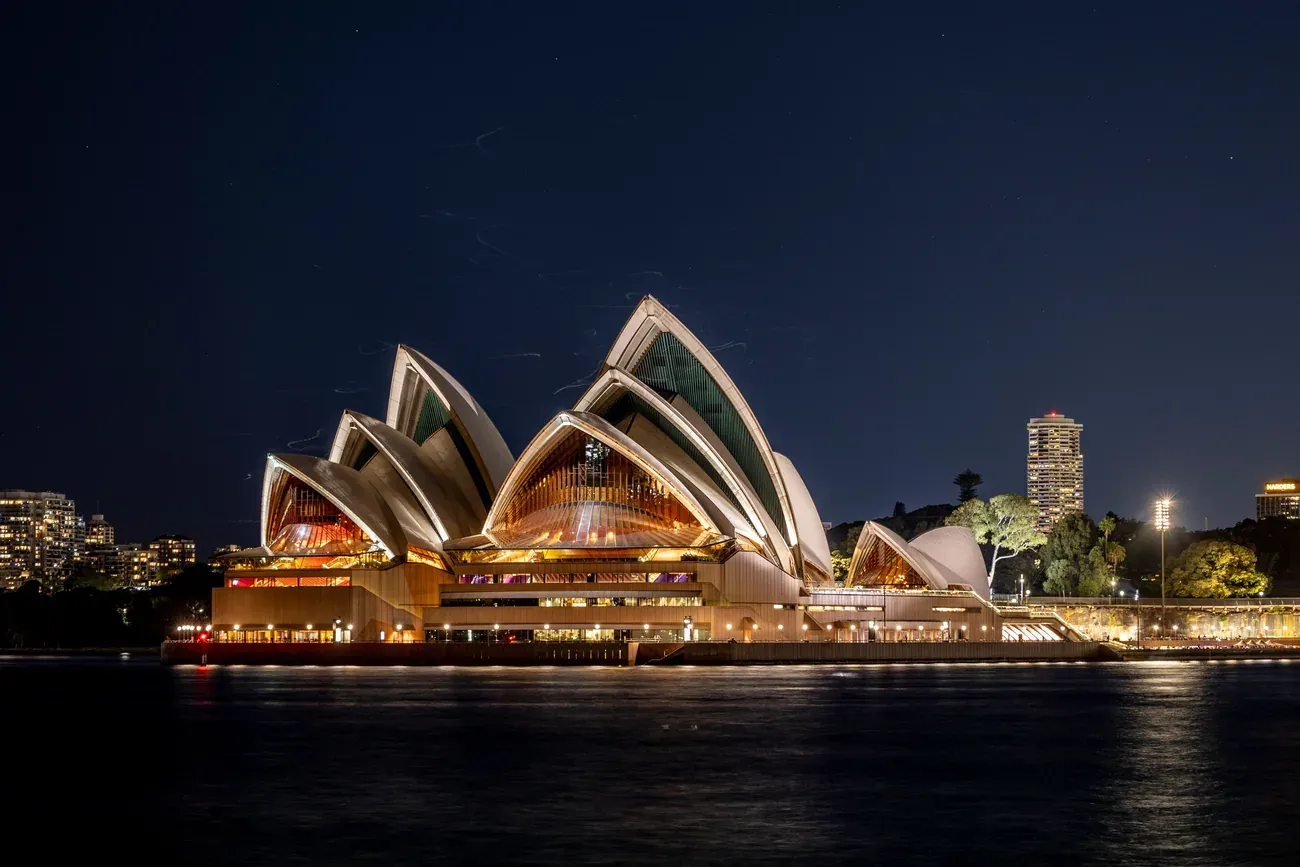
The sail-shaped shells on Bennelong Point are the building most people picture when they think of this side of the world. The Danish architect Jørn Utzon won the design competition in 1957, and Queen Elizabeth II opened the finished centre on 20 October 1973. Its venues stage more than 1,800 performances a year, over ten million people visit the site and around 350,000 of them take a guided tour. UNESCO listed it in 2007 as a masterpiece of twentieth-century architecture, and the Harbour Bridge stands just across Circular Quay.
Architect: Jørn Utzon · Opened: 20 October 1973 · Heritage: UNESCO listed in 2007
Location: Bennelong Point, Circular Quay, Sydney, Australia
Access: Free to walk the forecourt and terraces; guided tours and performances are ticketed
2. Sky Tower
Auckland's observation and telecommunications tower rises 328 metres, which made it the tallest free-standing structure in the Southern Hemisphere from its opening on 3 August 1997 until a Jakarta tower overtook it in 2022. The main observation deck sits at 186 metres, with glass panels in the floor and views of up to 80 kilometres, with a higher Sky Deck at 220 metres. Around 415,000 people go up each year. The bold can walk the open ring outside the tower or jump from it on a guided cable, and a revolving restaurant turns once an hour.
Height: 328 metres · Opened: 3 August 1997
Location: Victoria Street West, central Auckland, New Zealand
Access: Ticketed, open daily from 9:30 in the morning, closing between 8 and 9:30 at night depending on the season
3. Uluru
The sandstone monolith at the heart of the continent rises 348 metres above the desert, 335 kilometres south-west of Alice Springs. It shifts colour through the day and glows red at dawn and dusk. Uluru is sacred to the Anangu, its traditional owners, who regained the title in 1985 and manage the park jointly, and the climb closed on 26 October 2019. UNESCO listed the park in 1987, and the domes of Kata Tjuta rise 25 kilometres to the west. A walk around the base takes most of a day.
Height: 348 metres · Heritage: Uluru-Kata Tjuta National Park, UNESCO listed in 1987
Location: Uluru-Kata Tjuta National Park, near Yulara, Northern Territory, Australia
Access: Park pass valid for three days, bought online or at the entry station; the climb has been closed since 2019
4. Bora Bora
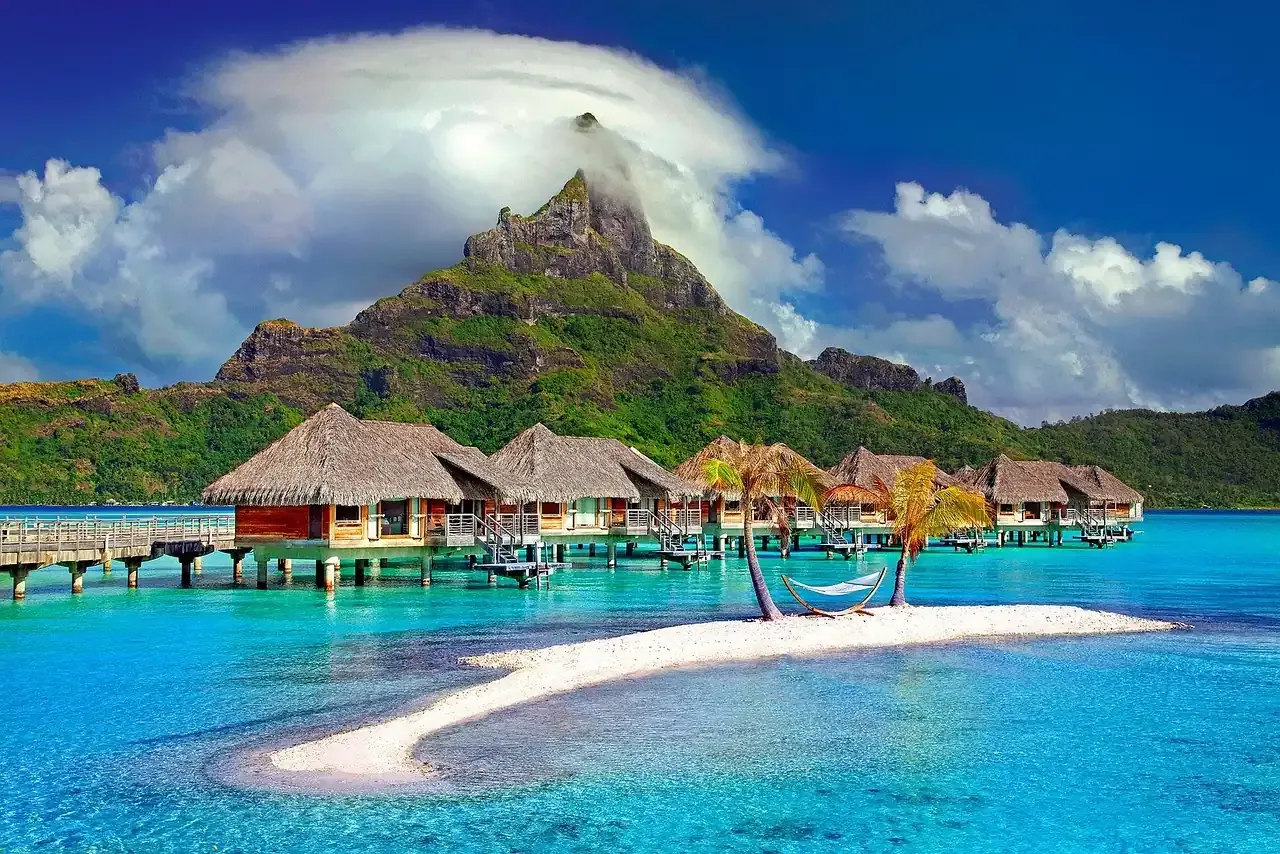
An extinct volcano ringed by a lagoon and a barrier reef, 230 kilometres north-west of Papeete, Bora Bora is where the overwater bungalow was born: Hotel Bora Bora opened in 1961 and built the first stilted rooms over the lagoon nine years later. The twin peaks of Otemanu and Pahia rise to 727 metres above Vaitape, the main village, and most beaches and hotels face the lagoon around Pointe Matira. The United States built the airstrip on Motu Mute as a supply base during the Second World War, and Air Tahiti lands there five or six times a day.
Highest point: 727 metres, Mount Otemanu · First overwater bungalows: 1970
Location: Vaitape, Bora Bora, Leeward Islands, French Polynesia
Access: Free to visit; flights, boat transfers and lagoon excursions are ticketed
5. Milford Sound
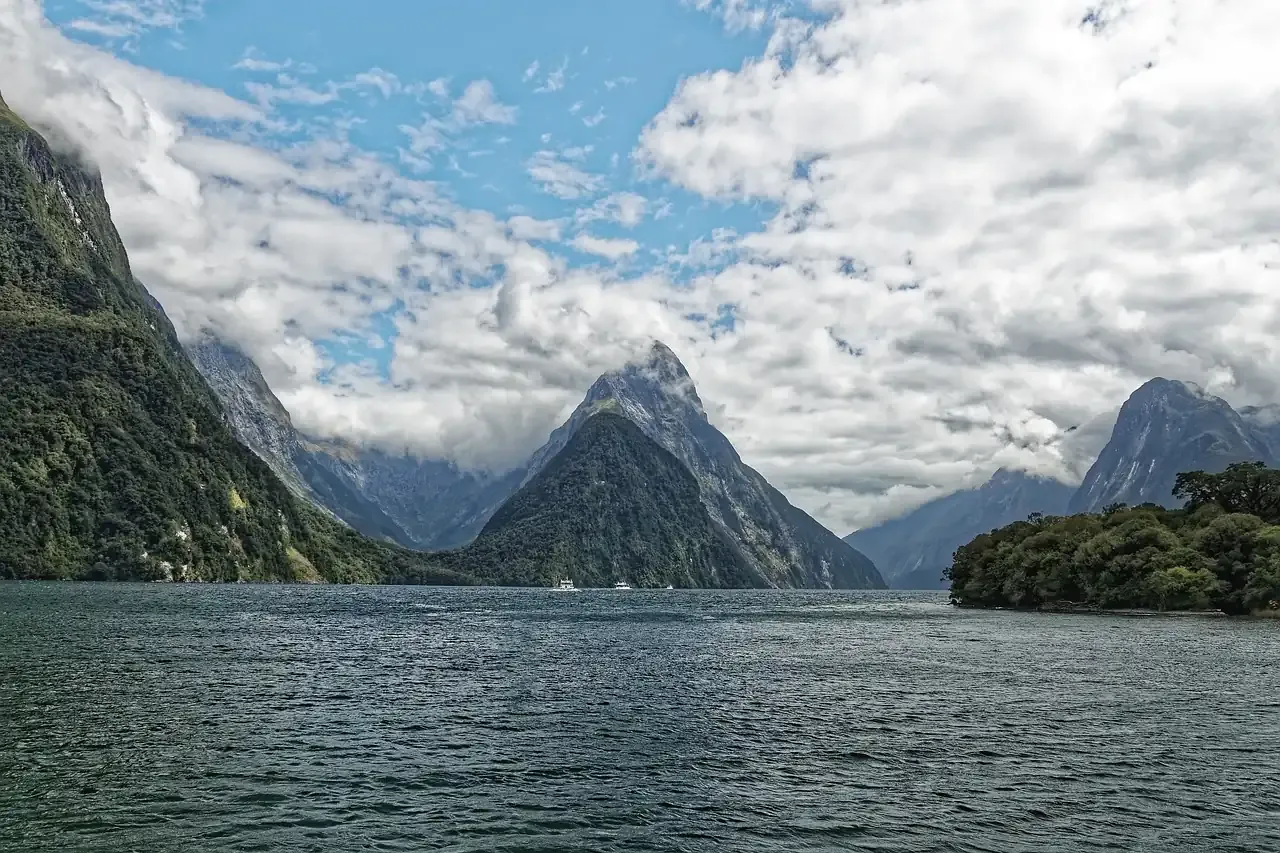
Fiordland's most famous fiord runs 15 kilometres inland from the Tasman Sea between rock walls that rise 1,200 metres or more, with Mitre Peak the classic view from the water. Māori know it as Piopiotahi. Lady Bowen and Stirling falls run all year, and rain adds hundreds more. Seals haul out on the rocks and the fiord holds the southernmost wild bottlenose dolphins. Most visitors drive in from Te Anau, 121 kilometres away, through the 1.2 kilometre Homer Tunnel, or take a day tour from Queenstown.
Length: 15 kilometres from the Tasman Sea · Heritage: Te Wahipounamu, UNESCO listed in 1990
Location: Fiordland National Park, near Te Anau, Southland, New Zealand
Access: Free to reach by road; cruises, kayak trips and scenic flights are ticketed
6. Rock Islands
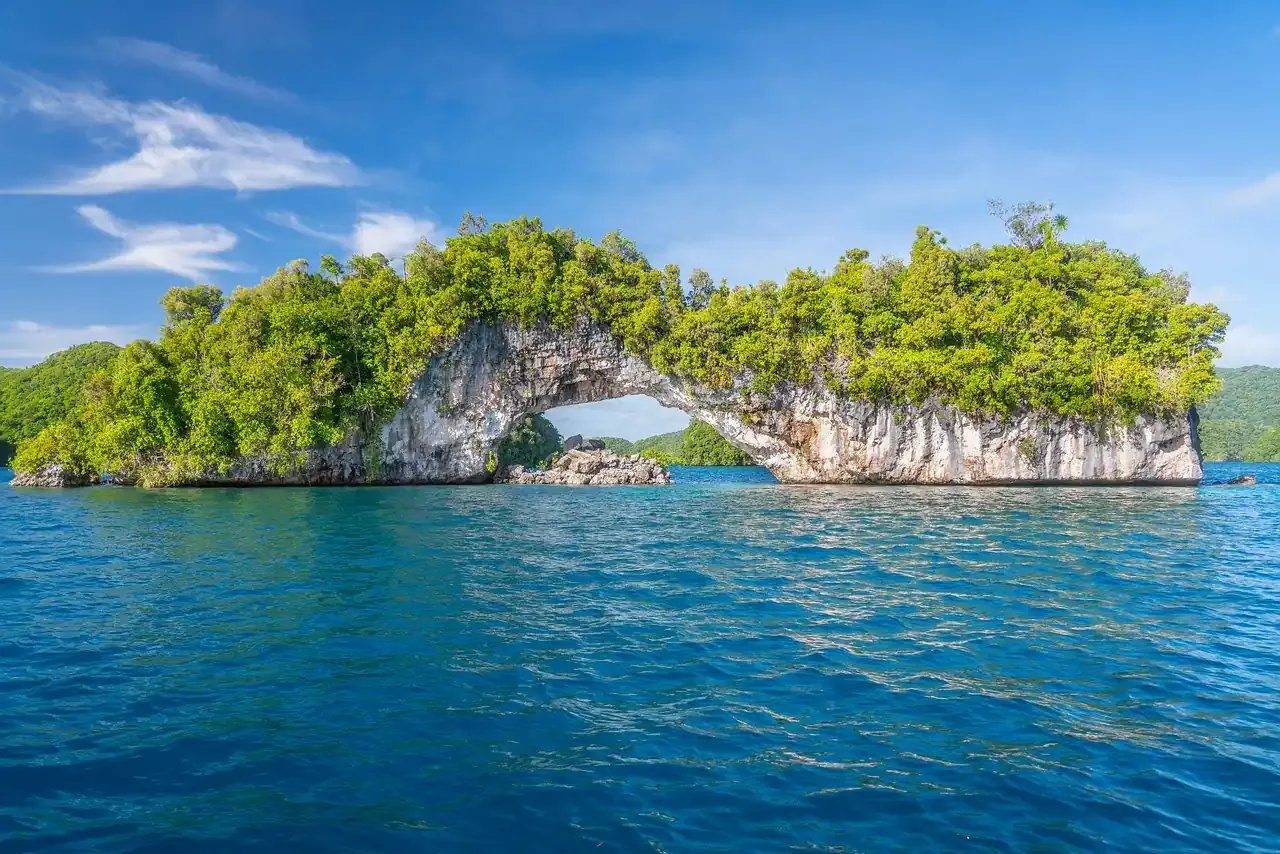
Several hundred mushroom-shaped limestone islands are scattered across the lagoon south of Koror, inside a barrier reef, with the highest concentration of marine lakes on earth. UNESCO listed the Rock Islands Southern Lagoon in 2012: 100,200 hectares of reef, islands and lakes. Jellyfish Lake on Eil Malk is the famous one, where millions of golden jellyfish cross the water every day and snorkellers drift among them. Tour boats leave Koror every morning for the lakes and the outer-reef dive sites.
Heritage: Rock Islands Southern Lagoon, UNESCO listed in 2012 · Area: 100,200 hectares
Location: Southern Lagoon, Koror State, south of Koror, Palau
Access: Koror State permit required, valid for several days and covering Jellyfish Lake at the higher tier; reached by tour boat
7. Moorea
Tahiti's neighbour lies 17 kilometres across the channel, its jagged skyline visible from Papeete and a short ferry ride away. The island is the eroded rim of a shield volcano, with two deep bays, Cook's Bay and Opunohu Bay, cutting into the north coast on either side of Mount Rotui. The Belvedere lookout above the Opunohu valley takes in both bays, and Mount Tohivea, the highest point, dominates the view. Cook anchored in Opunohu Bay, though the neighbouring bay took his name. Overwater bungalows line the lagoon.
Distance from Tahiti: 17 kilometres · Highest point: Mount Tohivea
Location: Windward Islands, Society Islands, French Polynesia; ferries land at Vaiare
Access: Free to visit; ferries from Papeete and lagoon tours are ticketed
8. Aitutaki
An almost-atoll north of Rarotonga: a hilly main island on one side and fifteen small islets strung along a triangular reef whose sides run 12 kilometres each, enclosing a lagoon of 50 to 74 square kilometres of pale blue water. Lagoon cruises stop at Tapuaetai, One Foot Island, and at sandbars that surface at low tide. The main village is Arutanga on the western shore, and it is the second most visited island in the Cook Islands after Rarotonga. Most people come on a short flight for the day or stay in the small resorts along the Ootu peninsula.
Lagoon: 50 to 74 square kilometres, fifteen islets · Population: 1,782 in 2021
Location: Arutanga, Aitutaki, southern Cook Islands
Access: Free to visit; lagoon cruises and flights from Rarotonga are ticketed
Photo: "Aitutaki lagoon from the air, Akitua Island at left" by Christopher Johnson from Tokyo, Japan (CC BY-SA 2.0); "The Aitutaki lagoon and reef from the air" by Christopher Johnson from Tokyo, Japan (CC BY-SA 2.0); "Palms on Tapuaetai (One Foot Island)" by Misolonax (CC BY-SA 4.0); "Sandbar near One Foot Island, Aitutaki" by onj (CC BY 3.0).
9. Mamanuca Islands
About twenty volcanic islands lie off the west coast of Viti Levu, close to Nadi's airport and the marina at Port Denarau, and hold many of Fiji's resorts. Seven of the islands disappear under the Pacific at high tide. Monuriki, a small uninhabited islet, was the anonymous island of the 2000 film Cast Away, and the group has been the filming location of Survivor since 2016. Snorkelling over live coral, sailing, diving with reef sharks and village visits fill the days, and the longer Yasawa chain continues to the north.
Islands: about 20 · Film sites: Monuriki in Cast Away (2000); Survivor since 2016
Location: Off Nadi and Port Denarau, Western Division, Fiji
Access: Free to visit; day cruises and island transfers leave Port Denarau and are ticketed
10. Mount Yasur
The most accessible active volcano in the Pacific rises only 361 metres above the coast of Tanna, with a crater 400 metres across that has been erupting almost continuously for several hundred years. Its glow drew Captain Cook to Tanna in 1774; sailors called it the lighthouse of the Pacific. Explosions come several times an hour, and visitors stand on the crater rim at dusk to watch the lava thrown up against the dark. An official alert level from 0 to 5 governs how close anyone may go.
Height: 361 metres · Recognition: IUGS geological heritage site since 2022
Location: Tanna Island, near Sulphur Bay, Tafea Province, Vanuatu
Access: Ticketed entry to the volcano, usually reached by four-wheel drive; visits depend on the official alert level
16 hidden gems to visit in Oceania
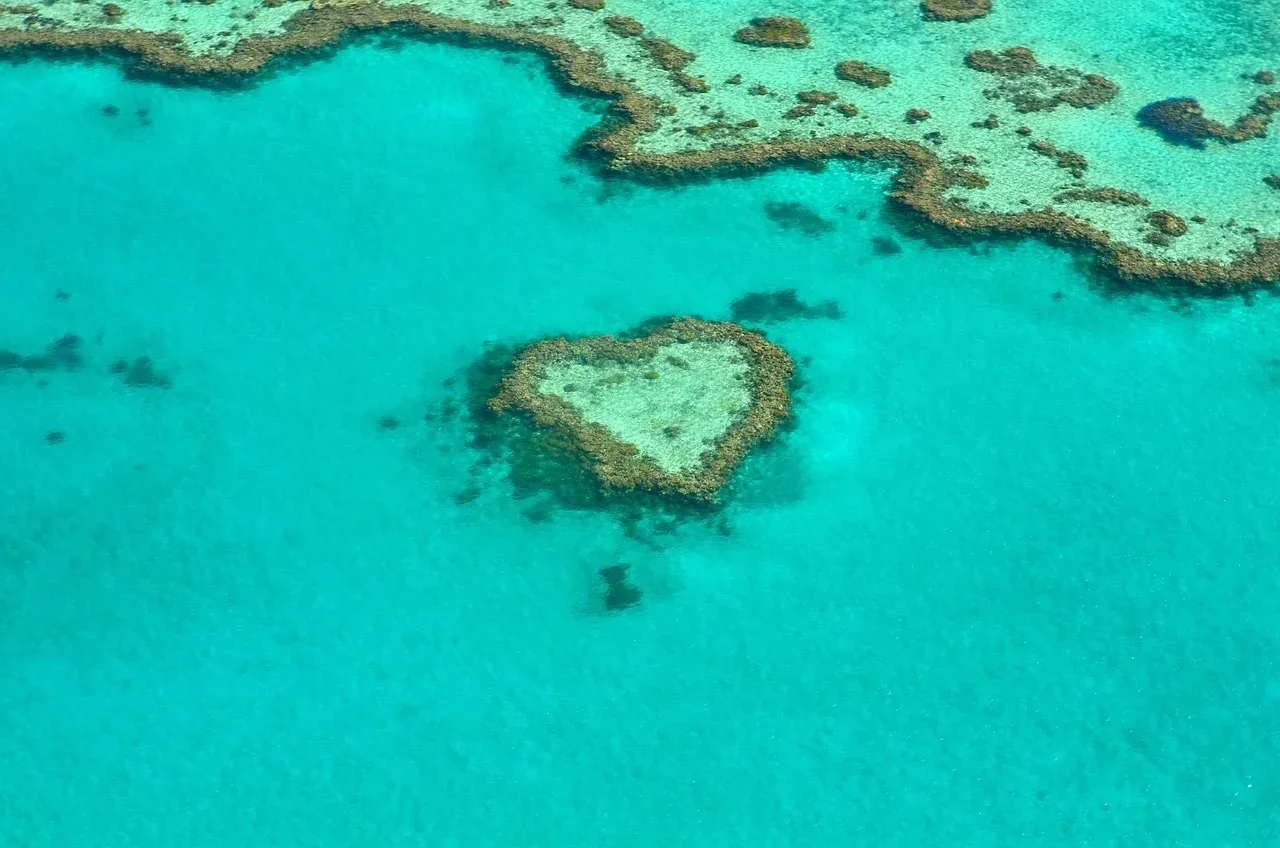
Great Barrier Reef
The largest coral reef system on earth, over 2,300 kilometres of reefs and 900 islands off Queensland, UNESCO listed in 1981 and reached from Cairns.
Location: Coral Sea, off Cairns and the Whitsundays, Queensland, Australia
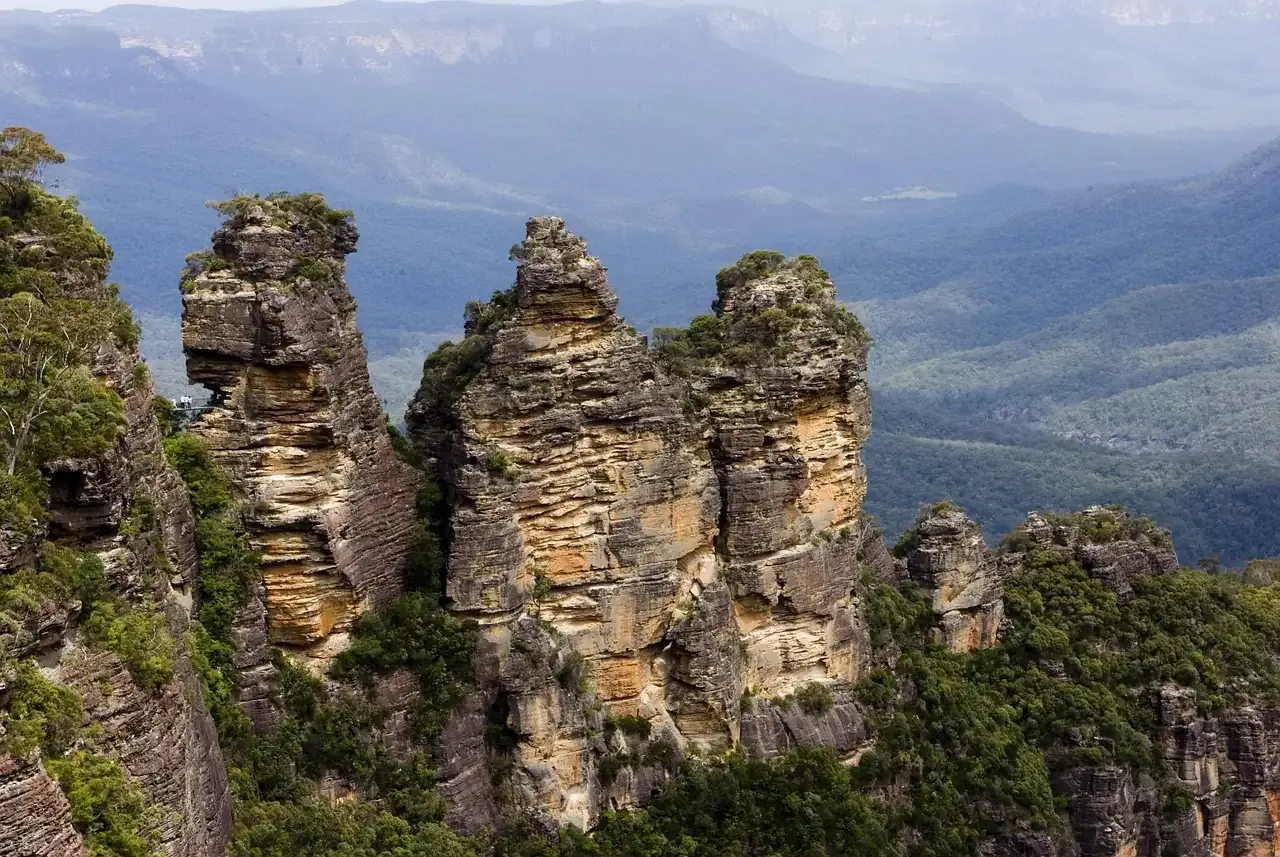
Blue Mountains
A sandstone plateau of cliffs, gorges and eucalypt haze starting 50 kilometres west of Sydney, with the Three Sisters at Katoomba; UNESCO listed in 2000.
Location: Katoomba, New South Wales, Australia
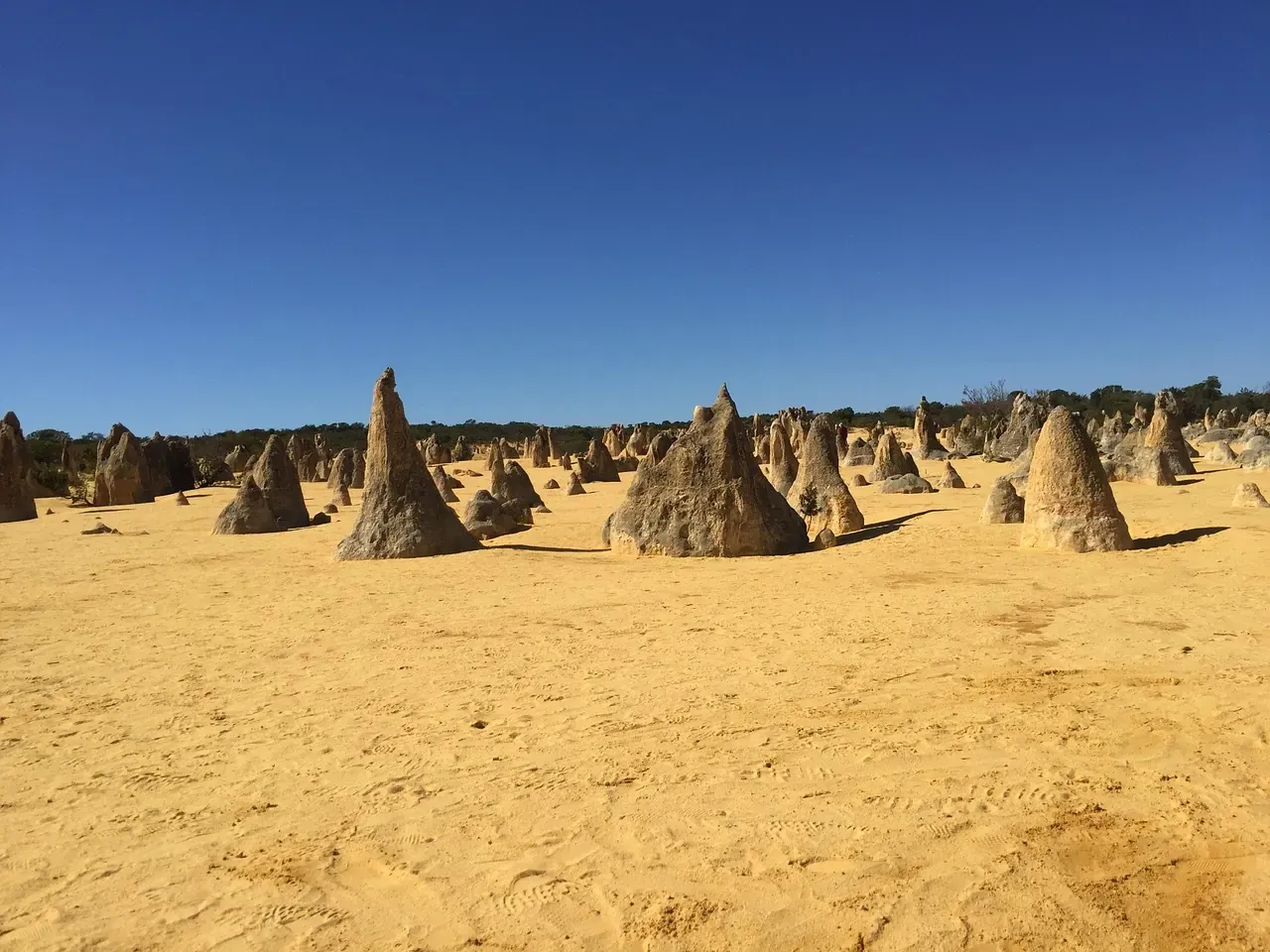
The Pinnacles
Thousands of weathered limestone pillars up to 3.5 metres tall standing in yellow sand near Cervantes, a couple of hours' drive north of Perth.
Location: Nambung National Park, Cervantes, Western Australia, Australia
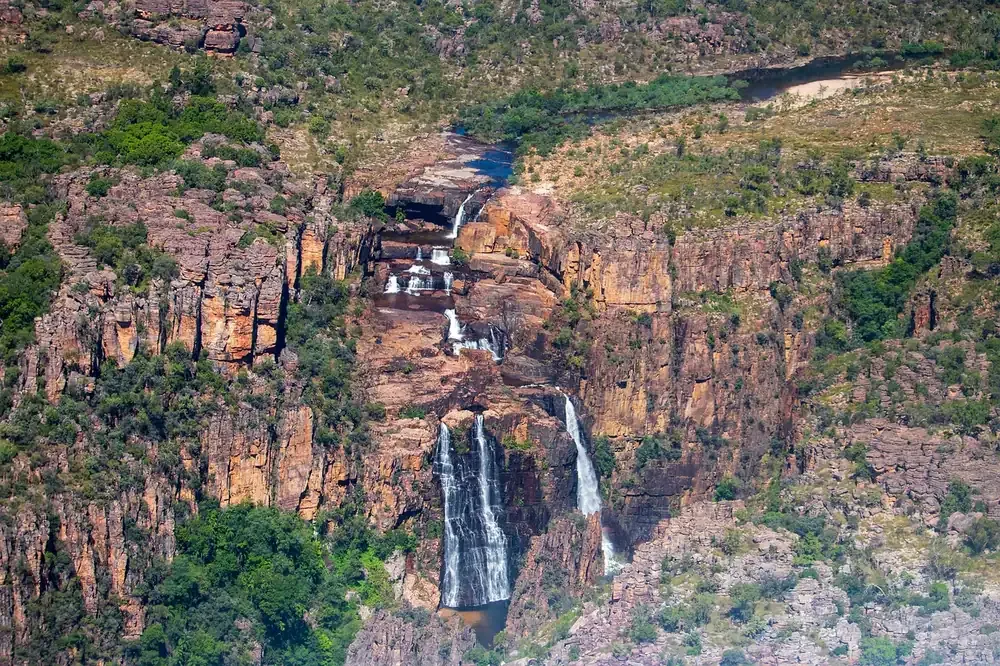
Kakadu National Park
Australia's second-largest national park, 19,804 square kilometres of floodplain and escarpment 171 kilometres from Darwin, with rock art at Ubirr and a seven-day park pass.
Location: Jabiru, Northern Territory, Australia
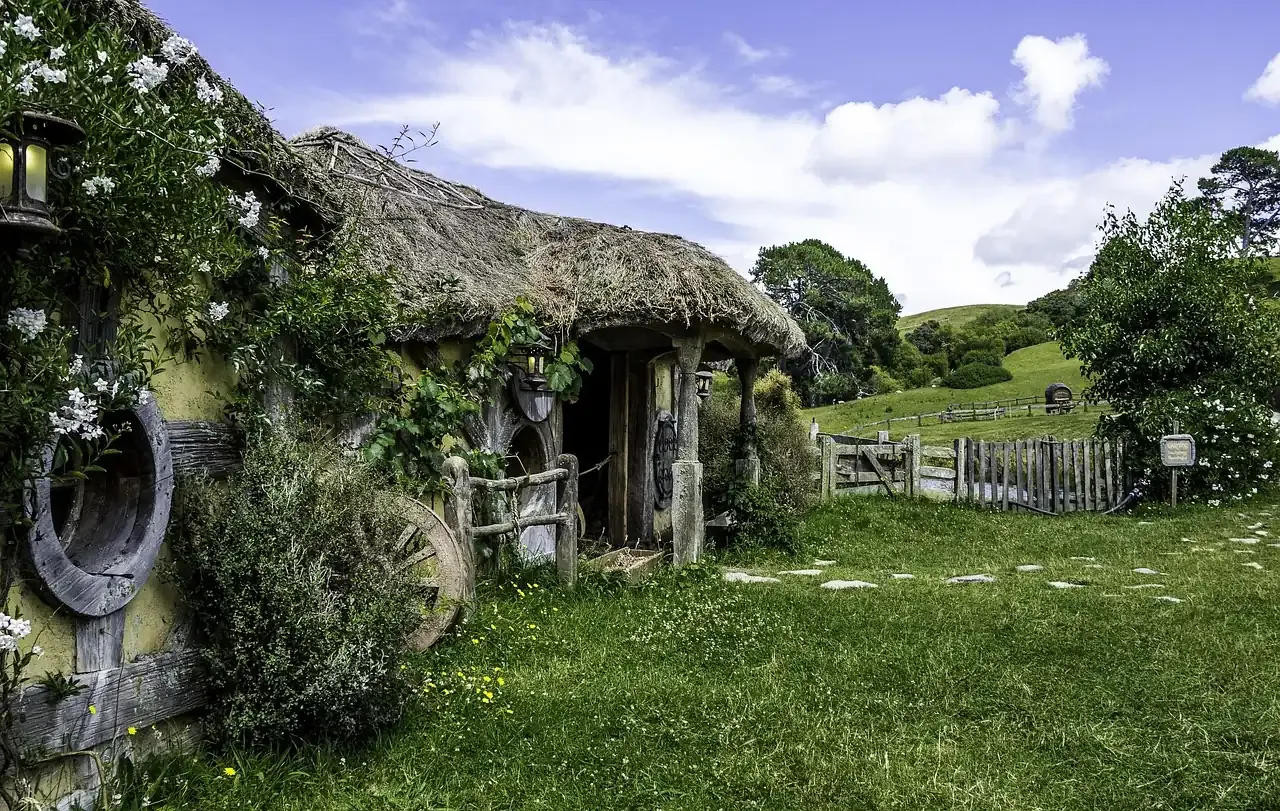
Hobbiton Movie Set
The Shire of the Lord of the Rings films, rebuilt in permanent materials in 2010 on a working farm and seen only on guided tours.
Location: Hinuera, near Matamata, Waikato, New Zealand
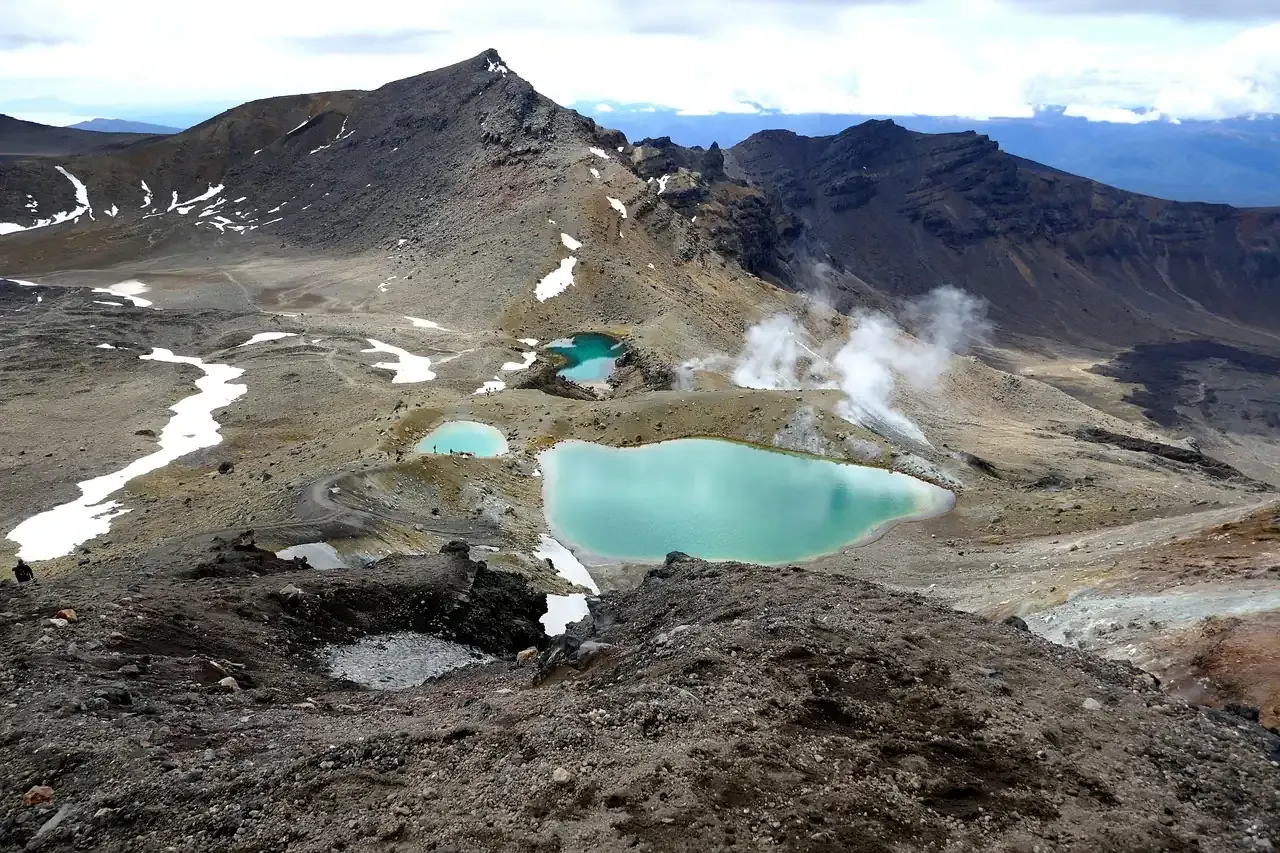
Tongariro National Park
New Zealand's oldest national park, gifted by Te Heuheu Tūkino IV in 1887, with three volcanoes and the Alpine Crossing over Red Crater.
Location: Whakapapa and Tūrangi, central North Island, New Zealand
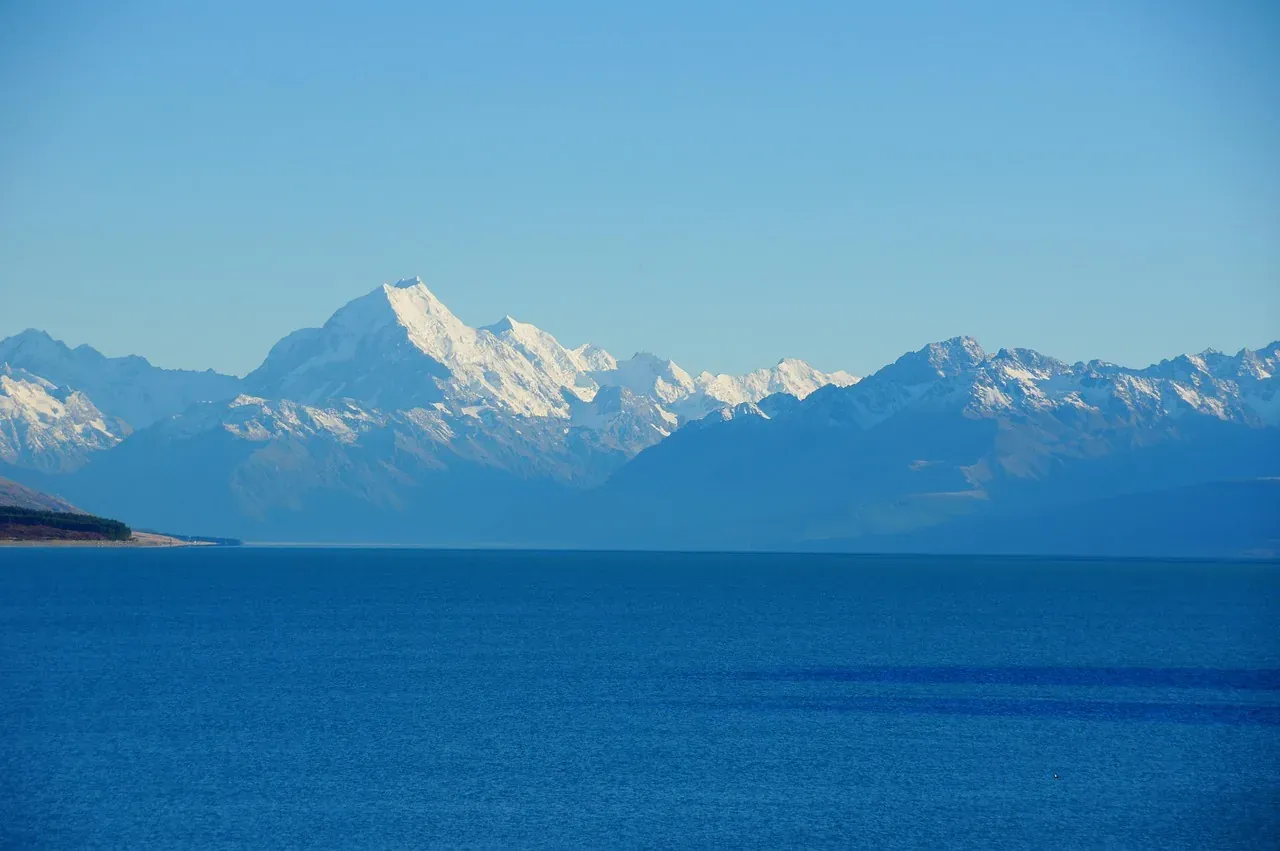
Aoraki / Mount Cook
New Zealand's highest mountain at 3,724 metres, above 72 glaciers and the Hooker Valley Track, whose new 189-metre swing bridge opened in July 2026.
Location: Aoraki / Mount Cook Village, Canterbury, New Zealand
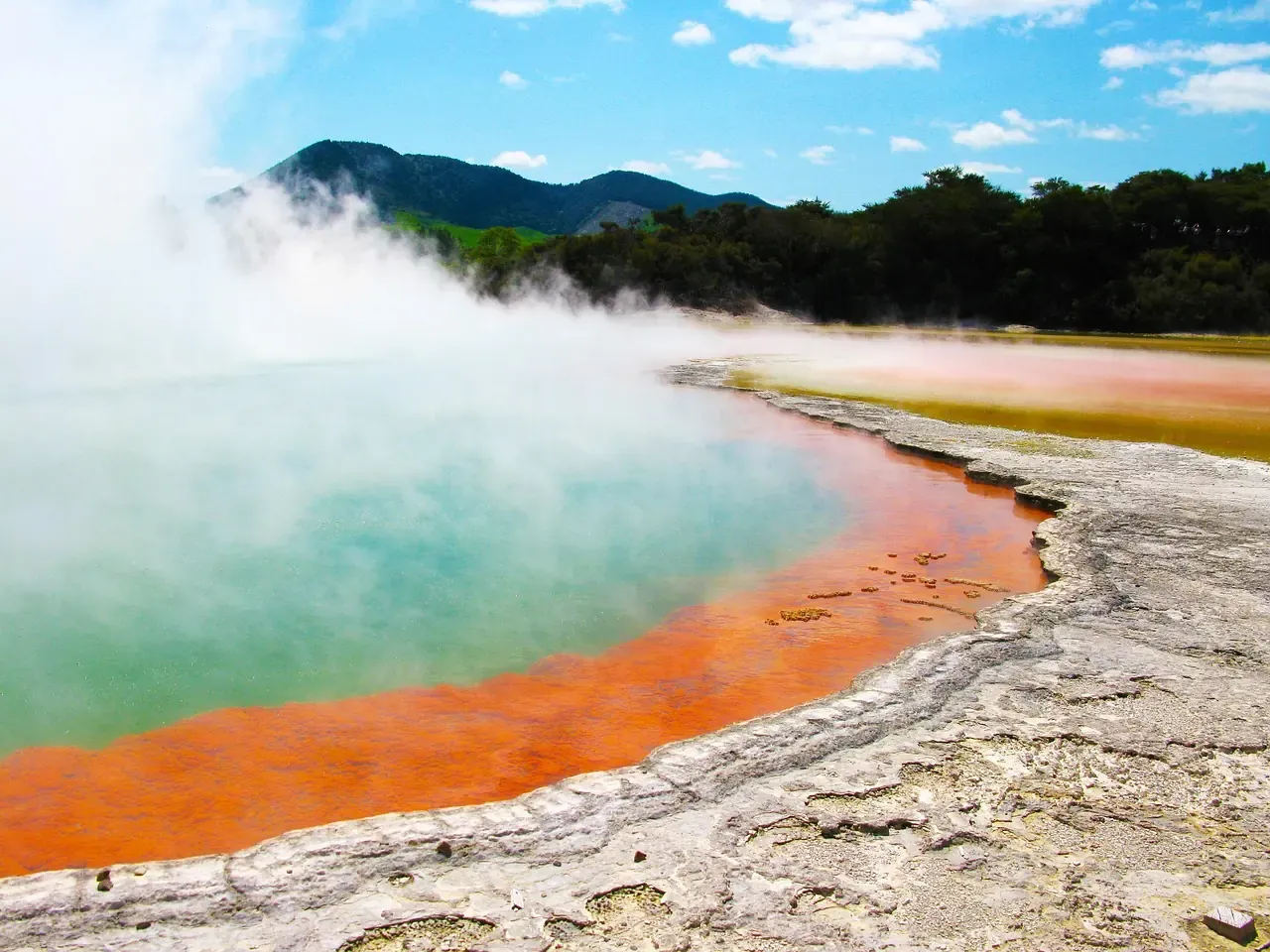
Wai-O-Tapu
A geothermal reserve 27 kilometres south of Rotorua with the orange-rimmed Champagne Pool and the Lady Knox Geyser, set off daily at 10:15.
Location: Waiotapu, near Rotorua, Bay of Plenty, New Zealand
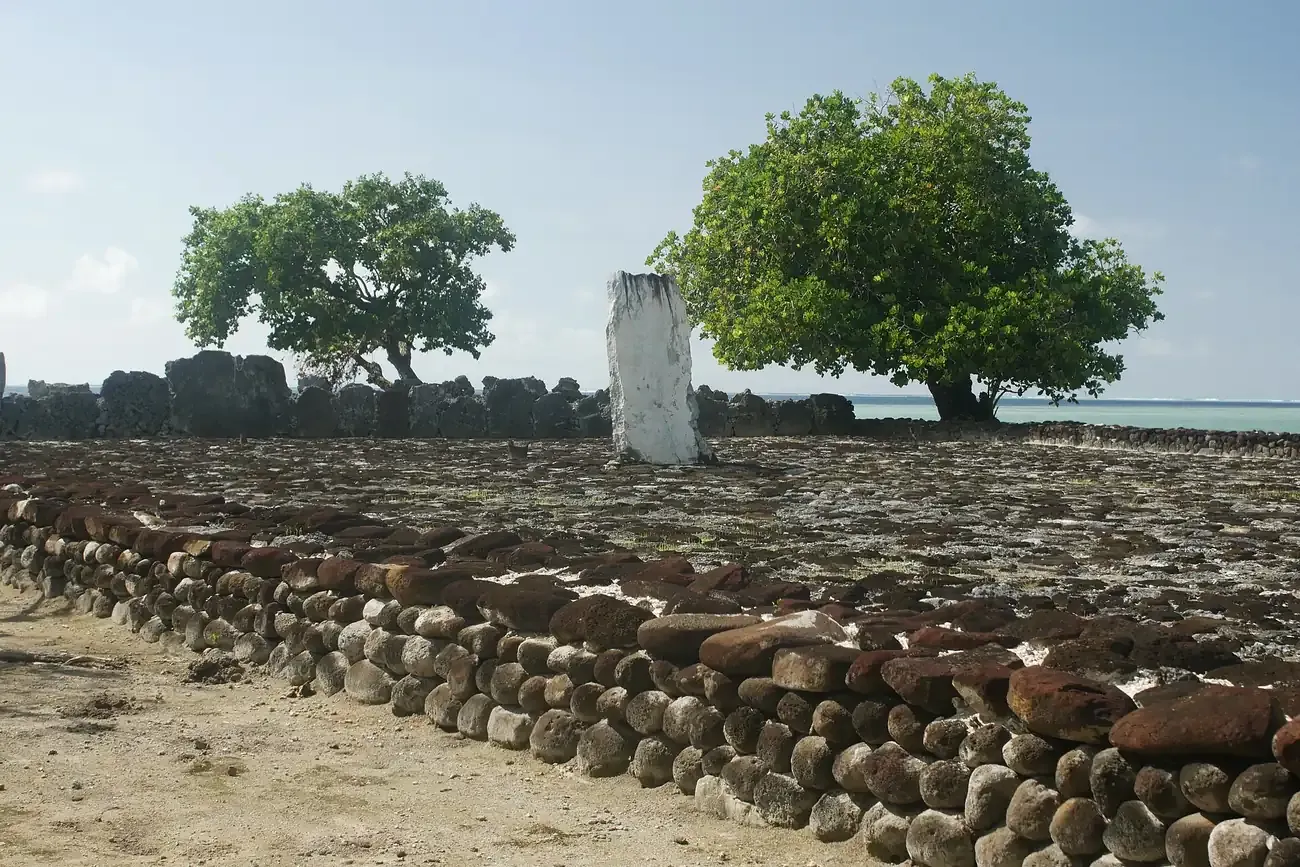
Taputapuātea
A basalt-paved marae complex at Opoa on Raiatea, once the religious and political centre of eastern Polynesia and UNESCO listed in 2017.
Location: Opoa, Raiatea, Leeward Islands, French Polynesia
Photo: "The Taputapuātea marae on Raiatea" by Octave Fargier (CC BY 4.0).
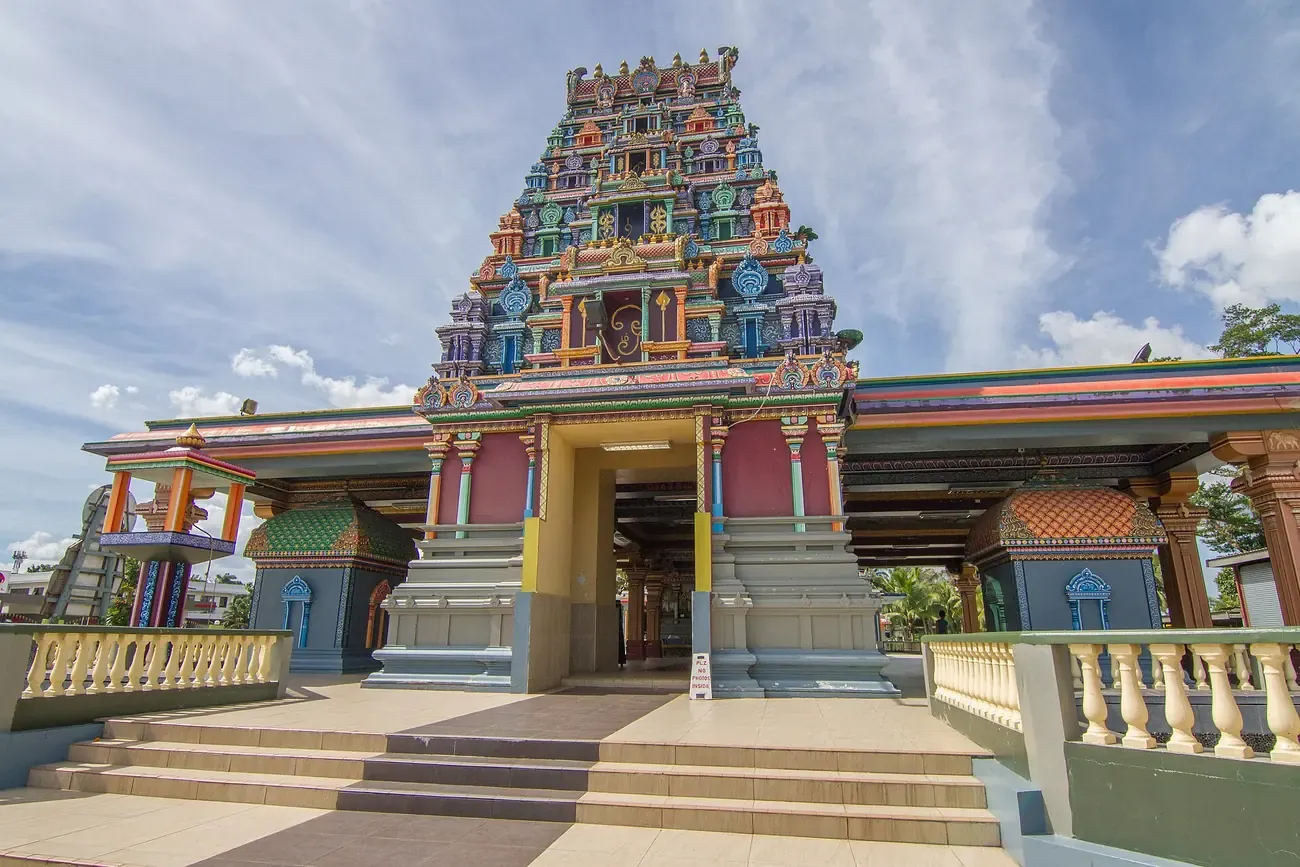
Sri Siva Subramaniya Temple
The largest Hindu temple in the Southern Hemisphere, built in Dravidian style at the southern end of Nadi's main street and consecrated in 1994.
Location: Nadi, Viti Levu, Fiji
Photo: "Sri Siva Subramaniya Temple, Nadi" by Maksym Kozlenko (CC BY-SA 4.0).
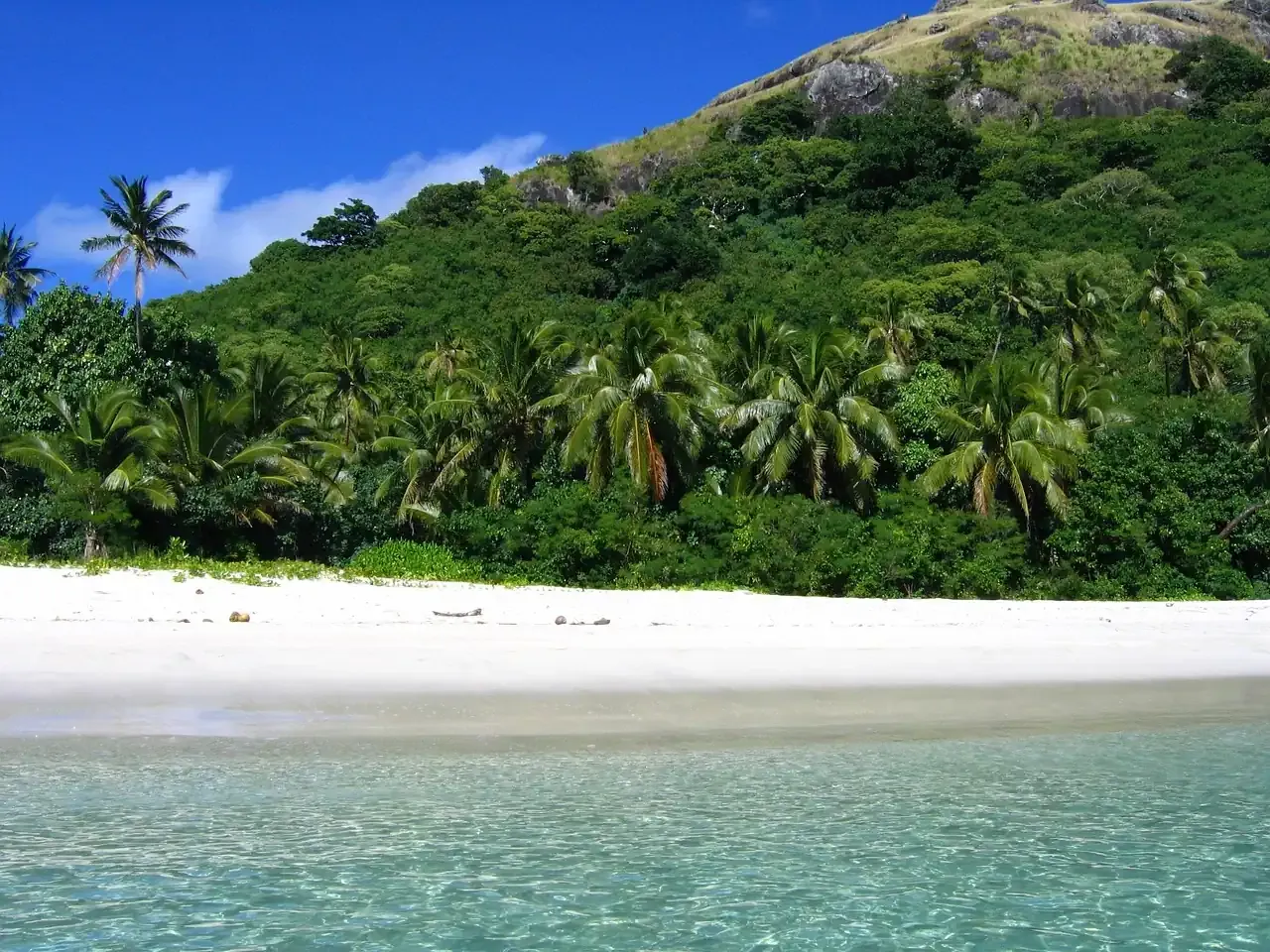
Yasawa Islands
About twenty volcanic islands running 80 kilometres north of the Mamanucas, closed to land-based tourism until 1987 and reached by catamaran or seaplane.
Location: Western Division, north of Lautoka, Fiji
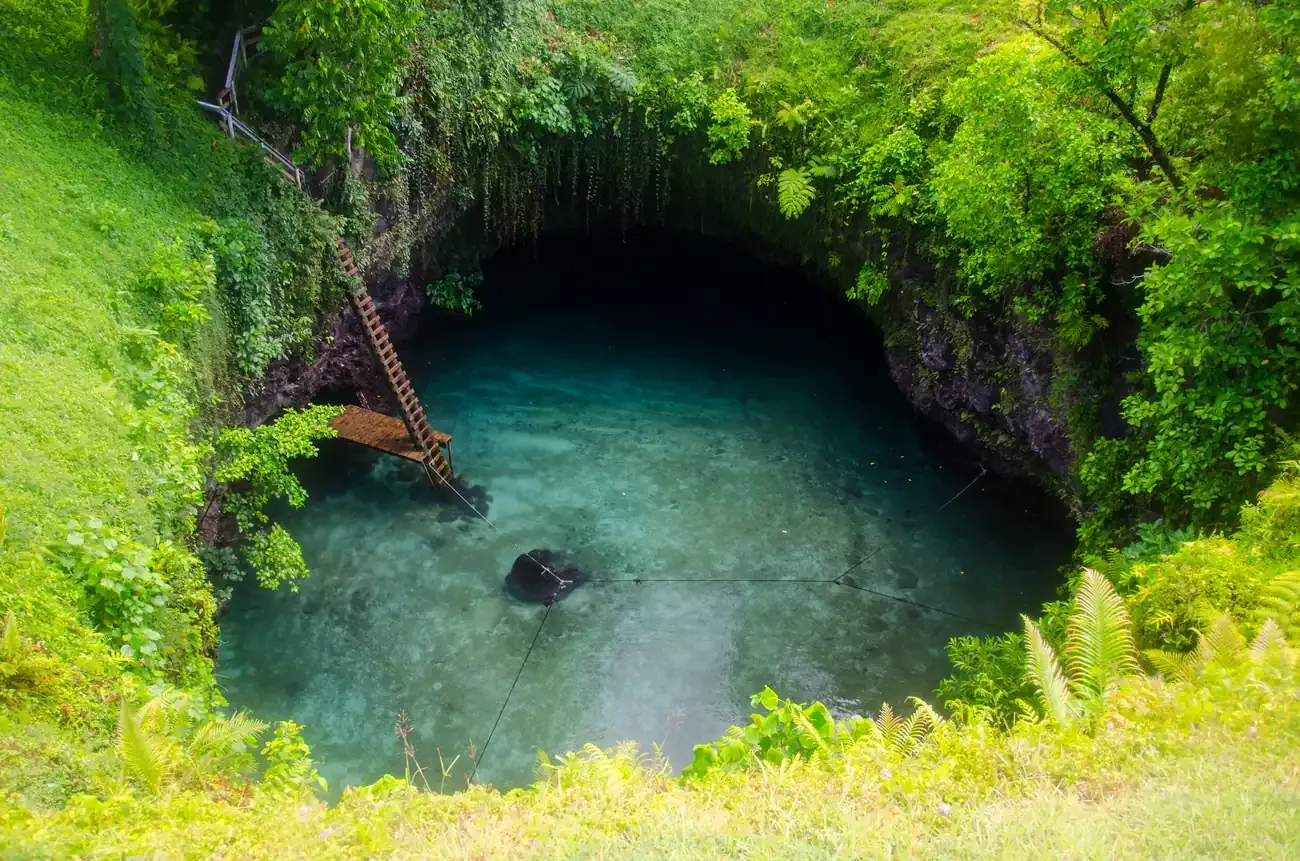
To Sua Ocean Trench
A sea-fed sinkhole swimming hole on the south coast of Upolu, one of Samoa's most visited sights along with Lalomanu beach.
Location: Lotofaga, south coast of Upolu, Samoa
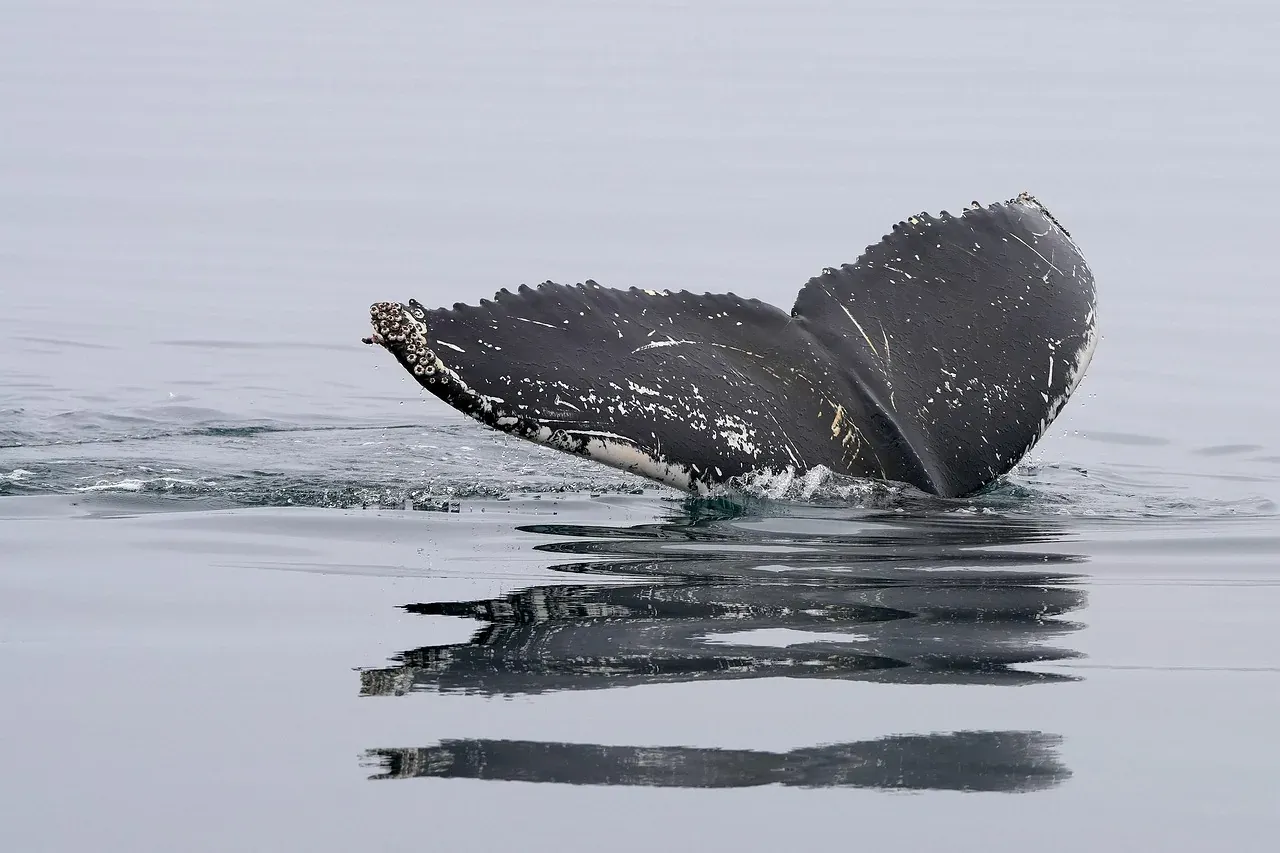
Vavaʻu
A group of 55 islands around the sheltered harbour of Neiafu, where yachts gather and boats take swimmers to humpback whales from May to October.
Location: Neiafu, Vavaʻu group, Tonga
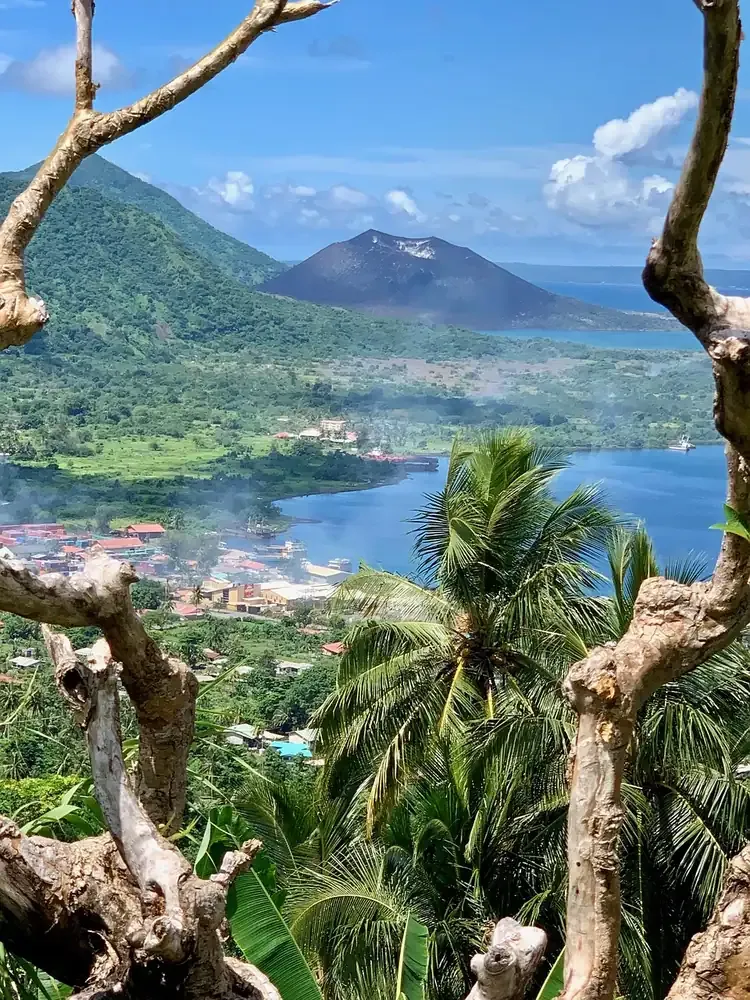
Rabaul
A harbour town on the rim of a flooded caldera, buried in ash when Tavurvur erupted in 1994; the volcano still smokes above Simpson Harbour.
Location: Rabaul, East New Britain, Papua New Guinea
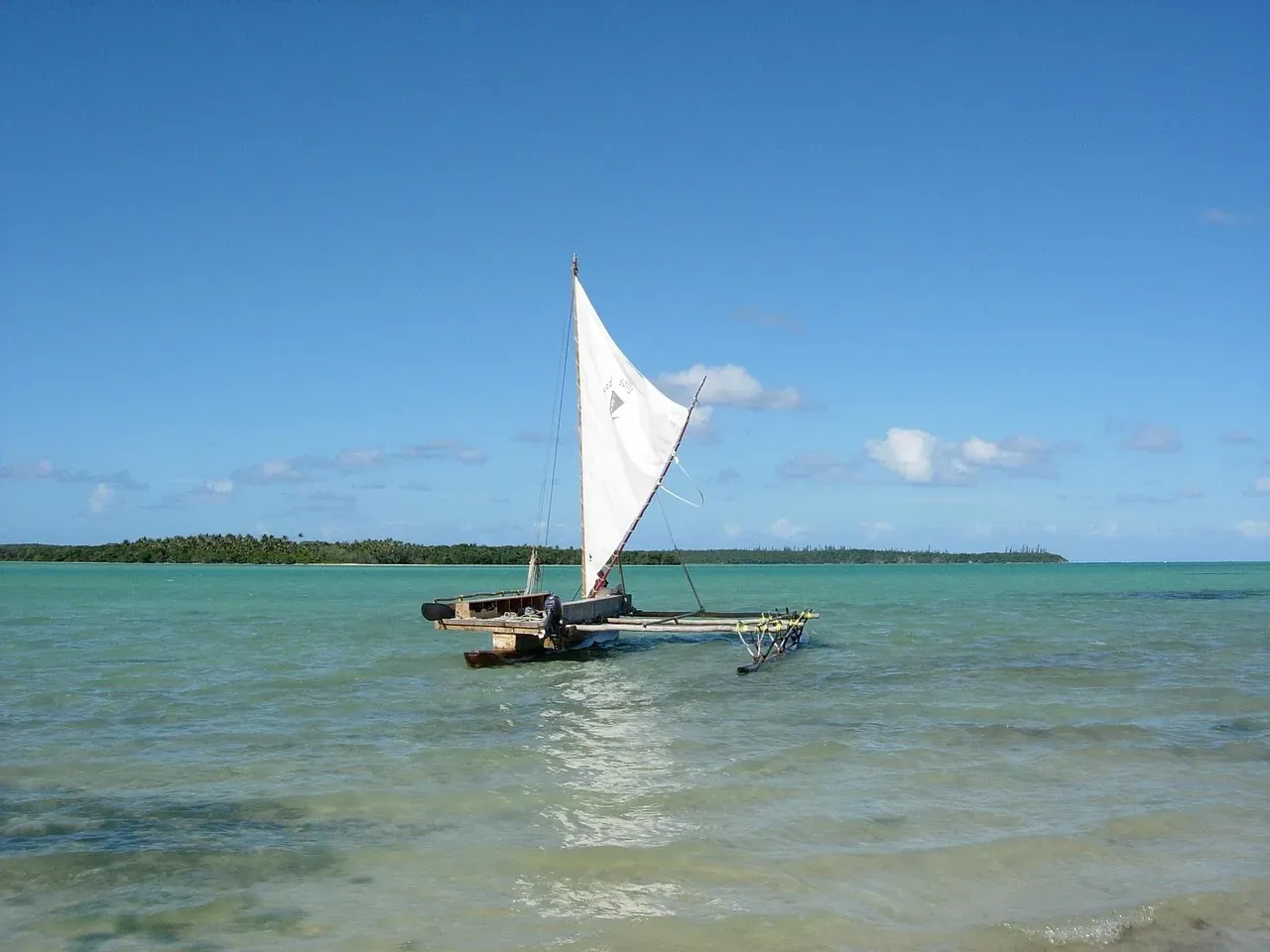
Isle of Pines
Named by Cook in 1774 for its columnar pines, 100 kilometres south-east of Nouméa, with white bays and the ruins of an 1872 penal colony.
Location: L'Île-des-Pins, south-east of Grande Terre, New Caledonia
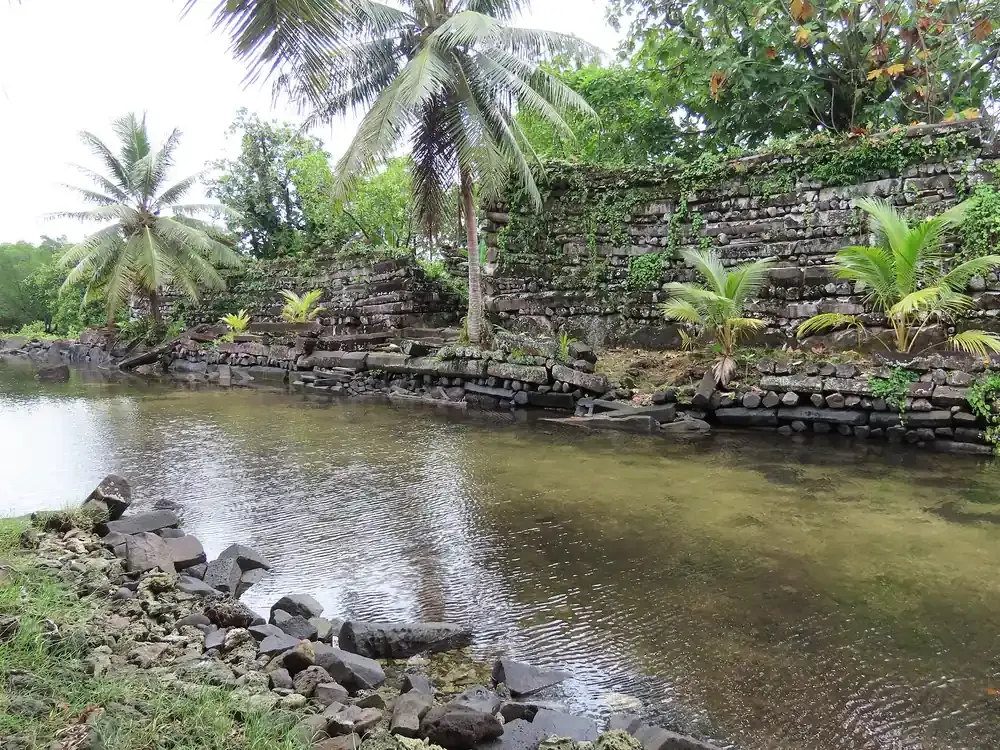
Nan Madol
A ruined city of a hundred basalt islets in a lagoon off Pohnpei, seat of the Saudeleur dynasty until about 1628, UNESCO listed in 2016.
Location: Madolenihmw, Pohnpei, Federated States of Micronesia
Photo: "Nan Madol and canal" by Uhooep (CC BY-SA 4.0).
Food you can't miss in Oceania
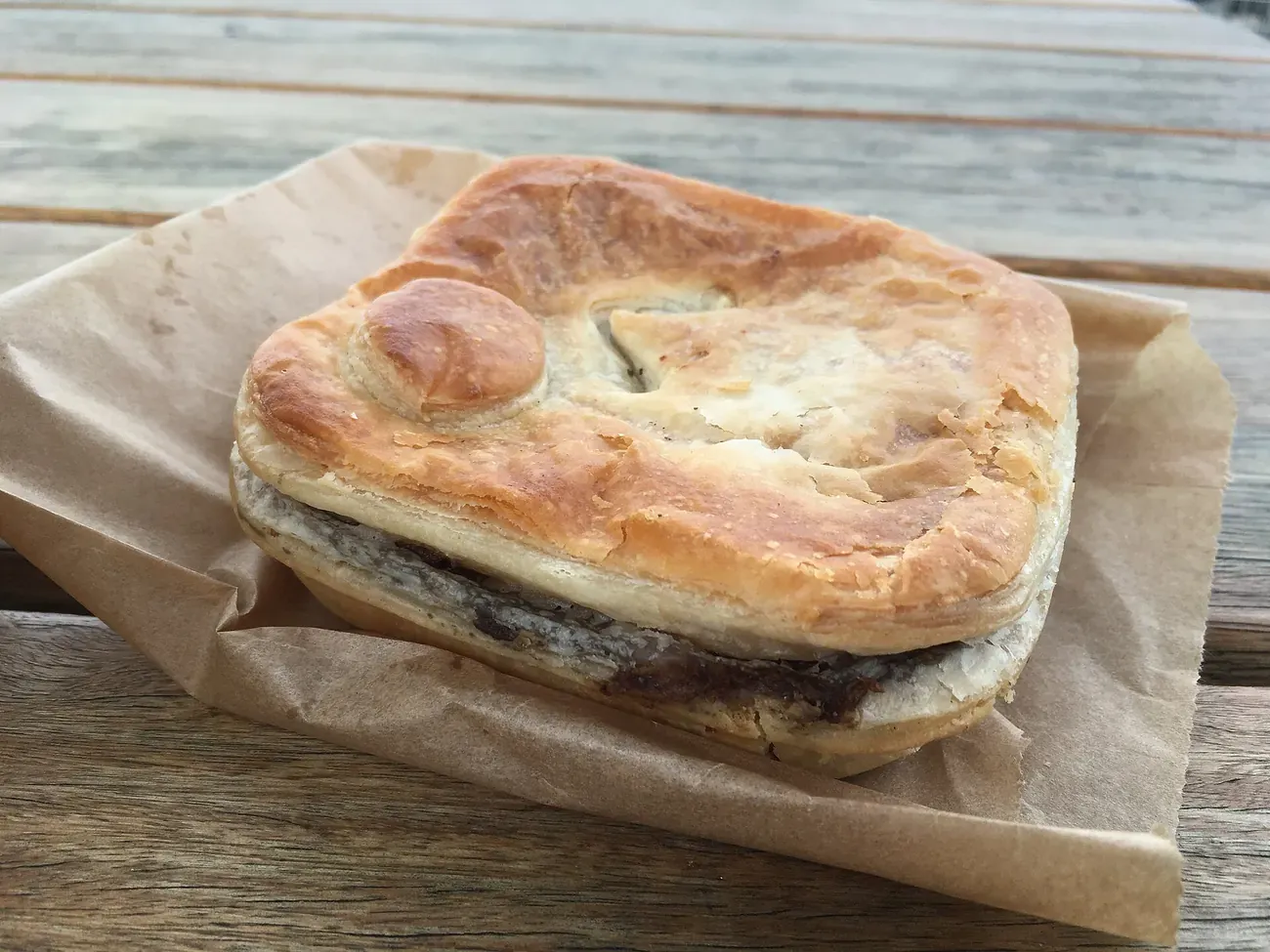
Meat pie
A hand-held pastry of minced or diced meat in gravy, eaten warm from bakeries and at football grounds; a New South Wales premier called it Australia's national dish in 2003, and Australians eat more than a dozen a year each.

Pavlova
A meringue cake with a crisp shell and soft centre, topped with cream and fruit and named after the ballerina Anna Pavlova after her 1920s tours; New Zealand and Australia both claim it, with a New Zealand recipe from 1929.
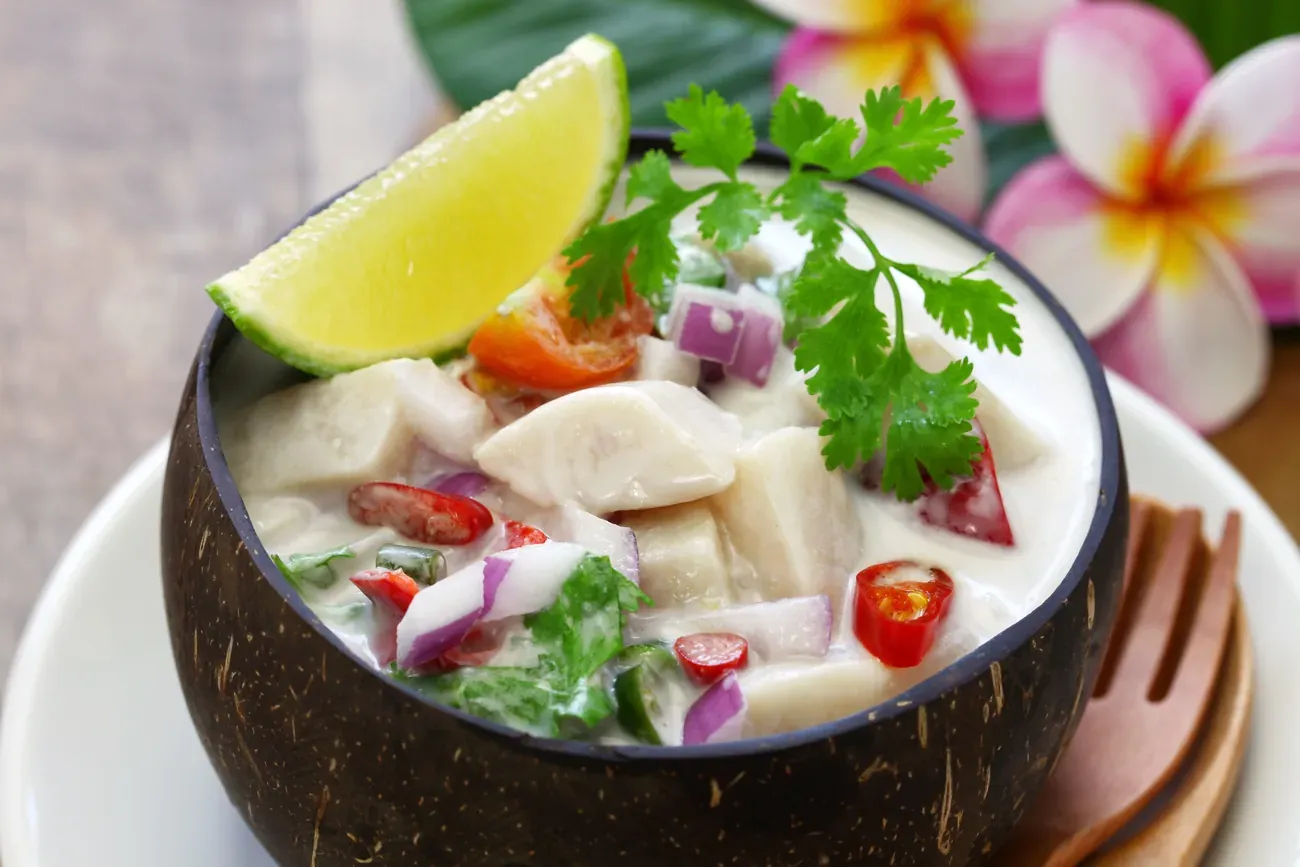
Kokoda
Fiji's version of the Pacific raw-fish salad: cubes of fresh fish cured in lime juice, then folded into coconut milk with chilli, onion, tomato and cucumber; the same dish is Tonga's national ʻota ʻika.
Other places worth knowing in Oceania
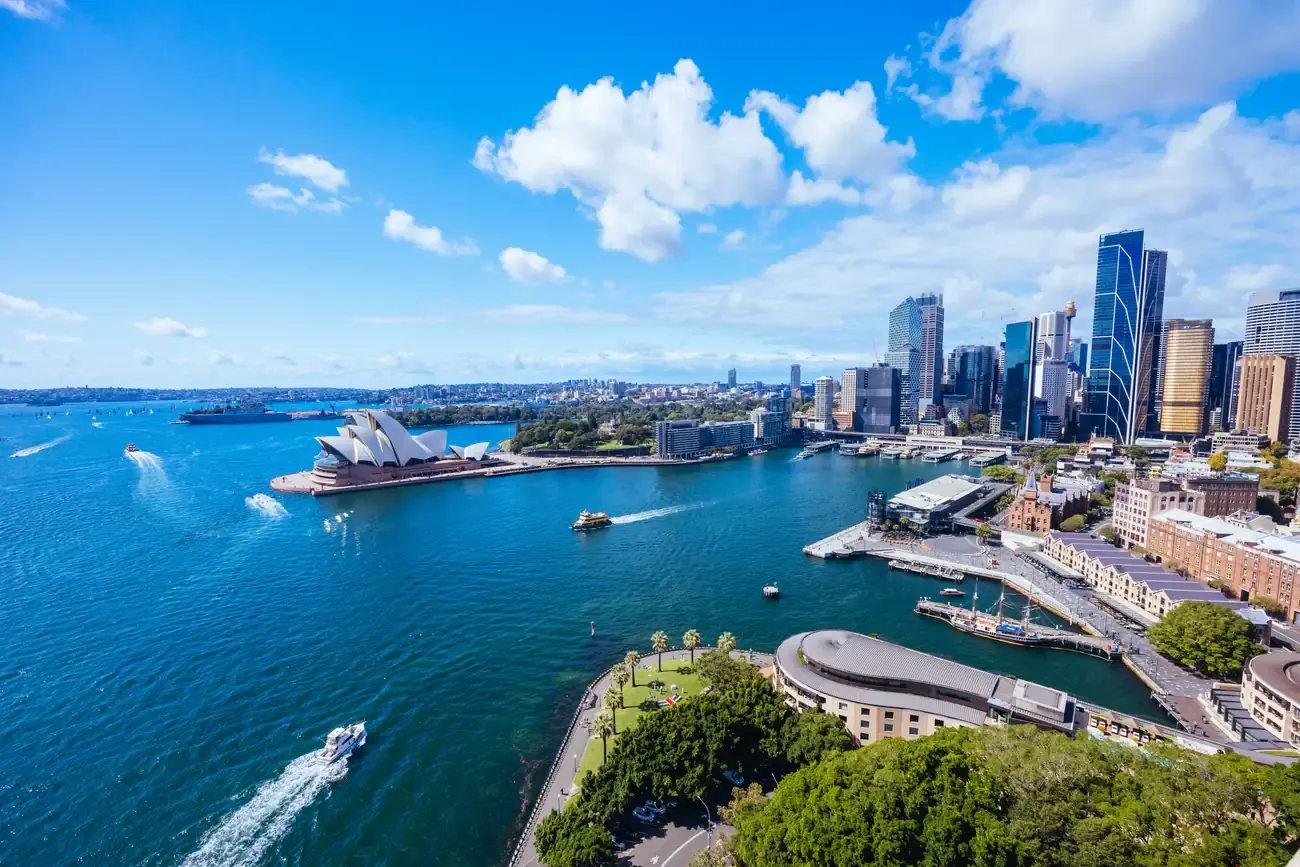
Sydney
Tourist attractions in Sydney run from the Opera House and Harbour Bridge at Circular Quay to Bondi Beach, The Rocks and Darling Harbour.
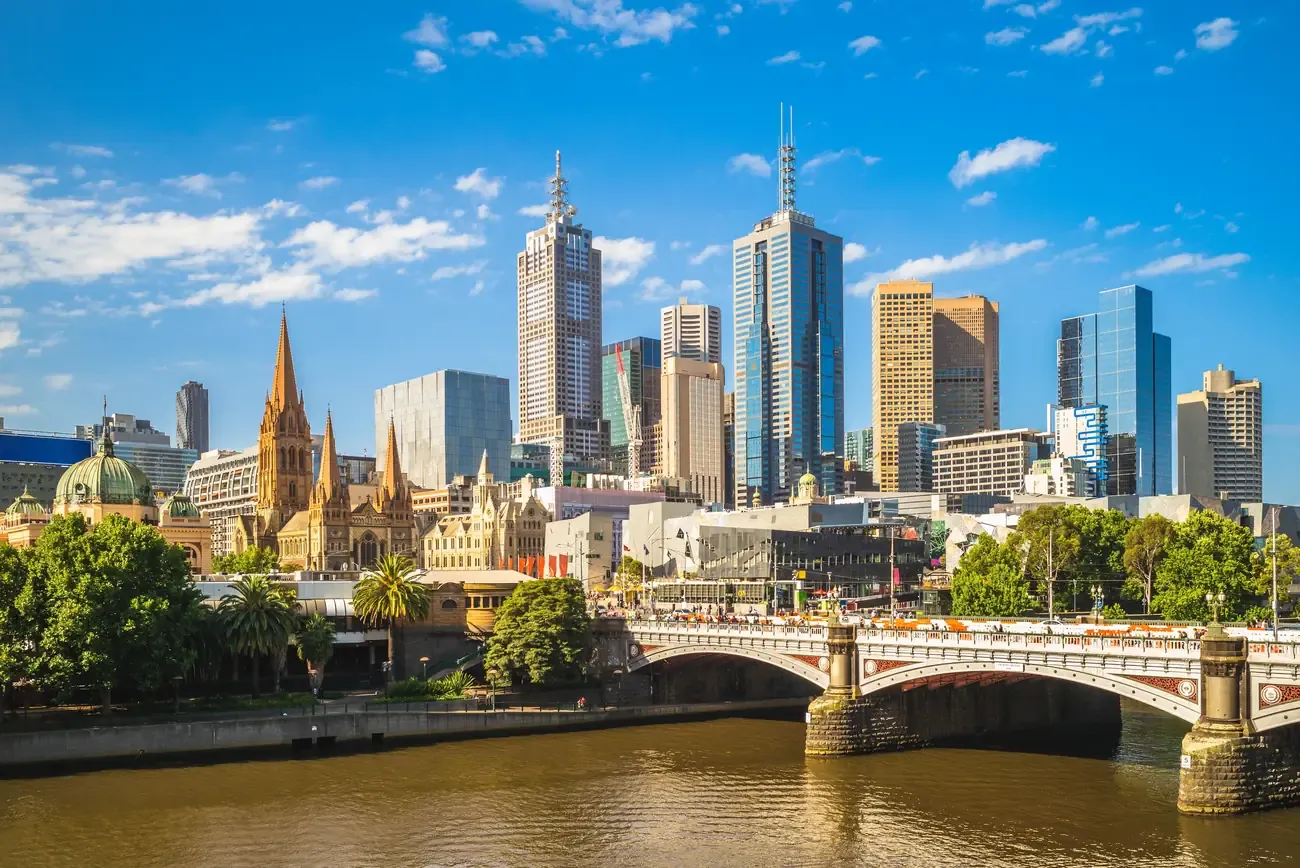
Melbourne
Melbourne's tourist attractions centre on Flinders Street Station, Queen Victoria Market and the MCG, with the Great Ocean Road to the west.
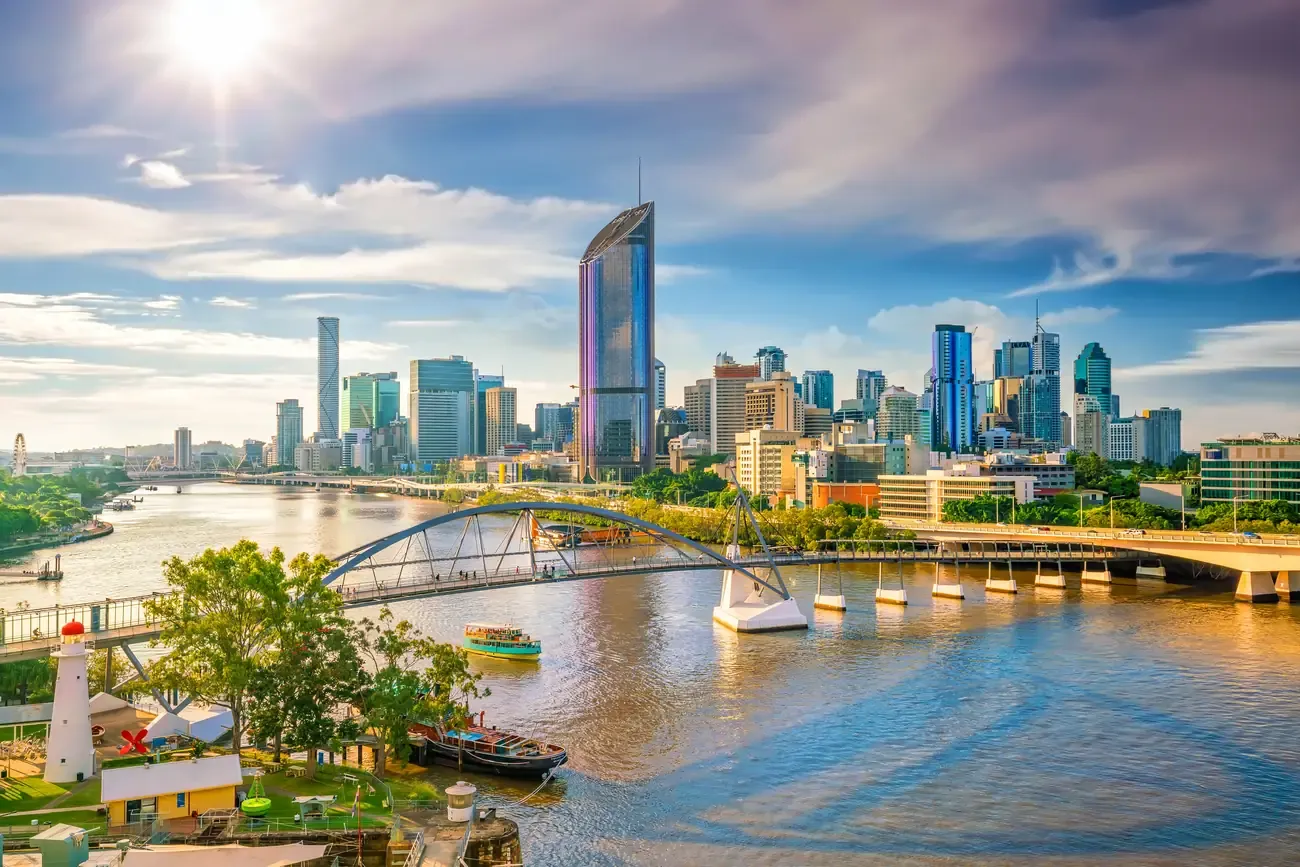
Brisbane
Tourist attractions in Brisbane include South Bank, the City Botanic Gardens and Lone Pine Koala Sanctuary, with K'gari and the reef up the coast.
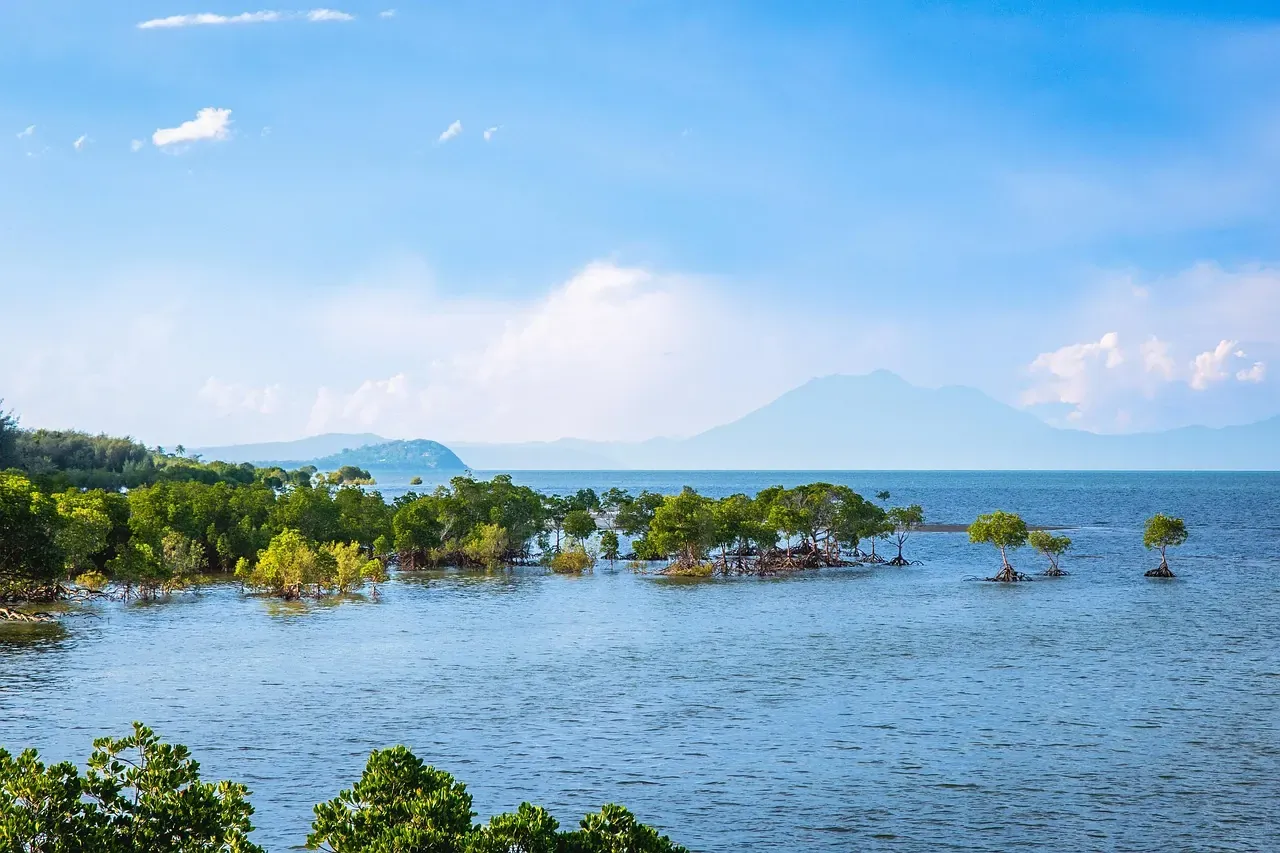
Cairns
The tropical gateway to two World Heritage sites, the Great Barrier Reef and the Daintree Rainforest, with reef boats leaving the marina every morning.
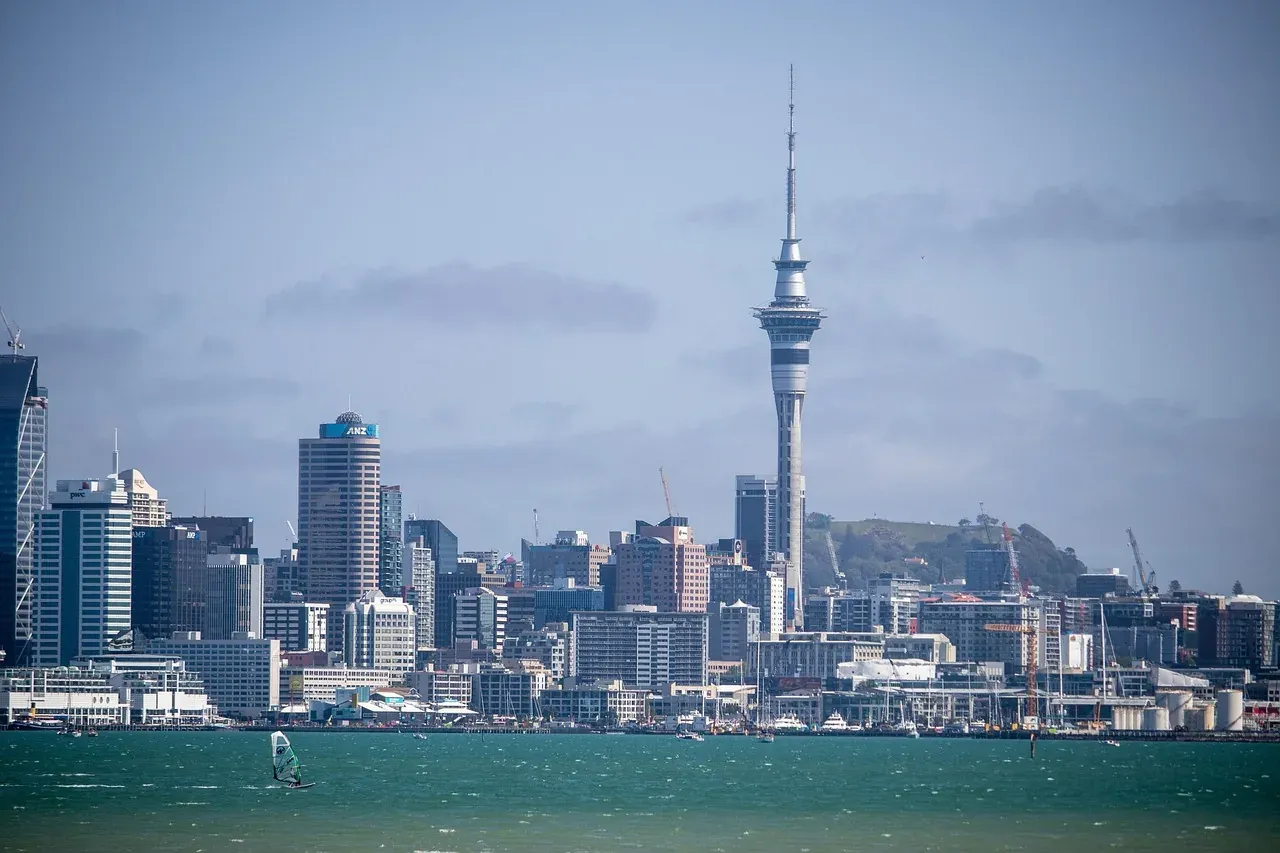
Auckland
New Zealand's largest city, 1.5 million people on an isthmus between two harbours and 53 volcanic cones, with the Sky Tower at its centre.
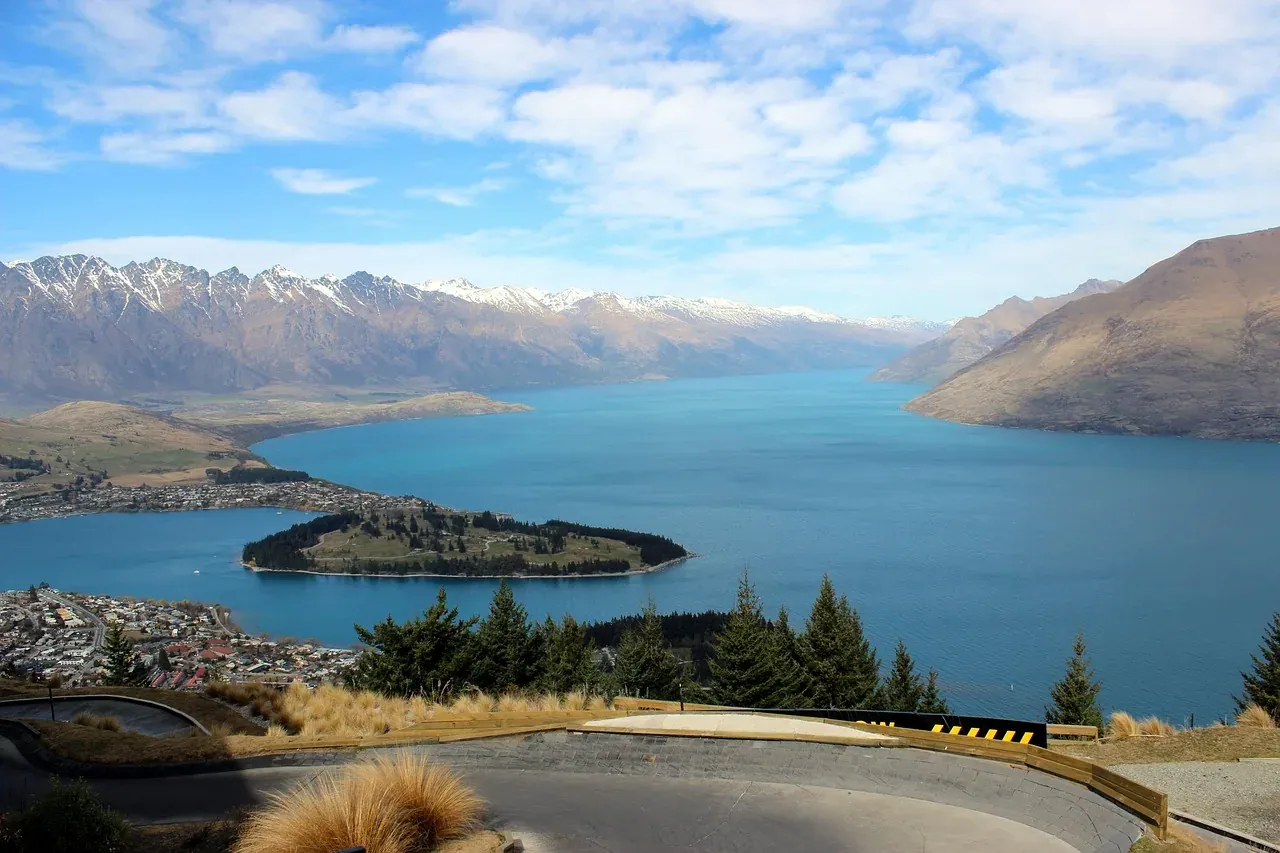
Queenstown
The resort town on Lake Wakatipu below the Remarkables, New Zealand's base for skiing, adventure sports and the long road to Milford Sound.
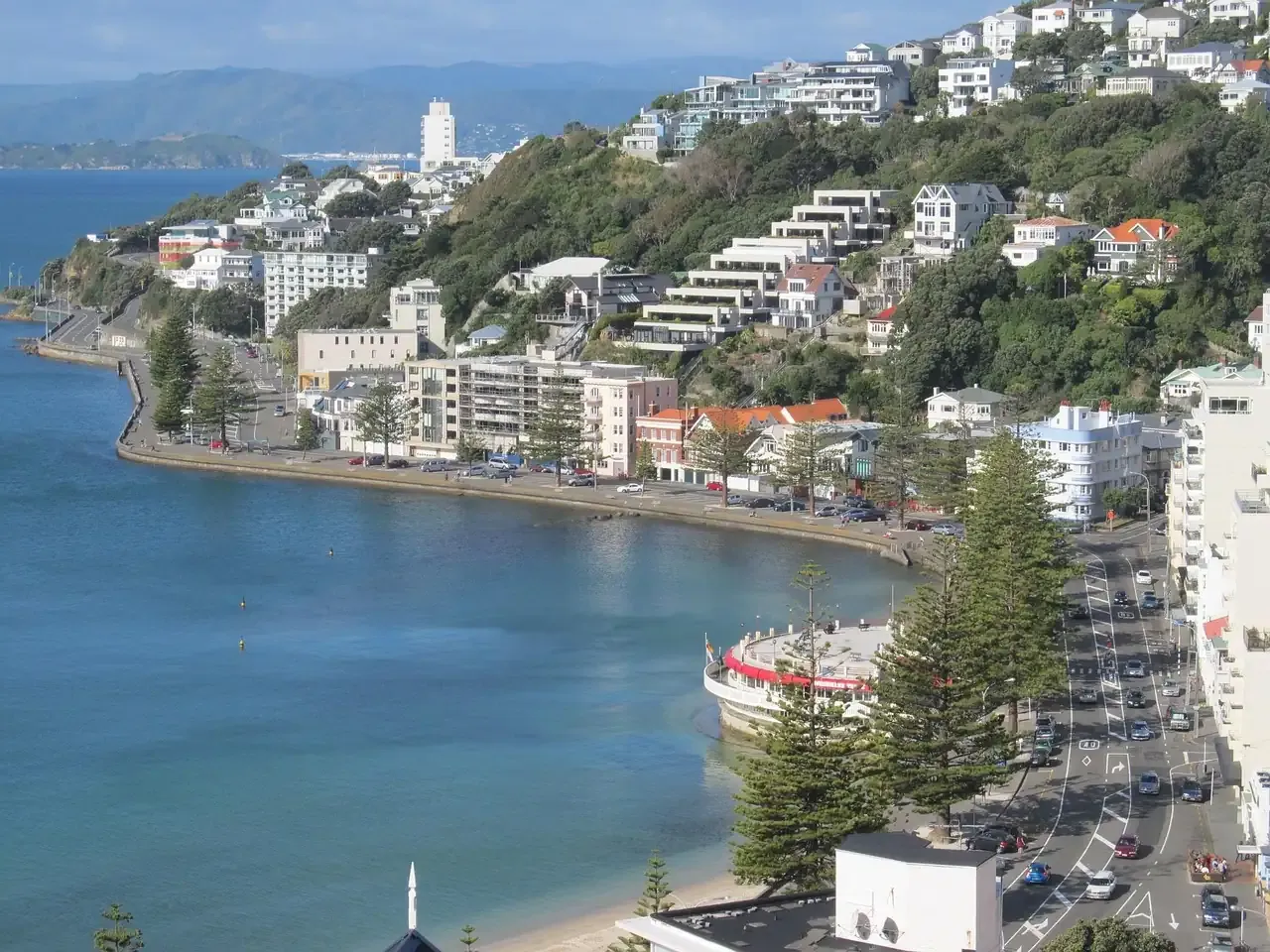
Wellington
New Zealand's capital and the world's southernmost capital of a sovereign state, on a harbour ringed by hills and known as the windiest city on earth.
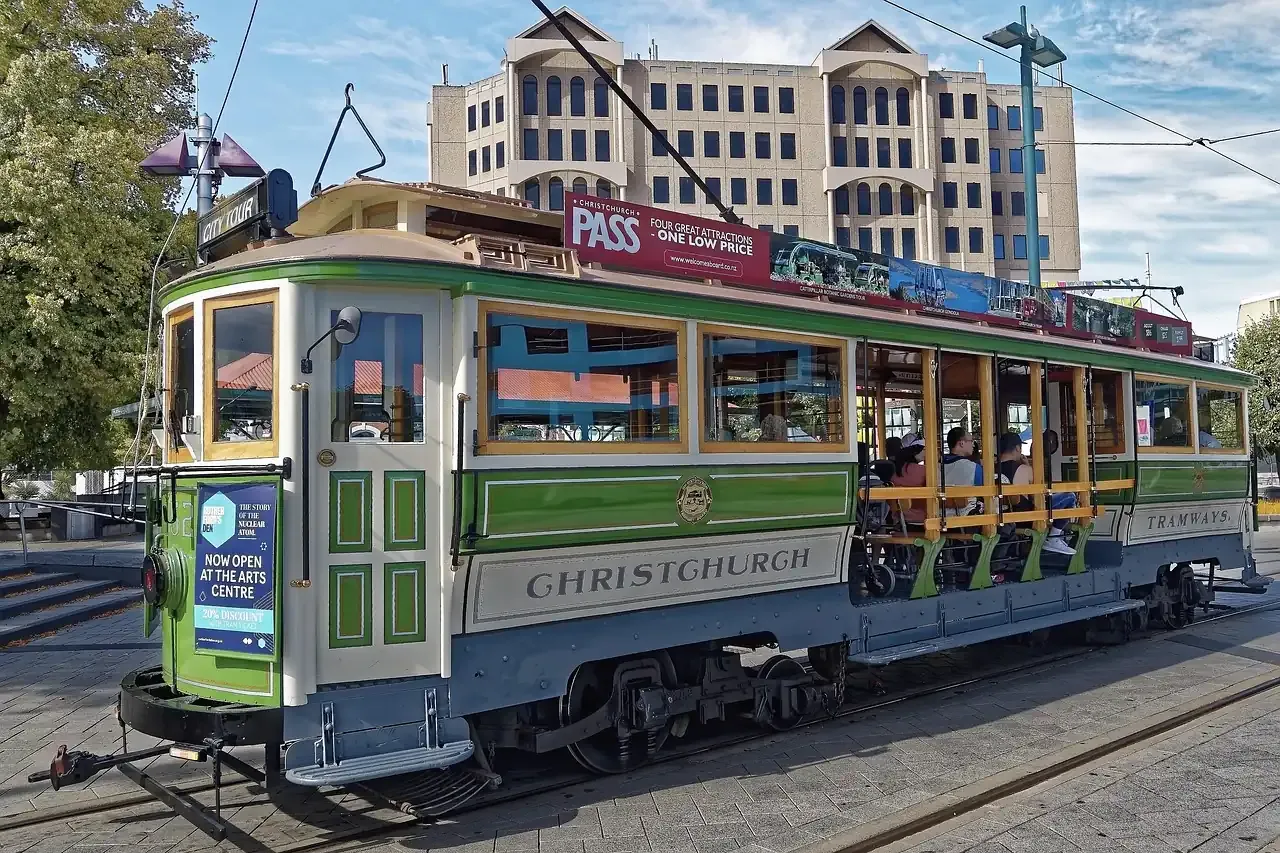
Christchurch
The largest city of the South Island, the Garden City on the Avon River, rebuilt around its centre since the earthquake of 22 February 2011.
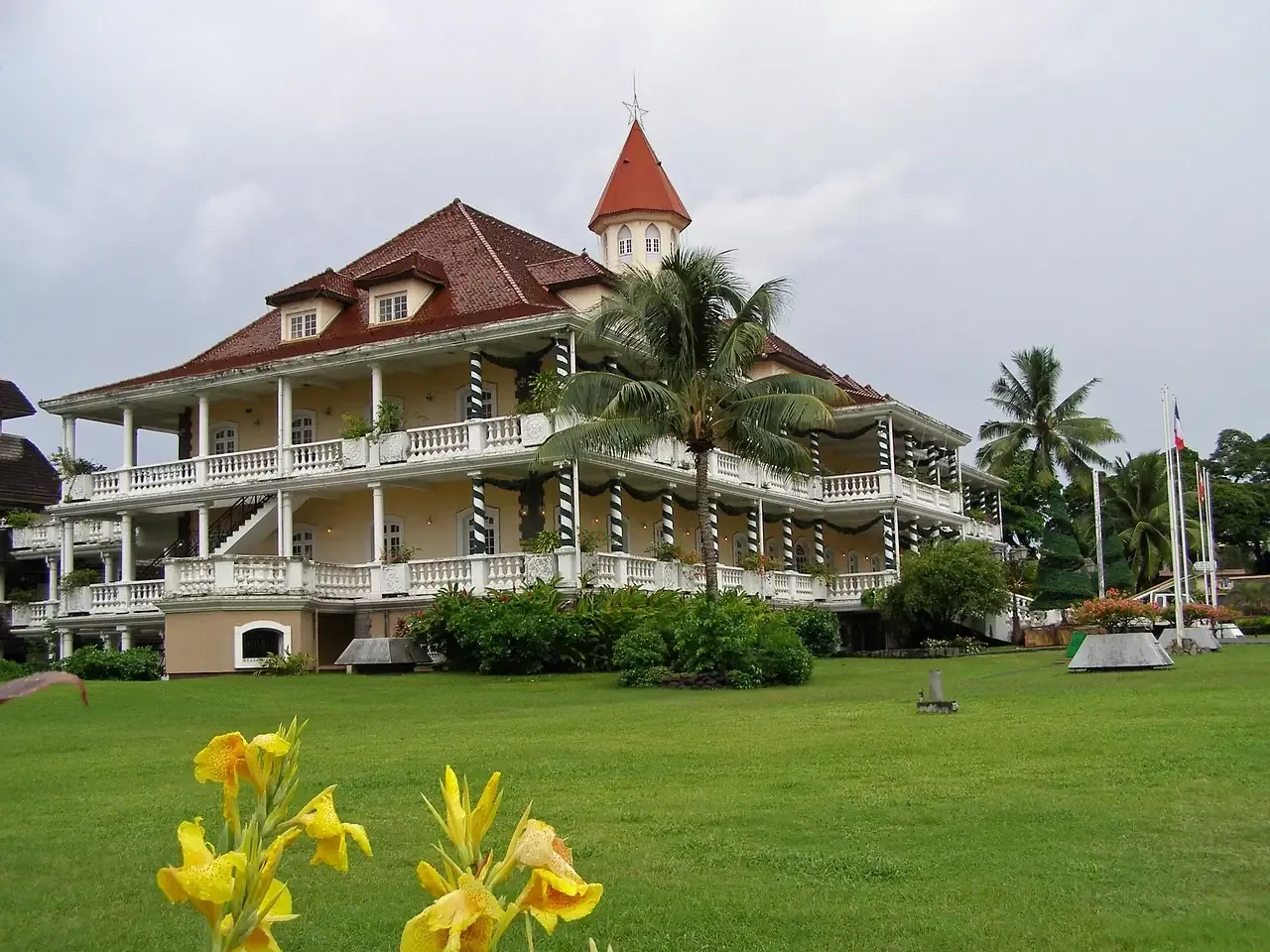
Papeete
The capital of French Polynesia on Tahiti, with the market, the waterfront and the ferries to Moorea; every visit to the islands starts here.
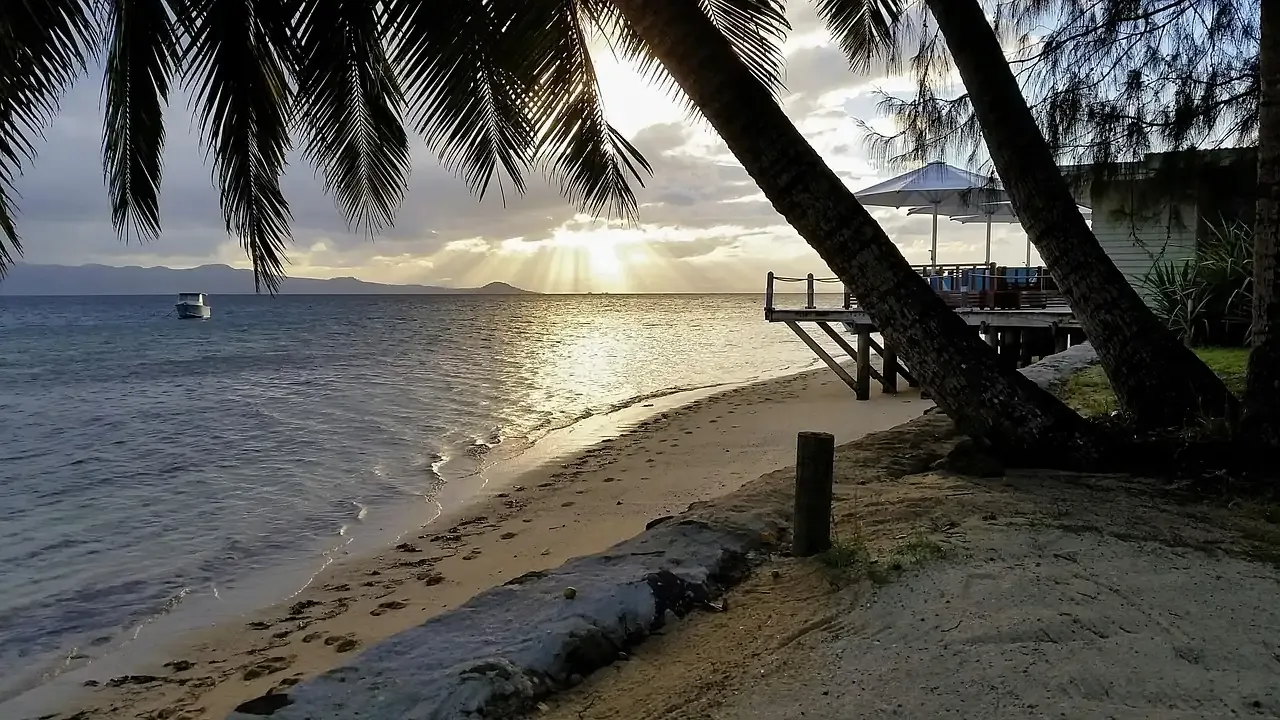
Nadi
Fiji's third city and its main airport, the departure point for the Mamanuca and Yasawa islands, and a centre of Hinduism in the country.
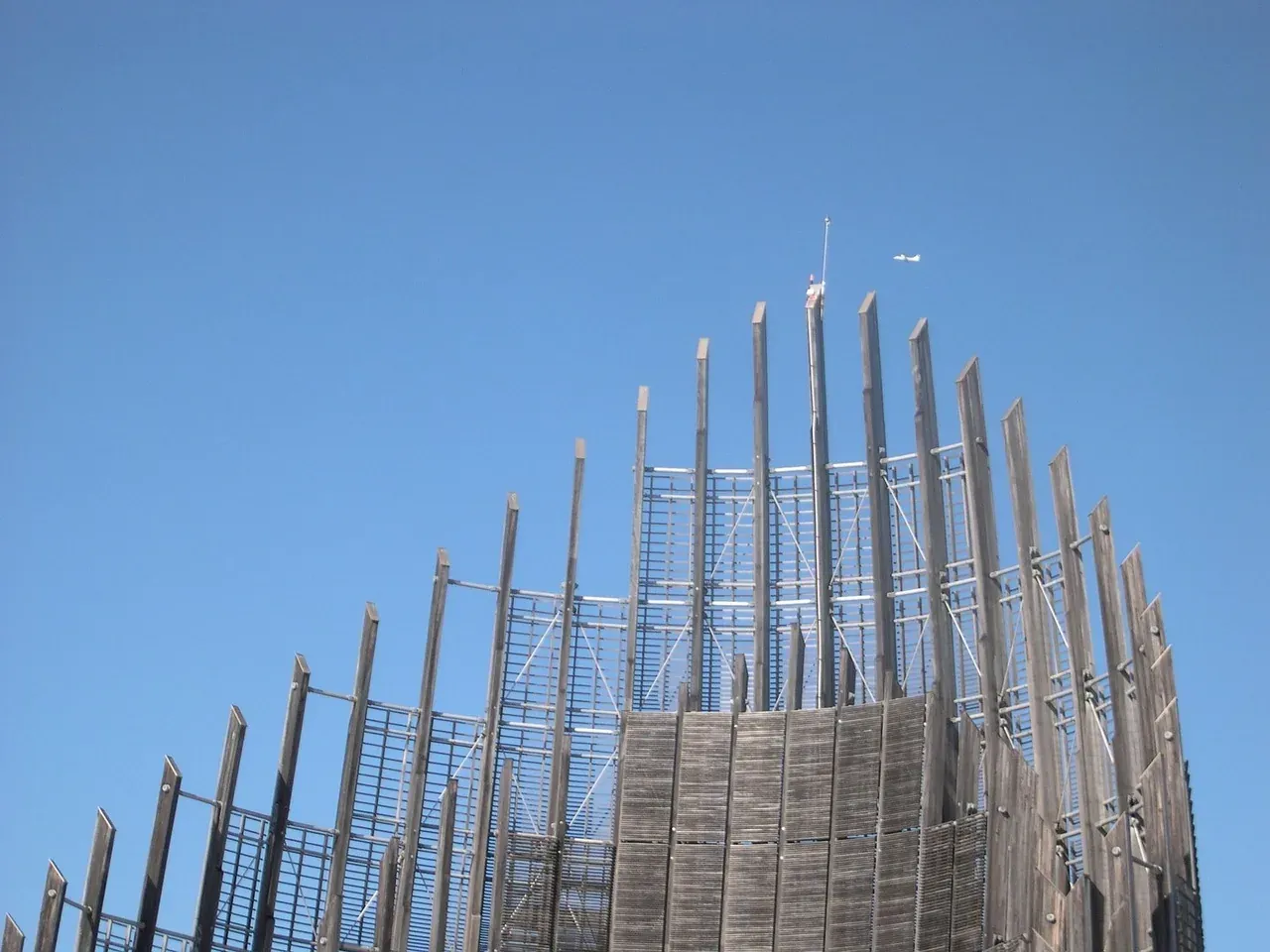
Nouméa
The capital of New Caledonia and the largest French-speaking city in Oceania, with the Tjibaou Cultural Centre and a lagoon at its door.
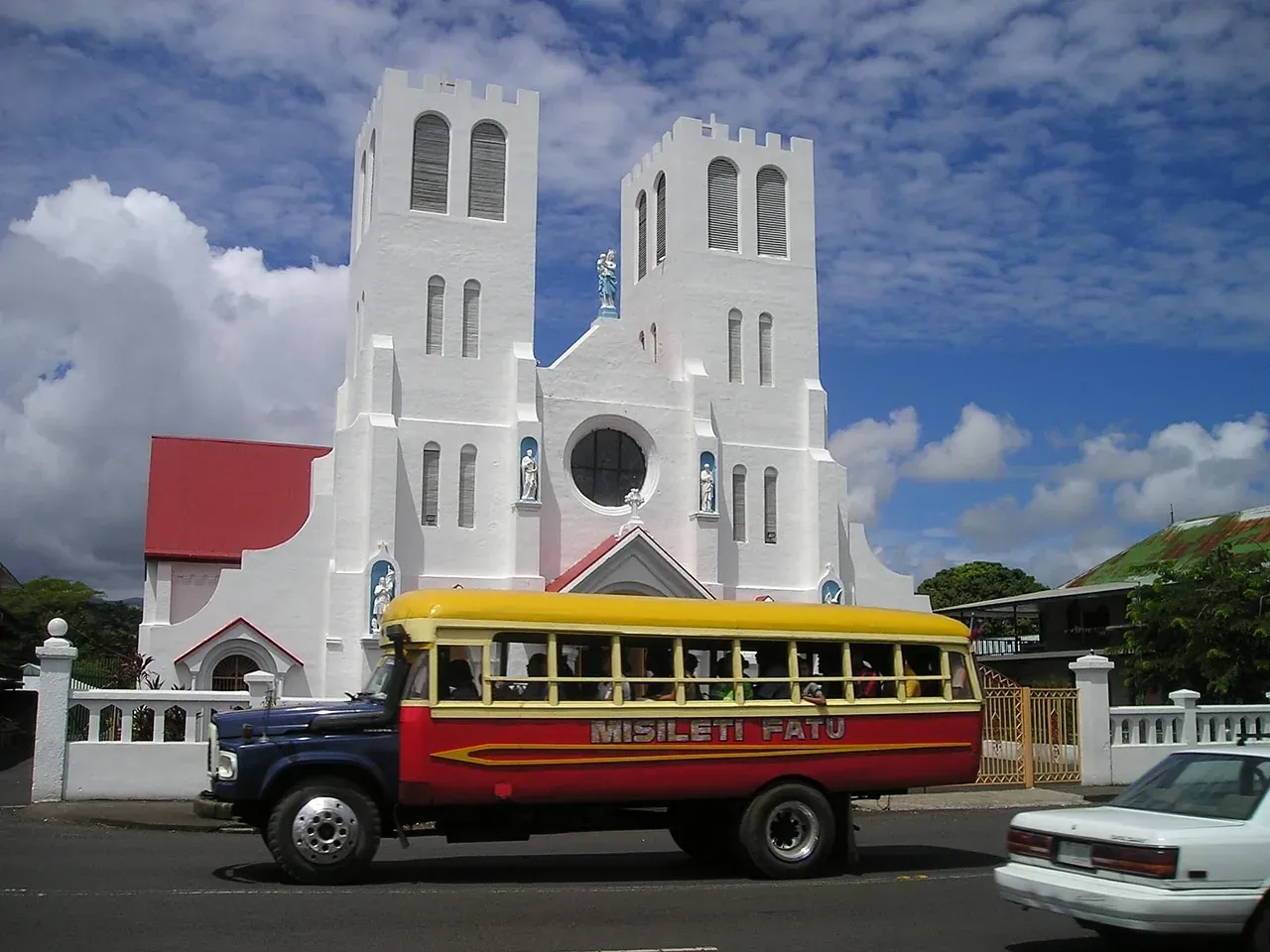
Apia
Samoa's capital on the north coast of Upolu, the westernmost capital of a sovereign state, with Robert Louis Stevenson's grave on Mount Vaea above it.