Tourist attractions in Brisbane not to miss
Brisbane's tourist attractions fit into a single day. South Bank Parklands, Queensland Cultural Centre (GOMA) and City Botanic Gardens anchor the walking itinerary below, with 10 more sights, free things to do, upcoming events and visitor FAQs further down.
What makes Brisbane worth visiting
What makes Brisbane unique
Brisbane sits on a looping bend of its namesake river, built where an 1823 penal settlement replaced an earlier, failed outpost at Redcliffe; explorer John Oxley named the new site after Sir Thomas Brisbane, the New South Wales governor who ordered it. The Turrbal and Jagera peoples who lived here first knew the area as Mian-jin. A subtropical climate and an outdoor river culture set the city apart, and Brisbane is due to host the 2032 Summer Olympics.
Where to go
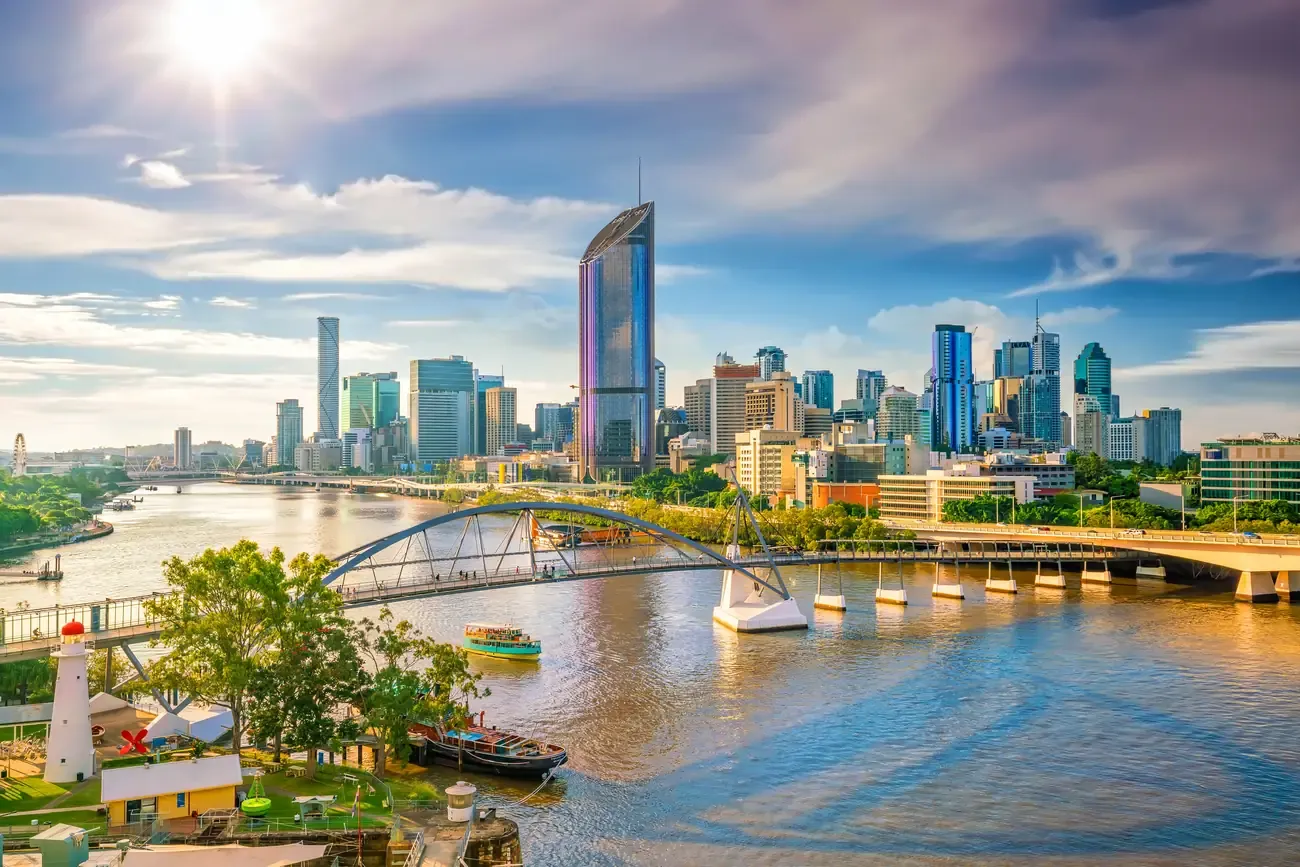
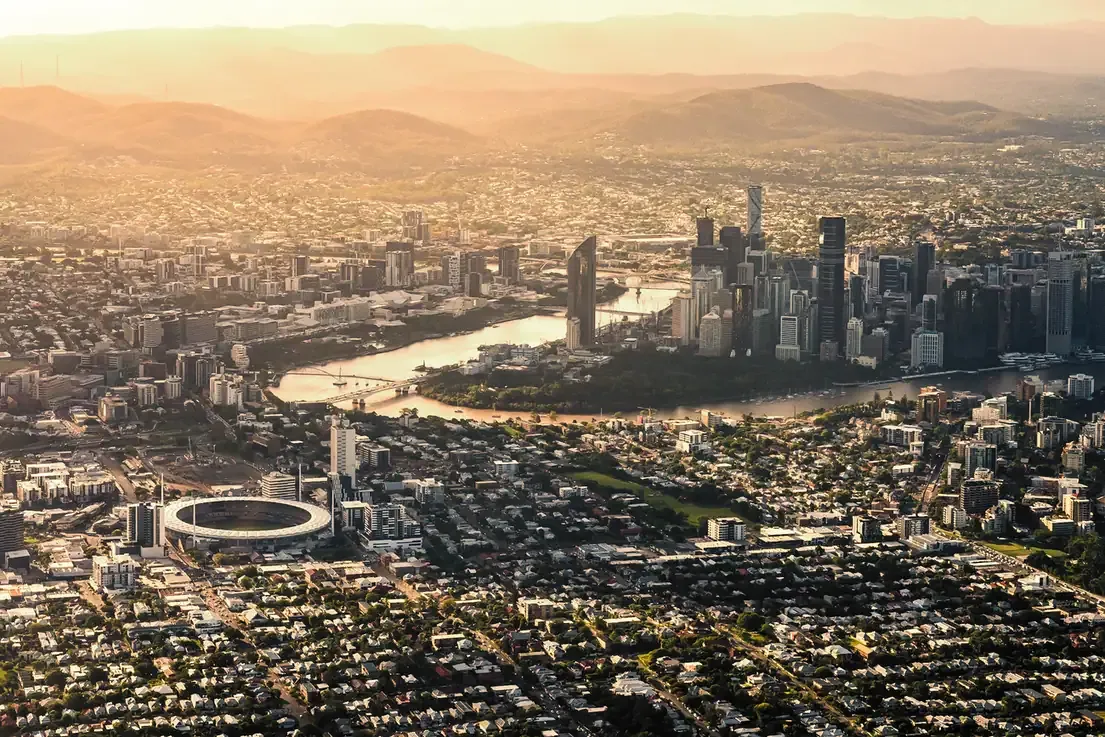
The compact CBD sits across the river from South Bank's parklands and galleries, linked by pedestrian bridges and a free ferry loop. New Farm, a short walk or ferry ride east, holds a riverside park and a converted power station turned arts venue. Kangaroo Point's cliffs and Fortitude Valley's nightlife lie further round the river's bend, and Mount Coot-tha rises over the western suburbs with the city's botanic gardens and best free lookout.
When to go and how long to stay
Brisbane's dry season runs roughly May to October, with August and September usually the driest and mildest months, while summer brings heat and humidity. Two to three days cover the CBD and South Bank itinerary and a handful of nearby sights, and a further day suits an excursion to Lone Pine Koala Sanctuary or Mount Coot-tha.
Getting around
Translink runs Brisbane's trains, buses and ferries, including the free City Loop bus around downtown and the free CityHopper ferry across the river; a touch-on card covers the rest of the network. The CBD, South Bank and New Farm are all walkable in daylight hours, with the CityCat ferry linking them along the river for longer hops. North of here the Queensland coast holds two of the biggest tourist attractions to visit in Australia, the Great Barrier Reef reached from Cairns and the sand tracks of K'gari.