
Tourist attractions in Australia
Known for
Coral reefs, red desert, surf beaches and wildlife found nowhere else
Must-see cities
Sydney, Melbourne, Brisbane and Cairns
UNESCO World Heritage
21 sites, from the Sydney Opera House to the Great Barrier Reef
Best time to visit
December to February is summer; north is at its driest in May-October
Top 12 tourist attractions in Australia
The Sydney Opera House, the Sydney Harbour Bridge and Bondi Beach lead the tourist attractions in Australia. This guide ranks 12 national sights, then covers the cities worth a stop, 12 more landmarks, local dishes, 12 hidden gems and visitor FAQs.
Iconic cities in Australia
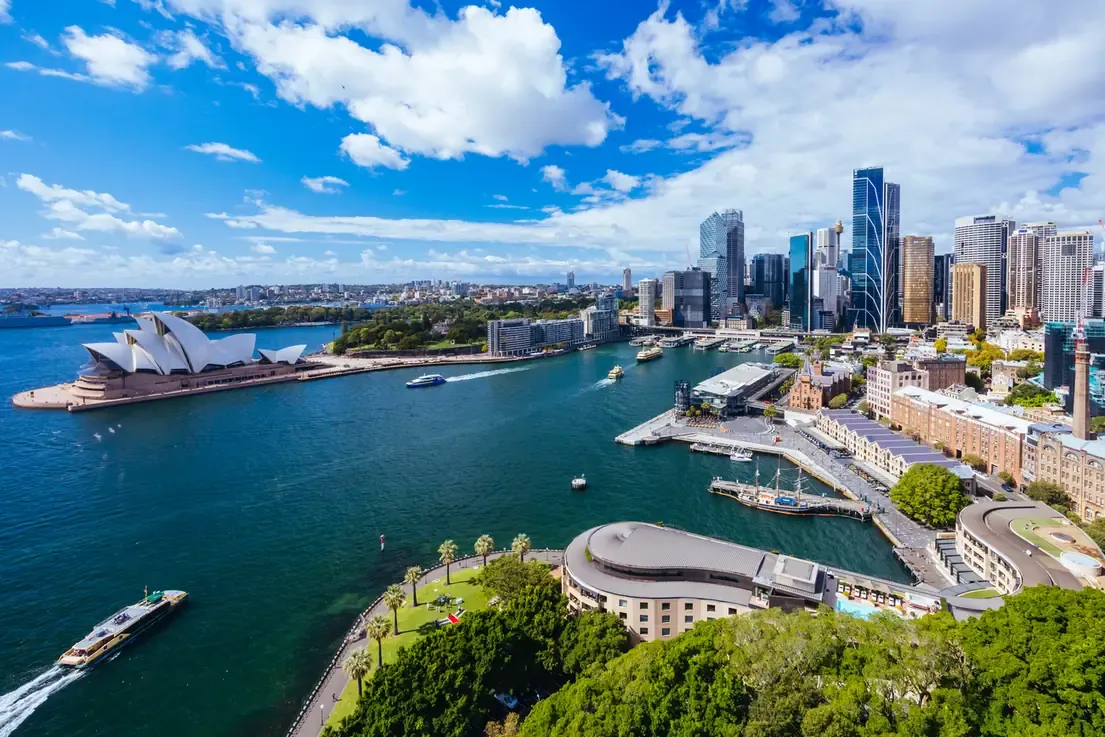
Sydney
See Sydney in detail. The oldest and largest city in the country, wrapped around a deep harbour where the sails of the Opera House and the steel arch of the Harbour Bridge face each other.
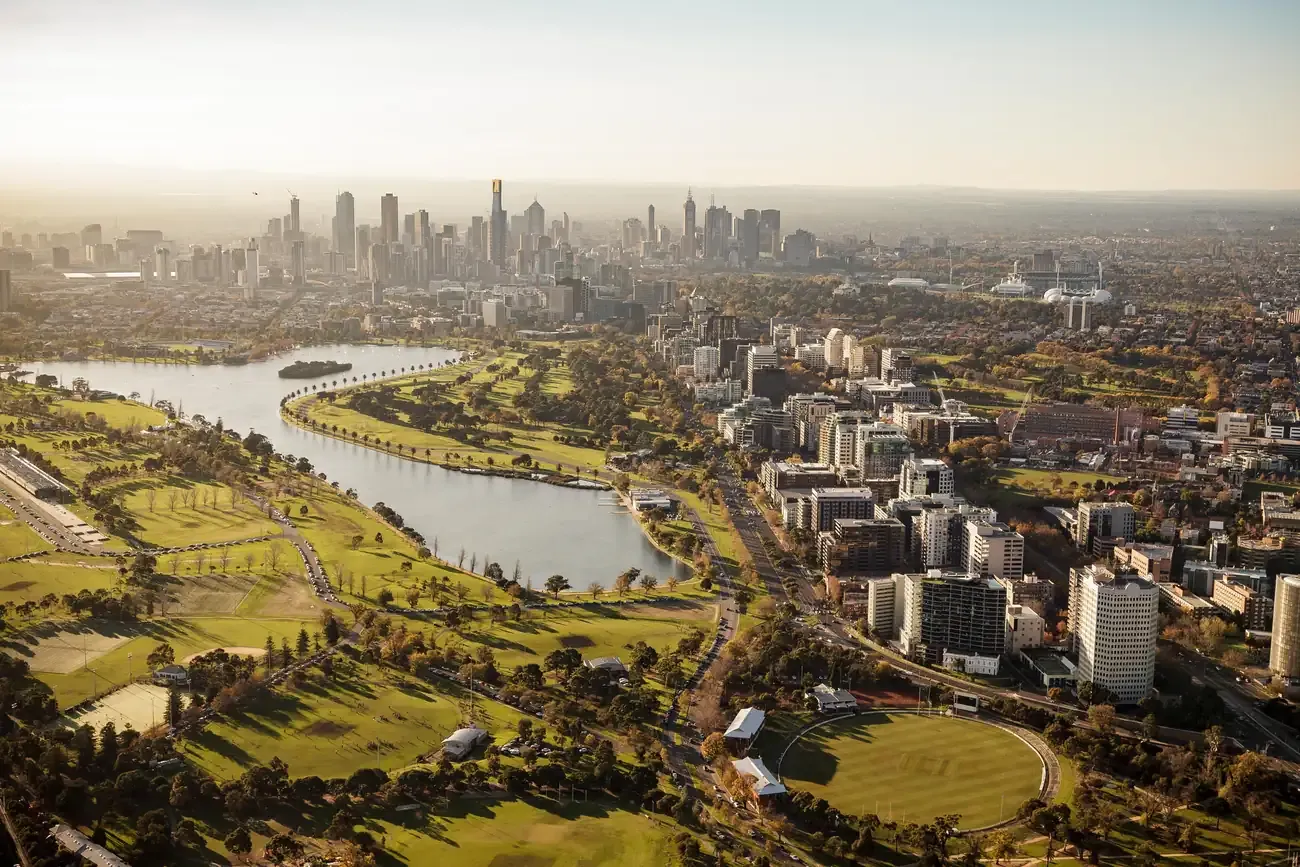
Melbourne
See Melbourne in detail. The Victorian capital on the Yarra, a grid of laneways, arcades and galleries served by trams, and the starting point for the road west along the coast.
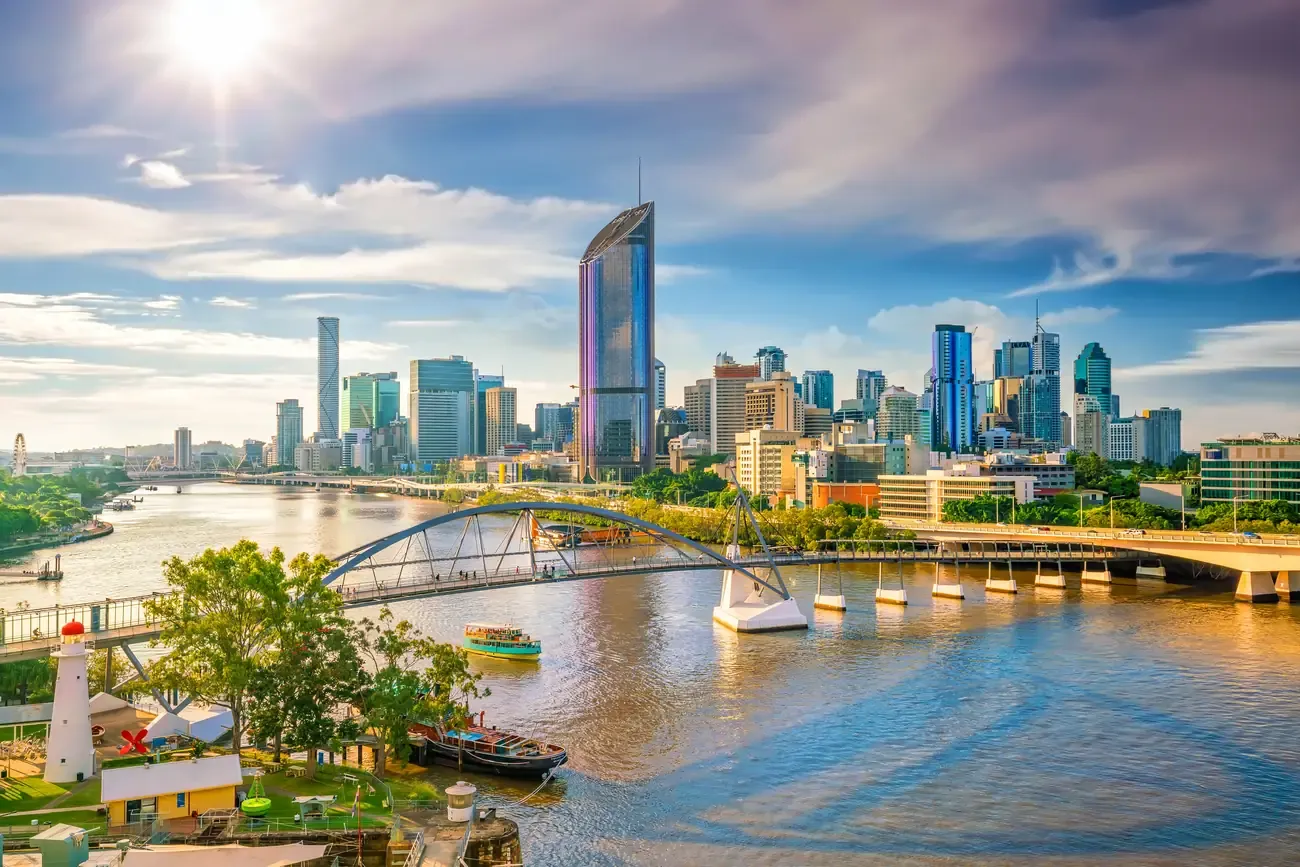
Brisbane
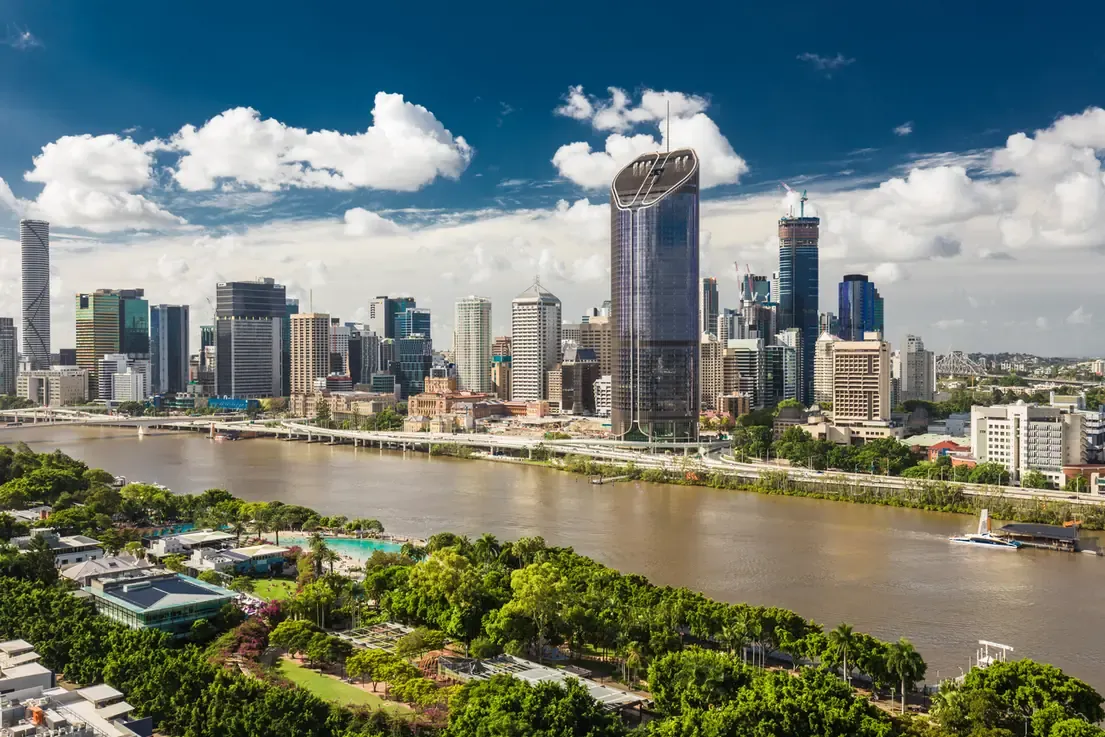
See Brisbane in detail. The Queensland capital on a looping river, with South Bank and its parklands on the far shore and the coast within an hour in either direction.
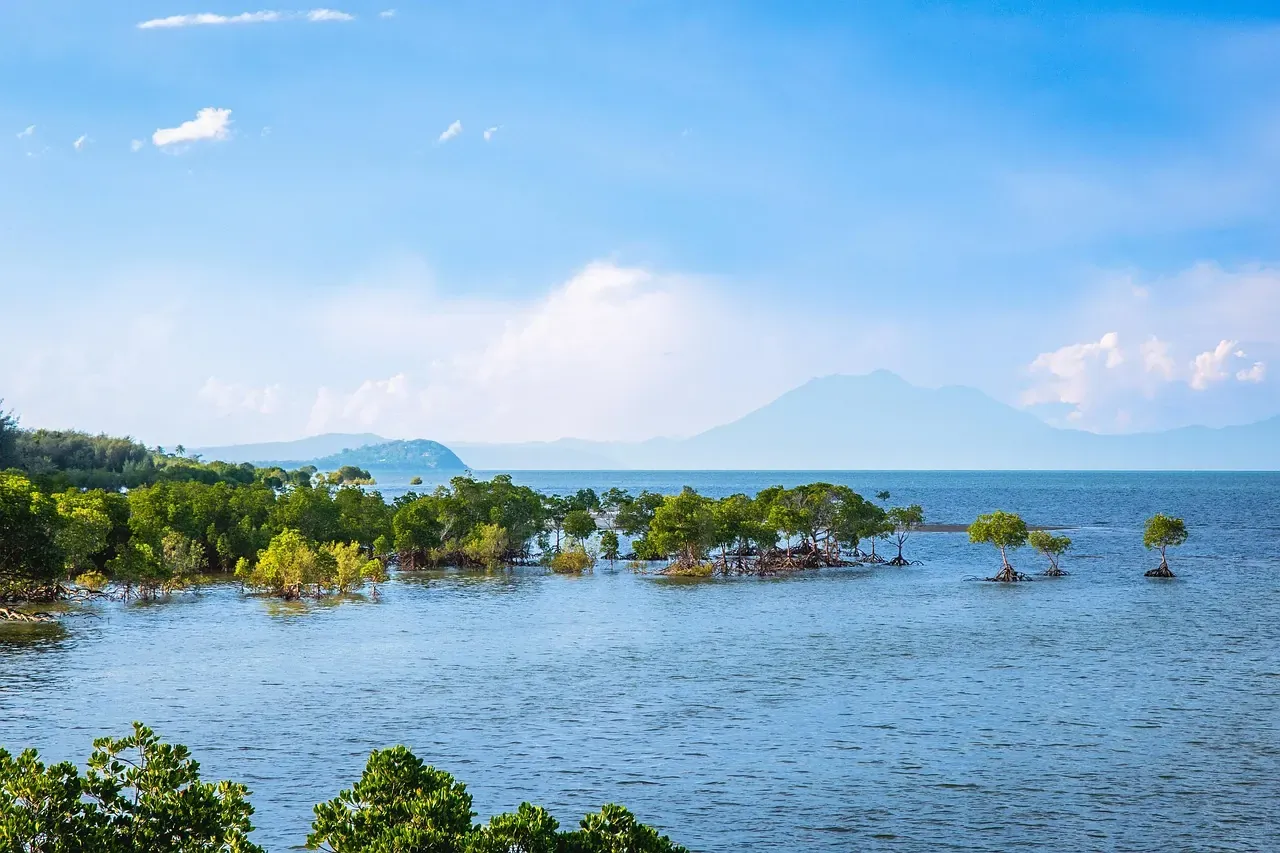
Cairns
The gateway to tropical north Queensland. Boats leave the waterfront for the Great Barrier Reef, and the road north runs through Port Douglas into the Daintree Rainforest.
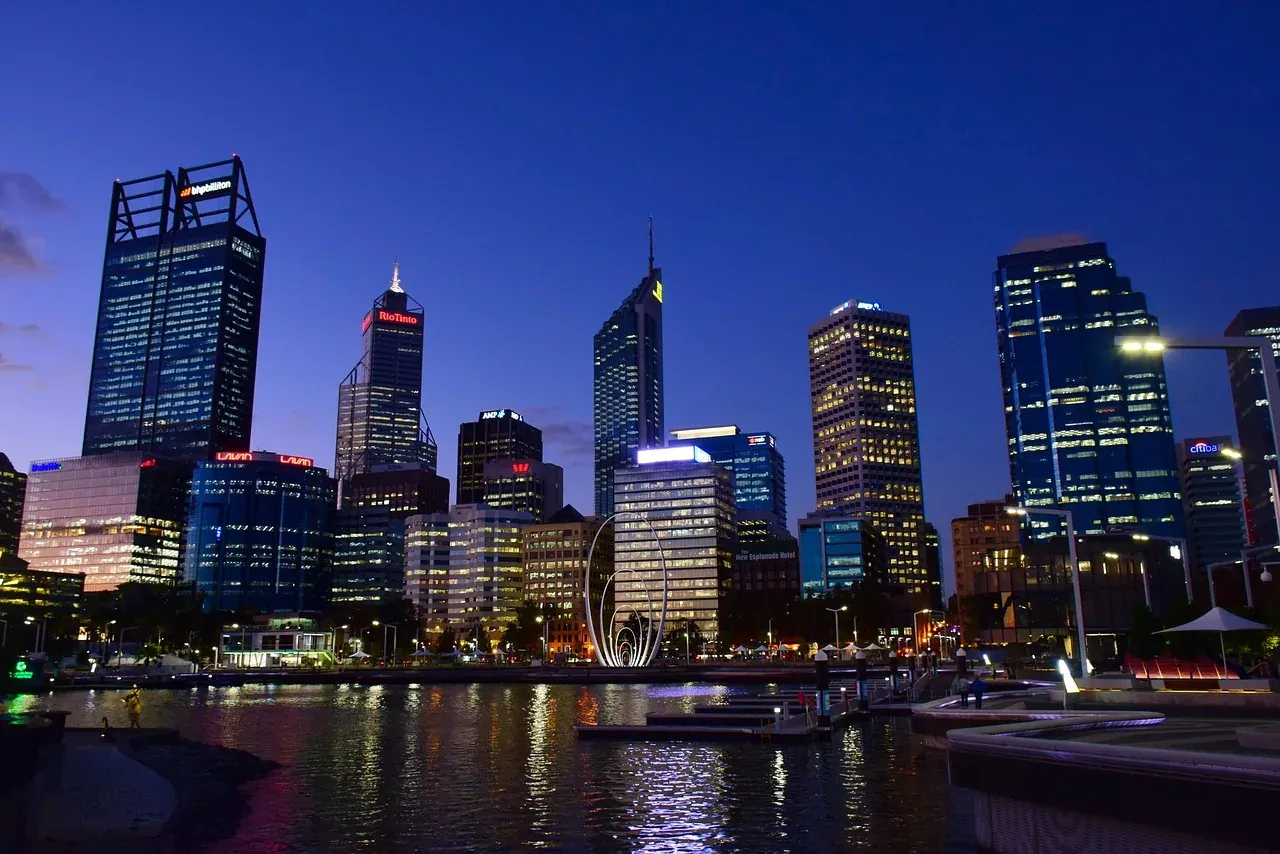
Perth
The capital of Western Australia, spread along the Swan River with the port of Fremantle at its mouth and the ferry to Rottnest Island leaving from both.
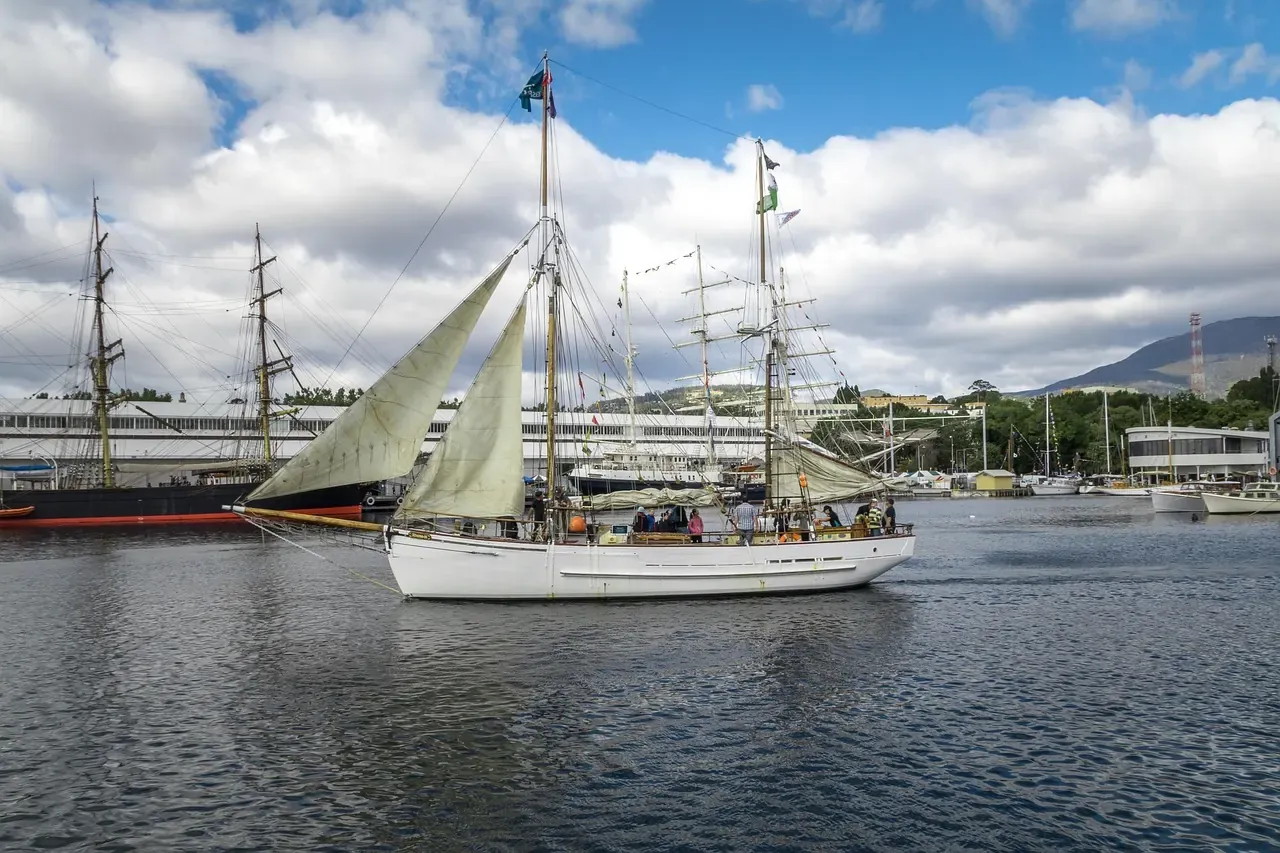
Hobart
Tasmania's capital below kunanyi, or Mount Wellington, with sandstone warehouses along the waterfront and a ferry that runs up the Derwent to the galleries of MONA.
1. Sydney Opera House
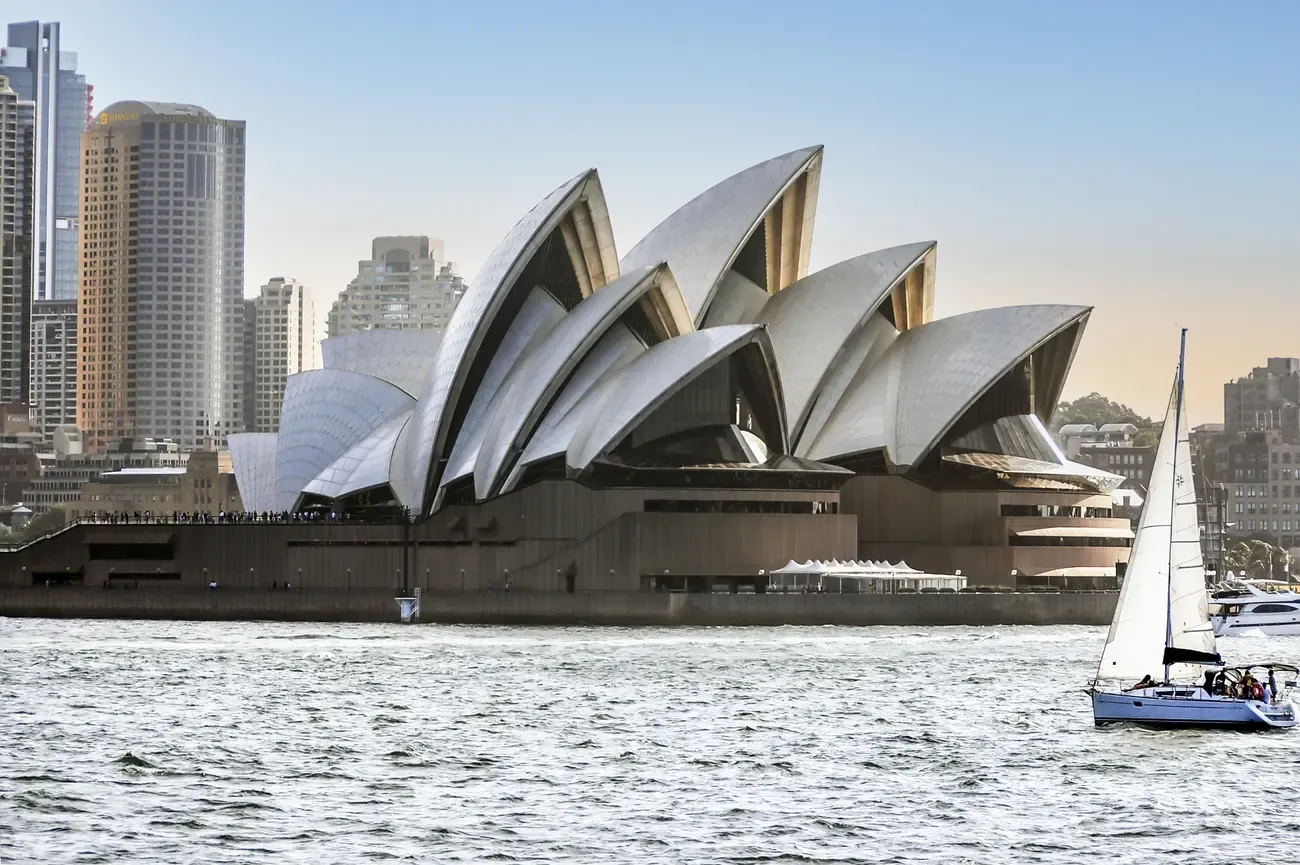
The most recognised building in the country stands on Bennelong Point, where Sydney Harbour narrows beside Circular Quay. Three groups of interlocking vaulted shells roof two performance halls and a restaurant, raised on a platform ringed by terraces that double as public concourses. An international jury handed the commission to the Danish architect Jorn Utzon in 1957, and the centre was inaugurated in 1973. It joined the UNESCO World Heritage List in 2007 as a work that redrew twentieth-century architecture.
Architect: Jorn Utzon
Style: Expressionist
Opened: 1973
Location: Bennelong Point, Circular Quay, Sydney, New South Wales
Access: Free to walk the forecourt and terraces; guided tours and performances are ticketed
2. Sydney Harbour Bridge
The steel arch crossing the harbour between the business district and the North Shore opened in 1932, built by the British firm Dorman Long under John Bradfield of the New South Wales public works department. It measures 134 metres from the top of the arch down to the water and carries trains, cars, bicycles and walkers in parallel lanes. Australians call it the Coathanger. For a visitor it doubles as a viewing platform: the eastern footpath gives the classic angle over the Opera House, the Pylon Lookout climbs inside the south-east pylon, and a guided climb goes over the arch.
Style: Steel through arch
Opened: 1932
Location: Dawes Point to Milsons Point, Sydney, New South Wales
Access: Free to walk the footpath; the Pylon Lookout and the climb are ticketed
3. Bondi Beach
For most people landing in Sydney this is the first piece of Australian coast they stand on: a broad crescent between two sandstone headlands, seven kilometres east of the centre. Beginner surf schools cluster at the southern corner, where the saltwater pool of the Icebergs club is cut straight into the rocks. Red and yellow caps mark the patrolled zone. A cliff path leads south through Tamarama and Bronte to Coogee, roughly two hours of walking above the water, and the suburb behind the sand keeps the cafes and swimwear shops that made the name travel.
Location: Bondi, eastern suburbs, Sydney, New South Wales
Access: Free at any hour; the Icebergs pool and board hire are ticketed separately
4. Blue Mountains
The sandstone plateau west of Sydney breaks into cliffs and gorges, and the eucalypt haze over them gives the range its name. Its foothills start 50 kilometres from the city centre. The best-known view looks from Katoomba across the Jamison Valley to the Three Sisters, three weathered pillars named Meehni, Wimlah and Gunnedoo. Tracks drop from the clifftop into rainforest gullies and past waterfalls, and a cableway and a steep railway carry people down and back. UNESCO listed the Greater Blue Mountains Area in 2000.
Heritage: Greater Blue Mountains Area, UNESCO World Heritage since 2000
Location: Katoomba and the Jamison Valley, west of Sydney, New South Wales
Access: Open at all times; a vehicle fee applies only at Glenbrook, and the cableway and railway are ticketed
5. Great Ocean Road
Returned soldiers built this 240-kilometre road along the south-eastern coast between 1919 and 1932 and dedicated it to those killed in the First World War, which makes it the largest war memorial in the world. It runs from Torquay to Allansford past surf breaks, river mouths and the Otway forest before the cliffs open out at Port Campbell National Park, where the limestone stacks known as the Twelve Apostles stand offshore. Boardwalks and lookouts reach the stacks and the nearby Loch Ard Gorge. The road is on the National Heritage List and most people take two days over it rather than one.
Opened: 1932
Heritage: Australian National Heritage List
Location: Torquay to Allansford, south-western Victoria
Access: Free public road; the coastal lookouts are open to walk
6. Great Barrier Reef
The largest coral reef system on the planet stretches more than 2,300 kilometres off the Queensland coast, built from over 2,900 separate reefs and scattered with some 900 islands. UNESCO listed it in 1981 for a variety that runs to 400 types of coral, 1,500 species of fish and 4,000 kinds of mollusc, along with dugongs and green turtles. There is no gate and no single entrance. Day boats and liveaboards leave Cairns, Port Douglas and Airlie Beach for snorkelling and diving, and scenic flights cross the outer reefs.
Area: Around 344,400 square kilometres
Heritage: UNESCO World Heritage since 1981
Location: Coral Sea, off the coast of Queensland
Access: Reached by boat or scenic flight; operators charge for the trip
7. Whitehaven Beach
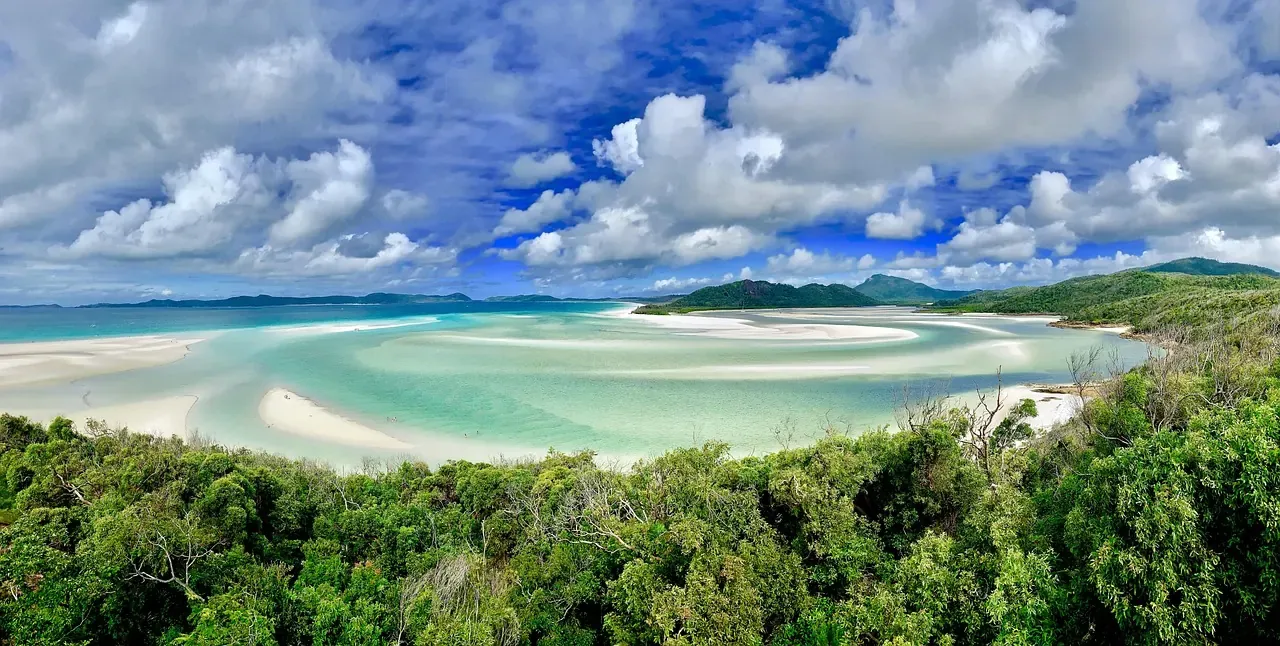
Seven kilometres of white silica sand line the eastern side of Whitsunday Island, backed by bush and edged by water that turns every shade of turquoise. There is no road to it. Boats, seaplanes and helicopters run out from Airlie Beach on the mainland and from Hamilton Island, and most day trips pair a few hours on the sand with the lookout over Hill Inlet at the northern end, where the outgoing tide drags sand and water into shifting patterns. The beach sits inside Whitsunday Islands National Park, so visitors carry their own shade, water and food.
Location: Whitsunday Island, Whitsunday Islands National Park, Queensland
Access: Reached by boat, seaplane or helicopter from Airlie Beach or Hamilton Island; operators charge for the transfer
8. Daintree Rainforest
Rainforest runs down to the sea about 105 kilometres north of Cairns, over the coast between the Daintree River and Cooktown. It forms part of the Wet Tropics of Queensland, the 450-kilometre band of forest UNESCO listed in 1988 for its plants and marsupials. A cable ferry run by the local council is the only vehicle crossing of the Daintree River, and beyond it the road climbs to Cape Tribulation, where the trees meet the beach. Mossman Gorge, south of the river, has boardwalks and walks led by Kuku Yalanji guides.
Heritage: Wet Tropics of Queensland, UNESCO World Heritage since 1988
Location: Between the Daintree River and Cooktown, far north Queensland
Access: Free to drive and walk; the river ferry, the Mossman Gorge shuttle and guided walks are ticketed
9. K'gari
At 122 kilometres long this is the largest sand island in the world, lying about 250 kilometres north of Brisbane. Tall rainforest grows straight out of the sand, and half the perched freshwater dune lakes on earth sit inland from the beach; UNESCO listed the island in 1992 for that combination of shifting dunes, forest and water. It was known as Fraser Island through most of the twentieth century and now carries its earlier name again. Tracks are sand rather than bitumen, the ocean beach doubles as the main road, and the rusted hull of the Maheno lies half buried along it.
Heritage: UNESCO World Heritage since 1992
Location: Off the Queensland coast, about 250 km north of Brisbane
Access: Reached by vehicle barge or on a guided four-wheel-drive tour
10. Uluru
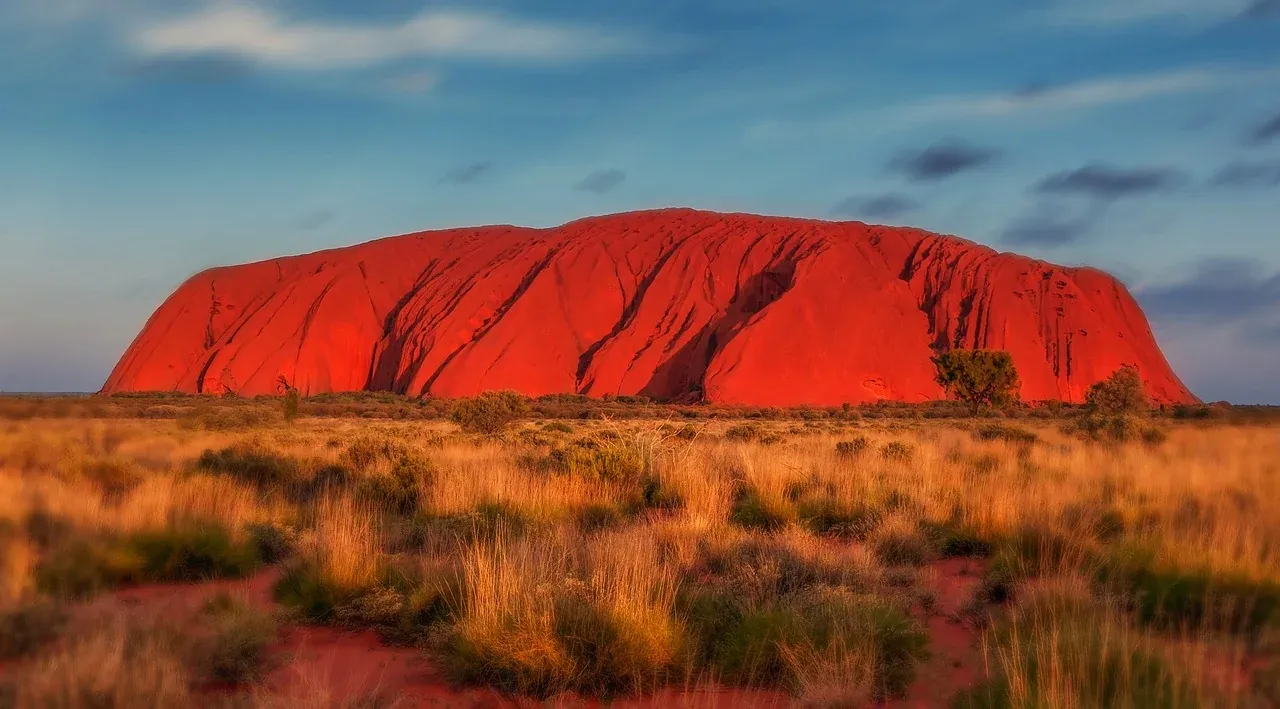
The sandstone monolith rises from the desert 335 kilometres south-west of Alice Springs and shifts colour through the day, deepest red at dawn and dusk. It is sacred to the Anangu, the Pitjantjatjara people of this country, and springs, waterholes, caves and rock paintings ring its base. Climbing was never generally permitted under Tjukurpa, Anangu law and culture, and the climb closed permanently on 26 October 2019. What remains is the walk around the base, ranger-guided walks and the cultural centre inside the park, listed by UNESCO in 1987.
Heritage: Uluru-Kata Tjuta National Park, UNESCO World Heritage since 1987
Location: Uluru-Kata Tjuta National Park, southern Northern Territory
Access: A park pass valid for three days is required; the climb has been closed since 2019
11. Kakadu National Park
Floodplains, sandstone escarpment and monsoon forest fill the park 171 kilometres south-east of Darwin. UNESCO listed it in 1981 on both natural and cultural criteria, and the rock shelters at Burrungkuy hold ochre paintings worked over thousands of years. The year splits into a wet and a dry rather than four seasons: waterfalls such as Jim Jim run hardest once the rains stop, while the unsealed tracks that reach them open later in the dry. Cruises on the Yellow Water billabong at Cooinda are the usual way to see saltwater crocodiles and the birds that gather on the floodplain.
Heritage: UNESCO World Heritage since 1981
Location: 171 km south-east of Darwin, Northern Territory
Access: A park pass valid for seven days is required
12. Cradle Mountain
The dolerite peak stands above Dove Lake in the Tasmanian highlands, inside Cradle Mountain-Lake St Clair National Park, part of the Tasmanian Wilderness World Heritage Area since 1982. The circuit around the lake covers 5.7 kilometres in about two hours and passes the timber boatshed that appears in most photographs of the mountain, while the Overland Track to Lake St Clair starts here and runs for several days. Everyone parks at the visitor centre and takes the shuttle for the twenty-minute run down to Dove Lake, because private cars cannot enter while it runs.
Heritage: Tasmanian Wilderness World Heritage Area since 1982
Location: Cradle Mountain-Lake St Clair National Park, Central Highlands, Tasmania
Access: A parks pass and a shuttle bus ticket are both required
Other iconic sights in Australia
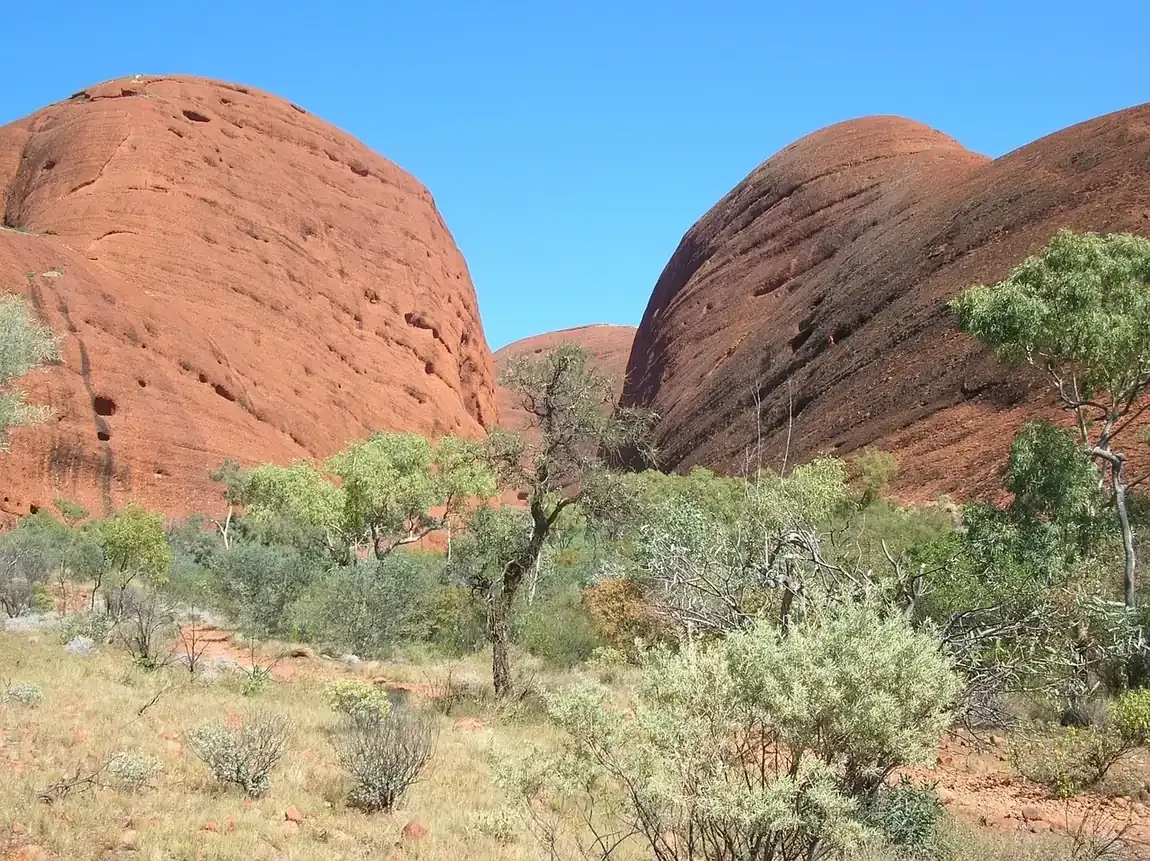
Kata Tjuta
Domed rock formations rise from the desert 25 kilometres west of Uluru, inside the same national park and covered by the same pass.
Location: Uluru-Kata Tjuta National Park, southern Northern Territory
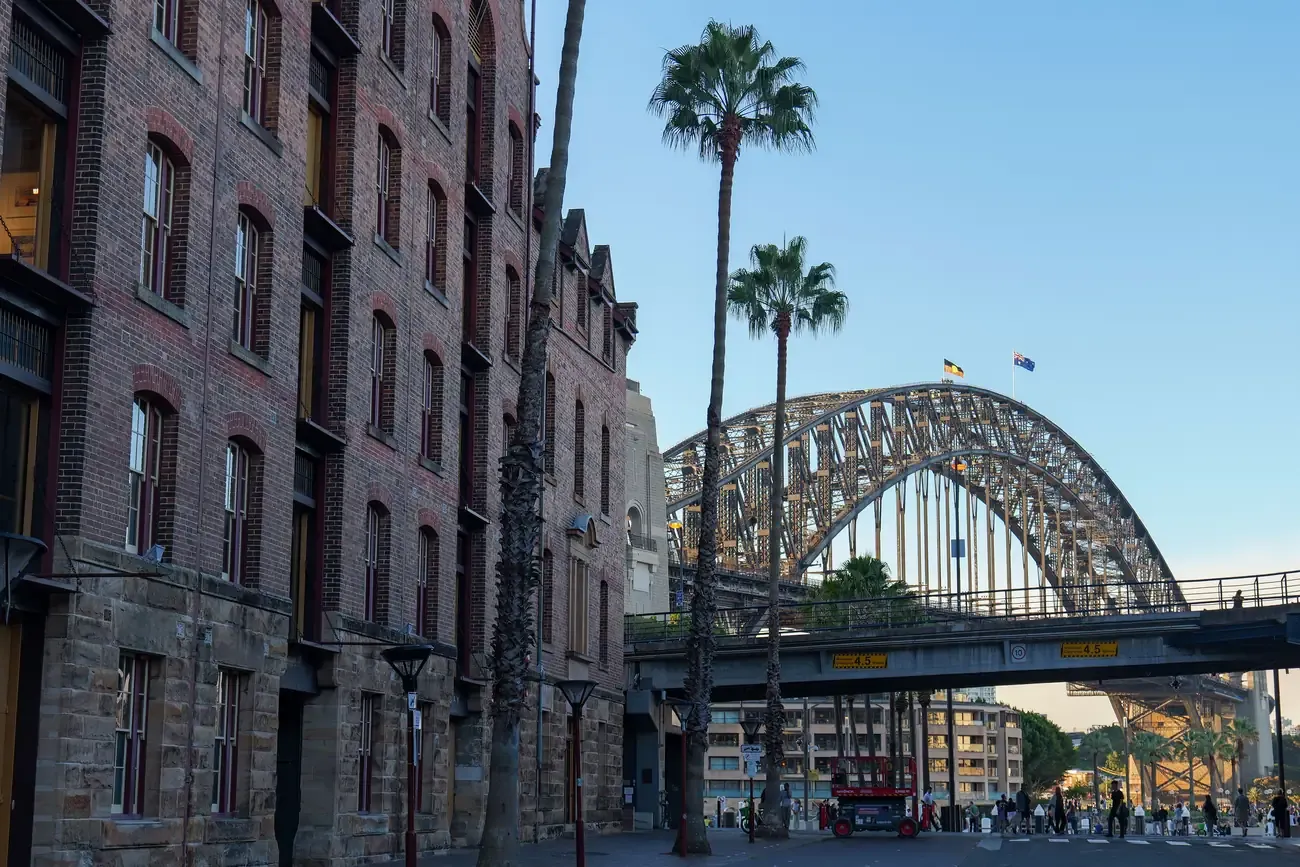
The Rocks
Sandstone lanes and warehouses under the Harbour Bridge, on the ground where the colony began in 1788, now full of pubs and weekend markets.
Location: Between the Harbour Bridge and Circular Quay, Sydney
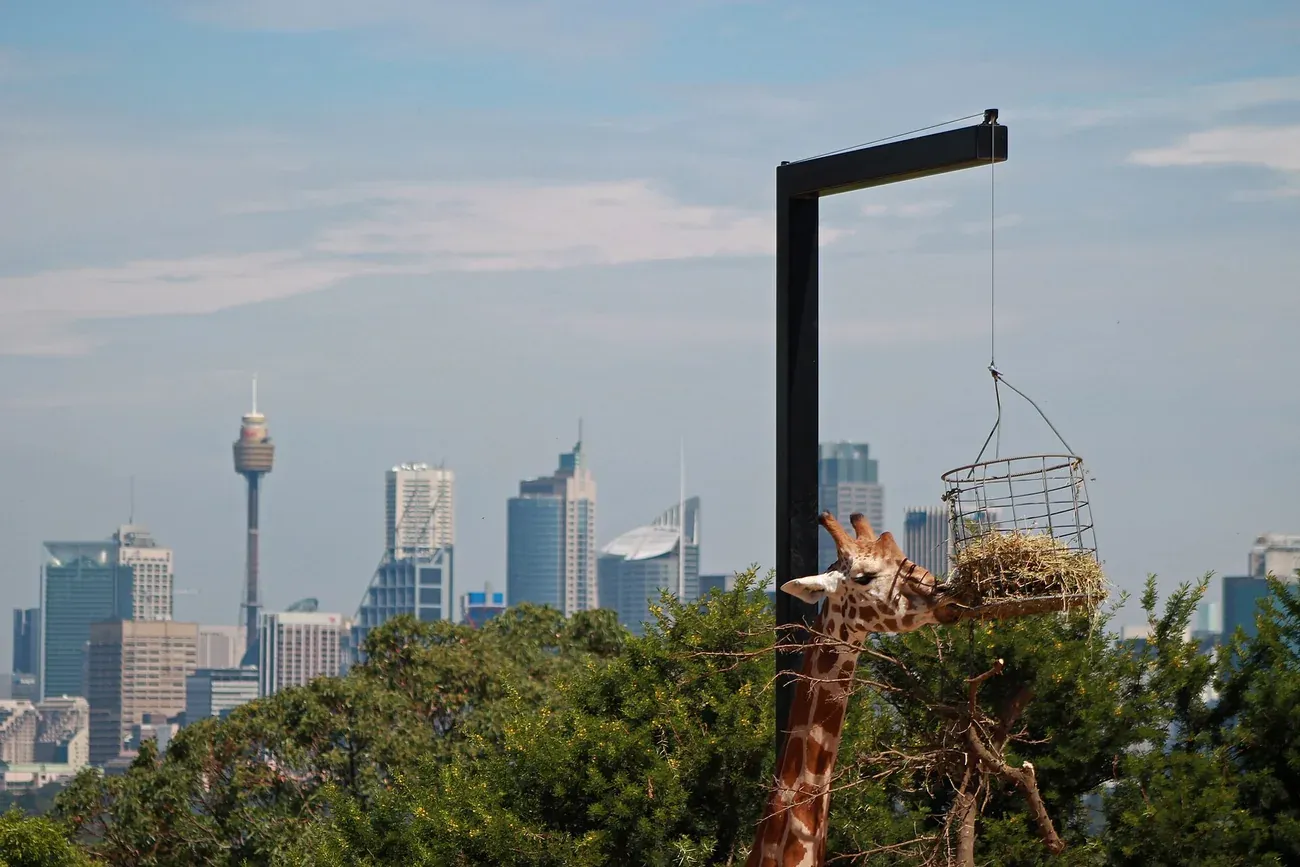
Taronga Zoo
A harbourside zoo on the Mosman shore, reached by ferry from Circular Quay, where the enclosures look back at the city skyline.
Location: Bradleys Head Road, Mosman, Sydney
Photo: "City view" by istolethetv (CC BY 2.0).
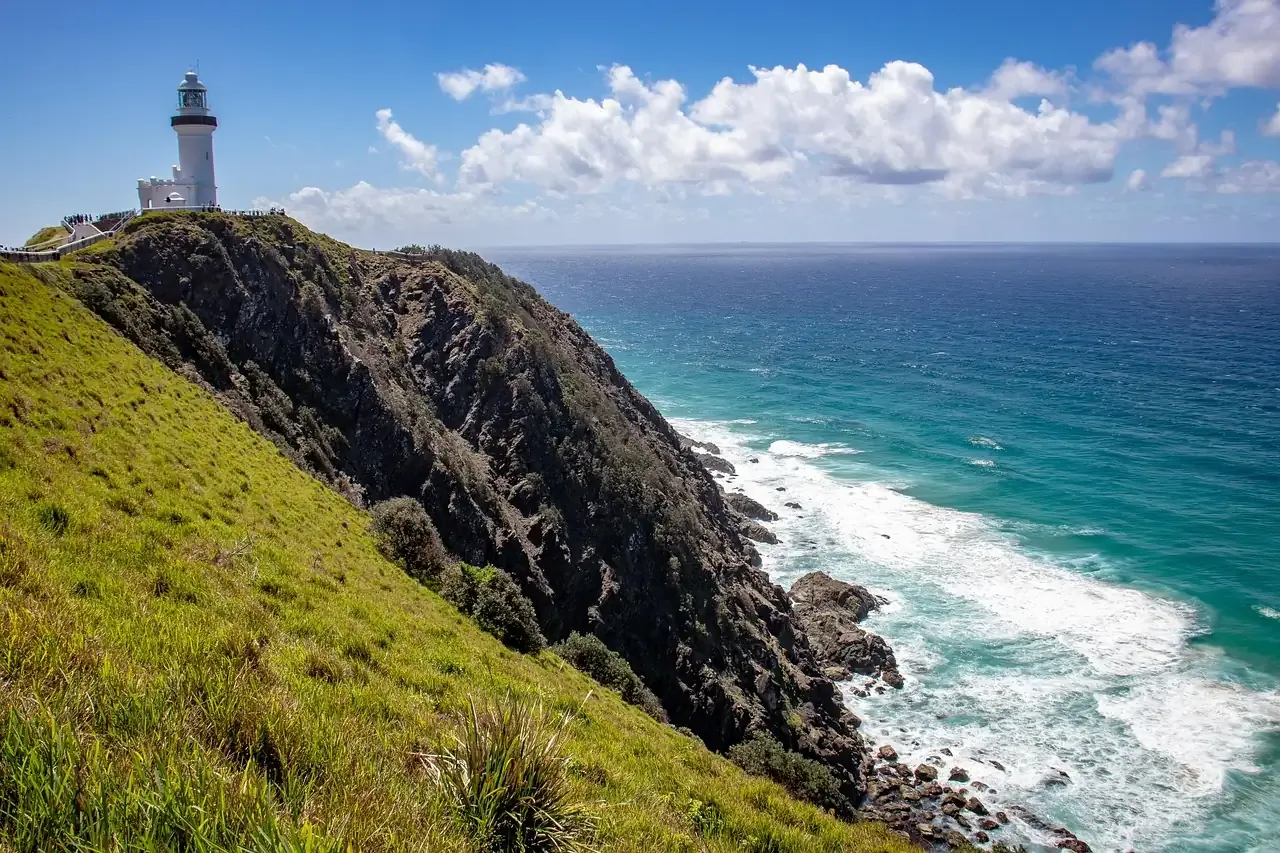
Byron Bay
The beach town under Cape Byron, the easternmost point of the Australian mainland, where the walk to the lighthouse doubles as a whale lookout.
Location: Cape Byron, northern New South Wales
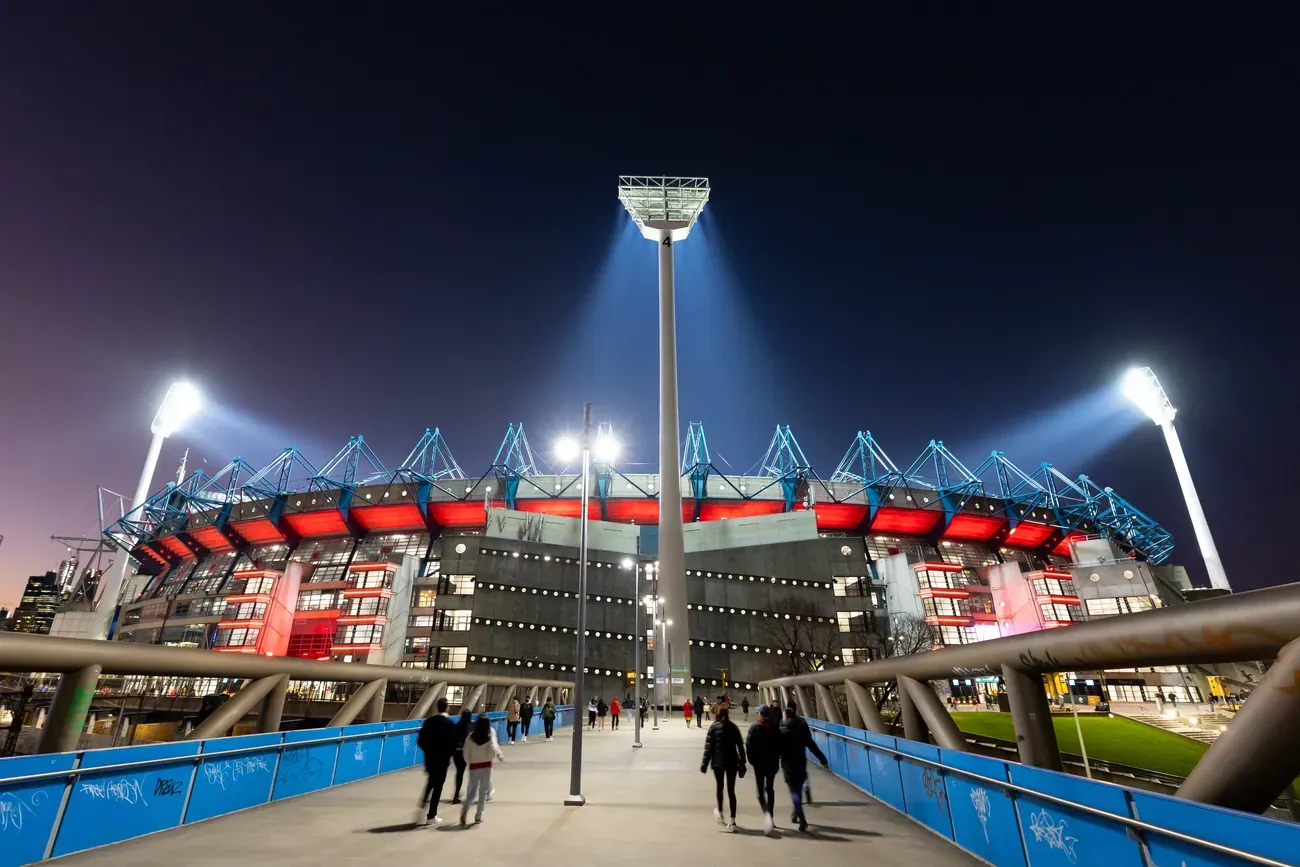
Melbourne Cricket Ground
The stadium the city calls the G, founded by the Melbourne Cricket Club in 1853 and still the home of Australian rules football.
Location: Yarra Park, East Melbourne, Victoria
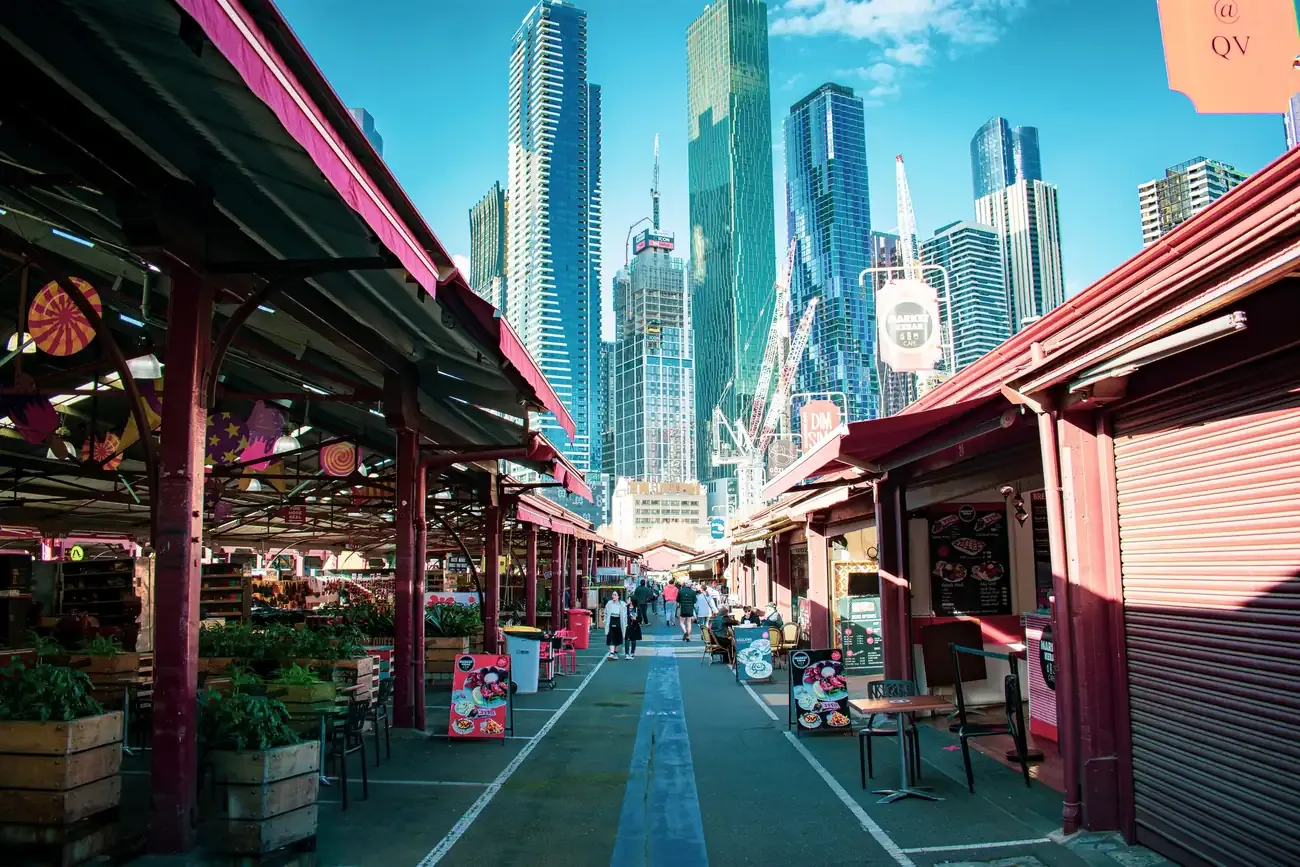
Queen Victoria Market
Seven hectares of open-air sheds and brick halls in the city centre, the largest open-air market in the southern hemisphere.
Location: Queen Street, central Melbourne, Victoria
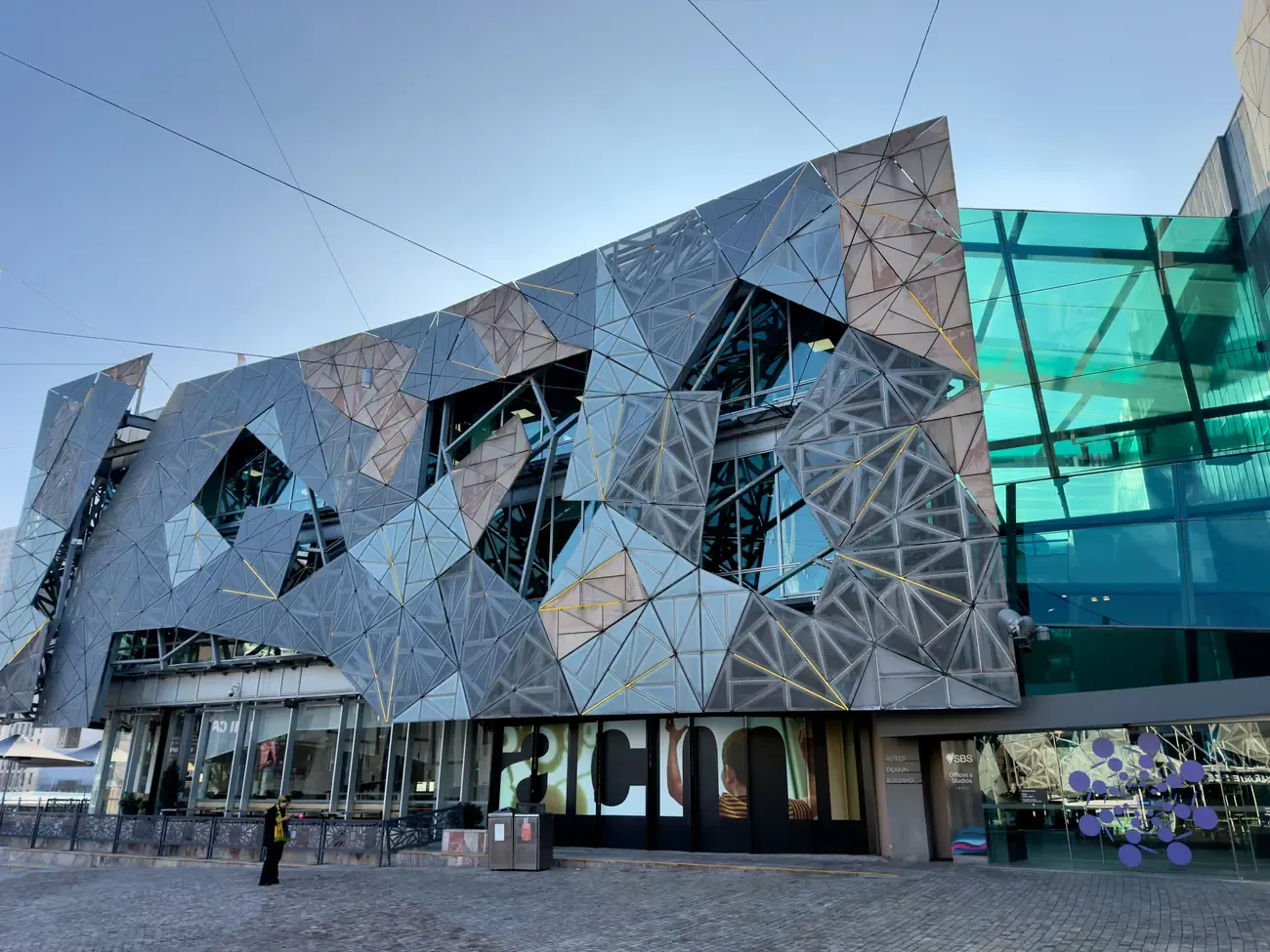
Federation Square
Angular sandstone and glass built over the railway lines opposite Flinders Street station, holding galleries, a screen centre and cafes.
Location: Flinders and Swanston Streets, central Melbourne, Victoria
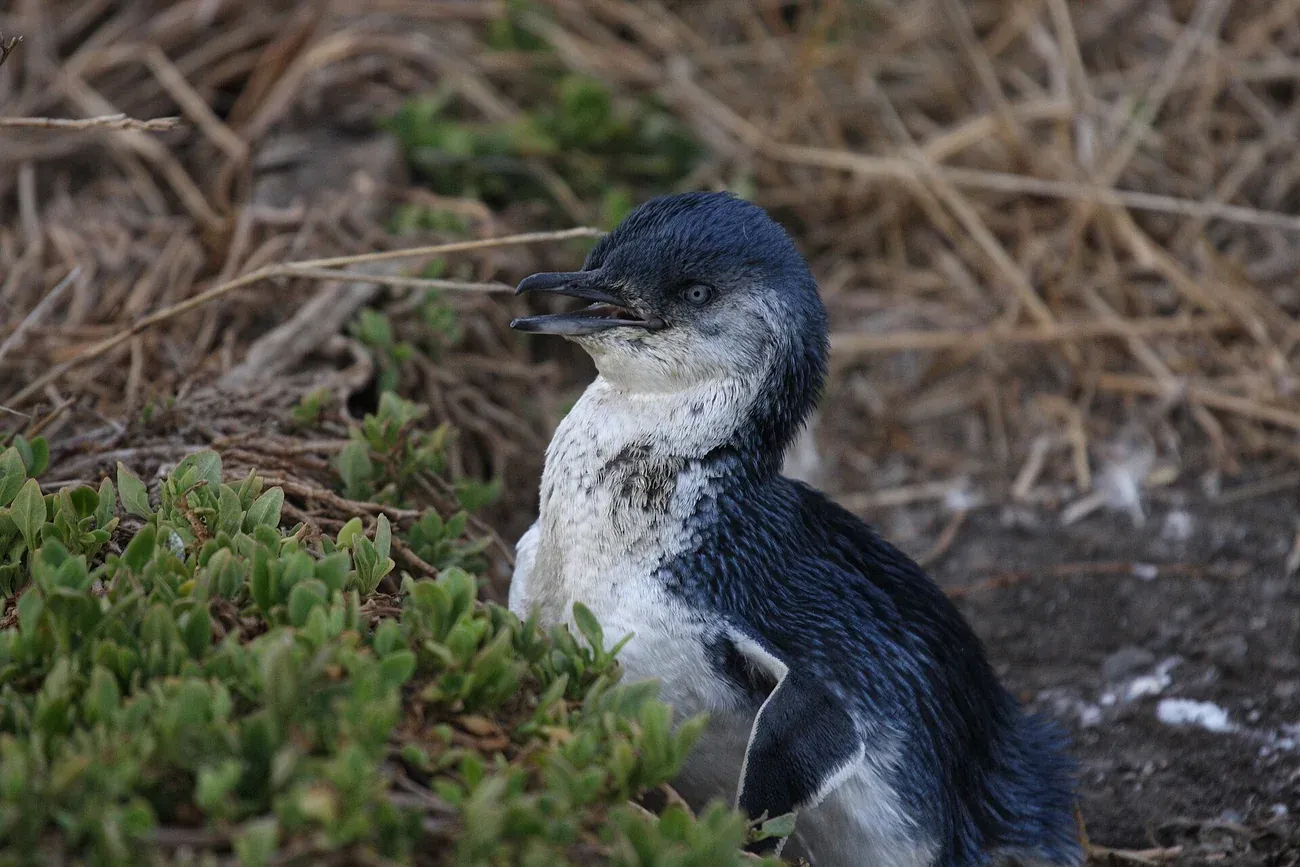
Phillip Island
Little penguins come ashore at dusk below the viewing stands on the south coast, and the boardwalks at the Nobbies fill the daylight hours.
Location: Phillip Island, about 125 km south-east of Melbourne, Victoria
Photo: "Eudyptula minor, Phillip Island" by Magnus Kjaergaard (CC BY 3.0).
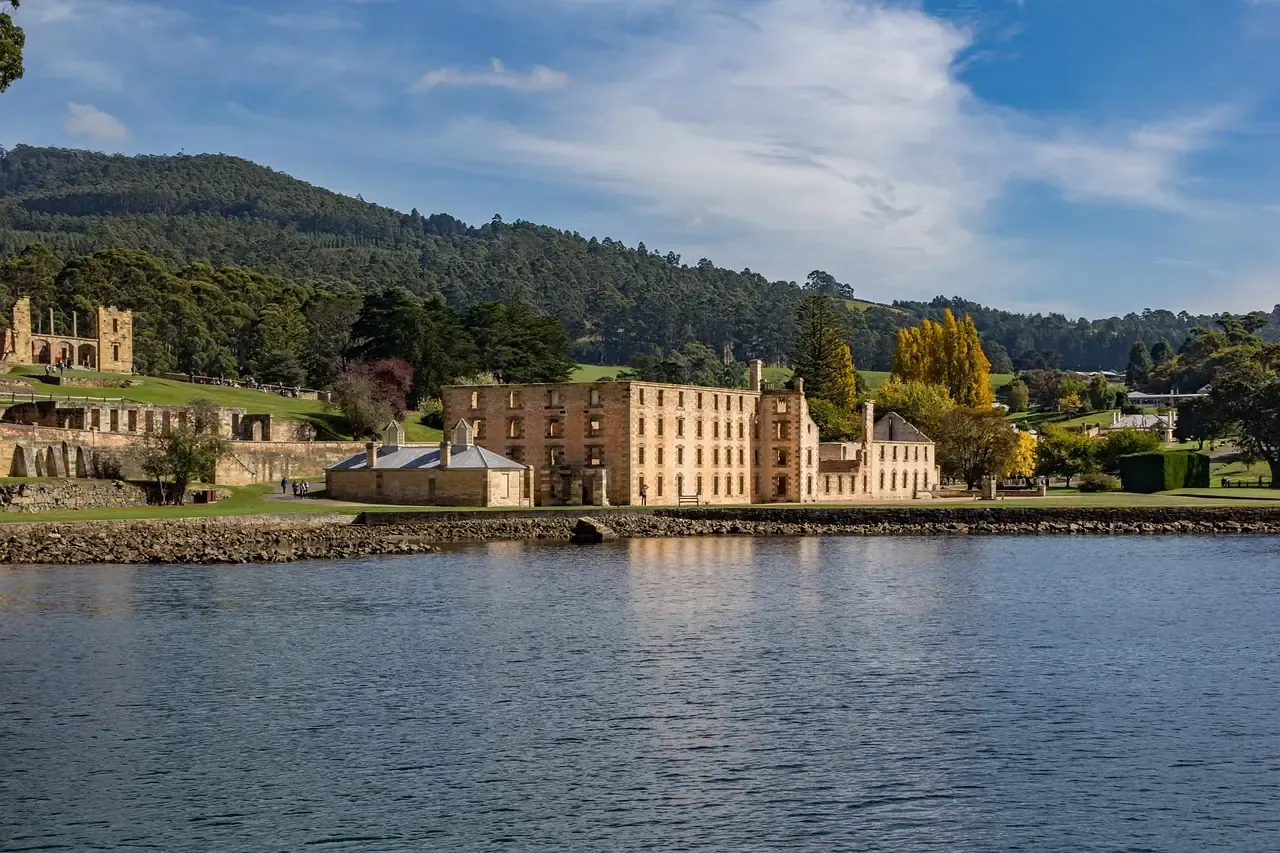
Port Arthur Historic Site
Ruins of the convict settlement on the Tasman Peninsula, one of the eleven Australian Convict Sites inscribed on the World Heritage List.
Location: Tasman Peninsula, about 97 km south-east of Hobart, Tasmania
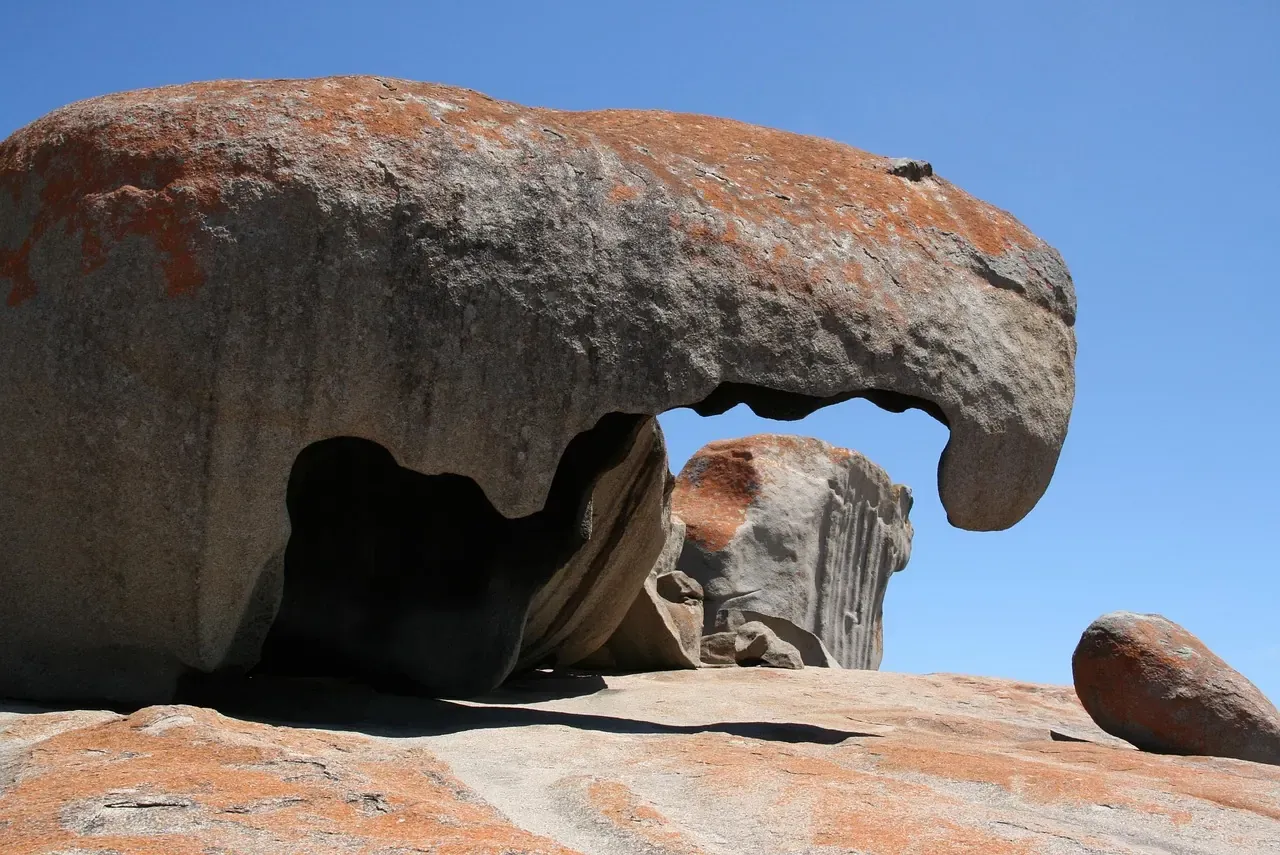
Kangaroo Island
The third-largest island in the country, where Remarkable Rocks sit weathered on a granite dome and sea lions haul out at Seal Bay.
Location: Off the South Australian coast, 112 km south-west of Adelaide
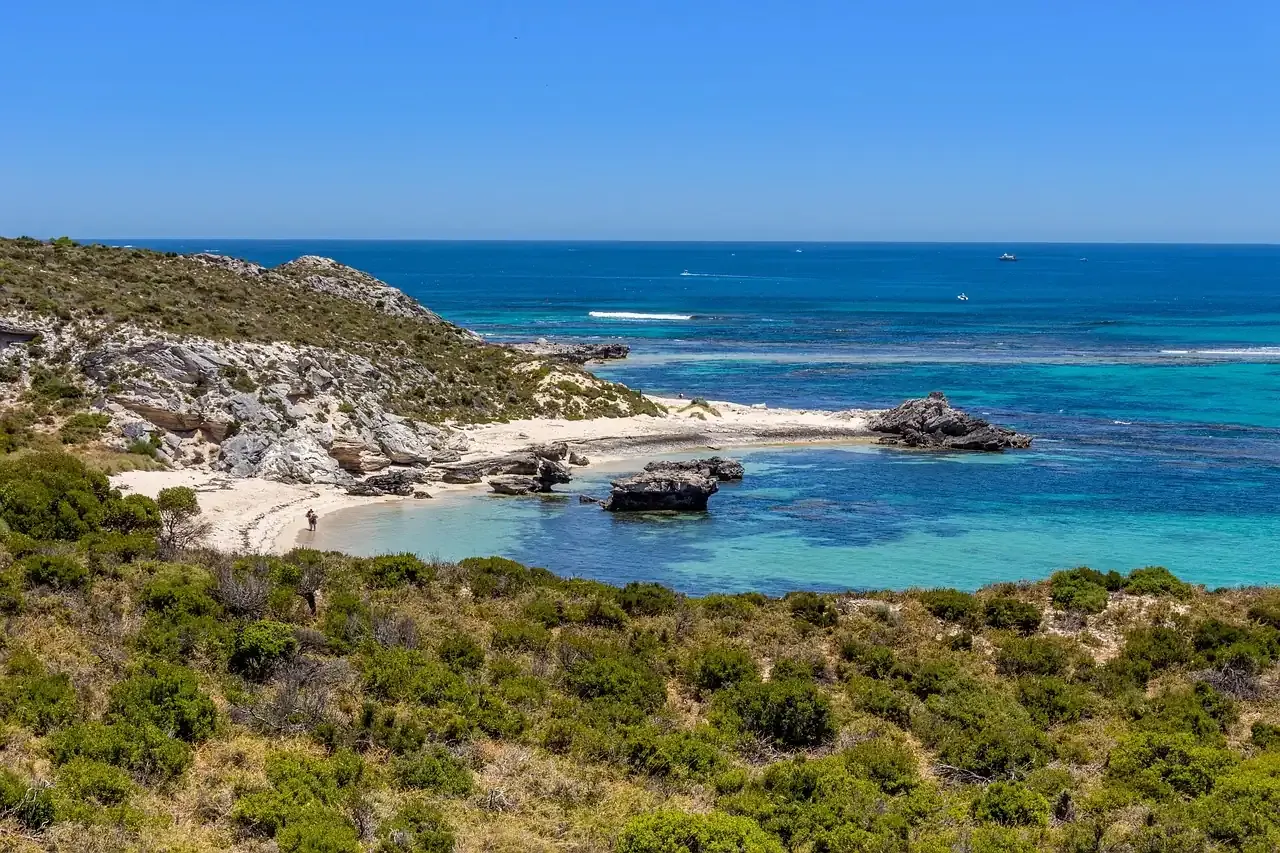
Rottnest Island
A nature reserve of 63 beaches and 20 bays off Fremantle, and the home of the quokka.
Location: 18 km west of Fremantle, Western Australia
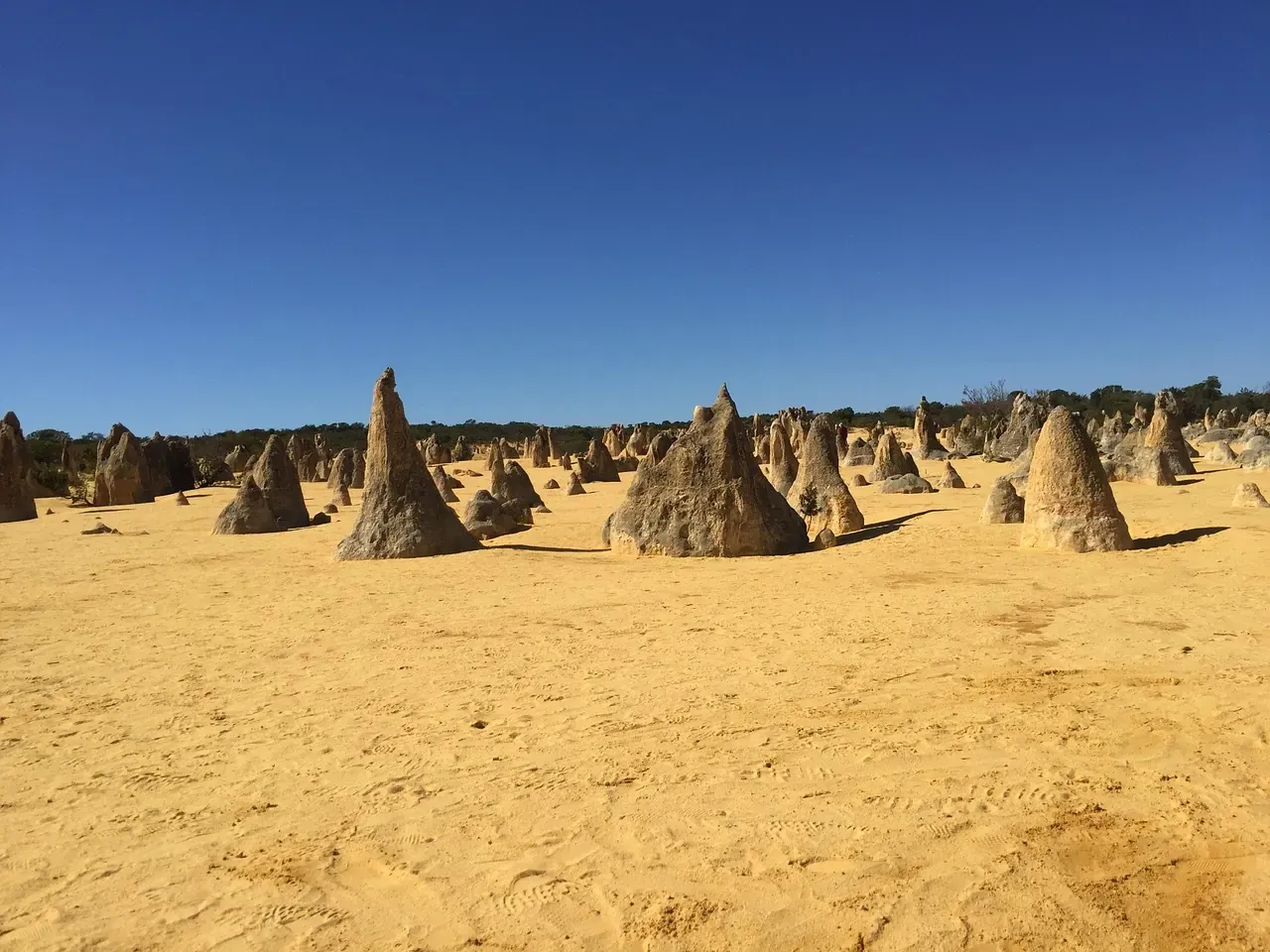
The Pinnacles
Limestone spires stand in the yellow sand of Nambung National Park, north of Perth, sharpest in the low light of early morning.
Location: Nambung National Park, near Cervantes, Western Australia
Traditional food in Australia

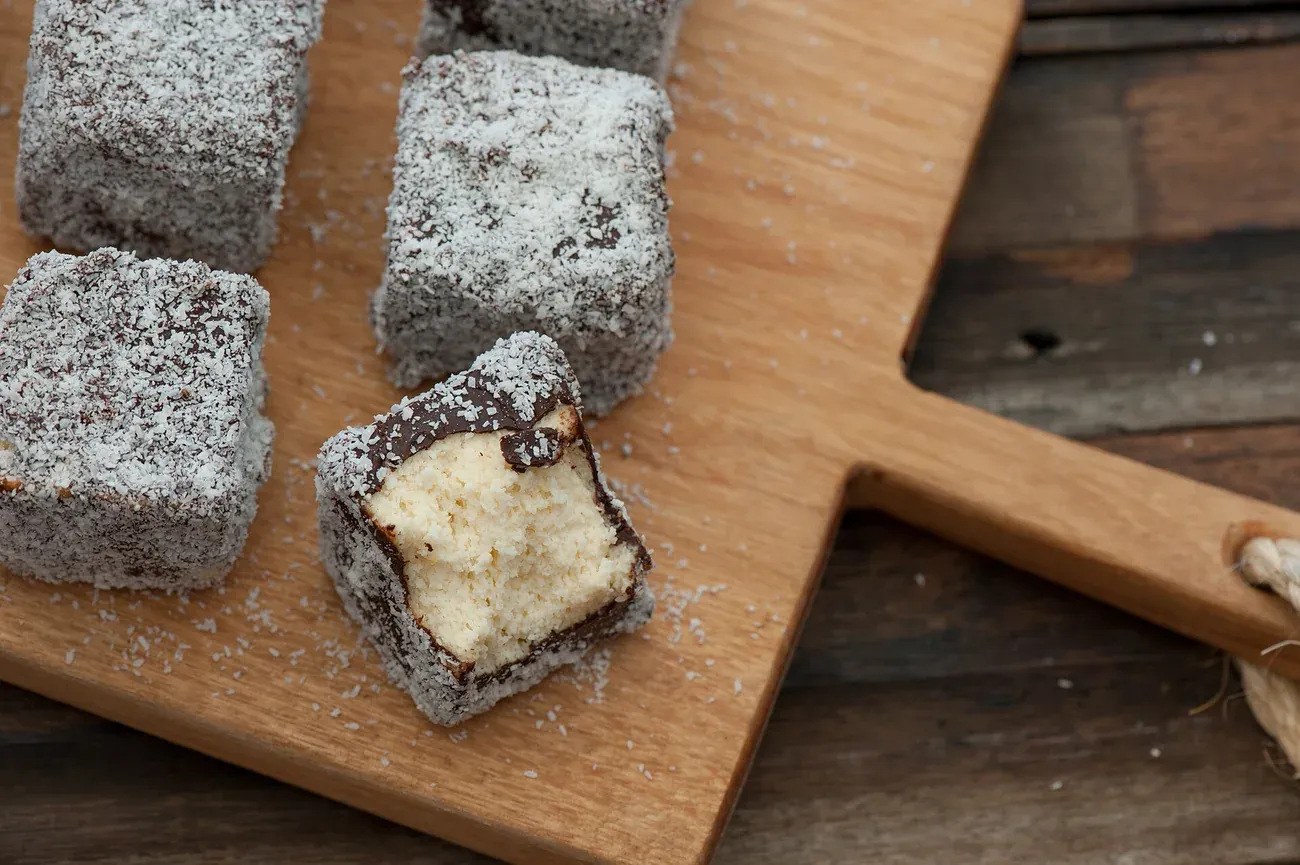
Pavlova
A meringue cake with a crisp shell and a soft centre, topped with cream and fruit and brought out after a summer barbecue. Australia and New Zealand both claim the recipe and the argument has never been settled.
Meat pie
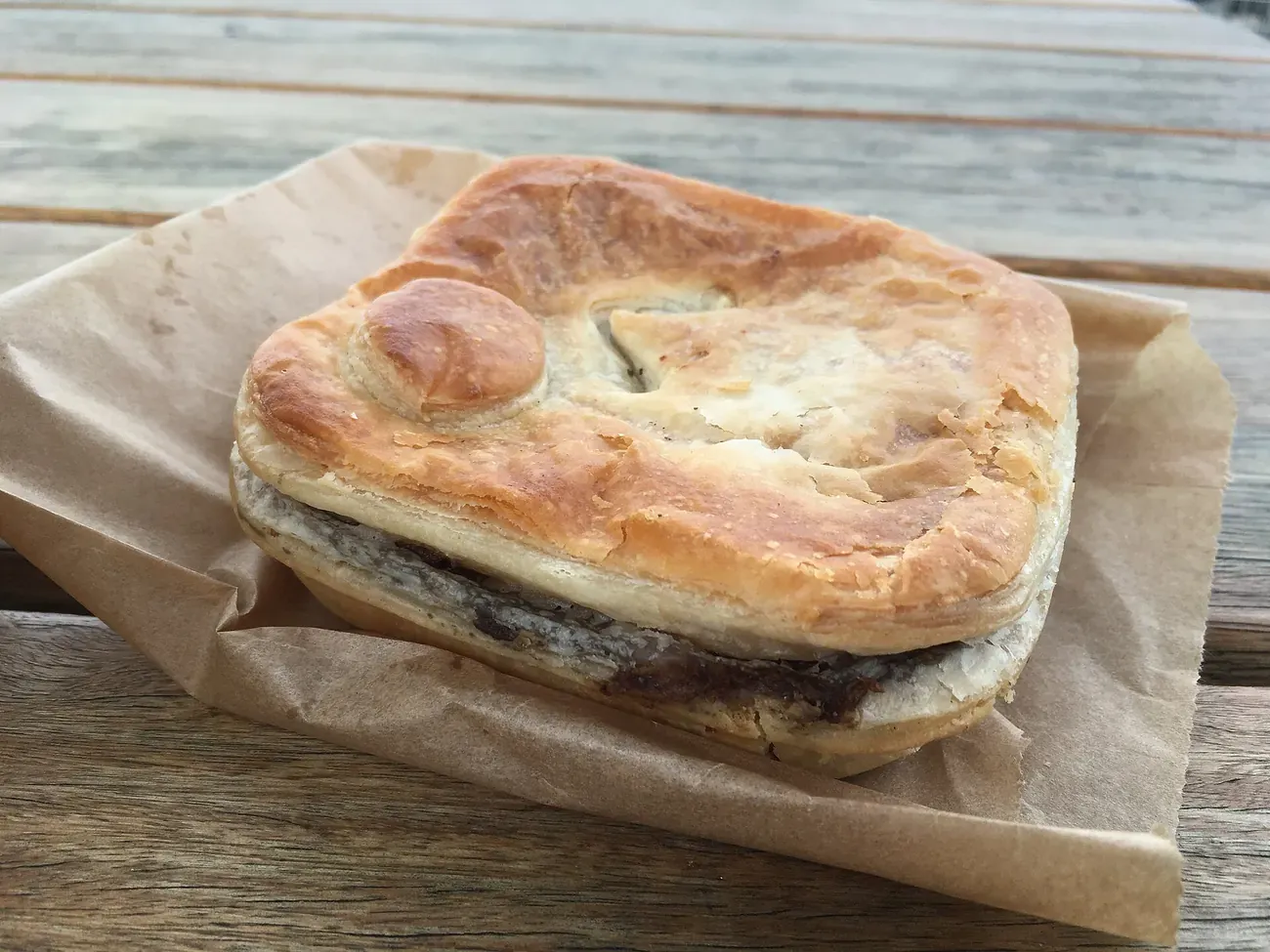
A handheld savoury pie of diced or minced meat in gravy, sometimes with onion, mushroom or cheese, eaten as a takeaway snack and called the national dish by many. In Adelaide it comes upturned in pea soup.
Photo: "Meat pie from Milang Bakery, South Australia" by philip.mallis (CC BY-SA 2.0).
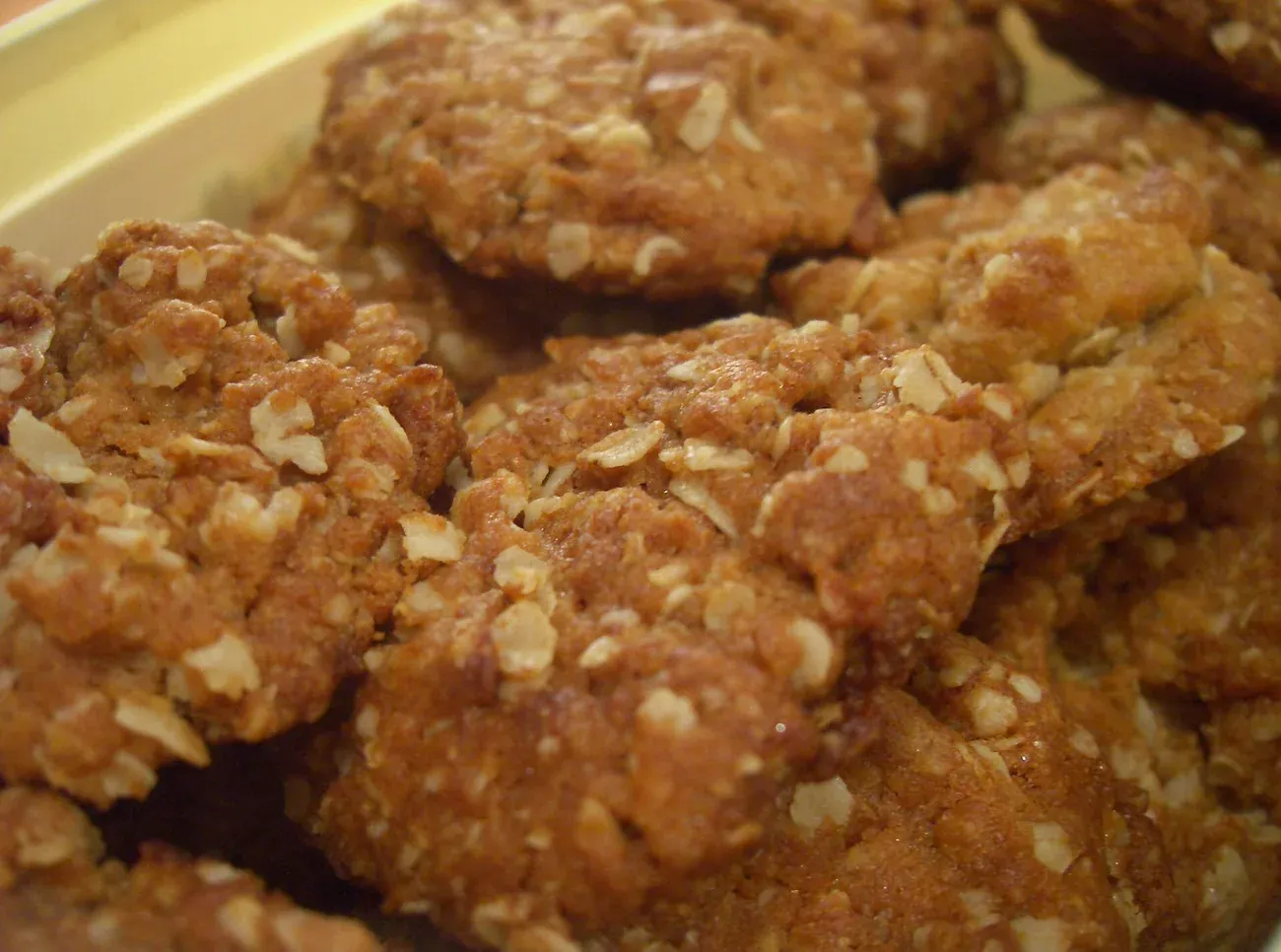
Anzac biscuit
A firm biscuit of rolled oats, flour, sugar, butter and golden syrup, often with coconut. It takes its name from the Australian and New Zealand Army Corps and turns up everywhere in the run-up to Anzac Day on 25 April.
Photo: "ANZAC biscuits" by pfctdayelise (CC BY-SA 2.5).
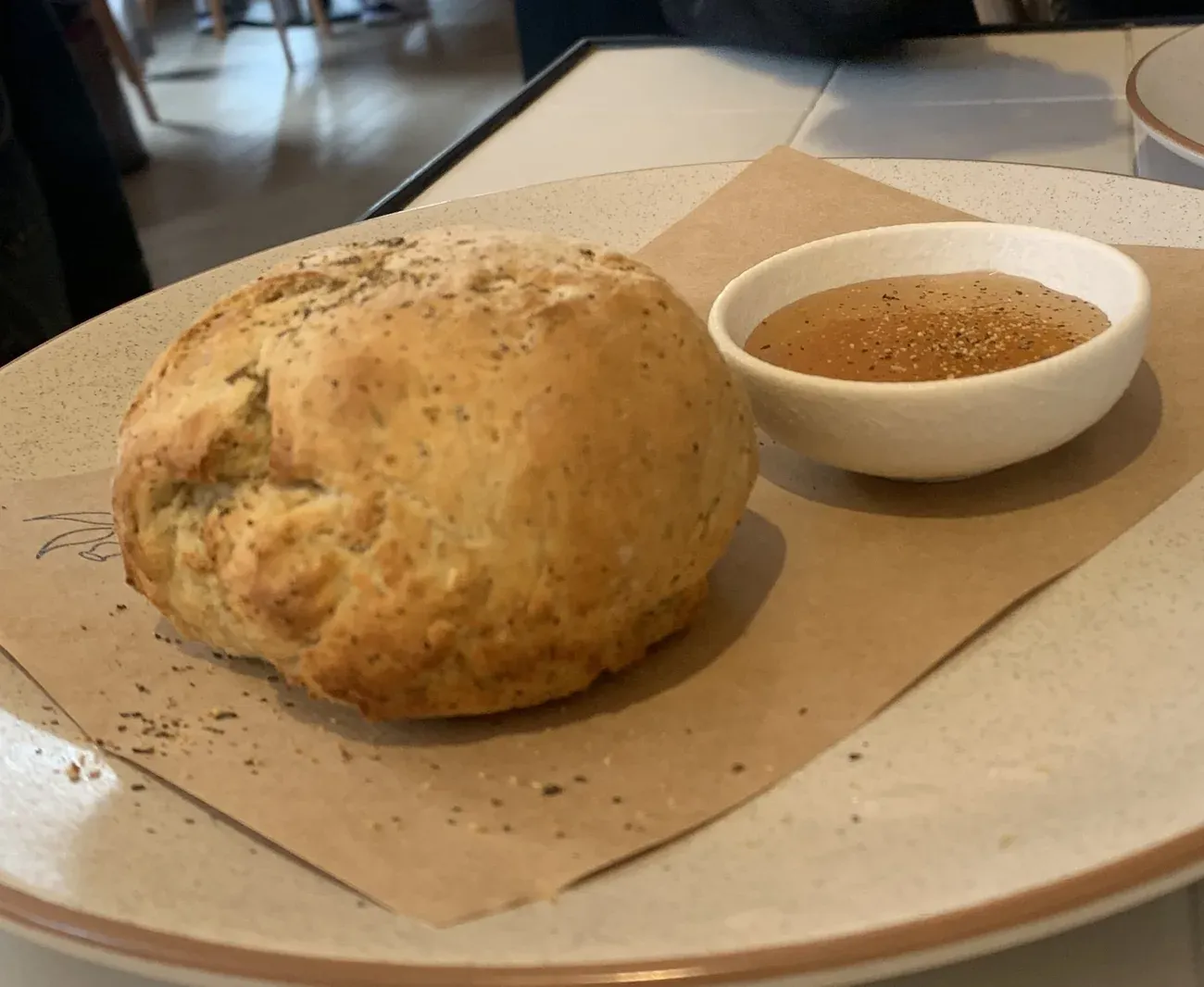
Damper
A soda bread of flour, water and salt that drovers and stockmen baked in the coals of a campfire. Bakeries do not sell it, so most visitors meet it on a tour, served with butter and golden syrup.
Photo: "Wattleseed Damper" by Finbar.concaig (CC BY-SA 4.0).

Chicken parmigiana
Crumbed chicken under tomato sauce and melted cheese, served with chips and salad. The parma is a fixture of pub menus across the country, an Australian reworking of the Italian dish built on eggplant.
Photo: "Australian chicken parmy at Newpark WA" by Orderinchaos (CC BY-SA 4.0).
Wild coast and outback parks in Australia
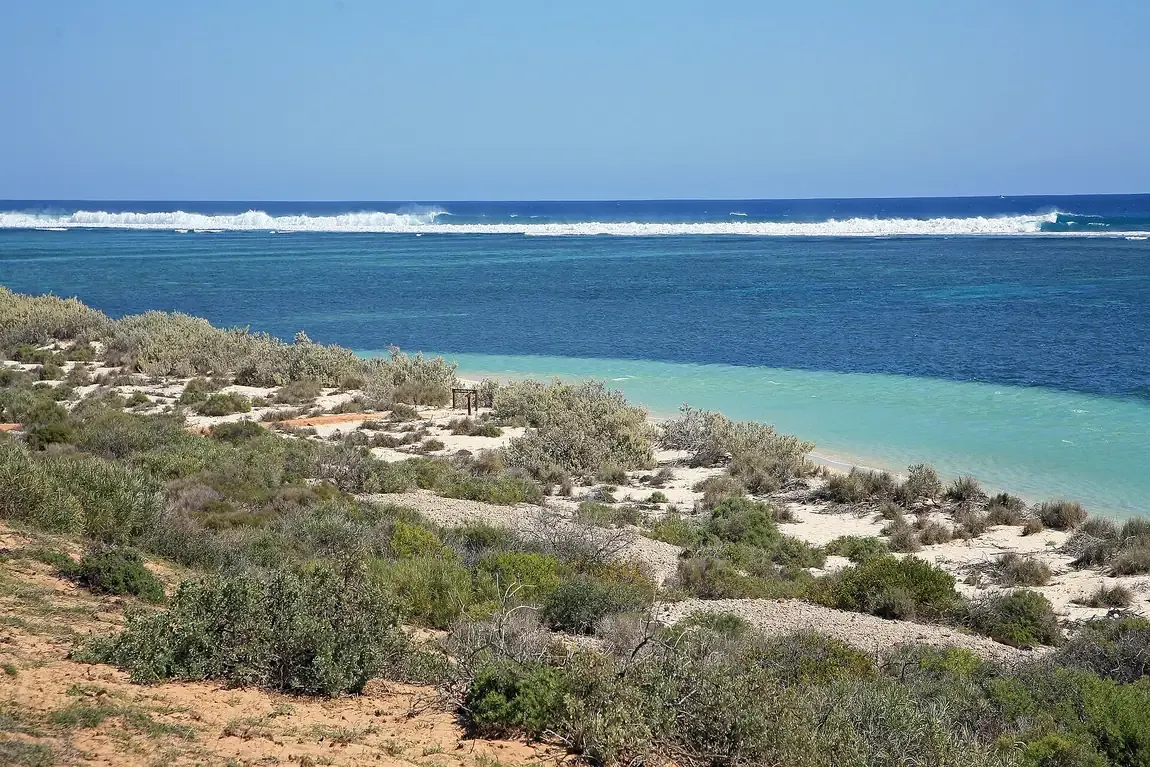
Ningaloo Reef
A fringing reef 260 kilometres long, close enough to swim to from the beach, where whale sharks gather every year.
Location: Ningaloo Coast, near Exmouth, Western Australia
Photo: "Ningaloo Reef, Westaustralien" by W. Bulach (CC BY-SA 4.0).
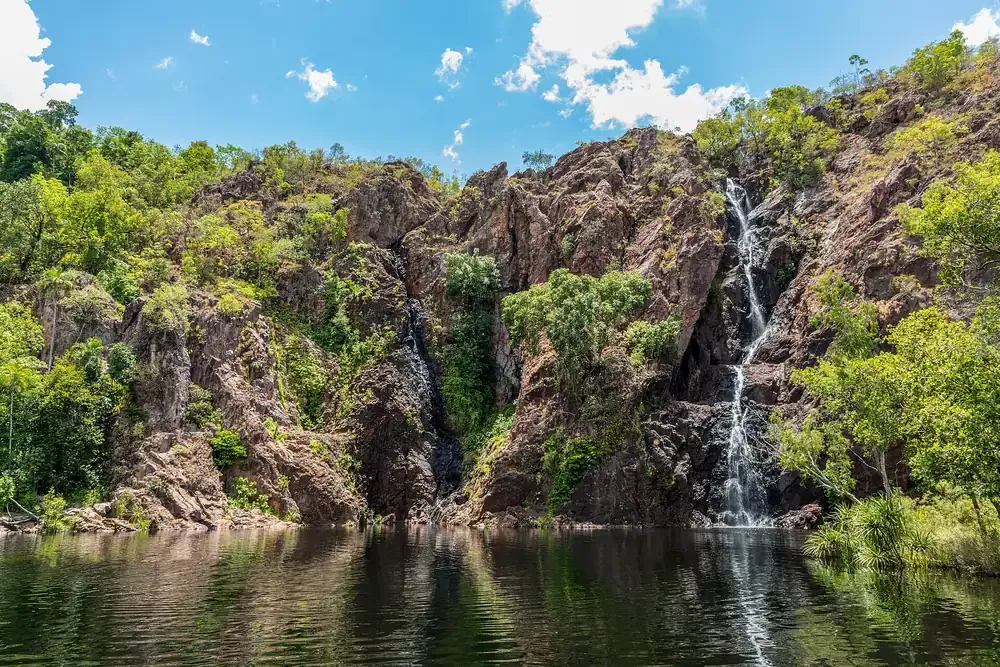
Litchfield National Park
Waterfalls drop into swimming holes at Wangi and Florence Falls, an easy day out from Darwin without the drive to Kakadu.
Location: Near Batchelor, 100 km south-west of Darwin, Northern Territory
Photo: "Litchfield National Park, Wangi Falls" by Dietmar Rabich (CC BY-SA 4.0).
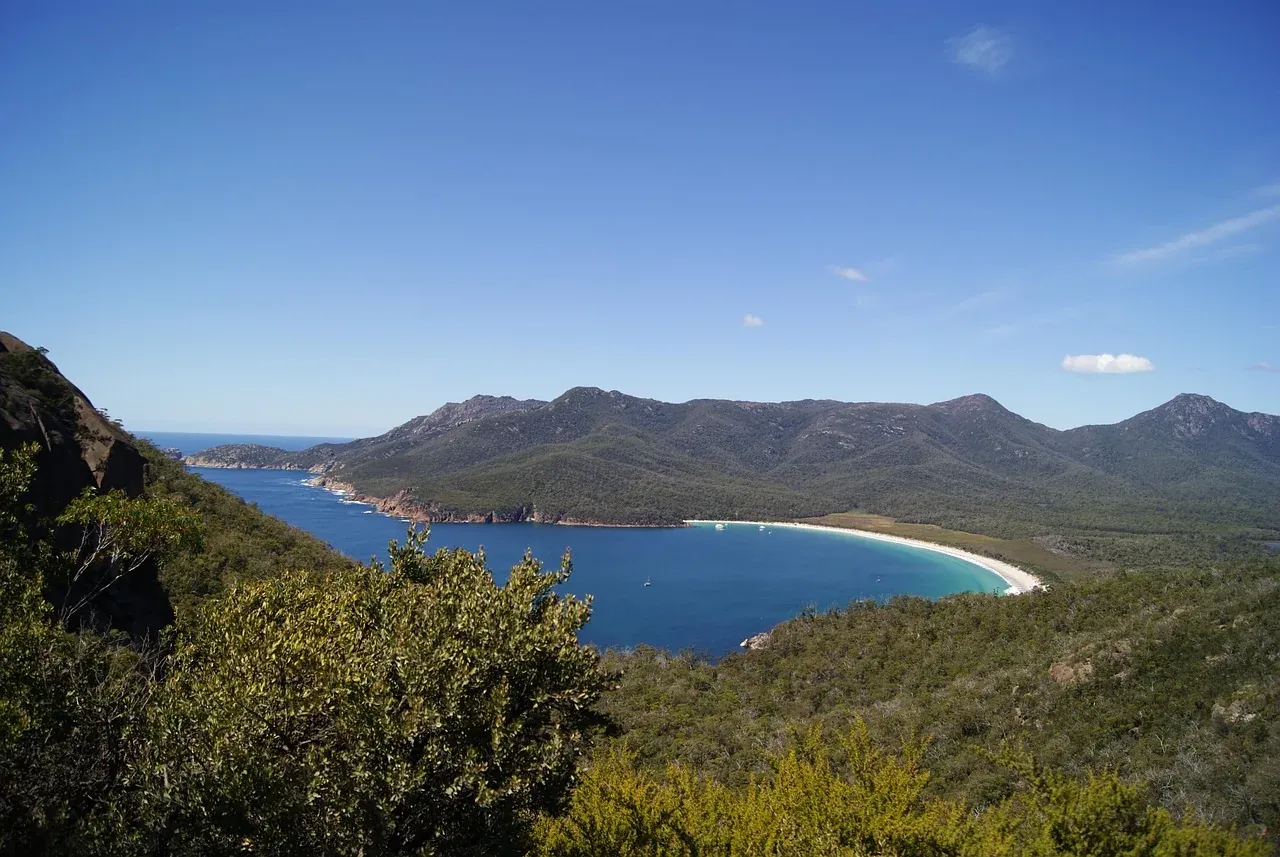
Wineglass Bay
A pale crescent of sand between granite peaks, seen from the lookout on the saddle of The Hazards in Freycinet National Park.
Location: Freycinet National Park, east coast of Tasmania
Convict sites and outback towns in Australia


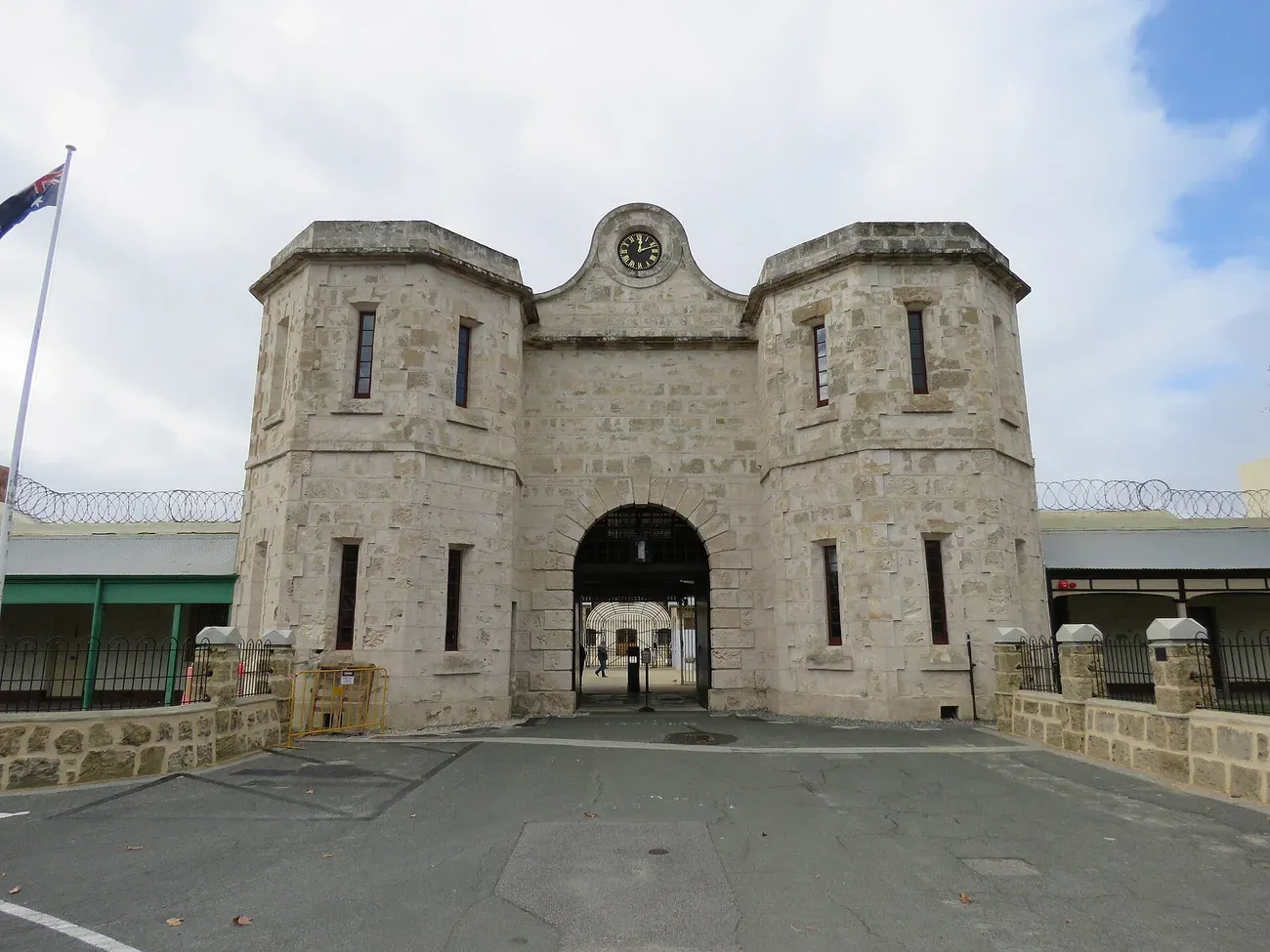
Fremantle Prison
Convicts quarried and built this limestone gaol themselves. It held prisoners until 1991 and is the only World Heritage listed building in Western Australia.
Location: The Terrace, Fremantle, Western Australia
Photo: "Fremantle Prison Gatehouse" by Calistemon (CC BY-SA 4.0).

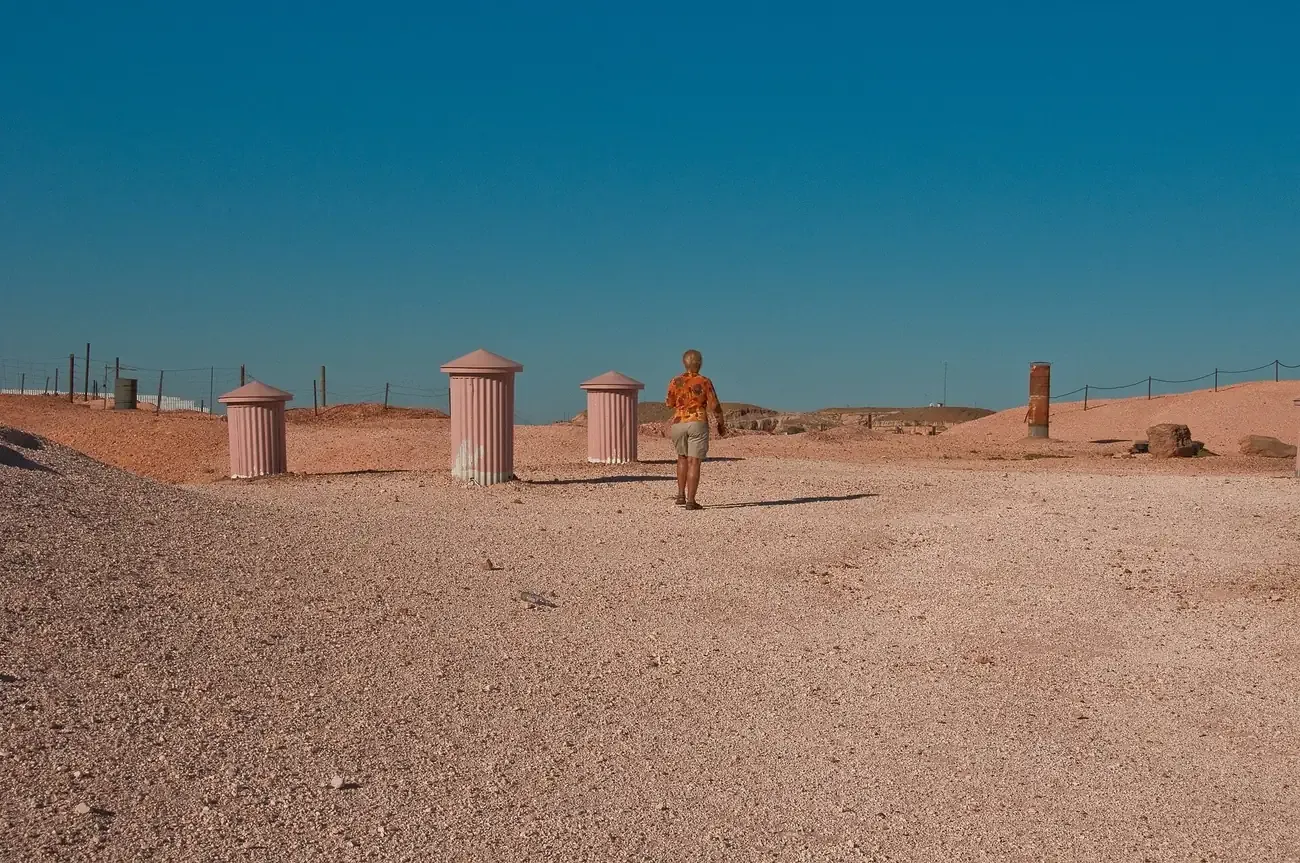
Coober Pedy
An opal mining town on the Stuart Highway where much of the population lives in dugouts cut into the hillsides to escape the heat.
Location: 846 km north of Adelaide, South Australia
Photo: "Coober Pedy" by Graeme Churchard (CC BY 2.0).

Unexpected museums in Australia
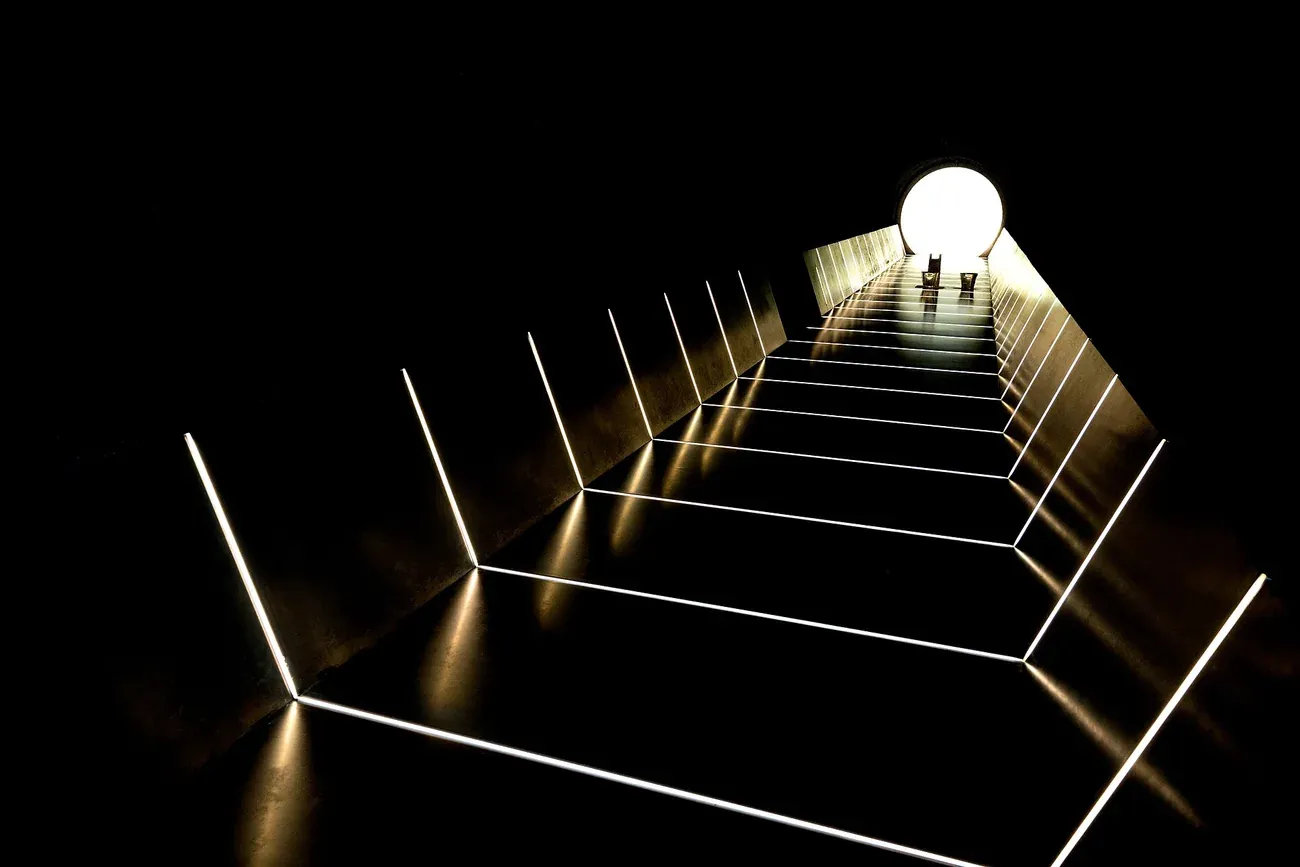
Museum of Old and New Art
David Walsh's collection fills galleries cut into a sandstone peninsula, reached by ferry up the Derwent from the Hobart waterfront.
Location: Berriedale, Hobart, Tasmania
Photo: "Museum of Old and New Art (MONA), Hobart" by Jorge Lascar (CC BY 2.0).


Australian War Memorial
A memorial, museum and archive in one building, where the Last Post Ceremony closes each day beside the Roll of Honour.
Location: Campbell, Canberra, Australian Capital Territory
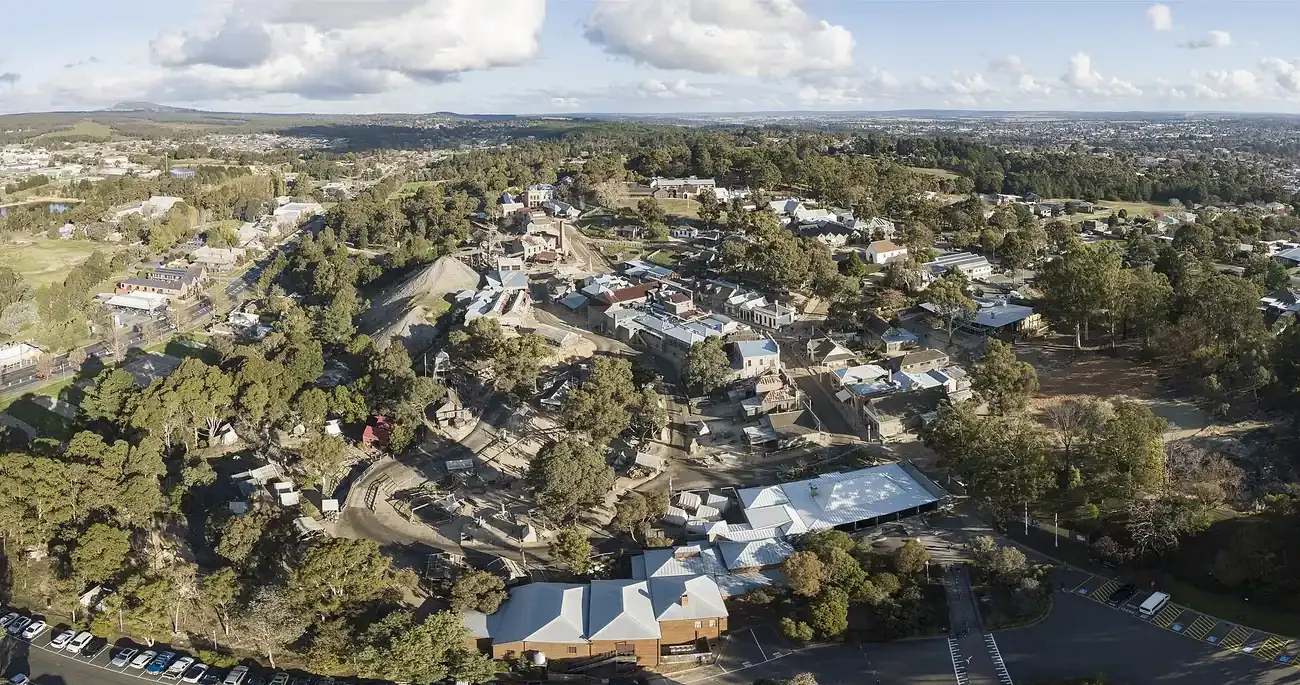
Sovereign Hill
An open-air museum rebuilding Ballarat's first decade after gold was found in 1851, with a mine tour and panning in the creek.
Location: Golden Point, Ballarat, Victoria
Photo: "Ballarat Sovereign Hill aerial panorama" by Chensiyuan (CC BY-SA 4.0).

Hidden gems in Australia
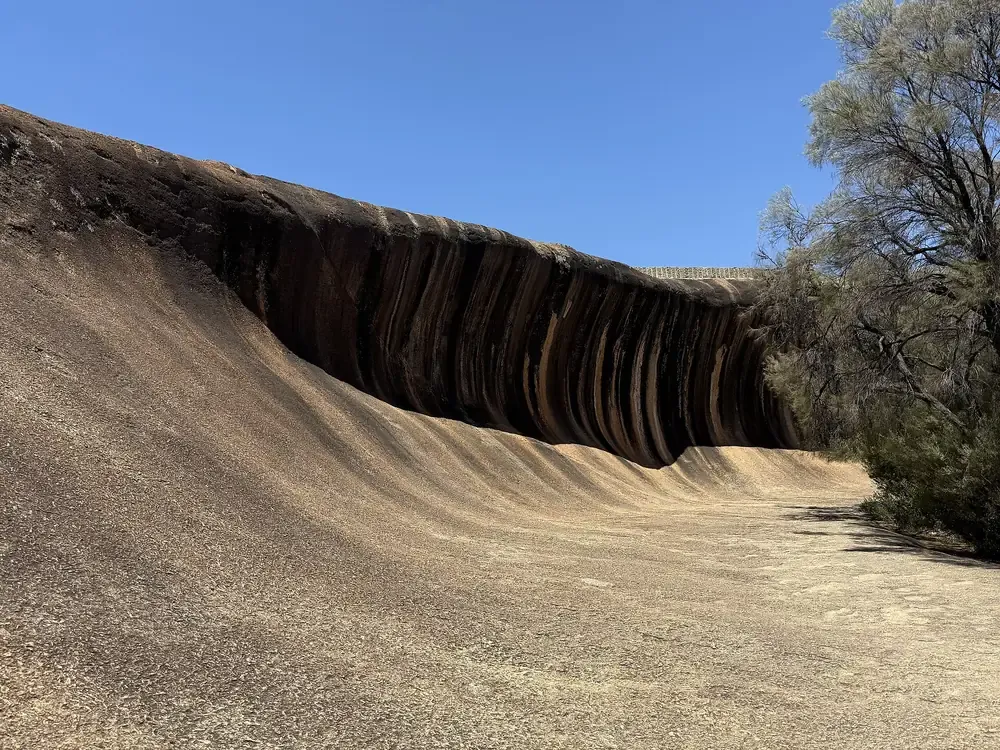
Wave Rock
A granite face about 15 metres high and 110 metres long, weathered into the shape of a breaking wave on the side of Hyden Rock.
Location: Hyden, 296 km east of Perth, Western Australia
Photo: "Wave Rock, January 2025" by DaHuzyBru (CC BY-SA 4.0).

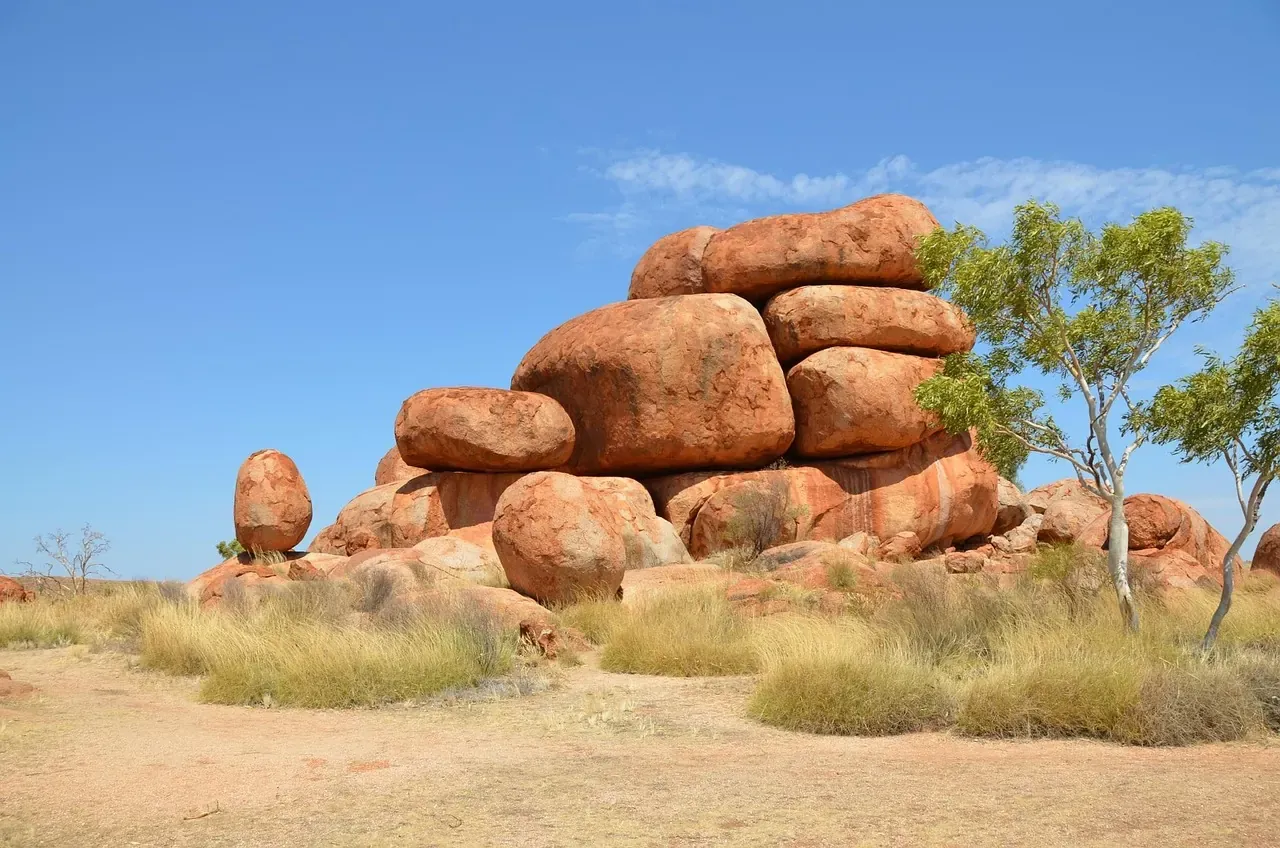
Karlu Karlu
Rounded granite boulders scattered across the plain, of deep significance to their traditional owners and known in English as the Devils Marbles.
Location: Warumungu, 105 km south of Tennant Creek, Northern Territory
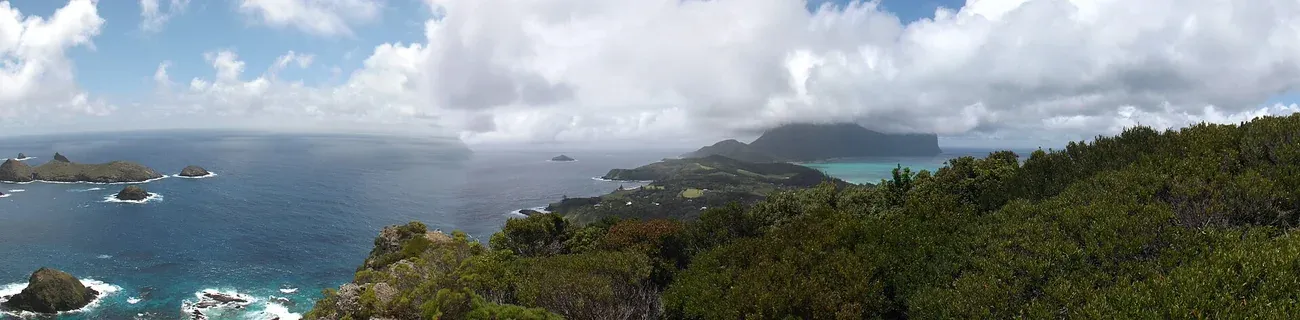
Lord Howe Island
A volcanic crescent in the Tasman Sea that takes only 400 visitors at a time and shelters the southernmost coral reef in the world.
Location: Tasman Sea, 600 km east of Port Macquarie, New South Wales
Photo: "Panorama from Malabar" by BriMiDra (CC BY-SA 4.0).

What sets Australia apart
Australia is the only country with a whole continent to itself, and that scale shapes every trip taken here. Six states and nine territories cover ground comparable to the distance from Madrid to Murmansk, so a fortnight usually means choosing one or two corners rather than a lap of the coast.
The contrasts sit closer together than the map suggests. Sandstone cliffs and surf beaches line the New South Wales coast within an hour of the oldest city in the country, while the Northern Territory runs from the red desert around Uluru to the wetlands of Kakadu. Queensland puts rainforest and coral within the same day, Western Australia keeps its fringing reef and its limestone deserts a long drive apart, and Tasmania folds alpine plateau, convict ruins and cold-water coast into a single island.
The cultural depth is older than anywhere else on the itinerary. Aboriginal cultures here go back more than 65,000 years, and the rock art in Kakadu, the ranger walks at Uluru and the guided tracks at Mossman Gorge are part of the visit rather than a detour from it.
Seasons run in reverse, which catches out most first-time visitors. December to February is high summer in the south, while the tropical north is at its best in the dry months from May to October, when the unsealed roads reopen and the humidity drops. Australia is the continental landmass of Oceania and by far its largest country, and the Opera House, Uluru and the reef open most lists of the tourist attractions in Oceania, ahead of New Zealand's fiords and the Pacific islands.