
Sydney tourist attractions
Known for
New South Wales' harbour capital, Harbour Bridge and ocean beaches
Must-see landmarks
Sydney Opera House, Sydney Harbour Bridge, and Royal Botanic Garden
Free to visit
Royal Botanic Garden, Barangaroo Reserve and St Mary's Cathedral
Best time to visit
September to November or March to May
11 must-see tourist attractions in Sydney
Here are the tourist attractions in Sydney worth planning around, starting with Bondi Beach, Sydney Opera House and Circular Quay. The 11 top sights come first, then free things to do, upcoming events and visitor FAQs.
1. Bondi Beach
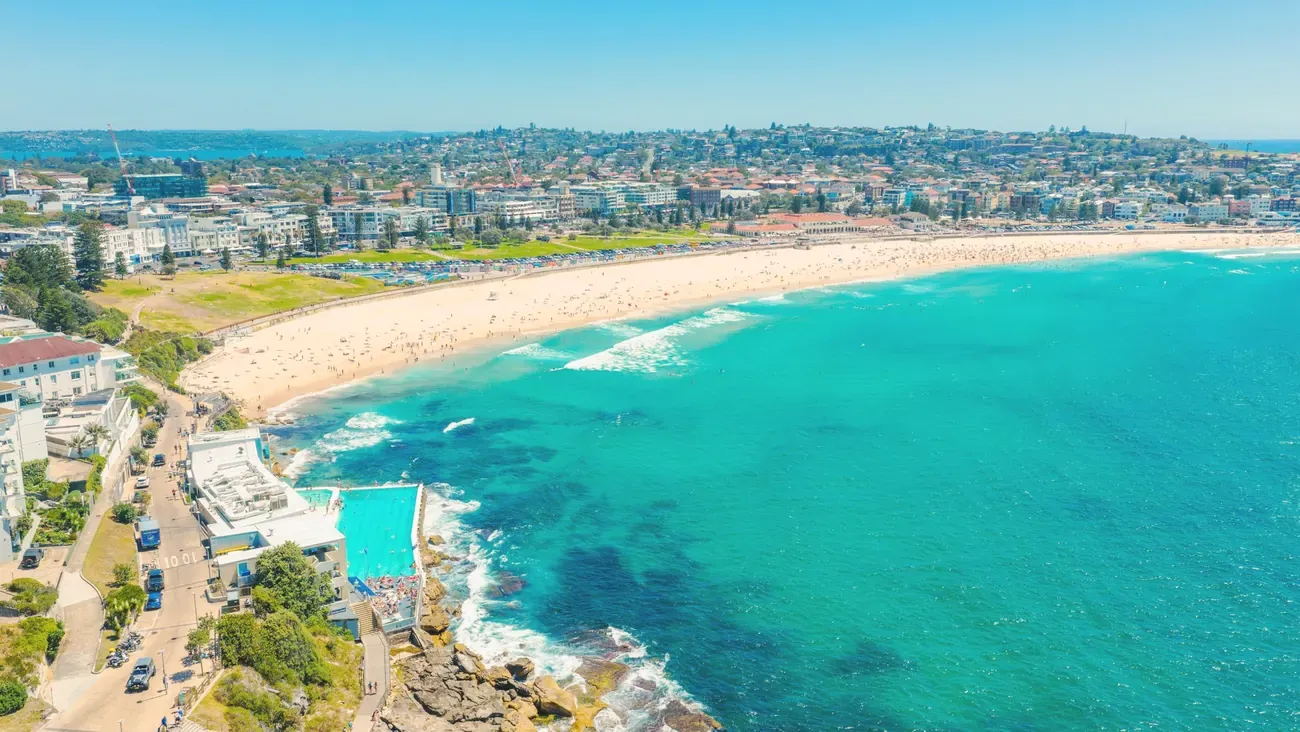
Sydney's most famous beach curves in a wide arc of golden sand along the eastern suburbs, where surfers, swimmers and sunbathers gather the year round. A free clifftop coastal walk runs south from the beach past Tamarama and Bronte to Coogee, threading sandstone headlands, ocean pools and sea views along the way. The Bondi Icebergs Club and its heated saltwater pool sit at the southern end, and the sand is patrolled by the volunteer surf lifesavers whose Australian movement grew up on this coast. The beach is listed on the Australian National Heritage List.
Location: Campbell Parade, Bondi, eastern suburbs, Sydney
Access: Free and open at any hour; the Icebergs ocean pool and equipment hire carry their own charge
2. Sydney Opera House
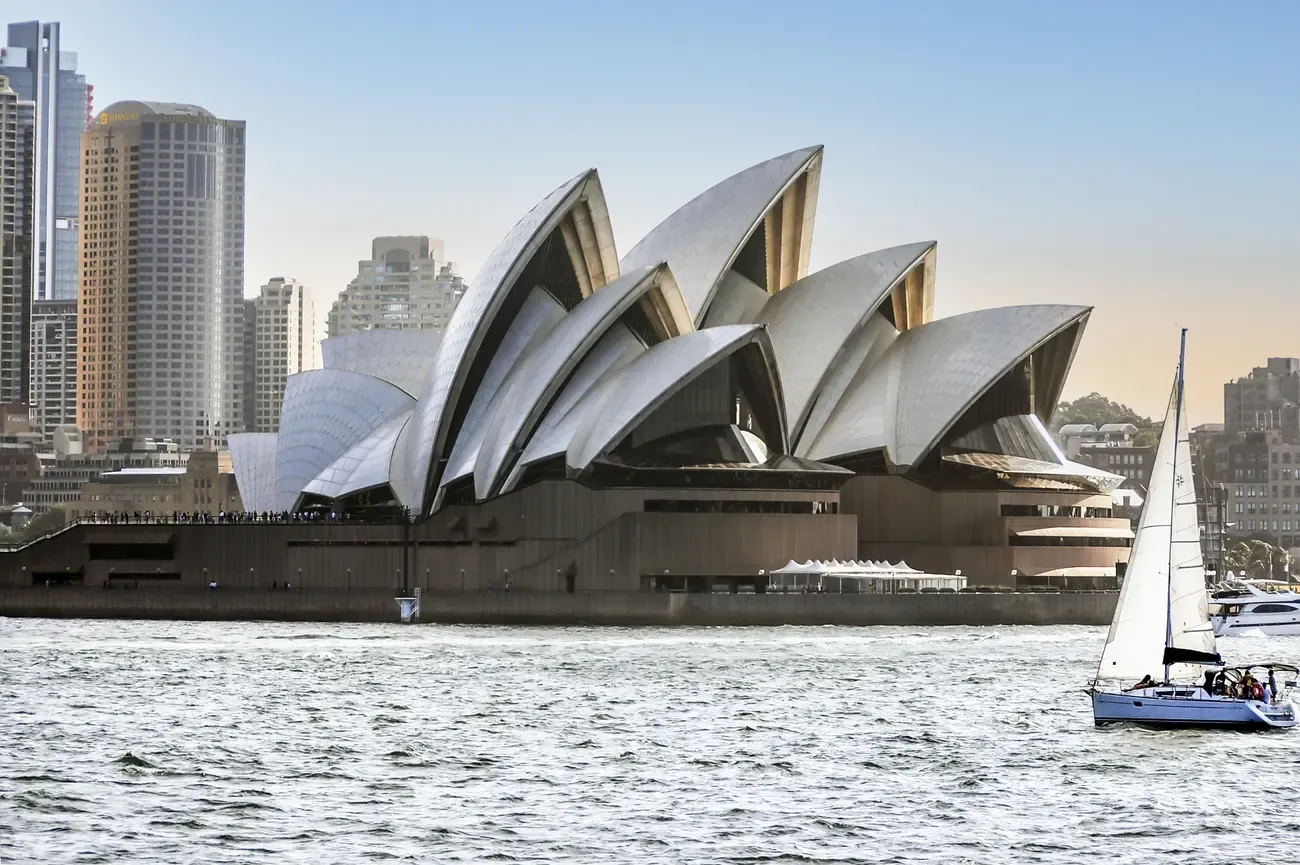
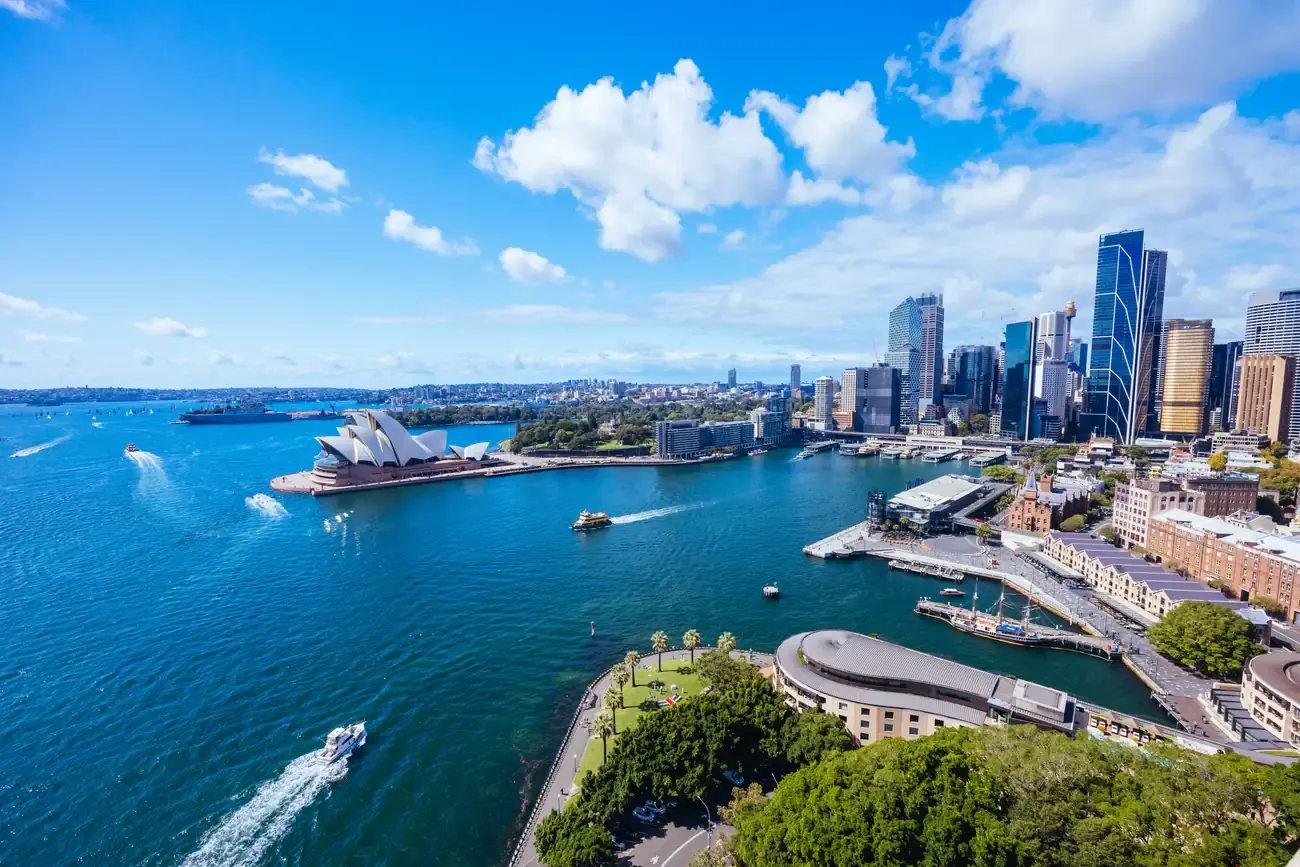
The sail-shelled performing arts centre on Bennelong Point is Sydney's defining landmark and one of the world's most recognised buildings. The Danish architect Jorn Utzon designed its shells, and Queen Elizabeth II opened it on 20 October 1973; more than a million tiles clad the roof above the harbour. UNESCO added it to the World Heritage List in 2007. The forecourt, steps and harbour-side walkways are free to walk and photograph at any hour, while performances, guided tours and the restaurants inside need a ticket.
Architect: Jorn Utzon, with interiors completed by Peter Hall
Style: Expressionist
Location: Bennelong Point, Circular Quay, Sydney
Access: Free to walk the forecourt and exterior at any hour; performances and guided tours are ticketed
3. Circular Quay
The harbourfront strip between the Opera House and the Harbour Bridge is where Sydney meets the water. Circular Quay carries the Aboriginal name Warrane and marks a site of first contact between the Eora people and early European arrivals. Today its wharves are the city's ferry, train and light rail hub, and its promenade of buskers, cafes and the Museum of Contemporary Art draws crowds from morning until late. Ferries fan out from here across the harbour to Manly, Taronga Zoo and the bays, making the quay the natural starting point for a day on the water.
Location: Circular Quay, between Bennelong Point and The Rocks, Sydney
Access: Free public promenade open at any hour; ferries, trains and light rail run on the Opal card system
4. Sydney Harbour Bridge
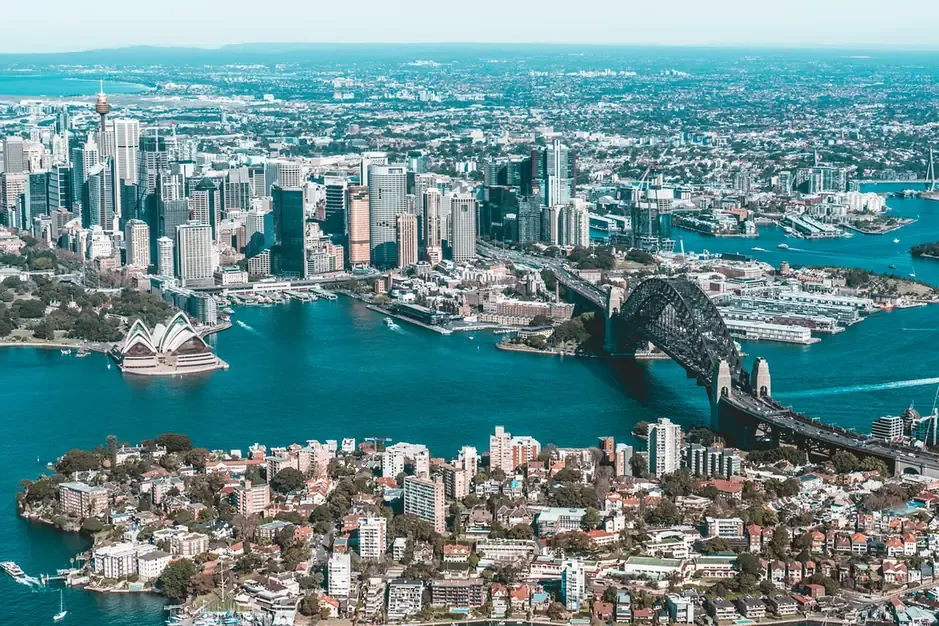
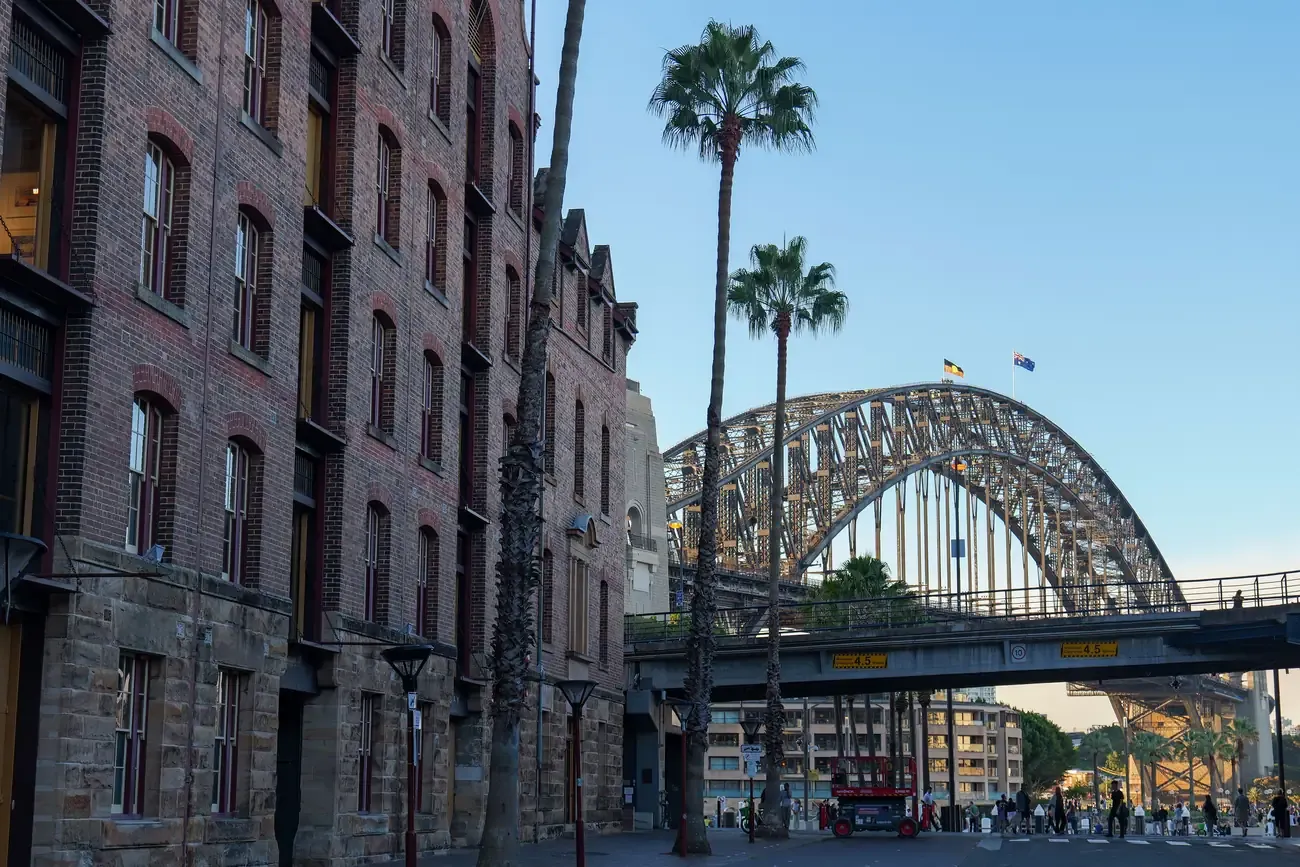
The great steel arch spanning the harbour between the city and the North Shore opened in 1932 and remains one of Sydney's signature sights. Locals nickname it the Coathanger for its curved span, which carries road, rail, cycle and pedestrian lanes across the water. The eastern footpath between The Rocks and Milsons Point forms part of the public crossing, walkable at any hour with wide views over the harbour and the Opera House. Inside the south-east pylon the Pylon Lookout climbs to a viewing platform, while the BridgeClimb tour scales the arch itself.
Location: Between Dawes Point and Milsons Point, Sydney
Access: Free to walk the eastern footpath at any hour; the Pylon Lookout and BridgeClimb are ticketed
5. The Rocks
A web of sandstone lanes and stairways below the southern end of the Harbour Bridge, The Rocks is where the colony of Sydney began in 1788. Its old warehouses and terraces now hold pubs, galleries, boutiques and small museums, and its story runs from convict quarters and wool stores to today's harbourfront quarter. The cobbled streets open onto lookouts across Circular Quay and are free to wander at any hour. The Rocks Markets fill the laneways on Fridays and at weekends, when stallholders sell craft, food and local wares.
Location: Between the Harbour Bridge and Circular Quay, Sydney
Access: Free to wander at any hour; individual museums and the weekend markets carry their own charges
6. Darling Harbour
The docklands of Cockle Bay, remade for Australia's Bicentenary in 1988, are now a pedestrian bay of attractions ten minutes on foot west of Town Hall. SEA LIFE Sydney Aquarium keeps the only dugongs on display in Australia, with WILD LIFE Sydney Zoo and Madame Tussauds beside it; across the water, the Australian National Maritime Museum moors a destroyer, a submarine and a replica of Cook's Endeavour at its wharves. The Chinese Garden of Friendship, from the same anniversary, walls a quiet corner off beside Tumbalong Park. On select Saturday nights, fireworks light the bay at 8:30pm in winter and 9pm in summer.
Remade: 1988 · Fireworks: select Saturday nights
Location: Cockle Bay, between the city centre and Pyrmont
Access: Free to wander; each attraction is ticketed
7. Royal Botanic Garden Sydney
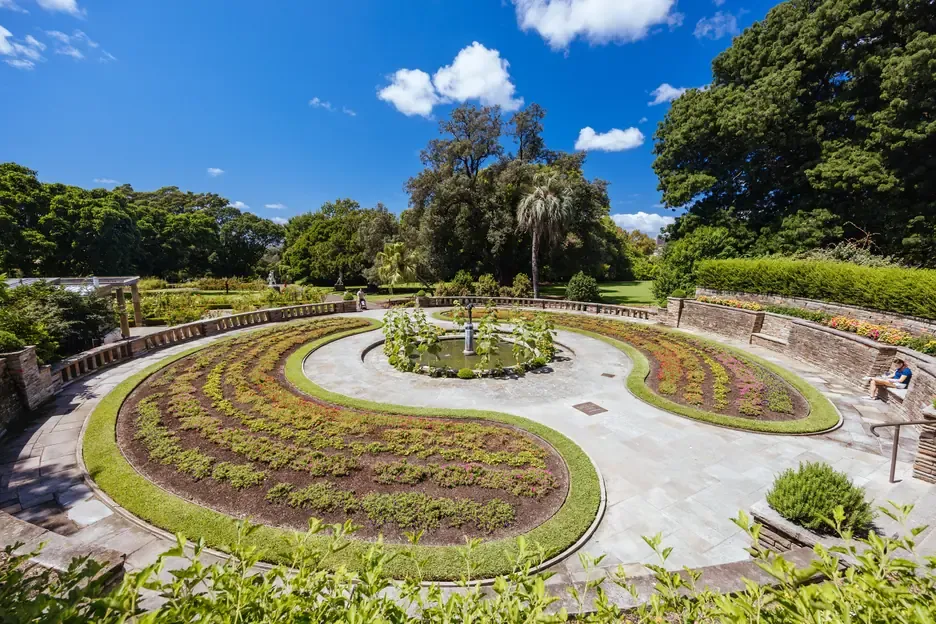
Established in 1816 on Gadigal land beside the harbour, the Royal Botanic Garden is Australia's oldest botanic garden and oldest living scientific institution. Its 30 hectares wrap around Farm Cove next to the Opera House, mixing themed plantings, glasshouses, ponds and heritage trees with sweeping views over the water. The Cadi Jam Ora garden tells the story of the Gadigal people who cared for this land, and flying foxes, ibis and cockatoos share the grounds. Paths lead out along the foreshore to the sandstone seat of Mrs Macquarie's Chair on the point.
Location: Mrs Macquaries Road, beside Farm Cove, Sydney
Access: Free to visit, open daily from 7am to sunset, the garden's own ticketed events aside
8. Museum of Contemporary Art
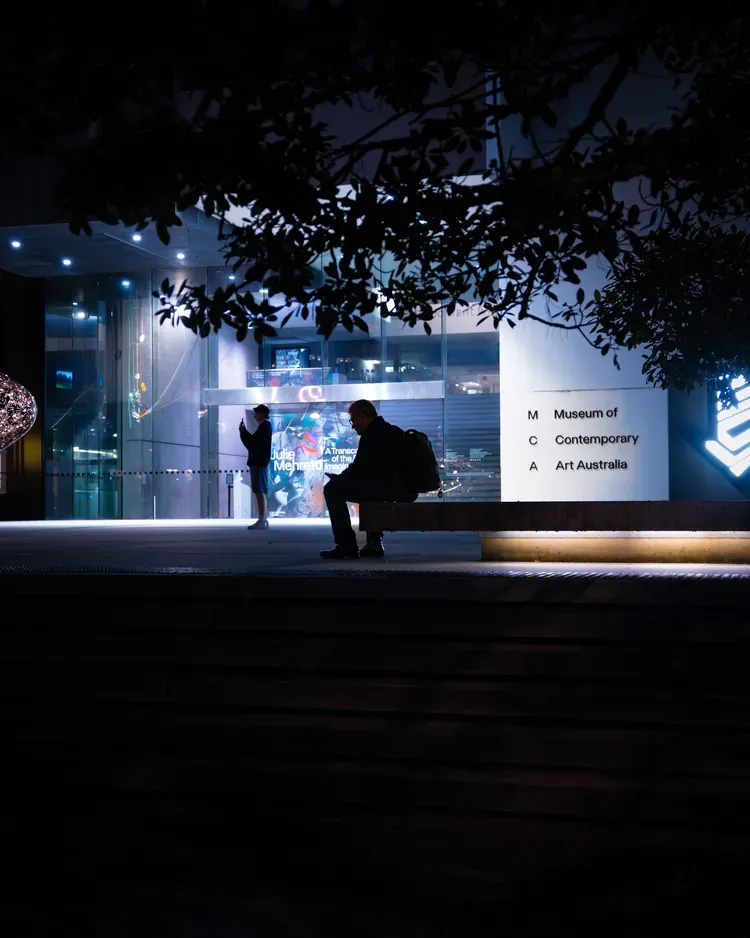
Housed in a streamlined Art Deco building on the western edge of Circular Quay, the Museum of Contemporary Art Australia holds the country's dedicated collection of work by living Australian and international artists. Its galleries rotate exhibitions across several floors, and a rooftop cafe looks out across the harbour to the Opera House. The museum opened in this waterfront home in 1991 and gained a sculpted extension in 2012. After a quarter of a century of free entry, it introduced a general admission charge in 2025.
Location: 140 George Street, The Rocks, Circular Quay, Sydney
Access: Ticketed; general admission introduced in 2025, with free entry for under-18s and Australian students
9. Barangaroo Reserve
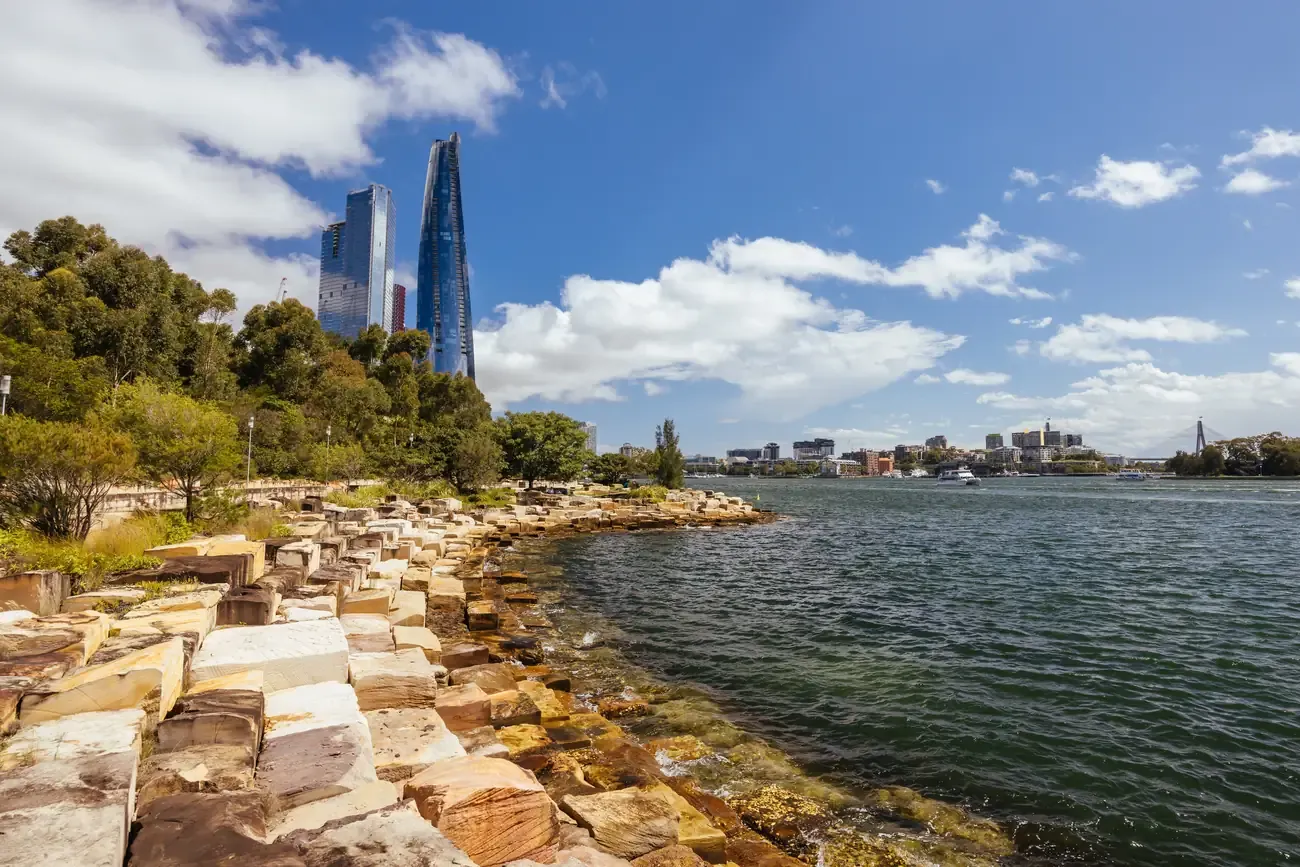
A harbourside headland park on the western edge of the city centre, Barangaroo Reserve opened in 2015 on the site of a former container wharf. It was rebuilt from around ten thousand blocks of Sydney sandstone, most of them quarried on site, and replanted with tens of thousands of native trees and shrubs that recall the pre-colonial foreshore. Named for a Cammeraygal woman of the Eora nation, the reserve threads walking trails and a foreshore path past lookouts over the harbour to Goat Island and the North Shore.
Location: Hickson Road, Barangaroo, Sydney
Access: Free to explore at any hour, with no ticket needed to enter the park
10. White Rabbit Gallery
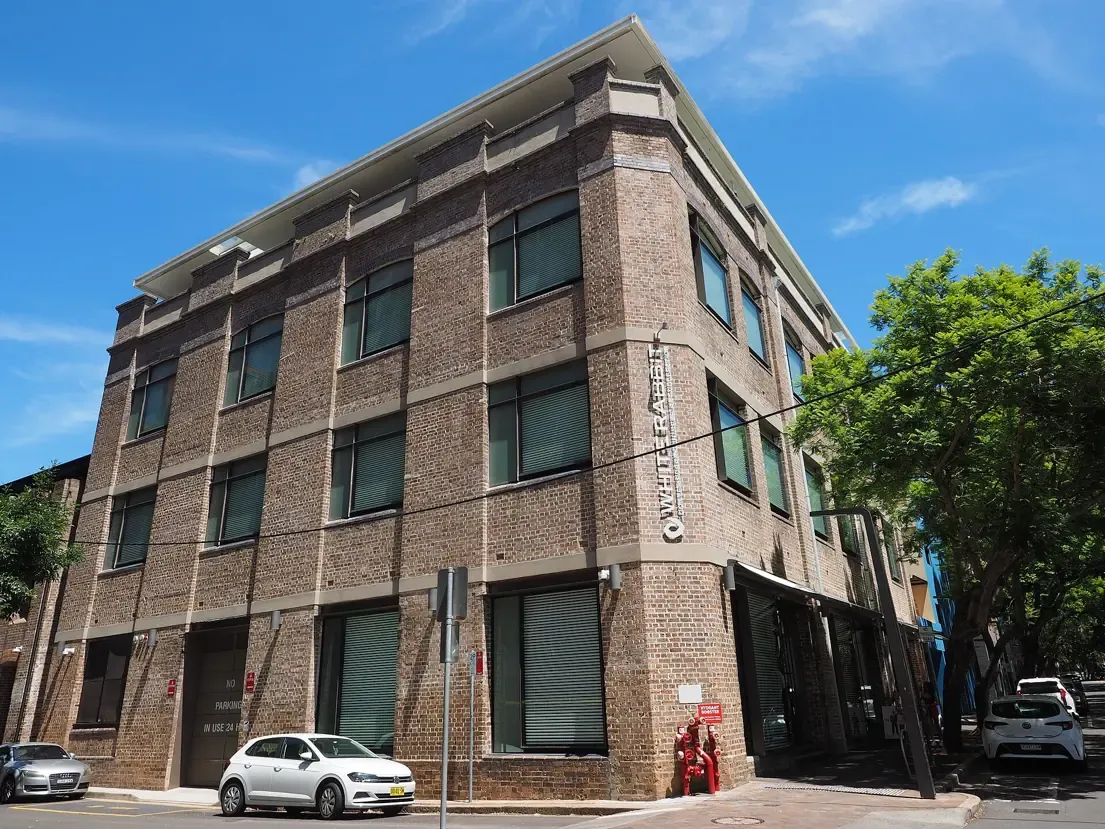
A private gallery in the inner-city suburb of Chippendale, White Rabbit holds one of the world's largest collections of contemporary Chinese art. The founder Judith Neilson opened it in 2009 in a converted service depot, and its four floors show a rotating selection from a collection focused on work made since the year 2000. A teahouse on the ground floor serves dumplings and tea to visitors. Entry costs nothing, and because the exhibitions change through the year the galleries look different on each return visit.
Location: 30 Balfour Street, Chippendale, Sydney
Access: Free, open Wednesday to Sunday from 10:00 to 17:00, closed Monday and Tuesday

11. Paddington Reservoir Gardens
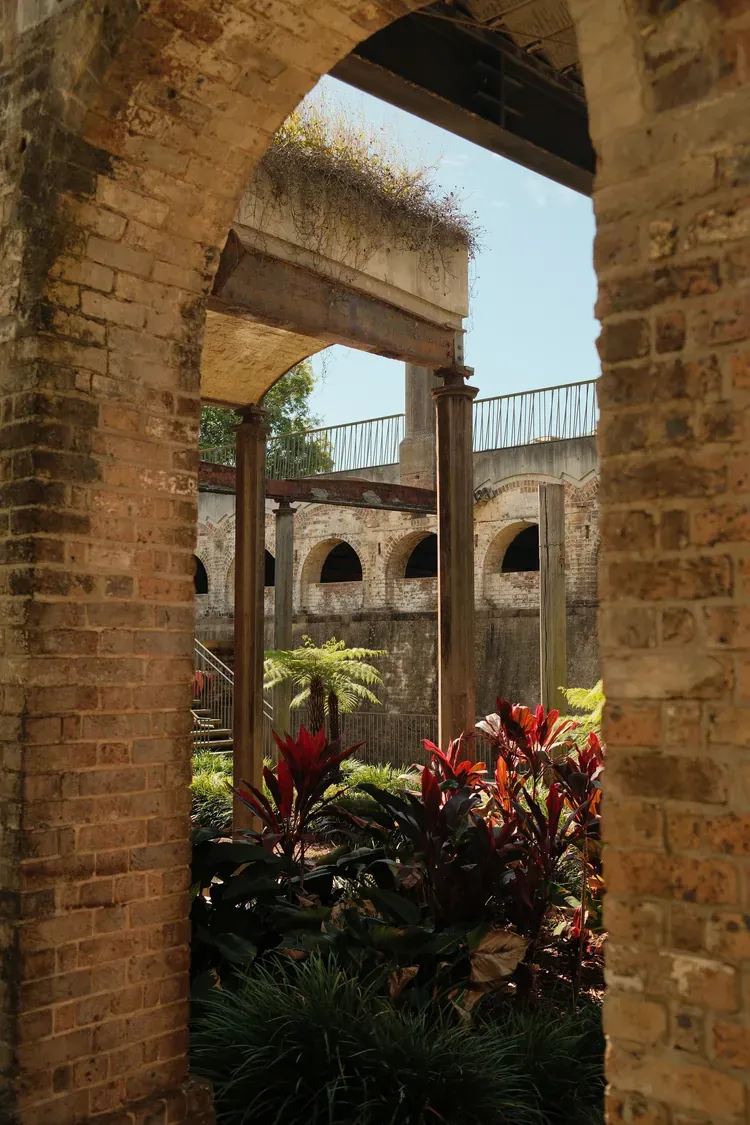
A sunken public garden built into a decommissioned Victorian water reservoir in Paddington, this quiet green space layers hanging gardens, a boardwalk and a reflecting pond over the brick arches and iron columns of the original chambers. One vaulted chamber survives as an open ruin, its arches a favourite backdrop for photographers, while the upper level keeps lawns and shade beside busy Oxford Street. Left derelict for decades after it went out of service, the reservoir was rebuilt and reopened as an award-winning park in 2009.
Location: 251-255 Oxford Street, Paddington, Sydney
Access: Free and open to the public daily
Upcoming events in Sydney

My Fair Lady (Australia)
My Fair Lady (Australia) plays Sydney Opera House- Joan Sutherland Theatre on 27 October at 19:00.

Magic Mic Comedy
Magic Mic Comedy comes to Potts Point Hotel on 28 October at 19:00.

Andres Cepeda - Bogota: La Gira
Andres Cepeda - Bogota: La Gira plays State Theatre, Sydney on 5 November at 20:00.
2026/27 A-League Sydney FC v Central Coast Mariners FC
2026/27 A-League Sydney FC v Central Coast Mariners FC comes to Allianz Stadium on 6 November at 19:40.
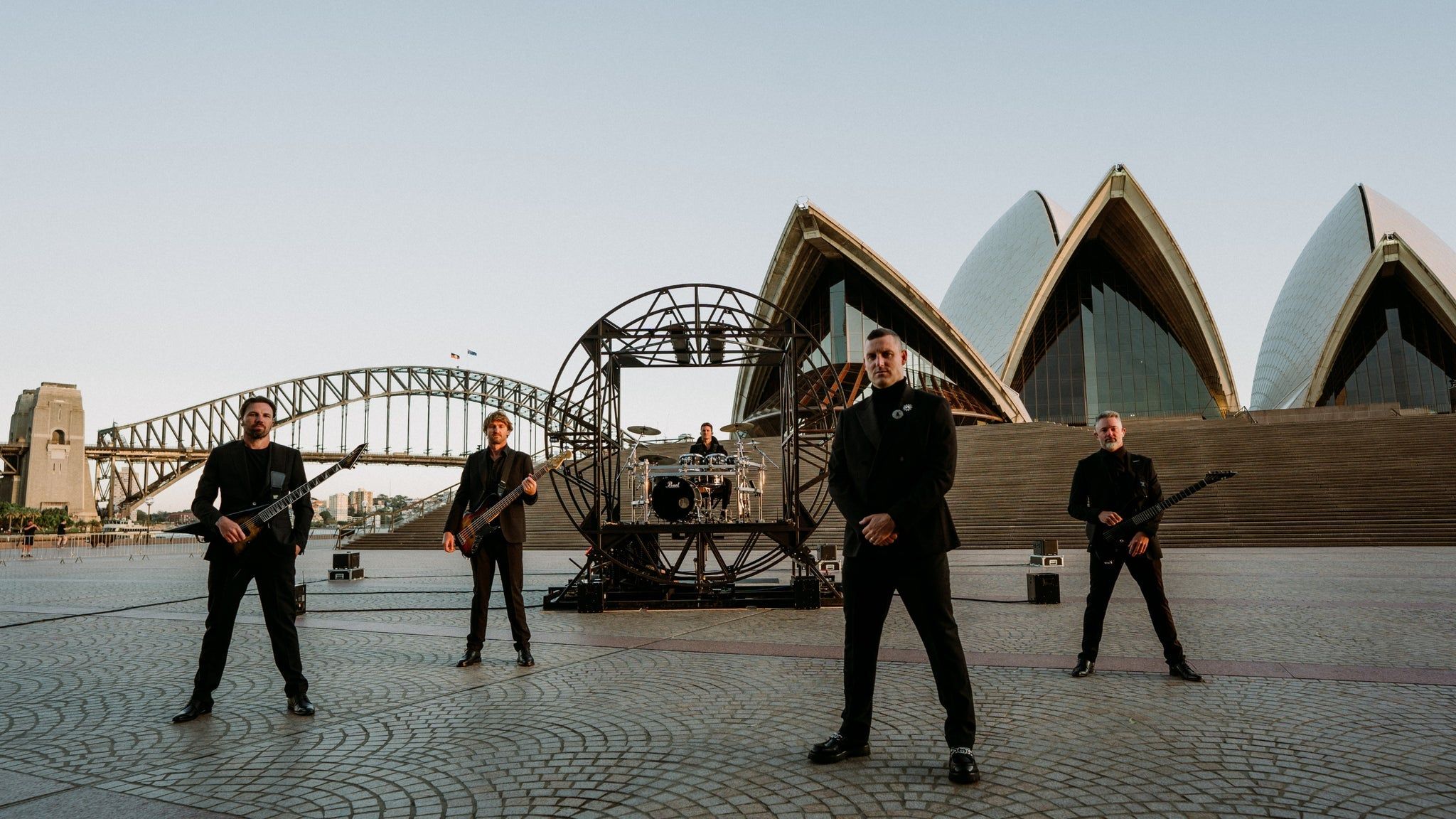
Parkway Drive: Home - Feature Documentary World Premiere
Parkway Drive: Home - Feature Documentary World Premiere plays State Theatre, Sydney on 10 November at 19:00.
Rise Against
Rise Against plays the Sydney Opera House Forecourt on 1 December at 18:00.
What to do in Sydney for free
Art Gallery of New South Wales
Entry costs nothing for the Art Gallery of New South Wales's Australian and international collections; a ticket is needed only for its touring exhibitions, and the gallery stays open later than most on Wednesday evenings.
Australian Museum
The Australian Museum charges nothing to explore its dinosaur skeletons, mineral collection and First Nations displays under one roof; a ticket is needed only for its headline touring shows.
Queen Victoria Building
Walking through and browsing the Queen Victoria Building's Romanesque arcade costs nothing; what shoppers buy from its stores is the only part that carries a price.
St Mary's Cathedral
St Mary's Cathedral offers free entry to its Gothic Revival interior every day; a donation towards its upkeep is welcomed but never required.
Why Sydney deserves your time
What makes Sydney unique
Sydney grew up around one of the world's great natural harbours, and the water still shapes everything from its ferry commutes to its beaches. Circular Quay carries the Aboriginal name Warrane and was a site of first contact between the Eora people and early European arrivals, a history the Royal Botanic Garden and Barangaroo Reserve both trace on land the Gadigal have used for thousands of years.
Neighbourhoods and where to go
The CBD and Circular Quay hold the Opera House, the Harbour Bridge and the ferries; The Rocks, just west, keeps the sandstone lanes of Sydney's earliest colonial years. Darling Harbour adds family-friendly waterfront attractions south of The Rocks. The Eastern Suburbs, around Bondi and Coogee, run the harbour into ocean beaches, while the Northern Beaches, reached by ferry to Manly, add more surf a little further out. The Inner West, around Newtown, keeps a livelier, alternative food and live-music scene inland.
When to go and how long to stay
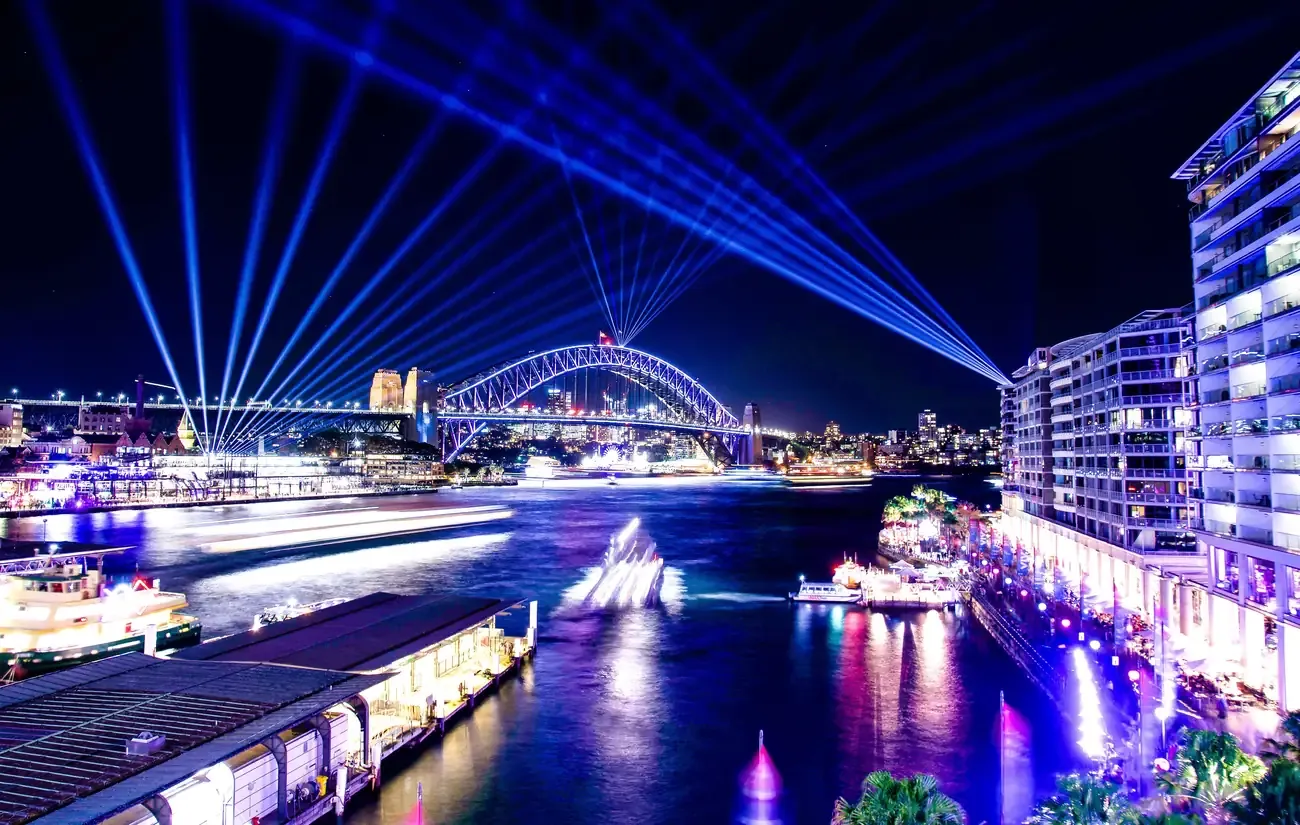
Sydney sits in the Southern Hemisphere, so spring runs September to November and autumn March to May, both milder than the hot, crowded summer of December to February. Winter, June to August, is cooler and quieter. Vivid Sydney, the city's light, music and ideas festival, lights up the Harbour Bridge and the Opera House each year; the 2027 edition runs from 28 May to 19 June. Three to four days cover the harbour and a handful of sights beyond it at an easy pace.
Getting around
Trains, ferries, light rail and buses run on the Opal card system, and the T8 Airport & South Line links both airport terminals to the CBD from early morning to midnight. Ferries from Circular Quay are the scenic way to reach Manly, Taronga Zoo and the harbour's bays, while the CBD, Circular Quay, The Rocks and Darling Harbour are close enough to walk between. The Opera House, the Harbour Bridge and Bondi head the list of the tourist attractions in Australia, and the Blue Mountains escarpment starts about 50 kilometres west of the city.