
Paris tourist attractions
Known for
Monuments along the Seine, art museums and café culture
Must-see landmarks
The Eiffel Tower, the Louvre Museum and Notre-Dame Cathedral
Best time to visit
April to June and September to October
Days needed
Three to four full days for the main sights
The 13 tourist attractions to see in Paris
Here are the tourist attractions in Paris worth planning around, starting with Eiffel Tower, Louvre Museum and Notre-Dame Cathedral. The 13 top sights come first, then 35 hidden gems, free things to do, upcoming events, tickets and visitor FAQs. 12 of them are numbered on the free Paris tourist map with a walking route, with the hidden gems.
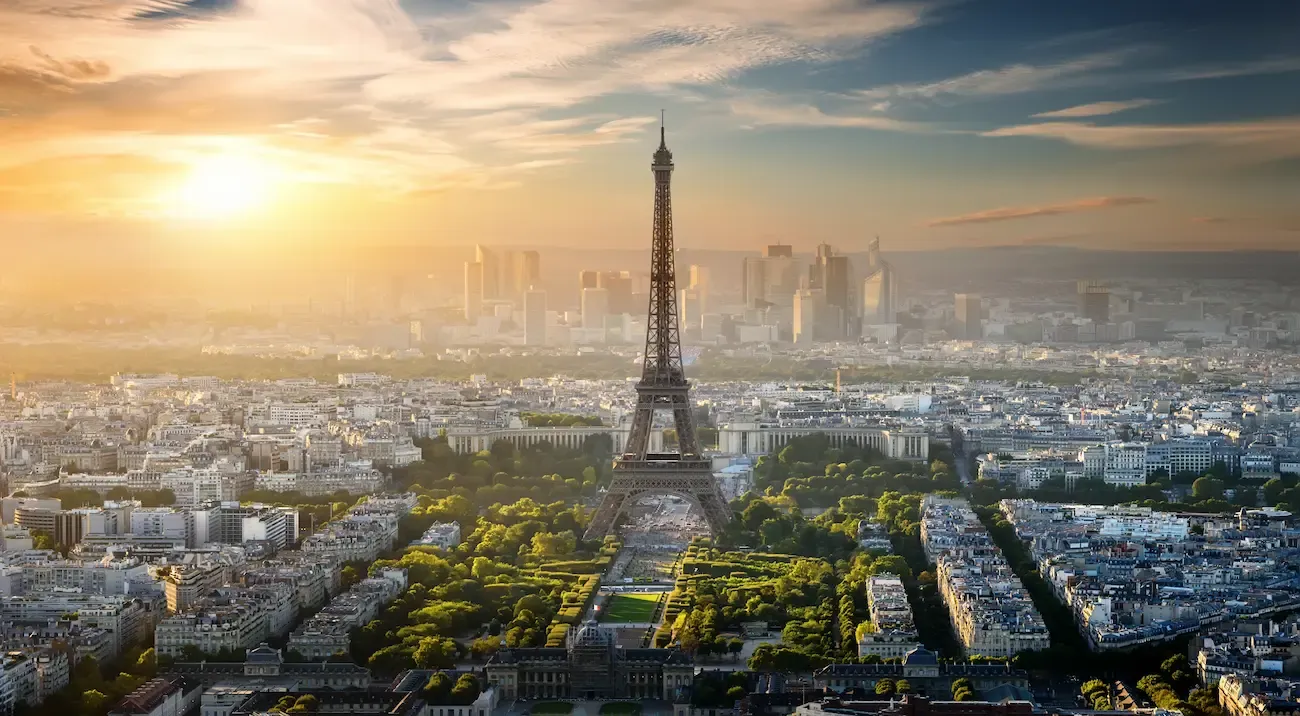
1. Eiffel Tower
The iron tower raised for the 1889 World's Fair still sets the skyline of Paris, and the climb through its lattice remains the defining view of the city. Three levels are open: the first two by lift or by stairs, and the summit at 276 metres by a second lift, from where the panorama reaches the hill of Montmartre and the long bend of the Seine. Evening visits are the quietest window.
Architect: Stéphen Sauvestre · Engineer: Gustave Eiffel · Opened: 1889
Location: Champ de Mars, 7th arrondissement
Access: Ticketed with timed entry · Tickets and tours
2. Louvre Museum
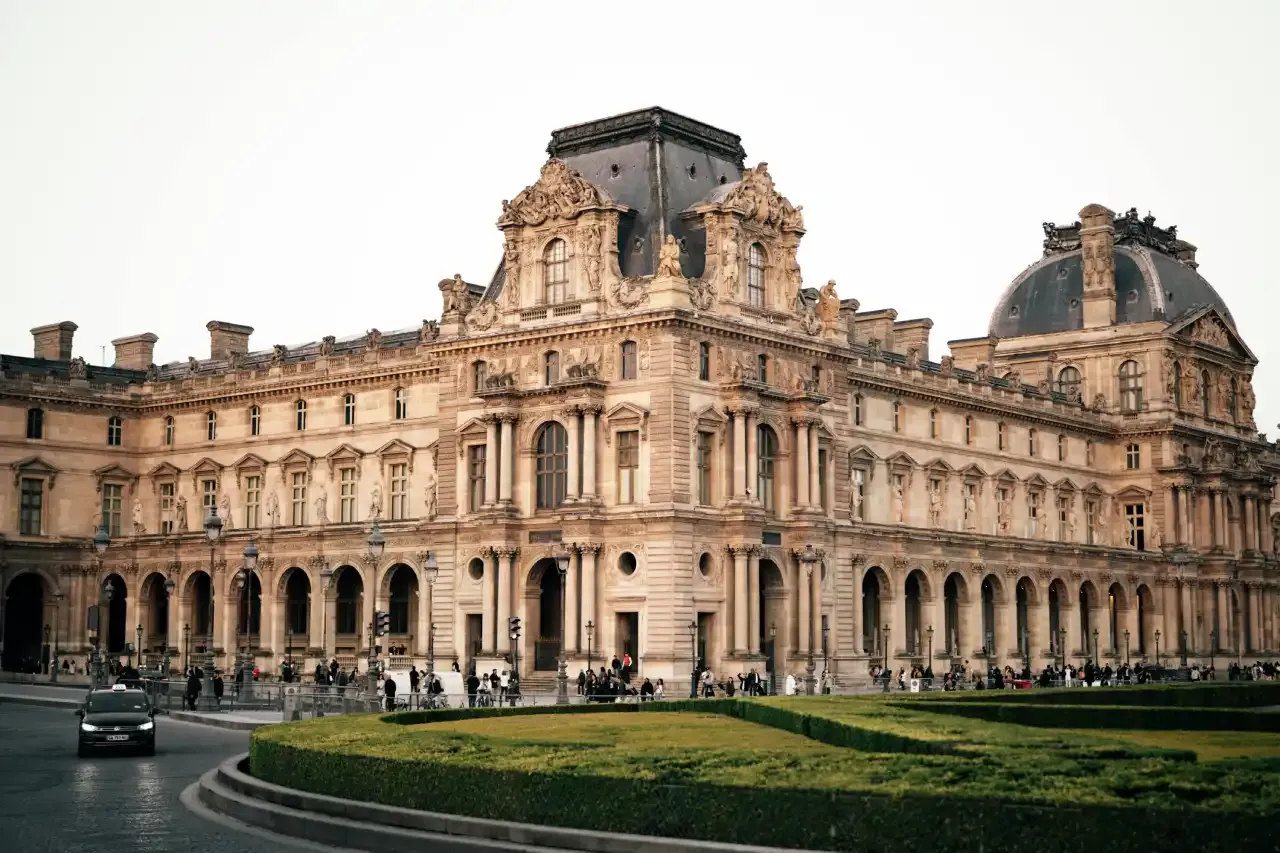
A fortress that became a royal palace and then the largest museum in the world, the Louvre spreads from the glass pyramid across three wings. The Denon wing holds the Mona Lisa and the Venus de Milo, and one wing is enough for a first visit. The museum closes on Tuesdays, and admission is free for everyone on the first Friday evening of the month outside July and August.
Architects: Pierre Lescot, Claude Perrault and I. M. Pei · Museum since: 1793
Location: Rue de Rivoli, 1st arrondissement
Access: Ticketed, time slots recommended · Tickets and tours
3. Notre-Dame Cathedral
The Gothic cathedral on the Île de la Cité reopened in December 2024 after the restoration that followed the fire, with its nave, its rose windows and its cleaned stone back in view. Building began in 1163 and the interior still reads as a lesson in early Gothic, from the ribbed vaults to the carved choir screen. The towers are visited separately, and the first hour of the morning is the calmest.
Architects: Jean de Chelles and Pierre de Montreuil · Style: French Gothic
Location: Île de la Cité, 4th arrondissement
Access: Free every day of the year, and a free timed reservation shortens the wait
4. Arc de Triomphe
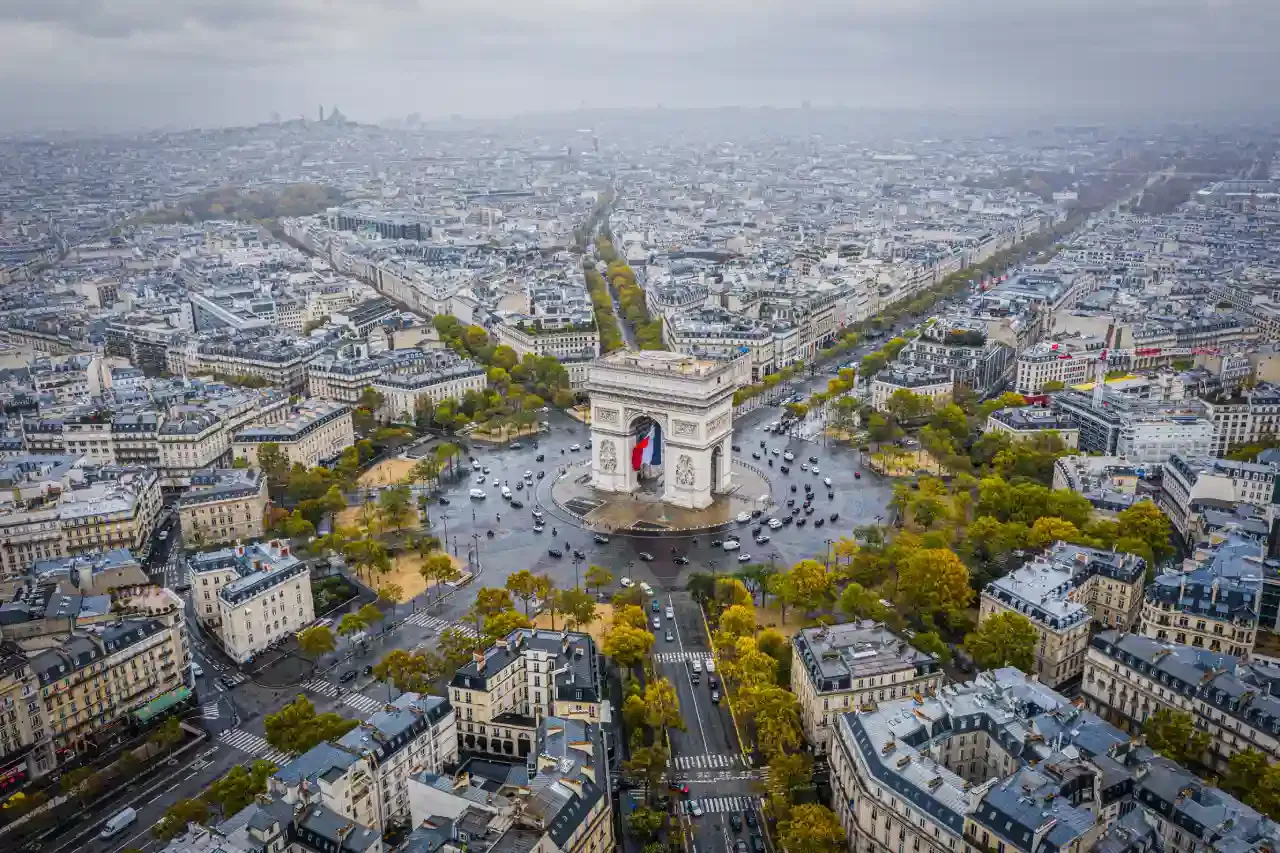
Napoleon ordered the arch in 1806 and it was finished thirty years later, crowning the rise where twelve avenues meet. Beneath it lies the tomb of the Unknown Soldier, whose flame is rekindled every evening, and the sculpted groups on the piers include Rude's Departure of the Volunteers. The terrace looks straight down the Champs-Élysées on one side and towards La Défense on the other.
Architect: Jean-François Chalgrin · Style: Neoclassical · Completed: 1836
Location: Place Charles de Gaulle, 8th arrondissement
Access: Ticketed, and the terrace is currently reached by the stairs while the lift is under maintenance · Tickets and tours
5. Sacré-Cœur and Montmartre
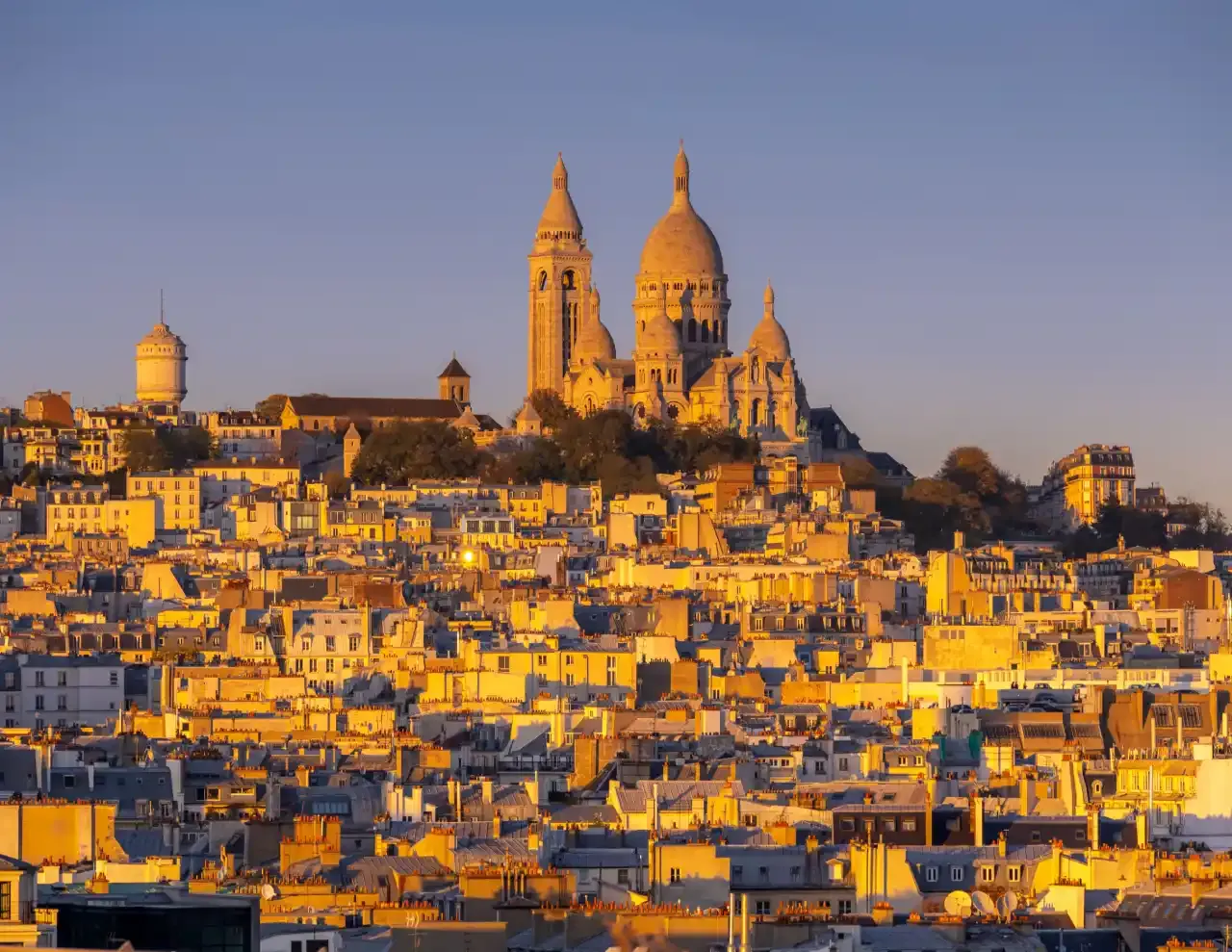
The white basilica on the highest hill in Paris was built between 1875 and 1914 in travertine that whitens with every rain, and its domes have watched over the city for a century. Inside, the mosaic of Christ in Glory over the choir is among the largest anywhere, and a stair of about 300 steps climbs the dome for a view that reaches the whole city. Around it, Montmartre keeps the village the painters knew: Place du Tertre and its easels, the vineyard on Rue des Saules, the cabaret Au Lapin Agile and the windmill of the Moulin de la Galette. The funicular beside the steps runs on a métro ticket.
Architect: Paul Abadie · Style: Romano-Byzantine
Location: 35 Rue du Chevalier de la Barre, 18th arrondissement
Access: The basilica is free; the dome climb is ticketed
6. Sainte-Chapelle
Louis IX built this chapel inside his palace to hold the relics of the Passion, and its upper level is essentially a cage of glass. Fifteen tall windows and a late rose carry the biblical cycle in deep blue and red, best read on a bright afternoon. The lower chapel, painted and vaulted low, was for the palace staff. The chapel stands inside the courtyard of the law courts, so visitors pass through security.
Architect: Pierre de Montreuil · Style: Rayonnant Gothic · Begun: 1245
Location: 10 Boulevard du Palais, 1st arrondissement
Access: Ticketed with timed entry · Tickets and tours
7. Musée d'Orsay
Victor Laloux built this Beaux-Arts railway station for the world's fair of 1900, and its glazed nave was turned into a museum in 1986. The collection covers 1848 to 1914 and holds one of the great gatherings of Impressionist and Post-Impressionist painting, with Monet, Renoir, Degas, Van Gogh and Cézanne on the upper level behind the face of the great clock. Sculpture runs the length of the old platforms below.
Architect: Victor Laloux · Museum since: 1986
Location: 1 Rue de la Légion d'Honneur, 7th arrondissement
Access: Ticketed, closed on Mondays, with a late opening on Thursday evenings · Tickets and tours
8. Musée de l'Orangerie
Two oval rooms at the western edge of the Tuileries were laid out for Monet's Water Lilies, eight panels curving around the walls under daylight from above. The floor below holds the Walter-Guillaume collection, a compact set of early modern painting with Cézanne, Renoir, Matisse, Picasso and Soutine. The building started life as the orangery of the Tuileries garden, and the panels went in the year after Monet died.
Built: 1852 as the Tuileries orangery · Water Lilies installed: 1927
Location: Jardin des Tuileries, Place de la Concorde, 1st arrondissement
Access: Ticketed · Tickets and tours
9. Palace of Versailles
Louis XIV moved the court here in 1682 and the scale has not softened since. The State Apartments lead to the Hall of Mirrors, Le Nôtre's gardens fall away in parterres towards the Grand Canal, and the Trianon estate keeps the queen's hamlet at the far end of the park. A full day is the honest minimum, and the palace is closed on Mondays.
Architects: Louis Le Vau and Jules Hardouin-Mansart · Style: French Baroque · Heritage: World Heritage Site
Location: Place d'Armes, Versailles
Access: Ticketed, closed on Mondays · Tickets and tours
10. Seine River Cruise
An hour on the water lines up the monuments in the order the city grew them, from the apse of Notre-Dame and the quays of the Île de la Cité past the Louvre, the Musée d'Orsay and the Grand Palais to the Eiffel Tower. The banks between the Pont de Sully and the Pont d'Iéna are listed as World Heritage, and the bridges are the point as much as the buildings.
Typical duration: about one hour
Location: quays near the Eiffel Tower and the Île de la Cité
Access: Ticketed · Tickets and tours
11. Catacombs of Paris
When the old parish cemeteries were closed in the eighteenth century, the bones of some six million Parisians were carried into the disused limestone quarries under Montparnasse and stacked into walls of femurs and skulls. The route runs through cool, low galleries lined with inscriptions, and the descent and the climb back out are both by spiral staircase. Numbers underground are capped, so a booked slot is worth having.
Ossuary created: 1786 · Open to visitors since: 1809
Location: 1 Place Denfert-Rochereau, 14th arrondissement
Access: Ticketed with timed entry, closed on Mondays
12. Tuileries Garden
Catherine de Médicis laid out a garden here in 1564 and André Le Nôtre redrew it for Louis XIV, giving Paris the formal alley, the round ponds and the clipped hedges that still run between the Louvre and the Place de la Concorde. Green metal chairs sit at the water, bronzes by Aristide Maillol stand among the trees, and the Olympic and Paralympic cauldron returns to the garden each summer.
Landscape architect: André Le Nôtre · Laid out: 1564
Location: between the Louvre and Place de la Concorde, 1st arrondissement
Access: Free all year, opening at 7 in the morning with seasonal closing times
13. Canal Saint-Martin
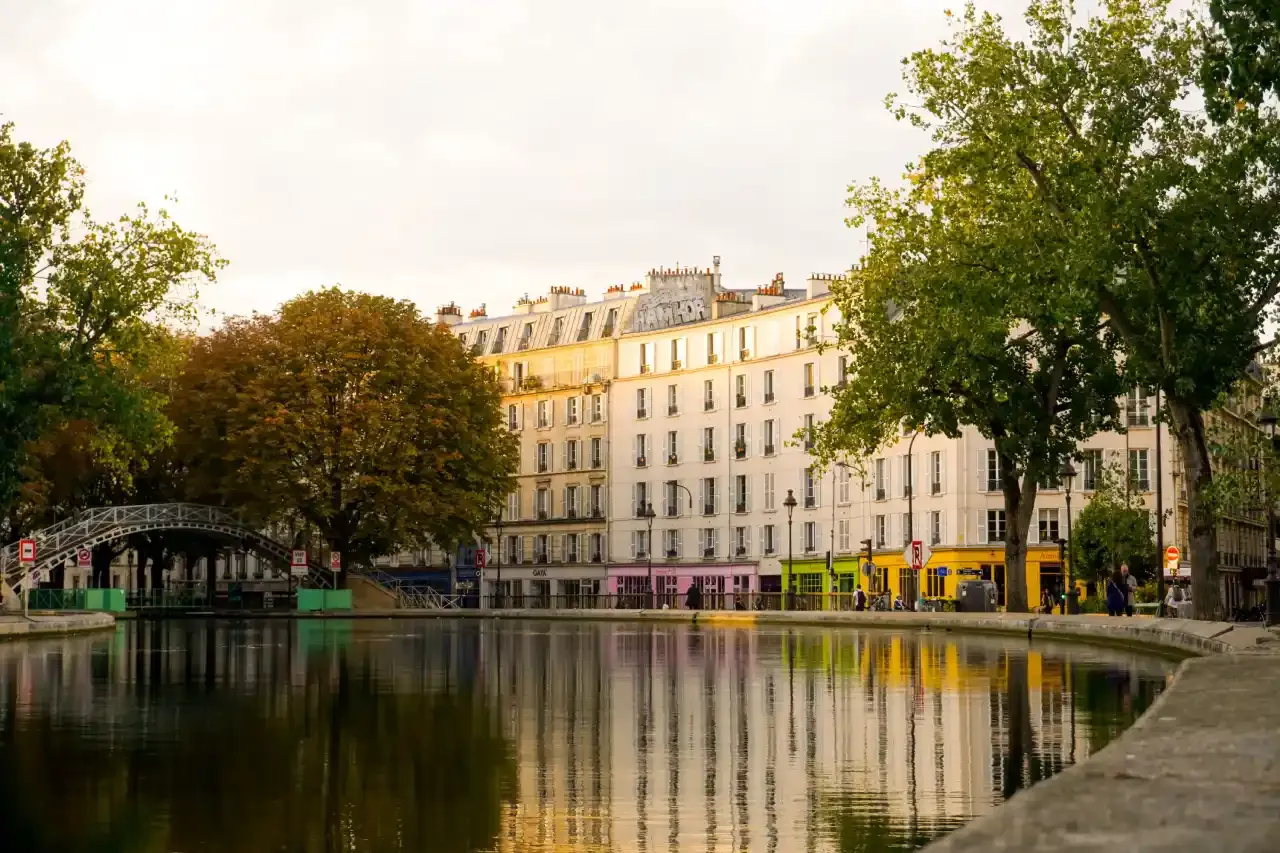
Napoleon ordered the canal in 1802 to bring drinking water into the city and it opened in 1825, running from the Bassin de la Villette to the Seine, part of the way under the boulevards. The open stretch is the one to walk, with a chain of locks, iron footbridges that swing aside for boats, and plane trees over the quays. Canal boats work the locks in both directions.
Opened: 1825 · Heritage: listed monument historique
Location: Quai de Jemmapes, 10th arrondissement
Access: Free, an open public walk at any hour
Paris tourist attractions tickets and tours
Upcoming events in Paris
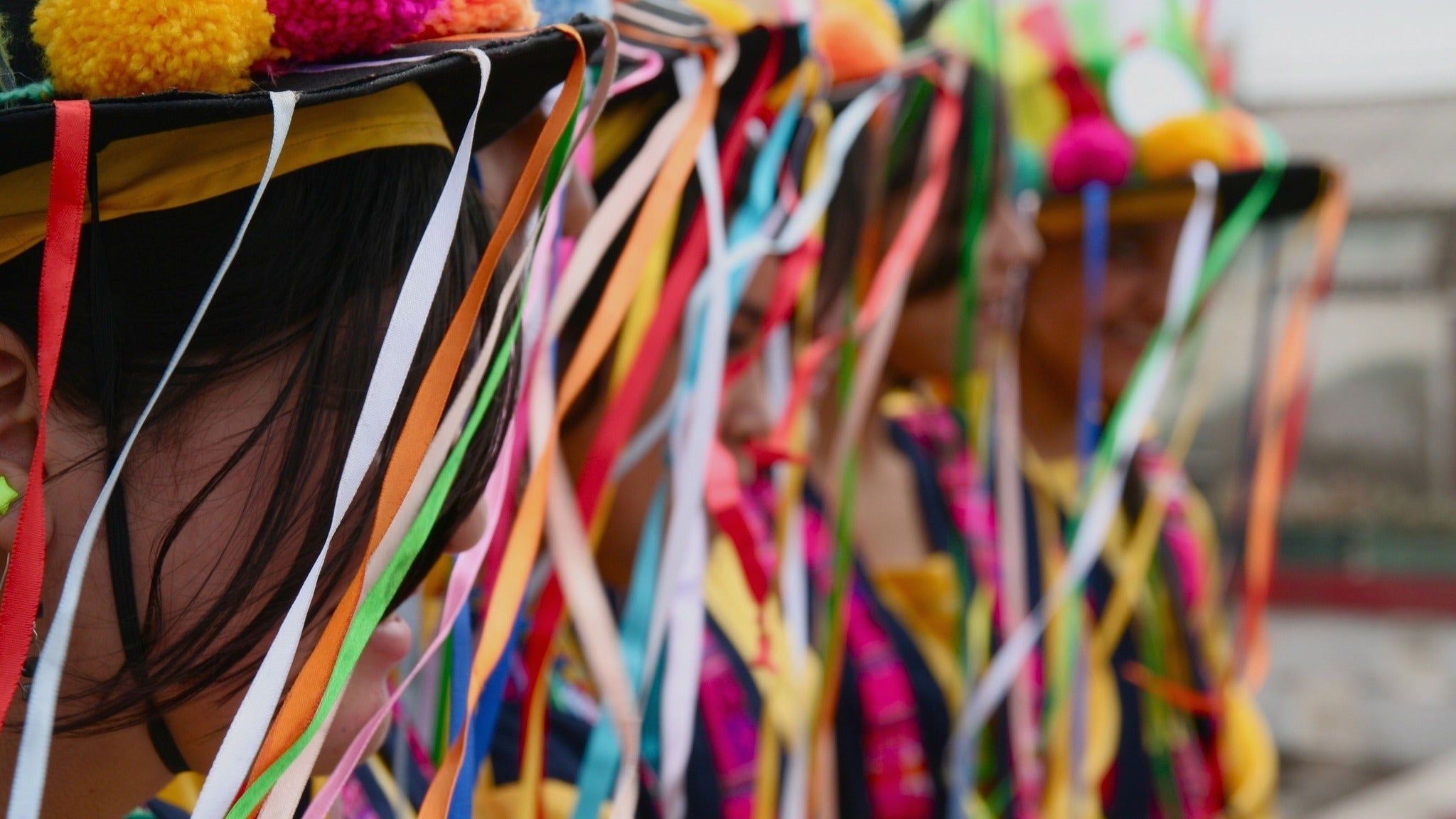
Gustave Fayet, Collectionneur - Createur
Gustave Fayet, Collectionneur - Createur plays Fondation Louis Vuitton on 26 October at 10:00.
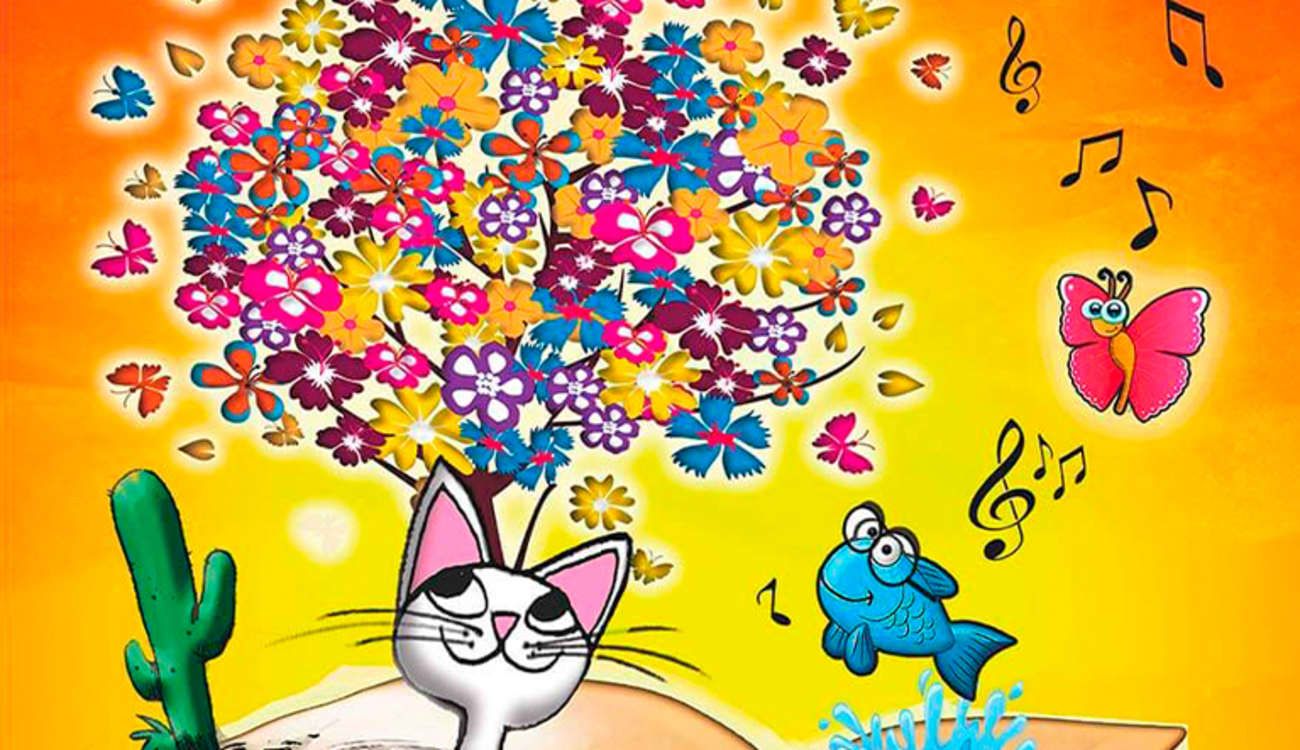
Où es-tu cacahuète ? au Théâtre BO Saint-Martin
Où es-tu cacahuète ? au Théâtre BO Saint-Martin comes to Théâtre BO Saint-Martin on 26 October at 11:00.

Vivaldi - Vitali - Pachelbel
Vivaldi - Vitali - Pachelbel plays Sainte-Chapelle on 26 October at 18:00.

2026 Oui-Play
2026 Oui-Play comes to Adidas Arena on 2 November at 18:00.

Paris Basketball Vs Fenerbahce Istanbul
Paris Basketball Vs Fenerbahce Istanbul comes to Accor Arena on 11 November at 20:45.
Horse Gp Paris
Horse Gp Paris comes to Accor Arena on 2 December at 13:00.
Free landmarks and viewpoints in Paris
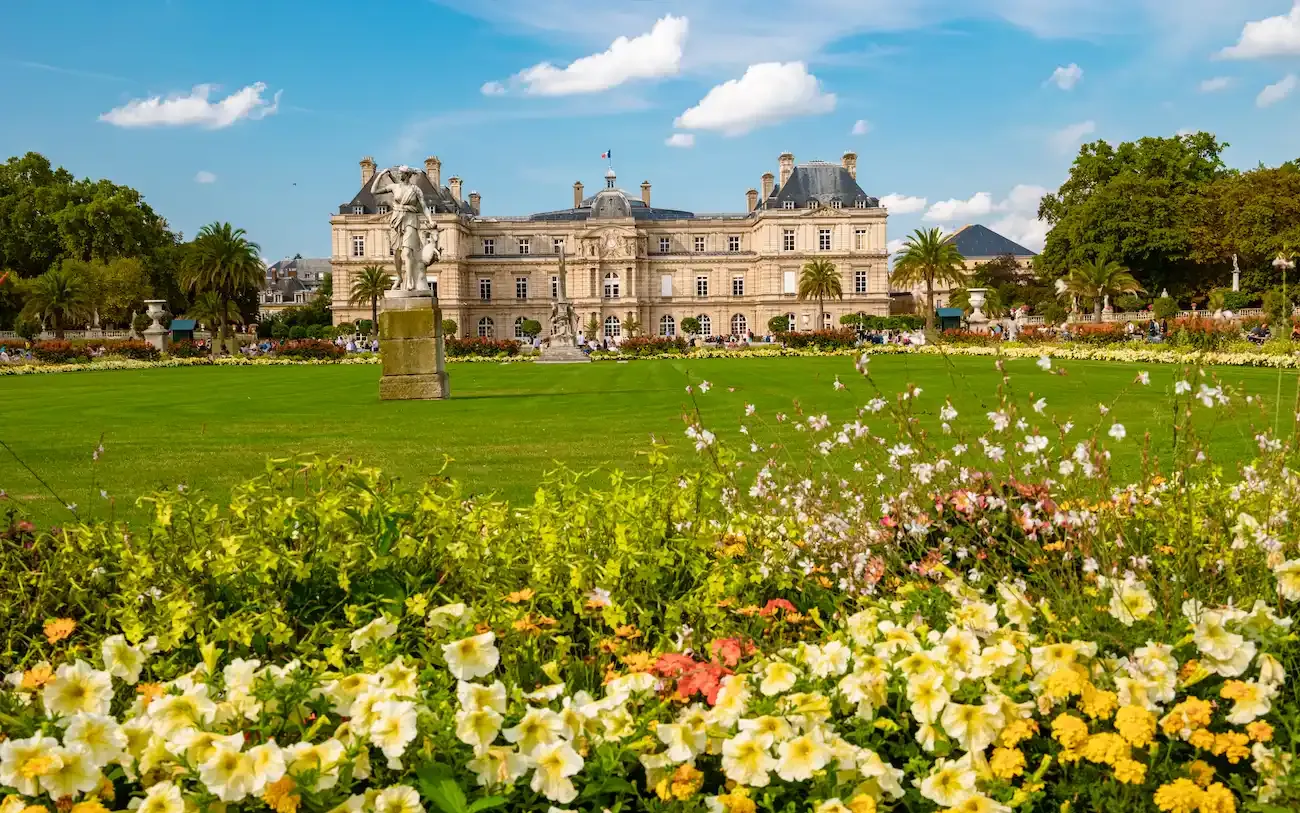
Jardin du Luxembourg
The Left Bank's grand park keeps every gate free, with loose chairs scattered around the pond for anyone to move and sit. Its hours shift every two weeks to track sunrise and sunset, so a late morning start suits the winter months.
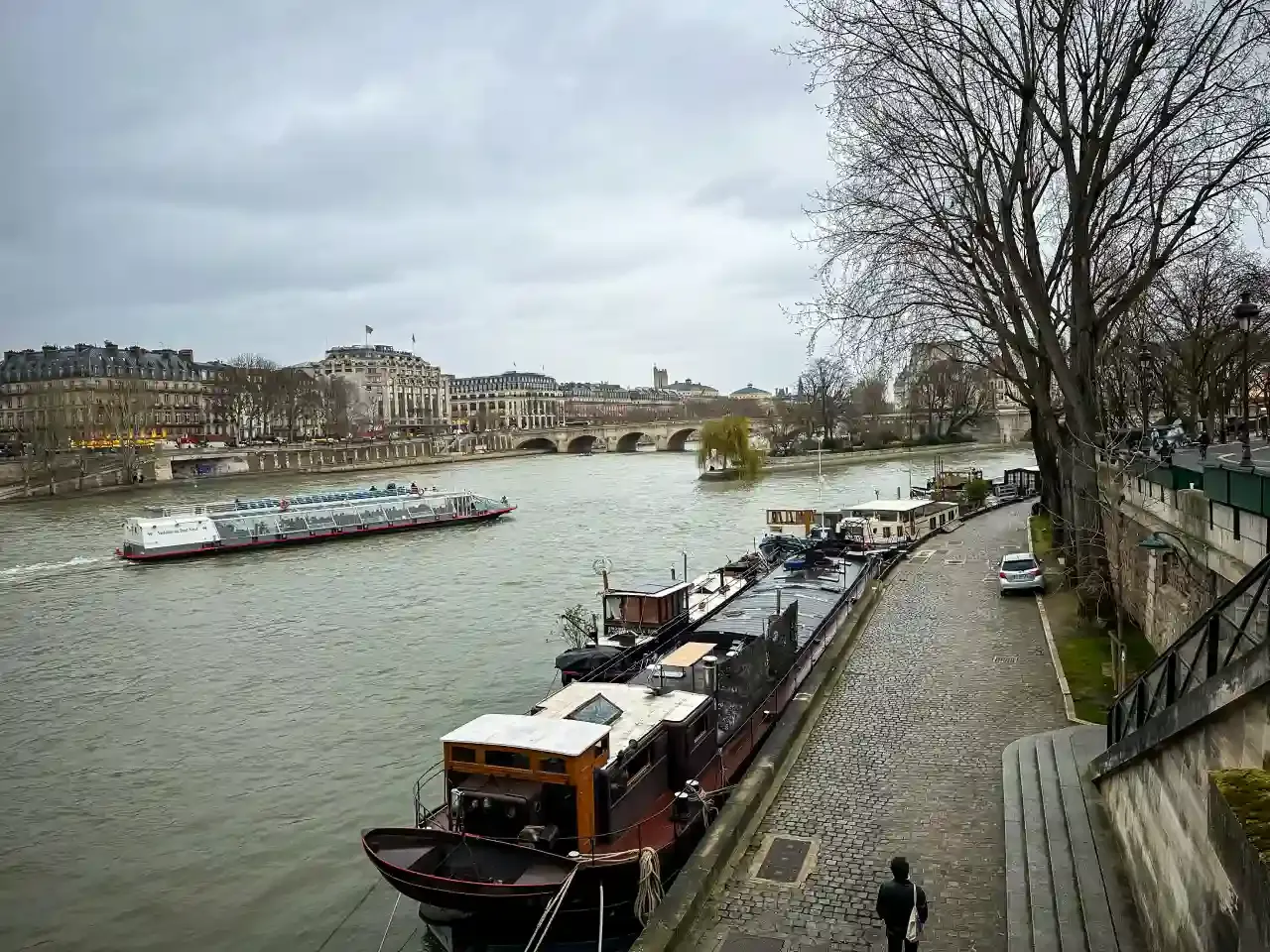
The banks of the Seine
The paved paths on both riverbanks form a car-free promenade open at every hour with no ticket ever needed, its benches and games set along the water. The stretch between the Musée d'Orsay and the Eiffel Tower suits a walk after dinner.

Père Lachaise Cemetery
The most visited cemetery in the world covers a wooded hill in the 20th arrondissement, where Chopin, Oscar Wilde and Édith Piaf rest along cobbled avenues. Entry is free, and the gates open daily from morning to early evening.

Marché aux Puces de Saint-Ouen
The vast antiques market at Porte de Clignancourt gathers more than a thousand dealers across a dozen covered markets just beyond the périphérique. Browsing is free from Friday to Monday, when the stalls open to the public.

Galeries Lafayette rooftop terrace
The open terrace on the 8th floor of the Haussmann department store looks over the Opéra Garnier and across the rooftops to the Eiffel Tower. Access is free during store hours, riding the escalators up past the stained glass dome.

Palais-Royal garden
Two minutes from the Louvre, the former royal palace encloses a formal garden framed by arcades, with Buren's striped columns filling the courtyard. The garden is free to enter and opens daily.

Musée Carnavalet
The museum of the history of Paris fills two Marais mansions with period rooms, relics of the Revolution and Proust's reconstructed bedroom. The permanent collection is free for everyone; only temporary exhibitions are ticketed.
Photo: "Musee Carnavalet, Cour Louis XIV" by GFreihalter (CC BY-SA 4.0).

The covered passages
Passage des Panoramas and Galerie Vivienne rank among the finest of the 19th century shopping arcades, glass roofed galleries of stamp dealers, bistros and bookshops near the Grands Boulevards. Walking through costs nothing.
Unusual museums and collections in Paris

59 Rivoli
A former squat, now a legal studio block where three dozen artists work in public behind a facade repainted every few months.
Location: 59 Rue de Rivoli
Photo: "Immeuble 59 Rue de Rivoli, Paris" by Chabe01 (CC BY-SA 4.0).

Bibliothèque nationale de France
The national library opens reading rooms and a museum of manuscripts, coins and Baroque globes to visitors who are not researchers.
Location: Quai François Mauriac

I Love You Wall
A wall of enamelled lava tiles in a Montmartre square carries the words I love you written in hundreds of languages.
Location: Square Jehan Rictus, 18th arrondissement
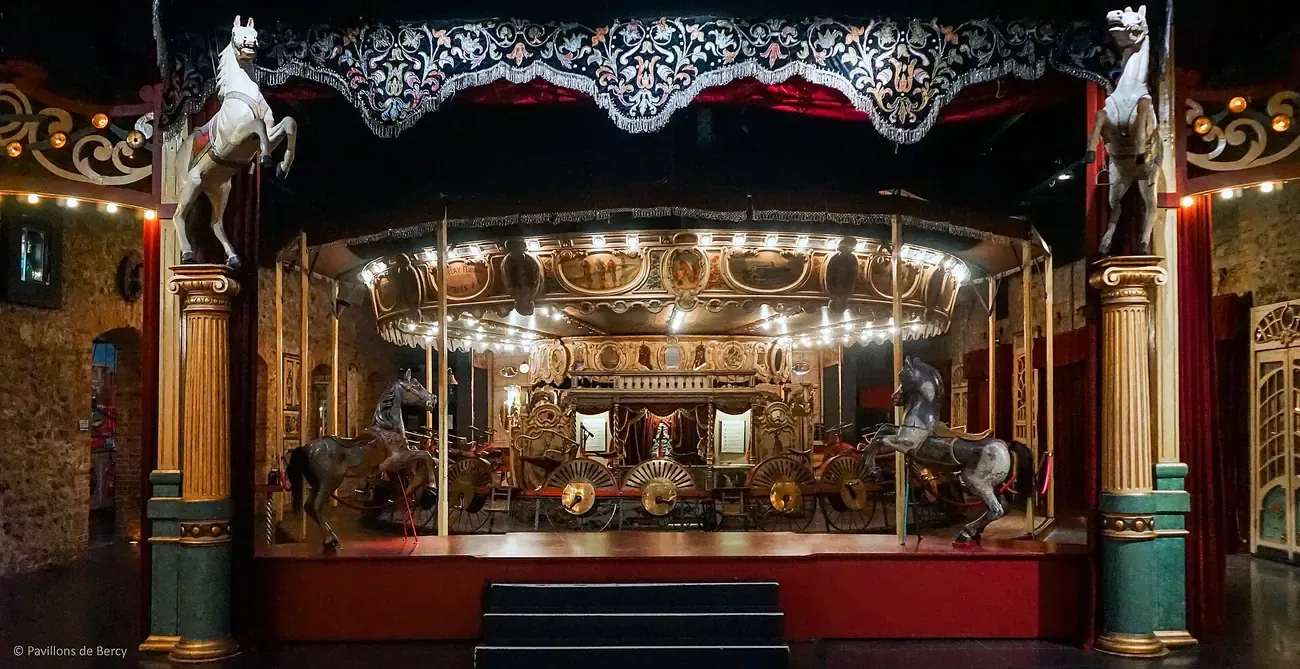
Musée des Arts Forains
A private collection of fairground rides, carousels and carnival machines from the Belle Époque, kept in the old wine warehouses of Bercy.
Location: 53 Avenue des Terroirs de France, 12th arrondissement
Photo: "Manege de velocipedes, Musee des Arts Forains" by Pavillons de Bercy · Musée des Arts Forains (CC BY-SA 4.0).

Museum of the History of Medicine
Surgical instruments from antiquity to the nineteenth century fill a wooden gallery inside the old faculty of medicine.
Location: 12 Rue de l'École de Médecine · Website
Photo: "Musee d'histoire de la medecine, Paris" by Emile Barret (CC BY-SA 4.0).

Room of Endangered and Extinct Species
A dim upper cabinet of the natural history museum gathers taxidermy of animals that have vanished or are close to it.
Location: 36 Rue Geoffroy-Saint-Hilaire, 5th arrondissement

Gallery of Paleontology and Comparative Anatomy
Ferdinand Dutert's iron and glass hall of 1898 marches hundreds of skeletons down its nave, from whales to primates.
Location: 2 Rue Buffon, 5th arrondissement
Photo: "Galerie de paleontologie et d'anatomie comparee, Paris" by Soupaloignon95 (CC0).

Musée de Cluny
The medieval museum sits in a Gothic abbot's house built over Roman baths and hangs the six Lady and the Unicorn tapestries.
Location: 28 Rue du Sommerard, 5th arrondissement · Website
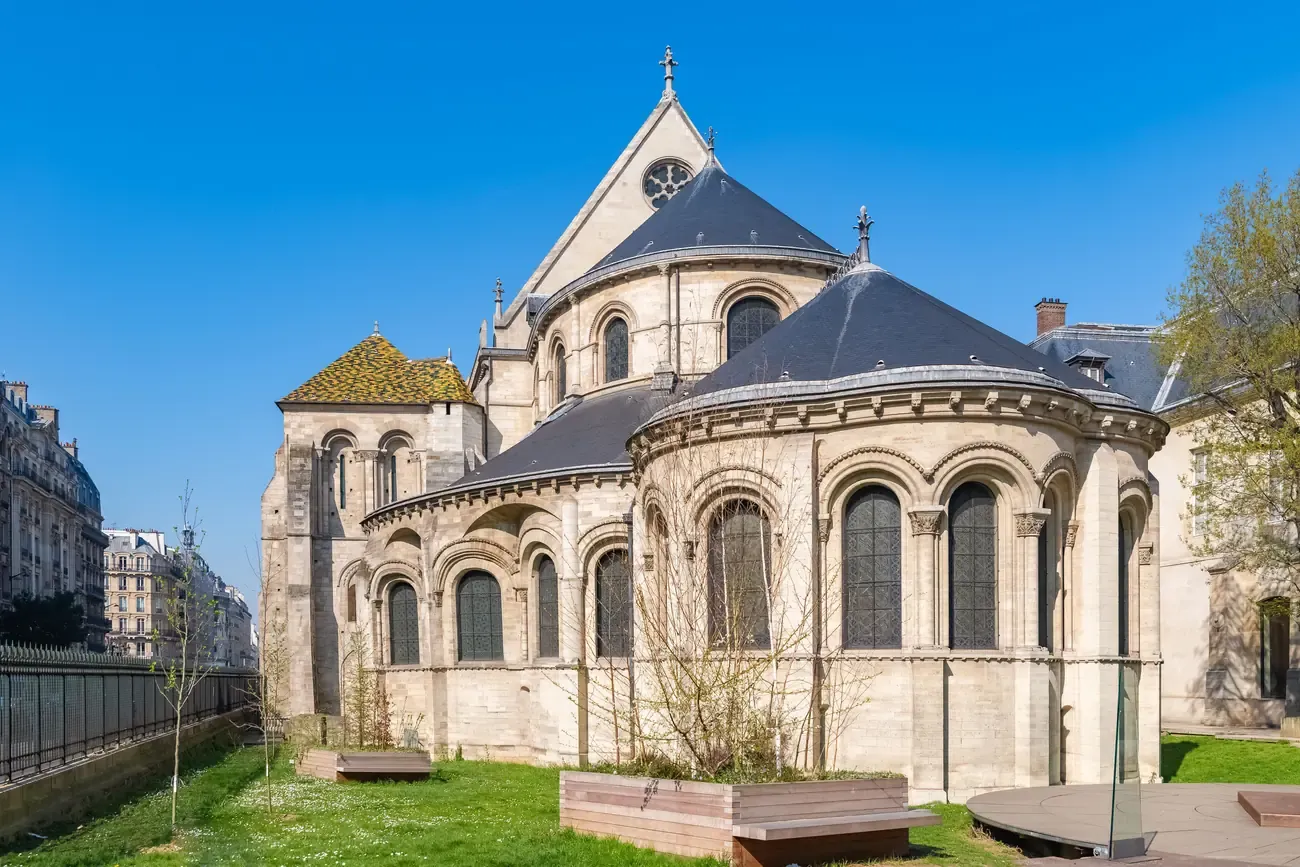
Musée des Arts et Métiers
The museum of invention keeps the pendulum Foucault used, early automata and Blériot's aeroplane inside a deconsecrated priory church.
Location: 60 Rue Réaumur, 3rd arrondissement · Website
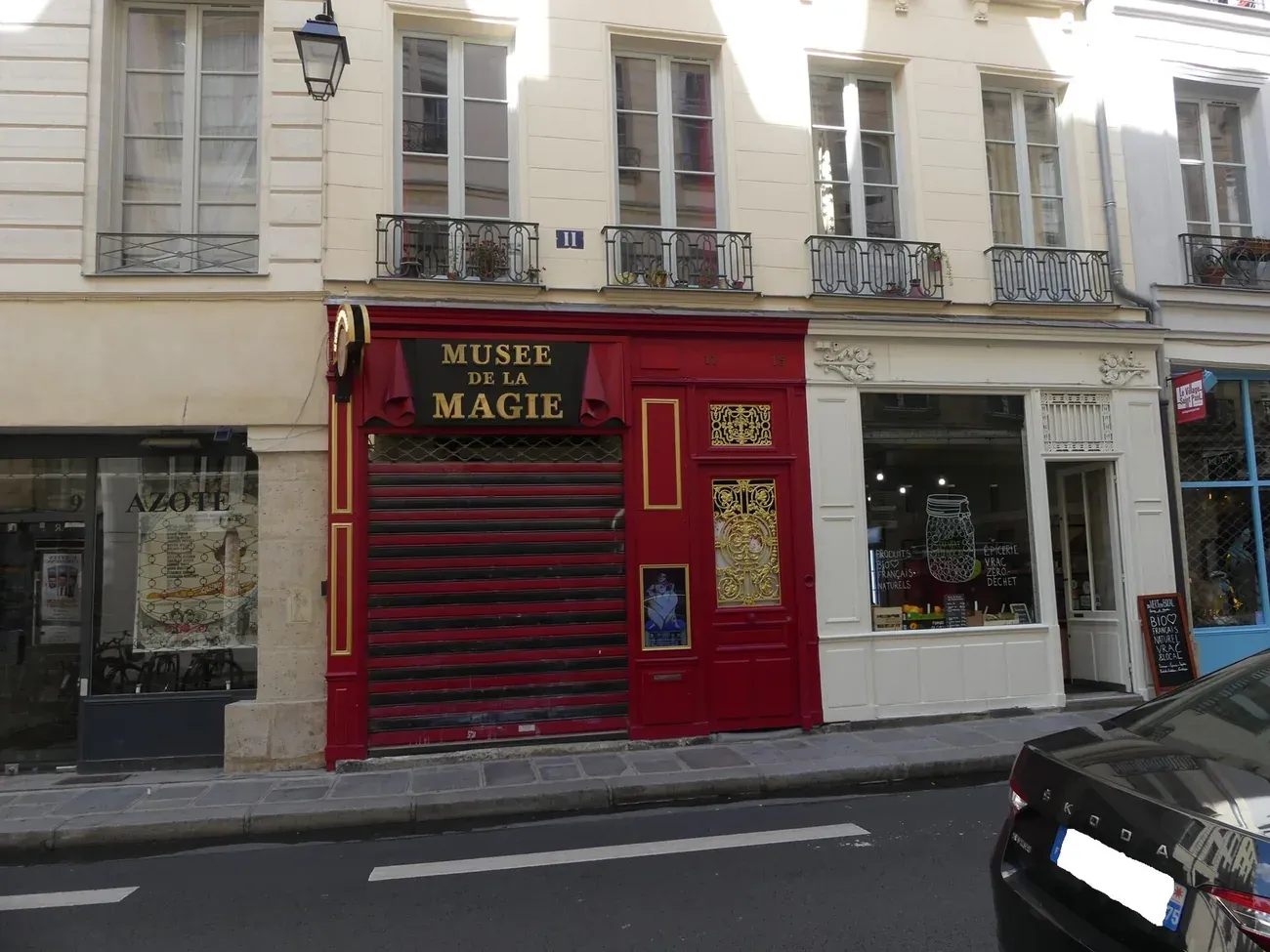
Musée de la Magie
Vaulted cellars in the Marais hold automata, optical illusions and conjuring props, with live magic shows between the display cases.
Location: 11 Rue Saint-Paul, 4th arrondissement · Website
Photo: "Musee de la Magie, Paris" by Hadonos (CC BY-SA 4.0).

Musée Marmottan Monet
A mansion in Passy holds the largest collection of Monet paintings anywhere, including Impression, Sunrise. Closed on Mondays.
Location: 2 Rue Louis Boilly, 16th arrondissement · Website
Photo: "Musee Marmottan Monet, Paris" by PIERRE ANDRE LECLERCQ (CC BY-SA 4.0).

Musée de la Vie Romantique
The house where Ary Scheffer received Chopin and George Sand keeps their portraits and mementoes, with a rose garden behind it.
Location: 16 Rue Chaptal, 9th arrondissement · Website
Photo: "Musee de la Vie romantique, Paris" by DiscoA340 (CC BY-SA 4.0).

Musée Curie
Marie Curie's office and laboratory are preserved in the Radium Institute, with her instruments and two generations of Nobel prizes.
Location: 1 Rue Pierre et Marie Curie, 5th arrondissement
Photo: "Marie Curie's chemistry lab, Musee Curie" by The wub (CC BY-SA 4.0).
Street art and design details in Paris

Rue Crémieux
A single terrace of low houses near the Gare de Lyon, laid out in 1865 and painted in sherbet colours, closed to traffic.
Location: Rue Crémieux, 12th arrondissement

Lavirotte's 29 Avenue Rapp
Jules Lavirotte wrapped this 1901 apartment block in glazed ceramic, crowding the Art Nouveau doorway with lizards, nudes and foliage.
Location: 29 Avenue Rapp, 7th arrondissement
Photo: "Lavirotte Building, Paris" by Guilhem Vellut (CC BY 2.0).

Salvador Dalí Sundial
Dalí carved a stone sundial shaped like a face, with a scallop shell for a chin, above a shopfront in the Latin Quarter.
Location: 27 Rue Saint-Jacques, 5th arrondissement
Photo: "Salvador Dali sundial, Rue Saint-Jacques, Paris" by Rémih (CC BY-SA 4.0).

Paris Space Invaders
Invader has cemented small mosaic aliens onto walls across the city since the late nineties, and hunting them turns a walk into a game.
Location: Rue de la Montagne Sainte-Geneviève and across the city
Cemeteries, crypts and memorials in Paris

Foucault's Pendulum
A working replica of the pendulum Foucault hung in 1851 swings under the dome of the Panthéon, tracing the rotation of the earth.
Location: Place du Panthéon, 5th arrondissement

Montparnasse Cemetery
Opened in 1824 on old farmland, its avenues hold the graves of Baudelaire, Serge Gainsbourg and the shared stone of Sartre and Beauvoir.
Location: 3 Boulevard Edgar Quinet, 14th arrondissement · Website

The Gravestone Courtyard
A courtyard on the Île de la Cité is paved with old gravestones, their carved letters worn smooth by centuries of footsteps.
Location: 26 Rue Chanoinesse, 4th arrondissement
Photo: "Courtyard, 26 rue Chanoinesse, Paris" by Rémih (CC BY-SA 4.0).
More hidden corners of Paris
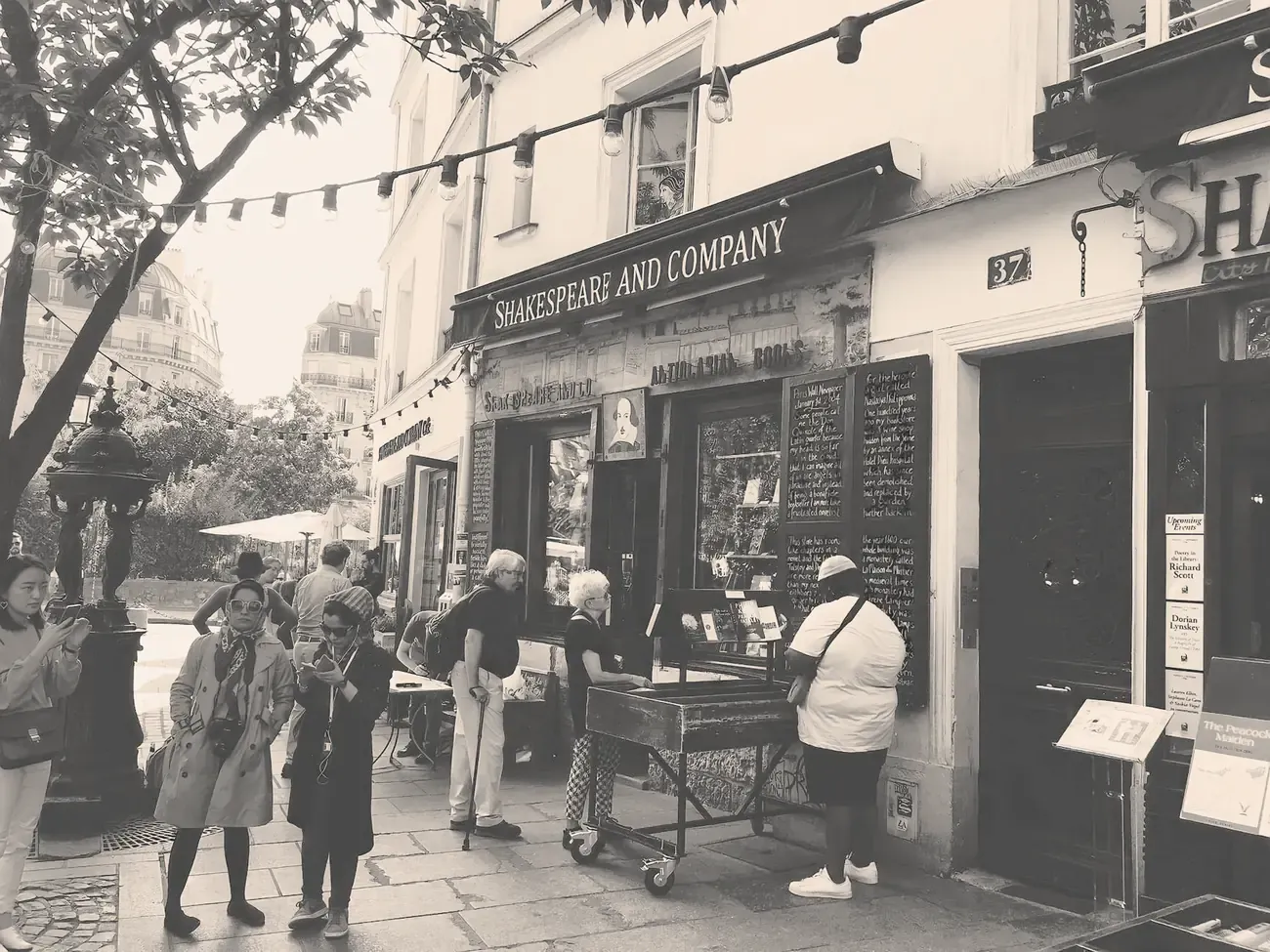
Shakespeare and Company
The English language bookshop facing Notre-Dame has put up travelling writers among its shelves since 1951, in beds tucked between the stacks.
Location: 37 Rue de la Bûcherie, 5th arrondissement

Montmartre Cemetery
Terraced under an iron road bridge, the cemetery of 1825 keeps the graves of Degas, Nijinsky and Truffaut among chestnut trees and cats.
Location: 20 Avenue Rachel, 18th arrondissement
Photo: "Montmartre Cemetery" by Tantalas (public domain).

Petite Ceinture
The abandoned belt railway that once circled Paris has reopened in stretches as overgrown walkways, cut into embankments and tunnels.
Location: walkable sections in the 12th, 15th and 16th arrondissements
Photo: "Petite Ceinture, Paris 13e" by Guilhem Vellut (CC BY 2.0).

House of Nicolas Flamel
The oldest stone house in Paris was built in 1407 by the scribe later mythologised as an alchemist, and holds a restaurant today.
Location: 51 Rue de Montmorency, 3rd arrondissement
Photo: "Auberge Nicolas Flamel, Paris" by Guilhem Vellut (CC BY 2.0).

Point Zero
A bronze compass star set into the parvis of Notre-Dame marks the point from which road distances across France are measured.
Location: Place Jean-Paul II, 4th arrondissement
Photo: "Point zero des routes de France a Paris" by Annick Bregain (CC BY-SA 4.0).

Gustave Eiffel's Secret Apartment
Eiffel kept a small panelled apartment near the top of his tower, now dressed with wax figures of the engineer and Thomas Edison.
Location: upper level of the Eiffel Tower, Champ de Mars
Photo: "Gustave Eiffel's apartment, Eiffel Tower" by Serge Melki (CC BY 2.0).

Statue of Liberty at Pont de Grenelle
A quarter scale Liberty, given by American residents in 1889, stands at the tip of a river island facing west towards New York.
Location: Île aux Cygnes, Pont de Grenelle, 15th arrondissement

Un Regard Moderne
Books are stacked floor to ceiling in a tiny Left Bank shop whose aisles have narrowed to a single leaning corridor.
Location: 10 Rue Gît-le-Coeur, 6th arrondissement
Photo: "Un Regard Moderne, Rue Git-le-Coeur, Paris" by Beyond My Ken (CC BY-SA 4.0).

Harry's New York Bar
A Manhattan bar was shipped over and rebuilt near the Opéra in 1911, and the Bloody Mary and the Sidecar are both claimed here.
Location: 5 Rue Daunou, 2nd arrondissement
Photo: "Harry's New York Bar, Paris" by Drhaggis (CC BY-SA 4.0).

La REcyclerie
A disused station on the Petite Ceinture runs as a canteen, urban farm and repair workshop along the old tracks.
Location: 83 Boulevard Ornano, 18th arrondissement
Photo: "L'ancienne gare Ornano, la Recyclerie" by Jeanne Menjoulet (CC BY 2.0).

Montmartre Funicular
Two cabins have climbed the Butte beside the Sacré-Coeur steps since 1900, and a métro ticket covers the short ride.
Location: 2 Place Suzanne Valadon, 18th arrondissement

Parc Monceau
An English style garden opened in 1861 keeps a colonnade around an oval pond, a pyramid and a rotunda from its folly filled origins.
Location: 35 Boulevard de Courcelles, 8th arrondissement · Website
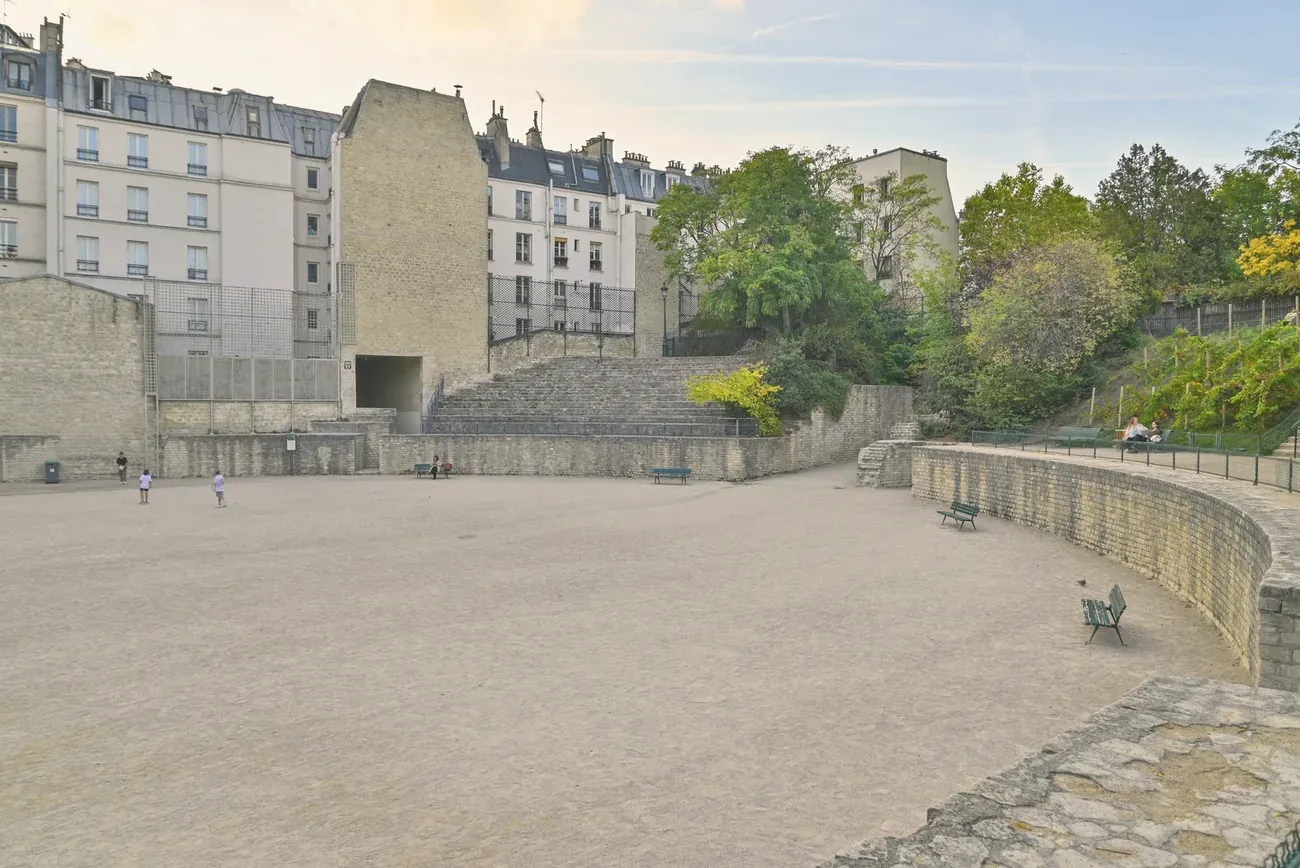
Arènes de Lutèce
One of the largest Roman amphitheatres in Gaul survives as a sunken arena behind apartment blocks, now given over to boules and football.
Location: 49 Rue Monge, 5th arrondissement

Flame of Liberty
A gilded replica of the torch of the Statue of Liberty, raised in 1986 above the Alma tunnel, became an unofficial memorial to Diana.
Location: Place de l'Alma, 8th arrondissement
Photo: "Flamme de la Liberte, Paris" by Zairon (CC BY-SA 4.0).
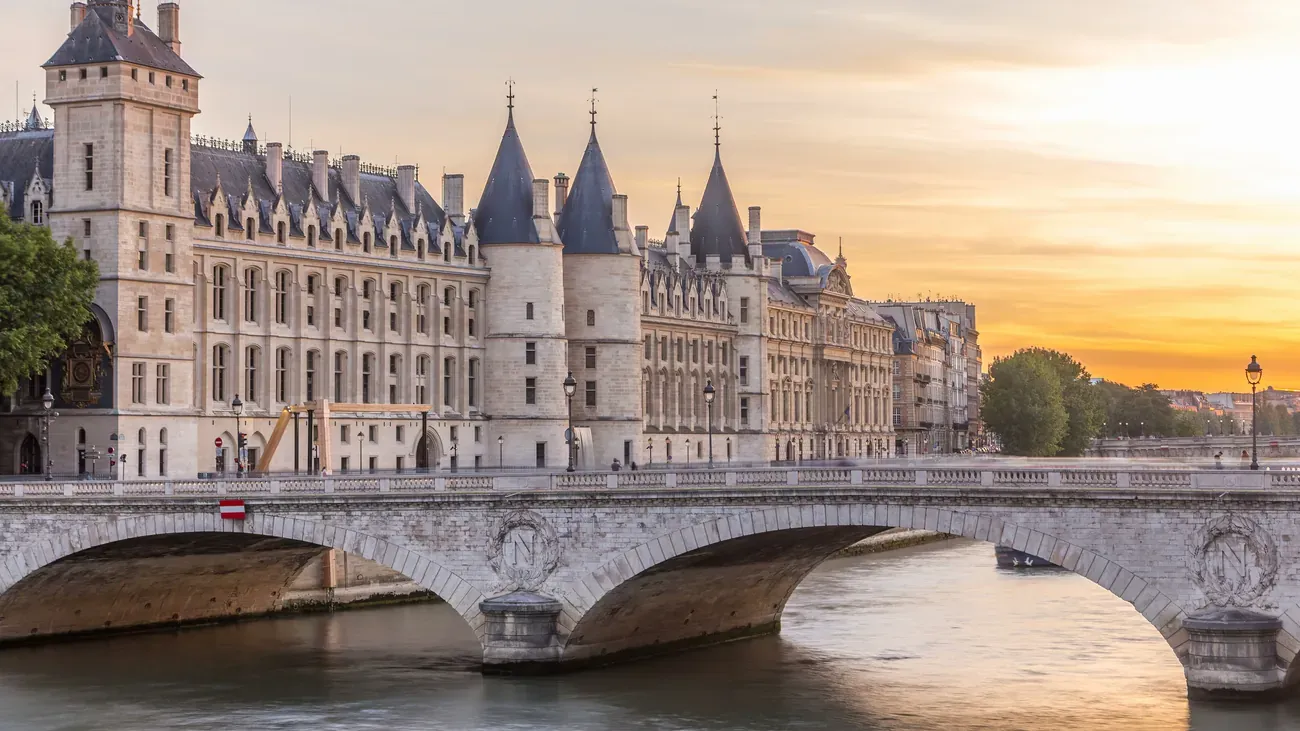
La Conciergerie
The Capetian palace turned revolutionary prison keeps its vaulted Gothic hall and the cell where Marie Antoinette waited for the scaffold.
Location: 2 Boulevard du Palais, 1st arrondissement · Website
More Paris travel guides
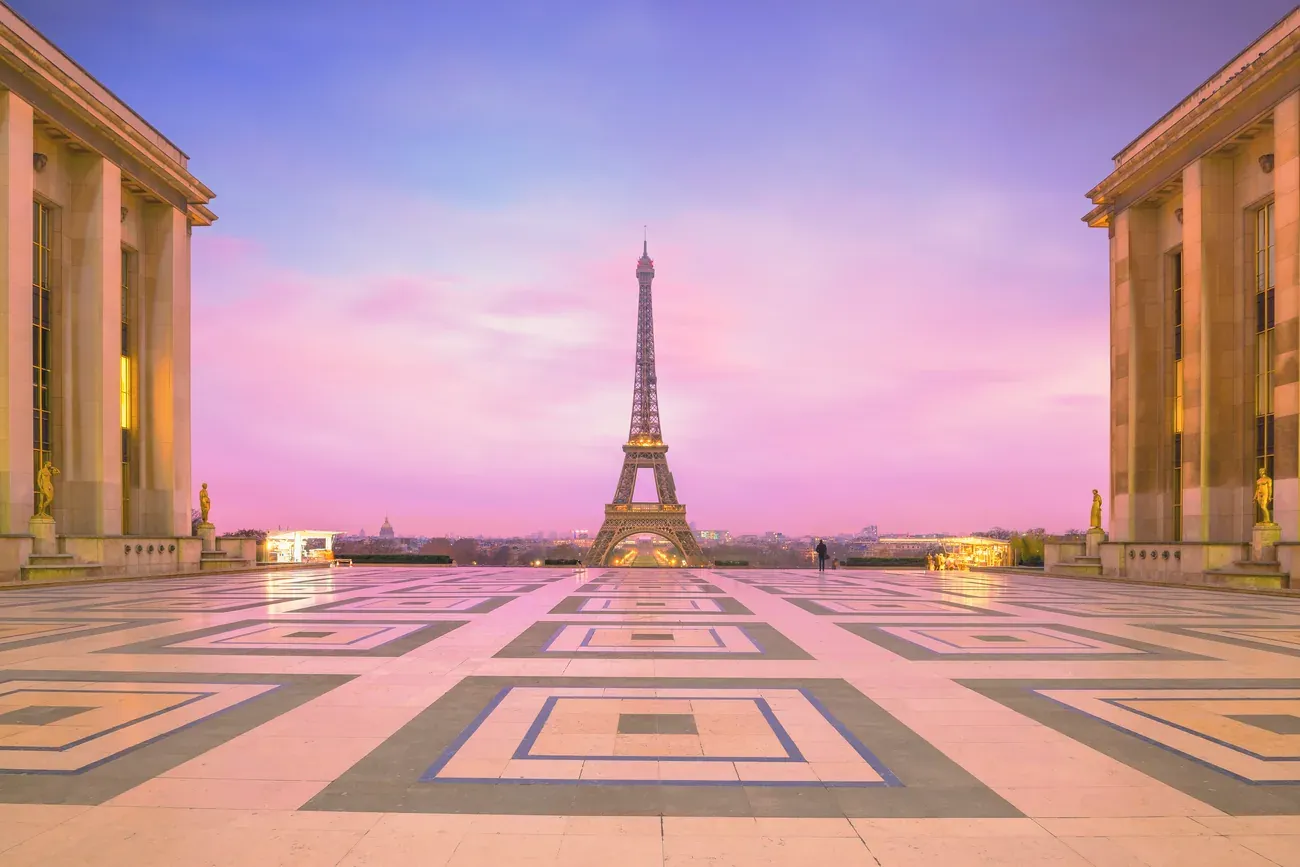
Sunset spots in Paris
The best places to watch the sunset in Paris range from the free Sacré-Cœur steps and the Trocadéro to the Eiffel Tower summit and Seine cruises.
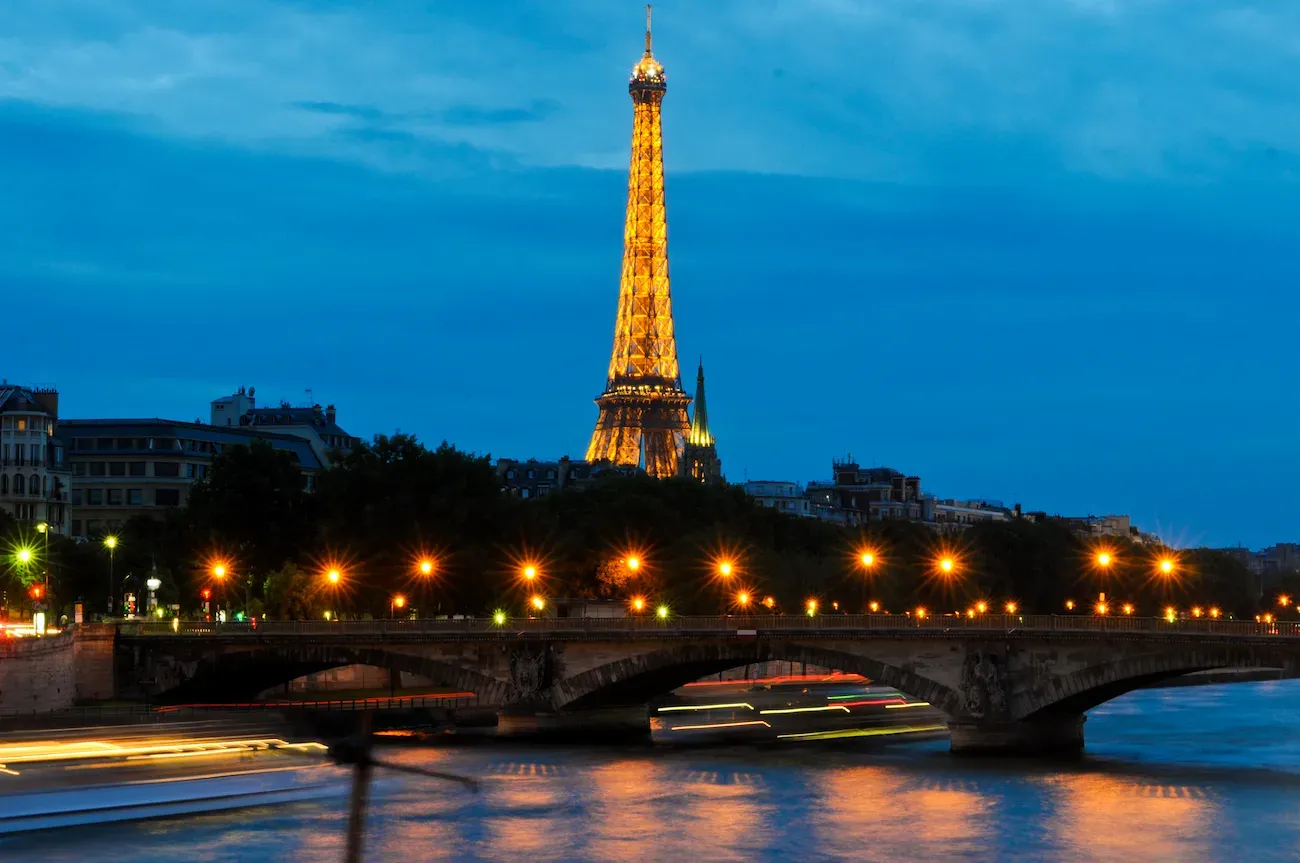
Paris in December
See what Paris is like in December, from Christmas lights, markets and skating to what opens on 25 December and 1 January.
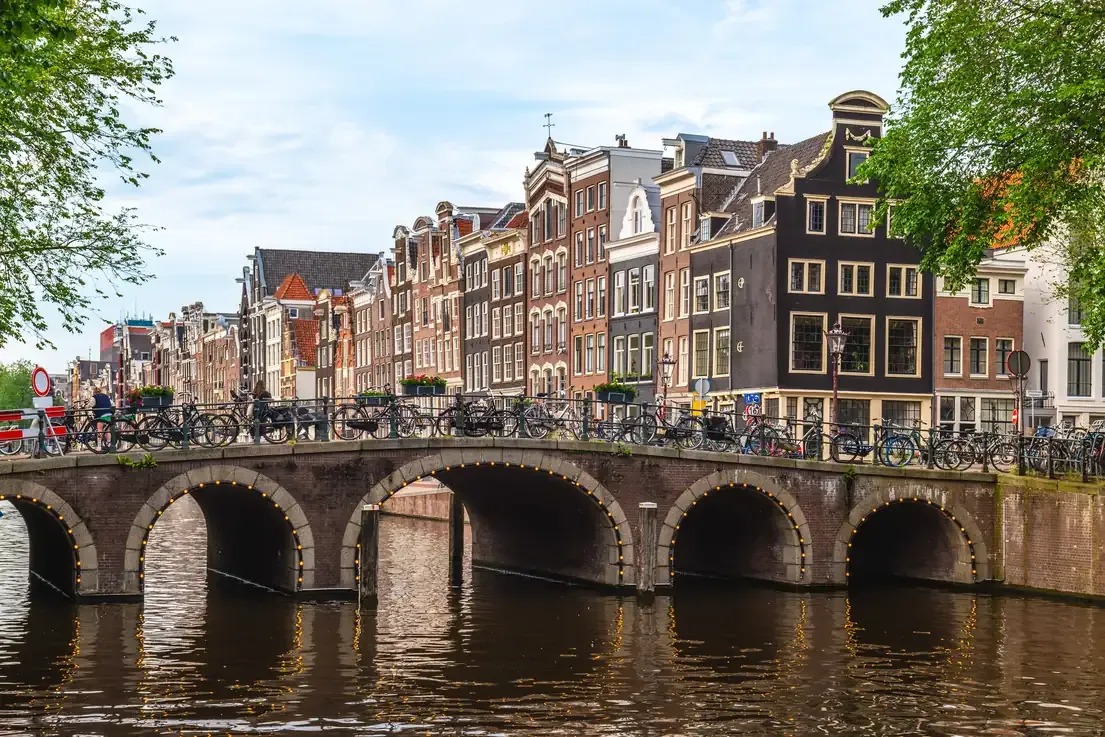
Paris or Amsterdam
Paris or Amsterdam compares both cities by travel style, trip length and season, and shows how to visit both with the direct train.