
Tourist attractions in France
Known for
Gothic cathedrals, Loire chateaux, and alpine peaks
Must-see cities
Paris, Lyon, Nice and Strasbourg
World Heritage
56 UNESCO properties, from the Loire Valley to the D-Day beaches
Best time to visit
Spring and autumn, for decent weather and a quieter season
The main tourist attractions in France, ranked
Here the tourist attractions in France are ranked, led by the Eiffel Tower, the Louvre Museum and the Palace of Versailles. After the 13 sights come the cities worth a stop, 12 more landmarks, tickets, local dishes, 16 hidden gems and visitor FAQs.
Popular tourist destinations in France
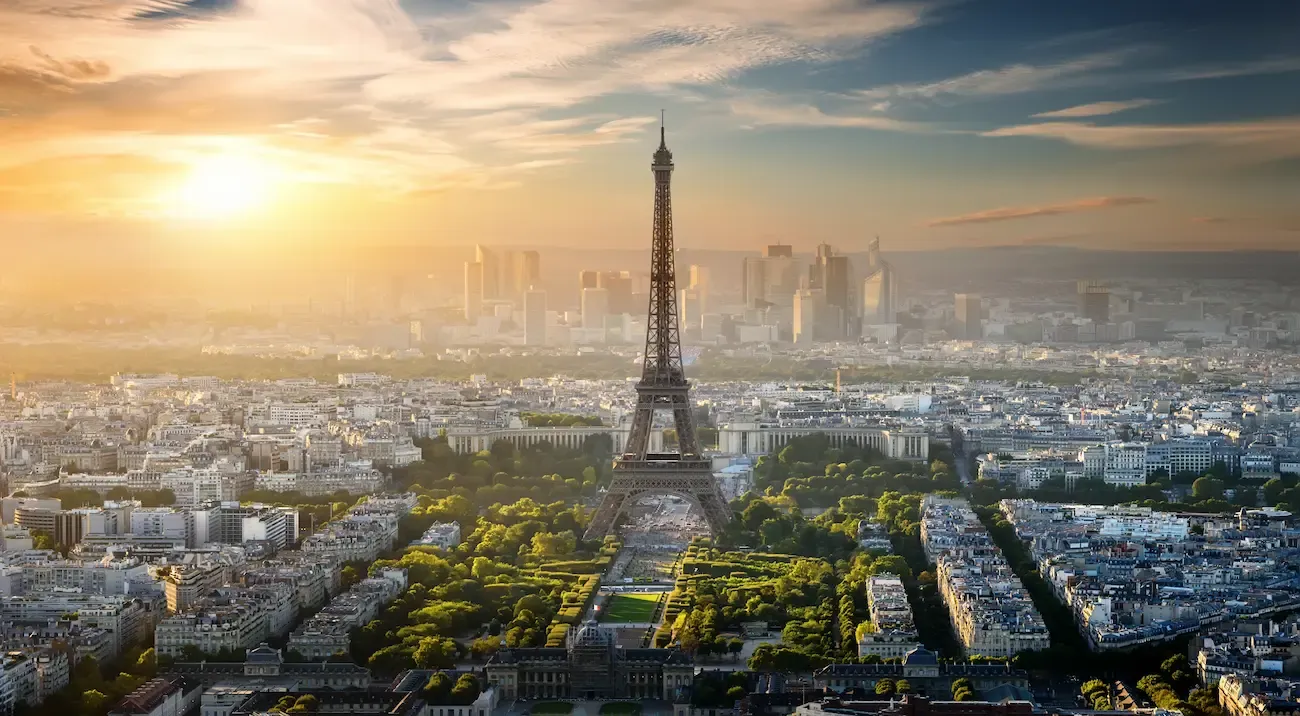
Paris
Explore Paris in detail Museums, boulevards and the Seine, with the tower over all of it.
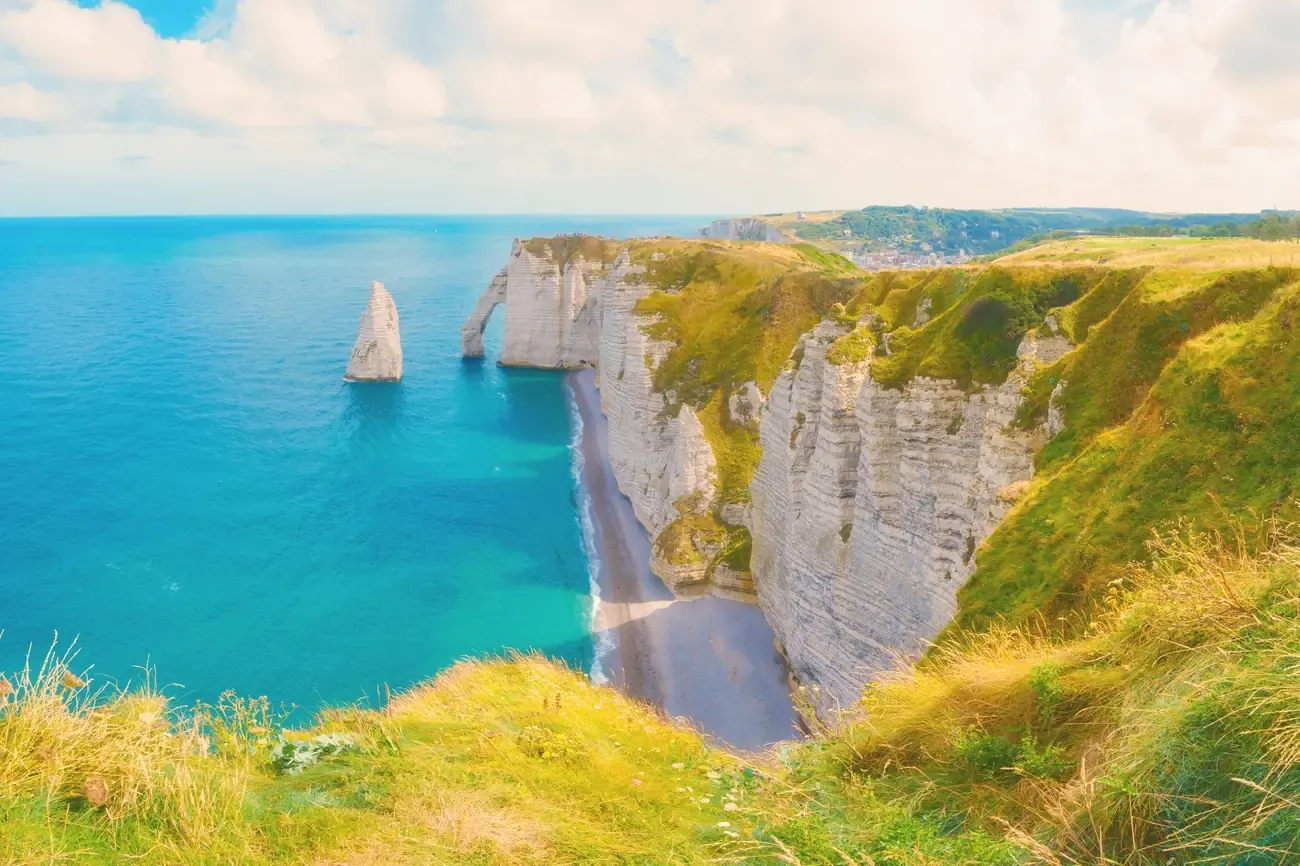
Normandy
Explore Normandy in detail Chalk cliffs, the landing beaches and orchards inland from the Channel.
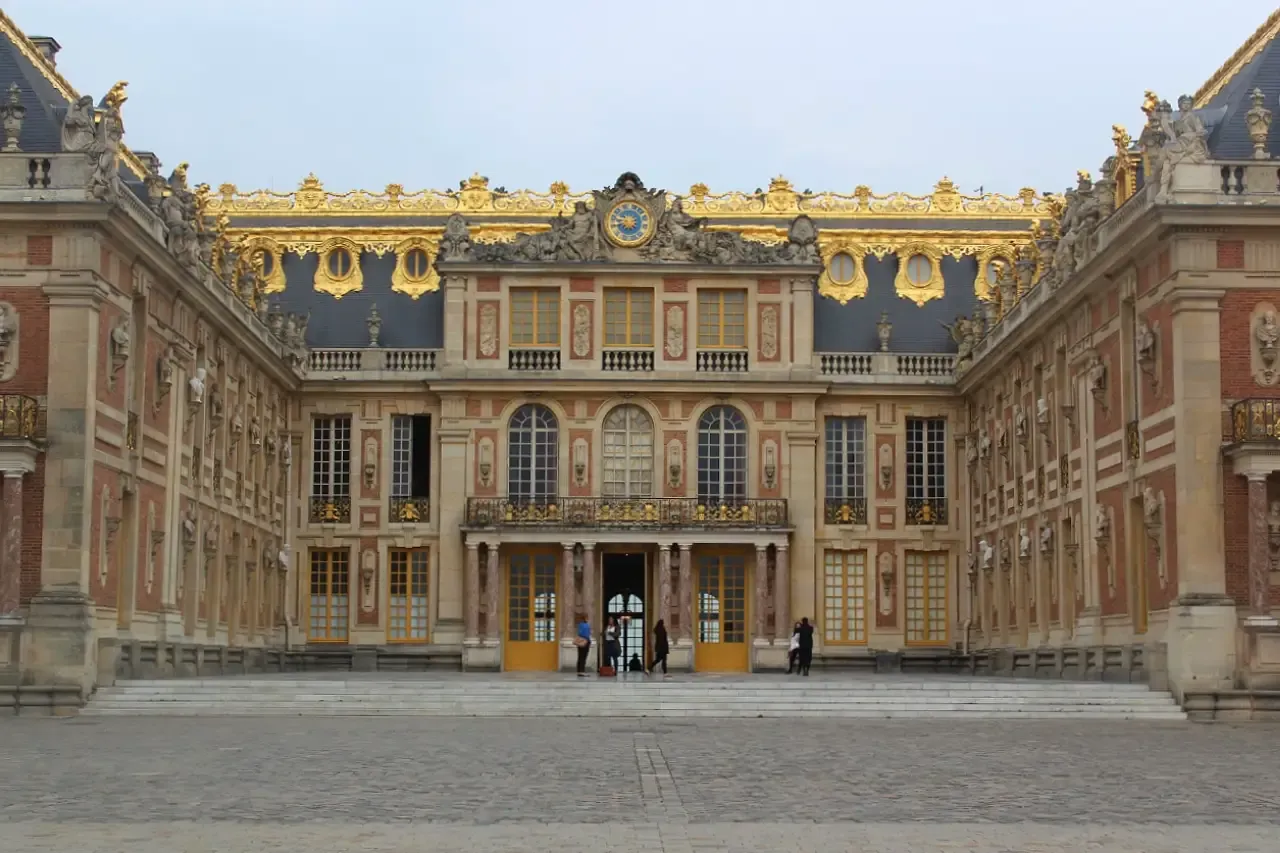
Versailles
Explore Versailles in detail The palace, its gardens and a quiet royal town around them.
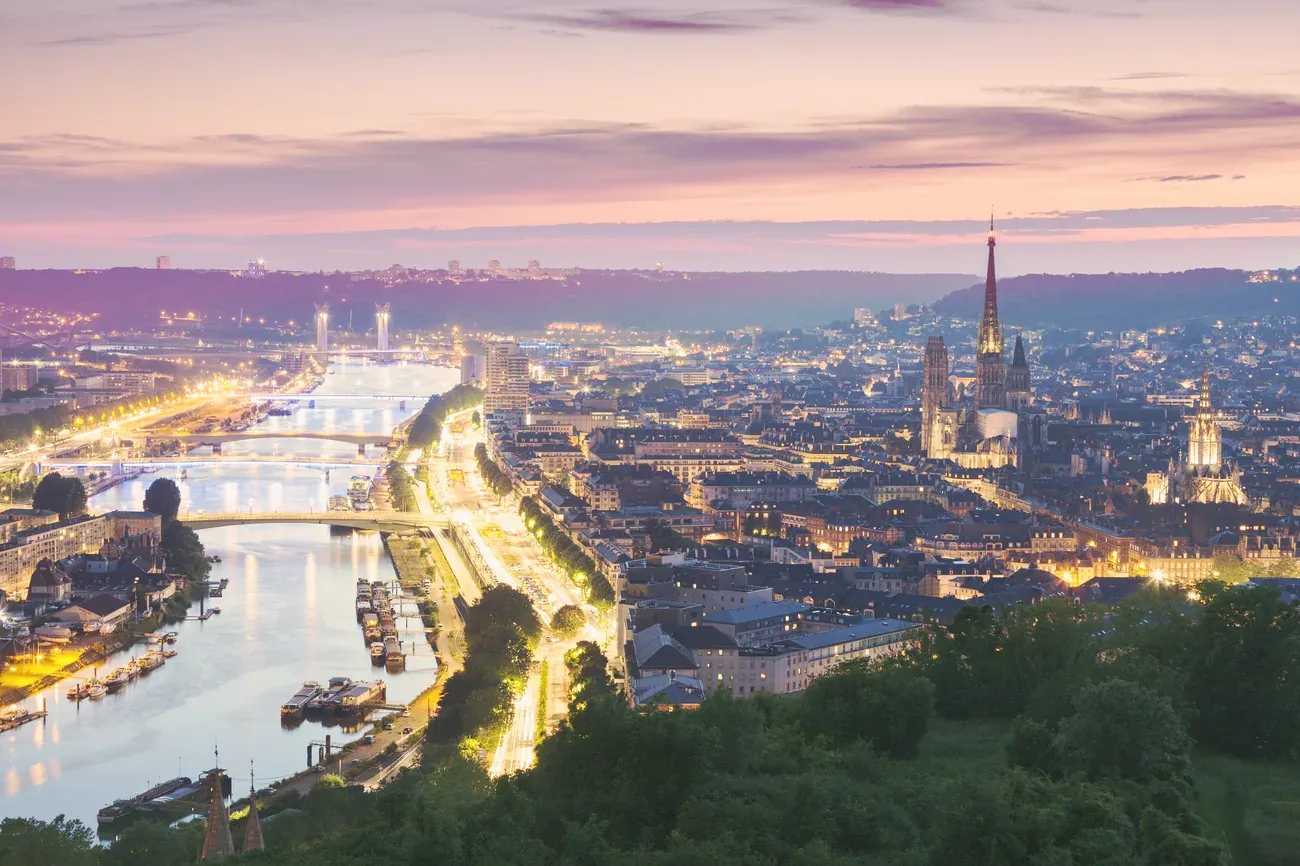
Rouen
Explore Rouen in detail Half-timbered lanes, Gothic spires and the square where Joan of Arc died.
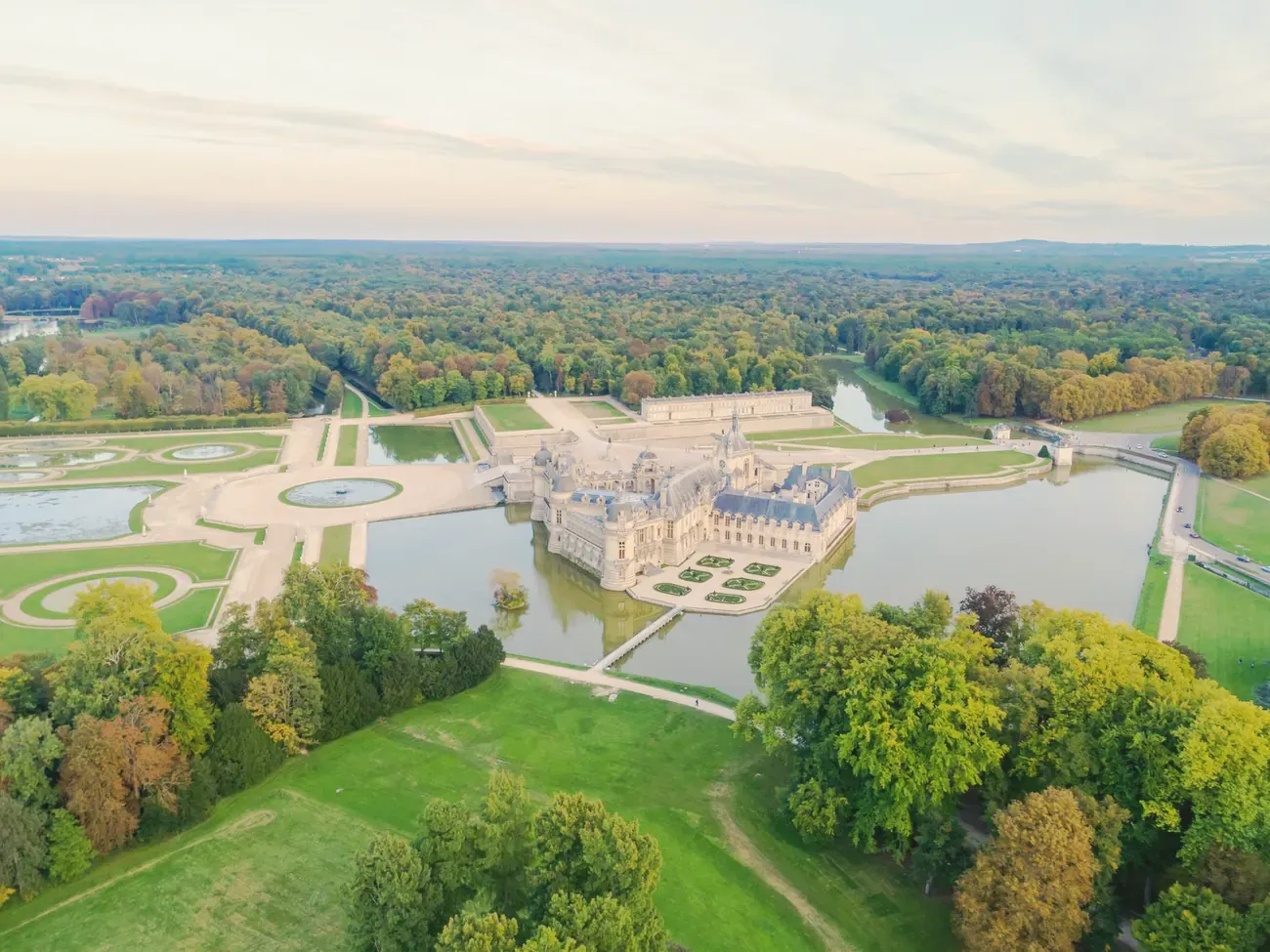
Chantilly
Explore Chantilly in detail A moated chateau, princely stables and a racecourse in the forest.
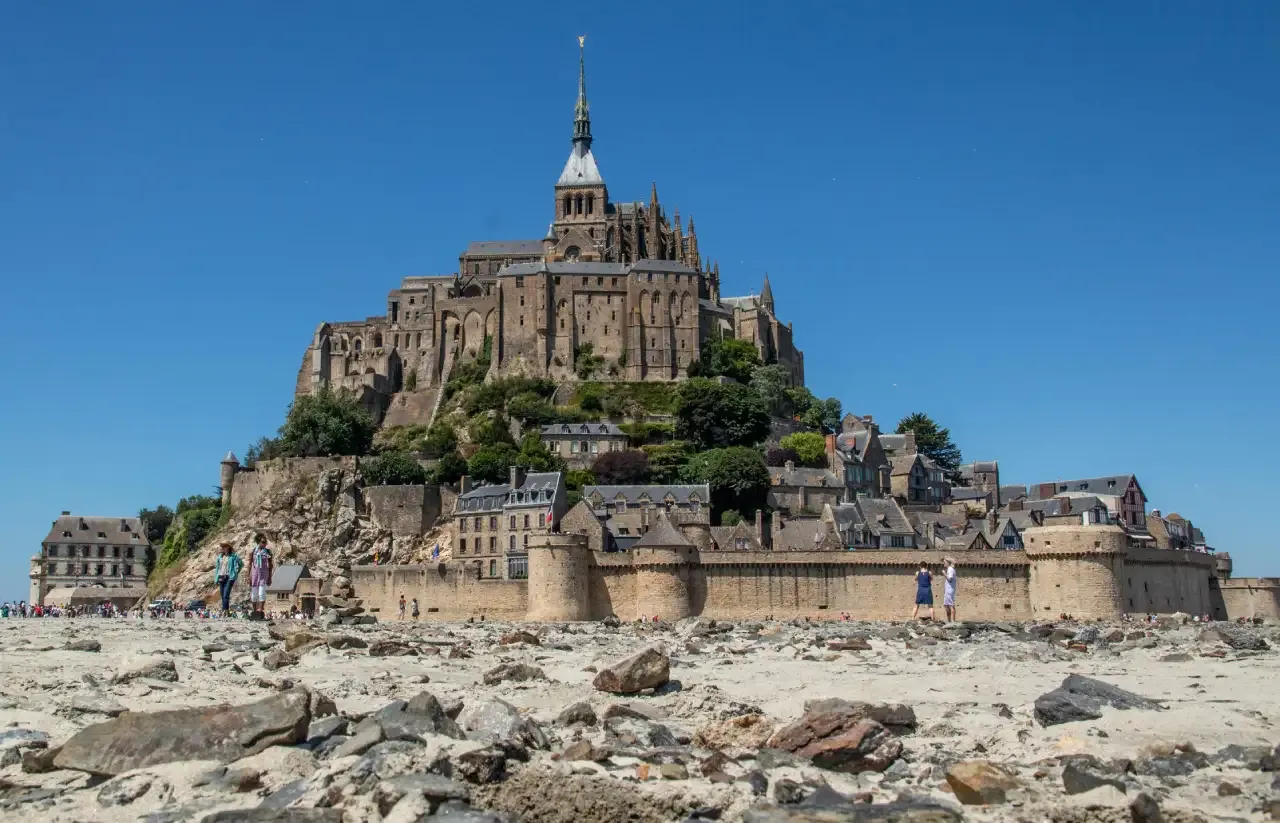
Le Mont-Saint-Michel
Explore Le Mont-Saint-Michel in detail One street, one abbey and a tide that redraws the bay twice a day.
1. Eiffel Tower
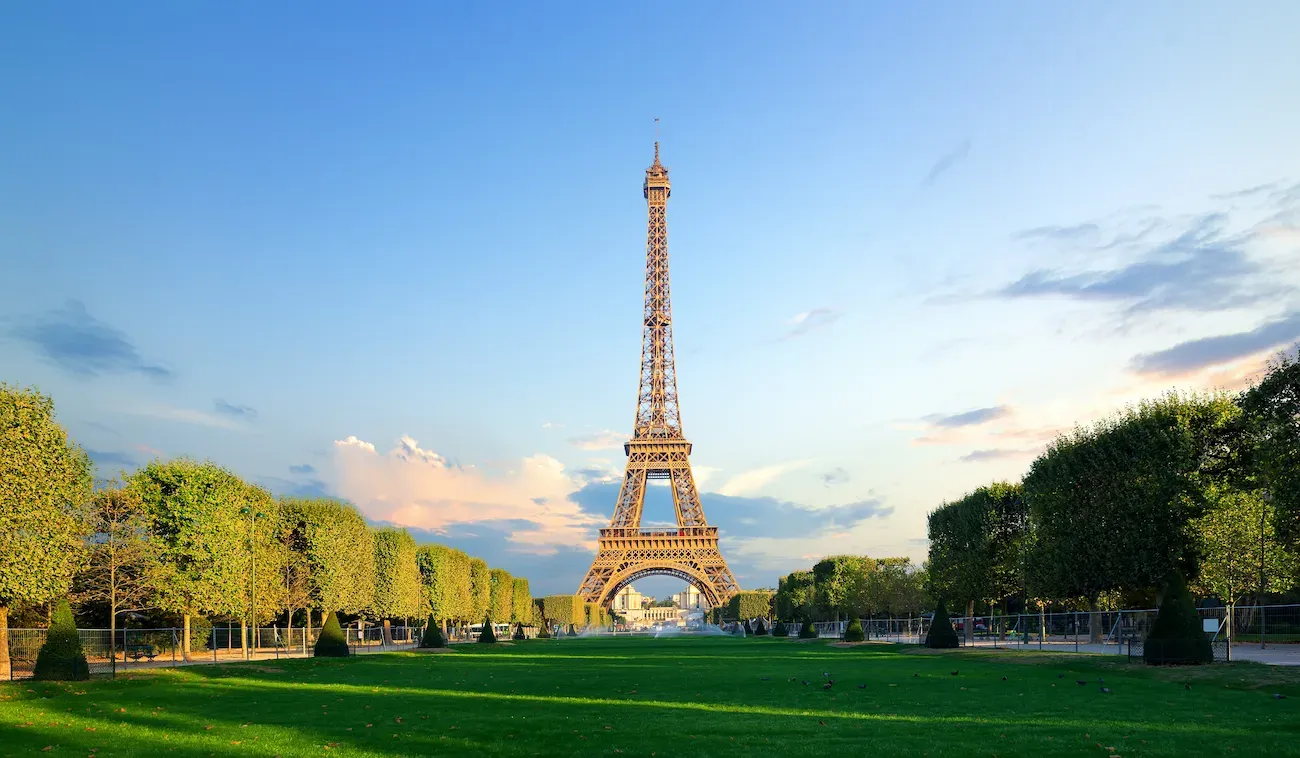
Nothing says France faster than the iron lattice standing on the Champ de Mars. Gustave Eiffel's company built it between 1887 and 1889 as the centrepiece of a world's fair marking a century since the Revolution, and the temporary showpiece never came down. Lifts and stairs reach two lower levels of terraces, glass floors and restaurants, while a second lift continues to the visitor summit at 276 metres, where the view runs from Montmartre to the long westward bend of the Seine. At 330 metres to the tip it is still the tallest structure in the capital.
Opened: 1889, for the world's fair · Engineer: Gustave Eiffel
Location: Champ de Mars, Paris
Access: Ticketed, timed entry
2. Louvre Museum
Eight centuries of building sit under one address here. A medieval fortress whose foundations are still walkable became the royal palace the court abandoned for Versailles, and the collections opened to the public as a museum in 1793. I. M. Pei's glass pyramid marks the entrance in the middle of the courtyard, with three wings running off it. The Denon wing draws the queues for the Venus de Milo and the Mona Lisa, while Egyptian antiquities, Near Eastern reliefs and French painting fill whole floors that most first visits never reach. One wing is enough for a first morning.
Museum since: 1793 · Pyramid by: I. M. Pei
Location: Rue de Rivoli, Paris
Access: Ticketed, open daily except Tuesdays, with time slots recommended
3. Palace of Versailles
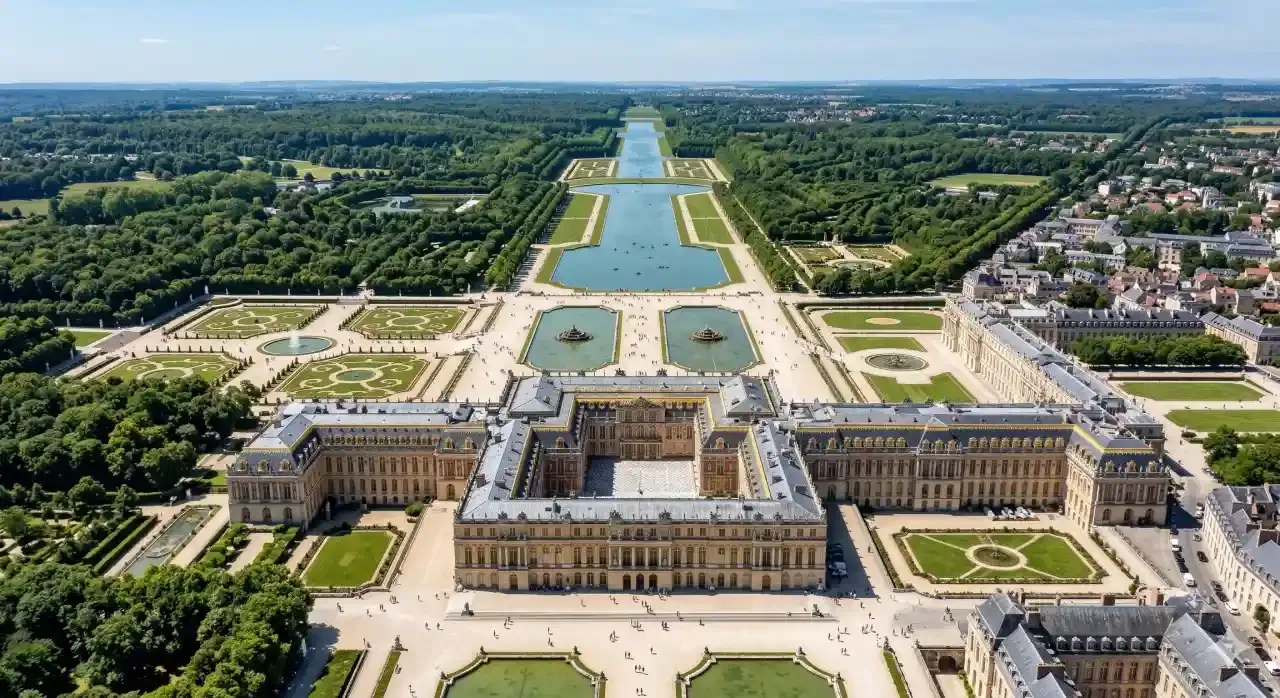
The French court sat here from 1682 until the Revolution, and what it left behind became the model other European monarchies spent a century imitating. Louis Le Vau and Jules Hardouin-Mansart wrapped a royal hunting lodge in wings of state apartments that end at the Hall of Mirrors, its arcades of glass turned towards the park. Andre Le Notre's gardens fall away in parterres, groves and fountains towards the Grand Canal, and the Trianon palaces with the queen's model hamlet close the estate at the far end. A full day is the honest minimum.
Style: French Baroque · Court moved here: 1682 · Heritage: UNESCO World Heritage Site since 1979
Location: Versailles, Ile-de-France
Access: Ticketed, closed on Mondays
4. Mont-Saint-Michel
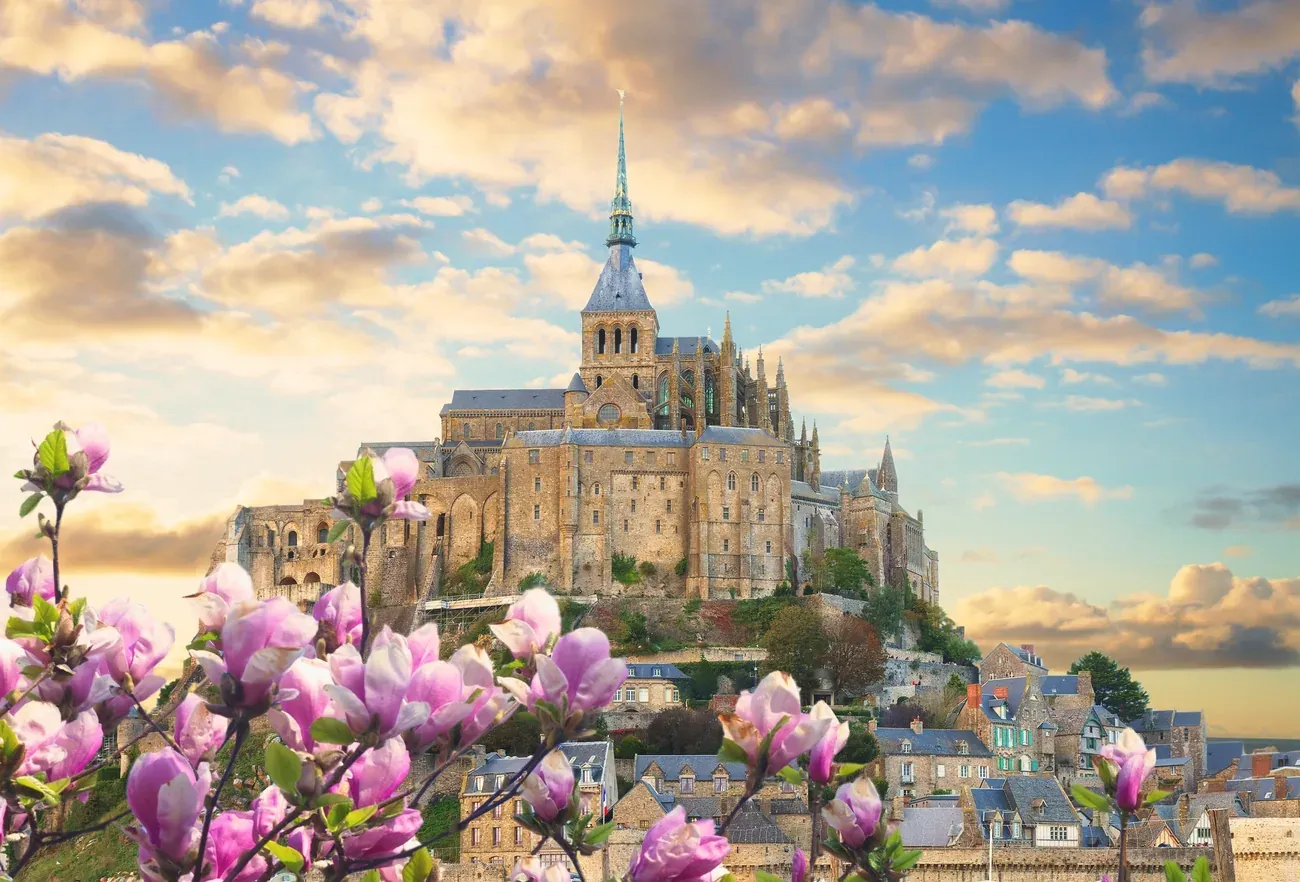
A cone of granite in the bay where Normandy meets Brittany, close enough to the shore that pilgrims once crossed the sand at low water and were caught by the returning tide. One street climbs from the gate through the village to the abbey on the summit, founded in 709 and rebuilt over the centuries into the Romanesque and Gothic stack visible from the causeway. The Centre des monuments nationaux runs the abbey, and the ramparts below it give the view back across the bay. UNESCO listed the mount and its bay together in 1979.
Style: Romanesque and Gothic · Founded: 709 · Heritage: UNESCO World Heritage Site since 1979
Location: Mont-Saint-Michel bay, Normandy
Access: Ticketed for the abbey
5. Notre-Dame de Paris
Work began on the cathedral of the Ile de la Cite in 1163 and ran on for the best part of two centuries, leaving the flying buttresses, the rose windows and the sculpted west front that became the reference for French Gothic everywhere else. The fire of April 2019 took the spire and most of the roof, and the rebuilt cathedral reopened in December 2024 with its stone cleaned and its interior lighter than any living visitor had seen it. The tower climb is a separate visit, 424 steps to the gallery where the chimeras look out over the rooftops.
Style: French Gothic · Begun: 1163 · Reopened: December 2024
Location: Ile de la Cite, Paris
Access: Ticketed for the tower climb, which books separately from the cathedral
6. Chateau de Chambord
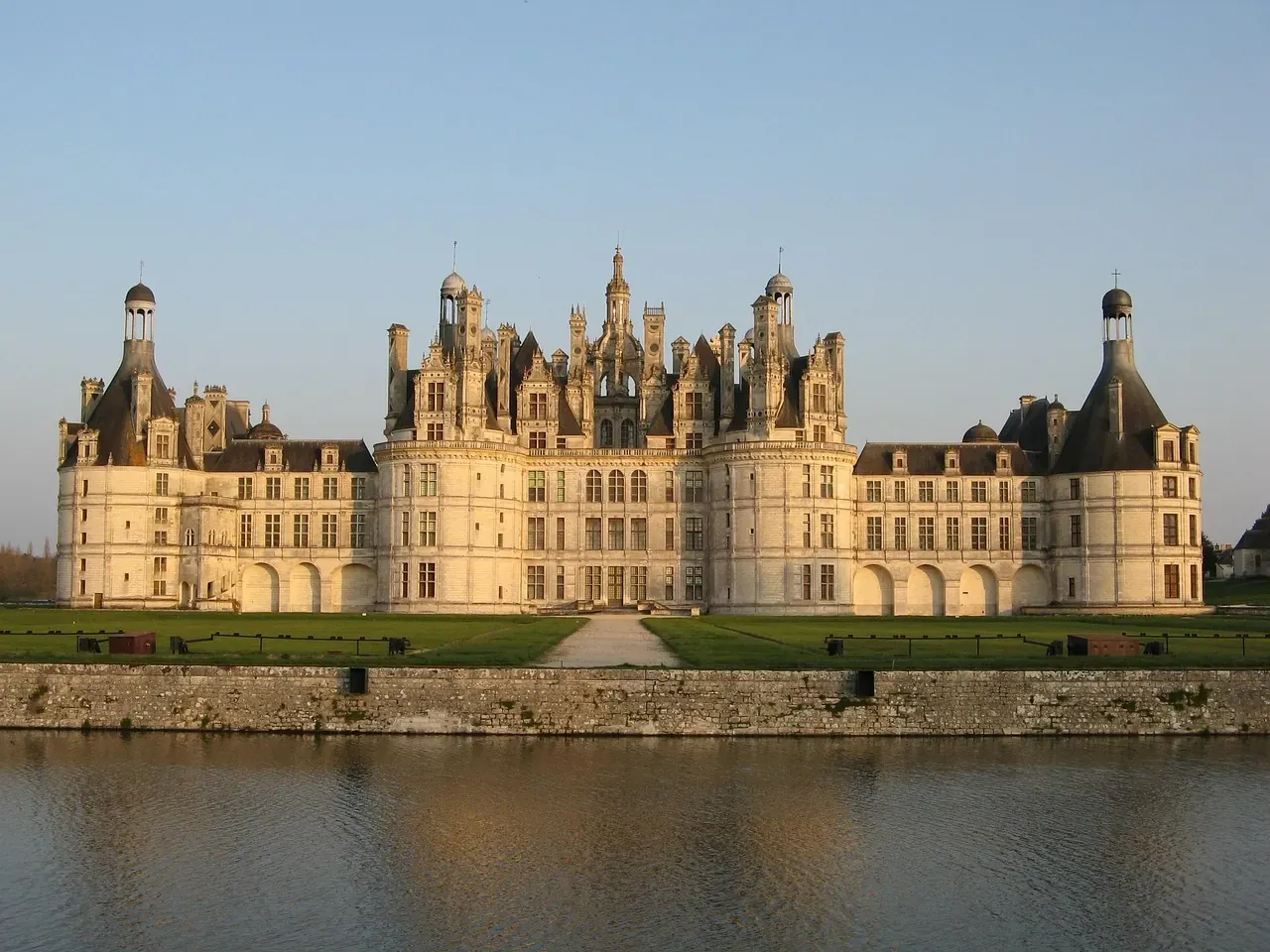
Francis I ordered the largest chateau in the Loire Valley in 1519 and used it as a hunting lodge, keeping his residences at Blois and Amboise; work went on until 1547 and the king barely stayed there. What survives is the Renaissance at its most theatrical, a keep under a roofscape of chimneys, lantern towers and dormers, with a double-helix staircase whose two spirals climb without ever meeting. A walled estate of forest and water surrounds it, open every day to walkers and cyclists, and the Loire Valley around it has been World Heritage since 2000.
Architects: Pierre Nepveu and Jacques Sourdeau · Style: French Renaissance · Begun: 1519
Location: Chambord, Loir-et-Cher, Loire Valley
Access: Ticketed for the chateau, open daily except 1 January and 25 December
7. D-Day landing beaches
On 6 June 1944 Allied forces came ashore along an eighty kilometre stretch of the Normandy coast divided into five sectors, Utah, Omaha, Gold, Juno and Sword, and began the campaign that ended the occupation of western Europe. The evidence is still on the shoreline: concrete caissons of the Mulberry harbour grounded off Arromanches, the cratered clifftop at Pointe du Hoc, gun batteries in the dunes, and war cemeteries and museums in the villages behind. UNESCO added the beaches of the D-Day landings to the World Heritage List in 2026.
Heritage: UNESCO World Heritage Site since 2026
Location: Calvados and Manche coast, Normandy
Access: Free to walk the beaches, with museums and visitor centres keeping their own hours
8. Palais des Papes
For most of the fourteenth century the papacy governed from Avignon rather than Rome, and what its popes built on the rock above the Rhone is a fortress before it is a residence. Fifteen thousand square metres of floor space make it the largest Gothic palace in Europe: bare stone halls, chapels the height of parish churches, and towers with walls thick enough to survive a siege. Matteo Giovannetti frescoed the private chapels in the 1340s, and those rooms remain the warmest corner of an otherwise stripped interior.
Architects: Pierre Poisson and Jean de Louvres · Style: Gothic · Heritage: UNESCO World Heritage Site since 1995
Location: Avignon, Provence-Alpes-Cote d'Azur
Access: Ticketed
9. French Riviera
The coast running east to Menton on the Italian border began as a winter health resort for the British upper class at the end of the eighteenth century, and the railway that arrived in the mid nineteenth century turned it into the first modern holiday coast in Europe. Nice curves along the Bay of Angels behind its Promenade des Anglais, Menton stacks ochre houses above the water, and Cannes, Antibes and Saint-Tropez sit between them, with corniche roads climbing to hill villages above the sea. UNESCO inscribed Nice in 2021 for that resort history.
Heritage: Nice inscribed by UNESCO in 2021 as a winter resort town of the Riviera
Location: Alpes-Maritimes coast, Provence-Alpes-Cote d'Azur
Access: Free to reach, with museums and gardens charging their own admission
10. Mont Blanc
The highest summit in the Alps rises to just over 4,800 metres on the border with Italy, and the valley below it made mountaineering a European pastime: the first recorded ascent, in August 1786, was rewarded by a prize put up from Geneva. Most visitors go up rather than across. The cable car out of Chamonix climbs to the Aiguille du Midi at 3,842 metres, where terraces cut into the rock face the glaciers and the summit itself, and balcony trails on the opposite side of the valley reach the same view on foot.
Elevation: just over 4,800 metres · First ascent: 1786
Location: Chamonix-Mont-Blanc, Haute-Savoie, French Alps
Access: Ticketed for the Aiguille du Midi cable car
11. Arc de Triomphe
Twelve avenues meet at the roundabout above the Champs-Elysees, and the arch at their centre carries the axis that runs from the Louvre out to the Grande Arche at La Defense. Napoleon commissioned it in 1806 for the armies of the Revolution, Chalgrin died five years later, and the work was finished only in 1836 under Louis Philippe. Francois Rude's Departure of the Volunteers, better known as La Marseillaise, fills the pier facing the avenue, and the flame over the Tomb of the Unknown Soldier burns under the vault.
Designed by: Jean-Francois Chalgrin · Completed: 1836 · Style: Neoclassical
Location: Place Charles de Gaulle, Paris
Access: Ticketed for the climb of 284 steps to the terrace, with free access to the Tomb of the Unknown Soldier below
12. Sainte-Chapelle
Louis IX bought the Crown of Thorns in 1239 and built this chapel inside his palace on the Ile de la Cite to hold it, consecrating the finished building in 1248. The upper level reads as a cage of coloured glass rather than a room: fifteen tall windows carry an Old Testament cycle that begins at Genesis, and a rose added at the end of the fifteenth century closes it with the Apocalypse. The lower chapel, vaulted low and painted, served the palace household. The building spent decades after the Revolution as a paper store for the Ministry of Justice.
Style: Rayonnant Gothic · Built for: Louis IX · Consecrated: 1248
Location: Ile de la Cite, Paris
Access: Ticketed with a booked time slot, and every visitor passes the security check of the law courts
13. Musee d'Orsay
The Gare d'Orsay rose on the left bank between 1898 and 1900, a Beaux-Arts terminus finished in time for the world's fair, and the stone platforms of its train hall now carry the sculpture nave. The state reopened it as a museum in 1986 for French art of 1848 to 1914, and the result is the largest gathering of Impressionist and Post-Impressionist painting anywhere: Monet, Manet, Morisot, Degas, Renoir, Cezanne and Van Gogh, hung on the upper floor. In 2022 only the Louvre drew more visitors among French art museums.
Collection: French art from 1848 to 1914 · Museum since: 1986 · Architect: Victor Laloux
Location: Left bank of the Seine, Paris
Access: Ticketed, with Monday closing and a late opening on Thursday evenings
More famous landmarks in France
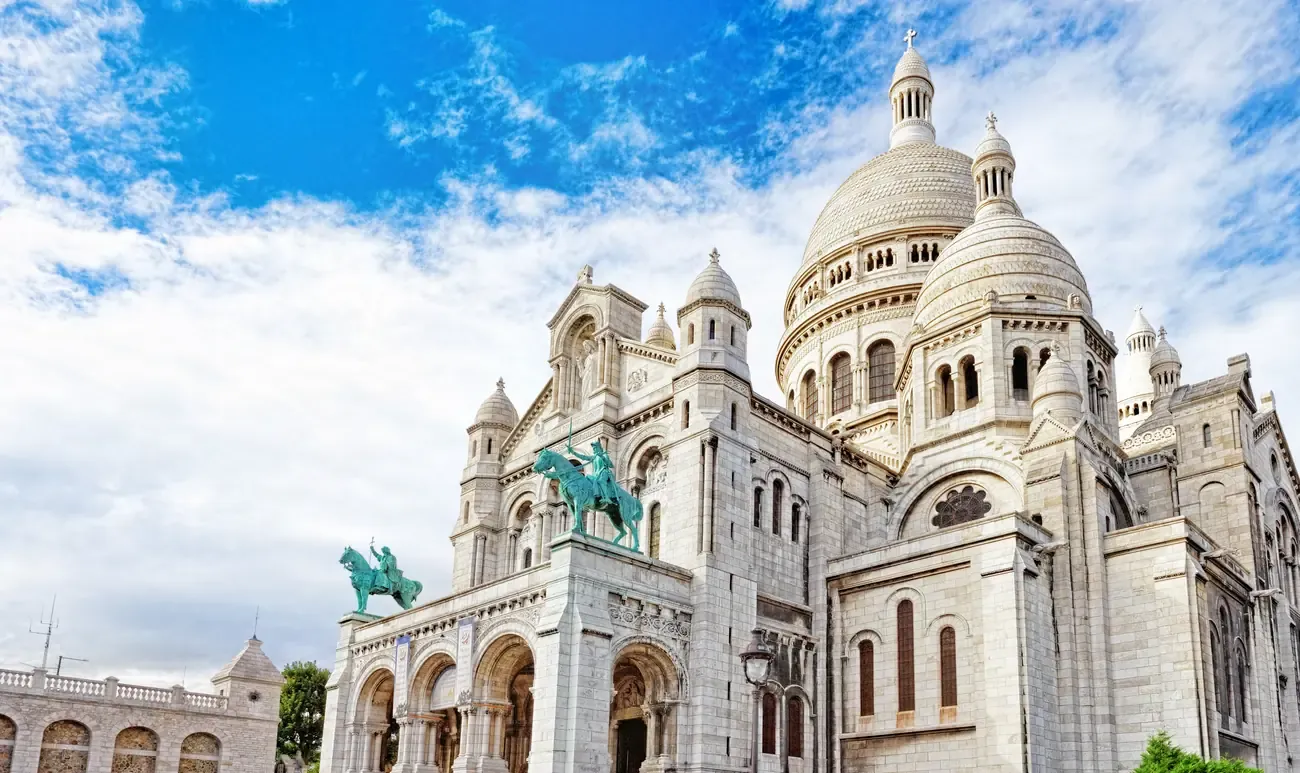
Sacre-Coeur and Montmartre
Paul Abadie's white basilica crowns the butte of Montmartre, and the church itself opens daily without a ticket, from early morning to late evening.
Location: Montmartre, Paris
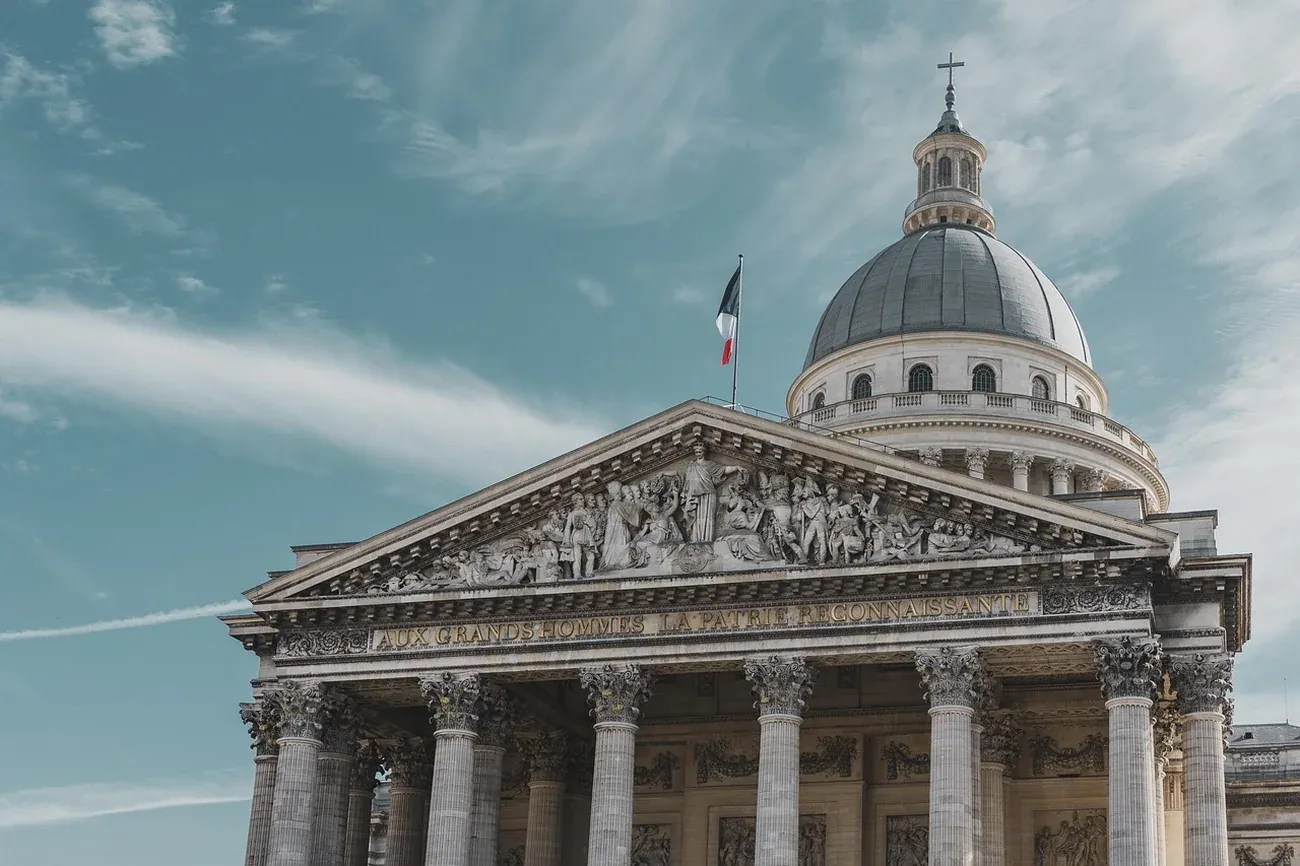
Pantheon
Soufflot designed it as a church between 1758 and 1790, and the Revolution turned it into the crypt where France buries its writers and scientists.
Location: Montagne Sainte-Genevieve, 5th arrondissement, Paris
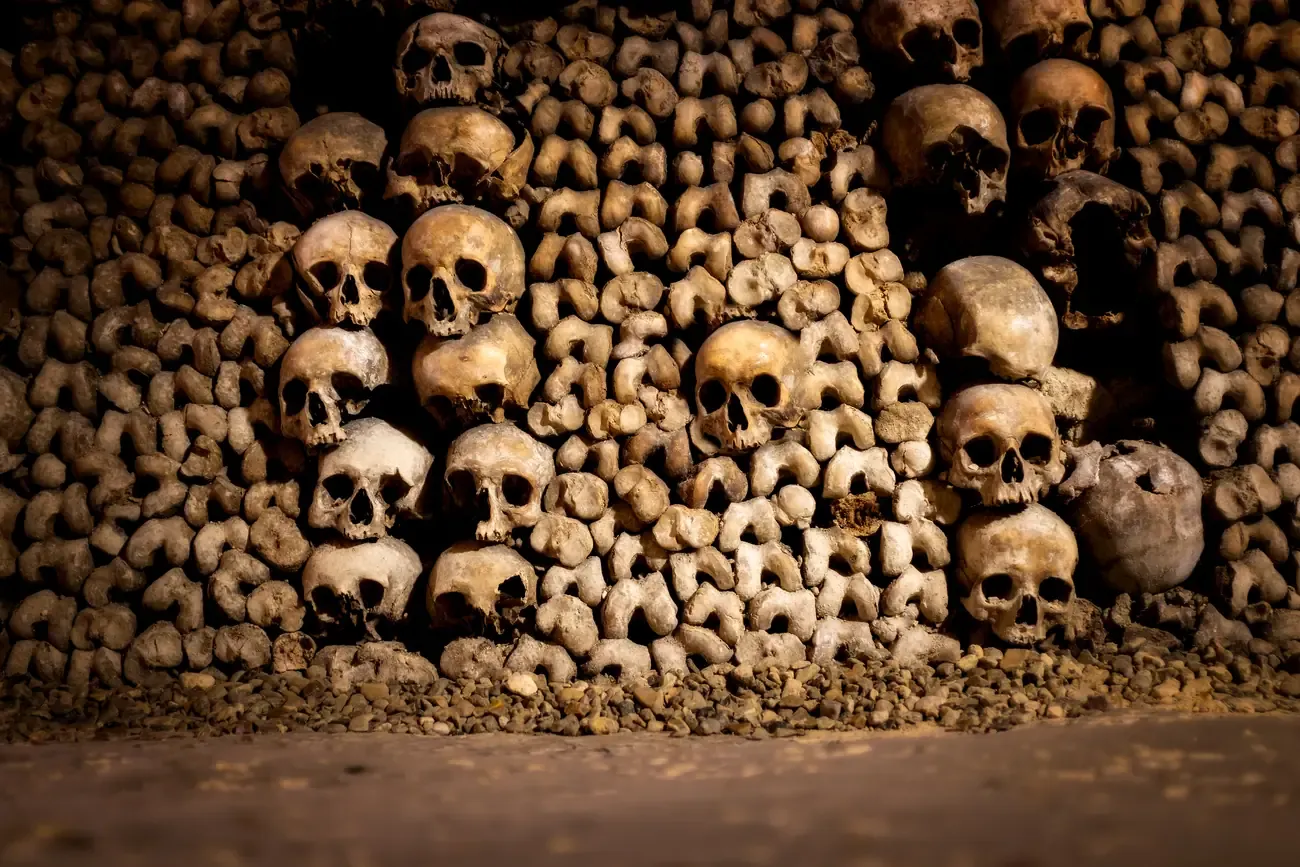
Catacombs of Paris
Quarry galleries twenty metres under the streets, lined with the bones of more than six million Parisians moved out of the closed city cemeteries.
Location: 14th arrondissement, Paris
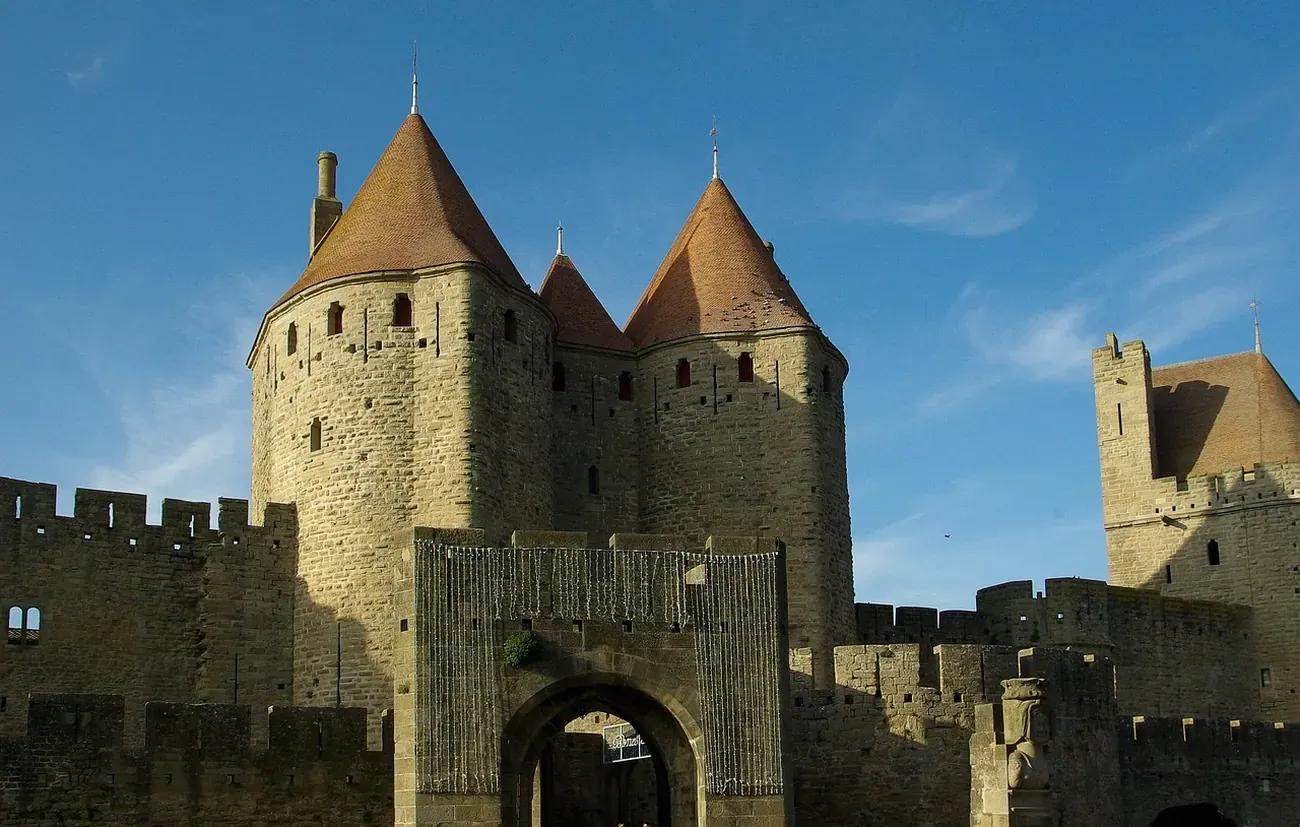
Cite de Carcassonne
A double ring of medieval ramparts and towers above the Aude, restored by Viollet-le-Duc from 1853 and listed by UNESCO in 1997.
Location: Carcassonne, Aude
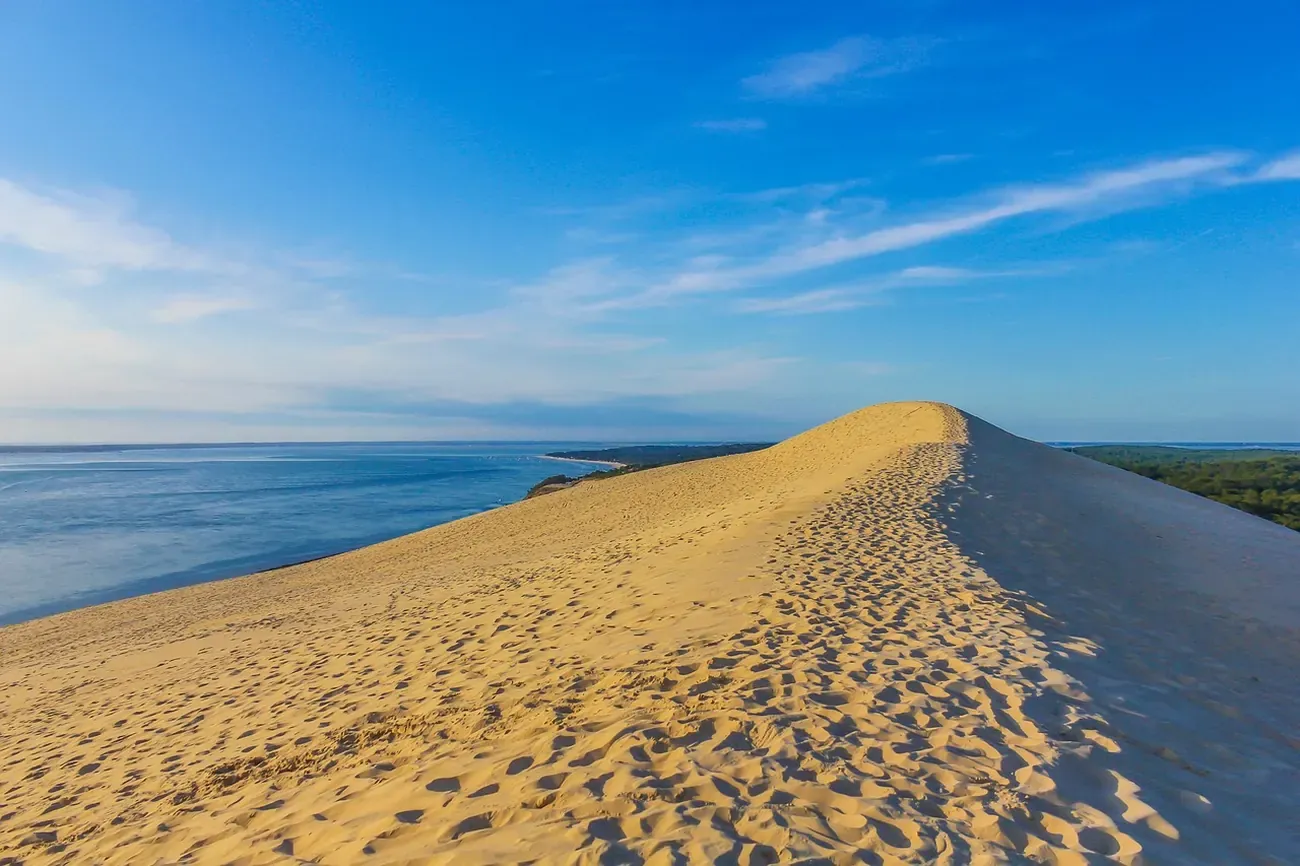
Dune du Pilat
The tallest sand dune in Europe, a wall of sand between the pine forest and the Atlantic at the mouth of the Arcachon basin.
Location: La Teste-de-Buch, Gironde
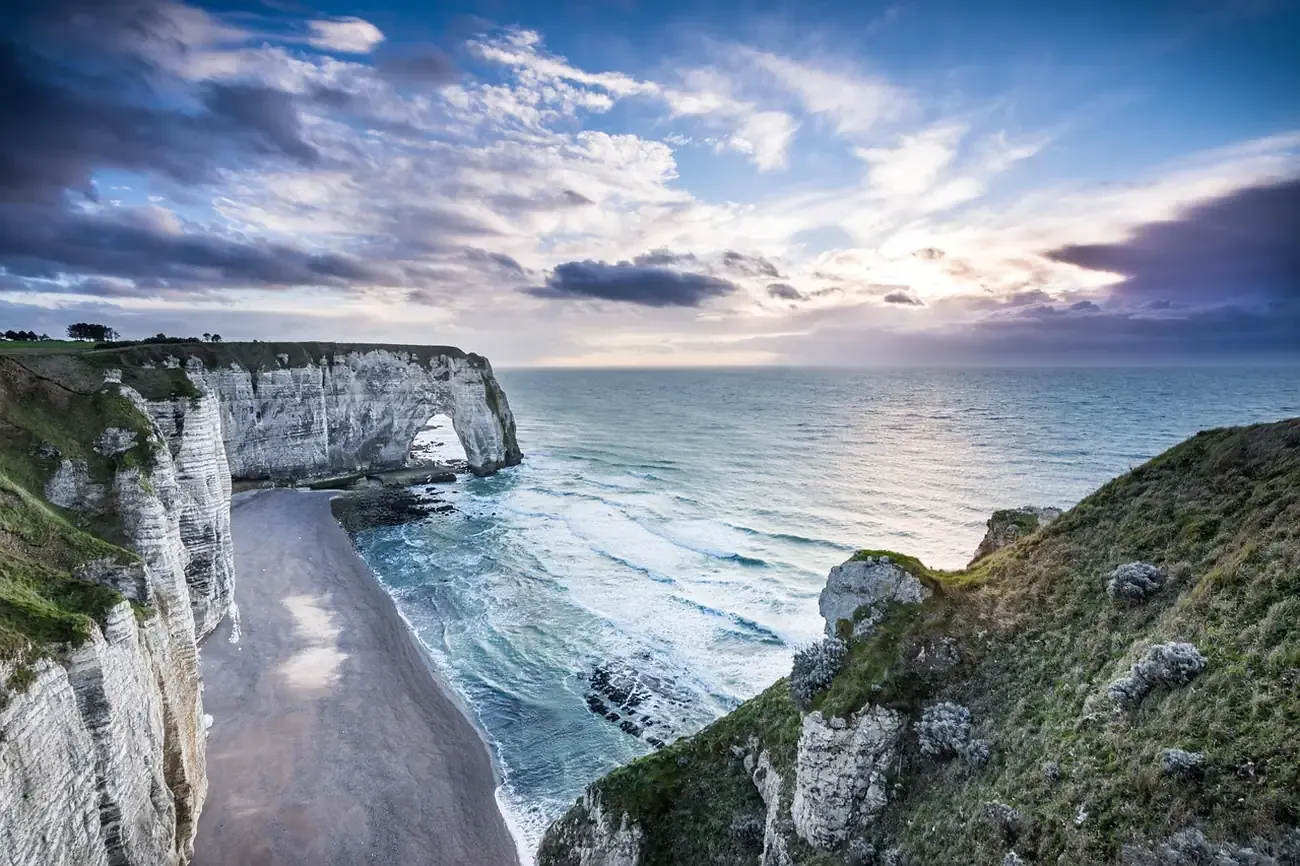
The cliffs of Etretat
Three natural arches and a needle of chalk rising from the sea, the coast that Courbet and Monet painted again and again.
Location: Etretat, Seine-Maritime
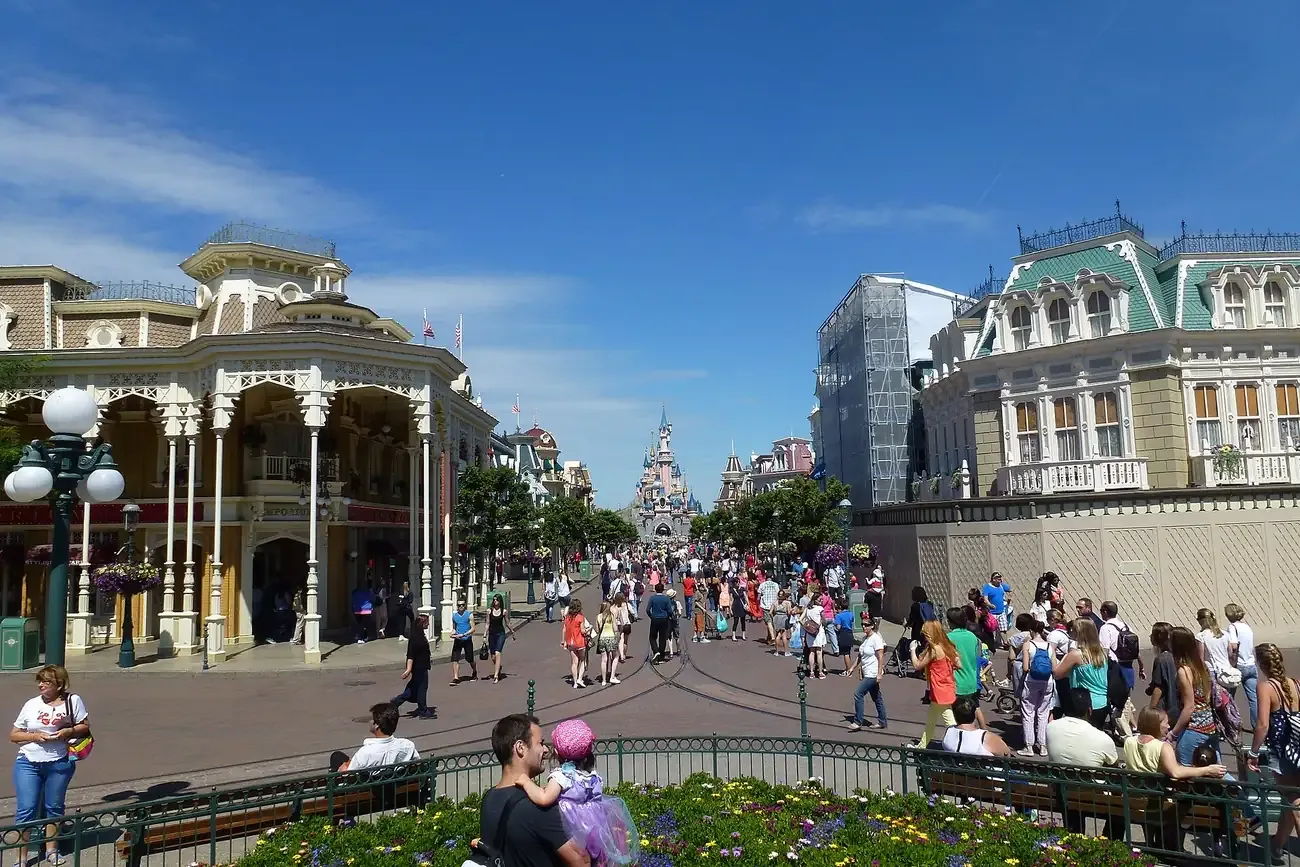
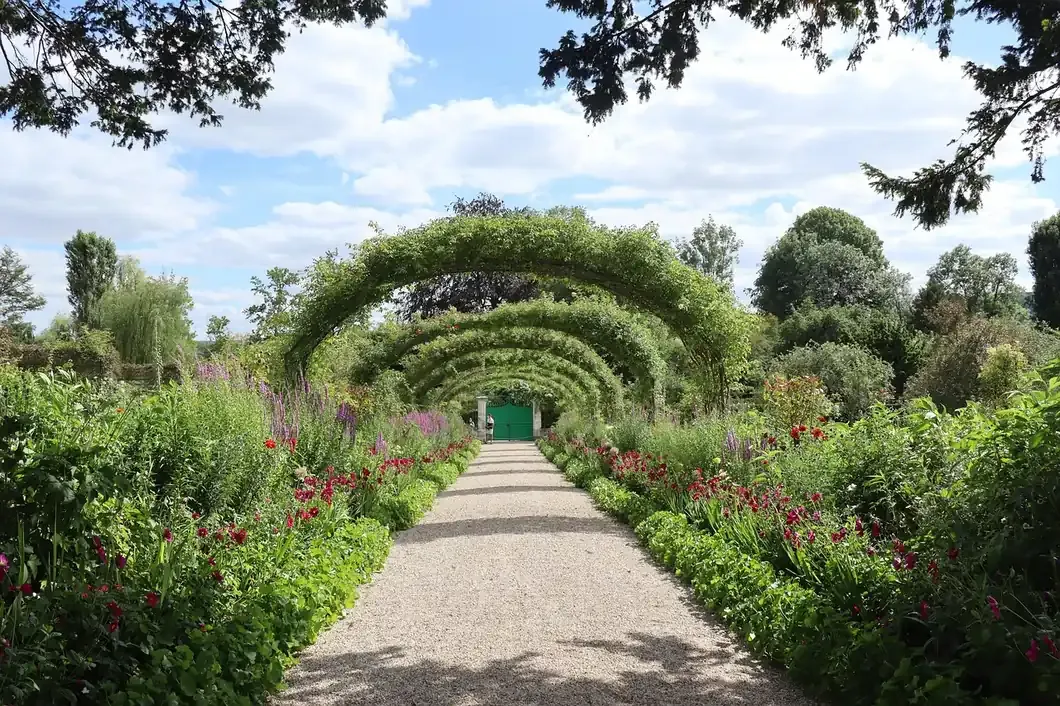
Giverny (Monet's house and garden)
Claude Monet lived and painted here for forty-three years. The house and its water lily garden open from April to early November.
Location: Giverny, Eure, Normandy
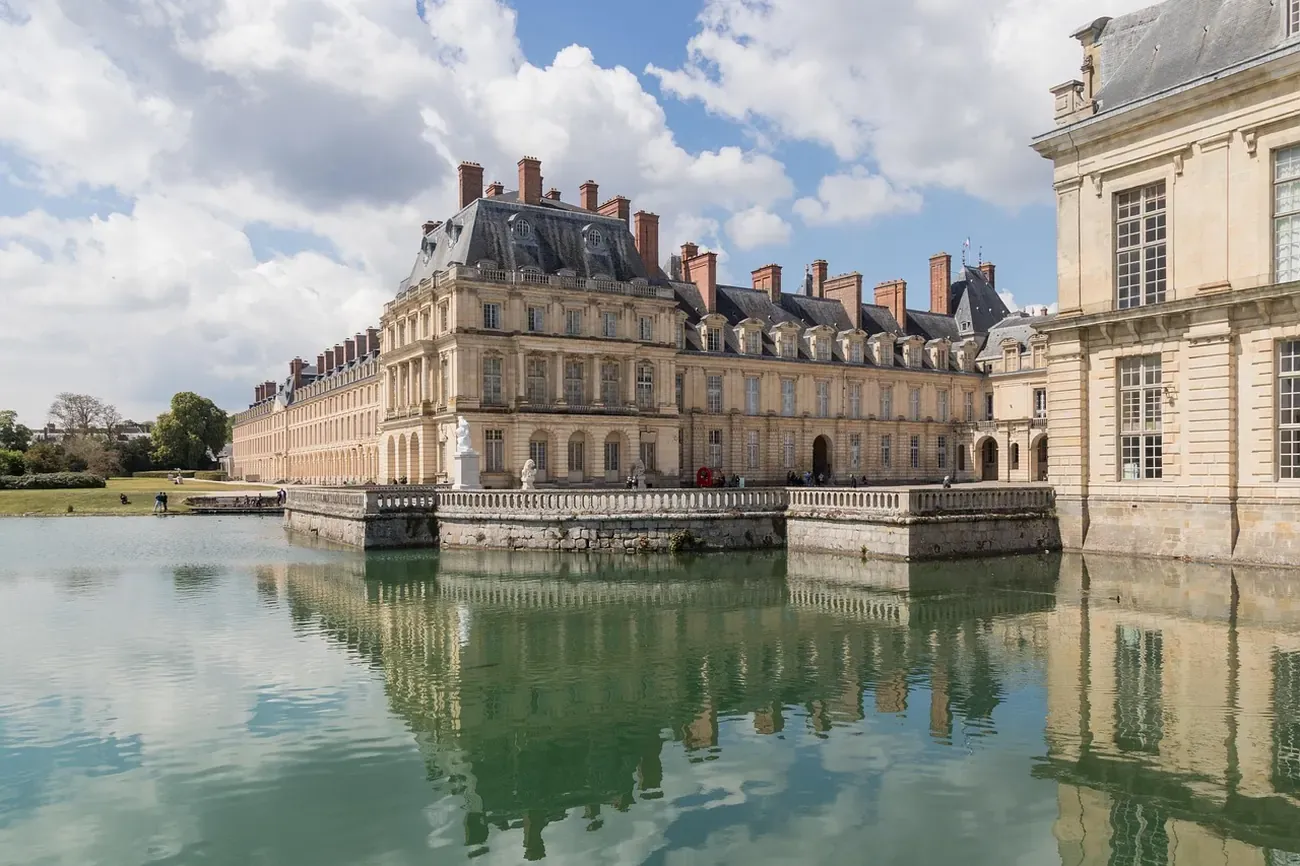
Chateau de Fontainebleau
Kings from Francis I to Napoleon shaped this chateau of 1,500 rooms in the forest southeast of Paris, listed by UNESCO in 1981.
Location: Fontainebleau, Seine-et-Marne
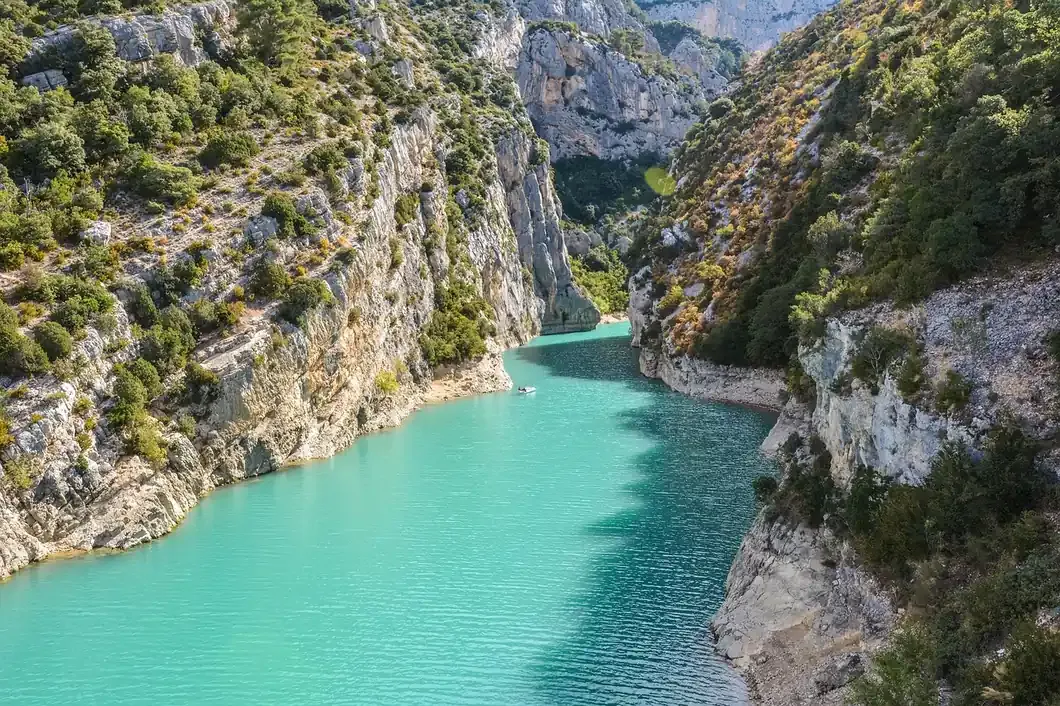
Gorges du Verdon
The Verdon river has cut a limestone canyon 25 kilometres long and up to 700 metres deep before it reaches Lake Sainte-Croix.
Location: Between Castellane and Moustiers-Sainte-Marie, Provence
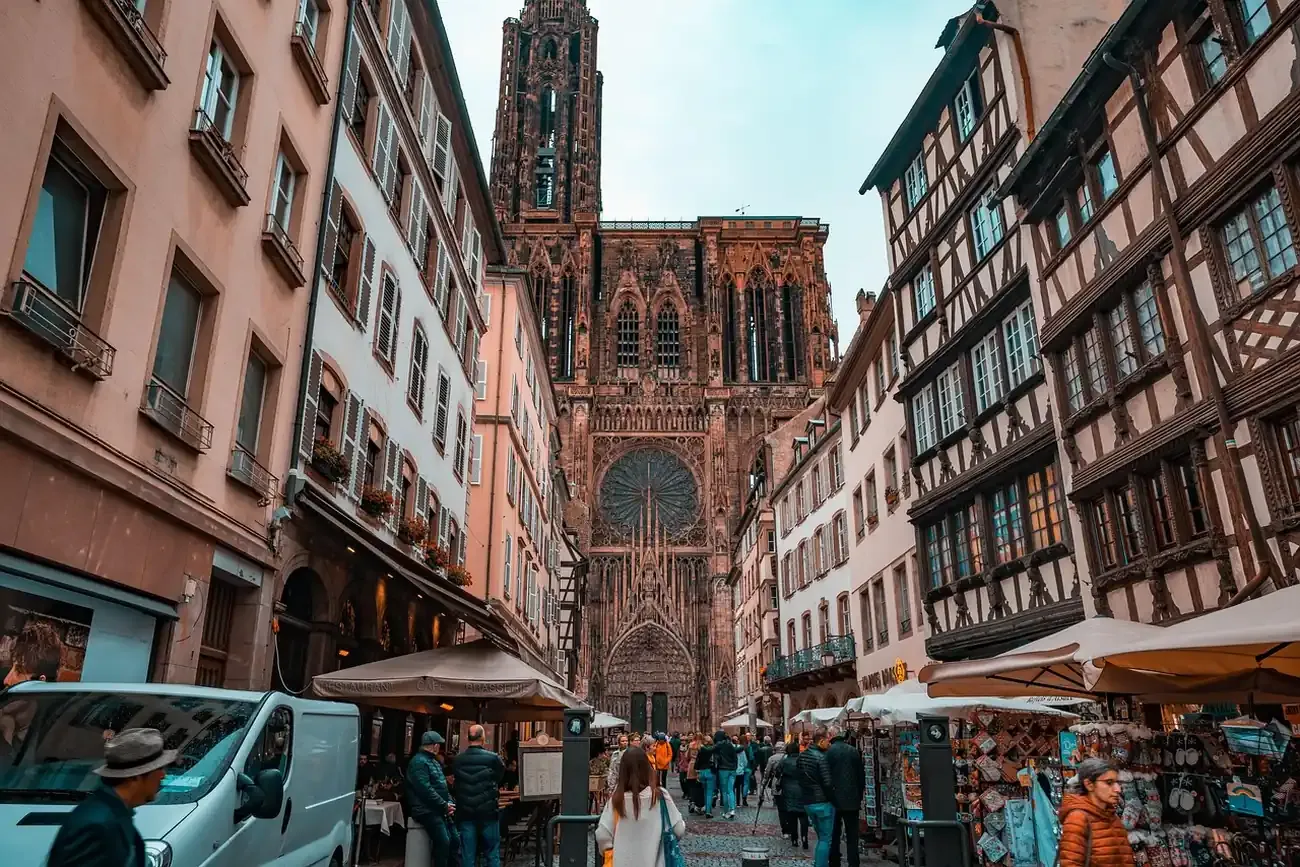
Strasbourg Cathedral
Its single spire reaches 142 metres, which made the cathedral the world's tallest building from 1647 to 1874. An astronomical clock stands inside.
Location: Place de la Cathedrale, Strasbourg, Alsace
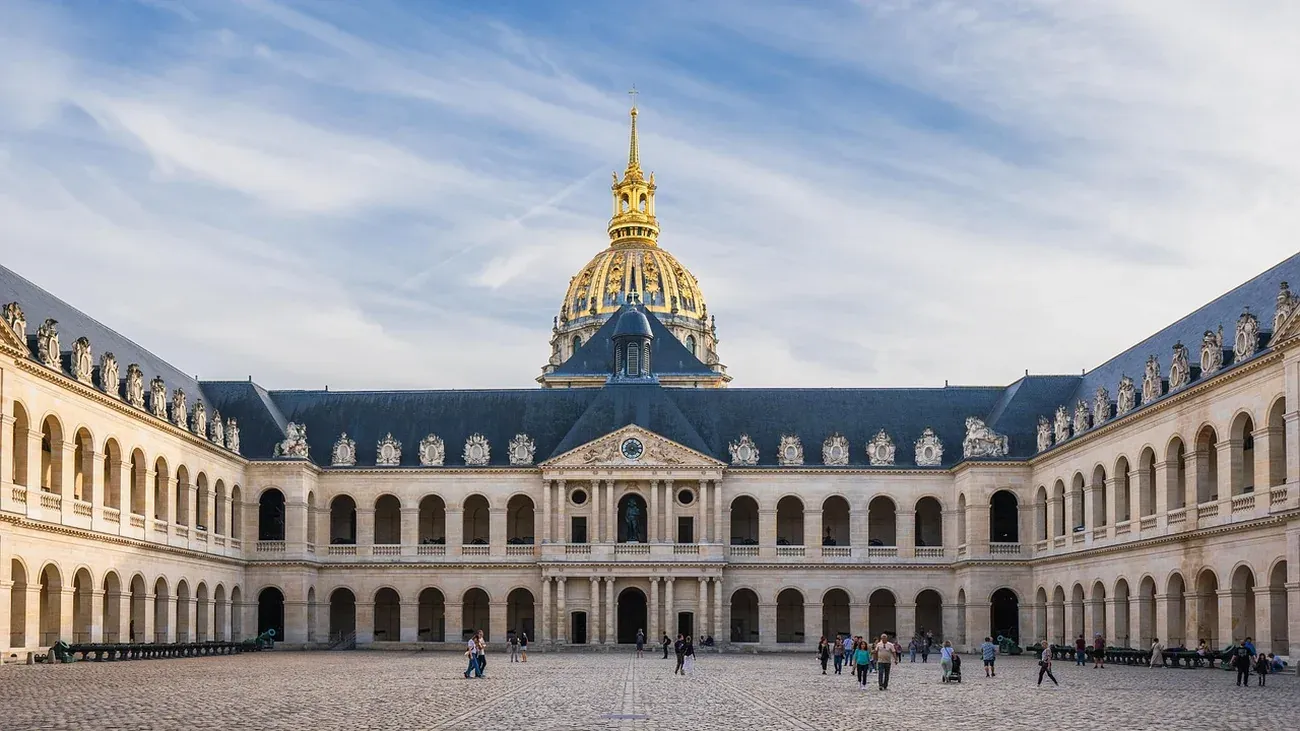
Les Invalides
Built as a home for wounded soldiers, the complex now holds Napoleon's tomb under its gilded dome and the French army museum.
Location: 7th arrondissement, Paris
Other France tourist attractions to book
France dishes not to miss
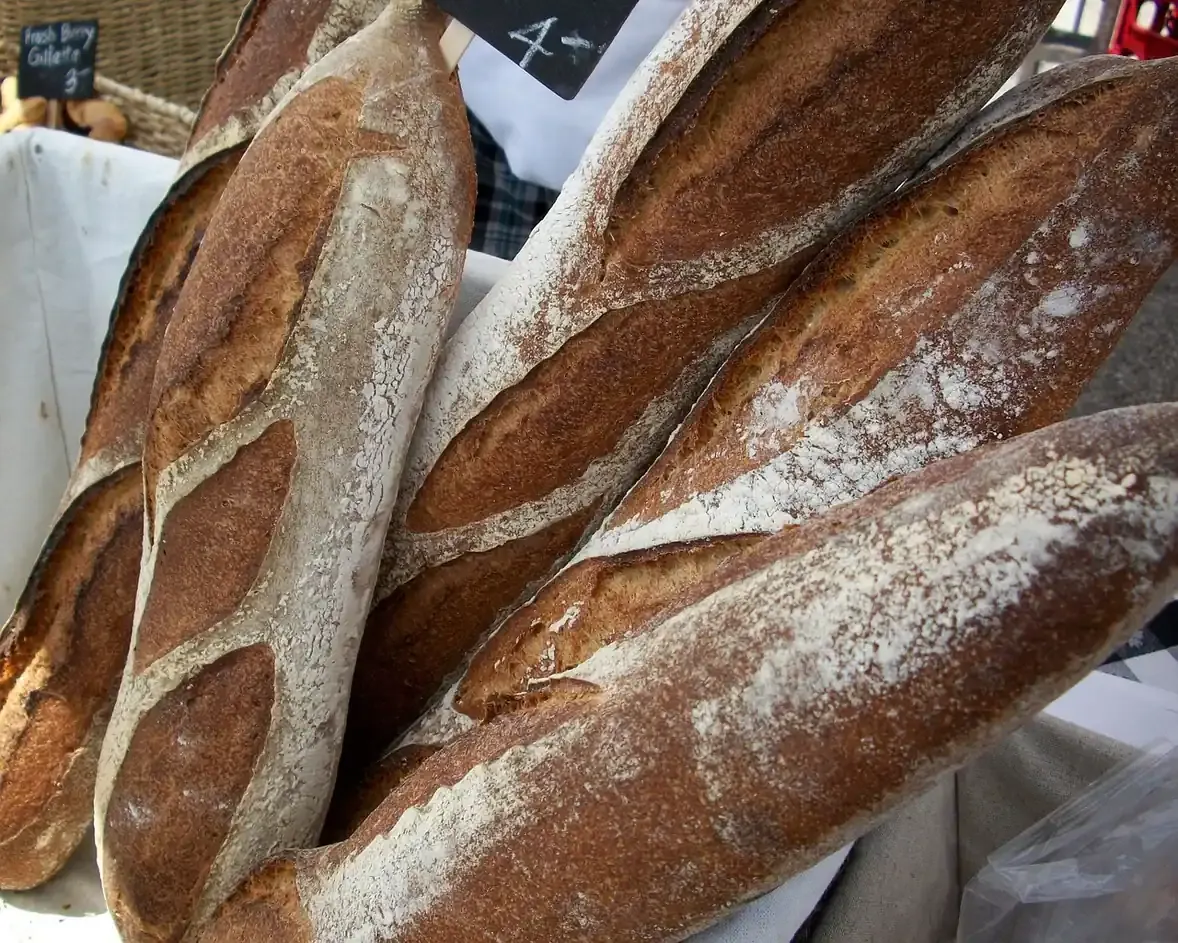
Baguette
The long thin loaf that every boulangerie bakes at least twice a day, because white bread here keeps for hours rather than days. UNESCO added the craft behind it to its intangible heritage list in 2022.
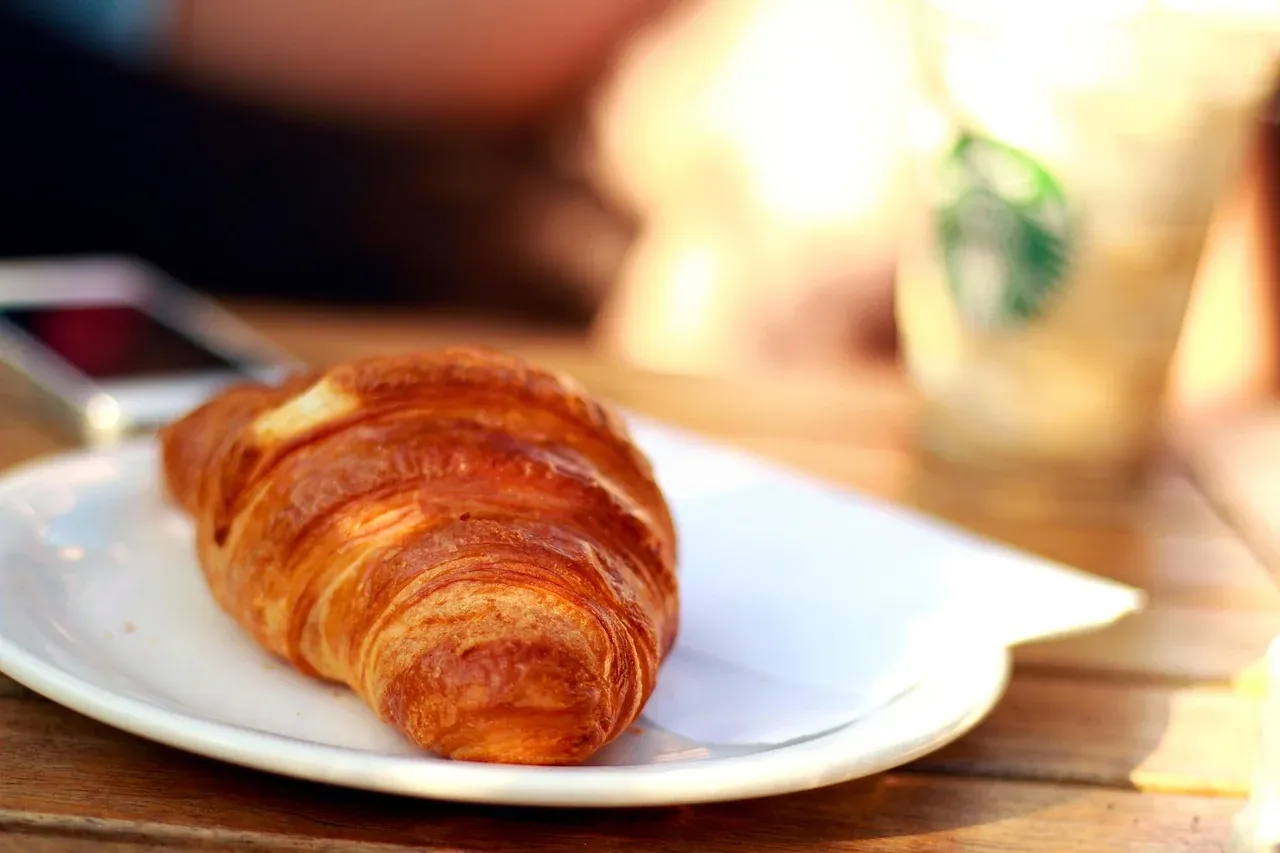
Croissant
The pastry that carries the French breakfast, usually alongside a pain au chocolat, which is the same laminated dough folded square around chocolate. Sold in patisseries and in most bakeries.
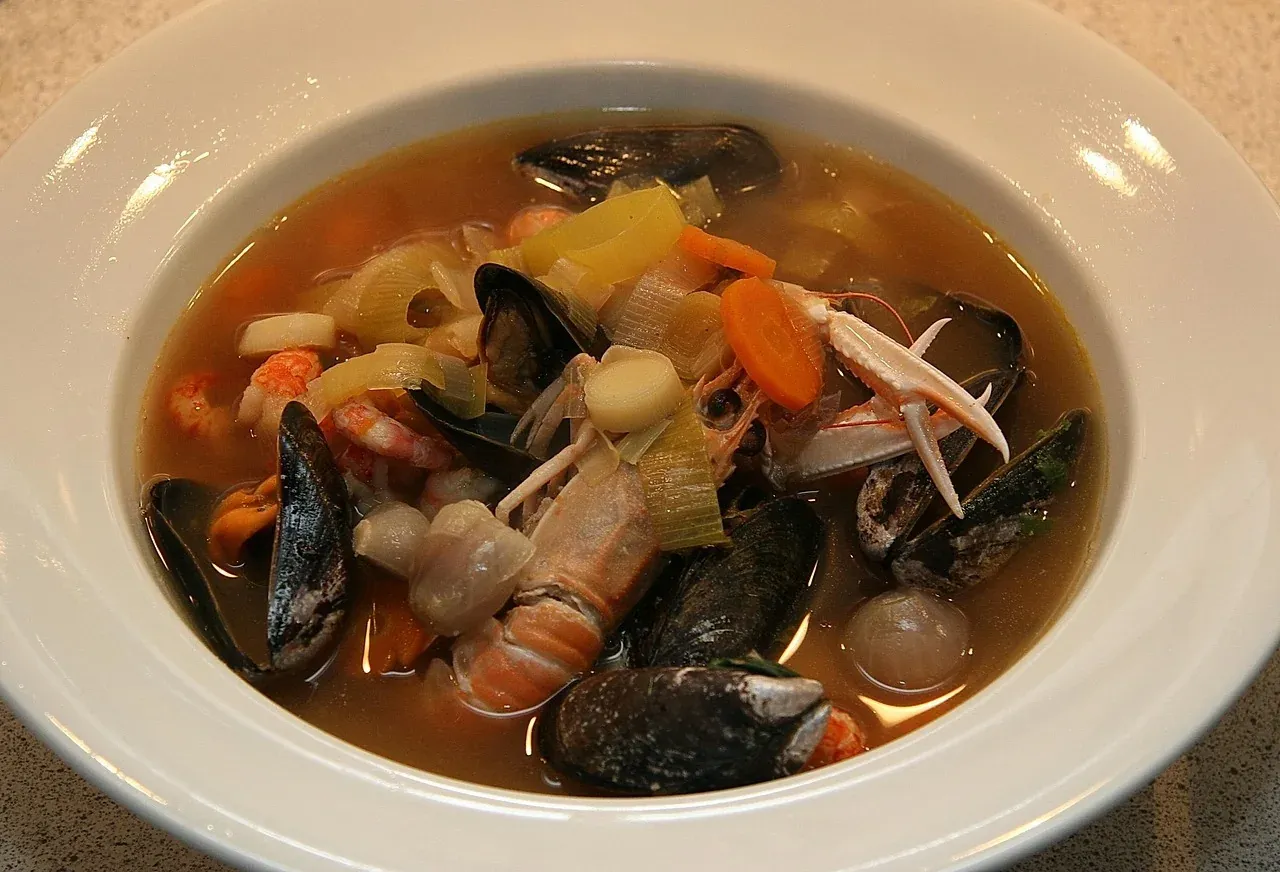
Bouillabaisse
Marseille and the Riviera coast turn the day's fish into a saffron broth served with the fish apart. A real one needs a lot of fresh fish, which is why cheap versions rarely resemble it.

Tartiflette
Savoie comfort food from the central Alps: potatoes baked under melted Reblochon with bacon or pork, the dish that ski resorts run on through the winter.
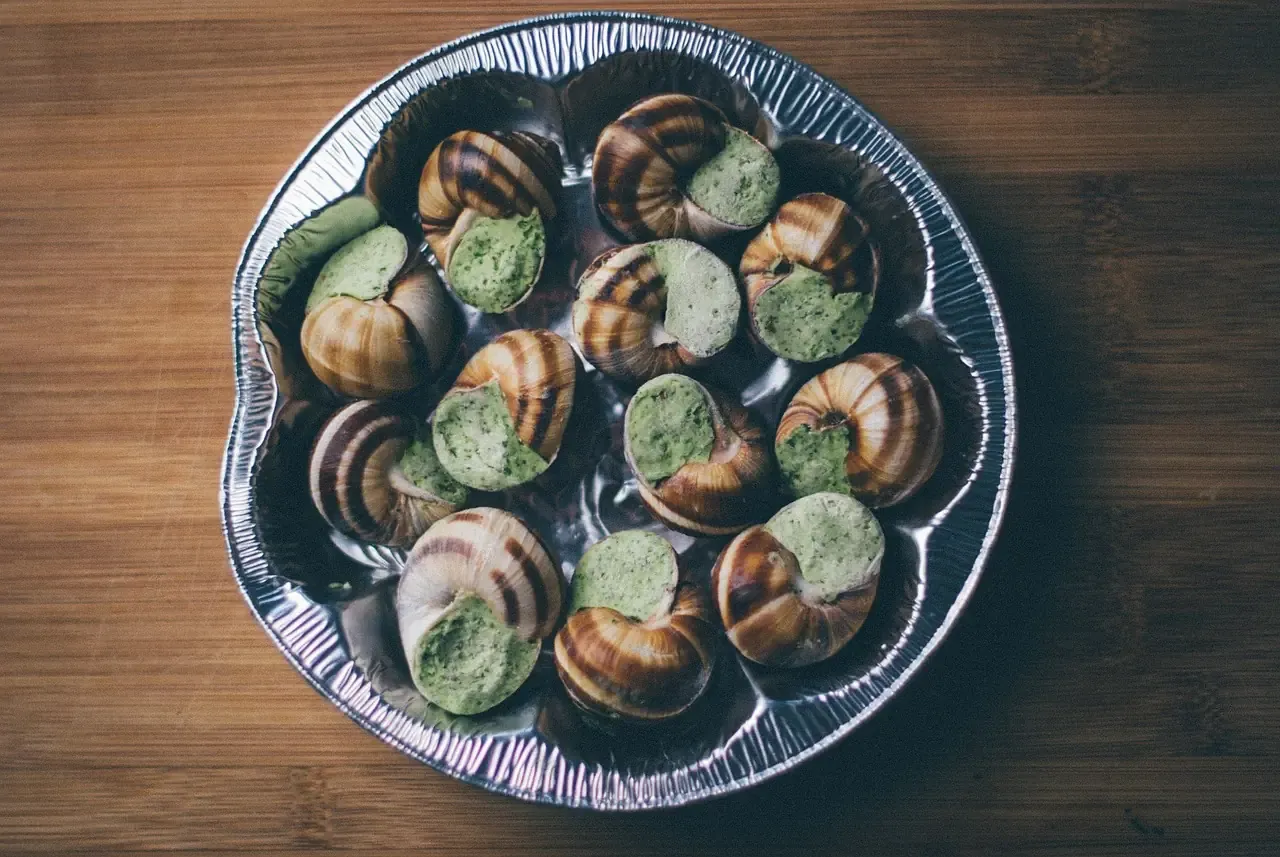
Escargots de Bourgogne
Burgundy snails baked in their shells under garlic, parsley and a generous amount of butter. Less common on French tables than the stereotype suggests, and mostly a restaurant order.

Crepes
Brittany's contribution to the national table, thin pancakes served sweet, with savoury buckwheat galettes as the salty half. Creperies cluster in Brittany and around Montparnasse in Paris.
Roman remains to visit in France
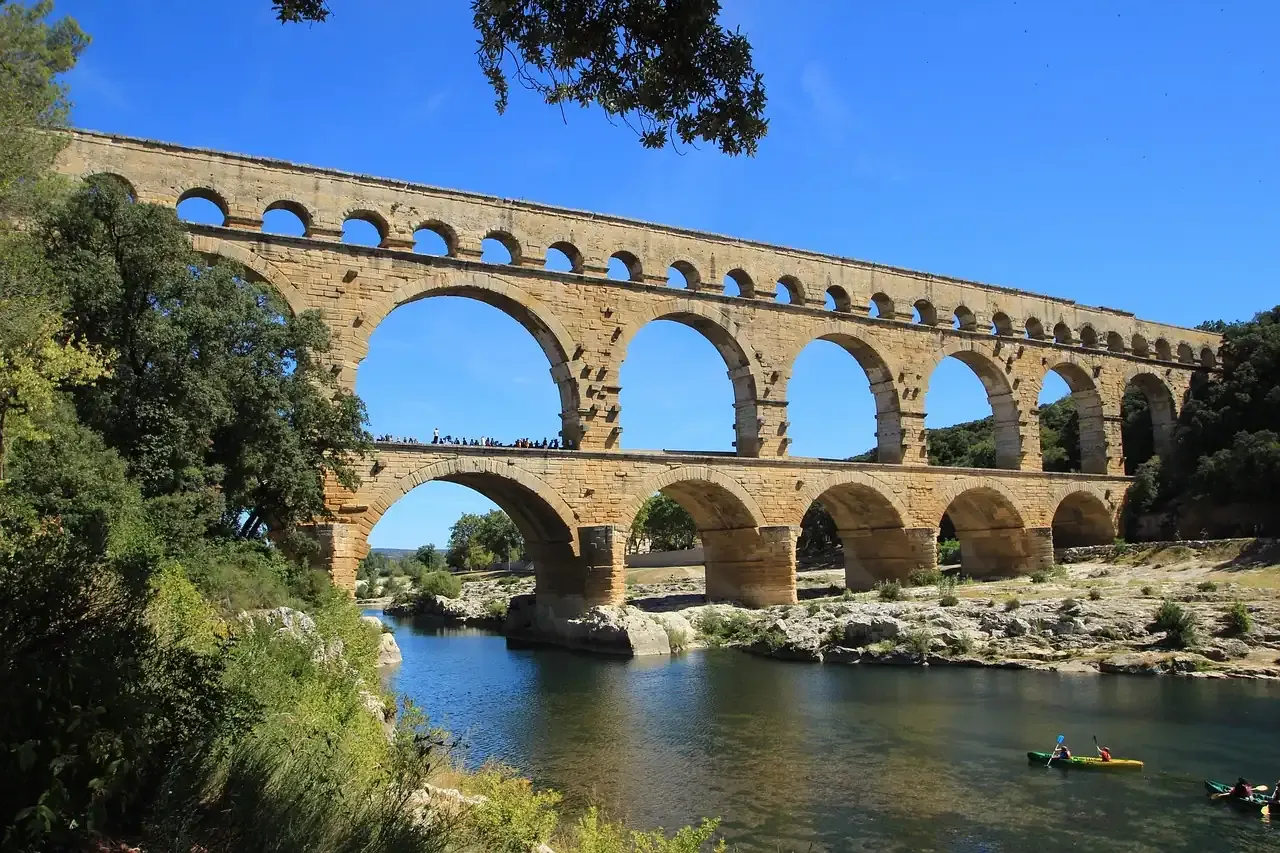
Pont du Gard
Three tiers of dry-stone arches carried an aqueduct over the Gardon around the first century AD.
Location: Vers-Pont-du-Gard, Gard
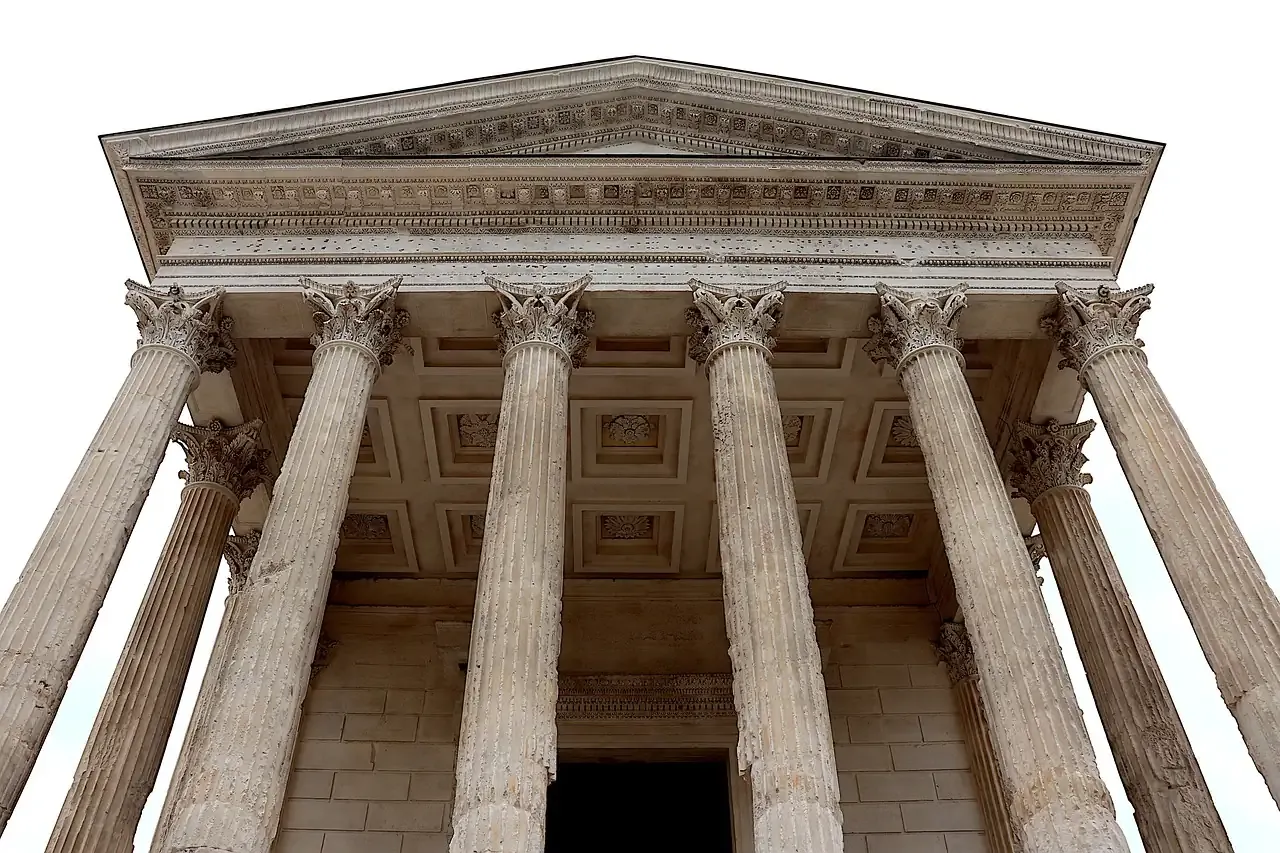
Maison Carree
One of the best preserved Roman temples anywhere, Corinthian columns intact in the middle of Nimes.
Location: Nimes, Gard
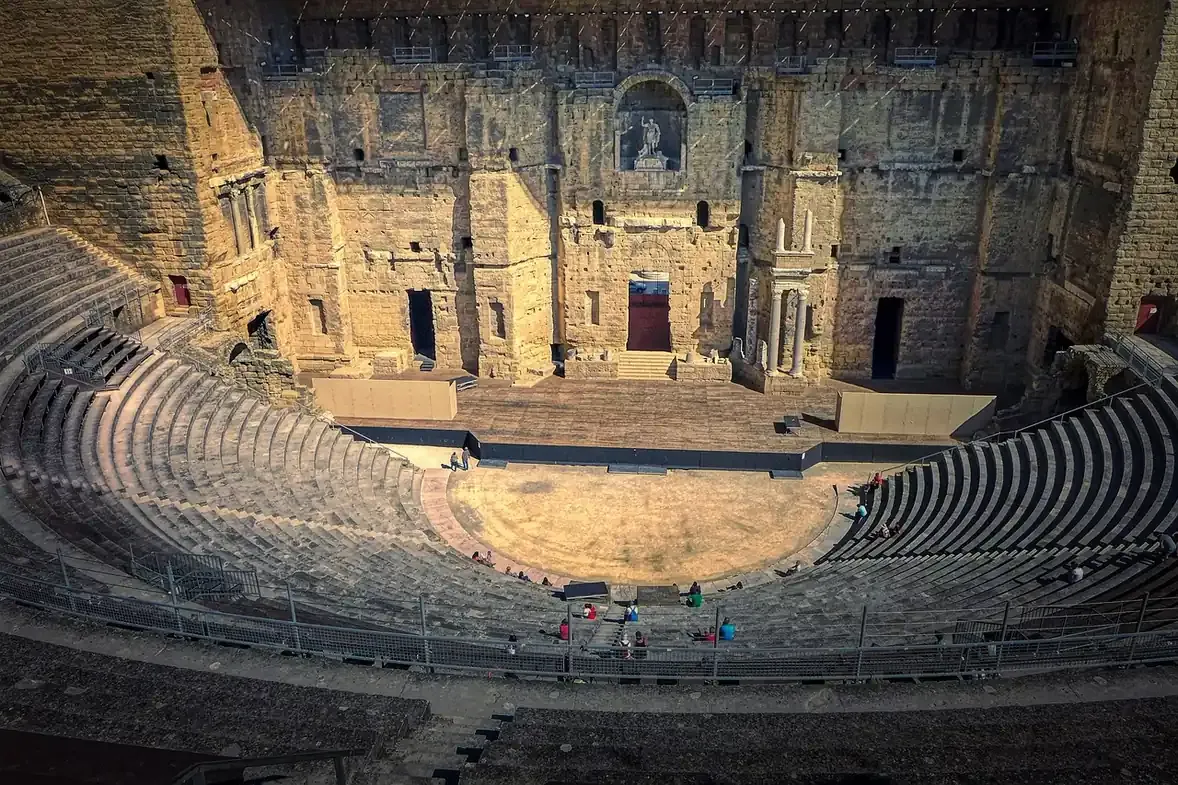
Roman Theatre of Orange
Its stage wall still stands to full height, which is why the theatre still hosts opera every summer.
Location: Orange, Vaucluse
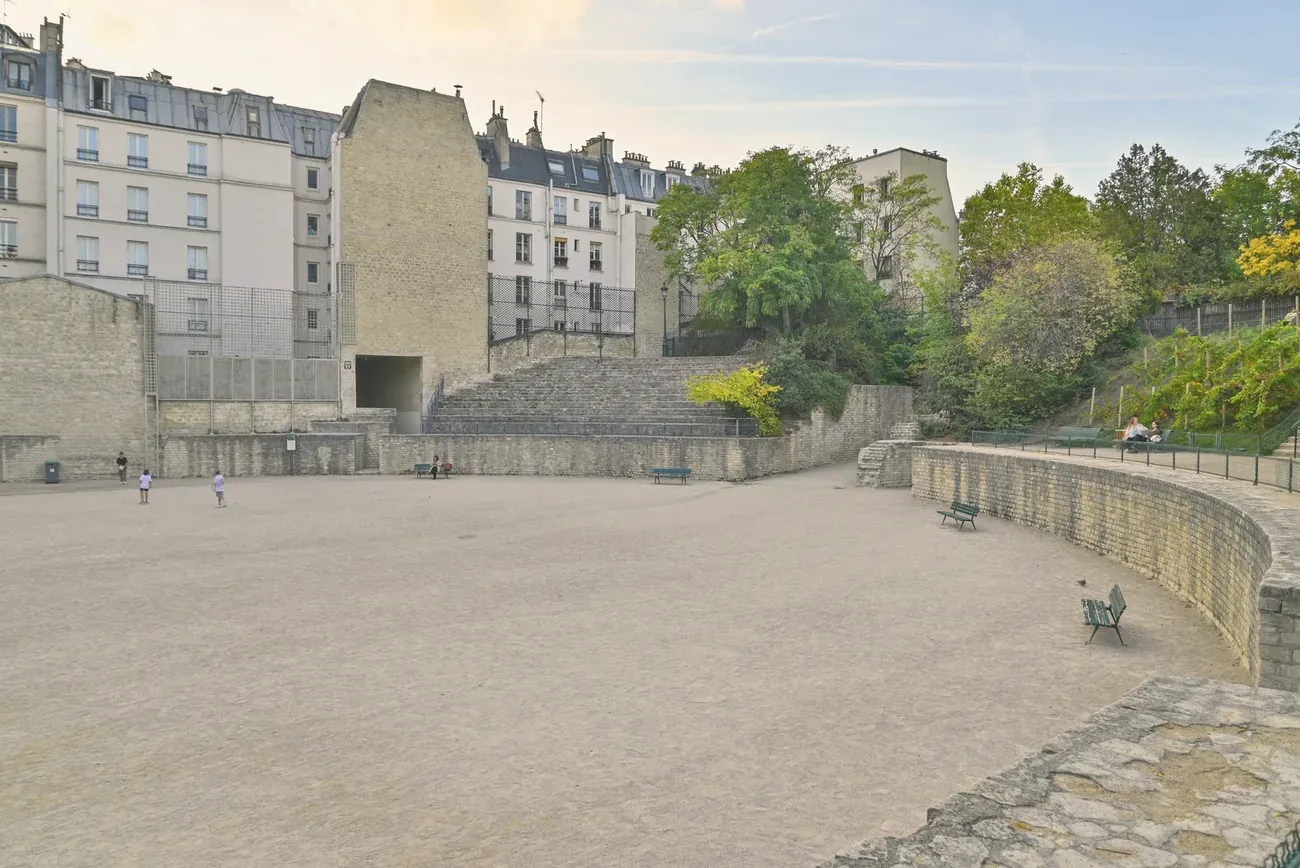
Arenes de Lutece
A Roman arena buried for centuries under the Latin Quarter, now a free public square with boules players.
Location: 5th arrondissement, Paris
Chateaux beyond Versailles in France
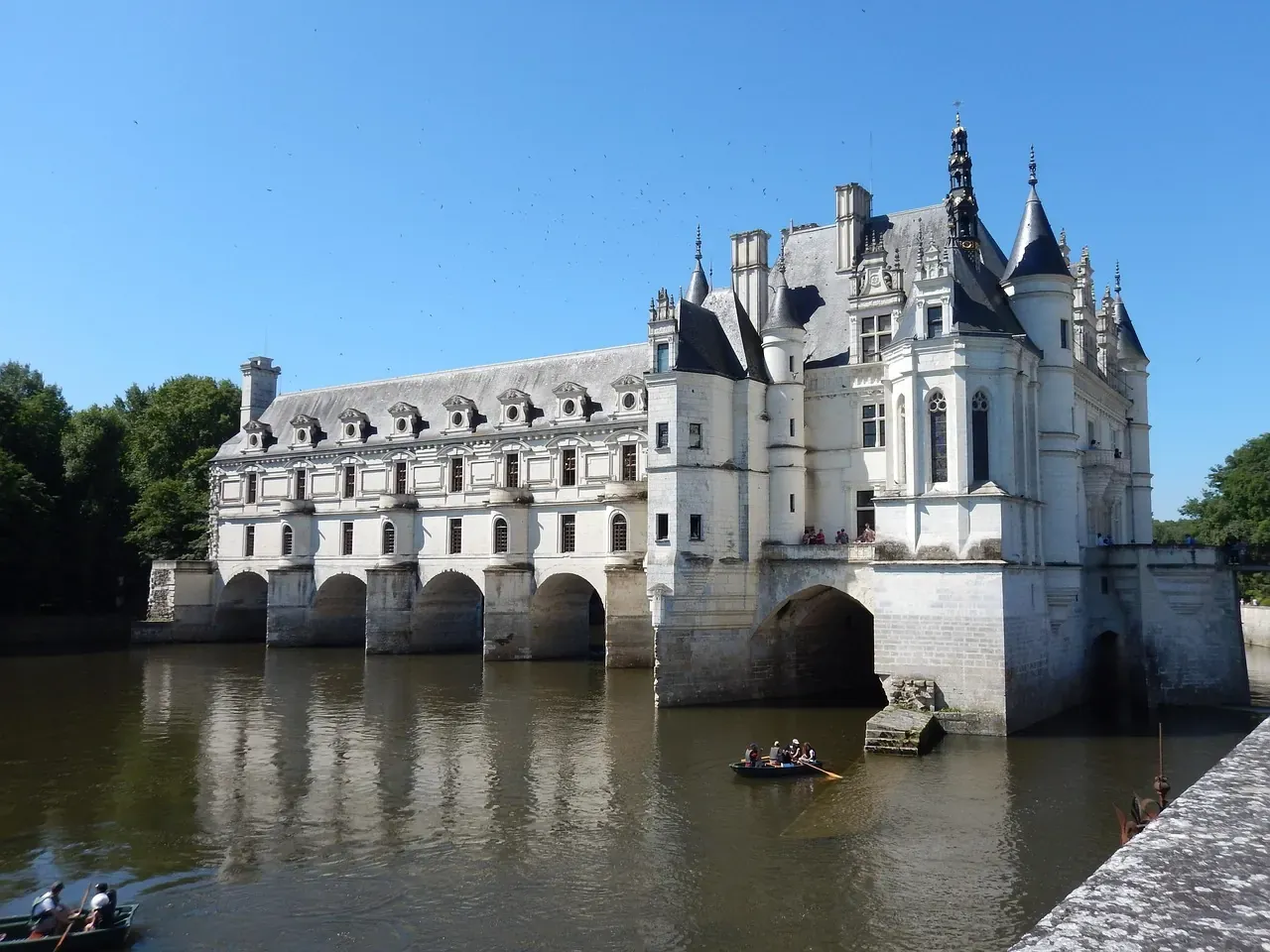
Chateau de Chenonceau
Its gallery is built on arches straight across the river Cher, the work of a run of women owners.
Location: Chenonceaux, Loire Valley
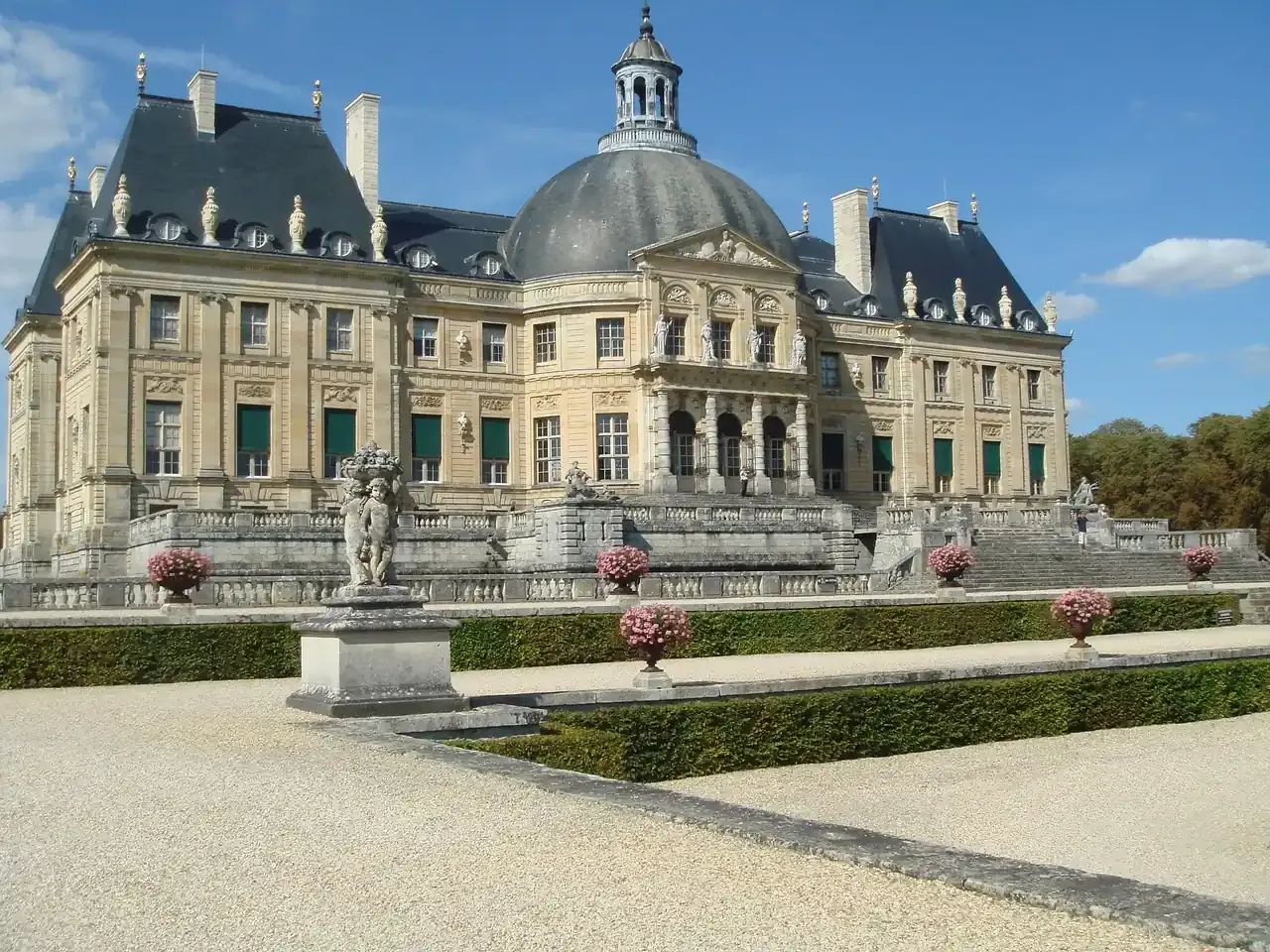
Vaux-le-Vicomte
The 1661 house whose team of Le Vau, Le Brun and Le Notre went straight on to build Versailles.
Location: Maincy, Seine-et-Marne
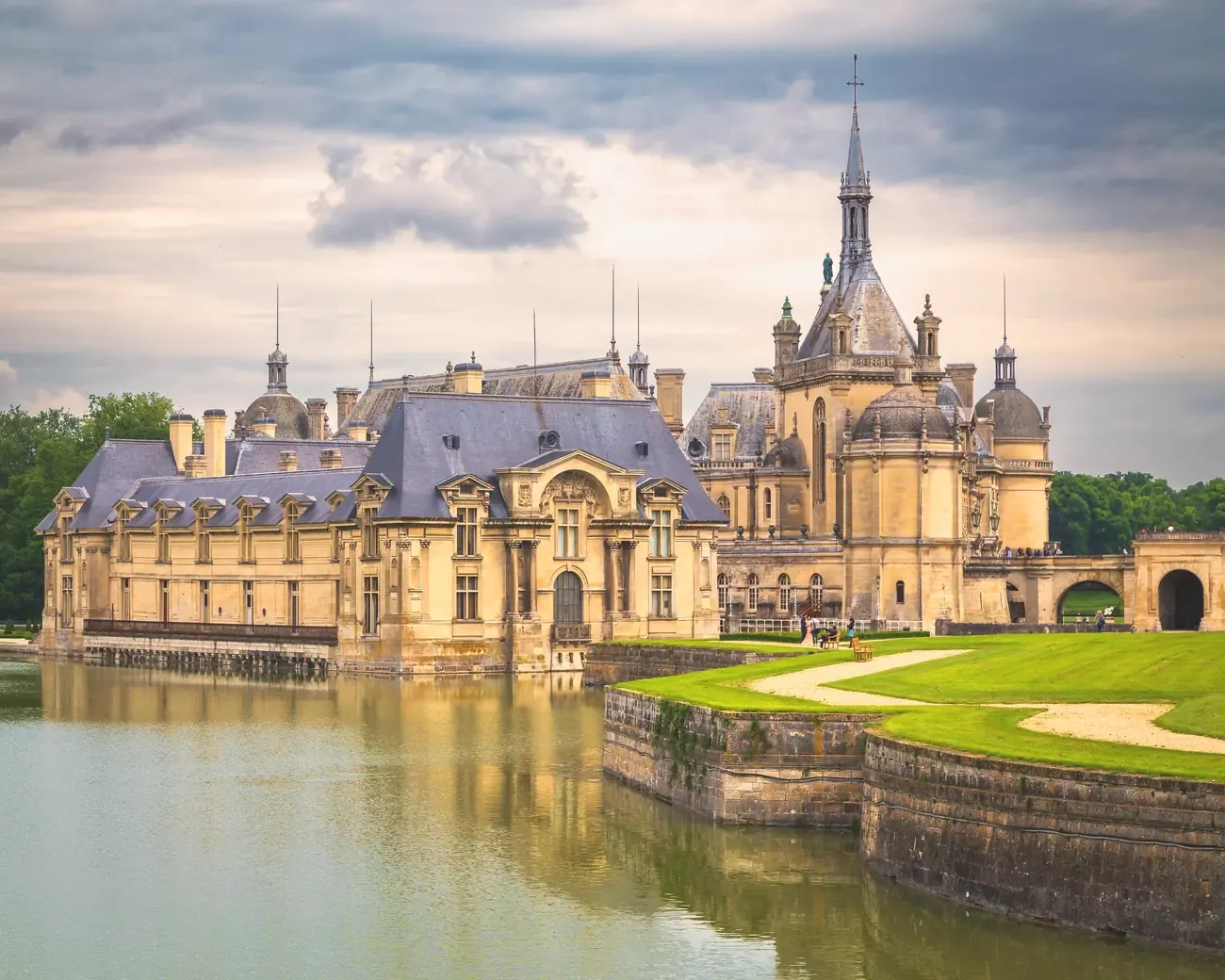
Chateau de Chantilly
A moated chateau north of Paris holding the picture collection of the duc d'Aumale, with princely stables next door.
Location: Chantilly, Oise
Unusual museums and collections in France
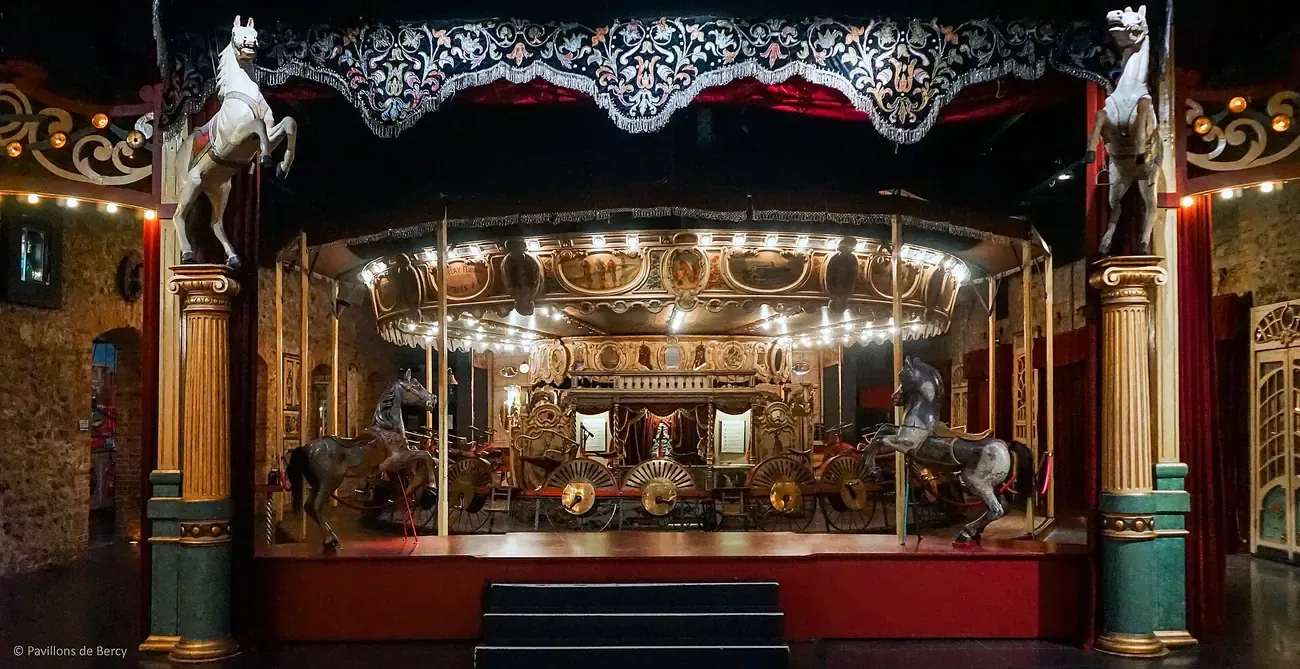
Musee des Arts Forains
A private collection of working fairground rides and carousels in the old wine warehouses of Bercy.
Location: 12th arrondissement, Paris
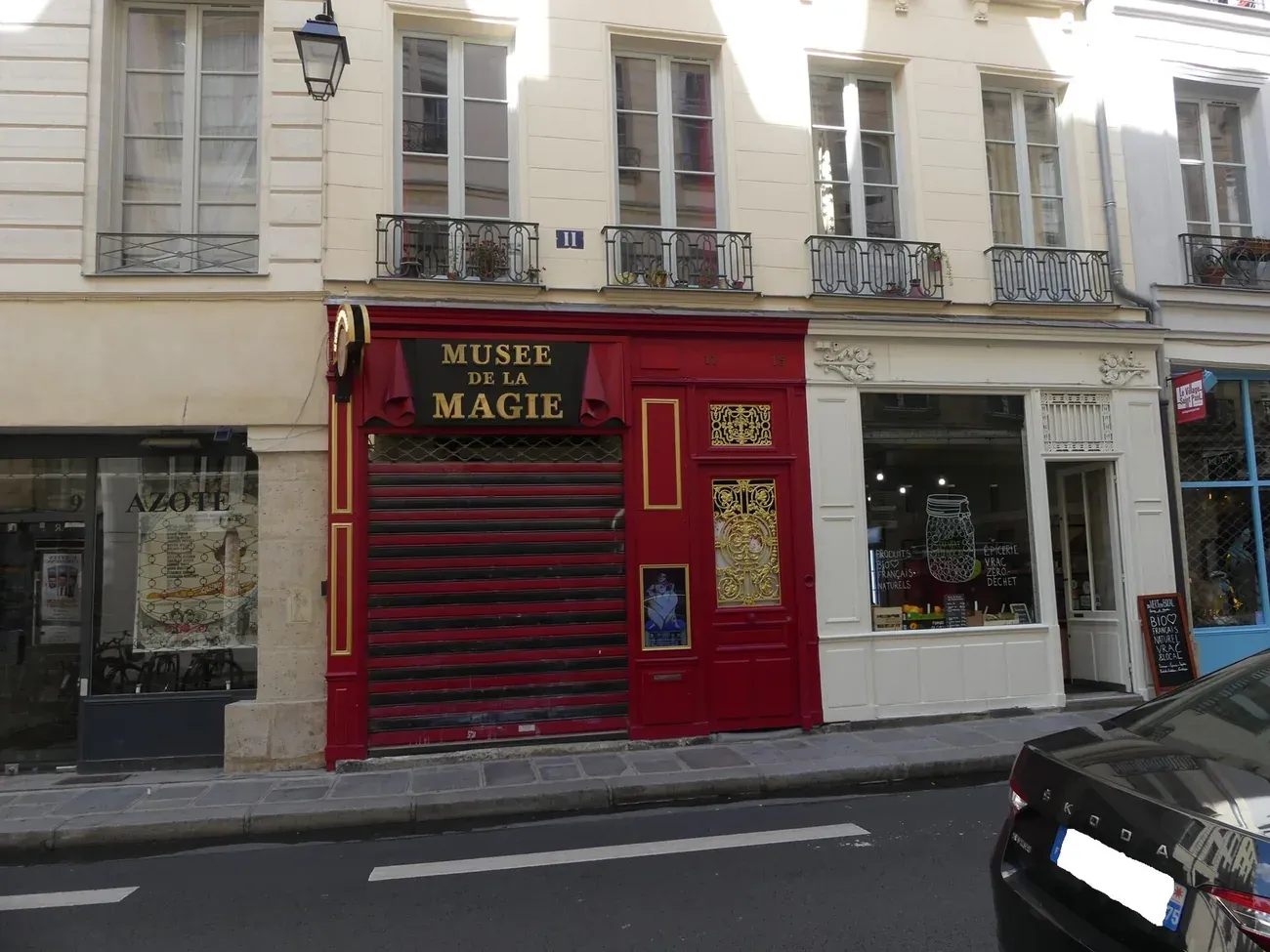
Musee de la Magie
Vaulted cellars in the Marais full of automatons, optical illusions and conjuring props, with live demonstrations.
Location: 4th arrondissement, Paris
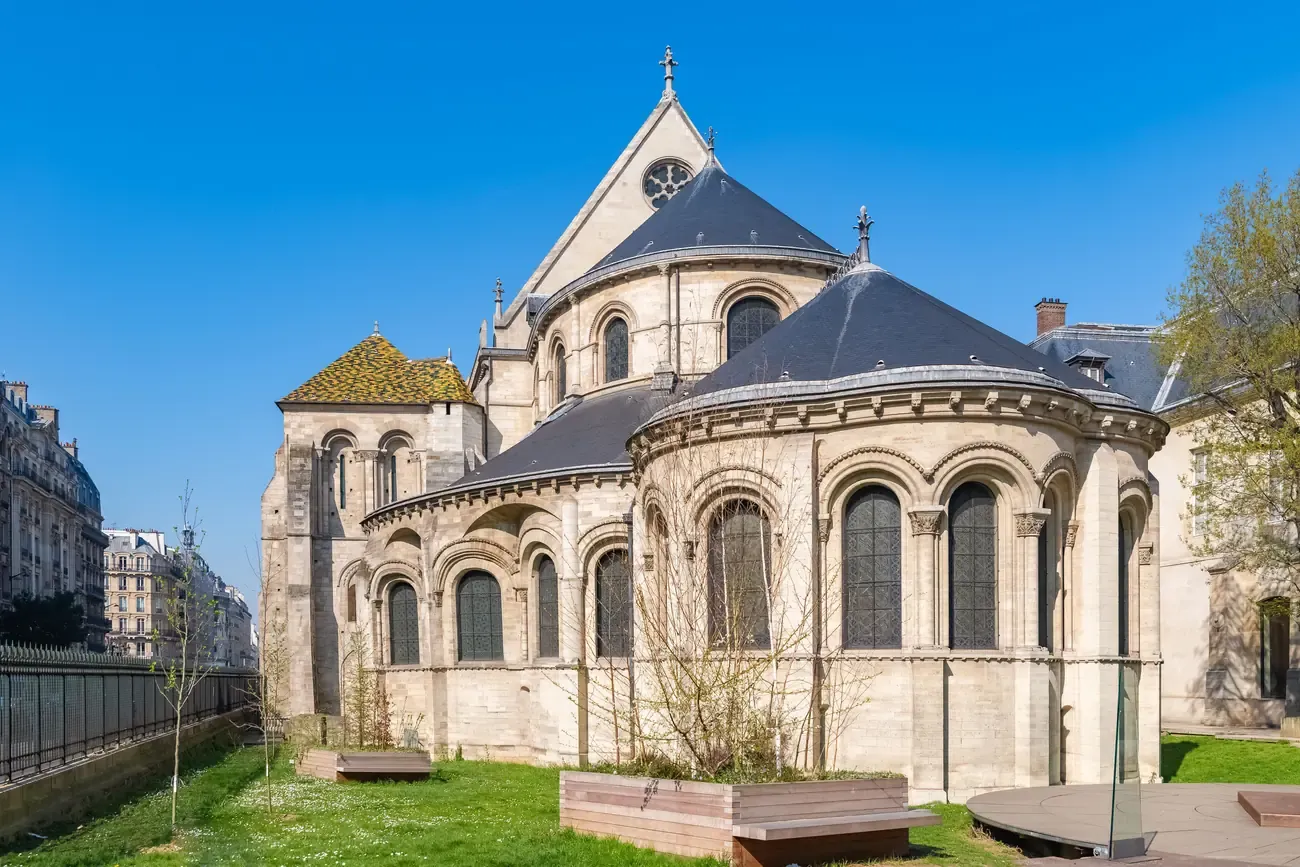
Musee des Arts et Metiers
Foucault's pendulum and early flying machines hang inside a deconsecrated medieval priory church.
Location: 3rd arrondissement, Paris
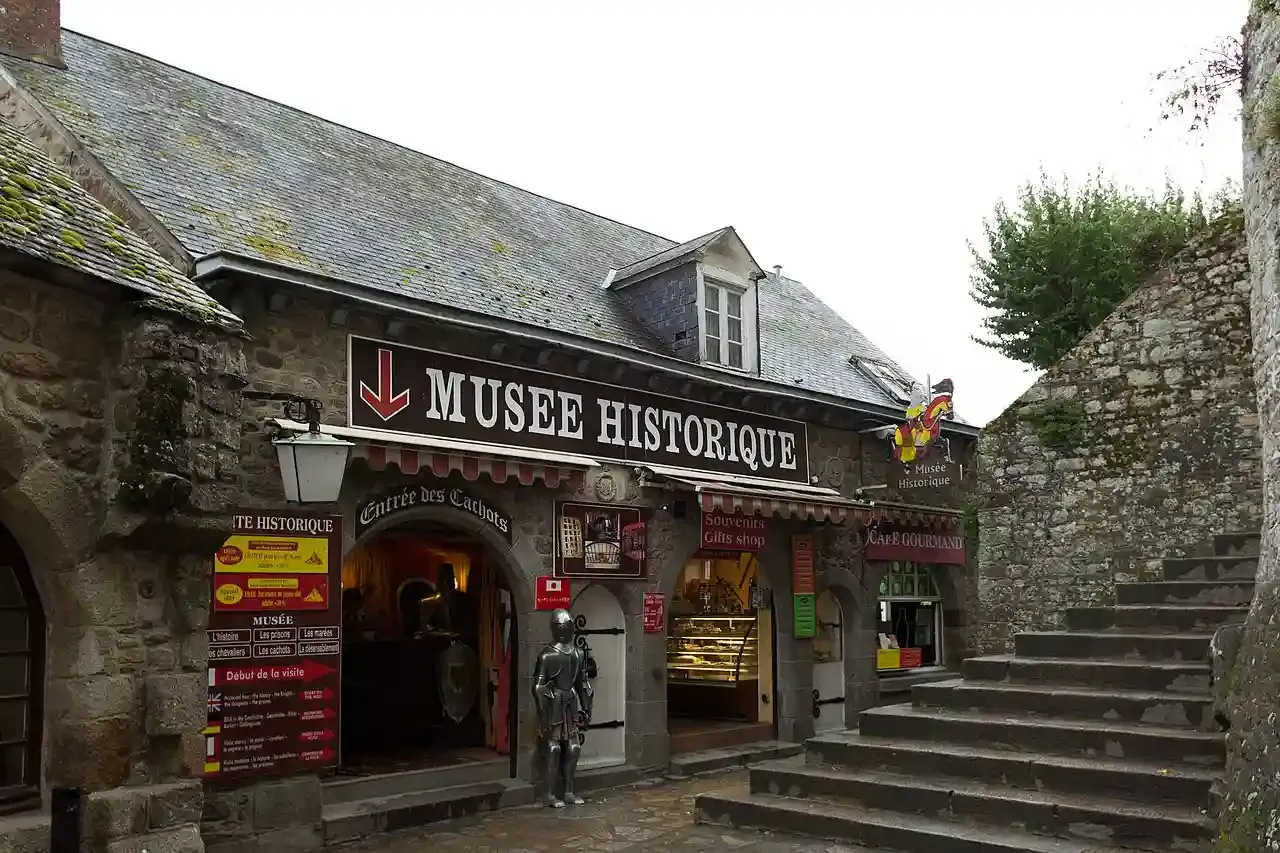
Musee Historique
Wax scenes, old weapons and reconstructed dungeons in a small museum at the foot of the abbey.
Location: Grande Rue, Mont-Saint-Michel
Hidden gems in France worth the detour
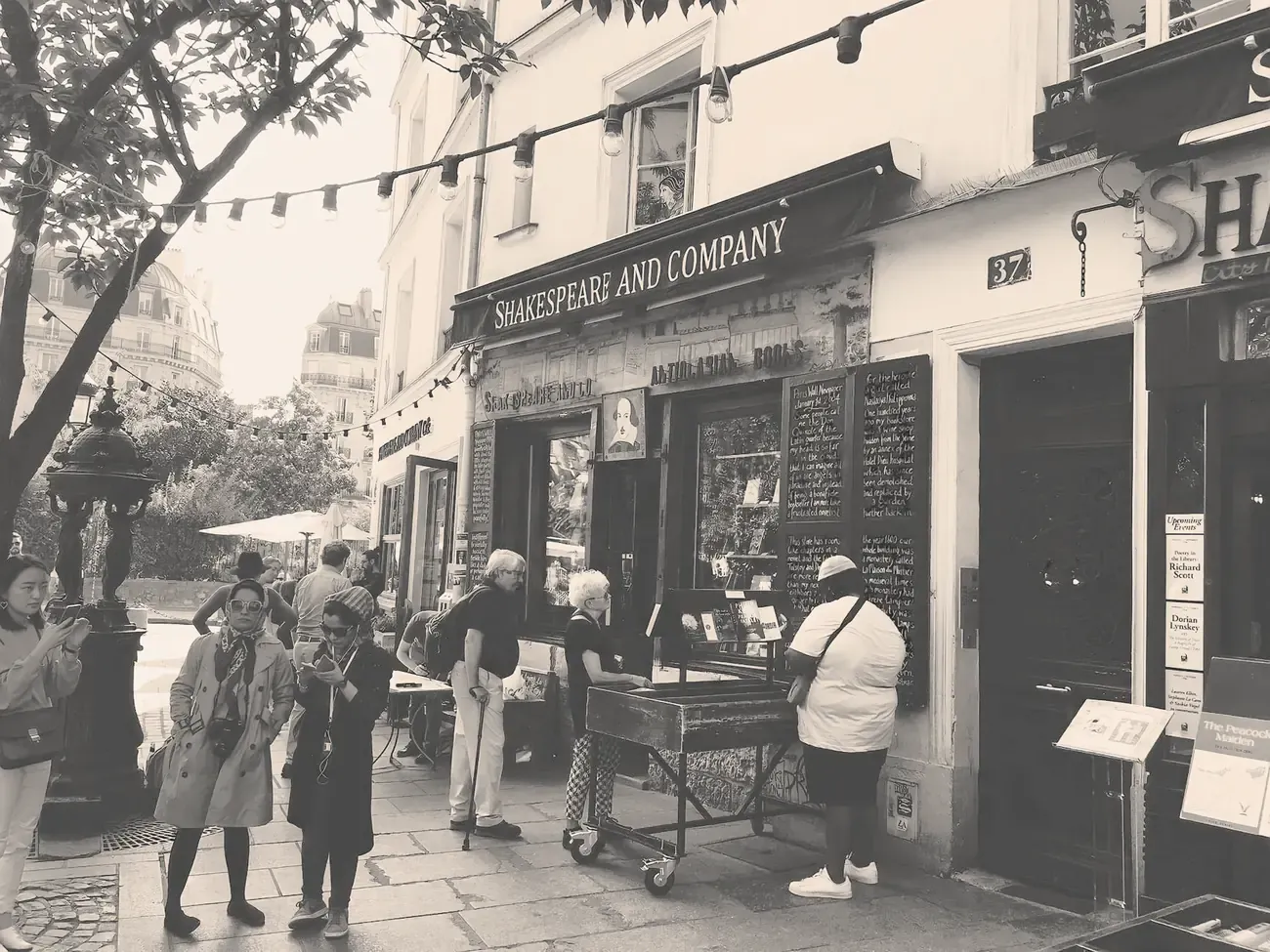
Shakespeare and Company
The English language bookshop opposite Notre-Dame that has put up writers in beds among the shelves since 1951.
Location: 5th arrondissement, Paris
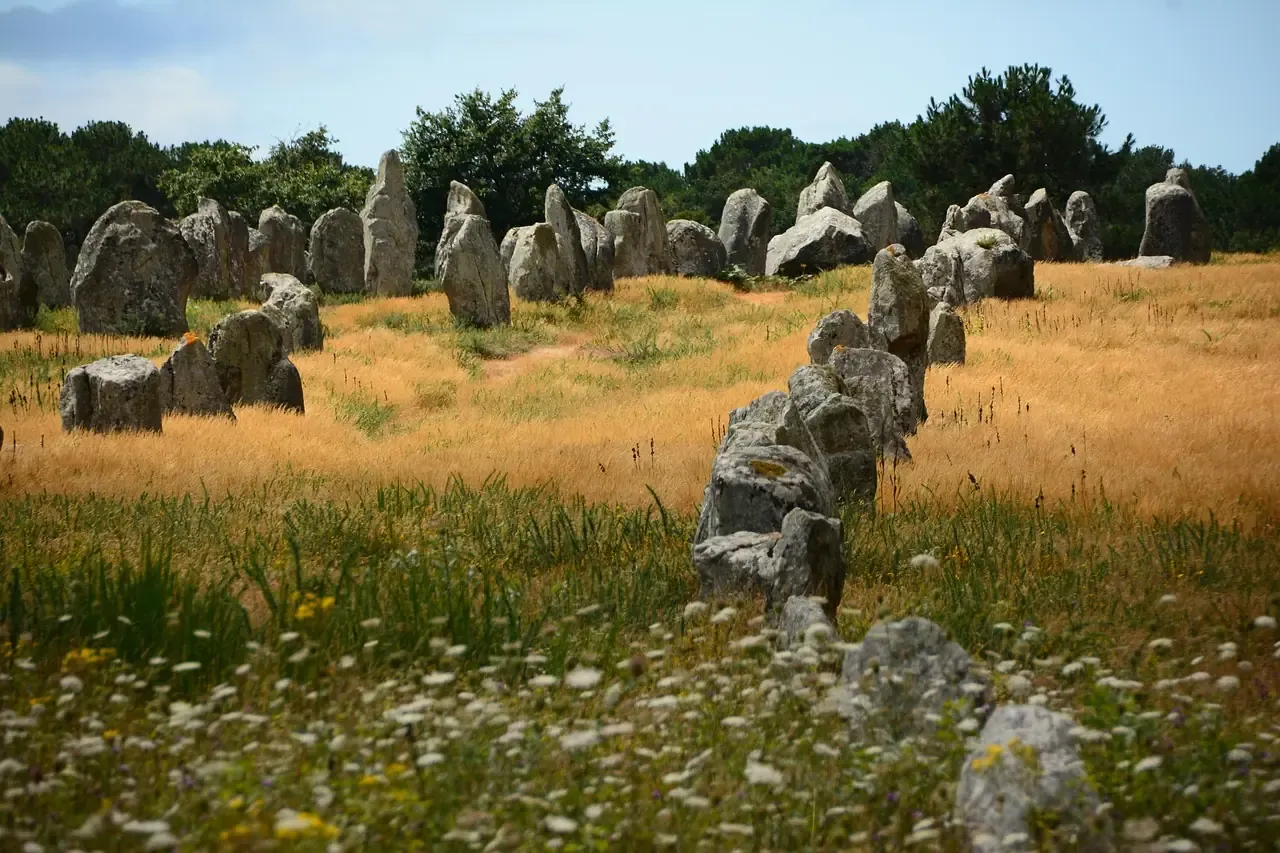
Carnac standing stones
Thousands of neolithic menhirs in long alignments across the fields, listed by UNESCO in 2025.
Location: Carnac, Brittany
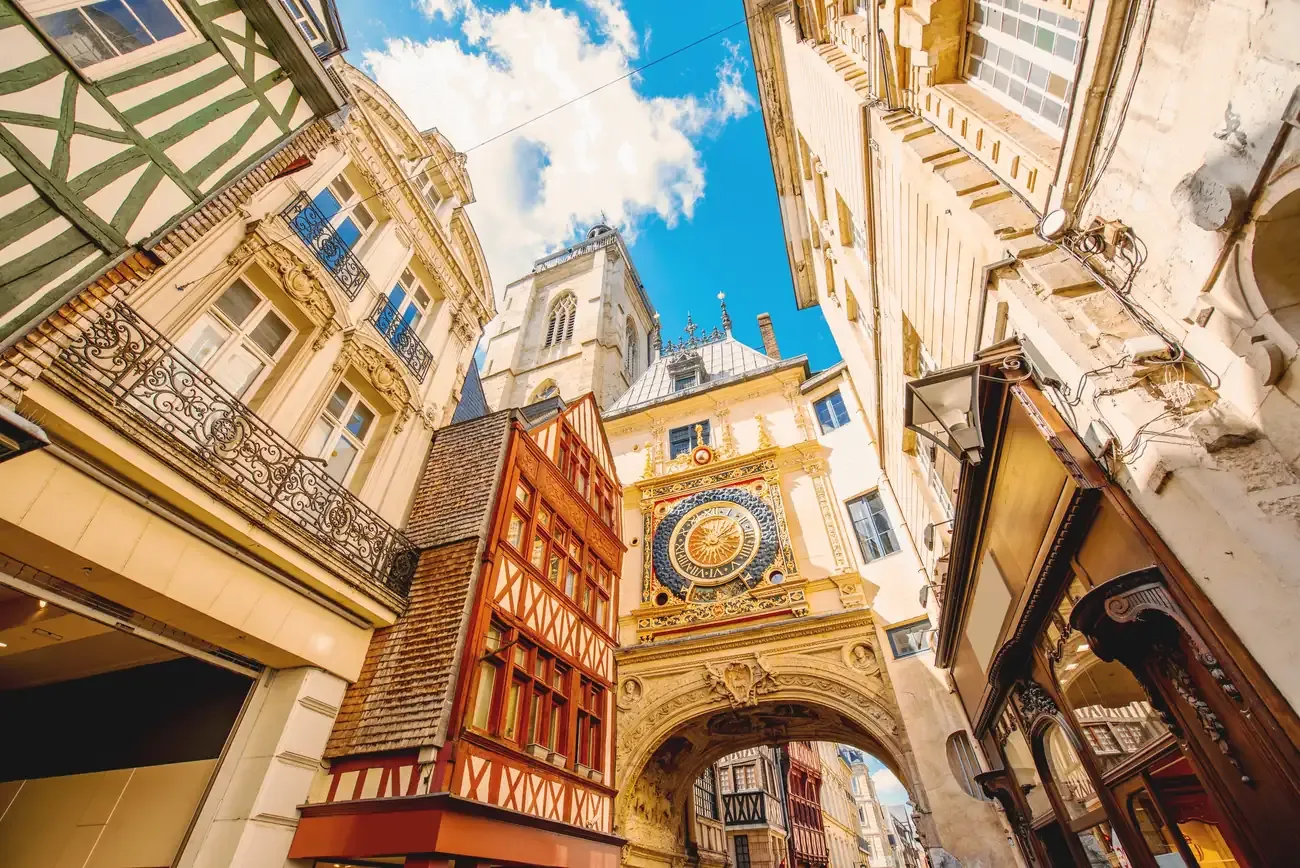
Gros-Horloge
A gilded astronomical clock set in an arch over a shopping street, with a belfry climb behind it.
Location: Rue du Gros-Horloge, Rouen
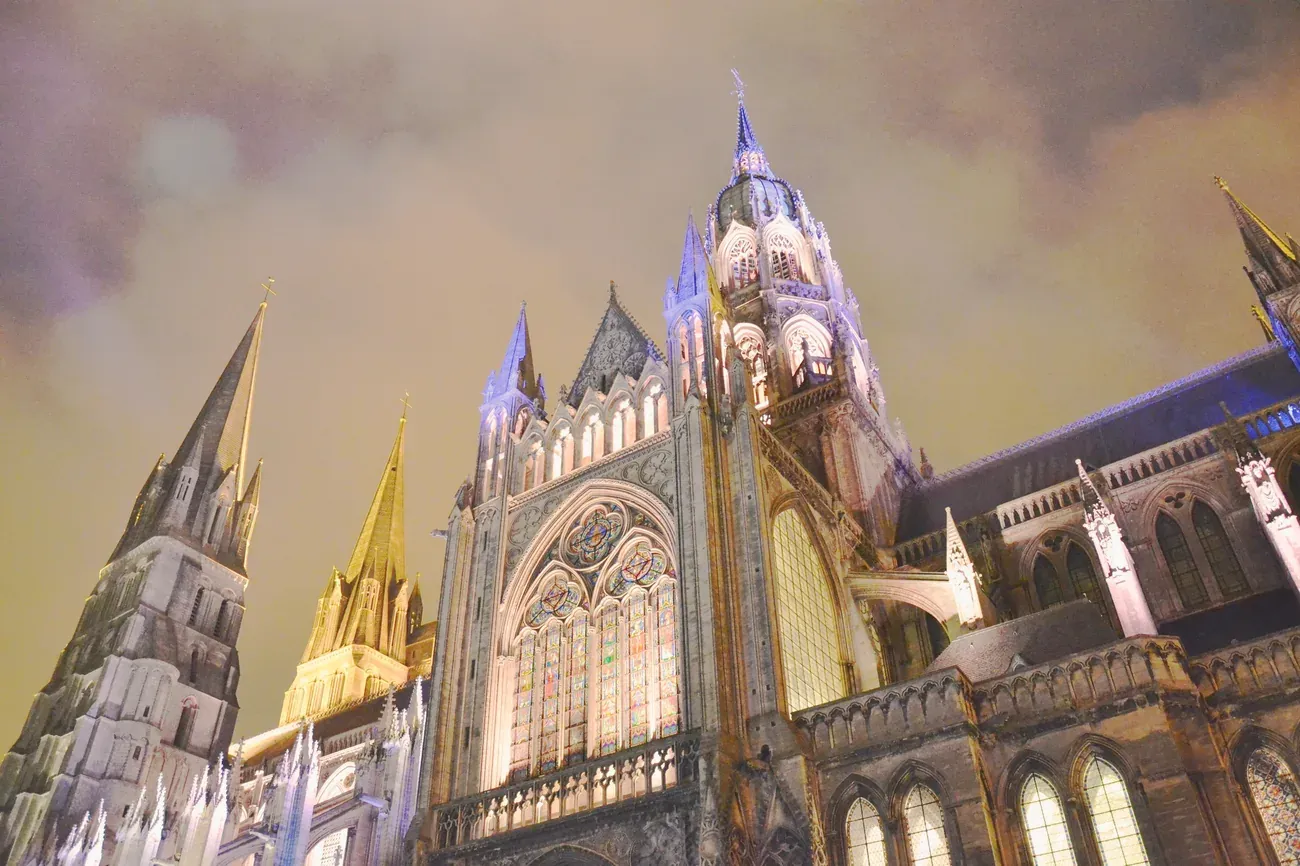
Bayeux Cathedral
Norman Gothic towers over the town that kept the tapestry, and the first place liberated after the landings.
Location: Bayeux, Calvados
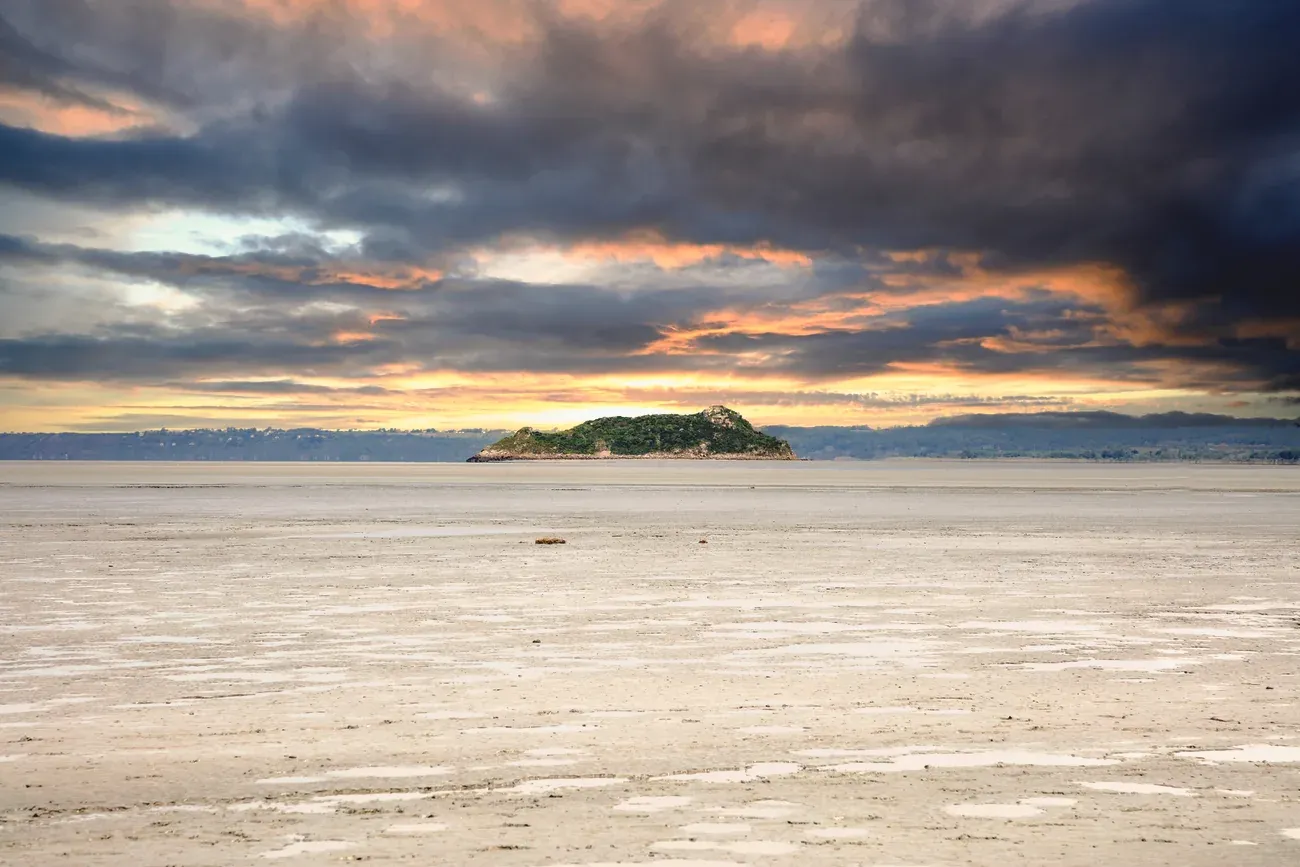
Tombelaine
The other island in the bay, a bird reserve reached only with a guide across the sands.
Location: Mont-Saint-Michel bay, Normandy
Is France worth visiting
France works as a single trip in a way few countries of its size manage, because the distances are short and the contrasts are not. A traveller can stand under Gothic vaults in the morning, walk a Roman aqueduct in the afternoon and eat food from a third region entirely, and the fast trains out of Paris make most of that a matter of hours rather than days.
The regions pull in genuinely different directions. The north and west face the Channel and the Atlantic, with chalk cliffs, the landing beaches and the granite of Brittany. The centre holds the Loire and its chateaux. The south trades that for Roman stone, lavender country and the Mediterranean, and the eastern border runs from Alsace up into the Alps, where Mont Blanc closes the horizon above Chamonix.
Fifty-six UNESCO World Heritage properties are spread across that map, and plenty of the best sit well away from the capital. Spring and autumn give the best balance of weather and space, while August empties the cities and fills the coast, because much of the country takes its own holiday at the same time.
Then there is the eating, which is not a side note here. The meal itself is on the UNESCO intangible heritage list, every region defends its own dishes, and the cheese counter alone runs to hundreds of varieties. France is the most visited country in the world, and it heads most rankings of Europe's tourist attractions.