
Tourist attractions in Versailles
Known for
A royal palace and its gardens, ringed by a town of about 84,000 people
Must-see landmarks
The Palace of Versailles, the Gardens and the Grand Trianon
World Heritage
Palace and Park of Versailles, UNESCO listed since 1979
Getting around
RER C to Versailles Château Rive Gauche or Transilien L to Rive Droite
Top 4 tourist attractions in Versailles
Palace of Versailles, Gardens of Versailles and Grand Trianon lead the tourist attractions in Versailles. This guide ranks the 4 sights worth your time, then adds 6 hidden gems, free things to do, upcoming events, tickets and visitor FAQs. The 4 sights are numbered on the free tourist map of Versailles, with the hidden gems and a walking route.
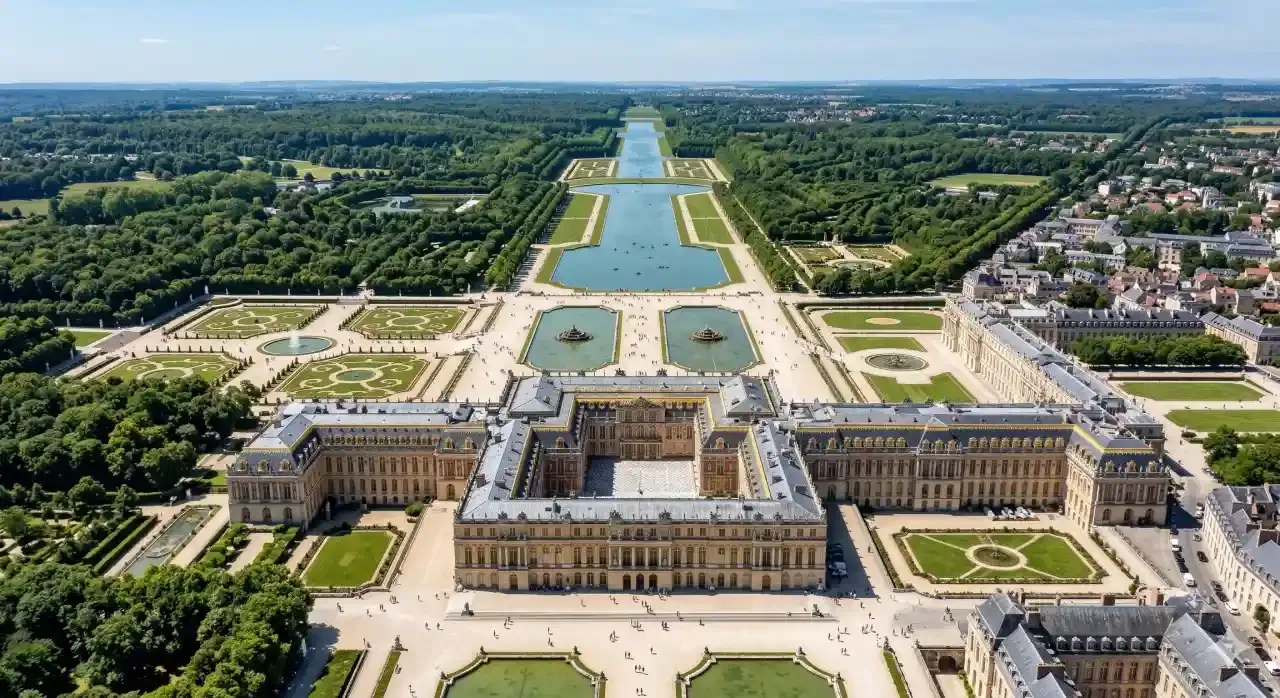
1. Palace of Versailles
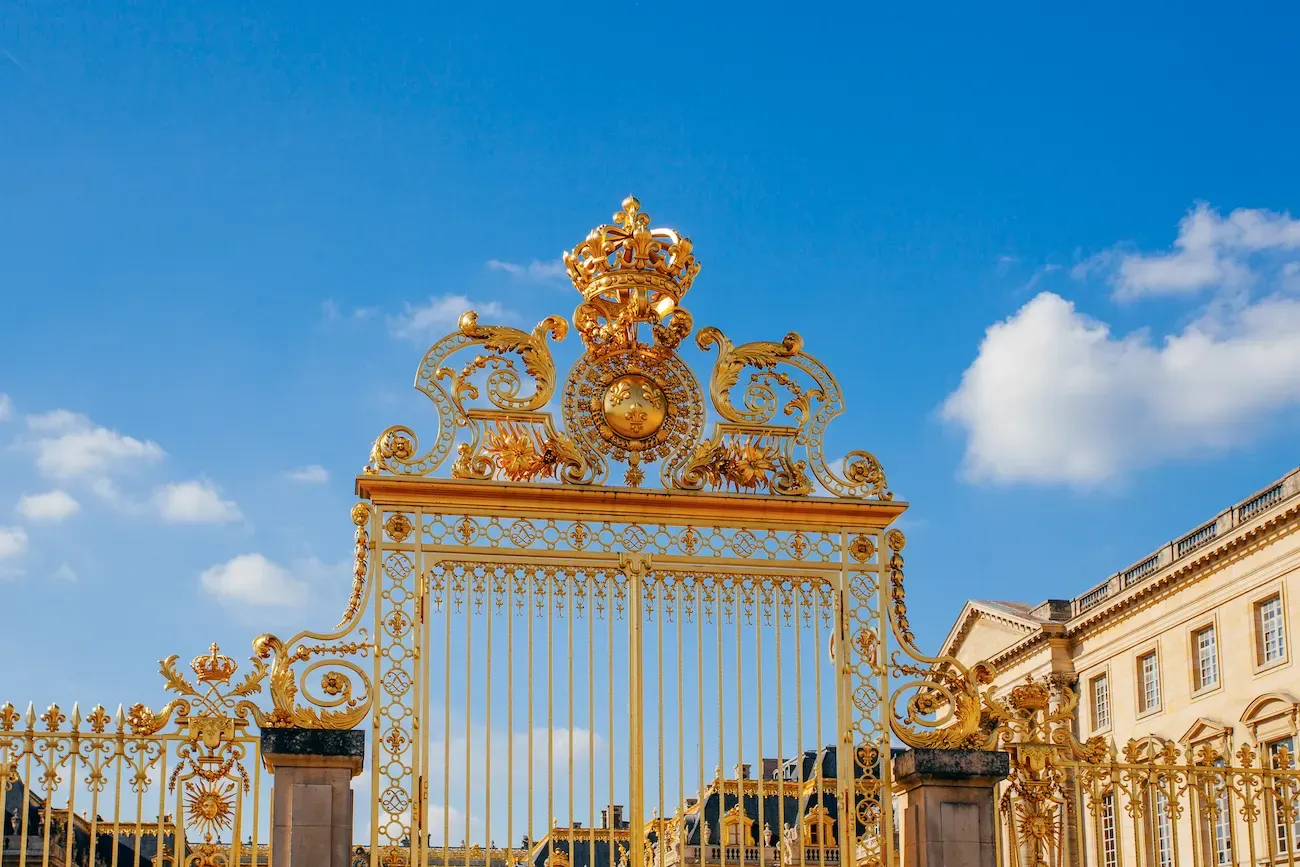
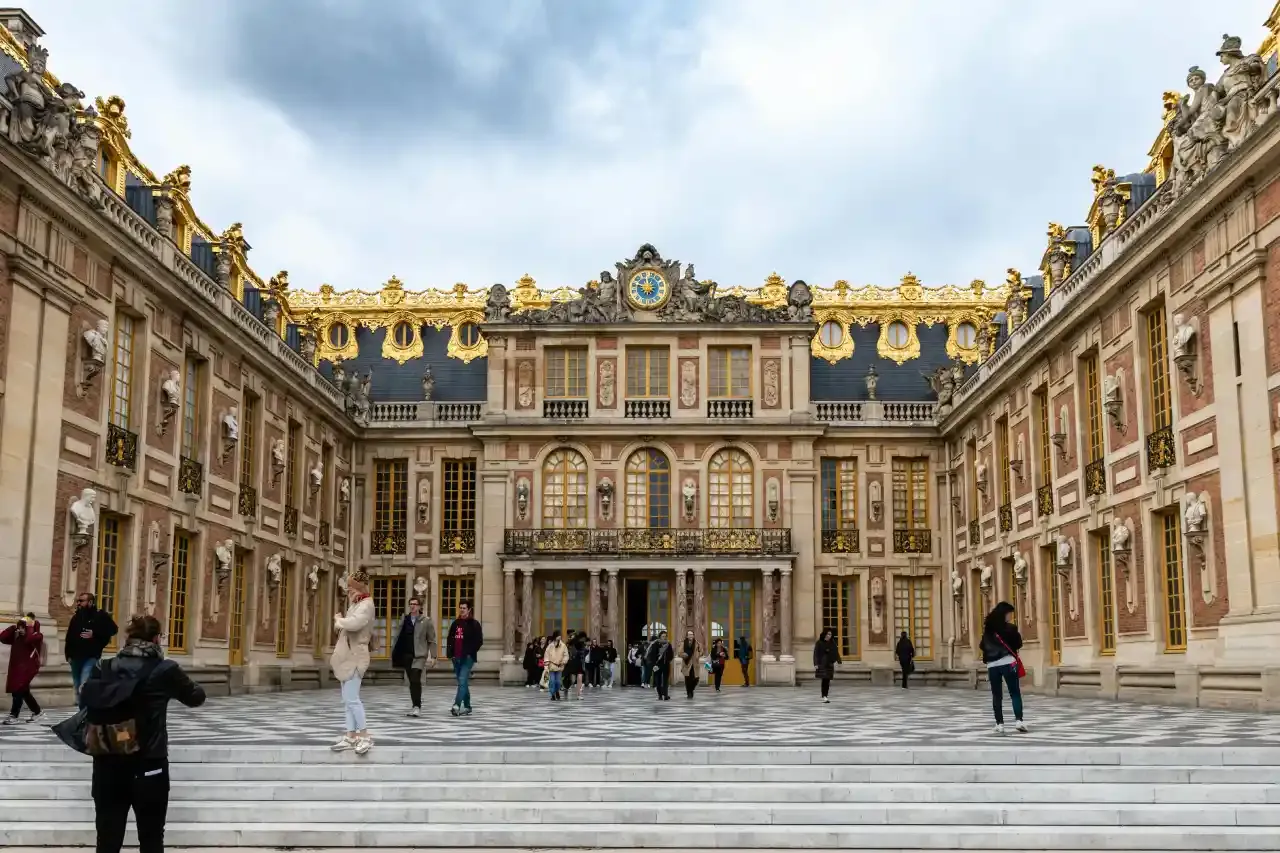
Louis XIV moved the French court out here in 1682 and turned his father's hunting lodge into the seat of government, the model that every other European monarch then tried to copy. The State Apartments lead through to the Hall of Mirrors, where arcades of mirrored glass face the windows onto the gardens, and the Royal Chapel closes the north wing. Queues build quickly at the Pavillon Dufour entrance, so the first hour after opening stays the calmest stretch of the day.
Architect: Louis Le Vau and Jules Hardouin-Mansart · Style: French Baroque
Location: Place d'Armes, 78000 Versailles
Access: Ticketed, 9:00 to 18:30 from 1 April to 1 November and 9:00 to 17:30 the rest of the year, closed Mondays · Tickets and tours
2. Gardens of Versailles
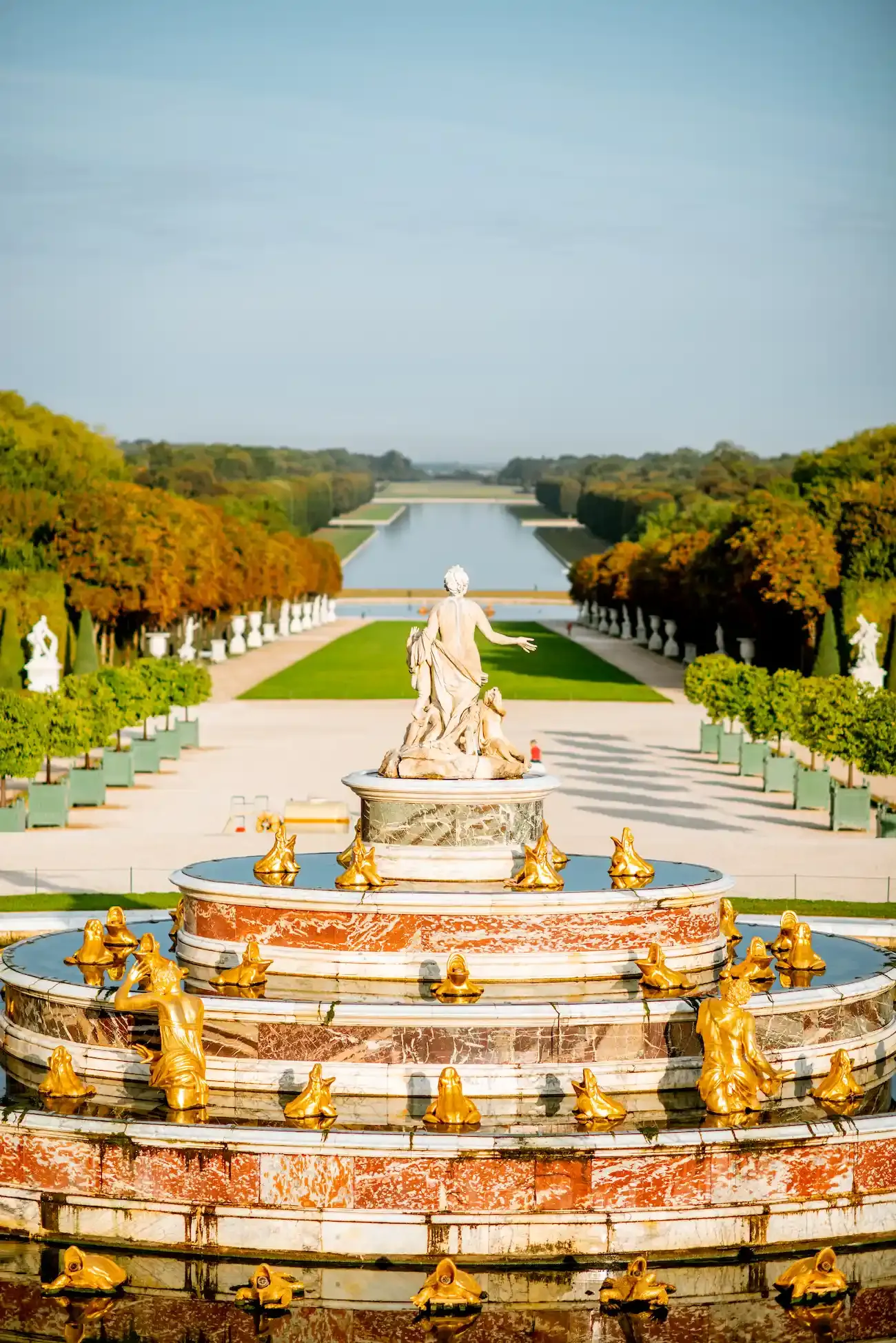
André Le Nôtre shaped the ground behind the palace into hedges, basins and sightlines that carry the eye west until the ground meets the sky. The Latona Fountain steps down towards the lawn of the Tapis Vert, the Apollo Fountain marks the far end of it, and past that the Grand Canal opens out where Louis XIV once kept a small fleet of boats. Below the south parterre the Orangery shelters its orange trees through the winter, and the paths beyond the canal empty out even on busy afternoons.
Landscape architect: André Le Nôtre · Listed: UNESCO World Heritage Site
Location: Château de Versailles estate, 78000 Versailles
Access: Free on most days, 7:00 to 20:30 from 1 April to 1 November and 8:00 to 18:00 the rest of the year; a ticket is required on Musical Fountains and Musical Gardens days
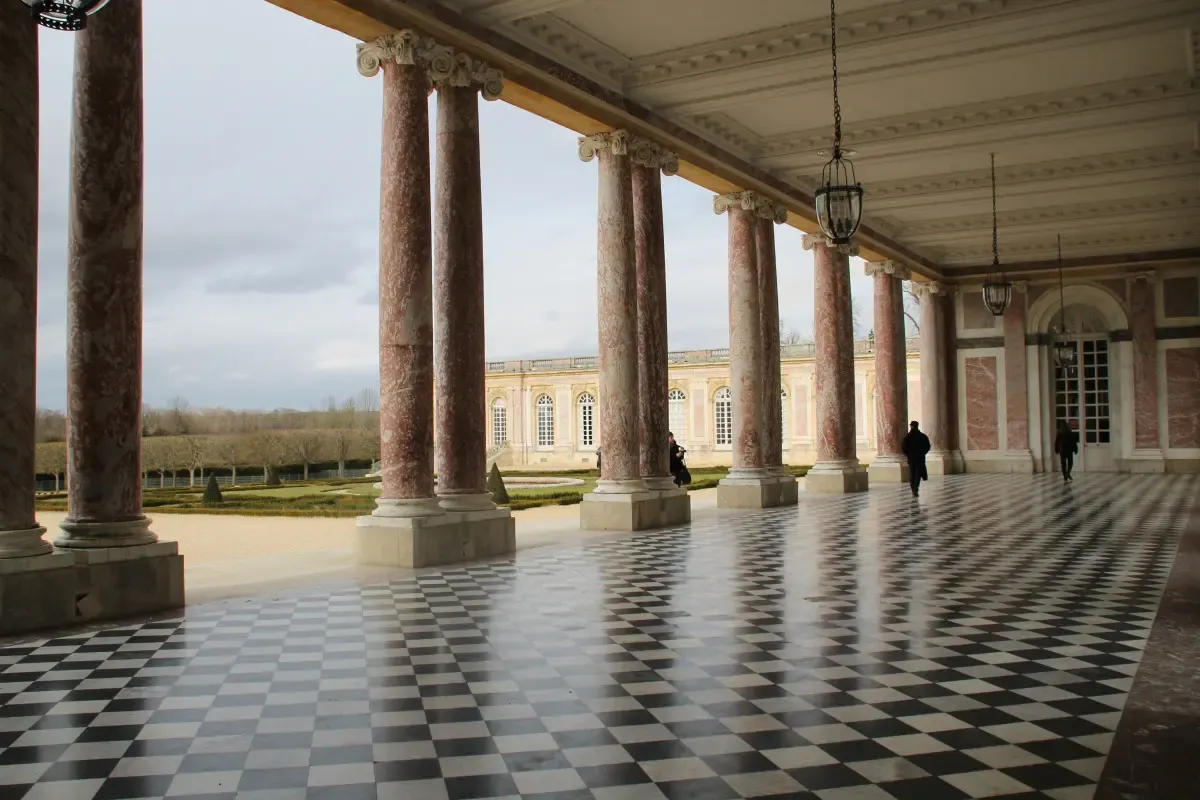
3. Grand Trianon
Louis XIV had this low palace of rose marble built at the far end of the park so he could step away from the ceremony of the main court, and its colonnaded peristyle opens straight through to gardens of its own. Everything sits on one floor, the wings running out to apartments that Napoleon later took over and that hosted visiting heads of state well into the last century. Planted for scent rather than for spectacle, the beds here draw a fraction of the crowd once the Grand Canal is behind you.
Architect: Jules Hardouin-Mansart · Style: French Baroque
Location: Estate of Trianon, 78000 Versailles
Access: Ticketed, opens at midday, closed Mondays · Trianon estate tickets
4. Petit Trianon and the Hameau de la Reine
Ange-Jacques Gabriel built the Petit Trianon for Louis XV, and Marie-Antoinette later made it the one place where court etiquette stopped at the gate. Richard Mique laid out the English garden that wraps around it, with the domed Temple of Love standing on its own island, and further on the Hameau de la Reine: a dozen thatched cottages set around a lake, built as a working farm and dairy rather than a stage set. Both sit at the quiet end of the estate, and the little train back to the palace saves the walk.
Architects: Ange-Jacques Gabriel and Richard Mique · Style: Neoclassical
Location: Estate of Trianon, 78000 Versailles
Access: Ticketed, opens at midday, closed Mondays · book the Trianon estate
Book Versailles attractions and tours
Upcoming events in Versailles

Les Jardins Musicaux 2026
Les Jardins Musicaux 2026 plays Jardins du Chateau de Versailles on 21 October at 09:00.
La Voie De L'Ecuyere, Opus 2026
La Voie De L'Ecuyere, Opus 2026 plays Grande Ecurie du Chateau de Versailles on 21 October at 15:00.

The Jury Experience – Une sortie en mer fatale
The Jury Experience – Une sortie en mer fatale comes to Versailles Palais des Congrès on 8 November at 16:30.

Calogero
Calogero plays the Palais des Congrès on 13 November at 20:30, another chanson française date on the venue's autumn calendar.

Stephan Eicher
Stephan Eicher plays the Palais des Congrès on 20 November at 20:30, closing out a run of chanson française nights in the town's concert hall.
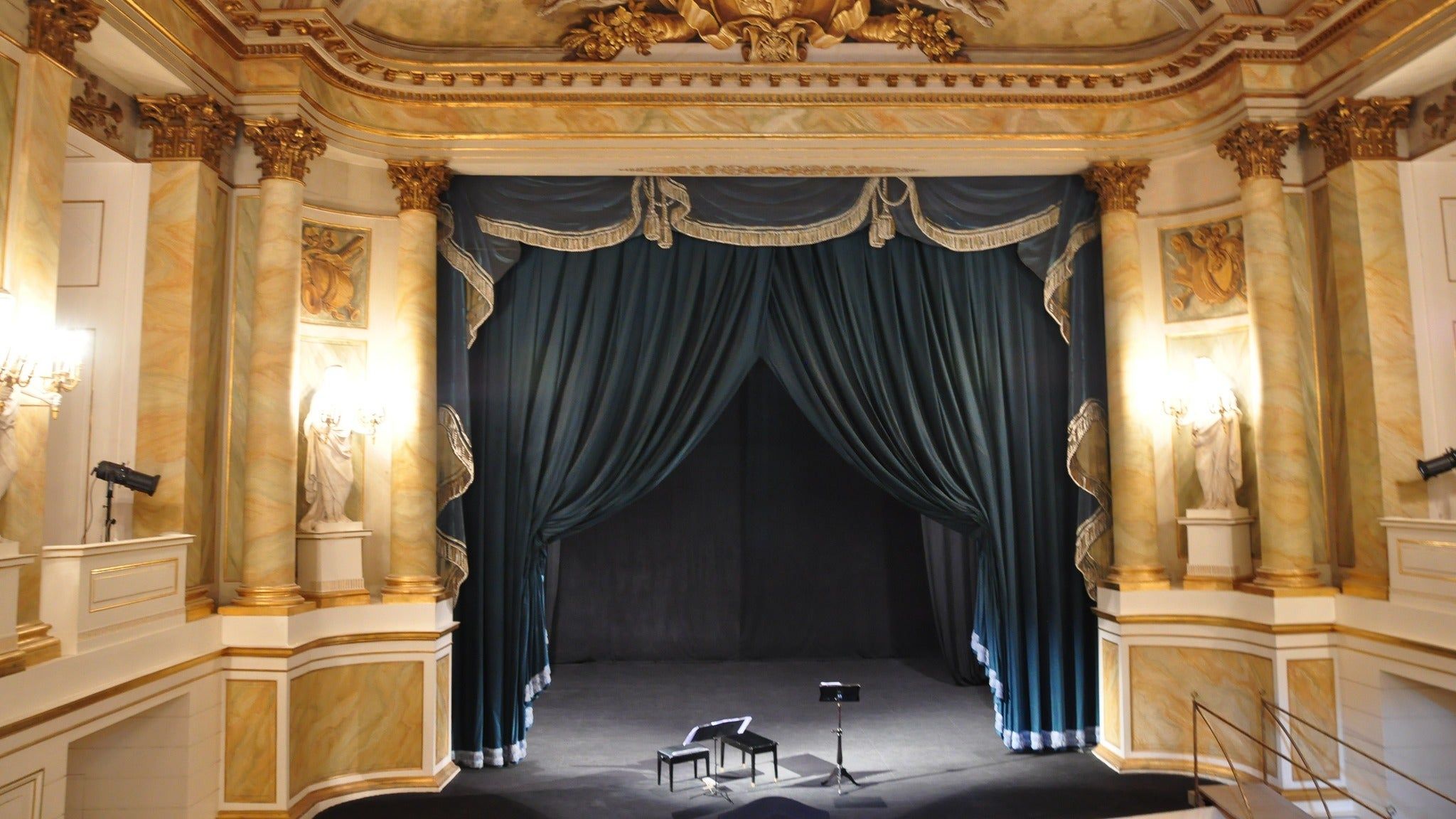
Il Combattimento Di Tancredi E Clorinda
Il Combattimento Di Tancredi E Clorinda plays Opera Royal on 23 November at 20:00.
Free attractions to visit in Versailles
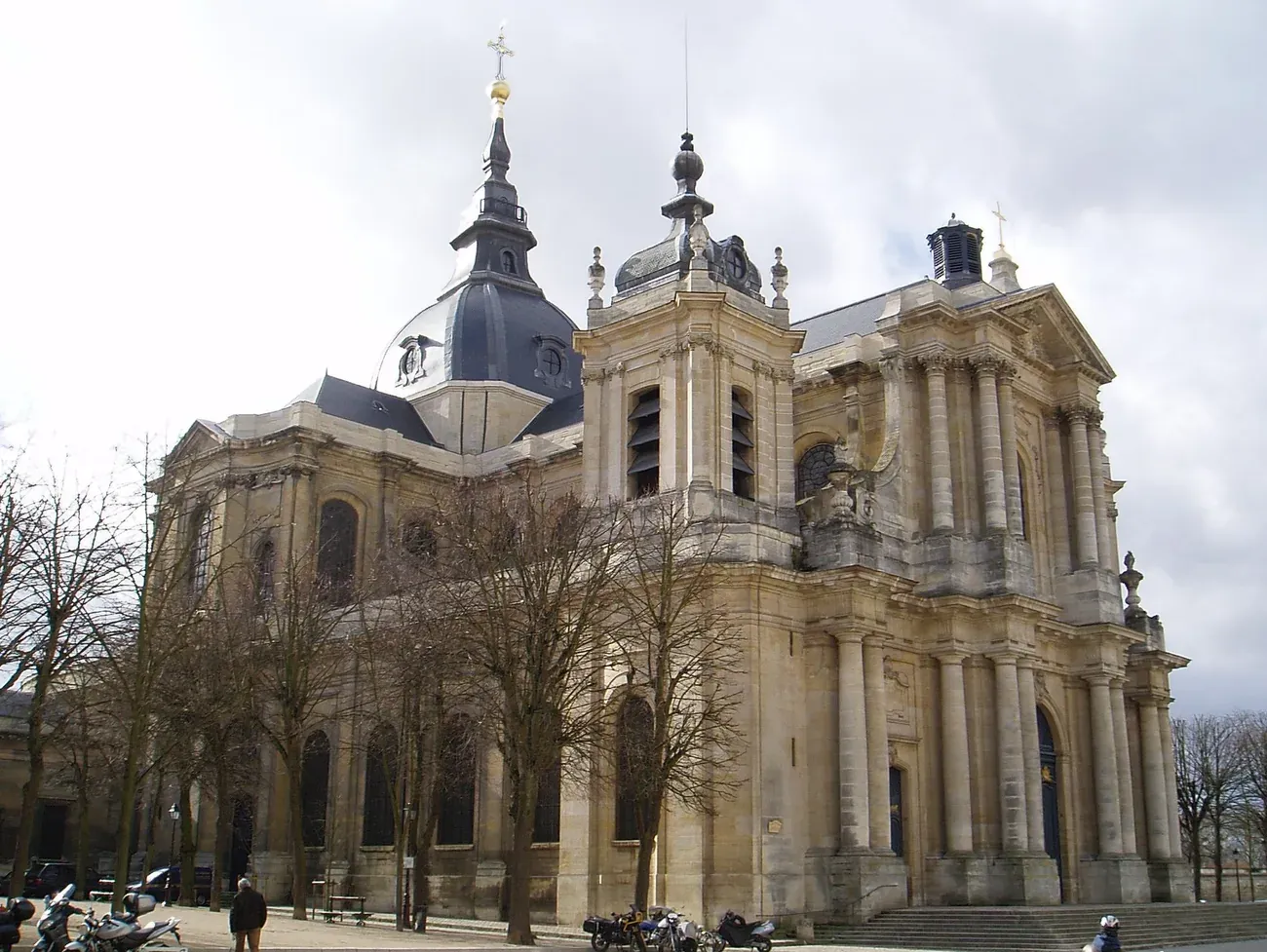
Cathédrale Saint-Louis
Stepping inside costs nothing on any day outside Mass, and the Rococo decor rewards a slow look up at the twin domes and gilded altar. The walled kitchen garden of the Potager du Roi backs onto the same block.
Photo: "Cathedrale Saint-Louis in Versailles" by BenP (CC BY-SA 2.5).
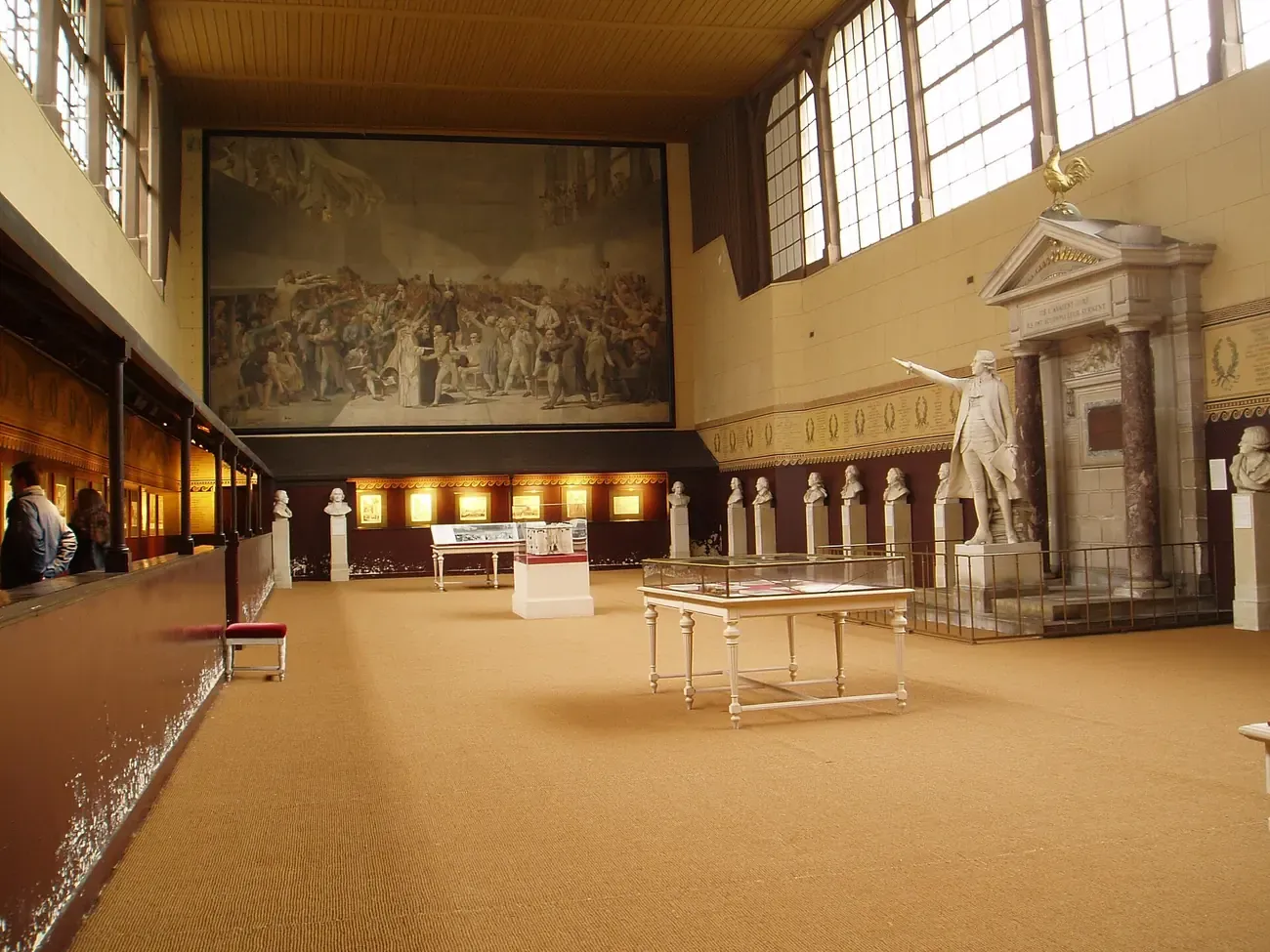
Salle du Jeu de Paume
Admission to this indoor court by the Palace costs nothing, Tuesday to Sunday from 12:30, until 18:30 from 1 April to 1 November and until 17:30 the rest of the year. Restoration work has kept the panelled hall much as it stood in 1789.
Photo: "Interior of the Salle du Jeu de Paume, Versailles" by BenP (CC BY-SA 2.5).
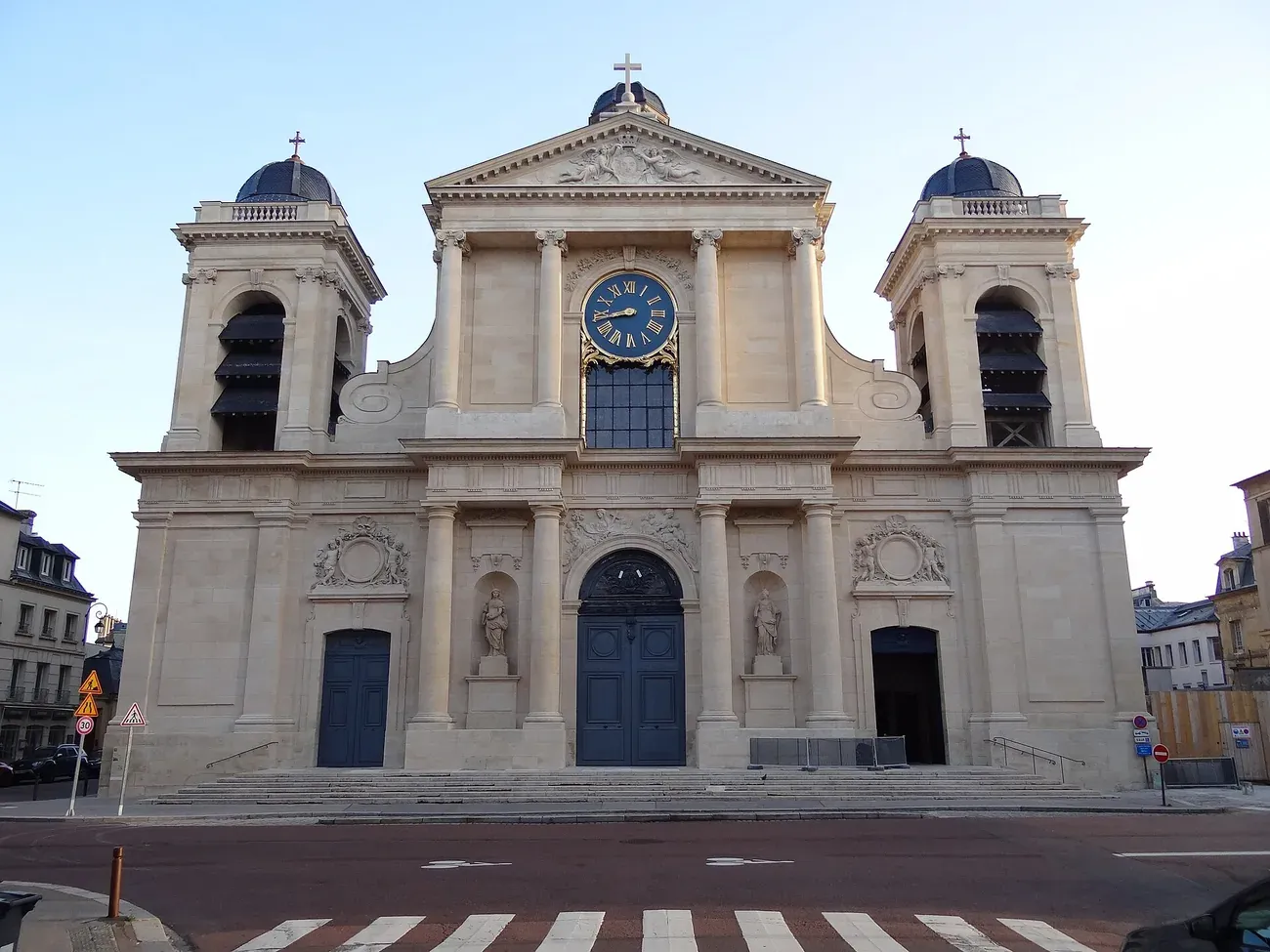
Église Notre-Dame
The parish church built for Louis XIV between 1684 and 1686 opens free to visitors every day from 8:30 to 20:00, its classical facade closing the long vista from Place Hoche.
Photo: "Eglise Notre-Dame in Versailles" by Antoine Rex (CC0).
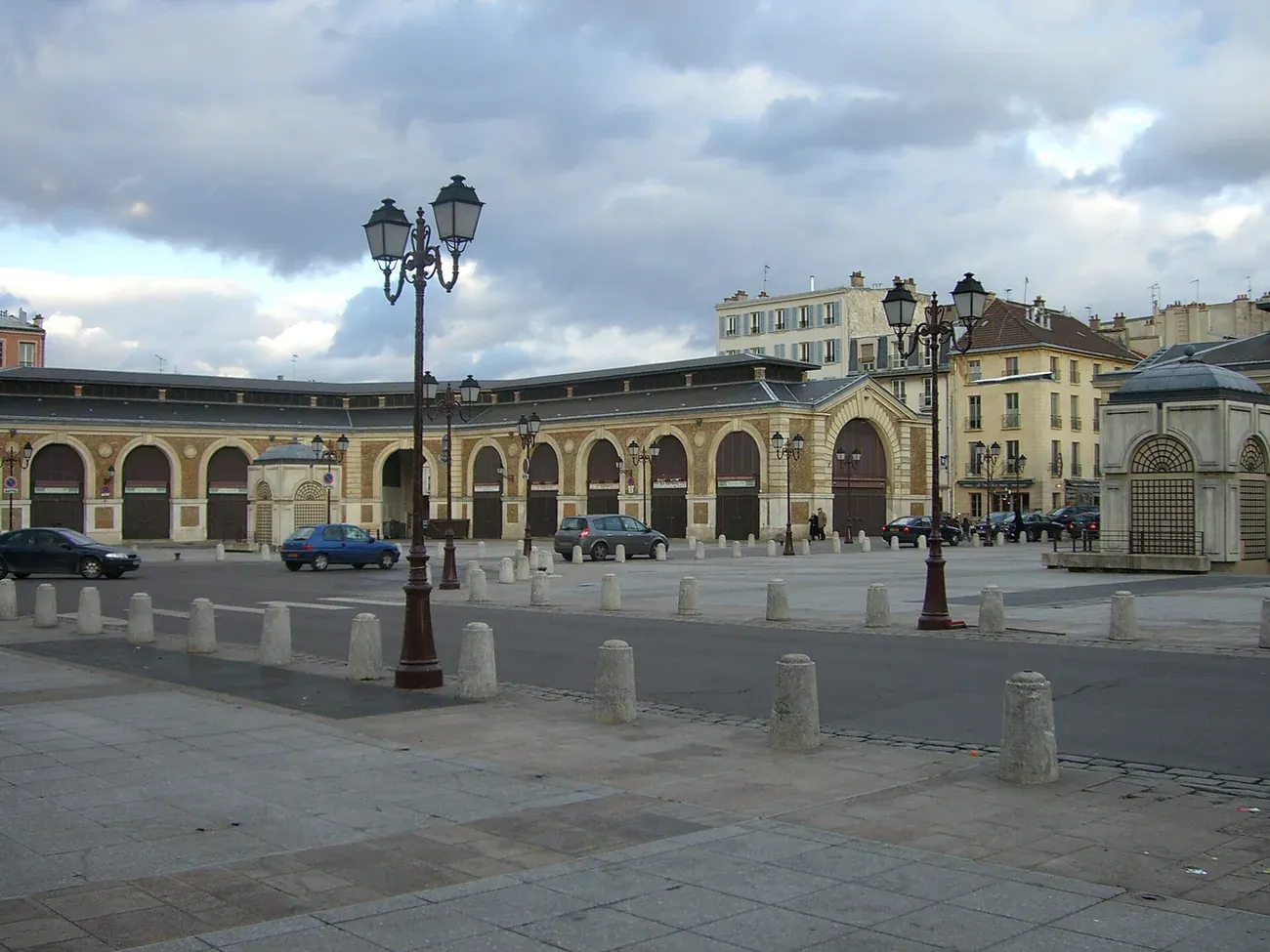
Marché Notre-Dame
Browsing the stalls around the church costs nothing, whether it's the covered halls or the open-air pitches that fill the square on market mornings.
Photo: "Marche Notre-Dame halls, Versailles" by Weyoune (CC BY-SA 2.0 de).
Museums, gardens and quieter corners of Versailles
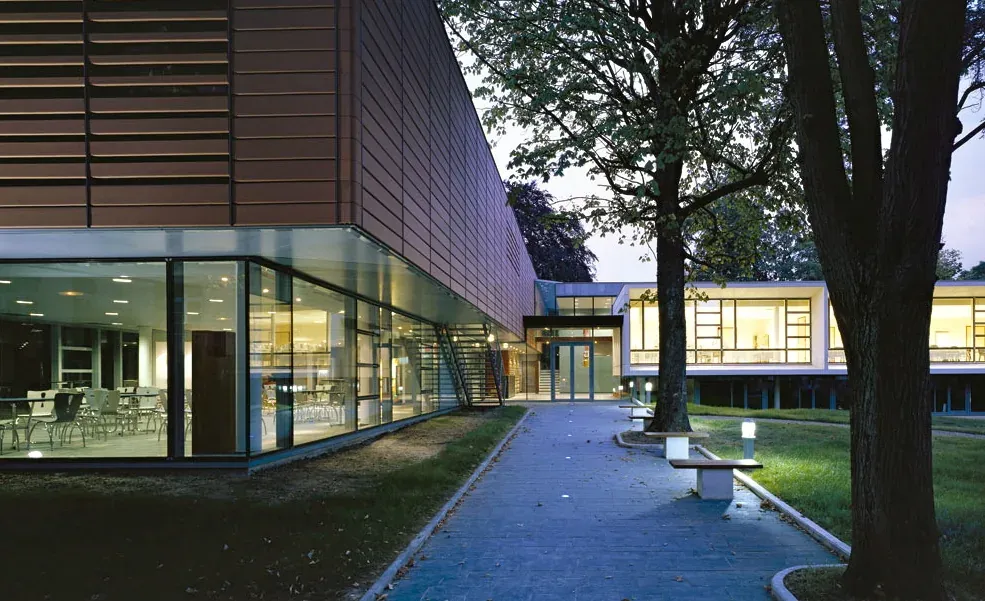
The Osmothèque
The world's scent archive keeps thousands of perfumes alive, among them formulas rebuilt from recipes whose ingredients no longer exist.
Location: 8 rue Saint-Simon · Website
Photo: "Exterior of the Osmothèque, Versailles" by Guiclan at the Osmothèque (Public domain).
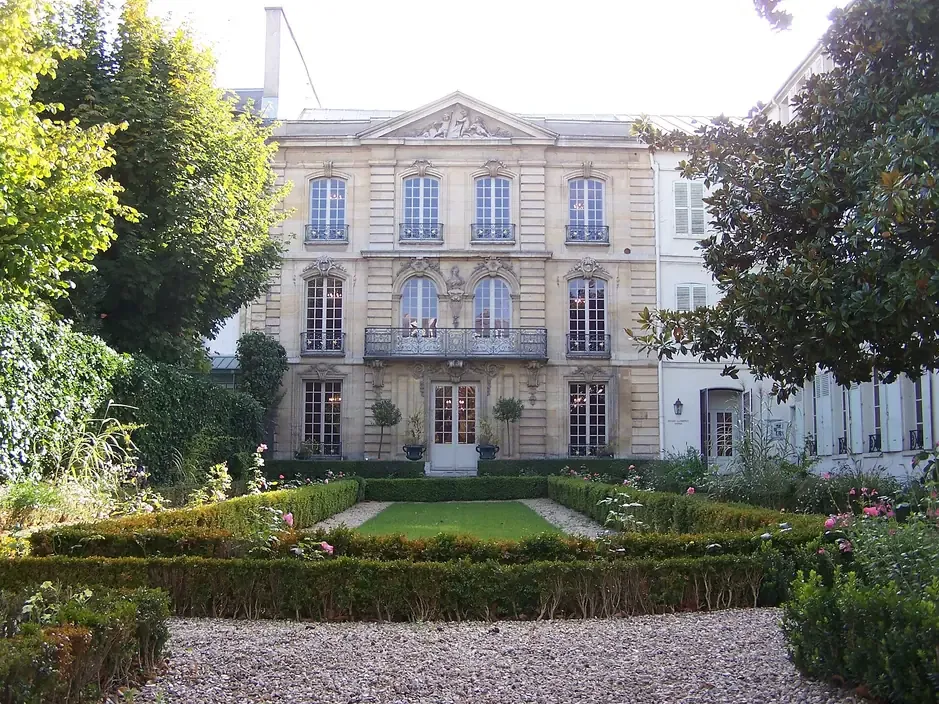
Musée Lambinet
An 18th century mansion holding paintings, furniture and decorative arts that trace three centuries of life in the town.
Location: 54 boulevard de la Reine · Website
Photo: "Facade of the Musee Lambinet, Versailles" by Henry Salomé (CC BY-SA 4.0).
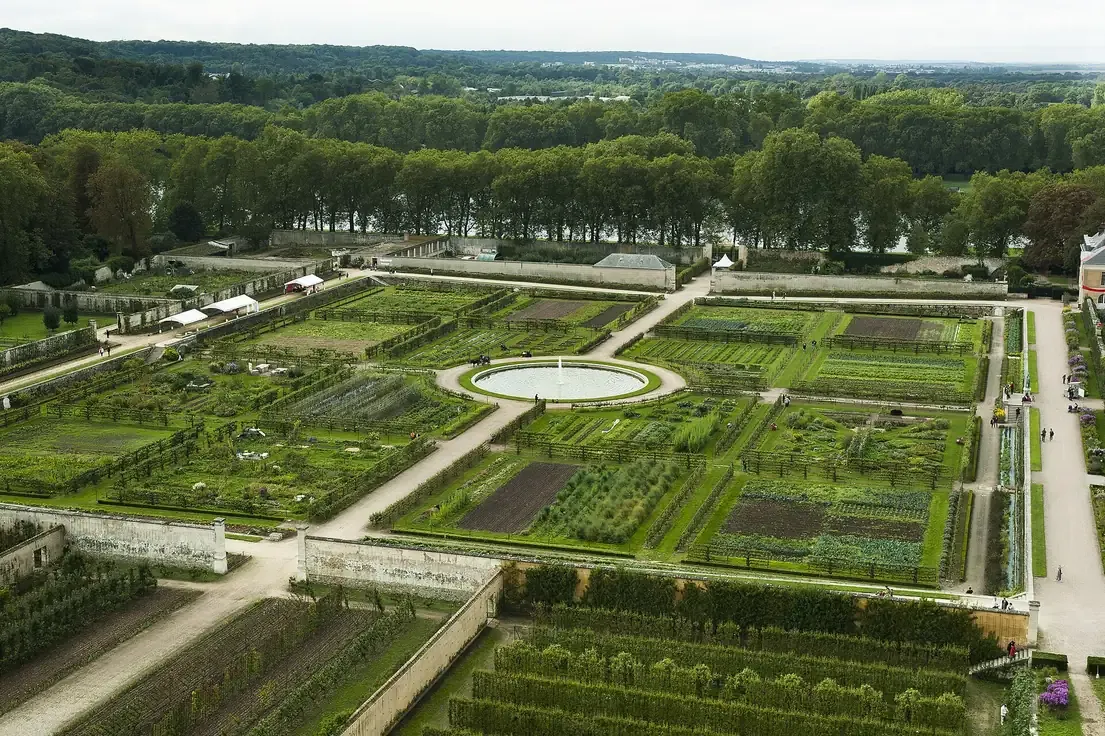
Potager du Roi
Jean-Baptiste de La Quintinie laid out nine hectares of fruit and vegetable beds to supply the royal table, still worked today.
Location: 10 rue du Maréchal Joffre
Photo: "The Potager du Roi kitchen garden, Versailles" by Paris Histoire (CC BY-SA 3.0).
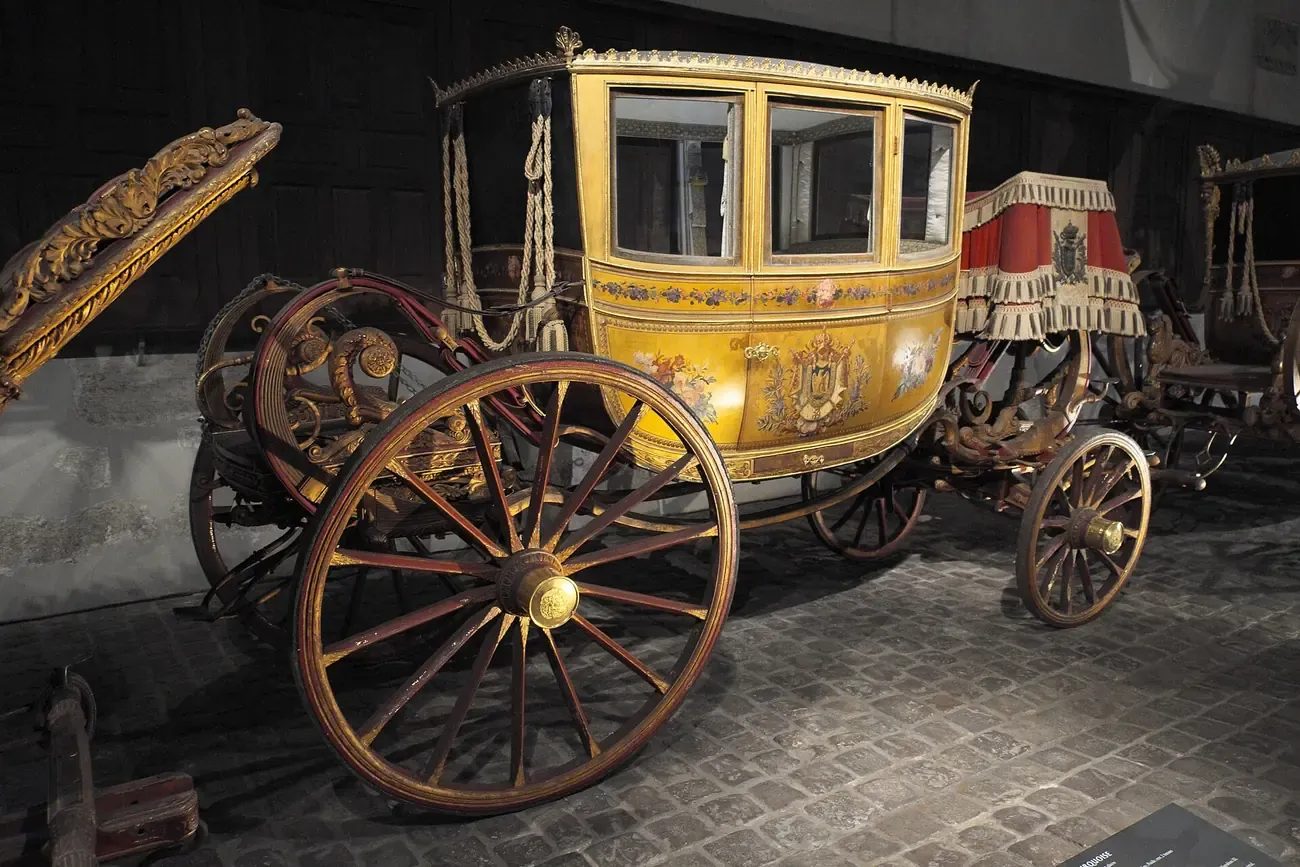
Galerie des Carrosses
One of Europe's largest collections of ceremonial coaches, sedan chairs and sleds, kept in the Grande Écurie facing the palace gates.
Location: Grande Écurie, Avenue Rockefeller
Photo: "Ceremonial coach in the Galerie des Carrosses, Versailles" by GFreihalter (CC BY-SA 3.0).
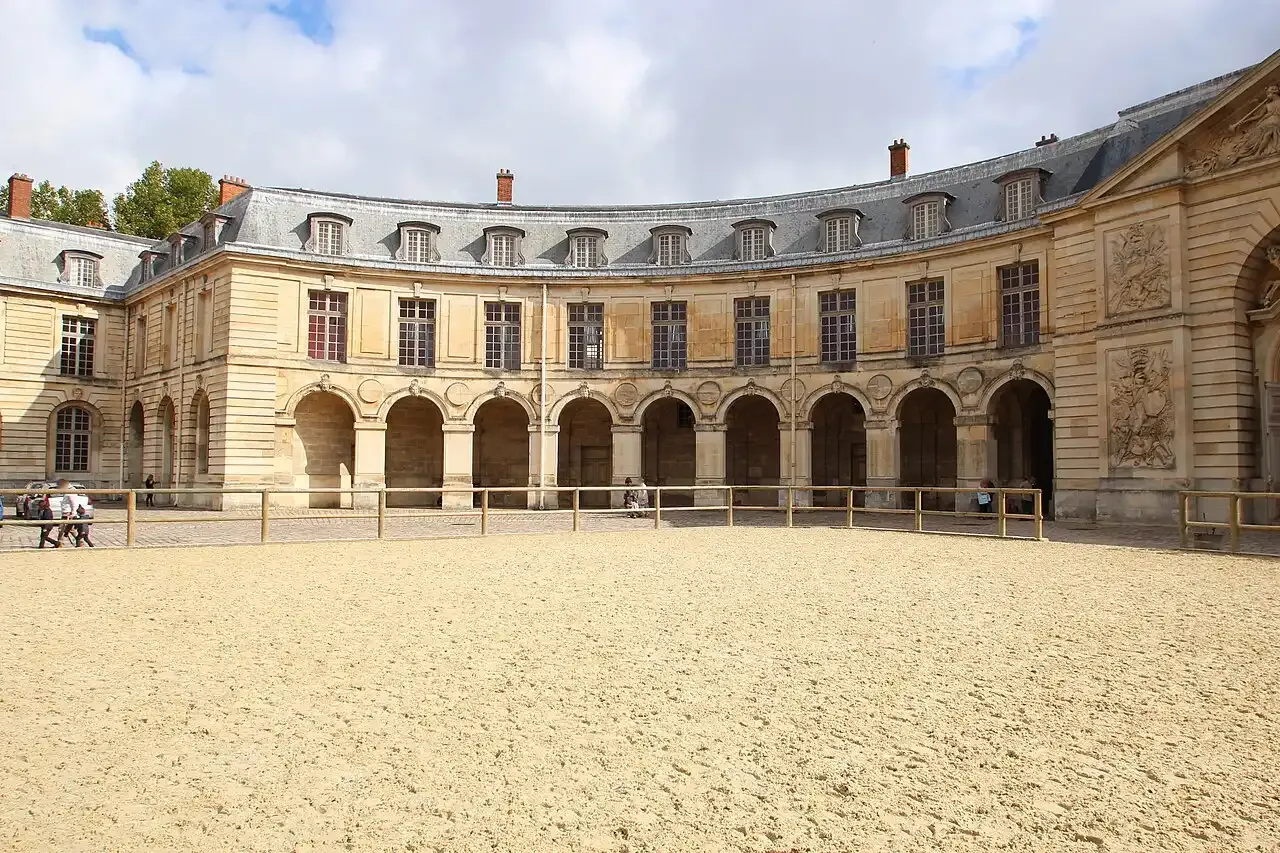
Académie Équestre de Versailles
Bartabas founded this riding school inside the Grande Écurie, where horses and riders train and perform dressage set to baroque music.
Location: Grande Écurie, Avenue Rockefeller · Website
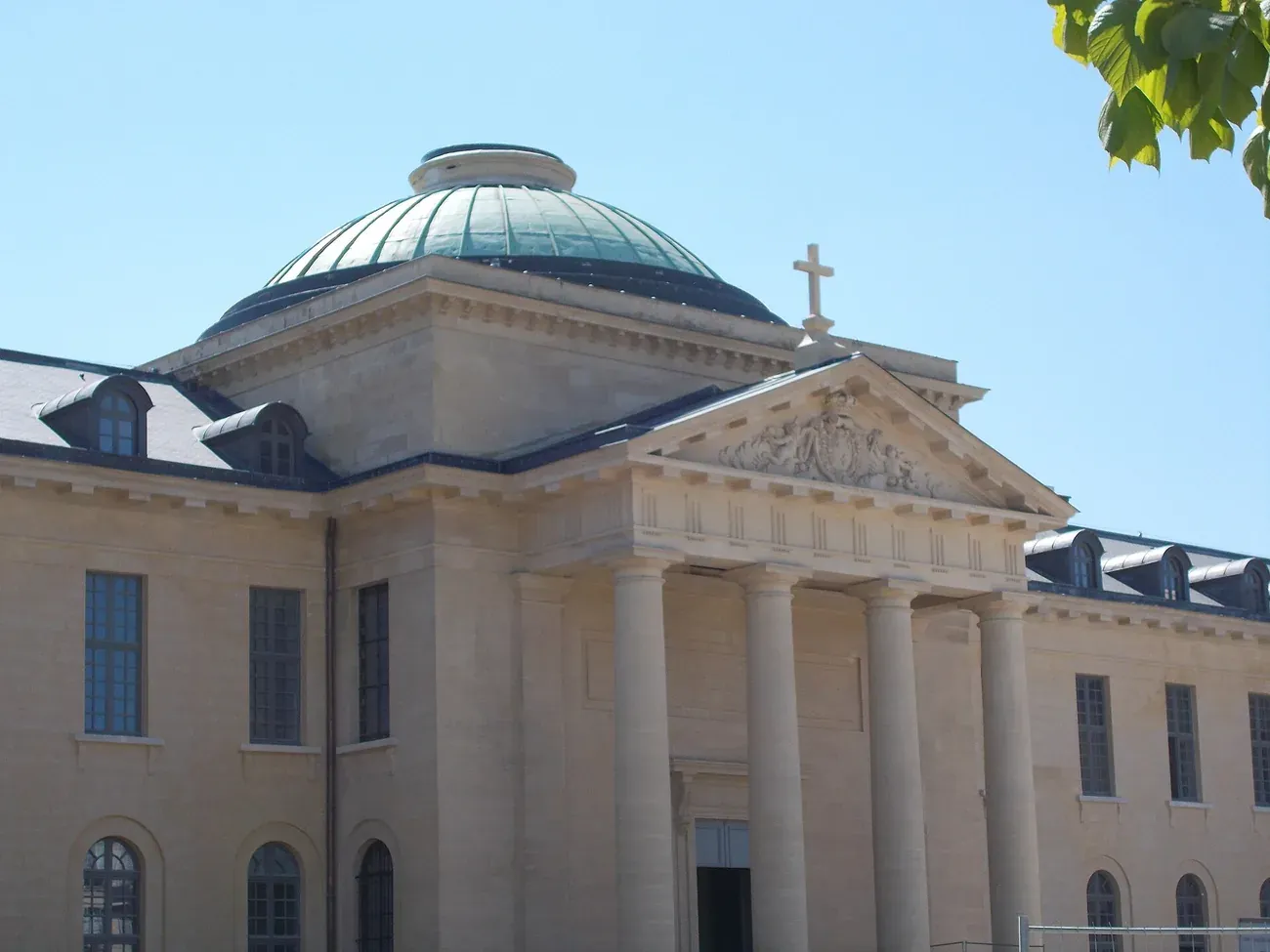
Espace Richaud
A former royal hospital, its domed chapel restored, now given over to heritage and contemporary art exhibitions north of the centre.
Location: 78 boulevard de la Reine
Photo: "The domed chapel of the Espace Richaud, Versailles" by ChloéN (CC BY-SA 3.0).
Why visit Versailles
Versailles is usually shorthand for one address, but the Palace sits inside a real town of about 84,000 people, laid out by the same royal planners who built the estate behind it. Wide 18th century avenues fan out from the Place d'Armes into quarters that kept their own churches, markets and gardens long after the court left for Paris.
Neighbourhoods to know
The Saint-Louis quarter, south of the Palace, grew around its own cathedral and the Potager du Roi, the kitchen garden that once fed the royal table. The Notre-Dame quarter, closer to the centre, keeps its 17th century parish church and covered market. Behind the Palace, the park itself works like a neighbourhood, with the Trianon estate and the Hameau de la Reine a world away from the formal gardens near the main gates.
When to go and for how long
Tuesday to Thursday mornings draw the smallest crowds, since the Palace is closed on Mondays and weekends bring both day trippers from Paris and, from spring to autumn, the fountain shows. A single day covers the Palace and gardens at a brisk pace; a second day allows time for the Trianon estate and the town's own museums and gardens without rushing.
Getting around
Versailles has three train stations, each suited to a different part of the visit. RER C stops at Versailles Château Rive Gauche, a short walk from the Palace gates. Transilien L trains from Paris Saint-Lazare reach Versailles Rive Droite, closer to the Notre-Dame quarter, while trains from Paris Montparnasse call at Versailles Chantiers, on the town's southern edge. Once in town, most sights are within walking distance of each other. The palace and its park have been a UNESCO World Heritage Site since 1979, one of the 56 properties on the country's list and a fixture of the tourist attractions in France.