Must-see tourist attractions in Cape Town
Company's Garden, St George's Cathedral and Greenmarket Square are the tourist attractions in Cape Town most visitors come for. The 8-stop itinerary below strings them together, followed by 10 more sights, free things to do, upcoming events and visitor FAQs.
What makes Cape Town special
What makes Cape Town unique
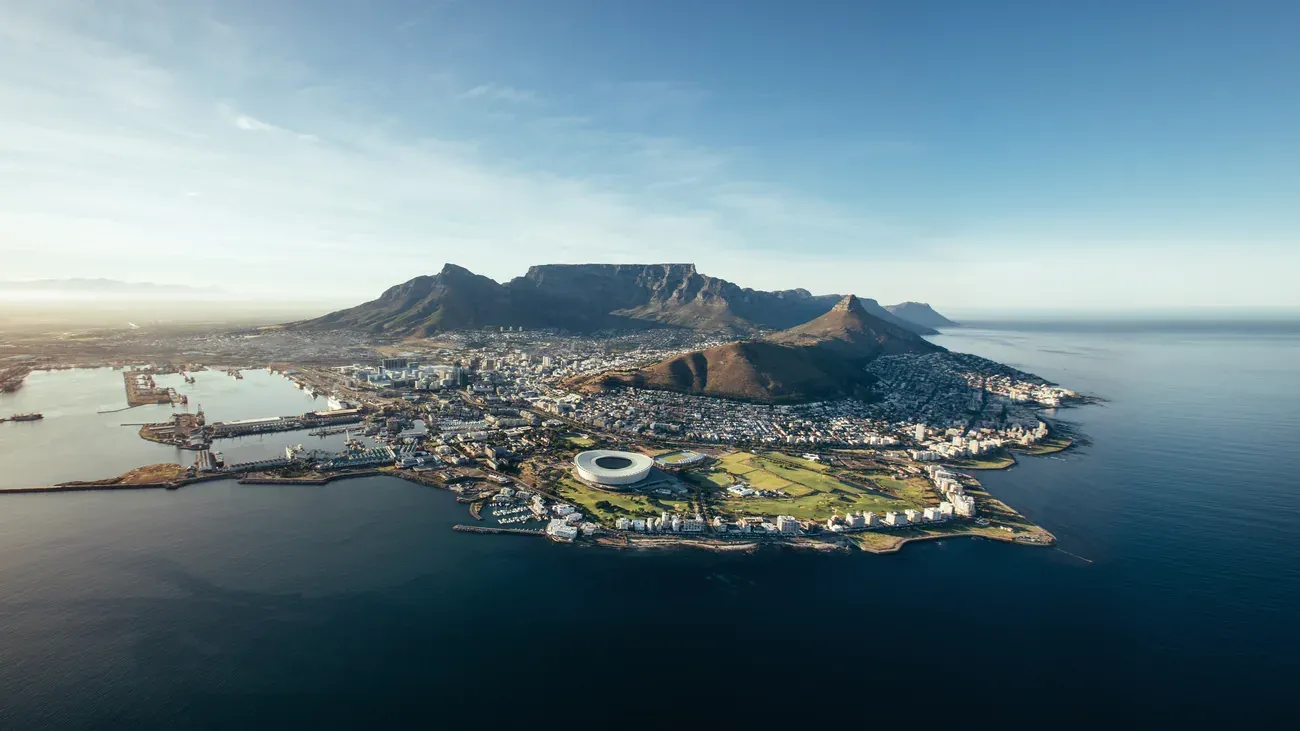
Cape Town's colonial history began in 1652, when Jan van Riebeeck established a Dutch East India Company trading post here, a stop on the sea route between Europe and Asia; Khoikhoi and San communities lived on this coast long before. Wedged between Table Bay and Table Mountain, the city carries the nickname the Mother City, and its layered history, from Cape Malay heritage to the anti-apartheid struggle centred on District Six and Robben Island, still shapes its neighbourhoods today.
Where to go
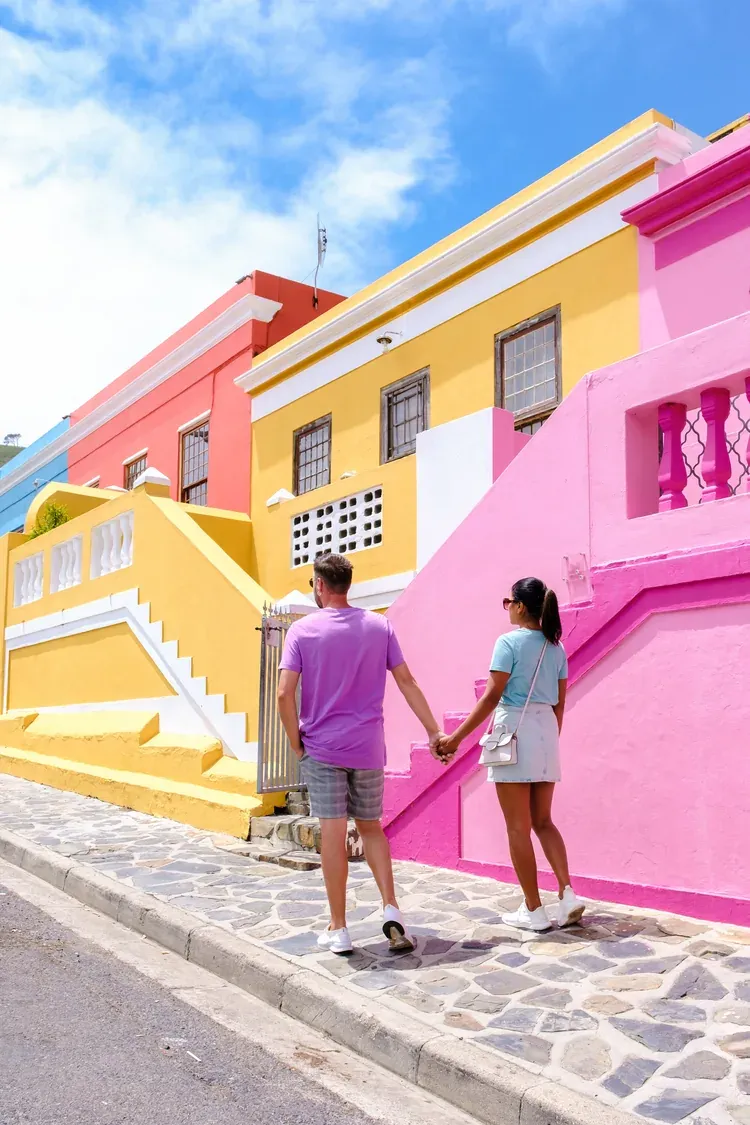
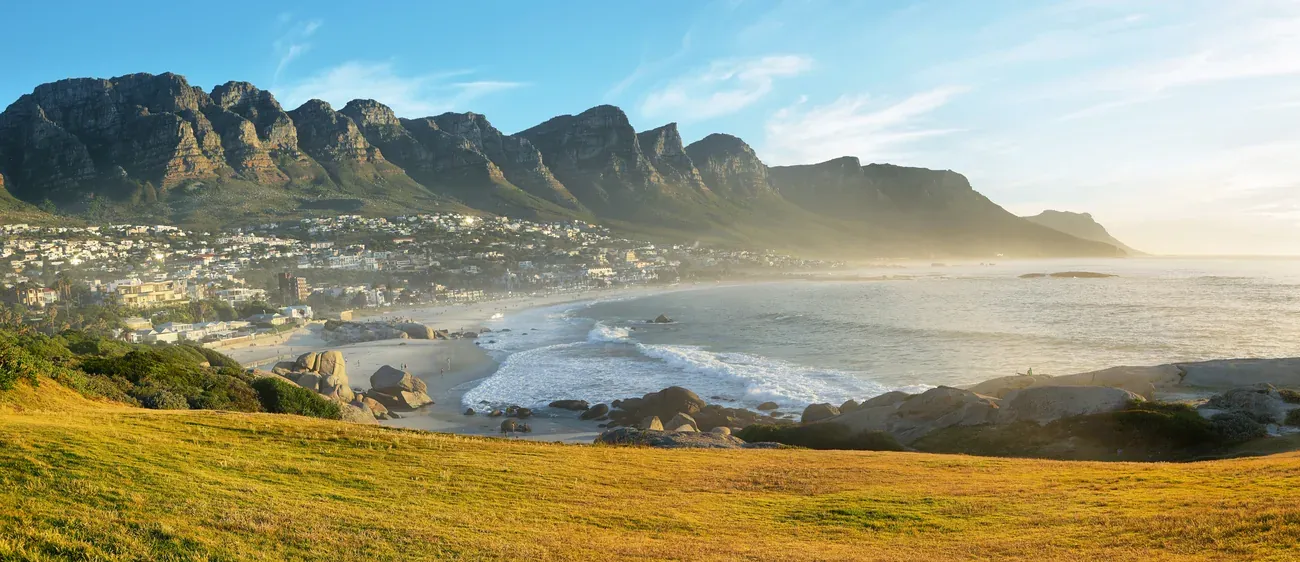
The City Bowl holds the historic core around Company's Garden and Bo-Kaap, ringed by the V&A Waterfront's harbour to the north and the Atlantic seaboard suburbs of Sea Point, Clifton and Camps Bay to the west. Southern suburbs such as Newlands and Constantia hold Kirstenbosch and the Cape Winelands' oldest estates, while the Cape Peninsula stretches south past Muizenberg and Simon's Town to Cape Point.
When to go and how many days
Cape Town's driest, warmest months run from November to March, while June to August brings the region's rain. Four to five days cover the City Bowl itinerary, the Cape Peninsula and a day trip to the Winelands at an easy pace; travellers short on time can prioritise Table Mountain, Cape Point and Robben Island.
Getting around and staying safe
MyCiTi buses and the Uber and Bolt ride-hailing apps cover most of the city, and a rental car suits a day exploring the Peninsula or Winelands. The Western Cape Government's Tourism Safety and Support unit urges the same vigilance visitors would use in any major city, and central areas are best explored with ordinary big-city awareness after dark. Table Mountain National Park is the most visited national park in South Africa, and Cape Town itself is a fixture among the tourist attractions in Africa.