What makes Lagos unique
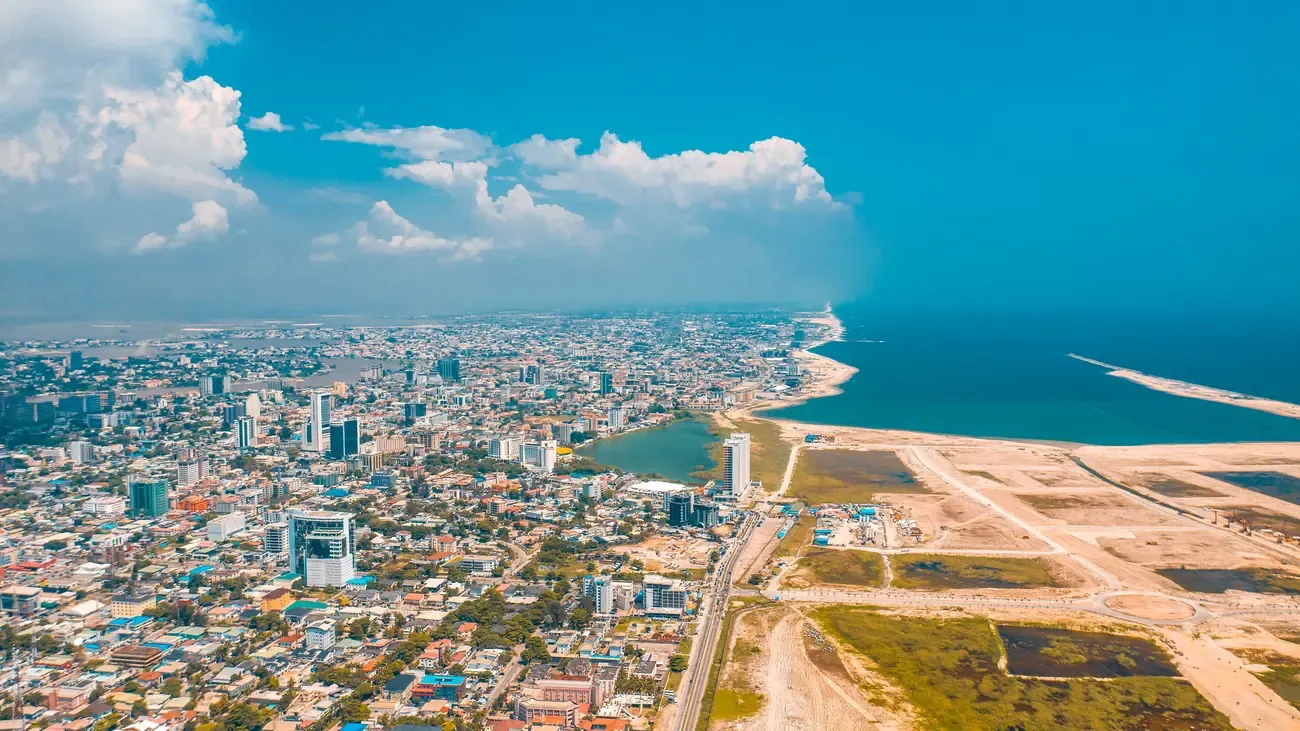
Lagos is Nigeria's commercial capital, a sprawling city of islands and mainland threaded together by bridges across the lagoon, and one of Africa's largest and fastest-growing megacities, according to the World Bank. Its creative energy runs deep: Afrobeat was born here through Fela Kuti and lives on at the New Afrika Shrine, Nollywood grew into a global film industry from studios across the city, and a new generation of Afrobeats artists now fills arenas from London to Lagos itself.
Neighbourhoods to know
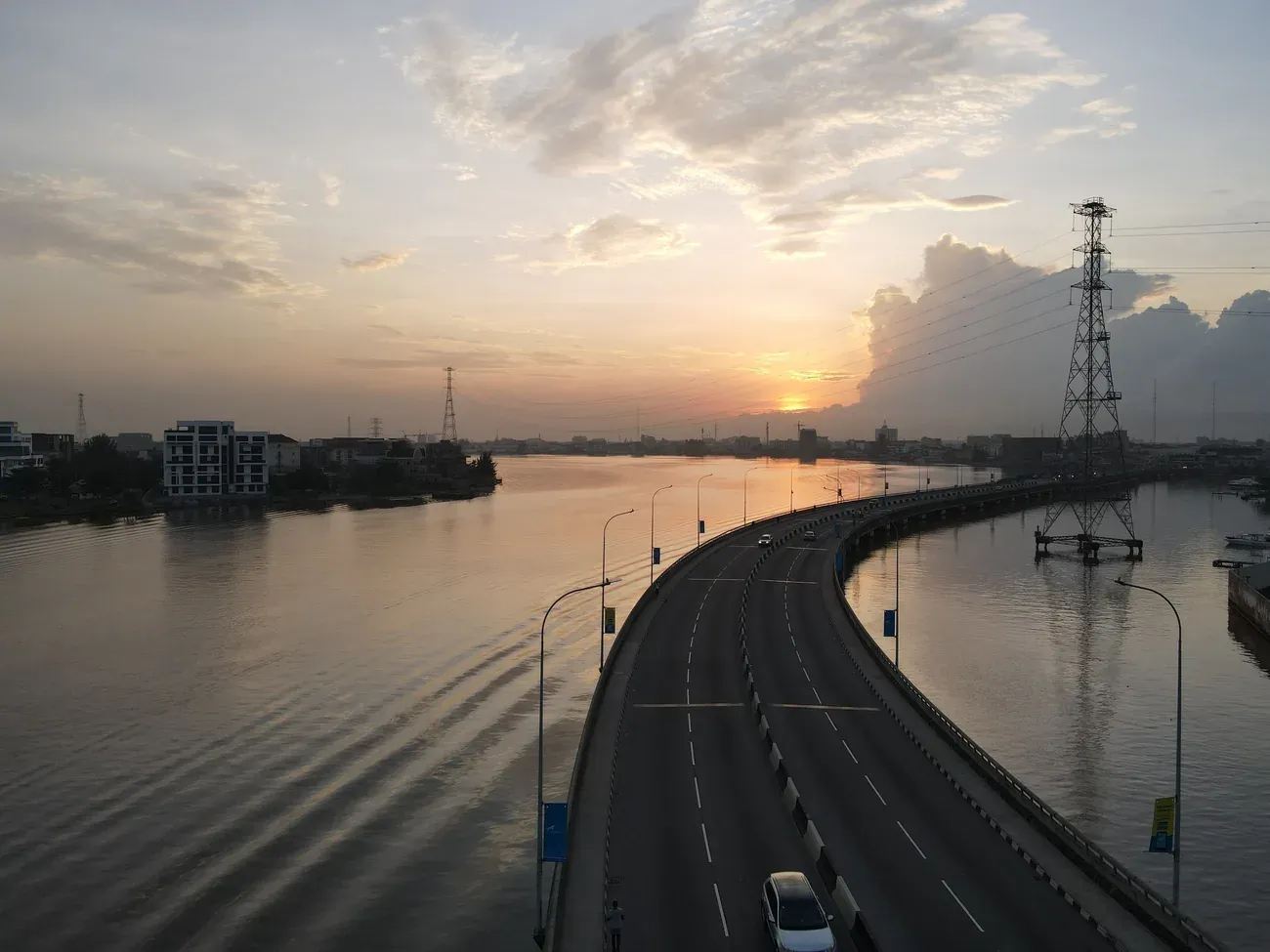
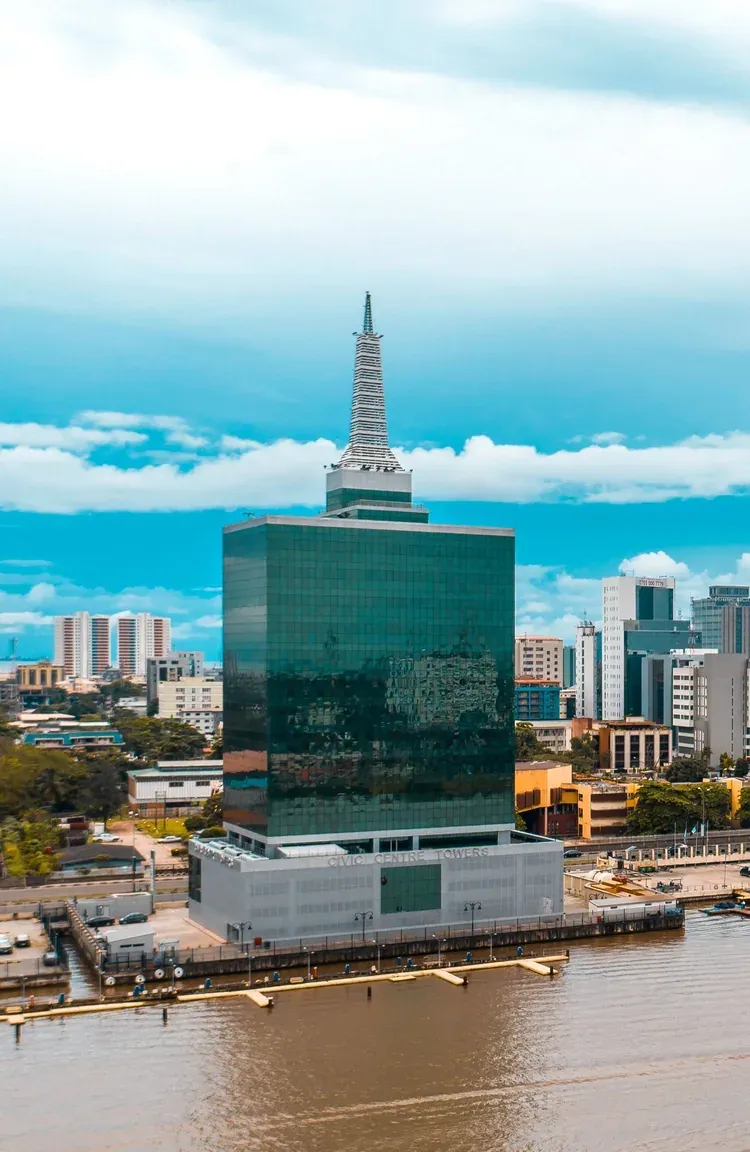
Lagos Island holds the old colonial core around the Marina and Broad Street, home to Freedom Park, the National Museum and Balogun Market's textile stalls. Ikoyi and Victoria Island, linked by the Lekki-Ikoyi Link Bridge, hold the city's embassies, hotels and waterfront towers. Further east, Lekki mixes gated estates with Nike Art Gallery and the Lekki Conservation Centre, while Ikeja, on the mainland, is home to the airport and the New Afrika Shrine.
When to go and how long to stay
The dry season, November to March, brings the least rain, though the Harmattan's dusty winds can haze the skyline in December and January. The wet season runs April to October, heaviest from May to July. Two to three days cover the colonial core, the museums and a taste of Lekki and Victoria Island; a longer stay allows time for a boat trip out to the islands.
Getting around
Lagos's traffic, known locally as go-slow, is a fact of daily life, and journeys between the mainland and the islands can take far longer than the distance suggests. The LAMATA-run Bus Rapid Transit runs dedicated lanes across the city, LASWA ferries connect jetties across the lagoon, and app-based ride-hailing is generally considered a safer choice than hailing a taxi on the street, according to UK and US government travel advice. Lagos is the most populous urban area on the continent, and its lagoon-side skyline is one of the less expected entries among Africa's tourist attractions.