
Tourist attractions in the United Kingdom
Known for
Royal palaces, free national museums, coastlines of four home nations
Must-see cities
London, Edinburgh, Liverpool and York
UNESCO World Heritage
35 sites, from Stonehenge to the Giant's Causeway
Best time to visit
Late spring to early autumn
16 must-see tourist attractions in the United Kingdom
Here the tourist attractions in the United Kingdom are ranked, led by the Tower of London, Big Ben and Buckingham Palace. After the 16 sights come the cities worth a stop, 6 more landmarks, tickets, local dishes, 17 hidden gems and visitor FAQs.
Iconic cities in the United Kingdom
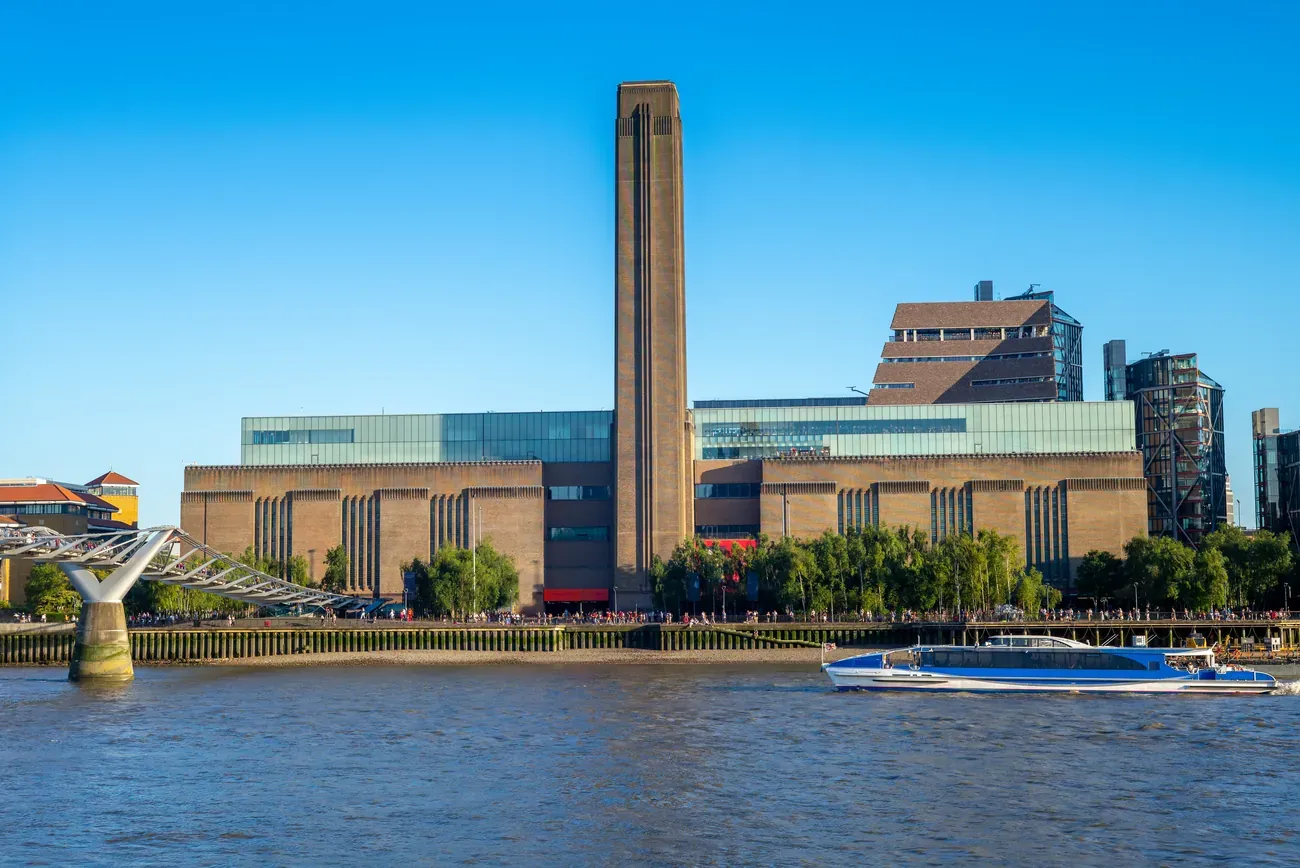
London
See London in detail A capital of royal palaces, river bridges and national museums that charge nothing for their permanent collections.
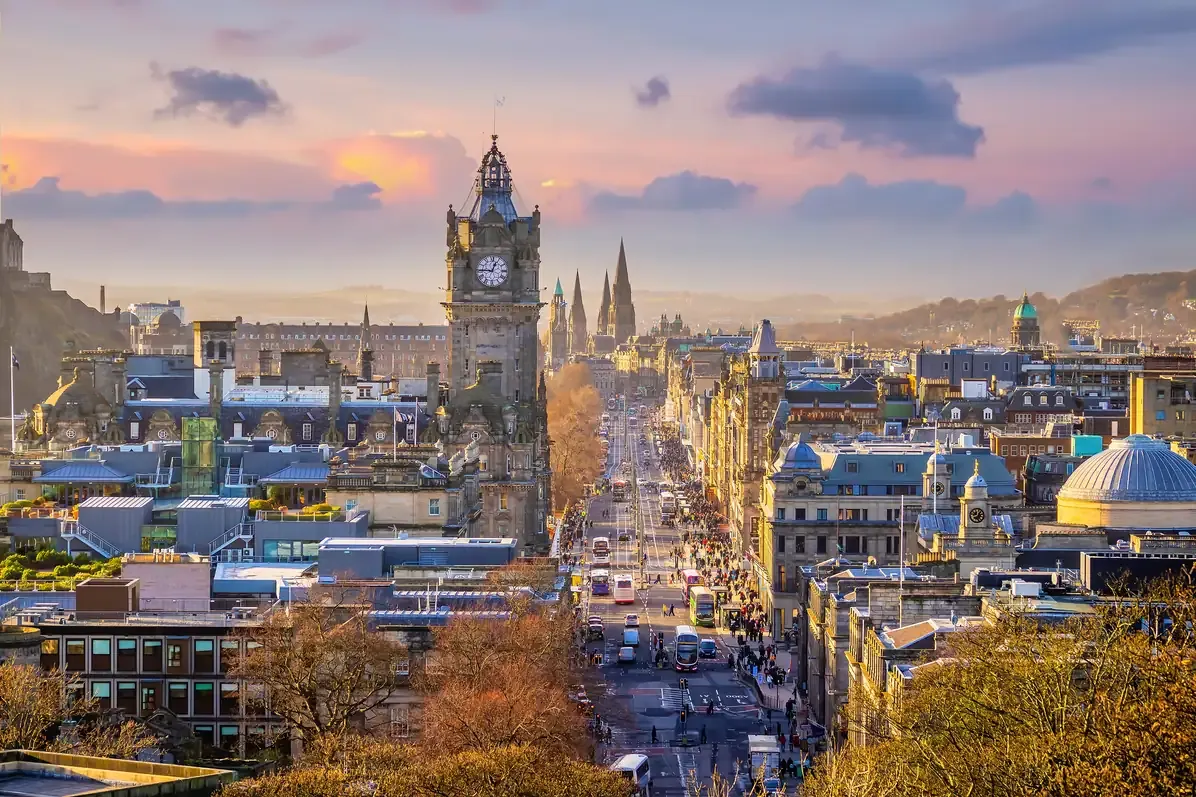
Edinburgh
See Edinburgh in detail A castle on a volcanic crag above a medieval Old Town and a Georgian New Town, both listed by UNESCO.
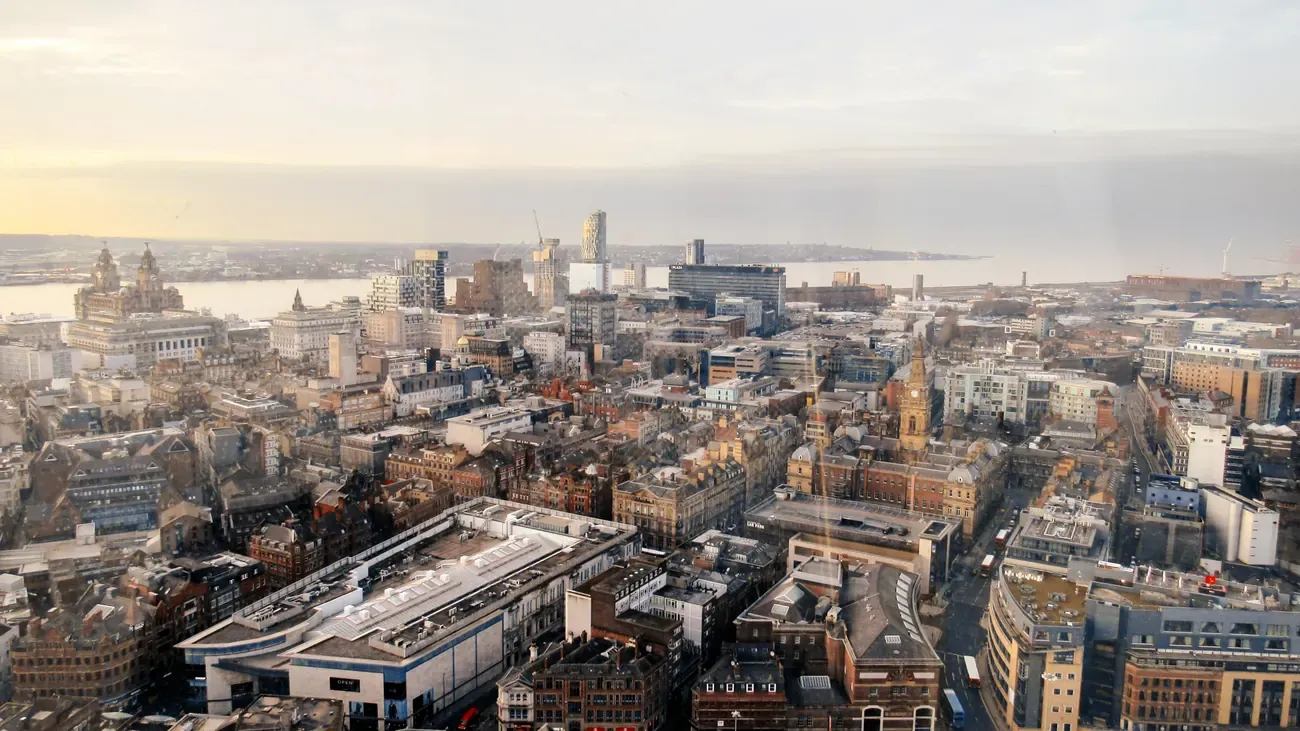
Liverpool
See Liverpool in detail A working Mersey waterfront, two twentieth-century cathedrals and the streets the Beatles grew up on.
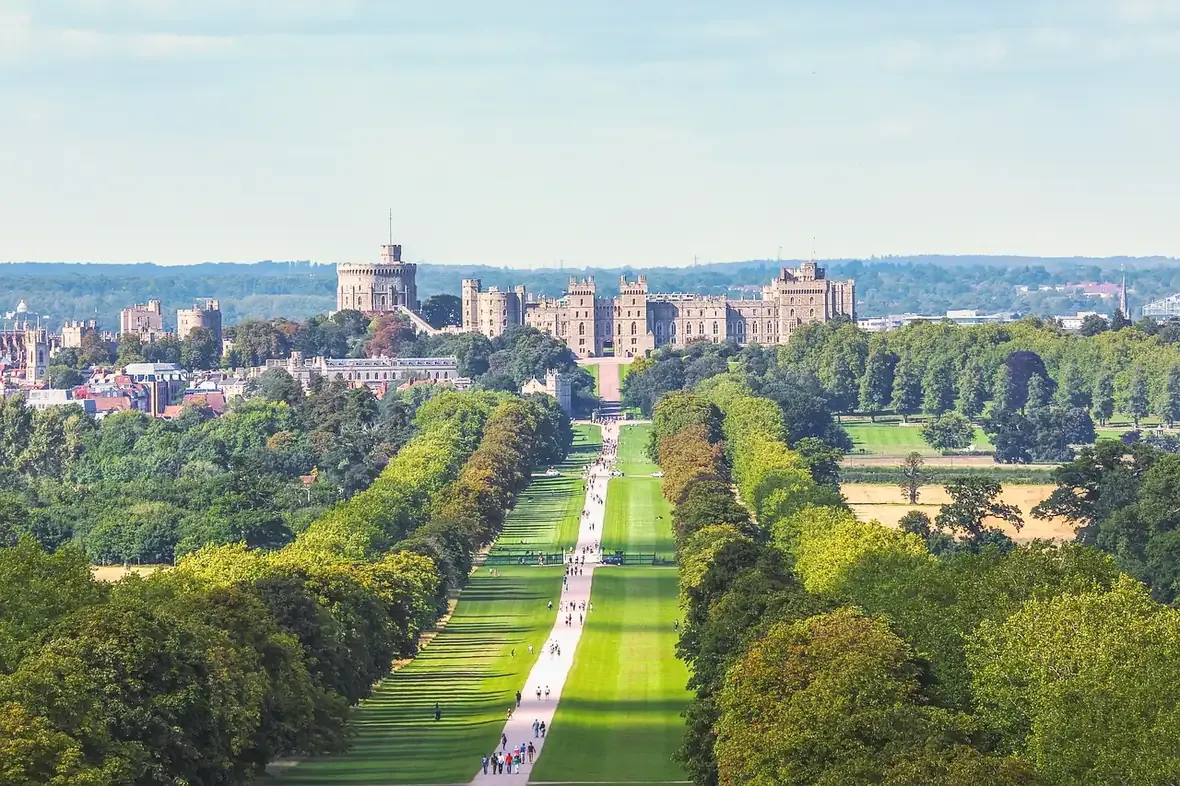
Windsor
See Windsor in detail A royal town under the oldest occupied castle in the world, with Eton across the Thames and a great park behind.
1. Tower of London
The White Tower rose for William the Conqueror within a generation of 1066, and nine centuries of walls, gates and lodgings closed around it while the fortress worked in turn as palace, arsenal, mint, menagerie and state prison. Visitors today come mainly for the Crown Jewels, kept under guard, and for the Yeoman Warders who walk groups past the scaffold site and the cells. Roughly 2.8 million people passed through in 2025, ninth on the national visitor table.
Heritage: UNESCO World Heritage Site · Built: from the eleventh century, as a Norman keep
Location: Tower Hill, on the north bank of the Thames in London
Access: Ticketed, timed entry
2. Big Ben and the Houses of Parliament
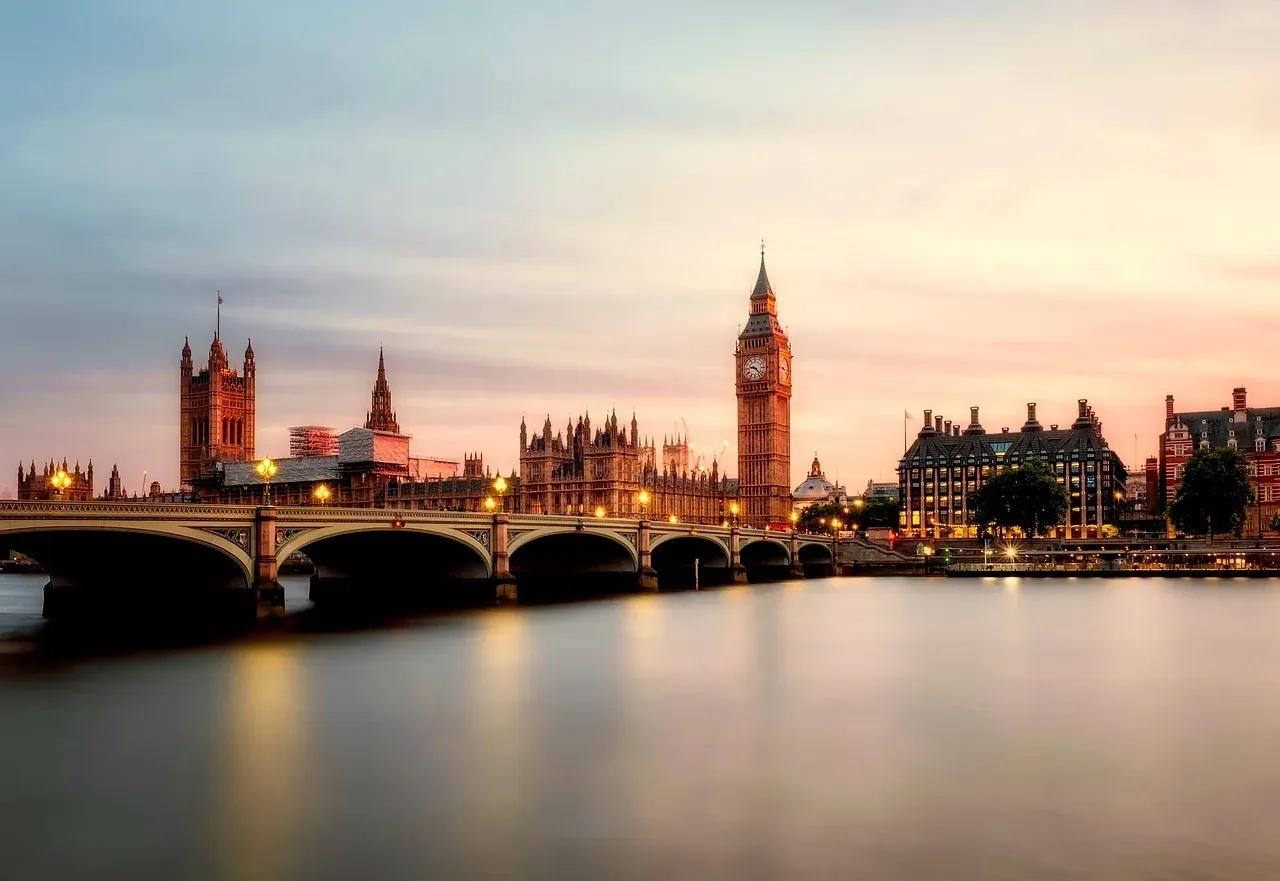
Big Ben is the nickname of the great bell of the Westminster clock, and it long ago attached itself to the tower as well, which was formally renamed the Elizabeth Tower in 2012 for the Diamond Jubilee. Below it the Palace of Westminster still houses the Commons and the Lords along a river frontage of Gothic Revival stone, and UNESCO lists the palace together with Westminster Abbey across the road. The classic view is from the far end of Westminster Bridge or the South Bank opposite.
Heritage: UNESCO World Heritage Site, listed with Westminster Abbey · Renamed: Elizabeth Tower, 2012
Location: Parliament Square, Westminster, London
Access: Free to see from the street; tours of the chambers are ticketed
3. Buckingham Palace
The monarch's official London residence closes the long axis of the Mall, and for most of the year the railings and the Changing the Guard ceremony in front of them are as close as anyone gets. The State Rooms open only for a summer season, set at 9 July to 27 September in 2026, when the throne room, the picture gallery and the garden terrace join the route; the rest of the year brings smaller guided tours on selected dates. Just under 582,000 people took those visits in 2025.
Role: working royal palace and the monarch's official London residence · Open: summer season only
Location: The Mall, Westminster, London
Access: Ticketed, seasonal
4. Stonehenge
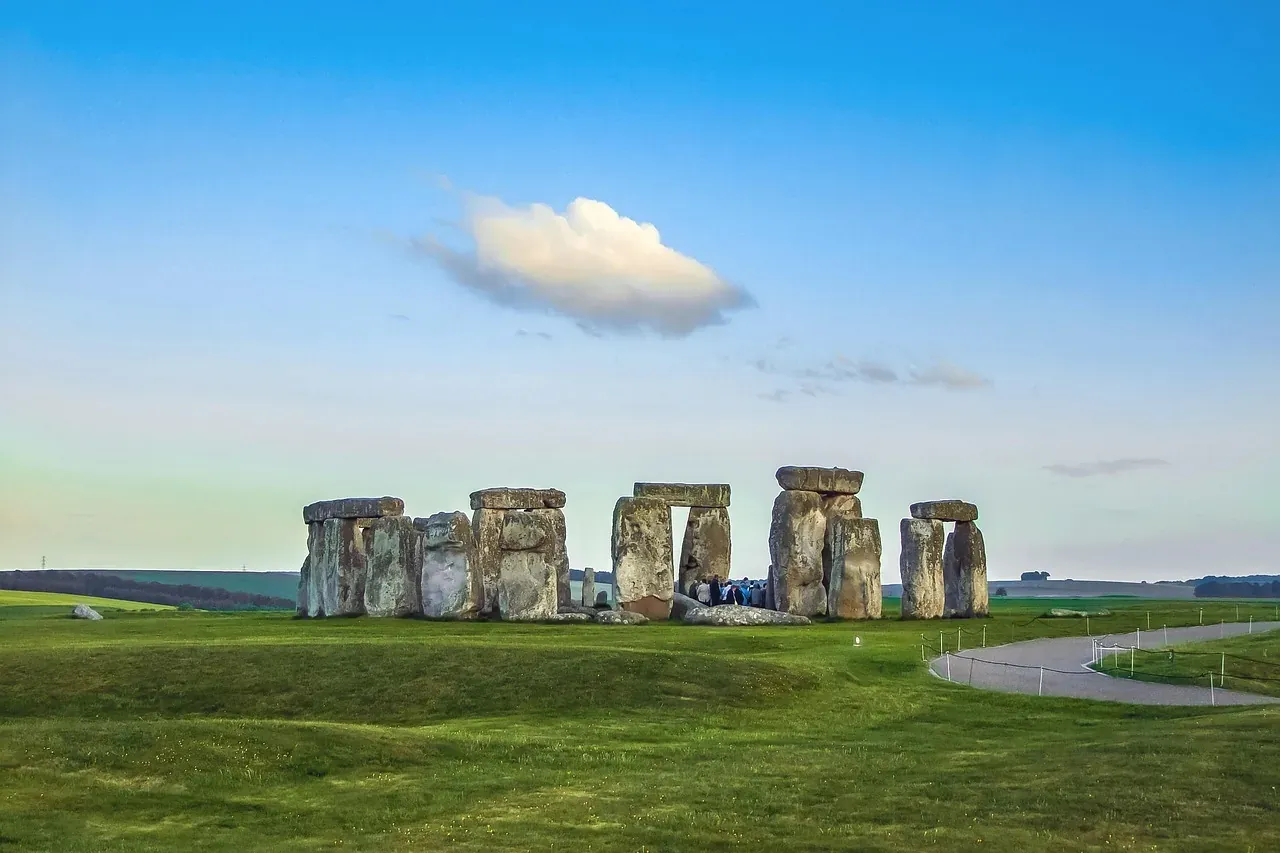
A ring of shaped sarsens stands on the chalk downland of Wiltshire, raised by people who were living on this plain around 4,000 years ago, and nobody has settled what they meant by it. The visit begins at an exhibition and a cluster of rebuilt Neolithic houses, then runs out to the circle itself by shuttle or on foot across the fields. UNESCO lists the monument with the much larger circle at Avebury and the barrows and avenues spread over the same landscape. Just over 1.25 million people came in 2025.
Heritage: UNESCO World Heritage Site, listed with Avebury · Period: Neolithic and Bronze Age
Location: Salisbury Plain, near Amesbury in Wiltshire
Access: Ticketed, timed entry booked in advance
5. Edinburgh Castle
The fortress occupies the crag of hard volcanic rock that decided where the city would grow, and the Royal Mile falls away east from its esplanade. Inside the walls the route covers the Royal Palace and the Honours of Scotland, the medieval siege gun Mons Meg and the Scottish National War Memorial, with the ramparts looking down on the Georgian streets laid out below. UNESCO lists the Old and New Towns together, so the castle and the view from it belong to the same designation. Just over two million people visited in 2025.
Heritage: within the UNESCO listing for the Old and New Towns · Setting: Castle Rock, a volcanic plug
Location: Castlehill, at the head of the Royal Mile in Edinburgh
Access: Ticketed, timed entry
6. Windsor Castle
Royal Collection Trust calls this the oldest and largest occupied castle in the world, begun by William the Conqueror in the eleventh century and lived in by forty monarchs since. Unlike the summer-only palace in London it opens through the year, and a standard visit covers the State Apartments, the Semi-State Rooms, Queen Mary's Dolls' House and St George's Chapel. The Long Walk runs south from the gates into the Great Park, which drew more visitors in 2025 than any attraction outside London.
Built: from the eleventh century, by William the Conqueror · Residents: forty monarchs
Location: Windsor, Berkshire, west of London
Access: Ticketed, timed entry
7. Tower Bridge
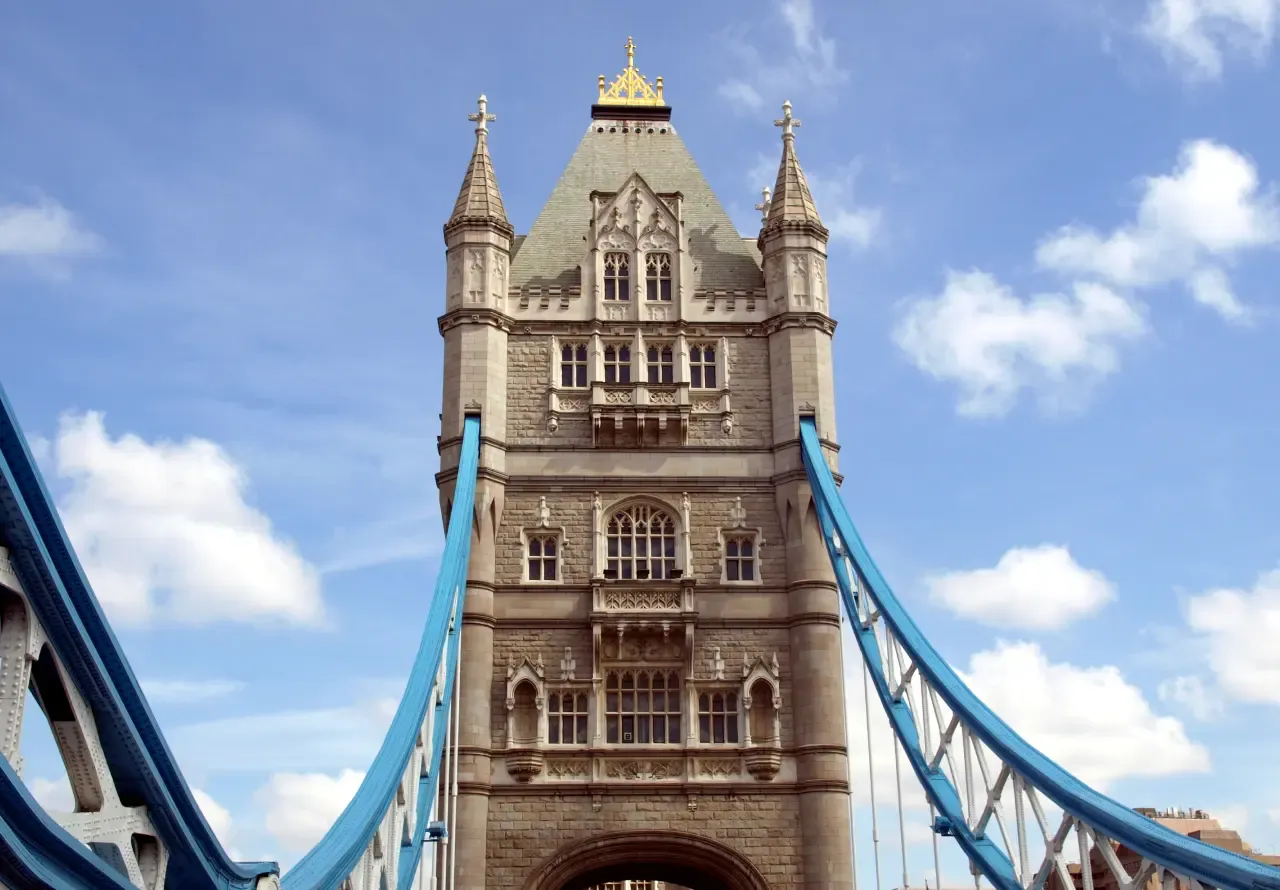
The bascule crossing downstream of the older bridges opened in 1894 and has stood in for London on posters ever since, though it is regularly mistaken for London Bridge. The visit climbs into the high-level walkways strung between the two towers, where glass panels in the floor look straight down on traffic and river, and finishes in the Victorian engine rooms that hold the steam machinery once used to swing the roadway open. Around 913,000 people went up in 2025.
Opened: 1894 · Type: combined bascule and suspension bridge over the Thames
Location: between Tower Hill and Bermondsey in London
Access: Ticketed
8. British Museum
The galleries run across world cultures from prehistory to the present, and the free route through them reaches the Rosetta Stone, the Parthenon sculptures and the finds lifted from the Sutton Hoo ship burial. Entry to the permanent collection costs nothing; the museum asks for a timed ticket booked ahead and keeps walk-up places for those who arrive without one. Only the Natural History Museum, a few Tube stops west, drew more people in 2025.
Collection highlight: the Sutton Hoo ship burial · Visitors: 6.4 million in 2025
Location: Great Russell Street, Bloomsbury, London
Access: Free, with a timed ticket advised
9. Giant's Causeway
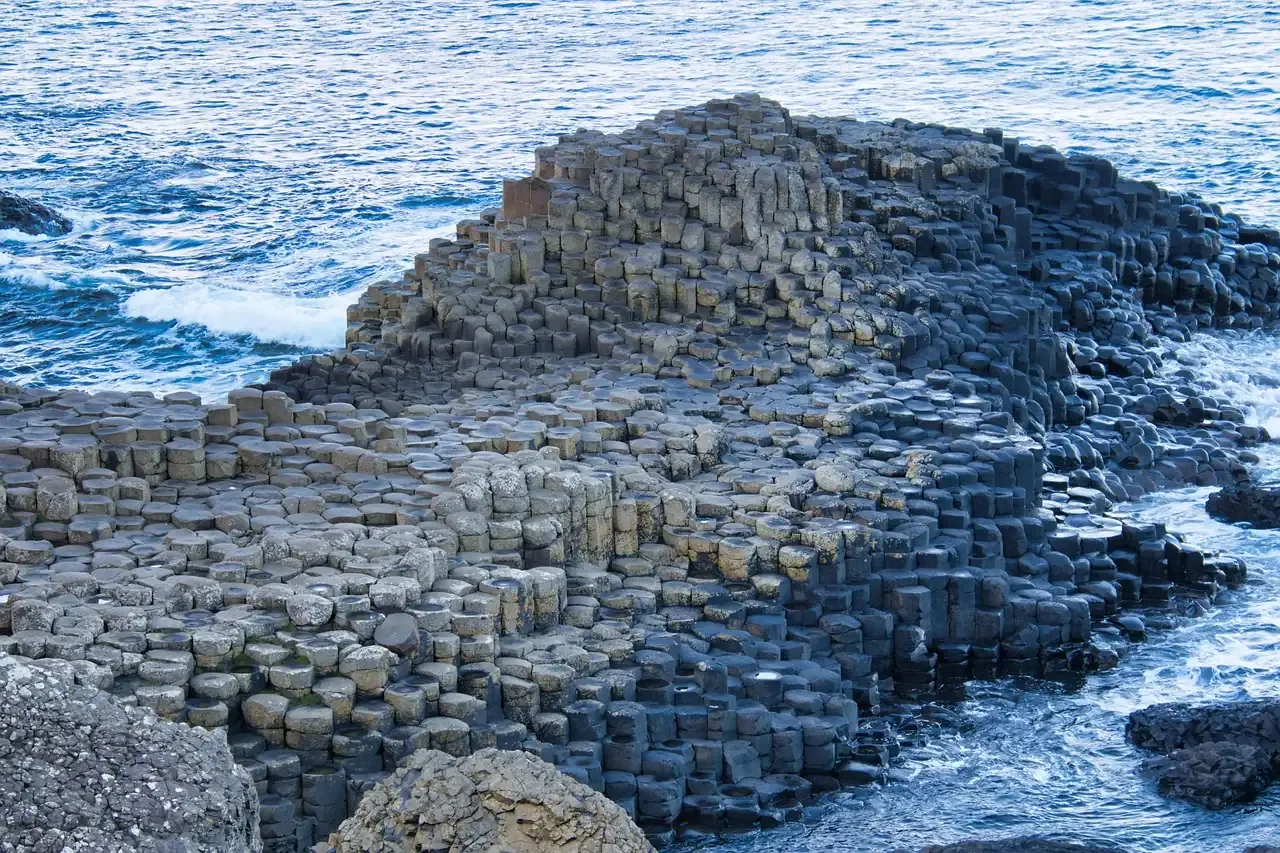
More than 40,000 basalt columns step down into the Atlantic on the north coast of County Antrim, left by lava that cooled and cracked around 60 million years ago. Legend hands the work to a giant, and the National Trust visitor centre sets that account beside the geology before the path drops to the stones. It became the first World Heritage Site in Northern Ireland, and the cliff path carries on in both directions along the Causeway Coast. Around 678,000 people came in 2025.
Heritage: the first UNESCO World Heritage Site in Northern Ireland · Formed: about 60 million years ago
Location: Bushmills, County Antrim, Northern Ireland
Access: Coastline open dawn to dusk; the visitor experience is ticketed
10. Eryri and Yr Wyddfa
Eryri, the national park English maps still label Snowdonia, holds both the highest peak in Wales and its largest natural lake inside one boundary of ridges, glacial cwms and slate villages. Yr Wyddfa reaches 1,085 metres and is climbed on foot from Llanberis and Pen-y-Pass or ridden up on the Snowdon Mountain Railway. Much of the land is privately owned and worked, so walking sticks to the public footpaths, and the park authority asks visitors to plan around the busiest summer weekends.
Designation: national park, with the highest peak in Wales · Summit: Yr Wyddfa, 1,085 metres
Location: Gwynedd and Conwy, in north Wales
Access: Free to enter; the mountain railway is ticketed
11. Westminster Abbey
Forty English and British monarchs have been crowned in this abbey church since 1066, and at least sixteen royal weddings have taken place under its vaults, which makes it the nearest thing the country has to a national stage. Henry III ordered the present building in 1245, and the abbey joined the World Heritage List in 1987 together with the Palace of Westminster next door and St Margaret's Church between them. Sightseeing runs on weekdays and Saturdays, with Sunday given over to worship. Around 1.61 million people came in 2025, eighteenth on the national table.
Style: Gothic, begun in 1245 · Heritage: UNESCO World Heritage Site since 1987
Location: Parliament Square, Westminster, London
Access: Ticketed, with Sundays reserved for services
12. St Paul's Cathedral
A cathedral has stood on Ludgate Hill, the highest ground in the City of London, since 604, and the present one is the largest church in England by area after Liverpool Cathedral. Christopher Wren finished it in 1710 in the English Baroque manner, and at 111 metres his dome remained the tallest building in London until 1963. The sightseeing route crosses the cathedral floor, drops into the crypt and then climbs through the galleries built into the dome, which is where the view over the rooftops waits. Nearly 1.47 million people visited in 2025.
Architect: Christopher Wren · Style: English Baroque, completed in 1710
Location: Ludgate Hill, City of London
Access: Ticketed for sightseeing; daily services are free to attend
13. London Eye
The most popular paid attraction in the United Kingdom is a wheel rather than a palace or a museum, and more than three million people a year buy a turn on it. David Marks and Julia Barfield designed it for the millennium, it opened to the public in 2000, and at 135 metres on a single cantilevered A-frame it is still the tallest observation wheel of its kind anywhere. One rotation takes about thirty minutes in one of thirty-two glass pods, high enough to pick out Parliament and Buckingham Palace below and, when the air is clear, Windsor Castle away to the west.
Architect: Marks Barfield Architects · Height: 135 metres, with a wheel 120 metres across
Location: South Bank of the Thames, in Lambeth, London
Access: Ticketed, timed entry
14. The Roman Baths
Bath owes its name and its street plan to water that still surfaces at 46 degrees Celsius, more than a million litres a day, pushed up through a fault in the limestone. Romans raised a temple and a bathing complex over the spring between 60 and 70 AD and called the town Aquae Sulis; the Great Bath they lined with lead from the Mendip hills is still full, though the water is no longer used for bathing. The museum around it keeps the gilt bronze head of the goddess Sulis Minerva and thousands of coins thrown in as offerings. Just over a million people came in 2025.
Period: Roman, from about 60 AD · Heritage: inside the UNESCO World Heritage Site of the City of Bath
Location: Bath, in Somerset, south-west England
Access: Ticketed, timed entry
15. The Lake District
England keeps its highest ground and its deepest water in one corner of the north-west. Scafell Pike tops out at 978 metres, Wast Water drops 79 metres to the deepest lake bed in the country, and Windermere runs eleven miles, longer and larger than any other English lake. UNESCO listed the park as a cultural landscape in 2017, counting hill farming and literature as much as scenery: Wordsworth, Ruskin, Beatrix Potter and Arthur Ransome all wrote here. More than three thousand kilometres of rights of way cross the fells.
Designation: national park since 1951, covering 2,362 square kilometres · Heritage: UNESCO World Heritage Site since 2017
Location: Cumbria, in north-west England
Access: Free to enter; the park authority publishes a daily mountain forecast
16. York Minster
The seat of the archbishop of York holds the largest expanse of medieval stained glass in the world in its east window, and most of the rest of its medieval glass has survived too, which few churches in Europe can say. Masons worked from 1220 to 1472 and left three Gothic styles in one building: Early English transepts, a Decorated nave and chapter house, and a Perpendicular eastern arm and central tower. Two hundred and seventy-five steps climb that tower to the highest point in the city. The minster opens every day of the year, and a sightseeing ticket stays valid for twelve months.
Style: Early English, Decorated and Perpendicular Gothic · Built: between 1220 and 1472
Location: York, in North Yorkshire, northern England
Access: Ticketed, and the ticket lasts a year
Photo: "23.4.16 1 York 77" by donald judge (CC BY 2.0).
Other iconic sights in the United Kingdom
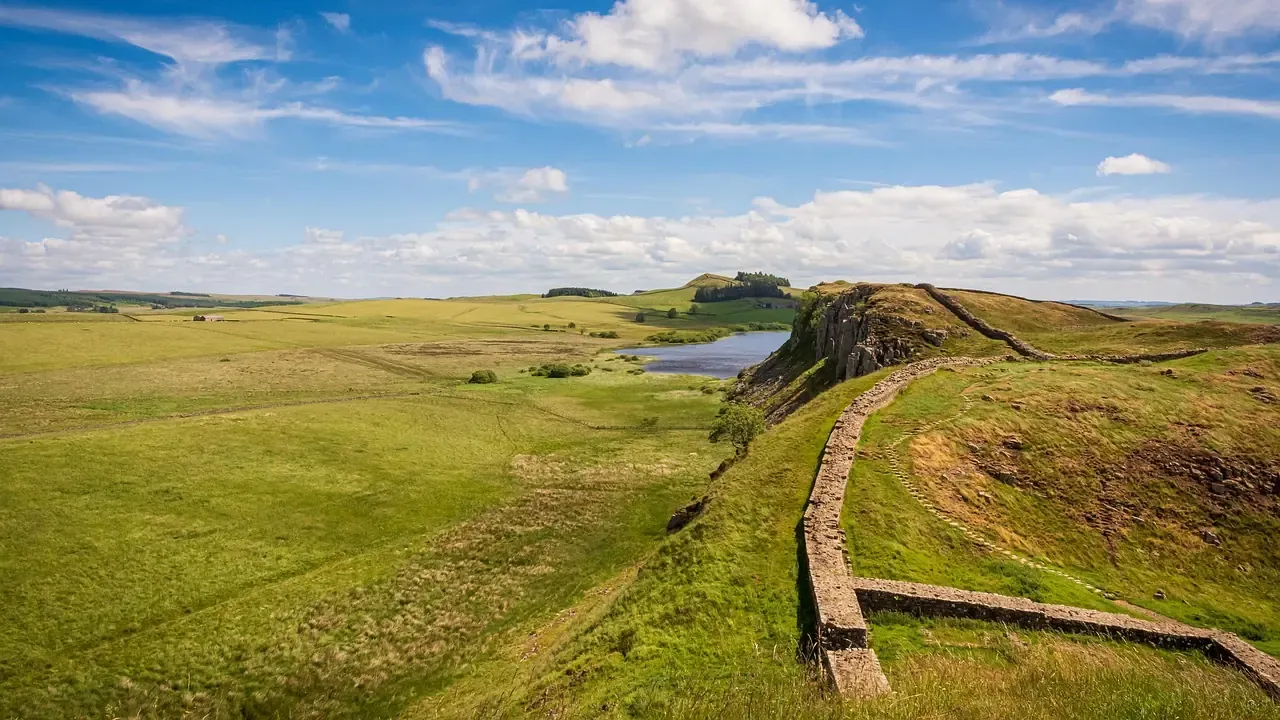
Hadrian's Wall
Rome's northern frontier, begun in AD 122 and running coast to coast with forts, milecastles and turrets along its line.
Location: Northumberland and Cumbria, northern England
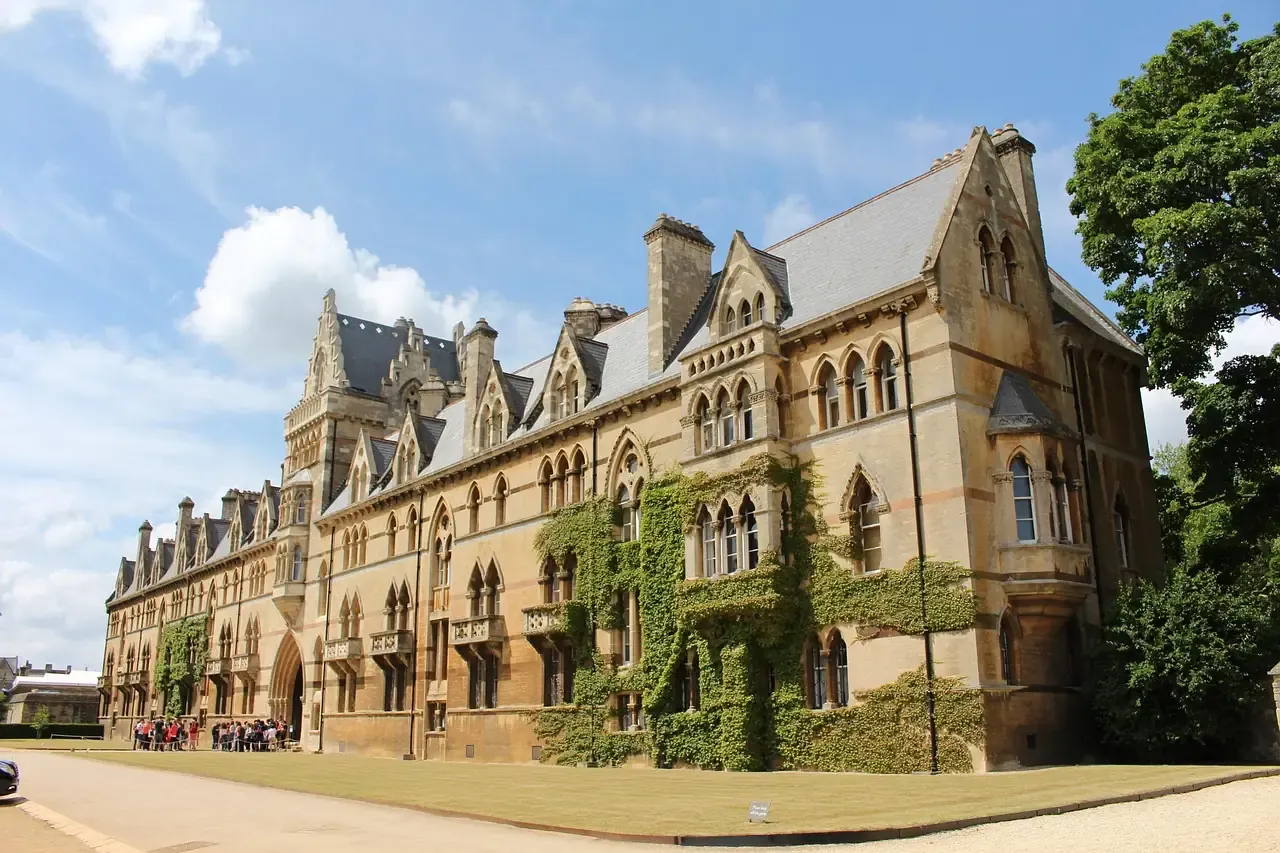
The Oxford colleges
The oldest university in the English-speaking world, teaching since 1096, whose colleges open their quadrangles to visitors at set times.
Location: Oxford, Oxfordshire
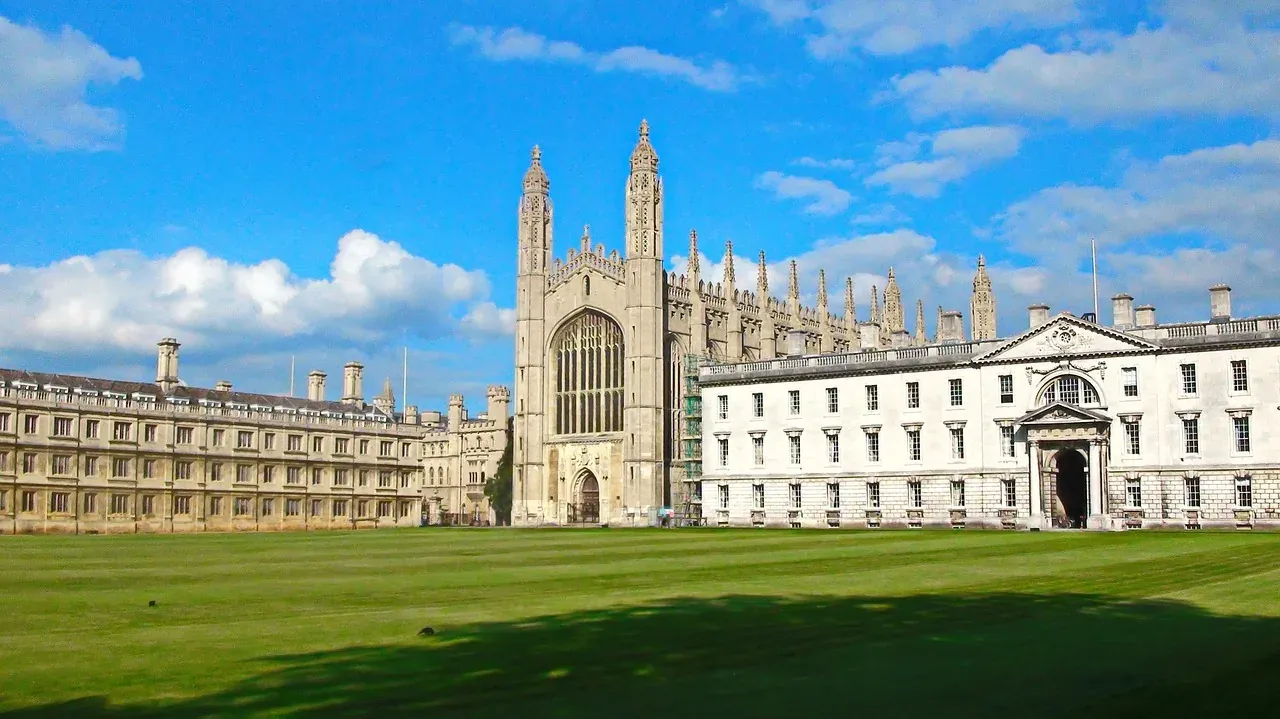
King's College Chapel
Perpendicular Gothic built by a succession of English kings between 1448 and 1515, holding the largest fan vault in the world.
Location: Cambridge, Cambridgeshire
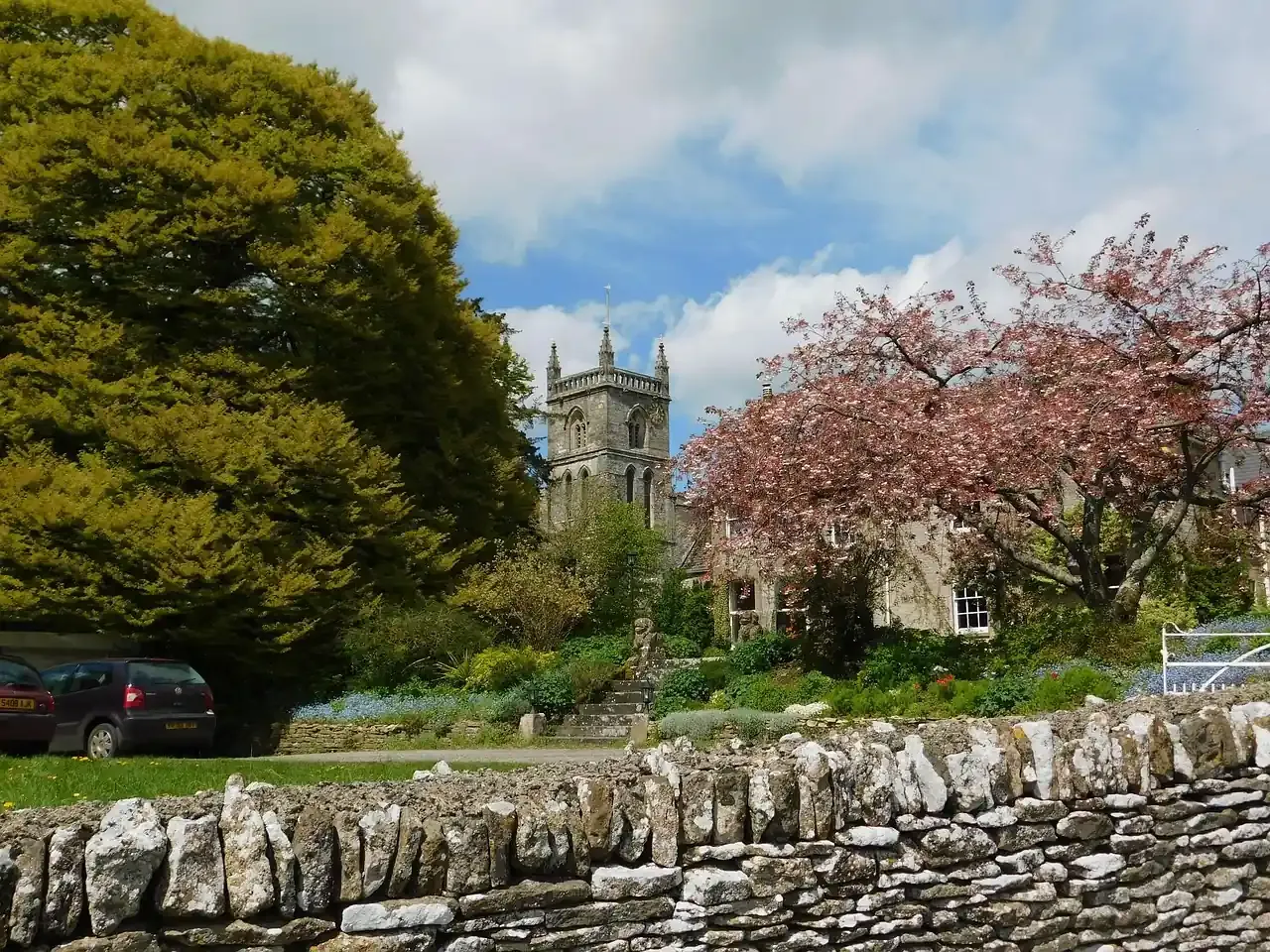
The Cotswolds
Rolling limestone hills between the upper Thames meadows and the Severn valley, with villages built from the same golden stone.
Location: Gloucestershire and Oxfordshire, and into four more counties
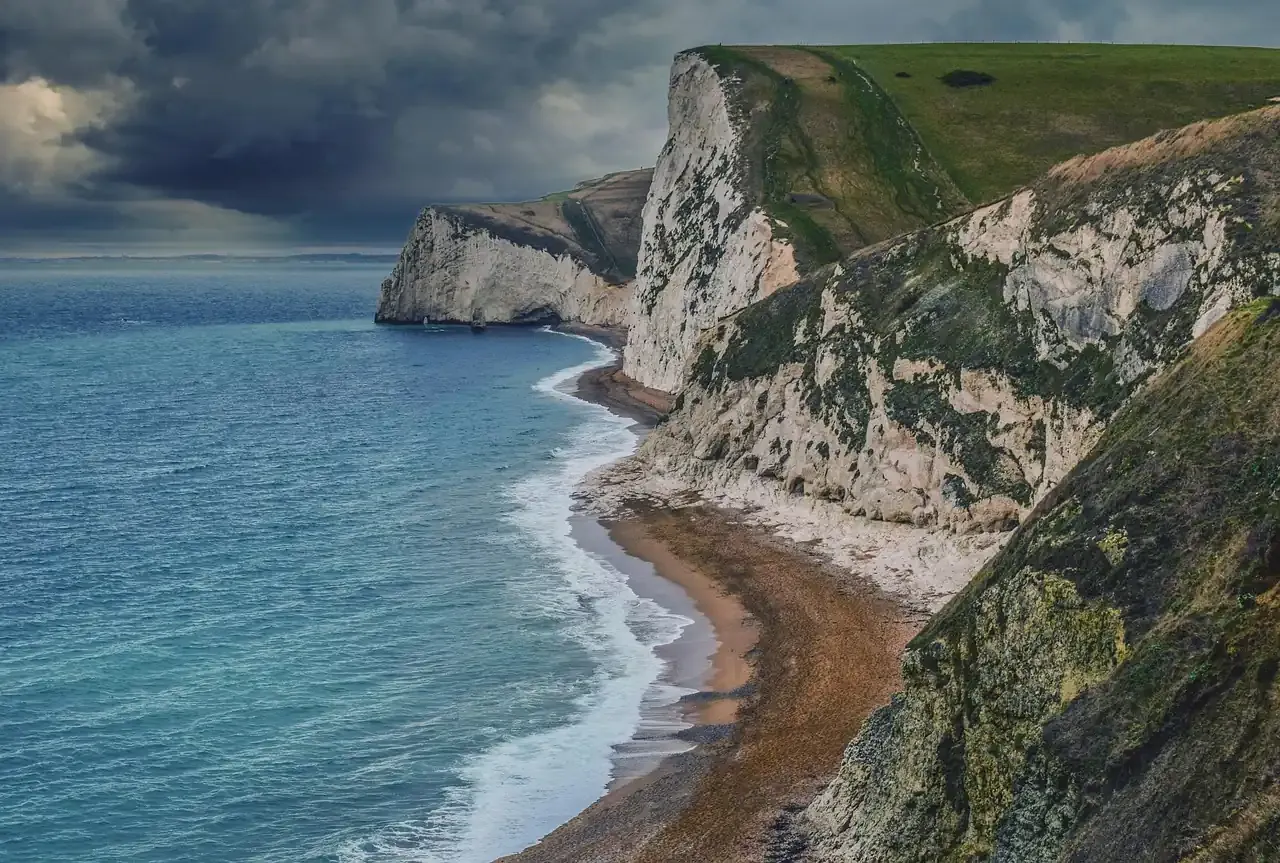
Jurassic Coast
Ninety-six miles of fossil-bearing cliffs from Exmouth to Studland Bay, on the World Heritage List since December 2001.
Location: Dorset and East Devon, southern England
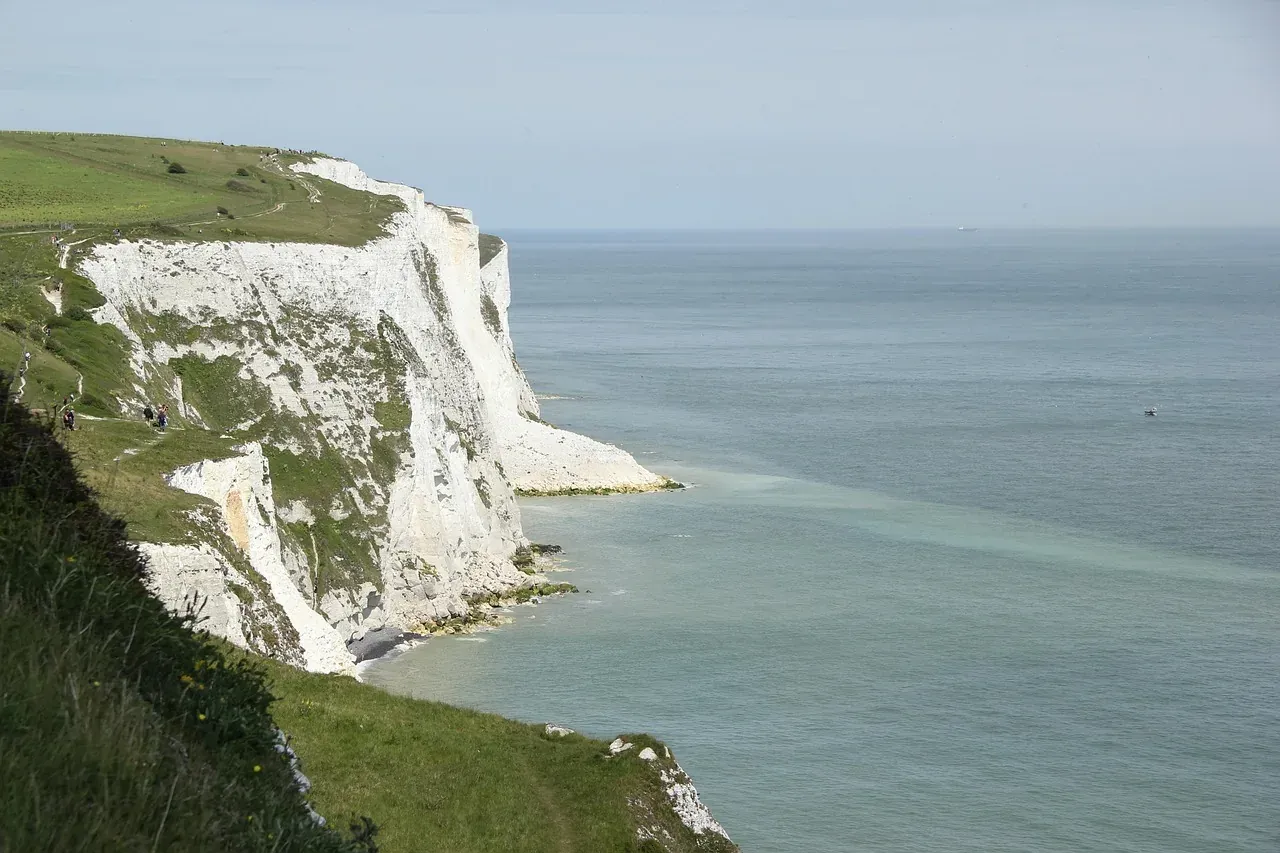
White Cliffs of Dover
Eight miles of chalk reaching 110 metres, streaked with black flint laid down in the Late Cretaceous.
Location: Dover, Kent
More attractions and tours to book in the United Kingdom
Food to try in the United Kingdom

Fish and chips
Battered white fish fried with thick chips, the takeaway most often named as the national dish and still sold from chip shops in almost every town.
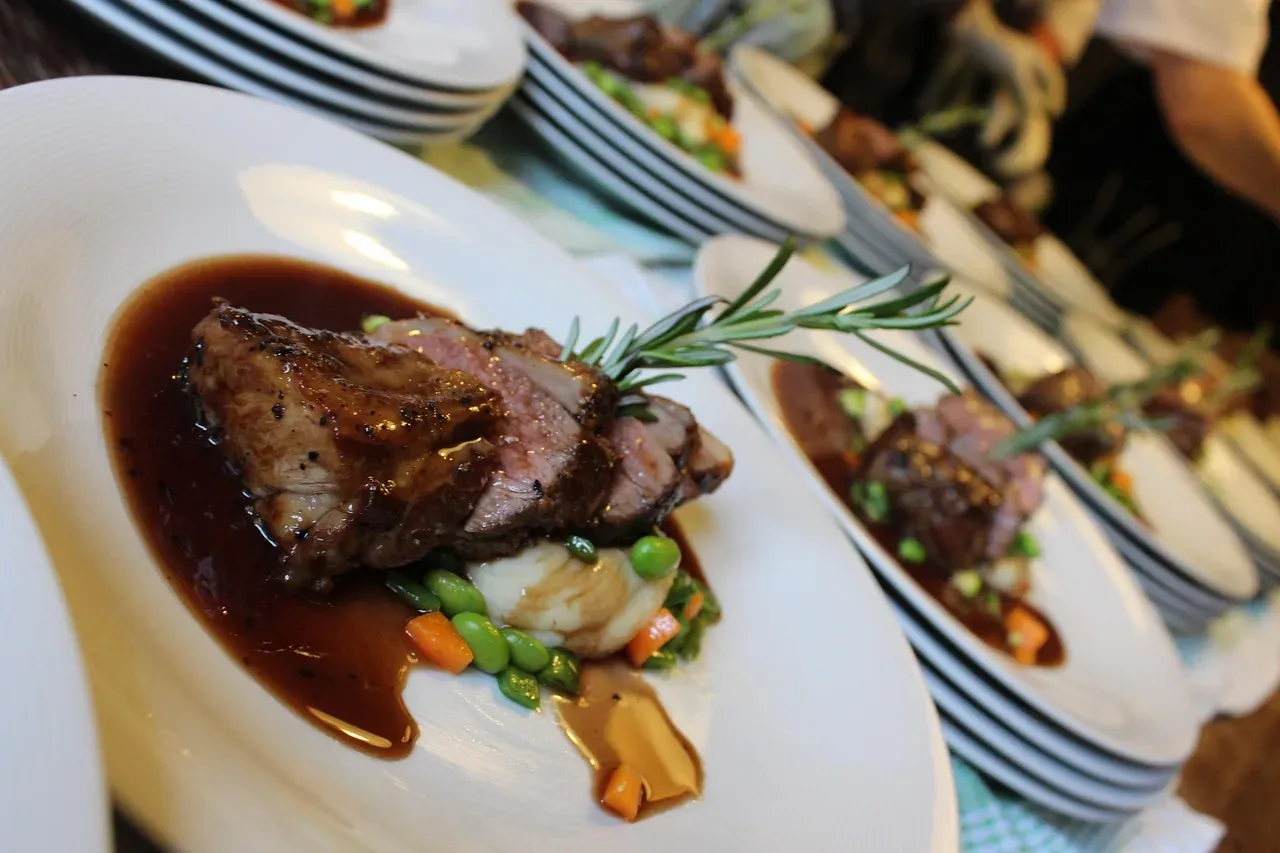
Sunday roast
Roast meat with potatoes, vegetables and gravy, eaten on a Sunday at home or in a pub. In England a Yorkshire pudding, baked from egg and flour batter, usually comes with it.

Cornish pasty
A baked turnover of meat and vegetables in crimped shortcrust, associated above all with Cornwall and carried across the world by Cornish miners.
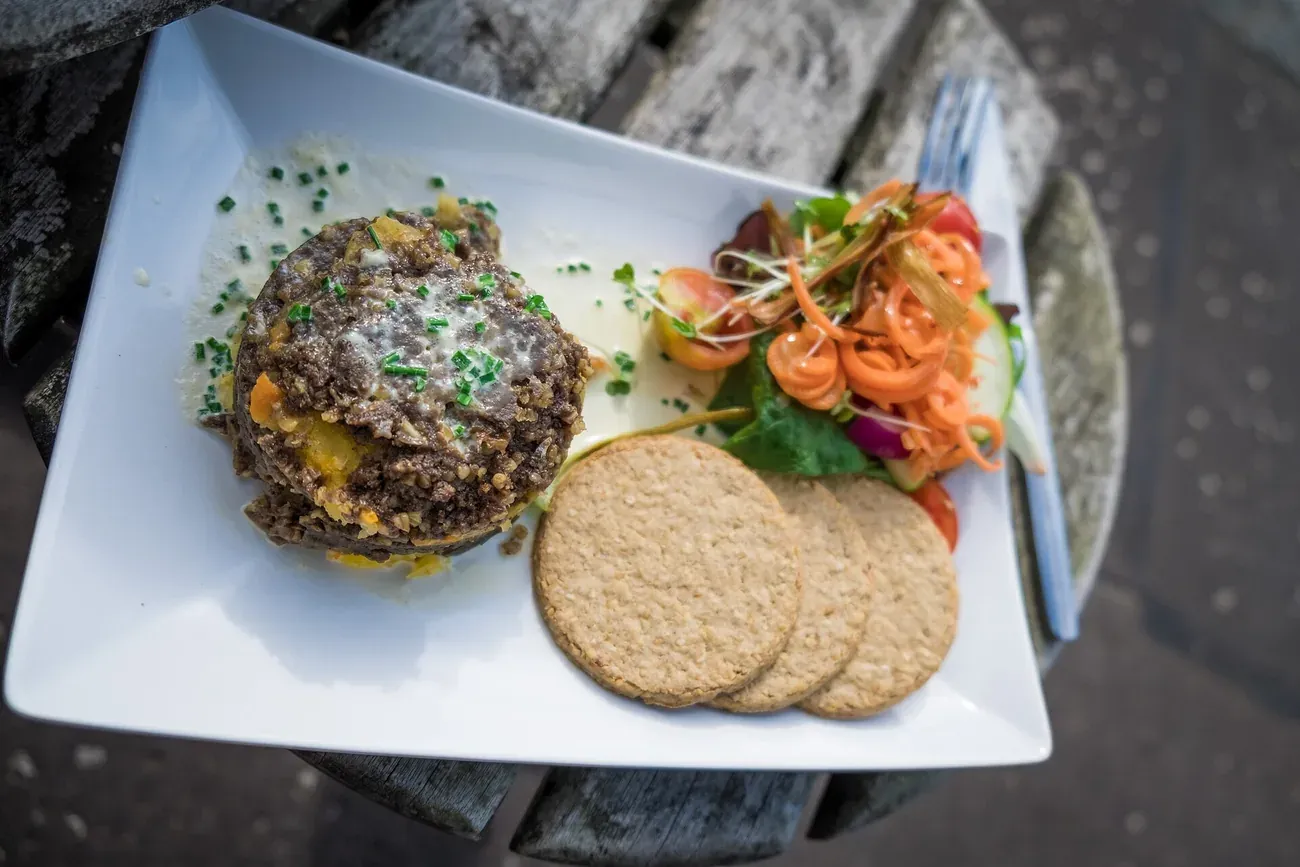
Haggis
A savoury pudding of sheep's pluck minced with onion, oatmeal, suet and seasoning, cooked in a casing and eaten in Scotland with mashed turnip and potato.
Photo: "ScottishHaggis" by Daniel Fader (CC BY-SA 4.0).

Welsh cakes
Small spiced currant rounds cooked on a griddle or bakestone instead of an oven, which lands them somewhere between a scone, a biscuit and a pancake.
Photo: "Welsh cakes" by James Petts (CC BY-SA 2.0).

Ulster fry
The Northern Irish version of the cooked breakfast, which adds soda bread and potato farls to the bacon, sausage and egg and fries them in the same pan.
Photo: "Ulster fry" by Kent Wang (CC BY-SA 2.0).
Monumental engineering and sculpture in the United Kingdom
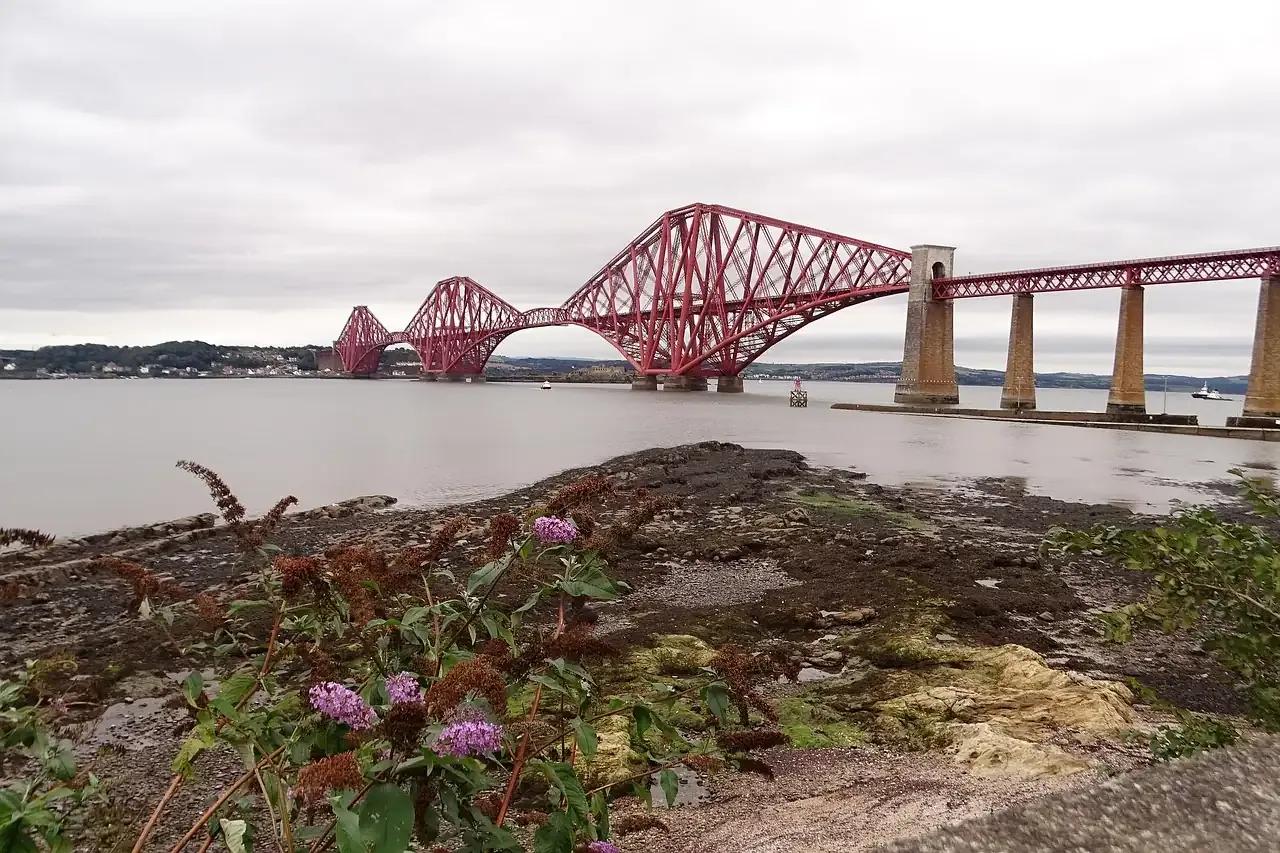
The Forth Bridge
A cantilever railway crossing finished in 1890 and listed by UNESCO, still carrying trains over the firth.
Location: Queensferry, west of Edinburgh

Angel of the North
Antony Gormley's weathering-steel figure, 20 metres tall with a wingspan of 54 metres, standing beside the A1.
Location: Gateshead, Tyne and Wear
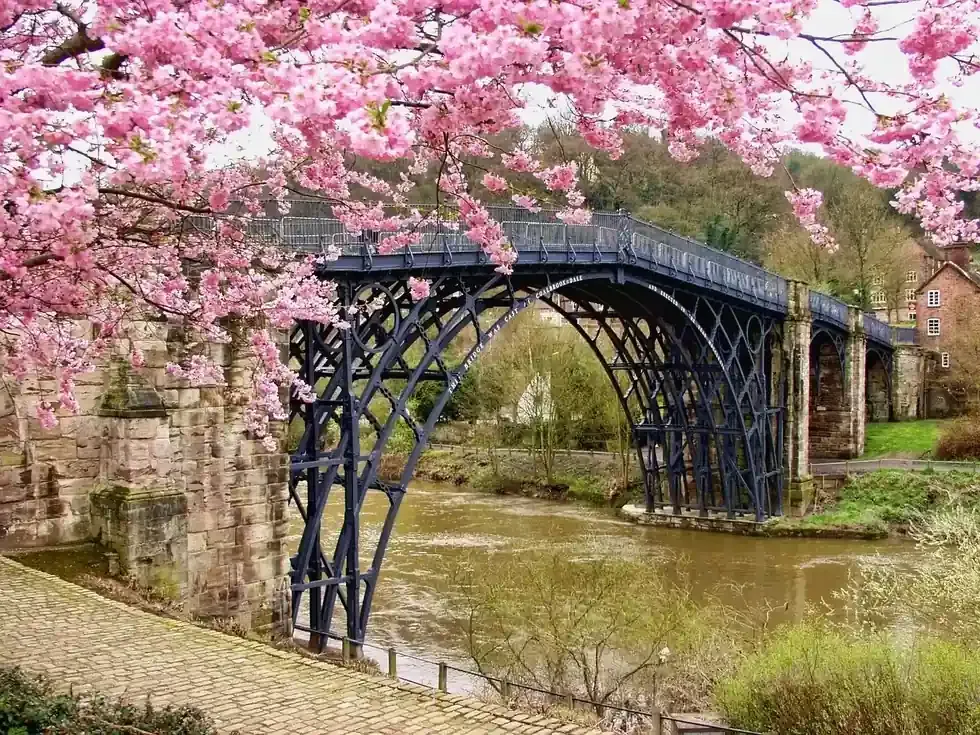
The Iron Bridge
Opened in 1781 over the Severn, the first major bridge anywhere built of cast iron and a symbol of industrial Britain.
Location: Ironbridge, Shropshire
Unusual museums and collections in the United Kingdom
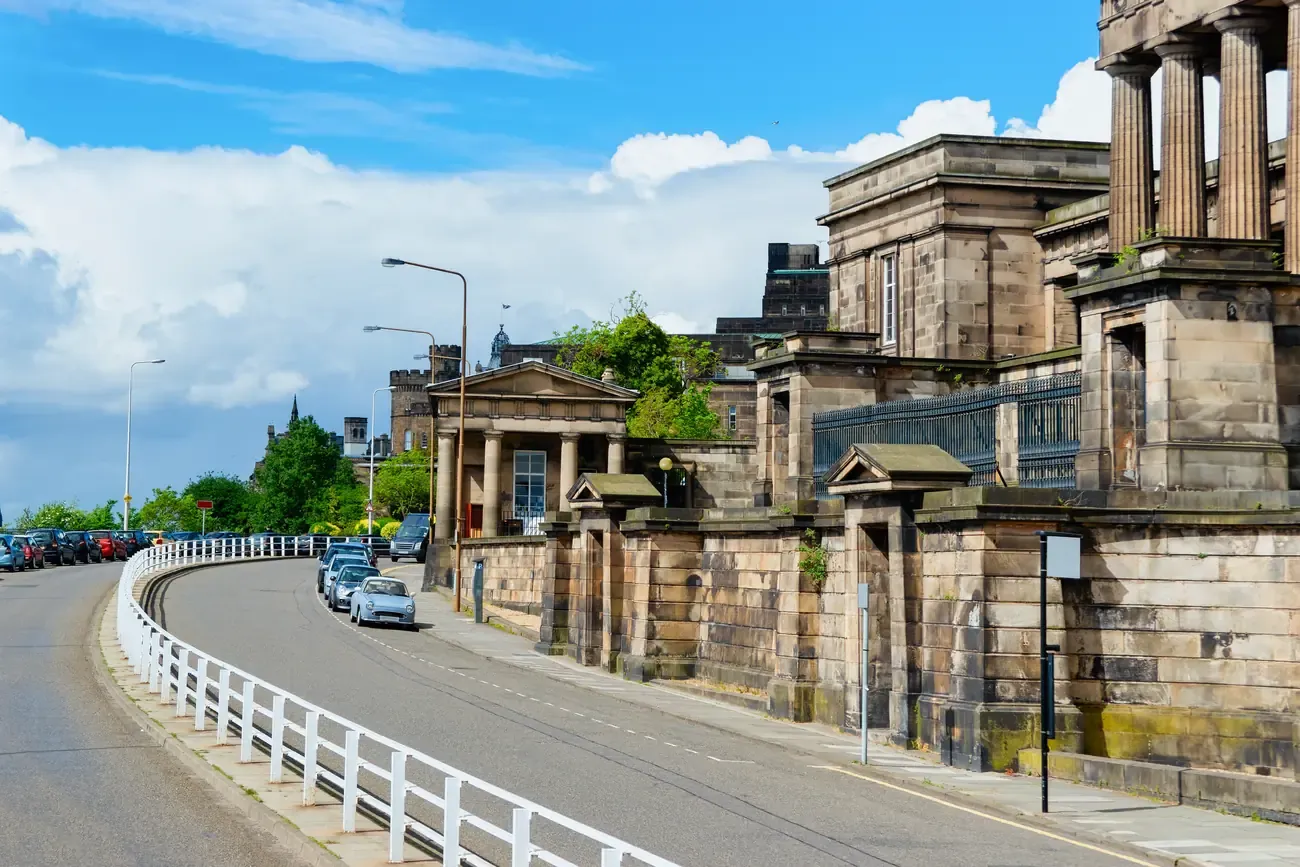
Surgeons' Hall Museums
Anatomical specimens, surgical instruments and pathology cases held by the Royal College of Surgeons of Edinburgh.
Location: Nicolson Street, Edinburgh
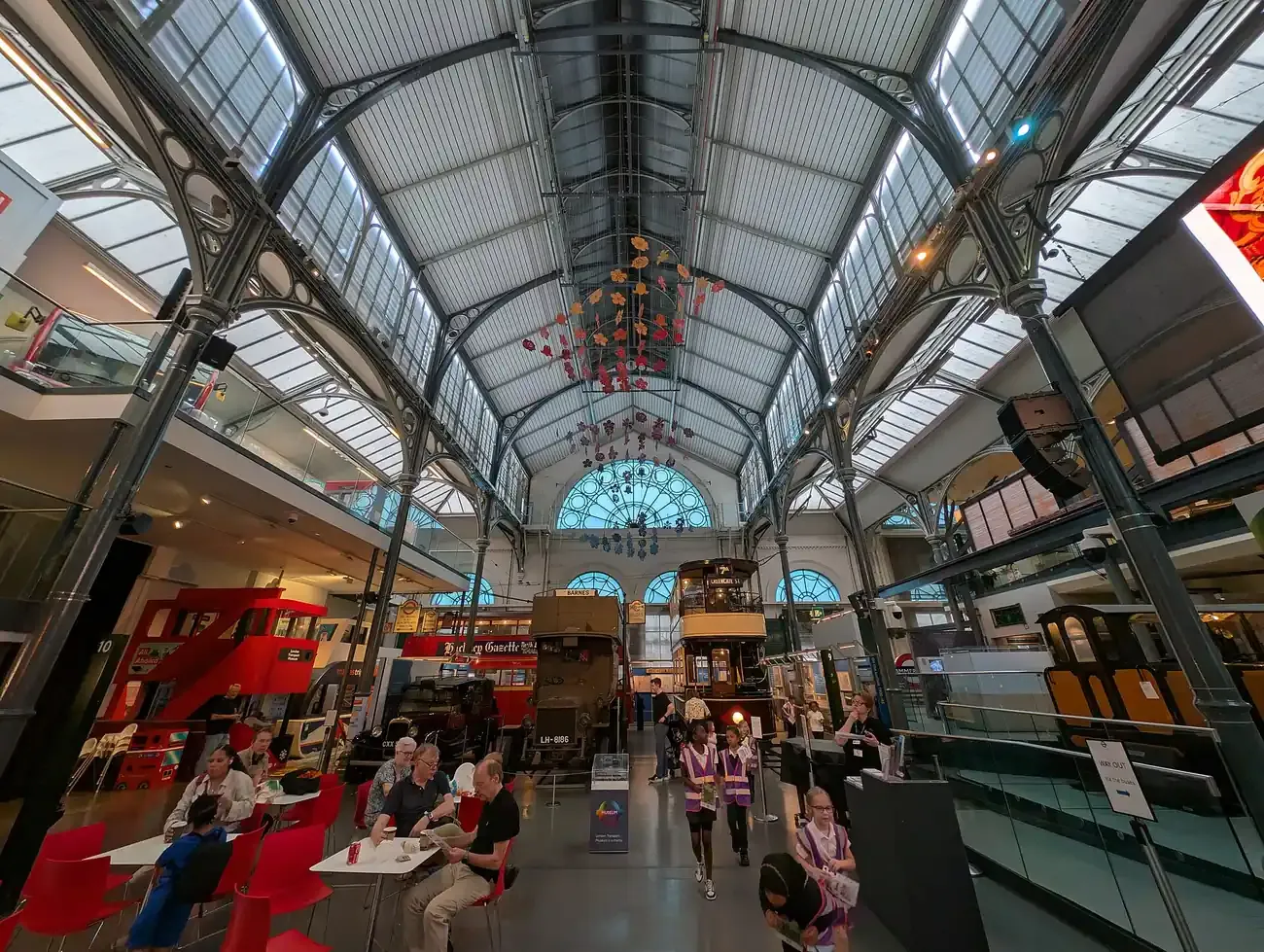
London Transport Museum
Buses, trams and Tube stock parked in a Victorian flower-market hall, with the poster archive that went with them.
Location: Covent Garden, London
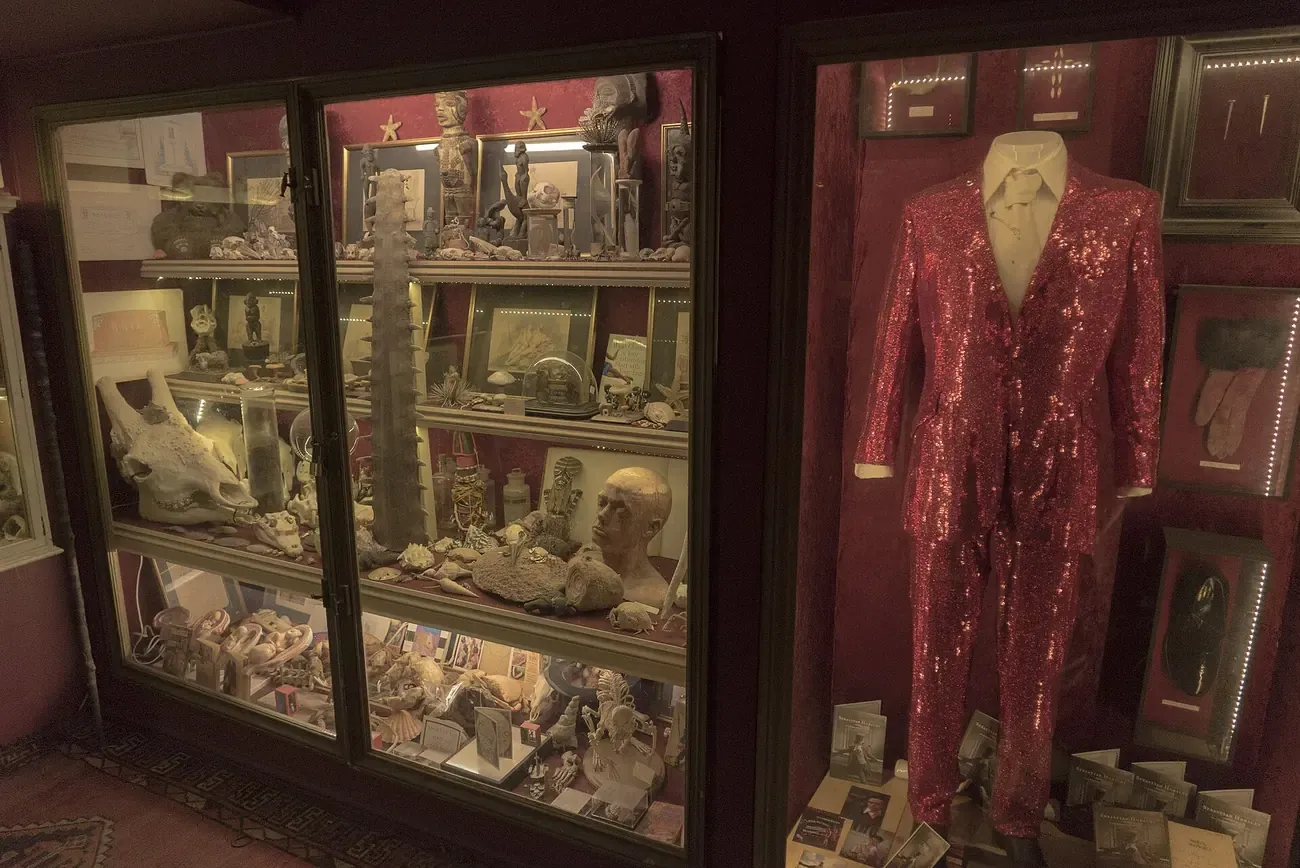
Viktor Wynd Museum of Curiosities
A deliberately disordered cabinet of curiosities in a basement off Mare Street, part natural history and part bad taste.
Location: Hackney, east London
Photo: "The Viktor Wynd Museum cabinet of curiosities" by Jwslubbock (CC BY-SA 4.0).
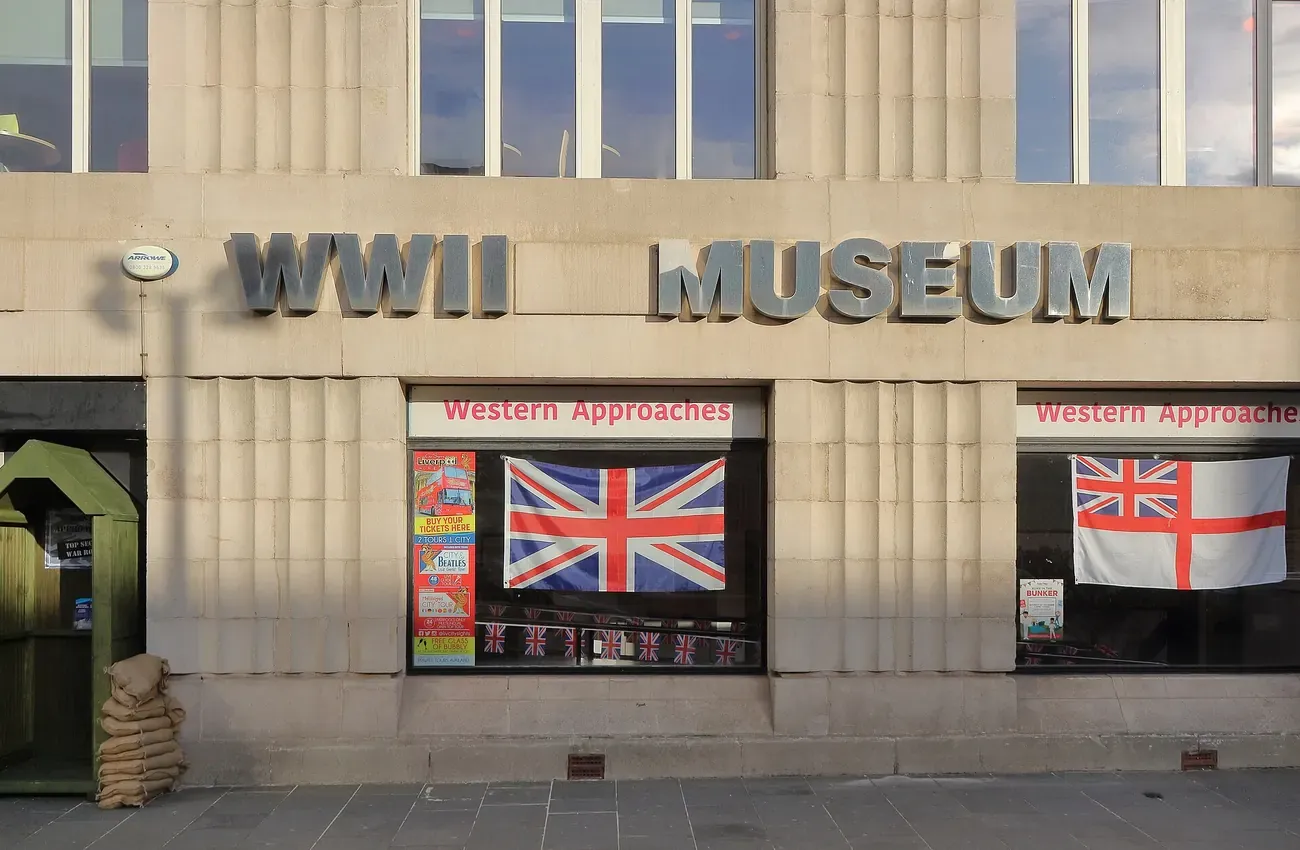
Western Approaches Museum
The restored wartime command centre from which the Battle of the Atlantic and its convoys were run.
Location: Rumford Street, Liverpool
Photo: "Frontage of the Western Approaches Museum" by Rodhullandemu (CC BY-SA 4.0).
Tunnels and cellars under the United Kingdom
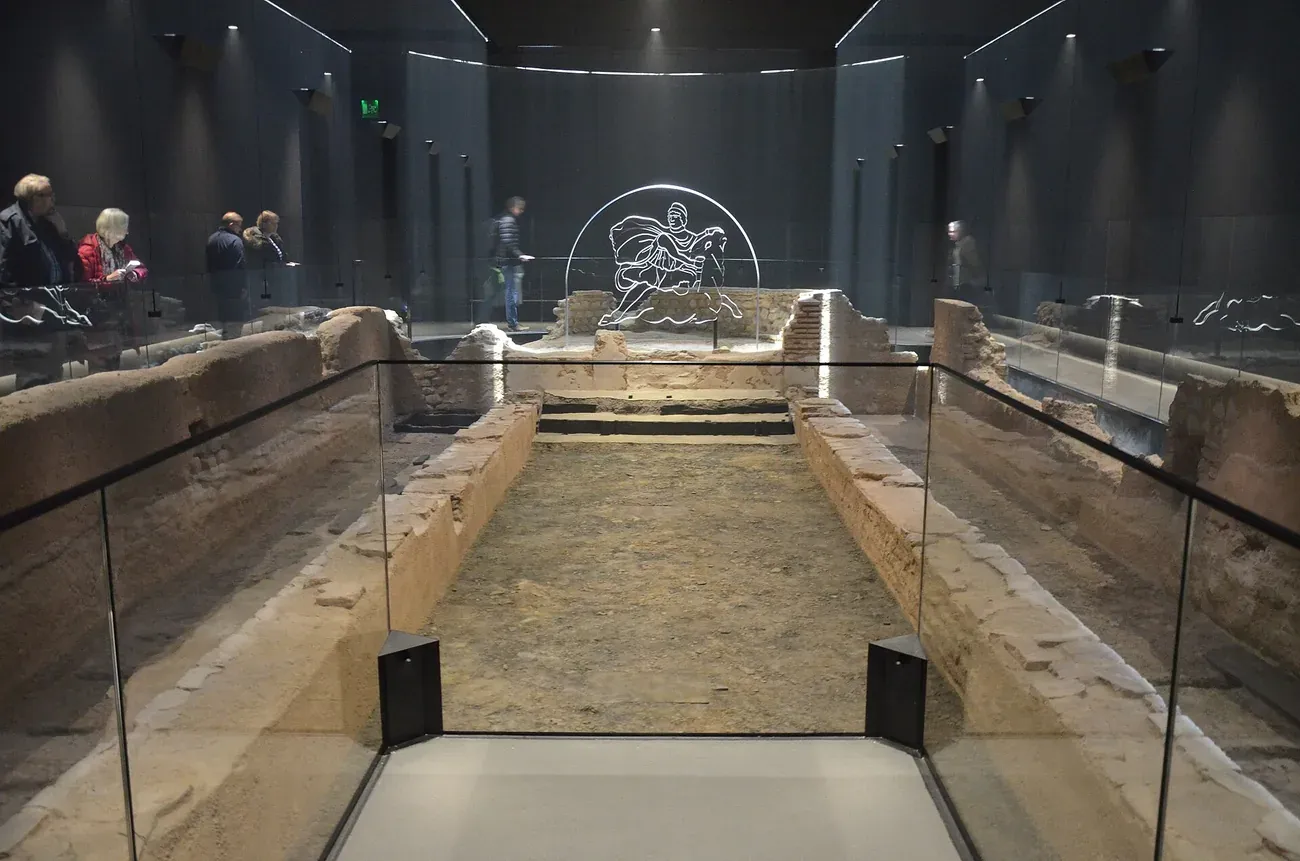
London Mithraeum
A Roman temple to Mithras found in 1954 during building work and now rebuilt seven metres under a bank headquarters.
Location: Walbrook, City of London
Photo: "London Mithraeum, Bloomberg's European headquarters" by Carole Raddato (CC BY-SA 2.0).
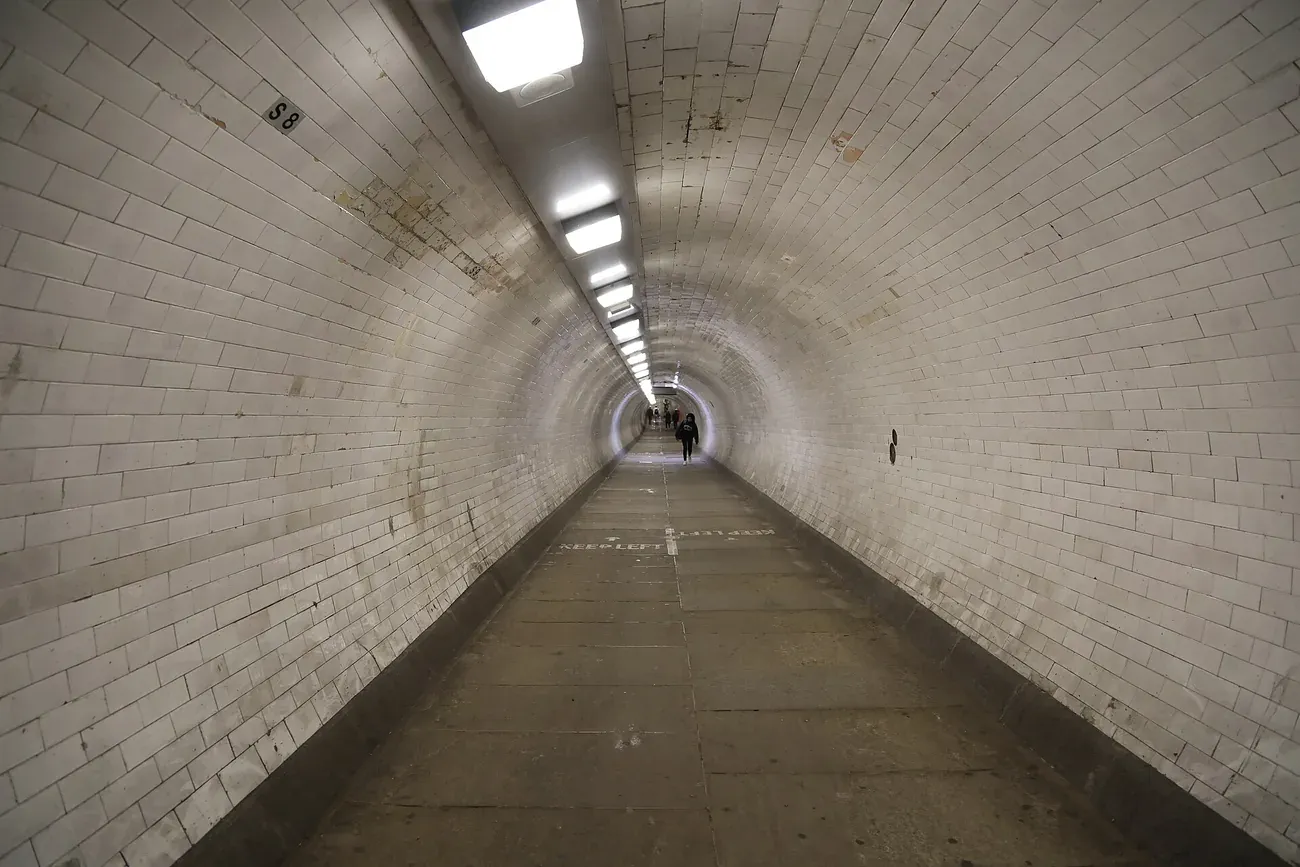
Greenwich Foot Tunnel
A tiled Edwardian tube under the Thames, still the walking route between the Isle of Dogs and Greenwich.
Location: Greenwich and Island Gardens, London
Photo: "Greenwich Foot Tunnel under The Thames" by Christine Matthews (CC BY-SA 2.0).
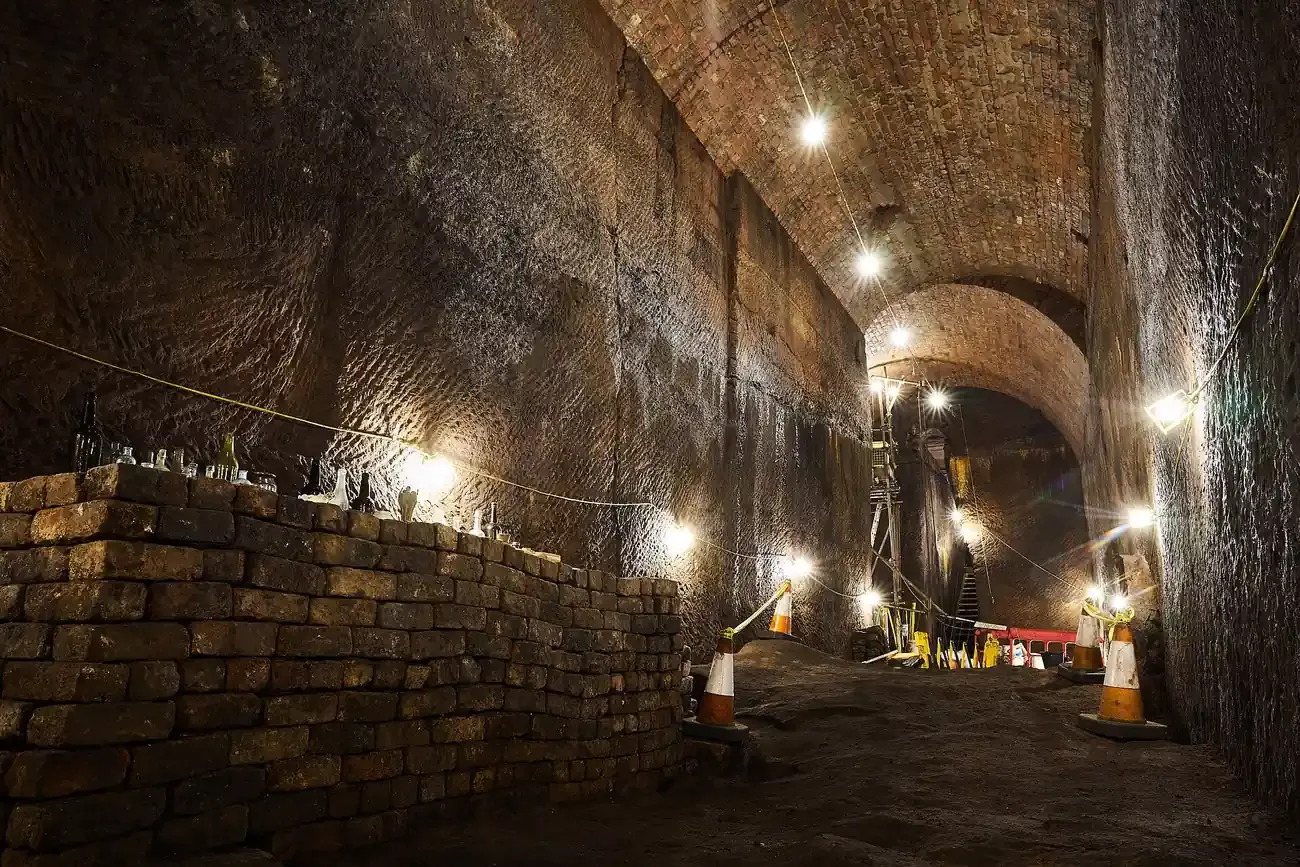
Williamson Tunnels
Brick vaults dug under Edge Hill for Joseph Williamson between 1810 and 1840, for reasons still argued over.
Location: Edge Hill, Liverpool
Photo: "Williamson Tunnels, The Banqueting Hall" by Kyle J May (CC BY-SA 4.0).
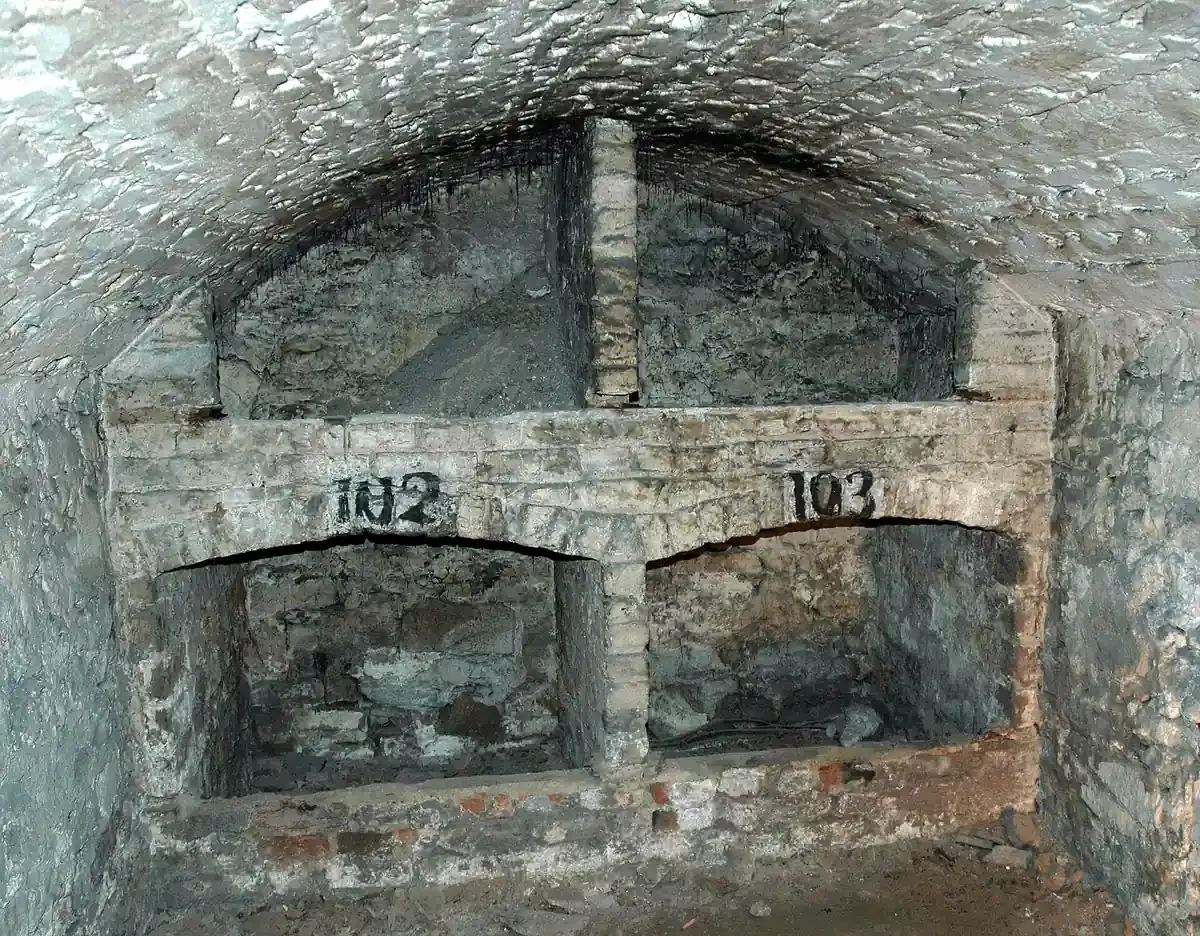
Blair Street Underground Vaults
Chambers inside the arches of South Bridge, used from 1788 by taverns and tradesmen before the city forgot them.
Location: South Bridge, Edinburgh
Photo: "Storage, Edinburgh Vaults" by Kjetil Bjørnsrud (CC BY 2.5).
Unusual places to visit in the United Kingdom
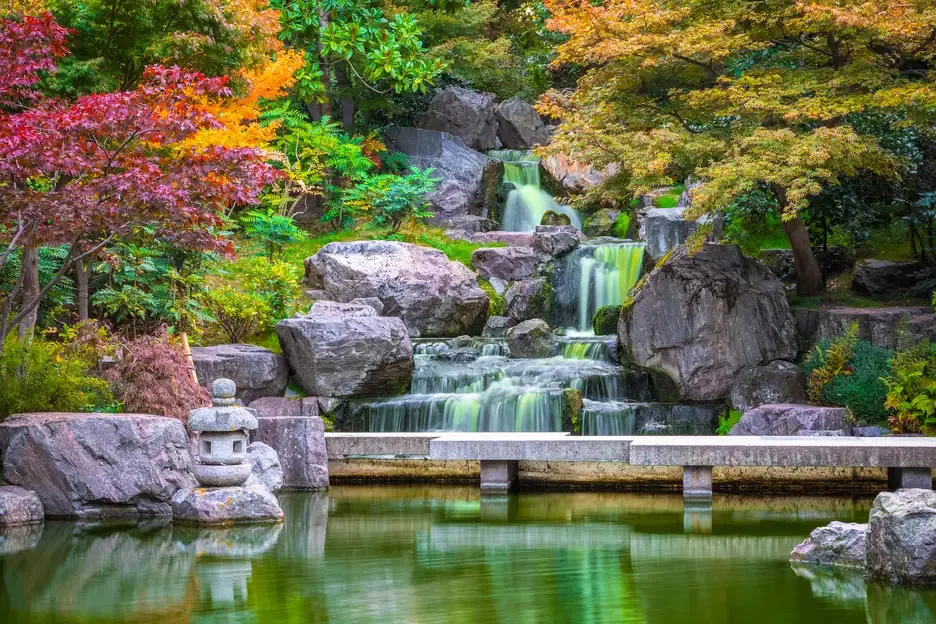
Kyoto Garden
A Japanese garden of tiered waterfall, pond and koi hidden inside Holland Park, with peacocks on the paths.
Location: Holland Park, west London
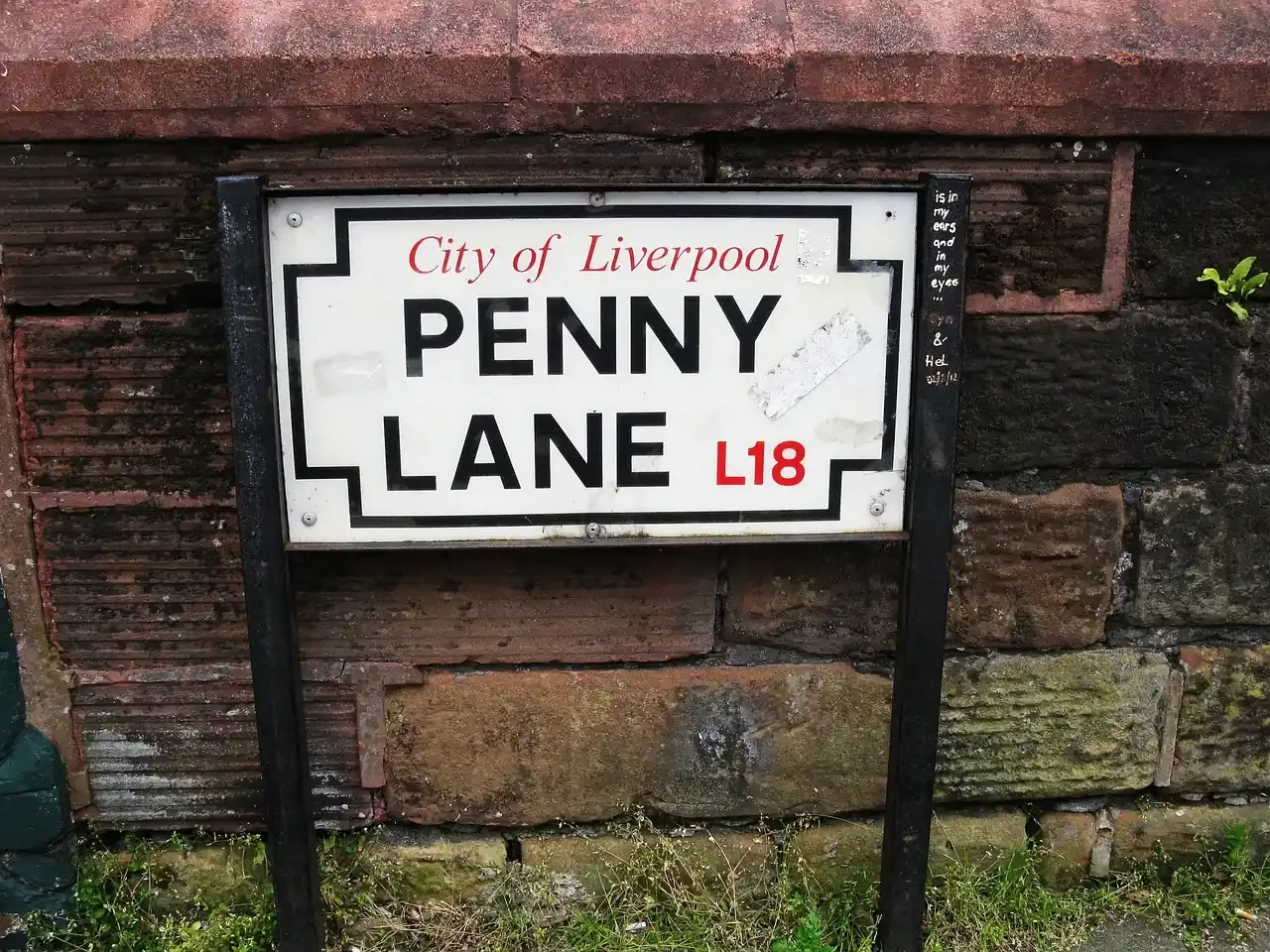
Penny Lane
An ordinary suburban street that the Beatles turned into a single in 1967, still signposted and still photographed.
Location: Mossley Hill, Liverpool
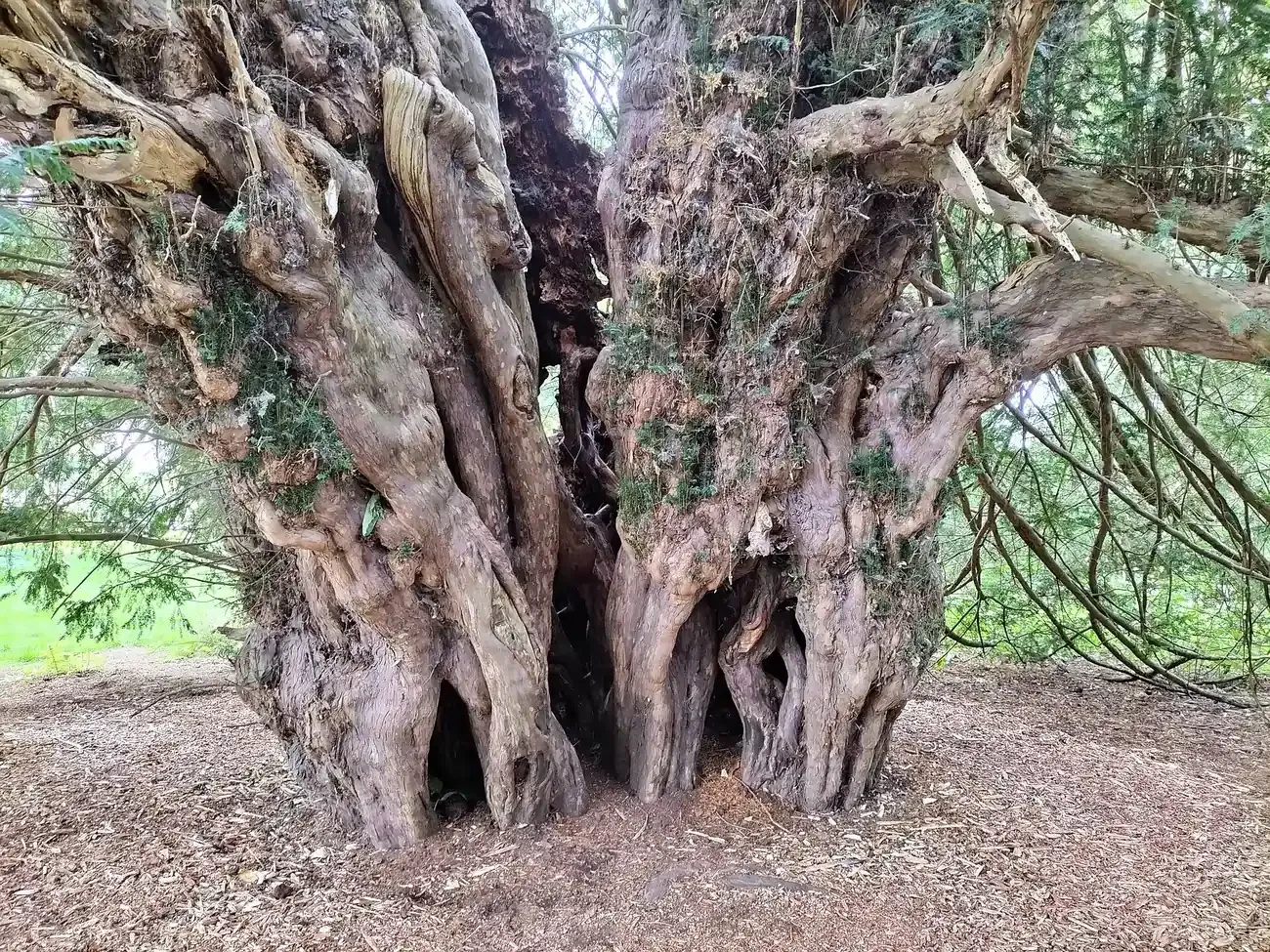
Ankerwycke Yew
A hollow yew beside a ruined priory, at least 1,400 years old and possibly far older, in the meadows by Runnymede.
Location: Wraysbury, Berkshire
Photo: "Ankerwycke ancient tree" by Hypercolius (CC BY-SA 4.0).
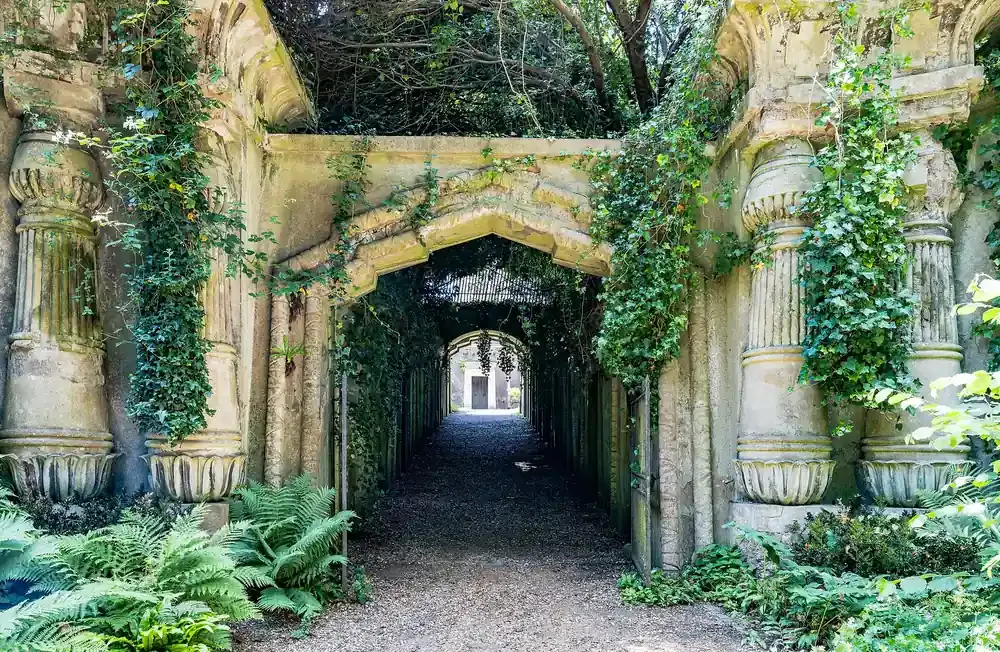
Highgate Cemetery
A Victorian burial ground of about 53,000 graves gone half wild, protected as a park and garden of national interest.
Location: Highgate, north London
Photo: "The Egyptian Avenue, Highgate Cemetery" by Tilman2007 (CC BY-SA 4.0).
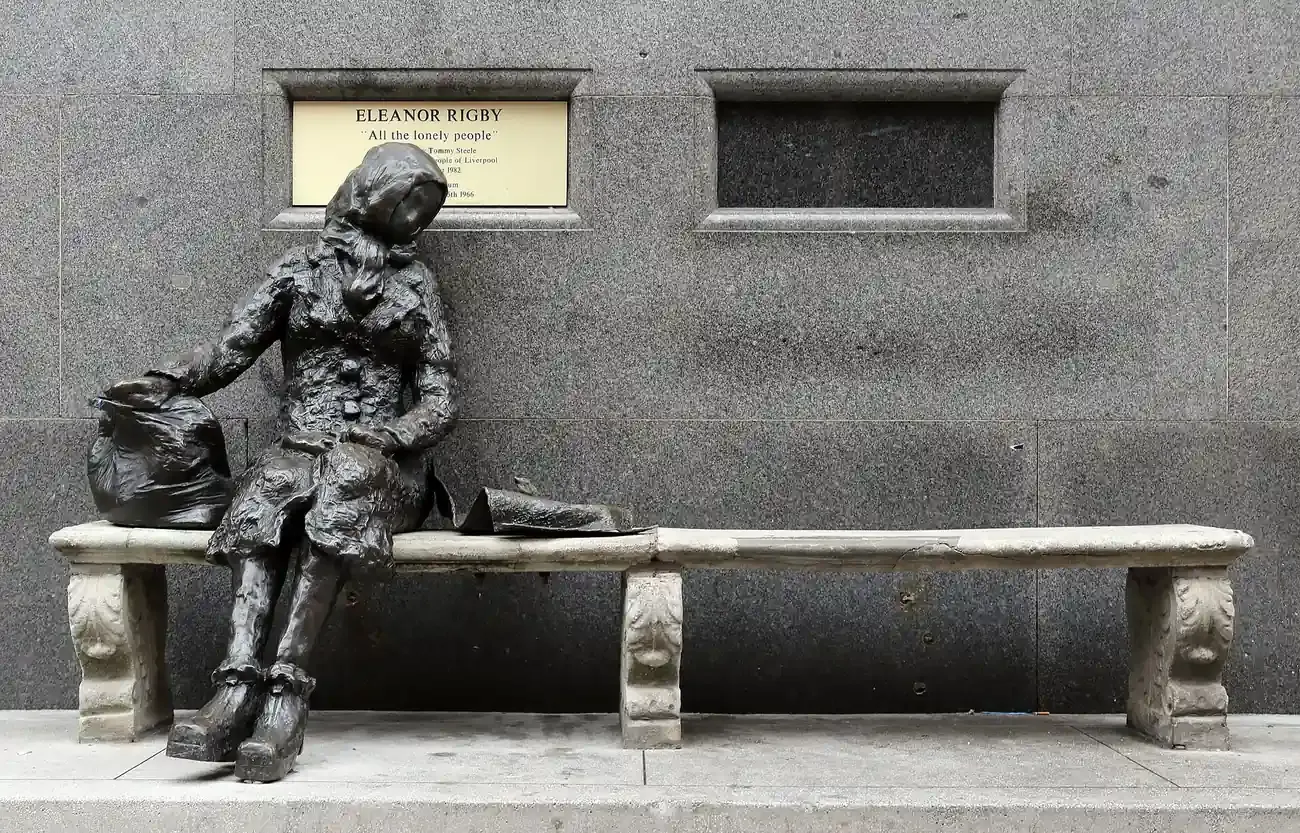
Eleanor Rigby statue
A bronze of the woman from the Beatles song, made and given to the city by the entertainer Tommy Steele.
Location: Stanley Street, Liverpool
Photo: "Eleanor Rigby statue and bench, Stanley Street" by Rodhullandemu (CC BY-SA 4.0).
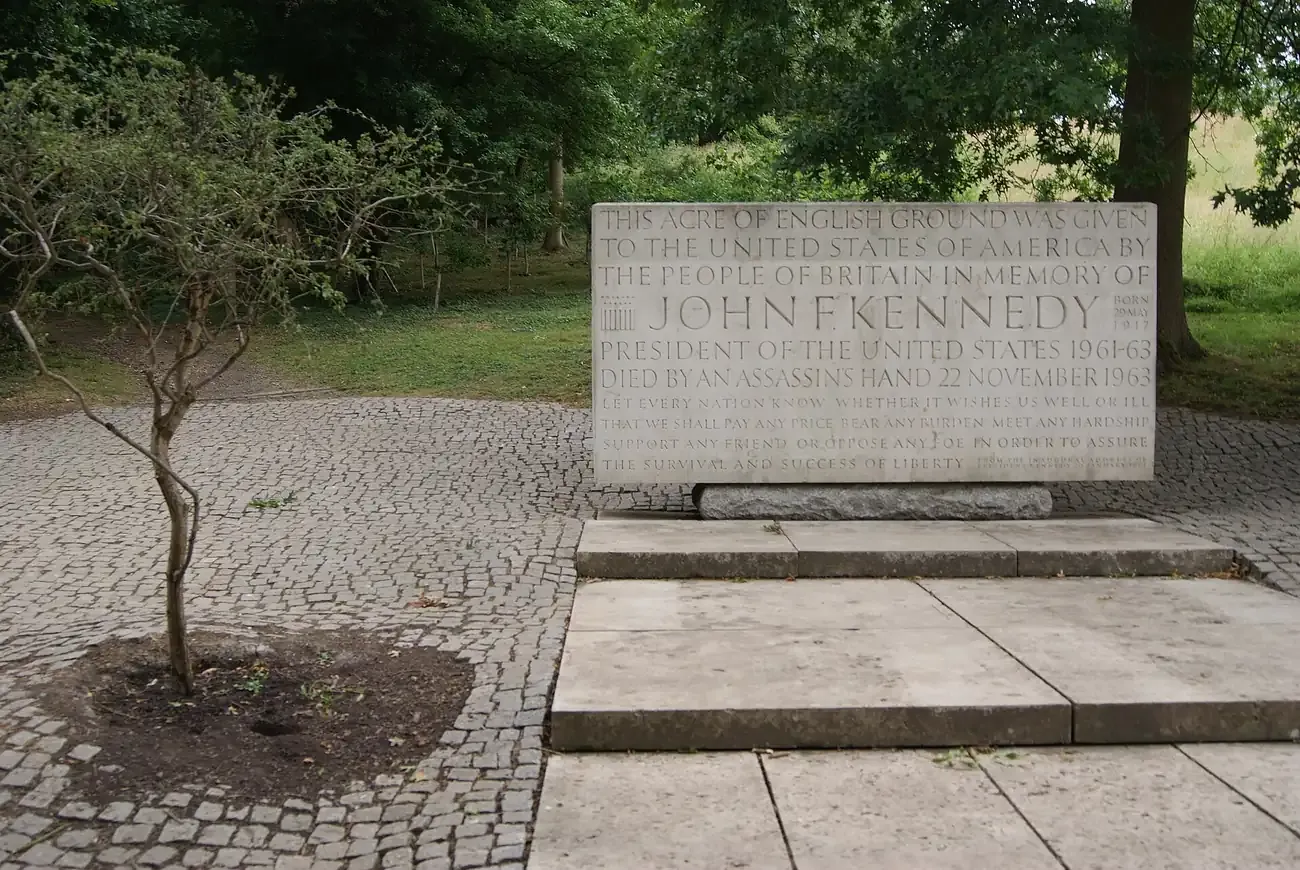
The JFK Memorial at Runnymede
A stone on an acre of ground given to the United States, reached by steps cut through woodland above the Thames meadow.
Location: Runnymede, Surrey
Photo: "John F. Kennedy Memorial, Runnymede, UK" by Smuconlaw (CC BY-SA 4.0).
What the United Kingdom is known for
Four countries share one island group and one rail network, which is why the United Kingdom repays a single trip more than its size suggests. A traveller can stand under Norman stonework in London on a Monday and walk a Welsh ridge or an Antrim clifftop by the weekend, because the gaps between them are measured in hours rather than days.
The layering is the point. Prehistoric builders left circles on the chalk of Wiltshire, Rome fixed its northern frontier across Northumberland, the Normans raised castles from the Thames to Gwynedd, Georgian architects laid out Bath and the New Town of Edinburgh, and Victorian engineers threw iron over the Severn and the Firth of Forth. Thirty-five World Heritage sites carry that record between them.
Landscape does the rest. England keeps its highest ground and deepest water in Cumbria, Wales stacks its mountains into Eryri, Scotland opens into the Highlands and the islands, and Northern Ireland finishes at a pavement of basalt columns above the Atlantic.
Cities anchor all of it. London alone holds the two busiest attractions in the country, and entry to the British Museum's permanent collection is free, so a day of sightseeing can be built around galleries rather than turnstiles. Manchester grew into the first industrial city of the modern age on the back of cotton, and its warehouses and railways now frame the tourist attractions in Manchester. Birmingham, the largest British city after London, grew up at the centre of the Midlands canal network and anchors the tourist attractions in Birmingham. The Eurostar runs from London through the Channel Tunnel to Paris, Brussels and Amsterdam in a few hours, tying the country into the rest of Europe's must-see tourist attractions.