Top tourist attractions in Birmingham, UK
Birmingham's tourist attractions fit into a single day. Jewellery Quarter, Gas Street Basin and Library of Birmingham anchor the walking itinerary below, with 7 more sights, free things to do, upcoming events and visitor FAQs further down.
What makes Birmingham special
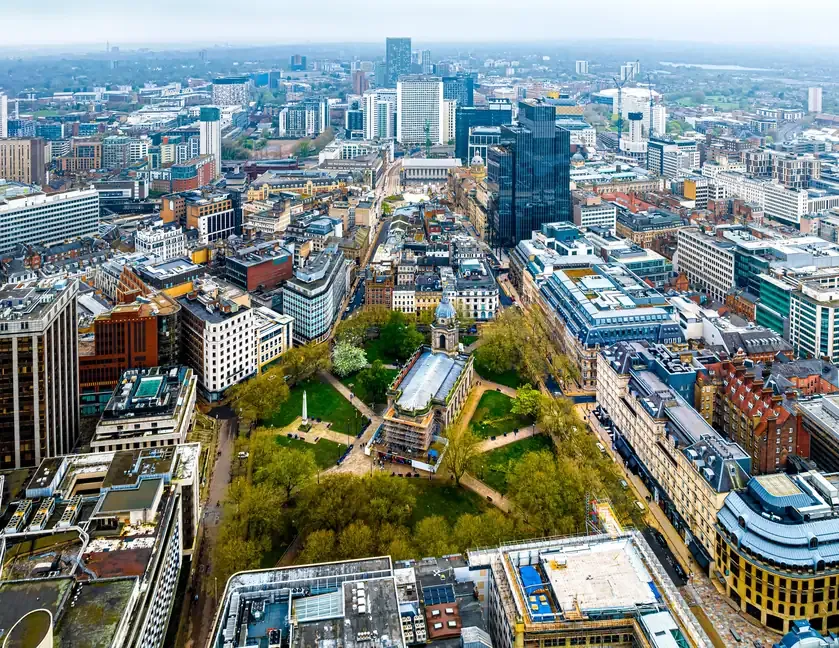
Birmingham is the UK's second largest city, an inland metropolis built on trade rather than a coastline or a cathedral close. Its wealth came from the workshops of the Industrial Revolution, and the canal network dug to serve them now doubles as one of the centre's most pleasant places to walk.
A city of trades and traditions
Long known as the city of a thousand trades, Birmingham grew rich on metalworking, jewellery-making and engineering rather than a single industry. That legacy survives in the Jewellery Quarter's working workshops and in a population the city's own tourism board calls the most diverse of any UK core city.
Beyond the centre
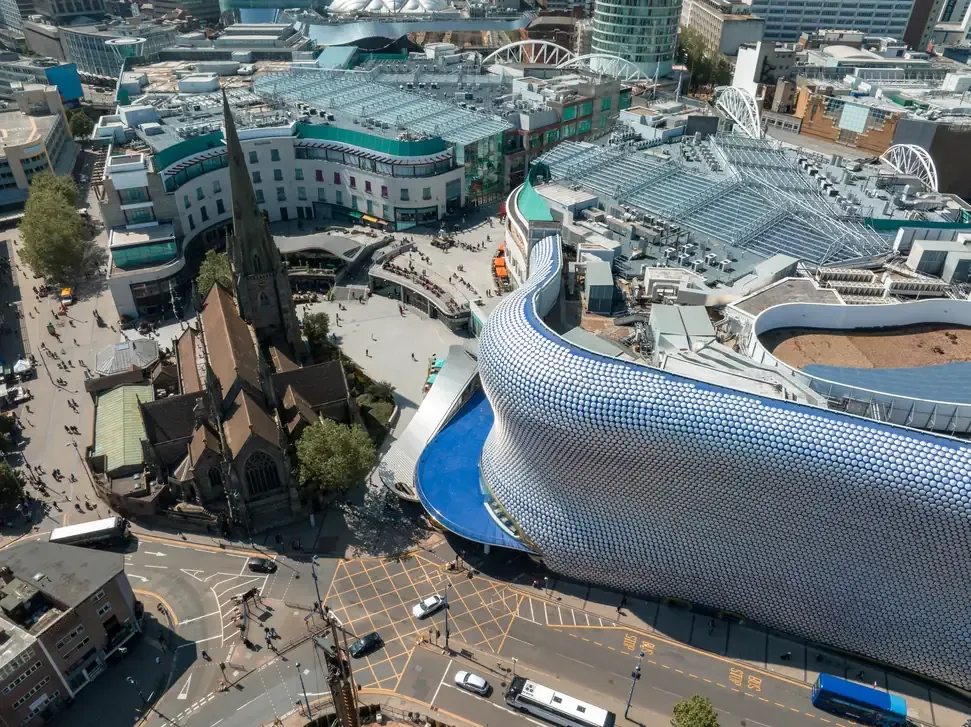
The Jewellery Quarter spreads north-west of Victoria Square around Vyse Street, while Digbeth, east of the Bullring, has filled old factories and warehouses with independent bars and studios. South of the centre, the university campus at Edgbaston adds Old Joe's clock tower, though the nearby Barber Institute is closed for a major transformation project.
When to go and how long to stay
A single day covers the walkable core from the canals to the Bullring; a second allows time for Cadbury World, the Jewellery Quarter's museum or a park such as Cannon Hill. Spring and early autumn bring milder weather for walking the canal towpaths and squares.
Getting around
The pedestrianised city centre is easy to cross on foot, and the West Midlands Metro tram links it to the Jewellery Quarter and beyond, alongside frequent buses and three main railway stations. From those stations fast trains put many of the must-see tourist attractions in the United Kingdom within easy reach.