
Edinburgh tourist attractions
Known for
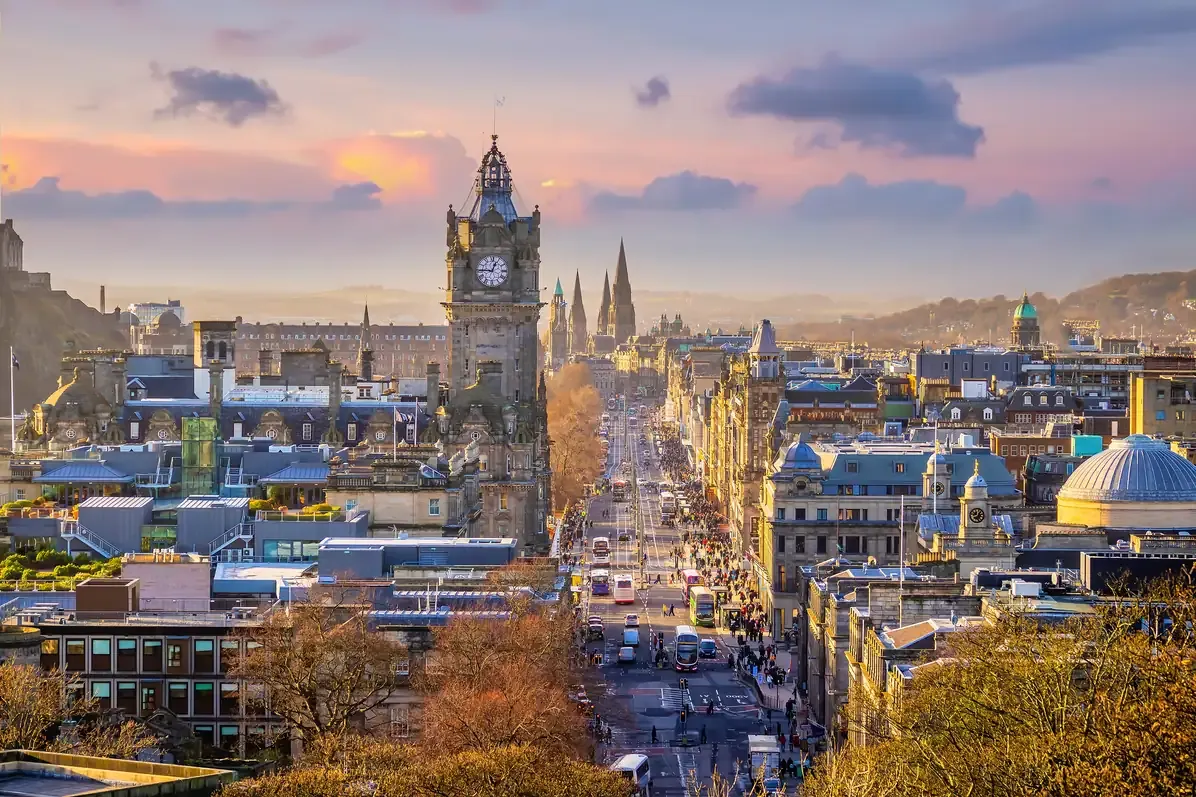
Medieval Old Town closes and Georgian New Town crescents
Must-see landmarks
Edinburgh Castle, Royal Mile, Palace of Holyroodhouse and Arthur's Seat
Best time to visit
Late spring or early autumn, avoiding August's crowded festivals
World Heritage
Old and New Towns, UNESCO World Heritage listed since 1995
The 10 tourist attractions to see in Edinburgh
The tourist attractions in Edinburgh that matter most, from Edinburgh Castle to Arthur's Seat and Royal Mile, are ranked here in order. After the 10 top sights come free things to do, upcoming events and visitor FAQs.
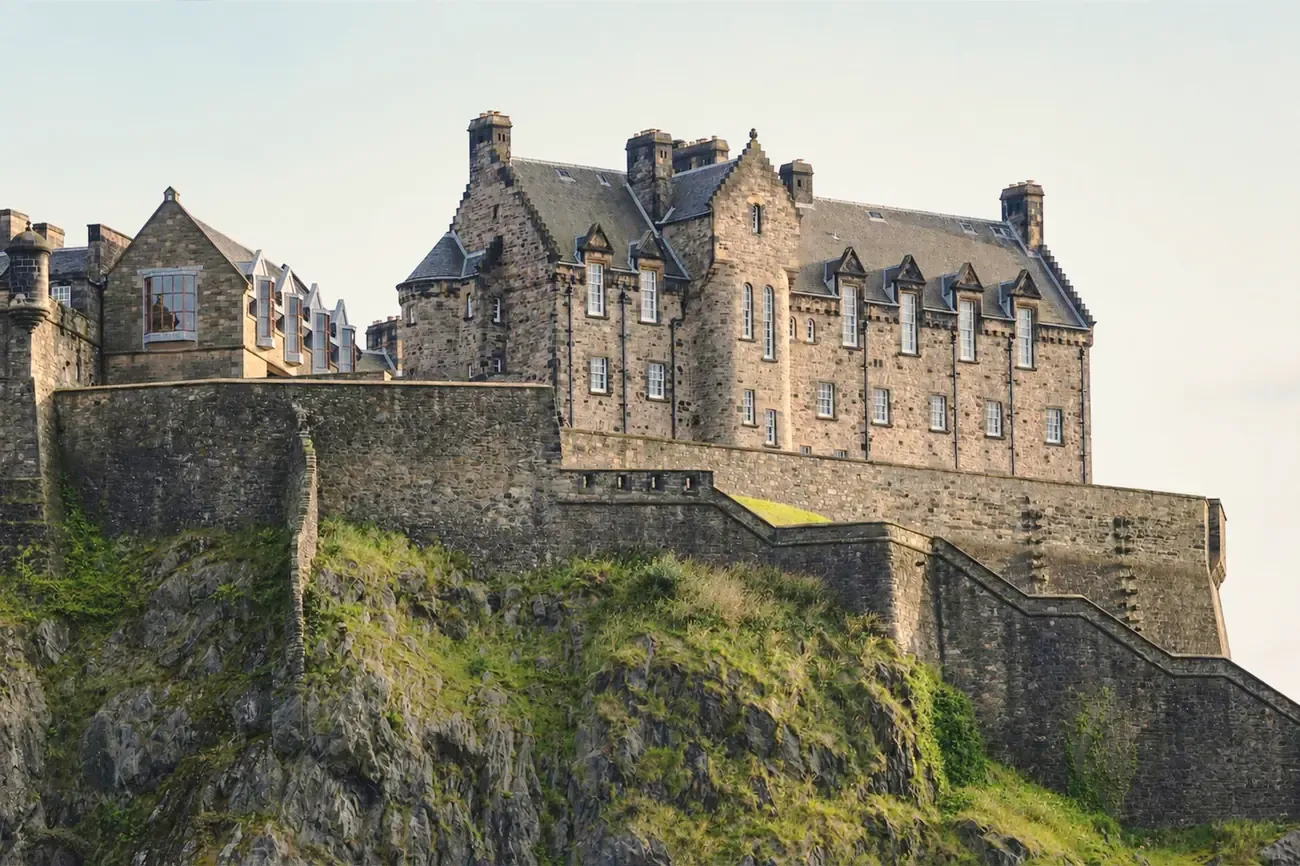
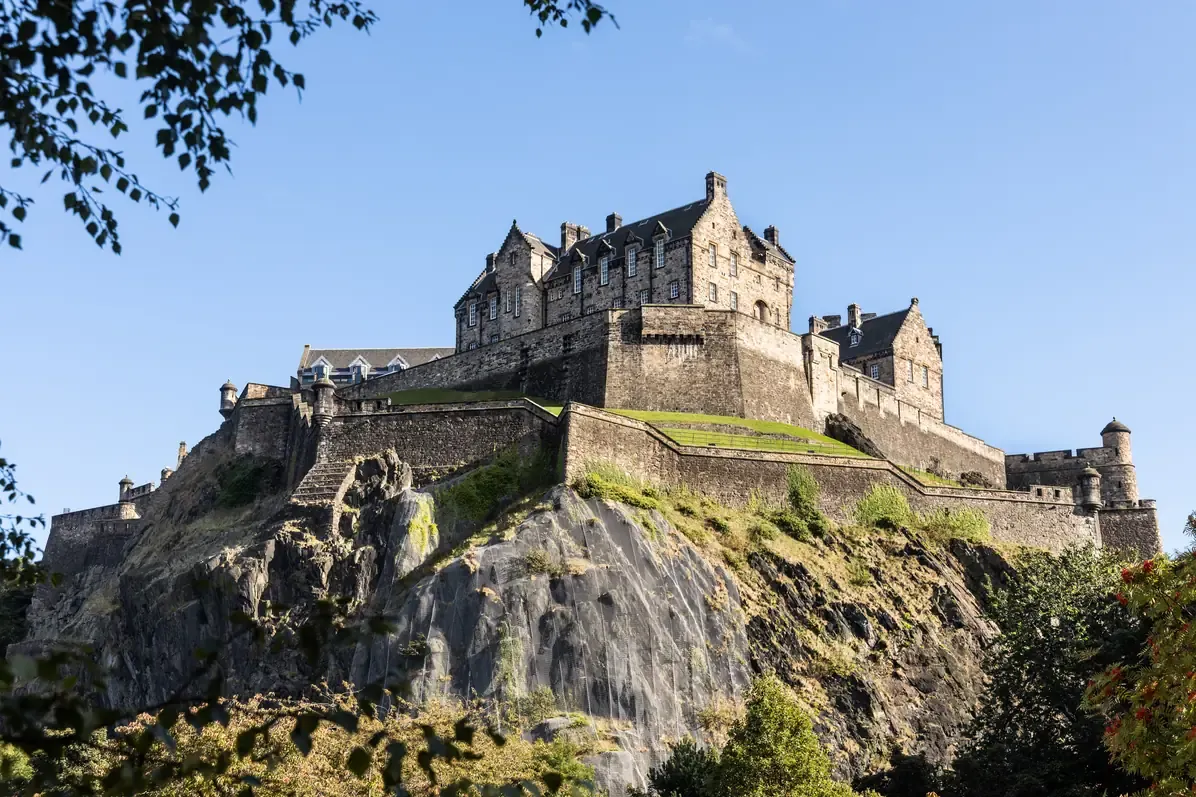
1. Edinburgh Castle
Edinburgh Castle crowns Castle Rock, a volcanic plug at the head of the Royal Mile, and has been fought over more times than any other stronghold in Europe. Inside stand the Honours of Scotland, the nation's crown jewels, and St Margaret's Chapel, the oldest surviving building in the city. Mons Meg, the giant medieval siege gun, and the Scottish National War Memorial sit within its walls, and the One O'Clock Gun fires across the city every day except Sundays, Good Friday and Christmas Day.
Location: Castlehill, Edinburgh EH1 2NG
Access: Ticketed, timed entry, open daily from 09:30. Tickets often sell out, so booking ahead is advised.
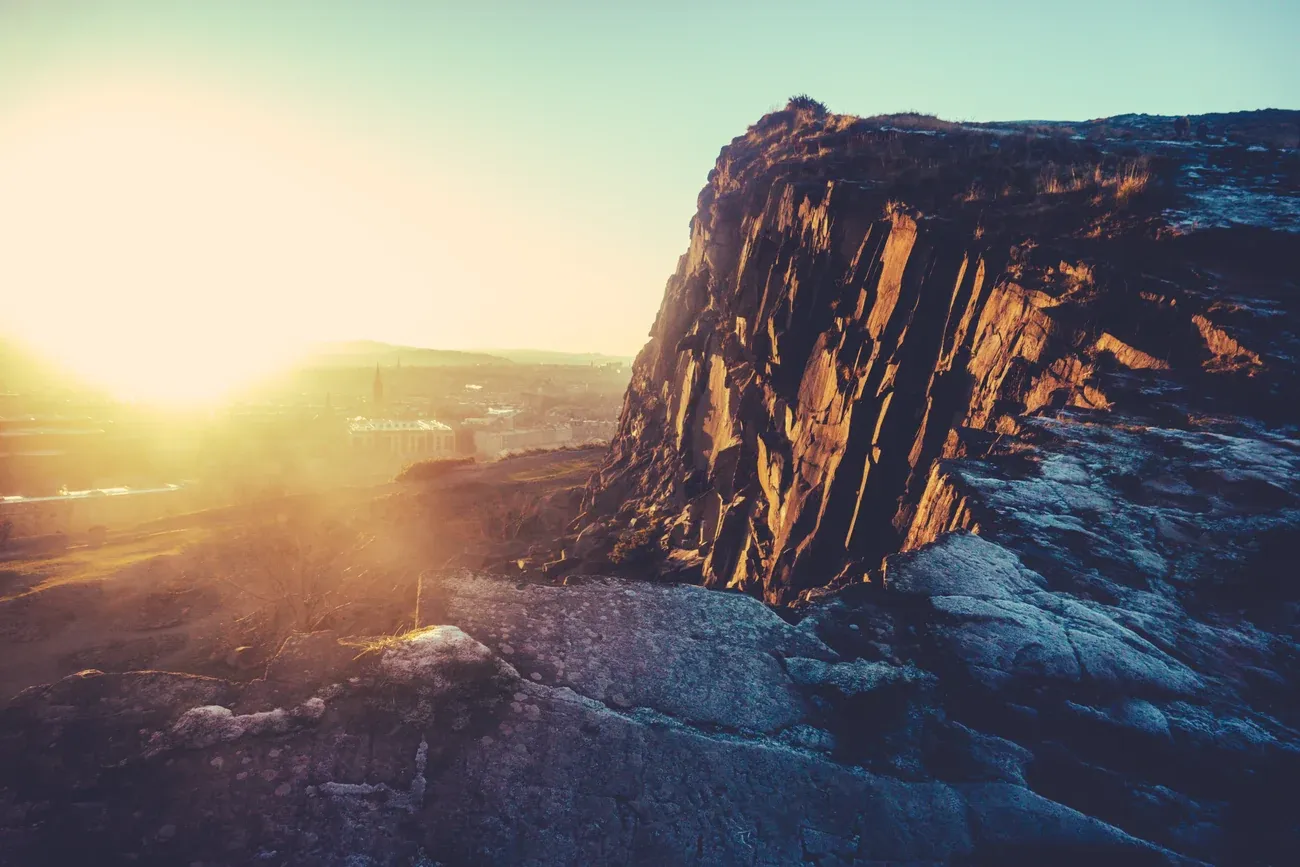
2. Arthur's Seat
Arthur's Seat is the rocky summit of an extinct volcano rising at the centre of Holyrood Park, directly behind the Palace of Holyroodhouse. At 251 metres it is the highest point in the city, and the climb from the palace gates takes around an hour, rewarding walkers with sweeping views over the Old Town, the Firth of Forth and the hills of Fife beyond. The surrounding park, edged by the Salisbury Crags escarpment on its western side, stays open all year, its internal roads closed to traffic at weekends.
Location: Holyrood Park, Edinburgh EH16 5HX
Access: Free. The park and its paths are open year round.
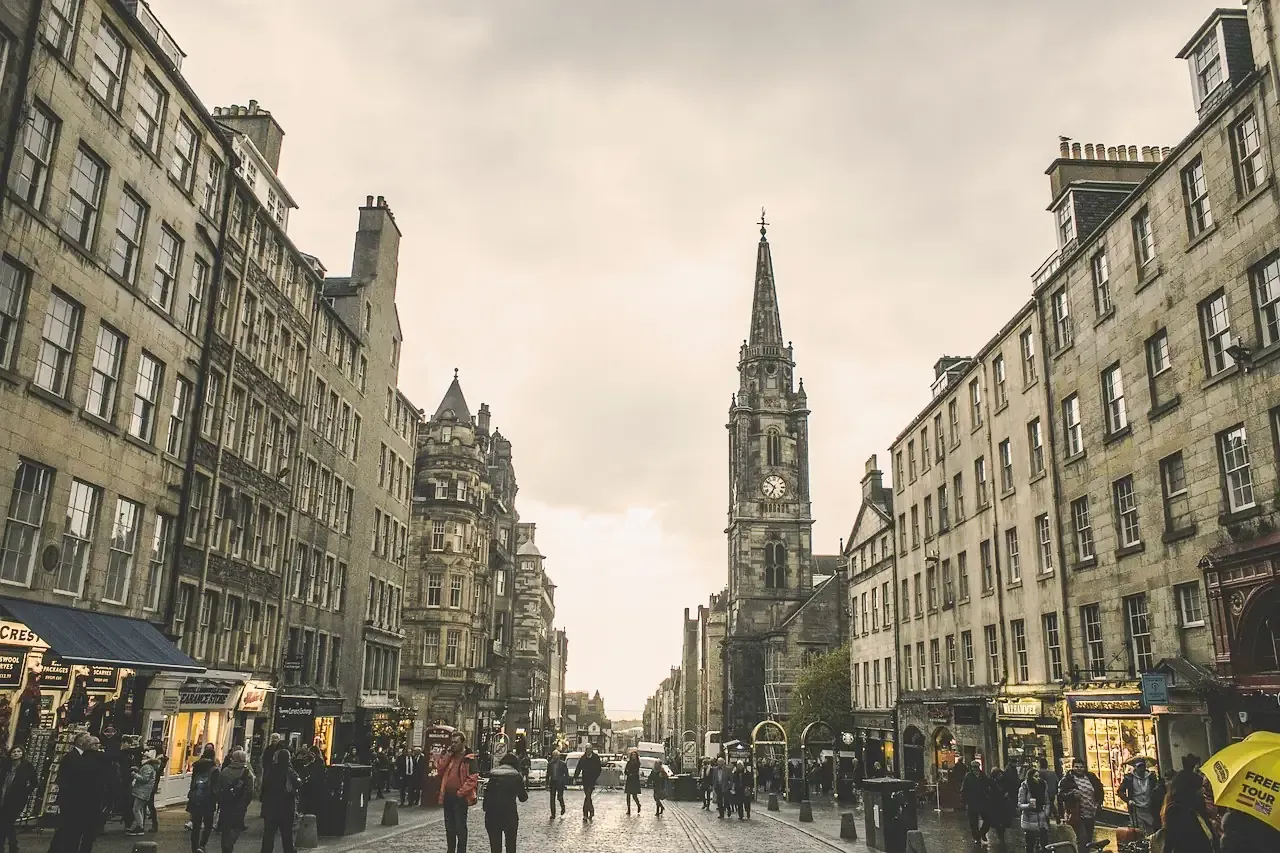
3. Royal Mile
The Royal Mile is the spine of Edinburgh's Old Town, a succession of streets running downhill from the Castle esplanade to the Palace of Holyroodhouse. Its name reflects a length of roughly one Scots mile, and along the way it passes St Giles' Cathedral, the City Chambers and dozens of narrow closes and wynds branching off to either side. Tenements rise above shops, cafes and museums, while the historic Tron Kirk marks its midpoint. Walking its full length is the classic way to trace the medieval city.
Location: Old Town, between Edinburgh Castle and the Palace of Holyroodhouse
Access: Free to walk at any hour. Its closes and wynds stay open beyond shop trading hours.
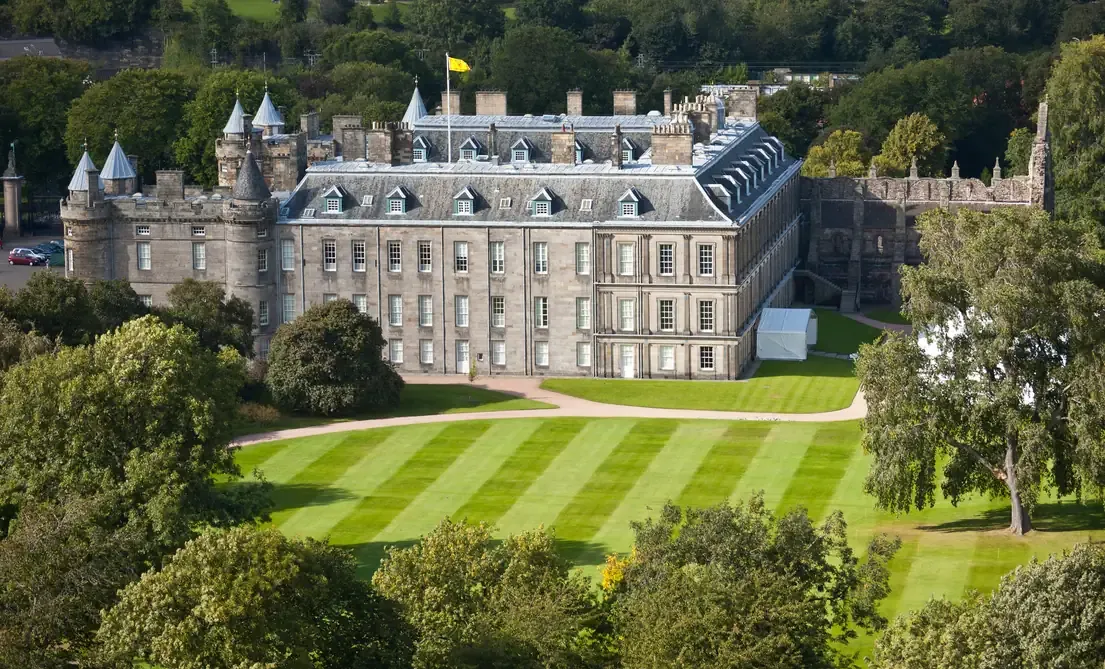
4. Palace of Holyroodhouse
The Palace of Holyroodhouse stands at the foot of the Royal Mile and serves as the monarch's official residence in Scotland. Founded beside the ruins of Holyrood Abbey, it is best known as the home of Mary, Queen of Scots, whose apartments and the chamber where her secretary David Rizzio was murdered can still be seen. The State Apartments, the Great Gallery hung with portraits of Scottish kings, and the roofless abbey and gardens make up the visit, with Holyrood Park rising directly behind.
Location: Canongate, Edinburgh EH8 8DX
Access: Timed entry. As a working royal residence it can close at short notice, so it is worth checking before a visit.
5. National Museum of Scotland
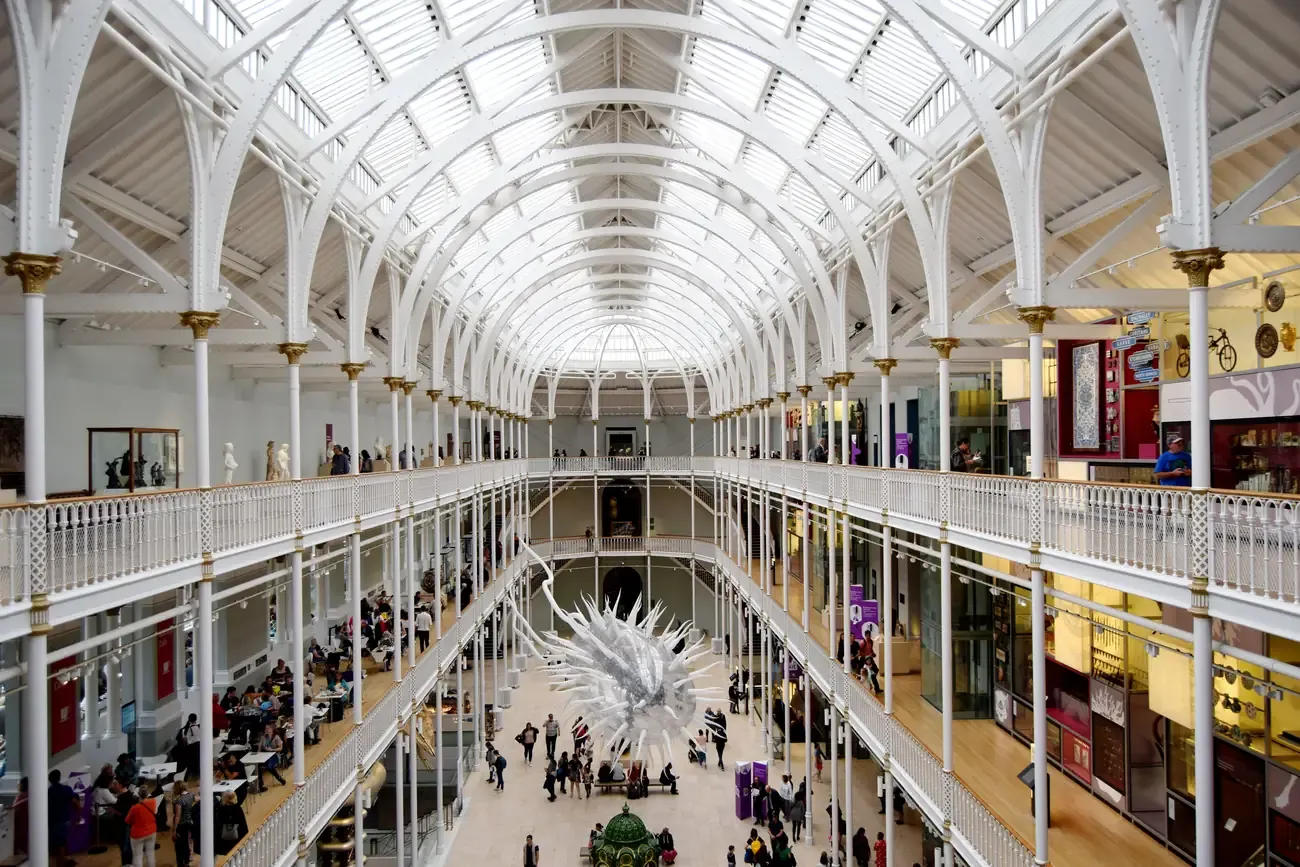
The National Museum of Scotland on Chambers Street gathers the nation's collections under one roof, from Scottish history and archaeology to natural history, world cultures, science and design. The soaring Victorian Grand Gallery, with its cast-iron columns and glass roof, adjoins a modern sandstone wing, and highlights range from Dolly the Sheep to the Lewis Chessmen. A rooftop terrace looks out over the Old Town. It is one of Scotland's most visited attractions.
Location: Chambers Street, Edinburgh EH1 1JF
Access: Free entry, with a charge for some special exhibitions. Open daily 10:00 to 17:00.
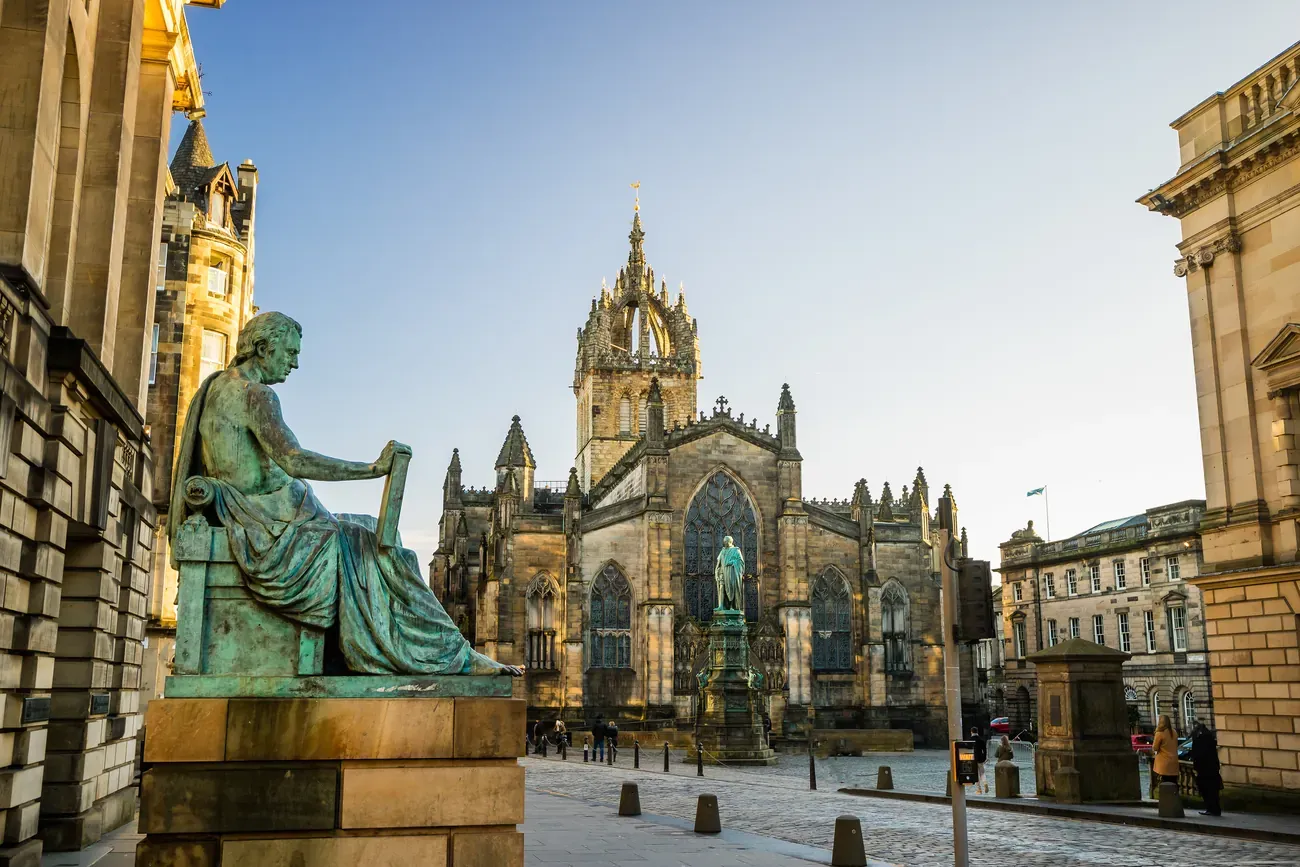
6. St Giles' Cathedral
St Giles' Cathedral, the High Kirk of Edinburgh, has stood on the Royal Mile for more than 900 years, founded in 1124. It became the centre of the Scottish Reformation under John Knox, who preached here from 1559, and remains the mother church of Presbyterianism. Its distinctive crown steeple is a landmark of the Old Town skyline, and inside, the Thistle Chapel, added in 1911 for the Order of the Thistle, is carved with elaborate stalls and heraldry.
Style: Gothic
Location: High Street, Edinburgh EH1 1RE
Access: Free entry, with donations welcome. Open to visitors outside service times.
7. National Monument of Scotland
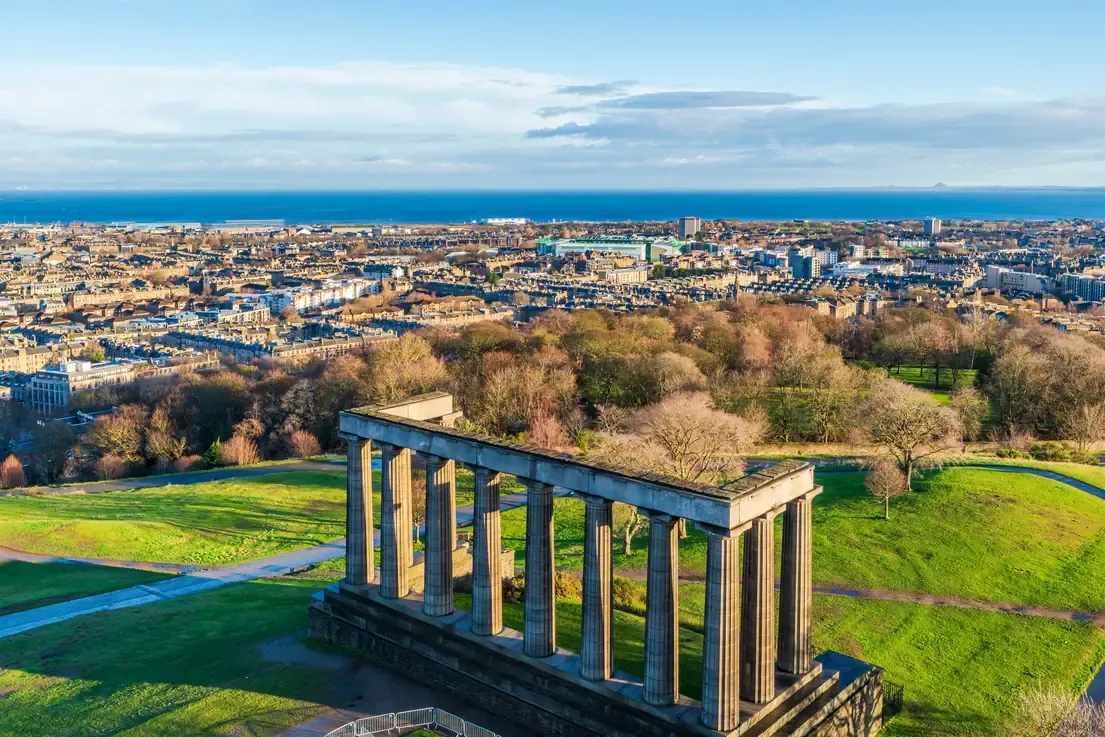
The National Monument of Scotland crowns Calton Hill, an unfinished replica of the Parthenon begun in 1826 as a memorial to Scots who died in the Napoleonic Wars. Funds ran out after only twelve columns were raised, and the half-built colonnade earned nicknames such as Scotland's Folly. Its classical form helped give Edinburgh its reputation as the Athens of the North, and today it stands among a cluster of monuments on the hill, with wide views over the city, the Firth of Forth and Arthur's Seat.
Style: Neoclassical
Location: Calton Hill, Edinburgh EH7 5BN
Access: Free. Calton Hill is open to walk at any hour.
8. Mary King's Close
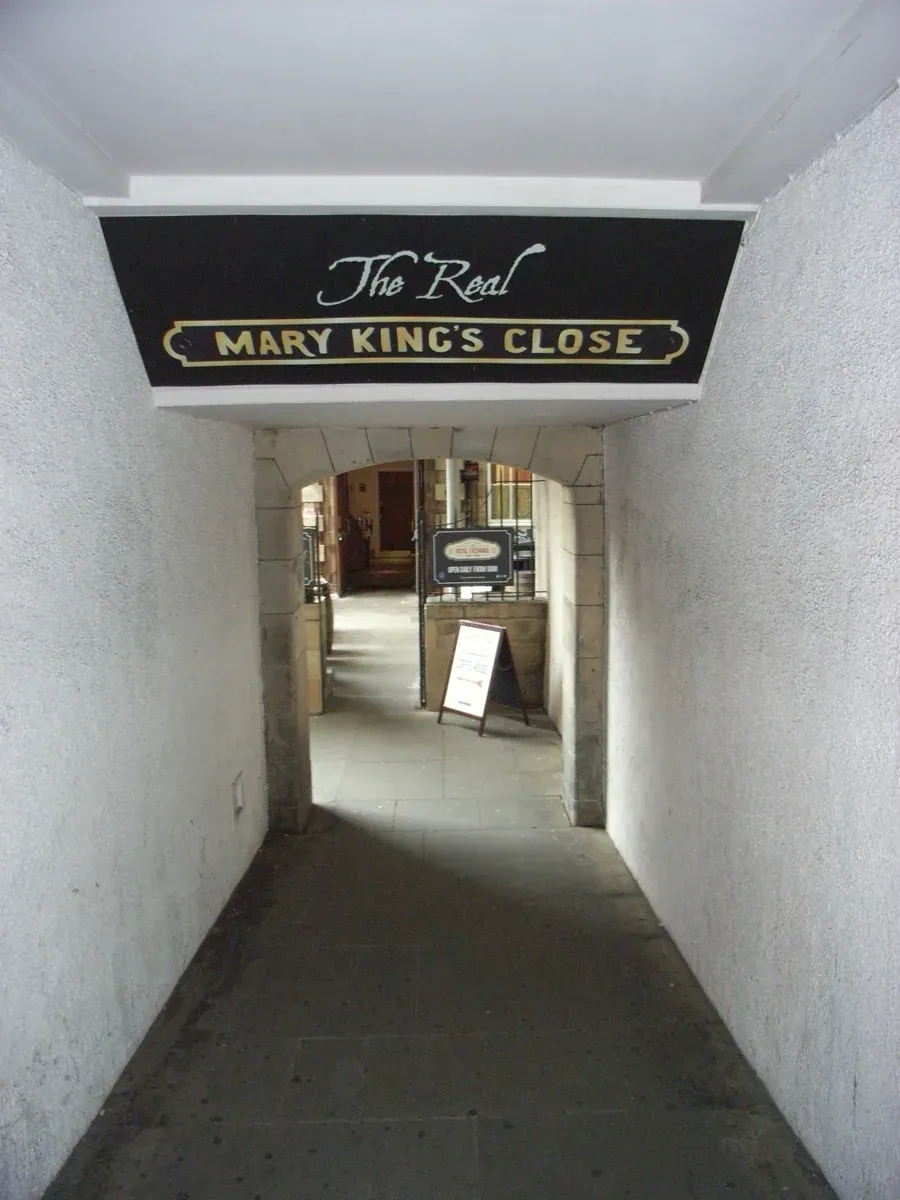
The Real Mary King's Close is a warren of 17th-century streets and houses sealed beneath the City Chambers off the Royal Mile. Once a crowded network of tenements, the closes were partly demolished and built over in the 18th century, leaving rooms and passageways preserved underground. Guided tours led by costumed characters recount daily life, the plague years and the ghost stories the site is known for, including the tale of a girl named Annie. The hour-long walk passes through low, dark spaces on uneven ground.
Location: 2 Warriston's Close, High Street, Edinburgh
Access: Ticketed, guided tours only. Open year round except Christmas Day, with booking advised.

9. Surgeons' Hall Museums
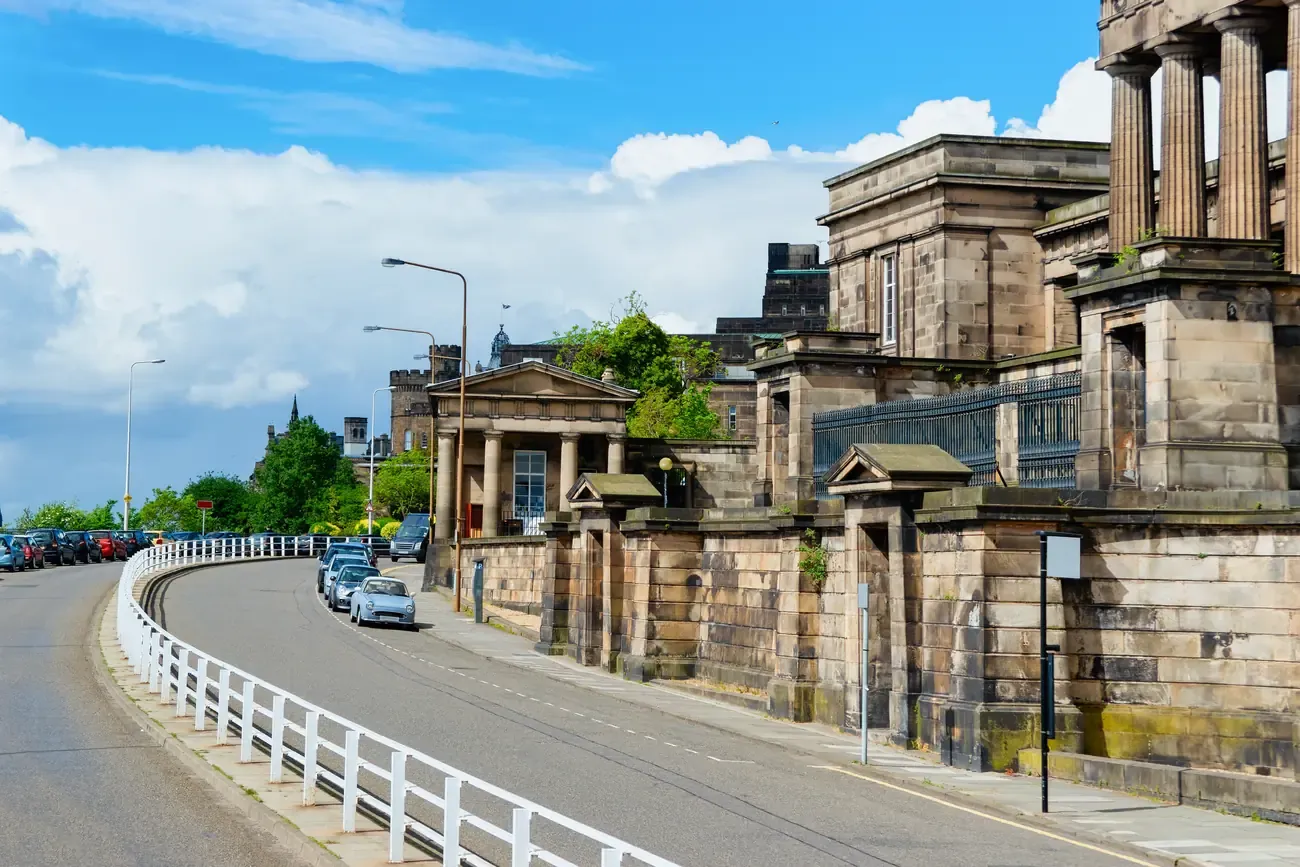
Surgeons' Hall Museums, run by the Royal College of Surgeons of Edinburgh, hold one of the oldest medical collections in Scotland. Housed in William Playfair's neoclassical building on Nicolson Street, the galleries cover pathology, the history of surgery and dentistry, with specimens, instruments and the story of the body snatchers Burke and Hare, whose crimes ended on the college's dissection table. The displays include human remains, which some visitors may find distressing.
Architect: William Henry Playfair · Style: Neoclassical
Location: Nicolson Street, Edinburgh EH8 9DW
Access: Ticketed, open daily 10:00 to 17:00, no booking required.
10. Museum of Edinburgh
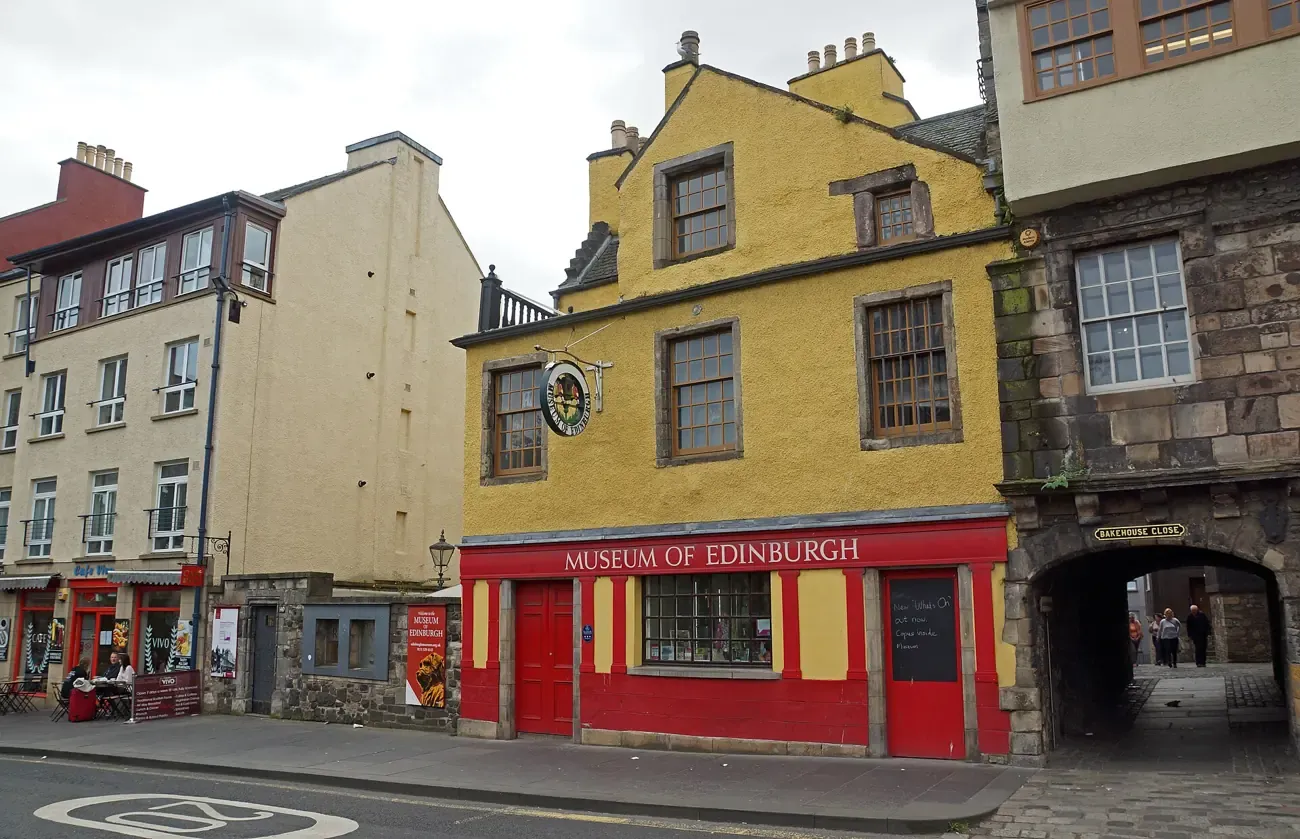
The Museum of Edinburgh occupies Huntly House, a bright ochre 16th-century merchant's house on the Canongate stretch of the Royal Mile. Its maze of low-ceilinged rooms traces the story of the city through decorative arts, silver, glass and old street signs, and holds the original National Covenant of 1638. A favourite exhibit is the collar and feeding bowl of Greyfriars Bobby, the loyal terrier of Edinburgh legend. The house itself, with Latin mottoes across its facade, is among the best preserved on the Old Town's spine.
Location: 142 Canongate, Edinburgh EH8 8DD
Access: Free, open daily 10:00 to 17:00, last entry 16:30.
Photo: "Museum of Edinburgh" by Allie_Caulfield (CC BY).

Upcoming events in Edinburgh

Pet Needs
Pet Needs plays The Mash House on 21 October at 18:30.

Damian Lewis
Damian Lewis plays La Belle Angèle on 21 October at 19:00.

Alan Davies - Think Ahead
Alan Davies - Think Ahead plays Kings Theatre Edinburgh on 22 October at 19:30.
Beethoven Sonatas by Candlelight at St Giles' Cathedral
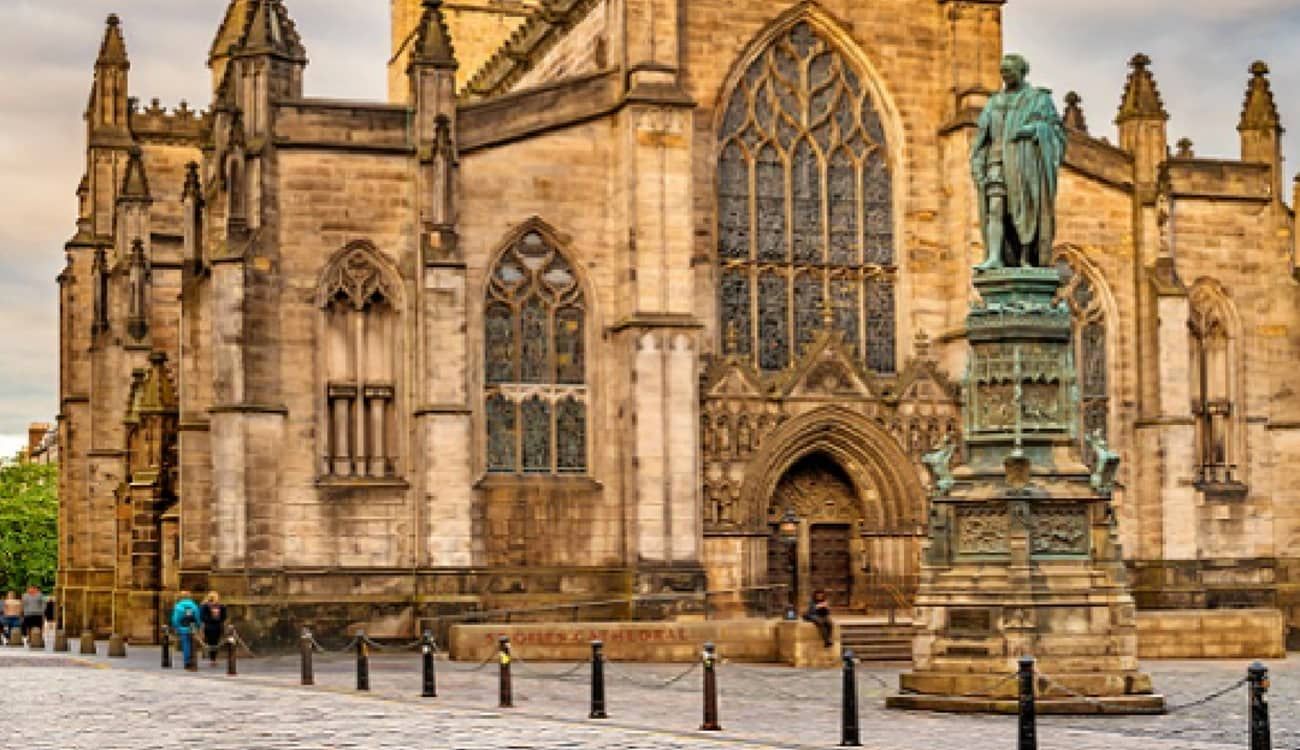
Beethoven Sonatas by Candlelight at St Giles' Cathedral comes to St Giles' Cathedral on 26 October at 18:30.

Rollers Forever
Rollers Forever plays Kings Theatre Edinburgh on 27 October at 19:30.

A Night at the Darts
A Night at the Darts comes to Edinburgh Corn Exchange on 8 November at 18:00.
What to do in Edinburgh for free
Royal Botanic Garden Edinburgh
Garden entry is free every day, though the glasshouses are currently closed for a restoration project; the arboretum, rock garden and woodland paths remain fully open to wander.
Calton Hill
The hill and its cluster of monuments are free to visit at any hour, reached by a short climb from Waterloo Place at the east end of Princes Street.
Princes Street Gardens
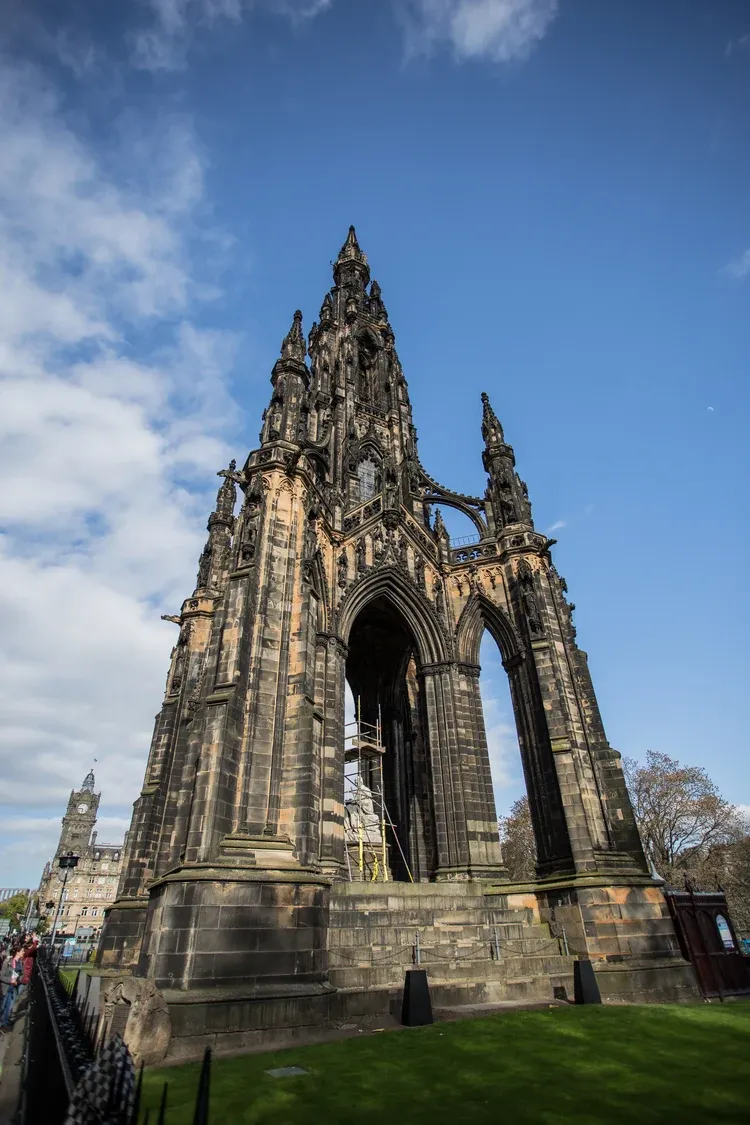
The valley gardens below the Castle esplanade are a free public park split by the Mound, with the Scott Monument, floral clock and Ross Fountain all viewable without a ticket.
Grassmarket
This historic square beneath the Castle rock costs nothing to browse, its market-day roots now filled with independent shops, pubs and restaurants around the open cobbled space.
Why visit Edinburgh
Edinburgh grew across a cluster of extinct volcanoes and glacial crags, and that geology still shapes the city: a fortress on one rock, a park built around another, and streets that climb and drop between them rather than running flat. Scotland's capital since the 15th century, it has layered a medieval Old Town and a planned Georgian New Town onto that landscape, each answering the other across the valley of Princes Street Gardens.
Old Town and New Town
The Old Town clusters along the Royal Mile's ridge between the Castle and Holyroodhouse, its closes and wynds barely changed since the city was hemmed inside defensive walls. Down the hill, the neoclassical New Town spread out from the 18th century onward in ordered crescents and squares, its planning influential enough across Europe that UNESCO listed both halves together as a World Heritage Site in 1995. Leith, the old port on the Water of Leith, now mixes restaurants and the Royal Yacht Britannia with working docks.
Festival season and quieter months
The Edinburgh Festival Fringe (7-31 August 2026) and the Royal Edinburgh Military Tattoo (7-29 August 2026) take over venues, closes and even churches every summer, turning the city into one of the busiest stages in the world for a few weeks. Outside those festival dates, late spring and early autumn bring quieter streets and milder weather without losing much daylight.
Getting around
The Old Town and New Town are compact enough to cover on foot, though the hills between them mean a walking day in Edinburgh comes with some genuine climbing. Edinburgh Trams run from the airport through Haymarket, West End and Princes Street toward Leith, and Lothian Buses cover the rest of the city where the tram line doesn't reach. Nine miles west of the centre the Forth Bridge still carries trains over the firth, a UNESCO World Heritage Site and one of the tourist attractions to see in the United Kingdom within reach of a day out.