
Liverpool tourist attractions
Known for
The Beatles, 2 Premier League football clubs and Pier Head waterfront
Must-see landmarks
Royal Liver Building, Liverpool Cathedral and Royal Albert Dock
Free to visit
Both cathedrals, National Museums Liverpool and the Royal Albert Dock
Days needed
Two to three days for the waterfront, the museums and both cathedrals
The 10 tourist attractions to see in Liverpool
For a first visit, the tourist attractions in Liverpool come down to Royal Albert Dock, Royal Liver Building, Liverpool Cathedral and 7 more sights ranked below, plus free things to do, upcoming events and visitor FAQs.
1. Royal Albert Dock
Jesse Hartley and Philip Hardwick built this ring of brick and cast iron warehouses around a tidal basin in 1846, the first dock system in Britain made without a scrap of structural timber, so cargoes of tobacco, silk and sugar sat safe from fire. The colonnaded quaysides now hold bars, restaurants and the Beatles Story exhibition, while the Maritime Museum and International Slavery Museum in the warehouses are closed for redevelopment. The open water at the centre still mirrors the Three Graces on the waterfront.
Architect: Jesse Hartley and Philip Hardwick
Location: Albert Dock, Liverpool Waterfront, L3 4AF
Access: Free to wander the quaysides at any hour. The attractions are ticketed; the maritime and slavery museums are closed until 2028.
Photo: "Albert Dock, Liverpool" by Thomas Fabian (CC BY-SA 2.0).
2. Royal Liver Building
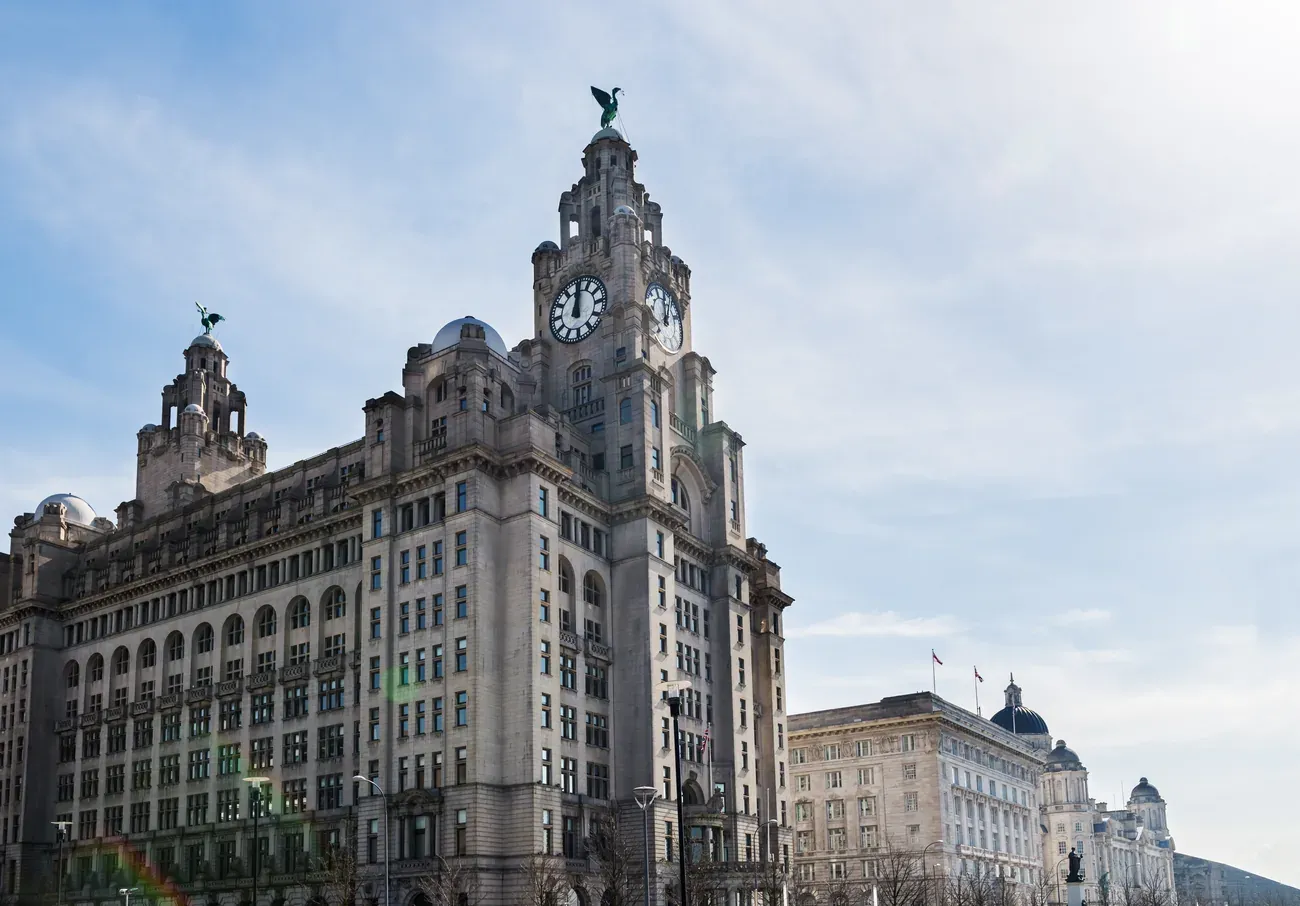
Walter Aubrey Thomas raised this thirteen storey tower in 1911 as the head office of the Royal Liver Assurance friendly society, among the first buildings in the world built on a frame of reinforced concrete. Two copper Liver Birds, Bella looking out to sea and Bertie facing the city, stand on the clock towers, and local legend says the pair guard the port. It is the tallest of the Three Graces on the Pier Head, beside the Cunard Building and the Port of Liverpool Building, the waterfront the city long fronted the world with.
Style: Art Nouveau
Location: Pier Head, Liverpool, L3 1HU
Access: Free to admire from the Pier Head promenade. The RLB360 tour to the clock tower is ticketed.
3. Liverpool Cathedral
Giles Gilbert Scott won the competition to design this Anglican cathedral in 1903 when he was only twenty two, and building went on from 1904 until 1978, long after his death. It is the largest cathedral in Britain, raised in local sandstone in a bold, simplified Gothic, with a central tower that carries the highest and heaviest ringing peal of bells in the world. The interior opens into a single great space under the tower, and the west end looks down St James's Mount towards the old cemetery cut into the hillside below.
Style: Gothic Revival
Heritage: Grade I listed
Location: St James' Mount, Liverpool, L1 7AZ
Access: Free to enter, with a donation invited. The Tower Experience, climbing to the viewing galleries, is ticketed.
4. Liverpool Metropolitan Cathedral
Frederick Gibberd's circular cathedral of 1967 rises as a ring of concrete and glass around a central altar, its funnel shaped lantern tower glowing with stained glass by John Piper and Patrick Reyntiens. Liverpudlians call it Paddy's Wigwam. It stands over a vast brick crypt, all that was built of an earlier and far larger cathedral designed by Edwin Lutyens before the war stopped the work. From the top of Mount Pleasant its steps look straight down Hope Street to the tower of the Anglican cathedral half a mile away.
Architect: Frederick Gibberd
Location: Mount Pleasant, Liverpool, L3 5TQ
Access: Free to enter. The cathedral opens daily from 7.30am to 6pm and the Lutyens Crypt from Monday to Saturday, times kept by the Metropolitan Cathedral.
5. St George's Hall
Harvey Lonsdale Elmes designed this great Neoclassical hall as a set of law courts and a concert hall under one roof, and it opened in 1854 after Charles Cockerell finished the interiors. The columned front faces Lime Street station across St George's Plateau, and inside the tunnel vaulted Great Hall holds a huge Willis organ above a Minton tile floor of thirty thousand pieces, kept covered and shown only on set dates. Writers often rank it among the finest Neoclassical buildings in Europe.
Style: Greek Revival
Heritage: Grade I listed
Location: St George's Place, Liverpool, L1 1JJ
Access: Free to step inside the entrance halls and see the building. Guided tours and viewings of the Minton floor are ticketed.
Photo: "St George's Hall, Liverpool" by MatthewHoobin (CC0).
6. Walker Art Gallery
The Walker opened in 1877 as a gift from Andrew Barclay Walker, a brewer and former mayor, and its collection is deep enough that the gallery is often called the National Gallery of the North. Rooms run from medieval and Renaissance panels through Rembrandt and the Pre-Raphaelites to Lucian Freud and David Hockney, and the sculpture gallery holds Gibson's tinted marbles. It stands on William Brown Street next to St George's Hall, behind a classical front by Cornelius Sherlock, and belongs to the free family of National Museums Liverpool.
Architect: Cornelius Sherlock and H. H. Vale
Heritage: Grade II* listed
Location: William Brown Street, Liverpool, L3 8EL
Access: Free admission, as one of the National Museums Liverpool sites.
Photo: "The Walker Art Gallery, Liverpool" by Miguel Mendez (CC BY 2.0). Photo: "Walker Art Gallery, Liverpool" by Marathon (CC BY-SA 2.0).
7. The Cavern Club and Mathew Street
Mathew Street is a narrow lane of cellar clubs and bars in the old fruit warehouse district, and its heart is the Cavern Club, opened in 1957 as a jazz cellar. The Beatles played here close to three hundred times in the early 1960s, and Bill Harry ran his Mersey Beat paper from an office nearby. The original cellar was filled in during the 1970s and rebuilt on the same spot in 1984 using many of the old bricks. A statue of John Lennon leans on the wall opposite, beside a Wall of Fame naming every act that played the club.
Location: Mathew Street, Cavern Quarter, Liverpool, L2 6RE
Access: Free to walk the street at any time. The Cavern Club charges for entry to its live music sessions.
Photo: "Cavern Club entrance and John Lennon statue, Mathew Street" by Loco Steve (CC BY-SA 2.0). Photo: "Mathew Street, Liverpool" by Nick Amoscato (CC BY 2.0).
8. Penny Lane
Penny Lane is an ordinary suburban street and shopping parade in Mossley Hill, made famous the world over by the song Paul McCartney wrote about it in 1967. The places in the lyric are real and mostly still here: the barber's shop showing photographs, the bank on the corner and the shelter in the middle of the roundabout where the buses turn. For years the street signs were stolen so often that the council gave up and painted the name straight onto the walls, though proper signs are back today.
Location: Penny Lane, Mossley Hill, Liverpool, L18
Access: Free. A public street, open at any hour, about a fifteen minute bus ride from the city centre.
Photo: "Penny Lane, Liverpool" by Roblespepe (CC BY-SA 4.0).
9. Strawberry Field
Strawberry Field was a Salvation Army children's home in Woolton, and John Lennon grew up round the corner and played in its wooded grounds, later borrowing the name for the 1967 song Strawberry Fields Forever. The red sandstone gates outside became a place of pilgrimage for fans, who covered the walls in graffiti. The Salvation Army opened the site to visitors in 2019, with an exhibition on Lennon and the home, a garden and a cafe, and it still runs training programmes for young people here.
Location: Beaconsfield Road, Woolton, Liverpool, L25 6EJ
Access: The red gates outside can be seen for free at any time. The exhibition, gardens and cafe are ticketed.
Photo: "Strawberry Field, Liverpool" by Robertoalonsomen (CC BY-SA 4.0). Photo: "Strawberry Field entrance" by Jooniur (CC BY-SA 4.0).
10. Anfield
Anfield opened in 1884 and was Everton's ground before a rent dispute sent them across the park to Goodison, leaving John Houlding to found Liverpool Football Club in 1892 to play here. Archibald Leitch shaped the early stands, and the steep Kop terrace, now all seated, became famous for the wall of sound that greets You'll Never Walk Alone. The Shankly Gates stand at the Anfield Road end, and the ground has grown past sixty thousand seats with its latest expansion. A stadium tour walks the players' tunnel, dugout and dressing rooms.
Location: Anfield Road, Liverpool, L4 0TH
Access: Ticketed. The stadium tour and the LFC Story museum run daily except around home fixtures, and matchday tickets sell through the club.
Photo: "Anfield, Liverpool" by Arne Müseler (CC BY-SA 3.0 DE). Photo: "Anfield" by Daniel (CC BY 2.0).
Upcoming events in Liverpool
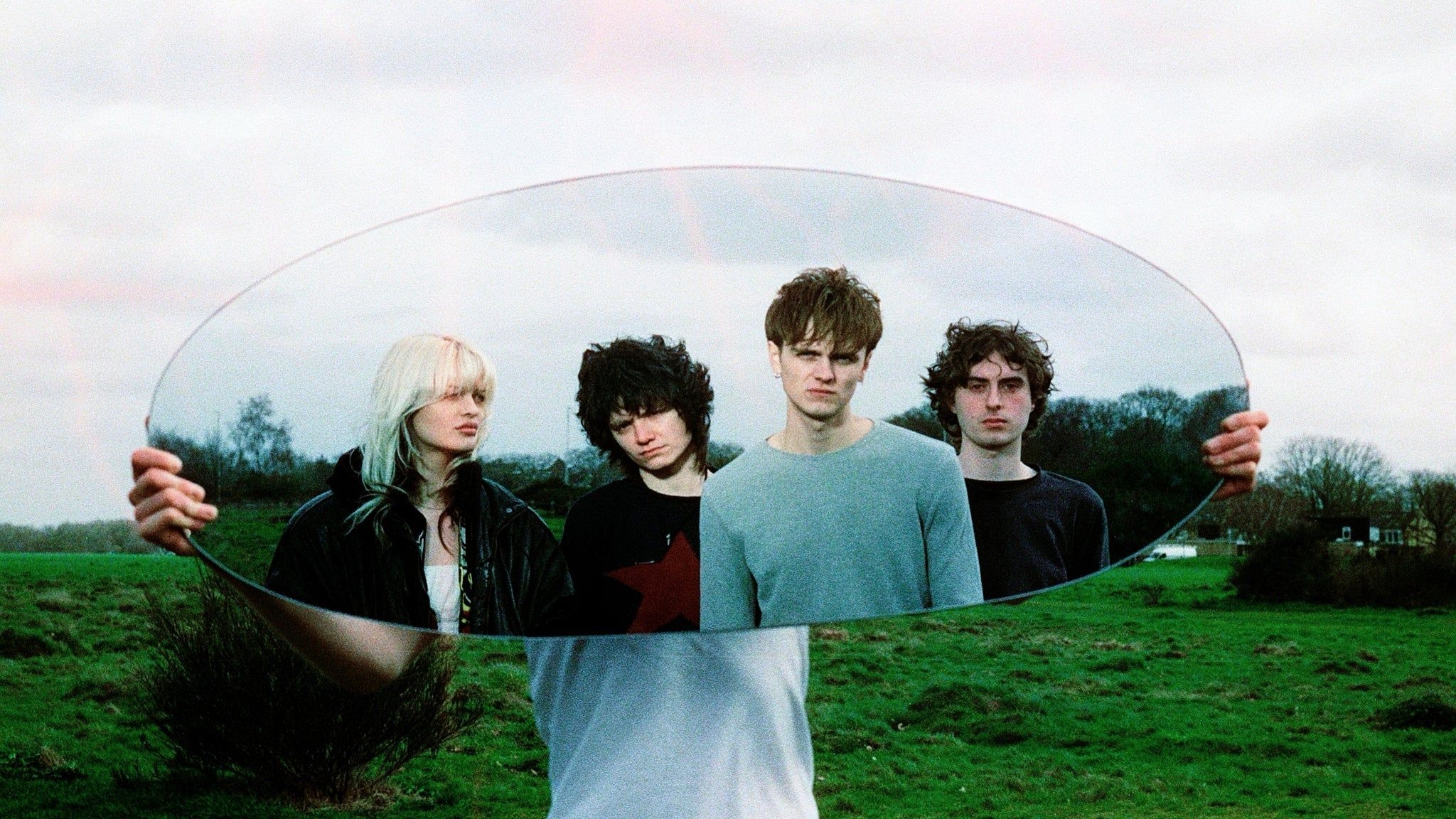
Saint Clair
Saint Clair plays Liverpool Jacaranda on 21 October at 19:00.

Jason Byrne: 30 Years Byrning
Jason Byrne: 30 Years Byrning plays Hot Water Comedy Club at Blackstock Market on 22 October at 19:00.
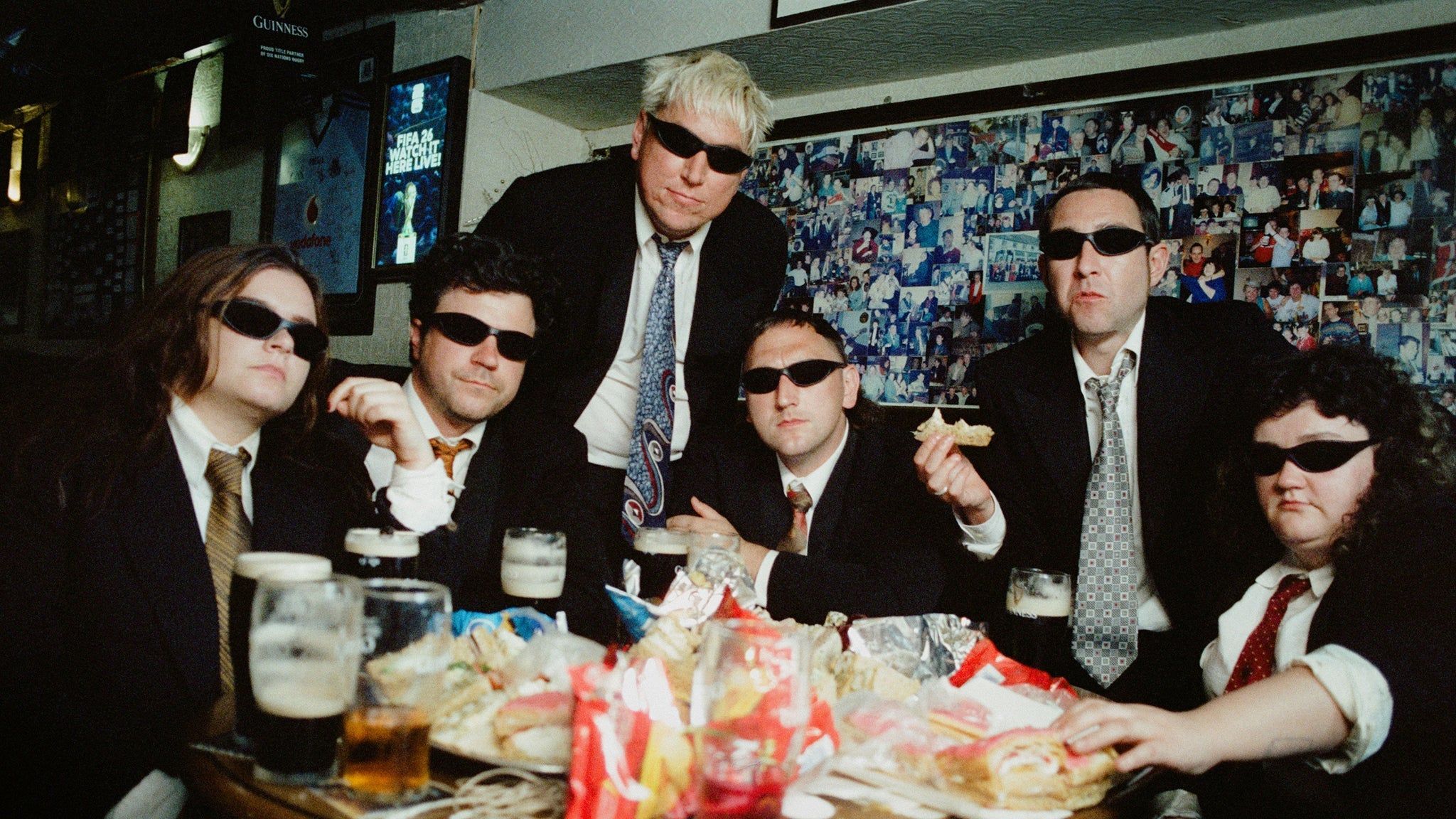
The Mary Wallopers
The Mary Wallopers plays Liverpool Olympia on 22 October at 19:00.
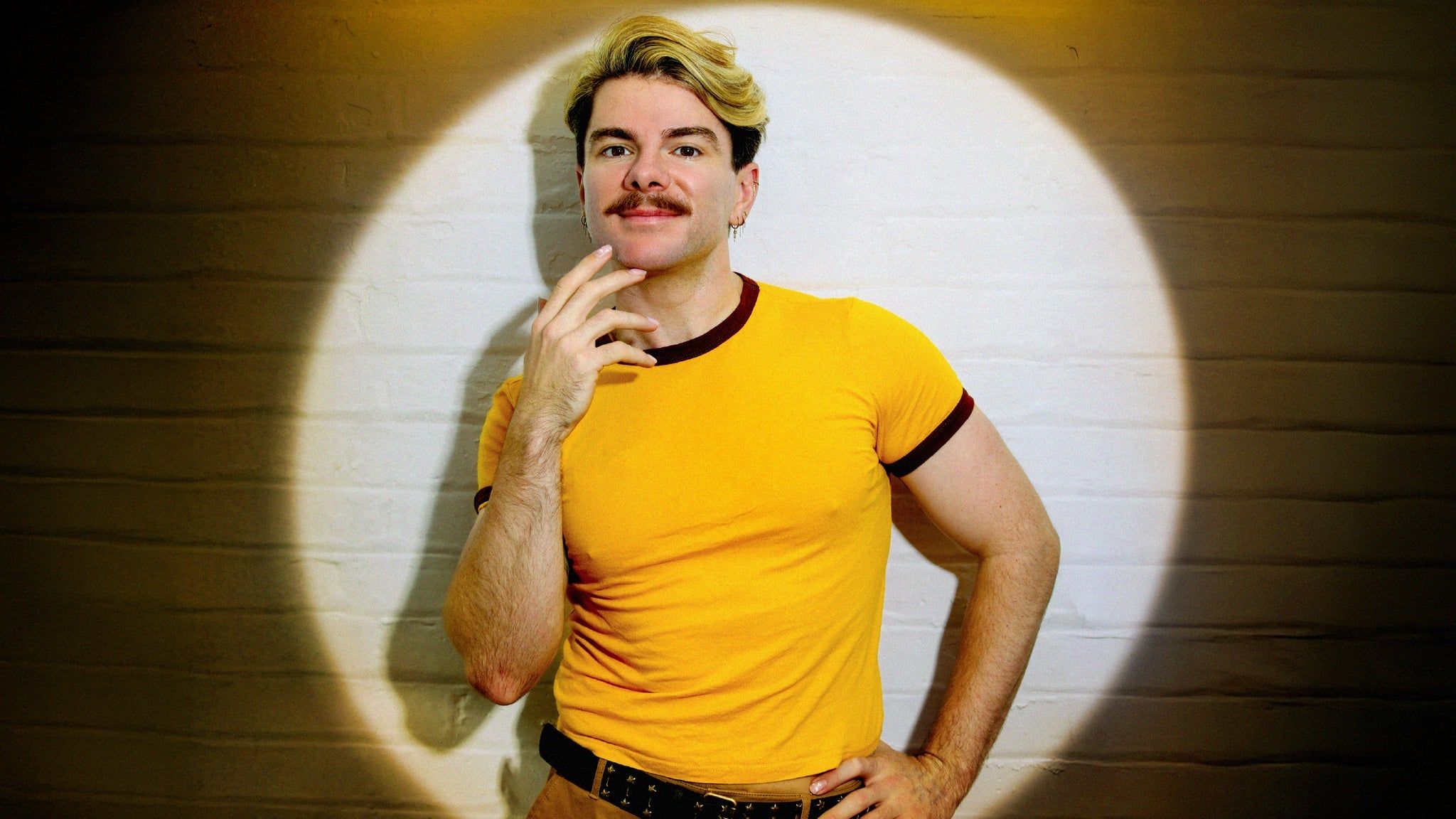
Christopher Hall: Pizazz
Christopher Hall: Pizazz plays Liverpool Philharmonic Hall on 22 October at 20:00. · Sold out

KARAOKE hosted by Licky Vicky
KARAOKE hosted by Licky Vicky comes to The Benidorm Bar on 23 October at 17:00.

All Elite Wrestling Presents Dynasty
All Elite Wrestling Presents Dynasty comes to M&S Bank Arena Liverpool on 7 February 2027 at 18:30. · Sold out
Free things to do in Liverpool
Museum of Liverpool
What Visit Liverpool, the city's tourism board, calls the largest museum dedicated to a city in the UK is free to enter, its waterfront galleries covering everything from the Beatles to both of the city's football clubs.
Merseyside Maritime Museum
The dock's maritime history museum, its exhibits covering the Titanic and the transatlantic slave trade, is free to visit as part of the National Museums Liverpool family.
World Museum
No ticket is needed to walk in and see the Egyptology displays, the Aquarium or the live Bug House, all covered by the same free entry.
Central Library
The doors of Liverpool's Central Library are open at no cost to anyone, with public computers and reference collections free to use with or without a library card.
St Luke's Church
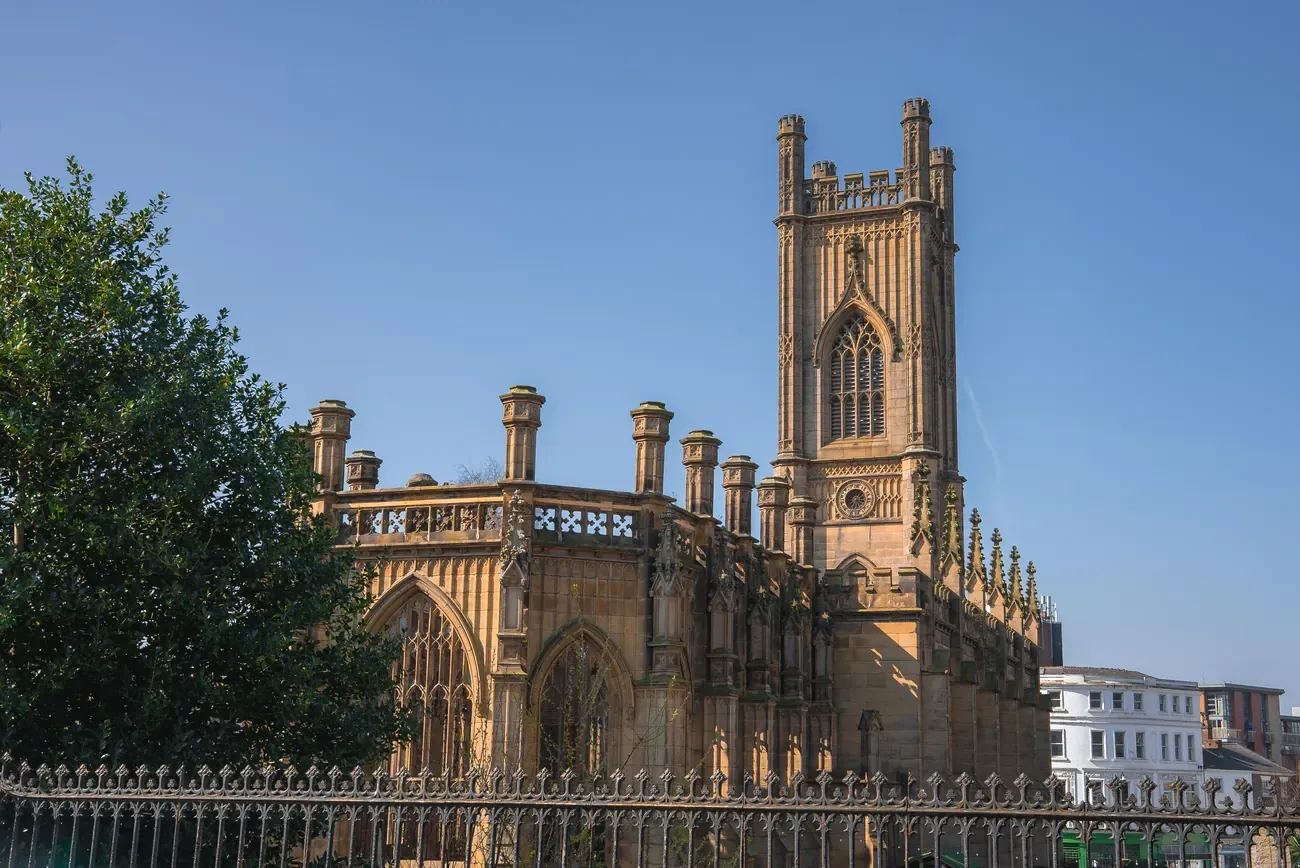
There is no charge to step inside the walls of the Bombed-Out Church, whose garden and gig nights at the top of Bold Street run on donations rather than tickets.
Sefton Park
This 235 acre Grade I listed park, with its Victorian Palm House and boating lake, is free to walk around a short ride south of the centre.
What makes Liverpool worth visiting
What makes Liverpool unique
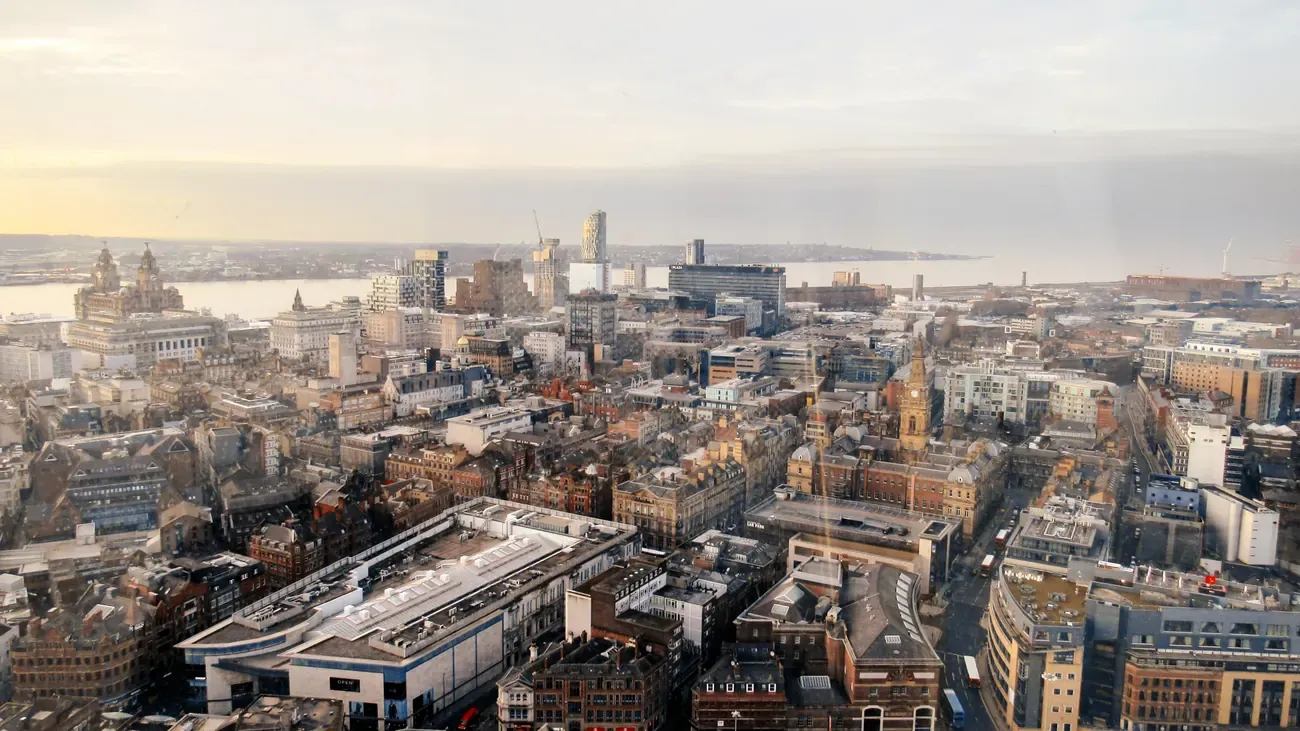
Liverpool grew from a tidal creek into one of the British Empire's busiest ports, its wealth built on transatlantic trade, including for over a century the transatlantic slave trade, a history the Maritime Museum confronts directly. The Beatles turned a Merseyside music scene into a worldwide phenomenon in the early 1960s, and two Premier League clubs, Liverpool and Everton, still split the city's loyalty from stadiums barely a mile apart. In 2021 UNESCO removed Liverpool's waterfront from the World Heritage List, citing the irreversible loss of attributes caused by new waterfront development, though the Pier Head and Royal Albert Dock remain Grade I listed and central to the city today.
Neighbourhoods to know
The waterfront runs from the Pier Head past Royal Albert Dock, its museums and bars. The city centre around Church Street and Liverpool ONE holds the shops, with William Brown Street's cultural quarter just north. The Georgian Quarter, threaded by Hope Street between the two cathedrals, keeps the grandest terraced housing, and the Baltic Triangle south of the centre has turned old warehouses into a creative district of studios, bars and street art.
When to go and how long to stay
Spring and summer bring the longest days and outdoor events on the waterfront and in Sefton Park, while a quieter autumn or winter visit still covers the museums and cathedrals in full. Two to three days cover the waterfront, the cathedrals and the Beatles sights at a steady pace, with a third day free for Anfield or the parks further out.
Getting around
The compact centre is easily walkable, and the underground Merseyrail loop links Liverpool Central, James Street and Moorfields stations beneath it. Mersey Ferries cross the river to Birkenhead and Seacombe from the Pier Head, and buses fan out to Anfield, Sefton Park and the suburbs beyond the centre. The brick vaults dug under Edge Hill for the tobacco merchant Joseph Williamson between 1810 and 1840 are one of the odder entries in the tourist attractions in the United Kingdom.