
Portugal tourist attractions
Known for
Atlantic coastline, tiled facades, and sea routes of the Age of Discovery
Must-see cities
Lisbon, Porto, Sintra and Coimbra
World Heritage
17 UNESCO properties, from Douro vineyards to laurel forest of Madeira
Best time to visit
March to June and September to October
12 must-see tourist attractions in Portugal
Here the tourist attractions in Portugal are ranked, led by Pena Palace, the Jeronimos Monastery and Belem Tower. After the 12 sights come the cities worth a stop, 12 more landmarks, tickets, local dishes, 22 hidden gems and visitor FAQs.
Iconic cities in Portugal
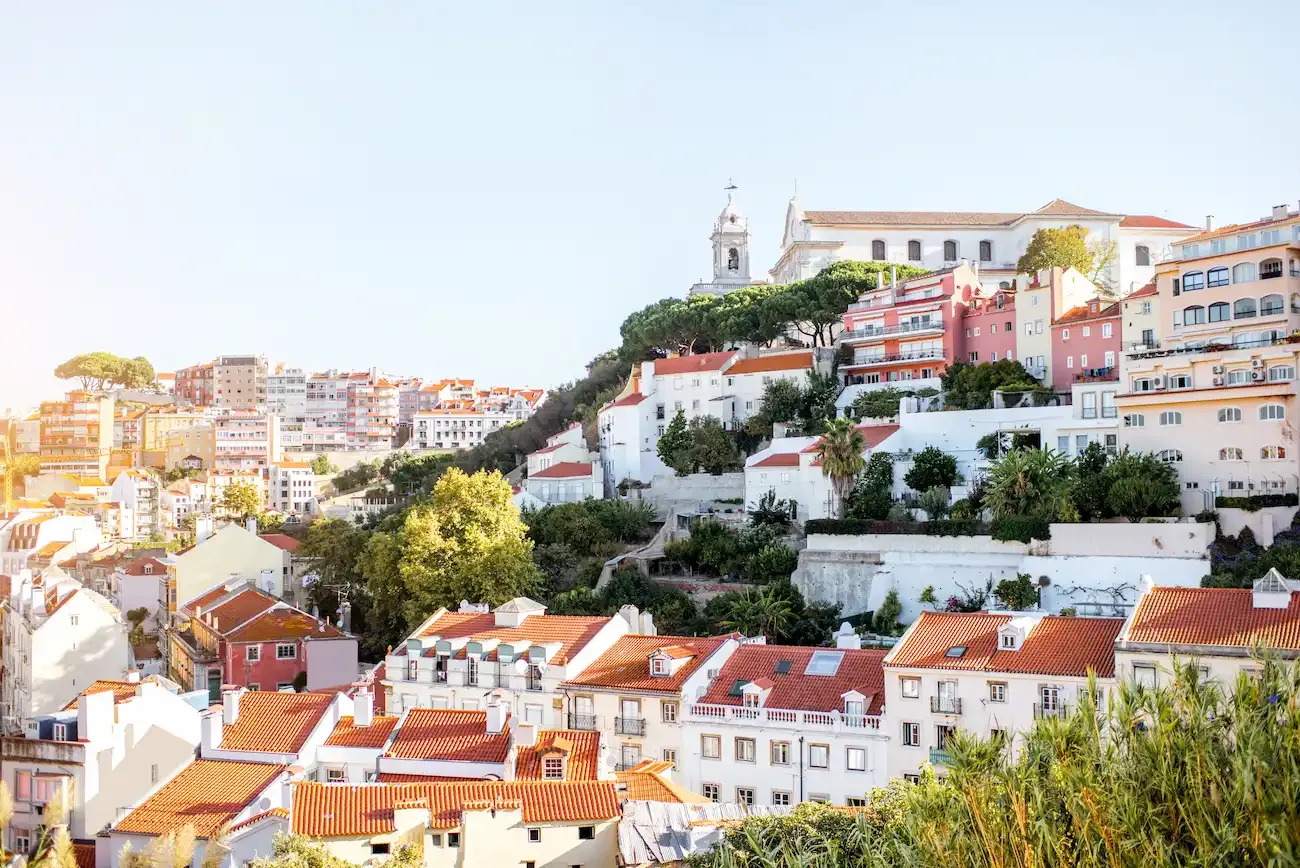
Lisbon
Lisbon's tourist attractions Seven hills of tiled facades, yellow trams and the Belem monuments along the Tagus.
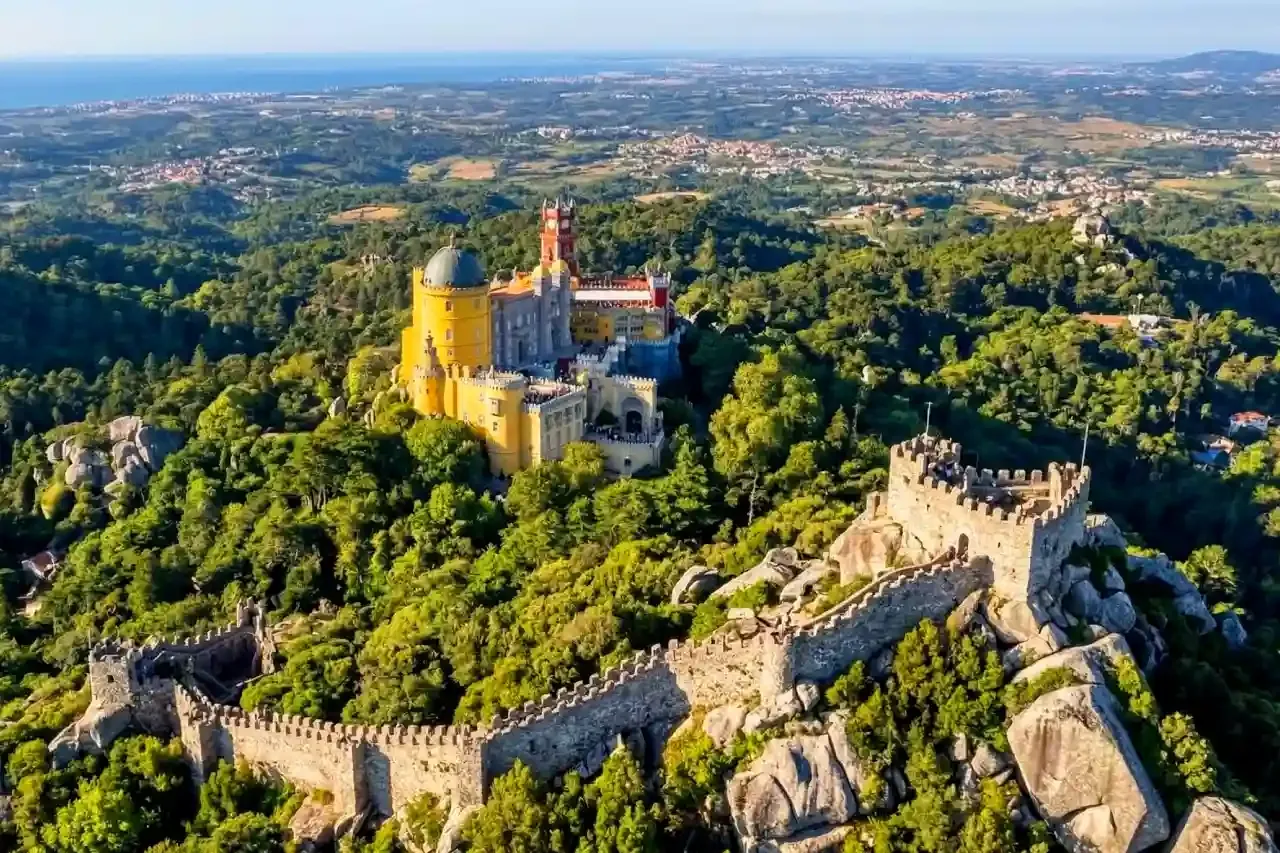
Sintra
Sintra's tourist attractions Romantic palaces and a Moorish castle scattered through misty wooded hills.
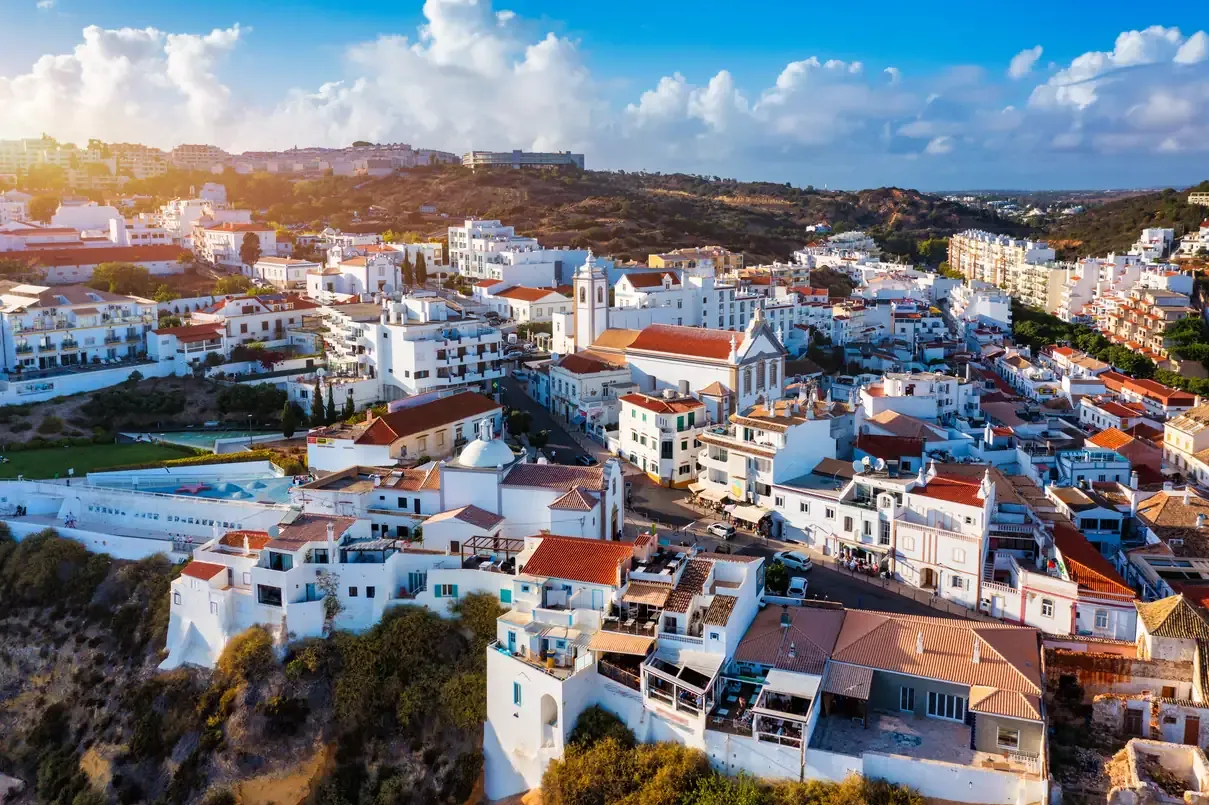
Albufeira
Albufeira's tourist attractions The busiest resort town on the Algarve, with cliff-backed coves on either side.
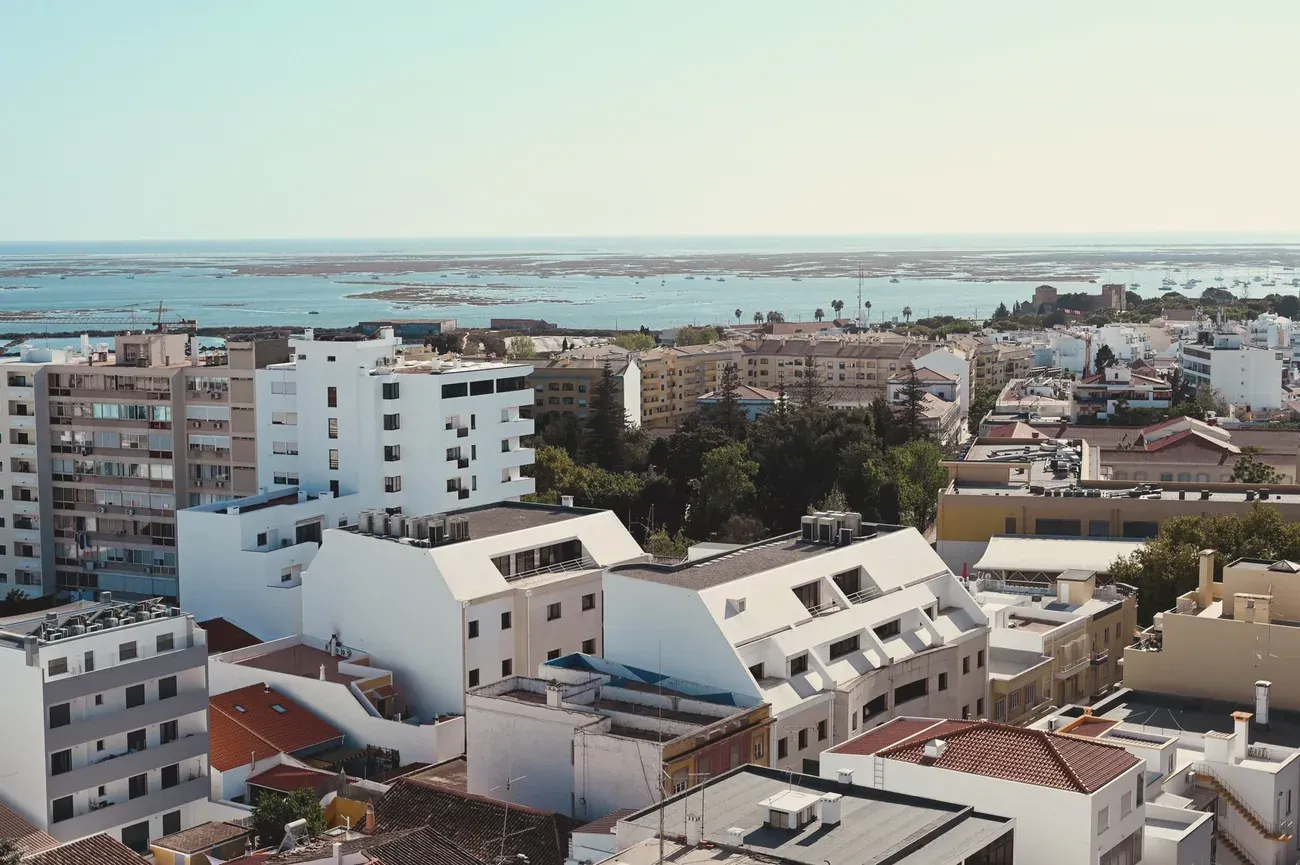
Faro
Faro's tourist attractions A walled old town, a bone chapel and boats out to the Ria Formosa islands.
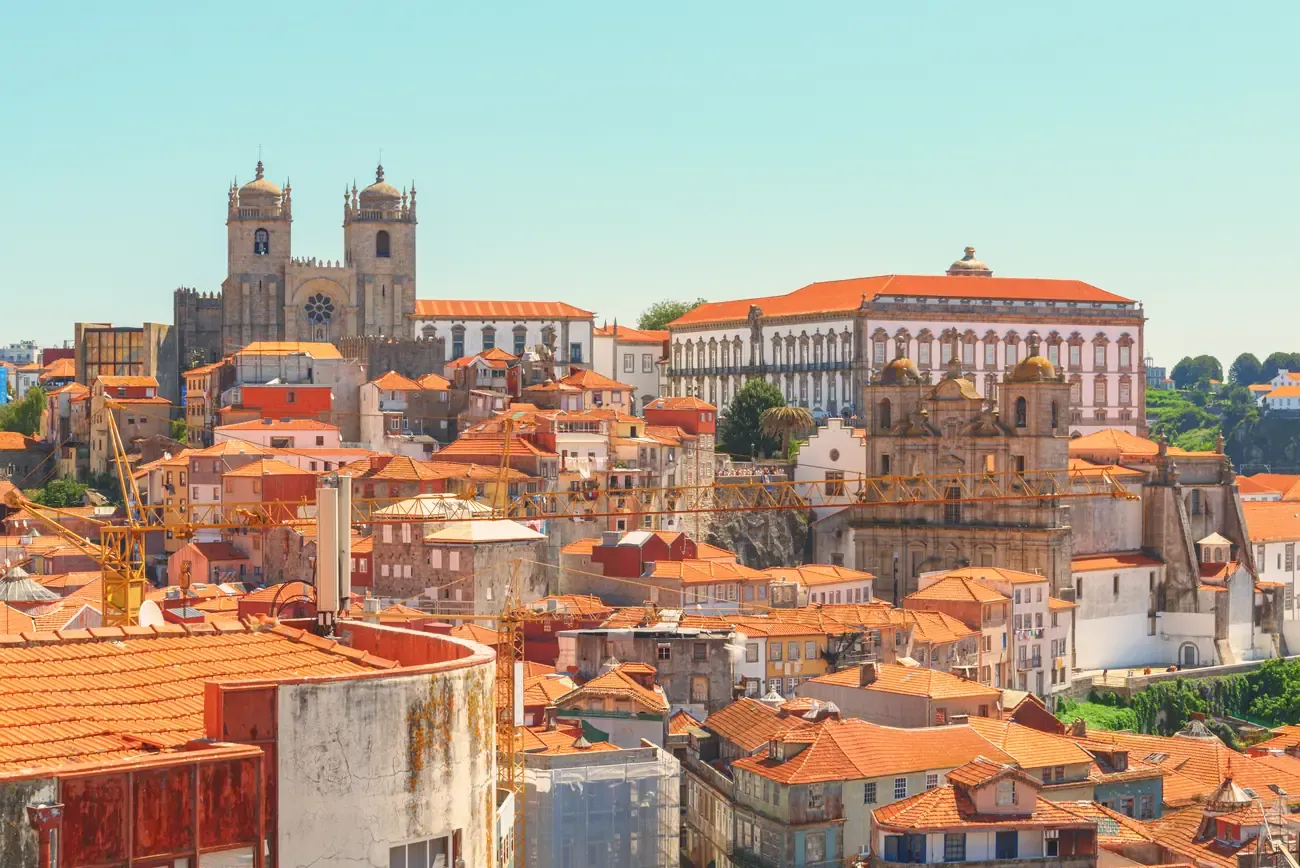
Porto
Port wine lodges across the river in Gaia, the Ribeira quay and the iron arch of the Dom Luis I bridge.
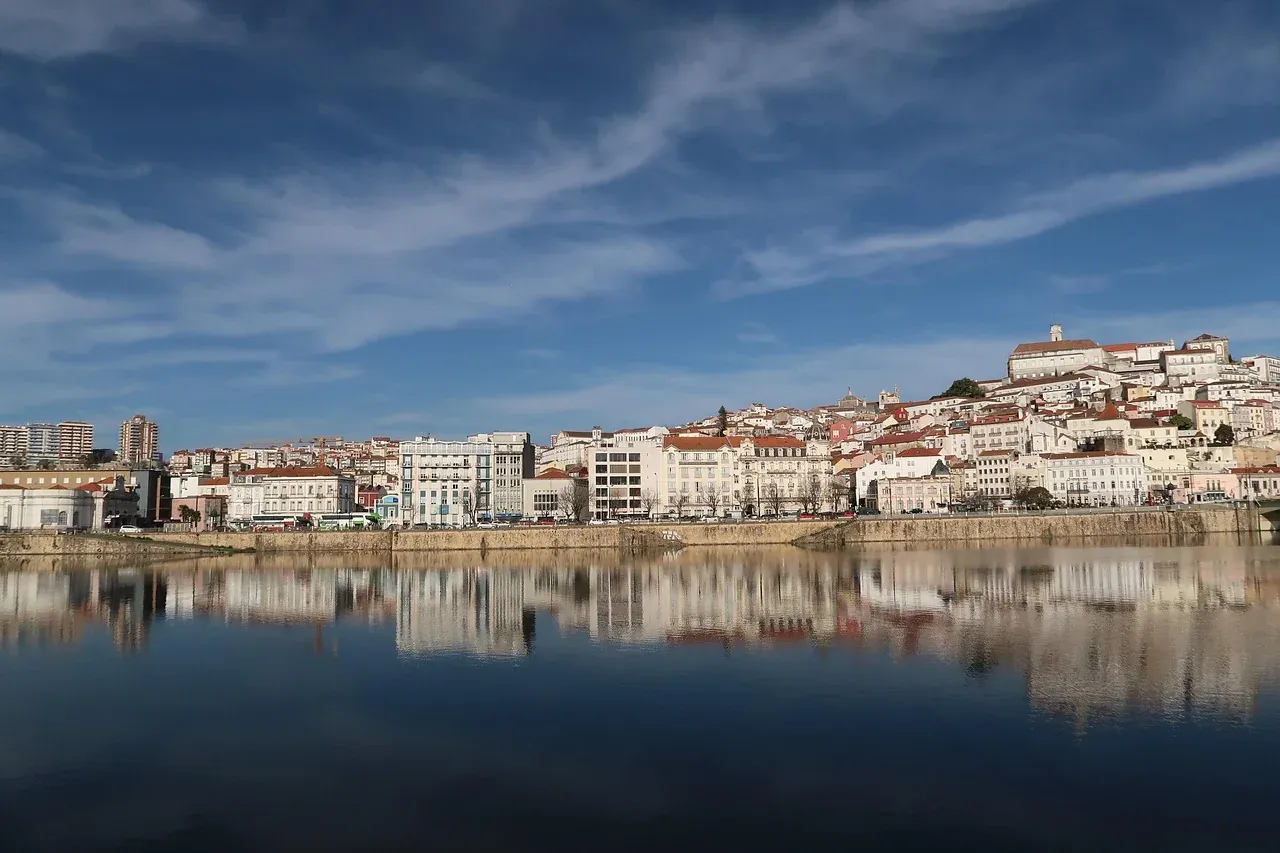
Coimbra
The oldest university in Portugal on the hill above the Mondego, with the Joanina Library and a medieval old town below.
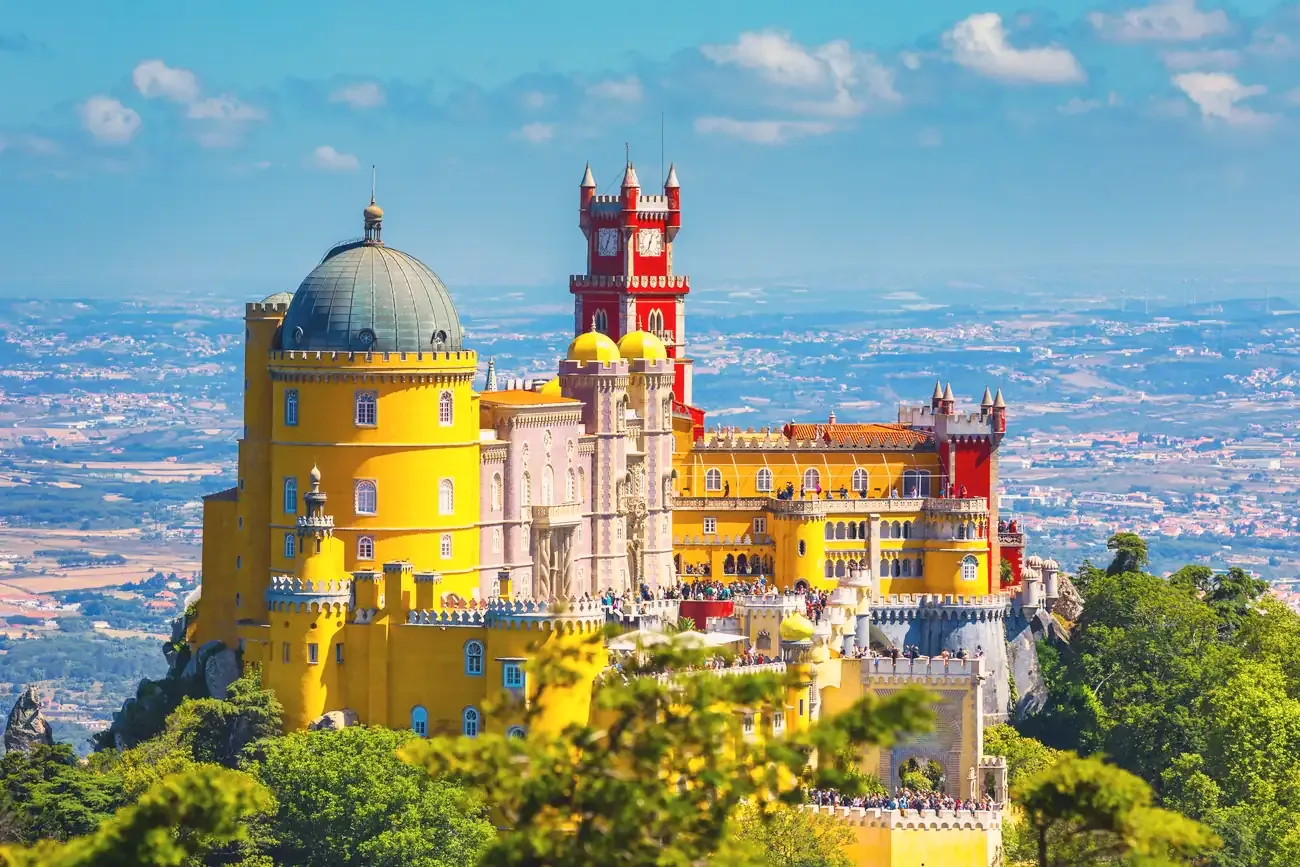
1. Pena Palace
The building most travellers picture when they picture Portugal is a royal daydream in canary yellow and blood red. Ferdinand II bought the shell of a ruined Hieronymite monastery above Sintra in 1838 and had Wilhelm Ludwig von Eschwege wrap a Romanticist palace around it, borrowing Moorish domes for one wing and Manueline stonework for the next. Terraces look across wooded hills to the Atlantic, and the park below hides ponds and imported trees along kilometres of paths.
Style: Romanticist, Moorish and Manueline revival · Architect: Wilhelm Ludwig von Eschwege
Heritage: in the Cultural Landscape of Sintra, UNESCO listed 1995
Location: Serra de Sintra, above the town of Sintra
Access: Ticketed for a set date and time; the park is sold separately
2. Jeronimos Monastery
Portugal spent the profits of the spice trade on one building above all others. Manuel I ordered the monastery raised beside the shore where Vasco da Gama had sailed for India, and the masons turned limestone into rope, coral and armillary spheres, the style now called Manueline. Its cloister on two levels is the highlight, carved differently on every pier, and the church holds the tombs of da Gama and the poet Luis de Camoes. UNESCO listed it together with the Belem Tower in 1983.
Heritage: UNESCO World Heritage Site, listed 1983 · Style: Manueline
Location: Belem, on the western riverfront of Lisbon
Access: Ticketed, closed on Mondays
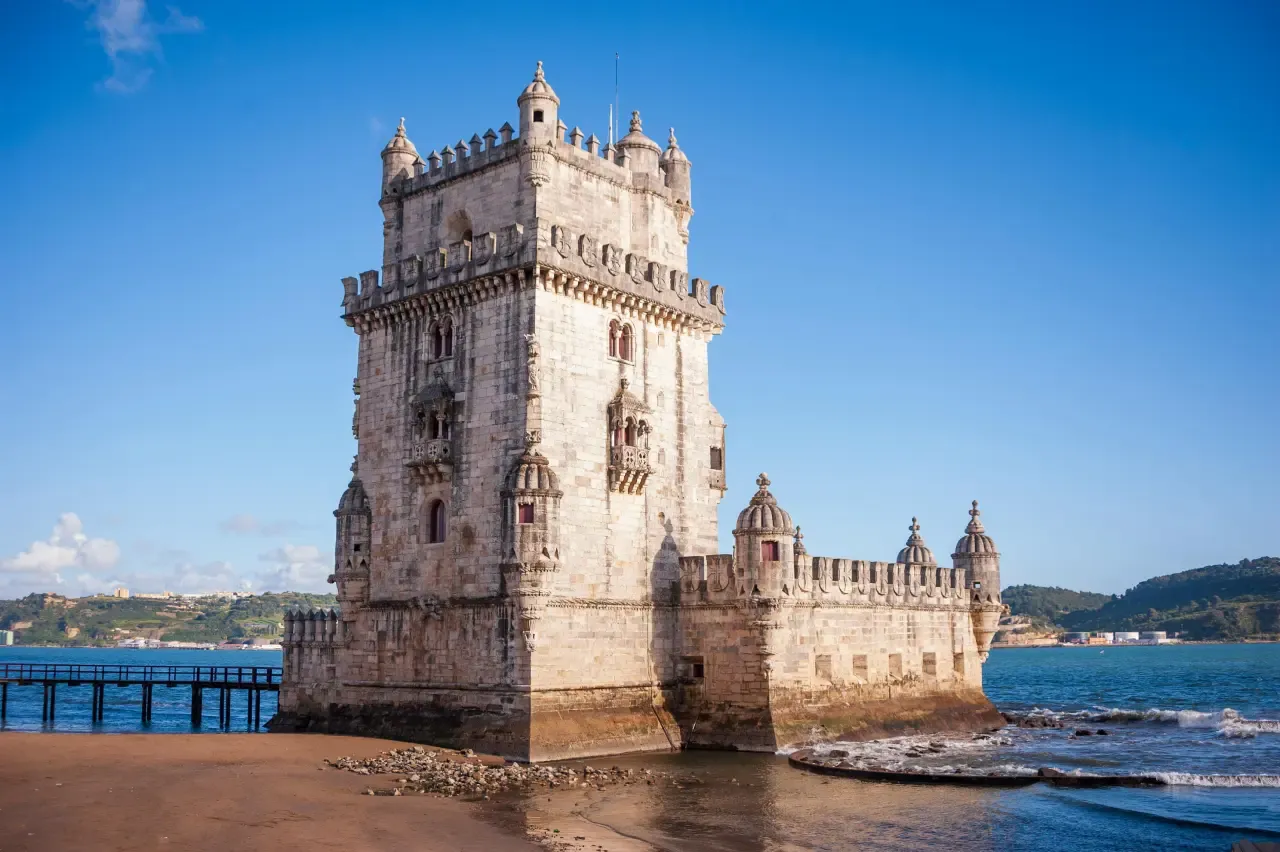
3. Belem Tower
Joao II drew up a three part defence for the mouth of the Tagus and his successor Manuel I built the last piece of it. Work ran from 1514 to 1520, producing a squat river bastion under a slender tower dressed in Manueline symbols: stone cables knotted at the corners, armillary spheres and crosses of the Order of Christ. A rhinoceros head carved beneath one corbel is thought to record the animal shipped to Lisbon in 1515. The loggia looks straight down the river the caravels used.
Built: 1514 to 1520 · Style: Manueline
Heritage: UNESCO listed in 1983
Location: The Belem waterfront, western Lisbon
Access: Timed entry
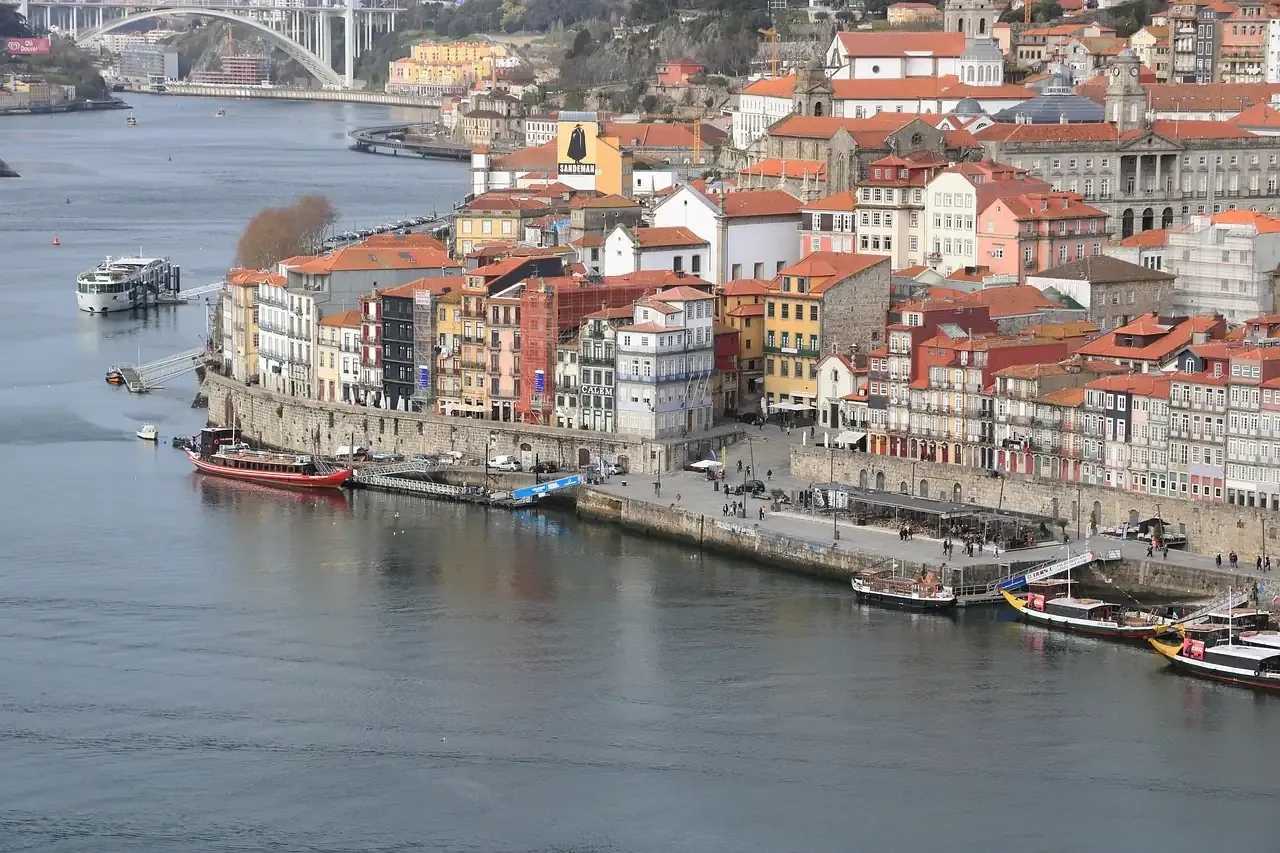
4. Historic centre of Porto
The country takes its name from this river mouth, which the Romans called Portus. Porto stacks itself in tiers above the Douro, and the Ribeira quay at the bottom is where the postcards are taken: painted houses leaning together, rabelo boats moored below the deck of the Luiz I bridge. Behind them stand a cathedral with a Romanesque core from the twelfth century, a neoclassical stock exchange and two surviving stretches of the Fernandine walls finished in 1376.
Heritage: UNESCO World Heritage Site since 1996, with the Luiz I bridge and the Monastery of Serra do Pilar
Location: Both banks of the Douro, northern Portugal
Access: Free to walk; individual monuments charge separately
5. Quinta da Regaleira
Few gardens in Europe were laid out to be this deliberately strange. Antonio Augusto Carvalho Monteiro, who had made his fortune in Brazil, commissioned the estate at the turn of the twentieth century and hired the Italian scenographer Luigi Manini to fill the hillside with turrets, grottoes and carvings loaded with Templar and alchemical symbolism. Its showpiece is a well that never held water: nine landings spiral down into the rock, and unlit tunnels lead away from the bottom towards a lake crossed on stepping stones.
Style: Neo-Manueline and Gothic Revival · Architect: Luigi Manini
Location: Sintra, a short climb from the historic centre
Access: Timed entry
6. Sao Jorge Castle
Eleven towers and a long curtain wall hold the highest hill in Lisbon. Moorish builders raised the citadel, Portuguese kings turned it into a royal palace, and the earthquake of 1755 ended that chapter for good. What remains is a walk along the ramparts over the Baixa grid, the Tagus and the bridge, plus an archaeological site inside the walls where Iron Age huts, a Muslim quarter and the palace foundations sit in one excavation. Peacocks patrol the gardens.
Heritage: National Monument of Portugal
Location: Rua de Santa Cruz do Castelo, above the Alfama district of Lisbon
Access: Ticketed
7. Alto Douro wine region
Upstream from Porto the hills close in and the slopes turn into staircases. Terraces cut into schist cover some 24,600 hectares of the Alto Douro, sheltered from Atlantic weather by the Marao and Montemuro ranges, and wine has been made here for around two thousand years. Port has been defined and regulated since 1756, which makes this one of the oldest demarcated wine regions anywhere. Quintas with their own wineries mark the slopes, and the railway on the north bank follows the water the whole way.
Heritage: UNESCO World Heritage Site since 2001
Location: The Douro valley east of Porto, northern Portugal
Access: Free to travel through; individual quintas and river cruises are ticketed
8. Cabo da Roca
Mainland Europe runs out here. The cliffs of Cabo da Roca stand about 140 metres above the Atlantic at the western edge of the continent, a fact the site sells to visitors in the form of a printed certificate. A lighthouse still works the headland, and traces remain of a seventeenth century fort that guarded the approach to Lisbon. The cape sits inside the Sintra-Cascais natural park, so the coastal walking trails passing it are as much of the visit as the viewpoint itself.
Heritage: Within the Parque Natural de Sintra-Cascais
Location: Colares, in the municipality of Sintra
Access: Free, open air, exposed to the wind in every season
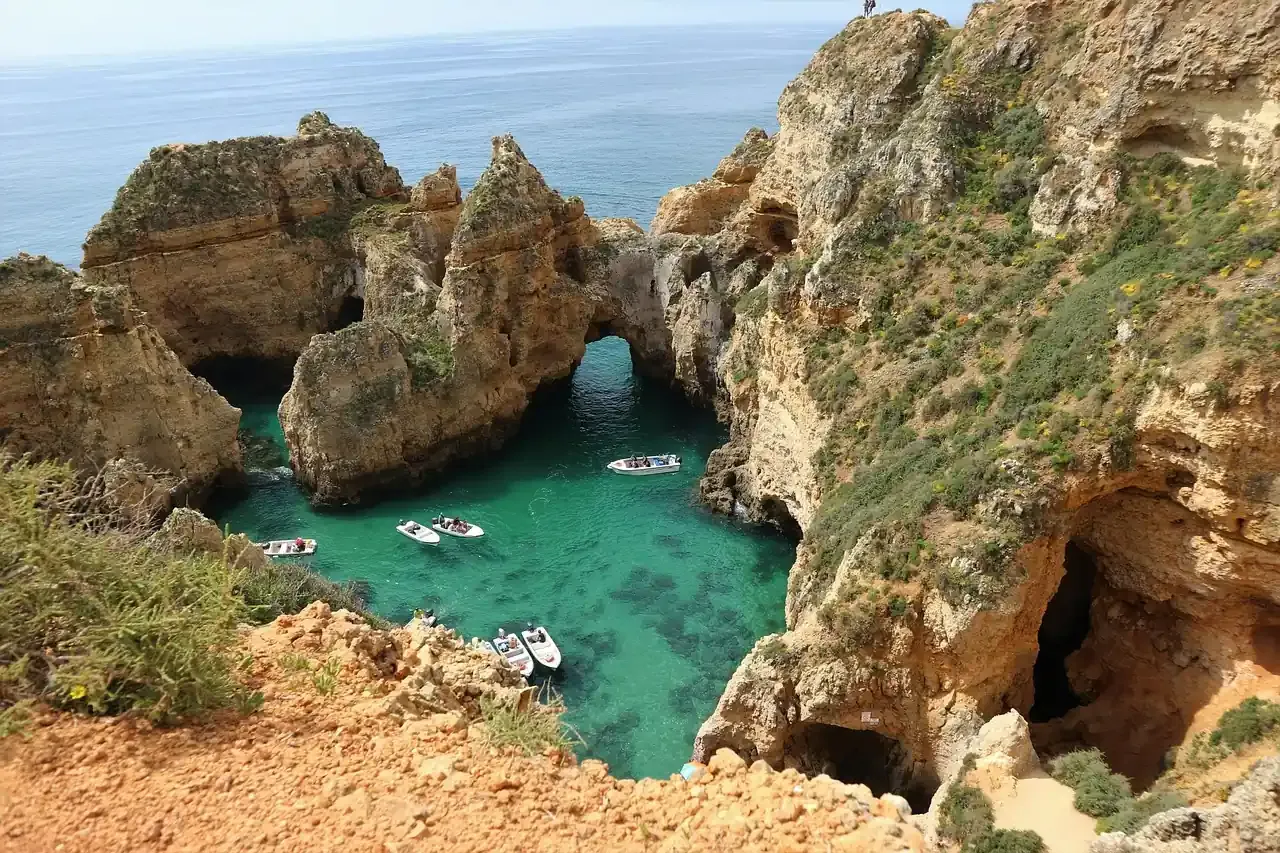
9. Ponta da Piedade
The Algarve keeps its best rock formations at the southern tip of Lagos. Ponta da Piedade is a headland of golden cliffs and sea stacks standing up to twenty metres out of clear water, drilled through by grottoes and arches that only a small boat can enter. A stairway drops from the clifftop to the waterline, a lighthouse dating from 1913 marks the point, and the coastal path along the top gives the wide view that the boats below cannot.
Location: Lagos, western Algarve
Access: Free from the clifftop and the stairway; the grottoes are reached on boat trips from Lagos
10. University of Coimbra
Coimbra has been a university town for more than seven centuries, and the campus took over the hill the city was built on. Founded as an academy in the late thirteenth century, the university moved into the royal palace of Alcacova in 1537 and grew outward in colleges, chapels and laboratories. The baroque Joanine Library is the showpiece, three barrel vaulted halls of gilded shelving, and the terrace outside looks over the rooftops to the Mondego.
Heritage: UNESCO World Heritage Site since 2013, as University of Coimbra Alta and Sofia
Location: The Alta district, on the hill above central Coimbra
Access: Ticketed for the historic university buildings; the streets around them are free to walk
11. Historic centre of Evora
The capital of the Alentejo stacks twenty centuries into a few walkable streets. Roman Evora left the Corinthian columns that still stand on the high ground; Moorish rule ended in 1165 and left a fortified gate and pieces of the old kasbah; the cathedral was finished in the thirteenth century. The golden age came in the fifteenth, when Portuguese kings settled here and convents and royal palaces went up all over town. Between them run low whitewashed houses with tiled panels and wrought iron balconies, and the earthquake that flattened Lisbon in 1755 barely touched any of it.
Heritage: UNESCO World Heritage Site since 1986
Location: Evora, capital of the Alentejo, inland from Lisbon
Access: Free to walk; individual monuments and museums are ticketed
12. Moorish Castle
Sintra's other summit carries a ruin instead of a palace. Its builders fortified the granite crest while the Moors held the peninsula, and the Reconquest emptied the place for good. What is left is a barbican, a keep and a curtain wall that jumps from boulder to boulder along the ridge. Excavation inside the walls has turned up grain silos, an Islamic settlement, a Christian medieval necropolis and the twelfth century parish church of Sao Pedro de Canaferrim. Private cars cannot go up, so the last stretch is a footpath or a bus.
Heritage: A major landmark of the Cultural Landscape of Sintra, UNESCO listed 1995
Location: A peak of the Serra de Sintra, above the historic centre
Access: Ticketed, with the last admission half an hour before closing
Other iconic sights in Portugal
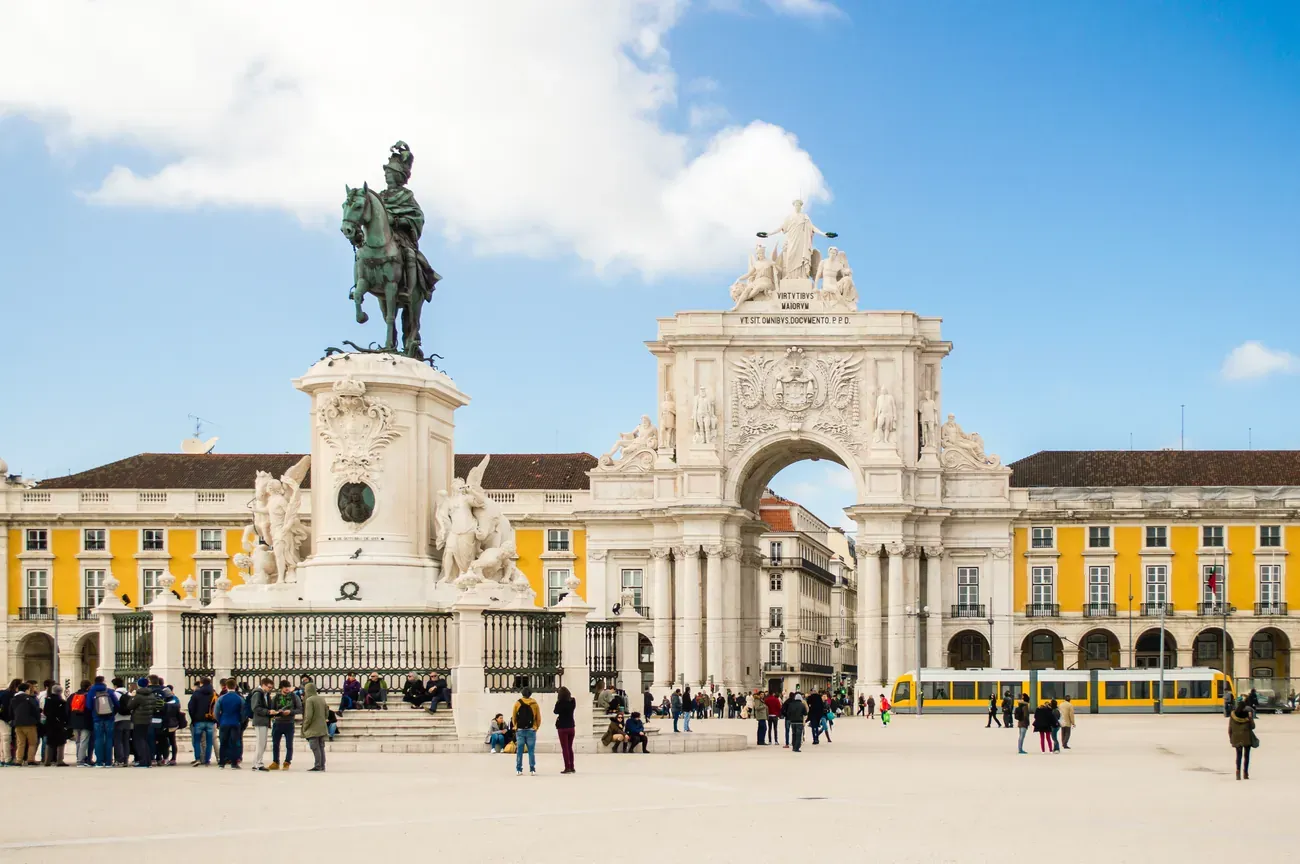
Praca do Comercio
Lisbon's riverfront square, remodelled after the 1755 earthquake on the ground where the royal Ribeira Palace stood until it was destroyed.
Location: Baixa, Lisbon
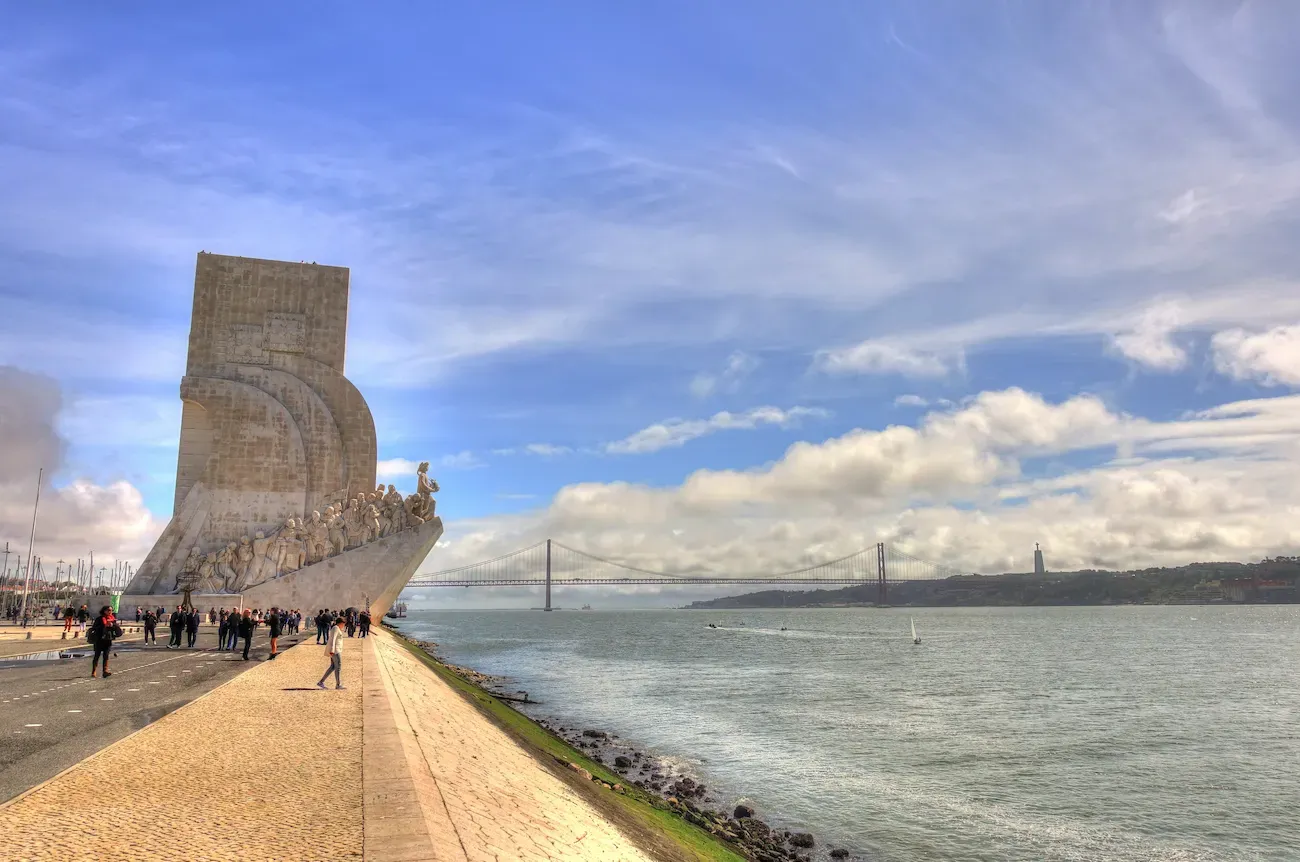
Monument to the Discoveries
A 56 metre slab shaped like the prow of a caravel, lined with the figures of Portugal's explorers above the Tagus at Belem.
Location: Belem, Lisbon
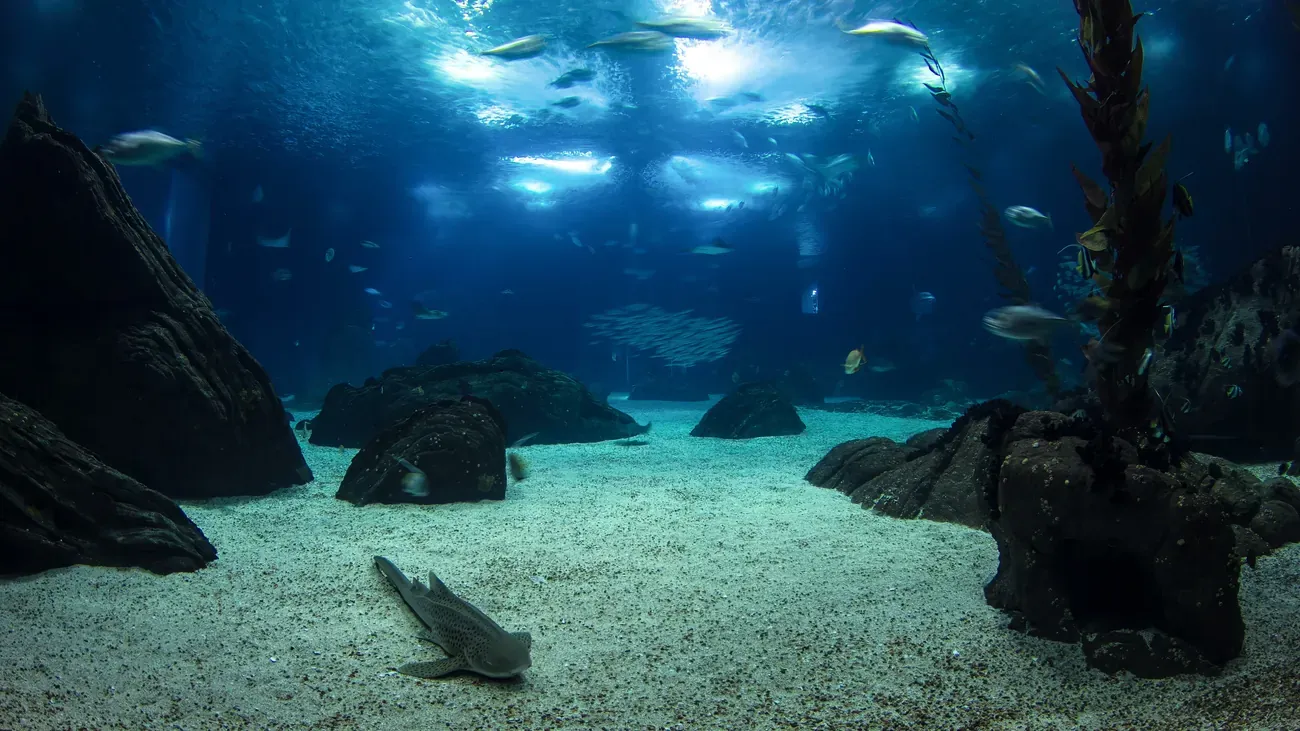
Lisbon Oceanarium
One of Europe's largest indoor aquariums, built on a pier in an artificial lagoon for Expo 98 and arranged around one vast ocean tank.
Location: Parque das Nacoes, Lisbon
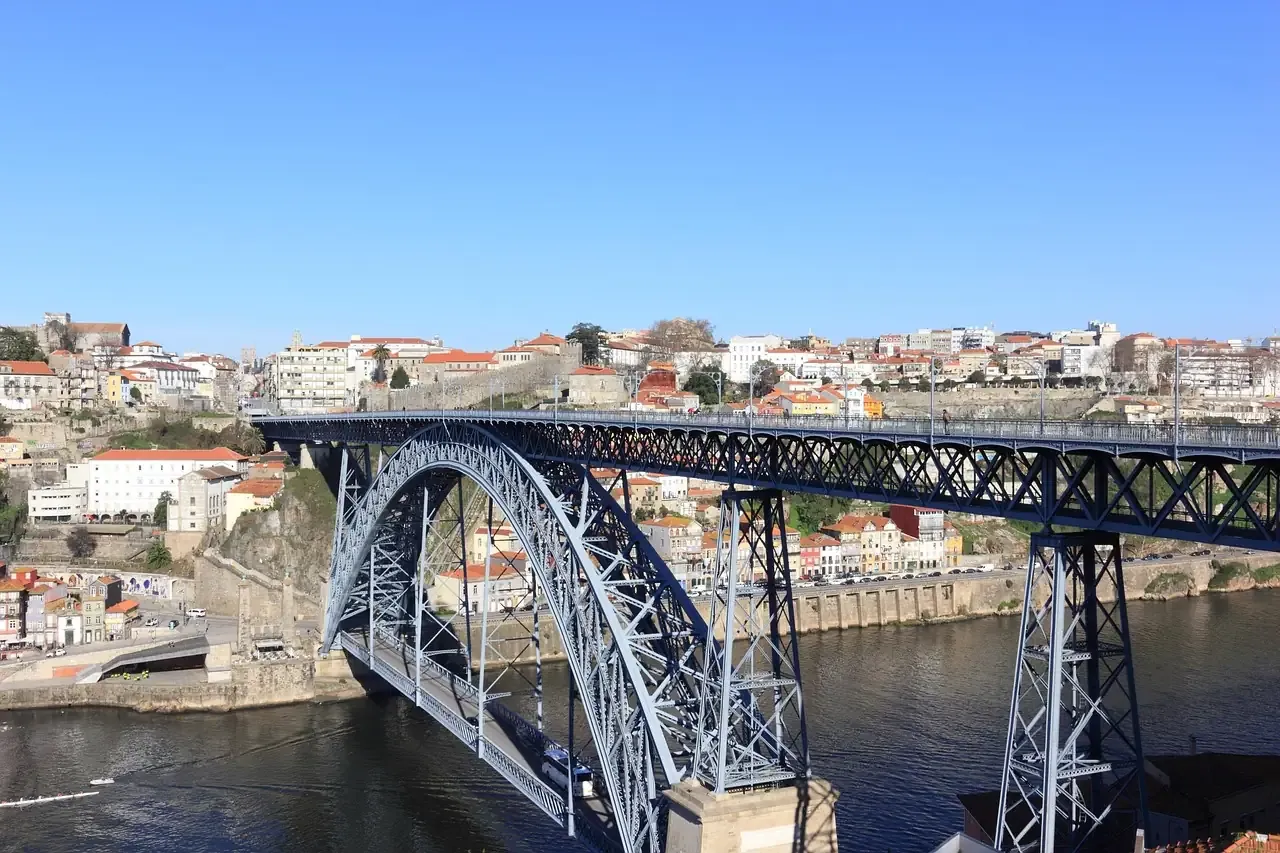
Dom Luis I Bridge
A double deck iron arch over the Douro, opened in 1886; its 172 metre span was then the longest of its kind in the world.
Location: Ribeira, Porto
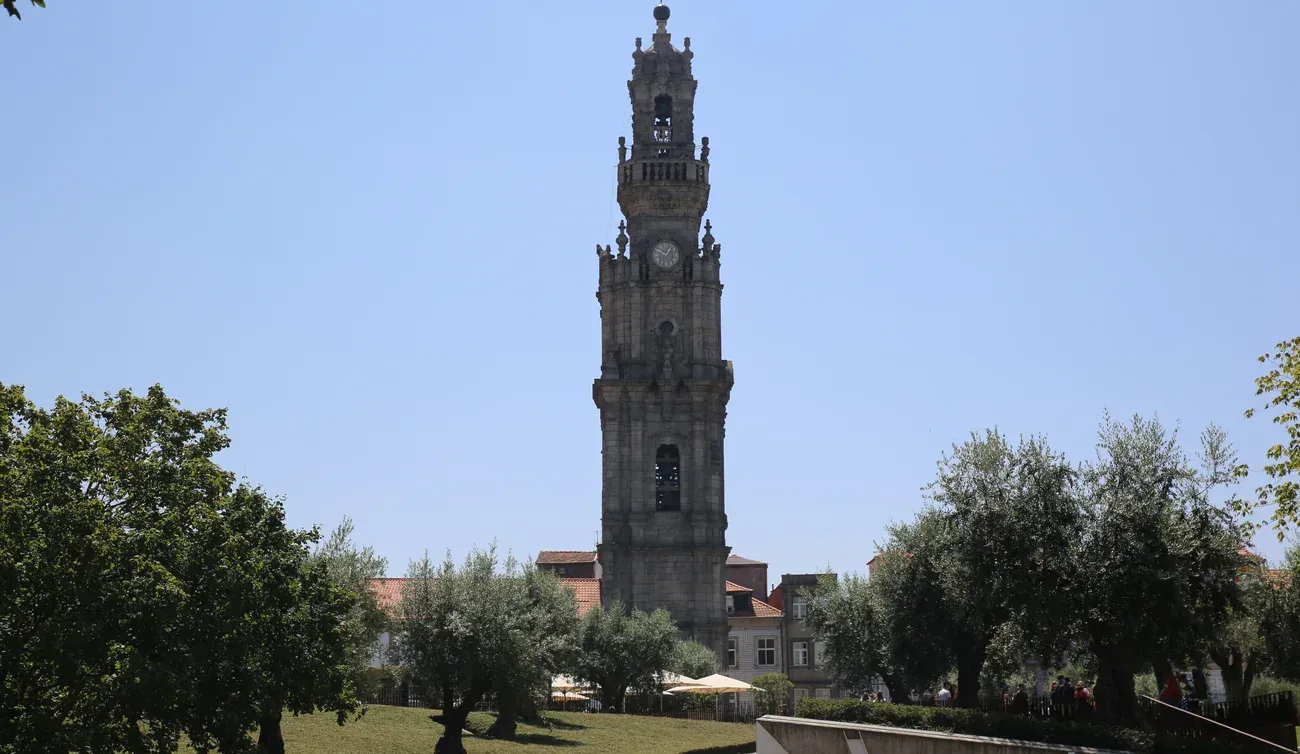
Clerigos Tower
The baroque bell tower of Nicolau Nasoni's Clerigos church, 75 metres of granite climbed for a 360 degree view over Porto.
Location: Historic centre, Porto
Photo: "The Clerigos Tower over Praca de Lisboa in Porto" by Andrey Filippov (CC BY 2.0).
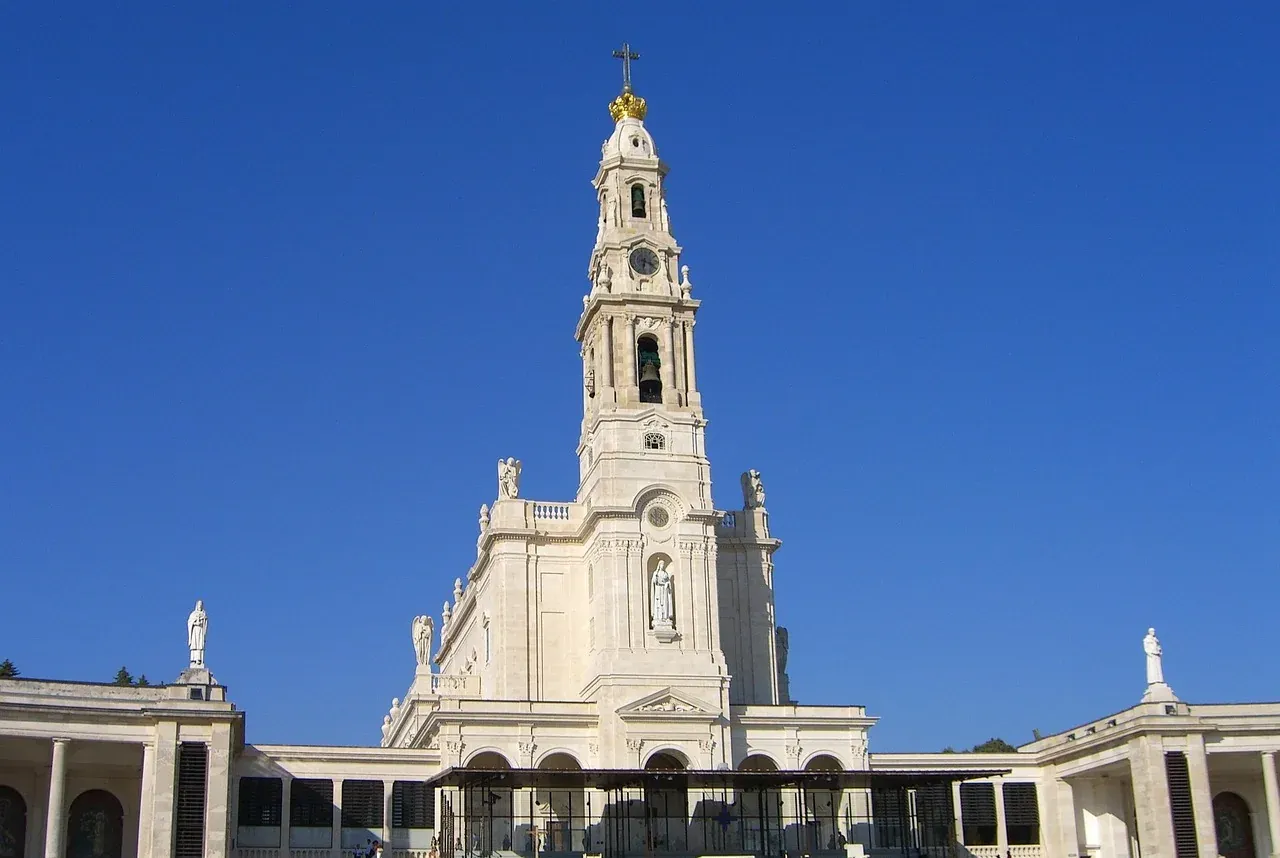
Sanctuary of Fatima
The Chapel of the Apparitions and the Basilica of Our Lady of the Rosary stand where three children reported Marian visions in 1917.
Location: Fatima, central Portugal
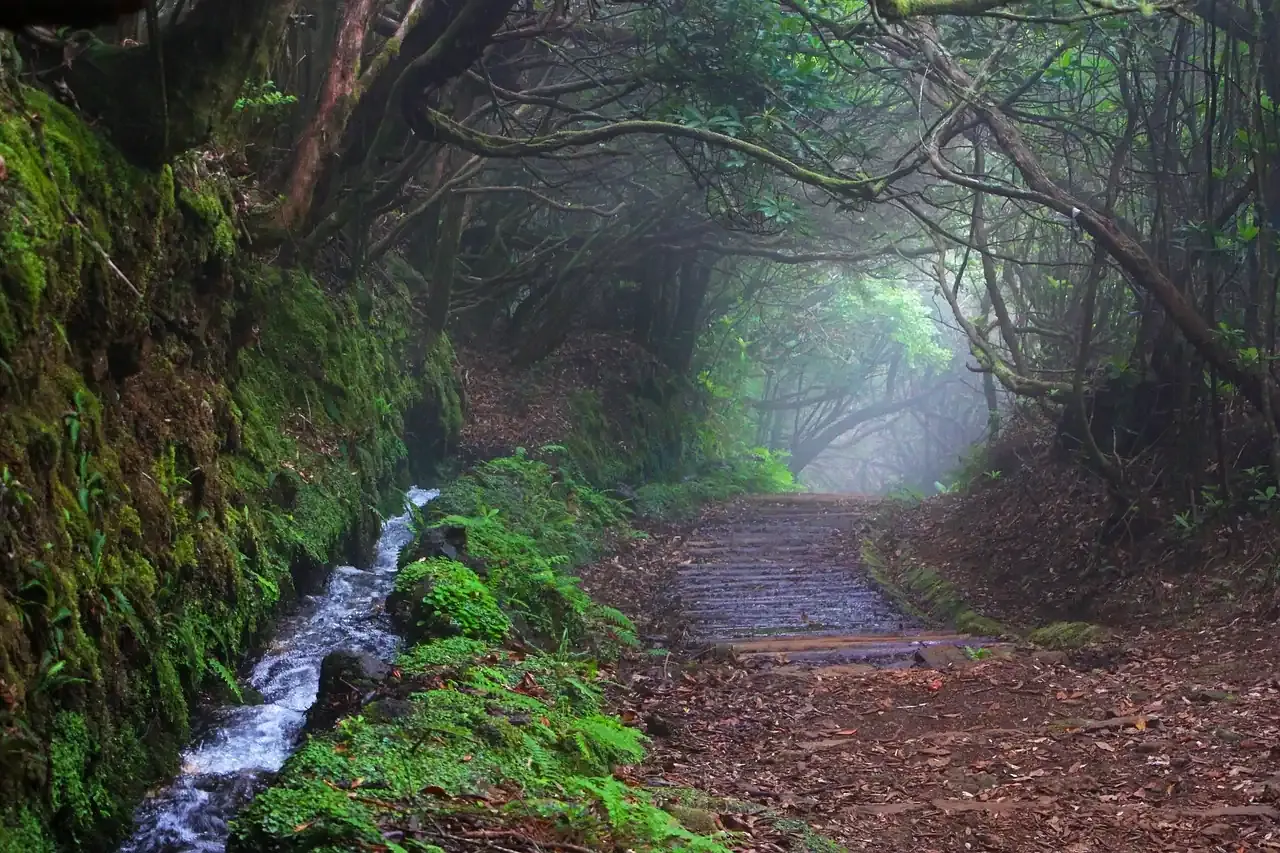
Levadas of Madeira
Irrigation channels dug from the sixteenth century carry water across the island; more than 2,170 kilometres of them now double as walking routes.
Location: Across the island of Madeira
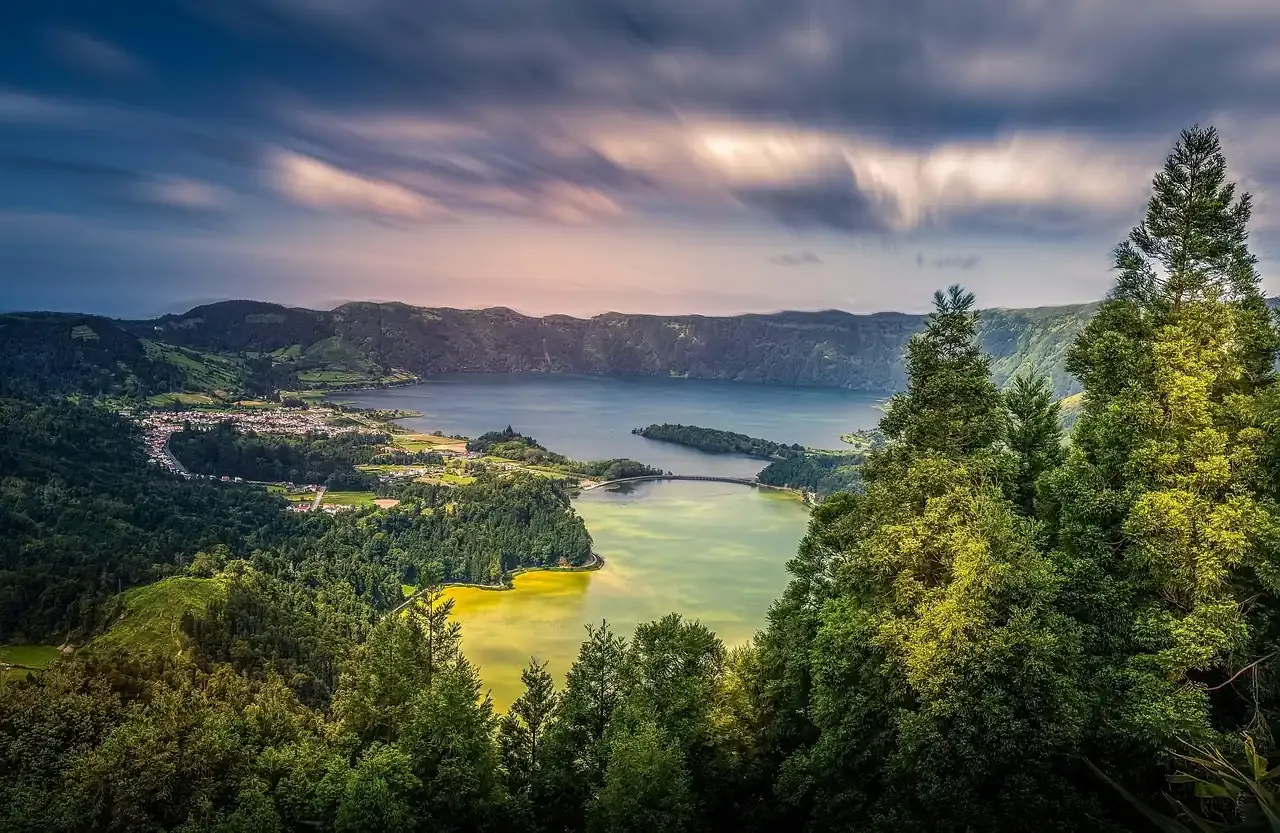
Sete Cidades
Twin lakes, one blue and one green, fill a collapse caldera 5.3 kilometres across at the western end of Sao Miguel.
Location: Ponta Delgada, Sao Miguel, Azores
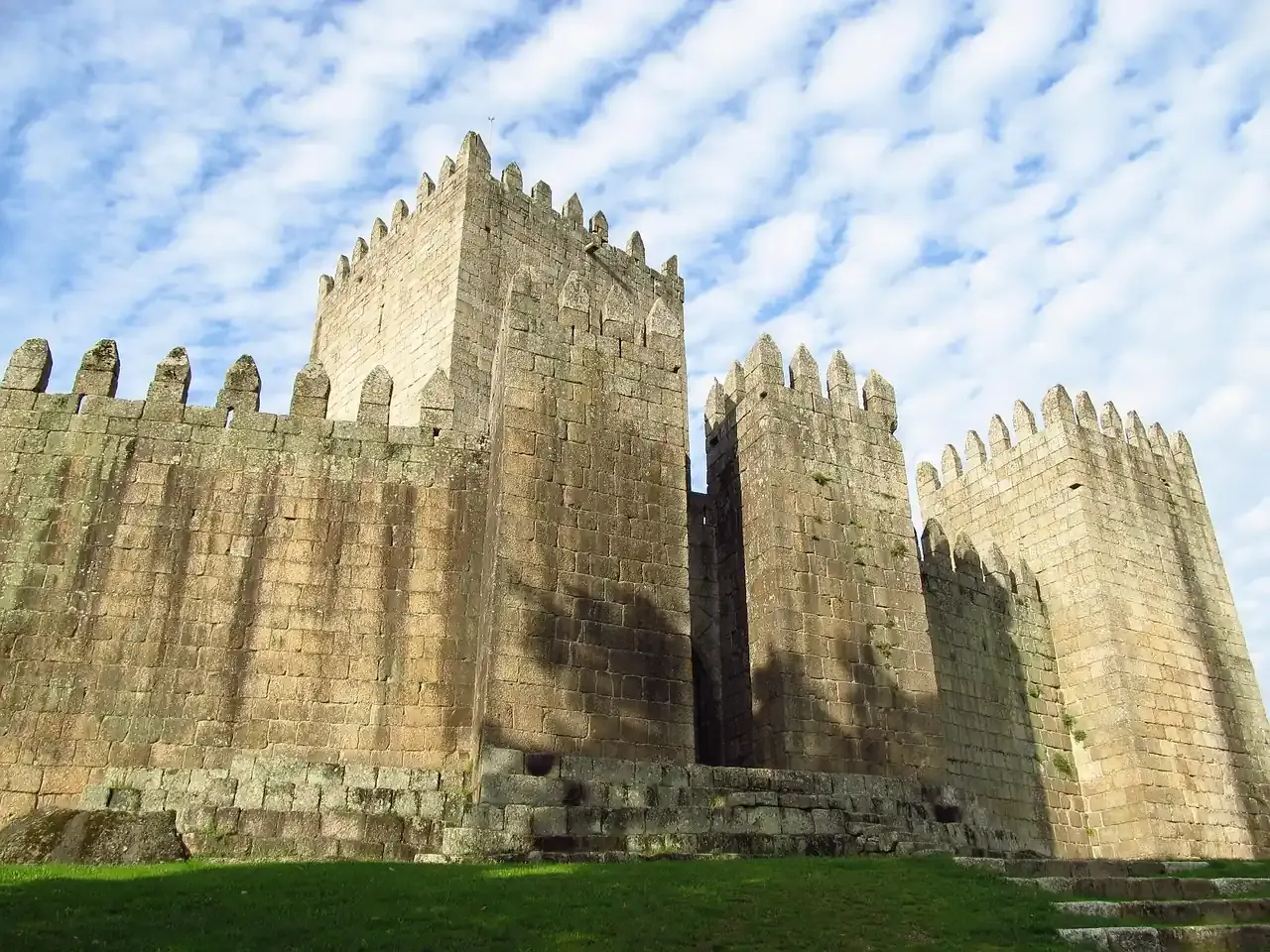
Guimaraes Castle
Built in the tenth century to guard a monastery, the keep and eight towers on Monte Latito are tied to the birth of Portugal.
Location: Monte Latito, Guimaraes
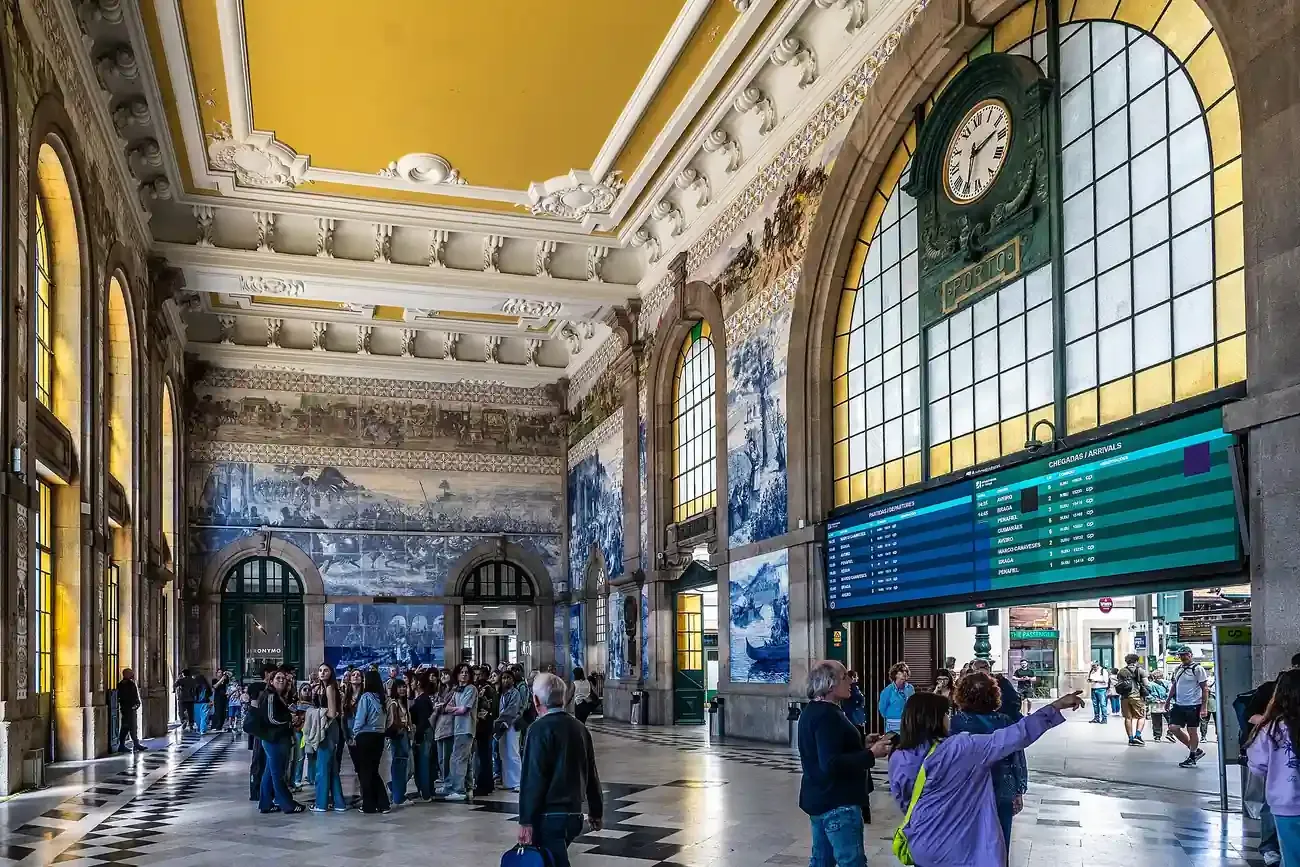
Sao Bento Railway Station
About twenty thousand azulejo tiles painted by Jorge Colaco line the entrance hall with scenes from Portuguese history and rural life.
Location: Historic centre, Porto
Photo: "The azulejo entrance hall of Sao Bento station in Porto" by Michael Gaylard (CC BY 4.0).
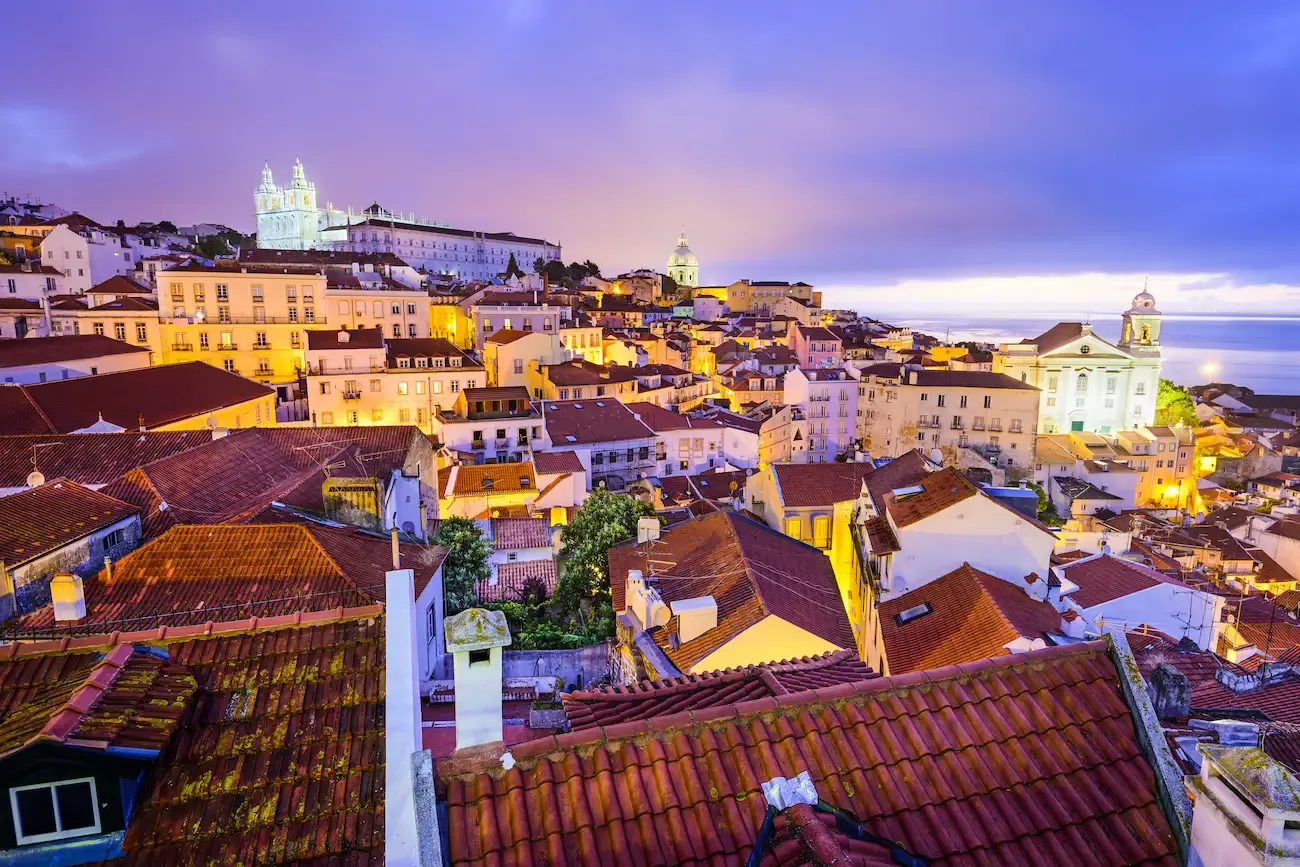
Alfama
Lisbon's oldest quarter survived the 1755 earthquake, so its lanes still climb in a medieval maze between Sao Jorge Castle and the Tagus.
Location: Alfama, Lisbon
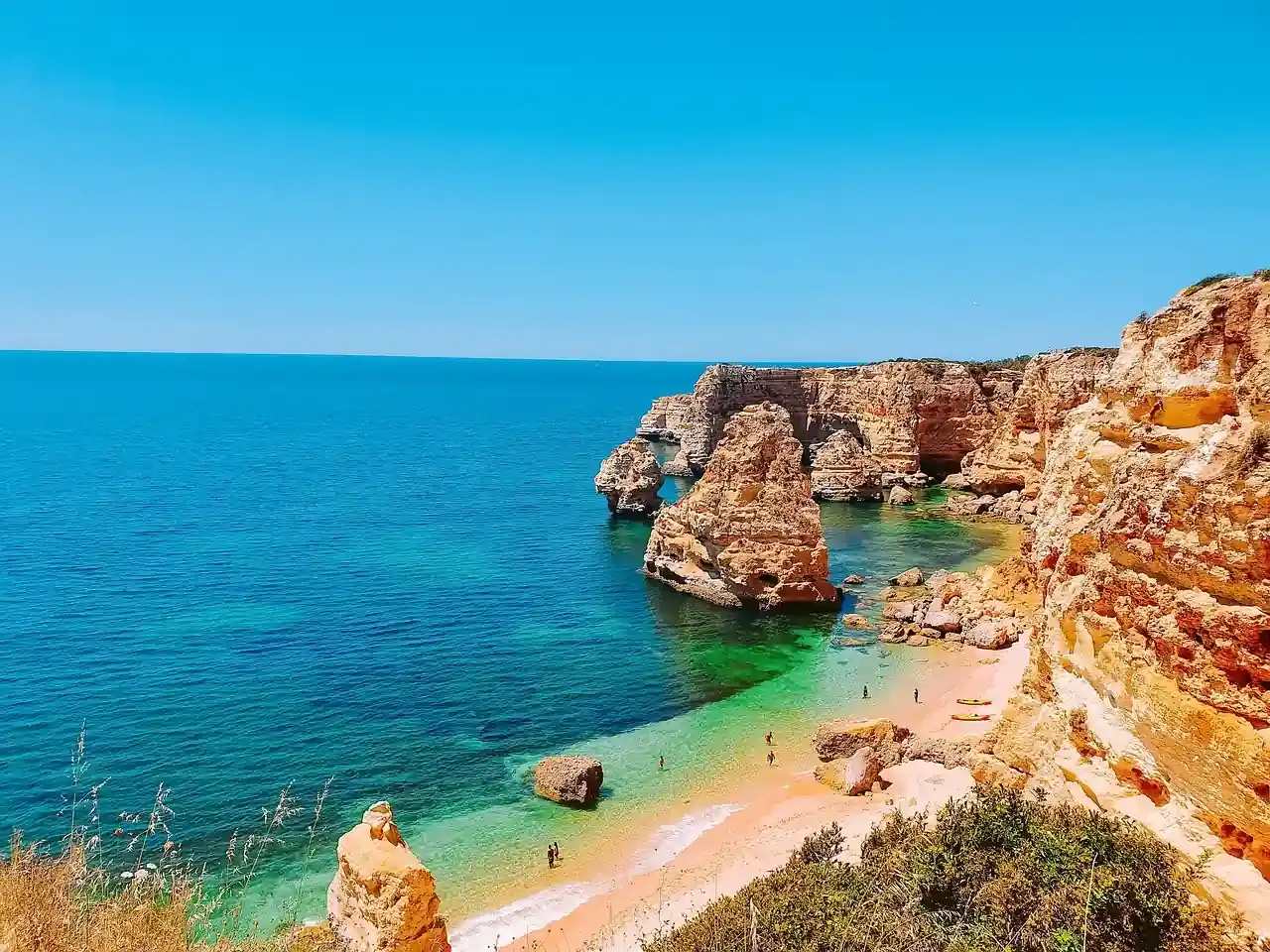
Praia da Marinha
Orange limestone cliffs border a small sandy cove that the Michelin Guide counts among the ten most beautiful beaches in Europe.
Location: Caramujeira, Lagoa, Algarve
More tourist attraction tickets in Portugal
Traditional food in Portugal
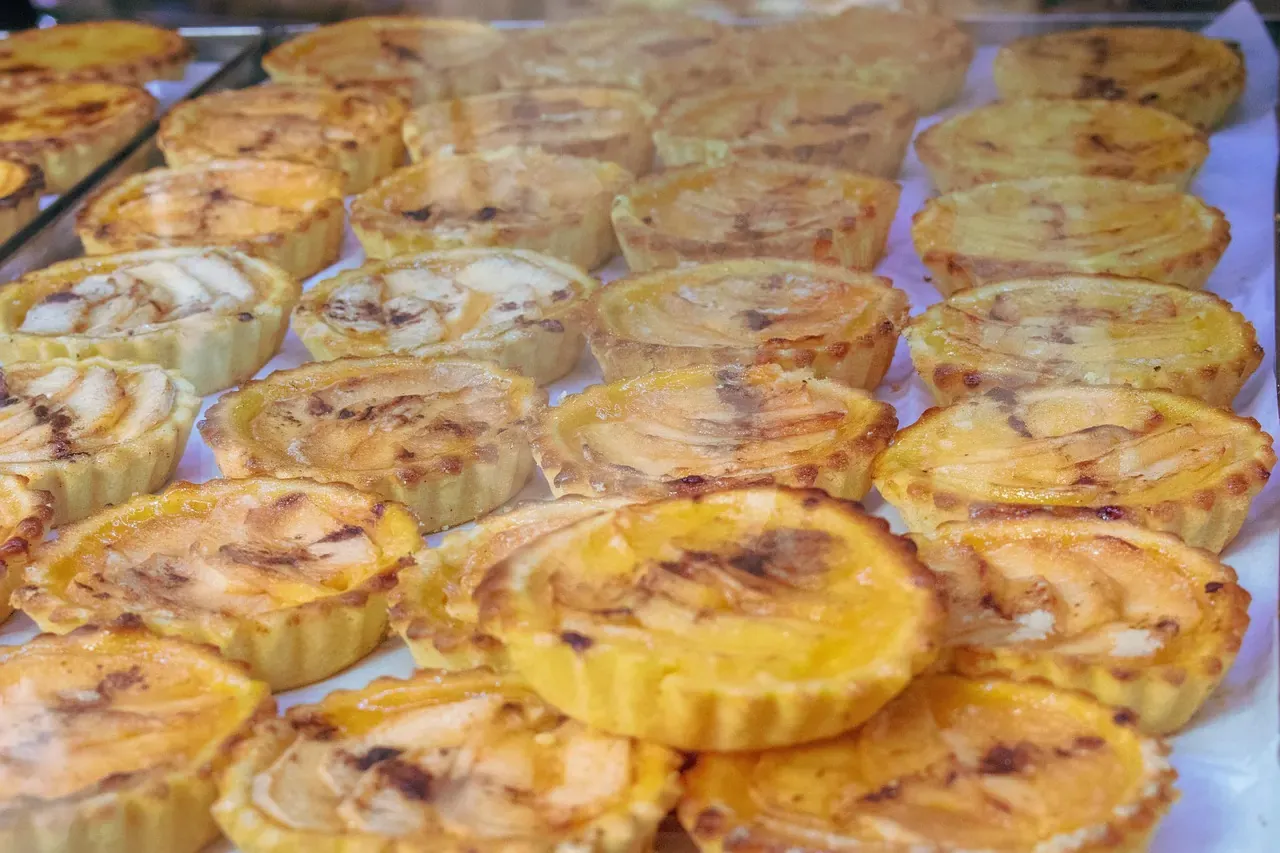
Pastel de nata
A flaky pastry cup of egg custard, blistered on top and best eaten warm with cinnamon and icing sugar shaken over it. Every pastelaria in the country makes its own version a point of pride.
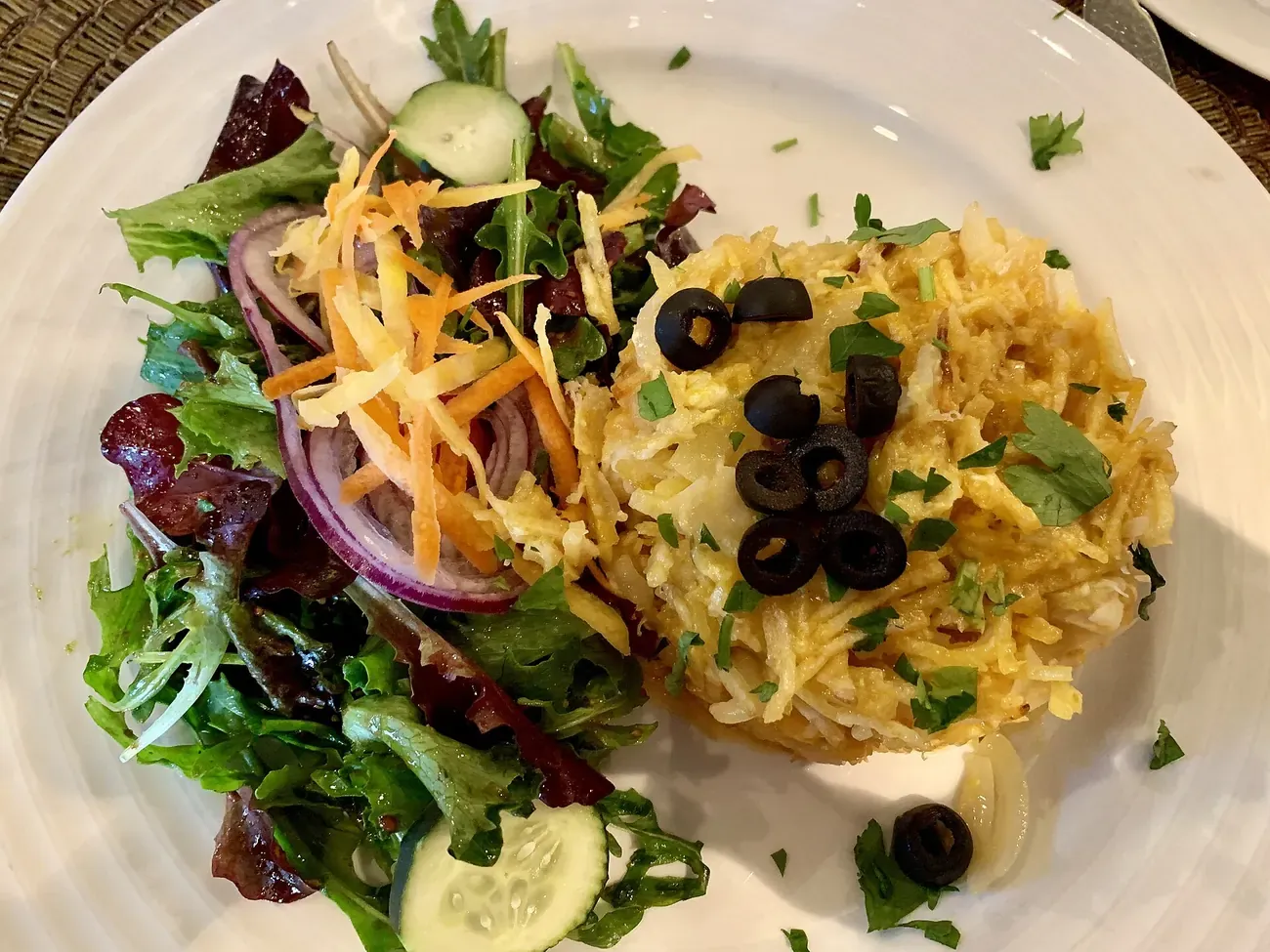
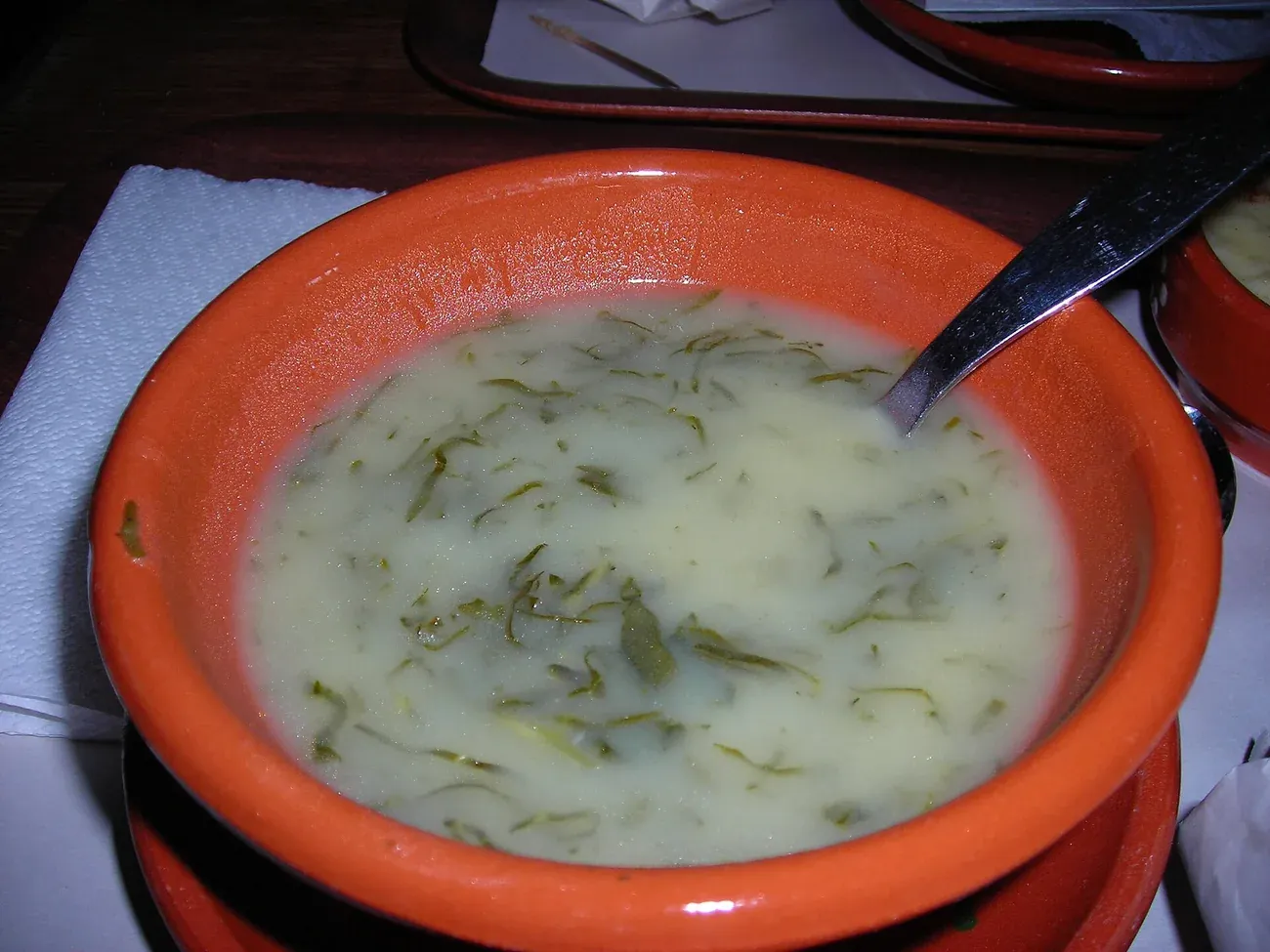
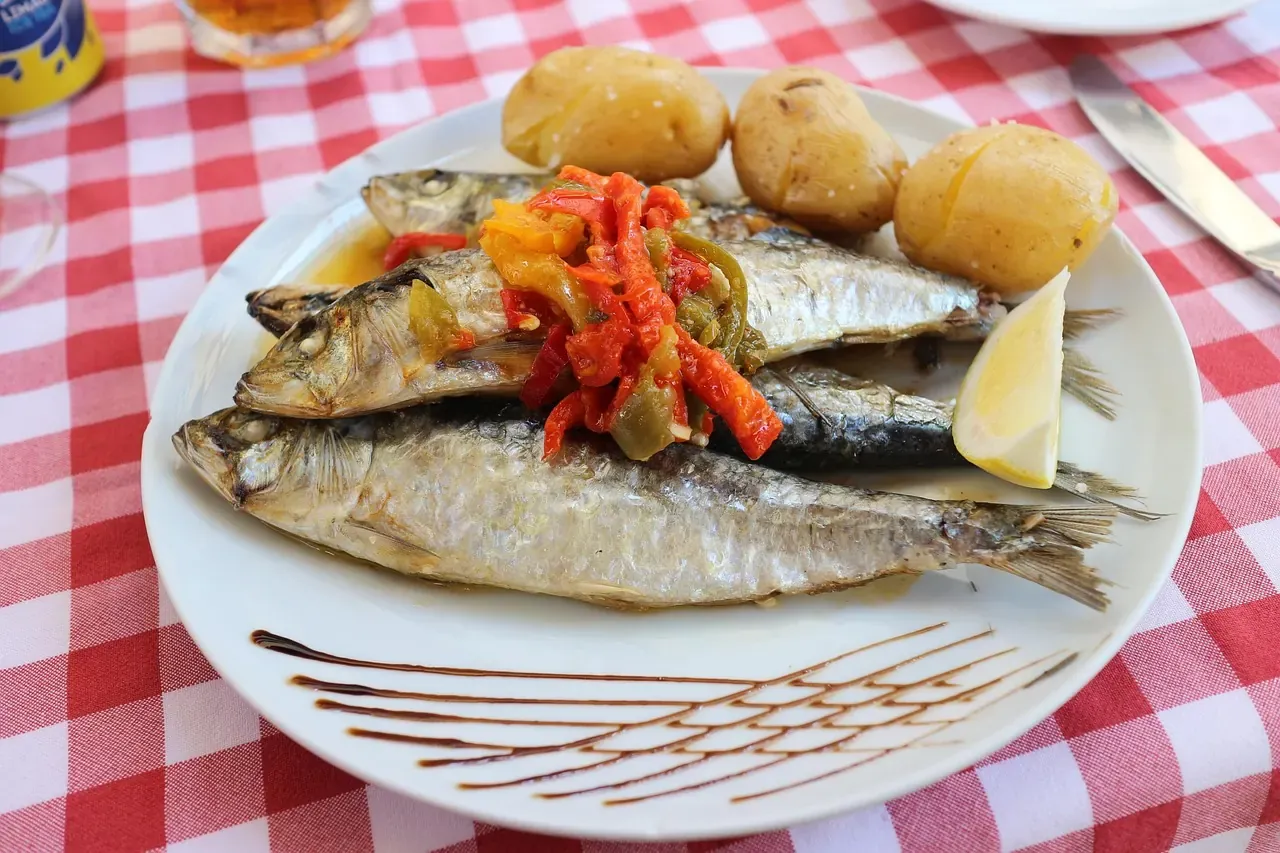
Sardinhas assadas
Whole sardines grilled over charcoal, usually with boiled potatoes and salad. The smoke drifting out of street grills is the smell of June, when saints days fill the old quarters.
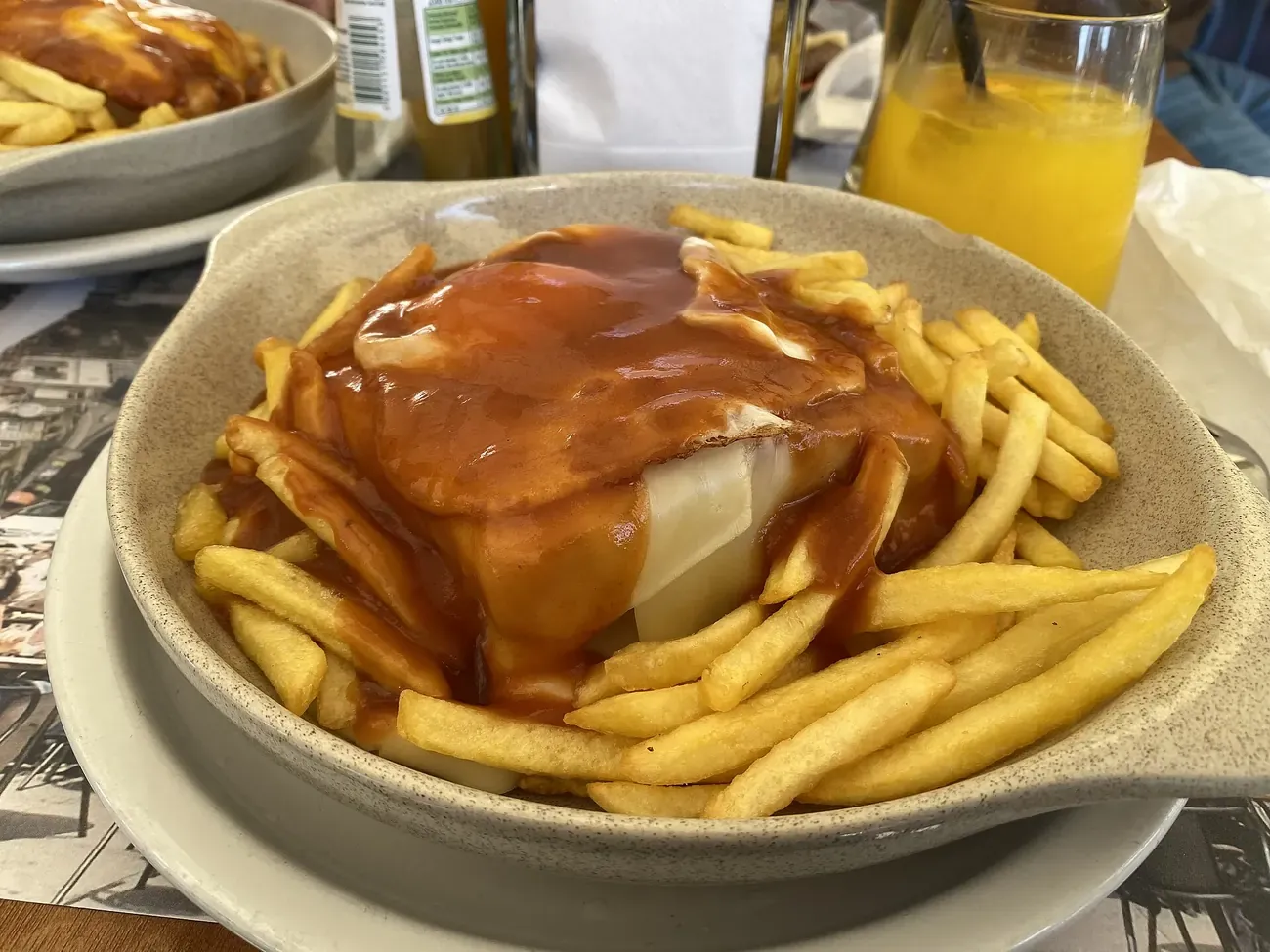
Francesinha
Porto's heavyweight sandwich: layers of cured meat and steak under melted cheese, flooded with a hot beer and tomato sauce and usually buried in chips. One is a meal for the whole day.
Photo: "A francesinha in Porto" by DgOlsen (CC BY-SA 4.0).
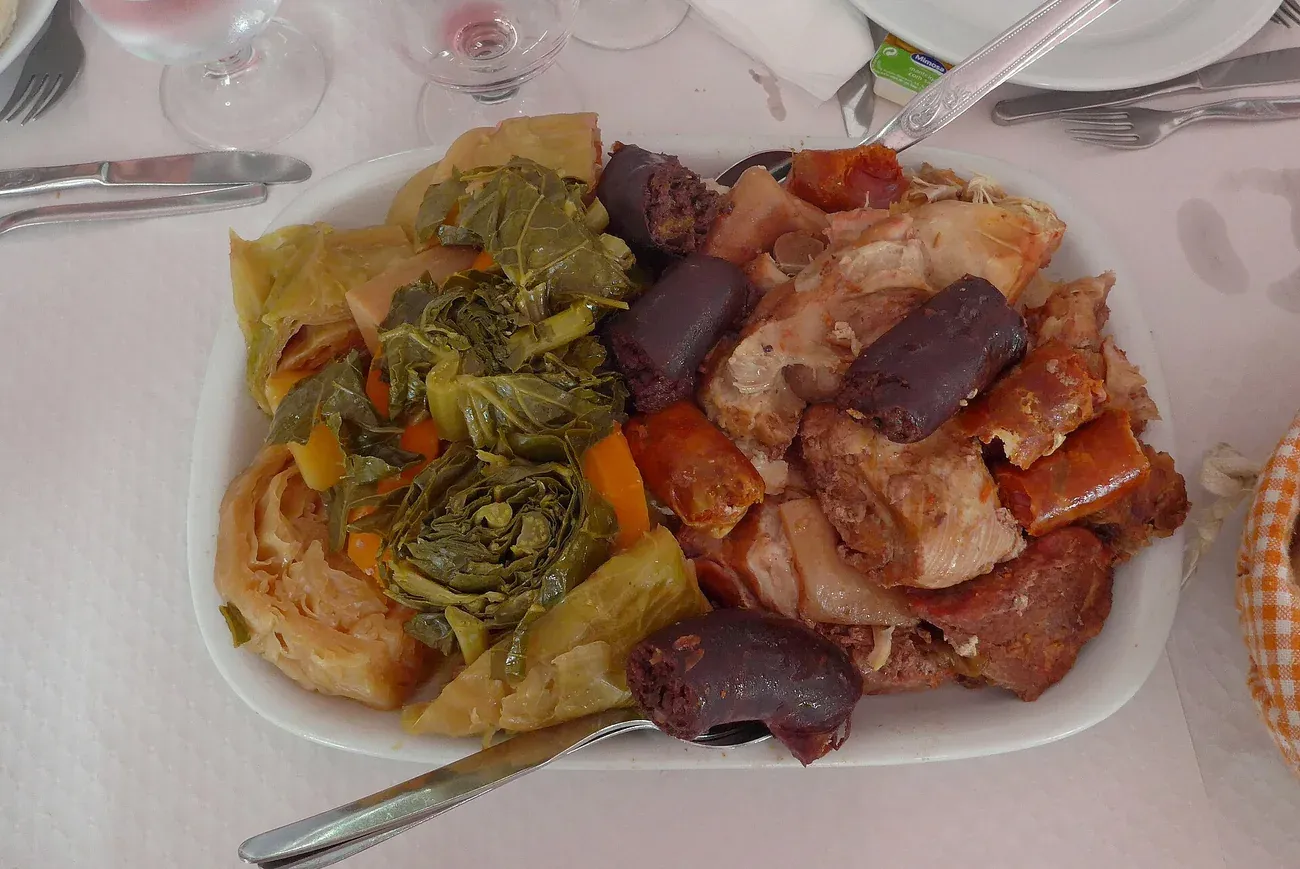
Cozido a portuguesa
One of the national dishes, a slow boiled plate of meats, smoked sausages and vegetables. In the Furnas valley on Sao Miguel it is cooked underground by volcanic steam.
Photo: "Cozido das Furnas on Sao Miguel, Azores" by Schnobby (CC BY-SA 4.0).
Monasteries and abbeys across Portugal
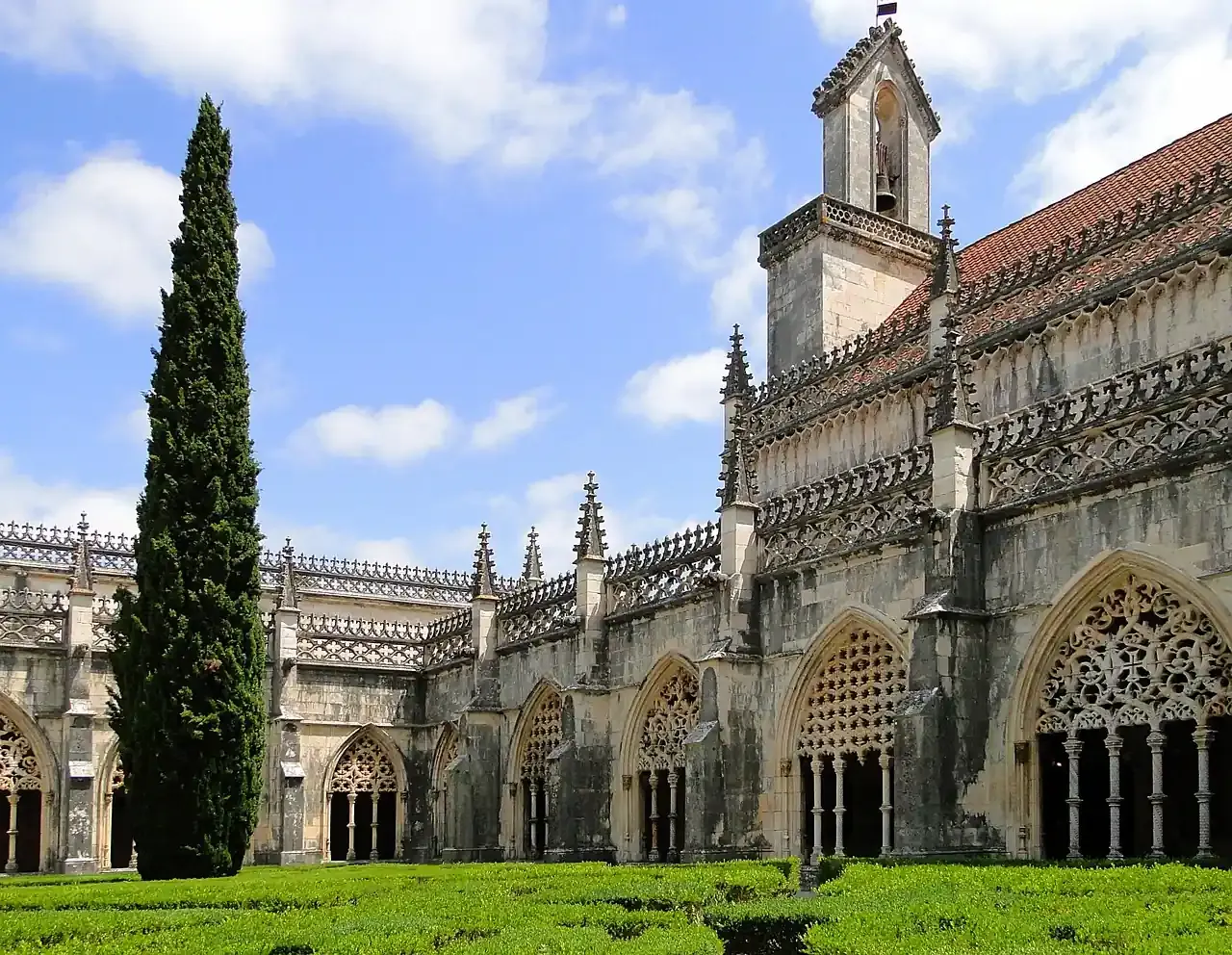
Monastery of Batalha
Gothic at its most extravagant, vowed by King Joao I after the victory at Aljubarrota in 1385 and never quite finished.
Location: Batalha, central Portugal
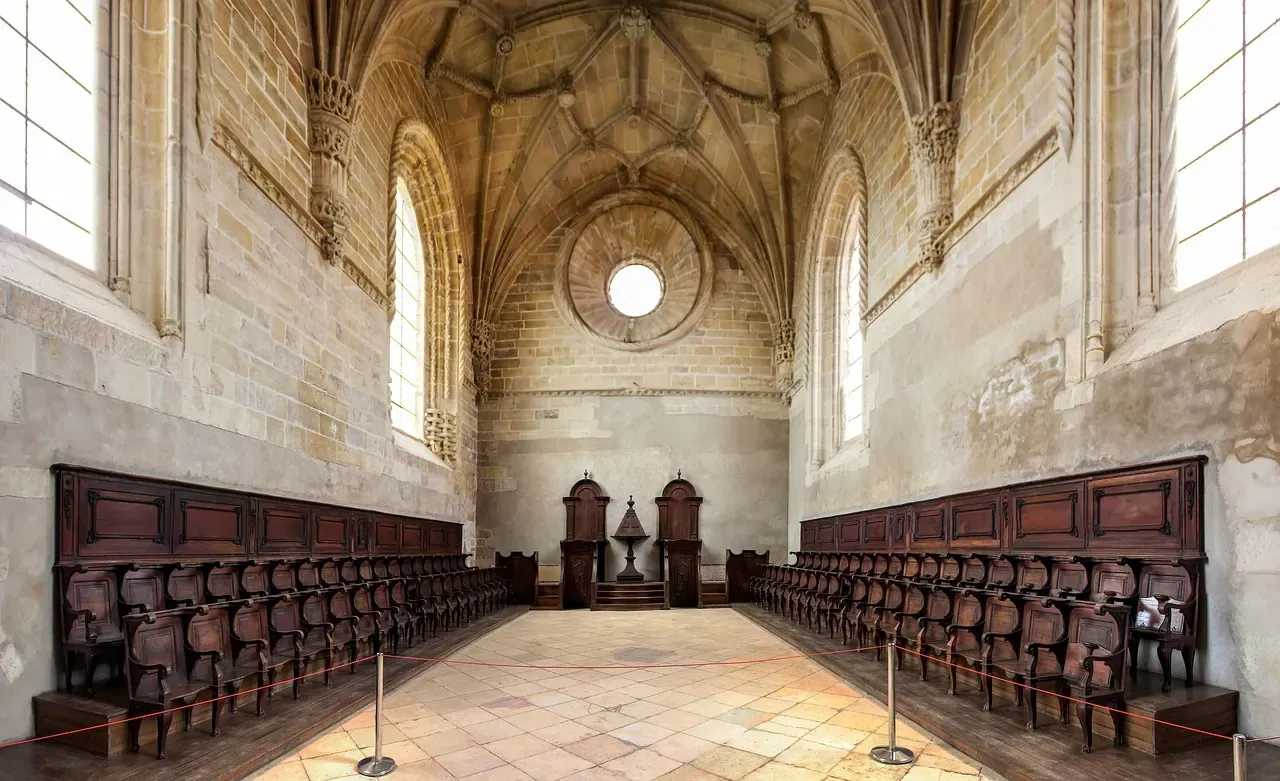
Convent of Christ
Founded by the Knights Templar in 1160, its round oratory modelled on the Holy Sepulchre and later wrapped in Manueline stone.
Location: Tomar, central Portugal
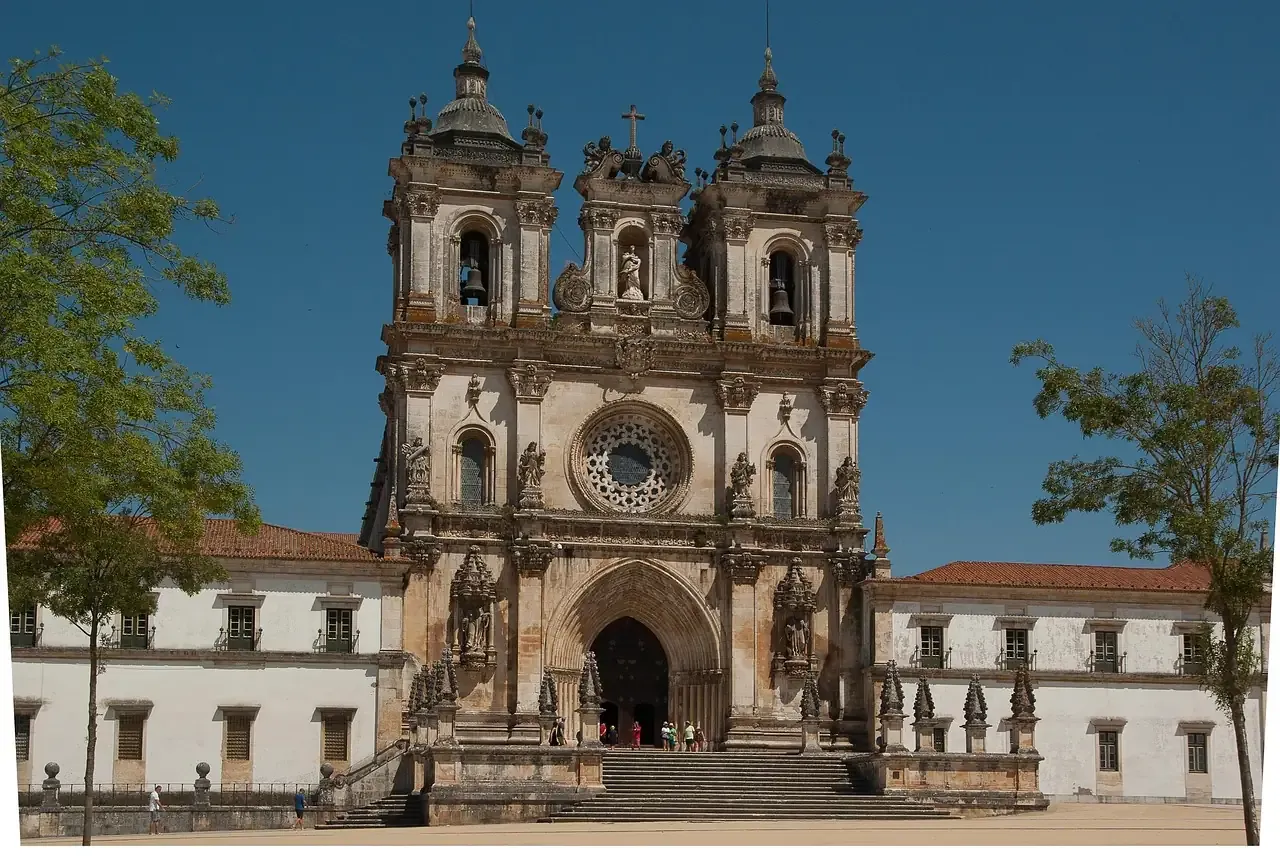
Monastery of Alcobaca
A vast Cistercian house granted to the order in the twelfth century, holding the carved tombs of Pedro I and Ines de Castro.
Location: Alcobaca, central Portugal
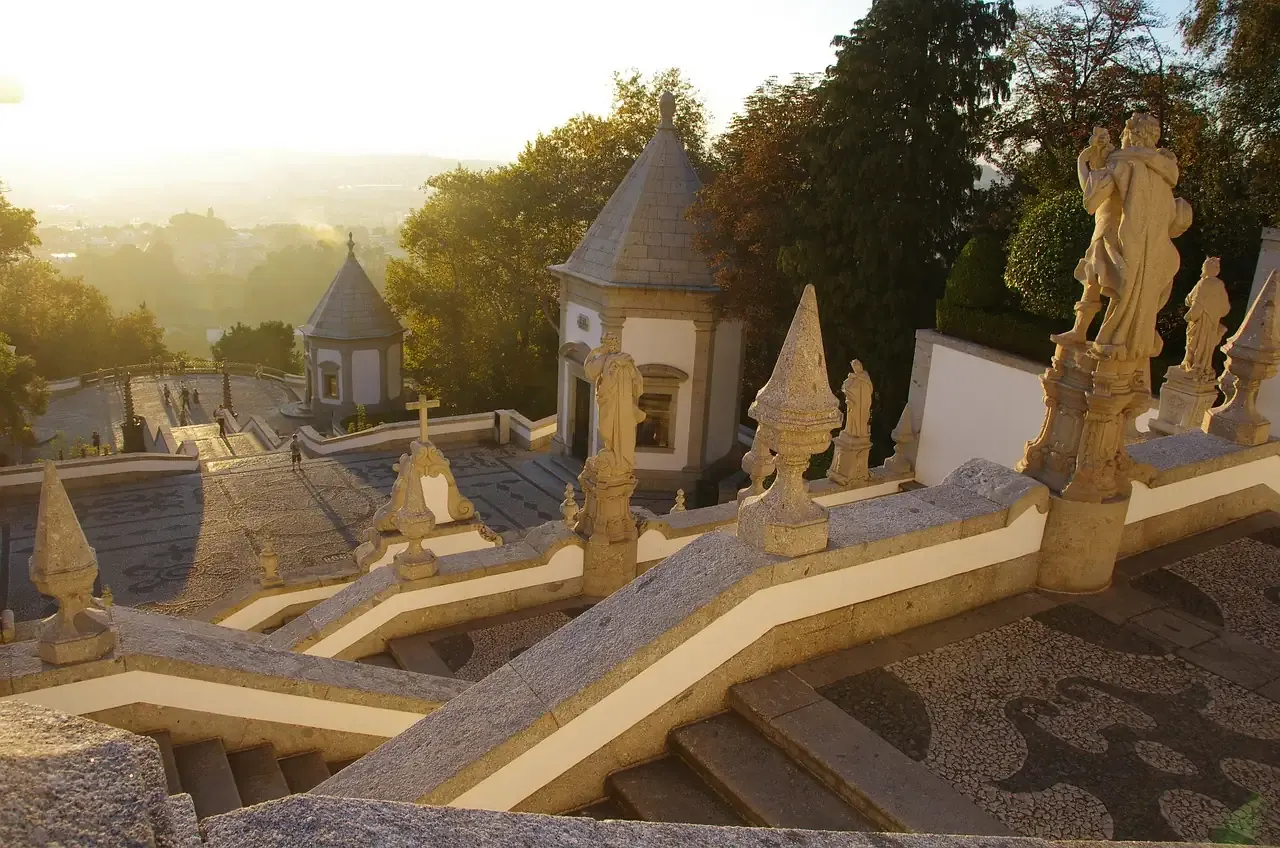
Bom Jesus do Monte
A baroque stairway of chapels, fountains and statues climbing the hillside to a church with the whole city below.
Location: Braga, northern Portugal
Historic shops and bookshops in Portugal
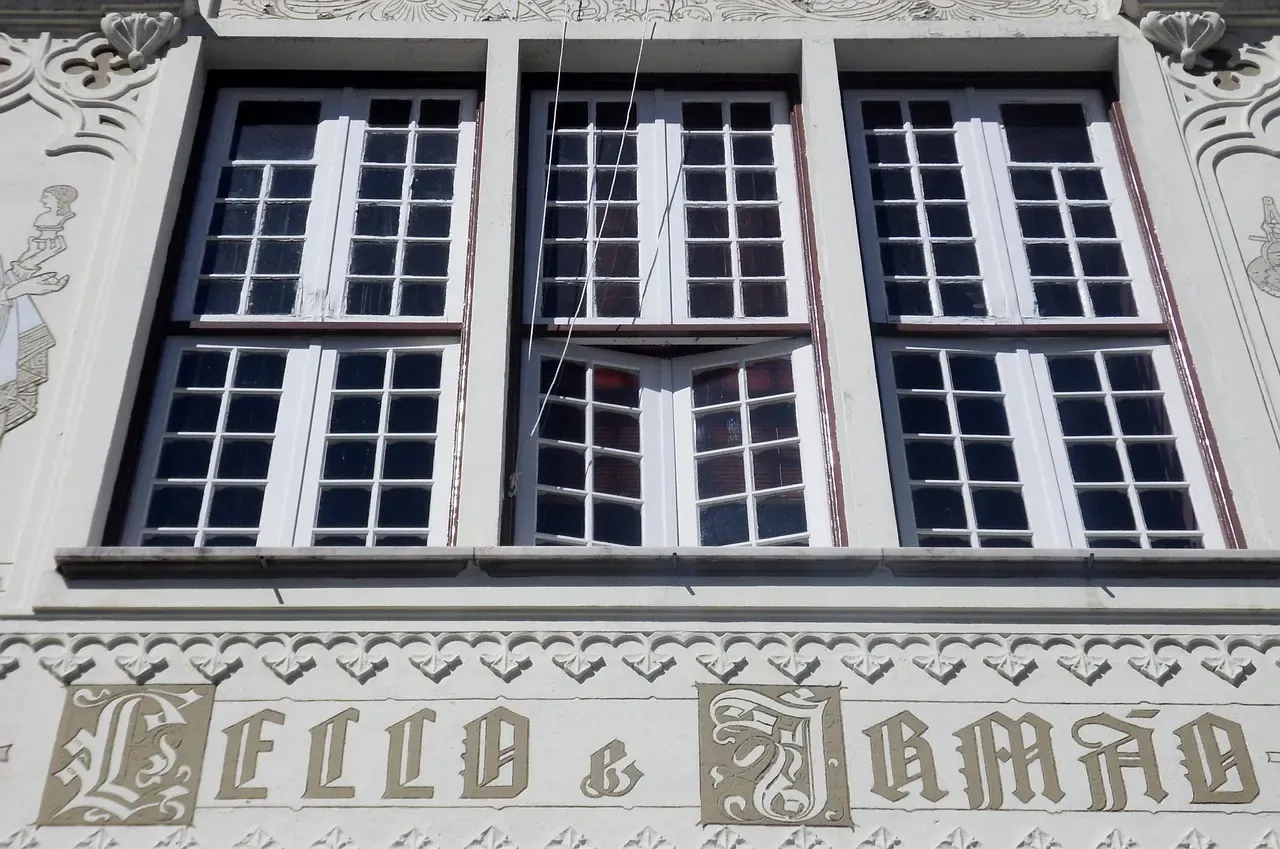
Livraria Lello
A bookshop trading in the same neo-Gothic building since 1906, routinely ranked among the finest in the world.
Location: Porto, northern Portugal
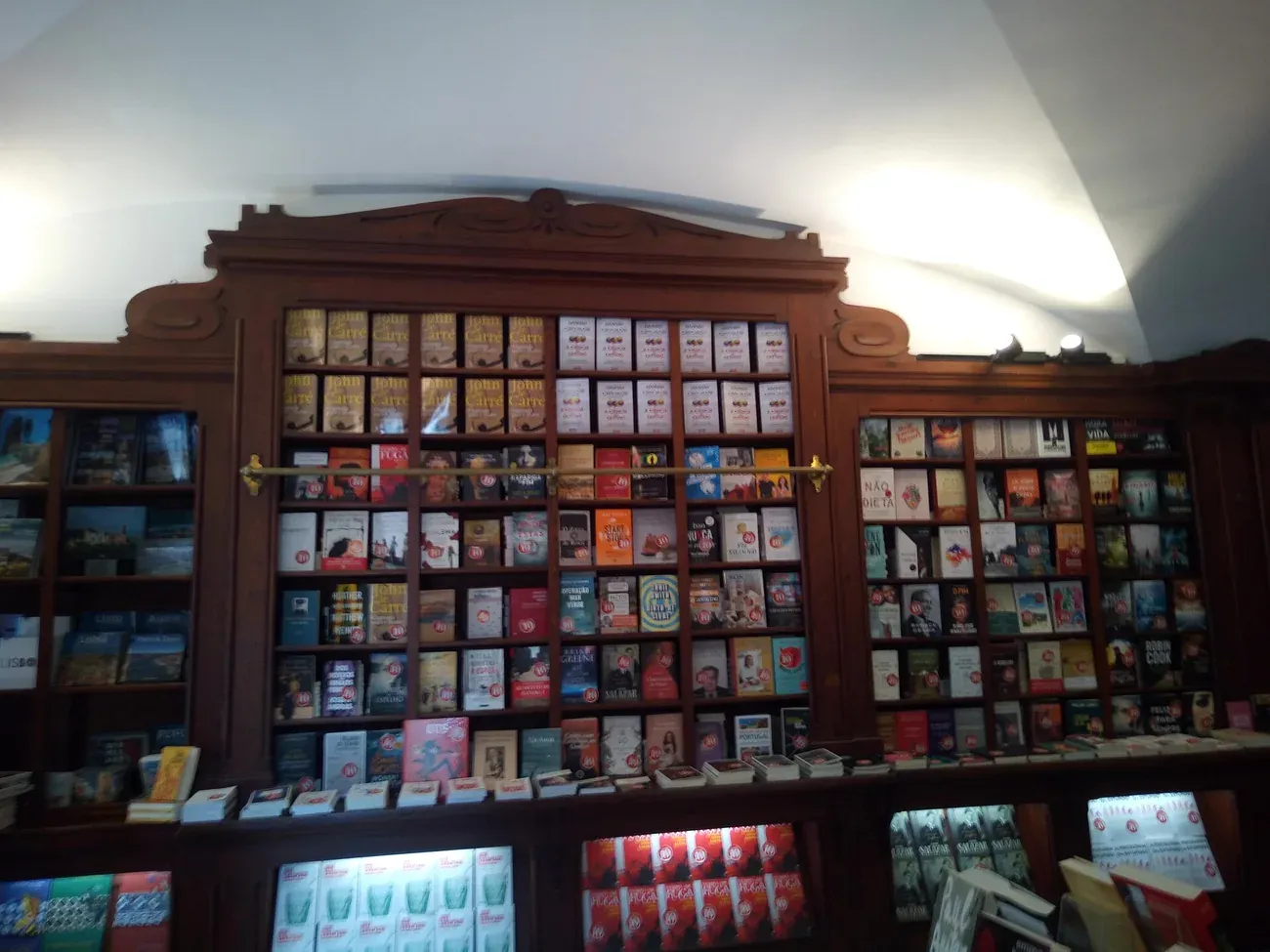
Livraria Bertrand
Open since 1732 and holder of the Guinness record for the oldest bookshop still trading anywhere.
Location: Chiado, Lisbon
Photo: "Inside the Livraria Bertrand in Chiado, Lisbon" by Hugo Ferreira (CC BY-SA 4.0).
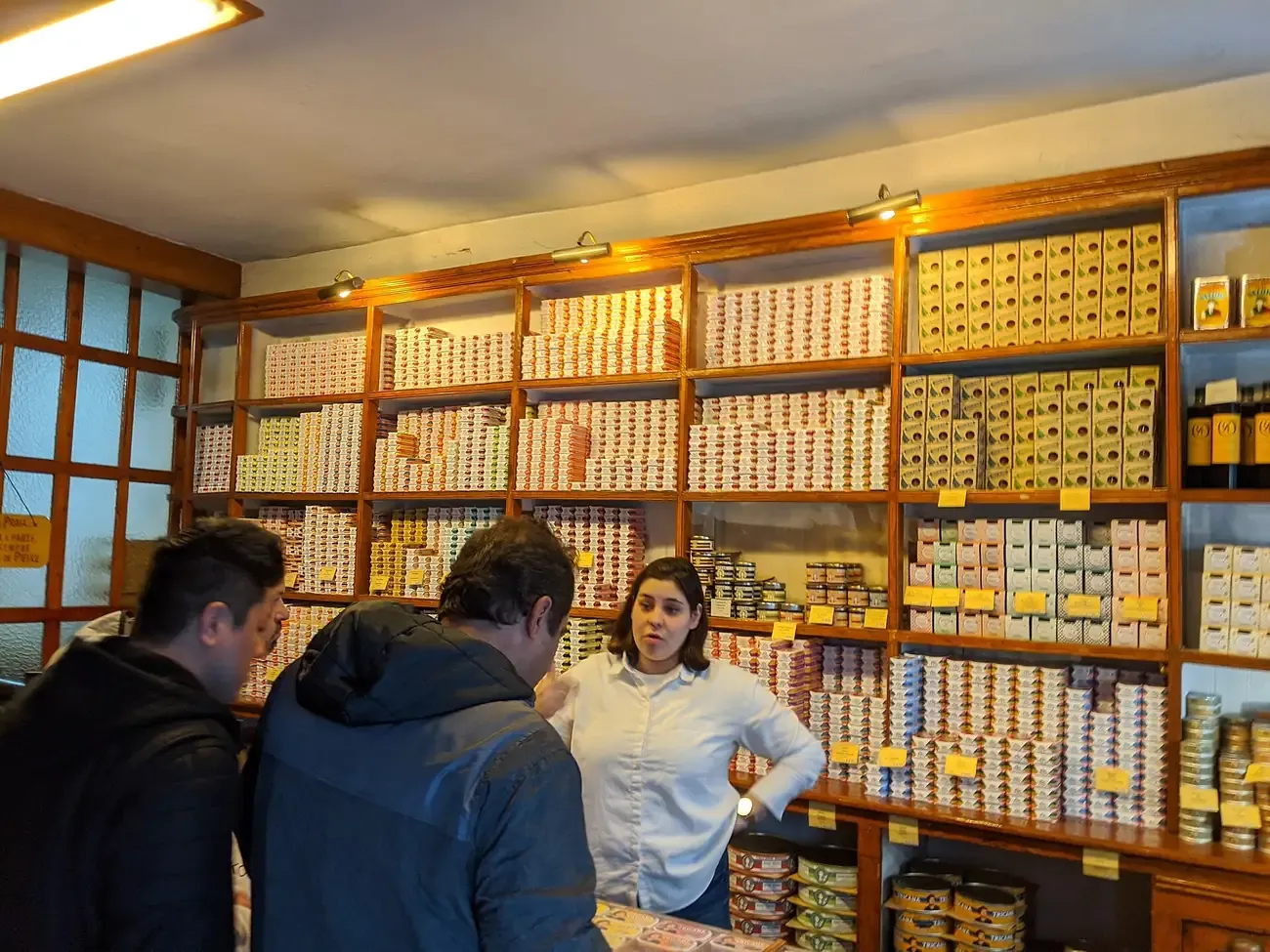
Conserveira de Lisboa
A family tinned fish shop from the 1930s, its wooden shelves stacked with sardines and tuna in retro paper wrappers.
Location: Rua dos Bacalhoeiros, Lisbon
Photo: "Conserveira de Lisboa" by Jeremy Thompson (CC BY 2.0).
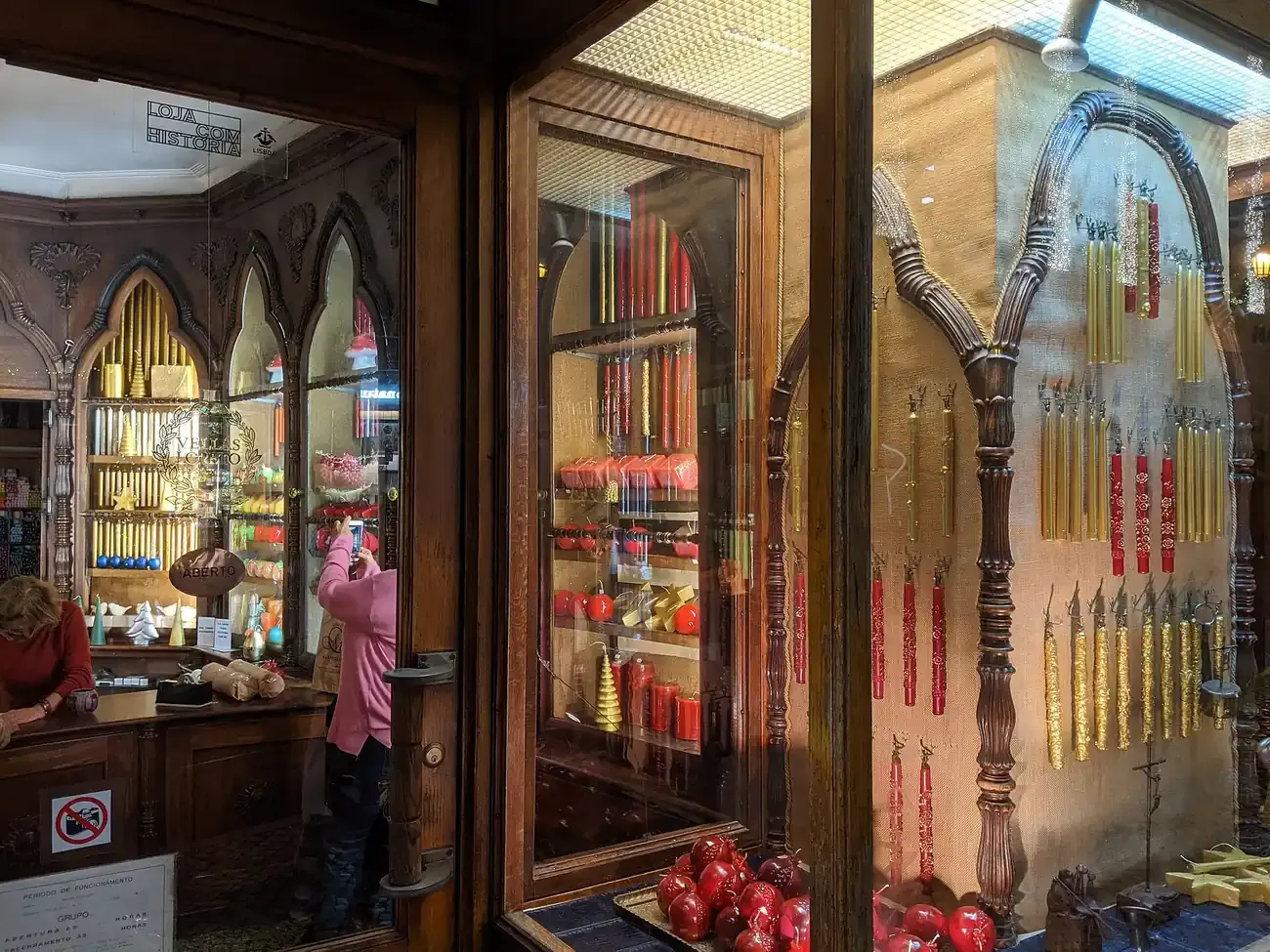
Caza das Vellas Loreto
A candle shop selling from the same panelled room since 1789, run by seven generations of one family.
Location: Rua do Loreto, Lisbon
Photo: "Caza das Vellas Loreto, Lisbon" by Jeremy Thompson (CC BY 2.0).
Romantic palaces and estates in Portugal
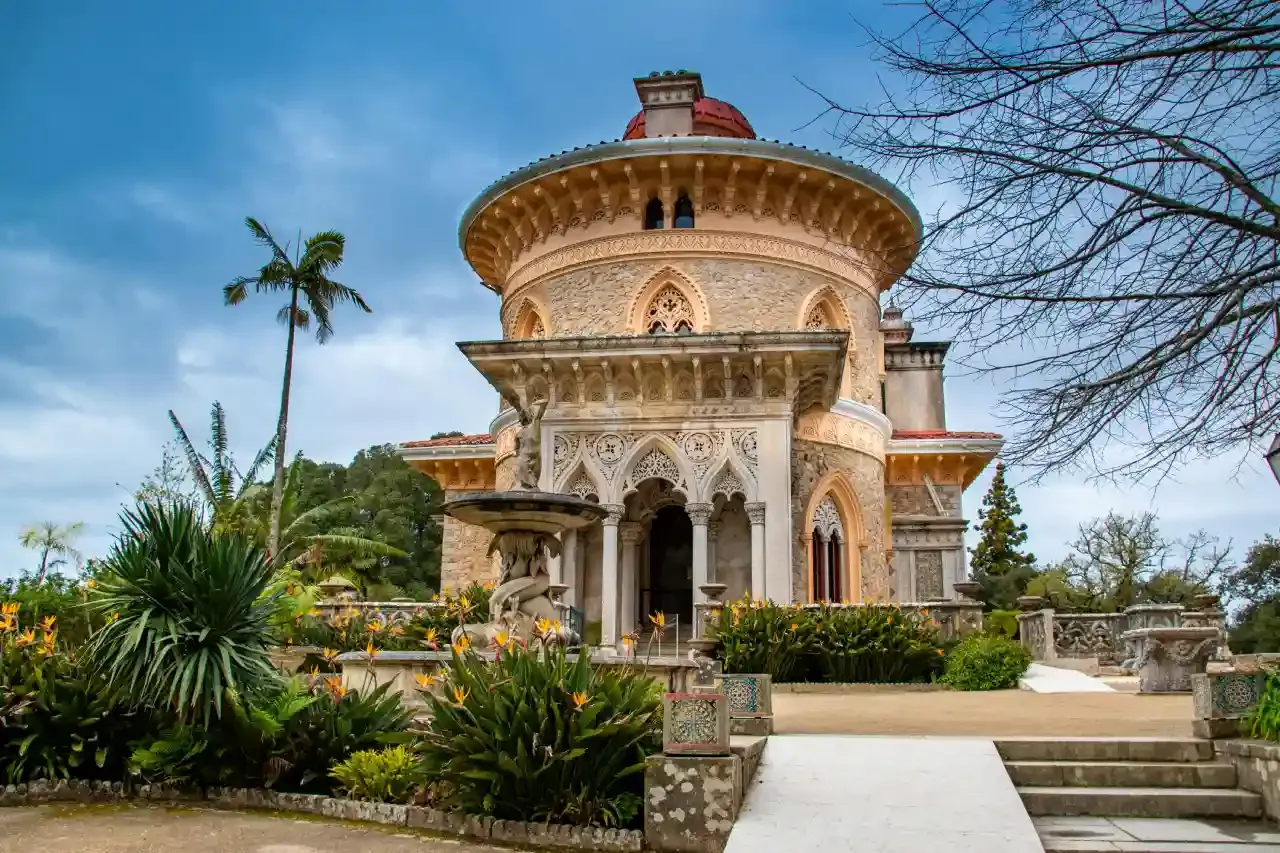
Monserrate Palace
A Moghul-flavoured summer villa set in a botanical park of ferns, palms and lawns laid out by its English owners.
Location: Sintra, west of Lisbon
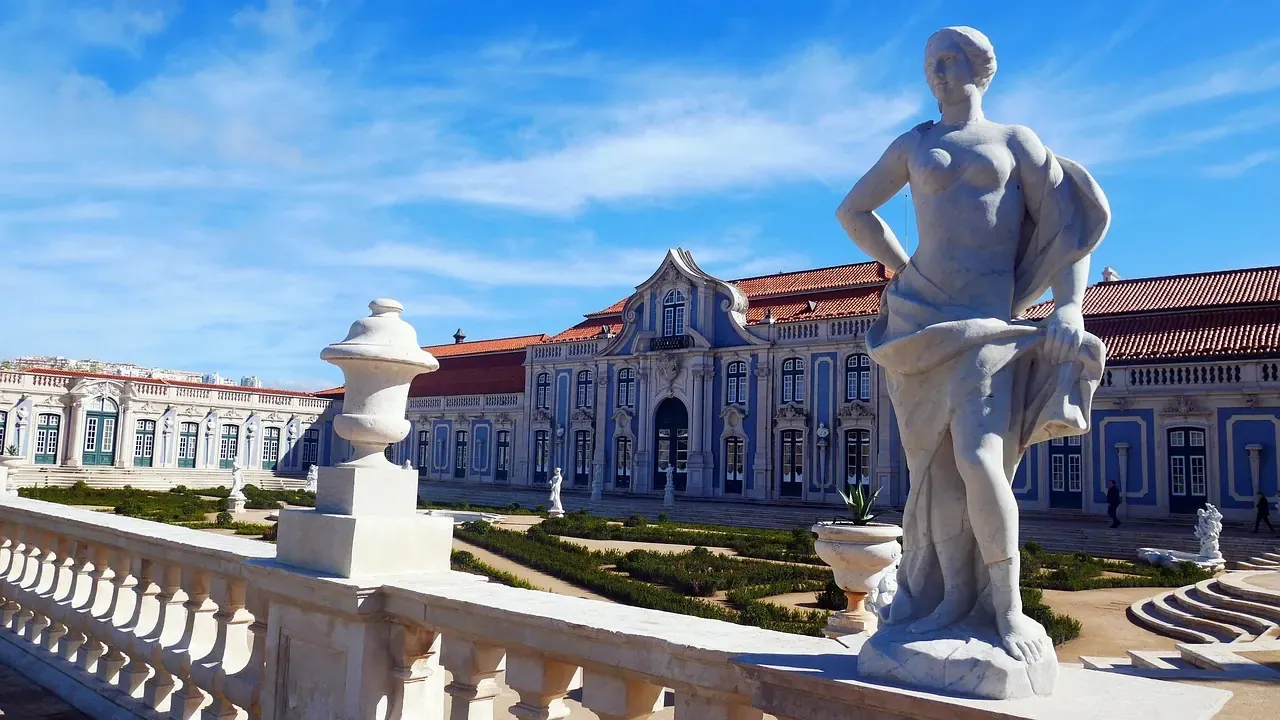
Queluz National Palace
One of the last great rococo palaces built in Europe, begun in 1747 and often called the Portuguese Versailles.
Location: Queluz, Sintra municipality
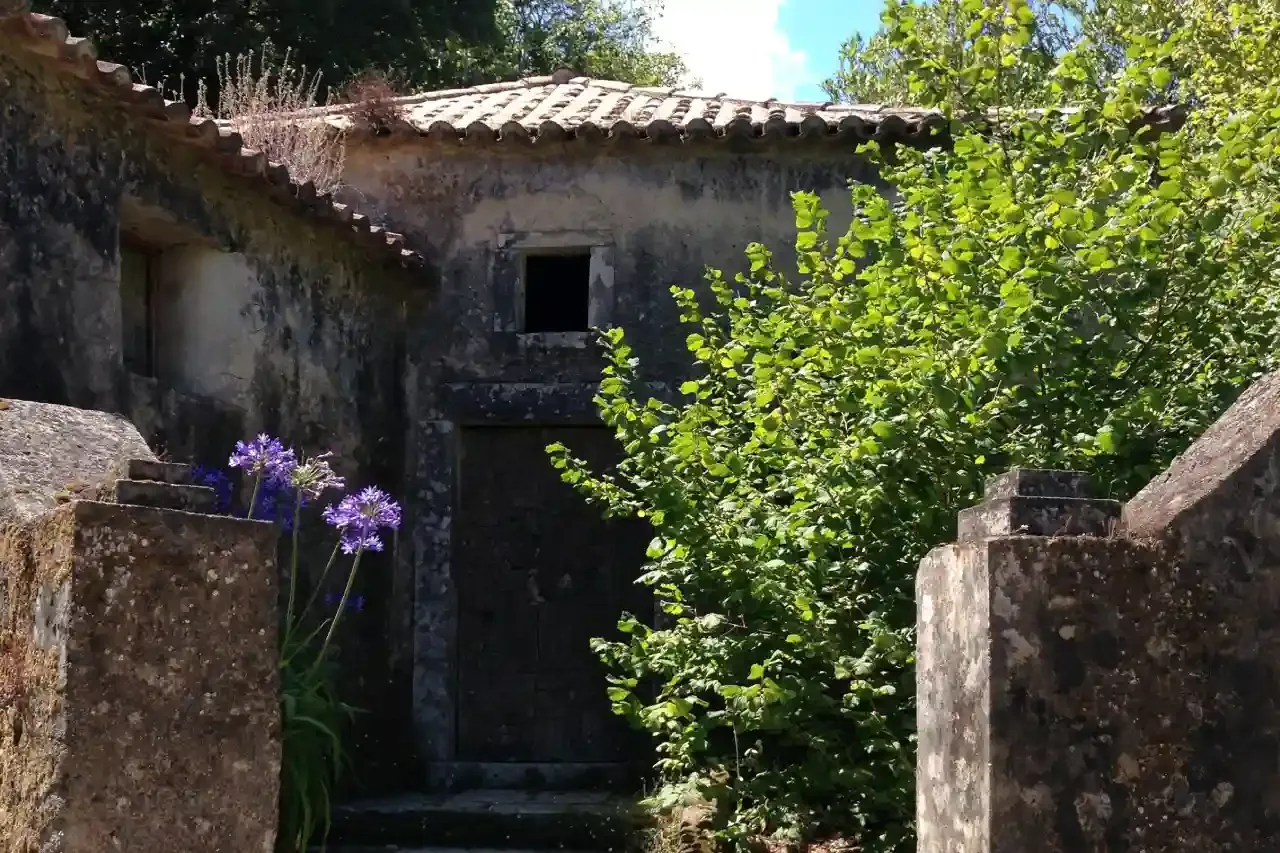
Convento dos Capuchos
Friars lined their cells with cork against the damp in this tiny hillside convent, lived in until the religious orders were dissolved.
Location: Serra de Sintra
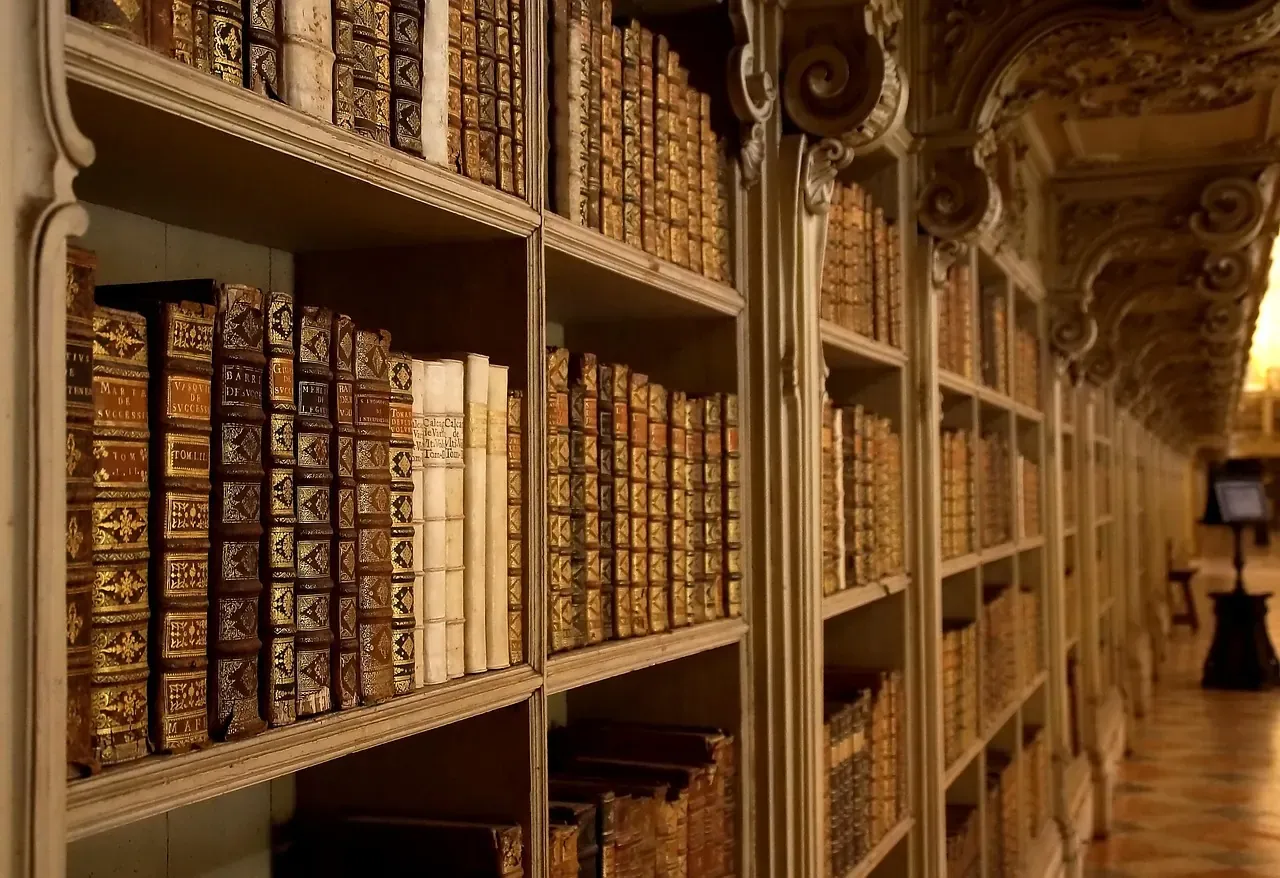
Mafra Palace Library
Rococo shelves holding tens of thousands of old volumes, patrolled at night by a resident colony of insect-eating bats.
Location: Mafra, north west of Lisbon
Ancient stones and walled towns in Portugal
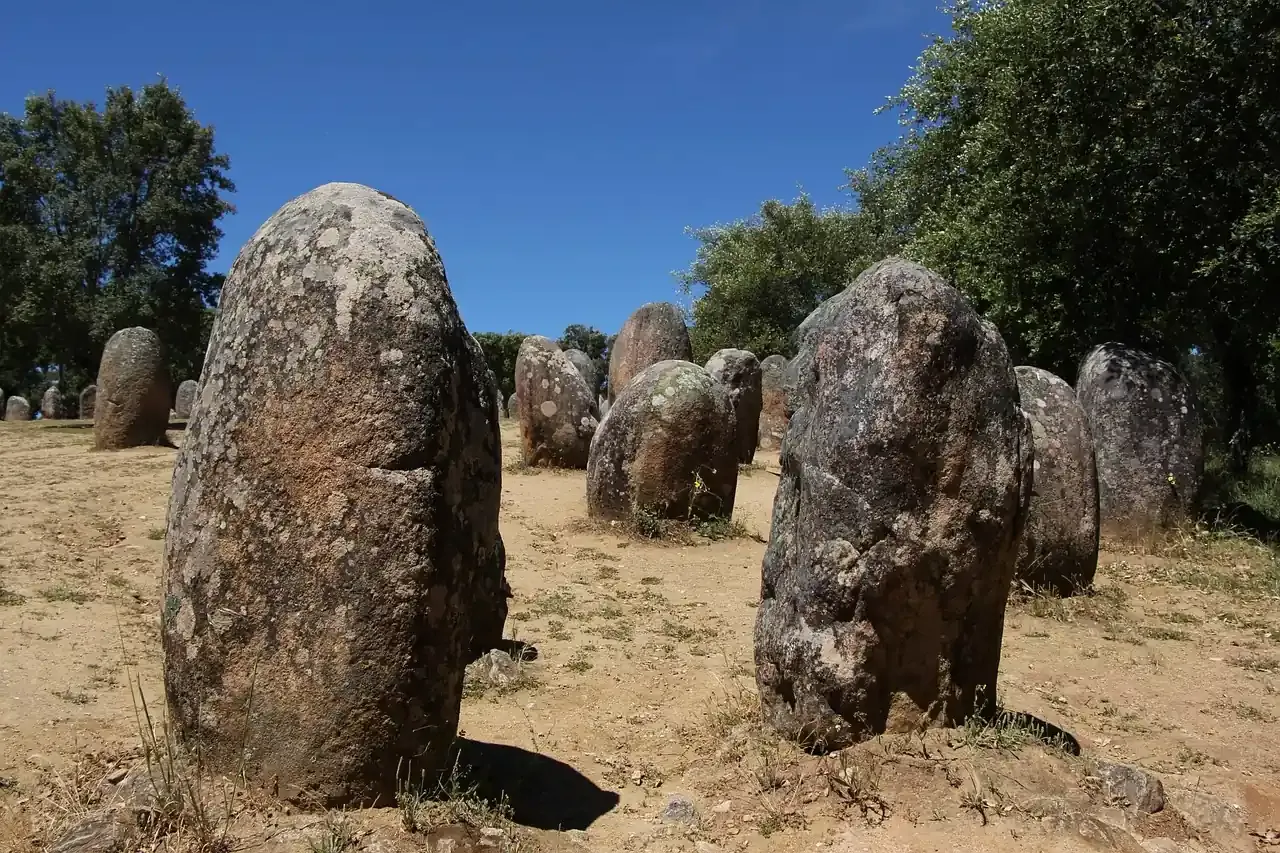
Almendres Cromlech
The largest group of standing stones on the Iberian peninsula, set in cork oak country west of Evora.
Location: Nossa Senhora de Guadalupe, Evora
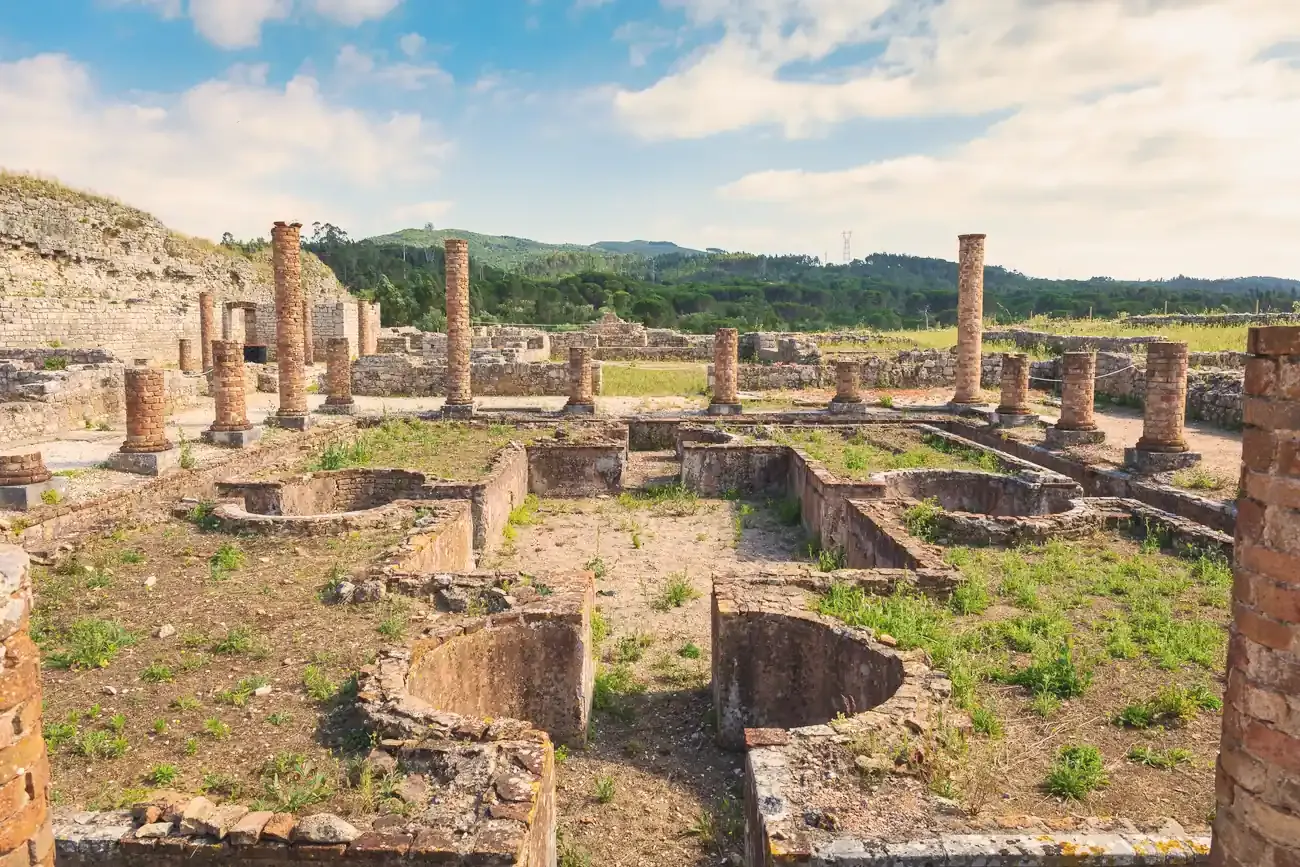
Conimbriga
One of the largest Roman towns excavated in Portugal, with a forum, baths and houses whose mosaic floors survive.
Location: Condeixa-a-Nova, near Coimbra
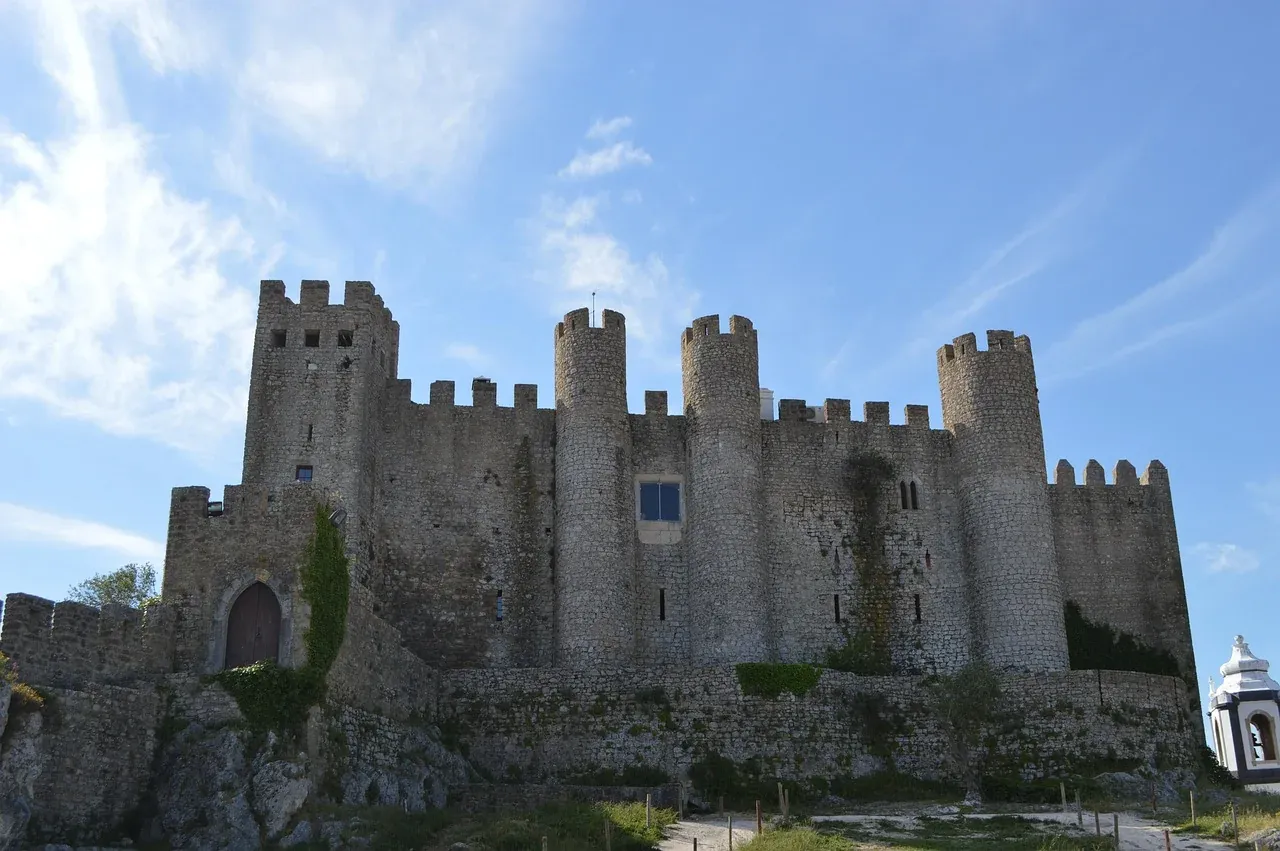
Obidos
A whitewashed medieval town inside a complete circuit of walls, with a castle at one corner and a walkable rampart.
Location: Oeste region, central Portugal
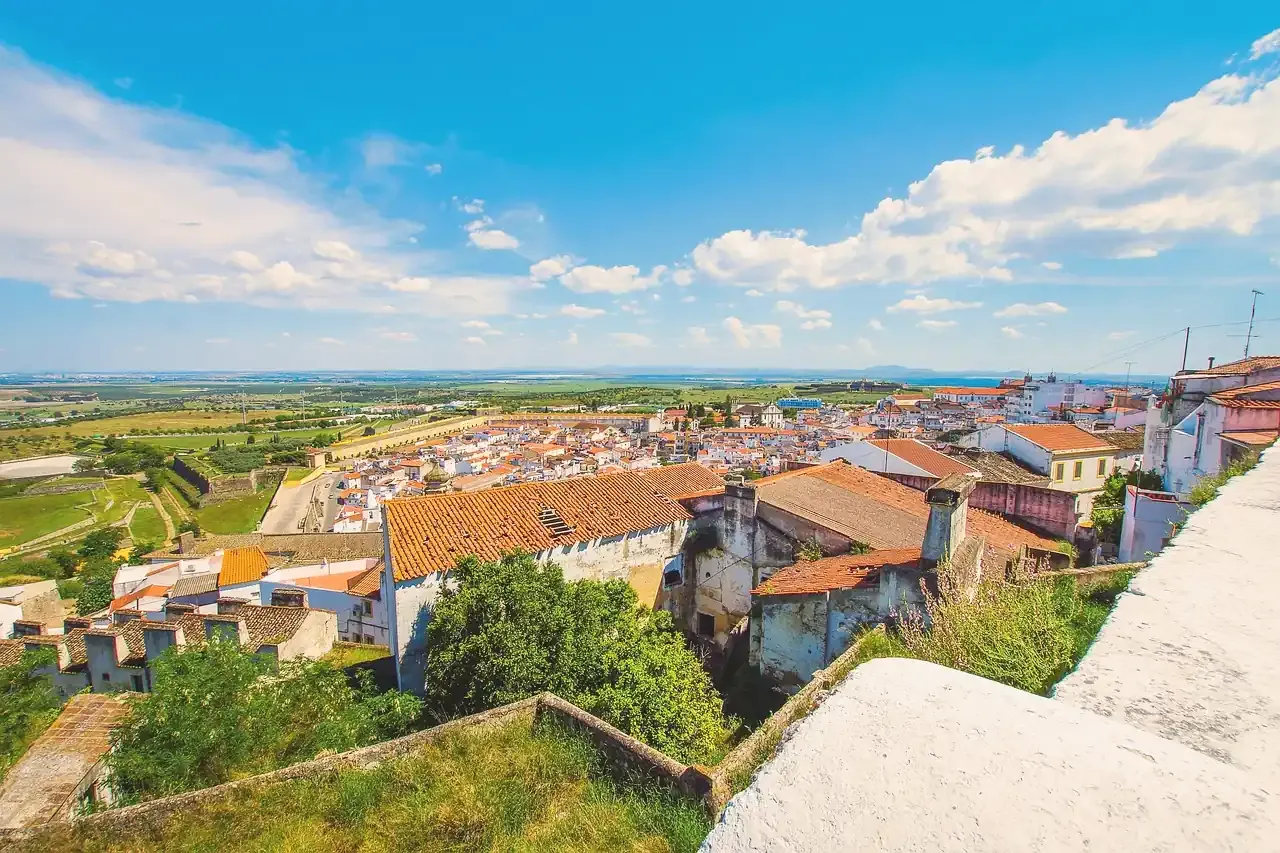
Elvas
A border garrison ringed by the largest bulwarked dry ditch system in the world, fed by a seven kilometre aqueduct.
Location: Elvas, Alto Alentejo, on the Spanish border
More things to do in Portugal
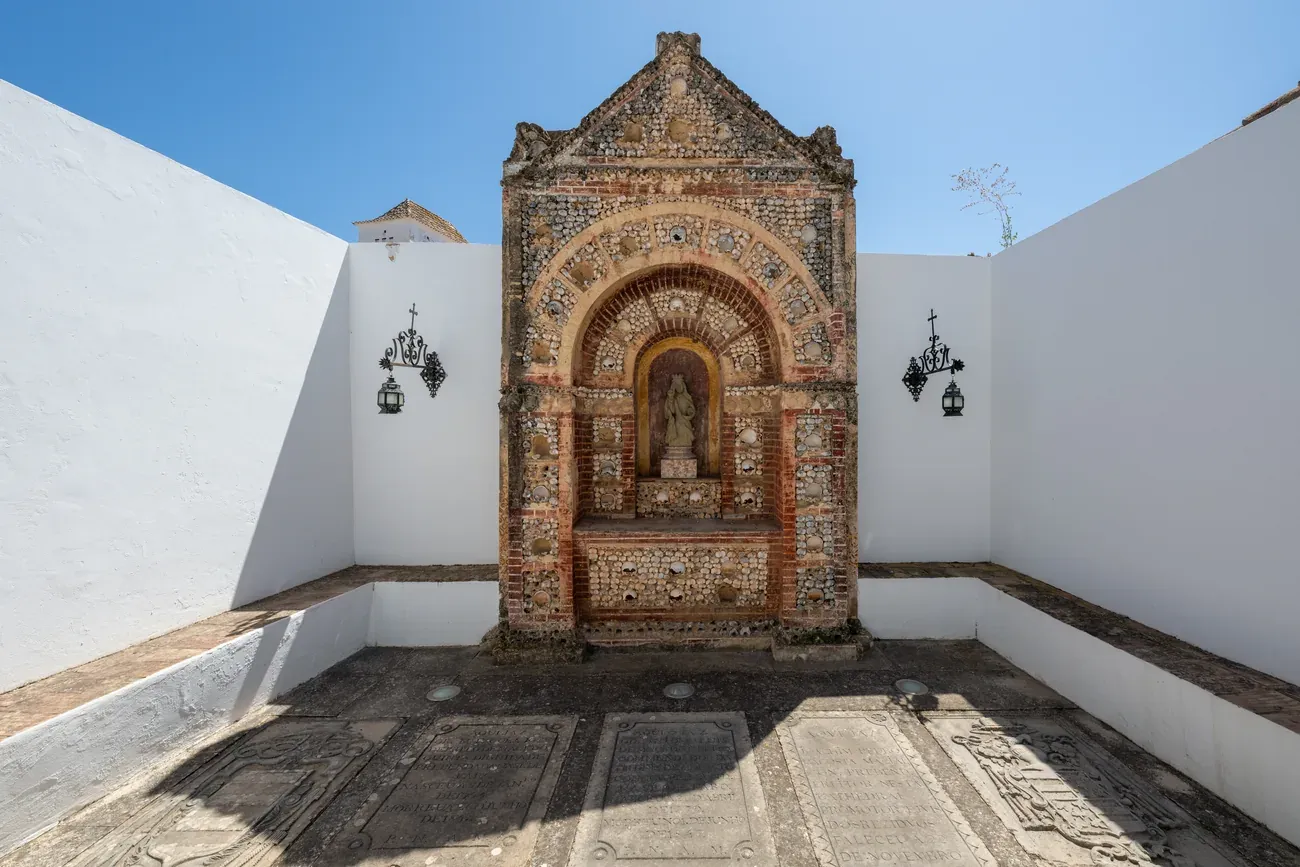
Capela dos Ossos
A small chapel behind the Carmo church whose walls are lined with the skulls and bones of long dead friars.
Location: Largo do Carmo, Faro
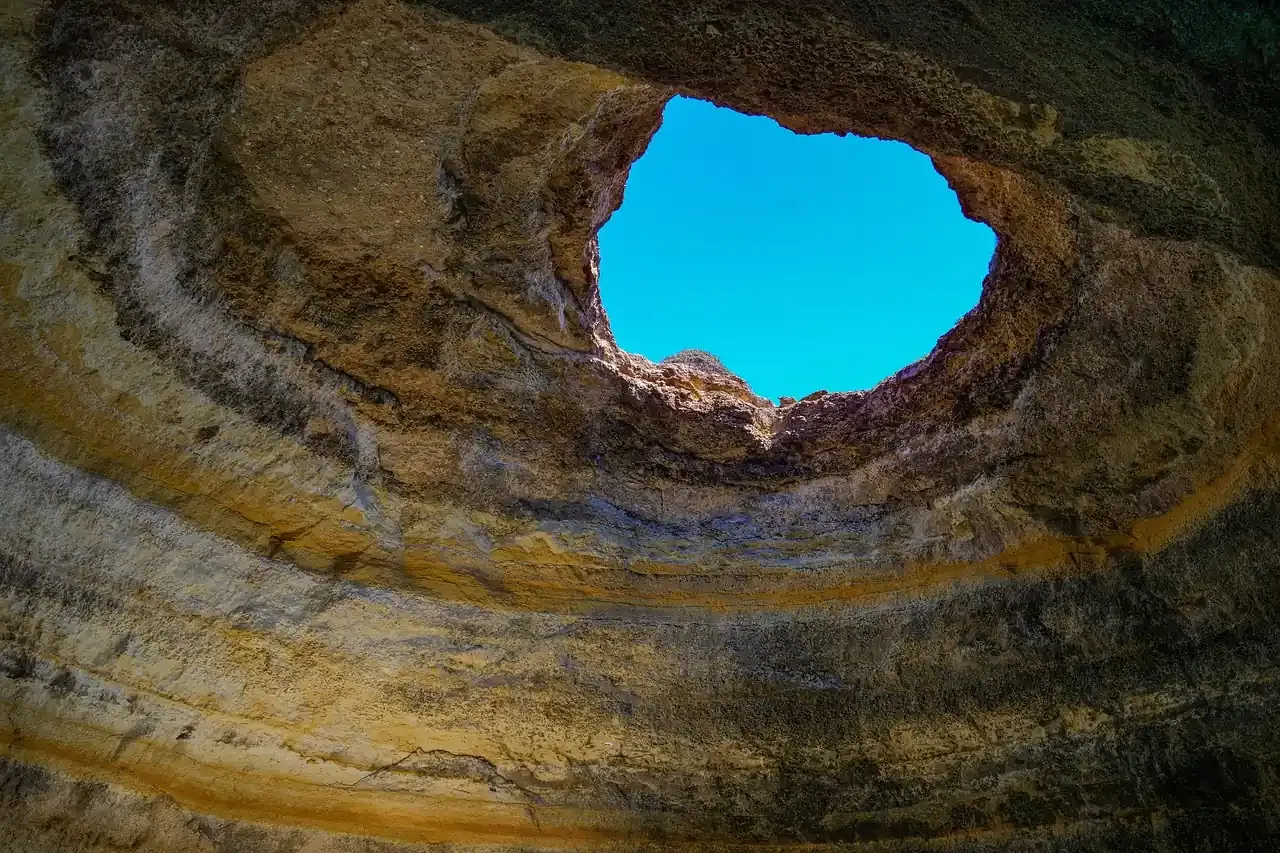
Benagil sea cave
The one Algarve sea cave worn open from above as well as the side, so daylight drops through the roof onto a hidden beach.
Location: Lagoa, central Algarve
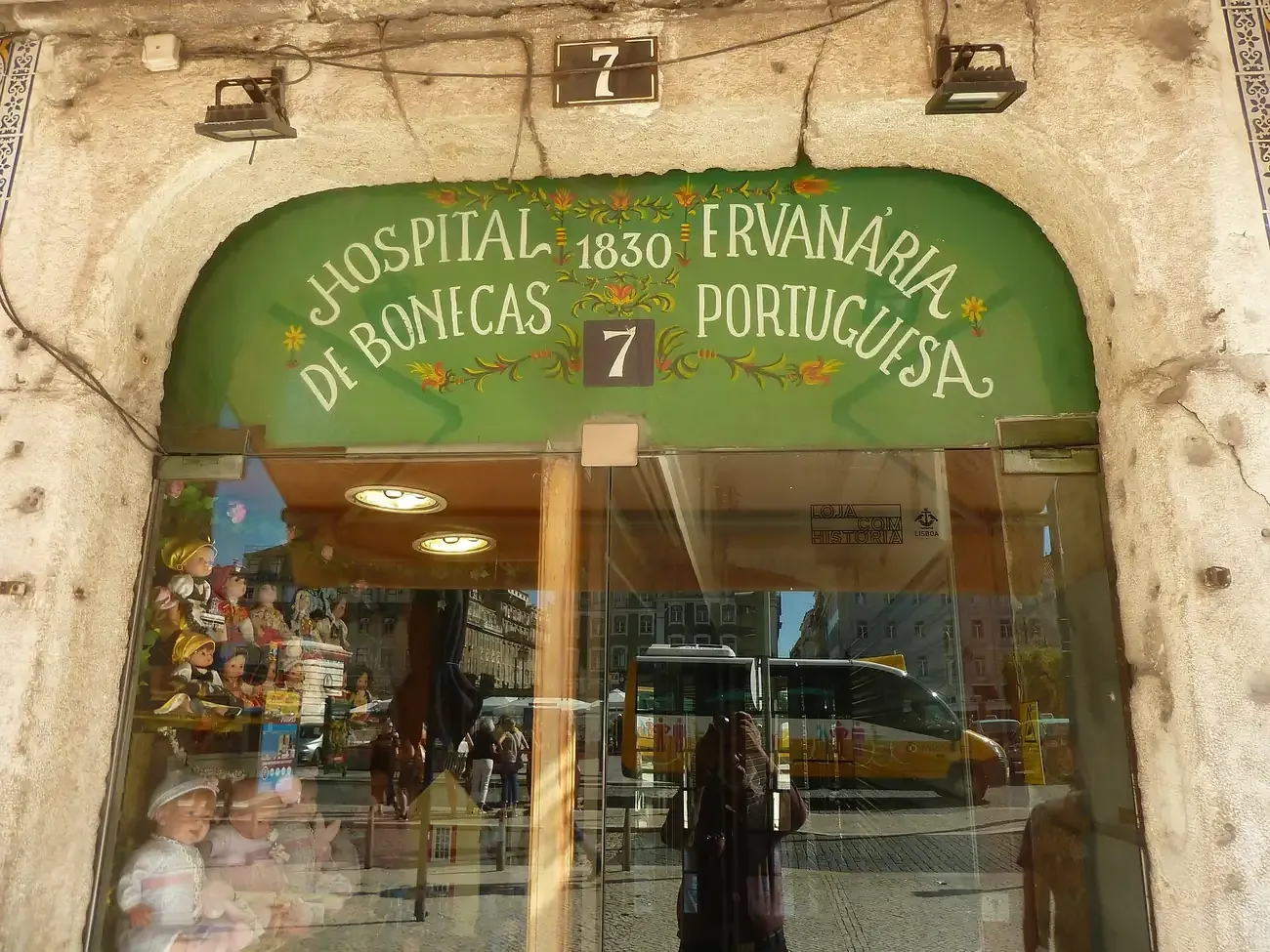
Hospital de Bonecas
A doll hospital mending broken toys on the same square since 1830, with a small museum of patients upstairs.
Location: Praca da Figueira, Lisbon
Photo: "The Hospital de Bonecas shopfront in Lisbon" by Fredericknoronha (CC BY-SA 4.0).
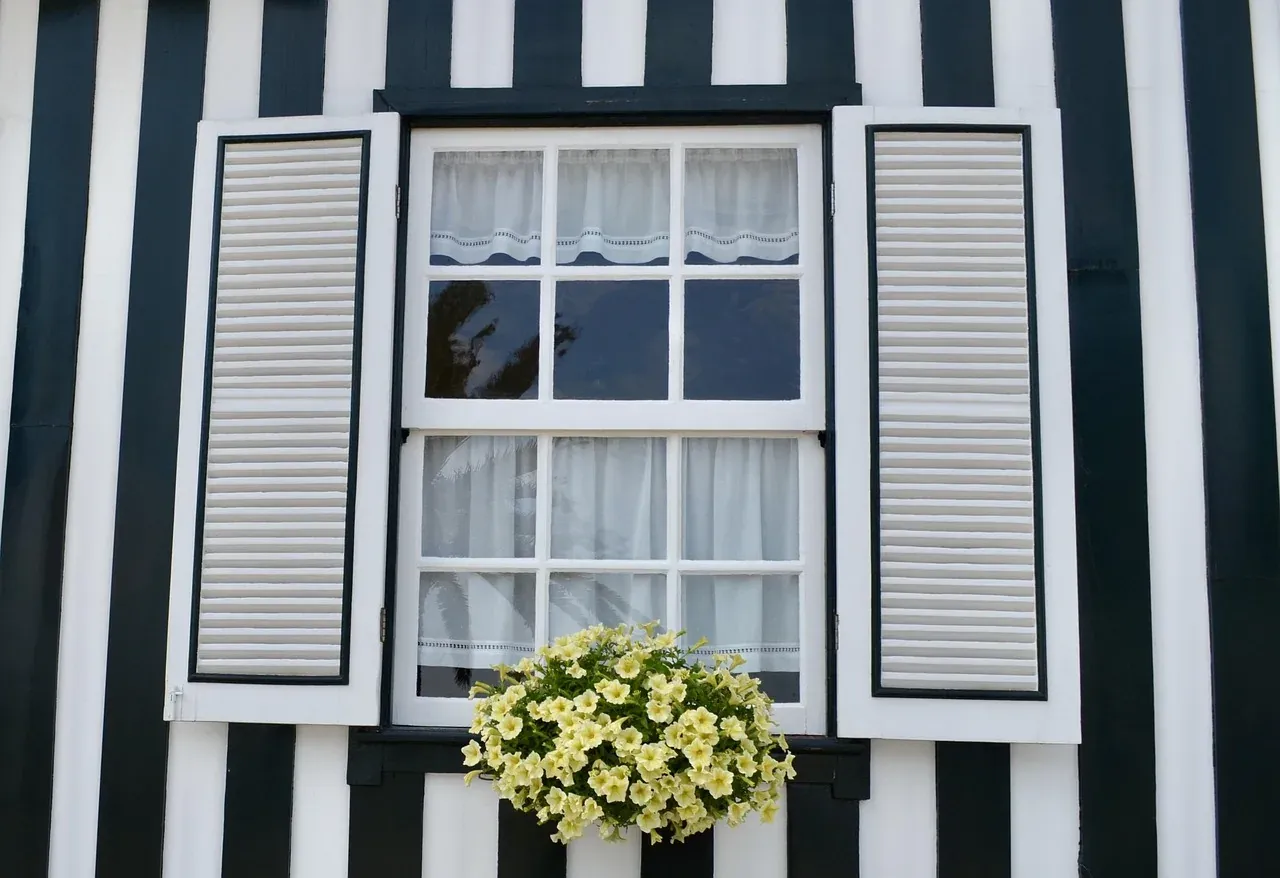
Costa Nova palheiros
Nineteenth century fishermen's stores painted in bold stripes, lined along the Mira channel of the Aveiro lagoon.
Location: Costa Nova, Ilhavo
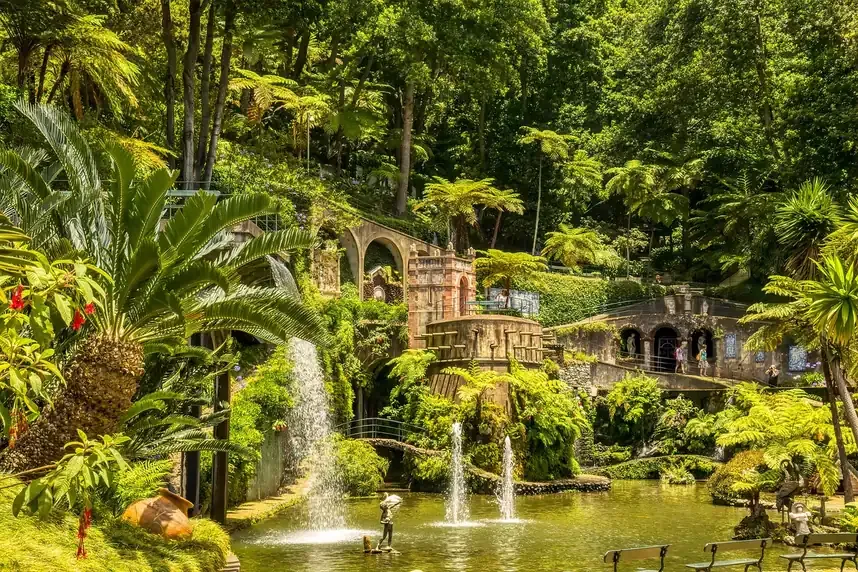
Monte Palace Tropical Garden
Seven hectares of oriental gardens, tiled panels and koi ponds dropping down a slope above the bay.
Location: Monte, above Funchal on Madeira
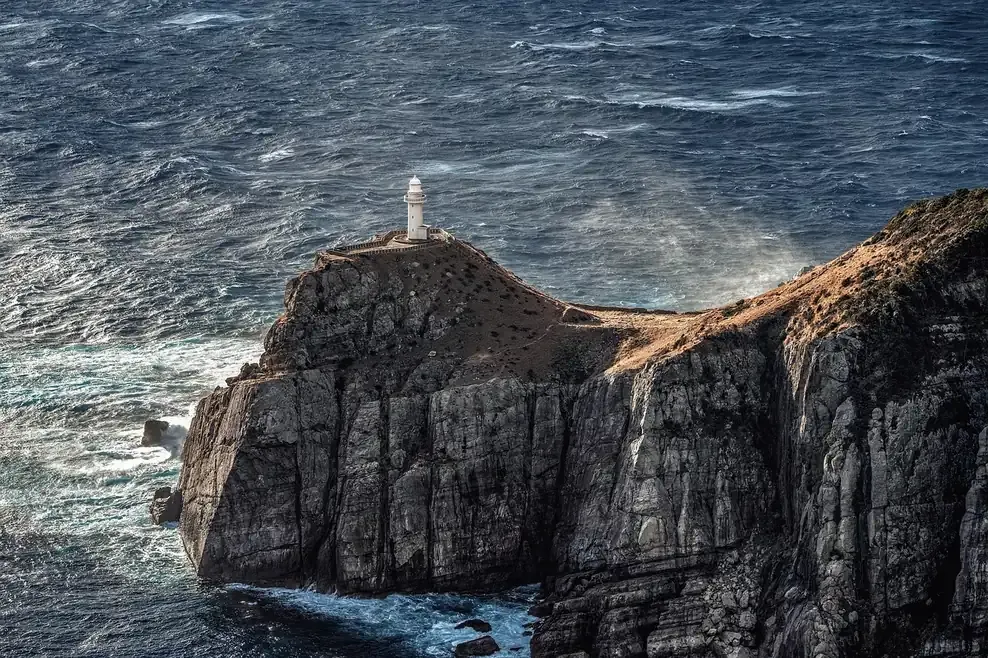
Praia do Norte
A submarine canyon within a kilometre of the shore funnels swell into the biggest surfable waves on record.
Location: Nazare, Silver Coast
What makes Portugal worth visiting
Portugal packs an unusual amount of variety into a small corner of Europe. The north is green, granite and steep, with Porto stacked above the Douro and wine terraces climbing the valley behind it. The centre holds the monastery towns and the old university at Coimbra. The Alentejo flattens into cork oak and wheat around Evora, and then the land runs out in the Algarve, where the cliffs turn gold and the water finally warms up.
Distances stay short enough to keep all of that reachable. Fast trains connect Lisbon and Porto, motorways run the length of the country, and both archipelagos, Madeira and the Azores, are a short flight from either city. Seventeen UNESCO properties are scattered across that map, from the Alto Douro vineyards to the laurel forest of Madeira, and most of them sit outside the two big cities.
Seasons matter. Spring and early autumn bring warm, mostly dry days and workable queues at the palaces, while July and August push well past thirty degrees inland and fill the southern beaches. Winter stays mild near the coast, wet and windy elsewhere, and it is when the Atlantic swell arrives at Nazare. Food follows the same logic as the landscape: salt cod and sardines on the coast, slow boiled meats inland, and custard tarts everywhere. Cabo da Roca, west of Lisbon, marks the westernmost point of mainland Europe, a fitting bookend to a tour of the best tourist attractions in Europe.