Must-see tourist attractions in Faro
Start with Arco da Vila, Faro Cathedral and Municipal Museum of Faro, the tourist attractions in Faro that set the pace of the one day itinerary below. Further down come 8 more sights, free things to do and visitor FAQs.
Why Faro deserves your time
Faro is the Algarve's regional capital and the region's main airport, so most visitors to the coast pass through it without stopping. That is the region's loss: behind the airport transfers sits a walled old town, a working fishing and produce market and a lagoon that most beach resorts along the coast can only look at from a distance. Outside the peak summer months, when the beach crowds thin out, Faro reverts to the quiet, small-scale city Wikivoyage describes as a convenient stop between Lisbon and Seville.
The old town and the waterfront
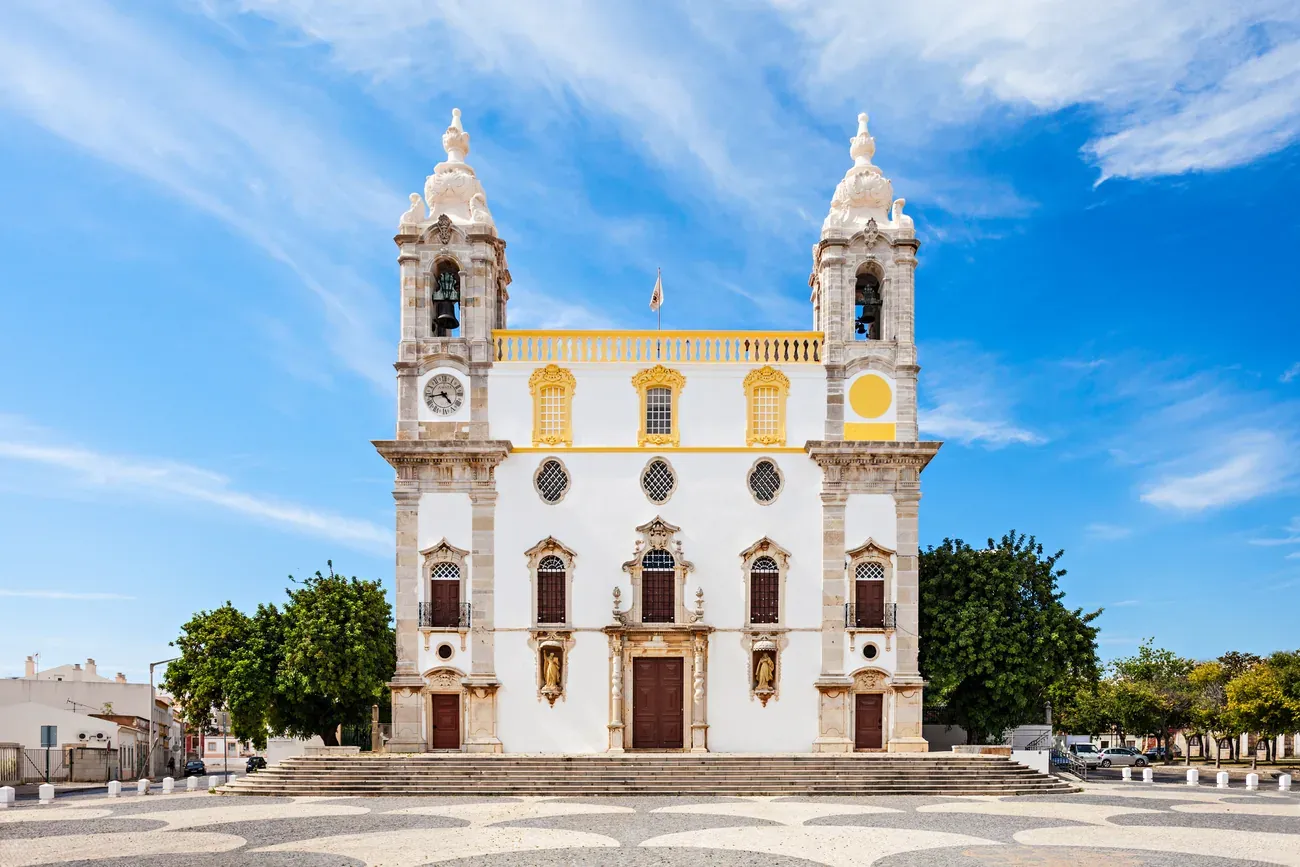
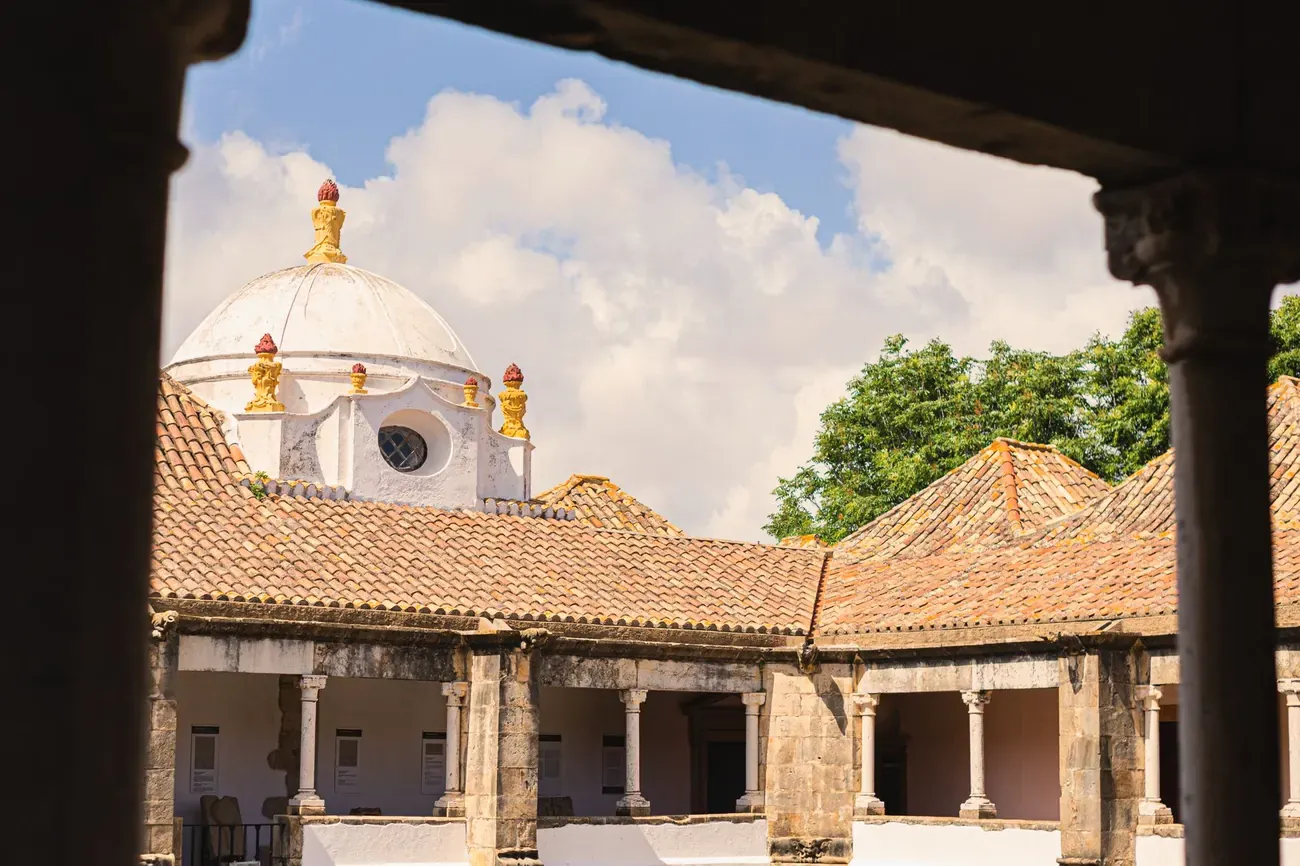
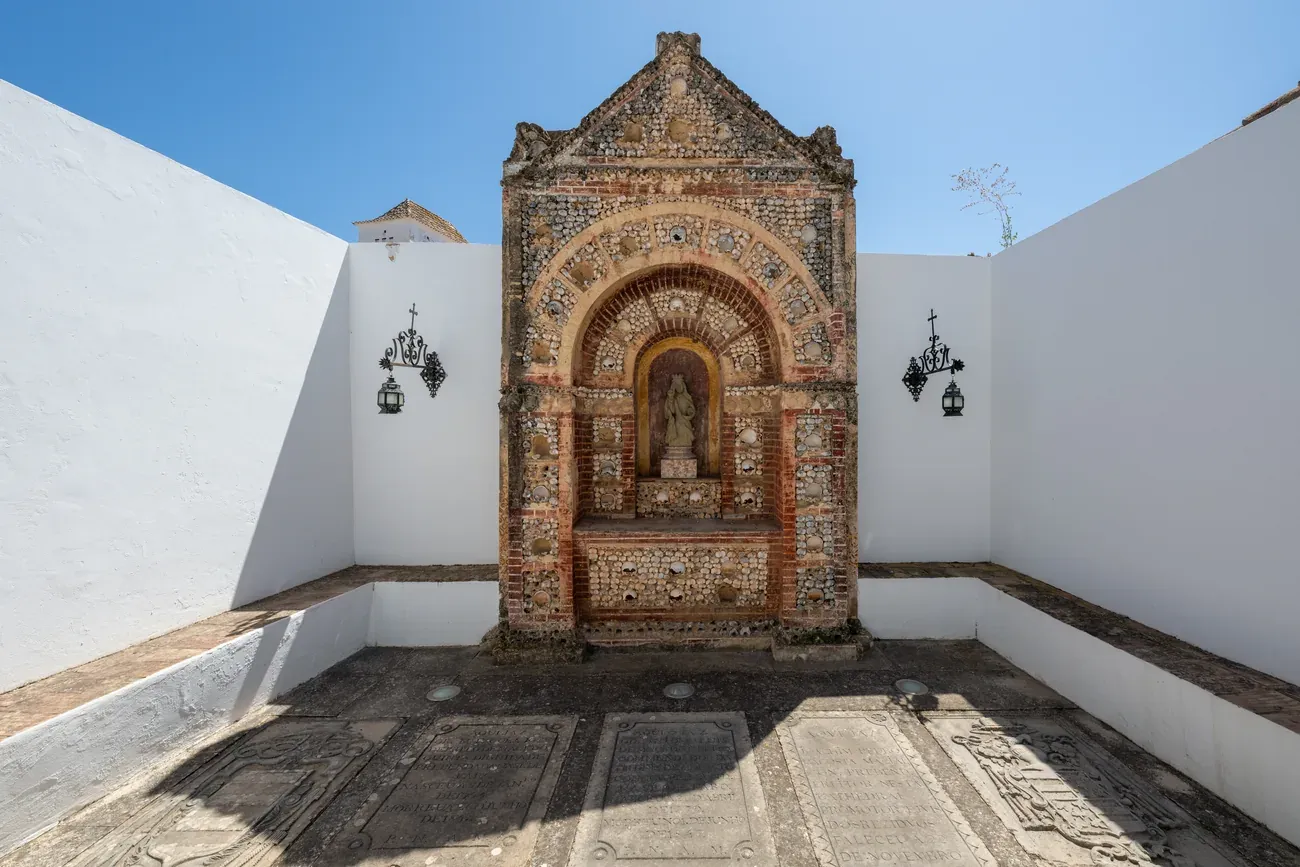
Cidade Velha, the oval walled centre entered through Arco da Vila, holds the Sé Cathedral, the Carmo church and the Capela dos Ossos within a few minutes' walk of each other. Just outside the walls, Jardim Manuel Bívar and the marina open onto the Ria Formosa, with the municipal market a short walk further along the water. Newer streets north and east of the walls hold Teatro Lethes and the everyday shops and cafes of a working city rather than a resort. Among them stands the Capela dos Ossos behind the Carmo church, one of the stranger tourist attractions in Portugal.
When to go and how long to stay
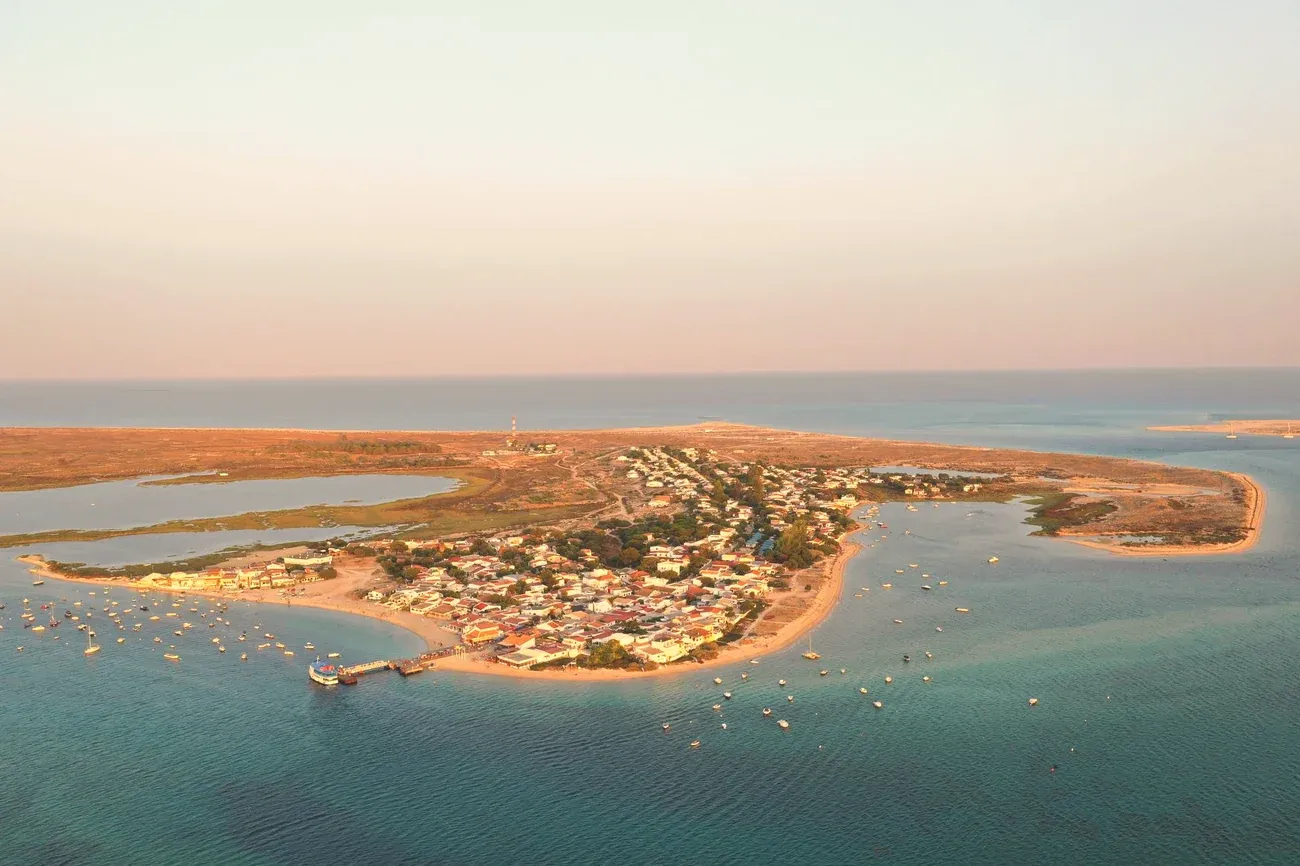
Spring and autumn bring milder, quieter days than the height of summer, when the coast around Faro fills with holidaymakers heading further along the Algarve. A single day covers the old town's monuments and the waterfront at an easy pace; a second day allows for a boat trip out to the Ria Formosa's barrier islands or a half-day excursion to a nearby town.
Getting around
The old town and the marina are entirely walkable, and the railway station lies a short walk northwest of the centre, with services along the Algarve line towards Lagos and east towards the Spanish border via Tavira. Local buses 14 and 16 connect the centre with the airport and Praia de Faro, and boats to the Ria Formosa's islands leave from the marina depending on the season.