
Tourist attractions in Spain
Known for
Moorish palaces, Gaudí's Modernisme, flamenco and coastlines
Must-see cities
Barcelona, Madrid, Seville and Granada
World Heritage
50 UNESCO properties, from the Alhambra to the aqueduct of Segovia
Getting around
High-speed trains radiate from Madrid
The main tourist attractions in Spain, ranked
The Sagrada Família, the Alhambra and the Mosque-Cathedral of Córdoba lead the tourist attractions in Spain. This guide ranks 12 national sights, then covers the cities worth a stop, 12 more landmarks, tickets, local dishes, 23 hidden gems and visitor FAQs.
Must-see cities in Spain
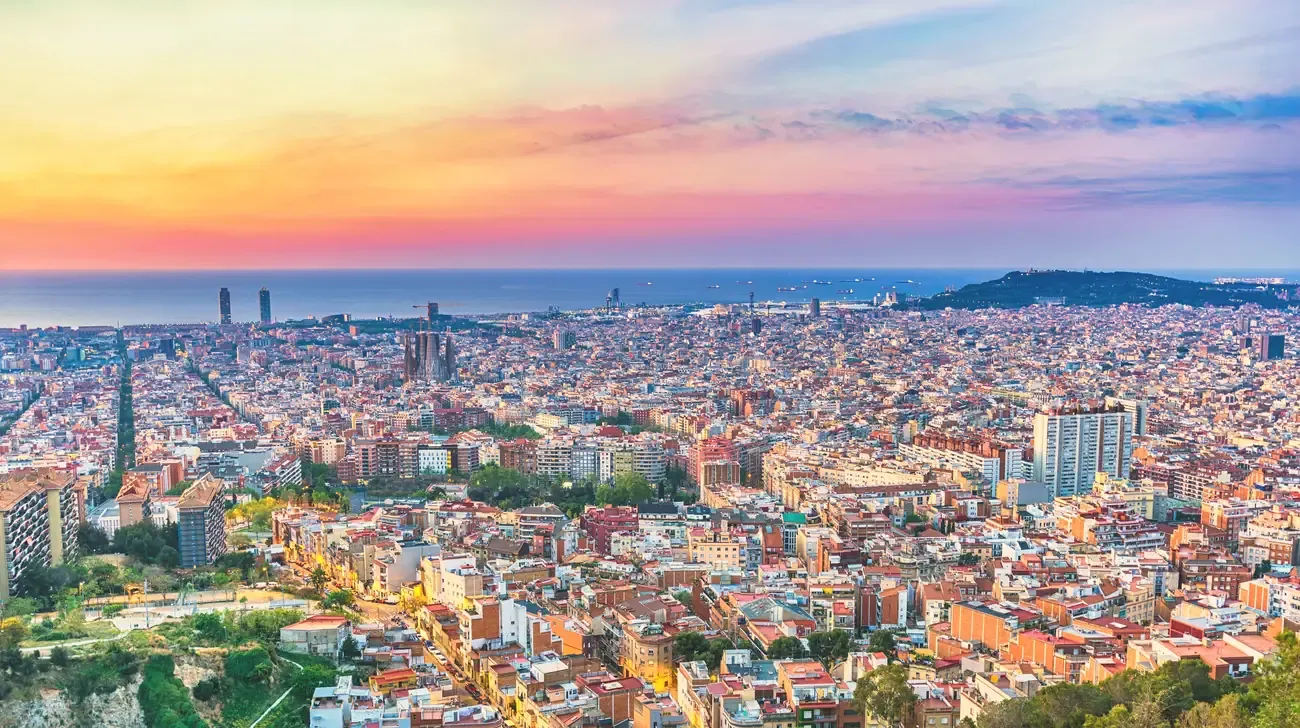
Barcelona
Explore Barcelona in detail Gaudí on every other corner, a Gothic quarter behind it and beaches at the end of the metro line.
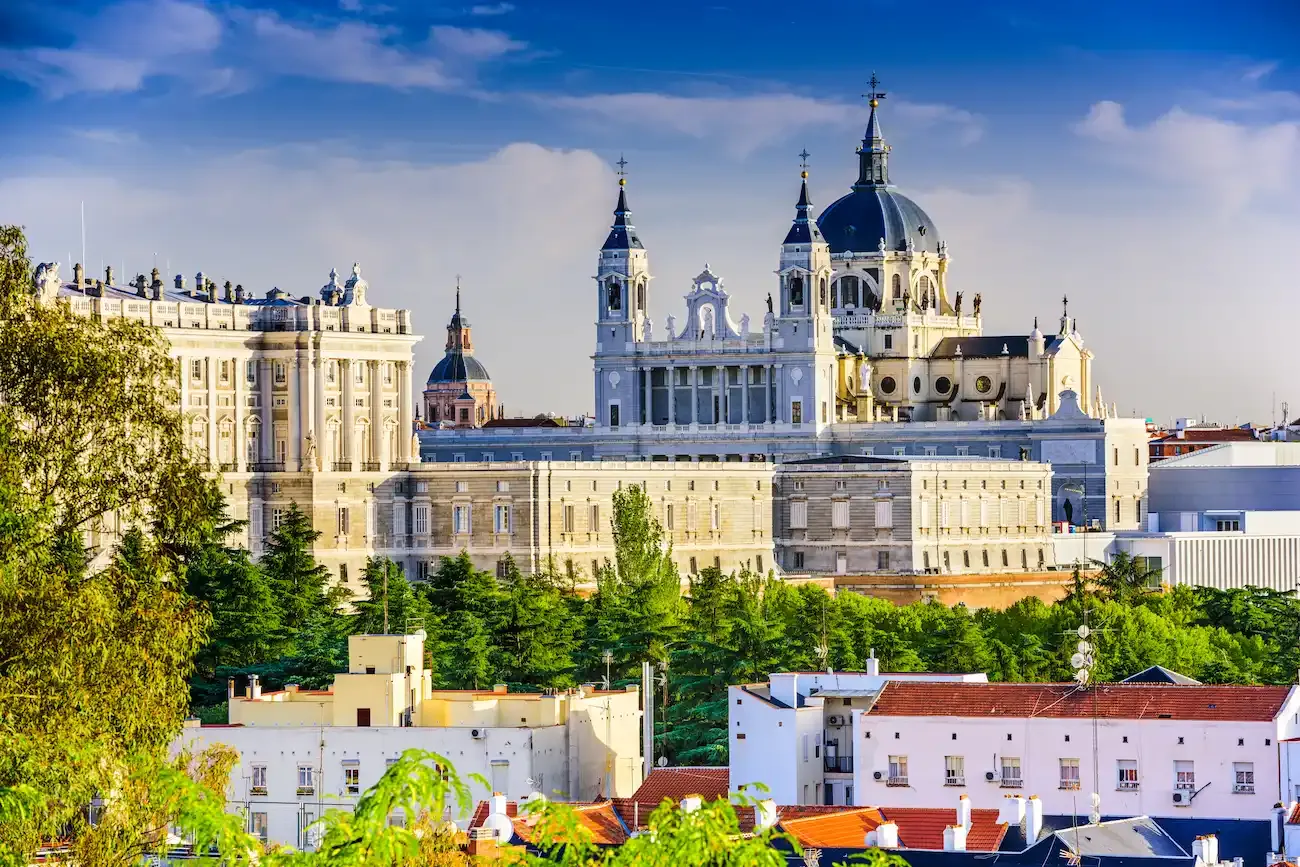
Madrid
Explore Madrid in detail Royal palaces, the Golden Triangle of Art and a dinner hour that starts when others finish.
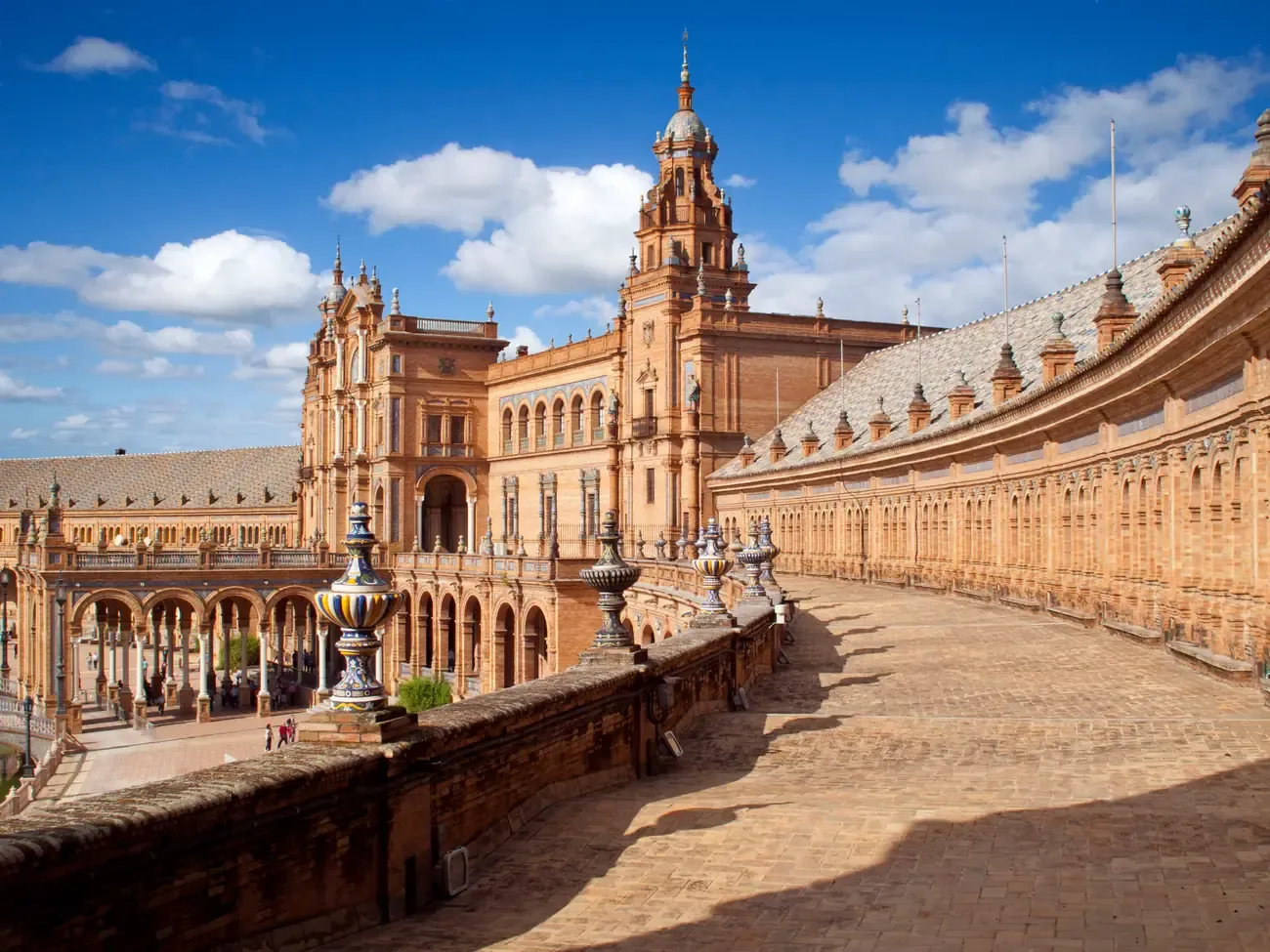
Seville
Explore Seville in detail Andalusia's capital, with orange trees, flamenco bars and the Giralda over the rooftops.
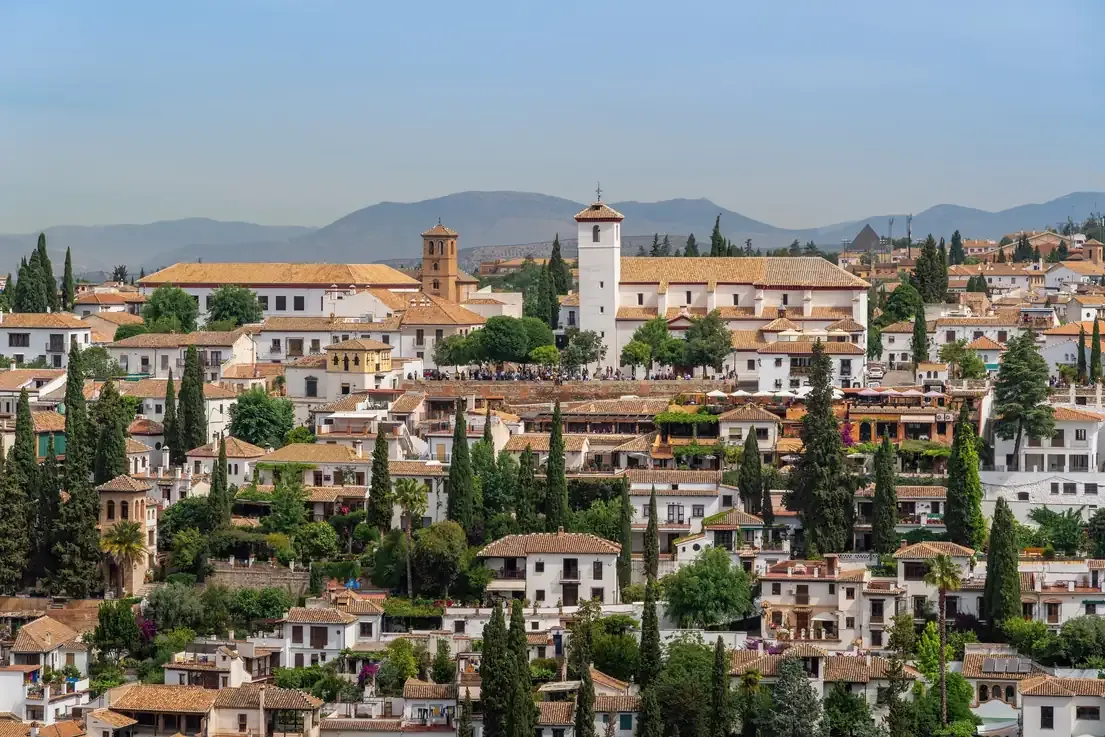
Granada
Explore Granada in detail The Alhambra on one hill, the whitewashed Albaicín on the other and free tapas in between.
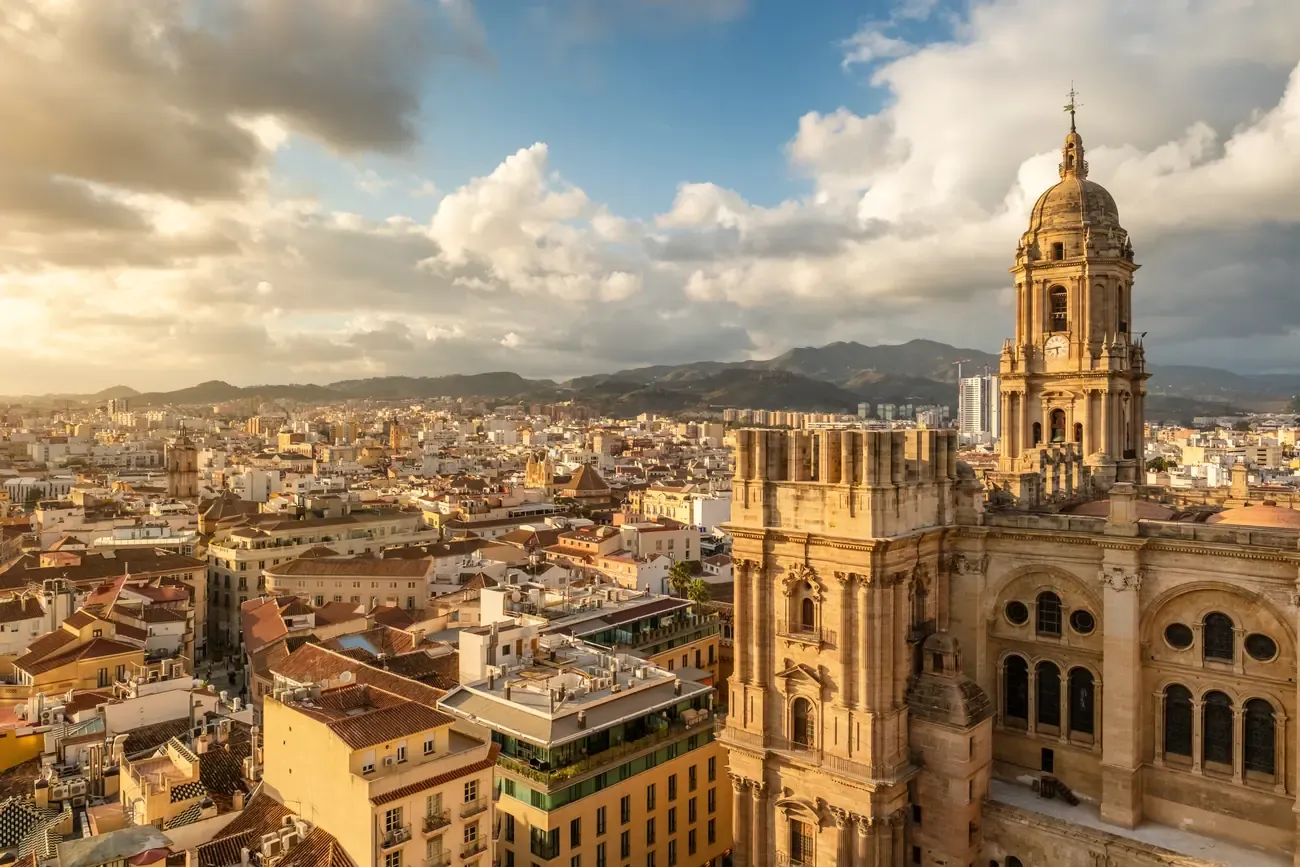
Málaga
Explore Málaga in detail A Moorish fortress above the port, Picasso's birthplace below it and the Costa del Sol either side.
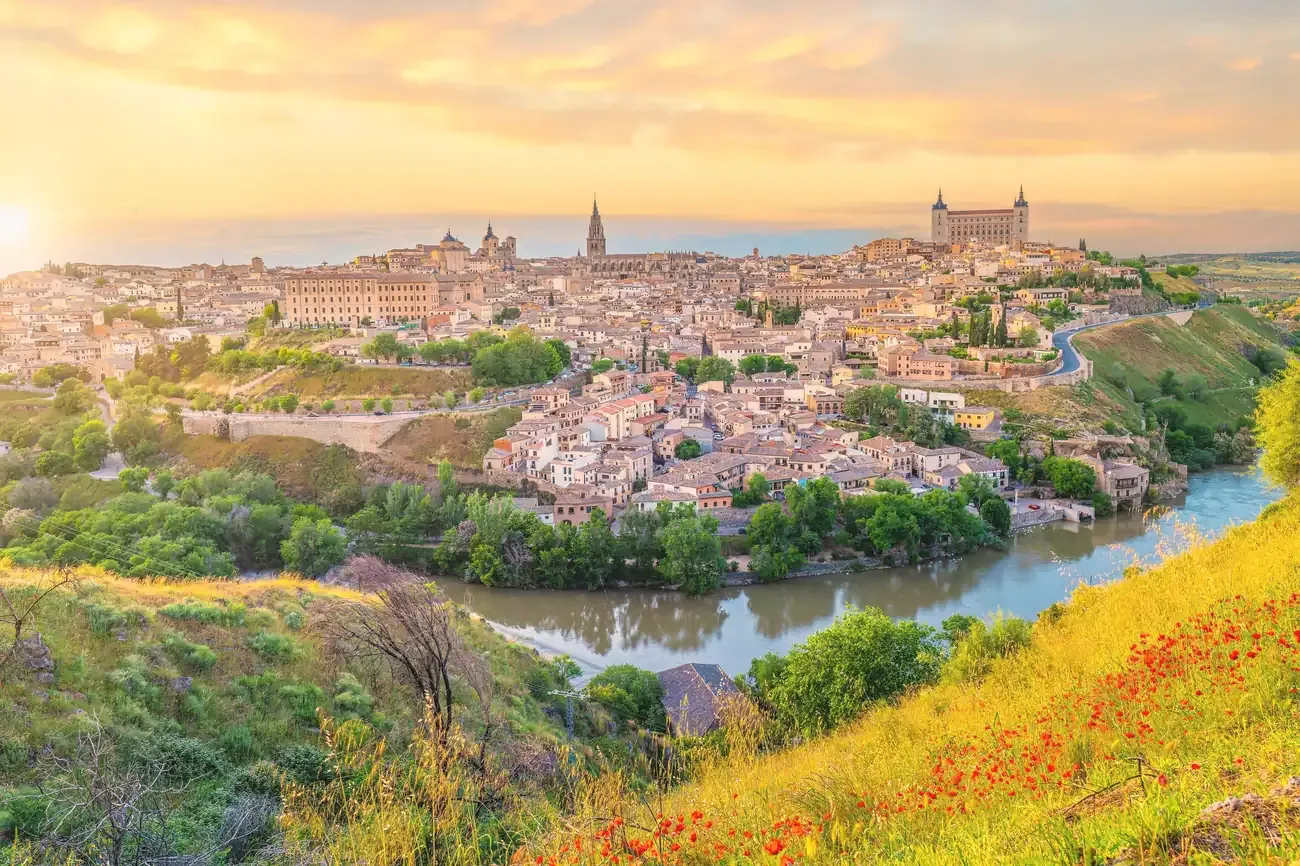
Toledo
Explore Toledo in detail A walled hill town in a bend of the Tagus where three faiths built side by side.
1. Sagrada Família
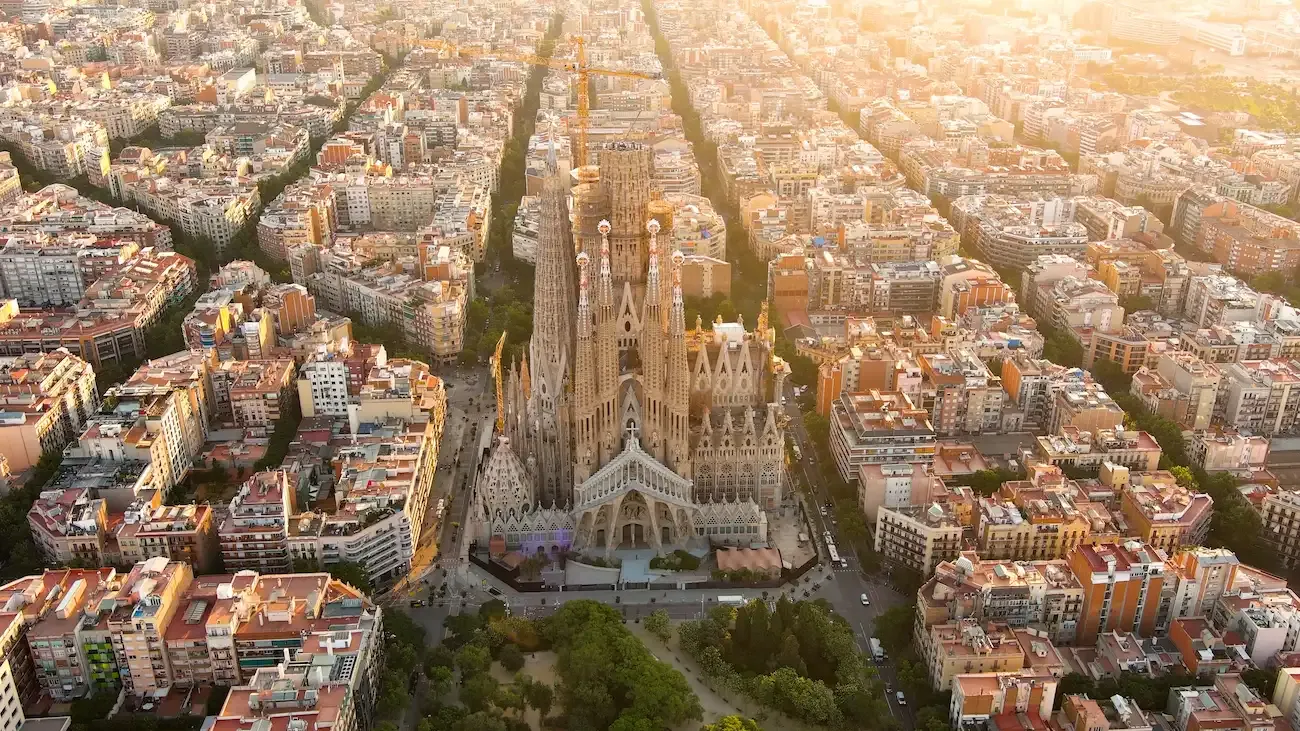
Spain's most recognisable building is still a building site, and that is half of the appeal. Work began in 1882 under a different architect, Antoni Gaudí took charge the following year, and what he left behind is less a church than a quarry turned inside out, with columns that branch overhead like trees and stained glass that drags bands of colour across the floor as the afternoon moves. The central Tower of Jesus Christ reached its full height of 172.5 metres in February 2026, which made this the tallest church in the world, and Pope Leo XIV blessed it that June on the centenary of Gaudí's death.
Architect: Antoni Gaudí · Style: Catalan Modernisme · Begun: 1882
Location: Eixample district, Barcelona
Access: Ticketed, timed entry
2. Alhambra
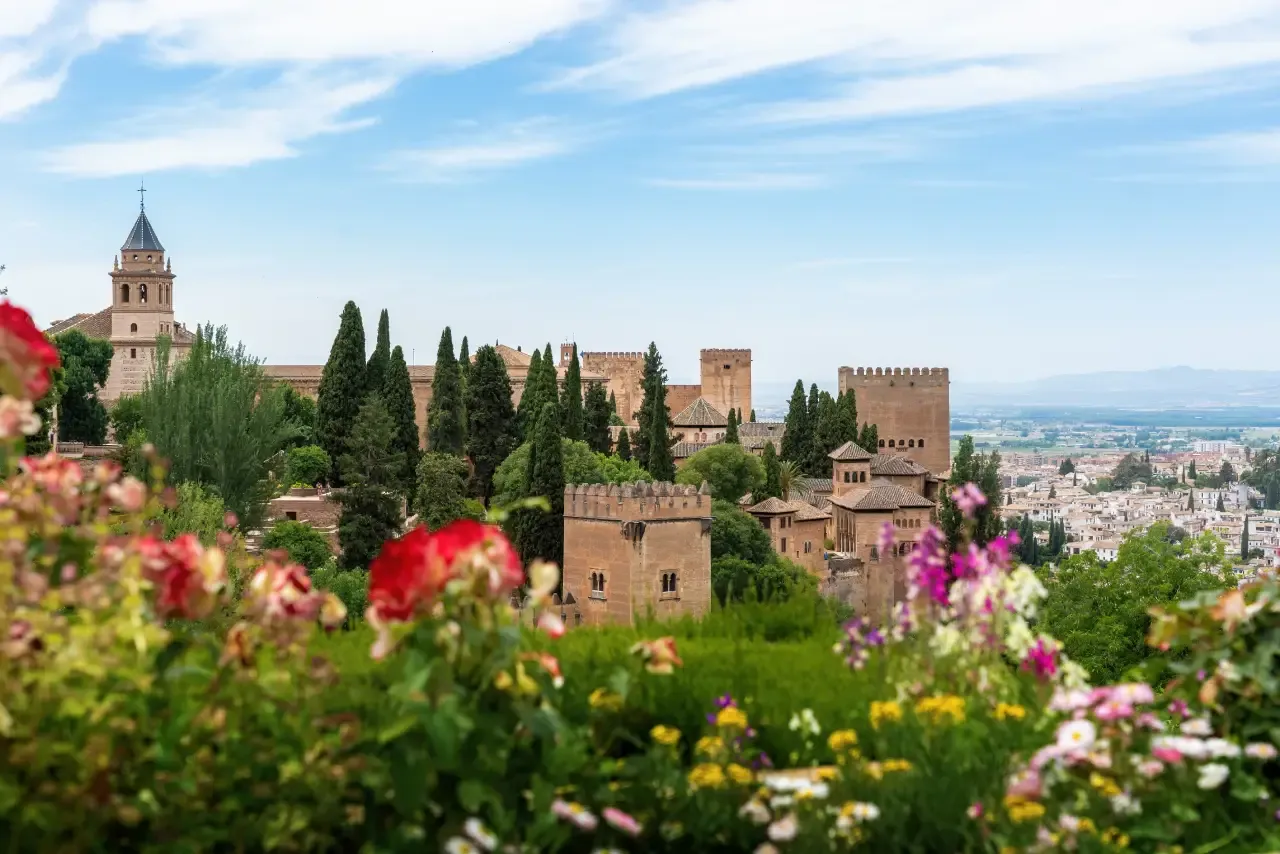
No other monument carries the Islamic centuries of the peninsula so completely. What started as a hilltop fortress became the palace city of the Nasrid emirs, the last Muslim dynasty in Iberia, and their halls still carry carved stucco, honeycomb vaulting and Arabic inscriptions worked into nearly every surface. Water is the other constant, running from the Court of the Lions up to the terraced gardens of the Generalife. Dropped into the middle is the Renaissance palace of Charles V, a perfect circular courtyard inside a square block, marking the moment the conquerors moved in.
Style: Nasrid and Renaissance · Heritage: UNESCO World Heritage Site since 1984
Location: Sabika hill, Granada
Access: Ticketed, with a separate timed slot for the Nasrid Palaces
3. Mosque-Cathedral of Córdoba
Nowhere in the country reads its own history quite as plainly. Abd al-Rahman I began the great mosque in 785, his successors kept extending it until the late tenth century, and the prayer hall now holds roughly 850 columns of jasper, marble and granite carrying tier upon tier of red and white striped arches that seem to run on without end. Castile took the city in 1236 and the mosque became the cathedral; in the sixteenth century a Renaissance nave was cut straight through the middle of it. Both buildings now share one roof, and Mass is still said here daily.
Style: Umayyad and Renaissance · Begun: 785 · Heritage: UNESCO World Heritage Site since 1984
Location: Córdoba, Andalusia
Access: Ticketed
4. Prado Museum
Anyone travelling to the country for its painters ends up in these rooms. The Prado opened in 1819 around the pictures the crown had been buying since the sixteenth century, which is why the Spanish school is stronger here than anywhere on earth: Velázquez and Las Meninas, the Goya rooms that end in the Black Paintings, El Greco, Ribera, Zurbarán, and the Flemish and Venetian canvases the Habsburgs collected alongside them. The holdings run to some 7,600 paintings and only a fraction hangs at any one time, so two hours covers the famous names and a full day still leaves rooms unseen.
Architect: Juan de Villanueva · Style: Neoclassical · Opened: 1819
Location: Paseo del Prado, Madrid
Access: Ticketed
5. Royal Alcázar of Seville
A palace that was never finished so much as rebuilt, again and again, by whoever held the city. Muslim rulers raised the first citadel here in the tenth century, and after the Castilian conquest of 1248 the kings kept adding rather than clearing, most famously when Pedro I brought in Muslim craftsmen in the 1360s for the Mudéjar palace at the heart of the complex. The Patio de las Doncellas and the domed Hall of the Ambassadors are the set pieces, with sunken bathing vaults below the gardens. The upper floors still serve the royal family on visits to the city.
Style: Mudéjar, Gothic and Renaissance · Heritage: UNESCO World Heritage Site since 1987
Location: Seville, Andalusia
Access: Ticketed, timed entry
6. Park Güell
This began as a property venture that failed. Eusebi Güell wanted an English-style garden suburb on a bare hillside above the city, almost nobody bought a plot, and the estate opened as a public park in 1926 instead. What survives is Gaudí reading a landscape rather than designing a building: viaducts of undressed stone that look grown rather than built, a hall of leaning columns holding up the terrace above, and a bench curving around that terrace under a skin of broken tile. The pine woods around the centre are the part most visitors miss.
Architect: Antoni Gaudí · Style: Catalan Modernisme · Heritage: UNESCO World Heritage Site
Location: Carmel hill, Barcelona
Access: Free in the wider park; the Monumental Zone needs a timed ticket
7. Royal Palace of Madrid
The largest palace in western Europe belongs to a family that does not live in it. More than 135,000 square metres of floor space and 3,418 rooms went up between 1738 and 1755, ordered by the Bourbons after fire destroyed the old Alcázar on Christmas Eve 1734 and built in stone rather than timber so that it could not burn again. Visitors get the state rooms, the porcelain room, ceilings by Tiepolo, the Royal Armoury and its collection of arms, and the only complete string quintet of Stradivarius instruments anywhere. State ceremonies still happen here.
Architect: Filippo Juvarra and Giovanni Battista Sacchetti · Style: Baroque · Completed: 1755
Location: Calle de Bailén, Madrid
Access: Ticketed
8. Seville Cathedral
When the builders finished in the early sixteenth century they had taken the title of largest church in the world off Hagia Sophia, which had held it for a thousand years, and it remains the largest Gothic cathedral anywhere. It stands on the footprint of the Almohad mosque it replaced, and the mosque's minaret survives as the Giralda, 104.5 metres to the weather vane and still the marker every view of the city is framed around. Christopher Columbus is buried inside, his tomb carried on the shoulders of four heralds.
Style: Gothic · Heritage: UNESCO World Heritage Site since 1987
Location: Seville, Andalusia
Access: Ticketed
9. Aqueduct of Segovia
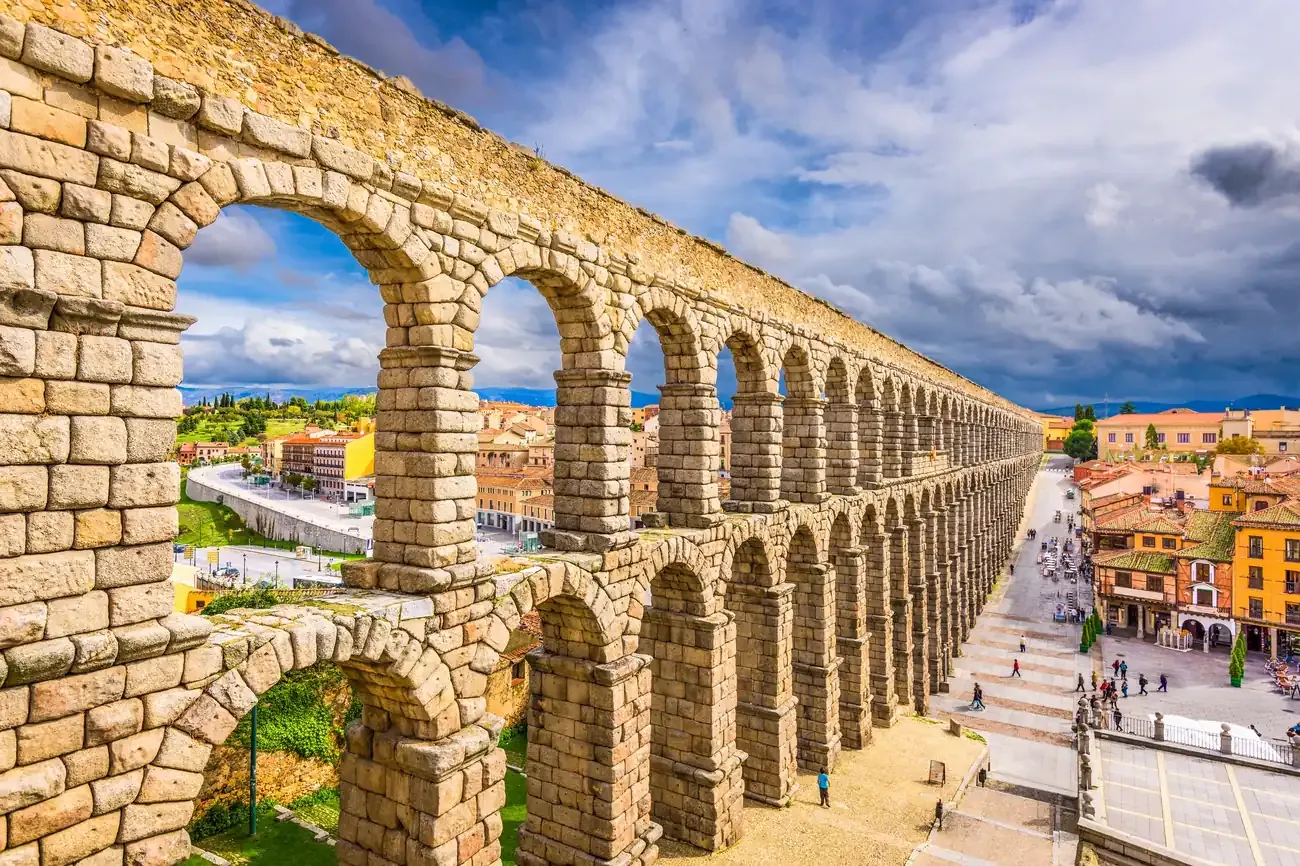
Roman engineering rarely survives in the middle of a working town, which is what makes this one worth the detour. The aqueduct carried water some 17 kilometres from the Frío river into Segovia, and its elevated stretch crosses the Plaza del Azoguejo on a complete arcade of 167 arches, granite blocks stacked without mortar and held in place by weight and geometry alone. It stayed in service until 1973. Emperor Domitian is generally credited with ordering it, although evidence published in 2016 points to a slightly later date under Trajan or Hadrian.
Style: Roman · Heritage: UNESCO World Heritage Site since 1985
Location: Segovia, Castilla y León
Access: Free, standing in the open street
10. Guggenheim Museum Bilbao
Few buildings have changed the fortunes of a city the way this one did. Frank Gehry set it on a stretch of derelict dock along the Nervión, and the titanium panels fold and curve so that the shape shifts with every step along the riverbank, pulling visitors to an industrial port that had never appeared on an itinerary. It opened in October 1997. The galleries inside run to modern and contemporary art, the largest of them holding Richard Serra's steel maze The Matter of Time, a permanent installation visitors walk through rather than look at.
Architect: Frank Gehry · Style: Deconstructivist · Opened: 1997
Location: Bilbao, Basque Country
Access: Ticketed
11. Casa Batlló
Rivalry between the industrial families of the city produced this one. Josep Batlló bought a plain block of 1877 on Passeig de Gràcia and in 1904 asked Gaudí to outdo the neighbours, which is how the row came to be called the Block of Discord. Almost no straight line survived: the lower storeys carry bone-like pillars and irregular oval windows, the front is skinned in broken tile running from gold to blue, and the arched roof reads as a dragon's back. Inside, a lightwell tiled in deepening blues drops daylight through it.
Architect: Antoni Gaudí · Style: Catalan Modernisme · Heritage: UNESCO World Heritage Site since 2005
Location: Passeig de Gràcia, Eixample district, Barcelona
Access: Ticketed, open every day
12. Cathedral of Santiago de Compostela
Every branch of the Camino ends here, at a church held to stand over the tomb of Saint James the Great, one of the few raised above an apostle's grave. Work began in 1075, the last stone went in around 1122 and consecration came in 1211. Master Mateo carved the Pórtico da Gloria by 1188; the Baroque front on the Praza do Obradoiro came much later, finished by Fernando de Casas Novoa in 1740. The Botafumeiro, an 80 kilogram censer of 1851, swings across the transept on feast days.
Style: Romanesque, Gothic and Baroque · Begun: 1075 · Heritage: UNESCO World Heritage Site since 1985
Location: Santiago de Compostela, Galicia
Access: Basilica open daily for worship; museum, Pórtico da Gloria and roofs ticketed
Photos: "Santiago Compostela Cathedral, view from Alameda Park" and "Santiago cathedral" by Fernando Pascullo, "Catedral de Santiago de Compostela, nave lateral" by D.Rovchak and "Interior catedral Santiago" by Miguel Hermoso Cuesta (CC BY-SA 4.0).
Famous places to see in Spain
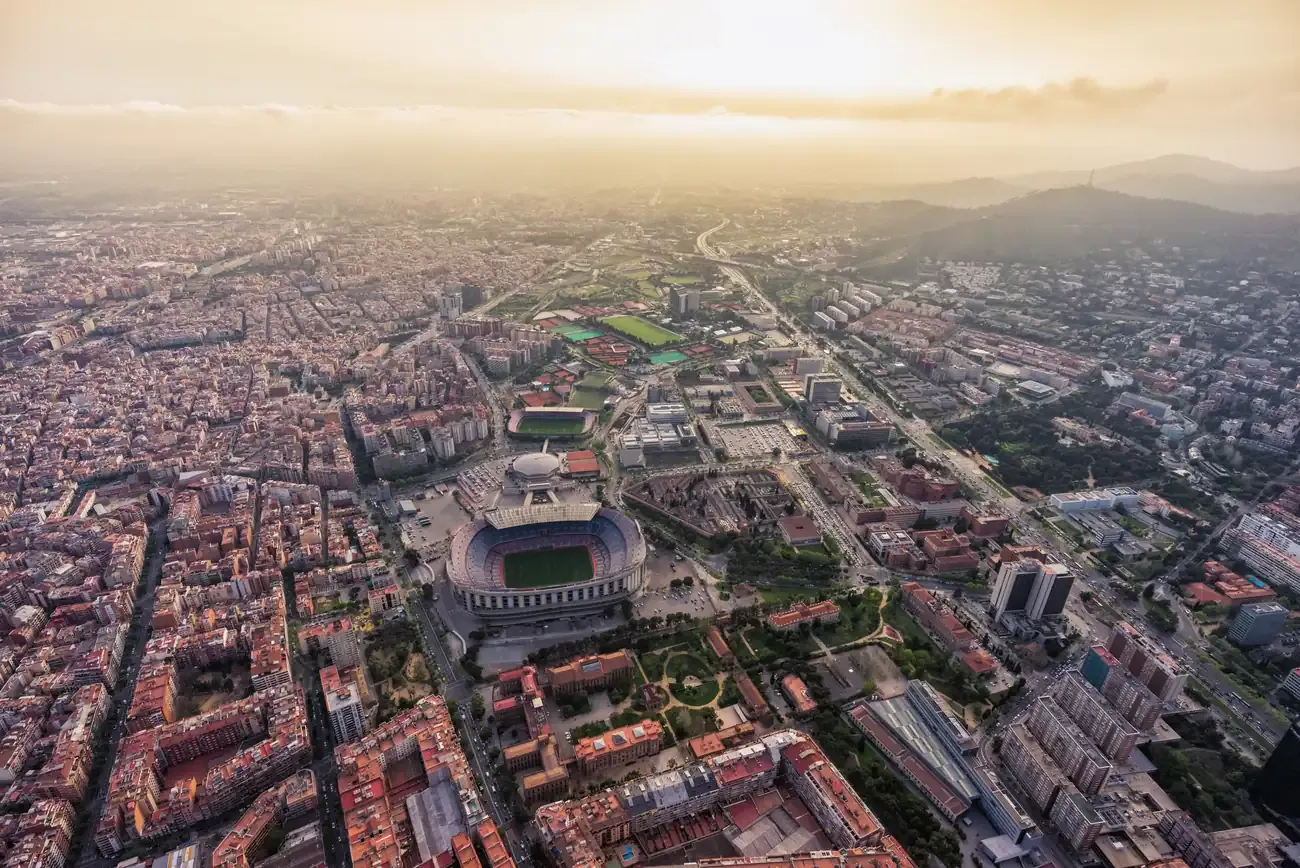
Camp Nou
FC Barcelona's ground since September 1957, designed by Francesc Mitjans and Josep Soteras; a members' postal vote later turned the nickname into its name.
Location: Les Corts, Barcelona
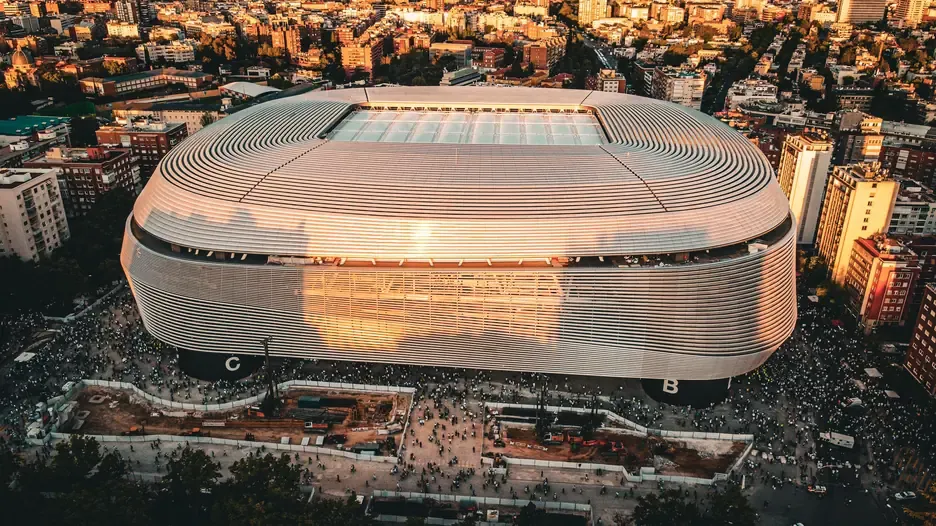
Santiago Bernabéu Stadium
Real Madrid's home since 1947, reopened after a rebuild that added a retractable roof; the pitch is stored underground between matches.
Location: Chamartín, Madrid
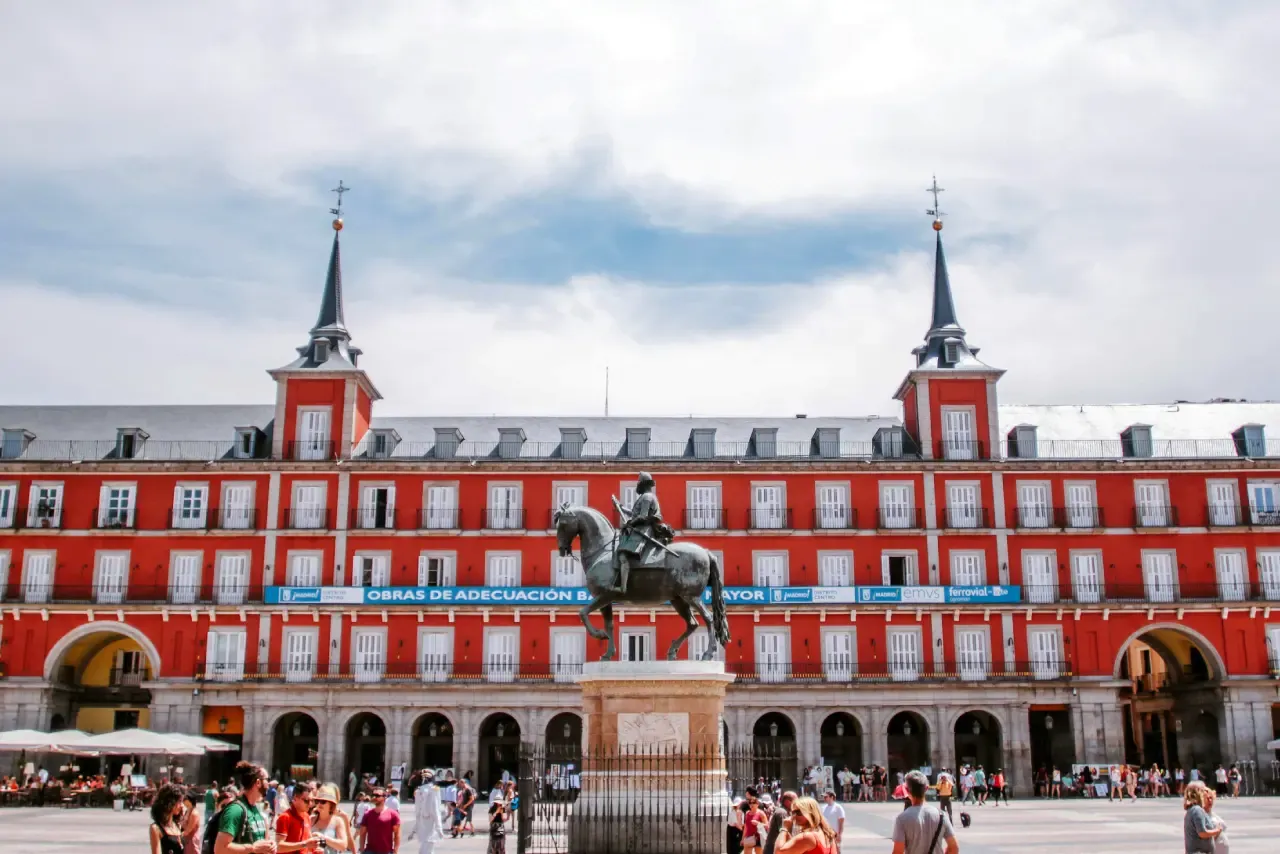
Plaza Mayor de Madrid
Juan Gómez de Mora was asked in 1617 to bring order to the Plaza del Arrabal market; bullfights, coronations and autos-da-fé followed under its arcades.
Location: Centro district, Madrid
Plaza de España
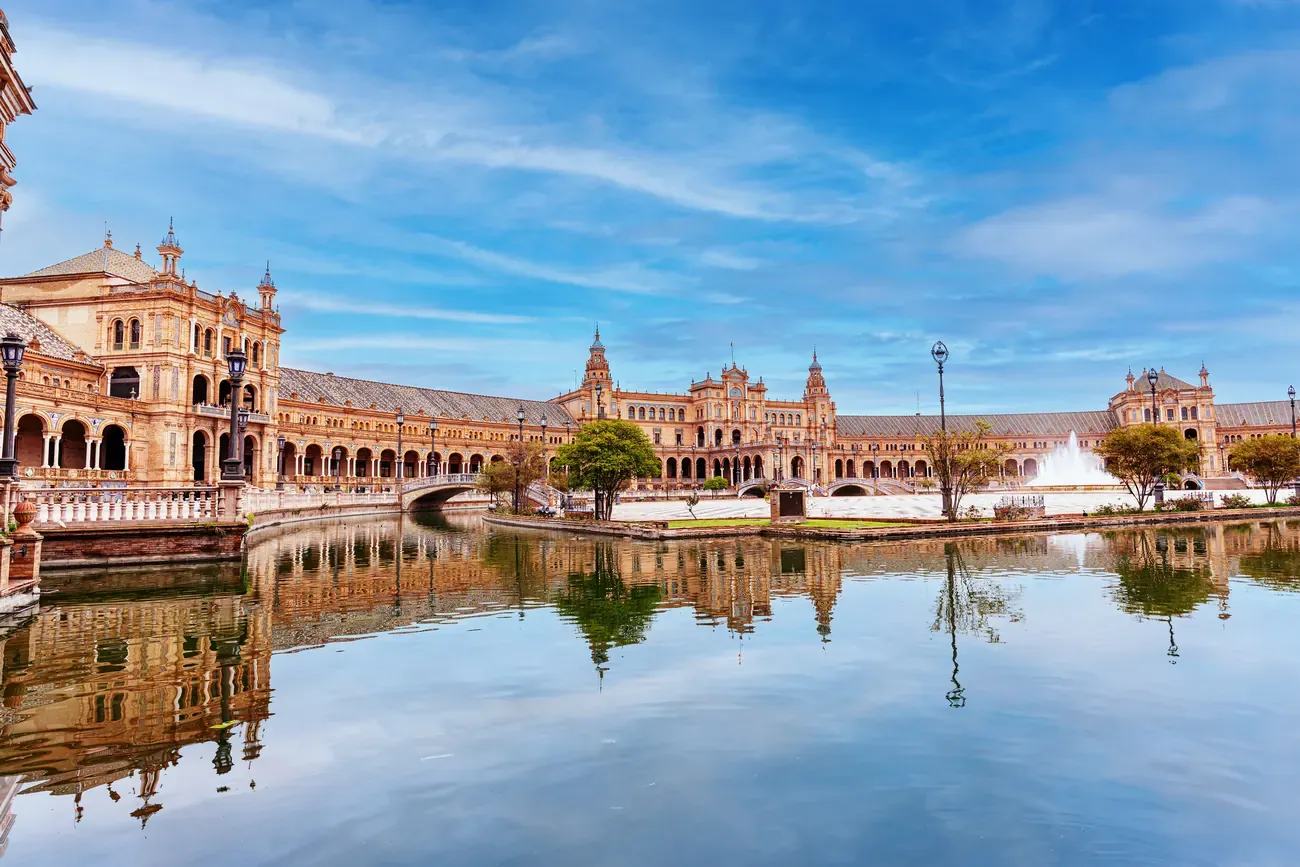
Aníbal González designed this curved plaza-palace for the 1929 Ibero-American Exposition, ringed by a 515 metre canal and tiled benches for the Spanish provinces.
Location: Parque de María Luisa, Seville
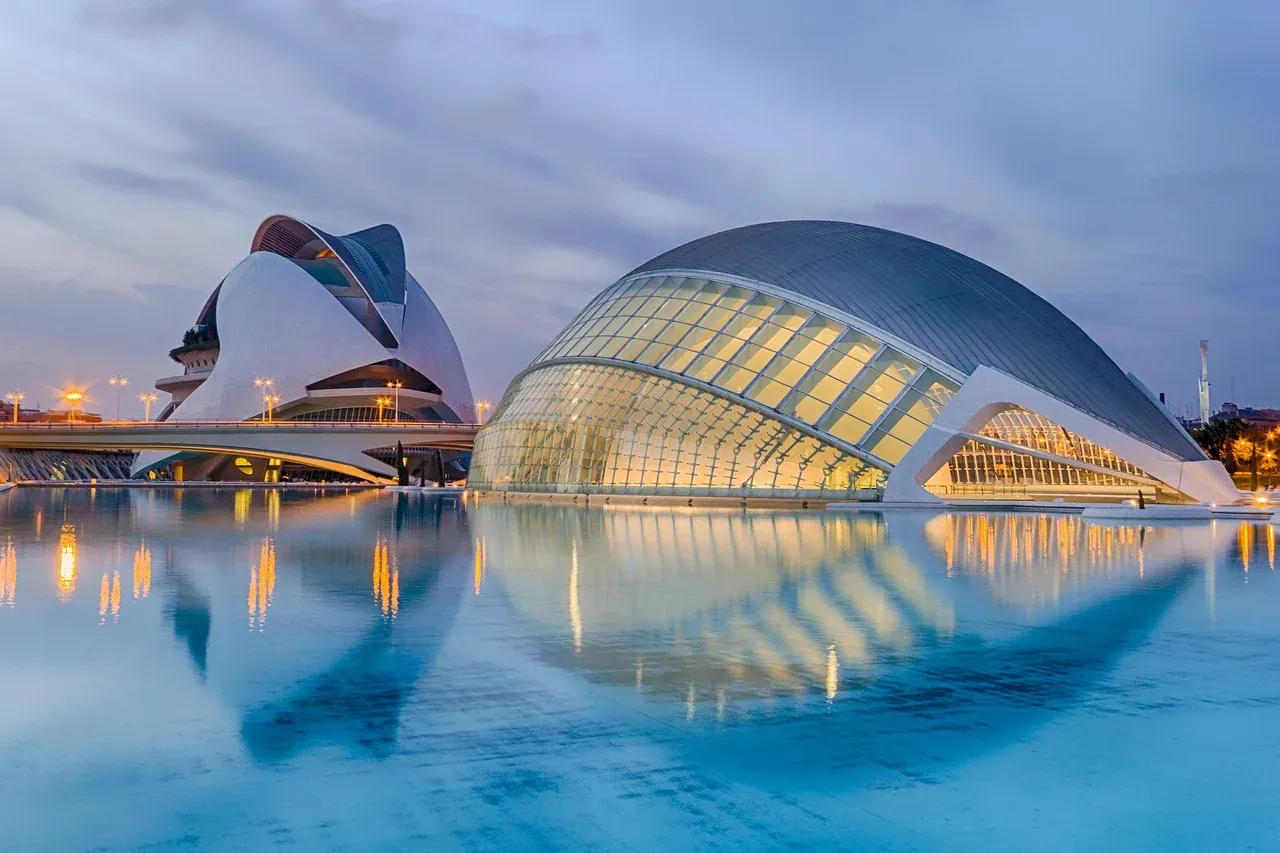
City of Arts and Sciences
Santiago Calatrava and Félix Candela raised this complex on the drained bed of the River Turia; the eye-shaped Hemisfèric opened in 1998.
Location: Turia riverbed, Valencia
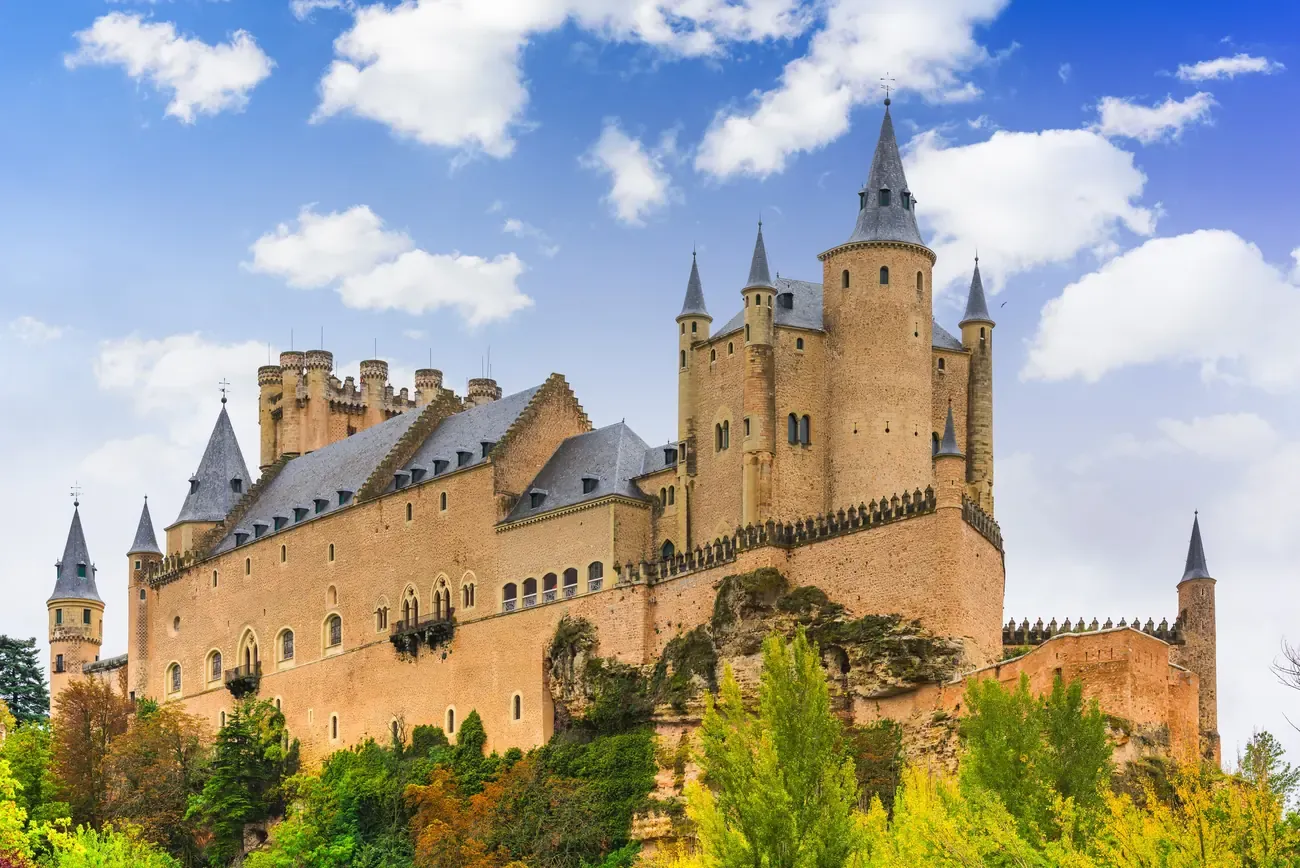
Alcázar de Segovia
A castle on the rock where the Eresma and Clamores valleys meet; it held the Royal Artillery College until an 1862 fire gutted its roofs.
Location: Plaza Reina Victoria Eugenia, Segovia
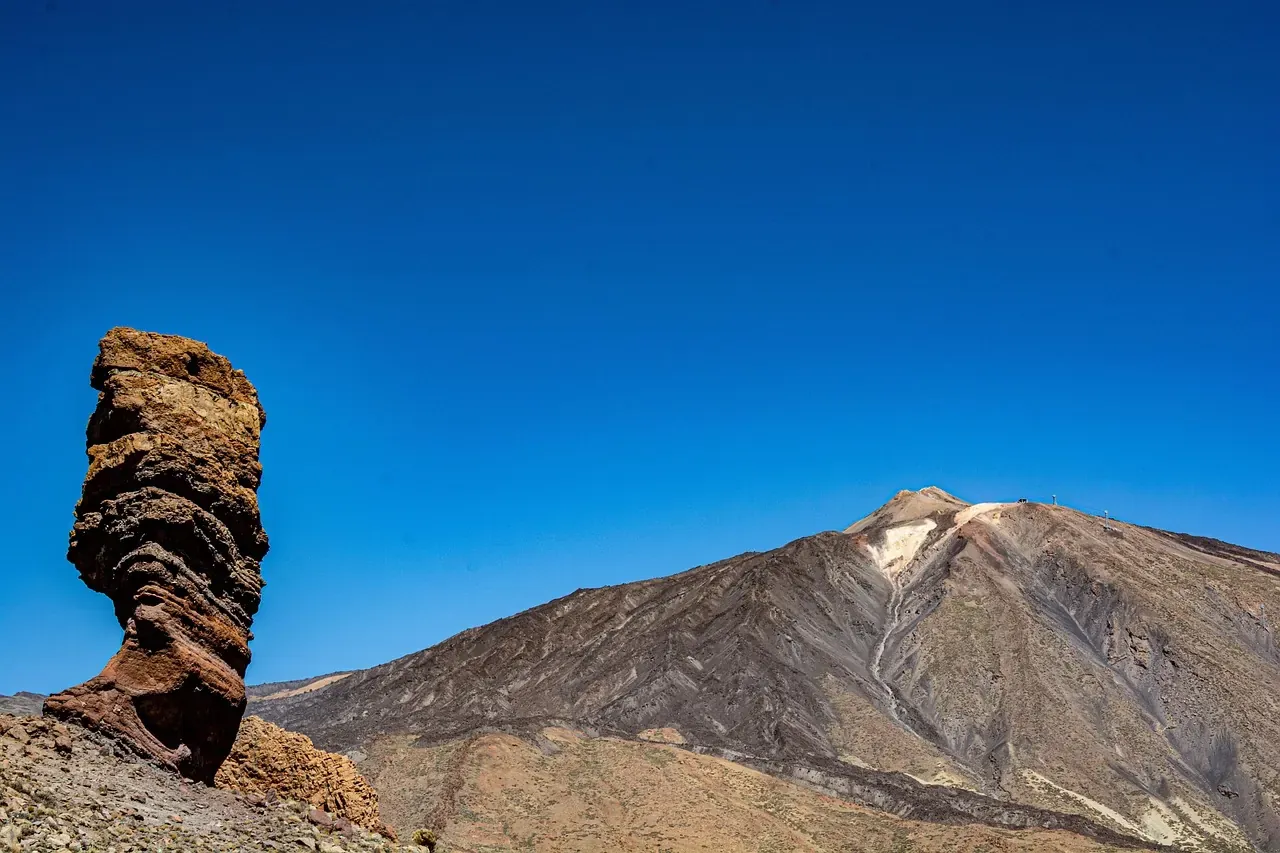
Teide National Park
Mount Teide rises to 3,715 metres, the highest point in Spain, above the Las Cañadas caldera in the country's most visited national park.
Location: Teide National Park, Tenerife, Canary Islands
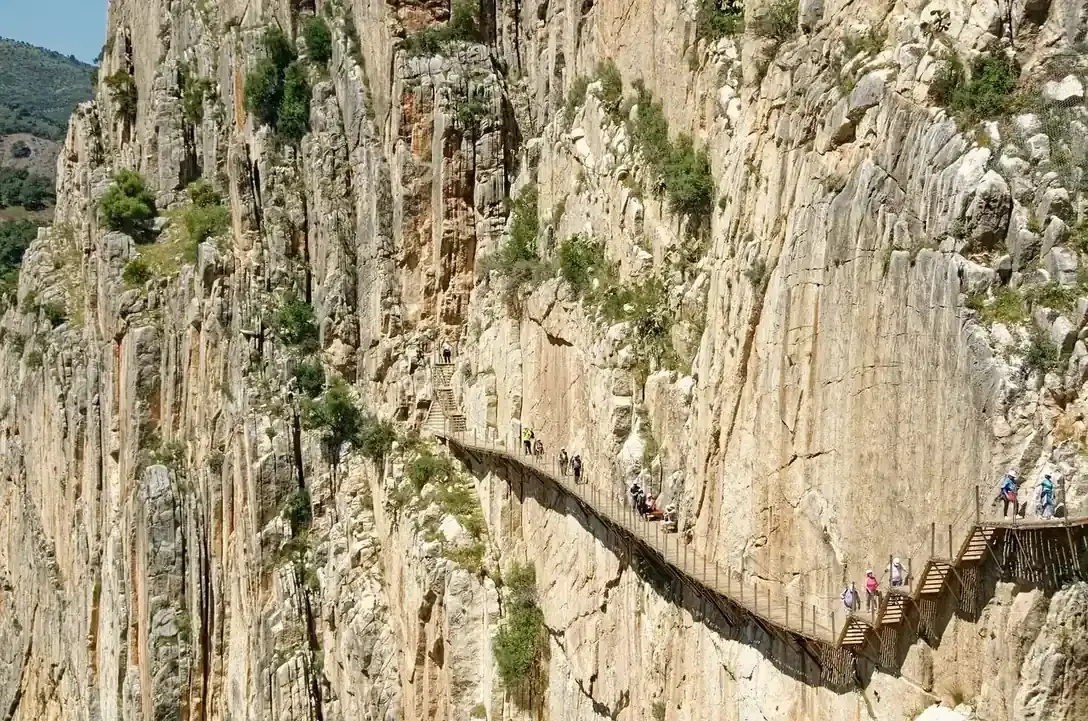
Caminito del Rey
A boardwalk clings to the wall of the Gaitanes gorge some 100 metres above the river, restored and reopened to walkers in 2015.
Location: Desfiladero de los Gaitanes, Ardales, Málaga province
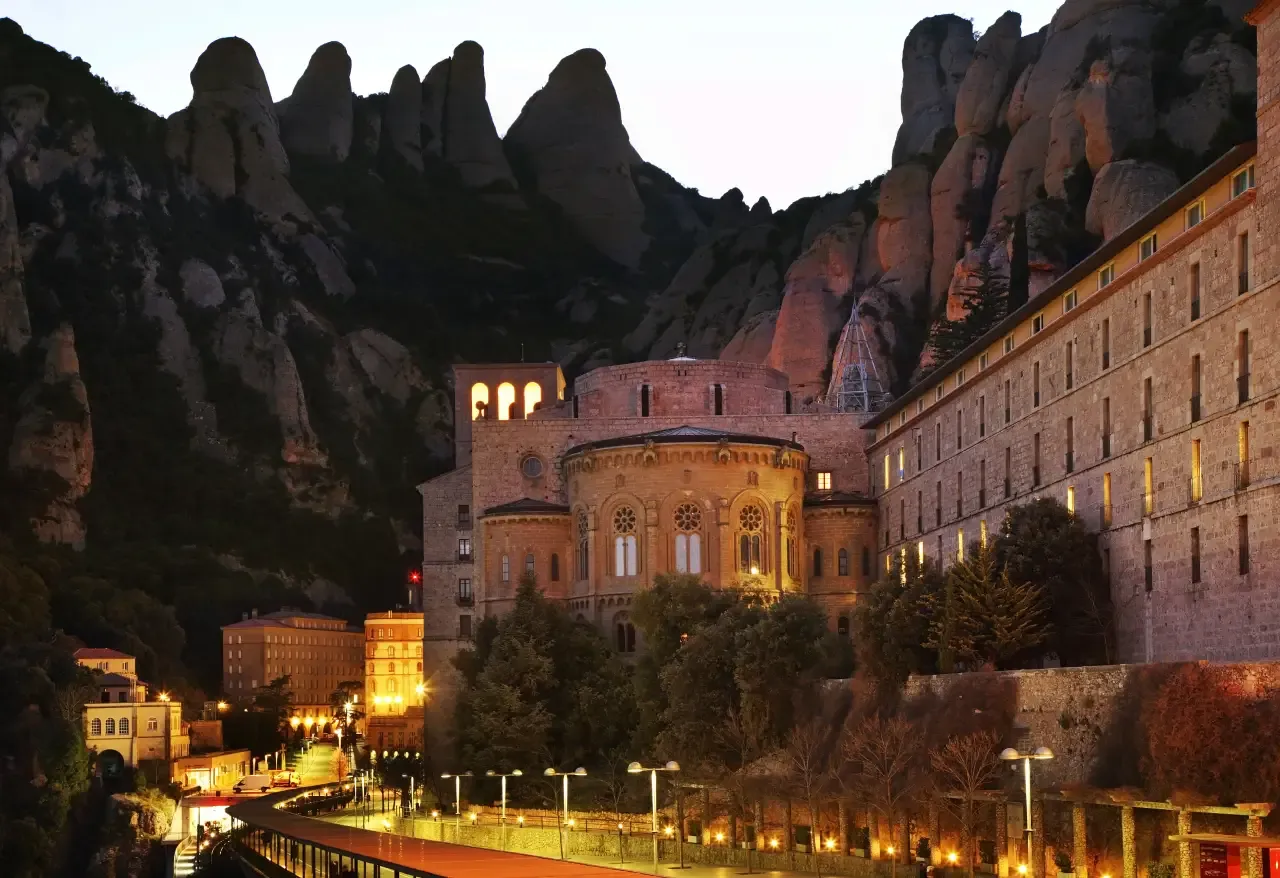
Montserrat
A Benedictine abbey founded in 1025 sits on a serrated massif, home to the Virgin of Montserrat and one of Europe's oldest boys' choirs.
Location: Montserrat massif, Monistrol de Montserrat, near Barcelona
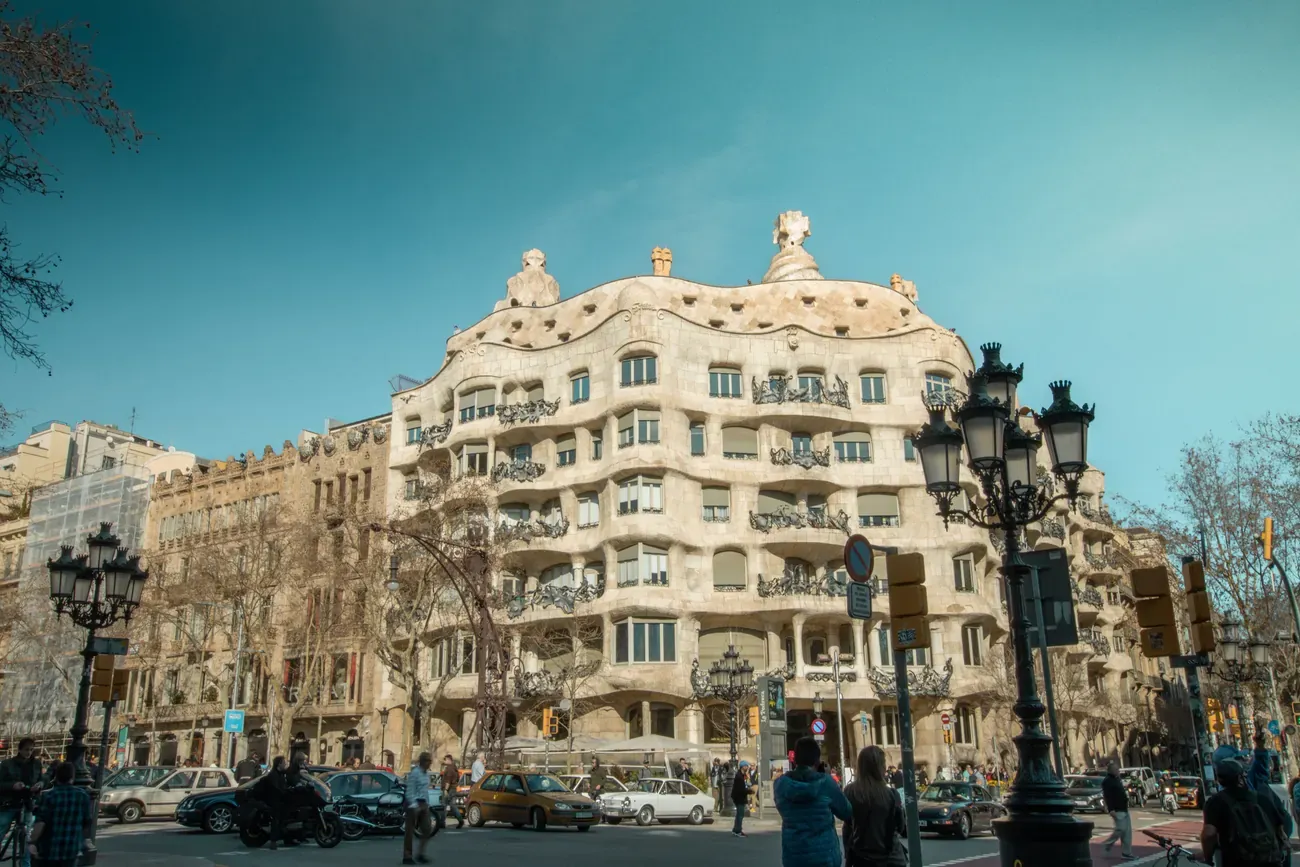
Casa Milà (La Pedrera)
Gaudí's last private residence, built between 1906 and 1912, carries an undulating stone facade and has been a UNESCO World Heritage site since 1984.
Location: Passeig de Gràcia, Barcelona
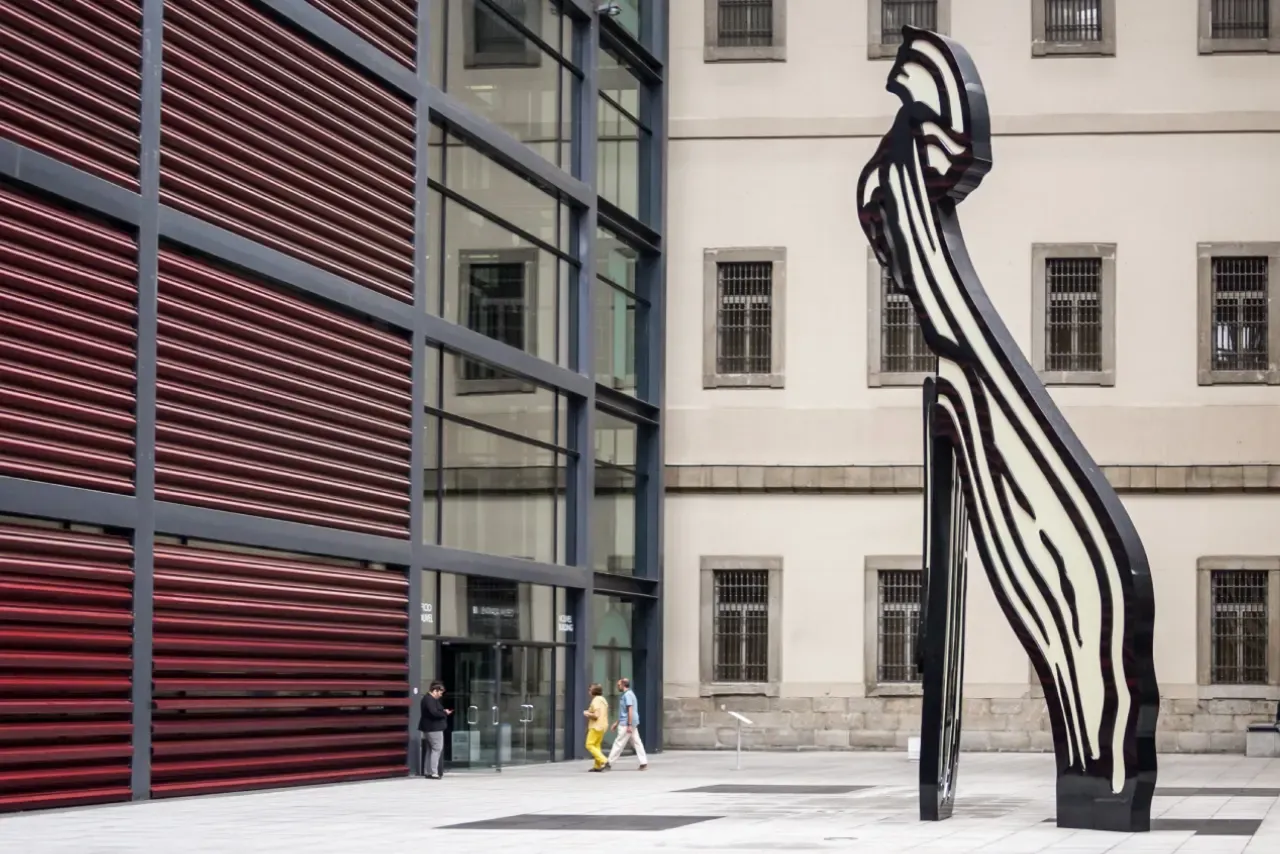
Reina Sofía Museum
Spain's national museum of twentieth-century art holds Picasso's Guernica across two buildings, the Sabatini block and Jean Nouvel's later extension.
Location: Near Atocha station, Madrid
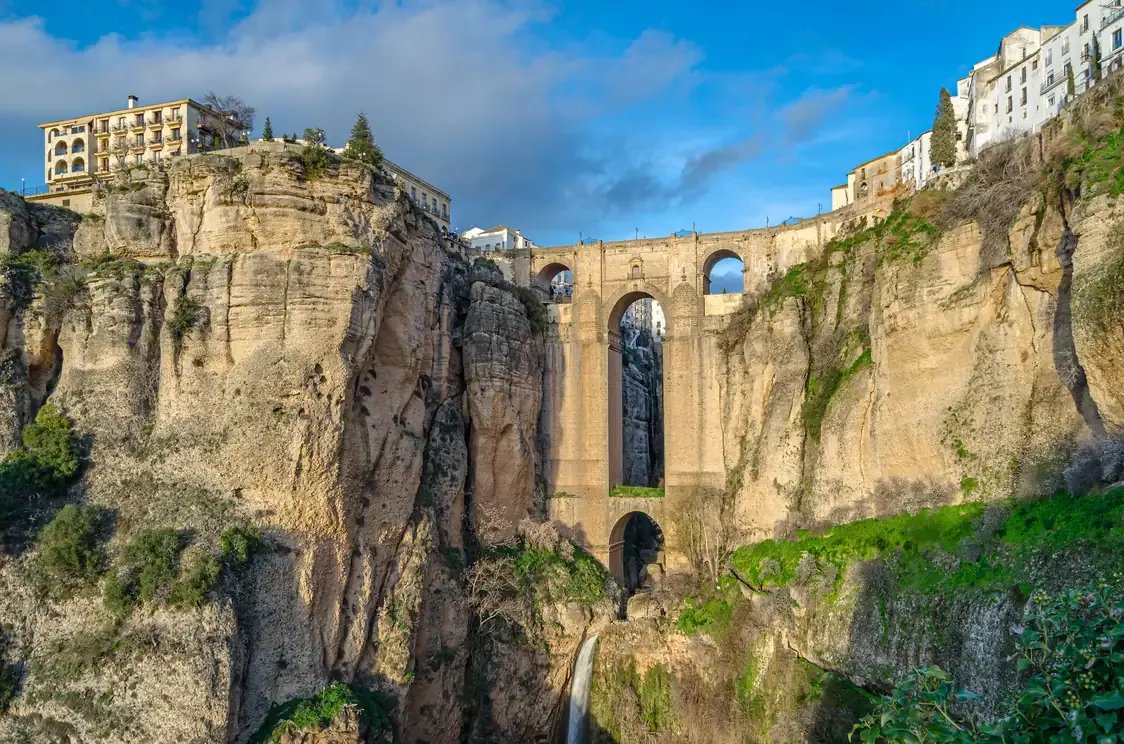
Puente Nuevo of Ronda
Completed in 1793 to a design by José Martín de Aldehuela, the stone bridge spans the El Tajo gorge that divides the town.
Location: El Tajo gorge over the Guadalevín, Ronda, Málaga province
Tickets for more tourist attractions in Spain
Local food in Spain
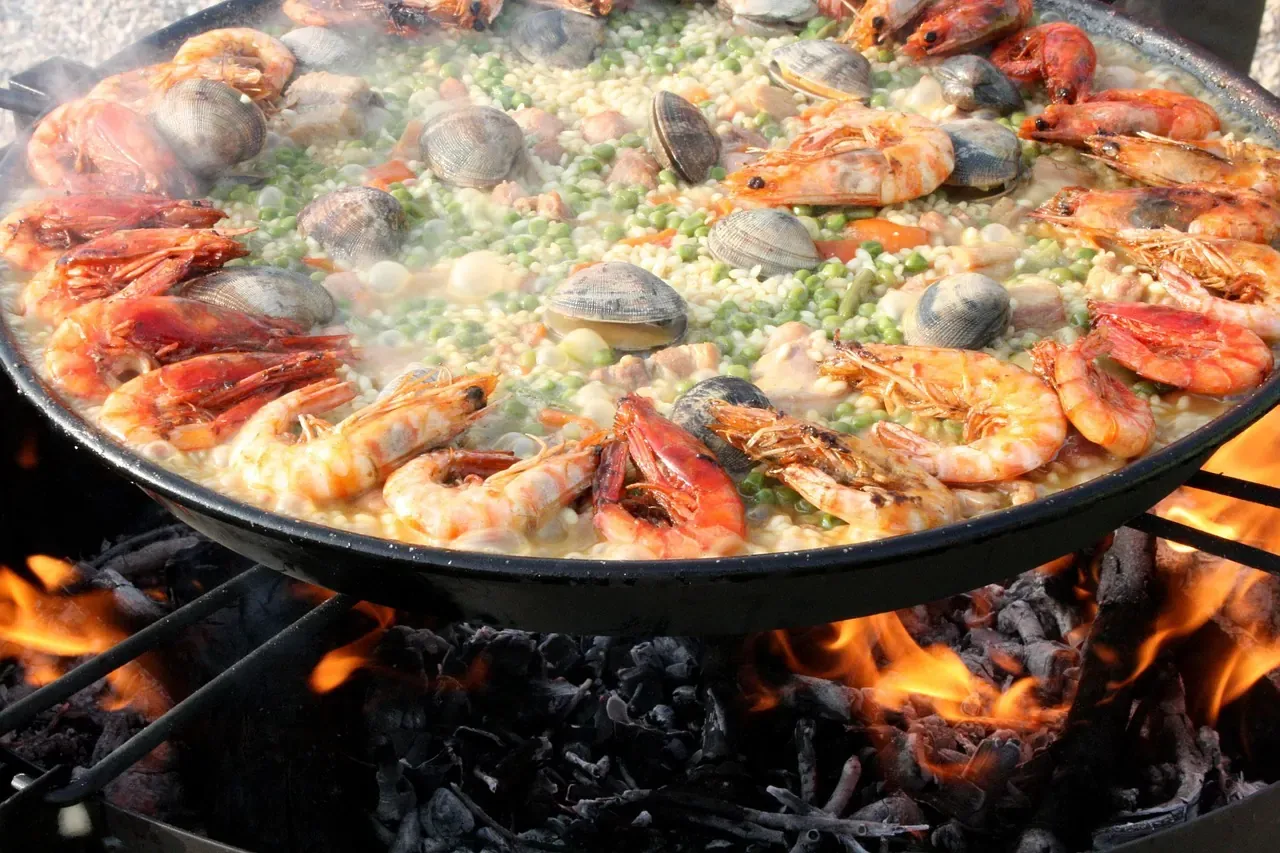
Paella
Valencia's rice dish, named after the wide shallow pan it cooks in over an open fire. Valencians hold that only the version with rabbit, chicken and beans counts; the coast answers with seafood.
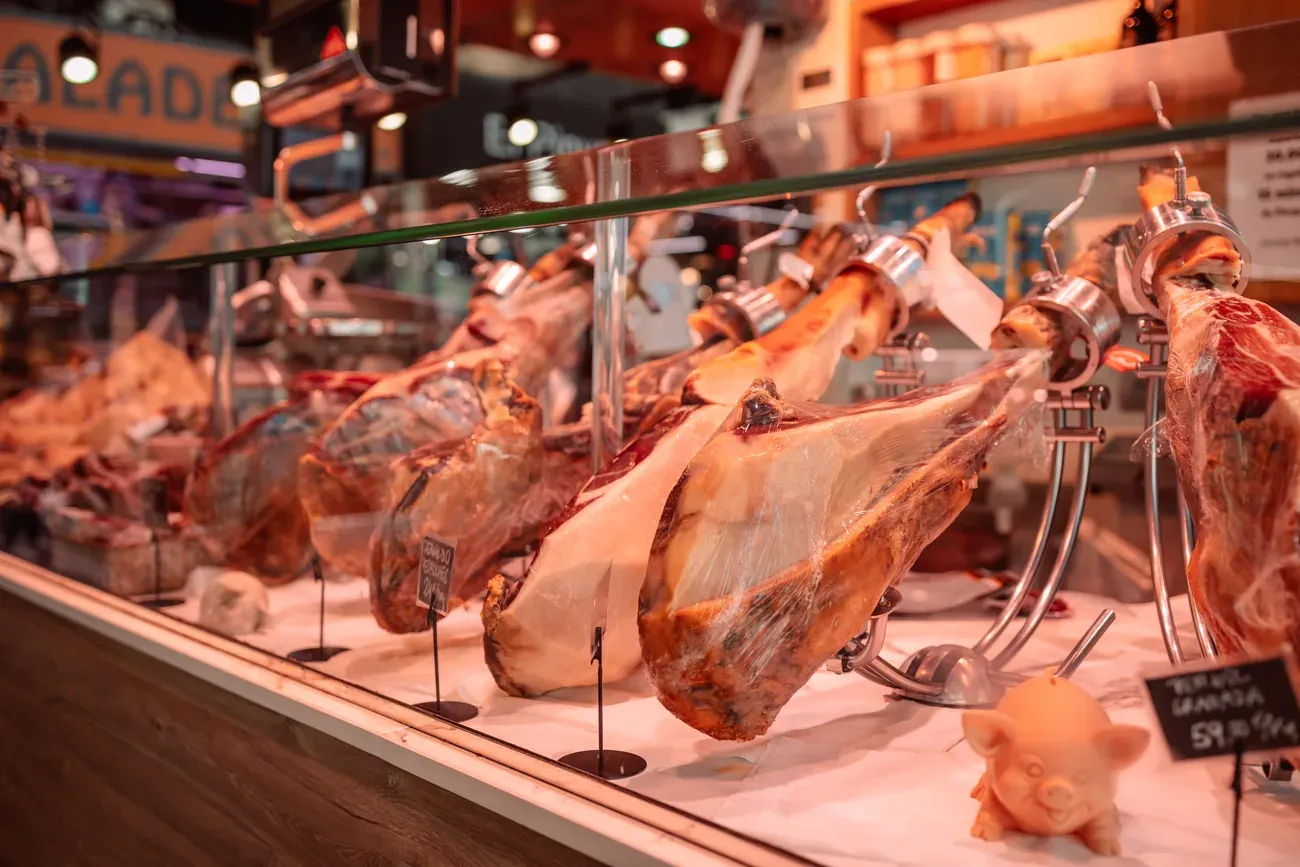
Jamón ibérico
Cured leg of black Iberian pig, hung for years and carved into near-transparent slices. The bellota grade comes from animals fattened on acorns in the oak pastures of the west.
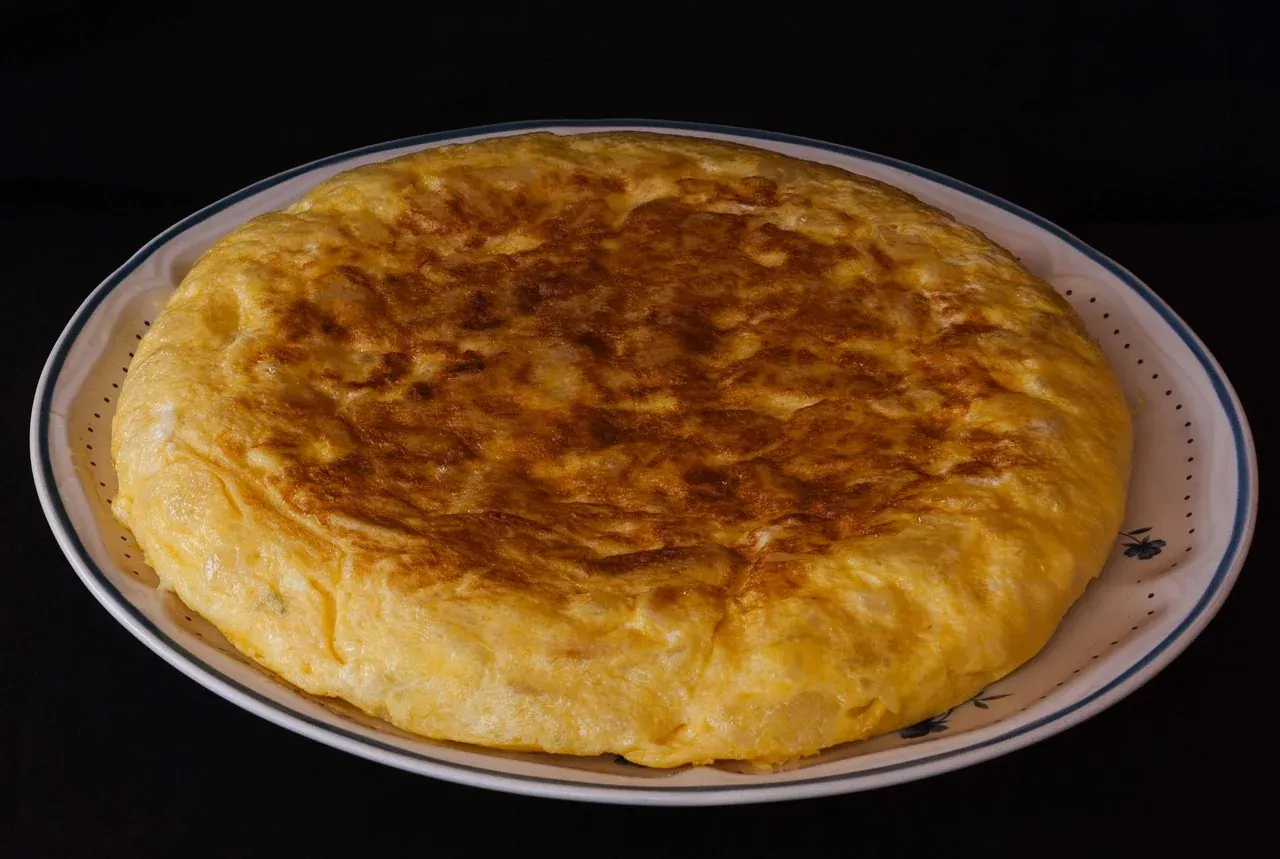
Tortilla española
Potato and egg omelette, thick and often set soft in the middle, with onion or without depending on who is arguing. Served warm or at room temperature as a tapa or in a roll.

Gazpacho
Andalusia's cold soup of raw blended vegetables, tomato-led and poured as often as it is spooned. It belongs to summer, and a thicker cousin, salmorejo, comes from Córdoba.
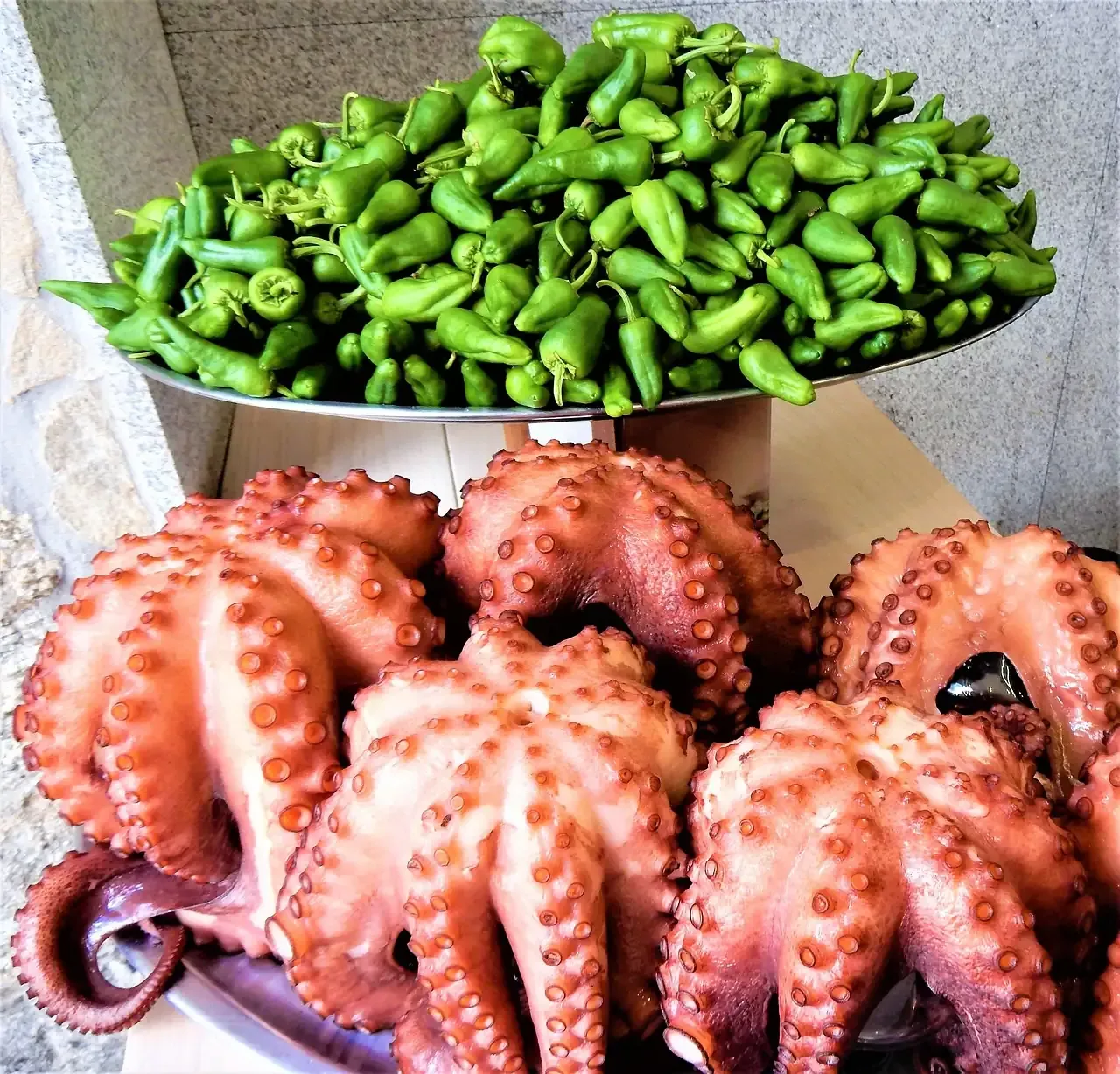
Pulpo a la gallega
Galician octopus, boiled in a copper cauldron and served with coarse salt, olive oil and paprika. Its other name, polbo á feira, records where it was traditionally eaten: at country fairs.
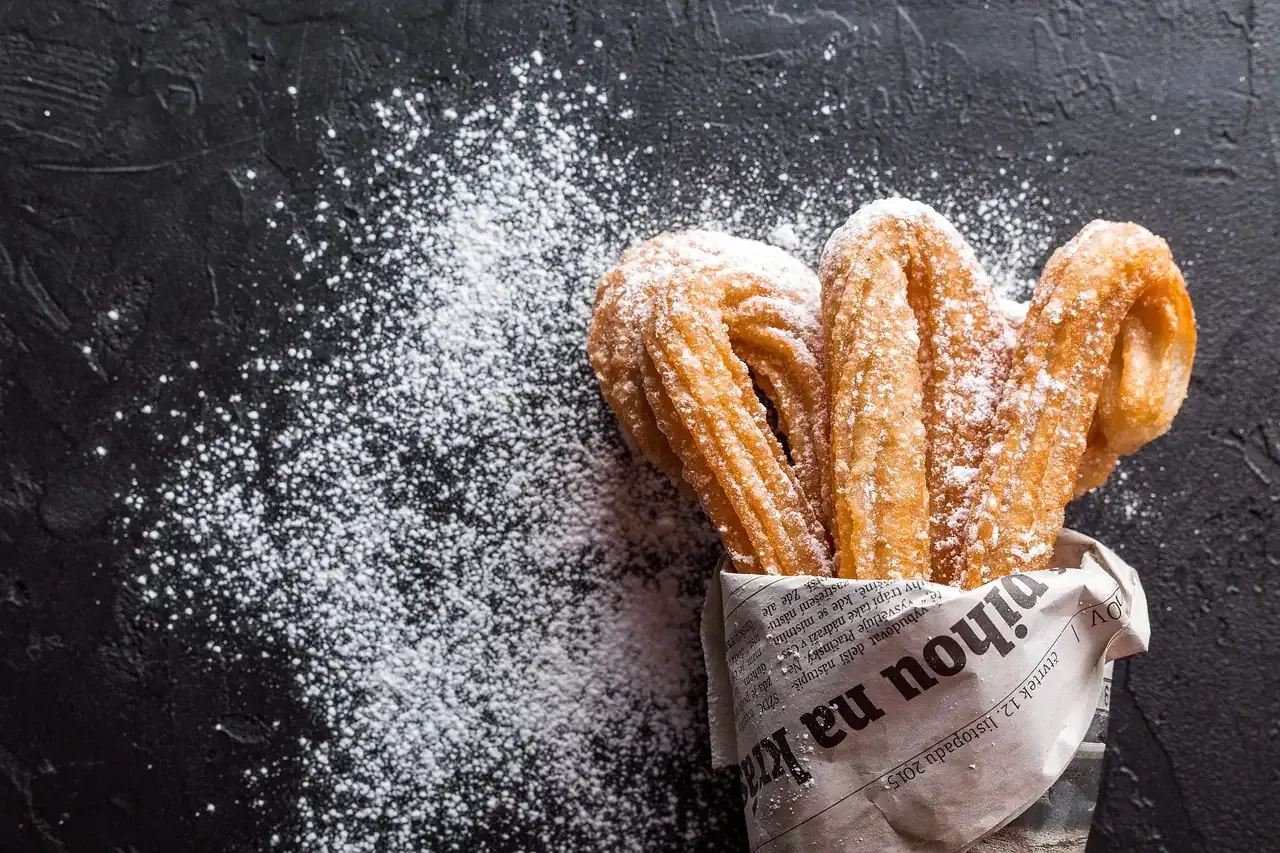
Churros
Ridged strips of fried dough, thin or in the thick form known as porras. Breakfast dips them in coffee; the afternoon and the small hours call for a cup of thick hot chocolate.
Caves and underground sites in Spain
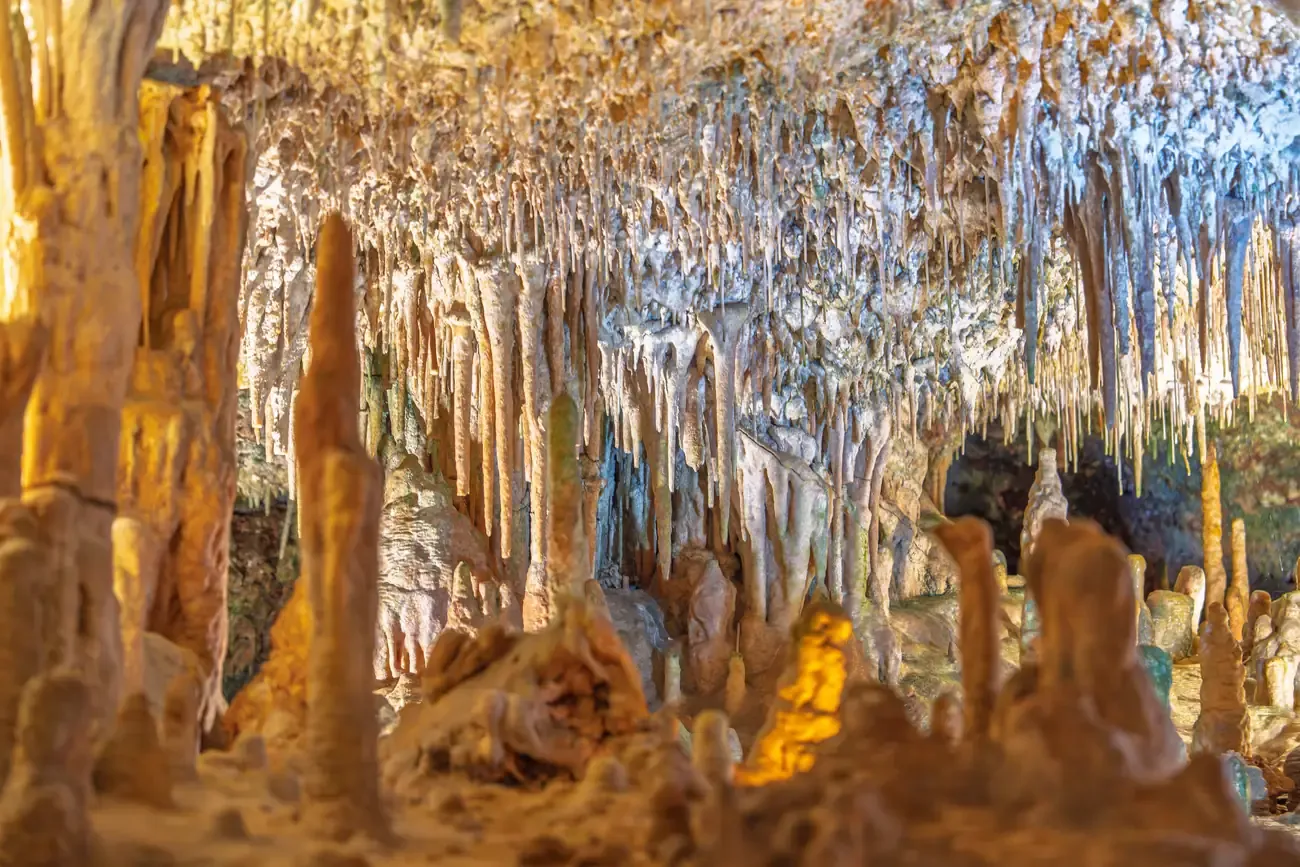
Nerja Caves
Nearly five kilometres of caverns found by five friends through a sinkhole in 1959; one chamber doubles as a concert hall.
Location: Nerja, Málaga province
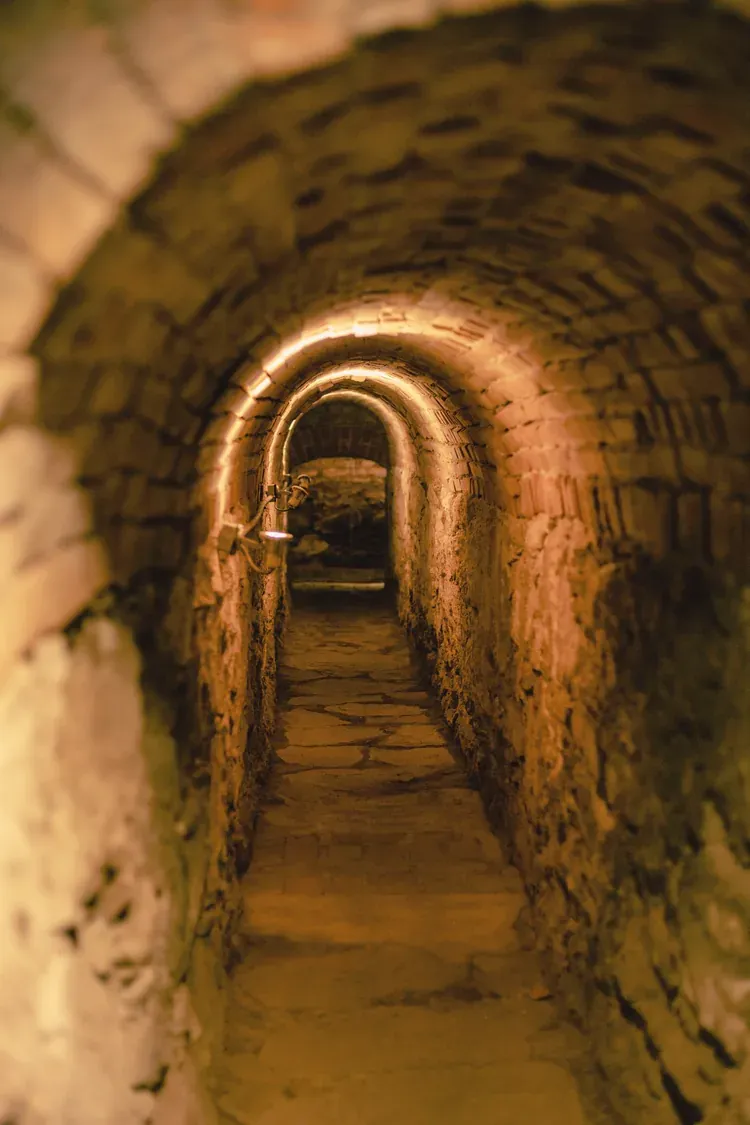
Sewers of Barcelona
Roman channels and medieval culverts run under the old town, one of the least seen layers of the city.
Location: Ciutat Vella, Barcelona
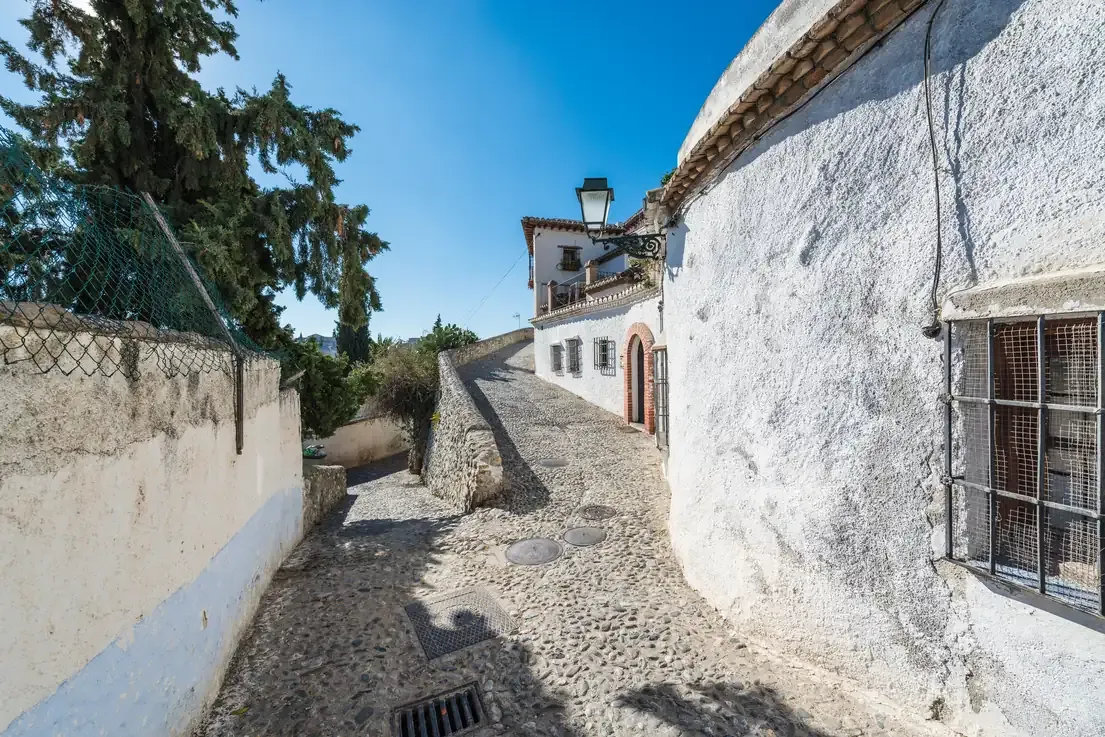
Cave Houses Museum
Eleven hillside cave dwellings restored as kitchen, stable and workshops, with a terrace facing the Alhambra.
Location: Barranco de los Negros, Granada
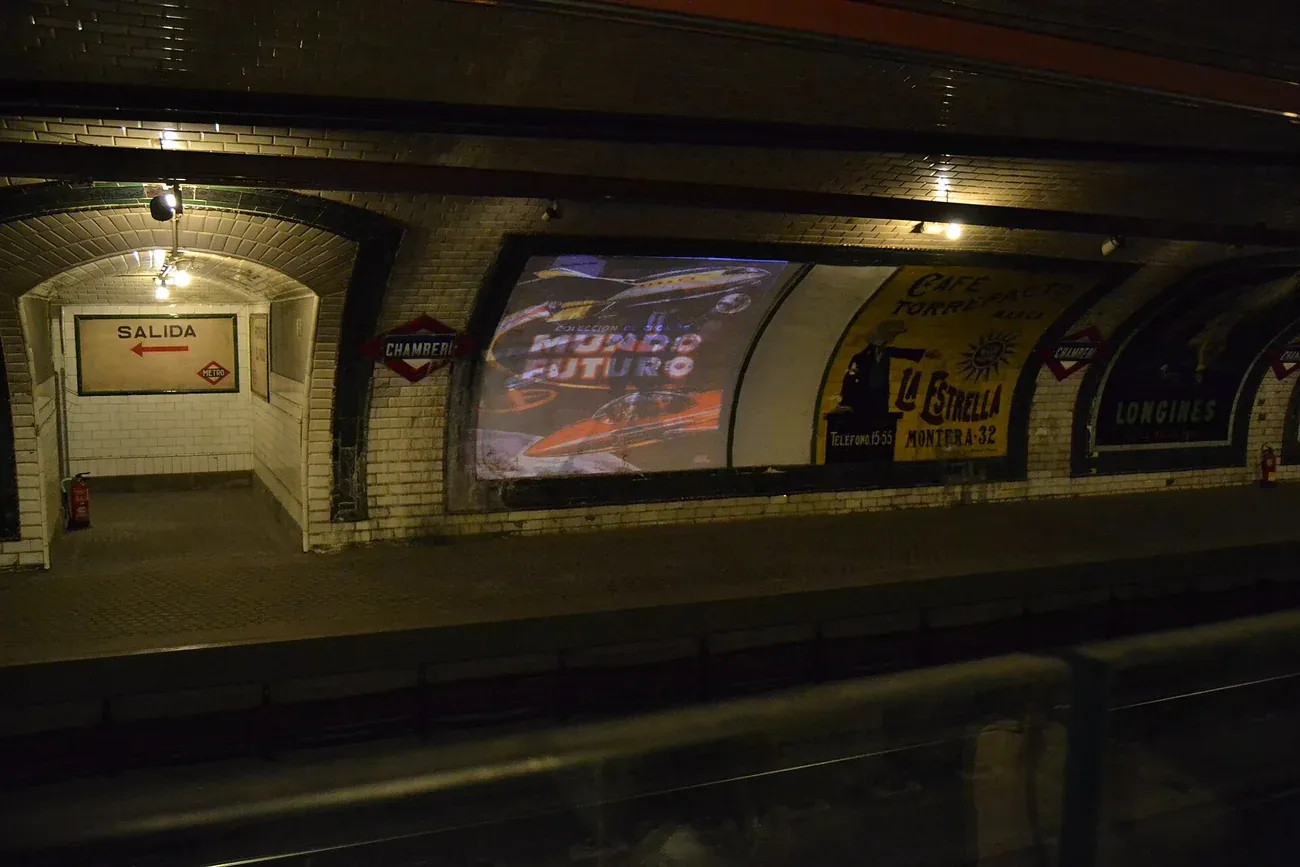
Chamberí Ghost Station
A metro station closed since 1966, kept with its original tiled adverts and glimpsed from passing line 1 trains.
Location: Calle de Luchana, Madrid
Photo: "Andén 0, Estación de Chamberí" by Emilio J. Rodríguez Posada (CC BY-SA 2.0).
Unusual museums in Spain
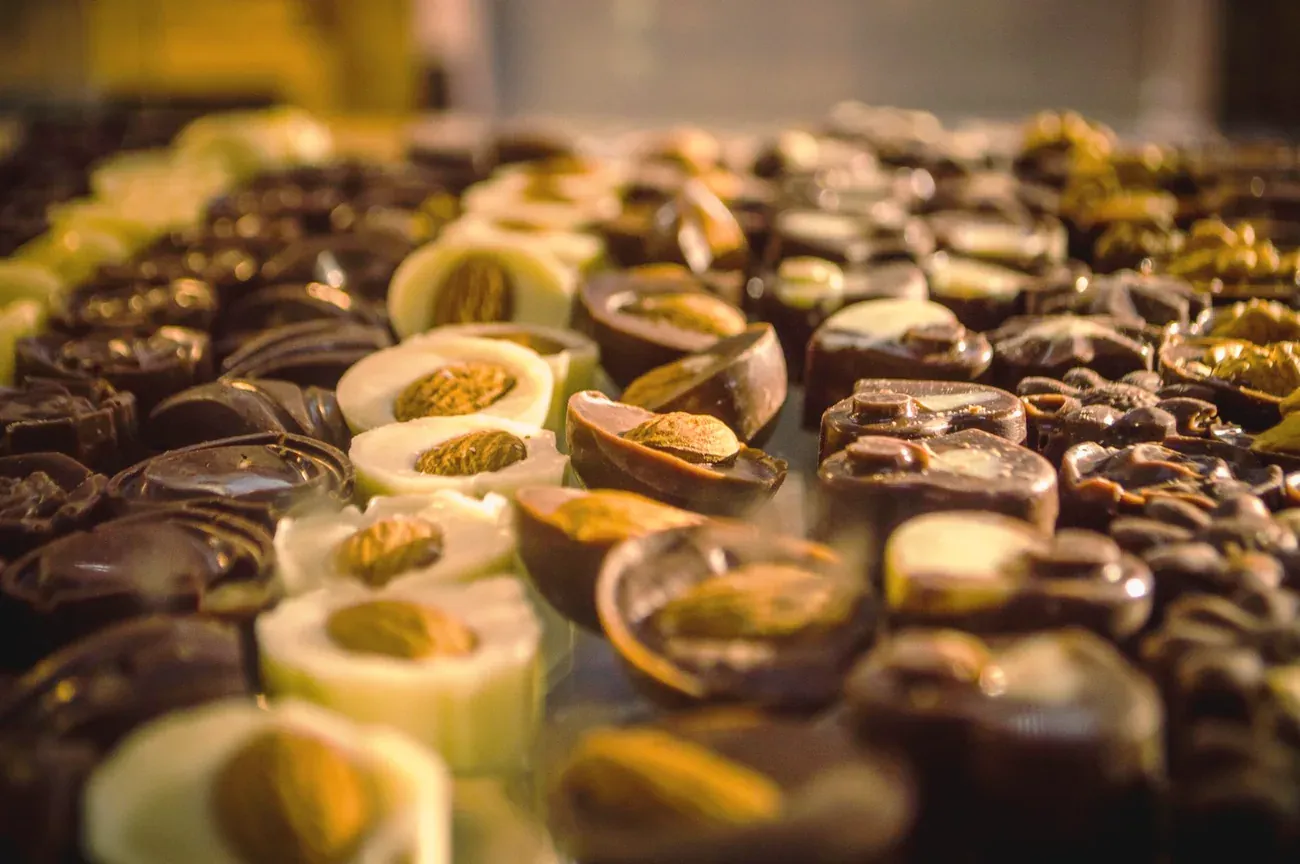
Museu de la Xocolata
Chocolate's arrival in Europe told through sculpted showpieces, workshops and tastings in El Born.
Location: Carrer del Comerç, Barcelona
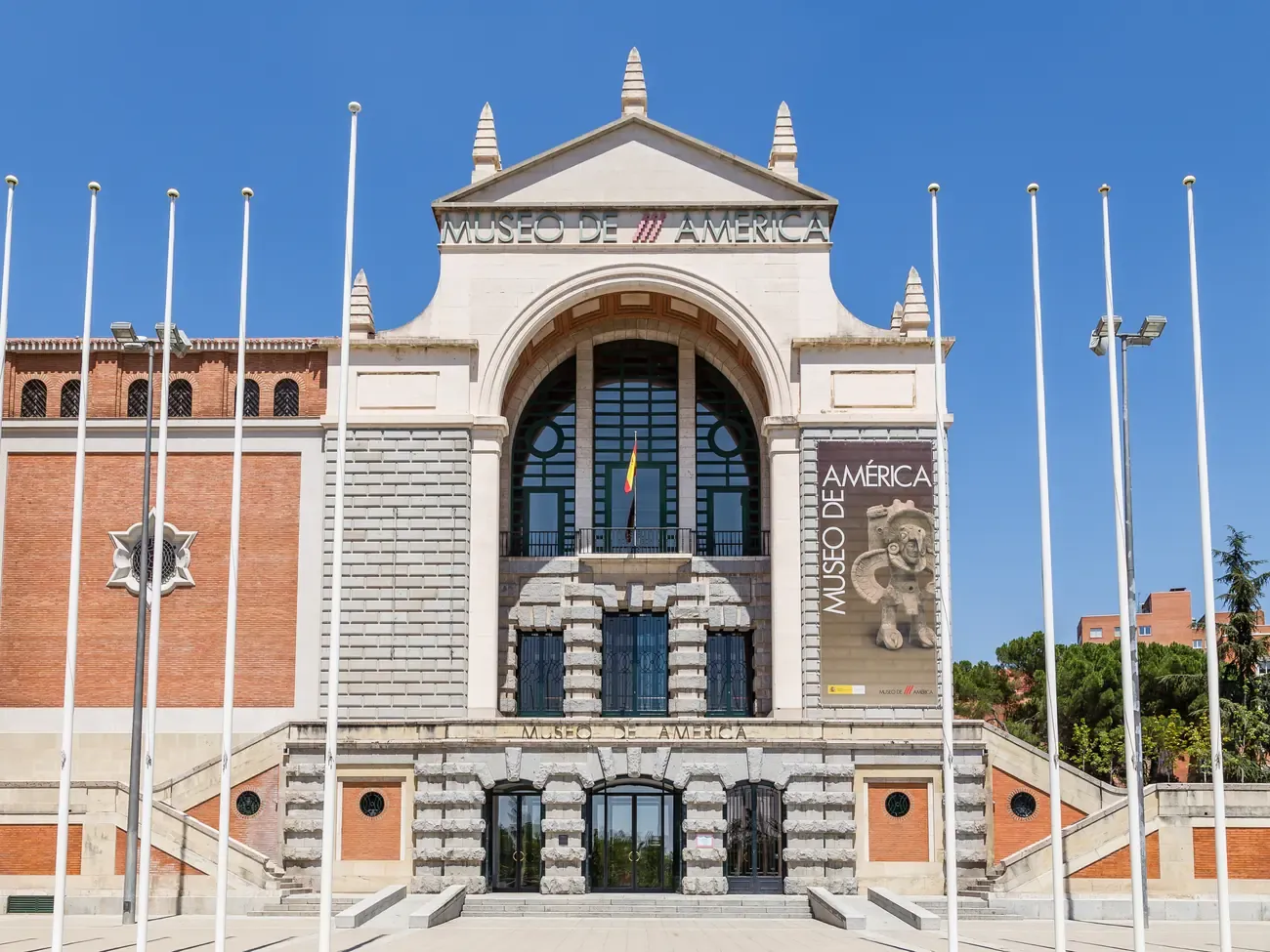
Museo de América
Pre-Columbian and colonial art from the Americas, including the Maya Madrid Codex and Andean goldwork.
Location: Avenida de los Reyes Católicos, Madrid
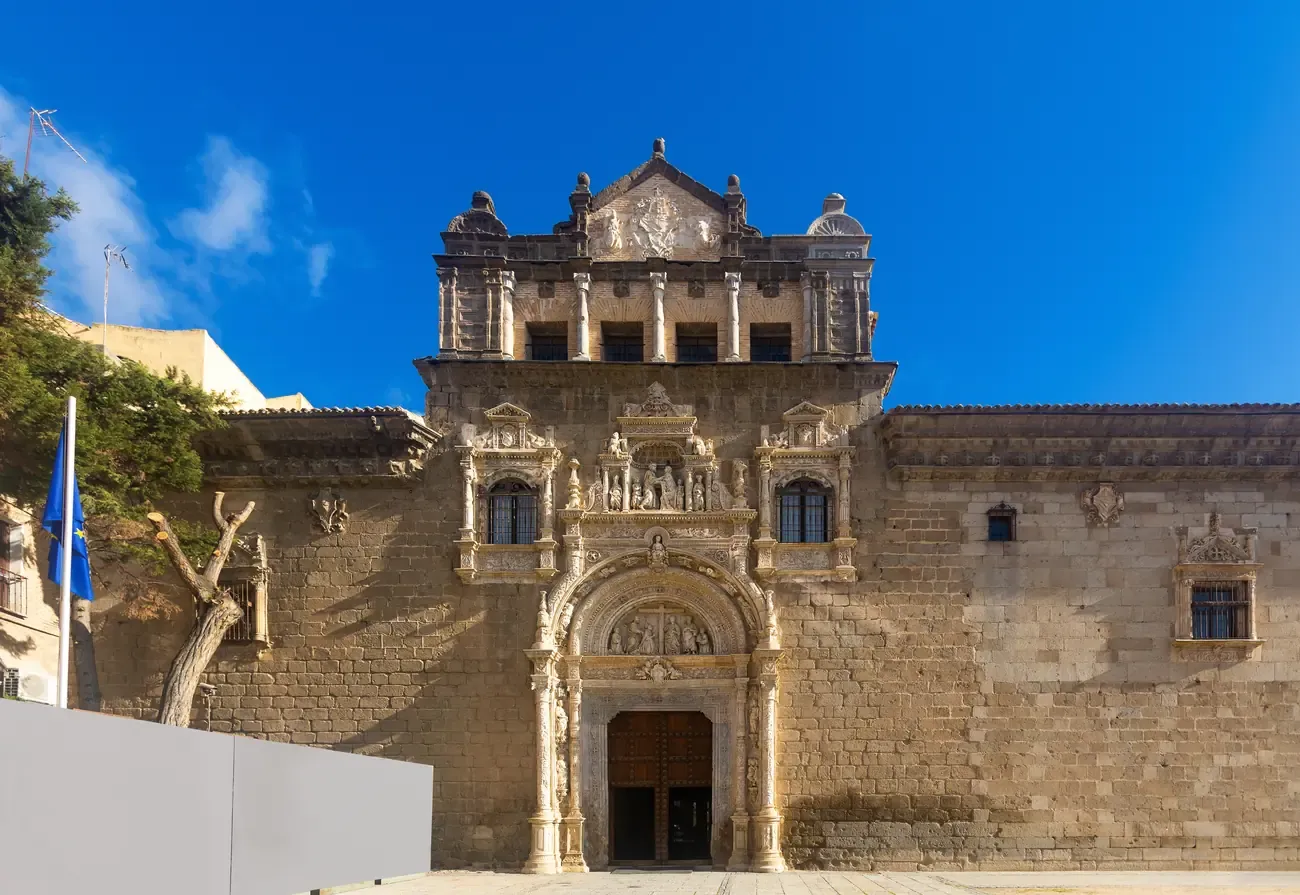
Museo de Santa Cruz
The old Hospital de Santa Cruz, whose main draw is a collection of El Greco canvases alongside archaeology and decorative arts.
Location: Calle Miguel de Cervantes, Toledo
Gardens and green corners in Spain
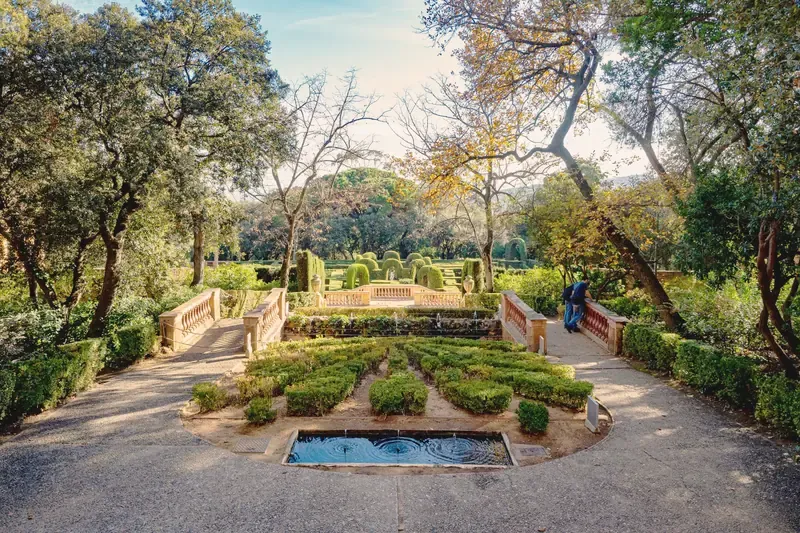
Labyrinth Park of Horta
A cypress maze, neoclassical pavilions and romantic terraces on a quiet estate below the Collserola hills.
Location: Passeig dels Castanyers, Barcelona
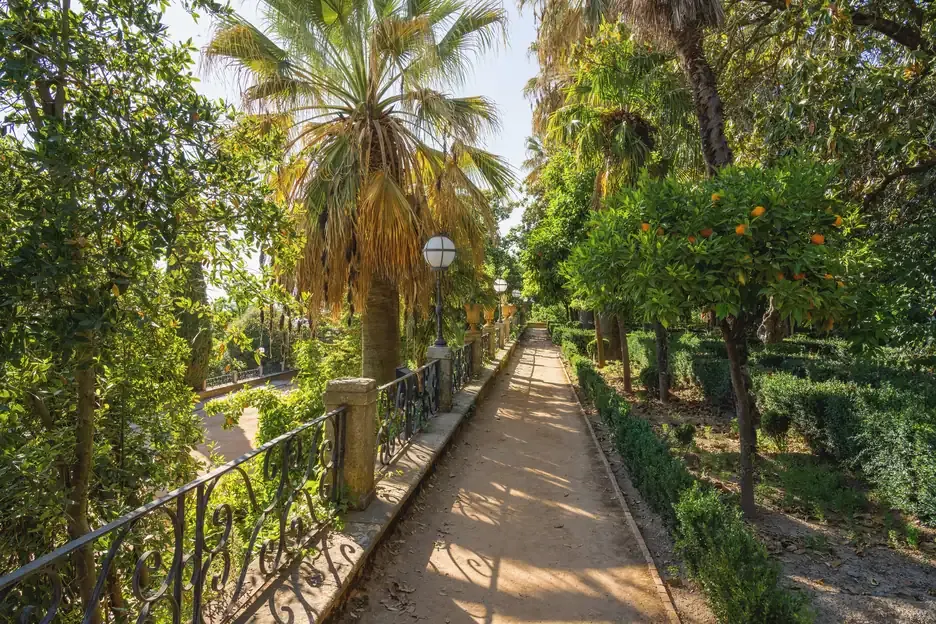
Carmen de los Mártires
Cypress terraces, a duck pond and wandering peacocks fill these municipal gardens on the climb to the Alhambra.
Location: Paseo de los Mártires, Granada
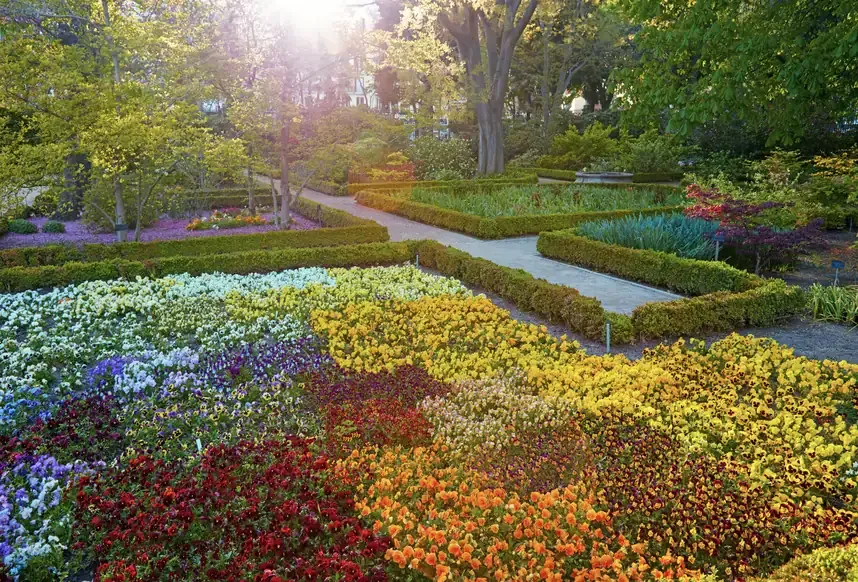
Real Jardín Botánico
Royal botanical gardens laid out in 1781, thousands of species arranged across terraces right beside the Prado.
Location: Plaza de Murillo, Madrid
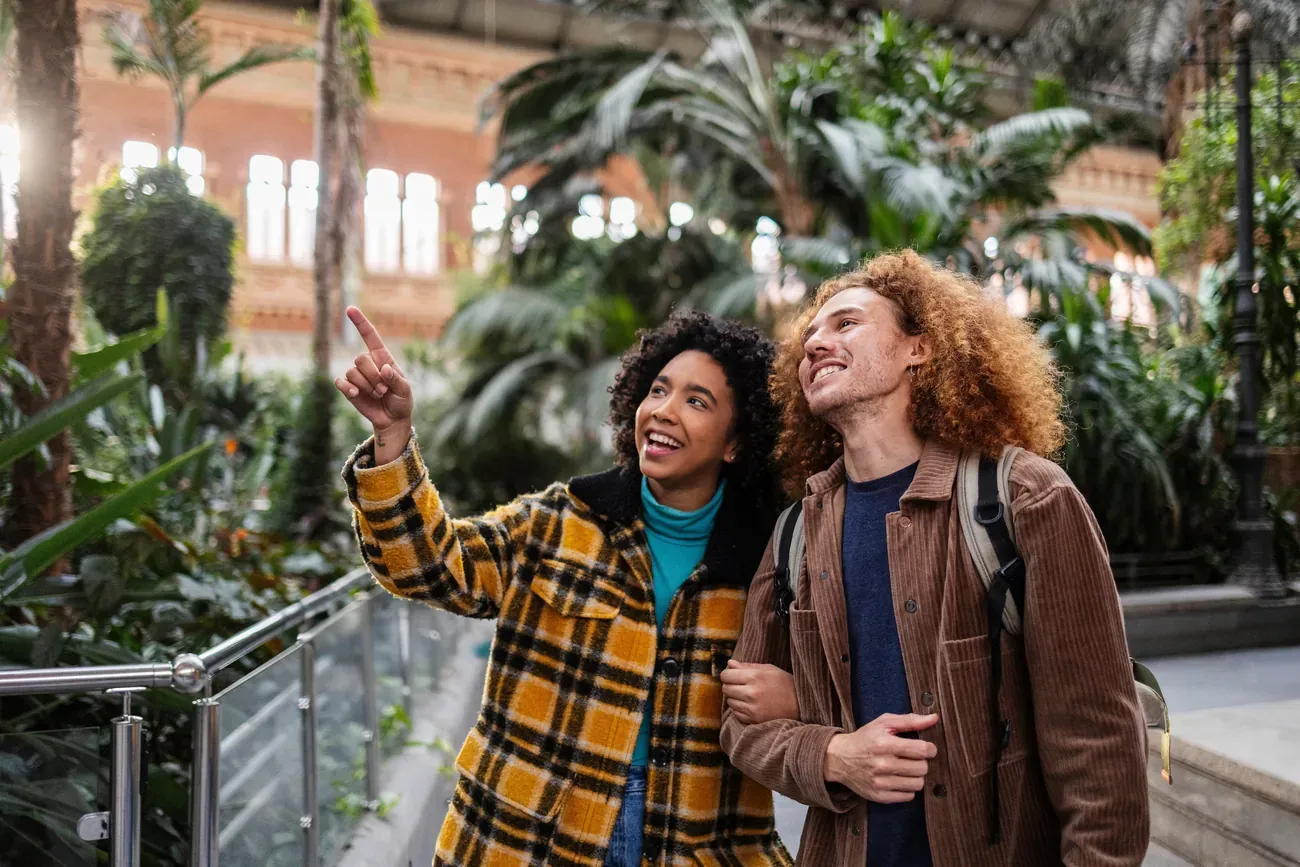
Atocha station tropical garden
Some 7,000 tropical plants fill the old concourse of the nineteenth-century railway station.
Location: Plaza del Emperador Carlos V, Madrid
Medieval and Moorish corners of Spain
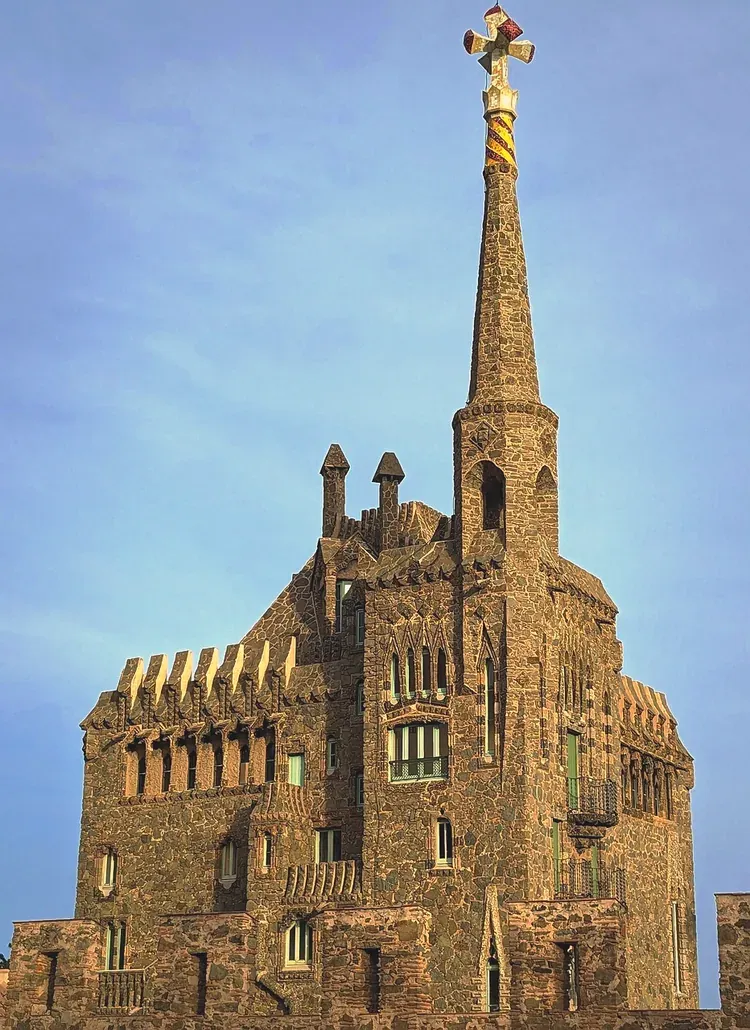
Torre Bellesguard
Gaudí raised this castle-like tower on the site of King Martin's medieval palace, mixing brick battlements with stained glass.
Location: Carrer de Bellesguard, Barcelona
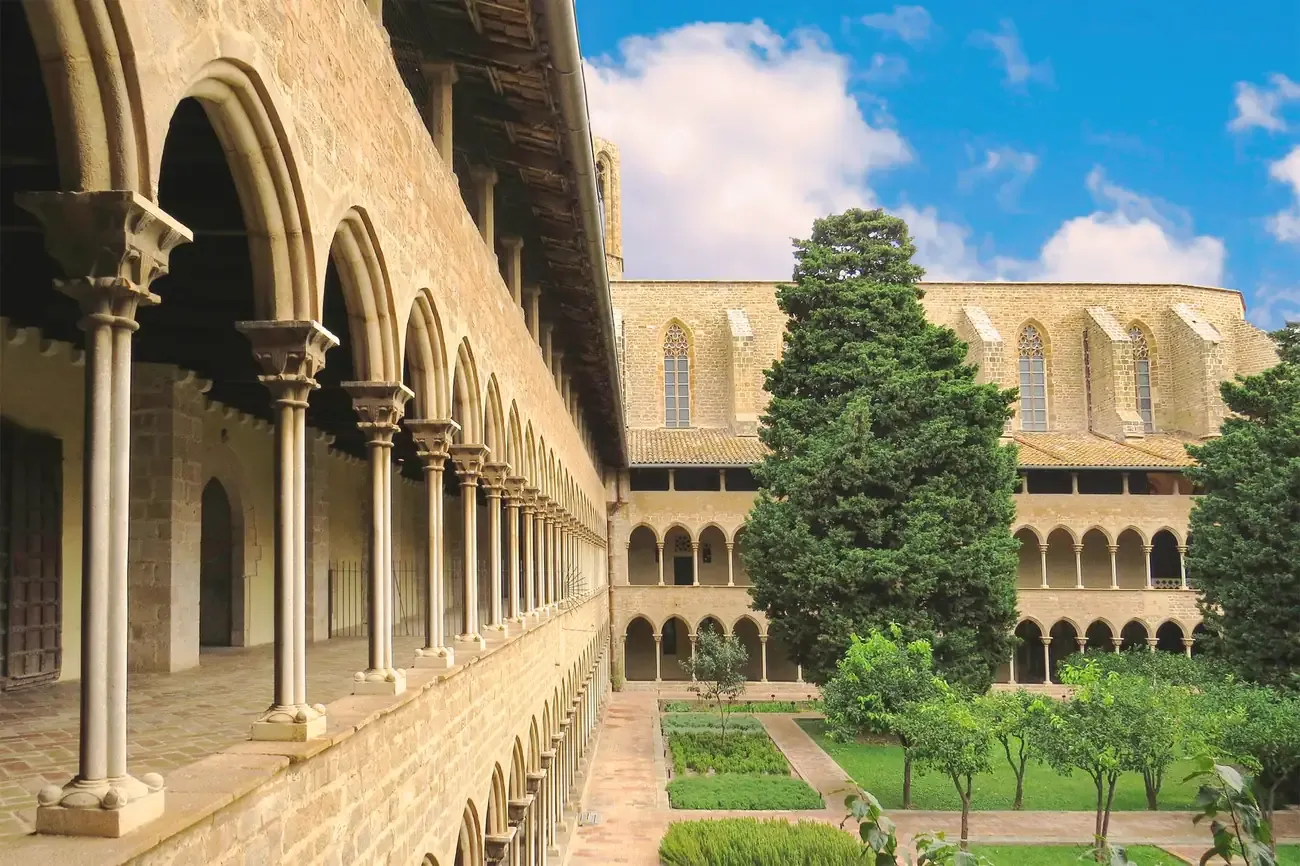
Monestir de Pedralbes
A Gothic royal convent founded in 1326, with a three-storey cloister and the tomb of its founding queen.
Location: Baixada del Monestir, Barcelona
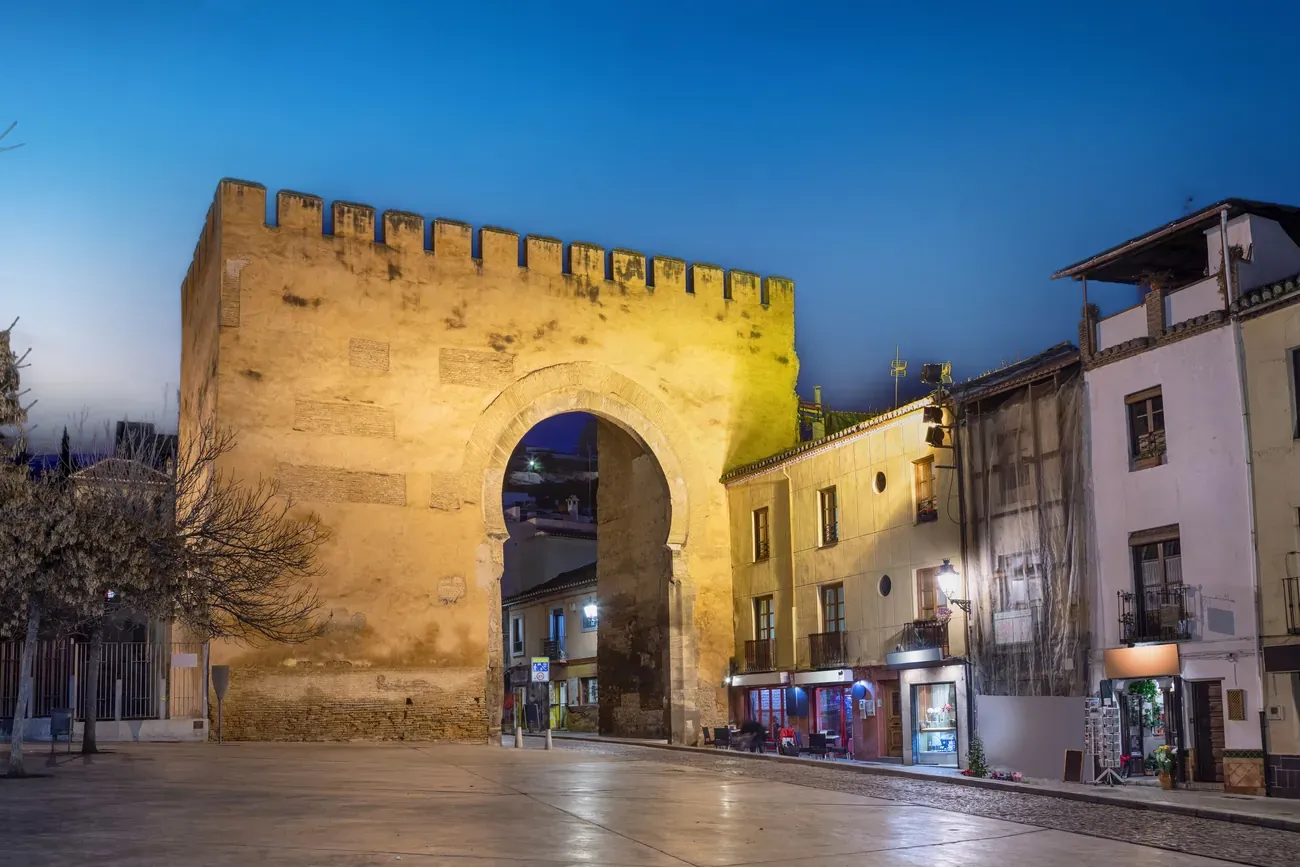
Puerta de Elvira
The Nasrid gate into the Albaicín, standing since the eleventh century and reinforced under Yusuf I in the fourteenth.
Location: Calle Elvira, Granada
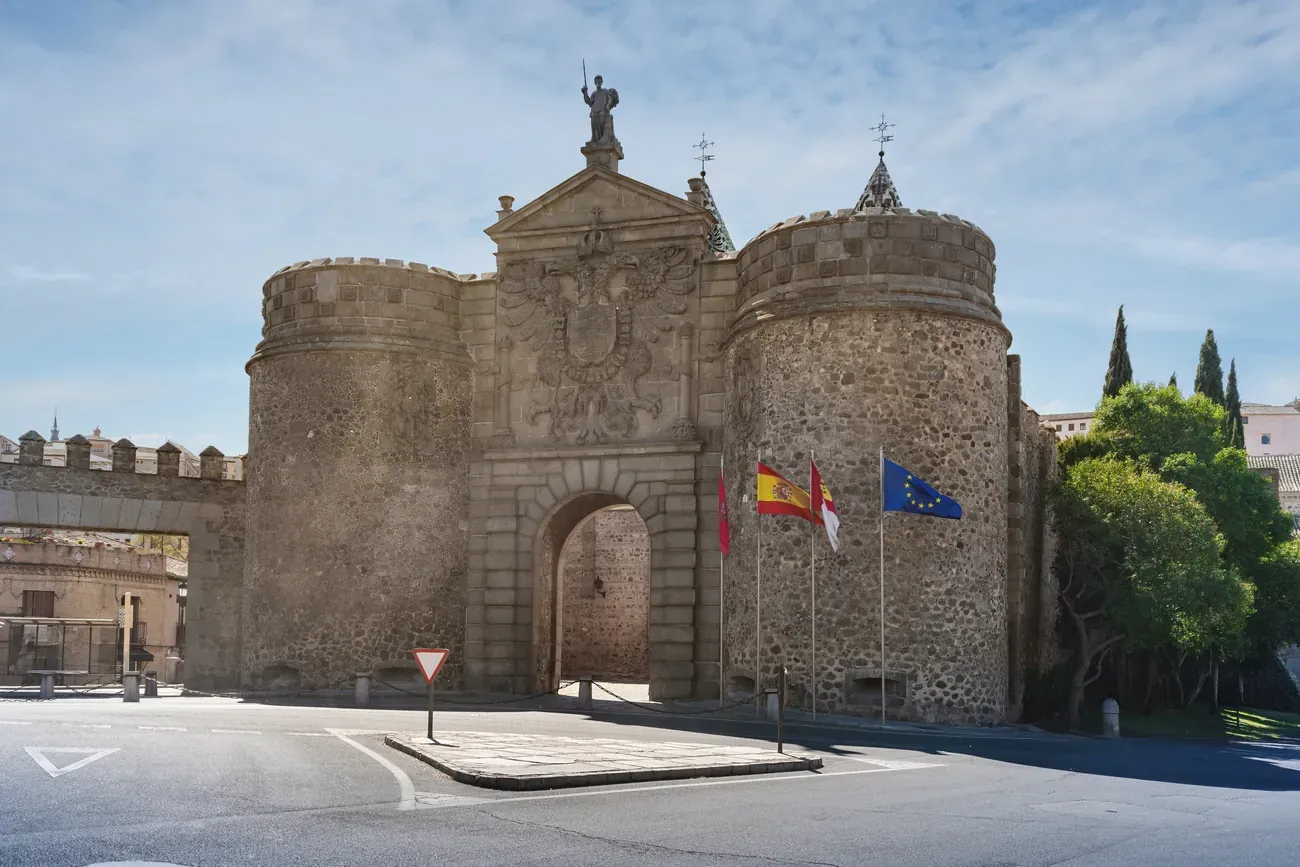
Puerta de Bisagra Nueva
Moorish in origin and rebuilt in 1559 by Alonso de Covarrubias, the main gate into the walled town under Charles V's arms.
Location: Paseo de Merchán, Toledo
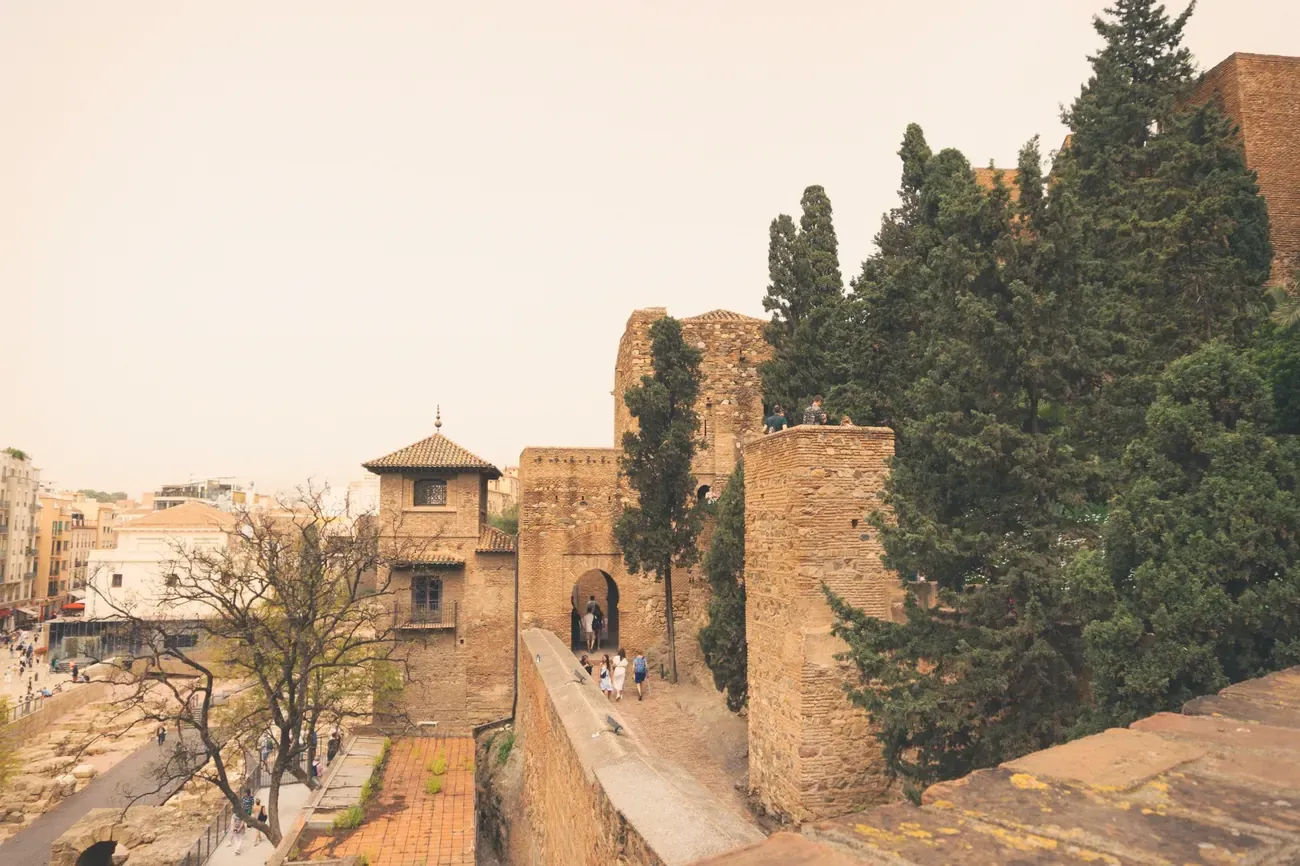
Alcazaba de Málaga
A Moorish palace fortress in tiers above the Roman theatre, its ramparts climbing towards the Gibralfaro castle.
Location: Calle Alcazabilla, Málaga
Hidden gems in Spain worth the detour
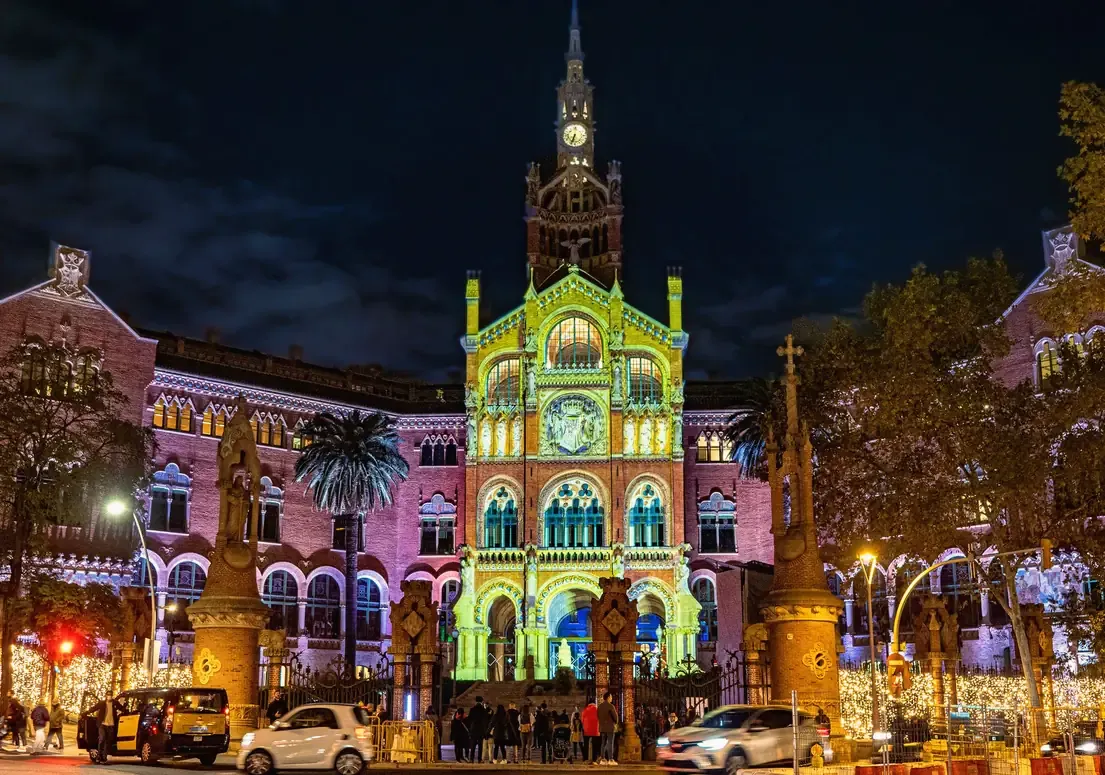
Sant Pau Recinte Modernista
Domènech i Montaner's garden-city hospital, a World Heritage set of tiled pavilions linked by underground galleries.
Location: Carrer de Sant Antoni Maria Claret, Barcelona
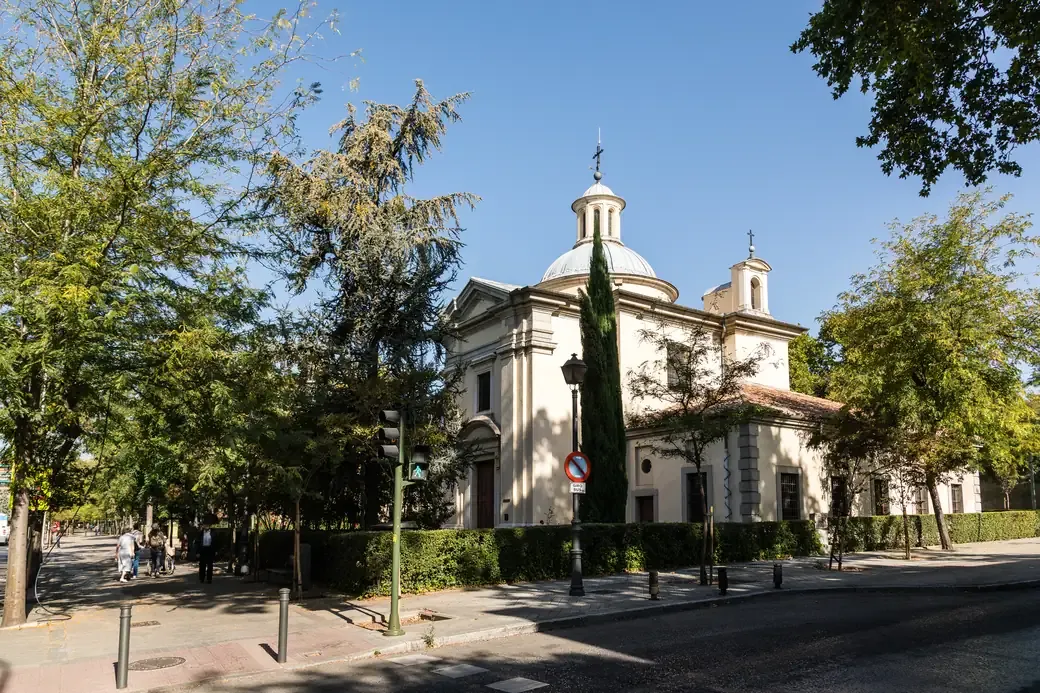
Ermita de San Antonio de la Florida
Goya frescoed the dome of this small royal chapel by the river, and he is buried beneath it.
Location: Glorieta de San Antonio de la Florida, Madrid
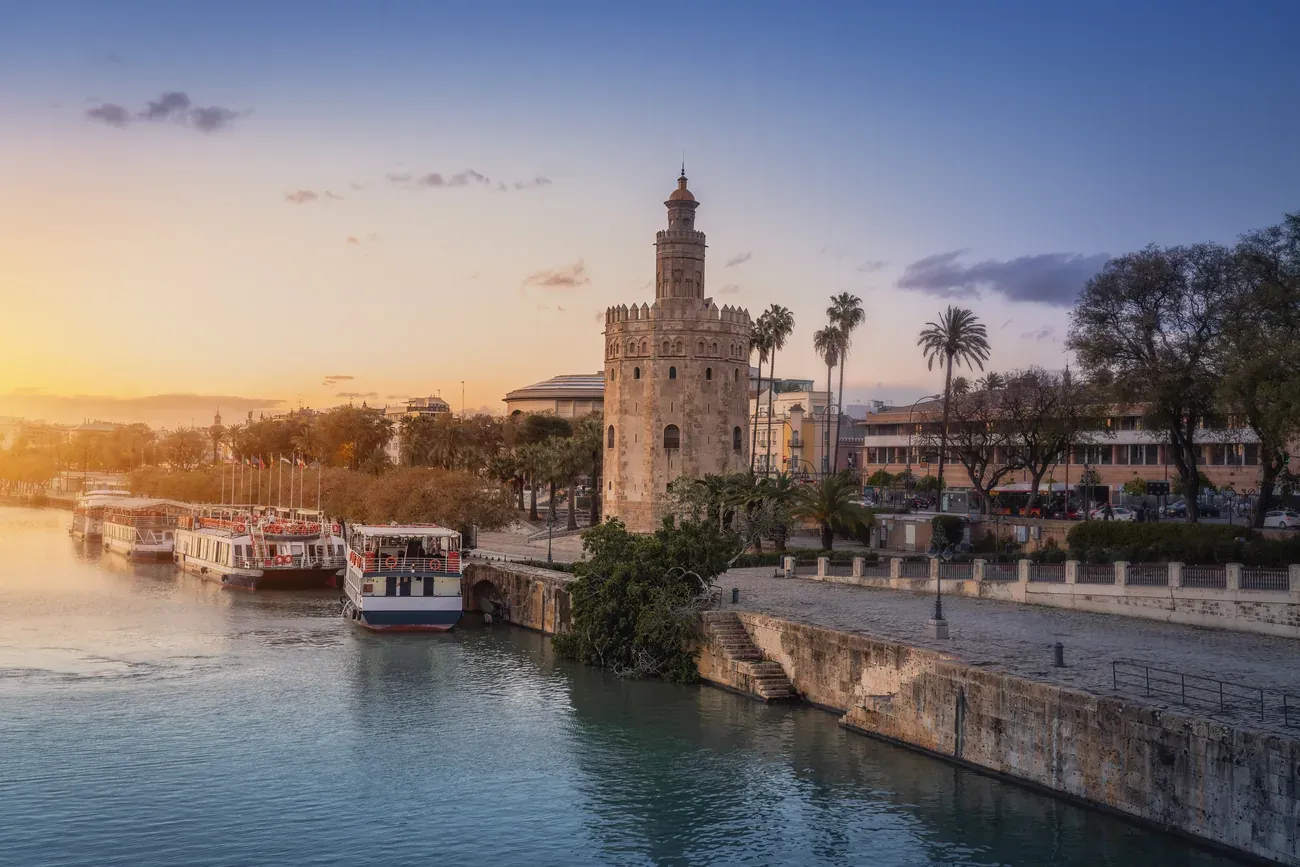
Torre del Oro
A twelve-sided Almohad watchtower raised in 1220 to control river traffic on the Guadalquivir, and later a prison.
Location: Paseo de Cristóbal Colón, Seville
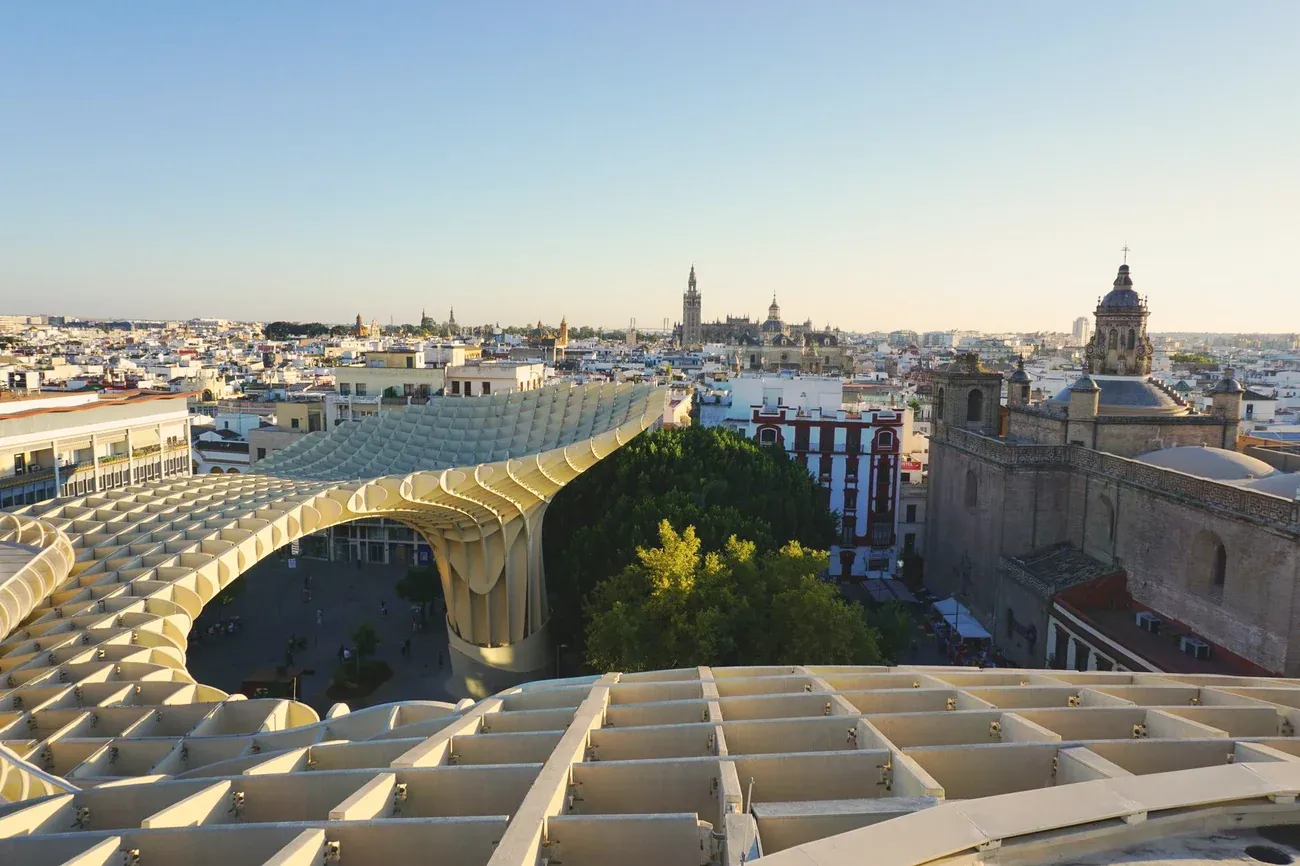
Setas de Sevilla
Jürgen Mayer's timber lattice over the old market square, finished in 2011, with an archaeological museum below and a rooftop walkway.
Location: Plaza de la Encarnación, Seville
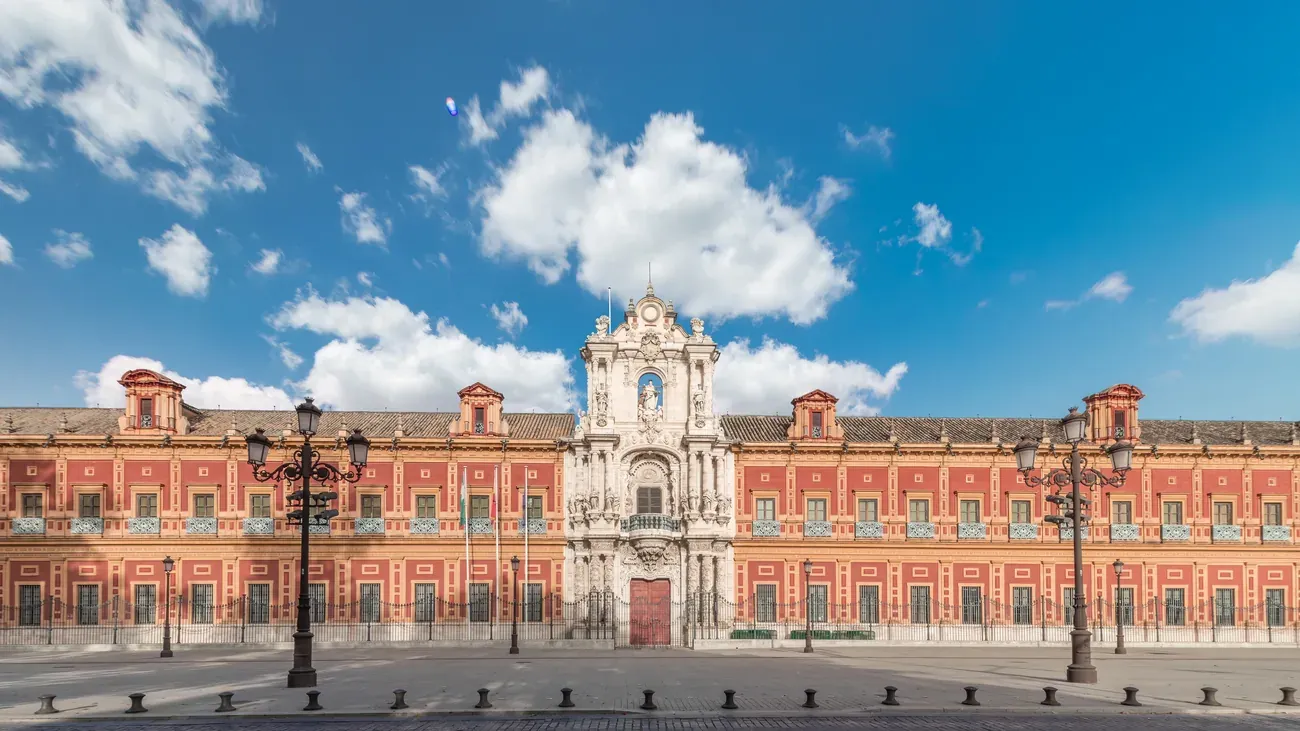
Palacio de San Telmo
Begun in 1682 as a school training orphans to be sailors, now the seat of the Andalusian government behind a Baroque front.
Location: Avenida de Roma, Seville
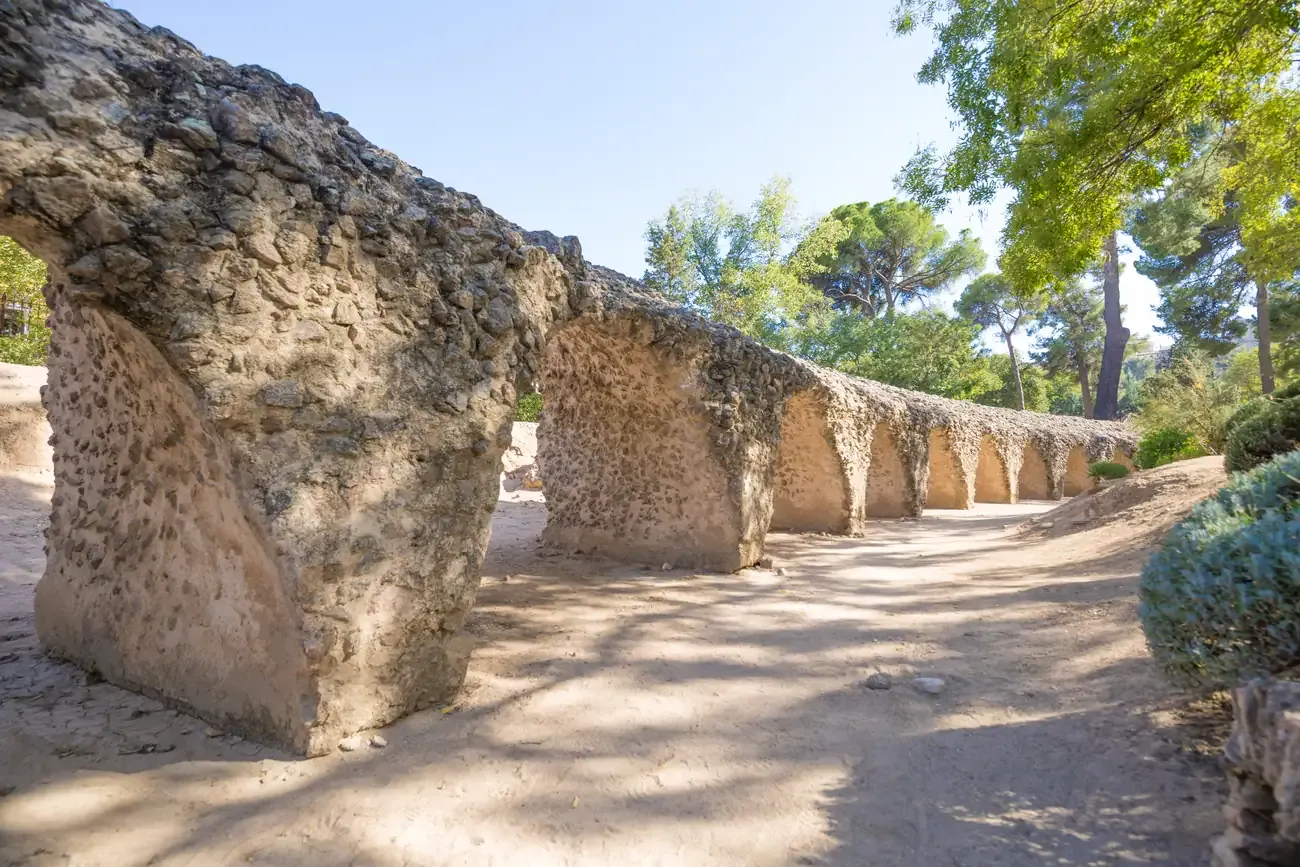
Roman Circus of Toledo
The grassed remains of a chariot racing circus laid out beyond the walls, kept today as a public park.
Location: Avenida de Carlos III, Toledo
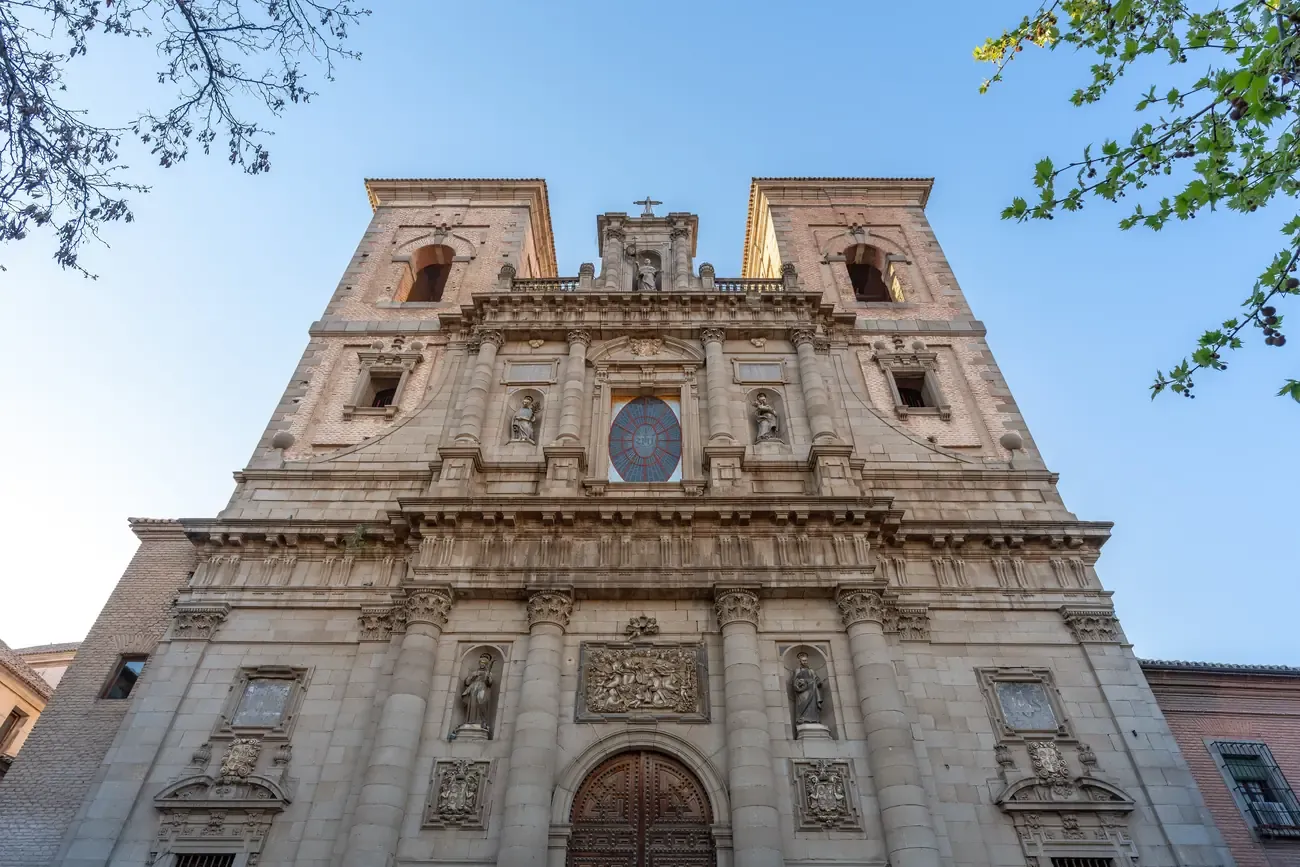
Iglesia de los Jesuitas
A Jesuit church begun in 1629 and over a century in the building, on the spot where Toledo's patron saint was said to be born.
Location: Plaza Padre Juan de Mariana, Toledo
What sets Spain apart
Spain works less like one country than like several stitched together. The green, rain-fed north of Galicia and Asturias has little in common with the palm-lined Mediterranean south, Catalan, Basque and Galician hold co-official status alongside Castilian in their own regions, and each of those regions treats its own cooking as the version that counts.
The layering of history is the other reason to come. Eight centuries of Al-Andalus left palaces, mosques and city gates that the Christian kingdoms absorbed rather than erased, so a single afternoon can run from a Roman arcade to a Nasrid throne room to a Gothic cathedral raised on the footprint of a mosque. Fifty UNESCO World Heritage properties are scattered across the map, and plenty of them sit in towns that most itineraries drive past.
Moving between them is unusually easy. The country runs the second longest high-speed rail network in the world after China, radiating from Madrid, so a morning train reaches Seville, Barcelona or Valencia in time for lunch.
Then there is the rhythm of the day. Lunch rarely starts before half past one and dinner rarely before nine, which shifts the whole evening later than most visitors expect. Spring and autumn bring the best of the weather, while in August much of the country moves to the coast. Spain is also the second most visited country on earth after France, which places it high on almost any list of the main tourist attractions in Europe.