
Tourist attractions in Madrid
Known for
Royal palaces, world class art museums and lively tapas culture
Must-see landmarks
The Royal Palace, the Prado Museum and the Reina Sofia Museum
World Heritage
Paseo del Prado and Buen Retiro, UNESCO listed since 2021
Days needed
Three to four full days for the main sights
Top 13 tourist attractions in Madrid
For a first visit, the tourist attractions in Madrid come down to Plaza Mayor, Puerta del Sol, Royal Palace and 10 more sights ranked below, plus 33 hidden gems, free things to do, upcoming events, tickets and visitor FAQs. The 13 sights are numbered on the free Madrid tourist map, with the hidden gems and a walking route.
1. Plaza Mayor
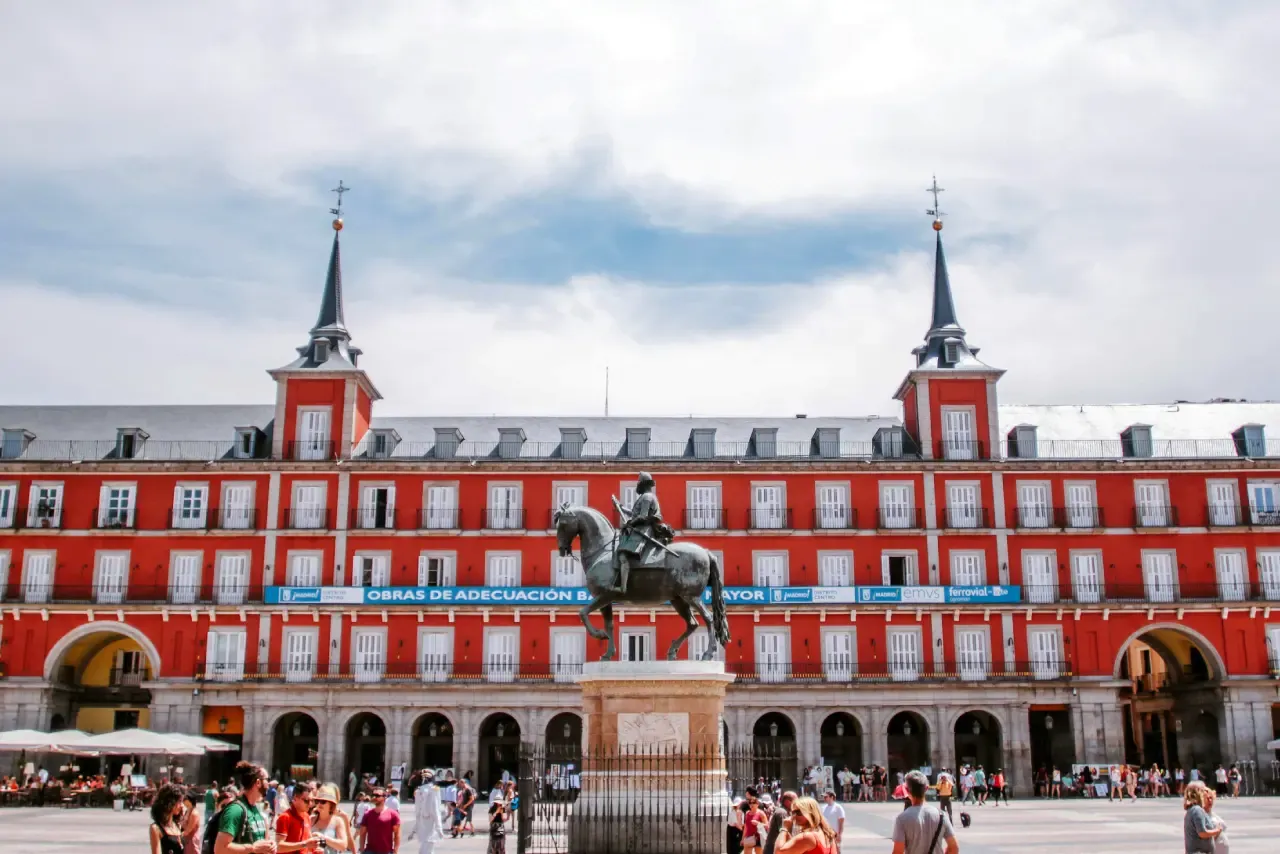
Ringed by red arcaded facades and topped by the frescoed Casa de la Panaderia, this grand rectangular square has been the ceremonial heart of Madrid since the 17th century. Over the years it has staged markets, bullfights, royal proclamations and the trials of the Inquisition; today its porticoes shelter cafes and Sunday stamp collectors, while a bronze statue of King Philip III rides at its centre.
Architect: Juan Gomez de Mora
Location: Plaza Mayor, central Madrid
Access: Free and open around the clock.
2. Puerta del Sol
This bustling half-moon plaza is the symbolic centre of Spain and one of the liveliest crossroads in the city. Set into its pavement is the Kilometre Zero slab from which the country's roads are measured, and above it the Casa de Correos clock rings in the New Year as crowds eat twelve grapes with its chimes. The square also holds Madrid's emblem, the bronze bear reaching into a strawberry tree, and a statue of King Charles III.
Location: Puerta del Sol, central Madrid
Access: Free and open around the clock.
3. Royal Palace
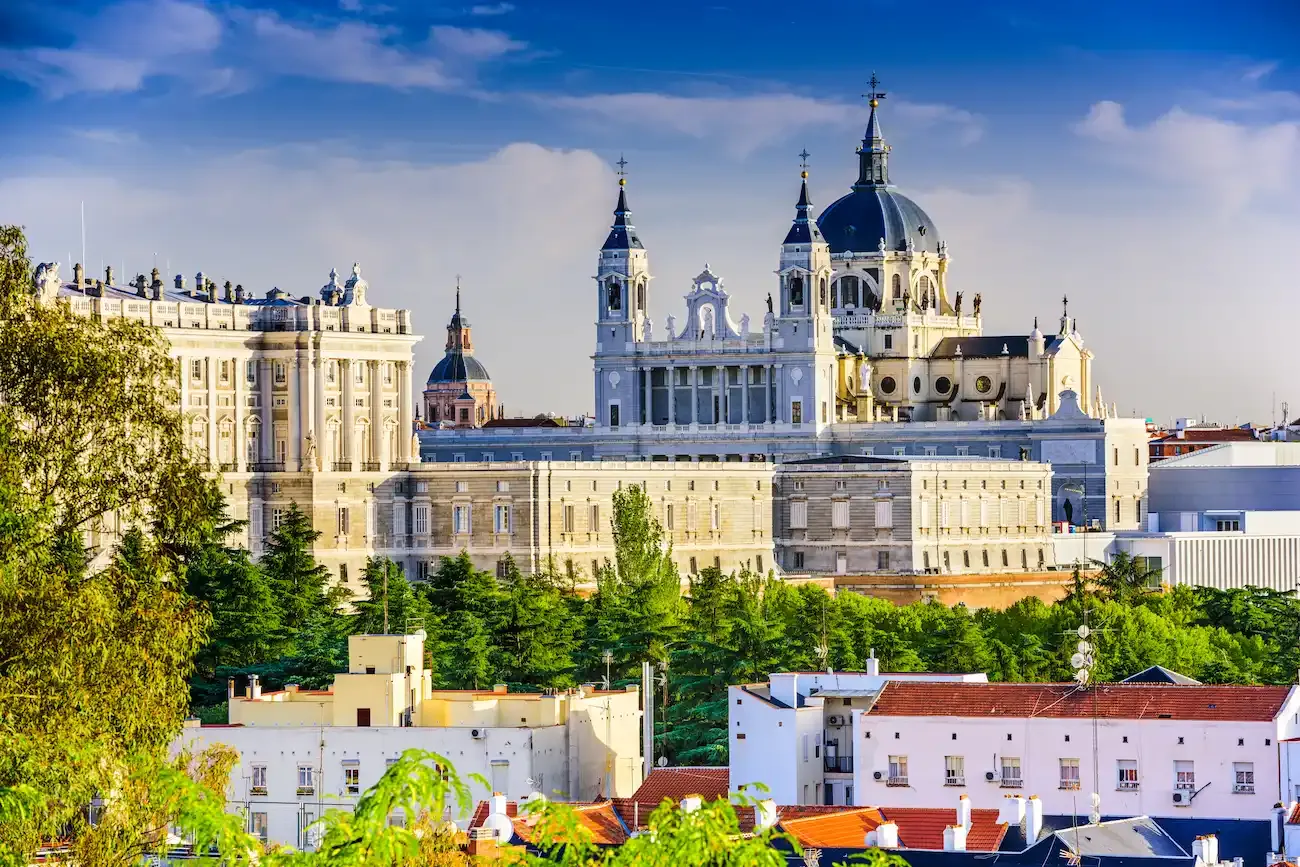
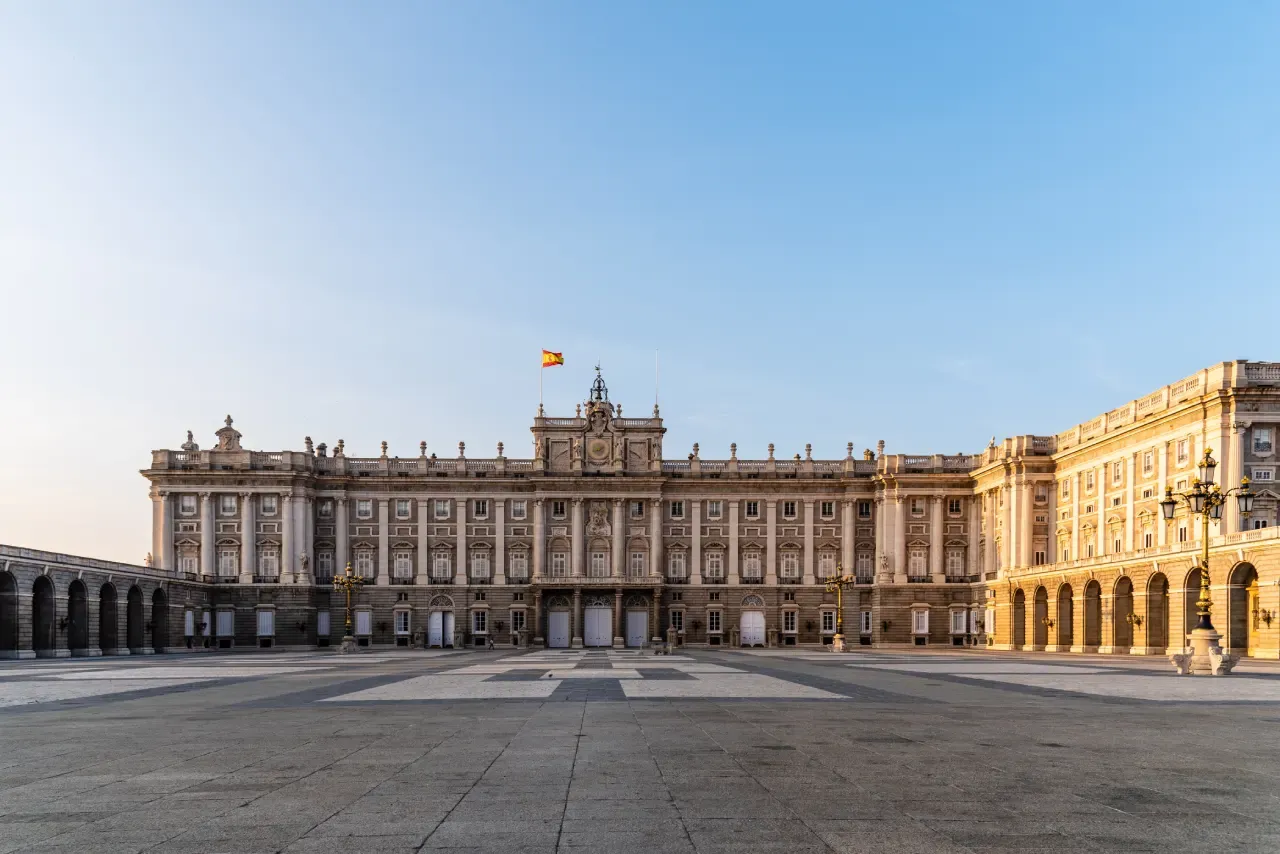
One of the largest royal palaces in Europe, this vast Baroque residence rose on the site of the old Alcazar after fire destroyed it in 1734. Thousands of rooms unfold behind its limestone and granite facade, and visitors can tour the throne room, the porcelain room, the royal armoury and halls hung with works by Goya, Caravaggio and Velazquez. Spain's royal family no longer lives here, reserving it for state ceremonies.
Architect: Filippo Juvarra, Juan Bautista Sacchetti and Francesco Sabatini
Style: Baroque
Location: Calle de Bailen, beside Almudena Cathedral
Access: Ticketed. · Tickets and tours
4. The Prado Museum
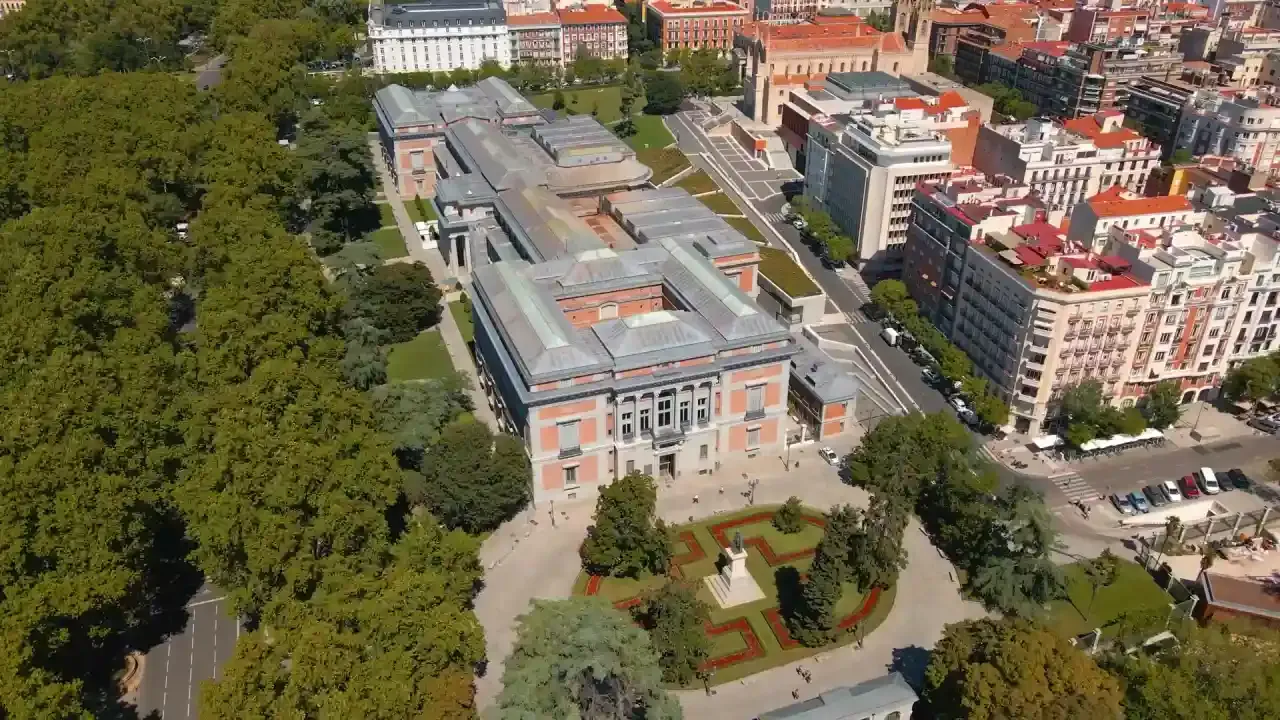
Spain's national art museum ranks among the world's greatest galleries, built around the royal collection and opened to the public in 1819. Its neoclassical halls hold the finest gathering of Spanish painting anywhere, with more than a hundred works by Goya, the haunting Black Paintings, Velazquez's Las Meninas, and masterpieces by El Greco, Titian, Rubens and Bosch, whose Garden of Earthly Delights draws a steady crowd.
Architect: Juan de Villanueva
Style: Neoclassical
Location: Paseo del Prado, in the Golden Triangle of Art
Access: Ticketed. · Tickets and tours
5. The Reina Sofia Museum
Madrid's national museum of 20th-century art occupies a former 18th-century hospital extended by Jean Nouvel's red and glass wings. Its collection traces modern Spanish art through Miro, Dali and Juan Gris, but the undisputed centrepiece is Picasso's Guernica, the monumental canvas protesting the bombing of the Basque town during the Civil War. Quiet rooftop terraces and an inner courtyard reward a slower visit.
Architect: Jean Nouvel (extension)
Location: Calle de Santa Isabel, facing Atocha station
Access: Ticketed. · Tickets and tours
6. Thyssen-Bornemisza Museum
The third point of Madrid's Golden Triangle of Art fills the gaps left by its neighbours, carrying visitors from 13th-century panels to Pop Art in a single sweep. Assembled by a family of industrialist collectors and acquired by Spain in 1993, its galleries hang Van Eyck, Caravaggio, Rembrandt, the Impressionists, Hopper and Rothko. The collection sits inside the remodelled Villahermosa Palace.
Architect: Rafael Moneo (renovation)
Style: Neoclassical palace
Location: Paseo del Prado, opposite the Neptune fountain
Access: Ticketed. · Tickets and tours
7. Almudena Cathedral
Madrid's cathedral took more than a century to finish, begun in 1883 and consecrated by Pope John Paul II only in 1993. The long gestation shows in its mix of styles: a neoclassical exterior that echoes the facing Royal Palace, a brightly coloured Neo-Gothic interior with modern stained glass and pop-art ceiling panels, and a Neo-Romanesque crypt of forest-like columns.
Architect: Francisco de Cubas
Style: Neo-Gothic and Neoclassical
Location: Calle de Bailen, opposite the Royal Palace
Access: Free to enter; the museum and dome are ticketed.
8. Retiro Park
Once the private garden of a vanished royal palace, the green heart of Madrid opened to the public in the 19th century and joined the UNESCO World Heritage list in 2021. Rowing boats drift on the lake below the colonnaded monument to Alfonso XII, while shaded paths lead to a rose garden, the statue of the Fallen Angel and two glass exhibition halls. Weekends bring drummers, puppeteers and fortune tellers.
Location: Plaza de la Independencia, east of the Prado
Access: Free; open daily.
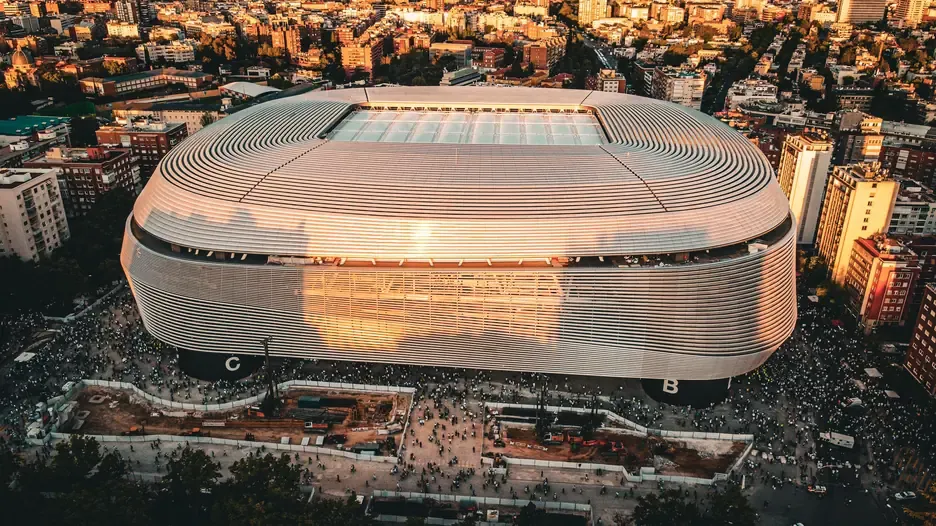
9. Santiago Bernabeu Stadium
Real Madrid's home ground on the Paseo de la Castellana opened in 1947 and emerged from a five year rebuild in 2024 wrapped in a skin of steel bands, with a retractable roof and a pitch that slides away into a vault beneath the stands. Over 78,000 seats make it one of the largest stadiums in Europe. On days without a match the Tour Bernabeu takes visitors through the trophy room with its fifteen European Cups, the pitchside tunnel, the presidential box and the dressing rooms, and the metro stops at the gates.
Architect: Manuel Munoz Monasterio and Luis Alemany Soler; rebuild by L35, GMP and Ribas & Ribas · Opened: 1947
Location: Avenida de Concha Espina 1, Chamartin
Access: Ticketed stadium tour; match tickets are sold separately
10. Temple of Debod
An ancient Egyptian temple stands improbably on a rise near Plaza de Espana, its sandstone gateways mirrored in a shallow pool. Egypt gave the shrine, first raised in the 2nd century BCE, to Spain in 1968 in thanks for help rescuing monuments threatened by the Aswan High Dam. Rebuilt stone by stone, it is one of the few Egyptian temples outside Egypt and a favourite place to watch the sun set over the city.
Style: Ancient Egyptian
Location: Calle de Ferraz, by Plaza de Espana
Access: Free; closed on Mondays.
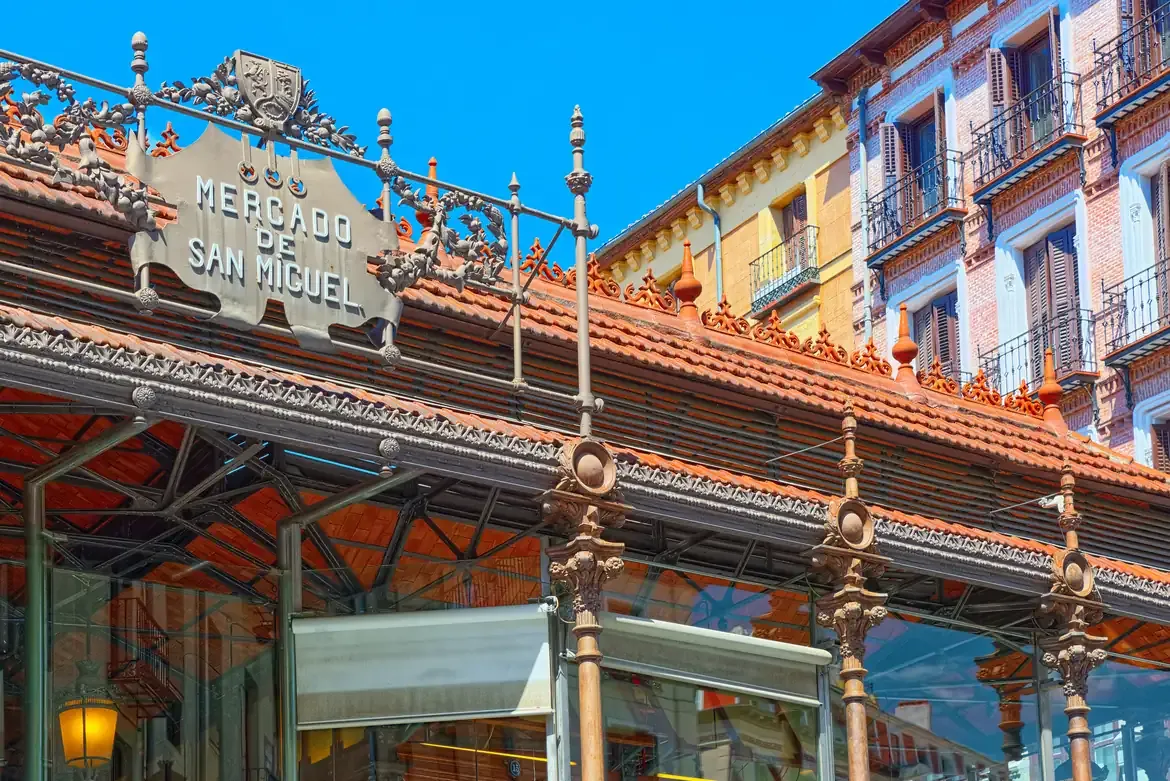
11. Mercado de San Miguel
Behind Plaza Mayor stands one of Madrid's last iron and glass market halls, built in 1916 and restored as a showcase of Spanish food. Rather than a grocery market, it is a covered gallery of stalls serving oysters, jamon iberico, croquetas, vermouth and pastries to eat on the spot at shared counters. The wrought-iron structure glows after dark and stays busy late into the night.
Architect: Alfonso Dube y Diez
Location: Plaza de San Miguel, beside Plaza Mayor
Access: Free entry; open daily.
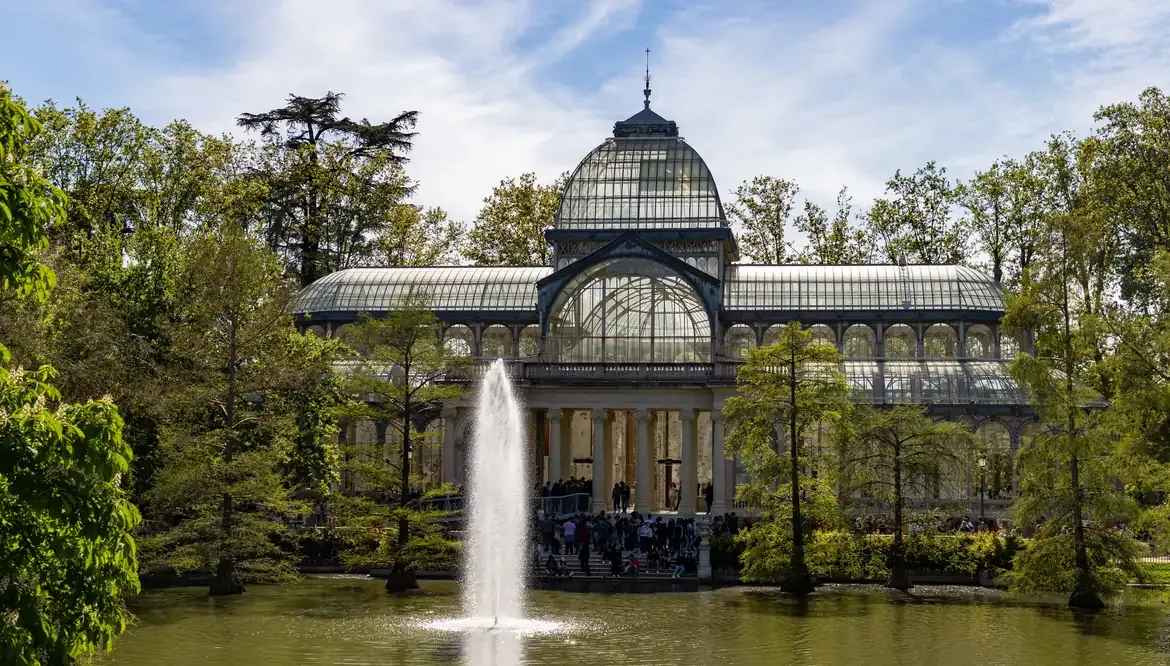
12. Palacio de Cristal
A pavilion of iron and glass rises beside a small lake in Retiro Park, built in 1887 to shelter tropical plants for an exhibition on the Philippines. Modelled on London's Crystal Palace, its transparent dome and cross-shaped hall have long served the Reina Sofia as a light-filled gallery for contemporary art. Ducks and bald cypresses frame the pond and its little cascade.
Architect: Ricardo Velazquez Bosco
Style: Glass-and-iron (ferrovitreous)
Location: Paseo de Venezuela, inside Retiro Park
Access: Closed for renovation until 2027.
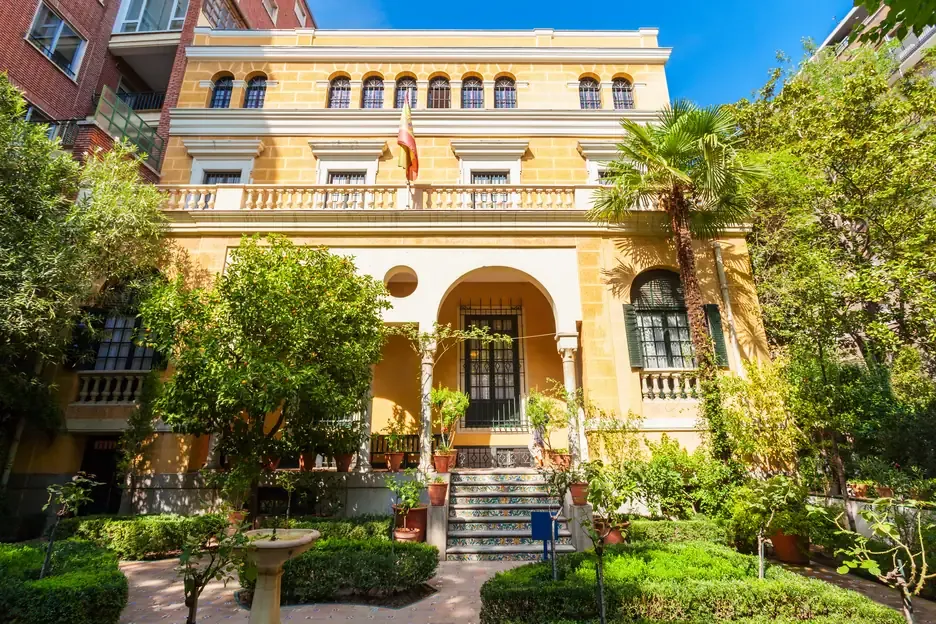
13. Museo Sorolla
The house where painter Joaquin Sorolla lived and worked has been preserved as a museum, its Andalusian-style garden and light-filled studio kept much as he left them. Spain's master of luminous, sun-drenched canvases filled the rooms with his own seascapes and portraits, alongside ceramics, sculpture and the everyday objects of a working artist. The house is currently undergoing a major renovation and expansion.
Architect: Enrique Maria Repulles y Vargas
Location: Paseo del General Martinez Campos, Chamberi
Access: Closed for renovation; reopening expected late 2026.
Book Madrid attractions and tours
Upcoming events in Madrid
Mitos griegos para niños 2
Mitos griegos para niños 2 comes to Teatro Soho Madrid on 2 November at 11:00.

Fantasía (bebés)
Fantasía (bebés) comes to La Escalera de Jacob on 2 November at 11:30.

ElGrandeToto
ElGrandeToto plays Sala Wagon on 2 November at 20:30.
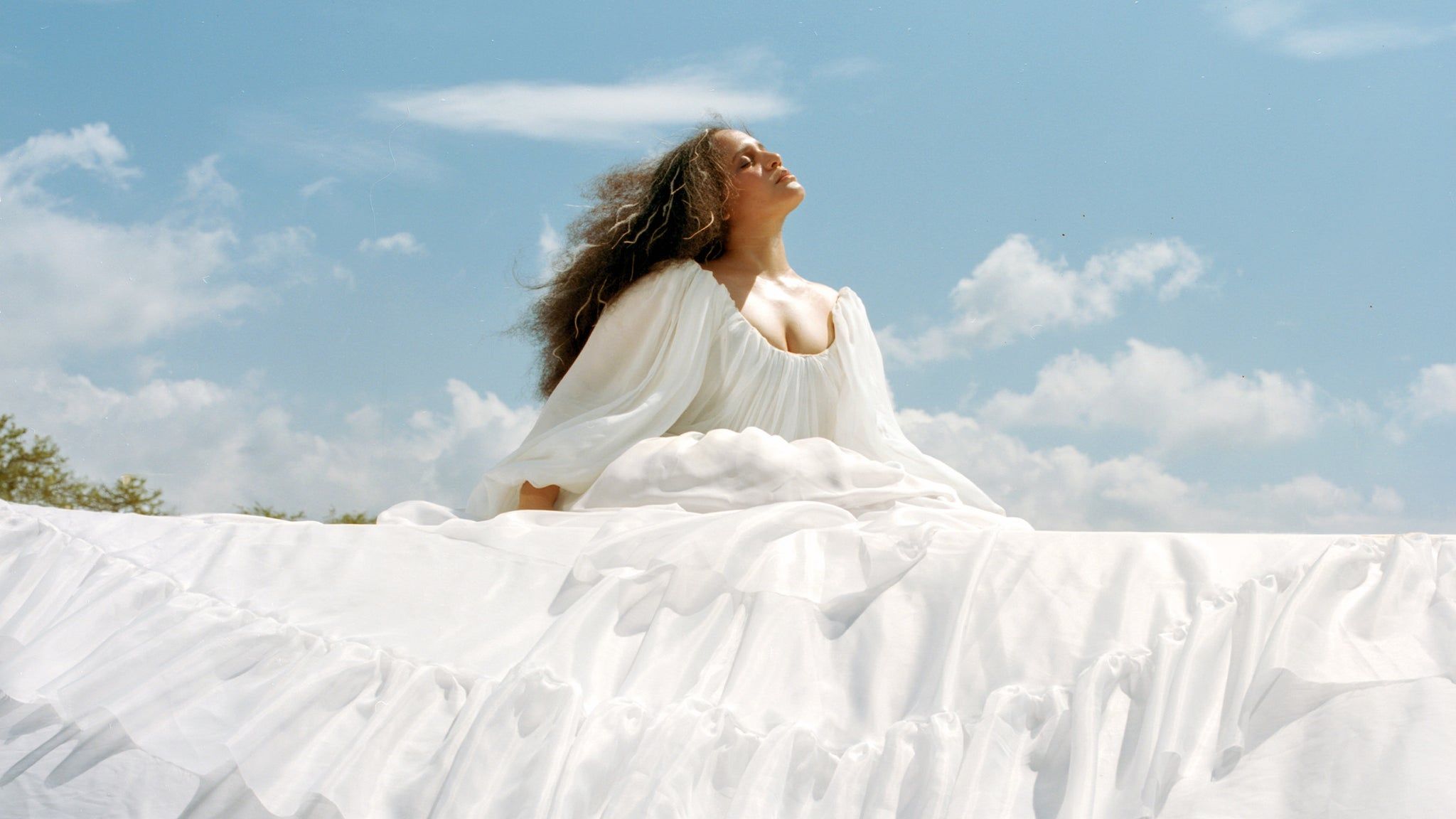
Lido Pimienta
Lido Pimienta plays Sala Villanos on 3 November at 21:00.

Alex Ubago
Alex Ubago plays La Riviera on 4 November at 21:00.

Romance - Homenaje a Luis Miguel
Romance - Homenaje a Luis Miguel comes to Espacio Gran Via on 9 November at 19:00.
Free landmarks and viewpoints in Madrid
Plaza de Espana
Free and open around the clock since its recent redesign, the square costs nothing to cross even during the outdoor ice rink and market that take over part of it each December. Midweek mornings run quieter than evenings, when locals gather by the fountains.
El Rastro
Browsing Madrid's oldest flea market is free; what a visitor buys from its stalls carries its own price. Stalls run only on Sundays and holidays from 09:00 to 15:00 around La Latina, and arriving by 10:00 beats the crowds and the heat.
Puerta de Alcala
Charles III's neoclassical granite gate once marked the eastern edge of the city and stands free to view at all hours in the middle of Plaza de la Independencia, at the edge of Retiro Park.
Sabatini Gardens
The formal gardens along the north side of the Royal Palace are free to enter year round, their clipped hedges, fountains and statues of Spanish kings framing views of the palace facade and, on clear days, the mountains beyond the city.
Madrid Rio Park
The riverside park along the Manzanares, built over a rerouted motorway, strings playgrounds, fountains and cycling paths for several kilometres and stays open and free around the clock.
Ermita de San Antonio de la Florida
Goya's murals cover the dome of this small royal chapel near the river, where the painter is also buried. It reopened in June 2026 after a year long restoration, with free admission to see the frescoes up close.
Statues and monuments in Madrid
Fountain of the Fallen Angel
One of the few public monuments to Lucifer, this bronze captures the angel's fall from grace and sits exactly 666 metres above sea level.
Location: Retiro Park, Glorieta del Angel Caido
The Rocker Grandma
A statue and mural honour Angeles Rodriguez, the widow who discovered heavy metal in her sixties and became the beloved rockera of Vallecas.
Location: Calle Pena Gorbea, Vallecas
El Oso y el Madrono (Bear and Strawberry Tree)
The bronze bear reaching into a strawberry tree is the official emblem of Madrid, cast in 1967 and a favourite meeting point.
Location: Puerta del Sol
Unusual museums in Madrid
Chamberi Ghost Station
A metro station shut since 1966, preserved with its original tiled adverts and reopened as a small museum, glimpsed from passing line 1 trains.
Location: Calle de Luchana, Chamberi
Reverte Coma Forensic Museum
A macabre teaching collection of skulls, mummified remains and crime evidence, tucked inside the university's medical faculty and open by appointment.
Location: Faculty of Medicine, Complutense University
Javier Puerta Museum of Anatomy
Wax models and real anatomical specimens gathered for 18th-century medical students fill this little-known museum at one of the world's oldest universities.
Location: Faculty of Medicine, Complutense University
Museo Geominero
A dazzling 1920s hall of iron galleries and stained glass displays fossils, minerals and meteorites gathered from across Spain and beyond.
Location: Calle de Rios Rosas, Chamberi
Museo de America
Spain's finest collection of pre-Columbian and colonial art from the Americas, including the rare Maya Madrid Codex and Andean gold.
Location: Avenida de los Reyes Catolicos, Moncloa
Art and hidden interiors in Madrid
Air Crash
A whimsical sculpture of an angel crash-landed face-first onto a rooftop, a playful counterpoint to the city's solemn Fallen Angel.
Location: Calle de los Milaneses, near Puerta del Sol
Witches' Sabbath (The Great He-Goat)
One of Goya's haunting Black Paintings, showing a coven gathered around the devil in the shape of a shadowy goat.
Location: Museo del Prado, Paseo del Prado
Dolmen de Dali
A rare public work designed by Salvador Dali, a boulder balanced above a pool honouring science and technology on the square that bears his name.
Location: Plaza de Salvador Dali, Goya
San Antonio de los Alemanes
Behind a plain facade hides one of Madrid's most dazzling Baroque interiors, its oval nave swirling with floor-to-ceiling frescoes.
Location: Calle de la Puebla, Malasana
La Tabacalera de Lavapies
A former state tobacco factory turned self-managed social centre, its vast walls covered in ever-changing street-art murals.
Location: Calle de Embajadores, Lavapies
Museo Lazaro Galdiano
A collector's mansion packed with Goyas, ivories, enamels and jewels that rival the big galleries yet draw few of the crowds.
Location: Calle de Serrano, Salamanca
Olmec Head Roundabout
A colossal replica of an ancient Olmec stone head watches over traffic from a stepped pyramid on a suburban roundabout.
Location: Calle del Puerto de Porzuna, Aluche
Historic corners of Madrid
Muslim Walls of Madrid
The city's oldest standing structure, a 9th-century rampart from the Moorish fortress of Mayrit that gave Madrid its name.
Location: Cuesta de la Vega, beside the cathedral
House of Beasts (Casa de Fieras)
Now a quiet public library, this leafy corner once held one of Europe's oldest zoos, founded by King Carlos III in 1774.
Location: Retiro, Paseo de Fernan Nunez
Ahuehuete del Buen Retiro (El Abuelo)
Reckoned one of the oldest trees in Madrid, this towering Mexican cypress was planted in the 17th century and nicknamed the Grandfather.
Location: Retiro, near the Puerta de Felipe IV
San Gines Book Shop
An open-air bookstall tucked in a passageway beside the church of San Gines, trading for generations a step from the city's famous chocolateria.
Location: Pasadizo de San Gines, near Puerta del Sol
Cine Dore
A 1912 cinema with a flamboyant modernist facade, now the screening hall of Spain's national film archive, the Filmoteca Espanola.
Location: Calle de Santa Isabel, Lavapies
More hidden corners of Madrid
Sobrino de Botin
Recognised by Guinness World Records as the world's oldest restaurant, roasting suckling pig in its wood-fired oven since 1725.
Location: Calle de Cuchilleros, near Plaza Mayor
Atocha Station Tropical Garden
A lush indoor jungle of some 7,000 tropical plants fills the concourse of Madrid's grand 19th-century railway station.
Location: Atocha Station, Plaza del Emperador Carlos V
Real Jardin Botanico
Royal botanical gardens laid out in 1781, with thousands of species arranged across terraces right beside the Prado.
Location: Plaza de Murillo, beside the Prado
Secret Nun Cookies at Corpus Christi
Cloistered nuns sell homemade cookies through a wooden turntable, so buyer and seller never meet, in a monastery open since 1607.
Location: Plaza del Conde de Miranda, La Latina
Spain's Good Luck Frog
A giant bronze frog, gift of a former casino, sits on Paseo de Recoletos where a rub is said to bring good fortune.
Location: Paseo de Recoletos
Juan de la Cosa Map
The Naval Museum holds the oldest surviving map to show the Americas, drawn in 1500 by a sailor who voyaged with Columbus.
Location: Museo Naval, Paseo del Prado
Kiosko de Horchata Miguel y Jose
One of the last traditional refreshment kiosks in Madrid, pouring horchata and cool summer drinks as the city has for generations.
Location: Calle de Narvaez, Retiro district
La Plaza de la Luna
A cryptic marker from the worldwide Kcymaerxthaere art project, naming this square as a gateway in an invented parallel mythology.
Location: Plaza de Santa Maria Soledad Torres Acosta, Malasana
Kilometre Zero
A stone slab set into the pavement marks the point from which all of Spain's roads are measured, the symbolic centre of the country.
Location: Puerta del Sol
Madrid's Walk of Fame
Brass stars set into the pavement honour film-makers, laid outside the original-version cinemas of the Golem and the Renoir.
Location: Calle de Martin de los Heros, Arguelles
Canos del Peral Archaeological Museum
A free display inside Opera metro station shows a 17th-century fountain and aqueduct unearthed during station works in 2009.
Location: Opera metro station, Plaza de Isabel II
Casa Labra
A historic 1860 tavern famous for its cod fritters, where the Spanish Socialist Party was secretly founded in 1879.
Location: Calle de Tetuan, near Puerta del Sol
Torres Blancas
A landmark of organic architecture by Saenz de Oiza, this cylindrical 1969 tower of stacked balconies stands, despite its name, as a single brown-toned block.
Location: Avenida de America, Salamanca
Why Madrid deserves your time
Madrid grew from a Muslim fortress town into the capital of a global empire, and its centre still reads as layers of that history: the tangled lanes of the Austrias quarter, the grand avenues laid out once Madrid became a capital, and the modern skyline further north. Nowhere else compresses the Golden Triangle of Art, three of Europe's leading museums within a ten minute walk, alongside royal palaces and a nightlife that starts after most other capitals have gone to bed.
Neighbourhoods to know
La Latina and Austrias hold Madrid's oldest quarter, medieval streets around Plaza Mayor and the Sunday sprawl of El Rastro. Sol and Gran Via form the commercial core, loud with theatres and department stores. Salamanca to the north keeps designer shops and quiet avenues, while Malasana and Chueca fill with vintage stores, bars and the city's most concentrated nightlife. Retiro and the Paseo del Arte line up the Prado, the Reina Sofia and the park itself along a UNESCO listed axis.
When to go and for how long
April, May, September and October bring mild weather without the summer heat, when temperatures regularly pass 35 degrees and much of the city empties out for the coast. Winter stays cold but dry and rarely crowded. Three to four full days cover the historic centre, the main museums and one outlying neighbourhood at an easy pace.
Getting around
The centre from the Royal Palace to Retiro Park is entirely walkable, and the Metro's twelve lines reach the rest of the city quickly, running past midnight on weekends. Line 8 and the airport express bus both connect Barajas with the centre in around 20 to 40 minutes, and the Cercanias trains link the wider region. Long distance AVE services out of Atocha reach Seville, Barcelona, Malaga and Valencia, which is why most tours of the tourist attractions in Spain start in the capital.