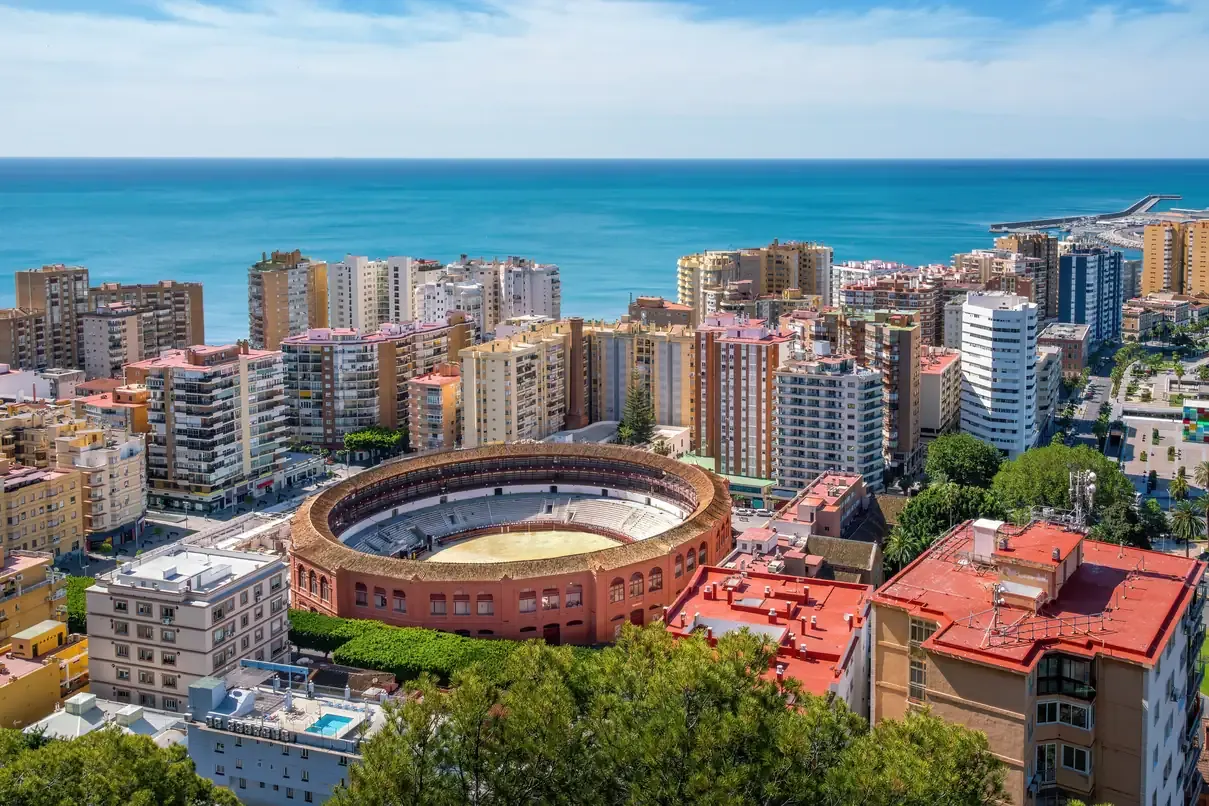
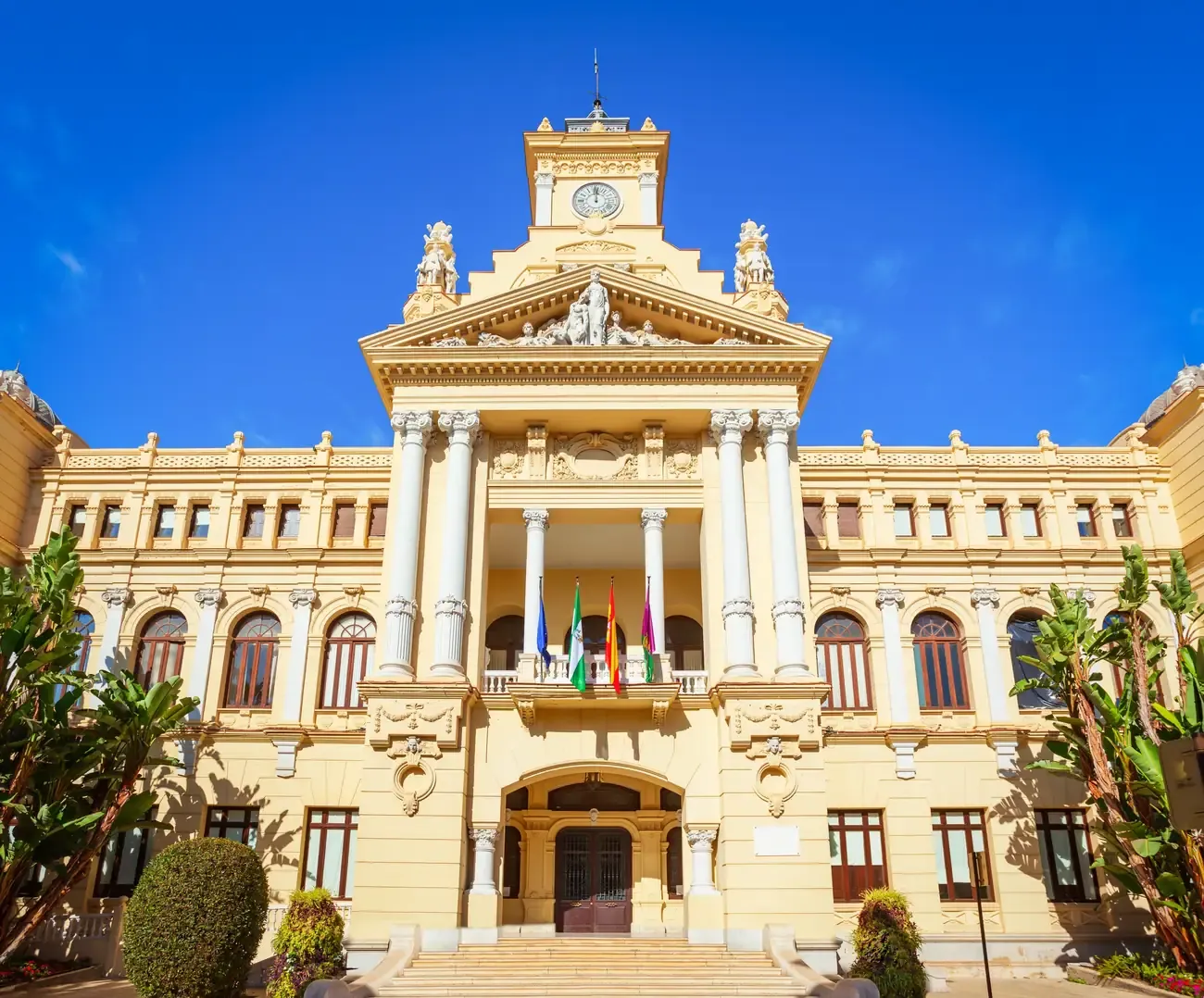
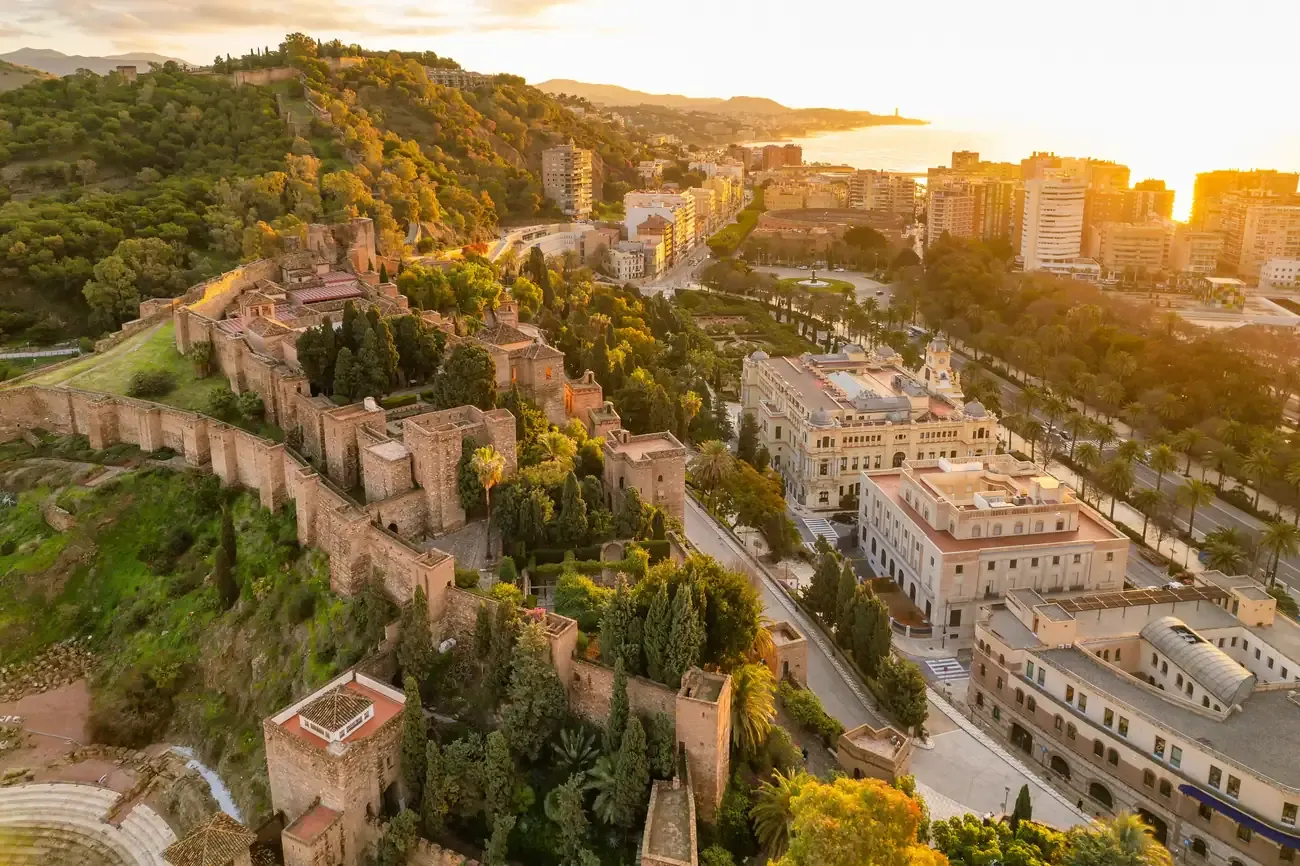
Málaga pairs a Moorish hilltop fortress with the birthplace of Pablo Picasso, capital of its own province on Spain's Costa del Sol. A working port city long before it became a holiday base, it has spent the last two decades adding contemporary art museums to a historic centre already thick with churches, markets and Renaissance architecture, all within a walk of the Mediterranean.
A city rebuilt around its art
Since the Museo Picasso opened in the Palacio de Buenavista, a satellite of the Centre Pompidou and other collections have filled former markets and palaces across the old town, adding a dense circuit of galleries alongside the fortress and cathedral that came centuries earlier.
Neighbourhoods to know
The historic centre spreads from the cathedral and Calle Larios to Plaza de la Merced, Picasso's birthplace square. South of Atarazanas, Soho carries murals and street art through a compact arts district. East along the coast, Pedregalejo and El Palo keep the feel of the fishing villages they once were, their seafront chiringuitos grilling the local espeto sardines.
When to go and for how long
April, May, September and October bring mild days without the summer's heat and crowds, and two to three full days cover the old town, the hilltop fortresses and a stretch of coastline at an easy pace.
Getting around
The old town is compact and walkable, a Cercanías train links the airport and Costa del Sol towns to Málaga Centro-Alameda, and a small metro network and bus routes reach the neighbourhoods further out. High speed trains from María Zambrano station reach Córdoba and its Mosque-Cathedral in about an hour, which makes Málaga a workable base for a wider list of Spain's tourist attractions.