
Japan tourist attractions
Known for
Shinto shrines and Buddhist temples, castles and stroll gardens
Best time to visit
Spring for the cherry blossom and autumn for the maples
UNESCO World Heritage
27 sites, from Himeji-jo to Yakushima
Getting around
The Shinkansen network links Tokyo with the main regions
The 10 tourist attractions to see in Japan
Mount Fuji, Fushimi Inari Taisha and Senso-ji top the tourist attractions in Japan. Below, 10 sights are ranked in order, followed by the cities worth a stop, 12 more landmarks, local dishes, 16 hidden gems and visitor FAQs.
Popular tourist destinations in Japan
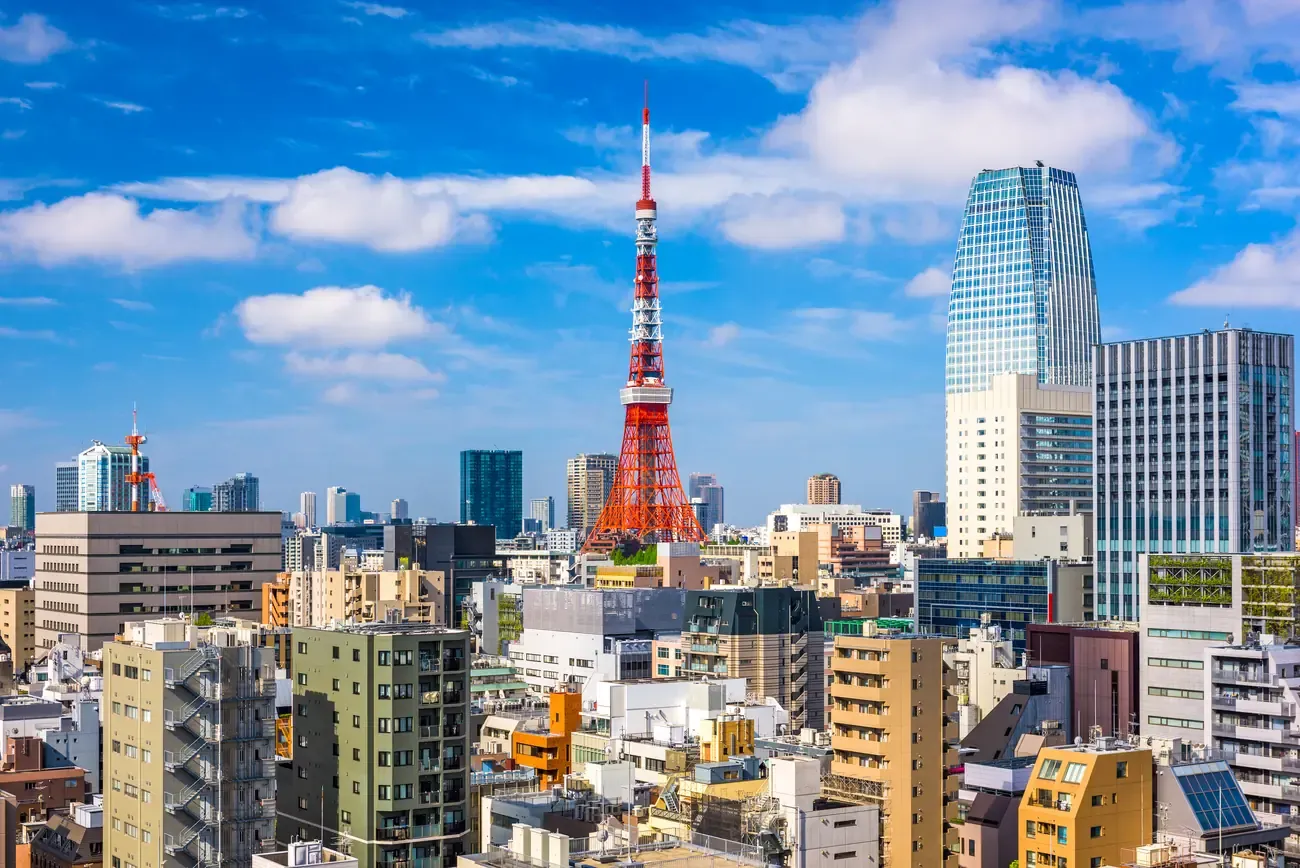
Tokyo
See Tokyo in detail. The capital and the largest urban area in the country, where the oldest temple in the city stands a few stops from the busiest pedestrian crossing in the world.
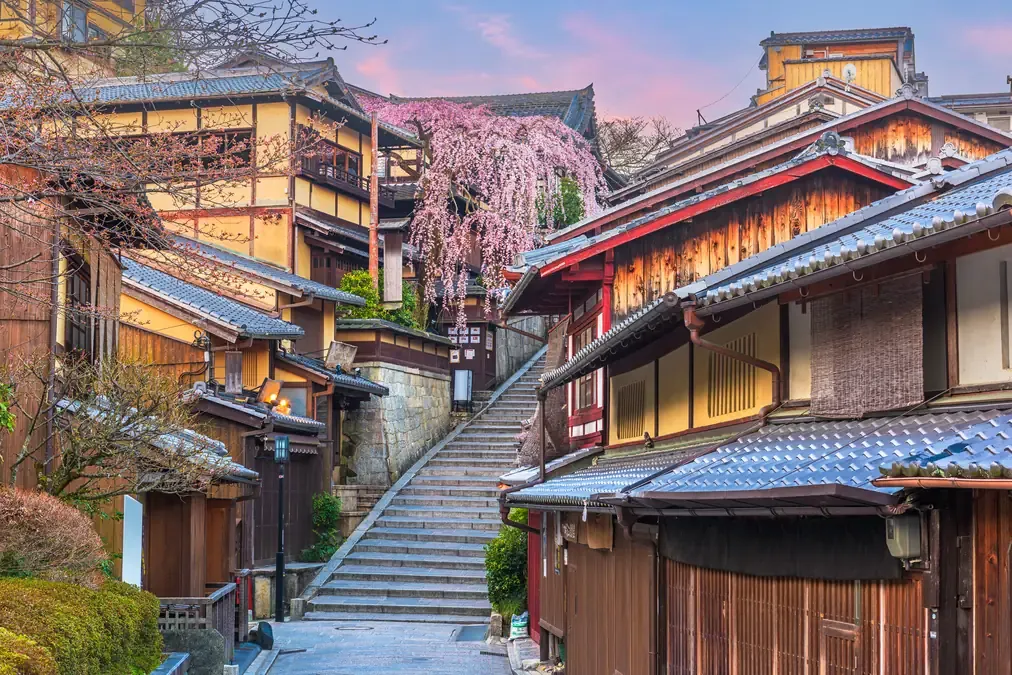
Kyoto
See Kyoto in detail. The imperial capital for more than a thousand years, and the city that holds seventeen of the components of one UNESCO World Heritage listing.
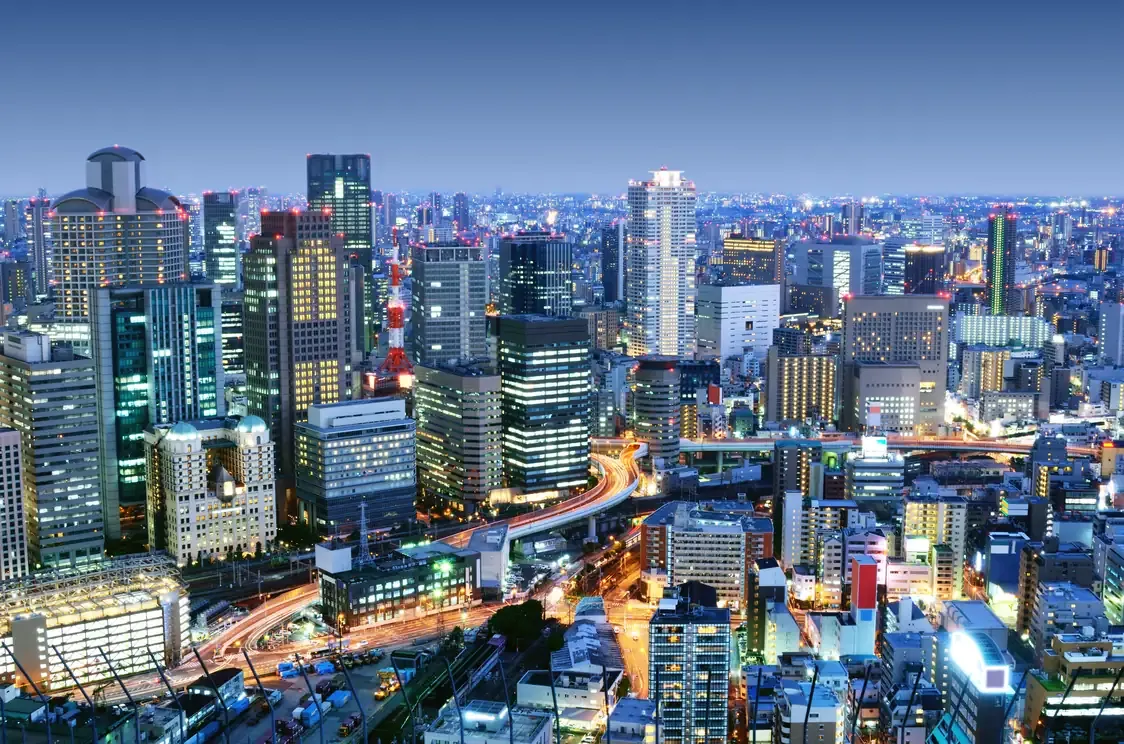
Osaka
See Osaka in detail. The commercial heart of the Kansai region and the city Japanese people go to for food. Its canal district, its rebuilt castle and the griddle dishes okonomiyaki and takoyaki are what most visitors come for.
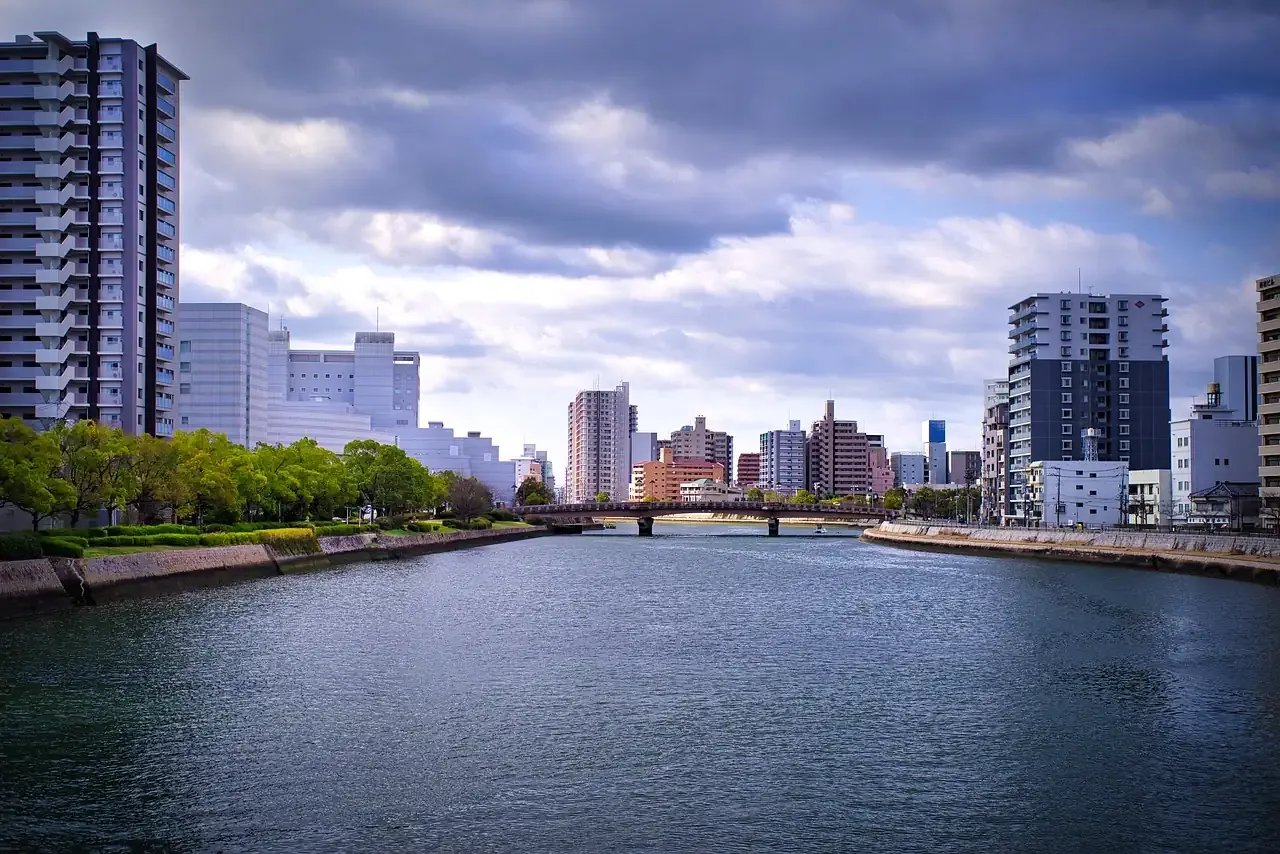
Hiroshima
Rebuilt after 1945 around the Peace Memorial Park, and the mainland base for the island shrine of Itsukushima. It also runs the longest tram network in Japan.
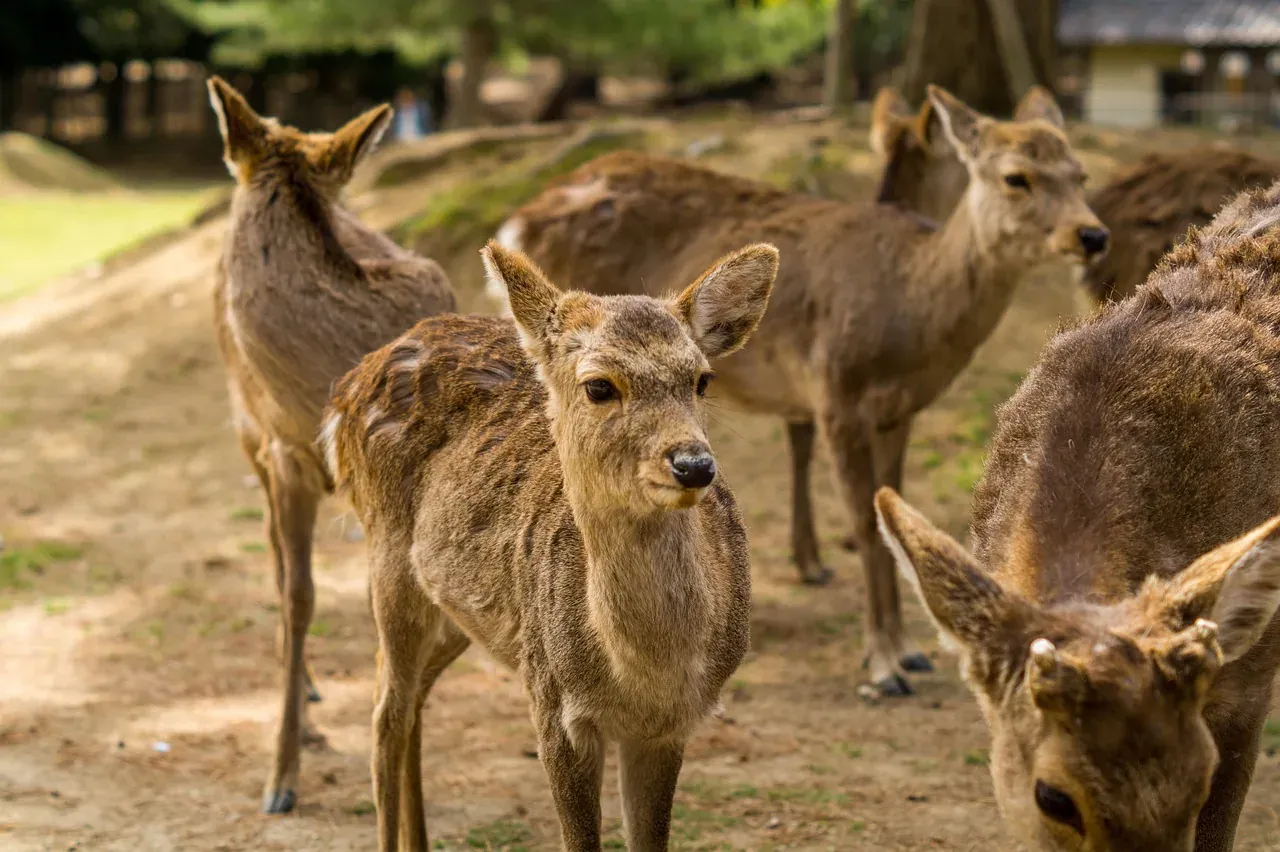
Nara
The first permanent capital of Japan, an easy day from Kyoto or Osaka. Its temples and shrines and the deer that live among them make up a UNESCO listing of their own.
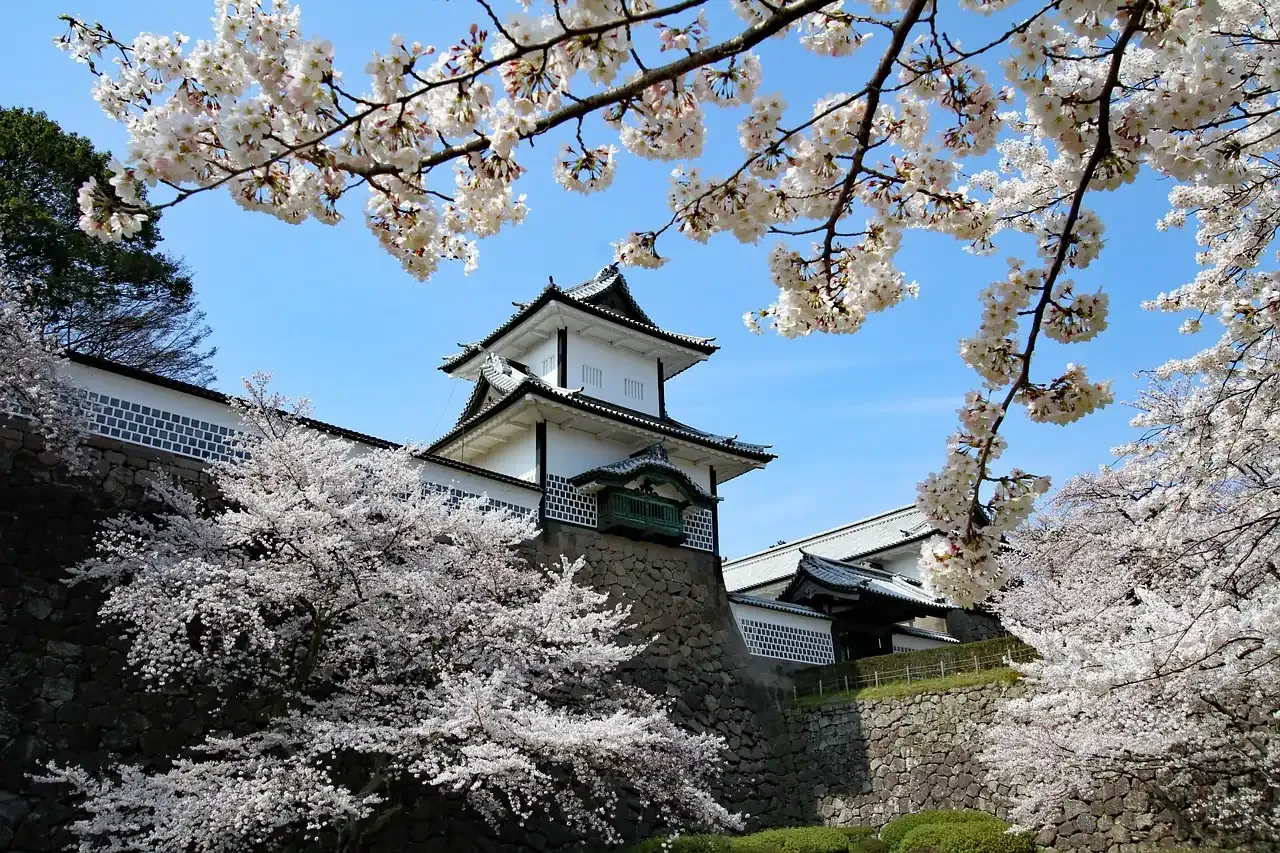
Kanazawa
A castle town on the Sea of Japan coast that escaped wartime bombing, so its samurai and teahouse quarters survive. Kenrokuen, one of the three gardens Japan ranks first, is beside the castle.
1. Mount Fuji
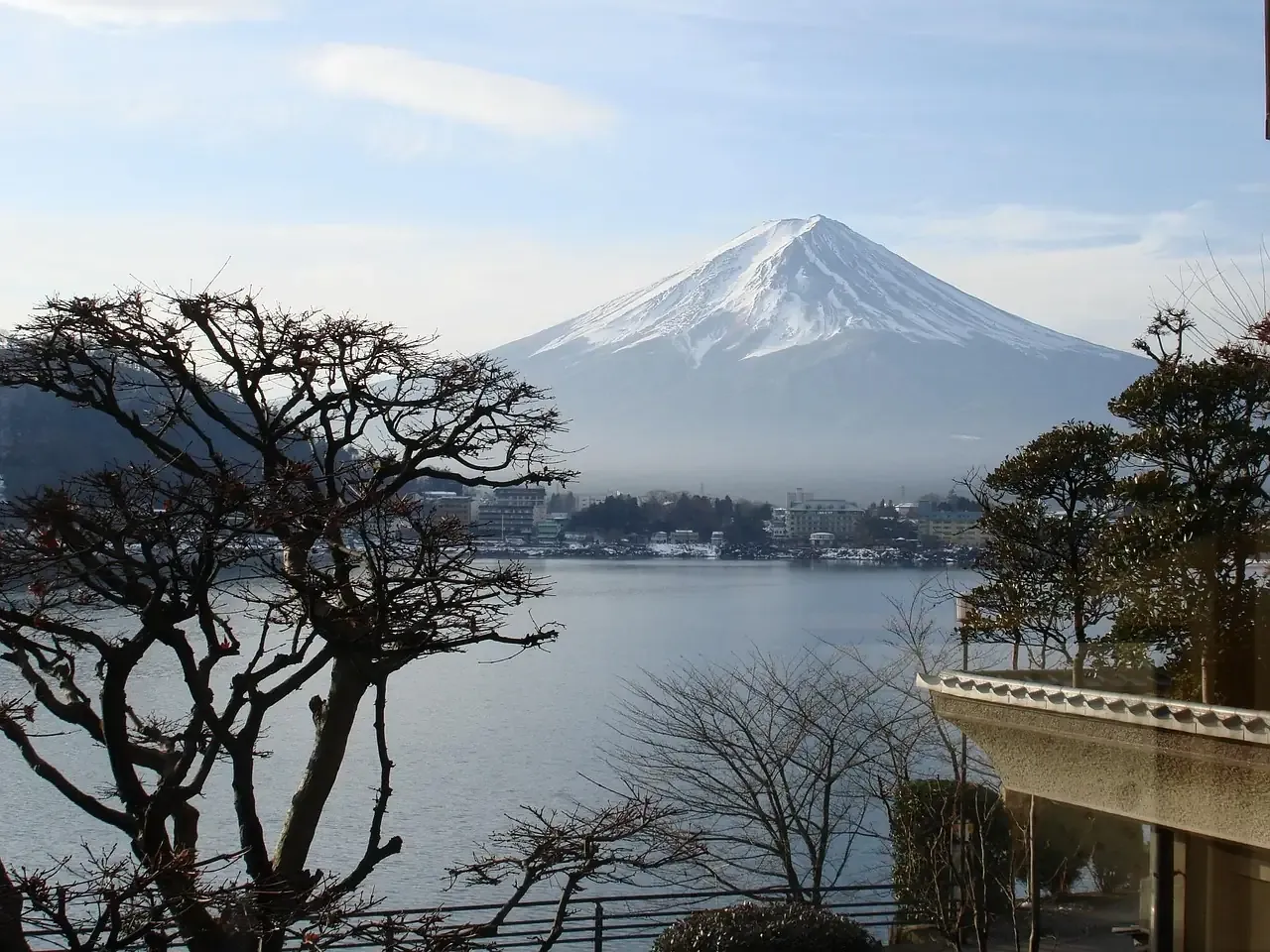
The cone that stands in for the whole country rises on Honshu, between Shizuoka and Yamanashi. It is an active stratovolcano and the highest mountain in Japan, and it last erupted in 1707. Pilgrims have climbed it for centuries and printmakers fixed it in the national imagination, which is why UNESCO listed it as a sacred place and a source of artistic inspiration rather than a landform. Most travellers never go up. They photograph it from the Fuji Five Lakes, or from the pagoda terrace above Fujiyoshida.
Height: 3,776 metres · Heritage: Fujisan, UNESCO listed in 2013
Location: Between Shizuoka and Yamanashi prefectures, on Honshu
Access: Seen year round from the lakes, with the climbing trails open in summer only, from 1 July on the Yoshida route and 10 July on the rest
2. Fushimi Inari Taisha
Inari shrines are the ones Japanese people know best, and this is the head shrine that all the others are affiliated with, some thirty thousand of them by the shrine's own count. Worshippers have come since 711 to ask for good harvests, safe households and prosperous businesses, and the last of those explains the architecture: the vermilion gates that tunnel up the hillside are donated one by one by firms and individuals whose names are painted on the uprights. The trails climb 233 metre Mount Inari past hundreds of small altars.
Founded: 711 · Style: Shinto, with the Senbon Torii gate tunnels
Location: Fushimi ward, in the south of Kyoto
Access: Open to worshippers and visitors, and the full loop of the mountain runs four kilometres, about two hours on foot
3. Senso-ji
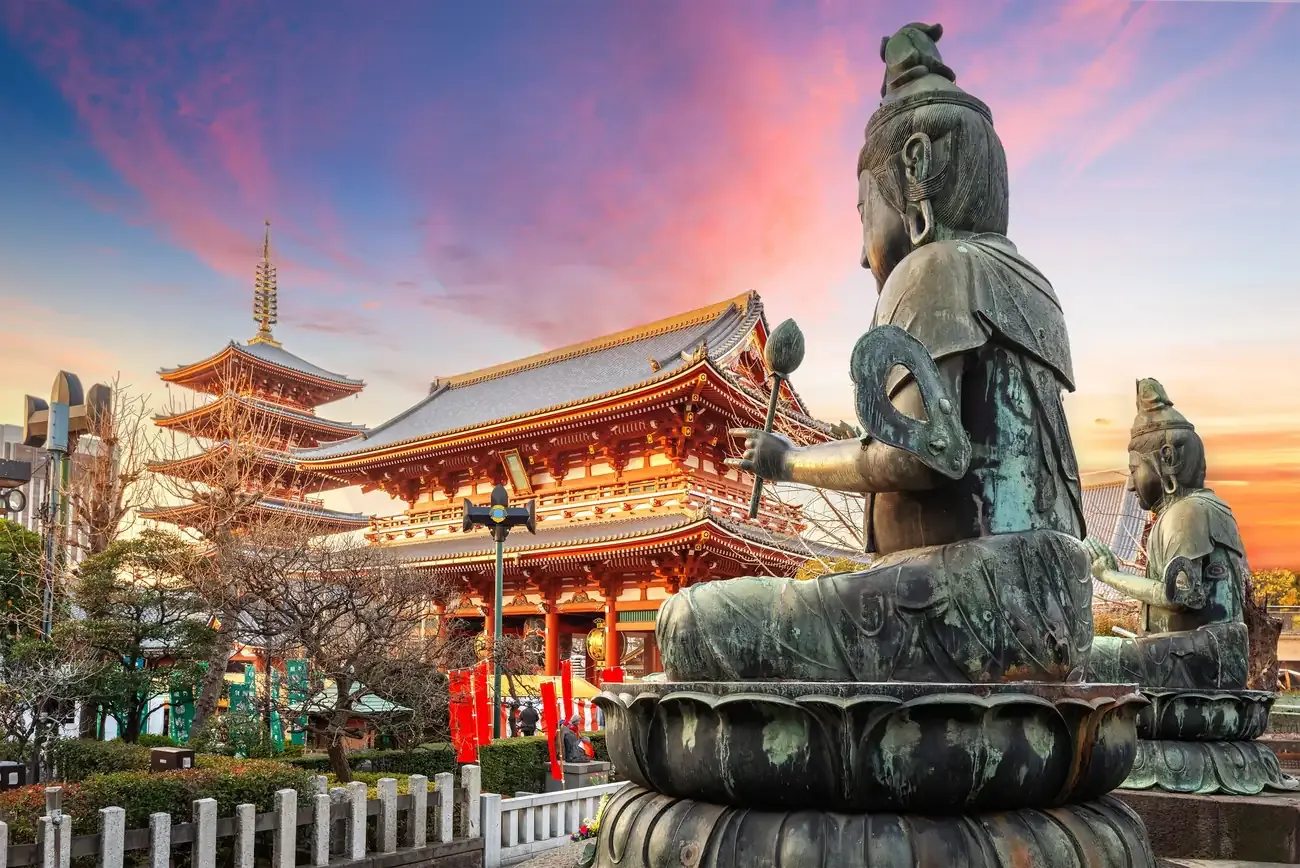
Tokyo's oldest temple is also the most visited religious site in the world, with 30 million people a year through its gates by its own count. The story it tells about itself is precise: on the morning of 18 March 628 two brothers fishing the Sumida river pulled up a statue of Kannon, the bodhisattva of compassion, and the temple grew around it. Priest Shokai founded it and Ennin restored it in the ninth century. Visitors reach the main hall along Nakamise, one of the oldest shopping streets in the country.
Dedicated to: Kannon, bodhisattva of compassion · Founded: After the statue was found in 628
Location: Asakusa, in the Taito ward of Tokyo
Access: A working temple with a five-storey pagoda and gates that stay open to the street, so the grounds fill from early morning
4. Kinkaku-ji
The formal name is Rokuon-ji and nobody uses it. Gold leaf half a micrometre thick covers the upper two floors of the pavilion, and the pond it stands over doubles the effect. The shogun Ashikaga Yoshimitsu bought the estate in 1397, out in what was then countryside northwest of the capital, and his son turned it into a Zen temple after he died. What visitors see is not the medieval building: a novice burned the pavilion down in 1950 and it was rebuilt in 1955, an episode Yukio Mishima turned into a novel.
Style: Zen, Rinzai school · Rebuilt: 1955 after an arson attack · Heritage: One of the Historic Monuments of Ancient Kyoto, UNESCO listed in 1994
Location: Kita ward, northwest Kyoto
Access: Ticketed, with the grounds open from nine in the morning to five
5. Kiyomizu-dera
The full name is Otowa-san Kiyomizu-dera, the pure water monastery, after the spring below it. The temple's own account puts its beginning more than 1,250 years back, older than the capital that grew around it. What people come for is the veranda, a stage braced on tall timber pillars over the Higashiyama slope with the city beyond. The Japanese phrase for taking the plunge is to jump off the stage at Kiyomizu, from an Edo period belief that surviving the 13 metre drop granted a wish.
Style: Kita-Hosso school, with a hillside stage on timber pillars · Heritage: One of the Historic Monuments of Ancient Kyoto, UNESCO listed in 1994
Location: Higashiyama, on the eastern hills of Kyoto
Access: Ticketed, and reached on foot up the lanes of the Higashiyama hillside
6. Itsukushima Shrine
The shrine is built out over the tideline on the island of Itsukushima, so at high water the corridors and the great torii appear to float and at low water people walk out to the gate across wet sand. The island itself is treated as sacred, and the taboos protecting that purity ran strict enough that a warlord who fought a battle here in 1555 was said to have defiled the ground. Several of the buildings and the objects they hold are National Treasures. Ferries run over from Miyajimaguchi on the mainland.
Style: Shinto, built on piles over the tideline · Heritage: Itsukushima Shinto Shrine, UNESCO listed in 1996
Location: Miyajima, in the city of Hatsukaichi, Hiroshima prefecture
Access: Ticketed for the shrine corridors, and reached only by ferry
7. Hiroshima Peace Memorial Park
The park occupies the ground under which the atomic bomb detonated on 6 August 1945, and it exists for the people killed then and afterwards. Kenzo Tange designed the layout, which lines the museum, the cenotaph and the skeletal Genbaku Dome on one axis so that the arch of the cenotaph frames the ruin. The dome is the shell of the Prefectural Industrial Promotion Hall, left as the blast left it. The museum sets out what happened through objects and testimony, and more than a million people come each year.
Architect: Kenzo Tange · Heritage: Hiroshima Peace Memorial, the Genbaku Dome, UNESCO listed in 1996
Location: Naka ward, central Hiroshima
Access: A memorial rather than an attraction, with the grounds open and the Peace Memorial Museum inside it ticketed
8. Nara Park and Todai-ji
Nara was the capital before Kyoto, and the temple it built to prove the point still holds the largest bronze Buddha in the country. Todai-ji was founded in 738 and opened in 752, and the Great Buddha Hall in front of the statue has been rebuilt more than once. It stands inside Nara Park, laid out in 1880 as one of the first public parks in Japan, where more than 1,200 wild sika deer wander between the lanterns and are protected as a natural treasure. Kofuku-ji and Kasuga Grand Shrine share the grounds.
Founded: Todai-ji in 738, opened 752 · Heritage: Historic Monuments of Ancient Nara, UNESCO listed in 1998
Location: Nara city, Nara prefecture, at the foot of Mount Wakakusa
Access: The park is open ground; the Great Buddha Hall is ticketed and opens in the morning
9. Himeji Castle
Most Japanese castles standing today are concrete rebuilds. Himeji is not: its keep came through the wars and the demolition orders intact, which is why it is treated as the finest surviving example of the type. The complex runs to 83 structures, with spiralling baileys, gun ports and dead-end passages designed to break up an attack, and the white plaster that covers the walls gives it the nickname of the white heron. It was one of the first sites in Japan that UNESCO listed, in 1993.
Style: Japanese hilltop castle, 83 structures · Heritage: Himeji-jo, UNESCO listed in 1993
Location: Himeji, Hyogo prefecture, west of Kobe
Access: Ticketed, with the gates open from nine and last entry to the main keep in the late afternoon
10. Shibuya Crossing
Nothing else says modern Japan quite as economically as this intersection outside Shibuya Station, where traffic stops in every direction at once and as many as 3,000 people step off the kerbs together. It opened in 1973 and has since turned into shorthand for Tokyo in films and photographs, which is why the walkways and cafe windows above it are as crowded as the asphalt. The Hachiko statue outside the station, raised for the Akita that went on returning to meet an owner who had died in 1925, is the meeting point everyone uses.
Opened: 1973 · Scale: Up to 3,000 people on one green light
Location: Shibuya ward, Tokyo
Access: A public street crossing, busiest after dark and at the end of the working day
More famous landmarks in Japan
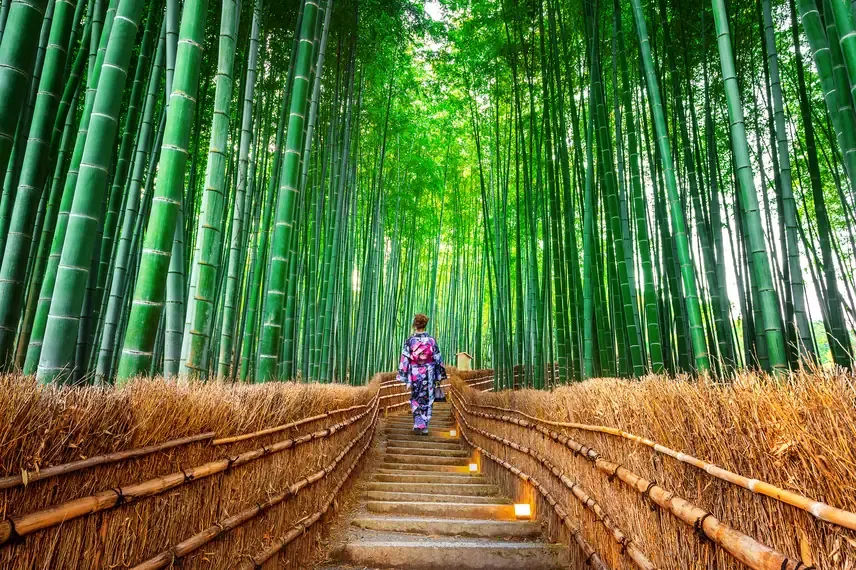
Arashiyama Bamboo Grove
A stepped path runs between towering moso stems on the western edge of the city, in a district designated a national place of scenic beauty.
Location: Arashiyama, western Kyoto
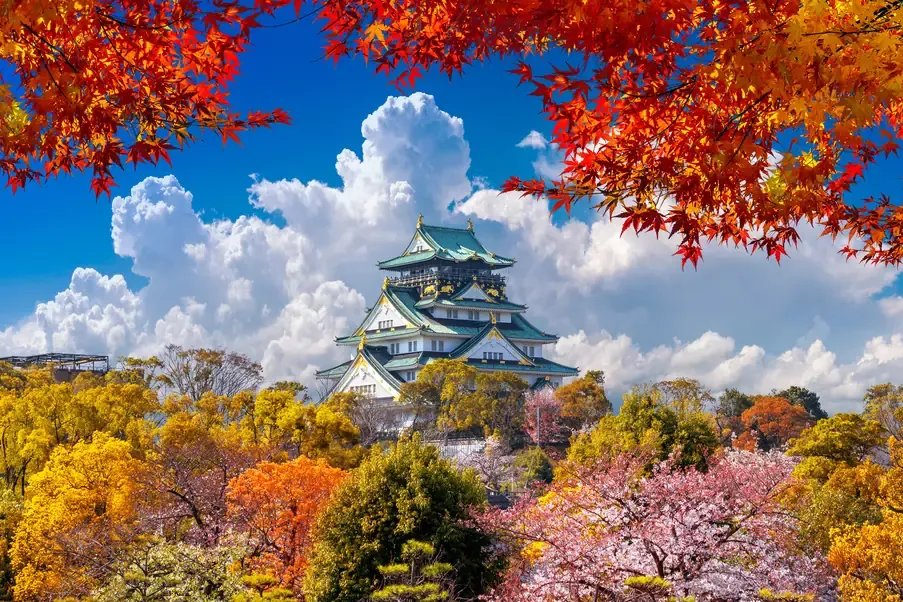
Osaka Castle
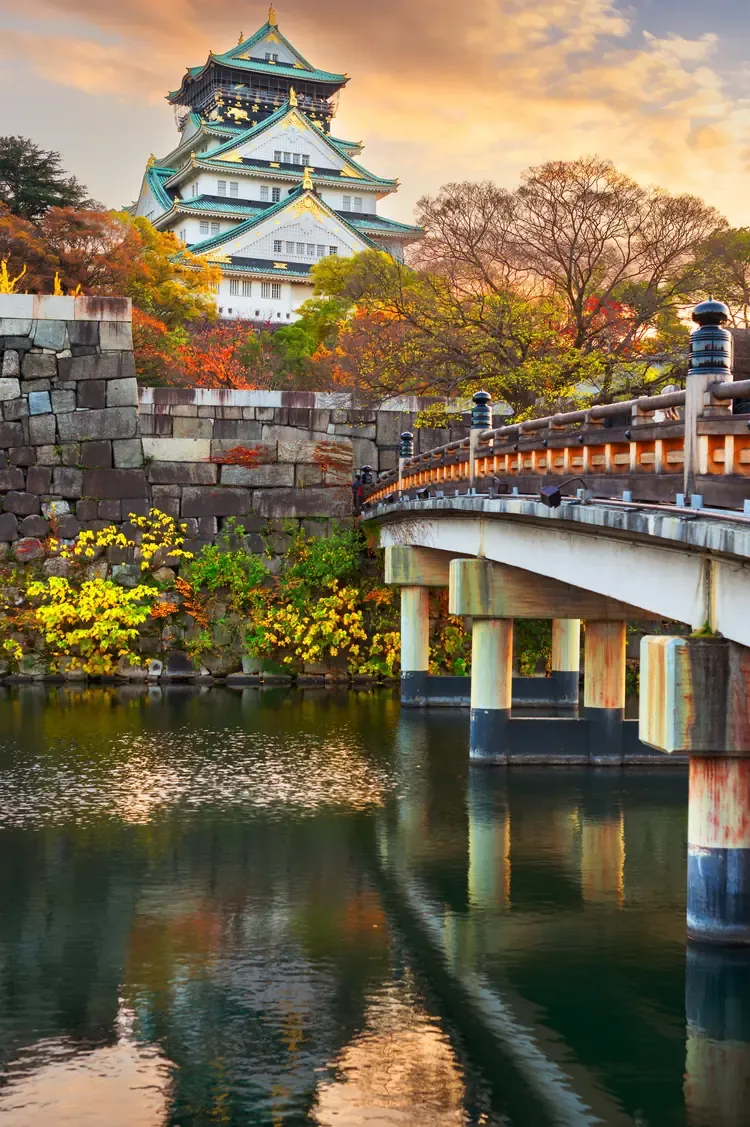
The keep is the third on the site, rebuilt in 1931 with money raised from citizens, and it has been a museum since.
Location: Chuo ward, Osaka
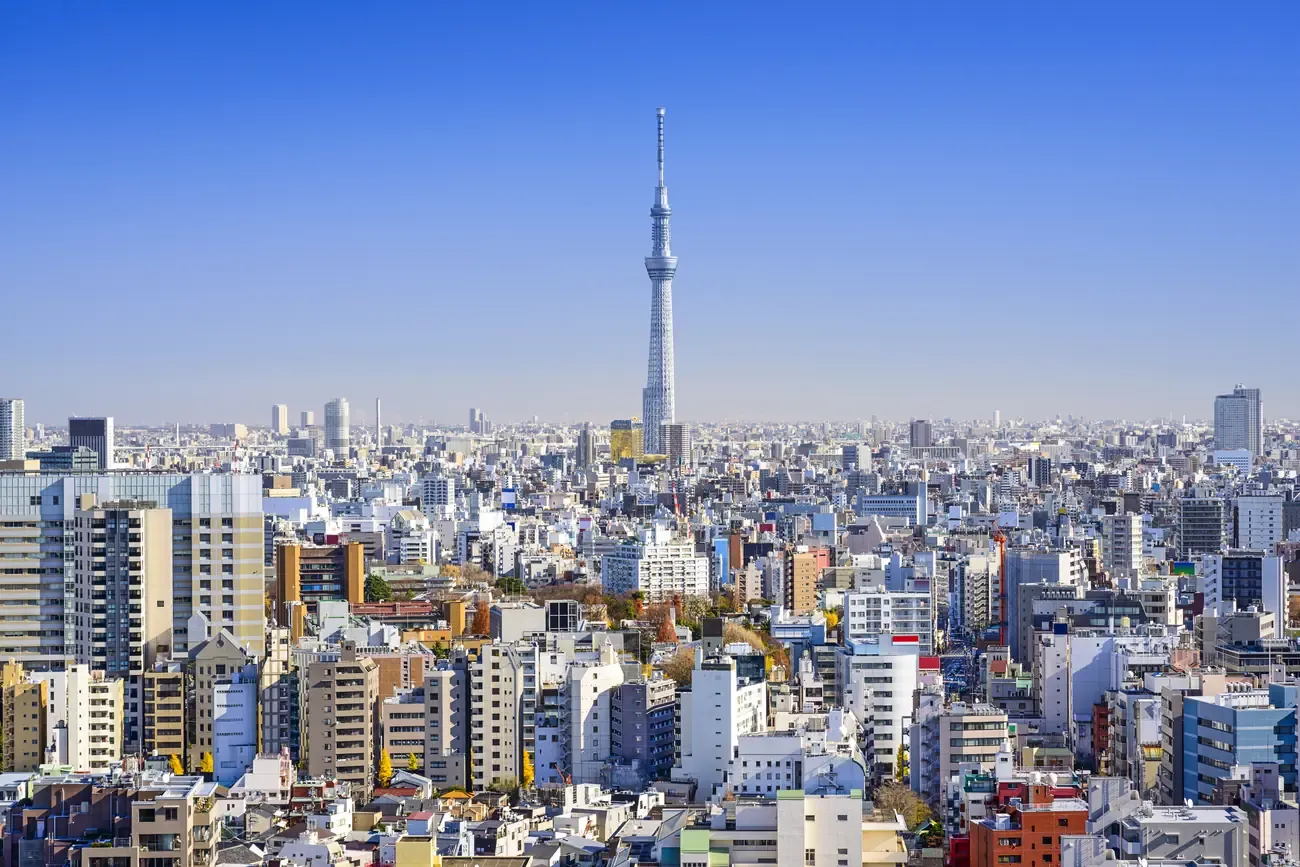
Tokyo Skytree
A broadcasting tower 634 metres tall, the highest in Japan since it opened in 2012, with observation floors at 350 and 450 metres.
Location: Sumida ward, Tokyo
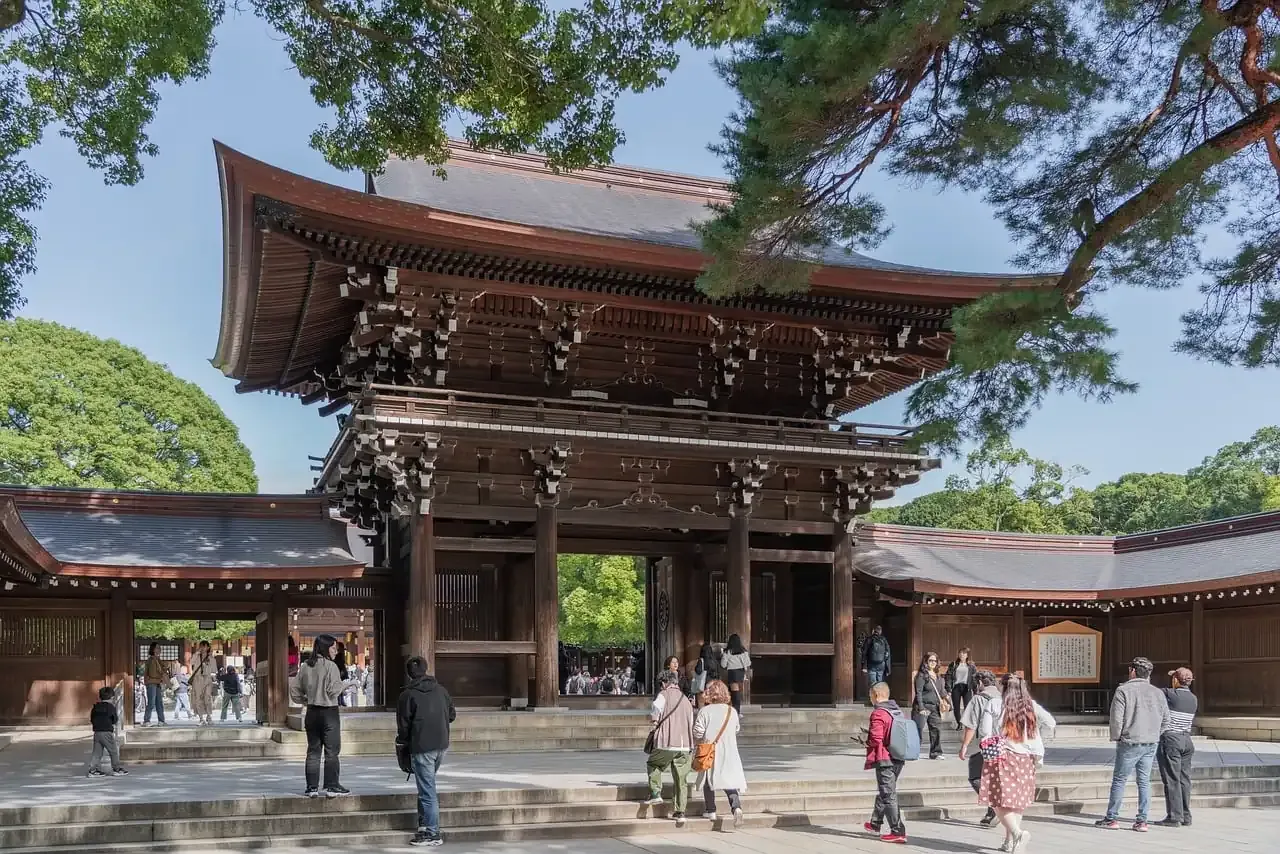
Meiji Shrine
A Shinto shrine dedicated to the deified spirits of Emperor Meiji and Empress Shoken, screened from Harajuku by a planted forest.
Location: Yoyogi, Shibuya ward, Tokyo
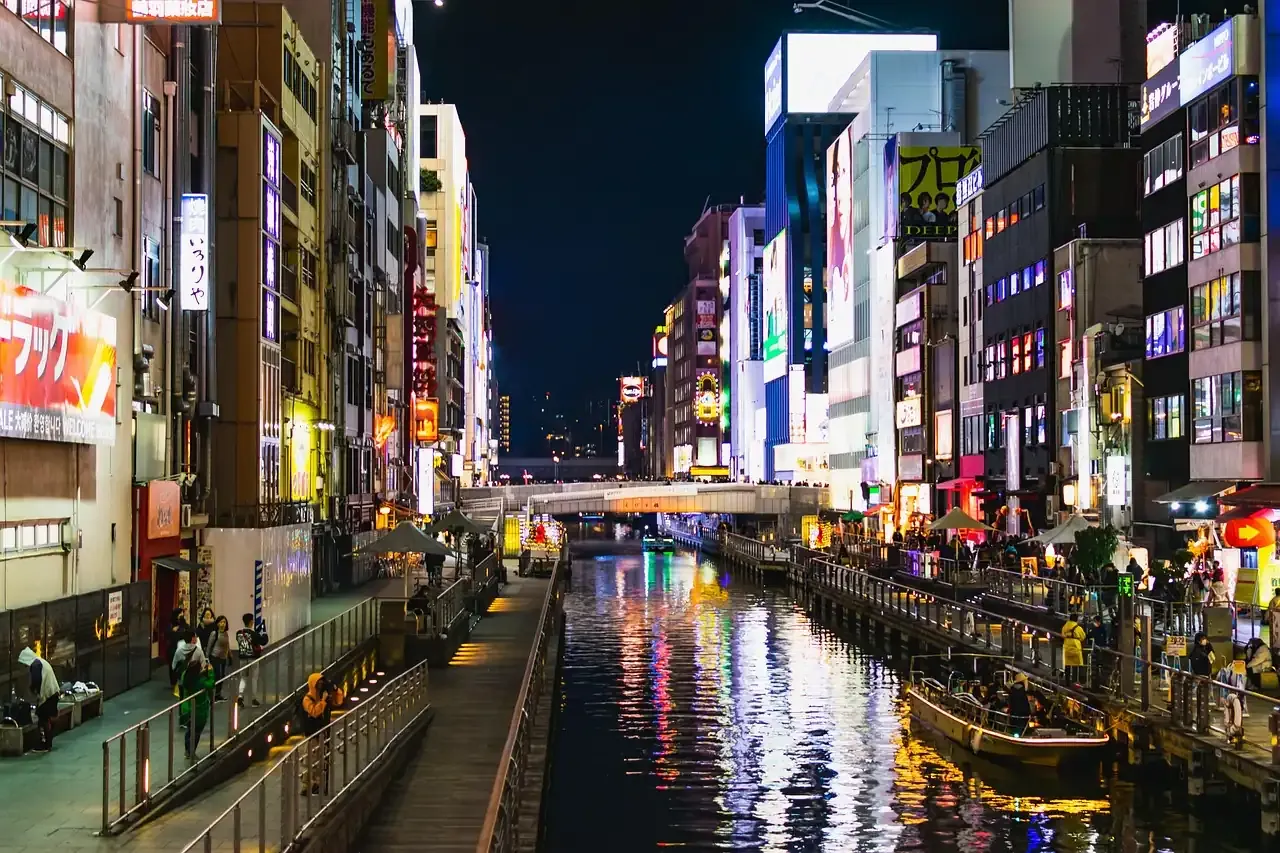
Dotonbori
A canal-side strip in Namba that was a theatre district for three centuries and is now the city's nightlife quarter, lit by oversized signboards.
Location: Chuo ward, Osaka
Nijo Castle
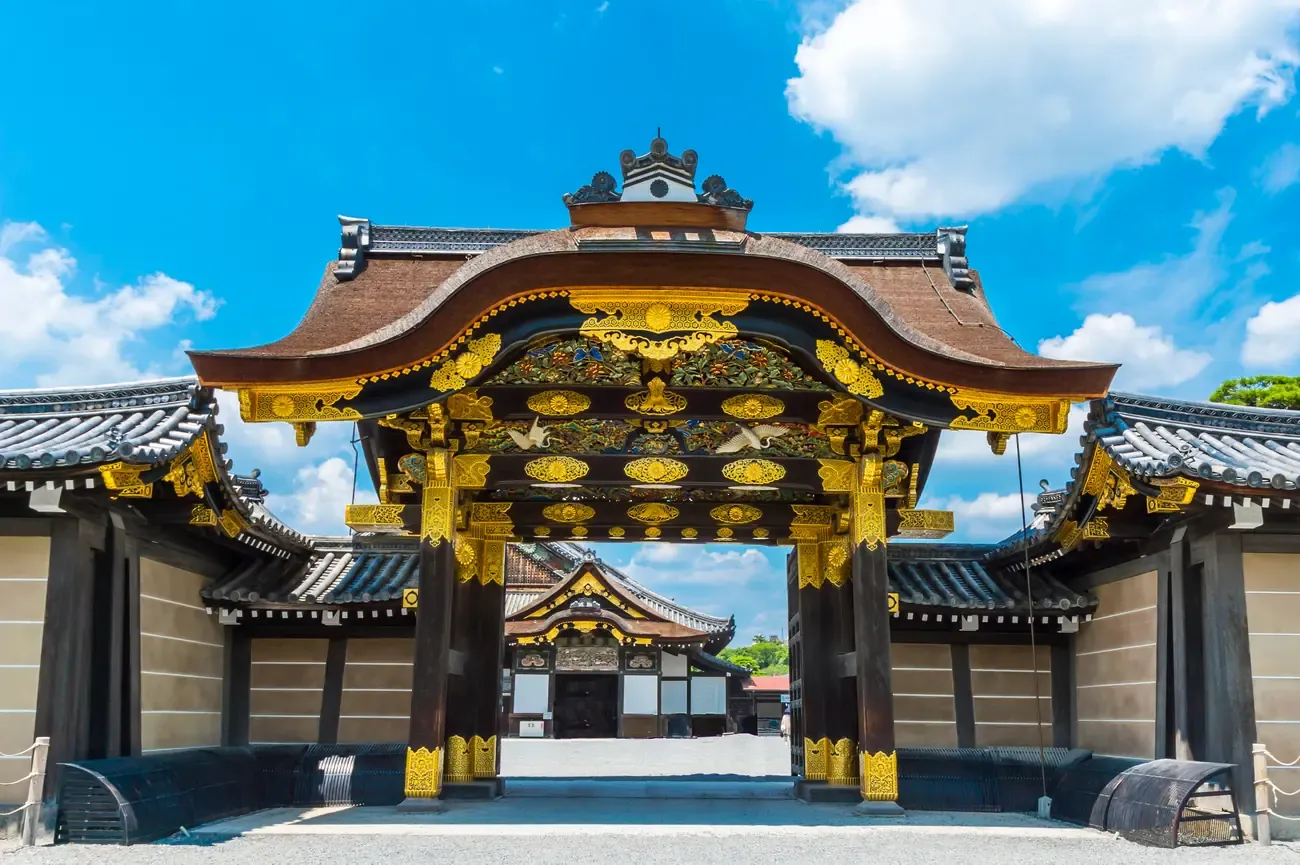
A flatland castle of two concentric rings of fortification, with the painted rooms of the Ninomaru Palace inside the inner one.
Location: Nakagyo ward, Kyoto
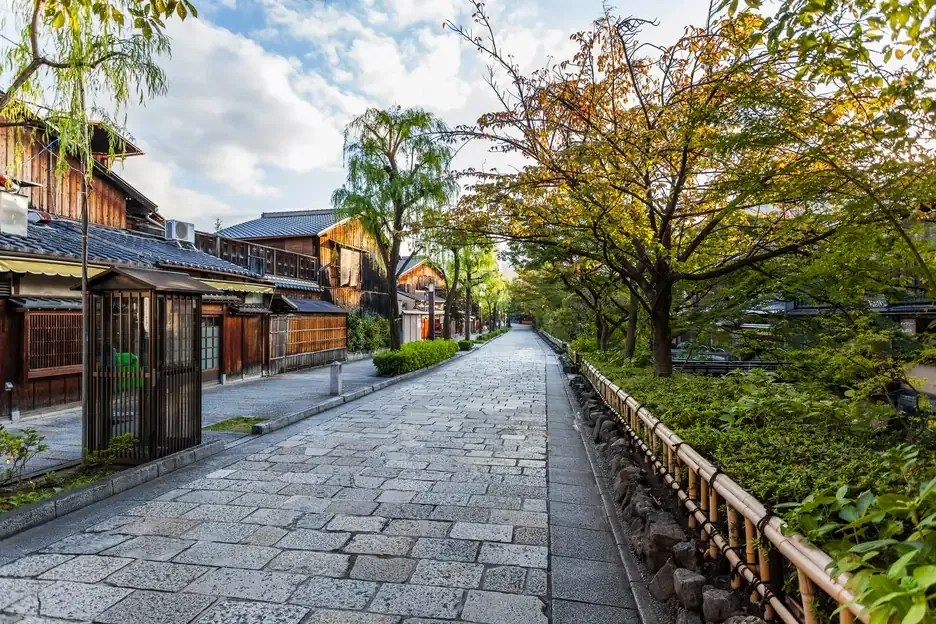
Gion
The entertainment quarter that grew up to serve visitors to Yasaka Shrine and became the best known geisha district in the country.
Location: Higashiyama ward, Kyoto
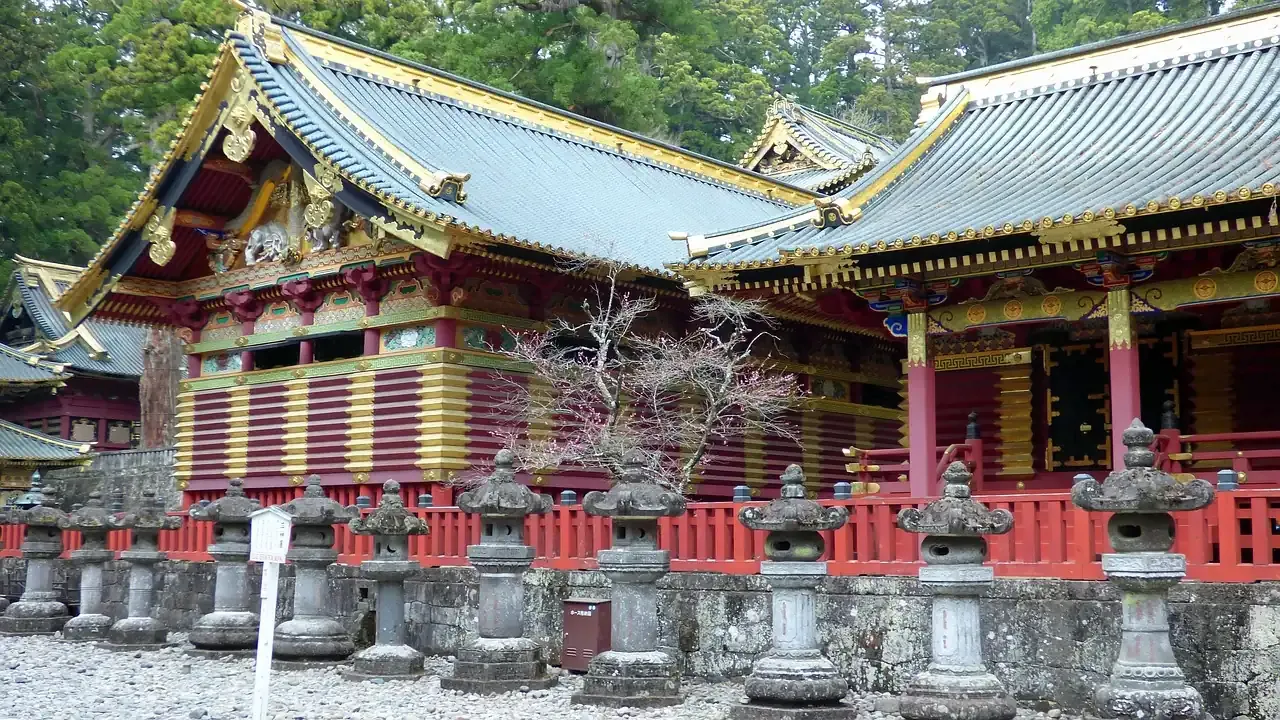
Nikko Toshogu Shrine
The shrine that has enshrined Tokugawa Ieyasu since 1617, rebuilt in its gilded form in 1636 and UNESCO listed with the rest of Nikko.
Location: Nikko, Tochigi prefecture
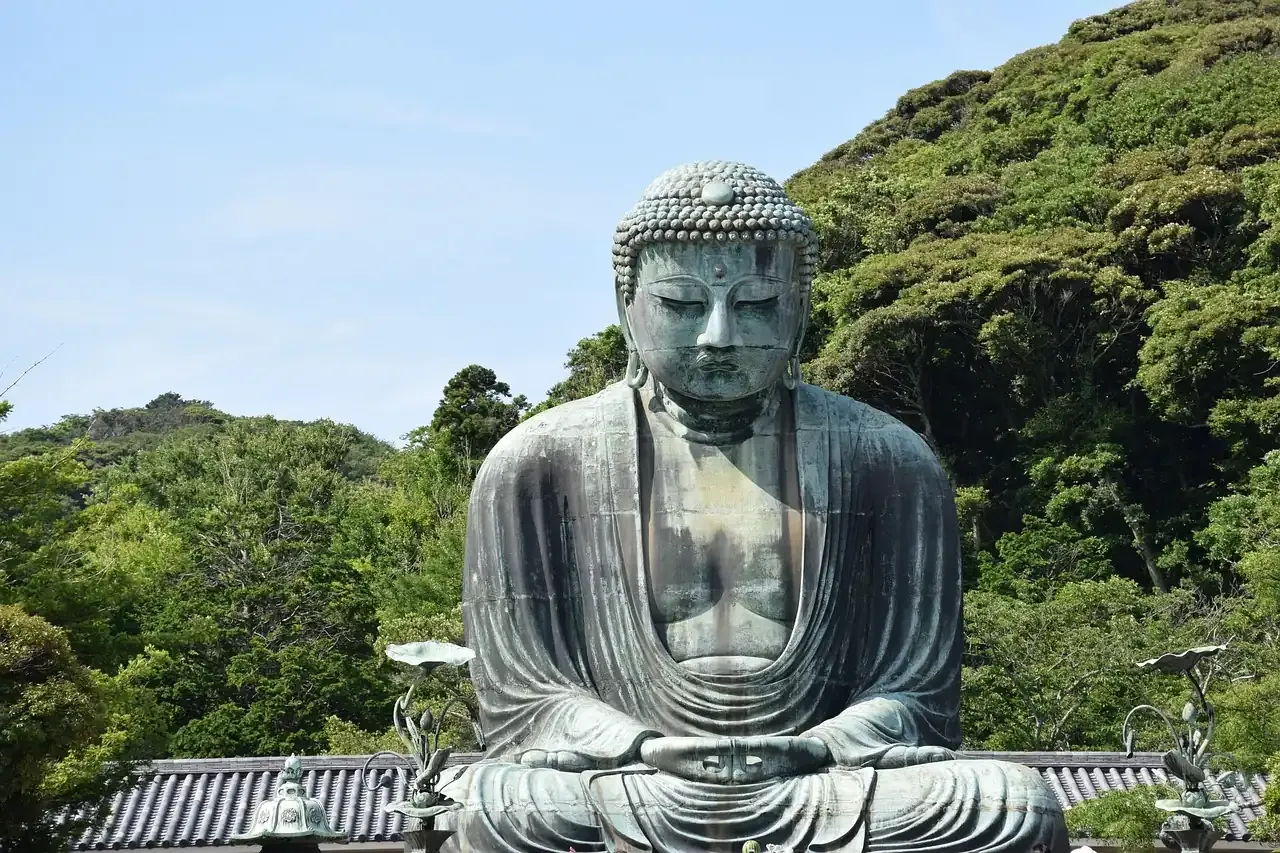
Kamakura Great Buddha
The bronze Amida of Kotoku-in, begun in 1252 and seated in the open air, is the second largest Buddhist statue in Japan after Todai-ji.
Location: Kamakura, Kanagawa prefecture
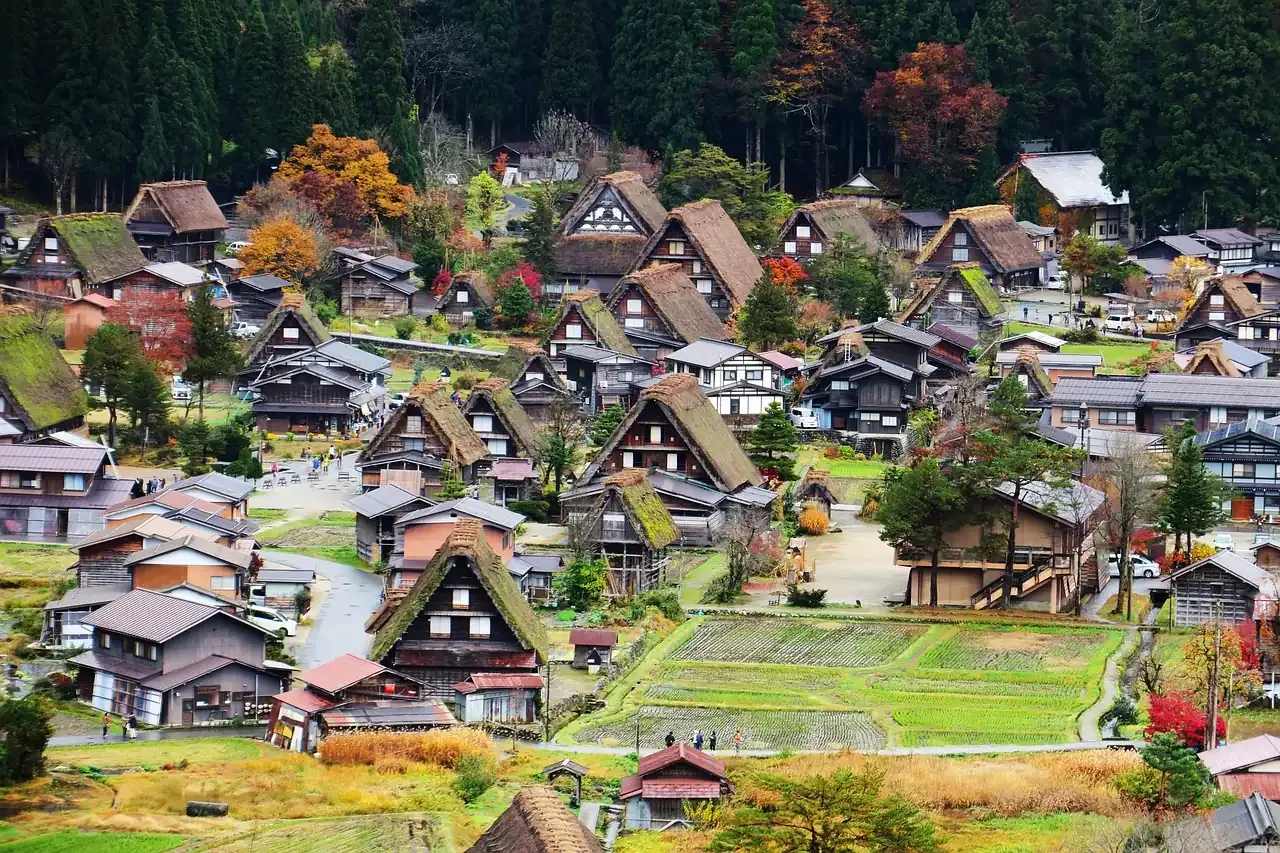
Shirakawa-go
A village of steep thatched gassho-zukuri farmhouses in the Gifu mountains, UNESCO listed in 1995 together with Gokayama.
Location: Ono district, Gifu prefecture
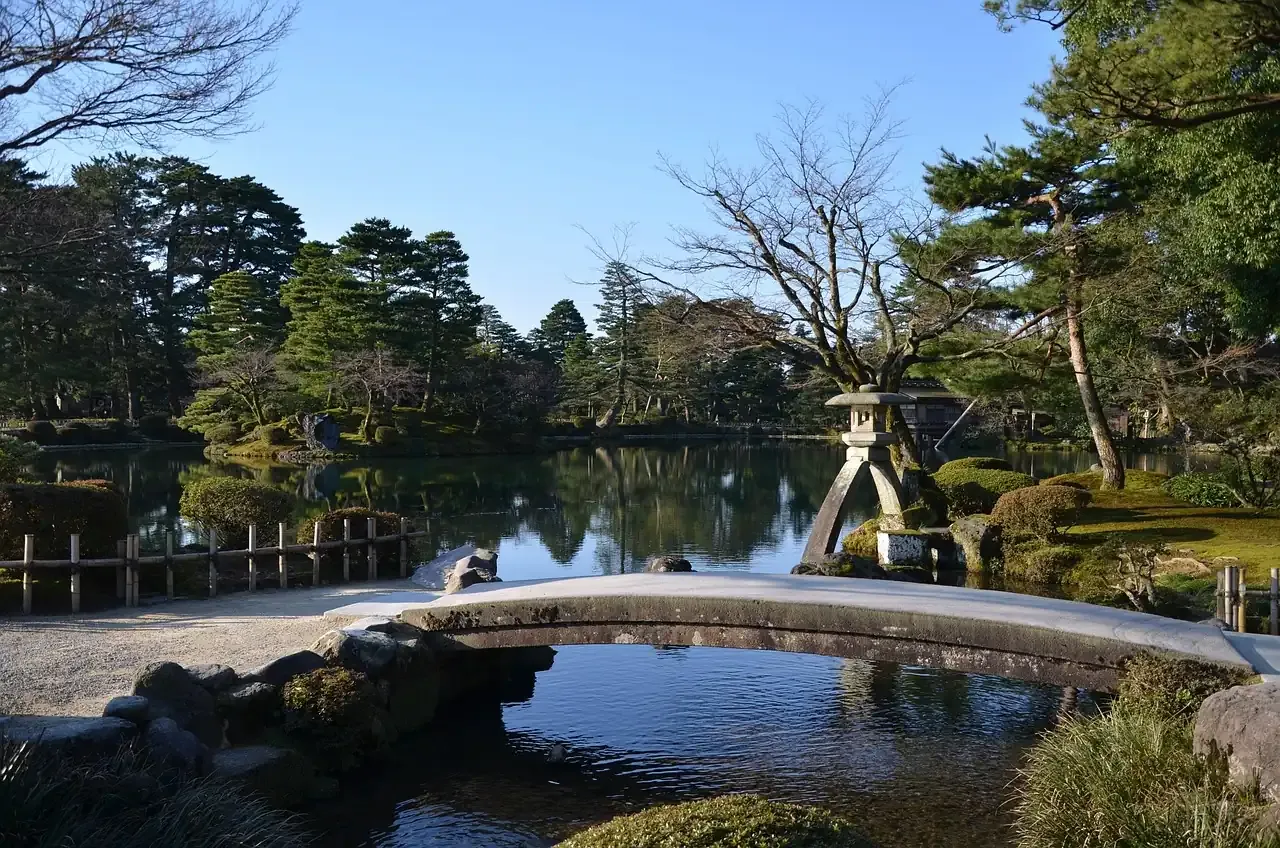
Kenrokuen Garden
An Edo period strolling garden the Maeda clan laid out beside their castle, and one of the three gardens Japan officially ranks first.
Location: Kanazawa, Ishikawa prefecture
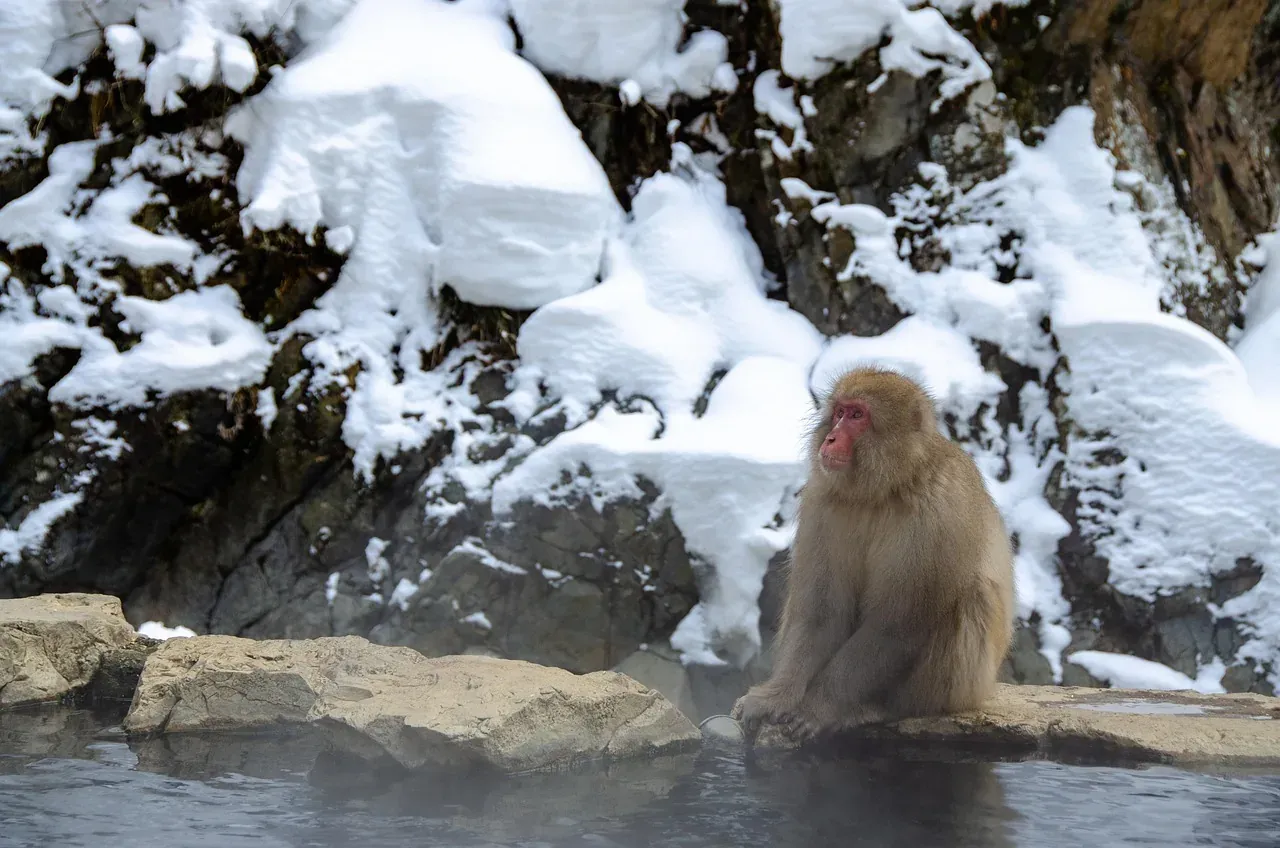
Jigokudani Monkey Park
Japanese macaques come down to bathe in a hot spring in a valley named Hell's Valley for the steam boiling out of the frozen ground.
Location: Yamanouchi, Nagano prefecture
Japan dishes not to miss
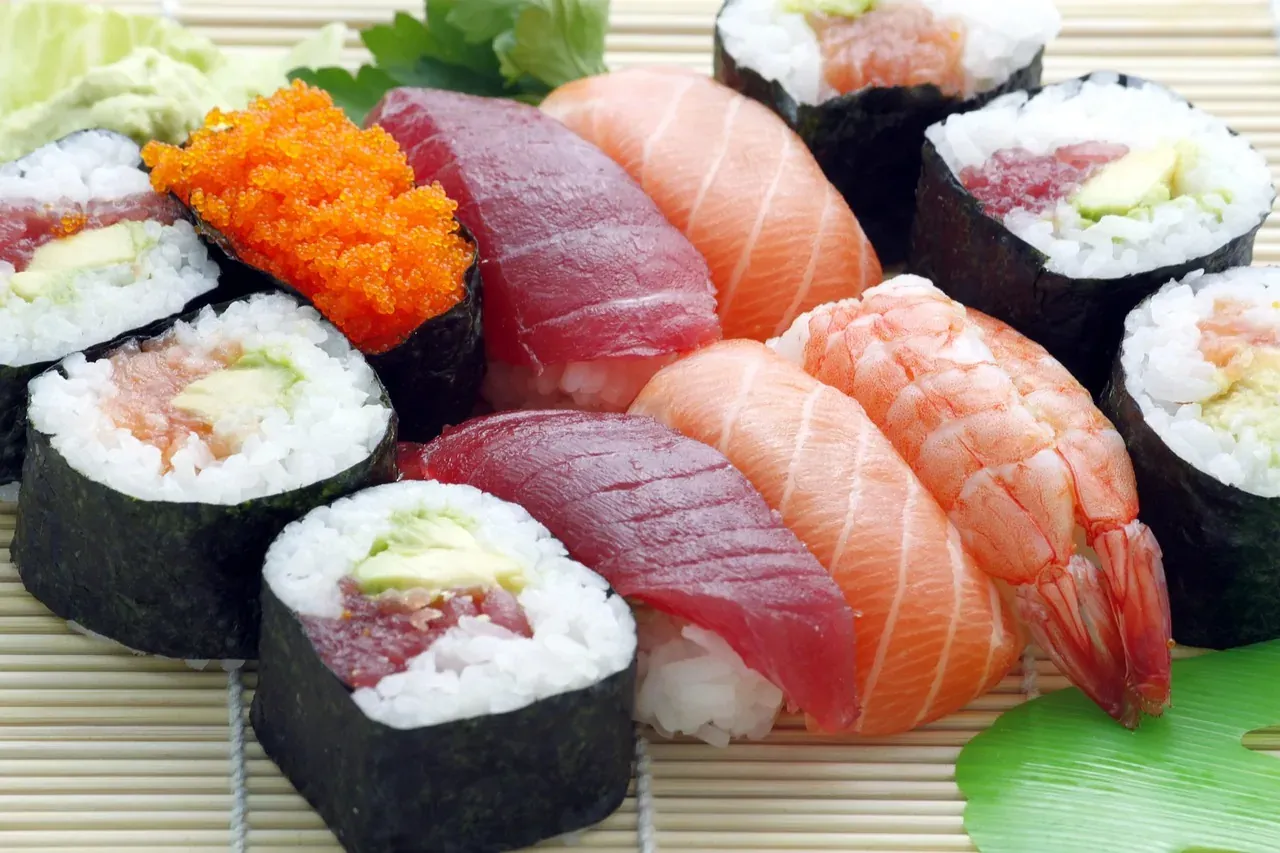
Sushi
Vinegared rice with raw fish on top or rolled inside. In Japan it stays plain, fish and rice and little else, and it is normal to eat each piece with your fingers in one go.
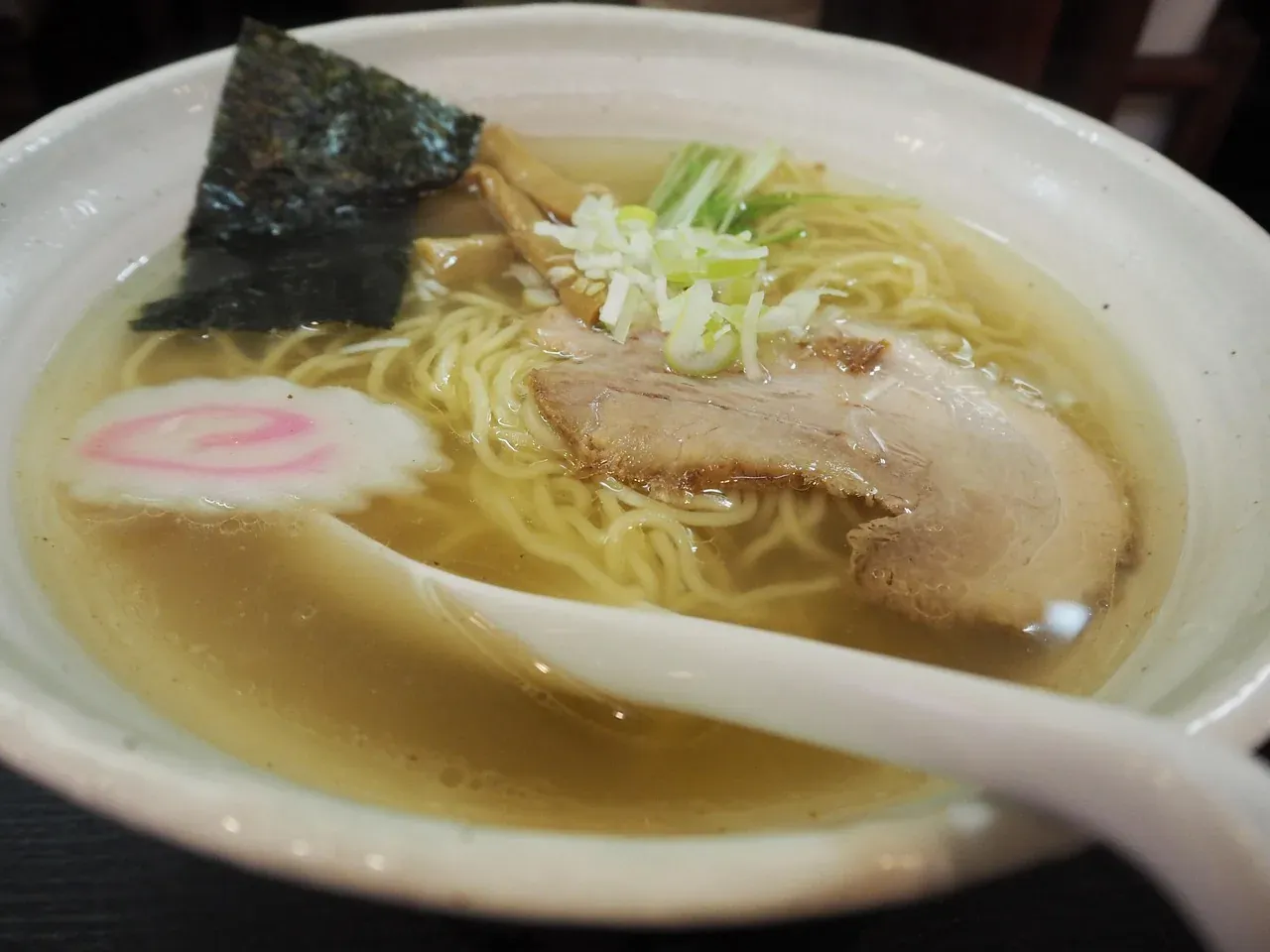
Ramen
Chinese-style wheat noodles in hot broth, usually soy or miso, with sliced pork, bamboo shoots and spring onion. Almost every region has its own version, from Kyushu pork bone to Hokkaido miso.
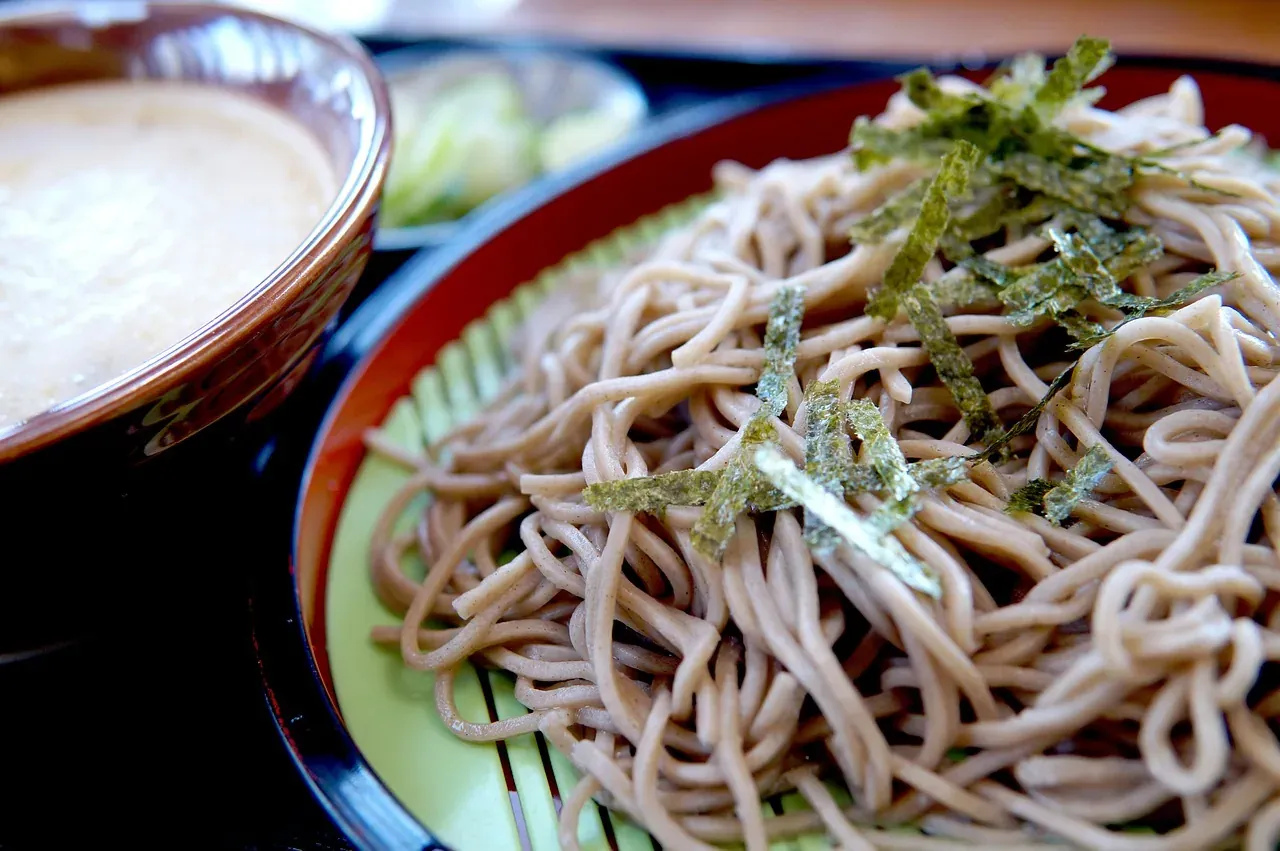
Soba and udon
The two noodles native to Japan: thin buckwheat soba, brown and slightly grainy, and thick white wheat udon. Both come hot in broth or cold with a dipping sauce, and slurping is expected.
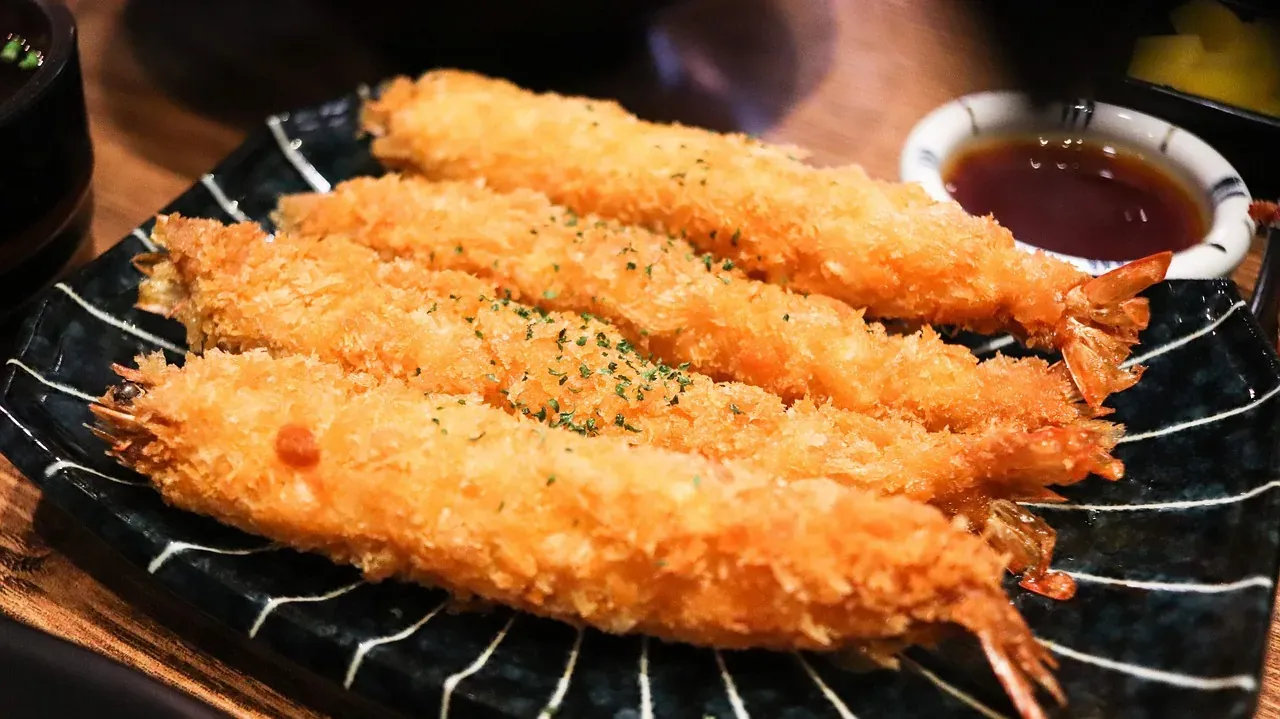
Tempura
Seafood and vegetables in a thin batter, deep fried. The method arrived with Portuguese missionaries in the sixteenth century and has since become fine dining in its own right.
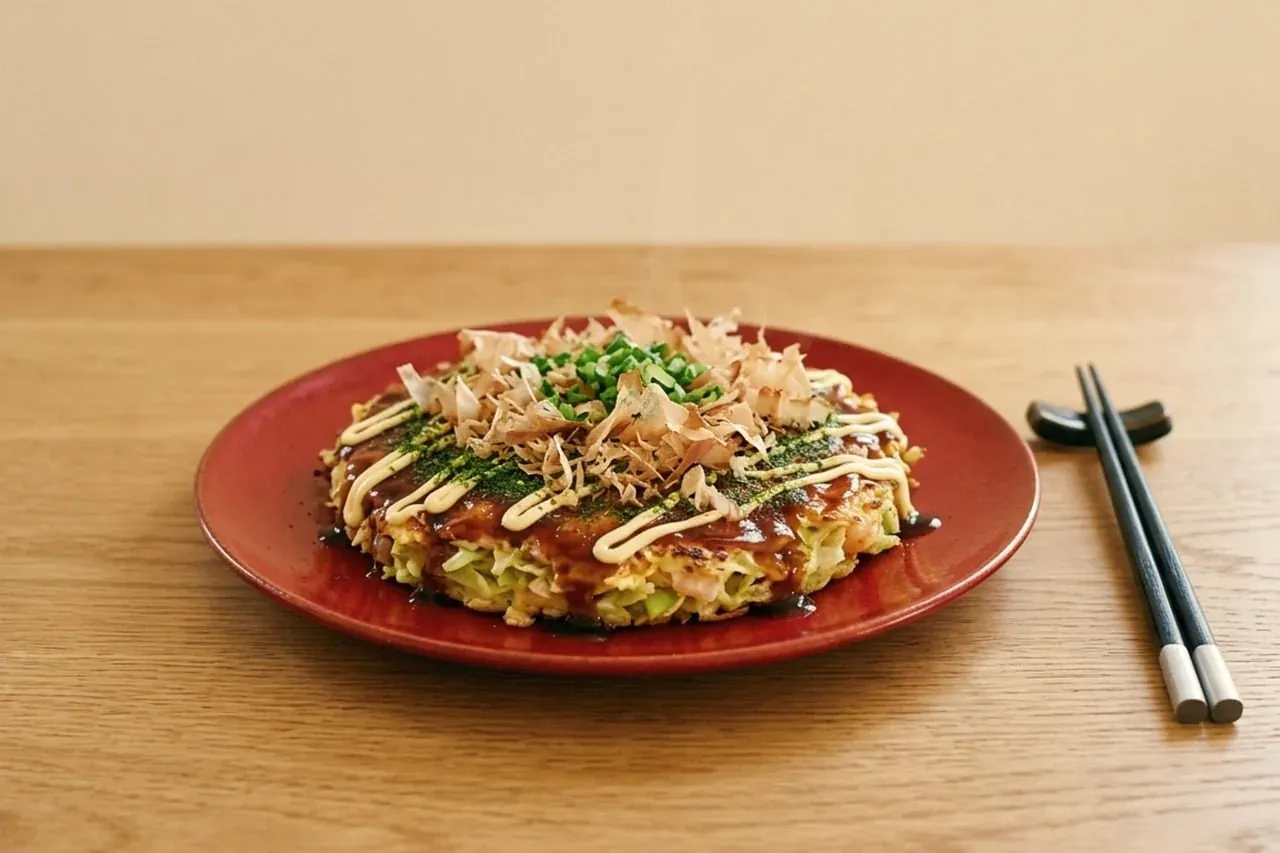
Okonomiyaki
A savoury pancake of batter and cabbage with meat or seafood, cooked on a hot plate and finished with sauce, mayonnaise, seaweed flakes and bonito. Osaka and Hiroshima each claim their own way of building it.
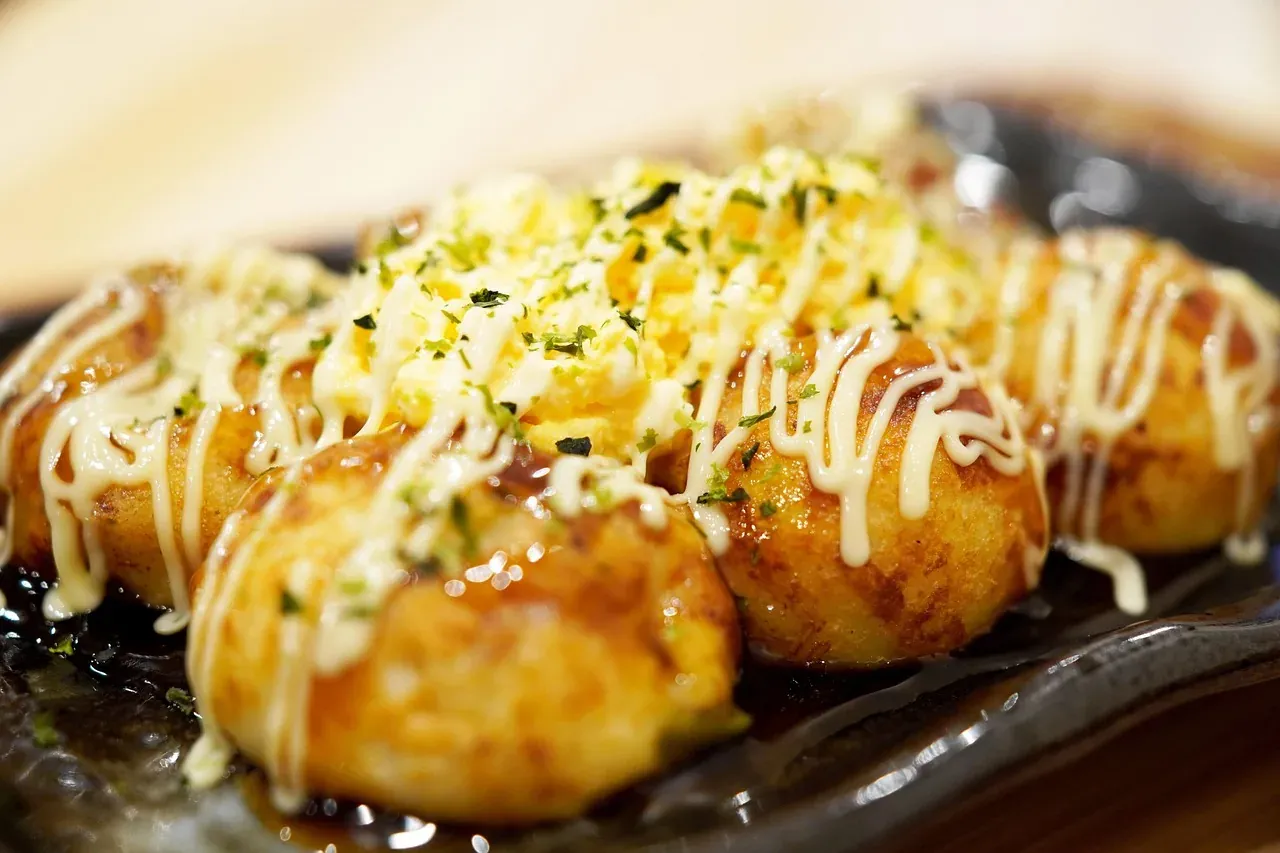
Takoyaki
Batter balls turned in a moulded pan with diced octopus, pickled ginger and spring onion inside, then brushed with sauce. Street food from Osaka, and best eaten too hot.
Temples and shrines beyond the famous names in Japan
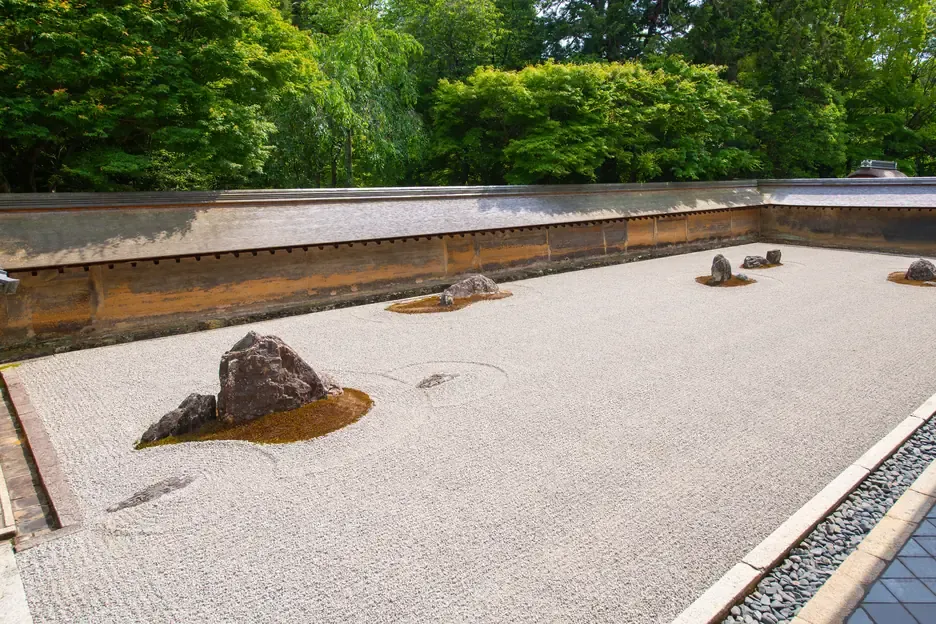
Ryoan-ji
Rocks set in raked gravel behind a stained clay wall, arranged so the whole composition never shows at once from the veranda.
Location: Northwest Kyoto
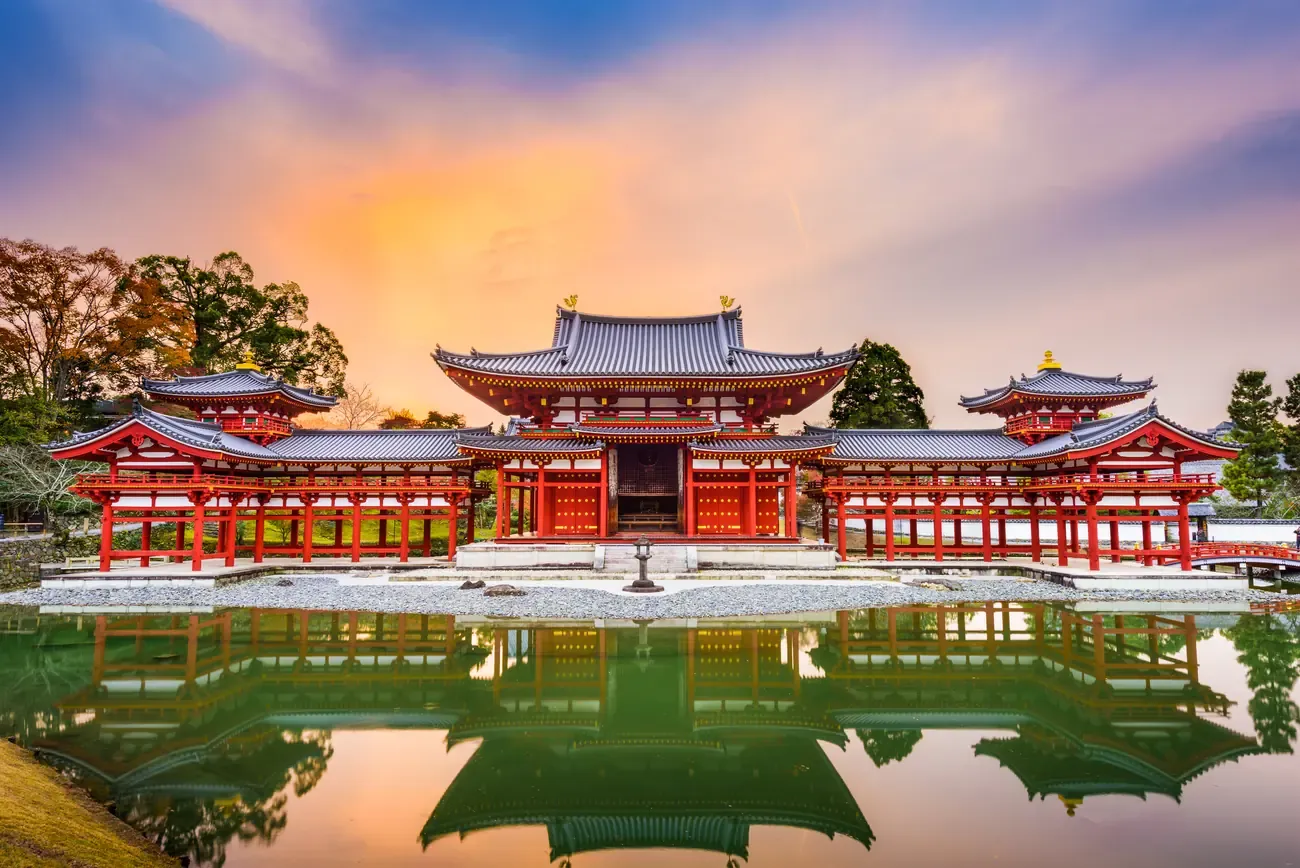
Byodo-in
The Phoenix Hall of this late Heian temple is the building on the ten yen coin, doubled in the pond in front of it.
Location: Uji, between Kyoto and Nara
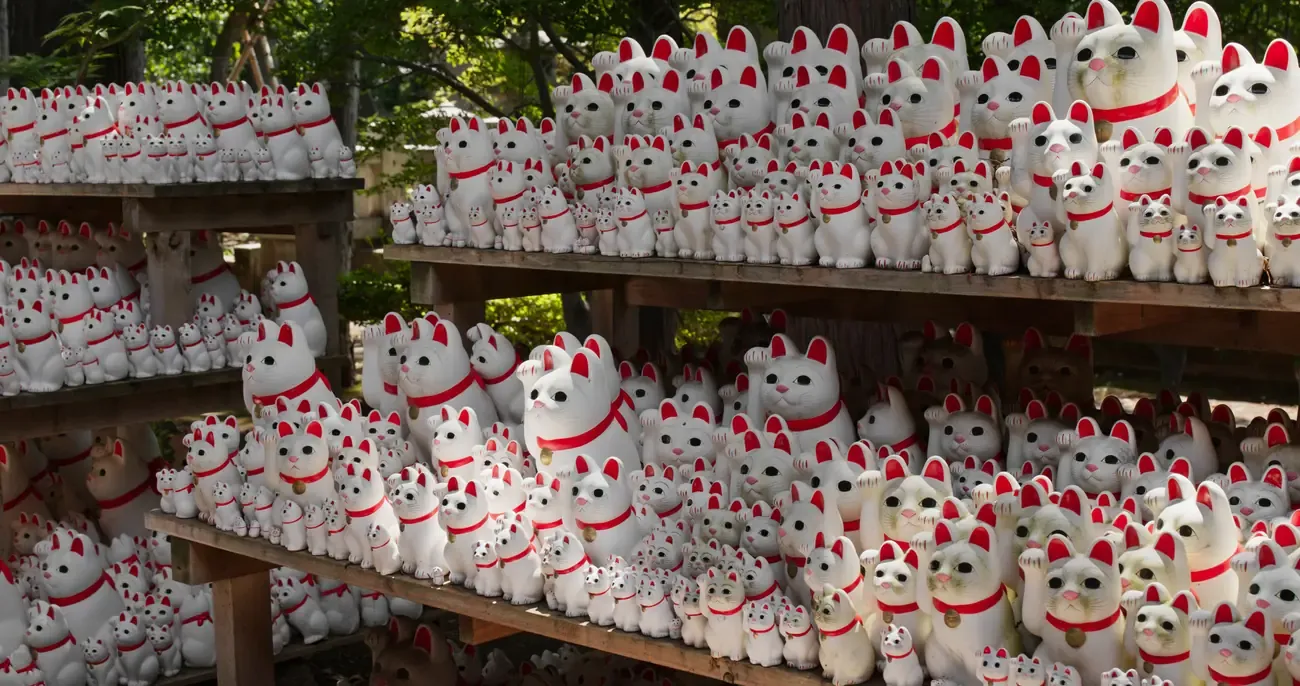
Gotokuji Temple
A Soto Zen temple the city knows as the cat temple, for the shelves of white maneki-neko left standing in its grounds.
Location: Setagaya ward, Tokyo
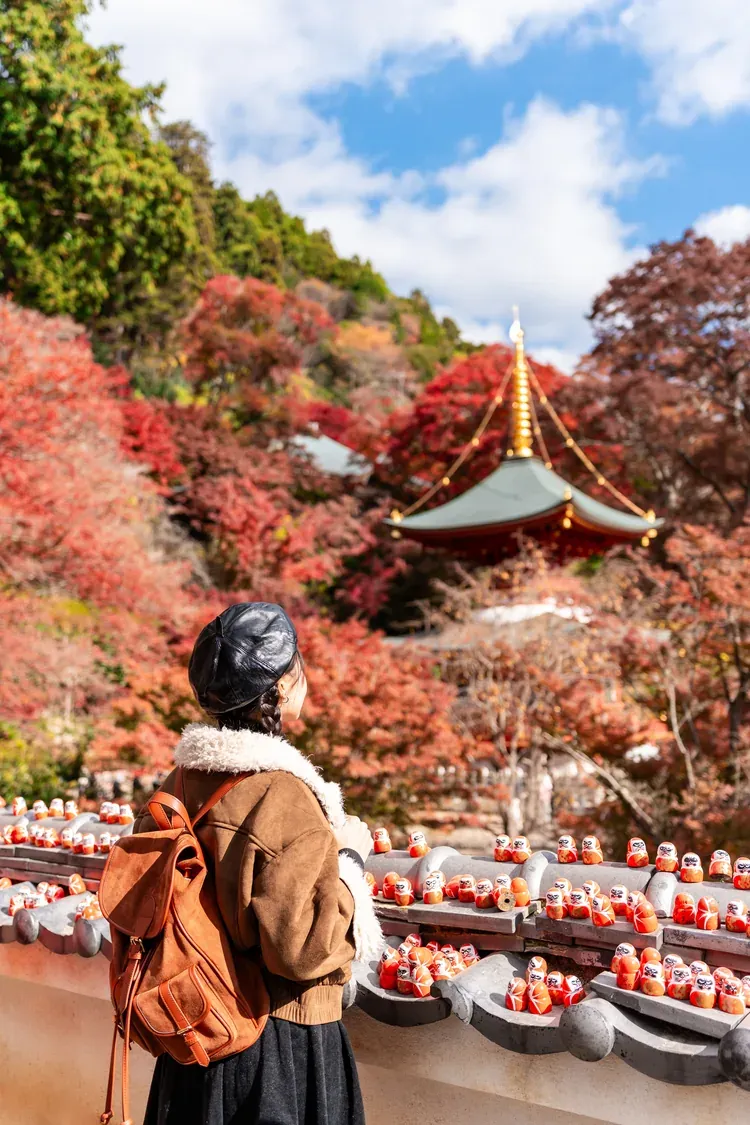
Katsuo-ji
The name means winning, so visitors buy daruma dolls for luck and leave them across the grounds once the wish comes good.
Location: Minoh, Osaka prefecture
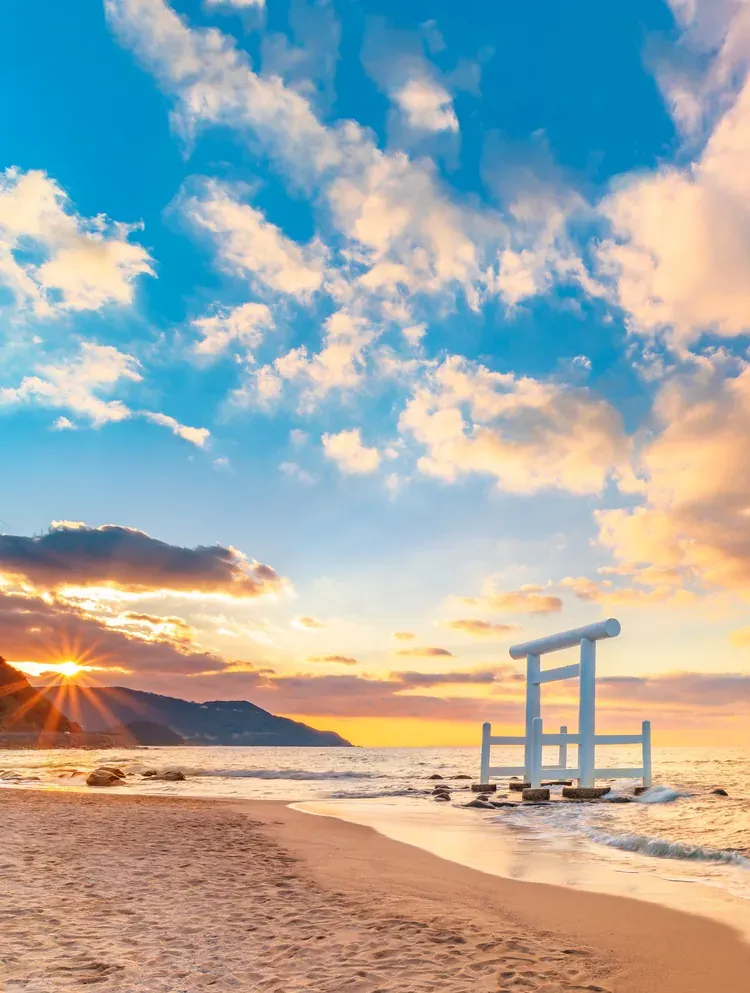
Sakurai Futamigaura
A white torii stands in the sea before two rocks joined by a thirty metre rope, off the north coast of the Itoshima peninsula. The Itoshima coast west of the city rounds out the tourist attractions in Fukuoka.
Location: Itoshima, Fukuoka prefecture
Parks and viewpoints in Japan
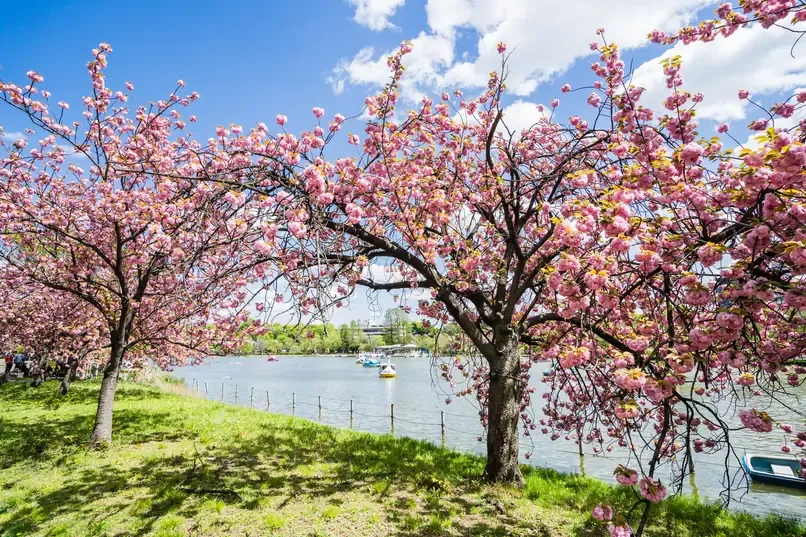
Ueno Park
One of the first public parks in the country, opened in 1873 on temple land, and now the densest cluster of museums in Tokyo.
Location: Taito ward, Tokyo
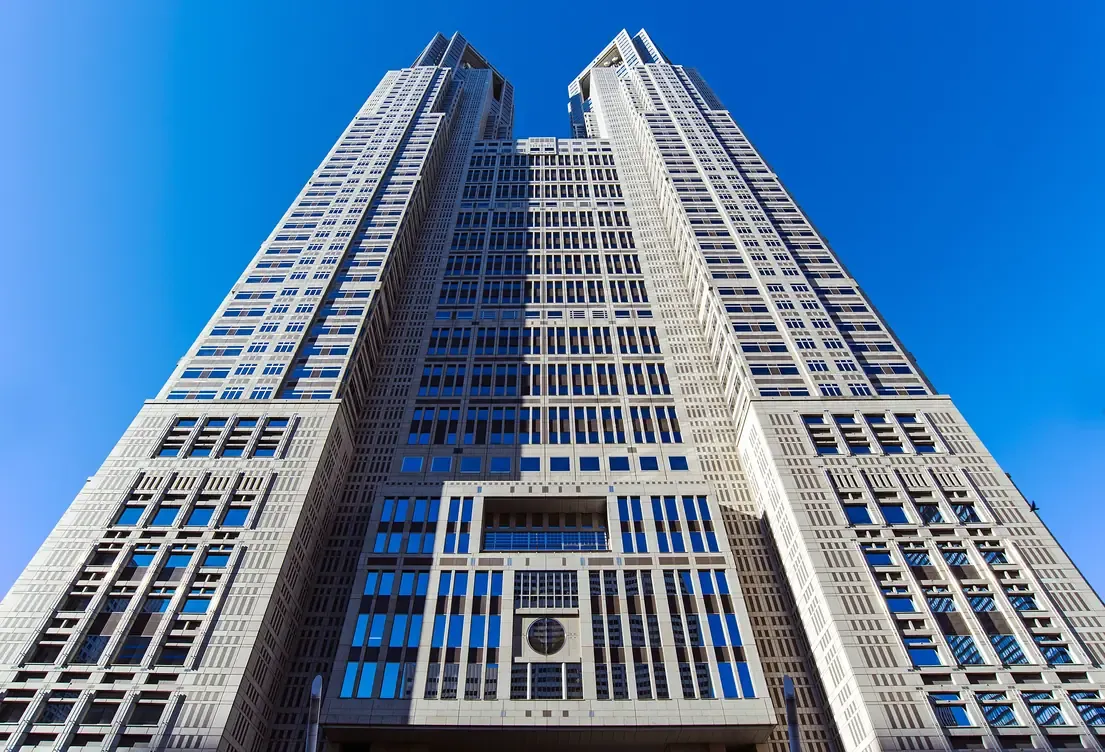
Tokyo Metropolitan Government Building
Kenzo Tange's city hall splits into twin towers at the 33rd floor, with free observation decks 202 metres up in each of them.
Location: Shinjuku, Tokyo
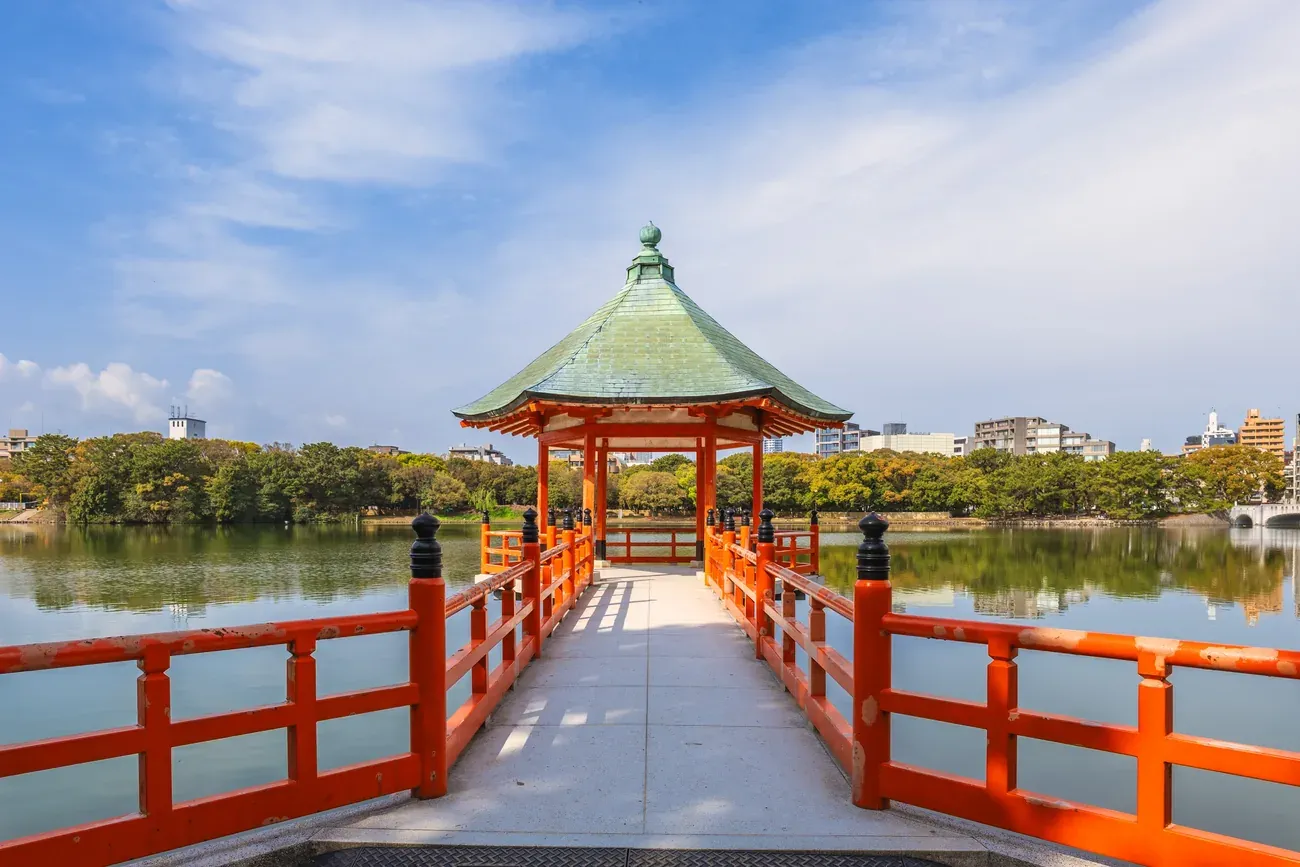
Ohori Park
The name means large moat, and the lake is what is left of the one the lord of Fukuoka dug for his castle.
Location: Chuo ward, Fukuoka
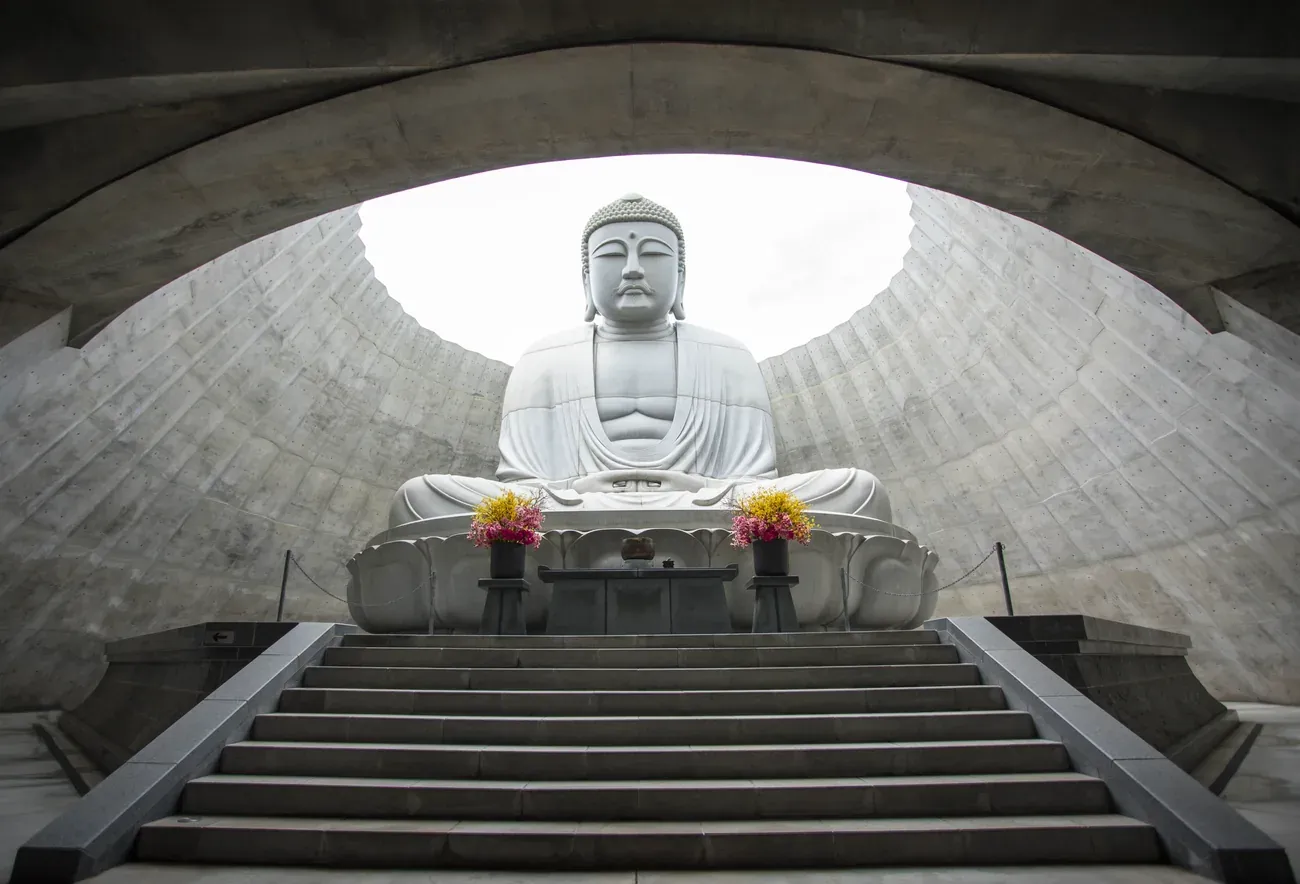
Hill of the Buddha
Tadao Ando set a 13.5 metre Buddha inside a hill planted with 150,000 lavenders so only its head shows, reached through a tunnel. Makomanai lies on the south side of the city, one of the tourist attractions in Sapporo.
Location: Makomanai, Sapporo, Hokkaido
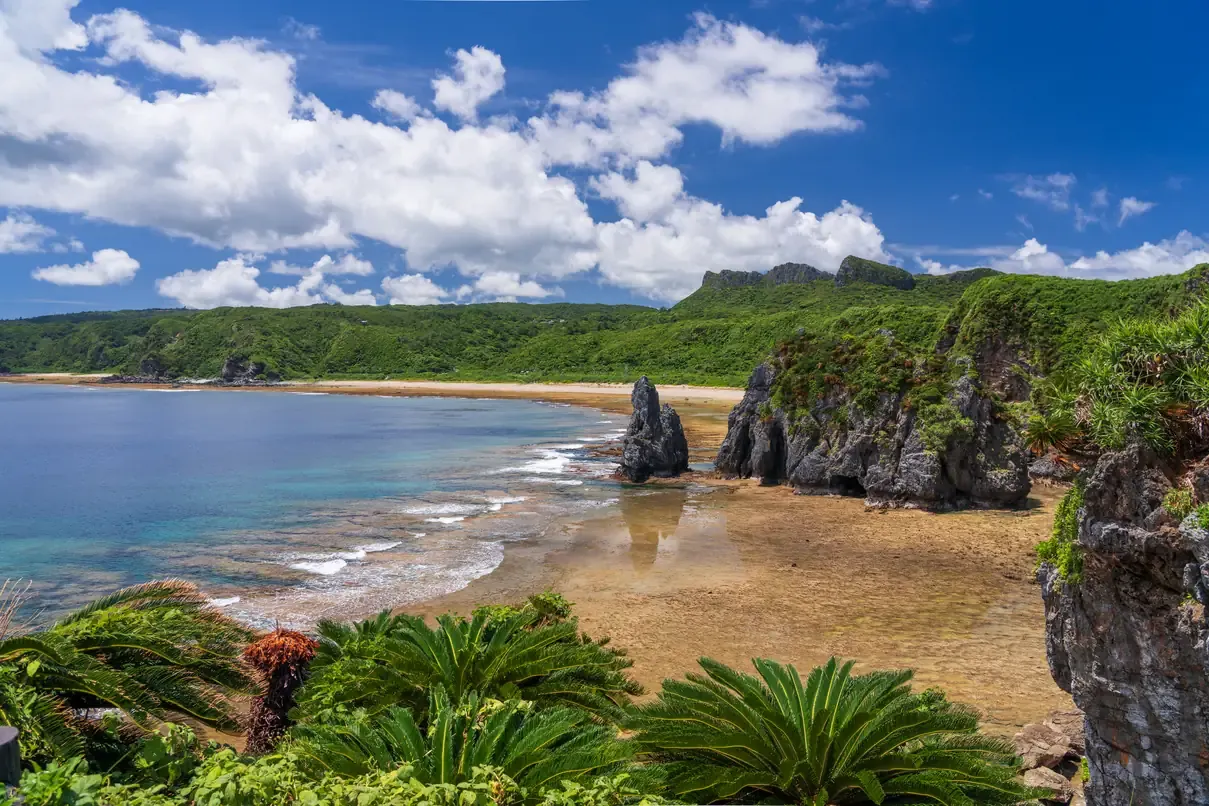
Cape Hedo
The northernmost point of the main Okinawa island, where the East China Sea meets the Pacific and Yoron shows on a clear day. The cape marks the far north of the main island, one of the tourist attractions in Okinawa.
Location: Kunigami, Okinawa
Unusual places to visit in Japan
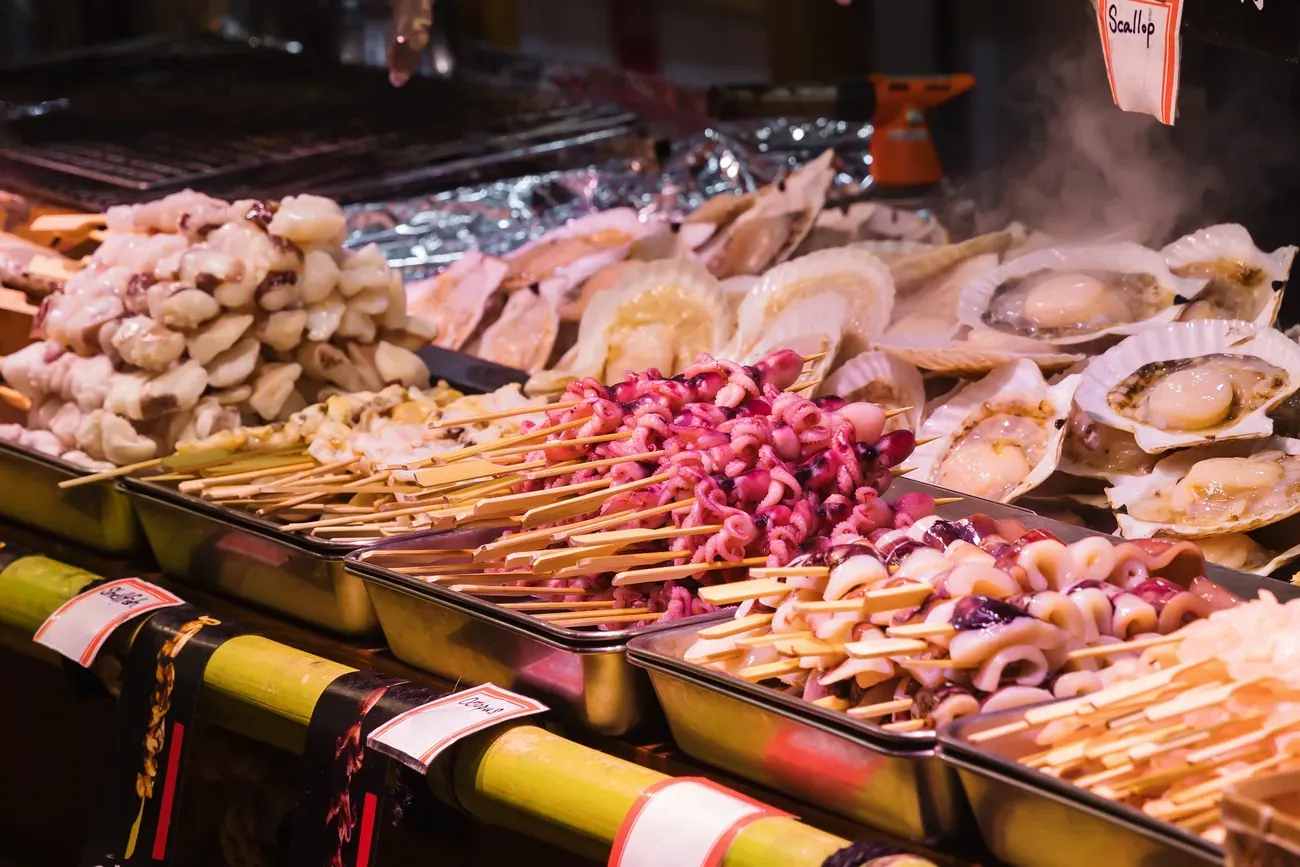
Nishiki Market
Four hundred metres of covered arcade with about 130 stalls, known as Kyoto's kitchen, one street north of Shijo.
Location: Nakagyo ward, Kyoto
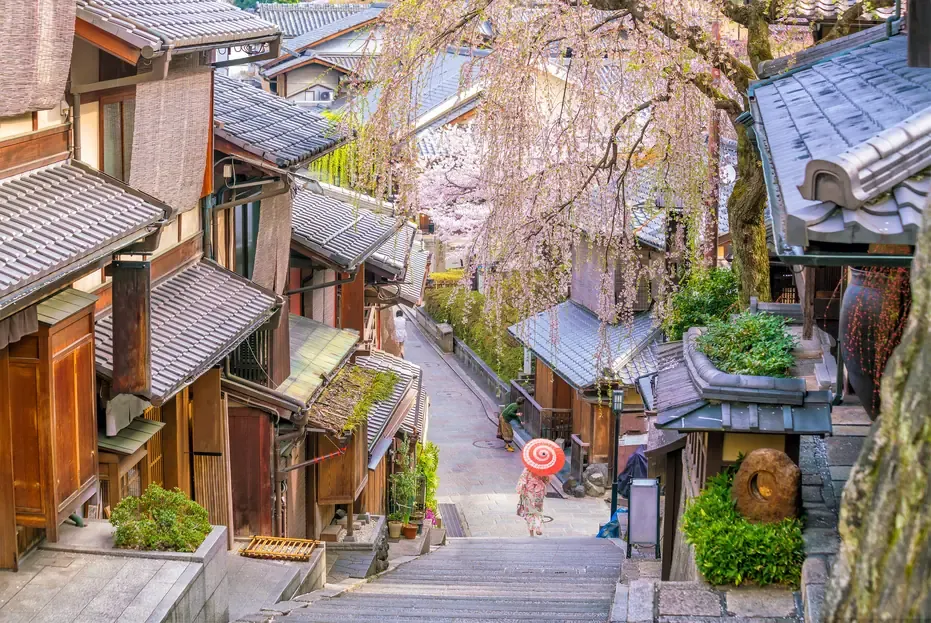
Sannenzaka and Ninenzaka
Two ancient stone-paved lanes in Higashiyama, lined with traditional buildings and shops and always walked as a pair.
Location: Higashiyama, Kyoto
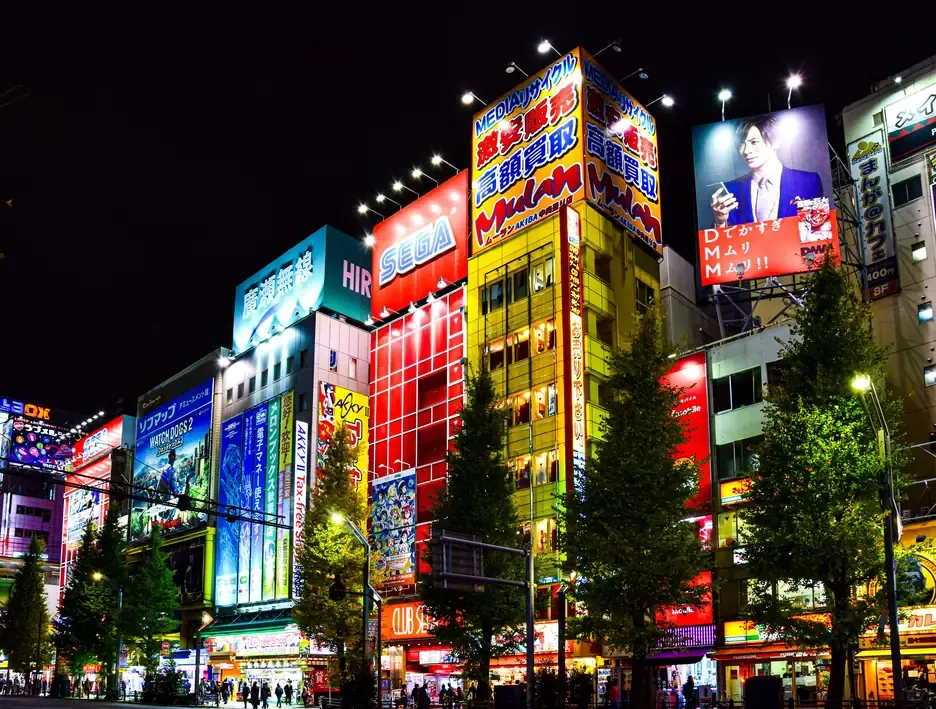
Akihabara Electric Town
The postwar electronics market grew into the centre of otaku culture, stacked with games, anime, manga, arcades and maid cafes.
Location: Chiyoda ward, Tokyo
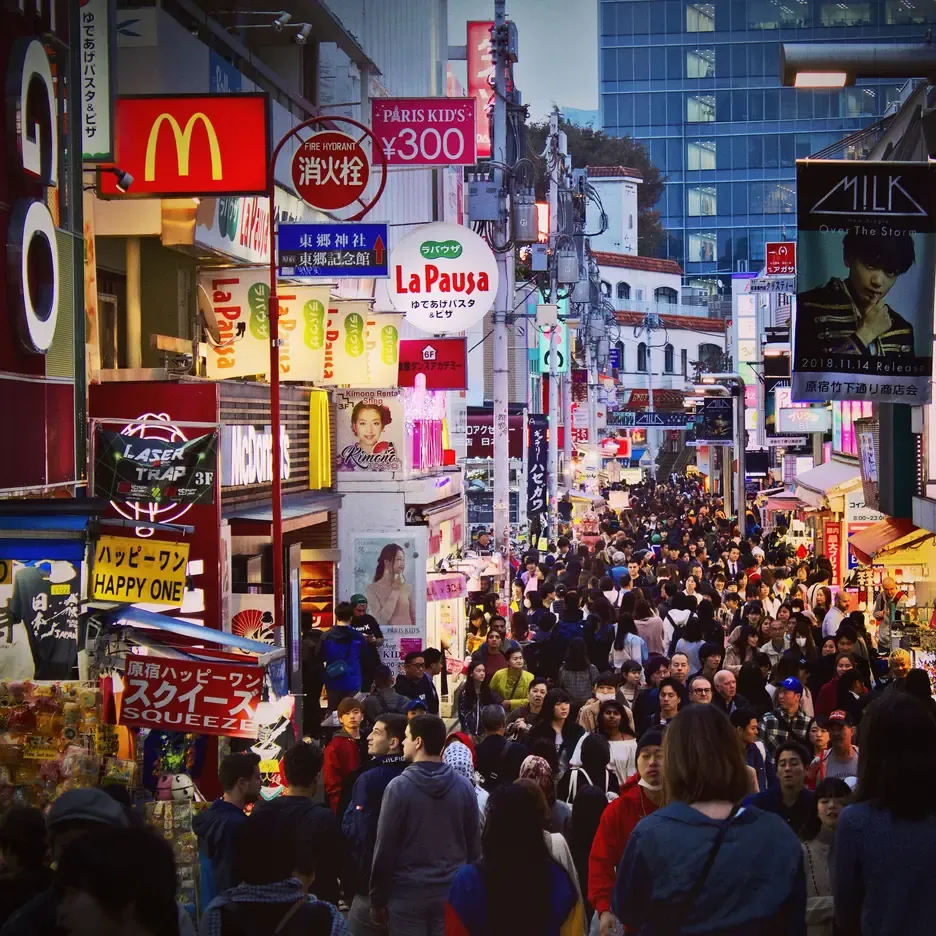
Takeshita Street
A narrow pedestrian backstreet of Harajuku, the district known internationally as the centre of Japanese youth culture and fashion.
Location: Harajuku, Shibuya ward, Tokyo
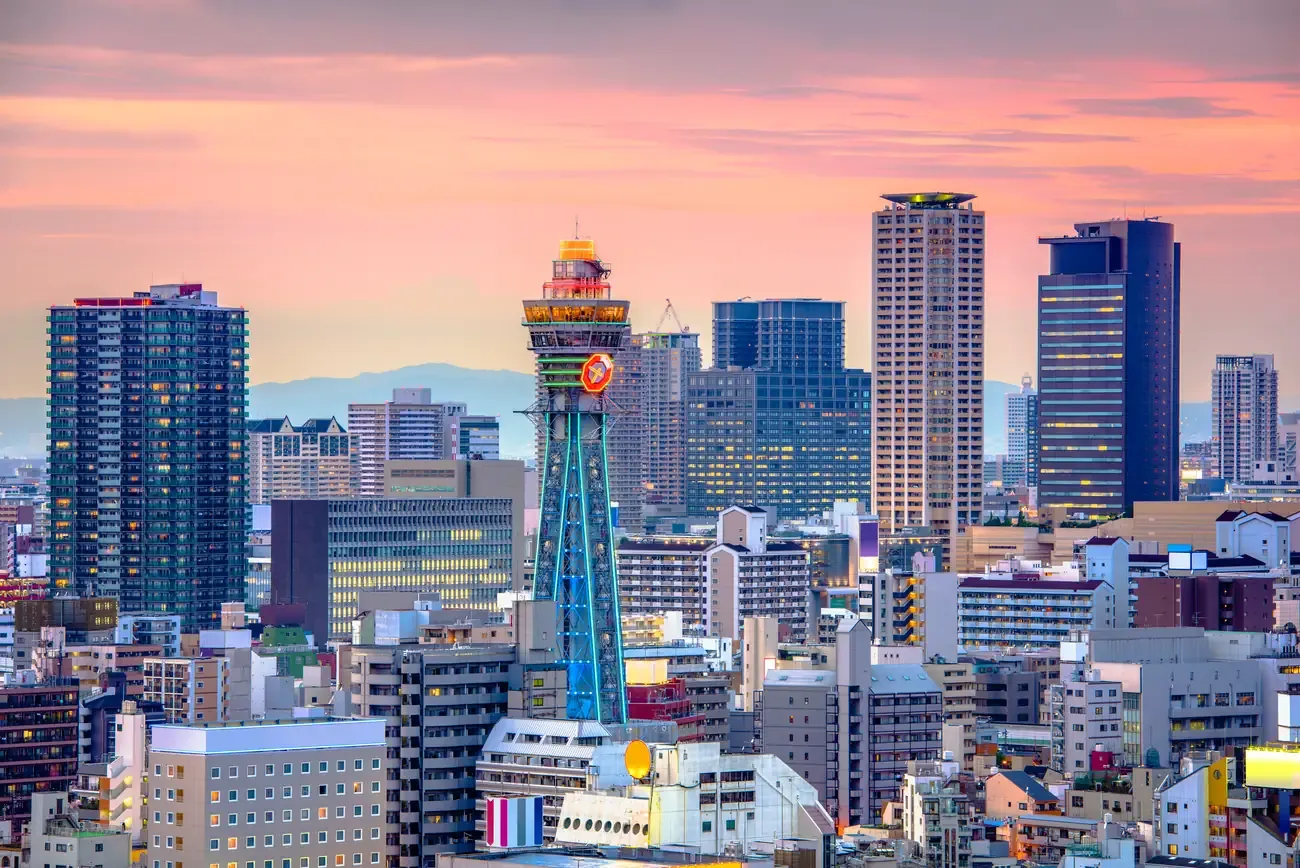
Shinsekai and Tsutenkaku
Laid out in 1912 with Coney Island as the model for its southern half and Paris for the northern, under the Tsutenkaku tower.
Location: Naniwa ward, Osaka
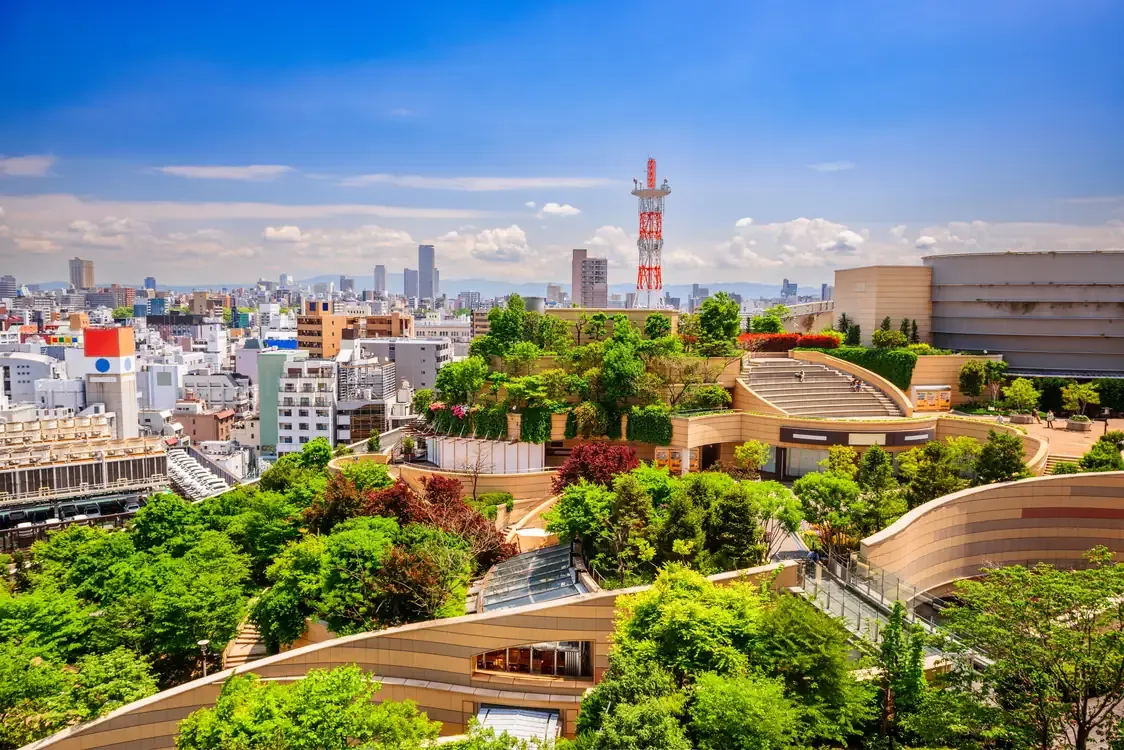
Namba Parks
A mall built as a terraced canyon on the footprint of the old Osaka Stadium, with a roof garden climbing to the ninth floor.
Location: Naniwa ward, Osaka
What sets Japan apart
Japan is an archipelago of four large islands and more than 14,000 smaller ones, and around three quarters of it is mountain and forest. That single fact shapes the trip. Almost everyone lives and travels along the eastern coastal plains, which is where the cities, the castles and the temples are, and the interior stays wooded and thinly settled a short train ride behind them.
The trains are the reason the country is easy to cross. The Shinkansen network was built to link Tokyo with the rest of Japan and still does the heavy lifting, so a traveller can sleep in one city and stand in front of a UNESCO site in another before lunch. There are 27 of those sites, 22 cultural and five natural, and they run from the eighth-century temples of Nara to the beech forest of Shirakami-Sanchi and the subtropical islands south of Kyushu.
Season matters more than distance. Spring is warm without being hot and brings the cherry blossom; autumn is drier and turns the maples. June is a rainy season, July and August are humid enough to be worth escaping north, and winter brings deep snow to Hokkaido and the Sea of Japan coast while the Pacific side stays mild. Food follows the same logic, changing island by island, which is reason enough to keep moving. Japan lies at the eastern edge of the continent, and two of its landmarks, Mount Fuji and Fushimi Inari, feature in most rankings of tourist attractions in Asia.