Fukuoka is Japan's fifth largest city and, per its national tourism body, one of its fastest growing, a compact port at the tip of Kyushu that has faced the Asian mainland since Heian-era diplomats received traders at the Korokan guesthouse, whose ruins now lie under Fukuoka Castle's Maizuru Park. What draws visitors today is less about single monuments than the texture of everyday life: tonkotsu ramen simmered for hours, open-air yatai stalls that spring up after dark, and two of Japan's biggest festivals, Hakata Dontaku every 3 and 4 May and the Hakata Gion Yamakasa float races every 1 to 15 July.
Neighbourhoods to know
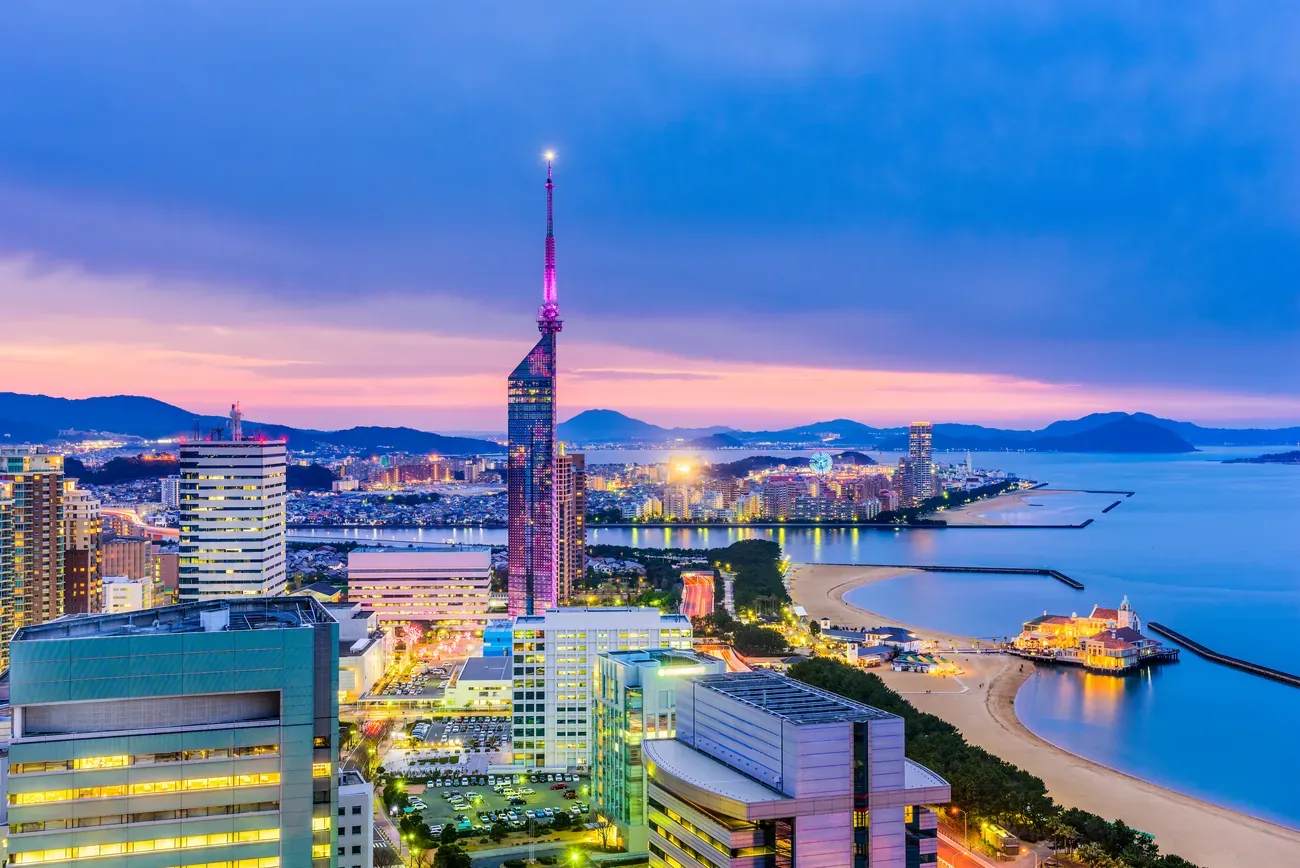
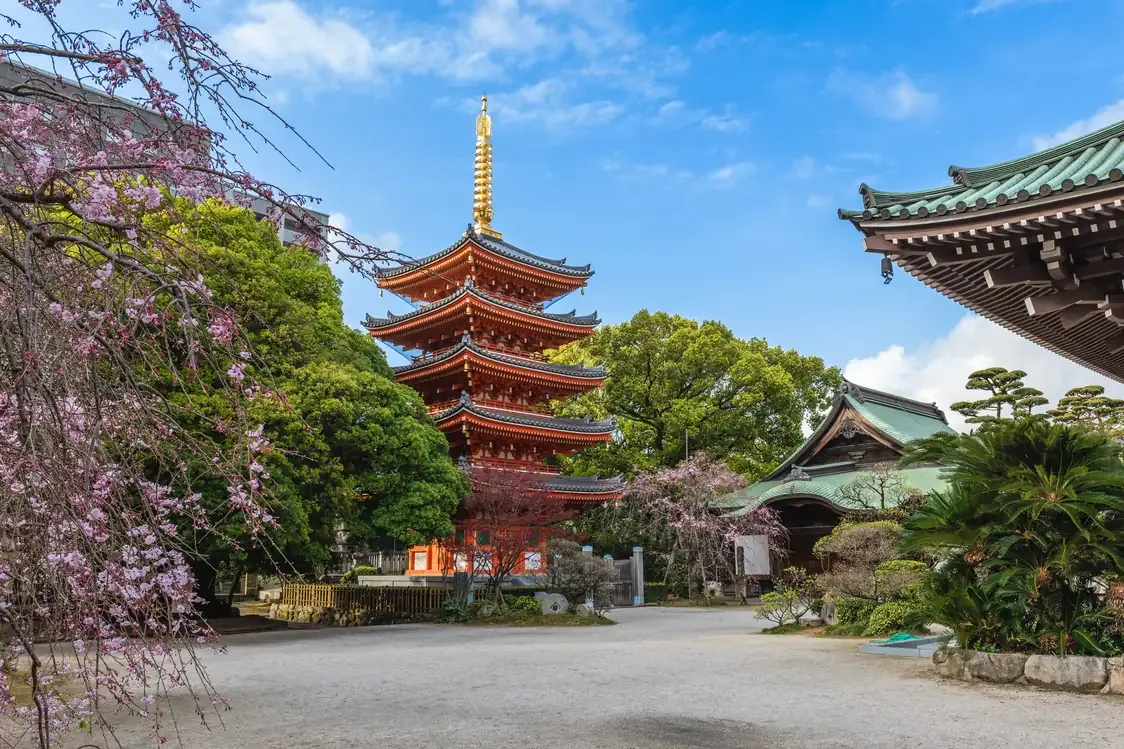
Hakata, around the bullet train station, keeps Kushida Shrine, Tochoji's Great Buddha and the canal and shops of Canal City. Nakasu, the narrow river island between them, is the top nightlife district in western Japan by night and a quiet riverside walk by day. Tenjin is the shopping and business core, its underground Tenjin Chikagai mall linking department stores under one dry, air-conditioned roof. West of the centre, Ohori Park and Maizuru Park's castle ruins give way to Momochi's beach and Fukuoka Tower on the bay.
When to go and for how long
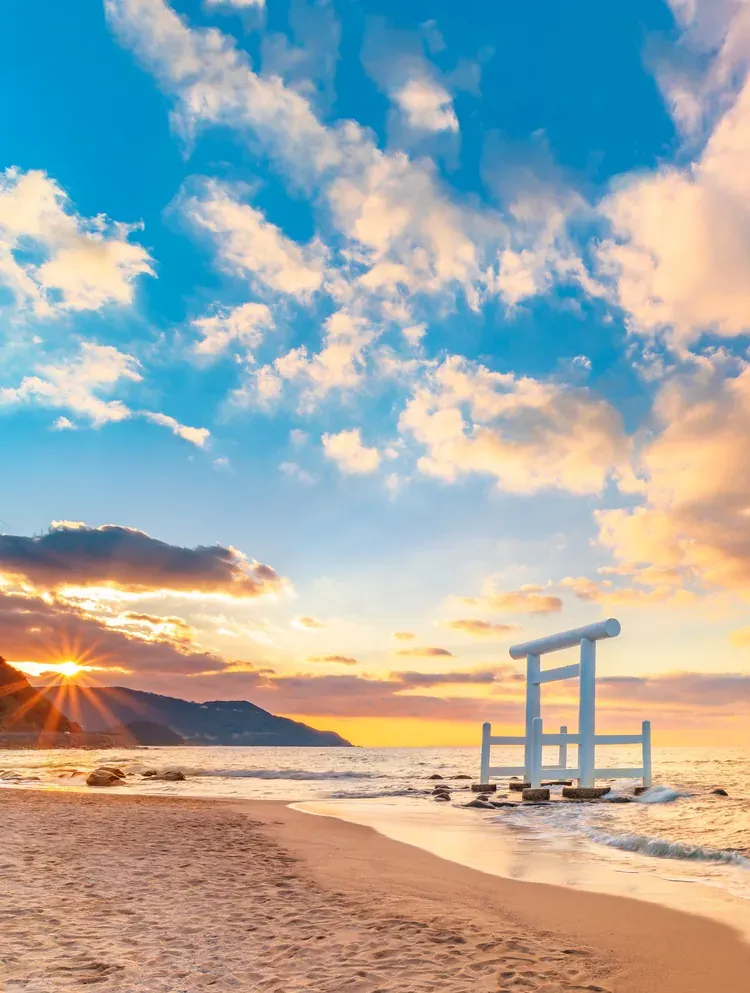
Spring cherry blossoms around Ohori Park and autumn's cooler, drier air make March to May and September to November the most comfortable months; summer runs hot and humid. Two days cover the city centre at an easy pace, and a third allows a half-day trip to Dazaifu Tenmangu, Nokonoshima Island's flower park or the beaches of Itoshima along the coast.
Getting around
The Kuko Line subway crosses the centre in one direction, from Fukuoka Airport through Hakata, Tenjin and Ohori Park to Nishijin and Meinohama, while Nishitetsu buses reach Momochi, Fukuoka Tower and the wider suburbs. Hakata Station also anchors the western terminus of the Sanyo and Kyushu Shinkansen bullet train lines, putting much of western Japan within a day trip. Those same bullet trains put many of the top tourist attractions in Japan within a day of the city.