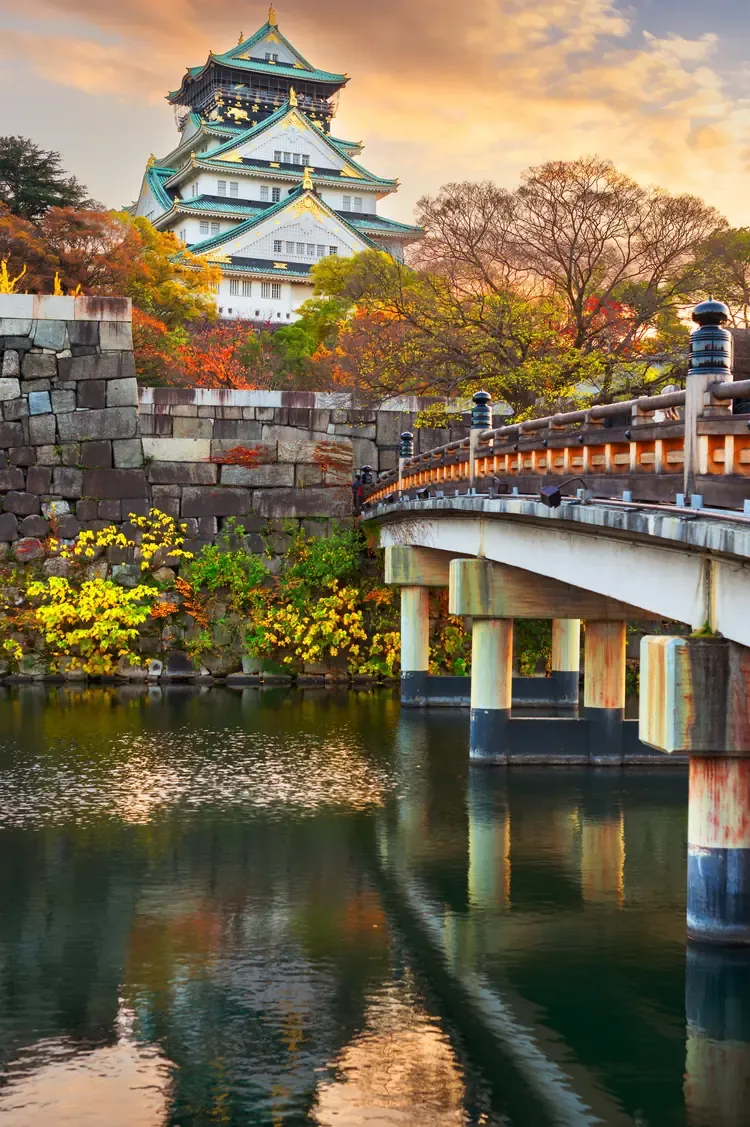
Osaka has been a hub of trade for more than a millennium. In 645, during the Taika reforms, the imperial capital briefly moved to Naniwa, the city's ancient name, and centuries later, as a merchant town under the Tokugawa shogunate, Osaka grew wealthy enough to be nicknamed Tenka no Daidokoro, the nation's kitchen, as rice, fish and produce from across Japan passed through its canals. That mercantile, food-loving character survives in kuidaore, the local habit of eating well without counting the cost, and shows up today in Dotonbori's takoyaki griddles and neon signs as much as in Osaka Castle, the seat Toyotomi Hideyoshi built for himself in 1583.
Kita and Minami
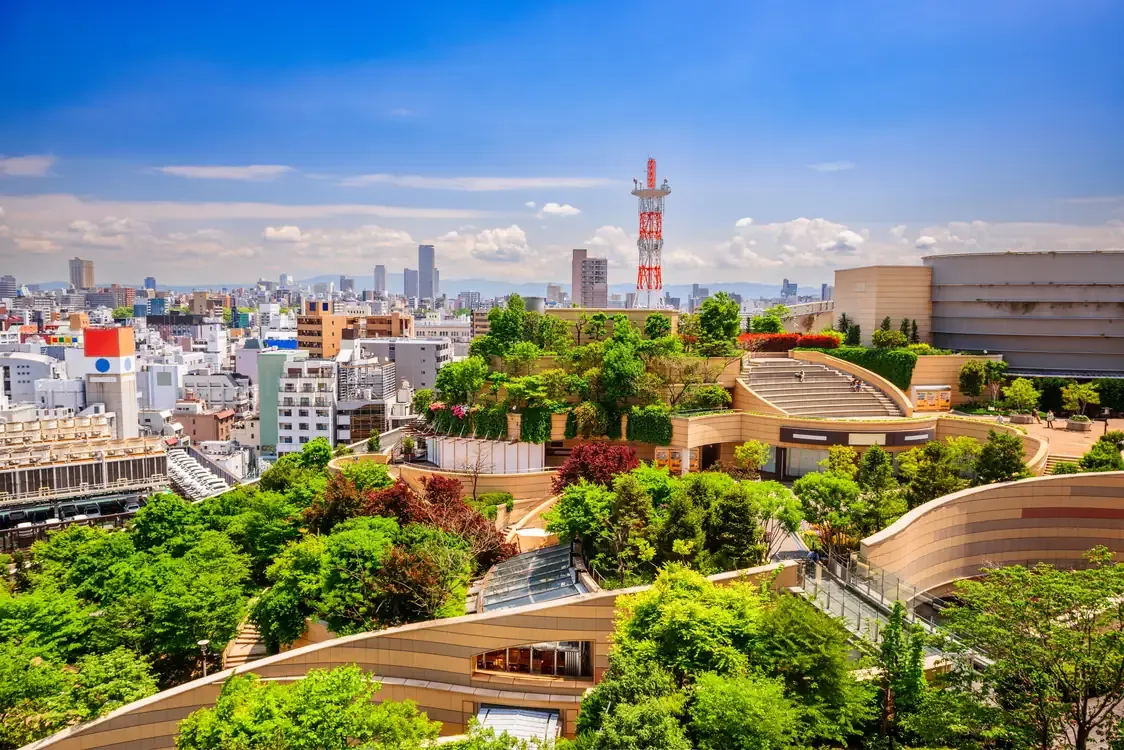
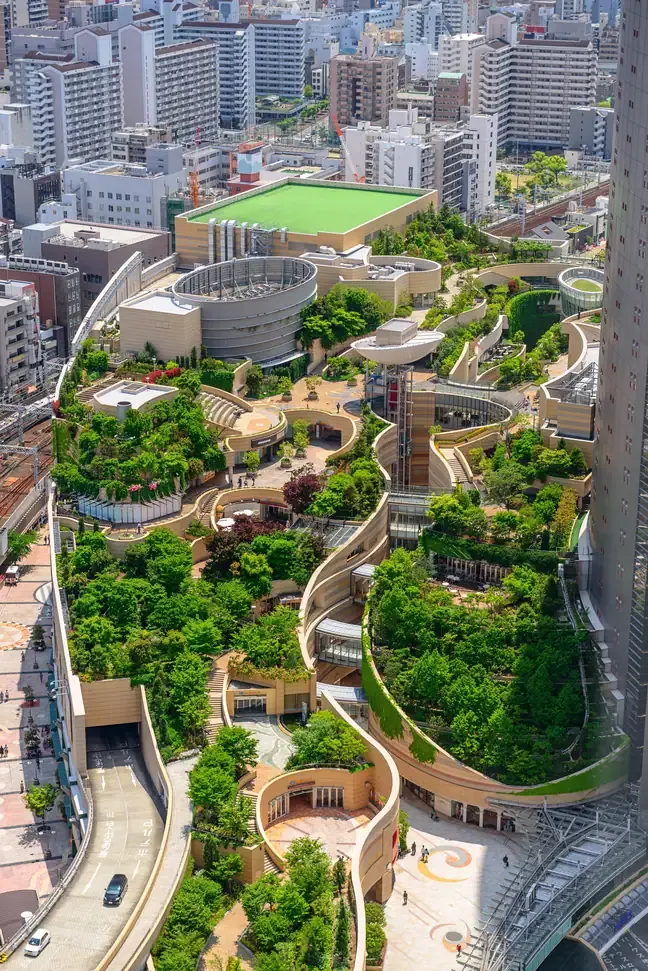
Osaka splits informally into two centres. Kita, meaning north, gathers around Osaka and Umeda stations with skyscrapers, department stores and the Umeda Sky Building's Floating Garden Observatory. Minami, the south, covers Dotonbori, Namba and Shinsaibashi, threaded with covered shopping arcades and street food, while further south again Shinsekai keeps its early 20th century entertainment-district feel around Tsutenkaku Tower.
When to go and how long to stay
Spring, March to May, and autumn, October to November, bring the mildest weather, avoiding the summer heat and humidity and the June rainy season. Two to three days cover Osaka Castle, Dotonbori and Shinsekai at an easy pace, with more time to add Sumiyoshi Taisha, Shitenno-ji or a day out at Universal Studios Japan.
Getting around
The JR Osaka Loop Line rings the centre, and the Osaka Metro's Midosuji Line runs the length of the city from Shin-Osaka and Umeda in the north to Namba and Tennoji in the south, covering most of what a visitor needs without a car. Shin-Osaka is also the bullet train hub for the Kansai region, so the rest of the tourist attractions to visit in Japan sits only a few hours away by Shinkansen.