Sapporo's top tourist attractions
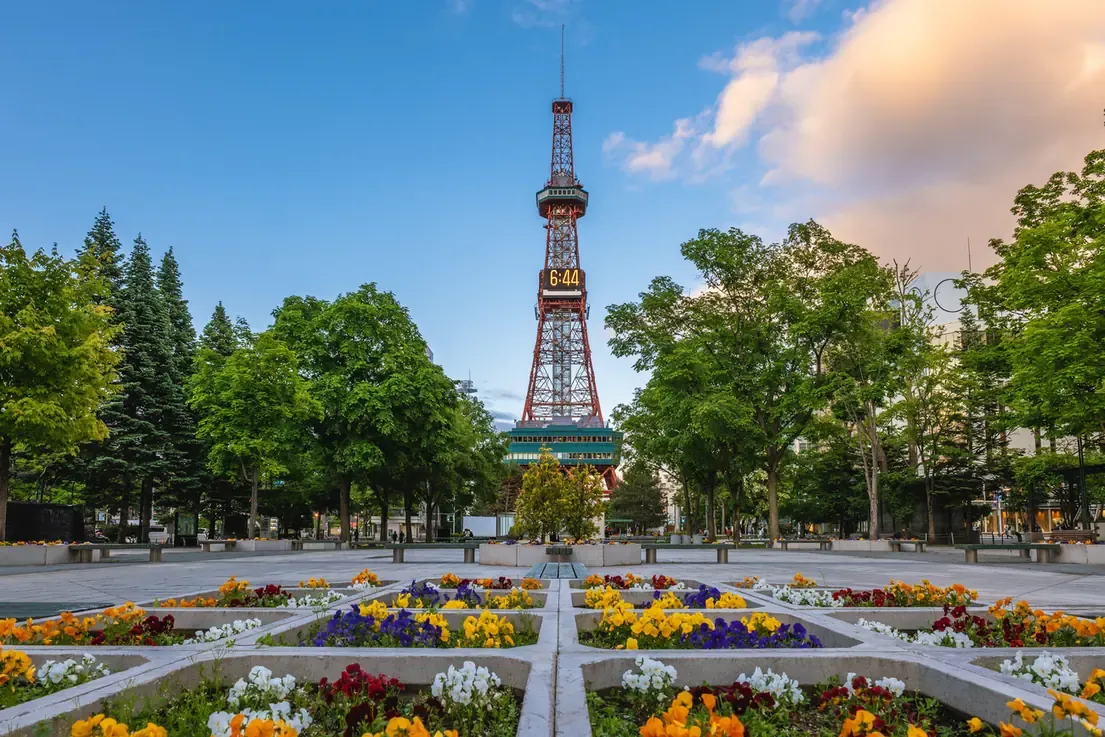
Former Hokkaido Government Office, Sapporo Clock Tower and Odori Park are the tourist attractions in Sapporo most visitors come for. The 5-stop itinerary below strings them together, followed by 7 more sights, free things to do and visitor FAQs.
Why Sapporo deserves your time
A city planned from scratch
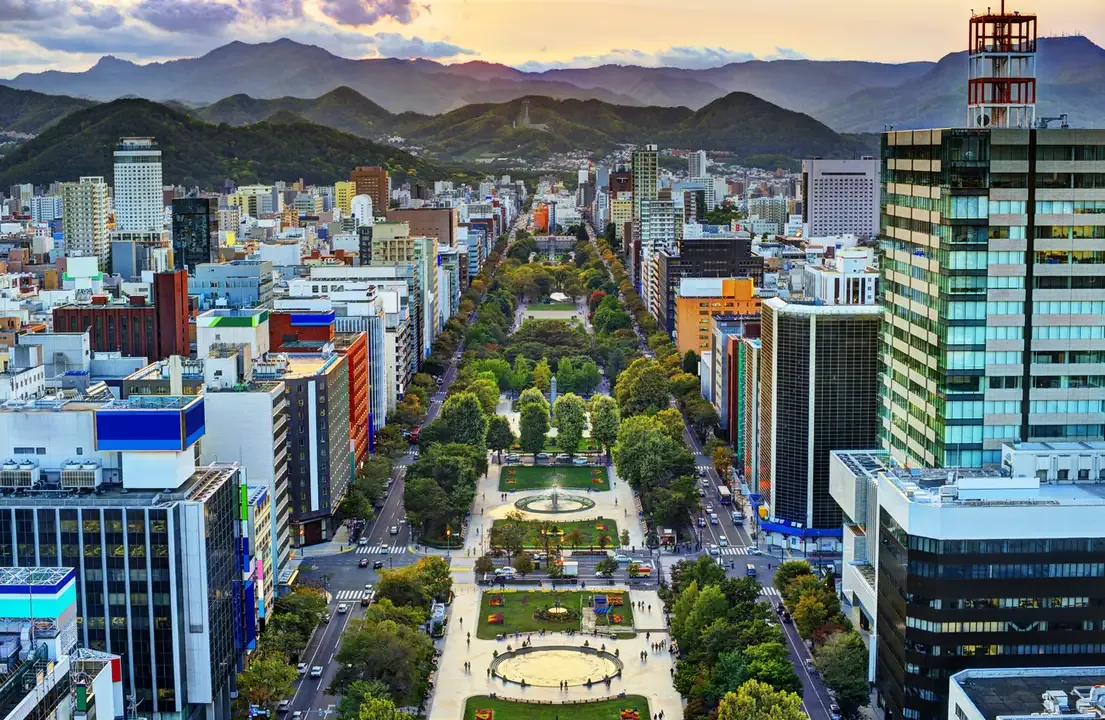
Sapporo did not grow organically like Japan's older cities: the Meiji government founded it in 1868 on a North American-style grid, making it Japan's youngest major metropolis. A firebreak cut through the middle in 1871 to separate a government district from a residential one; over time that strip became Odori Park, still the 1.5 kilometre green spine the whole downtown grid is numbered from.
Snow in winter, green the rest of the year
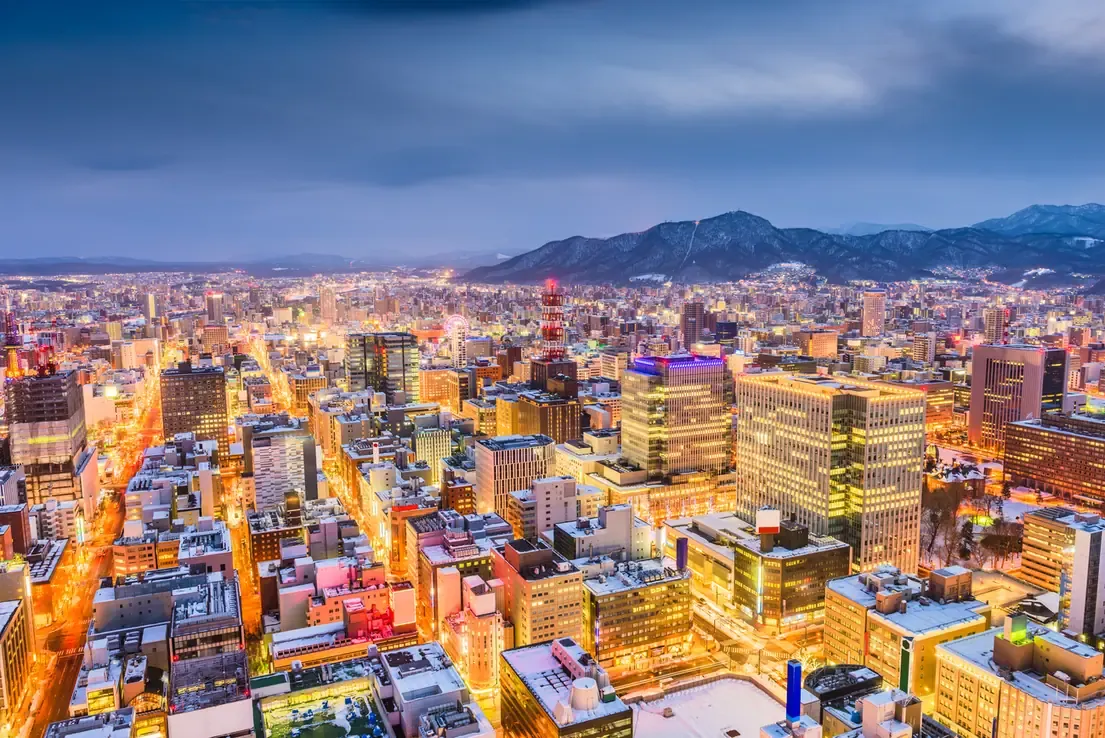
Winters bring around five metres of powder snow and the week-long Sapporo Snow Festival each February, when ice and snow sculptures fill Odori Park, Tsudome and Susukino. Sapporo hosted Asia's first Winter Olympics in 1972, and the Okurayama ski jump and Teine's slopes from those Games still draw skiers today. Summer runs milder than most of Japan, drawing visitors north once the snow clears.
Beer, ramen and Susukino after dark
Beer brewing here dates to 1876, when the Meiji government's Kaitakushi Brewery began production; the Sapporo Beer Museum now tells that story inside a former sugar factory. After dark the action shifts to Susukino, an entertainment district since 1871, its backstreets thick with izakaya, karaoke bars and ramen alleys serving the miso ramen Sapporo is credited with inventing.
Getting around
Downtown is flat and walkable, with an underground passage linking Sapporo Station to Odori Park and on to Susukino for wet or snowy days. A subway and streetcar network reaches further out, including the streetcar connection toward Mount Moiwa's ropeway. Most sightseeing fits into two to three days, with an extra day for Moerenuma Park or the Historical Village of Hokkaido further out. As the largest city on Hokkaido, Sapporo opens up the snow country and northern coast that round out the tourist attractions to see in Japan.