Tourist attractions in Okinawa at a glance
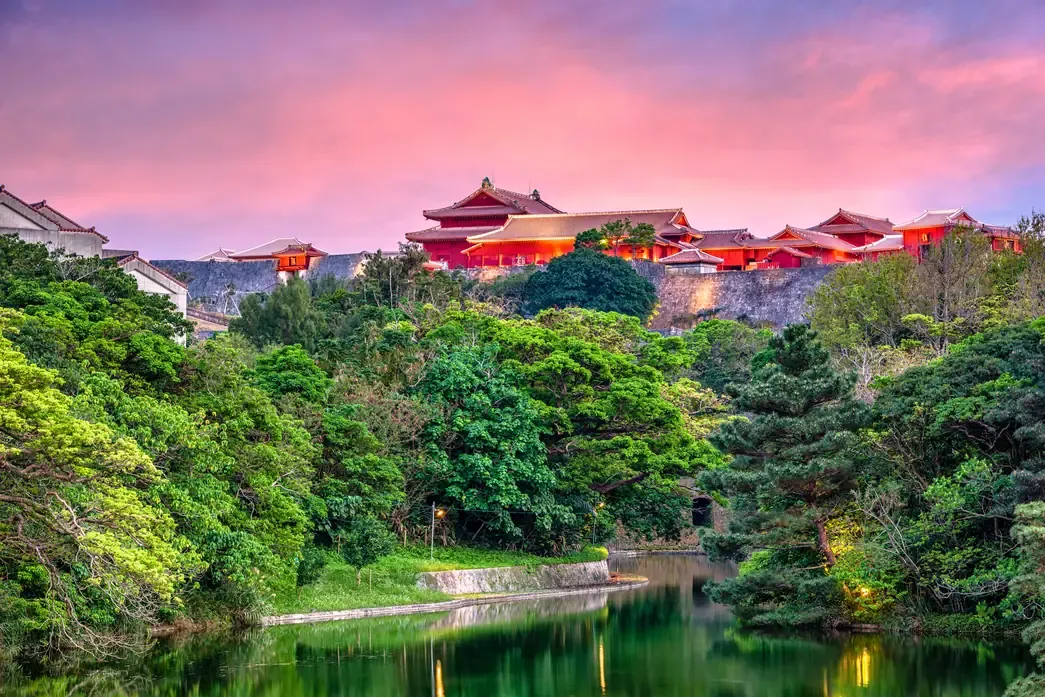
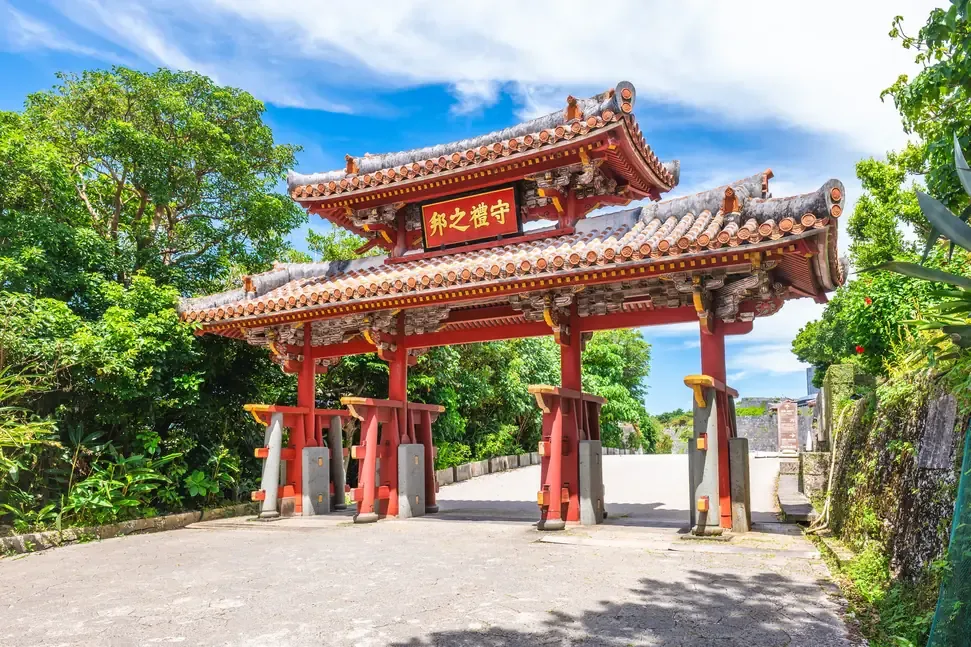
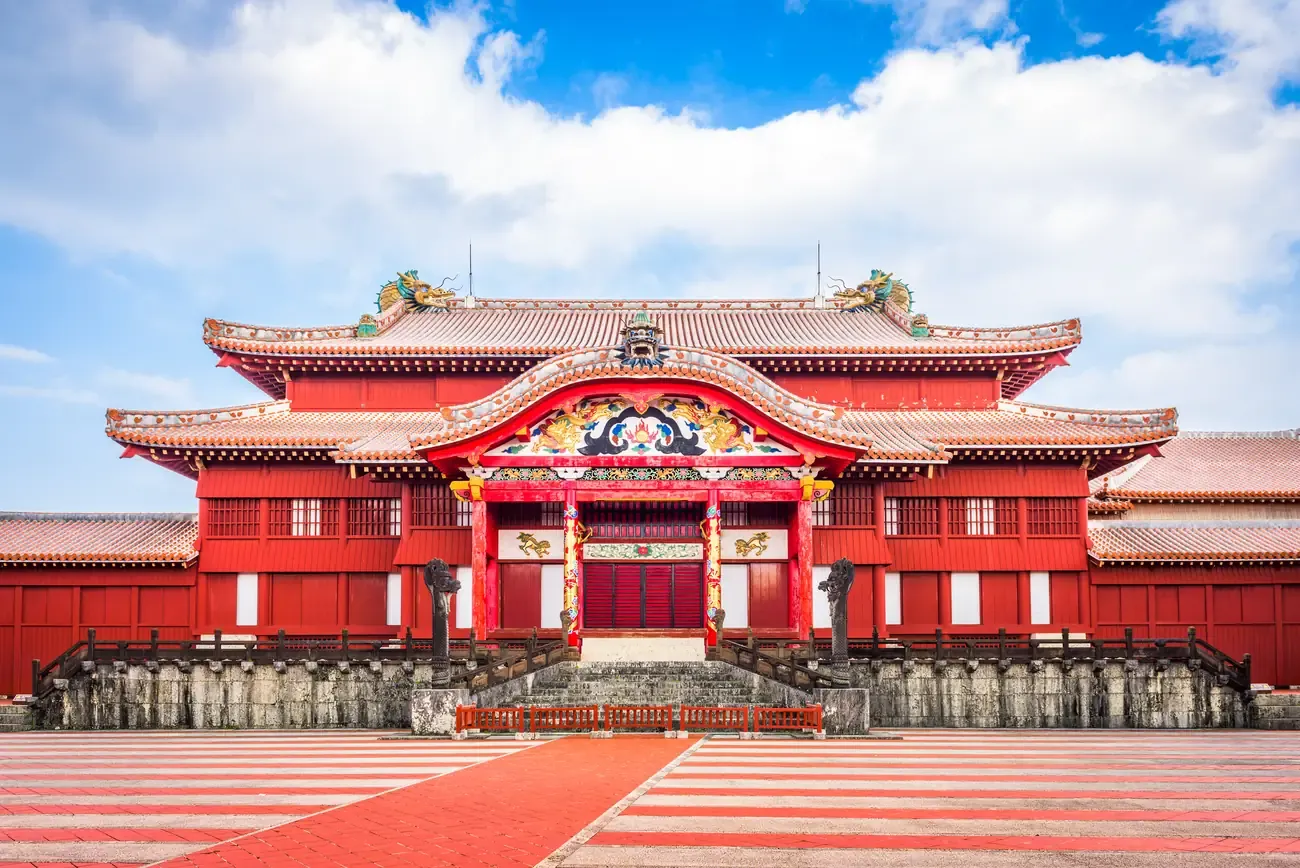
The main tourist attractions in Okinawa are Shurijo Castle Park, Tsuboya Yachimun Street and Daiichi Makishi Public Market. The one day itinerary below strings 5 stops together on foot, with 8 more sights, free things to do and visitor FAQs.
What makes Okinawa special
A kingdom apart
For 450 years, from 1429 to 1879, the independent Ryukyu Kingdom ruled Okinawa as a tributary trading partner of China rather than a Japanese domain, with Shurijo Castle in Naha as its royal seat throughout. Japan annexed the kingdom in 1879 and made it Okinawa Prefecture; the Battle of Okinawa in 1945 then devastated the islands and left them under US administration until reversion to Japan in 1972. That layered history sits behind the castles, sacred groves and coastline bases still visible today.
From Naha to the north
Naha, the prefectural capital, holds Shurijo Castle, Kokusai-dori and the port in a compact, walkable core served by the island's only rail line, the Yui Rail monorail. North of the city, the main roads run the length of the island past the central-west coast resorts around Chatan and Onna, the Churaumi Aquarium at Motobu, and the quieter hills further north. The south holds Sefa-utaki, Okinawa World's limestone caves and the Battle of Okinawa memorials around Itoman.
When to go and how long to stay
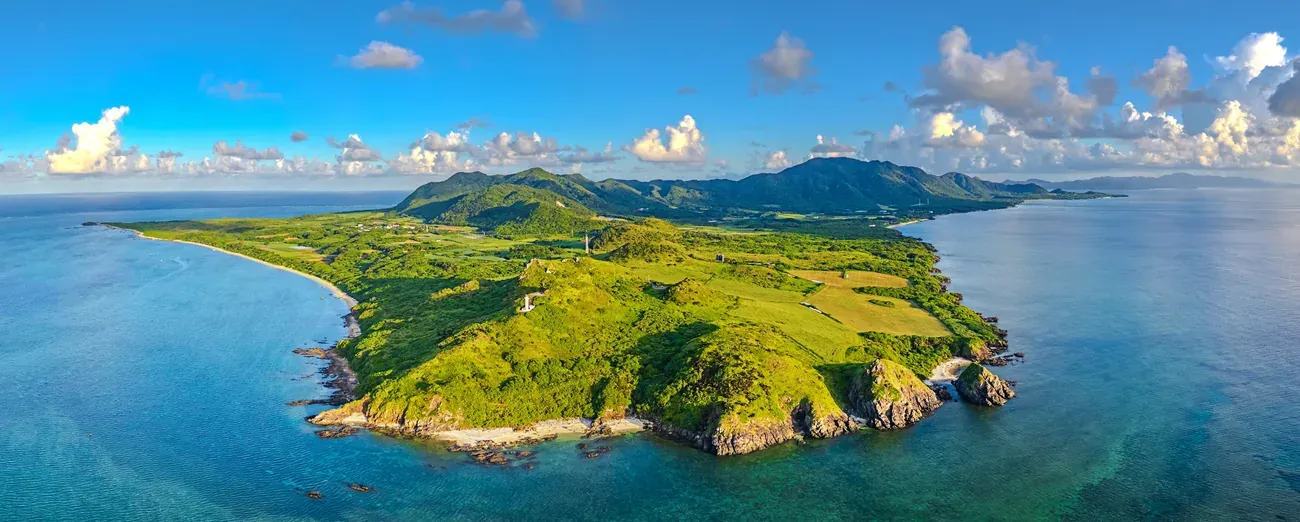
Okinawa's subtropical climate keeps daytime temperatures warm for most of the year, and the main risk to plan around is the typhoon season that runs from June to September. Four to five days covers Naha and a drive up the central-west coast without constant backtracking; longer stays add the north's beaches or a hop to one of the outer islands.
Getting around a driving island
Naha's Yui Rail monorail covers the city centre, but the rest of Okinawa Island has no railway, so most visitors rent a car for the drive north or south. An International Driving Permit is required to drive in Japan, and driving is on the left. Those drives lead to the subtropical beaches and reefs that set Okinawa apart from the rest of the must-see tourist attractions in Japan.