
Brazil tourist attractions
Known for
Carnival, football and beach life along the coast, with Amazon rainforest
Must-see landmarks
Christ the Redeemer, Iguaçu Falls, and dunes of Lençóis Maranhenses
UNESCO World Heritage
26 sites, from Ouro Preto to Iguaçu National Park
Best time to visit
June to August is drier in the southeast, and Carnival falls in February
The 12 tourist attractions to see in Brazil
The tourist attractions in Brazil start with Christ the Redeemer, Sugarloaf Mountain and Copacabana Beach. After the 12 ranked sights come the cities worth a stop, 12 more landmarks, local dishes, 12 hidden gems and visitor FAQs.
Iconic cities in Brazil
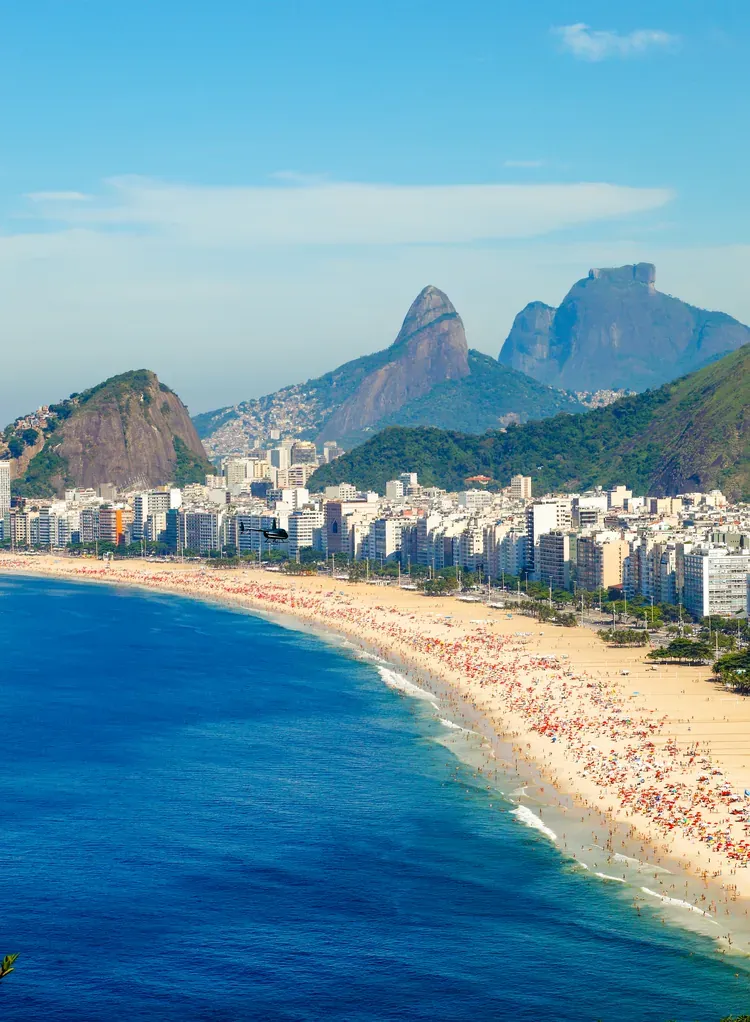
Rio de Janeiro
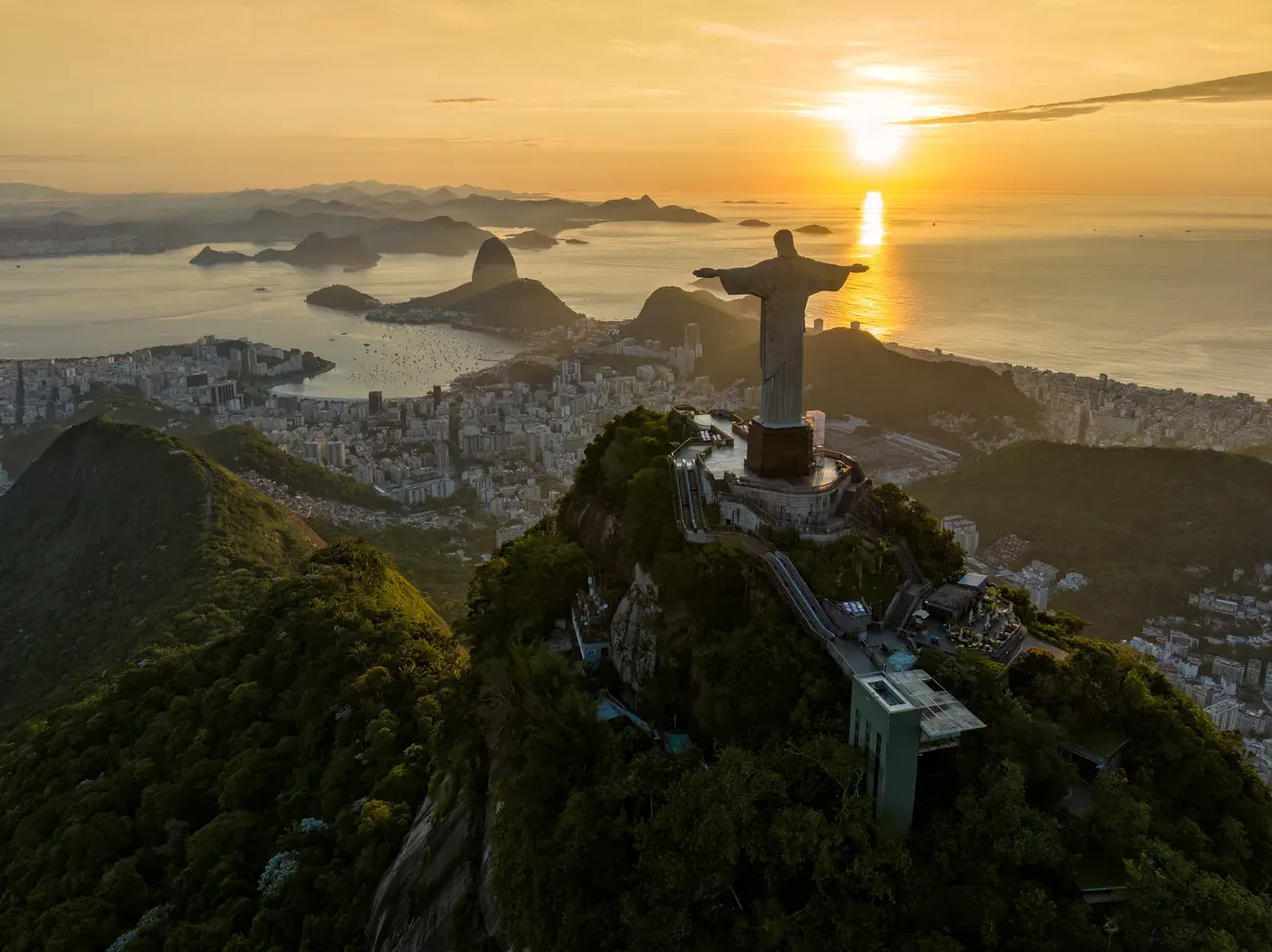
Tourist attractions in Rio de Janeiro. Granite peaks, a statue with its arms open and the beaches of the South Zone, in a setting UNESCO listed as heritage in its own right.
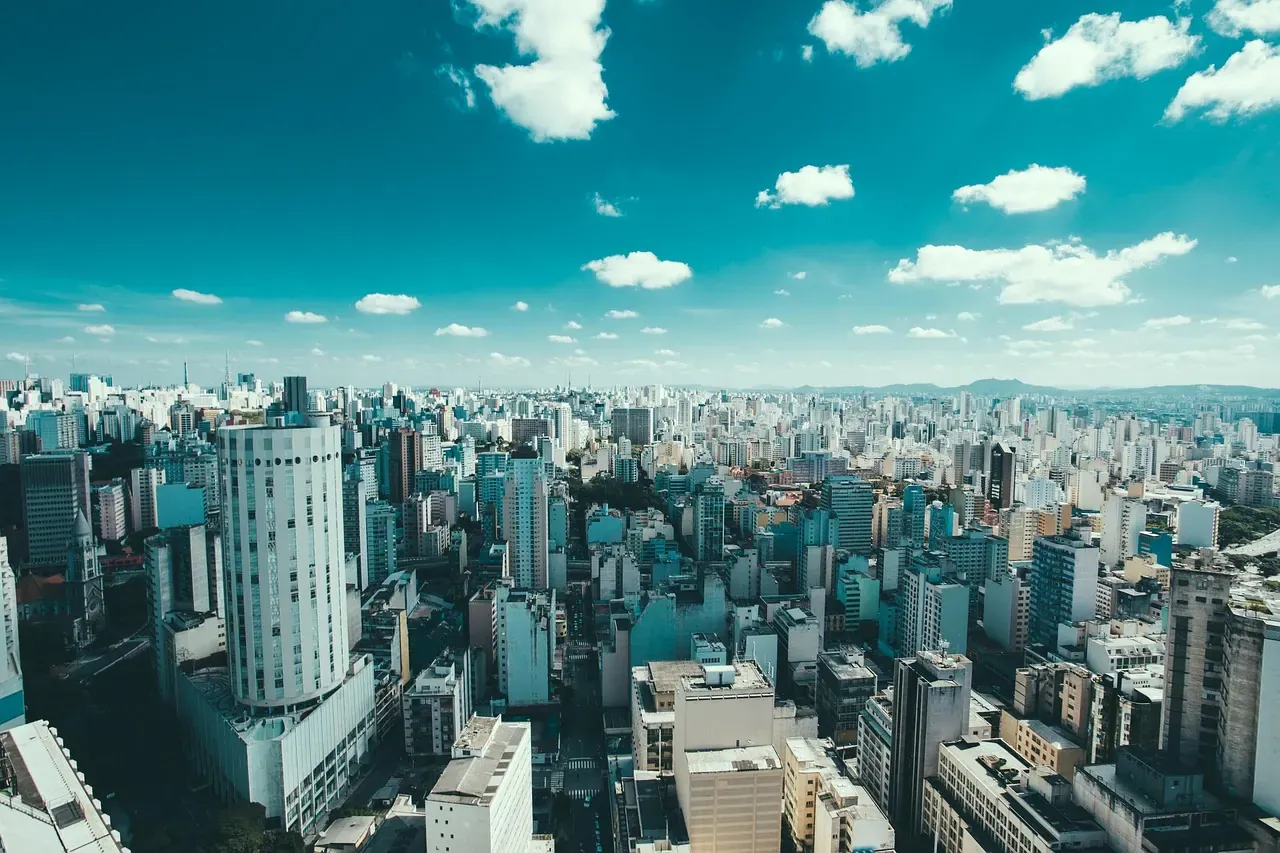
São Paulo
The largest and most cosmopolitan city in Brazil, layered with Italian, Japanese, Arab and German communities, and holding the country's densest run of museums and restaurants.
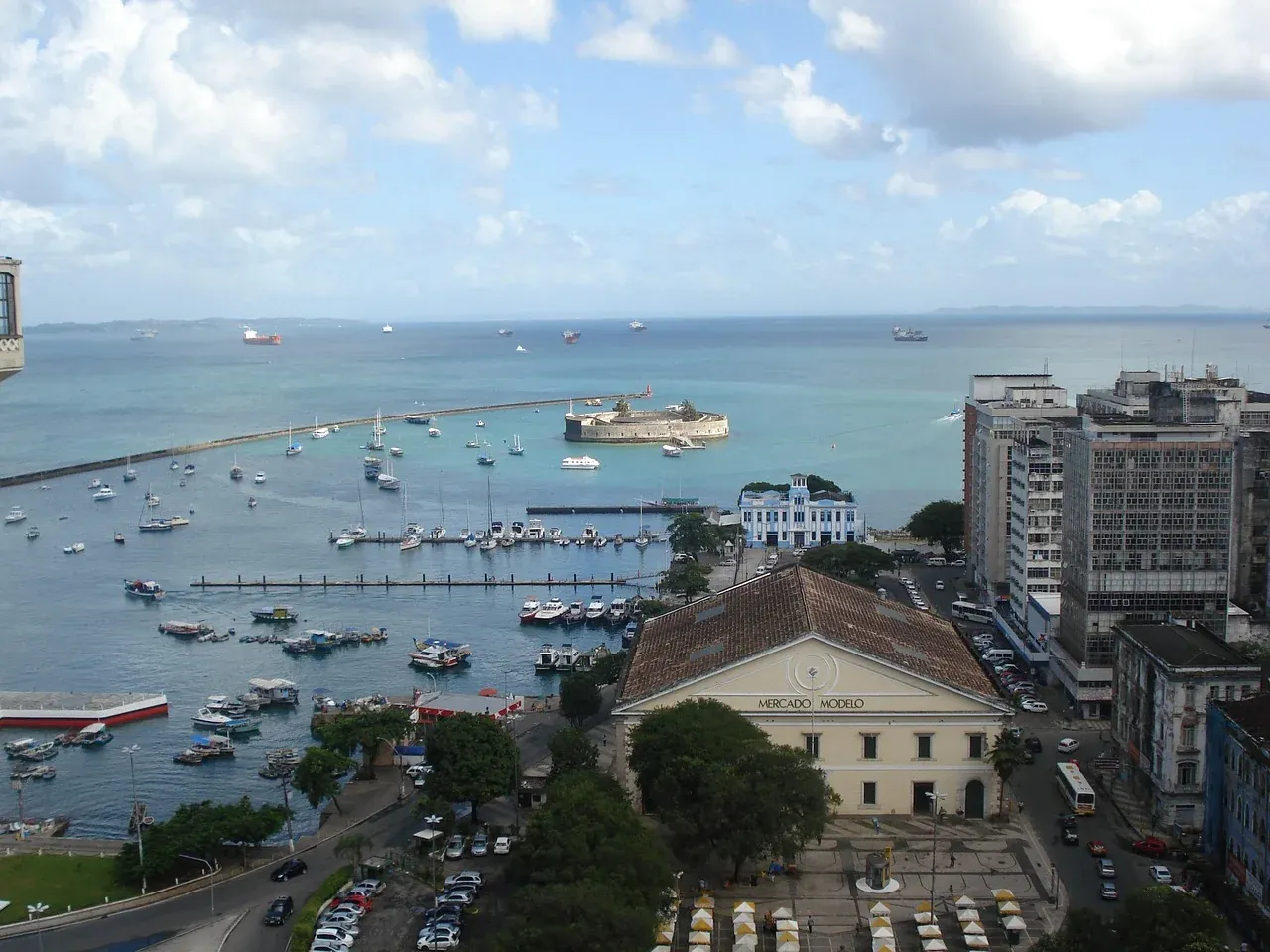
Salvador
The first capital of Brazil, where the African inheritance is strongest, with a UNESCO listed upper town, a lift down to the harbour and a Carnival of its own.
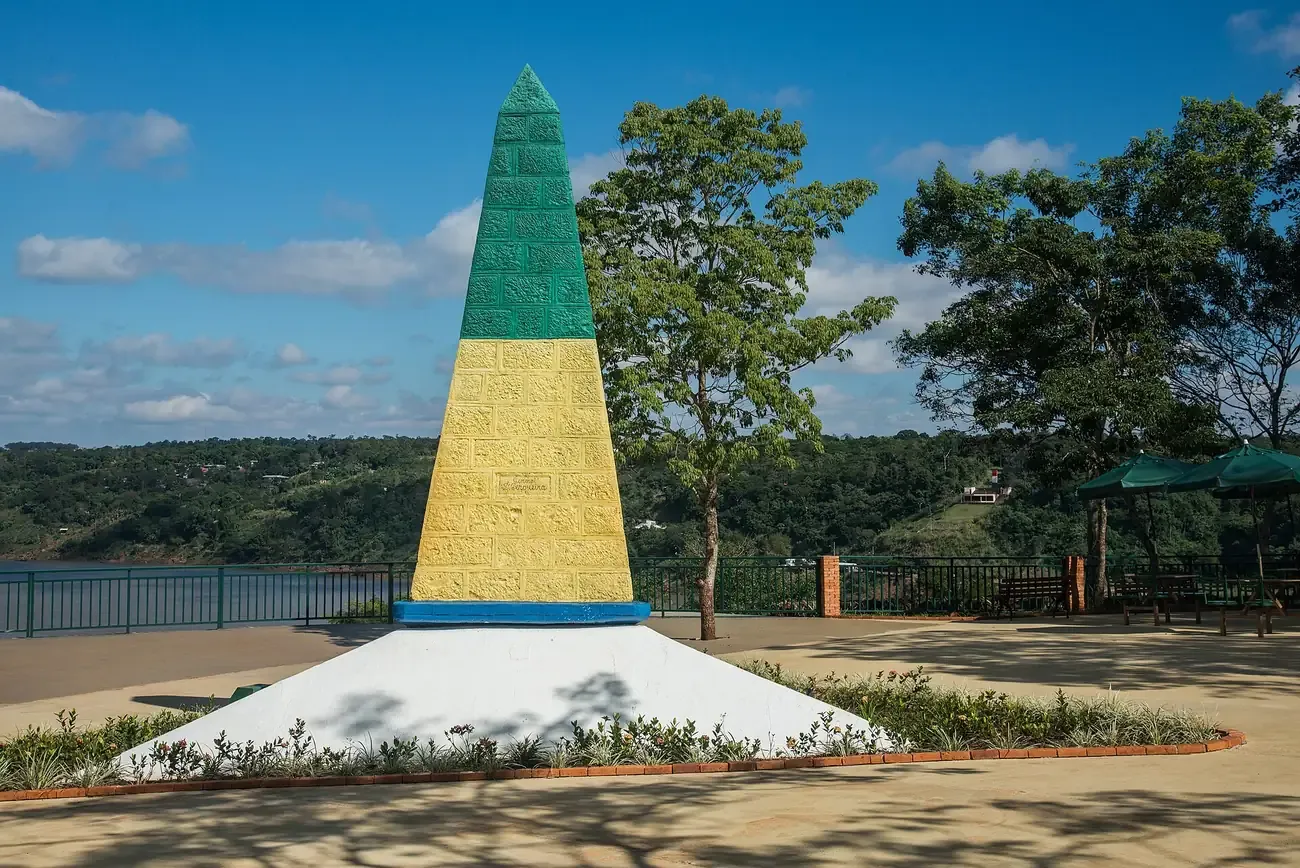
Foz do Iguaçu
The border town for the falls, with Argentina on one side and Paraguay on the other and the Itaipu dam a short drive north of the centre.
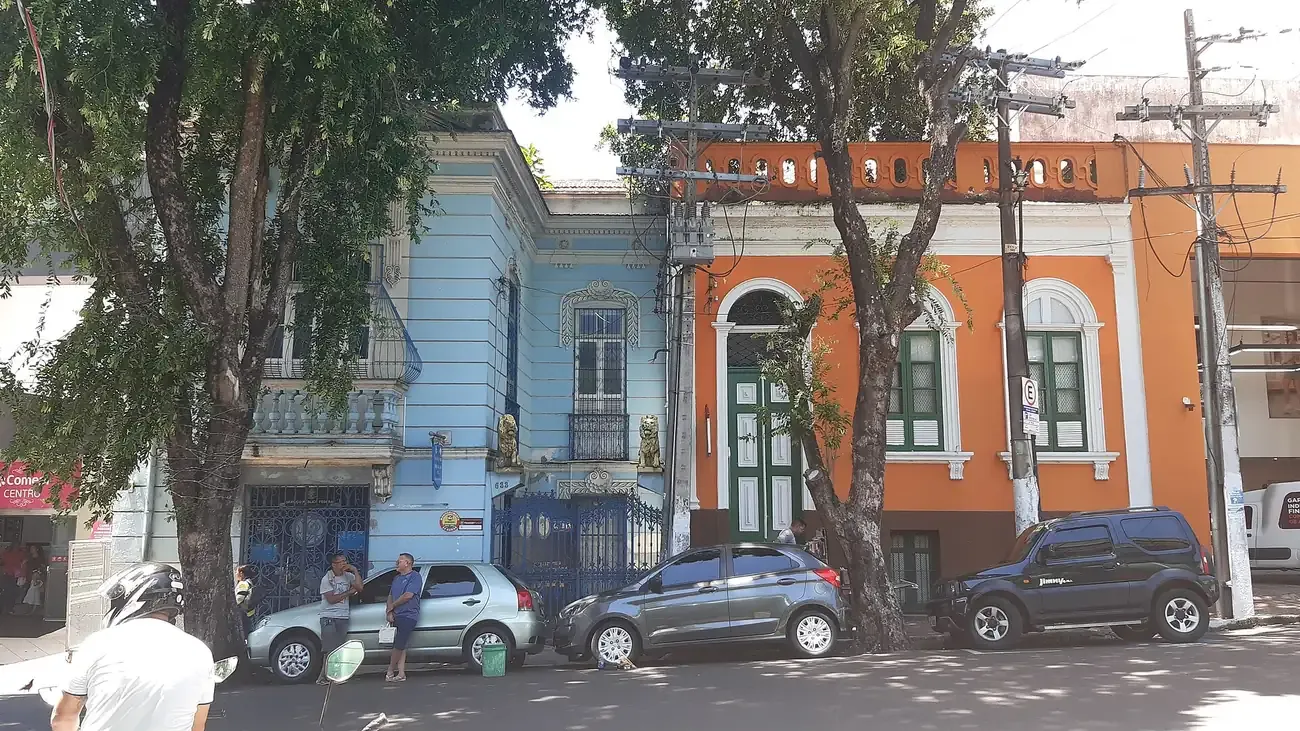
Manaus
The capital of Amazonas and the usual way into the rainforest, built on rubber money and sitting where the Negro meets the Solimões to form the Amazon.
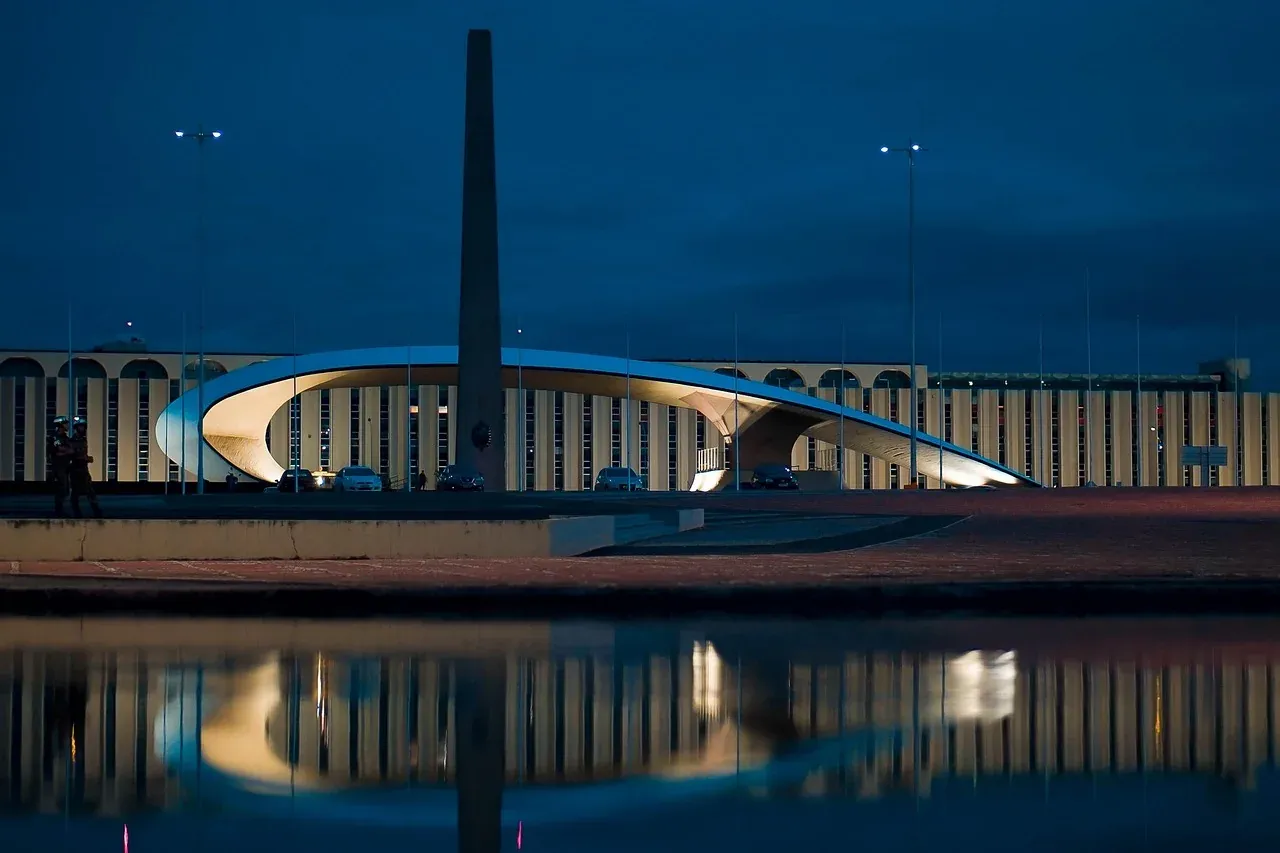
Brasília
A capital designed from nothing in the late 1950s by Lucio Costa and Oscar Niemeyer, laid out in the shape of a bird in flight and listed by UNESCO in 1987.
1. Christ the Redeemer
The country's most photographed silhouette stands on Corcovado with its arms open above Rio de Janeiro and Guanabara Bay. Paul Landowski modelled the Art Deco figure, the Brazilian engineer Heitor da Silva Costa built it and the Romanian sculptor Gheorghe Leonida shaped the face. Work ran from 1922 to 1931 and the statue is reinforced concrete faced in soapstone. Most visitors arrive on the Corcovado train from Cosme Velho, which its operator calls the oldest tourist railway in Brazil, climbing through Tijuca National Park.
Sculptors: Paul Landowski and Gheorghe Leonida · Built: 1922 to 1931 · Height: 30 metres on an 8 metre pedestal
Location: Corcovado mountain, Rio de Janeiro
Access: Ticketed, with a time slot booked for the train or the authorised vans
2. Sugarloaf Mountain
A granite dome at the mouth of Guanabara Bay, 396 metres above the harbour and named for its likeness to a moulded loaf of refined sugar. The cable car that made it famous was the first built in Brazil and still runs in two stages, from Praia Vermelha up to Urca hill and on to the summit. The park at the top keeps woodland, an open-air art trail and the view back over Copacabana, Botafogo and the Corcovado ridge. UNESCO listed these hills with the rest of the Carioca landscape in 2012.
Height: 396 metres above the harbour · Cable car: the first in Brazil, in two stages
Location: Urca, at the mouth of Guanabara Bay in Rio de Janeiro
Access: Ticketed, open daily from morning until late evening
3. Copacabana Beach
Four kilometres of sand between two forts, backed by the black and white wave pavement that Roberto Burle Marx designed for the promenade. Fort Copacabana of 1914 closes the southern end and Fort Duque de Caxias of 1779 the northern one at Leme. Lifeguard posts number the beach and each draws its own crowd, and on Sundays one carriageway of Avenida Atlantica shuts to traffic. Millions gather here for New Year's Eve. UNESCO included the designed landscapes along this bay in its 2012 listing.
Length: about 4 kilometres · Promenade: designed by Roberto Burle Marx, rebuilt in 1970
Location: Copacabana, in the South Zone of Rio de Janeiro
Access: Free, since Brazilian law makes every beach public with open access
4. Ipanema Beach
The beach that Antonio Carlos Jobim and Vinicius de Moraes turned into a bossa nova standard runs between Arpoador and Leblon, closed at its western end by the twin peaks of Dois Irmaos. Numbered lifeguard posts divide it into unofficial neighbourhoods, and the rocks of Arpoador at the eastern end fill every evening with people waiting for the sun to drop behind the hills. Ipanema borders Copacabana, Leblon and the Lagoa, so the whole strip can be walked in an afternoon.
Setting: between Arpoador and Leblon, under the Dois Irmaos peaks · Known for: the song written here in the early 1960s
Location: Ipanema, in the South Zone of Rio de Janeiro
Access: Free, since Brazilian law makes every beach public with open access
5. Escadaria Selarón
In 1990 the Chilean artist Jorge Selarón began retiling the run-down steps outside his house in Lapa, using blue, green and yellow for the colours of the Brazilian flag. Neighbours mocked the choice, then visitors started posting him tiles. By his death in 2013 the 215 steps, 125 metres of them climbing towards Santa Teresa, carried more than 2,000 tiles from over 60 countries, some 300 of them hand-painted by Selarón himself. He called the work his tribute to the Brazilian people and never considered it finished.
Artist: Jorge Selarón, from 1990 to 2013 · Steps: 215 over 125 metres · Tiles: more than 2,000 from over 60 countries
Location: Between Lapa and Santa Teresa, Rio de Janeiro
Access: Free, a public stairway open at any hour
Photos: "BR-rio-esc-selaron-1" by Balou46 (CC BY-SA 4.0) and "Escadaria Selarón - Rio de Janeiro - 20240417062601" by Donatas Dabravolskas (CC BY-SA 4.0).


6. Maracanã Stadium
Officially the Estádio Jornalista Mário Filho, this is where Brazil lost the deciding match of the 1950 World Cup to Uruguay in front of 210,850 spectators on 16 July, an attendance record that still stands. Seating replaced the terraces over the following decades and the ground was rebuilt for the 2014 final and the 2016 Olympic ceremonies, yet it remains the largest stadium in Brazil. The state owns it, Flamengo and Fluminense run it, and a tour goes through the changing rooms and out onto the pitch side.
Opened: 1950 · Record attendance: 210,850 on 16 July 1950 · Managed by: Flamengo and Fluminense
Location: Maracanã, in the North Zone of Rio de Janeiro
Access: Ticketed for the stadium tour, with shorter hours on match days
7. Museum of Tomorrow
Santiago Calatrava set a white spine of steel and glass out over Guanabara Bay at Pier Mauá, with cantilevered fins that carry solar panels and reflecting pools that draw water from the bay for cooling. The museum opened on 17 December 2015 as the centrepiece of the rebuilt port district, and it deals with where humanity is heading rather than where it has been: climate, population and the choices in between, told through screens and installations instead of cabinets of objects.
Architect: Santiago Calatrava · Opened: 17 December 2015 · Subject: the future of the planet and its people
Location: Praça Mauá, in the port district of Rio de Janeiro
Access: Ticketed
Photo: "Museu do Amanhã ao anoitecer do Rio" by Bruno Tamm Rabello (CC BY-SA 4.0).

8. Iguazu Falls
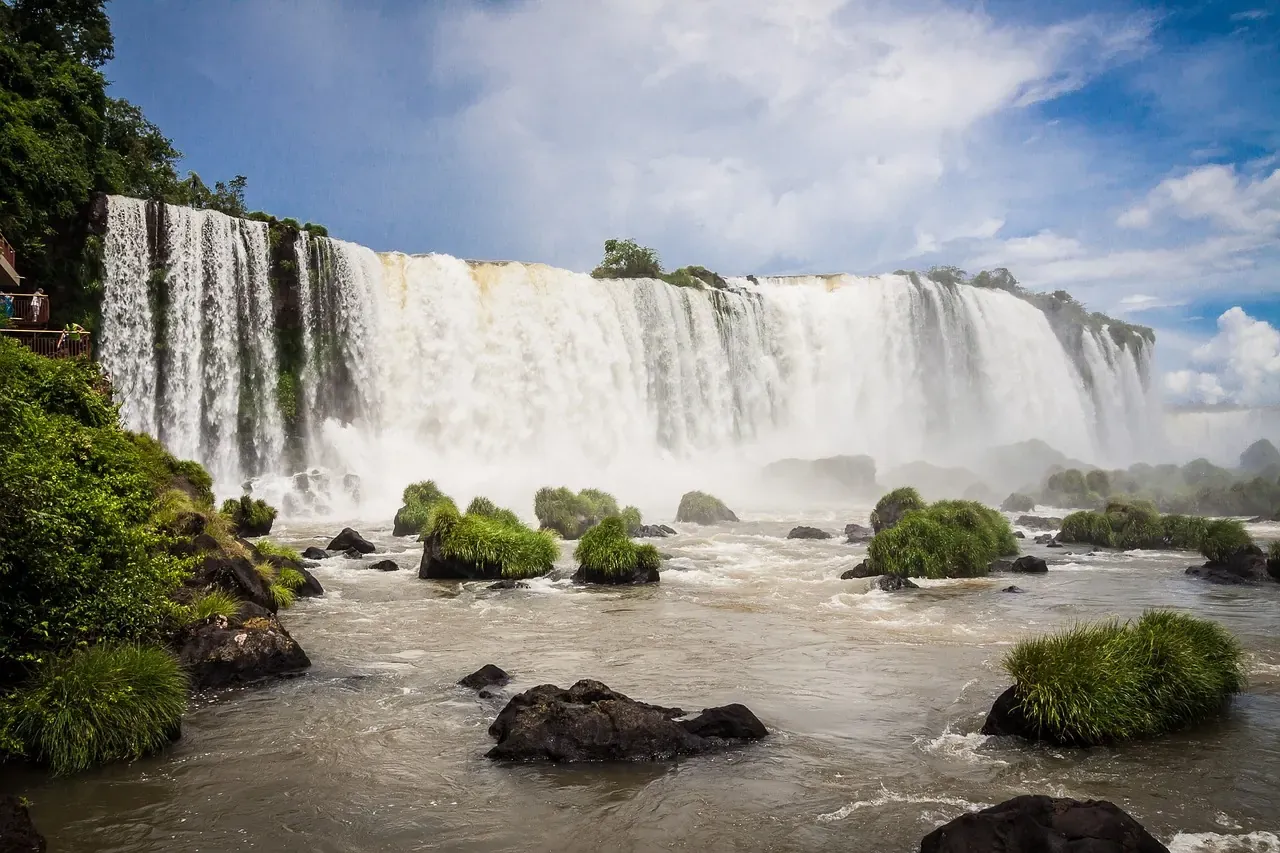
The Iguaçu river breaks over a horseshoe of basalt on the border with Argentina in what UNESCO calls one of the world's largest and most impressive waterfalls, spread over some 2,700 metres. The Brazilian park, created in January 1939 and inscribed by UNESCO in 1986, holds the panoramic side: a walkway follows the canyon rim and ends on a catwalk in the spray below the Devil's Throat. Giant otters and giant anteaters live in the forest around it, and the falls were voted one of the New7Wonders of Nature in November 2011.
Width: some 2,700 metres of falls · Park created: January 1939 · Heritage: UNESCO World Heritage since 1986
Location: Iguaçu National Park, near Foz do Iguaçu in Paraná
Access: Ticketed, with a park shuttle bus to the trailhead
9. Pelourinho
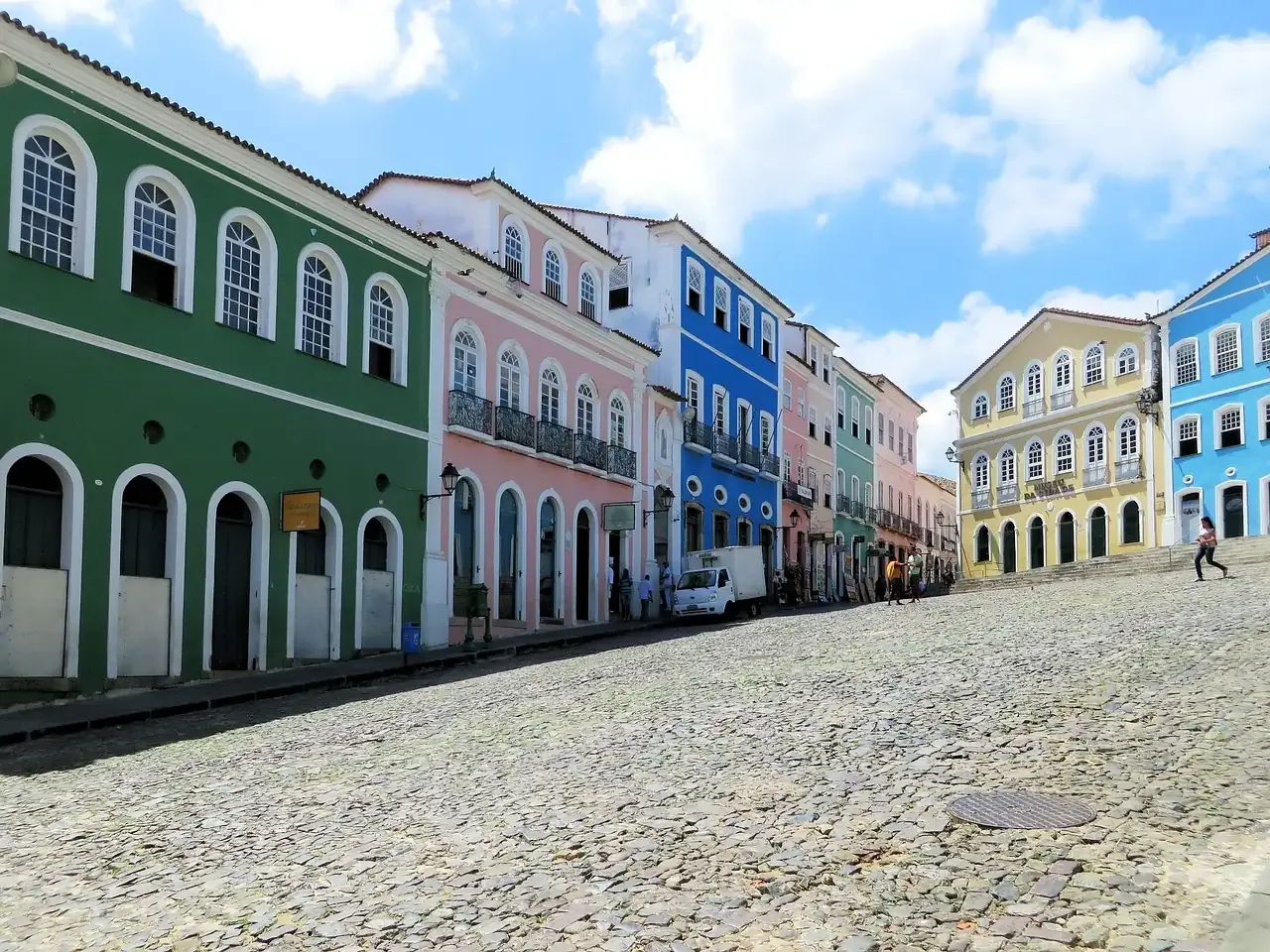
The upper town of Salvador keeps the streets of the first capital of Brazil, which held that rank from 1549 to 1763 and where European, African and Amerindian cultures met. UNESCO listed the historic centre in 1985 for its Renaissance buildings and for the brightly painted houses with fine stucco work that give the quarter its look. The same port was the first slave market in the New World from 1558, and that history runs through the churches, the drumming groups and the Carnival that fills these squares.
Heritage: UNESCO World Heritage since 1985 · Capital of Brazil: 1549 to 1763
Location: Historic centre of Salvador, in the state of Bahia
Access: Free to walk, with the churches and museums ticketed separately
10. Lençóis Maranhenses National Park
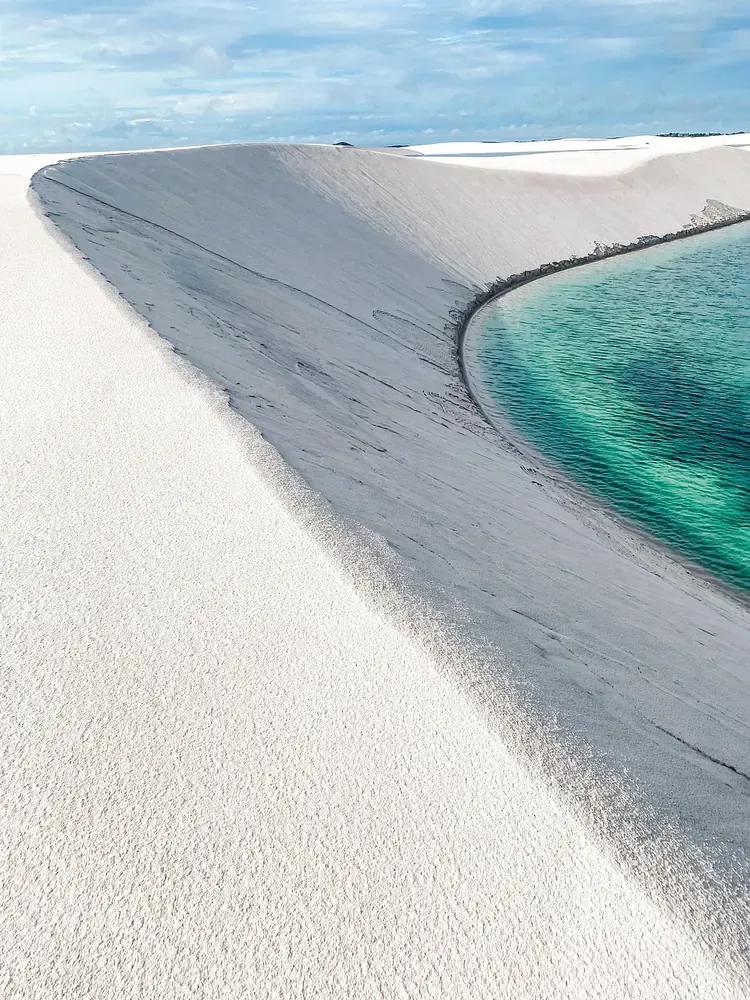
A field of white dunes runs 80 kilometres along the coast of Maranhão, and in the rains the hollows between them fill with water that cannot drain through the rock beneath. The result is thousands of freshwater lagoons, blue and green and warm enough to swim in, scattered over the largest expanse of dunes in South America. The park was created in June 1981 and covers 156,608 hectares in a transition zone between the Cerrado, the Caatinga and the Amazon. UNESCO added it to the World Heritage list in 2024.
Area: 156,608 hectares · Created: June 1981 · Heritage: UNESCO World Heritage since 2024
Location: Coastal Maranhão, entered from Barreirinhas or Santo Amaro
Access: Ticketed, and the dunes are entered with an accredited guide
11. Fernando de Noronha
Peaks of the mid-Atlantic ridge break the surface 350 kilometres off the northeast coast and form an archipelago that belongs to Pernambuco. UNESCO listed it with the Rocas Atoll in 2001 for waters that feed tuna, sharks, turtles and marine mammals and for the largest concentration of tropical seabirds in the western Atlantic. Baía dos Golfinhos holds a resident dolphin population, and most of the archipelago is a marine national park. Numbers ashore are capped, which is why the beaches stay empty.
Heritage: UNESCO World Heritage since 2001 · Protection: marine national park over most of the archipelago
Location: Atlantic Ocean, off the coast of Pernambuco
Access: Ticketed, with an environmental preservation fee and a separate park permit
12. Amazon Theatre
Manaus grew rich on rubber between 1879 and 1912 and spent some of it on an opera house in the middle of the rainforest. The Teatro Amazonas opened on 31 December 1896 on the Largo de São Sebastião, Renaissance in style with eclectic detail and a dome of tiles in the national colours. Brazil listed it as national heritage in 1966 and UNESCO inscribed it in 2026 with the Theatro da Paz in Belém. The Amazonas Philharmonic rehearses here and the opera festival fills it each year.
Opened: 31 December 1896 · Style: Renaissance with eclectic detail · Heritage: UNESCO World Heritage since 2026
Location: Largo de São Sebastião, central Manaus in Amazonas
Access: Ticketed for guided tours, with performances sold separately
Other iconic sights in Brazil
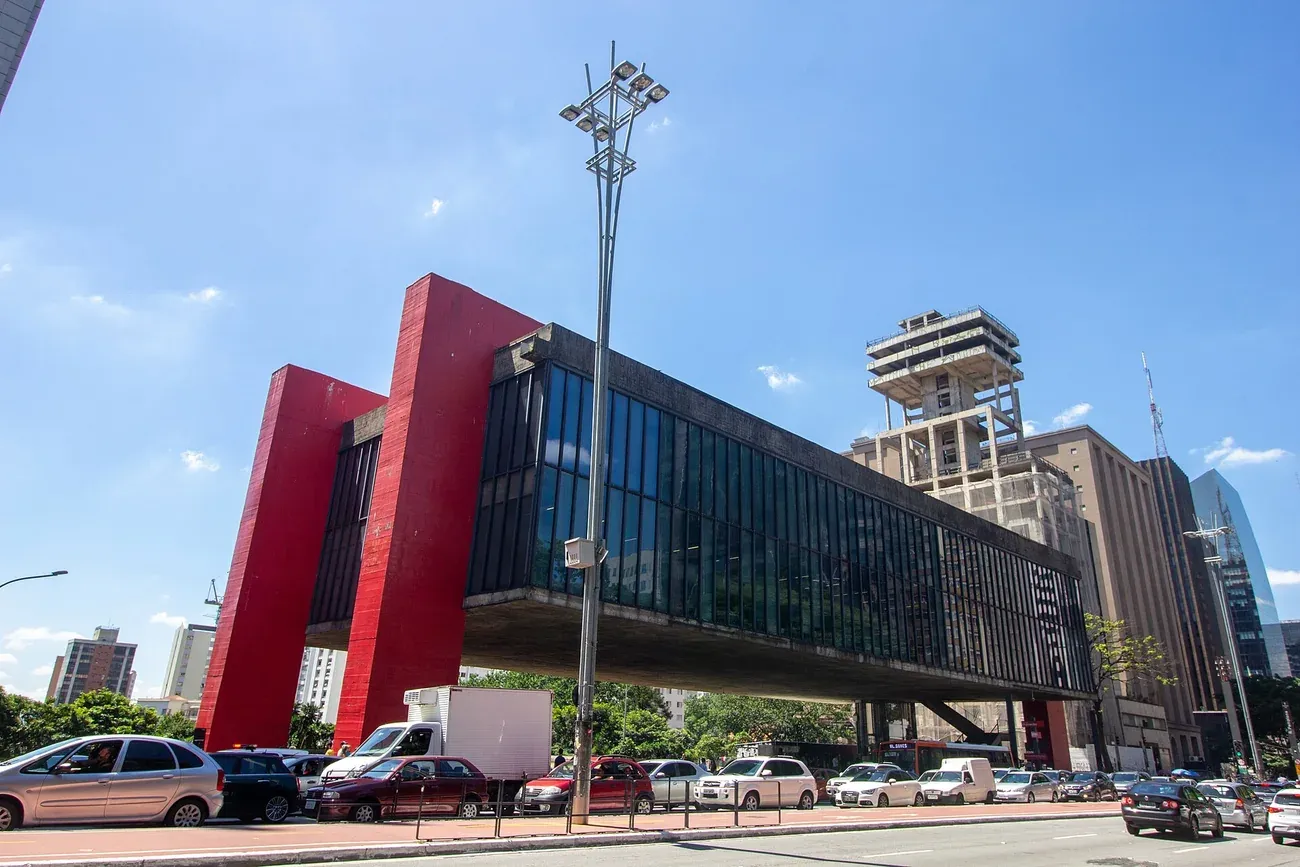
São Paulo Museum of Art
Lina Bo Bardi hung the galleries in a red concrete frame above an open plaza in 1968, over one of the world's most visited collections.
Location: Avenida Paulista, São Paulo
Photo: "At Avenida Paulista, São Paulo 2019 43" by Mike Peel (CC BY-SA 4.0).

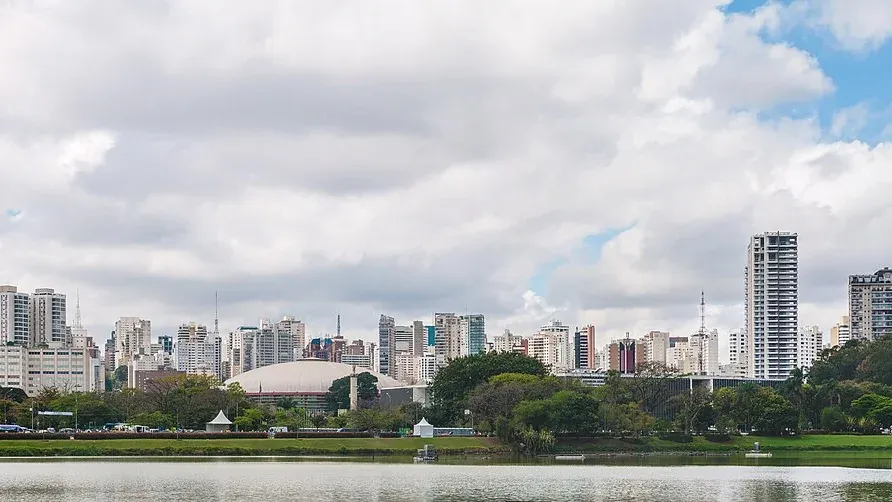
Ibirapuera Park
Lakes, lawns and museums over 158 hectares, counted the most visited park in South America with 14.4 million visits in 2017.
Location: Vila Mariana, São Paulo
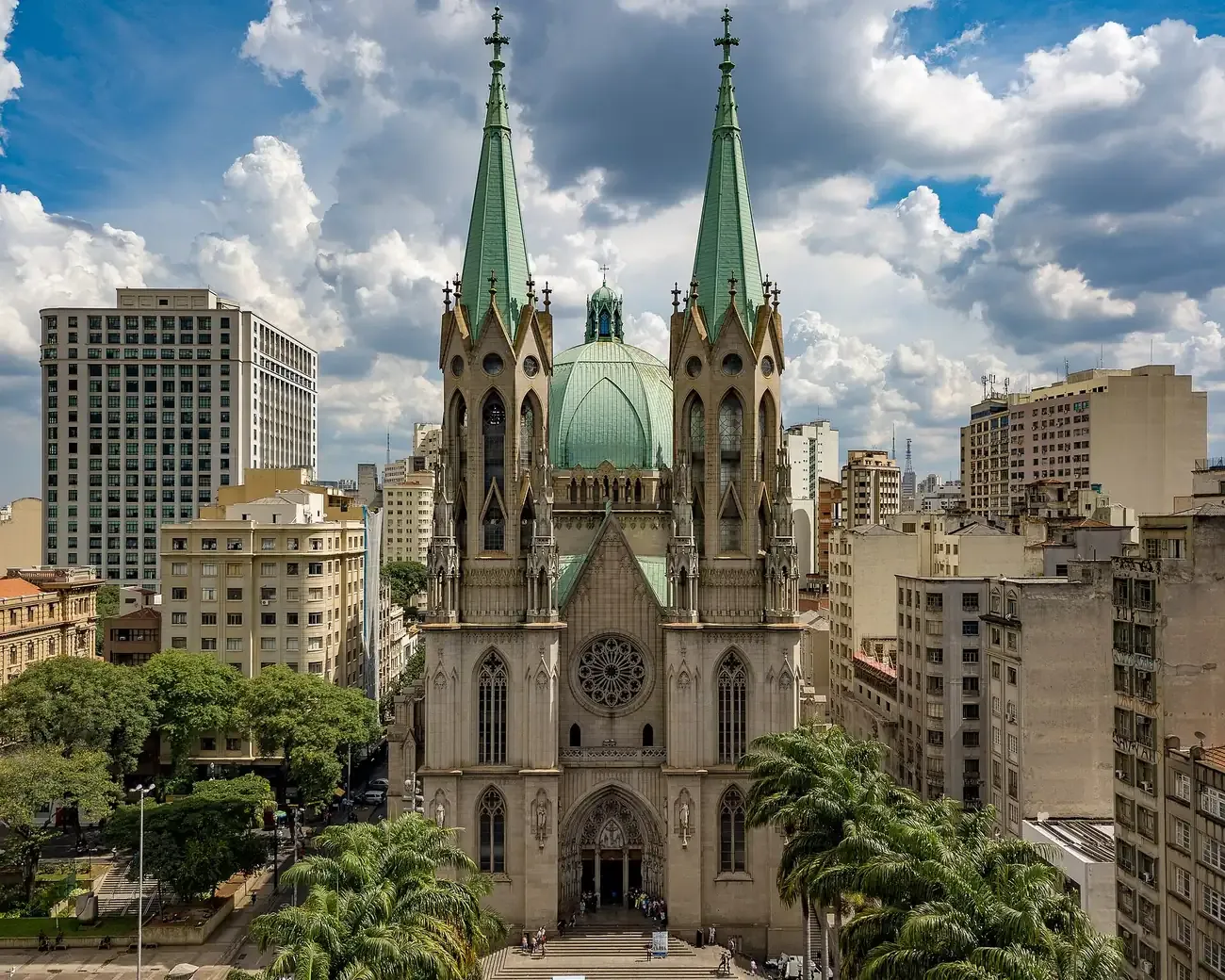
São Paulo Cathedral
Gothic Revival begun in 1913 and finished four decades later under a Renaissance dome, reckoned by some the fourth largest neo-Gothic church anywhere.
Location: Praça da Sé, São Paulo
Photo: "Webysther 20190306143154 - Catedral Metropolitana de São Paulo" by Webysther Nunes (CC BY-SA 4.0).

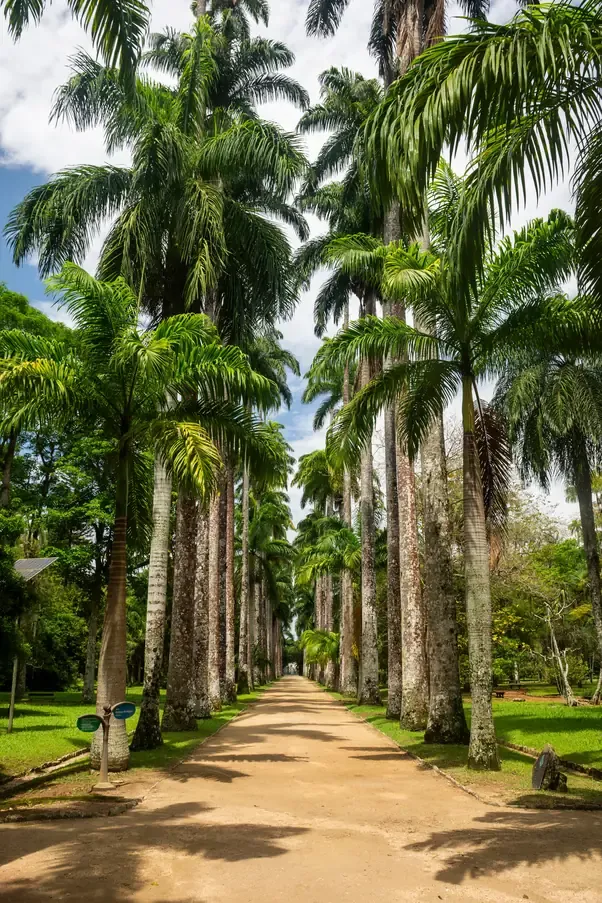
Rio de Janeiro Botanical Garden
Avenues of royal palms and glasshouses in grounds founded in 1808, included in the Carioca landscape that UNESCO listed in 2012.
Location: Jardim Botânico, Rio de Janeiro
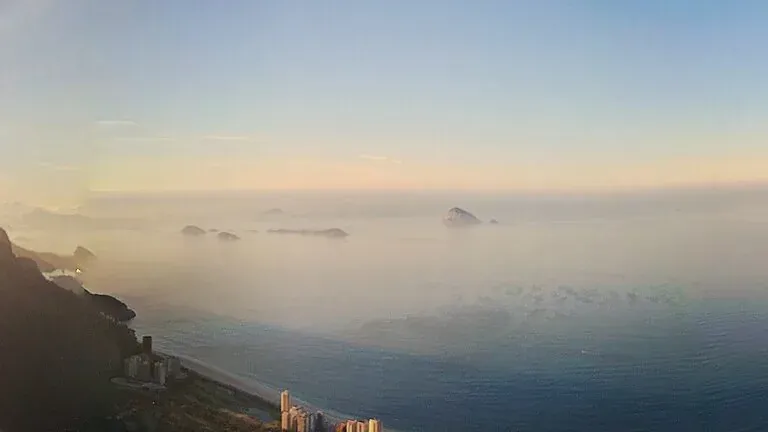
Tijuca National Park
The largest replanted urban forest in the world, and the most visited national park in Brazil since 2008 with 4.6 million visitors in 2024.
Location: The mountains above Rio de Janeiro
Photo: "Amanhecer no parque nacional da Tijuca II" by Eduardo Gabão (CC BY-SA 3.0).

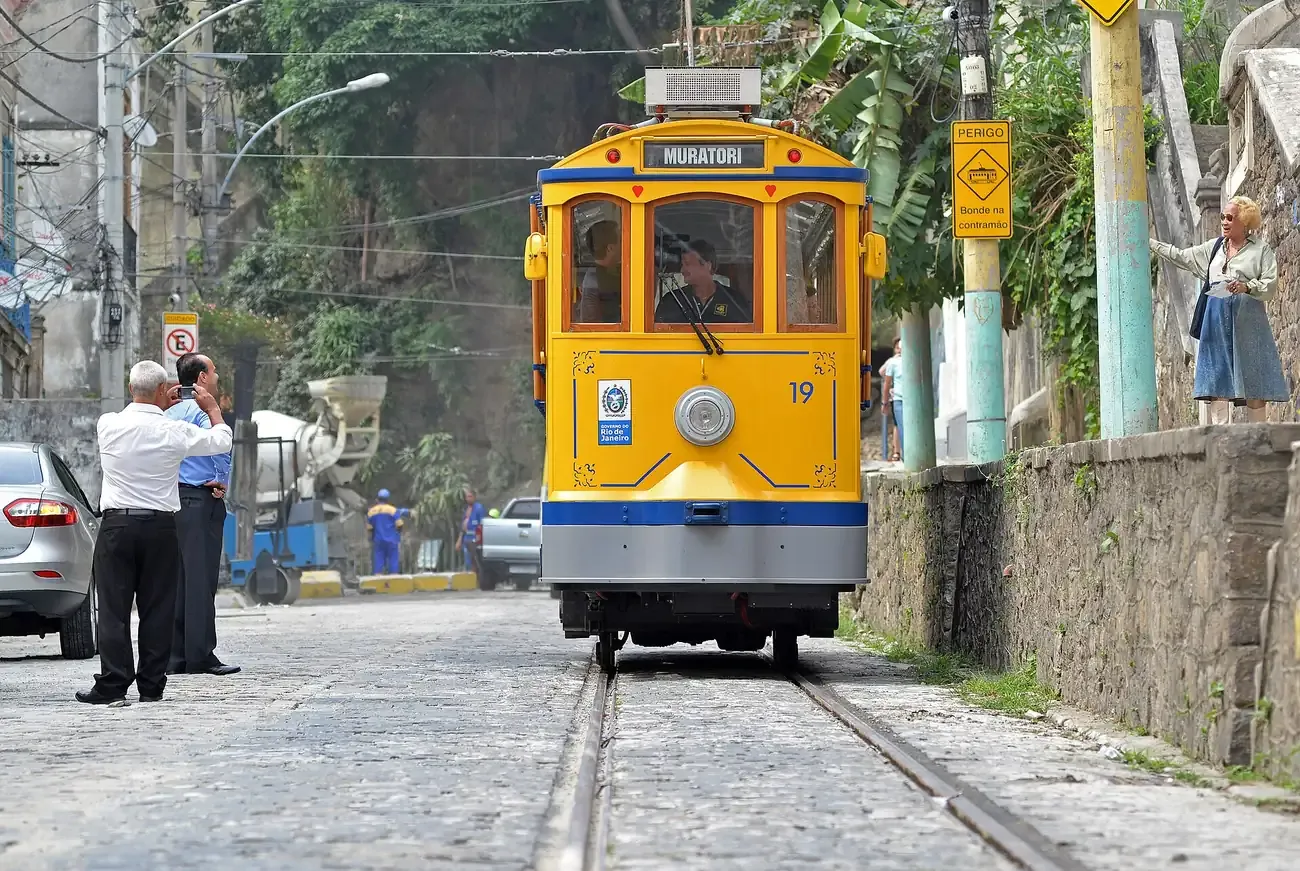
Santa Teresa
Cobbled lanes and colonial mansions turned into studios on a hill above Lapa, with the yellow bonde tram still working its historic line.
Location: Santa Teresa, Rio de Janeiro
Photo: "Bonde de Santa Teresa" by Henrique Freire (CC BY 2.0 br).

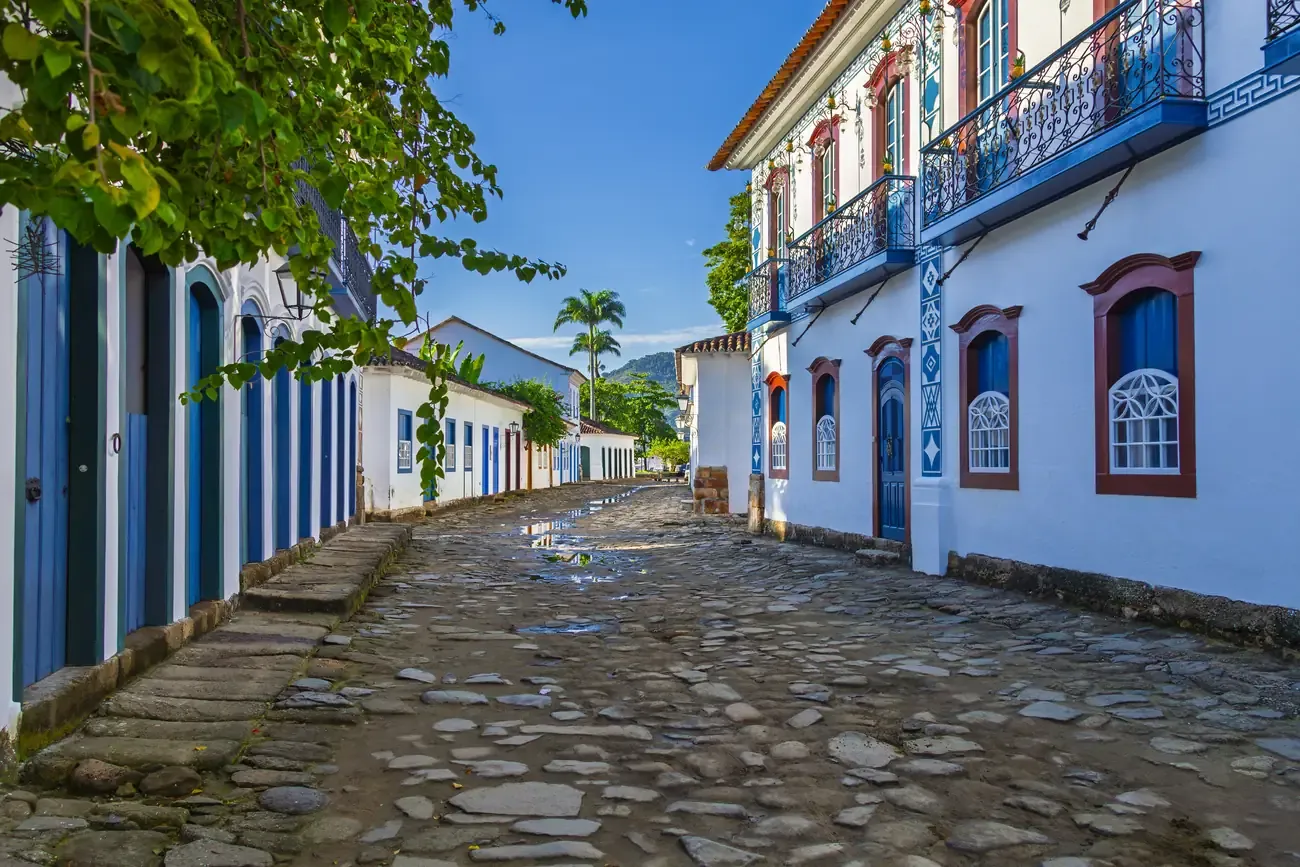
Paraty
An eighteenth-century port at the end of the gold route, its colonial grid and the Atlantic Forest behind it listed together by UNESCO in 2019.
Location: Southern coast of Rio de Janeiro state
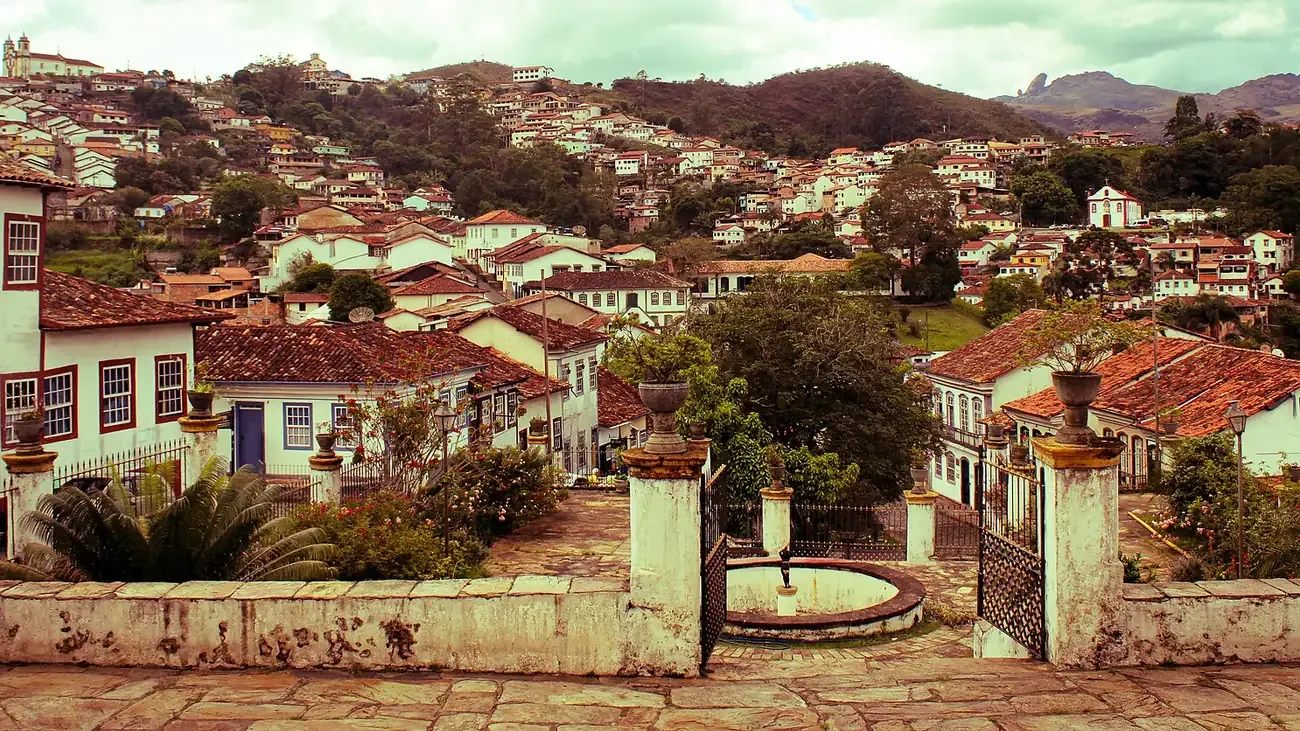
Ouro Preto
The focus of the eighteenth-century gold rush, left with churches, bridges and fountains that carry the work of the Baroque sculptor Aleijadinho.
Location: Serra do Espinhaço, Minas Gerais
Photo: "Ouro Preto, Minas Gerais em 2025" by Boaventuravinicius (CC BY 4.0).

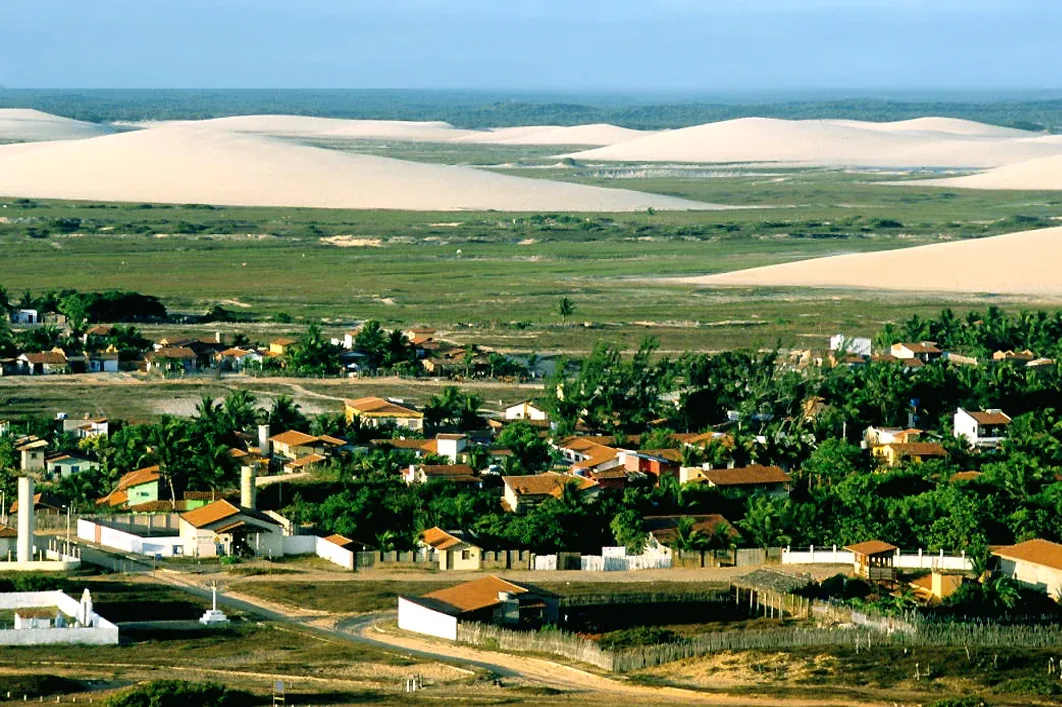
Jericoacoara
A dune village on the Ceará coast whose name means lair of turtles, protected as a national park since 2002 and known for its wind.
Location: Jijoca de Jericoacoara, Ceará
Photo: "Jericoacoara (2007) 02" by LBM1948 (CC BY-SA 4.0).

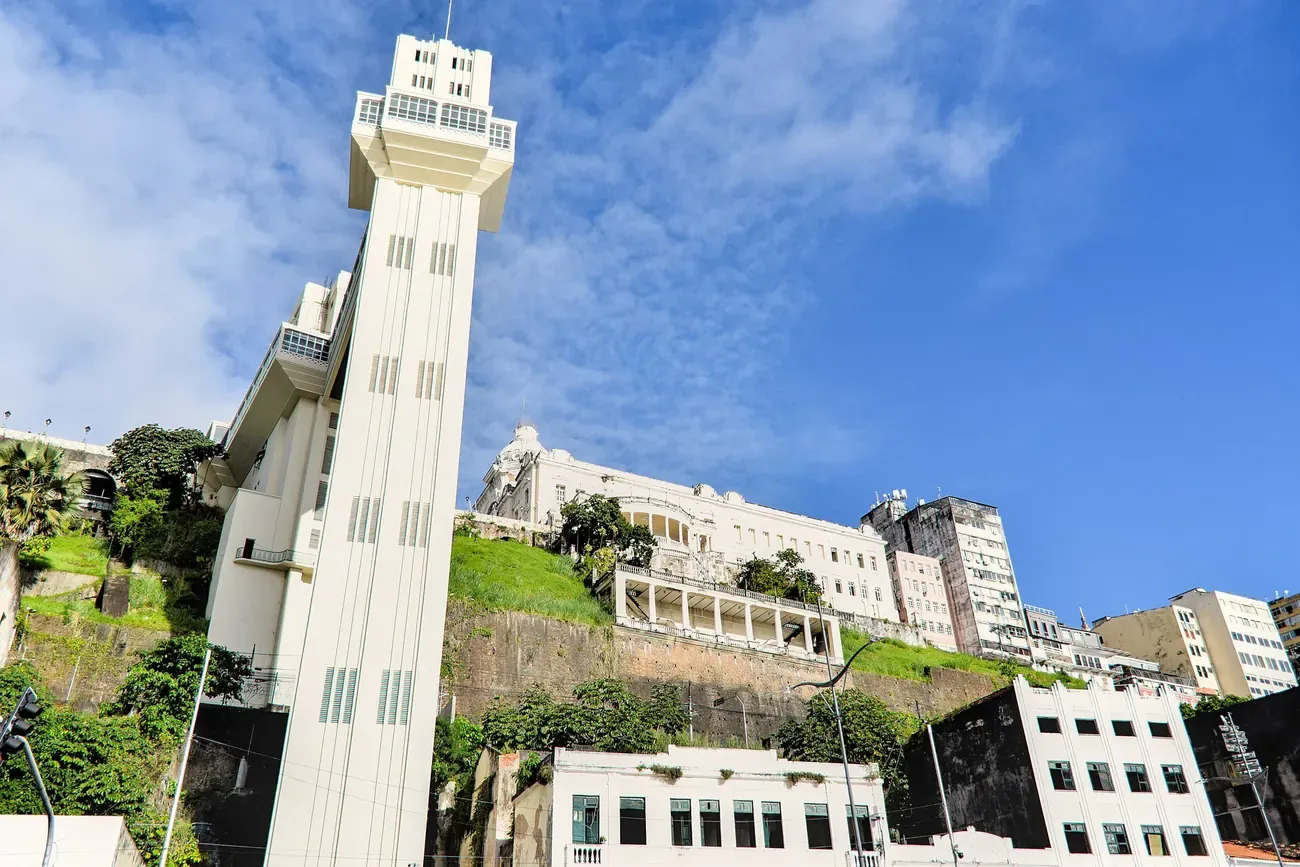
Elevador Lacerda
A public lift joining the lower and upper towns since 1873, four cars deep, carrying more than 33,000 passengers a day in 2019.
Location: Praça Municipal, Salvador
Photo: "Elevador Lacerda - Salvador - 20250721164328" by Thaismay (CC BY-SA 4.0).

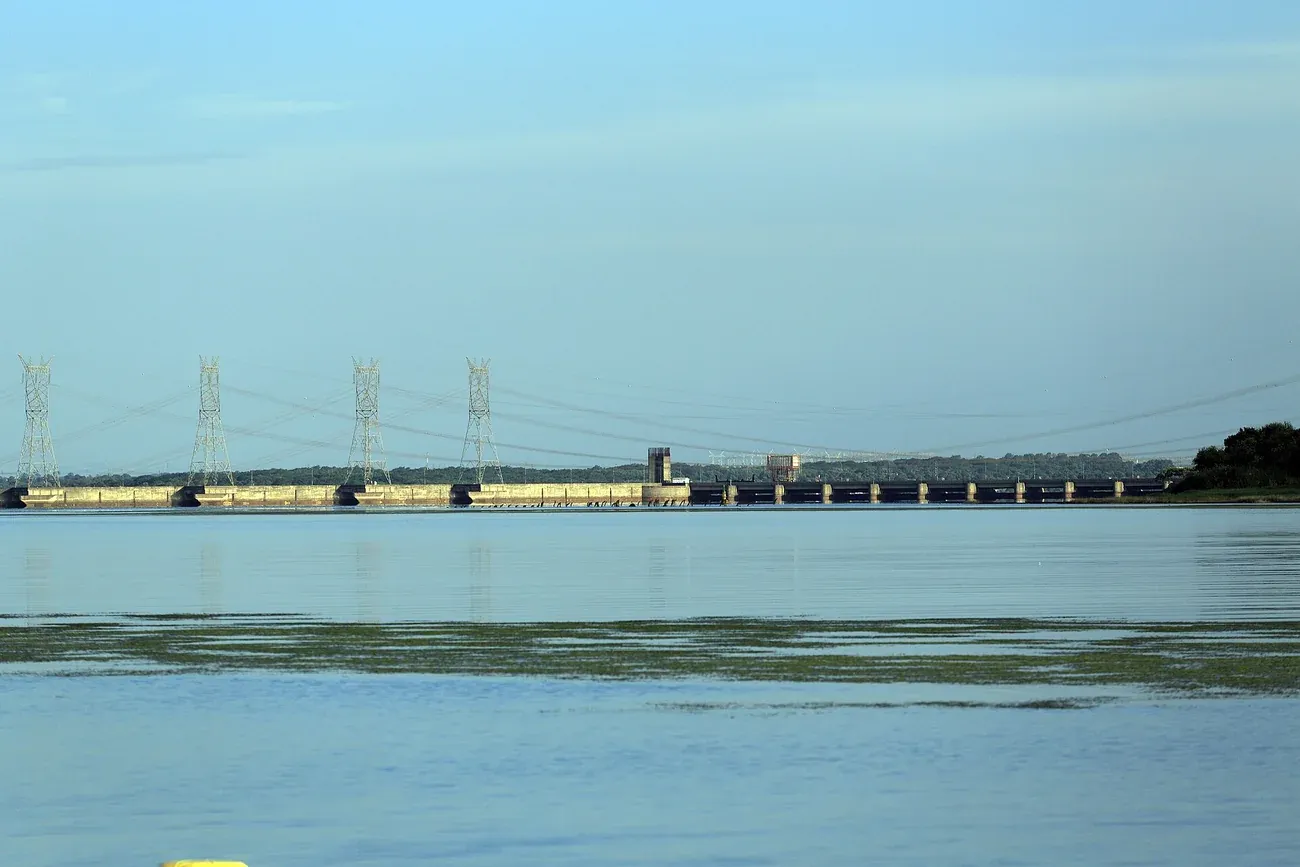
Itaipu Dam
A binational hydroelectric dam on the Paraná, third in the world by energy produced, open for panoramic and interior tours from Foz do Iguaçu.
Location: Paraná, on the border with Paraguay
Photo: "J37 833 Staumauer, Hochwasserentlastung" by Falk2 (CC BY-SA 4.0).

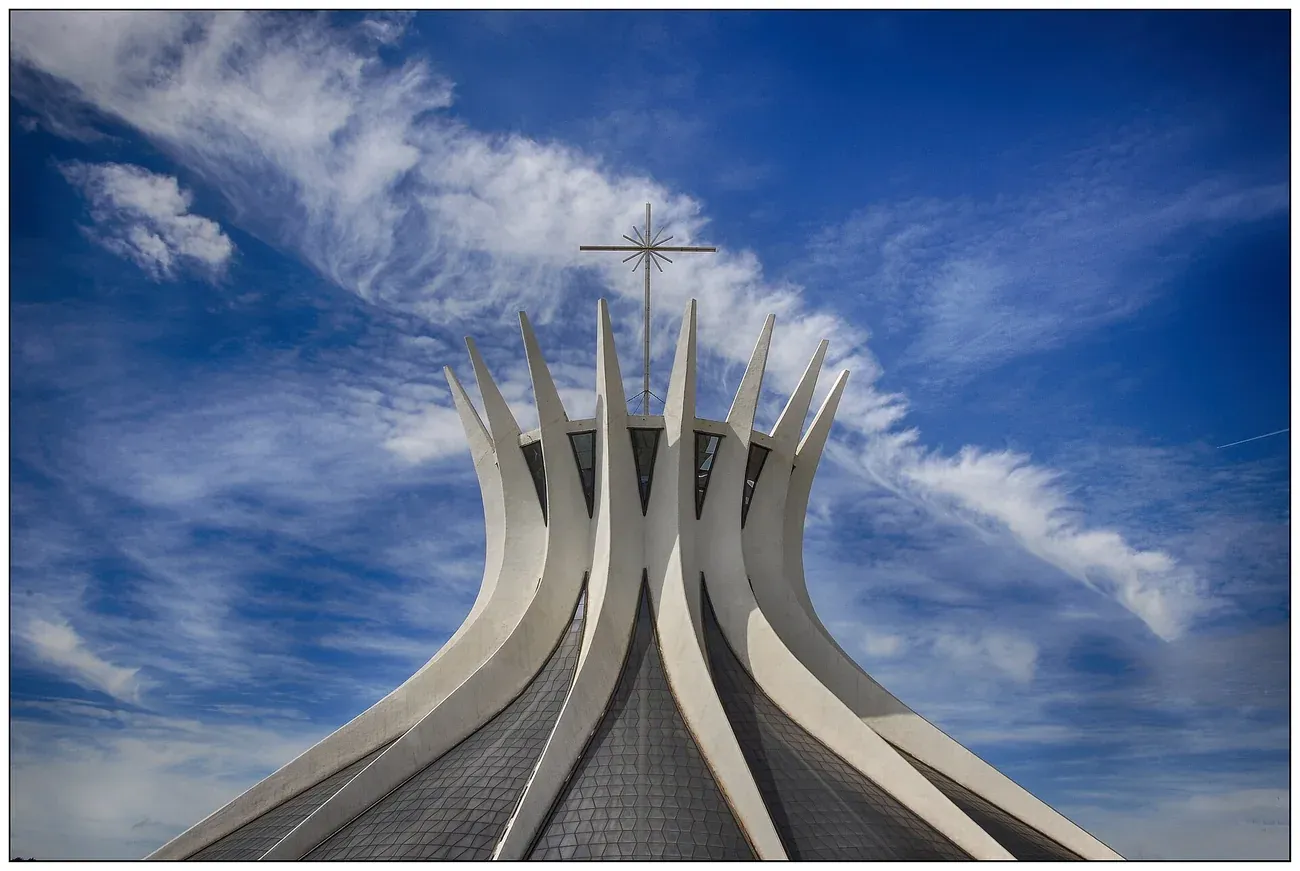
Cathedral of Brasília
Oscar Niemeyer's hyperboloid of sixteen concrete columns, dedicated on 31 May 1970, entered from below through a pool that cools the roof.
Location: Esplanada dos Ministérios, Brasília
Photo: "Catedral Metropolitana Nossa Senhora Aparecida - Brasília - DF" by Maria Del Carmen Escuder Nin (CC BY-SA 4.0).

Food to try in Brazil
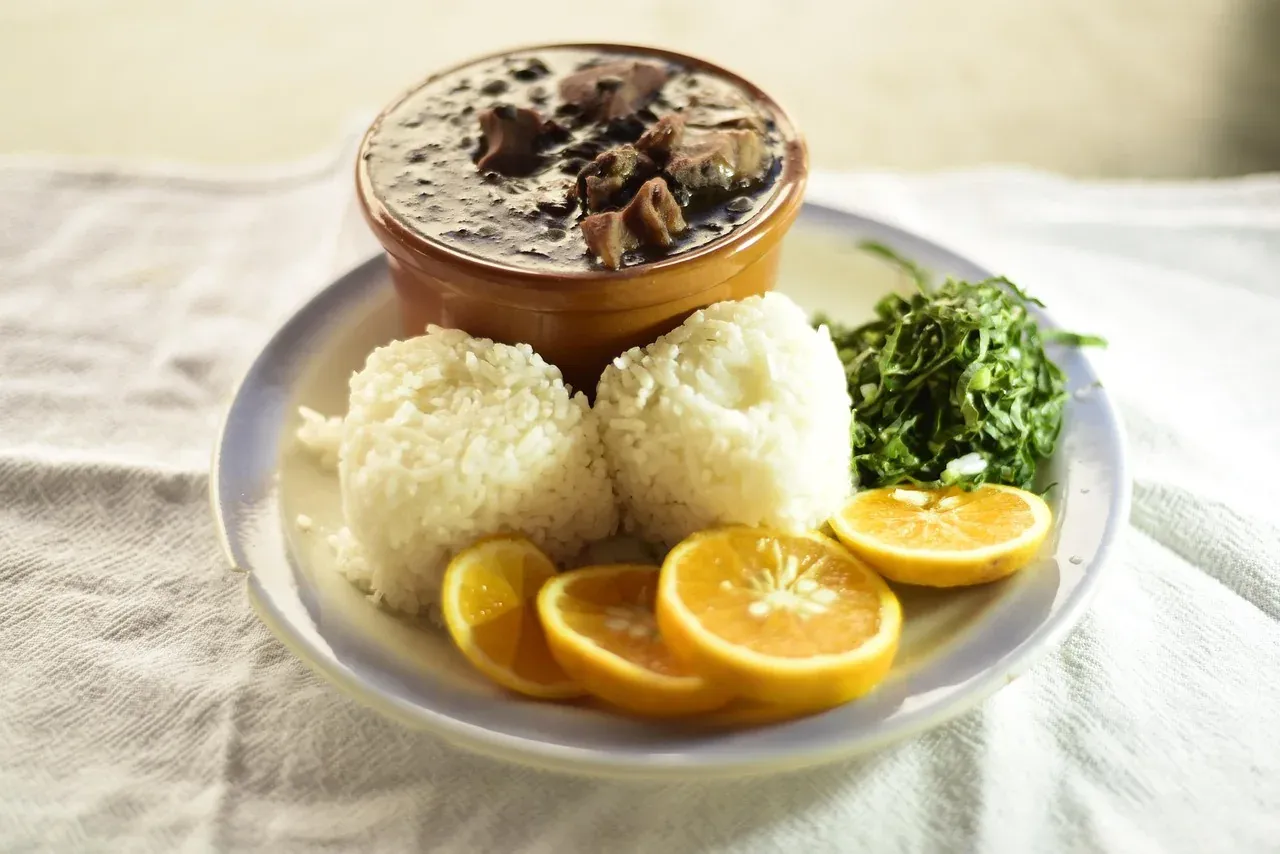
Feijoada
The national dish: black beans stewed with cuts of pork and dried beef, served over rice with collard greens and orange slices. Restaurants that make it usually do so on Wednesdays and Saturdays.
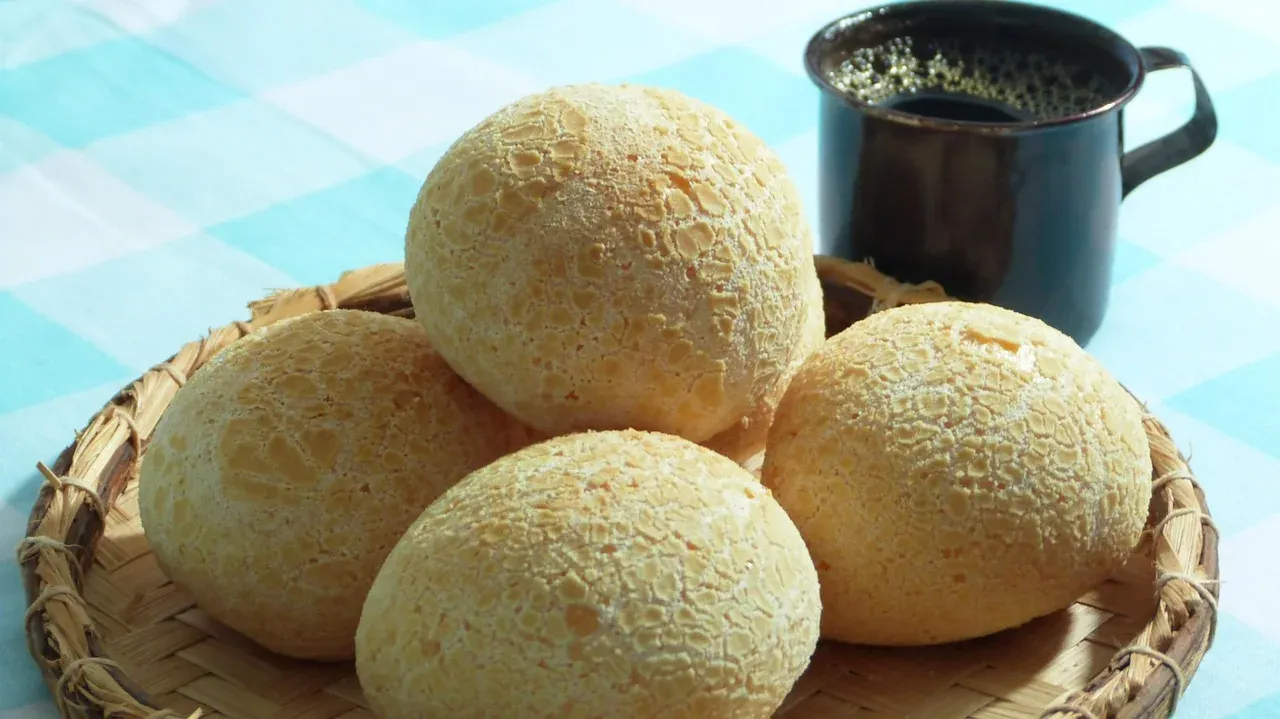
Pão de queijo
Small rolls of manioc flour and cheese, chewy inside and crisp outside. They belong to Minas Gerais above all, and a plate of them with fresh coffee is the standard Brazilian breakfast.
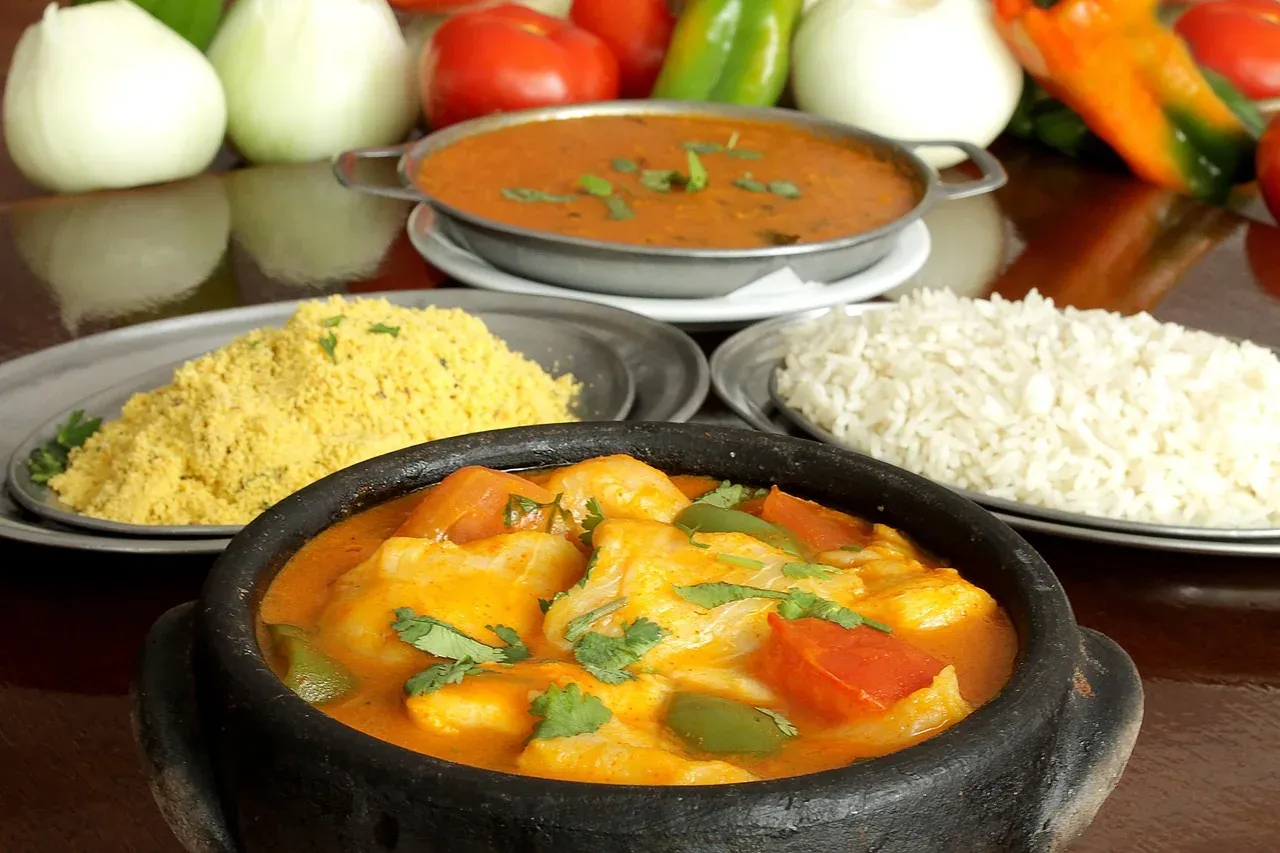
Moqueca
A tomato-based seafood stew cooked in a clay pot. Bahia makes it with coconut milk and dendê palm oil, Espírito Santo without either, and the two states have argued about it for generations.
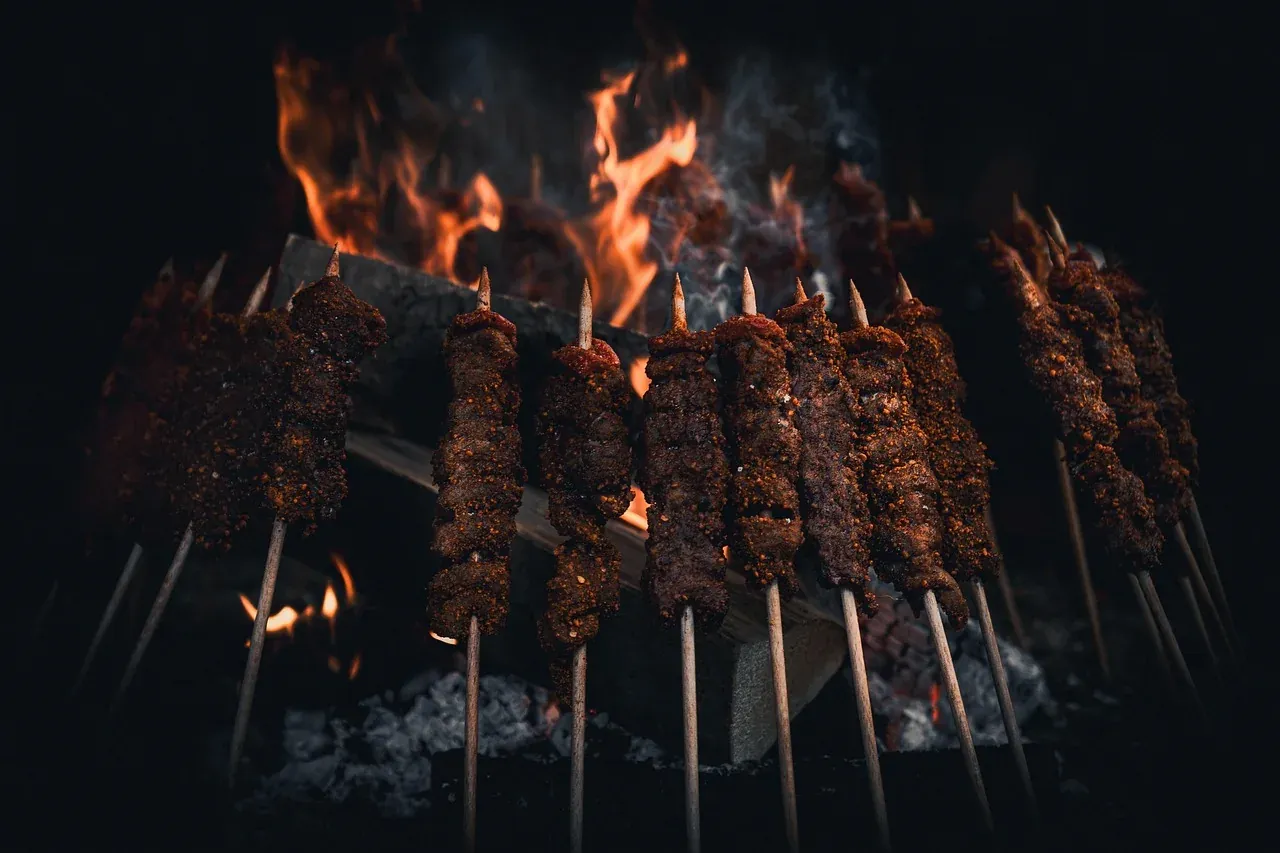
Churrasco
Barbecue from the south, carved at the table from steel spits. In a rodízio the waiters keep coming until the diner turns over a small block from green to red.

Brigadeiro
Cocoa powder, condensed milk and butter cooked down, rolled into balls and coated in chocolate sprinkles. It dates from the 1940s and no Brazilian birthday happens without it.
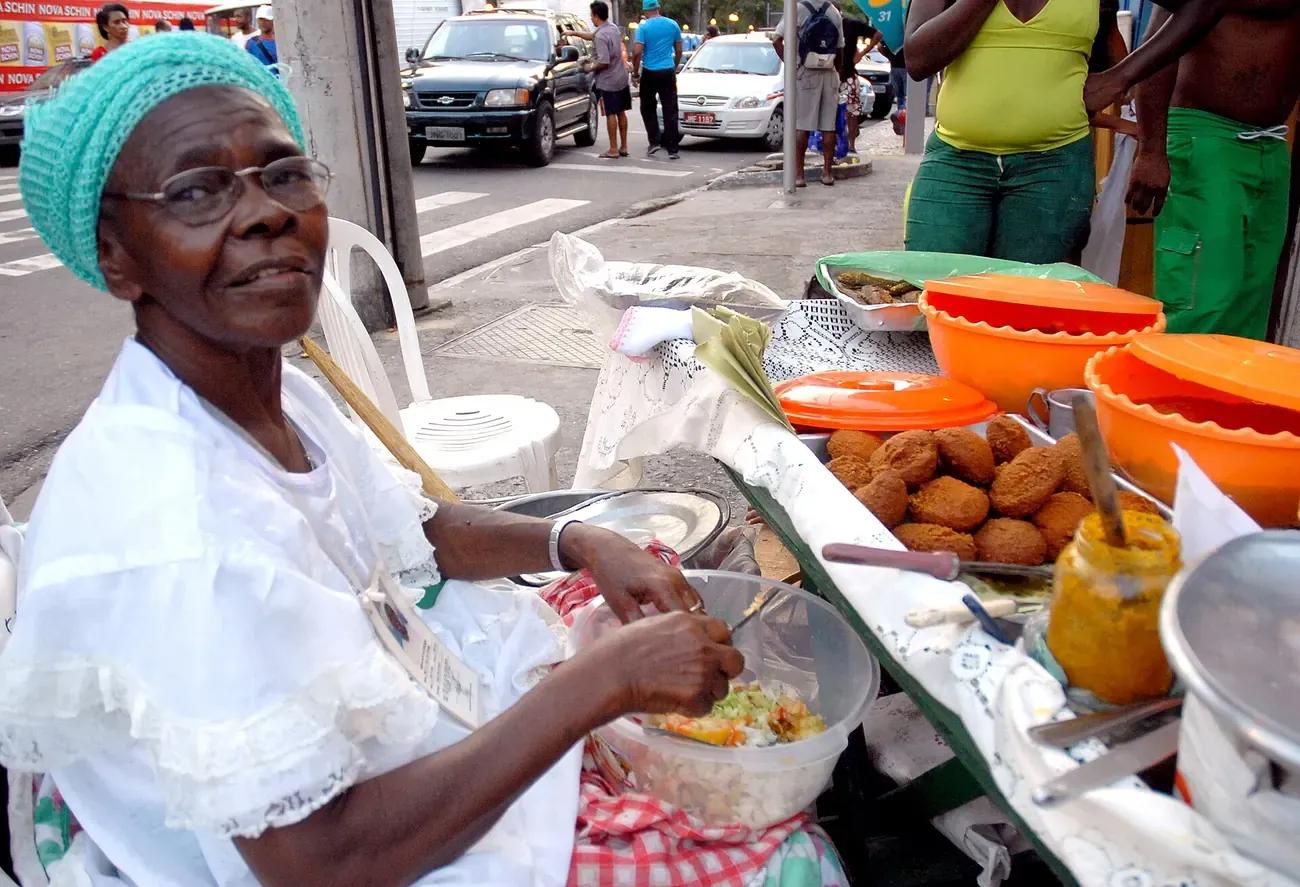
Acarajé
Black-eyed pea fritters deep-fried in dendê palm oil and split open for a filling of dried prawns and vatapá. Bahian street food with roots on the other side of the Atlantic.
Photo: "Baiana-acarajé-Salvador" by Rodrigues Pozzebom (CC BY 3.0 br).

Wild landscapes and national parks in Brazil
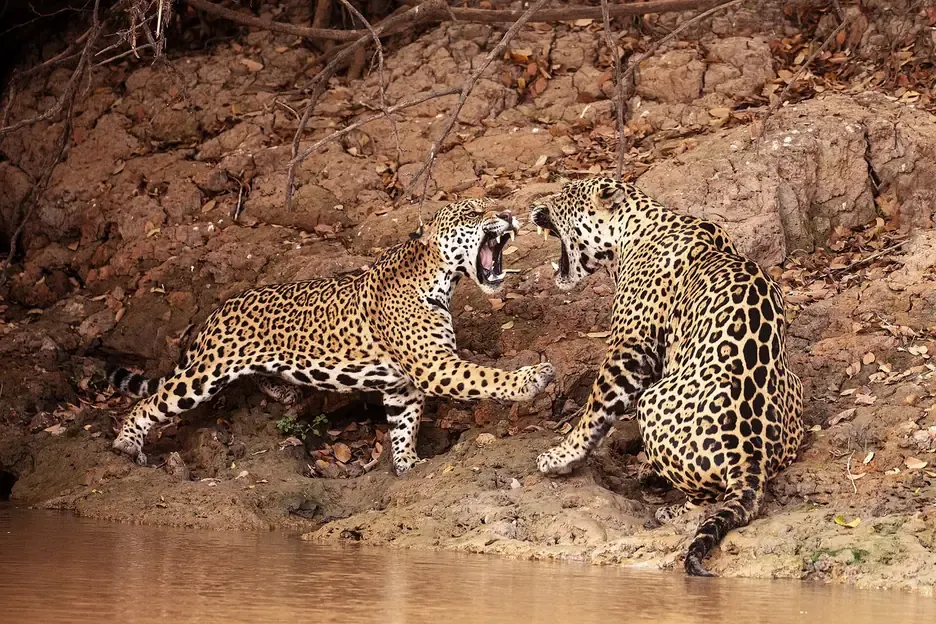
Pantanal
The largest tropical wetland in the world, flooded for much of the year and the best place in South America to see jaguars and caimans.
Location: Mato Grosso do Sul and Mato Grosso, in the centre west
Photo: "Onça-pintada na Estação Ecológica de Taiamã por Queucer (01)" by Queucer (CC BY-SA 4.0).

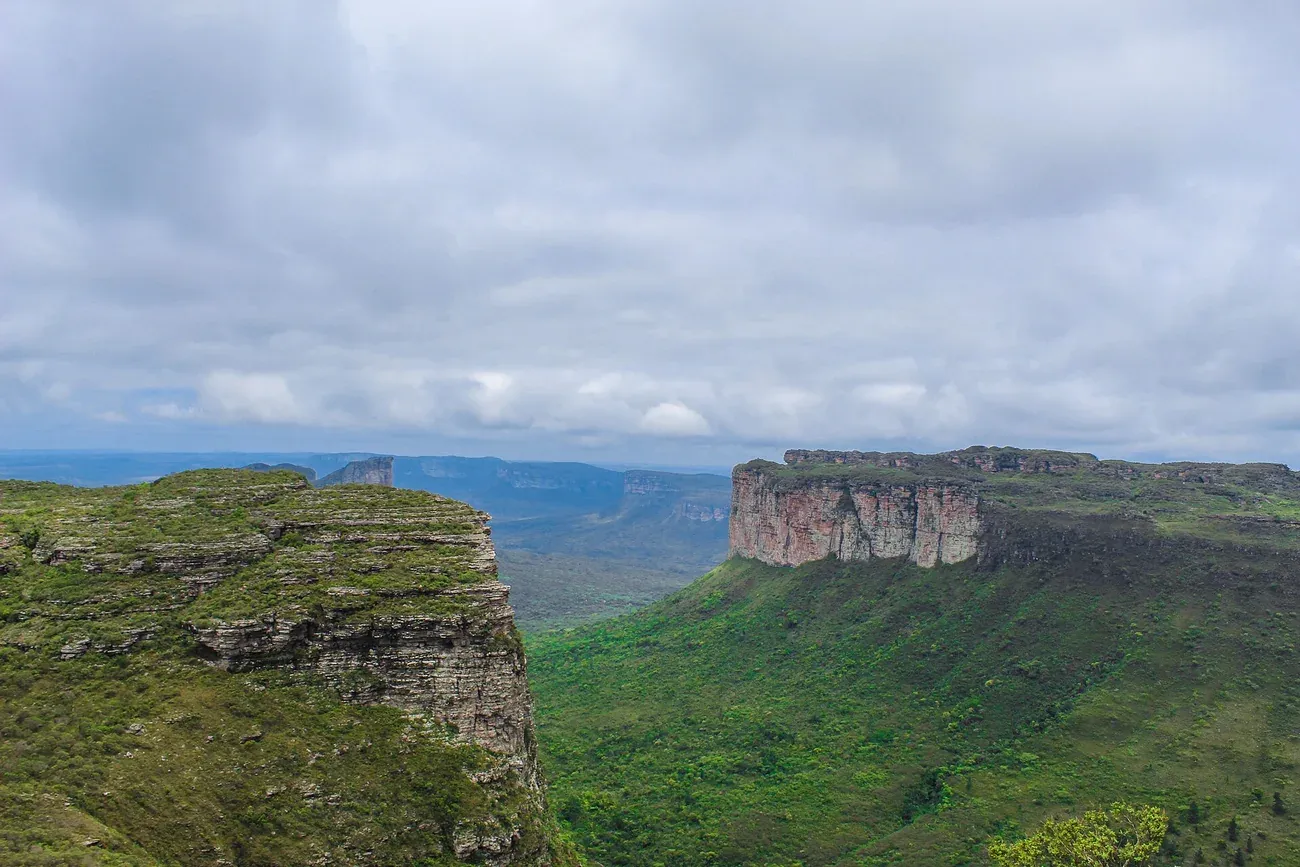
Chapada Diamantina National Park
A plateau of cliffs, caves and table mountains in central Bahia, with the 353 metre Cachoeira da Fumaça among its waterfalls.
Location: Central Bahia, entered from Lençóis or Mucugê
Photo: "A beleza é surpreendente dos Cânions da Chapada Diamantina" by Cesar Vieira (CC BY-SA 4.0).

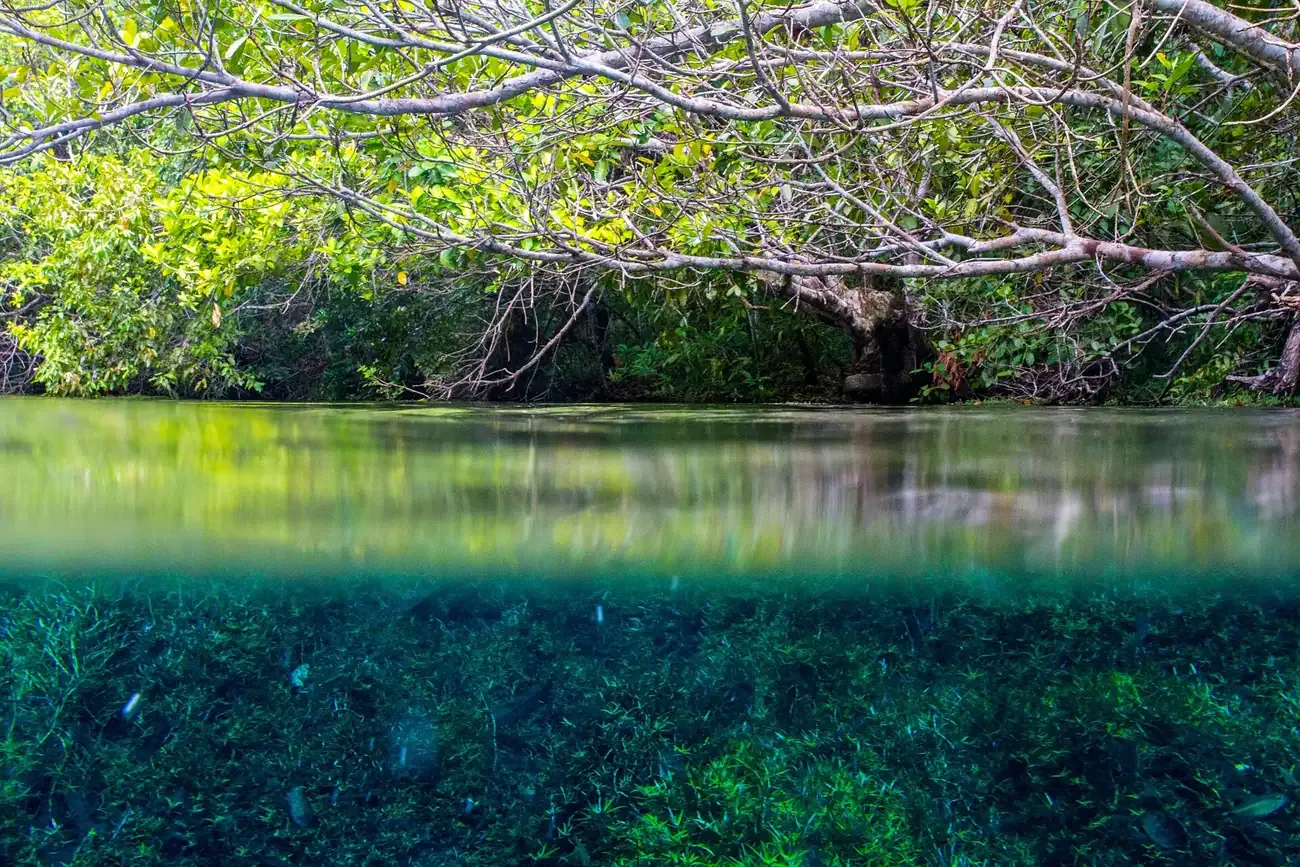
Bonito
Limestone country where rivers run clear enough to snorkel, and the Gruta do Lago Azul turns deep blue when sunlight reaches its underground lake.
Location: Serra da Bodoquena, Mato Grosso do Sul
Photo: "Rio da Prata" by Marcel Favery (CC BY-SA 3.0).

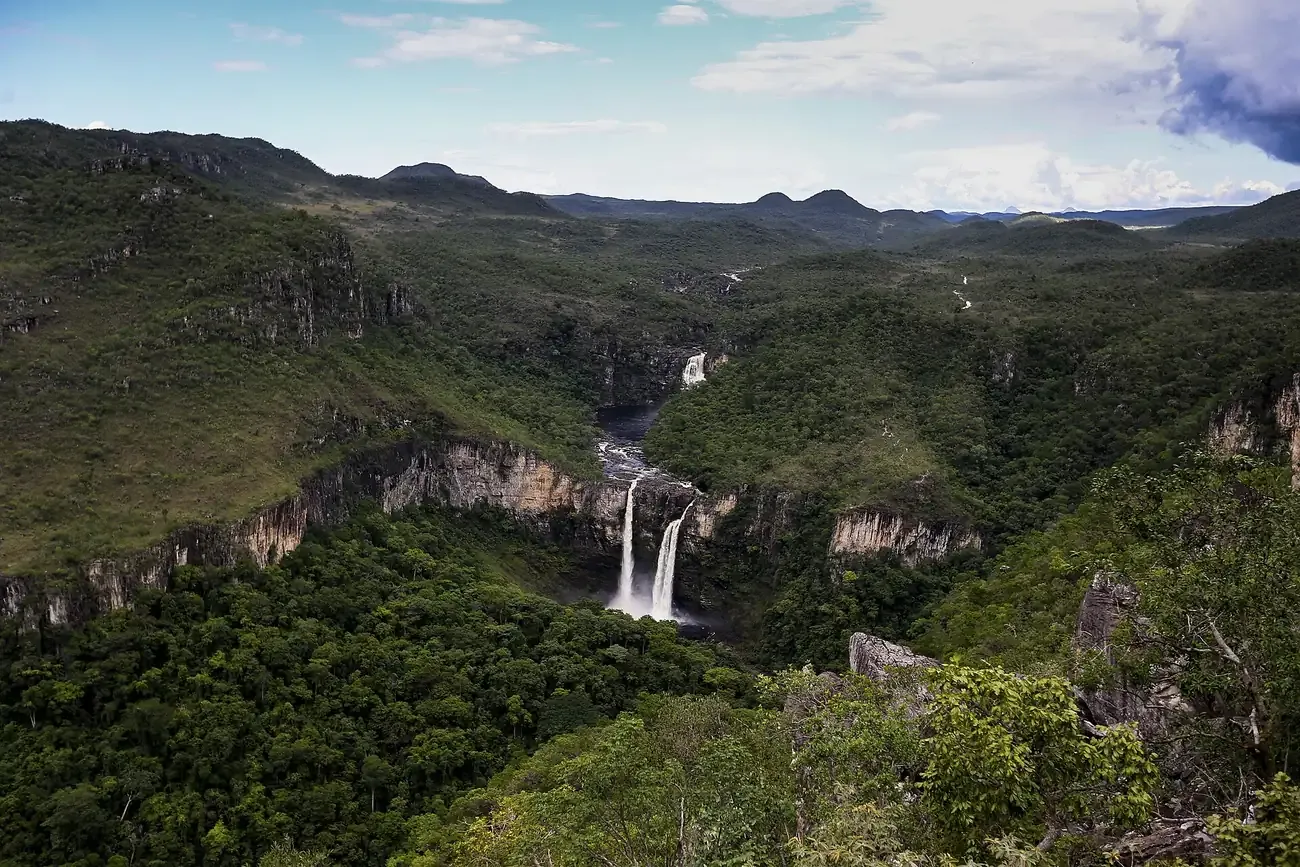
Chapada dos Veadeiros National Park
Waterfalls and quartz canyons on a plateau reckoned to be 1.8 billion years old, protected since 1961 and UNESCO listed in 2001.
Location: Alto Paraíso de Goiás, in the state of Goiás
Photo: "Chapada dos Veadeiros 17" by Marcelo Camargo/Agência Brasil (CC BY 3.0 br).

Colonial towns to explore in Brazil
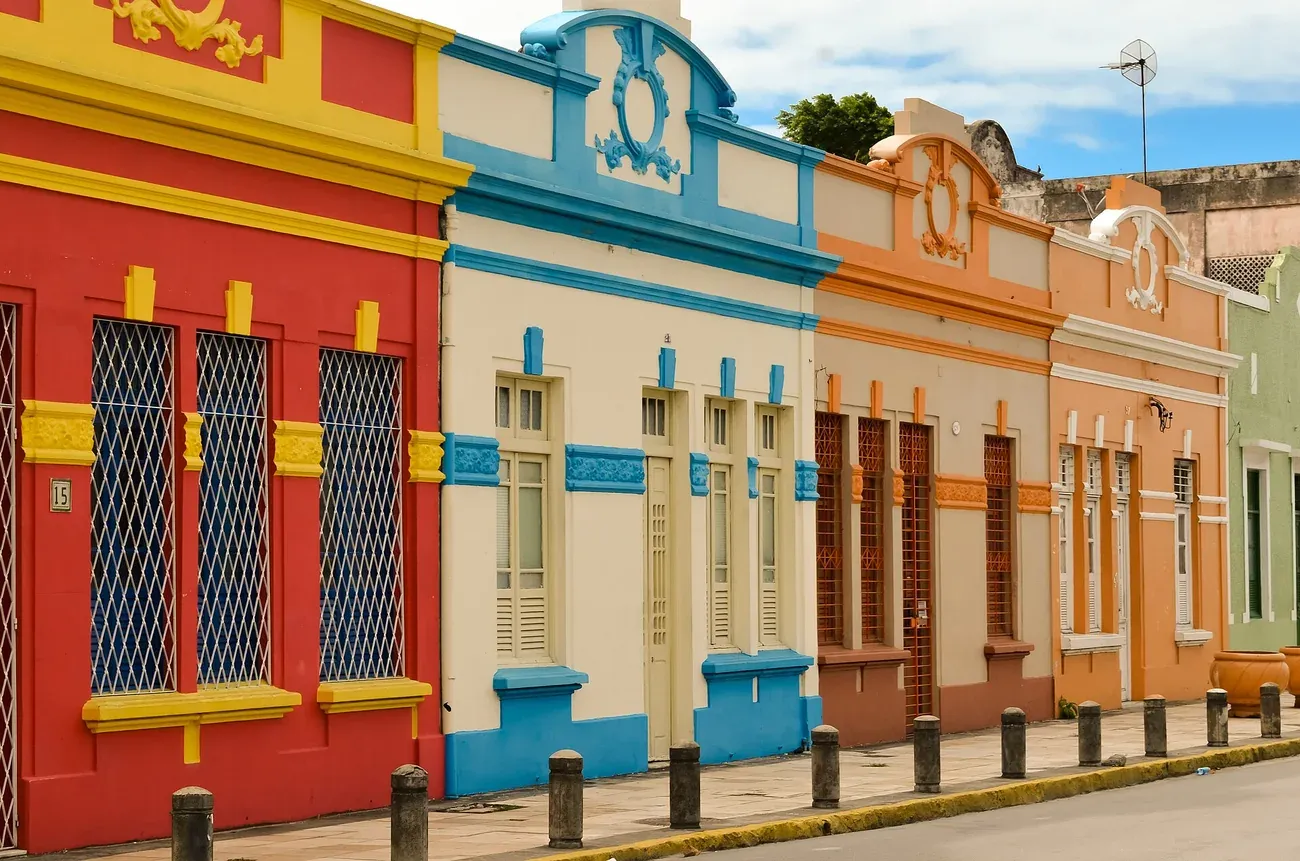
Olinda
One of the best preserved colonial towns in Brazil, inhabited since 1535, UNESCO listed in 1982 and famous for a street Carnival of giant puppets.
Location: Above Recife, in Pernambuco
Photo: "Casario Antigo" by Thaísa Falcão (CC BY-SA 4.0).

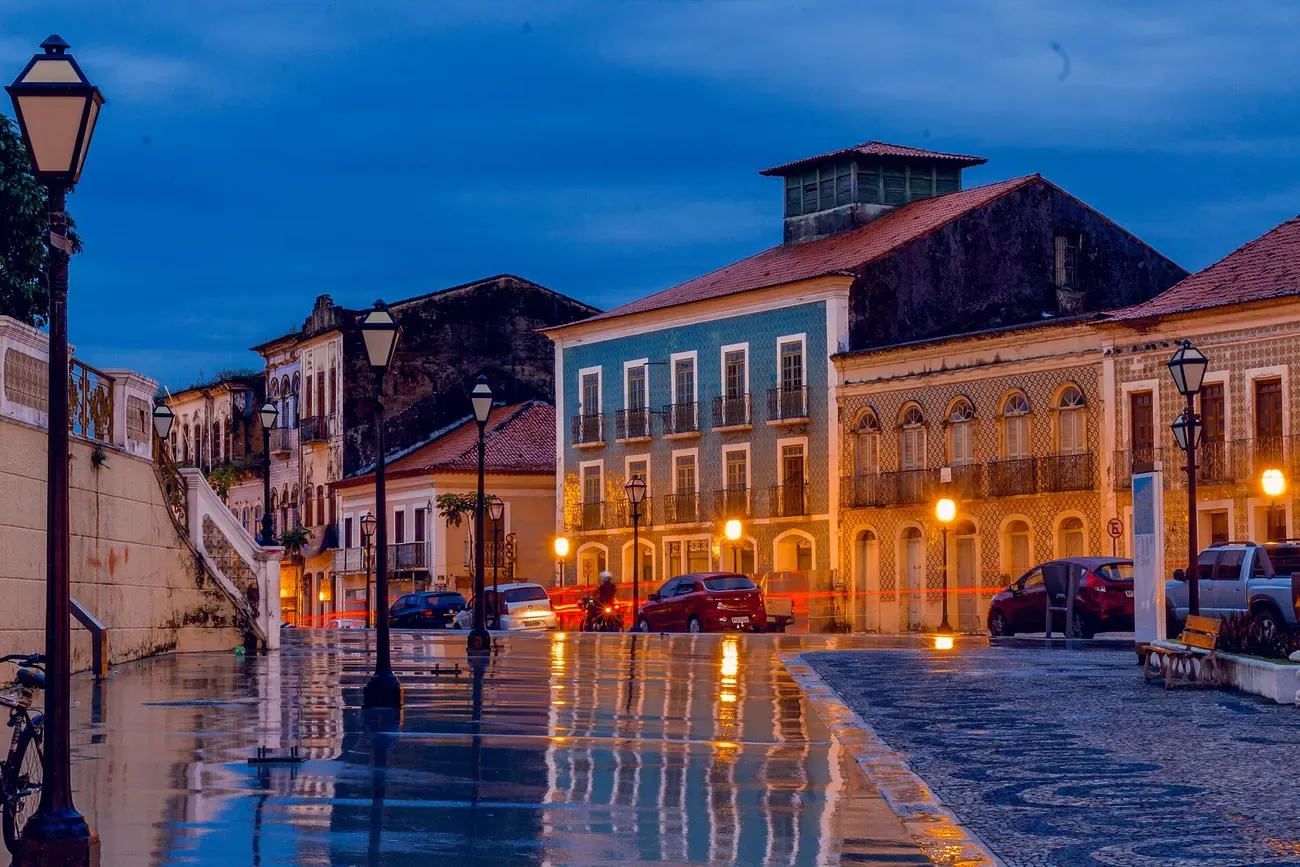
São Luís
The only Brazilian state capital founded by the French, its seventeenth-century street plan and tiled facades listed by UNESCO in 1997.
Location: São Luís Island, Maranhão
Photo: "Centro histórico São Luís" by Alan Rodrigues (CC BY-SA 4.0).

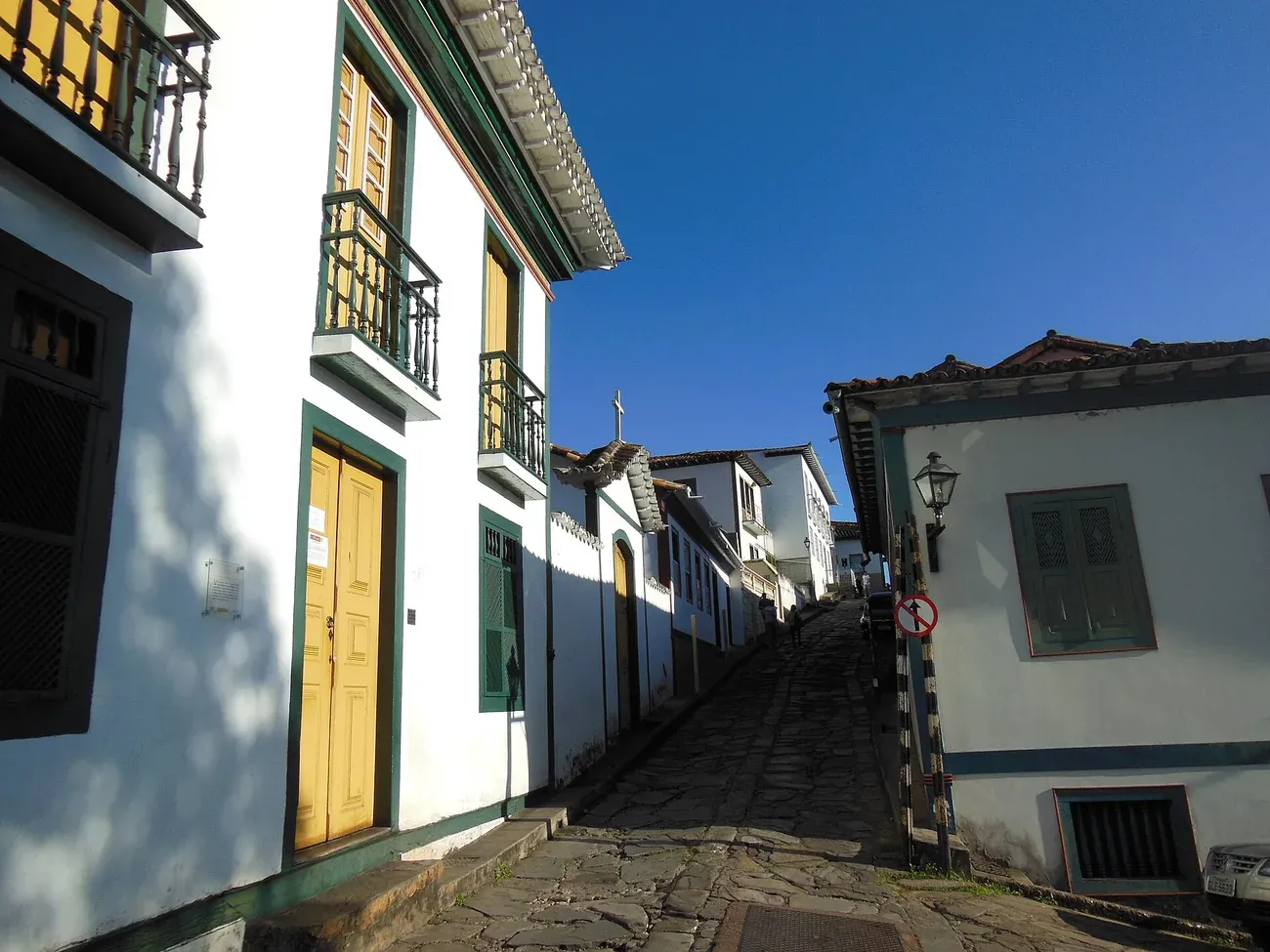
Diamantina
A diamond rush town that grew as Arraial do Tijuco, its steep colonial streets added to the UNESCO list in 1999.
Location: Central Minas Gerais
Photo: "R. Viêira Couto, Diamantina, Minas Gerais" by Giorgioglobe (CC BY-SA 4.0).

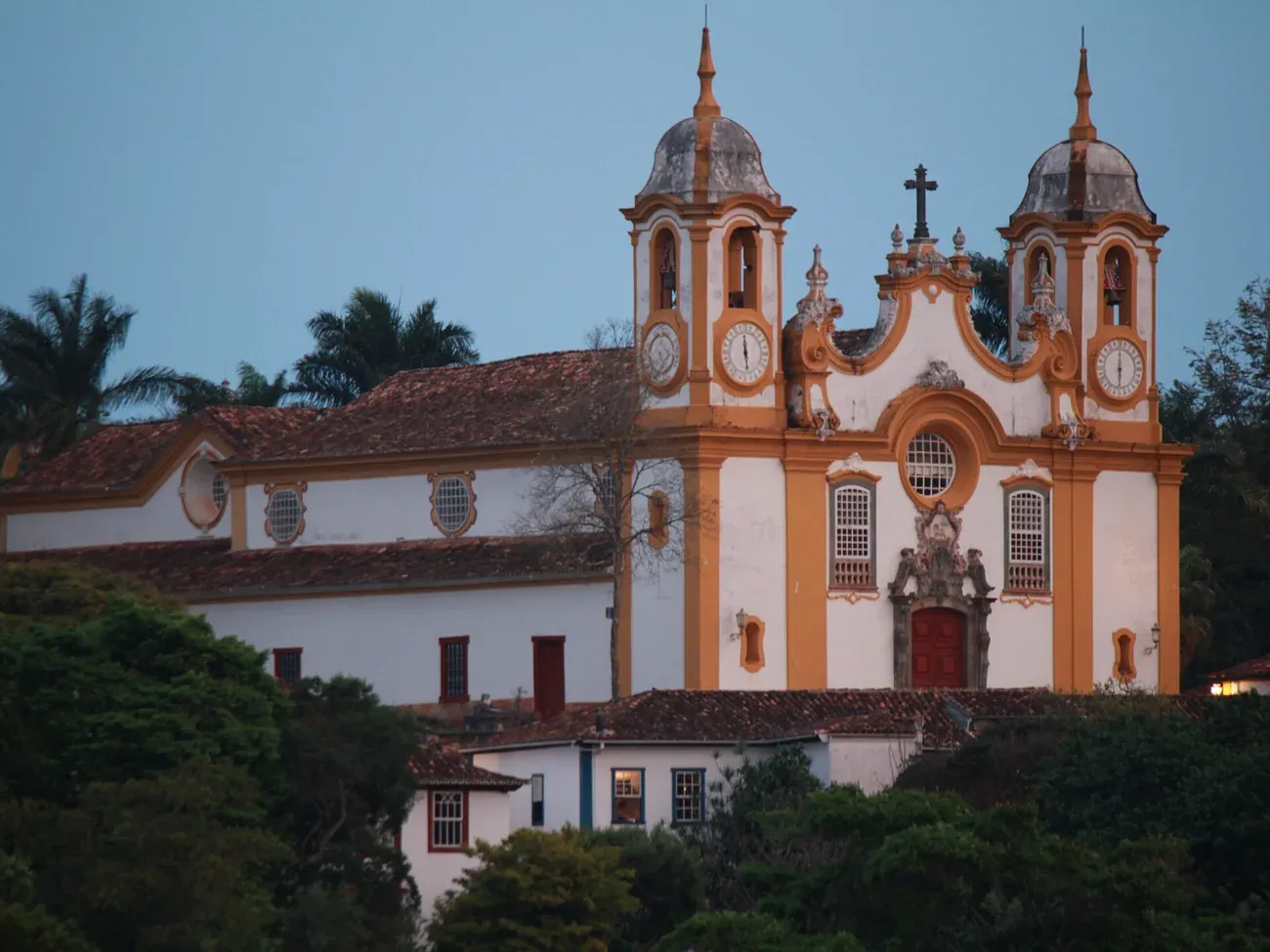
Tiradentes
A village of 1702 renamed in 1889 after the independence martyr born nearby, and one of the least altered Portuguese colonial townscapes in the country.
Location: Near São João del-Rei, Minas Gerais
Photo: "Tiradentes, Minas Gerais (21195107872)" by MATHIAS, M H (CC BY 2.0).

Secret spots in Brazil
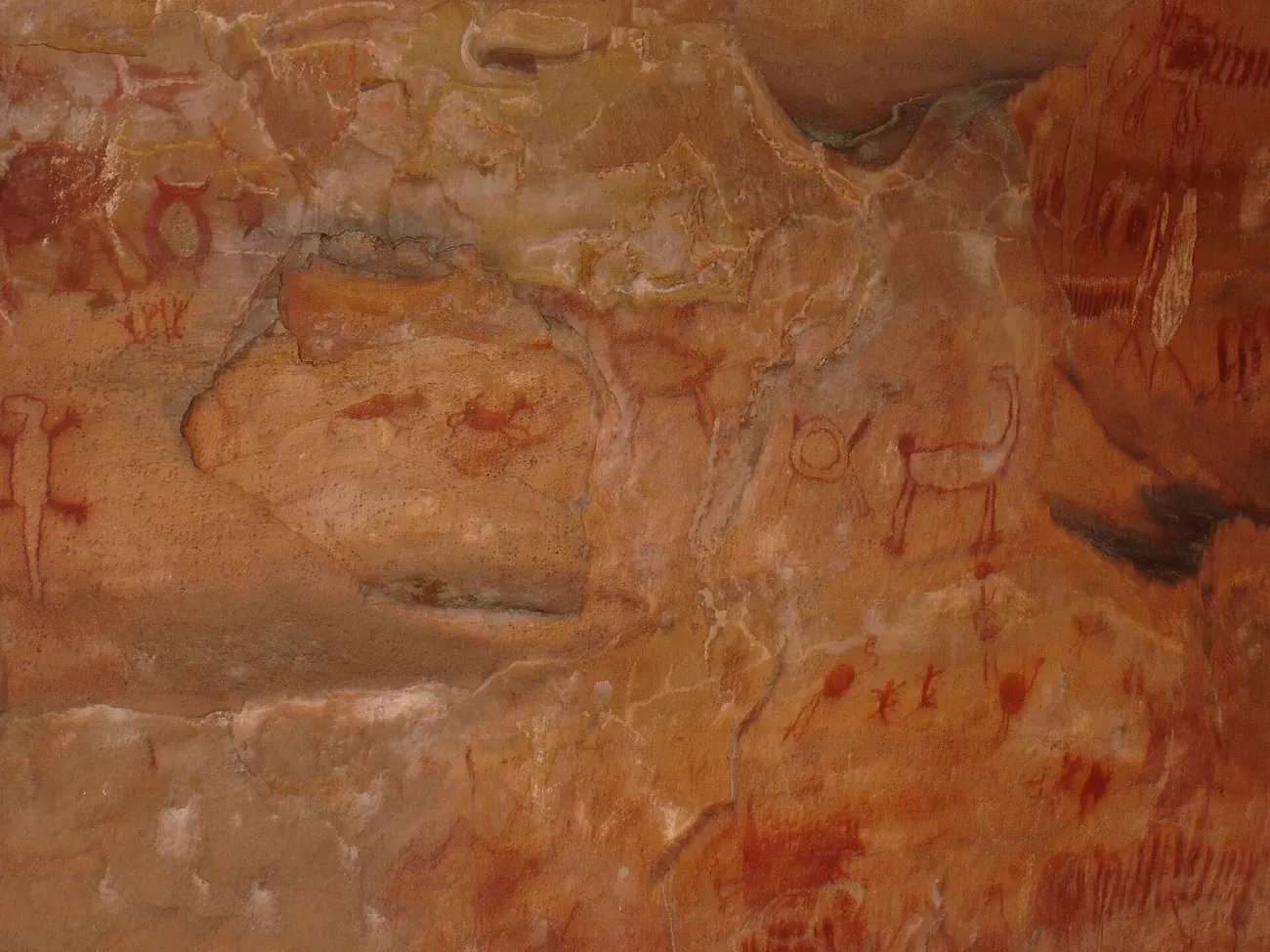
Serra da Capivara National Park
The largest and oldest concentration of prehistoric sites in the Americas, its rock paintings on canyon walls listed by UNESCO in 1991.
Location: São Raimundo Nonato, in the state of Piauí
Photo: "Serra da Capivara - Several Paintings 1" by Vitor 1234 (CC BY-SA 3.0).

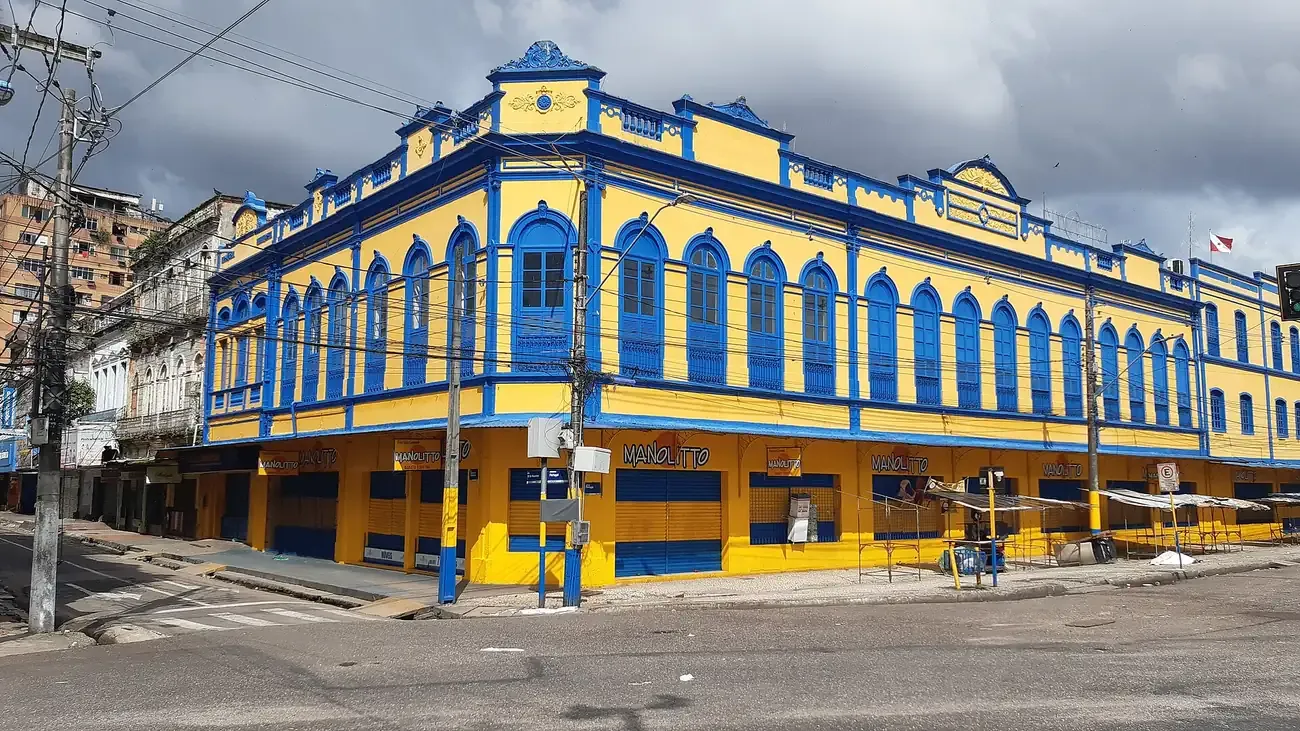
Ver-o-Peso
An iron market of 1901 on the site of the colonial weighing house, said to be the largest open-air market in Latin America.
Location: Campina, on Guajará Bay in Belém
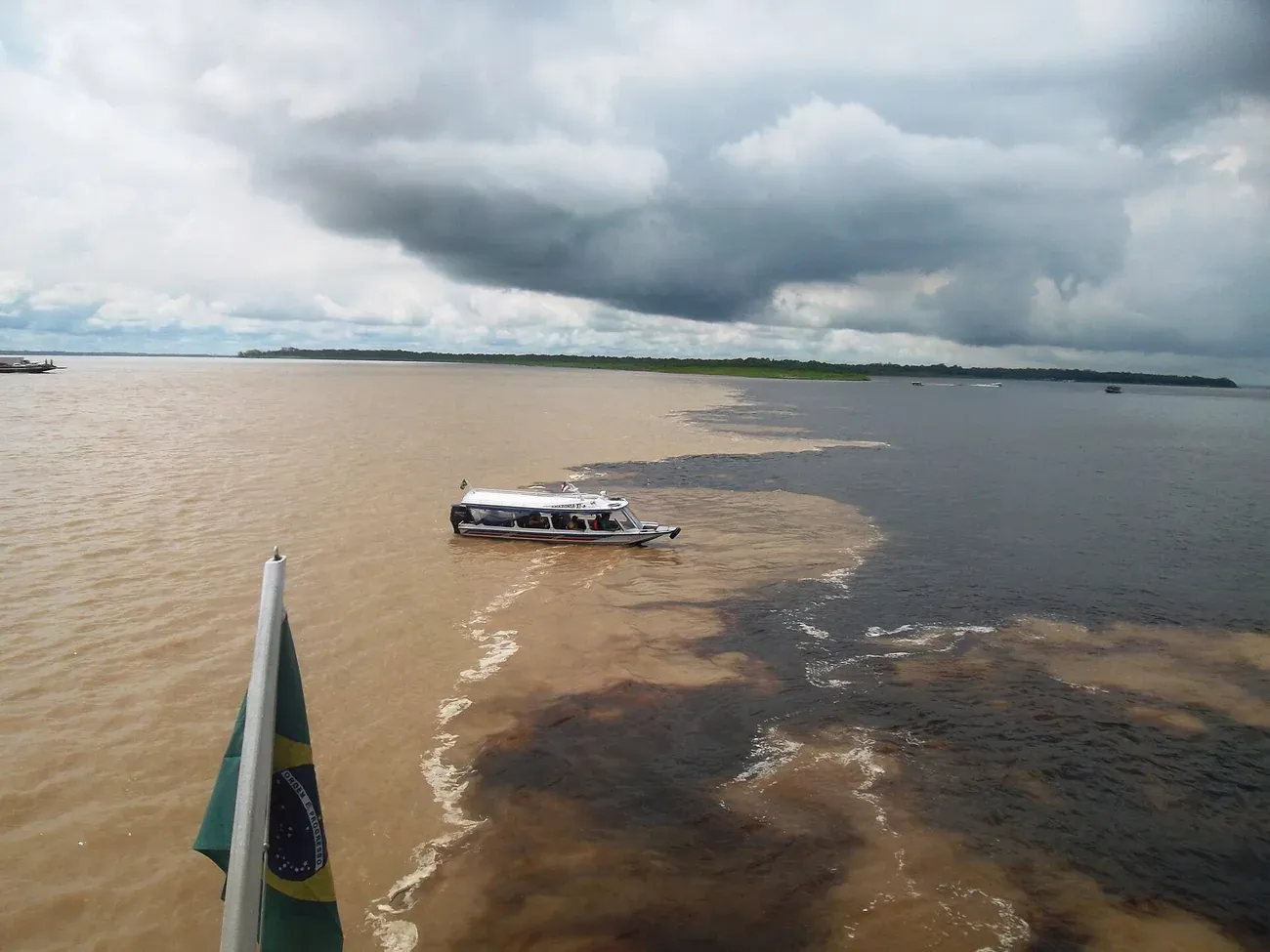
Meeting of the Waters
The black Rio Negro and the sandy Solimões run side by side for six kilometres without mixing, kept apart by differences in speed and temperature.
Location: Just downstream of Manaus, in Amazonas
Photo: "SANTOS MANAUS 01" by Ademir Santos (CC BY-SA 3.0).

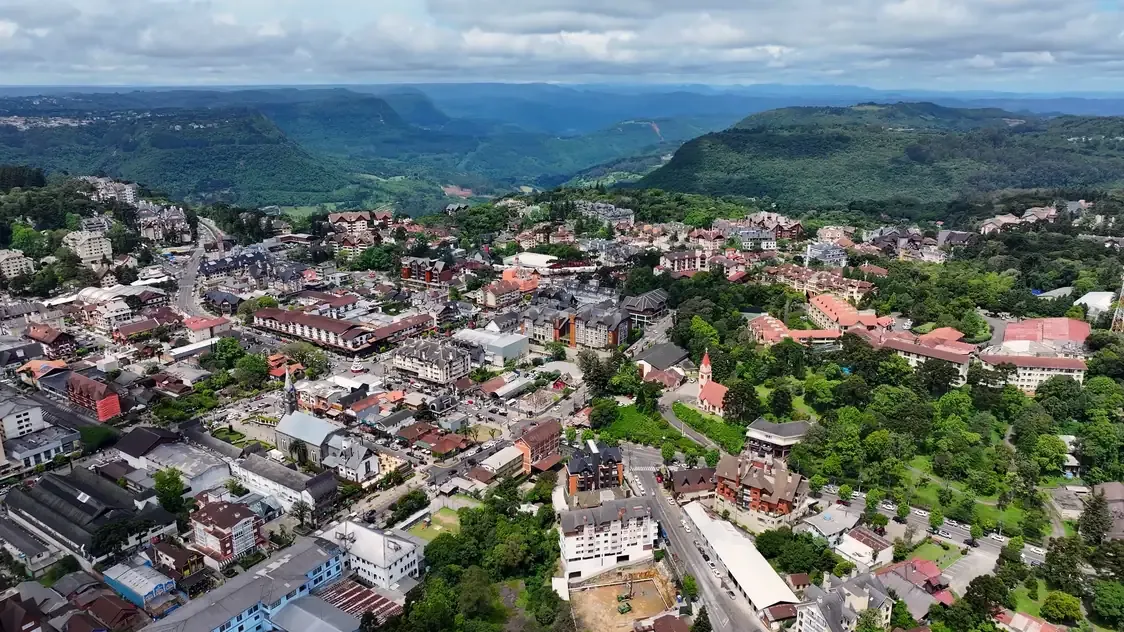
Gramado
A hill town settled by Portuguese, German and Italian families, on the scenic Rota Romântica and a summer resort since before the war.
Location: Serra Gaúcha, Rio Grande do Sul
Reasons to visit Brazil
Brazil covers most of eastern South America, and the distances inside it are the first thing to plan around. Rio de Janeiro and São Paulo sit close together on the southeast coast, while Manaus lies far to the north in the rainforest and Iguaçu far to the southwest on the Argentine border. Air service reaches every state capital, with LATAM, Gol and Azul flying the main routes between them.
Each region reads as a different country. The southeast holds the beaches and the mountain-and-sea setting that UNESCO listed in 2012, with the colonial gold towns of Minas Gerais inland. The northeast keeps the Portuguese and African inheritance of Salvador and a coast of dunes and reefs that runs for thousands of kilometres. The north is the Amazon basin, usually entered at Manaus. The centre west holds the Pantanal, the largest tropical wetland anywhere.
Timing follows the region rather than the country. December to March is hot and wet along the southeast coast, the Amazon has its main rains from November to March, and the interior of the northeast is semi-arid all year. Carnival moves with the church calendar to February or early March and is celebrated differently in every city, from the giant puppets of Olinda to the samba parades of Rio.
Twenty six UNESCO World Heritage sites are spread across all of it, sixteen cultural, nine natural and one mixed, which is a fair measure of how much there is to choose between. Brazil takes up almost half the continent, and the Iguazu Falls, Christ the Redeemer and the Pantanal open most lists of the best tourist attractions in South America, alongside Machu Picchu and Patagonia.