Cusco was reshaped as the capital of the Inca Empire under the ruler Pachacuteq in the 15th century, and UNESCO lists its historic centre as a World Heritage Site for the way Inca stonework and Spanish colonial churches sit layered on the same streets. The city sits at 3,400m in a fertile Andean valley, a base both for its own museums and churches and for day trips into the Sacred Valley and to Machu Picchu.
Neighbourhoods to know
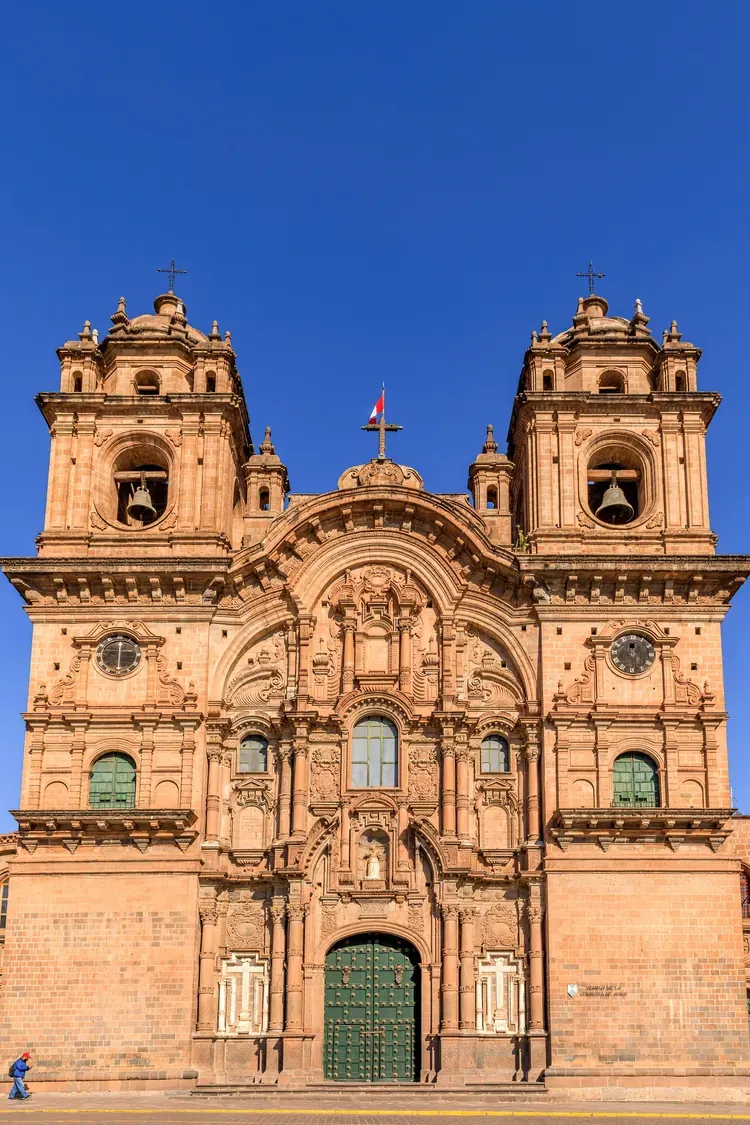
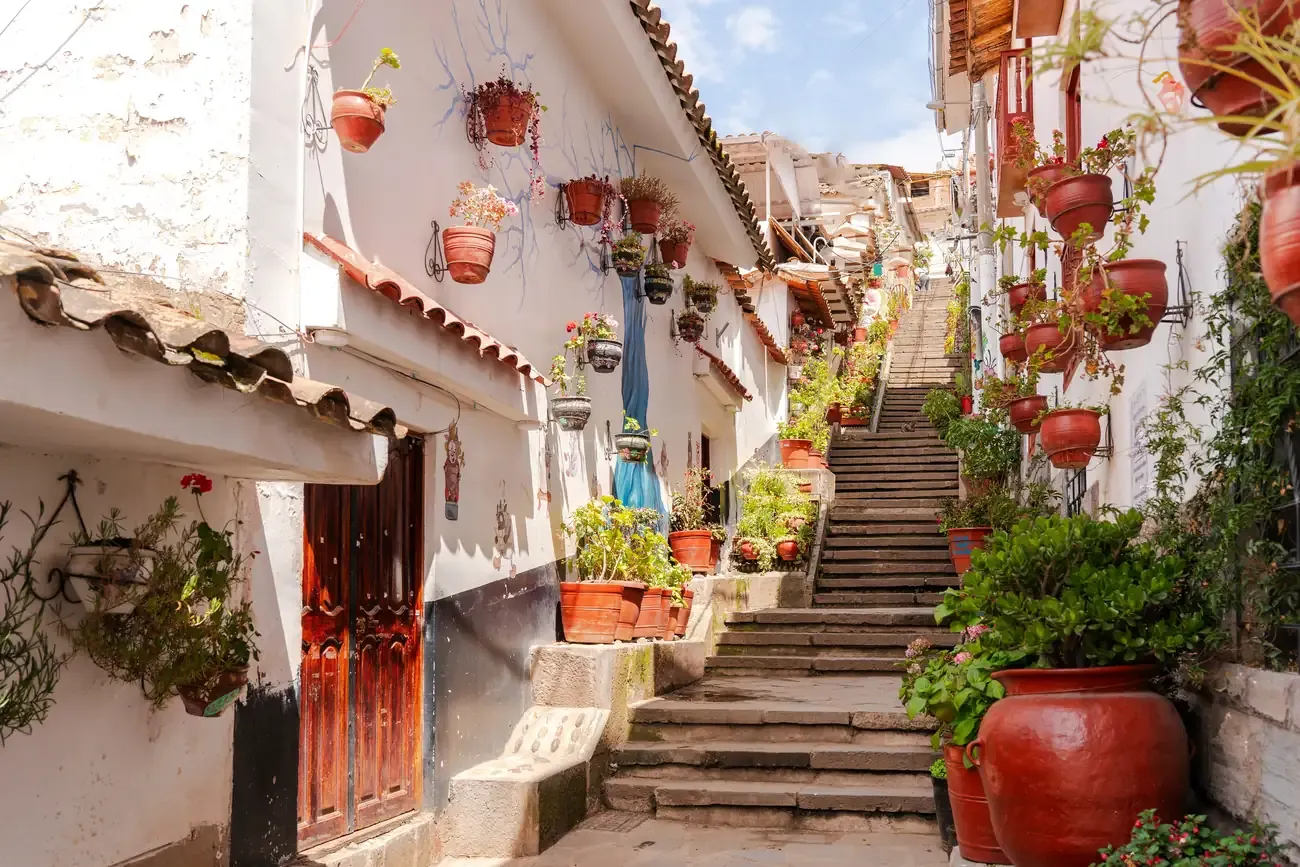
The centre around the Plaza de Armas holds the Cathedral, the Compañía de Jesús and the arcades built over Inca foundations. San Blas climbs the hillside above it in steep artisan streets, while the area around the Mercado Central de San Pedro, west of the plaza, keeps the everyday trading life of the city. Sacsayhuamán and Cristo Blanco sit further up the same hillside, above San Blas.
Altitude and when to go
Cusco's altitude is a real part of any visit: Peru's Ministry of Health recommends resting on arrival above 2,500m, staying hydrated, eating lightly and avoiding intense exertion in the first hours. May to September brings the driest weather to the Andes, while nights stay cold at this altitude in any month. Cusco also marks Inti Raymi, its Inca festival of the sun, every 24 June, with staged ceremonies at Qorikancha, the Plaza de Armas and Sacsayhuamán.
Beyond the city
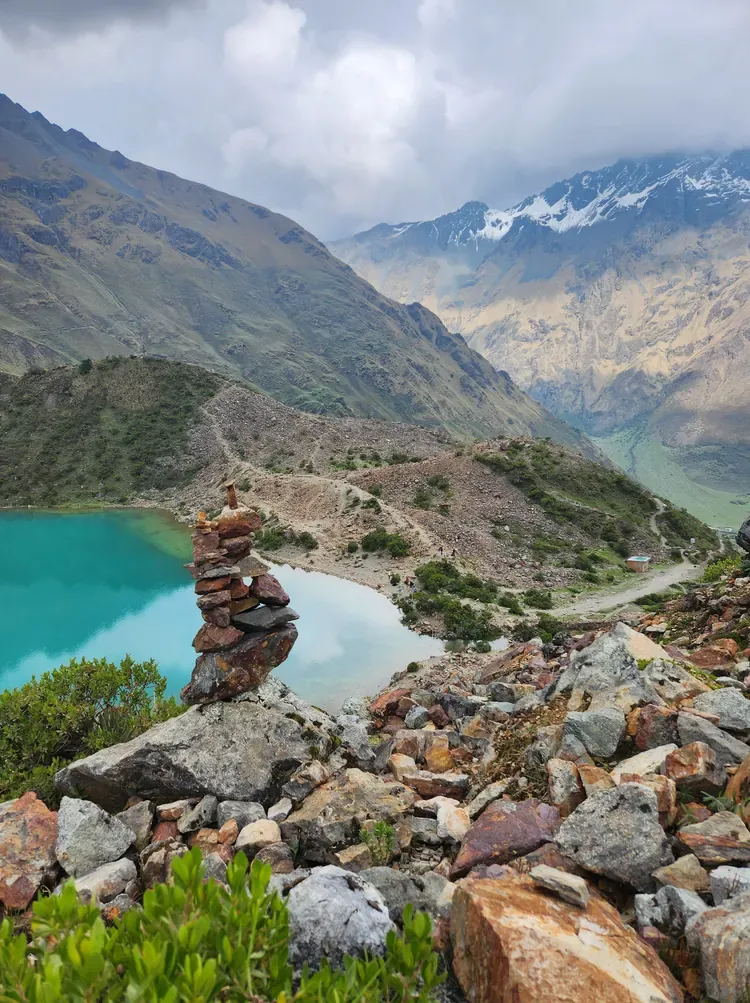
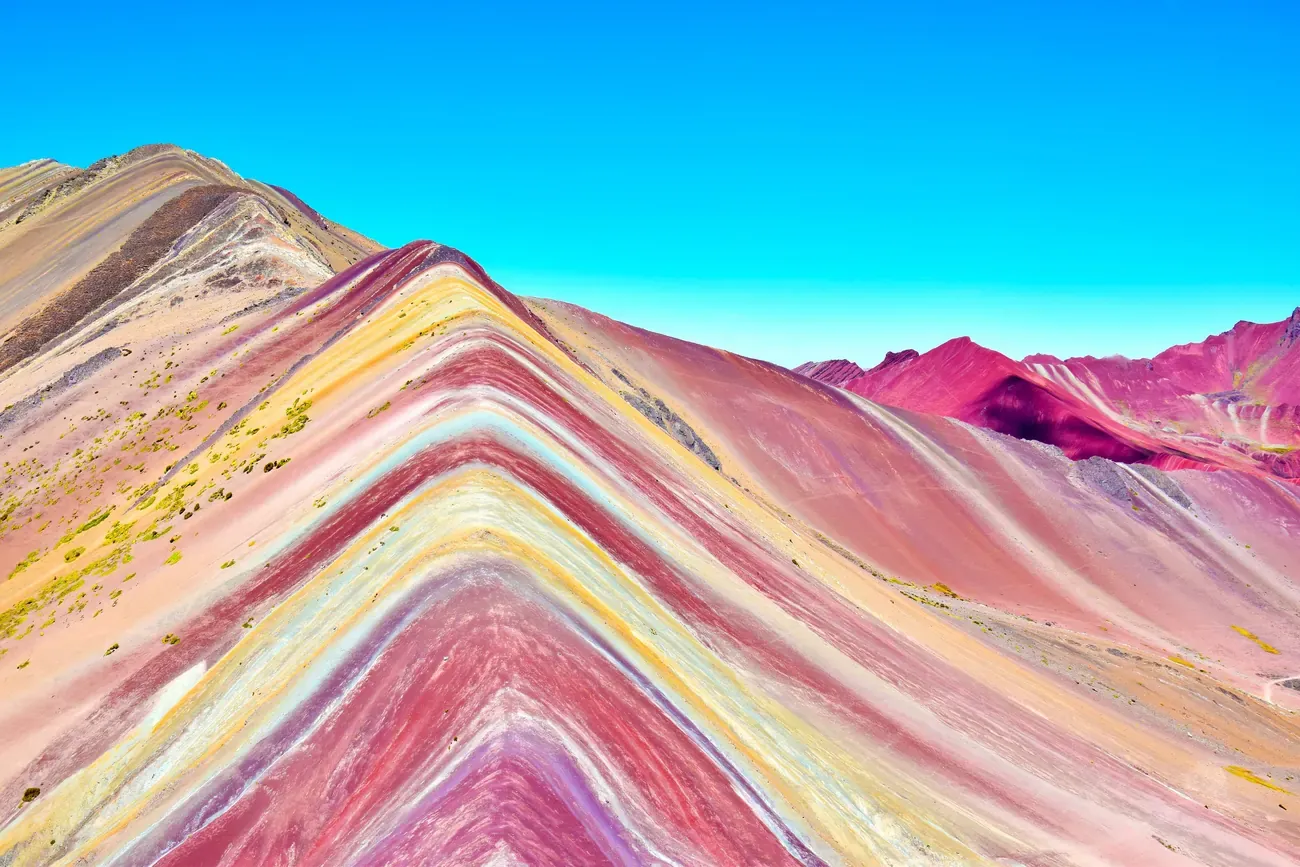
Machu Picchu is not in Cusco itself: reaching it means a drive through the Sacred Valley to Ollantaytambo and a train onward to Aguas Calientes, a journey the operator IncaRail puts at around 43 kilometres and roughly 1 hour 30 minutes by rail alone. The same valley holds Pisac, Chinchero and the terraces of Moray, while Rainbow Mountain and Laguna Humantay add two more demanding, high-altitude day trips for hikers with time to spare. Machu Picchu heads almost every list of the top tourist attractions in South America, with Lake Titicaca and the Colca Canyon a day's travel further south.
Getting around
The historic centre is compact and walkable, though its slopes and altitude make a gentler pace worthwhile, especially on the first day. Cusco's airport sits a short taxi ride from the centre, and taxis and organised transport cover the roads out to the Sacred Valley and the trailheads beyond it.