What makes Buenos Aires unique
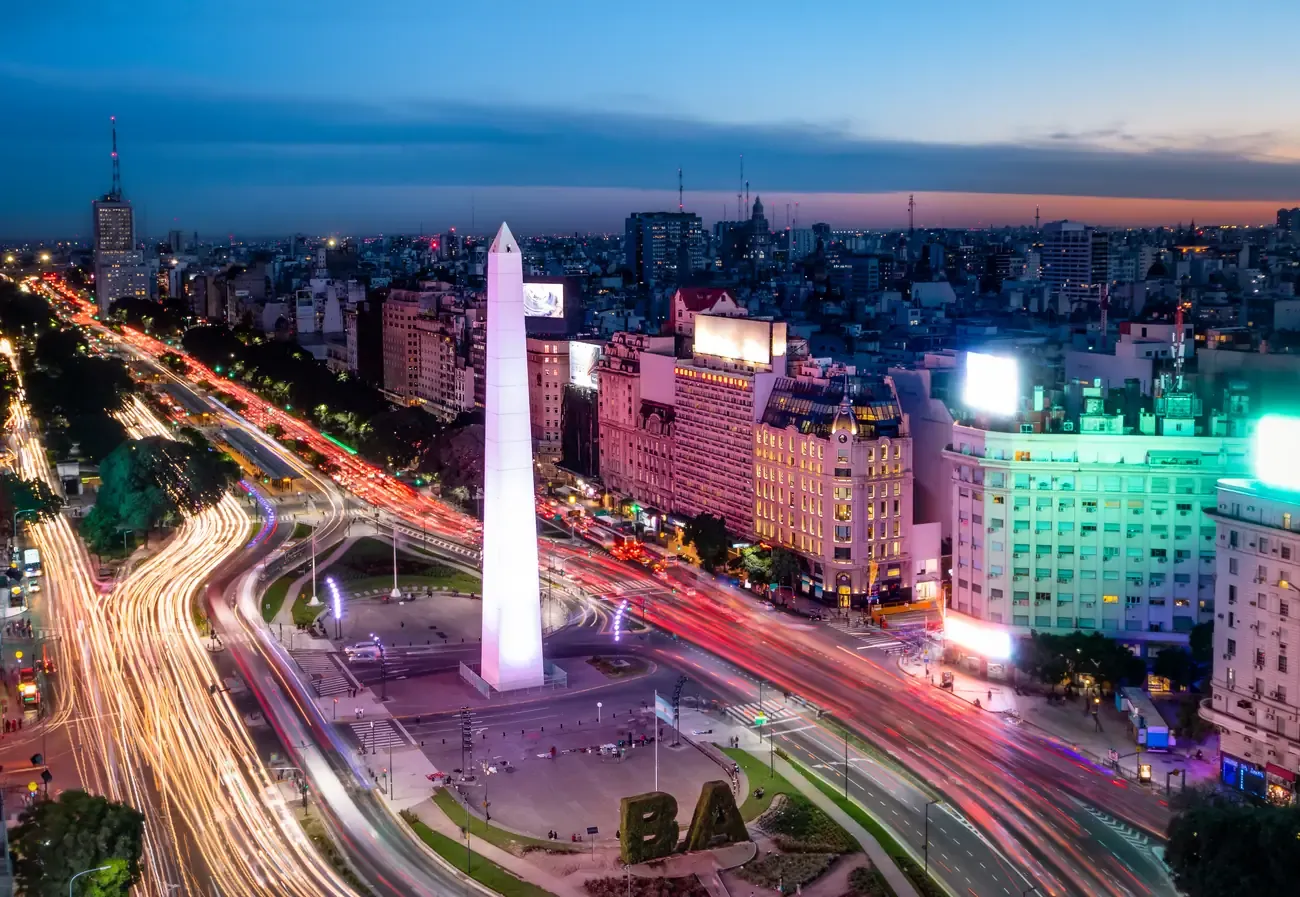
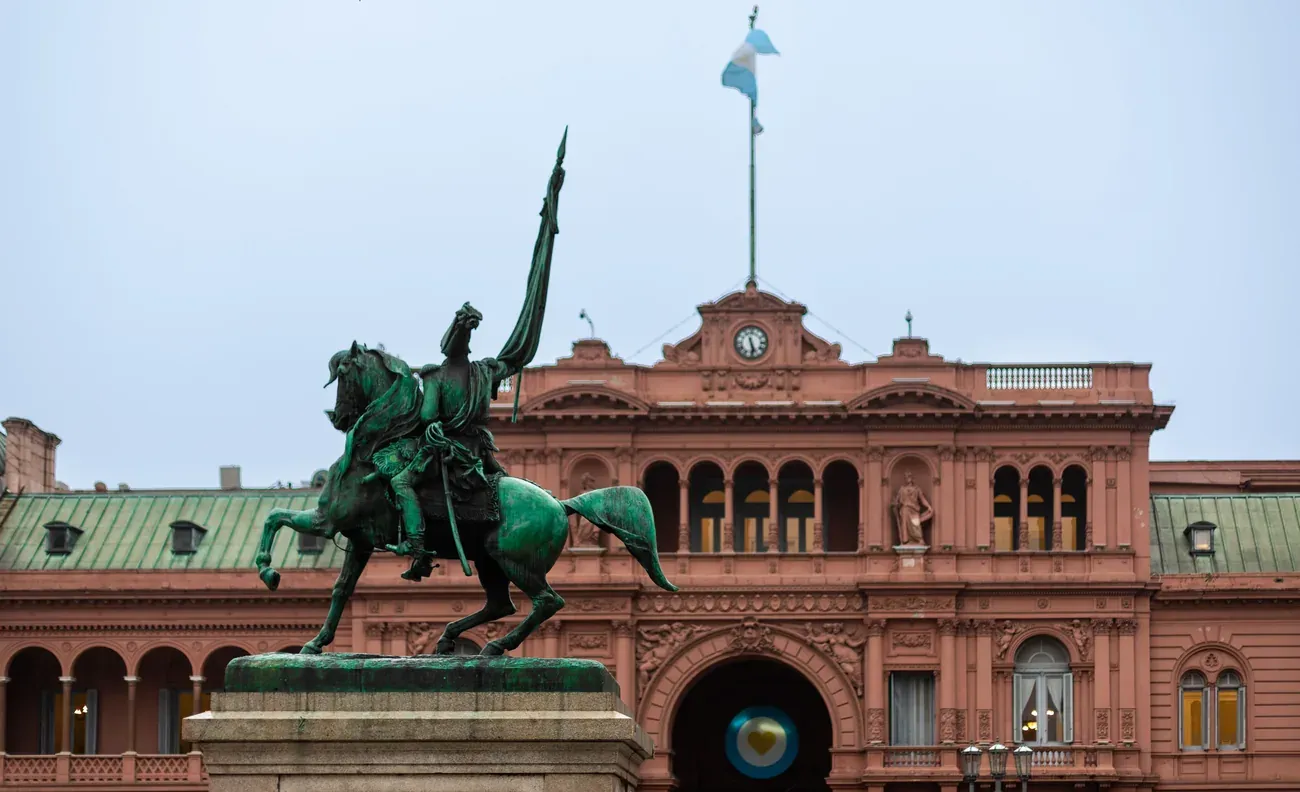
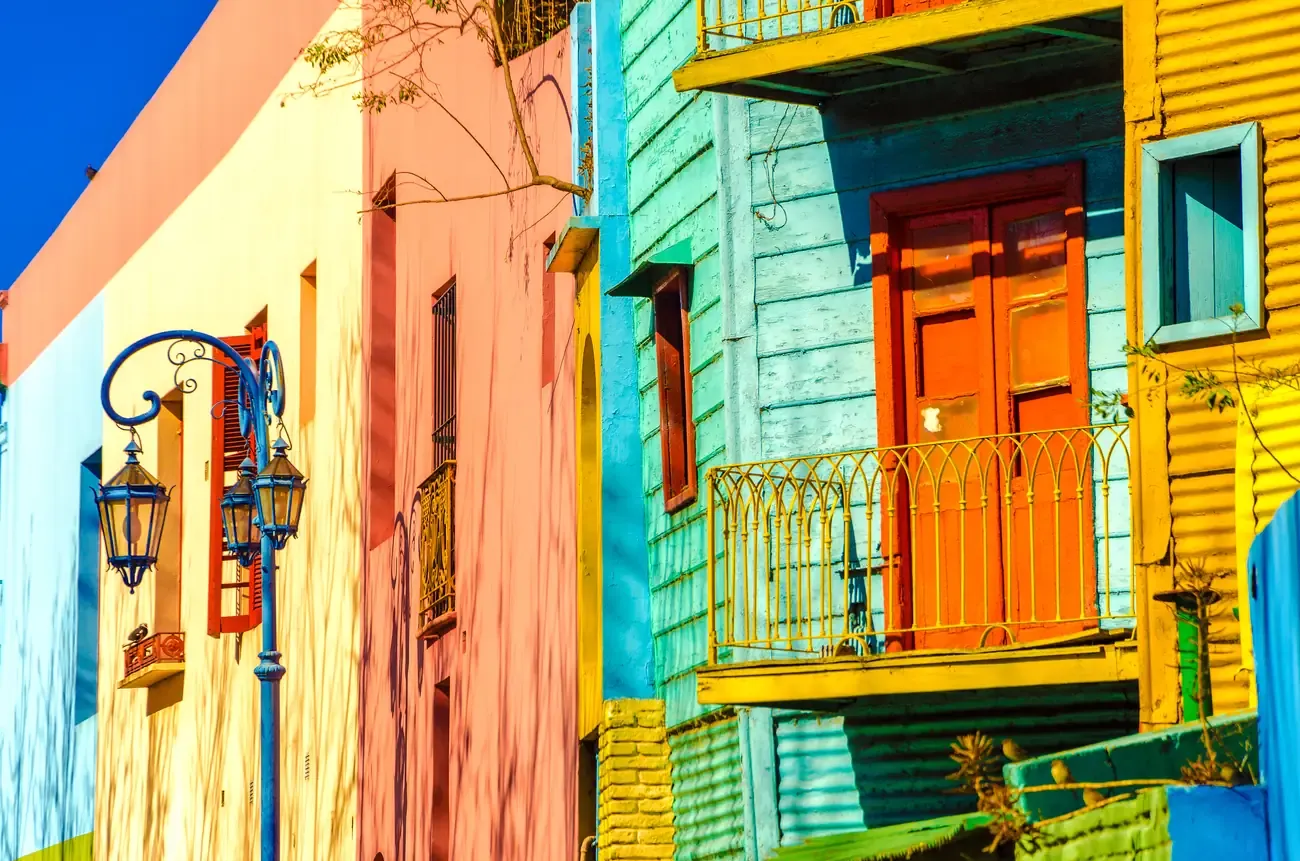
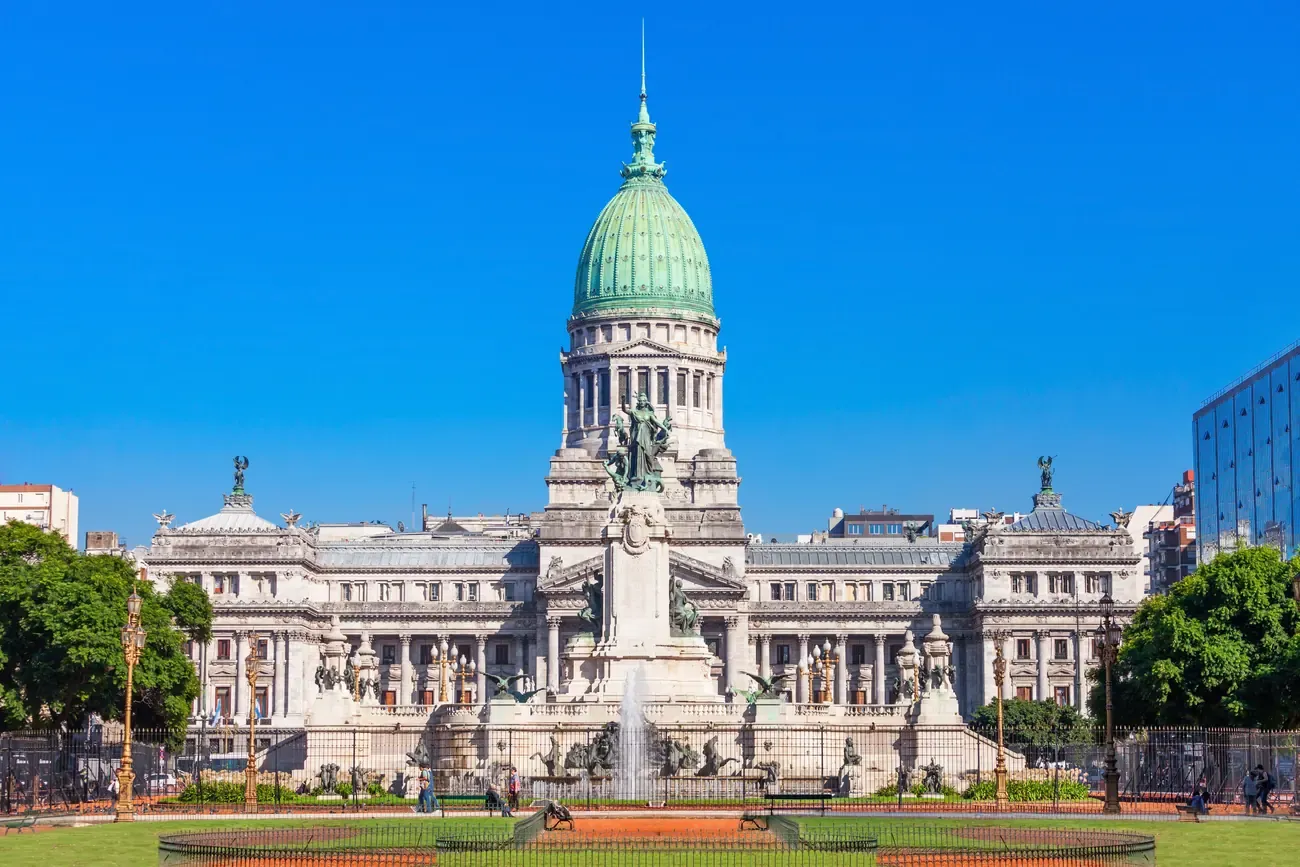
Argentina's capital grew from a Spanish colonial port into a city of wide European-style boulevards, ornate Belle Epoque buildings and a passion for tango that spills from milongas onto the street. Avenida 9 de Julio cuts through the centre, while immigrant neighbourhoods such as San Telmo and La Boca kept their own distinct character. Football, steak and late dining shape daily life across the city's barrios.
Neighbourhoods to explore
South of the centre, San Telmo and La Boca hold some of the oldest streets and the brightest colours, from Plaza Dorrego's antiques to Caminito's painted tenements. Puerto Madero's converted docks line the eastern waterfront between them. North of the centre, Recoleta and Palermo spread out along tree-lined avenues, with the cemetery's mausoleums in one and parks, a rose garden and the restaurant-filled Palermo Soho and Hollywood in the other.
When to go and how long to stay
Buenos Aires sits in the Southern Hemisphere, so summer runs December to February, hot and humid, while winter, June to August, is mild by comparison. Autumn (March to May) and spring (September to November) bring milder days and are generally the most comfortable times to visit. Three to four days cover the main sights; travellers adding Tigre, La Plata or a ferry crossing to Colonia del Sacramento in Uruguay should allow extra time. Buenos Aires is also the usual gateway to Patagonia and to the Argentine side of the Iguazu Falls, two of the tourist attractions in South America most often paired with the capital.
Getting around
The Subte underground and the city's extensive colectivo bus network both run on the rechargeable SUBE card, which also covers the commuter trains. Much of the centre, from Plaza de Mayo to Puerto Madero and San Telmo, is flat and walkable, while La Boca, Recoleta and Palermo are better reached by bus, taxi or rideshare from further out.