
Los Angeles tourist attractions
Known for
Hollywood's film and television industry and beach neighbourhoods
Must-see landmarks
Griffith Observatory, Walt Disney Concert Hall and the Hollywood Sign
Best time to visit
March to May and September to November
Getting around
The Metro's B Line links Union Station to North Hollywood
10 must-see tourist attractions in Los Angeles
The tourist attractions in Los Angeles that matter most, from Griffith Observatory to Hollywood Sign and Hollywood Walk of Fame, are ranked here in order. After the 10 top sights come free things to do, upcoming events and visitor FAQs.
1. Griffith Observatory
Perched on the southern slope of Mount Hollywood in Griffith Park, this Art Deco landmark has drawn visitors since 1935 for its public telescopes, space exhibits and sweeping views over the city and the Hollywood Sign. Its copper domes and the Samuel Oschin Planetarium remain among the most photographed sights in Los Angeles, and the surrounding trails and roads stay open through the evening.
Architect: John C. Austin · Style: Art Deco · Opened: 1935
Location: 2800 East Observatory Road, Griffith Park, Los Angeles
Access: Free admission to the building and grounds, closed Mondays, with planetarium shows ticketed and paid parking closest to the building. Hours on the official site.
2. Hollywood Sign
One of the most recognised symbols on earth, the white letters spell out HOLLYWOOD across the brush of Mount Lee, high on the ridge above the city. They were first raised in 1923 as a property advertisement reading HOLLYWOODLAND, then shortened decades later and preserved as a protected landmark. Visitors cannot walk up to the letters themselves, but a string of free viewpoints across the hills reward the climb and the drive.
First built: 1923
Location: Mount Lee, Griffith Park, Los Angeles
Access: Free to see from Griffith Observatory, the Griffith Park trails and the Ovation Hollywood complex; the letters cannot be approached directly.
3. Hollywood Walk of Fame
Set into the pavements of Hollywood Boulevard and Vine Street, the Walk of Fame honours figures from film, television, music, radio and theatre with thousands of brass and terrazzo stars. The project began in the late 1950s and the first stars were unveiled in 1960, and it has grown steadily ever since. Walking its length past the crowds and street performers is free, and the pavement never closes to those who want to find a favourite name.
Opened: 1960
Location: Hollywood Boulevard and Vine Street, Los Angeles
Access: Free at all hours; the stars are set into public sidewalks.
4. TCL Chinese Theatre
The pagoda-roofed movie palace on Hollywood Boulevard has premiered films since 1927 and remains one of the most famous cinemas in the world. Its forecourt is paved with the hand and footprints of screen stars, a tradition begun in the theatre's earliest years, and crowds gather daily to match their palms to the concrete. Viewing the forecourt from the boulevard costs nothing, while film screenings inside the auditorium are ticketed.
Opened: 1927
Location: 6925 Hollywood Boulevard, Los Angeles
Access: Free to visit the forecourt and its celebrity prints; screenings ticketed.
5. Walt Disney Concert Hall
Frank Gehry's billowing landmark opened in 2003 as the home of the Los Angeles Philharmonic and the newest of the Music Center's downtown venues. More than six thousand stainless steel panels form the curving skin that resembles a cluster of silver sails, wrapping a 2,265-seat auditorium tuned for its celebrated acoustics. The gleaming exterior has become a defining image of Downtown Los Angeles.
Architect: Frank Gehry · Style: Deconstructivism · Opened: 2003
Location: 111 South Grand Avenue, Downtown Los Angeles
Access: Free to admire the steel exterior from the surrounding streets; concerts and events are ticketed.
6. The Broad
This contemporary art museum on Grand Avenue opened in 2015 behind a porous white lattice that its designers call the veil, wrapped around a concrete vault of galleries. The collection is strong in postwar and contemporary work, and includes two of Yayoi Kusama's celebrated Infinity Mirror Rooms. General admission is free, and the honeycomb facade alone has made the building a downtown icon.
Opened: 2015
Location: 221 South Grand Avenue, Downtown Los Angeles
Access: Free general admission, closed Mondays, with a timed ticket recommended in advance and some special exhibitions charged separately. Reservations on the official site.
Photos: exterior and oculus views of The Broad by tutrampham (CC0 1.0).
7. Angels Flight
Billed as the world's shortest railway, this pair of orange funicular cars has climbed the steep slope of Bunker Hill since 1901, linking Hill Street beside Grand Central Market with the plazas of Grand Avenue above. Closed and restored more than once across its long life, the little cars returned to regular passenger service in 2017 and still carry riders up the short incline as a beloved piece of downtown history.
Style: Beaux-Arts · Opened: 1901
Location: 351 South Hill Street and 350 South Grand Avenue, Bunker Hill, Los Angeles
Access: A small fare applies each way; open seven days a week.
8. Dodger Stadium
Opened in 1962, the home of the Los Angeles Dodgers sits in the hills of Chavez Ravine, its tiered stands looking out over the Downtown skyline and the San Gabriel Mountains beyond. Designed by engineer Emil Praeger, the ballpark has been a fixture of the city's baseball culture for decades and fills with fans on game days, when the terraced bowl and its palm-lined ridges make for a classic Los Angeles outing.
Architect: Emil Praeger · Opened: 1962
Location: 1000 Vin Scully Avenue, Los Angeles
Access: Ticketed for games and events; no general public access on non-event days.
9. Santa Monica Pier
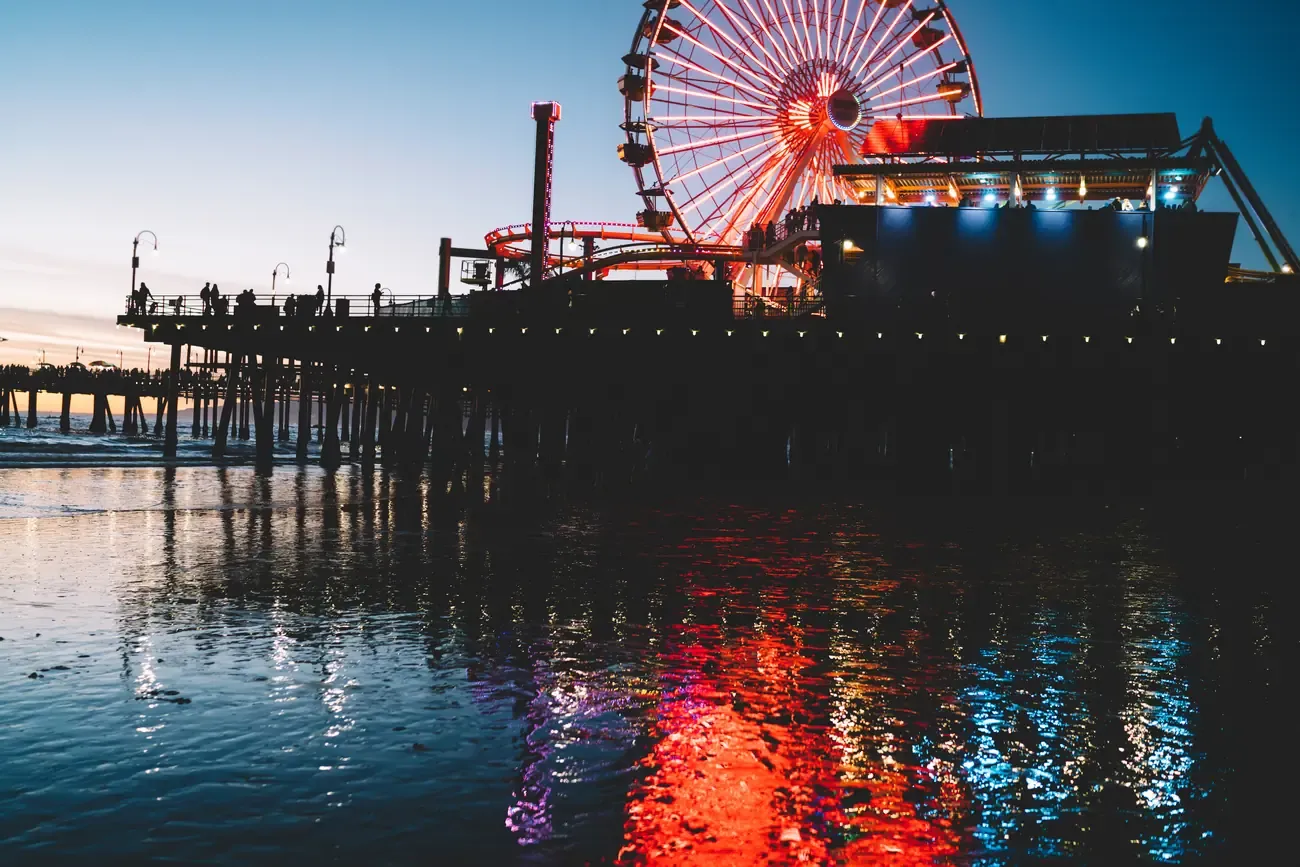
Reaching out over the Pacific at the foot of Colorado Avenue, this National Historic Landmark has been a seaside icon since 1909. Walking its wooden boards past anglers, buskers and food stalls is free, while the small Pacific Park amusement area at its end carries the Pacific Wheel and the West Coaster. The pier sits in the neighbouring city of Santa Monica, just west of Los Angeles, and remains one of the most photographed spots on the coast.
Opened: 1909
Location: 200 Santa Monica Pier, Santa Monica
Access: Free to walk; Pacific Park rides are ticketed. Pier information on the official site.
10. Venice Beach
The wide sands and lively Ocean Front Walk of Venice string together street performers, muscle-building outdoor gyms, skate parks and basketball courts along a free public beach west of the city. A short walk inland, the Venice Canals preserve a network of waterways and footbridges dug in the early twentieth century in imitation of Venice in Italy. Together they make one of the most characterful stretches of the Los Angeles coast.
Location: Ocean Front Walk, Venice, Los Angeles
Access: Free public beach, boardwalk and canal footpaths, open at all hours.
Upcoming events in Los Angeles
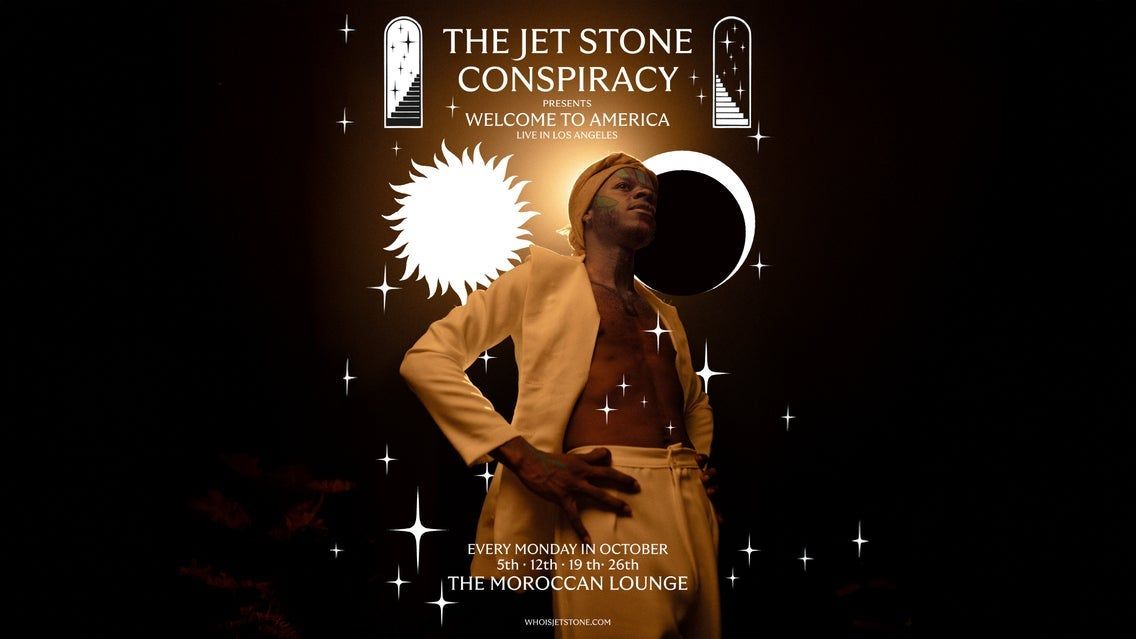
The Jet Stone Conspiracy Presents: Welcome to America - Night Four
The Jet Stone Conspiracy Presents: Welcome to America - Night Four plays The Moroccan Lounge on 26 October at 19:00.

PBW & Perfectly Imperfect Presents: iKeda
PBW & Perfectly Imperfect Presents: iKeda plays The Echo on 26 October at 19:00.
ButtTootKing: Lydia B Kollins, Suzie Toot, and Kori King (18 and Over)
Los Angeles Lakers vs. Portland Trail Blazers
Los Angeles Lakers vs. Portland Trail Blazers comes to Crypto.com Arena on 27 October at 20:00.
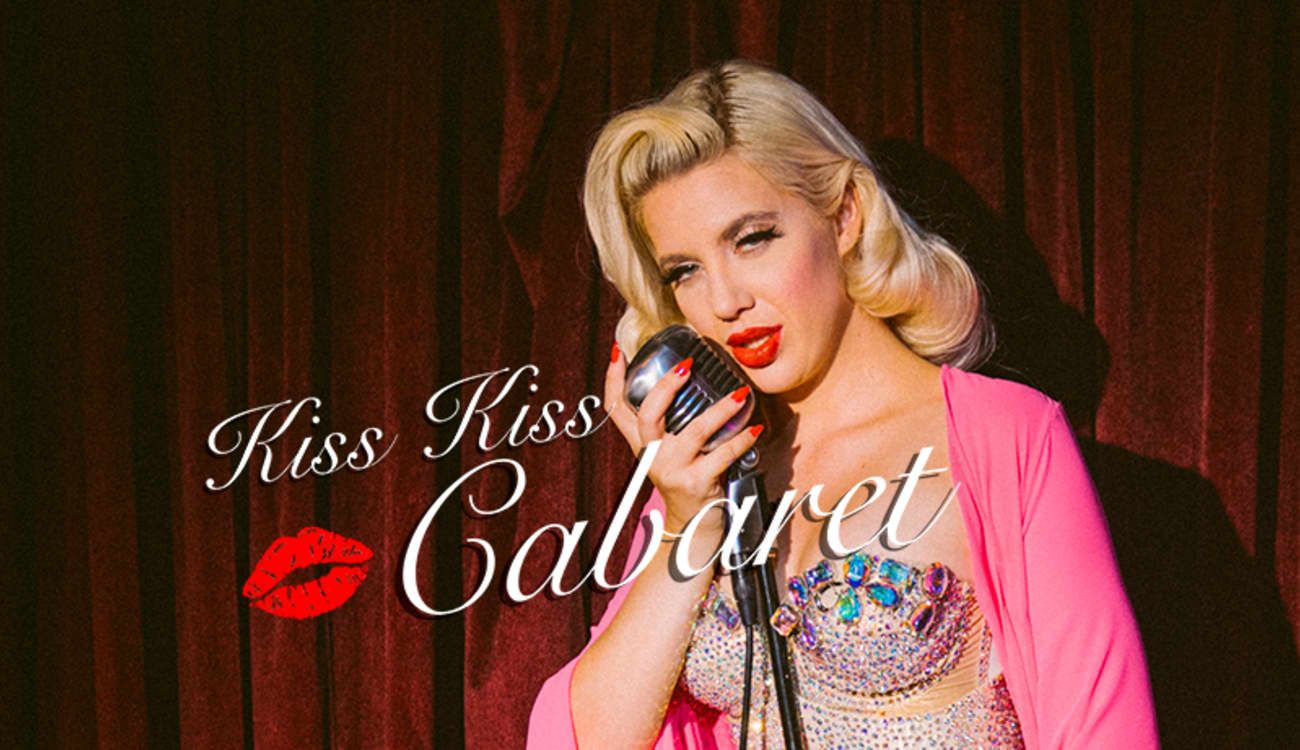
Kiss Kiss Cabaret
Kiss Kiss Cabaret comes to Black Rabbit Rose Magic on 28 October at 19:30.

TRiPTease Burlesque Speakeasy by The Dollface Dames
TRiPTease Burlesque Speakeasy by The Dollface Dames comes to Killer Yacht Club Speakeasy on 28 October at 19:30.
Free things to do in Los Angeles
La Brea Tar Pits
Hancock Park charges nothing to walk its lawns or watch the tar seeps bubbling up around the grounds, and that free half is, for now, the whole visitor experience: the museum behind it is temporarily closed for construction.
LACMA's Urban Light
No ticket is needed to wander among the grid of vintage lampposts standing outside LACMA's entrance, day or night; stepping past them into the museum behind is what starts charging admission.
Grand Central Market
Wandering the market hall and watching the vendors at work costs nothing; visitors pay only when they order food or drink from an individual stall.
Union Station
Walking through Union Station's Grand Hall and its patio gardens is free for anyone, ticket or not; a bill arrives only when sitting down at one of the restaurants inside.
Olvera Street / El Pueblo
Strolling El Pueblo's plaza and Olvera Street's market stalls costs nothing; a purchase from a vendor, or entry to a handful of small ticketed museum rooms, is what carries a cost.
Grand Park
The park's lawns, splash-pool fountain and Event Lawn calendar of concerts and festivals are free every day, with no ticket needed for most programming.
Getty Center
Admission to the Getty Center is free and always has been, but every visit requires a timed-entry reservation; the hillside car park charges its own fee, and the Center closes every Monday.
Runyon Canyon Park
This Hollywood Hills park charges no entrance fee and keeps no gate hours; well-used trails climb from the Fuller Avenue entrance up toward skyline views and the Hollywood Sign in the distance.
What makes Los Angeles worth visiting
What makes Los Angeles unique
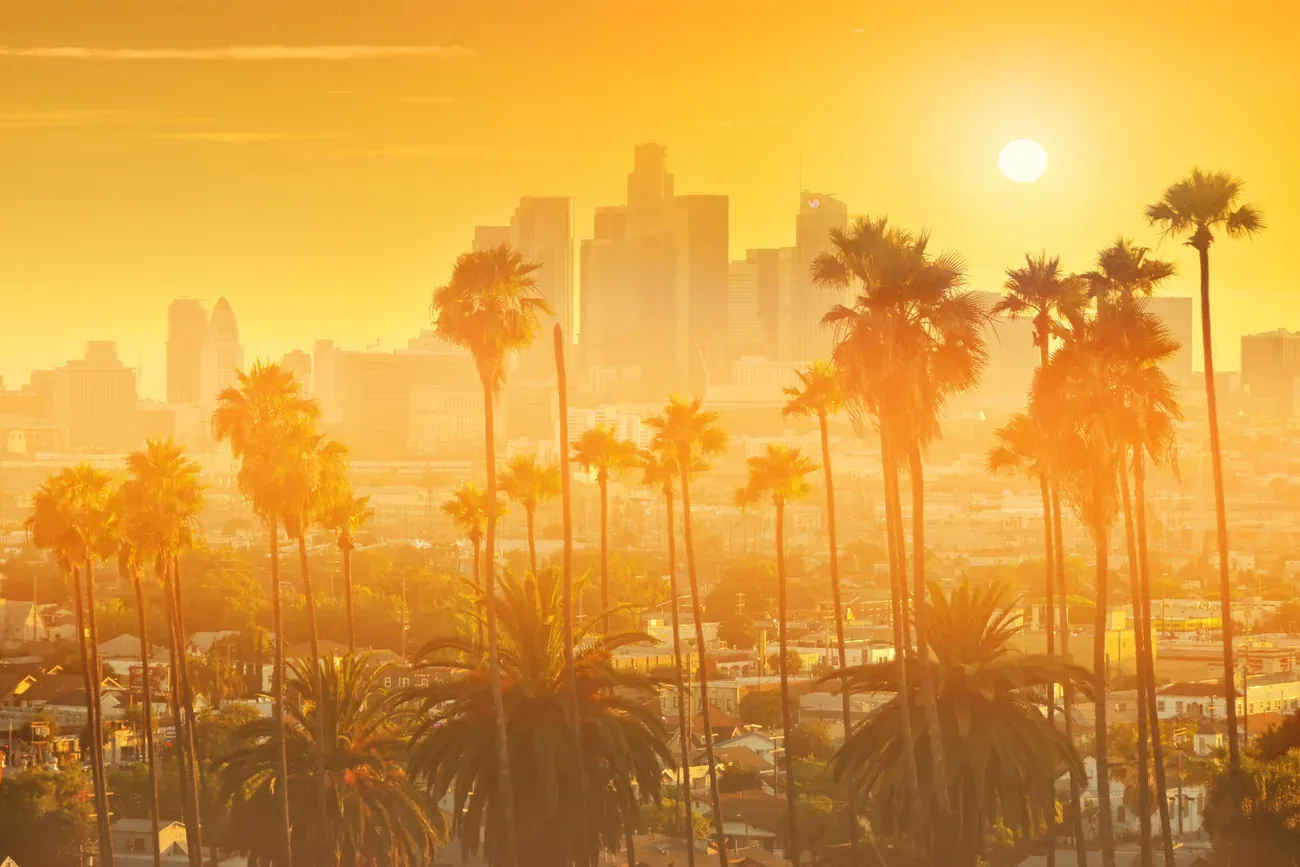
Los Angeles began as El Pueblo de Nuestra Senora Reina de los Angeles, founded by Spanish settlers in 1781, and grew alongside the film industry that gave Hollywood its name worldwide. Angelenos, as locals call themselves, often just call the city LA, and the metropolis now stretches from the San Fernando Valley to the harbour, a sprawl so vast that many of its best-known neighbourhoods feel like towns of their own.
Downtown and the neighbourhoods beyond it
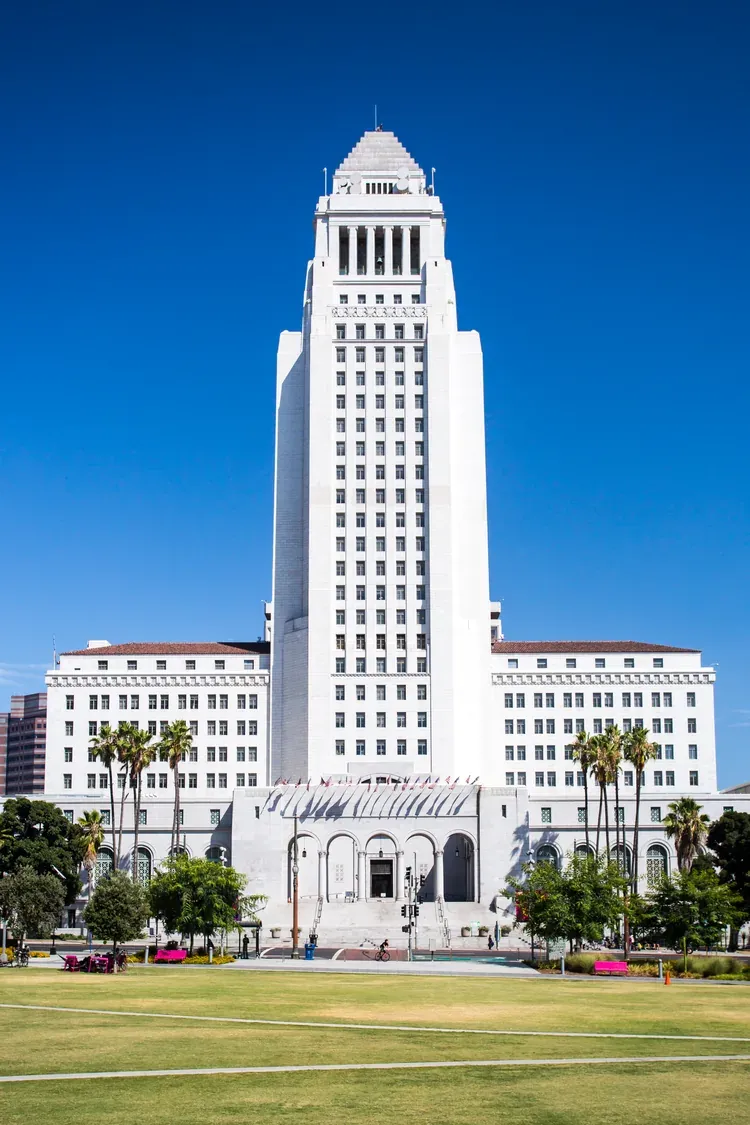
Downtown LA is where Civic Center towers meet Bunker Hill's museums and Olvera Street's 1781 origins. Hollywood, Venice and Griffith Park all sit inside the official city limits, while Santa Monica, Beverly Hills and West Hollywood are separate cities that only feel like LA neighbourhoods from the sidewalk. Universal Studios Hollywood, similarly, sits in the unincorporated community of Universal City, just outside the city.
When to go and how long to stay
March to May and September to November bring long stretches of clear skies, sitting between the winter rainy season and the coastal marine layer that clouds over mornings in early summer, a pattern known locally as June Gloom. Three to four days cover Downtown at an easy pace plus a Hollywood or Griffith Park excursion; a full week suits visitors adding the beaches or a day at the Getty Center.
Getting around
LA is famously built for cars, and most neighbourhoods and the beaches are still easiest to reach that way. Downtown does connect to Hollywood and North Hollywood on the Metro's B Line, and to Wilshire/La Cienega on the D Line, both starting from Union Station. The Hollywood Sign has stood on Mount Lee since 1923 and belongs on any account of the best tourist attractions in the United States, viewed from Griffith Park rather than up close.