
Tourist attractions in Miami
Known for
Latin American culture, Art Deco architecture and miles of beach
Must-see landmarks
Bayside Marketplace, Vizcaya Museum & Gardens and Wynwood Walls
Best time to visit
December to April, drier and cooler
Days needed
Three to four days across downtown, beaches and the neighbourhoods
Top 11 tourist attractions in Miami
Miami's tourist attractions start with South Beach and the Art Deco District, Vizcaya Museum and Gardens and Wynwood Walls. The 11 top sights are ranked below, followed by free things to do, upcoming events and visitor FAQs.
1. South Beach and the Art Deco District
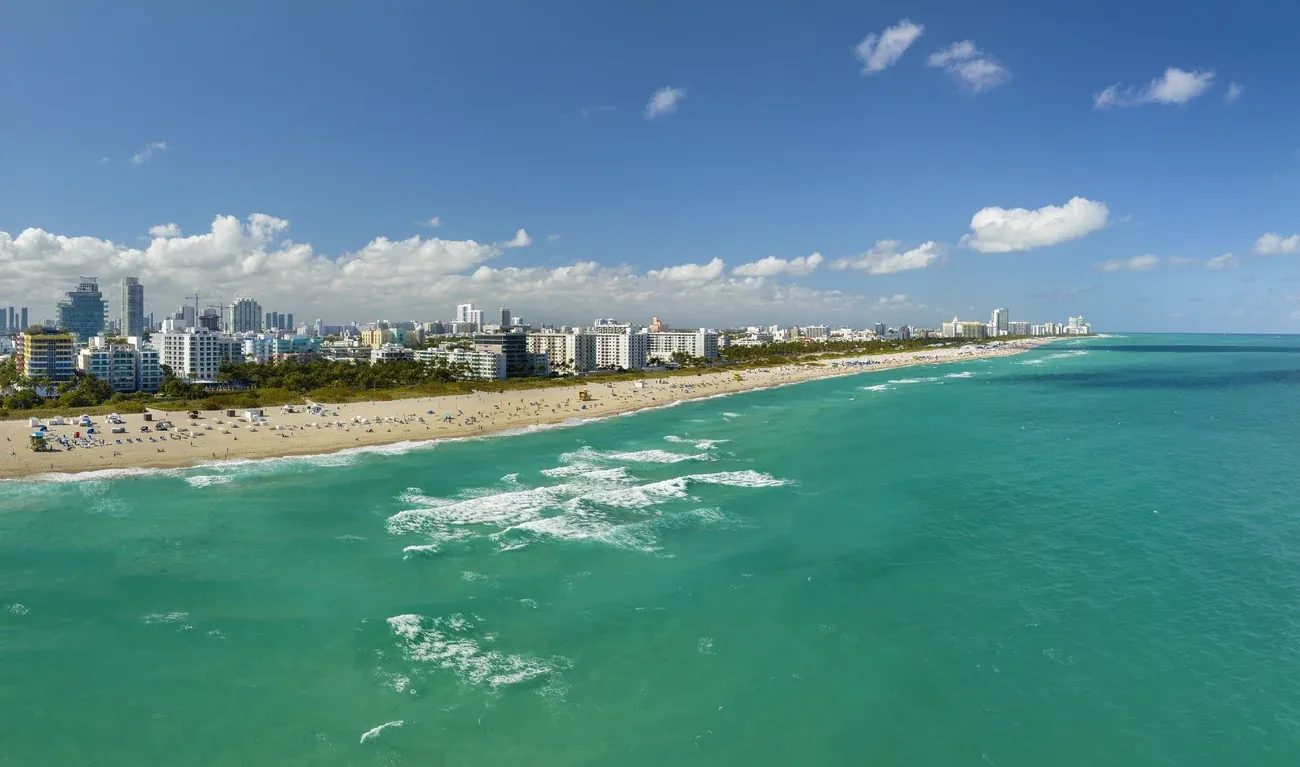
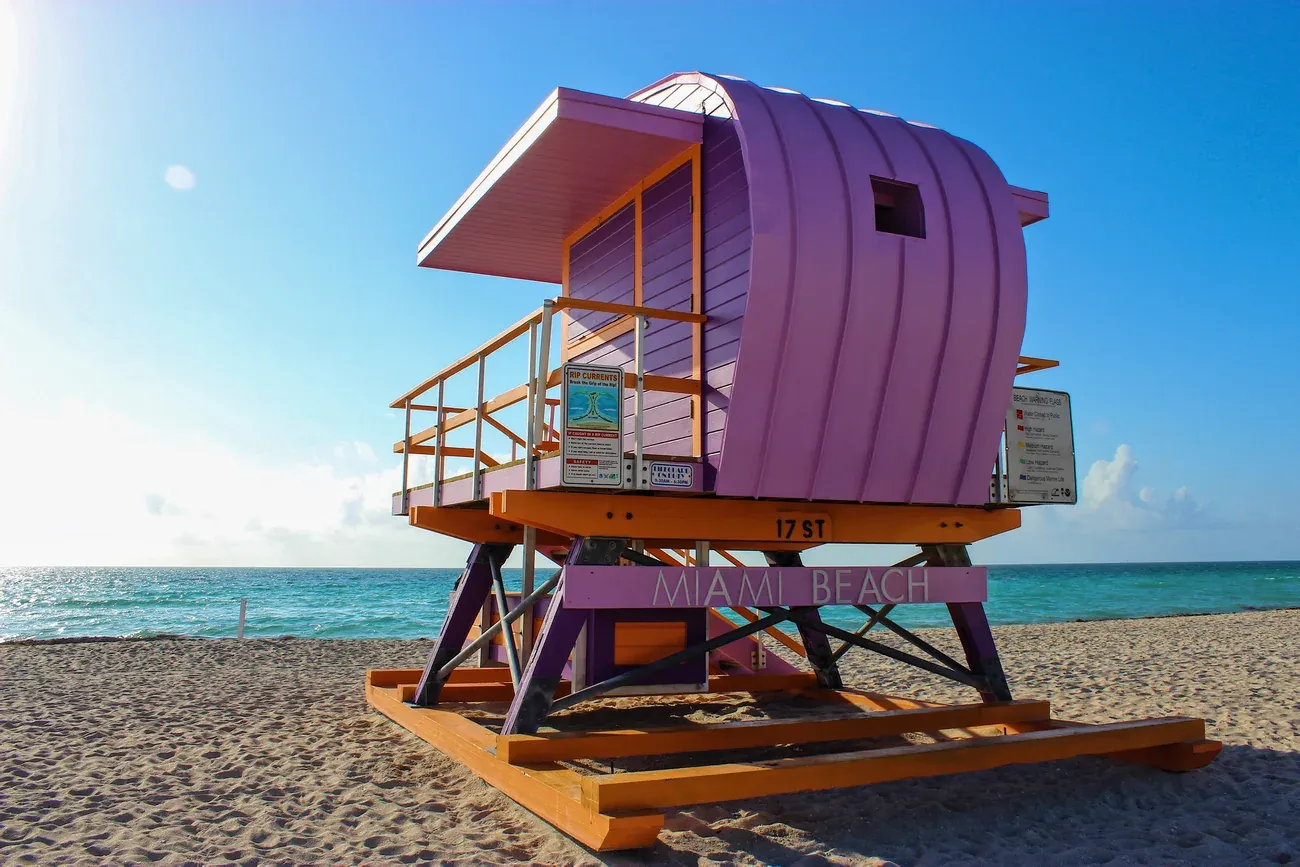
The sandbar below 23rd Street is Miami's postcard: a wide Atlantic beach with its lifeguard towers, the palm lawn of Lummus Park behind it, and Ocean Drive fronting the largest concentration of Art Deco architecture in the world. Around 800 pastel hotels and apartment blocks from the 1920s to the 1940s form the Art Deco Historic District, in 1979 the first 20th century district to enter the National Register of Historic Places. The Art Deco Welcome Center at 10th Street runs walking tours, and at the southern tip South Pointe Park watches the cruise ships leave Government Cut.
Buildings: about 800 · Listed: 1979
Location: Ocean Drive between 5th and 23rd streets, Miami Beach
Access: Beach, park and streets are free; the walking tours are ticketed
2. Vizcaya Museum and Gardens
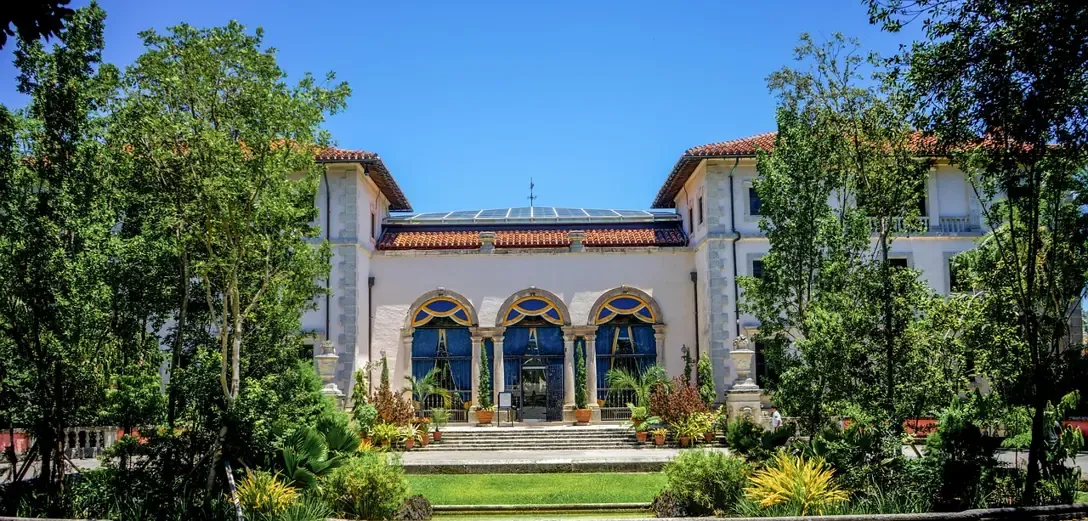
The bayfront estate of businessman James Deering reads as a subtropical version of an eighteenth century Italian villa, its Main House built between 1914 and 1922 and first occupied by Deering on Christmas Day 1916. Ten acres of formal gardens step down towards Biscayne Bay in Coconut Grove, and the house keeps its original furnishings across 34 rooms. It is a National Historic Landmark. Preservation work is under way through 2026, so the Maze and Theater Gardens and some interior rooms are closed, with scaffolding on two facades and over the Swimming Pool Grotto.
Architect: F. Burrall Hoffman · Style: Mediterranean Revival
Location: 3251 South Miami Avenue, Coconut Grove
Access: Ticketed, open daily except Tuesdays from 9:30 to 16:30
3. Wynwood Walls
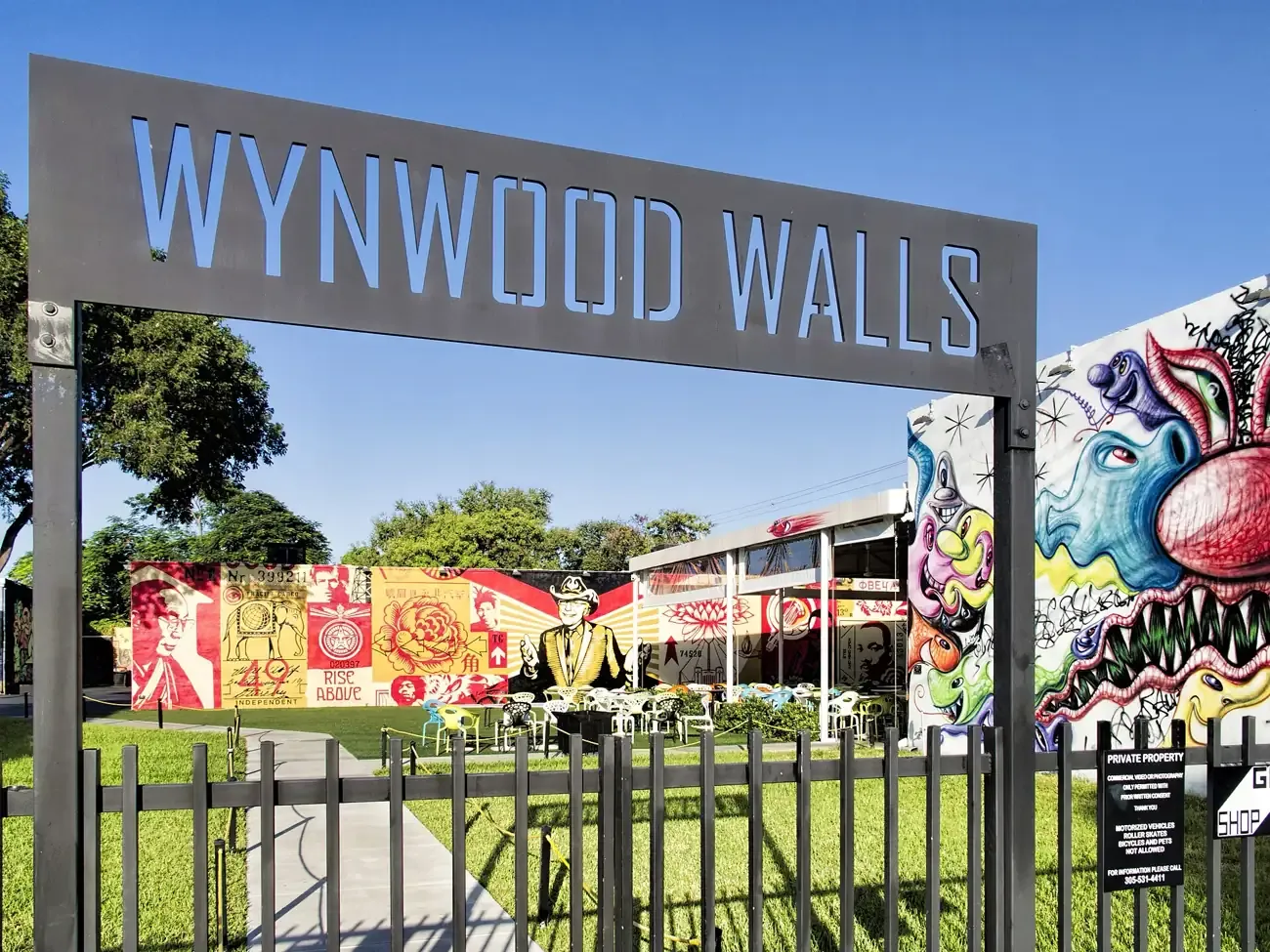
An open air street art museum that dates from 2009, when developer Tony Goldman handed the blank warehouse walls of a fading industrial district to invited muralists. The painted surfaces rotate, so returning visitors rarely meet the same set twice, and the ticketed enclosure behind the Welcome Center on NW 2nd Avenue now gathers murals, sculptures and galleries in one yard. The neighbourhood followed the same path and Wynwood is now the city's gallery district, which means the murals covering its open streets and shutters cost nothing to walk past.
Location: 2516 NW 2nd Avenue, Wynwood
Access: Ticketed, open daily; the murals on the surrounding streets are free
Photo: "Wynwood Walls, Miami" by Dan Lundberg (CC BY-SA).
4. Bayside Marketplace
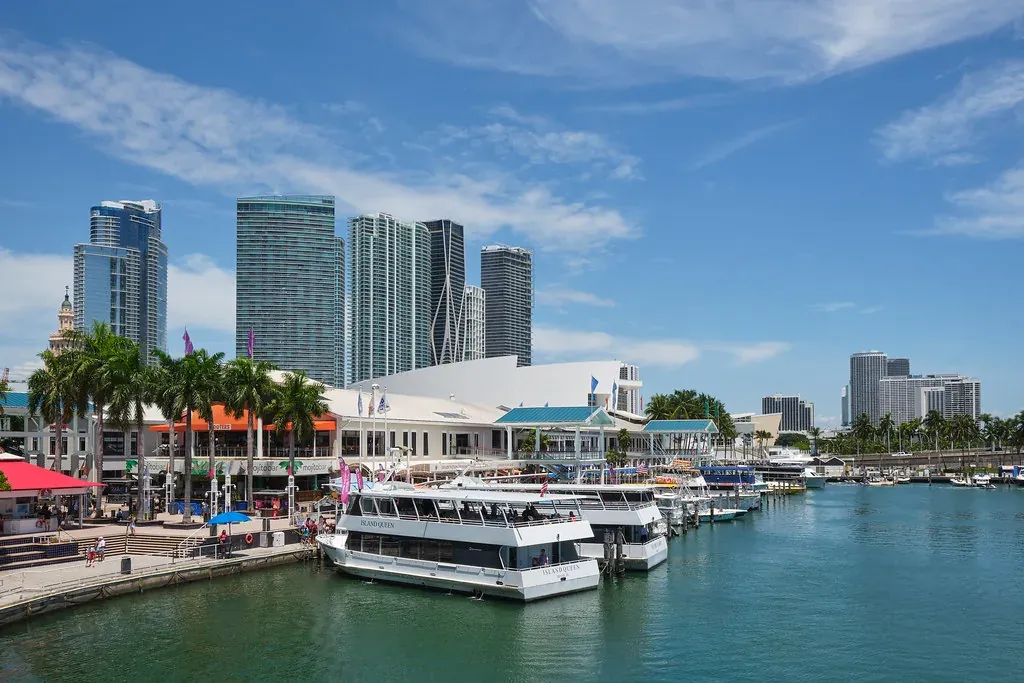
Two open air pavilions of shops, restaurants and live music wrap around a dock on Biscayne Bay beside the city marina, in a complex that opened in 1987 and calls itself an icon of Miami for shopping, dining and entertainment. Sightseeing and party boats cast off from the quay, among them speedboat runs past the mansions of Star Island and the Art Deco skyline, and the Skyviews observation wheel turns alongside. Bayfront Park adjoins it to the south and the Freedom Tower stands ten minutes north along Biscayne Boulevard.
Location: 401 Biscayne Boulevard, Downtown Miami
Access: Free to enter, shops from 10:00 daily and 11:00 on Sundays; the boat tours are separate paid operators
Photo: "Bayside Marketplace, Miami" by Oliver Echeverría (CC BY-SA).
5. Bayfront Park
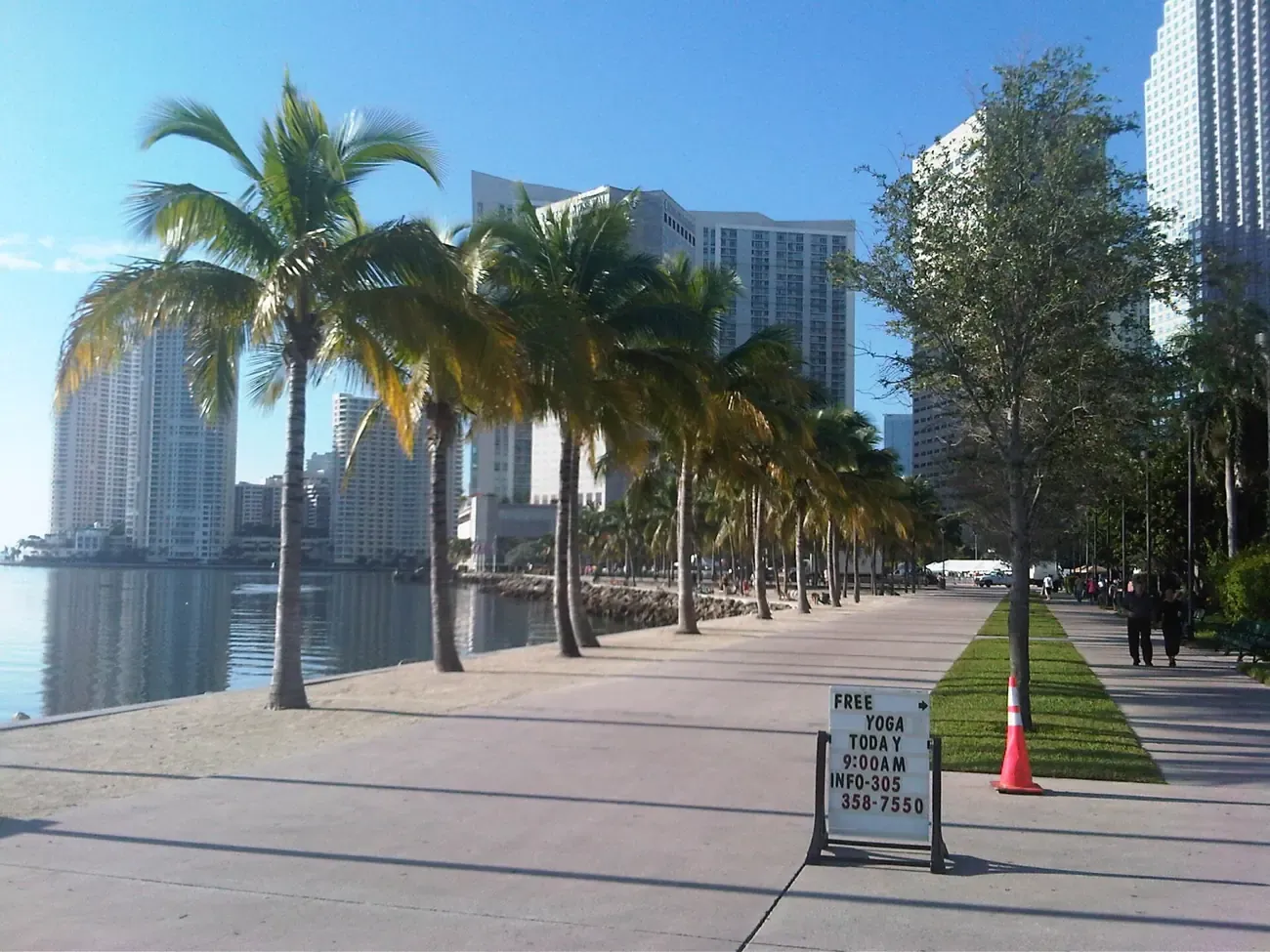
Thirty two acres of downtown waterfront that the sculptor Isamu Noguchi redesigned from 1980, threading paths between the Mildred and Claude Pepper Fountain, the open air FPL Solar Amphitheater and his marble Slide Mantra, with the Challenger Memorial honouring the 1986 shuttle crew. Lawns run out to the seawall for sunset over Biscayne Bay, and a playground, a dog park and scattered public art fill the rest of the ground between the towers and the water.
Location: 301 Biscayne Boulevard, Downtown Miami
Access: Free, open daily from 7:00 to 23:00, with programme details on the park's own site
Photo: "Bayfront Park, Miami" by Pietro Valocchi (CC BY).

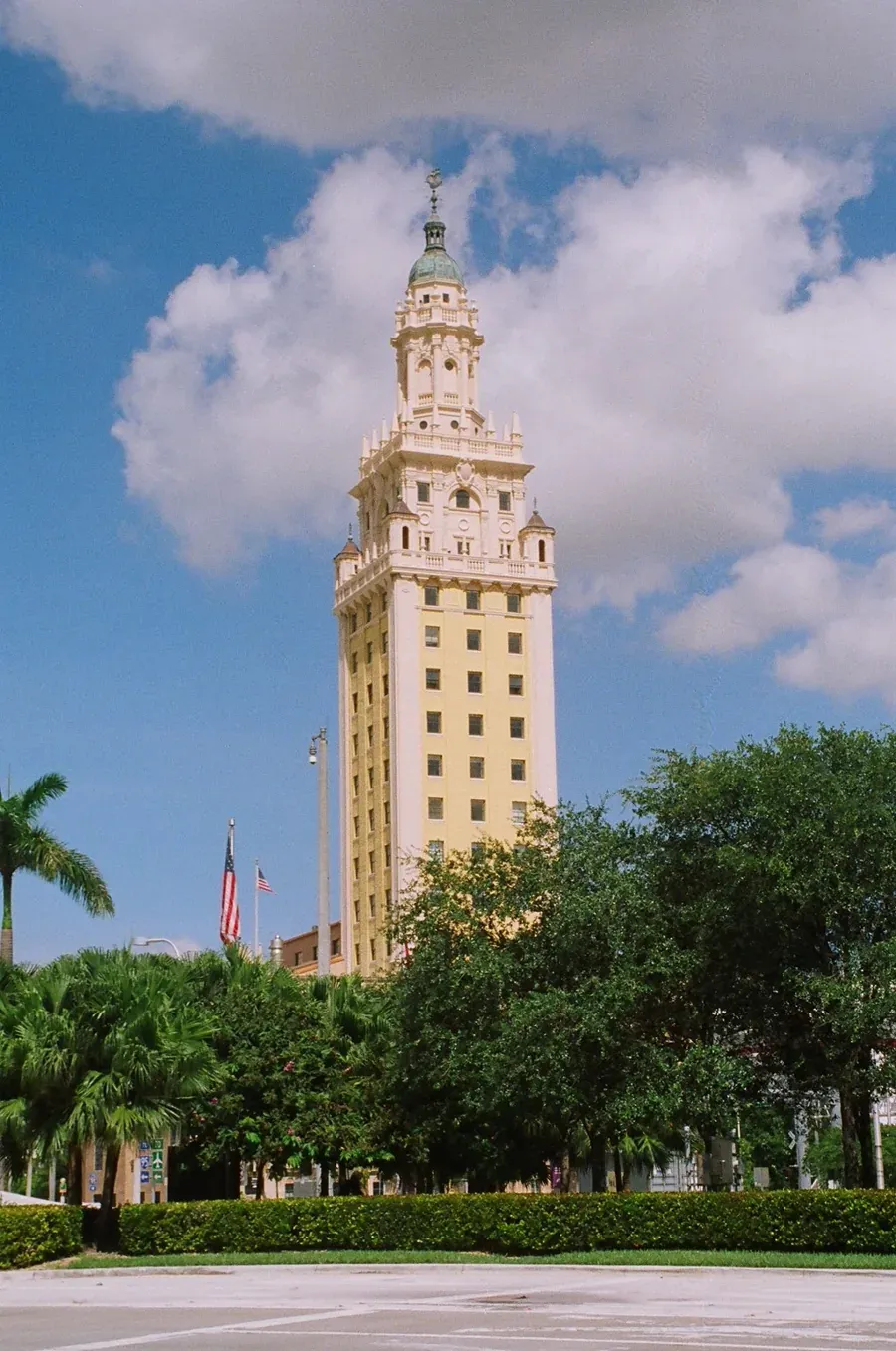
6. Freedom Tower at Miami Dade College
Miami's first skyscraper opened in 1925 as the home of the city's oldest newspaper, The Miami News, and from 1962 to 1974 the building processed more than half a million Cuban exiles as the Cuban Assistance Center, the role that earned it National Historic Landmark status in 2008. It came back to visitors after a restoration timed to its centenary and now holds the Museum of Art and Design at Miami Dade College, whose galleries deal largely with the Cuban refugee experience and the wider story of the city's immigrant communities.
Architect: Schultze and Weaver
Location: 600 Biscayne Boulevard, Downtown Miami
Access: Ticketed, open Wednesday to Sunday from 10:00 to 18:00
Photo: "Freedom Tower, Miami" by Phillip Pessar from Miami, USA (CC BY).

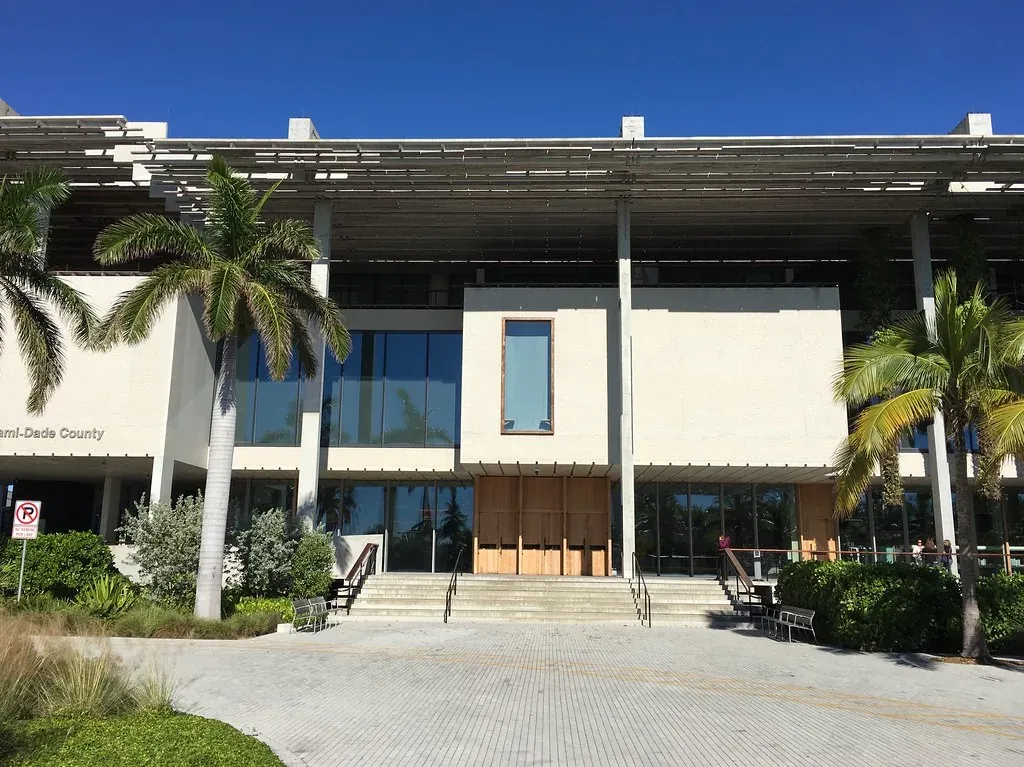
7. Pérez Art Museum Miami
Herzog & de Meuron, the Pritzker winning architects behind Tate Modern, wrapped this bayfront gallery in hanging vertical gardens above a veranda that steps down to the bay walk in Maurice A. Ferré Park. The museum began in 1984 as the Center for the Fine Arts and took its present name in 2013, on moving into the new building, and its collection leans towards twentieth and twenty first century art of the Americas. The veranda and its swing chairs are worth the visit on their own.
Architect: Herzog & de Meuron
Location: 1103 Biscayne Boulevard, Downtown Miami
Access: Ticketed, closed Tuesdays and Wednesdays, free on Thursdays after 17:00
Photo: "Perez Art Museum Miami" by Phillip Pessar (CC BY).
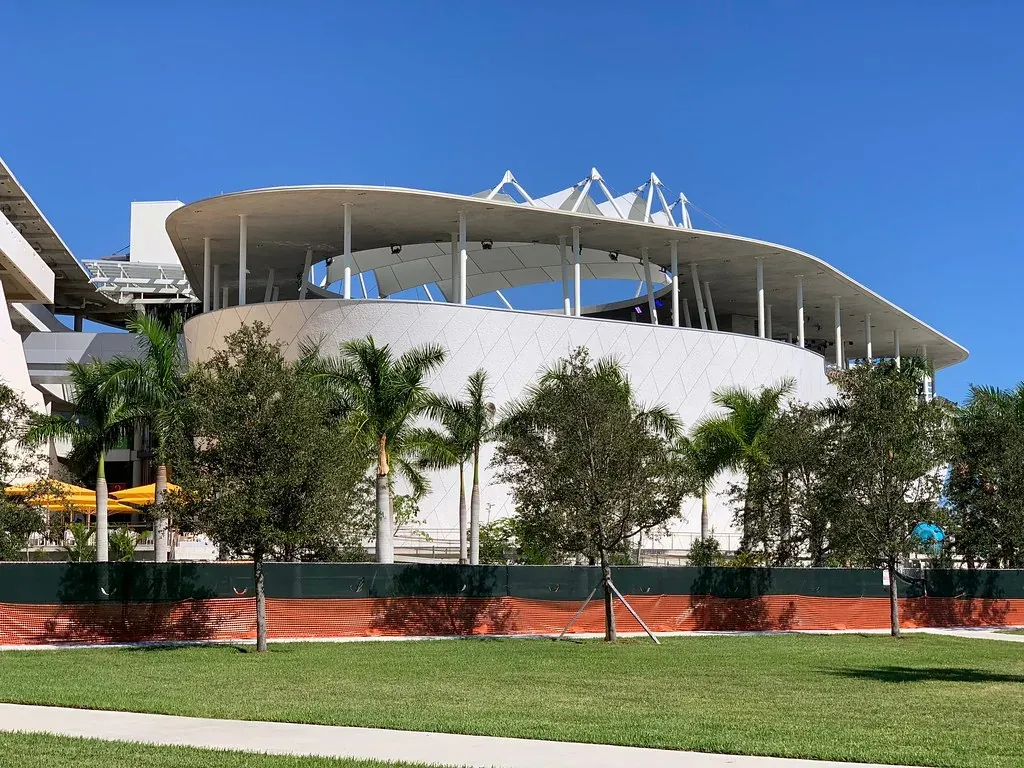
8. Phillip and Patricia Frost Museum of Science
Aquarium tanks stocked with Gulf Stream species sit beneath a planetarium dome in this Smithsonian affiliate on the downtown bayfront, next door to the Pérez Art Museum. One ticket covers the exhibitions, the aquarium and a planetarium show, and the galleries run hands on displays on weather and technology alongside a coral restoration programme called ReeFLorida. The museum moved here from Coconut Grove and now anchors the northern end of Museum Park.
Location: 1101 Biscayne Boulevard, Downtown Miami
Access: Ticketed, open every day of the year from 10:00
Photo: "Frost Museum of Science, Miami" by Phillip Pessar (CC BY).
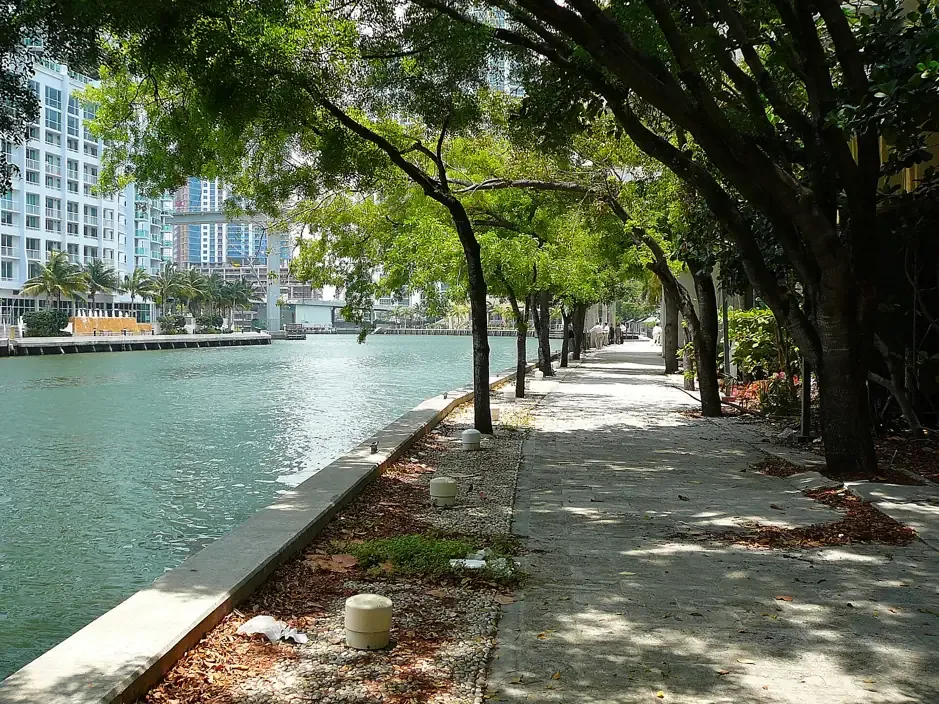
9. Miami Riverwalk
A paved promenade follows the north bank of the Miami River through Downtown, starting beside Bayfront Park and running west beneath the Brickell Avenue and South Miami Avenue bridges, with the Brickell towers rising across the water and boats heading out towards Biscayne Bay. It forms part of a longer waterfront greenway still being extended along both riverbanks, so the path breaks in a few places where riverside sites have yet to hand over their stretch. It is quieter than the bay walk a few minutes to the east.
Location: North bank of the Miami River, Downtown Miami
Access: Free to walk
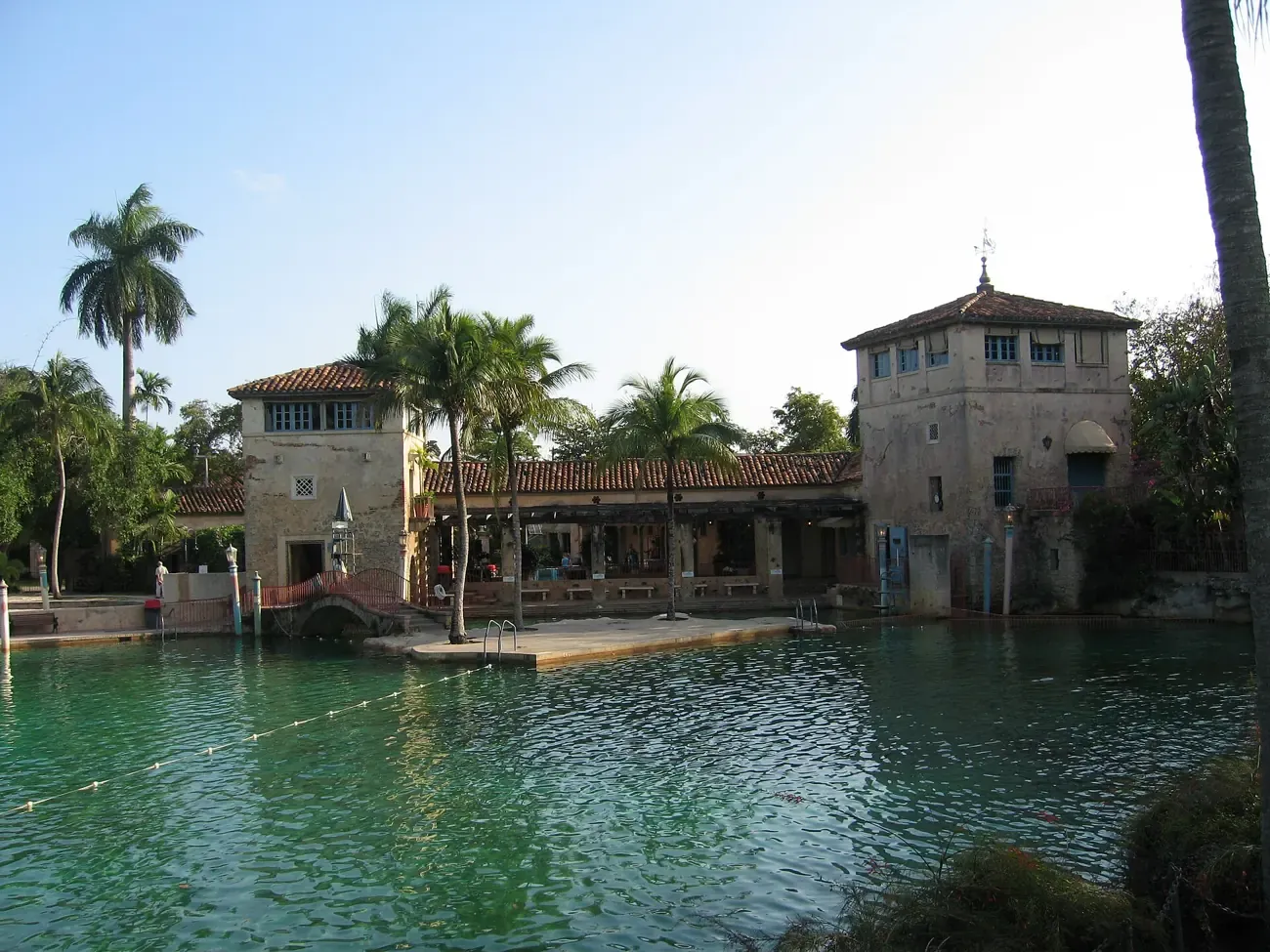
10. Venetian Pool
Coral Gables turned a limestone quarry pit into a public swimming pool in 1924, part of George Merrick's plan for a Mediterranean styled city, and the result is one of very few swimming pools listed on the National Register of Historic Places. Coral rock walls and a palm shaded deck ring water that is drained and refilled daily, more than 820,000 gallons of it. Ticket sales stop for the day once the pool reaches capacity, which makes an early arrival the safer plan.
Architect: Phineas Paist with Denman Fink · Opened: 1924
Location: 2701 De Soto Boulevard, Coral Gables
Access: Ticketed, open Tuesday to Sunday and closed on Mondays; children must be at least three years old and 38 inches tall
Photo: "Venetian Pool, Coral Gables" by Jesper Rautell Balle (CC BY).
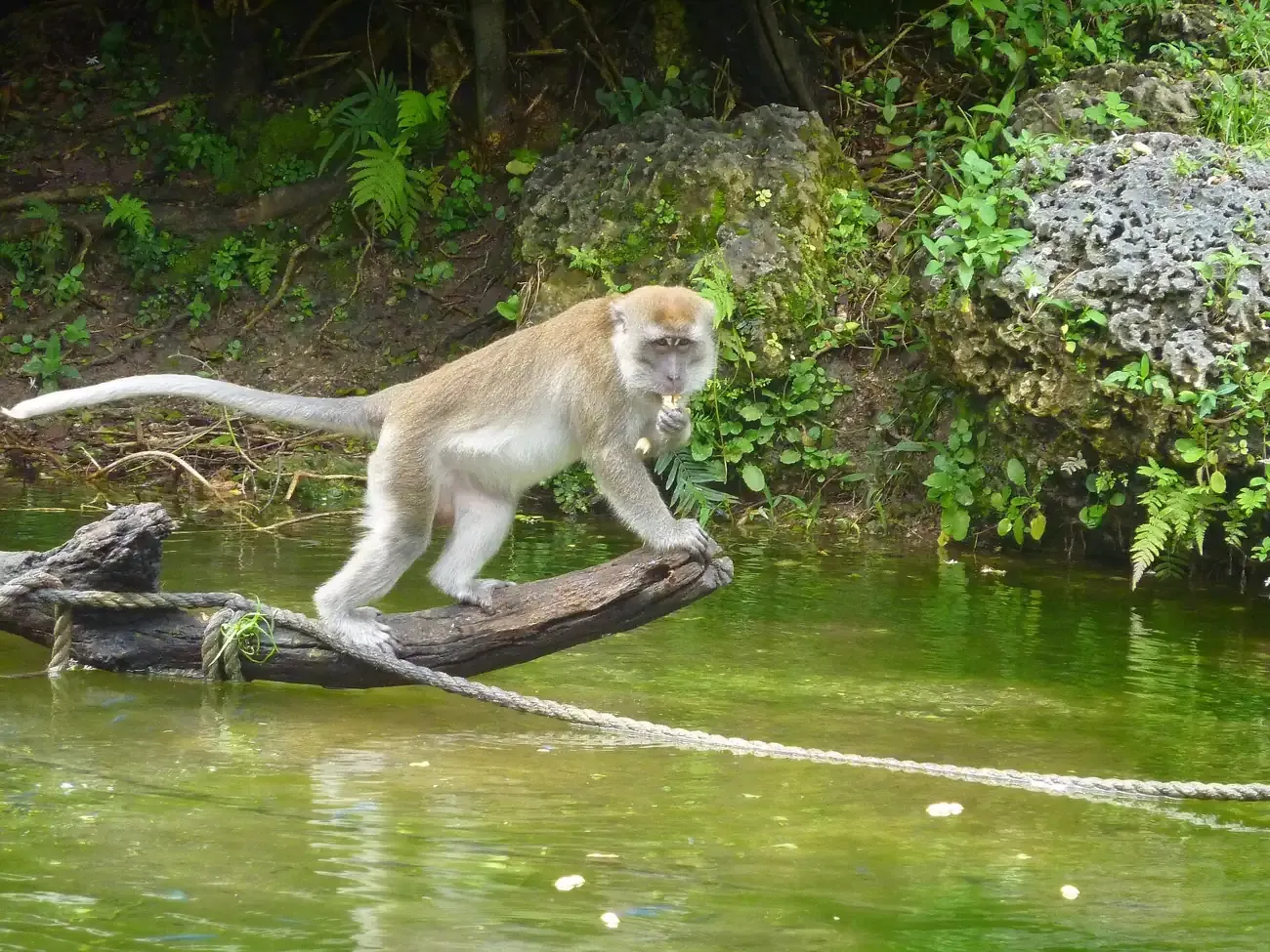
11. Monkey Jungle
Thirty acres of subtropical forest well south of the city where the walkways are caged and the primates are not, a reversal the park sums up in its own line, where humans are caged and monkeys run wild. Java macaques released into the woods started the collection, and the trails now pass a wild monkey swimming pool, a Cameroon gorilla forest and an Amazonian rainforest section, with lemurs, sloths and tropical birds along the way. It sits in far southern Miami-Dade and is best reached by car.
Location: 14805 SW 216th Street, southern Miami-Dade
Access: Ticketed, open daily from 9:30 to 17:00

Upcoming events in Miami

The Floozies
The Floozies plays ZeyZey Miami on 5 November at 19:00.
Inter Miami CF vs Charlotte FC
Inter Miami CF vs Charlotte FC comes to Nu Stadium on 7 November at 16:00.

Nick Cannon Presents: Wild 'N Out Live - The Next Generation
Nick Cannon Presents: Wild 'N Out Live - The Next Generation plays Kaseya Center on 28 November at 20:00.
The Jazz Room: Journey to the Heart of Cuba
The Jazz Room: Journey to the Heart of Cuba comes to Palapa at Upper Buena Vista on 10 December at 18:30.

Miami City Ballet Presents George Balanchine's The Nutcracker (Recommended for ages 4 and Up)
Miami City Ballet Presents George Balanchine's The Nutcracker (Recommended for ages 4 and Up) plays Ziff Ballet Opera House-Adrienne Arsht PAC on 11 December at 19:00. · Sold out
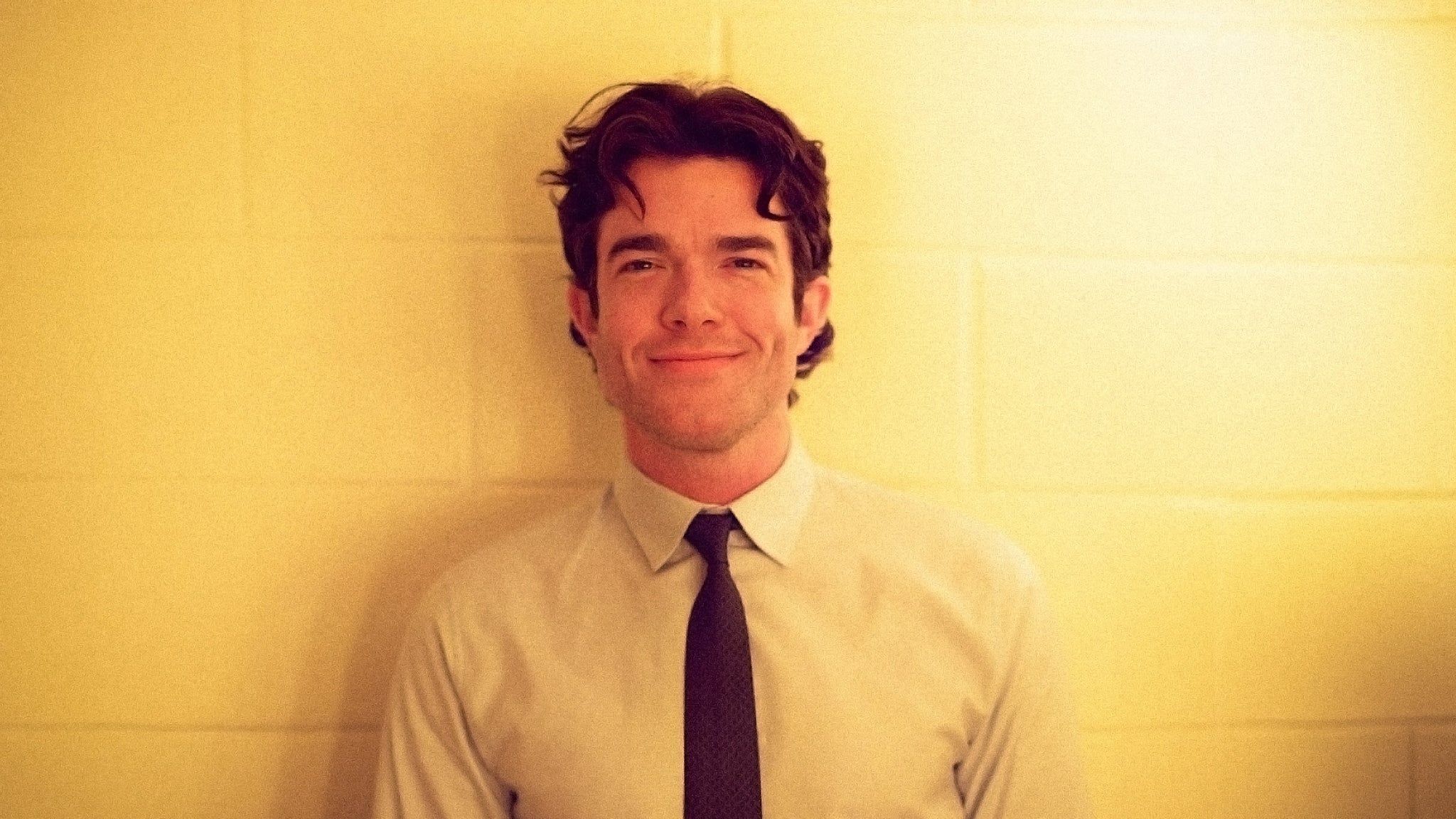
John Mulaney
John Mulaney plays Knight Concert Hall-Adrienne Arsht PAC on 13 December at 19:00.
Free things to do in Miami
Wynwood's street murals
Walking Wynwood's blocks of building-sized murals costs nothing, unlike the fenced, ticketed Wynwood Walls gallery at the neighbourhood's centre where several of the same artists first painted.
Little Havana
Strolling Calle Ocho past cigar shops and the Cuban Walk of Fame is free, as is watching the regulars play dominoes at Máximo Gómez Park on the corner of SW 8th Street and 15th Avenue.
Institute of Contemporary Art, Miami
The Institute of Contemporary Art in the Design District charges no admission, one of few ways to see major contemporary art in Miami without paying, though its galleries close on Mondays and Tuesdays.
Holocaust Memorial
The memorial and sculpture garden on Miami Beach are free to visit daily from morning to sunset, honouring the six million Jewish victims of the Holocaust with no admission charge.
What makes Miami special
Miami grew from a swampy frontier town into a global gateway shaped by successive waves of migration, most visibly the Cuban exiles who arrived from 1959 onward and built Little Havana into the heart of the city's Latin American identity. Skyscrapers now rise where mangrove swamp once met Biscayne Bay, and English competes daily with Spanish and Haitian Creole across a metropolitan area stretching from the bay to the Everglades.
Neighbourhoods to know
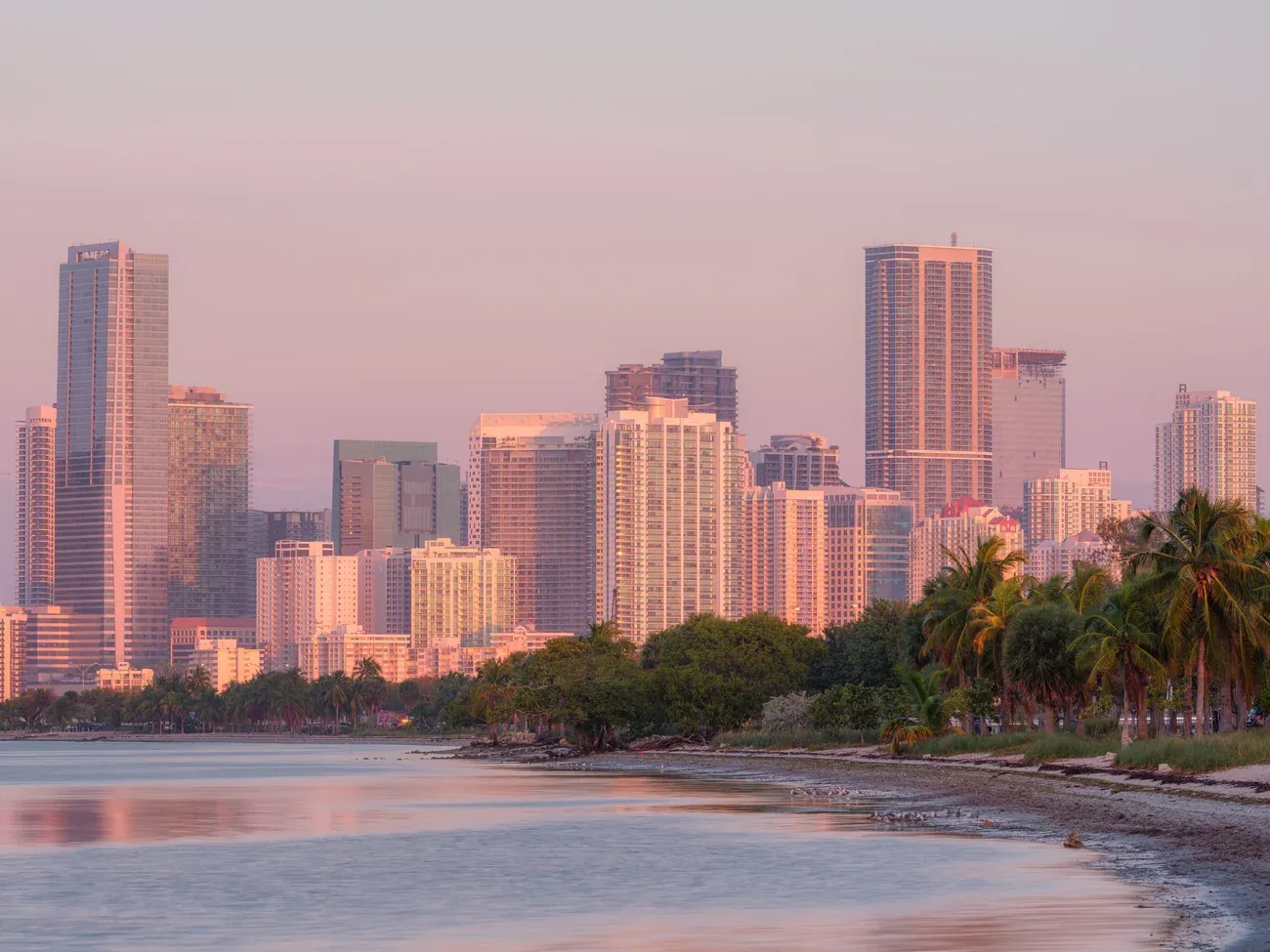
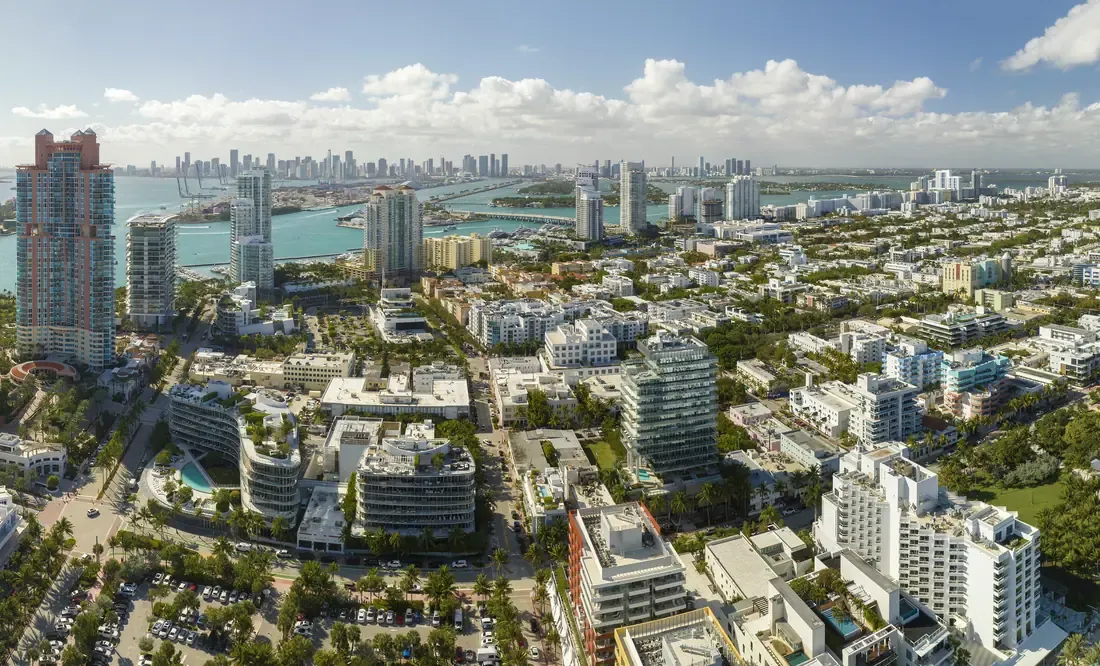
Downtown and Brickell hold the skyline and the financial district, linked by the free Metromover. Wynwood trades old warehouses for street art and galleries, while Little Havana keeps its cigar shops and domino games along Calle Ocho. Across the bay, Miami Beach is its own city, home to South Beach's Art Deco Historic District and its public sand. Coconut Grove and Coral Gables carry a leafier, Mediterranean Revival feel.
When to go and for how long
December to April brings the driest, most comfortable weather, before the heat, humidity and Atlantic hurricane season build later in the year. Three to four days cover downtown, the beaches and at least one cultural neighbourhood at an easy pace.
Getting around
The free Metromover loops around Downtown, Brickell and the Omni area, useful for a car-free morning among the skyscrapers. Beyond that core, Miami is built for driving, and reaching the beaches, Coral Gables or the Everglades comfortably means renting a car or booking a rideshare. The murals of Wynwood Walls and the quarry pool at Coral Gables are the city's entries in a national list of the best tourist attractions to visit in the United States.