
Tourist attractions in Atlanta
Known for
Coca-Cola's world headquarters and Georgia Aquarium
Must-see landmarks
Georgia Aquarium, World of Coca-Cola and Centennial Olympic Park
Best time to visit
March to May and September to November
Free to visit
Centennial Olympic Park and Martin Luther King Jr National Park
Top 10 tourist attractions in Atlanta
The tourist attractions in Atlanta that matter most, from Georgia Aquarium to Ponce City Market and World of Coca-Cola, are ranked here in order. After the 10 top sights come free things to do, upcoming events and visitor FAQs.
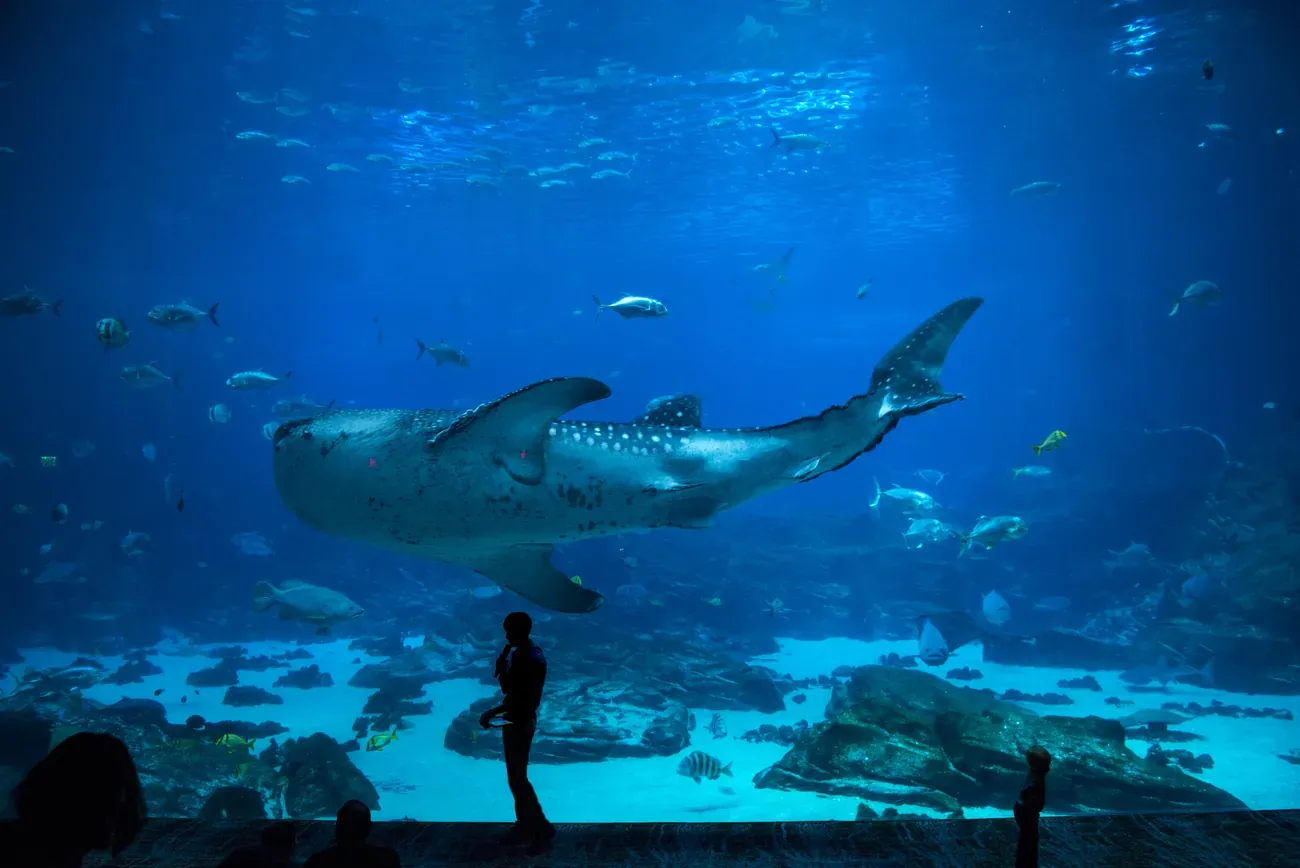
1. Georgia Aquarium
Seven galleries hold more than 11 million gallons of water at Georgia Aquarium, which opened in 2005 on Pemberton Place beside World of Coca-Cola. Whale sharks are the headline residents, sharing the building with beluga whales, sea otters, manta rays and bottlenose dolphins. The aquarium reports that it opens 365 days a year, with entry ending half an hour before closing time. Centennial Olympic Park and the Atlanta Streetcar are both a few minutes away on foot.
Location: 225 Baker Street NW, Downtown Atlanta
Access: Ticketed
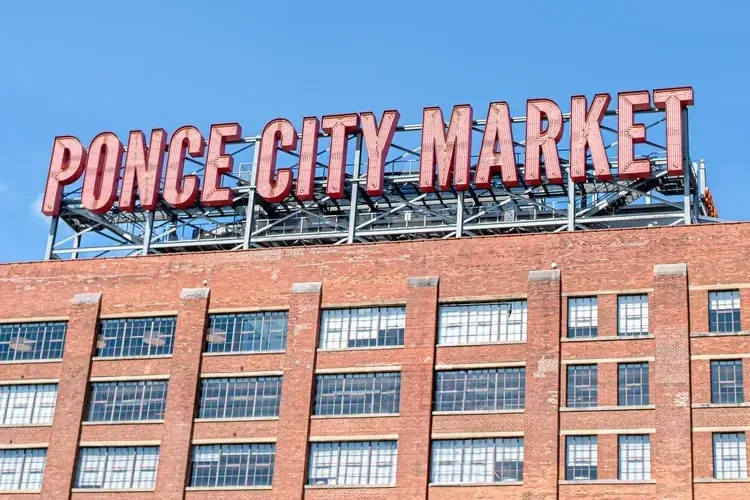
2. Ponce City Market
Sears, Roebuck and Co. filled this brick warehouse from 1926 until 1987, after which the City of Atlanta ran it as City Hall East. One of the largest buildings by volume in the Southeast now holds a food hall, shops, offices and flats, and the National Register of Historic Places lists it. Walking in costs nothing, and the Atlanta BeltLine's Eastside Trail runs straight past the back of the building.
Location: 675 Ponce De Leon Avenue NE, Old Fourth Ward
Access: Free to enter. Shops open Monday to Saturday from 10:00 to 21:00 and Sunday from 11:00 to 18:00, with the food hall running later.
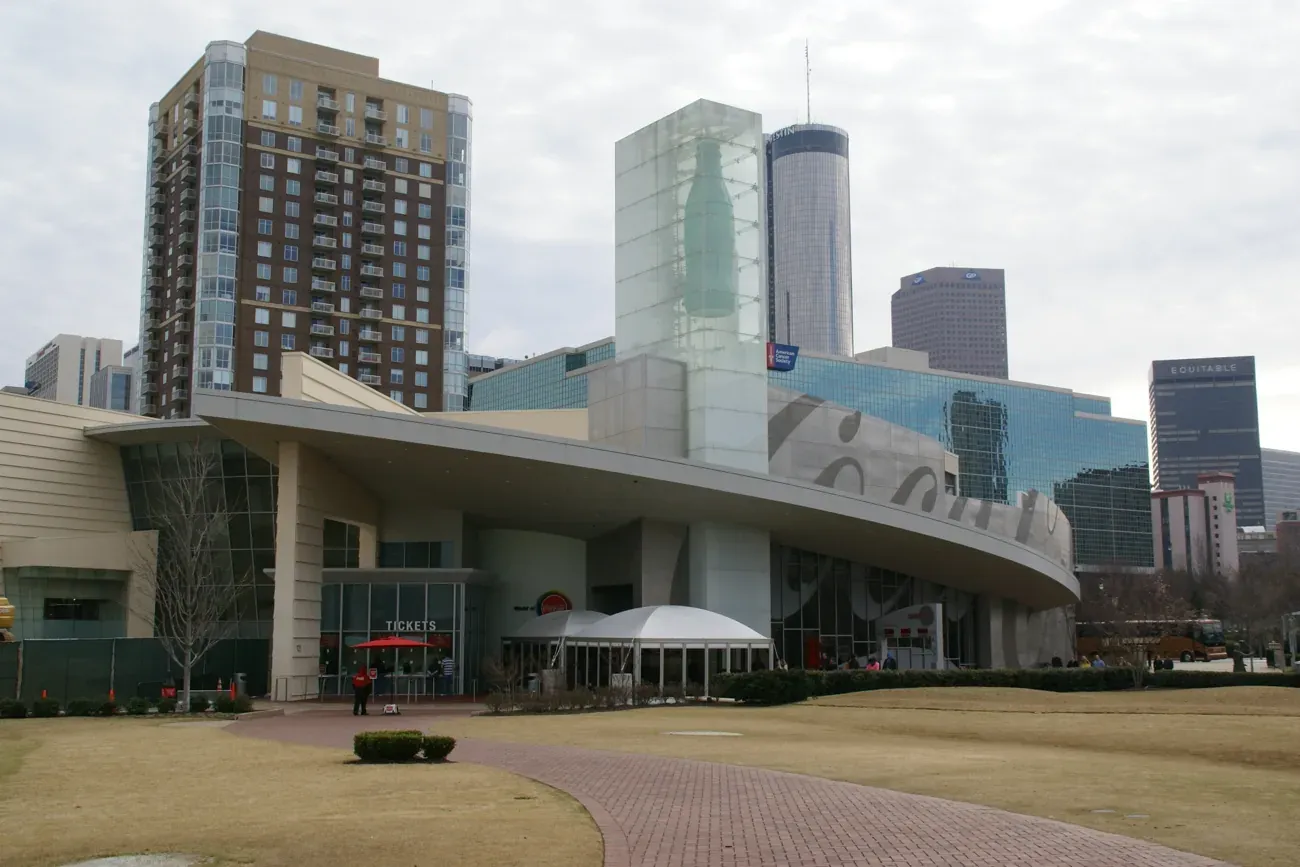
3. World of Coca-Cola
The Coca-Cola Company moved its museum to Pemberton Place in 2007, replacing the earlier attraction it had run at Underground Atlanta since 1990. Inside, the Vault of the Secret Formula guards the recipe and the tasting room pours beverage samples from around the world, with pop art and a century of advertising filling the galleries between. Georgia Aquarium and the National Center for Civil and Human Rights stand on the same plaza, which makes the three easy to string together in a single downtown day.
Location: 121 Baker Street NW, Downtown Atlanta
Access: Ticketed
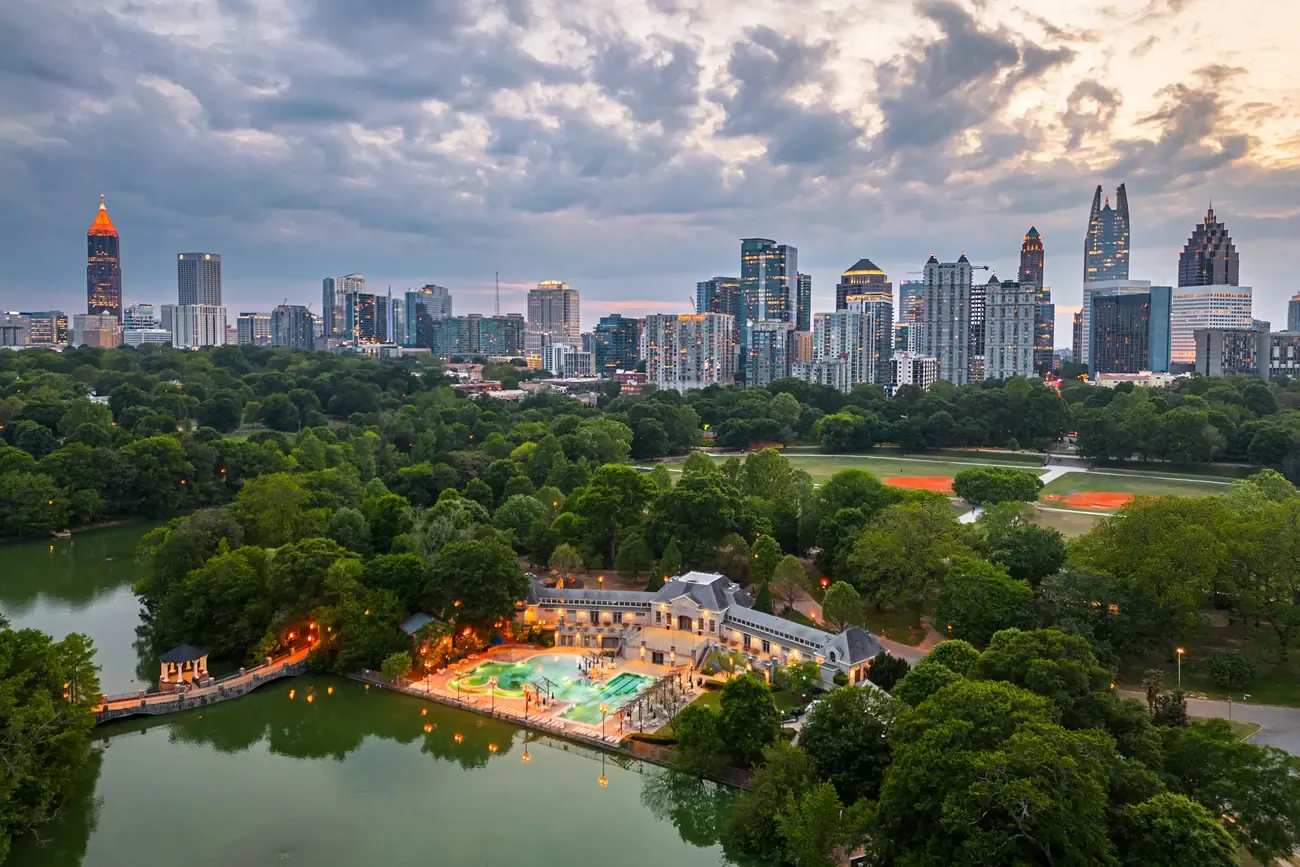
4. Piedmont Park
Atlanta's best known green space covers 211 acres of Midtown, on ground that staged the Cotton States and International Exposition in 1895 before the sons of Frederick Law Olmsted drew up the plan that added its scenic paths. Lake Clara Meer sits at the centre, the Active Oval fills with softball, soccer and volleyball games inside its running path, and the Midtown towers rise directly beyond the lawns. Georgia's tourism office lists admission at zero and the park as open year round, and the High Museum of Art and the Fox Theatre stand a few blocks west in the same Midtown grid.
Location: 1071 Piedmont Avenue NE, Midtown
Access: Free
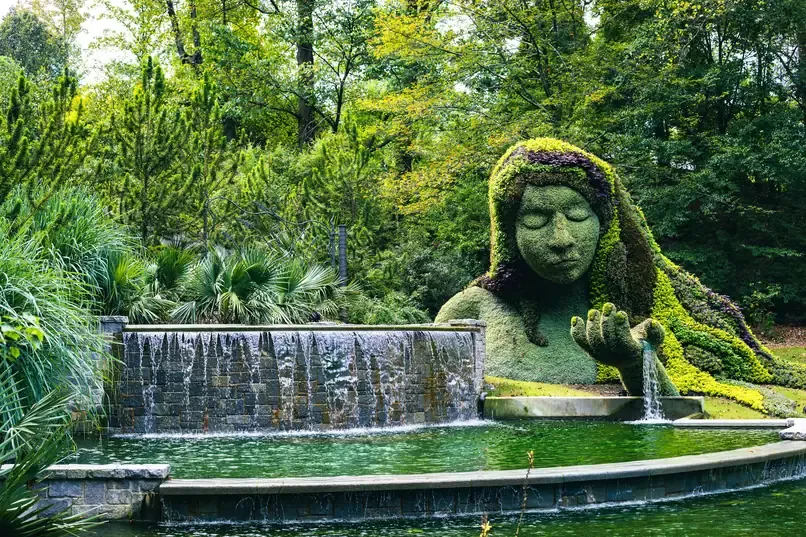
5. Atlanta Botanical Garden
Thirty acres of themed gardens sit next to Piedmont Park, tended by an organisation incorporated in 1976. The Canopy Walk threads through the treetops of Storza Woods, one of the last stands of urban forest left in the city, while the Fuqua Conservatory and Fuqua Orchid Center hold the tropical collections and outdoor sculpture shows change through the year. The garden opens Tuesday to Sunday and runs into the evening across the summer season.
Location: 1345 Piedmont Avenue NE, Midtown
Access: Ticketed, closed on Mondays
6. Centennial Olympic Park
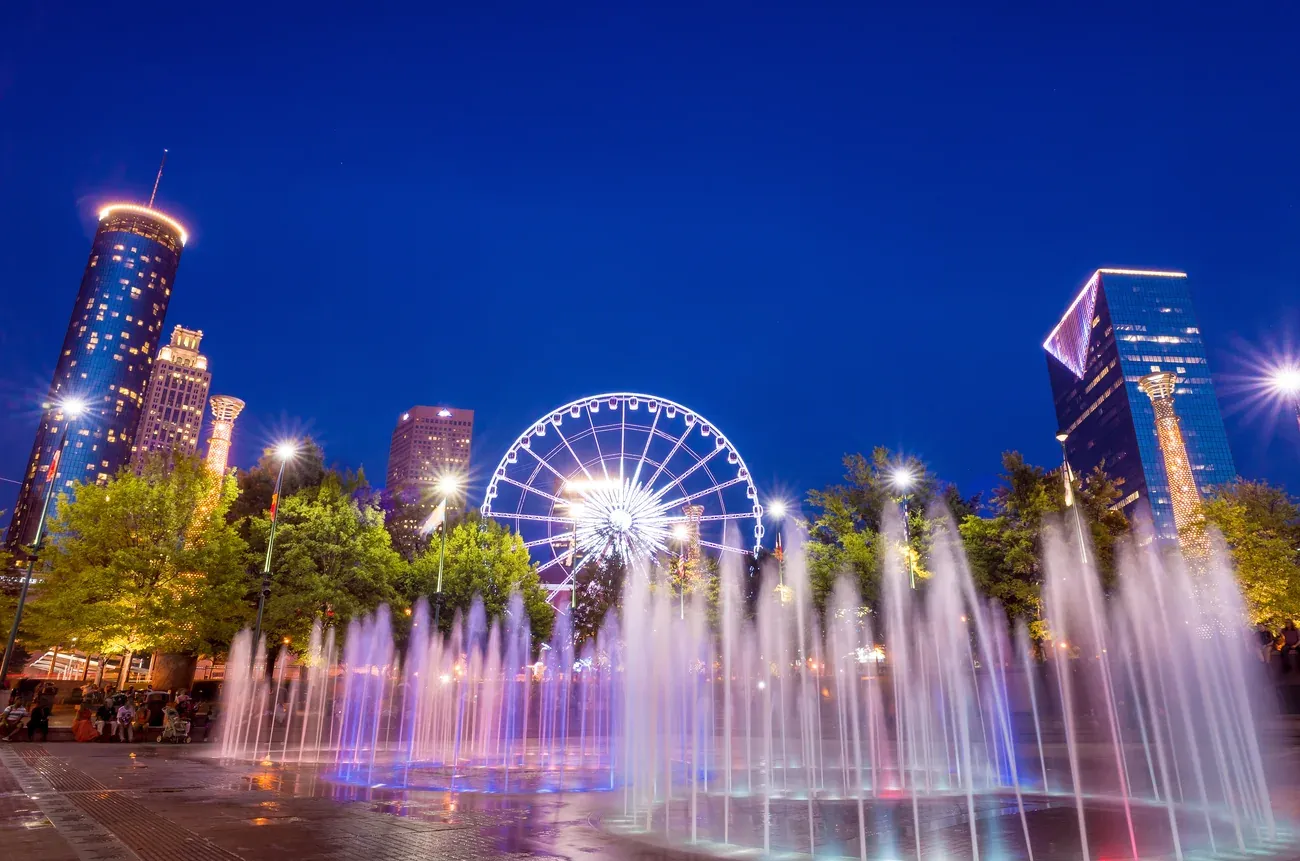
Twenty two acres of downtown were rebuilt for the 1996 Summer Olympics and kept afterwards as a public park under the Georgia World Congress Center Authority. The Fountain of Rings still draws the crowds, running water and light shows at 12:00, 14:30, 18:30 and 21:00, and the quilt plazas around it honour the athletes and the nations of those Games. The aquarium, the Coca-Cola museum and the College Football Hall of Fame all sit around its edges.
Location: 265 Park Avenue W NW, Downtown Atlanta
Access: Free, open daily from 07:00 to 22:00 · Park information
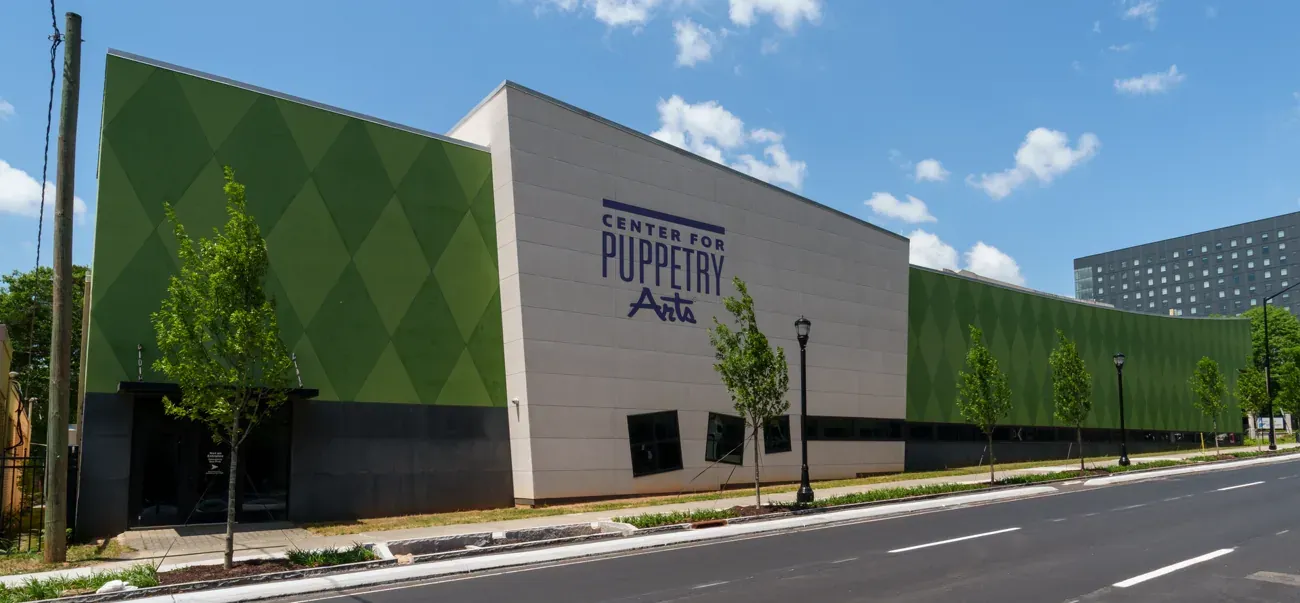
7. Center for Puppetry Arts
Vincent Anthony founded this Midtown centre in 1978, and it now splits its work between live shows, workshops and a museum. The galleries run in three parts, a Jim Henson collection, a global collection drawn from puppet traditions worldwide, and special exhibitions that rotate, while the Create-A-Puppet Workshop sends younger visitors home with something they built. Museum entry ends at 16:30, and the museum, ticket office and store all close on Mondays.
Location: 1404 Spring Street NW, Midtown
Access: Ticketed, closed on Mondays
Photo: "Center for Puppetry Arts, Atlanta" by Logg Tandy (CC BY).

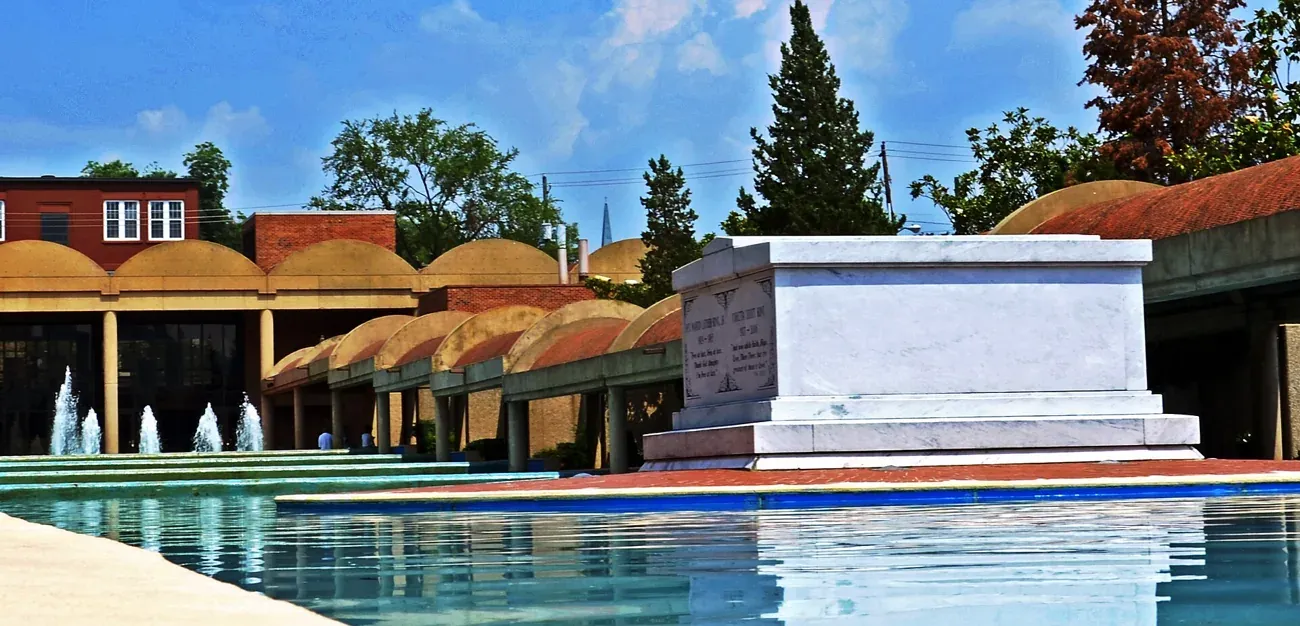
8. Martin Luther King Jr National Historical Park
The National Park Service looks after the blocks of Sweet Auburn where Martin Luther King Jr was born and later preached. Historic Ebenezer Baptist Church, Freedom Hall and the temporary visitor centre inside Historic Fire Station No. 6 open daily from 09:00 to 17:00, with rangers leading church talks through the day. The Birth Home is closed for renovation work, so ranger presentations about it run in the bookstore next door instead.
Location: 450 Auburn Avenue NE, Sweet Auburn
Access: Free · Hours and closures
Photo: "Martin Luther King Jr. tomb, The King Center, Atlanta" by Lboccuto (CC BY-SA).

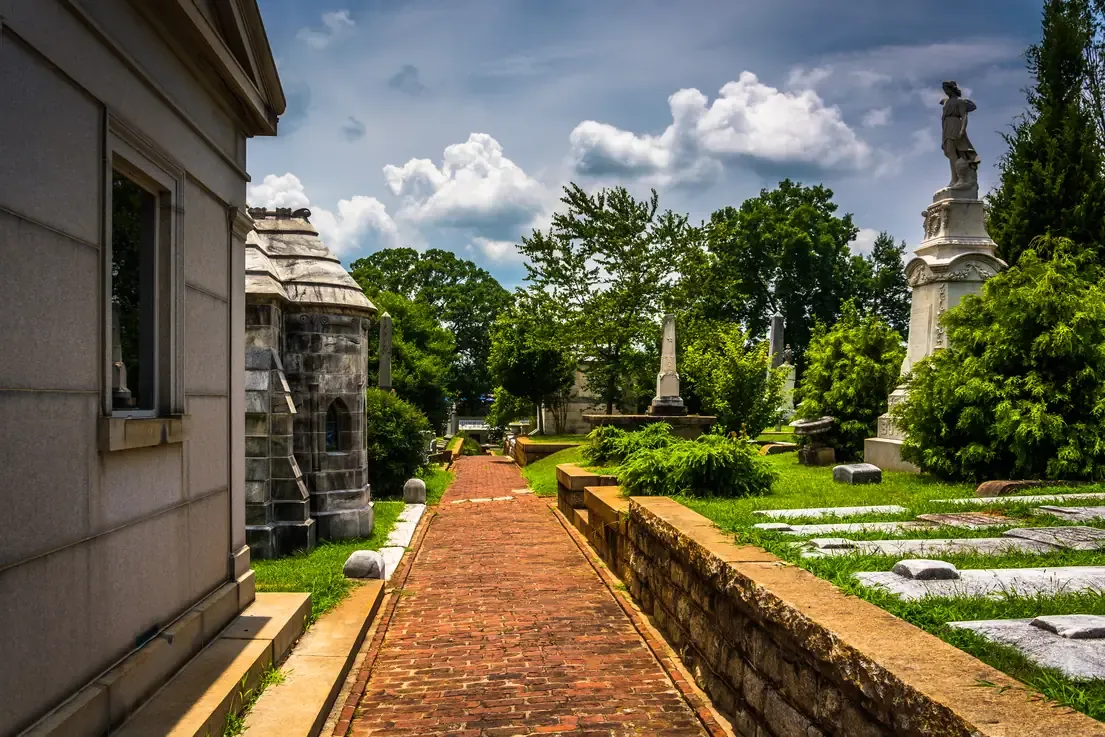
9. Oakland Cemetery
Atlanta has buried its dead here since 1850, and the grounds spread across 48 acres of Victorian monuments, magnolias and brick paths east of downtown. An estimated 70,000 people lie inside, among them the novelist Margaret Mitchell and the golfer Bobby Jones, and the city counts the site as a park and an arboretum as much as a cemetery. The gates open at dawn and close at dusk all year, the visitor centre runs from 10:00 to 17:00, and Grant Park with Zoo Atlanta lies a short way south.
Location: 374 Martin Luther King Jr Drive SE
Access: Free to walk the grounds. Guided tours and special events are ticketed.
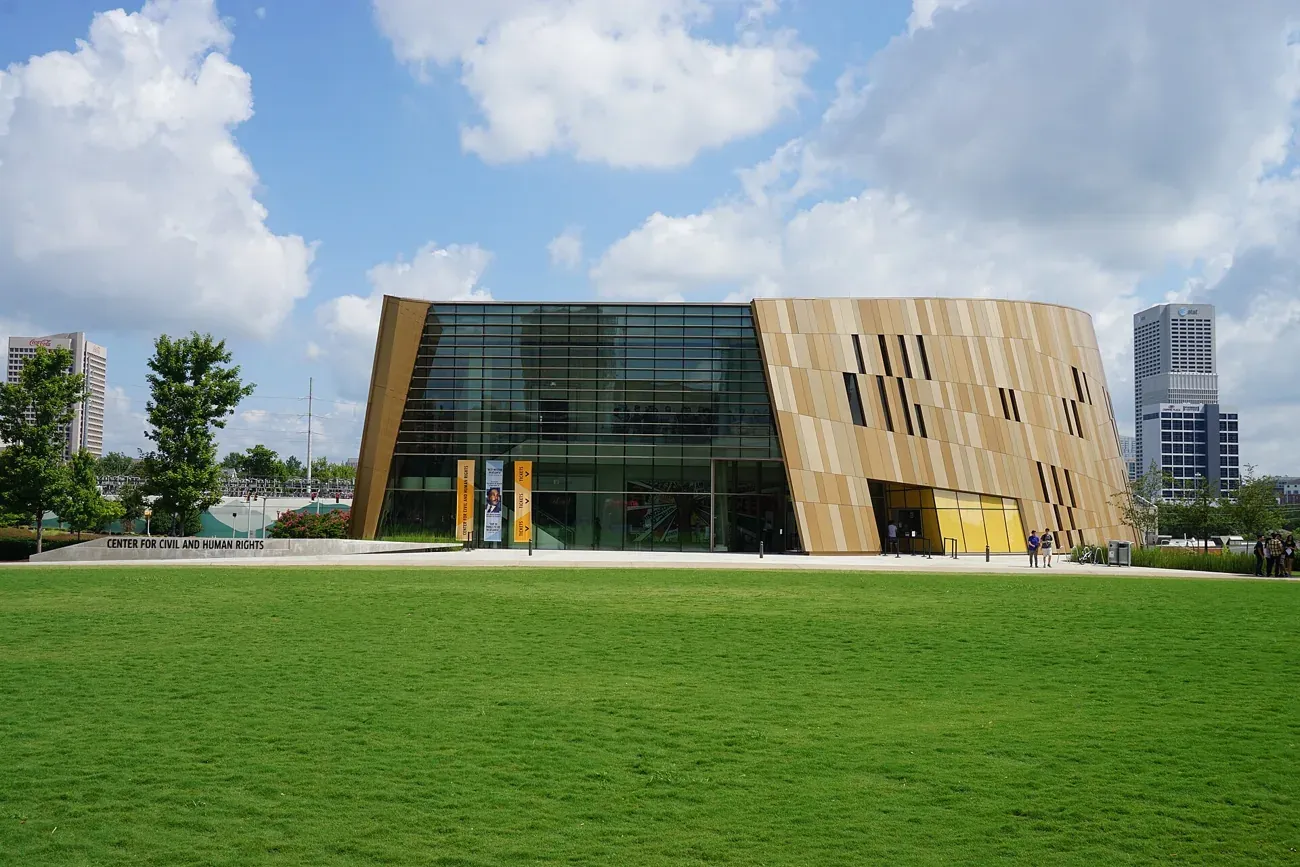
10. National Center for Civil and Human Rights
This museum opened on Pemberton Place in 2014 and has since reopened in expanded form, built around two permanent galleries. American Civil Rights: Rolls Down Like Water follows the movement that ran through Atlanta and puts visitors at a lunch counter sit-in, while Human Rights: Everyone. Everywhere turns to the defenders working today. Doors open Tuesday to Saturday from 10:00 to 17:00 and Sunday from 12:00 to 17:00, with the last entry at 16:00.
Location: 100 Ivan Allen Jr Boulevard NW, Downtown Atlanta
Access: Ticketed, closed on Mondays
Photo: "National Center for Civil and Human Rights, Atlanta" by Michael Barera (CC BY-SA).

Upcoming events in Atlanta

Music Discovery Series Performance
Music Discovery Series Performance plays Woodruff Arts Center on 2 November at 10:00.
Tours: Truist Park
Tours: Truist Park comes to Truist Park on 2 November at 14:00.

Higher Learning
Higher Learning plays Variety Playhouse on 2 November at 20:00.

Zade Dirani
Zade Dirani plays Atlanta Symphony Hall on 2 November at 20:00.

Daniel Sloss: BITTER (Brand New Tour!)
Daniel Sloss: BITTER (Brand New Tour!) plays Tabernacle Presented by iTHINK Financial on 4 November at 19:00.

Candlelight: Queen vs. ABBA
Candlelight: Queen vs. ABBA comes to The Chapel on Sycamore on 6 November at 18:30.
Free attractions to visit in Atlanta
The King Center
Admission and parking are free at the King Center, where visitors can view Dr and Mrs King's marble crypt, the Eternal Flame, the Freedom Walkway and the Reflecting Pool at will, without booking a tour, inside the Sweet Auburn Historic District.
Atlanta BeltLine Eastside Trail
Beltline.org confirms its trails carry no admission charge, and Art on the Atlanta BeltLine, the sculpture and mural collection strung along the corridor, is billed by the organization as the largest free public art exhibition in the Southeast.
Georgia State Capitol
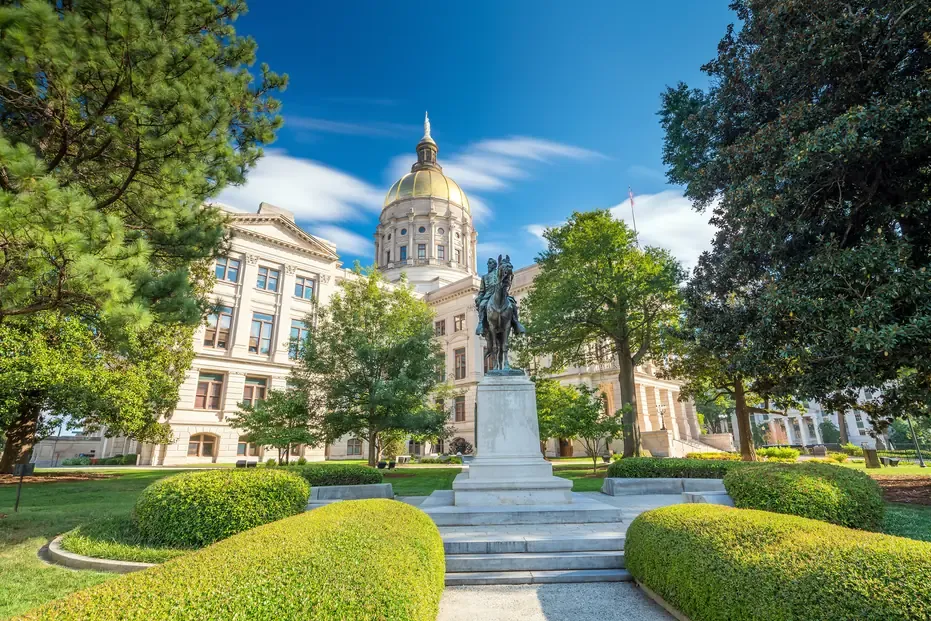
Self-guided tours of the Georgia State Capitol run free every weekday from 08:00 to 17:00, taking in the Capitol Museum and Hall of Valor beneath a dome gilded in 1958 with gold carried from Dahlonega on a mule-drawn wagon train.
What makes Atlanta worth visiting
What makes Atlanta unique
Atlanta grew from a rail junction founded in 1837 as Terminus, the end point of the Western and Atlantic Railroad, taking its current name in 1847. Union troops burned much of the city in 1864, and it rebuilt around the same rail lines as a self-styled capital of the New South. Today it is the world headquarters of Coca-Cola and home to Delta Air Lines and CNN, and it is where Martin Luther King Jr was born and later led the civil rights movement from Ebenezer Baptist Church.
Neighbourhoods to know
Downtown gathers the Centennial Olympic Park district's museums and stadiums around Peachtree Street. Midtown, a MARTA ride north, mixes the High Museum of Art, Piedmont Park and the Fox Theatre among high-rise offices. Old Fourth Ward and Sweet Auburn, King's home neighbourhood, link to Inman Park and the Atlanta BeltLine's Eastside Trail, while Buckhead, further north again, holds the Atlanta History Center among upscale shopping streets. Stone Mountain, about 15 miles east in its own city, centres on a granite carving of Confederate figures completed in 1972 and charges for parking.
When to go and how long to stay
Spring and autumn bring the mildest days for walking downtown and the BeltLine, ahead of a summer whose average July high climbs to near 90°F with humid afternoon thunderstorms, according to NOAA climate data. A single day covers the Centennial Olympic Park district and Sweet Auburn at a steady pace, and two to three days add Midtown's museums and parks or a look at Buckhead.
Getting around
Downtown, Midtown and Sweet Auburn are each walkable on their own, and MARTA's rail lines connect them to Hartsfield-Jackson Atlanta International Airport, ranked the world's busiest by passenger traffic in nearly every year Airports Council International has published its count, and to Buckhead further north. A streetcar loops between Centennial Olympic Park and Sweet Auburn along Auburn Avenue. Beyond the rail corridor the city spreads widely, and a car, rideshare or the BeltLine's trails cover ground between neighbourhoods better than walking alone. The church and birth home of Martin Luther King Jr are kept as a national historical park and Oakland Cemetery has been a garden burial ground since 1850, two southern entries among the tourist attractions to see in the United States.