
Boston tourist attractions
Known for
Revolutionary War history along the Freedom Trail
Must-see landmarks
Boston Common, Faneuil Hall, the Freedom Trail and Fenway Park
Best time to visit
Late spring to early autumn, from May to October
Days needed
2 to 3 days for the Freedom Trail sights and a museum or two
11 must-see tourist attractions in Boston
Boston's tourist attractions start with The Freedom Trail, Fenway Park and Museum of Fine Arts. The 11 top sights are ranked below, followed by free things to do, upcoming events and visitor FAQs.
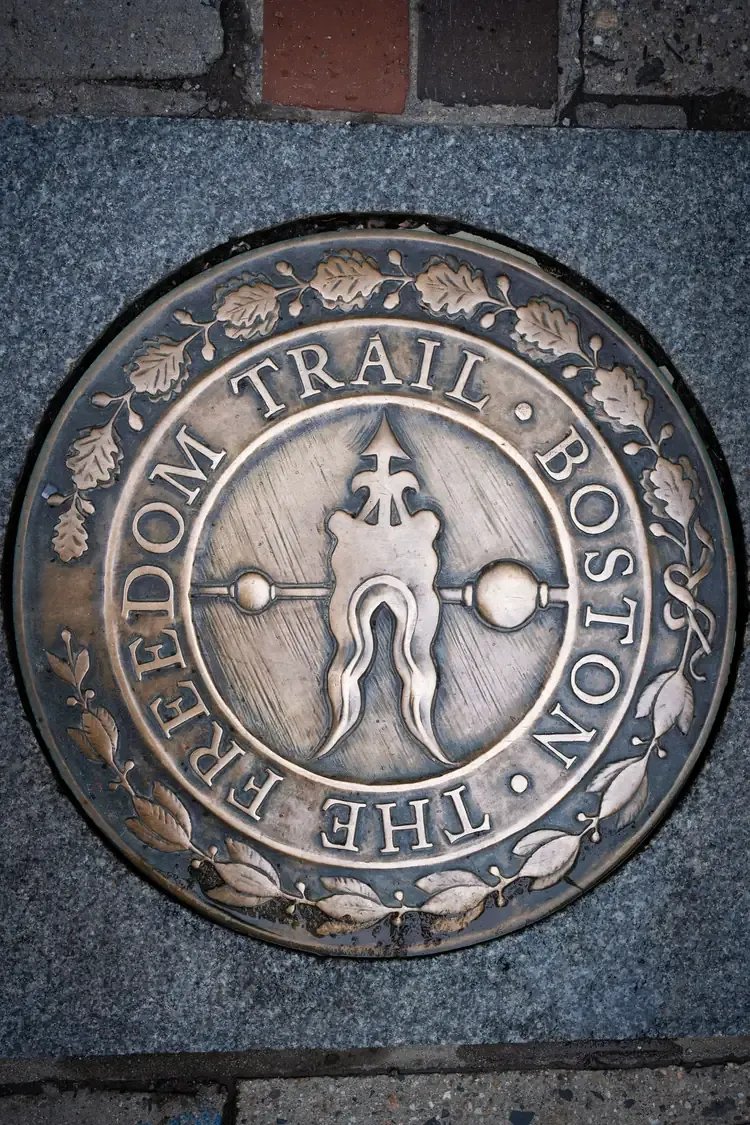
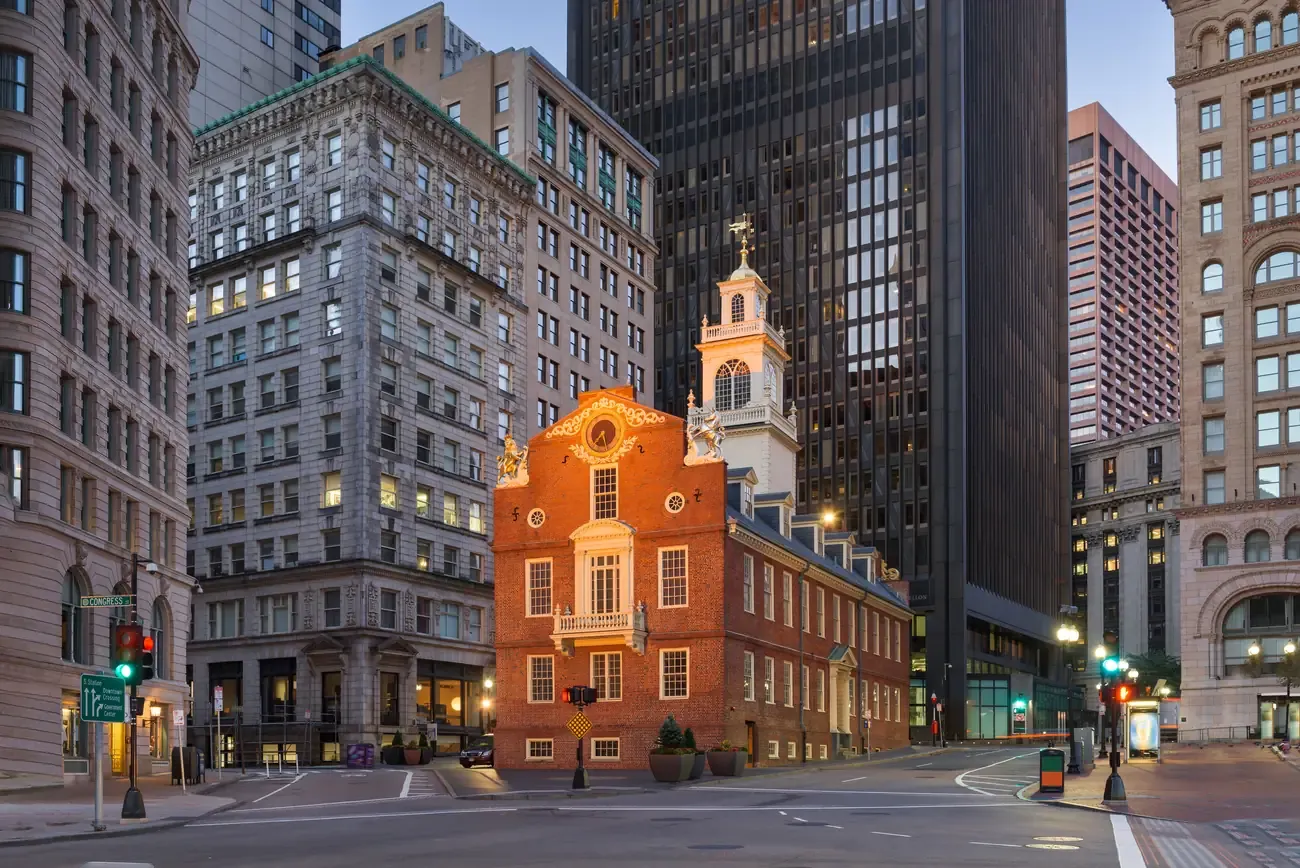
1. The Freedom Trail
A line of red brick and red paint runs 2.5 miles across Boston and ties together 16 historic sites, from the lawns of Boston Common to the Charlestown Navy Yard and the Bunker Hill Monument. It gathers meeting houses, burying grounds, churches, a commissioned warship and the North End's narrow streets into a single walk that most visitors spread over a day. The route dates to 1951, when a Boston journalist proposed marking a path between the places where the American Revolution took shape.
Location: Boston Common to Charlestown, following the red line
Access: Free to walk at any hour, although the individual sites set their own admission
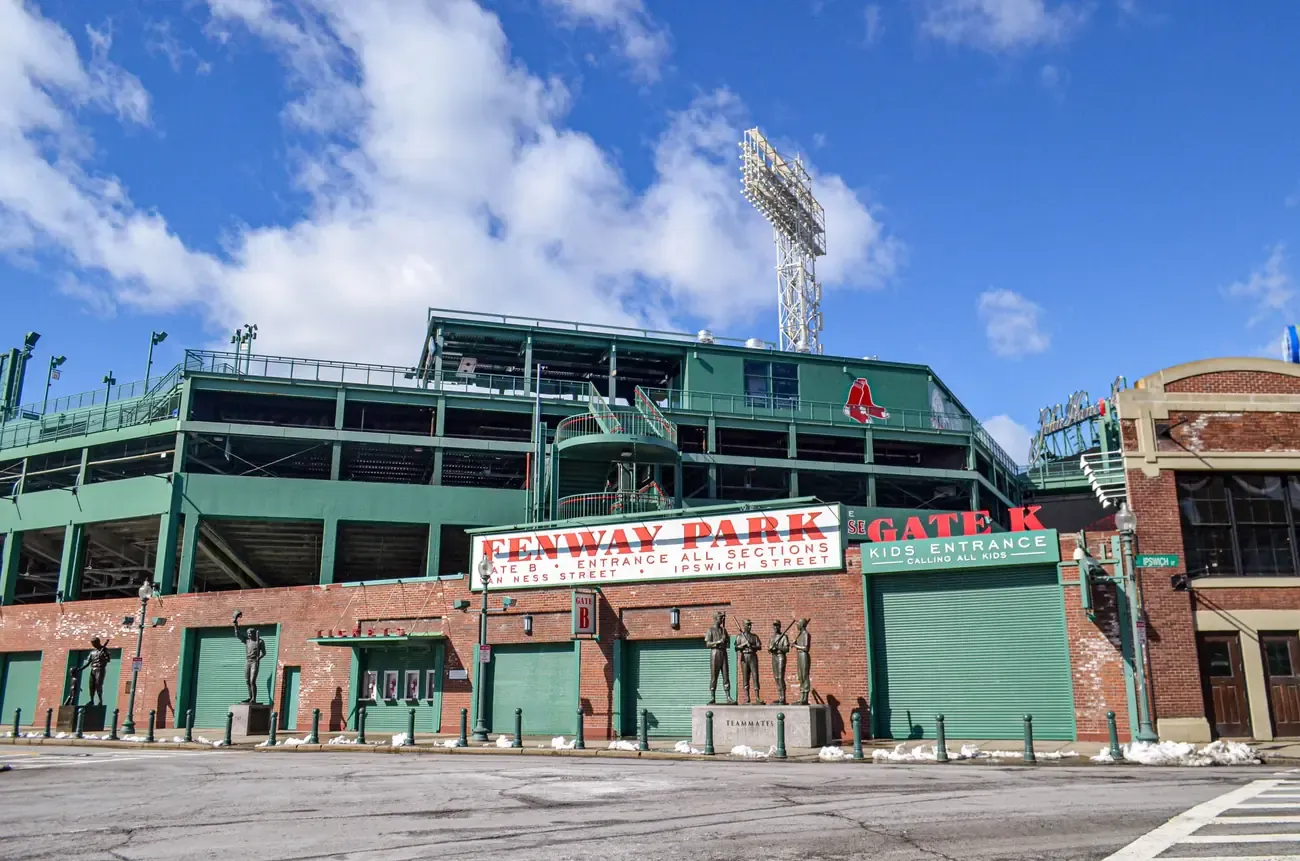
2. Fenway Park
The Boston Red Sox have played here since 1912, which makes Fenway Park the oldest ballpark still in use in Major League Baseball and, in the league's own words, America's Most Beloved Ballpark. The left field wall known as the Green Monster stands 37 feet 2 inches high and swallows what would be home runs anywhere else. Guided tours run year round and leave at the top of each hour, and on game days the last one departs three hours before the first pitch.
Location: Fenway-Kenmore, west of downtown Boston
Access: Ticketed tours, 9:00 to 17:00 from April to October and 10:00 to 17:00 in winter
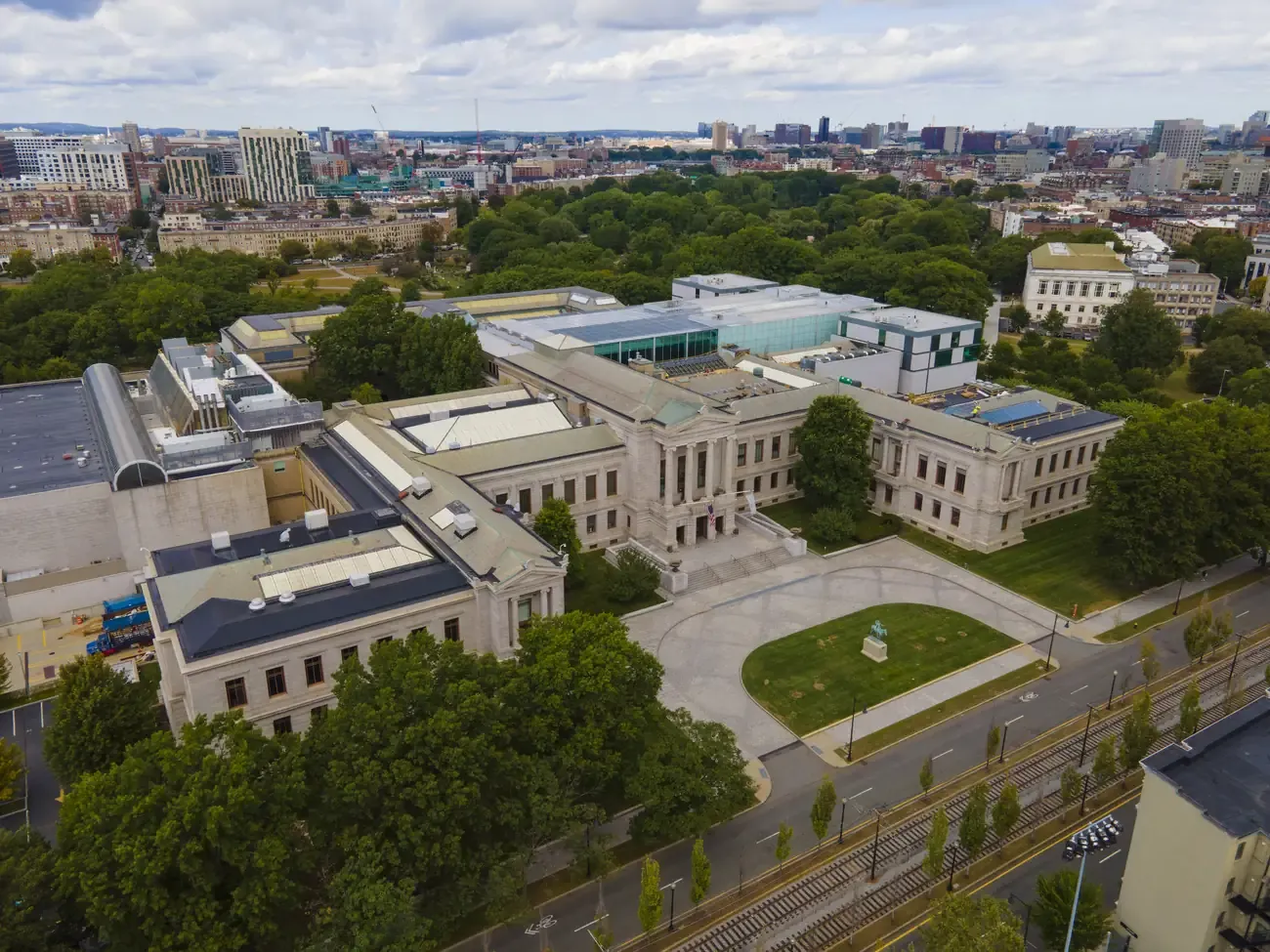
3. Museum of Fine Arts
The city's great art museum moved to Huntington Avenue in 1909, into a Beaux-Arts building by Guy Lowell with a 500 foot facade and a rotunda that John Singer Sargent decorated with murals in his last years. Nearly half a million works cover most of the history of art: one of the finest collections of Japanese art outside Japan, Egyptian sculpture from the museum's own digs at Giza, French Impressionists with dozens of Monets, and the Art of the Americas Wing opened in 2010 by Foster and Partners around a glass courtyard, with Copley, Sargent and the silver of Paul Revere.
Architect: Guy Lowell; Art of the Americas Wing by Foster and Partners · Opened: 1909 on this site, founded 1870
Location: 465 Huntington Avenue, Fenway
Access: Ticketed
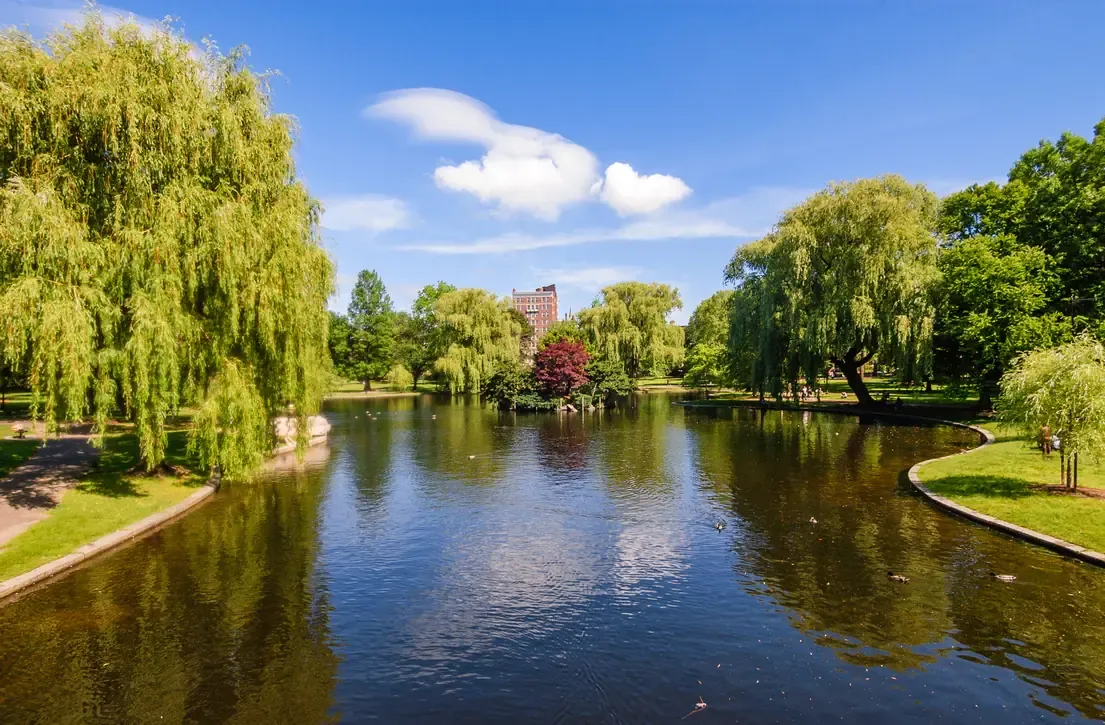
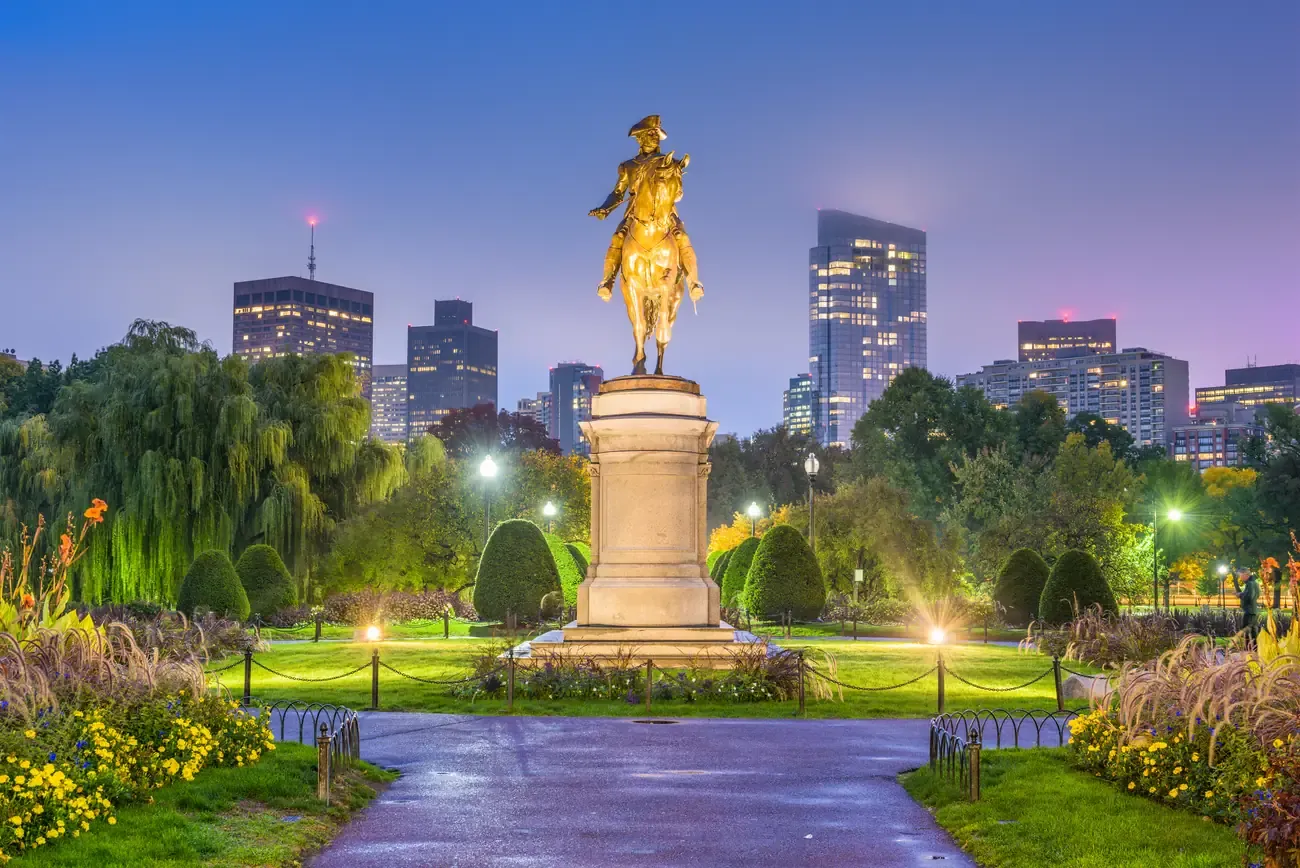
4. Boston Common
The oldest public park in the United States started in 1634 as shared ground for grazing cattle and drilling militia, and its 50 acres have carried the city's public life ever since: British redcoats camped here from 1768, the 1860s brought Civil War recruiting and anti-slavery meetings, and Pope John Paul II said Mass on the grass in 1979. The Frog Pond draws skaters in winter and children through its spray pool in summer.
Location: Bounded by Tremont, Park, Beacon, Charles and Boylston Streets
Access: Free and open at any hour, with park information from the city parks department
5. Public Garden
Two centuries after the Common was set aside for cattle, the city opened the first public botanical garden in America here in 1837, and the contrast still shows: meandering paths, a lagoon crossed by a small suspension bridge and beds of showy Victorian planting. George Meacham won the public competition to design it. The swan boats have been pedalled across the lagoon by the same family since 1877 and run daily from April to September.
Designer: George Meacham
Location: Between Charles, Beacon, Arlington and Boylston Streets
Access: Free to wander; only the swan boat ride is ticketed. Garden information
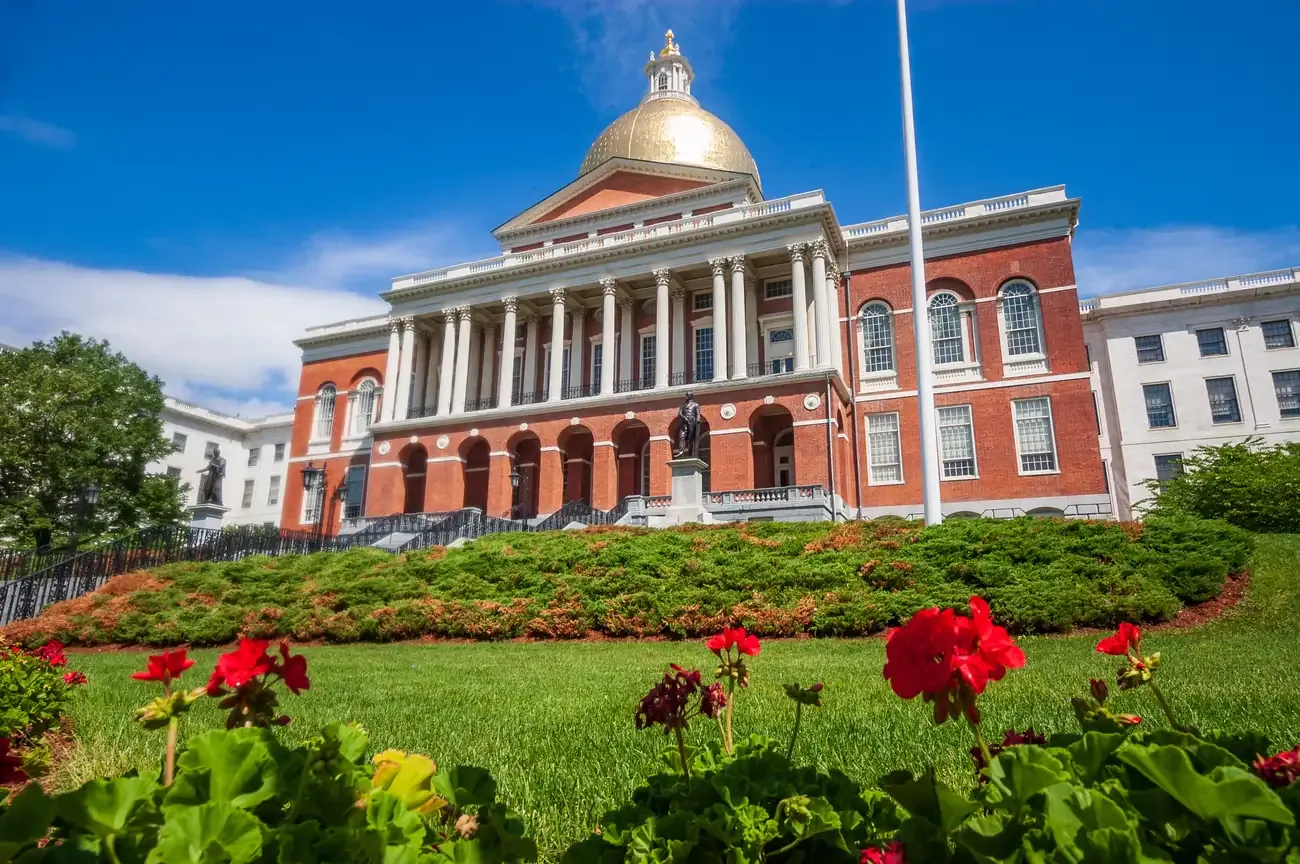
6. Massachusetts State House
Charles Bulfinch designed the Commonwealth's capitol in the Federal style and it was finished in 1798 at the crest of Beacon Hill, looking down on the northeast corner of Boston Common. Paul Revere and Sons sheathed the dome in copper in 1802 and it was first gilded in gold in 1874, which is why it reads as a bright dot above the rooftops from half the city. The building is still the working seat of the Massachusetts legislature.
Architect: Charles Bulfinch · Style: Federal architecture
Location: Beacon Hill, at the northeast corner of Boston Common
Access: Free to enter, with free guided tours of the interior on weekdays that last about 40 minutes
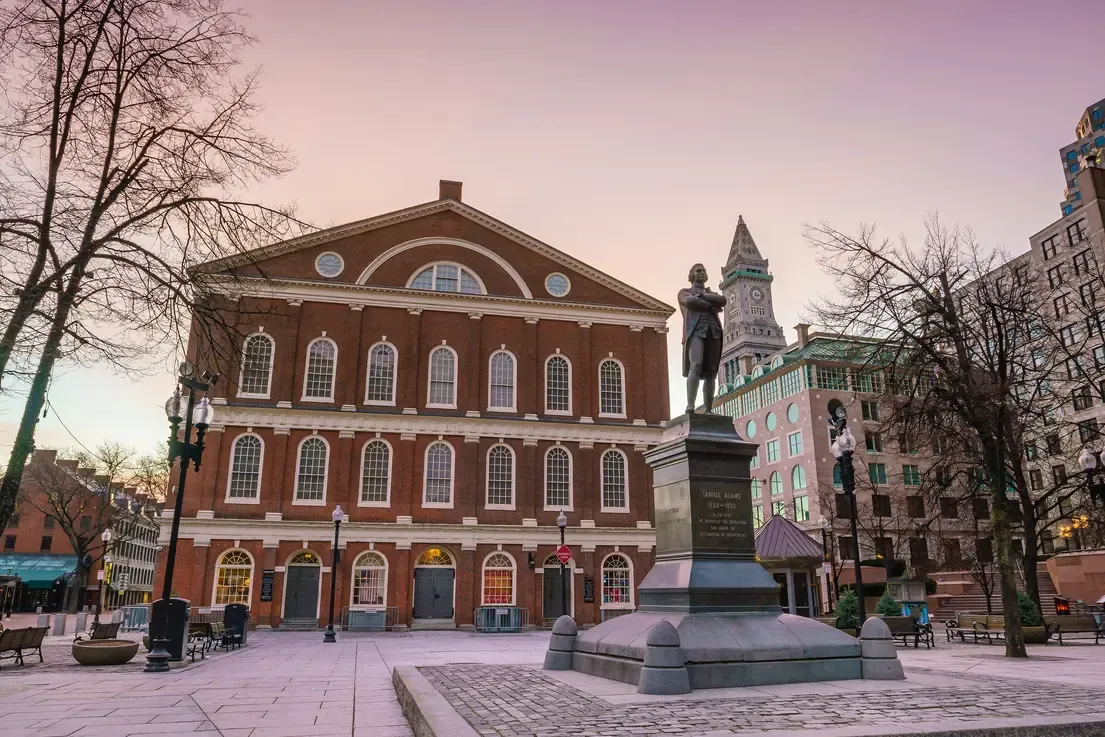
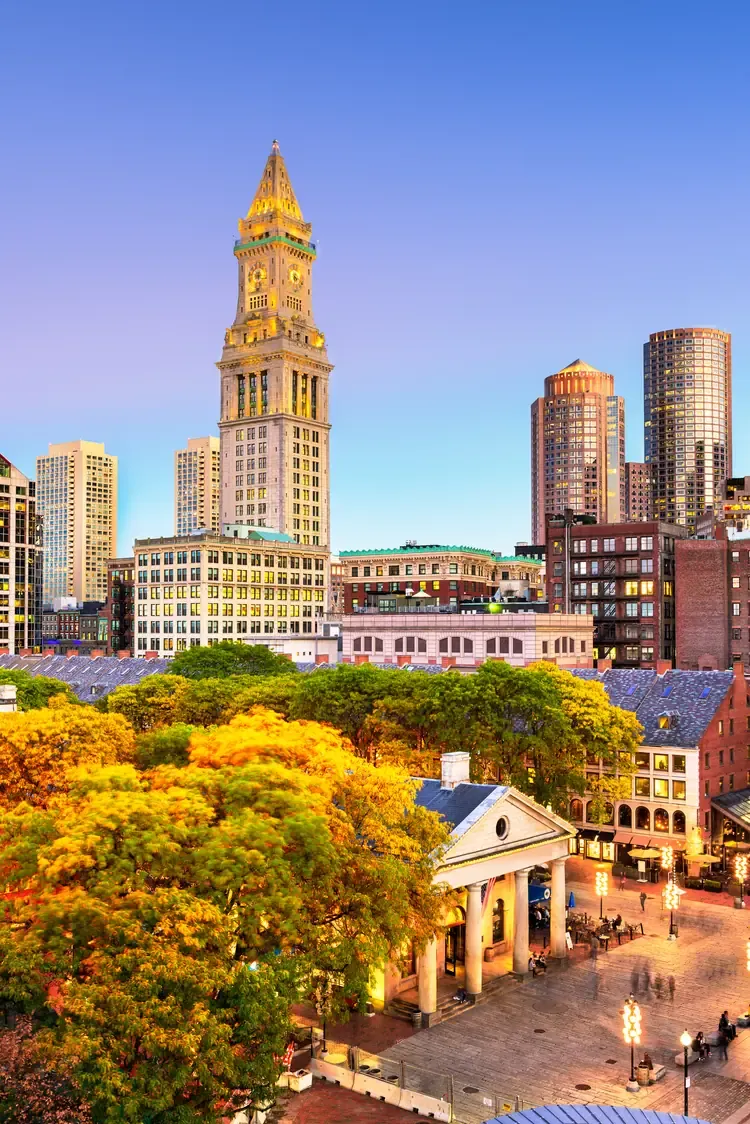
7. Faneuil Hall
The merchant Peter Faneuil gave the town a market and a meeting hall, and Bostonians have been arguing in it ever since, which is how it came to be called the Cradle of Liberty. Revolutionary protest was only the start: abolitionists, suffragists and labour organisers all held their meetings under the same roof. The Great Hall occupies the second floor above the market level, where a National Park Service visitor centre now sits, and rangers give short free talks about the building from Wednesday to Sunday.
Style: Georgian architecture
Location: 1 Faneuil Hall Square, Boston
Access: Free on every floor, though the Great Hall closes on Mondays and whenever the city has an event booked, so check the park's Faneuil Hall page
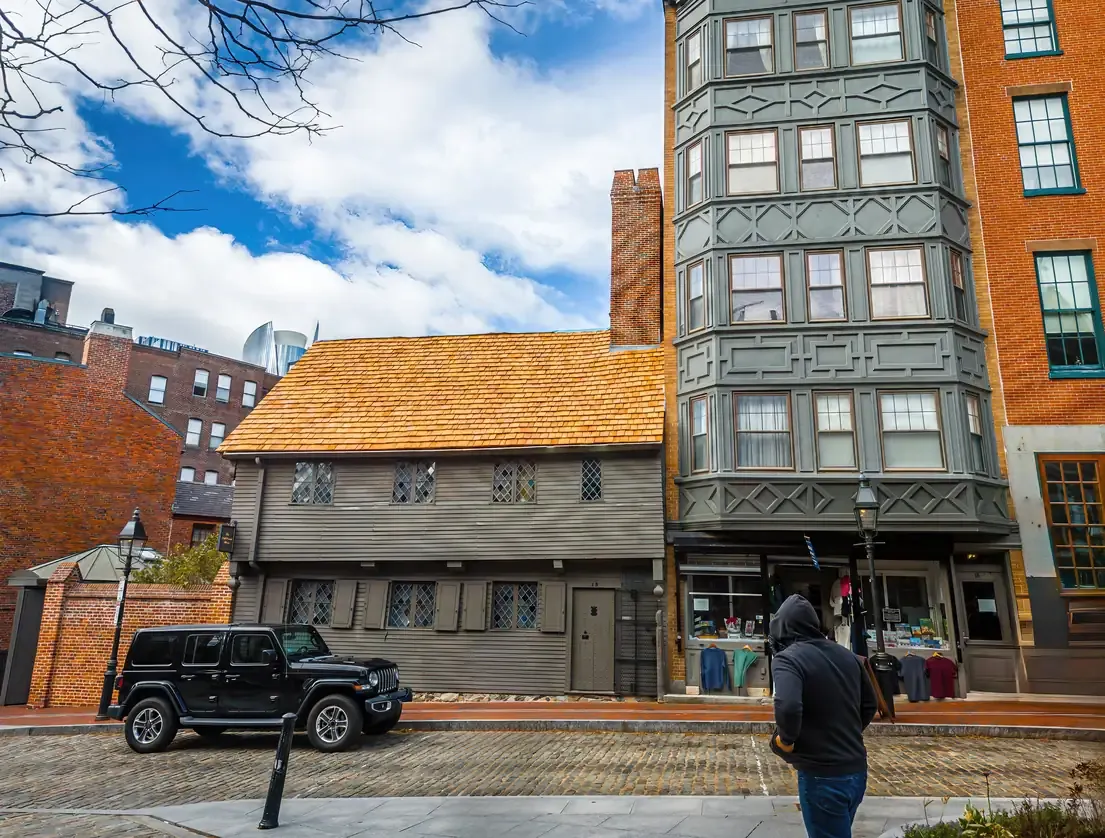
8. The Paul Revere House
The oldest building in downtown Boston stands on North Square in the North End, a wooden house built around 1680 where the silversmith Paul Revere and his family lived for roughly twenty years, through the Revolution and the night he rode out to warn Lexington and Concord. It is the only site on the Freedom Trail that is a home rather than a church, a burying ground or a public building, and the rooms read as the modest quarters of an artisan family.
Location: 19 North Square, Boston
Access: Ticketed, with tickets sold at the admissions booth on arrival; open daily 10:00 to 17:15 from mid April to the end of October
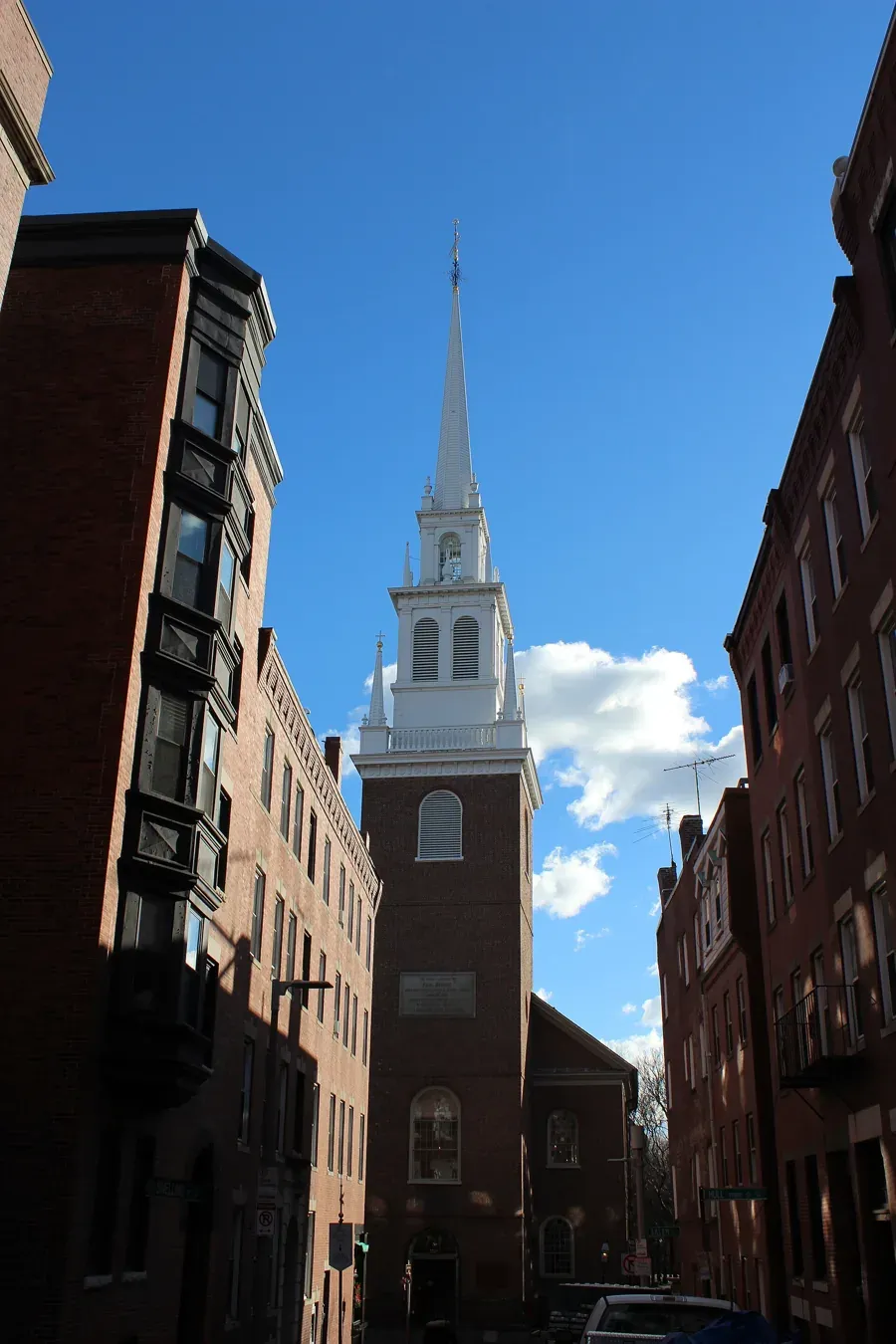
9. Old North Church
Boston's oldest standing church went up on Salem Street in 1723, and on the night of 18 April 1775 Robert Newman and John Pulling climbed its tower and briefly hung two lanterns by the windows. Sent from the tallest structure in town, the signal warned that British troops were crossing the Charles River. The congregation still worships here as Christ Church while a secular nonprofit runs the visits, which cover the sanctuary and the crypt, with the bell ringing chamber on a separate guided tour.
Style: Georgian architecture
Location: 193 Salem Street, Boston
Access: Ticketed, with a later opening on Sundays
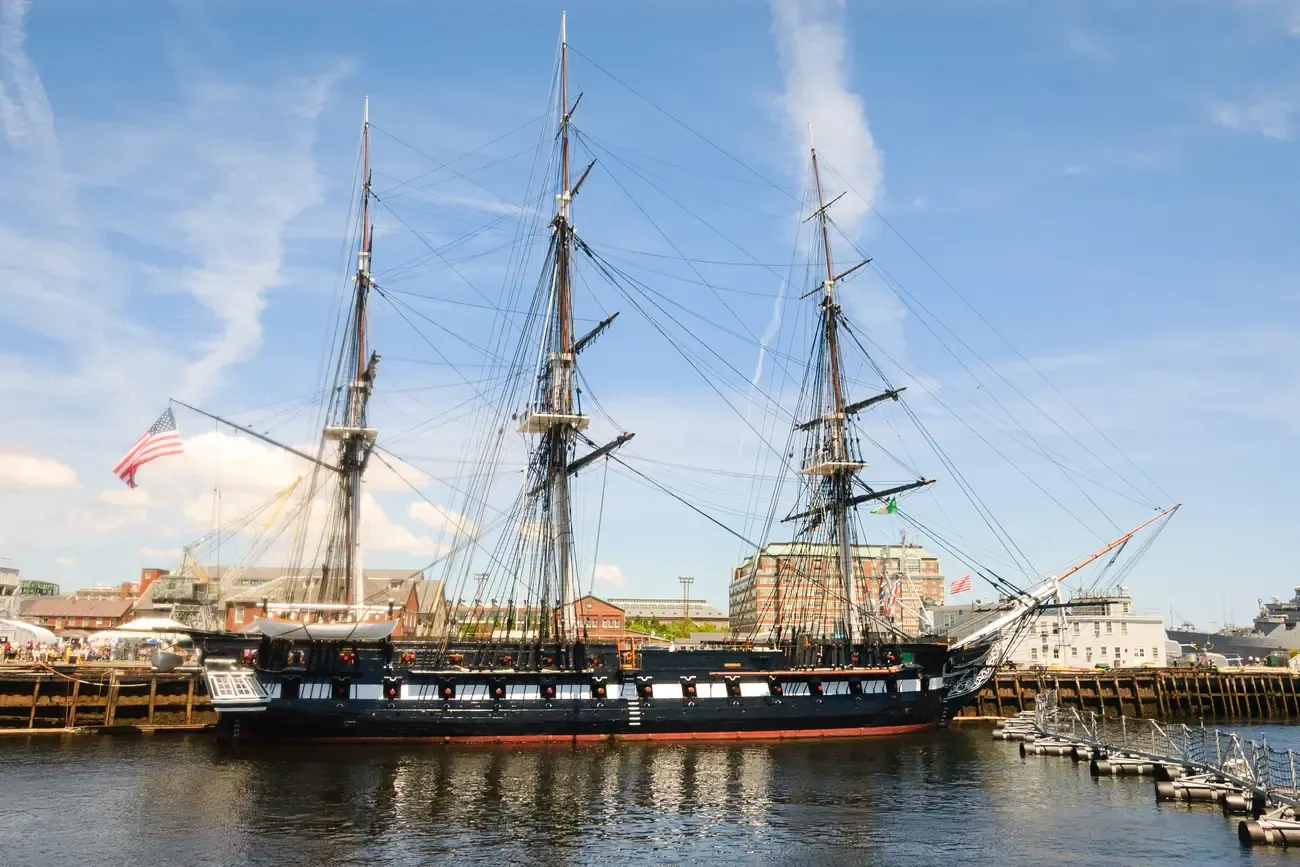
10. USS Constitution
Built in Boston and launched in 1797, USS Constitution is the oldest commissioned ship in the United States Navy, and officers and crew still serve aboard her. She earned the name Old Ironsides during the War of 1812. Visitors cross the gangway to walk her decks, the ship's gun sounds every morning at eight and again at sunset, and the museum across the pier tells the rest of the story and asks for a donation rather than an entrance fee.
Location: Charlestown Navy Yard, Boston
Access: Free, after a security screening that asks visitors aged 18 and over for a federal or state photo ID; open Wednesday to Sunday in summer, see the ship's park page
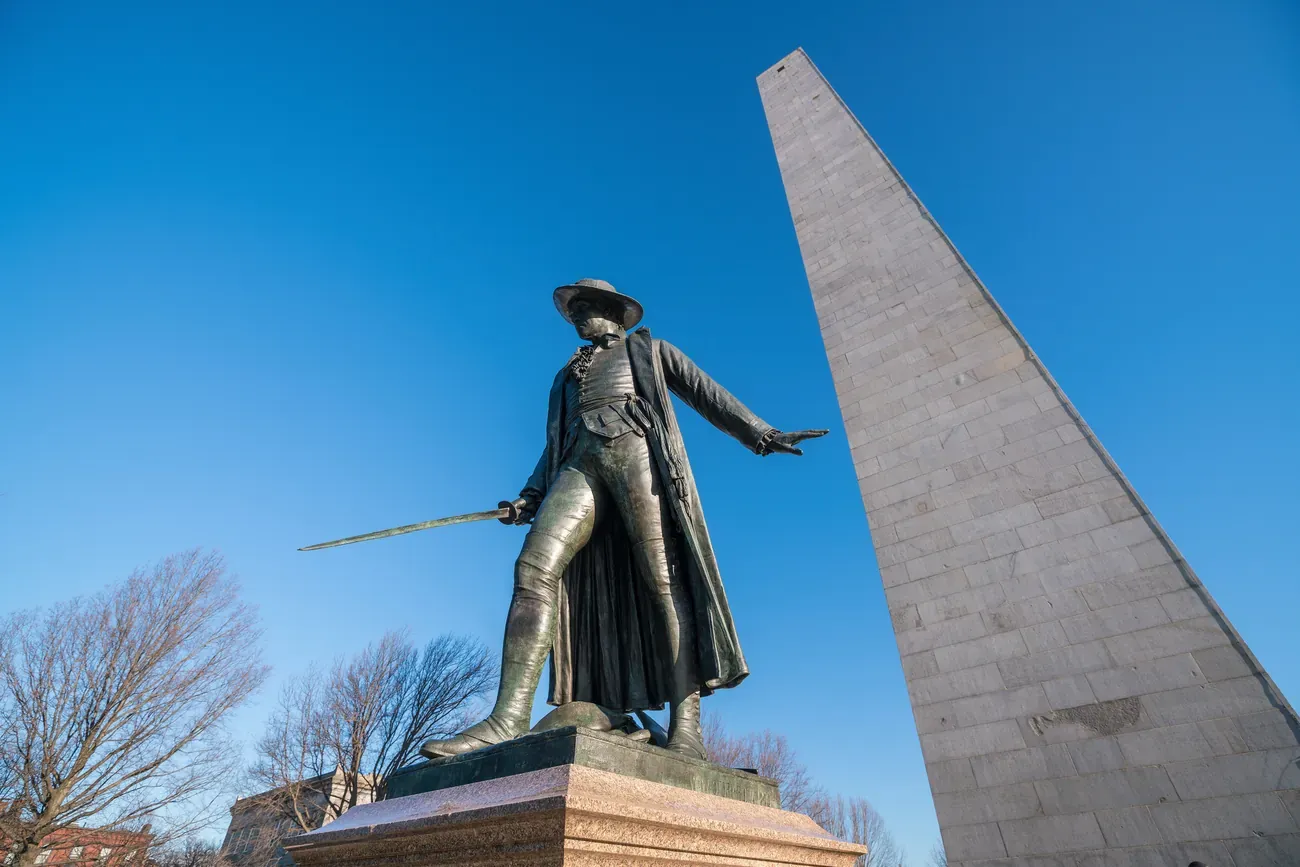
11. Bunker Hill Monument
A granite obelisk 221 feet tall marks Breed's Hill, where New England soldiers faced the British army in a pitched battle on 17 June 1775 and left around a thousand of some 2,400 redcoats dead or wounded before giving up the ground. The Marquis de Lafayette laid the cornerstone fifty years after the fight, the work took more than seventeen years, and the monument was dedicated in 1843. Reaching the top means 294 steps up a tight spiral stair.
Location: Monument Square, Charlestown
Access: Free, Wednesday to Sunday, with 25 people allowed inside at a time and the last climb half an hour before closing. Operating hours
Upcoming events in Boston

Zolita: The Hell's Belles Tour
Zolita: The Hell's Belles Tour plays Brighton Music Hall presented by Citizens on 28 September at 19:00.
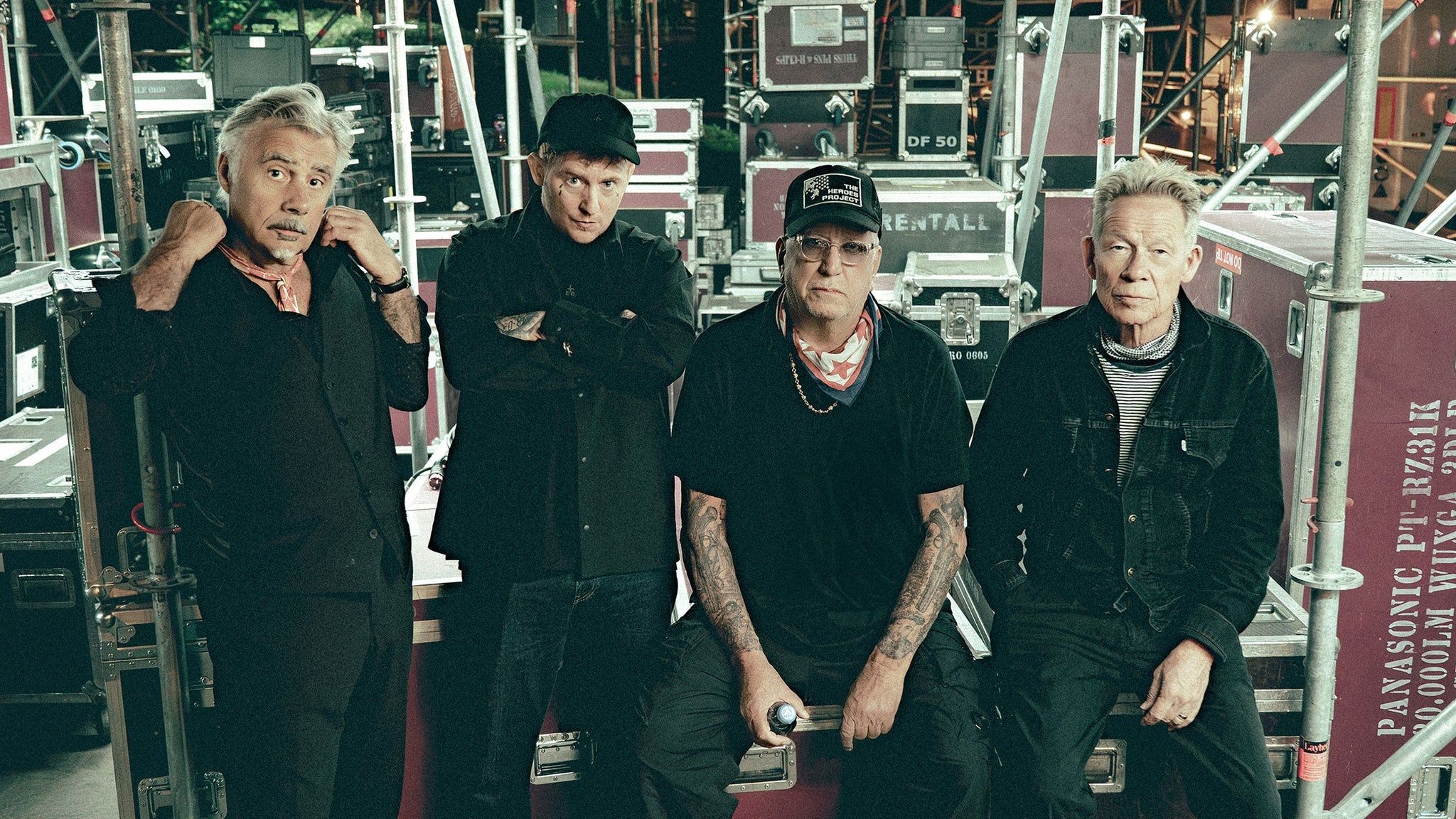
Sex Pistols (Steve Jones, Paul Cook, Glen Matlock) featuring Frank Carter (18 and Over)
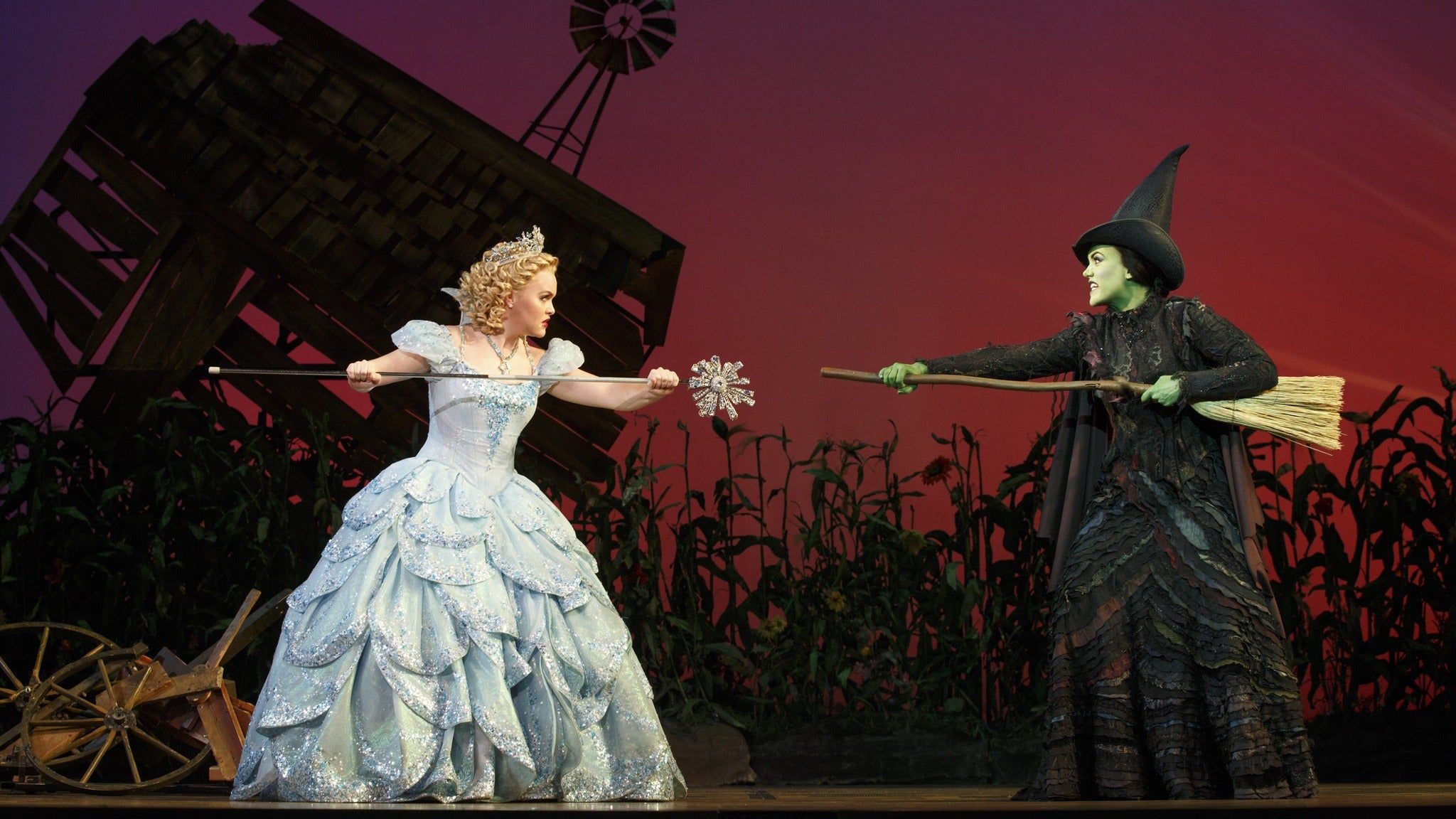
Wicked (Touring)
Wicked (Touring) plays Citizens Opera House on 29 September at 19:00.

Boston Bruins vs. New York Rangers
Boston Bruins vs. New York Rangers comes to TD Garden on 29 September at 20:00.
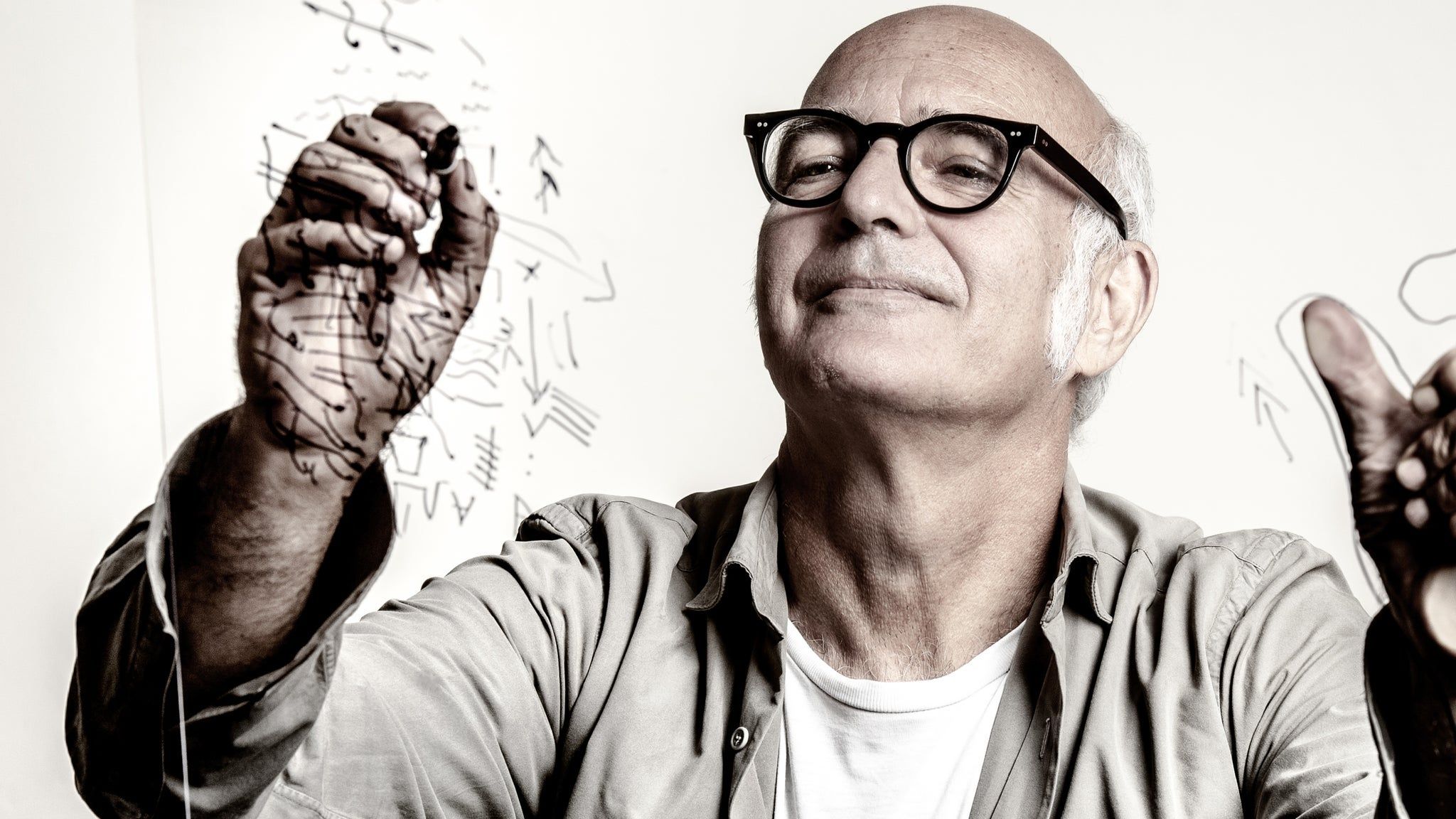
Ludovico Einaudi
Ludovico Einaudi plays Boston Symphony Hall on 29 September at 20:00.

Harvard Crimson Football vs. Colgate University Raiders Football
Harvard Crimson Football vs. Colgate University Raiders Football comes to Harvard Stadium on 3 October. · Sold out
Free landmarks and viewpoints in Boston
Granary Burying Ground
This colonial-era cemetery near the State House opens free to the public daily from about 9:00 to 16:00, with no ticket or reservation needed to wander among its 18th century headstones.
Isabella Stewart Gardner Museum
The otherwise ticketed Gardner Museum opens free to everyone every Thursday from 17:00 to 21:00, when the Venetian-style courtyard and the empty frames left by the 1990 theft can be seen at no cost.
Institute of Contemporary Art
The ICA's waterfront galleries in the Seaport are free every Thursday from 17:00 to 21:00, and free at all times for visitors 18 and under; general admission applies the rest of the week.
Acorn Street and Beacon Hill
Beacon Hill's gas-lit, cobblestoned lanes, including tiny Acorn Street, cost nothing to wander, and neither does admiring the bowfront brick rowhouses along Mount Vernon and Chestnut Streets.
Rose Kennedy Greenway
This run of free public parks and gardens follows the old Central Artery from Chinatown to the North End; strolling past its fountains and public art costs nothing, though the carousel and food trucks charge for what they sell.
Boston Harborwalk
Boston's Harborwalk links waterfront parks, piers and viewpoints around the harbour at no charge, opening up stretches of shoreline that were once working industrial waterfront.
Why Boston is worth visiting
Boston grew from a cramped colonial peninsula into the capital of Massachusetts, and its compact core still reads like a walkable Revolutionary War museum: cobblestoned lanes, a 2.5 mile trail of red brick, and a harbour where colonists once tipped tea overboard in protest. Dozens of college campuses keep the city young, while its brownstones and steepled churches keep it looking two centuries old.
Neighbourhoods to know
Beacon Hill's gas-lit streets and the Back Bay's Victorian brownstones frame the Public Garden and Boston Common on the city's western side. The North End holds the Freedom Trail's final downtown stops among a dense strip of Italian restaurants. Across the water, Charlestown keeps USS Constitution and the Bunker Hill Monument, while South Boston's Seaport district has grown up around the Institute of Contemporary Art.
When to go and for how long
Late spring through early autumn brings the mildest weather and the fullest calendar of outdoor events, though summer humidity can build by August. Two to three days cover the Freedom Trail sights and a museum or two; a third or fourth day allows time for Cambridge, across the Charles River and home to Harvard University and MIT.
Getting around and day trips
The MBTA subway, known locally as the T, and its bus network reach most neighbourhoods, while the compact downtown core rewards walking between Freedom Trail stops. The Silver Line bus runs free from Logan Airport to South Station. Cambridge sits a short ride across the Charles River, and the Massachusetts coast opens up further day trips by regional rail. New England seafood and the colonial streets that the red-brick trail strings together give the city its place among the top tourist attractions in the United States.