What makes Nashville unique
Nashville grew up on a bend of the Cumberland River after its founding in 1779, became Tennessee's state capital in 1843, and by the mid-20th century had earned the nickname Music City around WSM radio's Grand Ole Opry broadcasts and the publishing houses, labels and studios that followed downtown. Live country music still fills the blocks around the Ryman every night of the week.
Neighbourhoods to know
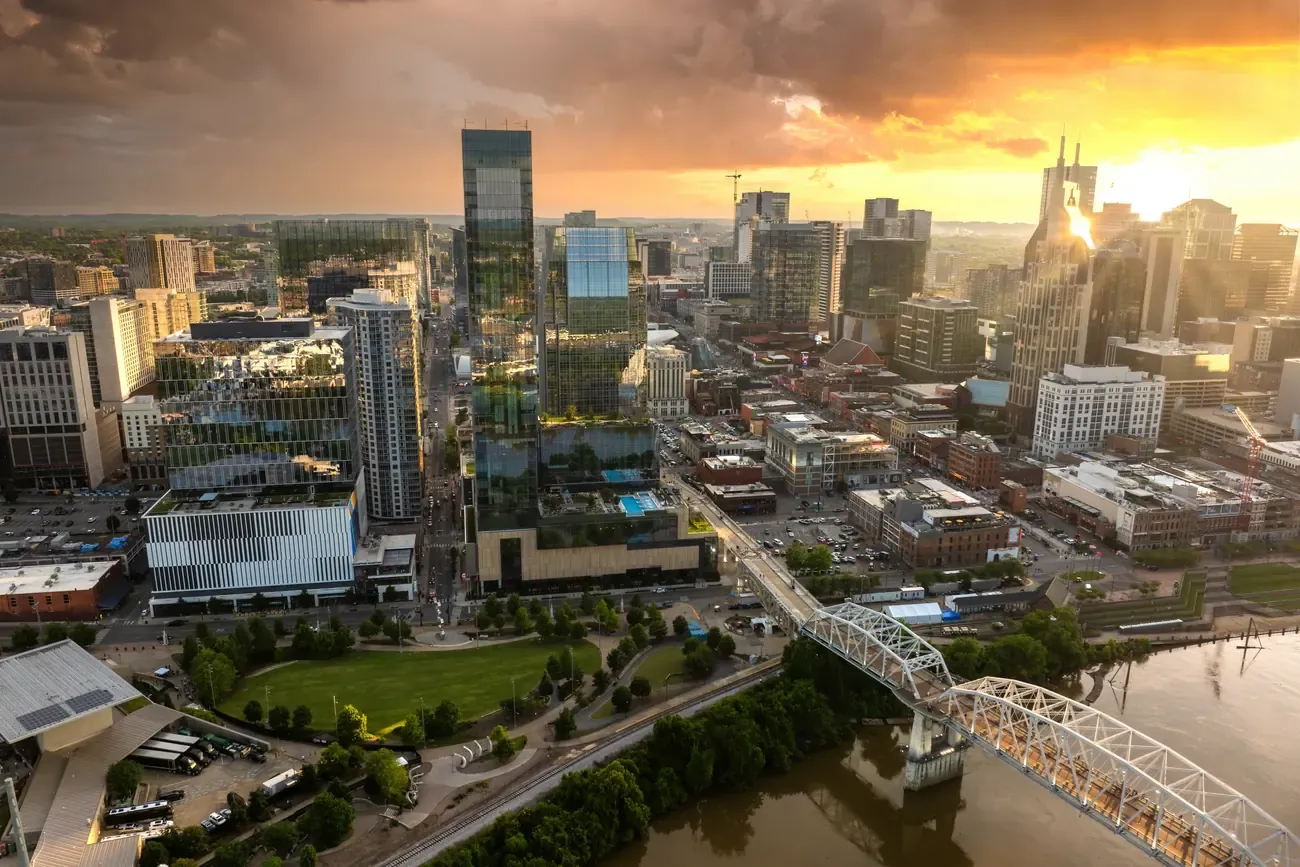
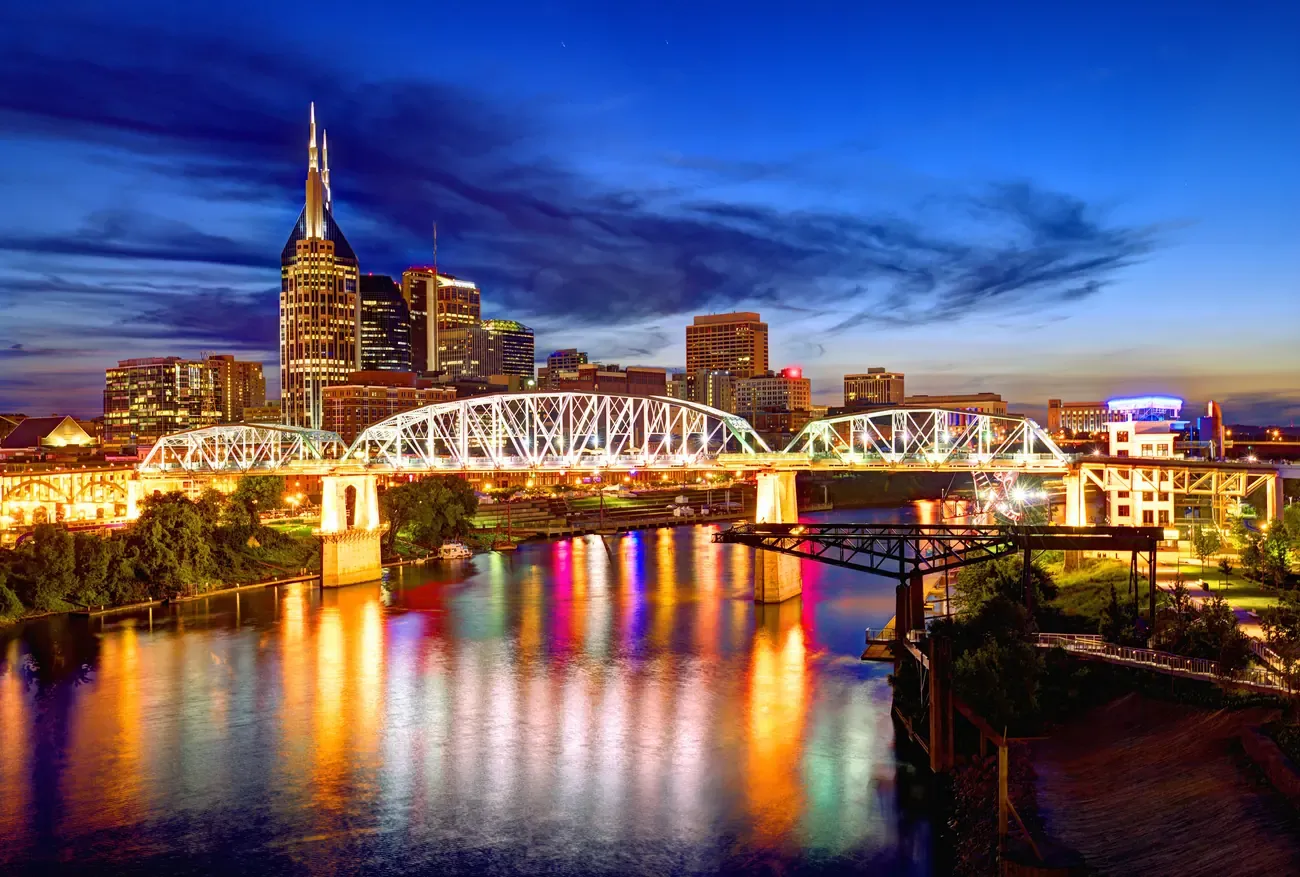
Downtown holds the honky-tonks, the Country Music Hall of Fame and the Ryman within a few blocks of each other, with the Cumberland River and the John Seigenthaler Pedestrian Bridge at its eastern edge. Music Row, southwest of downtown, keeps the recording studios that built the industry, and the redeveloped rail yard of the Gulch sits between the two, with restaurants and street art. East Nashville, across the river, mixes music venues with a quieter residential feel.
When to go and how long to stay
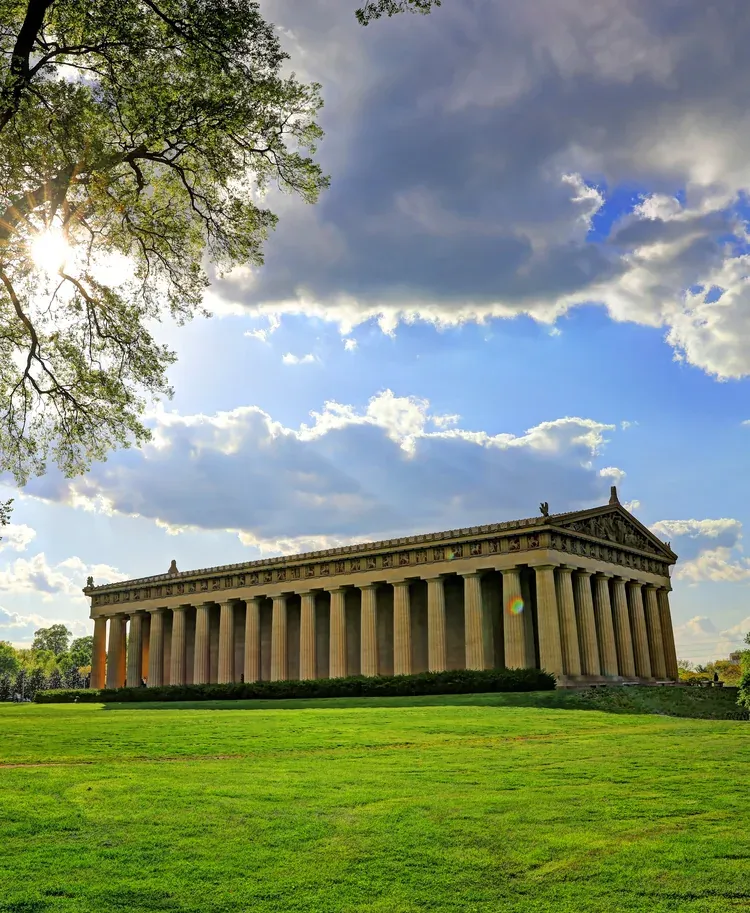
Spring brings Middle Tennessee's severe storm season: the National Weather Service logs roughly two thirds of the region's tornadoes in March, April and May. Summer turns hot and humid, and autumn settles into milder, drier weeks that suit walking downtown. Two to three days cover the music museums, Broadway and the Ryman at an easy pace, with more time worth setting aside for the Grand Ole Opry, the Parthenon or a day trip to the Hermitage.
Getting around
Downtown, Broadway and the Music Row studios sit close enough to walk between, and WeGo Public Transit's buses cover the rest of the city from a downtown hub. The Grand Ole Opry House and the airport both sit well outside downtown, and a car or rideshare is the practical way to reach either one. The city has been the centre of the country music business since a radio show began broadcasting from it in 1925, which is why it ranks among the tourist attractions in the United States for anyone following live music.