
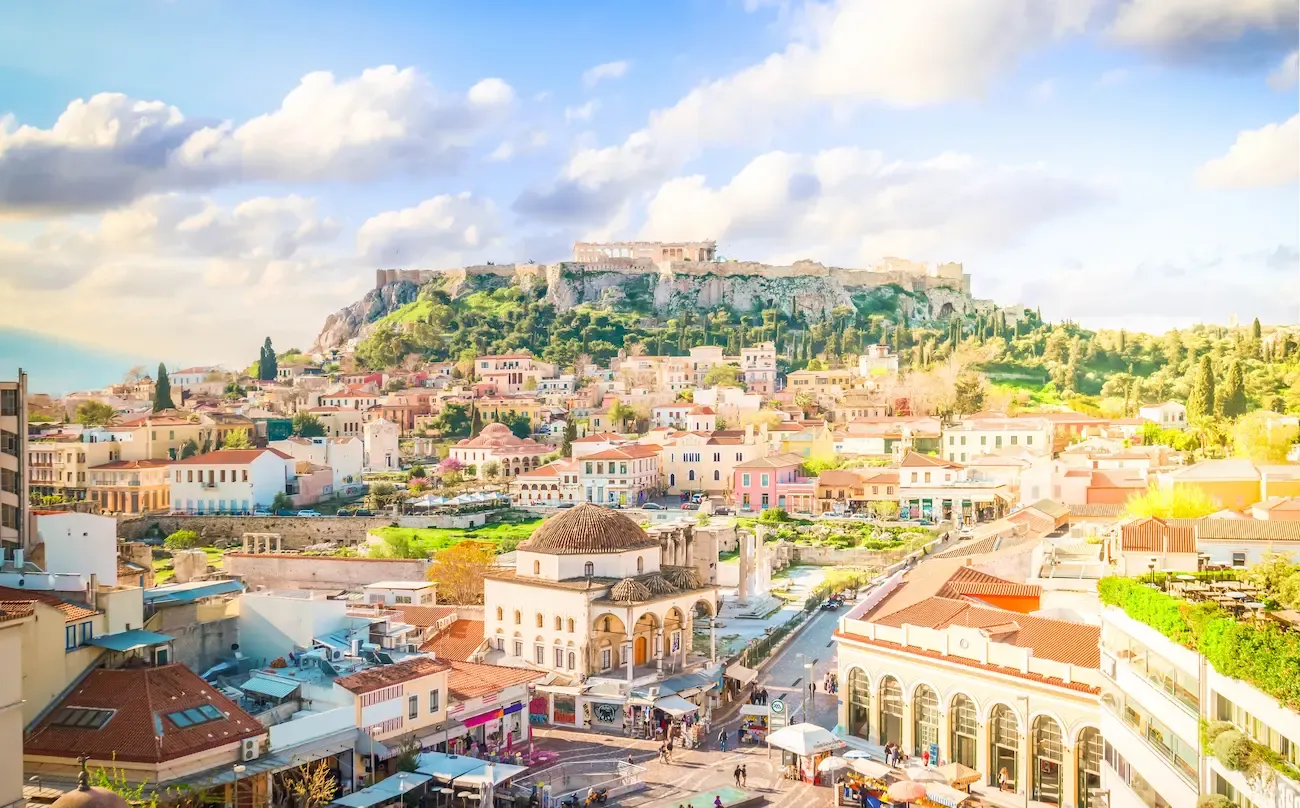
Free things to do in Athens, and what is really free
Free Athens means hills, old streets, the guard at Syntagma and a rocky cove on the coast. The famous ruins all charge, though, and some hills shut on fire-risk days. This page separates the two and plans a day around them.
What is free in Athens and what is not
Most lists mix sights that cost nothing with sights that only look free from the street. The split below follows what each place charges at the gate, as listed by the Ministry of Culture and the operators.
| Always free | Free with conditions | Looks free but charges |
|---|---|---|
| Changing of the guard at Syntagma, on the hour | National Garden, open sunrise to sunset | Acropolis and its slopes, Theatre of Dionysus included |
| Dionysiou Areopagitou promenade | Philopappos, Pnyx and Nymphs hills, shut on fire-risk days | Ancient Agora, entered only from Thiseio for now |
| Areopagus rock, no gate | Walks with a local, booked 3 to 40 days ahead | Temple of Olympian Zeus, inside the fence |
| Plaka, Anafiotika, Monastiraki and Psirri streets | Syntagma metro display, inside a working station | Panathenaic Stadium, inside the stands |
| Murals in Psirri, Keramikos and Exarchia | Stavros Niarchos Park, open park with a free shuttle | Lycabettus funicular |
| Limanakia coves on the coast | State sites on their free admission days | Astir Beach, Akti tou Iliou and Vouliagmeni Lake |
The Odeon of Herodes Atticus has closed for a three-year restoration, so it drops off every list for now. For the paid sights, tours and day trips, the overview of tourist attractions to see in Athens groups them by area.
1. Changing of the guard at Syntagma
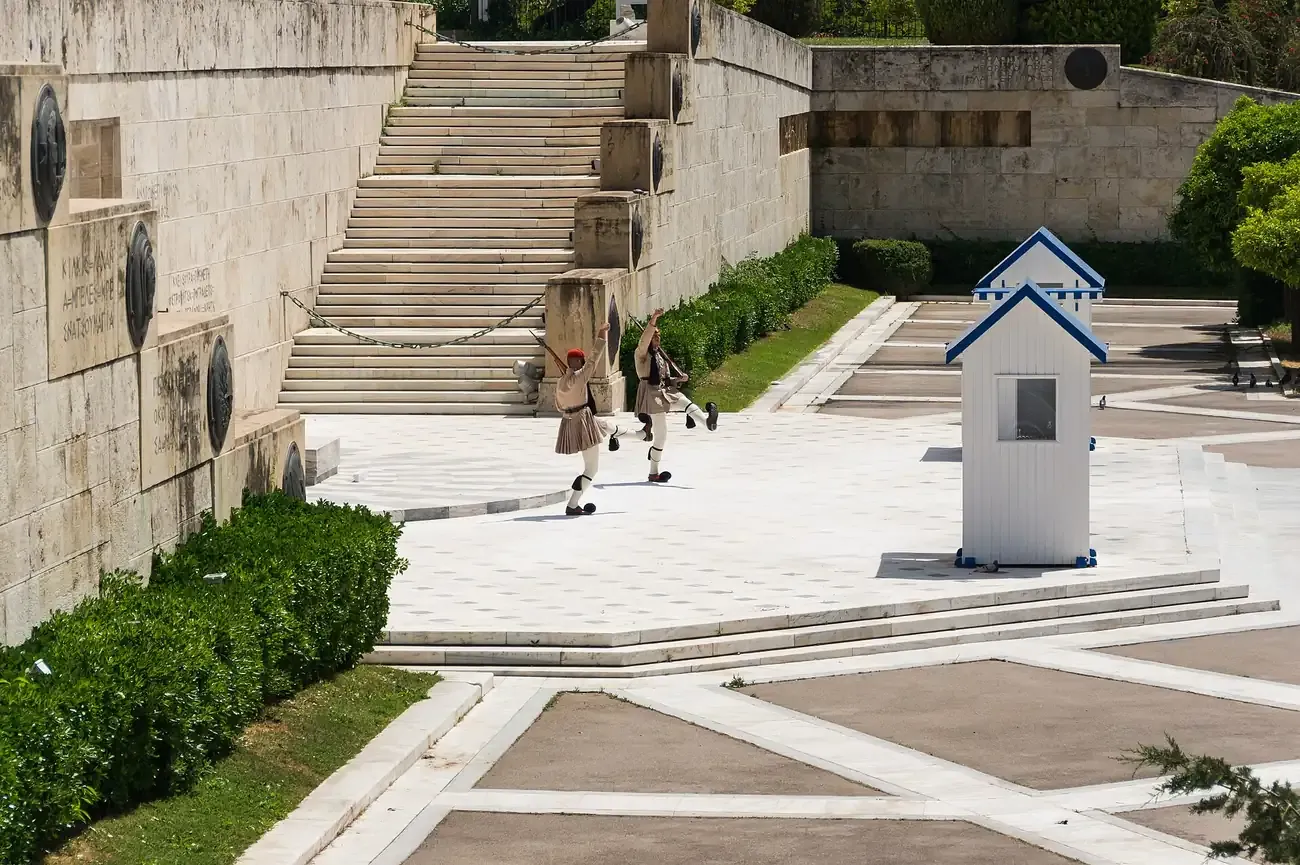
The Evzones of the Presidential Guard stand at the Tomb of the Unknown Soldier, below the Parliament on Syntagma Square, and the sentries change on the hour. The slow drill with its raised steps lasts a few minutes, so arriving five minutes early wins a place at the front rail. On Sundays at 11:00 a full company marches in with a military band, and that draws the largest crowd of the week. Twenty minutes covers a weekday change, an hour a Sunday one. Two more guards stand silent outside the Presidential Mansion on Herodou Attikou Street. Nothing here charges, apart from a coffee on the terraces facing the square.
2. National Garden and Zappeion
Behind the Parliament, the National Garden spreads 158,000 square metres of paths, ponds and more than 7,000 trees. It opens from sunrise to sunset with no gate fee, and on a summer midday its shade makes it the coolest place in the centre. At its southern edge the Zappeion, a neoclassical hall from 1878, sits in open grounds that lead on towards Hadrian's Arch. Plan 45 minutes to an hour. The outdoor exercise machines at the Fokianos sports park nearby are free, and its courts are free too once booked. Across the avenue, the Temple of Olympian Zeus charges entry, so most walkers view its columns through the fence.
3. Dionysiou Areopagitou promenade
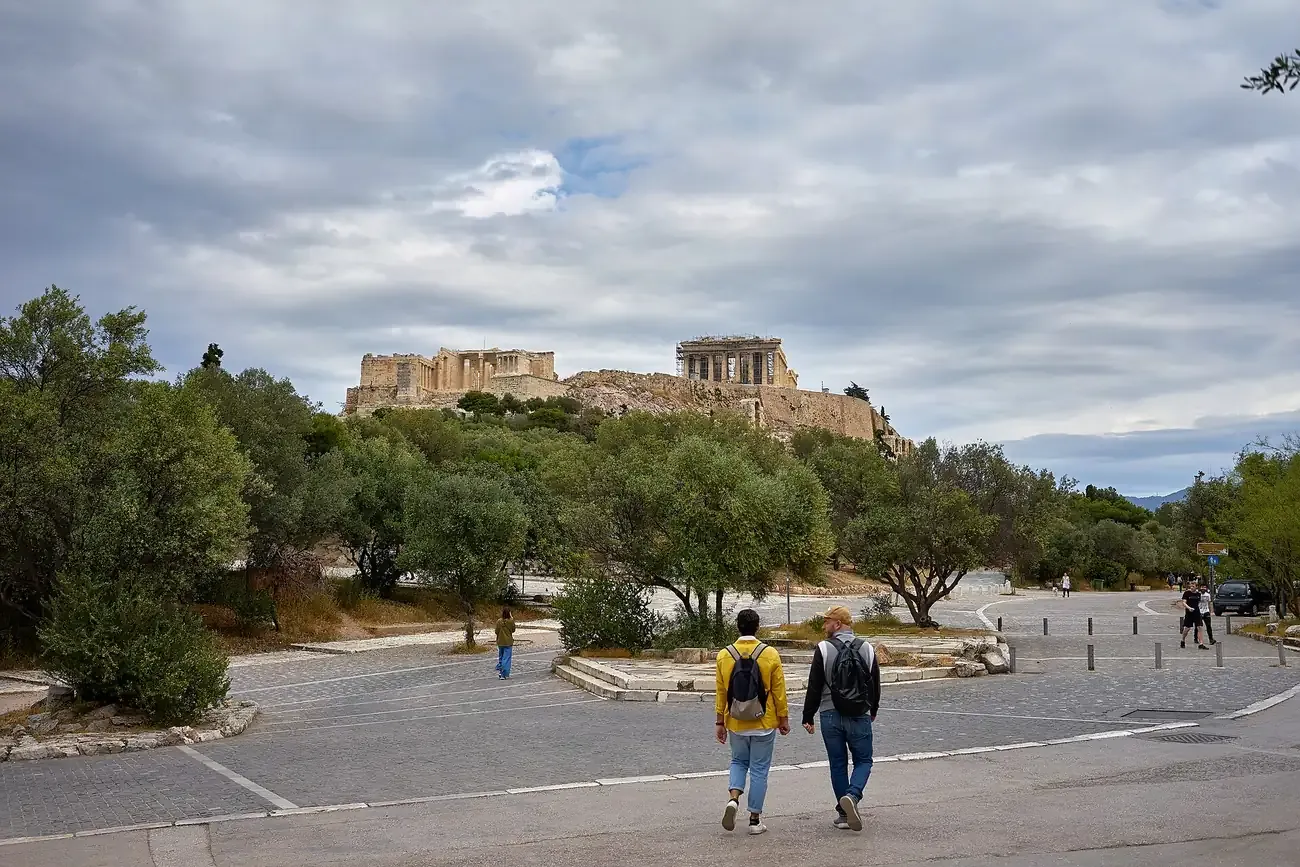
This stone-paved pedestrian street runs below the south side of the Acropolis, from the Hadrian's Arch end to the foot of Philopappos Hill. Walking it costs nothing and puts the rock, the slopes and the glass front of the Acropolis Museum within a few metres. Early morning, before the tour coaches unload, and the hour before sunset give the calmest walk and the warmest light. At a stroll the full length takes about 20 minutes. The gates along it open onto ticketed ground: the Acropolis south slope and the Acropolis Museum both charge, and the Odeon of Herodes Atticus is closed for restoration.
Photo: "Dionisiou Areopagitou Pedestrian Street" by George E. Koronaios (CC BY-SA 4.0).

4. Philopappos, Pnyx and the Hill of the Nymphs
The Ministry of Culture lists the Hills of Philopappos, Pnyx and the Nymphs as one archaeological site with no ticket, open 24 hours. Pine paths climb to the Philopappos Monument, which faces the Parthenon across a small valley, and to the Pnyx, where the citizens' assembly of classical Athens met. The hour before sunset paints the Acropolis gold from here, and the Hill of the Nymphs stays quieter than its two neighbours. Allow 60 to 90 minutes. The ministry closes the site on days when access to parks is restricted for fire risk, and the Acropolis opposite is the paid part of the view.
5. Areopagus after dark
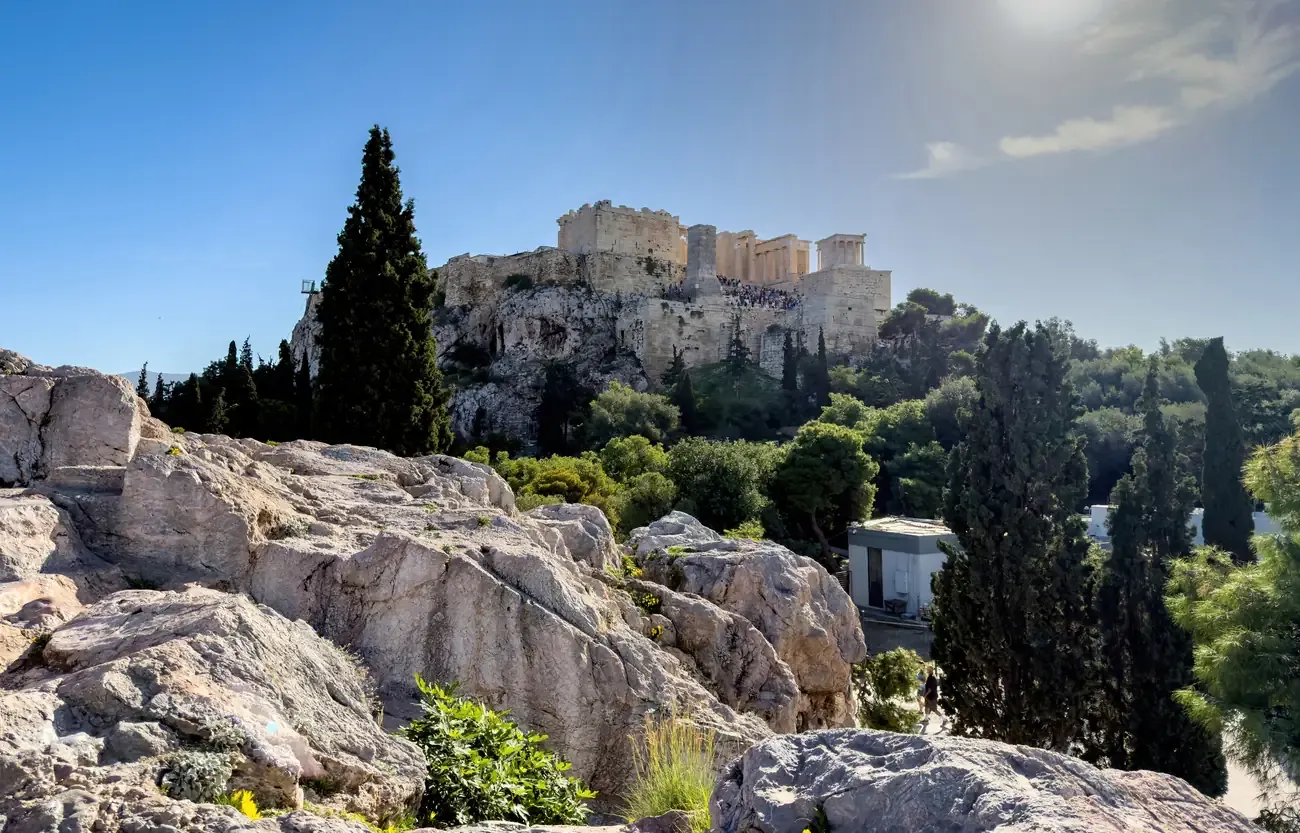
The Areopagus is a bare limestone outcrop below the Acropolis entrance, an open rock with no gate or ticket. From the top the Ancient Agora, the Temple of Hephaestus and the roofs of Plaka spread below, and the Parthenon rises behind. After dark, with the Acropolis floodlit, people sit in groups on the rock and the mood turns relaxed, far from the midday crush. Twenty to thirty minutes is enough, and shoes with grip help on the polished stone. The Ancient Agora below charges entry, and since 1 July 2025 visitors enter and leave it only through the Thiseio Square gate while works continue at Adrianou 24.
6. Plaka and Anafiotika
Plaka is the old quarter wrapped around the north and east slopes of the Acropolis, and Anafiotika is its highest corner, a cluster of whitewashed cottages and stepped lanes that looks lifted from a Cycladic island. Morning suits both, before the day-trippers squeeze into the narrow passages, and an hour covers them at a slow pace. People live in Anafiotika, so voices stay low and doorsteps stay clear. Around the edges, the Roman Agora and its Tower of the Winds charge entry, though both are easy to see over the railings from the street.
7. Monastiraki flea market and Varvakios market
Avissinias Square is the core of the Monastiraki flea market, where second-hand dealers stack furniture, records, tools and brass. On Sundays street bands play and an open-air bazaar spreads south towards Thissio. A short walk north, at 42 Athinas Street, Varvakios is the central food market, with whole lambs, octopus, olives, feta, herbs and spices under one roof. Browsing both costs nothing. Varvakios is at its loudest in the morning, and Avissinias is best on a Sunday before noon. Budget two hours, and keep in mind that not everything sold as an antique is one.
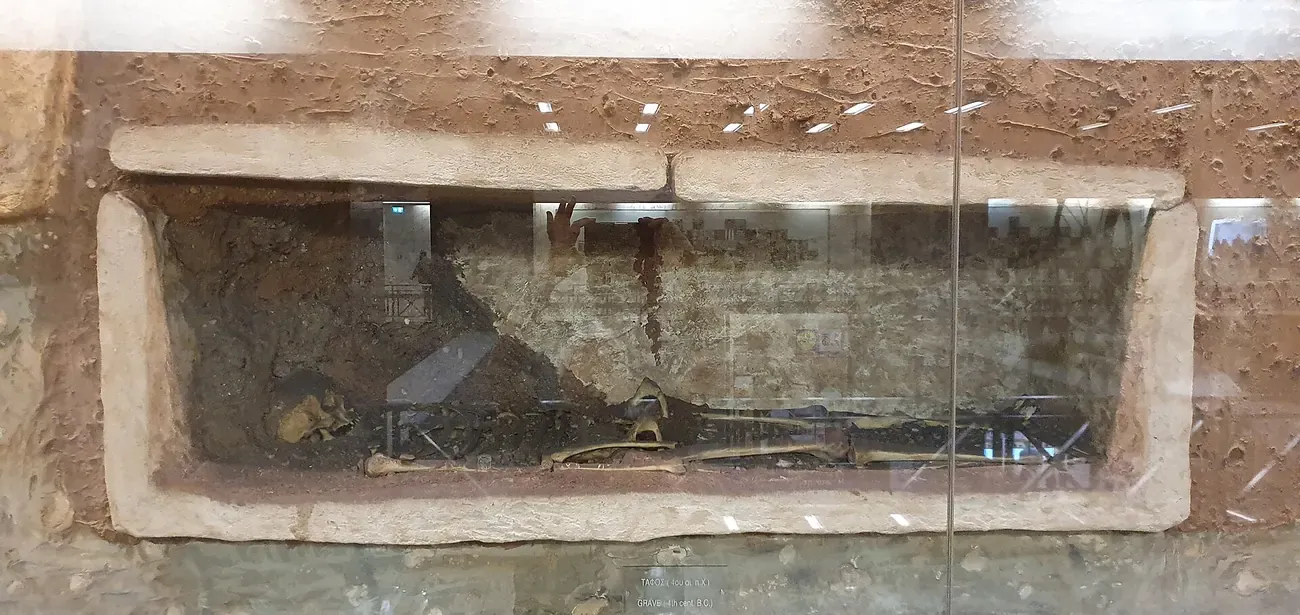
8. The excavations in Syntagma metro station
Digging the metro under Syntagma cut through layers of the city's past, and the station keeps a permanent archaeological exhibition on its first basement level. Finds from the excavation sit in display cases along the concourse, a short descent from the square. It fills a hot afternoon or a rainy half hour, and 15 minutes is enough. Anyone riding the metro that day passes it at no extra cost. Other stations on the network also show archaeological finds and contemporary art.
Photo: "Archaeological display at Syntagma metro station" by Yair-haklai (CC BY-SA 4.0).
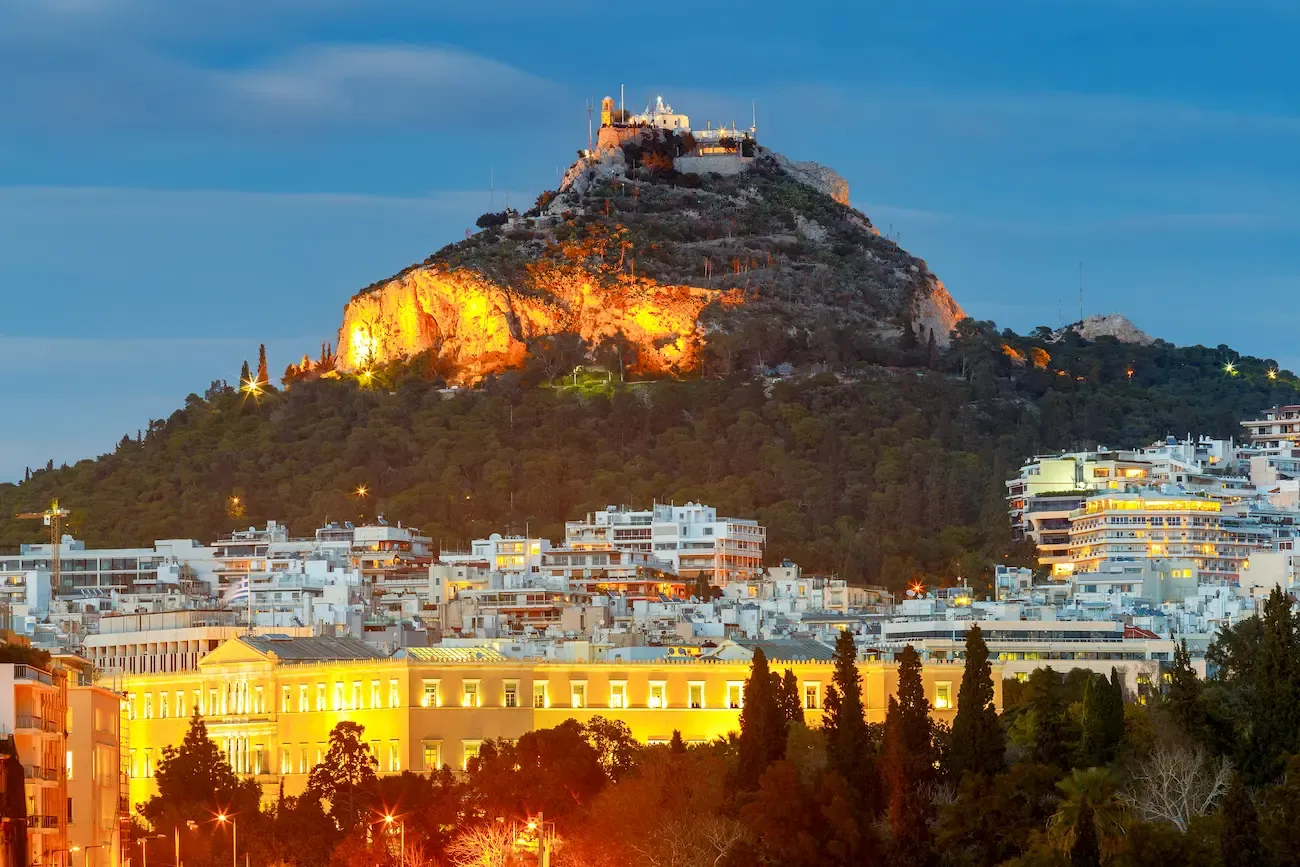
9. Lycabettus Hill on foot
Lycabettus is the tallest hill in central Athens, topped by the white chapel of Agios Georgios and a view that runs from the Acropolis to the sea. Marked paths climb through the pines from Kolonaki, and the walk up works best in the early morning or the last hour before sunset, when the stone stops radiating heat. Count on about 40 minutes up for a steady walker and longer in summer. On Good Friday a candle-lit procession leaves the chapel and winds down the slope. The funicular from Kolonaki is a separate paid ride, so climbing on foot keeps the visit free.
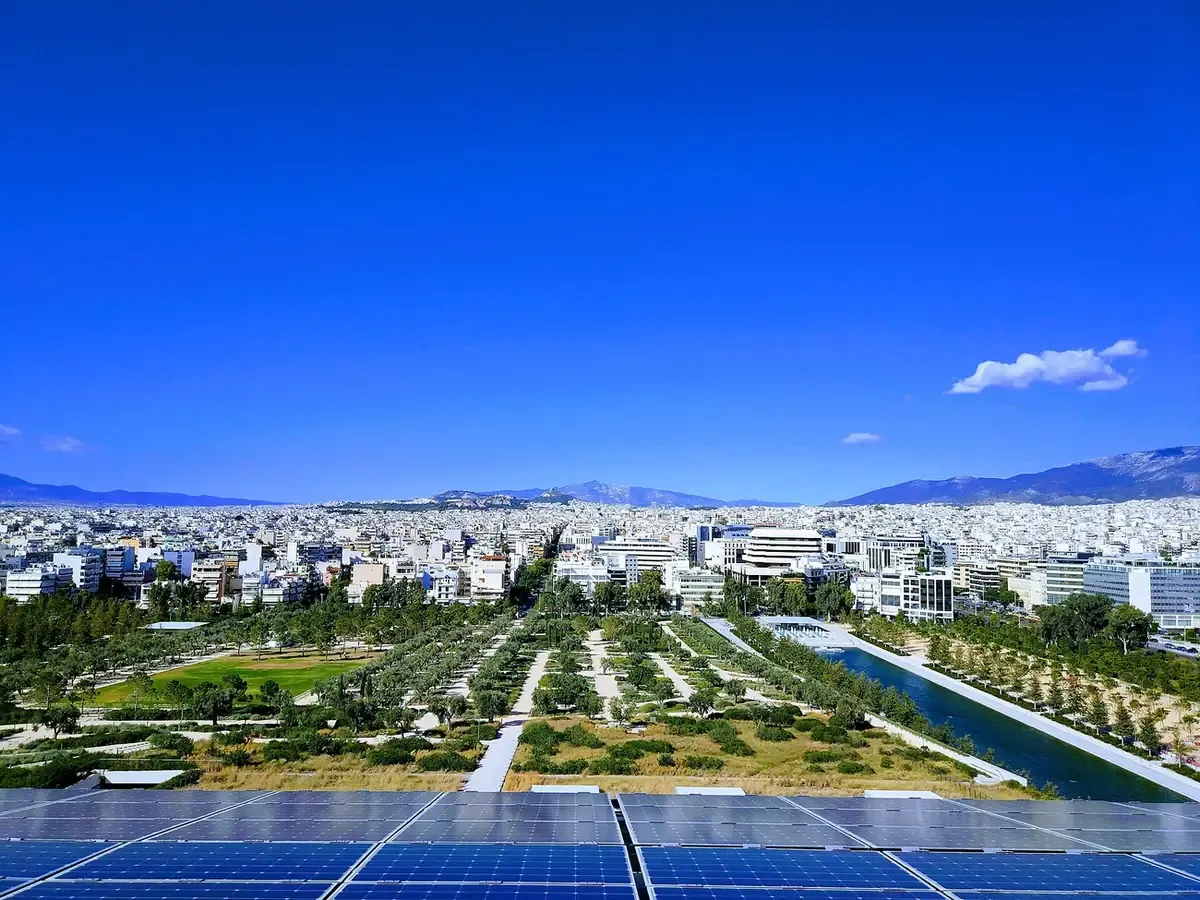
10. Stavros Niarchos Park
South of the centre, at the seafront in Kallithea, the Stavros Niarchos Foundation Cultural Center sits under a large planted hill that forms its park. Entry to the park costs nothing, and the centre runs a free shuttle bus from Syntagma Square. Paths climb the green roof towards views over the Faliro bay, and a long canal runs along the base beside the National Library and the Greek National Opera. Late afternoon into evening suits it best, when families fill the lawns. Allow two hours. Opera and concert seats are paid, though the centre's own calendar also lists free events.
Photo: "Stavros Niarchos Foundation Cultural Center" by Strange Traveler (CC BY-SA 2.0).

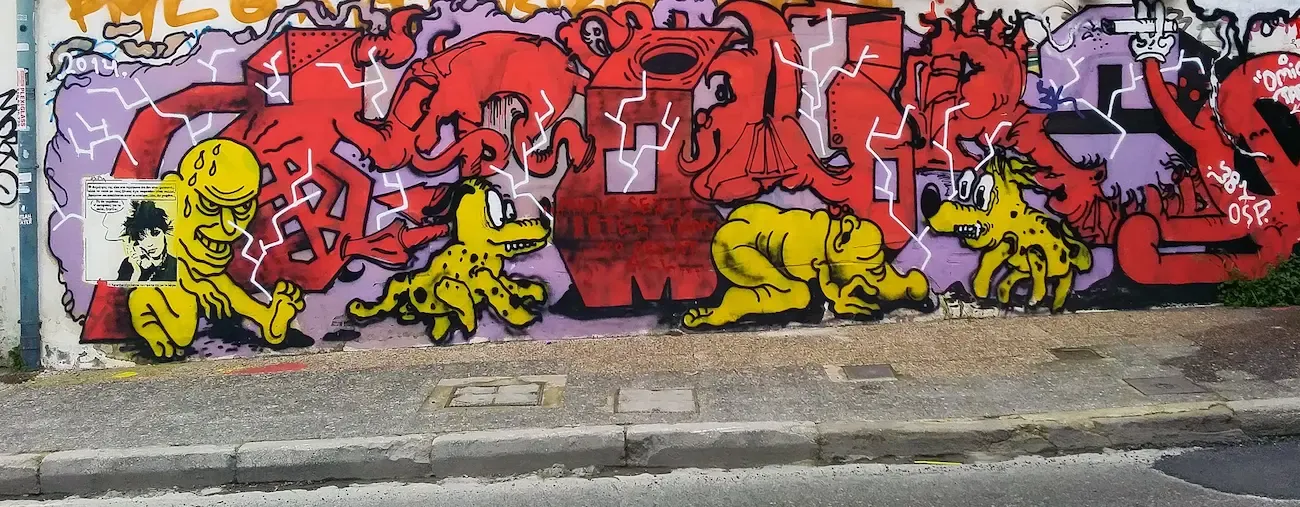
11. Street art in Psirri, Keramikos and Exarchia
Murals cover whole facades in Psirri, Keramikos and Exarchia, and the city's own tourism site goes as far as calling Athens the street art capital of Europe. Pieces get painted over and replaced, so no printed map stays accurate for long, and a slow loop through the side streets between Psirri and Keramikos takes about 90 minutes. Daylight shows the colour best. Exarchia lies apart, north of the centre, and its walls carry more political slogans and posters. In Keramikos the Latraac skate bowl and cafe draws a crowd at weekends. The Kerameikos archaeological site at the district's edge charges entry.
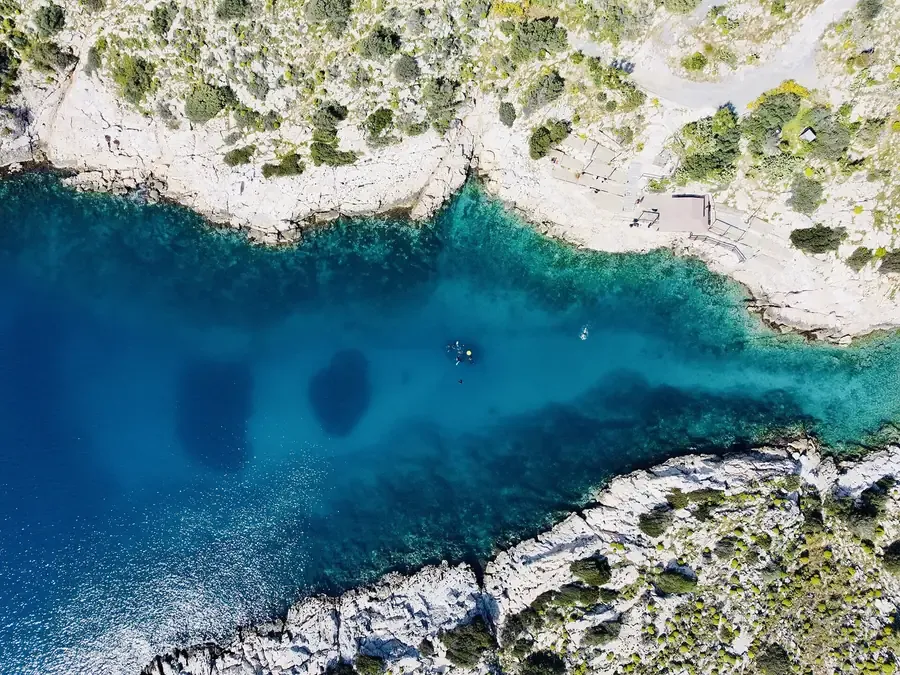
12. Free swimming at Limanakia
Limanakia Vouliagmenis is a run of small rocky coves on the coast road south of Athens, with wooden decks, a basic canteen and regulars diving off the rocks. Swimming here costs nothing. The trip takes about an hour from Syntagma, by metro line 2 to Elliniko and then bus 122 to the Limanakia stops. Mornings beat the afternoon heat, and the absence of sand makes water shoes worth packing. The Riviera swimming season runs from April until late October. Nearby, Astir Beach charges a steep entry fee, Vouliagmeni Lake sells tickets, and Akti tou Iliou nearer town is a private beach with a fee.
Photo: "2nd Limanaki of Vouliagmeni" by StrangeTraveler (CC BY-SA 4.0).
.jpg)
A free day on foot in Athens
The route below links the free sights in the centre without crossing the city twice. It suits spring and autumn as written; in July and August, move the hills to the last two hours of daylight and keep midday for shade.
- Before 10:00. Start at Syntagma and catch the guard changing on the hour. The info point on the square has city maps.
- 10:15 to 11:15. Walk through the National Garden to the Zappeion, then cross to Hadrian's Arch, which stands on the pavement of Amalias Avenue, and look through the fence at the Olympian Zeus columns.
- 11:30. Join Dionysiou Areopagitou and follow it west below the Acropolis to the foot of Philopappos.
- 13:00 to 16:00. Stop for lunch in Koukaki or Plaka, then wander Monastiraki and the murals of Psirri, with the Syntagma metro display as a cool break if the heat bites.
- An hour before sunset. Climb Philopappos or the Pnyx and watch the light change on the Parthenon.
- After dark. Walk down to the Areopagus once the floodlights come on, then finish in Plaka and the lanes of Anafiotika, which are calmest at night.
On a Sunday the order shifts. The 11:00 guard ceremony comes first, then the Avissinias flea market at its busiest, then lunch, the promenade and the hills for sunset. The whole day stays free apart from food and water.
Free walks with a local
This is Athens with a Local is the city's volunteer programme, in which Athenians show visitors their own neighbourhoods on themed walks and accept no payment. Because the locals give their time for free, the booking rules are strict. Each visitor can send one request a month, no sooner than 3 days after registering and no more than 40 days ahead, for a group of up to 6 people.
The platform matches each request with an available local, and a confirmation email with the local's name arrives within three days. Volunteers do not take walkers into historical attractions or archaeological sites, which remain the work of professional guides, so the walks lean towards food, markets, architecture and street life. The free walking tours sold by private companies in Plaka and Monastiraki are a separate, commercial product.
Free events through the year
A few dates bring free events on top of the year-round sights. Dates marked without a year repeat on the same day each year.
| When | What | Cost |
|---|---|---|
| Every Sunday, 11:00 | Ceremonial changing of the guard with band, Syntagma | Free |
| Good Friday evening | Candle-lit procession down Lycabettus from Agios Georgios | Free |
| May | City Festival of the municipality, with hundreds of free-entry concerts, tours and street events; 2027 dates not yet announced | Free entry to most events |
| 8 November 2026 | Athens Marathon, with crowds lining the route through the city | Free to watch |
| 6 March, 18 April, 18 May, last weekend of September, 28 October | Free admission to state archaeological sites and museums | Free |
| First and third Sunday, November to March | Free admission to state sites and museums | Free |
The Acropolis Museum is not a state site and keeps its own free dates. Exact dates for the winter Sundays and the exceptions sit on the page about free museum days in Athens.
Heat, fire risk and closed hills
Summer heat changes a free day in Athens more than any timetable. The hills have little shade, the marble paths reflect the sun, and the Ministry of Culture closes the western hills of Philopappos, Pnyx and the Nymphs on days when access to parks and woodland is restricted for fire risk.
During high-risk spells the City of Athens can also close Lycabettus or the National Garden at short notice. In July and August, the hills work before 10:00 or in the last two hours of daylight, and the middle of the day belongs to the garden's shade, the metro display or the sea.
The Athens tourist information points on Syntagma Square and at the airport can confirm which hills are open that day, which free events run that week and which bus reaches the coast.