What makes Montréal unique
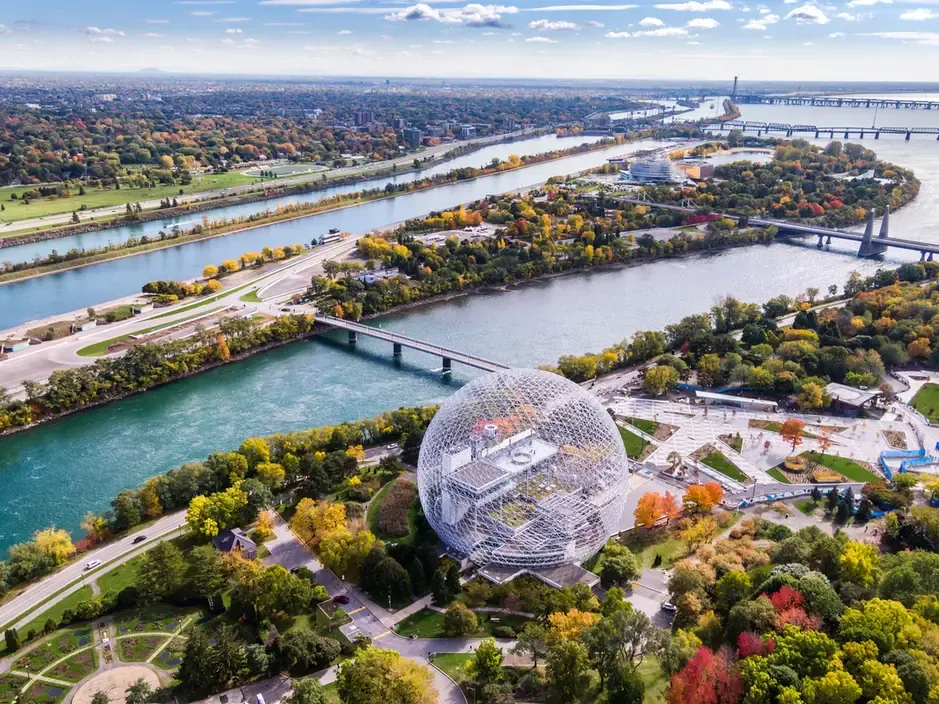
Montréal grew from the fortified mission of Ville-Marie, founded by Paul de Chomedey de Maisonneuve on 18 May 1642, into a major bilingual metropolis on the St Lawrence River. French is the language of daily life and English shares the signs downtown, and Old Montreal's stone warehouses sit a few blocks from glass office towers. Below the winter cold, the Underground City links 32 kilometres of malls, offices and metro stations, a network used by around 500,000 people a day since it began in 1962.
Neighbourhoods to know
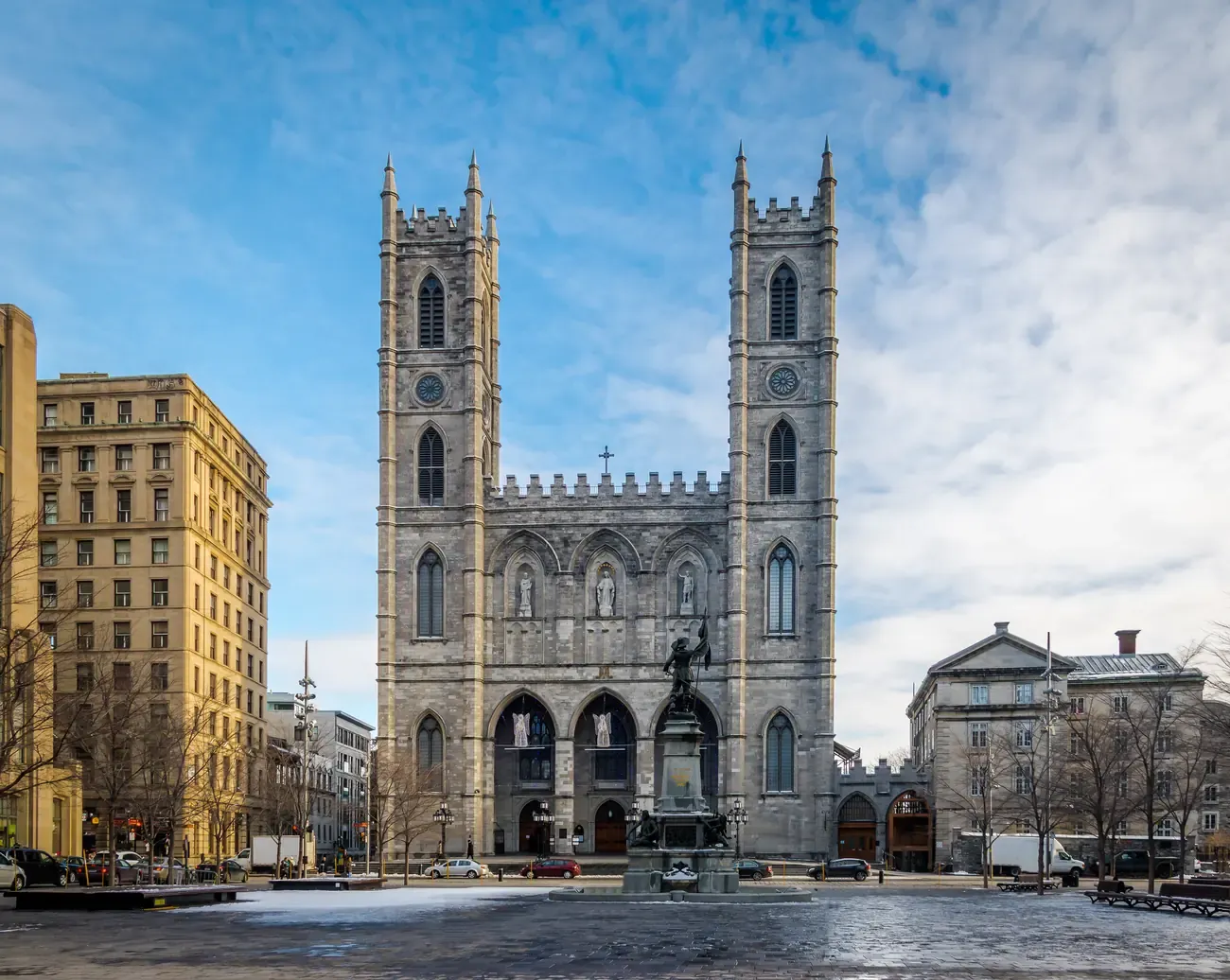
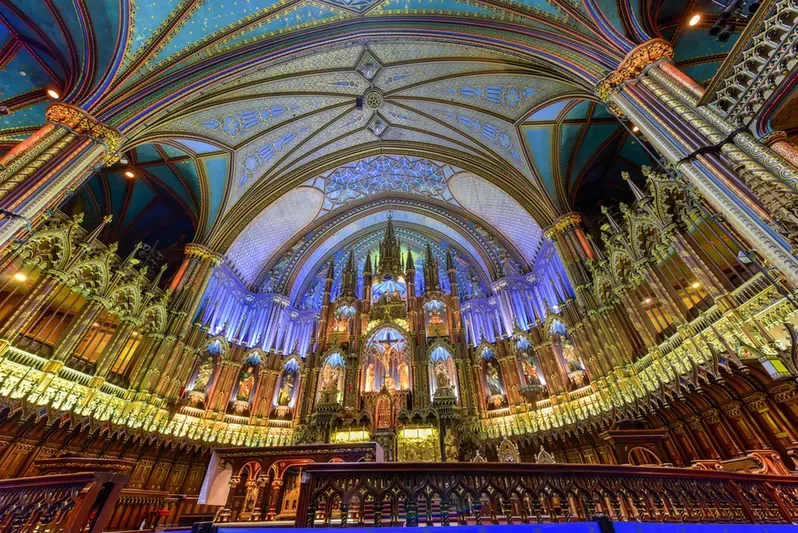
Old Montreal keeps the cobblestones, Notre-Dame Basilica and the Old Port along the St Lawrence. Downtown climbs from Sainte-Catherine Street past McGill University to the base of Mount Royal, the wooded hill Frederick Law Olmsted landscaped starting in 1876. North of downtown, the Plateau and Mile End trade grand churches for painted triplexes, murals and bagel ovens, while Little Italy gathers around Jean-Talon Market.
When to go and how long to stay
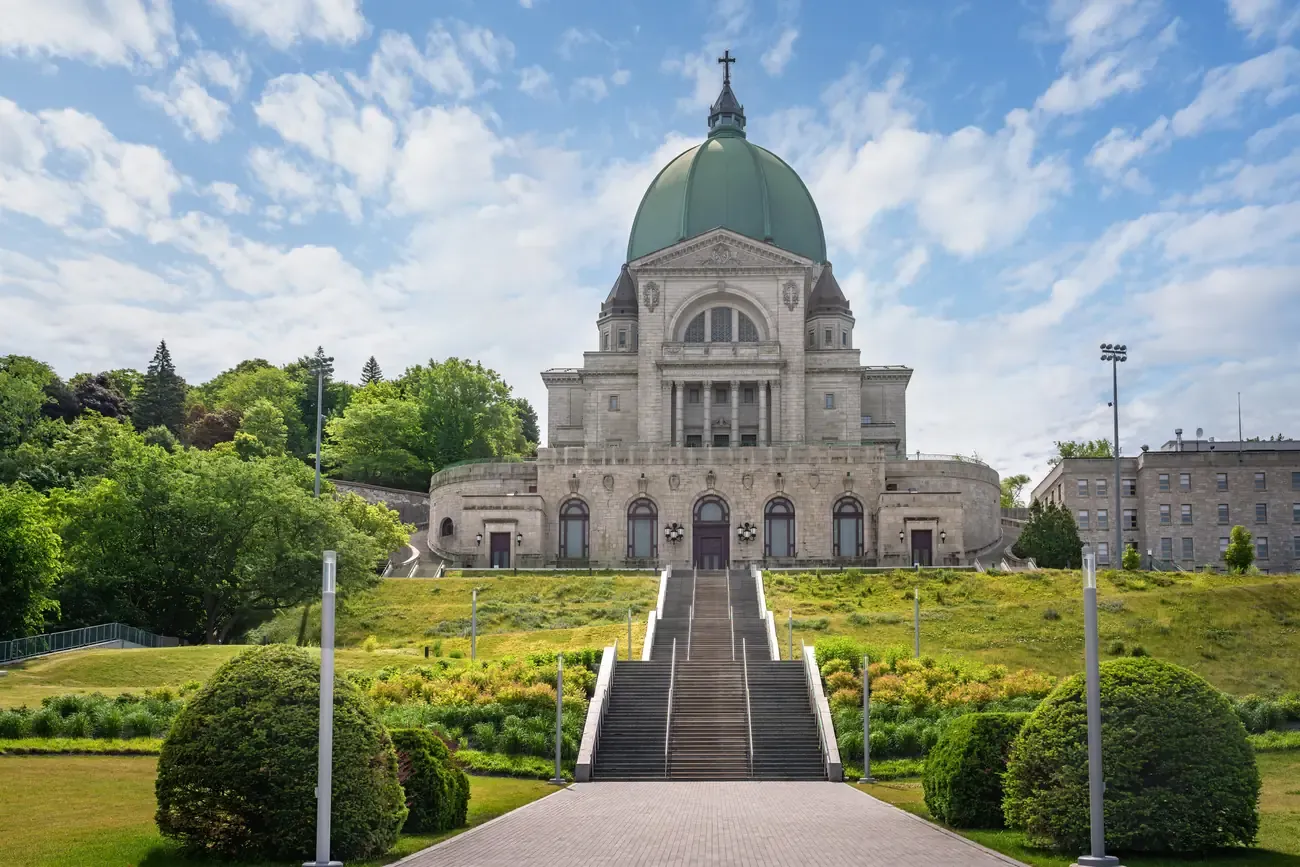
Summer, from June to September, brings the busiest festival calendar and the warmest weather, while winters turn cold enough for outdoor rinks and cross-country trails on Mount Royal. Three to four days cover Old Montreal, downtown and the mountain at an easy pace, with an extra day useful for Mile End, Jean-Talon Market or Saint Joseph's Oratory.
Getting around
Old Montreal and downtown are flat and walkable, and the STM's metro and bus network, including the 747 airport bus, reaches the rest of the island. Mount Royal's slopes are the one climb of note, with footpaths and the number 11 bus both leading up to Kondiaronk Lookout. Beyond the island, road and rail tie the city into the eastern circuit that gathers many of the top tourist attractions in Canada.