
Tourist attractions in Canada
Known for
Rocky Mountain parks, Niagara Falls, French-speaking Quebec
Must-see cities
Toronto, Vancouver, Montreal and Quebec City
UNESCO World Heritage
22 sites, from Historic District to the Canadian Rocky Mountain Parks
Getting around
Nine in ten Canadians live within 160 km of the United States border
Canada's top 12 tourist attractions
Niagara Falls, the CN Tower and Parliament Hill top the tourist attractions in Canada. Below, 12 sights are ranked in order, followed by the cities worth a stop, 12 more landmarks, local dishes, 12 hidden gems and visitor FAQs.
Must-see cities in Canada
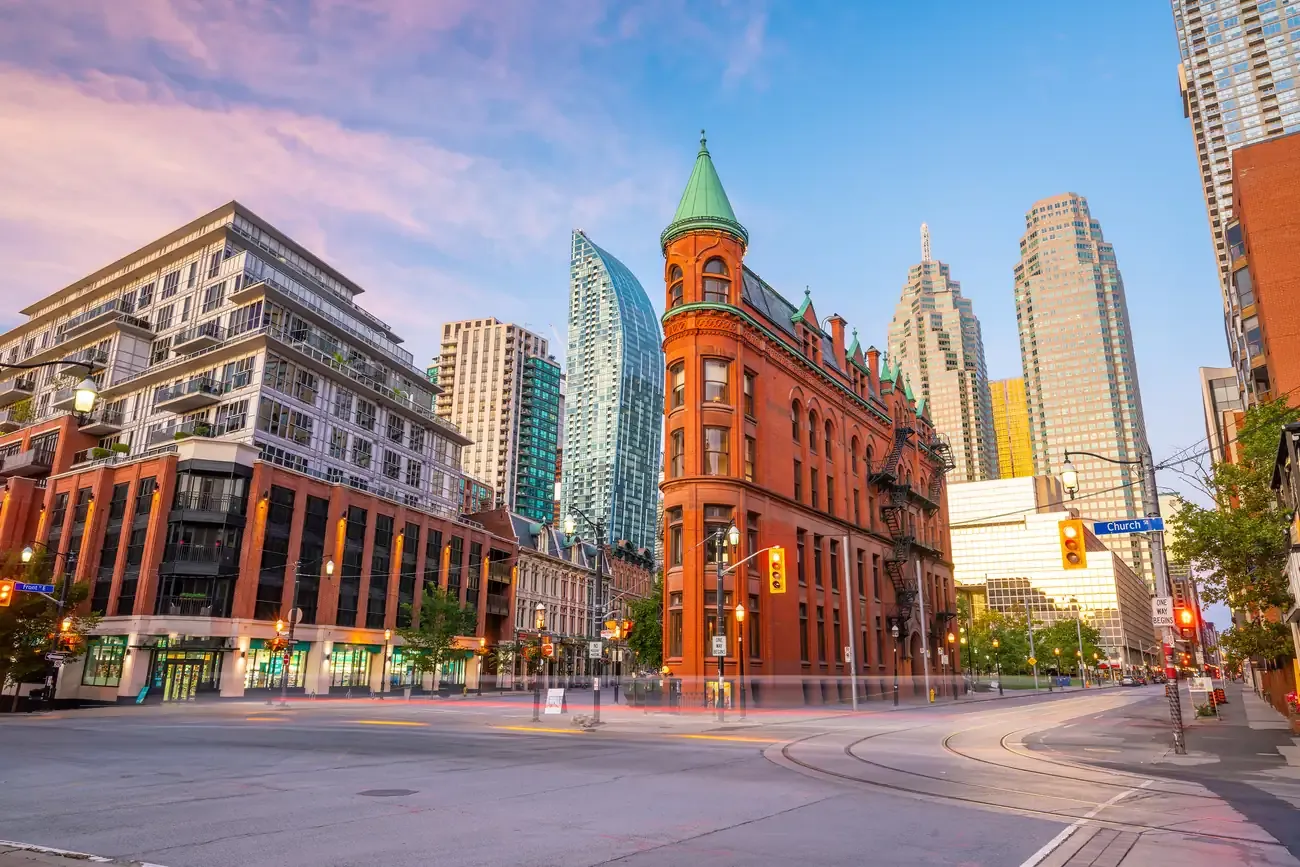
Toronto
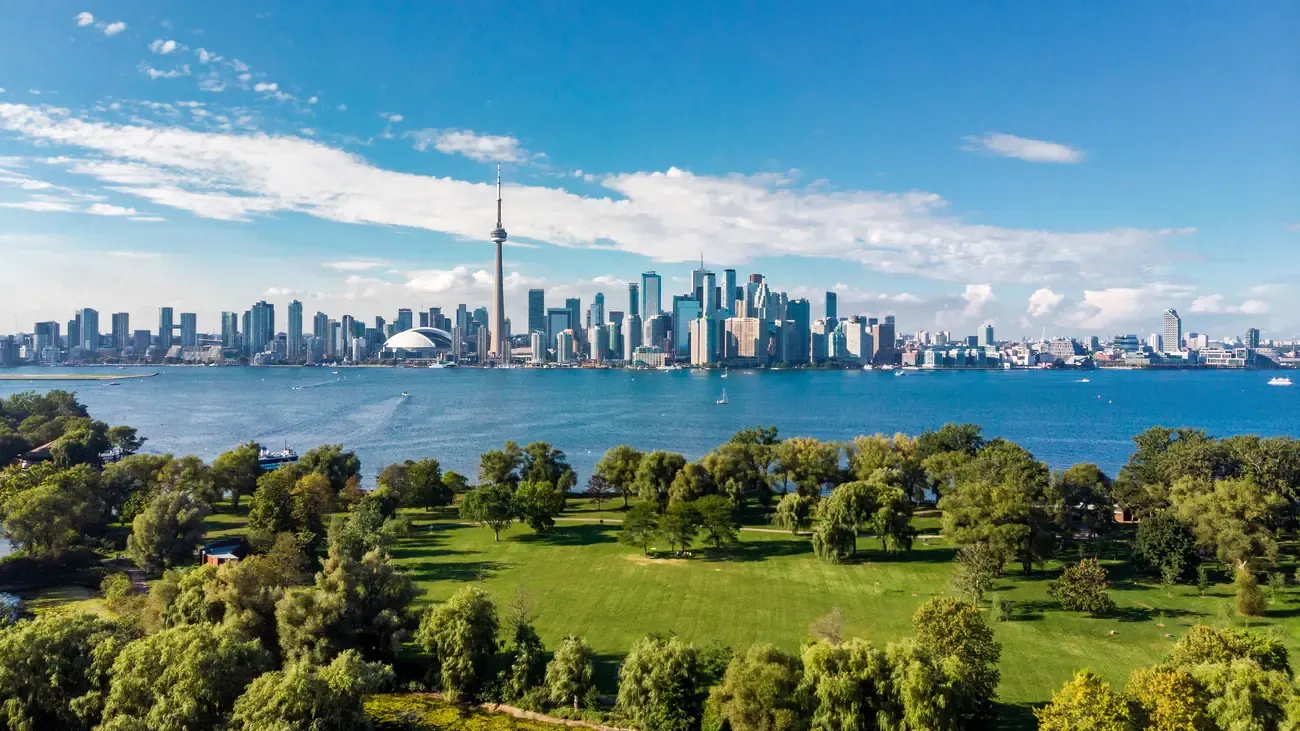
Top tourist attractions in Toronto. The largest city in the country, stacked along the Lake Ontario shore under the CN Tower, with a chain of car-free islands a short ferry ride offshore.
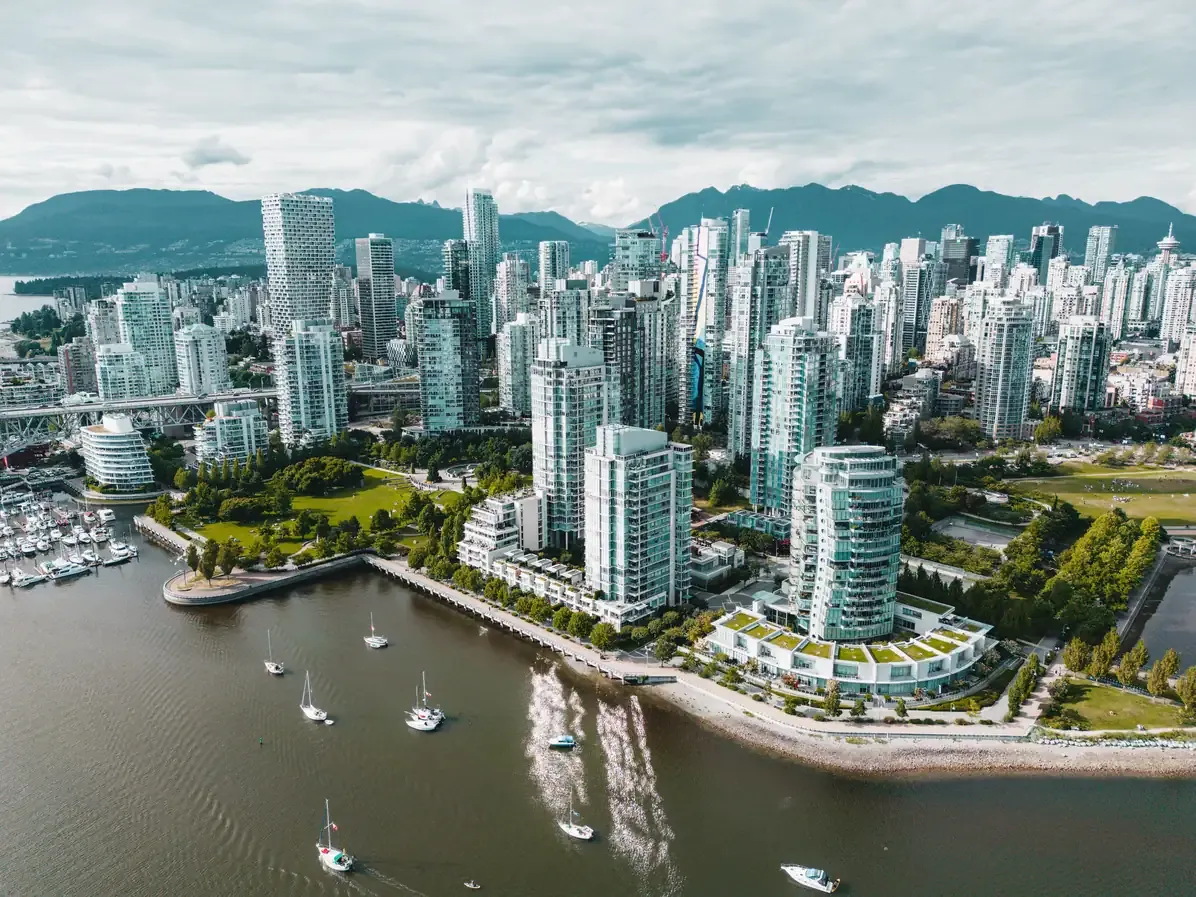
Vancouver
Top tourist attractions in Vancouver. Glass towers between the Coast Mountains and the Pacific, with a rainforest park at the end of downtown and ferries leaving for Vancouver Island.
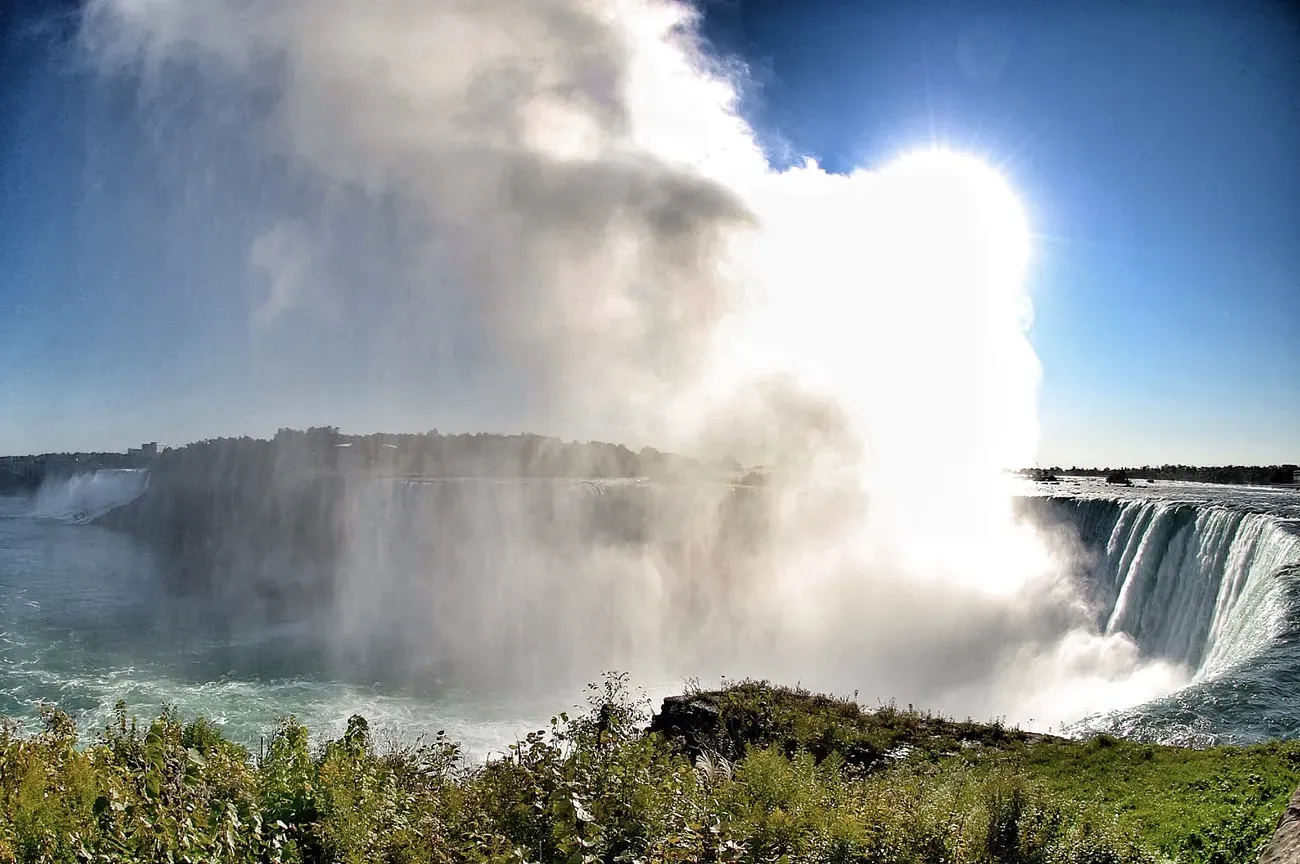
Niagara Falls
Top tourist attractions in Niagara Falls. The Ontario town facing the falls, with the Niagara Parks promenade along the crest, the gorge attractions downriver and wine country to the north.
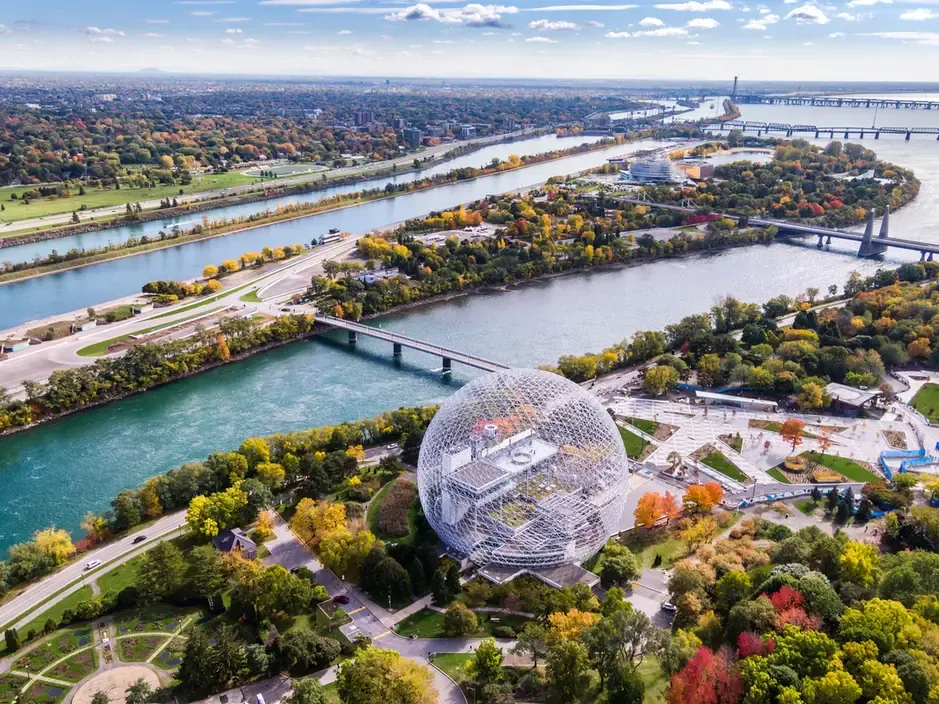
Montreal
Top tourist attractions in Montreal. The largest French-speaking city in the Americas, founded in 1642 as Fort Ville-Marie. Old Montreal keeps the stone streets of New France beside the St Lawrence, and Mount Royal rises behind downtown.
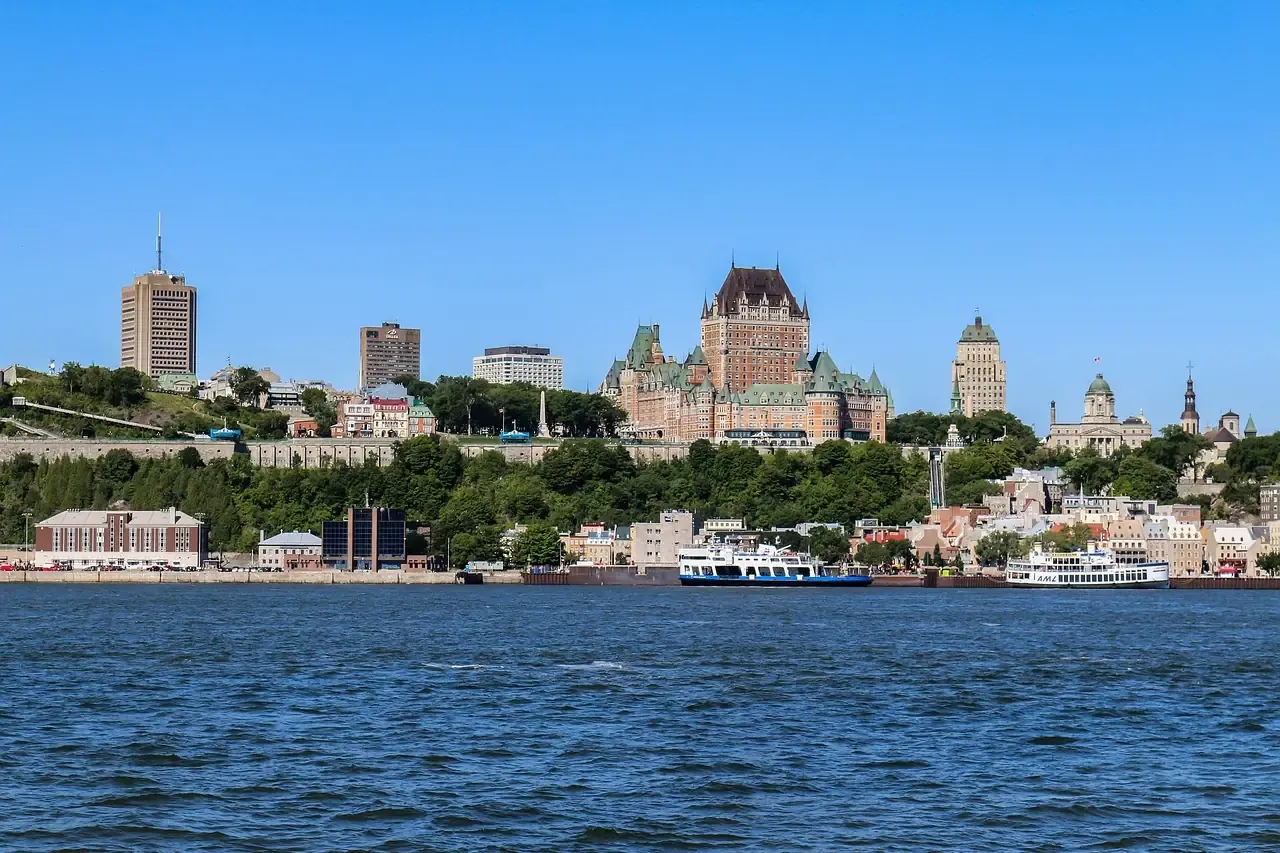
Quebec City
The capital of Quebec and the only city in North America that has kept its ramparts, with the Upper Town on the cliff and the lanes of the Lower Town below it.
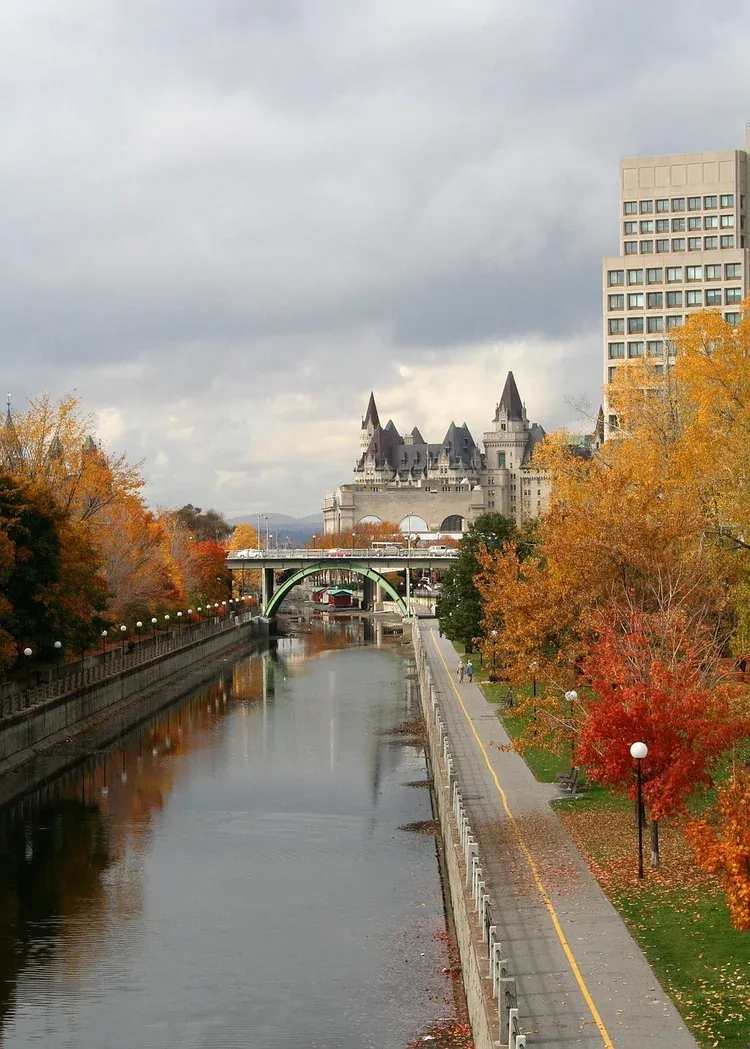
Ottawa
The federal capital on the Ontario bank of the Ottawa River, laid out around Parliament Hill, the locks of the Rideau Canal and a run of national museums.
1. Niagara Falls
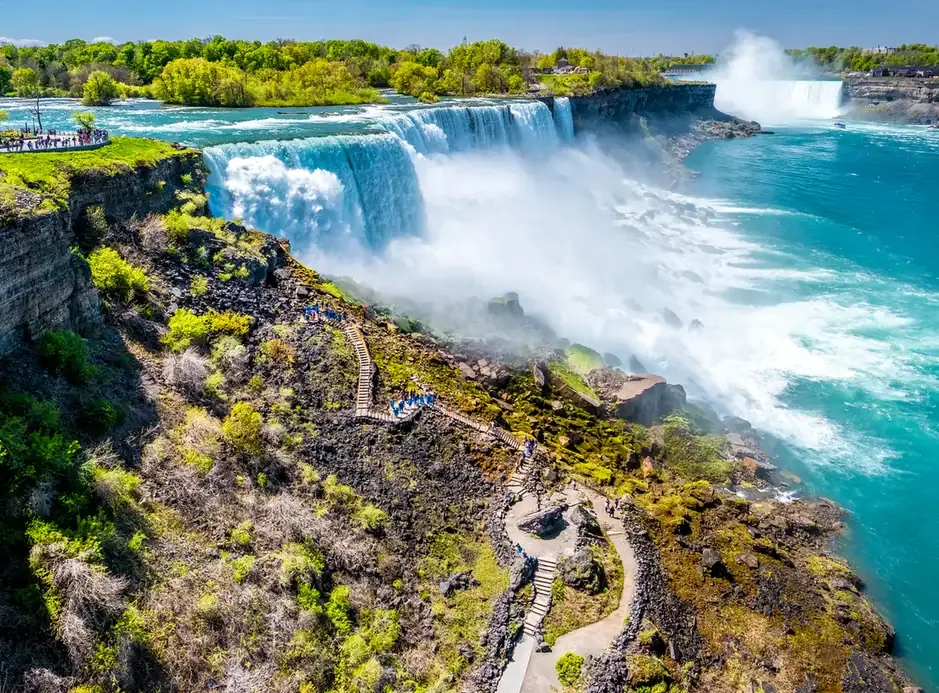
Three waterfalls drop into the Niagara Gorge on the border with New York State, and the widest of them, Horseshoe Falls, curves away from the Canadian bank. Together they carry more water than any other waterfall in North America. Niagara Parks manages the Ontario shore, where the promenade runs level with the crest and leads on to the tunnels of Journey Behind the Falls, boats that push into the spray, the Whirlpool Aero Car downriver and the illumination that colours the water after dark.
Location: Niagara Falls, Ontario, on the Niagara River
Access: Ticketed for the Niagara Parks attractions along the Canadian bank
2. CN Tower
Toronto arranges itself around a concrete column 553.3 metres tall, finished in 1976 by the railway company whose initials it carries and left as the tallest free-standing structure on earth for the next 32 years. Lifts climb the shaft to the Main Observation Level, where a glass floor looks straight down on the rail yards and an outdoor terrace opens to the lake wind. Higher again, The Top is the highest viewing platform in the Western Hemisphere, and EdgeWalk sends harnessed groups around the outside of the pod.
Opened: 1976 · Height: 553.3 metres
Location: Front Street West, downtown Toronto
Access: Ticketed, with EdgeWalk booked separately
3. Parliament Hill
The Parliament of Canada works from a suite of Gothic Revival buildings on a bluff above the Ottawa River, with nine hectares of lawn in front of them kept by the National Capital Commission. Around three million people come each year. Guided tours cover the Senate and the House of Commons in the buildings each chamber occupies today, along with the East Block and an immersive show about the institution; the Centre Block itself is closed behind hoardings for a long rehabilitation.
Style: Gothic Revival
Location: Wellington Street, downtown Ottawa
Access: Grounds open; tours of the chambers are booked in advance
4. Notre-Dame Basilica of Montreal
James O'Donnell drew this church for a congregation of ten thousand and the main construction ran from 1824 to 1829 on the edge of Place d'Armes, with the towers following in 1841 and 1843. The interior is the reason for the queue: a vault of deep blue scattered with gold stars, walls worked in azure, red and silver, hundreds of carved wooden figures and the great Casavant organ. Sightseeing visits run between services, and after dark the nave becomes the screen for a light and sound show.
Architect: James O'Donnell · Style: Gothic Revival · Built: 1824 to 1829
Location: Place d'Armes, Old Montreal
Access: Ticketed for the daytime visit and for the evening show
5. Old Quebec
Champlain founded Quebec early in the seventeenth century, and the town that grew from it is the only city in North America to have kept its ramparts, with the bastions and gates that still ring it. UNESCO listed the district in 1985. The Upper Town on Cap Diamant holds the churches, convents, the Citadel and the Chateau Frontenac; the Lower Town below keeps the stone houses and narrow lanes of Place Royale, reached by stairs or by funicular. The whole district covers about 135 hectares.
Heritage: UNESCO World Heritage since 1985 · Area: about 135 hectares
Location: Quebec City, on and below Cap Diamant
Access: Open streets; the Citadel and the museums inside are ticketed
6. Peggys Cove
A working fishing village sits on the granite shore of St Margarets Bay, 43 kilometres southwest of Halifax, its wooden houses and fish stores wedged among boulders the ice left behind. A light has marked Peggys Point since 1868, and the tower above the rocks draws the crowds. A viewing deck near the lighthouse opens the site to wheels as well as boots. The Atlantic here is not tame: the community warns that rogue waves reach the black rocks even on calm days, so visitors keep to the dry granite.
Lighthouse: established 1868
Location: Peggys Cove, St Margarets Bay, Nova Scotia
Access: Open village, with parking, washrooms and a viewing deck
7. Banff National Park
Canada set aside its first national park here in 1885, as Rocky Mountains Park, and it now covers 6,641 square kilometres of the Alberta Rockies: glaciers, ice fields, coniferous forest and a chain of lakes fed by meltwater. It anchors the Canadian Rocky Mountain Parks World Heritage Site. The Bow Valley carries the road and the town of Banff, gondolas climb the ridges above them, and the Icefields Parkway runs north past Bow Lake and the Waterfowl Lakes towards Jasper.
Established: 1885 · Area: 6,641 square kilometres · Heritage: UNESCO World Heritage
Location: Alberta Rockies, west of Calgary
Access: Ticketed, a valid national park pass is required to enter
8. Lake Louise
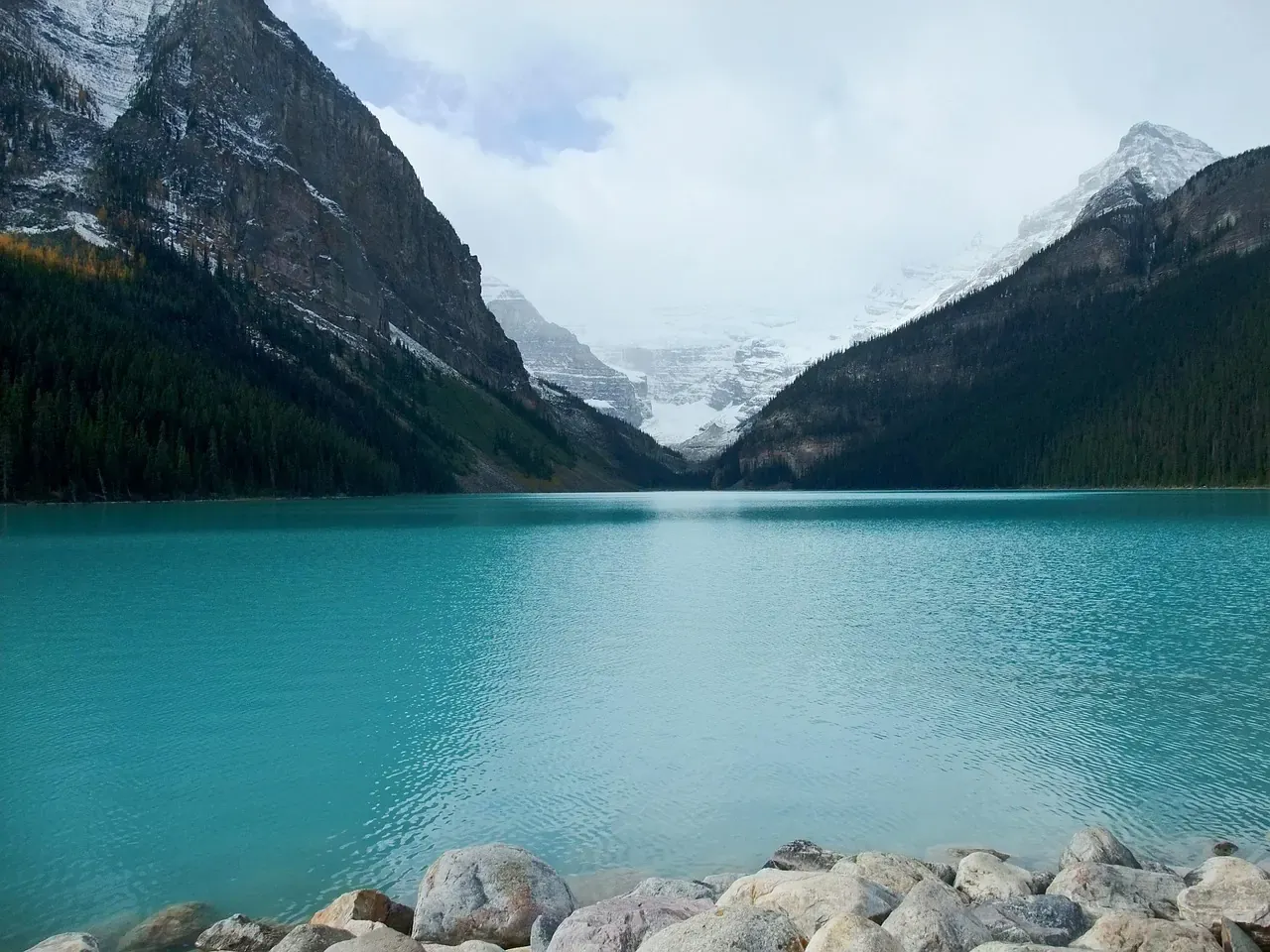
Meltwater from Victoria Glacier fills a lake the colour of jade at the head of a valley in Banff National Park, with a canoe dock on the near shore and walking trails climbing into the cirques behind it. The hamlet that shares the name began in 1884 as a Canadian Pacific Railway outpost and, at 1,600 metres, is the highest community in Canada. Parking fills early in summer: Parks Canada points visitors at transit instead, and reservations are required on the shuttles that serve the lake.
Settled: 1884 · Elevation of the hamlet: 1,600 metres
Location: Banff National Park, Alberta
Access: Park pass required, and shuttle reservations for the lake itself
9. Jasper National Park
The largest national park in the Canadian Rockies spreads over 11,000 square kilometres north of Banff, with the glaciers of the Columbia Icefield along its southern edge, Maligne Lake in the middle and elk grazing the verges. It is the second largest dark sky preserve in the world, so the nights count as much as the days. Fire ran through the valley in 2024 and the town is being rebuilt; Parks Canada runs interpretive programmes on how the forest is coming back and publishes what is open each season.
Area: 11,000 square kilometres · Heritage: part of the Canadian Rocky Mountain Parks
Location: Alberta Rockies, north of Banff National Park
Access: Ticketed, a valid national park pass is required
10. Stanley Park
Four hundred hectares of West Coast rainforest fill the tip of the downtown peninsula, held between Burrard Inlet and English Bay and ringed by a seawall loop of about ten kilometres that is walked and cycled one way only. The Squamish, Musqueam and Tsleil-Waututh peoples were on this land long before the city set it aside in 1888. Cedar totem poles stand at Brockton Point, beaches and forest trails fill the interior, and the sea stack of Siwash Rock rises off the western shore.
Area: 400 hectares · Seawall loop: about 10 kilometres
Location: Downtown peninsula, Vancouver
Access: Open daily from 6am to 10pm; attractions inside charge their own admission
11. Capilano Suspension Bridge
George Grant Mackay hung a footbridge of hemp rope and cedar planks across the Capilano canyon in 1889, and wire cables replaced it in 1903. The crossing crosses 140 metres of gorge, seventy metres above the river, and moves underfoot the whole way. The park on the far bank has grown around it with the Treetops Adventure walkways strung between Douglas firs, the Cliffwalk cantilevered along the granite and First Nations carvings under the trees. A free shuttle runs out from downtown Vancouver.
First bridge: 1889 · Span: 140 metres · Height above the river: 70 metres
Location: Capilano Road, North Vancouver
Access: Ticketed, open through the year
Photo: "Capilano Suspension Bridge" by InSapphoWeTrust (CC BY-SA 2.0).
12. Butchart Gardens
The Butcharts settled beside the family cement works on Tod Inlet in 1904, and the worked-out limestone quarry behind the house became the Sunken Garden that still opens the visit. More than a million people a year now walk the Rose Garden, the Japanese Garden, the Italian Garden and the Mediterranean Garden on the Saanich Peninsula north of Victoria. Parks Canada lists the whole property as a National Historic Site. Each season is planted differently, with fireworks on summer Saturdays and lights at Christmas.
Founded: 1904 · Heritage: National Historic Site of Canada
Location: Brentwood Bay, Vancouver Island, near Victoria
Access: Ticketed, open daily through the year
Famous places to see in Canada
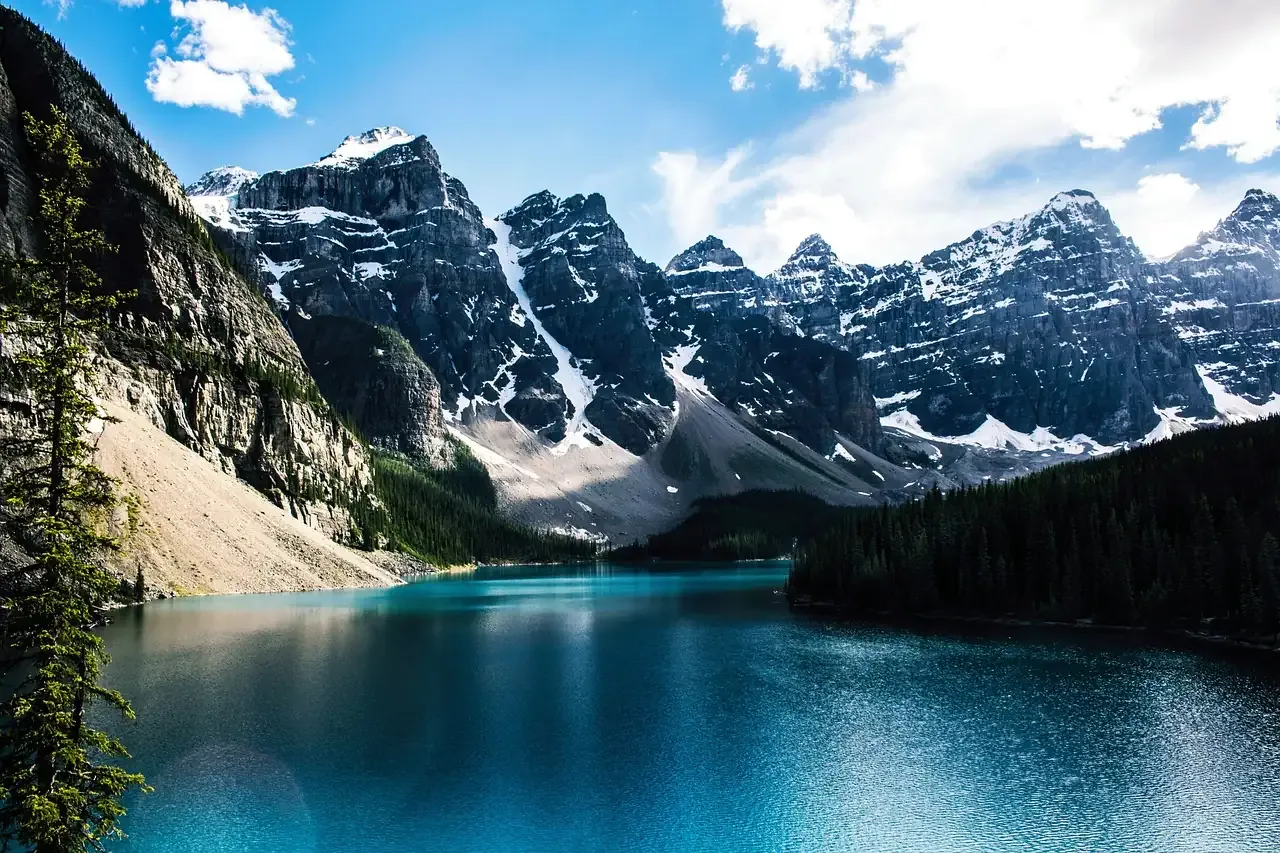
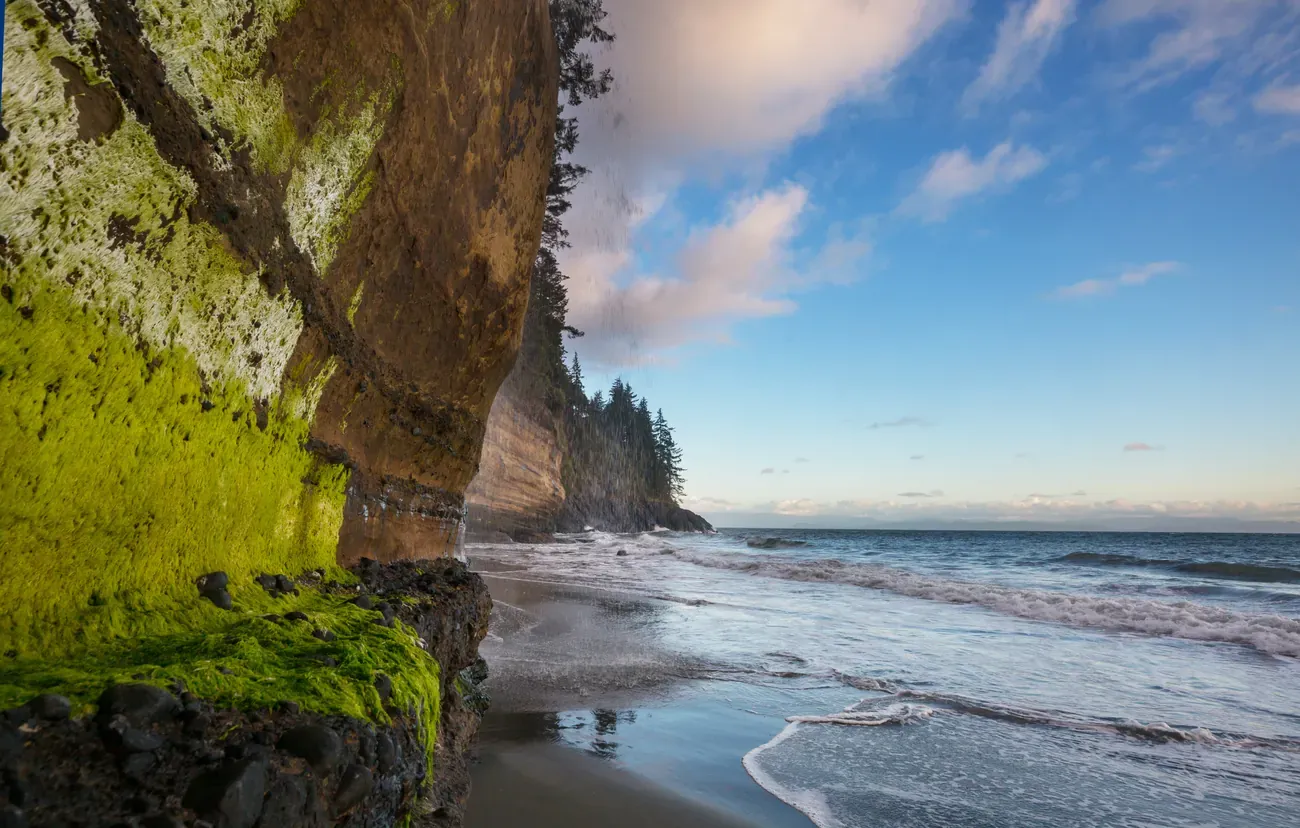
Moraine Lake
A rock-dammed lake under the Valley of the Ten Peaks, reached by shuttle, tour bus or commercial transit only, never by private car.
Location: Banff National Park, near Lake Louise, Alberta
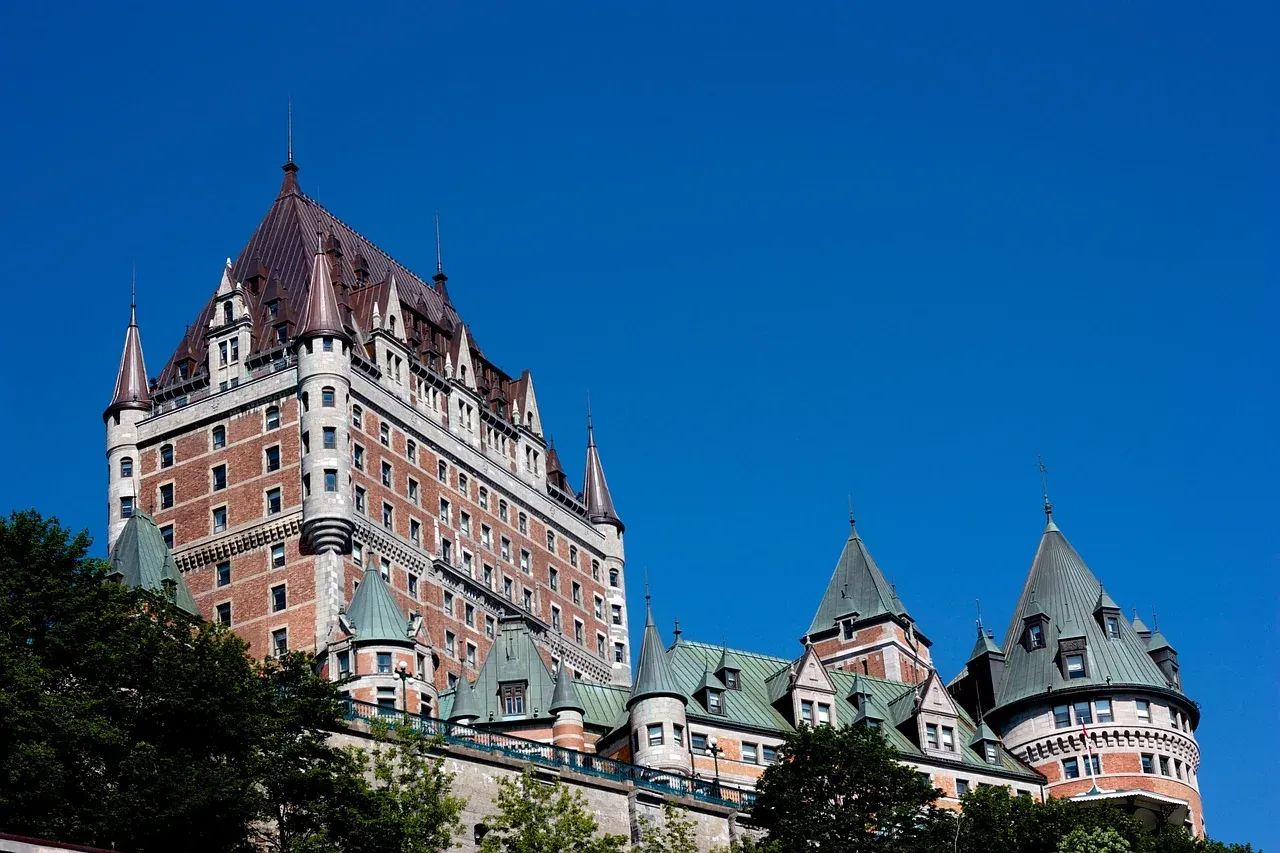
Château Frontenac
Bruce Price designed this chateau-style railway hotel, opened in 1893, and its turrets have given Quebec City its silhouette ever since.
Location: Place d'Armes, Old Quebec, Quebec City
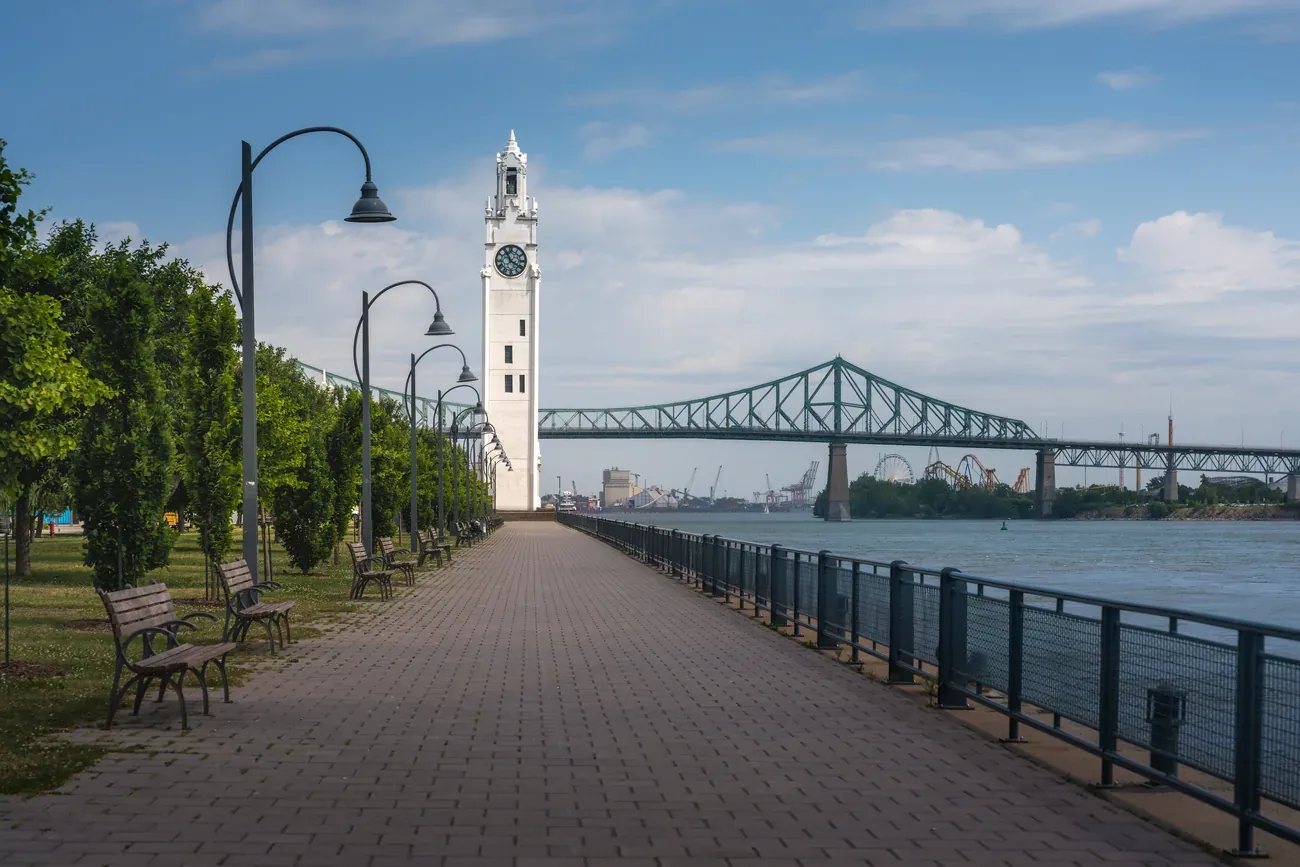
Old Montreal
Stone streets and squares of the settlement founded in 1642 as Fort Ville-Marie, running from Place d'Armes down to the Old Port.
Location: Ville-Marie, on the St Lawrence in Montreal
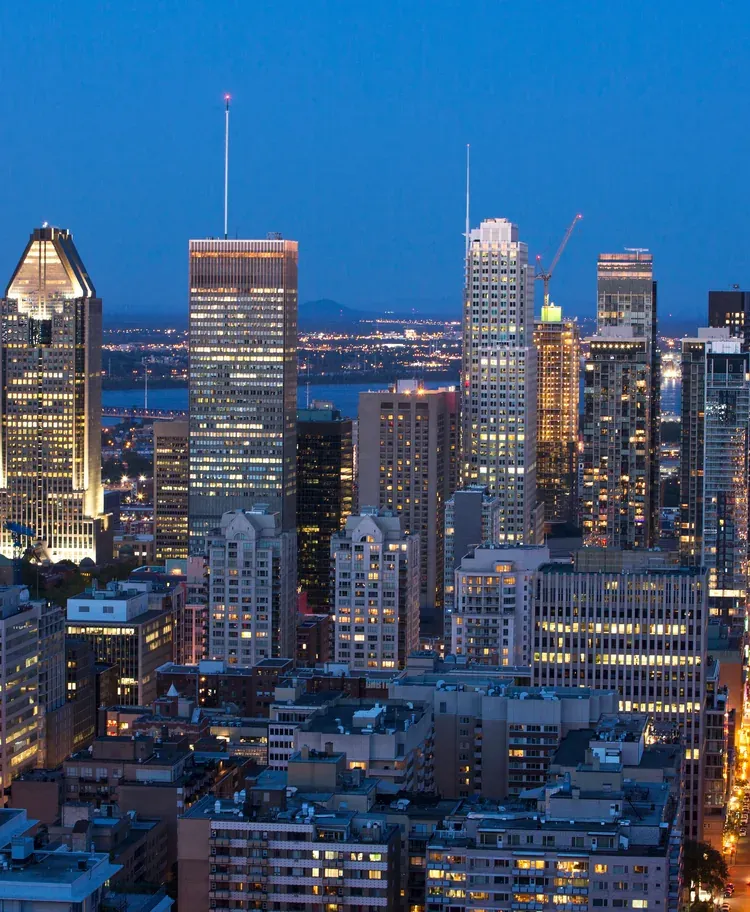
Mount Royal
The hill that gave Montreal its name, 233 metres at the cross, with a lookout over downtown and paths across the park on its slopes.
Location: Montreal, immediately west of downtown
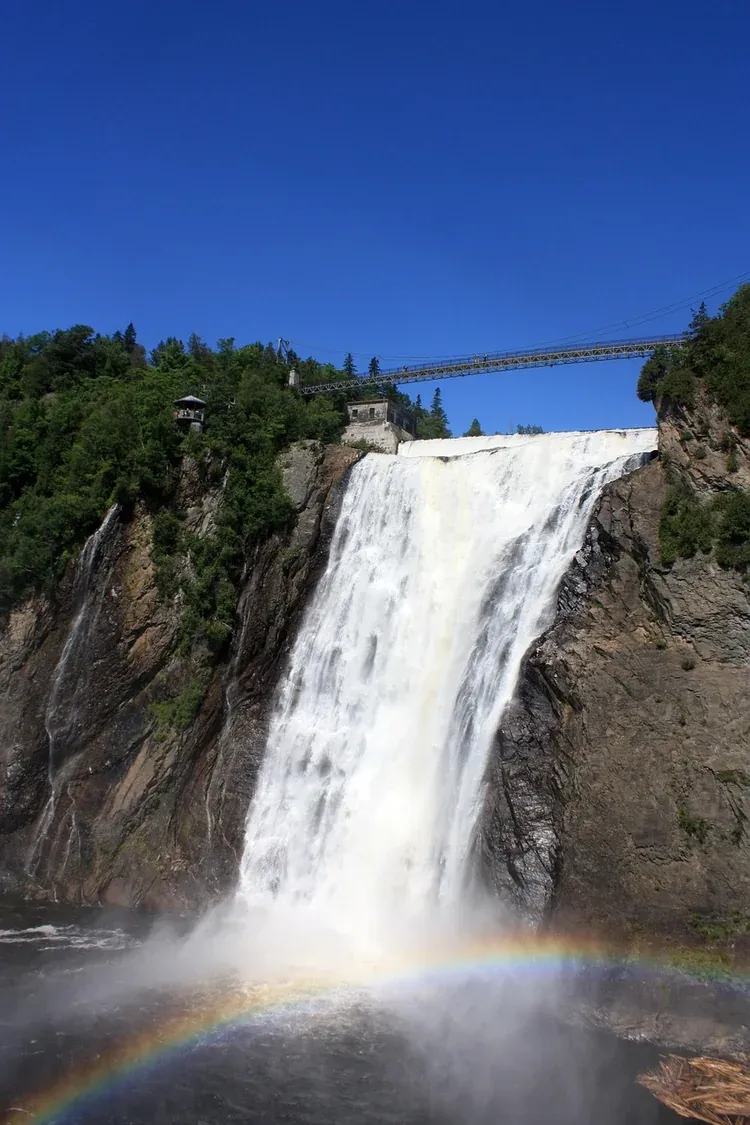
Montmorency Falls
A waterfall 83 metres tall, a full 30 metres higher than Niagara, with a suspension bridge strung across its crest.
Location: Mouth of the Montmorency River, near Quebec City
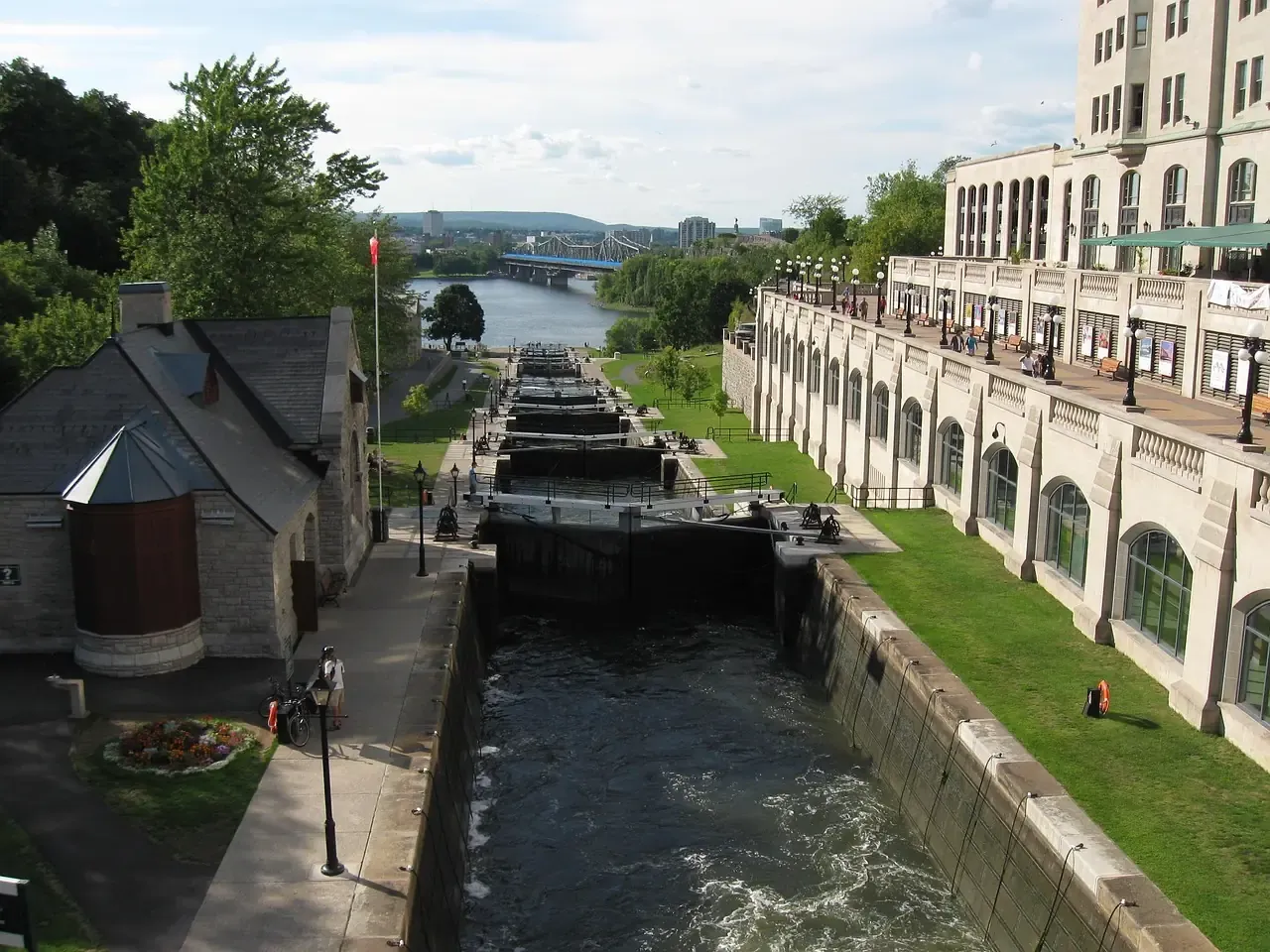
Rideau Canal
The oldest continuously operated canal system in North America, opened in 1832 and UNESCO-listed in 2007; its locks step down to the Ottawa River.
Location: Ottawa to Kingston, Ontario
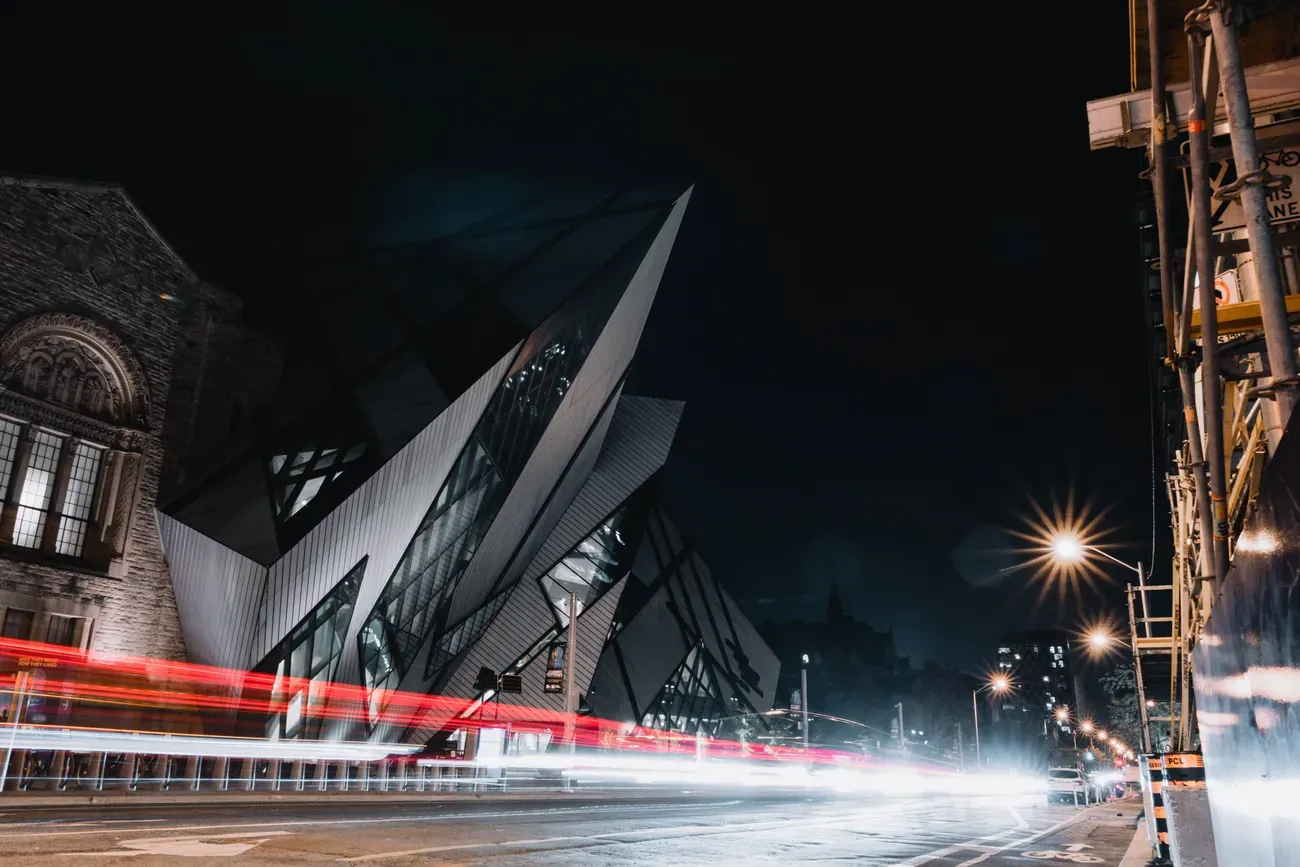
Royal Ontario Museum
The largest museum in the country, its old galleries fronted since 2007 by Daniel Libeskind's angular crystal of glass and aluminium.
Location: Bloor Street West at Queen's Park, Toronto
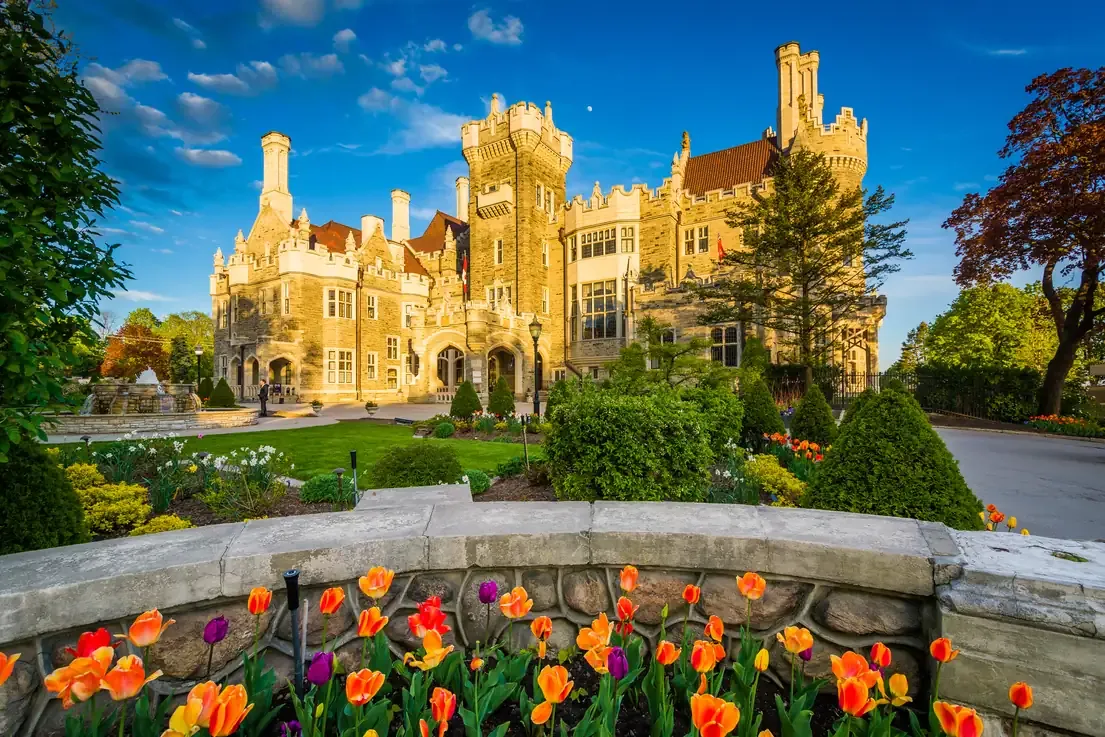
Casa Loma
E. J. Lennox finished this Gothic Revival castle in 1914 for the financier Henry Pellatt, towers, oak halls and a tunnel to the stables included.
Location: Austin Terrace, midtown Toronto
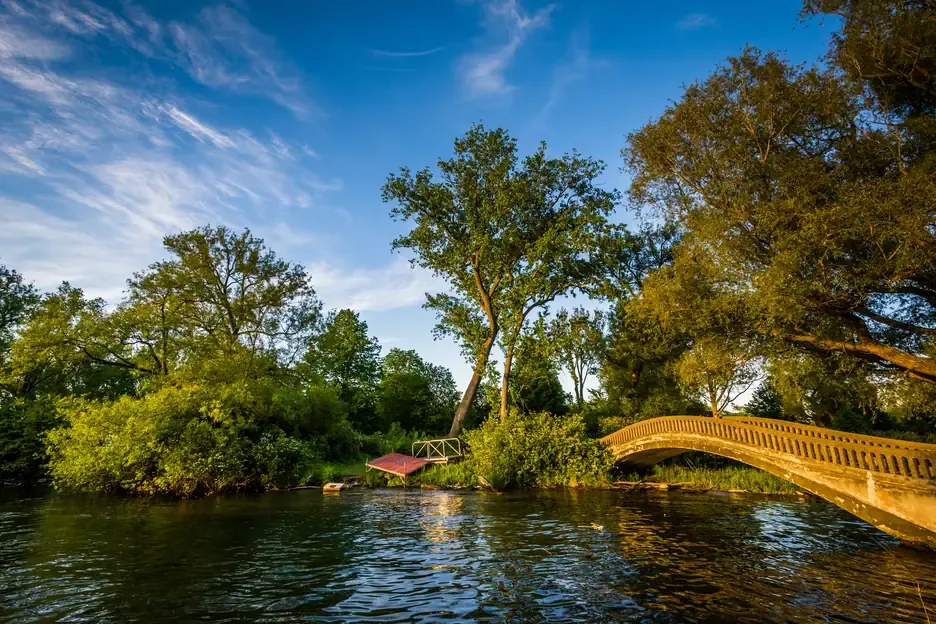
Toronto Islands
A chain of fifteen car-free islands a short ferry ride offshore, with beaches, boardwalks and the classic view back at the skyline.
Location: Lake Ontario, off downtown Toronto
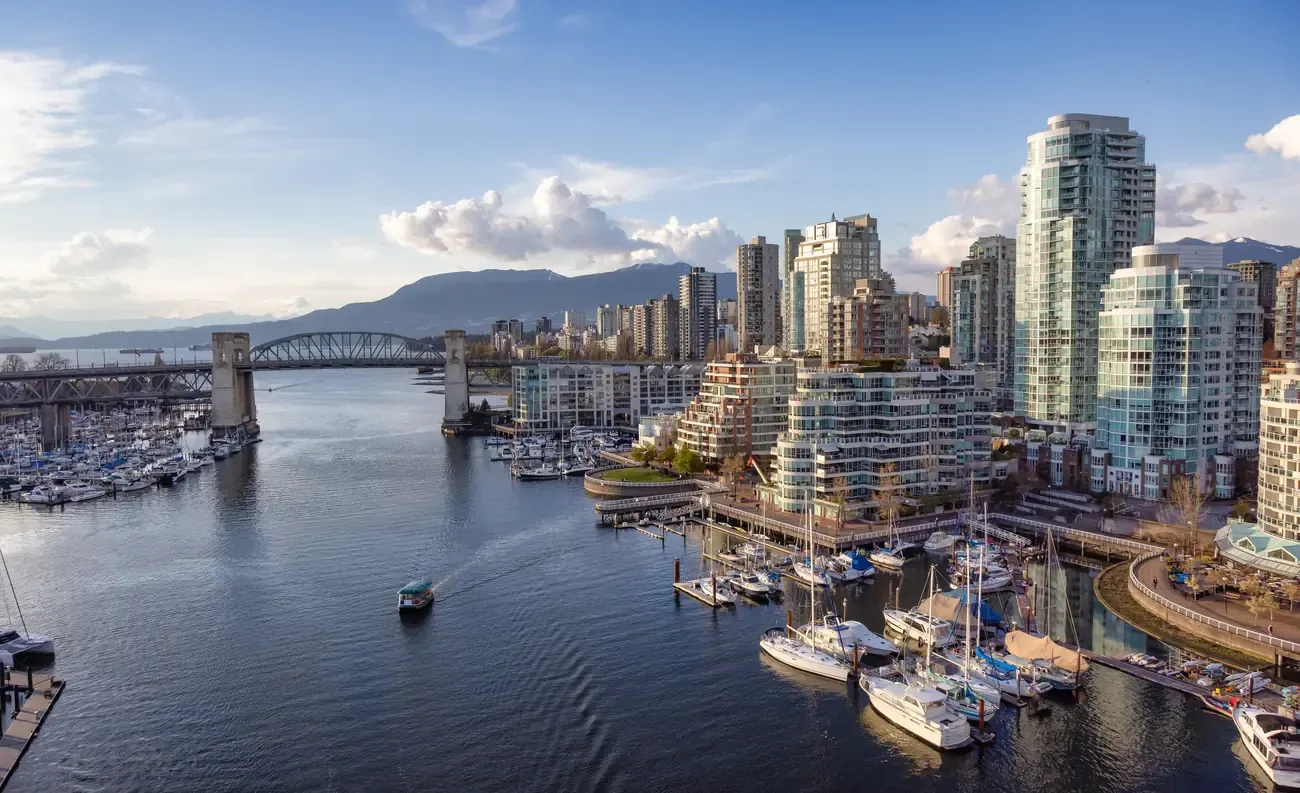
Granville Island
Former factory sheds under a bridge, now a public market, artists' studios and theatres reached by small ferries across False Creek.
Location: False Creek, Vancouver
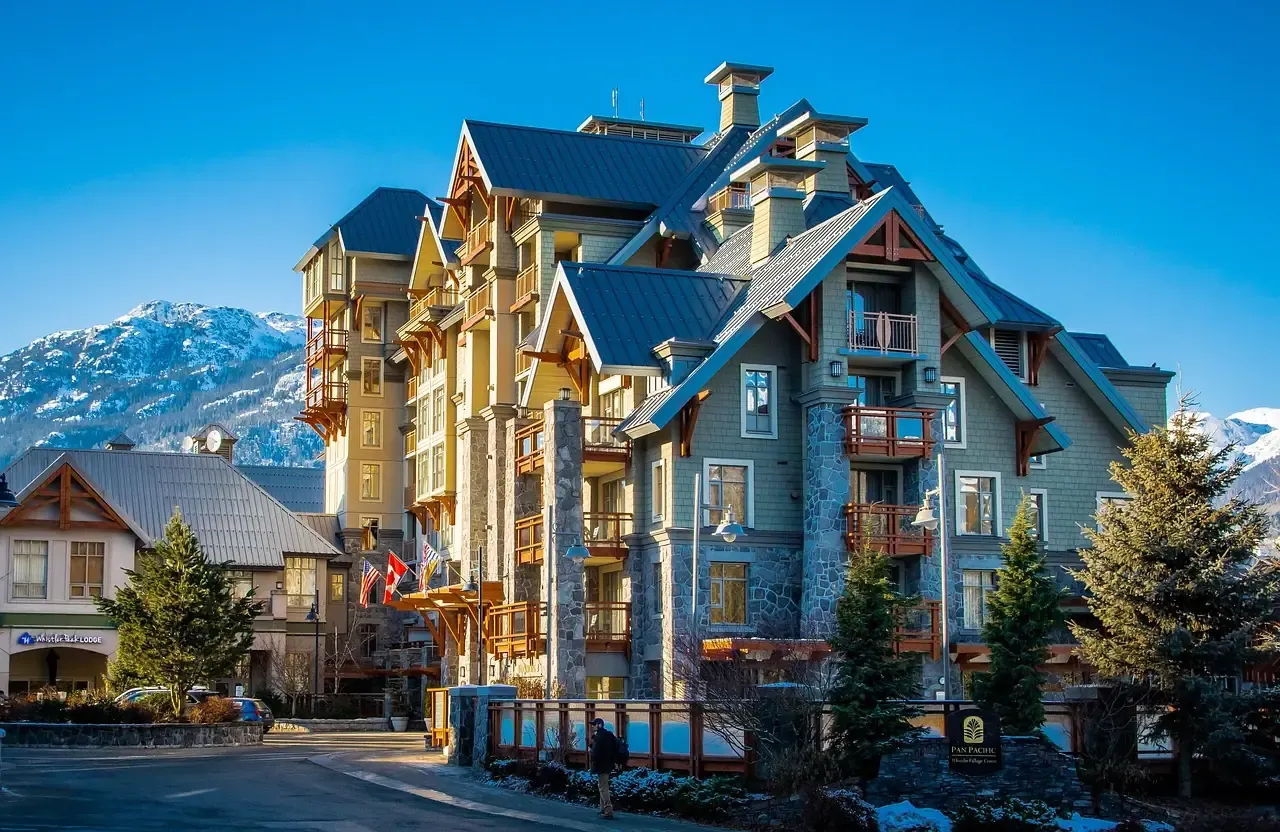
Whistler
A pedestrian resort village under two ski mountains that hosted the alpine events of the 2010 Winter Olympics, 125 kilometres north of Vancouver.
Location: Coast Mountains, British Columbia
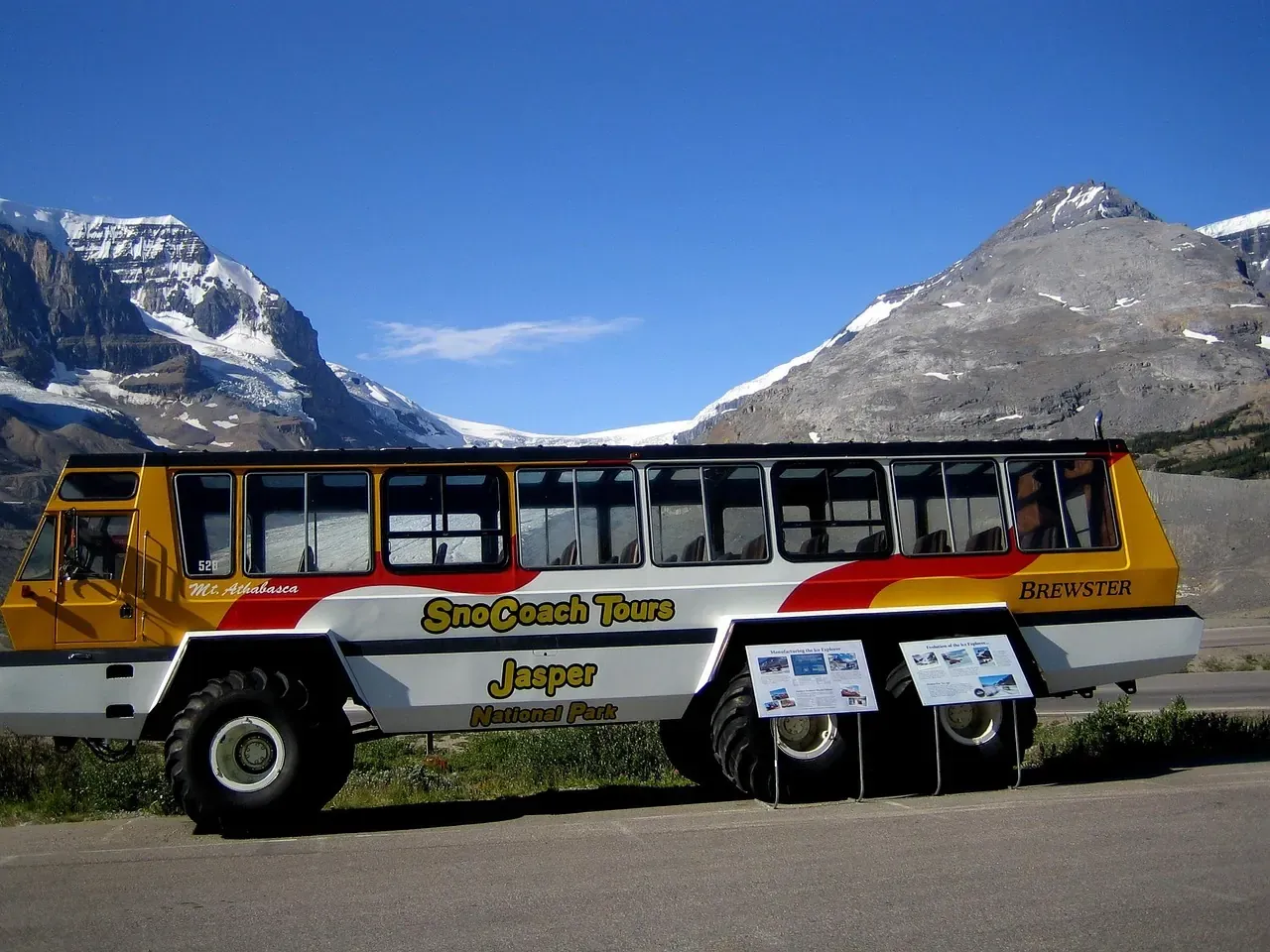
Athabasca Glacier
A tongue of the Columbia Icefield beside the parkway, receding for 125 years and crossed on all-terrain buses from the visitor centre.
Location: Icefields Parkway, Jasper National Park, Alberta
Local food in Canada

Poutine
French fries under cheese curds and hot gravy, which came out of the Centre-du-Quebec region in 1959 and now turns up from coast to coast. Several towns claim the invention and none of the claims has been settled.

Butter tart
A small pastry shell filled with butter, brown sugar, maple syrup and egg, baked until the centre sets and the top cracks. Recipes vary from family to family, and so does the argument about raisins.
Photo: "Butter tarts on cutting board" by Rob Campbell (CC BY 2.0).

Nanaimo bar
Three layers that need no oven, named after the city on Vancouver Island: a crumb, nut and coconut base, custard icing in the middle and chocolate poured over the top.

Tourtiere
The French Canadian meat pie, minced pork, veal or beef baked with potato under a pastry lid. It dates back to the founding of Quebec in the 1600s and belongs to the Christmas reveillon and New Year's Eve table.
Photo: "Tourtiere table" by George Showman (CC BY 2.0).

Maple taffy
Maple sap boiled past the syrup stage, poured in ribbons onto clean snow and rolled onto a stick as it cools. Sugar shacks across Quebec and eastern Ontario serve it in late winter.

Coastal parks and scenic drives in Canada
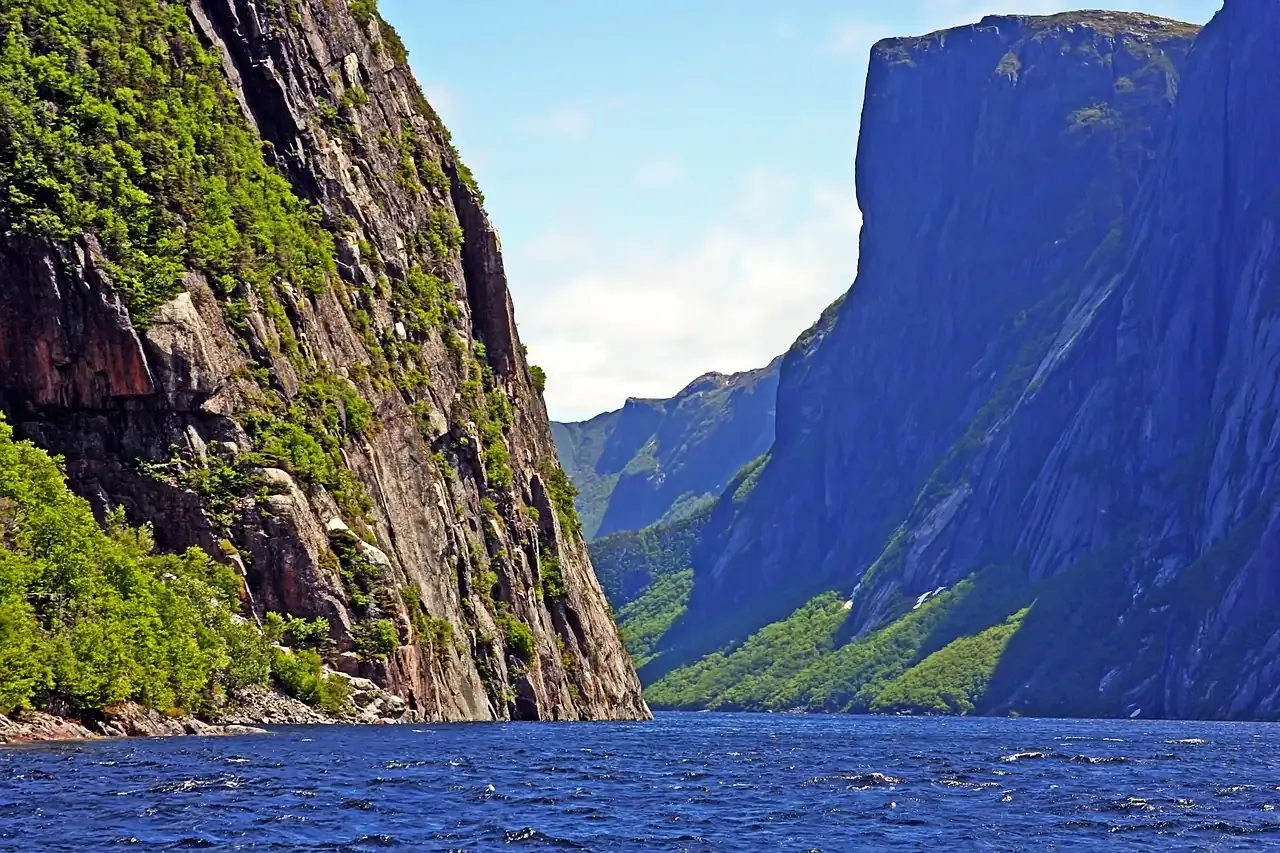
Gros Morne National Park
Landlocked fjords cut into the Long Range Mountains and the Tablelands expose a slab of the Earth's mantle, listed by UNESCO in 1987.
Location: West coast of Newfoundland
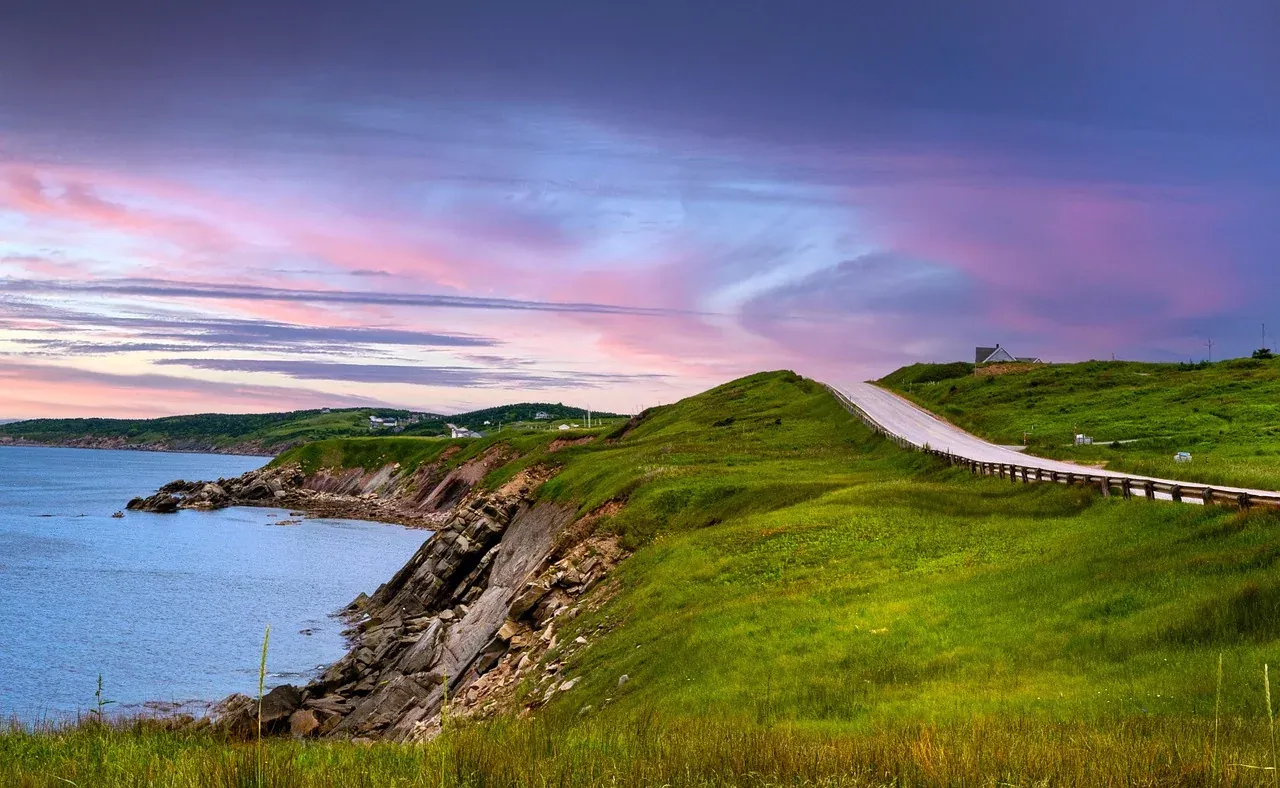
Cabot Trail
A loop of 298 kilometres around the north of Cape Breton Island, a third of it inside Cape Breton Highlands National Park.
Location: Cape Breton Island, Nova Scotia
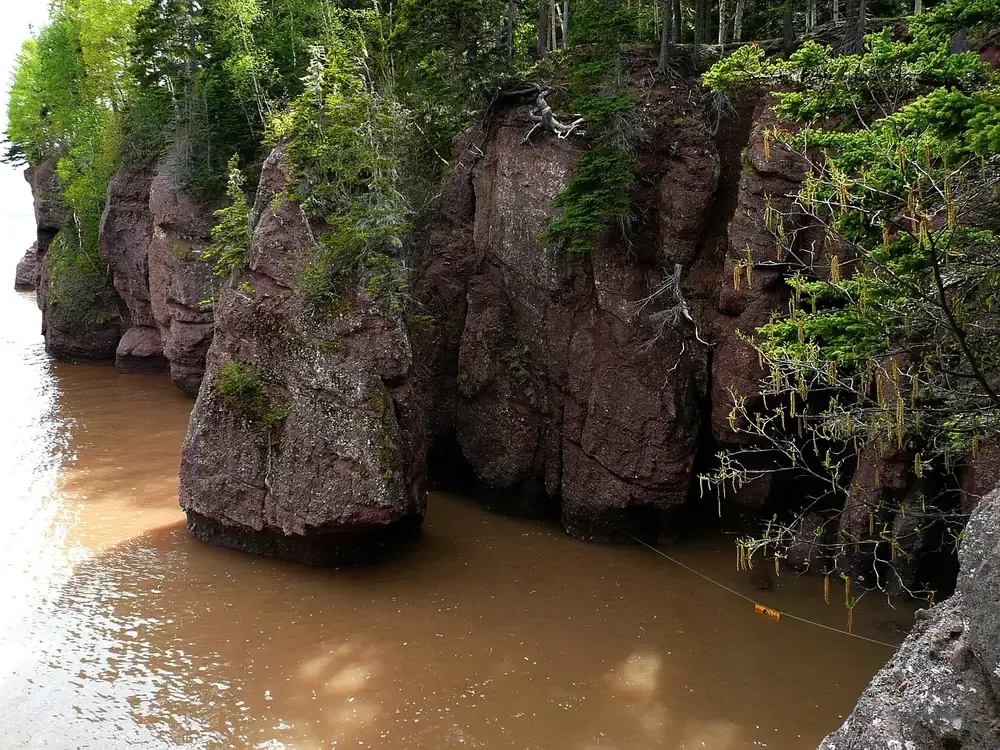
Hopewell Rocks
Bay of Fundy tides have carved over twenty sea stacks along two kilometres of shore, and the ocean floor is walked at low tide.
Location: Hopewell Cape, New Brunswick
Historic sites away from the cities in Canada
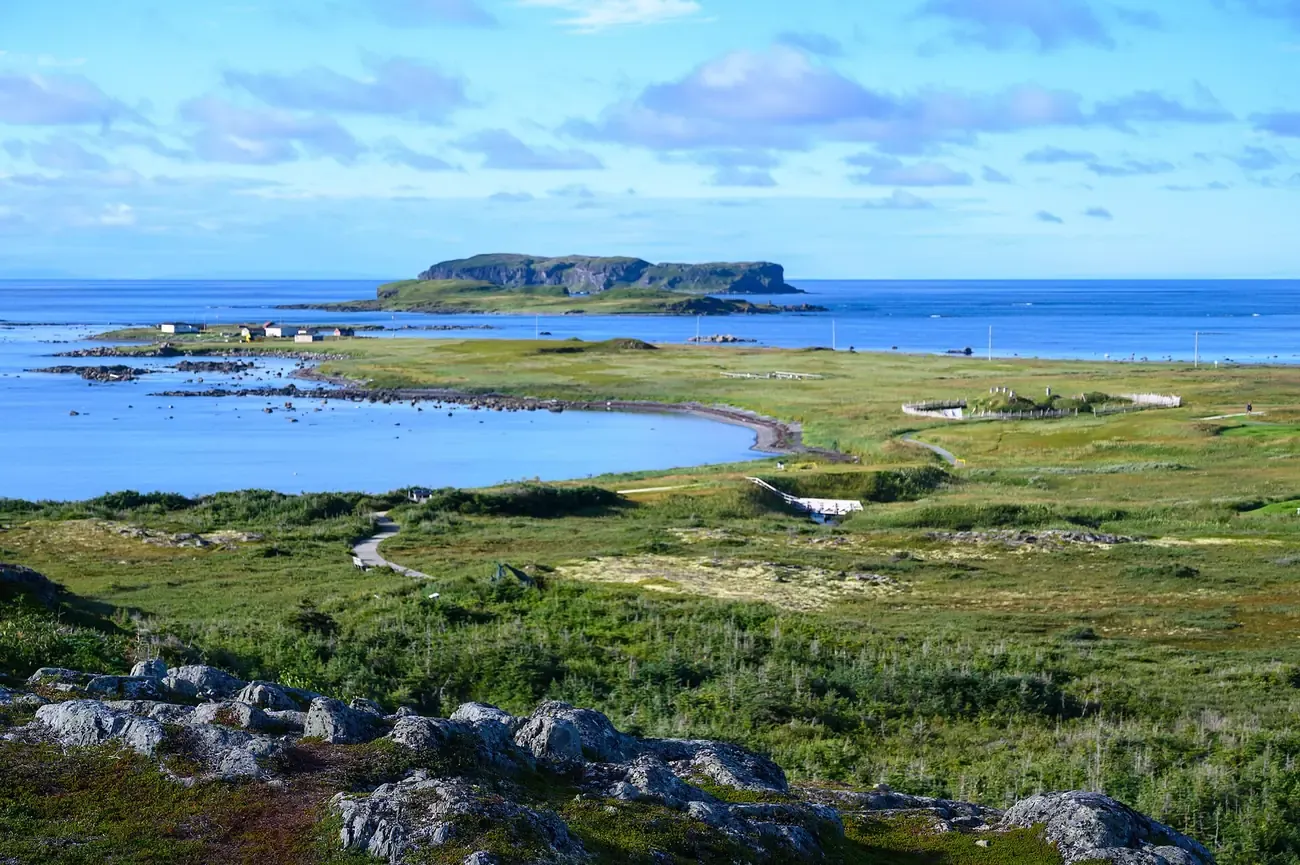
L'Anse aux Meadows
The only known Norse site in North America, a timber and sod camp built over a thousand years ago and UNESCO-listed in 1978.
Location: Great Northern Peninsula, Newfoundland
Photo: "View of L'Anse aux Meadows" by Gordon Leggett (CC BY-SA 4.0).
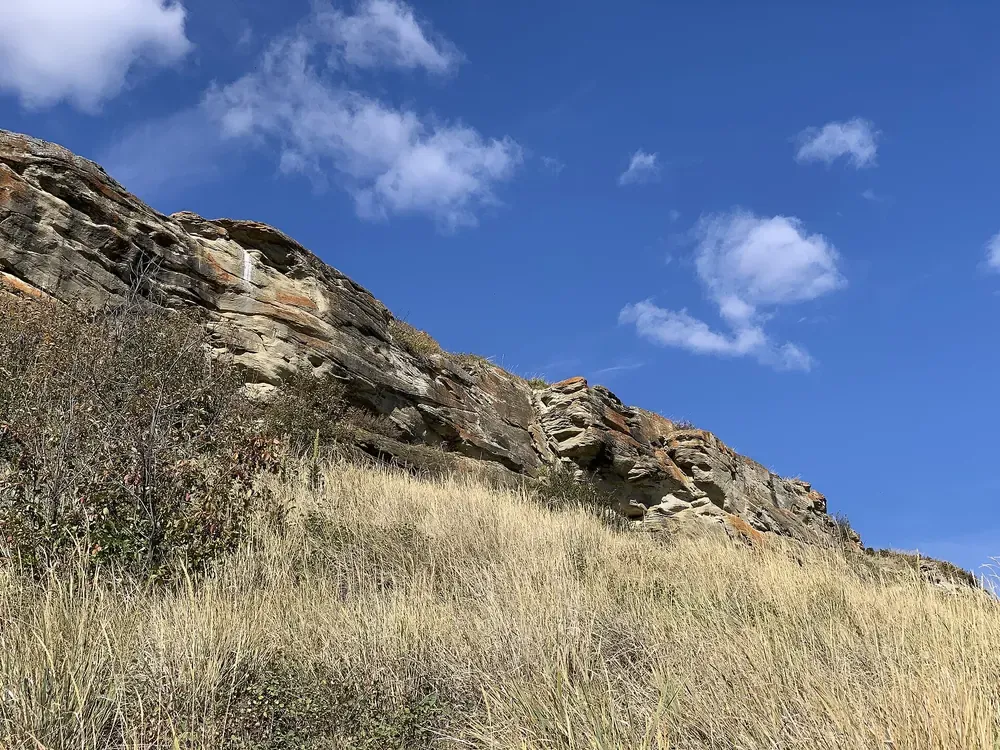


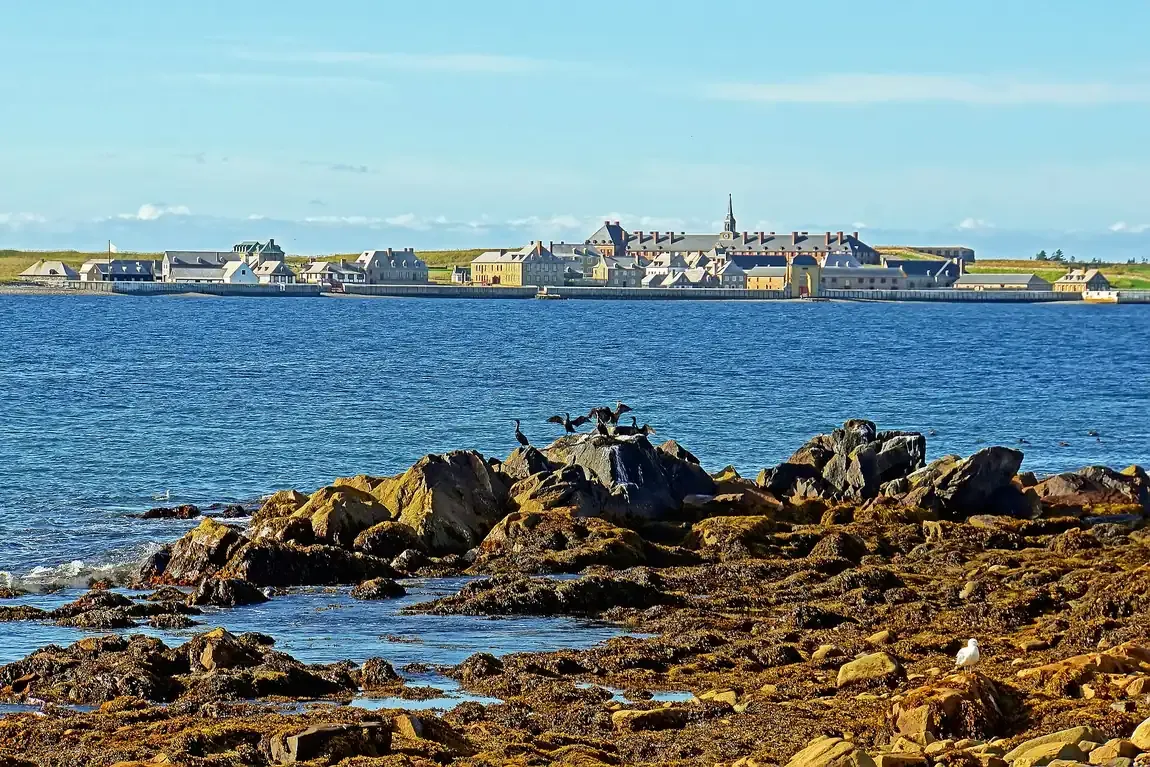
Fortress of Louisbourg
A French fortified town of the 1740s rebuilt on its own foundations, with costumed soldiers, bakers and fishwives keeping the day going.
Location: Louisbourg, Cape Breton Island, Nova Scotia
Photo: "Fortress Louisbourg" by Dennis G. Jarvis (CC BY-SA 2.0).

Unexpected museums in Canada
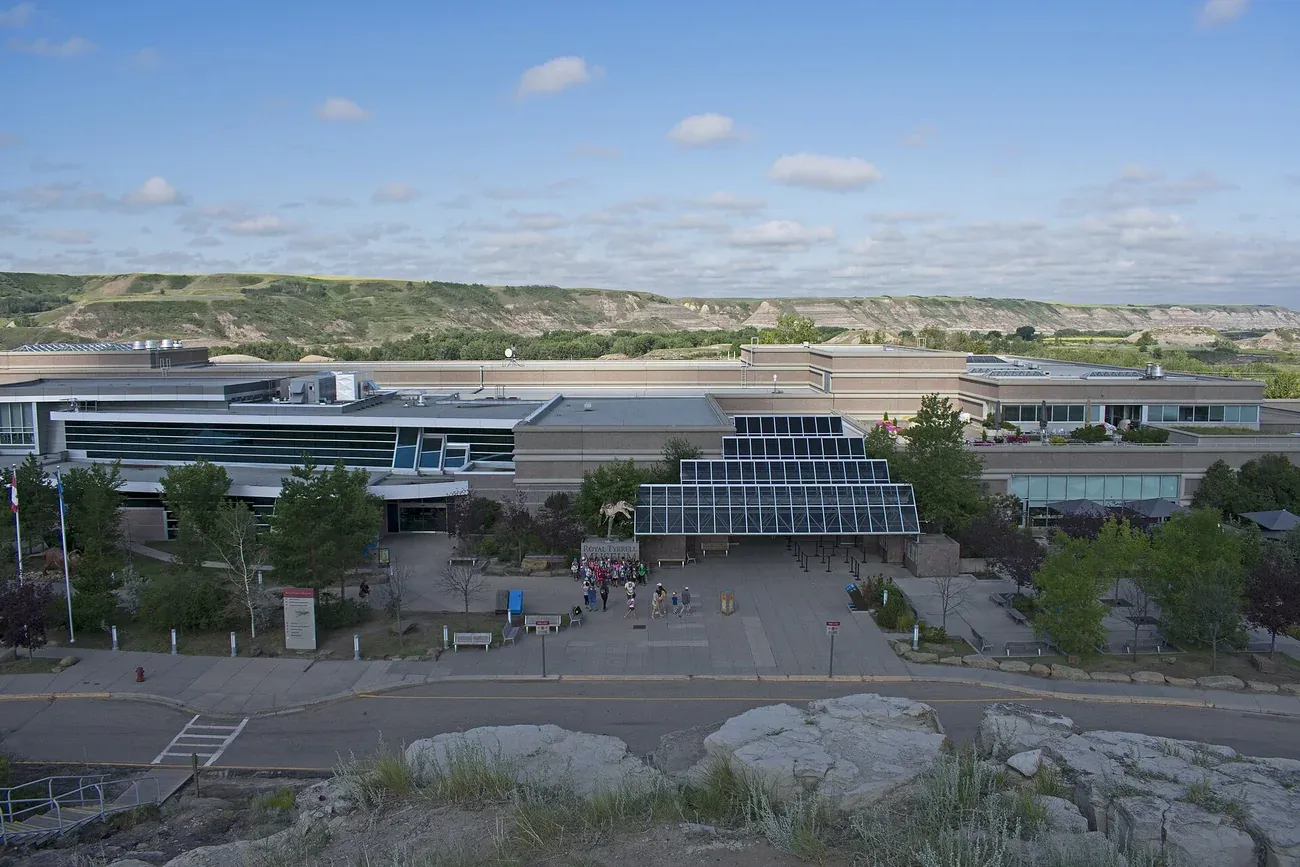
Royal Tyrrell Museum
Galleries set in the badlands that walk visitors through 3.9 billion years of life on Earth, six kilometres from Drumheller.
Location: Midland Provincial Park, Alberta
Photo: "Royal Tyrrell Museum from the viewpoint" by Ymblanter (CC BY-SA 4.0).

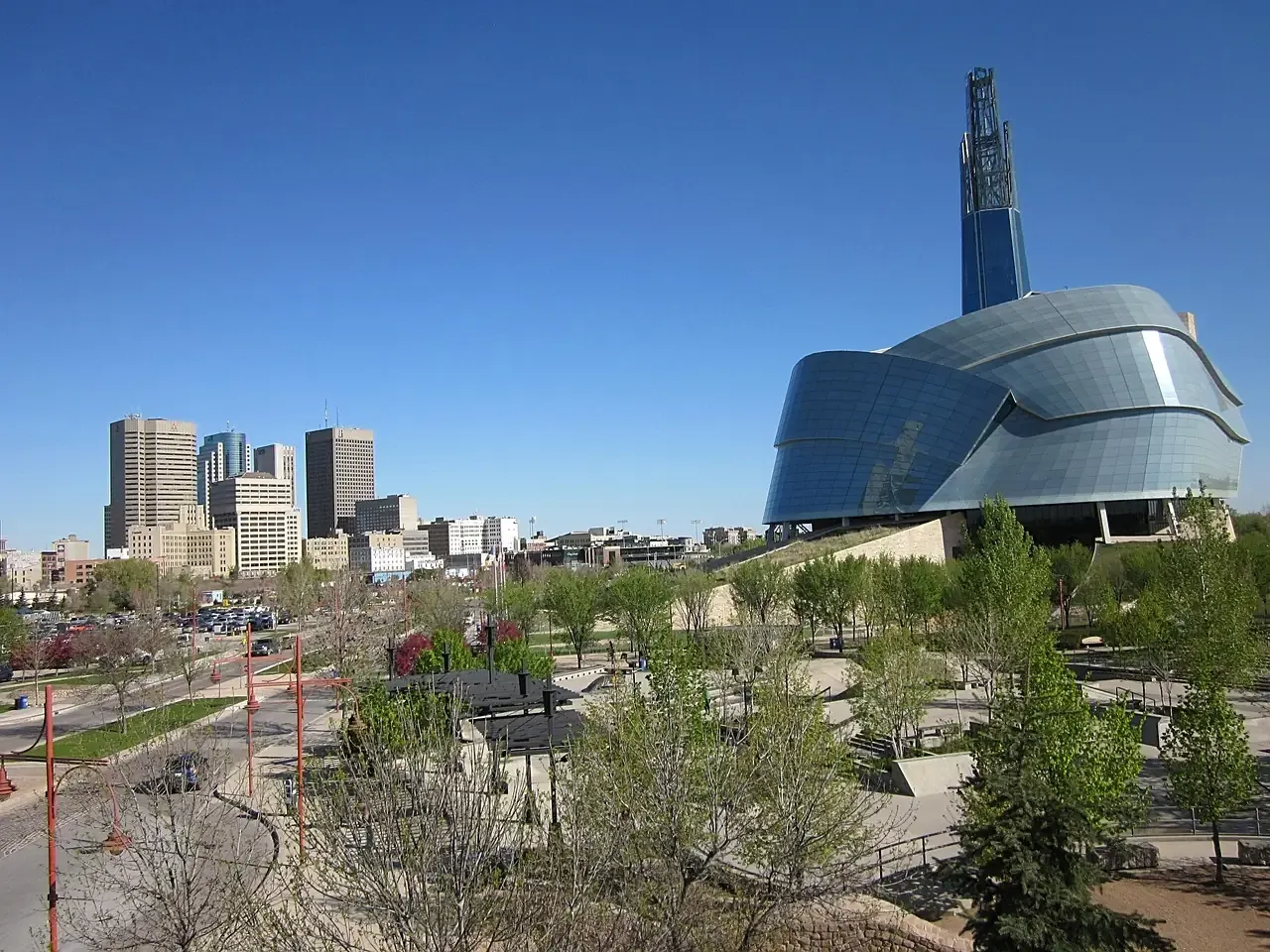
Canadian Museum for Human Rights
The first national museum built outside the capital region, opened at The Forks in 2014 and given over entirely to human rights.
Location: The Forks, Winnipeg, Manitoba
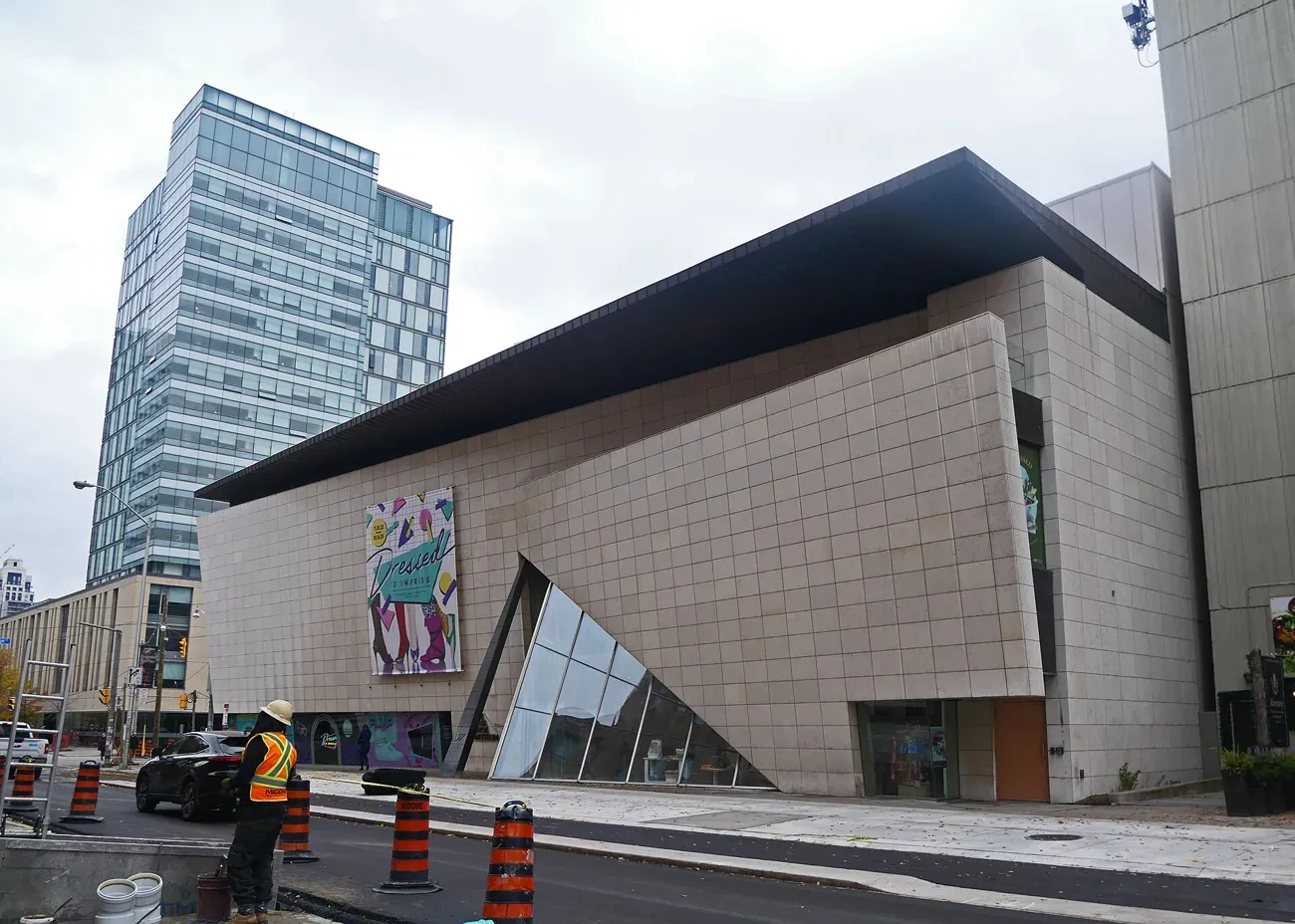
Bata Shoe Museum
Over 13,000 shoes and related objects reaching back 4,500 years, in a Raymond Moriyama building shaped like a shoebox with the lid ajar.
Location: Bloor Street West, Toronto
More things to do in Canada
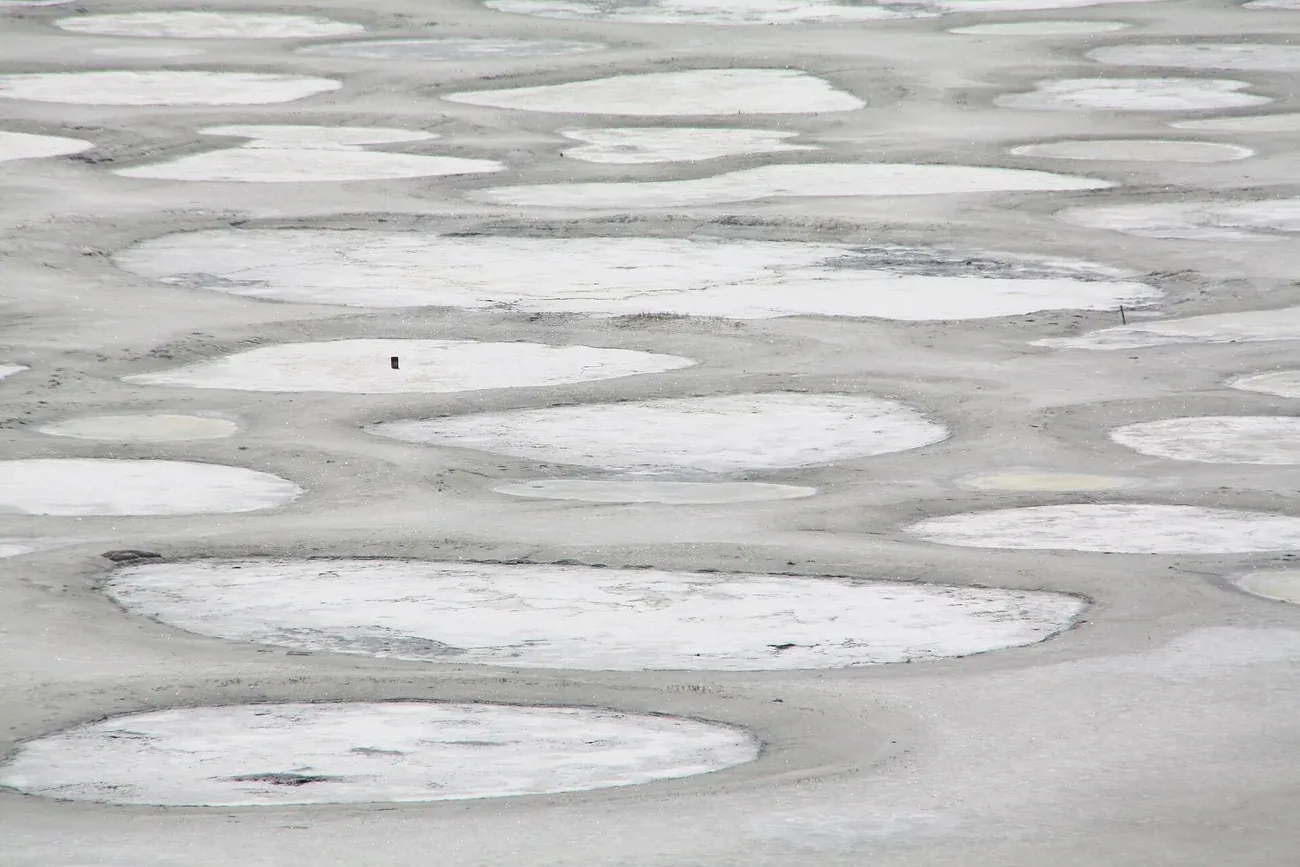
Spotted Lake
Summer heat shrinks a saline lake into rings of mineral pools, seen from the highway on Okanagan Nation land.
Location: Northwest of Osoyoos, British Columbia
Photo: "Spotted Lake near Osoyoos" by B&B-Traveller (CC BY-SA 3.0).

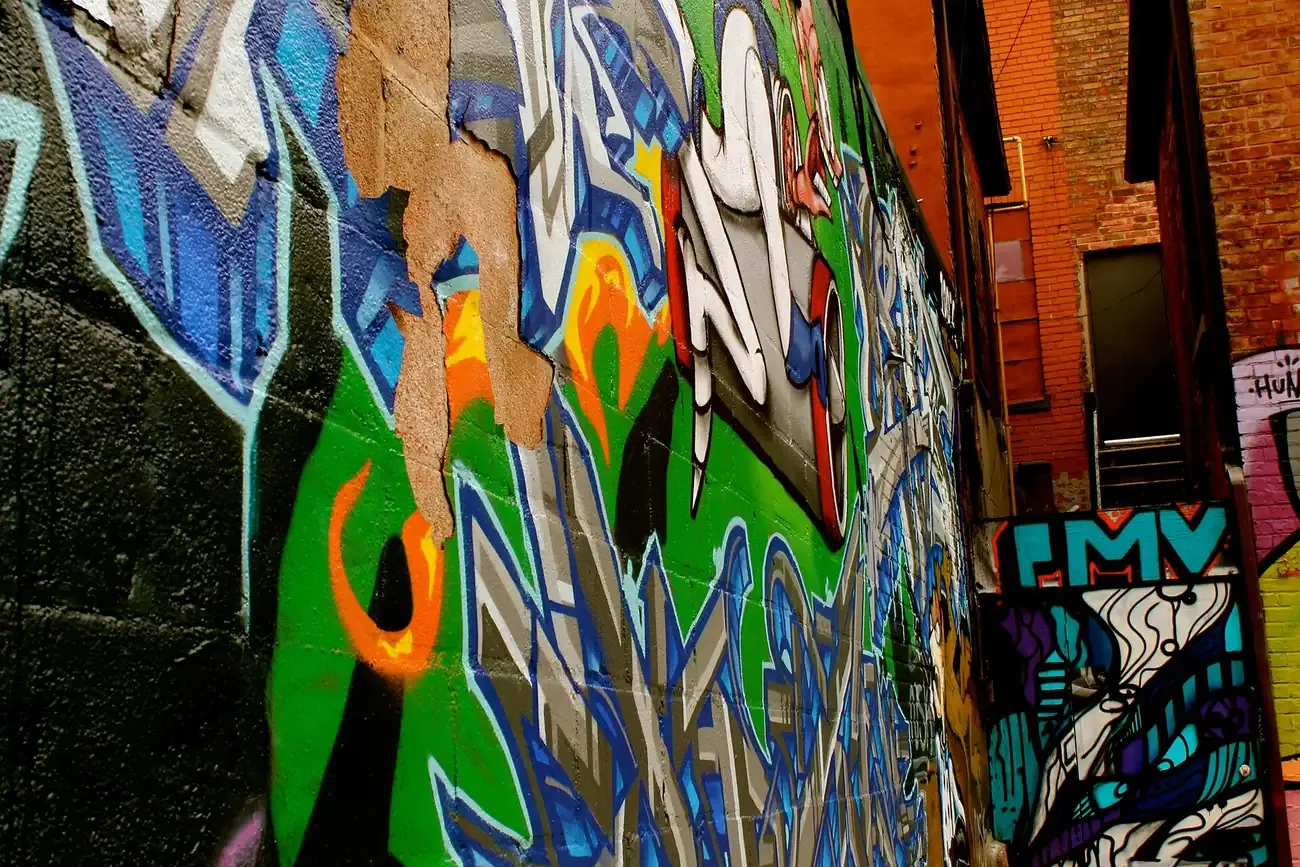
Graffiti Alley
Officially Rush Lane, a kilometre of laneway three blocks long behind Queen Street West, painted end to end and repainted constantly.
Location: Fashion District, Toronto
Photo: "Graffiti Alley, Toronto" by mark.watmough (CC BY 2.0).

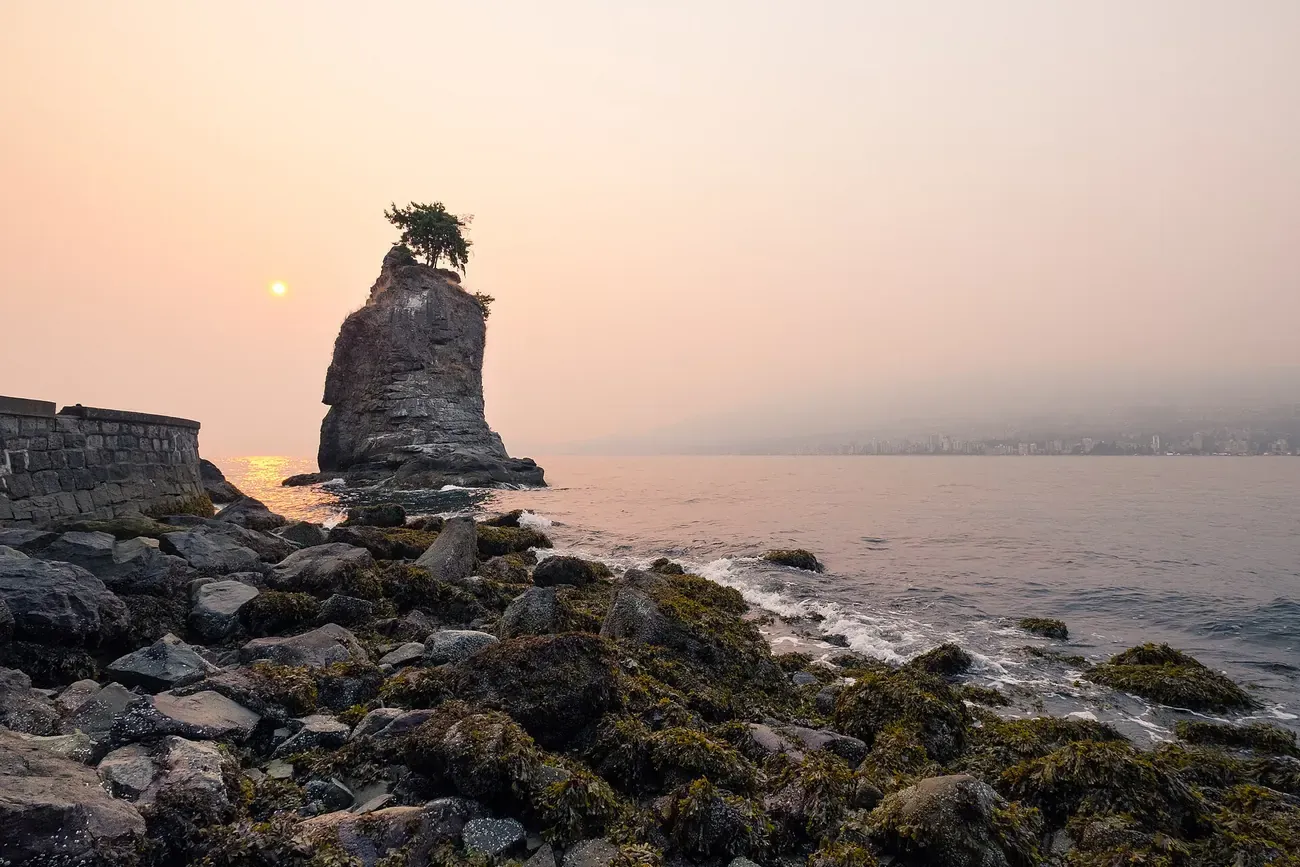
Siwash Rock
A sea stack between 15 and 18 metres tall standing off the seawall, with a Squamish legend attached to it.
Location: Stanley Park, Vancouver
Photo: "Siwash Rock" by a.canvas.of.light (CC BY 2.0).

What Canada is known for
Canada is the second largest country on earth and almost all of it is empty. Nine in ten Canadians live within 160 kilometres of the border with the United States, which is where the cities, the vineyards and most of the roads are. That southern band is what a first trip covers, and it still runs more than 5,000 kilometres from St John's to Vancouver.
The east is old and, where it counts, French. Quebec holds the only city in North America that kept its ramparts, its own kitchen and a winter it celebrates rather than survives. Ontario next door has the largest city in the country and the waterfall that carries more water than any other in North America.
The west is what fills the second trip. The Alberta Rockies put glaciers, meltwater lakes and a World Heritage designation within a morning of Calgary, and British Columbia trades them for rainforest, ferries and the Pacific.
Distance is the thing to plan around. VIA Rail joins the main cities, flights cover the gaps, one pass covers the national parks, and the map rewards anyone who picks two regions instead of the whole width of the country. Canada also holds some of the most dramatic tourist attractions to visit in North America, from the Rocky Mountains to Niagara Falls on the border with the United States.