
Tourist attractions in Vancouver
Known for
Snow-capped mountains, a working seaport and forested parks
Must-see landmarks
Stanley Park, Granville Island and Capilano Suspension Bridge
Best time to visit
June to September, when days are longest and rainfall is lowest
Days needed
3-4 days to cover downtown, Stanley Park and a trip to the North Shore
The main tourist attractions in Vancouver, ranked
Vancouver's tourist attractions start with Stanley Park, Capilano Suspension Bridge and Grouse Mountain. The 11 top sights are ranked below, followed by free things to do, upcoming events and visitor FAQs.
1. Stanley Park
Vancouver's first and largest park wraps 400 hectares of West Coast rainforest around a downtown peninsula, ringed by a seawall that carries walkers, cyclists and runners along the entire shoreline. The Squamish, Musqueam and Tsleil-Waututh peoples lived here long before the city set the land aside as a park in 1888. Cedar totem poles at Brockton Point are the most photographed stop, while forest trails, sandy beaches, Beaver Lake and the Vancouver Aquarium fill the interior. Parks Canada lists the whole park as a National Historic Site of Canada.
Location: Downtown peninsula, north of the West End, Vancouver
Access: Free and open from 6 am to 10 pm to walk or cycle; attractions inside such as the aquarium charge their own admission
2. Capilano Suspension Bridge
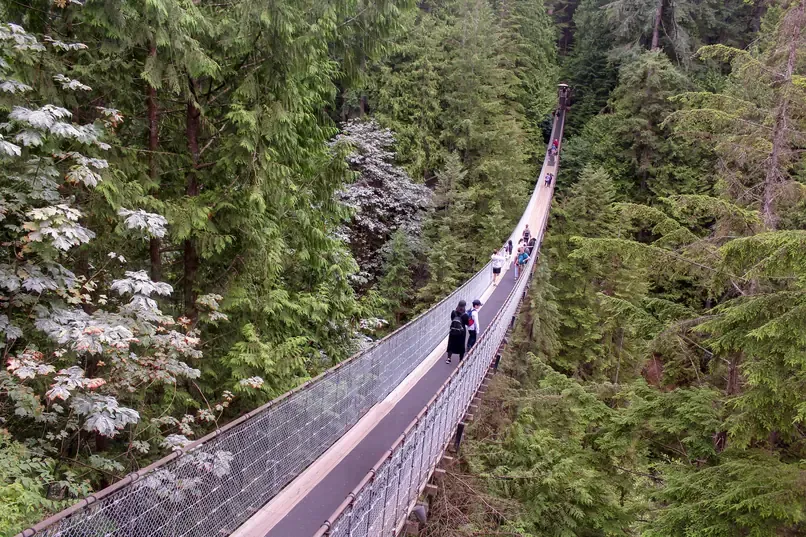
George Grant Mackay strung the first bridge across the Capilano River gorge in 1889, and its successor still sways 137 metres from bank to bank, some 70 metres above the rushing water on the North Shore. The park around it has become one of British Columbia's most visited attractions, adding the Treetops Adventure walkway through the coastal rainforest canopy and the Cliffwalk, a slim walkway cantilevered out over the granite canyon. Totem poles, First Nations carvings and a history centre round out a visit.
Location: Capilano Road, North Vancouver
Access: Ticketed, open daily through the year, with a free shuttle from downtown Vancouver
3. Grouse Mountain
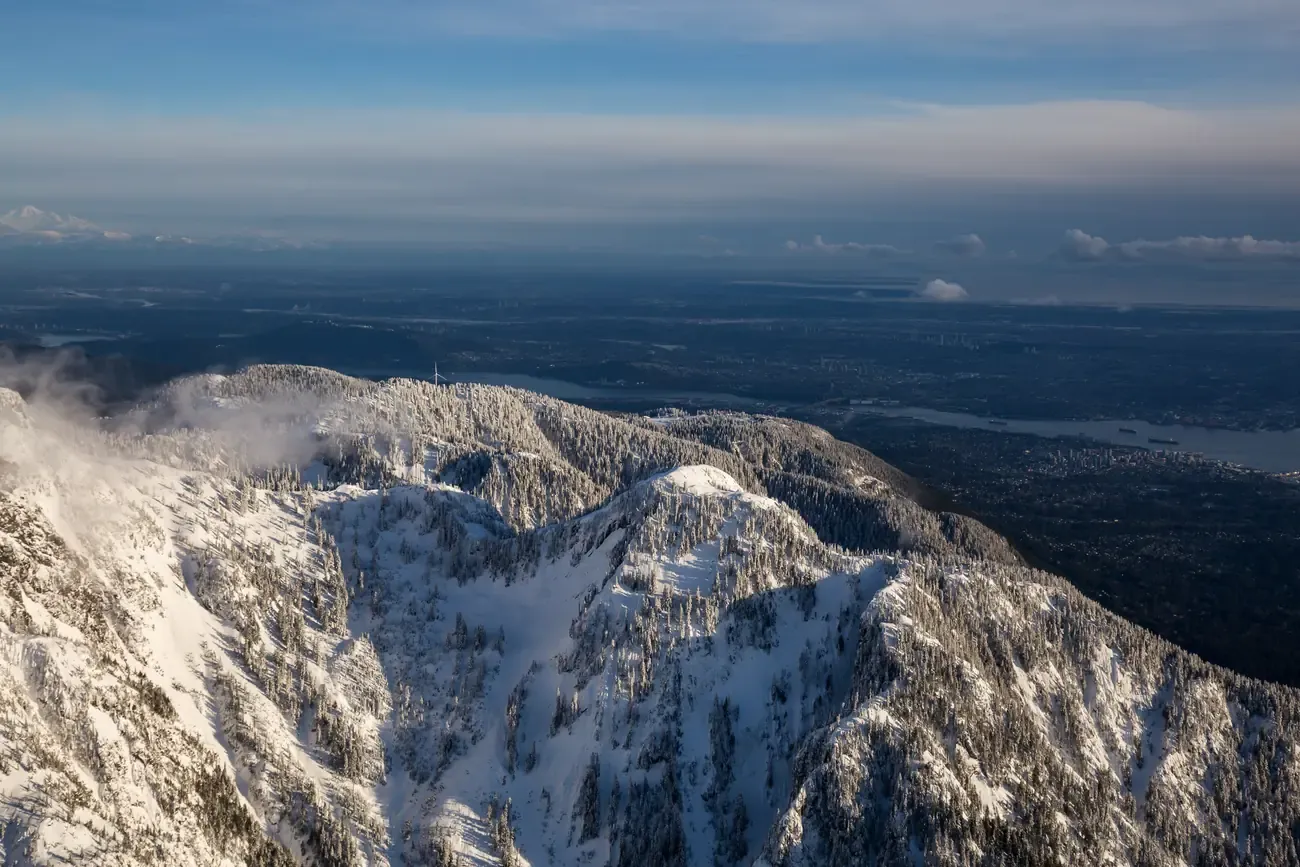
The peak of Vancouver stands 1,231 metres above North Vancouver, a short drive from downtown. The Skyride, an aerial tram running since 1966, climbs the face of the mountain; the alternative is the Grouse Grind, 2.9 kilometres and 2,830 steps straight up through the forest, usually walked in about ninety minutes. At the top the Peak Chalet looks over the city and the sea, the Refuge for Endangered Wildlife keeps Coola, an orphaned grizzly bear rescued in 2001, and the Eye of the Wind turbine has a glass pod at the top. In winter the same slopes turn into a ski area.
Elevation: 1,231 m · Skyride opened: 1966
Location: 6400 Nancy Greene Way, North Vancouver
Access: Ticketed mountain admission; the Grouse Grind is free to climb and the ride down is paid
4. Canada Place
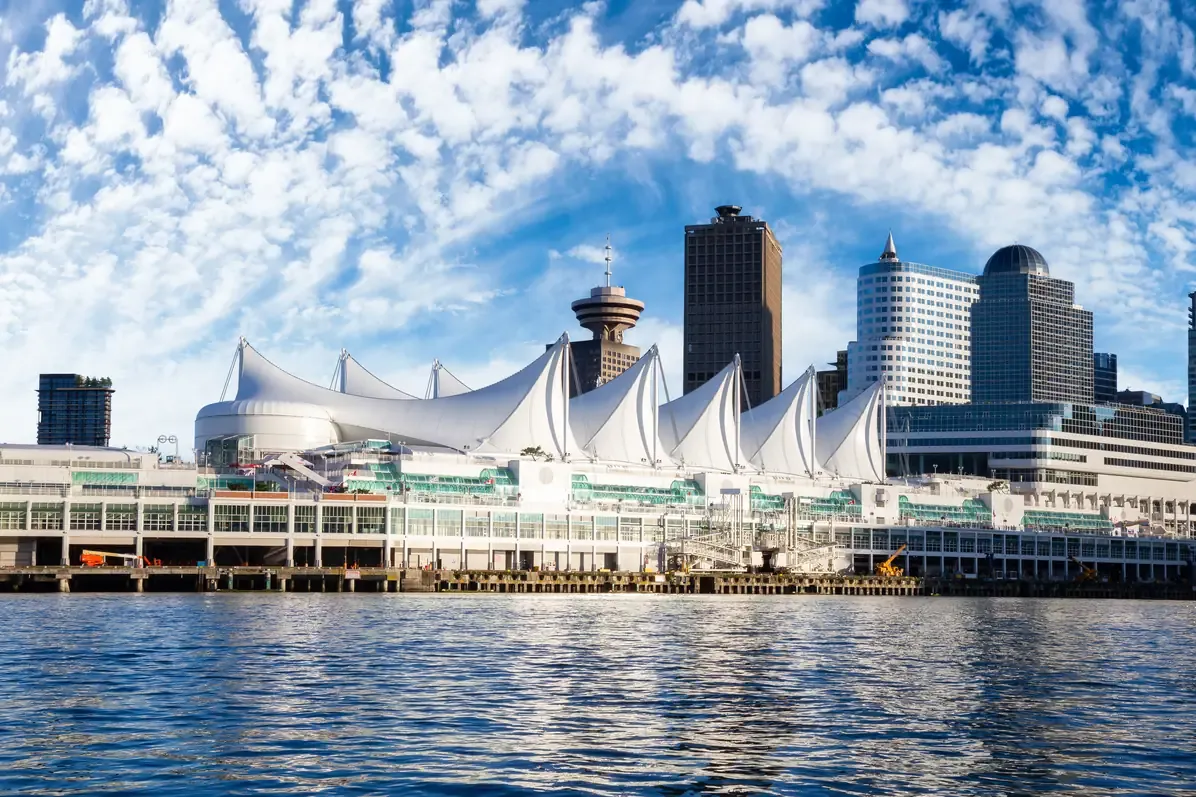
Built on the footings of the Canadian Pacific Railway's 1920s ocean terminal, this sail-roofed landmark opened as the Canada Pavilion for Expo 86 and now combines a convention centre, a hotel and the city's main cruise terminal on the downtown waterfront. Its Teflon-coated sails crown the roof, and the promenade wrapping the building looks out on Coal Harbour, floatplanes taking off and the North Shore mountains beyond. The Canadian Trail underfoot marks each province and territory, and FlyOver Canada runs a flight-simulation ride inside.
Architect: Eberhard Zeidler
Location: 999 Canada Place, downtown waterfront, Vancouver
Access: Free to walk the waterfront promenade at any hour; the attractions inside charge their own admission
5. Granville Island
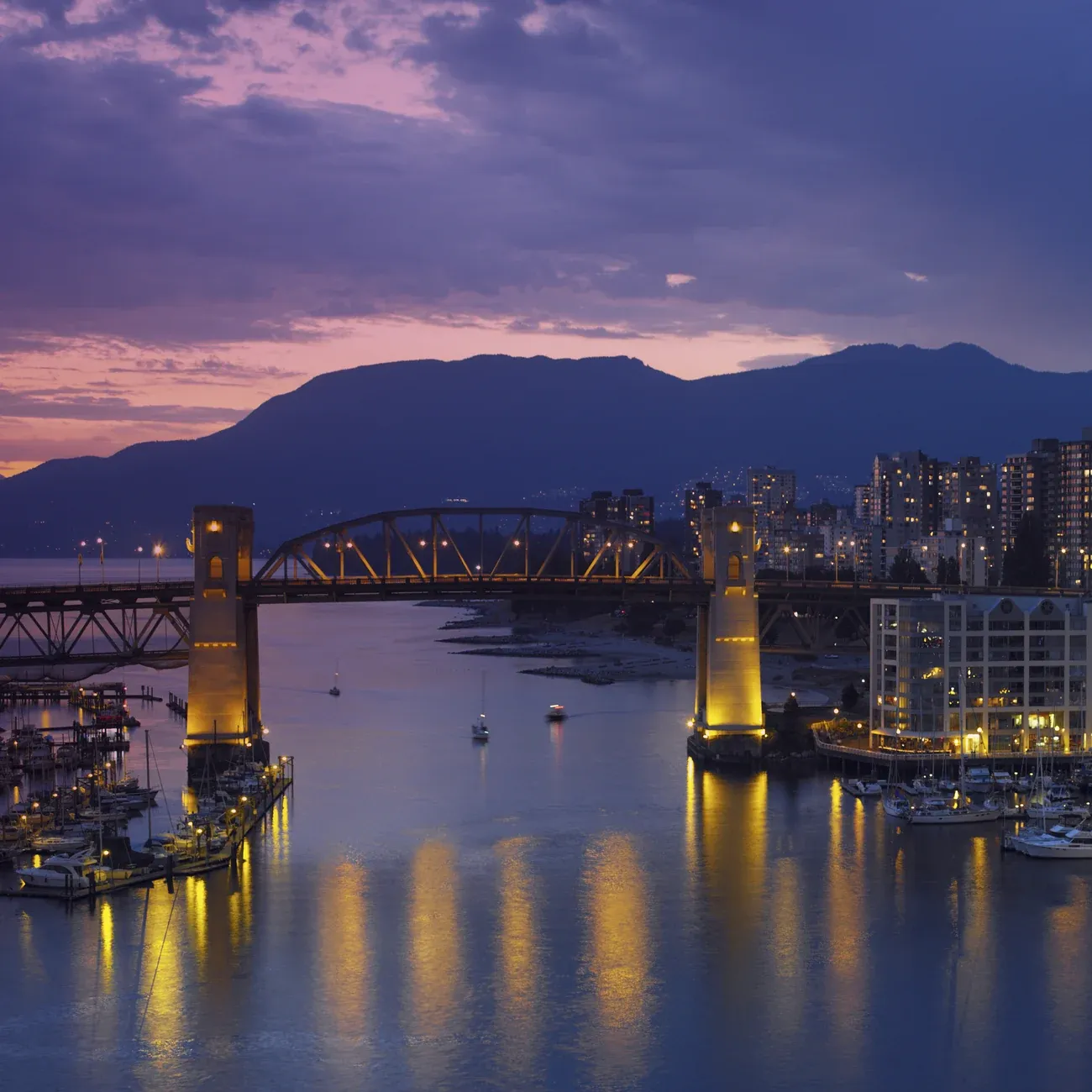
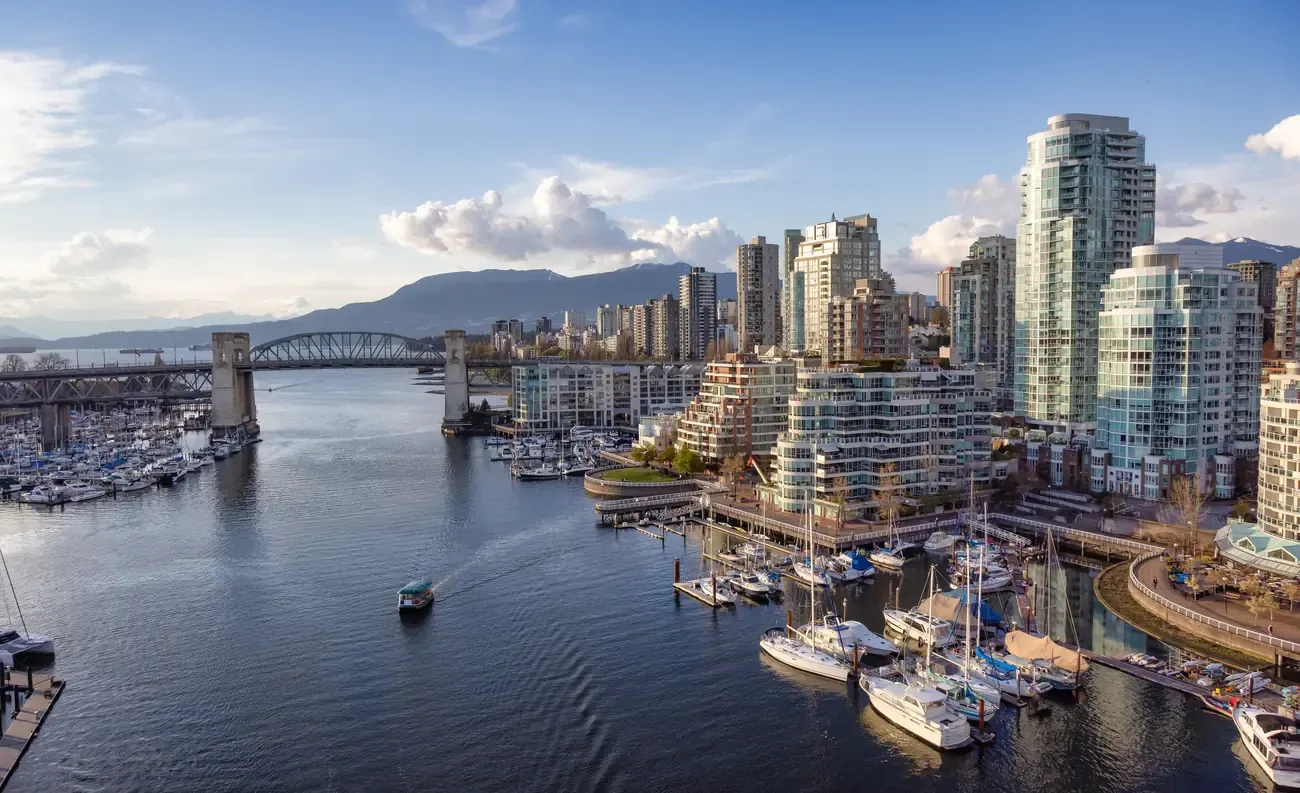
A peninsula of former factory sheds under the Granville Street Bridge, reclaimed from the industrial edge of False Creek and reborn in the 1970s as one of Vancouver's busiest gathering places. Its Public Market, run by the federal housing agency CMHC, gathers greengrocers, fishmongers, bakers and food stalls under one roof, while the Net Loft and neighbouring studios sell the work of local artisans. Theatres, craft galleries and a brewery share the lanes, and small Aquabus and False Creek ferries shuttle visitors across the water from downtown.
Location: Johnston Street, Granville Island, Vancouver
Access: Free to wander; the public market, shops and studios keep their own hours
6. Gastown Steam Clock
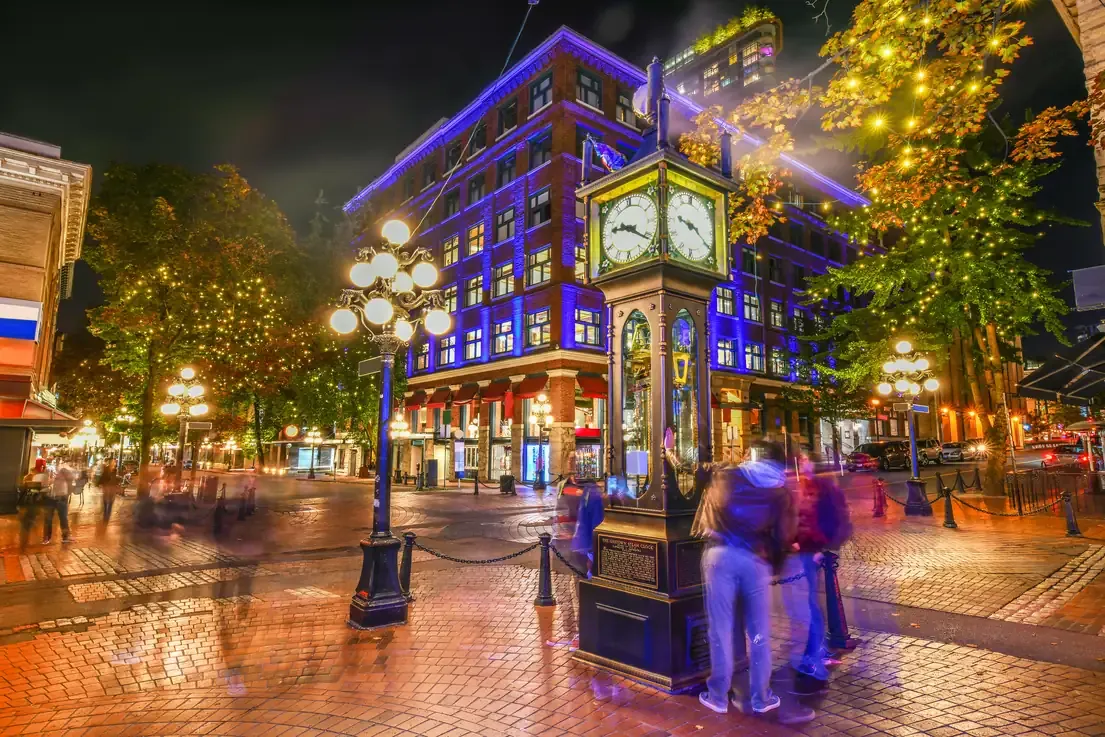
The horologist Ray Saunders built this steam-powered clock in 1977 to cap a sidewalk vent from the neighbourhood's underground steam-heating system, turning a nuisance into a landmark. Every quarter hour it whistles and lets off a plume of steam on the corner of Water and Cambie Streets. Gastown grew up around Vancouver's original 1867 townsite, named for the saloon-keeper John 'Gassy Jack' Deighton, and its cobbled blocks and Victorian brickwork were made a National Historic Site of Canada in 2009.
Location: Water Street at Cambie Street, Gastown, Vancouver
Access: Free, on a public sidewalk at any hour
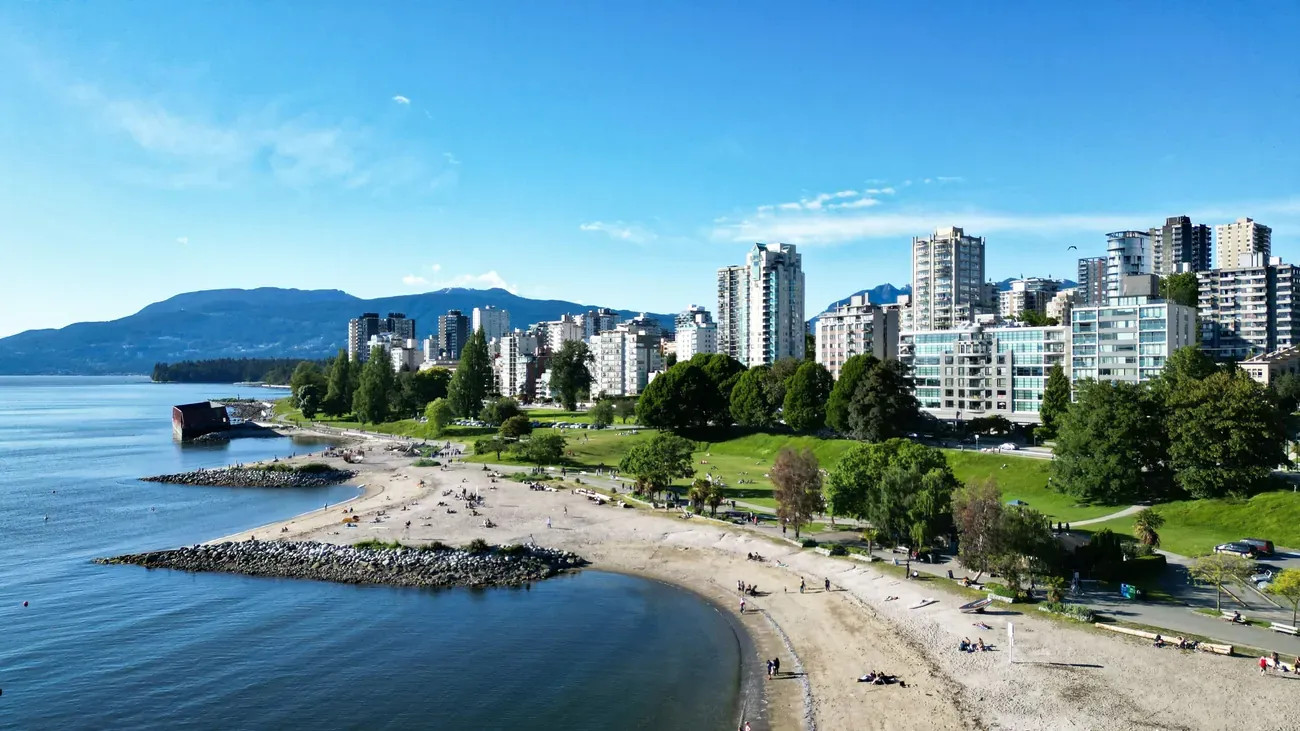
7. English Bay Beach
Vancouver's downtown beach curves along the western edge of the West End, its sand filling with sunbathers and beach-volleyball players through the summer and its seawall promenade drawing walkers and cyclists the year round. Trees line the shore, the Inukshuk sculpture that became a city emblem stands at the eastern end, and the water turns into a front-row seat for the Celebration of Light fireworks each summer and the New Year's Day Polar Bear Swim. Sunset here is a Vancouver institution.
Location: Beach Avenue and Denman Street, West End, Vancouver
Access: Free and open at any time; equipment rentals and nearby food carry a price
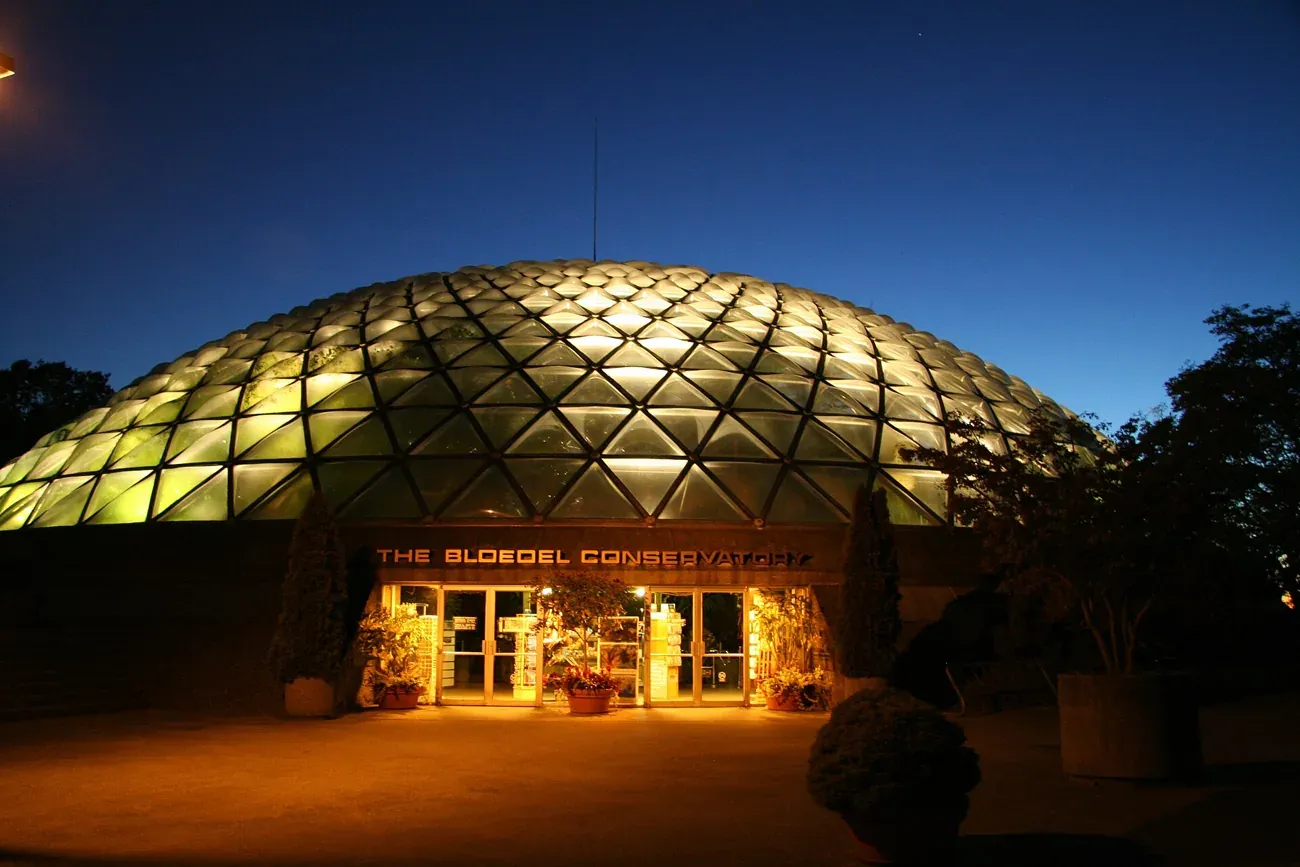
8. Bloedel Conservatory
A domed glasshouse crowning Queen Elizabeth Park, the highest point in the city, where a temperature-controlled tropical climate shelters more than 500 species of exotic plants, free-flying parrots and other birds, and a pond of koi. The lumber magnate Prentice Bloedel paid for the dome, which was dedicated at its opening in 1969 and is now a designated heritage building, jointly run by the Vancouver Park Board and the Vancouver Botanical Gardens Association. The lookout and quarry gardens of the surrounding park are free to roam.
Location: Queen Elizabeth Park, Cambie Street, Vancouver
Access: Ticketed, open daily from 10:00, closing between 16:00 in winter and 19:00 in summer
Photo: "Bloedel Conservatory" by Sporkist/Taz (CC BY).
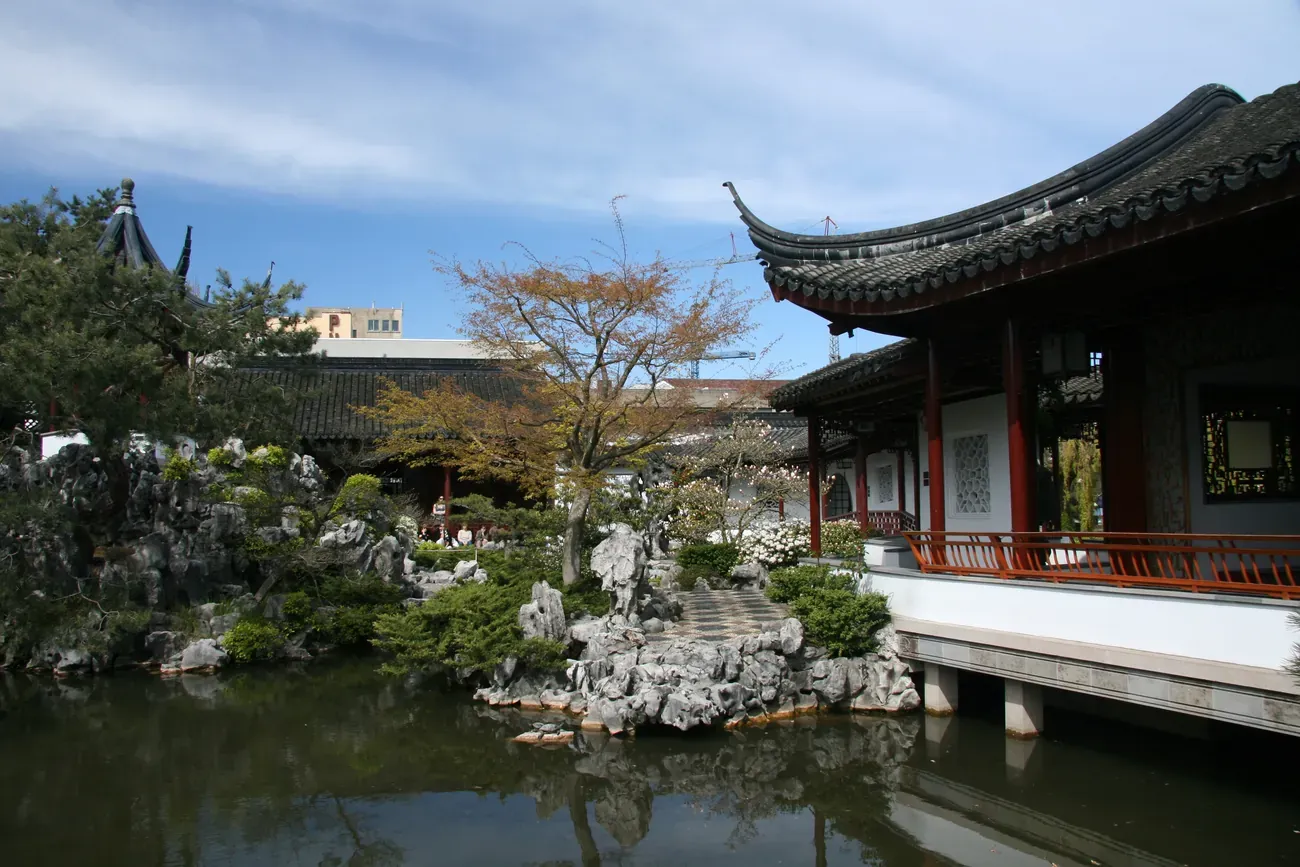
9. Dr. Sun Yat-Sen Classical Chinese Garden
The first full-size classical Chinese scholar's garden built outside China, completed in Chinatown in 1986 by artisans from Suzhou using Ming Dynasty methods and materials shipped from China. Pavilions, covered walkways and a jade-green pond are arranged around the Taoist balance of rock, water, plants and architecture, in a registered museum that National Geographic once named the world's top city garden. A free public park in the same style sits next door, but the walled garden itself charges admission.
Location: 578 Carrall Street, Chinatown, Vancouver
Access: Ticketed, open Tuesday to Sunday 9:30 to 16:00, closed Monday
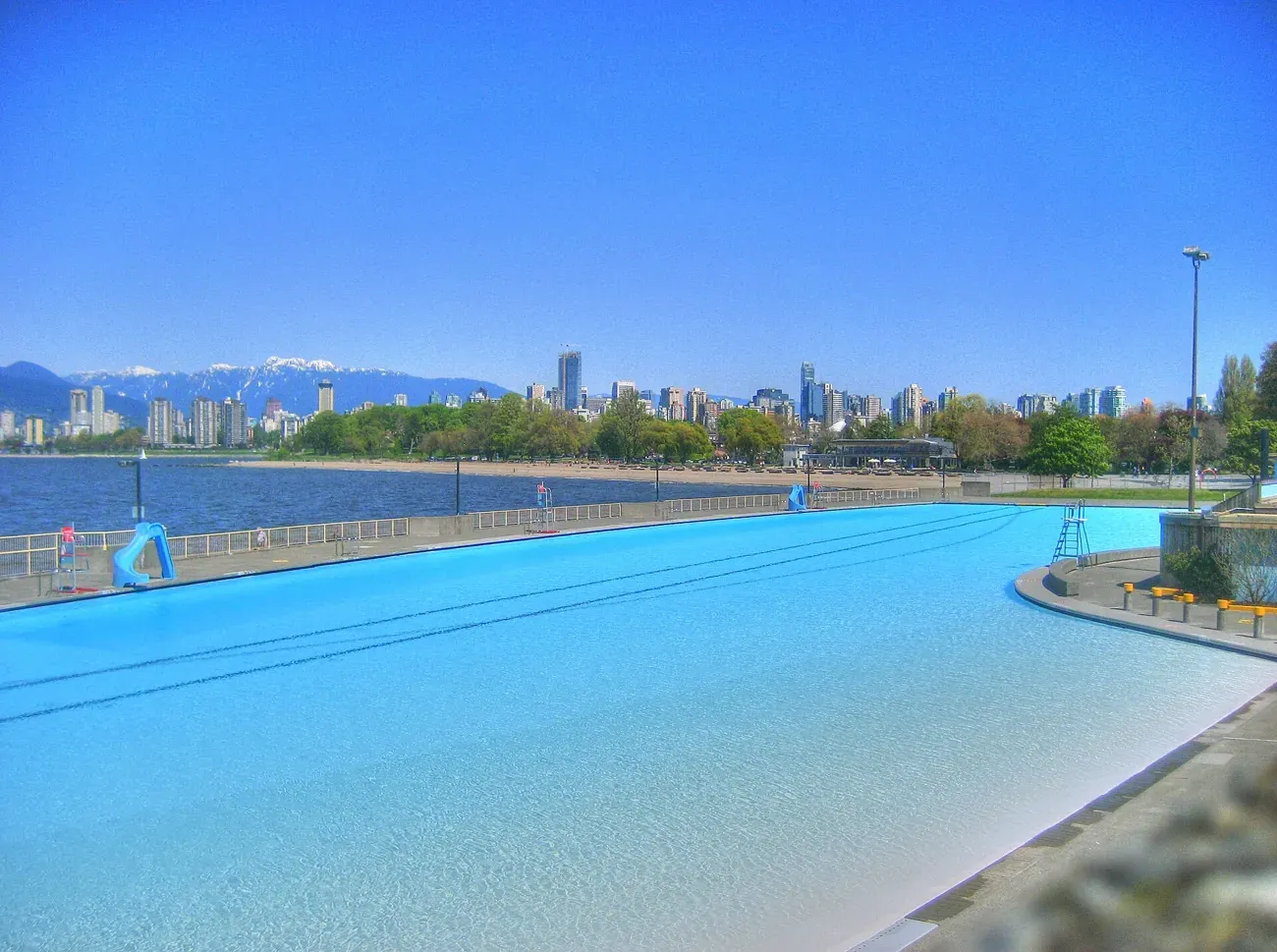
10. Kitsilano Pool
Vancouver's only saltwater swimming pool stretches along the shore beside Kitsilano Beach, and at roughly 137 metres it is among the longest pools in Canada. Heated and filled with filtered seawater, the outdoor summer pool has lanes for lengths, shallow water and slides for families, and a view across English Bay to the downtown skyline and the North Shore mountains. It opens for the warm-weather season only, drawing swimmers and sunbathers from late spring into the early autumn.
Location: 2305 Cornwall Avenue, Kitsilano, Vancouver
Access: Ticketed, an outdoor pool open for the summer season only
Photo: "Kitsilano Pool" by Kyle Pearce (CC BY-SA).

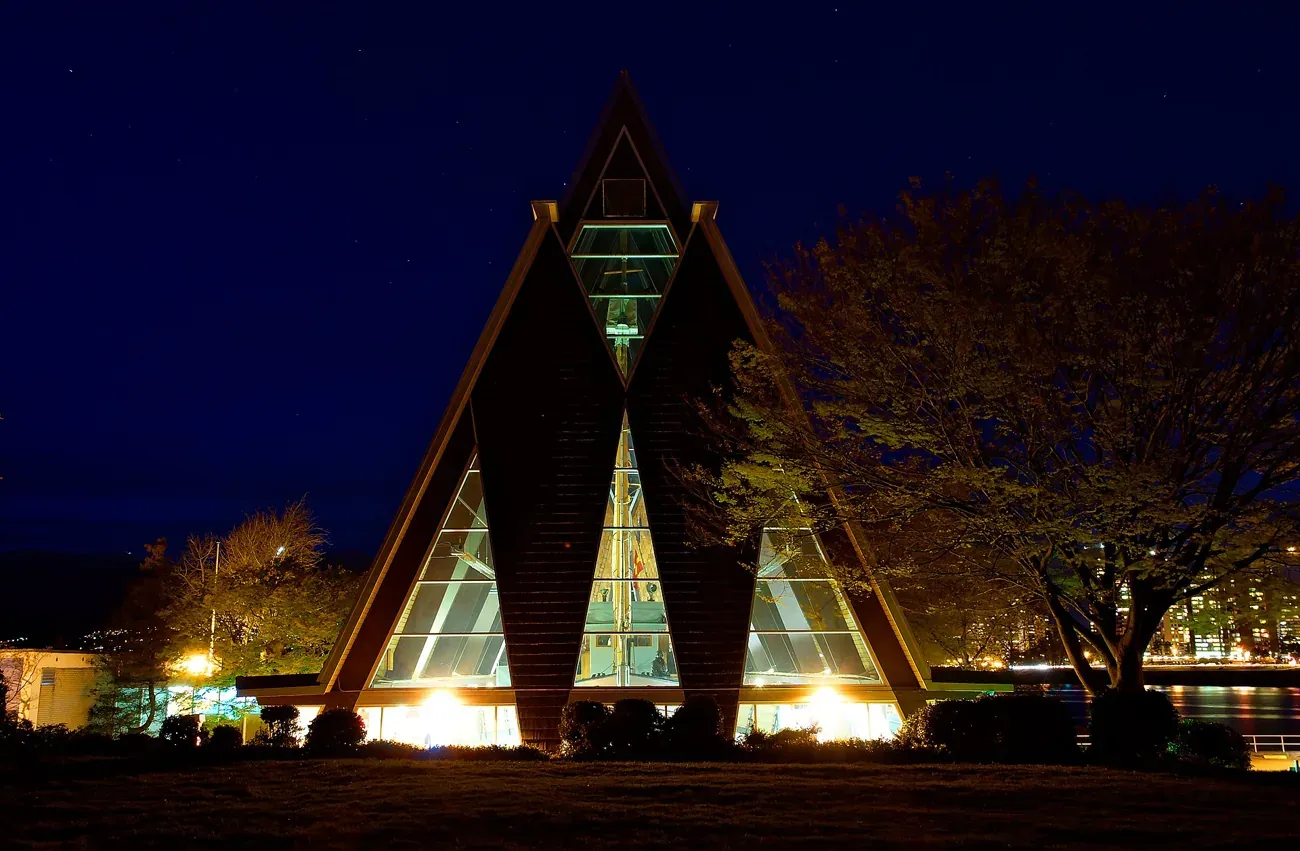
11. Vancouver Maritime Museum
A museum of the Pacific Northwest's seafaring history on the Kitsilano shore of Vanier Park, opened in 1959. Its centrepiece is the St. Roch, the RCMP schooner that was the first vessel to sail the Northwest Passage from west to east and the first to circle North America, now a National Historic Site sheltered inside the building. Galleries of ship models, charts, figureheads and Arctic exploration fill out the collection, and Heritage Harbour moors classic wooden boats along the shore outside.
Location: 1905 Ogden Avenue, Vanier Park, Vancouver
Access: Ticketed, in Vanier Park beside the Kitsilano waterfront
Photo: "Vancouver Maritime Museum" by Darren Kirby (CC BY-SA).
Upcoming events in Vancouver
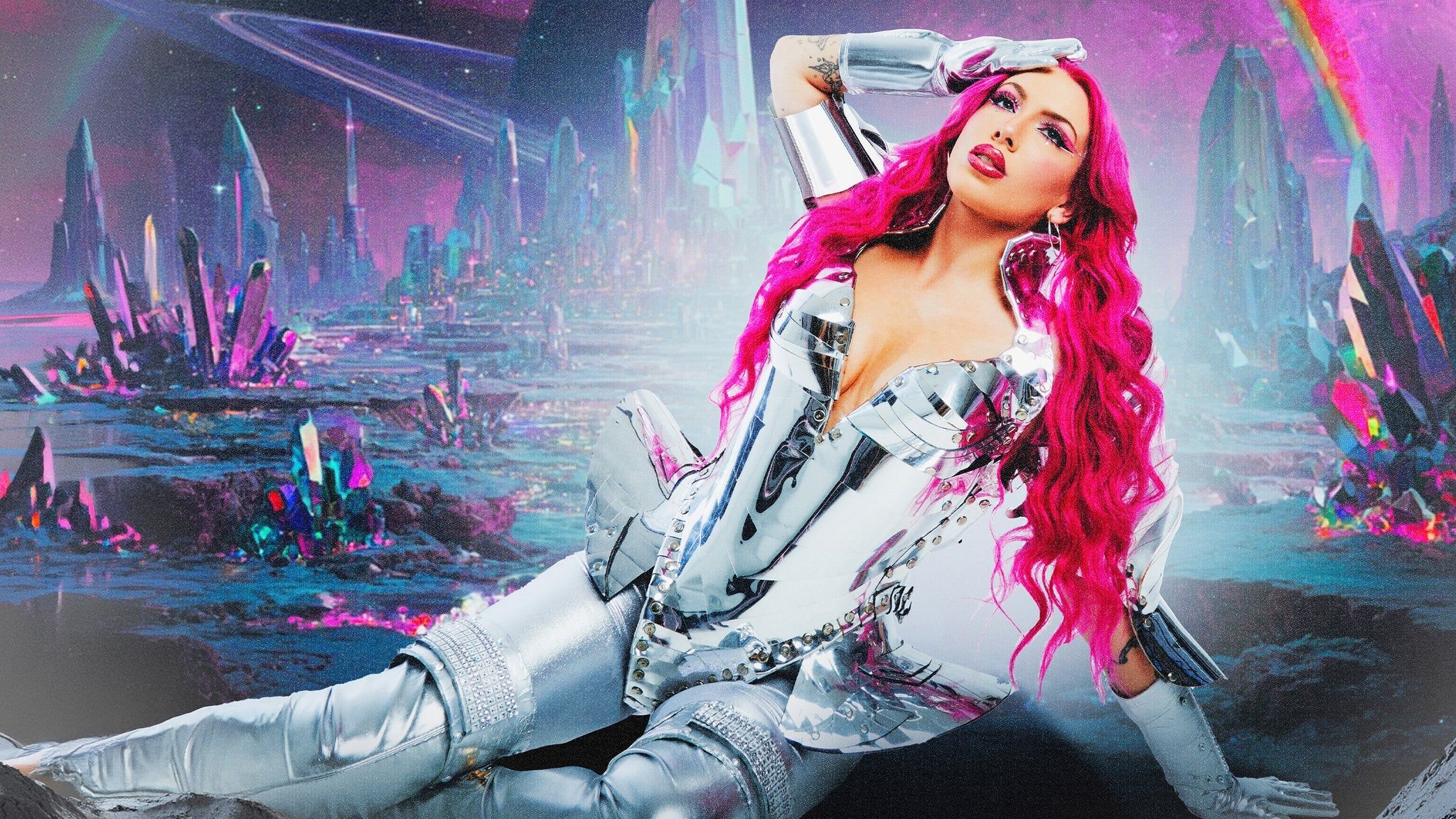
Chrissy Chlapecka
Chrissy Chlapecka plays The Fox Cabaret on 15 September at 19:00.
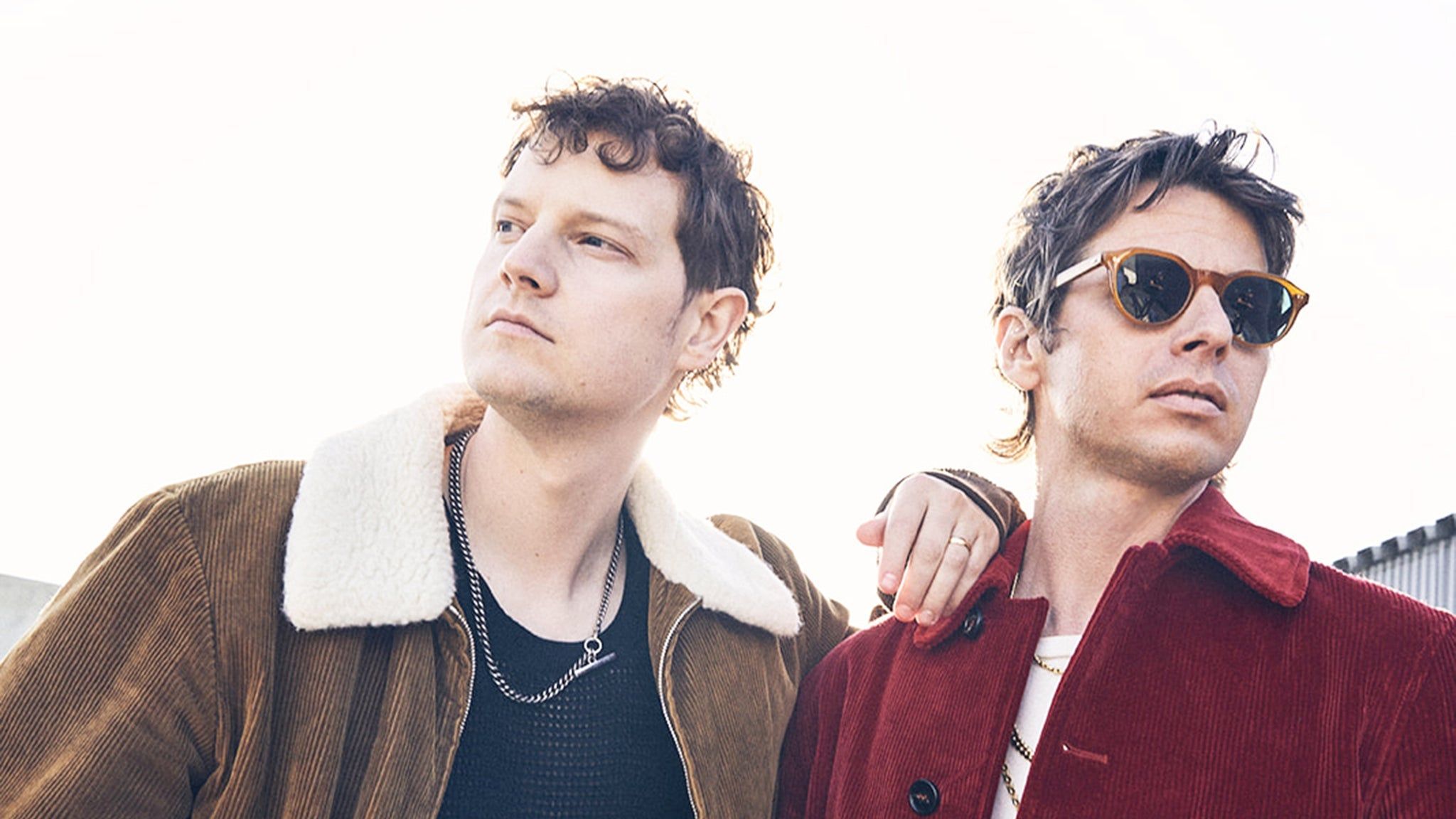
Foster the People w/ Goth Babe
Foster the People w/ Goth Babe plays Freedom Mobile Arch on 15 September at 19:00.

Randy Feltface: Gimmick
Randy Feltface: Gimmick plays Vancouver Playhouse on 17 September at 19:00.

Dan and Phil: Hard Launch World Tour
Dan and Phil: Hard Launch World Tour plays Queen Elizabeth Theatre on 18 September at 19:30.
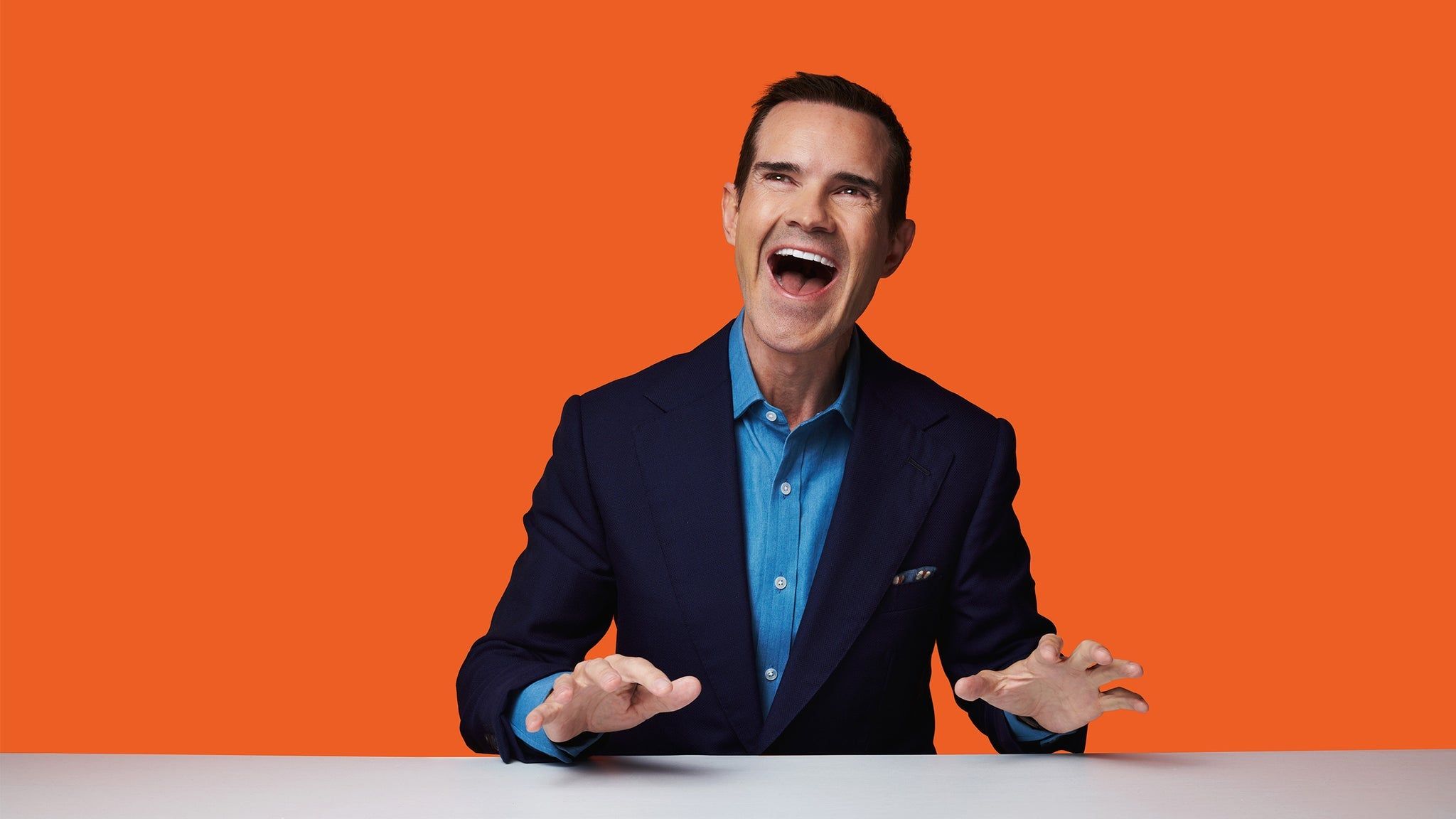
Jimmy Carr: Laughs Funny
Jimmy Carr: Laughs Funny plays Rogers Arena on 18 September at 20:00.

Vancouver Canucks vs. Edmonton Oilers
Vancouver Canucks vs. Edmonton Oilers comes to Rogers Arena on 24 September at 18:00.
Free landmarks and viewpoints in Vancouver
Queen Elizabeth Park
The paths, lawns and lookout at the top of this hill cost nothing to wander; the glass dome sheltering birds and rainforest plants below charges its own admission separately.
Lynn Canyon Suspension Bridge
This free suspension bridge sways 50 metres above Lynn Creek in a park that has been open to the public since 1912, a quieter, no-charge alternative to the Capilano bridge across the inlet.
Dr. Sun Yat-Sen Park
Entry is free to this park beside Chinatown, built around a lagoon of koi and turtles in the same classical style as the walled garden next door, which charges its own admission.
Chinatown Millennium Gate
Installed in 2002, this three-arched gateway marking Chinatown's western entrance costs nothing to see, framing views down Pender Street at any hour.
Vancouver Public Library Central Branch
The Central Library's colonnaded atrium and reading rooms are free to enter and browse, its curved facade recalling a Roman amphitheatre in the heart of downtown.
Why visit Vancouver
What makes Vancouver unique
Vancouver grew from the 1867 sawmill settlement of Granville, on the site of today's Gastown, into a Pacific port city hemmed in by mountains and the sea on three sides. Waves of immigration through the 20th century, including a large influx from Hong Kong before its 1997 handover, built one of the most ethnically diverse metropolitan areas in Canada, home to a large Chinese population and a significant Sikh community. Expo 86 put the city on the international map and left behind landmarks including Canada Place and Science World's dome; the 2010 Winter Olympics did the same a generation later.
Neighbourhoods to know
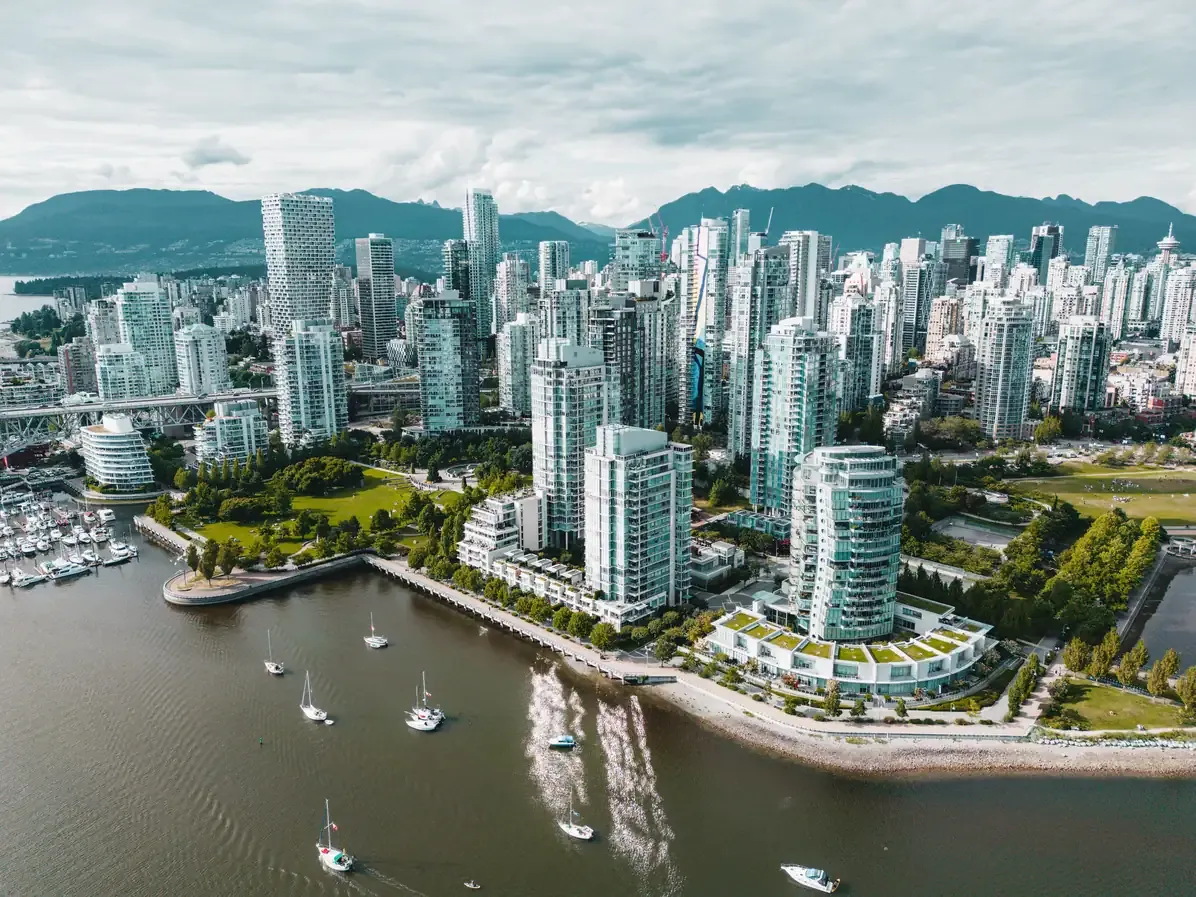
Gastown and Chinatown grew up around the city's original 1867 townsite, heritage brick giving way to the Financial District's towers toward Canada Place. The West End and Stanley Park fill the peninsula's northern tip with beaches, parks and the seawall, while Yaletown and False Creek's converted warehouses face Granville Island across the water. South of False Creek, Kitsilano and Point Grey run out toward UBC and the Museum of Anthropology, and the North Shore mountains across Burrard Inlet hold Grouse Mountain and Capilano Suspension Bridge Park. The Stanley Park seawall and that suspension bridge are the local entries in the tourist attractions in Canada, and the ferries out of the city reach The Butchart Gardens on Vancouver Island.
When to go and how long to stay
Summer, from June to September, brings the driest, sunniest weather and the longest days; winter turns wet and grey, though rarely icy. Three to four days cover downtown, Stanley Park and Granville Island at an easy pace, with an extra day useful for a trip up to the North Shore.
Getting around
Downtown's grid is compact and walkable between the waterfront and False Creek, and TransLink's SkyTrain, SeaBus and bus network reach the rest of the region without a car. The Canada Line SkyTrain runs directly from the airport to downtown in under 30 minutes.