
Milan tourist attractions
Known for
Gothic cathedral spires, La Scala opera and Italian fashion houses
Must-see landmarks
Duomo di Milano, Teatro alla Scala and Sforzesco Castle
World Heritage
The Last Supper at Santa Maria delle Grazie, UNESCO listed since 1980
Days needed
Two to three full days
The 12 tourist attractions to see in Milan
The tourist attractions in Milan that matter most, from Duomo di Milano to Galleria Vittorio Emanuele II and Teatro alla Scala, are ranked here in order. After the 12 top sights come 27 hidden gems, free things to do, upcoming events and visitor FAQs. The 12 sights are numbered on the free Milan tourist map, with the hidden gems and a walking route.
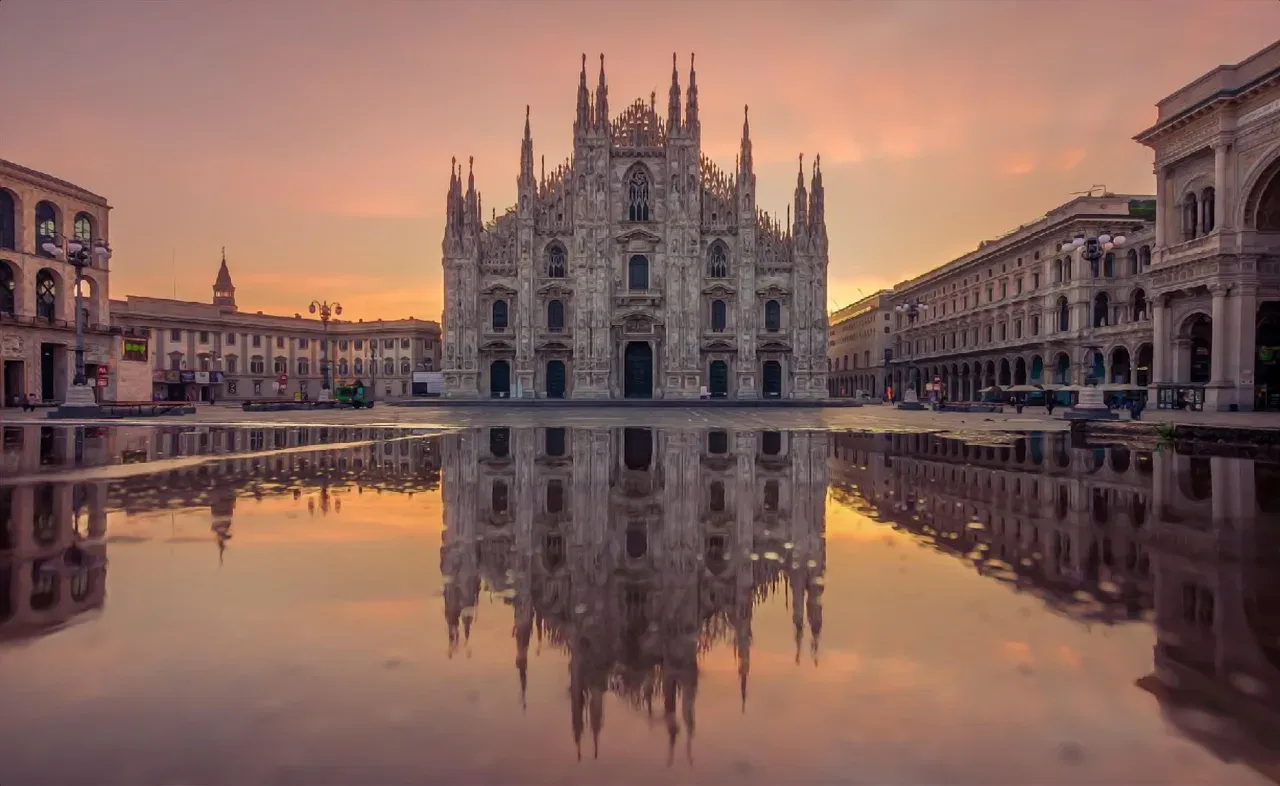
1. Duomo di Milano
Milan's cathedral took almost six centuries to build in pink-veined Candoglia marble, and the result is one of the largest Gothic churches anywhere. The roof is a forest of spires and statues watched over by the gilded Madonnina, and stairs or a lift carry visitors up to the terraces for close views of the pinnacles and, on clear days, the Alps.
Architect: Simone da Orsenigo and others · Style: Italian Gothic · Begun: 1386
Location: Piazza del Duomo
Access: Ticketed. Timed passes cover the cathedral interior, the rooftop terraces and the Duomo Museum. · Tickets and tours
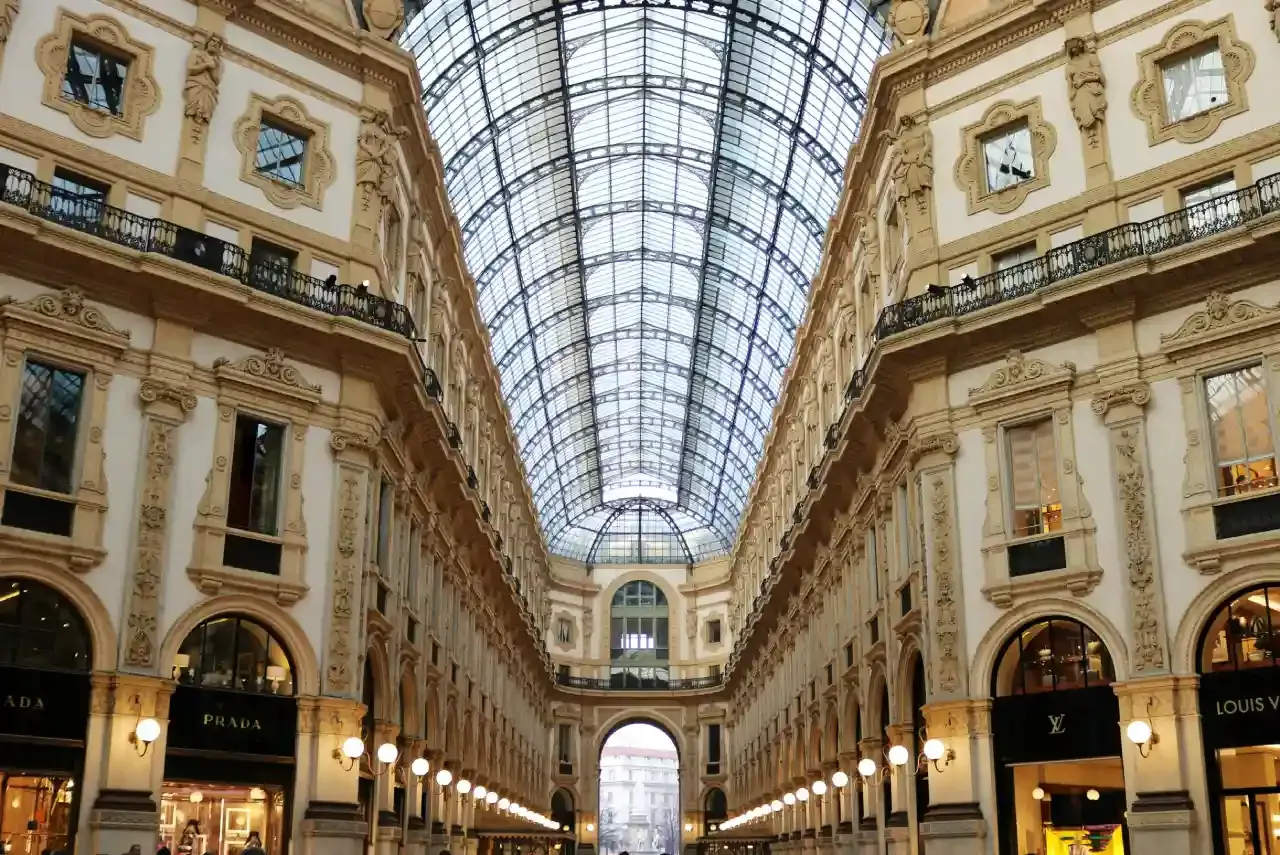
2. Galleria Vittorio Emanuele II
This soaring iron-and-glass arcade links Piazza del Duomo with Teatro alla Scala and doubles as Milan's grandest drawing room. Opened in 1867 and named for the first king of a united Italy, its cross-shaped galleries shelter historic cafes and fashion houses beneath a vast central dome, all resting on a marble floor of civic emblems.
Architect: Giuseppe Mengoni · Style: Renaissance Revival · Opened: 1867
Location: Between Piazza del Duomo and Piazza della Scala
Access: Free to walk through, day or night.
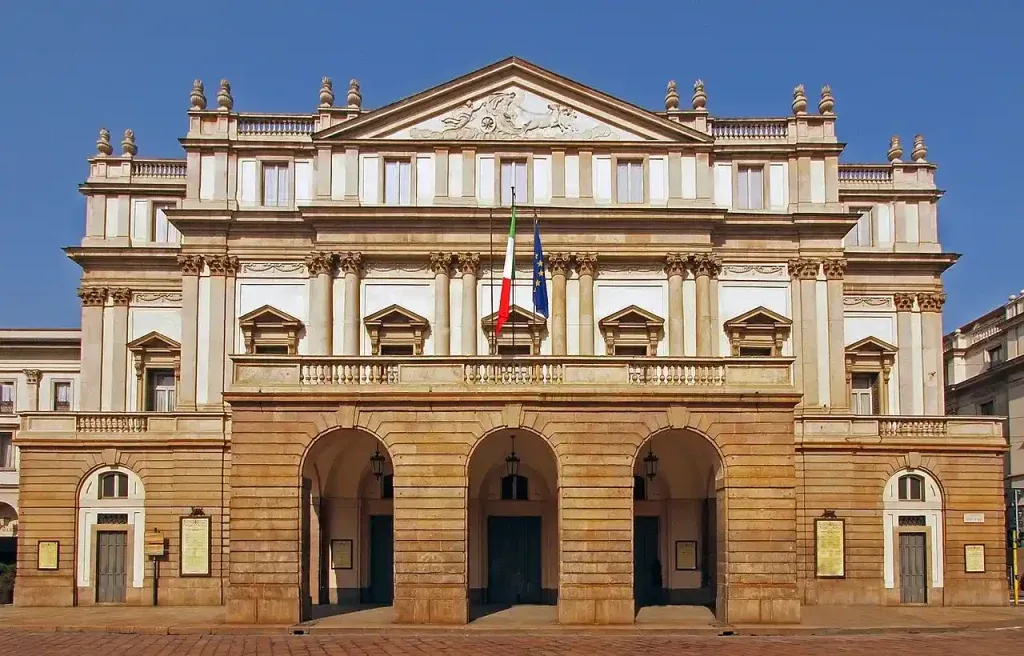
3. Teatro alla Scala
One of the world's most storied opera houses, La Scala has premiered works by Verdi, Puccini and Rossini since it opened in 1778 behind a restrained Neoclassical facade. The auditorium's red velvet and gilt tiers still host a demanding season, while the theatre's museum traces two and a half centuries of music with costumes, instruments and portraits.
Architect: Giuseppe Piermarini · Style: Neoclassical · Opened: 1778
Location: Piazza della Scala
Access: Ticketed. The Museo Teatrale alla Scala opens daily and usually includes a glimpse of the auditorium from a box.
Photo: “Exterior of Teatro Alla Scala” by Conte di Cavour.
4. Santa Maria delle Grazie and The Last Supper
Leonardo da Vinci painted The Last Supper between 1495 and 1498 on the end wall of the refectory of this Dominican convent, in an experimental technique that began to flake within his lifetime. The mural survived the bombing of 1943 that brought down the refectory roof and reopened in 1999 after two decades of cleaning. Visits are limited to small groups for fifteen minutes, and the slots sell out months ahead. The church beside it is worth its own stop for the domed tribune of the 1490s attributed to Bramante.
Architect: Guiniforte Solari; tribune attributed to Bramante · Heritage: UNESCO World Heritage Site, listed 1980
Location: Piazza di Santa Maria delle Grazie 2
Access: Church free; The Last Supper is a timed fifteen minute visit
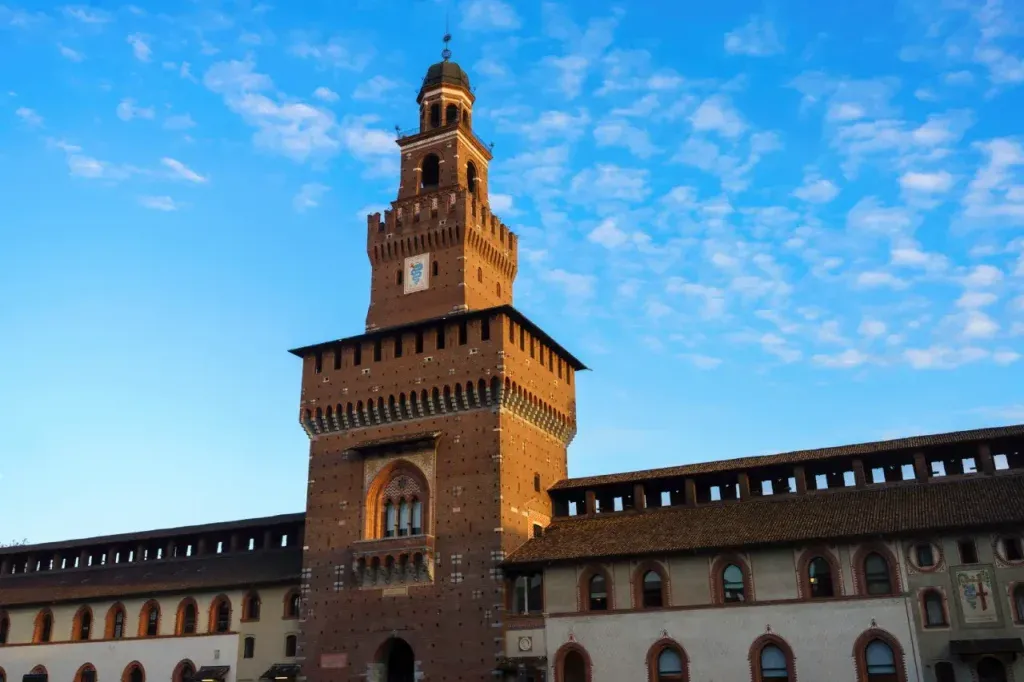
5. Sforzesco Castle
Raised by the Sforza dukes in the fifteenth century on an earlier Visconti fortress, this vast brick castle guards the edge of the old city with towers and battlements. The tall Torre del Filarete rises over the main gate facing the centre, and inside, the courtyards open onto a ring of civic museums whose collections run from Egyptian antiquities to Michelangelo's unfinished Pieta Rondanini, his final sculpture.
Style: Renaissance fortress
Location: Piazza Castello
Access: The courtyards are free and open daily; the castle museums are ticketed and closed on Mondays.
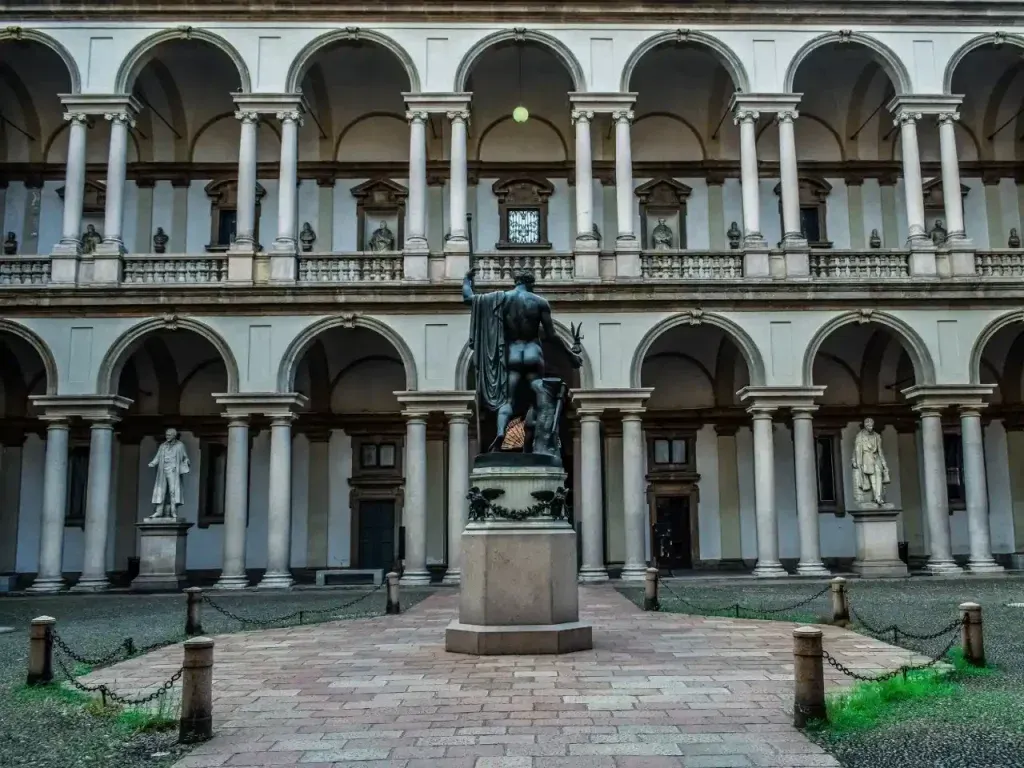
6. Pinacoteca di Brera
Milan's great picture gallery fills a Baroque palace in the artsy Brera quarter, its rooms hung with masterpieces of Italian painting from Raphael and Mantegna to Caravaggio and Hayez's The Kiss. A recent expansion into the neighbouring Palazzo Citterio, known as Brera Modern, added galleries of twentieth-century art and a large garden.
Style: Baroque palace, national gallery
Location: Via Brera 28
Access: Ticketed and closed on Mondays. The Grande Brera ticket also covers Palazzo Citterio, with free entry on the first Sunday of each month.
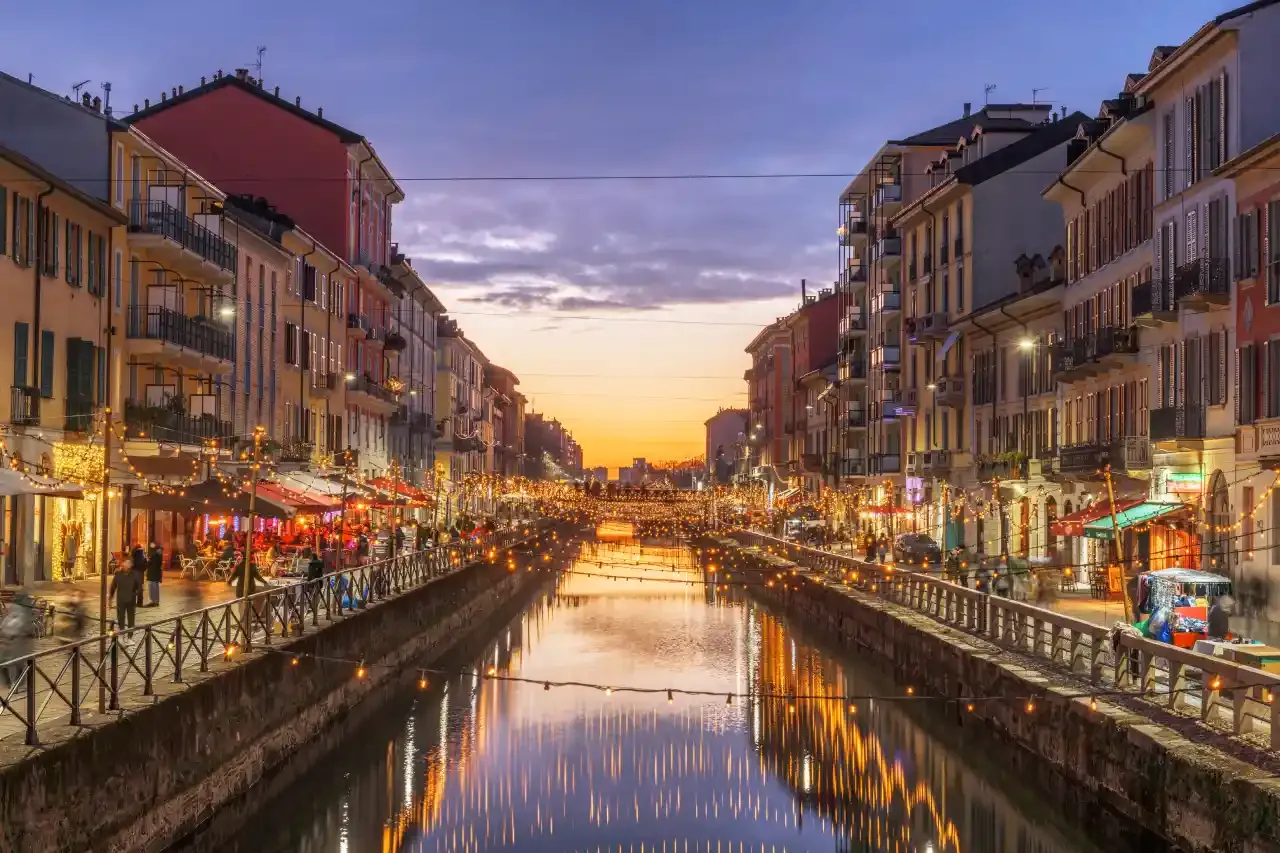
7. Navigli
The Navigli are the last open stretches of Milan's old canal network, once used to float marble to the Duomo and partly engineered with ideas attributed to Leonardo da Vinci. Today the Naviglio Grande and Naviglio Pavese are lined with bars, artisan workshops and vintage shops, drawing crowds at aperitivo hour and to the sprawling antiques market held along the water once a month, when stalls fill both banks.
Location: South of the centre, Porta Ticinese
Access: Free to wander; liveliest in the early evening.
8. San Siro Stadium
Officially the Stadio Giuseppe Meazza, San Siro is the thunderous shared home of AC Milan and Inter Milan and one of Europe's great football grounds, ringed by the spiral ramps and red girders of its distinctive stands. On non-match days, guided tours lead through the stands, the press room and the players' tunnel, paired with a museum of shirts and trophies from both clubs.
Architect: Ulisse Stacchini · Opened: 1926
Location: Piazzale Angelo Moratti, San Siro
Access: Ticketed. Tours and the museum run on non-match days. · Tickets and tours
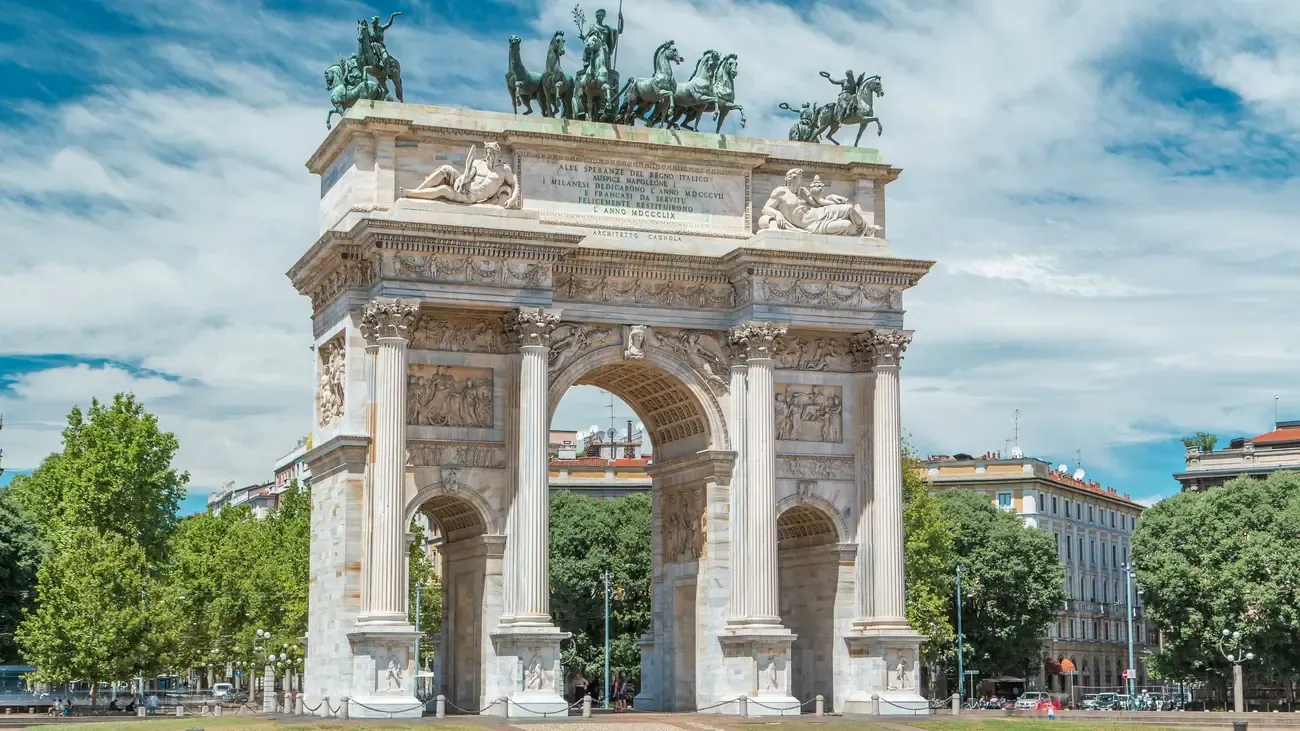
9. Arco della Pace
This grand triumphal arch closes the long view through Parco Sempione from the Sforza castle. Begun under Napoleon and finished in 1838 under Austrian rule, its white marble is carved with reliefs and crowned by a bronze chariot drawn by six horses, the Sestiga della Pace, facing the city. The monument marked the start of the Napoleonic road north toward the Simplon Pass and the rest of Europe.
Architect: Luigi Cagnola · Style: Neoclassical · Completed: 1838
Location: Piazza Sempione, by Parco Sempione
Access: Free, a monument in a public square.
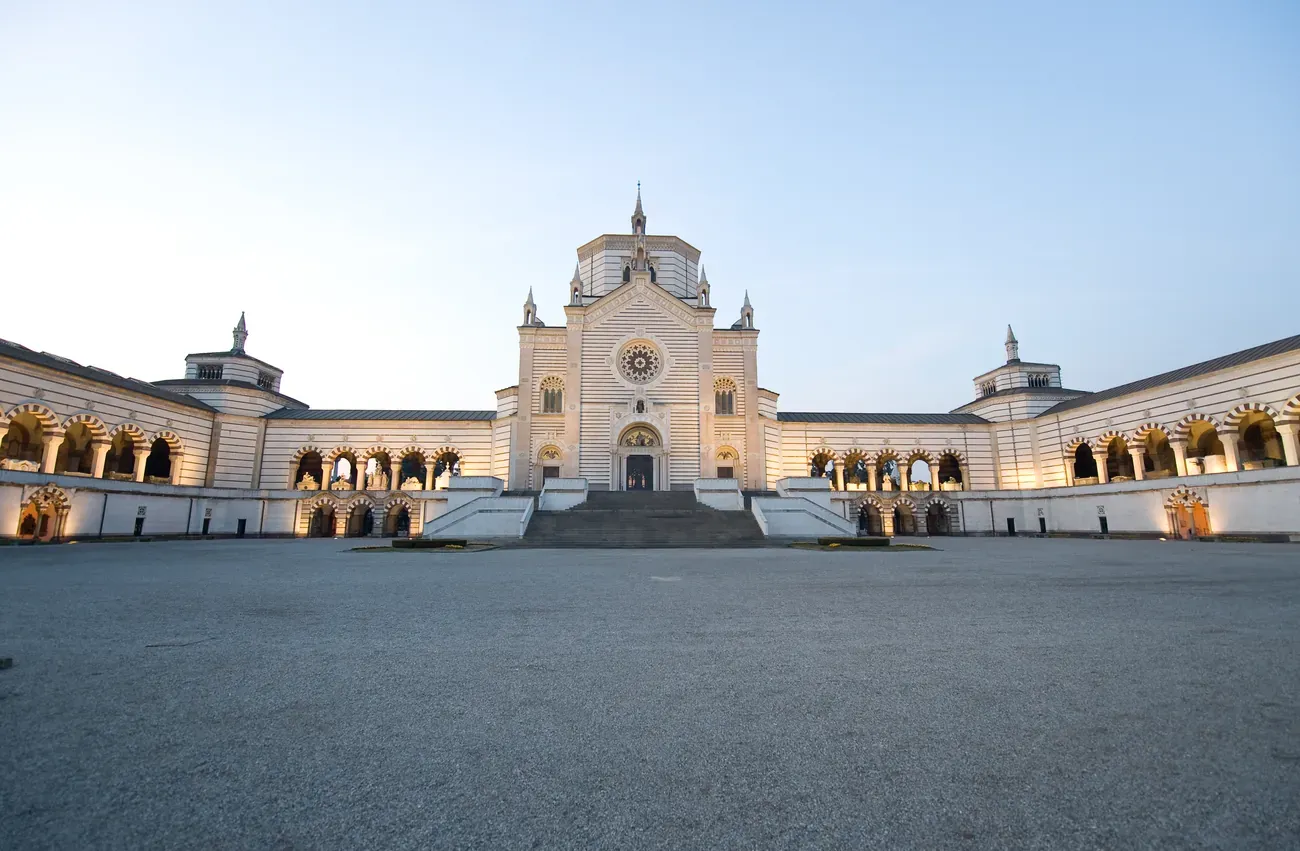
10. Monumental Cemetery (Cimitero Monumentale)
Far more than a burial ground, Milan's Monumental Cemetery is an open-air gallery of tombs and sculpture opened in 1866. Wealthy families competed to commission chapels and statues from leading artists, so elaborate mausoleums now line its avenues, and the grand Famedio at the entrance honours celebrated citizens, among them the writer Alessandro Manzoni.
Architect: Carlo Maciachini · Style: Eclectic · Opened: 1866
Location: Piazzale Cimitero Monumentale
Access: Free. Open Tuesday to Sunday and closed on Mondays.
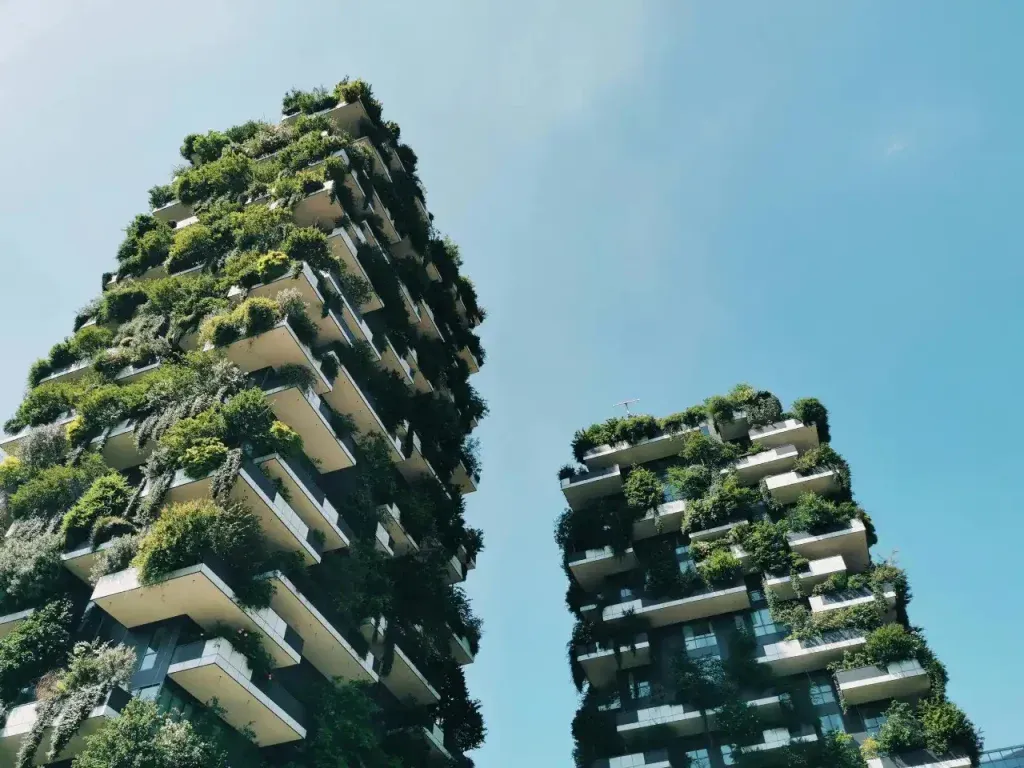
11. Bosco Verticale
The Vertical Forest is a pair of residential towers in the Porta Nuova district whose balconies are planted with roughly 900 trees and thousands of shrubs, so the facades change with the seasons. Designed by Stefano Boeri and completed in 2014 as part of his BioMilano vision, the towers have become a widely copied model for greening dense cities.
Architect: Stefano Boeri · Completed: 2014
Location: Porta Nuova, near Isola
Access: Private residences, best seen from the street or the nearby Biblioteca degli Alberi park.
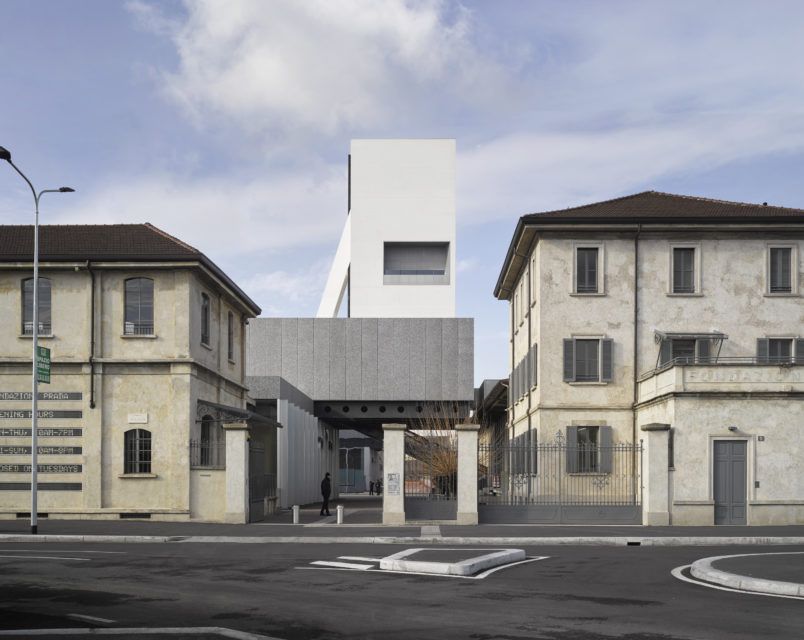
12. Fondazione Prada
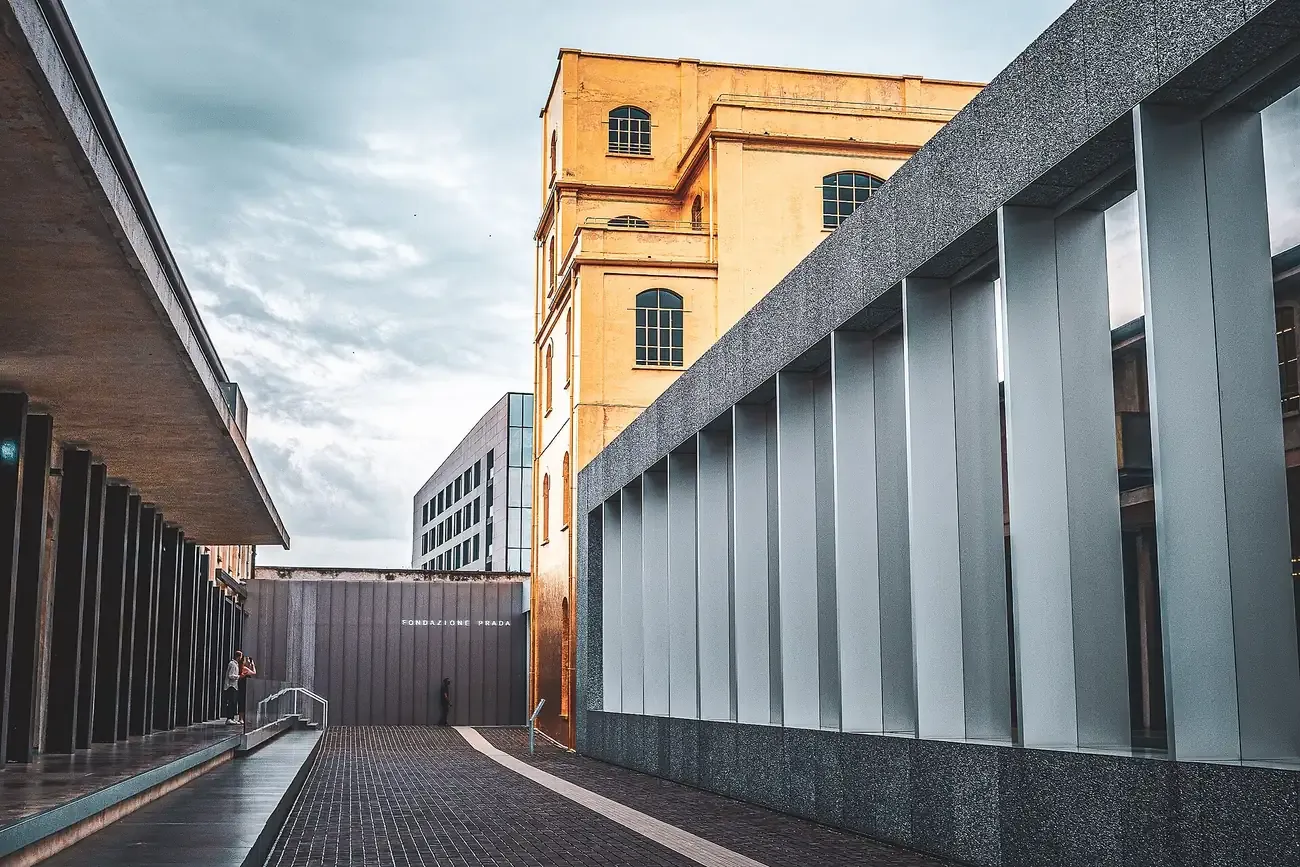
Co-chaired by Miuccia Prada, this contemporary art institution occupies a former distillery reworked by the architects of OMA, who kept the old sheds and added new volumes including a tower clad in gold leaf. Its changing exhibitions, film programme and design projects sit a short walk from a metro stop south of the centre, alongside the Wes Anderson-designed Bar Luce.
Architect: OMA (Rem Koolhaas) · Founded: 1993
Location: Largo Isarco 2
Access: Ticketed and closed on Tuesdays; the Bar Luce cafe is free to step into.
Upcoming events in Milan
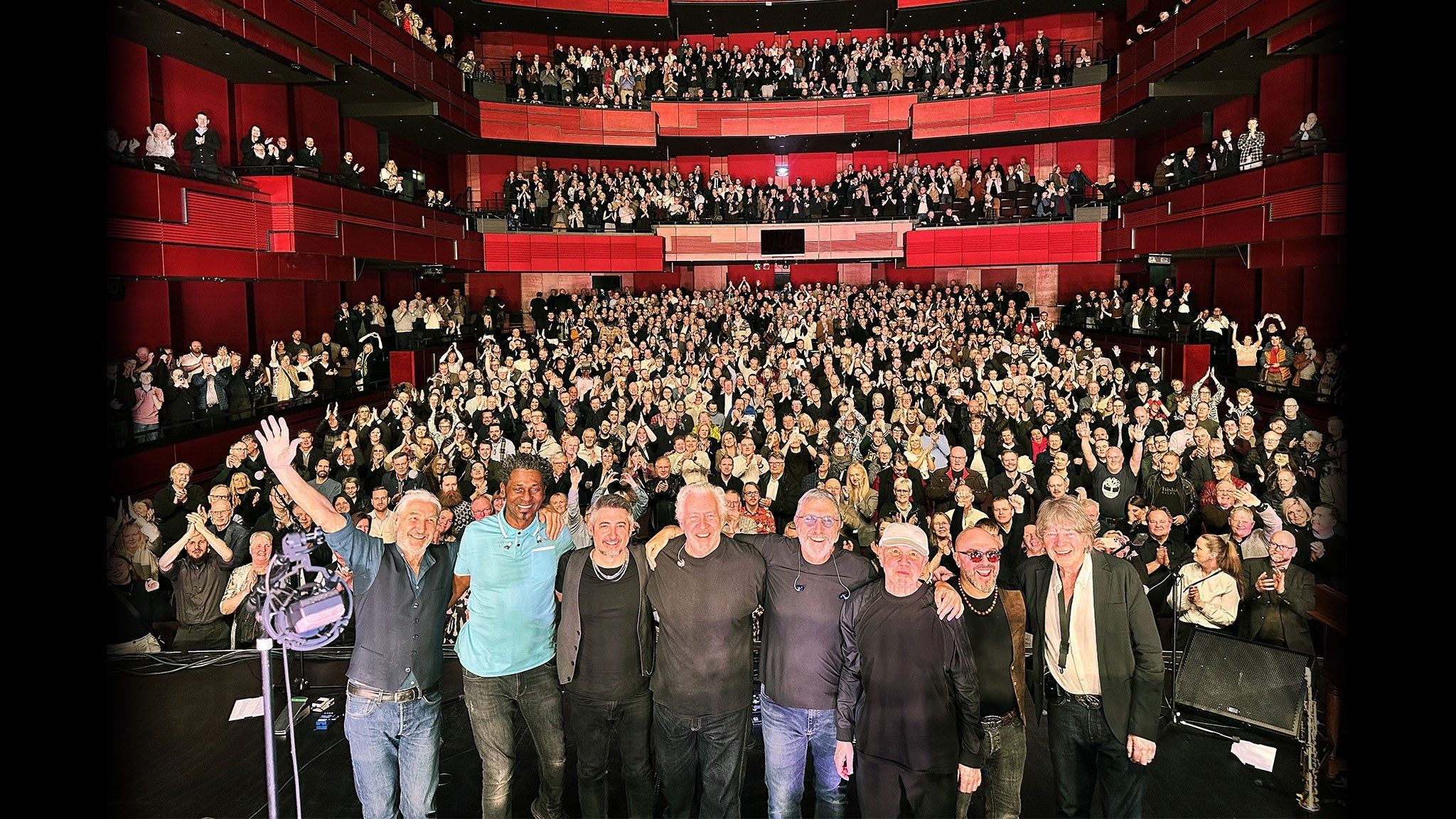
Dsl Dire Straits Legacy
Dsl Dire Straits Legacy plays Teatro Nazionale Italiana Assicurazioni on 2 November at 20:30.
Martin Parr
Martin Parr plays Spazio Varesina 204 on 3 November at 10:00.

Candlelight: Tributo a Ludovico Einaudi
Candlelight: Tributo a Ludovico Einaudi comes to Auditorium San Fedele on 6 November at 19:30.

Hot Wheels Pre-Show
Hot Wheels Pre-Show comes to Unipol Dome on 14 November at 09:30.

Hot Wheels Stunt Show
Hot Wheels Stunt Show comes to Unipol Dome on 14 November at 11:30.
Ludovico Einaudi
Ludovico Einaudi plays Teatro Dal Verme on 26 November at 20:00.
Free landmarks and viewpoints in Milan
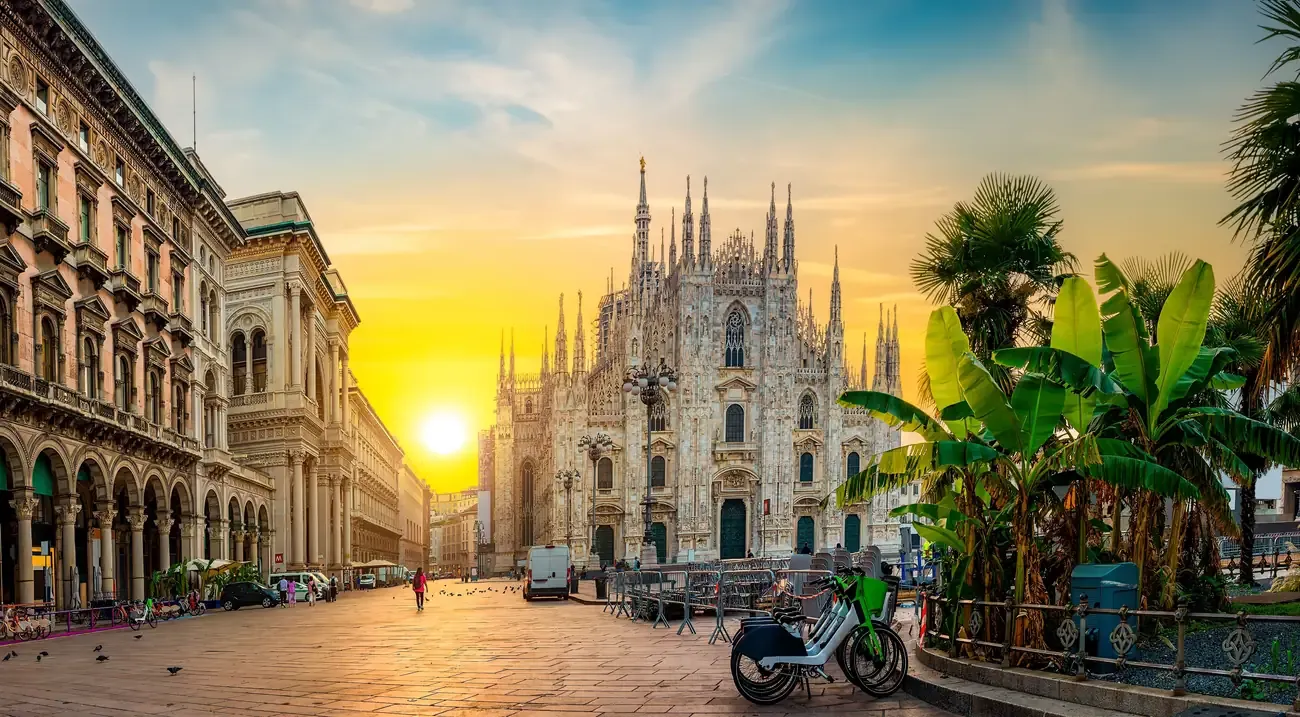
Piazza del Duomo
Milan's marble-paved main square costs nothing to stand in, day or night, with a straight view of the cathedral's Gothic facade. The Duomo itself, its rooftop terraces and its museum are paid entry; the square around them is not.
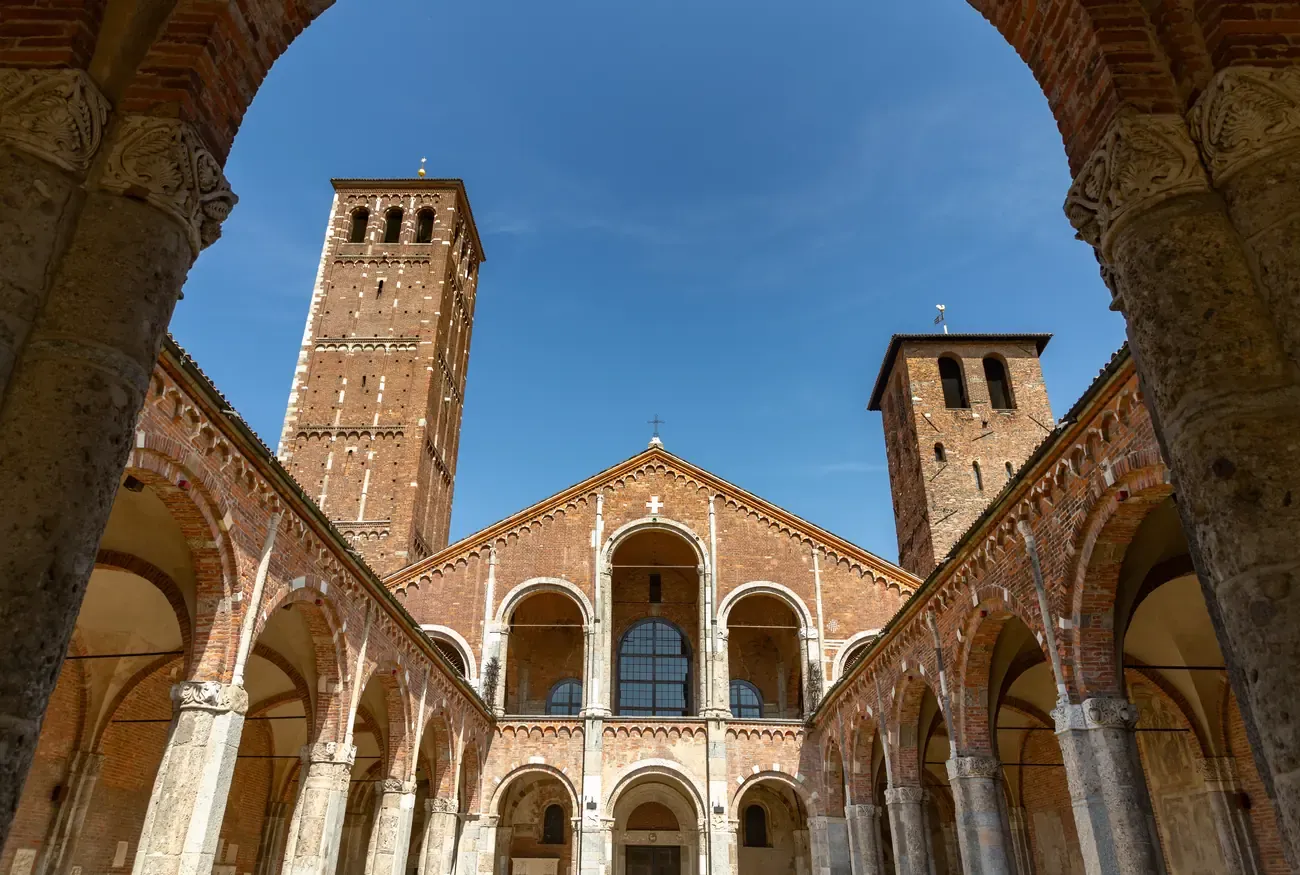
Basilica di Sant'Ambrogio
The basilica founded by Milan's patron saint opens its doors free of charge, weekdays from 07:30 to 12:30 and 14:30 to 19:00, with longer afternoon hours on Sundays and holidays. Guided visits run some mornings, but stepping inside alone costs nothing.
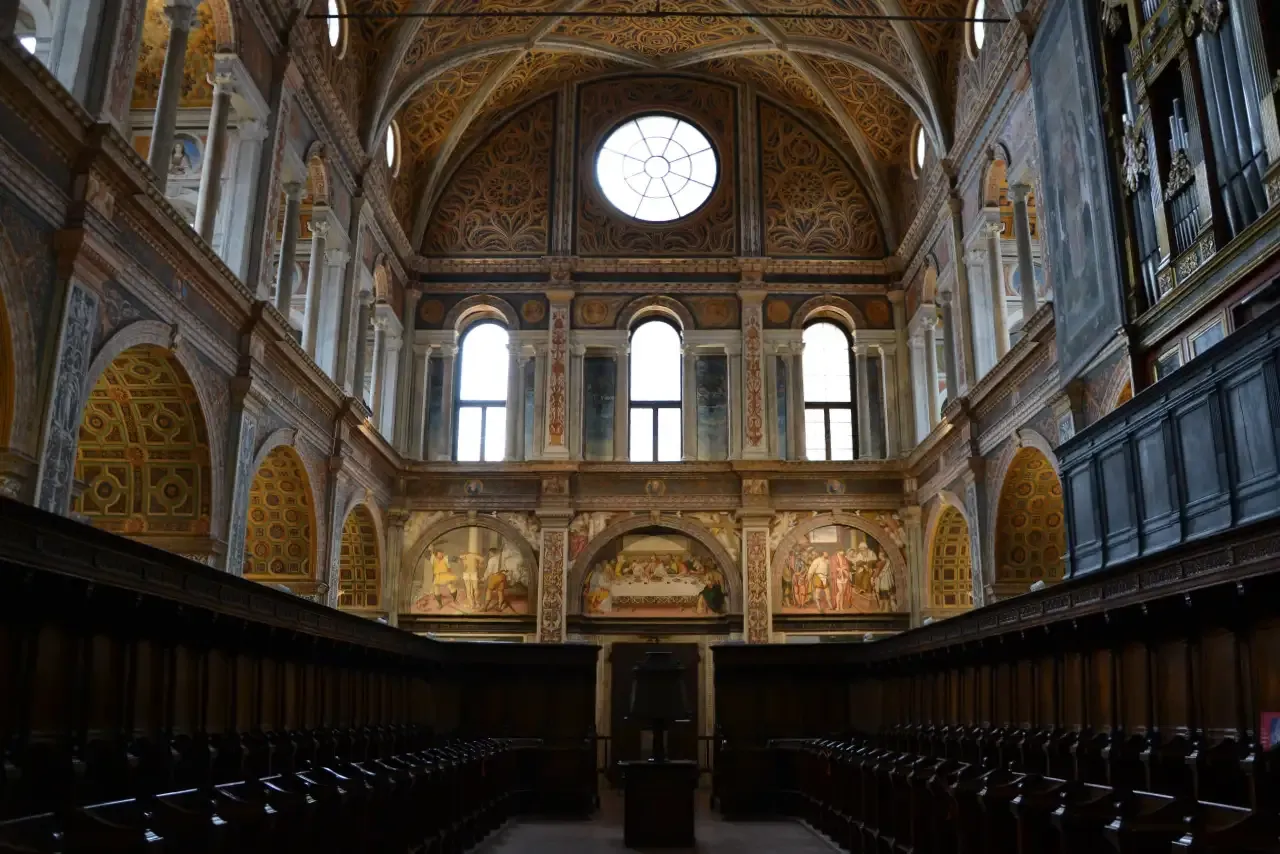
Chiesa di San Maurizio al Monastero Maggiore
Milan's own Sistine Chapel hides behind a plain facade on Corso Magenta, its nave and nuns' choir completely covered in Bernardino Luini's 16th century frescoes. Entry is free Tuesday to Sunday, 10:00 to 17:30, with last entry at 17:00.
Photo: "San Maurizio al Monastero Maggiore, Nuns' Hall" by Carlo Dell'Orto (CC BY-SA 3.0).
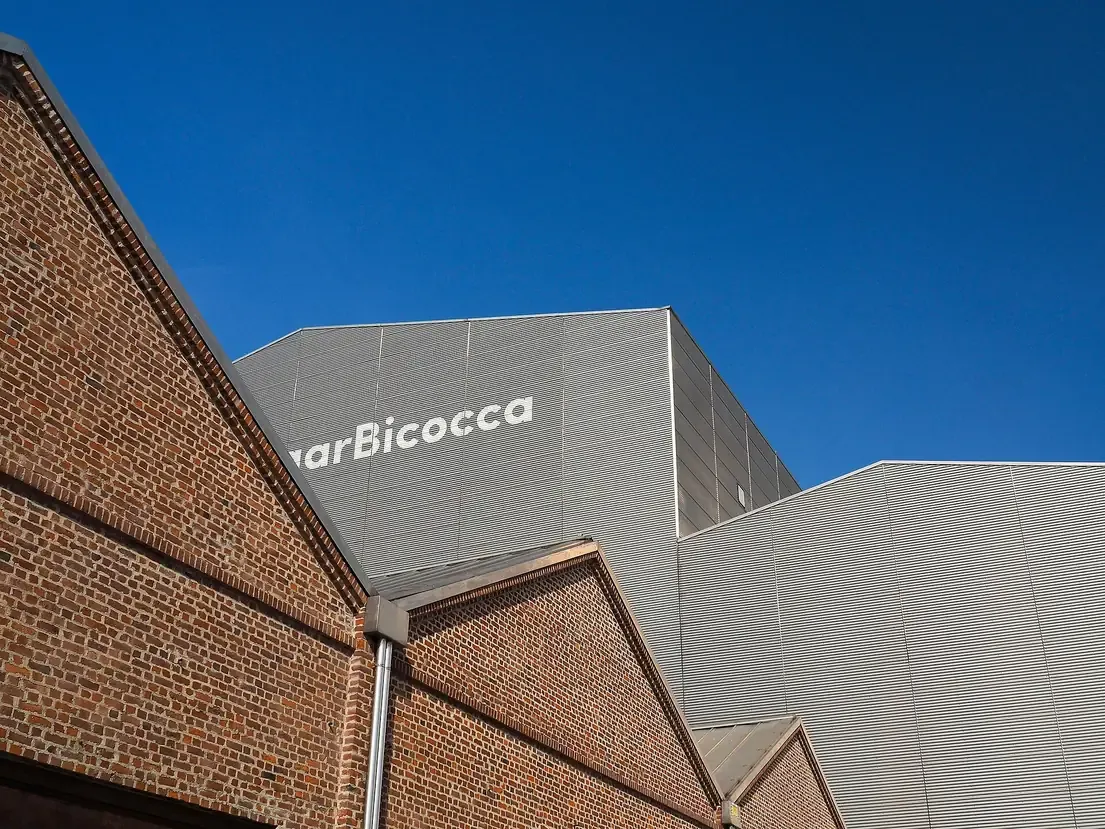
Pirelli HangarBicocca
A former industrial hangar in the north of the city gives free admission to large-scale contemporary art, including Anselm Kiefer's permanent installation The Seven Heavenly Palaces. Open Thursday to Sunday, 10:30 to 20:30, last admission 19:30.
Photo: "Milano - HangarBicocca - Esterno" by Silvana Gallio (CC BY-SA 4.0).
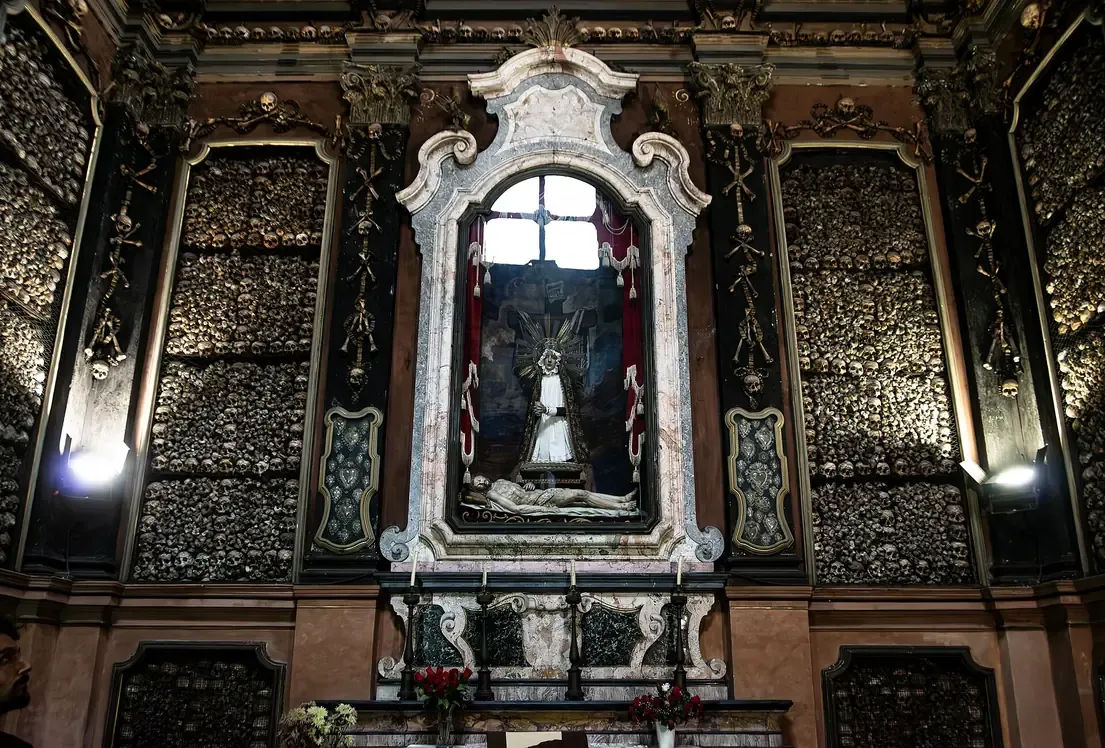
San Bernardino alle Ossa
A small chapel beside the Basilica of Santo Stefano lines its walls and doorframes with human skulls and bones from a medieval hospital cemetery, under a Baroque ceiling fresco by Sebastiano Ricci. Entry is free, with donations welcome at the candle box.
Photo: "Altar of the Ossuary of San Bernardino alle Ossa, Milan" by Julian Lupyan (CC0).
Sacred spaces and holy curiosities in Milan
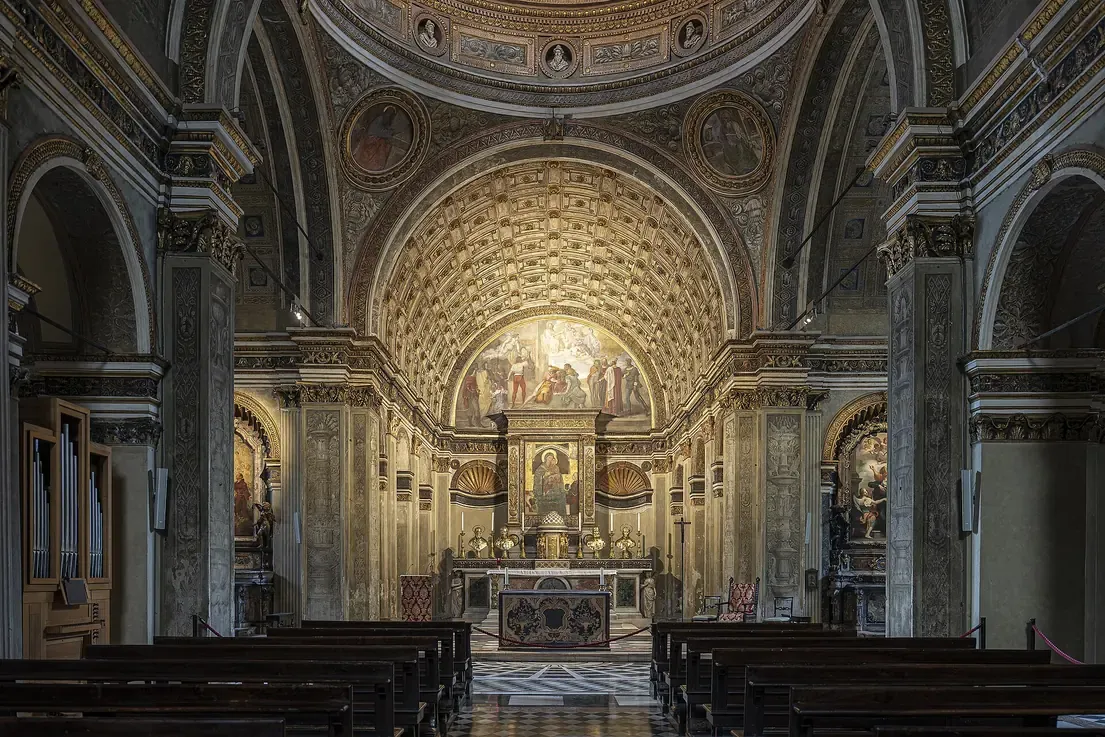
Santa Maria presso San Satiro
Denied space for a real choir, Bramante painted one in false perspective, so a shallow niche appears to open into a deep apse.
Location: Via Torino
Photo: "Milano - Santa Maria presso San Satiro - Interno e finto coro del Bramante" by Angels1964 (CC BY-SA 4.0).
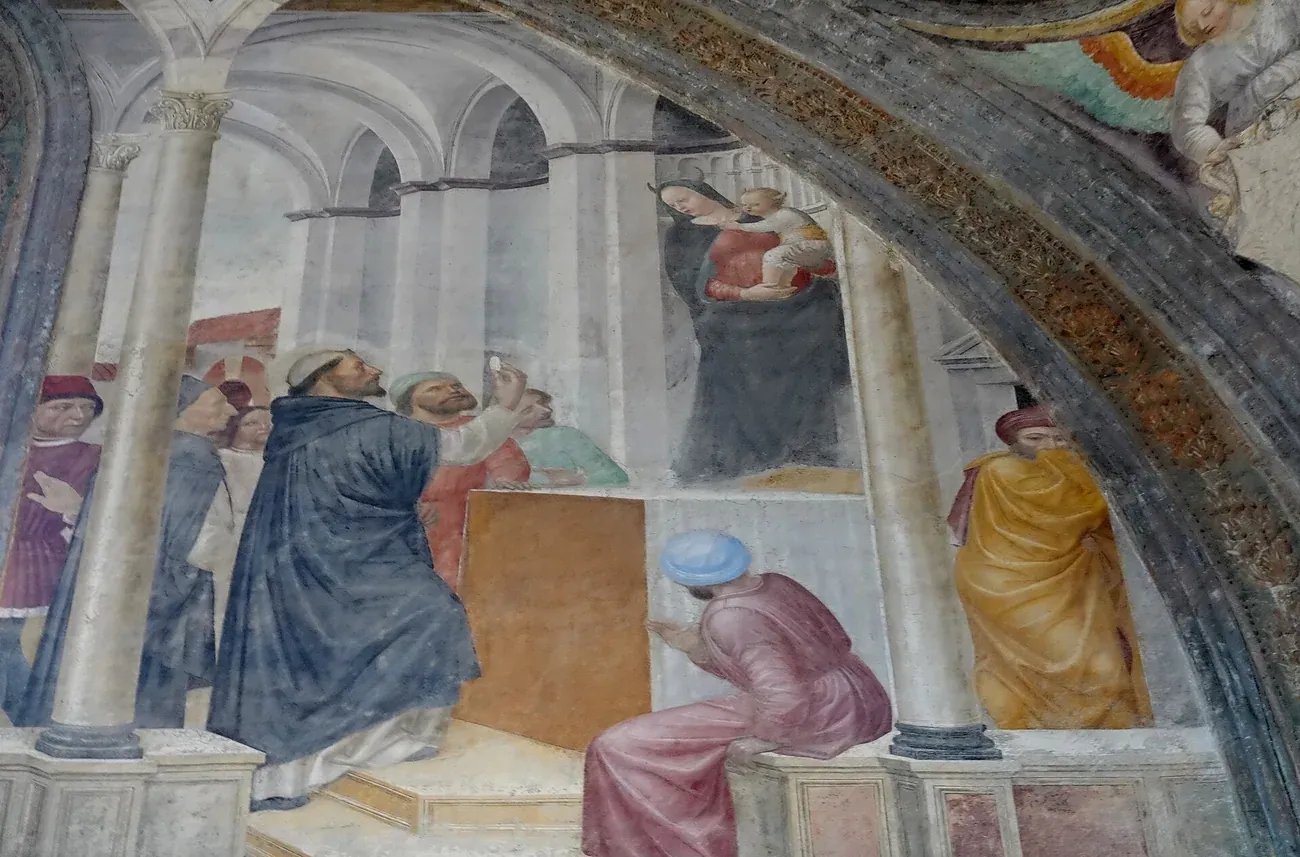
The Horned Madonna of the Portinari Chapel
Inside Sant'Eustorgio's Renaissance chapel, a fresco shows Mary and Jesus with what look like small devil's horns, a quirk tangled in legend and restoration.
Location: Piazza Sant'Eustorgio
Photo: "Fresco in the Portinari Chapel, Basilica of Sant'Eustorgio, Milan" by Prof. Mortel (CC BY 2.0).
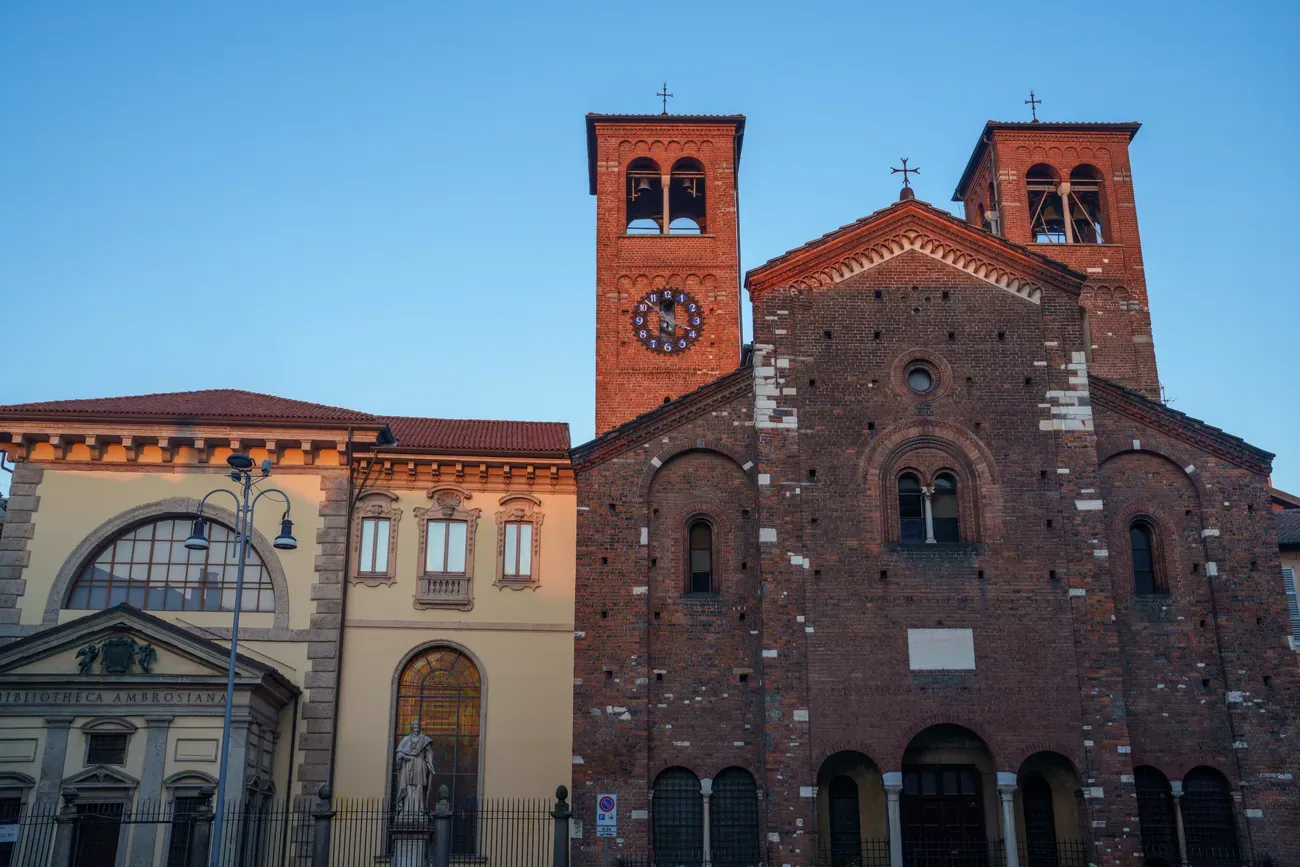
Crypt of San Sepolcro
Beneath a church on Milan's old Roman forum lies a medieval crypt where Charles Borromeo kept vigil, calling it his gymnasium of the Holy Spirit.
Location: Via Cardinale Federico 2
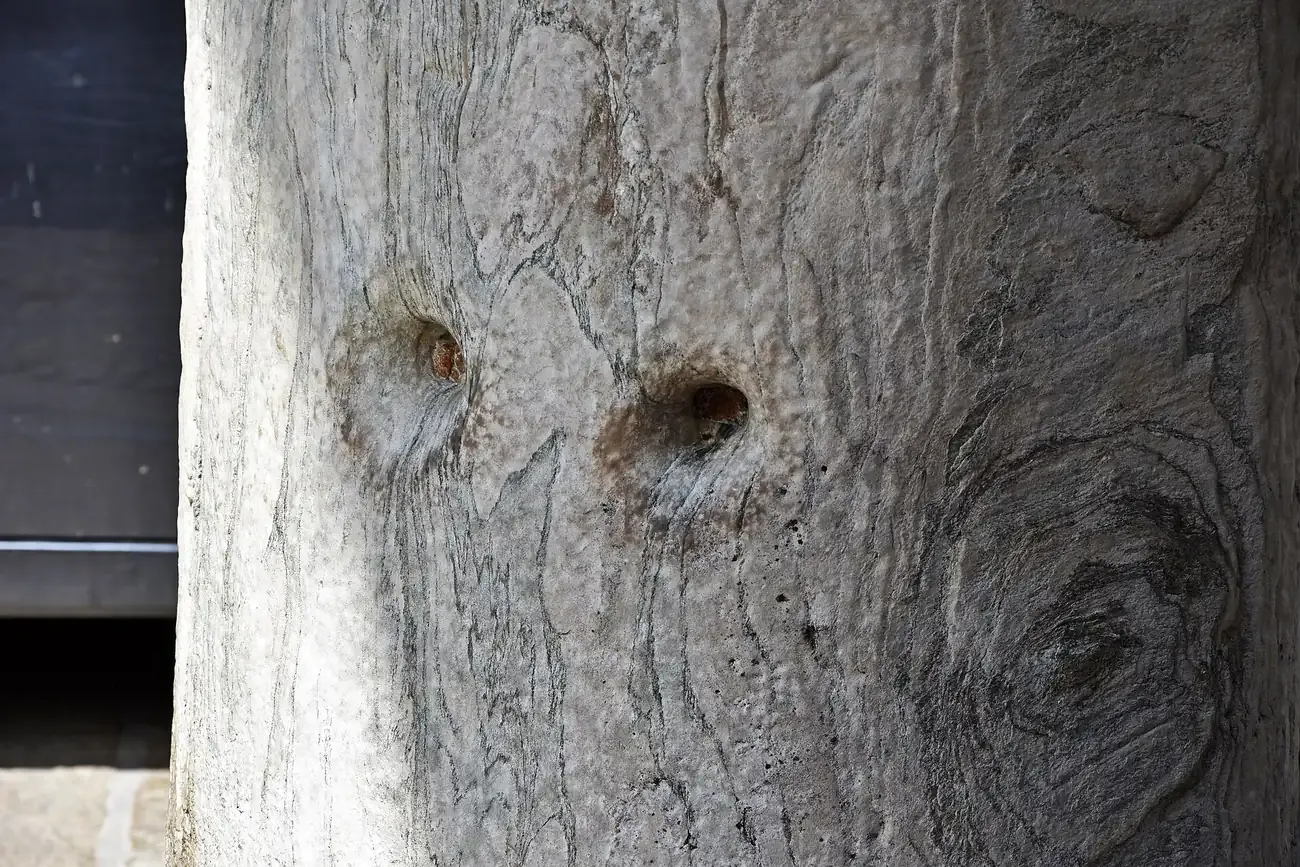
The Devil's Column
Two holes pierce a Roman column outside the basilica of Sant'Ambrogio. Legend says the Devil drove his horns into the marble while tempting the saint.
Location: Piazza Sant'Ambrogio
Photo: "Milano - Colonna del Diavolo" by Phyrexian (CC BY-SA 4.0).
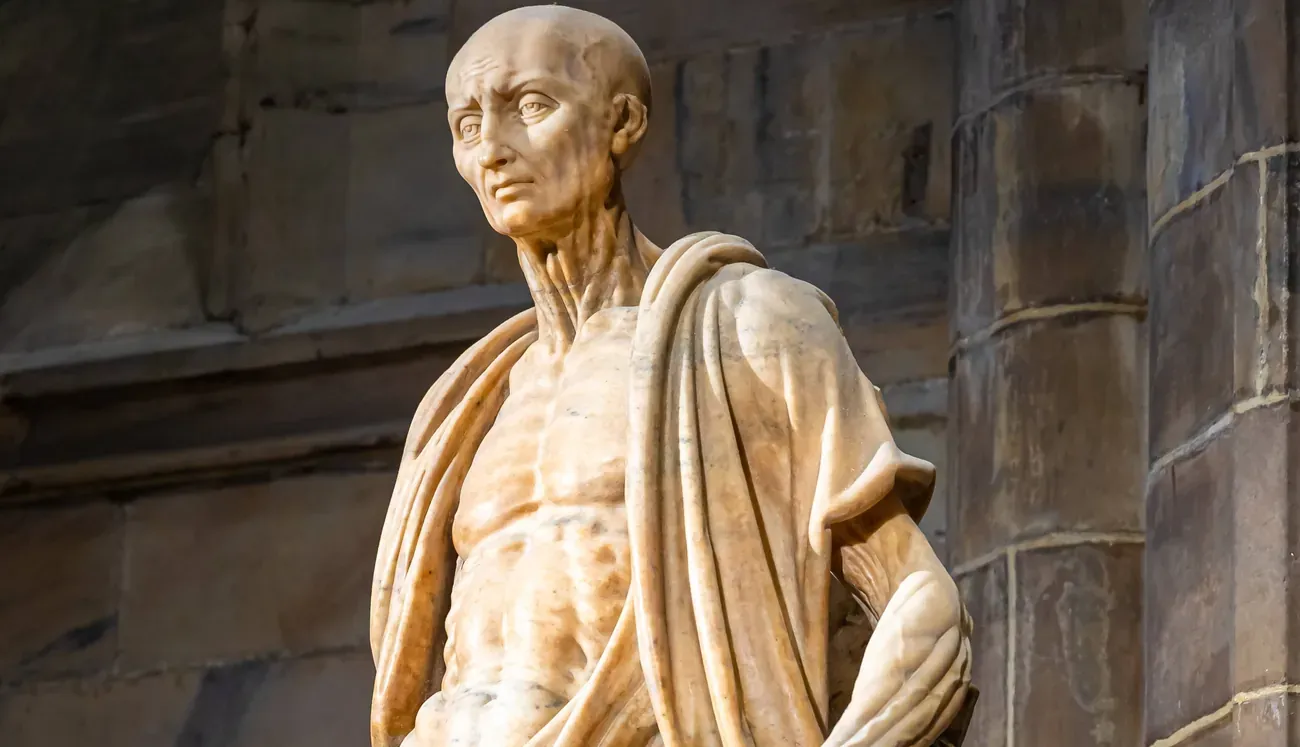
Saint Bartholomew Flayed
Inside the cathedral stands a startling statue of the apostle carrying his own flayed skin like a cloak, an anatomy lesson carved in marble.
Location: Piazza del Duomo
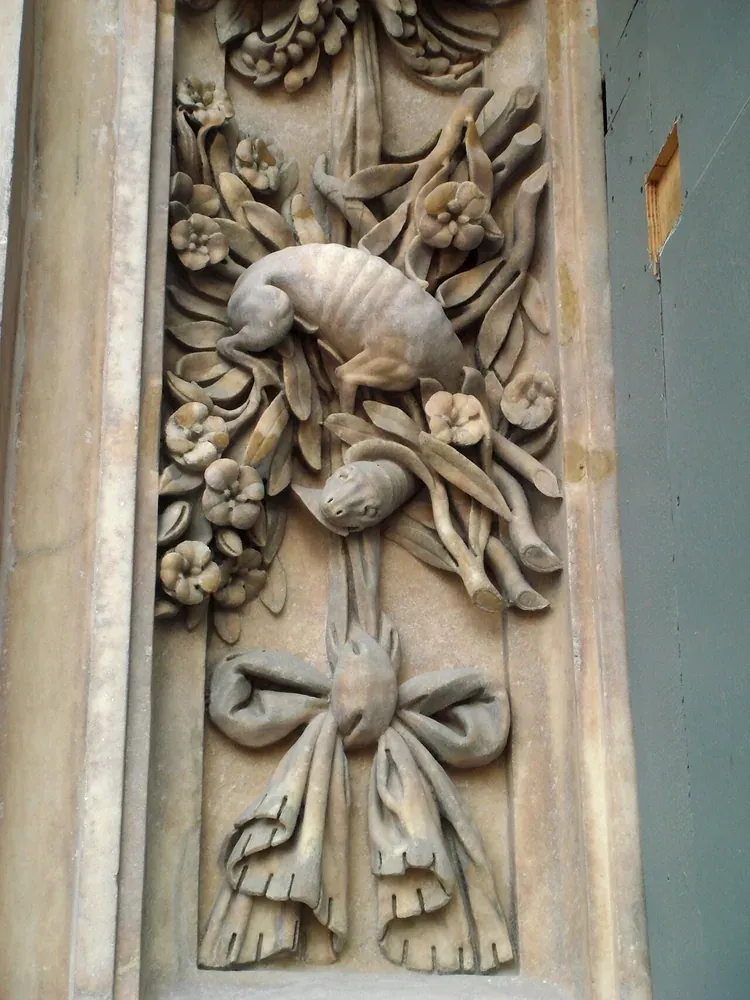
The Duomo's hidden dinosaur
A carving on the cathedral's main portal shows a long-necked, web-footed creature that looks unnervingly like a dinosaur, sculpted centuries before the word existed.
Location: Piazza del Duomo
Photo: "Chimeric animal relief beside the main portal of the Duomo, Milan" by Giovanni Dall'Orto (Attribution).
Unexpected art and sculpture in Milan
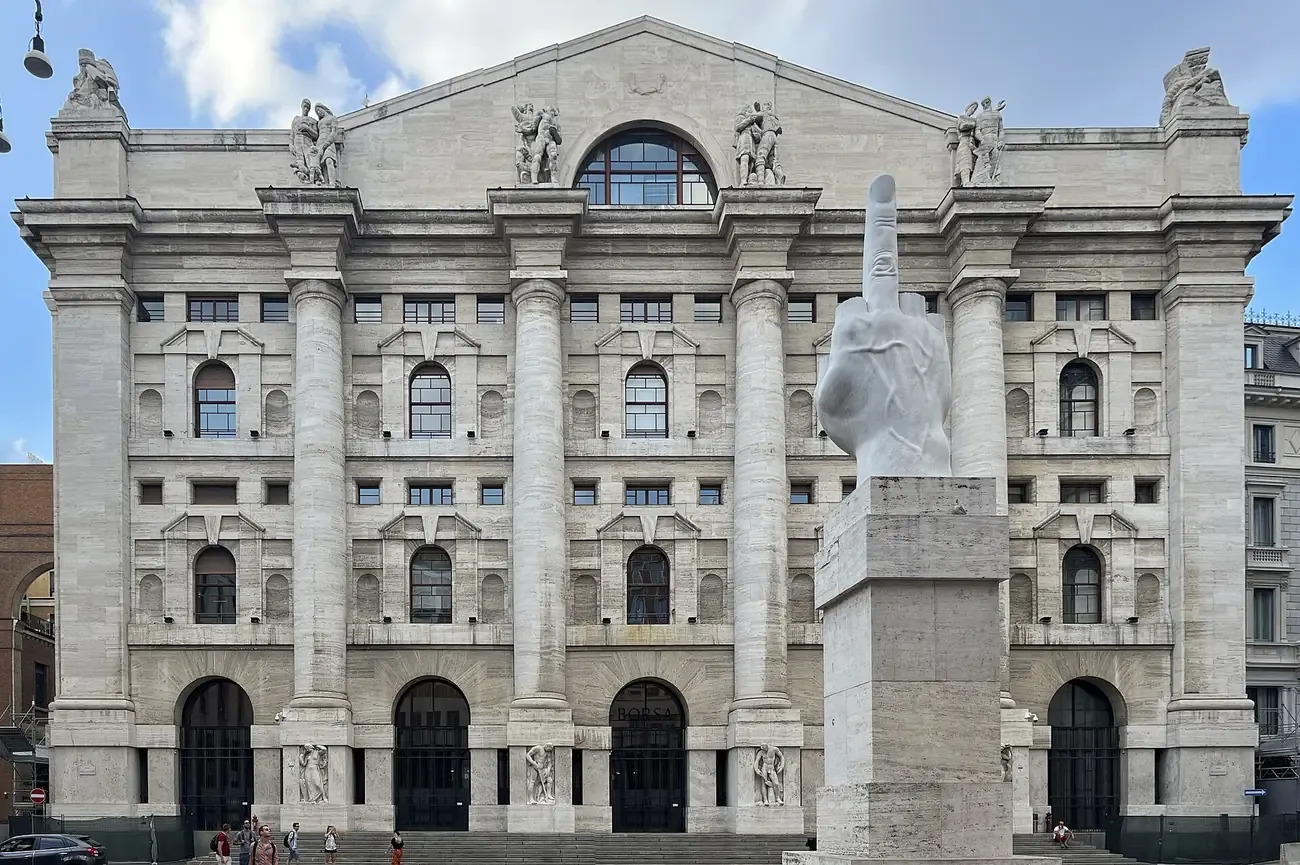
L.O.V.E.
Maurizio Cattelan's marble hand raises its middle finger to the stock exchange across the square, its other fingers cut down to blunt stumps.
Location: Piazza degli Affari
Photo: "Palais Mezzanotte and L.O.V.E. sculpture in Piazza degli Affari, Milan" by Chabe01 (CC BY-SA 4.0).
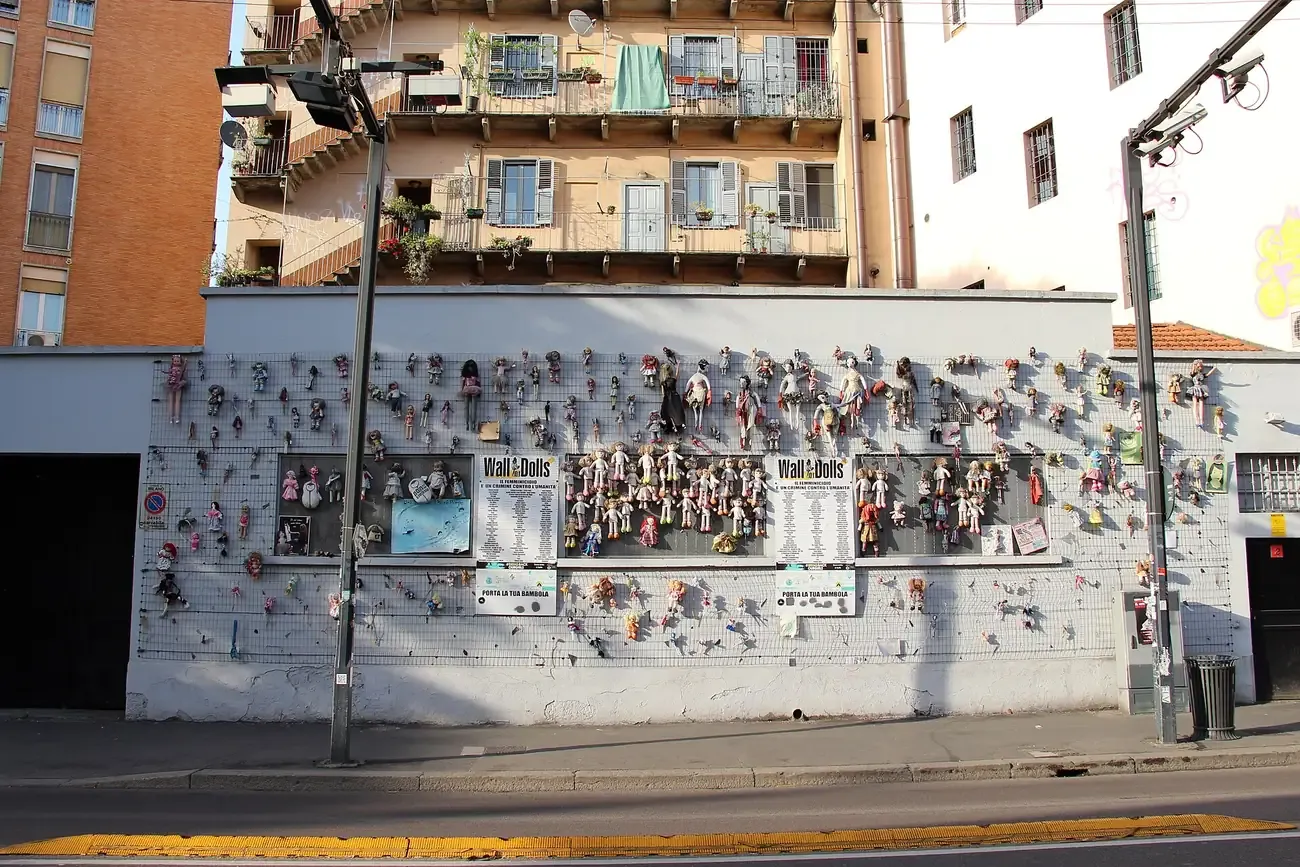
The Wall of the Dolls
In the Ticinese district, hundreds of dolls strung along a wall form a stark, unsettling protest against femicide and violence toward women.
Location: Corso di Porta Ticinese
Photo: "Wall of Dolls, Milan" by Fred Romero (CC BY 2.0).
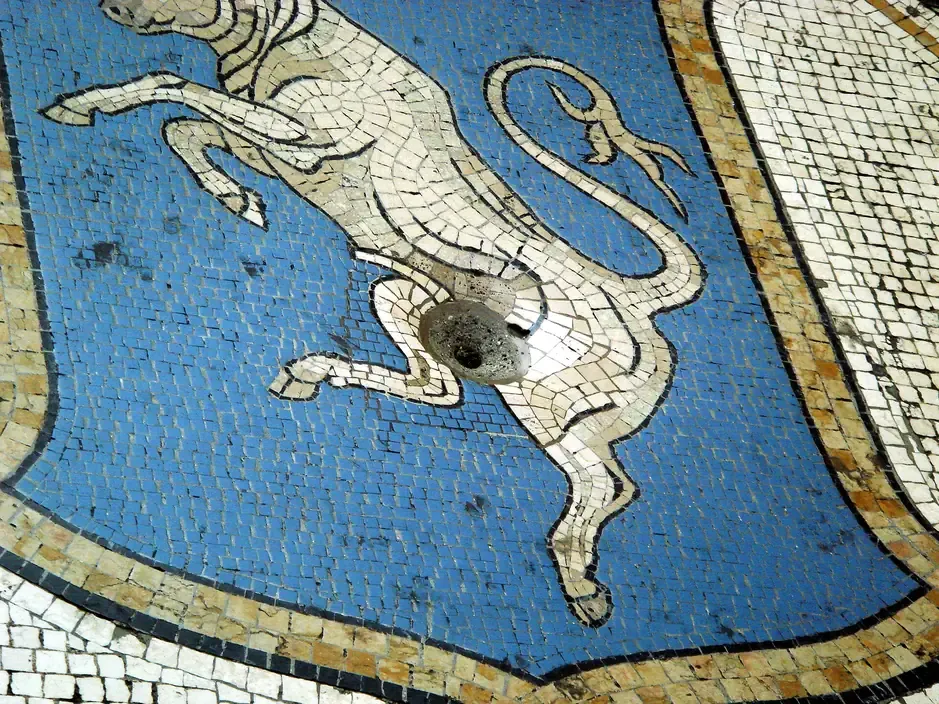
Dancing Bull of Good Fortune
Tradition says spinning your heel on the bull in the arcade's floor mosaic brings luck, and visitors have worn a hole through the tiles.
Location: Galleria Vittorio Emanuele II
Photo: "Turin bull mosaic in the Galleria Vittorio Emanuele II, Milan" by Giovanni Dall'Orto (Attribution).
Secret architecture and hidden interiors in Milan
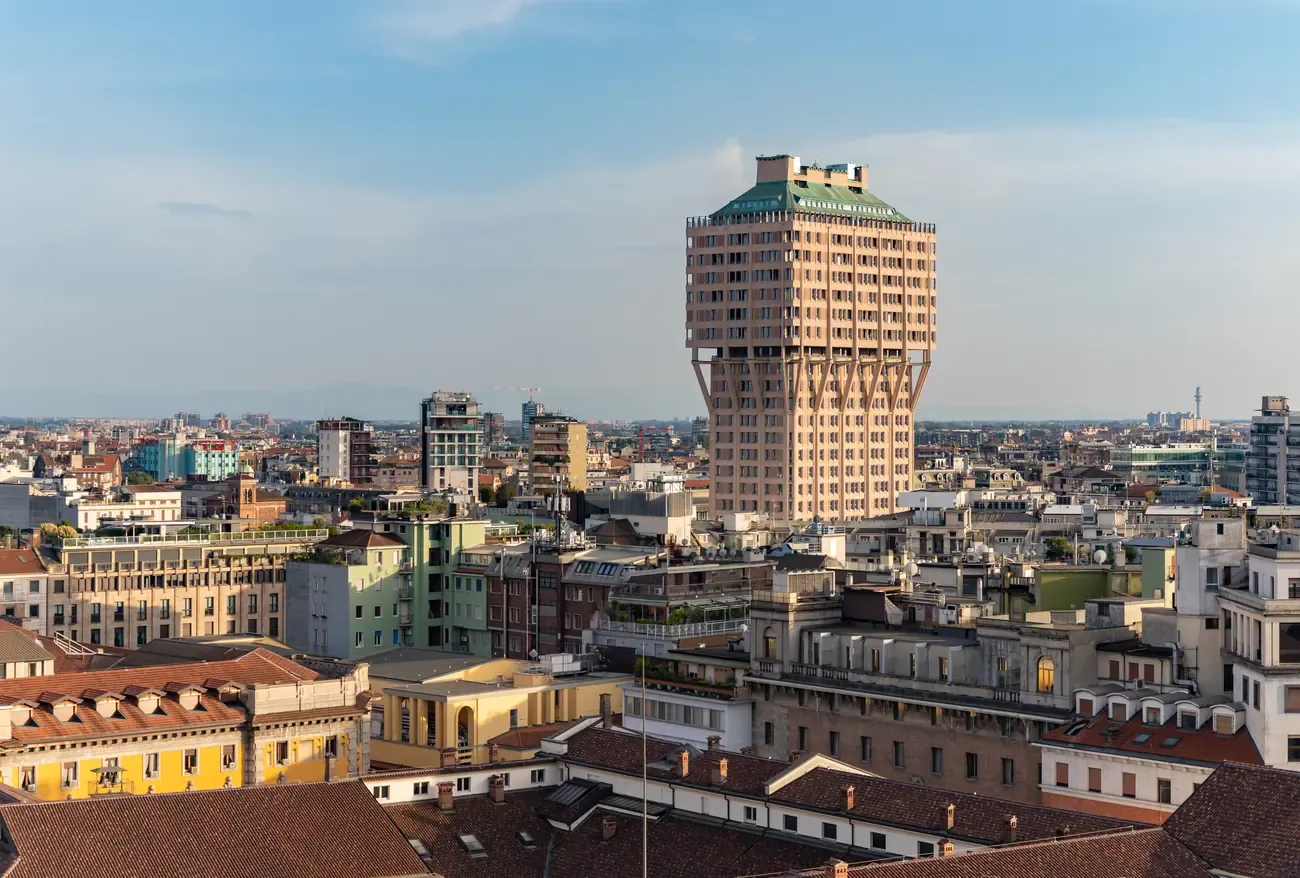
Torre Velasca
Designed by the BBPR group in 1958, this tower flares outward near the top like a medieval keep in concrete, a divisive postwar icon.
Location: Piazza Velasca
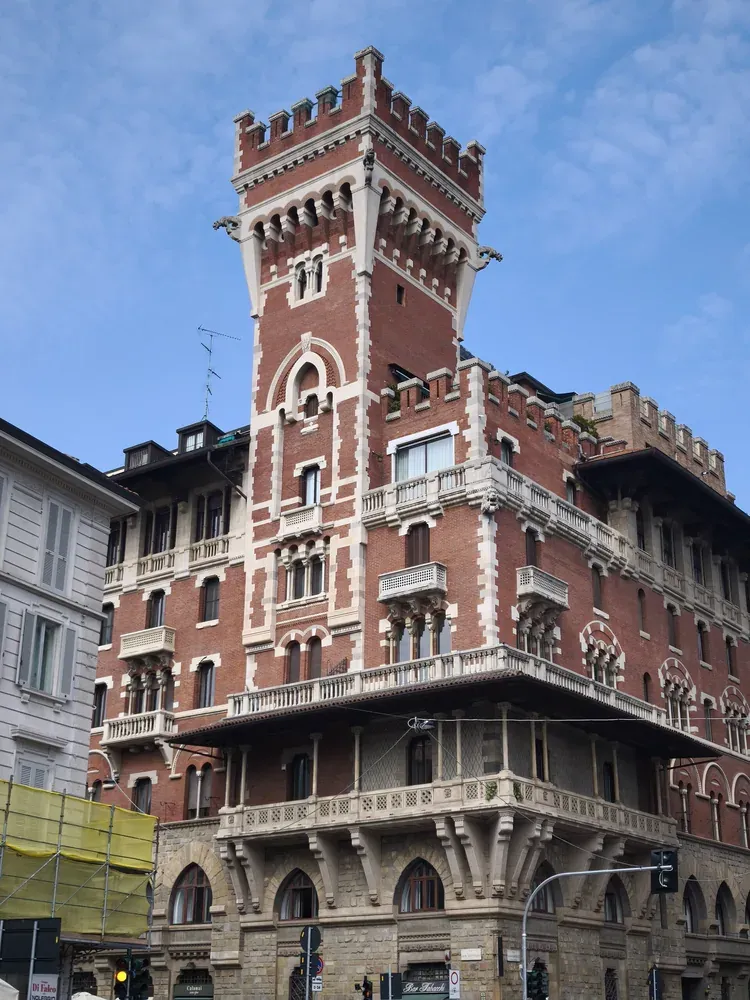
Palazzo Berri-Meregalli
Grey and forbidding at first, this 1910s apartment house rewards a second look with mosaics, ironwork and a blend of Gothic, Romanesque and Art Nouveau.
Location: Via Cappuccini 8
Photo: "Palazzo Berri-Meregalli tower and brick facade" by Simo.Albo80 (CC BY-SA 4.0).
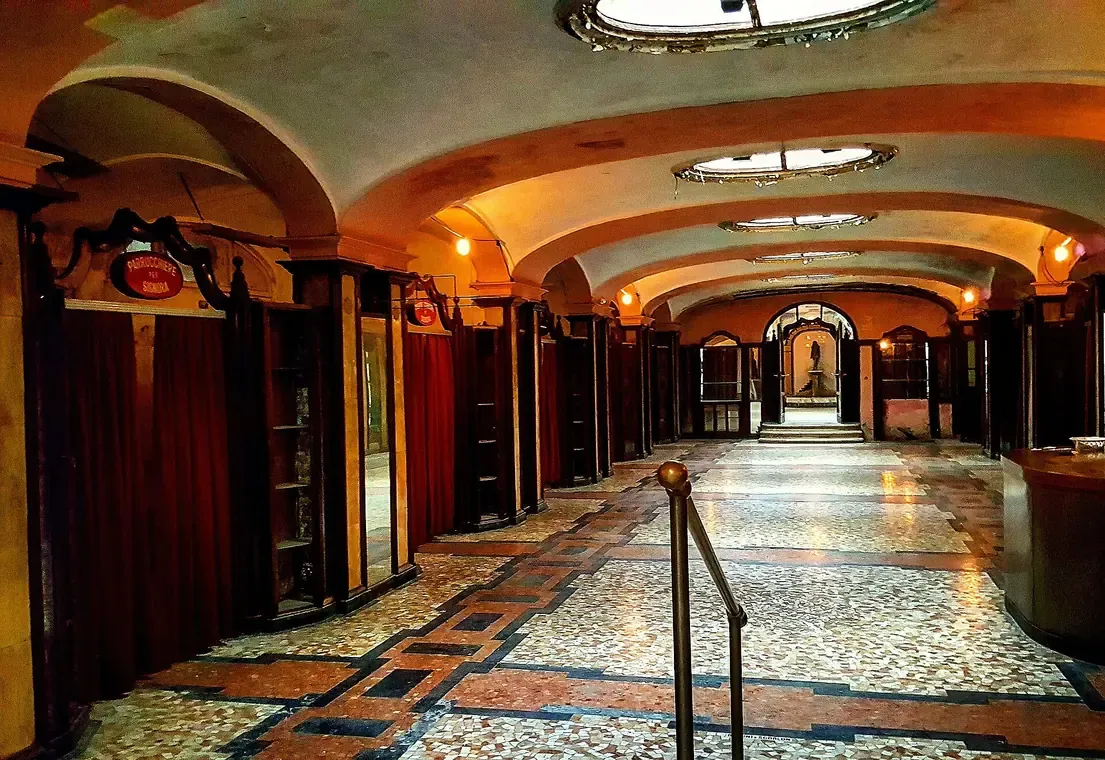
Albergo Diurno Venezia
Under Piazza Oberdan lies a 1920s underground spa and salon of marble and Art Deco fittings, long shuttered and now cared for by the FAI.
Location: Piazza Oberdan
Photo: "Atrium of the Albergo Diurno Venezia" by Federico Bernardeschi (CC BY-SA 4.0).
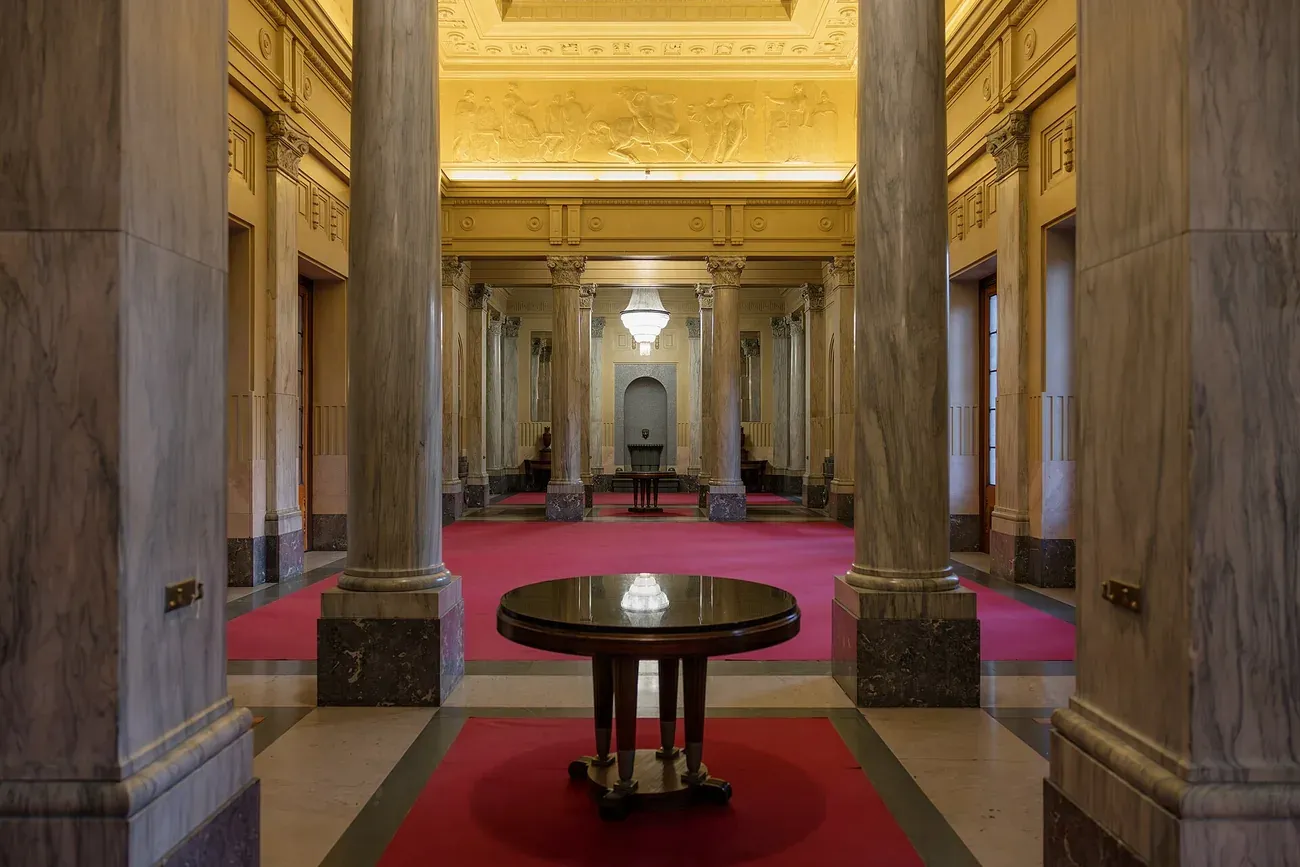
The Royal Pavilion at Stazione Centrale
Behind unmarked doors in Milan's monumental Central Station hides the Padiglione Reale, a lavish waiting room built for the royal family and rarely opened.
Location: Piazza Luigi di Savoia 1
Photo: "The Royal Hall in the Royal Pavilion of Milano Centrale" by Marco Del Torchio 95 (CC0).
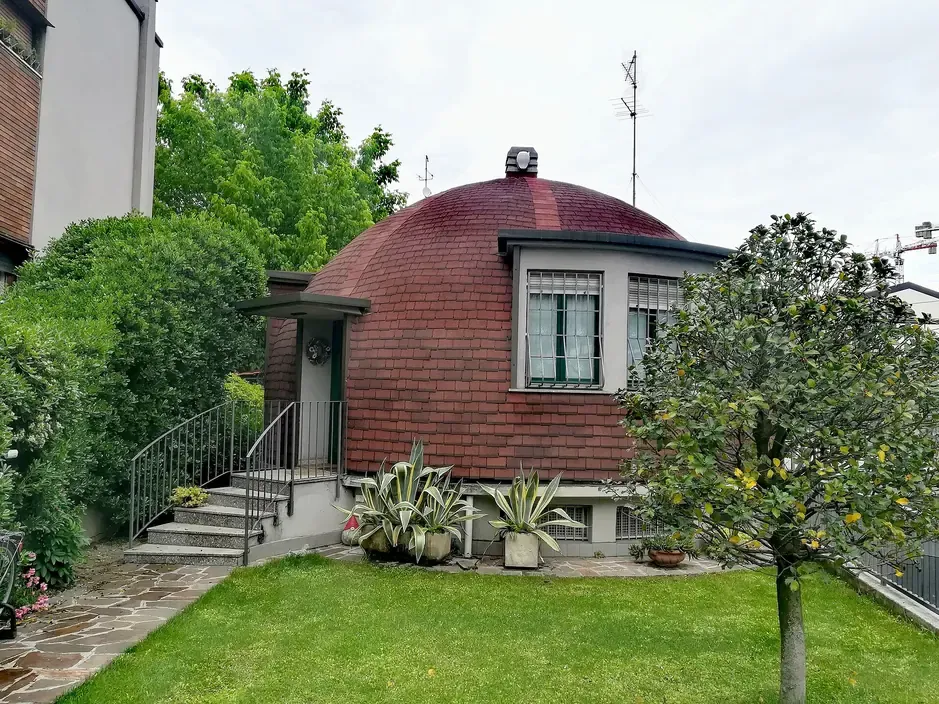
Case a Igloo
In the Maggiolina district, a cluster of dome-shaped 1940s houses by Mario Cavalle looks like a little village of igloos dropped into Milan.
Location: Via Lepanto
Photo: "Igloo house in the Maggiolina district" by FlavMi (CC BY-SA 3.0).
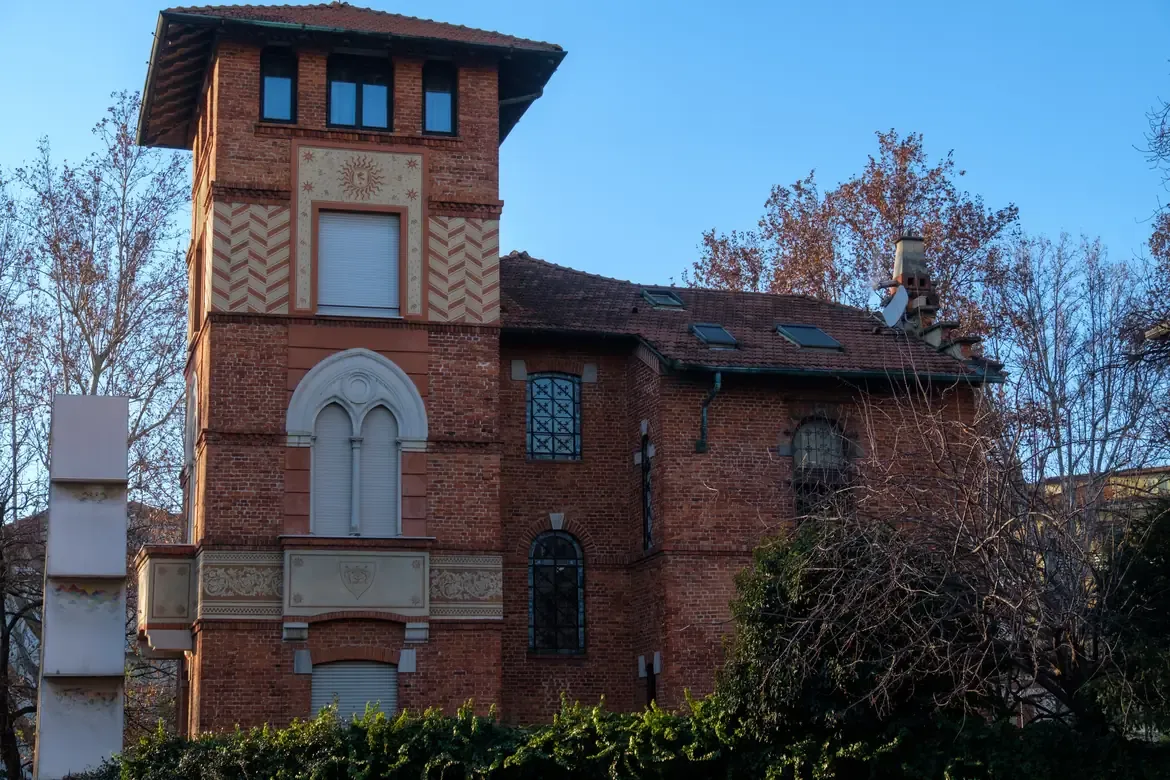
Castello Pozzi
In the CityLife district, a giant house of cards rises before a private villa, an installation by its owner that gives the castle its name.
Location: Viale Berengario 8
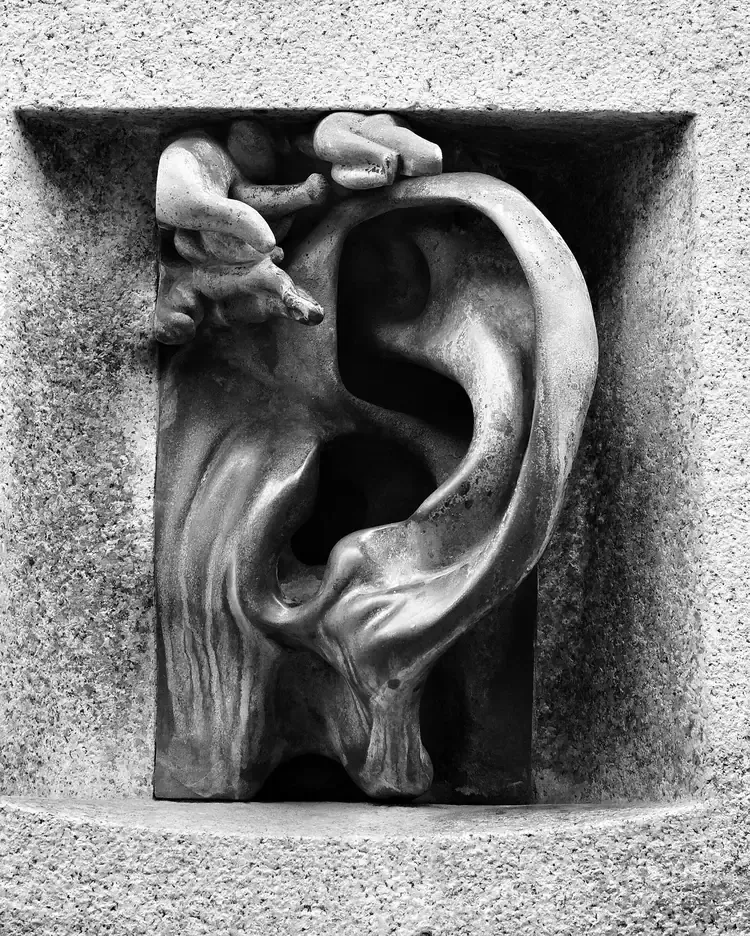
The Bronze Ear of Casa Sola-Busca
A huge bronze ear juts from a doorway in the quiet Zone of Silence, once an early intercom and now the building's affectionate nickname.
Location: Via Serbelloni 10
Photo: "The bronze ear of Casa Sola-Busca (L'orecchio del portinaio)" by Latente Flickr (CC BY-SA 4.0).
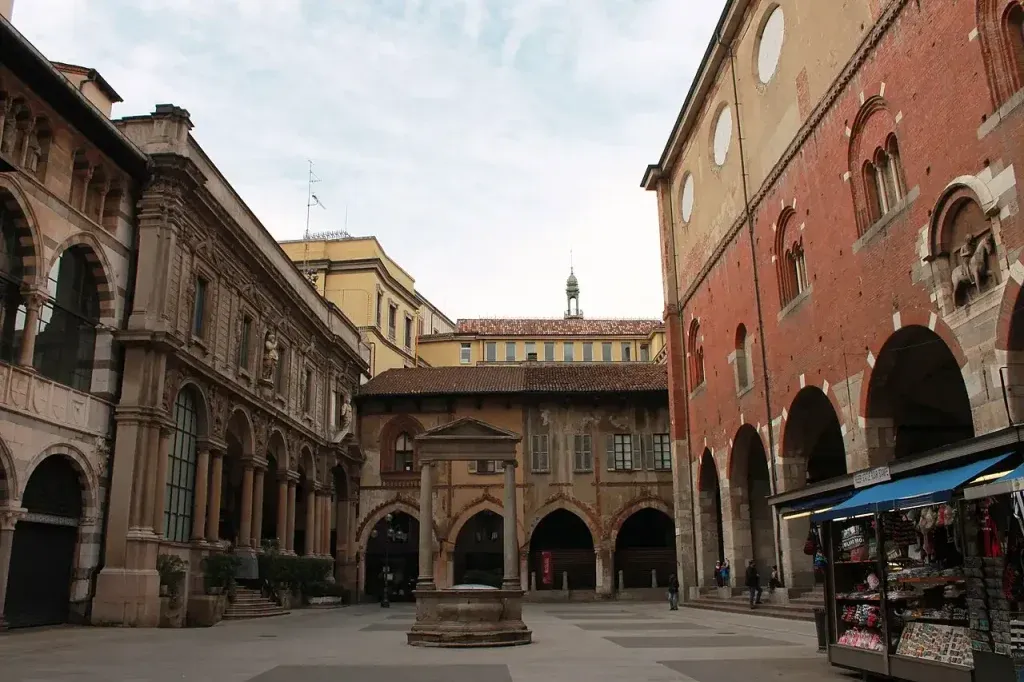
The Loggia dei Mercanti whispering gallery
Whisper to a column under this medieval merchants' portico and the arches carry your words clearly across to someone standing at the opposite corner.
Location: Piazza dei Mercanti
Photo: "Piazza Mercanti, Milan" by Stefano Stabile (CC BY-SA 3.0).
Milan's buried and wartime history
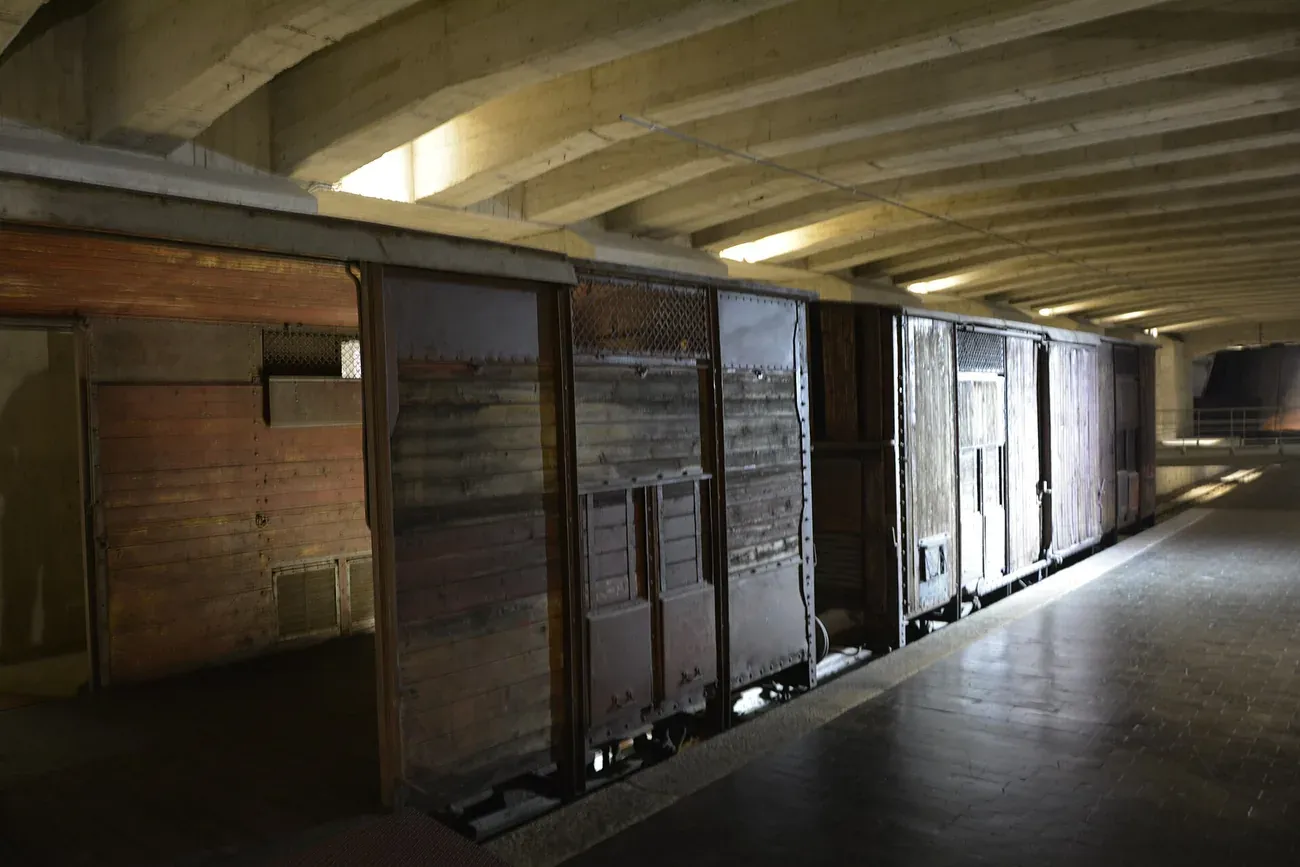
The Shoah Memorial at Platform 21
Below Central Station, the platform where Jews were loaded onto cattle cars for the camps is now a stark memorial marked with the word Indifference.
Location: Piazza Edmond Jacob Safra 1
Photo: "Freight wagon at Binario 21, Shoah Memorial of Milan" by Dario Crespi (CC BY-SA 4.0).
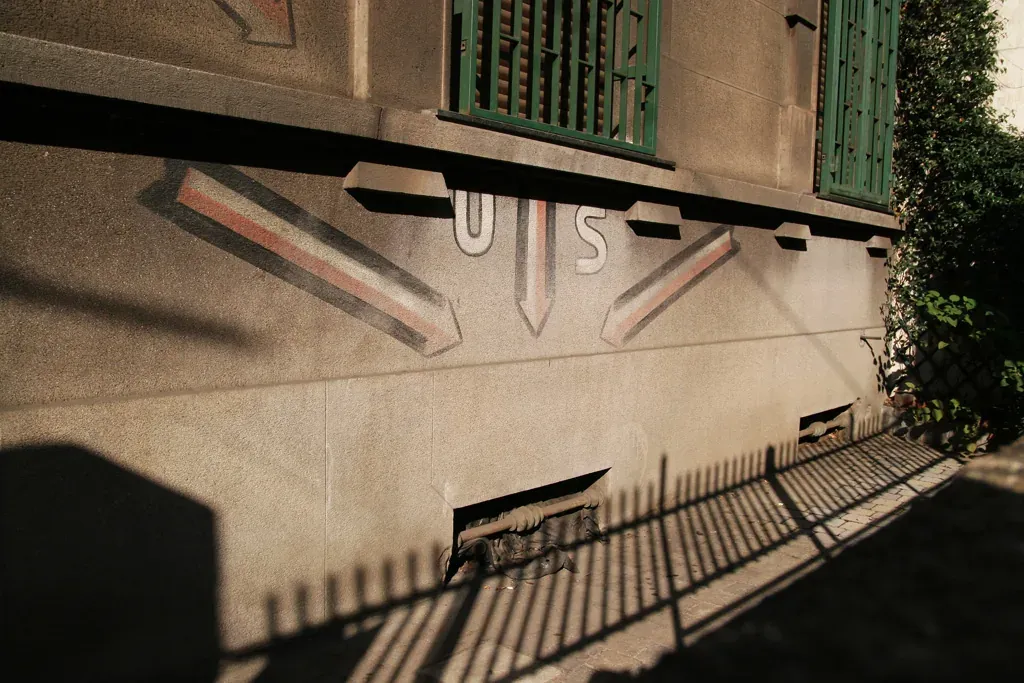
Milan's hidden bomb shelters
A network of tunnels and reinforced rooms built against Allied air raids still runs beneath schools and streets, opened for occasional guided visits.
Location: Via Passerini 8
Photo: "Wartime shelter exit markings on a Milan wall" by dann o_O (CC BY-SA 2.0).
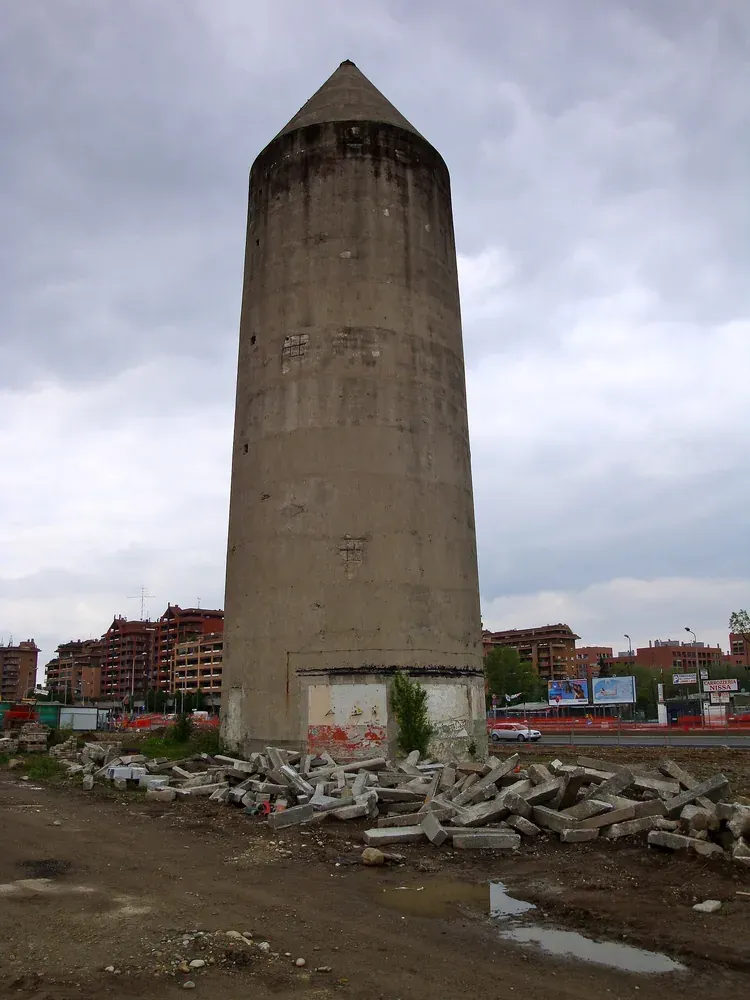
The war obelisk bomb shelter
This hundred-foot concrete cone north of the centre was never a monument but a wartime bomb shelter built to protect a strategic factory's workers.
Location: Via Adriano
Photo: "Conical air-raid shelter tower, Via Adriano, Milan" by Cariafraweb (Public domain).
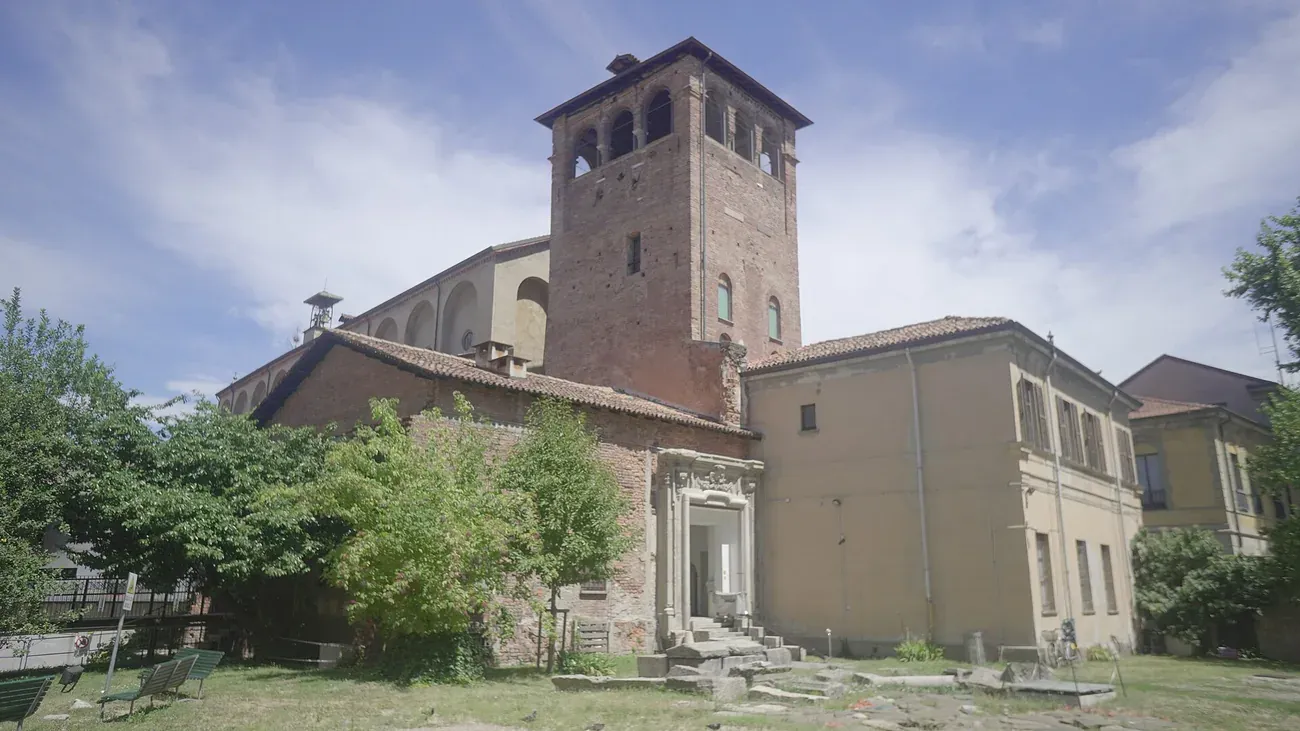
Ruins of the Circo Romano
Fragments of a vast Roman circus from the Tetrarchy survive in walls and street lines around Via Circo, once among the empire's largest.
Location: Via Circo 12
Photo: "Roman circus tower at the Civic Archaeological Museum, Milan" by John Lubbock (CC BY-SA 2.0).
Curious bars and offbeat stops in Milan
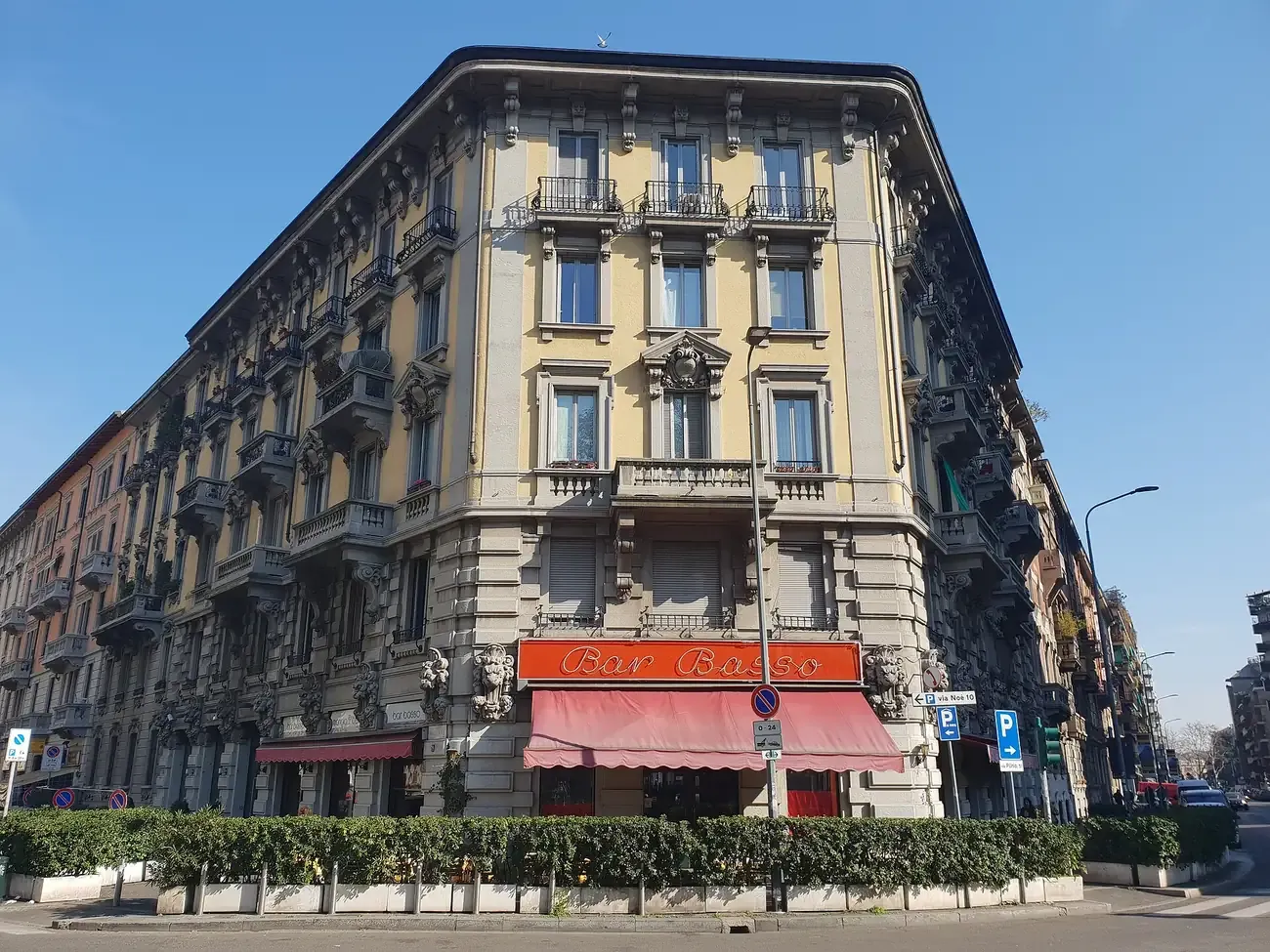
Bar Basso
The Negroni Sbagliato was born here in 1972, when a bartender reached for sparkling wine instead of gin and the mistaken cocktail stuck for good.
Location: Via Plinio 39
Photo: "Bar Basso" by Jwslubbock (CC BY-SA 3.0).
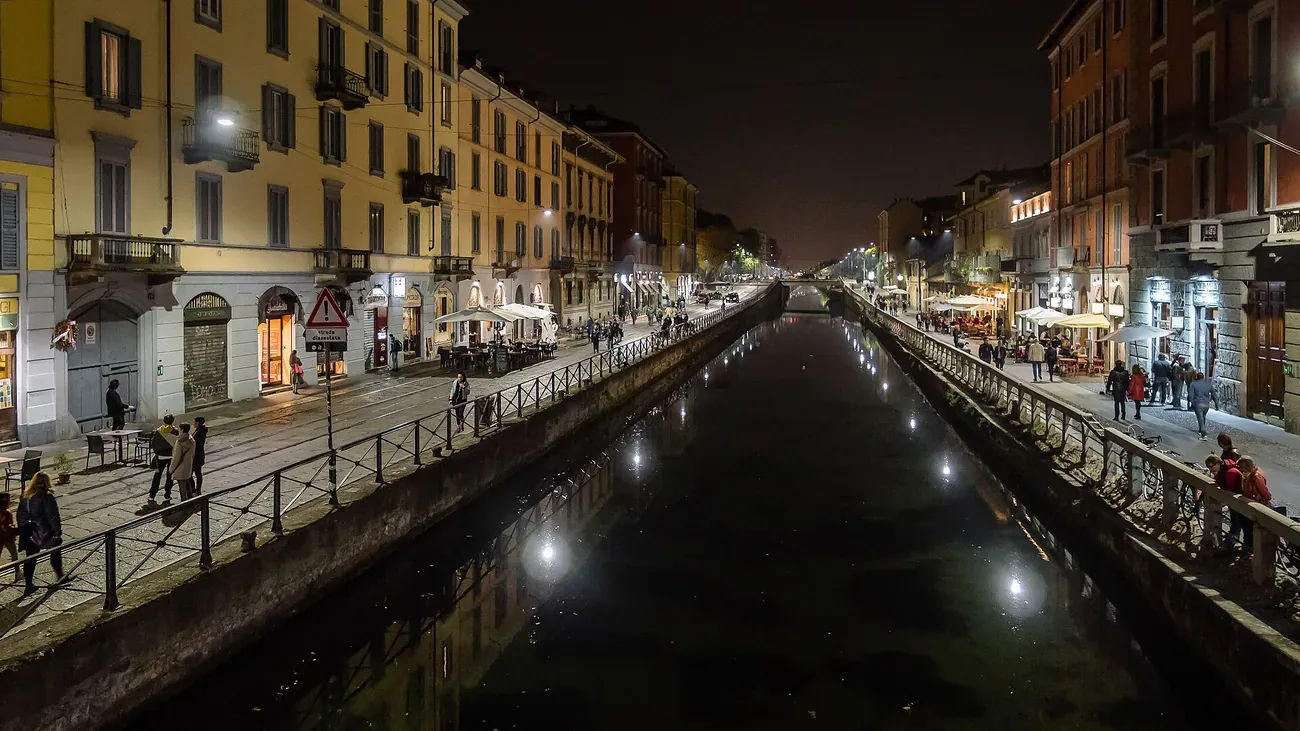
BackDoor 43
Billed as the world's smallest bar, this tiny cabin on the Navigli is booked by the hour as a private club for a few guests.
Location: Ripa di Porta Ticinese 43
Photo: "Ripa di Porta Ticinese, Milano" by Heinz Bunse (CC BY-SA 2.0).
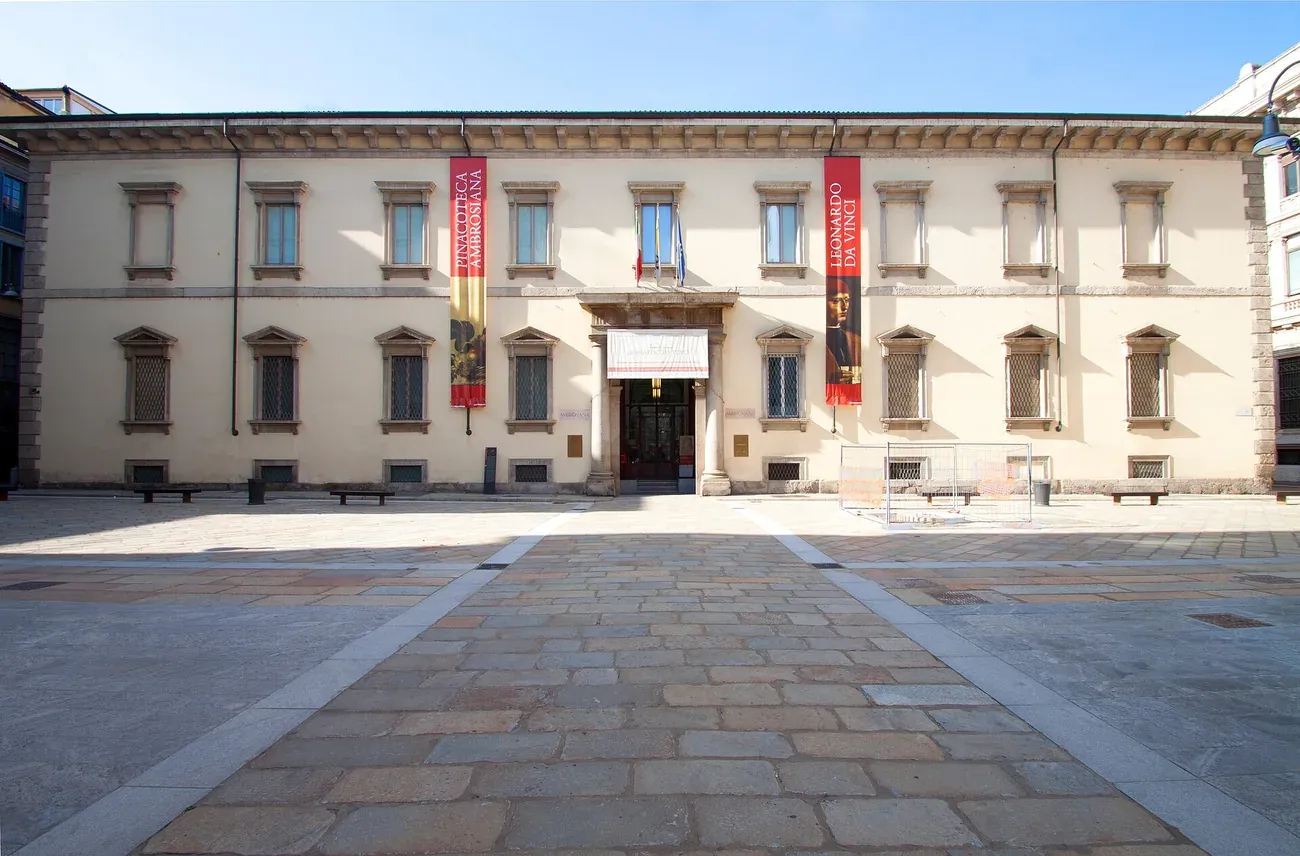
Lucrezia Borgia's love letters
The Biblioteca Ambrosiana keeps the letters between Lucrezia Borgia and the poet Pietro Bembo, along with a lock of blonde hair that once entranced Byron.
Location: Piazza Pio XI 2
Photo: "Biblioteca Ambrosiana, Milan" by Ilnarratario (CC BY-SA 3.0).
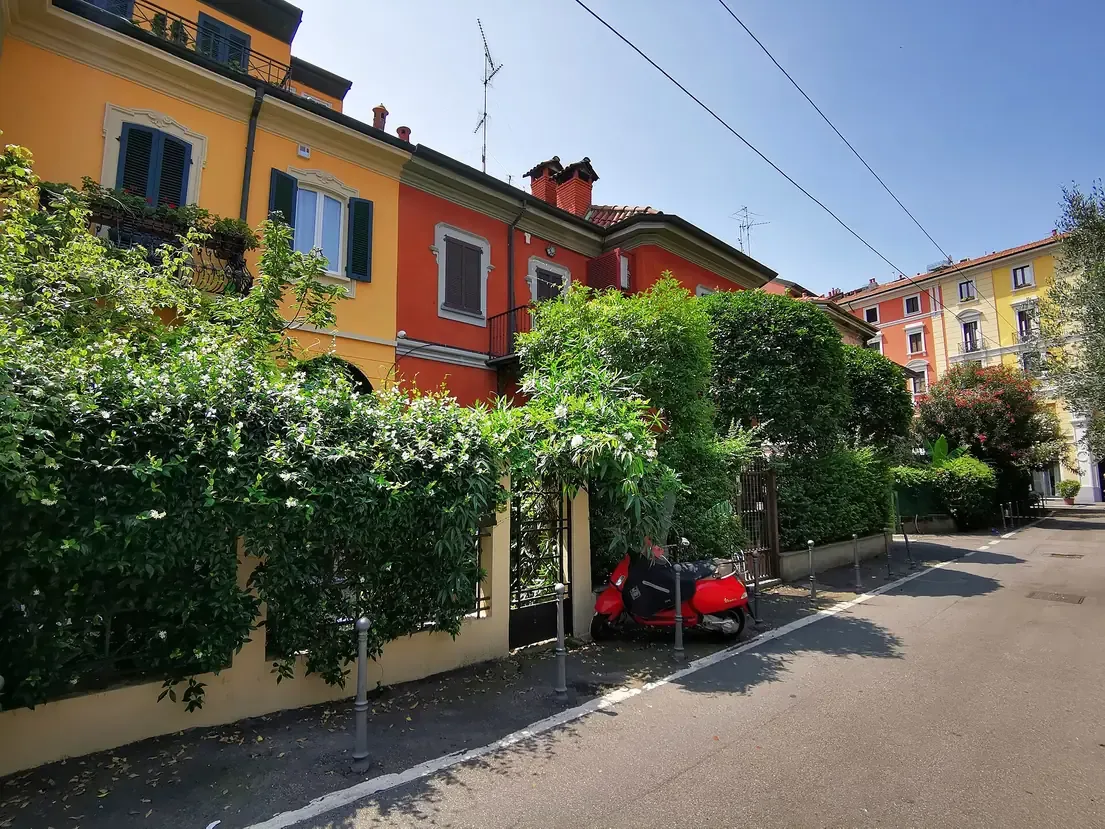
Via Abramo Lincoln
A little-known street of pastel two-storey houses and gardens, nicknamed the rainbow district, feels like a village tucked into the middle of Milan.
Location: Via Abramo Lincoln
Photo: "Via Lincoln, Milano" by Saggittarius A (CC BY-SA 4.0).
What makes Milan special
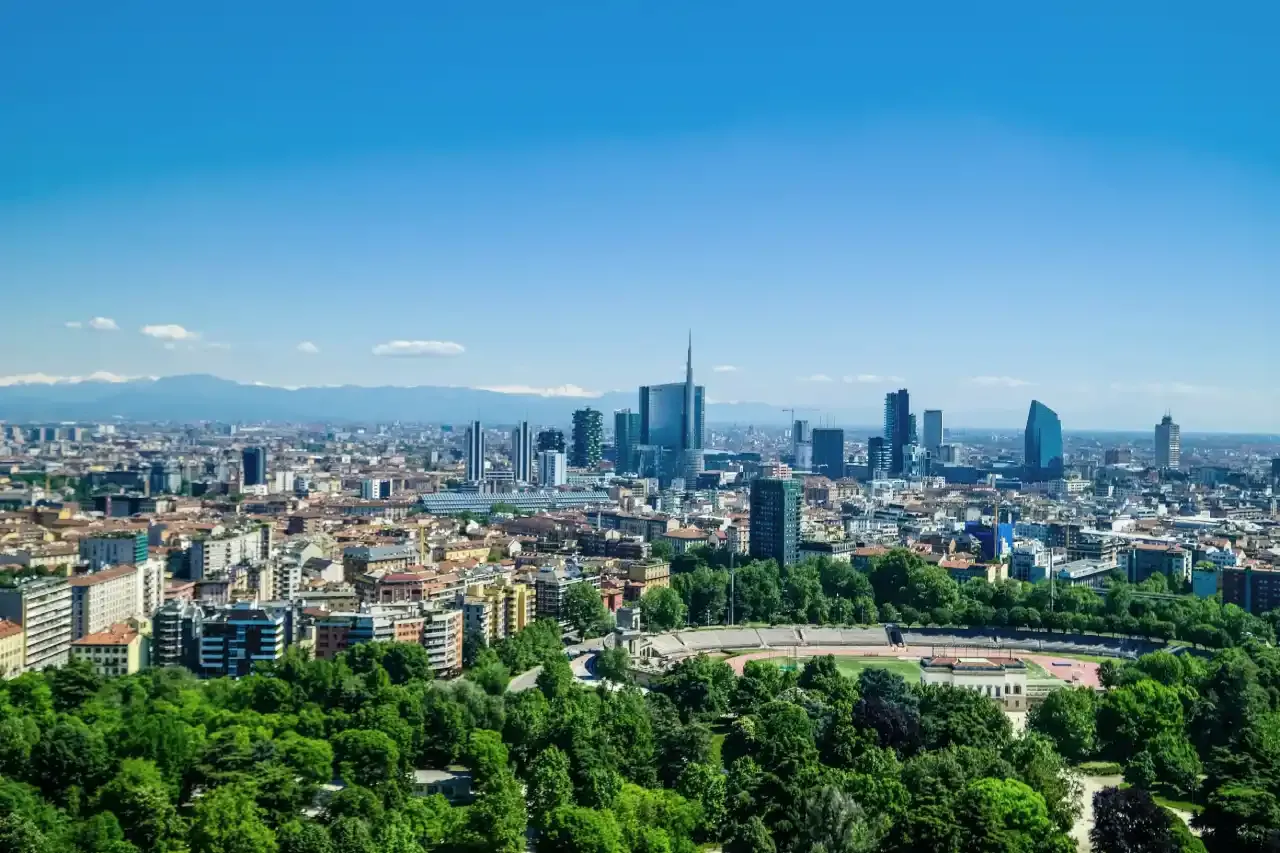
Milan built its fortune on trade and manufacturing rather than ruins, and it shows: the skyline mixes a five century Gothic cathedral with steel and glass towers, and the same streets that hold Leonardo da Vinci's Last Supper also hold the runway calendar of Italian fashion. It rewards visitors who come for design and industry as much as for art.
Neighbourhoods to know
The Centro Storico rings the Duomo with the Galleria, La Scala and the Quadrilatero della Moda, Milan's high fashion streets. Brera keeps cobbled lanes of galleries and restaurants north of the centre. Navigli, south of the Duomo, follows the last open canals to bars and a Sunday antiques market. Porta Nuova and Isola gather the newer skyline, glass towers and the planted balconies of the Bosco Verticale.
When to go and for how long
April to June and September bring mild weather and the fashion and design calendars, including Milan Design Week in April. Many businesses close in August around the Ferragosto holiday, and winters turn cold and often foggy. Two to three full days cover the centre, the Brera and Navigli districts and one major museum.
Getting around
The Centro Storico is walkable end to end, and five metro lines reach the rest of the city, including San Siro and both airports at Linate and Malpensa. Trams still run on several historic routes, and the Navigli and Porta Nuova districts sit a short ride from the Duomo. High speed trains from Milano Centrale reach Turin, Bologna, Florence and Rome in a few hours at most, making the city a practical springboard for Italy's top tourist attractions.